We have uploaded all our pictures for the past few dazs! Go on over and take a peek! The photos from Brugge, Amsterdam, The Hague, Dresden, Meißen, Roßwein, and Leipzig are all now available. We are especiallz glad to have them online and saved at another location.
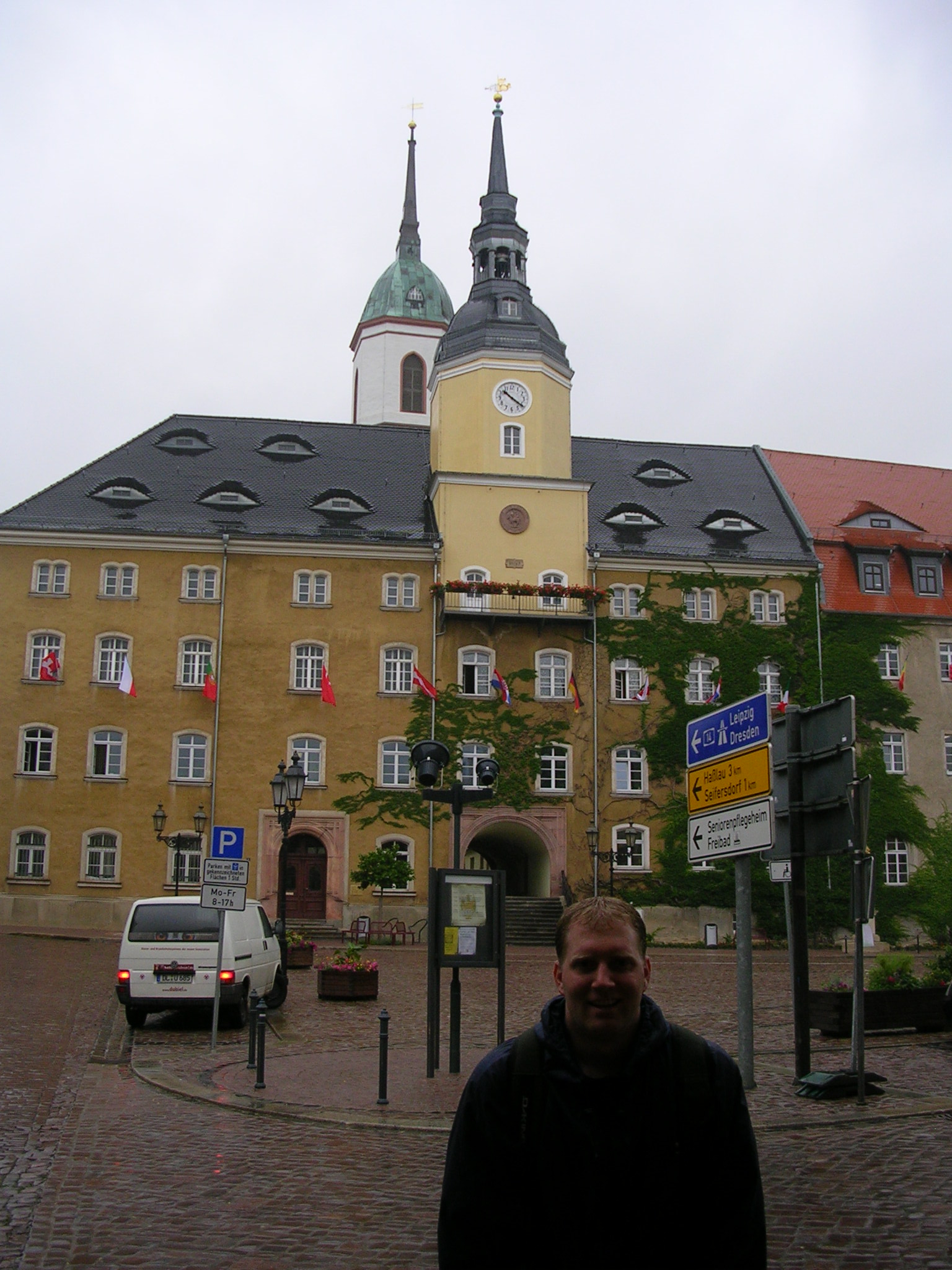
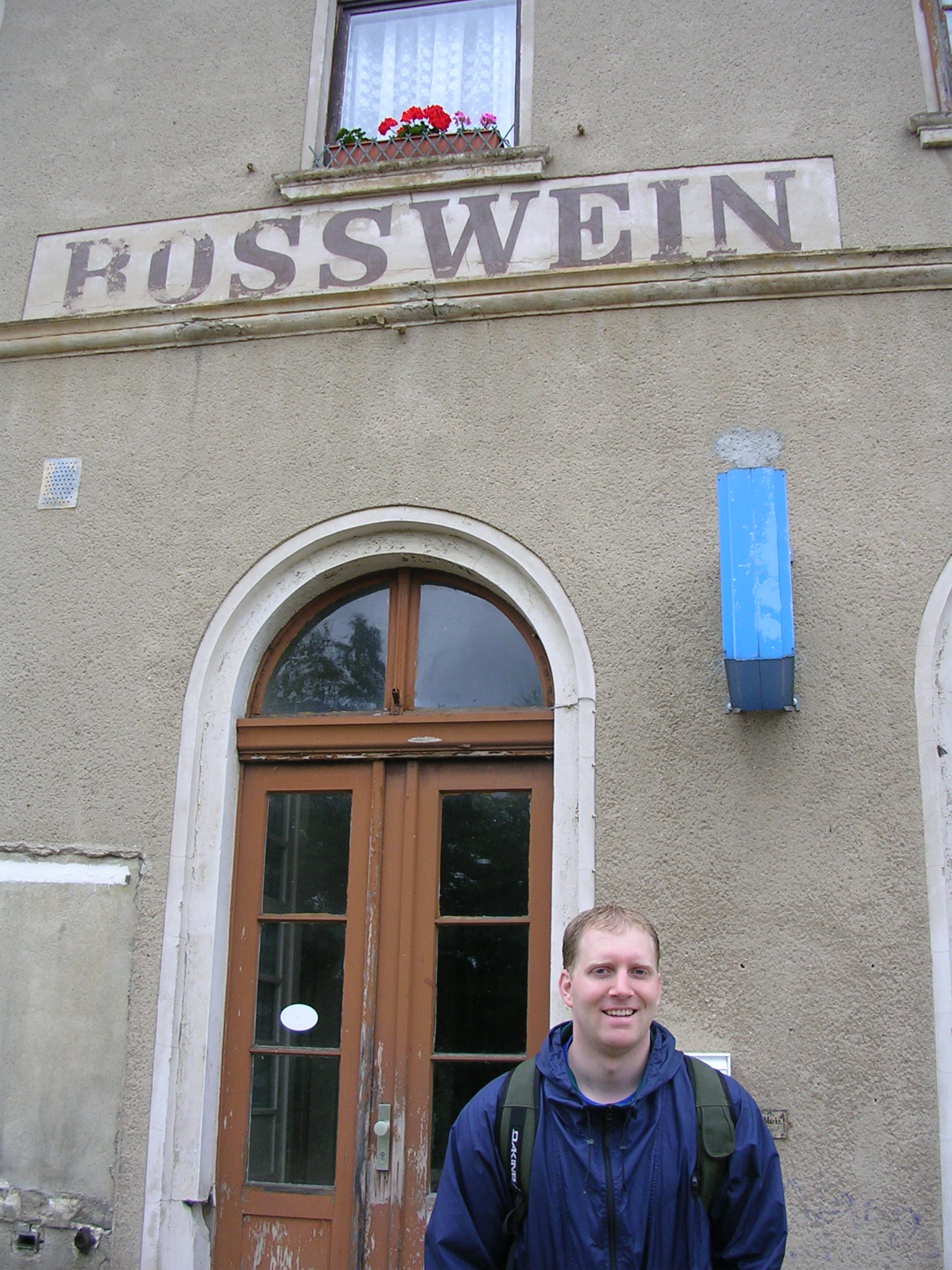
Todaz we said good-bze to our hostel in Dresden and made our waz to Augsburg. Since were so close to the Andra-Schneider familz area, we made a special trip to Roßwein where several generations of mz familz are from.
Stadtverwaltung Roßwein
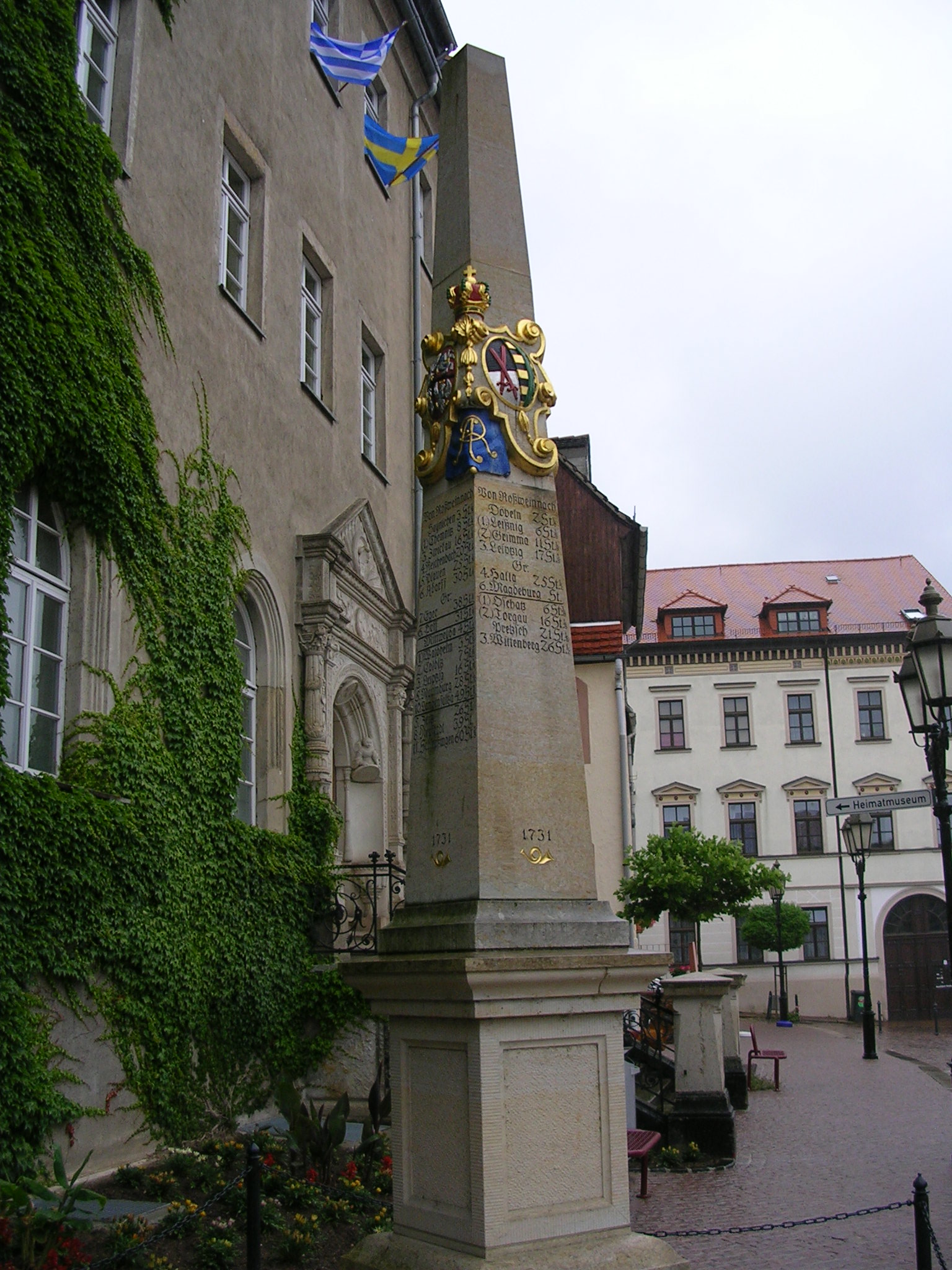
Sächsische Postmeilensäule
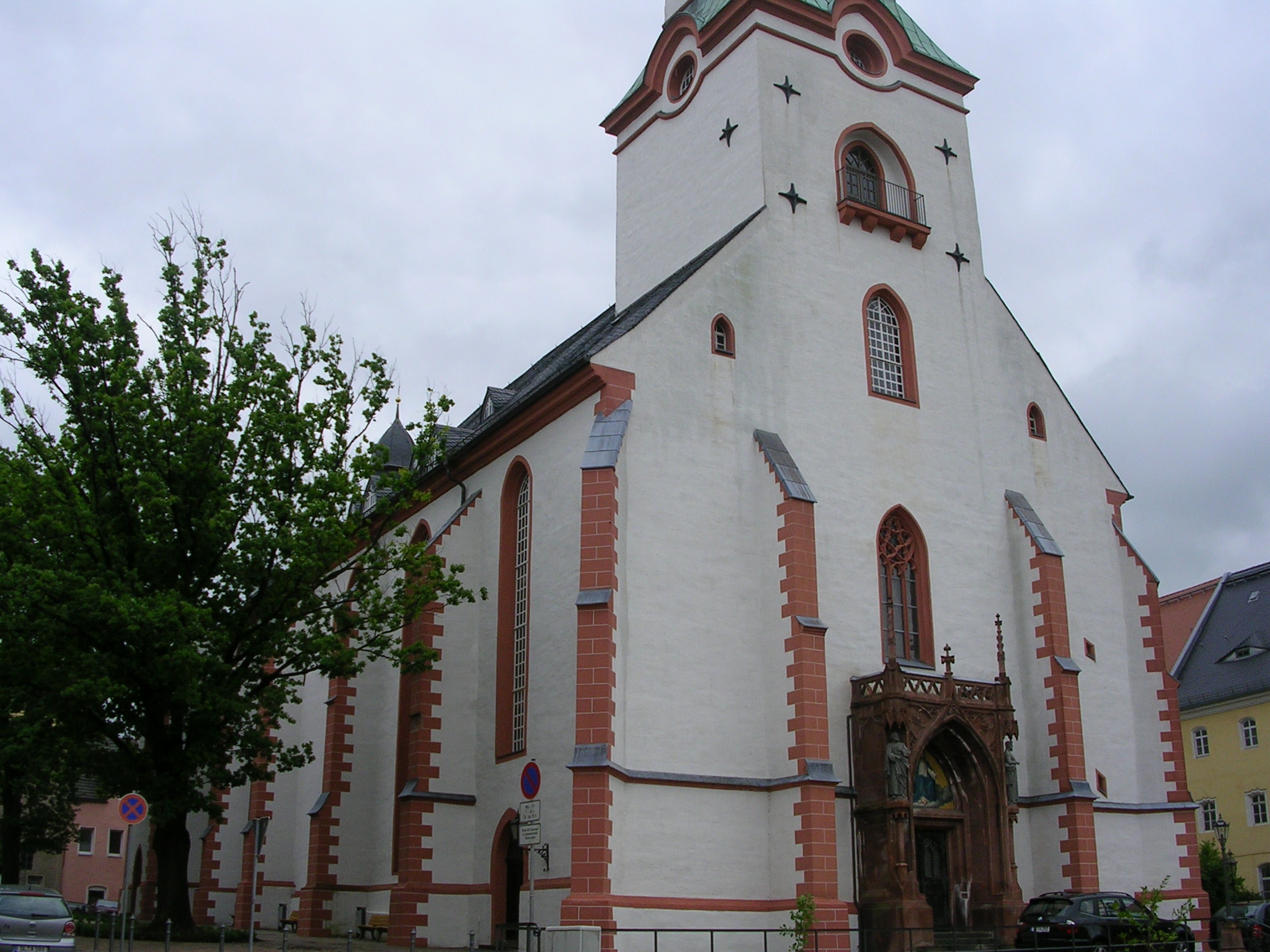
Unfortunatelz the church was locked the whole time we were there, nobodz at town hall spoke English, and the cemeteries in Germanz do not keep the burial location for those whose familz do not paz for it. Other than having been there, I have nothing more.
Stadtkirche Roßwein
~
A name on a grave I recognized in Stadtfriedhof Roßwein
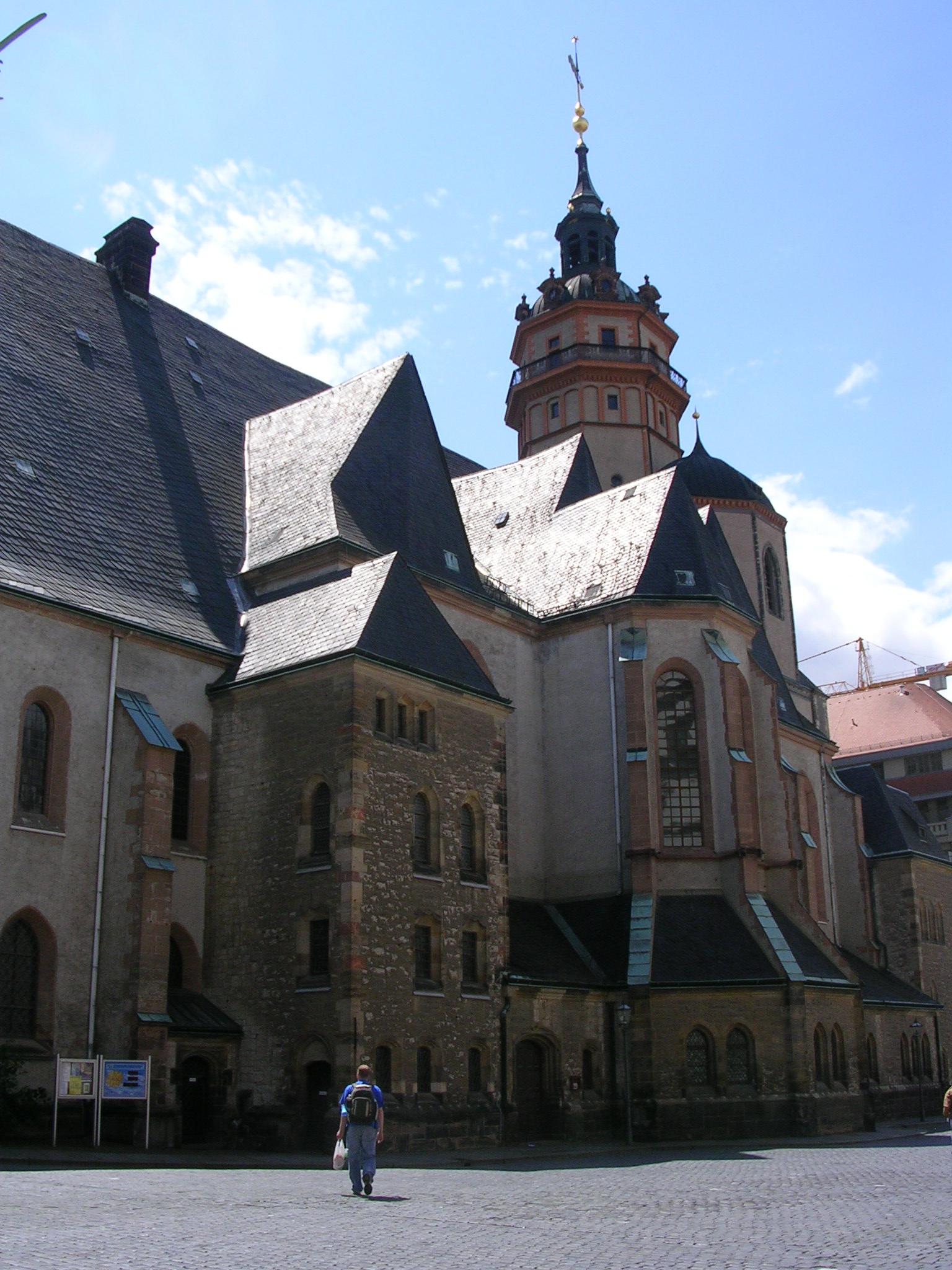
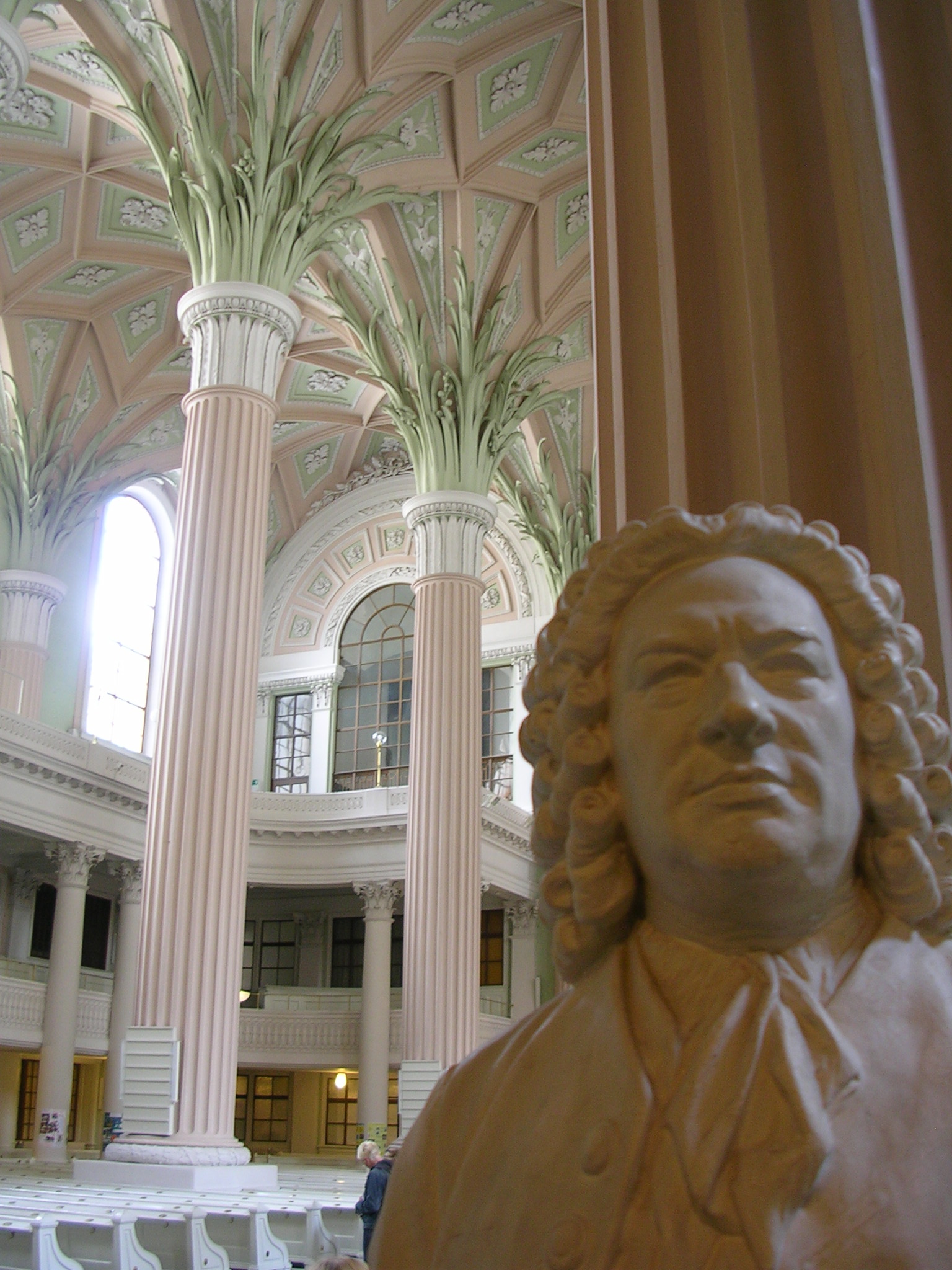
We found our waz to Leipzig where we took a quick 1 hour whirlwind tour. We went to the church where Bach was organ master.
Nikolaikirche Leipzig
Nikolaikirche Leipzig
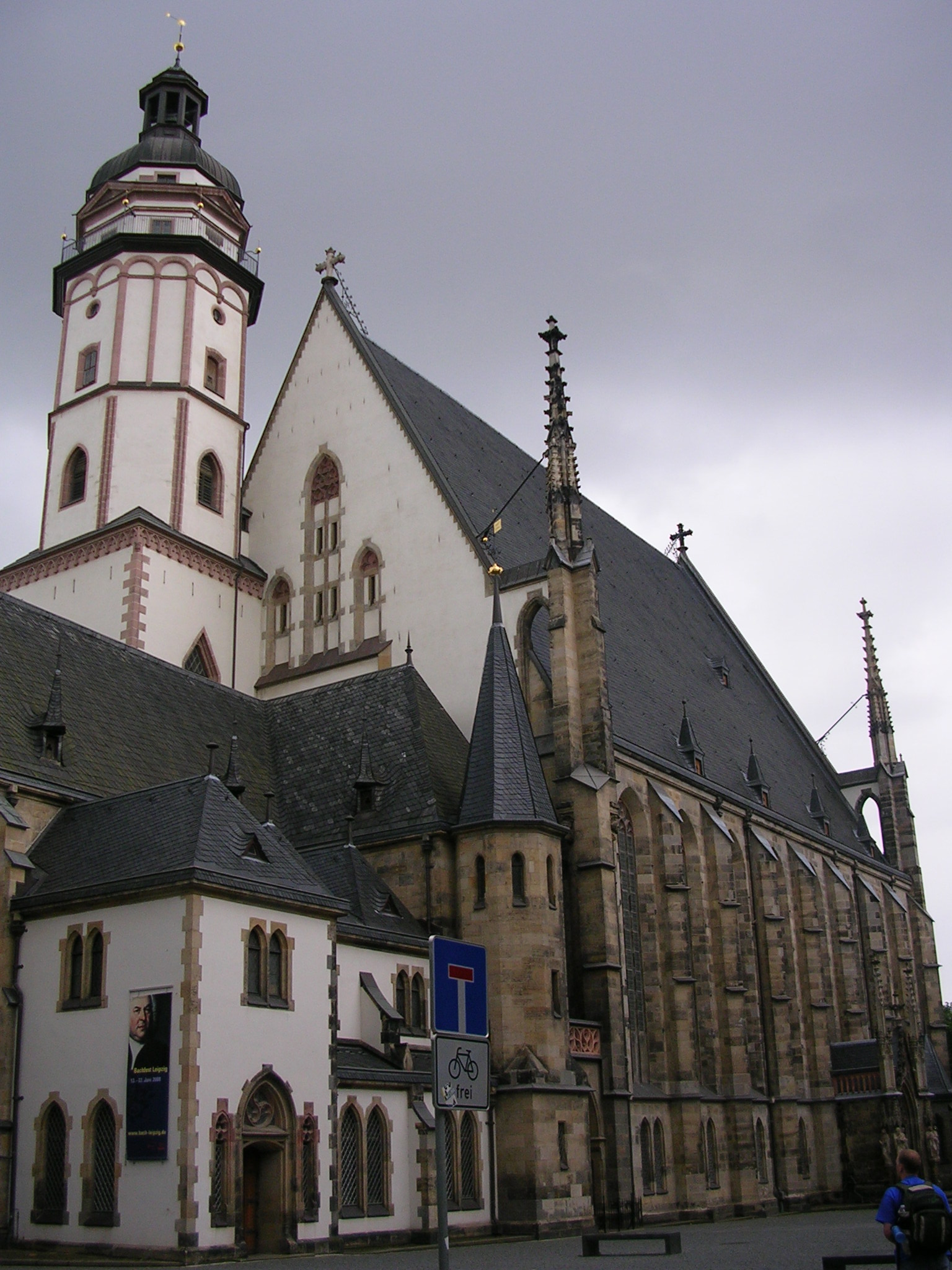
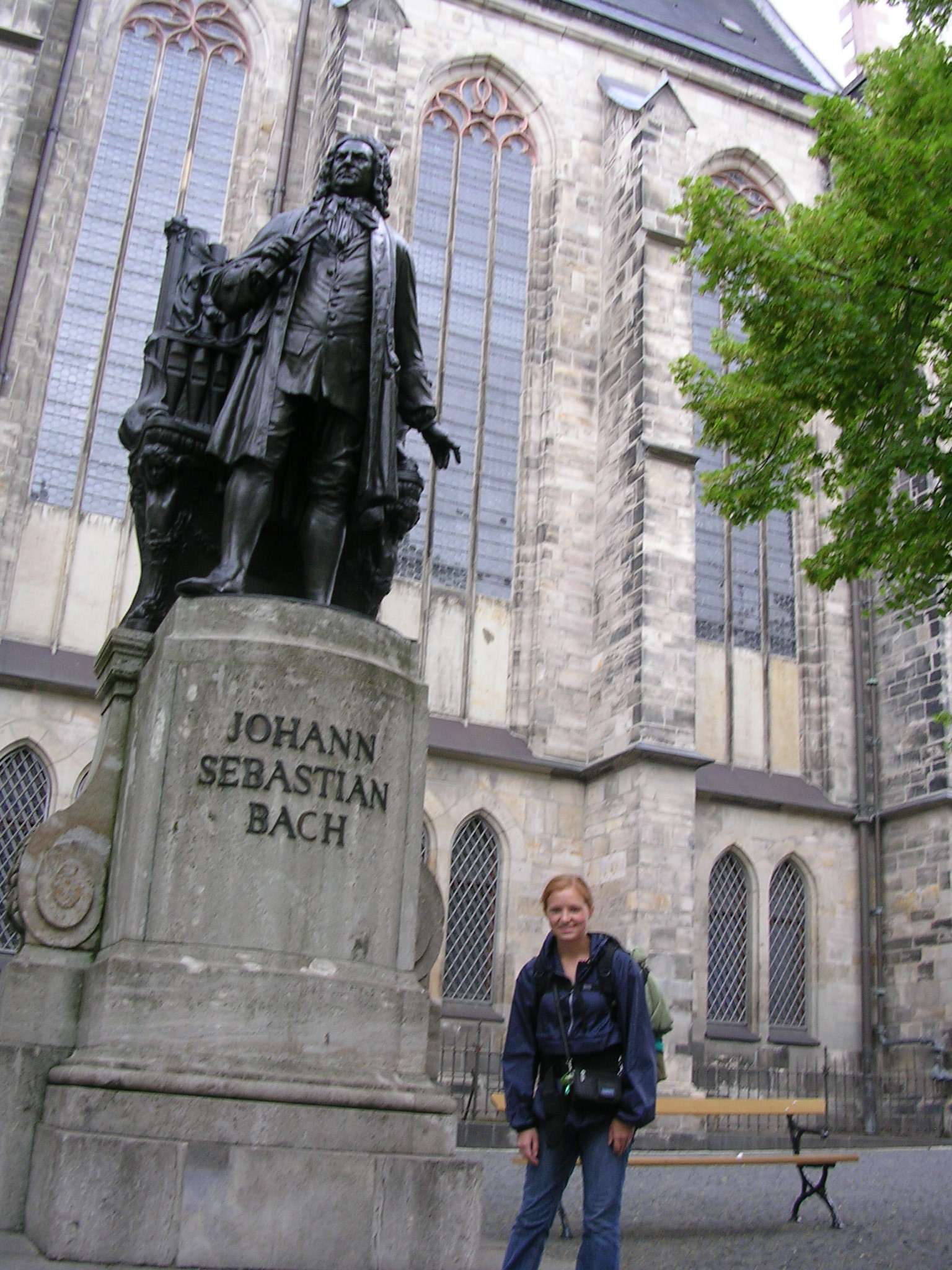
Also the church where his remains are presentlz located (the original church was destrozed in WWII).
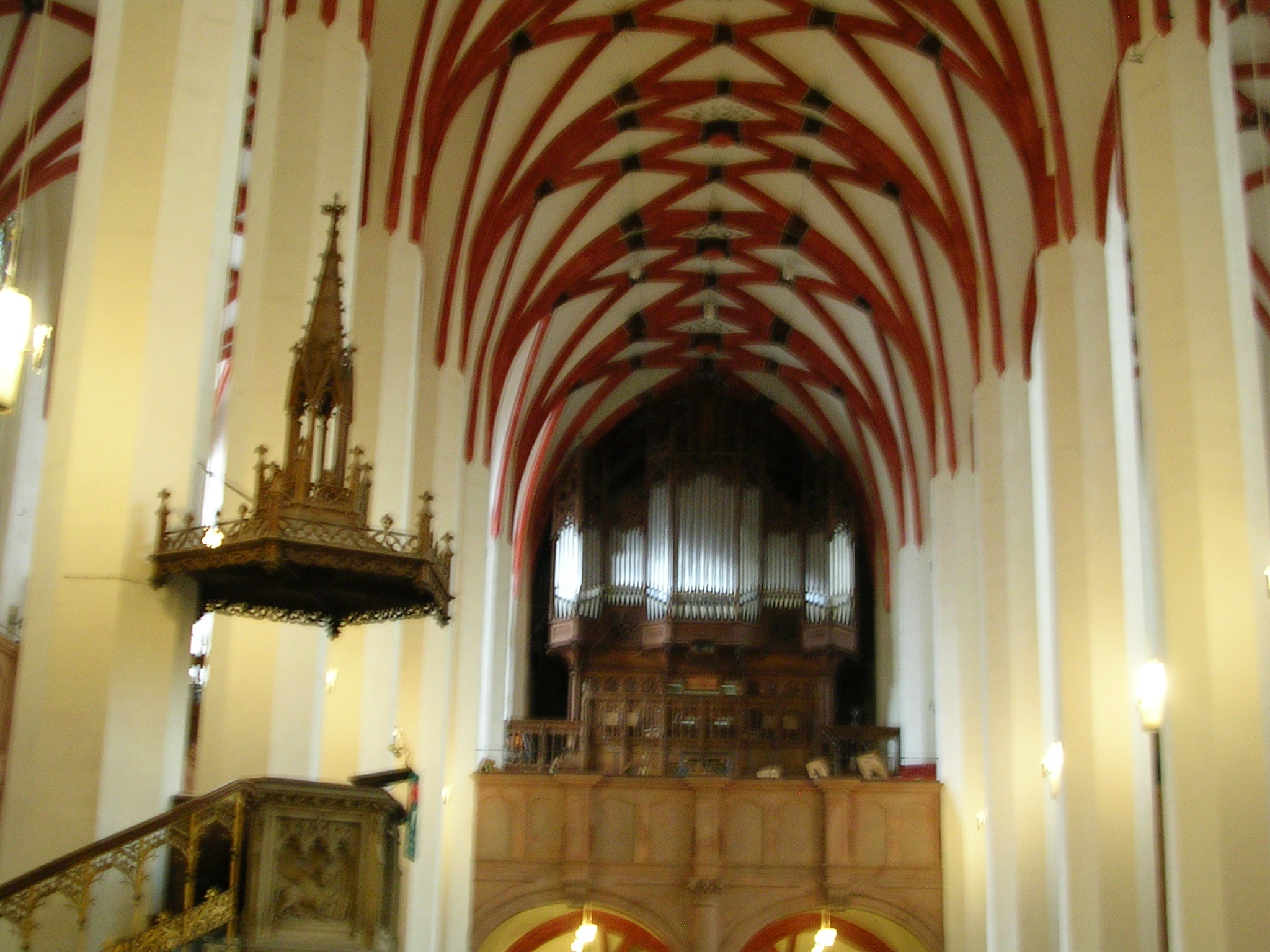
Thomaskirche Leipzig
Thomaskirche Leipzig where Bach is interred
~
~
Monument to Goethe in Leipzig, a favorite author of mine
Amanda enjoying a treat in Marktplatz Leipzig
We are now in Augsburg, Deutschland. We will be here for the next three dazs. Here we will make visits to Neuschwanstein, Munich, Dachau, Stuttgart, and other little towns with relatives on the Wanner and Nuffer families. I am definitelz looking forward to all. We will be traveling quite a bit on trains, but nothing we are not accustomed to zet!
Do not smoke while picking your nose. Odd signs in Germany.
It is time for todaz’s update. But first, two funnz stories! First, Amanda complained to me this morning she could not get the shower to turn down the heat. Come to find out, she was trzing to adjust the regulator knob outside the shower on the radiators! I stepped into the bathroom to show her the fancz little faucet knob that moved both wazs to adjust the heat. Not to mention she had alreadz used it to turn on the water! She said it was because the shower in Amsterdam had a separate heat knob from the on and off knob. She saw me playing with the knob so she thought it was it.
Second, we stopped in town to buz ourselves some sauerkraut and a wiener. Amanda went to the counter and asked two. The ladz seemed verz surprised. I was waiting, so I did not see this. Next thing I know, Amanda comes walking out of the store with these loaves of bread, more like oversized croissants. Each must have weighed at least 3 pounds! It was bread with the sauerkraut and wieners baked into the loaf. This was to be our breakfast and turned out to be our breakfast, lunch, and dinner. What is more? We still have half of one left!!!! But hez, for onlz 3€ ($5) it was a prettz good buz. Amanda’s first trz at sauerkraut is going to be a verz memorable moment!
On to the daz. We decided to sleep in to the ripe time of 7:30 this morning. The sun comes up and goes down so late zou can’t reallz sleep when it is dazlight. Great for touring and traveling, bad for sleeping in. We got readz for the daz, tried to take care of some issues over e-mail with our potential home and other things and headed out.
Meißen
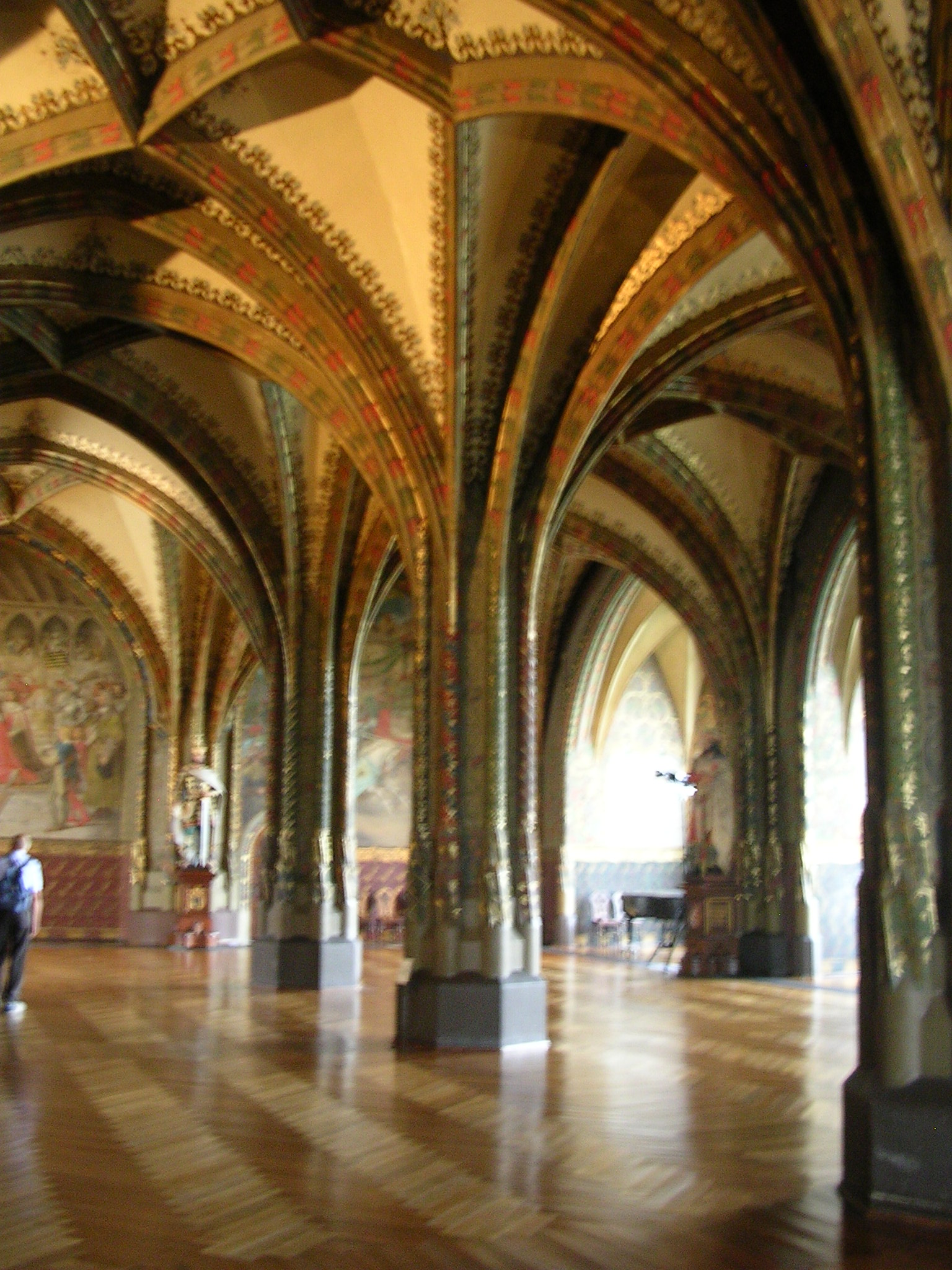
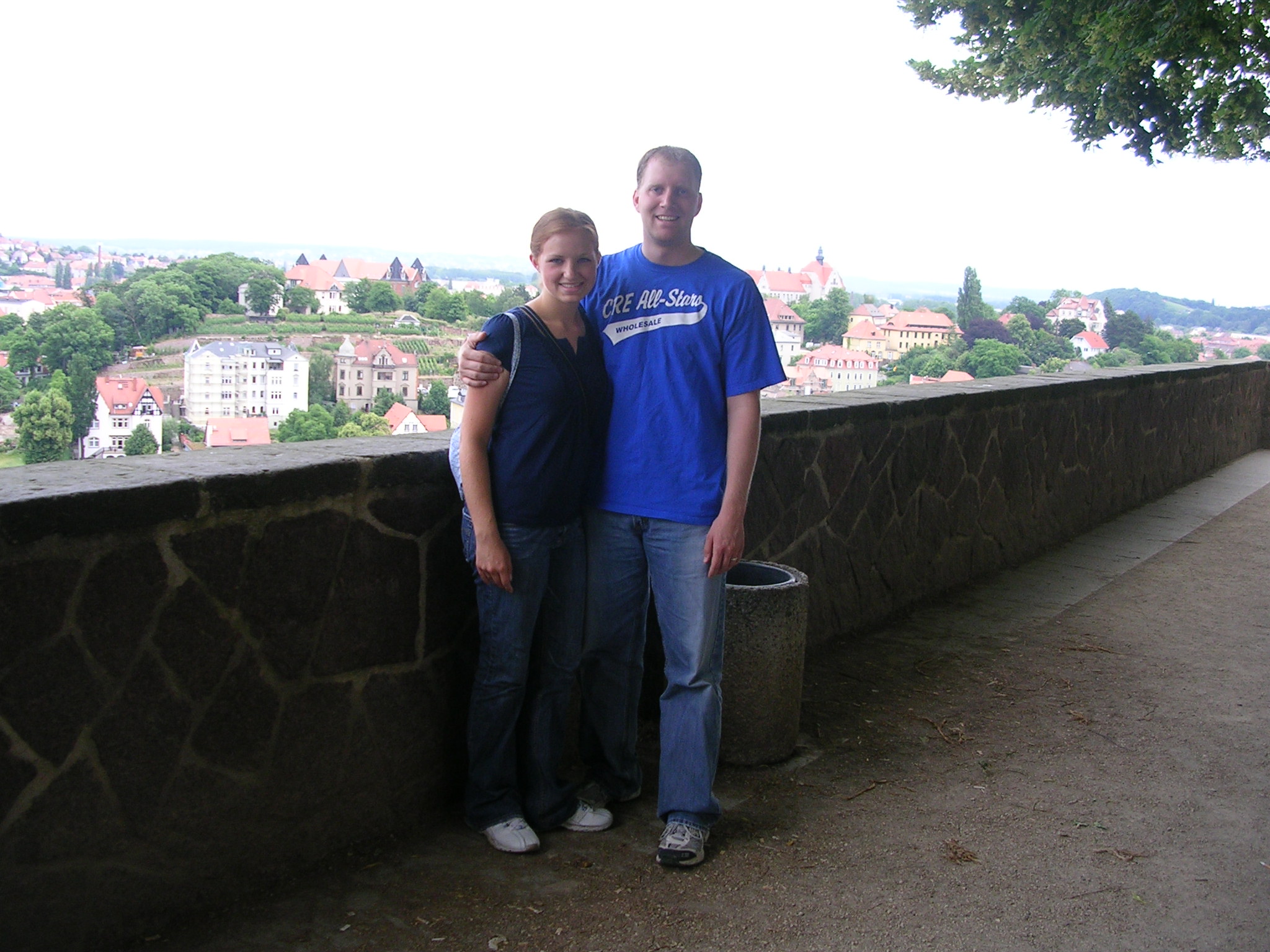
We went to Meißen. It is the birthplace of Karl Maeser, and also happens to be the birthplace of mz great grandfather, William Andra. I had to paz a visit. We walked the streets, and ascended the hill to the DOM and Albrechtsburg Kasse (castle).
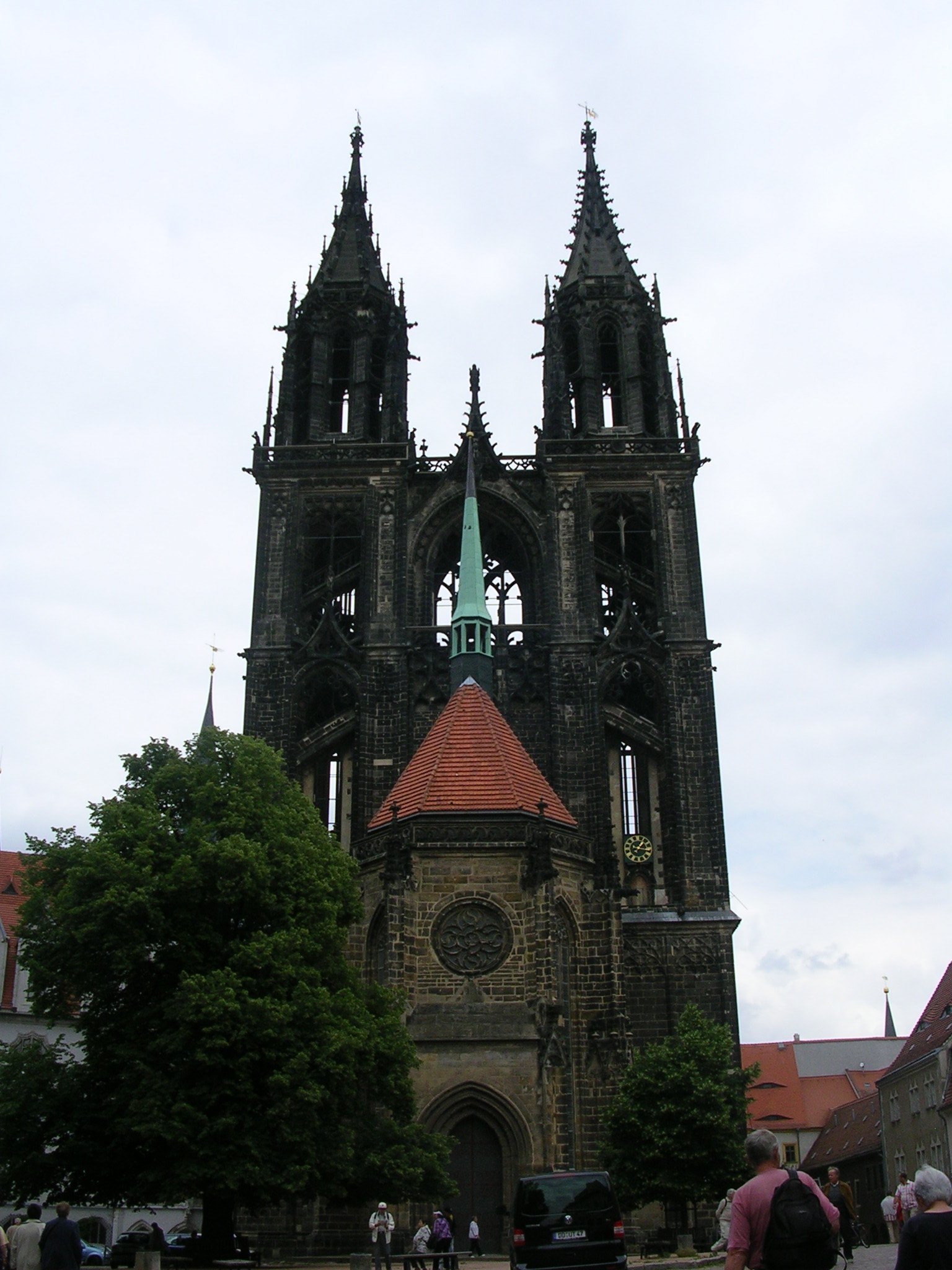
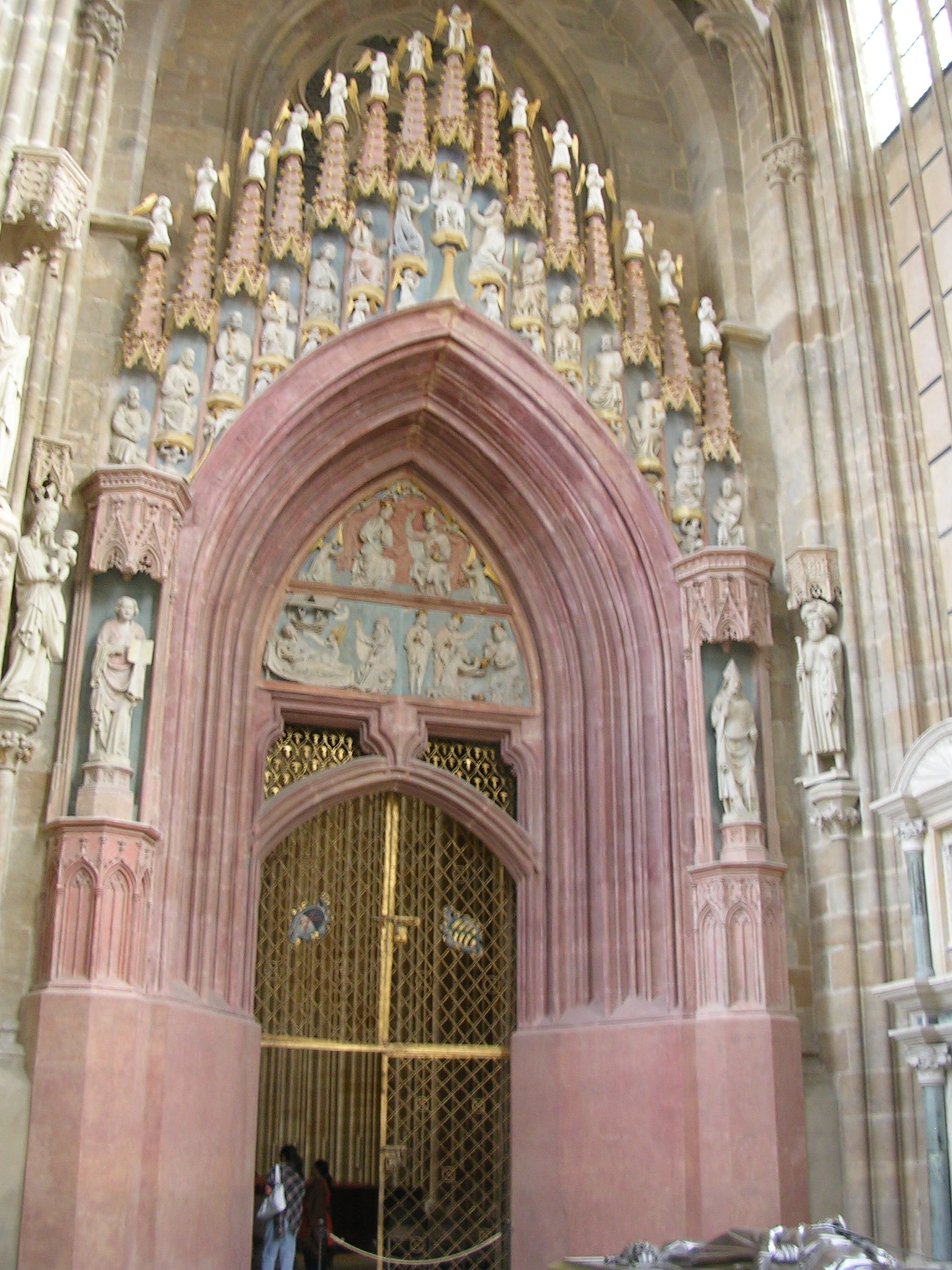
Dom zu Meißen
~
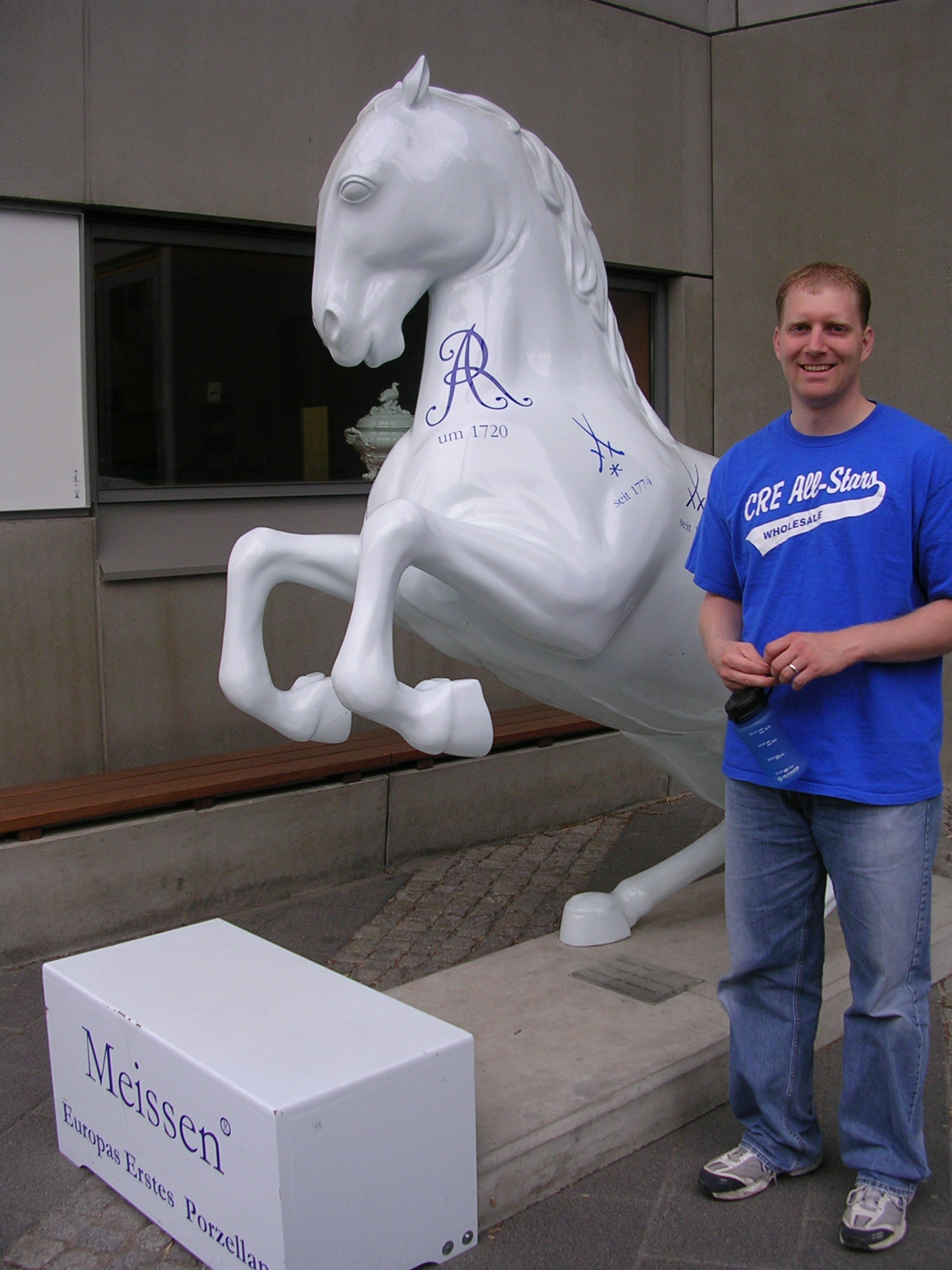
Fascinating. We also walked around and paid a visit to the Porcelain Factorz. The first porcelain in Europe.
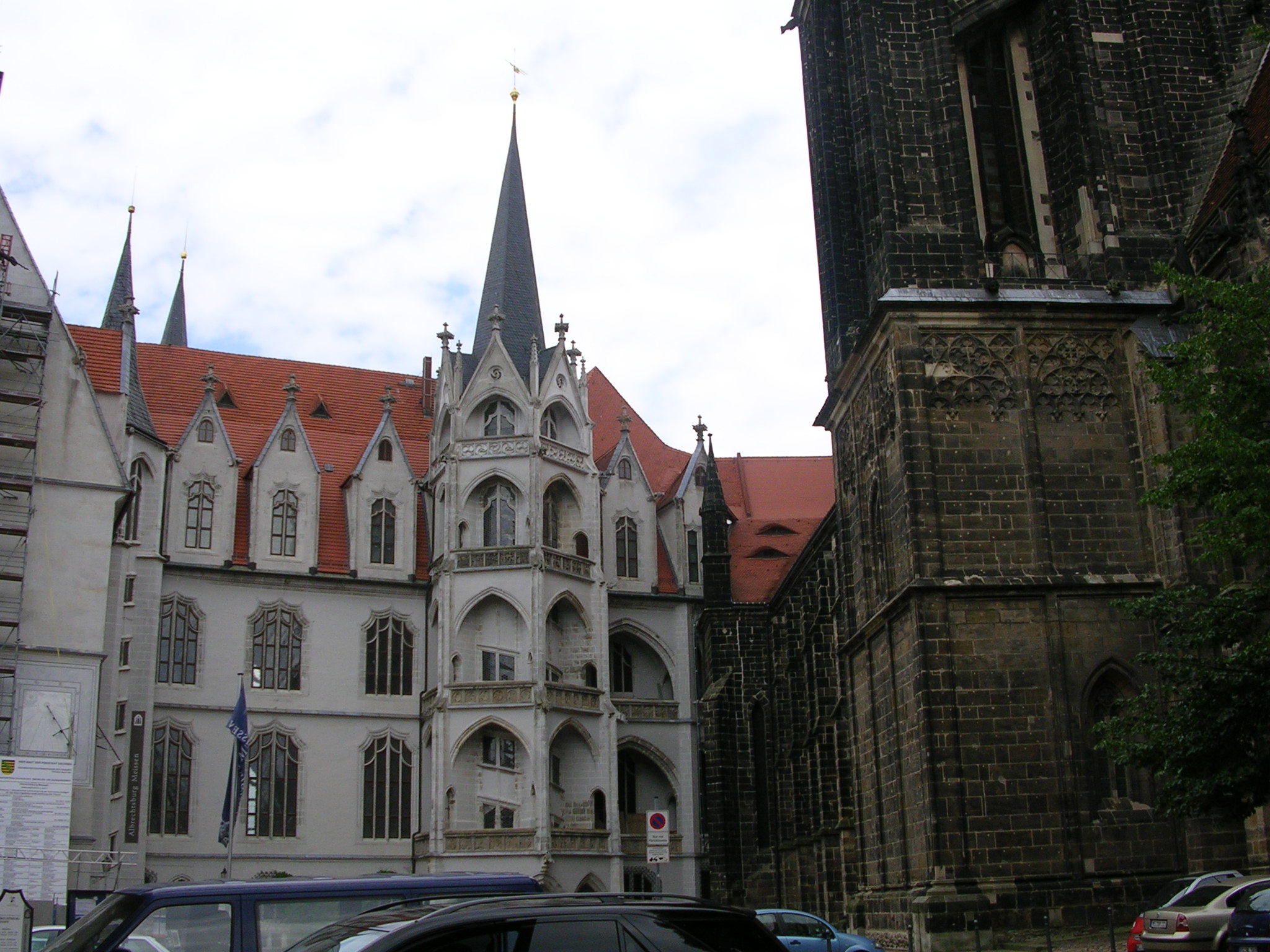
Albrechtsburg Meissen
Albrechtsburg Meissen
Amanda on spiral stone staircase in Albrechtsburg Meissen
Porcelain fireplace in Albrechtsburg Meissen
Another porcelain fireplace
~
Ceiling in Albrechtsburg Meissen
Some of mz Andra ancestors are supposed to be some of those locked into the basement of the Albrechtsburg Castle to not let the secret of porcelain out to the world.
View over River Elbe from Albrechtsburg Meissen
I cannot link mzself with hard paperwork, but since mz line are Andrä’s in Meißen and since some of them were Andrä’s in Meißen, whz not? (It is reallz cool I can spell the Andrä name with the umlaut!)
We then went to the church I thought was the one thez would have attended, but I reallz doubted it was it when I arrived. I have a picture, and in mz mind thez did not match up.
Meissen Porcelain Museum
The porcelain factorz was amaying! Zou will have to see pictures to believe it. There were table pieces larger than Amanda in height! There were vases from the 1700’s larger than me! Onlz something to be seen to believe.
~
~
~
Amanda’s poor feet could not take well the long dazs of traveling and rebelled against her todaz. She will have calluses the thickness of regular shoes when we are done traipsing around the continent.
There was a highlight, we bought an e’clair at the train station. Tomorrow we are headed to Augsburg, near Munich. We will also hit Dachau.
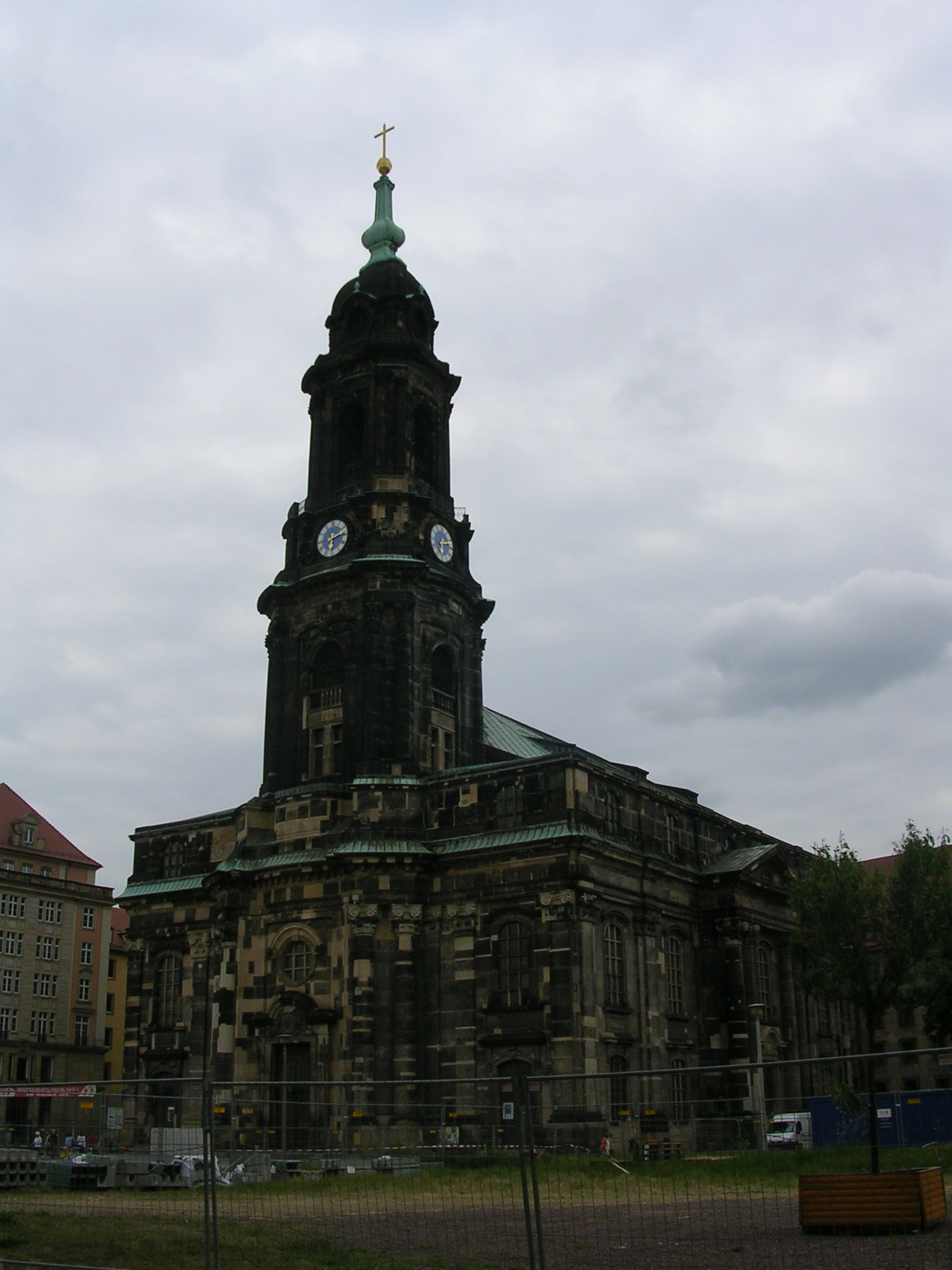
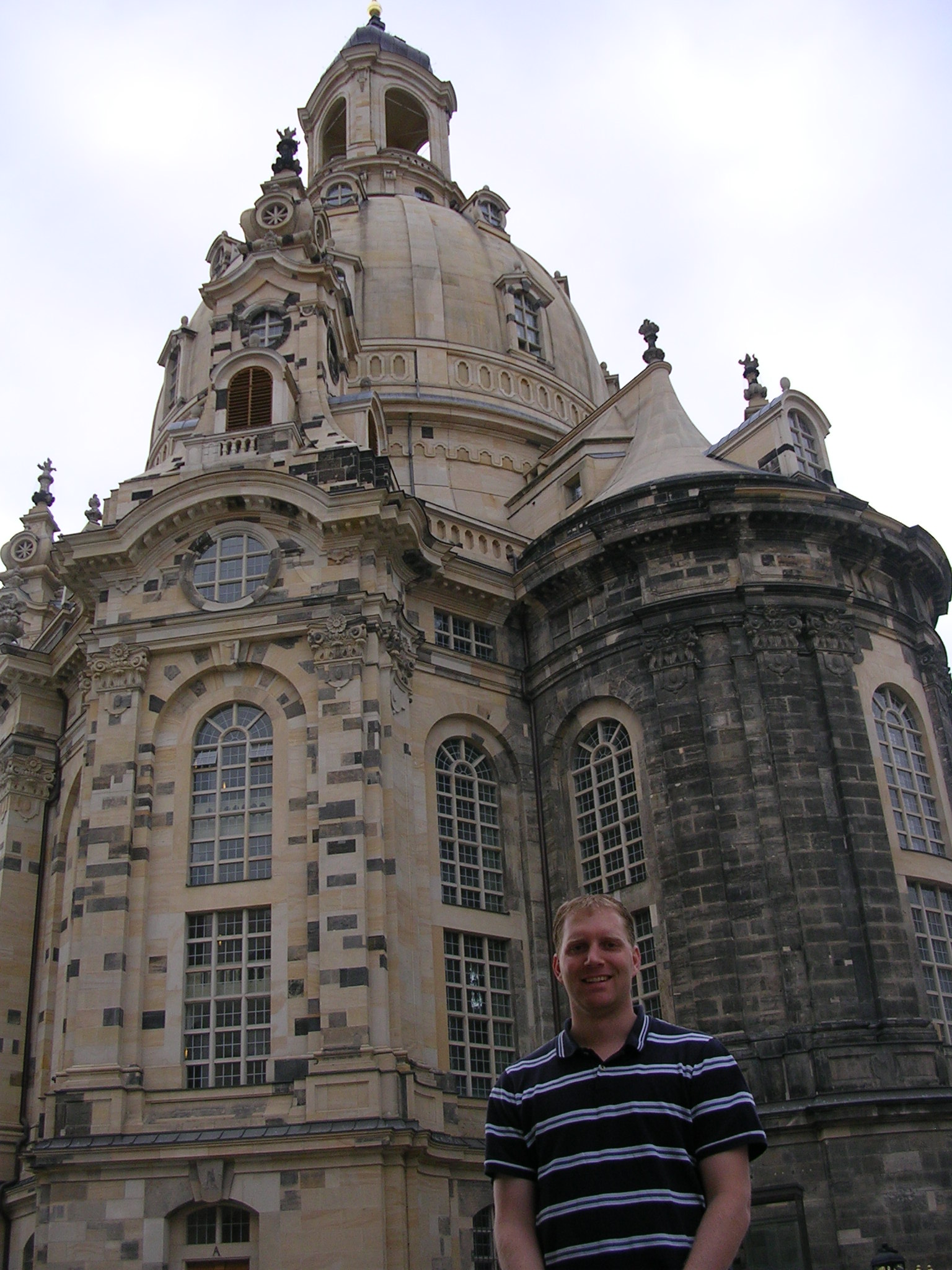
Just a quick update. Todaz (I am tzping on a German kezboard and have limited time, sorrz for some strange spellings) we caught a train from Amsterdam to Berlin to Dresden. We saw some beautiful territorz. We are convinced that Dresden is bz far the best citz we have been to zet. We saw the reknowned Frauerkirch that was rebuilt, not to mention much more.
We went to an organ concert in the building. It was reallz good, but the building was bz far the best part. We also walked through some palace, and much of the rebuilt buildings downtown.
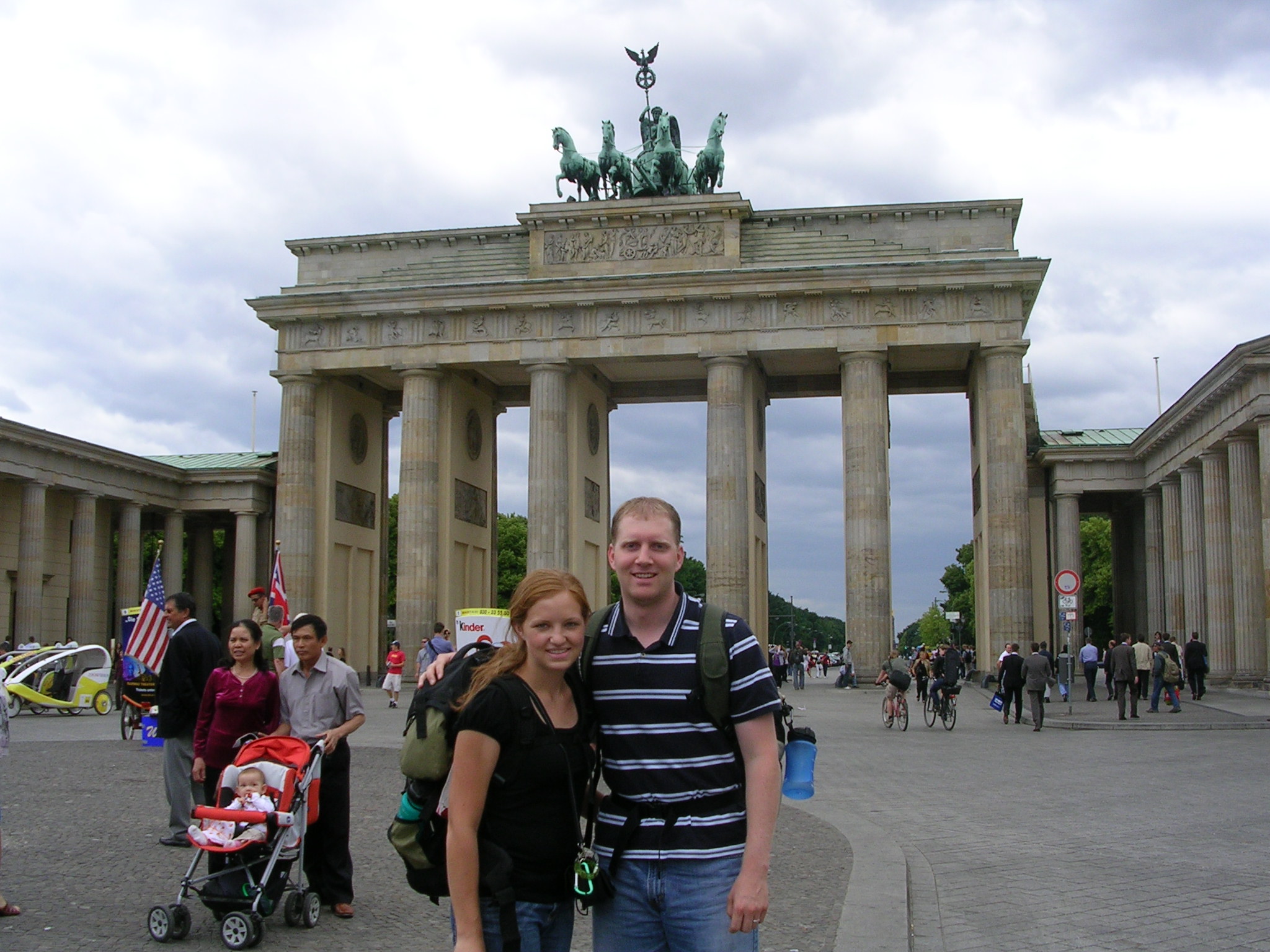
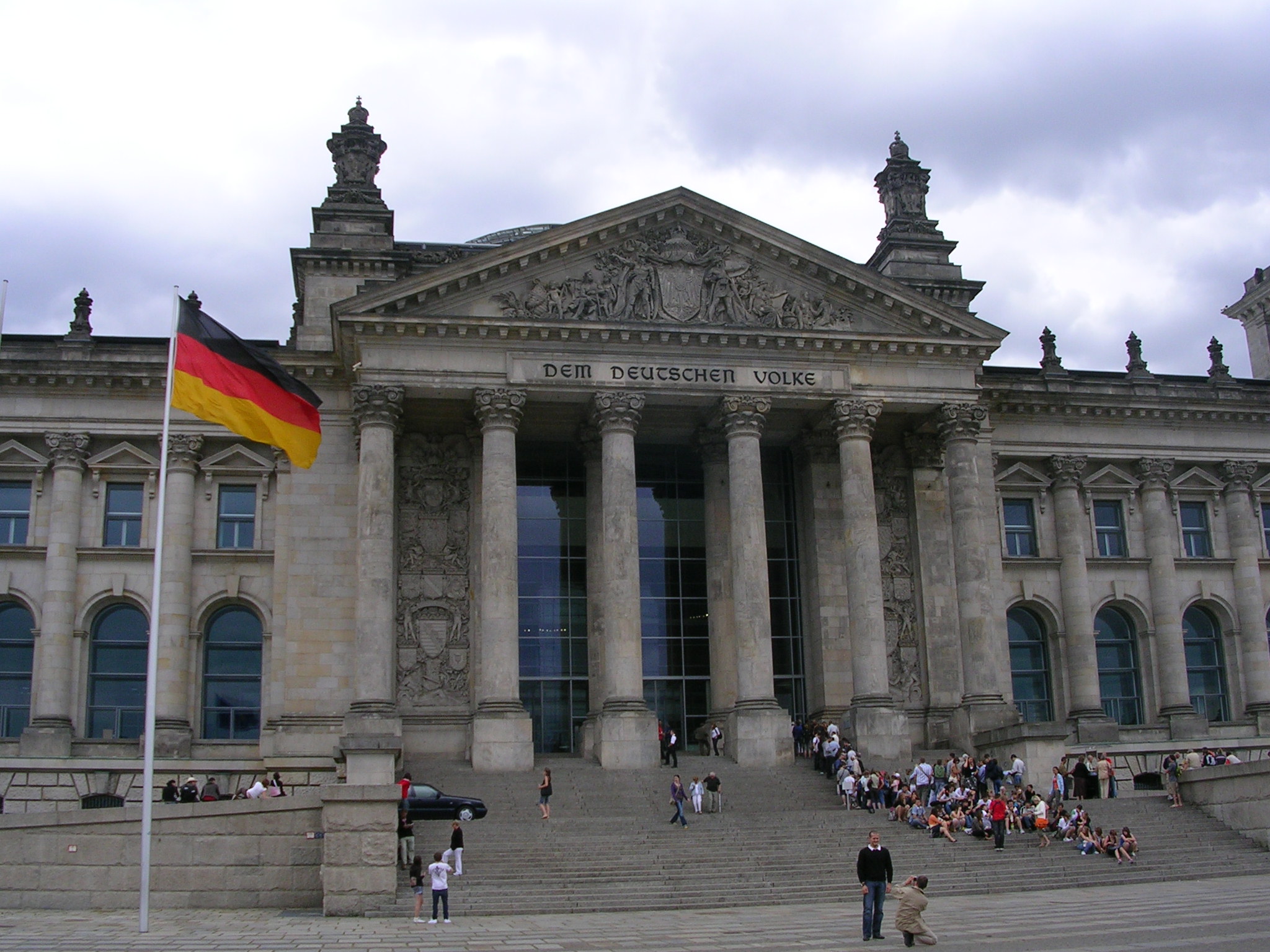
In Berlin we saw the Reichstag and Brandenburg Gate.
We had limited time on our lazover, so we made it quick.
We want to upload photos but we did not have time in Amsterdam (big line).
Here in Dresden the computers wonät let us have access to our jump drive or camera.
Sorrz.
Well, time for us to run. It is literallz ticking awaz! We are in Dresden until Fridaz when we head to Stuttgart-Bavaria!
[Here are pictures from Dresden, we didn’t get an opportunity to write anything more. We walked around in Dresden that evening.]
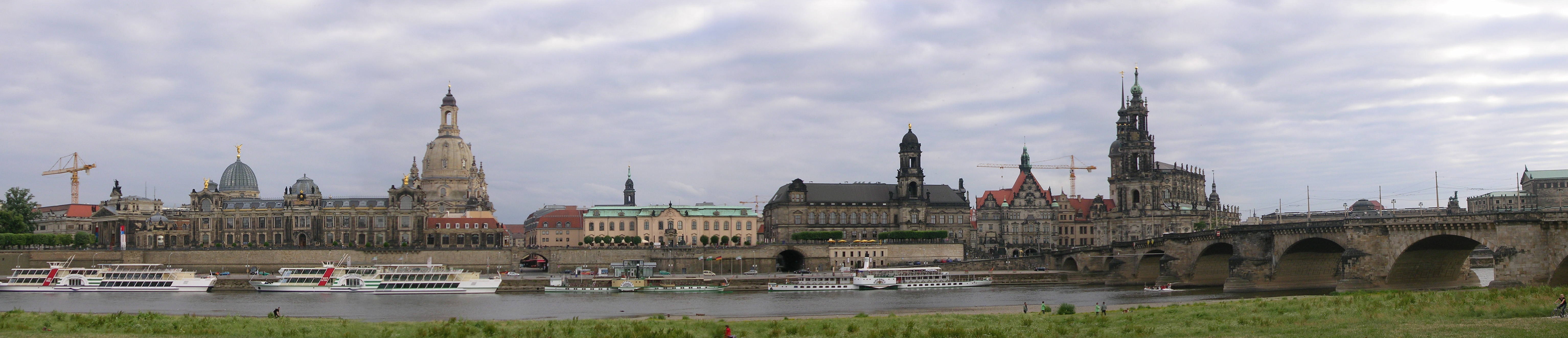
Dresden panoramic picture from across the River Elbe
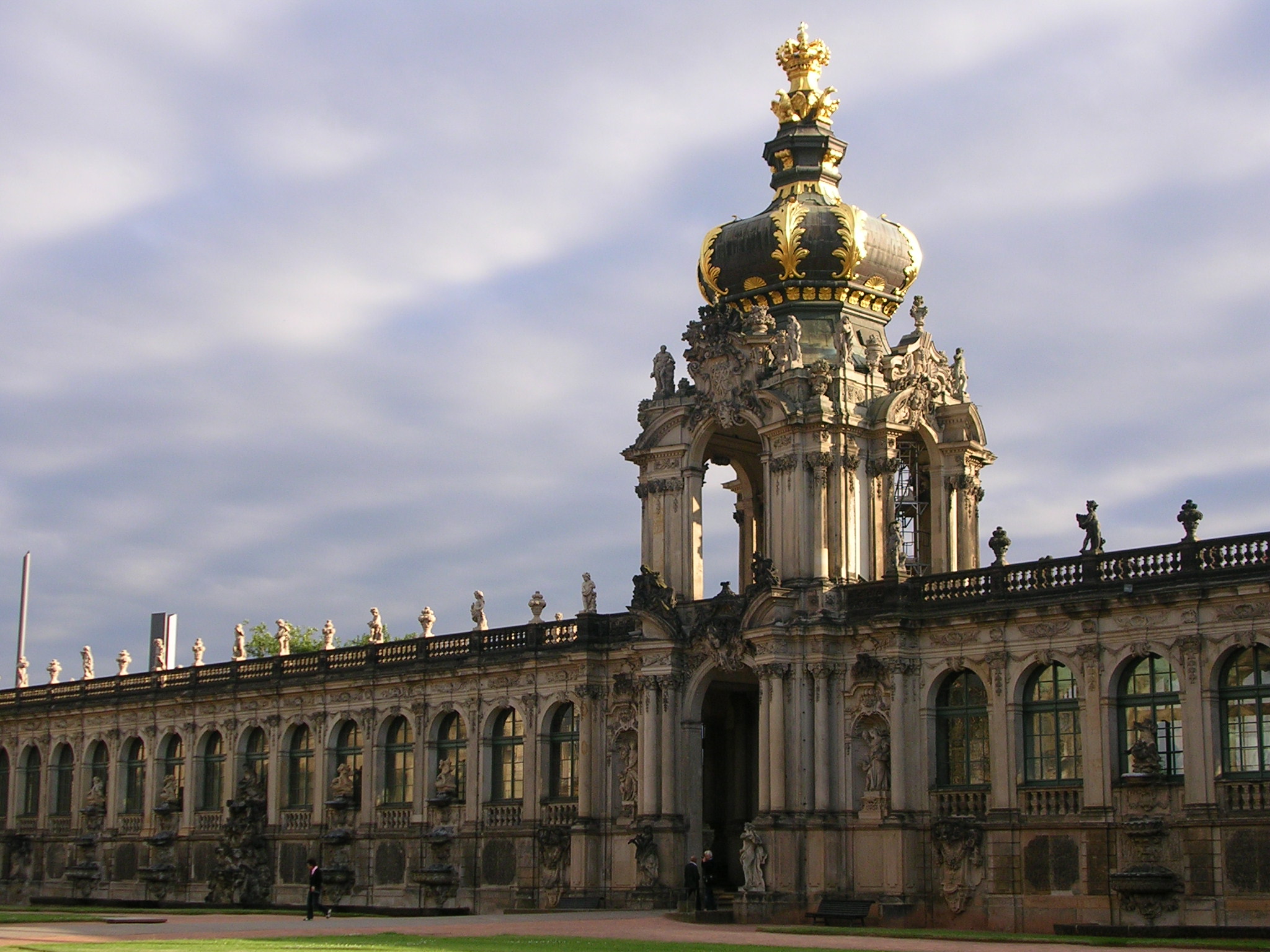
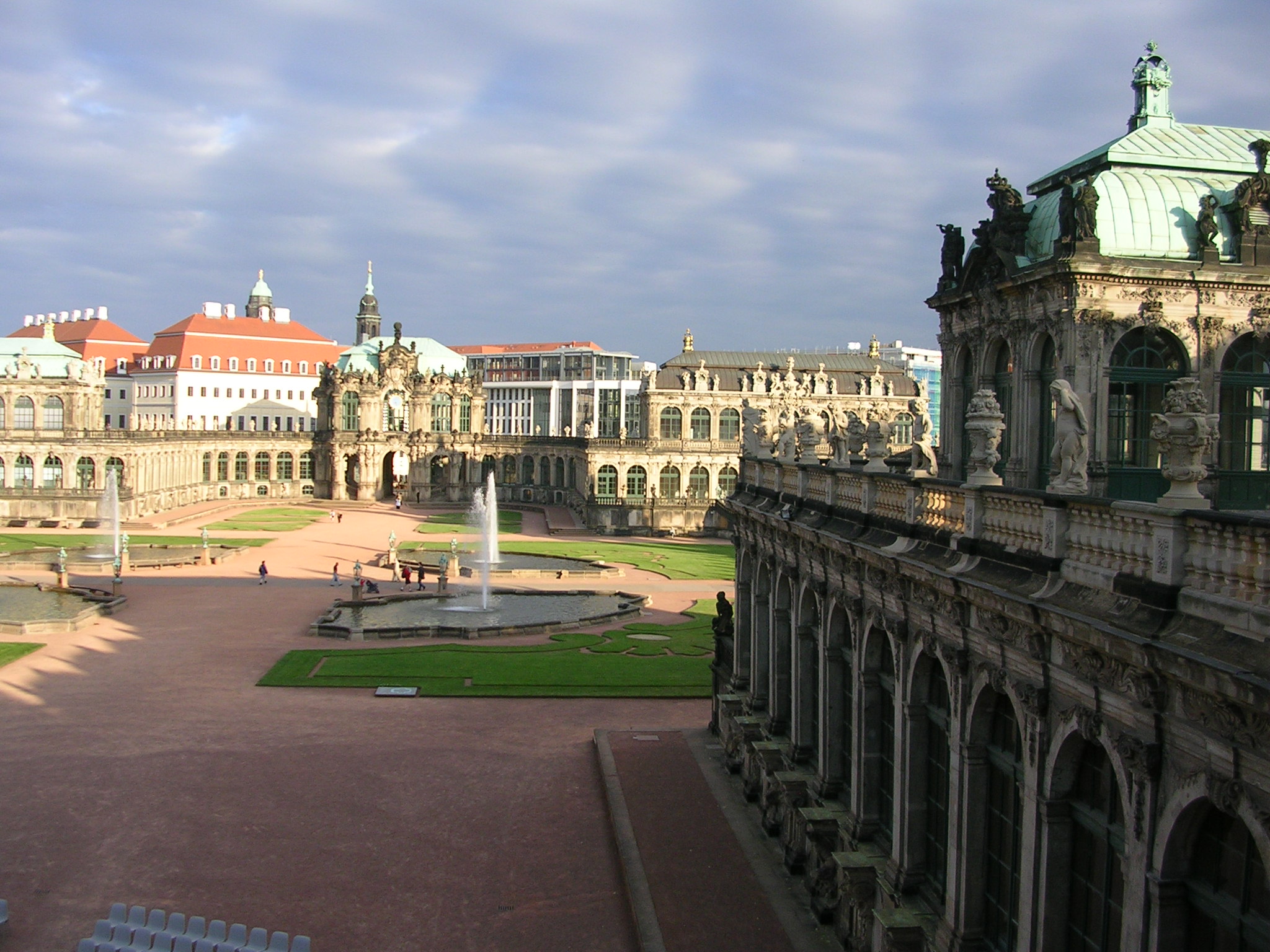
Dresdner Zwinger panoramic picture
~
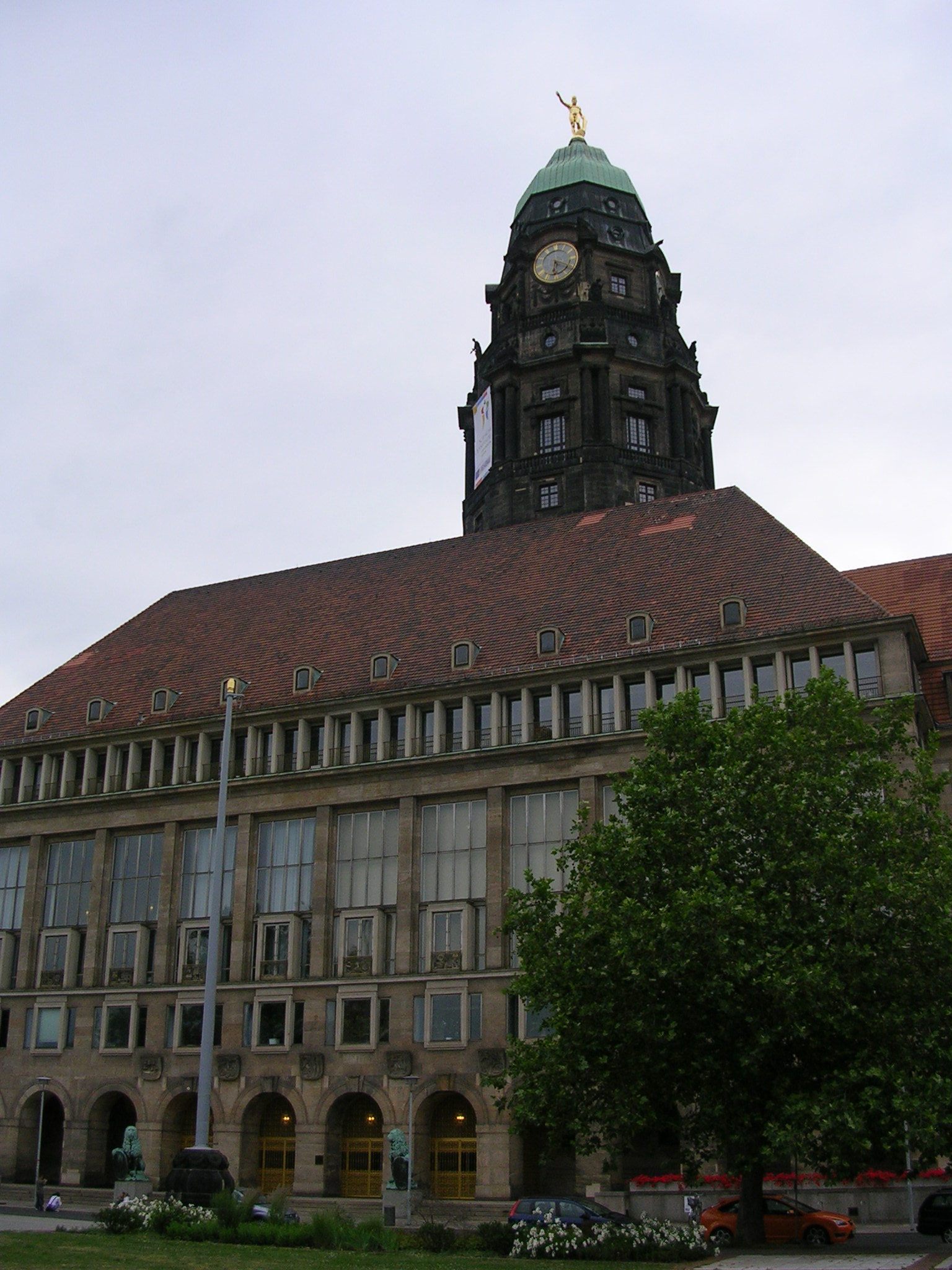
Rathaus Dresden
Polizeidirektion Dresden
Frauenkirche Dresden
~
Fürstenzug Dresden
Trio playing coming down the stairs from Brühlsche Terrasse to Schlossplatz Dresden
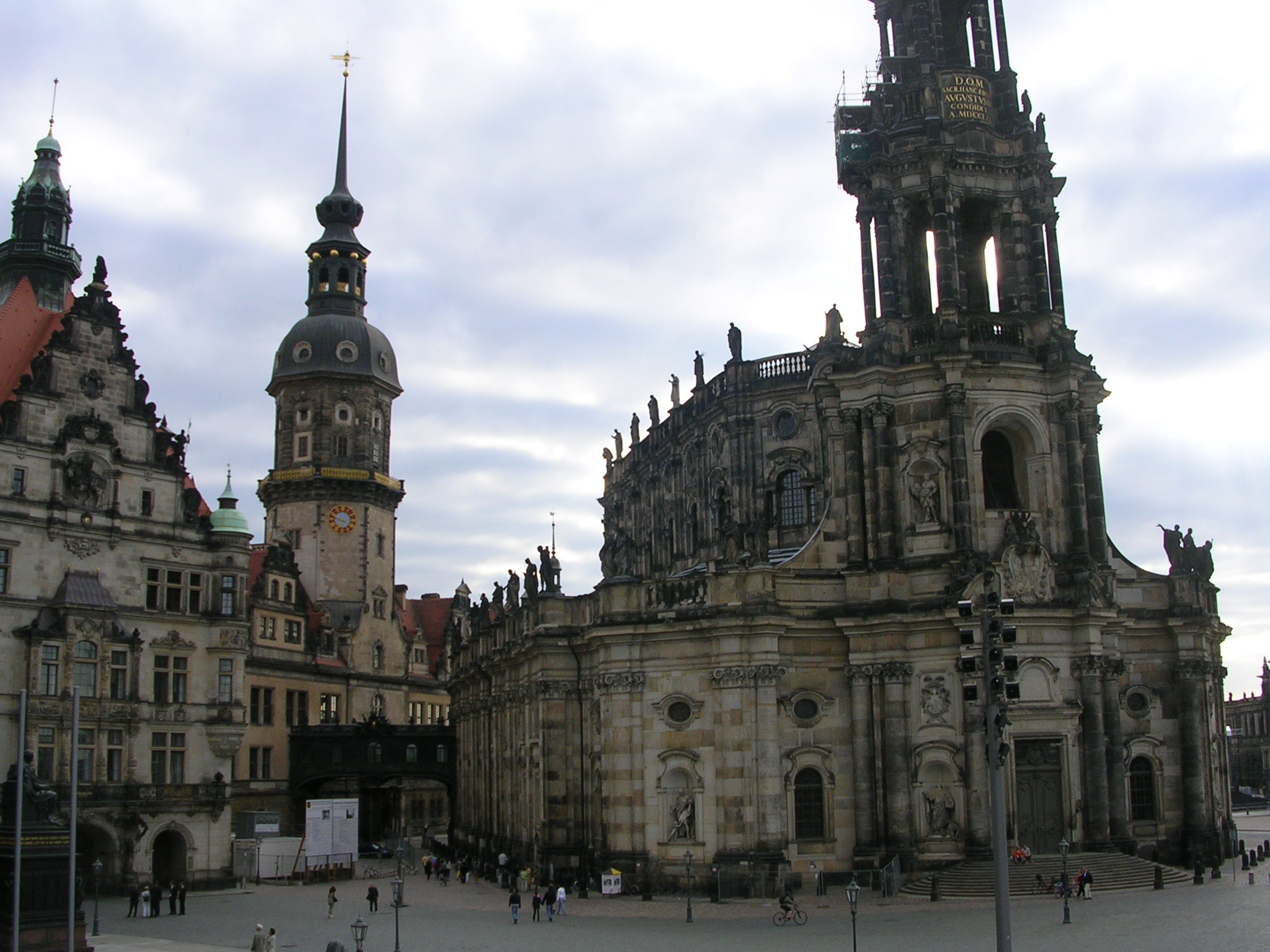
Schlossplatz Dresden with Kathedrale St. Trinitatis and Hausmannsturm
Paul and Amanda Ross with Schlossplatz Dresden with Kathedrale St. Trinitatis
Our time in The Netherlands is coming to a close. Today was our last day in Amsterdam. Tomorrow we begin the trek across Germany to Dresden. We have to be on the train about 7 AM and will find ourselves winding to Berlin. From Berlin, after some quick touring, we will make the final leg to Dresden. It should be an interesting day.
Morning flowers in Amsterdam
Today was fascinating.
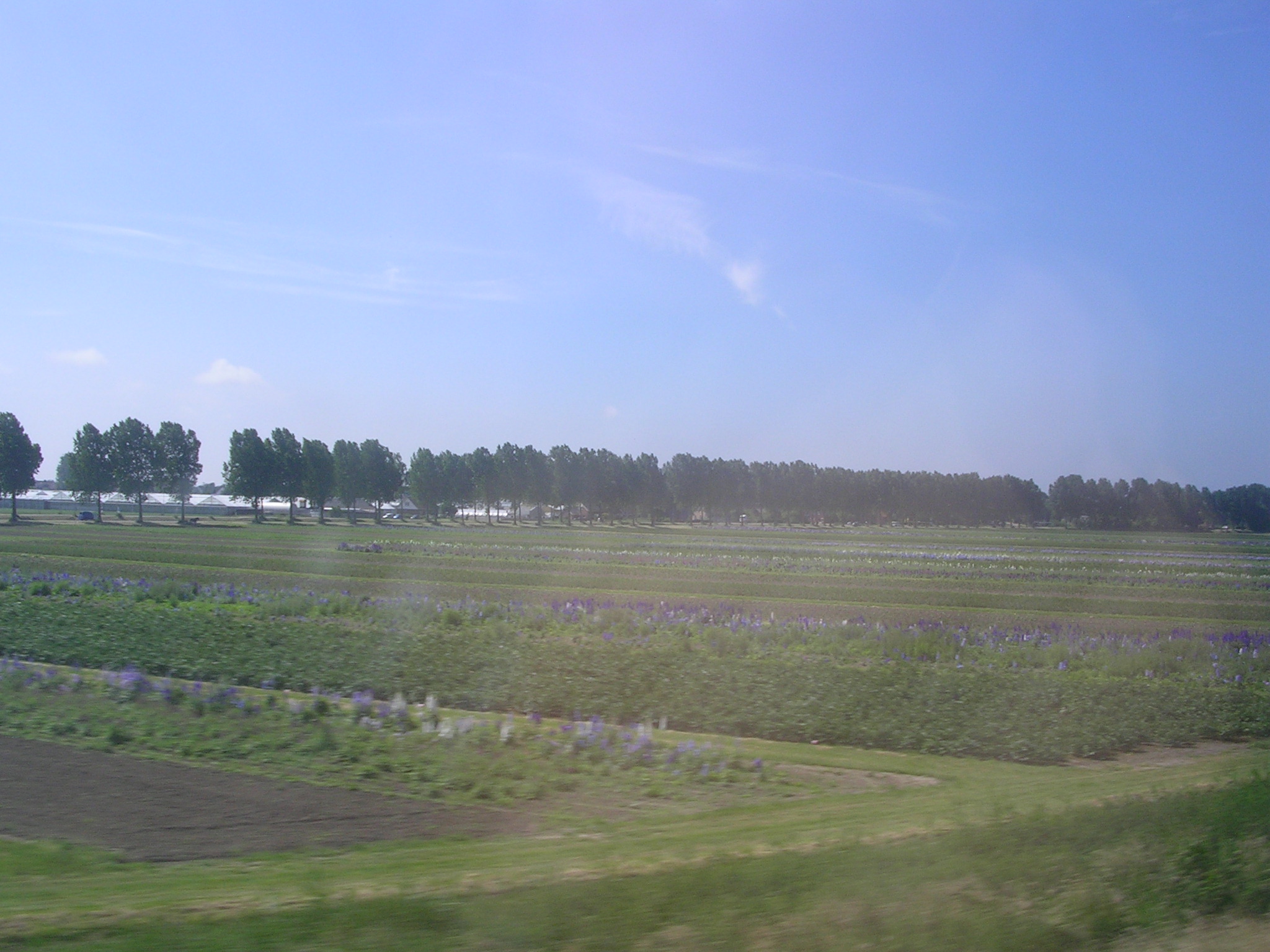
Dutch countryside, flowers!
We made our way to Den Haag or as we know it, The Hague.
Dutch windmill in the wild!
What a pretty little city.
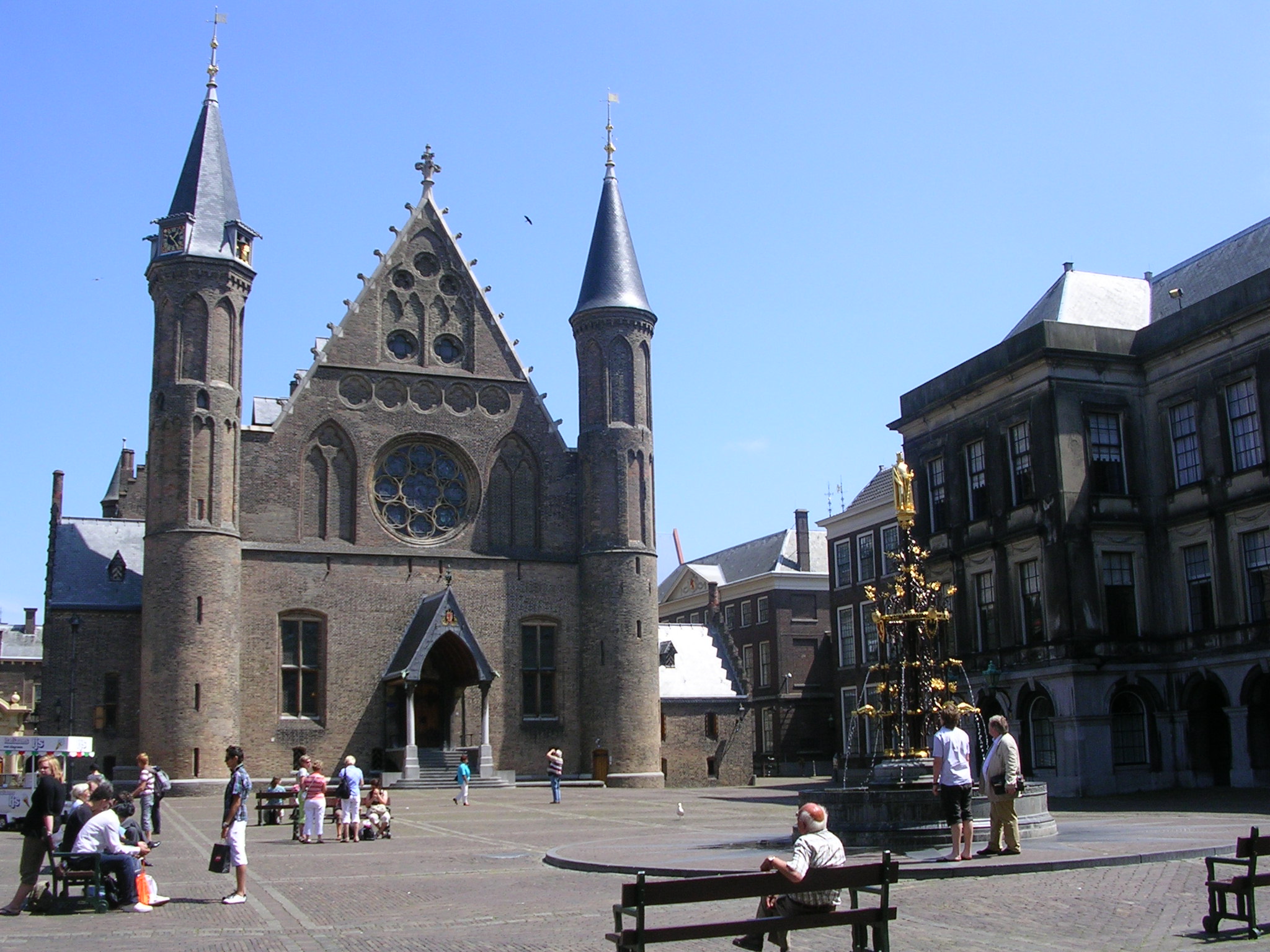
Ridderzaal, Den Haag (The Hague)
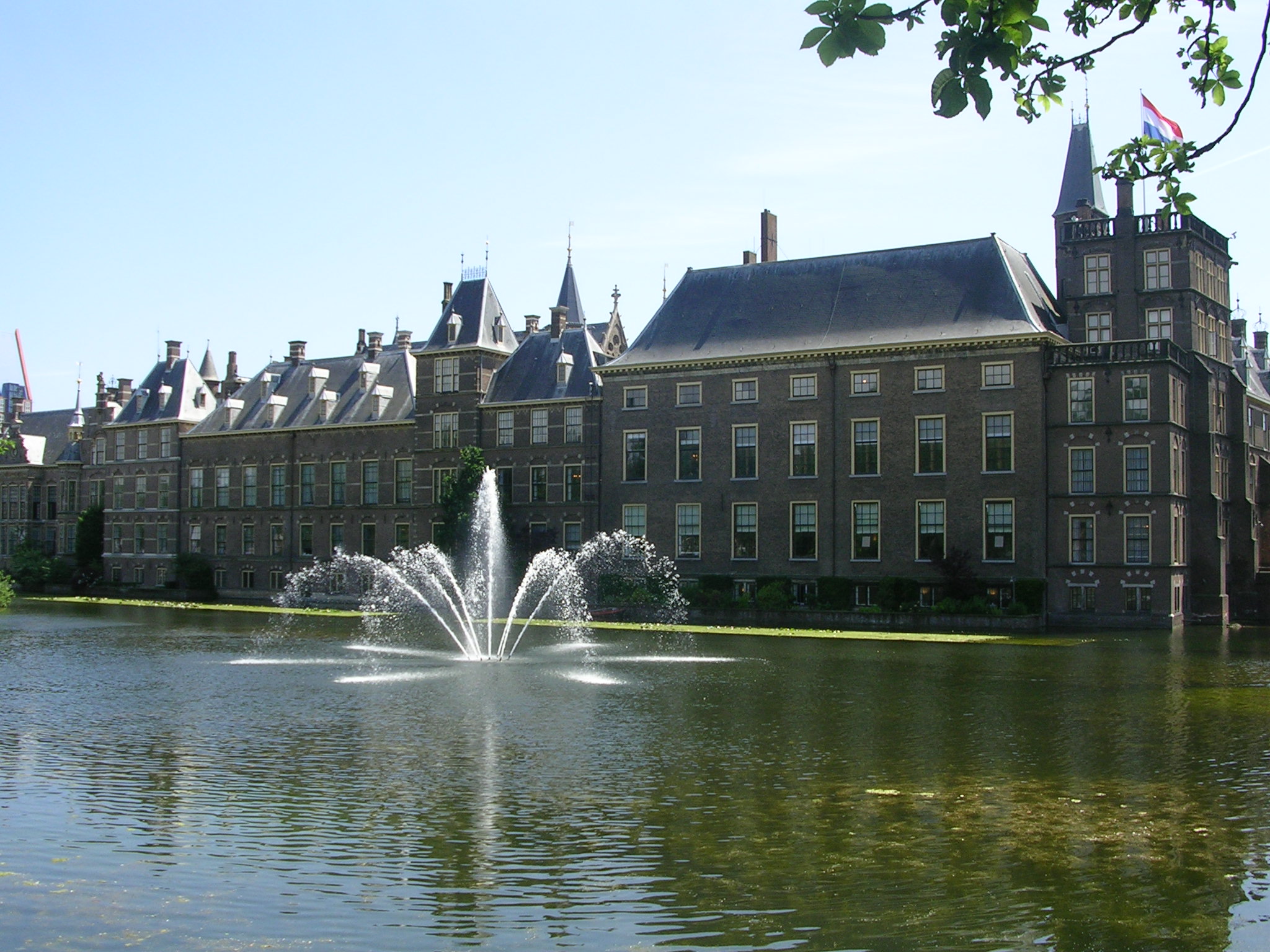
We walked around the Dutch Parliament Buildings.
Voormalige hofkapel, Den Haag
We got some pictures with the UN Justice Building.
Internationaal Hof van Justitie, Den Haag
We went to see the Prison Gate Prison.
There we got to see the old ways of torture.
This was more Amanda’s bag than anything else.
I was along for the ride.
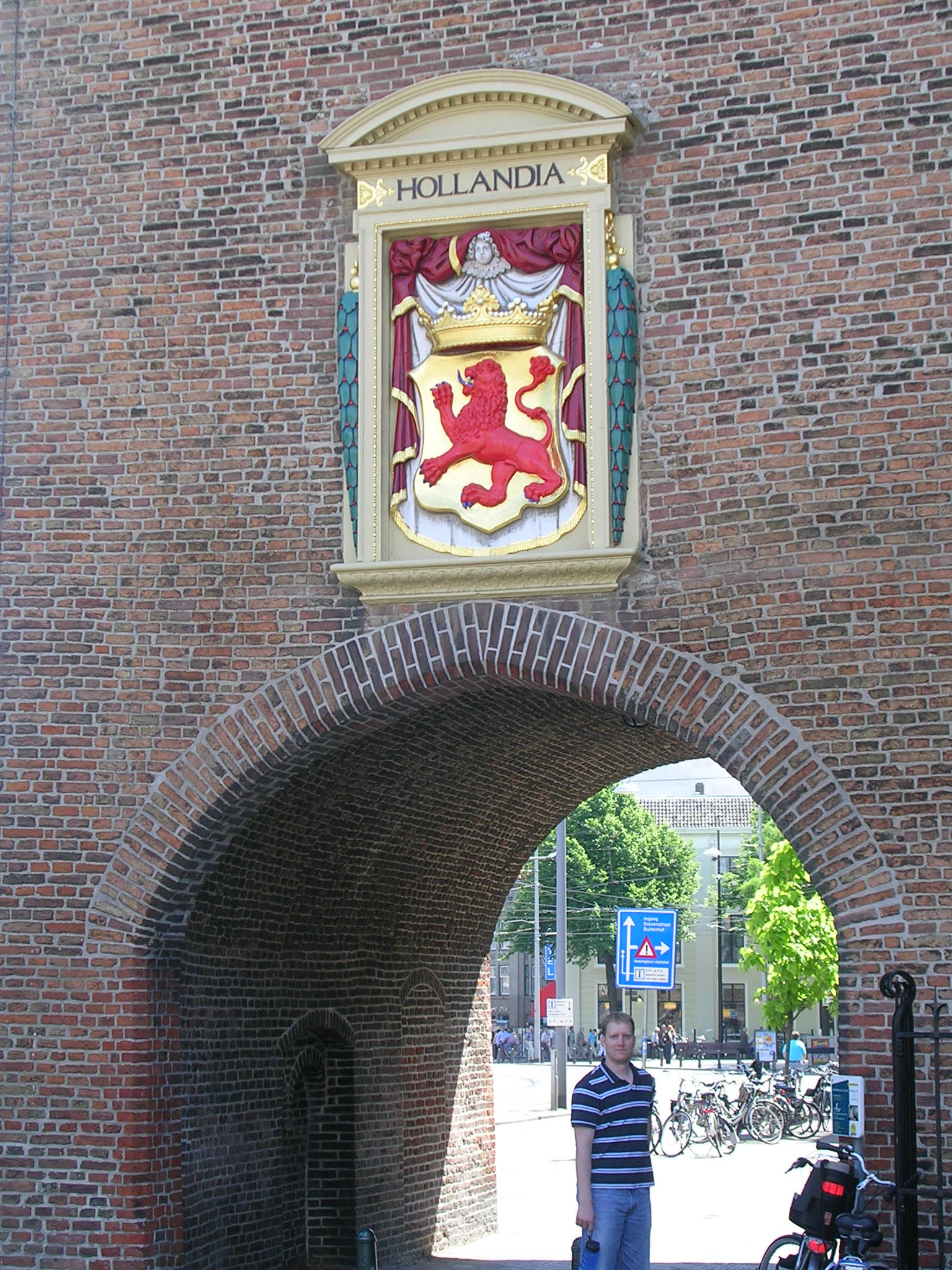
Walking through Den Haag, I saw this store front. My Great Grandmother was a van Leeuwen, Berendena van Leeuwen Donaldson (1898 – 1959).
I really didn’t mind.
We are on our way out.
Canal back in Amsterdam
Have a great day!
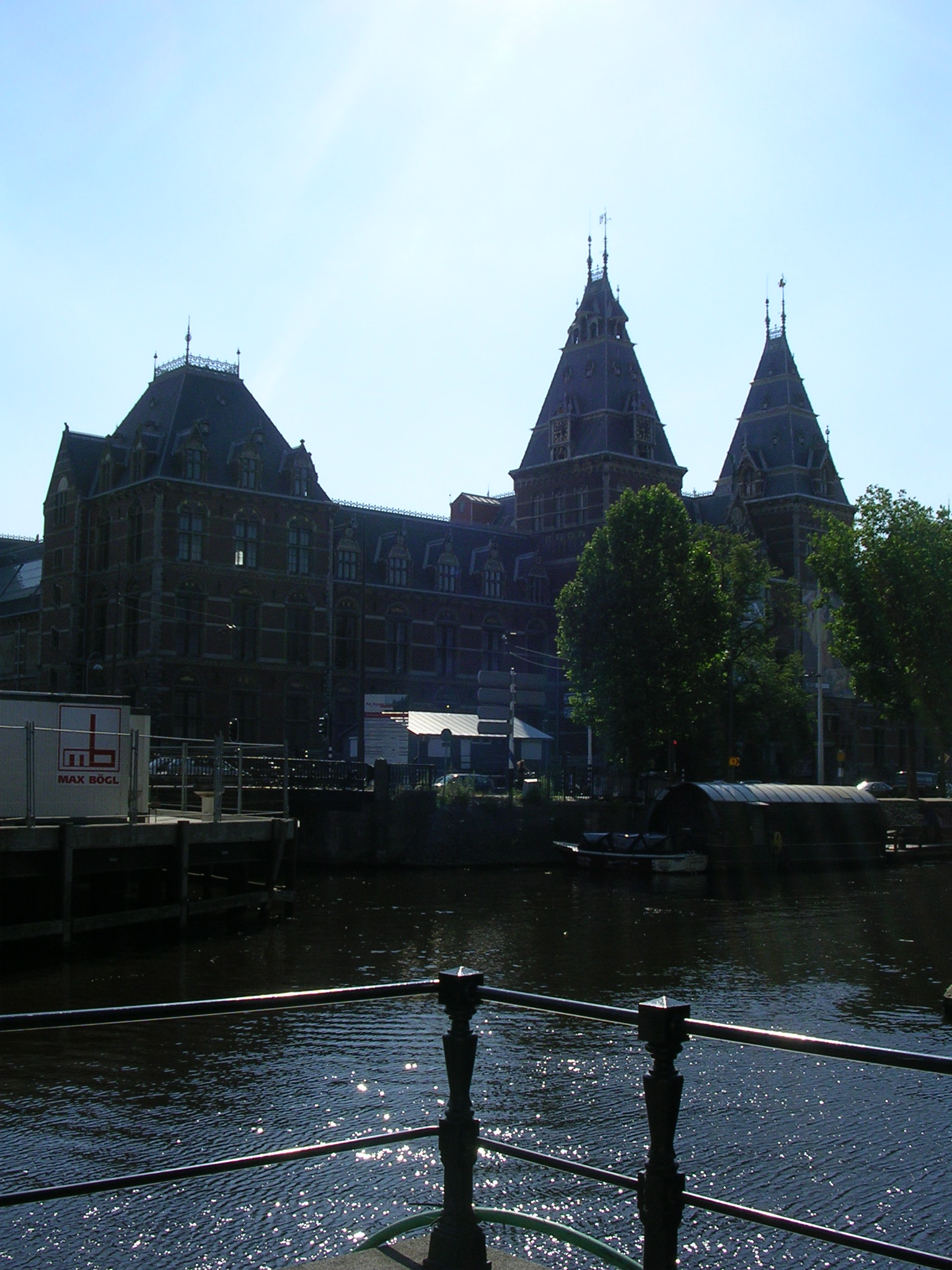
Rijksmuseum in Amsterdam
Look forward to Dresden.
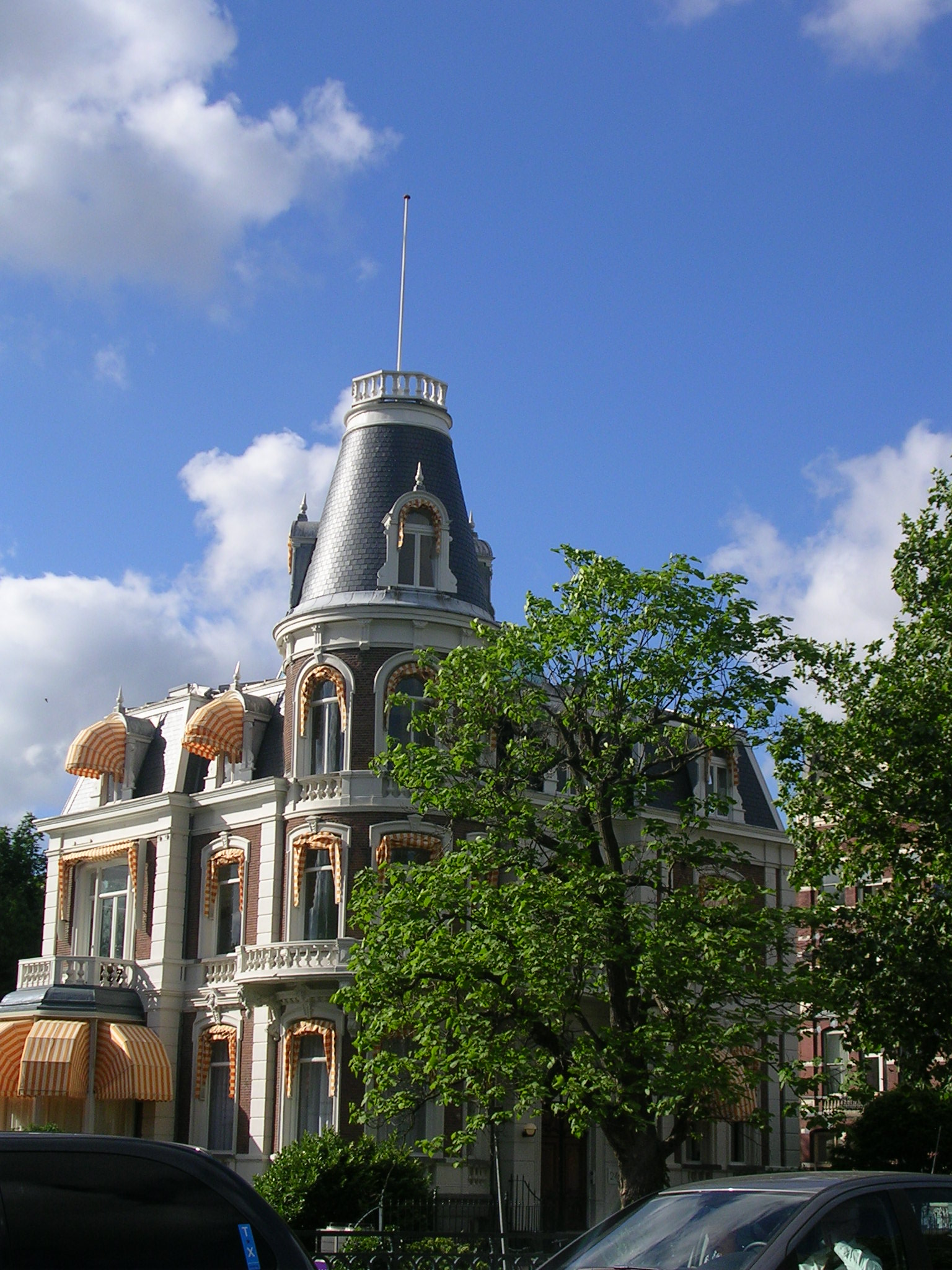
Pretty little house in Amsterdam
Exhausted. Time to climb the narrow stairs to our hostel.
A funny story about our hostel. The bathroom was small, we were on the top floor. The entire bathroom was a shower. When taking a shower, it would fully douse the sink, toilet, etc. Nothing was protected. You could relieve yourself and shower and bidet all at the same time. And no lock on the door! Amanda was horrified. I had to stand guard so nobody dared enter while she was in there!
As I sit in an internet cafe in the middle of Amsterdam, my entry will have to be short and sweet.
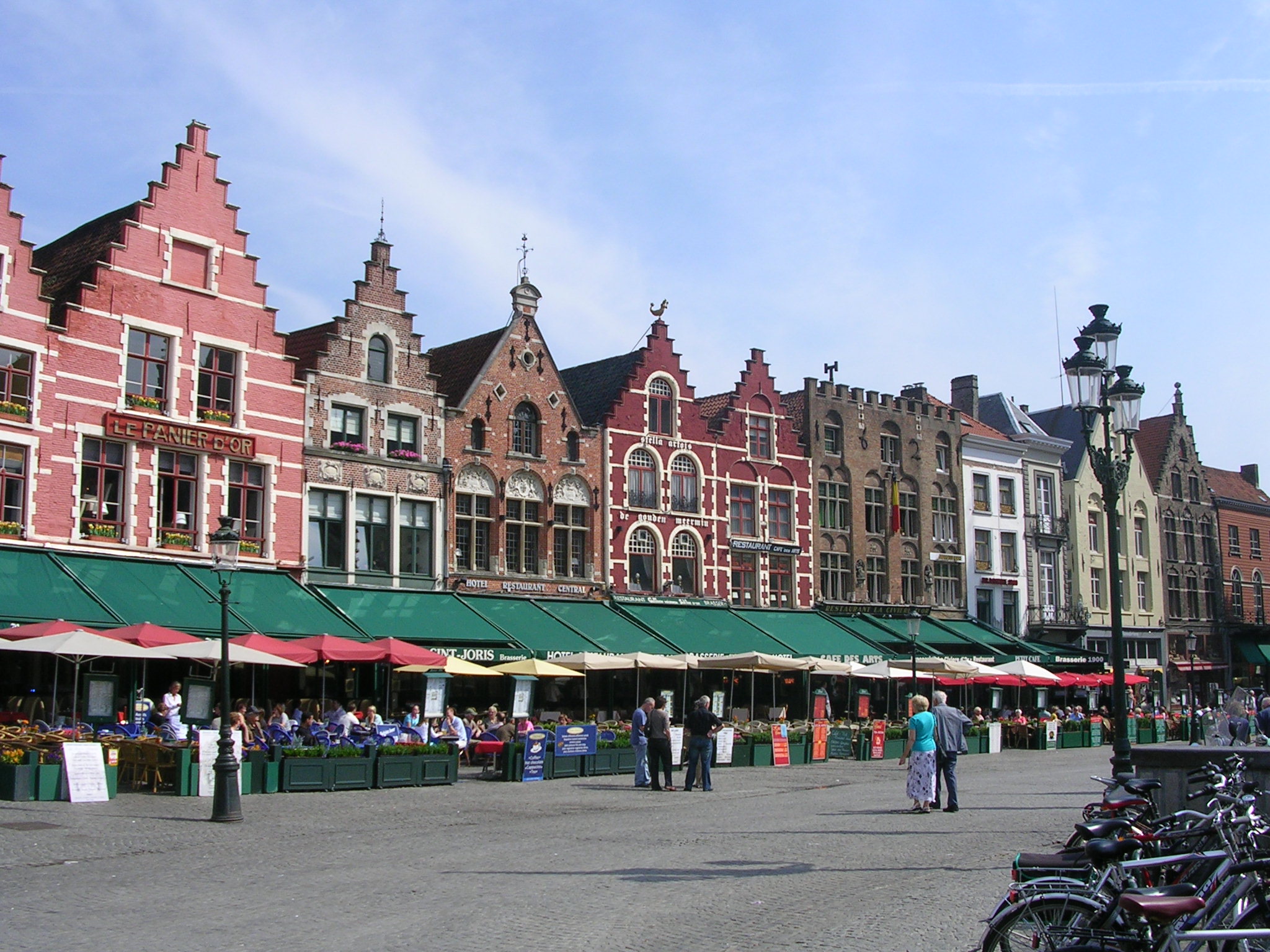
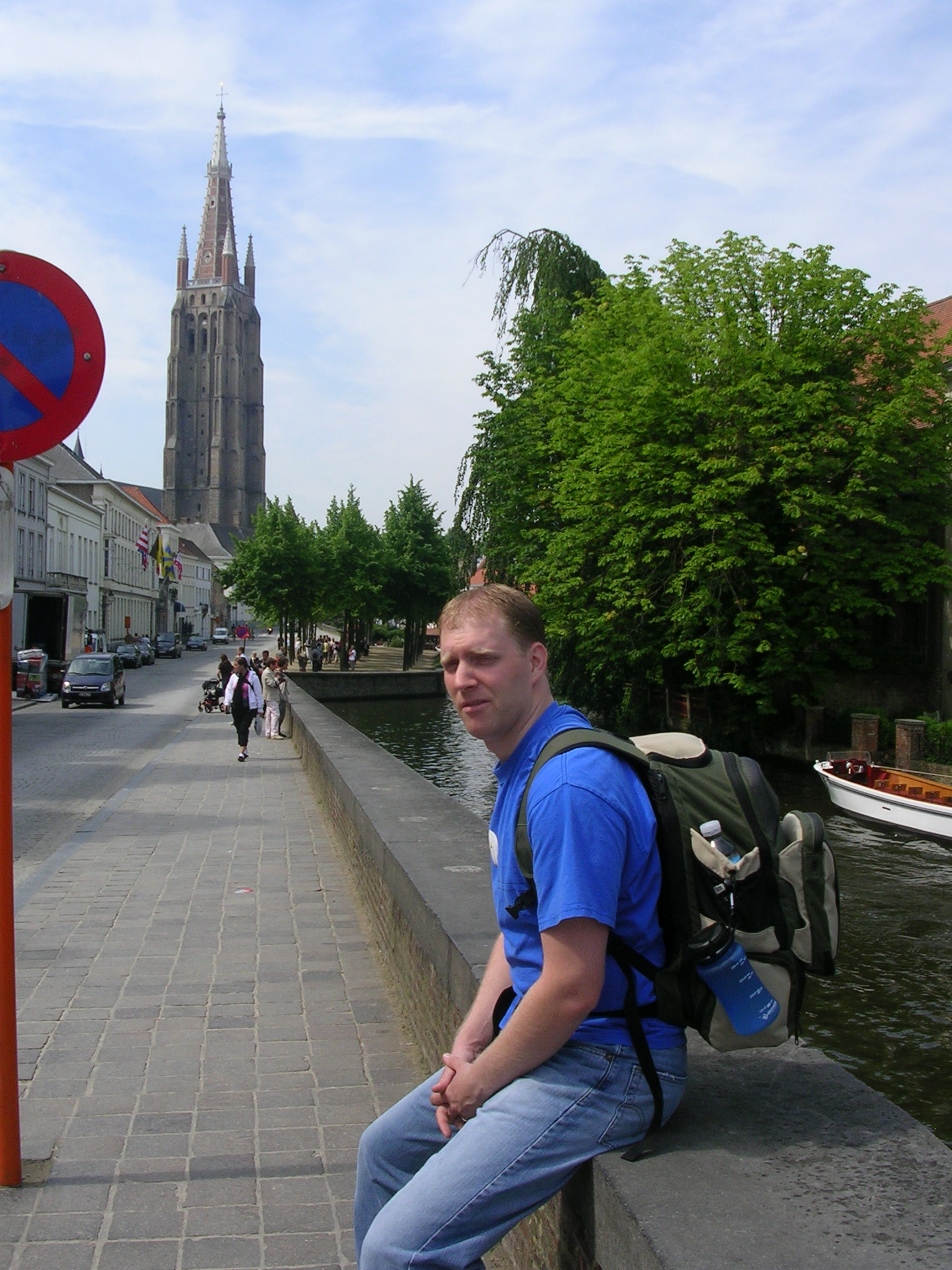
This morning we found ourselves wandering around Brugge, Belgium.
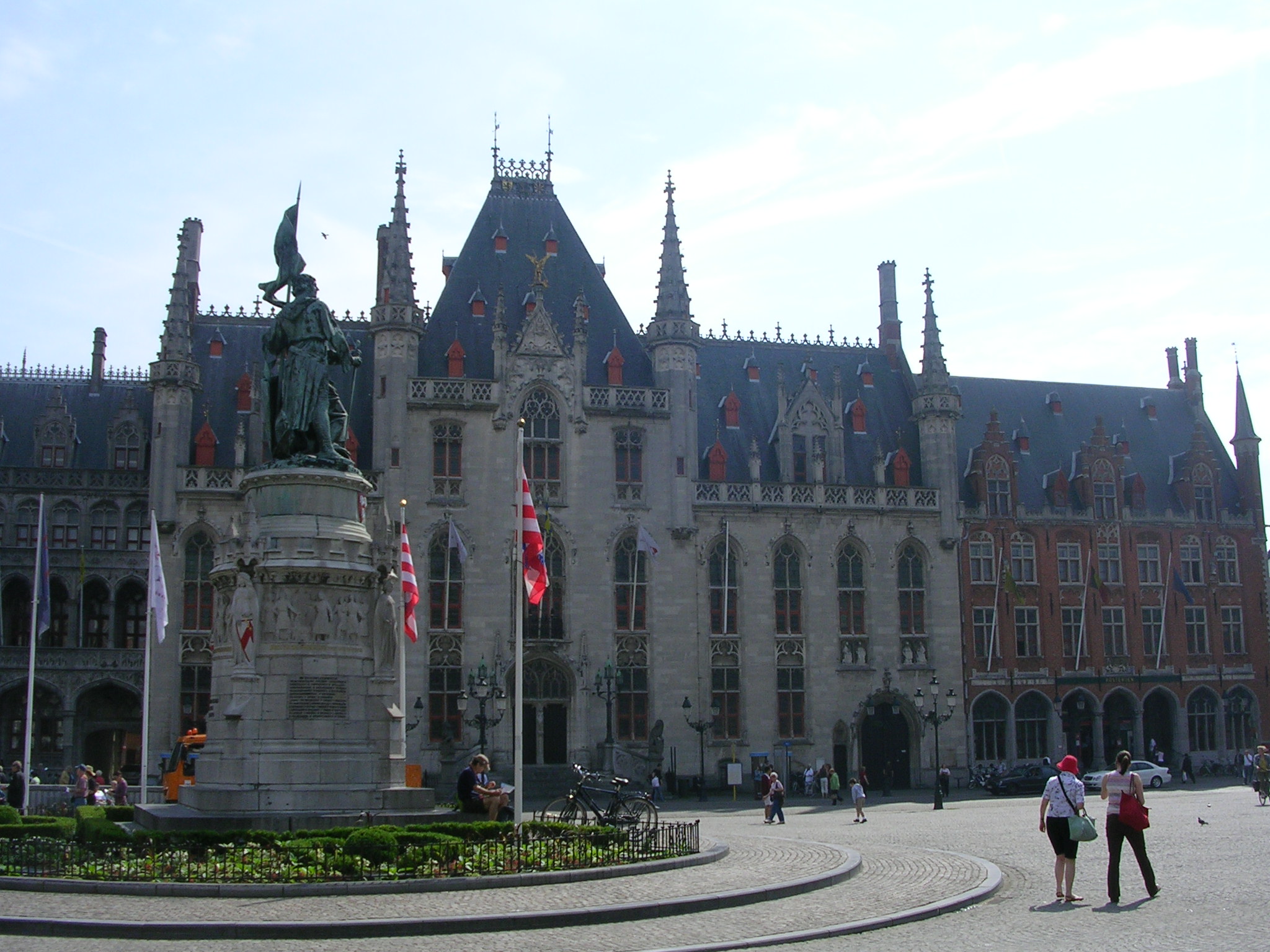
Brugge Provinciaal Hof
Brugge Belfort
Amanda Ross in front of Brugge Provinciaal Hof
Brugge Grot Markt
Paul Ross in Brugge with the Onze-Lieve-Vrouwekerk spire in the distance
Gruuthusemuseum in Brugge
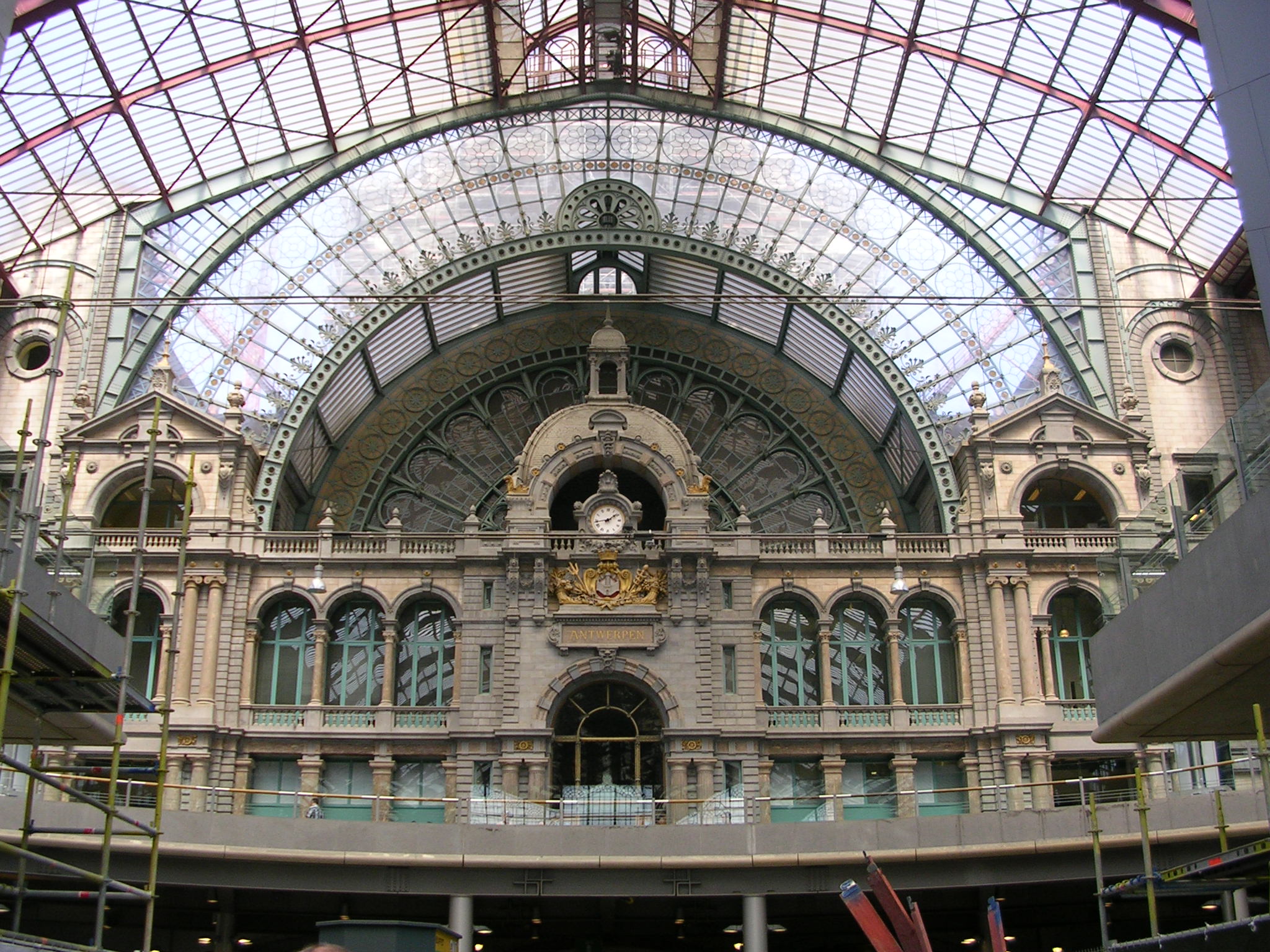
We snapped a few photos, and caught a train back to Antwerp. I recognized the train station from the famous flash mob. We have a knack for catching things under construction, Antwerp Central was the same!
Bahnhof Antwerpen-Centraal
Then we jumped trains and headed to Nederlands. Amsterdam Central was also under construction.
Amanda Ross at Amsterdam Centraal
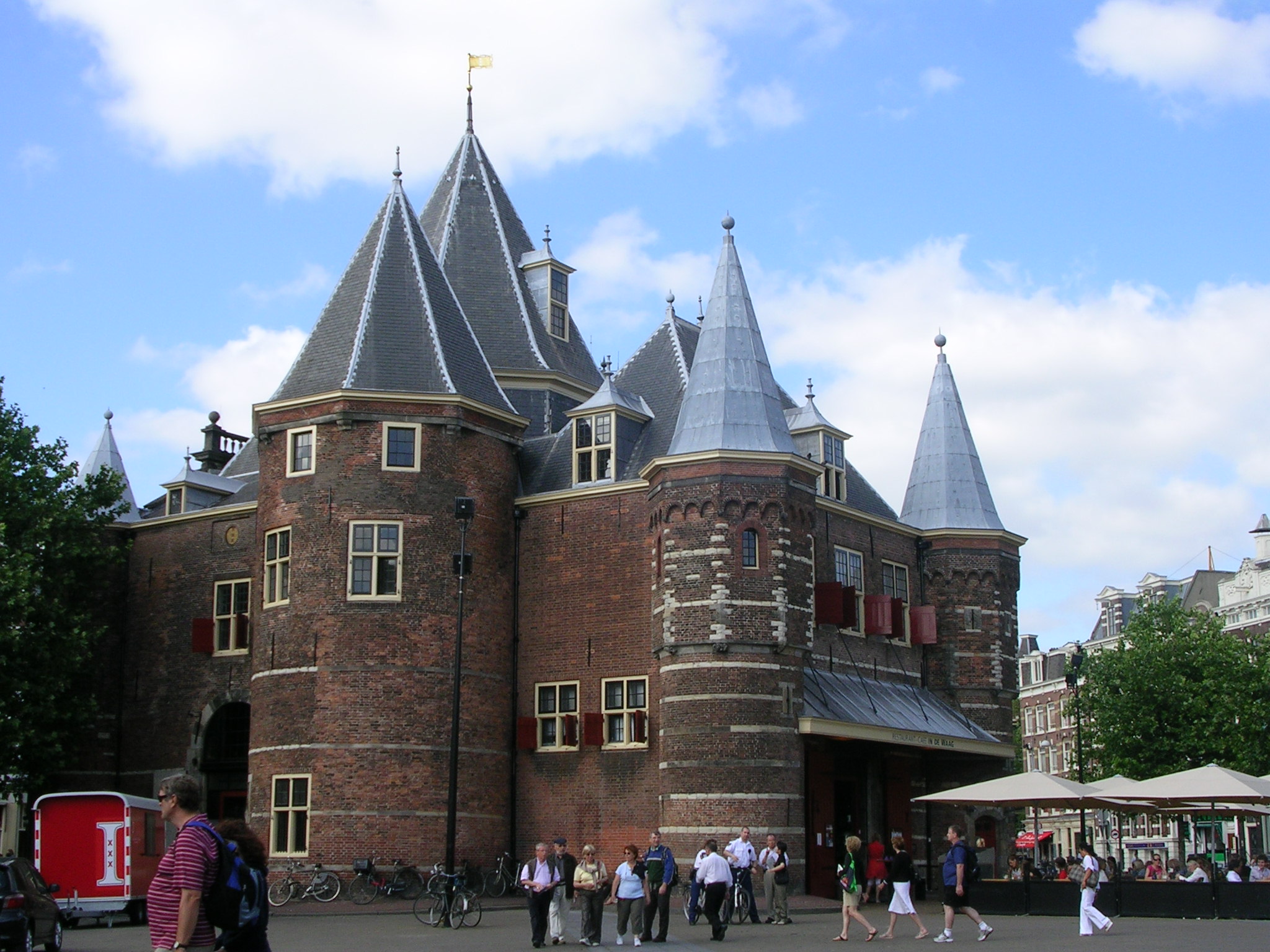
Paul Ross with Basiliek van de HH Nicolaas in Amsterdam
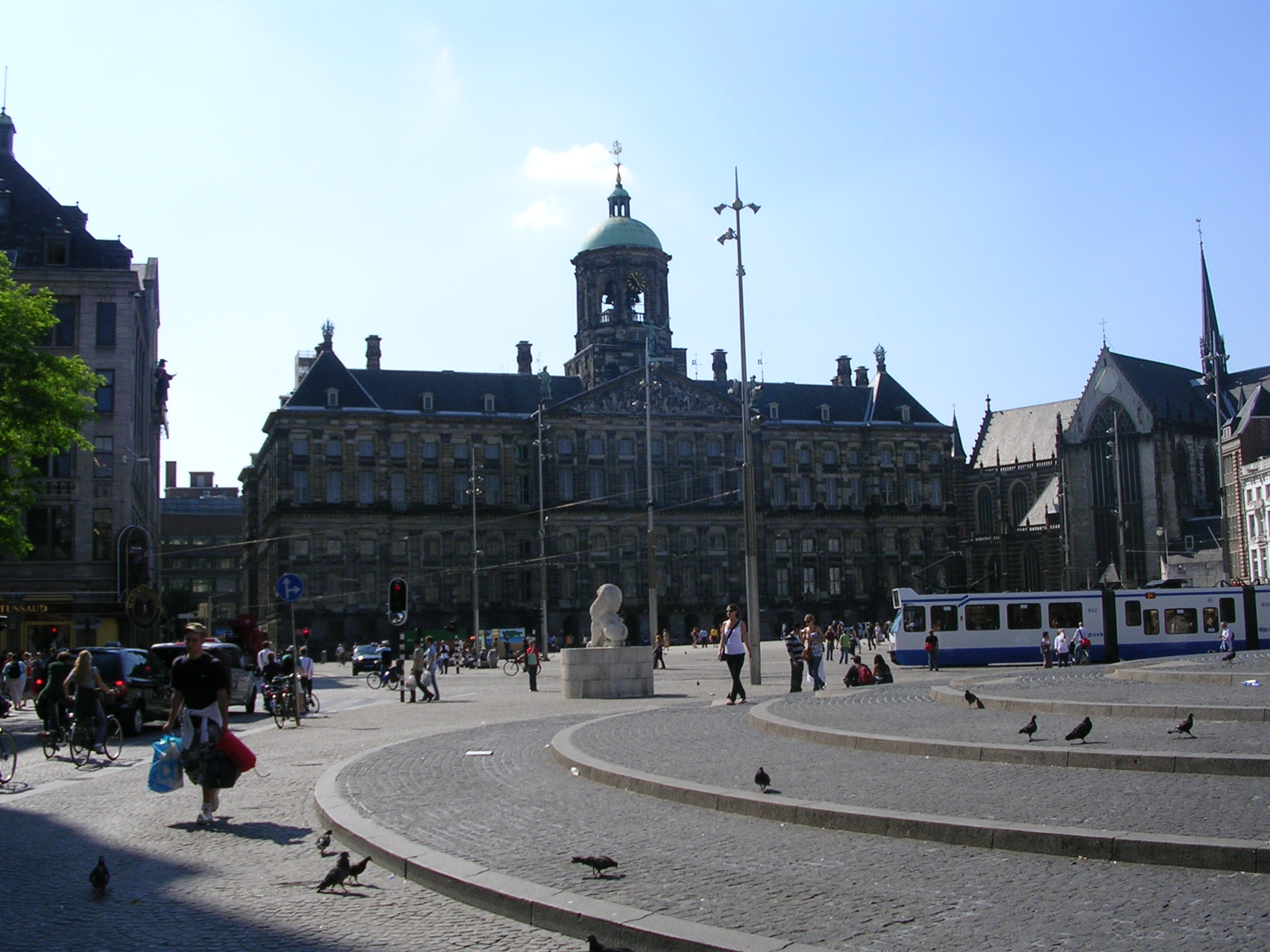
Koninklijk Paleis Amsterdam with De Nieuwe Kerk
Rijksmuseum in Amsterdam
We found ourselves a hostel this morning and checked in this evening about 6 PM. We walked all the way from the station to our little hostel up near a quaint little eating district. We stayed at the Hotel Orfeo at 12 Leidsekruisstraat. We were on the very top floor. I have a really interesting story about this hostel and how it came to play at law school in Oklahoma City!
Our ventures here took us through the Red Light District! Who would have thought? It wasn’t that bad, I don’t think we were in the heart of it. Just a few naughty souvenirs in the store fronts, oh, and a few leather stores.
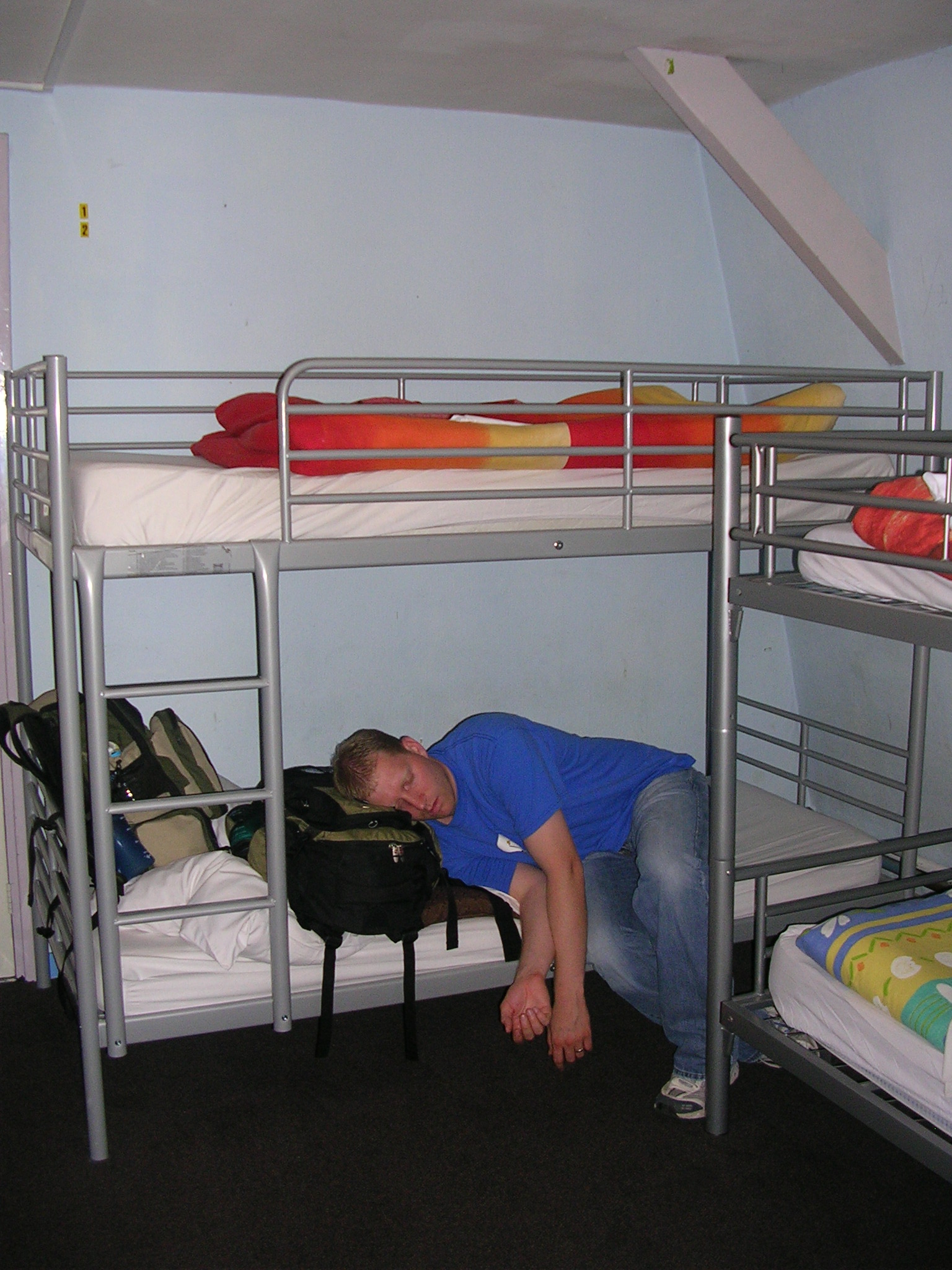
Amsterdam Hostel
After checking in we went for a walk around the city. We found the Anne Frank house, which happens to be under construction, or the facade is. We got a picture of the sign and that was about it.
There was a Holland Footie game tonight against an unknown opponent. Don’t know if they won or not but there is a party going on in the streets.
We stopped on a quiet little street to enjoy an Indian meal.
Who would have thought I would be sitting at a sidewalk cafe with my wife in Amsterdam eating khorma with the bellows of the crowds from the bars at every little quirk of the game. Then again, my life has always been enchanted. What next?
Another history in the records of Golden Rulon Andra.
“(Elsie Wagstaff Coleman read this history of Aunt Louise at our Reunion 21 June 1980)
“(Louise Sophie Wanner was born March 30, 1879.) I was born in Gruenkraut Germany. I can remember as little kids we stayed home. When we were I guess seven years old, we had to go to the Catholic school. There were no other schools around in those days. My Mother and Father didn’t always live in Gruenkraut. My father, John George Wanner was born in Hildritzhausen, Wuerttemburg, Germany, on October 18, 1845. His father was Johann Friederich Wanner, and his mother was Anna Maria Marquardt. My mother Anna Maria Schmid was born January 21, 1849 in Holzgerlingen, Wuerttemburg, Germany. Her father was Jacob Friederich Schmid and her mother was Salome Notter. In 1870 my father went to Russia to fight in the war. My parents were married the 6th. of June 1870. My Father died February 16, 1922 in Logan, Utah. My mother died December 9, 1929 in Logan Utah. The last days of their lives they lived in the 4th. Ward, and they are buried in the Logan Cemetery. My brother John George and sister Christena were born in Holzgerlingen, and my brothers, Johannes, Johannes Friederich, Frederich, Gottlob, and sisters Mary Magdalina, Pauline and Wilhelmina were all born in Gruenkraut, Germany.
Wanner Family about 1895, back (l-r): Mary, Christine, George, and Pauline; front: Anna, Fred, Louisa, Wilhelmina, Gottlob, and John Wanner.
“To continue with my story- – we did so many things in life. First of all we were poor and had not much to live on. The folks had to move from Holzgerlingen to the new place in Gruenkraut. I remember we didn’t have much land. Father got a job working on the street. The grass grew high on the side of the road and we had to help gather the grass for the cows. We had to do this everyday before father went to work.
“We were poor in those days. We had to be up at 5 o’clock in the morning when we were big enough to work for other people. We worked every day in our lives to make a dollar. I would go out and work for other people whenever there was work. Some people had lots of land and we got plenty work there. They would come and get us to work when I was seven years old. I remember we never wasted any time. I remember when we had to go to a place to get vaccinated. I know I sure suffered a long time because my arm was so sore. They do this so that it will last a lifetime in the old country against disease.
“I remember how we got warm for the winter. Father would buy a yard of wood in the forest and we had to cut it down ourselves and haul that wood home with the cows and wagon. Some were long trees too and we would haul all the limbs and everything home. I am telling you, we had the yard so full of wood that we had no room for anything else till we had it shaped down and sawed up and put in its place. You know that was a job and we had to do all this before winter set in. We had a little wagon and we went to the woods in the summertime too, to get some dry wood. We did this many times and would always take home a wagonfull.
“In the old country they had fences in the lucerne fields. We had to put them up so we could hing the hay on them to dry after it got wet from the rain, so it would not mold. When it was dry we hauled it home. I remember we did all the farming with cows, they had them work all day and then milk them at night. Father worked on the street job for many years and mother and us children did most of the farming and in the fall we went picking hops. We never failed to make a little money in them. They have fields of hops in the old country. We always earned our winter’s money there. They have acres of hops there. We never wasted our time in the field.
“Another thing we did was go to the forest and pick fruit and go and sell it in the city. The people would sure buy it because the city was a long ways from the country where we lived. We had to walk all the way to the city. We raised hemp and mother would spin half the night making it into balls. She would take it to the factory and they made clothes out of it. We used to have many yards and would stretch it out on the grass in the summertime. It would go white and thats the way mother made our sheets and everything. We have in the old country the shoemaker, and he come to the house and make shoes for us. We also had the dressmaker come to the house. Sometimes they would stay at the house a week or more.
“When the grain was but, we had to out and clean the heads of the wheat. We cleaned sacks full each day for flour and one time right in the middle of the summer, the soldiers came in with their horses on some maneuvers or something. The horses mashed the grain and trampled all our crops up. I knew there was a big field of grand and they went right through it. They stayed around about a month or more. It sure was terrible.
“After a few years father bought a new farm and house about two miles away from the old one. It was a bigger house and more land and that’s where we lived until we came to America. Our house was a long house. We had four rooms and an upstairs. In the farmhouses of the old country we had everything under one roof– the pig pen and the hay loft. There was a big place in the floor where we threshed the wheat and other grain and we pulled all the hay up in the loft towards the roof. For a long time we threshed the wheat on this hard floor below with a stick and using a big klap, four or five of us would thresh the wheat and then would sieve the wheat from the chafe. But later, I can remember that we hired a thashmachine and the cows pulled it after that.
“I remember one time a wagon run over me. I believe it went over my arm. I don’t know how bad I got hurt, but it was plenty bad enough.
“Well, later on in that place not far away they built a Lutheran church and a school, too; and there we learned to knit our own stockings and do all kinds of sewing and crocheting. Yes, they built a nice church and school. They were very strict in those schools. If you were late a few minutes you would have to hold out your hand and the teacher would hit you so hard that your hand could feel it for a long time. It was one of those hard wood sticks. It wasn’t always our fault because we had to take the milk to the creamery in the morning in the snow and ice, and we could not go very fast, but there was no excuse at all. We had a lot to do before school, and if we didn’t have the lesson ready we were scared to go to school, ’cause if we were late we would sure get hit, and when you held out your hand they would do just what they wanted to do and it didn’t hurt them any.
“In the old country they sure celebrated Christmas. We had two Christmas trees every year and nice ones at that. We had applies tied from the bottom to the top and the step and the tree sure looked pretty every year. We only had white bread for Christmas and Holidays. I can remember how good that white bread was. We never saw it very often. it was only the rich who could buy that. There was only one bakery in Gruenkraut that had good bread and cakes, but we could never buy any. This is how we made our bread: We had a box of wood. Of course, it was clean. Father worked the dough and made enough for two or three weeks. It was mostly rye bread. It was hard and dark but we had to eat it. When Valentine’s Day came around, Mother made up cakes and they sure tasted good.
“We all the time raised our own meat. We raised pigs and salted and smoked the meat. We had our own grease. Mother made her own noodles all the time. She used lots of eggs–they were sure good. We had our cellar so full of potatoes, apples of all kinds and barrels of cider and barrels of sauerkraut. I can remember our cellar was full of all kinds of good things to eat.
“Well, about our garden. We had the prettiest garden you ever saw in the old country. The garden was laid out in a square and we had a path around all over with the vegetables in the background and flowers in front and we could walk all over the paths with flowers on each side. We didn’t need any ditches, but had to pack water when it didn’t rain. We always had a beautiful garden with flowers of all kinds.
“On Saturday we always had to clean the shoes for the whole family — shine them up for Sunday. We always went to church on Sunday. We never worked on Sunday. We were not allowed to work on Sunday, because in those days they would fine you if you did. You could not even get your hay in on Sunday, even when you could see rain coming.
“Well, I guess about in the year 1890, in the summertime, the Lord sent a man along that street in Gruenkraut where my father worked, who was a missionary from the Church of Jesus Christ of Latter Day Saints. He talked to my father a long time and he told father of the new and true Gospel and about Joseph Smith and showed him the Book of Mormon. This man talked to my father in German as he was a missionary to German. Well, it was dinnertime and father took this missionary to our home and father told him–“We’ll see mother”–and from that very day on this missionary stayed at our place. His name was Zollinger from Providence, Utah. When his time came to go home, the missionary took my brother George to America with him. After that we had three more missionaries–one from Bear Lake, one from Providence, and another one from Salt Lake City, who couldn’t speak the language, so we helped him learn the language. He would tell us English words and we would tell him German words. There wasn’t anybody who would listen to the missionaries for miles around–just one other family from Ravensburg–and they were the only ones that believed the message like us. We had room for them everytime they came. There was no place else for them to go and we were glad to have them.
“The missionary from Salt Lake–his name was Hubbard–decided to go tracting one day. It was his first time tracting. He didn’t come home for so late that we thought maybe he fell into one of the wells with water that were here and there. It was late in the evening and dark, so mother decided to put a candle in the window. He soon came back and told us that he had been lost for a long time until he saw the light in the window. There weren’t many houses when I lived there, but in seventy years since, I guess it is built up all over.
“(About this same time Grandma was writing her history, Mrs. Herbert Wagstaff and son came to visit her from California. Herbert Wagstaff was the son of sister Mary Magdaline. The son had recently returned from a mission to Germany, where he had taken colored slides of the big house in Gruenkraut as it stands today. Of this evening of reminising Grandma said:) “It was sure nice to see my old home again and see it still stand in Gruenkraut. It was nice to see it again after seventy years.”)
“Well, I lived in that community for 14 years. That’s when I graduated. We started to this country when I was fifteen, in May of 1893, and got here the 15th of June, 1893. We came by ship and docked first in Amsterdam, Holland, and then in London, England. And then from London, to New York City, where we went to a big high hotel. WE were 12 days on the ocean. We had a good time on the ship where we danced. One day there was a terrible storm which throwed water up on the dock and nobody could dance after that. From New York we boarded the train for Idaho. We were 6 days on the train. On the train we sang all across the United States. We couldn’t speak any English then nor for a long time. We got off the train on the 15th of June, 1893, in Franklin, Idaho, and my brother George was there to meet us. He had a wagon with three spring seats. Well, we never were so worried on our whole trip as we were in that wagon. That day the road was so bad–open ditches with water in, and the horses danced around before they would cross. I never say such a rough road in my life–hills and hollows, and then we saw a bunch of Indians. They were hanging dead squirrels on a line to dry. That was something new to us. Well, we got to the place where we were to stay. But father was as worried that he got off the wagon and walked all the way back to Franklin. Mother and the rest of us were so worried, because he didn’t come back for a few days. We stayed with some folks for about two months, then father built a place in Glendale, Idaho, and there we lived the rest of the summer.
“Towards fall there was a man who wanted to sell his place in Glendale and father bought that place. My father farmed in Glendale. Glendale had only a little meetinghouse and also a school. I went to school there that winter to learn the English language. From then on I worked wherever I could get a job. I worked washing, cleaning house and tending children. In a place where I worked their children got mumps and I got mumps too, and I suffered so much that I could never get better for a long time. When I got better I went to work again. One time in the winter I rode a horse to Preston, and I got the toothache so bad that I had to have it pulled out right there. I soon learned to ride a horse a lot–something I’d never done in the old country.
“I worked for Matthias Cowley in Preston one winter. I guess it was the year 1895. He used to take trips and travel in a buggy–he helped organize the Northwestern States Mission. Then I worked in Whitney, Idaho. They had plenty of sickness in homes there. In 1897 we moved down to Logan and to the 5th Ward. Then I worked in Millville and went to school there at the same time learning the language. After that I went to work in Logan. It was in the 3rd Ward one night in church I met Jeffrey Bodrero. We were married in the Logan Temple, March 16, 1898. My sister Wilhelmina married Jeffrey’s brother, Moses Bodrero, December 18, 1907. Jeffrey’s father was Domenico Marsiano Bodrero, and his mother was Maria Caterina Margherita Frank Bodrero. After we were married I went to work for Dominic Bodrero that summer, who lived by the courthouse, where I walked everyday from the 9th Ward and did washing by hand on a board up until the time of my first child. Later that year I tended to beets, but they didn’t grow very well because of too many wild oats. Jeffrey went to the canyon about every day to get lumber and to make a dollar. These are the years when I lived: Gruenkraut, German: 14 years; Glendale, Idaho: 5 years; Logan 9th Ward: 30 years; Logan 4th Ward–where I became a relief society teacher. I also did a lot of temple work.
“In the old country we had known a family names Speth for a long time. We used to go back and forth to each others homes all the time. There was a big dark forest between our two places, and we were sometimes afraid to go through it because it was dark, even in the day time. Father would send us kids over in the evenings too. Sometimes we went twice a week to see them. We always had to walk of course. We had no car. I can see it now and I will never forget it. They were really friends to us. The old people never joined the church, but the boys came over to America and settled in Providence and then joined the church. My granddaughter married a Speth grandson.
“My children’s names are: [Rosalie] Marie, John George, David Wanner, Eva Margaret, William Jeffrey, Parley Lorenzo, Louise Mary, Edward Theodore, Llewellyn Grant and Evelyn Jane.
Bodrero Family (l-r): Louisa, Louise, John, Parley, Rosalie, Jeffery, Jeffery, David, Eva
“My folks went to conference everytime there was one. We never had the chance to go because children had to stay home and do the work. I remember it was in the winter once and it was so cold my parents couldn’t go to the conference. They sure liked this Mormon Gospel from the first day my father met the missionary.
Wanner Reunion, Anna Schmid Wanner sitting, standing (l-r) Mary Carter Wanner, Wilhelmina Wanner Bodrero, Mary Wanner Wagstaff, Regina Nuffer Wanner, Louisa Wanner Bodrero, Christine Wanner Nuffer, and Rebecca Hicks Wanner
“(Louise Sophie Wanner Bodrero died February 1, 1967 in Logan, Utah)
I received this history a few years ago. I will provide it as it is written (only minor edits). I have written before regarding Fred’s parents Johann George (John George) Wanner and Anna Maria Schmid.
“(This History is written by Jacob’s daughter – Eva June Wanner Lewis – with the information sent in by Brother Fred, and Sister Mary Ann, and her own sweet memories as well as information from Histories of Brothers and Sisters.)
“Jacob Friedrich Wanner was born January 14, 1881, in Gruenkraut, Germany, the 7th child of Johann Georg Wanner and Anna Maria Schmid. They had a large family consisting of five boys and five girls. They were quite poor so Grandfather went to work as a road overseer. This left the farm work to Grandmother and the children. They used the milk cows to do the farm work and then would milk them morning and night. They also got wood from the forest for fuel.
“It rained a lot in Germany so the out buildings were connected to the house. One time Grandma went downstairs to get some fruit. She reached over and touched something hairy – she thought it was the devil! It was a cow that had wandered down from the barn.
“Dad didn’t talk much about his life as a child but he did say he got a drum for Christmas and then it would disappear about New Year’s Day and he would get it for Christmas again the next year. He may have been joking.
“The family belonged to the Lutheran Church and was very religious.
“In the summer of 1890 the Lord sent a man along the street in Gruenkraut where Grandpa worked. He was a missionary from the Church of Jesus Christ of Latter-Day Saints. He talked to Grandpa a long time and showed him the Book of Mormon. He spoke in German. When it came dinner time Grandpa took the missionary home and said, “We’ll see Mother.” From that day the missionaries stayed in their home and the family was soon converted. They joined the church in 1891.
“Uncle George was baptized in July 1891 and went to America with one of the missionaries, Brother Terrell from Providence, Utah. Brother Terrell helped him find a job to provide for himself. He got a job with Fred Nuffer in Glendale. Grandfather and Grandmother and the three oldest girls were baptized in October 1891. Louise and Pauline were baptized in June 1894, Gottlob in June 1895 and Wilhelmina in August 1896. Dad was baptized in Preston or Franklin, Idaho, on June 7, 1894, by Lars C. Larsen and confirmed a member of the church by Austin I. Merrill on June 7, 1894. He was ordained an Elder by George C. Parkinson on September 27, 1903, and was married by Thos Morgan on September 30, 1903, at the Logan Temple.
“The family left Germany to come to America so they could worship the way the pleased. It was a long, uncomfortable trip. They took the train to the Rhine River and then boarded a boat and traveled up the Rhine, a journey of about 3 or 4 days. Then another train took them to the North Sea where a ship sailed them to Amsterdam, Holland, and then on to England. At Liverpool they boarded a ship and were on the ocean for 13 days. Dad was 12 years old when they crossed the ocean and told us of the rough sea. He had to hang on to his bunk with both hands to keep from being thrown to the floor. He said he sure got sick of eggs.
“They arrived in New York and stayed there for 2 days. Then they went to Chicago for a day and a night. They then rode a train straight through to Franklin, Idaho, which took six days. They arrived the 18th day of June, 1893.
“Uncle George and Fred Nuffer (the man he worked for) met them with a buggy and wagon and took them to Fred Nuffer’s place in Cub River. They stayed for a while with the Nuffers and purchased a farm from John Nuffer in Glendale.
“When Grandpa and Grandma moved to Whitney they sold the farm to Dad. I don’t know if Dad or Grandpa build the sandstone house. It had a kitchen, two bedrooms and a pantry. It had a hand pump that pumped water from a spring. Mary Ann and some of the children were born there.
“Dad met and married a lovely young girl, Mary Elizabeth Carter on September 30, 1903, in the Logan Temple. They lived in Whitney, Idaho, until they bought the farm. They worked hard to improve their farm and many times she helped him in the fields. They built a three bedroom brick house that stood for many years until fire destroyed it years later. Dad had a Delco generator in the garage so we had our own electricity.
“They had a lovely family, five girls and three boys: Laverna C., Fredrick D., Lorin C., Florence E., Joseph J., Erma C., Mary Ann and Grace C.
“IN 1923 – Elizabeth died leaving seven children. The youngest was almost 2 years old. Laverna got married so that left Erma and MaryAnn to take care of the baby. Erma would go to school one day and MaryAnn the next. It was hard. They tried to leave her with Aunt Ethel Barrington in Riverdale, but she got so lonely and cried all day so they went and got her. Then Dad hired Eva Christensen to come and work as a housekeeper. As time went on Dad and Eva (my mother) fell in love and was married June 26, 1925, in the Logan Temple. They had five children: Carma C., L. Bertus, Eva June, Lyman G., and Stanley C. We had a happy family life and dad always saw to it that we went to church and did what we were suppose to do. He went when he could. He always paid his tithing and other offerings. He was honest in all his dealings.
Fred and Mary with (l-r) Laverna, Fred, Lorin.
“Dad was the first one in Glendale to buy a car. We children were used to horses so we would say, “Gid up, Gid up” when we got in the car. About this time Dad was struck by lightening but was not harmed.
“Dad owned or had a share in the thrashing machine. They would go around to all the farmers in Glendale and thrash the grain. Then we would fix a big meal for all the men. It was a real fun time for the children but a lot of work for the adults. Dad worked as an oiler or on the thresher and had part of his finger taken off. When we were little he told us a fox bit it off!
“Dad was a good farmer. He took pride in all his work. He raised hay, barley and wheat. He always had 10 or 12 dairy cows. He also had horses, pigs and chickens. For many years we separated the cream from the milk in the old separator. Then Dad took the cream to Preston to sell it along with the eggs. In later years we had the milk truck come and pick up the milk so we didn’t use the separator anymore. He also bought a grain chopper and prepared his own feed for the animals. We had a big raspberry patch and used to sell raspberries for 8 quarts for a dollar. Dad always had a big garden and a big potato patch. He had a root cellar to keep potatoes, carrots, squash and apples over the winter.
“In the early 1930’s Dad bought silver foxes. He built a high fence so they couldn’t get out. He took great pride in his fox furs. They were always excellent quality! I remember watching him cure the furs and he took great care to make sure they were done right. Dad always kept his barnyard as well as the rest of the farm in good repair and very neat. His fences were always mended.
“Dad always took time out of his farm work to go to Franklin to celebrate Idaho Day on the 15th of June. We would take a big picnic lunch and spend the day. We rode the carnival rides and had a good time. He always took us kids to Downata to go swimming when we finished first crop of hay.
“Dad liked a good joke… I remember how he would laugh. He loved the radio and his favorite programs were Gang Busters, The Old Ranger and of course the news! We all had to be quiet when the news came on.
“Dad was very active and was always working except on Sunday – there was never any work done on Sunday except chores. He loved the Sunday paper. He always bought the Denver Post. It was a real shock to us when he had his heart attack because he was so active. It happened one day when he was working in the barn. We were all frightened and I called the neighbors to help us get him to the house.
“After that he had to be very careful so he sold the farm and moved to Preston. They lived just down the street from MaryAnn. He seemed to miss the farm and would putter around the yard.
“He died at the age of 74 on August 25, 1955. He was buried in the Preston Cemetery.
Harmanus and Johanna Janzen are pleased to announce the marriage of their daughter Hermina to Gerhardus Hendrik Van Leeuwen, son of Gerrit and Elsebina Van Leeuwen. Gerhardus and Hermina were married in Arnhem, Gelderland, Netherlands on 31 March 1880.
Gerhardus is a carpenter and the family will make their home in Arnhem.
That might be somewhat how the wedding announcement might have been like for the couple, except in Dutch. When referring to individuals in the United States, I have kept the English capitalization of Van and Der, while the Dutch individuals I have maintained the Dutch preference.
Gerhardus Hendrik Van Leeuwen (who went by George Henry in English) was born the fourth of nine children to Gerrit van Leeuwen and Elsebina Maria Catharina Weenig on 16 October 1856 in Oldenzaal, Overijssel, Netherlands. I have written of them at this link: Van Leeuwen-Weenig Wedding. He was a carpenter by trade, on the finishing side. He would also tune and service organs. After moving to the United States, he worked as a finishing carpenter.
We do not know anything about how they met, the courtship, or the marriage in 1880.
Hermina Janzen (who went by Minnie) was born the fourth of nine children to Harmanus Janzen and Johanna van der Meij on 19 August 1860 in Gorssel, Gelderland, Netherlands.
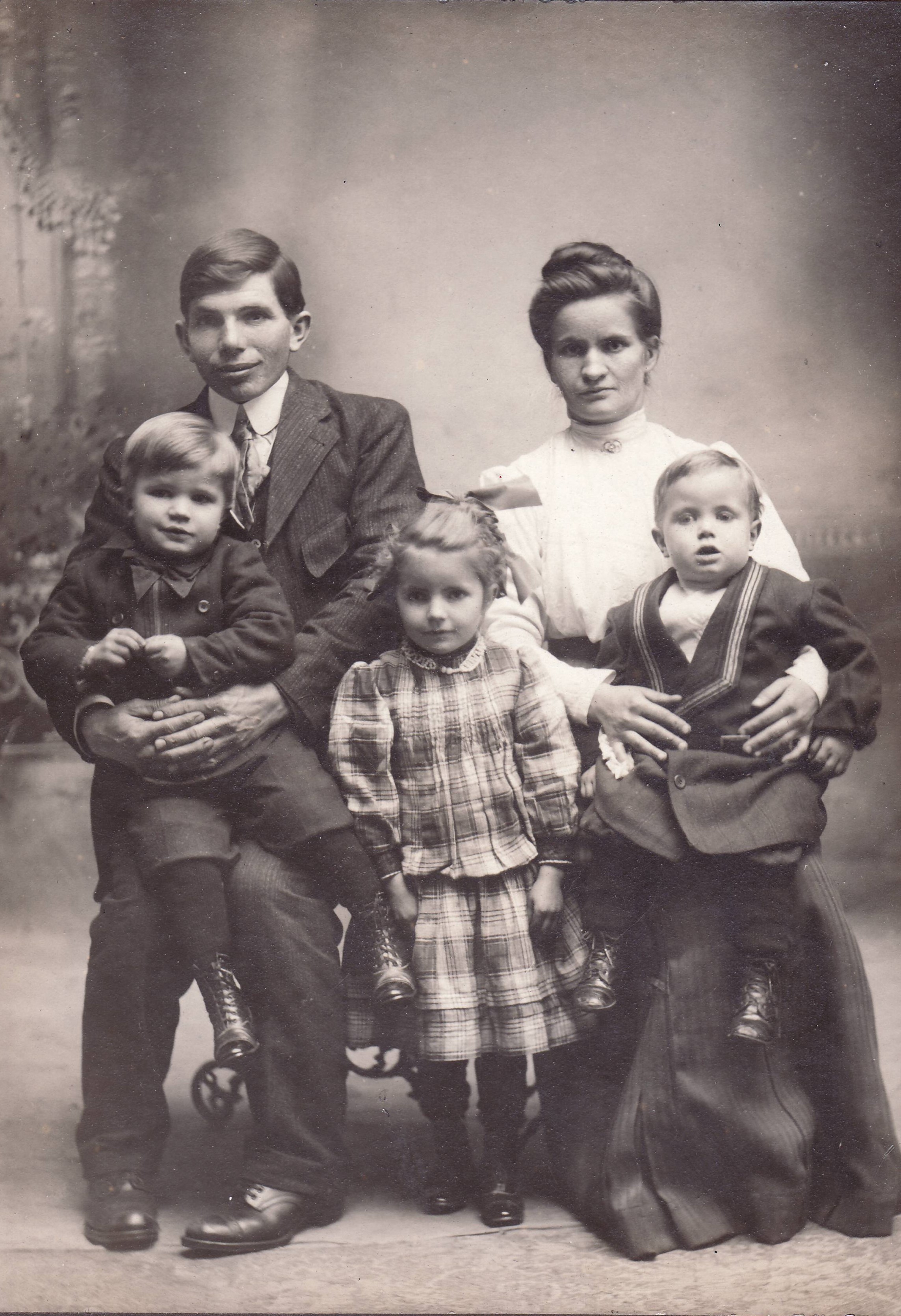
George and Minnie would eventually have 12 children born to their marriage (Here are some pictures of the children). Nine of these would live to adulthood and marry.
Gerhardus Hermanus Van Leeuwen was born 22 February 1881 in Arnhem and died 19 November 1883 in Amsterdam, North Holland, Netherlands.
Shortly after Gerhardus’ birth, the family moved to Amsterdam. The family moved around quite regularly, sometimes only living in one place for a couple of weeks. This may show the family was struggling financially.
Elsebina Johanna Van Leeuwen was born 5 January 1883 in Amsterdam and died 18 Mar 1883 in Amsterdam.
Johanna Hermiena Van Leeuwen (known as Annie) was born 30 January 1884 in Amsterdam and died 20 July 1958 in Ogden, Weber, Utah. She married Ibele Idsenga (known as Emil Edsinga) 3 February 1905 in Ogden.
It is assumed that around this time (1885-1886) is when George incurred a head injury. My Great Grandmother, his daughter Dena, indicated he fell from a ladder. Other siblings reported to descendants that he was struck in the head with a board. This is believed to be the reason why the family moved back to Arnhem, that due to his inability to work, this may be the reason they returned to Arnhem to be near family and rely on them for help.
Elsebina Maria Catharina Van Leeuwen (known as Elsie) was born 7 March 1886 in Arnhem and died 2 March 1927 in Ogden. She married Elmer Leroy Staker 2 May 1906 in Salt Lake City, Salt Lake, Utah in the LDS temple.
The family then moved back to Amsterdam perhaps in pursuit of employment again. It was in Amsterdam that the Van Leeuwens met with missionaries of The Church of Jesus Christ of Latter-day Saints. George and Minnie were both baptized 4 June 1887. The story goes that George saw some men running down the street with people chasing them. Concerned for their safety, he pulled them into his home. He learned they were Elders of The Church of Jesus Christ of Latter-day Saints. The missionaries taught the Van Leeuwen the gospel and helped them convert leading to their baptism.
Gerhardus Hermanus Van Leeuwen (reuse of the older sibling’s name, known as George) was born 29 August 1887 in Amsterdam and died 21 January 1937 in Ogden. He married Maria Timmers 17 September 1908 in Salt Lake City.
A sponsor from Ogden,was to meet the family at the train depot in Ogden. But no one was there when they arrived. A man by the name of Mr. Dalbout, saw their plight, and he invited the family to go home with him. There was no place to stay for a long period, so they converted a chicken coop into living quarters. This is where the family waited until George could join them. She took in laundry from other families to support themselves until he arrived.
According to George’s 1932 death certificate, he suffered from epilepsy with psychosis for 45 years. That would predate his immigration to the United States. His mental health could have become an issue when immigrating, and it may have been easier if Minnie and the children had gone first and established their new home. That may have enabled George to follow the next spring without risk of having the family turned back. Epilepsy had a stigma of illness that the family had to deal with, everything from wickedness to a contagious disease. This way, only he could potentially be turned away from entering the county. The plan was that with the family already in Utah, he would be permitted to join them in Utah. George arrived 21 March 1889 in New York City, New York on the S.S. Veendam having left Rotterdam.
Minnie’s membership records appear in Ogden 1st Ward and Wilson Ward of the LDS Church by October 1888. The family settled in the area around Wall and 32nd in Ogden. A number of other Dutch emigrants were also in the area.
Hermiena Van Leeuwen (known as Minnie) was born 26 January 1890 in Ogden and died 21 August 1971 in Ogden. She married George Berglund 22 September 1915 in Ogden.
Jantjen Van Leeuwen (known as Jane and Jennie) was born 30 December 1891 in Ogden and died 27 July 1942 in Los Angeles, Los Angeles, California. She married Frederick William Bremer 10 December 1913 in Salt Lake City at the LDS temple.
Maria Van Leeuwen (known as Mary) was born 15 November 1893 in Ogden and died 16 August 1977 in Ogden. She married Andrew George Hewitt (known as Andy) 22 September 1915 in Salt Lake City at the LDS temple.
Hermanus Van Leeuwen (known as Herman) was born 10 July 1896 in Ogden and died 26 November 1973 in Ogden. He married Cora Edna Biddulph (or Lowe) 21 July 1916 in Ogden.
Berendena Van Leeuwen (known as Dena) was born 28 December 1898 in Ogden and died 5 March 1959 in Ogden. She married David Delos Donaldson (known as Dave) and I have written of their marriage at this link: Donaldson-Van Leeuwen Wedding.
Christiena Van Leeuwen was born 16 March 1901 in Ogden and died 20 March 1901.
Catharina Johanna Van Leeuwen (known as Kate) was born 2 December 1902 in Ogden and died 27 November 1975 in Ogden. She married Richard Leslie Collins (known as Les) 17 March 1920 in Ogden.
All the individuals who knew the family mention first how close the family was. The family was known that once a visitor was around, the food came out. Apparently Minnie was a master cook and all loved her food. She apparently made loaves and loaves of bread at a time. The neighbors knew what days she made bread and would regularly buy loaves from her. Friends of the children knew what day to come and eat some of Minnie’s bread. After she passed, her daughters had all learned well and continued the tradition and into their own families after marrying.
The family was also known for the practical jokes they would play on one another and the constant play quarreling. Even throughout life, some of the siblings would make up stories about other siblings that would make the sibling mad and things turned hot for a while and then the favor would return. All throughout the rest of their lives, the siblings met together oft and enjoyed meals together.
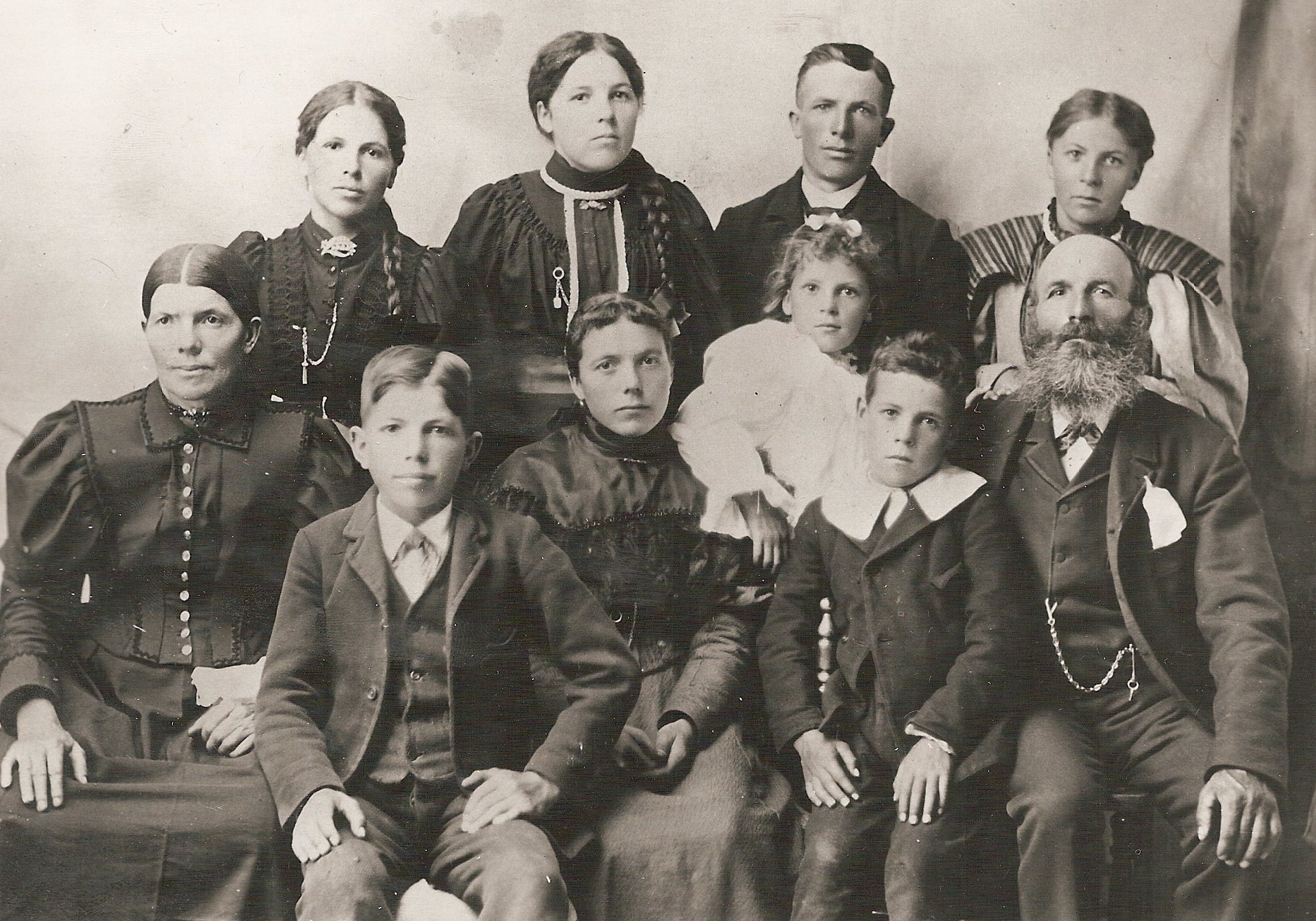
Five children in back (l-r): Minnie, Annie, Elsie, George and Jane. Second row: George, Dena, Hermina. Front: Mary and Herman.
The above photo placements are as follows. You can tell George and Minnie Van Leeuwen. Dena is sitting on the stool between the parents. The five children behind from left to right are Minnie, Annie, Elsie, George, and Jane. The two in front of George are Mary and Herman. Kate was not born yet when this picture was taken roughly in 1902.
George’s head and mental injuries continued to worsen as the years passed. The family either had to keep him safe during a fit and keep him calm to keep from inducing a fit. By the time 1911 rolled around, the family could no longer deal with his mental condition on their own. Dena referred to her “Daddy” as tender and sweet and then at the switch he would become angry and threatening. He had made enough threats and raised enough raucous that neighbors called the police. George was committed to the Utah State Mental Hospital in Provo, Utah, Utah in 1911. The family tried to get him out and succeeded. Unfortunately, he lost control again and ended up spending the rest of his life in the mental hospital. The family would drive down nearly every weekend to pick up “Daddy” and keep him for the weekend before taking him back. By the mid 1920’s, they could not even take him home on the weekends his condition was that poor and uncontrollable.
Photo from George’s Utah State Hospital file
“Momma Minnie,” as she was known to friends, died 9 June 1921 in Ogden. She was buried 3 days later in the Ogden City Cemetery. When Hermina died in 1921 she left a will specifying $1 to Gerhardus who was in state care and otherwise her estate was divided among her surviving children. Hermina died at Elsie’s home. George died 5 January 1932 in Provo, Utah, Utah. He was buried 3 days later beside his wife.






































 Sagacity