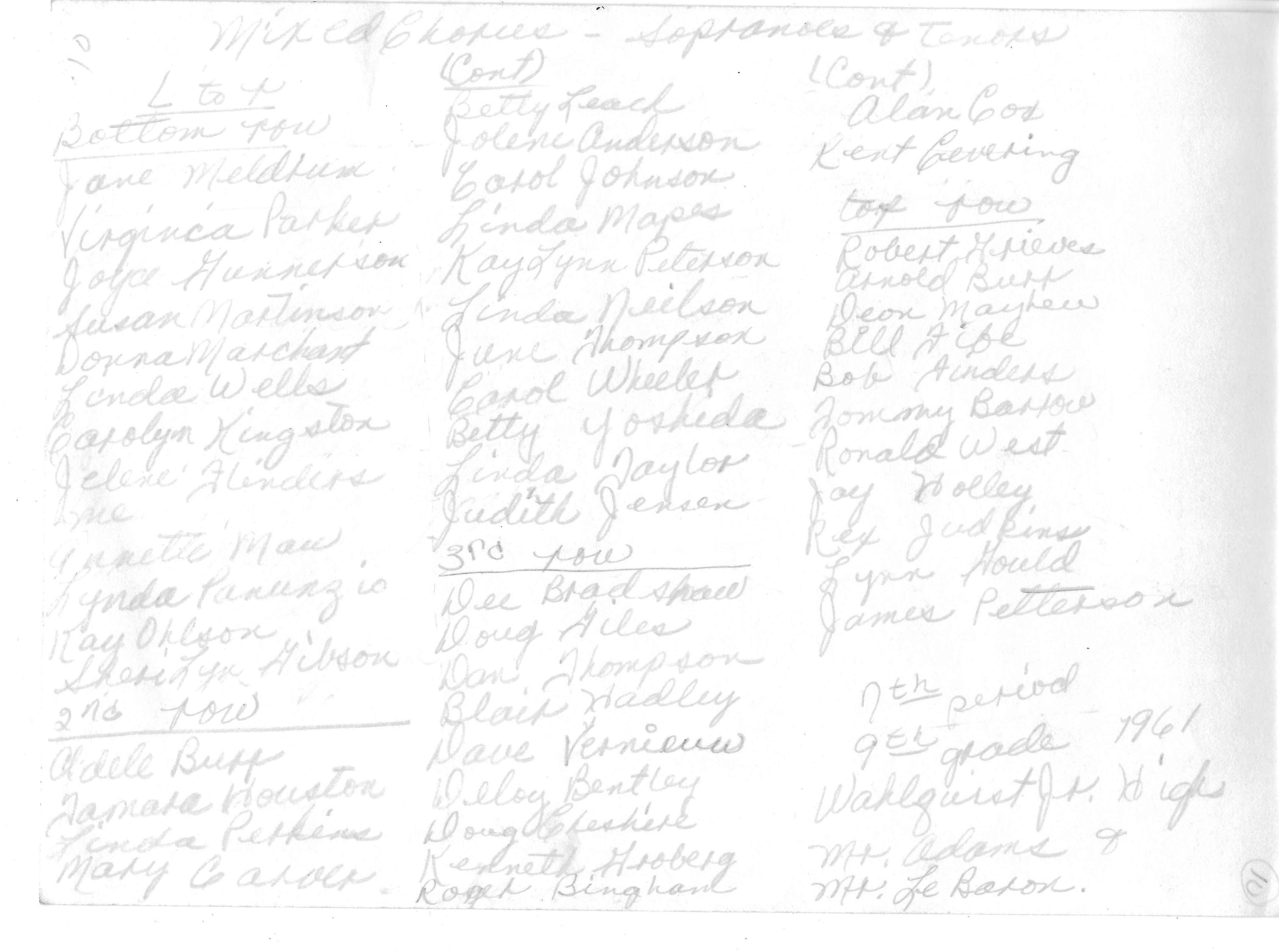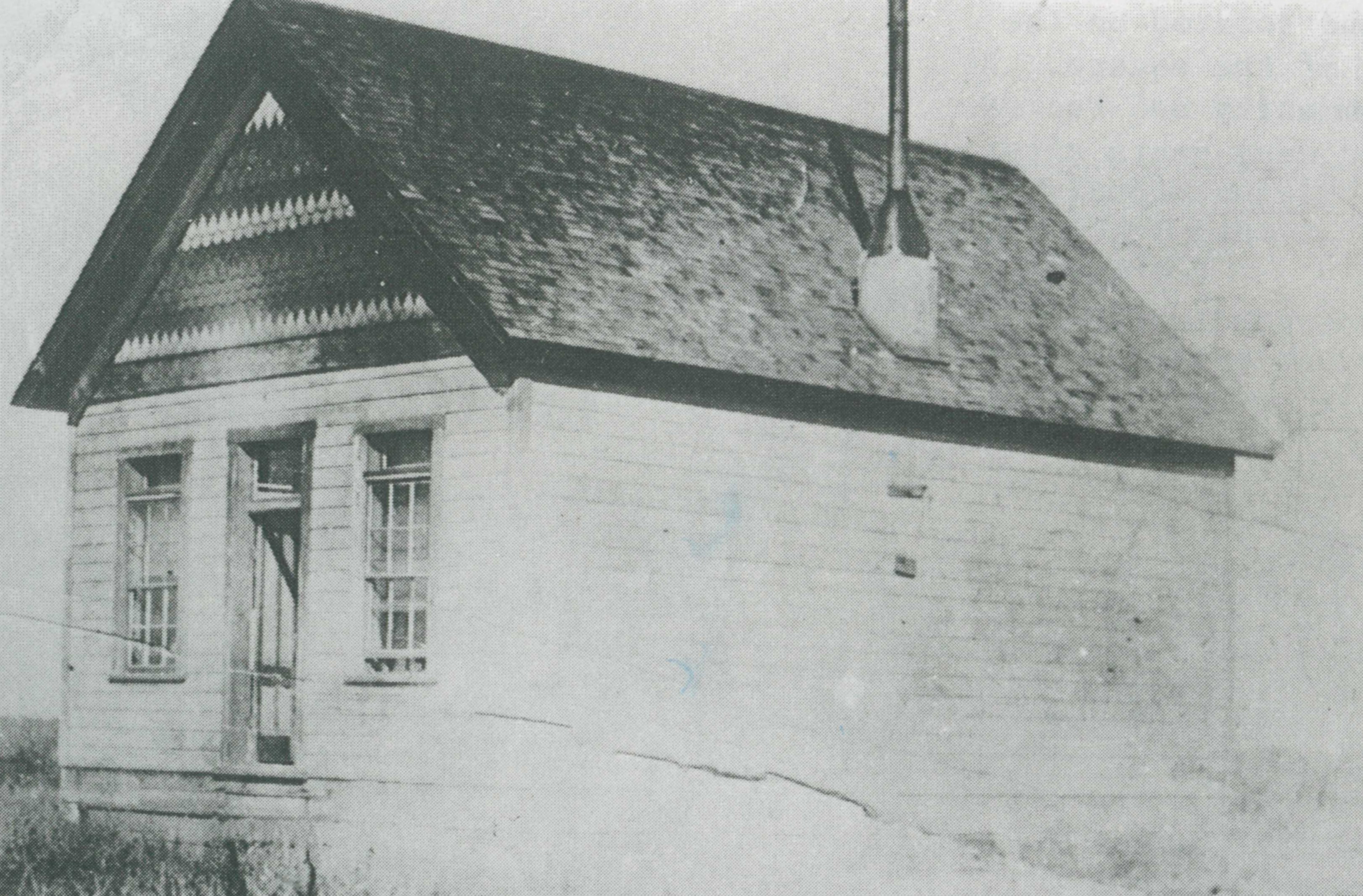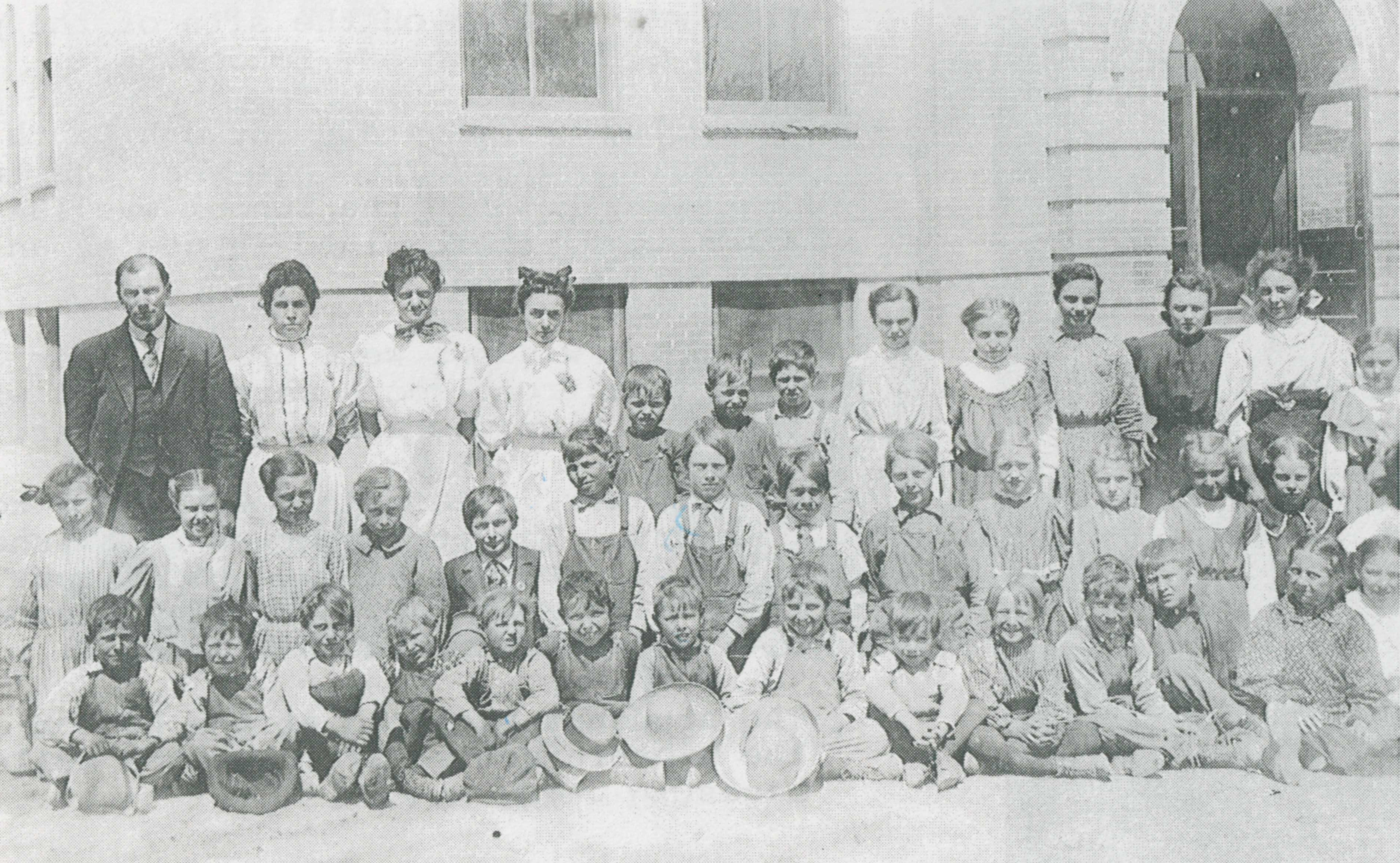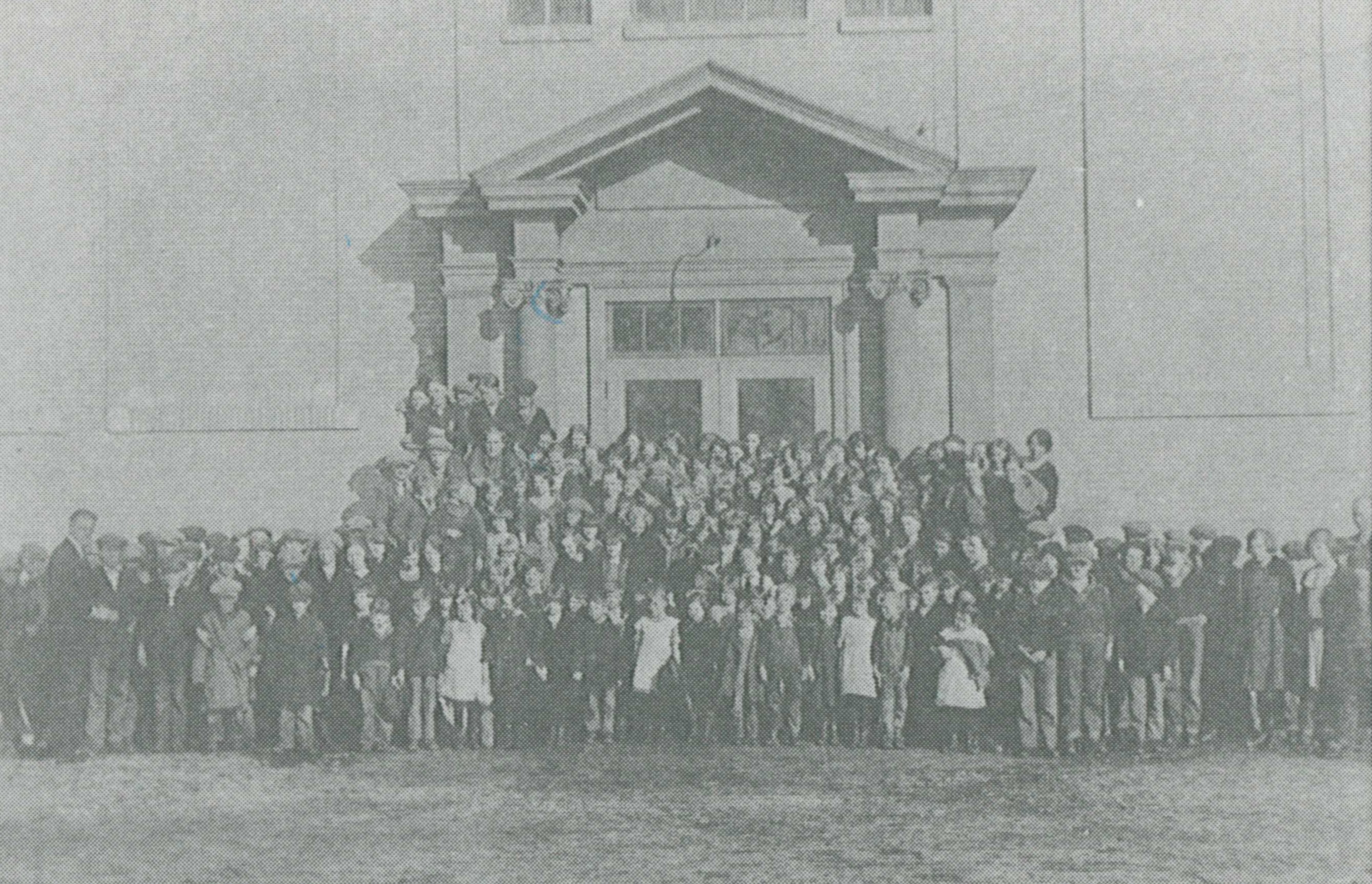
Wilson School, Class of 1938–1947

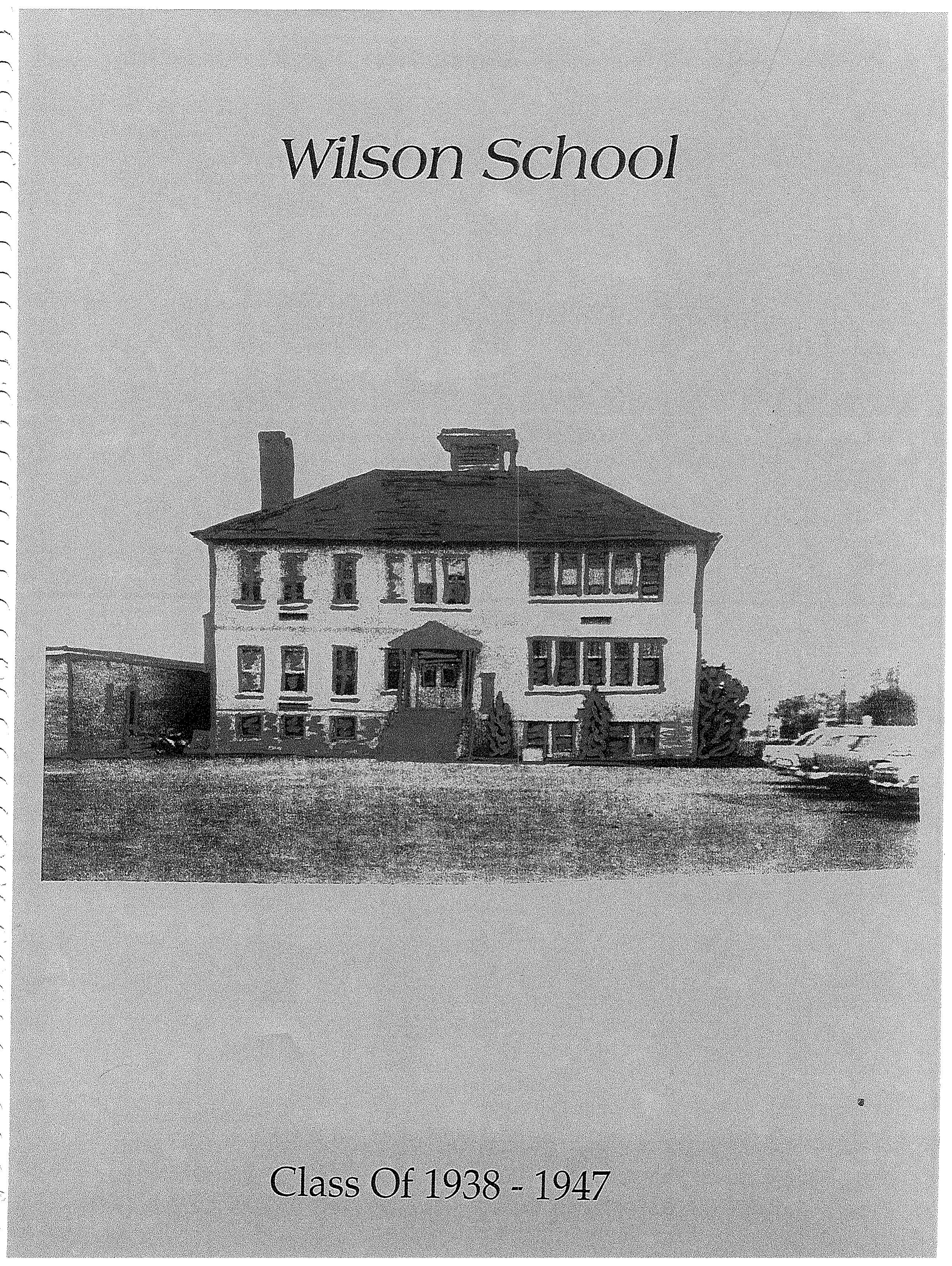
Wilson School building, Class of 1938-1947

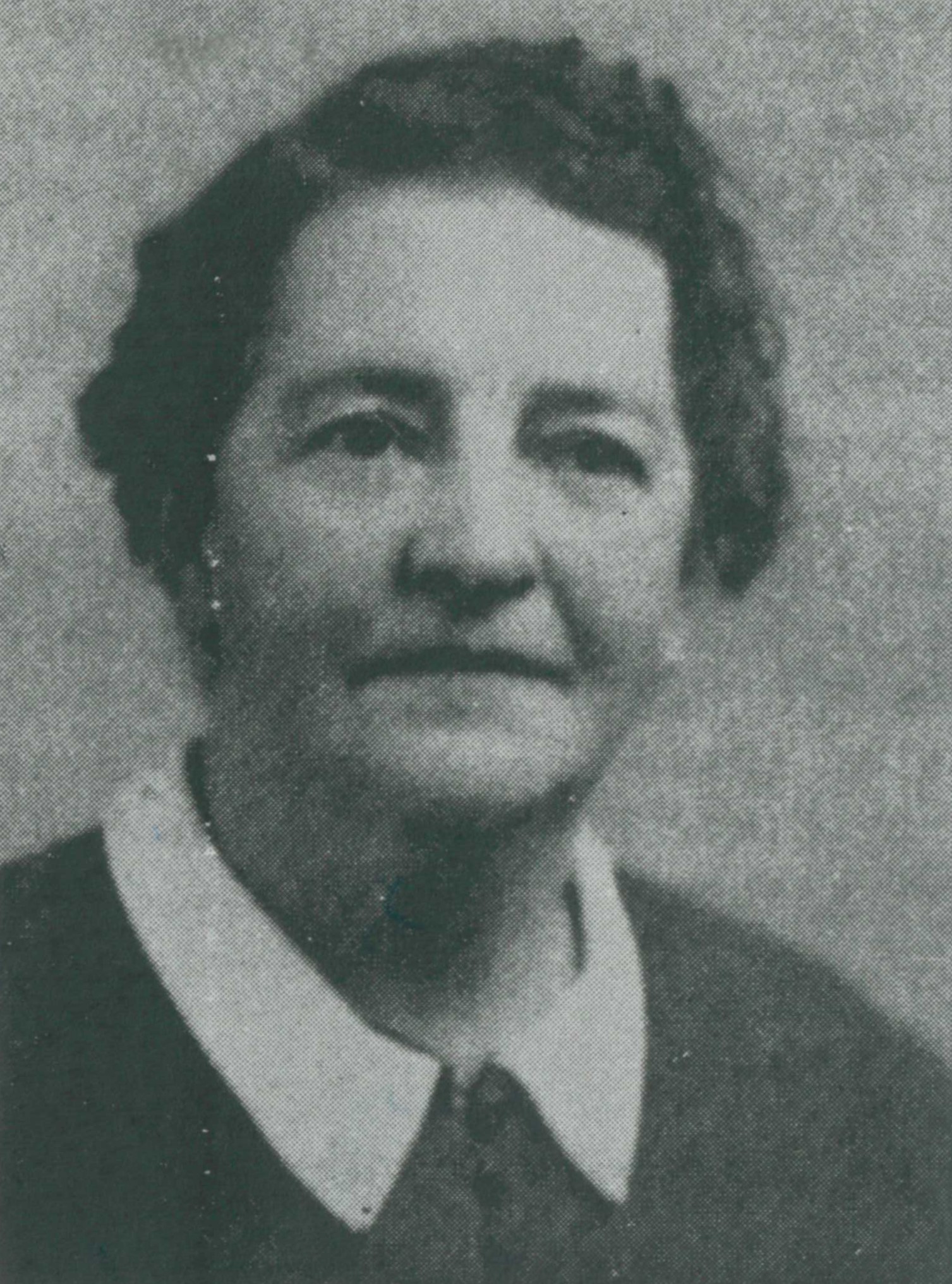
This is a book I received that belonged to my Great Aunt Betty Oram Donaldson. I was not sure exactly what to do with it, other than share it for family history purposes. The photos in the book were not very high quality, but I am replicating them here anyway. Hopefully this history is of value to someone else who has family in the book.

“It’s a Great Life”

It’s the time in life for all of the Wilson School Class of ’47 to stop for a moment and realize that “It is a Great Life.”

We are matured and “aged” to the point that we are willing to accept that we are what we are. We realize that all of us have talents and abilities and that no two of us are alike, but that’s what makes us successful and happy. We are happy when we use our abilities and develop our talents.

In sports and business they often refer to “a level playing field,” meaning that both sides of the competition have equal opportunities. Therefore I believe that in life competition, the only “level playing field” is when we compete with ourselves. Our goal should be to do the very best we can, because no one else has the same talents, or abilities, or past experiences that we as individuals have. It has been said that we are the sum total of our past experiences. I believe our religious freedom and our constitution give us the opportunity to pursue success and happiness.

At the reunion dinner it was noted that all of us were satisfied with our accomplishments in life and most of us were in the service of others by actively volunteering in our churches, schools, civic organizations or other needy causes. Yes! It is true that most of us are involved in golfing, traveling, or other hobbies that we have looked forward to doing while preparing for these Golden Years. The time and resources to pursue and enjoy these activities make it “a Great Life.”

I am proud and honored that I attended Wilson School and associated with all of you there. From that small class we have many success stories and important things that we have done. Each of us has his or her own success story to be proud of whether it’s related to our families, our friends, our activities in church, our civic involvement, our involvement in other special organizations, or our career successes.

It has been said that when we die if we have five close friends that we have been successful in life, If that is true, then all who were part of the Wilson School Class of ’47 are successful individuals because of the friendships that we share today.

May each and every one of us continue to be successful and happy in our daily life, and always remember that it is a Great Life.

— R. B. (Bud) Willey, Class of ’47 Student Body President


History of Wilson School Class, 1938 to 1947

Many of you attended your very first school years in another school. As each one came to Wilson we became friends and so your memories will begin where you started. For a few of us our total elementary school experience was in the old Wilson School and that is why we started this memory book with the first grade.

First Grade, 1938–39

Our first grade teacher was Miss Dorothy Poulsen. She was young and pretty and we loved her. Our first grade class room was upstairs on the southwest corner. It was large with windows on the south and had wood floors. We had tables and chairs, a playhouse, a sand table and a space for a reading circle. We read from Dick and Jane books. We carried our lunches to school and stored them in a screened cabinet in the hallway. Many of us had Snowdrift shortening buckets for lunch pails. That year the front entrance of the school faced north with steps going toward the road. There was no cafeteria. First and second grades were excused at 2:00 p.m. to go home. That year we had two age groups in our class. We met with the children a year older than us. A doctor visited our class and checked our ears and throats. There were about 29 children in our room.
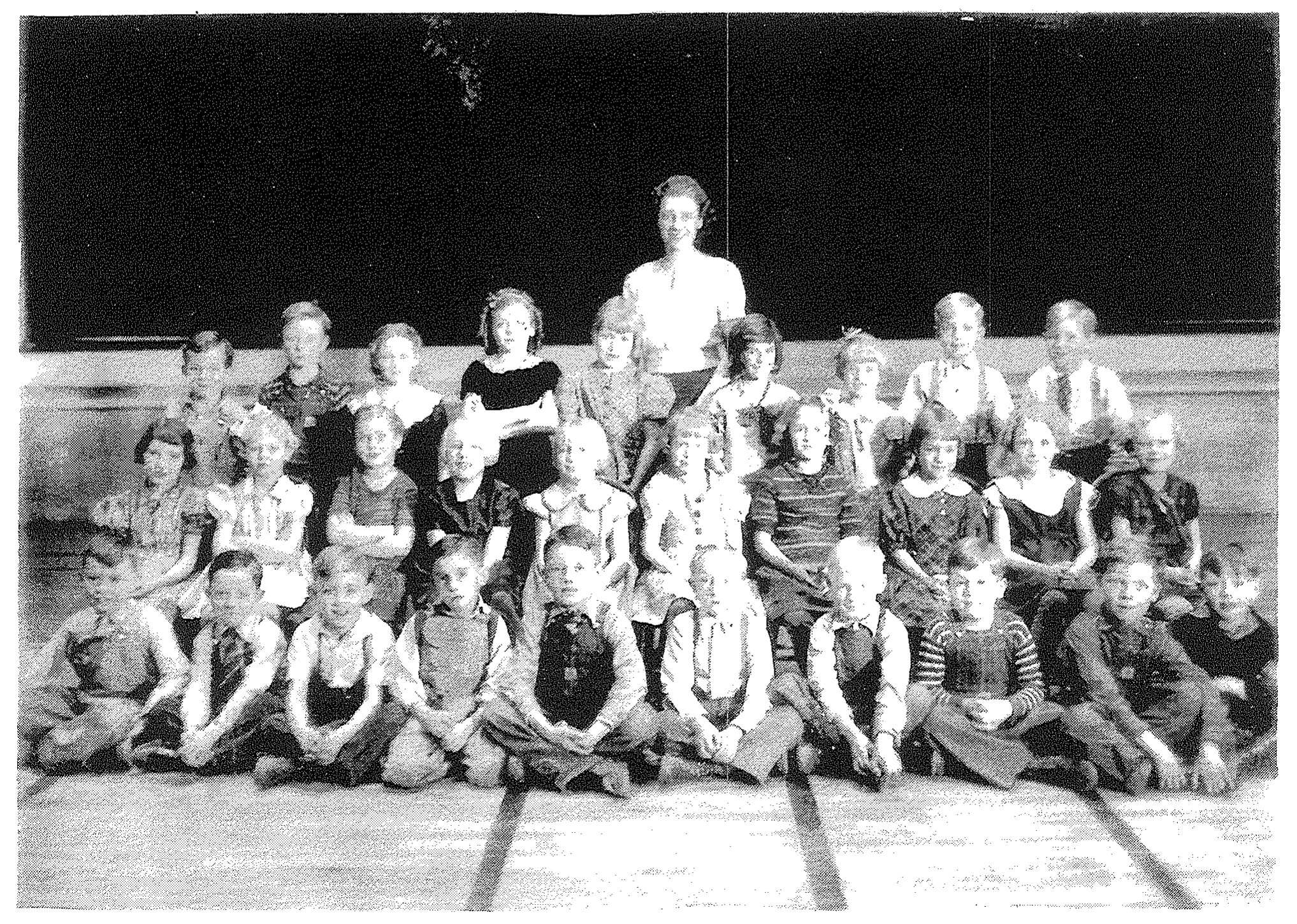
First grade class photo, 1938-39

Second Grade, 1939–1940

Our teacher was Miss Viola Poulsen. Our classroom was upstairs on the southeast corner with windows on the south and east and a fire escape outside. We had desks that year and reading circle space on the east. We learned reading, math and other subjects. The school district closed the Marriott-Slaterville School that year and those children came to our school, so we had one age group of children in our classroom. About this time in the second or third grade we began getting soup for school lunches. They brought buckets of soup to the classrooms and passed enamel bowls and spoons to each student and filled them with soup. That was the forerunner of school lunches. About this time the school was remodeled so that the entrance faced the east and the office was built where the north entrance had been. The bathrooms were downstairs in the basement.
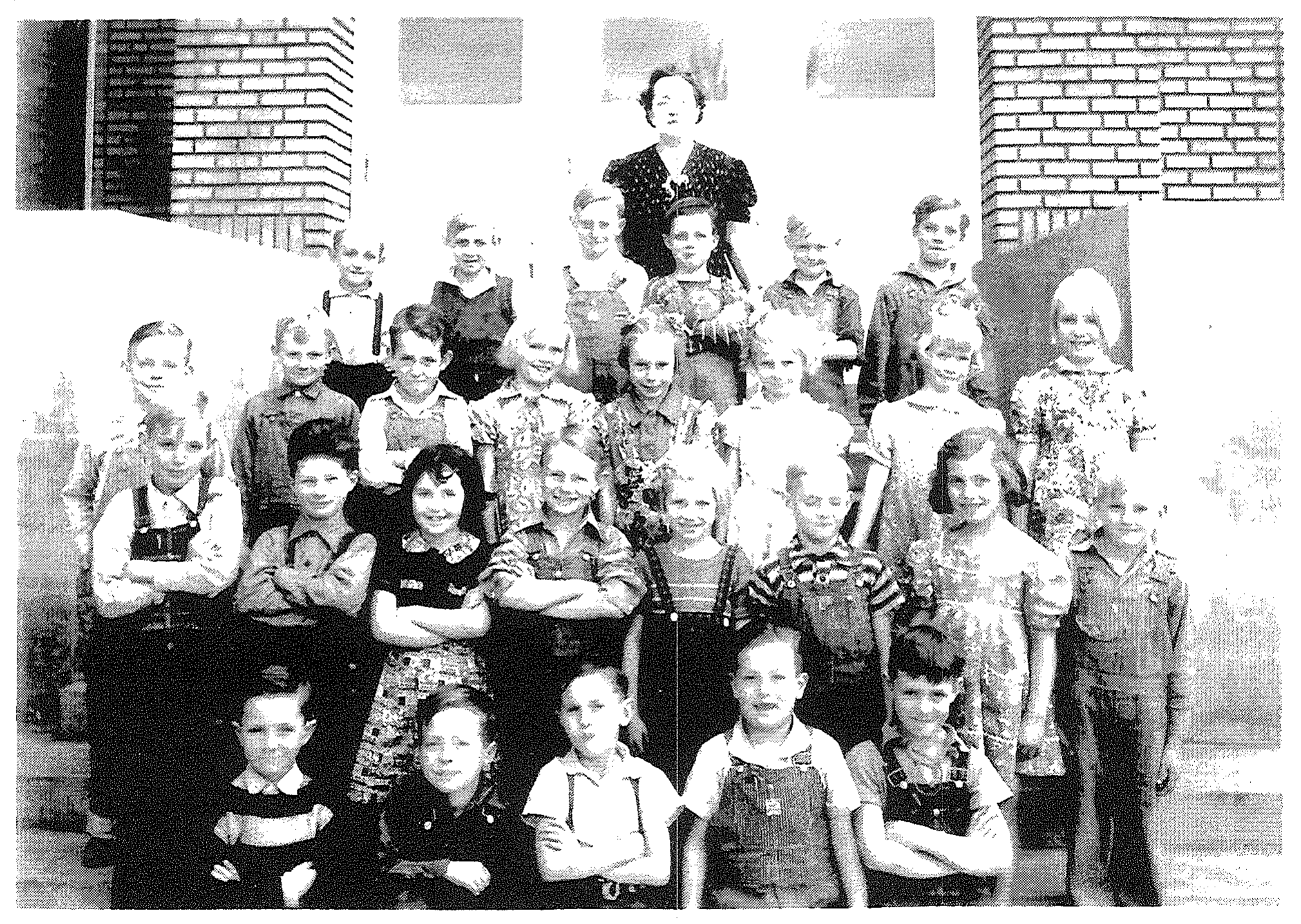
Second grade class photo, 1939-40

Third Grade, 1940–41

Mrs. Folkman was our teacher. Our classroom was the upstairs northeast corner or the southwest corner. There were 29 children in the class.
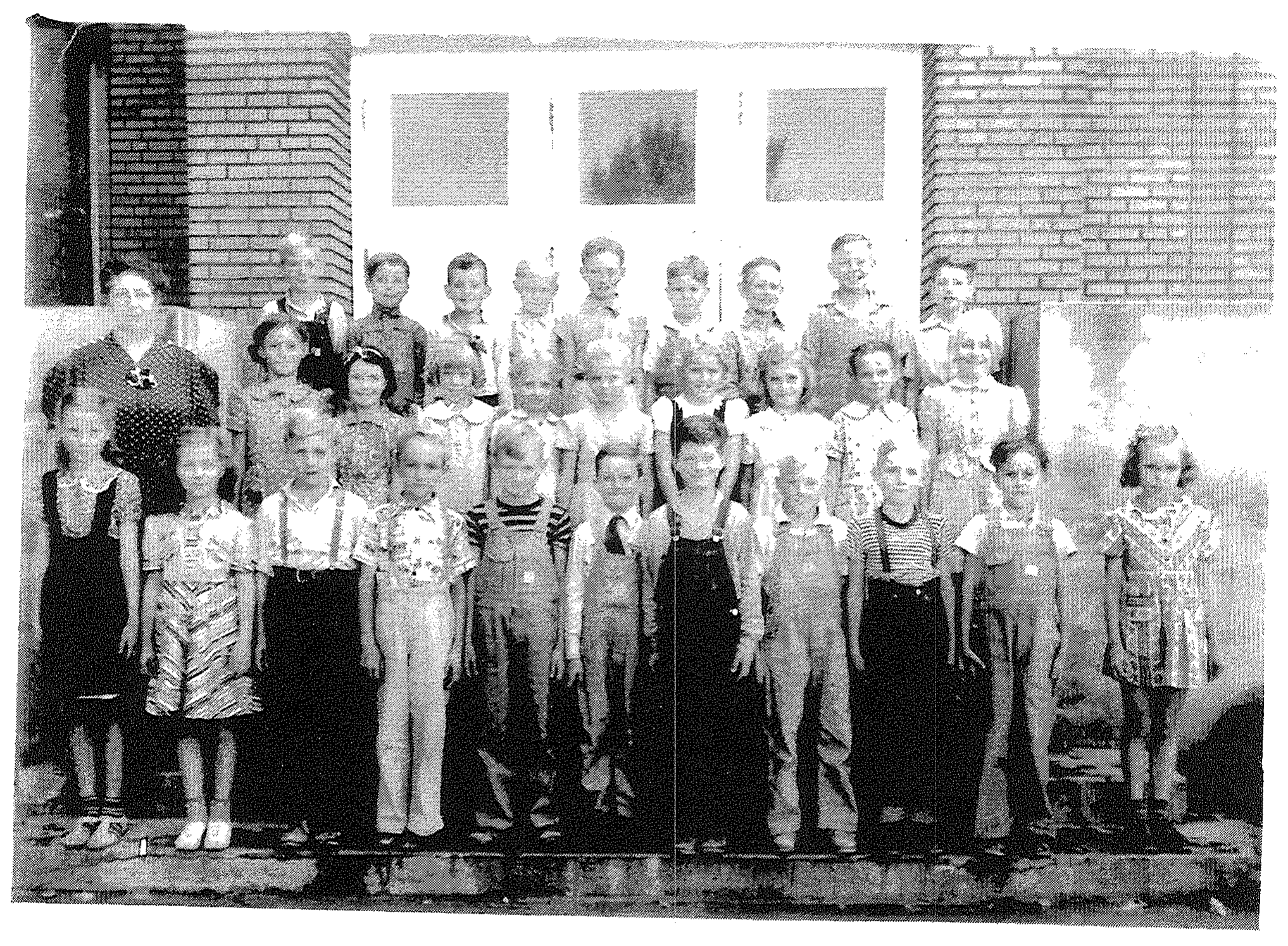
Third grade class photo, 1940-41

Fourth Grade, 1941–42

These were the war years. Our teacher was Miss Chadwick. Our classroom was the upstairs middle room on the north. These war years were very hard. School was closed in the fall so the older school boys could help harvest farm crops. We went to school on Saturdays a while to make up the time. The older boys were soldiers and were drafted to fight Japan and Germany. Many of our brothers were soldiers. No school pictures were taken during our fourth, fifth and sixth grades because all resources were concentrated on helping the war effort.

Fifth Grade, 1942–43

Our teacher was Miss Vera Shaw. She was a superb teacher. Our classroom was the upstairs northeast corner. About the time of fifth or sixth grades they began school lunches and we had tables in the basement in the hallway. I don’t remember when the cafeteria was built.

Sixth Grade, 1943–44

Our teacher was Vera Shaw again. Our classroom was on the main floor southeast corner. As an activity one day we made butter by shaking cream in a bottle then we each had a cracker with butter on it. We learned reading, math, and spelling etc. It seems like part of this year we had Mrs. McGrath for a music teacher and we made a book of all the old music composers. We bought victory stamps and gave the government the money to help fight the war. A favorite game of the boys was marbles. Each boy took great pride in his collection of marbles and his skill at shooting. The girls played jacks. We had a rubber ball and a set of 12 or so jacks and we would sit on the floor in a circle or around a table and go clear through onseys, twoseys, downseys, under the bridge or over the bridge etc. Another favorite of the girls was jump rope. If you could do “Red Hot Pepper,” or “Double Dutch” without missing you could jump quite a while. To be able to run in and out without missing was a keen skill. The boys played baseball. Another favorite game was “Pop the Whip.” Boys and girls would hold hands “tight” and run in a snake line and try to pop the end person off. We took turns being on the end to be popped off. Another favorite was “Flying Dutchman”. We were in a circle and two people ran around the circle. If your hands were touched you ran to beat the other couple to the empty space. Another favorite in winter time in the gym was four-corner kick.

Seventh Grade, 1944–45

Miss Maude Holmes was our teacher. That year for a very short while we had a Mr. Carter who was unusual. He stole some of our lunch money. Our classroom was on the southwest corner of the main floor. Around this time the school district built the cafeteria on the south of the school. We blessed the food and everyone ate together and we learned dining etiquette. The mashed potatoes and hamburger gravy and chocolate cake were favorites.
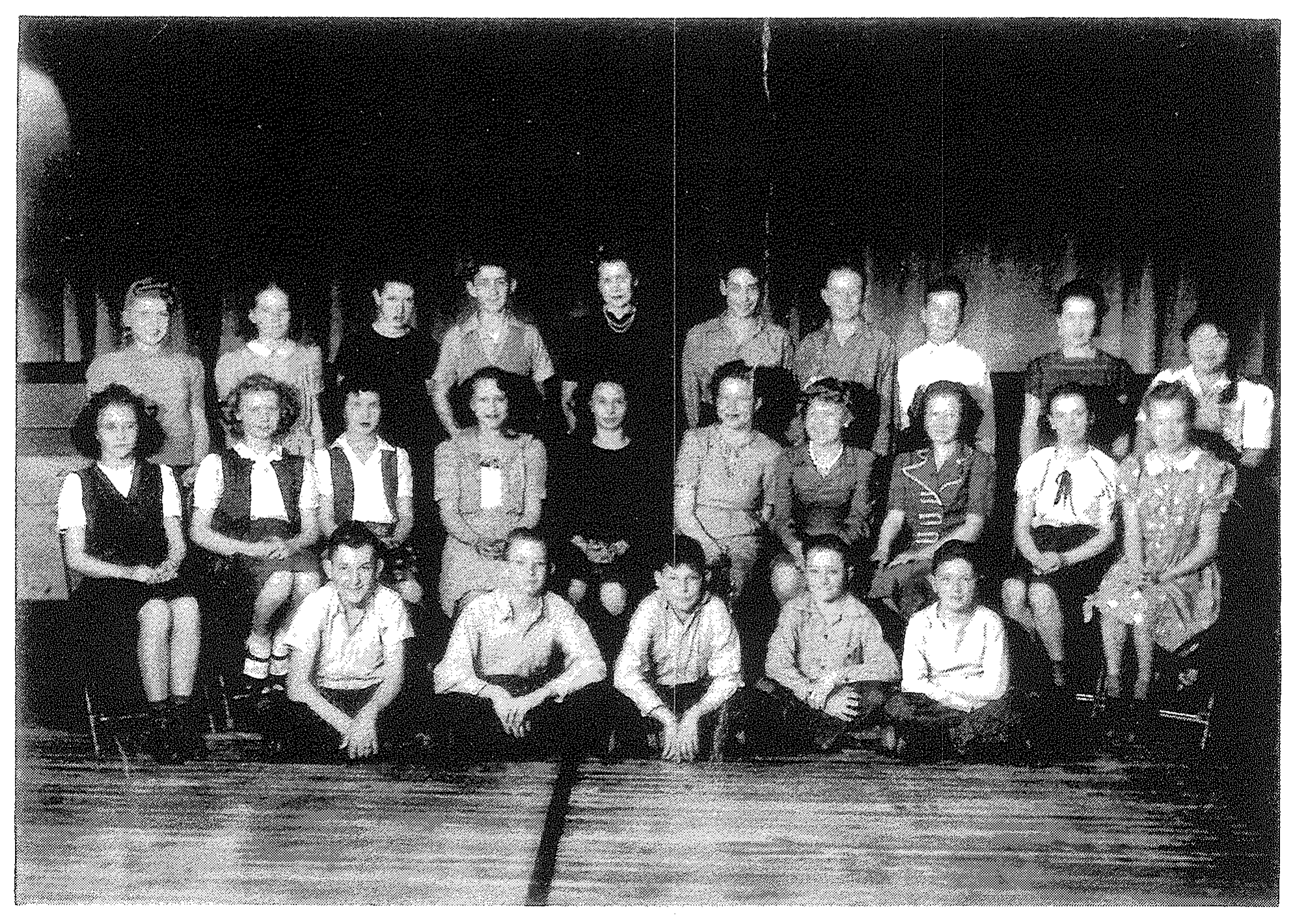
Seventh grade class photo, 1944-45

Eighth Grade, 1945–46

Mrs. Woodward was our teacher. Our classroom was on the northwest corner of the main floor. There were 27 in our class. World War II ended and the United States began it’s healing process and the rebuild.
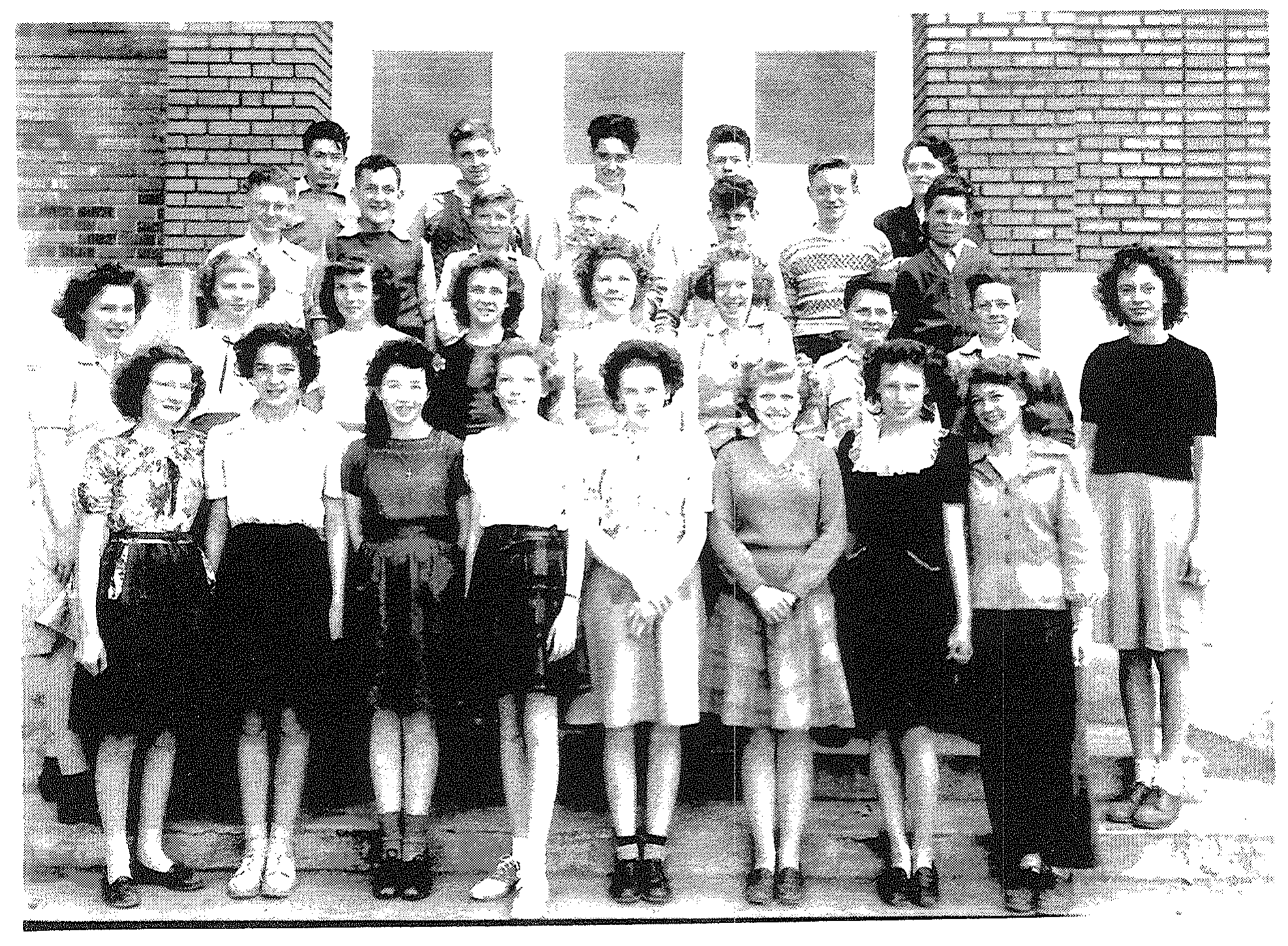
Eighth grade class photo, 1945-46

Ninth Grade, 1946–47

Mr. Leland Reese was our teacher and our classroom was on the northeast corner of the main floor. We were becoming sophisticated adolescents. Mr. Reese taught us first aid. Mr. Wheat Taylor was our principal. Mr. Pettigrew was the orchestra teacher and some of us played instruments. We had basketball and baseball games against the other schools on Fridays.

Wilson School was a safe and healthy environment for children to grow. The teachers respected our childhood and watched over us with kindness. Every year each class in the school participated in a school program. Mr. Arthur Taylor was our principal in the early years. A Mr. Chadwick was principal for a time. Wheat Taylor was principal in our later years and helped prepare us for high school. All in all we had a memorable early school experience and look back at those fun years with fondness.
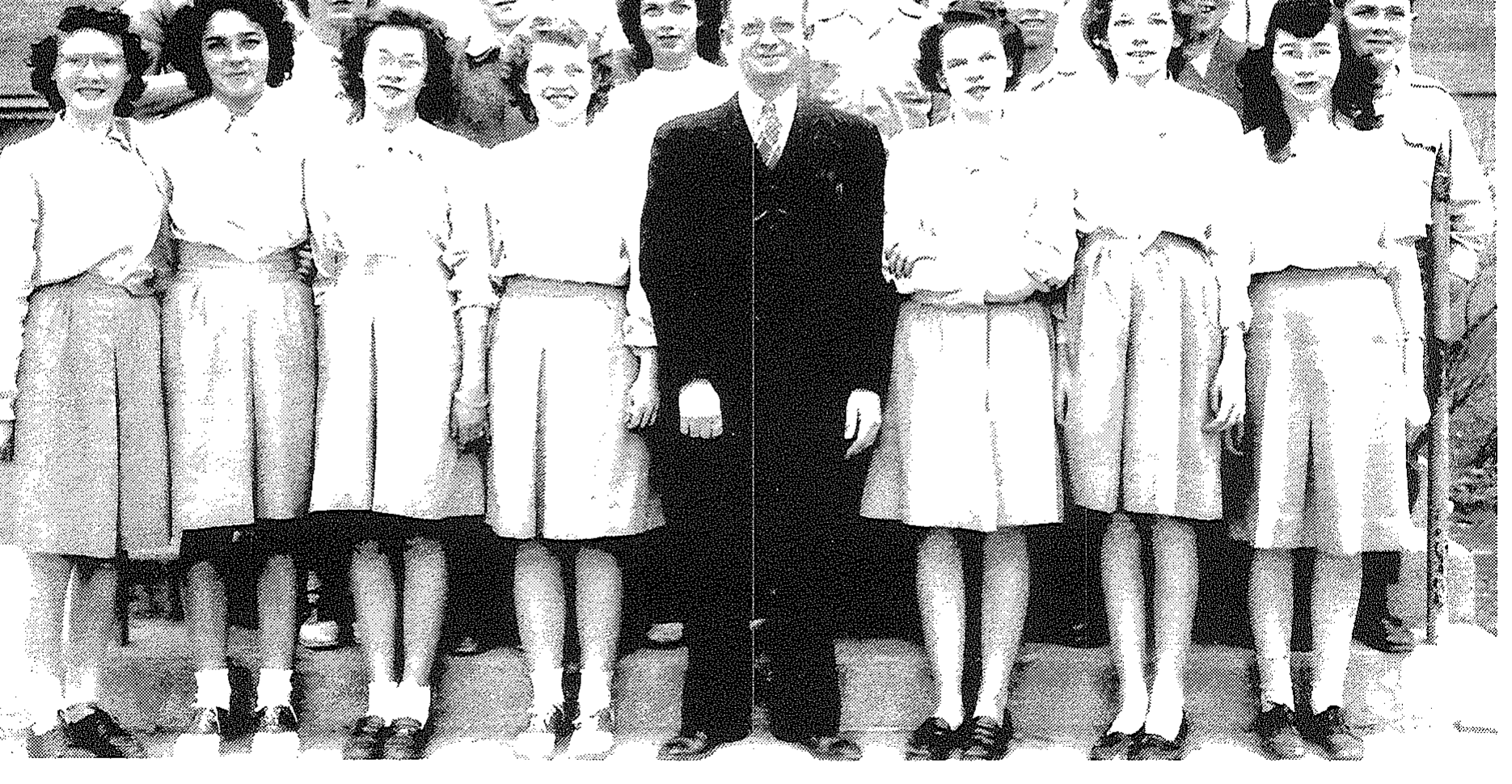
Ninth grade class photo, 1946-47

Ninth Grade Class of ’47 Reunion in 2000

Drauca Marston Holmes, Lola Taylor Sheffield, Louise Holmes, Marilyn Bowman Garner, Betty Lou Buck Schulze, Emma Ropelato Walling, Nona Flitton Forsgren, Gladys Sorensen Gibson, Lila Stone Harwood, Robert Holmes, Gordon Belnap, Betty May Oram Donaldson, Rudell Willey, Jewel Checketts Atwell.
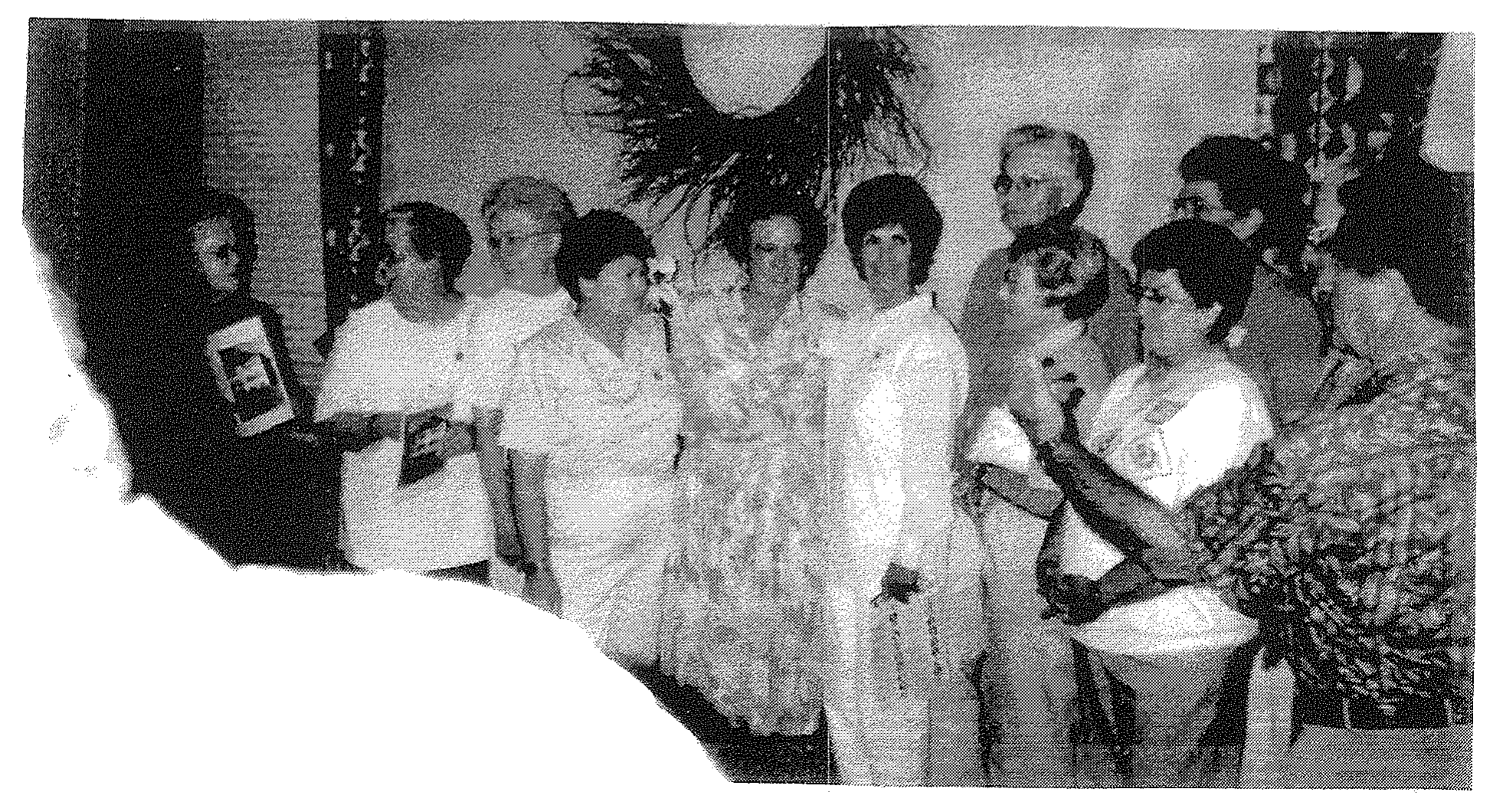
Reunion photos, Class of 47, 2000

Where Are They Now

GORDON “DUTCH” BELNAP
Gordon Belnap

Married Faye Robins in 1951. Three sons, Rob, Tim, Mike. Eight Grand kids. US Navy: Honorable Discharge. Weber Jr. College 2 years. Utah State: Grad 1958, Masters 1965. Coach, Utah State University 13 years. Athletic Director Weber State University. Faye passed away Aug. 1996. Married Karen Smith Sept. 1997. Hobbies: woodworking, golf, travel, volunteer 2nd grade teacher.

MARILYN BOWMAN GARNER
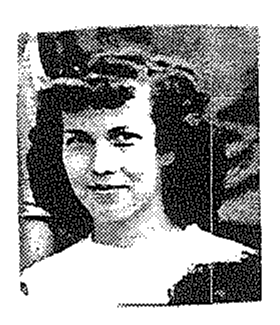
Marilyn Bowman Garner

I’ve had a good life. I attended Weber College, married Don Butler and had 2 children, Kathy and Gary before leaving Ogden in 1956. We lived in Pocatello, Idaho before moving to Grand Jct. Colorado. During our 15 years in Colorado, I worked for a wholesale drug company and the last year as office manager, bookkeeper for an ophthalmologist. While living there Vickey and Jodi were born. Our son was killed in a car accident in 1968 and in 1971 Don and I were divorced. I moved with my girls to Salt Lake in 1973 where I spent the first 4 plus years as office manager/legal secretary for an attorney. Then I went to work for Salt Lake County. When I retired in 1999, I was fiscal manager for the SLC Public Works Department. I married Clair Garner in June of 2000. We plan to keep up the good life with travel, golf, volunteer work, genealogy and enjoying our 9 grandchildren.

BETTY BUCK SCHULZE
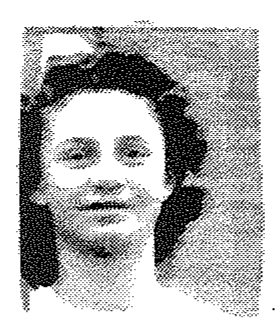
Betty Buck Schulze

When I left high school, I married Marler Williams. A boy, Monte B. was born of that marriage. Marler died 8 months after Monte’s birth. I went to work at HAFB to support myself and Monte. While working at Hill, I completed my schooling at Utah State University. I married Willard Smith. One son, Donald was born of that marriage. After Donald’s birth I returned to work at Hill. I worked as a supervisor for several years, then selected to study under Dr. Fredrick Herzberg, Distinguished Professor of Management from University of Utah. Under Dr. Herzberg’s guidance I completed a Masters Degree Equivalent in Industrial Psychology then taught Organizational Development, Air Force wide. I retired from HAFB with 25 years service. Willard and I traveled for 8 years prior to his death from cancer. I am now married to Hugo Schulze. We are enjoying our children, grandchildren and great grandchildren. I love to golf and play every chance I get. I have played on bowling leagues in the past. I had a wonderful time golfing with my past friends, especially Dutch Belnap, at the Weber High Golf day in 2000.

JEWEL CHECKETTS ATWELL
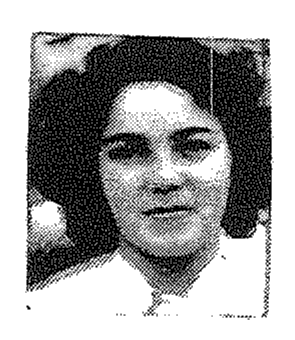
Jewel Checketts Atwell

I was engaged my senior year, and married Daryl Hendrick on June 19, 1950. We settled in Layton and had 4 girls and 2 boys. I played on the church softball team until I tore the cartilage in my knee, then I helped coach. We moved to Santa Fe, New Mexico and I started my dream of becoming a nurse. I worked 25 years in all areas of nursing, really enjoyed it, and learned a lot. Daryl passed away in June ’68. That was the year I met Gene. I married him in Nov. ’78. He is my best friend, lover and husband. He’s really been good through all the surgeries I’ve had. Gene had 4 children and our families are like one big family, all getting along well. These 21 years have been so happy! We have a total of 10 children, 26 grandchildren and 4 great grandchildren. Gene is now retired from US West [Quest] and we live in Roswell, New Mexico.

JOHN EILANDER [JACK]
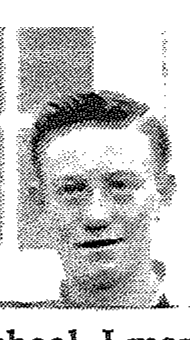
John Jack Eilander

Upon my graduation from high school, I married and went into the US Army. After my release from the Army, I went to work for 3 years at the Ogden Arsenal. Subsequently, I was hired by Weber State University, where I retired in 1992 after 38 years of service. I am the father of 6 children, grandfather of 11 grandchildren and great grandfather of 10 great grandchildren.

NONA FLITTON FORSGREN
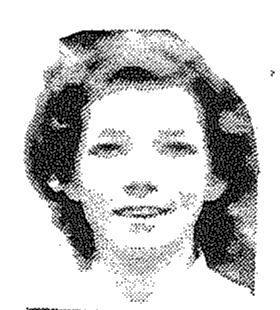
Nona Flitton Forsgren

After graduating from high school, I got a job at a 5 and dime store for a short time before the opportunity came for me to take employment at Hill Air Force Base as a sheet metal mechanic. I had met my husband, Judd, at a senoir class party. After dating for some time we were married in 1953. I quit work to have our family of 3 daughters. We lived in Ogden and Willard then back to the Ogden area of Kanesville, West Haven. About the time our girls were in school, I again had a chance to return to my old job of riveting. I worked on the F4’s and F16’s. After 22 years of enjoyable service at HAFB, I retired in 1987. I have been busy since, wondering how I had time to work. Judd and I have traveled long and short trips, taken cruises and just the summer of 2001 traveled to Sweden, my husbands long time desire. I have served as Relief Society President in our ward and am enjoying my grandchildren as well as all the family. We have much fun and enjoyment with them. They are the greatest.

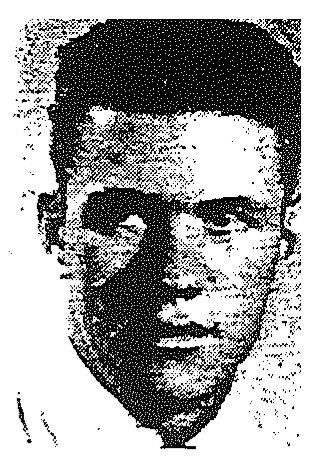
ROBERT WILLIAM HOLMES — February 17, 1932
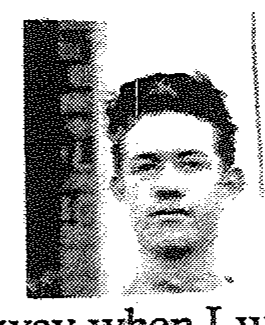
Robert Holmes, young
Robert Holmes, older

(“Where he’s at, there’s mischief” . . . “Bob” . . . likes any back seat . . . not a lone wolf . . . Windy’s always with him . . . they work together . . . that smile! . . . is the key to many locked doors . . . for Bob.)

Born and raised in Wilson, my Father passed away when I was 10, I was left to run the farm, which I did after school and during the summer months.

After graduating from High School I joined the Navy for a 4 year term. During the time I was in the Navy I was in several places in and around Formosa (Taiwan), Korea, Japan and China. It was very educational for me, seeing other countries and other cultures. In the Navy I was assigned to the aircraft carrier, USS BOXER, for eight months we cruised the seas patrolling the waters and land around the foreign countries. The rest of the time I spent in San Diego at Miramar Air Force Base and Point Mugu at Oxnard, California. I learned lots and seen lots during these eight years.

While in Point Mugu, I went a place called Jockey Meads, a resort between Oxnard and the San Fernando Valley, where I met Dorothy Lou Bates. I was invited to church in the Valley and stayed to a fireside at the Bishop’s house. My relationship with Dorothy continued and we were Married on July 17, 1953 in the Logan Temple. We have been blessed with five beautiful daughters, three son-in-laws and twelve grandchildren, six boys and six girls.

After my duty in the Navy, I enrolled in college at Utah State Agricultural College, halfway thru my years there they changed the College to a University, now called Utah State University. I graduated with a BS degree in Industrial Arts Education with a minor in Math after four years. The next summer I started my Masters Degree and a couple years later I finished my Masters in School Administration with a minor in Industrial Arts Education.

I was an Industrials Arts Teacher and taught wood shop for 35 years, retiring in June 1993. I was also a General Contractor for many years building houses and other structures.

I was the Chairman of the Wilson area planning committee for 14 years.

I was on the Weber County Board of Adjustments from 1988 until 1995, chairman of the board from 1990 until 1995. I also served on the Weber County Boundary Commission for one term.

I was the facilitator in organizing and establishing WEST HAVEN CITY – 1990. We became a city in July 1991 and I was the first Mayor serving for three years. While Mayor, I tried to get the city to agree to the sewer and secondary water but no one thought that was important and no one needed it, now, in the year 2001, it is needed and being put in the ground.

Keeping active in politics, I am currently the chairman of the WEST HAVEN SPECIAL SERVICE DISTRICT. Working with the city makes me feel like I have accomplished a great deal in my life and I enjoy what I am now doing. I am excited about every piece of pipe that is laid in the ground.

LOUISE HOLMES
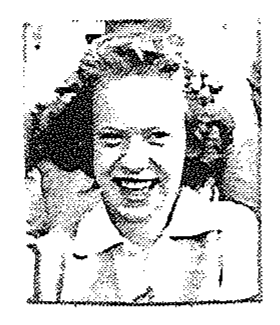
Louise Holmes

I’m still Louise Holmes, having never changed my name. Following high school I attended Weber College and received an A.S. Degree. Then I attended USAC and received a B.S. Degree. After teaching school for 10 years I went back to what is now USU and received a Masters of Education Degree. After 33 years of teaching school I retired. I have spent part of my time volunteering as a tutor for children ages 6 through high school. I’m still recognized by many of my former students. They always stop for a visit. Traveling has always been fun for me. I’ve taken many tours and have met people who still remain my friends. For the past 23 years I’ve made my home at the Three Fountains Condominiums in North Ogden

JoANNE HOWE GEARY
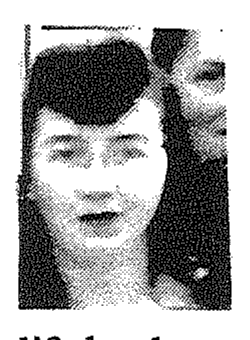
JoAnne Howe Geary

Since graduation in 1950 my life has been pretty good. I got married in ’52 and had my first boy in ’53, another boy in ’55 and girls in ’59, ’60, and ’66. They are all grown now and in their own homes. We have 11 grandchildren, 6 girls and 5 boys. My husband and I took our children to Puerto Vallarta, Mexico in ’75. We’ve been to Catalina Island off California 4 times. We like to travel when we can to visit our daughter and her family. My husband and I, for the most part, live a very quiet life. Don, my husband, likes gardening and watching video movies. I like to cook, do puzzles and watch quiz shows and video movies, of which we have a large collection. My husband also likes to paint and sketch. Two years ago, after wearing glasses for 56 years, I had my eyes operated on and now I only need glasses for reading small print and driving. We’re going to California, San Bernardino to be exact, in April to see our youngest granddaughter get baptized. We like to travel when we can. We’ll be celebrating our 50th wedding anniversary before the Winter Olympics in 2002. It will be a family affair.

CARMA KLINKE POINDEXTER
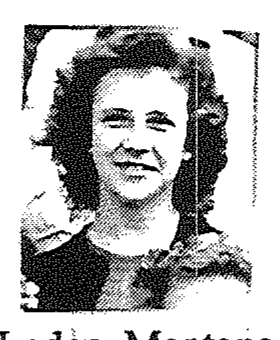
Carma Klinke Poindexter

I married Hugh H. Poindexter in Deer Lodge, Montana. He was a rancher and truck driver. I have three daughters, Denise, Kathy; and Ellie, six grandchildren and three great-grandchildren. I have lived in Ogden, Utah; Roy, Utah; Los Angeles, California; and Bountiful, Utah. My home has been in Bountiful, Utah for the past thirty-two years. My husband and I have drove truck together and traveled every state in the U.S. except the New England States and Hawaii. God has been good to me. We are retired Snowbirds now.

DRAUCA MARSTON HOLMES
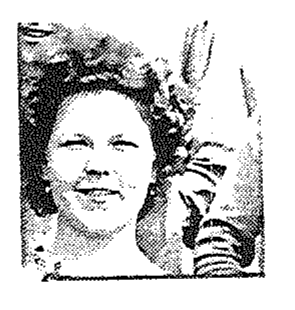
Drauca Marston Holmes

Drauca and Wayne Holmes were married in October following our graduation. Drauca worked as a secretary while Wayne attended Weber College. They moved to Logan where Wayne graduated as an electrical engineer. Drauca was an Executive Secretary for the Cache Co. Dept of Public Welfare. Wayne was commissioned into the Air Force and they lived in California and New Mexico for the next four years. Drauca was a stay-at-home Mom. They moved to Brigham City in 1959. They have four children and 14 grandchildren. Drauca worked as an Executive Secretary for Thiokol, NASA and the Air Force, performed semi-professionally for six years, graduated from Weber State University in Theater and developed the Heritage Theatre in Perry, Utah, for which she was the Executive Director for 23 years. She and Wayne retired in 1994 and have served an LDS Mission to the Family History Library in SLC.

BETTY MAY ORAM DONALDSON
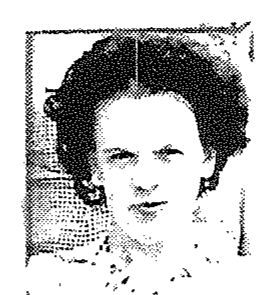
Betty May Oram Donaldson

My name is Betty May Oram Donaldson. I have lived in the Honeyville and Ogden areas during my younger years. I attended the Honeyville Elementary School and the Wilson Lane School, then the Weber High and Box Elder High Schools. After school I worked as a dental assistant and then a medical assistant until retiring at 62. I married David W. Donaldson in 1953. We built a home in Plain City, Utah and have lived there for 49 years. My hobbies are cooking, working in my flower gardens, fly fishing and all other outdoor sports.

EMMA ROPELATO WALLING
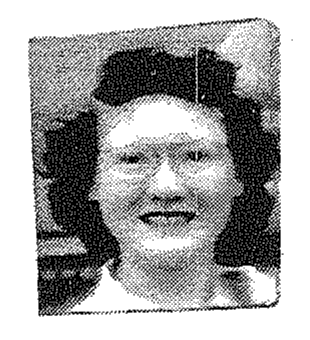
Emma Ropelato Walling

After graduation I went to work for Hill Air Force Base where I met my husband Richard J. Walling. We married Aug. ’53 and I continued working until Dec. ’54 at the birth of our son Dean. Our daughter Terry arrived Jan. ’56. I was able to stay home to rear the children until ’64. Then I went to work at the I.R.S. seasonally until I retired in ’90. My husband passed away in 1972 and my son died in an auto accident in ’93. I sold my home and moved in with my aging parents to help care for them until their deaths in ’96 and ’00. I now plan to visit my family in California and will enjoy traveling to long dreamed of places and spending time with my six grandchildren.

PAUL STOKES
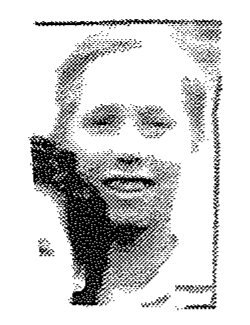
Paul Stokes

I married Mary Jean Miller June 1961 and we have two daughters, Julie Ann, 34 and Lisa Marie, 31. We have two grandchildren, Heather Lynn Beasley 8, and Nicholas Ryan Bronch 17 months. I graduated from Utah State University with a BS degree. I majored in education and minored in Psychology. I taught school for a total of seven years. I also was in the Air Force Reserve for seven years. We moved to Ward, Arkansas in 1965, where we owned and operated a dairy farm for 12 years, then went into the mobile home park business in Jacksonville, Arkansas, and have been renting mobile homes for the past 17 years. We are now semi-retired and have moved back to the farm in Ward. My hobbies are music, dancing and most of all watching the Arkansas Razorbacks football and basketball teams play.

LILA STONE HARWOOD
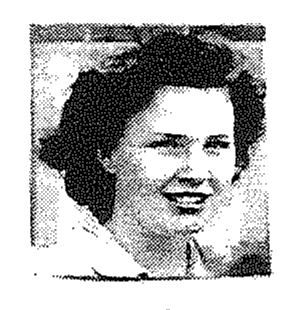
Lila Stone Harwood

I married Jack Harwood 52 years ago. One year later we had our only child, a son, Keith Harwood. He gave us 4 wonderful granddaughters. Our 3 older girls blessed us with 6 great grandchildren, 3 more girls and 2 boys. My husband retired a few years ago, but still works part time, which is nice for both of us.

GLADYS SORENSEN GIBSON
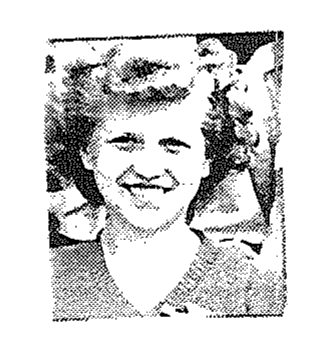
Gladys Sorensen Gibson

After graduating from Weber College with an Assoc., I married Gary Gibson in the Logan Temple. Our 4 children were born in ’54, ’56, ’58, and ’59, two girls and two boys. Our oldest daughter passed away in June, 1995. Gary traveled for HAFB fixing missile test equipment and I stayed at home with our children. In 1966 I was hired at Pioneer Elementary as librarian, so I went to school with our children. I cataloged the books and set up the library. It was on the job training. I read stories to the school children and taught library science. I worked there 15 years. I love children’s literature. In 1977 I enrolled at Weber State once again and in 1982 graduated with a BS in Elementary Education with a Library Endorsement. I was hired as a teacher at Kanesville Elementary in 1982 and taught second grade 13 years and retired in 1995. I have worked in many chruch positions the most recent being an ordinance worker in the Ogden Temple. I’ve been a member of 3 musical groups and performed as soloist and alto. Gary passed away in Oct., 2001. Now I enjoy making quilts, reading and my family. We have 3 living children, 13 grandchildren, and 2 great grandchildren. I’m trying to keep busy and enjoy life..

LOLA TAYLOR SHEFFIELD
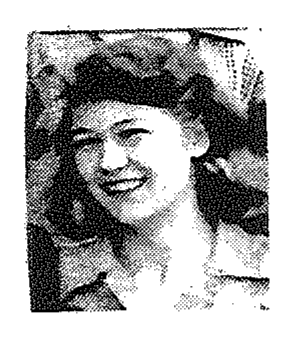
Lola Taylor Sheffield

What Have I been doing the last 50 years? After I graduated from Ogden High School, I took the Cosmetology Course at Weber College and finished after a year. Then I worked at a salon in downtown Ogden. The money was sporadic so when another job offer came at McKesson-Robbins Wholesale Drug House, I took it.

My brother was on a mission in New York and he suggested I come back to Palmyra to see the pageant, which I did. Among the many missionaries involved in the production was one Grant Sheffield from Kaysville, who I met while at the pageant. When he returned from his mission in December he called and came to visit to ask me for a date for New Year’s Eve. We continued to date through the next few months and we were married in June. Shortly after our marriage, Grant was inducted into Uncle Sam’s Service at Fort Ord, California. Our first daughter of three, Vickie, was born while we were at Fort Ord, followed by two more girls, Debbie, and a year later, Sherrie. (Three years after Debbie.)

After Grant graduated from the School of Architecture at the University of Utah, he was hired at Thiokol in the design section. We bought a newly constructed home in Salt Lake- that was another story- commuting back and forth from Salt Lake to Brigham City. Everything went great for five or six years, then Thiokol went down the tube. We were the first wave of the unemployed.

Our neighbor had recently left Utah and went to Tempe, Arizona, and already had set up an interview for himself. So we packed up and went job hunting, hoping to have similar luck. But our trip continued on to California. Another friend we had been close to left a job in California and took a leave of absence when he went to Thiokol in Utah. He took his old job back, with Metropolitan Water District in California, as an engineer. He told us they were hiring and Grant was hired. He retired after 32 years. We bought a home in Brea, California, (Tar Town). Brea means tar in Spanish. (La Brea tar pits in Hollywood or Los Angeles County, not the same.) We lived in an old oil-producing town. Our son Jared was born ten years after our youngest daughter. It took all of us to raise him; he was one busy boy.

We have 8 grandchildren, 5 boys and 3 girls, one little great granddaughter. Most of the children and grandchildren live in Utah. The oldest and the youngest, with 6 of the grandchildren and the great grandchild, live in Utah. Our daughter Sherrie lives in Texas and we have one in California.

We have done a lot of traveling with our children. We have enjoyed traveling with our children to see aunts, uncles, cousins, who were living in Canada, and my sister and their children living in New York. We could travel the country and do lots of visiting and also Mexico was close by and fun to visit too. We continued our traveling after our children flew the nest. Also retiring gave us more time to travel the globe. We have enjoyed spending our vacations in many countries.

We have had a great 50 years and look forward to many more.

RUDELL WILLEY
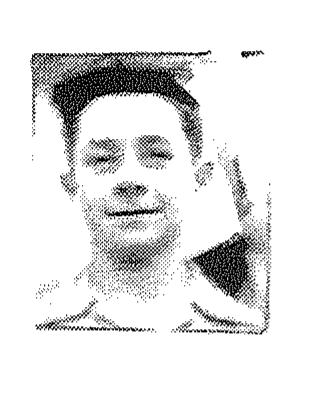
Rudell Willey

Rudell married Barbara Hadley a few months after graduation on November 1, 1950. They have three children, one boy and two girls. They also have twelve grandchildren.

Rudell worked 35 years for the Southern Pacific Railroad as a brakeman-conductor traveling between Ogden and Carlin, Nevada. During those years Rudell was active in electrical contracting with a Master Electrician License. He was also involved in real estate development with a Real Estate Brokers License and a Commercial Property Managers License.

Rudell has enjoyed hunting in Alaska, Yukon Territories, Canada and the Western United States. fishing in Alaska and Mexico, flying his private airplane the past 34 years in Alaska (four times north of the Artic Circle) Mexico, Guatamala, Jamaica and the Caribbean Islands. Vern Smith accompanied him on many of these trips. Rudell is currently involved in activities in the L.D.S. Church, civic activities, The Quiet Birdmen (an international pilot organization) and Enable Industries, a handicapped facility. Rudell and Barbara now spend a lot of time traveling in their private plane and their motorhome.


In Memory of Our School Friends Who Are Gone But Not Forgotten

DOLORES HIPWELL CHARLTON
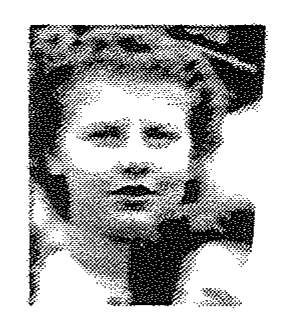
Dolores Hipwell Charlton

Dolores was married June 9, 1950 to Wayne Charlton from West Weber. They moved into a small home in West Weber. It caught fire and burned everything, wedding gifts, furniture and all. They then moved up to Wilson into a small home by her mother and dad on 2100. Later they built a nice brick home by her mother and dad. Wayne and Dolores had two children, Brent born in 1952 and LaRee born in 1954. Wayne worked at American Can and also became involved in race horses. He raised a very nice quarter horse from a colt and named her LaRee Bar and took her to Las Alemedas, California and won many races and made good money from her. A Dr. Allred helped Wayne get started in horse racing. They built another brick home on 2550 in Wilson with nice horse barns and then moved to California and raced horses. They did very well. Dolores loved Utah Noodle chow mein and ate a lot of it when they were in Ogden. They bought a ranch in California then sold it and moved to Oklahoma on a ranch. Their son Brent helped Wayne train race horses. Wayne is an expert on knowing the legs of race horses. Dolores was the bookkeeper. Late in 1992 the doctors discovered she had a cancer in her liver. Wayne had expert doctors attend to her but the cancer was too far advanced. They moved back to the house on 2550 and she died June 1, 1993 and was buried in West Weber Cemetery on June 5, 1993. Dolores and Wayne have five grandchildren.

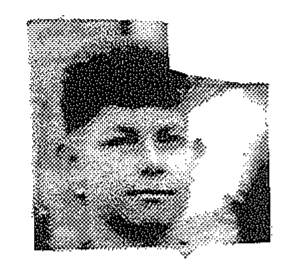
LYNN JENSEN, 1932–1998
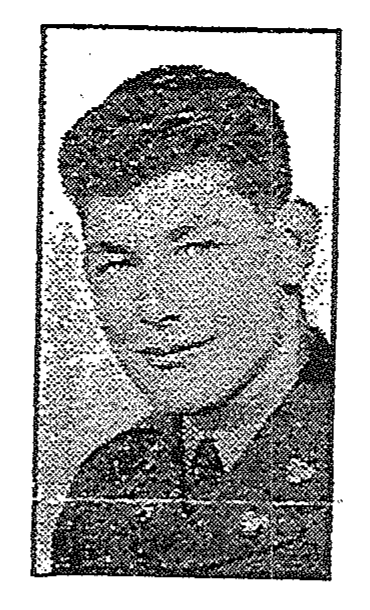
Lynn Jensen, military
Lynn Jensen, as a boy

Lynn Jensen served in the U.S. Army for three years. Fifteen months of which he spent in Korea, where he saw combat and was awarded the Bronze Star with V device for valor. He also was awarded the Occ. Medal, a Korean Service Medal with five bronze stars, the Presidential Unit Citation, and the Meritorious Unit Commendation. Following his military service, Lynn spent time in California and Utah. He married Betty Jo and has a stepson, Butch. He divorced and moved to Alaska, where he lived in Chugiak and Eagle River. He had been through engineer and demolition school in Fort Belvoir, Virginia. He was a self-employed mechanic and machinist until he retired in 1996. He died December 2, 1998 from a stroke and was buried in Alaska. He was a very quiet man who would help anyone in need.

ROBERT WAYNE KIRBY
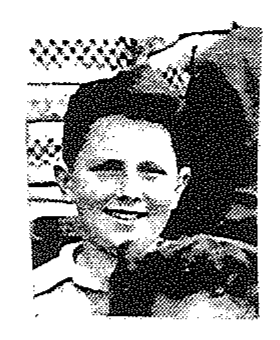
Robert Wayne Kirby

Robert Wayne Kirby was born in Brunswick, Missouri in 1932. In 1941 the family moved to West Ogden. He attended Wilson Elementary and Junior High School for 9 years. He graduated from Weber High School in May of 1950. Bob worked for the Union Pacific Railroad as a fireman/engineer for a period of time. He also worked as a cabinet maker before becoming involved in the drywall trade. In about 1970 he moved with his wife to Elko, Nevada to work in the construction trades. This was a period of increased construction in the Elko, Nevada area due to the newly found gold mines in the surrounding area that brought an influx of workers. Later on Bob worked at the Commercial Hotel in Elko maintaining the gaming machines in the casino there. Bob died in an accident in 1974 in the Elko area and is buried by his parents in the Centerville, Utah Cemetery. He left behind three daughters and one son. Bob will always be remembered for his infectious smile that was always on his face and will be noted among his family, classmates and co-workers for his happy-go-lucky attitude and good-natured personality.

ARTHUR KRANENDONK
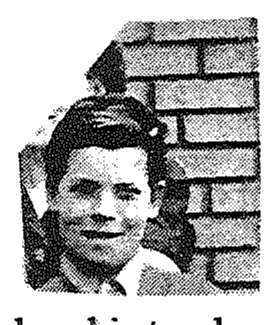
Arthur Kranendonk

Art died a very tragic death when his truck caught fire in an accident and burned. Art was married for a very short time and has one daughter. He worked for George Stratford and at the Sugar Factory. He was a very hard, steady worker.

FRANKLIN F. STANGER
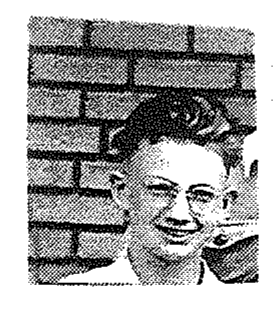
Franklin F. Stanger

Served lds mission to Uruguay. Married Mada Lurae Waldron from Malad, Idaho. Father of 7 children, 3 girls and 4 boys. Employed as a salesman. Loved to fly an airplane. Passed away May 8, 1990. Lived in Weber County area all his life.

RUSSELL PACKARD
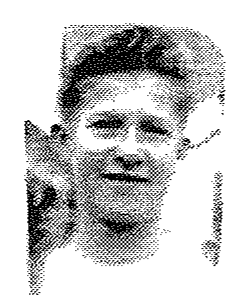
Russell Packard

When Russell was young, his dad owned the Oil Refinery in West Ogden. He was at the Ogden Rodeo when the announcer said his business was on fire. Everything was destroyed. The family moved to Astoria, Oregon. Russell went in the army and was assigned to guard duty on base in North Africa. His buddy was on guard duty. For a prank Russell kicked the guard shack. The buddy shot Russell dead without checking on who was kicking the shack.

JIM POULOS
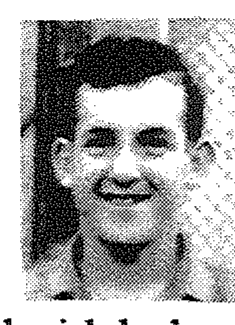
Jim Poulos

Married a Greek girl, had one son and one daughter. He was office manager of Texaco Oil Co. in Salt Lake City until the company went out of business. He was stand offish and wanted nothing to do with his family. He was a bartender in Salt Lake City. He died about 15 years ago during open heart surgery, after having heart problems for several years.

SHELDON STAUFFER
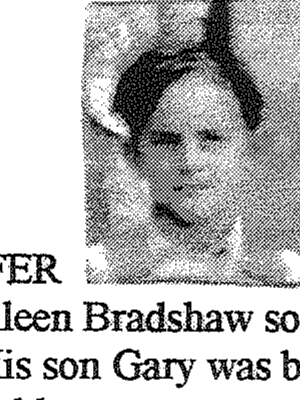
Sheldon Stauffer

Sheldon married Colleen Bradshaw sometime between 1952 and 1953. His oldest daughter, Beverly, was born in 1954. His son Gary was born in 1957 and a daughter Shelley was born about 1960. He worked at Hill Field. He died sometime between 1975 and 1985.

MAURICE CHENEY
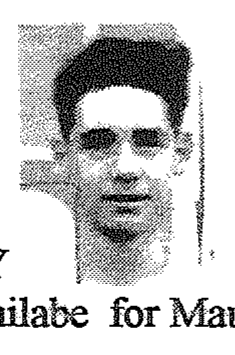
Maurice Cheney

No information is availabe for Maurice.

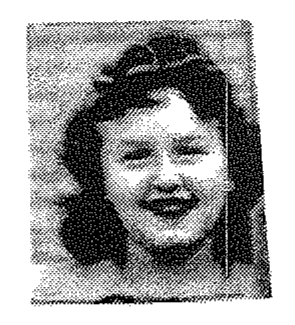
We could not find any information or the whereabouts of Vincent McEnerny or Rose Mary Ellsworth or Bill Saunders.
Vincent McEnerny
Rose Mary Ellsworth
Bill Saunders

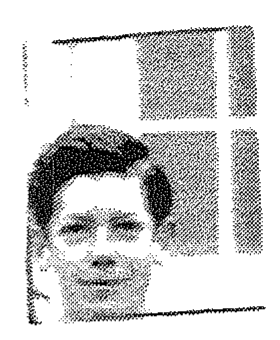
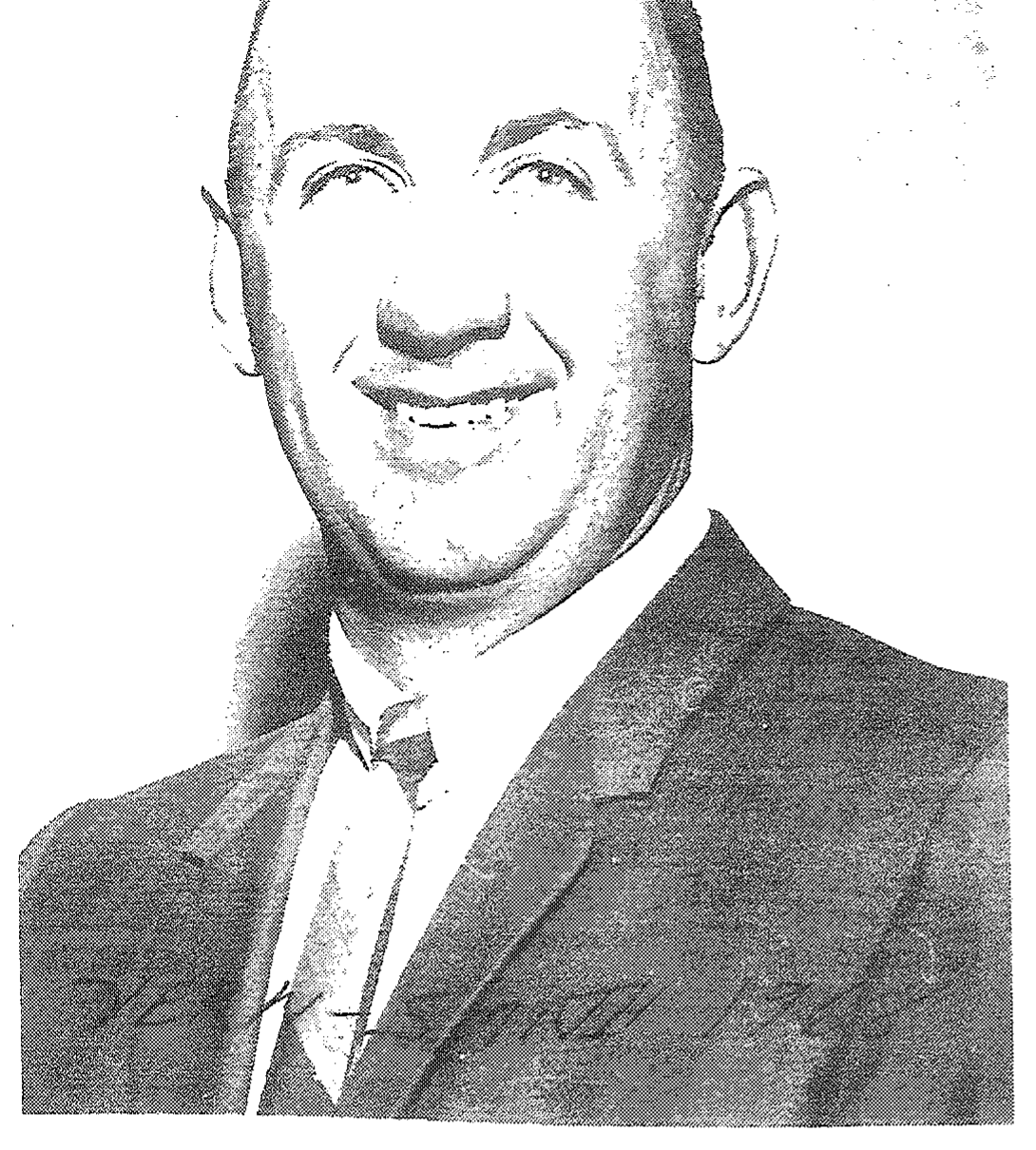
VERN H. SMITH, August 24, 1932 – February 28, 1981
Vern Smith, young
Vern H. Smith portrait
Vern and Kay Smith

Born in Wilson Lane on August 24, 1932, grew up in Wilson on a farm, attended Wilson School for 9 years, Weber High School for 3 years, attended Weber College from 1950 to 1954, bought first farm in the spring of 1953 in Warden, Washington, served a 2 years L.D.S. Mission in the southern states, starting January 6, 1954.

Vern started farming in the spring of 1956 in Warden, Washington. Met his wife Kay Pratt in Moses Lake, Washington (14 miles from Warden) in 1956. They were married August 15, 1957 in the Salt Lake Temple.

Vern served in the L.D.S. Church as a Bishop, on the High Council, and in the Stake Presidency.

Vern and Kay had 7 children. They had two boys and five girls.

In 1968–1969 Vern was chosen “The Outstanding Young Farmer” in the state of Washington. At the time of his death he was raising beef cattle and farming approximately 1,300 acres of land.

Vern loved to travel, especially in his private plane (Piper Cherokee six) to Mexico.

On February 28, 1981, on the return trip from Mexico, his plane crashed, on Parker Mountain, just north of Escalante, Utah. All aboard, six adults, were tragically killed.

It has been said that, “The common people of the earth are the great people of the earth.” If that is true, then Vern Smith was among the greatest.


Wilson School Faculty
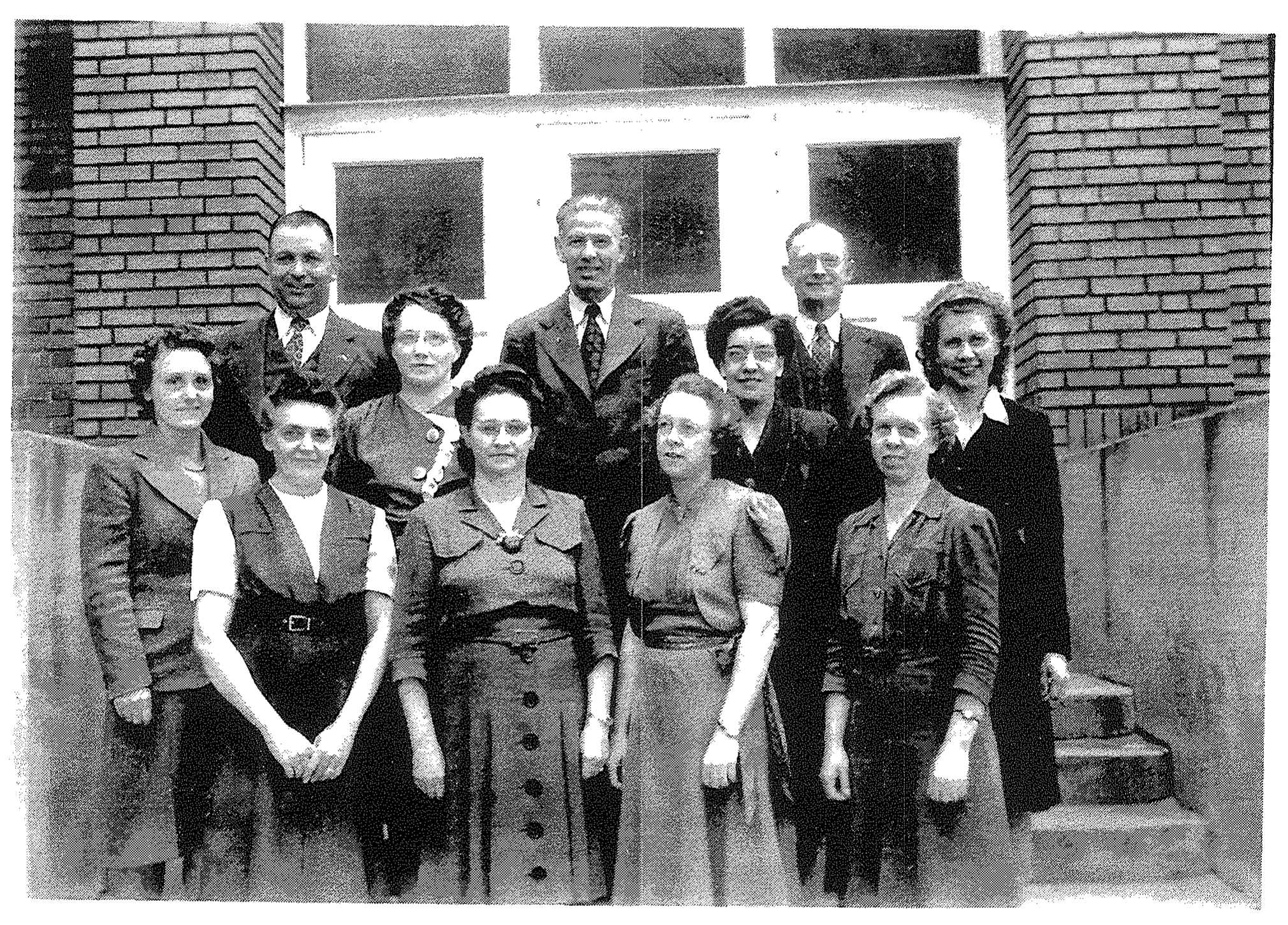
Wilson School Faculty

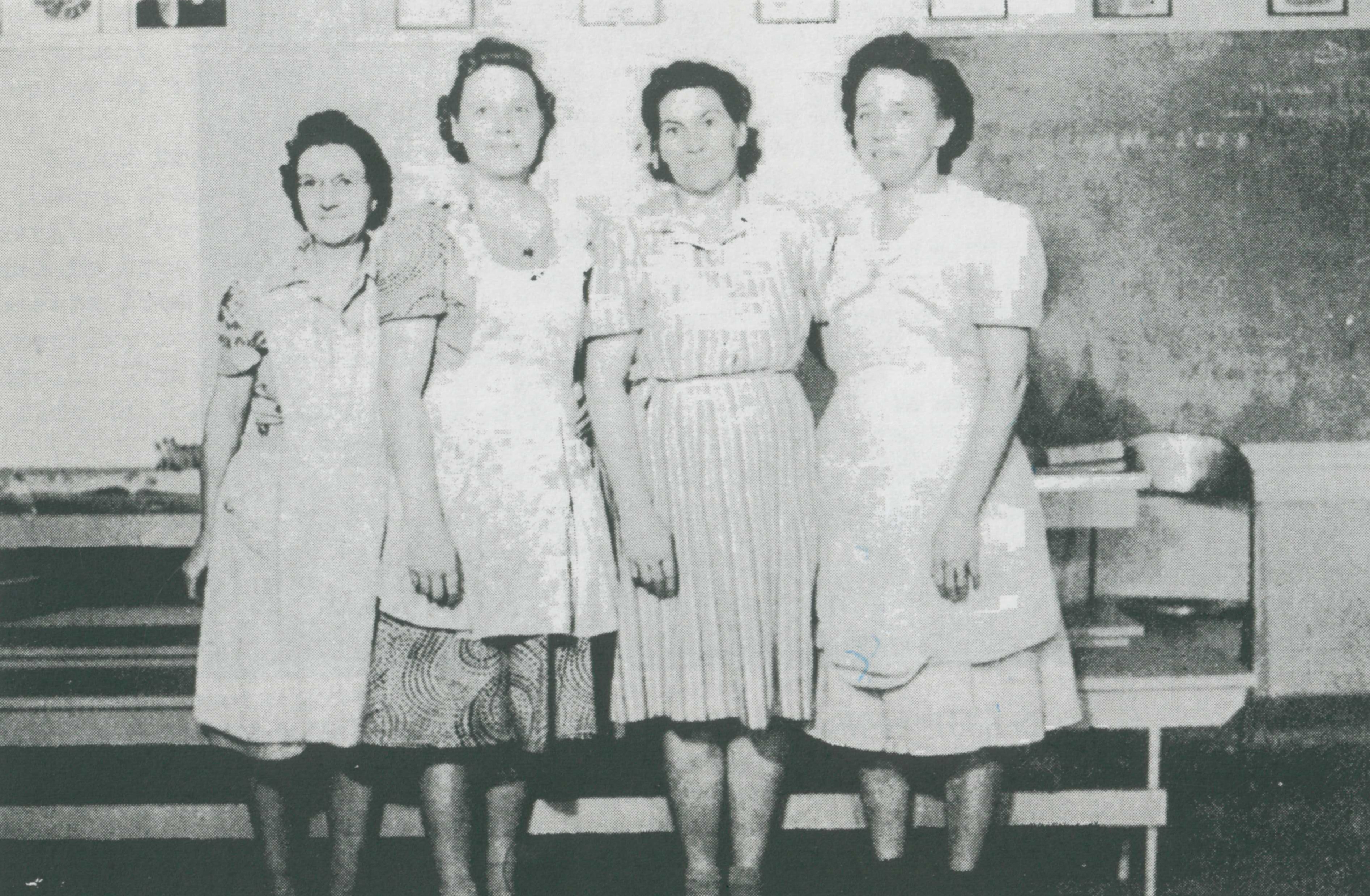
Row 1—Mrs. Stanford, Miss Shaw, Mrs. Barton, Mrs. Bouwhuis. Row 2—Mrs. Secrist, Mrs. Woodward, Mrs. Sorensen, Miss Holmes. Row 3—Principal, Wheat Taylor, Mr. Pettigrew, Mr. Rhees.


Wilson School 9th Grade Class of ’47 Directory
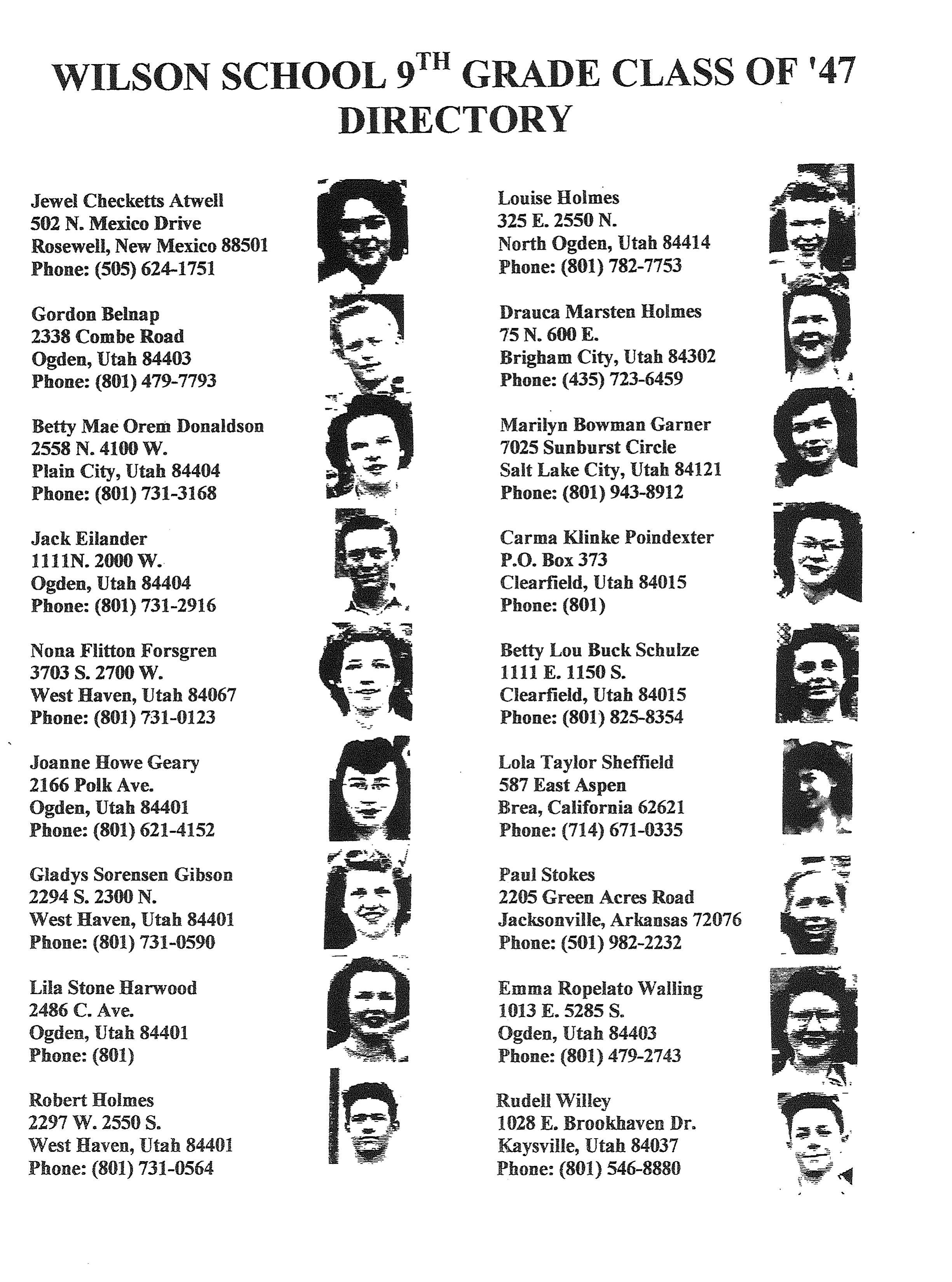
Directory page
NameAddressPhone
Jewel Checketts Atwell502 N. Mexico Drive, Roswell, New Mexico 88501(505) 624-1751
Gordon Belnap2338 Combe Road, Ogden, Utah 84403(801) 479-7793
Betty Mae Orem Donaldson2558 N. 4100 W., Plain City, Utah 84404(801) 731-3168
Jack Eilander1111 N. 2000 W., Ogden, Utah 84404(801) 731-2916
Nona Flitton Forsgren3703 S. 2700 W., West Haven, Utah 84067(801) 731-0123
Joanne Howe Geary2166 Polk Ave., Ogden, Utah 84401(801) 621-4152
Gladys Sorensen Gibson2294 S. 2300 N., West Haven, Utah 84401(801) 731-0590
Lila Stone Harwood2486 C. Ave., Ogden, Utah 84401—
Robert Holmes2297 W. 2550 S., West Haven, Utah 84401(801) 731-0564
Louise Holmes325 E. 2550 N., North Ogden, Utah 84414(801) 782-7753
Drauca Marsten Holmes75 N. 600 E., Brigham City, Utah 84302(435) 723-6459
Marilyn Bowman Garner7025 Sunburst Circle, Salt Lake City, Utah 84121(801) 943-8912
Carma Klinke PoindexterP.O. Box 373, Clearfield, Utah 84015—
Betty Lou Buck Schulze1111 E. 1150 S., Clearfield, Utah 84015(801) 825-8354
Lola Taylor Sheffield587 East Aspen, Brea, California 62621(714) 671-0335
Paul Stokes2205 Green Acres Road, Jacksonville, Arkansas 72076(501) 982-2232
Emma Ropelato Walling1013 E. 5285 S., Ogden, Utah 84403(801) 479-2743
Rudell Willey1028 E. Brookhaven Dr., Kaysville, Utah 84037(801) 546-8880

(Note: addresses/phone numbers as printed in the original memory book — likely out of date by now, but preserved as a record of where the class was circa 2001–2002.)
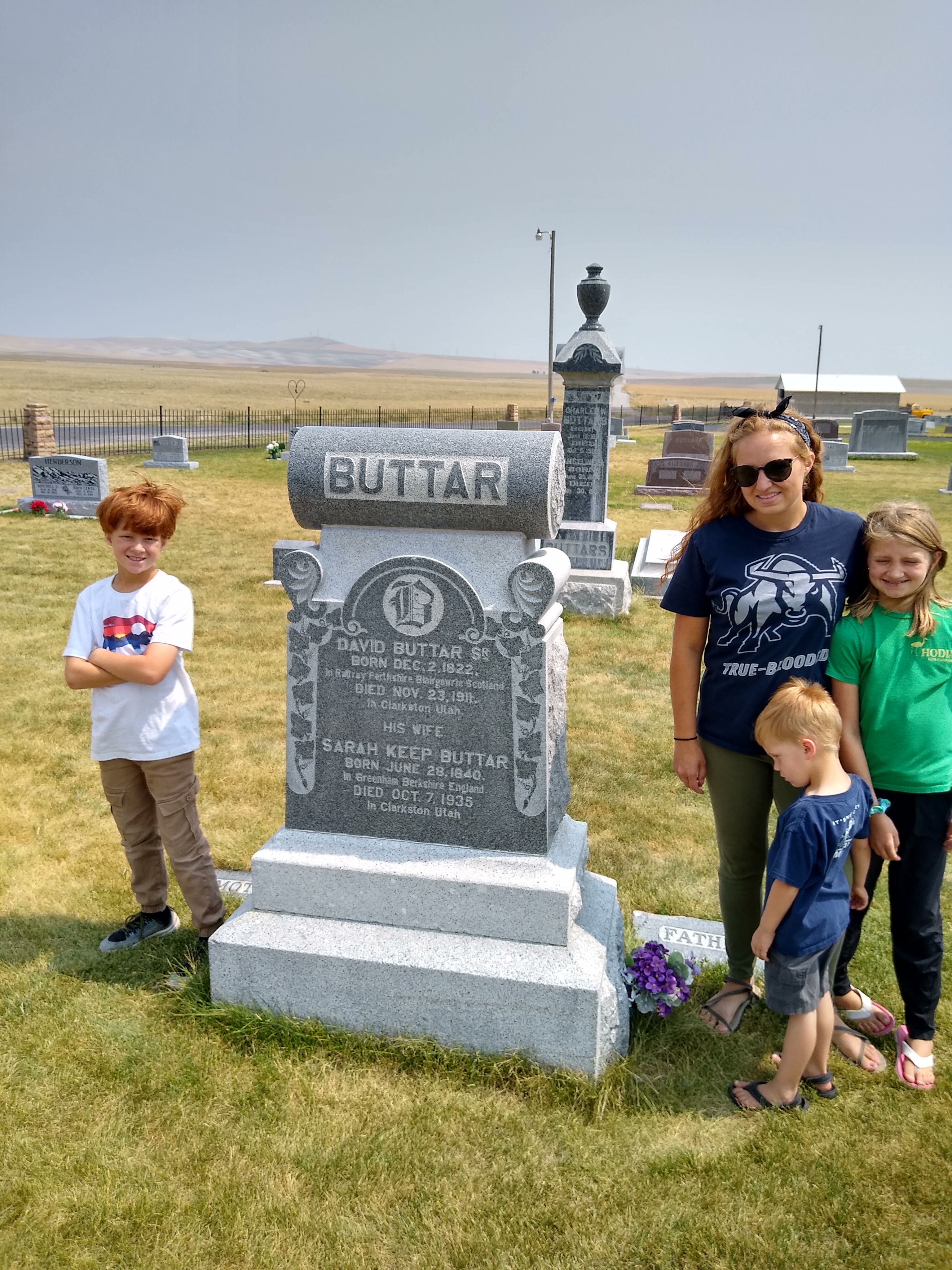
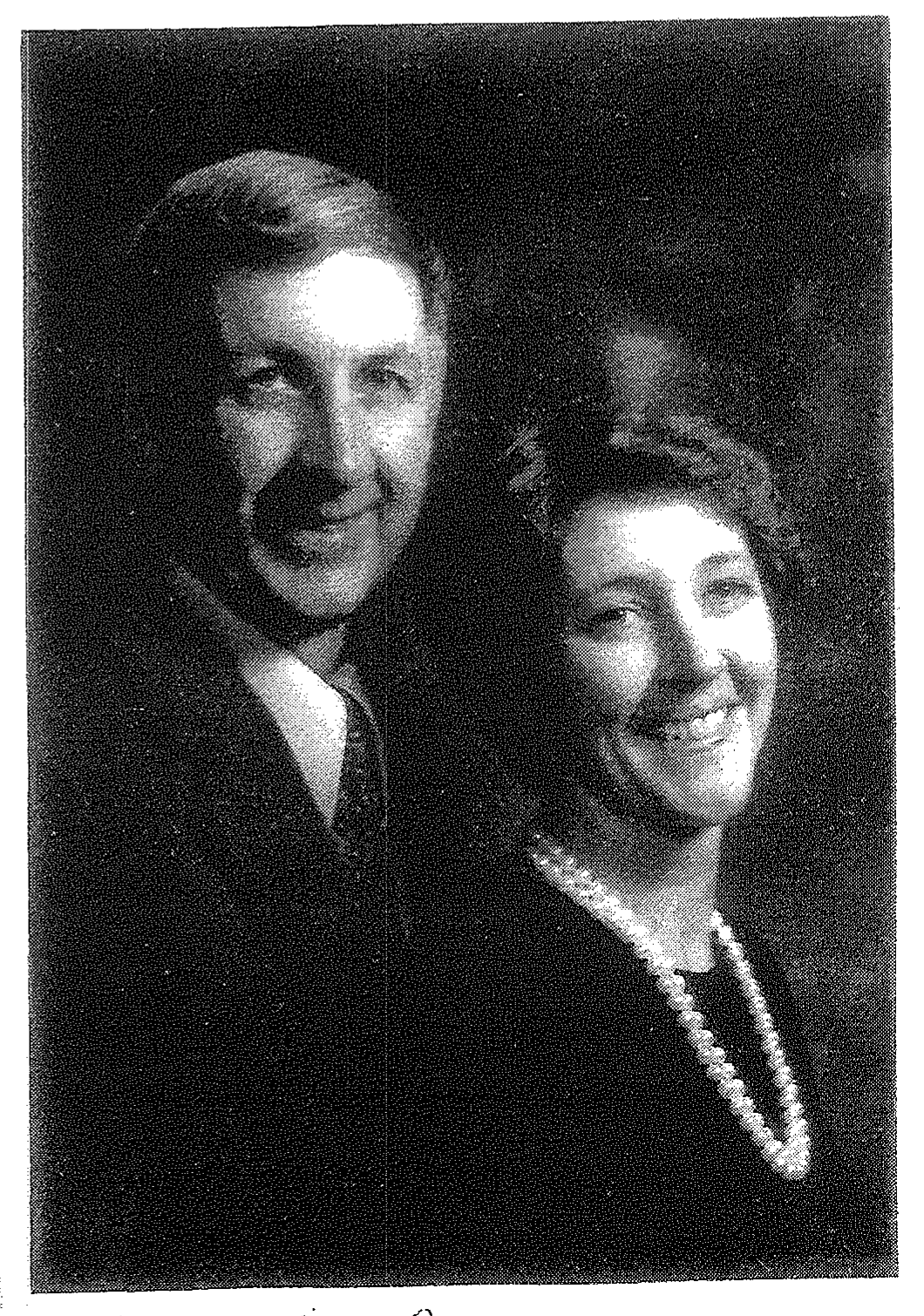
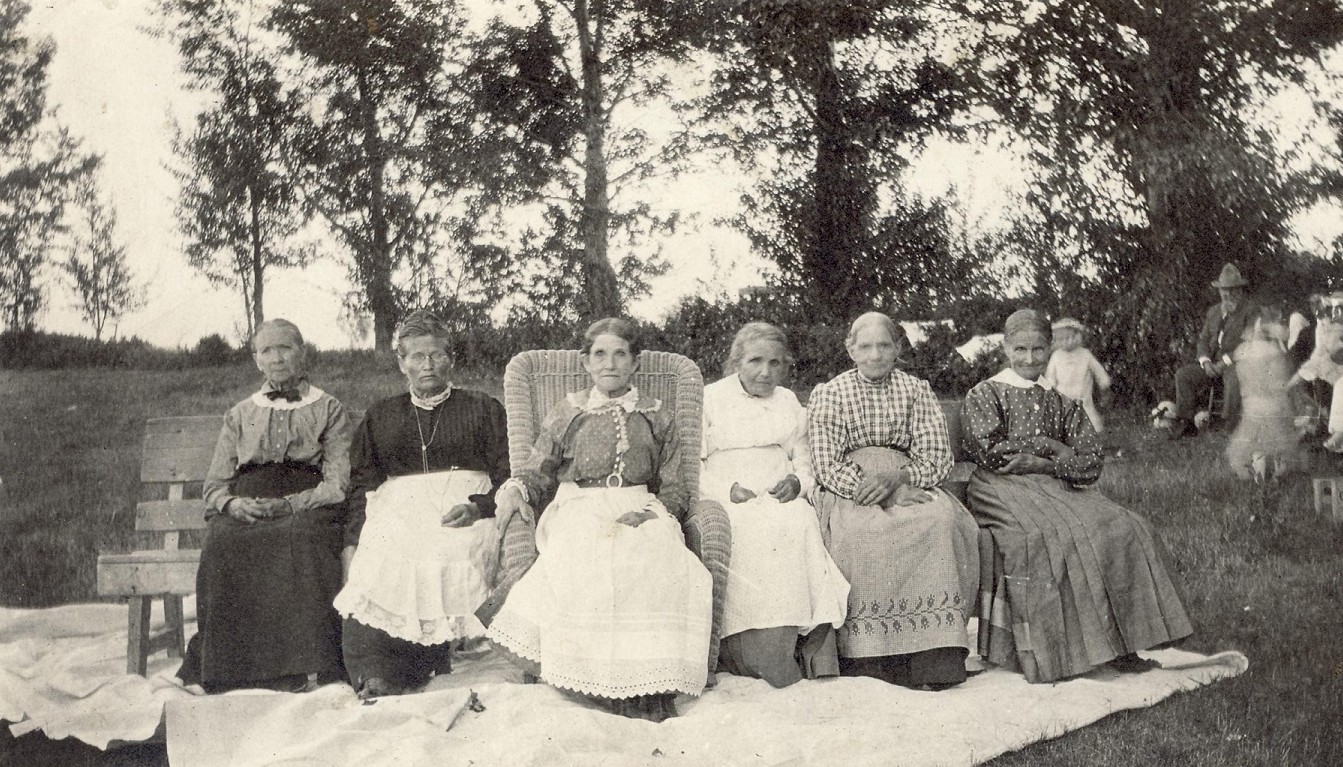
David & Sarah Buttar

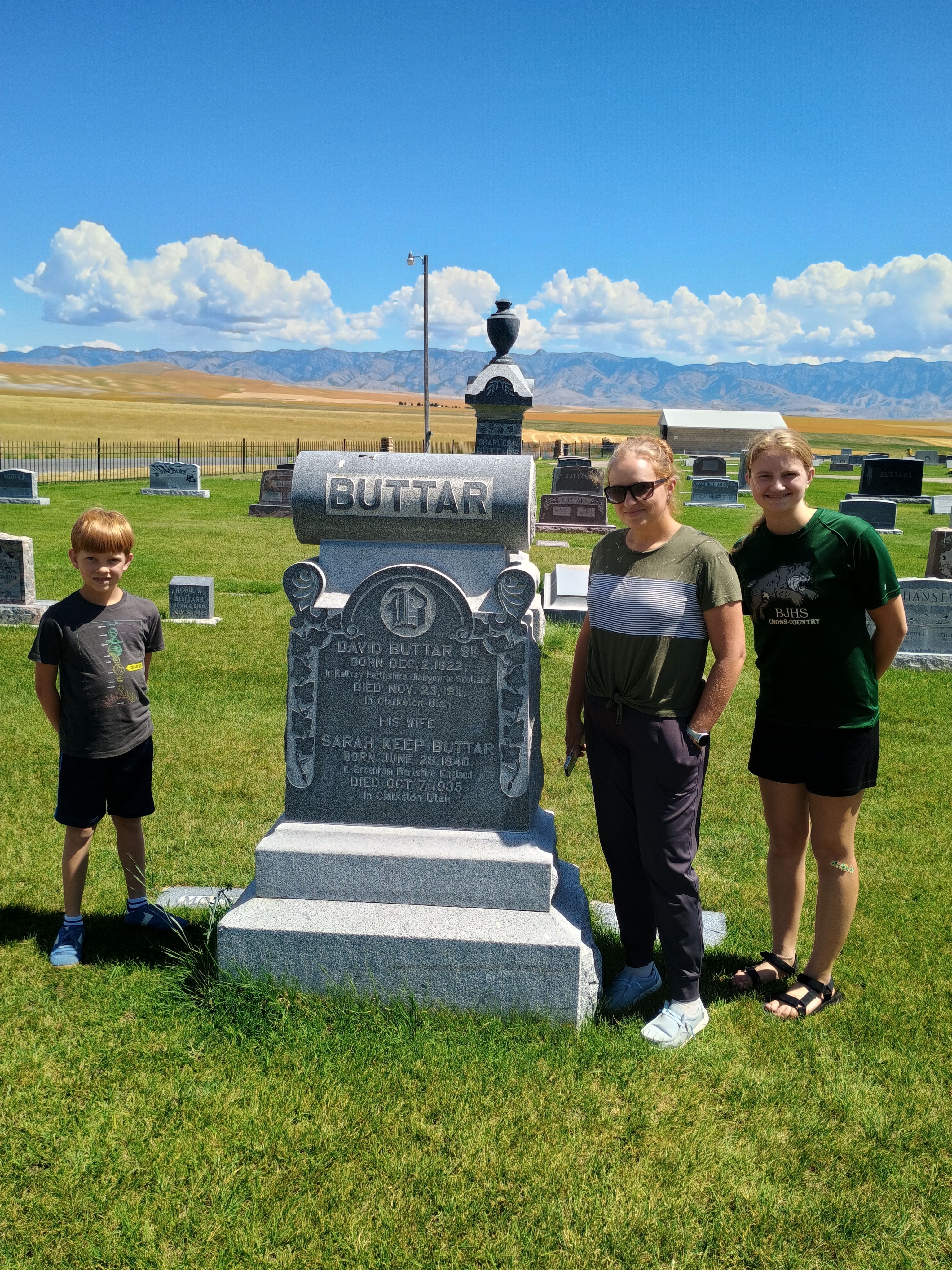
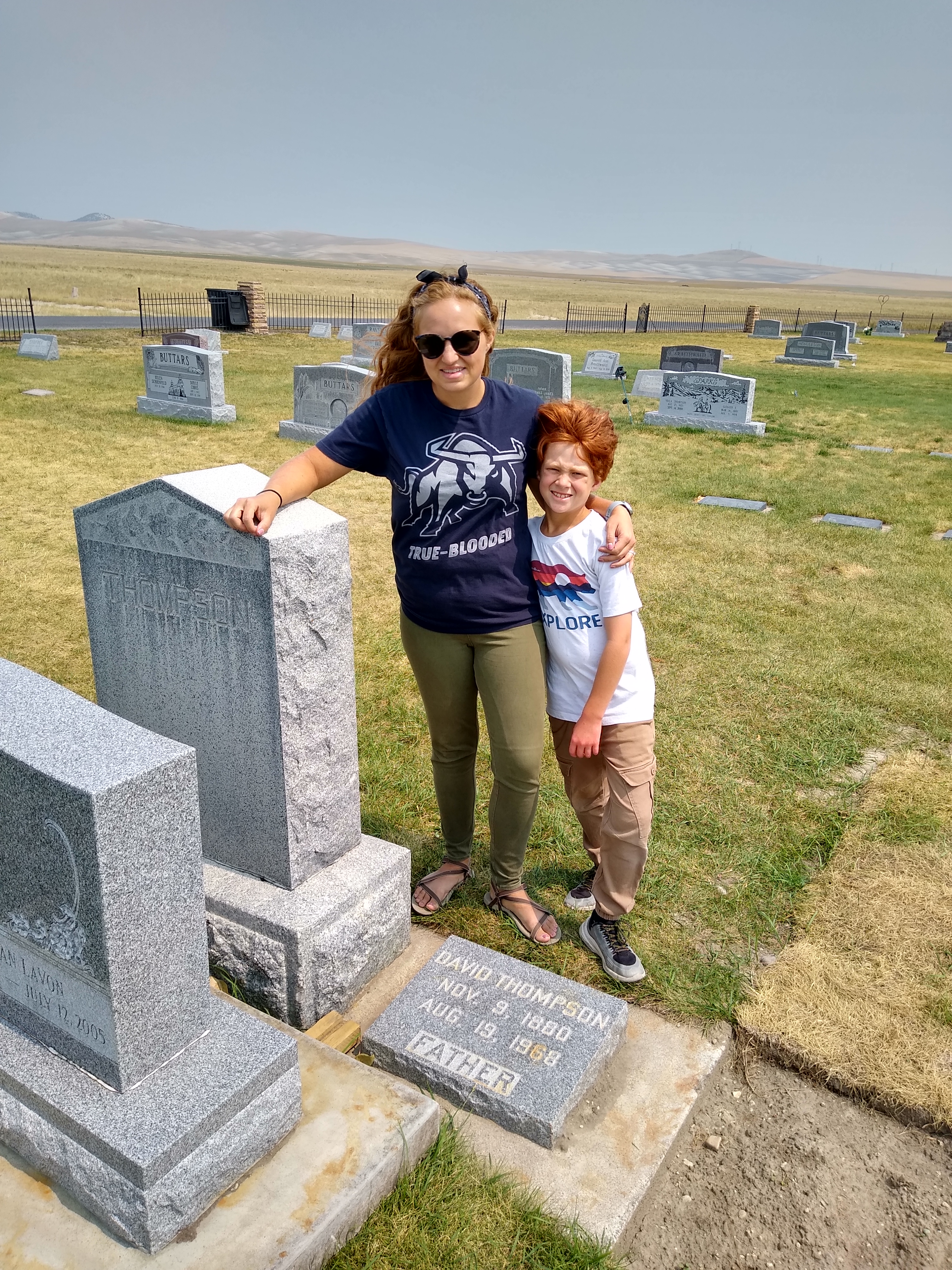
Hiram, Amanda, James, and Aliza Ross at the grave of David and Sarah Buttar in Clarkston, Utah – August 2021

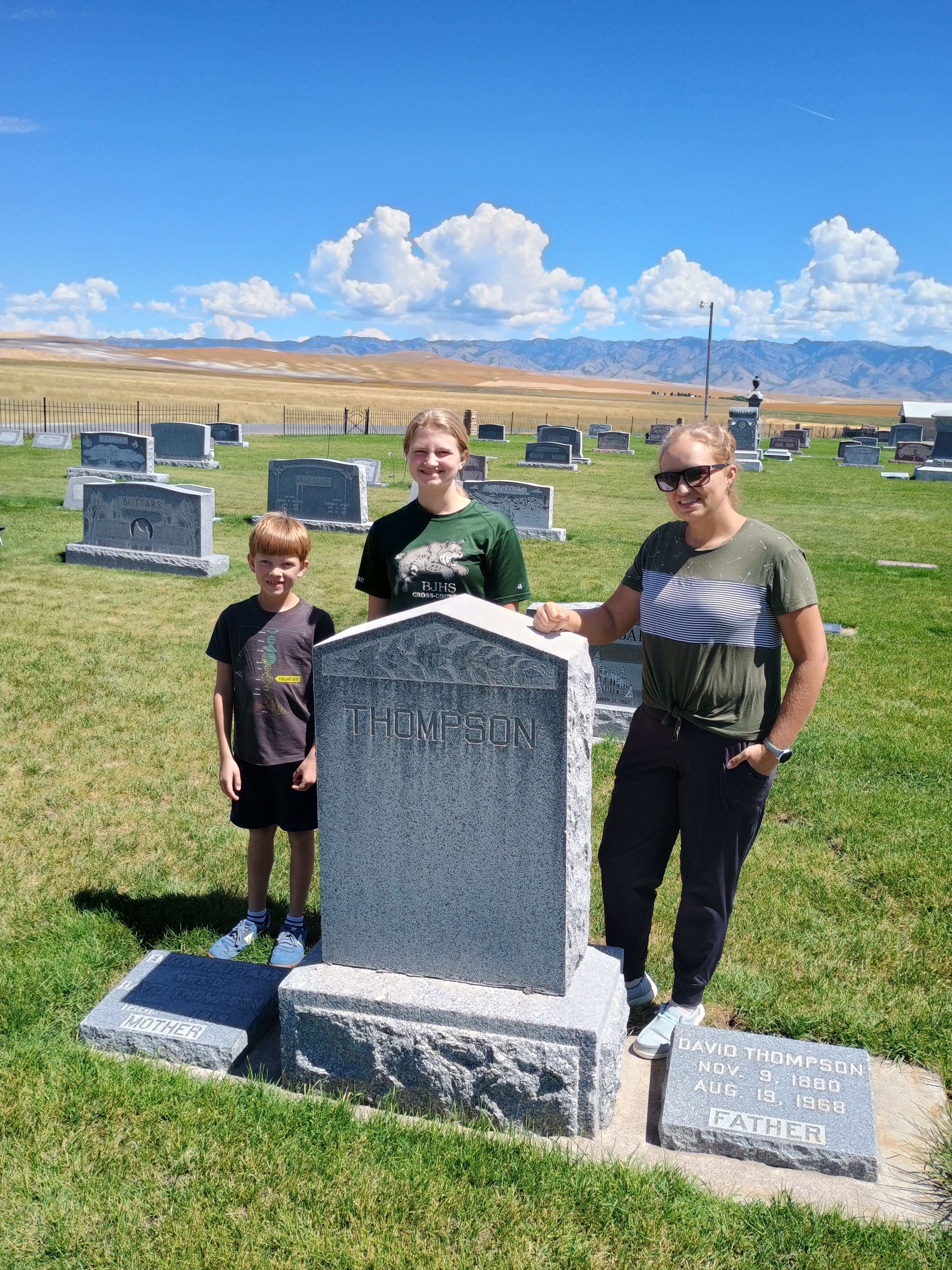
I moved this history up in my list because I know two other descendants of David and Sarah Buttar who live near us. My wife and children are descendants of David and Sarah Buttar’s daughter, Emma Jane, who married David Crompton Thompson.

Amanda and Hiram Ross at the graves of David and Emma Thompson in Clarkston, Utah – August 2021

There are a couple of histories out there for David and Sarah Buttar. They seem to descend from a common history. There are a couple of differences and disputes, which I will point out.

James, Aliza, and Amanda Ross – 16 August 2026

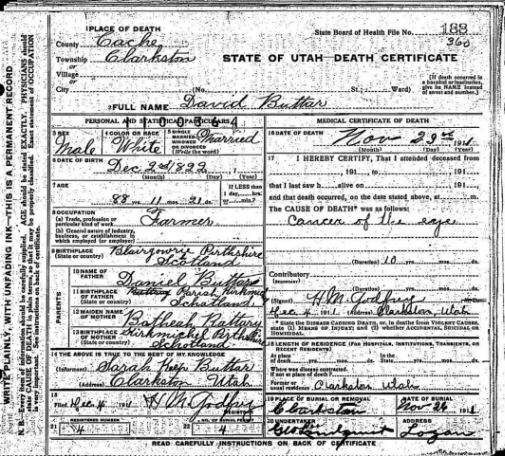
David Buttar was born 2 December 1822 in Perthshire, Scotland to Donald Buttar and Elspeth Rattray. David’s death certificate and a Scottish family record give his father’s name as Daniel rather than Donald; all other sources use Donald. Some family records give Elspeth another first name of Betheah, but no contemporary record provides such a name. Although through the years, she was referred to as Betty. Some of the Buttar family records show the name. Her parents did not provide it on official records and she did not use it in her life for official purposes.

No contemporary record gives David’s birth location. He was christened 12 December 1822 in Rattray, Perthshire, Scotland. Family records show him as born in Blairgowrie, Perthshire, Scotland. His death certificate, the information coming from his surviving spouse, Sarah Keep Buttar, gives this location too.

James, Amanda, and Aliza Ross at the grave of David and Sarah Buttar – 16 August 2026

Donald, David’s father, was a tailor by trade. David was the youngest child of his father’s family. Both Donald and David apprenticed to become shoe makers. In Blairgowrie, David ran a substantial shoemaking business, employing and boarding some fifteen persons. David followed the shoe maker trade in both Scotland and in the United States. David was brought up in a religious home. He was also musical playing the bellows on the local Presbyterian Church’s pipe organ and the flute for the choir. His father, Donald, died at the age of 83 when David was 12 years old.

In 1848, at the age of 26, David married Margaret Spalding in Blairgowrie, Perthshire, Scotland (there are disputes on the actual date, so I left it generic). On 19 January 1851, David was baptized a member of the Church of Jesus Christ of Latter-day Saints. Margaret was initially resistant to the gospel. Elizabeth Graham Macdonald, a recent convert who boarded with the Buttars family in Blairgowrie while her missionary husband was away in the Highlands, worked to bring Margaret to an understanding of the gospel. Margaret was baptized in November 1851. David was ordained a priest in 1854. In February of that same year, David left Scotland for America with his wife and their four small children: Marjory, Meek, Bethea, and David. They sailed from Liverpool on the ship John M. Wood, arriving in New Orleans in May 1854. While at sea the youngest child David died. Family tradition holds a more harrowing account — that the parents initially kept the baby’s body rather than commit it to the sea, but that sharks began circling the ship in such numbers that the crew made a frantic search for the cause and found the child. The parents were compelled to give up the child to the deep. Whether the full family account is accurate in all its details, the loss of their infant son at sea was a grief the family carried with them to Utah. The journey by sea to America from Scotland took seven weeks and two days.

David and his family traveled across the plains by ox cart with the Taylor Company. (Other sources identify the plains company as Captain William Empey’s Company, one of the final wagon companies to cross the plains that year.) While on the plains, cholera erupted amongst the company and David became very ill and nearly died. It took him some time to get over the effects of cholera. David and his family had to walk most of the way to Utah. On the plains David had two remarkable encounters with rattlesnakes. One day while gathering firewood he picked up a rattlesnake among the sticks and carried it quite a distance in his arms without realizing it — discovering it only when he laid the wood down. On another occasion he made his bed under the wagon and in the morning, upon rolling up his bedroll, found that a rattlesnake had slept curled beneath him through the night. Neither snake harmed him. David would not kill rattlesnakes and said of them, “they didn’t harm me and they won’t hurt anyone else if they leave them along.”

Sarah’s history is shared below that includes stories of crossing the plains. Sarah mentions she traveled “first with Father and Mother… in Pratt’s Company, then Captain Inkley came to bring the sick in” — her journey in 1866 was separate from David’s 1854 journey.

The family arrived in Salt Lake City in the fall of 1854. They lived in Salt Lake City for five months where David worked as a shoemaker for a Brother Samuel Mellener. David then moved his family to Lehi, Utah. After moving to Lehi, David continued working for Brother Mellener. David did not have a method of transportation and had to walk from Lehi to Salt Lake to pick up leather for his shoes and return the finished shoes to Brother Mellener. There were times when he was able to secure a ride to Salt Lake. After a few years, David was able to raise some calves that, once grown, were able to supply a team of oxen for transportation. In Lehi the family lived in a mud house with a dirt floor. David also began to farm in Lehi. In the year 1856, all the crops in Lehi were eaten by grasshoppers and the family had no flour. Because of the flour shortage, bran bread was made.

In August 1863, Margaret died several days after giving birth, leaving David with six small children. The oldest girl was only fourteen years old and the baby, Margaret, was five days old. Baby Margaret died two weeks after her mother and was buried in the Lehi cemetery. David experienced sad, hard times and, having no family nearby to assist him with the children. Four years later on 16 December 1866 he married Sarah Keep Francis. Sarah had previously been married in England to Thomas Robert Francis, but had left him behind before coming to the United States. Family history records that Francis was fond of drink and ultimately died in the Poor House. Sarah had a daughter of her own, Lucy Ann Francis, who David always regarded as his own daughter. On April 16, 1868, a daughter, Sarah Isabell, was born. Sadly, Sarah Isabell died on June 15th. Sarah Isabell was buried in the Lehi cemetery.

In October of 1868, the family moved to Clarkston in Cache Valley of Utah. David was ordained an Elder that same fall. Upon arriving in Clarkston, David built a two room log house in the Clarkston Fort. In 1870, David moved from the fort and built another two-room log home on the north side of Clarkston near his farm. He raised cows, horses, sheep, pigs, and chickens on their farm.

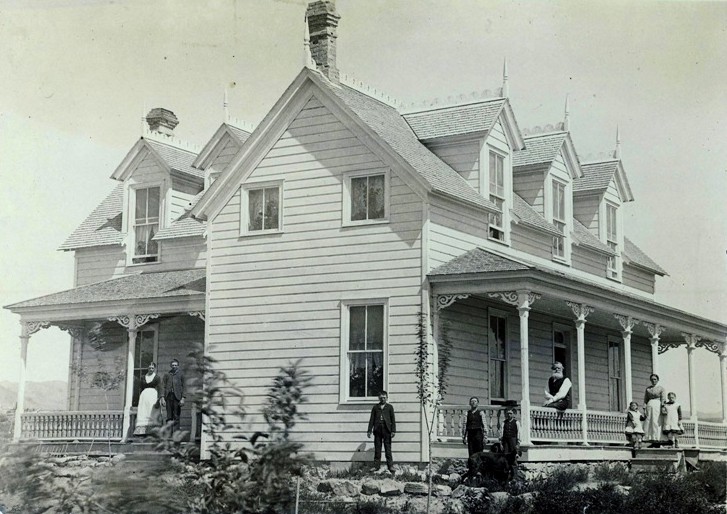
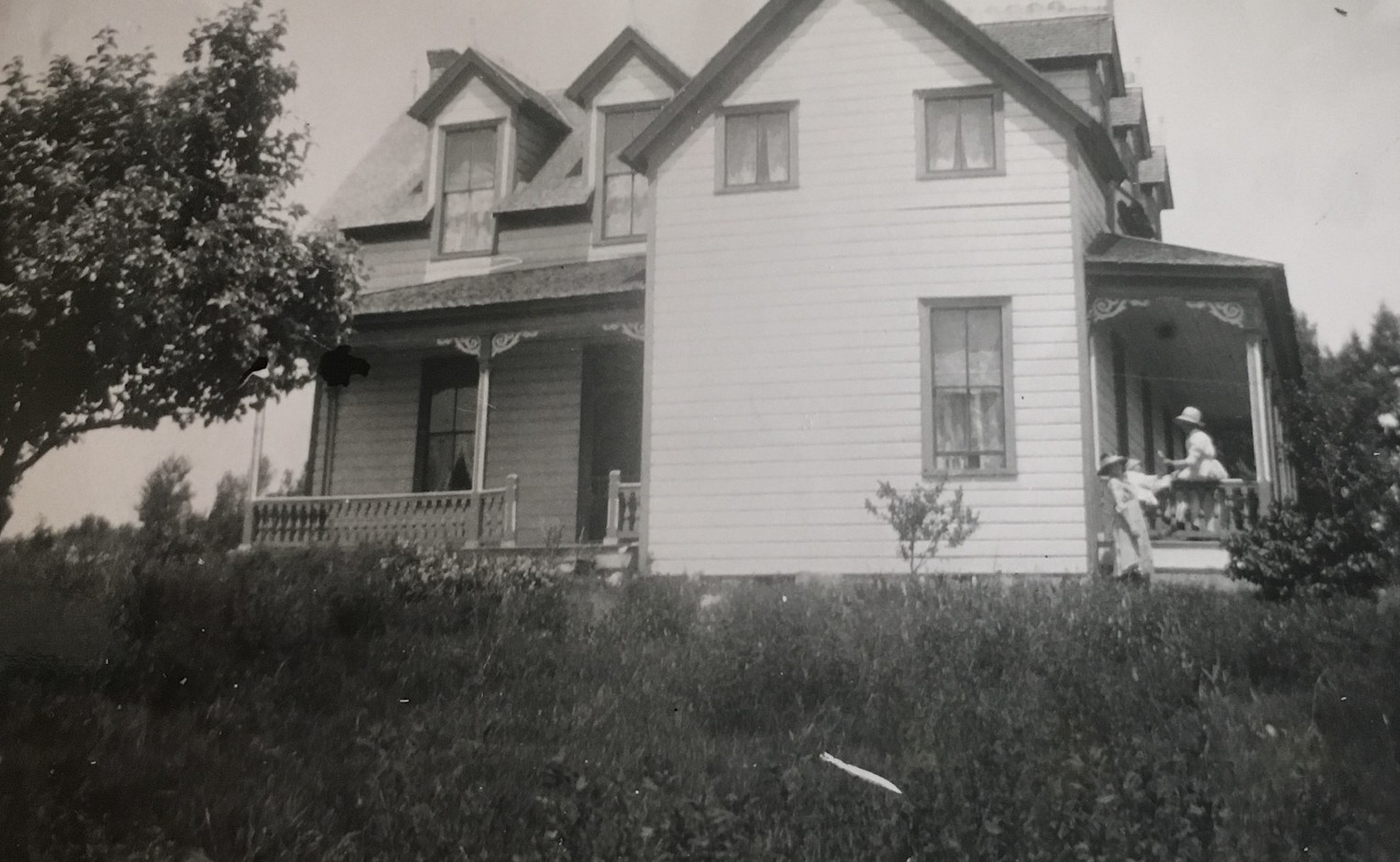
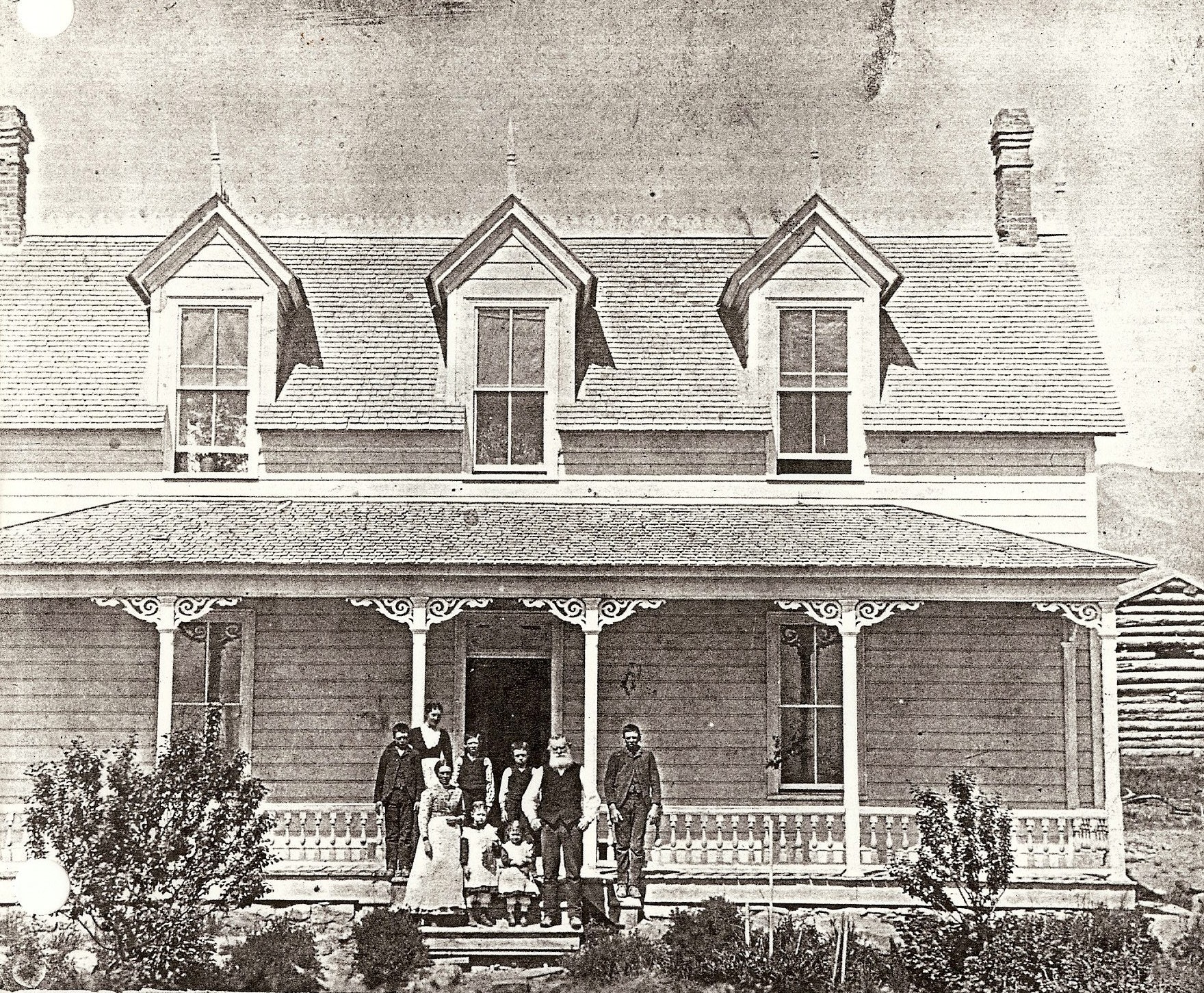
Buttar home north of Clarkston, Thomas James in front of the house, David Alexander next to the right, then James Joseph, then David, then Emma Jane, Sarah, and Mary

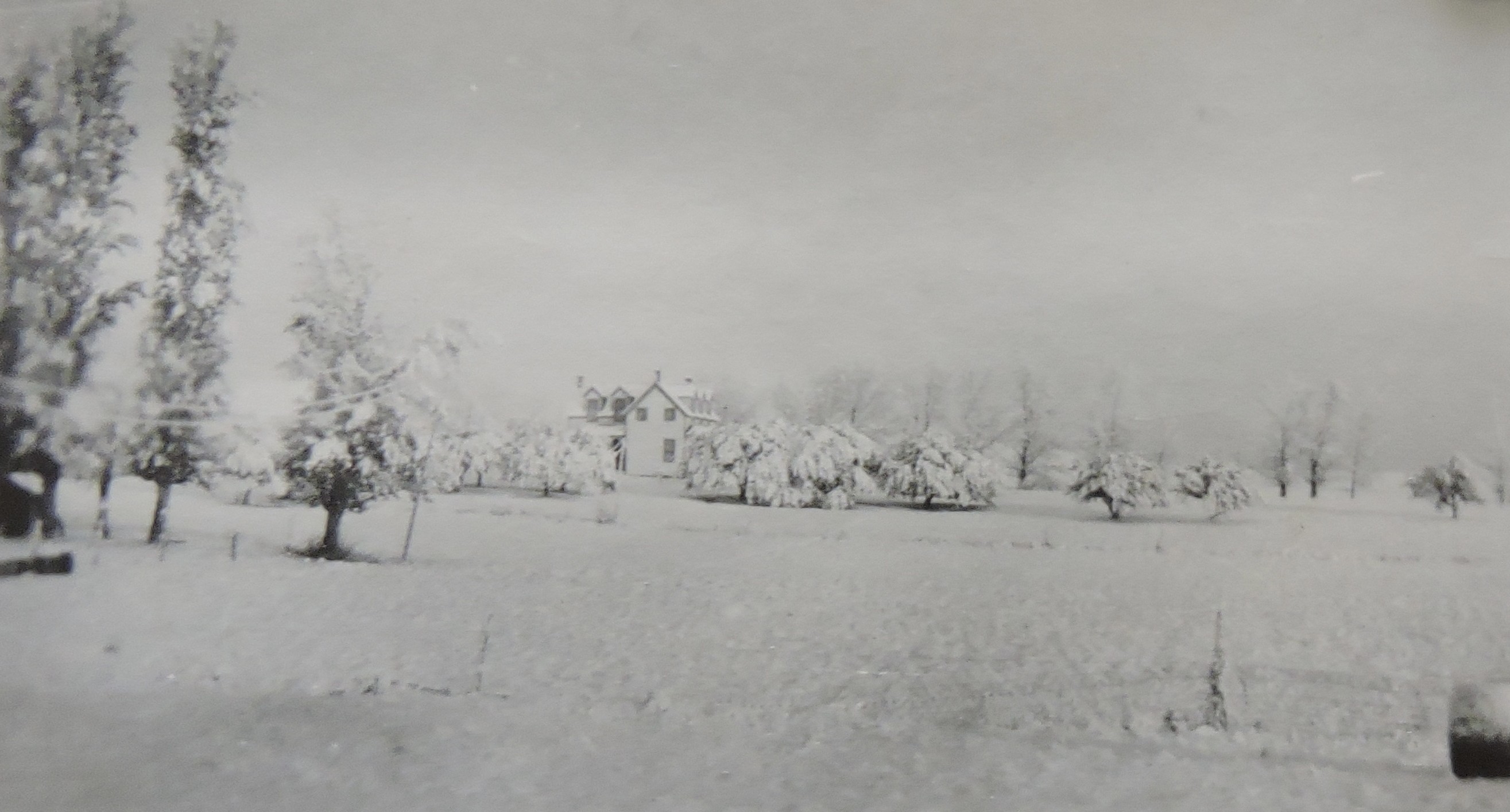
In 1882, David and Sarah built a large, white framed house for the family. The two-story home had a porch on the front, three dormer windows on the second floor facing east, and two dormer windows facing south with a veranda below. It was a large home for the standards at that time. It was a beautiful home that overlooked the farm and had a commanding view of the valley. The first prayer circle in Clarkston was held in an upstairs room of that home, and was kept there for three years and four months before being moved to the new Tithing House. Unfortunately, this beautiful home burned on 11 May 1931.

David became a high priest. He believed in paying an honest tithing, knowing that the Lord keeps his promises by opening the windows of heaven to pour out blessing on all that keep his laws and commandments. This was proved to David in the spring of 1871 when the grasshoppers were so thick that when in flight they darkened the sun. Three times that summer the grasshoppers ate all of David’s grain. When they came the fourth time, with the help of his children, the grasshoppers were driven into ditches where the chickens would devour them. The grasshoppers were so large that the chickens could only eat three or four at a time. David told his family that because he had paid his tithing that the Lord would provide for them. It was then that the seagulls came and began eating the grasshoppers until they could eat no more. When the seagulls had eaten their fill, they would go to the ditch and throw up the grasshoppers and then continue to eat more. Once the grasshoppers were completely devoured, the seagulls flew away. This time the grain grew to maturity and David produced 1,300 bushels of grain – the largest crop he had ever harvested up to that time.

When David first began to farm in Clarkston, he cut his grain with a “cradle”, after a few years he purchased a “dropper” to cut the grain. He hired six men to flail and bind the grain. David would cure his wheat for planting with slack-lime, and he would sow his seeds by hand casting them.

David continued to make shoes for the first few years in Clarkston, but the last shoes he made were for his step-daughter, Lucy Anne, and he purposely made one that was wrong-side-out and stated that “he wouldn’t make any more shoes”, and he never did.

David would mend his harnesses with wooden, maple pegs that were actually intended as tacks to hang shoes on. He planted five to ten acres of potatoes each year. Although for the first few years hay had to be bound by hand, David purchased the first self-binder in Clarkston that bound the hay with wire. Later, he assisted Andrew Heggie and Peter S Barson in buying the first header in Clarkston.

One year the sunflowers had grown so profusely in the wheat that when the threshers came, they refused to thresh it. He made a flail and flailed all the wheat by hand on a wagon cover. After the grain was harvested, David had to haul it some 60 miles (each way) to Corinne or Ogden by team and wagon just to sell it.

During the construction of the Logan Temple, David donated $100 each year until the temple was completed. He did temple work for many of his ancestors in the Logan Temple. He also gave financial assistance to build the old rock meeting house in Clarkston as well as the new chapel that is still standing in Clarkston today (although it has undergone several additions and renovations since then). On 1 June 1882, David received a federal land patent signed by President Chester A. Arthur for approximately 160 acres in Cache County, Utah Territory, formally securing title to his Clarkston farm.

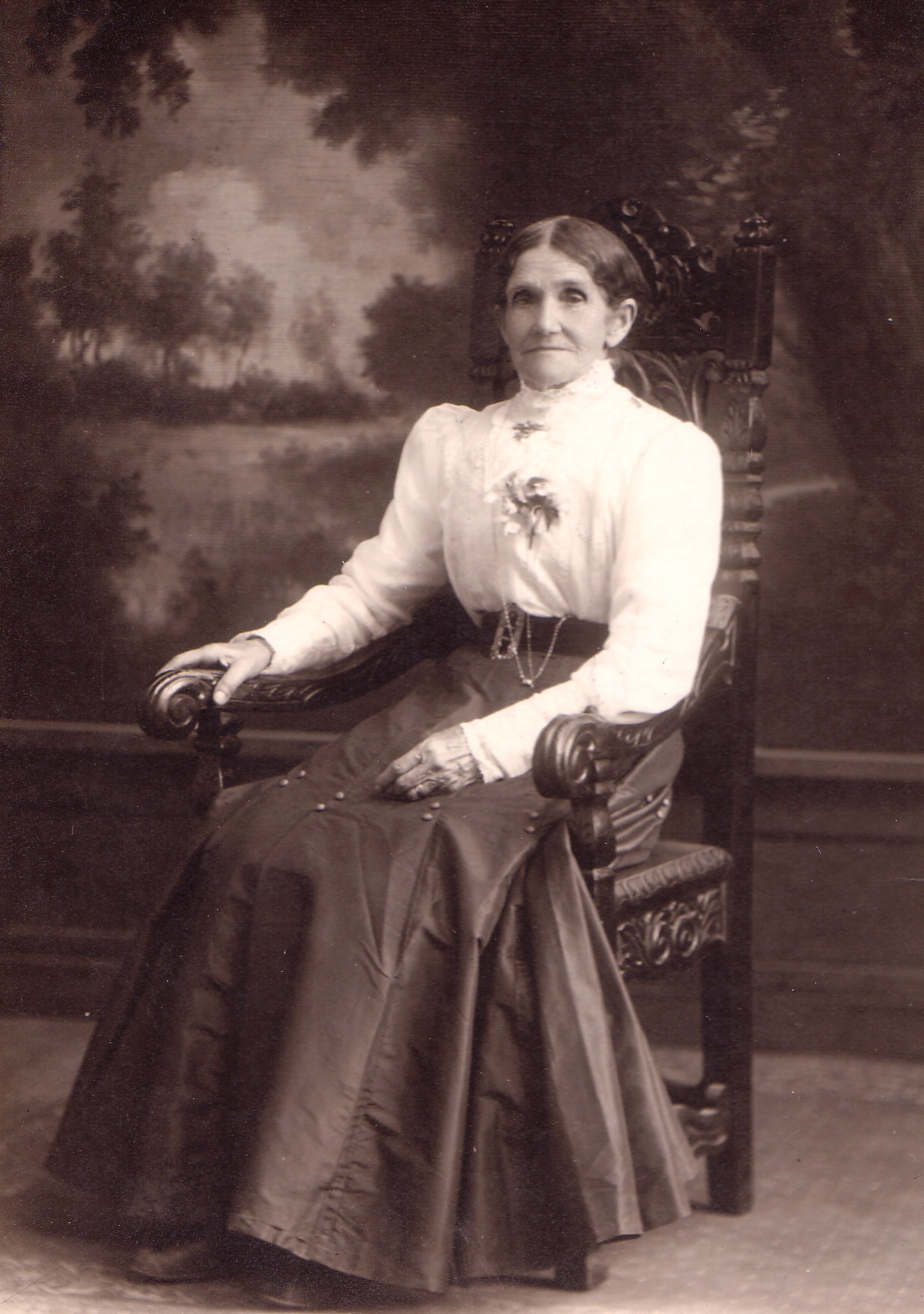
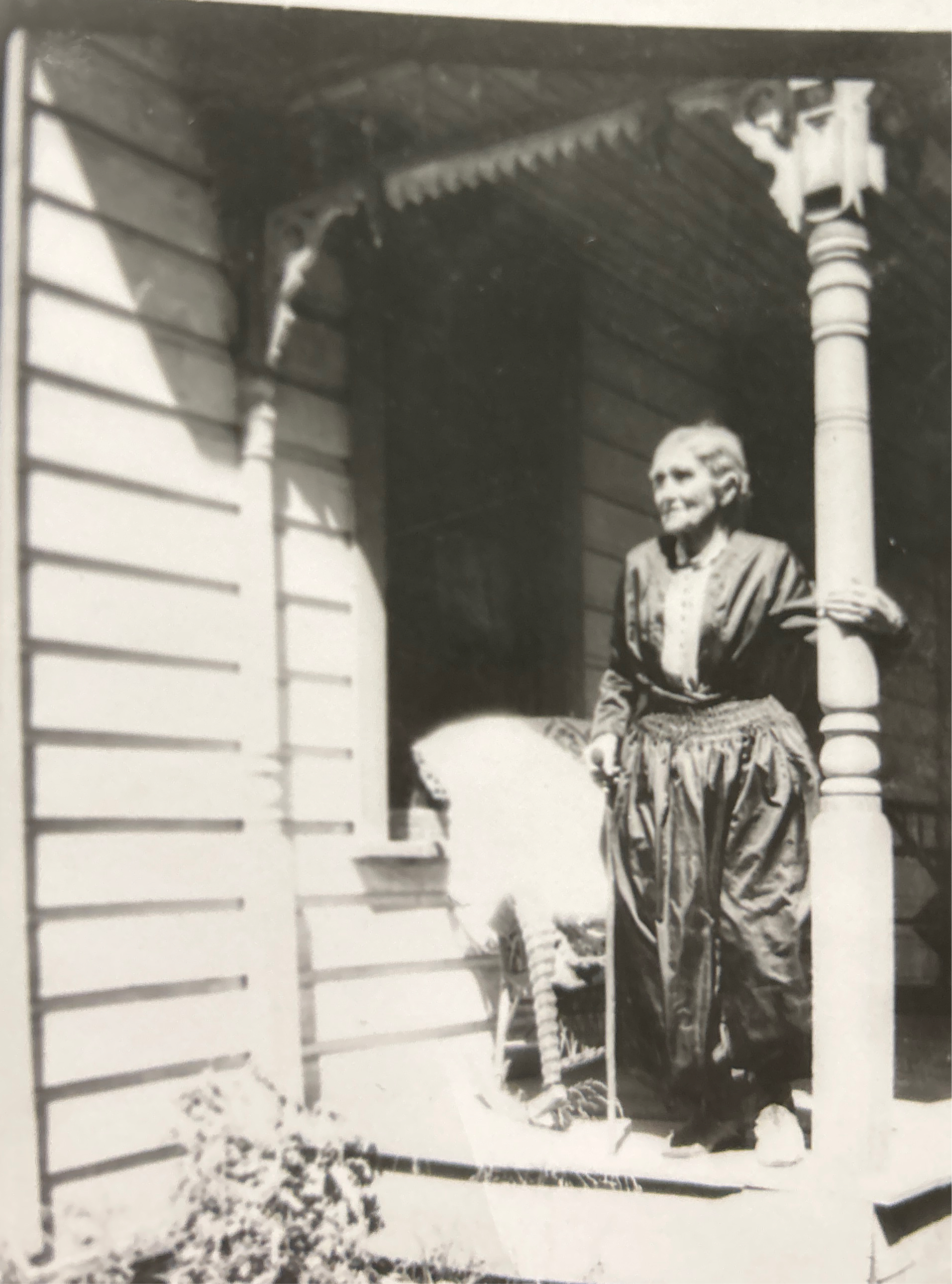
Sarah Keep Buttar

In 1884, David married Sophia Jensen Hansen in plural marriage. He lived in polygamy for 20 years. David and Sophia were later divorced, though David continued to provide for her financially each year until her death in 1909. In 1889, polygamists were advised by the authorities of the Church to give themselves up instead of being hunted down by the law. On the first of June 1889, David gave himself up. Because of his age (67), he was not required to serve the usual six months jail sentence. He paid, instead, a $100 fine and returned home a happy man.

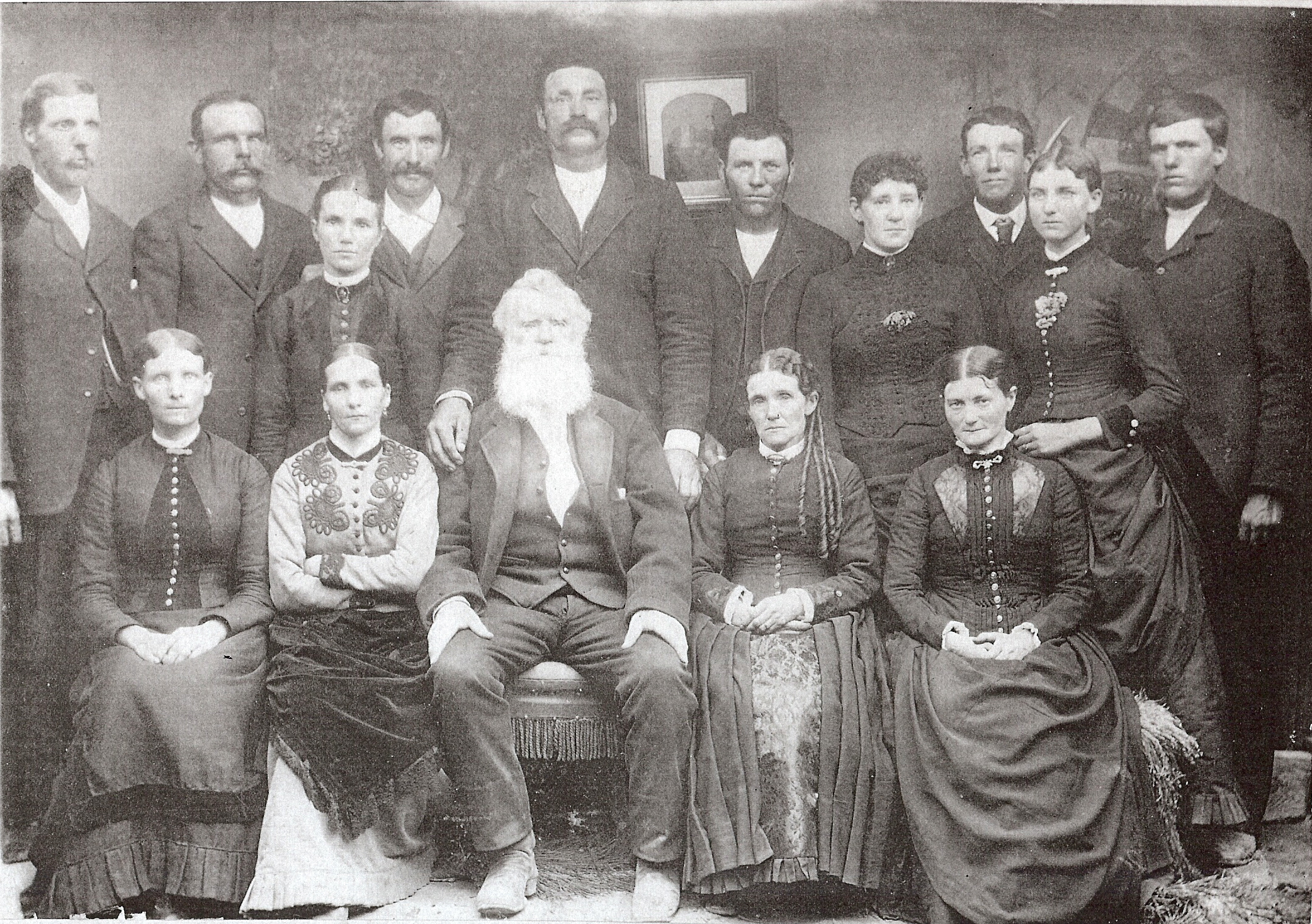
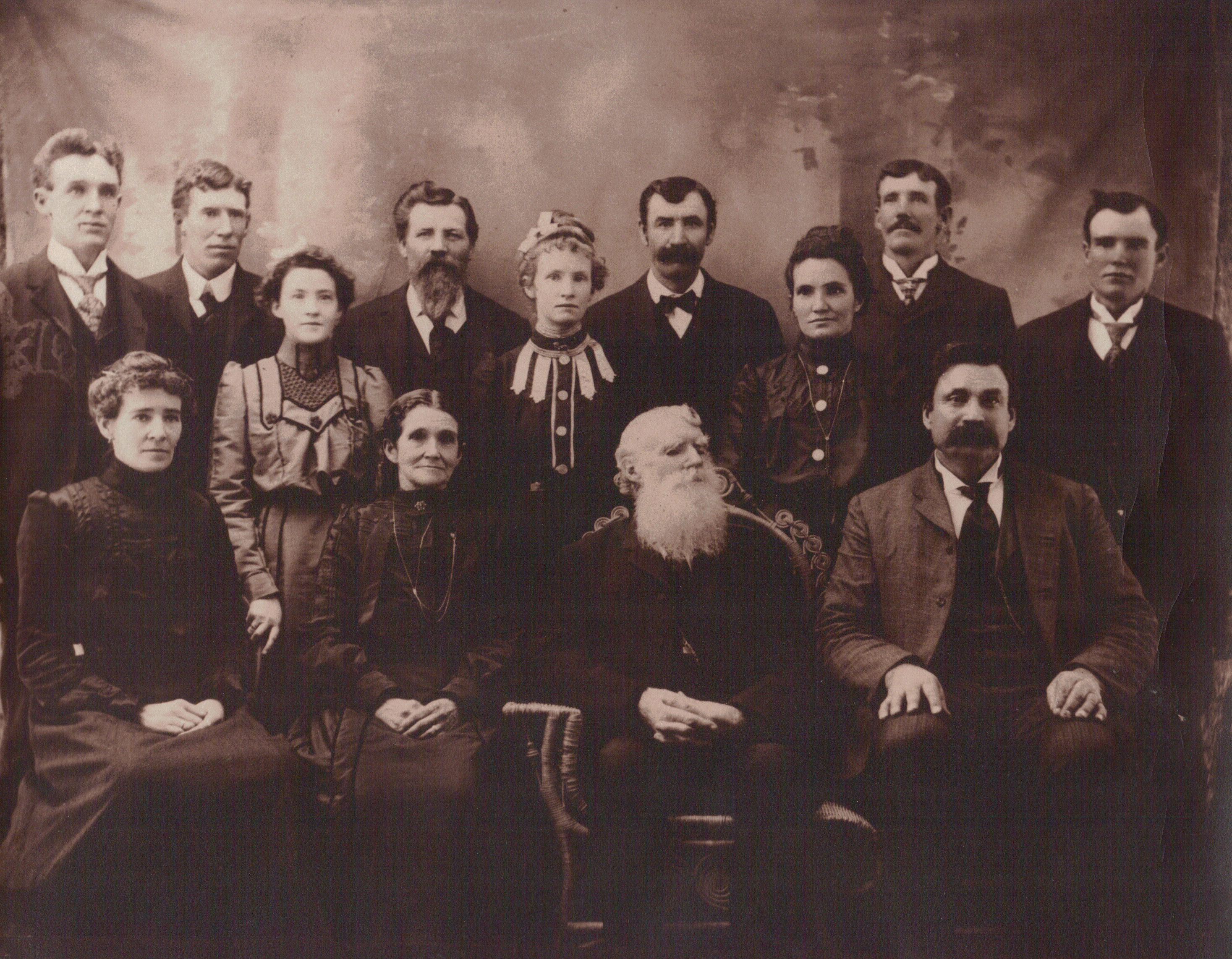
Back (l-r): William Sparks, Hans Jensen, Lucy Ann Francis, Robert Buttar, John Buttar, Daniel Buttar, Elizabeth Buttar, Charles Buttar, Margaret Cutler, Will Sparks; Sitting: Emma Gover, Sarah Buttar, David Buttar, Sarah Keep Buttar, Karen Buttar

On 30 May 1899, David, his wife Sarah, their son Charles and a niece Mary Ann Jenkins, had all attended the Logan Temple. While driving across the Bear River Bridge on their return trip home to Clarkston, the bridge broke and the buggy, horses, and all the people went into the water. Beams and iron from the bridge pinned the occupants in the water. Charles, while trying to free Sarah, saw the Jenkins baby floating downstream and caught its clothing just before it floated under the broken bridge, saving its life. Sarah received a severe blow to the head, cutting a gash in her scalp, knocking out her teeth, and injuring her internally. David’s shoulder was also severely injured. William Bingham and William Thain, who were working in a field nearby, heard the cries for help and came to pull everyone from the river. Bingham then rode to Logan for a doctor. Sarah was taken home to Clarkston unconscious. William Bingham, who had so bravely rescued her and the others, thought that surely she had died and came to Clarkston a few days later to attend her funeral. It would be an understatement to say that he was quite surprised to find no funeral transpiring, as Sarah was alive and well. Sarah did report afterward of having an out-of-body experience during the near-drowning incident and spoke of the beautiful things she witnessed on the other side of the veil.

In 1909, David contributed $200 to President Budge of the Logan Temple. President Budge gratefully said that the donation was an answer to prayers, as money was needed to purchase a new rug (carpet) to replace carpet that had been burned in a recent temple fire. President Budge gave David a priesthood blessing which pleased David greatly. David also stated that he thought that would be his last donation to the temple – and it was. On November 23, 1911, David passed away from eye cancer at the age of 89. He was laid to rest in the Clarkston Cemetery. A beautiful, majestic monument has been erected to his memory at his burial site.

Buttar home on 6 October 1920

Was David a Buttar or Buttars? His christening record prepared by the church has Butter, likely from the mouth of his father. It does not show as plural. When David was married to his first wife, Margaret Spalding, the church recorded his name as David Buttar. Another record, likely created from his own dictation to the individual creating the record. The 1860 Census, probably from someone else’s mouth, has Buttar. But yet, 1870, probably from someone else’s mouth, has Buttars. It goes back and forth. 1910 Census – Buttars. Death certificate for Charles William Buttar – father is David Buttar – Sarah Keep Buttar completed this death certificate information (but Charles’ grave marker has Buttars). The death certificate for his wife, Sarah Keep Buttar – has his name as David Buttars. Alternatively, when he died, Sarah Keep Buttar provided the death certificate information and provided his name as David Buttar. But, when she applied for the Daughters of the Pioneers, she wrote Buttars. Ultimately, some of his siblings and own children used both variations. There are likely other records, but it appears at this time the records created by him in his own life show Buttar. Lastly, when he died, the family listed Buttar on the tombstone (as seen above). But since his christening record (provided by his parents), marriage certificate (provided by him), and his death certificate (provided by his wife) all list Buttar, along with his tombstone, I will go with Buttar for this history.

David has an entry in Pioneers and Prominent Men in Utah.

“Buttar, David (son of Daniel Buttar and Batheah Rattray, born 1788, both of Blairgowrie, Perthshire, Scotland. Born Dec. 2, 1822 at Blairgowrie. Came to Utah November, 1854, Capt. Taylor Company.

“Married Margaret Spalding Dec. 14, 1848, in Scotland (daughter of John Spalding and Marjory Meek Johnson), who was born April 1, 1822, and came to Utah with husband. Their children; Marjory Meek Johnson b. Sep. 16, 1849, m. Henry Mullet December, 1866; m. Joseph J. Harrison 1869; Batheah b. July 15, 1851, m. William Sparks Dec. 15, 1868; David b. November, 1863, d. February, 1854 [sic]; John Spalding b. May 22, 1856, m. Sarah L. Tanner Jan. 1, 1880; Daniel b. Sept. 22, 1858, m. Emma Gover January, 1883; Robert Sutter b. April 6, 1861, m. Mary Godfrey 1891; Margaret b. Aug. 6, 1863, d. infant. Family home Lehi, Utah.

“Married Sarah Keep Dec. 16, 1866, at Lehi (daughter of James Joseph Keep (high priest) and Ann Miller; married July 22, 1836; pioneers Oct. 22, 1866, Abner Lowry company. She was the widow of Thomas Francis, married May 15, 1865, and mother of Lucy Ann Francis, born March 26, 1866, who married Hans Jensen July, 1884). She was born June 28, 1840, Greenham, Berkshire, Eng. Their children: Sarah Isabell Buttar, b. April 16, 1868, d. June 15, 1868; Elizabeth Keep b. June 9, 1869, m. John Loosle Dec. 3, 1891; Charles William b. June 15, 1871, m. Angeline Stuart May 18, 1892; Thomas James b. Oct. 13, 1873, m. Annie Loosle; David Alexander b. Dec. 14, 1876, m. Rose Loosle; James Joseph Keep b. Feb. 26, 1878, m. Agnes Jordan; Mary Janet b. June 30, 1880, m. Louis Thompson; Emma Jane b. Oct. 8, 1882, m. David Thompson. Family home Clarkston, Utah.

“Settled at Clarkston 1868. High priest. Shoemaker; farmer. Died Nov. 23. 1911.

Back (l-r): James Joseph, David Alexander, Emma Jane, Daniel, Mary Janet, Robert Sutter, Lucy Ann, Charles William, Thomas James; Front: Elizabeth, Sarah, David, and John Spalding

The Pioneers and Prominent Men of Utah biography gives a good overview of David’s family.

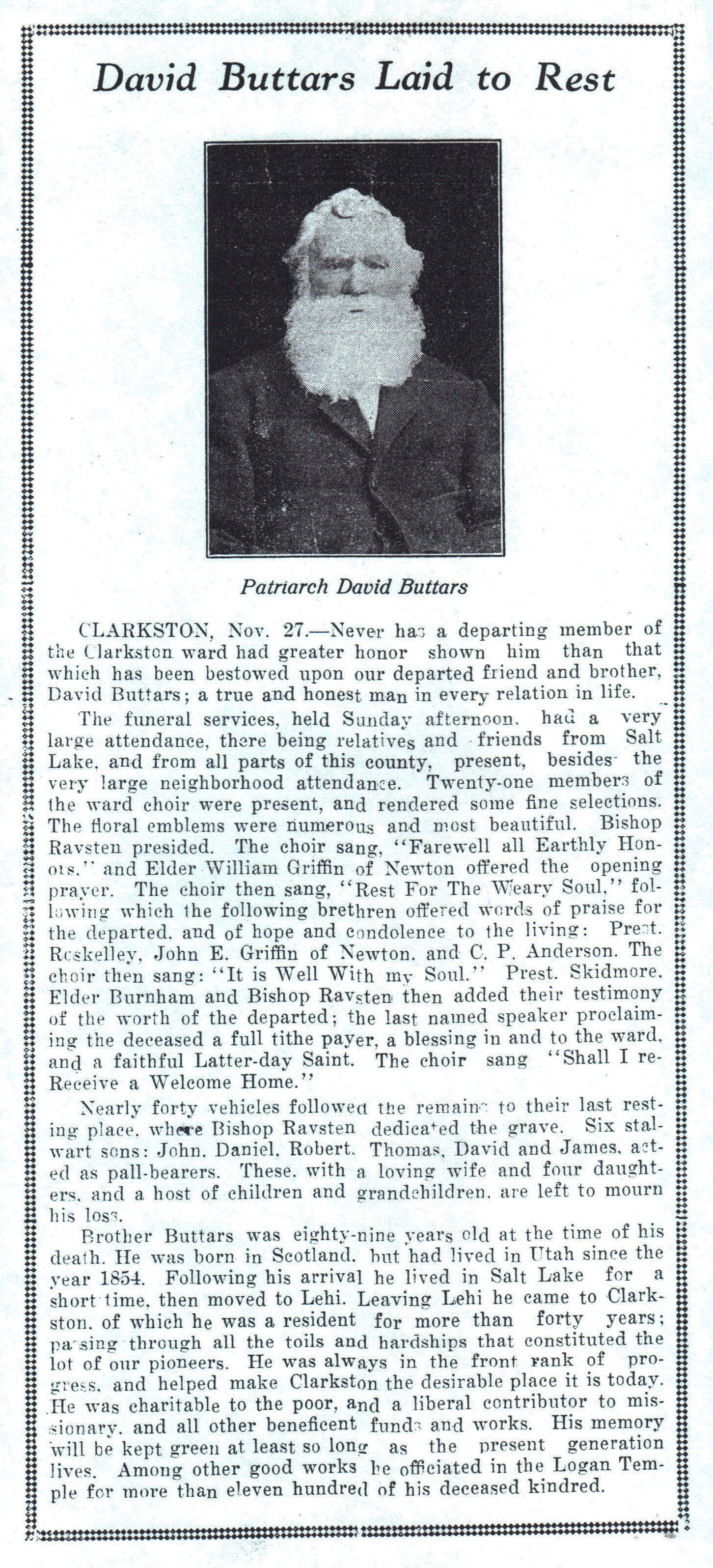
This editorial obituary also provided some insights into David.

“CLARKSTON, Nov. 27 – Never has a departing member of the Clarkston ward had greater honor shown him than that which has been bestowed upon our departed friend and brother, David Buttars; a true and honest man in every relation in life.

“The funeral services, held Sunday afternoon, had a very large attendance, there being relatives and friends from Salt Lake, and from all parts of this county, present, besides the very large neighborhood attendance. Twenty-one members of the ward choir were present, and rendered some fine selections. The floral emblems were numerous and most beautiful. Bishop Ravsten presided. The choir sang, “Farewell all Earthly Honors” and Elder William Griffin of Newton offered the opening prayer. The choir then sang, “Rest For the Weary Soul,” following which the following brethren offered words of praise for the departed, and of hope and condolence to the living: Prest. Roskelley, John E. Griffin of Newton, and C. P. Anderson. The choir then sang: “It is Well With my Soul.” Prest. Skidmore, Elder Burnham and Bishop Ravsten then added their testimony of the worth of the departed; the last named speaker proclaiming the deceased a full tithe payer, a blessing in and to the ward, and a faithful Latter-day Saint. The choir sang “Shall I Receive a Welcome Home.”

“Nearly forty vehicles followed the remains to their last resting place, where Bishop Ravsten dedicated the grave. Six stalwart sons: John, Daniel, Robert, Thomas, David and James, acted as pall-bearers. These, with a loving wife and four daughters, and a host of children and grandchildren are left to mourn his loss.

“Brother Buttars was eighty-nine years old at the time of his death. He was born in Scotland, but had lived in Utah since the year 1854. Following his arrival he lived in Salt Lake for a short time, then moved to Lehi. Leaving Lehi he came to Clarkston of which he was a resident for more than forty years; passing through all the toils and hardships that constituted the lot of our pioneers. He was always in the front rank of progress and helped make Clarkston the desirable place it is today. He was charitable to the poor, and a liberal contributor to missionary, and all other beneficent funds and works. His memory will be kept green at least so long as the present generation lives. Among other good works he officiated in the Logan Temple for more than eleven hundred of his deceased kindred.

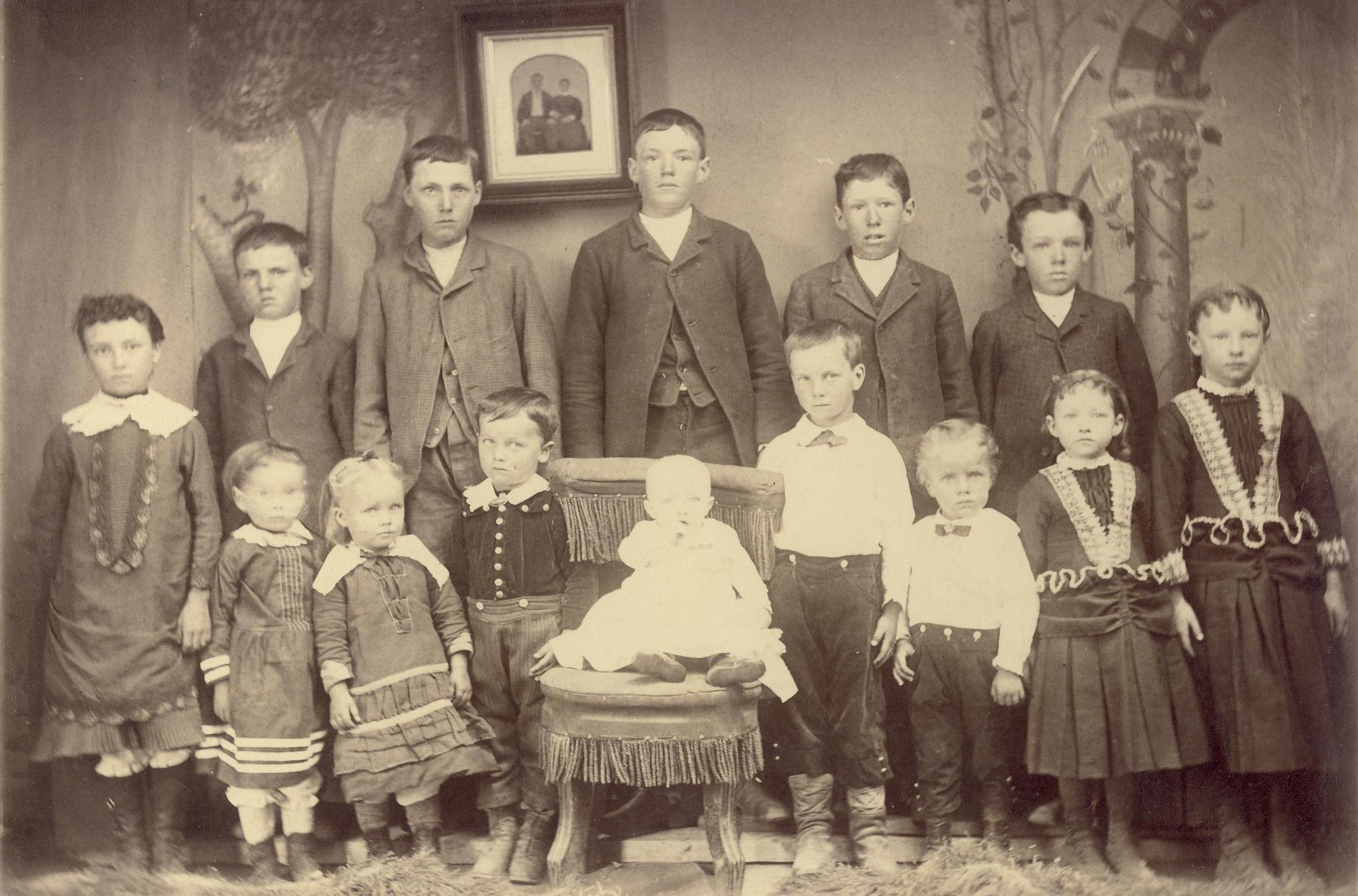
Back (l-r): Margaret Priscilla Buttars, George Alfred Sparks, David Sparks, (photo of James & Ann Keep), Thomas James Buttars, David Alexander Buttars, James Joseph Buttars, Mary Janet Buttars; Front: Rachel Betheah Buttars, Margaret Sarah Buttars, Daniel David Buttars, Melvin Henry Buttars, David William Buttars, Thomas Hans Jensen, and Emma Jane Buttars

David and Sarah Keep were married 16 December 1866 in Lehi, Utah. David and Sarah received their endowments in the Salt Lake City Endowment House on 14 December 1868. David and Margaret, and David and Sarah were also sealed the same day in the Endowment House. I am not clear if Margaret was initially endowed on 14 December 1868 and the record was lost, but the work is officially shown as completed for Margaret on 5 June 1884 in the Logan Temple. David married Karen Sophia Jensen 11 June 1884 in Logan, Cache, Utah at the Temple.

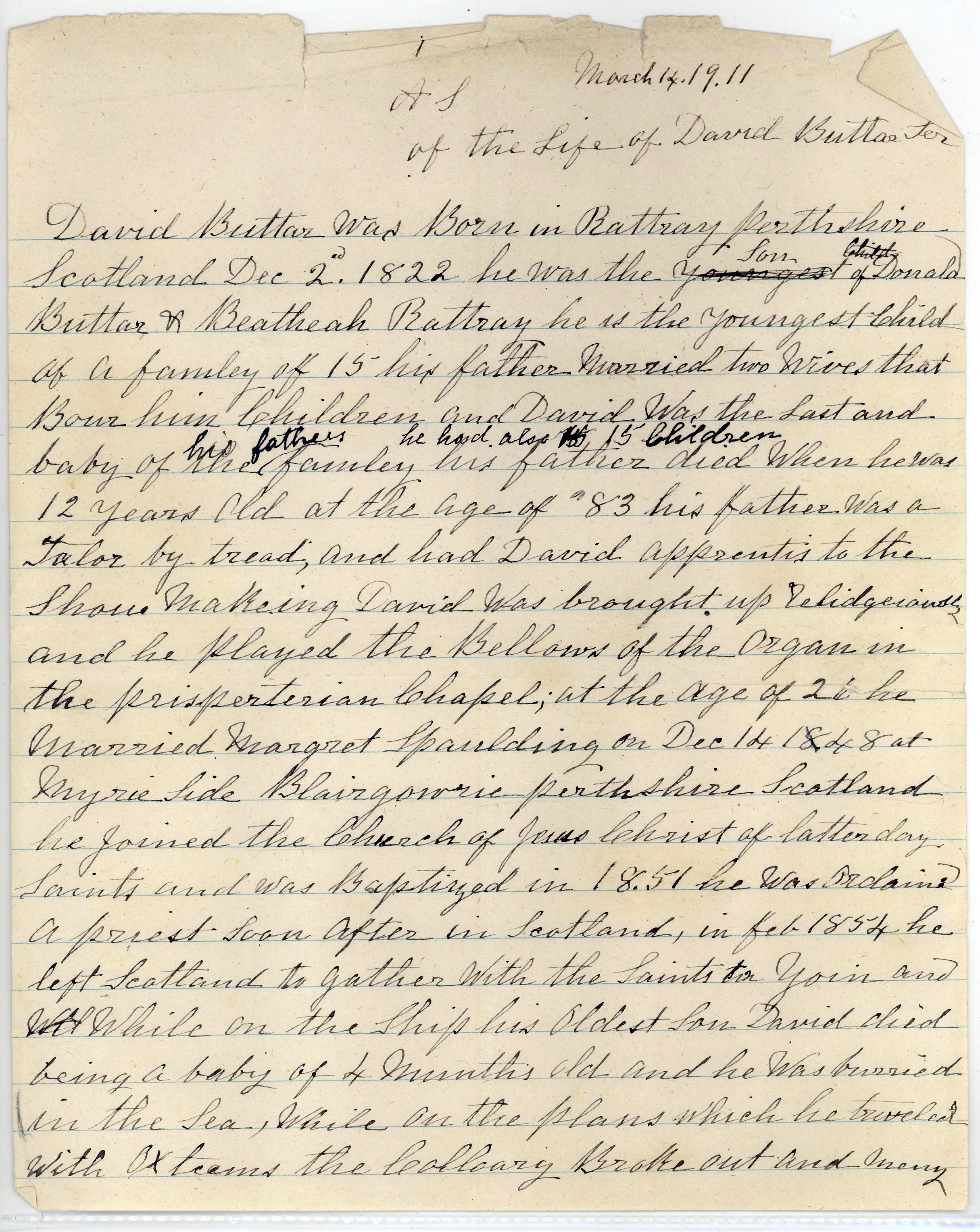
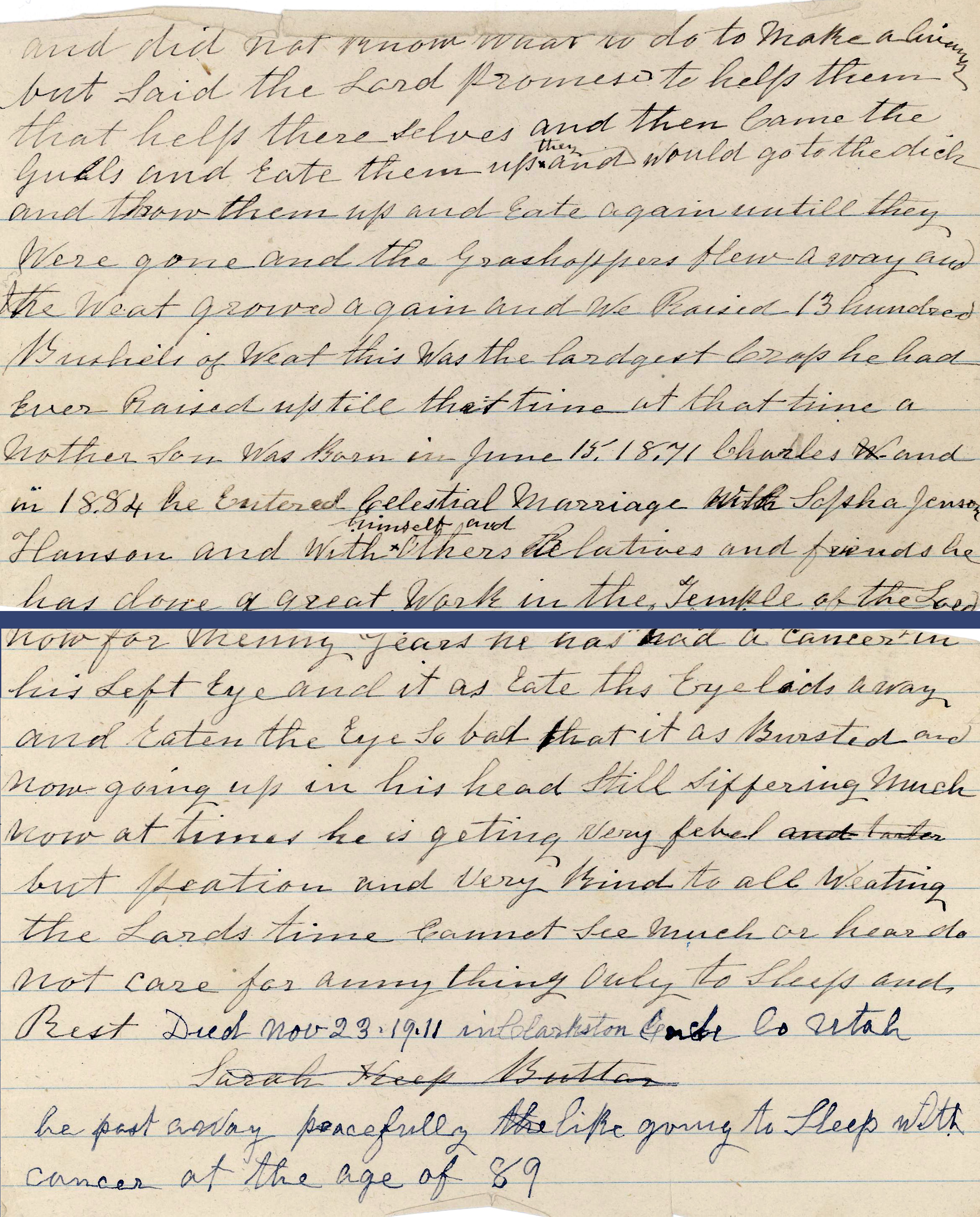
Handwritten biography of David Buttar by Sarah Buttar after his passing

This biography added some other interesting insights, particularly of his death. Sounds like a painful process, even if the final passing was like going to sleep.

Buttar home, Thomas, Elizabeth, Sarah, David Alexander, Mary, James Joseph, Emma Jane, David, and unknown

“A sketch of Sarah Keep Buttars life up to the age of 82 which I Sarah write myself, I was born the 28th of June 1840 at Stroudgreen, Greenham, Berkshire, England. Daughter of James Joseph Keep and Ann Miller Keep.

“I was christened in the Church of England, and learned all the Collicks, Hymns, Prayers and Chants, I can yet repeat some of them. I was naturally religious and when eight years of age the Elders of the Church of Jesus Christ of Latter Day Saints came and stood outside my Fathers gate and preached. My Mother was brought up a staunch Baptist and my Father belonged to the Church of England. Mother didn’t understand the teachings of the Elders as soon as my Father did. One Sunday Morning the Elders came to preach in front of our house and Father took a bench out for all to sit on. Father believed in their teachings and one Sunday morning, 23 July 1848, he crept out of bed and was baptized without any of us knowing it. When he came back mother knew he had been baptized, and came upstairs and told us children to call out “You have been by the Latter Day Saints haven’t you?” Father told Mother if she would go to the Latter Day Saints Church with him he would go to the Baptist Chapel with her sometimes.

“One day they were too late for the Baptist meeting and Father ask Mother to go the Latter Day Saint meeting, and she went with him and soon after she joined the church. After joining the Church they lost everything, their home, and five other houses they owned. Then they had to pay rent, after this the Elders came to our house and held their meetings. Then I was baptize the date being February 1849 the ice was broken for me. I had to walk home on and one half miles under Mother’s cloak in my wet clothes, because the mob was calling my Father, “Curley Keep”, the Latter Day Devil to let a little girl like me be dipped.

“In 1850 we all had the smallpox, my eldest brother James Joseph Keep died from smallpox 25 February 1850, my Mother was also very sick with the smallpox.

“We were very poor and when my baby sister Harriet was born the 8th of March 1850, my Mother had a cancer in her breast and Father wanted to get a Doctor, but Mother wanted the Elders, so my sister and I went for the Elders, they administered to her and anointed her breast and the cancer went away, and she was never bothered with it again, this strengthened my faith in the gospel and I became more religious and what I learned I did not forget. I was taught to learn and repeat verses of the Bible when in Sunday School and at home. As I grew older I traveled much with my Father and his companion. When they went out preaching in the open air I was always anxious to go, and they said I could go if I could sing for them which I did. People gathered to listen to their teachings and many joined the church. My Father and his companion and I suffered many persecutions but the Lord preserved us from our enemies.

“At the age of thirteen I went to London with my father and his companion I sang in the streets of London, we were often told by the police to move on.

“At the age of eighteen I was self willed, and thought about marriage, my Father told us older girls not to get married until we came to the New Valley. Although I had great desire to get to the valley, thinking it would be “Heaven on Earth” yet I thought I would please myself. At this time I had a dream and was shown the route to the valley. The American Elders said when I related it to them that it was truly the route to the valley, in the dream I saw high mountains and the plains, and as I passed on walking I came to a beautiful green meadow, and I heard Heavenly Music and Singing. I saw on the top of the high mountain a very elderly looking man and he was dressed in a long robe, his beard and hair was long and white, he was winding some silver piping on top of the mountain, the sun shown on him so bright that it dazzled my eyes and just at that time a woman passed by me, then I saw a gate leading into the meadow, and there was a gatekeeper, the woman went up to the gate he told her she would have to have her blessing before she could go through, he beckoned to the man on the top of the mountain and he came down and gave her a wonderful blessing he beckoned to the man again and he came and laid his hands on my head and told me to honor my father and my Mother that my days may be long up on the land which the Lord they giveth thee, he said go thy ways and obey they parents in all things. I didn’t think I had as good of a blessing as the woman that passed through before me and when the gate keeper said you can now go into the meadow I said, “I do not want to, for he did not give me as good of a blessing as that woman had, and I did not want to go in.”

“He said, “You had what you deserved,” then I went back and I saw a house where there was dancing and I could hear music, I thought I heard my sister’s voice, and I went up to the door, there were two door keepers, and they gave me a push and said, “You can’t come in here,” I fell down the steps, when I got up I turned to the meadow again and I sat down and cried bitterly, when I awoke my pillow was very wet, I saw that I was going to do something wrong and afterward I knew what it was.

“At the age of twenty five I married against my Father’s and Mother’s wishes and they didn’t know it for six weeks, then to my sorrow I found that my husband had just joined to church to get me, for my Father said I should not marry anyone out of the church, this was his council and I disobeyed him. When I was married my husband told me that it was once my day but now it was his day, he let me know it at a later time.

“In 1866 my Father and Mother were going to the Valley, and I could not go, my husband said if I went to see my Father off he would push me overboard, but the Lord helped me. My Mother and Father told me if I would go with them and leave my husband they would pay me for it, I could see I would never get there the way my husband was acting so I gave my word to go. I left him although it was very hard to part. I kept my word and obeyed my parents, and like in my dream I shed many tears, I did not tell my husband that I was going and he seemed kinder that day then ever before, which made it more hard for me to endure, but I prepared everything as though I was going back home that night, he ask if he should come for me and carry the baby, I said no it might be late when my Aunt leaves, and I may stay at Mother’s all night.

“The next morning finding I did not go home he went to Mother’s and not finding me there he sent a man dressed in pilots clothes to the ship to find me, he questioned me as to where I was going with such a young baby and at that I hardly told him, when he said are going alone, my Mother said “NO” for I was going with my Father and my Brother-in-law, meaning my sister’s husband, he said “OH” and up the companion ladder, I told Mother I was afraid my Husband would come, I passed my baby over to the other side of the ship, I got into the berth of a young couple that had a feather bed in one corner and I crept down behind it. Three policeman came and looked in every berth and did not see me, they were after two apprentices, and four more sisters, and one brother that were leaving husband and wives, they never got any of us, but the two apprentices went back.

“We set sail 23 May 1866 on the American Congress. When at sea we were tossed about and nearly all become seasick. I was blessed by having only three days of seasickness, Father and Mother and my two younger sisters were very sick and my baby caught the whooping cough, having caught cold by being passed about when the policemen were after me. The Lord spared her life and she got well.

“The cook’s cabin took fire, and a little time after the sea was so rough our main mast broke, and the sail went into the sea, next day they fixed the mast, we had a calm and the ship did not move back or forward, but rocked about. We had a Concert on the top deck and enjoyed ourselves. We had heavy fog very often so bad the Captain could not see where we were going, Brother Rider, the President’s counsel was talking to the Captain on the quarter deck and saw the fog lift up he said “What is that?” It was the breakers he saw, but the Captain did not answered, he sprang to the wheel and called, “About ship all hands to the Riggins,” soon the danger was over and the Captain said that in a short time all would have had a watery grave if the fog had not lifted, we were saved by providence.

“When we were on the river the boat took fire, and they carried large fiery sticks past the foot of my bed and threw them in the water.

“We landed in New York the 4th of July 1866, we anchored and saw many beautiful fire works, a ship was set on fire on the sea and with flames coming out of its many windows it was a great sight. Next day we went on the pier and then came another task, we had to pass a man that read our names off when we came to my name, as I was called Sarah Keep, and child, he said “Stop!” Where is your husband, and how do you know he is not here? “Stand Back!” he shouted, I stood back and all the young men passed, my old friend, Will Penny, came and ask me what was the matter, I told him and he told me to come with him and they would not know who he was, I went with him and all was well. We stayed in New York three weeks. My sister Lucy’s baby was born there, then came another task, my Father did not have enough money to take me on to the valley, I sold my wedding ring to buy my baby a pair of shoes, and a hat, and also to pay for an advertisement. I advertised to be a wet nurse, my Mother was to take my baby on to Zion, and I would follow. I went to the office and engaged at twenty dollars a month, when I was returned home I met my Father, he said he had been to the office of Brother Bullock and Thomas Taylor who was looking after the emigrant companies and they told him not to leave me there in a strange land if I had left my husband for the gospel, and as my Father didn’t have the money they said the church would take me and I could pay it back when I got to Zion and I had the money to do so. Father decided I could go on with him if I wanted to, but I thought I could save enough to pay my own way, I was very glad when it was time for the boat to leave. When we were on the train the wheels caught fire and we were pushed into another car as if we were sheep, for we were just emigrants.

“While crossing the plains with oxen teams the Cholera broke out, and about seventy one died, many were buried in a quilt or sheets, the wolves would howl around at night, and perhaps dig up the dead that were buried.

“One night about twenty five or thirty Indians came to camp, they were on the war path, it frightened us very much, for we were afraid we would surely be killed, they had scalps of women’s long hair hanging from their tomahawks, and their belts were filled with arrows and bows in their hands, they had a letter which they gave to the Captain to read, he called, is there anyone in camp who can read the Indian language, a young sister by the name of Emma who had left her husband and two little girls said “I can read the Indian Language.” She had learned to read it when her husband was a soldier, and he had taught her to read it, she read the letter, and was pleased the Indians, the Captain pitched a tent inside the ring of wagons, and fed them they sang all night, and followed us all the next day calling “We Want White Women,” at last they left us.

“When traveling the Captain would take my baby on his horse, and tell me to walk on, and the teamsters would pick me up, and take me in their wagon and they would ride on the tongue of the wagon, they would tell me to sing to them and they would walk rather than see me walk as I had sore feet. I used to wash my baby’s clothes in the streams when we camped, and the teamsters would tell me to dry my clothes by the fire, they let me bake my bread in the skillet after their baking was done. Sometimes I had only bread or small piece of bacon to nurse my baby on.

“I am thankful I am here, and I have learned what I came here for, I can say I do know that the Lord has been with me and give me more than I deserve, but he has promised “He that leaves Father and Mother, Husband or Wife for the gospel, shall receive a Hundred Fold.” I can now see there was work for me to do for the dead and the Lord has blessed and preserved my life many times to do this work. I am very thankful to him for it.

“I traveled first with Father and Mother, and two Sisters in Pratt’s Company, then Captain Inkley came to bring the sick in, and I came with his company I left my parents, and arrived in Salt Lake City at conference, the fifth or sixth of October 1866. In two weeks I hired out to a sister’s home to nurse her as she was sick. I got a cold in my eyes, and it was so terrible that I went to my sister Mary’s in Lehi until they were better. Brother David Buttars came there on business and told me he knew what would cure my eyes if I would do it. He told me Brother Brigham Young’s remedy. Was to dig down a little over a foot deep in the soil mold the soil and lay it on my eyes at night in a fine cloth, I did it and it healed my eyes in a week.

“Mr. Buttars came again and asked my sister and I to his daughter Marjory’s Wedding Supper. I went and when I was going home he wanted to go with me and carry the baby, he did so, and that night he ask me to become his wife, that was the pay he wanted for telling me what would cure my eyes, in less than three weeks we were married in my sister’s house by the Bishop’s counselor in Lehi, I was twenty six years old and had one child, and David was forty four and had five children. Sixteen months later I had my first baby girl, Sarah Isabelle two months later 15 Jun 1868 she died and was buried in the garden until David came home, then she had been dead eight days, David and I buried her ourselves in the graveyard at Lehi Utah.

“My husband had been to Clarkston to buy us a home, this was in June 1868, and in October 1868, we moved to Clarkston, Utah.

“That fall the grasshoppers were so bad that we cut up cow skin and made a rope which three of us dragged up and down the garden in order to make the grasshopper fly away, and keep them from cutting the grain. There were so many grasshoppers that when they were flying they would darken the sun.

“When we were on our way to Clarkston, we were just crossing the mountain top, and the tongue of the wagon broke, the horses and the cattle went off and were lost for five days travel time, during this time the mail coach with President John Taylor passed us and nearly tipped over, because we could not get out of the way, we started again for Clarkston and arrived at the end of October 1868, and I have lived here since.

“I was the first milliner in Clarkston, I made Straw hats, and straw braid, and straw trimmings for the hats. In 1869 my third daughter was born. Two more years we fought the grasshopper and crickets. In 1871 there were seven crowds of crickets and three crowds of grasshoppers that came and ate everything up. On the 15th of June 1871 my first boy, Charles, was born, and eight days after on the 23 of June 1871 the seagulls came and ate all the grasshoppers and crickets.

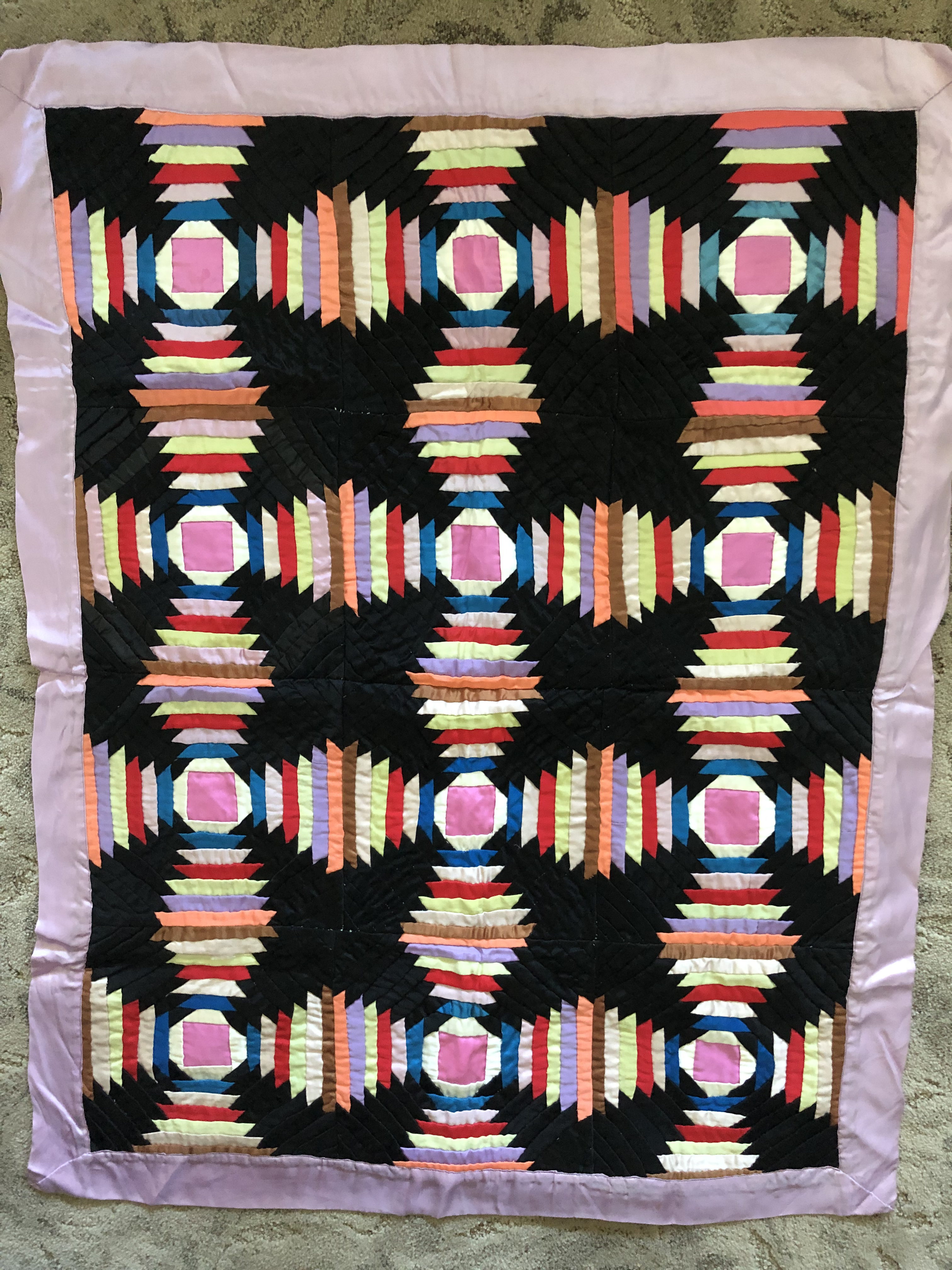
Baby quilt made by Sarah Buttar

“I joined the Female society in 1869 at Clarkston, and was a teacher for many years. I was the President of the Primary for six years, and a teacher for about eighteen years. The first Prayer circle in Clarkston was in my home, I was very much delighted and it was kept there for three years and four months. Then it was moved to the New Tithing house. I was married to my husband David Buttars 16th December 1866 and was sealed to him in the Endowment House in Salt Lake City, Utah 14 December 1868.

Clarkston Ward Sisters: Annie Heggie, Marie Anderson, Sarah Buttar, Jane Godfrey, Hannah Thompson, Elizabeth Loosle

“In 1884 my husband took another wife. We lived in that Celestial order for twenty three years. I have worked in the Salt Lake Temple, and the Logan Temple for the dead. I have worked and paid for about two thousand names. I have had my second Endowments many years ago. I have seen and talked to Martin Harris, one of the three witnesses, who is buried in the Clarkston Cemetery, I am a member of the Camp of Daughter’s of pioneers named in his honor, I have planted flowers on his grave.

“I have been near drowning two or three times. Once on the ship and twice in America, once when I was crossing the Bear River Bridge with my husband and relatives, we were returning from doing temple work, the bridge broke and we all went into the river, I was laid upon the river bank for dead, being crushed with the broken timber, I regained my consciousness, that was on the 30th of May 1899.

“I have had nine children five girls and four boys, three are dead at the present time, Eight of them are married and have families of their own. I am now Eighty two years old. I am writing this in March 1923.

“Sarah Keep Buttars died 7 October 1935 at the age of ninety five. She was active until a few days before her death. She attended the Cache County Fair in September 1935 and won a prize for her Fancy Hand Work and the honor of being the oldest pioneer in Cache Valley attending the fair.

Sarah Keep Buttar

Milo P Ross Elementary Class Pictures

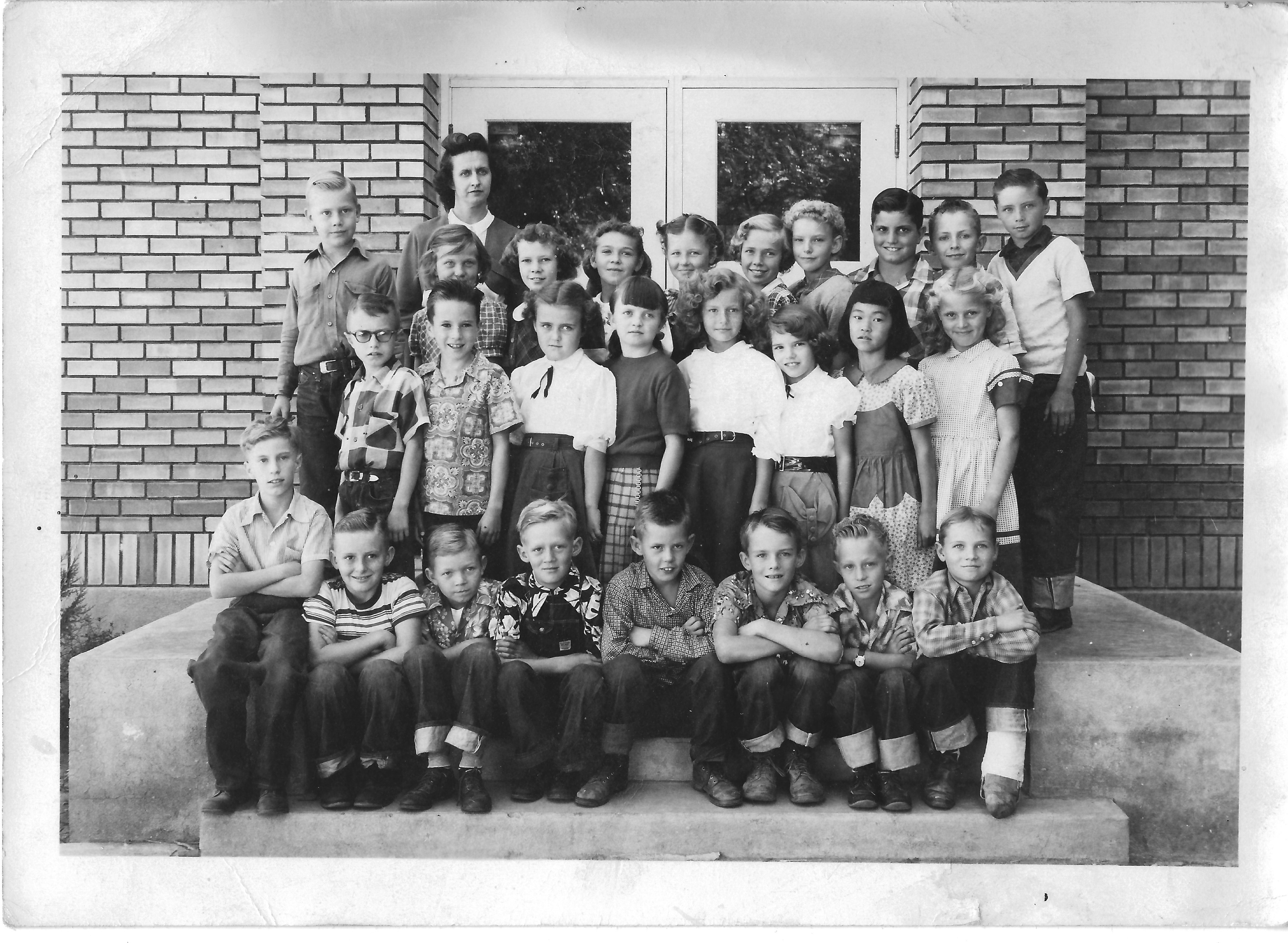
In honor of Dad’s 82nd birthday, I am sharing these photos.

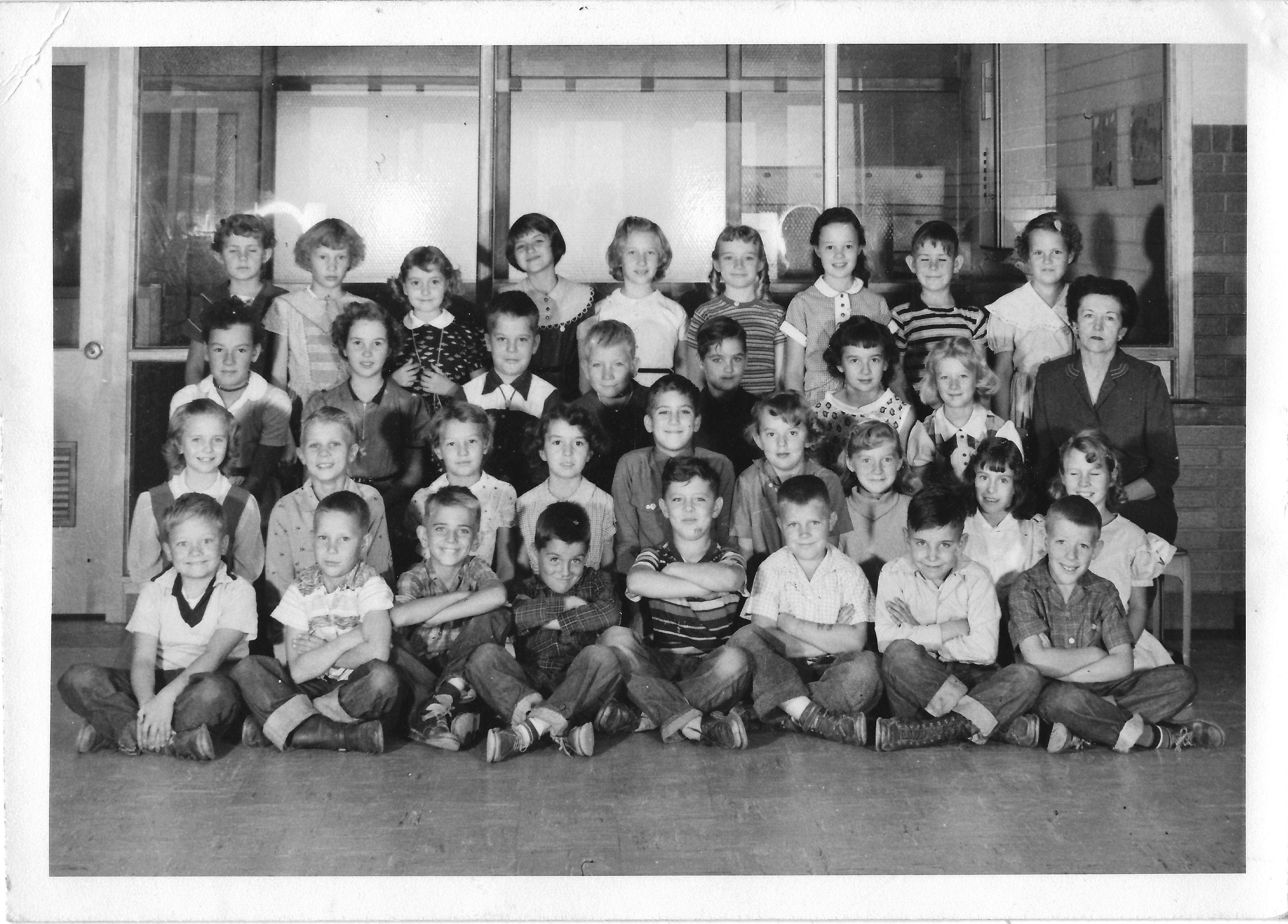
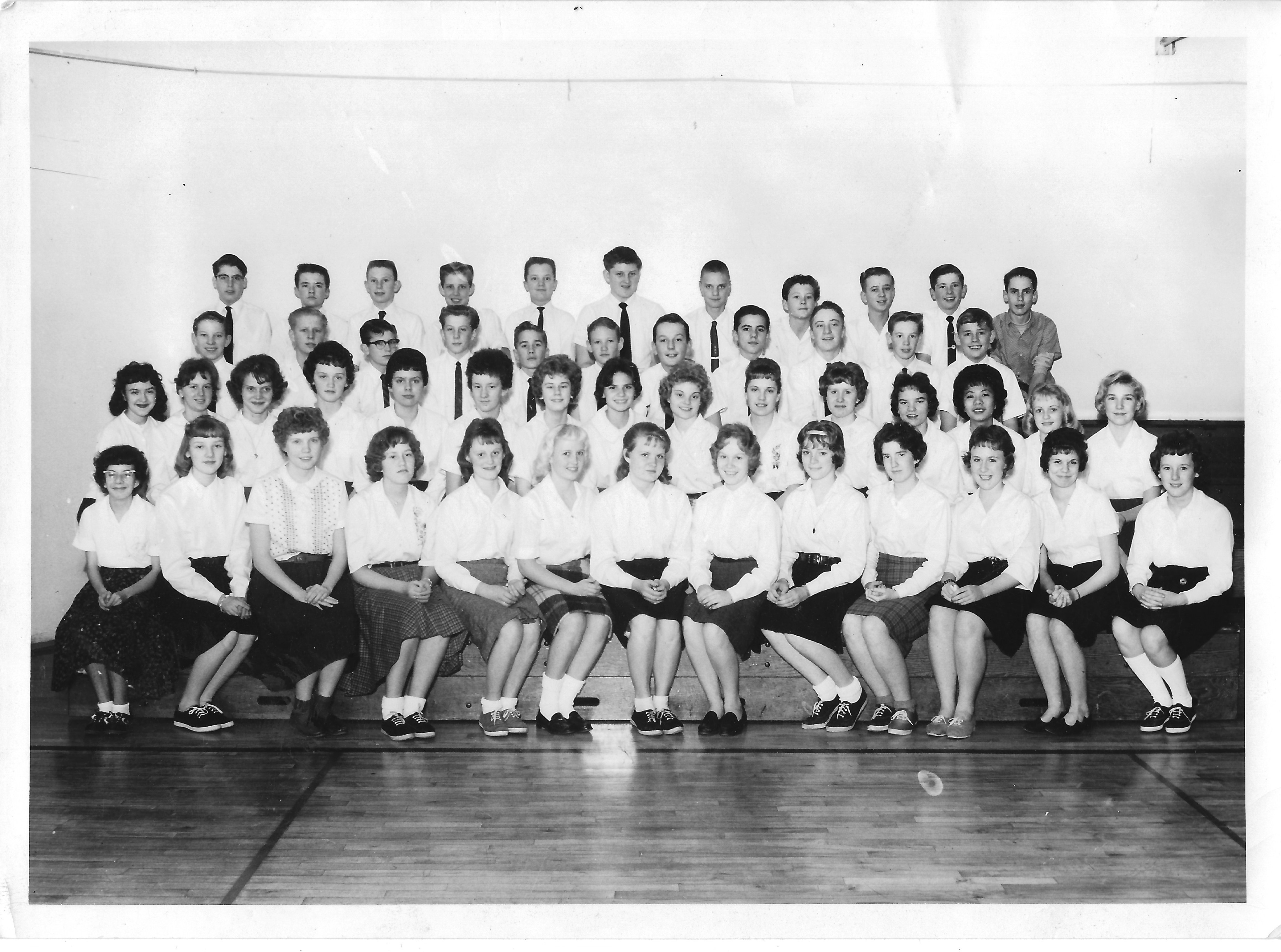
After Dad’s first wife, Vicki, passed away, most of her photos and other documents were scanned. Found in those documents were these two class pictures for Dad. These are for his 1952 and 1953 class years. Since he graduated in 1961, these are likely his 3rd and 4th grade pictures. He attended Plain City Elementary in Plain City, Utah.

Back (l-r): Gary Butler, Frances Rochell, (unknown teacher behind Frances), Linda Knight, unknown, unknown, unknown, unknown, Kenneth Clark, unknown, Kenneth Wayment; Middle: unknown, Kent Hodson, Elaine Rogers, Connie Poulsen, Kay East, Carole Carver, May Endow, unknown; Front: Dean Allred, Fred Coy, unknown, Ernest Hansen, Leon Taylor, Milo Ross, unknown, unknown.
Back (l-r): Carol Wheatley, Connie Poulsen, Austin McWilliams, Mr. Leslie Gerald Bundy, Kenneth Wayment, Kenneth Clark, unknown, Cleora Meyerhoffer, unknown, Gary Butler, Donna Mae Jensen; Middle: Elgie Post, Elayne Rogers, May Endow, unknown, Frances Rochell, Linda Knight, Carole Carver, Kay East, Deanna Slater; Front: Kent Hodson, Larry, Dean Allred, Fred Coy, Leon Taylor, Milo Ross, unknown, Jeff East, Ernest Hansen

Mr. Leslie Gerald “Jerry” Bundy (1929 – 1999)

Ms. Emma Walker Munson (1918 – 1992)

Dean Allred (1943 – alive)

Ilene Bingham (1943 – alive)

Gary Butler (1943 – alive)

Carole Carver (1943 – alive)

Kenneth Clark (1943 – alive)

Fred Coy (1943 – alive)

Jeff East (1943 – alive)

Kay East (1943 – alive)

Maye Endow (1943 – alive) married Bothwell

Ernest Walter Hansen (1943 – 2010)

John Kent Hodson (1943 – 2022)

Donna Mae Jensen (1943 – alive)

Linda Knight (1943 – alive) married Charlton

Austin McWilliams (1943 – alive)

Cleora Mae Meyerhoffer (1943 – 2013) married Oliver

Connie Poulsen (1943 – alive) married Esplin

Frances Rochell (1943 – alive)

Elayne Rogers (1943 – alive) married Cliften

Milo Paul Ross (1943 – alive)

Deanna Kay Slater (1943 – 2006) married Hart

Leon Everett Taylor (1943 – 2000)

Linda “Cookie” Thompson (1943 – alive)

Kenneth Wayment (1943 – alive)

Carol Wheatley (1943 – alive)

Casper Wyoming Temple Open House

We took the opportunity to attend the Casper Wyoming Temple Open House on 31 August 2024. We planned the weekend to do some sightseeing and visit some church and family history sites. I am reposting as this has updates on 3 additional ancestors that also came through the Overland Trail.

We left on the Friday morning with the hope of making it all the way to Casper before nightfall. We took old US Highway 30 through Soda Springs and Montpelier. We made a stop to visit the grave of my Grandmother in Dingle.

Aliza, Lillian, Paul, James, and Hiram Ross at the graves of Bud and Colleen Lloyd

We drove through Cokeville and reminded the kids of the story of the Cokeville miracle. As we drove along the old highway, I pointed out the old railroad Y that used to go to the Stauffer mine that was located in Leefe, Wyoming. I spent the first summer or two of my life at Leefe while my dad was tasked with tearing down and removing the mine with Circle A Construction. We stopped in Kemmerer to refuel and also drive past the first J. C. Penney store. We made a quick stop at the Parting of the Ways along the California, Mormon, and Oregon trails.

James Ross at Independence Rock

With four kids, we often stop at rest areas. As you can see above, we stopped at the one at Independence Rock. The rock is nearby and doubles as the parking location to visit the rock.

We finally made it to Casper about sunset. We ate an amazing Italian meal at Racca’s Pizzeria Napoletana and checked into our hotel.

Casper Wyoming Temple

We got up early, dressed appropriately, and headed out to visit the Casper Wyoming Temple. It was beautiful. Much smaller than I had anticipated. It is definitely one of the smallest temples, but that is because of the population and distance to other temples. It will supposedly have five stakes in its temple district, some of which will still come from a long distance to attend. Don’t let size fool you, it still has all the distinct parts of a temple and related quality. I think I may very much prefer the intimacy of the smaller temples. It actually reminded me of the Helena Montana Temple on size and flow.

Ross family at the Casper Wyoming Temple Open House

The temple does not have an adjoining chapel, but it does have a distribution/visitor center. We watched the video, enjoyed waiting in the line, and got to see the whole temple. If I were asked, there are a couple of design changes I would make for flow, but this temple will not regularly see these types of crowds or have those issues.

Ross family with the Casper Wyoming Temple

We hurried back to our hotel, changed, loaded up the car, checked out, and headed off to our next stop: The National Historic Trails Interpretive Center in Casper. I did not take any pictures there, but it was very well done. I enjoyed the visit, helped the kids with their junior ranger activities, and learned a few things. Part of the museum had its own little room and video dedicated to the Martin and Willie Handcart Companies.

We stopped at Independence Rock again on our way headed west. We walked around the massive rock and looked at a number of the signatures carved into stone from over 160 years ago. It was hot and we needed to get our little doggies along to Devil’s Gate.

I will write about this more in a bit, but Devil’s Gate was a major landmark on the trail going west for all pioneers on the trails. But Devil’s Gate became more than a landmark and became a historical site in the tragic fall of 1856. Fort Seminoe was based there on the west side of Devil’s Gate, but it had been abandoned earlier that same year. It was that fall that the Martin Handcart Company found itself stranded in the snow. Days later the stranded handcart company moved into a nearby cove to get away from the wind, snow, and cold. That cove is now known as Martin’s Cove.

The Sun Ranch from Devil’s Gate, now The Martin’s Cove: Mormon Trail Site

We found the visitor’s center much more hospitable than some of our ancestors. As I worked through my family history, I had some of my own ancestors who passed through this very Devil’s Gate and area. Here are my ancestral lines that came across on the Mormon Trail. I had counted only 3 while in Casper, but hadn’t realized the Williams clan came over in two separate trips.

William and Mary Ann Sharp in 1853. Wagon train. Moses Clawson Company. William and Mary Ann met in the wagon train and married in Nebraska in 1853. William and Mary are my 3rd Great Grandparents.

John Williams in 1860. Wagon train. John Smith Company. John came over with his two sons John Haines (1829) and Richard (1838). I don’t know why his son David went separately in 1864. I am a descendant of John through David. John is my 4th Great Grandfather.

Johanna Benson in 1862. Wagon train. Joseph Horne Company. Johanna came over with some of her children and their families, her daughter Agneta, came over in 1864 with her family. Johanna is my 4th Great Grandmother.

William Edward Stoker in 1863. Wagon train. Unknown Company. William was traveling with his family, including the baby Mary Ann. William is my 3rd Great Grandfather, Mary Ann is my 2nd Great Grandmother.

John and Agneta Nelson in 1864. Wagon train. William Preston Company. Agneta is the daughter of Johanna Benson who came over in 1862. John and Agneta are my 3rd Great Grandparents.

David D and Gwenllian Williams in 1864. David is the son of John mentioned above. Wagon train. William S Warren Company. Gwenllian came with her sister Mary. Both married on the ship in Liverpool before setting sail for Utah. Gwenllian and Mary’s parents, David and Margaret Jordan, came over in 1872 crossing the plains by rail. David and Gwenllian are my 3rd Great Grandparents.

That gives me 10 ancestors that crossed the plains by wagon, none by handcart that I can tell. The unknown companies were all wagon trains as there were not handcarts those years.

Devil’s Gate – 2024

Every single one of these ten ancestors of mine who came west on the trail would have passed through Devil’s Gate. Here I stood on this sacred ground and snapped this photo of my daughter, my descendant and their descendant, at Devil’s Gate.

Aliza Ross at Devil’s Gate

It took me a bit more work, as I am not as familiar, to find those family lines of Amanda’s that also would have passed along the Mormon Trail to the west before the railroad made it much, much faster and safer. It took me several occasions over a couple of weeks to spend the time to research all these lines.

Henry and Ann Jackson in 1852. Wagon train. James C Snow Company. This is Amanda’s 4th Great Grandparents.

Regina Hansen in 1853. Wagon train. John E Forsgren Company. Her son, Hans Hansen, also accompanied her on the trip. Regina’s husband stayed behind. Regina is Amanda’s 4th Great Grandmother, Hans is Amanda’s 3rd Great Grandfather.

Grave of Hans Hansen in Plain City, Utah. Edith Sharp Ross’ stone is the stone at 10 o’clock from the top of this stone, my Great Grandmother.

David Buttar in 1854. Wagon train. William Empey Company. He appears to have traveled alone. Amanda’s 3rd Great Grandfather.

Birthe Jacobson in 1854. Unknown if wagon train or handcart company. Birthe’s daughter, Maria Jacobson, also accompanied her on the trip. Her husband Jorgen died in Missouri as part of the trip. Birthe is Amanda’s 5th Great Grandmother, Maria is Amanda’s 4th Great Grandmother.

Harriet Housley in 1856. Handcart company. Edward Martin Company. Harriet’s son, George Housley, also accompanied her on the trip. Two other children came later. Harriet is Amanda’s 5th Great Grandmother, George is Amanda’s 4th Great Grandfather.

Richard and Christine Hemsley (1836 – 1915) in 1857. Handcart company. Israel Evans Company. This is Amanda’s 4th Great Grandparents.

Ole and Anne Jensen in 1861. Likely wagon train. Unknown company. Amanda’s 5th Great Grandparents.

John Crompton in 1862. Wagon train. Joseph Horne Company. John also had his daughter, Hannah Crompton, with him. John is Amanda’s 4th Great Grandfather, Hannah is Amanda’s 3rd Great Grandmother.

Anna Nielsen in 1862. Wagon train. Christian Madsen Company. She traveled alone. Amanda’s 3rd Great Grandmother.

Joseph and Penelope Thompson in 1862. Wagon train. John Riggs Murdock Company. Their son, Joseph Thompson, also accompanied the family. Amanda’s 4th Great Grandparents, Joseph is Amanda’s 3rd Great Grandfather.

Joseph Wayment in 1863. Wagon train. Unknown Company. Appears to have come alone. Although his parents and most of his siblings would come later by rail. Amanda’s 3rd Great Grandfather.

Axel Boyer in 1866. Wagon train. Abner Lowry Company. Amanda’s 4th Great Grandfather. Also traveled with the Keeps, other ancestors of Amanda.

James and Ann Keep in 1866. Wagon train. Abner Lowry Company. Their daughter, Sarah Keep, also accompanied the family. James and Ann are Amanda’s 4th Great Grandparents, Sarah is Amanda’s third great Grandmother. Also traveled with Axel Boyer, other ancestor of Amanda.

Richard Hemsley (1801 – 1866) and his later wife Sarah in 1866. Wagon train. William Henry Chipman Company. Amanda’s 5th Great Grandfather.

Peter Peterson in 1866. Wagon train. Joseph Sharp Rawlins Company. Peter is Amanda’s 4th Great Grandfather.

That is the Hemsley line alone, Amanda’s Dad. I count 26 ancestors of Amanda’s Dad that came through Devil’s Gate.

James, Lillian, Hiram, and Aliza Ross at Devil’s Gate Mormon Handcart Visitor Center

Amanda’s Mom’s line, the Holden family, has the following:

Edwin and Ruia Holden in 1852. Wagon train. Uriah Curtis Company. Their son, Henry Holden, also accompanied the family. Edwin and Ruia are Amanda’s 4th Great Grandparents, Henry is Amanda’s 3rd Great Grandfather.

Jesse and Temperance McCauslin in 1851. Wagon train. Unknown Company. Temperance passed away in Council Bluffs, Iowa. She did not make the trail in Wyoming or Devil’s Gate. Their daughter, Louisa McCauslin, also accompanied the family. Jesse is Amanda’s 4th Great Grandfather, Louisa is Amanda’s 3rd Great Grandmother.

John and Adelaide Roberts in 1863. Wagon train. Thomas Ricks Company. Their son, Hyrum Roberts, also accompanied the family. John and Adelaide are Amanda’s 3rd Great Grandparents, Hyrum is Amanda’s 2nd Great Grandfather.

Thomas and Mary Ashton in 1851. Wagon train. Morris Phelps Company. Mary also passed away in Iowa. She did not make the trail in Wyoming or Devil’s Gate. Their son, Joseph Ashton, also accompanied the family. Thomas is Amanda’s 4th Great Grandfather, Joseph is Amanda’s 3rd Great Grandfather.

Sarah Jarvis in 1854. Wagon train. Job Smith Company. She came with some of her family, but not with her son, Amanda’s ancestor, George Jarvis. Sarah is Amanda’s 4th Great Grandmother.

George and Ann Jarvis in 1853. Wagon train. Unknown Company. George and Ann are Amanda’s 3rd Great Grandparents. George is the son of Sarah Jarvis mentioned above.

William and Rebecca Finch in 1854. Wagon train. Daniel Garn Company. William and Rebecca are Amanda’s 3rd Great Grandparents.

Joseph Finch in 1853. Wagon train. Joseph Young Company. Joseph is the son of William and Rebecca Finch mentioned above.

John and Hannah Davis in 1851. Wagon train. Eaton Kelsey Company. Their daughter, Mary Jane, also accompanied the family. The family also has Davies listed for their last name sometimes. John and Hannah are Amanda’s 4th great grandparents, Mary Jane is Amanda’s 3rd Great Grandmother.

John Evans in 1866. Wagon train. William Henry Chipman Company (same company as Amanda’s Richard Hemsley above). His wife, Sarah, died on the trip from the United Kingdom in New York. His son, John Evans, also accompanied his father and brother. John is Amanda’s 3rd Great Grandfather, John is Amanda’s 2nd Great Grandfather.

James and Elizabeth Boyack in 1855. Wagon train. Milo Andrus Company. James and Elizabeth are Amanda’s 4th Great Grandparents.

James Boyack in 1853. Wagon train. Appleton Harmon Company. James is Amanda’s 3rd Great Grandfather. James is the son of James and Elizabeth Boyack above that came in 1855 across the plains.

Margary Waterhouse in 1855. Wagon train. Milo Andrus Company. Margary is Amanda’s 3rd Great Grandmother. She came across with the same train as James Boyack’s parents, presumably that is how she met her future husband. The Company arrived 24 October 1855 in Utah, James and Margary married 23 November 1855 in Springville, Utah.

That is the Holden line alone, Amanda’s Mom. I count 26 of ancestors of Amanda’s Mom that came through Devil’s Gate. As an aside, I also looked at her biological line (as she is adopted), and not a single one of her biological ancestors passed through Devil’s Gate.

James riding while Hiram, Lillian, and Aliza Ross pull a handcart at Devil’s Gate Mormon Handcart Visitors Center

We also stopped and visited with the sixth crossing of the Sweetwater River. This was the location where, like the Martin Handcart Company, the Willie Handcart Company also got stuck in wind, snow, and cold in 1856. Their rescue occurred here.

The next day, on our way to Grand Teton National Park, we made a stop at Fort Washakie, Wyoming. This is one of the alleged graves of Sacagawea. We stopped and remembered her, whether her final resting place or not.

All in all, I was surprised by my own connection to the Mormon Trail. I had never considered that I have 10 ancestors who had literally came this way. Or that my children have 59 ancestors that literally come this way. They passed by Independence Rock, through Devil’s gate, and two of those 59 suffered with the Martin Handcart Company. I will write more on the Housleys later as there have been other interesting interactions with that clan since our marriage.

Vicki’s Class Pictures

These are photos shared to me of Victoria “Vicki” Kay Feldtman Ross. I don’t know anything more than what I have listed on the photos. I believe she graduated from Weber High School in 1963, or would have graduated. She married Dad, Milo Paul Ross, 5 March 1963 in Ogden, Weber, Utah. She was born 23 December 1945 in Ontario, Malheur, Oregon and passed away 31 December 2018 in Twin Falls, Twin Falls, Idaho.

4th Grade Ms. Morby, Vicki is back row, fourth from the right
Vicki is middle row, sixth from the right
Mixed Chorus: Back row (l-r): Robert Grieves, Arnold Burr, Deon Mayhew, Bill Fife, Bob Findess, Tommy Bartow, Ronald West, Jay Holley, Rex Judkins, Lynn Gould, James Petterson; Third row: Dee Bradshaw, Doug Giles, Dan Thompson, Blair Hadley, Dave Vesnieuw, Deloy Bentley, Doug Cheshire, Kenneth Groberg, Roger Bingham, Alan Cox, Kent Cevering; Second row: Adele Buff, Tamara Houston, Linda Perkins, Mary Carver, Betty Leach, Jolene Anderson, Carol Johnson, Linda Mapes, KayLynn Peterson, Linda Neilson, June Thompson, Carol Wheeler, Betty Yoshida, Linda Taylor, Judith Jensen; Front row: Jane Meldrum, Virginia Parker, Joyce Gunnerson, Susan Martinson, Donna Marchant, Linda Wells, Carolyn Kingston, Jelene Flinders, Vicki Feldtman, Annette Maw, Lynda Panunzio, Kay Ohlson, SheriLyn Gibson

These names are taken from the back of the photo. Please correct if you think I have them wrong.

3rd Grade, Paul Elementary, Paul, Idaho

Back(b-r): Mrs. Ella Suhr, Shane Ball, Kaleb Winn, Scott Torix, Genevive Olivas, Kevin Orton, Jamie Mingo, Kristi Jensen; Middle: Jeff Hayden, Karlene Hansen, Jacob Timmons, Jalene Woodward, Paul Ross, Adrianne Neibaur, Archie Winnett, Nathan Jones; Front: Shaun Bettazza, Alfonso Jaramillo, Nicole Catmull, Emmy Mendoza, Erin Zemke, Kelli Osterhout, Cody Strunk, and Michael Thompson.

I have mentioned before when I shared class pictures from Paul Elementary for Kindergarten, 1st, 2nd, 4th, and 5th Grades, that I was glad to have other classmates who allowed me to scan the class photos. All mine were lost due to a flood in our basement while I was on my mission in 1998-2000. I am happy to report that the missing 3rd and 6th Grade pictures have been provided, thanks to Erin Zemke.

This is our 3rd grade class picture from Paul Elementary, Paul, Idaho. This was the 1987 – 1988 school year.

Normally I organized photos with married names and dates. Since all are still alive, I will forgo any of the dates. I have added the married last name for the ones I know. If you have corrections, please let me know.

Ella Lucille Senften Suhr (1927-2005)

Shane Ball

Shaun Bettazza

Nicole Catmull married Manning

Karlene Hansen married Ashcraft

Jeff Hayden

Michael Hollis now Thompson

Alfonso Jaramillo

Kristi Jensen married Rich

Nathan Jones

Emmy Mendoza married Deal (interesting side note, I remember coming back from a field trip at Craters of the Moon and dropping her off at home out near Kimima, our whole group of busses stopped)

Jamie Mingo married Harman

Adrianne Neibaur

Genevive Olivas

Kevin Orton

Kelli Osterhout married Bates

Paul Ross

Cody Strunk

Jacob Timmons

Scott Torix

Kaleb Winn

Archie Winnett

Jalene Woodward married Richman

Erin Zemke married McKindree

Hans Petersen

This is another story from the family history books of Golden Rulon Andra. This is the father of Annie Christine Petersen that I wrote about previously. This is an ancestor of Golden’s wife, Utahna Bird Andra.

Hans, Christian, and Kirsten Petersen

“Family History – HANS PETERSEN

“Born: 11 February 1837 at Salgelse, Sjaelland, Denmark

“Died: 7 July 1923 at Salt Lake City, Salt Lake, Utah

“Hans Petersen was born on February 11, 1837 at Slagelse, Sjaelland, Denmark, the son of Peter Jensen and Karen Jakobsen. His name became Petersen instead of Jensen, due to the Scandinavian custom that the child of a man should take that man’s first name and add the suffix “sen” so the son of a man named Peter became Petersen. Incidentally, the Danish law put an end to this custom during the life of Hans Petersen, so that he became the first Petersen in the Petersen genealogy of our family.

“Hans Petersen’s father, Peter Jensen, operated a small farm and it was the small farm house here in which Hans was born. The family belonged to the Lutheran Church, the state religion of Denmark. Peter Jensen, father of Hans, was a very short man in stature. Hans grew taller than his father, but was himself only a little over five feet tall. Then Han’s children grew taller than he himself and his grandsons are nearly all tall men.

“He went to the regular country elementary schools in Denmark in his youth and then worked on this father’s farm until he was 21 years of age, when he had to serve in the army according to the custom of the country. He was summoned to Copenhagen for training and it was there that he met Kirsten Jeppesen, who later became his wife. While still in his first year of army training, he married Kirsten. That was while he was still 21 years old. Incidentally, he was gray headed at that time, having gone gray early. As a boy his hair was black.

“Following his release from active army service, he and his wife went to the little tow of Lindeborg, Denmark, and there started burning charcoal for a living. After he had been married several years, and had three little children, a war broke out between Denmark and Germany, and since he was still a member of the reserve he was called into active service to fight Germany. Being a small man he was put into the front lines with all of the other small men, according to the custom. When his company was sent to the front he prayed to God that he would not have to shoot a man. When the battled started and he began to fire his gun, he noticed that it had jambed and would not fire. Then almost immediately he was shot through one side and fell, was taken with the other wounded soldiers, placed on a large lumber wagon with no springs (the only ambulance available) and taken to an old barn behind the lines which had been converted into a field hospital. He had only been there about ten minutes when German shells set fire to this improvised hospital and the doctors had to move all of the wounded 20 miles further black. They were again loaded on the lumber wagons and had to suffer the tortures of bad roads and the crude wagons during the journey.

“When the second hospital was reached and his wounds were examined by the doctors it was decided that an immediate operation was necessary to save his life. There was no anaesthetic of any kind and the patient just had to life and suffer during the operation. He afterward said that making the incision did not cause so much pain but while they were cleansing the wound and closing it, he chewed much of the sheet covering him into small bits the pain was so intensen. After he recovered, he was sent back to Copenhagen to recuperate and there he and the other wounded soldiers were highly feted by the populace.

“It was almost six months before he was released from the Army and permitted to return home. During most of this time, his wife knew nothing of his trouble but shortly before his return home, one of the family friends informed her that Hans had been killed in the war. It was a most joyous meeting when he returned home.

“In Lindeborg, where he armed and burned charcoal, he rented a home from a man named Sorensen, whose father was a Mormon elder laboring in that area. He had emigrated to America, and had been sent back to his native land as a missionary. The father’s name was Soren Christophersen. He had sought to hold a cottage meeting in his son’s home but was refused, although the son did permit his father to live at the home. While Elder Christophersen told Hans Petersen of his inability to find a place in which to hold a cottage meeting, Hans invited him to his own home, which was rented from around the area inviting people to the meeting.

“A large crowd gathered for the meeting, but in mob formation. They threatened to tar and feather Elder Christophersen. Hans nailed the front door and stood guard at the back door with a large club in his hand. He invited any of the mobbers to entered if they dared but none came. Instead, they remained outside shouting and hammering upon the doors and windows, saying they would get the Elder when he came out of the meeting. Hans told them that the missionary would remain in the house until the mob left if he had to remain all night. The mob did not leave until 2:00 a.m., and then Hans, armed with his club, accompanied the Elder to the Sorensen home where he was to spend the night. This affair started the Hans Petersen family to investigate Mormonism and was followed by subsequent cottage meetings. After much study and prayer, Hans and his wife decided to join the Church. His wife was especially well read in the Bible. The two were baptized in the middle of the night in a large hole which had been dug into the ground by farmers seeking rich soil to cover their land with. These holes filled with water, like wells, and it was in this water they were baptized by the Elder.

“Han’s wife became quite a preacher of Mormonism. Hans himself became president of the local branch and did much preaching although his wife did the scriptural speaking. They both gave freely of their time and means to the Church and often financially assisted the elders who traveled without purse or scrip. In those days they had to travel miles to attend each meeting because the area was sparsely settled.

“When the family decided to come to Utah to be with the Saints, transportation became a serious problem. The entire family could not come together so it was decided that the eldest daughter, Annie, should emmigrate first. She went to Arizona first, to the home of some other earlier emmigrants. Two years later the next sister, Minnie, went direct to Salt Lake City, and two years later again, Emma, the third daughter came to Salt Lake City. One year later the girls put their funds together for their sister Sophia to come. A little later Hans, his wife, and their only living son, Christian, came together, going first to Arizona to the home of George Hansen Newman. This man had taken the name of Newman after his arrival in America. The Arizona heat was too severe for the Petersens so they went by wagon team up through St. George to Salt Lake City where they made their home, first at 475 West Sixth South Street, in the old Fifth Ward and later moving to a house on Genesee Street, between Seventh and Eighth West, in what became the 26th Ward after the Fifth Ward was divided.

“Hans did labor work for a living, helping in the beautification of Liberty Park and in the construction of several canal systems. His wife died at the Genessee Street home on 20 November 1908, and was buried in the Salt Lake City Cemetery. Hans lived alone most of the time after this and he died in Salt Lake City 7 July 1923, and was buried at the side of his wife.

Hans Petersen

History of Plain City Pt 7

I have two copies of the History of Plain City, Utah. The front indicates it is from March 17th 1859 to present. As far as I can tell, the book was written in 1977. At least that is the latest date I can find in the book.

One copy belonged to my Grandparents Milo and Gladys Ross. My Grandpa has written various notes inside the history which I intend to include in parenthesis whenever they appear. They add to the history and come from his own experience and hearing. 

I will only do a number of pages at a time. I will also try to include scanned copies of the photos in the books. These are just scanned copies of these books, I have not tried to seek out originals or better copies.

History of Plain City March 17th 1859 to present, pages 107 through 122.

SCHOOLS

Early Plain City School

Poplar School

            Submitted by Roxey R. Heslop

             Poplar was a branch of the Plain City Ward and it received its name from the long rows of Poplar trees on both sides of the street.

            The school district was organized in 1891. First school was held in the home of Peter McCue located about 3475 West 1975 North. James L. Robson was the first teacher followed by Mrs. W. Winslow and Myra Gray.

            A room school house was built about 1894 at 3320 West 1975 North. This picture is not the Poplar school which had no windows in the front but on the west side and three was a wood shed at the back but it is very similar in many ways.

            The teachers were Bessie Zinn, Blanch Bagley, Freed W. Dalton, Naomi Tracy, Emma Anderson, Sarah Stevenson, Etta Brow, Lottie Henigar, Minnie Rudiger, Melvina Wayment, Esther Steward, Welthy Lake, and Pearl Tracy.

            The Poplar School House was the center of church and social activities. Sunday School was organized 3 Sept. 1894. Primary and Religion were held there.

            Dances were wonderful. Everyone danced and the young folks were taught to waltz, two-step, quadrills, polkas, schottisches and others that were popular at that times. Richard Lund with his violin accompanied by his daughters, Annie or Alminda on the organ. Often lunch was served. Children’s dances were held.

            The Poplar Lane people were like a united family. Everyone went to church and attended all social events. All the children played together.

            Nearly all of the folks have gone but those who are left enjoy wonderful memories of the days of activity, associations and inspirations that was bought from the one-room school.

First consolidated public school. Built to replace the North, South, and Poplar Schools. It was built of adobe and located on the northeast corner of the square. It was used as a community and recreational center for many years after the second consolidated school was built.
Second public school after front door was sealed; new entrance was built on the east side when the gymnasium was added. Lunch room facilities were added to the west later.
Second public school after remodeling when front windows were bricked over but before later additions were made.
Interior of the second school, showing old wood and metal desks that were attached to long wooden planks.

CLASS PICTURE TAKEN IN THE POPLAR SCHOOL

Poplar school was a one room building. This picture was taken during the school term of 1901-1902 with Etta Brown as teacher. Later she married LeRoy E. Cowles who became the president of the University of Utah.

Top row: Emma Cottle, Elmer Robson, Ada Skeen, Williams Allred, Walter Cottle, Anzley Miller Luckart, Parley Taylor, Luella Cottle Stanger, Edmund Furnis, Alma Furnis, Laurence Cottle, Leslie Taylor, John Taylor.

Bertha Urry, Kate Urry East, Pearl Taylor Lund, Bertha Robson England, Alice Urry Wayment, Josephine Cottle Monroe, John Jackson, Elmer Taylor.

Roxey Robson Heslop, Manila Taylor Hancock, Emma Taylor Homer, Kate Kensley Nalder, Parley Stoker, Blanch Kenley, Drysdale, Unknown, Jessie Kenley Wayment, Evelyn Taylor Cottle, unknown, Martena Taylor Surrage, Merl Jackson, Zina Urry, Nellie Kenley Draney.

Some were too young to go to school and were brought for the picture.

                                                                                                Submitted by Roxey R. Heslop

This is the graduating class of 1907, Class of 1906-1907

Bottom Row

                     Pearl Taylor Lund, Lester Taylor, her brother

2nd Row From Bottom

                        Kristina Grieve, John Quincy Blaylock, Principal

                        Lula Marriott Neal, Hazel Skeen Rhead

3rd Row

                        Bertha England, Ruth Hodson Wheeler

                        Sylvia Richardson Singleton, Ruby Ipson Hunter

                        Jesse Cottle

Plain City Graduation Class

Left to Right, Back Row:

Mable Palmer, Noland Taylor, Gilbert Maw, Leone Lund

Middle Row:

Iris Poulsen, LaVerna Davis, Principal John C. Neal, Florence Singleton, Ruth Poulsen

Front Row:

Clifton Kerr, Marion Sneed, Arvilla Taylor, Ellis Giles, Margaret Hunt, Gilbert Taylor, Harold Carver

PUBLIC SCHOOL BUILT IN 1906

            This is located on the site of the present Plain City Elementary School.

            It included elementary through tenth grade in later years. The last year the tenth grade was held in the school was 1947. After that, it remained in use as an elementary school.

            The front windows were bricked over and later the front doors were bricked when the gymnasium was added to the east.

            Still later, a cafeteria was added to the west. The building was demolished in 1955, leaving the later additions and adding a new addition of classrooms to the east that same year.

            The students pictured at the bottom of the picture are enlarged on the3 following pages.

Weber County School District was organized in 1906-07. Plain City was dedicated in September of 1906.

            The teachers are: John Quincy Blaylock, Laura Lamon, Rosabell O’dell and Elda Cooley.

1909, 8TH Grade Graduation Class.

Back row L to R: John Taylor, Roxey Robson (Heslop), Easter Lund (Stevenson), Elvin Maw, Mildred England (Hart) (Robins).

Front row L to R: Lona Ipsen ( – ), Teacher John Q. Blaylock, Bertha Hodson (Bullock).

Enlargement of the students in the 1907-07 school picture on the preceeding pages, showing the center one-third of the students.

Early school buses were privately owned and used for summer vacations and school trips.

Enlargement of the students in the 1906-07 school picture on the preceeding page, showing the left one-third of the students.

L. Rulon Jenkins, teacher and Principal of the 1906 school during later years in the 30’s and 40’s.

Early classes held in the 1906 school during succeeding years. Dates and identities not known.

Early Plain City Class Picture Date and teacher unknown. We hope you can identify a parent or grandparent to make it more meaningful to you.

View of the 1906 school after the gymnasium had been added and more modern bus transportation used.

CLARA SKEEN THOMAS

SUBMITTED BY BEVERLY B EDDY

            The Plain City School Hot Lunch Program was organized by Clara Skeen Thomas, wife of George Sidney Thomas. Clara Thomas was the first to start the Hot Lunch Program at the Plain City School 1923-1924.

            She received $1.00 per day. She served vegetable and tomato soups, chip beef gravy on mashed potatoes and chili. These were purchased at the cost of three cents a bowl. With this money she received from the food, she would but the materials needed to prepare the next meal.

            For years, she cooked and prepared the food at her home. She would have to take it up to the school each day. This would consist of three blocks each way. Later the school purchased a coal oil stove, which made it possible to prepare the food at the school. Each year the Hot Lunch program started in November and ended in March.  Clara Skeen Thomas cooked and prepared the hot lunch at the Plain City School for eleven years and never missed a day.

SCHOOL LUNCH PROGRAM

L to R: Ivy Carver, Elizabeth Lund, Vacona Singleton, Tillie Moyes, Bell Woods.

SCHOOL BUS TRANSPORTATION

SUBMITTED BY ELMER ROSE

            Oh what progress in education when in 1926, Weber High School opened its doors for County students. This high school is located on Washington Blvd. and presently occupied by the Adult Education Center.

            Elmer Rose, of Warren, drove a bus to accommodate the northwest area of Weber County. Mr. Rose’s route covered several miles each day. He picked up all the high school students from Warren and both elementary and high school students from the south end of Plain City. He dropped the elementary students off at the Plain City elementary school. The student’s near the street car tracks were left to ride it to the high school.

            Mr. Rose then continued his route through the North Plain City Road, back along highway 84 to within a reasonable distance from the car line. Then after passing the Harrisville along the route to Ogden limits.

            On the route going to the high school, Mr. Rose picked up the Farr West Elementary students and delivered them to the Farr West School. He returned down the North Plain City Road picking up the elementary students for Plain City School.

            The bus contracts to maintain and operate these units of transportation were awarded by bids. The lowest bidder getting the job if his outfit met the approval of the school board.

            The inside of the bus had a bench on each side facing the center. The girls usually occupied these seats. In the center was a bench called a straddle seat. The boys were crowded together astraddle this bench.

            The first bus was small and about 30 students were crowded into it. The students gave this bus the nickname of “Cracker Box”.

            He often chartered his privately owned bus to take scouts, F.H.A. and other groups on excursions and other activities.

            Mr. Rose removed the bus from its chassis during the summer so that he might use the truck for farm trucking.

            This picture is of the second privately owned bus maintained and operated by Elmer Rose. This bus had a large capacity, accommodating about 50 students.

BUSSES LOADED IN FRONT OF WEBER HIGH SCHOOL IN 1926

            The first buses to transport students to Weber High School in 1926 were operated and maintained by the individual owners. The contracts were let to the person whose bid was accepted by the Board of Education. Since these first buses were individually owned, the owners often used them for 4-H, temple, and various other excursions and activities.

            Owners often used them for hunting trips. Family and friends slept in them overnight lodging away from home. The straddle bench was removed to make room for the bed.

            Some owners removed the bus body from the chassis and placed another bed on the truck, so as to utilize it for farm trucking during the summer.

            School transportation has evolved from the horse-drawn school wagon to the giant sized yellow school bus.

            Today students ride to school fairly comfortable. The buses are warm, the seats padded, the radio plays popular music. These luxuries were undreamed of by the students who rode in the white top covered wagon, or the horse drawn sleigh in the midst of winter.

                                                                                    SUBMITTED BY RUTH FOWERS

SCHOOL LUNCH PROGRAM WORKERS

L to R: Hazel Kennedy, Mabel Moyes, Thelma H. Palmer, VaCona P. Singleton- Head Cook.

L to R: Principal Earl Cragun, Fern Hogge, Mabel Moyes, Norma Jensen, Hazel Kennedy.

Demolition in 1955 of the school building of 1906. This building had been in use continuously since that date. Many changes and additions had been added around it.
View of the new addition added in 1954-55 as seen through the rubble of the 1906 building and the construction equipment of the new building.
View of the Plain City Town Square from the roof of the school gymnasium.

Three view of the Plain City Elementary School as it stands today in 1977 with its many additions.