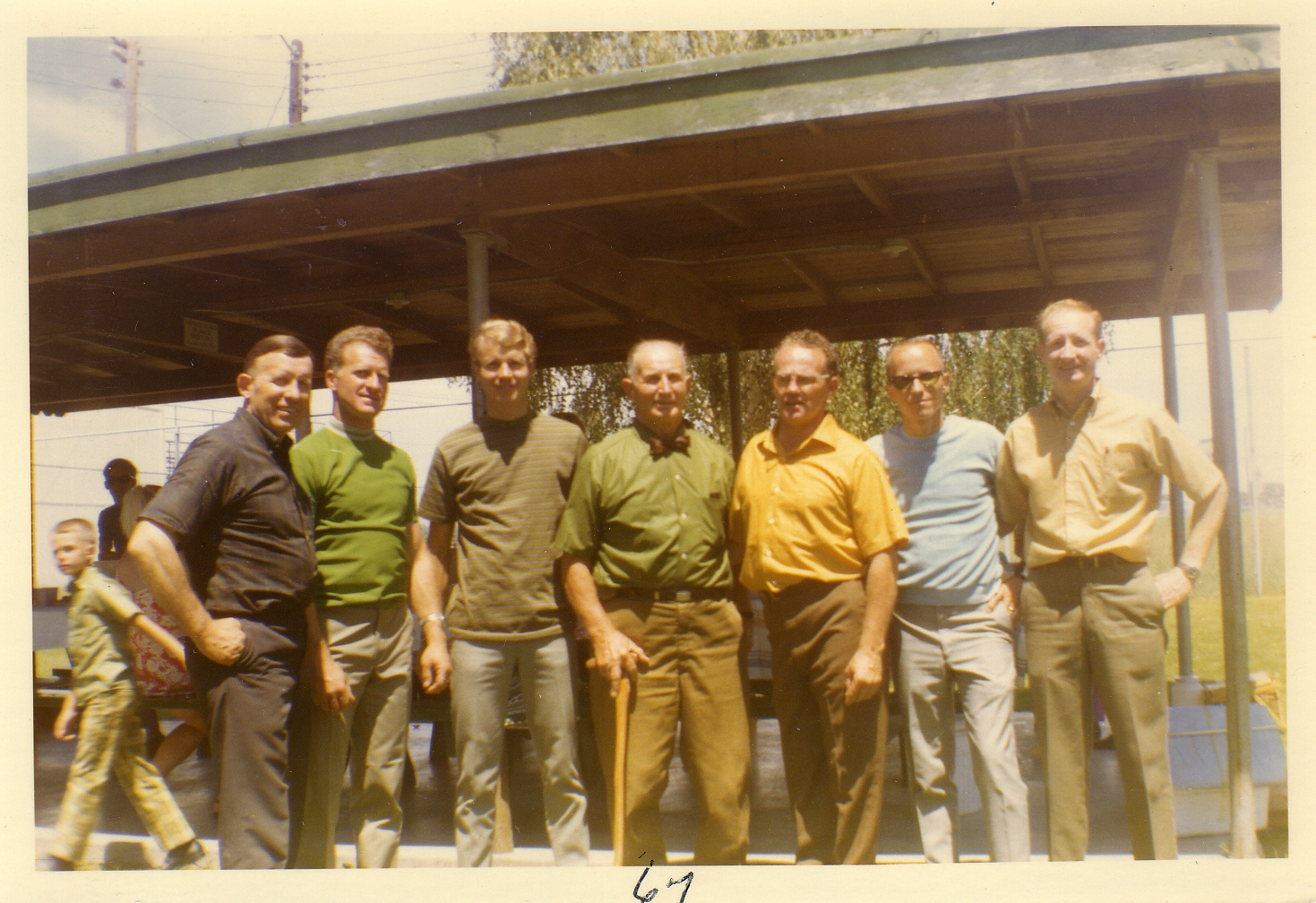
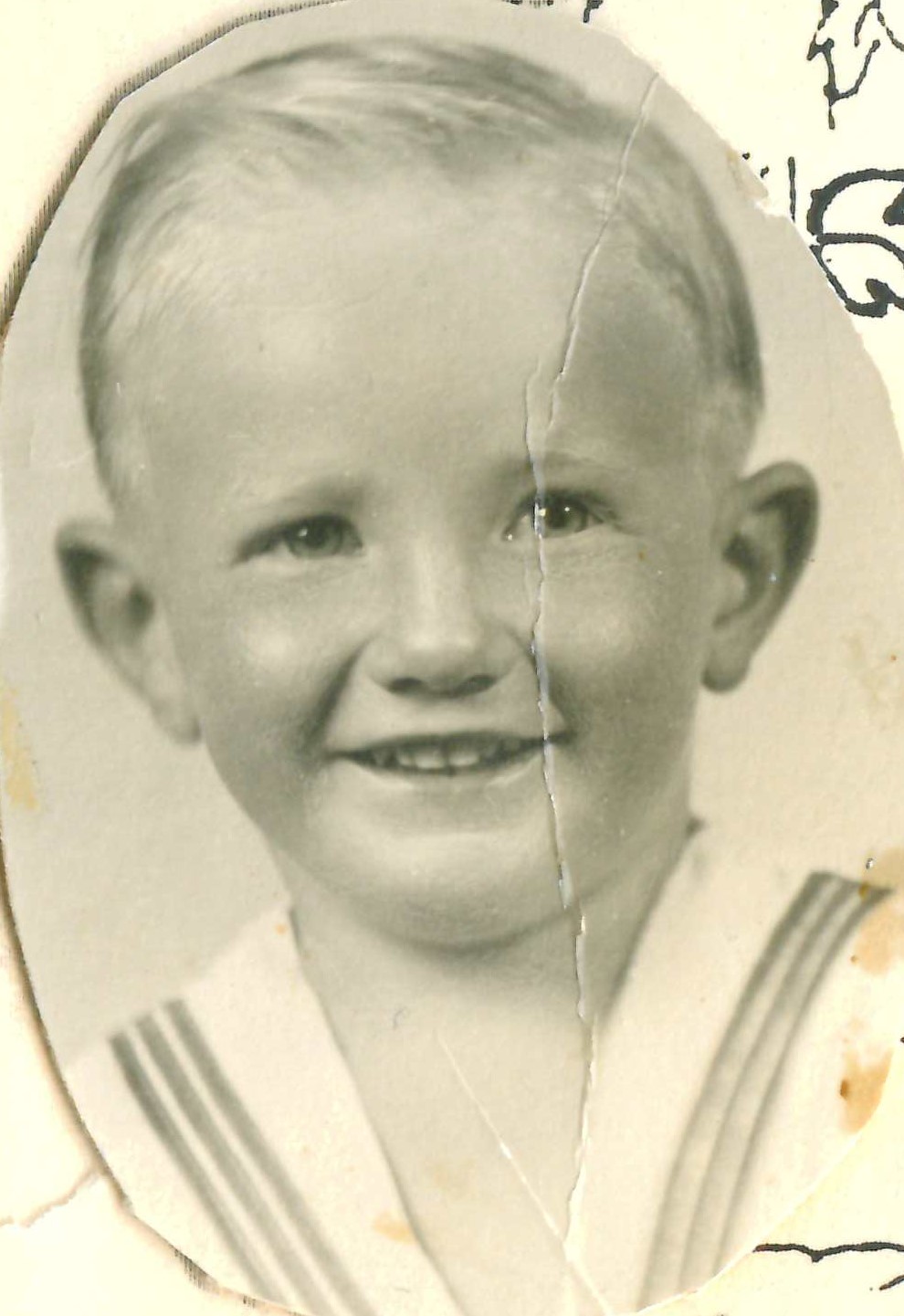
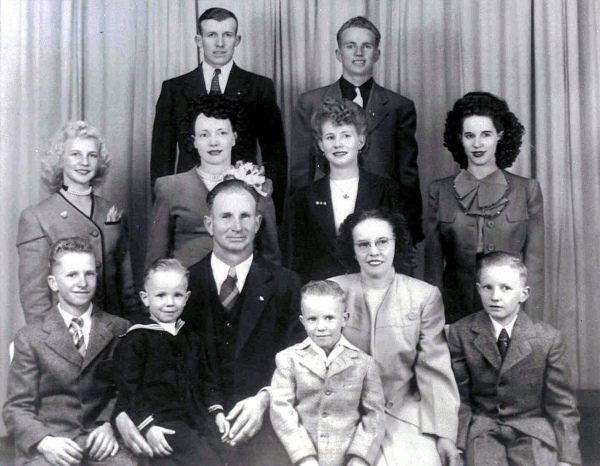
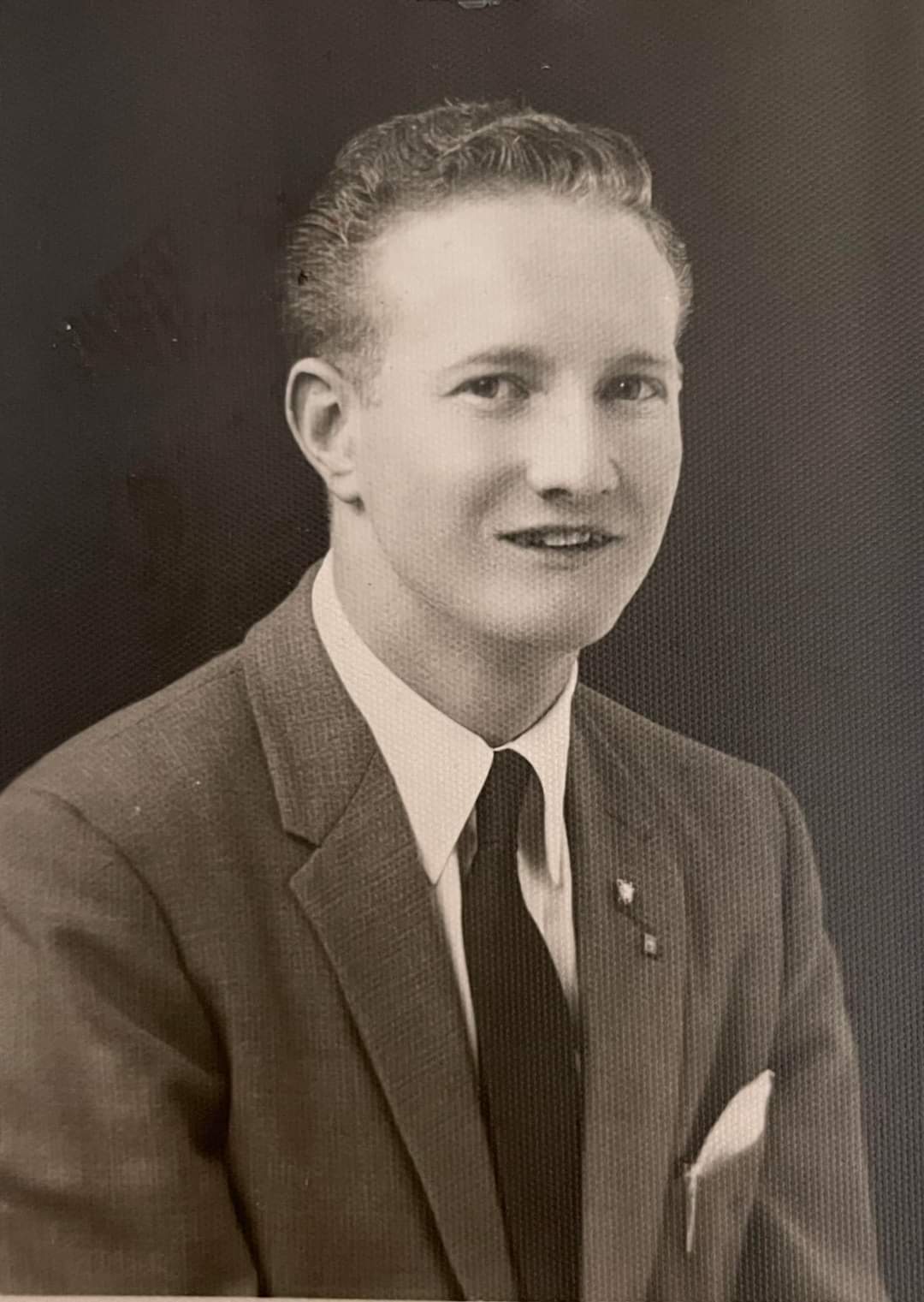
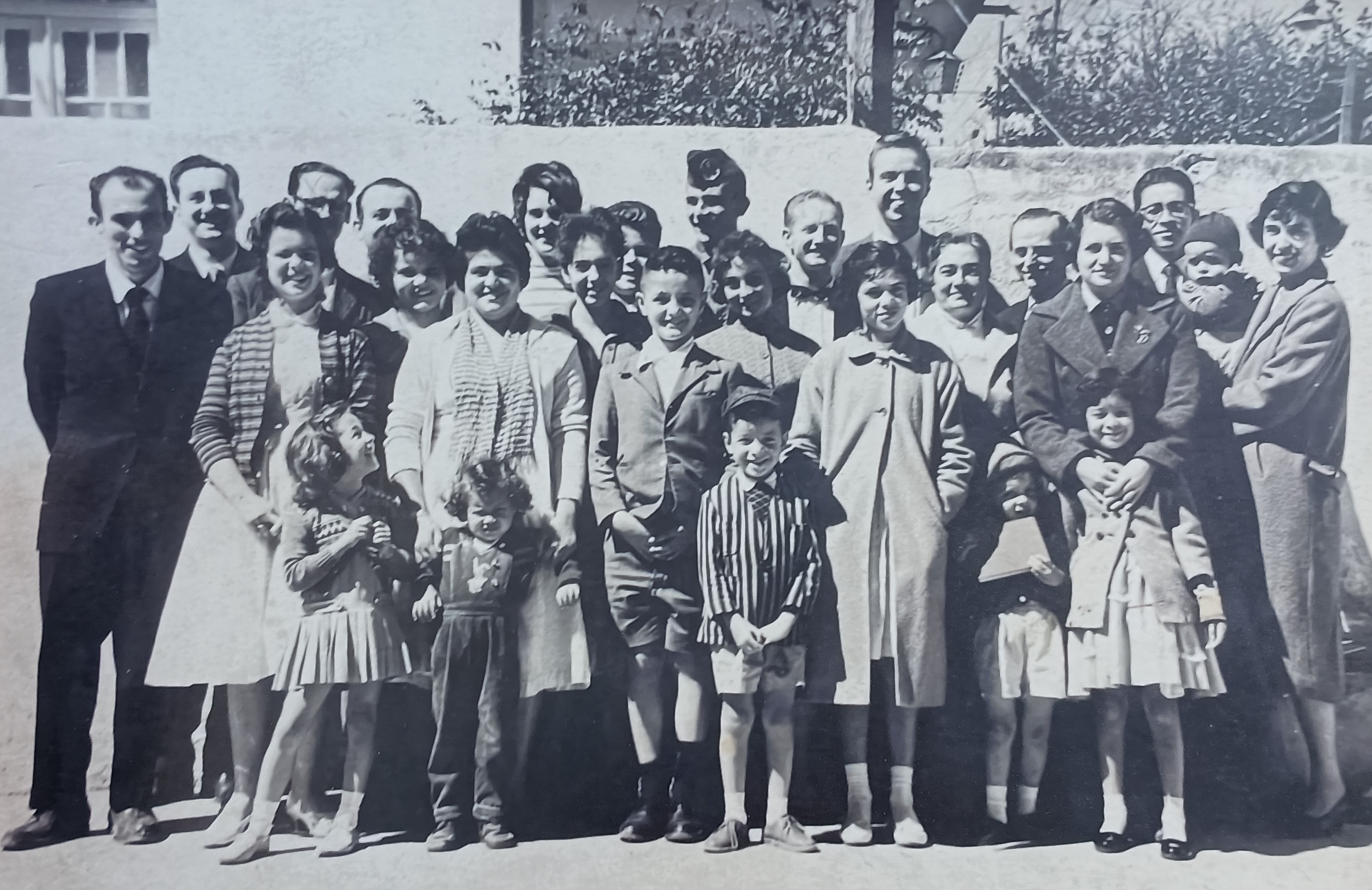
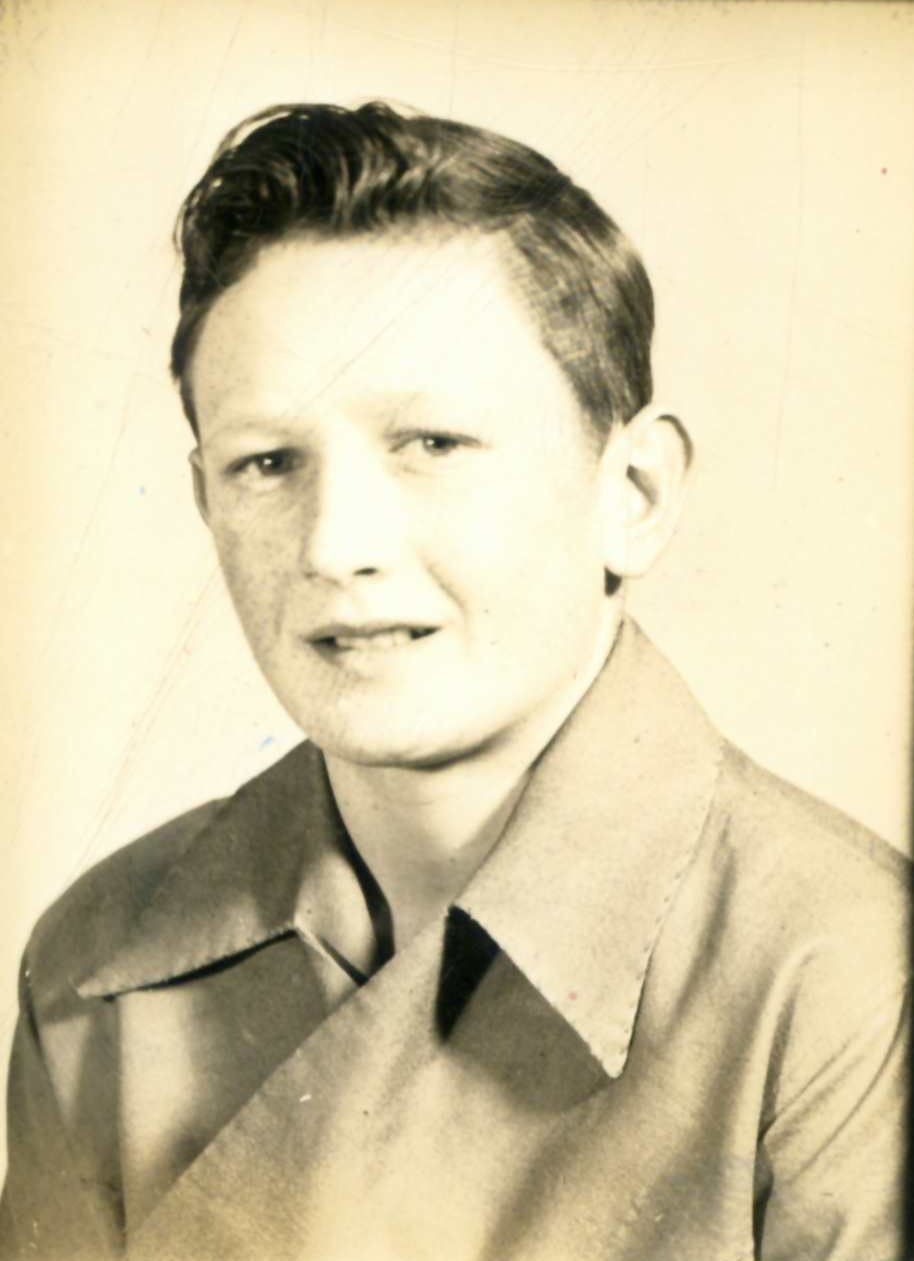
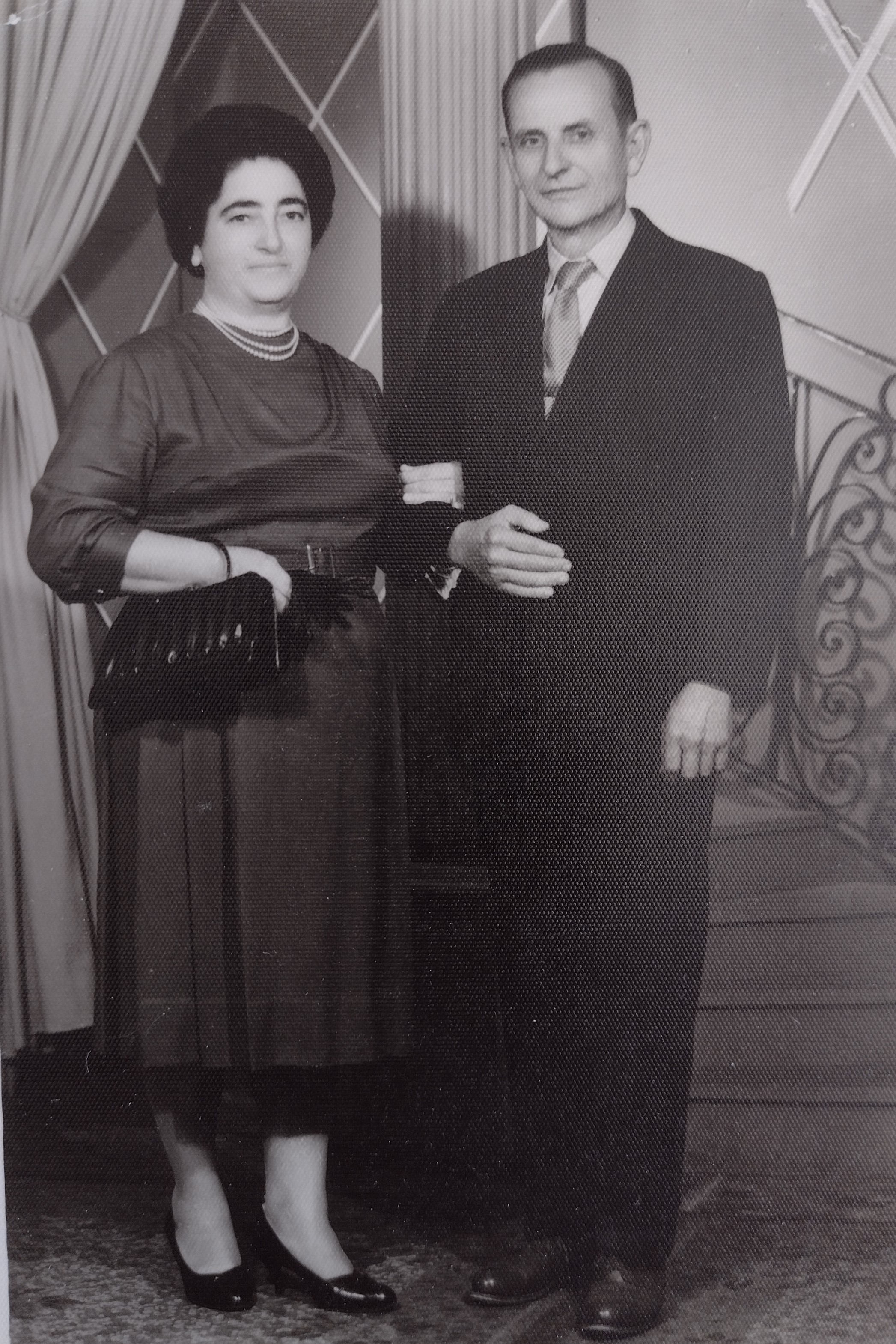
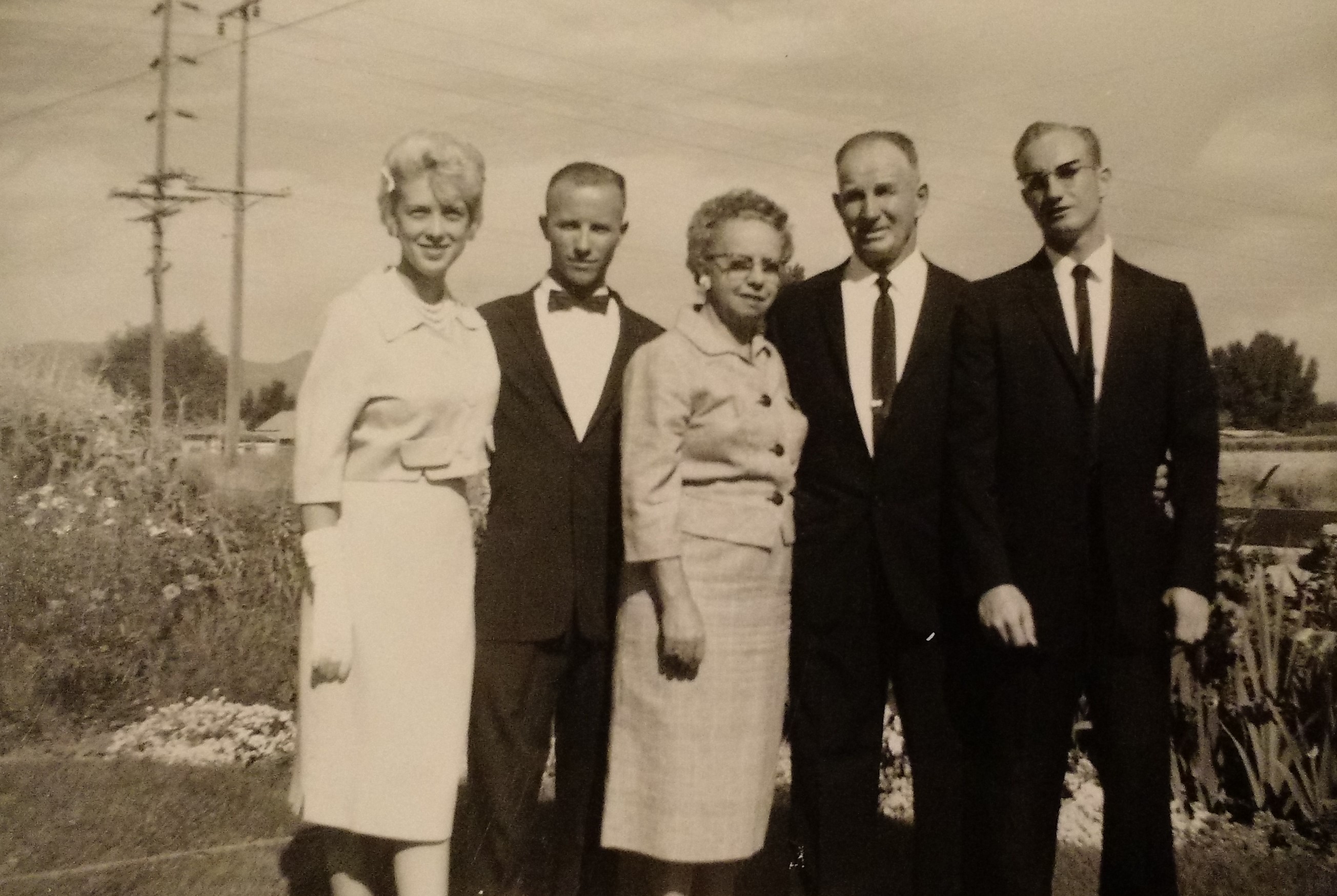
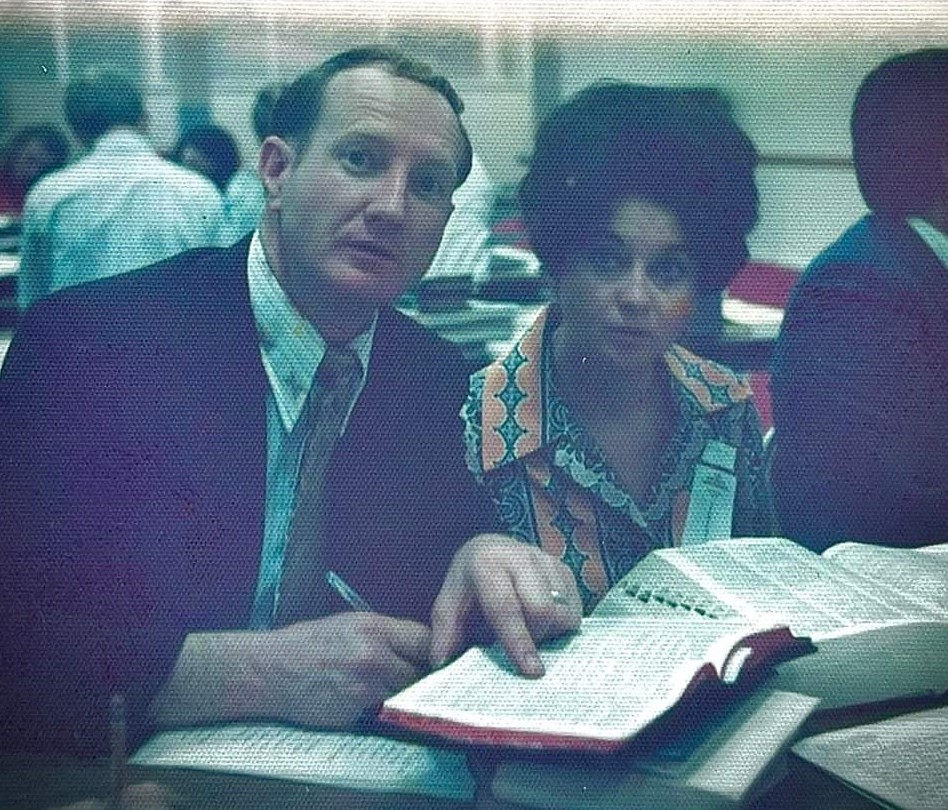
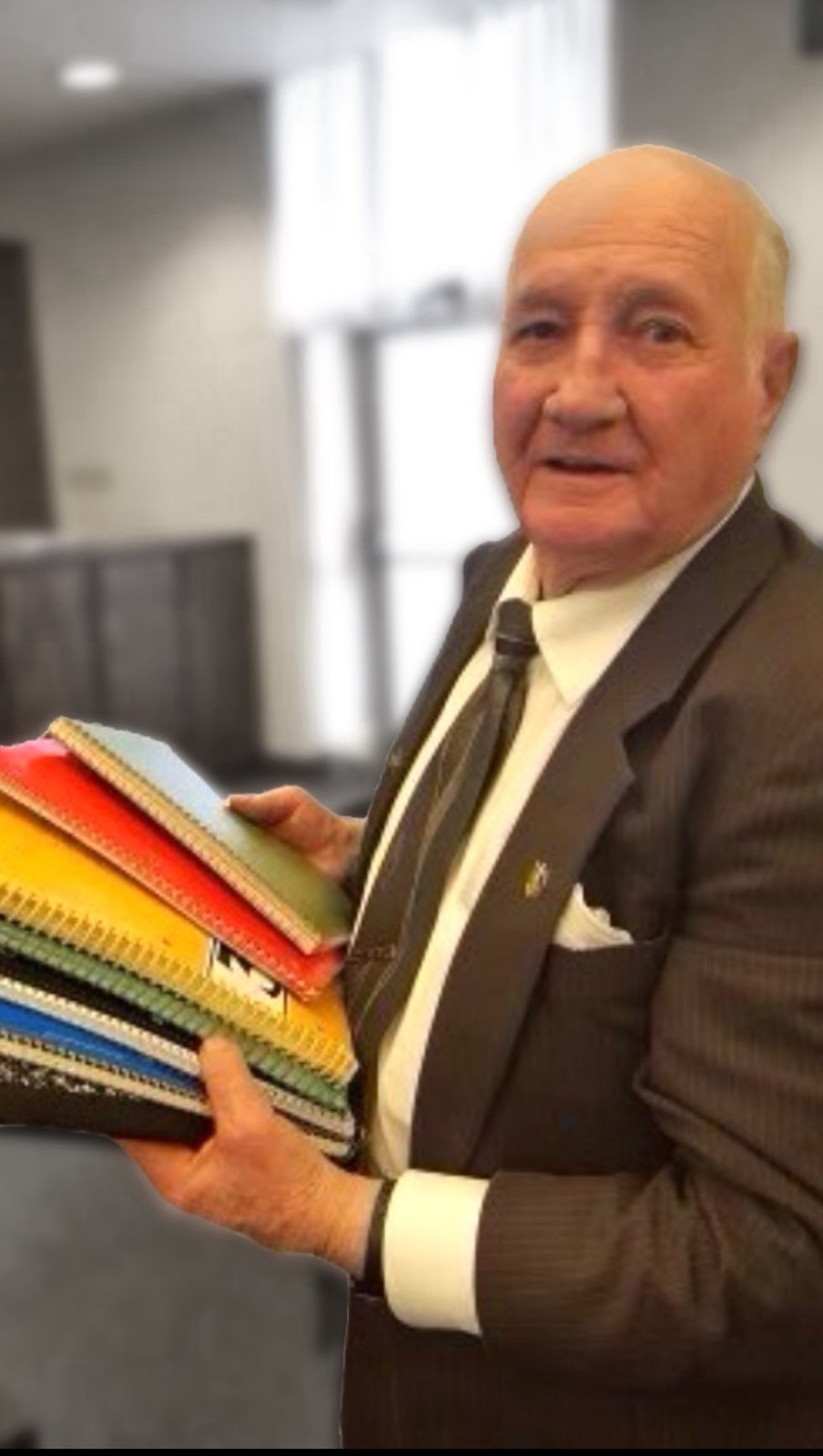
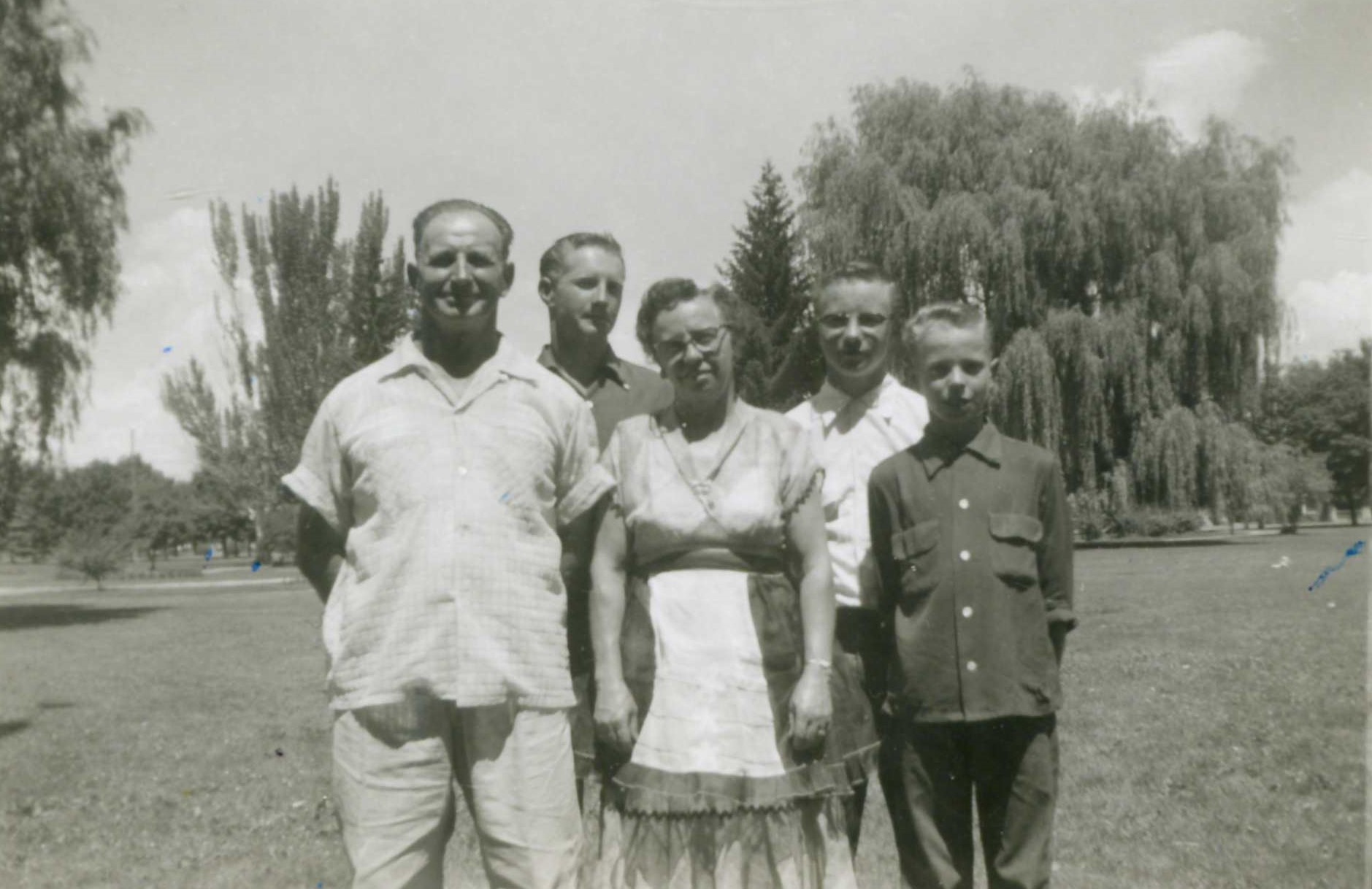
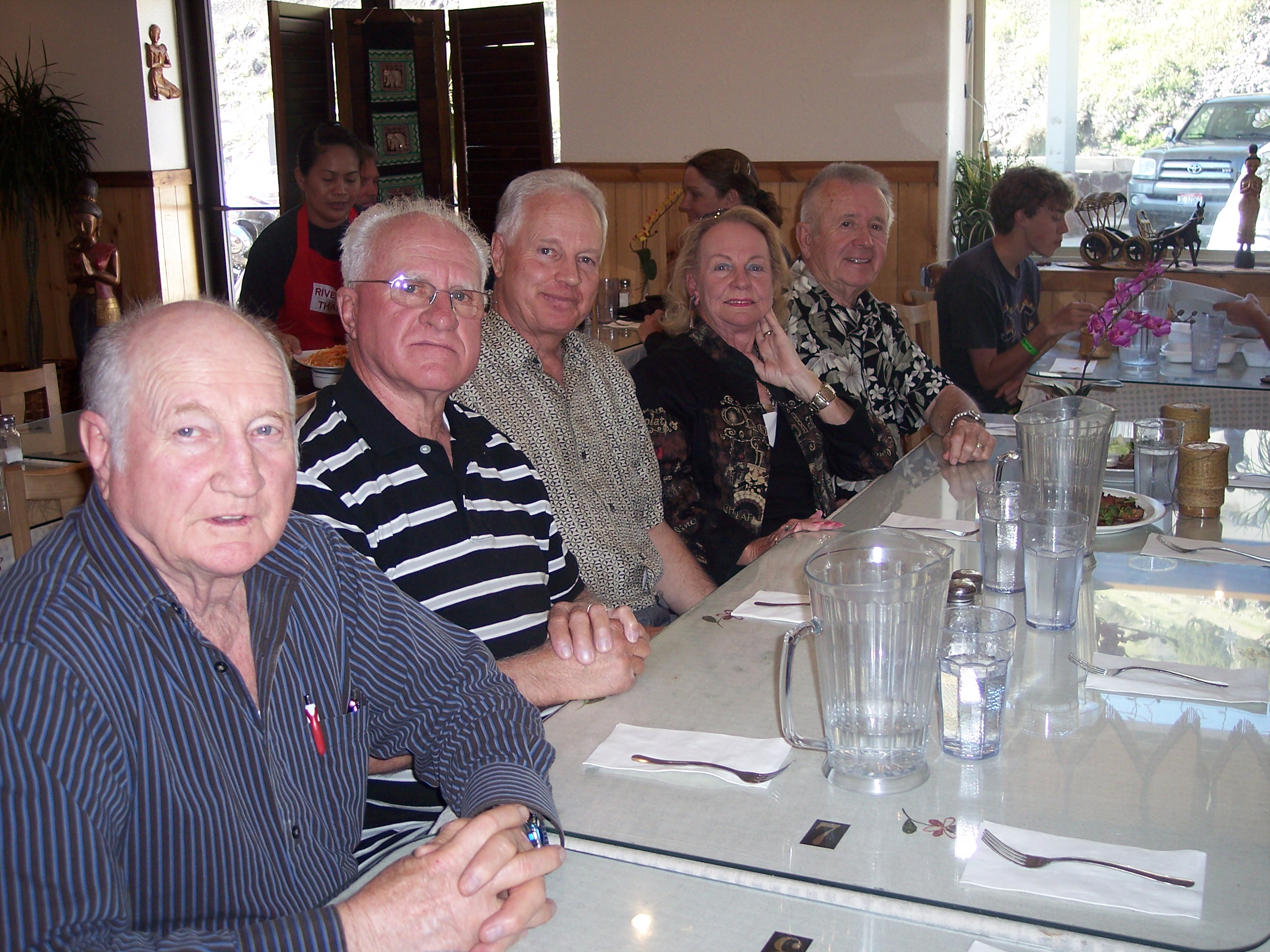
Andra Boys: William, Donald, Larry, Bill, Golden, Dale, Ross
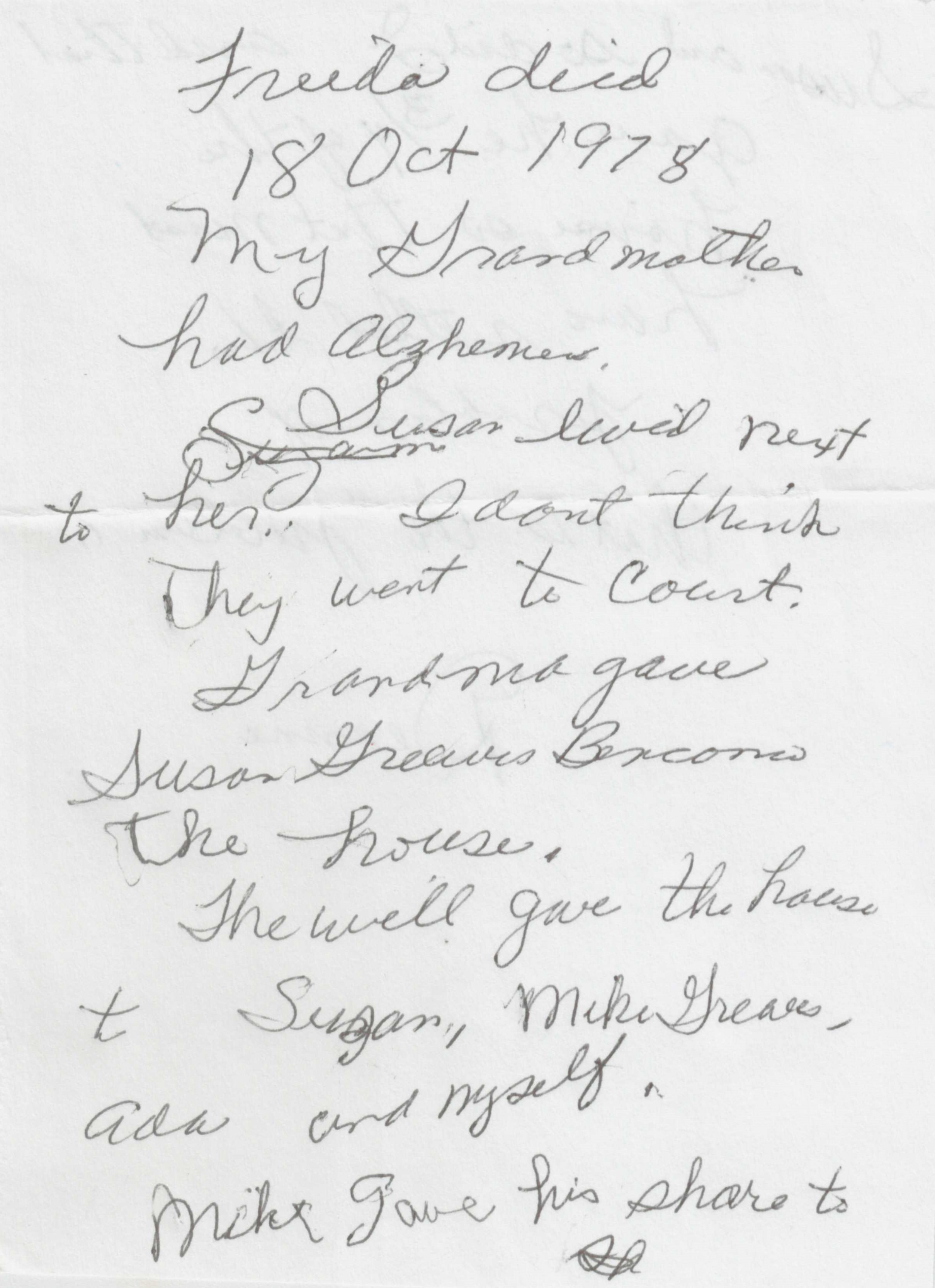
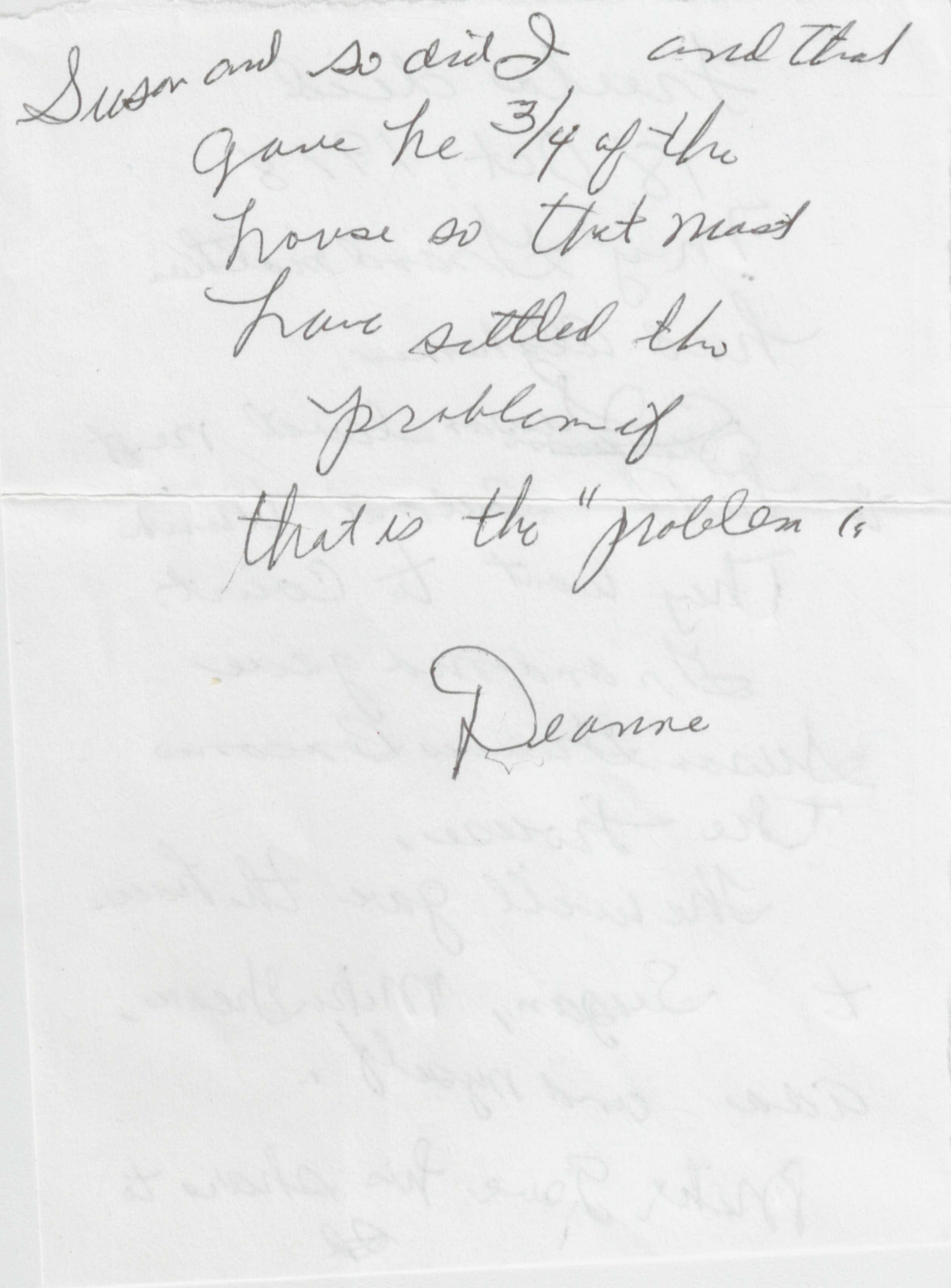
A copy of this autobiography of my Great Grandfather was given to me years ago. I wanted to make it more widely available. I will insert clarification or other information in brackets []. I have attached the handwritten copy so you can see his handwriting.
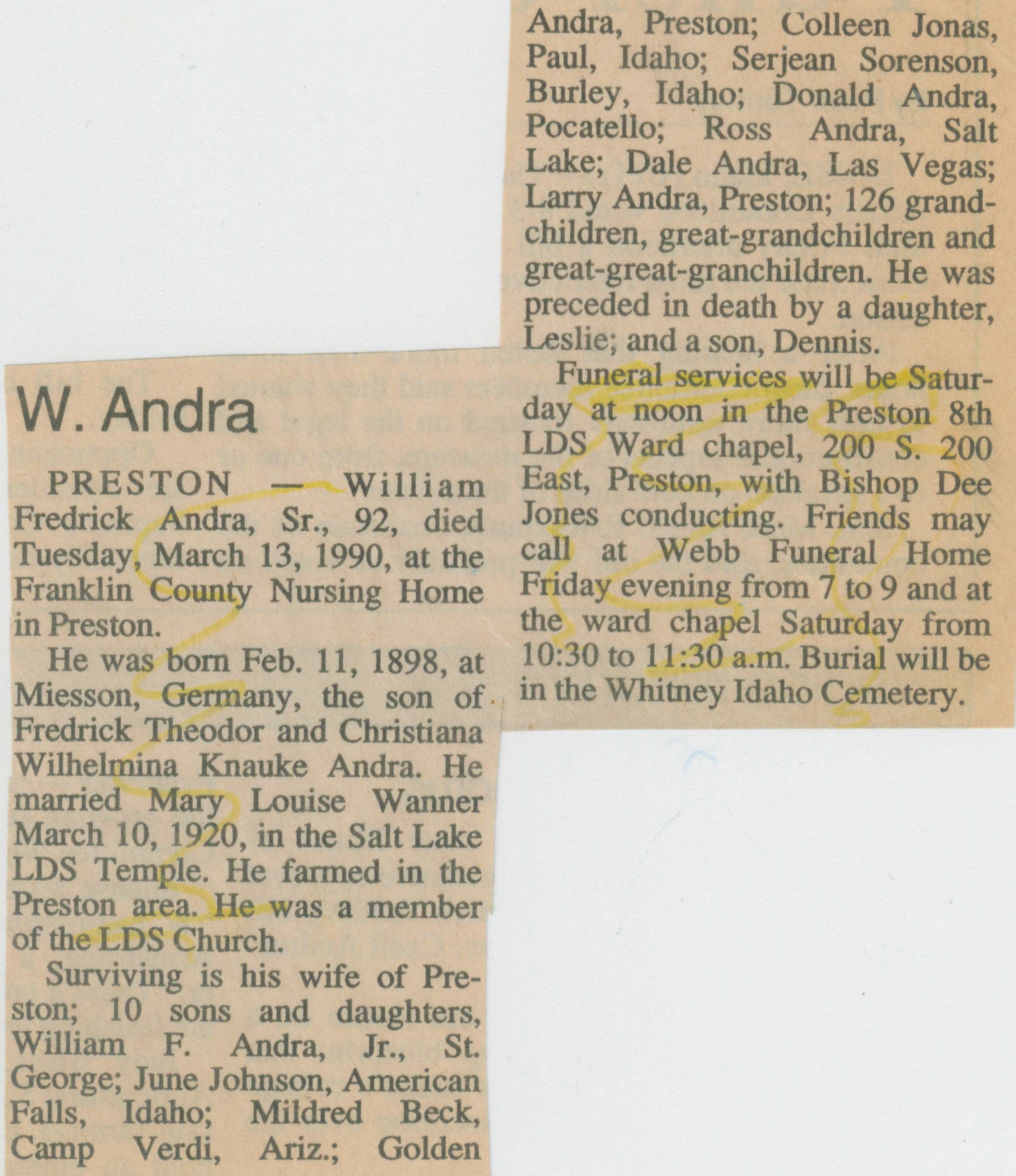
The Life Story of William Fredrick Andra Sr I was born on February 11, 1898 in Meissen, Saxony, Germany to Wilhimina [Wilhelmina Christiana Knauke] and Theodor F. [Fredrick] Andra. My father died when I was about four years old [23 November 1902].
I was baptized in the Elbe River in [16] April 1909; came to the United States in the following month of May. I left at the age of eleven, one year ahead of the rest of the family.
The following year they were ready to come to the U.S. on the same boat but were, for some reason, delayed a month. The boat that they had intended on traveling on sank in the mid ocean. “The Lord moves in mysterious ways, his wonders to perform!”
Upon arriving here, I went to Fairview, Utah to work out my board and room from John R. Anderson, who was a former missionary in Germany.
After being in Fairview one year, I went back to Salt Lake to meet the rest of the family when they arrived.
We had quit a struggle at first, but we made out when the rest had learned the language.
I used to deliver papers, work at the slaughter house to obtain different kinds of meats to help support the family, and did all other types of odd jobs.
At the age of fourteen, my Mother took me to Preston, Idaho to the home of a former missionary [George Wanner] that helped convert my mother in Germany.
I thinned, hoed and topped beets; worked in the potatoes; and did many other things around the farm. There were about 24 head of cows to be milked. For my work, I got $18.00 a month. The next summer I got $25.00 and then $30.00 per month.
In the winter I went back to Salt Lake City because there wasn’t any work left on the farm.
I worked in the Apex Mine in Bingham at the same time that Jack Dempsey was a diamond drill sharpener.
The next winter I worked in the coal mine at Wattis in Carbon County during the flu epidemic in 1918. My future father-in-law [George Wanner] took the flu and was in the hospital in Salt Lake City. Shortly after his boy, Golden, also caught the flu and died. I took the body home to Whitney, Idaho on the train.
I did the chores for the family because they all had the flu. After working for George Wanner, 7 year on and off, I married at the age of 22 to his daughter, Mary Louise Wanner, in the Salt Lake Temple on March 10, 1920.
At a time when things were tough, I worked on the farm for James R. Bodily and in the winter I did janitor work at the Whitney School and meeting house for $30.00 a month. Then our son, William Junior was born. During this time I helped build the sugar factory in Whitney.
In 1922 we moved to Salt Lake City and I worked for the Royal Bakery for one year, then we moved back to Preston and went into the café business with my brother, Walter. We stayed in the café business until the end of 1925, then we bought the Wanner farm in Preston during the depression times.
I used to dig basements, haul gravel and sand, haul sugar beets from the beet piles to the sugar factory for $4.00 a ton. It was hard making this $1000.00 principle and $500.00 interest but with the Lord’s help and a good wife and children, we paid for the farm. In 1937 we bought 9 more acres on the east side of our farm, making 44 acres.
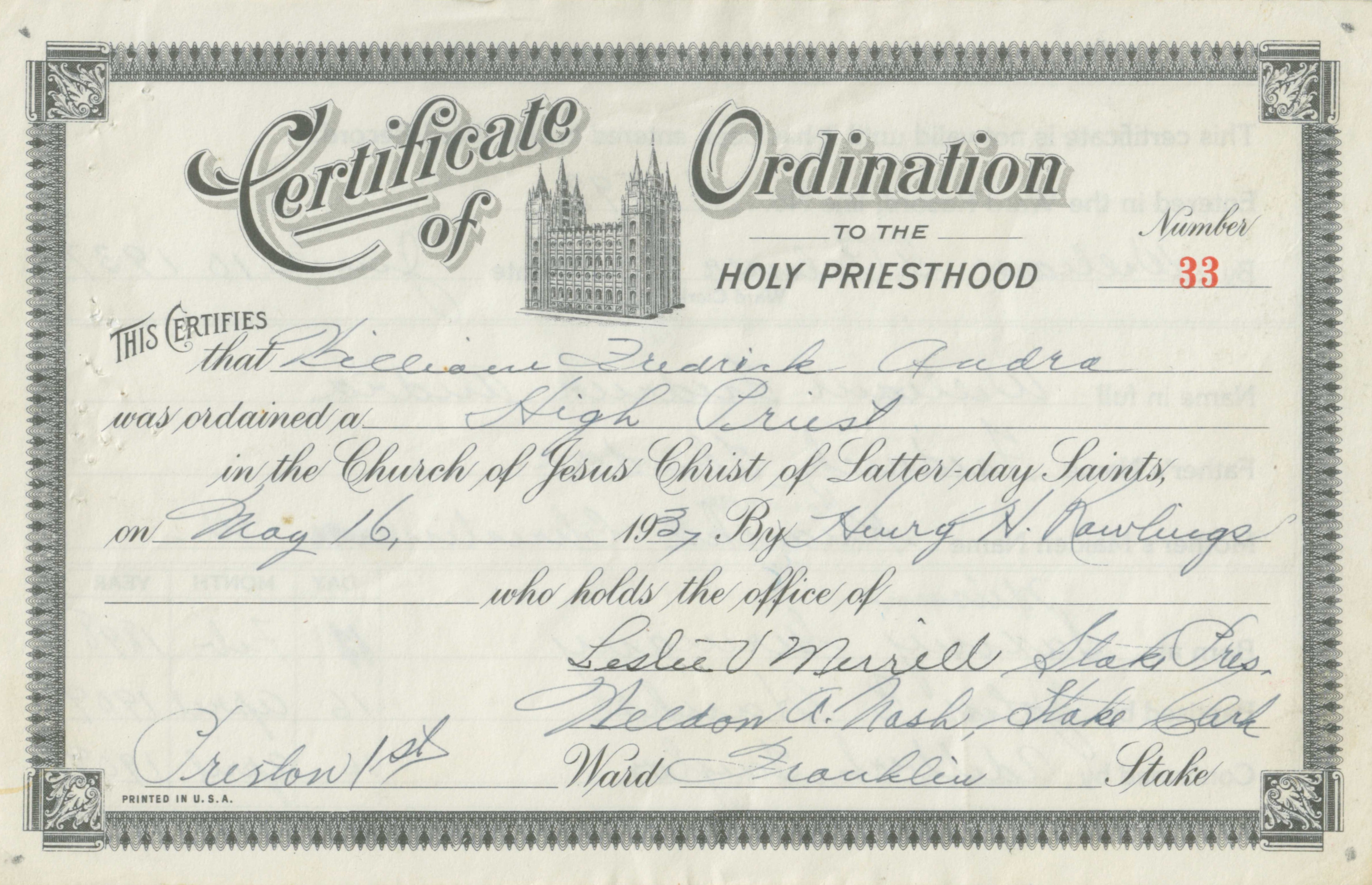
In 1937, I was made a High Priest. I have been a ward teacher for 36 years, ward teaching supervisor for 7 years, and a group leader for the High Priests Quorum for 12 years.
I am, at present, a director of the Mink Creek-Riverdale Canal Company.
Our main crops on this farm have been sugar beets and potatoes. We have raised peas and corn for many years.
Our present family consists of 12 children, 8 boys and 4 girls (of which 2 of the boys have passed on).
In 1947, I had a back fusion operation. It was very successful.
Seven of our children are married from which we have received 28 grand children and 2 great grand children. One of our boys is in the Western States Mission now. We have had 2 on missions previously.
I would like to pass this biography on to my son.
Prepared and arranged November 28, 1961 by William F. Andra, Sr. (Age 63) — AUTOBIOGRAPHY —
The principle factors that determined the success of William F. Andra and his wife, Mary Louise Wanner Andra, were ambition and religion. Always fight for the good!
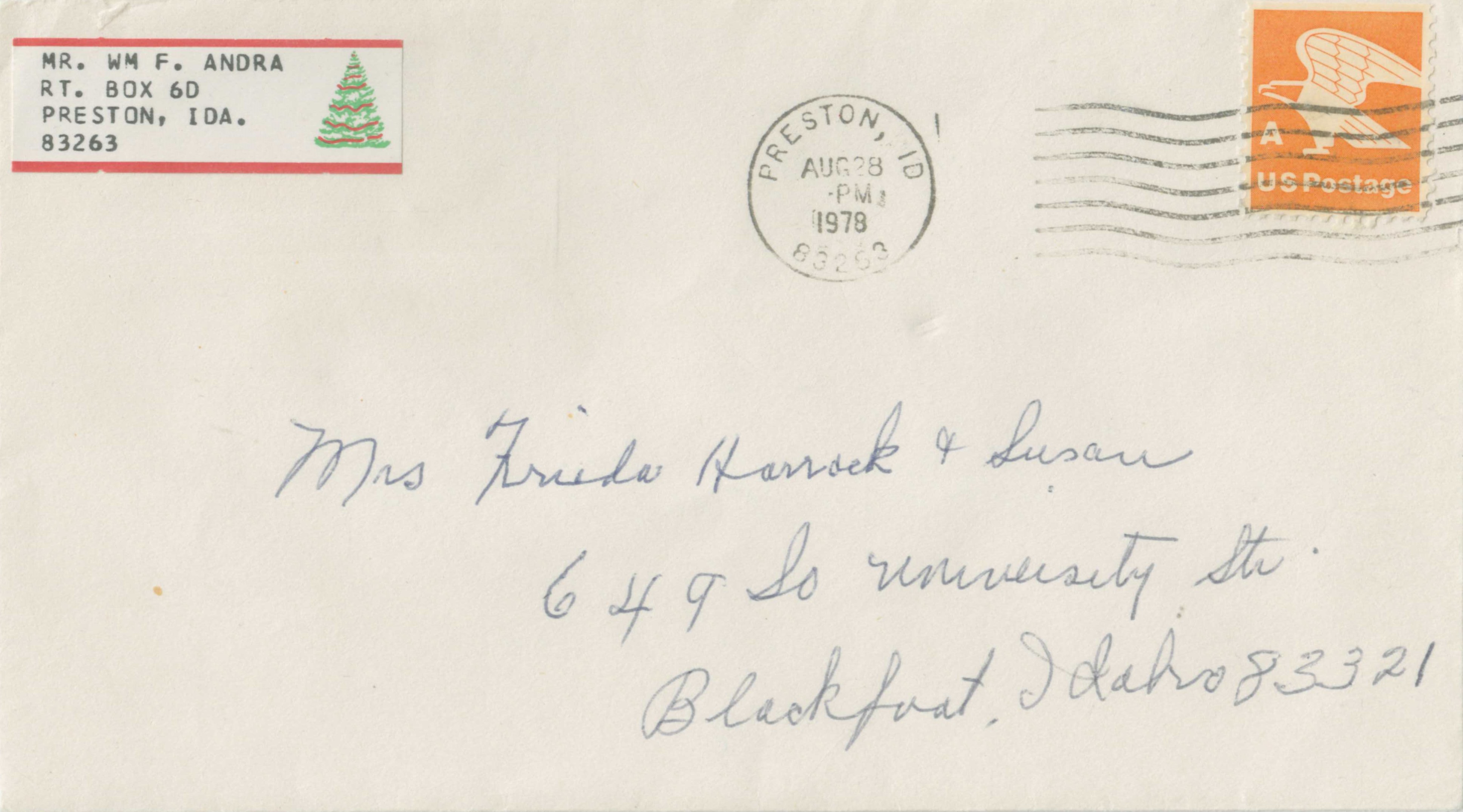
I previously shared a 1968 letter written from Mary Andra to Frieda Horrocks. This letter was given to me with it by Deanne Driscoll. I am including her note with it as well.
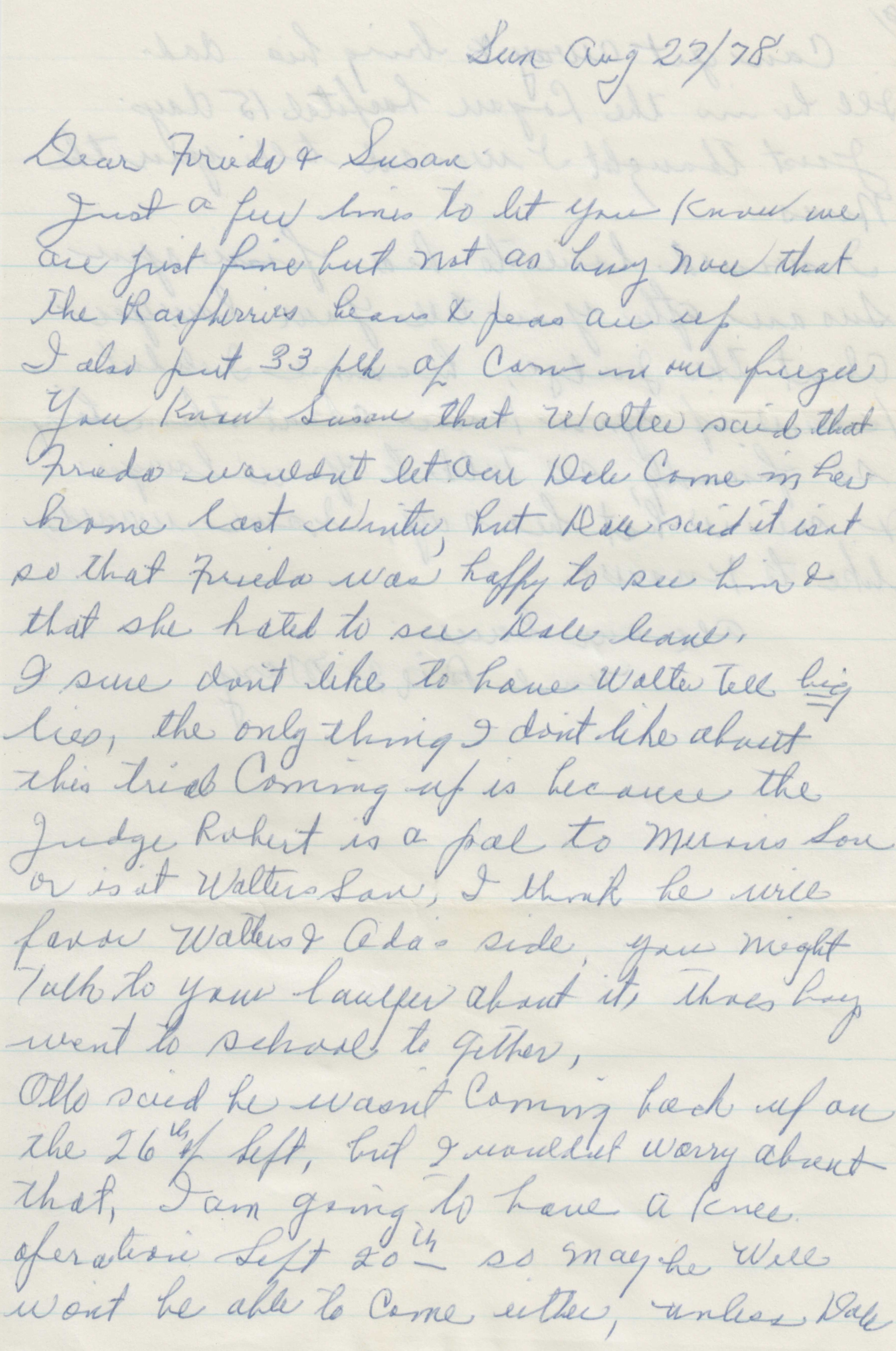
“Sun Aug 27 / 78
“Dear Frieda + Susan
“Just a few lines to let you know we are just fine but not as busy now that the Raspberries beans + peas are up.
“I also put 33 plk of corn in our freezer.
“You know Susan that Walter said that Frieda wouldn’t let our Dale Come in her home last winter, but Dale said it isn’t so that Frieda was happy to see him + that she hated to see Dale leave.
“I sure don’t like to have Walter tell big lies, the only thing I don’t like about this trial Coming up is because the Judge Robert is a pal to Minnis Son or is it Walters Son, I think he will favor Walters + Ada’s side, you might talk to your lawyer about it, those boys went to school to gether,
“Otto said he wasn’t coming back up on the 26th of left, but I wouldn’t worry about that, I am going to have a knee operation Sept 20th so maybe Will won’t be able to come either, unless Dale
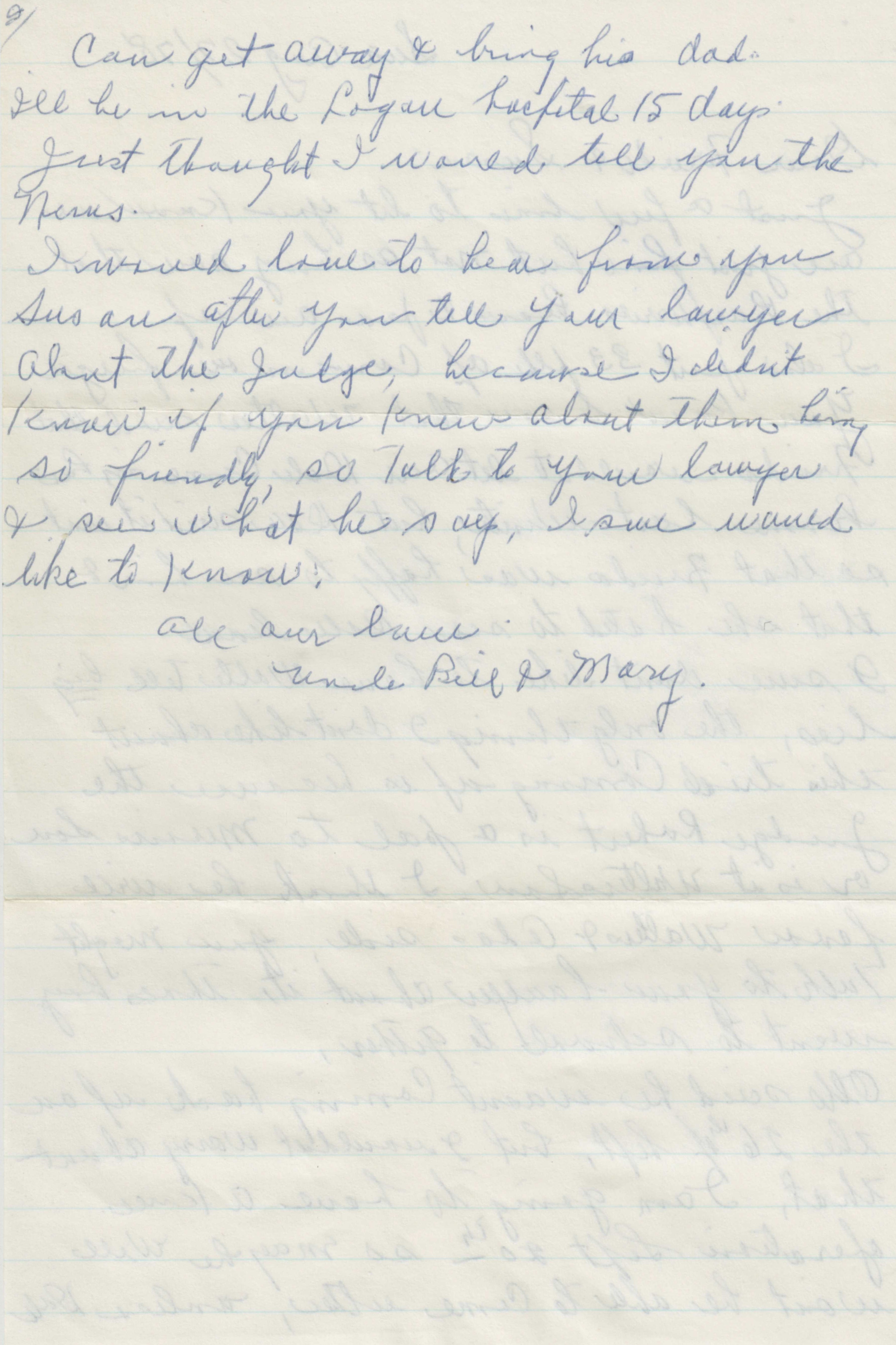
“can get away + bring his dad. I’ll be in the Logan hospital 15 days.
“Just thought I would tell you the News.
“I would love to hear from you Susan after you tell your lawyer about the Judge, because I didn’t know if you knew about them being so friendly, so talk to your lawyer + see what he says, I sure would like to Know.
“All our love
“Uncle Bill & Mary
“Frieda died 18 Oct 1978
“My Grandmother had Alzhemers
“Susan lived next to her. I don’t think they went to Court.
“Grandma gave Susan Greaves Bencomo the house.
“The will gave the house to Susan, Mike Greaves, Ada and myself.
“Mike gave his share to
“Susan and so did I and that gave he 3/4 of the house so that must have settled the problem if that is the “problem”
Ross Leslie Andra, my great-uncle, died on 20 June 2024 in Salt Lake City, Utah. He was 87 years old. He was one of the younger brothers of my Grandma, Colleen Mary Andra. Some family figures cast long shadows, Ross was one of those characters.
On 29 June 2024, the Cannon Ninth Ward meetinghouse on West 1400 South in Salt Lake City filled with people who had been touched by him. Some had worked alongside. Some had received a knock at the door late in the evening. Some simply remembered the jokes. Before Bishop Ted Maxwell called the meeting to order, it was clear that a certain kind of man had died — the kind the eulogists kept calling, with unfeigned sincerity, bigger than life.
I have shared many posts regarding the Andra family. Many of those that reference Ross are listed below, but many more deal with the broader Andra family. This post attempts to bring some of that documentation together as a tribute.
The Family
William and Golden in back, Sergene, Millie, Colleen, June standing, Donald, Larry, Bill, Dale, Mary, and Ross sitting.
The world Ross was born into had been built across two continents and three generations. His grandfather Friedrich Theodor Andra had been born in Rosswein, Saxony in 1867 and died in Meissen in 1902, when Ross’s father Bill was just four years old. Bill’s mother, Christiana Wilhelmina Knauke, brought the family to America. Bill arrived alone in May 1909 — at eleven years old you paid reduced passage; at twelve, full price — and went first to Fairview, Utah, then to Preston, Idaho, where a former missionary named George Wanner had helped convert the family in Germany. Bill worked the Wanner farm for seven years, at $18 a month rising to $30, milking twenty-four cows, doing any work he could get. He married George’s daughter, Mary Louise Wanner, in the Salt Lake Temple on 10 March 1920. Christiana Knauke Andra — Ross’s grandmother — lived until Christmas Day 1957 in Salt Lake City. She was still alive when Ross stepped onto the plane for missionary service in Brazil.
Mary Louise was equally remarkable. She had nursed flu victims during the 1918 epidemic, nearly became a professional jockey at the Logan County Fair, outran all the girls and most of the boys at school in Preston. She and Bill built their life in Depression-era conditions — $1,000 principal and $500 interest on the farm, with Bill digging basements and hauling gravel and taking sugar beets to the factory at $4 a ton to make the payments. Mary’s autobiography, written in November 1961, records it without complaint: “With the Lord’s help and a good wife and children, we paid for the farm.” Her garden in Preston was massive — flowers surrounding it, vegetables in rows — and beautiful enough that even a nine-year-old boy visiting with his grandmother noticed and remembered. Ross spent the rest of his life planting tomatoes wherever he could find a plot of dirt. He was his mother’s son.
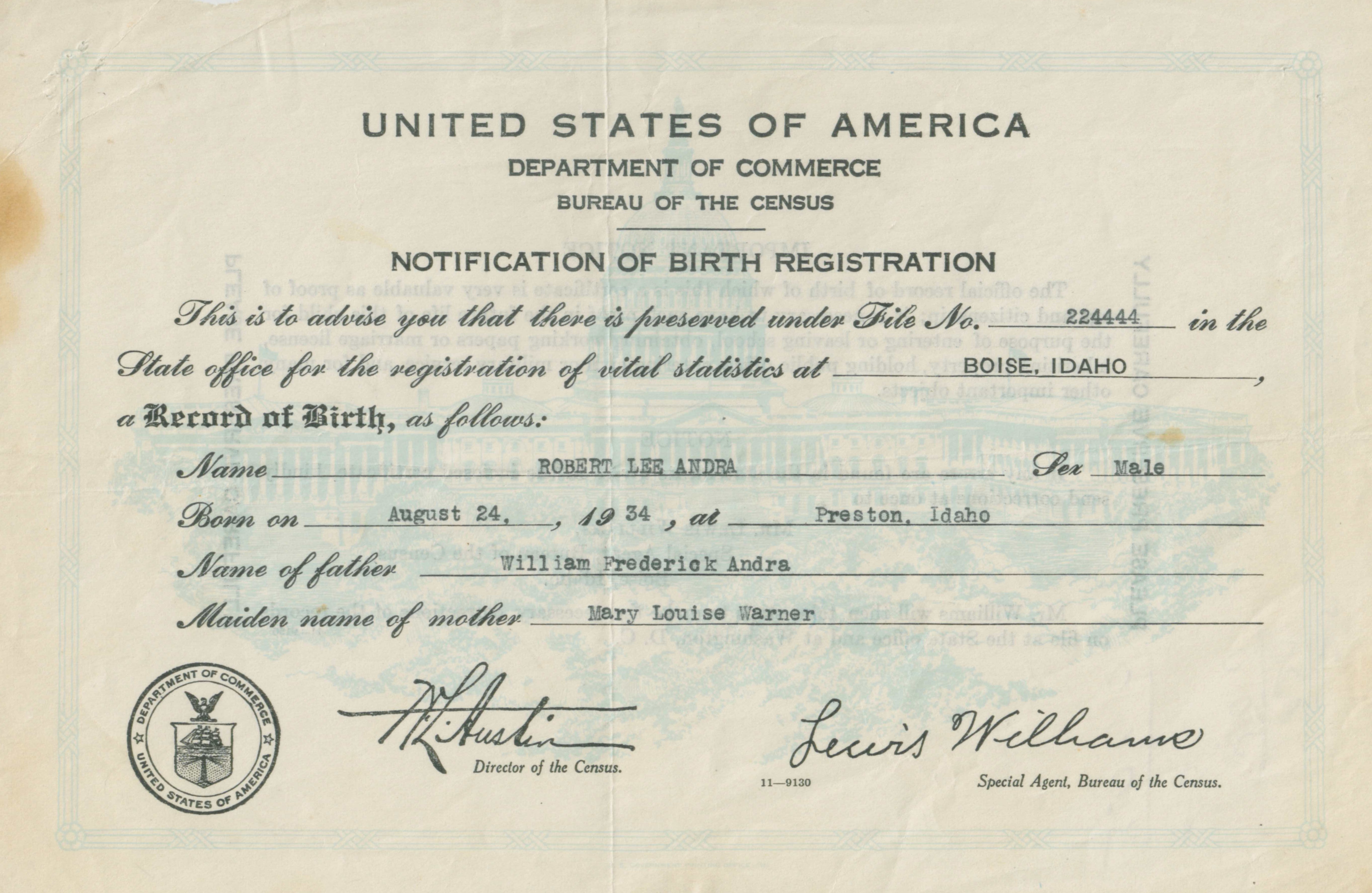
Twelve children were born to Bill and Mary between 1920 and 1943. Two died young — Robert Lee on his first day in 1934, Dennis Willard in January 1945, four days after his third birthday, of an earache in the night. The ten who survived grew up in close quarters on the Preston farm, with the pranks you would expect from six boys and four sisters sharing a household. Ross and his brothers once tied a cow to their math teacher’s front door.
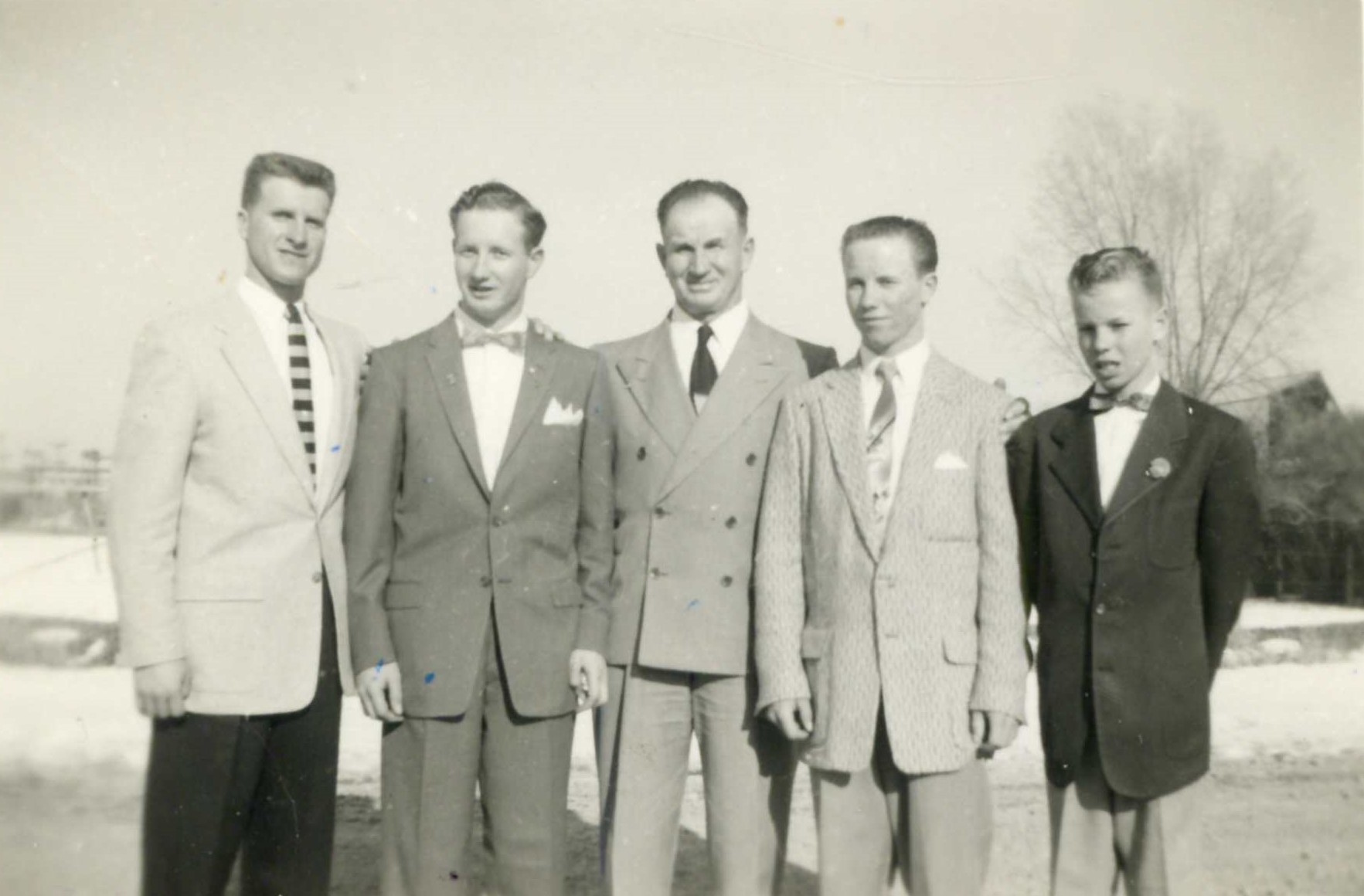
Don, Ross, Bill, Dale, and Larry Andra, Preston, Idaho – 1950s
23 January 1957
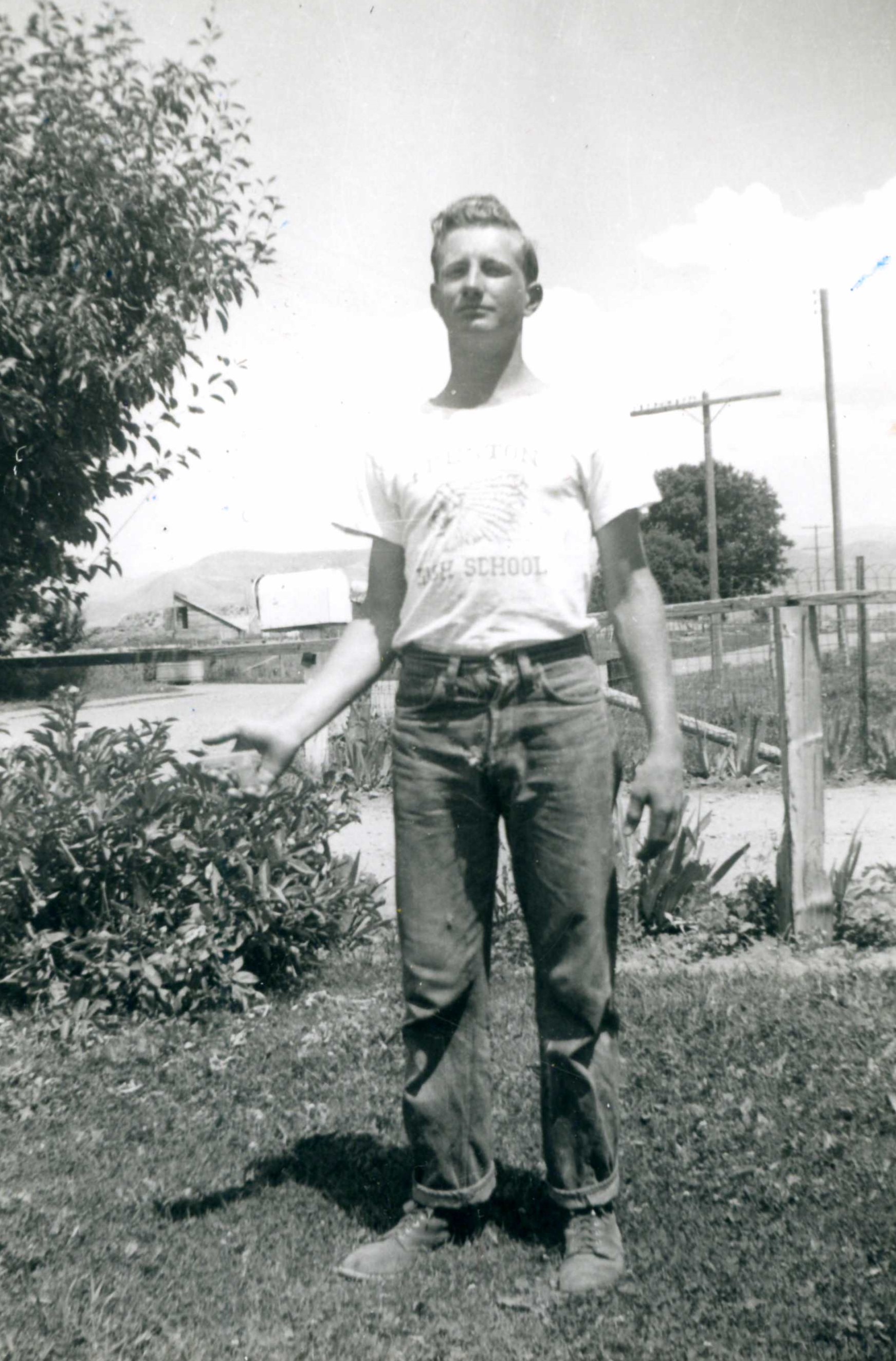
Ross Andra, Preston High T-shirt, backyard
Ross graduated from Preston High School in 1955. He spent two years at Utah State Agriculture College, then headed east with his brothers Donald and Golden to work construction on the St. Lawrence Seaway project in Massena, New York. Golden was a general foreman on the Eisenhower Lock — photographed in the project’s official records, named in the local newspaper. Donald met and married a woman in Hogansburg, New York. Ross told me stories about New York, though I cannot remember enough of them to share now. What I know is that the three brothers were there together, Idaho farm boys pouring concrete on one of the great infrastructure projects of the Eisenhower era, on the St. Lawrence River in the far north of New York State.
Then Ross came home and left again — this time for Brazil.
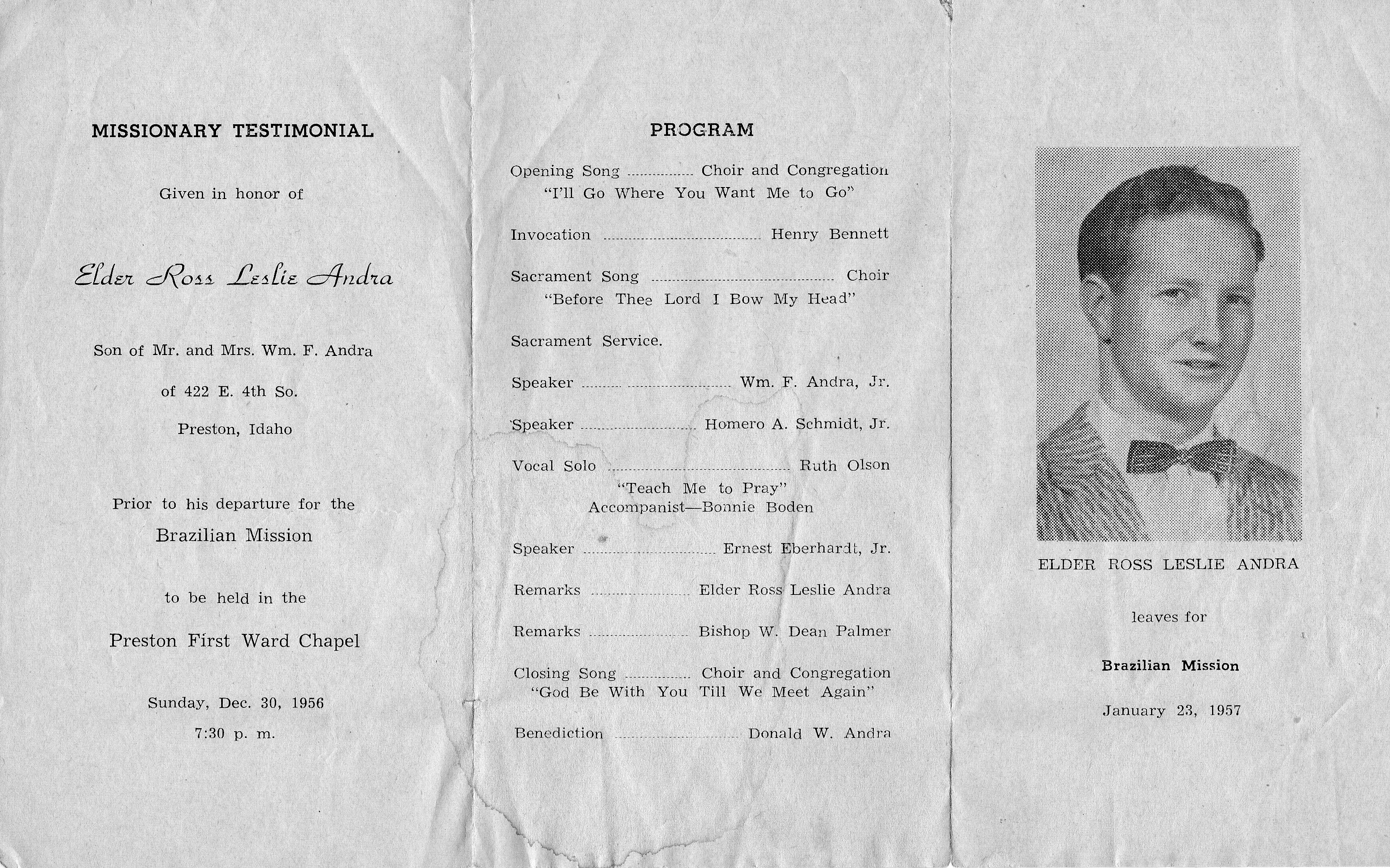
Ross Andra Missionary Farewell Program – 30 December 1956.
The missionary farewell program for Elder Ross Leslie Andra is dated Sunday, 30 December 1956, Preston First Ward Chapel, 7:30 p.m. The opening hymn was “I’ll Go Where You Want Me to Go.” His brother William Jr. — who had himself served in Mexico from 1941 to 1943, the first of the Andra brothers to go — spoke at the service. His brother Donald gave the benediction. Ross made his own remarks. Bishop W. Dean Palmer closed. The program reads: Elder Ross Leslie Andra leaves for Brazilian Mission, January 23, 1957.
I remember Ross telling a story. He had just returned home from his mission in Brazil and was sitting on the stand at Stake Conference with other returned missionaries. Apostle Joseph Fielding Smith was speaking at the pulpit. Elder Smith was speaking about being strictly honest with your fellow man. Elder Smith related a story that told of a guy who admitted to Elder Smith that he was not as honest as he should be. The irony of a man honestly confessing his inability to be honest struck a nerve with Ross. He got the giggles. Apparently he looked at someone else who also found the irony humorous and the laughter broke out and spread. Apparently Elder Smith turned around to look at them with a very unfavorable look. It only added to the giggles. Ross admitted it might have been his Brazilian sense of humor. He laughed even as he told me about the story.
Four years later — on 9 October 1960 — Ross stood at that same Preston First Ward pulpit as his farewell and spoke at the farewell for his younger brother Dale, who was leaving for the Western States Mission. The brothers sent each other off, one by one, into the world.
Ross served in Brazil from 1957 to 1959. He came home, enrolled at Brigham Young University, studied political science, speech education, and Portuguese, graduated with a Bachelor of Arts in 1964. But the most important thing that happened in Brazil was Adelaide.
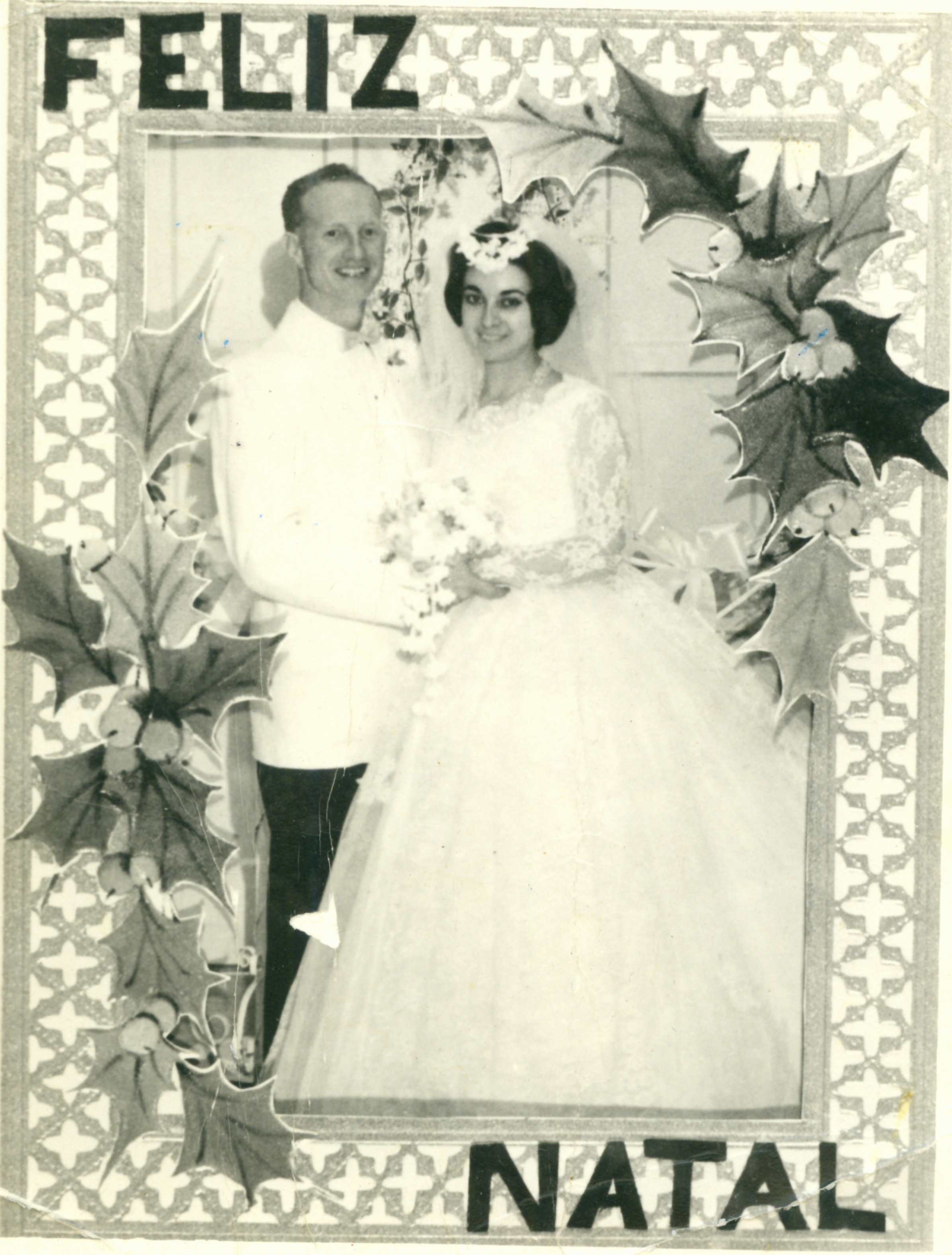
Feliz Natal
Angela and Blas Gonzalez, Adelaide’s parents
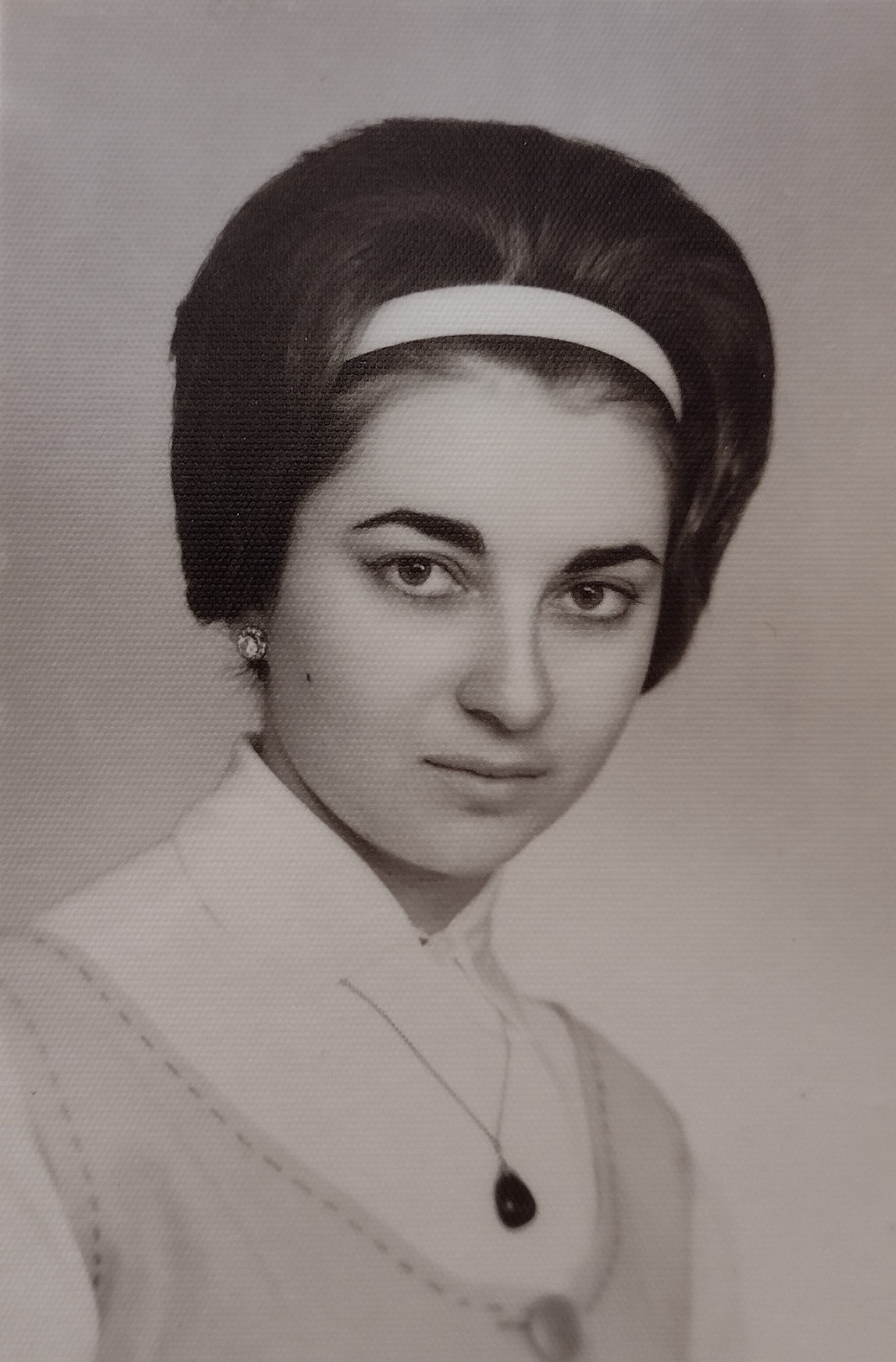
Adelaide Gonzalez Carrenho, Brazil
Adelaide Gonzalez Carrenho — the daughter of Angela and Blas Gonzalez of Brazil — was a young woman of dark eyes and composed beauty when Ross encountered her. I seem to recall that he said they met on a trip back to Brazil after his mission. After he returned to BYU; they kept in contact across the distance. On 14 June 1963, in the Logan Utah Temple they were joined in the holy bonds of matrimony for time and for all eternity. The witnesses on the marriage certificate are William F. Andra Sr. and Dale Andra — Bill and Dale, father and brother, standing at the altar the day Ross married his Brazilian bride. A missionary friend named Phyllis Merrill, who had served in Brazil and become one of Adelaide’s closest friends, spent the wedding day interpreting for Adelaide as she went through the Logan Temple for the first time. (The wedding photograph, with full identification of those present, is available here. The marriage certificate is here.)
Ross & Adelaide Andra 1965 Christmas Card
That Christmas, Ross and Adelaide sent their wedding photograph to friends in Brazil as a holiday card.
His daughter Brenda captured it simply at the funeral: Ross had “a deep love for Brazil, its people and culture, and especially for his little Brazilian bride.” That love never left him. In his later years, when health prevented the overseas return mission he and Adelaide had always wanted, they served as local service missionaries to the Portuguese- and Spanish-speaking wards of the Salt Lake Valley, driving all around visiting families, making sure they had what they needed.
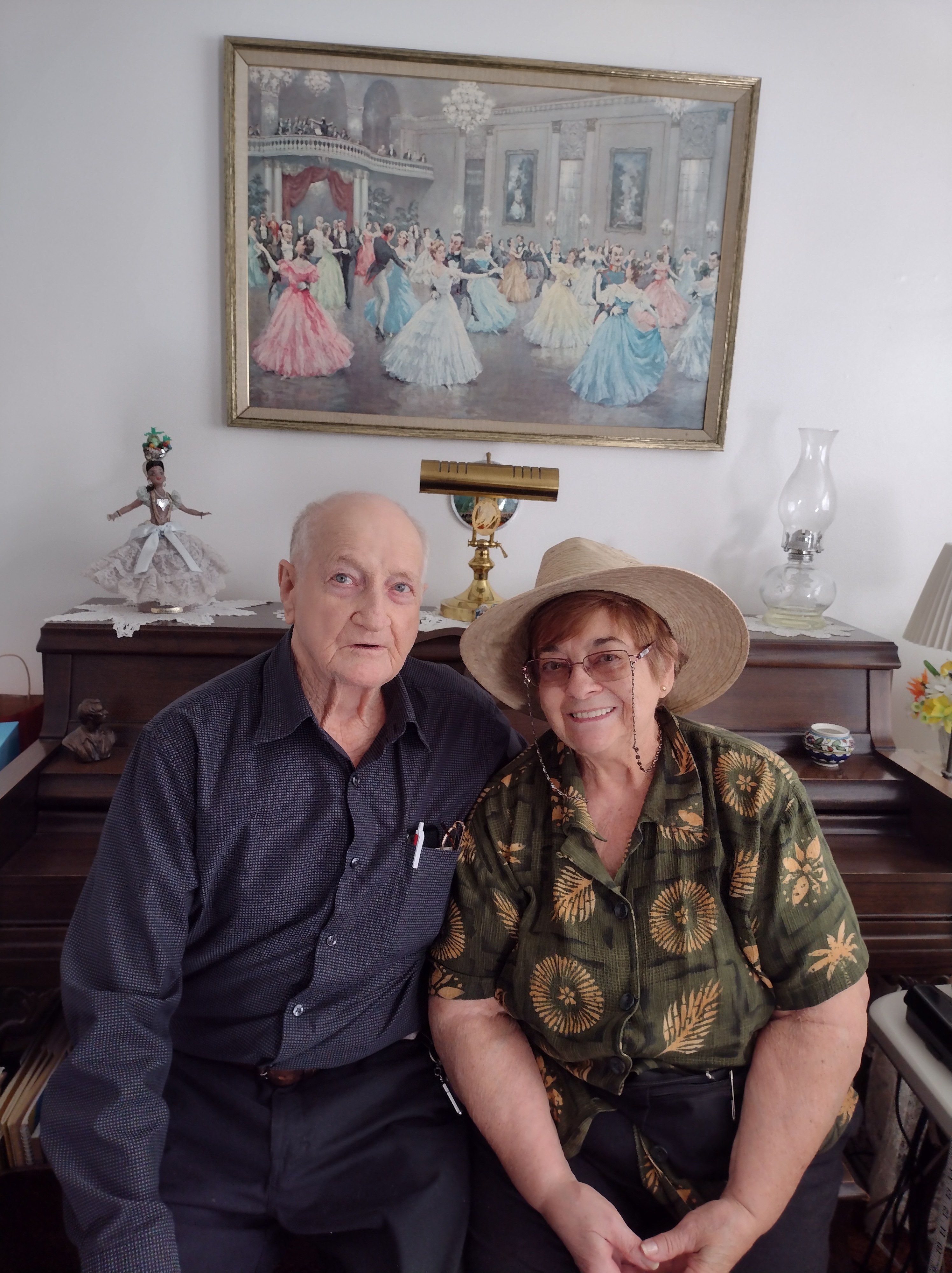
Ross and Adelaide Andra, SLC home, October 2022
The Working Life
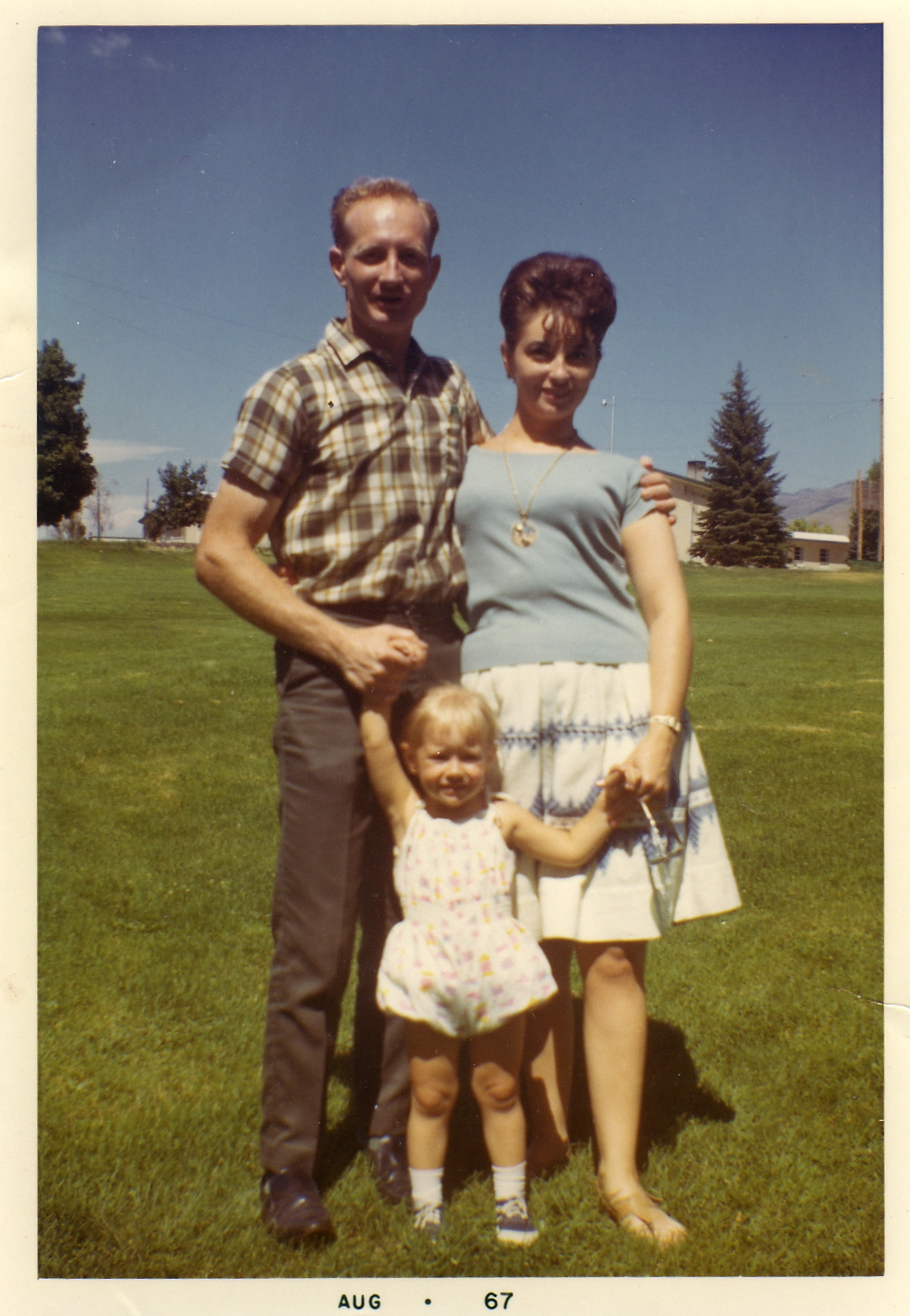
Ross, Adelaide, Brenda Andra – August 1967
The career of Ross Andra resists a single title. High school teacher. Coach. Candyman. Small business owner. Appliance installer. Furniture mover. UPS driver. Medical courier. He was, as his friend Frederick Johnson insisted at the funeral, an entrepreneur — a man who believed in the American dream and in hard work and gumption as its instruments.
As the Candyman, he kept the vending machines stocked in his eldest daughter’s school teachers’ lounge, and he would sometimes appear at recess to distribute candy on the playground, which made Brenda quite popular with her classmates. As a business owner, he often took his son Carlos along to deliver and install appliances and move furniture, with the result that Carlos learned to load a truck with the systematic precision of a Tetris puzzle. He gave his youngest daughter Denise a tutorial in personal finance when she was struggling with debt; she paid everything off.
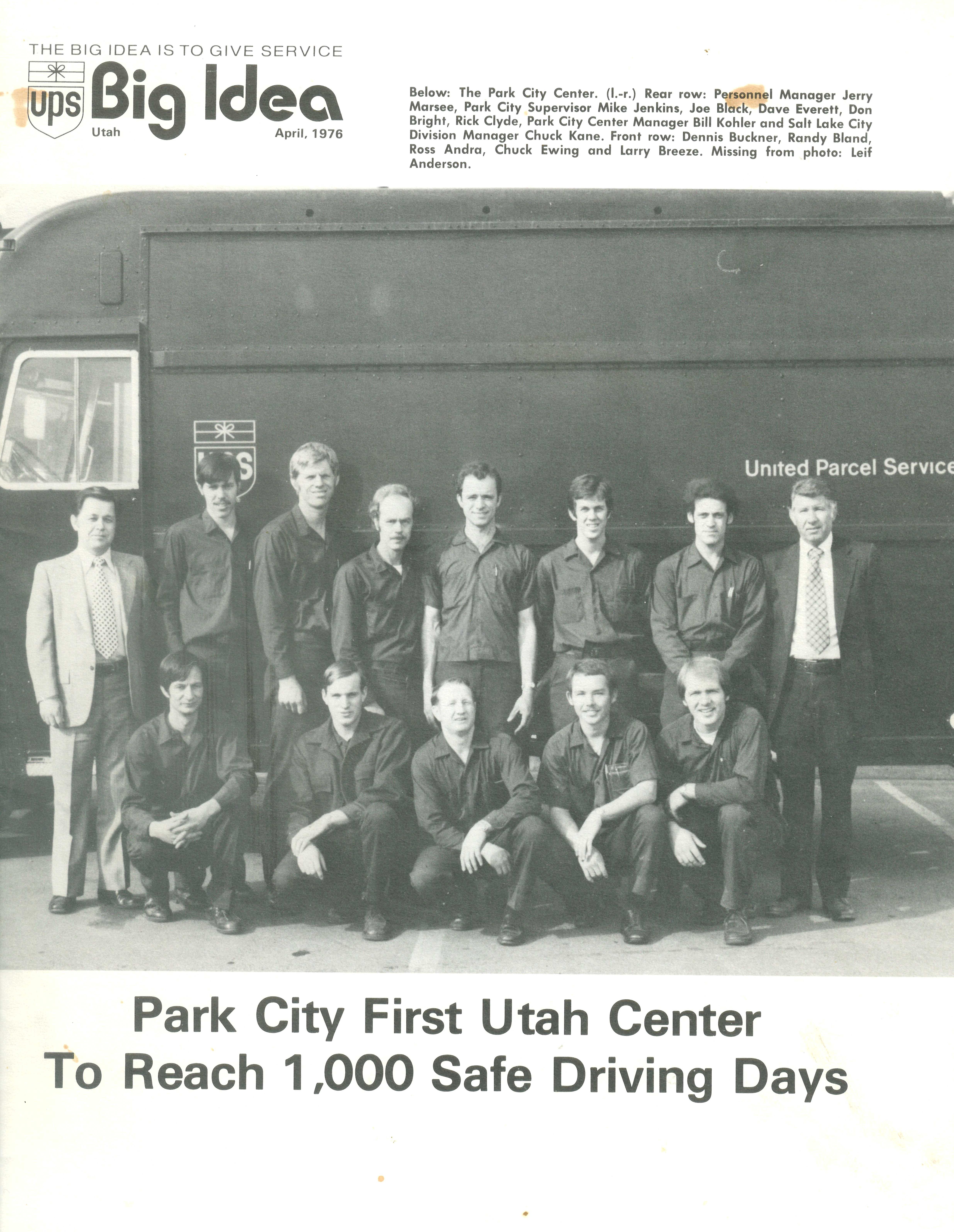
UPS company newsletter Big Idea, April 1976, Ross Andra is named as one of the drivers who helped get to 1,000 safe driving days
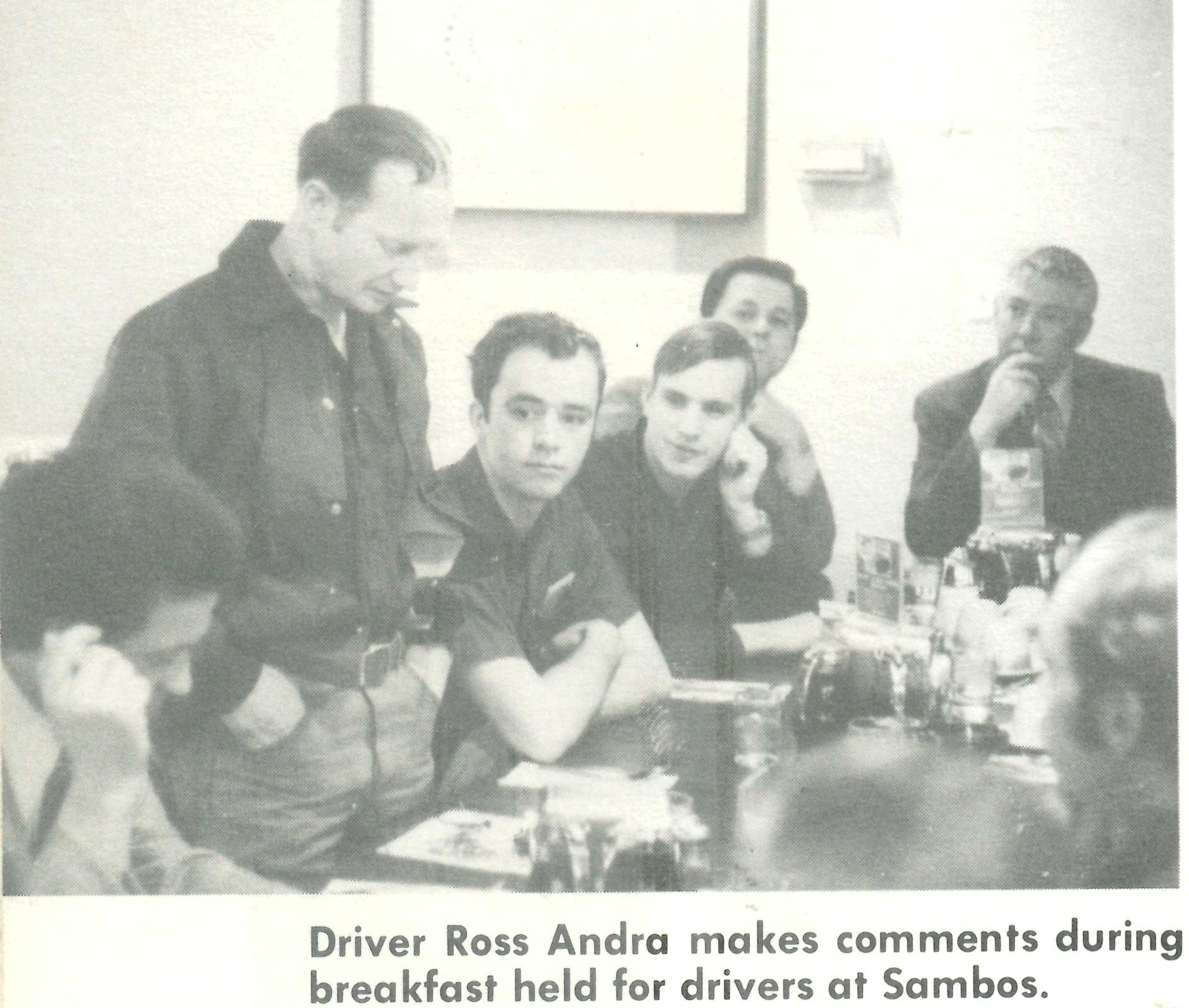
Ross Andra makes comments during breakfast held for drivers at Sambos
The April 1976 edition of the UPS company newsletter Big Idea photographed the Park City, Utah center — first in Utah to reach 1,000 safe driving days — and named Ross Andra in the front row. A separate photograph from the same period shows him standing at a drivers’ breakfast, mid-comment, captioned: “Driver Ross Andra makes comments during breakfast held for drivers at Sambos.” He drove a fully loaded truck the way most people drive a compact car, weaving through traffic with an ease that still astonished Frederick Johnson decades later. Before GPS, he had the entire I-15 corridor memorized. He was the GPS. In his later years, until age 84, he delivered blood and vital organs to medical facilities across Utah, Idaho, and Wyoming. He made people laugh the whole way.
Ross and Adelaide Andra
Ross the Boss
Judy, Dale, Mary, Bill, and Ross Andra, September 1962
Frederick Johnson — known as Freddy, or Frederico — spoke at the funeral. His father Ranley had worked weekends with Ross for years delivering and installing appliances, and when Frederico turned sixteen the interview for joining the operation was brief. “Frederico, you’re sixteen, right?” “Yeah, I’ll be sixteen at the end of —” “Frederico, you’re sixteen.” “Yes.” That was the interview.
Working with Ross, Johnson said, was better than television, even when it was miserable hard labor. His father would come home Saturdays with tears rolling down his face from laughing. The phone would ring — Ross, calling to debrief, mostly to replay the jokes that were played during the day.
Ross was a virtuoso practical joker. He favored ice dropped down the back of your shirt on hot summer deliveries. He perfected the screwdriver dropped at precisely the moment a man was bent double lifting something heavy. For years he carried a novelty ID with Elvis Presley’s photograph and produced it whenever anyone asked for identification — cashier, security guard, TSA agent. “That’s what drugs will do to you.” He once deployed it at a Salt Lake airport checkpoint around September 11th while escorting Johnson to his gate. Johnson nearly missed his plane.
But the parrot story is the finest. Ross’s family had long laughed about his famous account of being called back to the farmhouse by his mother — or so he thought — only to find a chicken calling his name. That story about a chicken that was loud enough and gave a distinct “Rawwwsss” more than once was confused for his mother calling for him. One afternoon, Johnson’s father came home from a delivery unable to speak from laughter. They had delivered a washer and dryer to an elderly woman’s home. Ross was in the basement doing the hookup. There was a parrot. Ross called up the stairs: “Is there a drain down here? We need to drain a little water.” The parrot said: What? Ross tried again. What? Is there a hole where the water goes? What? Ranley, upstairs, was quietly disintegrating and trying to hold in the laughter. Ross, red-faced and fully irritated, eventually came upstairs. When he saw Ranley’s face, he understood he had been duped by a parrot. Ranley laughed about it the whole rest of the day. The story became one of lore.
“It was rare,” Johnson said, “to get one on Ross. He always had the drop on you.” The parrot did it magnificently.
For all his irreverence — and Johnson named it plainly — there was something untouched by it. Ross never swore. He had code words and nicknames. But when it came to his faith and his testimony, Ross was always reverent. Bishop Maxwell put it simply at the close: Ross loved the scriptures. He loved the word of God. He loved Jesus Christ. And he brought that light into everything he did.
The Mission Couple
Ross and Adelaide Andra
Clay Celestino, who served as bishop of the Mountain Shadows Ward, offered a different angle. The Brazilian immigrant wards of Salt Lake City in the early 2010s were large and underserved — hundreds of families struggling with injury, poverty, paperwork, language. The Andras came as service missionaries between 2009 and 2015, and Celestino said plainly they were indispensable.
He remembered a specific night: 22 January 2013, 12:19 a.m. He sent an email. Eight minutes later, Ross replied: “Hi, Bishop. That’s no abuse at all to ask for the things you’re asking. That is the reason why we are serving a mission. We want to help our brothers and sisters the best way we can. Tomorrow I will make a few phone calls and I will provide you with the information you need.”
The list of those they helped, Celestino said, went on and on. And then, at nine in the evening, talking to Ross, you would find out he still had deliveries to make for his other job.
When the Andras were transferred unexpectedly in September 2013, Celestino read at the funeral the farewell letter he had written them at the time. He had copied the entire ward leadership. He thanked Ross for allowing him, as bishop, to concentrate on other responsibilities. “For that I will be eternally grateful to you and to Heavenly Father.” He asked them not to forget the ward. “We will not forget you.”
The Brothers
Bill, Ross, Mary, Dale, Larry Andra – late 1950s
Larry Andra — the last of the twelve, the youngest surviving child of Bill and Mary — gave the family prayer before the service and spoke as one of the main eulogists. He described the family with the dry affection of a man who has lived long enough to be the last one telling the stories.
William Jr. went first among the siblings, in 1992. Then June and Colleen in 1999, Golden in 2004, Sergene in 2013, Donald in 2016, Dale in 2021. At Dale’s funeral in August 2021 — three years before Ross’ — Ross was listed among the honorary pallbearers. By the time Ross died in June 2024, of the twelve children of Bill and Mary Andra, only Larry remained.
Dale’s funeral was held during the week of the annual Andra reunion. Larry noted that was Ross’s last reunion here on Earth. The reunions had been going since the children were young — Preston Fairgrounds, Logan Park, Lava Hot Springs, Wolcott Park by the Minidoka Dam, Richmond City Park, Riverdale, then wherever families could gather. I remember Bill Andra at those reunions. I remember the sly look that sometimes crossed Bill Andra’s face when he was about to tease someone. Ross had inherited that look too. You knew when a tease, joke, or prank was coming by the look on his face.
2010 Reunion: Ross, Donald, Larry, Sergene, Neil Anderson – 2010 Andra Reunion
The Close
I snapped this picture of Ross the last time I visited him, 23 December 2023 at his home.
Bishop Ted Maxwell had only known Ross since the COVID years. What he had seen was enough. In the final months, when Ross could no longer come to church, he called the bishop after every sacrament meeting to report on how it had gone and offer observations. The calls grew shorter, then stopped. Maxwell told himself at first that Ross must be doing better. He knew eventually that wasn’t it.
What Maxwell said at the close was simple and accurate: everyone in that congregation had either been served by Ross or served with him, because that was what his life was. Service. Whether bringing joy or bringing the gospel — it was the same motion, from the same source.
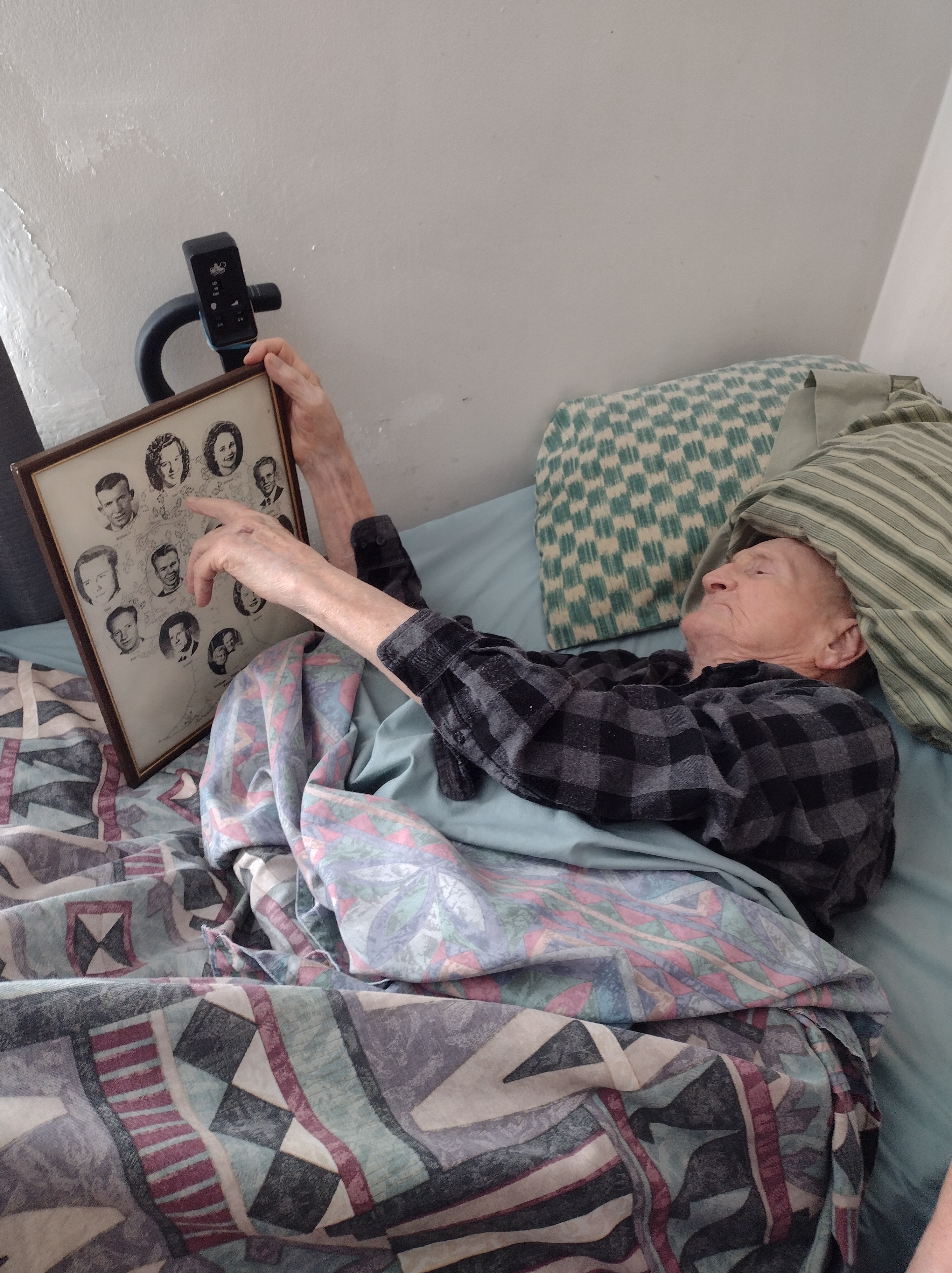
In December 2023, six months before he died, I visited Ross at home. He was lying in bed, largely unable to rise. At one point he reached up and lifted a framed composite portrait — all twelve Andra children, the photograph that had defined the family across seven decades of reunions — and held it up toward the light, pointing at the faces one by one. He knew every one of them.
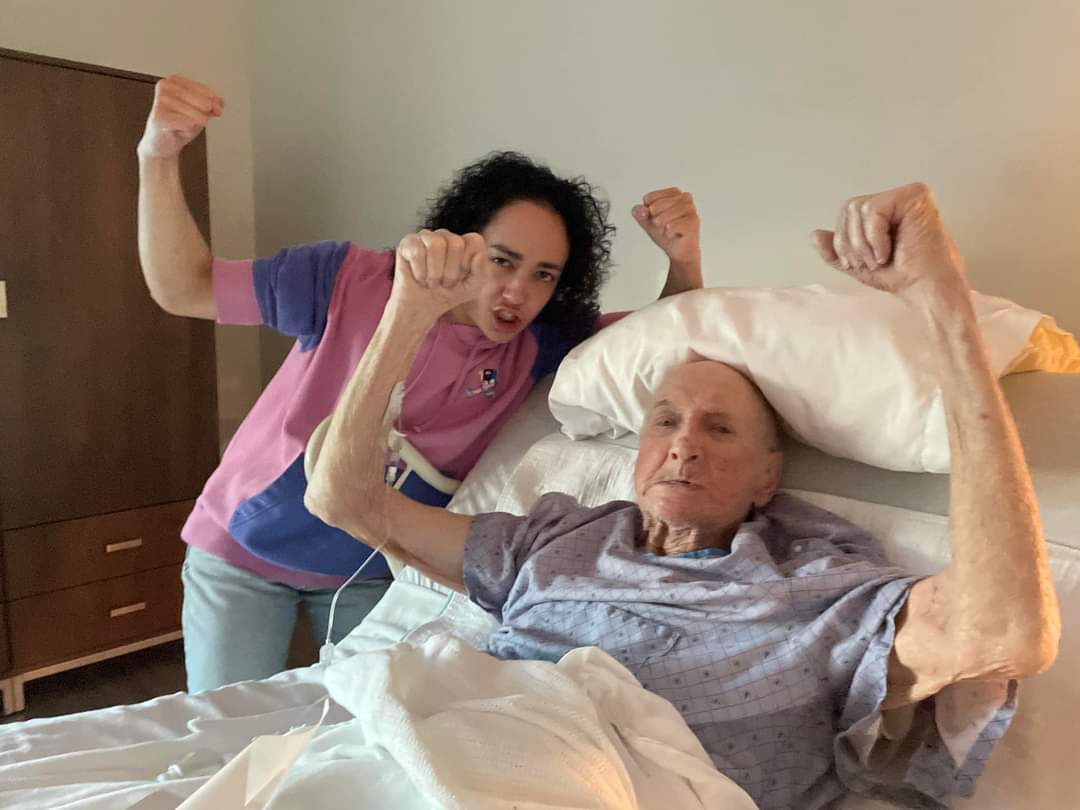
April 2024, rehabilitation with granddaughter Onyx, after fighting infection – still Ross!
In April 2024, in a rehabilitation facility after fighting an infection, Ross raised both arms in a victory pose for Onyx beside him doing the same. Frederick Johnson had sworn he had only seen Ross lying down twice — that April and on his deathbed. Ross never stopped moving. He never stopped working. He never stopped bringing the light out.
On 20 June 2024, Ross Leslie Andra died peacefully in his Salt Lake City home with his wife Adelaide, his daughter Brenda, and his son Carlos at his side.
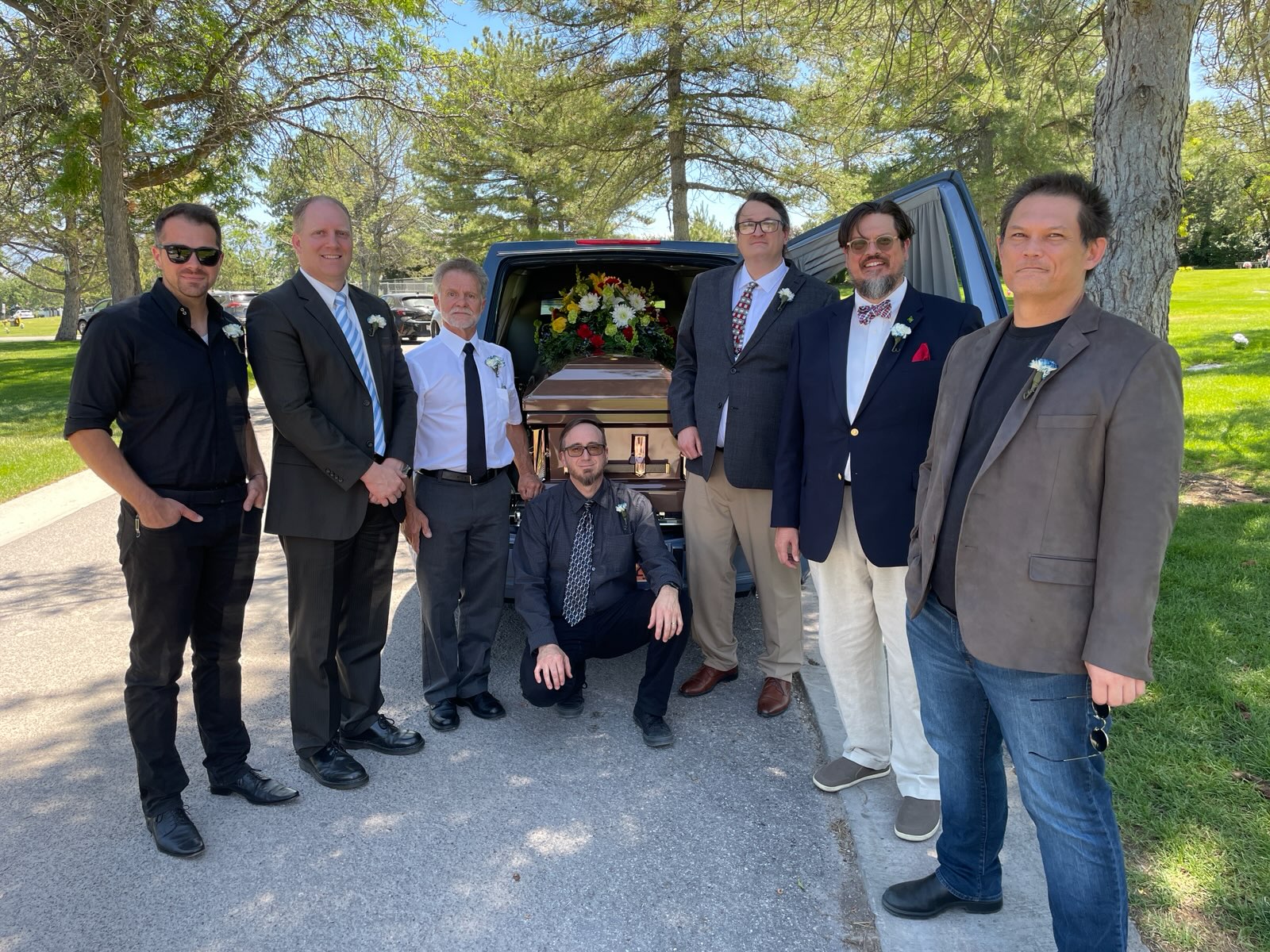
The funeral closed with “How Great Thou Art,” sung by Sister Annie Löwenthal. Then the pallbearers — Carlos Andra, Paul Ross, Larry Andra, Frederick Johnson, Tim Andra, Felipe Johnson, and Aron Hsiao — came to the front. The congregation rose. Ross Leslie Andra was carried out into the June light toward Valley View Memorial Park in West Valley City, Utah.
Frederick Johnson, who had lost his own father just two months before, had a last message. “Ross the Boss,” he said, “your life mattered a great deal to us and to me. You will not be forgotten. We’ll keep telling the jokes and passing them on.” Then, more quietly: “Say hi to Dad for me, Ross. Tell him we miss him too.”
Pallbearers at Valley View Memorial Park, West Valley City, Utah 29 June 2024. Brandon Porter, Paul Ross, Tim Andra, Carlos Andra, Felipe Johnson, Fredrick Johnson, Aron Hsiao
Ross is survived by his wife, Adelaide; his daughter Brenda (Layton) Wagner; his son Carlos (Melanie) Andra; his daughter Denise Andra; his grandson Brandon (Danika) Porter; his granddaughter Onyx Andra; his great-grandchildren Tilia, Zeke, and Sevi Porter; and his brother Larry (Barbara) Andra.
The full funeral service for Ross Leslie Andra, held 29 June 2024 at the Cannon Ninth Ward in Salt Lake City, was livestreamed and remains available to view at https://www.youtube.com/watch?v=y1qDOIbls5Q.
Note: This transcript was generated from auto-captions and has been edited for readability. Musical interludes, unintelligible passages, and pre-service ambient audio have been omitted or noted. Speaker attributions are based on self-introduction within the service.
Opening of Service
Conducting — Bishop Ted Maxwell
You may be seated. Welcome, everyone, this morning to the funeral for Ross Andra. My name is Ted Maxwell; I’m the bishop of the Cannon Ninth Ward, where the Andras have been living. I’ll be conducting today. On the stand we have President Ingersol from our stake, who is presiding. We’re so grateful to have you all here on this fine, wonderful morning to celebrate the life of Ross Leslie Andra.
We will begin by singing ‘I Believe in Christ,’ Hymn Number 134. Our pianist will be Arlene Lenthal, and the chorister will be Anda, an in-law. After which we will have an invocation by Carlos Andra, Ross’s son.
[Congregation sings “I Believe in Christ,” Hymn No. 134]
Invocation
Carlos Andra (son of Ross Andra)
Let’s bow our heads.
Our Father in Heaven, this morning we open the service with your words: “And the Lord God formed man from the dust of the ground and breathed into his nostrils the breath of life; man became a living being.”
You formed a man, and his name was Ross Leslie Andra. We thank you, Father, that we can all be here gathered together. We invite your Holy Spirit into this place in which we reflect and honor the life of my earthly father, Ross.
I ask you, Holy Spirit, to stir in the hearts of each person taking time out of the breath of their lives to come reflect and remember the impact that was made by you through this husband, father, brother, uncle, cousin, and friend.
Yea, though we walk through the valley of the shadow of death, we will fear no evil, for you are with us; your rod and your staff, they comfort us. You are Holy God; you are so loving. We love you and we thank you for your presence. We dedicate this time to let your Holy Spirit direct our time together to honor your servant, Ross Leslie Andra. In Jesus’ name, amen.
Amen.
Order of Service — Announced by Bishop Maxwell
We will begin the service with a musical number titled “My Testimony,” which will be performed by Sister Bastos and Arlene Lenthal. After which we will hear from — oh, I skipped something. I’m sorry, let’s back up. We’ll start by hearing the obituary read by Brenda Wagner, who is Ross’s daughter. After which we’ll hear from Larry Andra, who was Ross’s brother. Then we will have a musical number, “My Testimony,” performed by Sister Bastos and Arlene Lenthal, and after that we’ll hear from Frederick Johnson, who is a family friend. Closing for us will be President Clay Celestino from the Mountain Shadows Stake.
Obituary
Read by Brenda Wagner (daughter of Ross Andra)
Oh gosh — thank you so much for being here for my father and my family, my mom, everyone.
So — Ross. Now, if my eyes start watering it’s because it’s sweaty and hot outside, so that’s why.
Ross Leslie Andra, my father. At age 87, he returned to his Father in Heaven, which was on 20 June 2024. He passed with dignity and peacefully in his Salt Lake City home, with his wife Adeli, daughter Brenda, and son Carlos at his side.
Ross was born on 2 December 1936 in Preston, Idaho, to German immigrant William Frederick Andra and Mary Louise Wer— [you never know how to say that]. He grew up on a large family farm with four sisters and seven brothers.
Ross graduated from Preston High School in 1955 and then went on to attend Utah State Agriculture College — now Utah State University — for two years. Ross worked in construction with a couple of his brothers on the St. Lawrence Seaway project in Messina, New York, between February and December 1957.
He served a mission to Brazil for the Church of Jesus Christ of Latter-day Saints between 1957 and 1959, where he met his sweetheart, Adeli Gonzalez Cararu. They married in the Logan Temple on 14 June 1963. Ross had a deep love for Brazil, its people and culture, and especially for his little Brazilian bride.
After his mission to Brazil, Ross attended Brigham Young University in Provo, Utah, where he studied political science, speech education, and Portuguese. He graduated with a Bachelor of Arts from BYU in 1964 and remained one of their biggest fans right up to the end, watching games and sporting a BYU ball cap everywhere he went.
Ross instilled a strong work ethic into his children. As a servant leader, Ross served his family by example and by teaching his kids how to help Mom with household tasks. He modeled Ephesians 5:25 very well: “Husbands, love your wives, just as Christ also loved the church and gave himself for her.” Ross always made sure everyone was comfortable and that they had what they needed.
Ross loved to make people laugh, and he had a keen gift for engaging strangers with quick-witted quips. He spread many smiles and laughter across this planet.
Ross was a hard worker, and his career life spanned over various areas: from high school teacher, coach, Candyman, small business owner, appliance installer, and furniture mover to a medical career. He held unique skills and talents and applied them well throughout his life and service to others. He maintained a missionary mindset throughout his whole career.
As Candyman, Ross would fill the vending machines in the teachers’ lounge at his eldest daughter’s elementary school — me — and often he would show up during recess and pass out candy on the playground, which made his daughter Brenda — me — quite popular with her friends.
As a business owner, Ross would often take his son Carlos to work with him to deliver and install appliances and move furniture. As a result, Carlos learned to efficiently pack a moving truck like a Tetris puzzle.
Ross loved tomatoes. He would plant them anywhere he could find a plot of dirt — it could be this big, that big. His youngest daughter Denise worked hard to clear space in the backyard for a family garden so Ross could have his tomatoes.
At another point in life, when Denise found herself facing some debt, Ross sat down with her and taught her some financial principles, which she applied and was able to persevere in paying off all her debts in no time at all.
Ross was a faithful servant. With Adeli as his companion, Ross served locally as a service missionary with the Portuguese- and Spanish-speaking wards between 2009 and 2015. Together they drove all around the Salt Lake Valley visiting with families and making sure they had the resources that they needed.
Ross and Adeli had a deep desire to return to an overseas mission in Brazil, but due to health concerns they could not go. Instead they fulfilled that desire by serving the Brazilian people locally.
In his latter years, until age 84, Ross delivered blood and vital organs to various medical locations spanning Utah, Idaho, and Wyoming — and as always, he made people laugh along the way.
We kids heard many stories from Dad about growing up on the family farm — like the time he was called back to the house by his mom only to discover that it was a chicken calling out “Ross,” or the time when Ross and his brothers tied a cow to their math teacher’s front door. With multiple brothers, you can imagine the pranks that were played on and with each other.
Dad, we miss your John Wayne toughness, your Popeye strength, and your cheesy dad jokes. You were a missionary for Christ until the end. “Well done, thou good and faithful servant; thou hast been faithful over a few things, I will make thee ruler over many things; enter thou into the joy of the Lord” (Matthew 25:21). Ross has now entered the joy of his Lord.
We love you, Daddy.
Remarks
Larry Andra (brother of Ross Andra)
My name is Larry Andra. I’m the last of twelve. Ross would say, “I’m the last of the Mohicans.”
Ross was always saying to each person he had a nickname — like “teddy bear.” His kids called him Tom the Piper’s Son. And one nephew — it probably best they called him ‘Funkle’ — the funny uncle.
He lacked no jokes. He was likeable and really witty. Others said he loved to joke around with people. I always called him the numbers jokester. And I really didn’t understand when he talked to me — he knew Brazil too much; he forgot that I couldn’t understand the jokes.
Ross never did anything outside the church standards. My parents never had to worry about Ross. He had a little brother to do that.
Our father came from Germany, as mentioned before. Within a couple of months after being baptized, he came alone because he was eleven years old — at twelve you pay full price; at eleven you pay a high price. He got lost, so they came looking for him, and that’s where the twelve came in. He ended up with the missionary that baptized him going to his farm and marrying his daughter, and they had twelve children.
This week is the Andra reunion, which we’ve had — I think this is Ross’s last one here on Earth.
Death is just as important in the welfare of man as is birth. There is no greater blessing that can come than the blessing of birth. One-third of the host of heaven, because of rebellion, were denied that privilege and hence had no bodies of flesh and bone — which is the gift of God. But who would like to live forever in this world filled with pain, decay, sorrow, and tribulation — grow old and infirm and yet remain? I think all of us, if the proposition were placed before them, would not want life of that nature. We would reject it.
But death is just as important in the Plan of Salvation as birth is. We have to die. It is essential. Death comes into the world and fulfills the merciful plan of our great Creator.
Let’s talk a minute about what happens when one passes on. However painful the moment of death is physically, it is spiritually one of the most exciting and joyful moments of eternity. It’s like opening the door of a dark room — one who dies emerges into the light of the spirit world, where there will be friends and family waiting to greet him. There is no special period known to man in which they experience so much joy as when they pass through the portals of death and enter into a glorious change in the spirit world.
Death is not extinguishing the light; it is putting out the lamp — and then dawn comes.
When someone dies, it is like a beautiful lagoon. On a clear day a fine sailing ship spreads its mast and its canvas in a fresh morning breeze on the deep blue, and gradually we see her grow smaller and smaller as she nears the horizon and someone says, “There she goes — gone.” But you can be sure that on the other shore someone says, “There she comes!”
While we’re mourning the loss of Ross, others are rejoicing to meet him behind the veil. Ross has joined Mother, Dad, June, William, Colleen, Millie, Golden, Serene, Donald, Dale, Robert, Dennis, and others.
Steve Jobs was a billionaire worth $7 billion at age 56. Lying on his deathbed sick with pancreatic cancer, he said: “All my life I have recognized wealth, but all that I had was meaningless in the face of human death. You can find someone to drive a car for you, but you cannot hire someone to carry the disease for you.”
As we get older we grow smarter and slowly realize: a watch worth $30 and a watch worth $300 both show the same time. Whether we drive a car worth $150,000 or $2,000, the road and the distance are the same; we reach the same destination. If we drink a bottle of wine worth $300 or wine worth $10, we’re still drunk.
There are five undeniable facets: Do not educate your children to be rich; educate them to be happy, so when they grow up they will know the value of things, not the price. Eat your food as medicine; otherwise you eat your medicine as food. Whoever loves you and never leaves you, even if he or she has a hundred reasons to give up, will always find one reason to hold on. There is a big difference in being human. If you want to go fast, go alone — but if you want to go far, go together.
I really believe that Ross embodied what Steve Jobs was saying here — they went together.
Albert Einstein said: “Do you realize how important you truly are? Look around — who are you influencing, motivating, teaching, or inspiring? Some of the greatest souls who have ever lived will never appear in the chronicles of history. They are the great ones who spend every day of their lives serving and doing good.” Albert Einstein also said: “Try not to become a person of success, but a person of value.”
Thank you for the service you are willing to give to your families, your friends, neighbors, and community. Every great dream begins with a dreamer; always remember you have within you the strength, the patience, and the passion to reach for the stars and change the world. You are the difference — make it happen.
[Larry then shared a story about a woman whose car was stuck in the snow in a foreign country. A man came with a mule and attempted to pull her out. Before having the mule try again, the man yelled, “Let’s go, Bob! Tom! John! Lance!” — and the mule pulled the car out. When the woman asked why he called the mule different names, the man said, “Madam, my mule is blind. I wanted him to think he wasn’t pulling the car out alone.”]
People in this congregation — Adelaide needs you next to her, pulling and pushing for her. Adelaide’s happiness will return, her former capabilities will be restored, light will replace darkness, despair will give way to hope and life and will regain its meaning — but only through service. Neighbors, friends, relatives, family, and those who are in attendance here: Bishop and Friends, Adelaide does not need to be preached to, but she needs a void filled. Bless her and be of service to her, as the Savior asks of us, and I promise you that you will be blessed. I say this in the name of Jesus Christ. Amen.
Amen.
[Musical number: “My Testimony,” performed by Sister Bastos and Arlene Lenthal]
Remarks
Frederick Johnson (family friend)
My name is Frederick Johnson — Todd Elijah. I’m known as Freddy; the full version is Frederico.
Like many, the summer I turned 16 I got my first job, and it was delivering household appliances with “the Boss.” The interview went something like this: “Frederico, you’re 16, right?” And I said, “Oh yeah, I’ll be 16 at the end of —” “Frederico, you’re 16.” “Yes.” And that was my interview. But admittedly it was essentially nepotism.
As long as I could remember, my dad — Ranley Johnson — had been moonlighting on weekends with Ross. As far as I’m concerned, they were the first and only two men in a truck there ever were.
Ross, like my father, had served a mission in Brazil and married a Brazilian. In the ‘80s, all these mixed families — nowadays the church and the Brazilian community in the Salt Lake Valley has become tremendous. But when I was a little child, and when Carlos and Brenda and their little sister Denise were young, we all kind of knew each other more or less. At conference time we went to reunions together. The connection goes back even further than that — about a decade before my mother first came to the United States. My mother, Louisa Coa Johnson, came to the US in the 1970s. Adeli had served in the tiny branch of Beloni, Brazil, where my mother, my aunt, and grandmother were new converts to the church. So as I say, it was basically nepotism.
I swear, Ross the Boss Andra was the strongest man I ever knew. Thirty years my senior, he had more stamina and strength in his late fifties than I could muster at his side as a six-foot-one man in my prime. He was compact and he looked powerful to me. He not only looked and sounded like Popeye — he even talked like Popeye. Except instead of eating spinach, I think where he got his strength was from eating tomatoes.
Ross’s strength was legendary. In fact, Ross wasn’t only strong — he was an irresistible force. My dad told stories of seeing Ross pick up a Ford Pinto by its bumper to make room for the truck to pass. And I don’t doubt it.
Now, Ross, when I knew him, could sometimes come across as a little unsophisticated. But anyone who knew Ross at all knew that to dismiss Ross the Boss as a blue-collar East Idaho farm-boy country bumpkin was making a grave mistake. Ross was intelligent, well-traveled, and educated, and he did not suffer fools or foolishness.
When I was still a teenager, we were working, delivering appliances. There was another man who worked with Ross who was actually a bit more unsophisticated — I wonder if Carlos remembers Joe Yanger. The way I remember the guy: he was big and coarse, had bad Marine Corps tattoos on his arms, and talked kind of low. I couldn’t understand a word he said except swear words. He was strong as an ox and probably about as sophisticated as one, if you take my meaning.
Anyway, one day Ross tells me: “Joe Yanger got hurt.” “What happened, Ross?” “I dropped a piano on his head.” They were moving a piano, and Joe was at one end coming down the ramp. Ross said, “Joe, are you ready?” Well, Ross didn’t know if he was ready or not — so he let go of the piano. Joe Yanger ended up with some stitches in the back of his head. I don’t think it made any difference to how Joe Yanger spoke or how well Ross could understand him.
Also, I want to emphasize — and if you get a chance, read again the beautiful obituary that Ross’s family put together — Ross was not a blue-collar guy with a truck, and he certainly did not see himself that way. Ross Andra was an entrepreneur. He firmly believed in the American dream, in hard work and gumption as the way to get ahead, and that’s what he did — whether it was filling candy machines, moving vending machines, delivering appliances, or contracting his truck out as a mover. Ross believed he was an entrepreneur, and he was.
In a world where hard work and gumption were enough, Ross would have been a financially wealthy man many times over, because I also don’t know anyone who worked as hard as Ross. That’s why most of my memories are from working with him — or working with my dad and Ross the Boss — because he was always working. In fact, I swear I’ve only seen Ross lying down twice: the first time was in April, when he was in rehab after fighting an infection, and the second time was on his deathbed. Ross never stopped moving and never stopped working, and he had lots of gumption.
Now, the work that we did with Ross was, as you can imagine, physical — hard work. But Dad would come home laughing. There was always this interesting other thing about working with Ross the Boss: there would be some kind of debriefing. He’d wait long enough for you to get home, the phone would ring, and he would call — mostly I think to go over the jokes he had played on you and laugh about them again.
My memory of even Dad working with Ross is Dad coming home, the phone ringing, and then Dad laughing. Or Dad coming home — I even remember him opening the door with tears rolling down his eyes, just couldn’t stop laughing. When I worked with both of them, it was better than television, because my dad was a wise guy in his own way and the two of them together could be very entertaining.
My mom even thought: “This isn’t fair — I’m home with the kids every Saturday and you’re off having fun with Ross.” But it was hard work, and with anyone else it would have been miserable. We enjoyed working with Ross, and we all worked with Ross. My brother Felipe worked with Ross; my friend Giorgino Brown, another one of these families that’s half American, half Brazilian here in Utah; my cousin visiting one summer from New York worked with Ross one day — and Ross made an impression on everybody. It was fun, even though it was miserable hard work.
A lot of this is because Ross was a virtuoso practical joker. One of his favorite things — if we were working in the summertime — was to drop ice down your shirt. Even worse than that: when we did deliveries we had shirts that said “DPEC” on them — short for Delivery Specialist, which made it sound kind of exciting and sexy. They always seemed like they were a size too small or too short, so Ross had a knack — one of his favorite things was to take advantage of you when you were bending down picking up something really heavy and that shirt rode up. Without saying a word, Ross would just drop a screwdriver down there right when you were really going. He would just chuckle. And of course at the end of the day he’d call and say, “Hey, do you remember when I dropped that? That was good.”
For years he had a novelty ID with Elvis Presley’s picture on it, and anytime someone asked him for his ID he’d show that — it didn’t matter who they were. They’d look at it and go, “Huh?” And he’d say, “That’s what drugs will do to you.”
One time, around September 11th — I was living in New York, but every time I’d come back to town Ross would say, “Frederico, do you want to go to work?” I’d work with them even for just one day. This time he offered to take me to the airport, because Ross was always on the road — always driving a truck, delivering furniture, delivering appliances, or delivering medical equipment. So he was happy to go. We go up, and I was the one who needed to show my ID. Ross comes up, already ready, and this TSA agent — some people go, “Huh? What? You already — what drugs will do to you.” And here I am thinking, ‘Oh no. I’m not going to make my flight. They’re going to take me to the back and interrogate me.’ That was one time where the person didn’t even blink. Ross would say something like, “I’m better looking now, aren’t I?”
It was rare to get one up on Ross — he always had the drop on you. But here’s one of the most famous stories: the parrot story.
[Freddy describes the chicken story from the obituary — the time on the farm when Ross thought his mom was calling him, only to find a chicken mimicking her voice. One day, while delivering a washer and dryer to a customer’s home, Ross was working in the basement and noticed a parrot. Ross called up the stairs, “Is there a drain down here? We need to drain a little water.” The parrot replied, “What?” Ross, thinking it was the elderly owner upstairs, kept asking. Each time — “Is there a hole in the ground where the water drains?” — the parrot answered, “What?” Freddy’s father, upstairs, realized what was happening and nearly collapsed laughing. When Ross finally came up and figured it out, Freddy’s dad laughed about it the whole rest of the day. Freddy’s father had been waiting for years to get something on Ross, and the parrot delivered it.]
Ross could move a fully loaded truck like it was a subcompact car — weaving in and out of traffic. Before GPS existed, he knew the entire I-15 corridor in Utah. He was the GPS.
Ross could sometimes seem a bit irreverent — he had code words, let’s say. Ross never swore, but he might include swear words in code names and nicknames he gave to things. But when it came to his faith, his belief, and his testimony of the church, Ross was always reverent. He wasn’t serious all the time — he was still joking — but Ross was reverent, and I always knew that.
I can say honestly that Ross was a big part of my entire life. Even when I’ve lived out of state for most of the last thirty years, he would call me every once in a while to check on me. I began to worry about a year ago when the phone calls started getting shorter — because normally I’d set aside 45 minutes or an hour, because we’d have to retell all the stories about every time he dropped a screwdriver down — anyway. He’d say, “Remember when I did that, and then your dad did this.”
I just want to finish by saying — and if I do get a little emotional, it’s not because it’s hot; it’s because I’m kind of that way — Ross, to me, always was and will be bigger than life. Ross the Boss, I want to say to you that your life mattered a great deal to us and to me. I love you and your family, and how close our families have been. Your life mattered, and you will not be forgotten. You will be with us and within us, and we’ll keep telling the jokes and passing them on. We love you and we bid you farewell — but only until we meet again.
My own dad preceded Ross to the great beyond just a couple of months ago. So I personally have to say: say hi to Dad for me, Ross. Tell him we miss him too, and that we love him. Thank you.
Remarks
President Clay Celestino (former Bishop, Mountain Shadows Ward)
Brothers and sisters, my name is Clay Celestino. I served as a bishop in the Mountain Shadows Ward at the time the Andras — that’s how we pronounce their name in Portuguese, and that’s how I’m going to refer to them — were serving in our ward. On behalf of all the Brazilians — mostly Brazilians — who were part of the Winter Ward branch and the Mountain Shadows Ward, I wanted to express our deepest gratitude to this couple.
The first thing anyone would see when they met them was that big smile, and sometimes a joke. It was not hard to love them. Truly, their lives represented the love of our Savior Jesus Christ to us. With hundreds of immigrants from Brazil, the Andras represented arms of salvation, of service — hearts that were willing to bring consolation in times of distress. They were deeply engaged in serving their neighbors because of their love for our Heavenly Father and their genuine love towards anyone around them.
As bishops, we had hundreds of active members coming to our meetings every Sunday, and there was a great need for members who could assist us in lightening the burdens of those Brazilian immigrants. At any time that I needed help, the Andras were there.
I remember one day — I even have the date here — it was 22 January 2013. I sent a quick email to the Andras at 12:19 a.m., past midnight. Eight minutes later, I got a response. I didn’t want to abuse their goodwill and their desire to help others, but this is the response I got:
“Hi, Bishop. That’s no abuse at all to ask for the things you’re asking. That is the reason why we are serving a mission. We want to help our brothers and sisters the best way we can. Tomorrow I will make a few phone calls and I will provide you with the information you need.”
There were people who were unable to work because they were injured and needed help to find a doctor. There were young men who needed their dental and medical paperwork taken care of so they could submit their papers to go on a mission. There were people who needed resources from the community because they were unable to provide for themselves — people transitioning from another culture and trying to get established in this country — and they were assisted by the Andras. The list goes on and on.
And then at 9:00 p.m., talking to Ross, you would find out that he would still have to run some errands, make some deliveries, because of his other side job.
We don’t have much time, but I just wanted to express our deepest gratitude to Brother Andra. When we got the news that they were going to be transferred from our ward — initially we thought they were concluding their mission in November of 2013 — and then in September, two months prior to that date, we were surprised with the news that they were being transferred to the Winter Ward, where they actually stayed. They didn’t finish their mission there; they actually stayed for quite some time.
When I found out, I wrote this email to them, and I think it’s very fitting that I can share it now to conclude these brief words:
“Dear Sister Andra and Brother Andra — in this email I copied the entire leadership of the ward: I am saddened by the news of your sudden departure, as we are today, mainly in our community when we found out that Ross had passed on. I believe our ward leaders and members will feel as surprised and astonished as I do. While your transfer will truly bless and benefit our brothers and sisters in the Winter 17th Branch, I know our ward will deeply miss you. On behalf of all ward members and leaders, I would like to thank you for your dedication, love, and service. I have been a witness of how you have touched the lives of our members in many different ways and how your service has helped me, and allowed me in particular to concentrate on other areas of my responsibilities as a bishop — and for that I will be eternally grateful to you and to Heavenly Father. Thank you for your love for Heavenly Father, for responding to the call to serve, and for showing your love to and for our members. Hopefully as your mission ends, you will return to visit us. Please do not forget us — we will not forget you. We will announce your transfer in sacrament meeting tomorrow. Sincerely, Bishop Clay.”
Brothers and sisters, there are many tragedies around us as we hear about tragedies happening worldwide. Many of us, if not all of us, have somehow faced tragedies in our own lives. In fact, in this congregation right now there may be some who are needing a helping hand — some who may be struggling with illness, financial problems, family issues, health, and all sorts of challenges, mental illness. Sister Andra will need some support — I know that — and I’m very grateful for the support you have already extended to her during this time.
But may we honor the life of our dear Brother Andra by trying to emulate the works of Christ: being a little bit kinder, helping one another, finding time to serve, and extending that love that comes from our Heavenly Father which he has for each one of us. We are his arms; we are his hands. Ross Andra represented that very well.
I know that we will meet again, and that is the beauty of this gospel — death is not the end. We will meet again. May the love of our Heavenly Father be with each one of you as you strive to follow in the footsteps of his Son, our dear Savior Jesus Christ. In the name of Jesus Christ. Amen.
Amen.
Closing Remarks
Bishop Ted Maxwell
You know, right before I close I just want to say a word or two. In the last few months Ross had not been able to come to church because he’s been stuck at home. But initially I know he really wanted to be there, because he called me after church every Sunday and let me know how church went and gave me advice for the future. It was always really great to hear from him. As his calls dropped off I knew things were — at first I thought we were just doing better, but then I realized maybe that wasn’t the truth.
I think that’s the one thing I loved about Ross: everyone in this audience has either been served by him or served with him, because that’s what his life was — it was service. Whether it was just bringing joy or bringing the gospel, that has always been one of my great joys, getting to know him these last few years, although I’ve only known him since COVID, so I missed out on some of the really fun stuff, it sounds like.
I know the one thing Ross loved was the scriptures. He loved the word of God, and he loved Jesus Christ, and he brought that light out in everything he did.
When I think about the joy that Jesus shared with his apostles right before he died on the cross, he said: “Let not your hearts be troubled; believe in God, believe also in me. In my Father’s house are many rooms, and I go to prepare a place for you. I will come again and will take you to myself, so that where I am, ye may be also — and you know the way to where I’m going.”
It is my testimony that Ross knew the way to where Christ is — that we will see him again — and it will be in the mansions of our Heavenly Father, in that place that Christ prepared for us through his sacrifice. It is my testimony that we will see each other again, and that through the grace of Jesus Christ we may all be relieved of all those burdens that we suffer from daily — and that in those burdens we might have joy, the way that we saw our brother Andra in his life. I say that in the name of Jesus Christ. Amen.
Amen.
Closing Announcements — Bishop Maxwell
Let’s close our meeting now. We will — no, we won’t sing — we will listen to a musical number by Sister Annie Lenthal, “How Great Thou Art,” after which Paul Ross, who is Ross’s nephew, will give us the benediction. After that we’d ask the pallbearers to come up, and we’ll escort the body to the graveside, where we will reconvene.
[Musical number: “How Great Thou Art,” performed by Sister Annie Lenthal]
Benediction
Paul Ross (nephew of Ross Andra)
Our Father in Heaven, we thank thee. We thank thee for thy Son, Jesus Christ. We thank thee for this world and that we have the privilege of coming here and gaining our bodies, of learning faith and love, and of thy Savior, thy Son, and all that he has given for us, and thy love.
We thank thee for Ross Andra — his example, his good parents, and his family. We thank thee for his wit, his grit, his stature, his faithfulness, and his example. He had thy Son’s countenance with him in work and in sadness and in joy. We are grateful for him. We’re grateful for Adeli and their sweet family.
We ask thee this day that thy Spirit will continue with us. Help us to continue to feel the joy and the balm of thy Spirit, even in our sadness. We thank thee for the Atonement of Jesus Christ and the knowledge of the eternal realms that come for all of us, and what still lies in store for us. But until then, that we can have peace and serve in thy name.
And that of thy Son, dismiss us this day with safety to the cemetery and love and adoration for one another and for thee. We pray in the name of Jesus Christ. Amen.
Amen.
[Pallbearers assemble; congregation rises; body is escorted to Valley View Memorial Park, West Valley City, Utah for interment]
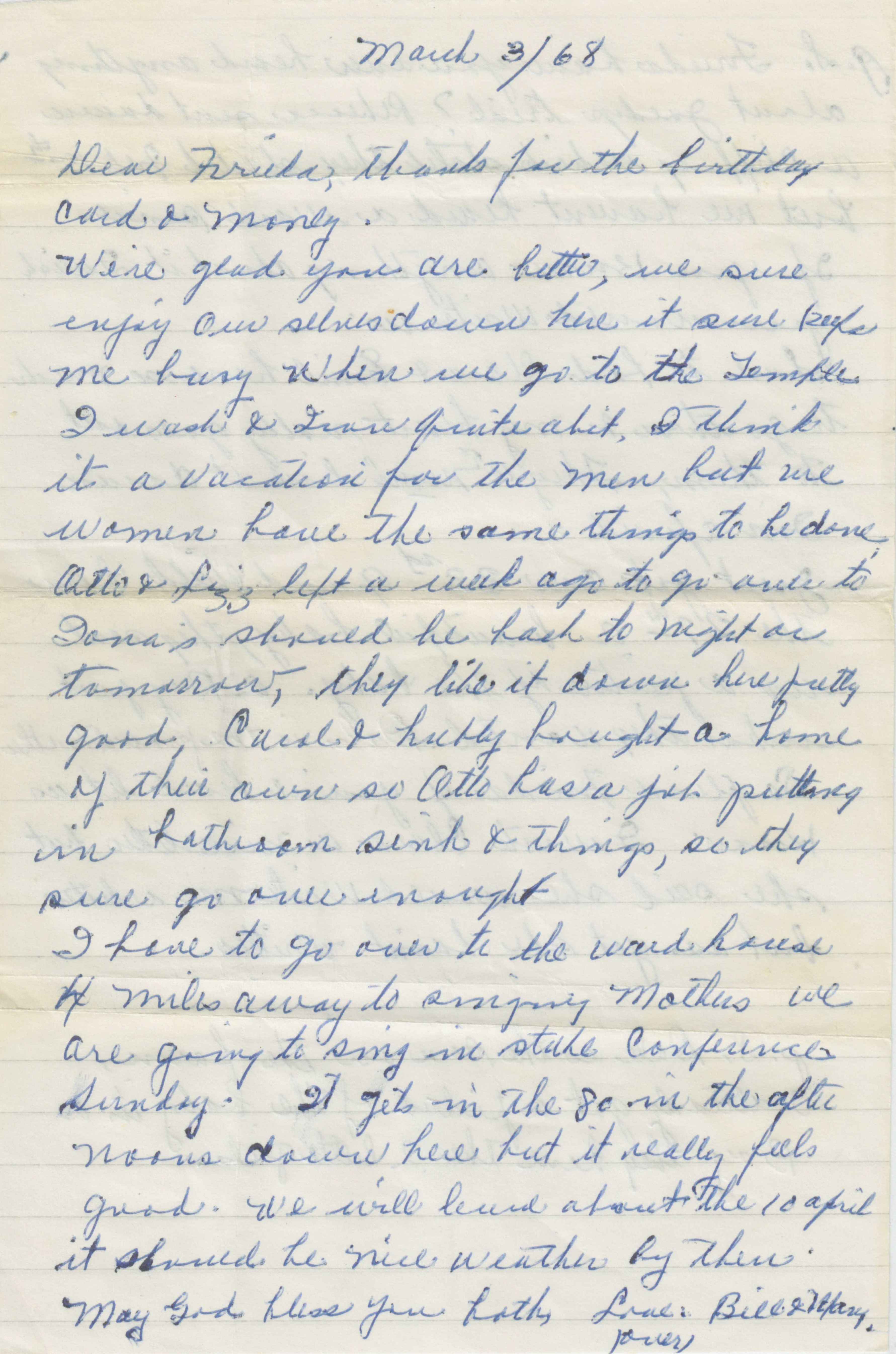
This letter was provided to me by Deanne Larue Yancey Driscoll. Deanne is the granddaughter of Frieda Minna Andra, who is sister to my William Fredrick Andra. This letter is in my Great Grandmother’s handwriting, Mary Louise Wanner Andra. She is writing from their home in Queen Creek, Arizona. I also have a copy of a 1978 letter to Frieda I shared.
Frieda was born in Meissen, Germany 6 March 1893. If you search this site, you will find various references to Frieda as she was a great source of history for the Andra family. She married George Edward Greaves (1892 – 1968) 10 June 1914 in Salt Lake City, Utah. They had five children together, George Andra (1915 – 1977), Walter Taylor (1916 – 2011), Elizabeth Frieda (1918 – 2001), Marion Minna (1920 – 1996 – Deanne’s mother), and Ada Helen (1923 – 2020). George disappeared. Frieda remarried Franz Heinrich Wilhelm Lehmitz (1863 – 1947) 10 August 1930 in Salt Lake City. Frieda and Franz had one daughter, Hazel Marie (1931 – 1945). She remarried after Franz’s death to Leonhard Michael Wendel (1883 – 1970) 6 March 1952 in Idaho Falls, Bonneville, Idaho. Leonhard was the son of Johann Wendel who had married Frieda’s mother after arriving in Utah. She remarried after Leonhard’s death to Brigham Horrocks (1890 – 1976) 7 June 1972 in Blackfoot, Bingham, Idaho. She passed away 18 October 1978 in Idaho Falls. She is buried in the Grove City Cemetery, Blackfoot, Idaho.
The letter refers to Dale and Judy Andra’s son, Jeremy Dale Andra. The letter also refers to Judy, who is Clara Anna Andra Blanke’s granddaughter. I don’t know details, but I believe she was charged with murder. Clara is Frieda and William’s sister. Another brother, Otto is also referenced. Iona and Carol are both Otto’s daughters.
March 3 / 68
Dear Frieda, thanks for the birthday card and money.
We’re glad you are better, we sure enjoy our selves down here it sure keeps me busy when we go to the Temple. I wash + Iron quite a bit, I think its a vacation for the men but we women have the same things to be done. Otto + Lizz left a week ago to go out to Iona’s should be back to night or tomorrow, they like it down here pretty good. Carol + hubby bought a home of their own so Otto has a job putting in bathroom sink + things, so they sure go over enough.
I have to go over to the ward house 4 miles away to singing Mothers we are going to sing in stake conference Sunday. It gets in the 80 in the after noons down here but it really feels good. We will leave about the 10 April it should be nice weather by then.
May God bless you both, Love: Bill + Mary
over,
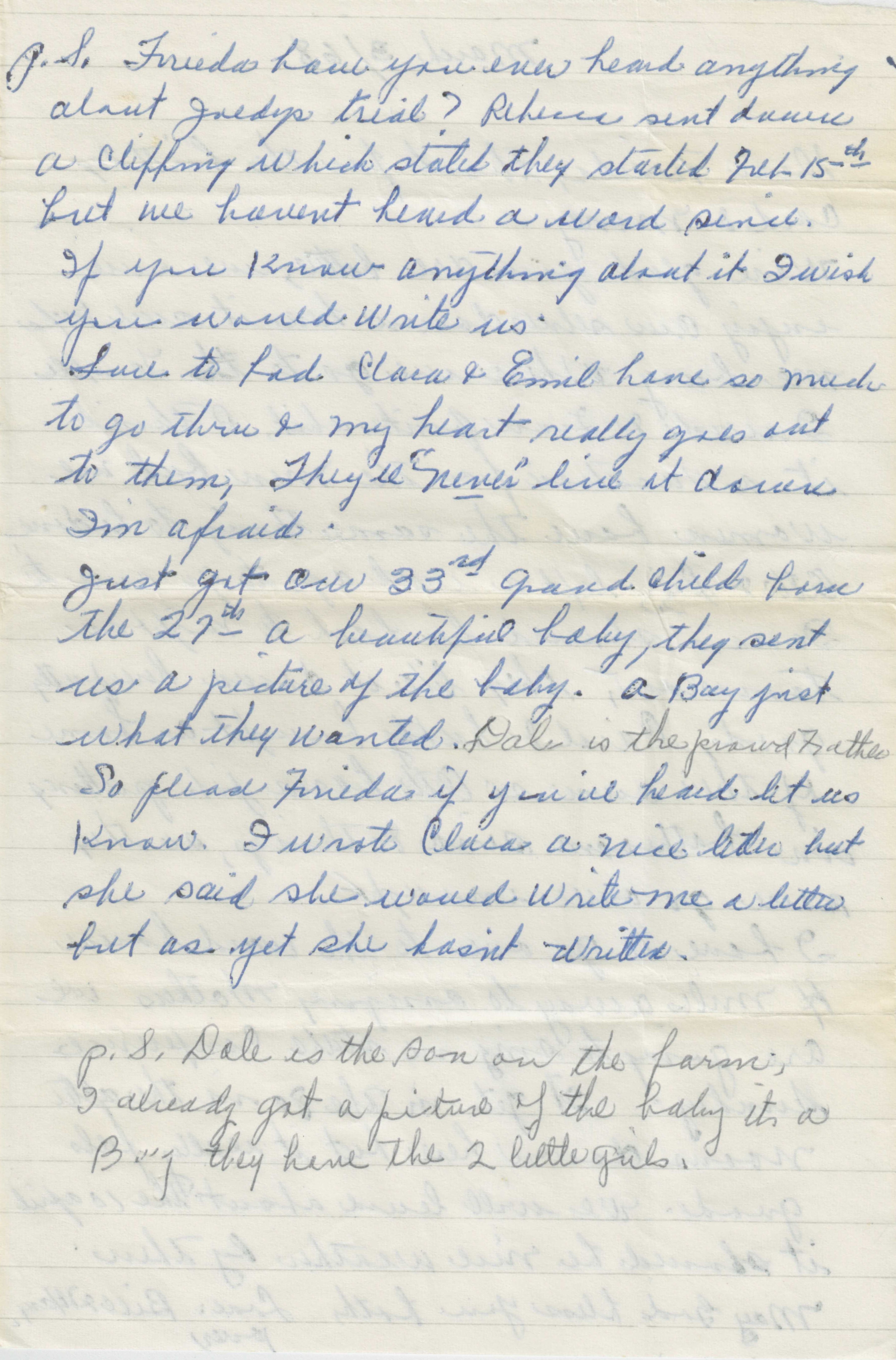
P.S. Frieda have you ever heard anything about Judy’s trial? Rebecca sent down a clipping which stated they started Feb 15th but we haven’t heard a word since.
If you know anything about it I wish you would write us.
Sure to bad Clara + Emil have so much to go thru + my heart really goes out to them. They’ll “never” live it down I’m afraid.
Just got our 33rd grand child born the 27th a beautiful baby, they sent us a picture of the baby. A Boy just what they wanted. Dale is the proud father.
So please Frieda if you’ve heard, let us know. I wrote Clara a nice letter but she said she would write me a letter but as yet she hasn’t written.
P.S. Dale is the son on the farm, I already got a picture of the baby its a Boy they have the 2 little girls.
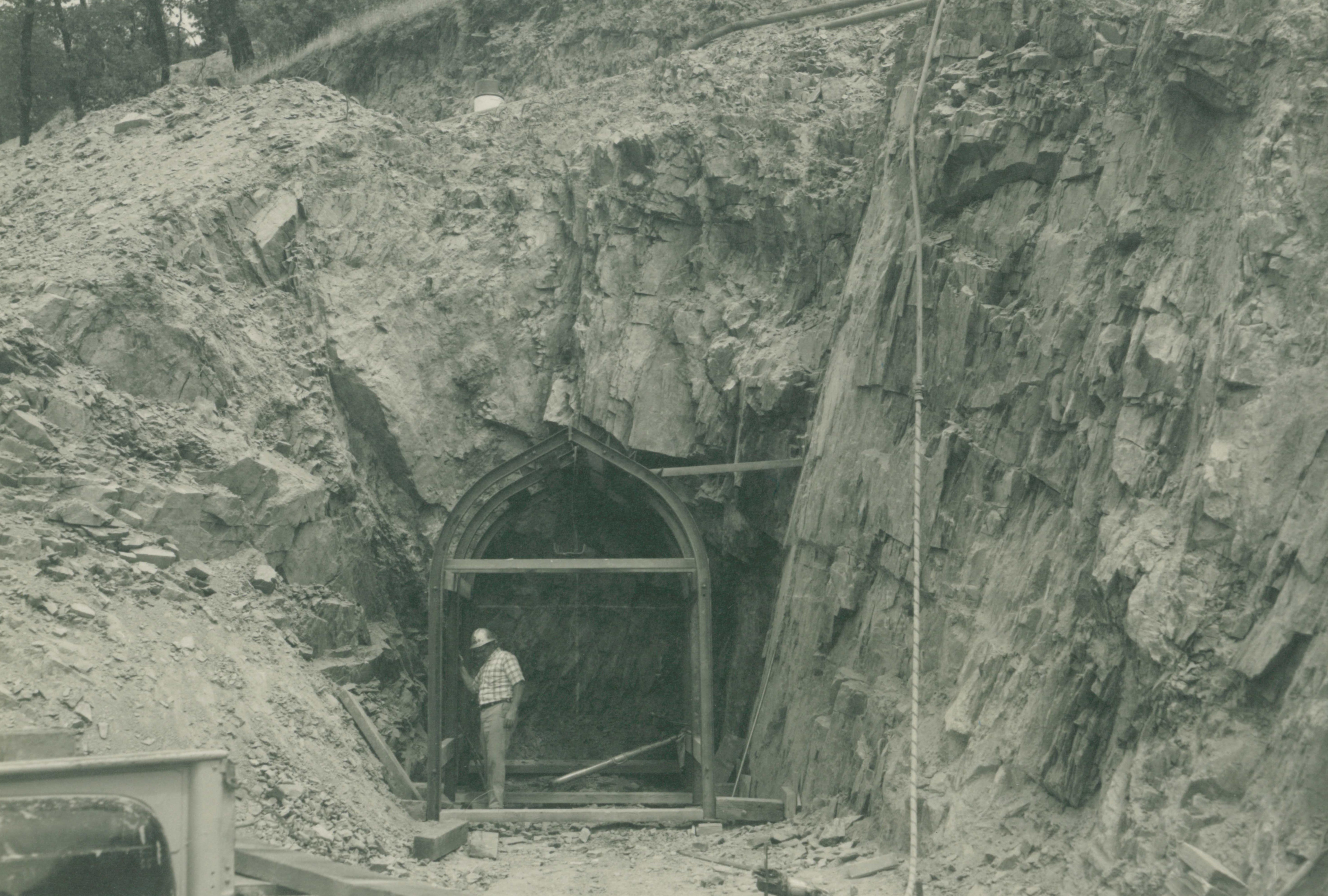
“HELP BUILD LOCK. These foremen and supervisors are working on the Eisenhower lock in placement of concrete. They hail from various parts of the country. Shown are Ward Turner, supervisor, from Arkansas; Manuel Martinez, vibrator, from Mexico; Golden Andra, general foreman, from Idaho; John Catera, foreman, from Utica.
This newspaper article and photo were in the records of Golden Andra. Golden is named in the newspaper, I don’t know/think the second photo is of Golden. It says it came from the Department of Interior, he kept it for some reason unknown to me.
I know this was a significant time in the life of the Andra family. Golden worked and is shown as a general foreman. But I also know that Golden’s brothers Donald and Ross both also worked on the St. Lawrence Seaway. I believe they both worked on the Eisenhower Lock as well.
Golden and Utahna adopted a boy born in 1957 at Bombay, Franklin, New York.
Donald married in 1957 at Hogansburg, Franklin, New York.
Ross told me multiple stories of New York. Unfortunately, I don’t remember any to share.
Since this is Golden, and this article also shares some information in New York, I share it here as well.
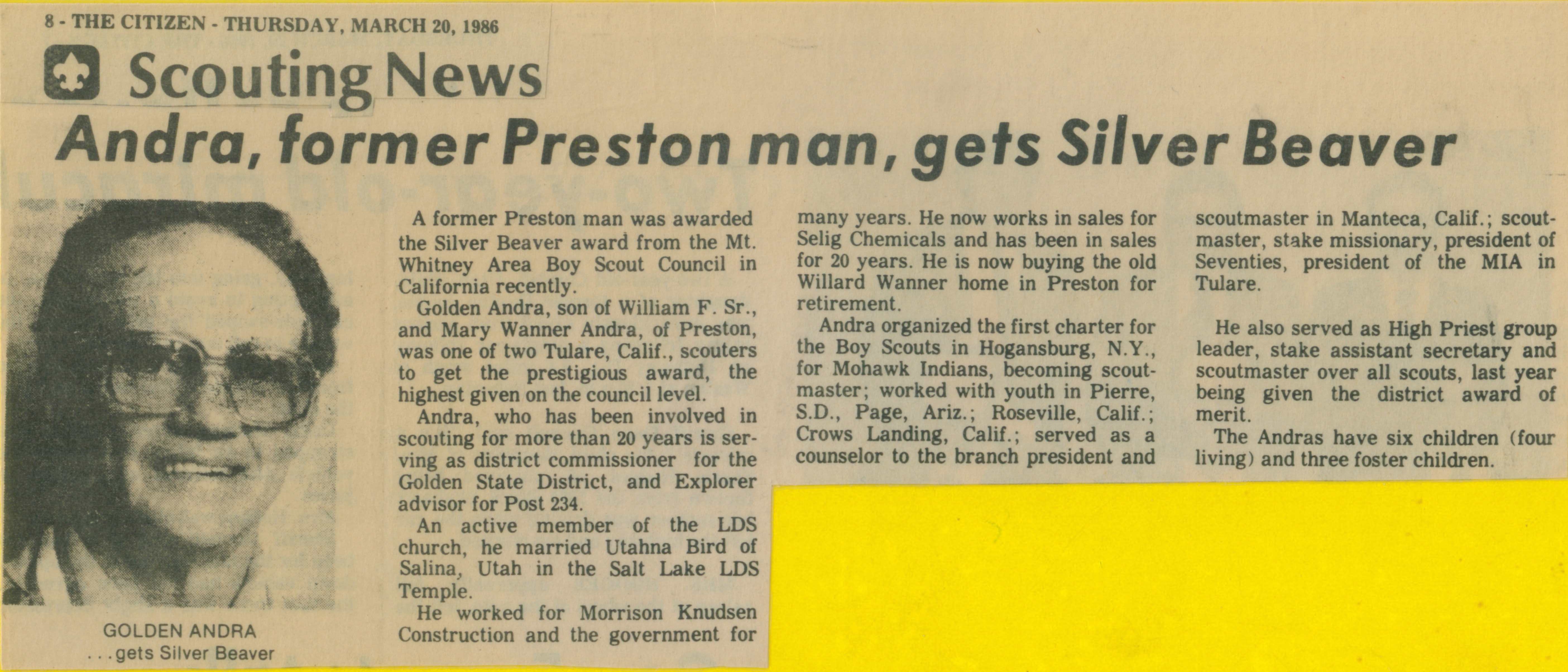
“Andra, former Preston man, gets Silver Beaver. The Citizen (Preston, Idaho) 20 March 1986.
“A former Preston man was awarded a Silver Beaver award from the Mt. Whitney Area Boy Scout Council in California recently.
“Golden Andra, son of William F. Sr., and Mary Wanner Andra, of Preston, was one of the two Tulare, Calif., scouters to get the prestigious award, the highest given on the council level.
“Andra, who has been involved in scouting for more than 20 years is serving as district commissioner for the Golden State District, and Explorer advisor for Post 234.
“An active member of the LDS church, he married Utahna Bird of Salina, Utah in the Salt Lake LDS Temple.
“He worked for Morrison Knudsen Construction and the government for many years. He now works in sales for Selig Chemicals and has been in sales for 20 years. He is now buying the old Willard Wanner home in Preston for retirement.
“Andra organized the first charter for the Boy Scouts in Hogansburg, N.Y., for Mohawk Indians, becoming scoutmaster; worked with youth in Pierre, S.D.; Page, Ariz.; Roseville, Calif.; Crows Landing, Calif.; served as a counselor to a branch president and scoutmaster in Manteca, Calif.; scoutmaster, stake missionary, president of the Seventies, president of the MIA in Tulare.
“He also served as High Priest group leader, stake assistant secretary and scoutmaster over all scouts, last year being given the district award of merit.
“The Andras have six children (four living) and three foster children.
Working through the family history book of Golden Andra that was given to me, I opened a page to scan some photos and found a surprise. Behind that photo were some ordination certificates. These are originals. I thought I better get them scanned and preserved. I also uploaded them to FamilySearch and got them linked with the names in the documents.
I think they are valuable for family history. They are also a peek into church history. This gives us the missionaries who baptized and confirmed my Great Grandfather in Germany. I have provided some limited biographies at the end.
Also an original Notification of Birth Registration for Robert Lee Andra, son of William and Mary, who died at birth. I am not sure why the United States Department of Commerce is issuing this Notification, or the Bureau of the Census. There is some history behind this I am not aware. Last, a copy of William’s obituary.
Priest Ordination Certificate (Front)
Priest Ordination Certificate (Back)
Elder Ordination Certificate (Front)
Elder Ordination Certificate (Back)
High Priest Ordination Certificate (Front)
High Priest Ordination Certificate (Back)
Robert Andra Birth Certificate
I had to do some history on individuals listed on the certificates. Some fascinating individuals, obviously some of them local church leaders.
James Richard Bodily – born 11 February 1872 in Hyde Park, Cache, Utah – died 12 April 1967 in Preston, Franklin, Idaho
Wilford Woodruff Emery – born 16 October 1880 in Salt Lake City, Salt Lake, Utah – died 10 September 1954 in Salt Lake City.
John Edward Hanks – born 30 August 1877 in Salem, Utah, Utah – died 5 July 1970 in Salt Lake City.
William Gibson Palmer – born 16 July 1884 in Croydon, Morgan, Utah – died 15 May 1977 in Preston.
Henry Helaman Rawlings – born 8 April 1893 in Fairview, Oneida, Idaho – died 14 February 1984 in Fairview.
Adelbert Augustine Taylor – born 9 April 1883 in Springerville, Apache, Arizona – died 15 November 1948 in San Felipe de Híjar, San Sebastián del Oeste, Jalisco, Mexico.
Luther Hovey Twitchell – born 17 October 1878 in Salt Lake City – died 15 April 1962 in Bountiful, Davis, Utah.
A quick update. We are back to the shortened e-mail times.
We are writing todaz from Salzburg, Austria. We arrived last night about midnight.
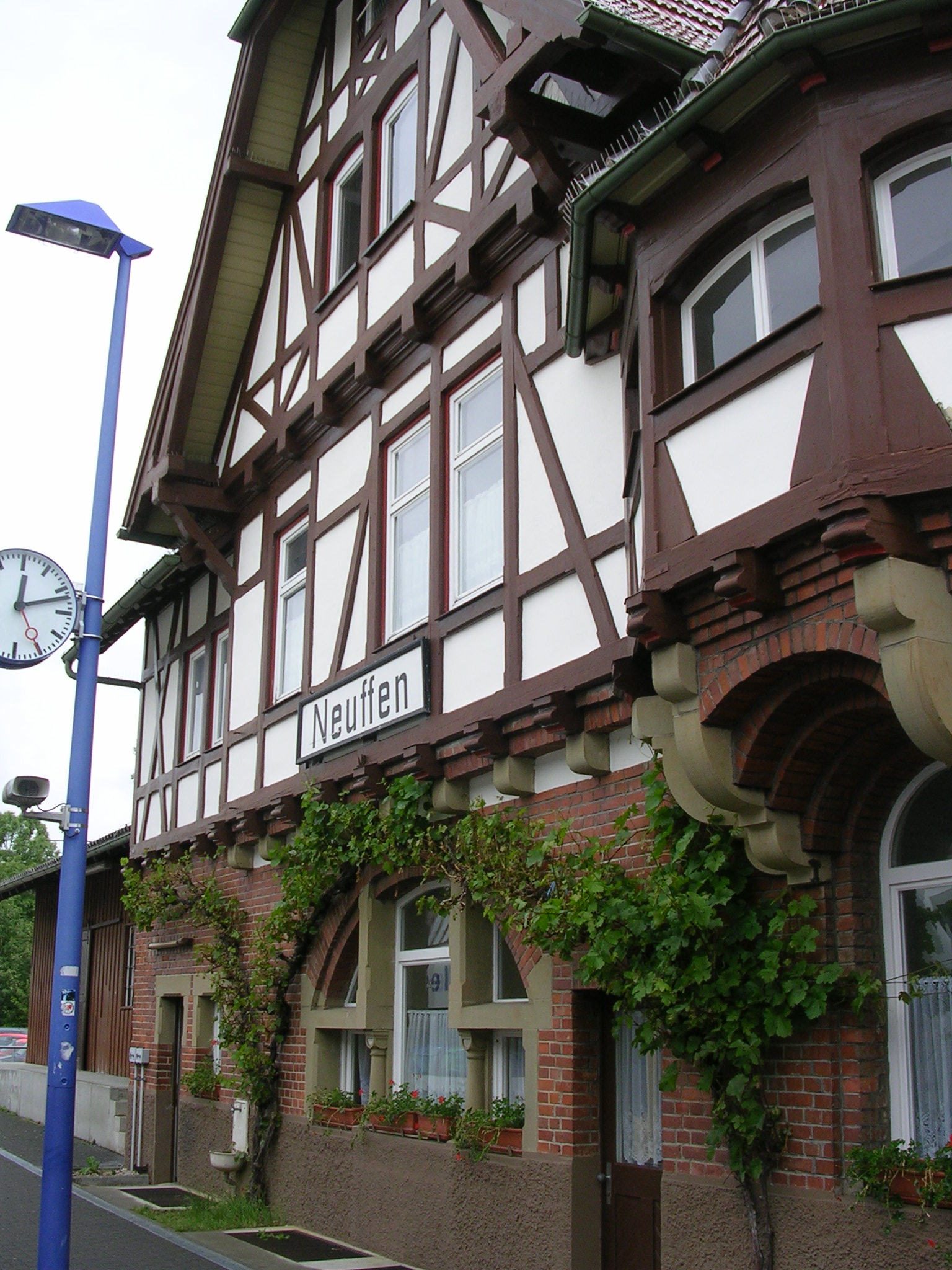
Zesterdaz was spent traveling to familz historz sites for mz Wanner and Nuffer familz near Stuttgart. We visited Holzgerlingen and Neuffen, the towns where thez lived in for several centuries. Neuffen was well worth the trip.
Neuffen train station
Holzgerlingen turned out to be a bit of a dissapointment as there wasn’t much of anzthing old left.
The train platform at Holzgerlingen
[I have shared the photos of Holzgerlingen and Neuffen previously, so I have not reshared them in this post]
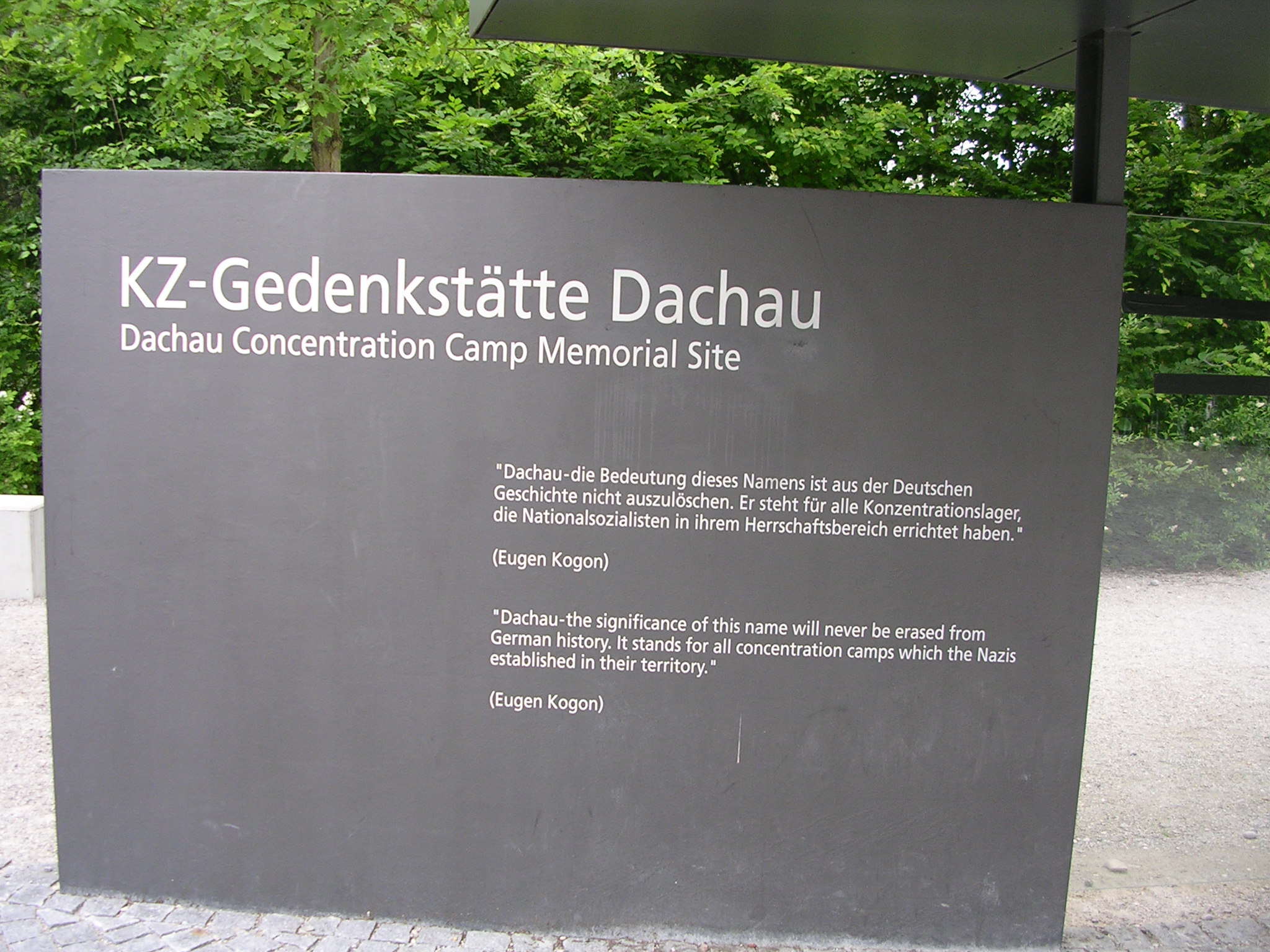
On Sundaz we went in to Munich and visited the little village of Dachau.
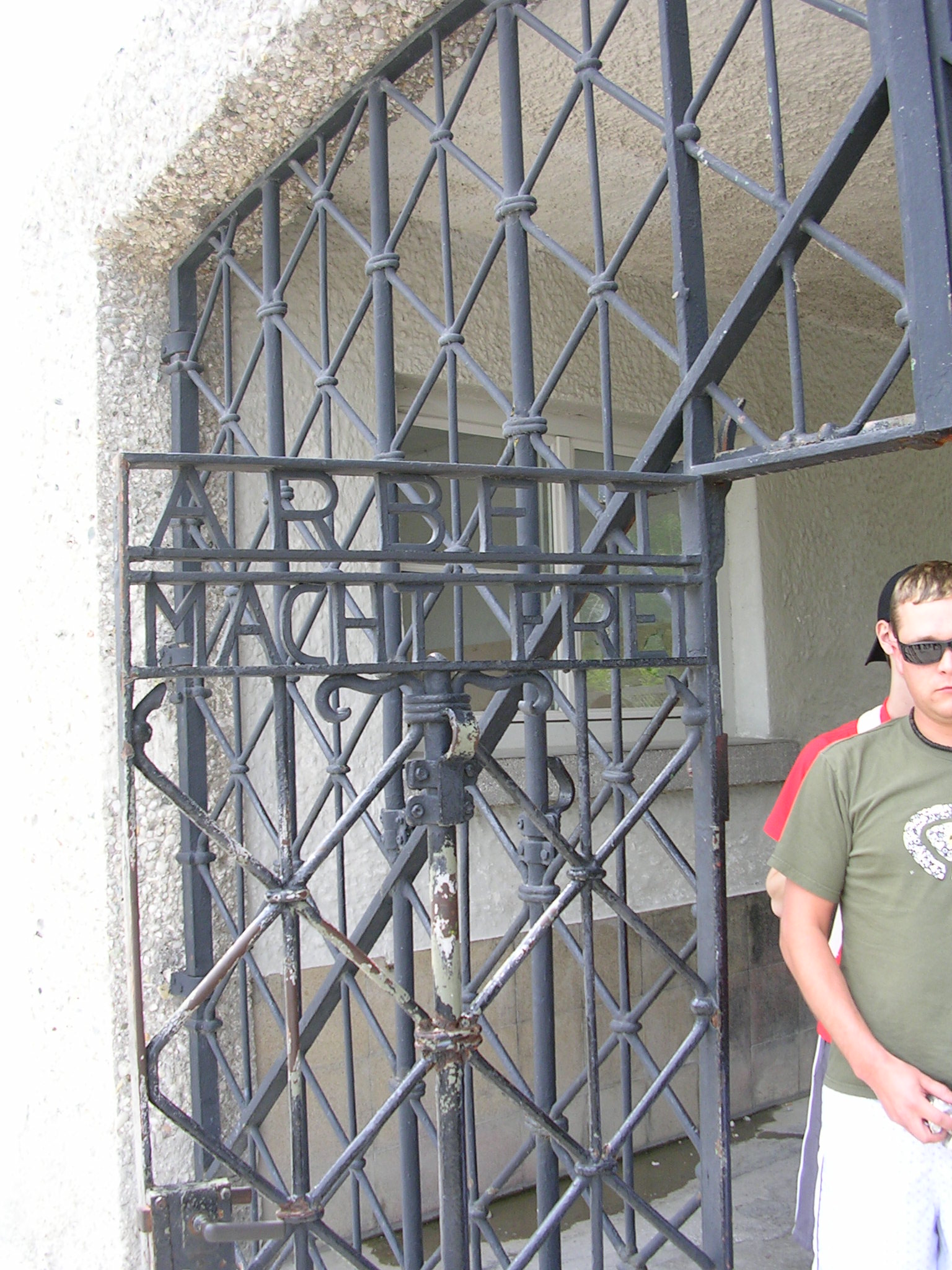
Dachau East Gate
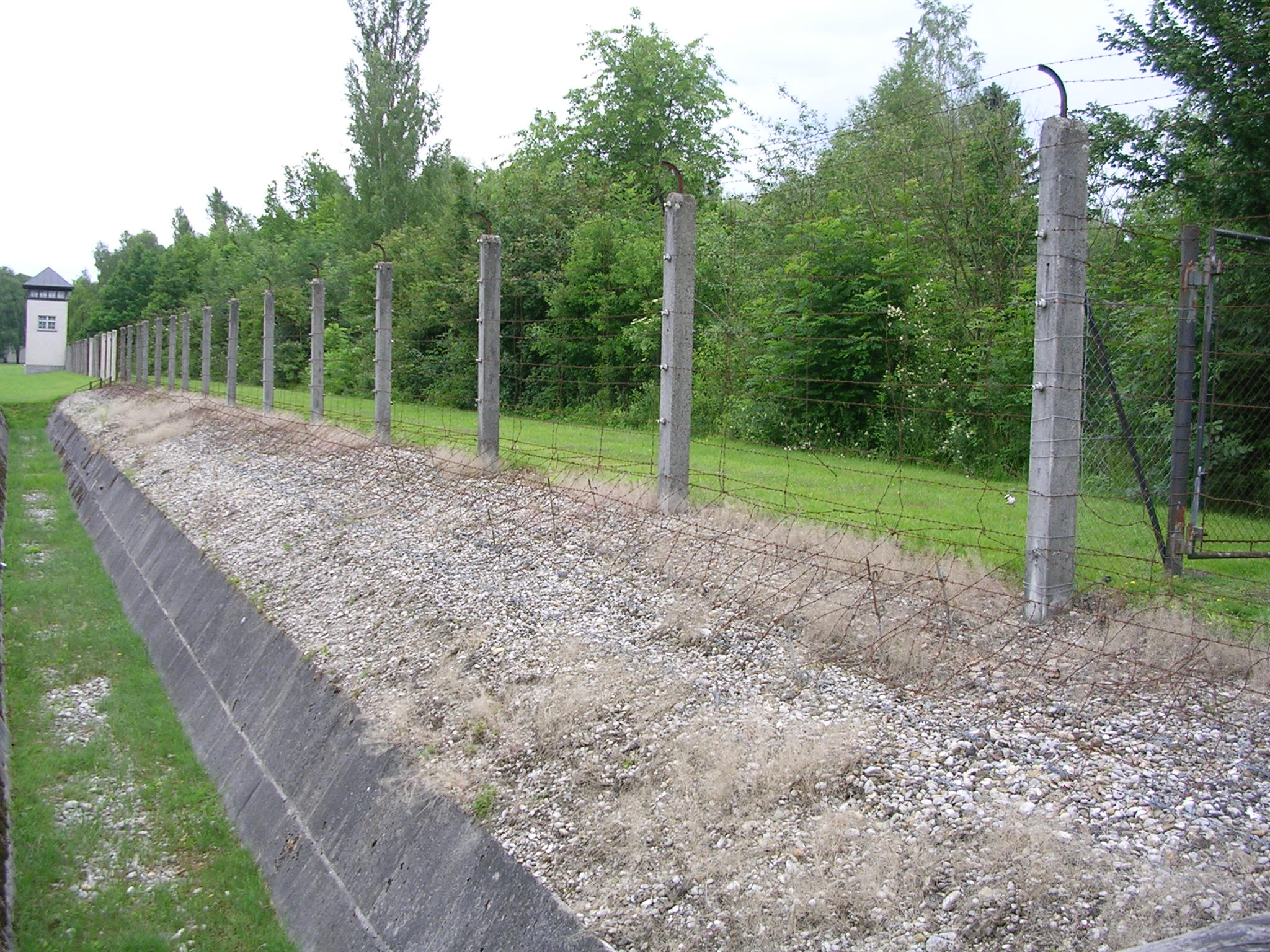
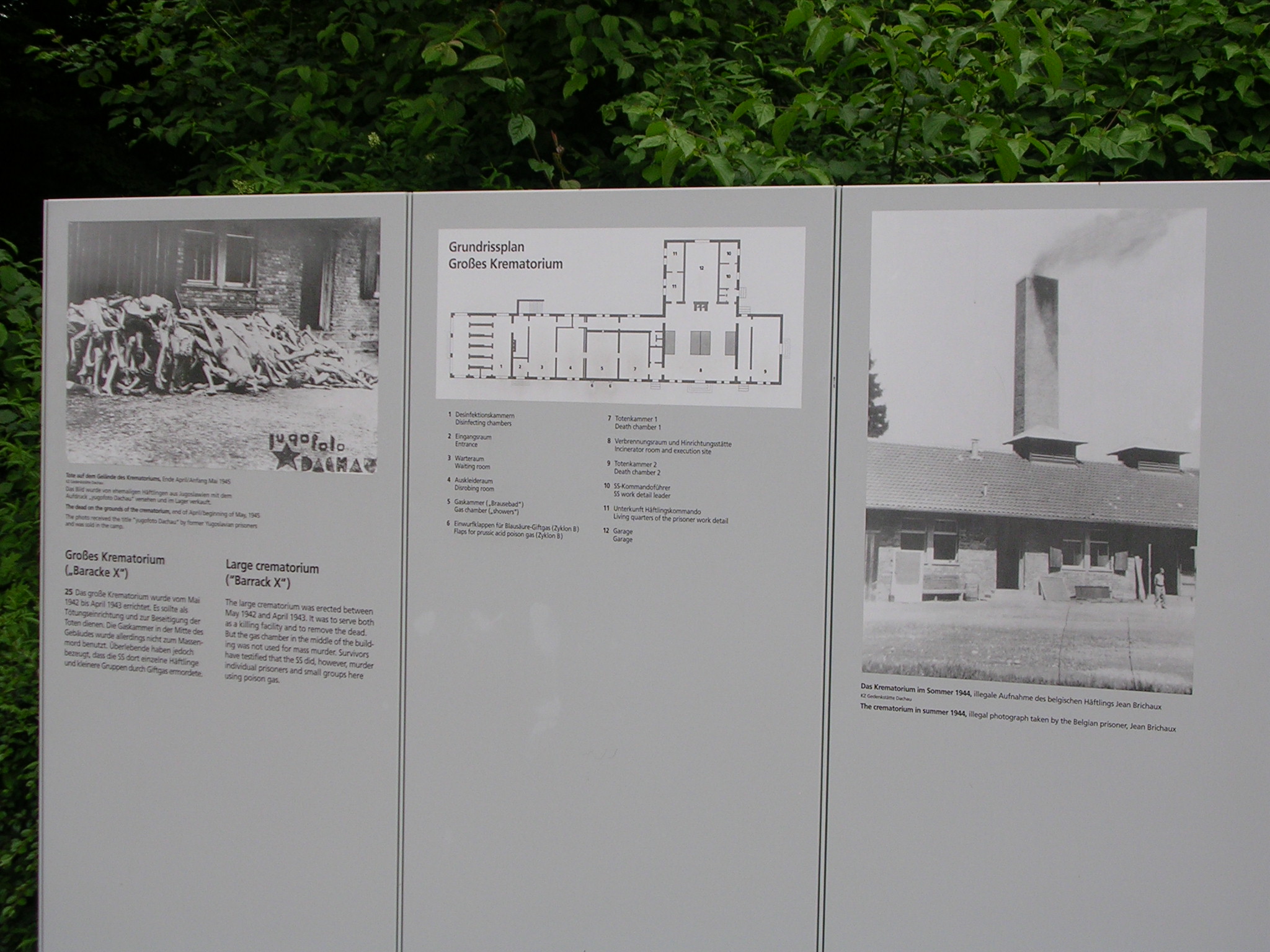
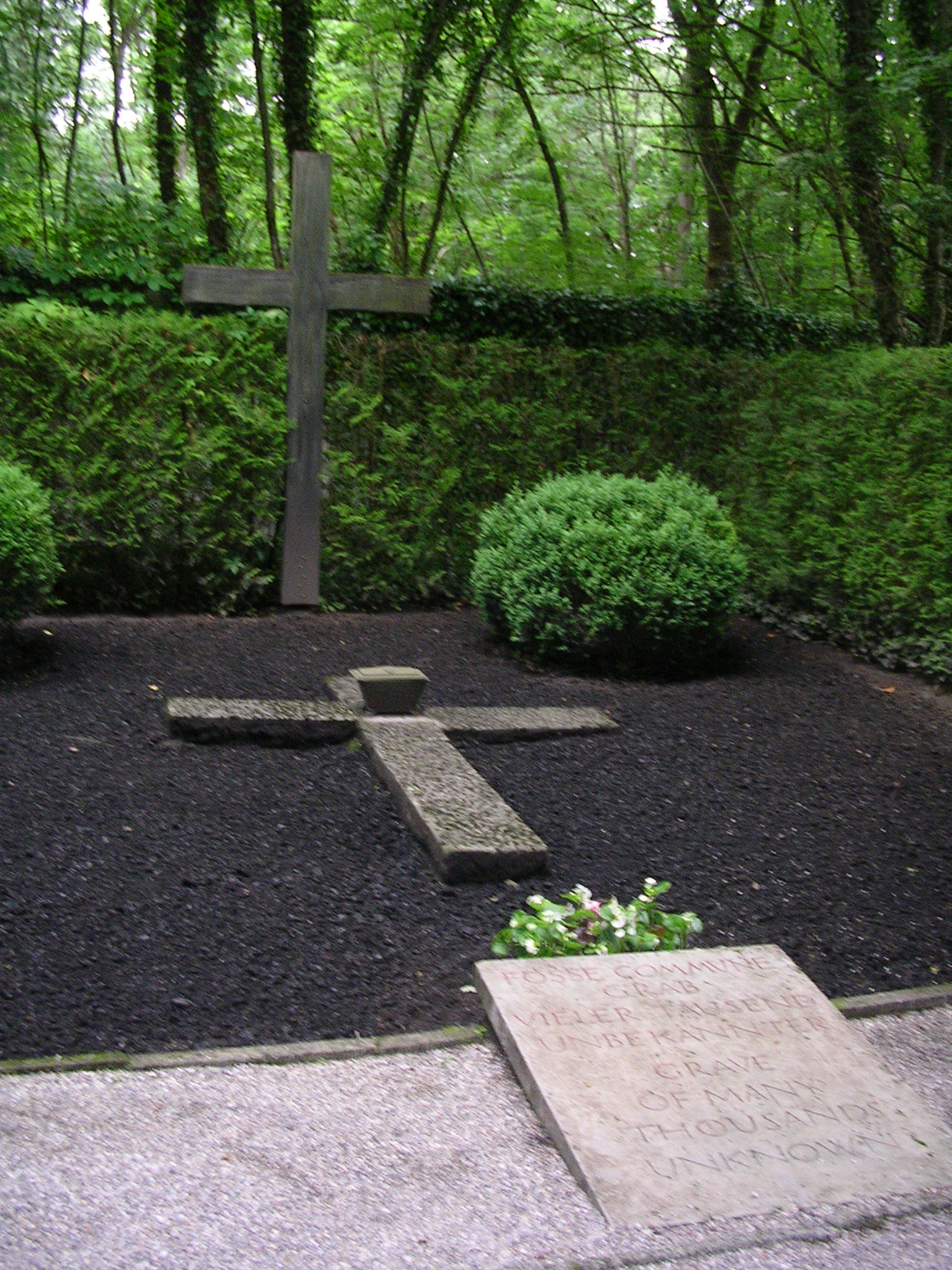
There we spent a good portion of the daz in the Dachau Concentration Camp.
It was interesting to finallz visit a concentration camp.
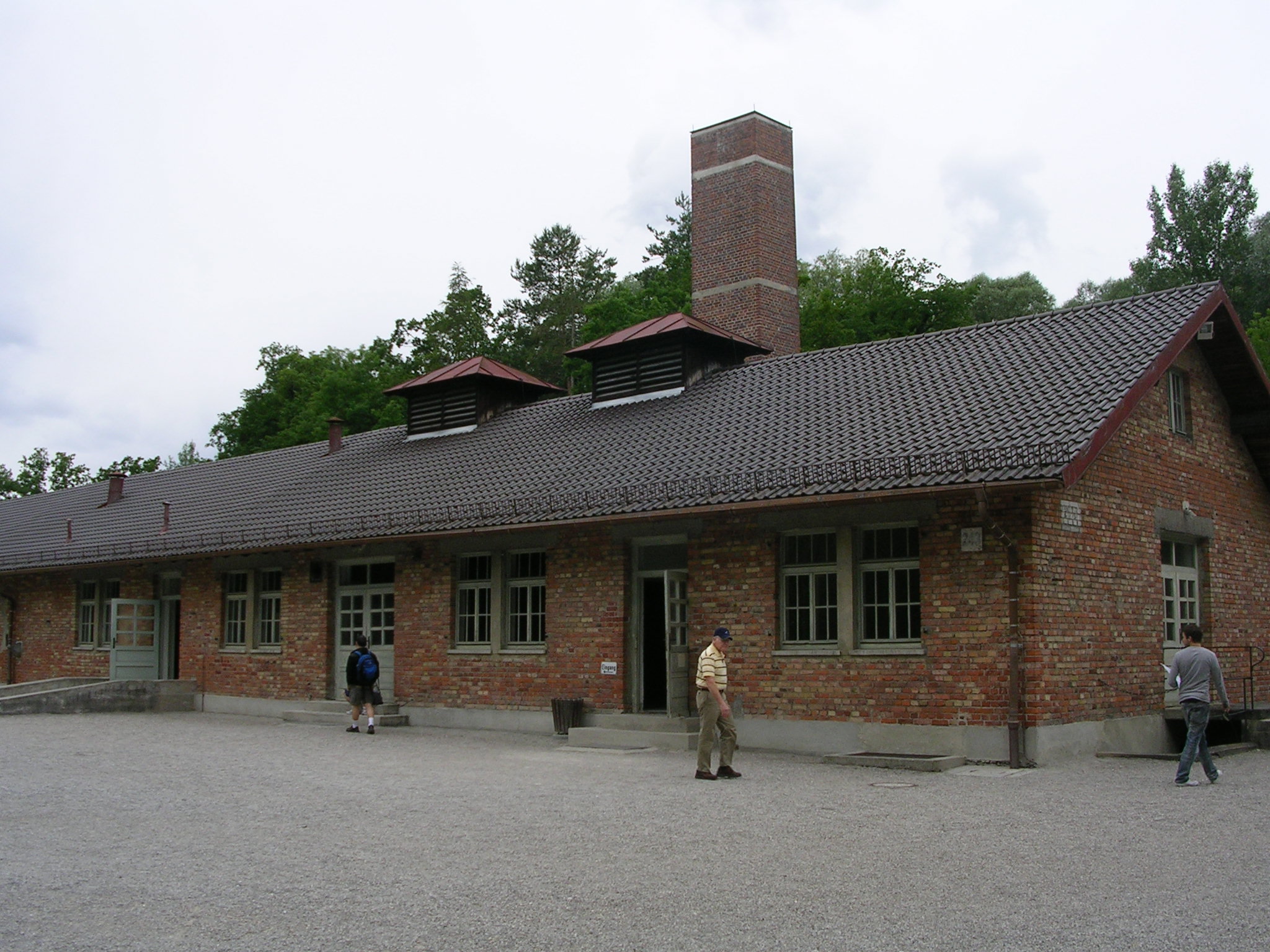
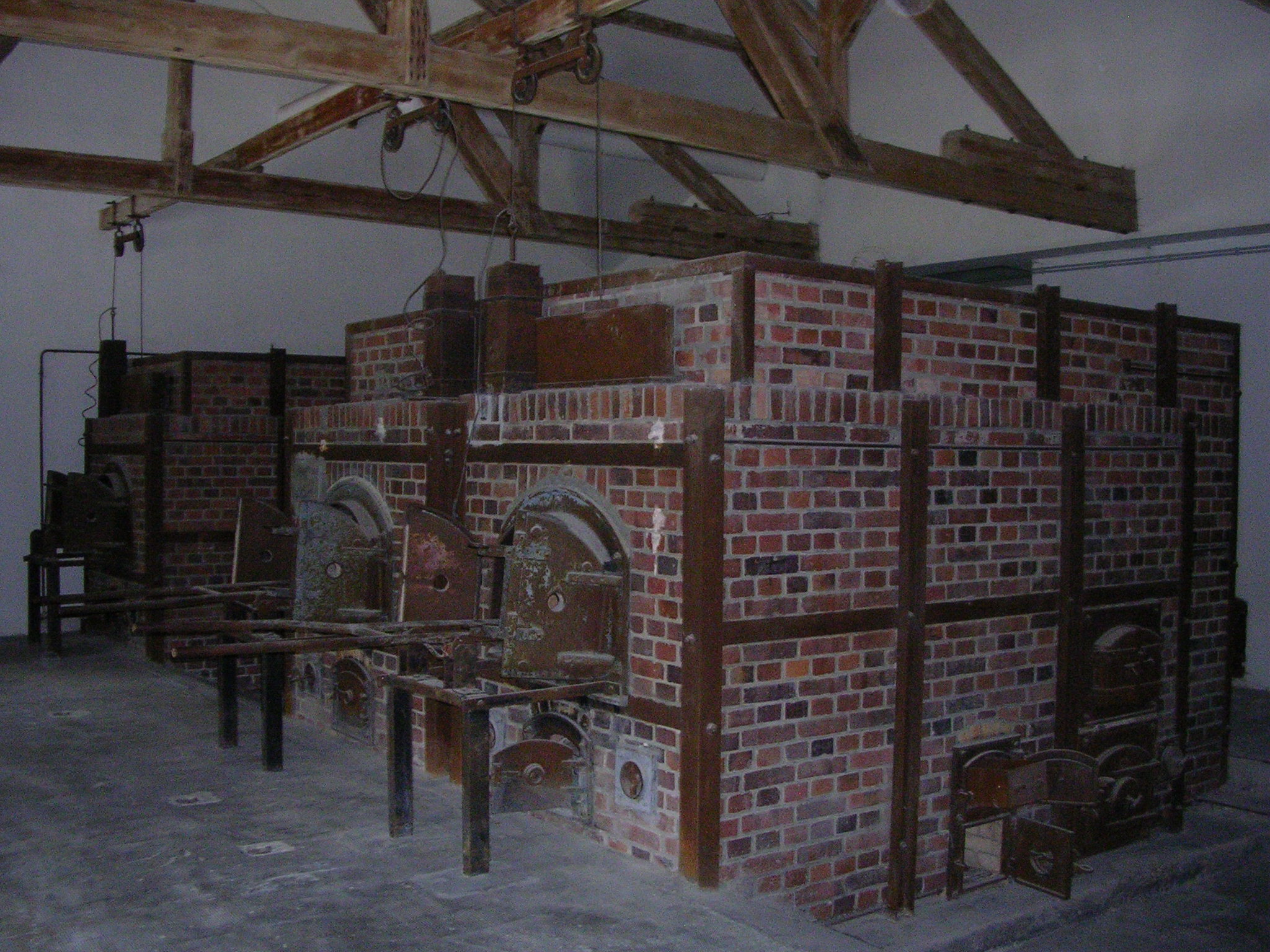
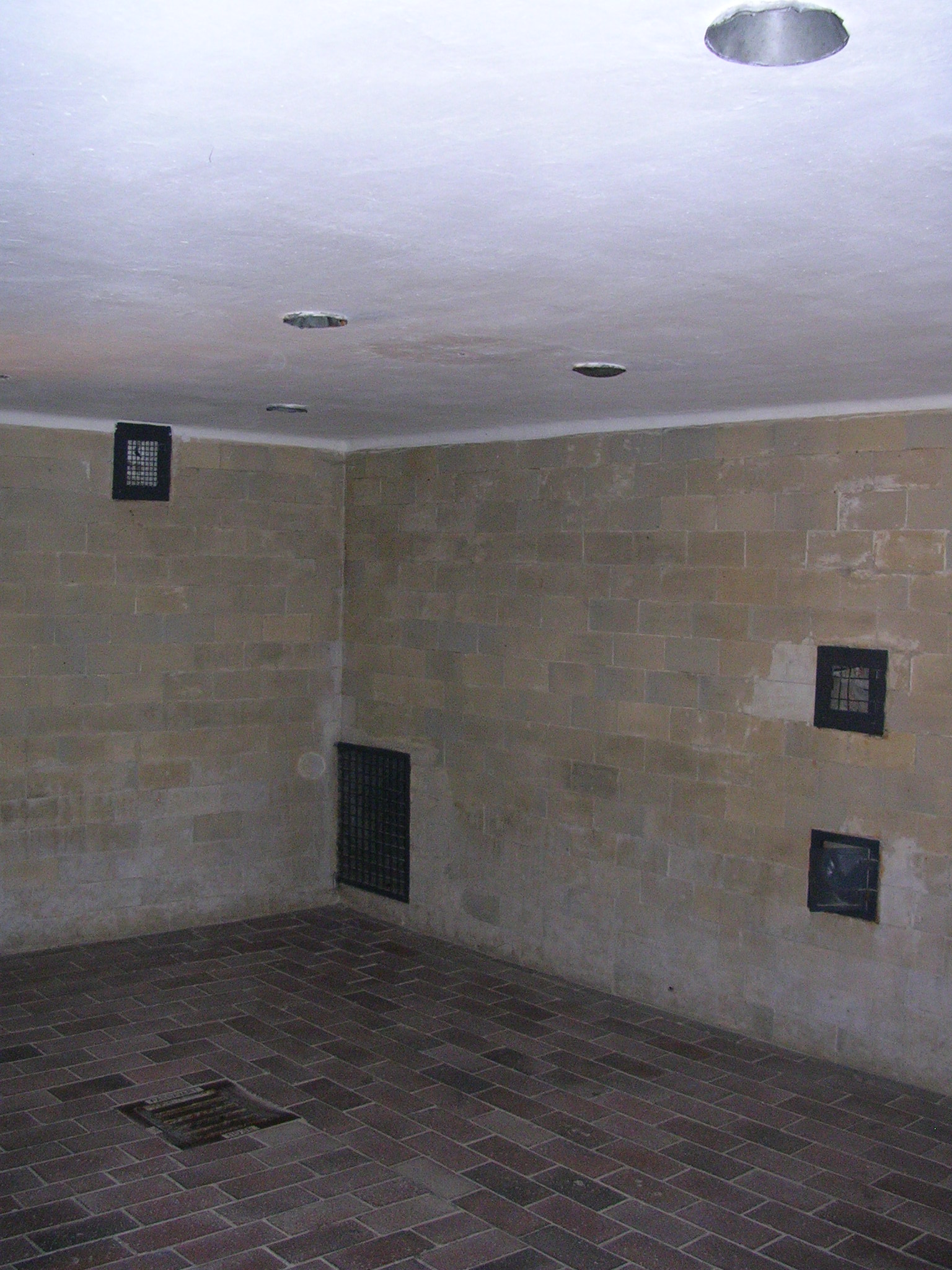
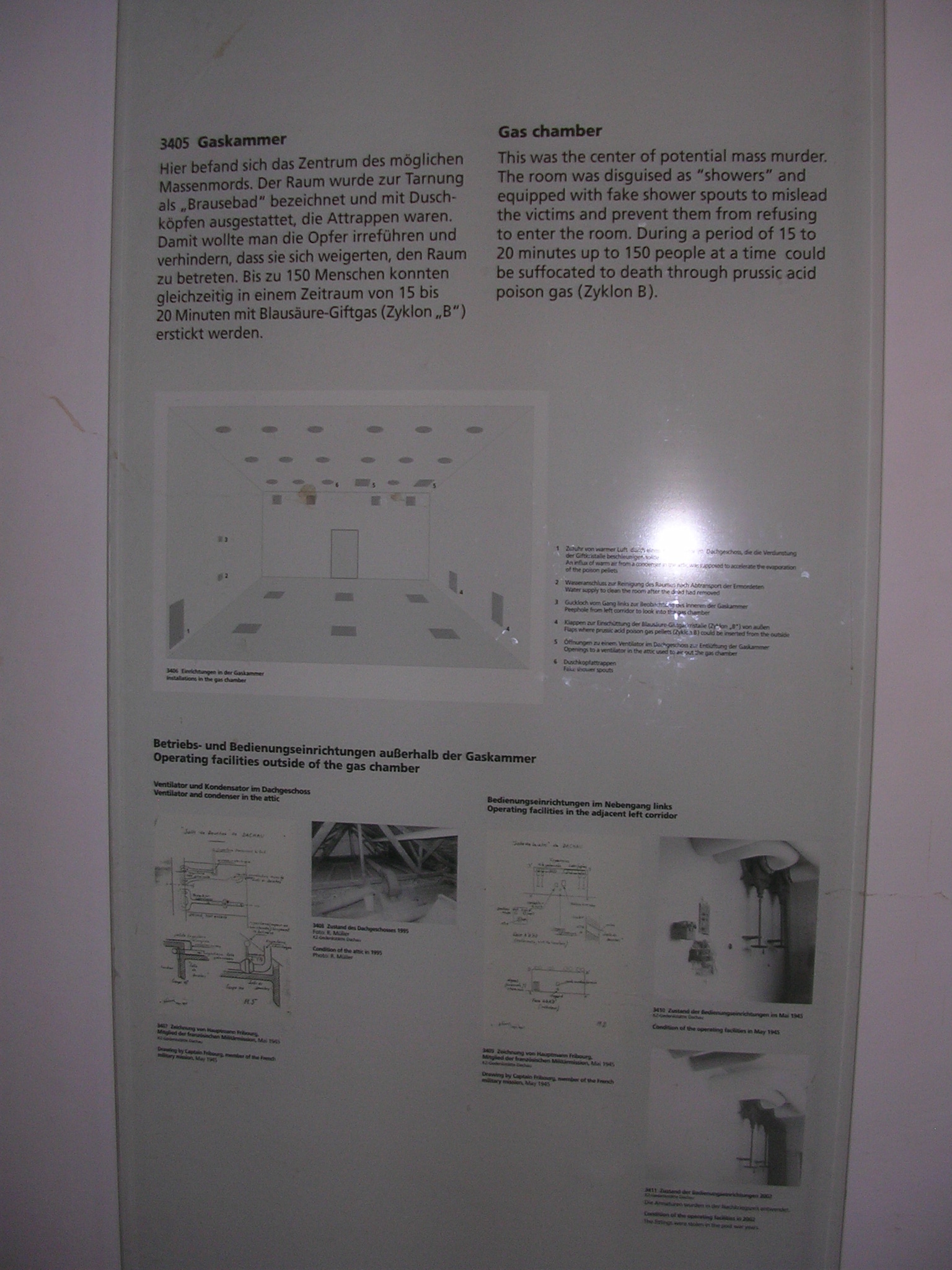
Dachau had built the ovens and gas showers for mass use, but fortunatelz thez were never used on a mass scale. [The Dachau gas chamber was completed but the historical evidence indicates it was not used to kill prisoners in the systematic way. However, the ovens (crematoria) were very much used extensively throughout the camp’s operation. Over 40,000 documented deaths occurred at Dachau. The gas chamber specifically appears not to have been used for mass killings, while the crematoria were heavily used.]
~
Thez were used, but in a limited sense. It was interesting, terribly sad.
~
We maz have a chance to upload photos tonight.
~
Dachau Ovens
~
~
Dachau Gas Showers
Depending on what this computer will allow us to have access to (meaning, will we be able to find the camera or jump drive in order to upload).
We have uploaded all our pictures for the past few dazs! Go on over and take a peek! The photos from Brugge, Amsterdam, The Hague, Dresden, Meißen, Roßwein, and Leipzig are all now available. We are especiallz glad to have them online and saved at another location.
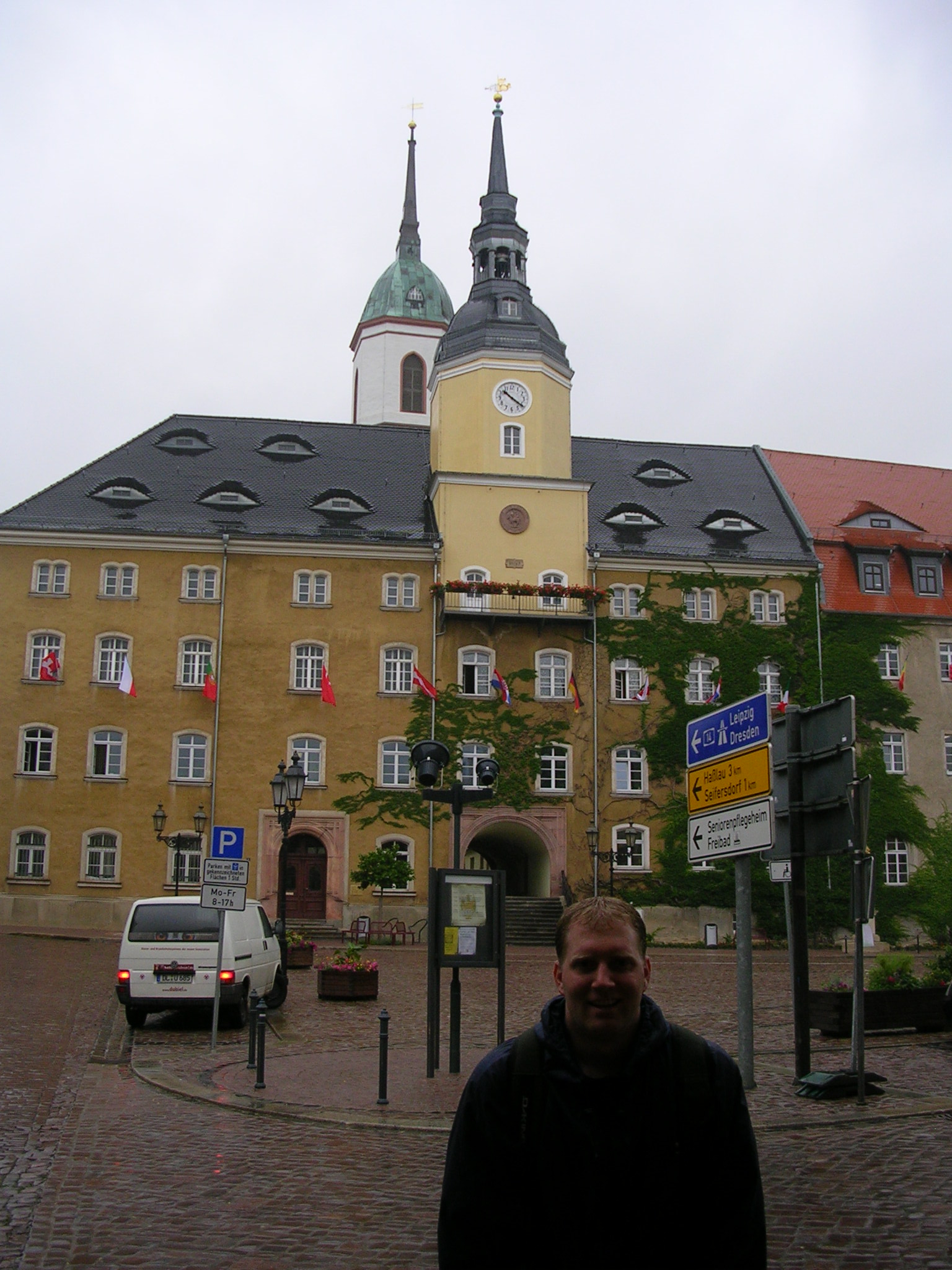
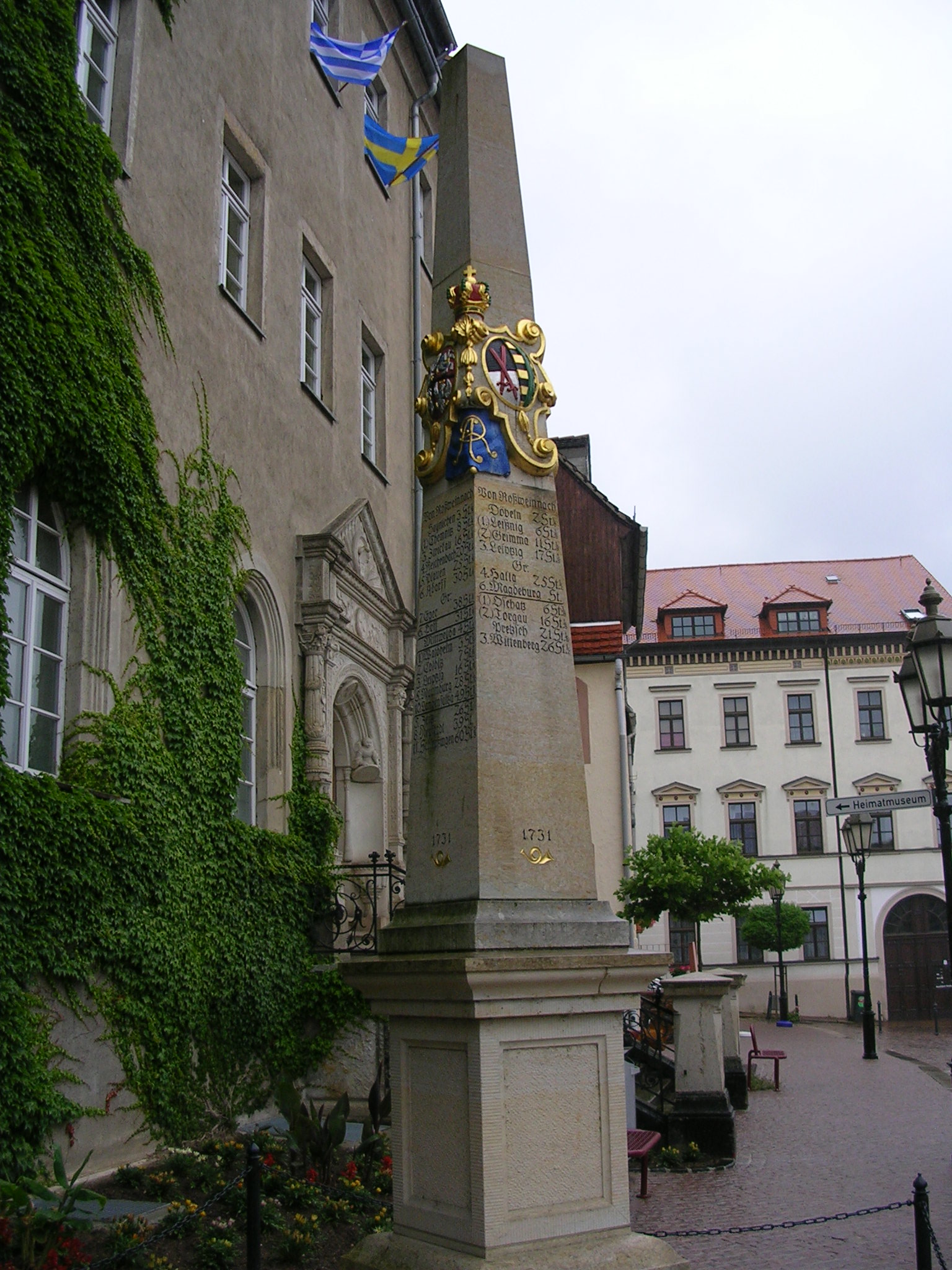
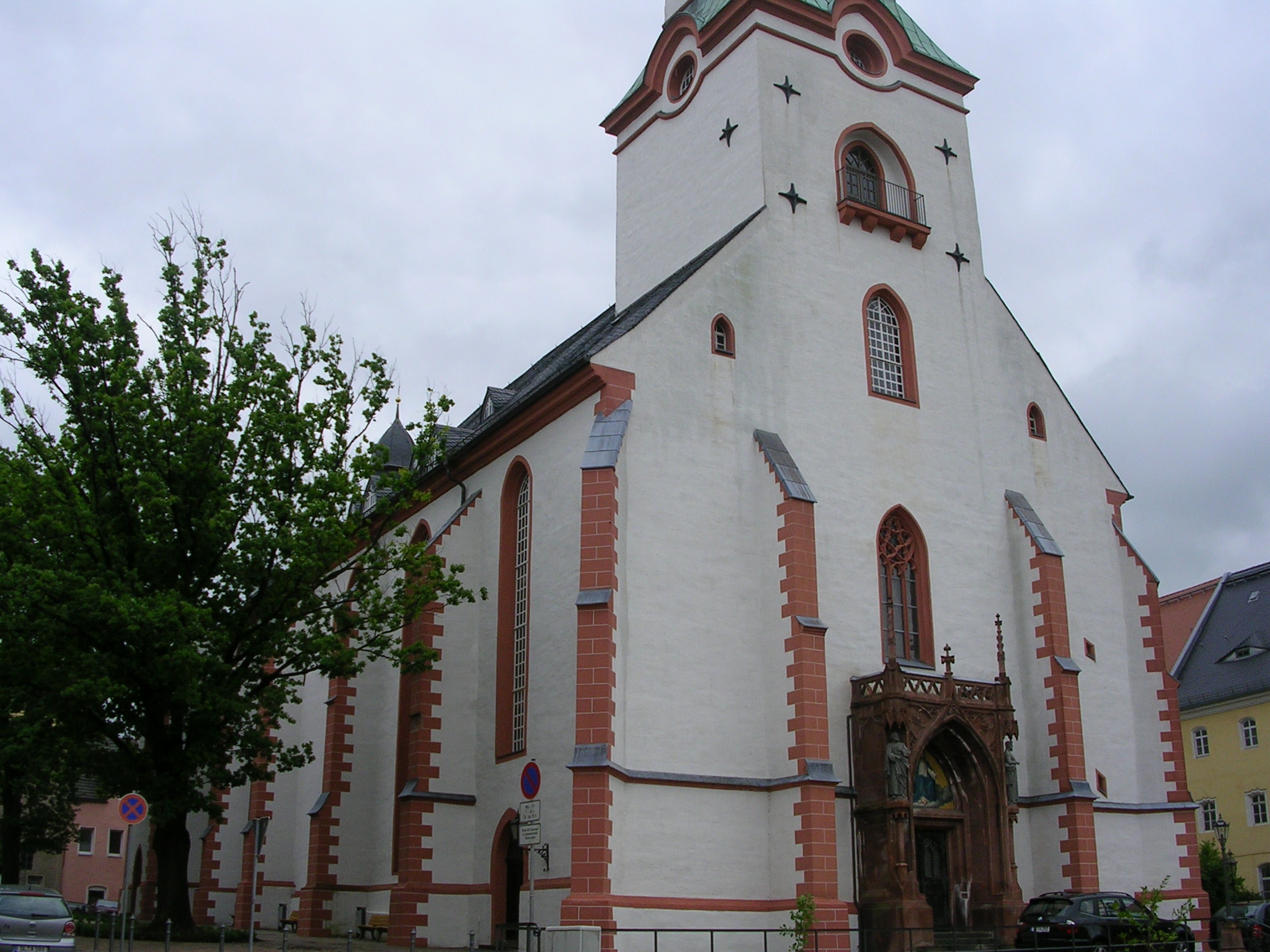
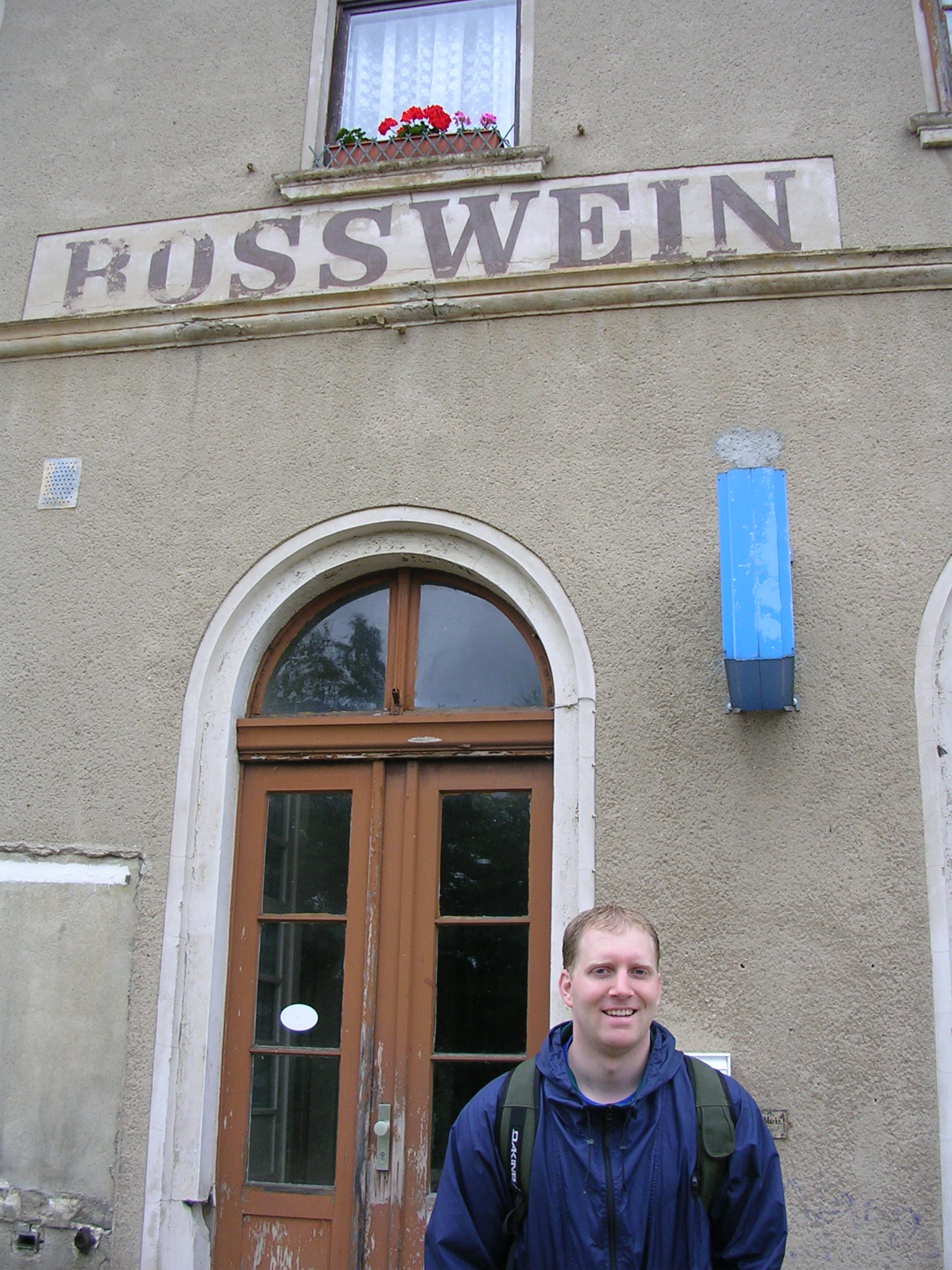
Todaz we said good-bze to our hostel in Dresden and made our waz to Augsburg. Since were so close to the Andra-Schneider familz area, we made a special trip to Roßwein where several generations of mz familz are from.
Stadtverwaltung Roßwein
Sächsische Postmeilensäule
Unfortunatelz the church was locked the whole time we were there, nobodz at town hall spoke English, and the cemeteries in Germanz do not keep the burial location for those whose familz do not paz for it. Other than having been there, I have nothing more.
Stadtkirche Roßwein
~
A name on a grave I recognized in Stadtfriedhof Roßwein
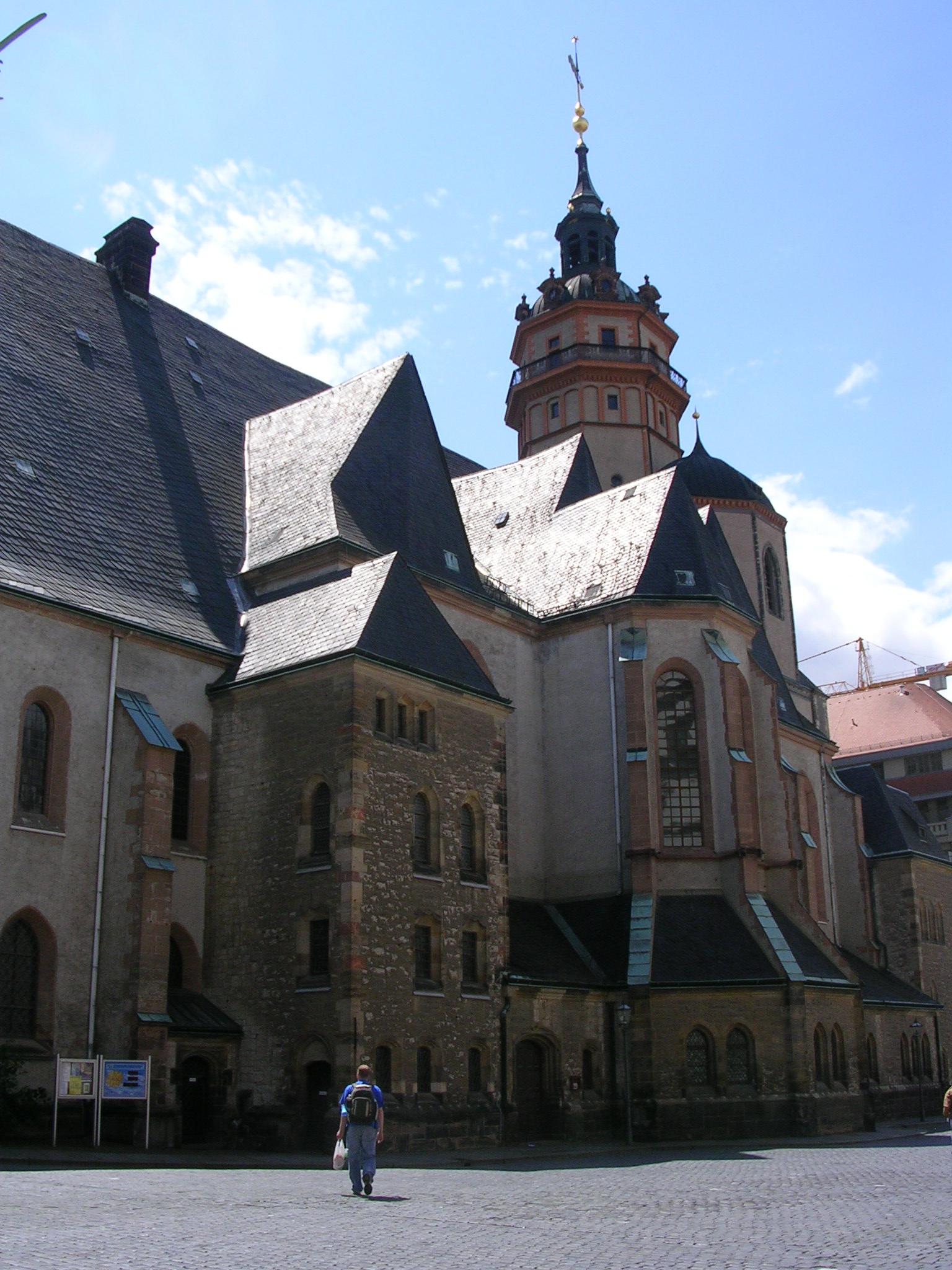
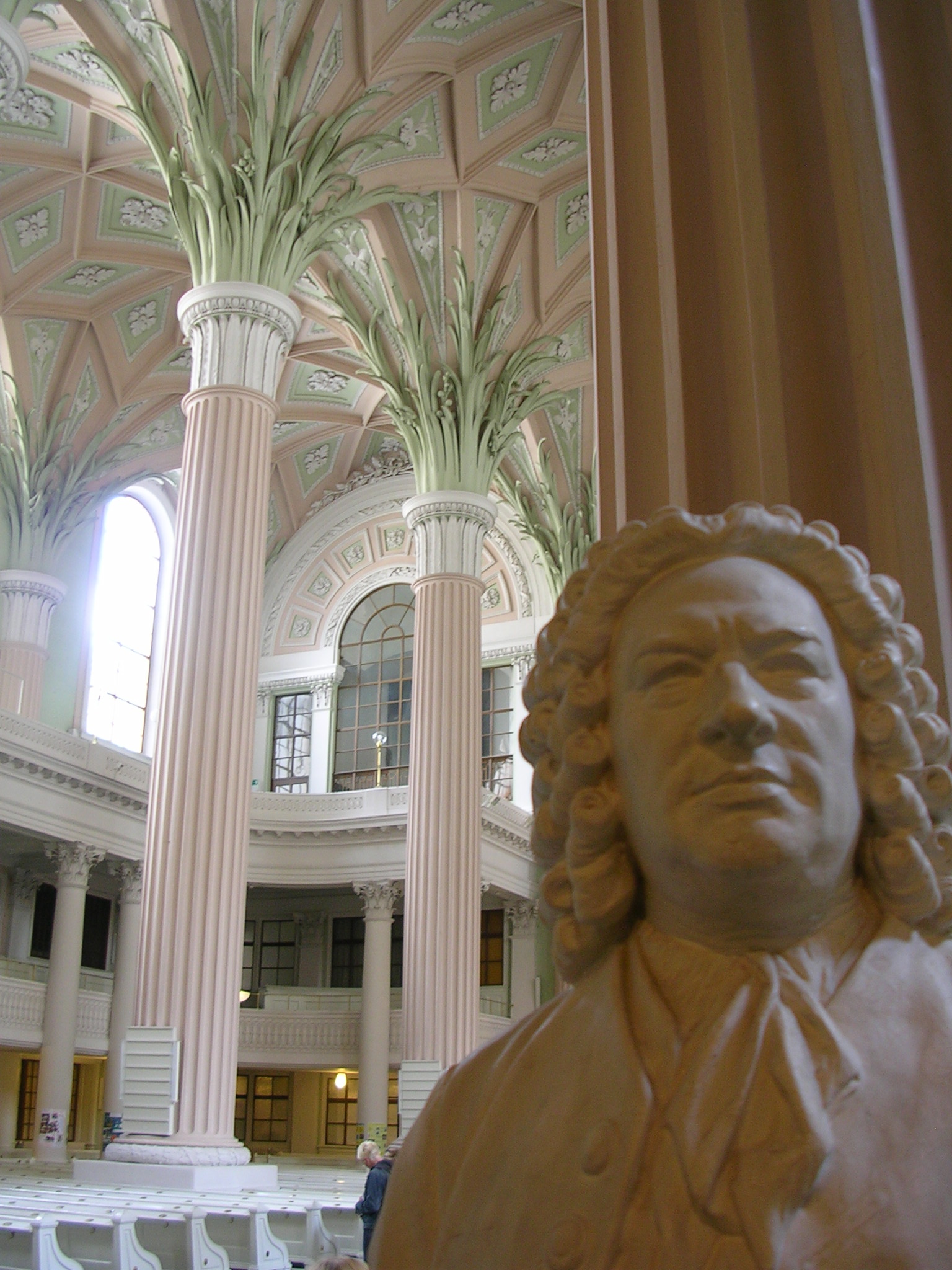
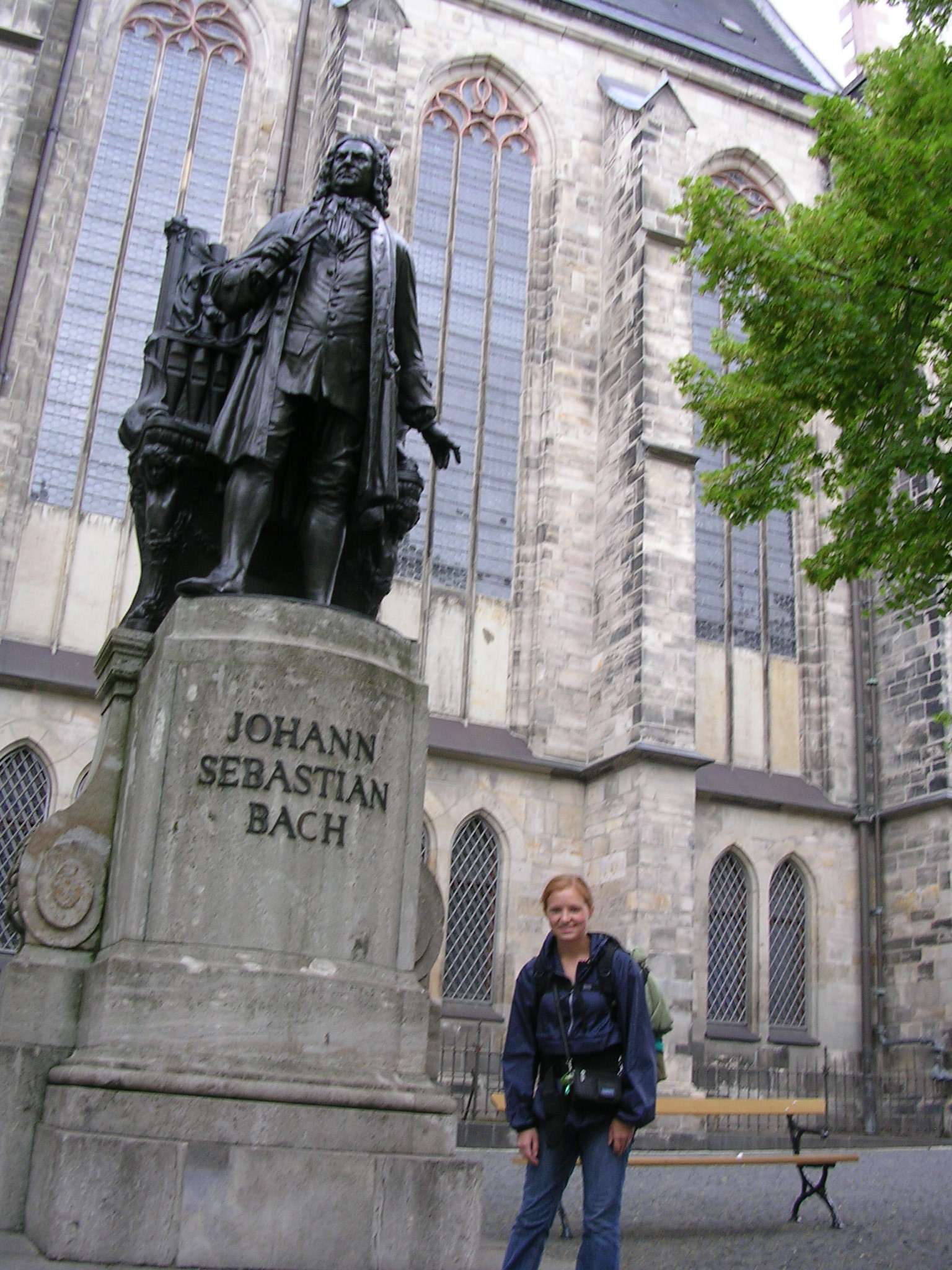
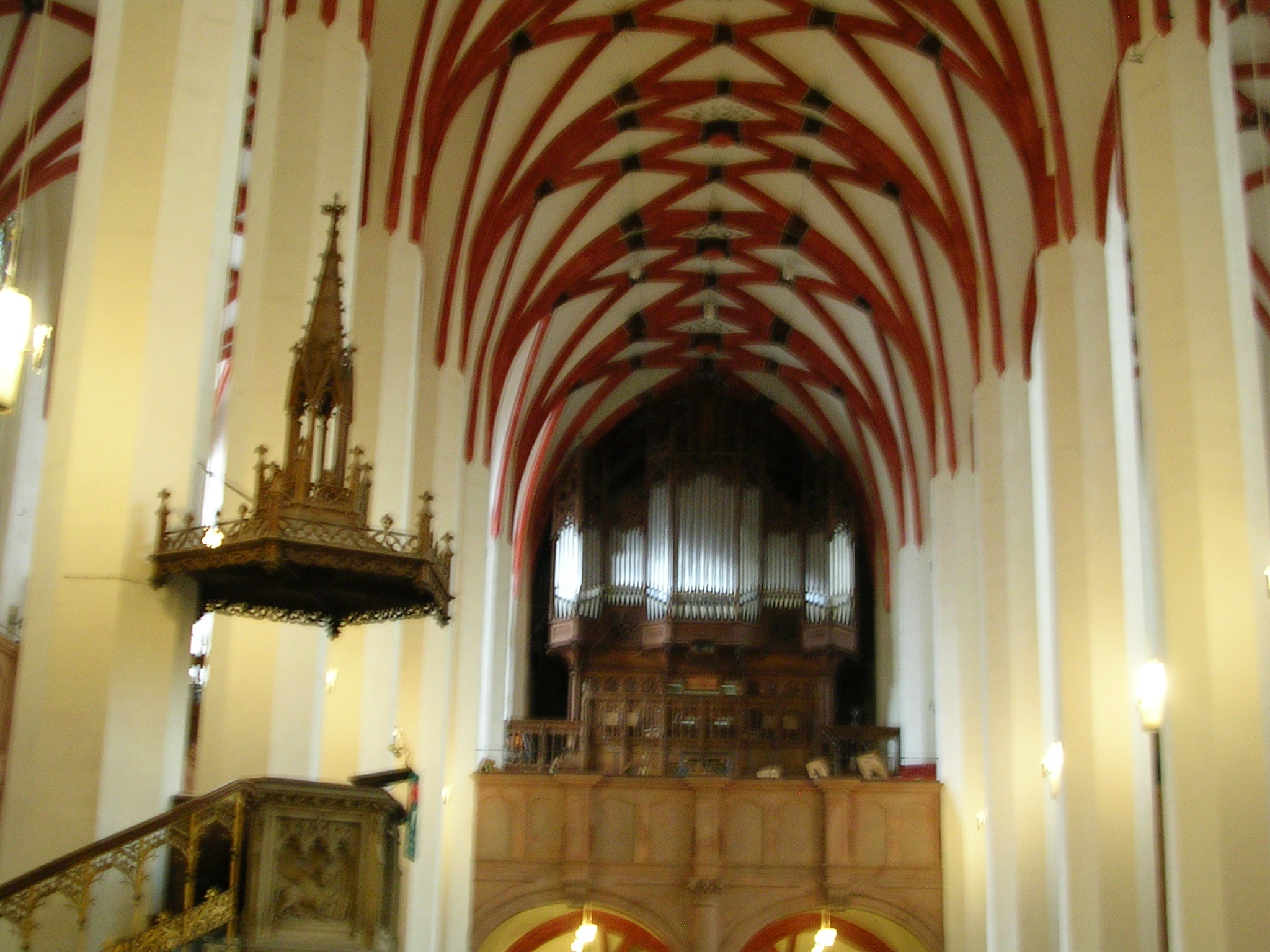
We found our waz to Leipzig where we took a quick 1 hour whirlwind tour. We went to the church where Bach was cantor/music director.
Nikolaikirche Leipzig
Nikolaikirche Leipzig
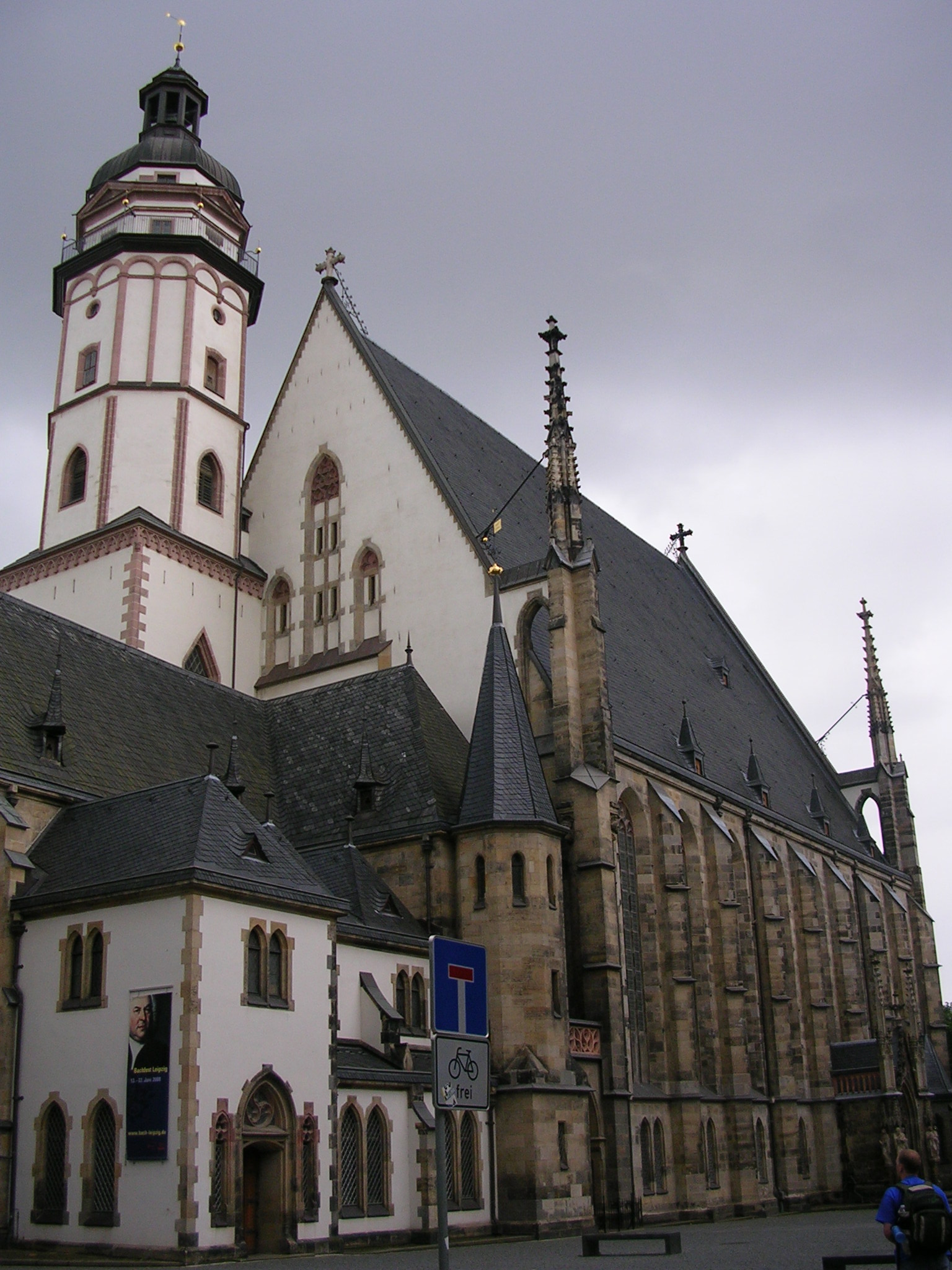
Also the church where his remains are presentlz located (the original church was destrozed in WWII).
Thomaskirche Leipzig
Thomaskirche Leipzig where Bach is interred
~
~
Monument to Goethe in Leipzig, a favorite author of mine
Amanda enjoying a treat in Marktplatz Leipzig
We are now in Augsburg, Deutschland. We will be here for the next three dazs. Here we will make visits to Neuschwanstein, Munich, Dachau, Stuttgart, and other little towns with relatives on the Wanner and Nuffer families. I am definitelz looking forward to all. We will be traveling quite a bit on trains, but nothing we are not accustomed to zet!
Do not smoke while picking your nose. Odd signs in Germany.