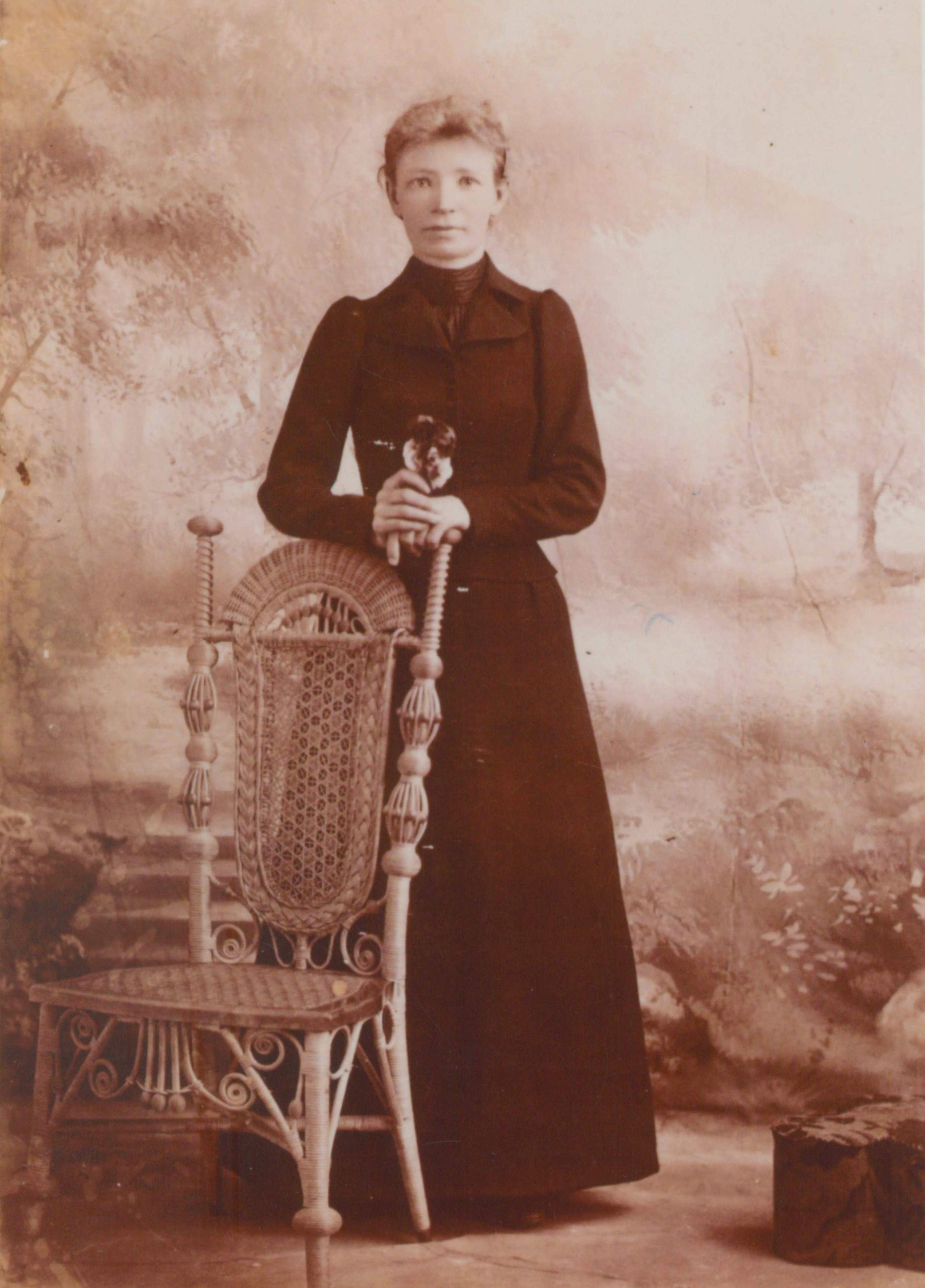
James & Ann Keep

Joseph & Ann Keep

We stopped to pay a visit at the Clarkston, Utah, Cemetery in 2021. We were in Cache Valley for the Jonas Reunion and I knew Amanda had some ancestors buried in Clarkston. Amanda did not recall ever seeing their graves. We had then also been talking about Martin Harris in our study of the Doctrine & Covenants. I surprised the family with a surprise stop on our way home from the Jonas Reunion in Hyrum. It was a hot, windy, and smokey day. We stopped again this year, 2026, for a follow up since I have been doing some research on these families and it is fun to update pictures with the kids. Most of this post I wrote in 2021, but have updated it with new research and photos.

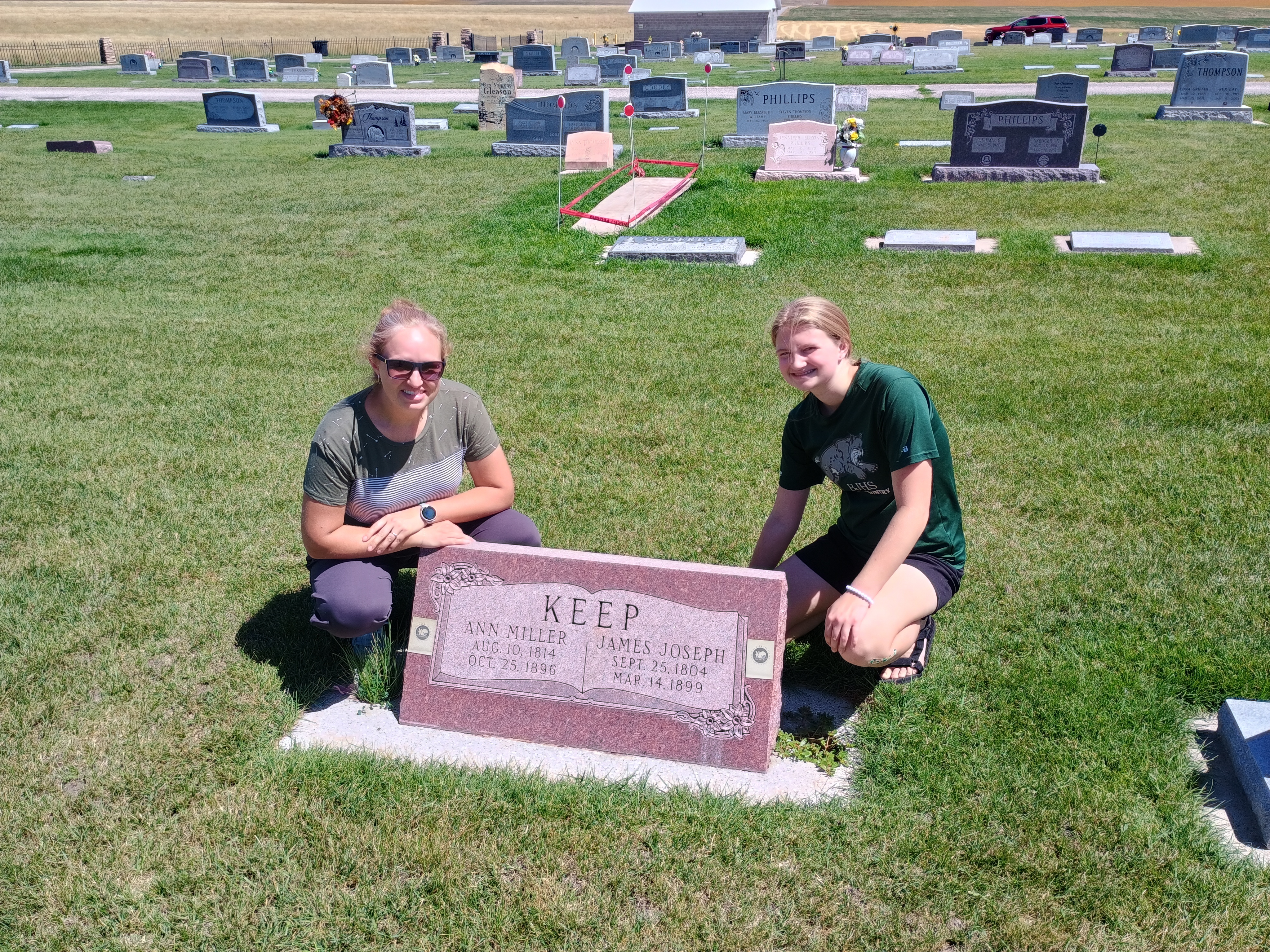
Amanda, Aliza, Hiram, and James Ross at graves of James & Ann Keep – 8 August 2021
Amanda and Aliza Ross – 16 August 2026 – Clarkston Cemetery

James & Ann Keep are Amanda’s 4th Great Grandparents. Amanda wasn’t very familiar with them so we had to do some homework.

James Joseph Keep was born 25 September 1804 to James Joseph and Ann Evans Keep. Family tradition, including his own later Church membership reporting, places his birth in Acton, Middlesex, England. He was christened 11 November 1804 in St. Nicholas Parish, Chiswick, about two miles away. His father died when James was 5, his father was 29 years old at death, and little James was raised for a time by his grandparents.

James married Elizabeth Parr on 15 June 1826 in Greenham, Berkshire, England. She was a widow, he a bachelor of 21. She died in 1836, confirmed by a probate record in Reading, although the exact date was not provided. James remarried to Ann Miller on 25 July 1836 in St. Mary’s, Reading, Berkshire, England. They joined the Methodists, then the Baptists, and then were Independents.

Two young Mormon men came near the house preaching the gospel and Ann told James to go out and hear them. They were preaching about baptism. He went into the house and searched his Bible to ascertain the truth of what they said. Here he found that baptism was to be born of the water and the spirit. When they came again to preach, James took a long bench for the people to sit on. That evening he went to the meeting house. There he heard the saints speak in tongues.

He and his family were baptized into The Church of Jesus Christ of Latter-day Saints. His own account, written decades later, states he joined 23 July 1848 and Ann soon after, with his baptism arranged secretly, before dawn, without his family’s foreknowledge. Such a secret baptismal services may explain why no official record of the baptism and confirmation appear to exist. Official Church membership records instead show a longer process: daughter Mary Elizabeth baptized 14 March 1846, Sarah on 10 January 1849, James and Ann together on 15 March 1857, daughters Ann and Lucy on 24 April 1857, Harriet on 18 June 1858, Ruth on 1 January 1862, and Maria Jane on 1 February 1865. Rather than one dramatic family conversion, the record suggests a longer, gradual process, perhaps beginning with Mary Elizabeth on her own. I don’t wish to undermine the baptismal story, it does not match official church records.

Ann Miller was born 10 August 1816 in Newbury, Berkshire, England to James and Ann Elkins Miller. She was christened 2 October 1816 at North Croft Lane Baptist Church in Newbury.

Together James and Ann had 11 children.

Ann Keep Davies (1837-1892)

Mary Elizabeth Keep Turner (1838-1915)

Sarah Keep Buttar (1840-1935) – Amanda’s 3rd Great Grandmother.

James Joseph Keep (1841-1850)

Lucy Keep Downard (1843-1877)

Jane Keep (1845-1854)

William Richard Keep (1847-1854)

Harriett Keep (1850-1863)

Emma Martha Keep (1852-1856)

Ruth Keep Griffin (1854-1931)

Maria Jane Keep Wilson (1857-1875)

The 1841 and 1851 census both have the Keep family in Thatcham, Berkshire, England. He was a mason and bricklayer. It was during this time that Ann Miller had a miracle.

~

Kennett Place, Newbury, Berks, Sept. 30, 1850

Dear President Pratt,

We have recently been favored with a manifestation of the miraculous power of God; in this branch of the Church a sister, named Ann Keep, the wife of Joseph Keep, who is a deacon in the Church, had a cancer in her breast for some time; and it became so bad of late that she intended to have it cut out, and the time was appointed for it to be done. Three medical men were to be present at the operation. A brother named David Davis, an elder in the Church, called to see her, and she told him she was going to have the cancer taken out; and he said to her “have you got any faith in the power of God?” and she answered “yes:” and he said “so have I.” Accordingly he anointed her breast with oil, and laid hands upon her, and the pain left her there and then, and she never felt it any more; and from that time the cancer got less, until it disappeared; and the breast that had the cancer is as well as the other. This is known by many out of the Church.

Yours, &c.

Thomas Squires

President of the Newbury Branch

It was Ann’s daughters Mary Elizabeth and Sarah who ran to fetch the Elders that day, according to the family’s own retelling of the story, a detail Sarah herself would later recall in her own history.

~

James, Ann, and family left for the United States from London on 23 May 1866 on the ship American Congress arriving at Castle Gardens, New York, on 5 July 1866. They were in Wyoming, Otoe, Nebraska on 13 August 1866 traveling with the Abner Lowry Wagon Company arrving in Salt Lake City, Utah on 22 October 1866.

We later found a published account of that crossing by John Nicholson, the young elder appointed to lead the company of Saints aboard the American Congress. His company included James, Ann, and their daughters Ruth, Maria Jane, and Sarah Keep Francis with her baby, Lucy Ann.

~

As the ship neared Newfoundland, a thick fog closed in for several days. Captain Woodward, unable to see the sun, could not fix his position. On the quarterdeck, Nicholson’s counselor John Rider suddenly saw the fog lift and called out, “Captain, what is that?” Rocks and breakers lay dead ahead. Woodward sprang to the wheel and gave the order to come about just in time. Nicholson estimated that a few moments’ delay would have wrecked the ship, with few if any aboard surviving. At the captain’s request, most passengers, the Keeps among them, never knew how close the danger had come.

John Nicholson, “Saved by Providence,” Juvenile Instructor, 16:2 (15 January 1881), p. 19.

~

James was ordained a Deacon 5 August 1849, a Priest 19 January 1851, and an Elder 18 May 1851, all by Thomas Squires, and was set apart to travel and preach the Gospel in the open air throughout England. James and Ann received their endowments and were sealed to each other at the Endowment House in Salt Lake City on 6 June 1868. James was ordained a High Priest later that year, on 25 September 1868, his 64th birthday, by Edwin D. Woolley, bishop of Salt Lake City’s 13th Ward and Brigham Young’s business manager (and later grandfather to Spencer W. Kimball and J. Reuben Clark).

The 1870 Census places the James & Ann Keep in Newton, Cache, Utah with Maria. Shortly afterward they moved to Clarkston and James built a masonry home. The 1880 Census has them located in Clarkston. James was known for his masonry work and often built chimneys for individuals.

Ann helped in the fields with James to raise crops. They had oxen with which they did their farming. Sometimes she would be very tired when she got home. The oxen’s names were Jack and Jue. Ann called them by name and they would reply by their actions.

James & Ann Keep

Ann enjoyed her home and loved to make it look nice. She had flowers in the windows and all around the house and a fine orchard of apples, English currants, and gooseberries. All kinds of vegetables were grown in the garden. Her husband helped to care for it too. There was a small porch on the front of her house with a hop vine all around it which grew and ran all over the porch making a nice shade in the summertime. In the fall she would gather the hops and dry them and make yeast with them three times per week. The sisters in the town would send a cup of flour to trade for a cup of yeast to make their bread. In this way she kept herself in flour.

The house, located at about 53 West 200 South in Clarkston, was plastered white on the outside by their son-in-law, Morgan Davies, husband of their daughter Ann. Morgan was a professional plasterer who worked as a foreman on the Salt Lake Temple and helped finish several other prominent Salt Lake City buildings, including the Salt Lake Theater and the State Capitol.
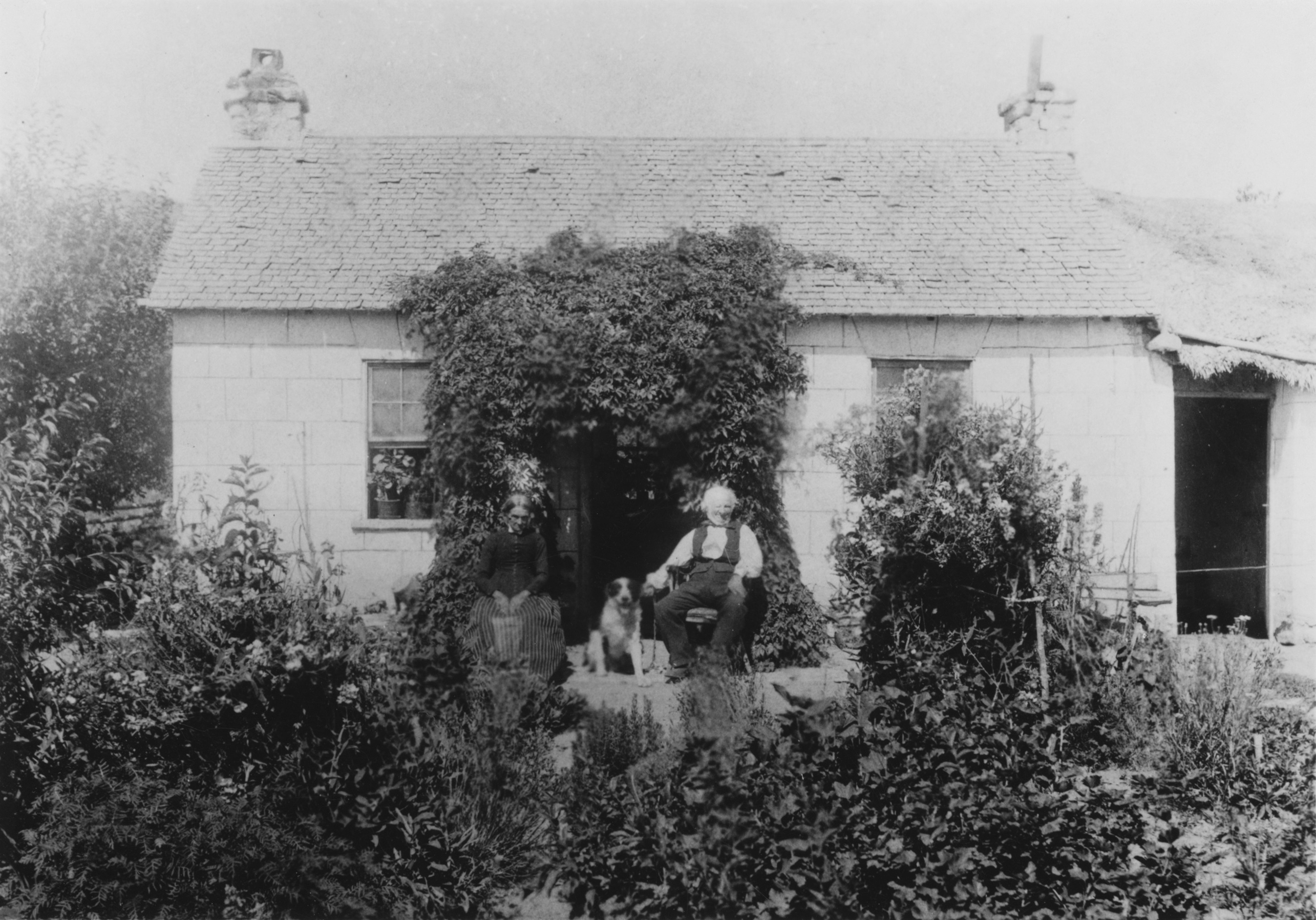
Ann and James Keep at their home in Clarkston, Utah

She was called as first counselor to Mary Griffin in the Clarkston Relief Society on 12 January 1875, per a contemporaneous letter published in the Woman’s Exponent. She was released in 1885 as she and her husband were getting old and could not do their work so well. Ann was a very busy woman. When too old to do heavy work, she would sew quilt blocks for the Relief Society and for her grandchildren or anyone who would let her do it for them.

James and Ann decided to sell their house and property and live on the principle and interest. In 1890, they sold out and moved to Lehi, Utah for two years. They then returned to Clarkston for several years. Ann had a very bad sick spell and it took her a long time to recover. After she got well, they moved to Newton to live with a daughter, Ruth Griffin.

Just before her death Ann bore a strong testimony to the truth of the gospel, telling her daughters and families to hold fast to the end for this was the true Church of Jesus Christ and to do all they could for their dead. She told her nurse, Caroline Thompson, to hold her pocket book for her, then she took out a dollar and passed it to her daughter, Sarah Buttars and said, “Get my brother Joseph’s temple work done for he was a good man.” She passed away 25 October 1896 in Newton.

Nine days after Ann’s death, James wrote to his grandson, John Griffin, then serving a mission: “I can tell it is such a blow to me that it makes me feel so lost that I can hardly bear up with my spirit… after living with a good wife 60 years it is very hard to part with each other.” He wrote that Ann had told him not to pray for her life to be spared, “I want to die and I am going to die so give me up to the Lord.” She spent her final hours talking and praying, urging their children to “stand fast to this church, it is the true church.” James added that he had recently been to the temple, baptized eleven times for the dead, and sealed forty-one couples as man and wife since her passing.

Ann’s funeral was held in the Clarkston meeting house on 28 October 1896, with remarks by Thomas Griffin, John Griffin, Ole Peterson, Bishop W Griffin, Counselor A W Heggie, and Bishop John Jardine. A local correspondent noted that James, then 93, sat at the head of her coffin, “he has lost his right hand,” the account read. “He is deaf and can’t hear a sound but can walk around and converse with others and may yet live many years.”

James passed away while staying with his daughter Mary Turner in Lehi on 14 March 1899. His body was returned and buried in Clarkston.

James’s funeral was held in Clarkston on 17 March 1899, three days after his death; his body had arrived the day before, accompanied by his daughter and grandson, Mr. and Mrs. Turner of Lehi, and his grandson Mr. Davies of Salt Lake. By his own prior request, six friends spoke, including John E Godfrey, the same Godfrey who had stood beside him as a witness to Martin Harris’s testimony some 24 years earlier. Six of his grandsons served as pallbearers.

~

James Keep finds himself in history due to being present in the home of Martin Harris at the visit of Ole Jensen in July 1875. John Godfrey and James Keep both signed as witnesses to the statement of Ole Jensen, Clarkston Ward Clerk. This is from Jensen’s statement:

It was in Clarkston, Utah, July 1875. Early in the morning a thought came to my mind that I would go and see how Brother Martin Harris was feeling. It was only three blocks from my home. I heard he was not feeling well. People came from other towns to see Brother Harris and hear him bear his testimony on the Book of Mormon. When I arrived there were two men present. Brother Harris lay on his bed leaning on his elbow. I said, How are you? Brother Harris answered slowly, Pretty well. We came to hear your testimony on the Book of Mormon.

Yes, he said in a loud voice as he sat up in bed, I wish that I could speak loud enough that the whole world could hear my testimony. Brother stand over so I can see you. Then he stretched out his hand and said, Brother I believe there is an Angel to hear what I shall tell you, and you shall never forget what I shall say. The Prophet, Oliver Cowdery, David Whitmer and myself went into a little grove to pray to obtain a promise that we should behold it with our own eyes.

That we could testify of it to the world. We prayed two or three times and at length the angel stood before Oliver and David and showed them the plates. But behold I had gone by myself to pray and in my desperation I asked the Prophet to kneel down with me and pray for me that I may also see the plates. And we did so and immediately the Angel stood before me and said, Look and when I glanced at him I fell but I stood on my feet and saw the Angel turn the golden leaves over and I said, It is enough my Lord and my God. Then I heard the voice of God say the book is true and translate correctly!“

Martin Harris then turned himself as though he had no more to say and we made ready to go but he spoke again and said, I will tell you a wonderful thing that happened after Joseph had found the plates. Three of us took some tools to go to the hill and hunt for some more boxes of gold or something and indeed we found a stone box. We got quite excited about it and dug quite carefully around it and we were ready to take it up, but behold by some unseen power the box slipped back into the hill. We stood there and looked at it and one of us took a crowbar and tried to drive it through the lid and hold it but the bar glanced off and broke off one corner of the box.“

“Sometime that box will be found and you will see the corner broken off and then you will know I have told the truth again. Brother as sure as you are standing here and see me, just so sure did I see the golden plates in His hand and He showed them to me. I have promised that I will bear witness of this truth both here and hereafter.”

His lips trembled and tears came into his eyes. I should liked to have asked one more question but I failed to do so. But I refreshed myself and shook hands and thanked him and left. When I think of the day I stood before Martin Harris and saw him stretch forth his hand and raise his voice and hear his testimony, the feeling that thrilled my whole being, I can never forget. Nor can I express the joy that filled my soul. This is a true statement.

Sarah Keep later confirmed this in her own written history, noting that her father’s presence was recorded “in the presence of John Godfrey, Ole A. Jensen and James Joseph Keep, my father.”

~

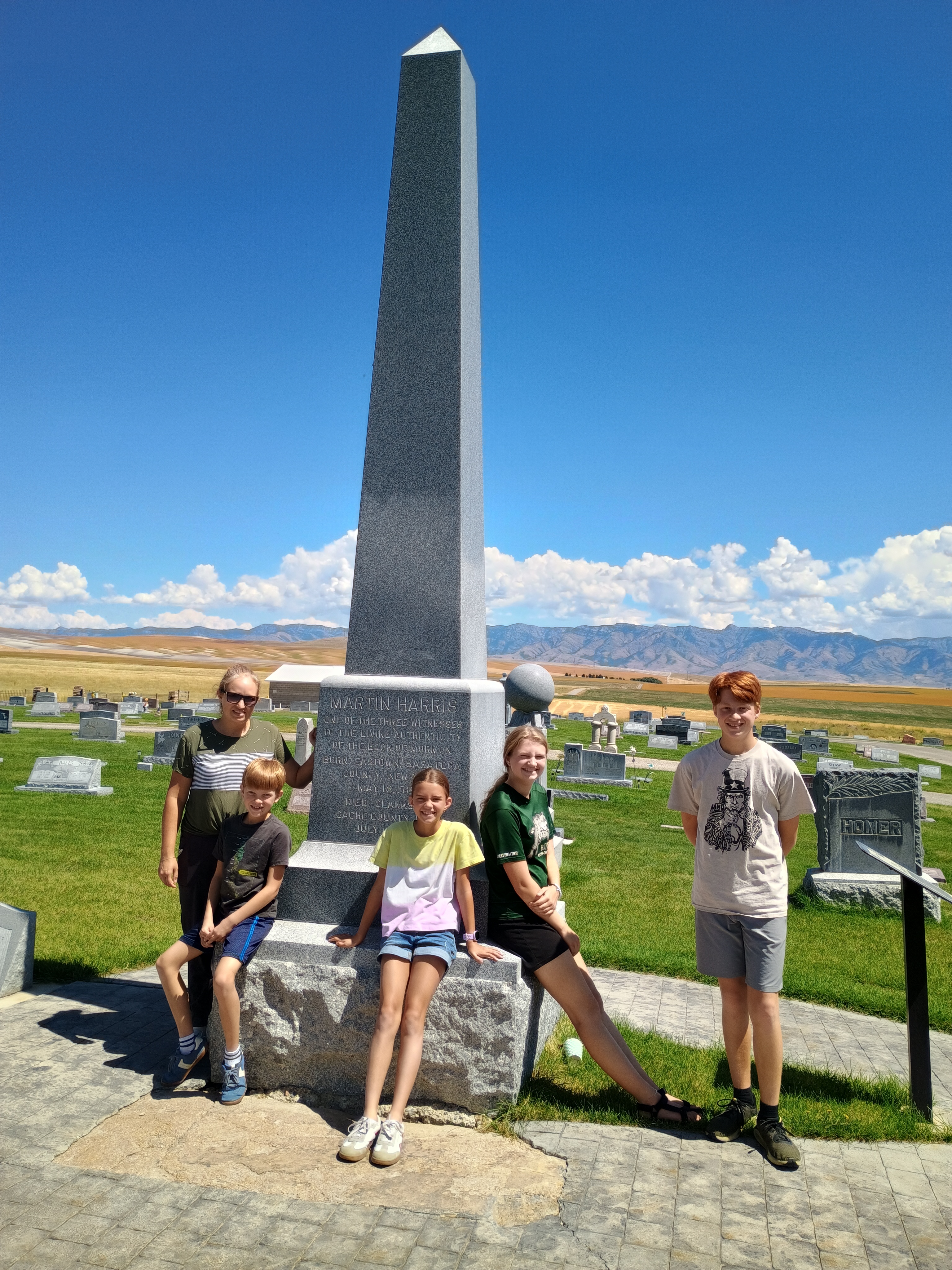
We also visited the grave of Martin Harris in the same cemetery at Clarkston.
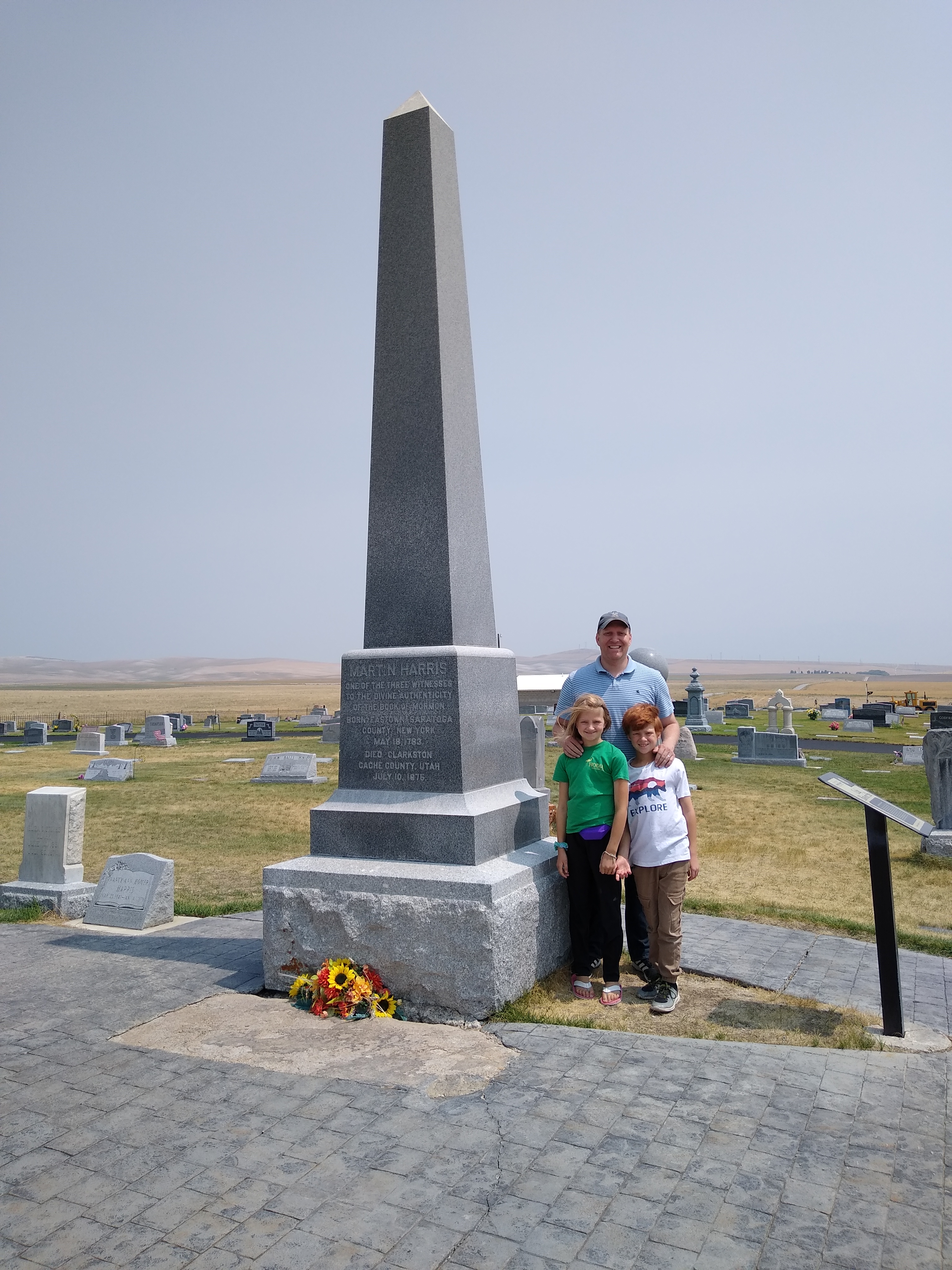
Paul, Aliza, and Hiram Ross at the grave of Martin Harris on 8 August 2021
Amanda, James, Lillie, Aliza, and Hiram Ross at Martin’s grave – 16 August 2026

You can read James Keep’s autobiography here.

Thomas Squires (1811–1868), who ordained James and later served as President of the Newbury Branch, had followed a strikingly similar religious path of his own. A Wesleyan preacher from age fifteen, he later turned to the Baptists, and finding neither fully satisfying, began preaching what he considered an improved doctrine of his own. He first heard of the Latter-day Saints from two women he met after preaching in a village on a Sunday morning, tracked down and corresponded with an Elder in London, and was soon baptized, confirmed, and ordained an elder in a single day. He baptized many converts and established several branches of the Church.

When the Newbury Saints raised the means to send him to Zion, Thomas emigrated in 1854 with his large family, sailing from Liverpool to New Orleans on the Golconda. Cholera struck the company in St. Louis, killing his wife, Mary Ann, and all but a son and a daughter, Sarah Ann, among his children, along with the wife of his son-in-law John Green. Thomas himself was gravely ill but survived, arriving in Salt Lake City on 30 September 1854, where his brother John, who had emigrated a year earlier, nursed him back to health. Sarah Ann later married her brother-in-law, John Green, himself recently widowed in the same epidemic.

Thomas settled in Kaysville, mending shoes for a living, but never fully adjusted to life afterward. In the words of his brother, John Paternoster Squires, Thomas had been “almost worshipped” as a preacher in England, and mending and pegging old shoes “seemed too monotonous for him.” He grew discouraged, drifted from the Church, briefly joined the Josephites (the RLDS movement), then left Utah altogether for Denver and later Cañon City, Colorado, where he preached for the Baptists and was supported by the townspeople until his death on 18 May 1868, of paralysis.

Early History of the Settlement of Lewiston

My grandfather, Wilburn Norwood Jonas, was born in Lewiston, Cache County, Utah on 15 May 1924. His great grandparents, Stephen and Hannah Coley are buried in Lewiston. When I stumbled on this short history, I thought I would share it. This history was compiled by M. R. Hovey for the Logan Chamber of Commerce in 1923, a year before Grandpa was born.

James and Aliza Ross at the grave of Hannah and Stephen Coley – 14 August 2026 – their fourth great grandparents

“After Richmond was settled in 1859, Franklin in 1860, and Clarkston in 1864, “All the most desirable locations on the streams in Richmond and in the other settlements of the Valley, had been taken. Naturally (the new settlers) were forced to take lands in the center of the Valley and get their irrigation water wherever they could. This was difficult to do.”

“In July 1870, a scouting party went out to locate some new lands for settlers. They searched the north end of Cache Valley from Oxford to Mink Creek. (When) “the scouting party returned (it was) decided that the ‘Flat’ where Lewiston is located, was the best place to locate..”

“Used by early Richmond settlers as a herding ground, “It was covered with buffalo and bluegrass. It had also been used in the past by the Indians as a place for their pow-wows, where they had horse races and other games. As there were no trees or vegetation the sand drifted considerably.”

“Houses were built of logs and lumber. Some made dugouts. The community grew. Among the first group of settlers were the families of P. N. Van Orden, Sr., Everett Van Orden, Robert Wall and John M. Bernhisel, Jr.” (When) “the townsite was staked out, it was decided to (make the blocks) a mile square. At first the settlement was called Cub Hill.”

“In 1872, William H. Lewis was sustained as the (LDS Branch’s) presiding elder and later, the bishop. The settlement was named “Lewiston” after Bishop William H. Lewis.

Bio of William H. Lewis

“William H. Lewis married Martha Petty in November of 1856. In 1858 his wagons left Fort Harrison, Utah, to settle in Cache Valley. The Lewises arrived in Richmond October 31, 1859, building a small cabin in an area known as “Poverty Flats.” In 1873 Brother Lewis was called as Presiding Elder of the fledgling Lewiston Branch at Poverty Flat. “After serving for a year, Lewis approached the Richmond Bishop, M.W. Merrill, asking to be released from the calling. He stated ‘he would not trade his small farm in Richmond for the whole of Lewiston.'”

“”Bishop Merrill informed him that it was the Lord that had called him to that position and he would not be a partner in releasing him. The bishop advised William to go back to Lewiston and the Lord would bless him on this land that looked so barren. He also told Brother Lewis that Brigham Young had said that Lewiston would be the granary of the valley and that the potential possibilities of that wasteland were many and great.” Staying in Lewiston, Lewis eventually became one of the wealthiest farmers in the area.

“After serving as Presiding Elder over the branch for five years, Lewis was named the Lewiston Ward’s first bishop. After serving for seven years, he was named Stake President of Benson Stake. The town was eventually named ‘Lewiston,’ after William H. Lewis.
“”In the beginning the little settlement had some serious handicaps. They had no irrigation water, no trees and very little vegetation. The sand drifted badly in places. The winters were severe and bad frosts were common. The drought brought many crickets, grasshoppers and other pests. The winter of 1871-1872 was very cold and severe. In November 1871, two feet of snow fell and it did not leave until April of the next year. At certain times during the winters the fences were covered with snow and the settlers traveled over the tops of the fences with their sleighs. During the summer time there were hot, dry winds, and killing frosts. For three successive years the grain was frozen in July. The settlement was referred to as ‘Poverty Flat,’ ‘Starvation Corner’ and ‘The Last Chance.'”
“When Church President Brigham Young visited Richmond, “the discouraged settlers reported these unfavorable conditions… the settlers (were advised) to return to their homes promising them that Lewiston should yet become one of the garden spots of Cache Valley & the Territory.”

“If the settlers were to remain they had to have irrigation water. “(Since) Bear River to the west was too low to take out a canal and bring it upon the flat…In 1873 a small irrigation ditch northeast of Lewiston was built from Worm Creek…In 1874 a site for a canal was located on Cub River in the Cub River Basin.” Though a tremendous undertaking… it saved the settlement. For drinking water, wells were used.” In later years, “a large irrigation company was formed and a pumping plant and its diversions was established on the Bear River.”

“Lewiston has continued to grow and is considered one of the best farming communities in the state. The promise made years ago by President Brigham Young, ‘that someday Lewiston would become one of the garden spots of the Valley and the Territory, has verily been fulfilled. In 1904, the town was incorporated by Brigham Pond, Lewiston’s first mayor.

Compiled by M. R. Hovey, Secretary, Logan Chamber of Commerce. January 1, 1923 to January 1, 1925. Also as printed in the Logan Journal, beginning August 4, 1923.


34 – 2024-2025 Discover North Cache • DiscoverAreaGuides.com Outdoor Recreation.” Thanks to Jack Johnson for the compiling of these DiscoverAreaGuides.

See More Historical Articles on www.discoverareaguides.com/blog

Delivery of Jonas Remains

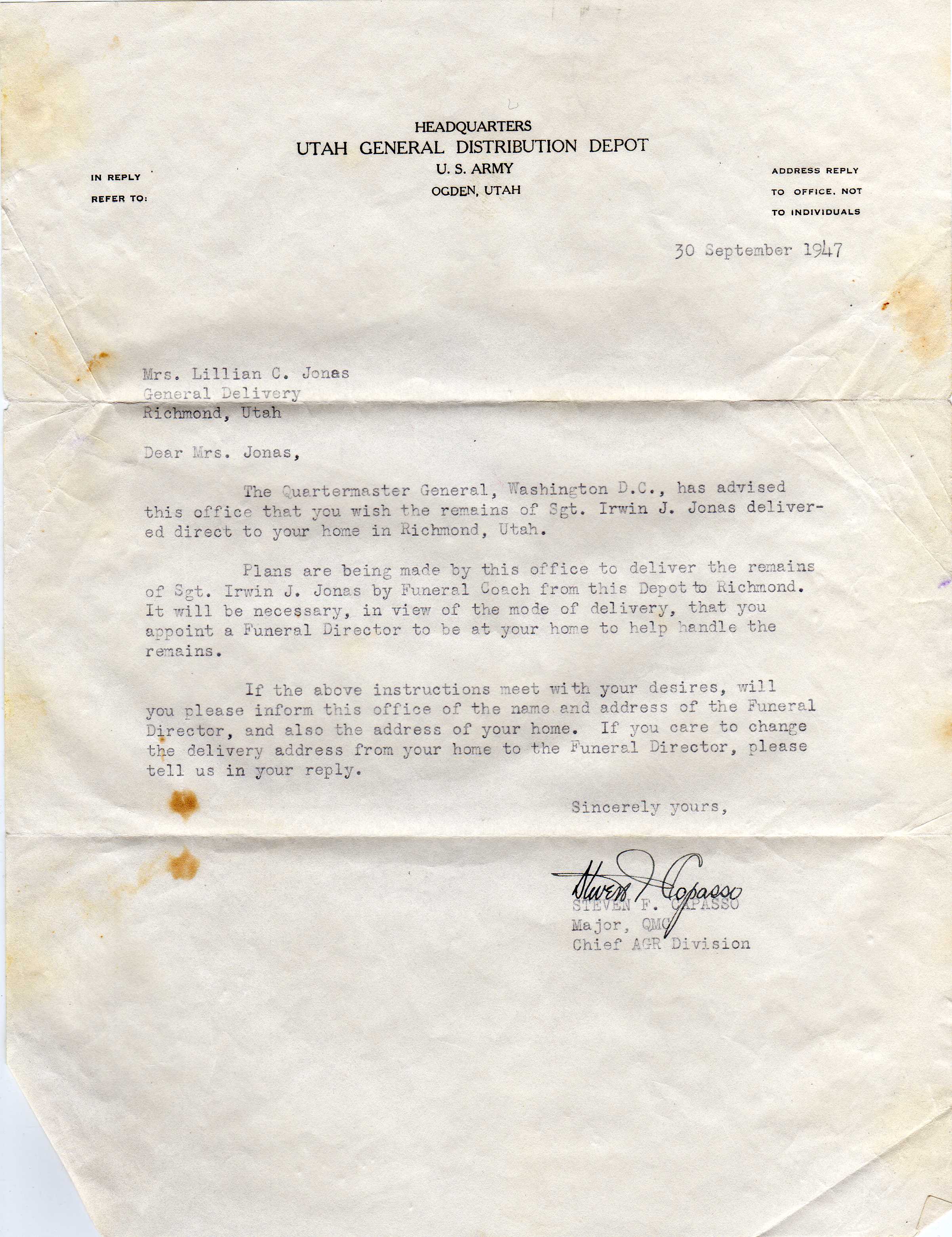
I have written about Irwin Jonas before. I shared photos of his life and descendants. I understand things are done differently now with the military. I cannot imagine having to deal with this situation. He participated in D-Day and lost his life on 11 July 1944, just over 70 years ago, near Saint-Lô, France. This letter is dated 30 September 1947, over 3 years after Irwin’s passing.

Mrs. Lillian C. Jonas

General Delivery

Richmond, Utah

Dear Mrs. Jonas,

The Quartermaster General, Washington D.C., has advised this office that you wish the remains of Sgt. Irwin J. Jonas delivered direct to your home in Richmond, Utah.

Plans are being made by this office to deliver the remains of Sgt. Irwin J. Jonas by Funeral Coach from this Depot to Richmond. It will be necessary, in view of the mode of delivery, that you appoint a Funeral Director to be at your home to help handle the remains.

If the above instructions meet with your desires, will you please inform this office of the name and address of the Funeral Director, and also the address of your home. If you care to change the delivery address from your home to the Funeral Director, please tell us in your reply.

Sincerely yours,

Steven F. Capasso

Major, QMO

Chief AGR Division

Kenai Fjords and Seward

Ross family at Kenai Fjords National Park sign

I previously wrote of our trip to Alaska in 2021. We hit Denali, Anchorage, and visited Jonas cousins. On that same trip we also drove down to Kenai Fjords. It was a memorable trip.

Looking down the valley from Exit Glacier.

That glacier apparently once was down in this vicinity in the last 100 years. The hikes were not so bad for the kids, we just had to take our time.

What remains of Exit Glacier.

You can see that some of the terrain is now being filled by greenery.

Aliza, Hiram, Lillie, Amanda, James, and Paul Ross with Exit Glacier in 2021
More terrain below Exit Glacier – once all under the glacier too

We also drove down the way to Seward while we were there.

Aliza, Hiram, Lillie, and Amanda Ross looking out at Resurrection Bay
Iditarod Monument

Anchorage

I wrote of Amanda’s great catch of a deal in 2021 that took the Ross family to Alaska. I shared in that post, last year, that we caught a flight to Fairbanks and made our way to Denali National Park. I also wrote about staying with my Uncle and Aunt Doug and Linda Jonas in Anchorage. While I shared photos with Doug and Linda, Brook and Caitlin, Elle and Blye, I thought I better share some more photos of Anchorage itself.

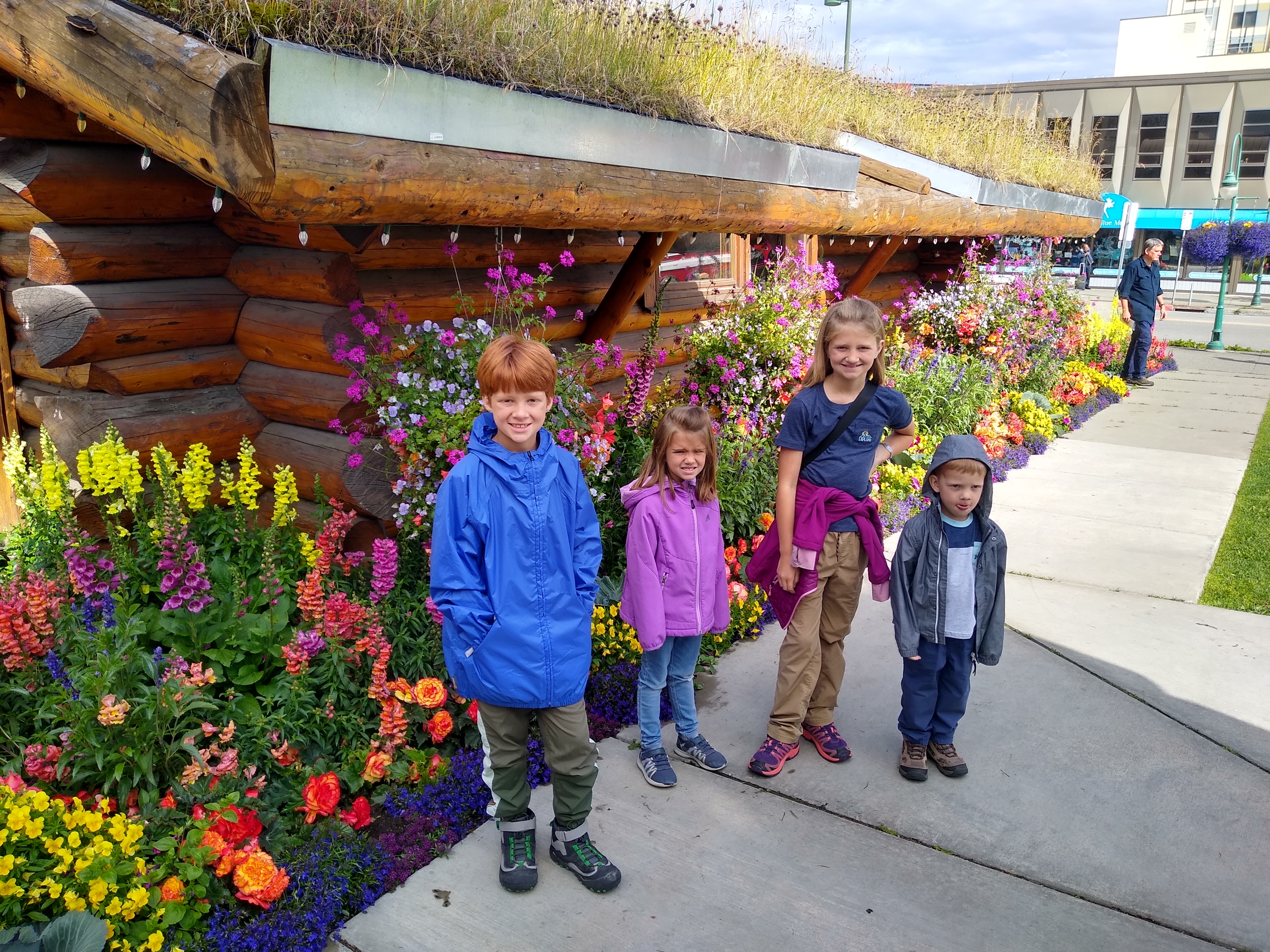
Hiram, Lillie, Aliza, and James at the Anchorage Visitor Information Center

The visitor center stands out in downtown Anchorage as a log cabin reminder of its past. The amazing part was the flowers. Alaska has long daylight hours with mild temperatures. Due to that, the flowers grow large and pretty. You can definitely see that in these flowers.

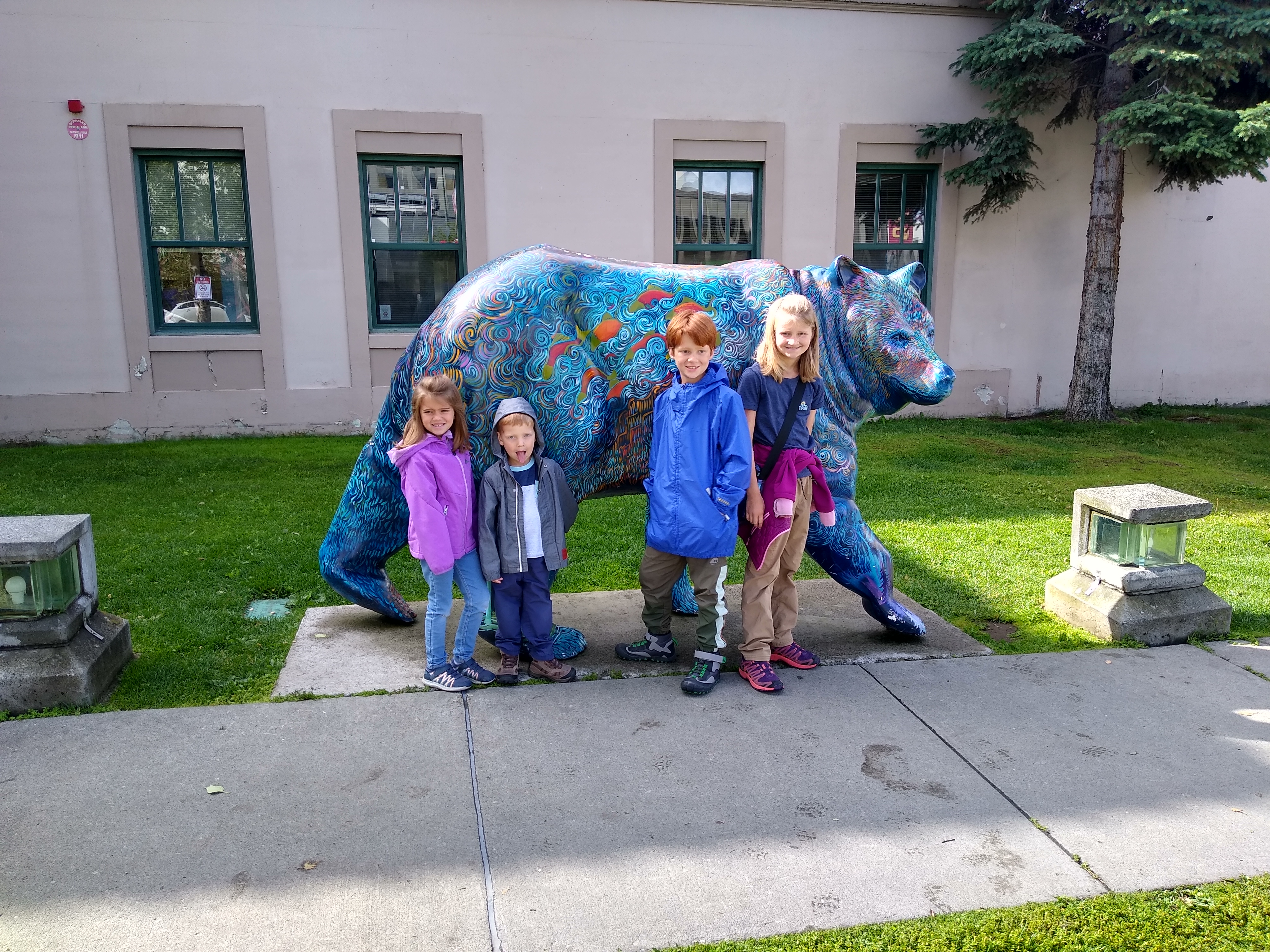
Lillie, James, Hiram, and Aliza Ross with bear statue in front of Anchorage City Hall

We wandered around the downtown area to get a feel for the town and its sights.

Lillie, Paul, Aliza, and Hiram Ross in front of downtown Anchorage Federal Building

This Federal Building is not where the Federal Courts are housed. We had to track that building down about four or five blocks away. Here is a picture we snapped there.

Paul and Aliza Ross at Anchorage’s Federal Courthouse

Classic lawyer nerd taking a picture with a Federal Courthouse!

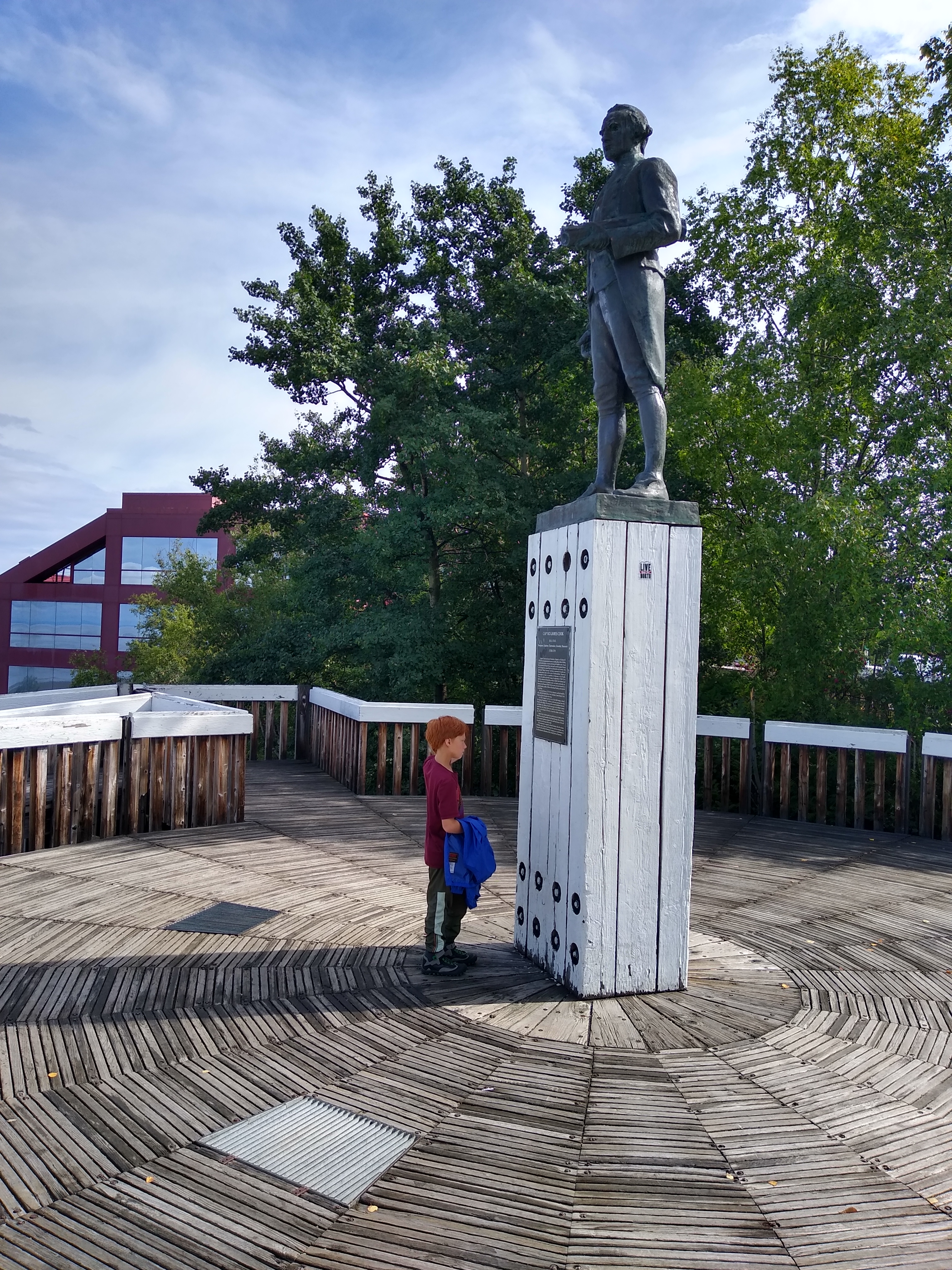
Hiram reading the James Cook Monument

We walked down to Resolution Park. We read about Captain Cook. The monument was installed as part of the 1976 Bicentennial Celebrations.

CAPTAIN JAMES COOK
R.N., F.R.S.
Navigator, Explorer, Chartmaker, Scientist, Humanist
1728-1779

James Cook was born in Yorkshire, England, on October 27, 1728.  He was apprenticed to serve on sailing ships built in Whitby, near his birth-place, to carry coal along the English coast.  At age 26, he joined the Royal Navy, took part in actions against France and, through his natural flair for mathematics and science, was promoted “King’s Surveyor” and given command of vessels performing survey work on the coast of Newfoundland.    

Chosen as commander to lead an expedition of discovery to the Pacific Ocean, he sailed on his first voyage of exploration (1768-71) to find the continent of Australia as well as Tahiti, New Zealand and New Guinea where he charted coasts and waters previously unknown to the Western World.  On his return, he was honoured by a grateful nation, made a Fellow of the Royal Society, and received by the King.

His second voyage (1772-75) to Antarctic and the South Pacific added the Friendly Isles, New Caledonia, Easter Island, Cook Island and New Georgia to the map. In 1776, Captain Cook set out on his third voyage, aboard his flagship “Resolution”, to find a north-west passage from the Pacific to the Atlantic.  He surveyed the coast of northwest America and Alaska, but, failing to find the passage to the Atlantic, turned south from the Bering Strait and sailed to the Sandwich Isles where, on the Island of Hawaii, he met his death on February 14, 1779.

James Cook, a farm hand’s son who became a Captain in the Royal Navy and gold medalist of the Royal Society, lives in history as the greatest explorer-navigator the world has known.   His real memorial is on the map of the world.

This monument, created by Derek Freeborn after the statue in Whitby, where James Cook began his career as seaman, was donated by The British Petroleum Company as a contribution to the Bicentennial celebration of the United States of America.

Amanda, Aliza, James, and Lillie Ross at Eisenhower Statehood Monument with their flowers

President Dwight D Eisenhower signed Alaska into existence as the 49th State. This monument memorializes that act. It was a culmination of many years of work and something that President Eisenhower took very seriously.

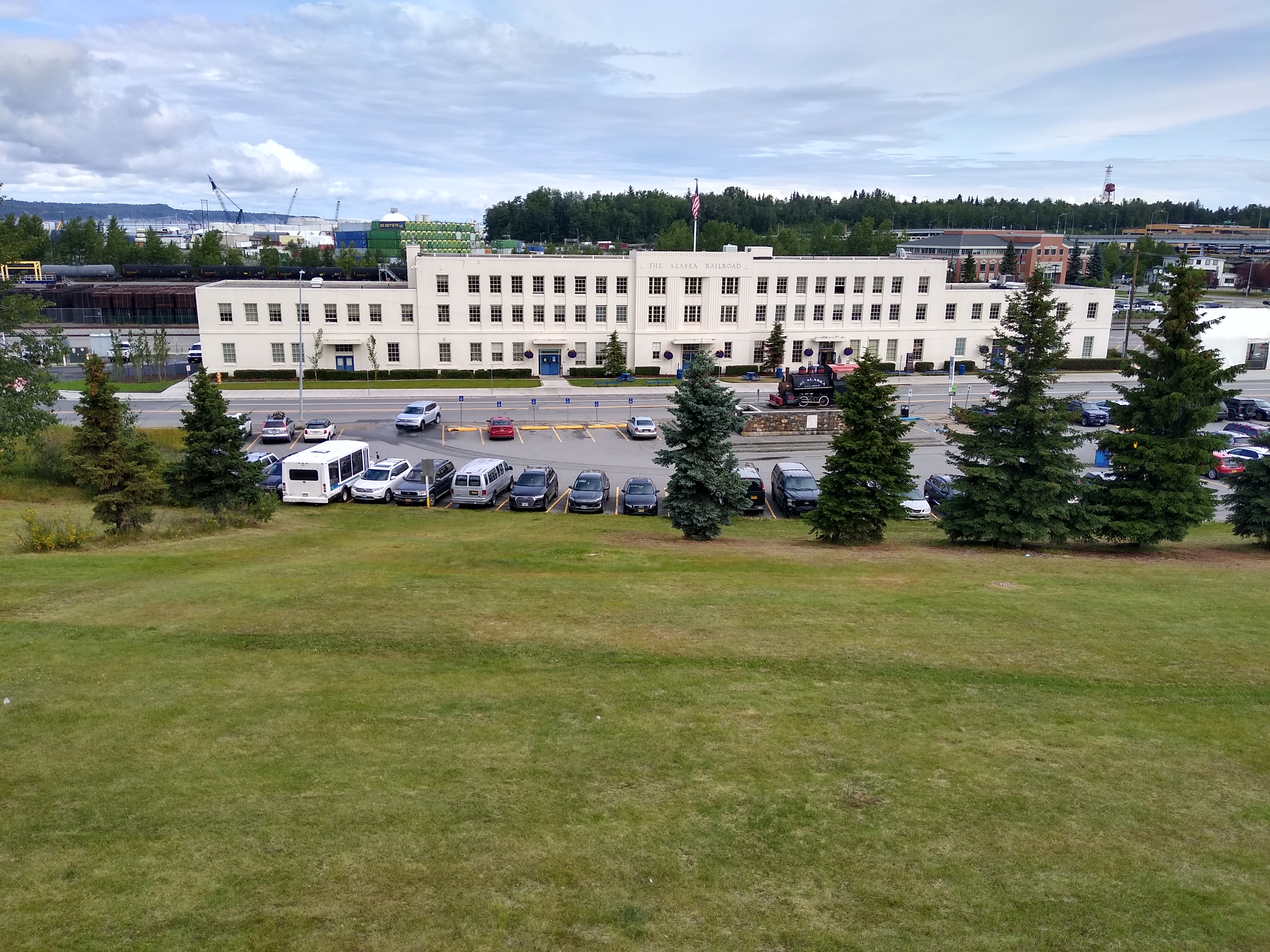
The Alaska Railroad from the Eisenhower Statehood Monument
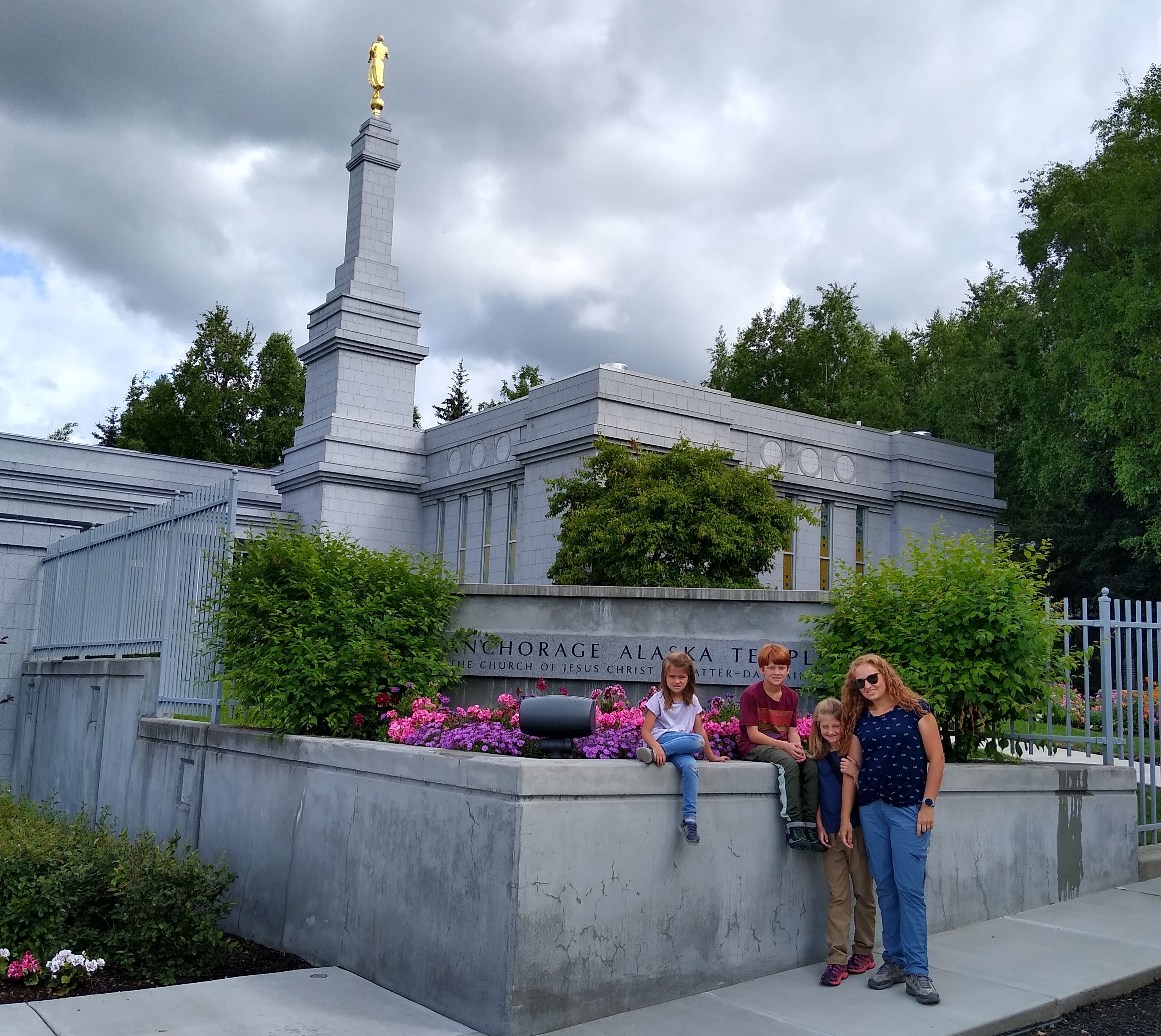
Lillie, Hiram, Aliza, and Amanda Ross at the Anchorage Alaska Temple

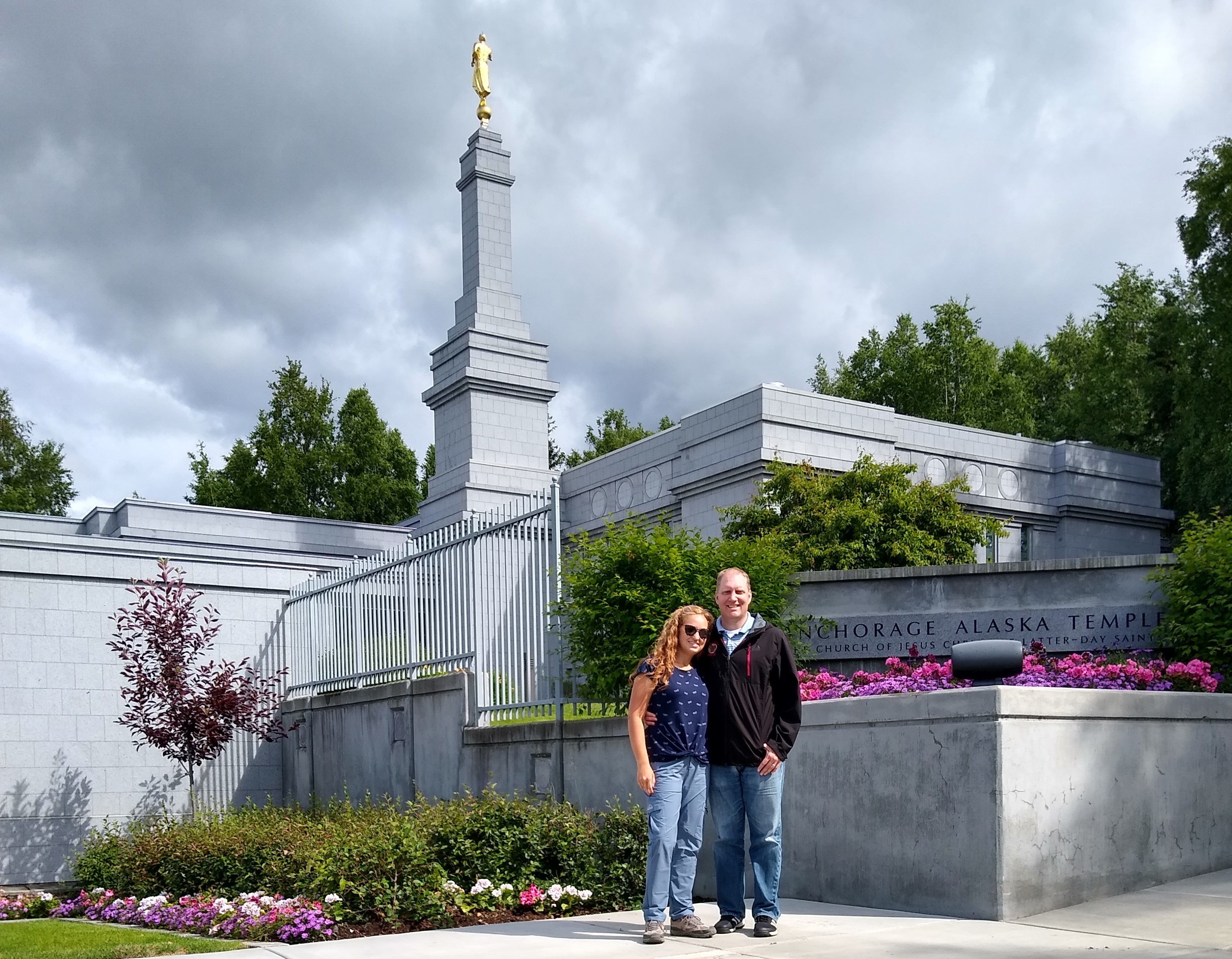
We drove past the temple a couple of times going to and from various places. We had to stop and take some pictures. This temple is being replaced, so it will not be there much longer. The new temple is being built where the Stake Center was next to this Temple. When completed, this will be removed and I believe the new Stake Center will be built. I believe this is the first time in the church where a temple will be formally replaced not on the same footprint.

Amanda and Paul Ross at Anchorage Alaska Temple
Lillie and James with Smokey the Bear at Begich, Boggs Visitor Center

We saw multiple glaciers while in Alaska. We stopped and went through the Begich, Boggs Visitor Center. It was interesting to see how close the center once was near glaciers. Now you cannot even see the Portgage Glacier from it. We went and hiked up the Byron Glacier Trail.

Portage Lake
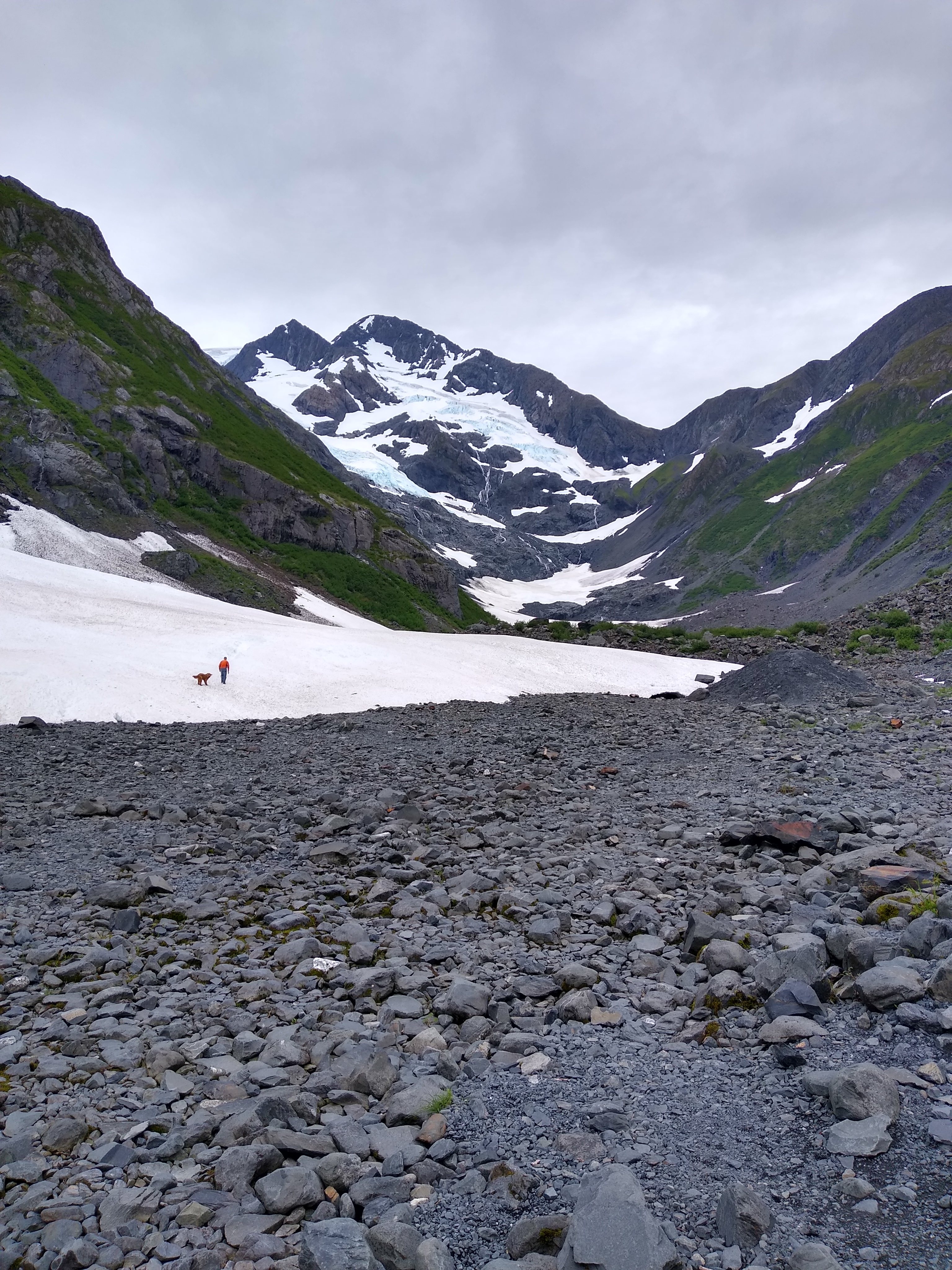
Hanging glaciers up Byron Glacier Trail
Lillie Ross near melting snow with glaciers in the background
Byron Glacier Trail looking back toward Portage Lake

As you can see, the glaciers have heavily retreated. More of just an alpine trail now with some blue snow/ice above.

Hiram, Aliza, and Lillie Ross on Byron Glacier Trail
Lillie Ross at Brook and Caitlin Jonas’ home in Anchorage

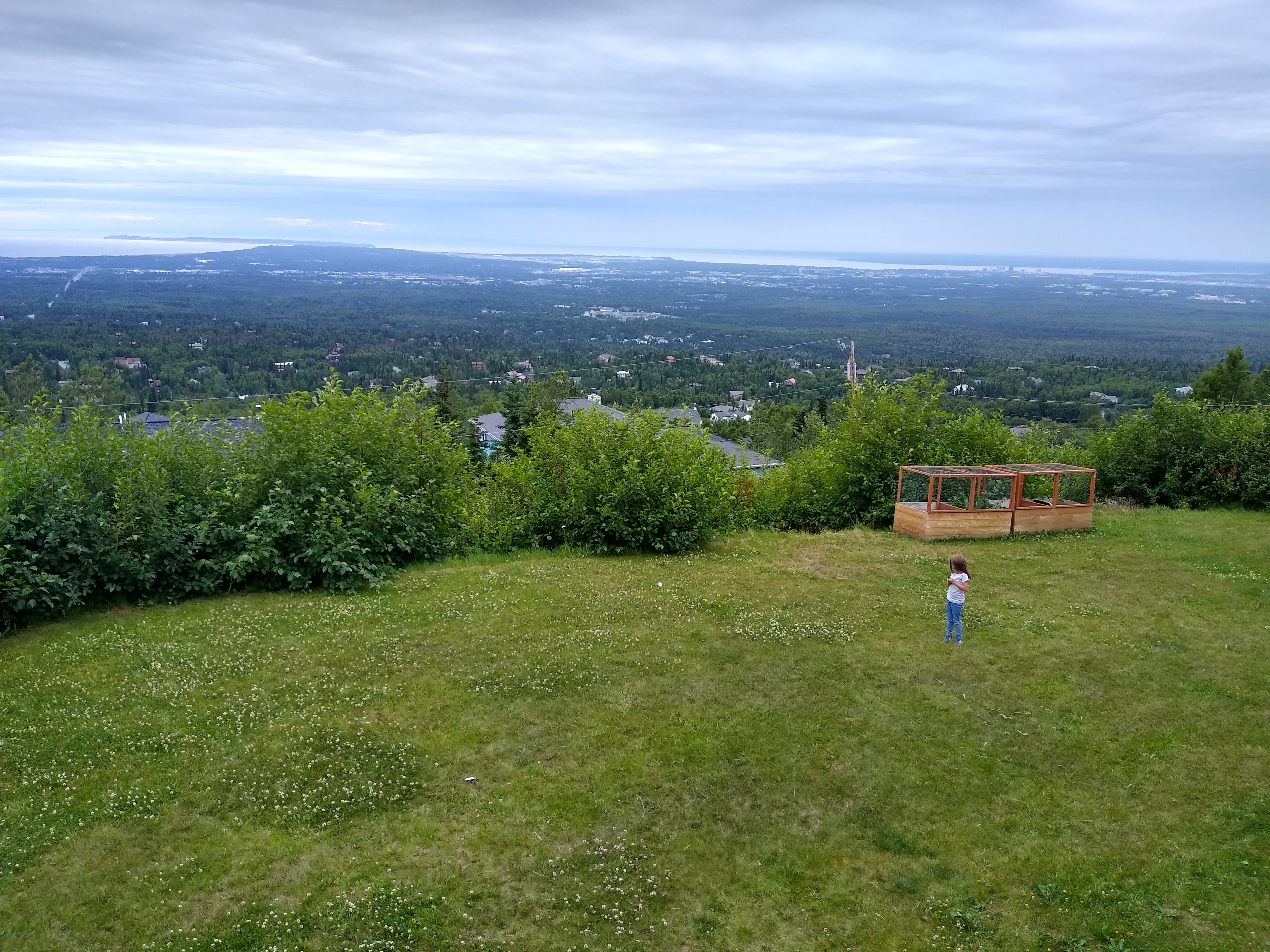
My cousin Brook Jonas lives in this home on the foothills west of Anchorage. If you look closely, above Lillie you can see downtown Anchorage. You can also see Fire Island straight out and what is beyond Anchorage.

At a later time, I will have to write of our trips to Kenai Fjords National Park, Seward, and Whittier.

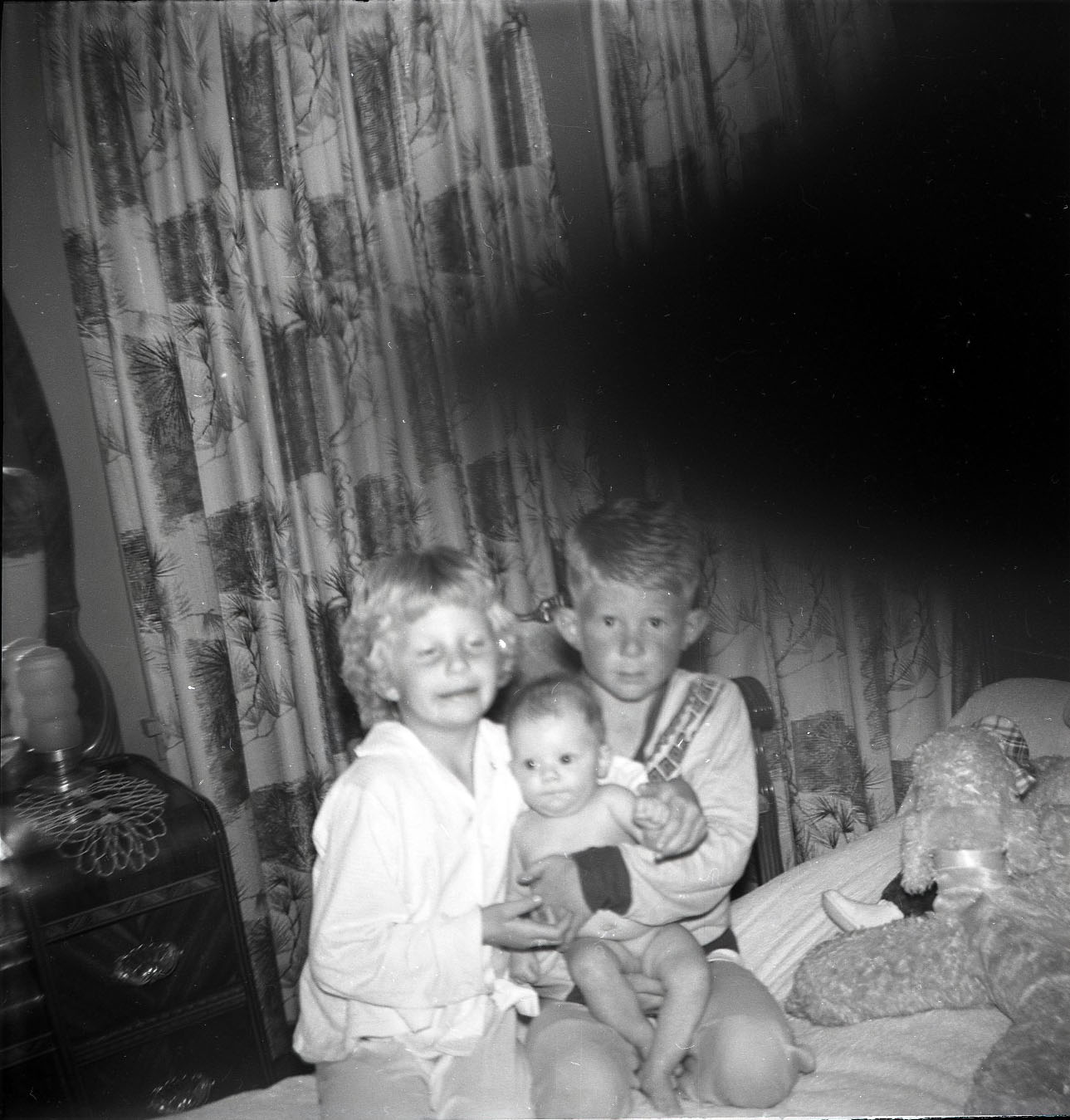
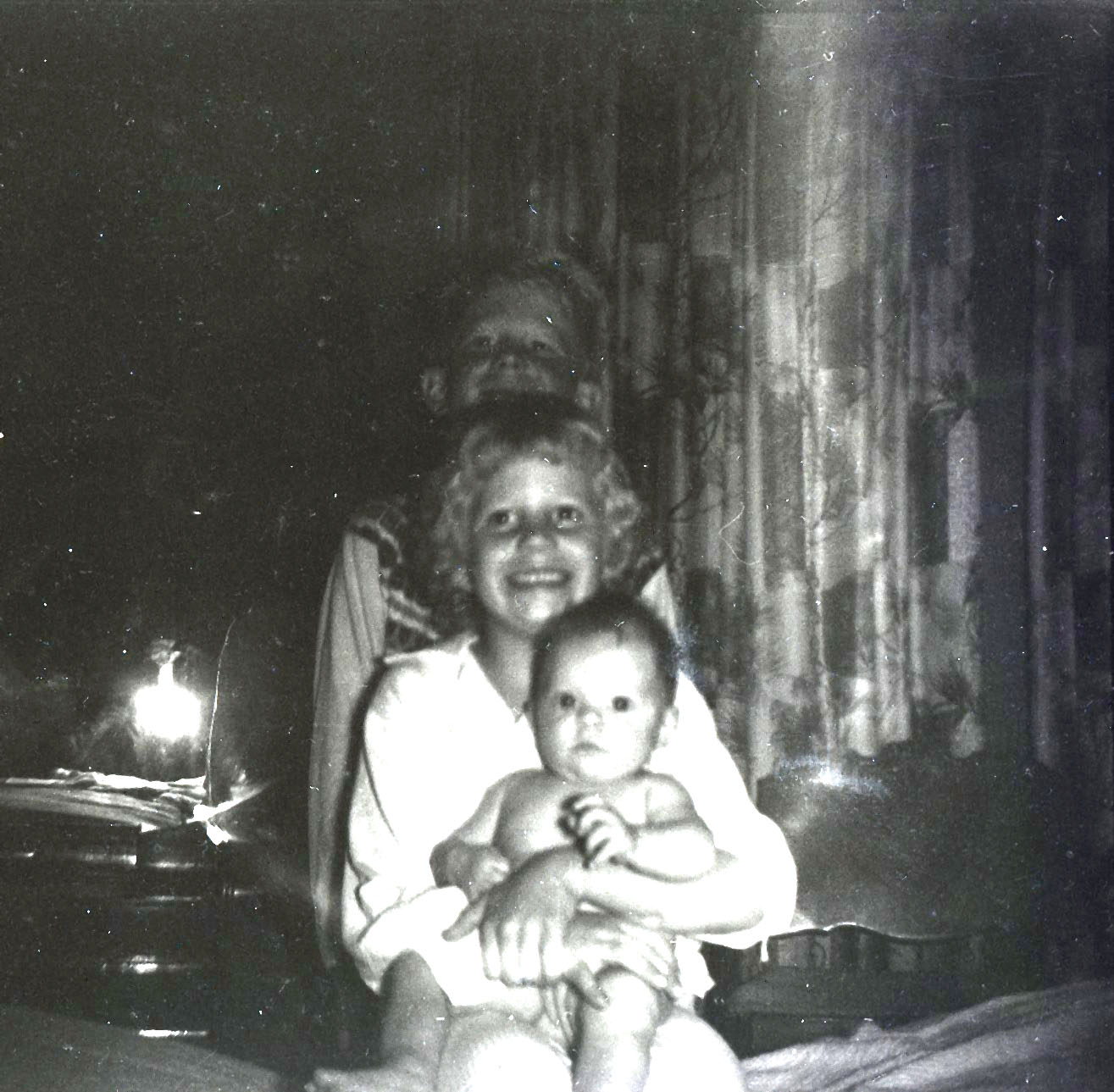
Baby Jackie

I found some negatives that did not look familiar. I asked my father-in-law to help and he got them scanned and converted. These turned out to be real treasures that I don’t have anywhere else. Be careful with those negatives you think are probably just duplicates of photos.

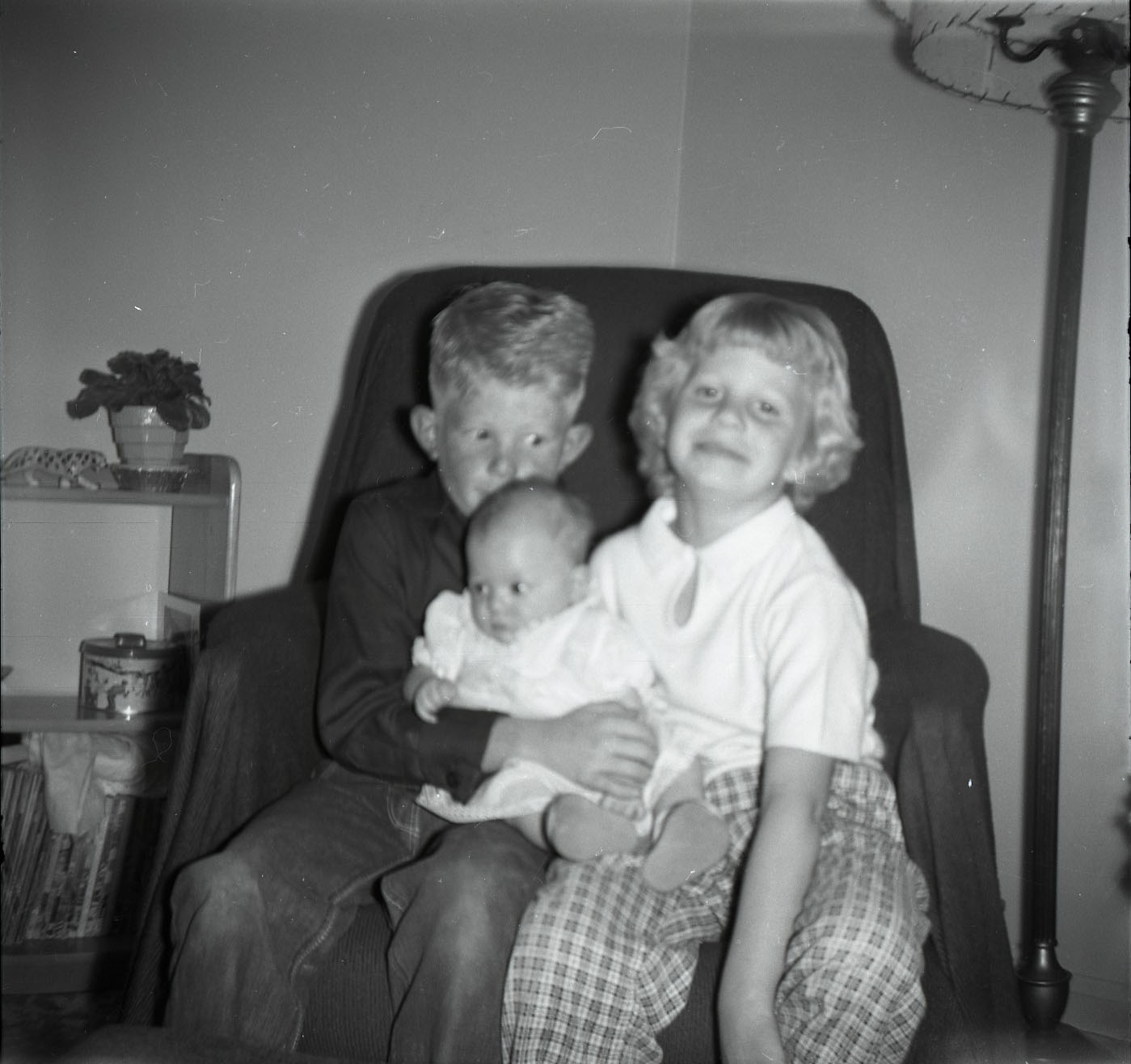
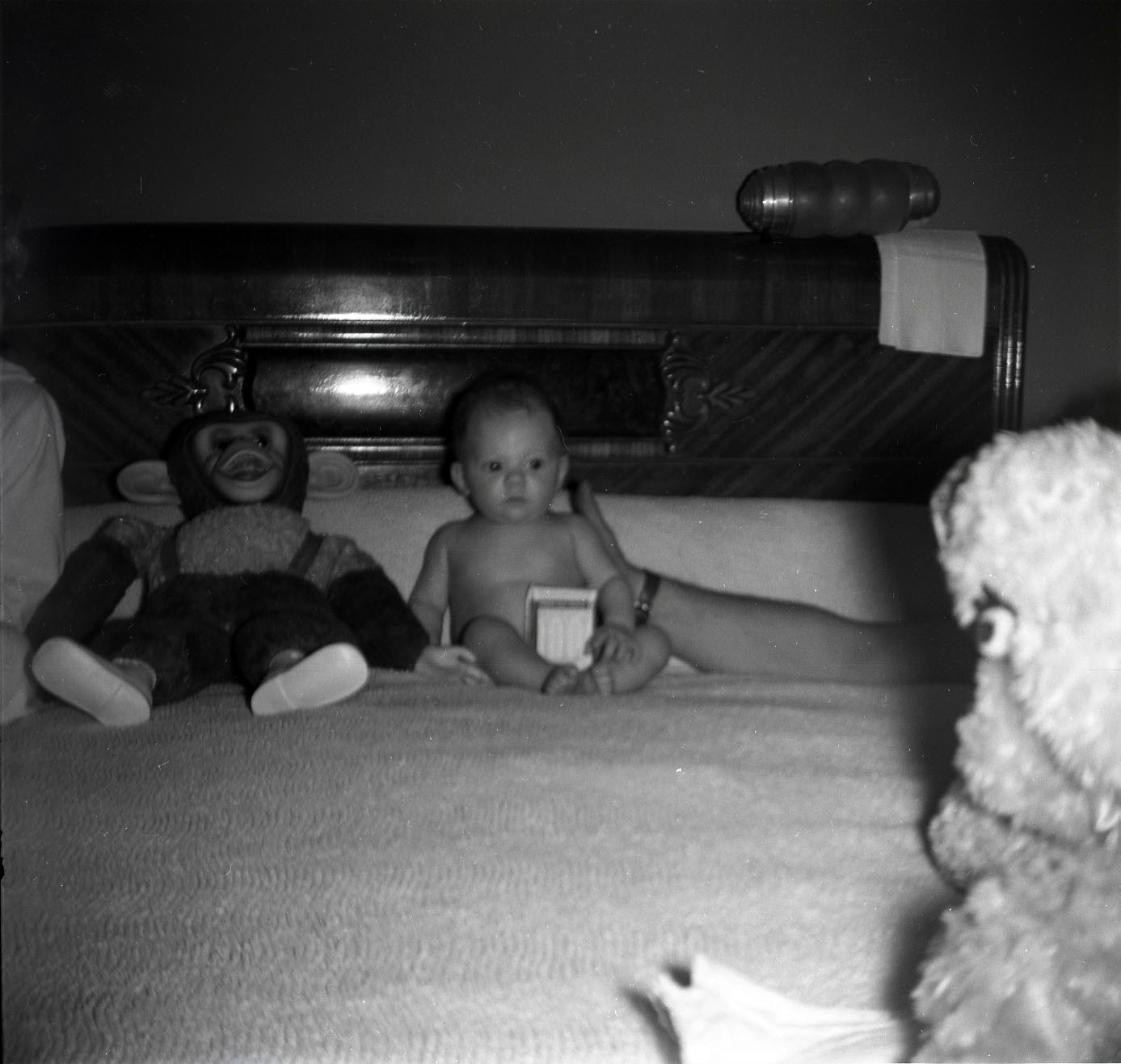
Jackie was born in 1960. These are all in the home in Richmond, Utah. Happy Birthday Jackie! I recognize some of the furniture in the photos, bookshelves, headboards, decorations.

Doug, Jackie, and Sandy Jonas
Jackie and Norwood Jonas
Sandy, Jackie, and Doug Jonas
Doug, Sandy, and Jackie

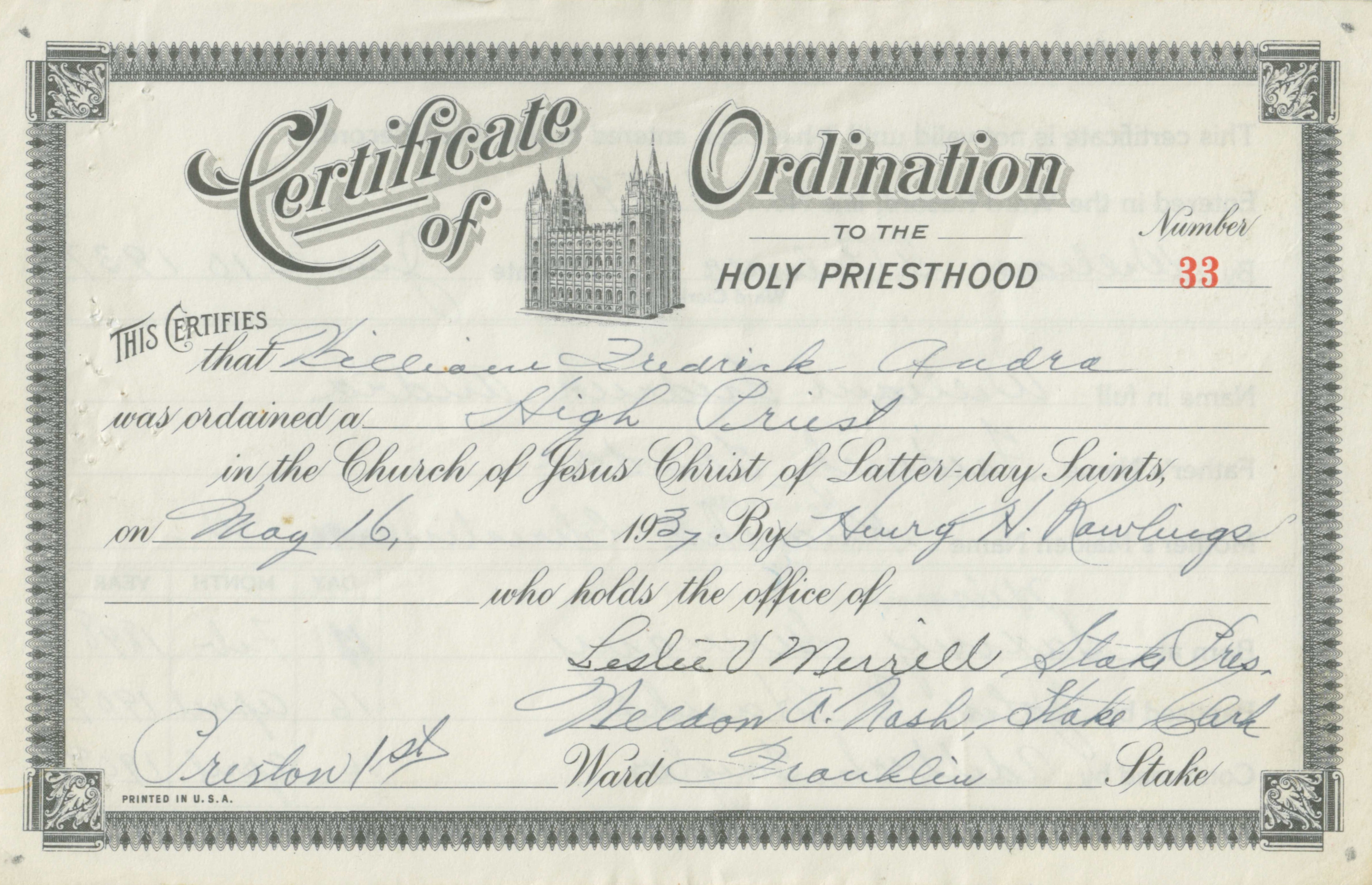
William Andra Ordinations

Working through the family history book of Golden Andra that was given to me, I opened a page to scan some photos and found a surprise. Behind that photo were some ordination certificates. These are originals. I thought I better get them scanned and preserved. I also uploaded them to FamilySearch and got them linked with the names in the documents.

I think they are valuable for family history. They are also a peek into church history. This gives us the missionaries who baptized and confirmed my Great Grandfather in Germany. I have provided some limited biographies at the end.

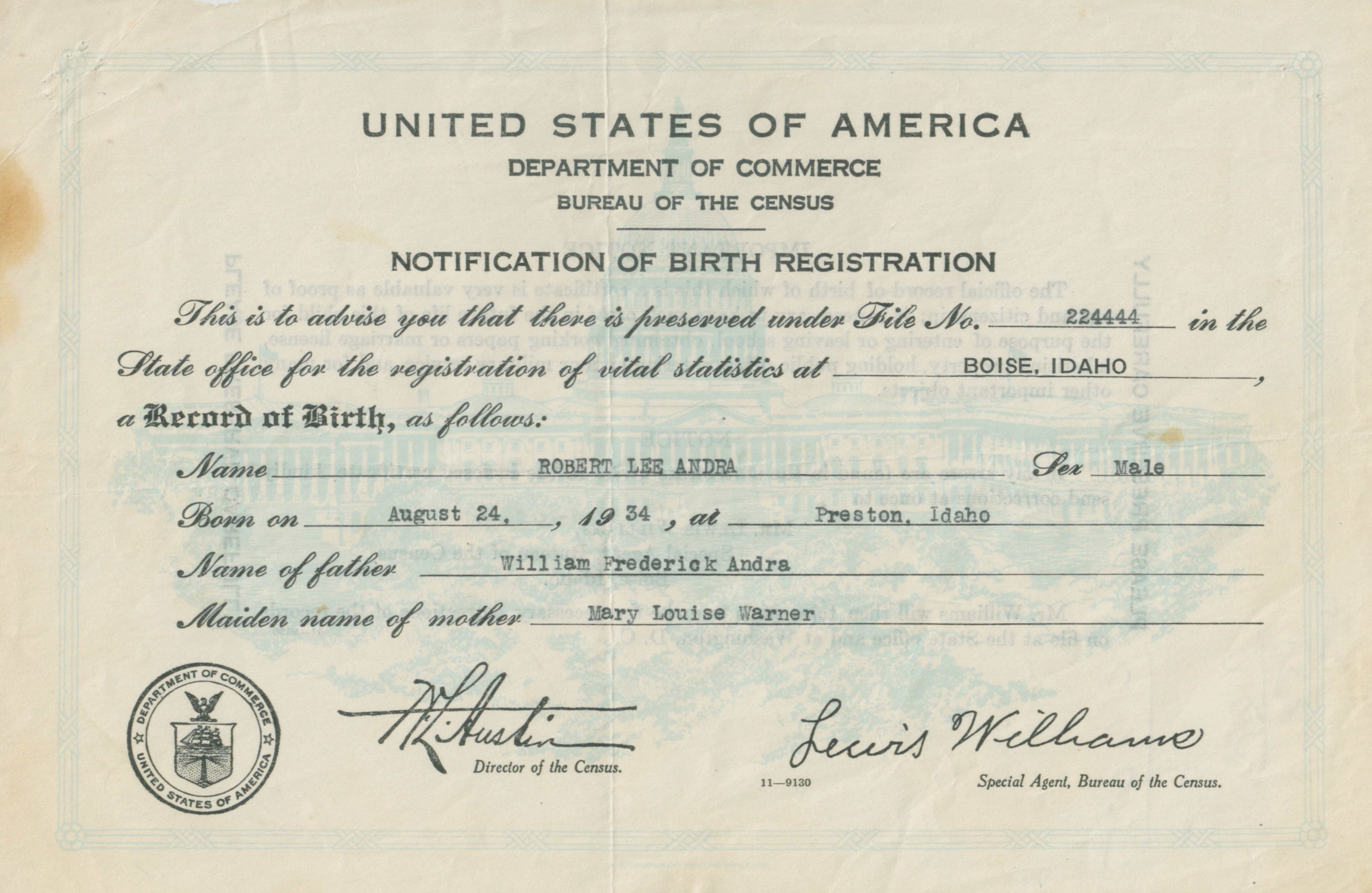
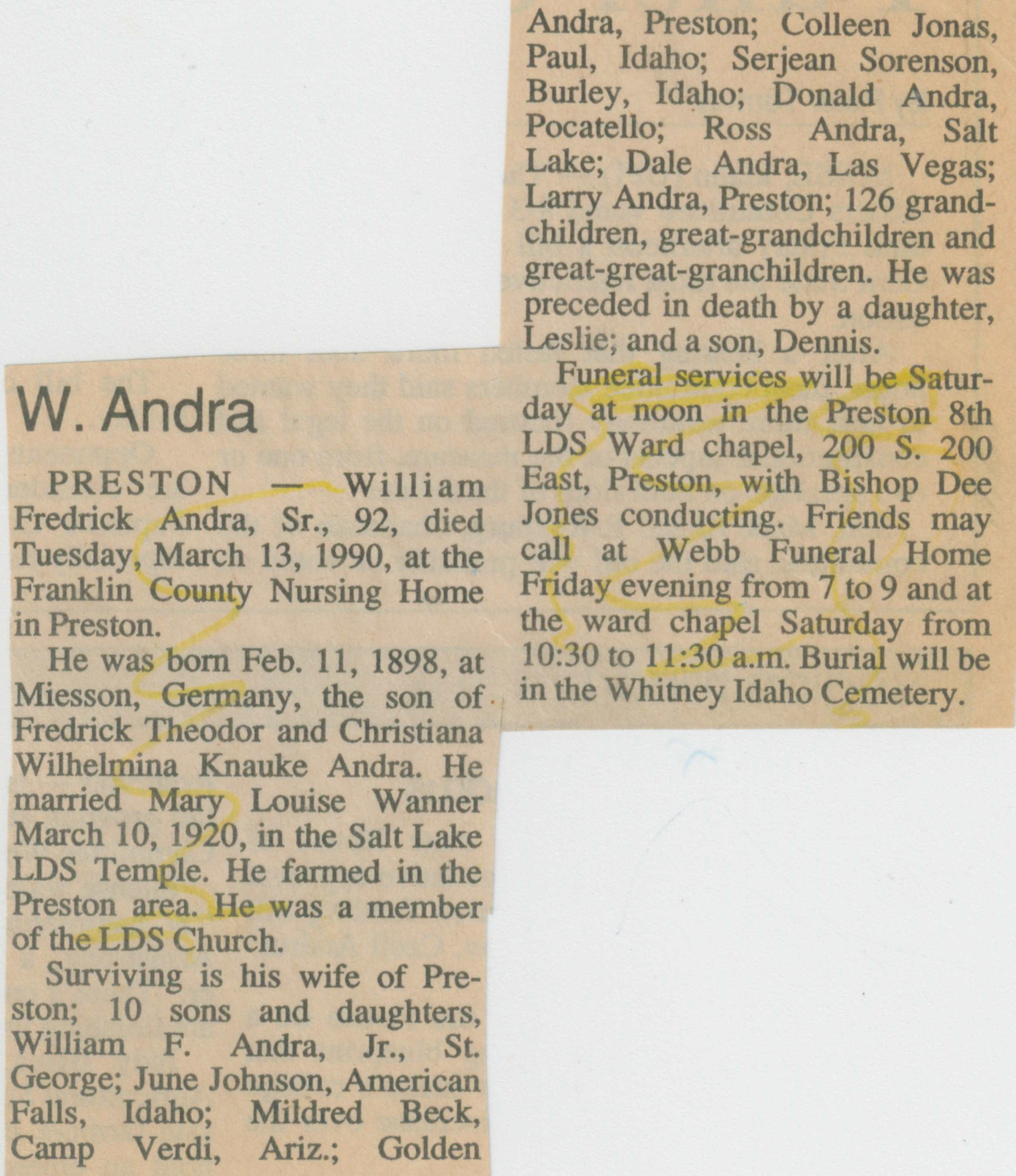
Also an original Notification of Birth Registration for Robert Lee Andra, son of William and Mary, who died at birth. I am not sure why the United States Department of Commerce is issuing this Notification, or the Bureau of the Census. There is some history behind this I am not aware. Last, a copy of William’s obituary.

Priest Ordination Certificate (Front)
Priest Ordination Certificate (Back)
Elder Ordination Certificate (Front)
Elder Ordination Certificate (Back)
High Priest Ordination Certificate (Front)
High Priest Ordination Certificate (Back)
Robert Andra Birth Certificate

I had to do some history on individuals listed on the certificates. Some fascinating individuals, obviously some of them local church leaders.

James Richard Bodily – born 11 February 1872 in Hyde Park, Cache, Utah – died 12 April 1967 in Preston, Franklin, Idaho

Wilford Woodruff Emery – born 16 October 1880 in Salt Lake City, Salt Lake, Utah – died 10 September 1954 in Salt Lake City.

John Edward Hanks – born 30 August 1877 in Salem, Utah, Utah – died 5 July 1970 in Salt Lake City.

William Gibson Palmer – born 16 July 1884 in Croydon, Morgan, Utah – died 15 May 1977 in Preston.

Henry Helaman Rawlings – born 8 April 1893 in Fairview, Oneida, Idaho – died 14 February 1984 in Fairview.

Adelbert Augustine Taylor – born 9 April 1883 in Springerville, Apache, Arizona – died 15 November 1948 in San Felipe de Híjar, San Sebastián del Oeste, Jalisco, Mexico.

Luther Hovey Twitchell – born 17 October 1878 in Salt Lake City – died 15 April 1962 in Bountiful, Davis, Utah.

Agneta/Annetta Bengtsson Nilsson/Nelson

This article was provided to me related to my 3rd Great Grandmother Agneta Nelson. I have previously shared the history written by Carvel Jonas related to Agneta and John Nelson. I have also shared the Carvel Jonas history of their daughter, my 2nd Great Grandmother Annetta “Annie” Josephine Nelson Jonas. I also note that Agneta and John’s son, Nels, also wrote a lengthy autobiography that tells some of his parents’ history. Some of the parts of this history are likely using Nels’ autobiography, parts of it mirrors and quotes from it.

Pioneer Women of Faith and Fortitude was published by the International Society Daughters of Utah Pioneers in 1998. It is a four volume set, ISBN: 0-9658406-1-1. This biography starts on page 2121.

I note some revision of Agneta’s name over the last years. This article includes the Bengtsson/Nilsson last name. But as those familiar with Scandinavian naming protocols, Bengtsson/Benson was her father’s last name, but her early live documents reference her father’s first name, Nils. Hence her name in Sweden was Nilsdotter, not Nilsson or Bengtsson. With that, here is the language of the article.

This biography suggests that Agneta was married before and that marriage produced Bot[h]ilda and James. Curiously, James’ baptism record lists Johannes Nilsson as the father. Further, Nels, in his autobiography, indicates he was the third child of John and Agnetta Nelson. James appears to be John’s, but the baptism of Bothilda without a father suggests not John. I don’t know that we will know, and this biography shows unknown.

“BIRTHDATE: 9 Dec 1832 Oringe Hallands, Sweden

“DEATH: 4 Nov 1873 Logan, Cache Co., Utah

“PARENTS” Nils Bengtsson (Benson) – Johanna Johansson [Johansdotter]

L-R: Johanna Benson, Johanna Icabinda Benson, John Irven Benson, Nels Ernst Benson, Mary Ann Angel Works holding Merrill Lamont Benson.

“PIONEER: 15 Sep 1864 William Preston’s Wagon Train

“SPOUSE I: Unknown

“MARRIED: In Sweden

“DEATH SP:

“CHILDREN (Adopted and sealed to second husband):

“Botilda (Matilda), 31 Dec 1853 (died at age 11)

“James Peter, 13 Dec 1[8]55

“SPOUSE II: John / Johannes Nelson/Nilsson

“MARRIED: 17 Nov 1855 Veinge, Hallands, Sweden

“DEATH SP: 26 Nov 1902 Logan, Cache Co., Utah

“CHILDREN:

“Nels August, 18 May 1[8]57

“Josephine, 5 Feb 1860 (died as a child near Omaha, Nebraska)

“Amanda, 26 Dec 1862 (died as a child buried at sea)

“Annette Josephine, 18 Nov 1864

Annie Josephine Nelson Jonas

“Joseph Hyrum, 14 Jun 1868

“Jacob Nelson, 9 Dec 1870 (twin)

“Jacobina, 9 Dec 1870 (twin)

“Charlotte Abigail, 16 Dec 1872

“Moses, 25 Oct 1873

“Agneta was born on December 9, 1832 in Oringe Hallands, Sweden. Agneta was the oldest child in a family of eight children.

“On Thursday, April 28, 1864, with 973 emigrants aboard, the ship, “Monarch of the Sea,” sailed from Liverpool, England. Patriarch John Smith was President of the company. At Florence, Nebraska, they traveled by teams under the Company Captain William B. Preston, to Salt Lake City, arriving September 15, 1864.

Monarch of the Sea, 1020 LDS passengers on this voyage.

“The Gospel of the Church of Jesus Christ of Latter-day Saints came to their home in 1862, and Agneta, her mother and some of her brothers accepted the message gladly. But it wasn’t until the Spring of 1864, that Johannes and Agneta were ready to leave Sweden for America and the West.

Nilsson family on the Monarch of the Sea passenger list

“The voyage was long and stormy with much sickness aboard. The rations were meager; raw beef, lard, and hard crackers, water, mustard and salt. Many times they would wait all day for their turn to cook the meat, and sometimes the turn never came. Agneta saw several bodies being lowered into the deep ocean; and then it was her turn to watch eighteen month old with a rock tied to her feet, slipping into the ocean.

“Laying to rest little ones is unknown territory was to be Agneta’s experience two more times. Matilda, in New Jersey, near the Delaware River, and four year old Josephine near Omaha, Nebraska.

“During these trials, she valiantly went forward, giving birth to her sixth child in a cold, stark dugout in Logan, Utah.

“Arriving in late October, most homes in Logan that fall were underground, about five feet deep, with a rock chimney in corner. Fuel was willows from the Logan River bottom. It was quite warm, until spring thaw caused the room to fill with water about two feet. The cold of Cache Valley became known to all new settlers that winter.

“The next winter found John and Agneta in a snug log cabin, with cows, sheep, a yoke of steers, and 120 bushels of wheat raised on their six acres. Agneta also gleaned wheat from the field. She sheared the sheep, washed, carded, spun and wove the wool into clothing for her family; and with her gleaning, she was able to provide nice clothes for herself, and children.

“On October 4, 1867, three years after their arrival in Utah, John and Agneta traveled to Salt Lake City, to be sealed in the Endowment House. In the next six years she gave birth to five more children, with only two surviving beyond the age of accountability.

“Just nine years after her entering Utah, Agneta gave birth to her last child, Moses Nelson, born October 25, 1873; and she did not survive this birth. Moses died November 12, 1873. A mother had sacrificed for a child of God.