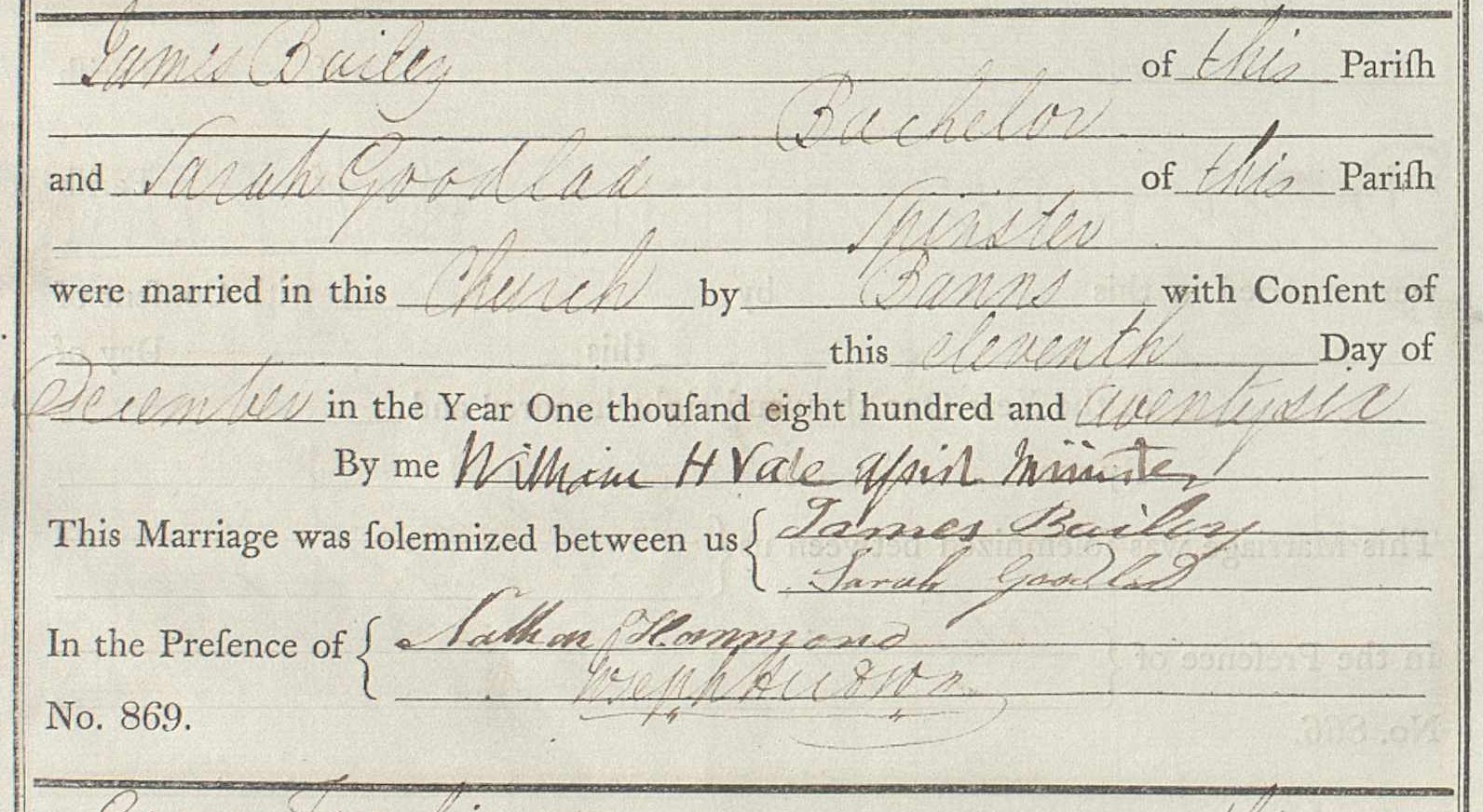
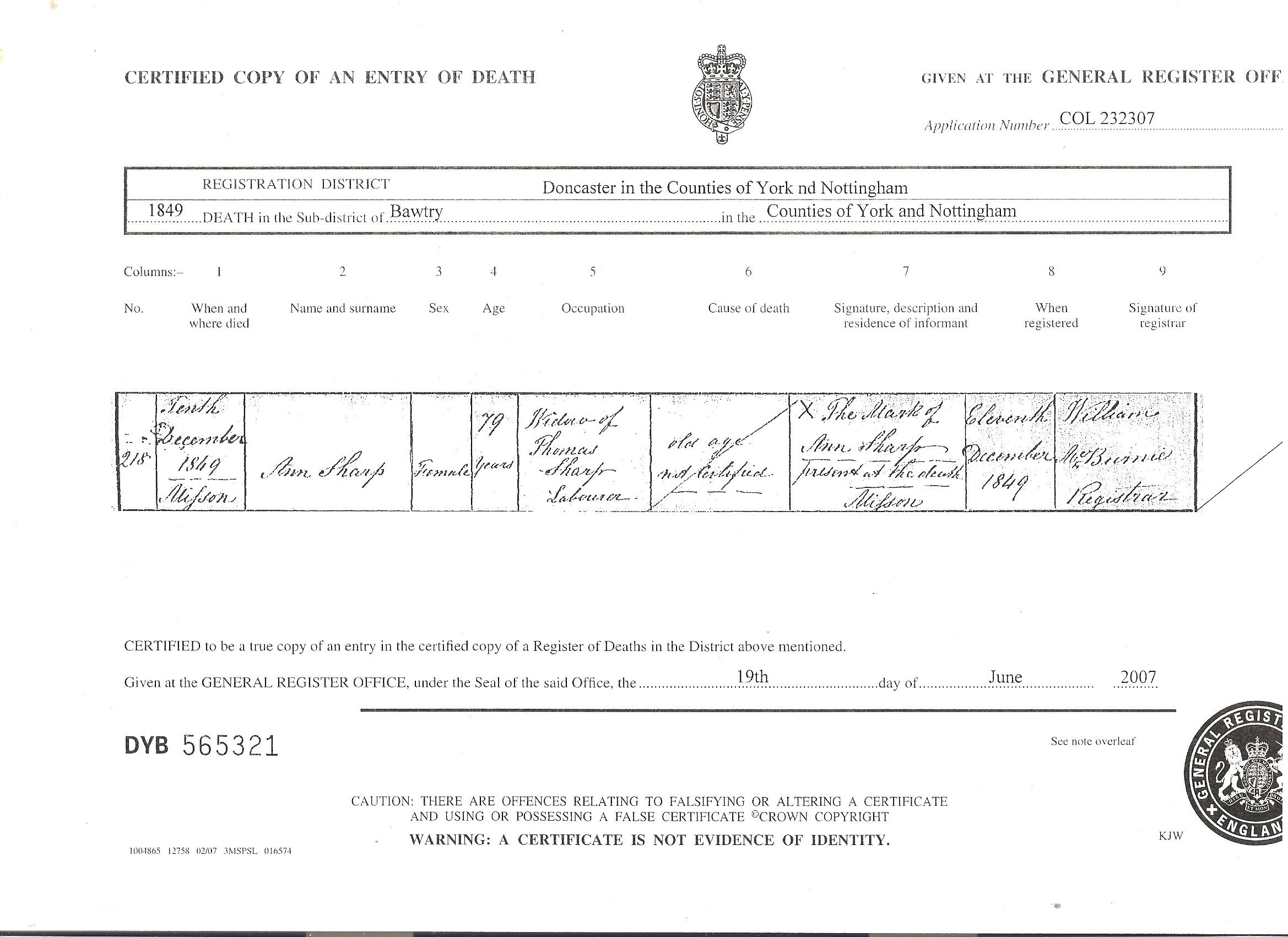
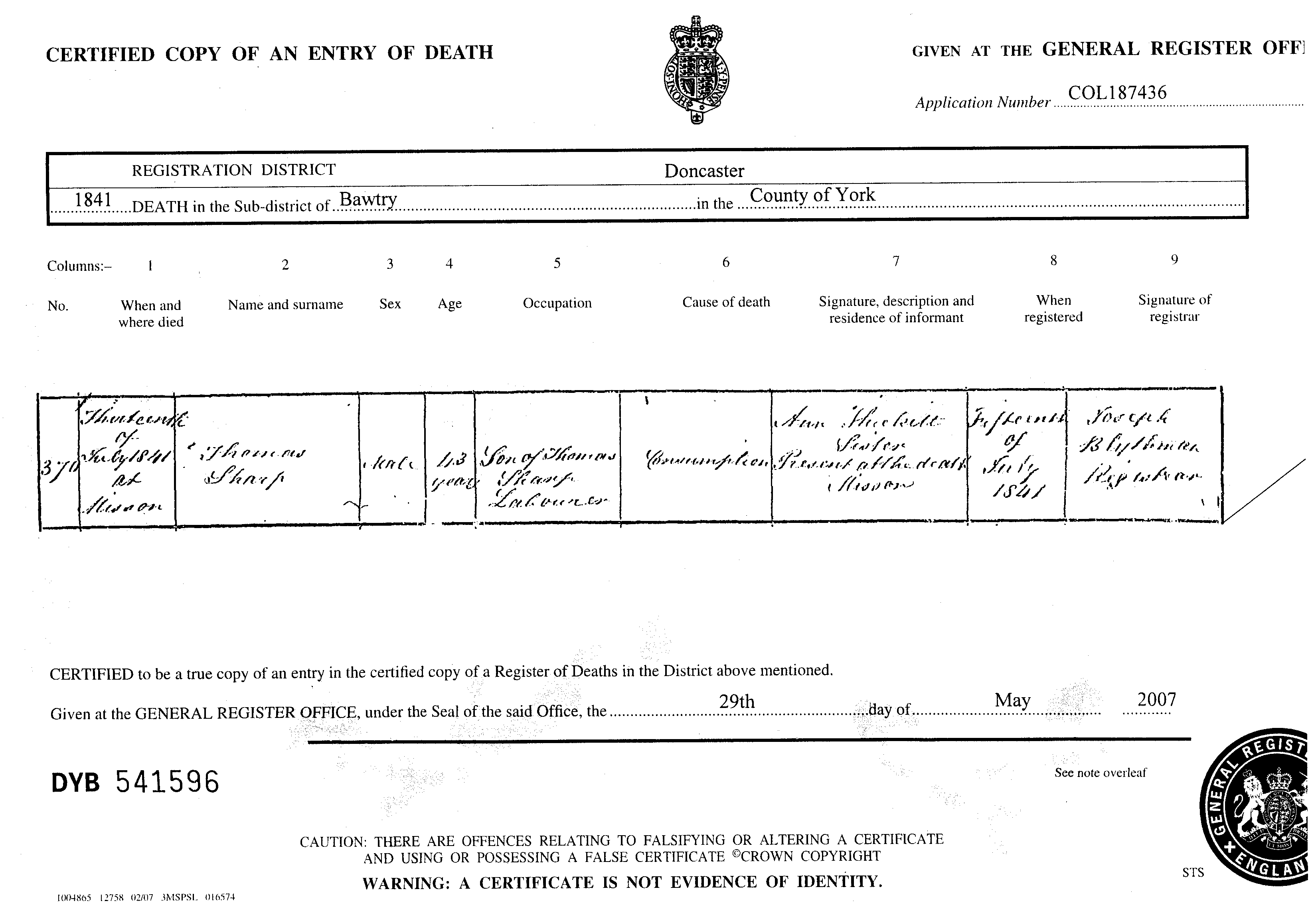
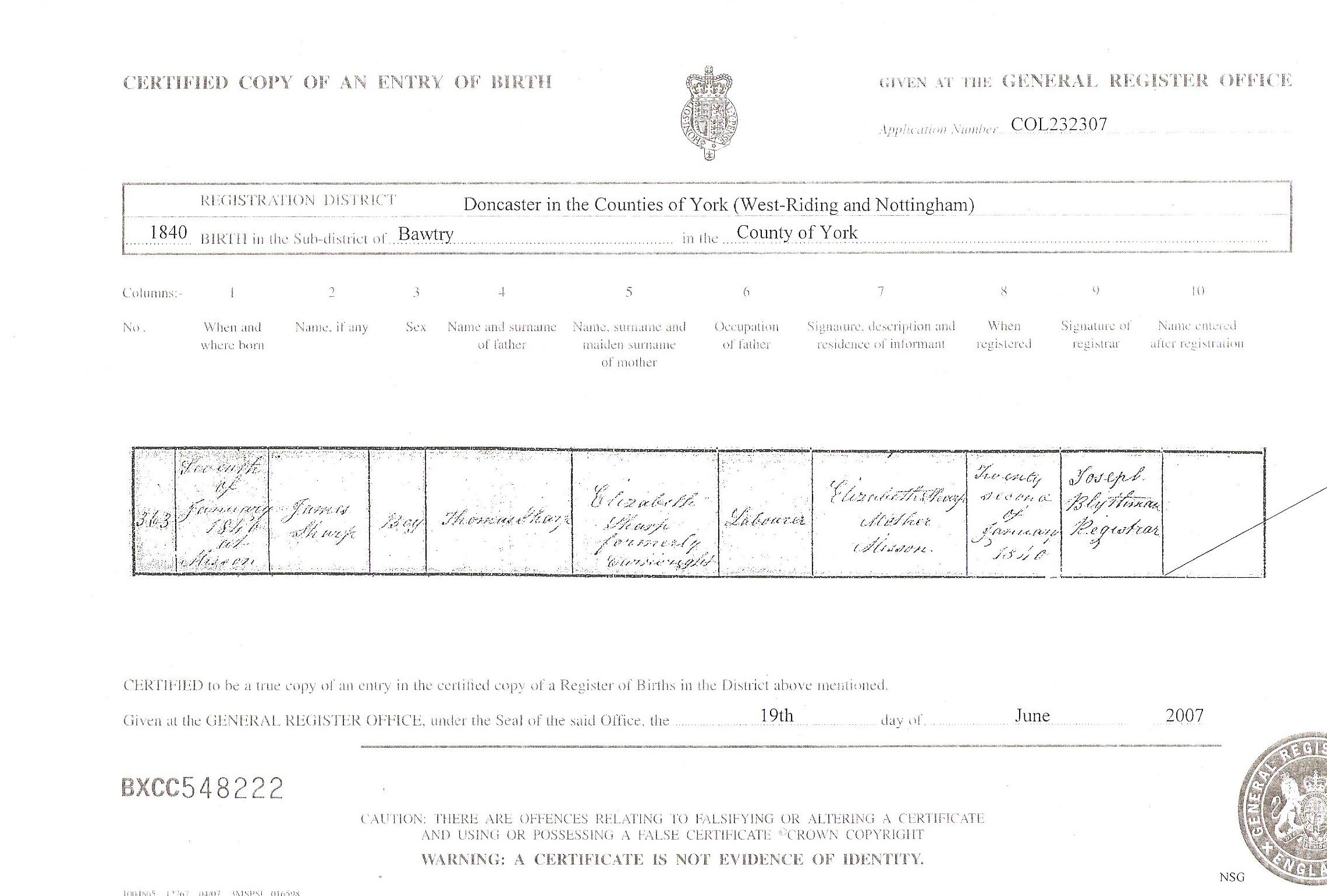
We stopped to pay a visit at the Clarkston, Utah, Cemetery in 2021. We were in Cache Valley for the Jonas Reunion and I knew Amanda had some ancestors buried in Clarkston. Amanda did not recall ever seeing their graves. We had then also been talking about Martin Harris in our study of the Doctrine & Covenants. I surprised the family with a surprise stop on our way home from the Jonas Reunion in Hyrum. It was a hot, windy, and smokey day. We stopped again this year, 2026, for a follow up since I have been doing some research on these families and it is fun to update pictures with the kids. Most of this post I wrote in 2021, but have updated it with new research and photos.
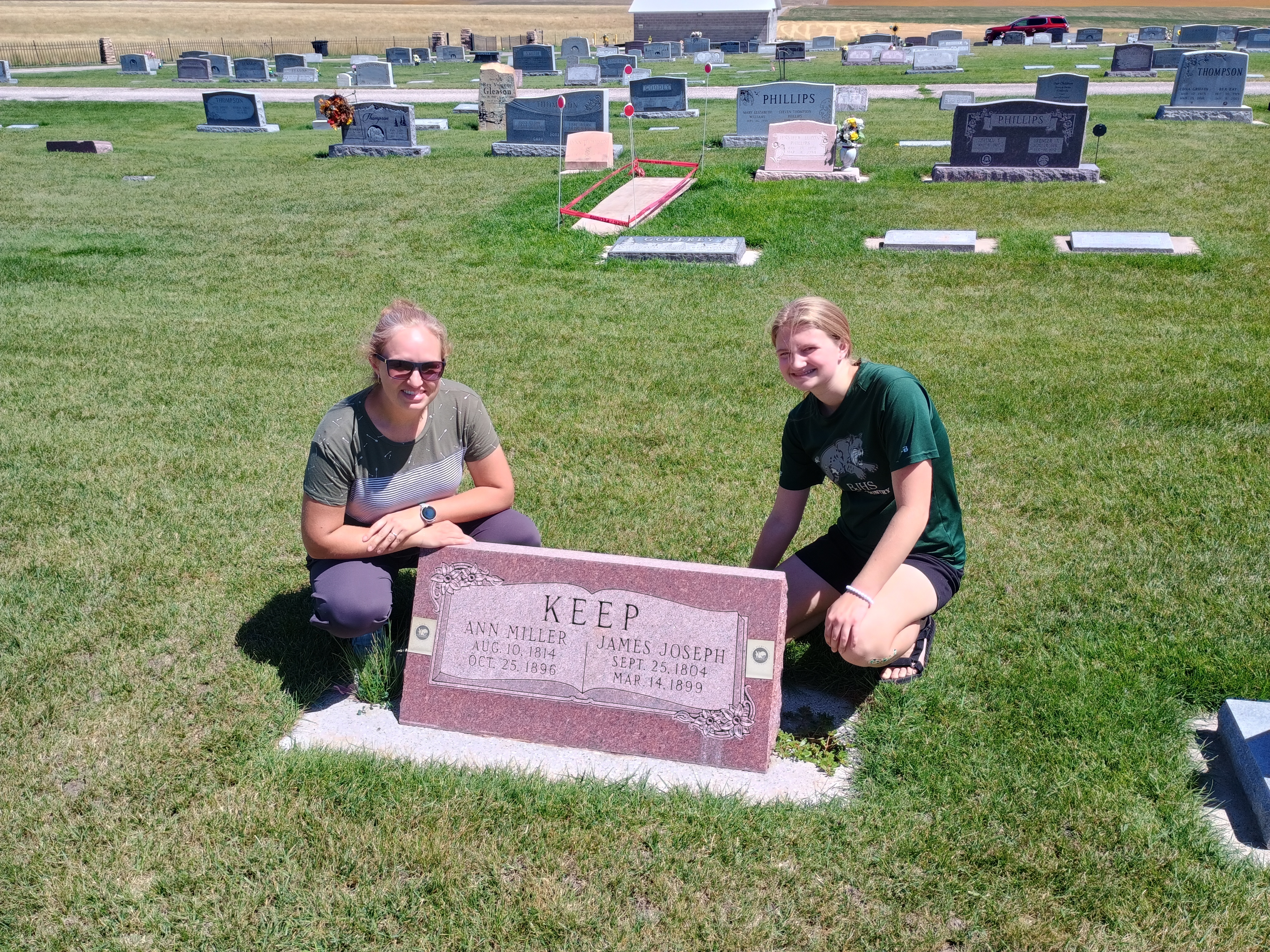
Amanda, Aliza, Hiram, and James Ross at graves of James & Ann Keep – 8 August 2021
Amanda and Aliza Ross – 16 August 2026 – Clarkston Cemetery
James & Ann Keep are Amanda’s 4th Great Grandparents. Amanda wasn’t very familiar with them so we had to do some homework.
James Joseph Keep was born 25 September 1804 to James Joseph and Ann Evans Keep. Family tradition, including his own later Church membership reporting, places his birth in Acton, Middlesex, England. He was christened 11 November 1804 in St. Nicholas Parish, Chiswick, about two miles away. His father died when James was 5, his father was 29 years old at death, and little James was raised for a time by his grandparents.
James married Elizabeth Parr on 15 June 1826 in Greenham, Berkshire, England. She was a widow, he a bachelor of 21. She died in 1836, confirmed by a probate record in Reading, although the exact date was not provided. James remarried to Ann Miller on 25 July 1836 in St. Mary’s, Reading, Berkshire, England. They joined the Methodists, then the Baptists, and then were Independents.
Two young Mormon men came near the house preaching the gospel and Ann told James to go out and hear them. They were preaching about baptism. He went into the house and searched his Bible to ascertain the truth of what they said. Here he found that baptism was to be born of the water and the spirit. When they came again to preach, James took a long bench for the people to sit on. That evening he went to the meeting house. There he heard the saints speak in tongues.
He and his family were baptized into The Church of Jesus Christ of Latter-day Saints. His own account, written decades later, states he joined 23 July 1848 and Ann soon after, with his baptism arranged secretly, before dawn, without his family’s foreknowledge. Such a secret baptismal services may explain why no official record of the baptism and confirmation appear to exist. Official Church membership records instead show a longer process: daughter Mary Elizabeth baptized 14 March 1846, Sarah on 10 January 1849, James and Ann together on 15 March 1857, daughters Ann and Lucy on 24 April 1857, Harriet on 18 June 1858, Ruth on 1 January 1862, and Maria Jane on 1 February 1865. Rather than one dramatic family conversion, the record suggests a longer, gradual process, perhaps beginning with Mary Elizabeth on her own. I don’t wish to undermine the baptismal story, it does not match official church records.
Ann Miller was born 10 August 1816 in Newbury, Berkshire, England to James and Ann Elkins Miller. She was christened 2 October 1816 at North Croft Lane Baptist Church in Newbury.
The 1841 and 1851 census both have the Keep family in Thatcham, Berkshire, England. He was a mason and bricklayer. It was during this time that Ann Miller had a miracle.
~
Kennett Place, Newbury, Berks, Sept. 30, 1850
Dear President Pratt,
We have recently been favored with a manifestation of the miraculous power of God; in this branch of the Church a sister, named Ann Keep, the wife of Joseph Keep, who is a deacon in the Church, had a cancer in her breast for some time; and it became so bad of late that she intended to have it cut out, and the time was appointed for it to be done. Three medical men were to be present at the operation. A brother named David Davis, an elder in the Church, called to see her, and she told him she was going to have the cancer taken out; and he said to her “have you got any faith in the power of God?” and she answered “yes:” and he said “so have I.” Accordingly he anointed her breast with oil, and laid hands upon her, and the pain left her there and then, and she never felt it any more; and from that time the cancer got less, until it disappeared; and the breast that had the cancer is as well as the other. This is known by many out of the Church.
Yours, &c.
Thomas Squires
President of the Newbury Branch
It was Ann’s daughters Mary Elizabeth and Sarah who ran to fetch the Elders that day, according to the family’s own retelling of the story, a detail Sarah herself would later recall in her own history.
~
James, Ann, and family left for the United States from London on 23 May 1866 on the ship American Congress arriving at Castle Gardens, New York, on 5 July 1866. They were in Wyoming, Otoe, Nebraska on 13 August 1866 traveling with the Abner Lowry Wagon Company arrving in Salt Lake City, Utah on 22 October 1866.
We later found a published account of that crossing by John Nicholson, the young elder appointed to lead the company of Saints aboard the American Congress. His company included James, Ann, and their daughters Ruth, Maria Jane, and Sarah Keep Francis with her baby, Lucy Ann.
~
As the ship neared Newfoundland, a thick fog closed in for several days. Captain Woodward, unable to see the sun, could not fix his position. On the quarterdeck, Nicholson’s counselor John Rider suddenly saw the fog lift and called out, “Captain, what is that?” Rocks and breakers lay dead ahead. Woodward sprang to the wheel and gave the order to come about just in time. Nicholson estimated that a few moments’ delay would have wrecked the ship, with few if any aboard surviving. At the captain’s request, most passengers, the Keeps among them, never knew how close the danger had come.
John Nicholson, “Saved by Providence,” Juvenile Instructor, 16:2 (15 January 1881), p. 19.
~
James was ordained a Deacon 5 August 1849, a Priest 19 January 1851, and an Elder 18 May 1851, all by Thomas Squires, and was set apart to travel and preach the Gospel in the open air throughout England. James and Ann received their endowments and were sealed to each other at the Endowment House in Salt Lake City on 6 June 1868. James was ordained a High Priest later that year, on 25 September 1868, his 64th birthday, by Edwin D. Woolley, bishop of Salt Lake City’s 13th Ward and Brigham Young’s business manager (and later grandfather to Spencer W. Kimball and J. Reuben Clark).
The 1870 Census places the James & Ann Keep in Newton, Cache, Utah with Maria. Shortly afterward they moved to Clarkston and James built a masonry home. The 1880 Census has them located in Clarkston. James was known for his masonry work and often built chimneys for individuals.
Ann helped in the fields with James to raise crops. They had oxen with which they did their farming. Sometimes she would be very tired when she got home. The oxen’s names were Jack and Jue. Ann called them by name and they would reply by their actions.
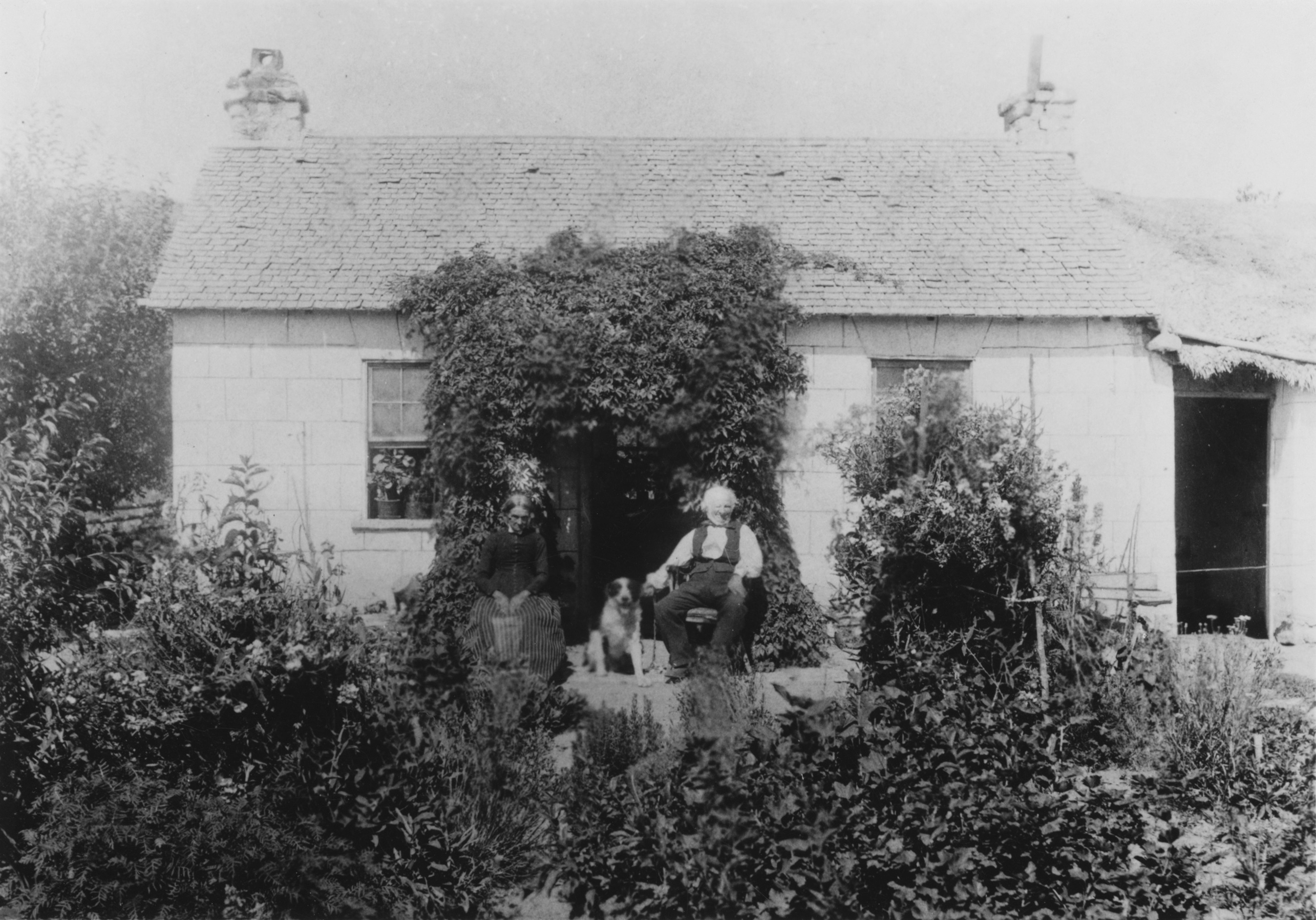
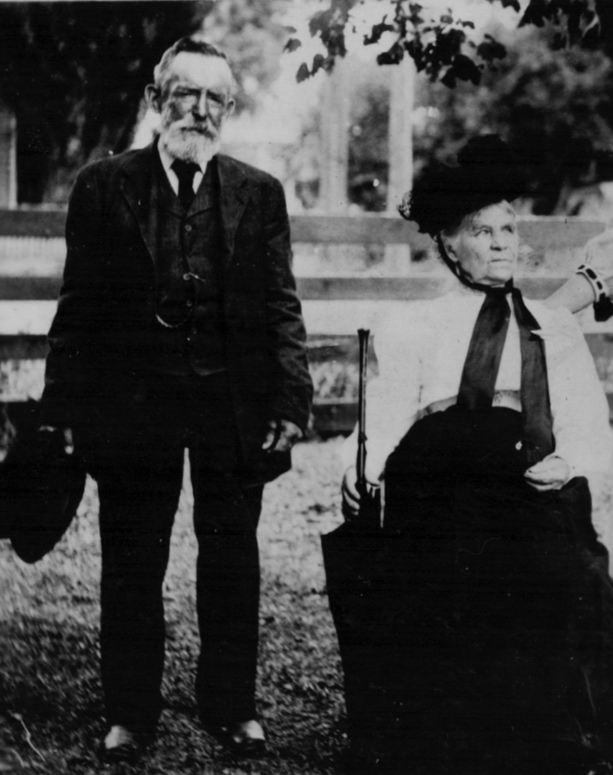
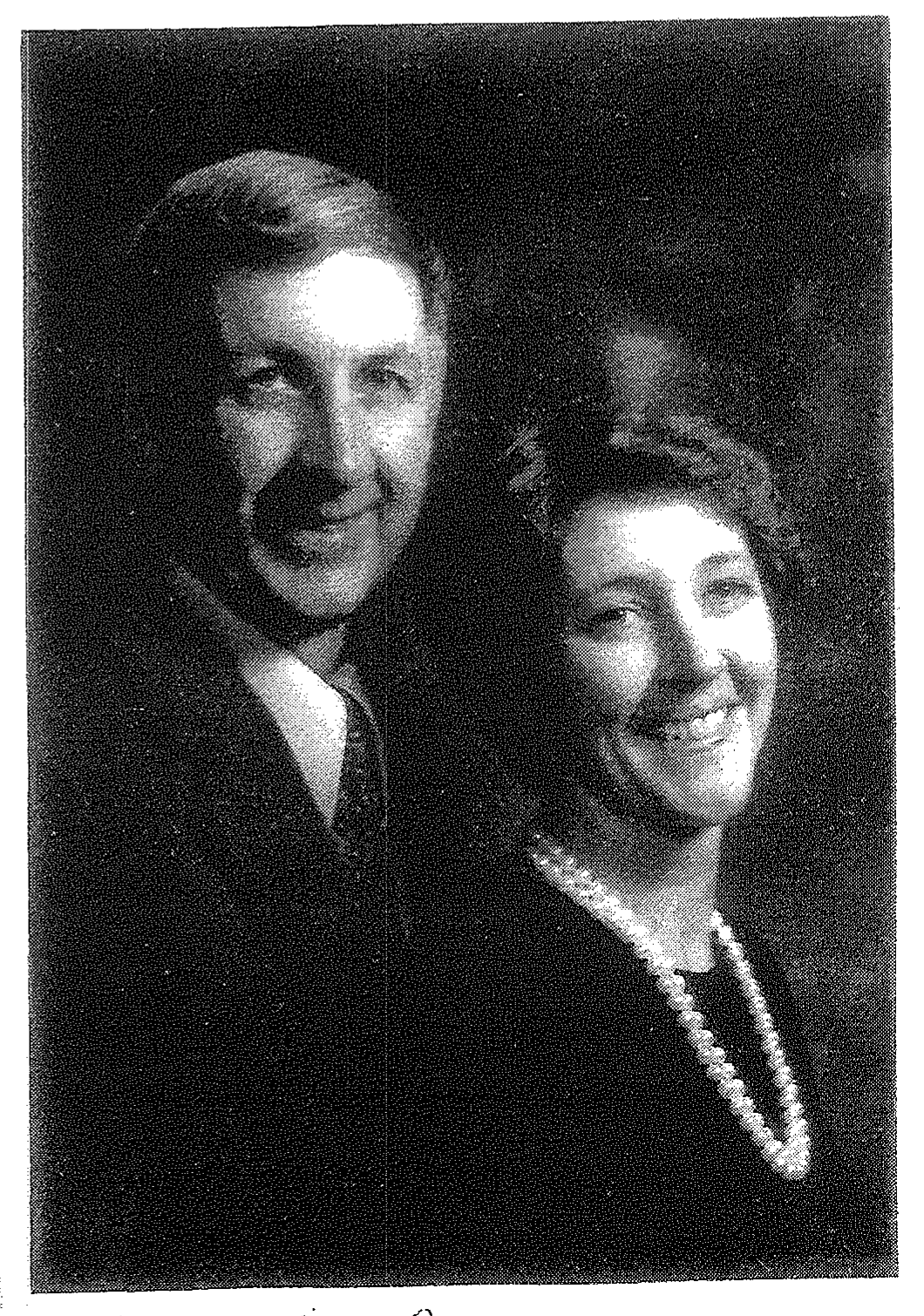
James & Ann Keep
Ann enjoyed her home and loved to make it look nice. She had flowers in the windows and all around the house and a fine orchard of apples, English currants, and gooseberries. All kinds of vegetables were grown in the garden. Her husband helped to care for it too. There was a small porch on the front of her house with a hop vine all around it which grew and ran all over the porch making a nice shade in the summertime. In the fall she would gather the hops and dry them and make yeast with them three times per week. The sisters in the town would send a cup of flour to trade for a cup of yeast to make their bread. In this way she kept herself in flour.
The house, located at about 53 West 200 South in Clarkston, was plastered white on the outside by their son-in-law, Morgan Davies, husband of their daughter Ann. Morgan was a professional plasterer who worked as a foreman on the Salt Lake Temple and helped finish several other prominent Salt Lake City buildings, including the Salt Lake Theater and the State Capitol.
Ann and James Keep at their home in Clarkston, Utah
She was called as first counselor to Mary Griffin in the Clarkston Relief Society on 12 January 1875, per a contemporaneous letter published in the Woman’s Exponent. She was released in 1885 as she and her husband were getting old and could not do their work so well. Ann was a very busy woman. When too old to do heavy work, she would sew quilt blocks for the Relief Society and for her grandchildren or anyone who would let her do it for them.
James and Ann decided to sell their house and property and live on the principle and interest. In 1890, they sold out and moved to Lehi, Utah for two years. They then returned to Clarkston for several years. Ann had a very bad sick spell and it took her a long time to recover. After she got well, they moved to Newton to live with a daughter, Ruth Griffin.
Just before her death Ann bore a strong testimony to the truth of the gospel, telling her daughters and families to hold fast to the end for this was the true Church of Jesus Christ and to do all they could for their dead. She told her nurse, Caroline Thompson, to hold her pocket book for her, then she took out a dollar and passed it to her daughter, Sarah Buttars and said, “Get my brother Joseph’s temple work done for he was a good man.” She passed away 25 October 1896 in Newton.
Nine days after Ann’s death, James wrote to his grandson, John Griffin, then serving a mission: “I can tell it is such a blow to me that it makes me feel so lost that I can hardly bear up with my spirit… after living with a good wife 60 years it is very hard to part with each other.” He wrote that Ann had told him not to pray for her life to be spared, “I want to die and I am going to die so give me up to the Lord.” She spent her final hours talking and praying, urging their children to “stand fast to this church, it is the true church.” James added that he had recently been to the temple, baptized eleven times for the dead, and sealed forty-one couples as man and wife since her passing.
Ann’s funeral was held in the Clarkston meeting house on 28 October 1896, with remarks by Thomas Griffin, John Griffin, Ole Peterson, Bishop W Griffin, Counselor A W Heggie, and Bishop John Jardine. A local correspondent noted that James, then 93, sat at the head of her coffin, “he has lost his right hand,” the account read. “He is deaf and can’t hear a sound but can walk around and converse with others and may yet live many years.”
James passed away while staying with his daughter Mary Turner in Lehi on 14 March 1899. His body was returned and buried in Clarkston.
James’s funeral was held in Clarkston on 17 March 1899, three days after his death; his body had arrived the day before, accompanied by his daughter and grandson, Mr. and Mrs. Turner of Lehi, and his grandson Mr. Davies of Salt Lake. By his own prior request, six friends spoke, including John E Godfrey, the same Godfrey who had stood beside him as a witness to Martin Harris’s testimony some 24 years earlier. Six of his grandsons served as pallbearers.
~
James Keep finds himself in history due to being present in the home of Martin Harris at the visit of Ole Jensen in July 1875. John Godfrey and James Keep both signed as witnesses to the statement of Ole Jensen, Clarkston Ward Clerk. This is from Jensen’s statement:
It was in Clarkston, Utah, July 1875. Early in the morning a thought came to my mind that I would go and see how Brother Martin Harris was feeling. It was only three blocks from my home. I heard he was not feeling well. People came from other towns to see Brother Harris and hear him bear his testimony on the Book of Mormon. When I arrived there were two men present. Brother Harris lay on his bed leaning on his elbow. I said, How are you? Brother Harris answered slowly, Pretty well.We came to hear your testimony on the Book of Mormon.
Yes, he said in a loud voice as he sat up in bed, I wish that I could speak loud enough that the whole world could hear my testimony. Brother stand over so I can see you. Then he stretched out his hand and said, Brother I believe there is an Angel to hear what I shall tell you, and you shall never forget what I shall say. The Prophet, Oliver Cowdery, David Whitmer and myself went into a little grove to pray to obtain a promise that we should behold it with our own eyes.
That we could testify of it to the world. We prayed two or three times and at length the angel stood before Oliver and David and showed them the plates. But behold I had gone by myself to pray and in my desperation I asked the Prophet to kneel down with me and pray for me that I may also see the plates. And we did so and immediately the Angel stood before me and said, Look and when I glanced at him I fell but I stood on my feet and saw the Angel turn the golden leaves over and I said, It is enough my Lord and my God.Then I heard the voice of God say the book is true and translate correctly!“
Martin Harris then turned himself as though he had no more to say and we made ready to go but he spoke again and said, I will tell you a wonderful thing that happened after Joseph had found the plates. Three of us took some tools to go to the hill and hunt for some more boxes of gold or something and indeed we found a stone box. We got quite excited about it and dug quite carefully around it and we were ready to take it up, but behold by some unseen power the box slipped back into the hill. We stood there and looked at it and one of us took a crowbar and tried to drive it through the lid and hold it but the bar glanced off and broke off one corner of the box.“
“Sometime that box will be found and you will see the corner broken off and then you will know I have told the truth again. Brother as sure as you are standing here and see me, just so sure did I see the golden plates in His hand and He showed them to me. I have promised that I will bear witness of this truth both here and hereafter.”
His lips trembled and tears came into his eyes. I should liked to have asked one more question but I failed to do so. But I refreshed myself and shook hands and thanked him and left. When I think of the day I stood before Martin Harris and saw him stretch forth his hand and raise his voice and hear his testimony, the feeling that thrilled my whole being, I can never forget. Nor can I express the joy that filled my soul. This is a true statement.
Sarah Keep later confirmed this in her own written history, noting that her father’s presence was recorded “in the presence of John Godfrey, Ole A. Jensen and James Joseph Keep, my father.”
~
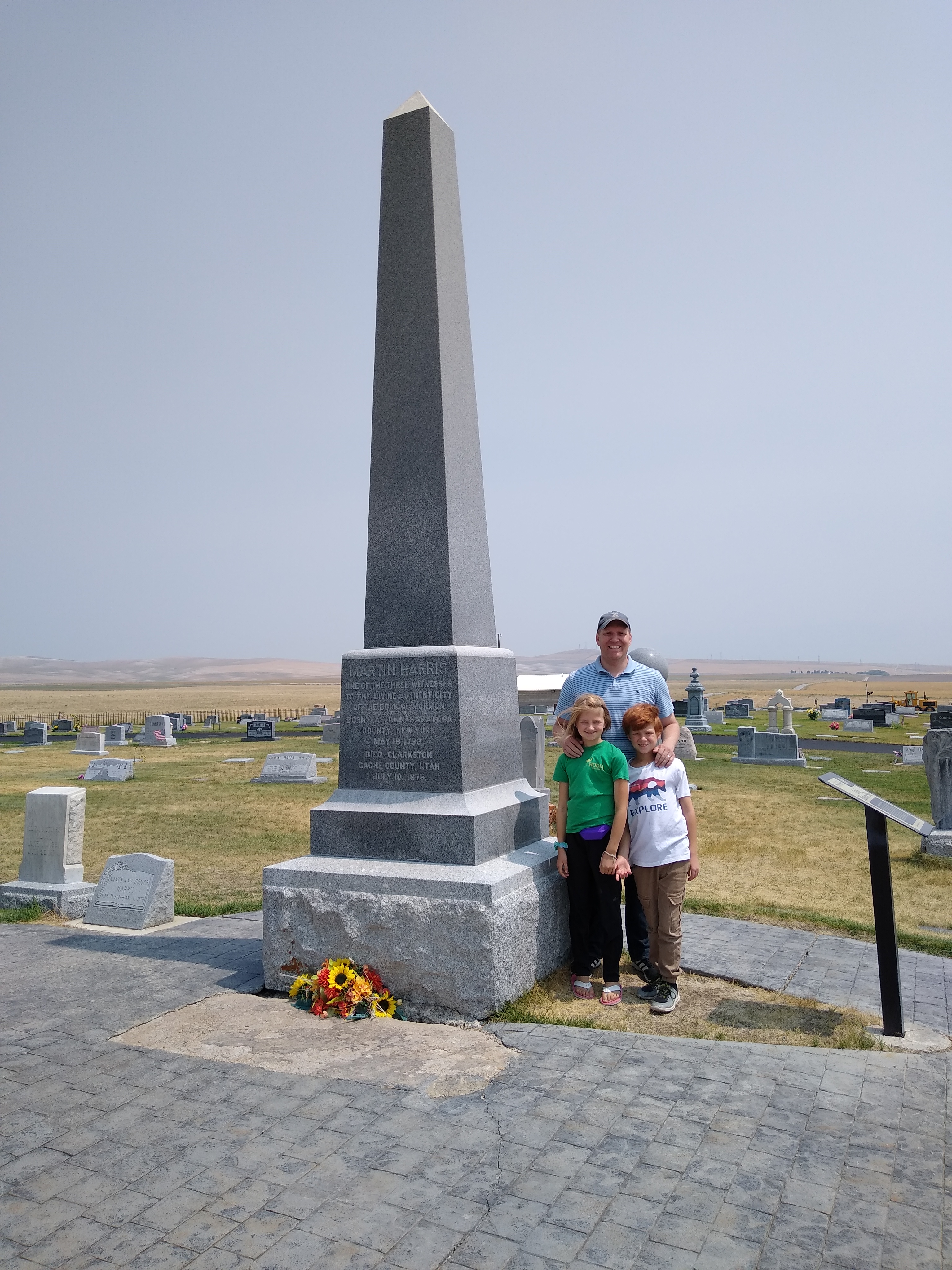
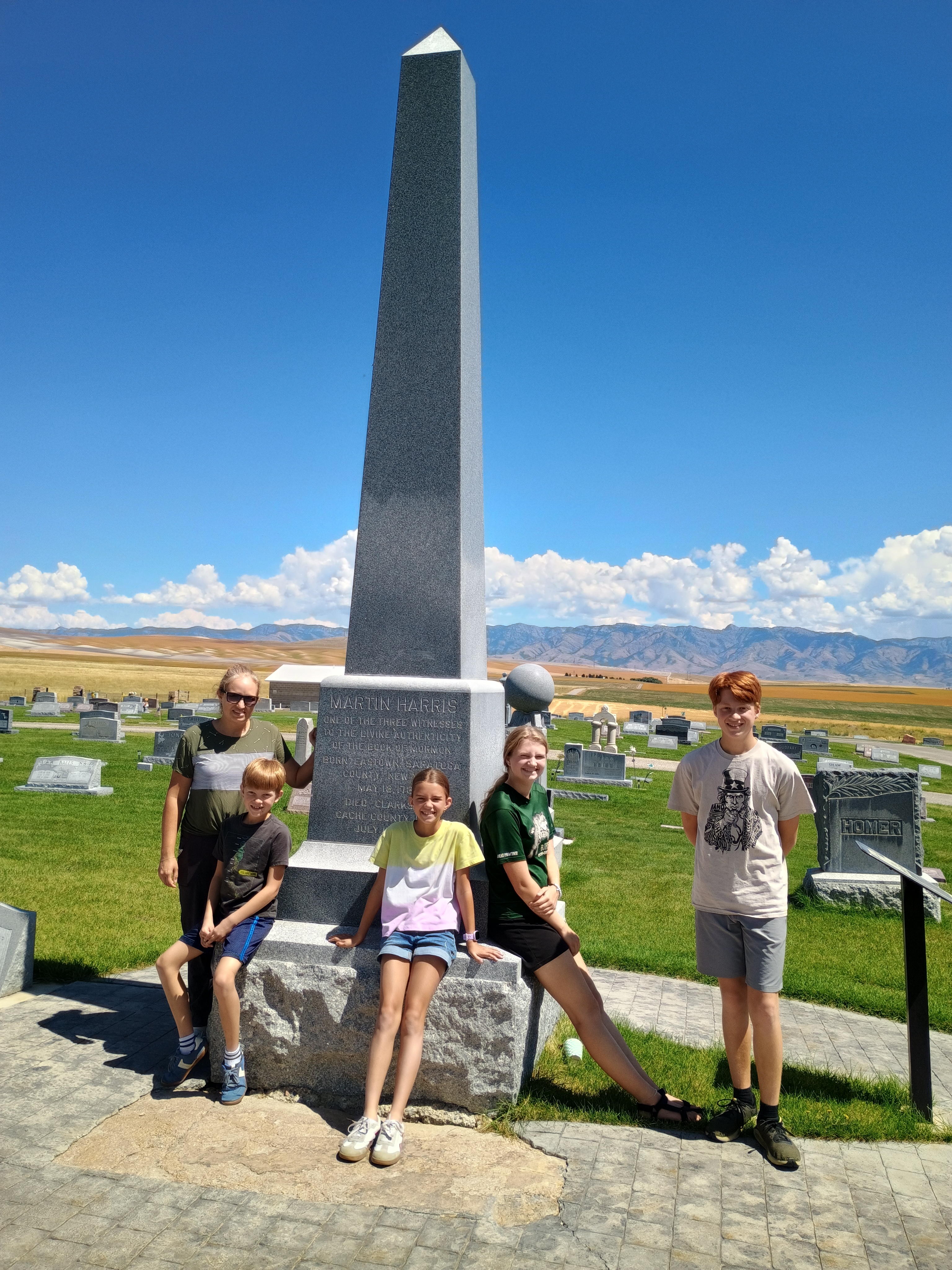
We also visited the grave of Martin Harris in the same cemetery at Clarkston.
Paul, Aliza, and Hiram Ross at the grave of Martin Harris on 8 August 2021
Amanda, James, Lillie, Aliza, and Hiram Ross at Martin’s grave – 16 August 2026
Thomas Squires (1811–1868), who ordained James and later served as President of the Newbury Branch, had followed a strikingly similar religious path of his own. A Wesleyan preacher from age fifteen, he later turned to the Baptists, and finding neither fully satisfying, began preaching what he considered an improved doctrine of his own. He first heard of the Latter-day Saints from two women he met after preaching in a village on a Sunday morning, tracked down and corresponded with an Elder in London, and was soon baptized, confirmed, and ordained an elder in a single day. He baptized many converts and established several branches of the Church.
When the Newbury Saints raised the means to send him to Zion, Thomas emigrated in 1854 with his large family, sailing from Liverpool to New Orleans on the Golconda. Cholera struck the company in St. Louis, killing his wife, Mary Ann, and all but a son and a daughter, Sarah Ann, among his children, along with the wife of his son-in-law John Green. Thomas himself was gravely ill but survived, arriving in Salt Lake City on 30 September 1854, where his brother John, who had emigrated a year earlier, nursed him back to health. Sarah Ann later married her brother-in-law, John Green, himself recently widowed in the same epidemic.
Thomas settled in Kaysville, mending shoes for a living, but never fully adjusted to life afterward. In the words of his brother, John Paternoster Squires, Thomas had been “almost worshipped” as a preacher in England, and mending and pegging old shoes “seemed too monotonous for him.” He grew discouraged, drifted from the Church, briefly joined the Josephites (the RLDS movement), then left Utah altogether for Denver and later Cañon City, Colorado, where he preached for the Baptists and was supported by the townspeople until his death on 18 May 1868, of paralysis.
Milo Sharp, Archie Richardson, Mary Ann and Ethel Sharp, Roy Richardson
William Stoker and the late Emma Eames Stoker are pleased to announce the marriage of their daughter Mary Ann to Milo Riley Sharp, son of William Sharp and Mary Ann Sharp. They were married at the Episcopal Church in Plain City, Weber, Utah on 11 May 1879.
Milo is a farmer in Plain City. The couple will make their home in Plain City.
Just trying to write these first three paragraphs was not easy with this family. So many twists and turns with each individual name makes it difficult to find the proper wording and fashion to form the sentences. If you do not know the story of the names, it can be confusing. There are two Mary Ann Sharps in this family (Milo Riley’s mother, and his wife Mary Ann “Lillie” Stoker) and two Victorine Sharps a generation apart (Milo Riley’s sister, and his own daughter). I have tried to be careful throughout to distinguish them.
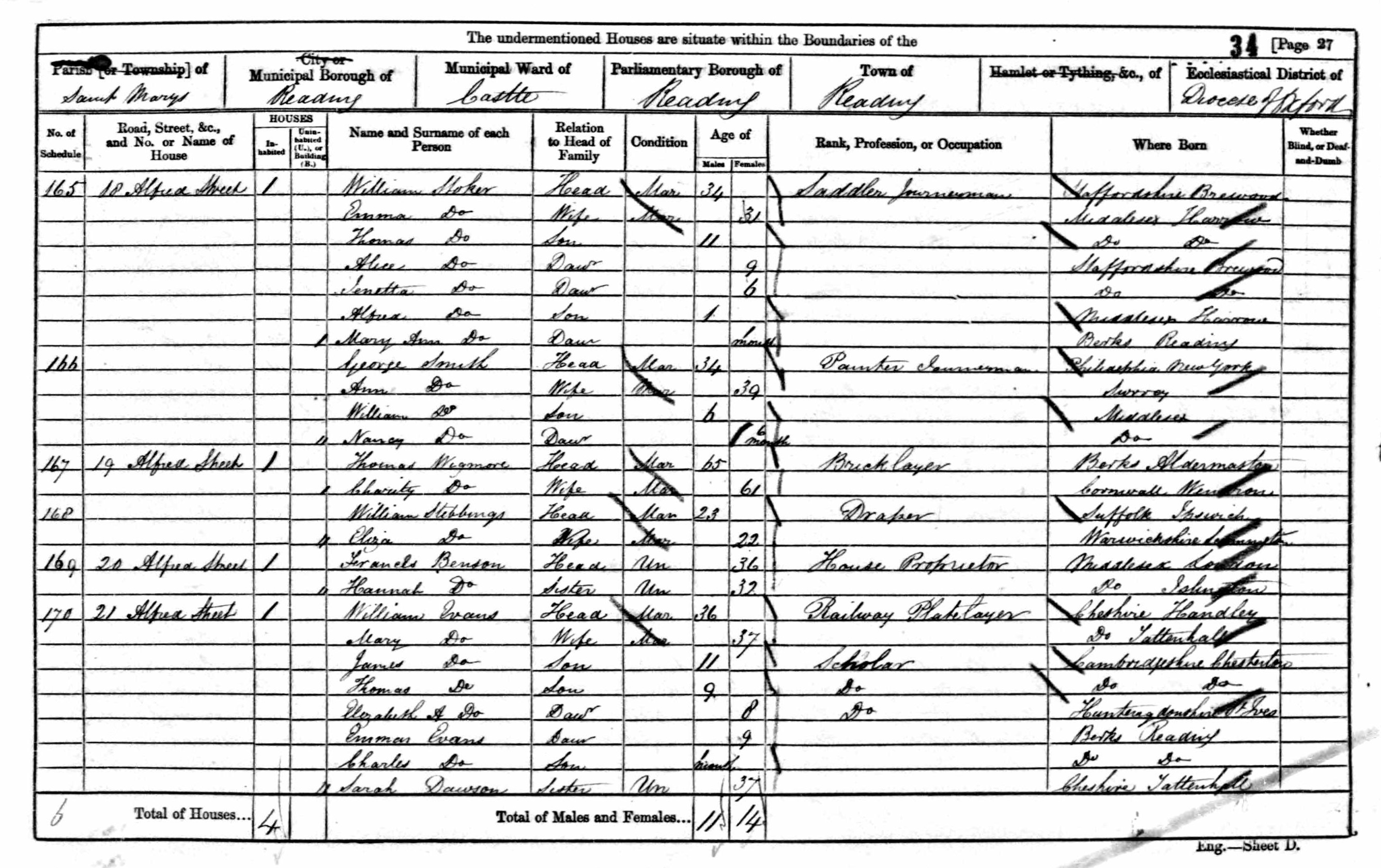
I struggled on whether to call Mary Ann by her other known name, Lillian “Lillie” Musgrave. After marriage, she was known as Lillie M Sharp, she is said to have signed her own name that way throughout her life. She was born 24 February 1861 as Mary Ann Stoker at 18 Alfred Street within St. Mary’s Parish in Reading, Berkshire, England. She was the fifth of six children of William Stoker, a journeyman saddler working in Reading, and Emma Eames. Her youngest sibling, an infant brother George, died in Reading in March 1863, just weeks before Emma herself died. Emma contracted tuberculosis (listed as phthisis on the death certificate) and passed away 28 April 1863 at the same address after a year struggle with the disease. Mary Ann never knew her mother or her baby brother. She was just two years old. Her older brother William Thomas, eleven years her senior, joined The Church of Jesus Christ of Latter-day Saints on 5 December 1860. Her father and older sister Alice joined on 27 May 1863. For the fuller story of the Stoker family in England, see Stoker-Eames Wedding.
1861 British Census, Stoker family at 18 Alfred Street, Reading, with infant Mary Ann
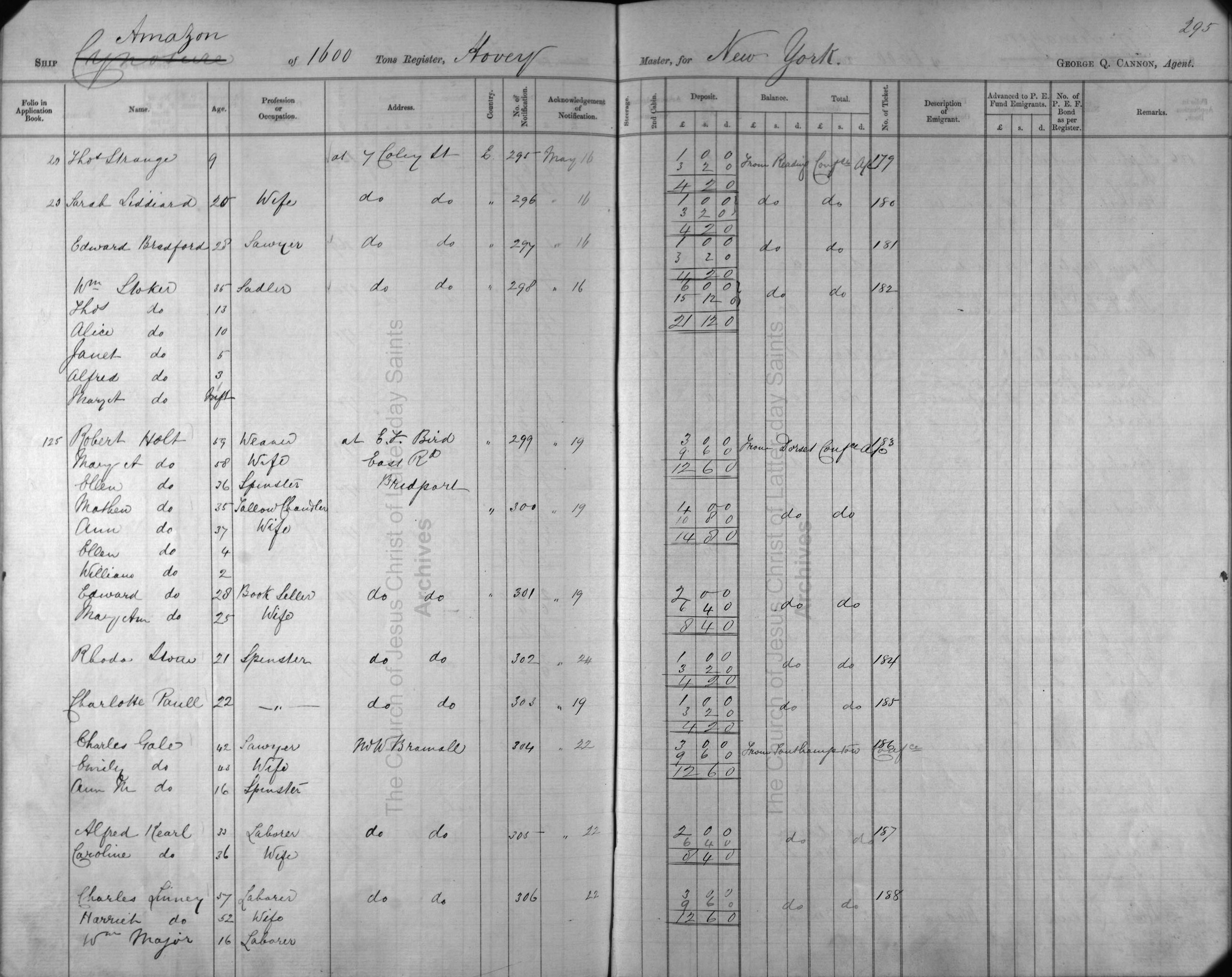
The family wasted no time in gathering to Zion. The Stoker family departed from London on the ship “Amazon” on 4 June 1863. George Q Cannon dedicated the ship which was entirely of Saints (880+) headed for Zion. It was this same ship that Charles Dickens wrote that the Mormons were not taking misfits and scoundrels, but the “pick and flower” of England. George Sutherland, future U.S. Supreme Court Justice, was also on this ship. Here is a link to the story by Charles Dickens: The Uncommercial Traveller. The LDS church also tells of the story that day at this link: Amazon Departure. The ship sailed to Liverpool before heading out for the United States. Elijah Larkin, who would help found Larkin Mortuary, noted that on the 16th and 20th of June, Thomas Stoker was administered to due to a sickness since leaving Liverpool.
Amazon emigration fund ledger — William Stoker (saddler) with Thomas (13), Alice (10), Janet (5), Alfred (3), and Mary A (infant)
The “Amazon” docked at Castle Gardens, New York on 18 July 1863. The Saints from there took rail to Albany, New York and then to Florence, Douglas, Nebraska through Detroit, Wayne, Michigan. From Florence they made their way by wagon train on to Salt Lake City, Utah Territory, arriving 3 and 4 October 1863 (depending on which of the two companies), just in time for General Conference. Several of the company wrote of Brigham Young coming out to greet them and giving them advice.
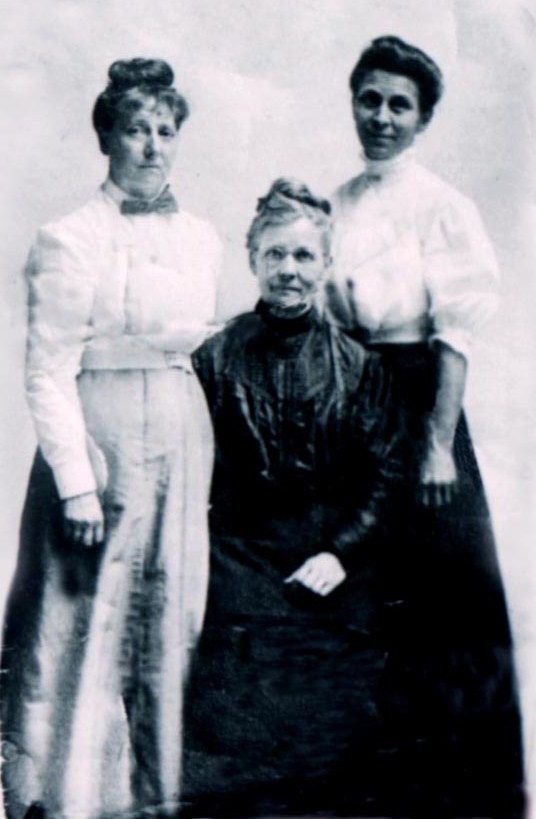
William moved to Ogden, Weber, Utah and set up shop working with leather. William remarried to Eliza Sinfield in Ogden 18 May 1864. While Mary Ann is listed as a child for William and Eliza on the 1870 Census, she was actually living with George Augustus and Victoreen Jane Dix Musgrave. She is listed with their family on the 1870 Census as well. Additionally, the other children from this first marriage were also being raised by other families. Family lore indicates that William and Eliza could not afford to raise these older children and farmed them out to families that could afford to take care of them. Other evidence points that they were not all that poor. Here are three of the sisters later in life. They still maintained their relationship despite being raised by separate families.
l-r: Mary Ann Stoker Sharp, Jeanette Stoker Rogers, Henrietta Stoker Weston
George Augustus Musgrave was born 22 October 1833 in Clerkenwell, London, the son of George Augustus Musgrave Sr. and Georgina Louisa Wheatley. He married Victoreen Jane Dix in St Pancras on 18 February 1855, and the two joined the LDS Church and emigrated to Utah in 1857, several years ahead of the Stoker family. Unable to have children of their own, they welcomed Mary Ann into their home. Victoreen was herself an adopted child. After George’s passing, she remarried to George’s brother, Thomas Henry Musgrave, also a resident of Plain City. Lillie later helped care for Thomas and Victoreen in their old age, repaying a debt of love within her adoptive family. George died 12 November 1903 in Plain City; Victoreen in 1921, Thomas also in 1921. You can read more of the Musgrave family’s role as the first teachers and choir leaders of Plain City in the History of Plain City.
Victoreen Dix Musgrave
While Mary Ann was raised by George and Victoreen Musgrave, she knew who her real father was, but had few, if any, childhood memories of him. George Musgrave was a school teacher and musician in Plain City. Although not formally adopted, George and Victoreen called her Lillian Musgrave, and she went by Lillie the rest of her life, taking the Musgrave as her middle name after she married. Her son Austin lists his mother’s name as Lillee Musgrave.
Victoreen Dix Musgrave and her second husband, Thomas Henry Musgrave
George and Victoreen knew music and taught school. Naturally, Lillie was taught the same. She ended up participating in the second dramatic association in Plain City. Some of their shows put on were, “Mistletoe Bough,” “Mickle Earl,” “Maniac Lover,” “Fruits of the Wind Cup,” “Streets of New York,” “The Two Galley Slaves,” “The Rough Diamond,” “Earnest Mall Travers,” and “Ten Knights in a Bar Room.”
All was not well in Zion during these years in Plain City. Family lore has it that when a Bishop (Lewis Shurtleff, Branch President 1870–1877, Bishop 1877–1883) extended himself beyond what the members felt was right, these families made sure it was known. The final straw came when Bishop Shurtleff started telling the members what they would give as tithing. These were not just fringe members, but good standing members of the church in the area. William Sharp (Lillie’s future father-in-law), the son of Thomas and Elizabeth Cartwright Sharp, began construction on St. Paul’s Episcopal Church in 1877 for many of these disaffected members. The building still stands today now owned by the Lions Club in Plain City. For whatever reason a significant group of members were excommunicated between 1877 and 1882. Many of Plain City’s leading members were excommunicated. Excommunicated on 31 January 1879 were William Sharp (the same who built the new church), Mary Ann Sharp (William’s ex-wife, divorced 19 May 1876, Lillie’s future mother-in-law), William Skeen, Edwin Dix, George Musgrave (Lillie’s adopted father), Thomas Musgrave, Thomas Singleton, Thomas Davis, George W Harris, Jonathan Moyes, John Moyes, Winfield Spiers, James Wadman, Robert Davis, John Davis, and Thomas Robson. These lists also have “and wife” as well as “and family” which seems to indicate that this list may have included spouses and families. Mary Ann Sharp (Lillie’s future mother-in-law) is the only woman listed separately, perhaps because with the recent divorce she was not represented by William. Many of these families returned to the church, some took generations, some never did.
While Lillie’s name is not on the list, she was probably classified with the Musgrave family. We do not have any record of her baptism, but she was with the Musgrave family attending the newly established St. Paul’s Episcopal Church. Although it seems Victoreen Musgrave was excommunicated, she continued active with LDS Relief Society (or she was not excommunicated). It was during this time that Lillie came to fall in love with Milo Riley Sharp. William Sharp, with the assistance of Milo, had also helped build the Musgrave’s new home. In St. Paul’s Episcopal Church, J. S. Gellogly married Milo and Lillie on 11 May 1879.
Milo Riley Sharp was born 23 July 1857 in Lehi, Utah, Utah. He was the fourth of six children born to William Sharp (1826–1900) and Mary Ann Bailey Sharp (1828–1913), English converts to the church. William is son of Thomas and Elizabeth Cartwright Sharp of Misson, Nottinghamshire, England. Mary Ann had a child, Lorenzo Padley, from a previous marriage in which she was widowed. William and Mary Ann Sharp immigrated to Utah in 1853 after joining The Church of Jesus Christ of Latter-day Saints in 1848 and 1846 respectively. At first they were sent to Lehi but had a number of issues with range for the cattle and other minor squabbles. Water was also not found to be very dependable in the Lehi area. William learned of land near Ogden that was going to be opened up from some of the Saints passing through Lehi (abandoning Salt Lake City before the arrival of Johnston’s Army). These Lehi Saints were told of ample land and good water that was available west of Ogden. A scouting expedition went to search out the area in the fall of 1858 and visited with Lorin Farr who told them of the available plain to the west.
The Sharp family left with other Lehi Saints on 10 March 1859 to travel to this new area. The group arrived 17 March 1859 at what is present day Plain City. William Sharp put his carpentry and masonry skills to work making adobe brick and helping build the first homes in Plain City. In one of these first adobe brick homes is where Milo Riley grew up. William served in the Plain City band, the Plain City Z.C.M.I. board, as a builder, and as a city leader. Milo’s little sister Evelyn is claimed to be the first white girl born in Plain City in October 1859.
Milo’s mother, Mary Ann Bailey Sharp, moved out on Christmas Eve 1875 and refused to go back to William. William sued for divorce and Franklin D. Richards granted the divorce (in probate court) on 19 May 1876.
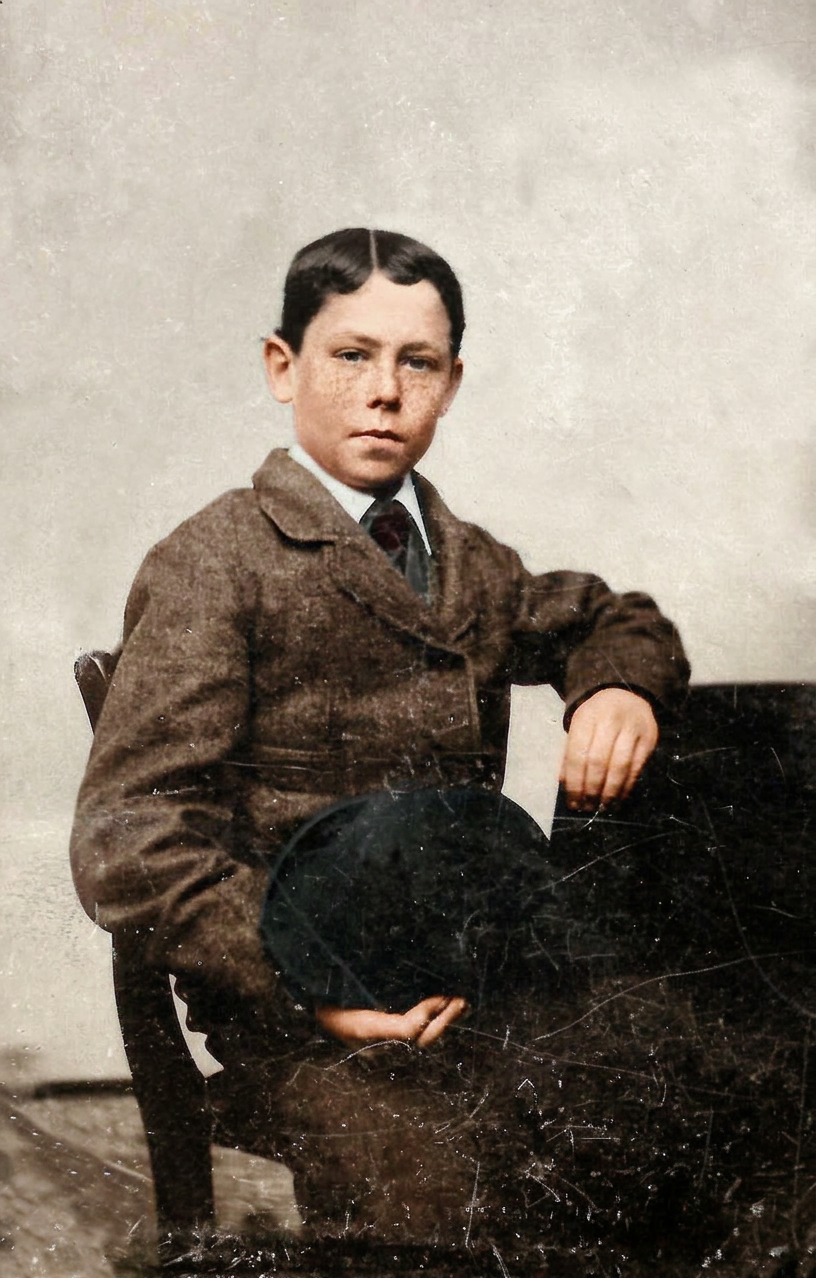
Milo Riley Sharp as a young man
Milo kept busy working with his father building homes and other masonry and carpentry work. He also had time to play first base on Plain City’s first baseball team. The team could beat all the other northern Utah teams except Salt Lake. He was elected a school trustee in 1897, alongside S. P. Draney.
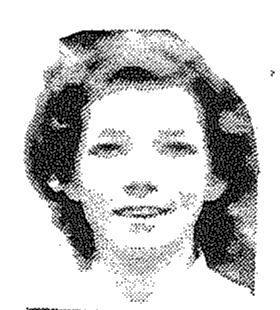
The marriage of Milo and Lillie eventually produced a quiver of 12 children. Milo Ray was born 29 February 1880 and died 14 November 1946 in Ogden. George was born 2 August 1881 and passed the same day. Effie was born 6 June 1882 and died 6 September 1883. Delwin arrived 30 June 1884 and died 27 May 1969, having lived his whole life in Plain City. Ernest and Austin, twins, came 7 January 1886. Ernest contracted infantile paralysis as a small child; it left him crippled his whole life, and he never married, living with his mother and then remaining in the family home until his death 30 April 1967. Austin married Martha Hazel Howard and eventually settled in Prosser, Washington, where he died 26 August 1954. Edward William appeared 25 October 1887, married Lillie Elva East, and died 24 August 1962 in Othello, Washington. Victorine showed 23 November 1889 and married Fredrick Lawrence Hunt; she died 27 August 1987. Mary Irene materialized 26 June 1892 and married Oscar “Os” Child Richardson; she was the first of the twelve children to join The Church of Jesus Christ of Latter-day Saints in her own lifetime, being baptized in October 1931, and she died 11 September 1990. Edith dawned 4 February 1895, married Clements Richard Martin on her twentieth birthday; she died 15 September 1979 in California. Ethel was born 9 April 1898 and I have written of her before; she died 6 August 1925 in Ogden. Ethel is my great-grandmother. Emily appeared 5 April 1900 and quickly passed 31 July 1900. Nine of the children lived to adulthood and eight of those married.
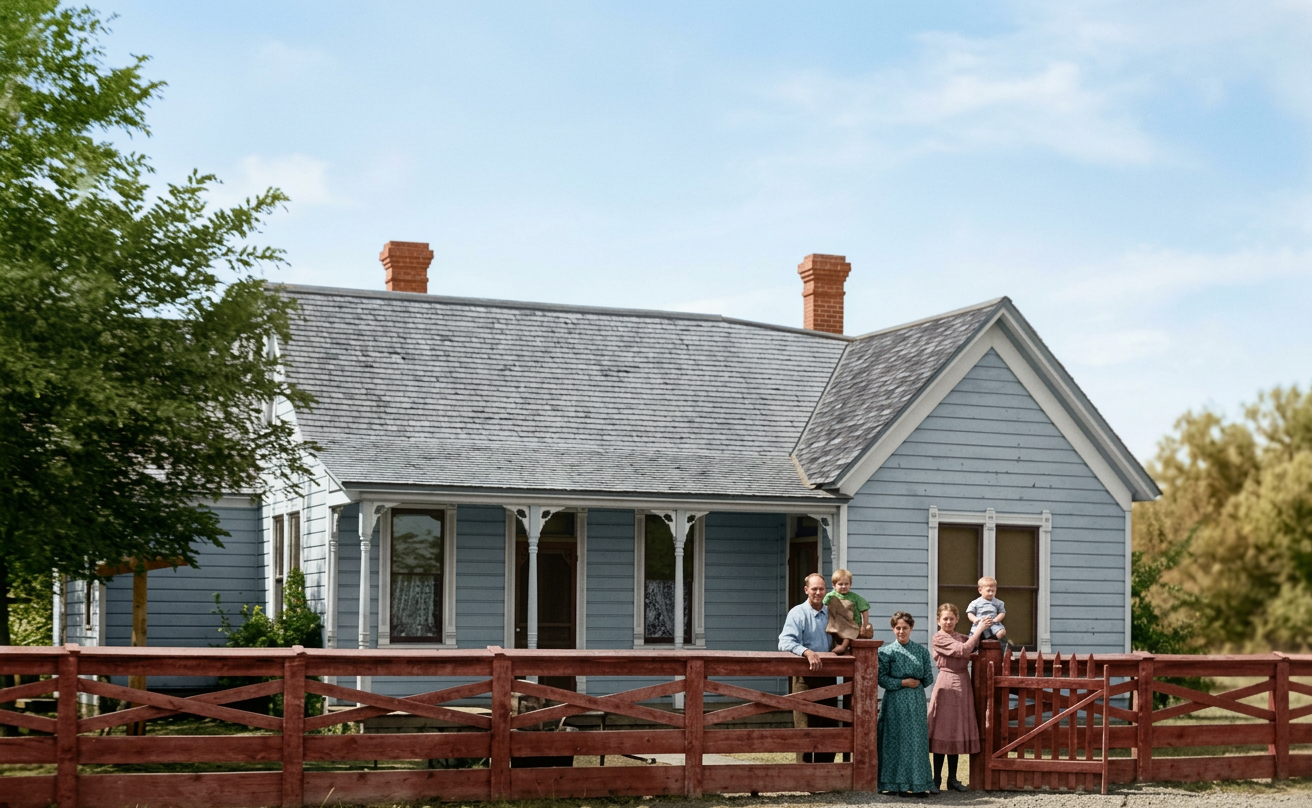
Milo built a new home for the family early on so the family had room to grow. He added to it as more room was needed as you can see in this photo. We do not know the year it was originally built, but we know the children after 1888 were born in this home. The home’s address is 2897 North 4200 West in Plain City. Before Milo died, he sold the farm and that home to his son Austin, and built a smaller brick home on a lot just south of the farm for himself and Lillie.
Milo and Lilly Sharp, Ethel, and Archie and Roy Richardson about 1912
Milo successfully farmed all of these years. He kept busy with civic affairs. He was elected constable of Plain City on the Republican ticket in 1891. In 1893, he sat on a committee to investigate the incorporating of Plain City, although it was not incorporated until 1944 with grandson William Albert Sharp serving on the town board. Milo and Lillie were singers and continued to play in the Plain City bands. Lillie was also well-known for her poetry — I have shared a few of her poems, including Wash Day, Home Coming, and Old Folks Day. In 1911, Milo finished building the new home pictured below (address is 2771 North 4200 West in Plain City). Milo farmed hard until he caught influenza and eventually pneumonia, passing away at the early age of 59 at 9:30 a.m. 24 June 1916 at his sister’s home, Victorine Maw, who lived at 5 Warren Court in Ogden. His funeral was held in the little church he helped his father build, St. Paul’s Episcopal Church, on 27 June 1916.
Lillie lived in this home for the rest of her life. Her son Ernest, who had lived with a disability since contracting infantile paralysis as a child, helped take care of her and lived the rest of his life in the home, dying there in 1967. Milo James Ross, Lillie’s grandson, purchased the home at that time and later transferred it to his daughter Caroline.
Lillie kept a clean home. The grandsons were taught to stop by every time they passed, especially to and from school. This permitted dishes to be washed, wood to be hauled, and wood to be split. Lillie had a strict regimen for cleaning pots, dishes, and pans (especially bedpans). This included the outdoor pump station, even with lye to remove odors. The boys knew to take special care not to make a mess when carrying firewood or in any other way on entering the home. The gate was always to be closed, whether coming or going. While this might seem stern, she always opened the door for those coming and going and gave them a warm smile. My own grandfather, Milo James Ross, spoke fondly of these visits, of helping put the hooks through her shoe-lace holes, of pulling her girdle strings tight, and of the hearing horn she used in her last years, which he liked to tease her about. Lillie’s granddaughters had their own weekly errand, walking half a mile with a little jar of milk skimmed off the butter, trading it for the previous week’s empty jar with two pennies tucked inside, then running another half mile into town to spend them on all-day suckers.
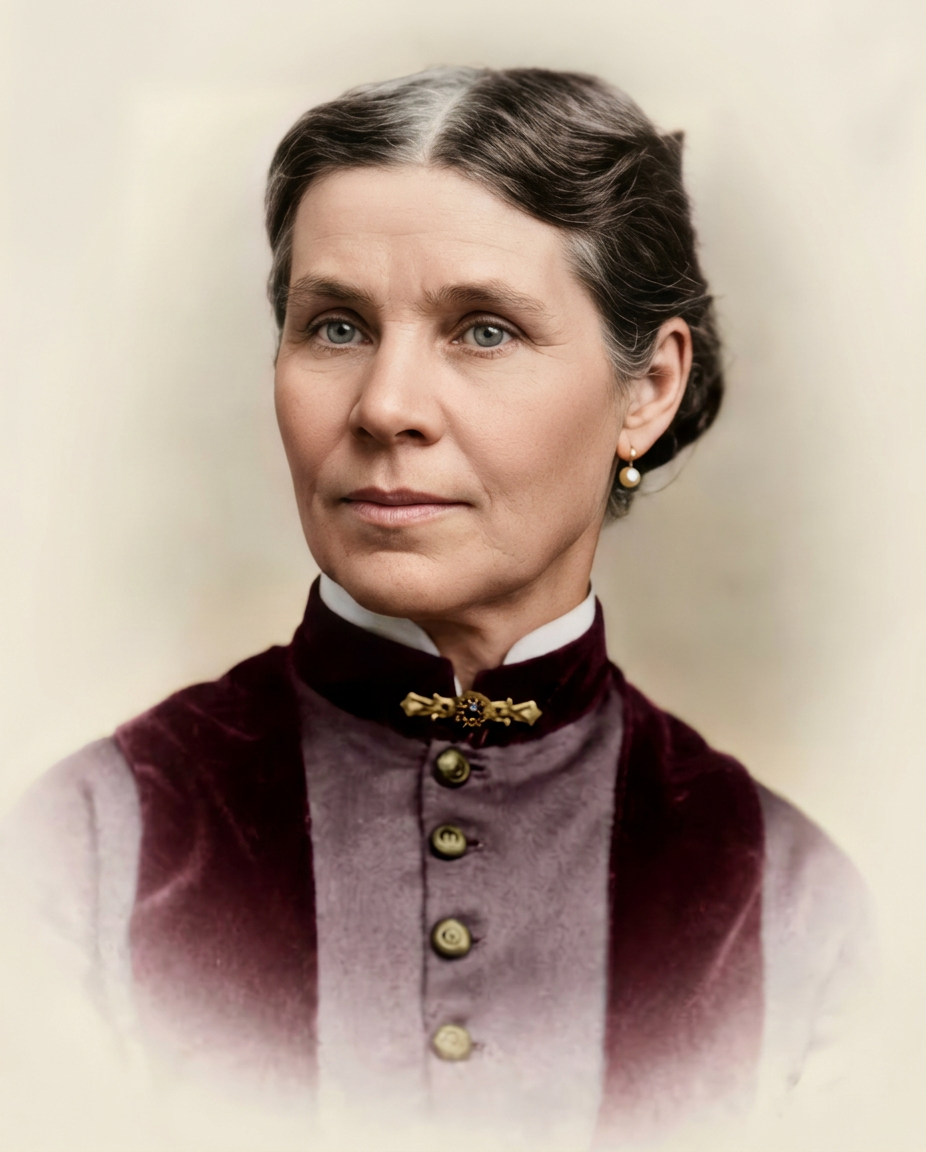
Mary Ann Stoker Sharp
Lillie often made bread, keeping her own live yeast, often from warm potato water. She had her own milk separator and used it. The boys helped make butter and she treated them to buttermilk and warm bread. She would also warm apples in the oven to share, or dried fruit. She kept a full root cellar with homemade cured meats, dried fruits, and bottled vegetables. The Sharp family had onions that could be used to flavor soups and other needs. Many of the family still grow these onions even today. Many mushrooms and watercress were gathered too.
Lillie often had kind words and a warm, gracious smile. She kept a small table in the pantry where she brushed her teeth with salt, baking soda, and a bar of soap. The bucket was always there with a drinking cup and a ladle to draw water. Her granddaughter Ruth Sharp Draper, who knew her well in those later years, remembered her as small — about 4 feet 10 inches, with black hair and dark eyes, wearing her hair in a roll on top of her head. Other family accounts describe her as thin and tall. I cannot say with certainty which description is more accurate; she was known to different grandchildren across different decades of her life. She wore long dresses from her neck to her feet with shoes that went up about six inches. If she was not thin enough, she wore a corset to make her look even smaller. She was very neat and proud in her appearance.
She kept a spinning wheel in the home for the times when she would spin wool into thread. She also had the grandsons help turn her mattress from time to time. She did not leave the house much in her later years unless she had a ride, but even then did not stay long before going home. It was clear she enjoyed watching her grandchildren. The last decade or so of her life, she had to use a hearing tube to hear. Some of her grandchildren joked that it was like using the telephone, just you could see who was on the other end. Ruth Draper recalled her father Milo Ray sometimes taking Lillie to get fitted with a hearing aid, but they did not work for her.
Lillie could never stand to see an animal mistreated. It is said that some men were working on the road by their place with horses tied up all day without being unharnessed. She went and told them if they didn’t treat those horses better she would turn them in.
Lillie M. Sharp obituary, Ogden Standard, May 1935
Lillie passed at 10:55 p.m. at her daughter’s home, Victorine Hunt, on 6 May 1935 of hypertension with chronic major carditis and pneumonia. She had remained faithfully active in the Episcopal Church until she could not get around very much. Later in life she needed assistance as she could not walk very far. Her funeral was held in the Plain City LDS chapel with Rev. John W. Hyslop officiating on 9 May 1935. She was buried with Milo in the Plain City Cemetery.
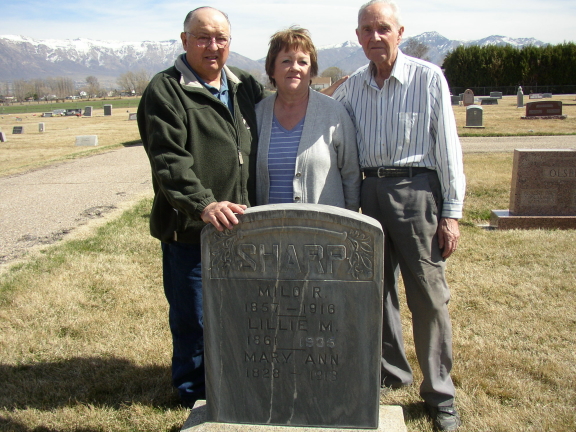
Raymond Draper, Caroline Ross Gallegos, Milo Ross; Grave marker for Milo Riley Sharp, Lillie Musgrave/Mary Ann Stoker, Mary Ann Bailey Sharp in Plain City Cemetery
Returning to the Church
Mary Irene Sharp was the first of Milo and Lillie’s own children to return to the church in her own lifetime, baptized in October 1931. Victorine followed in September 1975, baptized at age 85. Lillie’s own proxy baptism and confirmation were completed 4 June 1970, alongside three of her Stoker siblings in a single family effort at Idaho Falls. She was endowed 1 July 1970 and sealed to her parents 8 September 1970. Milo Riley himself was baptized and confirmed by proxy 17 November 1976 and the next day endowed and sealed to Lillie.
The largest single gathering came on 27 June 1978 at the Ogden Utah Temple, when eight of Milo and Lillie’s twelve children, George, Effie, Ernest, Delwin, Austin, Edward William, Ethel, and Emily, were all sealed to their parents in a single visit. My own grandfather, Milo James Ross, was present that day, watching his mother Ethel’s temple work completed more than fifty years after her death. He was sealed to Ethel and Jack Ross himself on 8 February 1980, the same day his parents were sealed to each other. The work continues today.
Last week I found myself in Blaine County doing a land records search. I do not get to Blaine County very often for court related matters. In fact, I have never been to the courthouse in person before. All the hearings I have held there were by phone or videoconference. I walked in and imposed on one of the bailiffs for a tour. He took me to the three courtrooms and showed me around. As plain as it is on the outside, the inside was actually a bit fun. The district court room is in the round, of sorts.
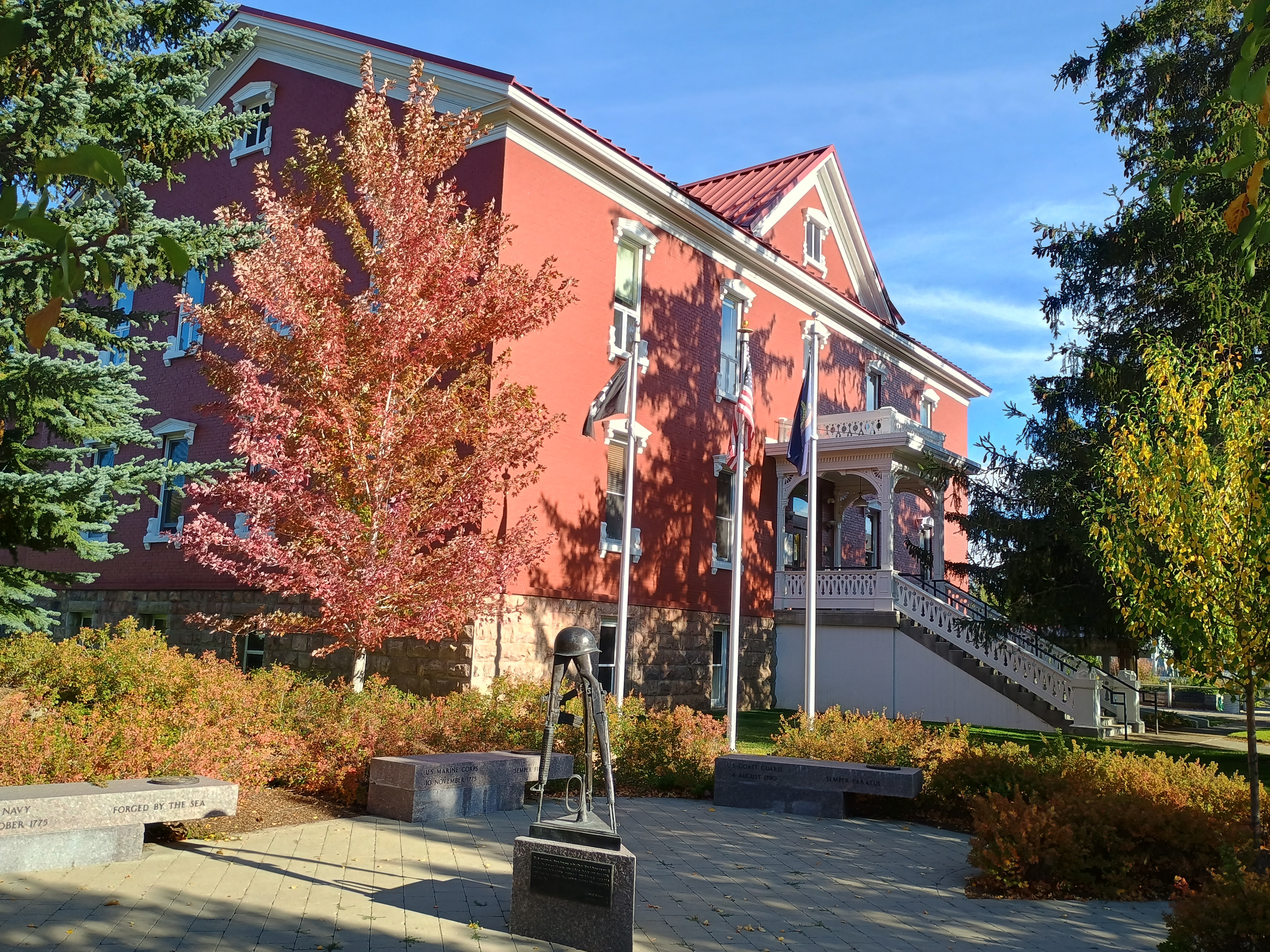
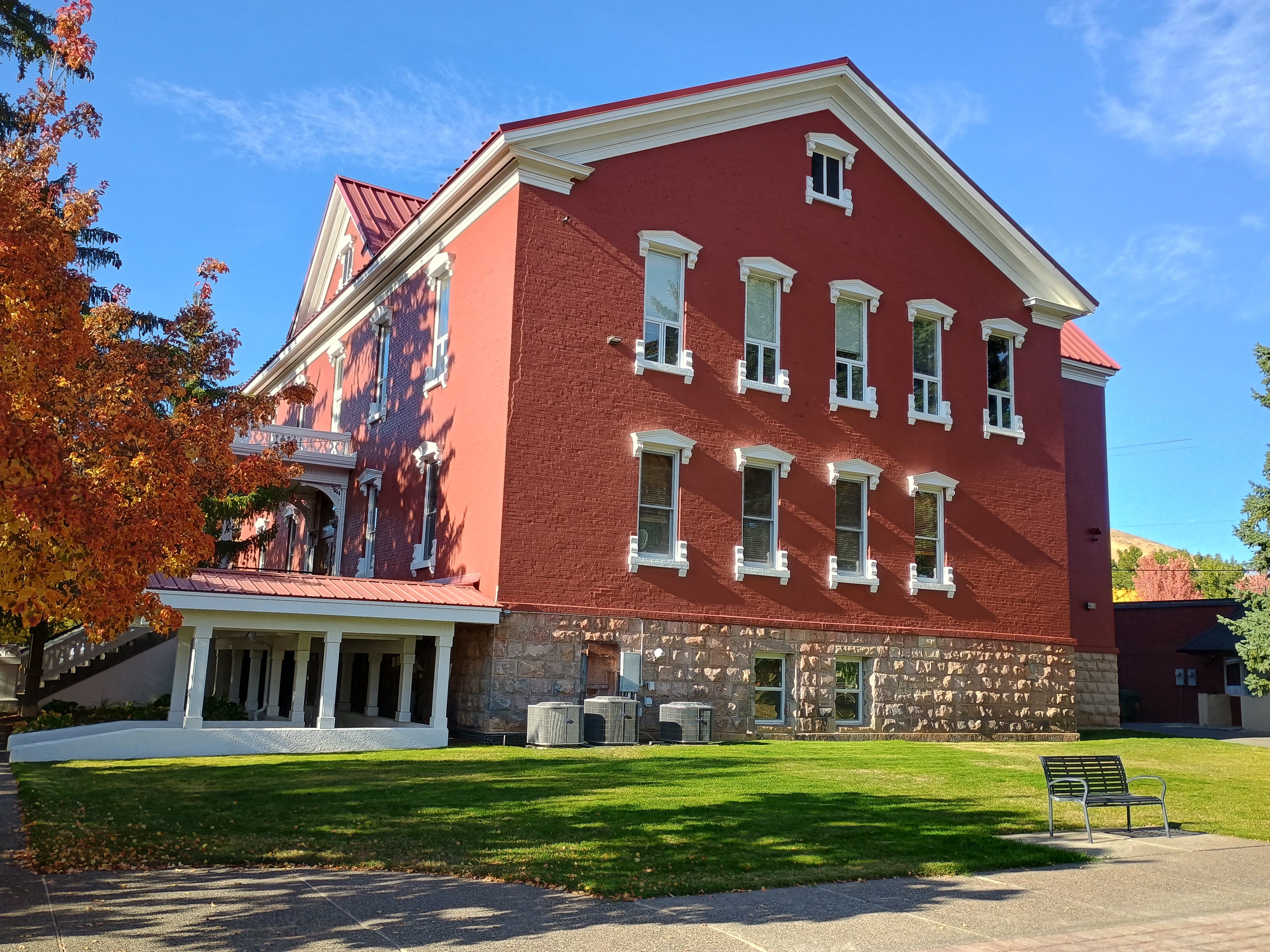
I have tried to remember to take pictures of county courthouses while visiting, or at least nearby. The land record search was actually in the old Blaine County Courthouse, not the Judicial Building.
Blaine County Courthouse
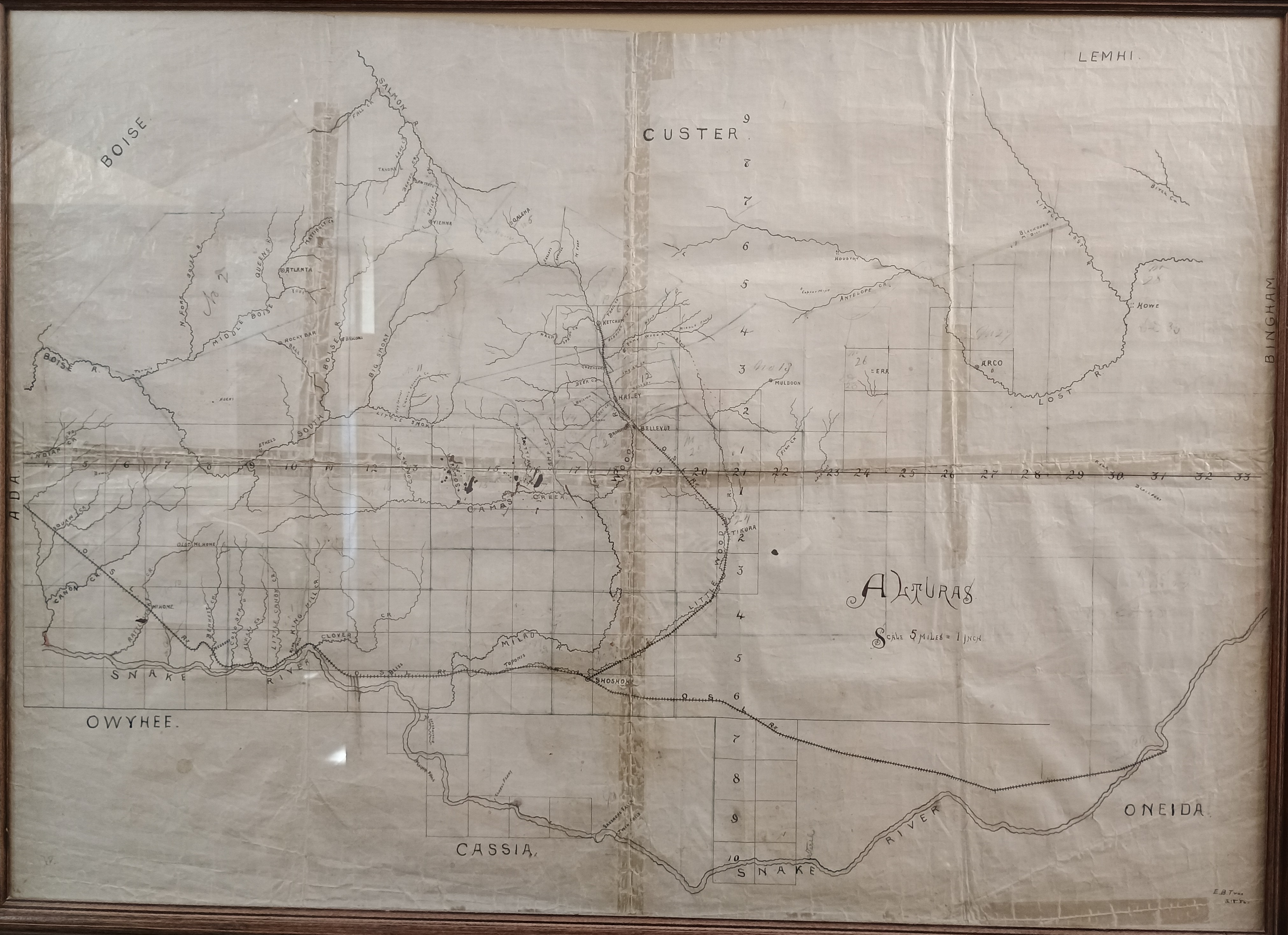
This building was built for Alturas County. Construction began in 1883, and the building opened in the summer of 1884. Alturas County was created in February 1864 from Boise County. Alturas County limits stretched up the Snake River from CJ Strike Dam southwest of Mt. Home to about half way between Roberts and Rexburg, then north to the Montana line and west from there. Here is a map that was hanging in the old Courthouse.
Alturas County Idaho
I grew up in Jerome County and went to school and work in Minidoka County. All part of what was once Alturas County.
Alturas lost territory to the new Custer County in 1881. Then, in February 1889, the territorial legislature split Alturas again. The western portion became the new Elmore County, a strip on the east went to Bingham County, and the southern portion became the new Logan County.
During this time, the area that is now Minidoka, Lincoln, and Jerome Counties was all part of Logan County. The county seat was first in Shoshone, but an election in 1890 moved it to Bellevue, just five miles down the road from Hailey.
In 1891, the new state legislature abolished both Alturas and Logan and tried to replace them with two new counties, Alta and Lincoln, with county seats at Hailey and Shoshone. The Idaho Supreme Court struck the act down that same year because the people in the area being moved never got a vote, and Alturas and Logan were restored. There is some interesting history here, but in short, the split grew out of a long fight between Hailey and Bellevue.
In March 1895, Idaho combined Alturas and Logan back together and renamed it Blaine County. That same month, Lincoln County was created, including what is now Gooding, Jerome, Lincoln, and Minidoka Counties. This creation of Lincoln also recreated the panhandle and the present eastern boundary of Minidoka County.
Gooding and Minidoka Counties were created in January 1913. All of the cities presently in Minidoka County, except Acequia and Burley, were incorporated while the area was still part of Lincoln County. Burley was incorporated in Cassia County in 1909 and grew across the river into Minidoka County in 1960. Acequia was incorporated in Minidoka County in 1952. Eden and Hazelton were part of this Minidoka County. It was this same month that created Power County and carved the eastern portion of the Blaine panhandle as we know it now.
Butte County was created in 1917 carving off the eastern portion of Blaine, leaving the panhandle even more pronounced. Jefferson and Bingham also donated to the new Butte County. In the same legislative session that created Butte County on the east, Camas County was also created on the west, only from Blaine County. These are essentially the current boundaries of Blaine County, apart from a small land exchange with Custer County in 1925.
Jerome County was created in February 1919 claiming eastern portions of Gooding County, basically the south half of remaining Lincoln County, and the western portion of Minidoka County. I only knew Jerome County growing up, just over the border from the present Minidoka County.
This was once the courthouse for the areas I grew up, Paul and Hazelton, now in Minidoka and Jerome Counties. It served them from 1884 until Logan County split off in 1889, and again for a couple of weeks in March 1895, between the creation of Blaine County and Lincoln County.
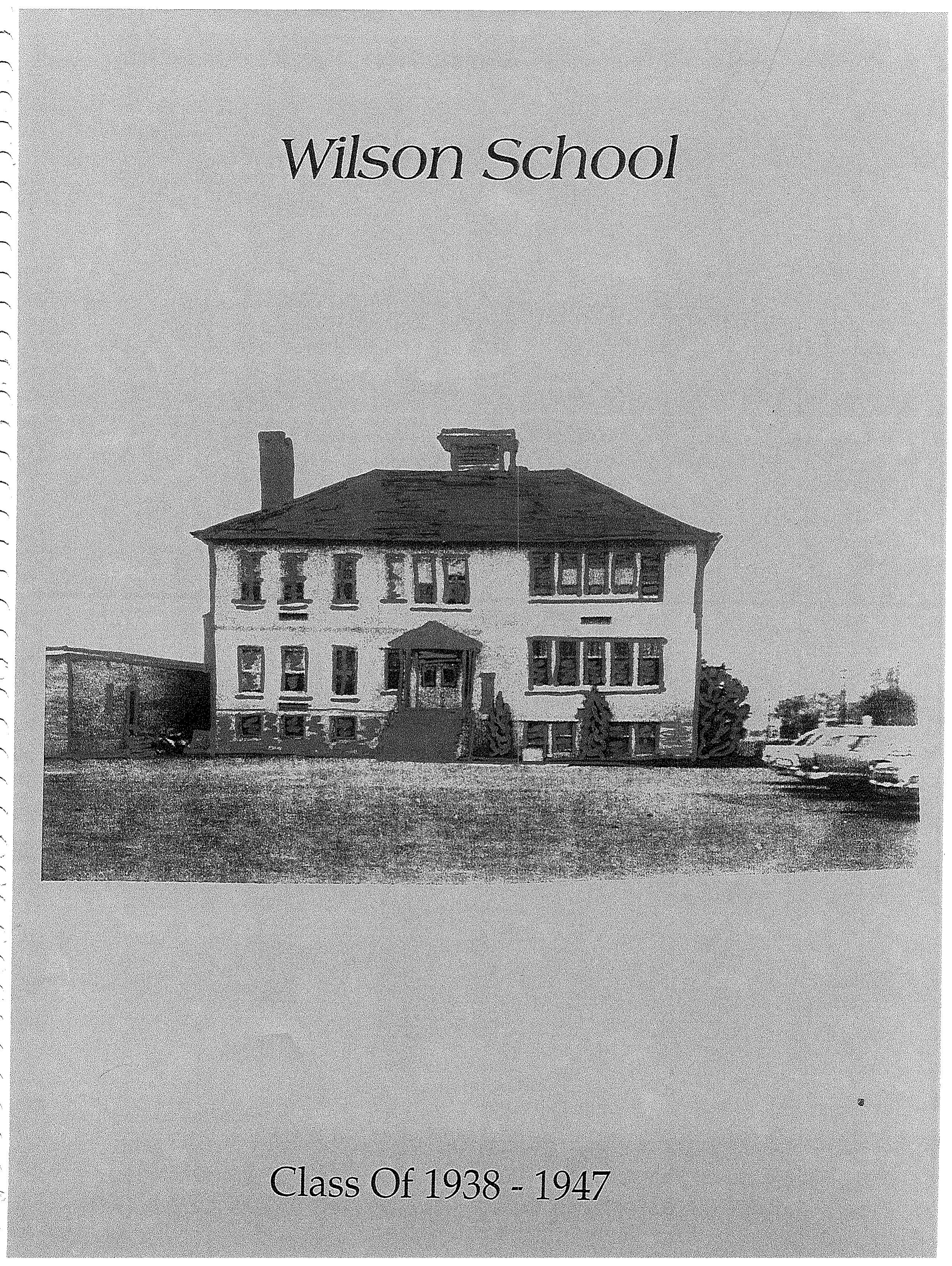
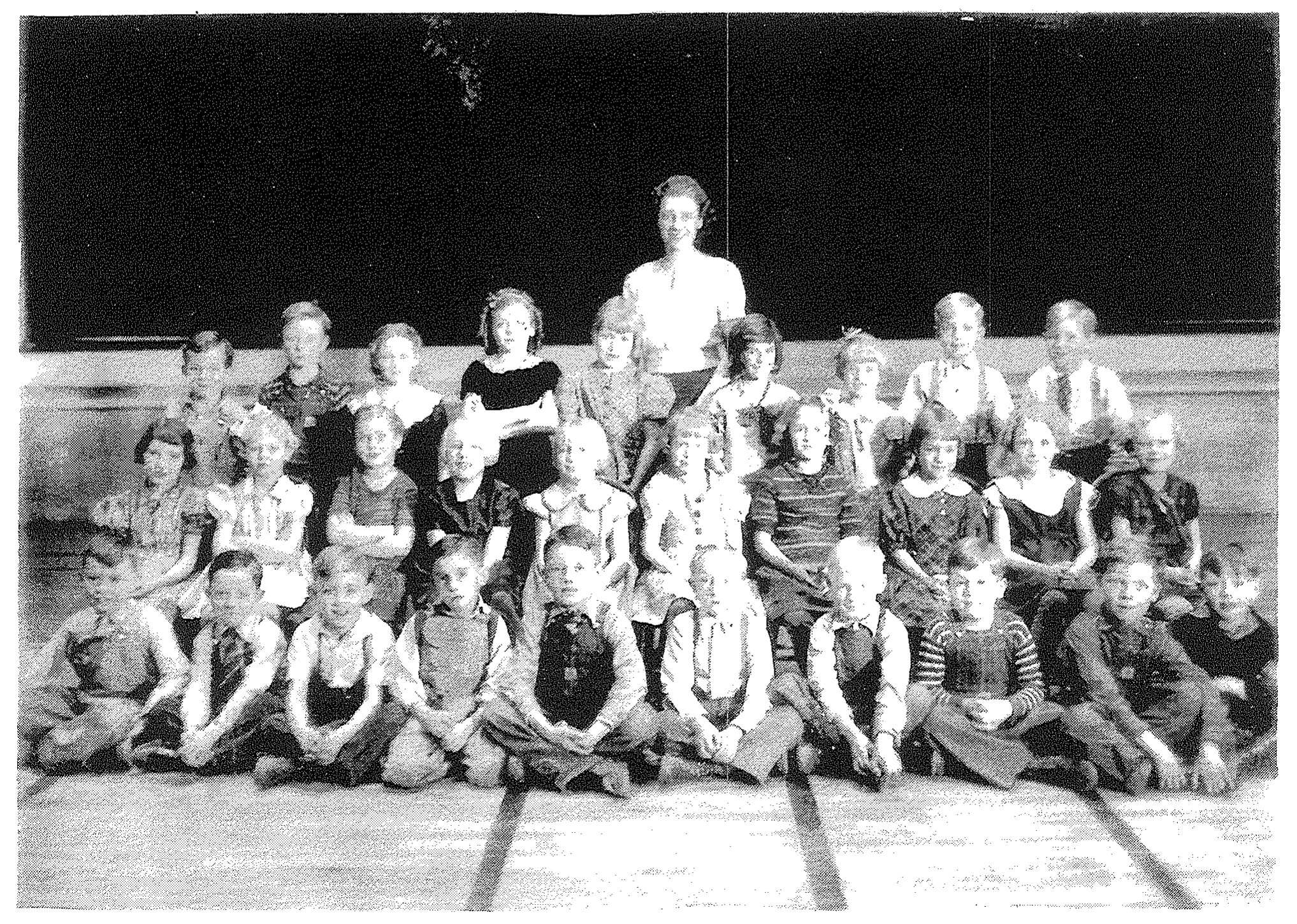
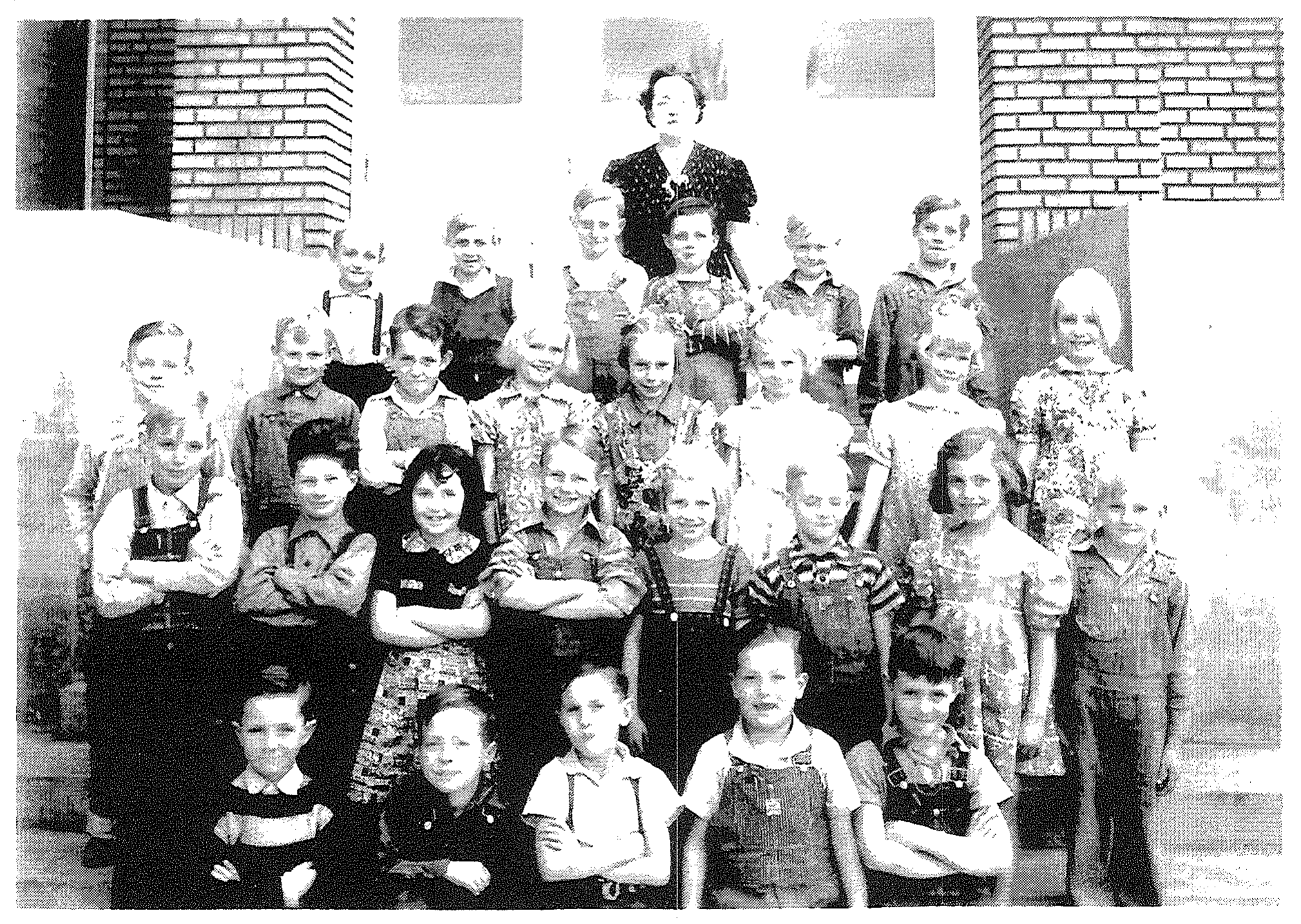
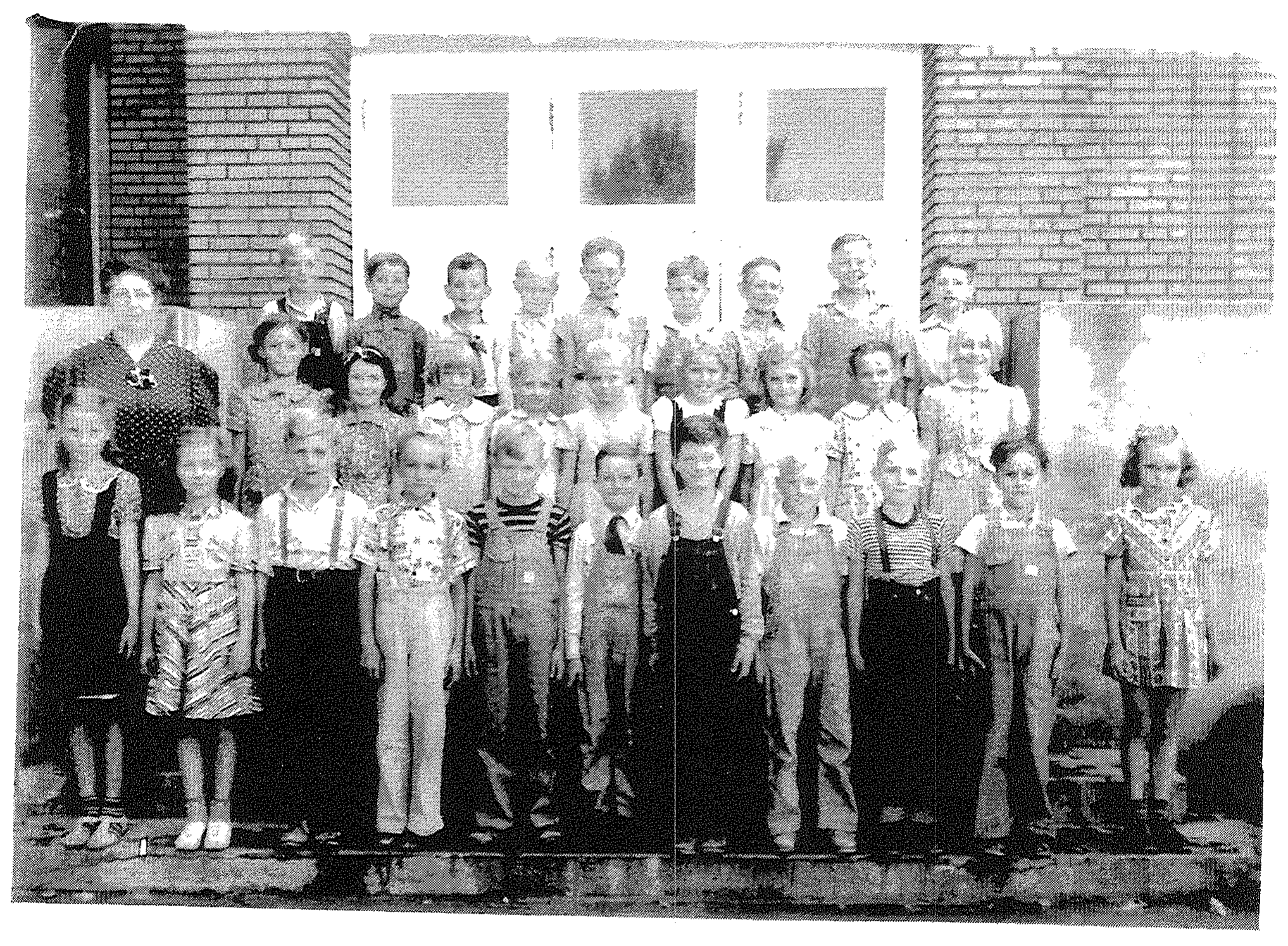
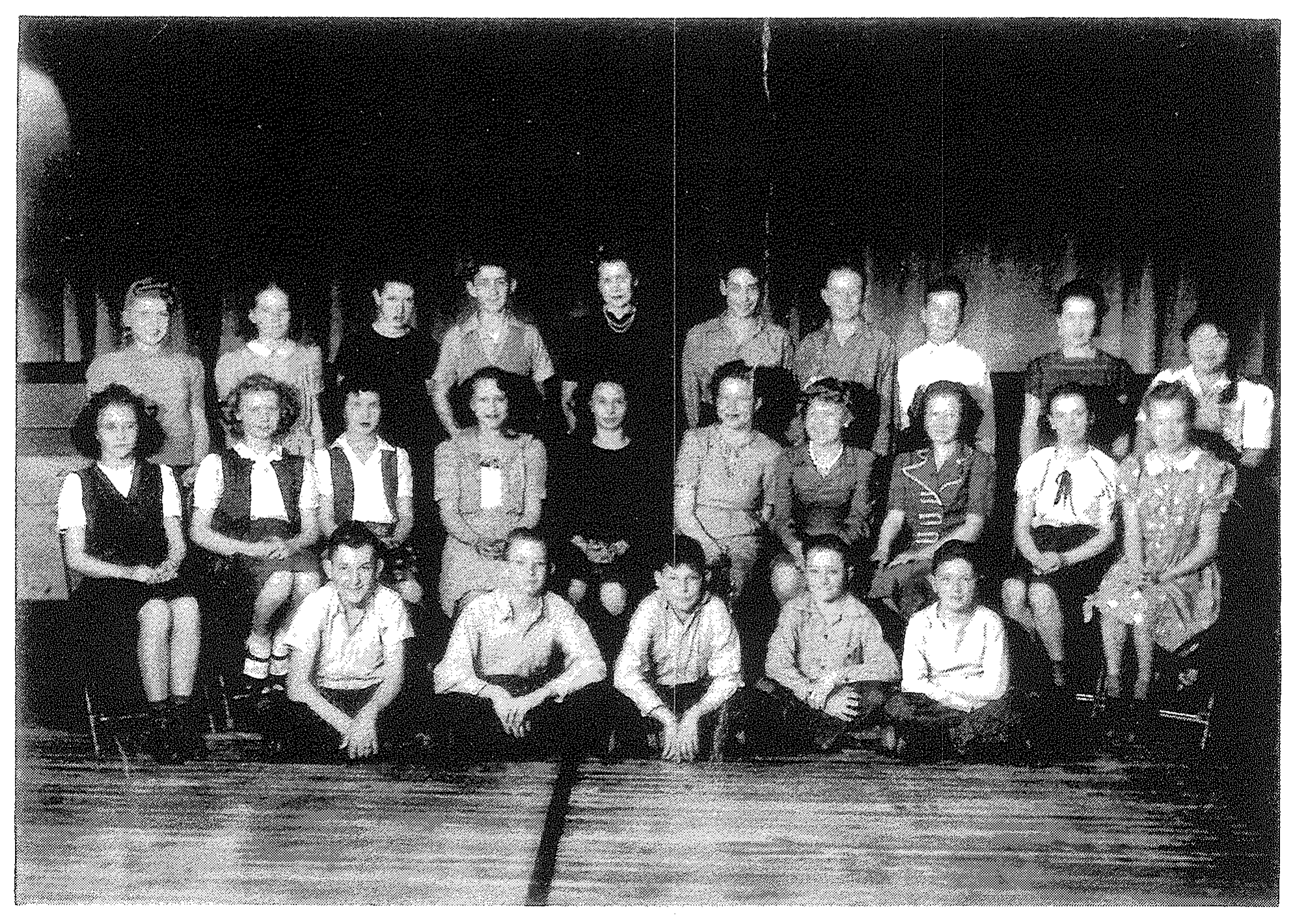
This is a book I received that belonged to my Great Aunt Betty Oram Donaldson. I was not sure exactly what to do with it, other than share it for family history purposes. The photos in the book were not very high quality, but I am replicating them here anyway. Hopefully this history is of value to someone else who has family in the book.
“It’s a Great Life”
It’s the time in life for all of the Wilson School Class of ’47 to stop for a moment and realize that “It is a Great Life.”
We are matured and “aged” to the point that we are willing to accept that we are what we are. We realize that all of us have talents and abilities and that no two of us are alike, but that’s what makes us successful and happy. We are happy when we use our abilities and develop our talents.
In sports and business they often refer to “a level playing field,” meaning that both sides of the competition have equal opportunities. Therefore I believe that in life competition, the only “level playing field” is when we compete with ourselves. Our goal should be to do the very best we can, because no one else has the same talents, or abilities, or past experiences that we as individuals have. It has been said that we are the sum total of our past experiences. I believe our religious freedom and our constitution give us the opportunity to pursue success and happiness.
At the reunion dinner it was noted that all of us were satisfied with our accomplishments in life and most of us were in the service of others by actively volunteering in our churches, schools, civic organizations or other needy causes. Yes! It is true that most of us are involved in golfing, traveling, or other hobbies that we have looked forward to doing while preparing for these Golden Years. The time and resources to pursue and enjoy these activities make it “a Great Life.”
I am proud and honored that I attended Wilson School and associated with all of you there. From that small class we have many success stories and important things that we have done. Each of us has his or her own success story to be proud of whether it’s related to our families, our friends, our activities in church, our civic involvement, our involvement in other special organizations, or our career successes.
It has been said that when we die if we have five close friends that we have been successful in life, If that is true, then all who were part of the Wilson School Class of ’47 are successful individuals because of the friendships that we share today.
May each and every one of us continue to be successful and happy in our daily life, and always remember that it is a Great Life.
— R. B. (Bud) Willey, Class of ’47 Student Body President
History of Wilson School Class, 1938 to 1947
Many of you attended your very first school years in another school. As each one came to Wilson we became friends and so your memories will begin where you started. For a few of us our total elementary school experience was in the old Wilson School and that is why we started this memory book with the first grade.
First Grade, 1938–39
Our first grade teacher was Miss Dorothy Poulsen. She was young and pretty and we loved her. Our first grade class room was upstairs on the southwest corner. It was large with windows on the south and had wood floors. We had tables and chairs, a playhouse, a sand table and a space for a reading circle. We read from Dick and Jane books. We carried our lunches to school and stored them in a screened cabinet in the hallway. Many of us had Snowdrift shortening buckets for lunch pails. That year the front entrance of the school faced north with steps going toward the road. There was no cafeteria. First and second grades were excused at 2:00 p.m. to go home. That year we had two age groups in our class. We met with the children a year older than us. A doctor visited our class and checked our ears and throats. There were about 29 children in our room.
Second Grade, 1939–1940
Our teacher was Miss Viola Poulsen. Our classroom was upstairs on the southeast corner with windows on the south and east and a fire escape outside. We had desks that year and reading circle space on the east. We learned reading, math and other subjects. The school district closed the Marriott-Slaterville School that year and those children came to our school, so we had one age group of children in our classroom. About this time in the second or third grade we began getting soup for school lunches. They brought buckets of soup to the classrooms and passed enamel bowls and spoons to each student and filled them with soup. That was the forerunner of school lunches. About this time the school was remodeled so that the entrance faced the east and the office was built where the north entrance had been. The bathrooms were downstairs in the basement.
Third Grade, 1940–41
Mrs. Folkman was our teacher. Our classroom was the upstairs northeast corner or the southwest corner. There were 29 children in the class.
Fourth Grade, 1941–42
These were the war years. Our teacher was Miss Chadwick. Our classroom was the upstairs middle room on the north. These war years were very hard. School was closed in the fall so the older school boys could help harvest farm crops. We went to school on Saturdays a while to make up the time. The older boys were soldiers and were drafted to fight Japan and Germany. Many of our brothers were soldiers. No school pictures were taken during our fourth, fifth and sixth grades because all resources were concentrated on helping the war effort.
Fifth Grade, 1942–43
Our teacher was Miss Vera Shaw. She was a superb teacher. Our classroom was the upstairs northeast corner. About the time of fifth or sixth grades they began school lunches and we had tables in the basement in the hallway. I don’t remember when the cafeteria was built.
Sixth Grade, 1943–44
Our teacher was Vera Shaw again. Our classroom was on the main floor southeast corner. As an activity one day we made butter by shaking cream in a bottle then we each had a cracker with butter on it. We learned reading, math, and spelling etc. It seems like part of this year we had Mrs. McGrath for a music teacher and we made a book of all the old music composers. We bought victory stamps and gave the government the money to help fight the war. A favorite game of the boys was marbles. Each boy took great pride in his collection of marbles and his skill at shooting. The girls played jacks. We had a rubber ball and a set of 12 or so jacks and we would sit on the floor in a circle or around a table and go clear through onseys, twoseys, downseys, under the bridge or over the bridge etc. Another favorite of the girls was jump rope. If you could do “Red Hot Pepper,” or “Double Dutch” without missing you could jump quite a while. To be able to run in and out without missing was a keen skill. The boys played baseball. Another favorite game was “Pop the Whip.” Boys and girls would hold hands “tight” and run in a snake line and try to pop the end person off. We took turns being on the end to be popped off. Another favorite was “Flying Dutchman”. We were in a circle and two people ran around the circle. If your hands were touched you ran to beat the other couple to the empty space. Another favorite in winter time in the gym was four-corner kick.
Seventh Grade, 1944–45
Miss Maude Holmes was our teacher. That year for a very short while we had a Mr. Carter who was unusual. He stole some of our lunch money. Our classroom was on the southwest corner of the main floor. Around this time the school district built the cafeteria on the south of the school. We blessed the food and everyone ate together and we learned dining etiquette. The mashed potatoes and hamburger gravy and chocolate cake were favorites.
Eighth Grade, 1945–46
Mrs. Woodward was our teacher. Our classroom was on the northwest corner of the main floor. There were 27 in our class. World War II ended and the United States began it’s healing process and the rebuild.
Ninth Grade, 1946–47
Mr. Leland Reese was our teacher and our classroom was on the northeast corner of the main floor. We were becoming sophisticated adolescents. Mr. Reese taught us first aid. Mr. Wheat Taylor was our principal. Mr. Pettigrew was the orchestra teacher and some of us played instruments. We had basketball and baseball games against the other schools on Fridays.
Wilson School was a safe and healthy environment for children to grow. The teachers respected our childhood and watched over us with kindness. Every year each class in the school participated in a school program. Mr. Arthur Taylor was our principal in the early years. A Mr. Chadwick was principal for a time. Wheat Taylor was principal in our later years and helped prepare us for high school. All in all we had a memorable early school experience and look back at those fun years with fondness.
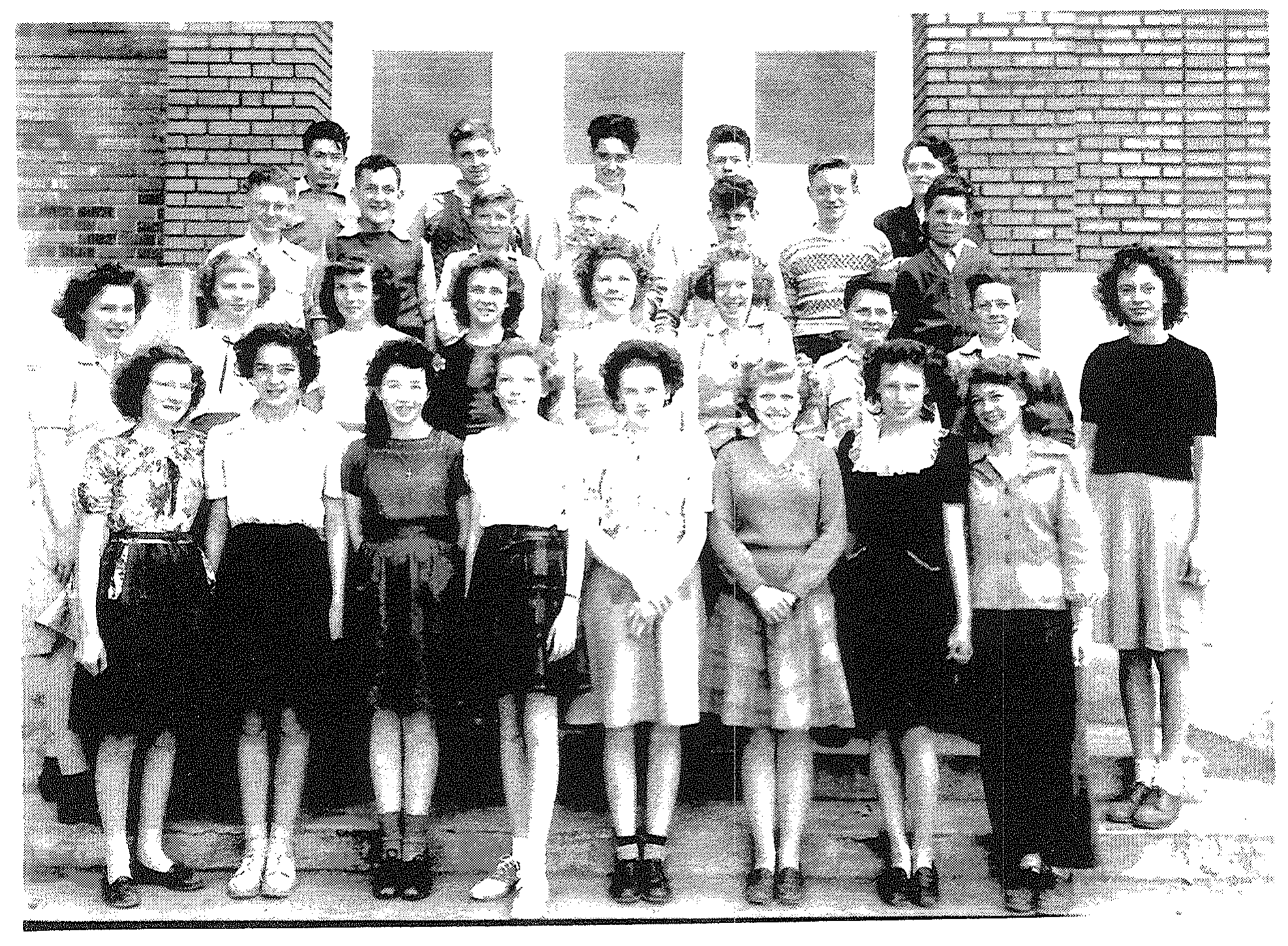
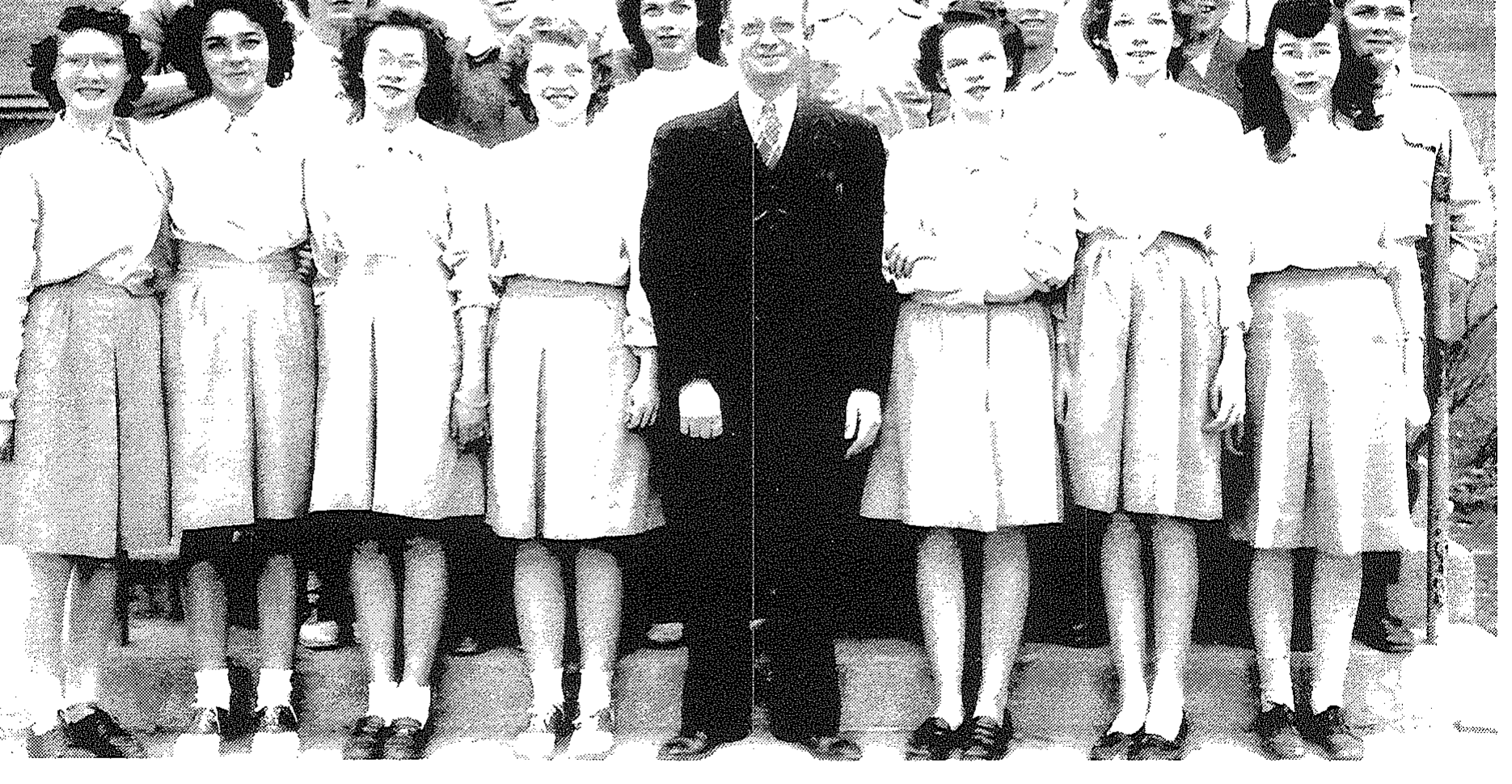
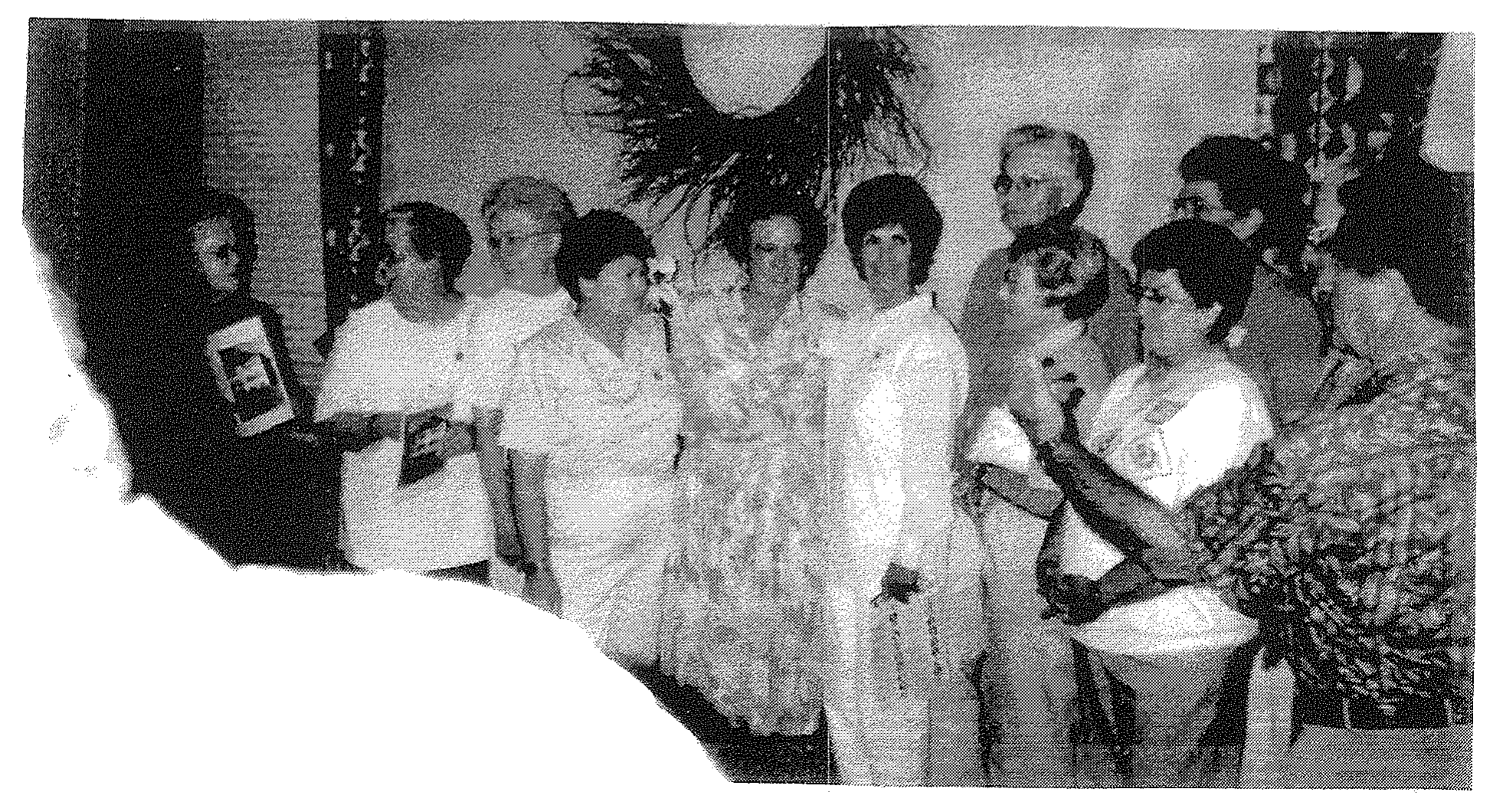
Ninth Grade Class of ’47 Reunion in 2000
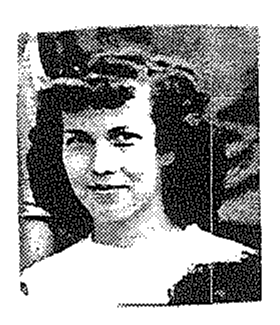
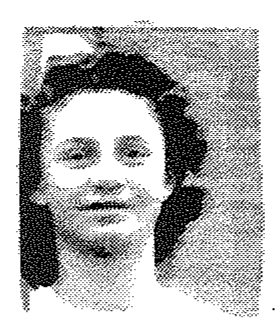
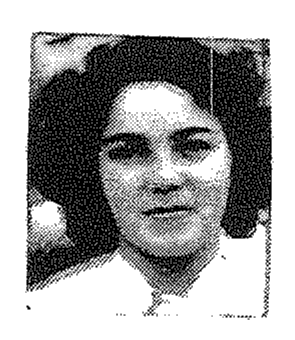
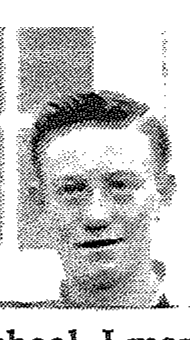
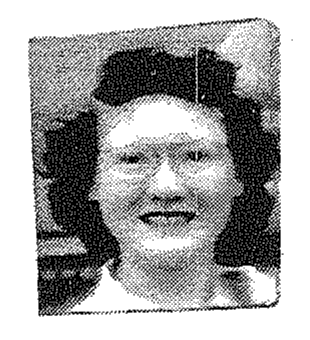
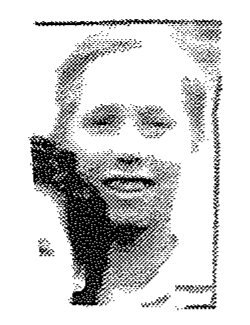
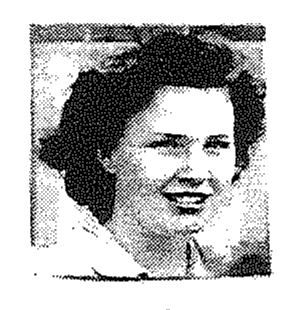
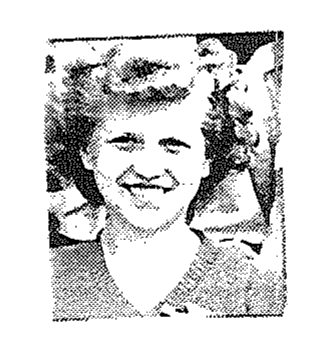
Drauca Marston Holmes, Lola Taylor Sheffield, Louise Holmes, Marilyn Bowman Garner, Betty Lou Buck Schulze, Emma Ropelato Walling, Nona Flitton Forsgren, Gladys Sorensen Gibson, Lila Stone Harwood, Robert Holmes, Gordon Belnap, Betty May Oram Donaldson, Rudell Willey, Jewel Checketts Atwell.
Where Are They Now
GORDON “DUTCH” BELNAP
Married Faye Robins in 1951. Three sons, Rob, Tim, Mike. Eight Grand kids. US Navy: Honorable Discharge. Weber Jr. College 2 years. Utah State: Grad 1958, Masters 1965. Coach, Utah State University 13 years. Athletic Director Weber State University. Faye passed away Aug. 1996. Married Karen Smith Sept. 1997. Hobbies: woodworking, golf, travel, volunteer 2nd grade teacher.
MARILYN BOWMAN GARNER
I’ve had a good life. I attended Weber College, married Don Butler and had 2 children, Kathy and Gary before leaving Ogden in 1956. We lived in Pocatello, Idaho before moving to Grand Jct. Colorado. During our 15 years in Colorado, I worked for a wholesale drug company and the last year as office manager, bookkeeper for an ophthalmologist. While living there Vickey and Jodi were born. Our son was killed in a car accident in 1968 and in 1971 Don and I were divorced. I moved with my girls to Salt Lake in 1973 where I spent the first 4 plus years as office manager/legal secretary for an attorney. Then I went to work for Salt Lake County. When I retired in 1999, I was fiscal manager for the SLC Public Works Department. I married Clair Garner in June of 2000. We plan to keep up the good life with travel, golf, volunteer work, genealogy and enjoying our 9 grandchildren.
BETTY BUCK SCHULZE
When I left high school, I married Marler Williams. A boy, Monte B. was born of that marriage. Marler died 8 months after Monte’s birth. I went to work at HAFB to support myself and Monte. While working at Hill, I completed my schooling at Utah State University. I married Willard Smith. One son, Donald was born of that marriage. After Donald’s birth I returned to work at Hill. I worked as a supervisor for several years, then selected to study under Dr. Fredrick Herzberg, Distinguished Professor of Management from University of Utah. Under Dr. Herzberg’s guidance I completed a Masters Degree Equivalent in Industrial Psychology then taught Organizational Development, Air Force wide. I retired from HAFB with 25 years service. Willard and I traveled for 8 years prior to his death from cancer. I am now married to Hugo Schulze. We are enjoying our children, grandchildren and great grandchildren. I love to golf and play every chance I get. I have played on bowling leagues in the past. I had a wonderful time golfing with my past friends, especially Dutch Belnap, at the Weber High Golf day in 2000.
JEWEL CHECKETTS ATWELL
I was engaged my senior year, and married Daryl Hendrick on June 19, 1950. We settled in Layton and had 4 girls and 2 boys. I played on the church softball team until I tore the cartilage in my knee, then I helped coach. We moved to Santa Fe, New Mexico and I started my dream of becoming a nurse. I worked 25 years in all areas of nursing, really enjoyed it, and learned a lot. Daryl passed away in June ’68. That was the year I met Gene. I married him in Nov. ’78. He is my best friend, lover and husband. He’s really been good through all the surgeries I’ve had. Gene had 4 children and our families are like one big family, all getting along well. These 21 years have been so happy! We have a total of 10 children, 26 grandchildren and 4 great grandchildren. Gene is now retired from US West [Quest] and we live in Roswell, New Mexico.
JOHN EILANDER [JACK]
Upon my graduation from high school, I married and went into the US Army. After my release from the Army, I went to work for 3 years at the Ogden Arsenal. Subsequently, I was hired by Weber State University, where I retired in 1992 after 38 years of service. I am the father of 6 children, grandfather of 11 grandchildren and great grandfather of 10 great grandchildren.
NONA FLITTON FORSGREN
After graduating from high school, I got a job at a 5 and dime store for a short time before the opportunity came for me to take employment at Hill Air Force Base as a sheet metal mechanic. I had met my husband, Judd, at a senoir class party. After dating for some time we were married in 1953. I quit work to have our family of 3 daughters. We lived in Ogden and Willard then back to the Ogden area of Kanesville, West Haven. About the time our girls were in school, I again had a chance to return to my old job of riveting. I worked on the F4’s and F16’s. After 22 years of enjoyable service at HAFB, I retired in 1987. I have been busy since, wondering how I had time to work. Judd and I have traveled long and short trips, taken cruises and just the summer of 2001 traveled to Sweden, my husbands long time desire. I have served as Relief Society President in our ward and am enjoying my grandchildren as well as all the family. We have much fun and enjoyment with them. They are the greatest.
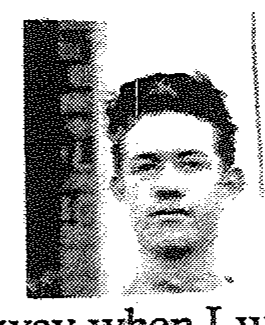
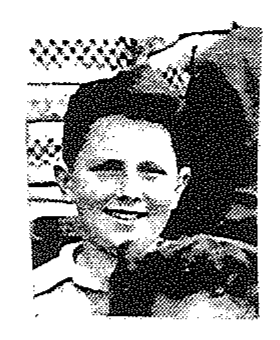
ROBERT WILLIAM HOLMES — February 17, 1932
(“Where he’s at, there’s mischief” . . . “Bob” . . . likes any back seat . . . not a lone wolf . . . Windy’s always with him . . . they work together . . . that smile! . . . is the key to many locked doors . . . for Bob.)
Born and raised in Wilson, my Father passed away when I was 10, I was left to run the farm, which I did after school and during the summer months.
After graduating from High School I joined the Navy for a 4 year term. During the time I was in the Navy I was in several places in and around Formosa (Taiwan), Korea, Japan and China. It was very educational for me, seeing other countries and other cultures. In the Navy I was assigned to the aircraft carrier, USS BOXER, for eight months we cruised the seas patrolling the waters and land around the foreign countries. The rest of the time I spent in San Diego at Miramar Air Force Base and Point Mugu at Oxnard, California. I learned lots and seen lots during these eight years.
While in Point Mugu, I went a place called Jockey Meads, a resort between Oxnard and the San Fernando Valley, where I met Dorothy Lou Bates. I was invited to church in the Valley and stayed to a fireside at the Bishop’s house. My relationship with Dorothy continued and we were Married on July 17, 1953 in the Logan Temple. We have been blessed with five beautiful daughters, three son-in-laws and twelve grandchildren, six boys and six girls.
After my duty in the Navy, I enrolled in college at Utah State Agricultural College, halfway thru my years there they changed the College to a University, now called Utah State University. I graduated with a BS degree in Industrial Arts Education with a minor in Math after four years. The next summer I started my Masters Degree and a couple years later I finished my Masters in School Administration with a minor in Industrial Arts Education.
I was an Industrials Arts Teacher and taught wood shop for 35 years, retiring in June 1993. I was also a General Contractor for many years building houses and other structures.
I was the Chairman of the Wilson area planning committee for 14 years.
I was on the Weber County Board of Adjustments from 1988 until 1995, chairman of the board from 1990 until 1995. I also served on the Weber County Boundary Commission for one term.
I was the facilitator in organizing and establishing WEST HAVEN CITY – 1990. We became a city in July 1991 and I was the first Mayor serving for three years. While Mayor, I tried to get the city to agree to the sewer and secondary water but no one thought that was important and no one needed it, now, in the year 2001, it is needed and being put in the ground.
Keeping active in politics, I am currently the chairman of the WEST HAVEN SPECIAL SERVICE DISTRICT. Working with the city makes me feel like I have accomplished a great deal in my life and I enjoy what I am now doing. I am excited about every piece of pipe that is laid in the ground.
LOUISE HOLMES
I’m still Louise Holmes, having never changed my name. Following high school I attended Weber College and received an A.S. Degree. Then I attended USAC and received a B.S. Degree. After teaching school for 10 years I went back to what is now USU and received a Masters of Education Degree. After 33 years of teaching school I retired. I have spent part of my time volunteering as a tutor for children ages 6 through high school. I’m still recognized by many of my former students. They always stop for a visit. Traveling has always been fun for me. I’ve taken many tours and have met people who still remain my friends. For the past 23 years I’ve made my home at the Three Fountains Condominiums in North Ogden
JoANNE HOWE GEARY
Since graduation in 1950 my life has been pretty good. I got married in ’52 and had my first boy in ’53, another boy in ’55 and girls in ’59, ’60, and ’66. They are all grown now and in their own homes. We have 11 grandchildren, 6 girls and 5 boys. My husband and I took our children to Puerto Vallarta, Mexico in ’75. We’ve been to Catalina Island off California 4 times. We like to travel when we can to visit our daughter and her family. My husband and I, for the most part, live a very quiet life. Don, my husband, likes gardening and watching video movies. I like to cook, do puzzles and watch quiz shows and video movies, of which we have a large collection. My husband also likes to paint and sketch. Two years ago, after wearing glasses for 56 years, I had my eyes operated on and now I only need glasses for reading small print and driving. We’re going to California, San Bernardino to be exact, in April to see our youngest granddaughter get baptized. We like to travel when we can. We’ll be celebrating our 50th wedding anniversary before the Winter Olympics in 2002. It will be a family affair.
CARMA KLINKE POINDEXTER
I married Hugh H. Poindexter in Deer Lodge, Montana. He was a rancher and truck driver. I have three daughters, Denise, Kathy; and Ellie, six grandchildren and three great-grandchildren. I have lived in Ogden, Utah; Roy, Utah; Los Angeles, California; and Bountiful, Utah. My home has been in Bountiful, Utah for the past thirty-two years. My husband and I have drove truck together and traveled every state in the U.S. except the New England States and Hawaii. God has been good to me. We are retired Snowbirds now.
DRAUCA MARSTON HOLMES
Drauca and Wayne Holmes were married in October following our graduation. Drauca worked as a secretary while Wayne attended Weber College. They moved to Logan where Wayne graduated as an electrical engineer. Drauca was an Executive Secretary for the Cache Co. Dept of Public Welfare. Wayne was commissioned into the Air Force and they lived in California and New Mexico for the next four years. Drauca was a stay-at-home Mom. They moved to Brigham City in 1959. They have four children and 14 grandchildren. Drauca worked as an Executive Secretary for Thiokol, NASA and the Air Force, performed semi-professionally for six years, graduated from Weber State University in Theater and developed the Heritage Theatre in Perry, Utah, for which she was the Executive Director for 23 years. She and Wayne retired in 1994 and have served an LDS Mission to the Family History Library in SLC.
BETTY MAY ORAM DONALDSON
My name is Betty May Oram Donaldson. I have lived in the Honeyville and Ogden areas during my younger years. I attended the Honeyville Elementary School and the Wilson Lane School, then the Weber High and Box Elder High Schools. After school I worked as a dental assistant and then a medical assistant until retiring at 62. I married David W. Donaldson in 1953. We built a home in Plain City, Utah and have lived there for 49 years. My hobbies are cooking, working in my flower gardens, fly fishing and all other outdoor sports.
EMMA ROPELATO WALLING
After graduation I went to work for Hill Air Force Base where I met my husband Richard J. Walling. We married Aug. ’53 and I continued working until Dec. ’54 at the birth of our son Dean. Our daughter Terry arrived Jan. ’56. I was able to stay home to rear the children until ’64. Then I went to work at the I.R.S. seasonally until I retired in ’90. My husband passed away in 1972 and my son died in an auto accident in ’93. I sold my home and moved in with my aging parents to help care for them until their deaths in ’96 and ’00. I now plan to visit my family in California and will enjoy traveling to long dreamed of places and spending time with my six grandchildren.
PAUL STOKES
I married Mary Jean Miller June 1961 and we have two daughters, Julie Ann, 34 and Lisa Marie, 31. We have two grandchildren, Heather Lynn Beasley 8, and Nicholas Ryan Bronch 17 months. I graduated from Utah State University with a BS degree. I majored in education and minored in Psychology. I taught school for a total of seven years. I also was in the Air Force Reserve for seven years. We moved to Ward, Arkansas in 1965, where we owned and operated a dairy farm for 12 years, then went into the mobile home park business in Jacksonville, Arkansas, and have been renting mobile homes for the past 17 years. We are now semi-retired and have moved back to the farm in Ward. My hobbies are music, dancing and most of all watching the Arkansas Razorbacks football and basketball teams play.
LILA STONE HARWOOD
I married Jack Harwood 52 years ago. One year later we had our only child, a son, Keith Harwood. He gave us 4 wonderful granddaughters. Our 3 older girls blessed us with 6 great grandchildren, 3 more girls and 2 boys. My husband retired a few years ago, but still works part time, which is nice for both of us.
GLADYS SORENSEN GIBSON
After graduating from Weber College with an Assoc., I married Gary Gibson in the Logan Temple. Our 4 children were born in ’54, ’56, ’58, and ’59, two girls and two boys. Our oldest daughter passed away in June, 1995. Gary traveled for HAFB fixing missile test equipment and I stayed at home with our children. In 1966 I was hired at Pioneer Elementary as librarian, so I went to school with our children. I cataloged the books and set up the library. It was on the job training. I read stories to the school children and taught library science. I worked there 15 years. I love children’s literature. In 1977 I enrolled at Weber State once again and in 1982 graduated with a BS in Elementary Education with a Library Endorsement. I was hired as a teacher at Kanesville Elementary in 1982 and taught second grade 13 years and retired in 1995. I have worked in many chruch positions the most recent being an ordinance worker in the Ogden Temple. I’ve been a member of 3 musical groups and performed as soloist and alto. Gary passed away in Oct., 2001. Now I enjoy making quilts, reading and my family. We have 3 living children, 13 grandchildren, and 2 great grandchildren. I’m trying to keep busy and enjoy life..
LOLA TAYLOR SHEFFIELD
What Have I been doing the last 50 years? After I graduated from Ogden High School, I took the Cosmetology Course at Weber College and finished after a year. Then I worked at a salon in downtown Ogden. The money was sporadic so when another job offer came at McKesson-Robbins Wholesale Drug House, I took it.
My brother was on a mission in New York and he suggested I come back to Palmyra to see the pageant, which I did. Among the many missionaries involved in the production was one Grant Sheffield from Kaysville, who I met while at the pageant. When he returned from his mission in December he called and came to visit to ask me for a date for New Year’s Eve. We continued to date through the next few months and we were married in June. Shortly after our marriage, Grant was inducted into Uncle Sam’s Service at Fort Ord, California. Our first daughter of three, Vickie, was born while we were at Fort Ord, followed by two more girls, Debbie, and a year later, Sherrie. (Three years after Debbie.)
After Grant graduated from the School of Architecture at the University of Utah, he was hired at Thiokol in the design section. We bought a newly constructed home in Salt Lake- that was another story- commuting back and forth from Salt Lake to Brigham City. Everything went great for five or six years, then Thiokol went down the tube. We were the first wave of the unemployed.
Our neighbor had recently left Utah and went to Tempe, Arizona, and already had set up an interview for himself. So we packed up and went job hunting, hoping to have similar luck. But our trip continued on to California. Another friend we had been close to left a job in California and took a leave of absence when he went to Thiokol in Utah. He took his old job back, with Metropolitan Water District in California, as an engineer. He told us they were hiring and Grant was hired. He retired after 32 years. We bought a home in Brea, California, (Tar Town). Brea means tar in Spanish. (La Brea tar pits in Hollywood or Los Angeles County, not the same.) We lived in an old oil-producing town. Our son Jared was born ten years after our youngest daughter. It took all of us to raise him; he was one busy boy.
We have 8 grandchildren, 5 boys and 3 girls, one little great granddaughter. Most of the children and grandchildren live in Utah. The oldest and the youngest, with 6 of the grandchildren and the great grandchild, live in Utah. Our daughter Sherrie lives in Texas and we have one in California.
We have done a lot of traveling with our children. We have enjoyed traveling with our children to see aunts, uncles, cousins, who were living in Canada, and my sister and their children living in New York. We could travel the country and do lots of visiting and also Mexico was close by and fun to visit too. We continued our traveling after our children flew the nest. Also retiring gave us more time to travel the globe. We have enjoyed spending our vacations in many countries.
We have had a great 50 years and look forward to many more.
RUDELL WILLEY
Rudell married Barbara Hadley a few months after graduation on November 1, 1950. They have three children, one boy and two girls. They also have twelve grandchildren.
Rudell worked 35 years for the Southern Pacific Railroad as a brakeman-conductor traveling between Ogden and Carlin, Nevada. During those years Rudell was active in electrical contracting with a Master Electrician License. He was also involved in real estate development with a Real Estate Brokers License and a Commercial Property Managers License.
Rudell has enjoyed hunting in Alaska, Yukon Territories, Canada and the Western United States. fishing in Alaska and Mexico, flying his private airplane the past 34 years in Alaska (four times north of the Artic Circle) Mexico, Guatamala, Jamaica and the Caribbean Islands. Vern Smith accompanied him on many of these trips. Rudell is currently involved in activities in the L.D.S. Church, civic activities, The Quiet Birdmen (an international pilot organization) and Enable Industries, a handicapped facility. Rudell and Barbara now spend a lot of time traveling in their private plane and their motorhome.
In Memory of Our School Friends Who Are Gone But Not Forgotten
DOLORES HIPWELL CHARLTON
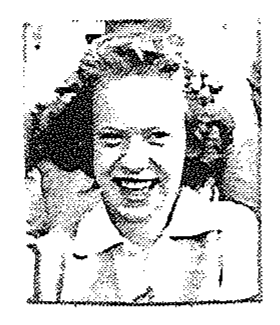
Dolores was married June 9, 1950 to Wayne Charlton from West Weber. They moved into a small home in West Weber. It caught fire and burned everything, wedding gifts, furniture and all. They then moved up to Wilson into a small home by her mother and dad on 2100. Later they built a nice brick home by her mother and dad. Wayne and Dolores had two children, Brent born in 1952 and LaRee born in 1954. Wayne worked at American Can and also became involved in race horses. He raised a very nice quarter horse from a colt and named her LaRee Bar and took her to Las Alemedas, California and won many races and made good money from her. A Dr. Allred helped Wayne get started in horse racing. They built another brick home on 2550 in Wilson with nice horse barns and then moved to California and raced horses. They did very well. Dolores loved Utah Noodle chow mein and ate a lot of it when they were in Ogden. They bought a ranch in California then sold it and moved to Oklahoma on a ranch. Their son Brent helped Wayne train race horses. Wayne is an expert on knowing the legs of race horses. Dolores was the bookkeeper. Late in 1992 the doctors discovered she had a cancer in her liver. Wayne had expert doctors attend to her but the cancer was too far advanced. They moved back to the house on 2550 and she died June 1, 1993 and was buried in West Weber Cemetery on June 5, 1993. Dolores and Wayne have five grandchildren.
LYNN JENSEN, 1932–1998
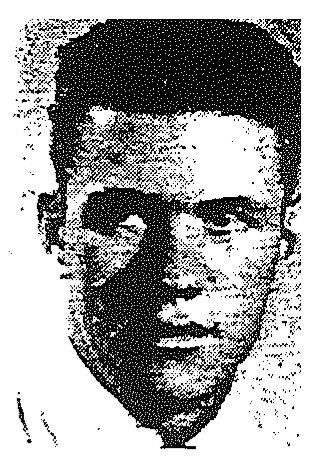
Lynn Jensen served in the U.S. Army for three years. Fifteen months of which he spent in Korea, where he saw combat and was awarded the Bronze Star with V device for valor. He also was awarded the Occ. Medal, a Korean Service Medal with five bronze stars, the Presidential Unit Citation, and the Meritorious Unit Commendation. Following his military service, Lynn spent time in California and Utah. He married Betty Jo and has a stepson, Butch. He divorced and moved to Alaska, where he lived in Chugiak and Eagle River. He had been through engineer and demolition school in Fort Belvoir, Virginia. He was a self-employed mechanic and machinist until he retired in 1996. He died December 2, 1998 from a stroke and was buried in Alaska. He was a very quiet man who would help anyone in need.
ROBERT WAYNE KIRBY
Robert Wayne Kirby was born in Brunswick, Missouri in 1932. In 1941 the family moved to West Ogden. He attended Wilson Elementary and Junior High School for 9 years. He graduated from Weber High School in May of 1950. Bob worked for the Union Pacific Railroad as a fireman/engineer for a period of time. He also worked as a cabinet maker before becoming involved in the drywall trade. In about 1970 he moved with his wife to Elko, Nevada to work in the construction trades. This was a period of increased construction in the Elko, Nevada area due to the newly found gold mines in the surrounding area that brought an influx of workers. Later on Bob worked at the Commercial Hotel in Elko maintaining the gaming machines in the casino there. Bob died in an accident in 1974 in the Elko area and is buried by his parents in the Centerville, Utah Cemetery. He left behind three daughters and one son. Bob will always be remembered for his infectious smile that was always on his face and will be noted among his family, classmates and co-workers for his happy-go-lucky attitude and good-natured personality.
ARTHUR KRANENDONK
Art died a very tragic death when his truck caught fire in an accident and burned. Art was married for a very short time and has one daughter. He worked for George Stratford and at the Sugar Factory. He was a very hard, steady worker.
FRANKLIN F. STANGER
Served lds mission to Uruguay. Married Mada Lurae Waldron from Malad, Idaho. Father of 7 children, 3 girls and 4 boys. Employed as a salesman. Loved to fly an airplane. Passed away May 8, 1990. Lived in Weber County area all his life.
RUSSELL PACKARD
When Russell was young, his dad owned the Oil Refinery in West Ogden. He was at the Ogden Rodeo when the announcer said his business was on fire. Everything was destroyed. The family moved to Astoria, Oregon. Russell went in the army and was assigned to guard duty on base in North Africa. His buddy was on guard duty. For a prank Russell kicked the guard shack. The buddy shot Russell dead without checking on who was kicking the shack.
JIM POULOS
Married a Greek girl, had one son and one daughter. He was office manager of Texaco Oil Co. in Salt Lake City until the company went out of business. He was stand offish and wanted nothing to do with his family. He was a bartender in Salt Lake City. He died about 15 years ago during open heart surgery, after having heart problems for several years.
SHELDON STAUFFER
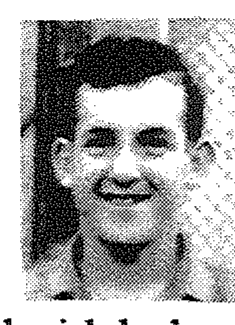
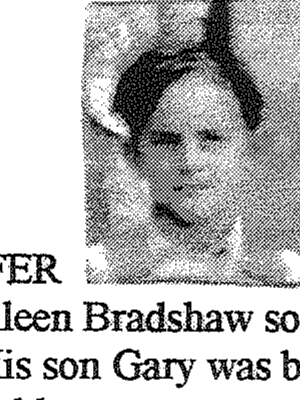
Sheldon married Colleen Bradshaw sometime between 1952 and 1953. His oldest daughter, Beverly, was born in 1954. His son Gary was born in 1957 and a daughter Shelley was born about 1960. He worked at Hill Field. He died sometime between 1975 and 1985.
MAURICE CHENEY
No information is availabe for Maurice.
We could not find any information or the whereabouts of Vincent McEnerny or Rose Mary Ellsworth or Bill Saunders.
VERN H. SMITH, August 24, 1932 – February 28, 1981
Born in Wilson Lane on August 24, 1932, grew up in Wilson on a farm, attended Wilson School for 9 years, Weber High School for 3 years, attended Weber College from 1950 to 1954, bought first farm in the spring of 1953 in Warden, Washington, served a 2 years L.D.S. Mission in the southern states, starting January 6, 1954.
Vern started farming in the spring of 1956 in Warden, Washington. Met his wife Kay Pratt in Moses Lake, Washington (14 miles from Warden) in 1956. They were married August 15, 1957 in the Salt Lake Temple.
Vern served in the L.D.S. Church as a Bishop, on the High Council, and in the Stake Presidency.
Vern and Kay had 7 children. They had two boys and five girls.
In 1968–1969 Vern was chosen “The Outstanding Young Farmer” in the state of Washington. At the time of his death he was raising beef cattle and farming approximately 1,300 acres of land.
Vern loved to travel, especially in his private plane (Piper Cherokee six) to Mexico.
On February 28, 1981, on the return trip from Mexico, his plane crashed, on Parker Mountain, just north of Escalante, Utah. All aboard, six adults, were tragically killed.
It has been said that, “The common people of the earth are the great people of the earth.” If that is true, then Vern Smith was among the greatest.
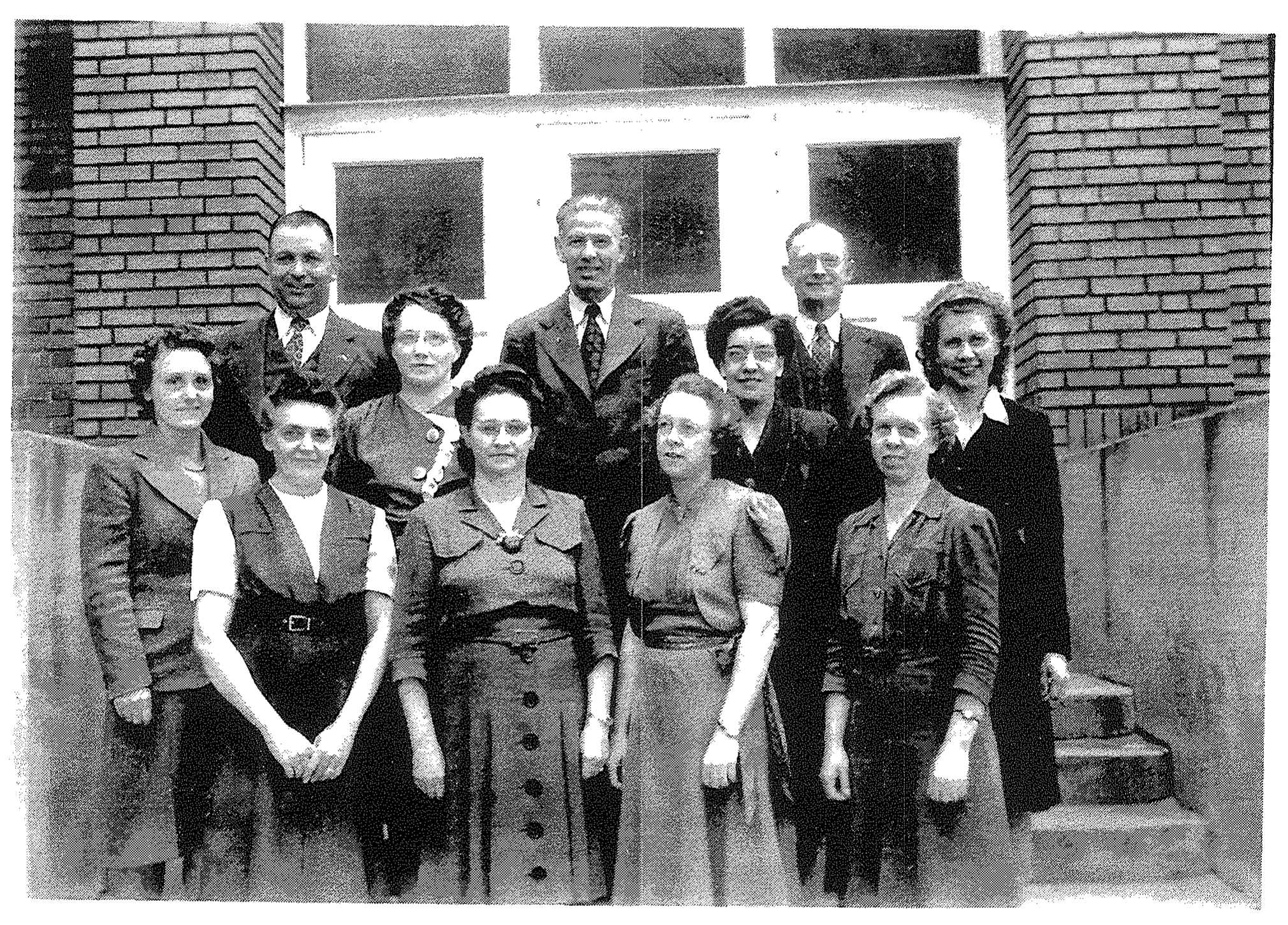
Wilson School Faculty
Row 1—Mrs. Stanford, Miss Shaw, Mrs. Barton, Mrs. Bouwhuis. Row 2—Mrs. Secrist, Mrs. Woodward, Mrs. Sorensen, Miss Holmes. Row 3—Principal, Wheat Taylor, Mr. Pettigrew, Mr. Rhees.
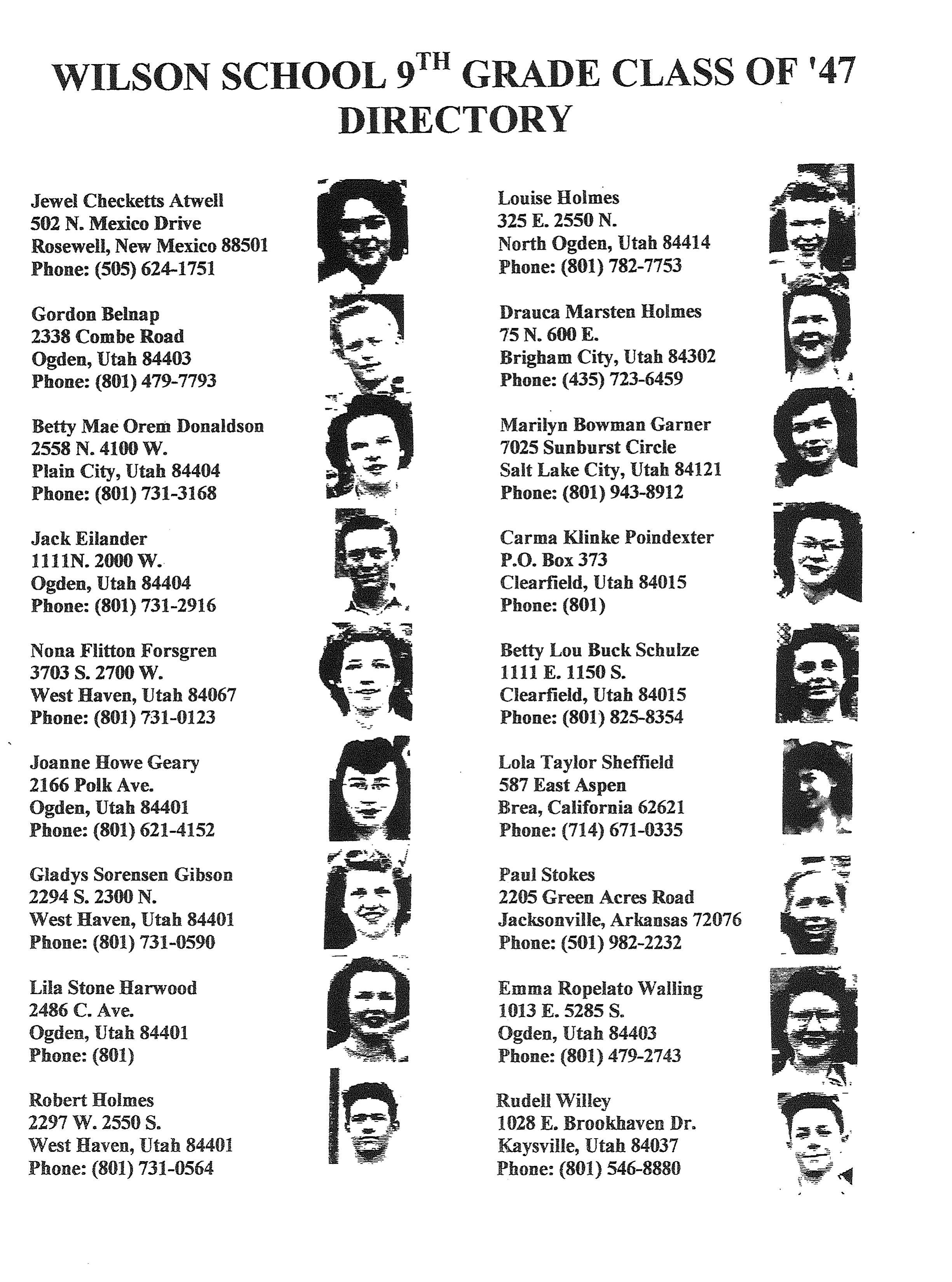
Wilson School 9th Grade Class of ’47 Directory
Name
Address
Phone
Jewel Checketts Atwell
502 N. Mexico Drive, Roswell, New Mexico 88501
(505) 624-1751
Gordon Belnap
2338 Combe Road, Ogden, Utah 84403
(801) 479-7793
Betty Mae Orem Donaldson
2558 N. 4100 W., Plain City, Utah 84404
(801) 731-3168
Jack Eilander
1111 N. 2000 W., Ogden, Utah 84404
(801) 731-2916
Nona Flitton Forsgren
3703 S. 2700 W., West Haven, Utah 84067
(801) 731-0123
Joanne Howe Geary
2166 Polk Ave., Ogden, Utah 84401
(801) 621-4152
Gladys Sorensen Gibson
2294 S. 2300 N., West Haven, Utah 84401
(801) 731-0590
Lila Stone Harwood
2486 C. Ave., Ogden, Utah 84401
—
Robert Holmes
2297 W. 2550 S., West Haven, Utah 84401
(801) 731-0564
Louise Holmes
325 E. 2550 N., North Ogden, Utah 84414
(801) 782-7753
Drauca Marsten Holmes
75 N. 600 E., Brigham City, Utah 84302
(435) 723-6459
Marilyn Bowman Garner
7025 Sunburst Circle, Salt Lake City, Utah 84121
(801) 943-8912
Carma Klinke Poindexter
P.O. Box 373, Clearfield, Utah 84015
—
Betty Lou Buck Schulze
1111 E. 1150 S., Clearfield, Utah 84015
(801) 825-8354
Lola Taylor Sheffield
587 East Aspen, Brea, California 62621
(714) 671-0335
Paul Stokes
2205 Green Acres Road, Jacksonville, Arkansas 72076
(501) 982-2232
Emma Ropelato Walling
1013 E. 5285 S., Ogden, Utah 84403
(801) 479-2743
Rudell Willey
1028 E. Brookhaven Dr., Kaysville, Utah 84037
(801) 546-8880
(Note: addresses/phone numbers as printed in the original memory book — likely out of date by now, but preserved as a record of where the class was circa 2001–2002.)
Decision:In re Miguel Juarez and Heidi Lizeth Juarez, Case No. 16-40560-JDP (Bankr. D. Idaho, 28 Mar. 2017) Judge: Honorable Jim D. Pappas, United States Bankruptcy Judge Counsel for Debtors: Paul Ross, Idaho Bankruptcy Law, Paul, Idaho Counsel for Creditor Midland Funding LLC: Thomas D. Smith, Service & Spinner, Pocatello, Idaho; Ryan M. Fawcett, Skinner Fawcett LLP, Boise, Idaho Chapter 13 Trustee: Kathleen A. McCallister, Meridian, Idaho
Background
Miguel and Heidi Lizeth Juarez filed a Chapter 13 petition on 24 June 2016. Their schedules listed a debt to Synchrony Bank, a CareCredit account ending in 5181, opened in March 2016, in the amount of $3,166, incurred to pay for dental services at Seasons Dental in Burley, Idaho. The account had been charged off in July 2016. The debt was not listed as contingent, unliquidated, or disputed.
On 5 October 2016, Midland Credit Management, Inc. filed a proof of claim as the authorized agent of Midland Funding LLC, asserting a claim of $3,166.09 acquired from Synchrony Bank on that account. The Debtors objected on 11 October 2016, arguing that the claim lacked documentation of the assignment and that Midland Credit was an improper party to collect.
Midland Funding responded by filing an amended proof of claim on 18 October 2016, adding monthly CareCredit/Synchrony Bank account statements, a bill of sale from Synchrony Bank transferring charged-off accounts to Midland Funding, and an affidavit from a Synchrony Bank documentation specialist attesting to the sale. The Debtors did not separately object to the amended claim but set the matter for an evidentiary hearing, held on 21 February 2017. Both parties filed post-hearing briefs.
Two issues were before the Court: whether a creditor affidavit submitted at the hearing should be admitted into evidence, and whether the Debtors’ objection to the amended proof of claim should be sustained.
The Schellig Affidavit
Before the hearing, Midland Funding filed an affidavit from Kelly Schellig, a bankruptcy operations manager at Midland Credit Management, Inc., describing the corporate relationship between Midland Funding and Midland Credit and Midland Credit’s authorization to service accounts on Midland Funding’s behalf. At the hearing, Midland Funding offered the affidavit into evidence. The Debtors objected on three grounds.
Hearsay. The Debtors argued the affidavit contained inadmissible hearsay. Midland Funding responded that the affidavit qualified as a business record under Federal Rule of Evidence 803(6). The Court agreed with the Debtors. Schellig was not present for cross-examination, her statements went directly to the contested facts, the connection between Synchrony and Midland Funding and between Midland Funding and Midland Credit, and Midland Funding had not shown the affidavit was prepared in the ordinary course of business rather than in response to the litigation. The business records exception did not apply.
Best Evidence Rule. The Debtors argued that Federal Rule of Evidence 1002 required production of the underlying documents, the purchase agreement and the servicing contract, rather than affidavit testimony describing them. The Court agreed. Schellig’s statements implied the existence of original records that were never produced, and the best evidence rule required either the originals or admissible duplicates, not testimony about what those documents said.
Rule 9017. The Debtors argued that Rule 9014(d) required witness testimony in contested matters to be taken in open court under Civil Rule 43(a), absent party agreement or specific authority otherwise. Midland Funding pointed to the Ninth Circuit’s decision in In re Adair, 965 F.2d 777 (9th Cir. 1992), which approved a local rule permitting direct testimony by affidavit. The Court distinguished Adair: the local rule in that case required the affiant to be available for live cross-examination, which Midland Funding did not offer here. With no agreement of the parties and no applicable rule or statute authorizing the procedure, submitting affidavit testimony without affording the Debtors an opportunity to cross-examine was impermissible.
The Court excluded the Schellig affidavit on all three grounds.
The Objection to the Amended Proof of Claim
The Debtors’ Position. The Debtors argued the amended proof of claim was not entitled to prima facie validity under Rule 3001(f) because it did not include writings required under Rules 3001(b), 3001(c)(1), and 3001(e)(1) to establish Midland Credit’s authority to file and collect on Midland Funding’s behalf. They further argued that their objection to the original claim constituted a written request under Rule 3001(c)(3)(B), and that Midland Funding’s failure to comply with that request within 30 days defeated any presumption of validity. Finally, even if the amended claim was presumptively valid, the Debtors contended that Miguel Juarez’s hearing testimony, that he had dealt only with Synchrony Bank and had no knowledge of Midland Funding or Midland Credit, was sufficient to rebut that presumption and shift the burden back to Midland Funding to prove its authority to collect.
Midland Funding’s Position. Midland Funding argued that because the claim arose from an open-end revolving consumer credit account, Rule 3001(c)(3) governed and displaced the documentation requirements of Rule 3001(c)(1). The amended proof of claim satisfied each element of the Rule 3001(c)(3)(A) statement: it identified Synchrony Bank as the entity from whom Midland Funding acquired the account, listed Synchrony Bank as the creditor at the date of the last transaction, stated the date of the last transaction as 3 July 2016, left the date of last payment blank as no payment was ever made, and identified 3 July 2016 as the charge-off date. As to rebuttal, Midland Funding argued that the Debtors’ hearing testimony, acknowledging the validity of the debt while offering only unfamiliarity with Midland as their objection, fell well short of raising a genuine factual dispute about who held the claim.
The Court’s Ruling. The Court denied the Debtors’ objection and allowed the claim.
On the documentation question, the Court held that Rule 3001(c)(3) expressly displaces Rule 3001(c)(1) for open-end and revolving consumer credit claims. No copy of any underlying writing is required. The 2012 Advisory Committee notes make this explicit: the five-element statement required by Rule 3001(c)(3)(A) is what enables a debtor to connect a proof of claim to a scheduled debt after the account has been sold, and that purpose is served without requiring assignment documentation. The amended proof of claim satisfied every element of that statement.
On the written request issue, the Court declined to treat the Debtors’ claim objection as the equivalent of a written request under Rule 3001(c)(3)(B). That provision contemplates a formal written demand made directly to the holder of the claim, not a pleading filed with the court. Other bankruptcy courts had consistently so held, and the Court agreed.
On rebuttal, the Court found that Miguel Juarez’s testimony failed to raise a genuine factual dispute about ownership of the claim. To overcome the presumption of prima facie validity, a debtor must allege that the debt is owed to someone else or is not owed at all, not merely that the debtor did not recognize the name of the entity that purchased the account after the petition was filed. Permitting that to suffice would render Rule 3001(c)(3) meaningless. The Debtors’ own schedules, identifying Synchrony Bank, the account number, and a balance of $3,166, constituted evidentiary admissions under Federal Rule of Evidence 801(d)(2) that further supported the claim’s validity. The Court noted that the Debtors’ proper avenue, had they genuinely doubted Midland Funding’s authority, was to make a formal written request under Rule 3001(c)(3)(B) for the underlying documentation; if Midland Funding had then failed to comply, that failure could have been offered as evidence to overcome the presumption. That did not happen here.
Why This Matters
1. Rule 3001(c)(3) displaces Rule 3001(c)(1) for revolving and open-end credit claims. A proof of claim for a credit card or revolving account need not attach the underlying credit agreement or assignment documentation. Compliance with the five-element statement in Rule 3001(c)(3)(A) is sufficient for prima facie validity. Objections resting solely on the absence of assignment papers will fail.
2. A claim objection is not a Rule 3001(c)(3)(B) written request. The mechanism for compelling production of underlying documentation is a formal written request made directly to the holder of the claim, not an objection filed with the court. Debtors who want the agreement must ask for it in writing. A creditor’s failure to respond within 30 days to such a request then becomes usable evidence at the objection hearing.
3. Rebutting prima facie validity requires more than unfamiliarity with the claimant. A debtor must raise a genuine factual dispute about who holds the claim, alleging the debt is owed to someone else or is not owed at all. Testimony that the debtor dealt only with the original creditor and does not recognize the debt buyer does not meet that standard.
4. Affidavits submitted in contested matters without the affiant available for cross-examination will be excluded. Rule 9014(d) requires testimony in contested matters to be taken in open court in the same manner as in an adversary proceeding. Without party agreement or specific rule authority, a creditor cannot establish contested facts through affidavit alone. In re Adair is not a refuge unless the affiant is made available for live cross-examination at the hearing.
5. The best evidence rule applies to claims about underlying documents. Where an affiant describes the contents of purchase or servicing agreements without producing them, that testimony will be excluded. The actual documents, or properly authenticated duplicates, must be in the evidentiary record.
Full Decision: Available on PACER, Case No. 16-40560-JDP, Doc. 87 (Bankr. D. Idaho 28 Mar. 2017) Order Denying Objection: Doc. 88 (Bankr. D. Idaho 28 Mar. 2017)
James Bailey, blacksmith of Sheffield, and Sarah Goodlad, also of Sheffield, were married after banns on 11 December 1826 at the Parish Church of St Peter and St Paul in Sheffield, Yorkshire (now Sheffield Cathedral). James was the son of James Bailey and Mary, of Askham, Nottinghamshire. Sarah was the daughter of John Goodlad and Elizabeth Hammond, of Sheffield.
Bailey – Goodlad marriage record
The couple will make their home in Mattersey, Nottinghamshire.
That is the substance of what the register records. Entry No. 869, page 290, Sheffield Archives & Local Studies, reference PR-138-3-22. The officiating minister was William H Vale, Assistant Minister. Both parties signed their own names, neither made a mark. The witnesses were Nathan Hampson and a second name only partially legible. Both James and Sarah were listed as of “this Parish,” meaning both had established Sheffield residence by the time they married. James was twenty-nine. Sarah was twenty-six.
James Bailey was born in Askham, Nottinghamshire, and baptized there at the parish church on 5 February 1797, the second child of James Bailey and Mary. Some list her last name as White, but no sources verify this information. His father’s trade was blacksmith, and James followed him into it. By the time he appears in Sheffield he is an established tradesman, already old enough to have made his own way in the world. His origins in Askham, a small Nottinghamshire village, and his presence in Sheffield’s industrial economy by his late twenties suggest a young man who went where the work was.
Sarah Goodlad’s story begins further back. She was born on 6 September 1800 in Rotherham, Yorkshire, the second child of John Goodlad and Elizabeth Hammond. She was baptized at the Parish Church of St Mary, Rotherham, on 30 November 1800.
Sarah Goodlad birth record
Another record of Sarah Goodlad’s birth
Third record for Sarah Goodlad’s birth
John Goodlad had been baptized on 28 February 1775 at the Parish Church of St Peter, Conisbrough, the son of William Goodlad and his wife Elizabeth. He was a cabinet maker by trade, and he and Elizabeth Hammond were married on 29 July 1798 at the Parish Church of St Mary, Rotherham. Their witnesses were Thomas Hammond and Sarah Hammond, almost certainly Elizabeth’s family. Elizabeth Hammond was a Yorkshire woman, born about 1776, whose origins beyond her marriage we have not been able to trace.
John Goodlad and Elizabeth Hammond marriage record
John Goodlad and Elizabeth Hammond marriage record – note, they could both sign their names
The Goodlads had five children. Ann, their eldest, was born in 1798. Sarah followed in 1800, baptized at the Parish Church of St Mary, Rotherham. By 1803, the family had moved to Sheffield, and Mary Ann was baptized there on 22 July 1803 at the Parish Church of St Peter and St Paul, Sheffield (now Sheffield Cathedral). Elizabeth was baptized at the same church on 21 November 1806, and John — the youngest — on 2 July 1809, also there.
Elizabeth Goodlad birth record in 1806
John Goodlad birth record in 1809
John Goodlad was a cabinet maker working in Sheffield by at least 1803, when both Mary Ann’s and Elizabeth’s baptism records note his occupation.
Tragedy struck in 1809. John Goodlad was buried on 26 September 1809 at St Peter’s Church, Conisbrough, the parish of his birth, where his parents William and Elizabeth still lived. He was thirty-five years old. The Conisbrough register describes him as “John Goodlad of Sheffield, Son of William & Elizabeth Goodlad of this parish, aged 35 years.” He left five children under the age of eleven, the youngest barely four months old.
John Goodlad burial record
His daughter Elizabeth, three years old, was buried at St Peter’s Church, Conisbrough on 31 December 1809. His infant son John, described in the register as son of “the late John,” was buried at St Peter’s Church, Conisbrough on 28 January 1810, aged four months. Three deaths in four months: a husband, a daughter, an infant son.
Elizabeth Hammond was widowed at approximately thirty-three with three surviving children, Ann, Sarah, and Mary Ann. She remarried on 1 April 1811 at the parish church in Tankersley, Yorkshire, to Enoch Lumb, a Sheffield blacksmith baptized on 28 February 1774 at the Parish Church of St Peter, Woodkirk (now West Ardsley). Together they had three children: William Hammond Lumb, born 1 May 1812, his middle name preserving his mother’s maiden name; Grace, baptized 12 January 1817 at the Parish Church of St Peter, Woodkirk; and Noah, born 1822. William died in Sheffield in 1818 at age six. Noah died there in 1826 at age four. Grace survived, married Robert Frisby at the Parish Church of St Peter and St Paul, Sheffield (now Sheffield Cathedral) on 20 December 1836, and raised seven children in Sheffield through at least 1881. The Frisby descendants share a half-blood line with Mary Ann Bailey Sharp’s descendants through their common mother Elizabeth Hammond, and any researcher who finds their way to the Frisby or Lumb families in Sheffield will find this the connecting thread. Enoch Lumb was buried in Sheffield on 1 January 1835. Elizabeth Hammond survived him as well, living in Sheffield until she was buried at St George’s Church, Sheffield, on 5 September 1849, aged 73. She had outlived two husbands and three of her five Goodlad children. She did not live to see her granddaughter Mary Ann Bailey leave England for America two years later.
Elizabeth Hammond Goodlad Lumb death record
Sarah Goodlad grew up in the household of a widowed and then remarried mother in Sheffield. When she and James Bailey married in 1826 at the Parish Church of St Peter and St Paul, Sheffield, both were described as parishioners of that church, the same building where her younger siblings had been baptized, where her half-sister Grace would marry a decade later. It was the church of the Goodlad family’s Sheffield years, and Sarah married there in the presence of whatever witnesses attended that December day.
After the marriage the Baileys settled in Mattersey, a small village in the Bassetlaw district of Nottinghamshire, roughly thirty miles from Sheffield. James worked as a blacksmith. Their children were baptized at the parish church in Mattersey, their names recorded in the bishop’s transcripts now held at Nottinghamshire Archives:
Mary Ann, born 28 November 1828, baptized 8 December 1828 at Mattersey parish church. She is the thread that connects this family to Sagacity. You can read more about her at the Sharp-Bailey Wedding post.
George, baptized 20 February 1831 at Mattersey parish church, buried 21 October 1834, aged three.
John, baptized 10 February 1833 at Mattersey parish church. He disappears from the record after the christening, absent from the 1841 census, no death recorded, his fate unknown.
George James, baptized 10 December 1834 at Mattersey parish church, seven weeks after his brother George died, buried 14 January 1835, aged five weeks.
Sarah Elizabeth, baptized 11 December 1835 at Mattersey parish church, born less than a year after George James was buried. She appears in the 1841 census at Mattersey, aged five, and then vanishes from the record like her brother John.
Jane, born 19 April 1839, baptized at Mattersey parish church. She also appears in the 1841 census, aged two, and was buried 1 November 1841.
Jane Bailey birth record
Emma Jane, baptized 27 January 1843 at Mattersey parish church.
The 1841 census found the Bailey household at Mattersey: James, age 40; Sarah, age 40; Mary Ann, age 12; Sarah Elizabeth, age 5; Jane, age 2. Two teenage boys, Joseph Baker and George Swinden, both 15, rounded out the household, almost certainly apprentices to James’s smithy. Three children had died by then. Two more, John and Sarah Elizabeth, slipped from the record without explanation.
Sarah Goodlad Bailey died on 7 September 1843 at Mattersey, aged 43. The death was registered in the sub-district of Gringley, East Retford, entry No. 413. The cause given on the certificate was “Visitation of God,” the Victorian designation for sudden or unexplained death. The informant was P R Falkner, Coroner for the County of Nottingham, not James Bailey, which suggests Sarah’s death was sudden enough, or sufficiently uncertain in its cause, to require a coroner’s involvement. Emma Jane had been baptized on 27 January 1843; Sarah died seven and a half months later. The record does not say whether the two events were connected.
Sarah Goodlad Bailey death record
James remarried, to a woman named Harriet, born about 1804 in Green, Yorkshire, whose surname does not appear in any document found so far. By the 1851 census the household at Mattersey consisted of James, age 53, Blacksmith, born Askham, Nottinghamshire; Harriet, age 47, wife, born Yorkshire Green; Emma Jane, age 8, scholar, born Mattersey; and Thomas Parkinson, age 16, apprentice blacksmith, born Clayworth, Nottinghamshire. James had kept a young male apprentice in the house across every census, Joseph Baker and George Swinden in 1841, Thomas Parkinson in 1851, Charles Watkin in 1861. The smithy continued.
1851 British Census
Harriet died between 1851 and 1861. The 1861 census found James, now 63 and widowed, still at Mattersey, still listed as a blacksmith. Emma Jane, 18, kept house for him. Charles Watkin, 18, served as apprentice. It was the same household pattern, grown smaller.
1861 British Census
After 1861 James Bailey disappears from the record. No death certificate has been found. Mary Ann’s Utah death certificate, completed in Plain City in 1913, identifies her father only as “Bailey.” Her children in Plain City knew their grandfather’s trade and his surname but apparently not his given name.
England, Nottinghamshire, Church Records, 1578–1937 (Bishop’s Transcripts, Nottinghamshire Archives) — baptisms of James Bailey (5 February 1797, Askham), George Bailey (20 February 1831, Mattersey), John Bailey (10 February 1833, Mattersey), George James Bailey (10 December 1834, Mattersey), Sarah Elizabeth Bailey (11 December 1835, Mattersey), Emma Jane Bailey (27 January 1843, Mattersey)
England, Yorkshire, Parish Registers, 1538–2016 (Sheffield Archives & Local Studies) — marriage of James Bailey and Sarah Goodlad, 11 December 1826, Parish Church of St Peter and St Paul Sheffield, PR-138-3-22, page 290; baptisms of Mary Ann Goodlad (22 July 1803), Elizabeth Goodlad (21 November 1806), John Goodlad (2 July 1809), all at Parish Church of St Peter and St Paul, Sheffield; marriage of John Goodlad and Elizabeth Hammond, 29 July 1798, Parish Church of St Mary, Rotherham
England, Yorkshire, Bishop’s Transcripts, 1547–1957 (Borthwick Institute for Archives) — baptism of Sarah Goodlad, 30 November 1800, Parish Church of St Mary, Rotherham; baptism of John Goodlad, 28 February 1775, Parish Church of St Peter, Conisbrough; burial of John Goodlad, 26 September 1809, St Peter’s Church, Conisbrough, aged 35; burial of Elizabeth Goodlad, 31 December 1809, St Peter’s Church, Conisbrough; burial of John Goodlad junior, 28 January 1810, St Peter’s Church, Conisbrough
England, Yorkshire, Parish Registers, 1538–2016 (Doncaster Archives) — baptism of John Goodlad, 28 February 1775, Parish Church of St Peter, Conisbrough, page 8, reference P7
General Register Office, London — death certificate of Sarah Bailey, 7 September 1843, Gringley sub-district, East Retford, No. 413, DA 651580; birth certificate of Jane Bailey, 19 April 1839, Gringley sub-district, East Retford, No. 5, BC 917598
England and Wales, Census, 1841 (HO107/851/6) — James Bailey household, Mattersey
England and Wales, Census, 1851 (HO107/2121/86) — James Bailey household, Mattersey; Elizabeth Lumb household, Arundel Street, Sheffield
England and Wales, Census, 1861 (RG09/2412/62) — James Bailey household, Mattersey; Grace Frisby household, Sheffield
England and Wales, Death Registration Index 1837–2007 (FamilySearch) — death of Elizabeth Lumb, 1849, Sheffield, volume 22, page 686
Burials at St George’s Church, Sheffield, September 1849 (Sheffield Archives) — burial of Elizabeth Lumb, 5 September 1849, No. 3630, aged 73
Utah Death Certificate — Mary Ann Sharp, 30 October 1913, Plain City, Weber County, Utah, No. 390
In October 2015 I copied three items from the local news while following the Heyburn municipal election. Two were articles from the Times-News and one was a paid political advertisement. Six years later I photographed four pieces of campaign literature from the November 2021 Heyburn mayoral election. All seven documents have sat in folders. I am publishing them now because the people in them should be remembered and the documents together tell a story of a small city working through hard years.
The 2015 Election
Article — “Heyburn Council Spats Over Consultant Pay”Campaign flyer — “Attention Heyburn Voters”Article — “Candidates Spar over Past in Heyburn Forum”
The first article, by Eric Quitugua of the Times-News, concerned a dispute over pay raises granted to two city consultants — Ralph Williams, who advised on electrical matters, and Paul Aston, who handled building site consultation, agendas, legal notices, and fact-finding for planning and zoning meetings. Aston had worked with the city since the late 1980s and asked Mayor George Anderson for a raise. The council approved the raises 2-1. Councilwoman Cleo Gallegos, who was running for mayor against businessman Mark Rosa, voted against and questioned why she had not been consulted. Anderson said at the board meeting he had no answer for her. The article cited Heyburn City Code § 1-12-1, which provides that while the mayor has power to hire or discharge employees, the mayor is “without the authority to enter into any employment contract with any employees of the city without the express prior consent of the council, obtained by resolution of the council.” When a reporter asked City Attorney Steven Tuft about the matter, Tuft refused to discuss it and hung up the phone.
The campaign flyer, paid for by Lyle Santos, urged support for Rosa for mayor, Anderson for city council, and Rocky Baker for city council. It listed credentials and accomplishments for each, and charged that Gallegos and former councilwoman Joanne Justesen had voted in December 2012 for a waste contract 22% above the lowest bid, costing the city $48,000 plus $13,000 in attorney fees from the resulting lawsuit, and that Gallegos had voted to shift police dispatching from Cassia County to Minidoka County at an added cost of $7,954 per year since 2009.
The second article, also by Quitugua, covered a candidates forum hosted by the Times-News on 23 October 2015. All five candidates attended: Gallegos and Rosa for mayor, and Justesen, Baker, and Anderson for two council seats. The garbage contract was the dominant source of friction. Gallegos said she had voted for the higher bid because of an issue she could not discuss. Rosa countered that the vote had cost the city $48,000 more than necessary plus litigation costs. Anderson said he had tried to instruct the council not to fix something that wasn’t broken, but the members had not listened. Justesen said the lowest bidder had been in litigation over its ownership and she had concluded the other company was the better choice; she said she discussed it with Baker, who at the forum denied the conversation had taken place.
On the substantive questions the candidates found more common ground. Gallegos emphasized water rights and underground electric lines. Rosa spoke of fiscal responsibility and running the city like a business. Baker highlighted lift stations and sewer infrastructure costs and cautioned against the city getting ahead of itself. Anderson pointed to the 21st Street water project. Justesen raised the theme of growth, noting the city had “beautiful business parks but no businesses” and was “missing a factor.”
Transparency was the other main theme. Justesen said council minutes were too vague. Baker suggested projecting meeting paperwork on a screen for the public. Rosa agreed the minutes needed clarity. Gallegos said the city needed more public discussion of its decisions. Anderson said executive sessions were “highly sensitive” and suggested transparency would be helped if regular meetings drew crowds as large as the forum had.
Background on the Garbage Contract
The garbage contract dispute that dominated the 2015 forum had a longer history worth understanding.
In December 2012 the Heyburn City Council voted to award the city’s garbage service contract to PSI Environmental Systems at $5.65 per residential customer per month — 21 percent above the lowest bid of $4.46 submitted by Western Waste Services. Total Waste Management had also bid lower, at $4.50. The council additionally designated PSI as the city’s sole commercial garbage contractor, requiring businesses using other providers to switch. Rocky Baker was the sole dissenting vote on both motions. He called it “the worst business decision made by Heyburn in the more than 10 years he’s served on the City Council” and objected to forcing businesses away from their current providers. “We didn’t have a system that was broke,” he said.
The contract’s path to approval was itself contentious. The council heard public opposition at its regular meeting on 28 March and declined to vote. The following day it convened an emergency meeting — invoking an Idaho Open Meeting Law exemption allowing cities facing immediate financial loss to meet without the usual 24-hour posted notice — and approved the contract. Gallegos and Justesen voted yes. Baker voted no. City Attorney Tuft defended the emergency meeting: “They would have had a loss if they didn’t have a garbage contract in place today. I think it’s legitimate, personally.”
Lyle Santos, co-owner of Total Waste Management, was not informed the council would vote until about an hour before the meeting and was not allowed to address the council. He faced a 20 percent loss of his Heyburn commercial accounts and said he would have to lay off a Heyburn employee. Total Waste Management subsequently sued the city. In response, the council voted to terminate the PSI contract. The $48,000 figure cited in the 2015 campaign flyer and at the candidates forum reflected the cost difference between PSI’s contract and the lowest bid over the contract period, plus the $13,000 in attorney fees from the resulting lawsuit.
Lyle Santos was the same man who paid for the October 2015 campaign flyer attacking Gallegos and Justesen over that vote. Every figure on the flyer was accurate. The context it did not supply was that Santos had a direct financial interest in the outcome of the election. Baker, the sole vote against the contract in December 2012, appeared on that same flyer as a candidate to be supported.
Background on Heyburn and Mini-Cassia
Heyburn sits in Minidoka County on the north bank of the Snake River, across from Burley in Cassia County. The two counties together are known as Mini-Cassia, and their relationship has always been complicated — by sports rivalries, by water and land disputes, by the question of who gets to control shared resources. The J.R. Simplot Company’s departure from Heyburn is still discussed. Simplot had operated a potato-processing plant in Heyburn; after a years-long legal battle over electrical rates, the company closed the plant and gave the property to the city of Burley, which developed it into what became the Burley-Heyburn Industrial Park. “Simplot’s gift to Burley was a hard slap,” Gallegos told the Associated Press in 2018. Meanwhile, when Burley sought a site for a new airport, Heyburn annexed 320 acres into its impact zone to keep Burley from acquiring the land. Each county had its grievances and its retaliations, and they accumulated over generations.
George Anderson had been Heyburn’s mayor for twelve years by the time of the 2015 election. Cleo Gallegos had been on the city council since around 2000. Dick Galbraith had served on the Minidoka County Planning and Zoning board for nineteen years, including as its chairman, before joining the city council, where he had served for several years. Rocky Baker had served on the Heyburn Fire Department for twenty years, fourteen as assistant chief, before becoming a fire commissioner and then council president. These were not newcomers. They were people who had watched Heyburn’s struggles with infrastructure, growth, and its larger neighbor across the river for a long time.
The wastewater system was a live problem throughout this period. Heyburn’s treatment plant dated from the 1960s and had been upgraded in 1991 and 2008. The city’s collection system comprised 25 miles of pipe and 18 lift stations. By the mid-2010s the plant was falling out of EPA compliance and facing fines that threatened to bankrupt the city. Baker’s comment at the forum about lift stations and sewer lines being “a huge cost to the city” was not abstract campaign language.
What Happened: 2015–2021
Cleo Gallegos won the November 2015 mayoral election. George Anderson’s bid for a council seat was unsuccessful. Rocky Baker won a council seat.
On 6 December 2016, thirteen months after the forum, Clarence Lanier “Rocky” Baker died from injuries sustained in a motor vehicle accident. He was 62. He had been born on 27 October 1954 — the candidates forum the day after his sixty-first birthday. He had married Georgia Schneider on 8 March 1975 at the Emerson Ward Building west of Paul, built a house in Heyburn in 1976, and never left. He had started at Ore-Ida in 1971 and worked his way up to maintenance supervisor at what became McCain Foods. His family wrote that he collected heart-shaped rocks to give to the people he loved. He was buried at the Riverside Cemetery in Heyburn. His funeral was held at the Burley United Methodist Church.
Meanwhile Gallegos was working on the wastewater problem. Through a judicial confirmation process — used because the scope of work required it — the city bonded for $12.4 million and arranged a financing package that brought the taxpayer burden down to $5.5 million through grants from the Army Corps of Engineers, USDA, and a Community Development Block Grant, saving Heyburn taxpayers $3.1 million against the total $9.6 million project cost. A $5.7 million construction contract was signed in November 2019. “I am excited for Heyburn to be moving in the right direction,” Gallegos said. “And I have nothing but pride in the direction it is going.”
In 2017, Dick Galbraith defended his council seat in one of the more unusual elections in Heyburn’s history. His race ended in a 112-112 tie. A coin toss was held per state guidelines; Galbraith called heads, and the coin fell tails. He contested the result and requested a recount. During the recount, officials discovered one ballot marked too lightly to be read by the machine, and Galbraith won 113-112. The story was picked up by CNN. “I was on City Council for 16 years and mayor for two, and I’ve never seen it,” Gallegos told CNN. “Every vote counts, especially in your small city elections.”
In November 2019 Mark Rosa defeated Gallegos for mayor and took office in January 2020. His administration was immediately contentious. At his first council meeting — a session lasting nearly three hours — Rosa requested the council restore his executive authority over city personnel, which Gallegos had delegated to the city administrator. The council tabled the request. Councilman Galbraith observed that the administrator was “here with boots on the ground, day in and day out all day long.” Councilwoman Rose Schmitt told Rosa: “I don’t know why you want all the power.” The question of mayoral authority over city employees — the same structural question at the heart of the 2015 consultant pay dispute — had not gone away.
In August 2020 a recall petition bearing more than the required 230 signatures was filed against Rosa. The petition charged that he had created a bullying culture at city offices and a hostile work environment for city employees, council members, and the city attorney; that he had refused to listen to citizens; that he had overstepped his financial authority by seeking to add funds to the budget to cover personal attorney fees to sue the city; and that he had tried to impede the city’s sewer projects. Rosa refused to resign. “I absolutely will not resign,” he told the Times-News. “All of these allegations are simply not true.”
On 3 November 2020 Heyburn voters recalled Mark Rosa by a vote of 748 to 440 — 62.96 percent in favor of recall. Rosa had won the office the prior year with 199 votes. “It’s too bad for Heyburn,” he said on election night. “But it is what it is. I feel like I never had a chance to do anything for Heyburn.”
One week later the City Council unanimously appointed Dick Galbraith as mayor and unanimously elected Joanne Justesen as council president. Galbraith said he hoped for “some healing in the city of Heyburn” and accepted the appointment as part of the responsibility he had taken on when he ran for his council seat.
The 2021 Election
Rosa campaign flyer, front — November 2021Rosa campaign flyer, back — November 2021Galbraith campaign flyer, front — November 2021Galbraith campaign flyer, back — November 2021
Mark Rosa ran again in November 2021, as he had promised on the night of his recall. His campaign flyer attacked Galbraith and the council directly. It charged that “Dick broke his oath of office when he voted to transfer the Mayoral authority to the un-elected city administrator, as did Rose, Chad and Joann while he was on city council.” It called the judicial confirmation bond process a betrayal of the voters: “They basically told the judge, the people in Heyburn were too stupid to make the best decision by not allowing us to vote. They had to spend 5.5 Million, BUT they asked the judge to spend $12.4 Million!” It called the wastewater treatment plant location a “bad idea” and warned: “Mark doesn’t want HEYBURN to be BURLEY’S TOILET!” The flyer was paid for by the Committee to Elect Mark Rosa, Deb Hopkins, Treasurer.
Dick Galbraith’s campaign flyer offered a quieter contrast. It noted his nineteen years on the Minidoka County Planning and Zoning board, seven years on the city council, and his appointment as mayor after Rosa’s recall. It credited his tenure with establishing “proper procedures and processes to avoid any abuses by current or future elected officials and employees” and noted his work on the wastewater bond refinancing, which “saved residents almost $1 million.” His stated vision: “to provide responsible leadership for the citizens of Heyburn. I want to see Heyburn grow, but not at the expense of its citizens.” His closing line: “Working as a team is best for our city.”
Dick Galbraith won the November 2021 election. Cleo Gallegos also won a seat, returning to the mayor’s office. Mark Rosa did not prevail.
After 2021
George Anderson, who had served as Heyburn’s mayor for twelve years and whose name appeared on the 2015 opposition flyer, died on 20 September 2024 at the age of 87. He had been born in Burley on 21 June 1937. A neighbor remembered him as “a good friend, neighbor, and a great mayor.” His funeral was held at the Paul Stake Center.
These documents are offered as a record of two moments in the life of a small Idaho city — the people who served it, the questions they argued about, and what became of them afterward.
Rocky Baker collected heart-shaped rocks. George Anderson served his city for twelve years. The sewer plant got built. The city went on.
Sources: Times-News (Twin Falls), Eric Quitugua reporting, October 2015; Times-News, staff reporting, 2012–2013; paid political advertisement, Lyle Santos, October 2015; KMVT, Amy Reid reporting, December 2016 (link); Baker family obituary, December 2016; Times-News, Laurie Welch reporting, 2018–2020; Associated Press, Laurie Welch reporting, April 2018; CNN, Ryan Struyk reporting, December 2017 (link); campaign materials, Committee to Elect Mark Rosa and Dick Galbraith for Mayor, November 2021; Echovita, George A. Anderson obituary, 2024 (link).
Mary Ann (Bailey) and William Sharp — son of Thomas Sharp and Elizabeth Cartwright
George and Ann (Matthews) Cartwright of Misson, Nottinghamshire, and Thomas and Anne (Stennett) Sharp of Misson, Nottinghamshire, announce the marriage of their daughter Elizabeth Cartwright to Thomas Sharp on 29 December 1823 at the parish church of St John the Baptist, Misson. The witnesses were Sarah Hunt and John Parkin.
The Cartwrights and the Sharps were both Misson families. The Cartwrights had been there for generations, Elizabeth’s grandfather John Cartwright (1730–1814) and grandmother Mary Amcoats (1742–1790) had married in Misson in 1761. Her father George Cartwright was baptized there on 3 February 1774. Her mother Ann Matthews was christened 14 September 1783 in Everton, Nottinghamshire, a village approximately eight miles southeast of Misson. Ann was the daughter of Edmund Matthews of Everton and his wife Hannah Broads, a widow who had previously been married to William Wilson of Everton. Edmund and Hannah had married in Everton on 21 May 1782. George Cartwright was nine years older than Ann Matthews. Their marriage banns were published on 23 January 1803 and they married on 1 February 1803, Elizabeth was born and baptized ten months later, on 20 December 1803. Ann Matthews Cartwright does not appear in subsequent census or other records. Her death date and burial place remain unknown.
The ties between the Sharp and Cartwright families ran deep in Misson. On the same day Thomas married Elizabeth, his brother William Sharp married Mary Cartwright, Elizabeth’s first cousin. A week earlier, on 22 December 1823, their brother John Sharp had married Ann Rather. Three Sharp brothers married in the same month of December 1823, two of them to first cousins from the same Cartwright family, all in the village of Misson.
Edmund Matthews’s will, made 27 November 1810 and proved 25 February 1820, names “Ann the wife of George Cartwright of Misson” as one of his two daughters and heirs. The estate included two tenements and dwellinghouses at Everton and a close called the Clay Field Close of approximately three acres. The will also left twenty pounds and a chest of drawers to Mary Brougham, Hannah’s daughter from her first marriage to William Wilson and Ann Matthews’s half-sister, just two years her senior. Mary Wilson had been a witness at Ann’s marriage to George Cartwright on 1 February 1803, and had married John Brougham in the years between that wedding and the writing of Edmund’s will in 1810. Under the will, Hannah received the life interest in the property. Only after Hannah’s death in September 1835 would Ann and her sister Elizabeth Matthews inherit their shares. Elizabeth Matthews had married William Brown in 1814. When William Brown died in 1846, Elizabeth returned to Everton, and her children maintained connections between Misson and Everton across the following generations. Annie Thompson records that George Beighton, whom Ann married in June 1823, gambled away her money at the Doncaster races. The timing is suggestive: Ann’s inheritance from the Matthews Everton estate would have arrived in 1835, twelve years after the Beighton marriage. If Beighton dissipated that inheritance at Doncaster, Elizabeth Cartwright Sharp, then 31 years old, would have witnessed it directly. The will is the source of the “wealth and refinement” tradition in Annie Thompson’s account, the Matthews family owned real property in Everton, modest but substantial for a labouring community.
Will of Edmund Matthews of Everton, Nottinghamshire, made 27 November 1810, proved 25 February 1820. Names “Ann the wife of George Cartwright of Misson” as heir.
The Sharps had traveled a longer road to Misson. Thomas Sharp’s father, Thomas Sharp Sr., was born on 18 September 1768 in Armthorpe, Yorkshire, a village three miles east of Doncaster. Thomas Sr was the son of John Edward Sharp (1730–1806) and Frances Fretwell (1733–1809). He married Anne Stennett on 3 November 1788 at Ewerby, Lincolnshire, approximately thirty-five miles southeast of Armthorpe. Anne had been born there on 30 July 1769, the daughter of John Barber Stennett and Lettice Housley. The family’s first children were born in Lincolnshire: Elizabeth at Ewerby on 9 July 1790, and Ann at Ewerby on 13 May 1792. The family then moved northward toward Yorkshire at some point in the 1790s, with the next confirmed records placing them in Cantley, Yorkshire by 1799.
Some researchers have linked a Thomas Sharp christened 1 November 1794 and an Elizabeth Sharp christened 5 December 1795, both in Stamford, Lincolnshire, to this family. However the connection is uncertain and unlikely. Stamford is approximately 30 miles from Ewerby and 65 miles from Cantley, a significant distance for a labouring family to travel. The Stamford Thomas was buried just seven days after his christening, on 8 November 1794, and the Stamford Elizabeth died in Stamford on 23 October 1799, age 4. Multiple Sharp families lived in Stamford at this period, making misidentification likely. Researcher Leanne Maynes, who has examined these records carefully, has noted the timeline does not fit comfortably with the family’s confirmed movements and has not incorporated these children into the family line. The records are noted here but not included in the family line pending further research.
How Thomas Sharp Sr. came to be in Ewerby, Lincolnshire, fifty-four miles from Armthorpe, is an open question. Agricultural labourers typically found work through hiring fairs held at Martinmas in local market towns, where employers hired workers for the coming season. Movement of two to three miles between hirings was typical for a day labourer. A farm servant who lived in with his employer could travel further, up to thirty miles from his home parish, but fifty-four miles was exceptional. Whether Thomas traveled by foot, by water along the River Don and Trent, or through some family or employer connection to Lincolnshire is not known. One possibility worth noting is that Elizabeth Sharp, who married William Duffin in Ewerby in June 1788, just months before Thomas married Ann Stennett there in November 1788, was also described as of that parish. Whether Elizabeth was a relative of Thomas who had preceded him to Ewerby, and whether a family connection brought Thomas there, remains an open question that further research into Lincolnshire records may eventually resolve.
The Misson parish register notes local agricultural disasters that give context to labour movement in the region. In the 1740s the cattle herds in the area suffered severely from the cattle distemper, a murrain that ravaged England between 1745 and 1757 and killed at least half a million cattle nationally. Parliament passed multiple acts attempting to contain the outbreak, and preachers of the period described it as a national judgment. Repeated outbreaks followed in later decades, and in 1866 a cattle plague destroyed over 200 head of cattle in the Misson area alone. Whether this pattern of agricultural disruption influenced the Sharp family’s movement between Yorkshire, Lincolnshire, and Nottinghamshire is not documented, but the regional context is worth noting.
By approximately 1797 the family had returned northward toward Yorkshire. The Cantley parish register, held at Doncaster Archives, reference P12-1-A3, confirms Thomas Sharp Sr. and Anne in Cantley, Yorkshire by October 1799, when their daughter Mary was baptized there on 20 October 1799. Cantley lies five miles east of Doncaster, neighboring Armthorpe where Thomas Sharp Sr. had been born. George Sharp was born in Cantley on 9 May 1804 and baptized there on 22 July 1804. A Cantley christening of 5 March 1797 is almost certainly this Thomas. The family was in Cantley throughout this period, and the dates and geography align. By 1810 the family had settled in Misson, approximately ten miles south of Cantley, where Ann Sharp was baptized on 11 March 1810 and James Sharp on 7 March 1813.
Thomas Sharp Sr. died in Misson on 23 August 1847, age 78, found lying in the street by a neighbor named Elizabeth Orton. She thought he was having a fit, obtained the assistance of William Mason and John Hobson, but he died immediately. The inquest verdict was visitation of God. The inquest notice appeared in the Lincoln Rutland and Stamford Mercury on 3 September 1847.
Inquest notice for Thomas Sharpe, Lincoln Rutland and Stamford Mercury, 3 September 1847, p. 3
Death certificate for Thomas Sharp Sr., died 23 August 1847, Misson. GRO DYB565322.
His wife Anne died in Misson on 10 December 1849, age approximately 79, from a fall, and was buried three days later. Their death notices appeared in the same Lincolnshire newspaper, the family had maintained connections across sixty years and three counties.
Death certificate for Ann Sharp (née Stennett), widow of Thomas Sharp Sr., died 10 December 1849, Misson. GRO DYB565321.
Thomas Sharp’s younger brother James had died of Consumption on 5 June 1839, with Elizabeth as the informant at his death. Six months later, on 7 January 1840, Thomas and Elizabeth named their newborn son James. Whether the name was chosen in memory of the brother lost that summer is not known, but the timing is suggestive. Consumption, known colloquially as the white death, is the historical name for tuberculosis, a contagious airborne disease caused by Mycobacterium tuberculosis. In 1815, one in four deaths in England was due to Consumption. In a labouring family’s small home in Misson, the disease would have moved freely through the household. Thomas Sharp, born approximately 1797, probably in Cantley, was a Labourer, as recorded on his children’s birth certificates and his own death certificate. The death certificate gives his age at death as 43 years, the burial record as 45. This two-year spread likely reflects the imprecision natural to a family where neither parent could write and where exact ages were not always known. Thomas died of the same Consumption that had killed his brother just two years before, on 13 July 1841 at Misson, just weeks after the June 1841 Census recorded him in the household. His sister Ann Thickett, wife of Thomas Thickett of Blyth, Yorkshire, four miles north of Misson, was present at his death and registered it. He was buried at Misson on 15 July 1841.
The disease continued through the family. Ann Thickett, who had been present at Thomas’s death in 1841, died of Consumption on 6 April 1846, age 36, just five years after registering her brother’s death from the same disease. George Sharp, another brother, died of Consumption on 8 August 1846, age 47, four months after Ann. Between 1839 and 1846, four of Thomas Sharp Sr. and Anne Stennett’s children died of tuberculosis. Thomas Sharp Sr. survived all four, dying in August 1847. Anne survived until December 1849. They outlived four of their children to the same disease.
Death certificate for Thomas Sharp, died 13 July 1841, Misson, of Consumption. GRO DYB541596.
Annie Thompson, writing from family tradition in 1957, describes Elizabeth as having grown up “a tall young lady, reared in an atmosphere of wealth and refinement.” Her father George Cartwright was buried at Misson on 27 February 1820, age 46, when Elizabeth was sixteen years old. Three years later, on 4 June 1823, her mother Ann remarried a widower named George Beighton at the Misson parish church, by banns, witnessed by John Robinson and John Cartwright, confirmed in the Bishop’s Transcripts in the Nottinghamshire Archives. Six months after her mother’s remarriage, Elizabeth married Thomas Sharp.
Elizabeth could not write. On both her daughter Ann’s birth certificate in 1838 and her son James’s birth certificate in 1840, she signed with an X mark.
Thomas and Elizabeth had eight children, all baptized in the Misson parish church and recorded in the Bishop’s Transcripts at the Nottinghamshire Archives. The dates below give the christening date from the Bishop’s Transcripts, the birth dates held in family tradition are noted separately where they differ, representing the difference between the event remembered by the family and the event recorded by the church.
George Sharp, christened 11 November 1824, died 15 November 1824, four days old.
Mary Sharp, baptized 27 November 1825, died in infancy and was buried approximately two days after her christening, as noted in the Misson Parish Register.
William Sharp, christened 7 January 1827, family tradition gives his birth as 10 December 1826. He would go on to help found Plain City, Utah. See Sharp-Bailey Wedding and the William Sharp Personal History.
George Sharp, baptized 13 May 1829, died 23 December 1833, age four years and seven months, buried at Misson. The Misson Parish Register notes his cause of death as burns. Burns were tragically common among small children in this period, when open hearths were the only source of heat and cooking in labouring family homes. Whether his clothing caught fire near an open flame or the death resulted from a structure fire is not known, and no newspaper account of the event has been located.
Isabella Sharp, christened 15 January 1832, family tradition gives her birth as 22 December 1831. She would emigrate with William to Utah and settle in Mill Creek, Salt Lake County. See Sons of Joseph and Isabella Carlisle.
Elizabeth Sharp, baptized 11 June 1834, she remained in St. Louis and married John Quayle. See John and Elizabeth Quayle.
Ann Sharp, born 8 July 1838, baptized 29 July 1838, died 2 September 1838, eight weeks old, of convulsions. Convulsions in infants of this period were typically caused by uncontrolled fever from bacterial or viral infections, untreatable before the development of antibiotics and fever-reducing medications. Elizabeth registered her birth with an X mark on 10 July 1838. A neighbor, Mary Laister, registered her death, Elizabeth was not the informant.
Birth certificate for Ann Sharpe, born 8 July 1838, Misson. Elizabeth signed with her X mark.
Death record for Ann Sharpe, died 2 September 1838, Misson, age 8 weeks, of Convulsions.
James Sharp, born 7 January 1840, confirmed by GRO birth certificate (BXCC548222), with Elizabeth signing as informant with her X mark on 22 January 1840. See James Sharp.
Birth certificate for James Sharp, born 7 January 1840, Misson. GRO BXCC548222. Elizabeth signed with her X mark.
By the time Thomas died in July 1841, the family had buried four children. George at four days, Mary in infancy, the second George at four and a half years, and Ann at eight weeks. The 1841 Census, taken just weeks before Thomas’s death, records the household: Thomas (40), Elizabeth (37), William (14), Isabella (9), Elizabeth (5), and James (1). Thomas Sharp Sr. was living just a few households away in the same village.
Milo Riley Sharp, grandson of Thomas Sharp and Elizabeth Cartwright
Conversion and Emigration
William Sharp was the first family member baptized into the LDS Church, or formally The Church of Jesus Christ of Latter-day Saints, on 20 June 1848. His mother Elizabeth followed on 11 August 1849, and Isabella on 16 September 1849. The Misson History Hub records that “In 1848 LDS Missionaries visited the village and several conversions apparently took place” and notes that the converted “travelled to the USA, crossed the continent and made new lives and families there.” Among the elders who lodged at Elizabeth’s home was Elder George Emery.
Elizabeth decided to emigrate with her family to Utah. Annie Thompson records the family’s resistance: “her folks tried hard to discourage her from taking the hazardous trip; they told her if you leave for the West, ‘A red Indian will eat ye.’” The ticket cost twenty-five pounds sterling. On 2 October 1850 Elizabeth (age 45), William (age 24), Isabella (age 19), Elizabeth (age 26), and James (age 10) sailed from Liverpool on the ship James Pennell, under the direction of Church leader Christopher Layton. There were 254 Latter-day Saint emigrants on board, the Fiftieth Company.
The voyage nearly ended in disaster. As the James Pennell approached the mouth of the Mississippi River, a terrible storm drove the ship back into the Gulf of Mexico, breaking the main and mizzen masts and washing part of the rigging overboard. The crippled vessel drifted for several days with provisions nearly exhausted before a pilot boat found it and guided it to the river mouth on 20 November. The Millennial Star reported simply that the James Pennell “had lost her main and mizen masts, which is all the information given of her.” The ship arrived in New Orleans on 22 November 1850, towed alongside the Joseph Badger, which had sailed from Liverpool two weeks after the Pennell. The full dramatic account is preserved in the William Sharp Personal History. The voyage is documented at Saints by Sea (BYU), where the Sharp family passengers are listed.
From New Orleans the family traveled by river to St. Louis, Missouri. Shortly after arriving, Elizabeth fell ill. She died on 17 February 1851 in St. Louis, never reaching Utah. She was 47 years old. Her burial place in St. Louis has not been located. Annie Thompson gives her death as “probably late in the year 1850.” The 17 February 1851 date comes from other sources and is consistent with a November 1850 arrival and a short illness through that winter. Her children were left on their own in an unfamiliar city. Elizabeth Sharp married John Quayle and remained in St. Louis. James, aged eleven, tried to arrange passage west but the company he was to travel with turned back; he stayed in St. Louis and eventually became a partner in a meat packing business. William married the widowed Mary Ann Bailey Padley in St. Louis, and in 1853 he and Isabella, now married to Joseph Carlisle, traveled west in the Moses Clawson Company, arriving in Salt Lake Valley between 15 and 20 September 1853.
Temple Work
In December 1881 Isabella Sharp Carlisle traveled from Mill Creek, Salt Lake County, to the St. George Utah Temple, at that time the only operating temple in the world, to perform proxy ordinances for her deceased daughter Elizabeth Ann Carlisle. While there, between 20 and 23 December 1881, ordinances were completed for her father Thomas Sharp and her paternal grandfather Thomas Sharp Sr., and the sealings of both men to their wives. Ordinances were also completed for her maternal grandmother Ann Matthews Cartwright, baptism, confirmation, and sealing to George Cartwright, with the St. George Temple record identifying Ann Matthews Cartwright by name and marriage details, confirming the family connection across three generations. Ordinances were completed for six people across four generations in four days.
Thomas Sharp’s sealing to Elizabeth Cartwright was completed 30 April 1920.
Of the children of Thomas Sharp Sr. and Anne Stennett who survived to adulthood, John Sharp died on 29 July 1866 in Misson of Bronchitis and Emphysema, the last of the siblings to remain in the village. William Sharp died on 27 October 1867 in Canada, having emigrated there with his family around the same time Elizabeth Cartwright Sharp, Thomas Jr.’s widow, left England for America in 1850. The emigrations of brother and sister in law, in the same decade, from the same small village, to different continents, closes the Misson chapter of the Sharp family story.
Sources
Primary documents: Thomas Sharp death certificate (GRO DYB541596, 13 July 1841); Thomas Sharp burial, Bishop’s Transcripts, Nottinghamshire Archives (15 July 1841); Elizabeth Cartwright baptism, Bishop’s Transcripts, Nottinghamshire Archives, FHL film #503793 (20 December 1803); Thomas Sharp and Elizabeth Cartwright marriage, Bishop’s Transcripts, Nottinghamshire Archives, page 14 (29 December 1823); Ann Sharp birth certificate (GRO, 8 July 1838); Ann Sharp death record (GRO, 2 September 1838); James Sharp birth certificate (GRO BXCC548222, 7 January 1840); 1841 Census of England and Wales, Misson, household 1612123; children’s christenings confirmed in Bishop’s Transcripts, Nottinghamshire Archives, pages 34 (George 1824), 37 (Mary 1825), 42 (William 1827), 50 (second George 1829), 60 (Isabella 1832), 69 (Elizabeth 1834); second George Sharp burial, Bishop’s Transcripts, Nottinghamshire Archives, page 32 (23 December 1833); Thomas Sharp Sr. christening, Bishop’s Transcripts, Borthwick Institute for Archives (18 September 1768, Armthorpe); Thomas Sharp Sr. death certificate (GRO DYB565322, 23 August 1847); Ann Sharp Sr. death certificate (GRO DYB565321, 10 December 1849); George Cartwright baptism and burial, Bishop’s Transcripts, Nottinghamshire Archives; Ann Matthews christening, Bishop’s Transcripts, Nottinghamshire Archives (14 September 1783); Will of Edmund Matthews of Everton, proved 25 February 1820; Death Duty Register IR27/174, The National Archives; Ann Matthews and George Cartwright marriage, Bishop’s Transcripts, Nottinghamshire Archives (1 February 1803); Ann Matthews and George Beighton marriage, Bishop’s Transcripts, Nottinghamshire Archives, page 13 (4 June 1823); Thomas Sharp Sr. christening (Armthorpe) and Thomas Sharp Sr. and Anne Stennett marriage (Ewerby, Lincolnshire), Lincolnshire Parish Registers; James Sharp (brother) death record, Misson Parish Register (5 June 1839); Mary Sharp burial, Misson Parish Register (approximately 29 November 1825); George Sharp (1829) cause of death, Misson Parish Register (burns, 23 December 1833); Ann Thickett death record, Misson area (6 April 1846); George Sharp death record (8 August 1846); John Sharp death record, Misson (29 July 1866).
Secondary sources: Annie Thompson, Life History of Elizabeth Cartwright Sharp, 27 August 1957; William Sharp Personal History; Kent Nielsen (1931–2020), a great grandson of Joseph and Isabella Sharp Carlisle and thus of Thomas Sharp and Elizabeth Cartwright, contributed extensive primary source research to the FamilySearch Collaborate record for this family between 2011 and 2014. His careful documentation of the Cantley, Yorkshire connection, the GRO certificates, and the census evidence forms the foundation of the genealogical record presented here. FamilySearch Collaborate notes on Thomas Sharp (KWJ5-679) and Thomas Sharp Sr. (KP7V-4HL), 2011–2014; Leanne Maynes, a great great granddaughter of Joseph and Isabella Sharp Carlisle and thus of Thomas Sharp and Elizabeth Cartwright, whose ongoing research into the Sharp and related families has contributed additional primary source analysis, including the Misson Parish Register details on infant burials and causes of death, the identification of the Stamford records as a likely misattribution, and the TB deaths among Thomas Sharp Sr.’s children in the 1840s; Saints by Sea, BYU, James Pennell voyage 2 October–23 November 1850; Misson History Hub, Written History.
For more on the Sharp family and Plain City’s founding generation, see: