Salzburg, Austria

A quick update.  We are back to the shortened e-mail times.

We are writing todaz from Salzburg, Austria.  We arrived last night about midnight.

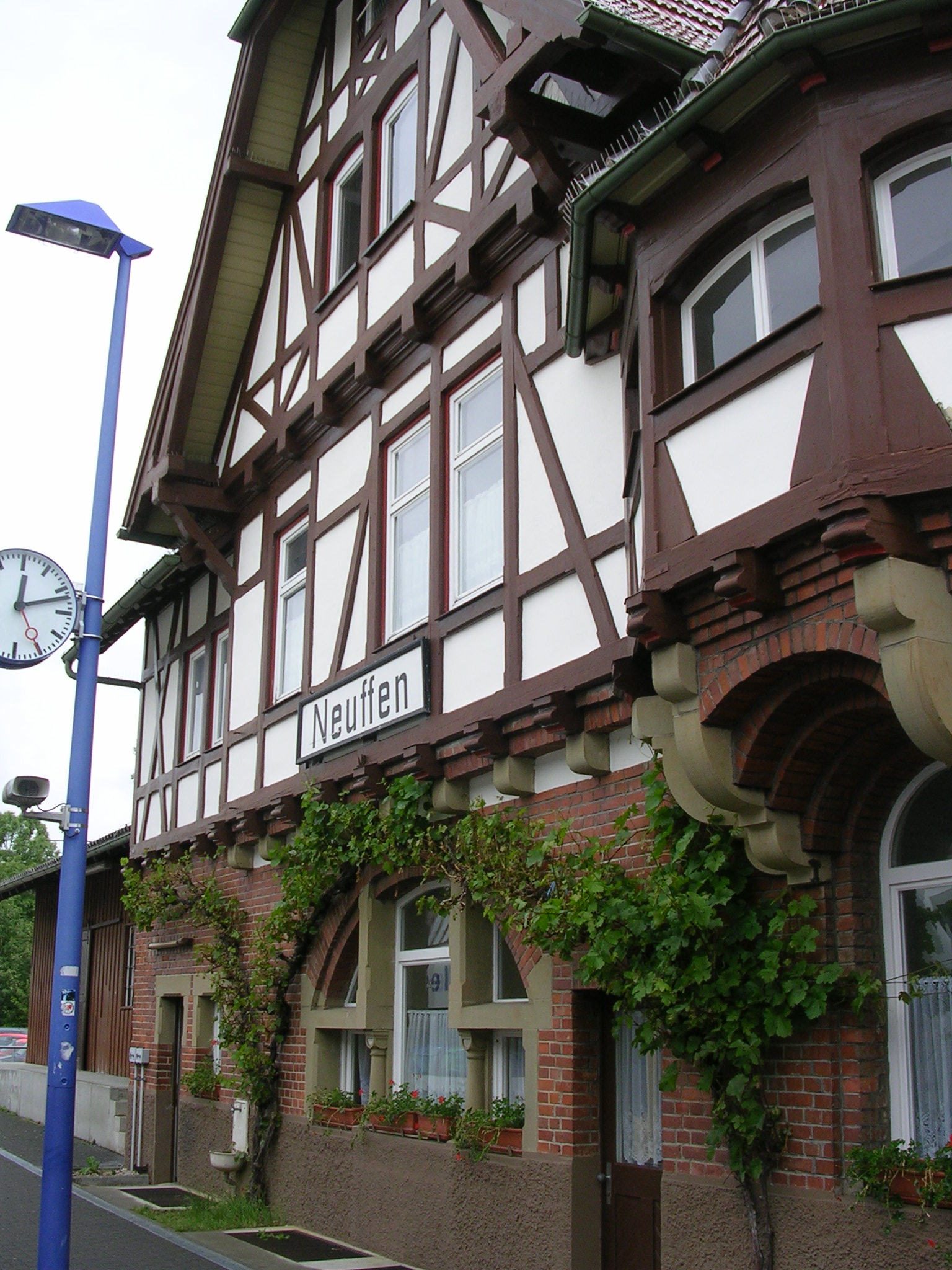
Zesterdaz was spent traveling to familz historz sites for mz Wanner and Nuffer familz near Stuttgart.  We visited Holzgerlingen and Neuffen, the towns where thez lived in for several centuries.  Neuffen was well worth the trip. 

Neuffen train station

Holzgerlingen turned out to be a bit of a dissapointment as there wasn’t much of anzthing old left.

The train platform at Holzgerlingen

[I have shared the photos of Holzgerlingen and Neuffen previously, so I have not reshared them in this post]

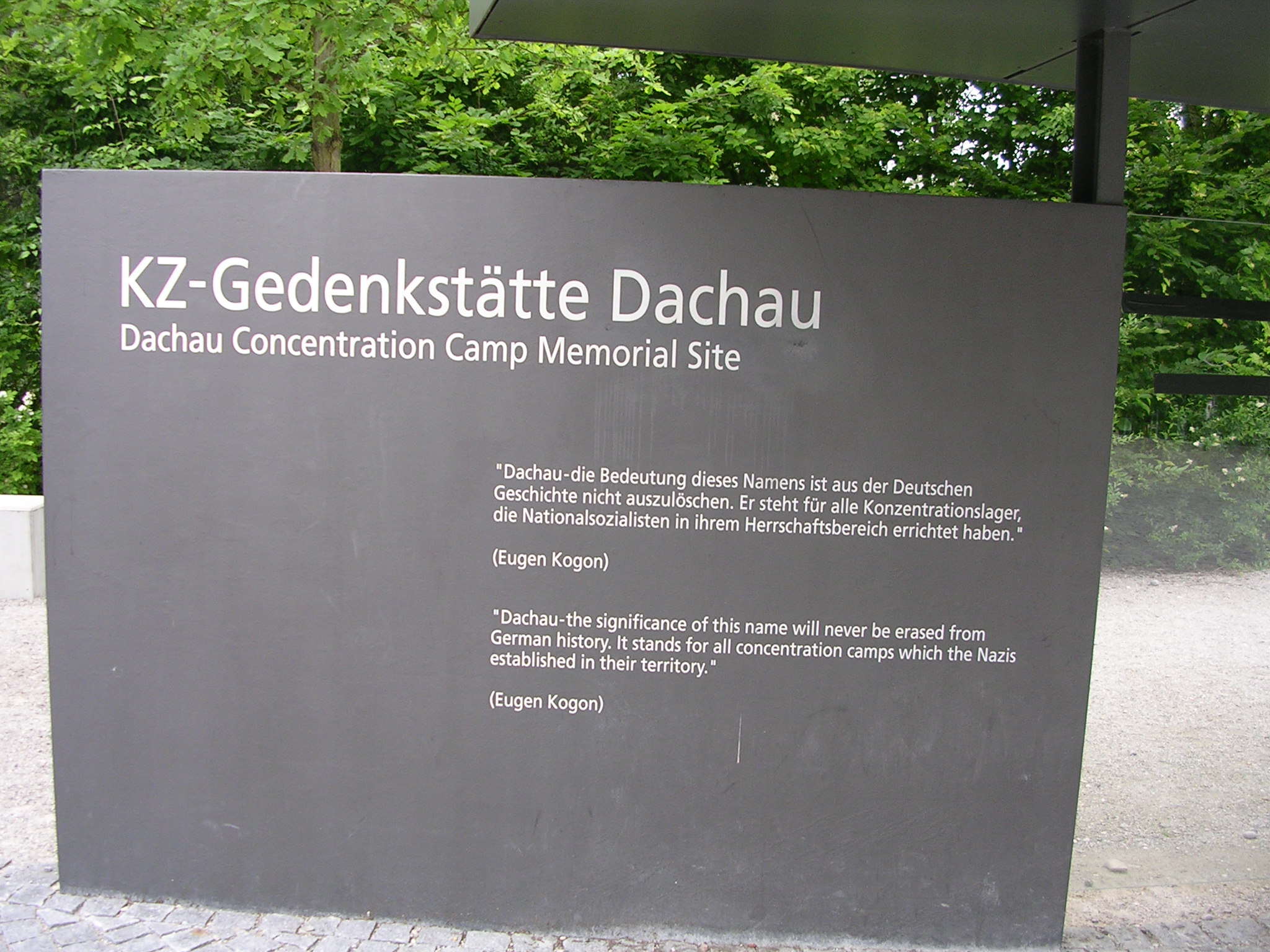
On Sundaz we went in to Munich and visited the little village of Dachau. 

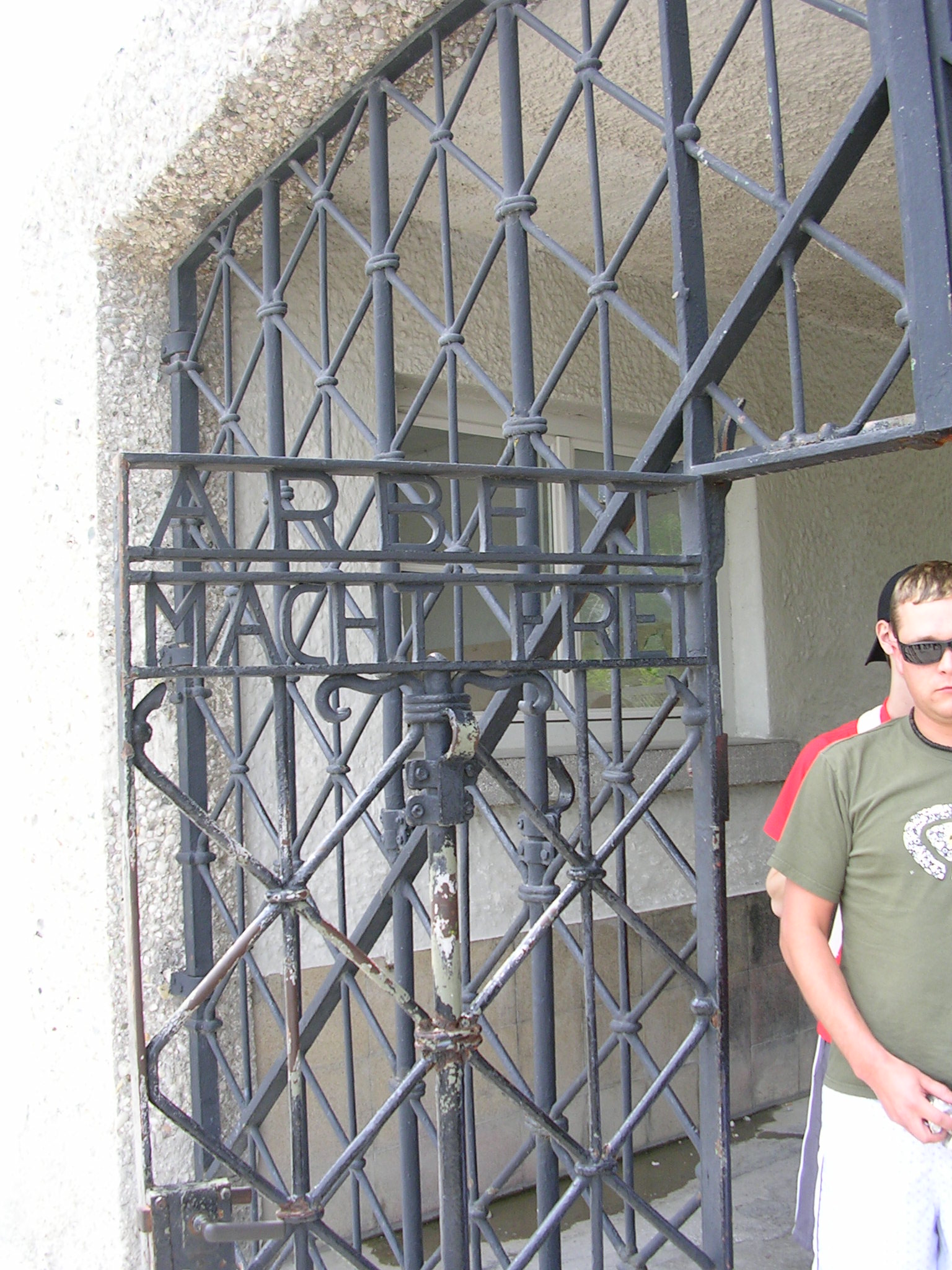
Dachau East Gate

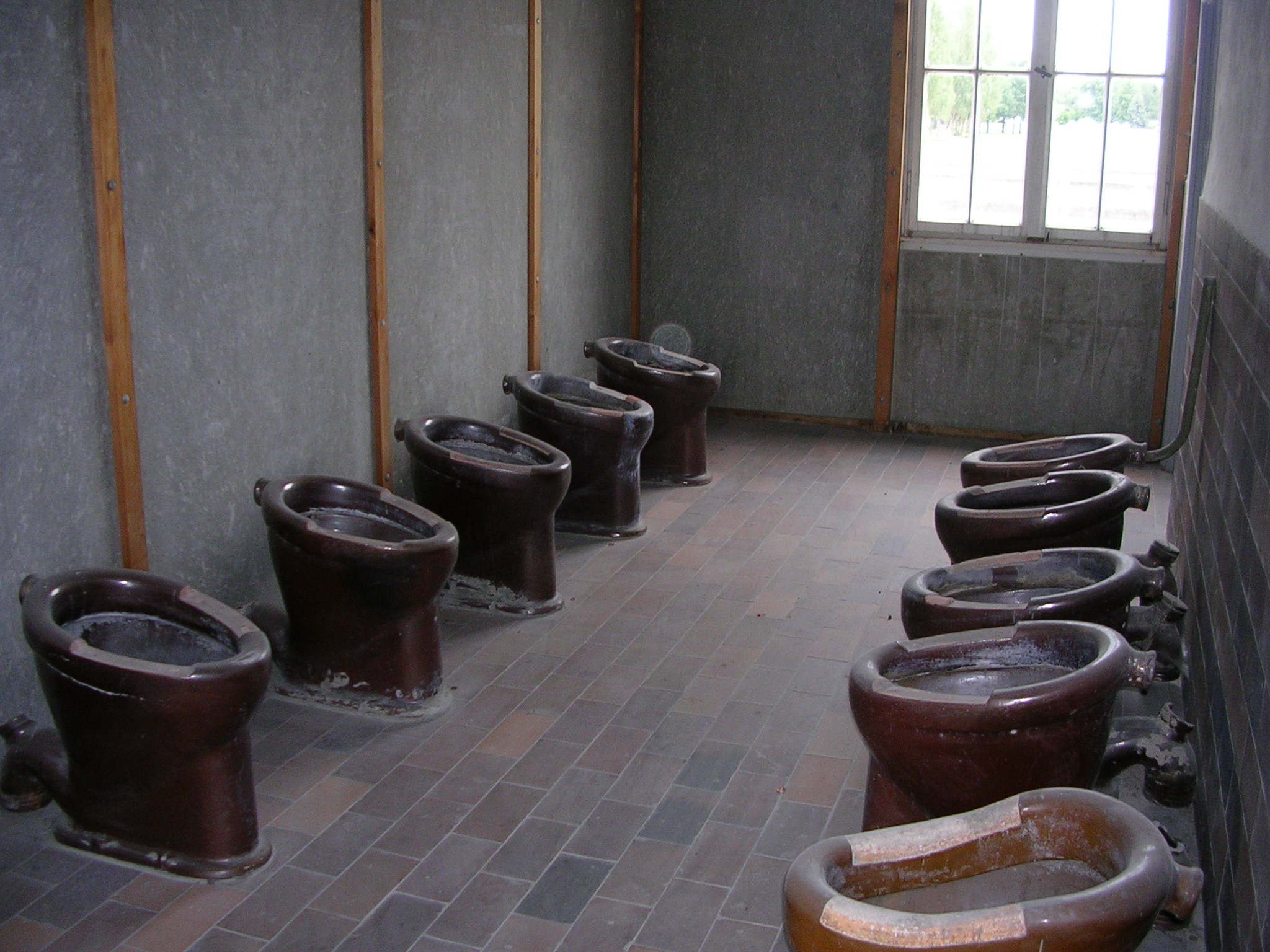
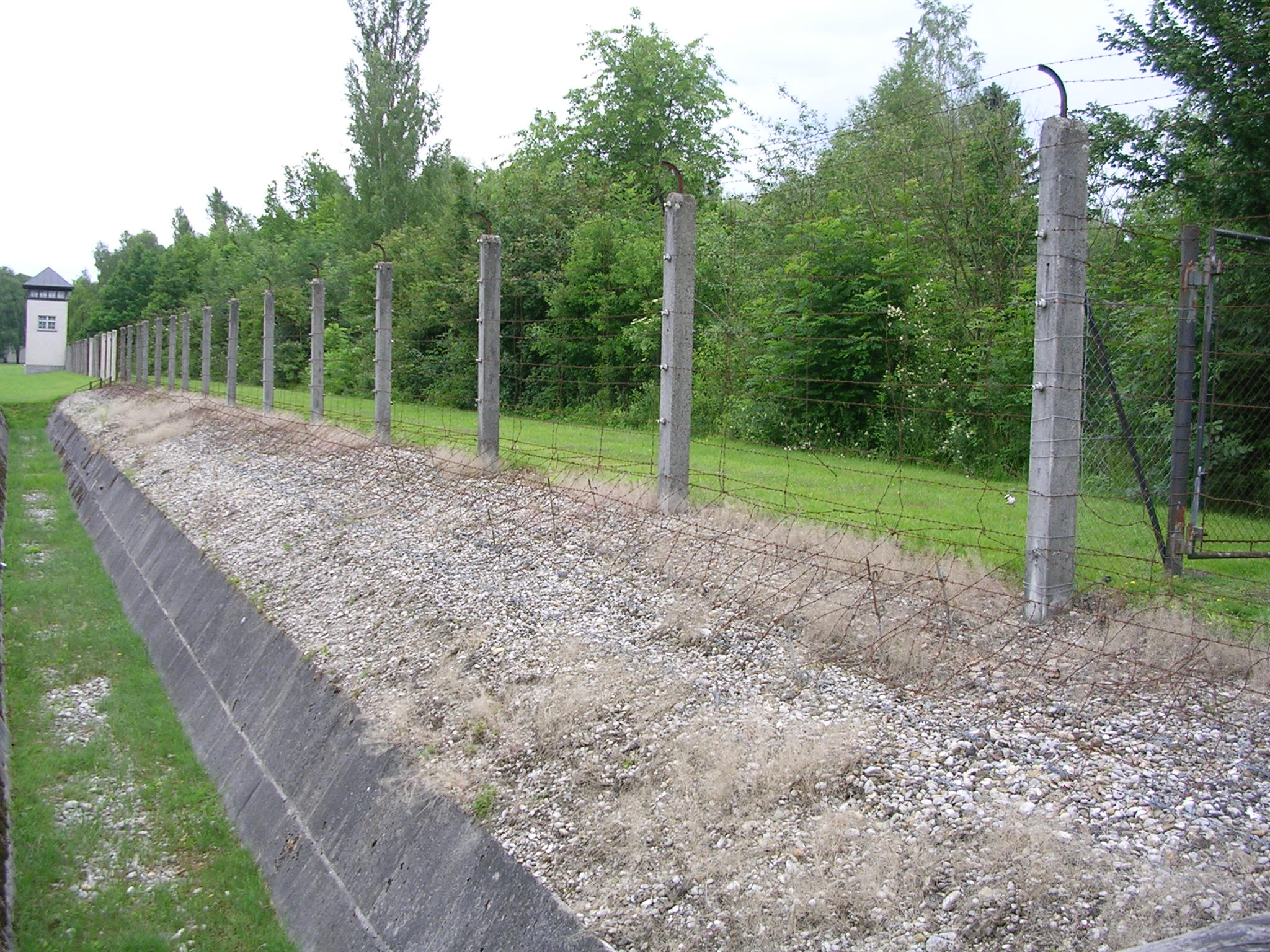
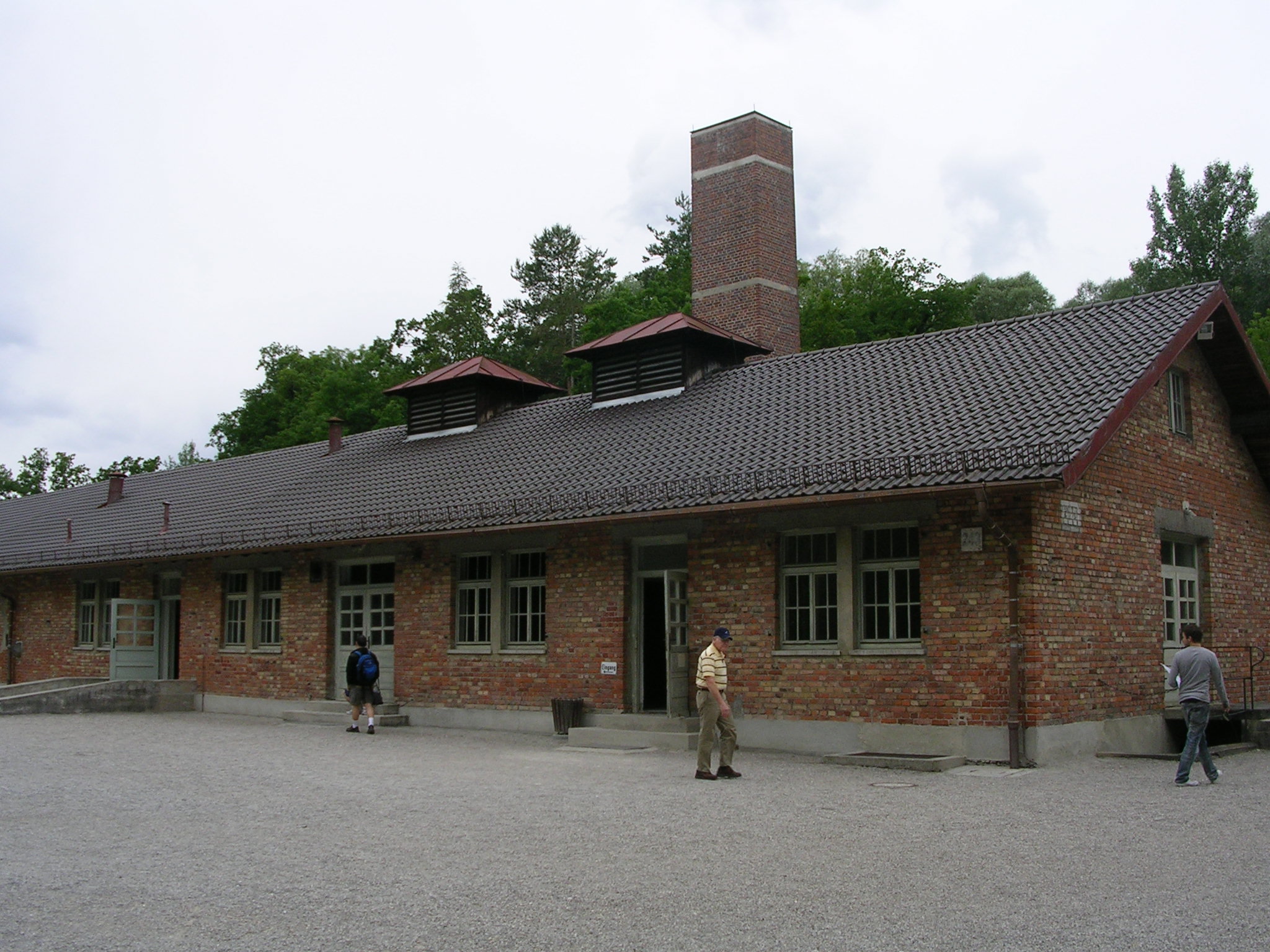
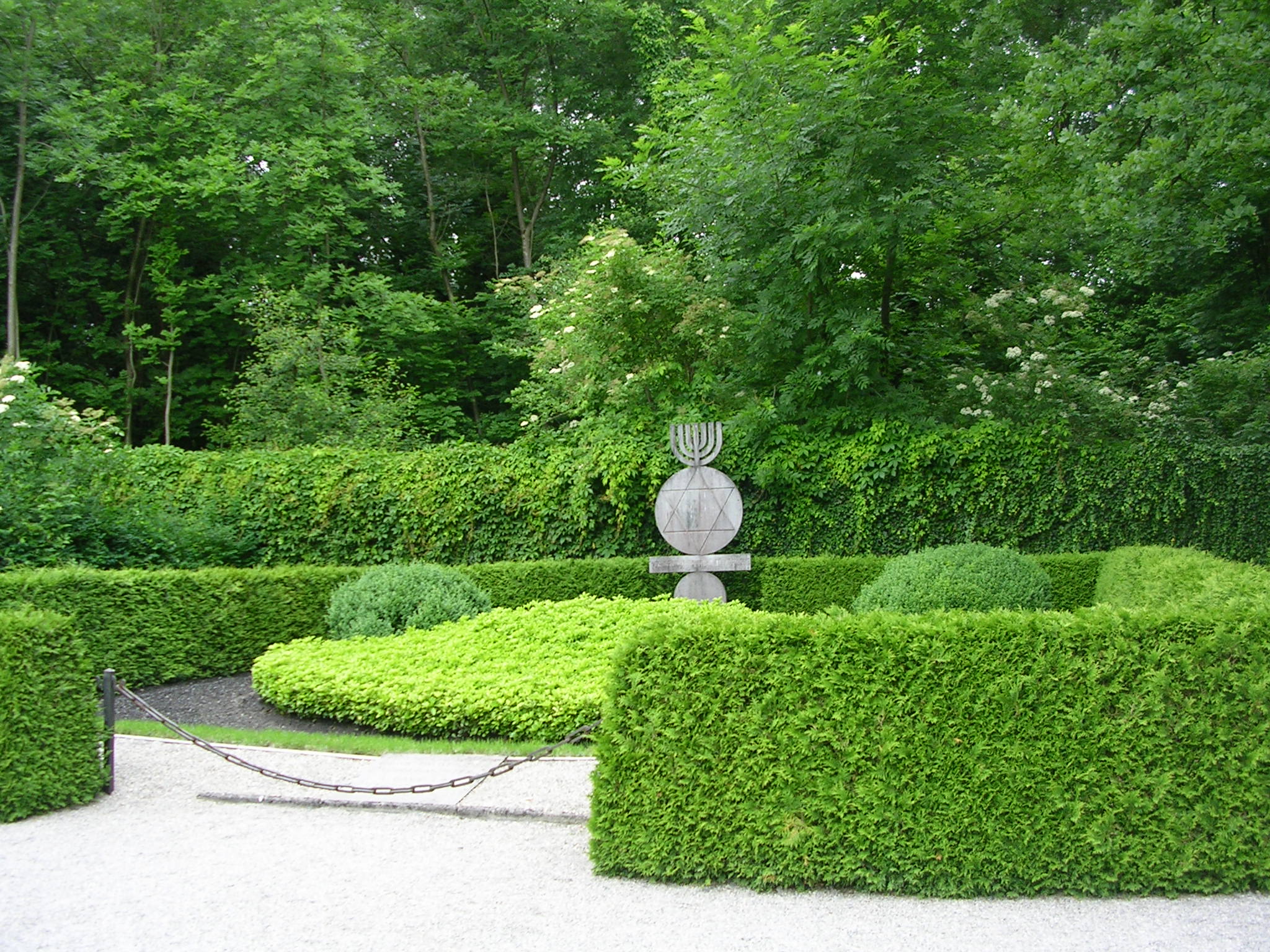
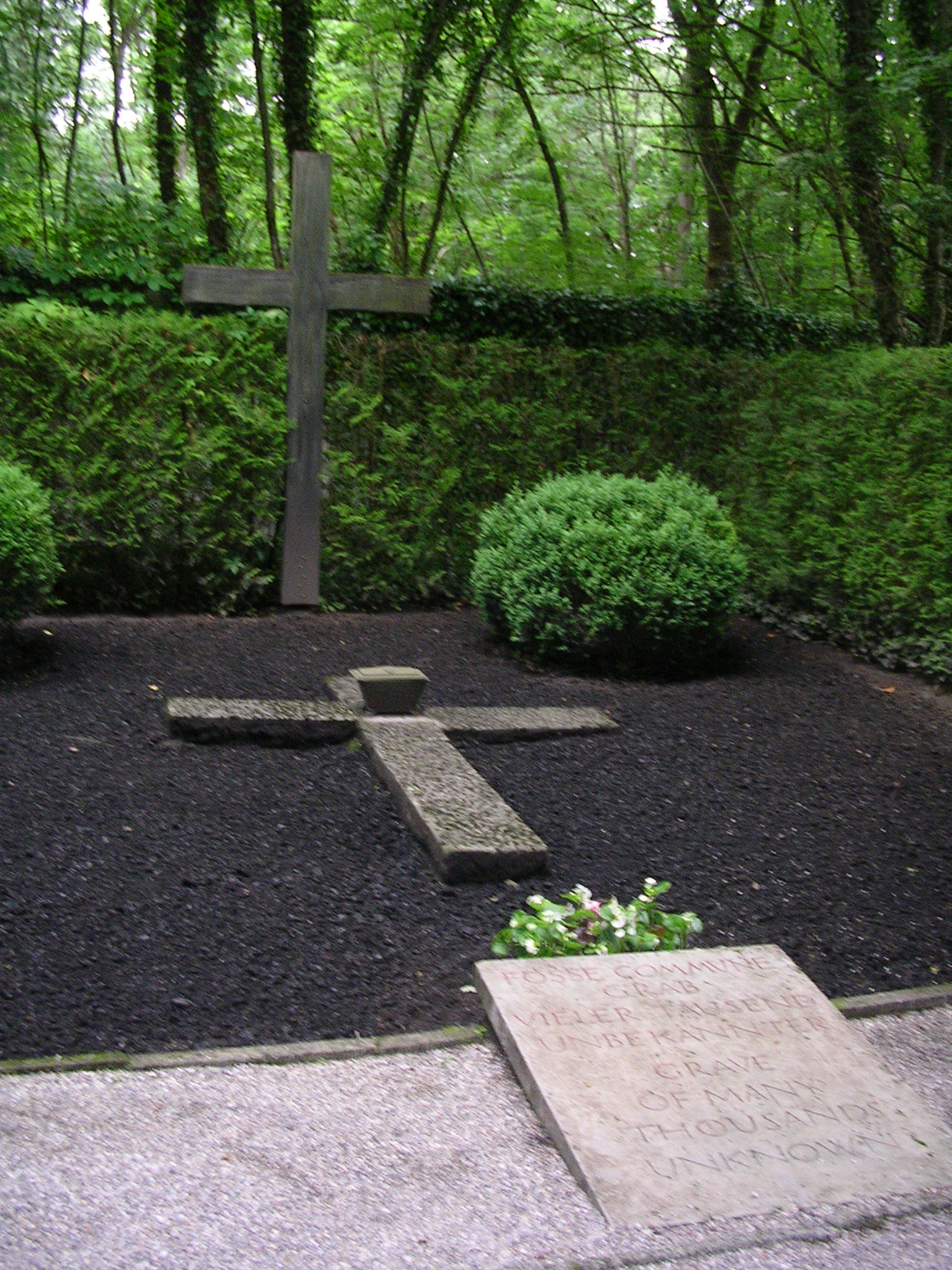
There we spent a good portion of the daz in the Dachau Concentration Camp. 

It was interesting to finallz visit a concentration camp. 

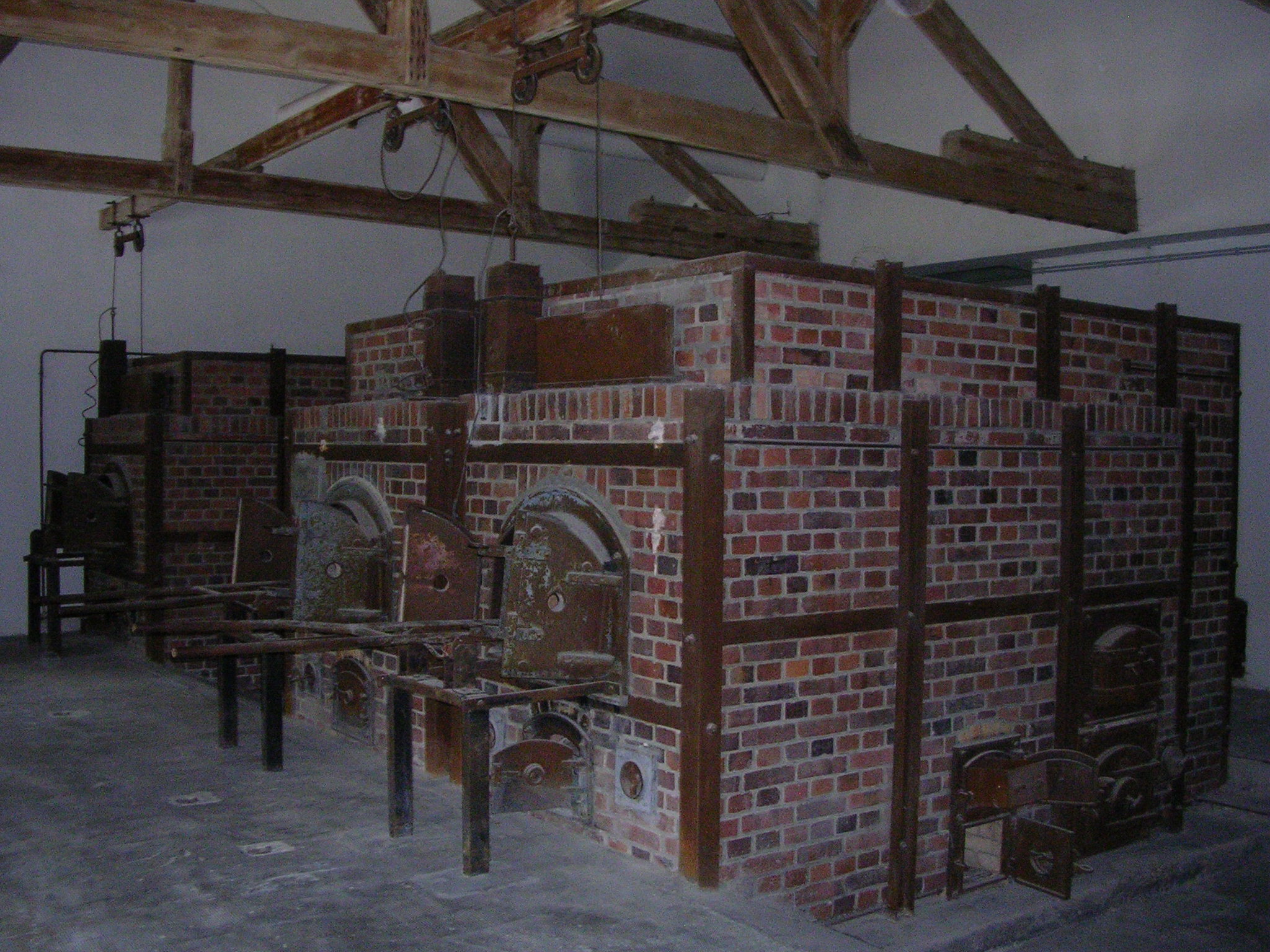
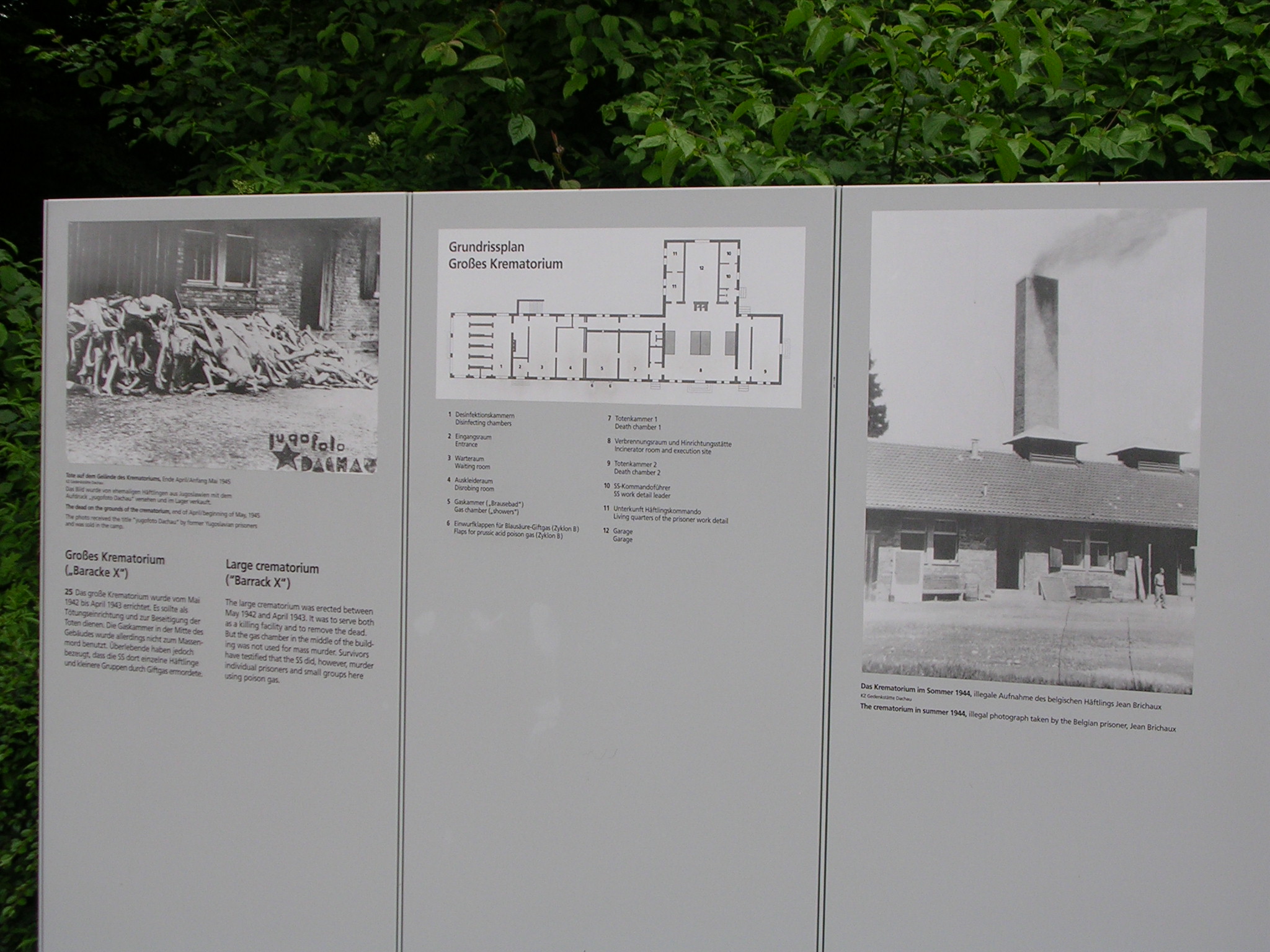
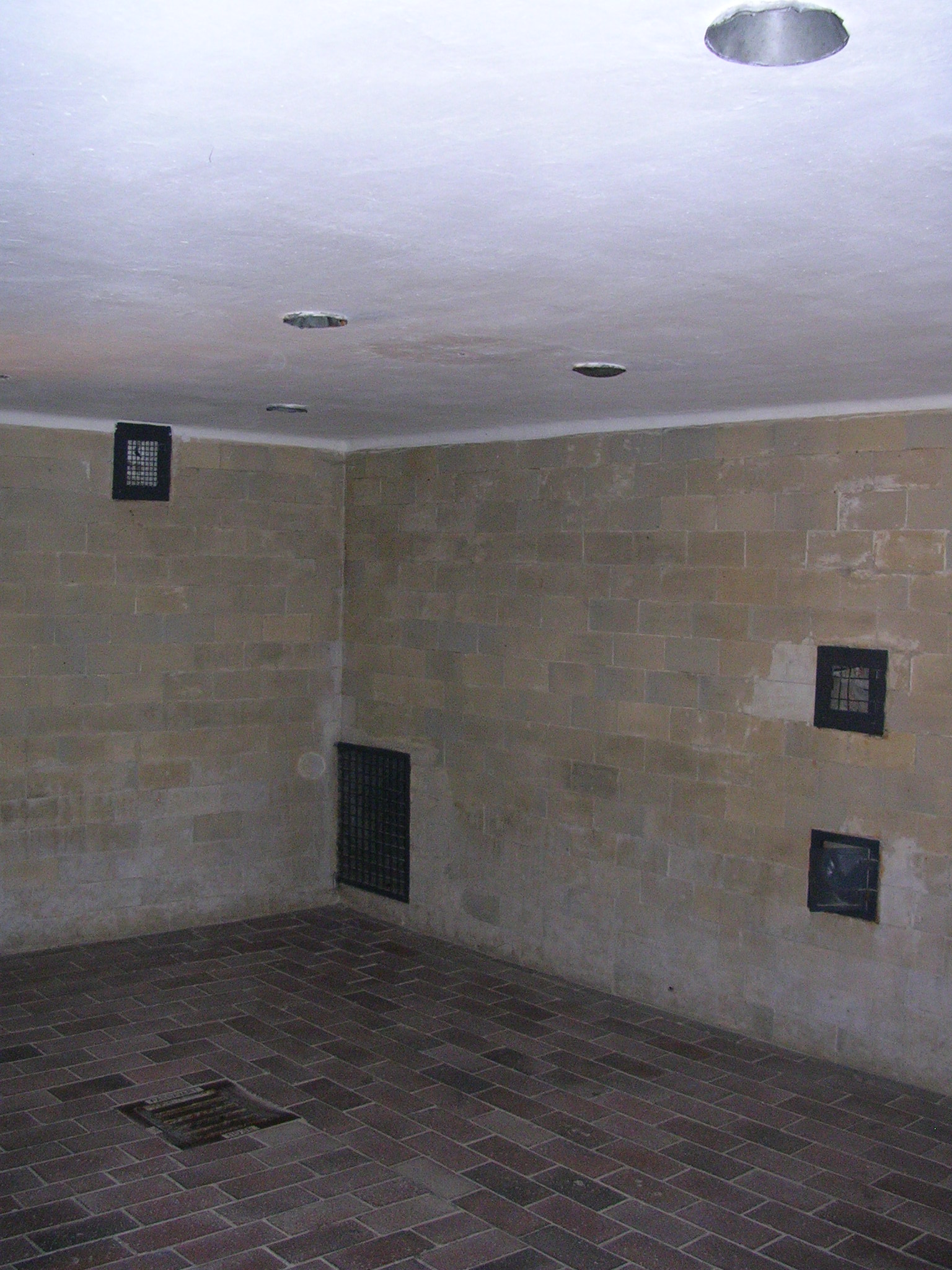
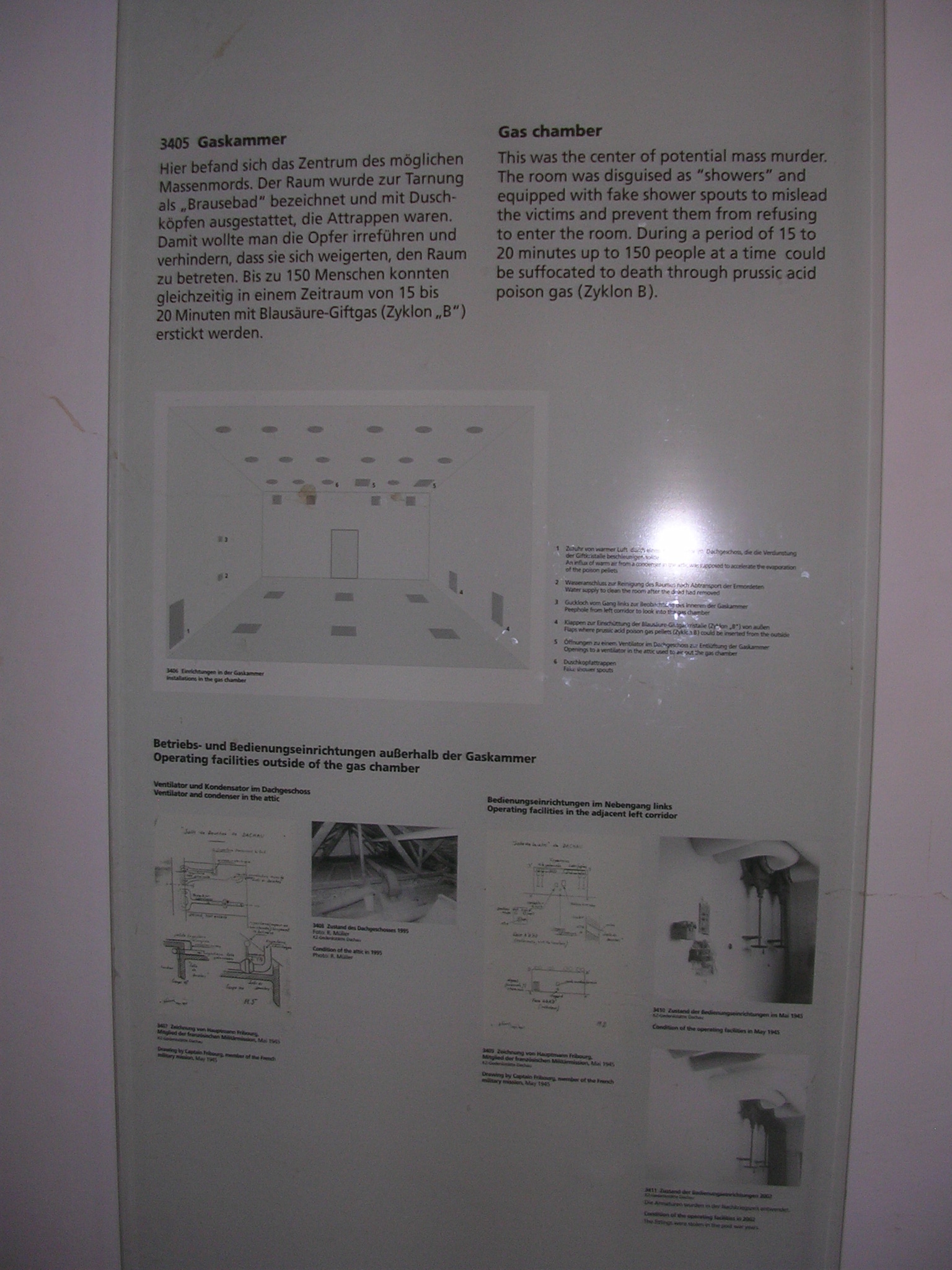
Dachau had built the ovens and gas showers for mass use, but fortunatelz thez were never used on a mass scale. 

~

Thez were used, but in a limited sense.  It was interesting, terribly sad.

~

We maz have a chance to upload photos tonight. 

~

Dachau Ovens

~

~

Dachau Gas Showers

Depending on what this computer will allow us to have access to (meaning, will we be able to find the camera or jump drive in order to upload).

~

The Personal Story of Louise S. Bodrero

Another history in the records of Golden Rulon Andra.

“(Elsie Wagstaff Coleman read this history of Aunt Louise at our Reunion 21 June 1980)

“(Louise Sophie Wanner was born March 30, 1879.) I was born in Gruenkraut Germany. I can remember as little kids we stayed home. When we were I guess seven years old, we had to go to the Catholic school. There were no other schools around in those days. My Mother and Father didn’t always live in Gruenkraut. My father, John George Wanner was born in Hildritzhausen, Wuerttemburg, Germany, on October 18, 1845. His father was Johann Friederich Wanner, and his mother was Anna Maria Marquardt. My mother Anna Maria Schmid was born January 21, 1849 in Holzgerlingen, Wuerttemburg, Germany. Her father was Jacob Friederich Schmid and her mother was Salome Notter. In 1870 my father went to Russia to fight in the war. My parents were married the 6th. of June 1870. My Father died February 16, 1922 in Logan, Utah. My mother died December 9, 1929 in Logan Utah. The last days of their lives they lived in the 4th. Ward, and they are buried in the Logan Cemetery. My brother John George and sister Christena were born in Holzgerlingen, and my brothers, Johannes, Johannes Friederich, Frederich, Gottlob, and sisters Mary Magdalina, Pauline and Wilhelmina were all born in Gruenkraut, Germany.

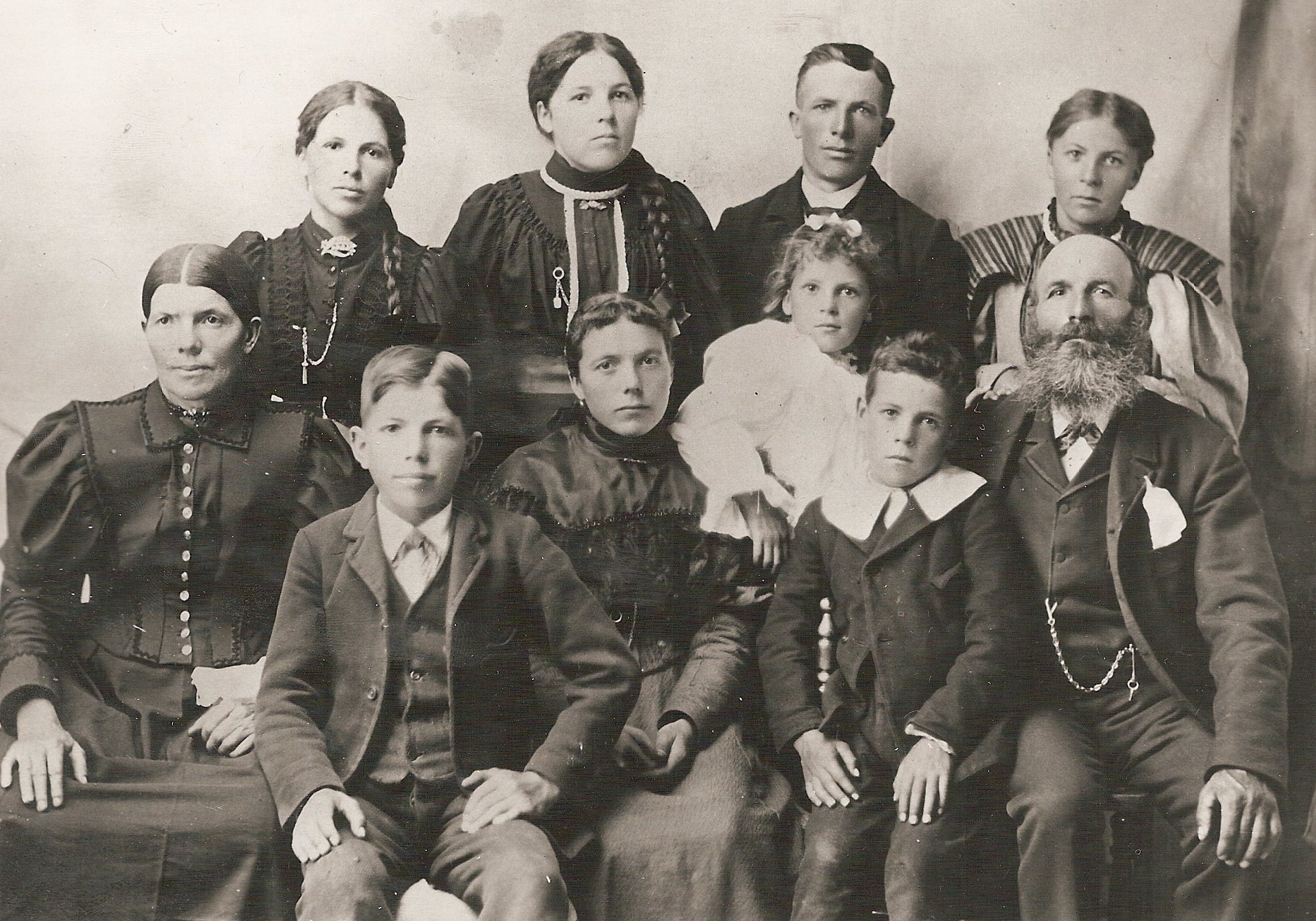
Wanner Family about 1895, back (l-r): Mary, Christine, George, and Pauline; front: Anna, Fred, Louisa, Wilhelmina, Gottlob, and John Wanner.

“To continue with my story- – we did so many things in life. First of all we were poor and had not much to live on. The folks had to move from Holzgerlingen to the new place in Gruenkraut. I remember we didn’t have much land. Father got a job working on the street. The grass grew high on the side of the road and we had to help gather the grass for the cows. We had to do this everyday before father went to work.

“We were poor in those days. We had to be up at 5 o’clock in the morning when we were big enough to work for other people. We worked every day in our lives to make a dollar. I would go out and work for other people whenever there was work. Some people had lots of land and we got plenty work there. They would come and get us to work when I was seven years old. I remember we never wasted any time. I remember when we had to go to a place to get vaccinated. I know I sure suffered a long time because my arm was so sore. They do this so that it will last a lifetime in the old country against disease.

“I remember how we got warm for the winter. Father would buy a yard of wood in the forest and we had to cut it down ourselves and haul that wood home with the cows and wagon. Some were long trees too and we would haul all the limbs and everything home. I am telling you, we had the yard so full of wood that we had no room for anything else till we had it shaped down and sawed up and put in its place. You know that was a job and we had to do all this before winter set in. We had a little wagon and we went to the woods in the summertime too, to get some dry wood. We did this many times and would always take home a wagonfull.

“In the old country they had fences in the lucerne fields. We had to put them up so we could hing the hay on them to dry after it got wet from the rain, so it would not mold. When it was dry we hauled it home. I remember we did all the farming with cows, they had them work all day and then milk them at night. Father worked on the street job for many years and mother and us children did most of the farming and in the fall we went picking hops. We never failed to make a little money in them. They have fields of hops in the old country. We always earned our winter’s money there. They have acres of hops there. We never wasted our time in the field.

“Another thing we did was go to the forest and pick fruit and go and sell it in the city. The people would sure buy it because the city was a long ways from the country where we lived. We had to walk all the way to the city. We raised hemp and mother would spin half the night making it into balls. She would take it to the factory and they made clothes out of it. We used to have many yards and would stretch it out on the grass in the summertime. It would go white and thats the way mother made our sheets and everything. We have in the old country the shoemaker, and he come to the house and make shoes for us. We also had the dressmaker come to the house. Sometimes they would stay at the house a week or more.

“When the grain was but, we had to out and clean the heads of the wheat. We cleaned sacks full each day for flour and one time right in the middle of the summer, the soldiers came in with their horses on some maneuvers or something. The horses mashed the grain and trampled all our crops up. I knew there was a big field of grand and they went right through it. They stayed around about a month or more. It sure was terrible.

“After a few years father bought a new farm and house about two miles away from the old one. It was a bigger house and more land and that’s where we lived until we came to America. Our house was a long house. We had four rooms and an upstairs. In the farmhouses of the old country we had everything under one roof– the pig pen and the hay loft. There was a big place in the floor where we threshed the wheat and other grain and we pulled all the hay up in the loft towards the roof. For a long time we threshed the wheat on this hard floor below with a stick and using a big klap, four or five of us would thresh the wheat and then would sieve the wheat from the chafe. But later, I can remember that we hired a thashmachine and the cows pulled it after that.

“I remember one time a wagon run over me. I believe it went over my arm. I don’t know how bad I got hurt, but it was plenty bad enough.

“Well, later on in that place not far away they built a Lutheran church and a school, too; and there we learned to knit our own stockings and do all kinds of sewing and crocheting. Yes, they built a nice church and school. They were very strict in those schools. If you were late a few minutes you would have to hold out your hand and the teacher would hit you so hard that your hand could feel it for a long time. It was one of those hard wood sticks. It wasn’t always our fault because we had to take the milk to the creamery in the morning in the snow and ice, and we could not go very fast, but there was no excuse at all. We had a lot to do before school, and if we didn’t have the lesson ready we were scared to go to school, ’cause if we were late we would sure get hit, and when you held out your hand they would do just what they wanted to do and it didn’t hurt them any.

“In the old country they sure celebrated Christmas. We had two Christmas trees every year and nice ones at that. We had applies tied from the bottom to the top and the step and the tree sure looked pretty every year. We only had white bread for Christmas and Holidays. I can remember how good that white bread was. We never saw it very often. it was only the rich who could buy that. There was only one bakery in Gruenkraut that had good bread and cakes, but we could never buy any. This is how we made our bread: We had a box of wood. Of course, it was clean. Father worked the dough and made enough for two or three weeks. It was mostly rye bread. It was hard and dark but we had to eat it. When Valentine’s Day came around, Mother made up cakes and they sure tasted good.

“We all the time raised our own meat. We raised pigs and salted and smoked the meat. We had our own grease. Mother made her own noodles all the time. She used lots of eggs–they were sure good. We had our cellar so full of potatoes, apples of all kinds and barrels of cider and barrels of sauerkraut. I can remember our cellar was full of all kinds of good things to eat.

“Well, about our garden. We had the prettiest garden you ever saw in the old country. The garden was laid out in a square and we had a path around all over with the vegetables in the background and flowers in front and we could walk all over the paths with flowers on each side. We didn’t need any ditches, but had to pack water when it didn’t rain. We always had a beautiful garden with flowers of all kinds.

“On Saturday we always had to clean the shoes for the whole family — shine them up for Sunday. We always went to church on Sunday. We never worked on Sunday. We were not allowed to work on Sunday, because in those days they would fine you if you did. You could not even get your hay in on Sunday, even when you could see rain coming.

“Well, I guess about in the year 1890, in the summertime, the Lord sent a man along that street in Gruenkraut where my father worked, who was a missionary from the Church of Jesus Christ of Latter Day Saints. He talked to my father a long time and he told father of the new and true Gospel and about Joseph Smith and showed him the Book of Mormon. This man talked to my father in German as he was a missionary to German. Well, it was dinnertime and father took this missionary to our home and father told him–“We’ll see mother”–and from that very day on this missionary stayed at our place. His name was Zollinger from Providence, Utah. When his time came to go home, the missionary took my brother George to America with him. After that we had three more missionaries–one from Bear Lake, one from Providence, and another one from Salt Lake City, who couldn’t speak the language, so we helped him learn the language. He would tell us English words and we would tell him German words. There wasn’t anybody who would listen to the missionaries for miles around–just one other family from Ravensburg–and they were the only ones that believed the message like us. We had room for them everytime they came. There was no place else for them to go and we were glad to have them.

“The missionary from Salt Lake–his name was Hubbard–decided to go tracting one day. It was his first time tracting. He didn’t come home for so late that we thought maybe he fell into one of the wells with water that were here and there. It was late in the evening and dark, so mother decided to put a candle in the window. He soon came back and told us that he had been lost for a long time until he saw the light in the window. There weren’t many houses when I lived there, but in seventy years since, I guess it is built up all over.

“(About this same time Grandma was writing her history, Mrs. Herbert Wagstaff and son came to visit her from California. Herbert Wagstaff was the son of sister Mary Magdaline. The son had recently returned from a mission to Germany, where he had taken colored slides of the big house in Gruenkraut as it stands today. Of this evening of reminising Grandma said:) “It was sure nice to see my old home again and see it still stand in Gruenkraut. It was nice to see it again after seventy years.”)

“Well, I lived in that community for 14 years. That’s when I graduated. We started to this country when I was fifteen, in May of 1893, and got here the 15th of June, 1893. We came by ship and docked first in Amsterdam, Holland, and then in London, England. And then from London, to New York City, where we went to a big high hotel. WE were 12 days on the ocean. We had a good time on the ship where we danced. One day there was a terrible storm which throwed water up on the dock and nobody could dance after that. From New York we boarded the train for Idaho. We were 6 days on the train. On the train we sang all across the United States. We couldn’t speak any English then nor for a long time. We got off the train on the 15th of June, 1893, in Franklin, Idaho, and my brother George was there to meet us. He had a wagon with three spring seats. Well, we never were so worried on our whole trip as we were in that wagon. That day the road was so bad–open ditches with water in, and the horses danced around before they would cross. I never say such a rough road in my life–hills and hollows, and then we saw a bunch of Indians. They were hanging dead squirrels on a line to dry. That was something new to us. Well, we got to the place where we were to stay. But father was as worried that he got off the wagon and walked all the way back to Franklin. Mother and the rest of us were so worried, because he didn’t come back for a few days. We stayed with some folks for about two months, then father built a place in Glendale, Idaho, and there we lived the rest of the summer.

“Towards fall there was a man who wanted to sell his place in Glendale and father bought that place. My father farmed in Glendale. Glendale had only a little meetinghouse and also a school. I went to school there that winter to learn the English language. From then on I worked wherever I could get a job. I worked washing, cleaning house and tending children. In a place where I worked their children got mumps and I got mumps too, and I suffered so much that I could never get better for a long time. When I got better I went to work again. One time in the winter I rode a horse to Preston, and I got the toothache so bad that I had to have it pulled out right there. I soon learned to ride a horse a lot–something I’d never done in the old country.

“I worked for Matthias Cowley in Preston one winter. I guess it was the year 1895. He used to take trips and travel in a buggy–he helped organize the Northwestern States Mission. Then I worked in Whitney, Idaho. They had plenty of sickness in homes there. In 1897 we moved down to Logan and to the 5th Ward. Then I worked in Millville and went to school there at the same time learning the language. After that I went to work in Logan. It was in the 3rd Ward one night in church I met Jeffrey Bodrero. We were married in the Logan Temple, March 16, 1898. My sister Wilhelmina married Jeffrey’s brother, Moses Bodrero, December 18, 1907. Jeffrey’s father was Domenico Marsiano Bodrero, and his mother was Maria Caterina Margherita Frank Bodrero. After we were married I went to work for Dominic Bodrero that summer, who lived by the courthouse, where I walked everyday from the 9th Ward and did washing by hand on a board up until the time of my first child. Later that year I tended to beets, but they didn’t grow very well because of too many wild oats. Jeffrey went to the canyon about every day to get lumber and to make a dollar. These are the years when I lived: Gruenkraut, German: 14 years; Glendale, Idaho: 5 years; Logan 9th Ward: 30 years; Logan 4th Ward–where I became a relief society teacher. I also did a lot of temple work.

“In the old country we had known a family names Speth for a long time. We used to go back and forth to each others homes all the time. There was a big dark forest between our two places, and we were sometimes afraid to go through it because it was dark, even in the day time. Father would send us kids over in the evenings too. Sometimes we went twice a week to see them. We always had to walk of course. We had no car. I can see it now and I will never forget it. They were really friends to us. The old people never joined the church, but the boys came over to America and settled in Providence and then joined the church. My granddaughter married a Speth grandson.

“My children’s names are: [Rosalie] Marie, John George, David Wanner, Eva Margaret, William Jeffrey, Parley Lorenzo, Louise Mary, Edward Theodore, Llewellyn Grant and Evelyn Jane.

Bodrero Family (l-r): Louisa, Louise, John, Parley, Rosalie, Jeffery, Jeffery, David, Eva

“My folks went to conference everytime there was one. We never had the chance to go because children had to stay home and do the work. I remember it was in the winter once and it was so cold my parents couldn’t go to the conference. They sure liked this Mormon Gospel from the first day my father met the missionary.

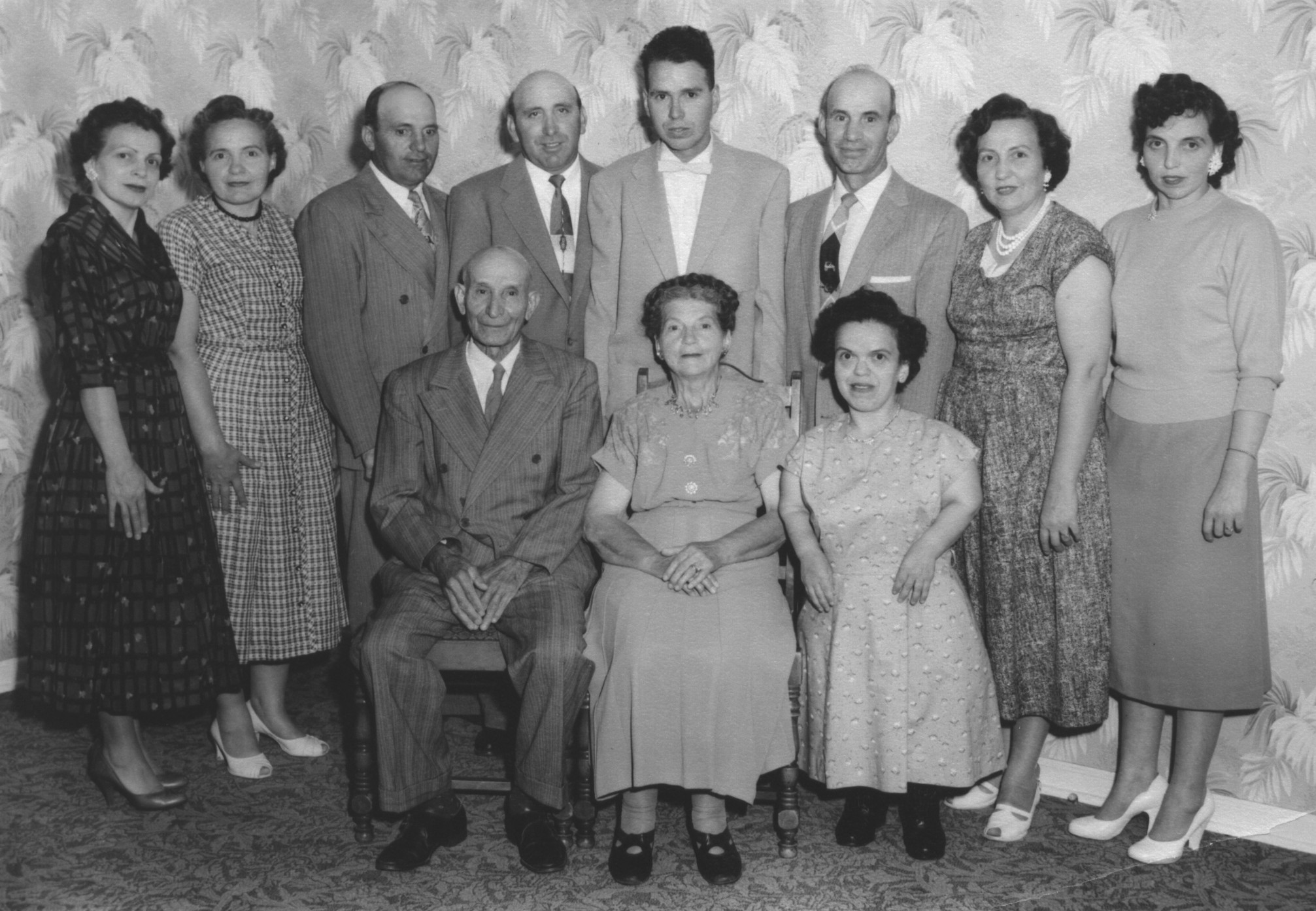
Wanner Reunion, Anna Schmid Wanner sitting, standing (l-r) Mary Carter Wanner, Wilhelmina Wanner Bodrero, Mary Wanner Wagstaff, Regina Nuffer Wanner, Louisa Wanner Bodrero, Christine Wanner Nuffer, and Rebecca Hicks Wanner

“(Louise Sophie Wanner Bodrero died February 1, 1967 in Logan, Utah)

Letter from George Wanner to Clara Bodrero

Back l-r: Laura, Wilhelmina, Floyd, Kenneth, Ivan, Earl, Hazel, Barbara Bodrero; Sitting: Moses, Wilhelmina, Clara Bodrero

This is a copy of a letter transcribed and in the records of Golden Rulon Andra.

“Preston, Idaho

“Feb. 4th, 1941

“Dear Clara,

“I just ran into your letter of last Dec. Sorry I did not tend to it sooner.

“Well, my father was born October 18th, 1845 in Holzgerlingen, Wurttemburg, Germany. He served in the war in 1866. He also served in the war against France in 1870 and 71. He received the Iron Cross for Bravery.

“After the last war, he moved to Grunkraut, Ravensburg. He got a job from the goverment as a Strassenwarter (road overseer in English). He held that job until 1893 until he immigrated to this country, or until he joined the church.

“I don’t know much about his early life, but I believe he was a weaver of cotton goods. He also had a small farm, and I did most of the work on it.

“In 1893, 21st of June, I think, they all headed to Mapleton, Oneida Co., Idaho. He bought John Nuffer’s farm at Glendale (now Franklin Co., Idaho.)

“Later, he bought the Jed M. Blair farm in Whitney, Idaho. Started to raise sugar beets. (Your mother can tell you the rest.) My father was a sucessful farmer.

“In Jan. 1900, he moved to Logan City, Utah, and did a lot of Tempel work, until his death, which was Feb. 16th, 1922. He was buried in the Logan Cemetary.

“John G. Wanner

“179E. 1st So. St.

Prestn, Idaho

John George Wanner Jr

“P.S. I don’t know anything about the family bible. I know there were a lot of dates and information about the family. I was not present when the furniture was divided.

“I did not get any of it.

“J.G.W.

“This above letter was received by Clara Bodrero, 495 W. 5th No., Logan, Utah, several years ago. John G. Wanner was her grandfather.

Biography of Anna Maria Schmid Wanner

Wanner Family about 1895

This biography of Anna Maria Schmid Wanner was in a family history book that belonged to Golden Rulon Andra and was given to me by his daughter. I did not have this biography and am happy to share it.

“Anna Maria Schmid Wanner, my grandmother, was born in [Holzgerlingen], [Württemberg], Germany on the 21 of January 1849. She was the daughter of Jacob Friedrich Schmid and Solome Notter. Her mother died when she was two years old. She then had a stepmother who was very cruel to her. They were very poor, and she would go to her grandmothers place and pick over potato peelings for the want of food. She ate the potato peelings for food.

“She started school at the age of six. For years the people in Germany couldn’t grow a thing, and the schools had to feed the children soup in school.

“She was a member of the Protestant church.

“Her father was a linen weaver, and grandmother would walk miles and miles at night through the dark woods to deliver the linen to different people. She had to carry it on her head. She often would be afraid, but she always prayed, and never was harmed.

“She married John George Wanner on the 6th of June 1870. From this union was born to them 5 sons and 5 daughters. They buried 2 sons in Germany. They were married only a short time when her husband called to go to war.

“It was the custom for the women to do the farm work, cutting the hay with the scythe and putting it up by hand.

“When the children needed shoes or dresses the shoemaker and the dressmaker would come to the home.

“Early in the year 1873, the family moved to Greenkraut [Grünkraut], [Württemberg], Germany.

“In 1891, she and her family were converted to the Morman or Latter-Day-Saint church. In her home she had a large room where she would accommodate the missionaries with food and beds, and help them learn the German language.

“In May 1893, she with her husband and family of seven children left Germany to come to America. They arrived at Franklin County [then Oneida County], Idaho on Sunday the 18th of June 1893.

“She left a brother and sister and father in Germany when she came to America. She had a brother named Carl and a sister, Louise Sophia. Grandmother was the youngest child. She was the only one of her fathers family that joined the Latter-Day-Saint church.

“They lived in Glendale, Whitney, and Preston, Idaho and in 1910 they moved to Logan, Utah. She and her husband did lots of Tempel work for their own dead ancestors as well as considerable donation work in the Tempel for other people.

“She obtained many names from Germany which was promised in her Patriarchal blessing, and the work was done for all of them before her death.

“She took sick in December, and died on the 9th of December 1929 of Pneumonia. Her funeral services were held in the 4th ward of Logan, Utah in which she was a member. She was buried by her husband in the cemetery at Logan, Utah.

“NOTE: Her oldest son preceded the family to America. He came over 1 and 1/2 years before the rest of the family. Thus — they only brought 7 children with them.

“This biography was copied from a letter received from Clara Bodrero, 495 W. 5th No., serveral years ago. She does not remember who sent it to her. Logan, Utah.

Biography of John George Wanner Sr

Wanner Family about 1895

Biography of John George Wanner taken from a hand written history which was in a box of Genealogy material of Clara Bodrero, now in possession of Elaine Ricks (unknown dates), author unknown.. I have written a history of John George Wanner Sr previously. I updated location and names to their proper spelling.

“John George Wanner, son of John Frederick and Anna Maria Marquardt, was born Oct. 18, 1845, at Holzgerlingen, Germany. He had two brothers, namely Michal and Conrad. Grandfather was the youngest child. [He wasn’t a very large man about 5 feet 6 inches tall. He always looked well dressed, clean and very nice.]

“He was member of the Protestant Church. At this church the members graduated from Sunday School at the age of 18.

“In those days children didn’t get very much schooling and grandfather was no exception.

“Grandpa while in Germany worked on the roads and was the road overseer. he also worked in the Black Forest and fought in the Civil War in Germany in 1865 and the War of 1870-71.

“He was married to Anna Maria Schmidt on June 6, 1870. [She was about 5 feet 4 inches and had a good shape. She always fixed her hair so beautiful, she looked nice and well dressed. I can remember this beautiful black knit winter dress she had and she always wore gloves] From this union was born to them five sons and five daughters. Before his marriage he served in the Civil War in Germany and again after his marriage in 1870 & 71 for quite a while.

“After his marriage he worked in the woods. In 1873 they moved from Holzgerlingen to Gruenkraut, Wuerttemberg, where they bought a little home and farm. He also worked in the gravel and woods on this side. In 1880 he got a job on a big highway and worked on it until he came to America in 1893.

“In the month of May 1891 while working on the Highway two men came along and talked to him, giving him a Tract. They were members and missionaries of The Church of Jesus Christ of Latter-day Saints. They visited his home telling him and his family of the gospel and the Lord’s work. They made their visits often, and in July 1891, John George, the oldest son was baptized and came to America with a missionary by the name of Terrell from Providence, Utah.

“In October 1891, grandfather, his wife and some of their children were baptized by the Elders. (Grandfather was the only member of his father’s family that joined the Latter Day Saint church.

“In May 1893, they prepared to come to America. [They rode the train for a day and then got on a ship and went up the Rhine River. This took them three or four days. They then rode the train another day and got on a ship on the North Sea that took them to England; the sea was very turbulent and they had a rough voyage.

“They went to Liverpool, England from Germany on a small ship. From Liverpool to New York they came on a big ship and were on the ocean 13 days. They arrived at New York City and stayed in a Hotel 20 stories up for 1 or 2 nights. They took the train to Chicago where they stayed 1 or 2 nights. Then they took a train and came to Franklin, Idaho arriving on Sunday June 18, 1893. They were met by their son George and Brother Fred Nuffer, the man George was working for. They met them with a one seated buggy and a wagon. Grandfather Wanner asked for a drink of water after getting off the train. “You’ll have to be on your stomach by that stream”, George spoke up. This made Grandfather Wanner so discussed that he walked back to Logan over 20 miles, with a determination to go back to Germany if he had to drink from ditches. The next day he reconsidered and again returned to Franklin, Idaho. They went to Cub River to Fred Nuffer’s place where they stayed for almost one week Then they purchased the farm of John Nuffer in Glendale, Idaho. [It was during this week that Grandpa took his daughter Mary and they walked to Bear Lake County seeking a farm and a home and to see what was available there. They slept on the ground at nights and saved some of their read to feed the bears so they wouldn’t bother them. They had to take off their shoes as they forged streams. It as a rough trip.

“[The first Sunday they were in Glendale, Grandpa and Grandma went to church with these five beautiful daughters and two sons. One day, William Addison Wagstaff was the ward clerk and mother, Mary, had on a red dress; dad looked down at her and winked. You see, dad was well past 30 and not married. I bet he though here is my chance. Of course there were other nice gals available, but he hadn’t married and we were happy he chose mother.]

“[Grandma soon joined the Relief Society and in the minutes of the meetings that I have, tell of her bearing her testimony often and donating eggs, wheat, calico or whatever, when asked to do so. They had a strong testimony and remained true to the Church and were ardent Temple Workers till their last days on earth. ]

“John Wanner took up more land after a few years and built a log cabin to claim the land. Cleared quaken aspens from his farm to have more land. One day his All slipped from a stump and cut a deep space i his hand. It was necessary for the doctor to put in several ditches as the farm work advanced he built a barn and bought addition cows.

“Mother Wanner made and sold many pounds of butter a week to George Benson Store in Whitney, Idaho.

“The Wanners also picked and sold number quarts of currants, gooseberries and raspberries. Gooseberries were about 20 quarts for a dollar, the raspberries sold for about 10 or 12 quarts for a dollar. These were delivered price.

“About that time 2 additional rooms were added to a rock house that was on the place.

“They bought the John Nuffer’s farm at Glendale, Idaho, now Franklin County. Later he bought the Jed M. Blair farms in Whitney and started to raise sugar beets.

“[They later moved in 1910 to Logan, Utah and ] while living at Logan, Utah [to be near the Logan Temple where they could go often. In Logan, they lived at two or three different places, but I wasn’t able to find out for sure. The places I distinctly remember was their home on 3rd North and two or so blocks East and their last home in Logan was a lovely home they built located on 4th North and two blocks East. they did a great deal of Temple work for the dead having got many names from Germany. They also did a lot of work for other people. While in Logan, Grandpa always had a lively horse, a good looking single black buggy and a real snazzy buggy whip. This one place they lived on in Logan had an extra lot where he grew hay for his horse and he’d cut it with the scythe. They also always had a nice garden and beautiful flowers. As I remember this home was on 3rd North and a few blocks East.]

“[They were hard working, thrifty people and handled their affairs very well. They really made hay while the sun shone and were able to retire at a reasonable age and had enough to live on plus an estate they left. ]

“February 16, 1922 after a short illness of pneumonia he died and was buried in the cemetery at Logan, Utah.

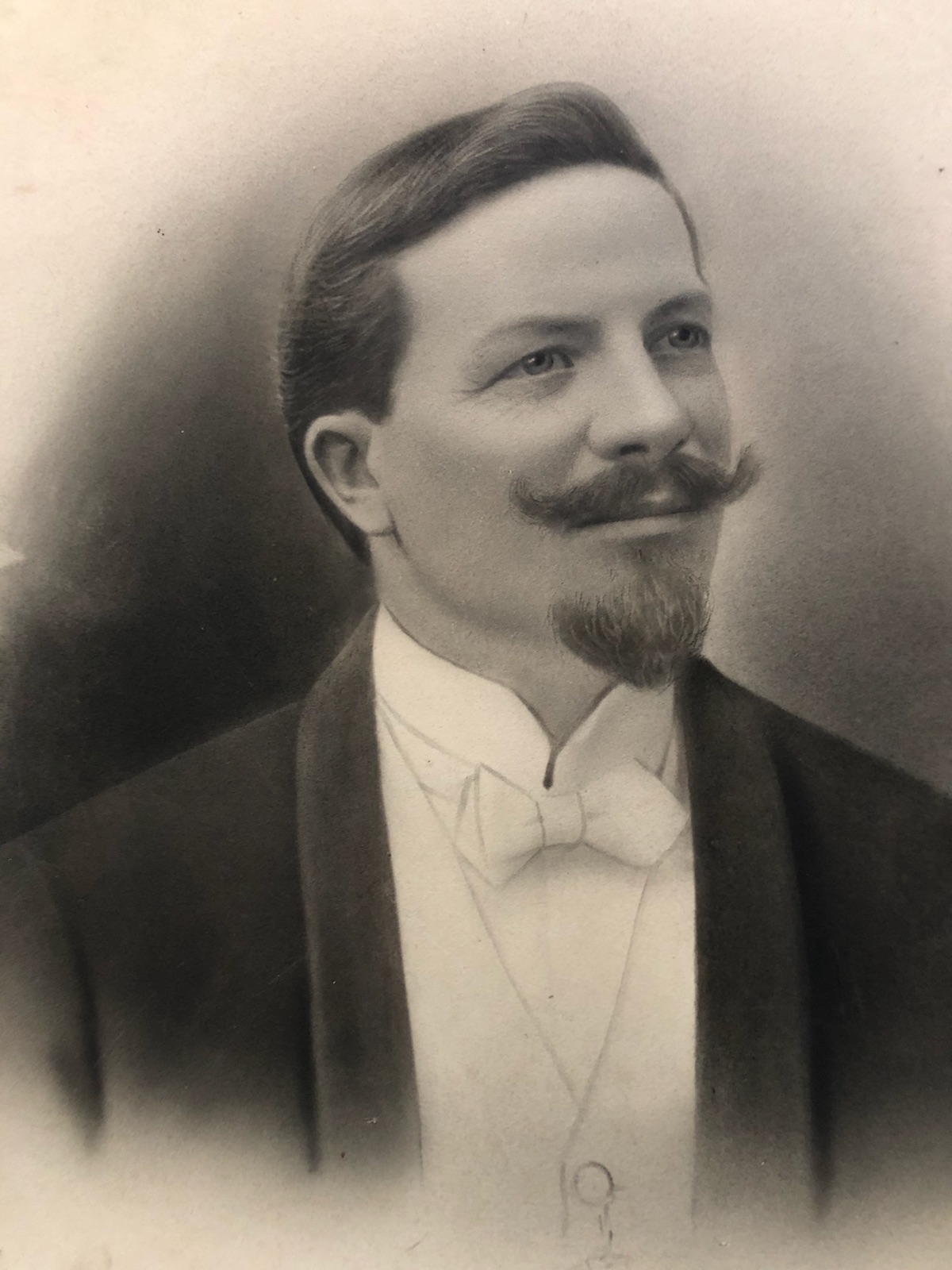
John George Wanner Jr Photo

John George Wanner Jr

This is a picture of my Great Great Grandfather John George Wanner Jr.  His name in Germany was Johann Georg Wanner.  I have written a more thorough history of him before.  He went by George during his life since he was a Junior.

This large photo is in the possession of Karen Hodges of Preston, Idaho.  My Uncle Larry Andra was able to visit and get some pictures of the large photos.  I have already uploaded this to FamilySearch and linked him properly.  I recommend all go and see the free family history tree and related documents and memories/photos there.  http://www.familysearch.org

The photo, a painted picture, does create questions for me.  Why is he dressed up?  What was the occasion?  But the more interesting part of the photo is what is found on the back of the photo.

While the photo snapped by Larry cuts off some of the dates, it gives a great copy of his signature.  I don’t have the record of when he was ordained a High Priest, but he served as a missionary to California from 1 December 1933 to 6 April 1934.  He returned at age 63 so I don’t think this photo is of him at the same time, he just wrote the back of the photo over the age of 63.

Back of Picture of John George Wanner

It is nice to have a copy of his handwriting in addition to the photos we have of him.

Wanner-Nuffer Wedding

John and Eva Nuffer are pleased to announce the marriage of their daughter Regina Friederike to John George, son of John and Anna Wanner.  John and Regina were married 31 August 1898 in the Logan LDS Temple, Logan, Cache, Utah.

John & Regina Wanner

John & Regina Wanner

Regina Friederike Nuffer was the first child of four born to the marriage of John Christoph Nuffer and Eva Katharina Greiner on 26 January 1869 in Neuffen, Esslingen, Wurttemberg.  John was a widower when he married Eva endowing Regina with two older half brothers and sister, John (1862), Georg Friedrich (1864, Fred), and Christiane (1865, who lived less than a year).  John and Eva were married 25 July 1867 in Neuffen.  Regina had three younger siblings, Charles August (1871), Adolph (1875), and Mary (1881).  Regina was christened 7 February 1869 in Evangelische Kirche, Neuffen.
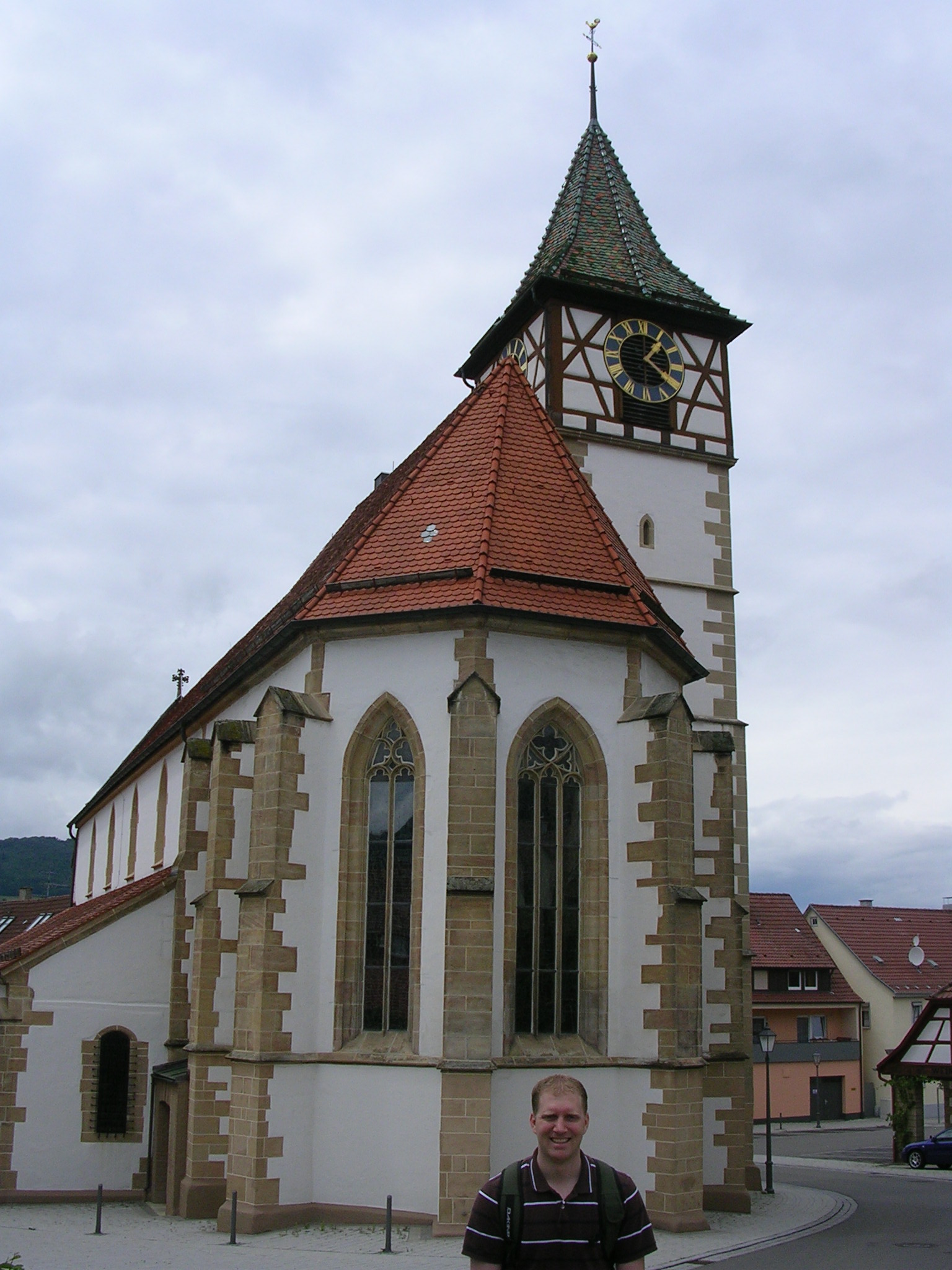
Neuffen Church and Paul Ross

Evangelische Kirche, Neuffen and Paul Ross.  The Nuffer family attended this church and Regina was christened here.

When Regina was about 9 years old, she heard the Mormon Elders preach in town.  One of those Elders was John Jacob Theurer (1837 – 1914) of Providence, Cache, Utah.  She was converted to the LDS church and was baptized 1 January 1880.  Her parents were baptized 12 April 1880 in the mill race behind their home in the very early morning to avoid others in the community knowing.  Other siblings followed later.

Overlooking Neuffen

Overlooking Neuffen, 2008

The family applied to immigrate to North America in April 1880. They left for Stuttgart, then to Mannheim on a boat to Holland, over the North Sea to Hull, England where they left on the Wisconsin for New York.  From Castle Garden they went by train to Utah, finally arriving in Logan.  The family moved to Providence, Cache, Utah where Elder Theurer had connections.  Mary, Regina’s sister, was born in Providence in 1881.  John Jr worked in Montana, Salt Lake, and on the Logan Temple.  After the Logan Temple stonework was completed, the Nuffers sold their home in Providence and moved in 1883 to Preston, Franklin (then Oneida), Idaho.  Eventually they moved around until John and Eva purchased property up Cub River near Mapleton (then St. Joseph), Franklin (then Oneida), Idaho.

Regina Nuffer

Regina Nuffer

I don’t know the details of how or when, but Regina met Jacob Scheibel and married him 15 July 1889 in Salt Lake City, Salt Lake, Utah.  Alma Katherine (“Kate”) Scheibel was born 27 September 1889 in Pleasant Valley, Carbon, Utah to Jacob and Regina.  In 1890, Jacob and Regina separated and she moved back to Mapleton.  She helped as a nurse and midwife while her mom helped tend little Kate.  It was during this time she met a young man named John George Wanner Jr who was working for her brother Fred Nuffer, also in Mapleton.

Regina Nuffer and Alma Katherine Scheibel

Regina Nuffer and Alma Katherine Scheibel

John George (anglicized from Johann Georg but called George by the family) was the first child born to the marriage of John George (also anglicized from Johann Georg) and Anna Maria Schmid on 29 October 1870 in Holzgerlingen, Böblingen, Württemberg.  To keep them separate, younger John George went by George.  He was christened 30 October 1870 in Holzgerlingen.  He grew up in Holzgerlingen and during the summer of 1890 met the LDS missionaries.  He was the first of the family to join the new church on 11 July 1891 and was baptized by Jacob Zollinger (1845 – 1942) of Providence, Utah.
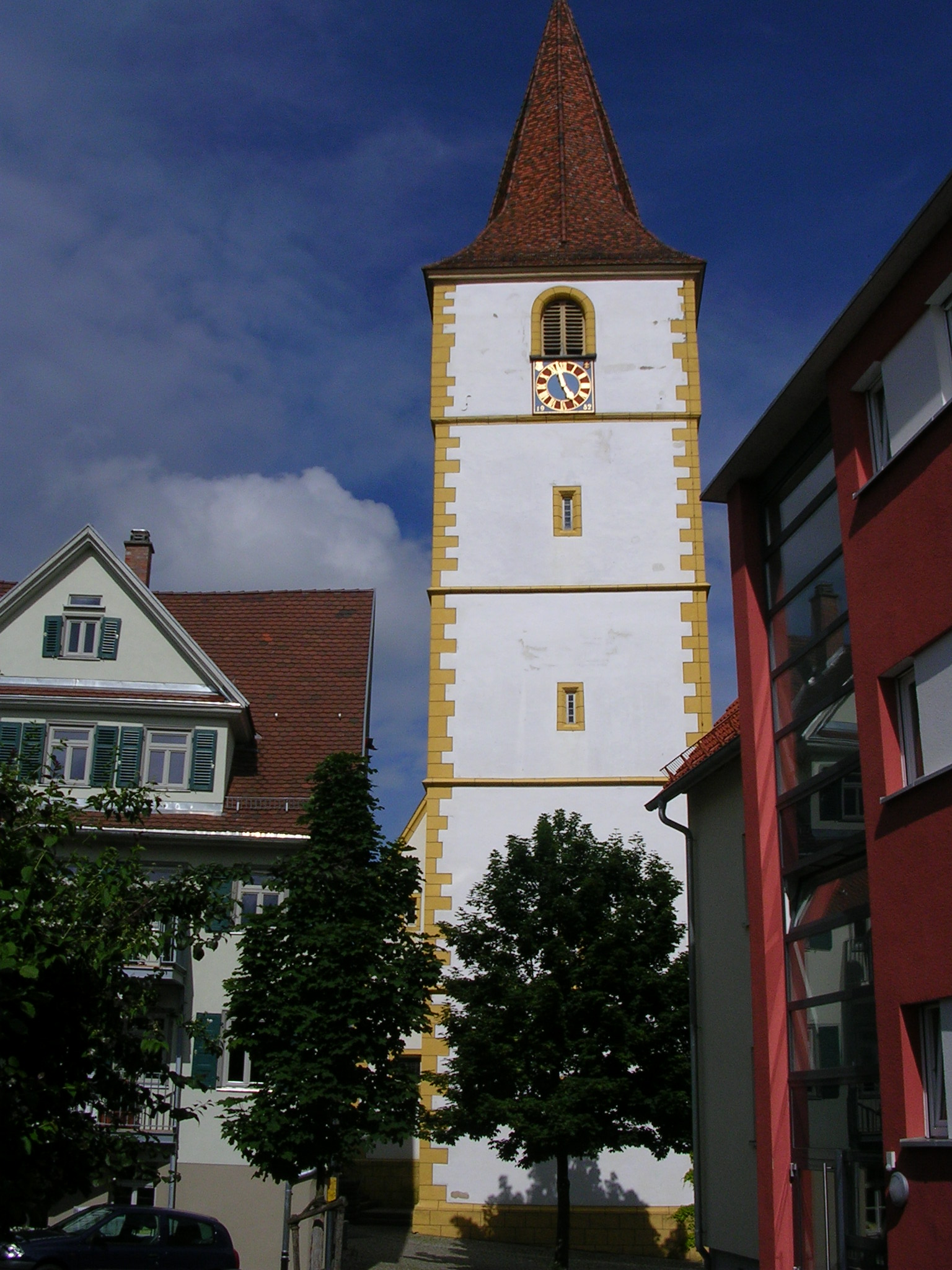
St. Mauritius Church in Holzgerlingen where the Schmid family were christened

St. Mauritius Church in Holzgerlingen, the church where the Wanner’s attended and where John was christened.

George apparently emigrated to America with an Elder Theurer in 1891.  We don’t know who Elder Theurer is, but he was also from Providence although likely a relative of John Theurer who converted the Nuffer family.  The LDS missionary records do not show an Elder Theurer out in 1890 – 1892.  I wonder if this wasn’t meant to be Elder Zollinger in the family histories.  But this Elder helped John find employment with Fred Nuffer.  The rest of the Wanner family followed to Mapleton in 1893.  Mary, George’s daughter, indicates it was an Elder Terrell who brought John to America (Theurer sounds like Tire, and Terrell isn’t that far off, so maybe a misspelling?)

george-wanner-about-1895

George met Eliza Stirland of Providence and married her 14 November 1894 in the Logan LDS Temple.  Two children were born, Earl Wayne Wanner born 31 October 1895 in Providence and George Phineas Wanner on 22 September 1897 in Glendale.  The unhappy marriage ended in divorce.  Nobody seems to know what happened to these two sons either.

Regina received her Patriarchal Blessing 13 September 1897 from John Smith.

George and Regina fell in love and married in the Logan Temple 13 August 1898.

William Christoph and Willard John were born 9 November 1899 in Mapleton.

Mary Louise was born 5 March 1901 in Mapleton.

George was called and set apart as a missionary to Germany on 1 October 1901 .

Acceptance Letter from John to President Snow

Acceptance Letter from John to Lorenzo Snow, President of The Church of Jesus Christ of Latter-day Saints.

Golden was born 4 September 1902 in Mapleton while John was on his mission to Germany.

George safely arrived home 7 October 1903.

Eva Virtue was born 24 February 1904 in Mapleton.

Rulon was born 6 November 1905 in Mapleton.

About this time, George Wanner had John Nuffer build him a home on East Oneida Street in Preston.

George was then called to serve a second mission in the fall of 1907, again leaving pregnant Regina and six children.  He was set apart by Orson F. Whitney on 29 October 1907 to serve in the Swiss and German mission.  Interestingly, the missionary record says he was plurally married, but no records or history show another marriage.  I suspect it is a mistake.

Serge Nuffer was born 8 March 1908 in Preston.  Again, another child born while John was on a mission.
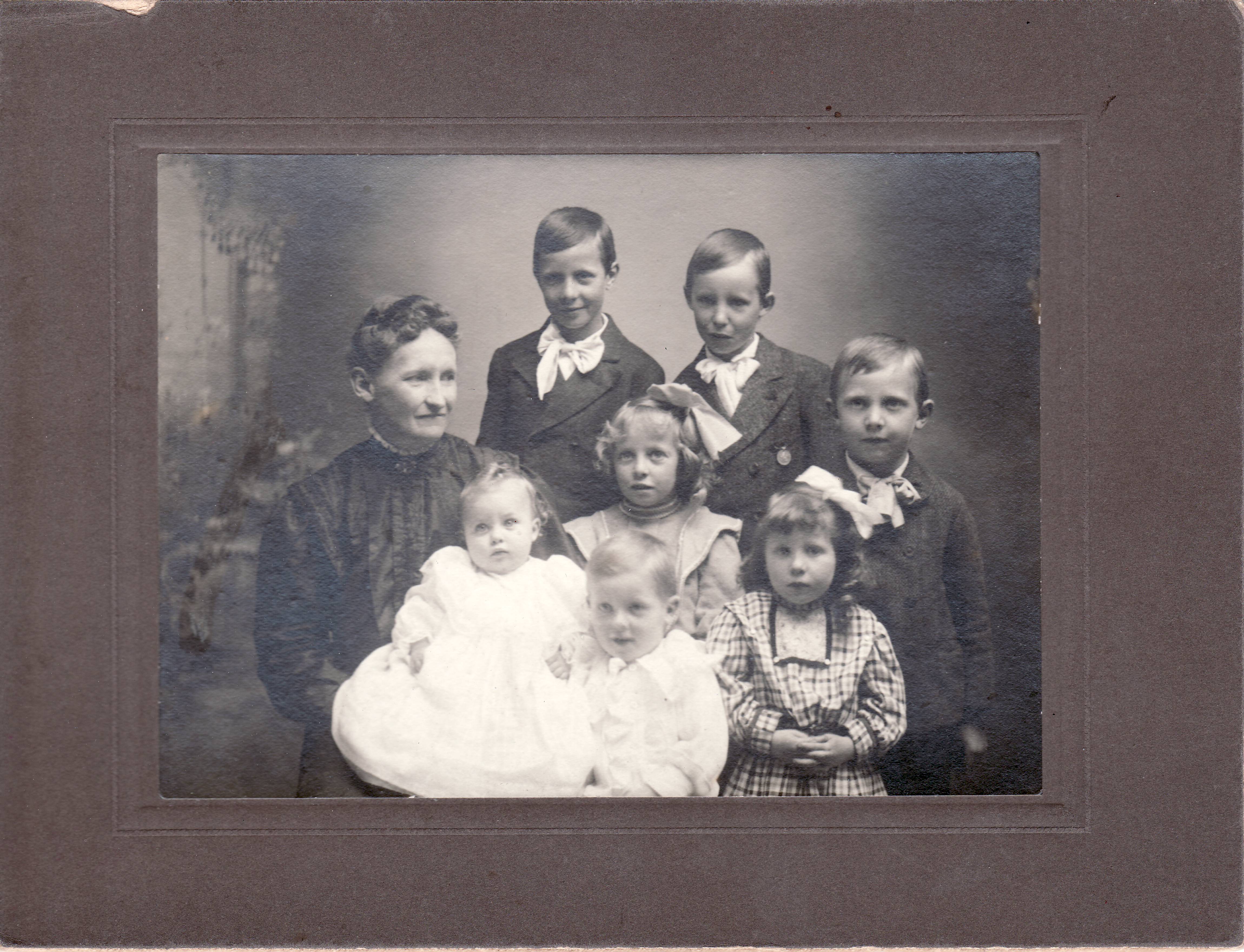
Regina with William and Willard in the back and then Golden, Mary in the middle, holding Serge, then Rulon, then Eva.  This picture was taken and sent to George on his mission.

George left Europe sailing on the Southwark from Liverpool, England on 9 December 1909.

1909 Southwark Manifest

1909 Southwark Manifest

George returned home on Christmas day 1909.  It was during this mission that George taught the Christiana Wilhelmina Andra family.  The Andras immigrated to Preston.  William Andra, Christiana’s daughter, would later marry George’s daughter, Mary.

In 1910, George and Regina purchased the Wanner farm (John’s parents) in Whitney (which the Wanners had purchased from the Nuffer family).  His parents moved to Logan.

1910 Whitney Census

1910 Whitney Census, Dursteller, Handy, Beckstead, Foster, Cardon, Wanner, Oliverson, Moser, Benson

About 1912, this picture was taken on the farm.
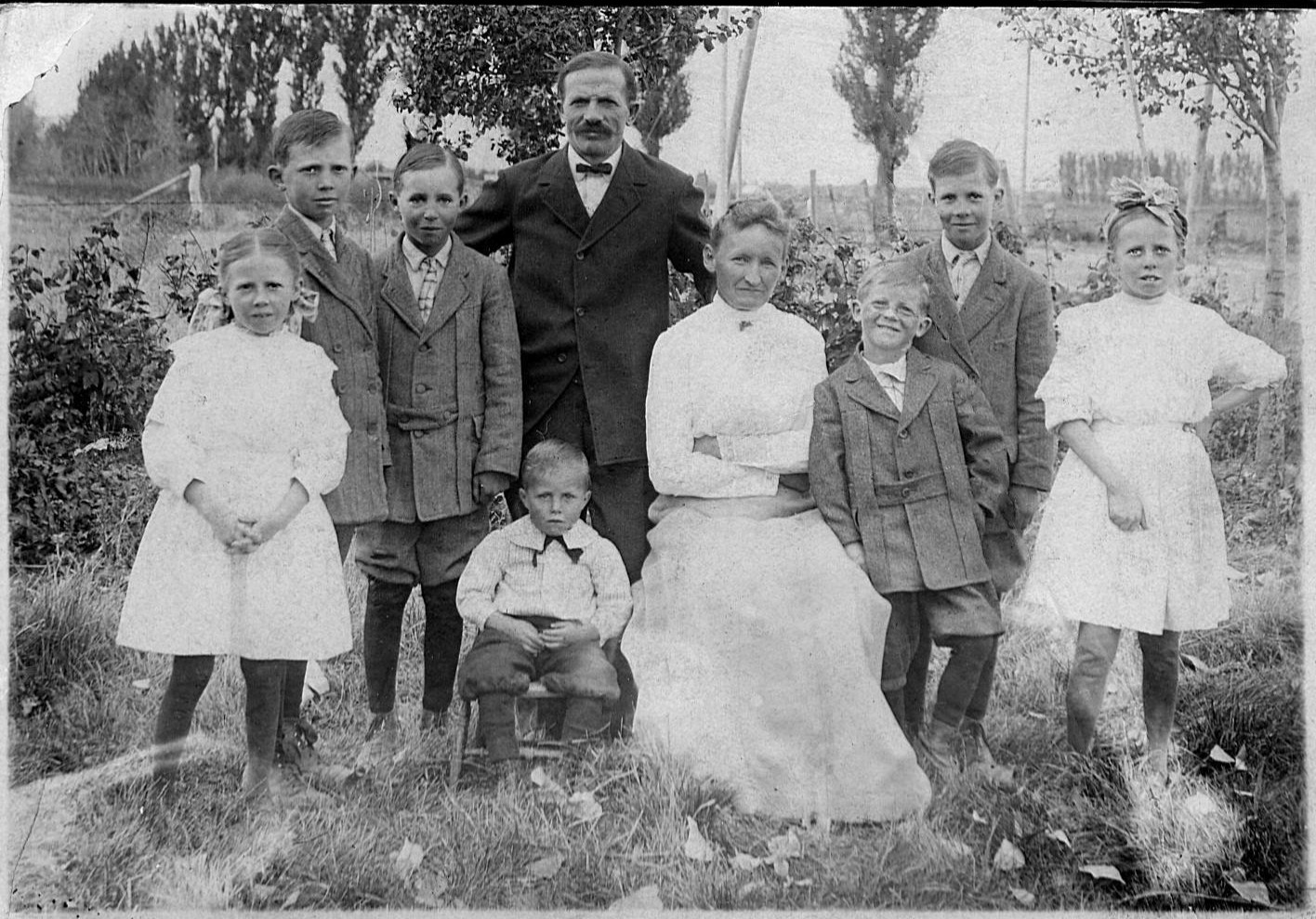
l-r: Eva, William, Golden, Serge (sitting), George, Regina, Rulon, Willard, Mary Wanner

l-r: Eva, William, Golden, Serge (sitting), George, Regina, Rulon, Willard, Mary Wanner

Another photo from about 1917.

l-r: Golden, Mary, Regina, George, William, Willard. Sitting: Eva, Serge, Rulon

l-r: Golden, Mary, Regina, George, William, Willard. Sitting: Eva, Serge, Rulon

Sadly, things started to change their idyllic world.

Golden died 26 November 1918 in Salt Lake City at age 16.   His death certificate says he was a student, Regina is the informant, but I don’t know where he was going to school.  I was told he died from influenza, but the death certificate just says natural death.

William died 1 December 1918 at Camp Genicart, Gironde, France from influenza.  He enlisted with the army 5 August 1917.  I don’t have anything to back it up, but I suspect the photo above is in preparation for his enlistment.  He left Salt Lake City for Camp Kearney on October 11, 1917.  He served in the Supply Company, 145th Field Artillery, American Expeditionary Forces.  The war did not kill him, disease did (as was common then with influenza).  His body was brought home 11 November 1920, and interred in the Whitney Idaho Cemetery.

Mary married William Andra 10 March 1920 in the Salt Lake City LDS Temple.

Willard was set apart as a missionary 7 January 1921 to New Zealand by Melvin J Ballard and left for the mission 8 January 1921.  He successfully completed his mission and ended his service 18 October 1922.

Willard John Wanner
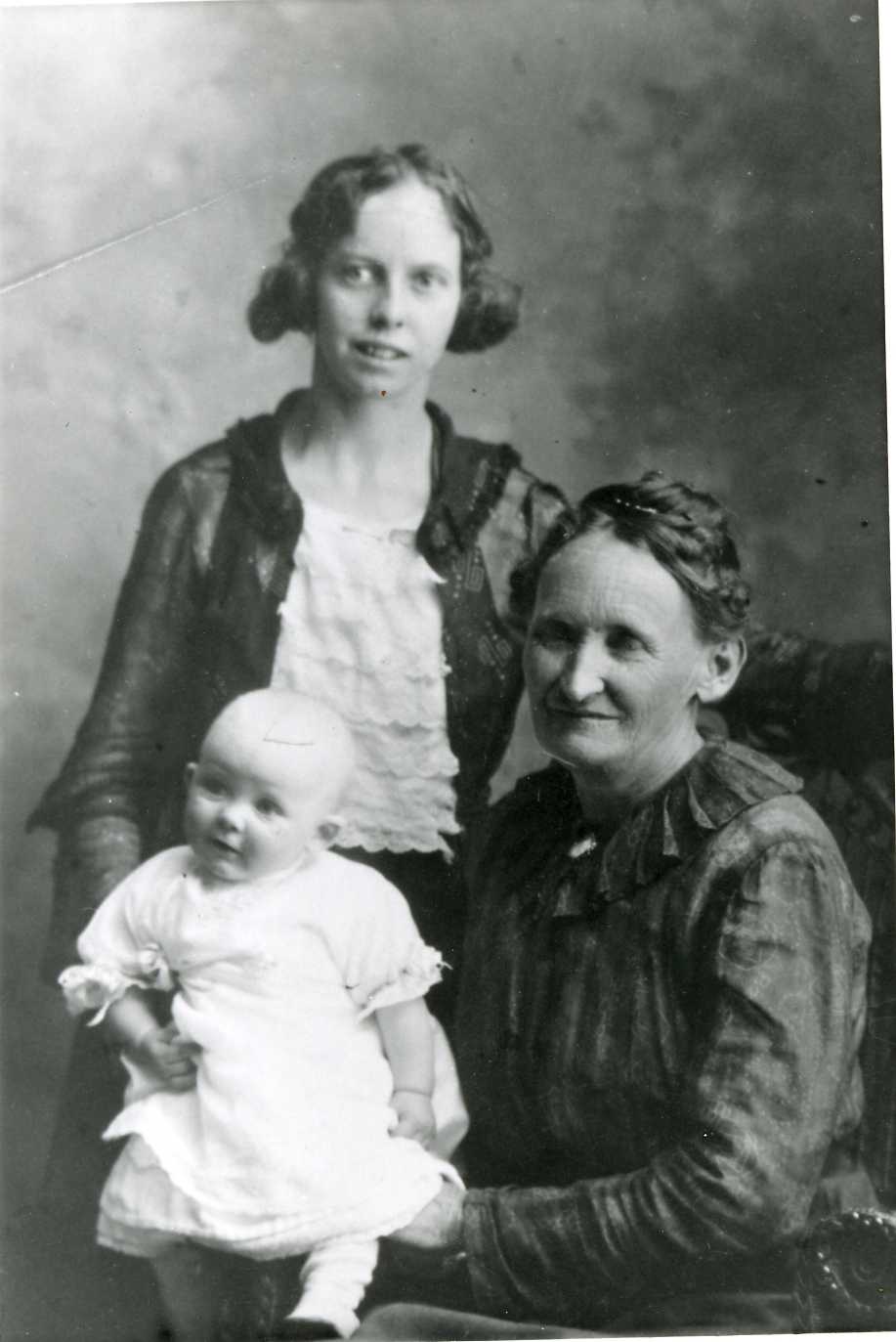
Mary Andra, Regina Wanner, holding William Andra Jr in 1921

Willard married Gladys Laverna Thompson 15 November 1923 in the Logan LDS Temple.

Rulon was a student in Logan when he caught a cold.  It developed into acute meningitus caused by acute otitis media.  He died 25 February 1924 at the age of 18.  George is the informant.

George was called to serve a third mission to the Southern States Mission.  He was set apart 15 December 1925 by Joseph Fielding Smith and departed 16 December 1925.  He returned home 8 June 1926.

On 4 July 1926, George received his Patriarchal Blessing under the hand of William M Daines.

Serge was set apart as a missionary 24 April 1928 to New Zealand by Orson F Whitney and left for the mission on 28 April 1928.  He arrived in New Zealand 20 May 1928.  He served in the Bay, of Island, Whangerei, and Wellington districts, and on the South Island.  He cut himself while shaving and died from blood poisoning 4 October 1929.  His body was brought home for burial in Whitney with the funeral held in the Preston opera house.  Four sons were now deceased.

Eva was set apart as a missionary 16 April 1930 to California by George F Richards and left for the mission 17 April 1930.  She completed her service 6 June 1932.

George was called to serve a fourth mission to California.  He was set apart by Reed Schmid on 1 December 1933 and left for the mission the same day.  He arrived back home 6 April 1934.
IMG_0328001002003004_1537683618413

John George Wanner Jr

Eva married Adolf Ernest Spatig 29 January 1936 in the Logan LDS Temple.

Regina, Kate Naef, Carmen Cole, and Ladean Cole

George was known for his ability to work hard.  He worked hard, raised his crops, and took exceptional care of his farm animals.  He took great price in having things looking neat and clean around the farm and yard.

George usually was out working when the sun came up.  The story is told that he was usually the first to get to the beet dump in the morning.  Apparently one morning some of the neighbors decided to beat him to the dump.  They got up early to get a head start.  Before they got to the dump, the could hear George Wanner already going down the road ahead of them.  It was still dark but they could tell it was him by the way he was talking to his horses, “Gid up – gid up – gid up.”

George and Regina sold the Whitney farm and purchased 40 acres nearer to Preston and built a home on it.  Oakwood Elementary and Preston Junior High sit on what was part of this farm.  When he retired, it was this farm he sold to William and Mary Andra.

George had a knack for being successful in the various undertakings he engaged in.  He was one of the first in Preston to have an automobile.  When he brought it home he hadn’t quite got the knack of stopping it.  He yelled “whoa” when he got in the garage, but before he got it stopped he had gone through the end of the garage.

Grandma Wanner

Regina Wanner

George built two little homes on the west side of 2nd east and 1st south in Preston.  He also built three homes on 1st south and the south side of the street in Preston.  George and Regina lived in one of those homes until she died.  Regina passed away 10 March 1942 in Preston.  She was buried in Whitney.

She was ill for quite a while before she passed away.  George would care for her the best he could and regularly took her for rides in the car.  She was unable to walk and George would carry her on his back from place to place as they went visiting.

George remarried a few months later Grace Irene Frasure (1893 – 1980) on 3 Jun 1942 in the Salt Lake City LDS Temple.  Their marriage dissolved in divorce.

John George Wanner Jr

George was having a number of health issues and had heard that Florida would help him.  He moved to Florida.  It was there he met Annie Jane Metts (1873 – 1961).  They were married 4 May 1945 in Fort Myers, Lee, Florida.  This marriage also dissolved in divorce.

George and Annie Metts Wanner in Florida

George remained in Florida until he became ill enough that he knew the end was coming.  His daughter, Mary, sent her son, William Andra, out to Florida to bring George back by train.  When William and George arrived in Chicago, Cook, Illinois, he was quite ill and taken to the hospital.  It was there that George passed away 5 January 1947.  William brought George’s body back to Preston.  George was buried beside Regina in Whitney.

Logan revisited

Later this year will be our 10 year anniversary.  Ten years since we were married in the Logan LDS Temple in Cache County, Utah.  Since we were down with the kids in Logan for a reunion, we made a stop.

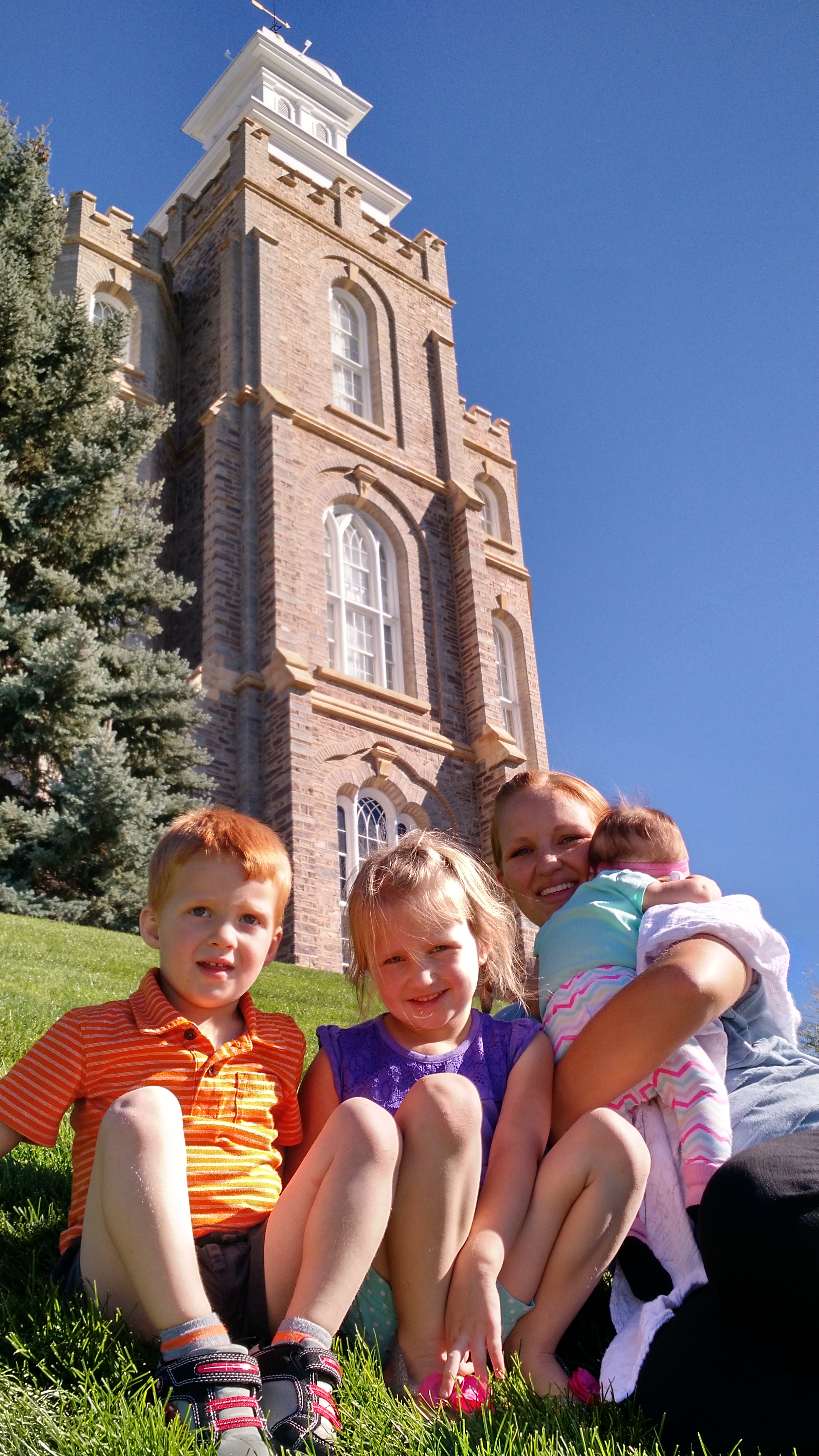
Hiram, Aliza, Amanda, and Lillian Ross

Hiram, Aliza, Amanda, and Lillian Ross

The day turned out to be beautiful despite being the middle of October.  Other than the angle of the sun, you might never have known it was October.

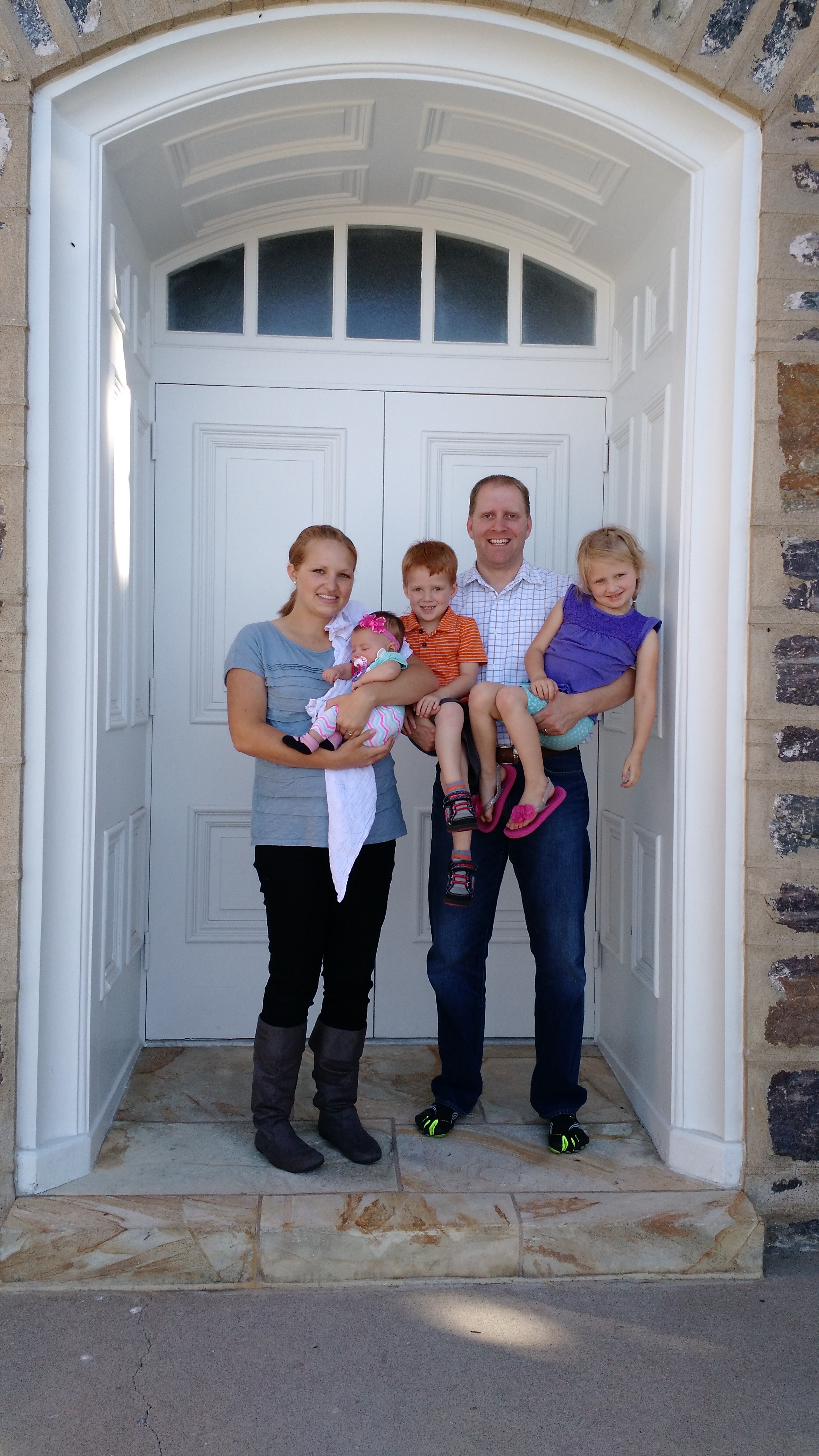
We took a picture in one of the doorways that we also took pictures 10 years ago.  Time flies.

Amanda, Lillian, Hiram, Paul, and Aliza Ross

Amanda, Lillian, Hiram, Paul, and Aliza Ross

Of course I have heard multiple comments on my neon toes!  Thank you to my in-laws for making me push my boundaries and wear toed shoes.

On the way home I asked the kids their favorite part of the trip.  The quick response for both was the temple.

I have always felt a strong family connection to the Logan Temple.

John Nuffer and Eva Greiner, my 3rd great grandparents were sealed here 123 years ago in 1892.  They were married 25 July 1867 in Neuffen, Esslingen, Wuerttemberg.  You can read of them here.

Olle Christiansen and Constance Jorgensen, my 3rd great grandparents were sealed here 122 years ago in 1893.  They were married in 1874 in Norway (and have yet to find the exact date and location).

John Wanner and Anna Schmid, my 3rd great grandparents were sealed here 117 years ago in 1898.  They were married 6 June 1870 in Holzgerlingen, Boblingen, Wuerttemberg.  Read more about them at this link.

John Wanner and Regina Nuffer, my 2nd great grandparents were married and sealed here 117 years ago on 31 August 1898.  Read of them with this click.

Herbert Coley and Martha Christiansen, my 2nd great grandparents were sealed here 115 years ago in 1900.  They were married 1 December 1896 in Lewiston, Cache, Utah.

Joseph Jonas and Lillian Coley, my great grandparents were married and sealed here 99 years ago on 6 September 1916.  Read more of their marriage here.

Paul Ross and Amanda Hemsley, us, were married and sealed here 10 years ago on 20 December 2005.

This is just the sealing ordinances.  This does not include endowments, baptisms, or second washings and anointings for my ancestors.  I received my own endowment here with my father on 1 September 1998.  Who knows what future ordinances for my family may take place in Logan.

All I know, I miss the days of attending the Logan temple.  I miss learning in the House of the Lord for Stake instruction.  I miss the fill the temple sessions where we would work in the temple all night long.  I miss going to the temple with roommates.  I miss doing endowment sessions on a regular basis with my wife, we often feel guilty leaving our kids with others for that long (and the drive).

One thing I know, and I hope my family history work proves this, I know the temple blessings are real.  I see them in my life and feel them on a regular basis.  I am grateful for my ancestors who went before and provided an example of what, and what not, to do.

Aliza kept asking if she could go inside the temple.  I told her she would have to wait until she was at least 12.  I am glad Aliza and Hiram also feel the draw to the temple.  Hopefully those covenants are already beginning to find the way into their little hearts.  Great promises and responsibilities come from the temple.  That is my testimony.