Smith and Hollen’s ferry and the Oregon Short Line Bridge across the Snake River between Heyburn and Burley are seen in this C.R. Savage photograph. In June 1902, the federal government passed the Reclamation Act, which created the U.S. Bureau of Reclamation, and eventually brought irrigation water to 17 Western states, including Idaho. The Bureau began the Minidoka Project at Lake Wolcott in 1904 to divert water from the Snake River, creating farms and new towns on both sides of the river. By 1919, the fertile Mini-Cassia soil supported 2,208 farms and a population of 17,000, according to the Bureau’s website. The first town on the irrigation project was called Riverton. It was later renamed Heyburn for U.S. Sen. Weldon Brinton Heyburn, who died in 1912 just months after collapsing on the floor of the Senate while delivering a speech. “The first activity around Heyburn was when O.S.L. (Oregon Short Line Railroad Co. started hauling material from Minidoka (train station) to the river to build the railroad bridge across Snake River at Heyburn in the fall of 1904,” Handy wrote when asked to tell what he remembered about the area’s history. The town started as a twon of 19 tents, home to the bridge workers, he said. Before the railroad bridge was completed, two men by the names of Smith and Hollen put a ferry across the Snake River to transport building materials to the new town of Burley. The O.S.L. Railroad was finished from the Minidoka train station to Heyburn, and the first engine cross the Heyburn Bridge on June 10, 1905.
Lincoln County is closer to me so I get there more often. Shoshone is the Lincoln County seat. Minidoka County was created out of Lincoln County, so many of the Minidoka cities were incorporated in Lincoln County. This includes the cities of Heyburn, Minidoka, Paul, and Rupert. Acequia is the only city incorporated after the creation of Minidoka County.
This photo is from 2023. The Lincoln County Courthouse has been under renovation, so the last time I had court I attended in the old Wells Fargo Bank building. I will have to get an updated picture next time I am in Lincoln County.
2-1: INTERNATIONAL CODE COUNCIL AND STATE BUILDING CODES:
2-1-1: CODE ADOPTION
A. The following recognized codes as currently adopted by the State of Idaho are adopted as the official building codes of the City of Minidoka. The adopted versions of these codes shall be effective 1 January 2026. Each code shall be deemed superseded by successive versions of such codes as they are adopted or approved by the State of Idaho effective on the 1st day of January the year following the date any such codes are made effective for the State of Idaho, unless a different date is required by state statute.
B. For purposes of enforcement and administration of this code, the appointed Minidoka County Building Official will also be appointed and act as the Building Official for the City. (Ord. 2026-3, 3 Mar 2026)
2-1-2: PERMIT FEES:
Applicants shall pay permit and plan review fees in amounts to be determined by Resolution of Minidoka County. All permits required under city code require fees to be paid prior to a permit being issued, unless specified otherwise. (Ord. 2026-3, 3 Mar 2026)
2-1-3: EXEMPTIONS:
Agricultural buildings, as defined by the International Building Code, are exempt from the building codes adopted herein but shall remain subject to placement requirements and permits established by zoning regulations. (Ord. 2026-3, 3 Mar 2026)
2-1-4: SEVERABILITY:
This chapter is declared to be severable. Should any portion of this code be declared invalid by a court of competent jurisdiction, the remaining provisions shall continue in full force and effect and shall be read to carry out the purpose(s) of the ordinance before the declaration of partial invalidity. (Ord. 2026-3, 3 Mar 2026)
2-1-5: COPIES AVAILABLE:
A copy of each of the codes shall be held for use and examination by the public in the Office of the Clerk. (Ord. 2026-3, 3 Mar 2026)
2-1-6: VIOLATIONS:
Any violation of the following subsections shall constitute a misdemeanor, and any person, upon conviction of such violation, shall be punished accordingly. (Ord. 2026-3, 3 Mar 2026)
ARTICLE I – INTERNATIONAL BUILDING CODE (IBC):
2-1-7: PURPOSE:
The purpose of the IBC is to establish minimum requirements to safeguard the public safety, health and general welfare through affordability, structural strength, means of egress facilities, stability, sanitation, light and ventilation, energy conservation and safety to life and property from fire and other hazards attributed to the built environment and to provide safety to firefighters and emergency responders during emergency operations. (Ord. 2026-3, 3 Mar 2026)
2-1-8: IBC ADOPTED:
All the rules, regulations, and ordinances relating and applying to the regulation of the erection, construction, enlargement, alteration, repair, moving, removal, conversion, demolition, occupancy, equipment, use, height, area, and maintenance of buildings or structures established by the IBC including Appendixes C, E, G, H, I, and J, published under the authority of the International Code Council, Inc., is hereby adopted as the Building Code, and except to the extent that those rules and regulations are hereby changed, altered, or amended by this code, shall be the rules, regulations, and ordinances governing the erection, construction, enlargement, alteration, repair, moving, removal, conversion, demolition, occupancy, equipment, use, height, area, and maintenance of buildings or structures at and within the City. It shall be unlawful to erect, construct, enlarge, alter, repair, move, remove, convert, demolish, or maintain buildings or structures in violation of, or without complying with the rules, regulations, and ordinances set forth by the Building Code as adopted and as may be changed, altered, or amended by the Building Code. (Ord. 2026-3, 3 Mar 2026)
Snow Load
Wind Speed (mph)
Frost Depth
Seismic – Site Class D
20 (4800)
Risk Category
I
II
III
IV
18”
Risk Category
I & II
III
IV
95
100
105
110
C
C
D
2-1-9: IBC AMENDMENTS:
A. The IBC 2018 Edition, and Appendices C, E, G, H, I, and J, published by the International Code Council; are amended as follows:
1. Section 101.1 inserting “City of Minidoka” in place of [name of jurisdiction].
2. Section 1612.3 inserting “City of Minidoka” in place of [name of jurisdiction] and “September 6, 1977” in place of [date of issuance].
3. 3113.1 General. The provisions of this Section shall apply to relocatable buildings. Relocatable buildings manufactured after the effective date of this code shall comply with the applicable provisions of this code; Title 39, Chapter 43, of Idaho Code; and IDAPA 24.39.31. Exemption: This section shall not apply to manufactured housing used as dwellings. (Ord. 2026-3, 3 Mar 2026)
ARTICLE II – INTERNATIONAL RESIDENTIAL CODE (IRC):
2-1-10: PURPOSE
The purpose of the IRC is to provide certain minimum standards and requirements to safeguard life or limb, health, property, and the public welfare by regulating and controlling the design, construction, erection, alteration, moving, demolition, quality of materials, use, occupancy, location, and maintenance of all buildings and structures, where not regulated by the Building Code or the Existing Building Code, in the City. (Ord. 2026-3, 3 Mar 2026)
2-1-11: IRC ADOPTED:
All the rules, regulations, and ordinances relating and applying to the regulation of the erection, construction, enlargement, alteration, repair, moving, removal, conversion, demolition, occupancy, equipment, use, height, area, and maintenance of one-and-two-family dwelling buildings or structures, and their accessory buildings or structures, established by the IRC parts I through IV and IX, including Appendix Q (Tiny Houses) and Appendix S, (Strawbale Construction) published under the authority of the International Code Council, Inc., is hereby adopted as the One-And-Two-Family Dwelling Building Code for the City as amended, and except to the extent that those rules and regulations are hereby changed, altered, or amended by this code, shall be the rules, regulations, and ordinances governing the erection, construction, enlargement, alteration, repair, moving, removal, conversion, demolition, occupancy, equipment, use, height, area, and maintenance of one-and-two-family dwelling buildings or structures, and their accessory buildings or structures, at and within the City. It shall be unlawful to erect, construct, enlarge, alter, repair, move, remove, convert, demolish, or maintain buildings or structures in violation of, or without complying with the rules, regulations, and ordinances set forth by the One-And-Two-Family Dwelling Building Code as adopted and as may be changed, altered, or amended by the One-And-Two-Family Dwelling Building Code. (Ord. 2026-3, 3 Mar 2026)
Table 301.2(1) Climatic and Geographic Design Criteria as follows:
Ground Snow Loado
Wind Design
Seismic Design Categoryf
Subject to Damage From
Winter Design Tempe
Ice Barrier Underlayment Requiredh
Flood Hazardg
Air Freezing Indexi
Mean Annual Tempj
Speedd (mph)
Topographic effectsk
Special Wind Regionl
Wind-borne derbis zonem
Weatheringa
Frost line depthb
Termitec
20(4800)
90
NO
NO
NO
B
Severe
24”
Slight/Moderate
5
NO
1977FIRM160201B
1261
48.1 F
MANUAL J DESIGN CRITERIAn
Elevation
Latitude
WinterHeating
SummerCooling
AltitudeCorrectionFactor
IndoorDesignTemperature
DesignTemperatureCooling
Heating Temperaturedifference
4150
42
2
90
.87
70
75
68
CoolingTemperature Difference
WindVelocityHeating
WindVelocityCooling
CoincidentWet Bulb
DailyRange
WinterHumidity
SummerHumidity
_____
15
15
7.5
62
H
50%
50%
______
2-1-12: IRC AMENDMENTS:
A. The IRC 2018 Edition, parts I through IV and IX, including Appendix Q and S, published by the International Code Council; are amended as follows:
1. Delete Tables R403 403.4 Minimum Depth (D) and Width (W) of Crushed Stone Footings (inches), R403.1(1) Minimum Width and Thickness for Concrete Footings for Light-Frame Construction (inches), R403.1(2) Minimum Width and Thickness for Concrete Footings for Light-Frame Construction and Brick Veneer (inches), and R403.1(3) Minimum Width and Thickness for Concrete Footings with Cast-In-Place or Fully Grouted Masonry Wall Construction (inches). (3-20-20)T. (Ord. 2026-3, 3 Mar 2026)
ARTICLE III – INTERNATIONAL ENERGY CONSERVATION CODE (IECC)
2-1-13: PURPOSE:
The purpose of the IECC is to establish minimum regulations for energy-efficient buildings using prescriptive, performance-based, or energy rating index compliance alternative provisions. The provisions of this code shall regulate the design and construction of building envelopes for adequate thermal resistance and low air leakage, including the design and selection of mechanical systems, service water-heating systems, pools and spas, electrical equipment, power, and lighting systems in order to enhance the efficient use and conservation of energy in new and existing building construction. (Ord. 2026-3, 3 Mar 2026)
2-1-14: IECC ADOPTED:
All the rules, regulations, and ordinances relating and applying to the design, construction, quality of materials, erection, installation, alteration, repair, location, relocation, replacement, addition to, use or maintenance of the building envelope, building mechanical systems, service water-heating systems, pools and spas, electrical equipment, power, and lighting systems, established by the IECC, published under the authority of the International Code Council, Inc., is adopted as the Energy Conservation Code as amended, and except to the extent that those said rules and regulations are hereby changed, altered, or amended by this code. (Ord. 2026-3, 3 Mar 2026)
ARTICLE IV – INTERNATIONAL EXISTING BUILDING CODE (IEBC)
2-1-15: PURPOSE:
The purpose of the IEBC is to establish regulations to allow for the use of alternative methods from those contained in the Building Code and the One-And-Two-Family Dwelling Building Code in order to comply with and conform to those minimum requirements necessary to safeguard the health, safety, property, and public welfare insofar as they are affected by the repair, alteration, change of occupancy, addition, or relocation of existing buildings. (Ord. 2026-3, 3 Mar 2026)
2-1-16: IEBC ADOPTED:
All rules, regulations, and ordinances relating to the design, construction, quality of materials, erection, installation, alteration, repair, location, relocation, replacement, addition to, use, change of occupancy, or maintenance of existing buildings, established by the IEBC, published under the authority of the International Code Council, Inc., is adopted as the Existing Building Code as amended, and except to the extent that those rules and regulations are hereby changed, altered, or amended by this code. (Ord. 2026-3, 3 Mar 2026)
ARTICLE V – INTERNATIONAL FUEL GAS CODE (IFGC)
2-1-17: PURPOSE:
The purpose of the IFGC is to establish minimum requirements for fuel gas systems and gas-fired appliances using prescriptive and performance-related provisions. It is founded on broad-based principles that make possible the use of new materials and new fuel gas systems and appliance design. (Ord. 2026-3, 3 Mar 2026)
2-1-18: IFGC ADOPTED:
All rules, regulations, and ordinances relating and applying to the design, construction, quality of materials, erection, installation, alteration, repair, location, relocation, replacement, addition to, use or maintenance building fuel gas systems and appliances. It shall be unlawful to erect, construct, enlarge, alter, repair, move, remove, convert, demolish, or maintain buildings or structures in violation of, or without complying with the rules, regulations, and ordinances set forth by the IFGC as adopted and as may be changed, altered, or amended by the IFGC. (Ord. 2026-3, 3 Mar 2026)
ARTICLE VI: INTERNATIONAL MECHANICAL CODE (IMC)
2-1-19: PURPOSE:
The purpose of the IMC is to establish the minimum acceptable level of safety and to protect life and property from the potential dangers associated with the installation and operation of mechanical systems. The code also protects the personnel that install, maintain, service and replace the systems and appliances addressed by this code. (Ord. 2026-3, 3 Mar 2026)
2-1-20: IMC ADOPTED:
All rules, regulations and ordinances relating and applying to the design and installation of mechanical systems, appliances, appliance venting, duct and ventilation systems, combustion air provisions, hydronic systems and solar systems. (Ord. 2026-3, 3 Mar 2026)
ARTICLE VII: IDAHO FIRE CODE (IFC)
2-1-21: PURPOSE:
The purpose of the IFC is to establish minimum regulations for fire prevention and fire protection systems using prescriptive and performance-related provisions. (Ord. 2026-3, 3 Mar 2026)
2-1-22: IFC ADOPTED:
All rules, regulations, and ordinances relating to the safeguarding of life and property from fire and explosion hazards arising from the storage, handling and use of hazardous substances, materials and devices, and from conditions hazardous to life or property in the occupancy of buildings and premises as herein provided. (Ord. 2026-3, 3 Mar 2026)
ARTICLE VIII: ABATEMENT OF DANGEROUS BUILDINGS CODE (ADBC):
2-1-23: PURPOSE:
It is the purpose of this code to provide a just, equitable and practicable method, to be cumulative with and in addition to any other remedy provided by the Building Code, Housing Code or otherwise available by law, whereby buildings or structures which from any cause endanger the life, limb, health, morals, property, safety or welfare of the general public or their occupants may be required to be repaired, vacated or demolished. (Ord. 2026-3, 3 Mar 2026)
2-1-24: ADBC ADOPTED:
The provisions of this code shall apply to all dangerous buildings, as herein defined, which are now in existence or which may hereafter become dangerous in this jurisdiction. (Ord. 2026-3, 3 Mar 2026)
ARTICLE IX: INTERNATIONAL PROPERTY MAINTENANCE CODE (IPMC):
2-1-25: PURPOSE:
The purpose of the IPMC is to regulate the minimum maintenance requirements for existing buildings. (Ord. 2026-3, 3 Mar 2026)
2-1-26: IMPC ADOPTED:
All rules, regulations, and ordinances regulating and applying to the minimum maintenance standards for basic equipment, light, ventilation, heating, sanitation and fire safety. (Ord. 2026-3, 3 Mar 2026)
ARTICLE X: IDAHO PLUMBING CODE (IPC):
2-1-27: PURPOSE:
The purpose of the ISPC is to establish the minimum acceptable level of safety to protect life and property from the potential dangers associated with supplying potable water to plumbing fixtures and outlets and the conveyance of bacteria-laden wastewater from fixtures. (Ord. 2026-3, 3 Mar 2026)
2-1-28: IPC ADOPTED:
All rules, regulations, and ordinances regulating the design and installation of plumbing systems including the plumbing fixtures in all types of buildings except for detached one and two-family dwellings and townhouses that are not more than three stories above grade in height. The regulations for plumbing systems in one- and two-family dwellings and townhouses are covered by IRC. The ISPC addresses general plumbing regulations, fixture requirements, water heater installations and systems for water distribution, sanitary drainage, special wastes, venting, storm drainage and medical gases. The ISPC does not address fuel gas piping systems as those systems are covered by the IFGC. The ISPC also does not regulate swimming pool piping systems, process piping systems, or utility-owned piping and systems. (Ord. 2026-3, 3 Mar 2026)
ARTICLE XI: ELECTRICAL CODE (EC):
2-1-29: PURPOSE:
The purpose of this code is the practical safeguarding of persons and property from hazards arising from the use of electricity. (Ord. 2026-3, 3 Mar 2026)
2-1-30: EC ADOPTED:
All rules, regulations, and ordinances relating to the design, construction, operation, quality of materials, installation, alteration, and repair of electrical systems and use of electricity. (Ord. 2026-3, 3 Mar 2026)
2-2: ELECTRICAL CODE:
2-2-1: SCOPE OF CODE:
The regulations of this code shall apply to all electrical wiring and equipment installed within the city electrical service area, except wiring and equipment which is used for the generation, control, distribution or communication system of a utility and which is installed by or for, and owned and maintained by an electric or communication utility operating under due authority granted by the city. (Ord. 2026-3, 3 Mar 2026)
2-2-2: MINIMUM SAFETY STANDARDS:
Except as herein provided all installments of wires and equipment to convey electric current and apparatus to be operated by such current, made after the effective date of this code, shall be in accord with the national electrical code, published by the National Fire Protection Association, state of Idaho statutes, rules and regulations of the Idaho department of labor and industrial services electrical safety bureau, relating to such work so far as the same covers both fire and personal injury hazards. (Ord. 2026-3, 3 Mar 2026)
2-2-3: SPECIAL REQUIREMENTS:
All public commercial and industrial buildings, all apartment buildings with more than three (3) dwelling units and all buildings, of any kind, located within the city, shall be wired to conform to any of the following designated articles of the national electrical code:
Article 346, Rigid Metal Conduit; article 348, Electrical Metallic Tubing; article 350, Flexible Metal Conduit; article 352, Surface Metal Raceway; article 362, Wireways; article 364, Busways; article 354, Underfloor Raceways; article 356, Cellular Metal Floor Raceways; article 358, Cellular Concrete Floor Raceways; article 330, Mineral Insulated Cable; article 331, Aluminum Sheath Cable; article 347, Rigid Nonmetallic Conduit, may be used only where installed underground, embedded in concrete, or in indoor locations where subject to severe corrosive influences; article 353, Multioutlet Assemblies; article 363, Flat Cable Assemblies; article 365, Cablebus; article 366, Electrical Floor Assemblies. (Ord. 2026-3, 3 Mar 2026)
2-2-4: ALTERATIONS TO EXISTING WIRING:
When extensions and/or alterations are made to any electrical circuit in or on any building or structure, coming under the provisions of this code, which said circuit was not originally installed in a manner complying with the provisions of this code and/or the ordinances of the city, the electrical circuit, in its entirety, shall be made to conform to such provisions of this code as are particularly applicable thereto. (Ord. 2026-3, 3 Mar 2026)
2-2-5: ELECTRICAL INSPECTOR: The mayor is hereby authorized with the consent of the city council, to enter into an agreement with the state of Idaho department of labor and industrial services electrical safety bureau, to furnish electrical inspection service to the city, as authorized by section 54-1001C of the Idaho Code. Electrical inspections made under such agreement shall be in accordance with this code by a duly appointed state electrical inspector acting as electrical inspector for the city. (Ord. 2026-3, 3 Mar 2026)
2-2-6: JURISDICTION OF ELECTRICAL INSPECTOR:
Except as herein provided the installation of electrical wiring or equipment in or on any building or structure within the city electrical service area shall be done at all times subject to inspection by the electrical inspector. (Ord. 2026-3, 3 Mar 2026)
2-2-7: AUTHORITY TO DISCONNECT:
If any electrical installation made after the effective date of this code is found to be defective or defectively installed, or otherwise not in conformity with this code, the electrical inspector may order such installation disconnected from the source of supply until the necessary corrections have been made, provided that the owner of the premises, the tenant, if any, and the power supply company shall be notified in writing. (Ord. 2026-3, 3 Mar 2026)
2-2-8: ELECTRICAL INSPECTION TAG:
A. It shall be unlawful for any person to install or cause to be installed, any electric wiring, or equipment coming under the provisions of this code unless an electrical inspection tag, as authorized by section 54-1005 of the Idaho Code, or application for such electrical tag, properly completed, has been mailed to the Electrical Safety Bureau, State House, Boise, Idaho. Electrical contractors shall use the standard electrical contractor’s inspection tag issued to all licensed electrical contractors by the electrical safety bureau. Owners installing electrical wiring or equipment on their own property shall use the standard application for owner’s electrical inspection tag which applications shall be made available at the office of the clerk and at the local offices of the power suppliers.
B. The city shall not connect to or energize an electrical installation coming under the provisions of this code unless the city has in possession, an electrical inspection tag, issued by the electrical safety bureau, covering the installation to be energized. (Ord. 2026-3, 3 Mar 2026)
2-2-9: STATE LICENSE REQUIRED:
A. Journeyman Electrician: Except as herein provided it shall be unlawful for any person to perform or supervise the actual physical work of installing electric wiring or equipment to convey electric current unless such person holds a valid journeyman electrician’s license, issued by the state of Idaho department of labor and industrial services electrical safety bureau.
B. Electrical Contractor: Except as herein provided it shall be unlawful for any person, partnership, or corporation to engage in the business of installing electrical wires or equipment to convey electric current or to enter into agreements to install such wires or equipment without a valid electrical contractor’s license issued by the state of Idaho department of labor and industrial services electrical safety bureau.
C. Exemptions: The licensing provisions of this section shall not apply to persons making electrical installations on their own property, to apprentice electricians working under the direct, on the job supervision of licensed journeyman electricians nor to persons regularly employed to do electrical maintenance work on their employer’s premises. (Ord. 2026-3, 3 Mar 2026)
2-2-10: LIABILITY OF CITY:
This code is not to be construed to relieve from or lessen responsibility or liability of any party owning, operating, controlling, or installing any electrical wiring or equipment, for damages to person or property caused by any defects therein, nor shall the city be held as assuming any such liability by reason of the inspection required herein. (Ord. 2026-3, 3 Mar 2026)
2-2-11: REQUIREMENTS FOR NEW METER INSTALLATION:
A. Definition Of New Installation: It shall be deemed to be a “new installation” when service entrance facilities are placed in new buildings, or when electrical wiring is replaced in existing buildings, or when installation of new services are placed in existing buildings, and shall include any remodeling or rewiring, either on the interior or the exterior on any existing building.
B. Meters: Only socket type meters shall be used, and the meters shall be located on the outside of the buildings served with electricity; the meter bases shall be mounted five feet six inches (5’6″) to the center from the ground or walkway level.
C. Wiring: Wiring from service wires to the meter must be in conduit and the conduit from the service wires to the meter must be exposed. No materials such as water or gas pipe fittings shall be acceptable as a substitute for electrical conduit. An entrance cap shall be used on the upper end of the conduit extending above the meter base and must not be more than one foot (1′) from the point of attachment of the service wires. There shall be at least two feet (2′) separation between any service wires and any exposed wiring on the load side of the meter.
D. Safety Measures: All meters on a single residence shall be ahead of all fuses, switches, and/or other protective or disconnecting devices, and no wiring shall be exposed between the meter base and main switch. The main switch or disconnecting device shall be enclosed and shall contain suitable fuse or circuit breaker protection. No circuit shall be taken off between the base and the main switch except pump circuits and such pump circuits must have raintight or waterproof switches for said water pumps, and the main disconnecting device shall be situated on the outside of the building adjacent to the meter base, with a weatherproof enclosure for the fuse or breaker disconnect.
E. Service Entrances: Weatherproofed wire shall not be used in conduits for a service entrance, and any service wires shall have a clearance of ten feet (10′) above the ground; provided, however, that where a service entrance position is to be used by public vehicles, the clearance shall not be less than eighteen feet (18′) above the ground. The service entrance shall be placed on such side of a building or structure to which service is most readily available from existing power lines. All service drop wires must be connected to a mast (subsection H of this section), which extends through the roof of the building. Masts terminating below the eaves of a roof will not be permitted.
F. Wire Connections: The neutral wire (white) of 3-wire systems or the grounded wire (white) of a 2-wire system shall be connected to the ground terminal of the meter base.
G. Alternative Meters: In any case where the estimated load may exceed one hundred (100) amperes per phase for continuous periods at an individual meter installation, the City may require other than self-contained metering. (1982 Code)
H. Masts: The service entrance mast shall not be smaller than one and one- half inch (11/2“) ID rigid galvanized conduit for one hundred (100) amp services, two inch (2”) ID rigid galvanized conduit for two hundred (200) amp services. Type IMC may be used if approved by the Public Works Department.
I. Multiple Meter Installation: In the event multiple meter installations are made, all of the above requirements shall apply to such installation, except that requirement that refers specifically to the service of a single residence, and, in addition thereto, the following requirements shall be met:
1. Electrical service shall be supplied at only one point on each individual building, and the service wires shall be 3-wire 120-240-volt. For single-phase or 4-wire combinations, 120/240-volt 3-phase, and 480-volt 3-phase. (Ord. 332, 3-27-1991)
2. The meters shall be arranged in a horizontal position at five feet six inches (5’6″) from center of meter to ground or walkway level and shall be as close together as practical.
3. Enclosed disconnect devices shall be provided on the load side of each meter and such devices must be classed as main switches as in other requirements, and must have suitable means for sealing. Any and all devices such as gutters, etc., installed on the line side of the meters must be of such a type that they can be sealed with standard meter seals. Permission to install gutters, splice boxes, etc., ahead of meters shall be obtained from the City before construction is started. (Ord. 2026-3, 3 Mar 2026)
2-3: BUILDINGS CONSTRUCTED OUTSIDE OF CITY:
2-3-1: APPLICABILITY OF CODES:
All buildings previously constructed outside the City limits for which a building permit would have to have been issued had the construction been within the City originally, which buildings are to be moved within City limits of the City must meet the requirements of the existing City codes applicable to buildings, including the codes set forth in chapter 1 of this title. (Ord. 2026-3, 3 Mar 2026)
2-3-2: BUILDING PERMITS AND INSPECTIONS:
Further, the owner of such a building, prior to moving the same into or within the City, must obtain a building permit and submit the structure to inspection so that it can be determined that the building meets the requirements of said codes as applicable. Any travel expenses necessary for an official of the City to conduct such inspection or, in the discretion of the City (should the City determine to hire an inspector in the locality of the building), such expense for such inspector shall be borne by the person bringing the building into the City or moving it within the City. In the case of buildings that are subject to the standards of the Building Code, as defined in section 2-1-1 of this title, the inspection will be conducted by an official certified by the International Conference of Building Officials. In the case of manufactured homes, as defined in this Code, the inspection will be conducted by a licensed engineer, who shall certify in writing that the manufactured home meets the requirements of a manufactured home Class A or manufactured home Class B, as defined in this Code. Such certification shall also expressly certify the structural integrity of any modification to the manufactured home made since its original manufacture. However, homes which meet the specifications of manufactured home Class A and which are of the current year’s manufacture or have never been sold and used as a dwelling since new from the factory are exempt from this requirement. Also, manufactured home Class B which has received a certificate of compliance within the last ninety (90) days by the Administrator of the Division of Building Safety that the home complies with the requirements of Idaho Code section 44-2503 is also exempt from this requirement, as long as such home has not been modified since issuance of the certificate. (Ord. 2026-3, 3 Mar 2026)
2-3-3: BOND IN LIEU OF COMPLIANCE:
In the event that the building does not comply with any portion of the codes above referred to, such building must be modified, altered, repaired or otherwise changed to comply with such codes; or, in the sole discretion of the City, the City may determine the expense necessary for such modification and the person wishing to bring the building into the City or move it within the City may post a cash bond for the amount of funds reasonably anticipated to hire a contractor to make such changes and/or remove the building and any foundation; or, to post a bond in the same amount with a surety to the City. A bond in the amount of five thousand dollars ($5,000.00) for manufactured homes or a bond in the sum of ten thousand dollars ($10,000.00) for all other types of single-family dwellings shall be presumed to be reasonable minimum amounts. For all other buildings, the amount shall be set by the Community Development Director. The owner of the building may appeal the decision of the Minidoka County Building Official to the City Council if the owner believes the bond amount to be excessive. Such appeal shall be in writing, delivered to the City Clerk. (Ord. 2026-3, 3 Mar 2026)
2-3-4: BOND FORFEITURE:
In the event that the owner of the building posts such a bond and fails within one hundred eighty (180) days to make the corrections, changes, repairs or improvements as required, such bond shall be forfeited to the City. (Ord. 2026-3, 3 Mar 2026)
2-3-5: CITY’S REMEDIES:
Bond forfeiture does not prevent the City from taking such other legal action as is necessary to abate any private or public nuisance or otherwise require removal of the structure from the City at the expense of the owner or person bringing the structure within the City. (Ord. 2026-3, 3 Mar 2026)
2-4: ELECTRICAL SAFETY CODE:
2-4-1: ADOPTION OF NATIONAL ELECTRICAL SAFETY CODE:
To provide for the safeguarding of persons and property from the hazards arising from the installation, operation, or maintenance of: a) conductors and equipment in electric supply stations, and b) overhead and underground electric supply and communication lines, the City hereby adopts the 2002 edition of the National Electrical Safety Code as promulgated by the Institute of Electrical and Electronics Engineers, Inc., and the American National Standards Institute. (Ord. 2026-3, 3 Mar 2026)
2-4-2: CLERK TO MAINTAIN A COPY:
As provided by Idaho law, the City Clerk shall maintain one copy of said code. (Ord. 2026-3, 3 Mar 2026)
2-4-3: ENFORCEMENT, REMEDIES, AND PENALTIES:
The Minidoka County Building Official and/or his designee(s) shall be and are empowered to conduct inspections and to seek and obtain enforcement of the provision of this chapter as it may be applicable. The City reserves all rights at law and equity for the enforcement of this chapter, including the seeking of damages and/or injunction or both. Any violation of the provisions of this chapter shall constitute a misdemeanor. (Ord. 2026-3, 3 Mar 2026)
2-5: REGULATIONS FOR USE OF PUBLIC EASEMENT:
2-5-1: PURPOSE AND INTENT:
The purpose of this Chapter is to regulate and control the use of public easement within applicable laws to:
A. Establish a policy concerning the use of public easement by providers or other persons.
B. Establish clear local guidelines, standards, and time frames for the exercise of local authority with respect to the regulation of providers or other persons;
C. Promote competition;
D. Encourage the provision of advanced and competitive services on the widest basis to the businesses, institutions, and residents;
E. Permit and manage reasonable access to the public easements of the city for telecommunications or other purposes on a competitively neutral basis;
F. Assure that all providers or other persons constructing, repairing, or maintaining facilities within the easements comply with ordinances, rules, and regulations; and
G. Assure the City can continue to fairly and responsibly protect the public health, safety, and welfare. (Ord. 2026-3, 3 Mar 2026)
2-5-2: DEFINITIONS:
For the purpose of this Chapter, the interpretation and enforcement thereof, the following words and phrases shall have the following meanings, unless the context of the sentence in which they are used shall indicate otherwise. When not inconsistent, words in present tense include future, words in plural include singular, singular include plural. Words not defined shall be given their common and ordinary meaning:
APPLICANT: Any person or entity that applies for any permit pursuant to this Chapter.
CITY: The City of Minidoka, Minidoka County, Idaho or its authorized designees.
CITY PROPERTY: All real property owned by the City or dedicated for a specific purpose, other than public ways and utility easements as those are defined herein. City property shall include, for example, all City-owned poles, buildings and antenna support structures and infrastructure outside of the public ways, provided that additional Agreements, Pole Attachment Agreements or Leases with the City shall be required for their use.
EASEMENT: As used in this chapter and in title 9 of this Code, shall mean an easement granted to or reserved by the City for municipal or public purposes, including, but not limited to: access to City property; use of land for access by the City to utilities, or use of land to place City utilities upon; or access to utilities or use of land by franchisees or use by other authorized third party utility providers, as provided in Idaho Code section 50-329A, or by other providers or persons, or otherwise provided by law.
ENCROACHMENT: Any impermissible or unlawful use of an easement. It includes any unauthorized use of an easement, including, but not limited to: construction of unauthorized structures upon an easement; unauthorized blocking of any easement or unauthorized restriction of access or use of same; an expansion of use beyond the grant of use; use of the easement for purposes not granted or reserved by the City; or any other improper use or any misuse of the easement as defined by law.
PERMIT: The authorization in whatever form whereby the City may grant permission for construction to a provider or other person to enter and use the specified public ways for the purpose of installing, maintaining, operating, repairing, or removing facilities.
PERSON: Includes any natural person, sole proprietorship, joint venture, corporations, associations, partnerships, limited liability companies, and any other form of entity. Person shall not include the City.
PROVIDERS: Include all broadband, telecommunications, video service, telephone, gas, electric, and other utility service and infrastructure providers.
STATE: State of Idaho
TELECOMMUNICATIONS PROVIDER: A telecommunications service provider or infrastructure provider, or both, as applicable.
TELECOMMUNICATIONS SERVICE: As defined in 47 U.S.C. 153(53). (Ord. 2026-3, 3 Mar 2026)
2-5-3: CONTROL AND USE OF EASEMENTS:
A. Exclusive Control. All City easements are and at all times hereafter remain under the exclusive control of the City, unless otherwise herein provided. The City’s consent or other permission to use an easement does not negate the City’s continuing right of control or supervision of the easement and its use.
B. Use. No structure use restriction of any kind is permitted upon a City easement except as herein provided. Access over a City easement shall be only as permitted by the City as herein provided or as established by policy of the City.
C. Sheds, doghouses, and other structures not requiring a building permit. Sheds, doghouses, and other similar structures (like fences, etc.), which do not require a building permit, may be placed on a City easement upon the following conditions:
1. Such sheds or doghouses, etc., must be placed on skids or are otherwise not permanently affixed or anchored to the ground or to concrete or other permanent foundation.
2. Any fence constructed on an easement must, in the opinion of the City, not be burdensome for the City to negotiate around to use or access the easement and also, must have an unlocked access gate or doorway to the easement of the size and type approved by the City.
3. The owner of the encroaching structure must sign an acknowledgement with the City, in a form approved by the City, that provides for a hold harmless covenant in favor of the City in the event that the City, in its discretion, decides that the shed or structure must be moved or destroyed in order to make use of the easement. Such agreement shall cover the items in or with the structure as well. The agreement will also provide for the removal of the structure by the City will occur at the cost of the owner and in case of emergency, could occur without prior notice.
4. The structure must be used for a lawful purpose and may not constitute a private or public nuisance.
5. The structure cannot store hazardous or toxic substances or any other substance if the intentional or inadvertent release of such would violate any environmental protection laws.
6. The structure cannot be used for human occupancy.
7. Consent to allow a structure to be placed on an easement lies in the sole discretion of the City and can be revoked at any time.
D. Structures Requiring a Building Permit. Unless otherwise herein permitted, a structure which requires a building permit to be built or which is placed on or attached to a foundation or otherwise anchored to the ground or any other encroaching structures not described in subsection C of this section may not be placed on a City easement. If the encroaching structure is not removed voluntarily by the landowner, then the City may undertake legal proceedings to have it removed, unless an emergency occurs which, in the City’s opinion, requires its immediate removal, at which point the City will accomplish the removal without notice and at the expense of the owner of the structure.
E. Public Utility Structures:
1. Access. Public utilities or other utility providers, as contemplated in Idaho Code 50-329A or other persons, are granted access to City’s easements as herein provided.
2. Multiple uses. Easements can, as the City permits, be used for multiple utility uses, such as for access and also to provide for more than one buried or overhead utilities services or other facilities. In the case of multiple uses, consent for uses will generally be on a “first come, first served” basis, unless determined otherwise by the City, in its sole discretion, as to the needs of the City. Multiple users of utility easements are expected to use the facilities cooperatively and with due consideration to other uses and to make accommodations as needed to permit multiple uses of an easement.
3. City is sole arbiter. The City is the sole arbiter of use of the easement and also as to questions of joint use between lawful users.
F. No prescriptive rights. No party may gain prescriptive rights as to the use or occupancy of an easement nor any change or use or expansion of use.
G. Consent not implied. Consent to use or encroach upon an easement shall not be implied. All use of an easement must be by consent or other permission or grant of use and must be made in writing from the City.
H. Agreement for use. Other than use of an easement by the City itself, use of an easement must be by written agreement approved by the City. Abandonment of use of an easement for more than two (2) years shall require a new written agreement to establish use.
I. Consent to permit encroachments. On occasion the City, in its sole discretion, may consent to an encroachment on an easement. The following minimum considerations will apply:
1. The structure must have been in continuous use for at least the last ten (10) years.
2. The structure must be in good repair and not otherwise abandoned.
3. If the structure is either destroyed or becomes dilapidated, it must be removed and a replacement structure cannot be erected in its place unless the replacement structure is qualified for use under this section.
4. At the end of the useful life of the structure, no replacement structure may be erected in its place.
J. Lawful uses. Lawful uses of easements for public utility, video telecommunications or broadband purposes shall be deemed to be uses consented to by the City and no new written application is required; however, a permit is required and must be paid for by the provider. (Ord. 2026-3, 3 Mar 2026)
2-5-4: FEE AND COST REIMBURSEMENT
A. A person or entity seeking a permit, franchise, or agreement for the use of City Easement or other property for facilities shall:
1. Reimburse the City for fees, costs, and expenses incurred by the City for application reviews, plan reviews, review and administration of applicable permits, testing, and inspection within the City. This includes, by way of illustration and not limitation, concrete plant mix; pavement placement; sidewalk replacement; landscaping repair including sod, irrigation lines, sprinklers, shrubs, and trees; traffic control set up; street restoration; graffiti removal; clean-up; public safety.
2. Pay to the City a non-refundable fee to cover the cost of all direct and indirect administrative expenses and staff efforts devoted to developing, drafting, negotiating, and finalizing a franchise or agreement for the use of City Easement or other property for its facilities;
3. Reimburse the City for all out-of-pocket processing costs, including but not limited to the cost of publication of notices related to the franchise or agreement for the use of City Easement or other property for their facilities;
4. Reimburse the City for the City’s reasonable outside attorney fees, consultant fees, and expenses incurred in developing, drafting, negotiating, and finalizing the franchise or other agreement for use of City Easement or other property for their facilities; and
5. Pay all franchise fees, other fees, and taxes as permitted by Federal and State Law.
B. The fees, taxes, and costs paid shall not be offset against any franchise fees or other amounts payable to the City during the term of the franchise or agreement. All payments are due within thirty (30) days of written notice from the City. (Ord. 2026-3, 3 Mar 2026)
2-5-5: BUSINESS LICENSE:
A City business license is required for all providers, unless specifically waived by the City. (Ord. 2026-3, 3 Mar 2026)
2-5-6: PERMIT REQUESTS:
Requests for permits to install, maintain, operate, repair, and remove facilities shall be submitted to the City upon forms to be provided by the City and shall be accompanied by drawings, plans, and specifications in sufficient detail to demonstrate:
A. The installation, maintenance, operation, repair, or removal of facilities will be in accordance with all applicable codes, rules, and regulations;
B. Preliminary engineering plans, specifications, and a map showing where the facilities are to be located within the City, all in sufficient detail to identify:
1. Location and route requested for the proposed facilities.
2. Location of the overhead and underground lines and equipment in the public ways along the proposed route.
3. Specific trees, structures, improvements, facilities, lines, equipment, and obstructions, if any, that the applicant proposes to temporarily or permanently remove or relocate and a landscape plan for protecting, trimming, removing, replacing, and restoring any trees or areas to be disturbed during construction.
C. If a provider is proposing underground installation with new ducts or conduits to be constructed within the public ways, the following shall be provided;
1. Location proposed for new ducts or conduits;
2. Evidence that there is sufficient capacity within the public ways for the proposed facilities.
D. Construction methods to be employed for protection of existing structures, fixtures, lines, and other facilities within or adjacent to the public ways or easements.
E. Proposed construction schedule and work hours which may be limited by the City for public health, safety, and welfare related issues. (Ord. 2026-3, 3 Mar 2026)
2-5-7: TRAFFIC CONTROL PLAN:
Any permit which involves work on, in, under, across, or along any public way shall be accompanied by a traffic control plan demonstrating the protective measures and devices that will be employed, consistent with the Manual on Uniform Traffic Control Devices, to prevent injury or damage to persons or property and to minimize disruptions to efficient pedestrian and vehicular traffic. The traffic control plan must be approved prior to approval of the permit. (Ord. 2026-3, 3 Mar 2026)
2-5-8: ROAD CLOSURE:
A permittee must coordinate with the City Administrator, Engineer, and Police Chief forty-eight (48) hours before any lane, sidewalk, or road closure and obtain reasonable permission for the closure. (Ord. 2026-3, 3 Mar 2026)
2-5-9: TERMS AND CONDITIONS:
A. All work being performed within City Easement is subject to inspection whether by City or by its representative. Providers shall notify adjacent residents and businesses of proposed work and make accommodations to maintain access to properties affected by construction activity.
B. Open trenches are protected to prevent accidental ingress by people, animals, or vehicles.
C. Contractor will provide City with compaction reports for all backfill activities.
D. Unless stated in the permit, the permit is granted for one hundred eighty (180) calendar days and all work must be completed in that time. Applicant or permittee may apply for an extension. Any work, repairs, or remediation not completed in time shall be subject to a $100 weekly inspection fee until work has been completed to the satisfaction of City.
E. Failure to abide by the terms and conditions of a permit or of any associated agreement is considered due cause for revoking a permit.
F. Permittee shall file, at least quarterly, a statement of system construction and build-out to date, and as-built maps of underground and aerial build-out and per linear foot distances and locations in a GIS format acceptable to the City.
G. Providers are limited to three (3) open permits in process at one time. Where the maximum number of approved permits are open, the City will not approve a new permit until complete restoration of the Easement, sidewalks, curbs, gutters, roads, and to the extent applicable, work done on affected private property, occurs.
H. As practicable and economically feasible, the construction and location of facilities shall be of minimal impact to private property including, but not limited to, yards and fences. All construction and maintenance of any and all facilities on private property shall be and remain the responsibility of the providers or other persons. Prior to beginning any construction, notice shall be provided at least five (5) days before commencing work by door hanger or other appropriate written notice to all private property owners. Gates shall not be left open, yards in disarray, or fences hopped.
I. When any opening is made in a yard on private property or fences are disturbed, such shall be promptly restored to as good or better condition than that existing before the work commenced. If the permittee or provider fails to complete the work referred to within the time prescribed and to the City’s satisfaction, the City may cause such work to be done and bill the cost of the work to the provider. Payment shall be remitted to the City within thirty (30) days of receipt of an itemized list of costs. All work shall be done in compliance with all laws, regulations, and ordinances of the City and State.
J. The transmission and distribution system, lines, wires, and appurtenances of the provider shall be located, installed, and maintained so as not to endanger or interfere with the lives of persons or to unnecessarily hinder or obstruct the free use of private property, City or other easements, or other public property. (Ord. 2026-3, 3 Mar 2026)
2-5-10: FRANCHISE OR OTHER AGREEMENT REQUIRED:
In addition to obtaining any and all requisite permits from the City, a provider desiring to place its facilities in easements or public ways must first obtain a Franchise or other Agreement from the City, unless a specific exception is clearly provided by Federal or State law. (Ord. 2026-3, 3 Mar 2026)
2-5-11: LEASE OR OTHER AGREEMENT REQUIRED:
In addition to obtaining any and all requisite permits from the City, providers desiring to place their facilities on City property (other than public easements) must first obtain a Lease or other Agreement from the City. (Ord. 2026-3, 3 Mar 2026)
2-5-12: RELIEF:
The City may seek legal or equitable relief to enjoin any acts or practices and abate any condition which constitutes or will constitute a violation of the applicable provisions of this Chapter. Violation of the terms of this Chapter may also result in the revocation of any permit or franchise or other agreement granted hereunder. (Ord. 2026-3, 3 Mar 2026)
2-5-13: FEES AND COMPENSATION NOT A TAX:
The franchise fees and charges provided for or any compensation charged and provided for herein, whether monetary or in-kind (to the extent permitted by law), are separate from, and additional to, any and all Federal, State, local, and City taxes as may be lawfully levied, imposed or be due from a provider, its customers, or subscribers, or on account of the sale, delivery, or transmission of service. (Ord. 2026-3, 3 Mar 2026)
2-5-14: NONEXCLUSIVE GRANT:
No permit issued hereunder shall confer any exclusive right or privilege to occupy or use the public way or easement for delivery of services or any other purposes. (Ord. 2026-3, 3 Mar 2026)
2-5-15: POLICE POWER:
In accepting any permits issued hereunder, the provider acknowledges that its rights thereunder are subject to the legitimate rights of the police power of the City to adopt and enforce general ordinances necessary to protect the safety, health, and welfare of the public, it being understood that such exercise must be done in accordance with applicable law and be related to use and management of public ways or easements. (Ord. 2026-3, 3 Mar 2026)
2-5-16: REGULATION BY THE CITY:
In addition to the inherent powers of the City to regulate and control any permit it issues, and those powers expressly reserved by the City, or agreed to and provided in any permit, the right and power is hereby reserved by the City to adopt such additional regulations as it may find necessary in the exercise of its lawful powers to manage the public ways or easements. (Ord. 2026-3, 3 Mar 2026)
2-5-17: CODES:
Construction of facilities shall be done in accordance with all applicable Federal, State, and local laws, codes, rules, and regulations. (Ord. 2026-3, 3 Mar 2026)
2-5-18: COMPLIANCE WITH ONE-NUMBER LOCATOR SERVICE:
All providers or other persons shall, before commencing any construction in the public way or easement, comply with Idaho DIGLINE (“Idaho 811”). Underground utilities must be located and marked prior to any trenching or boring work. (Ord. 2026-3, 3 Mar 2026)
2-5-19: NOTICE OF WORK EMERGENCIES:
In the event of an unexpected repair or emergency, a provider may commence such repair and emergency response work as required under the circumstances, provided the provider shall notify the City as promptly as possible, including on-call, before such repair or emergency work commences or as soon thereafter as possible, if advance notice is not practicable. Further, the provider shall apply for a permit and pay all associated fees as soon as the emergency is abated. (Ord. 2026-3, 3 Mar 2026)
2-5-20: MOVING A BUILDING:
Whenever any Person shall have obtained permission from the City to use any public easement for the purpose of moving any building, a provider upon seven (7) days written notice from the City shall raise or remove, at the expense of the Person desiring to move the building, any of the provider’s facilities which may obstruct the moving or removal of such building; provided, that the Person desiring to move the building shall comply with all requirements of the City of the movement of buildings and remit the applicable cost of raising or removing the facilities prior to the commencement of such work. (Ord. 2026-3, 3 Mar 2026)
2-5-21: CITY DAMAGE TO FACILITIES:
Unless directly or proximately caused by the sole negligence or willful misconduct of the City, City shall not be liable for any damage to any facilities within the public easement as a result of or in connection with any public works, public improvements, construction, excavation, grading, filling, or work of any kind within the public easement by or on behalf of the City. (Ord. 2026-3, 3 Mar 2026)
2-5-22: RESTORATION:
A. When a provider or other Person does any work in or affecting any public easement, it shall, at its own expense, promptly remove any obstructions therefrom and restore such public easement to the condition as existed before the work was undertaken.
B. If weather or other conditions do not permit the complete restoration required by this subsection, the provider shall temporarily restore the affected public easement. Such temporary restoration shall be at the provider’s sole expense and the provider shall promptly undertake and complete the required permanent restoration when the weather or other conditions no longer prevent such permanent restoration.
C. A provider or other person acting on its behalf shall use suitable barricades, flags, flaggers, lights, flares, and other measures as required for the safety of all members of the general public and to prevent injury or damage to any Person, vehicle, or property by reason of such work in or affecting such public ways.
D. The City Public Works and Community Development Departments shall be responsible for inspection and final approval of the condition of the public easement following any construction and restoration activities.
E. Whenever a provider intends to discontinue using any facility within an easement, it shall submit for approval a complete description of the facility and the date on which it intends to discontinue using the facility. The provider may remove the facility or request the City permit it to remain in place. Notwithstanding a request that any such facility remain in place, the City may require removal of the facility from the easement or modify the facility to protect the public health, welfare, safety, or convenience, or otherwise serve the public interest at no cost to the City. The City may require a combination of modification and removal of the facility. The provider shall complete such removal or modification in accordance with a schedule as set by the City. Until such time as removal or modification of the facility occurs as directed by the City, or until the rights to and responsibility for the facility are accepted by another person having authority to construct and maintain such facility, the provider shall be responsible for all necessary repairs and relocations of the facility, as well as maintenance of the easement, in the same manner and degree as if the facility were in active use, and shall retain all liability for such facility. If the provider abandons its facilities, the City may choose to use such facilities for any purpose whatsoever.
F. If the provider fails to complete any required work to the satisfaction of the City, the City may cause the work to be done, and the provider shall reimburse the City for the reasonable costs and expenses incurred within thirty (30) days after receipt of an itemized list of the City’s expenses and costs, or the City may recover its expenses and costs from the bonds or pursue any other judicial remedies for the collection thereof. Any expenses incurred in the collection by the City of such obligation shall be included in the monies due the City including reasonable attorney fees, court costs, and expenses for work conducted by City staff or its agents. (Ord. 2026-3, 3 Mar 2026)
2-5-23: FIBER CAPACITY:
A telecommunication provider shall have the right, without prior City approval, to offer or provide fiber capacity or bandwidth to other carriers, resellers, customers, or subscribers consistent with such permit; provided, however, that the telecommunication provider shall remain responsible for the compliance with this Chapter and such permit, and provided that the other carrier or reseller must obtain any necessary Franchise or other Agreement required by the City. (Ord. 2026-3, 3 Mar 2026)
2-5-24: INSURANCE:
A. Each provider shall secure and maintain the following insurance policies insuring both the provider and the City against claims for death or injuries to Persons or damage to property which may arise from or in connection with the acts, omissions, or exercise of the rights, privileges, and authority granted to the provider:
1. Comprehensive general liability insurance, written on an occurrence basis, with limits not less than: a) three million dollars ($3,000,000) for bodily injury or death to each Person; and b) three million dollars ($3,000,000) for property damage resulting from any one accident;
2. Automobile liability insurance for owned, non-owned, and hired vehicles with a combined single limit of three million dollars ($3,000,000) for each accident;
3. Worker’s compensation within statutory limits and employer liability insurance with limits of not less than one million dollars ($1,000,000);
4. Excess umbrella liability with limits of no less than five million dollars ($5,000,000) per occurrence and in the aggregate.
B. Insurance shall be placed with insurers licensed to do business in the State with an A.M. Best rating of A VII or better. The liability insurance policies required by this subsection shall be maintained by the provider throughout the term of the permit, and such other period of time during which the provider has facilities in the public easement or is engaged in the removal of its facilities. Failure to maintain such insurance shall be grounds for cancellation of the permit, Franchise, or Agreement. The provider shall furnish acceptable certificate(s) of insurance, together with the endorsement naming the City to the City prior to the commandment of any work or installation of any facilities pursuant to any permit.
C. The provider’s insurance shall be primary and noncontributory insurance as respects the City. Any insurance maintained by the City shall be in excess of the provider’s insurance and shall not contribute with it. Maintenance of insurance shall not be construed to limit the liability of the provider to the coverage provided by such insurance or otherwise limit the City’s recourse to any remedy available at law or in equity.
D. In addition to the coverage requirements set forth in this subsection, the provider must notify the City in writing of any cancellation or reduction in coverage at least forty-five (45) days in advance. At least fifteen (15) days prior to cancellation or reduction in coverage, the provider shall obtain and furnish to the City replacement insurance and certificate(s) of insurance meeting the requirements of this section.
E. All insurance policies shall contain a waiver of subrogation against the City for any claims arising out of the provider’s work or service. The provider shall be responsible for all deductibles under the policies. (Ord. 2026-3, 3 Mar 2026)
2-5-25: INDEMNIFICATION:
A. A provider shall indemnify, protect, defend, and hold harmless the City from any and all actions, causes of action, suits, claims, costs, damages, expenses, attorney fees, judgments, settlements, awards, or liability to any Person or entity arising from injury, sickness, or death of any Person or damage to property arising out of the acts or omissions of the provider, its contractors of any tier, agents, servants, officers, or employees with regard to a permit, Franchise, Agreement, or operations.
B. Inspection or acceptance by the City of any work performed by the provider at the time of completion of construction shall not be grounds for avoidance of any of these covenants of indemnification. Provided, that the provider must be given written notice by the City of any such claim, and said indemnification obligations shall also extend to claims which are not reduced to a suit and any claims which may be compromised prior to the culmination of any litigation or the initiation of any litigation. The City has the right to defend or participate in the defense of any such claim and has the right to approve any settlement or other compromise of any such claim.
C. In the event that the provider refuses the tender of defense in any suit or claim, said tender having been made pursuant to this subsection, and said refusal is subsequently determined by a court having jurisdiction (or such other tribunal that the parties agree to decide the matter), to have been a wrongful refusal on the part of the provider, then the provider shall pay all of the City’s costs for defense of the action, including all expert witness fees, attorney fees, and expenses.
D. The obligations of the provider under the indemnification provisions of this subsection shall apply regardless of whether liability for damages arising out of bodily injury or death to Persons or damages to property were caused or contributed to by the negligence of the City, its officers, agents, employees or contractors. The court shall apportion liability accordingly. (Ord. 2026-3, 3 Mar 2026)
2-5-26: LIMITATION OF DAMAGES:
In no event shall the City be liable for any indirect, incidental, special, consequential, exemplary, or punitive damages, including by way of example and not limitation lost profits, lost revenue, loss of goodwill, or loss of business opportunity in connection with the City’s performance or failure to perform. The provider releases and waives any and all such claims against the City. (Ord. 2026-3, 3 Mar 2026)
2-5-27: CONSTRUCTION BOND:
Providers performing work in the public ways must also provide a construction bond acceptable to the City equal to at least one hundred fifty percent (150%) of the estimated cost of each phase of construction and restoring the public ways to their pre-construction condition. (Ord. 2026-3, 3 Mar 2026)
2-5-28: COORDINATION OF CONSTRUCTION ACTIVITIES:
All providers are required to cooperate with the City and with each other in coordination of construction activities. The City Public Works and Community Development Departments shall coordinate all construction locations, activities, and schedules to minimize public inconvenience, disruption, or damage to public easement. (Ord. 2026-3, 3 Mar 2026)
2-5-29: ASSIGNMENT OR TRANSFER:
Ownership or change in control of a permit, Franchise, or Agreement granted hereunder may not occur, directly or indirectly, or be transferred, assigned or disposed of by sale, merger, consolidation, or other act of a provider, without the prior written consent of the City, which shall not be unreasonably withheld. (Ord. 2026-3, 3 Mar 2026)
2-5-30: ADDITIONAL DUCTS OR CONDUITS:
City may require a provider that is constructing, relocating, or placing ducts or conduits in the public easement provide the City with additional ducts or conduits and related structures necessary to access the same. The terms and conditions under which such additional ducts and conduits shall be provided are subject to the mutual written agreement of the provider and City. (Ord. 2026-3, 3 Mar 2026)
2-5-31: CITY APPROVAL:
Upon completion of any construction, installation, maintenance, repair or replacement work, the permittee shall, to the satisfaction of the City, promptly repair and restore any and all public ways, City property and private property including improvements, fixtures, structures, and other facilities in the public easement, to as nearly as practicable their condition before the start of such work. All providers shall warrant such work for a period of at least one (1) year. (Ord. 2026-3, 3 Mar 2026)
2-5-32: ABOVE-GROUND FACILITIES:
Installation in the public easement of above-ground wires and facilities by providers may create safety hazards and adverse visual effects. Consequently, the City is authorized to impose reasonable conditions in order to mitigate those potential adverse effects. (Ord. 2026-3, 3 Mar 2026)
2-5-33: UNDERGROUND CONSTRUCTION AND BORING TECHNIQUES:
All underground construction and boring techniques are subject to the pre-approval of the City Engineer. In the event of non-compliance by a provider, the City Engineer shall give written notice and the provider shall have ten (10) days to cure the deficiency. If the deficiency is not cured to the satisfaction of the City Engineer, a written stop work order will be sent to the provider and no new permits will be issued until the deficiency or default is cured to the satisfaction of the City. (Ord. 2026-3, 3 Mar 2026)
2-5-34: CONFLICT:
In the event of a conflict between the regulations in this Chapter and any other provision of City Code, the regulations in this Chapter shall prevail. (Ord. 2026-3, 3 Mar 2026)
2-5-35: SEVERABILITY:
If any section, subsection, clause, or phrase of this Chapter, or its application to any Person or circumstance, is, for any reason, declared invalid, in whole or in part by any court or agency of competent jurisdiction, said decision shall not affect the validity of the remaining portions. (Ord. 2026-3, 3 Mar 2026)
I previously wrote about a new Minidoka Mayor and Councilman in early 2025. I then wrote about another new Councilman sworn in due to the move and resignation of another. I mentioned the results of the election held 4 November 2025 and that more changes were coming.
Minidoka City 4 November 2025 election results
Minidoka swore in a new City Clerk on 9 December 2025.
Jennifer Walker sworn in by Mayor Peterson as the new Minidoka City Clerk
Then at the first meeting of 2026, all the newly elected officials were to be sworn into office. Clerk Walker first swore in reelected Mayor Julie Peterson.
Minidoka City Clerk Jennifer Walker swears in Mayor Julie Peterson
Mayor Julie Peterson then swore in newly elected Monique Hurst. Monique had been serving as an appointed Councilman, but now sits as an elected Councilman.
Councilman Monique Hurst sworn in by Mayor Julie Peterson, Clerk Jennifer Walker watches
Then Mayor Peterson swore in reelected Councilman Jim Cook.
Mayor Julie Peterson swears in Councilman Jim Cook, Clerk Jennifer Walker listens while water operator Cody Creek watches
Bulmaro Paz was out of the country visiting family, so he was not able to attend and be sworn in at the January meeting. Bonnie Hofmeister submitted a resignation for her position before the evening, she was not sworn in. With only two Councilmen present, no further business could be conducted. The meeting was adjourned until February.
At the 3 February 2026 meeting, reelected Councilman Bulmaro Paz was back in town and sworn in.
Bulmaro Paz being sworn in by Mayor Julie Peterson, Monique Hurst watches
Due to the resignation of Bonnie Hofmeister, Mayor had an opportunity to appoint a new Councilman. Mayor Peterson nominated Mark Cartwright and Council approved.
Mayor Julie Peterson swears in Mark Cartwright to Minidoka City Council after a resignation left a vacancy
With that reorganization, that will have Monique and Jim’s seats both up for a 4 year term in 2027. Mark was just appointed to fill a four year term, but will be up for election in 2027 for a 2 year term. Mayor and Bulmaro are both up for a 4 year term in 2029.
Upon adoption by the City Council, this Code is hereby declared to be and shall hereafter constitute the official code of the City of Minidoka. This code of ordinances shall be known and cited as the MINIDOKA CITY CODE, and it is hereby published by authority of the City Council and shall be kept up to date as provided in this chapter. Any reference to the number of any section contained herein shall be understood to refer to the position of the same number, its appropriate chapter and title heading, and to the general penalty clause, relating thereto, as well as to the section itself, when reference is made to this code by title in any legal documents. (Ord. 2026-2, 3 Feb 2026)
1-1-2: ACCEPTANCE:
This City code, as hereby presented in printed form, shall hereafter be received without further proof in all courts and in all administrative tribunals of this state as ordinances of the City of general and permanent effect. (Ord. 2026-2, 3 Feb 2026)
1-1-3: AMENDMENTS:
Any ordinance amending this code shall set forth the title, chapter and section number of the section or sections to be amended, and this shall constitute sufficient compliance with any statutory requirement pertaining to the amendment or revision by ordinance of any part of this code. All such amendments or revisions by ordinance shall be immediately forwarded to the codifiers and the said ordinance material shall be prepared for insertion in its proper place in each copy of this code. Each such replacement page shall be properly identified and shall be inserted in each individual copy of this code. (Ord. 2026-2, 3 Feb 2026)
1-1-4: CONSTRUCTION OF WORDS:
Whenever any word in any section of this code importing the plural number is used in describing or referring to any matters, parties or persons, any single matter, party or person shall be deemed to be included, although distributive words may not have been used.
When any subject matter, party or person is referred to in this code by words importing the singular number only, or the masculine gender, several matters, parties or persons and females as well as males and bodies corporate shall be deemed to be included; provided, that these rules of construction shall not be applied to any section of this code which contains any express provision excluding such construction or where the subject matter or context may be repugnant thereto.
The word “ordinance” contained in the ordinances of the City has been changed in the content of this code to “title”, “chapter”, “section” and/or “subsection” or words of like import for organizational and clarification purposes only. Such change to the City’s ordinances is not meant to amend passage and effective dates of such original ordinances. (Ord. 2026-2, 3 Feb 2026)
1-1-5: DEFINITIONS, GENERAL:
Whenever the following words or terms are used in this code, they shall have such meanings herein ascribed to them, unless the context makes such meanings repugnant thereto:
AGENT: A person acting on behalf of another.
CITY: The City of Minidoka, county of Minidoka, State of Idaho.
EMPLOYEES: Whenever reference is made in this code to a City employee by title only, this shall be construed as though followed by the words “of the City of Minidoka”.
FEE: A sum of money charged by the City for the carrying on of a business, profession, or occupation.
LICENSE: The permission granted for the carrying on of a business, profession or occupation.
MISDEMEANOR: Any offense for which a sentence to a term of imprisonment in other than a penitentiary for less than six (6) months may be imposed.
NUISANCE: Anything offensive or obnoxious to the health and welfare of the inhabitants of the City; or any act or thing repugnant to, or creating a hazard to, or having a detrimental effect on the property of another person or to the community.
OCCUPANT: Applied to a building or land, shall include any person who occupies the whole or any part of such building or land whether alone or with others.
OFFENSE: Any act forbidden by any provision of this code or the omission of any act required by the provisions of this code.
OFFICERS: Whenever reference is made in this code to a City officer by title only, this shall be construed as though followed by the words “of the City of Minidoka”.
OPERATOR: The person who is in charge of any operation, business or profession.
OWNER: Applied to a building or land, shall include any part owner, joint owner, tenant in common, joint tenant or lessee or tenant or other lawful occupant of the whole or of a part of such building or land.
PERSON: Any public or private corporation, firm, partnership, association, organization, government or any other group acting as a unit, as well as a natural person.
PERSONAL PROPERTY: Shall include every description of money, goods, chattels, effects, evidence of rights in action and all written instruments by which any pecuniary obligation, right or title to property is created, acknowledged, transferred, increased, defeated, discharged or diminished and every right or interest therein.
RETAILER: Unless otherwise specifically defined, shall be understood to relate to the sale of goods, merchandise, articles or things in small quantities direct to the consumer.
RIGHT OF WAY: The privilege of the immediate use of the roadway or other property.
STREET: Shall include alleys, lanes, courts, boulevards, public ways, public squares and public places used and intended for vehicular traffic.
TENANT: Applied to a building or land, shall include any person who occupies the whole or any part of such building or land whether alone or with others.
WHOLESALER, WHOLESALE DEALER: Unless otherwise specifically defined, shall be understood to relate to the sale of goods, merchandise, articles or things in quantity to persons who purchase for the purpose of resale.
WRITTEN, IN WRITING: May include printing and any other mode of representing words and letters, but when the written signature of any person is required by law to any official or public writing or bond required by law, it shall be in the proper handwriting of such person, or in case he is unable to write, by his proper mark. (Ord. 2026-2, 3 Feb 2026)
1-1-6: CATCHLINES:
The catchlines of the several sections of this code are intended as mere catchwords to indicate the content of the section and shall not be deemed or taken to be titles of such sections, nor be deemed to govern, limit, modify or in any manner affect the scope, meaning or intent of the provisions of any division or section hereof, nor unless expressly so provided, shall they be so deemed when any of such sections, including the catchlines, are amended or reenacted. (Ord. 2026-2, 3 Feb 2026)
1-1-7: MUNICIPAL INCORPORATION OF CITY OF MINIDOKA:
Lincoln County Board of Commissioners Minutes, Book #1, page 446, dated 10 October 1904:
“A petition, praying the Board to pass an order incorporating the land hereinafter described, as the Village of Minidoka, was presented to the Board and the said Board being fully advised in the premises and it appearing that a majority of the taxable inhabitants of the Village of Minidoka, had signed the petition and that inhabitants to the number of two hundred or more are actual residents of said territory, it is hereby ordered that the territory hereinafter described be and the same is declared to be incorporated as the Village of Minidoka, with metes and bounds as follows, to-wit:
“The West half of the southwest quarter and the southwest quarter of the northwest quarter of Section one, also the southeast quarter of the northeast quarter and the northeast quarter of the southeast quarter of Section Two, Township eight south of range twenty-five east, Boise Meridian, adjacent to the commencing from the corner of Sections One, two, eleven and twelve said Township and Range, running east one-fourth mile, more or less, to the southeast corner of the southwest quarter of said Section One; thence north three-fourths of a mile, more or less, to the northeast corner of the southwest quarter of the northwest quarter of Section one; thence west one-half mile, more or less, to the northwest corner of the southeast quarter of the northeast quarter of said Section two; thence south one-half mile, more or less, to the southwest corner of the northeast quarter of the southeast quarter of said section two; thence east one-fourth mile, more or less, to the southeast corner of said northeast quarter of the southeast quarter of said Section two; thence south one-fourth mile, more or less to the corners to section 1/2/11 and 12 the point of beginning.
“And it is further ordered that the following persons are hereby appointed as Trustees of said Village of Minidoka, to-wit: F.A. Eveleth, I.H. Lounsbury, Hardy Sears, John Fader and W.N. Shilling. (Ord. 2026-2, 3 Feb 2026)
1-2: SAVINGS CLAUSE:
1-2-1: REPEAL OF GENERAL ORDINANCES:
All general ordinances of the City passed prior to the adoption of this code are hereby repealed, except such as are included in this code or are by necessary implication herein reserved from repeal (subject to the saving clauses contained in the following sections), and excluding the following ordinances which are not hereby repealed: tax levy ordinances; appropriation ordinances; ordinances relating to boundaries and annexations; franchise ordinances and other ordinances granting special rights to persons or corporations; contract ordinances and ordinances authorizing the execution of a contract or the issuance of warrants; salary ordinances; ordinances establishing, naming or vacating streets, alleys or other public places, improvement district ordinances; bond ordinances; ordinances relating to elections; ordinances relating to the transfer or acceptance of real estate by or from the City; and all special ordinances. (Ord. 2026-2, 3 Feb 2026)
1-2-2: PUBLIC UTILITY ORDINANCES:
No ordinance relating to railroad crossings with streets and other public ways, or relating to the conduct, duties, service or rates of public utilities shall be repealed by virtue of the adoption of this code or by virtue of the preceding section, excepting as this code may contain provisions for such matters, in which case this code shall be considered as amending such ordinance or ordinances in respect to such provisions only. (Ord. 2026-2, 3 Feb 2026)
1-2-3: COURT PROCEEDINGS:
No new ordinance shall be construed or held to repeal a former ordinance whether such former ordinance is expressly repealed or not, as to any offense committed against such former ordinance or as to any act done, any penalty, forfeiture or punishment so incurred, or any right accrued or claim arising under the former ordinance, or in any way whatever to affect any such offense or act so committed or so done, or any penalty, forfeiture or punishment so incurred or any right accrued or claim arising before the new ordinance takes effect, save only that the proceedings thereafter shall conform to the ordinance in force at the time of such proceeding, so far as practicable, if any penalty, forfeiture or punishment be mitigated by any provision of a new ordinance, such provision may be, by consent of the party affected, applied to any judgment announced after the new ordinance takes effect.
This section shall extend to all repeals, either by express words or implication, whether the repeal is in the ordinance making any new provisions upon the name subject or in any other ordinance.
Nothing contained in this chapter shall be construed as abating any action now pending under or by virtue of any general ordinance of the City herein repealed and the provisions of all general ordinances contained in this code shall be deemed to be continuing provisions and not a new enactment of the same provision; nor shall this chapter be deemed as discontinuing, abating, modifying or altering any penalty accrued or to accrue, or as affecting the liability of any person, firm or corporation, or as waiving any right of the City under any ordinance or provision thereof in force at the time of the adoption of this code. (Ord. 2026-2, 3 Feb 2026)
1-2-4: SEVERABILITY CLAUSE:
If any section, subsection, subdivision, paragraph, sentence, clause or phrase of this code or any part thereof is for any reason held to be unconstitutional or invalid or ineffective by any court of competent jurisdiction, such decision shall not affect the validity or effectiveness of the remaining portions of this code, or any part thereof. The City council hereby declares that it would have passed each section, subsection, subdivision, paragraph, sentence, clause or phrase thereof irrespective of the fact that any one or more sections, subsections, subdivisions, paragraphs, sentences, clauses or phrases be declared unconstitutional, invalid or ineffective. (Ord. 2026-2, 3 Feb 2026)
1-3: GENERAL PENALTY:
1-3-1: GENERAL PENALTY:
Any person convicted of violation of any section or provision of this code, where no other penalty is set forth, shall be punished by a fine not to exceed one thousand dollars ($1,000.00) for any one offense, or by imprisonment in jail for a period of not more than six (6) months, or by both such fine and imprisonment. Any person convicted of a violation of an infraction within the City limits of the City shall be punished by payment of a civil penalty not to exceed one hundred dollars ($100.00). (Ord. 2026-2, 3 Feb 2026)
1-3-2: APPLICATION OF PROVISIONS:
The penalty provided in this chapter shall be applicable to every section of this code the same as though it were a part of each and every separate section. Any person convicted of a violation of any section of this code where a duty is prescribed or obligation imposed, or where any action which is of a continuing nature is forbidden or is declared to be unlawful, shall be deemed guilty of a misdemeanor. A separate offense shall be deemed committed upon each day such duty or obligation remains unperformed or such act continues, unless otherwise specifically provided in this code.
In all cases where the same offense is made punishable or is created by different clauses or sections of this code, the prosecuting officer may elect under which to proceed; but not more than one action shall be commenced against the same person for the same offense; provided, that the revocation of a license or permit shall not be considered a recovery or penalty so as to bar any other penalty being enforced.
Whenever the doing of any act or the omission to do any act constitutes a breach of any section or provision of this code and there shall be no fine or penalty specifically declared for such breach, the provisions of this chapter shall apply.
Further, where provisions of this code provide for civil and criminal penalties and/or remedies, unless otherwise stated, they shall be deemed cumulative and the City may prosecute and pursue both. (Ord. 2026-2, 3 Feb 2026)
1-3-3: LIABILITY OF OFFICERS: No provision of this code designating the duties of any officer or employee shall be so construed as to make such officer or employee liable for any fine or penalty provided for a failure to perform such duty, unless the intent of the council to impose such fine or penalty on such officer or employee is specifically and clearly expressed in the section creating the duty. (Ord. 2026-2, 3 Feb 2026)
1-4: DEPOSITORIES:
1-4-1: DEPOSITORY:
The official depository shall be any financial institution eligible as depository pursuant to Idaho Code section 57-111.
Preference is given to depositories pursuant to Idaho Code section 57-128, but if no satisfactory depository, then to a depository which is located in or has a branch office in Minidoka County, Cassia County, or any investment program authorized by or operated by the State.
Such depositories shall fully comply with the regulations promulgated under Idaho Code title 57, chapter 1, to qualify and retain eligibility as a depository of the public funds of the City.
Depositories shall be declared by resolution with preferential order and maximum deposits or uses.
Limitations on use of depositories shall comply with Idaho Code section 50-1013. (Ord. 2026-2, 3 Feb 2026)
1-5: OFFICIAL NEWSPAPER AND WEBSITE:
1-5-1: OFFICIAL NEWSPAPER AND WEBSITE ESTABLISHED:
The official City newspaper and website for publication and notice shall be the “Times-News” published in Burley and Twin Falls, Idaho, and Minidoka.city. (Ord. 2026-2, 3 Feb 2026)
1-6: CORPORATE SEAL:
1-6-1: CORPORATE SEAL DESCRIBED:
The corporate seal of the City shall be circular in form with inner and outer circles. It shall bear the words “City of Minidoka” and shall be on file in the office of the City clerk. (Ord. 2026-2, 3 Feb 2026)
1-6-2: CORPORATE SEAL ADOPTED:
The seal described in section 1-6-1 of this chapter shall be and the same is hereby adopted as the corporate seal of the City. (Ord. 2026-2, 3 Feb 2026)
1-7: MAYOR:
1-7-1: SPECIAL MEETINGS:
The Mayor may call special meetings of the Council, the object of which shall be submitted to Council in writing and the call and object of which, as well as law required minutes, shall be entered in the journal of City Clerk. The meeting shall comply with all meeting laws under Idaho Code. (Ord. 2026-2, 3 Feb 2026)
1-7-2: ORDINANCES AND CONTRACTS:
Mayor shall execute all ordinances, resolutions, and contracts approved by the Council, including deeds, bonds, warrants, and other agreements to which the City is a party. (Ord. 2026-2, 3 Feb 2026)
1-7-3: MAYOR MAY OFFER REWARD:
Mayor may offer a reward for the arrest and conviction of any person who violates this Code, as provided by law. (Ord. 2026-2, 3 Feb 2026)
1-7-4: EXTRATERRITORIAL POWERS:
Mayor shall have the following extraterritorial powers over all persons, places, and activities located outside the corporate boundaries and by agreement with the County, which shall be by Ordinance recorded by both parties:
A. Prevent, remove, and abate nuisances located within three (3) miles of municipal corporate boundaries.
B. Enforce all health and quarantine laws and ordinances against any person or place located within municipal corporate boundaries.
C. Enforce all laws and ordinances regulating or prohibiting the loading, storage, and transportation of hazardous materials or chemicals within three (3) miles of the municipal corporate boundaries.
D. Extend City street lighting system for a distance of no greater than two (2) miles outside municipal corporate boundaries.
E. Review and comment on all platting, zoning, street and surface drainage ordinances applicable within the Area of Impact to the full extent permitted.
F. Have jurisdiction in all matters vested in him by ordinance, except taxation, within the municipal corporate boundaries, and over such properties as may be owned by the City outside the municipal corporate boundaries. (Ord. 2026-2, 3 Feb 2026)
1-7-5: COMPENSATION OF MAYOR:
In addition to compensation for which a City employee is eligible (PERSI, travel reimbursement, etc) Mayor shall receive a monthly salary of two hundred fifty dollars ($250.00). (Ord. 2026-2, 3 Feb 2026)
1-7-6: OATH; TERM OF OFFICE:
Mayor shall take office after ascribing to the oath of office and upon receipt of a certificates of election. Subscription to the oath of office and delivery of the certificates of election shall be done at the first regular Council meeting in January of the year following a general election. (Ord. 2026-2, 3 Feb 2026)
1-7-7: DECLARATION OF CANDIDACY:
Each candidate shall file a Declaration of Candidacy with the City Clerk before any Petition of Nomination is signed or circulated. Such declaration shall comply with the standard language by Idaho Code with forms provided by Idaho Secretary of State or recommended by Association of Idaho Cities. (Ord. 2026-2, 3 Feb 2026)
A candidate for election may not seek for more than one elected office at any general election, or hold more than one elected position at any given time. (Ord. 2026-2, 3 Feb 2026)
1-7-9: ELECTIONS AND PETITIONS FOR NOMINATION:
All elections shall be non-partisan in nature and shall be conducted in the manner provided in Idaho Code Title 50 Chapter 4. Candidates for election to the Council shall be nominated by petition in the manner provided by law and in accordance with this Chapter. The number of qualified electors required to sign a petition shall be one (1) per each one hundred (100) population or fraction thereof, but in no event more than forty (40). A qualified elector may sign no more than one nominated petition for each Council seat of up for election. Any such duplicate signature shall be void for all petitions signed in violation of this section. (Ord. 2026-2, 3 Feb 2026)
1-7-10: FORM OF PETITION:
Petitions of Nomination shall comply with the standard language of Idaho Code with forms provided by Idaho Secretary of State or recommended by Association of Idaho Cities. (Ord. 2026-2, 3 Feb 2026)
1-8: COUNCIL:
1-8-1: REGULAR MEETINGS:
One (1) regular meetings of the City Council shall be held each month, respectively on the first Tuesday of each month. The regular meeting place shall be City Council Chambers located at City Hall building, 402 Cherry Street, Minidoka Idaho. Regular meetings shall commence at six o’clock (6:00) PM. Any changes to this schedule, including cancellations, shall be by agreement of the Council in a prior open meeting to provide notice to the public, with posted notice of any changes or cancellation. (Ord. 2026-2, 3 Feb 2026)
1-8-2: SPECIAL MEETINGS:
Upon request of a meeting in writing, any two (2) Council members may call or consent to a special meeting of the Council. The meeting shall comply with all meeting laws under Idaho Code. (Ord. 2026-2, 3 Feb 2026)
1-8-3: OPEN MEETINGS:
All regular and special meetings of Council shall be open to the public as required by Idaho Code. Council may retire to closed executive session as provide by Idaho Code. Meeting shall mean any convocation of a quorum of the Council for deliberating or making a decision on any matter. Law enforcement shall be present at all open meetings. (Ord. 2026-2, 3 Feb 2026)
1-8-4: OATH; TERM OF OFFICE:
Council members shall take office after ascribing to the oath of office and upon receipt of their certificates of election. Subscription to the oath of office and delivery of the certificates of election shall be done at the first regular Council meeting in January of the year following a general election. Newly elected members shall be sworn into office in the same order as the number of votes cast for each member at the same election, the member receiving the most votes to be sworn first. Each member shall serve for a term of four (4) years, or until a successor is elected and sworn, whichever is longer. (Ord. 2026-2, 3 Feb 2026)
1-8-5: COMPENSATION OF COUNCIL MEETINGS:
In addition to compensation for which a City employee is eligible (PERSI, travel reimbursement, etc) Council members shall receive a monthly salary of one hundred dollars ($100.00). (Ord. 2026-2, 3 Feb 2026)
1-8-6: PRESIDENT OF THE COUNCIL:
At the first regular meeting in January of the year following a general election, Council shall elect one of the Council members as President of the Council. President of the Council shall preside at all meetings in the absence of the Mayor. During any temporary absence or disability of the Mayor, the President of the Council shall exercise the office of Mayor until the Mayor shall return or the disability is removed. In case of vacancy in the office of Mayor, the President shall exercise the office of Mayor until the vacancy is filled. In the temporary absence of the Mayor and the President, the senior member of the Council, as determined from the date and order of swearing in, shall temporarily serve as the President of the Council until the Mayor or President returns. President may sign resolutions upon refusal of the Mayor, or ordinances upon override of a veto of the Mayor. (Ord. 2026-2, 3 Feb 2026)
1-8-7: FUNDS CONTROLLED BY COUNCIL:
All monies and funds belonging to or controlled by the City shall be controlled and administered by the Mayor and Council in the manner required by law and subject to all ordinances, rules, and regulations adopted by the Council as may be necessary for the efficient and prudent use and protection of the same. (Ord. 2026-2, 3 Feb 2026)
1-8-8: ELECTION OR APPOINTMENT BY COUNCIL SEAT:
All members of the Council shall not be elected or appointed to a designated seat on the Council. Council seats are not elected or appointed by Council districts. (Ord. 2026-2, 3 Feb 2026)
1-8-9: DECLARATION OF CANDIDACY:
Each candidate shall file a Declaration of Candidacy with the City Clerk before any Petition of Nomination is signed or circulated. Such declaration shall comply with the standard language by Idaho Code with forms provided by Idaho Secretary of State or recommended by Association of Idaho Cities. (Ord. 2026-2, 3 Feb 2026)
A candidate for election may not seek for more than one elected office at any general election, or hold more than one elected position at any given time. (Ord. 2026-2, 3 Feb 2026)
1-8-11: ELECTIONS AND PETITIONS FOR NOMINATION:
All elections shall be non-partisan in nature and shall be conducted in the manner provided in Idaho Code Title 50 Chapter 4. Candidates for election to the Council shall be nominated by petition in the manner provided by law and in accordance with this Chapter. The number of qualified electors required to sign a petition shall be one (1) per each one hundred (100) population or fraction thereof, but in no event more than forty (40). A qualified elector may sign no more than one nominated petition for a mayor candidate up for election. Any such duplicate signature shall be void for all petitions signed in violation of this section. (Ord. 2026-2, 3 Feb 2026)
1-8-12: FORM OF PETITION:
Petitions of Nomination shall comply with the standard language of Idaho Code with forms provided by Idaho Secretary of State or recommended by Association of Idaho Cities. (Ord. 2026-2, 3 Feb 2026)
1-9: INITIATIVE, REFERENDUM, AND RECALL:
1-9-1: DIRECT LEGISLATION BY THE PEOPLE:
Through the process of initiative, referendum and recall, as hereinafter described and subject to the limitations herein stated, the voters of the City have the right to direct legislation on all lawful matters with the exception, modification or alteration in any respect of any current contractual obligation of the City; and, the calling of any bond election; or, in any other manner affecting, modifying or terminating any existing bonded indebtedness obligation incurred prior to the initiative, referendum and recall process herein described. The City council shall set an application fee by resolution. (Ord. 2026-2, 3 Feb 2026)
1-9-2: PROCEDURE:
The initiative, referendum and recall procedures shall be as set forth in the Idaho Code. (Ord. 2026-2, 3 Feb 2026)
1-9-3: EFFECT OF INITIATIVE, REFERENDUM:
Any direct legislation adopted by the people as above provided and pursuant to a successful election as hereinabove provided, shall have the same force and effect as an ordinance regularly adopted by the City council. (Ord. 2026-2, 3 Feb 2026)
1-10: CITY OFFICERS AND EMPLOYEES:
1-10-1: APPOINTMENT AND REMOVAL OF APPOINTED OFFICERS:
The Mayor shall appoint as officers of the City, subject to approval of the City Council as provided by State law, City Attorney, City Clerk, and City Treasurer. Any officer appointed by the Mayor and confirmed by the City Council may serve in such position until removed in accordance with State law or by resignation. Appointed officers are generally subject to the City’s adopted Personnel Policy, other than those provisions regarding appointment and removal, unless otherwise provided in an employment contract between the officer and the City or otherwise in conflict with City ordinances or State law. The duties of the appointed officers are established by the adopted resolutions of the Council and job description for each position. (Ord. 2026-2, 3 Feb 2026)
1-10-2: EMPLOYEE POLICIES AND PROCEDURES:
A. All appointed officers and employees of the City shall serve at the discretion of the Mayor and shall have no right of continued employment or employment benefits, except as agreed in writing and expressly approved by the Council or as authorized in City Personnel Policy, as expressly approved by the Council.
B. City shall adopt a Personnel Policy and/or Code of Conduct. All employees shall be subject to the Personnel Policy and Code of Conduct, except to the extent such Personnel Policy or Code of Conduct is inconsistent with any written contract approved by the Council, in which case, the contract shall control.
C. All employees, including appointed officers, shall receive such salaries, benefits, and other compensation as determined by the Council by ordinance, including the City’s annual appropriation ordinance, resolution, written collective bargaining agreement, or other agreement.
D. All employees shall abide by rules and regulations adopted by the Council and any Department in which they are employed and by rules and regulations adopted by Human Resources Department and approved by the Mayor. (Ord. 2026-2, 3 Feb 2026)
1-10-3: DISCLAIMER:
Nothing in this Chapter shall create a private right, duty, or obligation of the City in favor of any person, or give rise to any private right of action, on account of any failure by the City or any employees to perform the duties prescribed therein. (Ord. 2026-2, 3 Feb 2026)
Mayor Julie Peterson swears in new Councilman Monique Hurst
Earlier this year, I wrote about the City of Minidoka having a new Mayor and Councilman sworn in to City service. At that time, Councilman Bridgett Frost was sworn in to service. She had to move out of Minidoka leaving a vacancy on the City Council. On 7 October 2025, Mayor Peterson appointed a new Councilman, Monique Hurst. Welcome Councilwoman Hurst! (State law calls it Councilman, state law also indicates that it is gender neutral)
The City has recently been in the news. The City has more work to do. The City Clerk and Treasurer positions are now open. The City has hired a new certified water operator, Cody Creek. The City is setting up a new accounting/budgeting/billing/utility software through Caselle. Updates and upgrades are being made to some of the electrical system. The City has achieved compliance with the Idaho Tax Commission and Idaho Controller Office in the past few months. Area of Impact has been assigned. Many more good things are moving forward for this little town. Hopefully the ball can keep rolling and gaining speed despite the odds against it. Many thanks to surrounding towns for their assistance: Burley, Heyburn, Paul, and Rupert.
So many things are moving that residents are becoming more awakened to their sleepy little town. The Mayor and all four Councilman positions were up for election in November. Two of the Councilman positions are for 2 years, the other two are 4 years. But every single seat was contested! Julie Peterson and Becky Ziebach were running for Mayor. Bulmaro Paz, Bonnie Hofmeister, and Mark Cartwright were running for the two 4-year seats. James Cook, Monique Hurst, and Jerry Tolivar are running for the two 2-year seats. That is 8 people running for 5 seats! Elections are healthy. Citizens are willing to work for the bettering of their community.
Julie Peterson will continue on as Mayor. Bulmaro Paz will retain his seat and Bonnie Hofmeister will join him for the 4 year seats. James Cook will retain his seat and Monique Hurst will continue on in her newly appointed seat.
Citizens are willing to work for the bettering of their community.
A lone pickup leaves the tiny rural town of Minidoka via Broadway Street on Friday, Sept. 26, 2025. “The only time we get a crowd is at a city council meeting,” Mayor Julie Peterson told the Times-News.” Now that Minidoka has lost its post office, Peterson says she hopes the town can keep its incorporated status.
DREW NASH, TIMES-NEWS
City officials of the tiny town of Minidoka don’t want to end up like their counterparts in Atomic City, Hamer and Oxford.
All three of those Idaho cities have disincorporated over the past five years. Instead of a city council and mayor, county commissioners are now in charge.
“We are fighting,” Minidoka Mayor Julie Peterson said. “Actually, all four city council members, the mayor, and the attorney are doing everything in our power to stay incorporated and to stay compliant with all the government regulations.”
The rural community with a shrinking population sits on 64 acres on the eastern border of Minidoka County, just off Idaho Highway 24 — 13 miles northeast of Rupert and 50 miles southeast of Shoshone.
Idaho Highway 24 near Minidoka is seen Friday, Sept. 26, 2025, in Minidoka County. Travelers turn right onto Broadway to go into town or left to stay on Highway 24 to go to Shoshone, 50 miles away.
In the dozen or so years that the mayor has lived in Minidoka, she has seen a third of the town’s population disappear, dropping from 112 in 2010 to 75 now.
“Kids are growing up and moving away,” Peterson said.
And now, Minidoka’s post office in the Town Hall is moving out. Later this month, residents will switch to Rupert’s zip code of 83350.
The U.S. Postal Service determined that the Rupert Post Office is “able to fully serve the community,” and the contract post office in Minidoka “is no longer needed,” postal service spokesperson Janella Herron told the Times-News.
“We tried as a city to figure out a way to keep it open,” Peterson said, “but the post office powers that be decided they were just going to close it down.”
The Minidoka Town Hall is seen Friday, Sept. 26, 2025, in Minidoka County. Until later this month, the Town Hall serves as the tiny community’s post office.
Peterson said she uses the post office for her small business. When it shuts down, she will have to travel to Rupert instead of dropping off her mail in town.
“We’re losing our post office and I know from experience that’s a town killer,” Peterson said.
If the town gave up its incorporated status, she said, Minidoka County could take over the city-owned well and electric provider.
A water tower is seen Friday, Sept. 26, 2025, near Cherry and Broadway streets in the tiny town of Minidoka.
Eventually, “I think the citizens would lose their voice,” the mayor said.
State-imposed budget cap
Few in town “really know what’s going on behind the scenes,” Peterson said. “I don’t think they know the struggles the town is having.”
State law from 2021 is making it difficult for small cities like Minidoka to make plans to grow and pay for infrastructure projects, such as upgrading the city’s well or building a wastewater system.
“House Bill 389 has made it so our really small communities can’t survive and it’s been unfortunate,” said Kelley Packer, executive director of the Association of Idaho Cities.
Speaker of the House Mike Moyle championed House Bill 389 four years ago. The law imposes an 8% annual cap on budget growth for cities across Idaho.
Packer said HB 389 was intended to rein in big cities, but it has hurt small towns the most.
“(Moyle) will not let a solution be heard,” Packer said. “He does not believe the locals. He thinks they are just whining.”
Minidoka City Attorney Paul Ross said HB 389 has been a factor that has led to other cities disincorporating.
“Speaker Moyle and all these pushes that they’ve had to undermine some of these cities and their budgets are totally hammering these little cities,” Ross said.
According to data from Transparent Idaho, Minidoka’s city budget was $167,400 in 2023, with $103,000 in revenue from utility fees and $20,000 from property taxes.
With an 8% cap, the budget can’t grow more than $13,400 per year.
If the people of Minidoka make a strategic, thoughtful plan to grow their city, that cap might make those plans impossible, Packer said.
“One house takes them over that 8% cap now,” she said. “They can’t even — they can’t do it. And that’s what’s happening in these small communities.”
The struggle of a small town
Peterson walks the perimeter of Minidoka with her dog in the mornings.
She picks up garbage if it’s fallen out of dumpsters and uses a spade to pick up goat heads.
“I at least try to help beautify the city up a little bit,” Peterson said.
She was a city councilwoman last spring when the mayor had a heart attack. She became the acting mayor before officially becoming mayor.
The city’s finances were in a bit of trouble when she took over.
A backlog of audits goes back several years, Peterson said. Without an audited budget, cities in Idaho can’t receive state funding.
“They cut you off,” she said. “If you don’t do your audits, if a city doesn’t do their audits, then the state funding … your road tax gets cut off, your sales tax.”
In June, accounting firm Poulsen VanLeuven & Catmull released severalyears‘ worth of audits, going back to 2022.
According to the fiscal year 2023 audit, the city received a $125,000 USDA Rural Development grant with 3.25% interest for its water system in October 2021. As of September 2023, the remaining balance was $37,000.
That aging water infrastructure is expensive to maintain.
Peterson said the city increased electric rates by $3.50 per month, and the water bill went from $35 to $47.
“We had people coming to City Council saying they can’t afford that increase,” she said.
A mural on an exterior wall of the Town Hall depicts Minidoka’s railroad history, Friday, Sept. 26, 2025.
What keeps folks living here?
Most of the Minidoka’s residents work in local agriculture. Many are retired and living on Social Security.
Peterson said most residents own their homes free and clear, but they can’t afford to leave.
Besides, “who’s going to buy them out?” she said.
“We’re trying to keep our identity,” she said. “Minidoka doesn’t want to go away.”
Times-News Editor Mychel Matthews contributed to this story.
So, in the next few weeks, I am re-posting a series of posts from 2008. Back then, the glorious internet did not easily allow for photos to be included in a blog. Those photos then had to be posted separately as an album. With the updates of technology and wanting to more fully integrate those photos into the original posts from 2008, I am redoing all the posts from our 6 week European trip. This will help me link the photos with the steps of the trip. So, this is the 17 year reunion of this trip with photos integrated into the posts. This will also be fun to reconstruct and give inserts to the trip from 17 years more experience!
I freely edit any and all the posts to correct or update.
~
Boy, am I glad June is here! My wife has joined me from Virginia after our long separation due to job and school. What a relief! I don’t have to worry about her stressing herself out or pursued by a much more dashing, intelligent, catch of a man.
We leave this week for what may be the trip of a lifetime. How many times in a lifetime, if ever, does one get to go to Europe for 6 weeks? We will be starting with friends in Belgium, working our way to Luxembourg, France, Switzerland, Italy, Slovakia, Germany, The Netherlands, England, Wales, Scotland, and who knows where else we may stumble. We cannot afford it, but why not live with some reckless abandon for a little while? We leave on the 4th to return on the 16th of July.
Amanda packing for Europe
We signed a purchase contract for a home this month. Somewhere around the 22nd of June we will be closing on a humble home in Oklahoma City. Who would ever have thought my first home purchase would be in Oklahoma City? Did I ever think I would move or live in Oklahoma City. Most certainly not.
Amanda and I just hit all three of the Idaho temples this past week. Amanda had never been to any of them. We have now hit all three Idaho and 11 Utah temples. Before year end, we will have three more in those states to hit to make it complete once again. I am very sad I will be in Oklahoma City when the dedication of the Twin Falls Temple takes place. Amanda and I will be helping with the open house in July. I guess that is some solace for missing the dedication. I believe Idaho Falls and Manti are still my favorite temples. The Rexburg Temple has so many beautiful rooms. However, for some reason I still prefer the sessions that are split up into all their sections. Manti and Idaho Falls Temples both have you moving between all the rooms. Manti has the pioneer value and beauty with a live session, but the simplicity of Idaho Falls with its rooms and movement make it a favorite. Salt Lake certainly has the beauty but the place seems more like a zoo than a temple, especially in the summer with all the sealings.
This past week Amanda spent a day with me at work doing bench testing. It was a beautiful day and we spent nearly all of it in Minidoka. The Minidoka Longhorn Cafe and Whitesides Dairy were enjoyable for me. The wastewater we play with is less than beautiful but it is part of life. Whether we like it or not, we all have waste and somebody has to deal with it. I thought Amanda was going to throw up at one point when we were doing some filtration. She kept it down, luckily. The day turned out well. Except for the fact Amanda picked up a tick somewhere. Not only did she pick him up, the tick dug in and started to sup near the middle of her calf. She was not a happy camper when she discovered him. A little polish remover and it backed right out. Hope it got plenty to eat for the long stay in the septic tank.
For the first time in 8 years since Grandma Ross passed away, all my siblings were back together. Becky was coming through Southern Idaho so Scott organized a BBQ. All five of us where there. It was really quite a bit of fun and I enjoyed myself. Vicki, Dad’s first wife, was there. Dad and Jan were there as well. Andra brought Brian and Daniel and little Daniel was certainly a favorite.
I know I have not been writing as much. Despite more people reading the blog than ever before, I just don’t feel like I have much to write. A couple of people want me to write more relevant things that would pertain to them, but how does one write interesting things for everyone? Then, how does anyone write for someone else and keep their voice and soul into it?

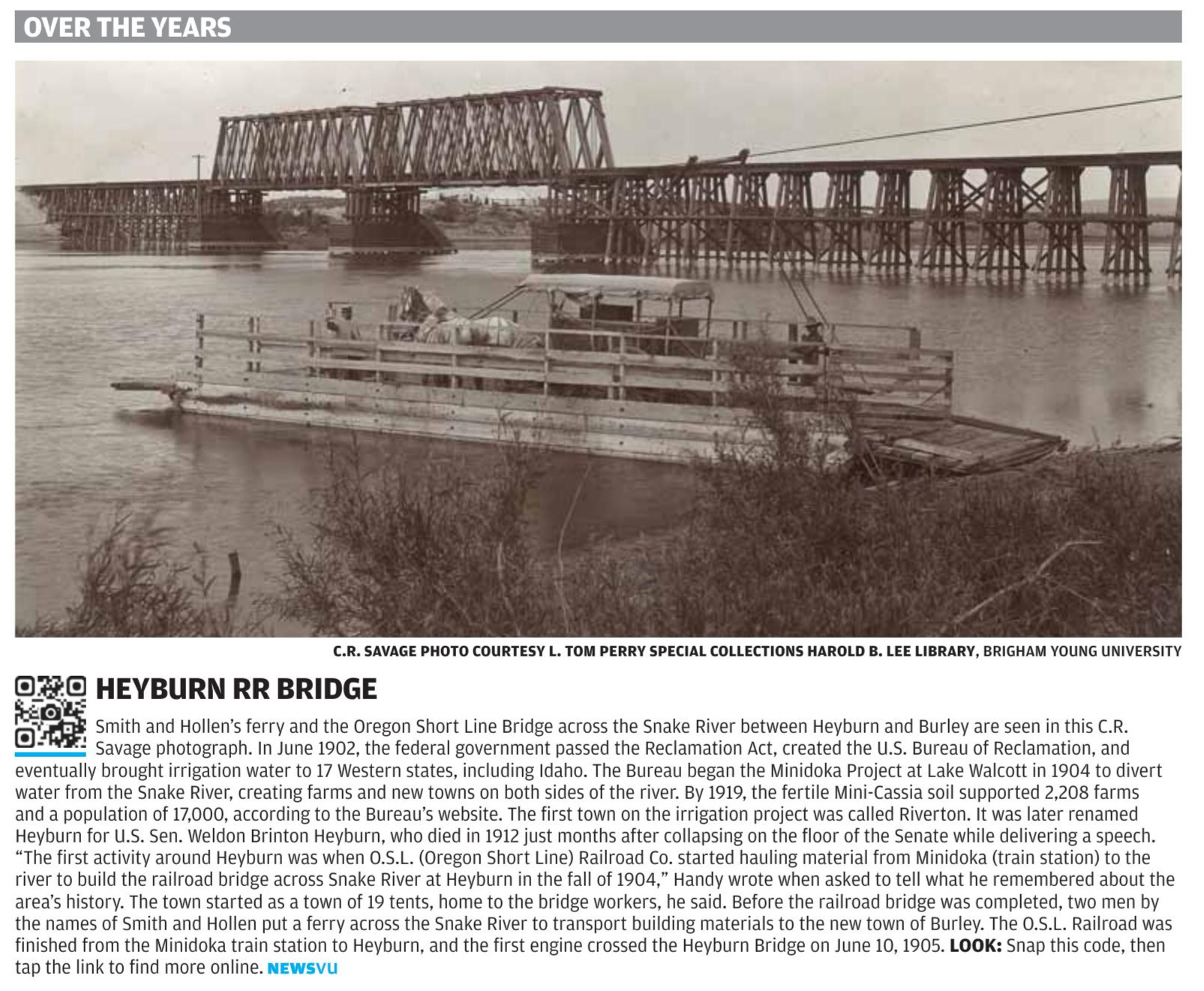
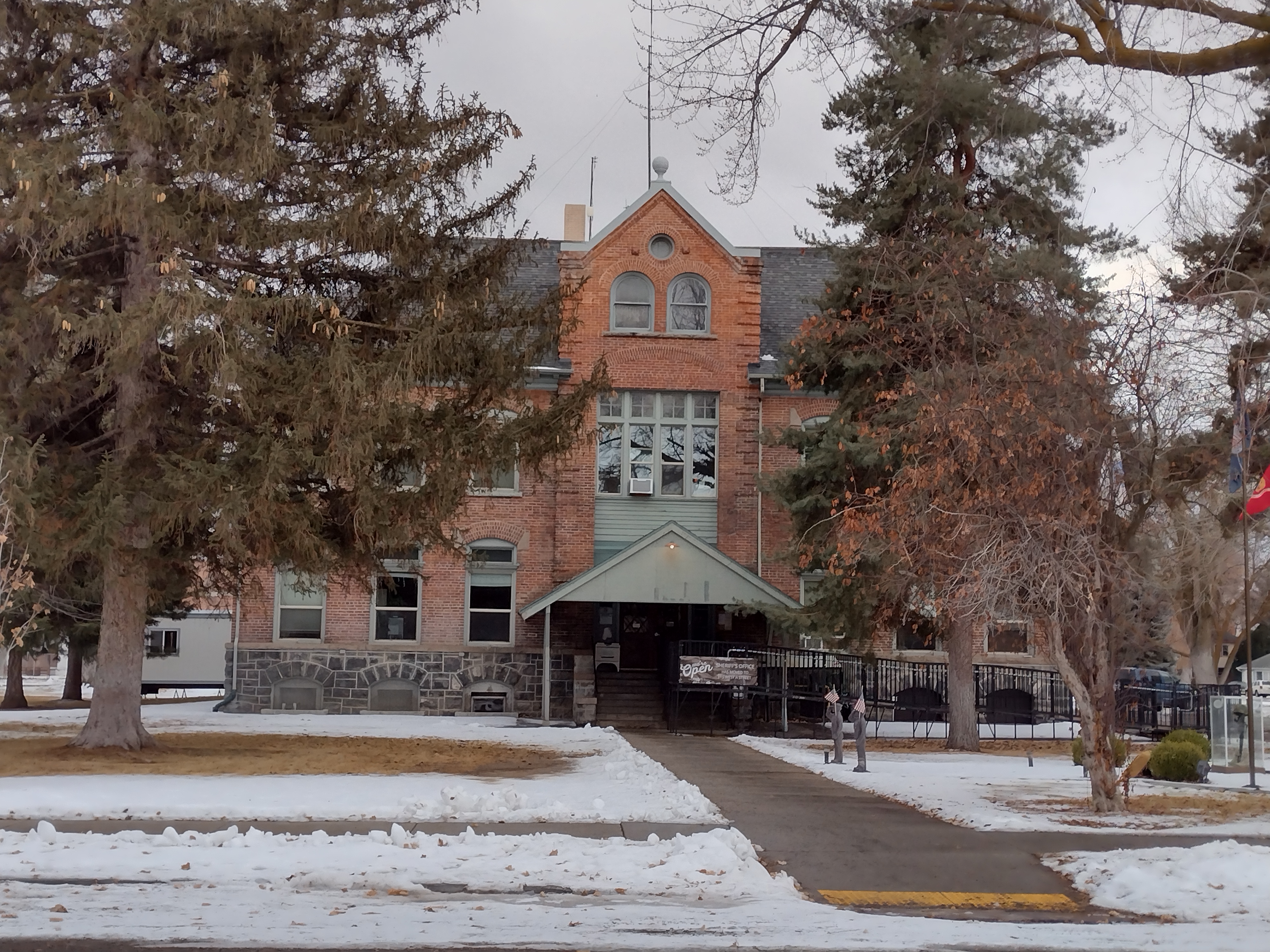
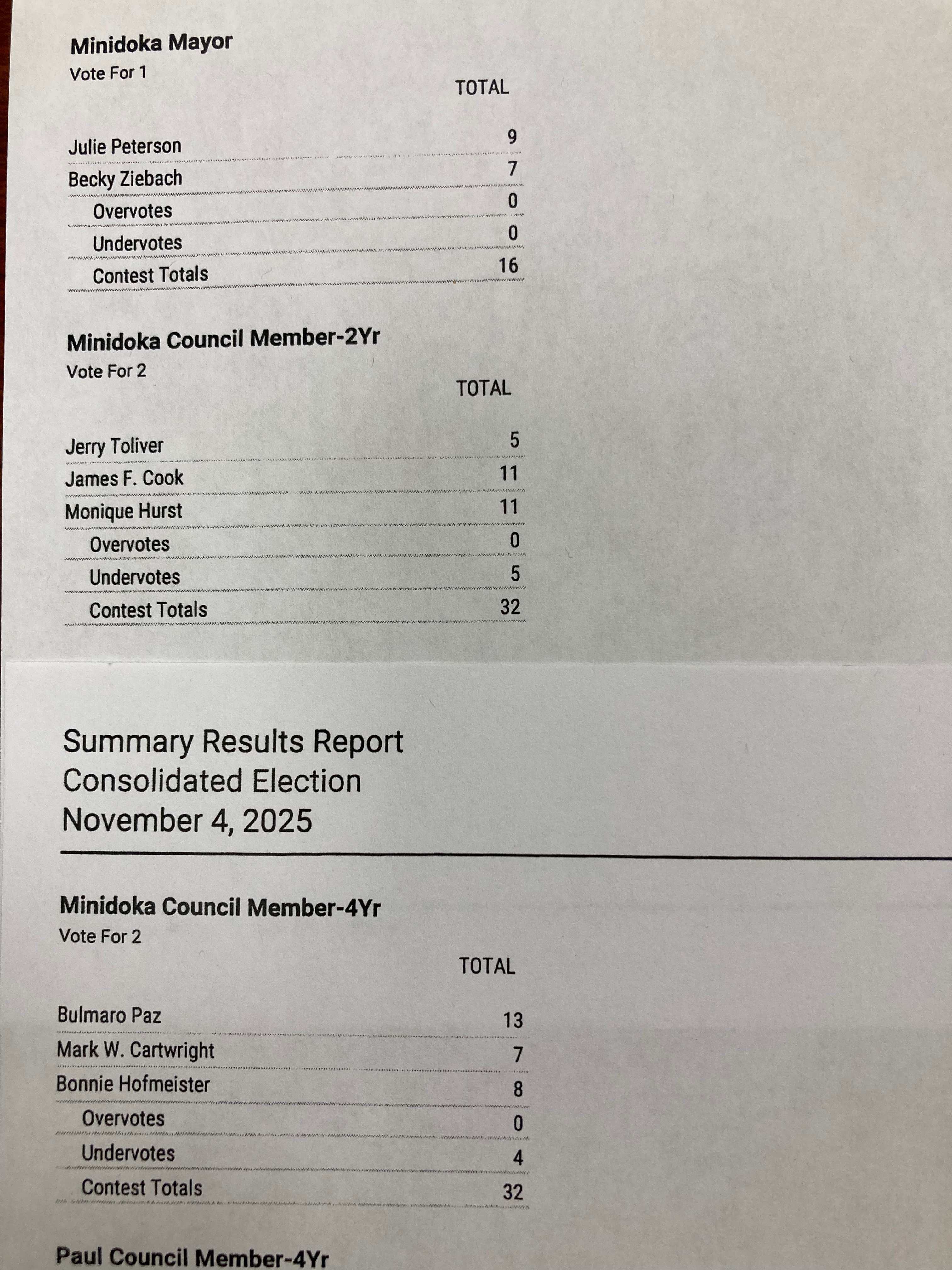
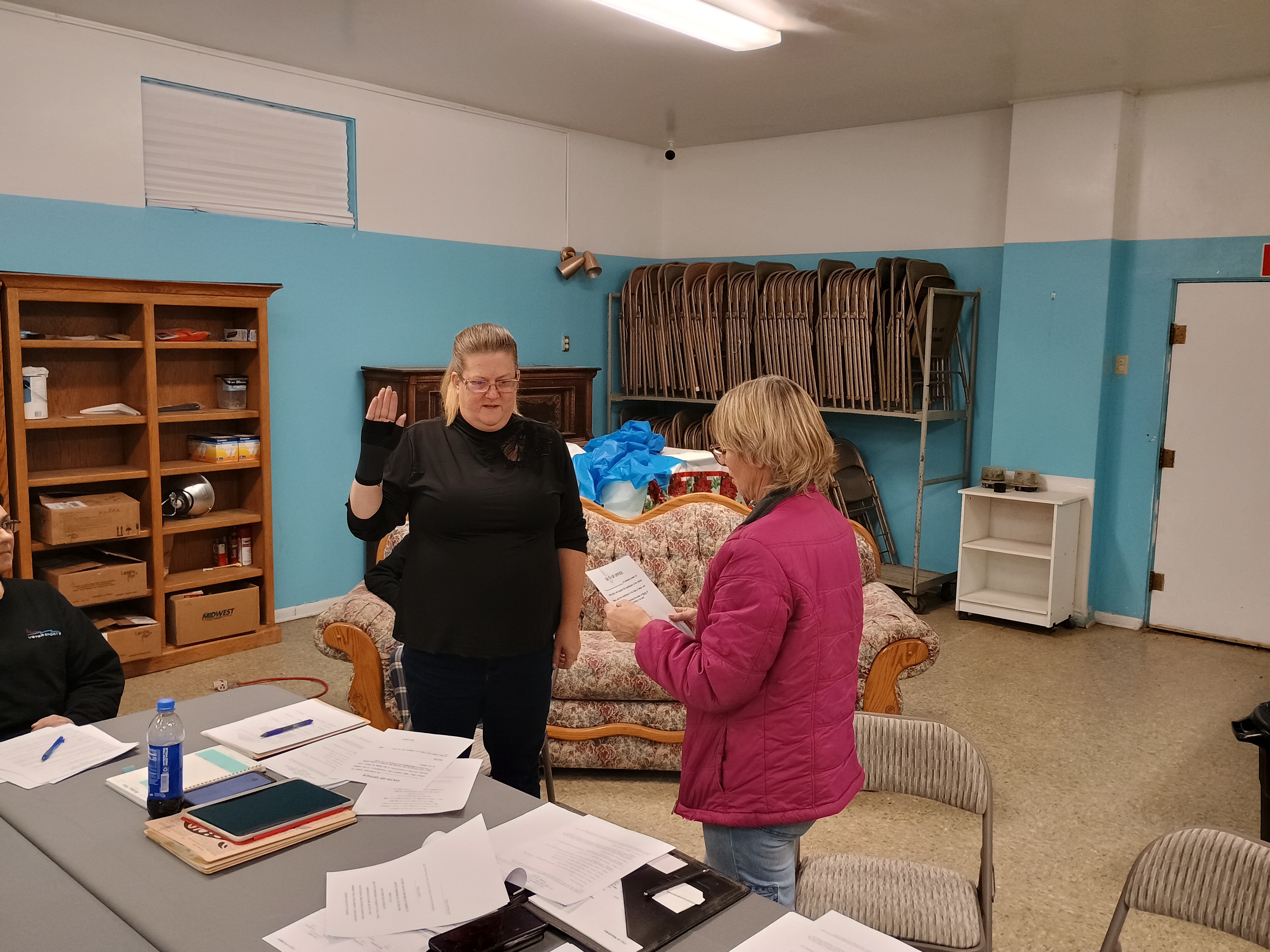
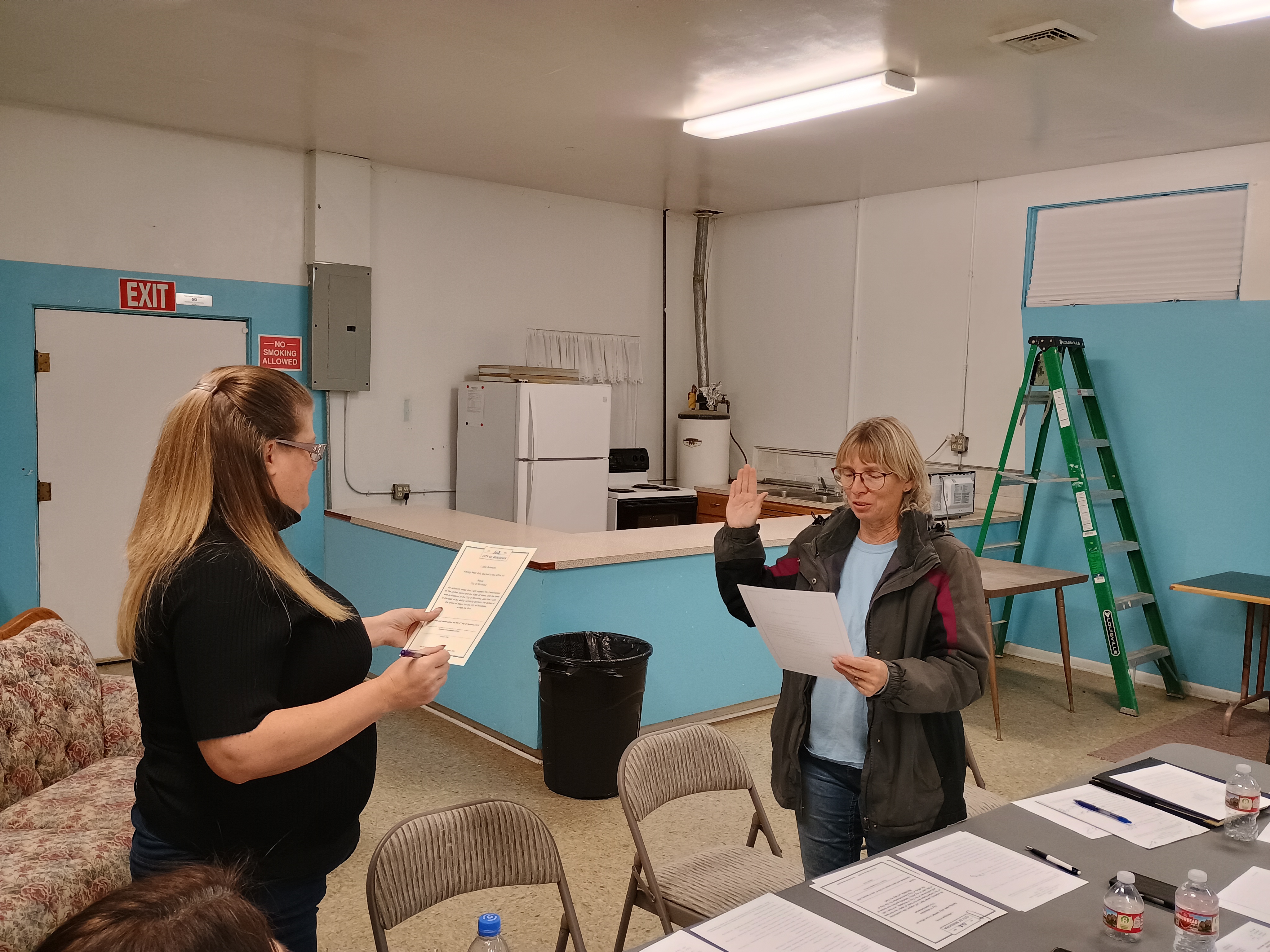
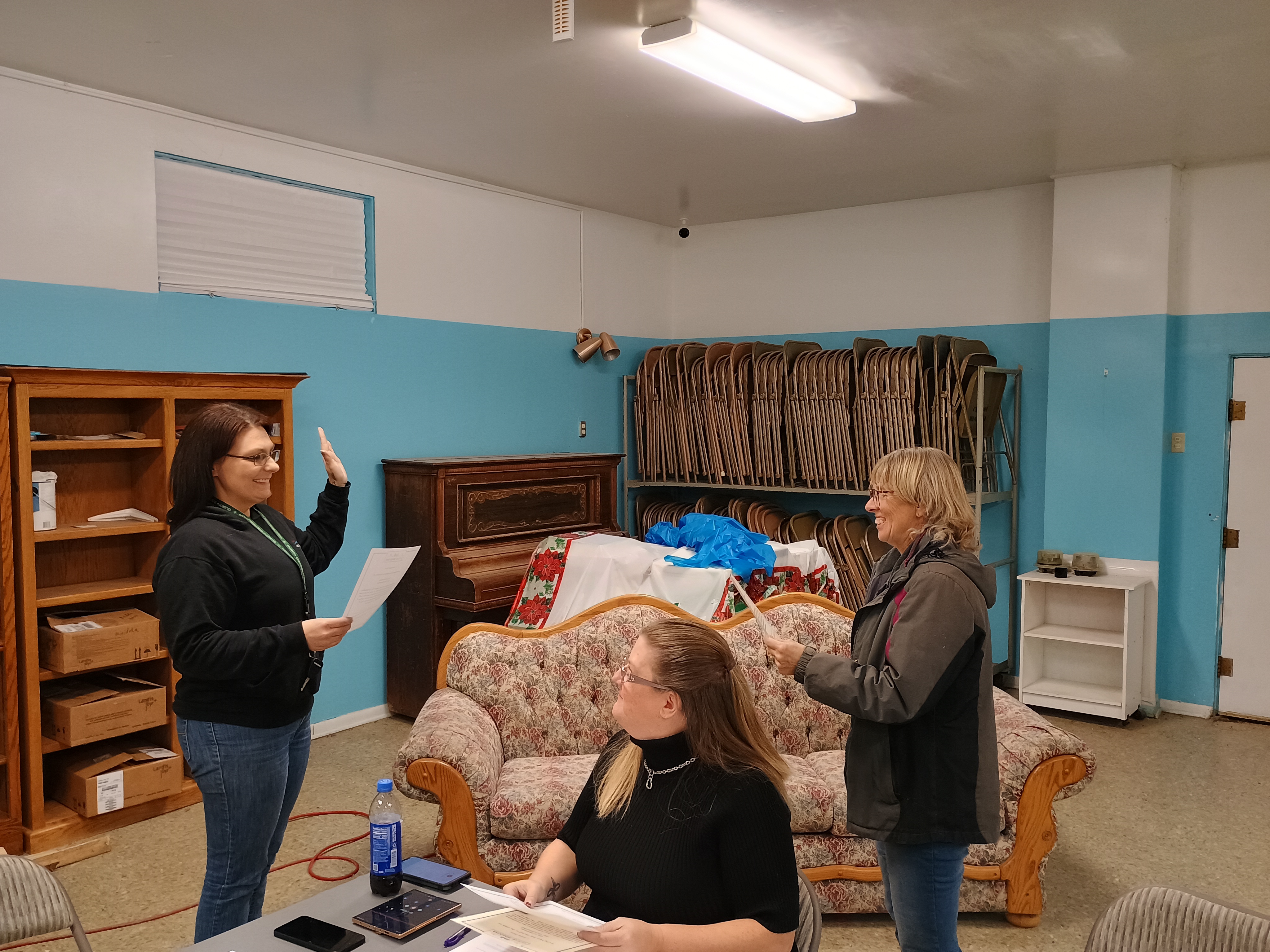
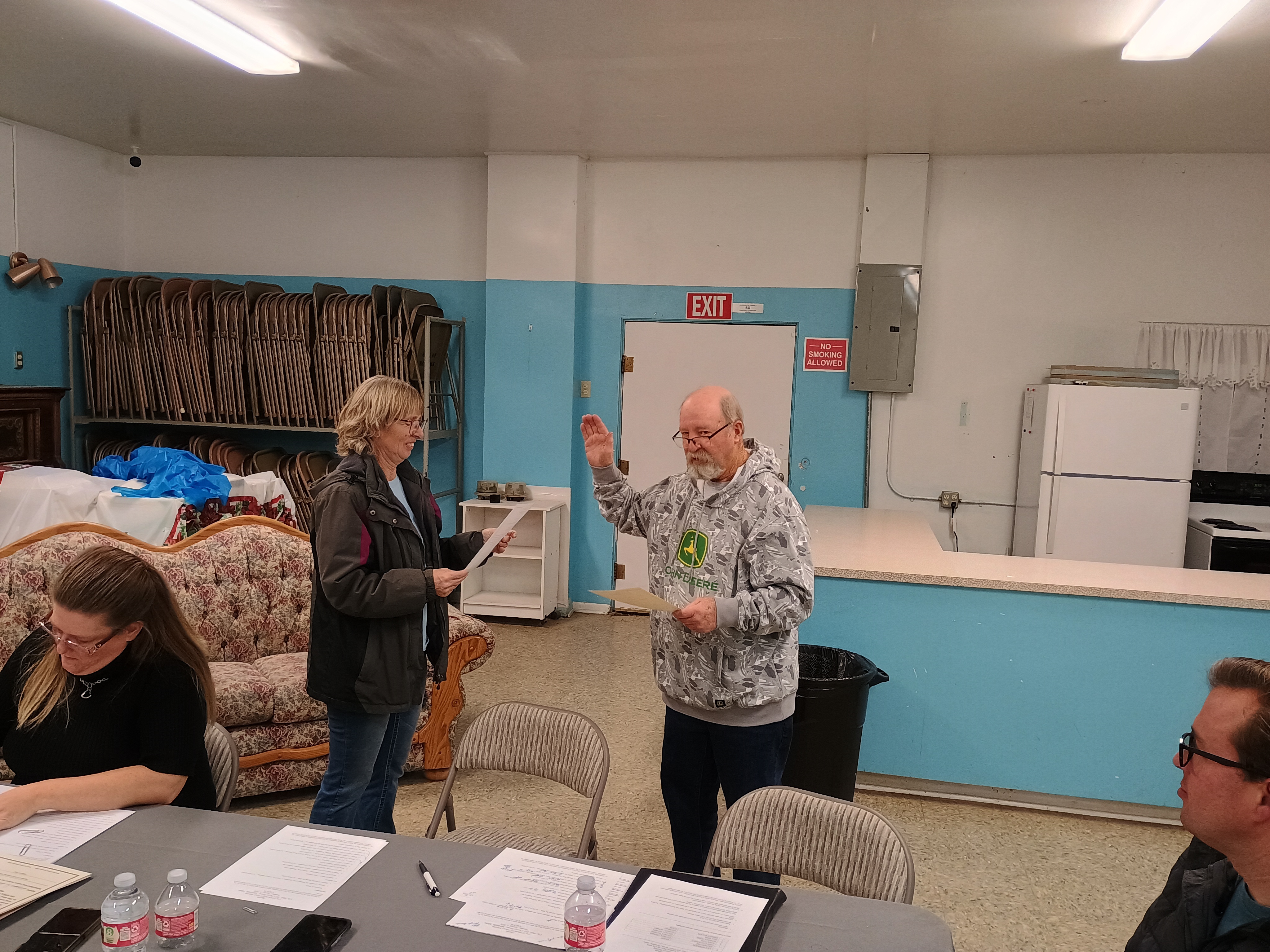
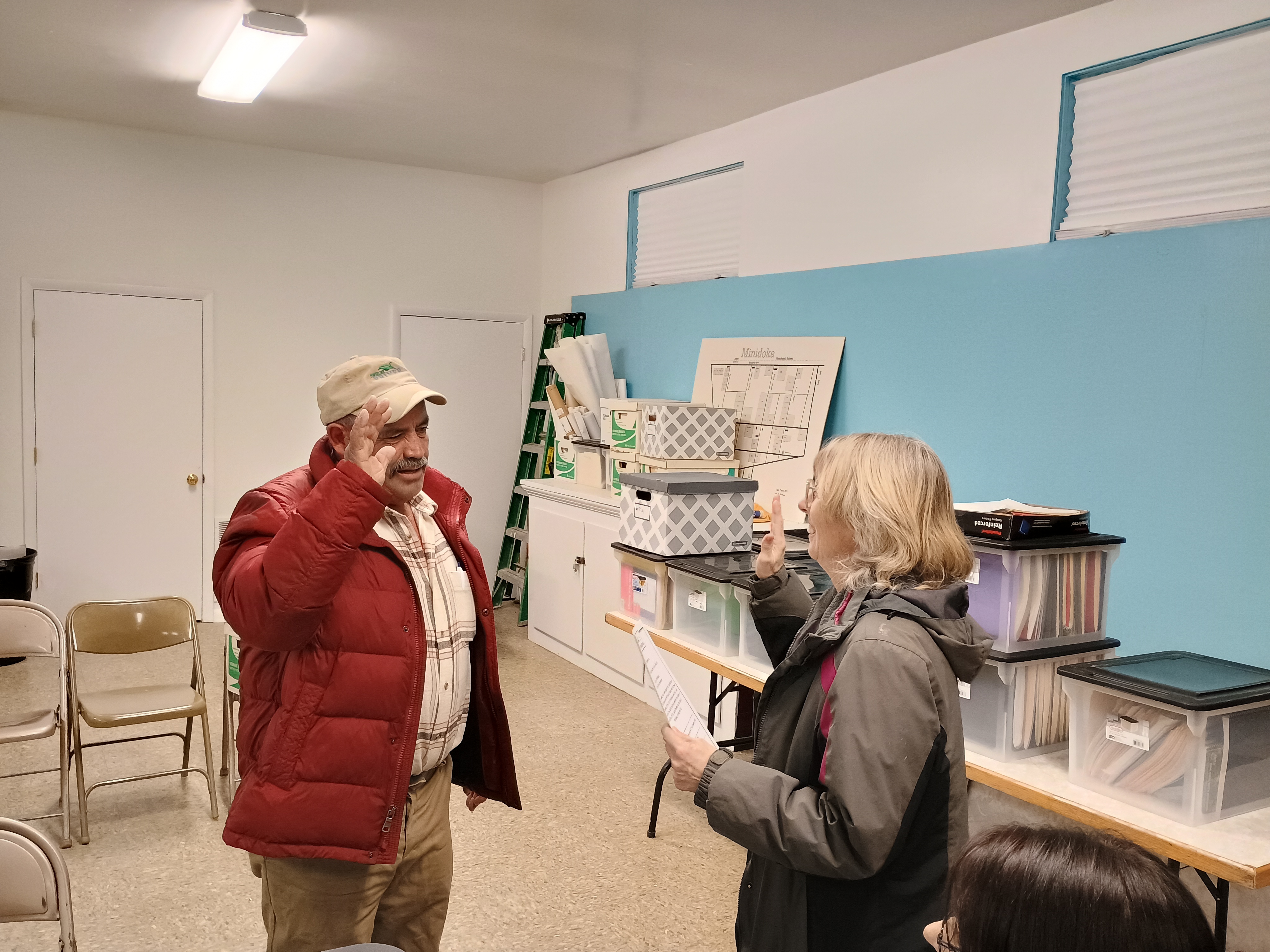
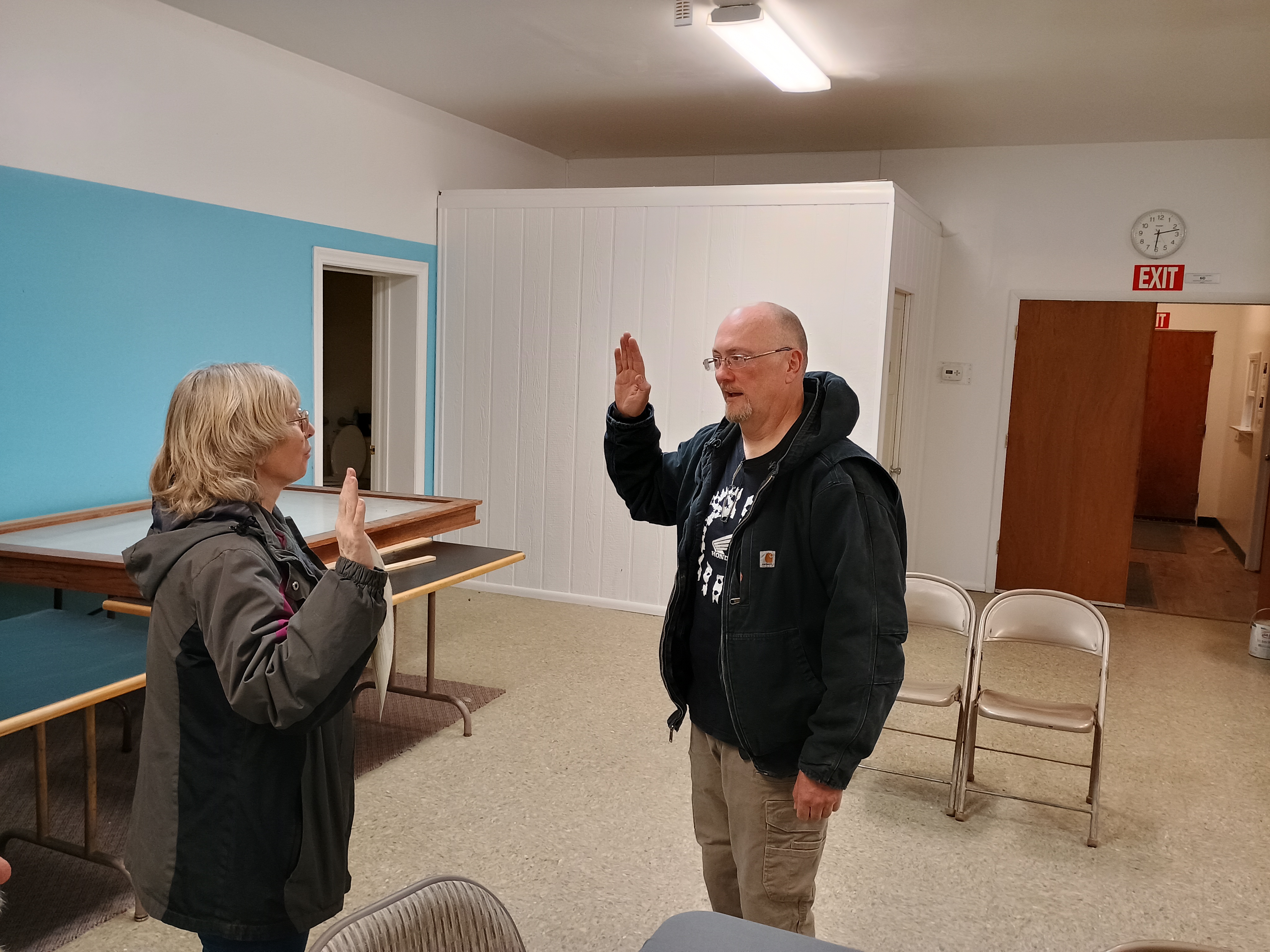


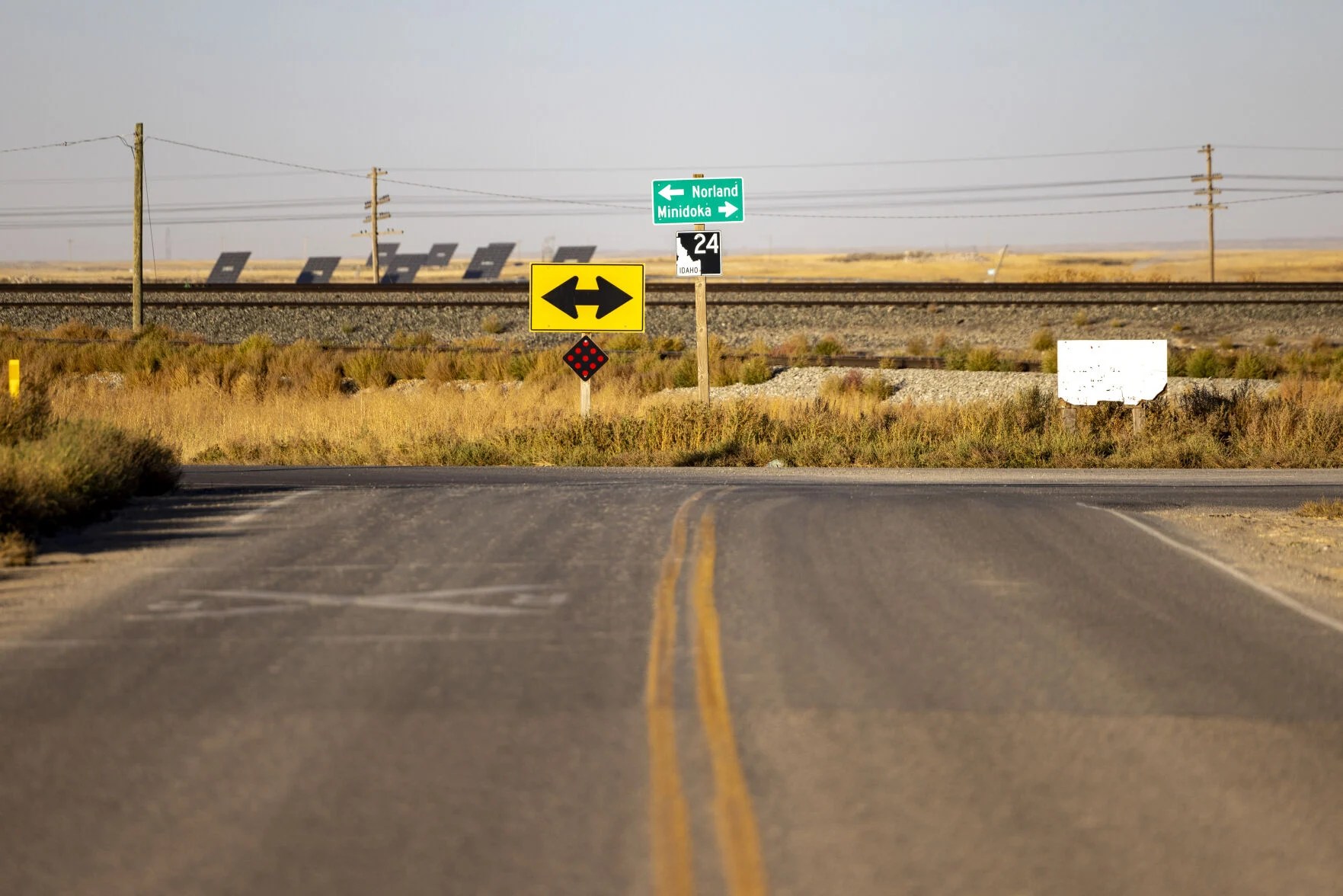


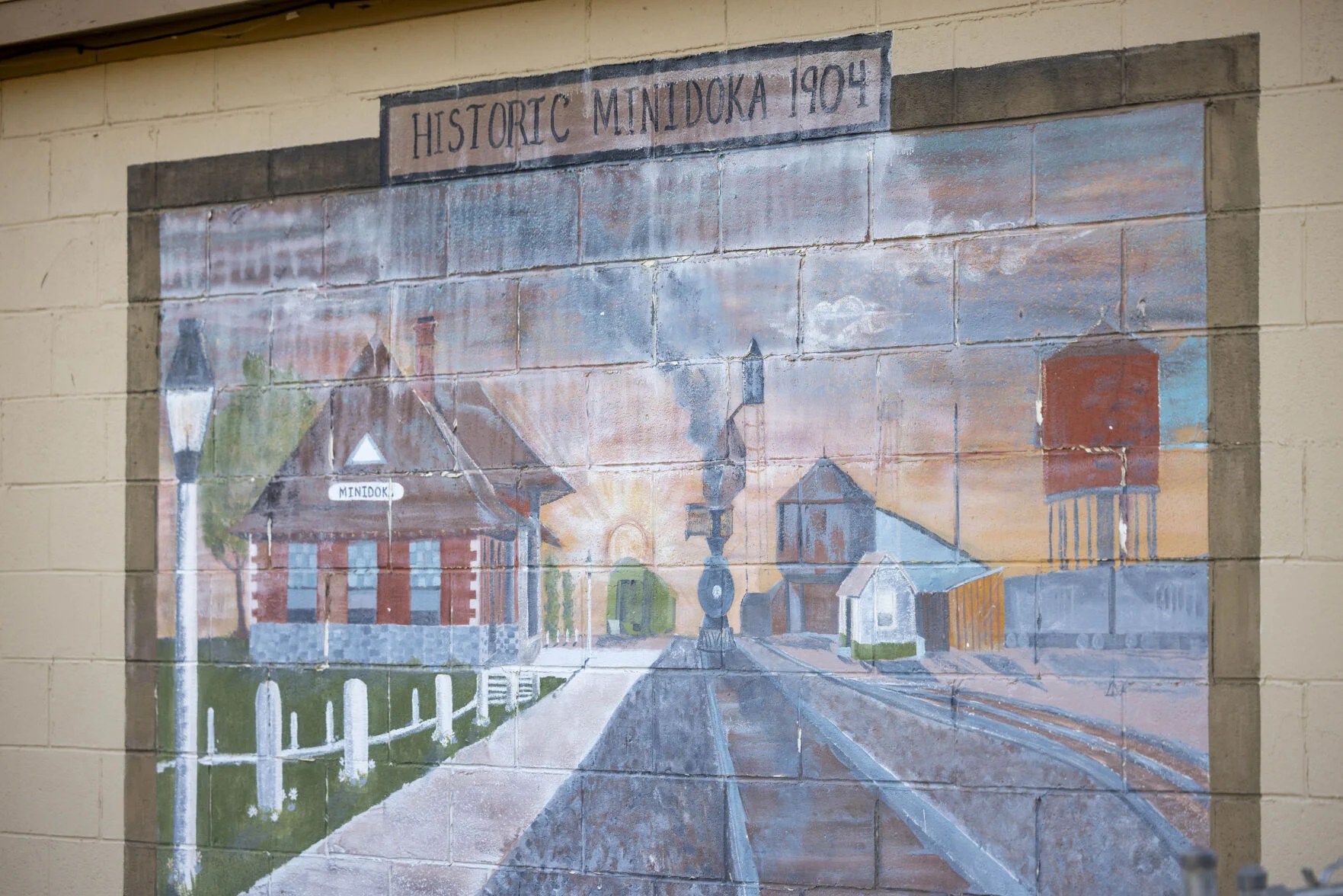

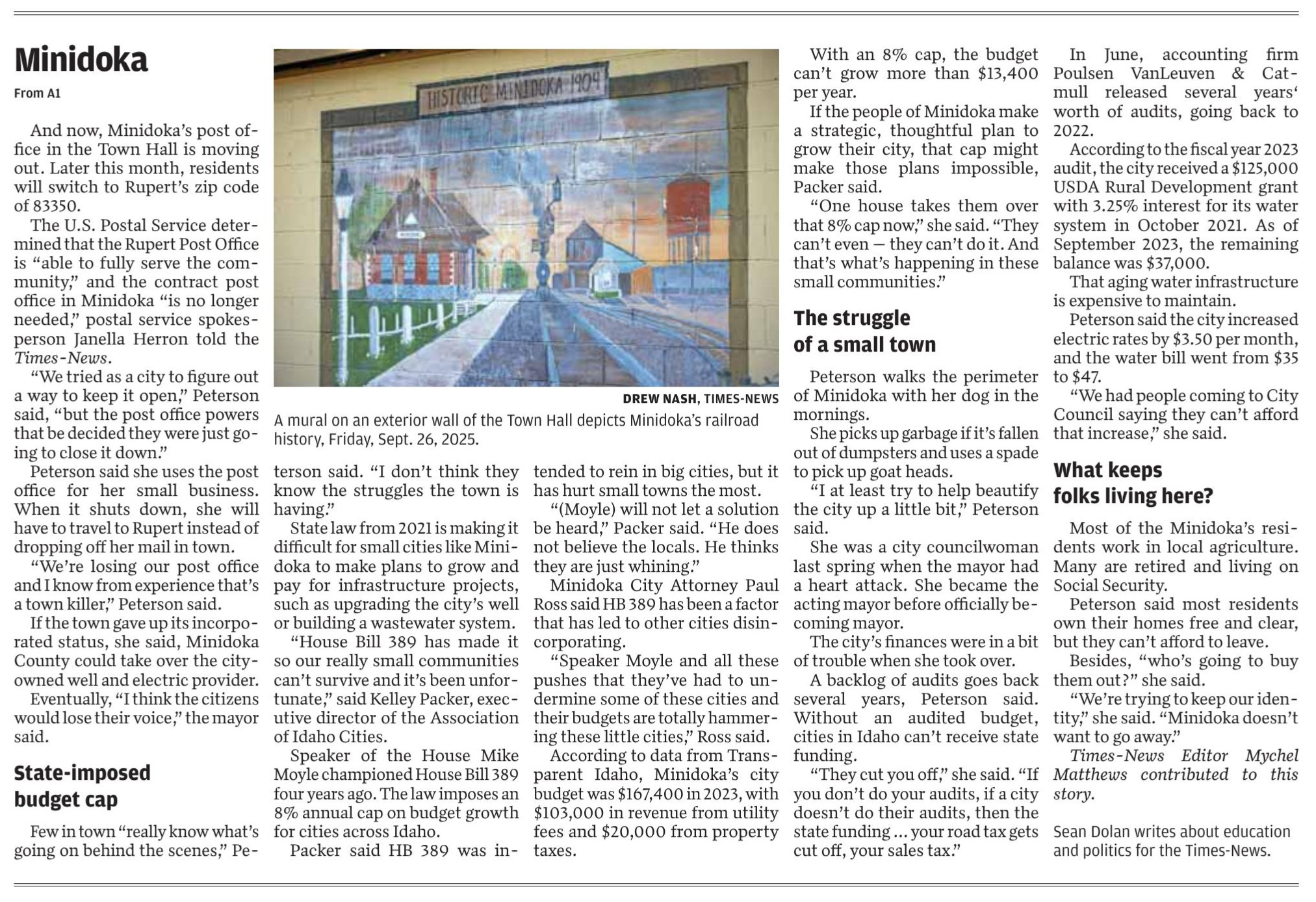

 Sagacity