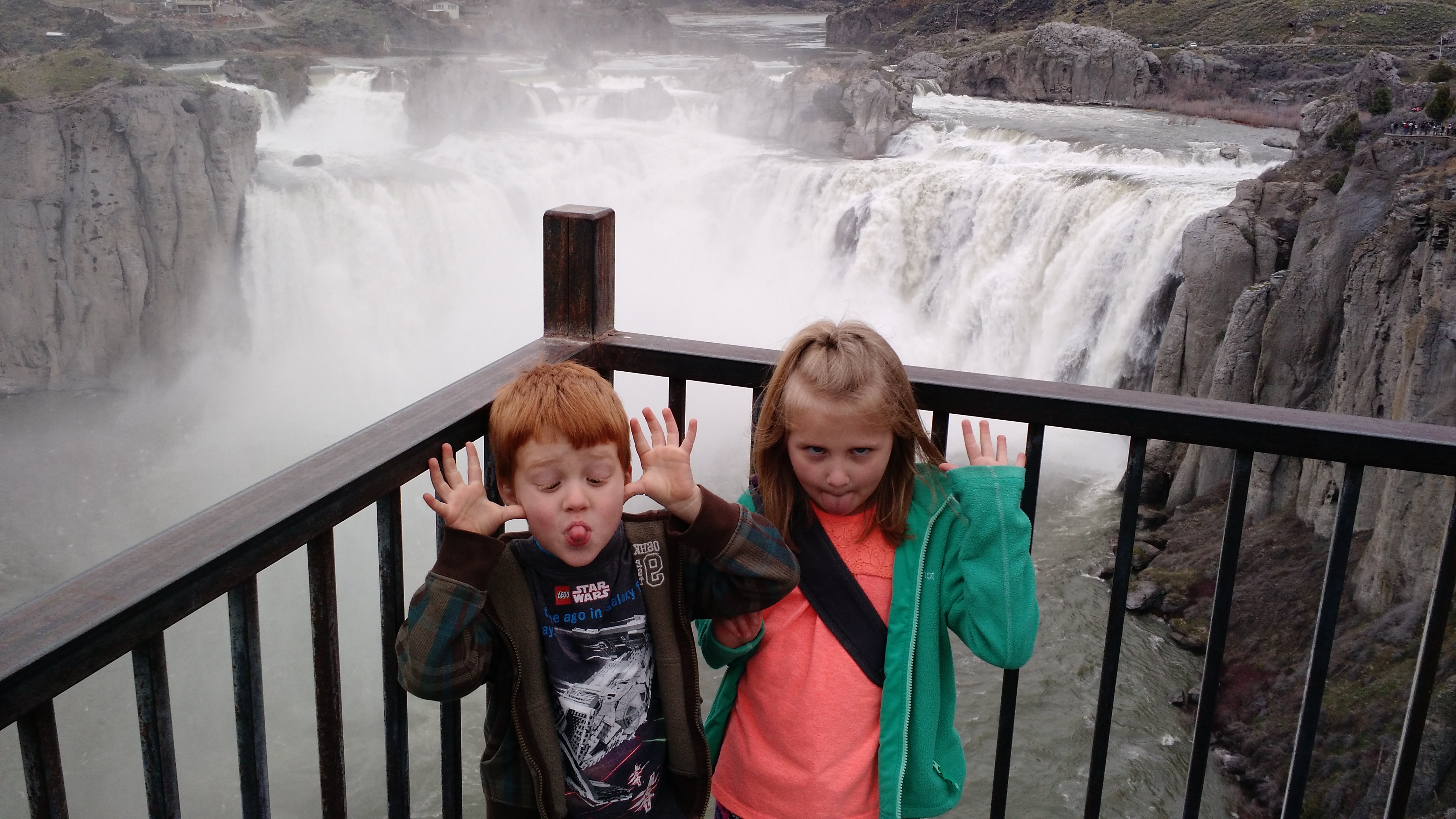
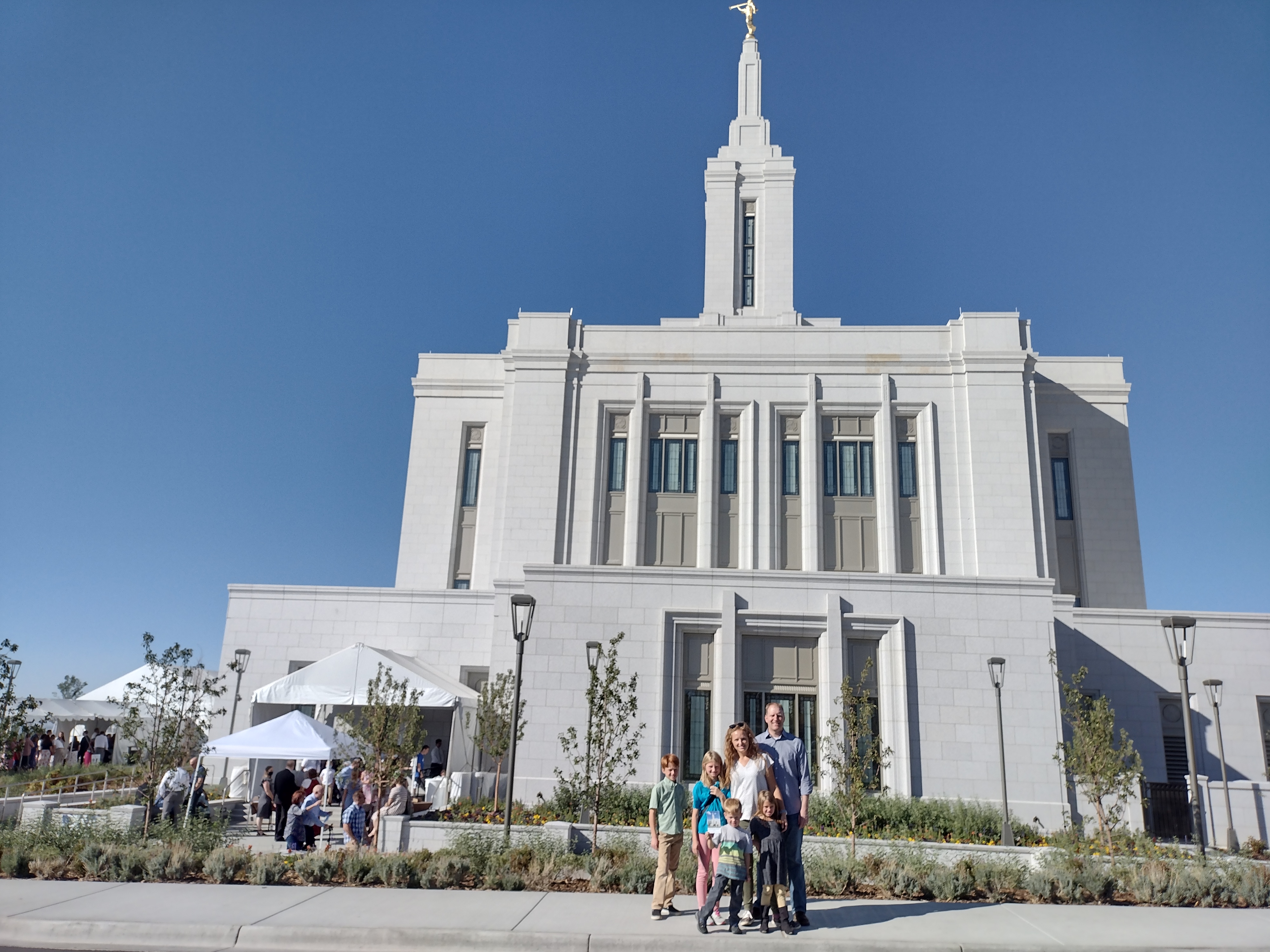
Pocatello Idaho Temple Open House

Ross Family at the Pocatello Idaho Temple Open House 25 September 2021

The Church of Jesus Christ of Latter-day Saints built another temple in Idaho! This makes it the 6th temple in Idaho behind Idaho Falls, Boise, Rexburg, Twin Falls, and Meridian.

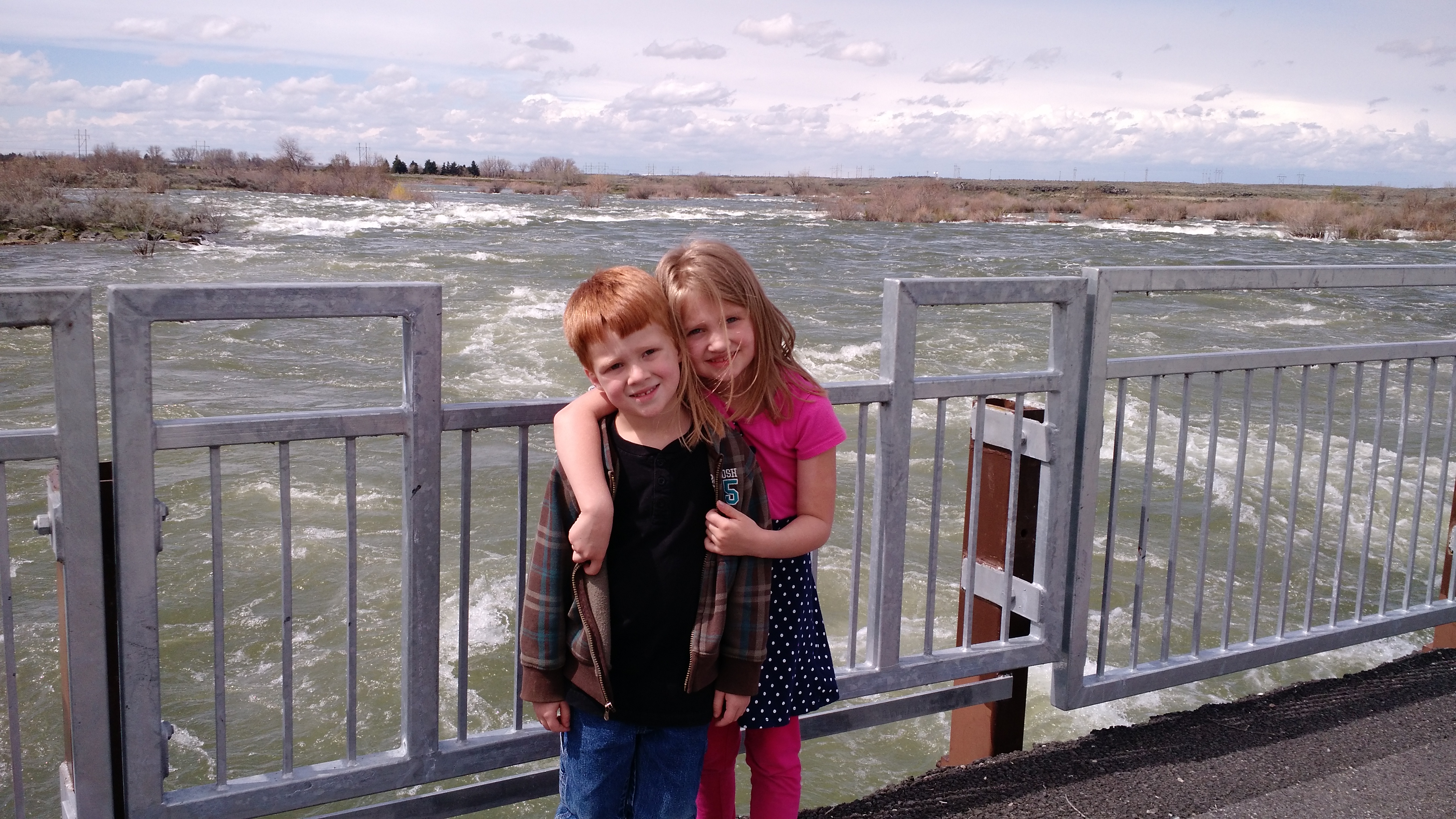
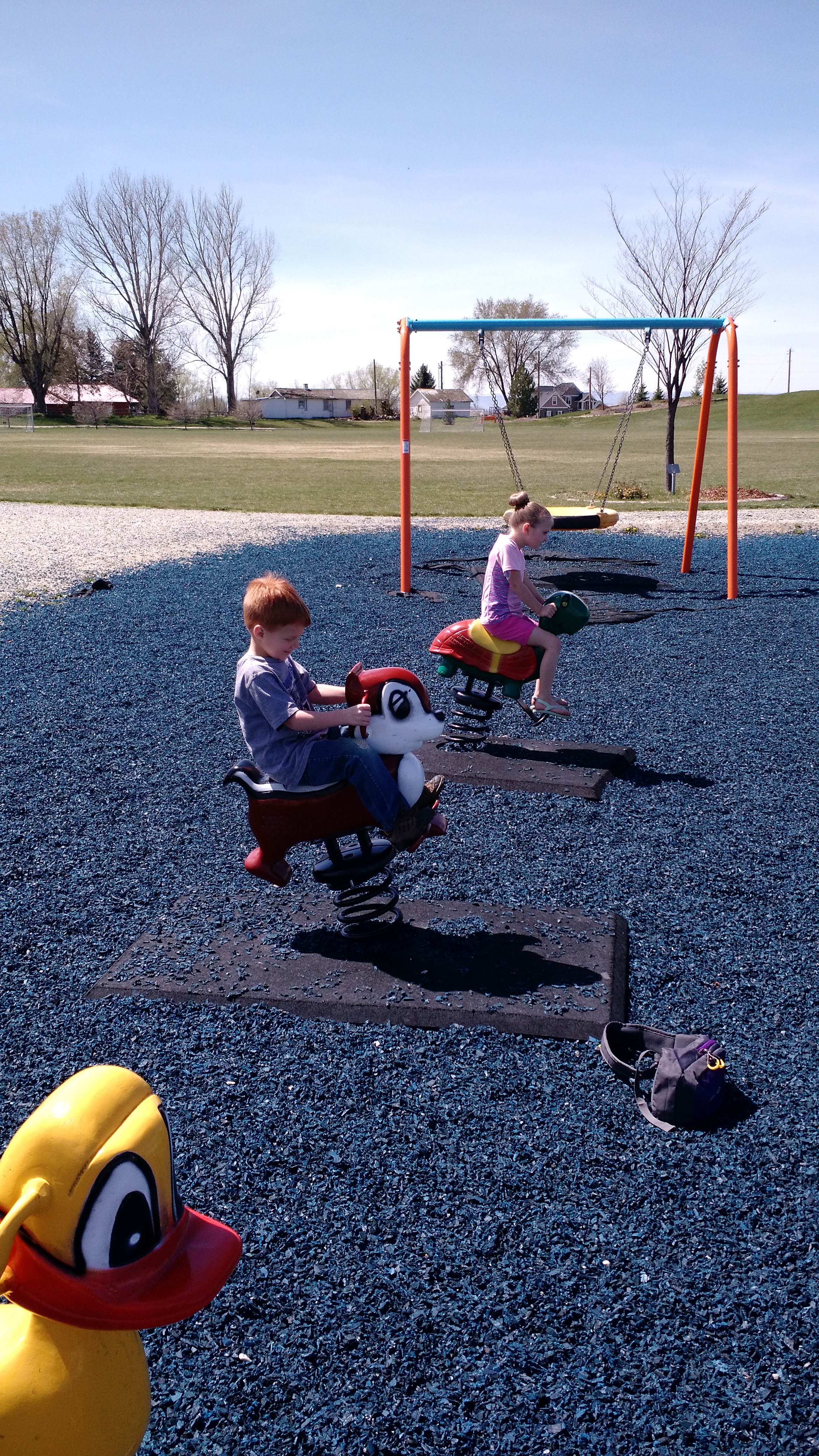
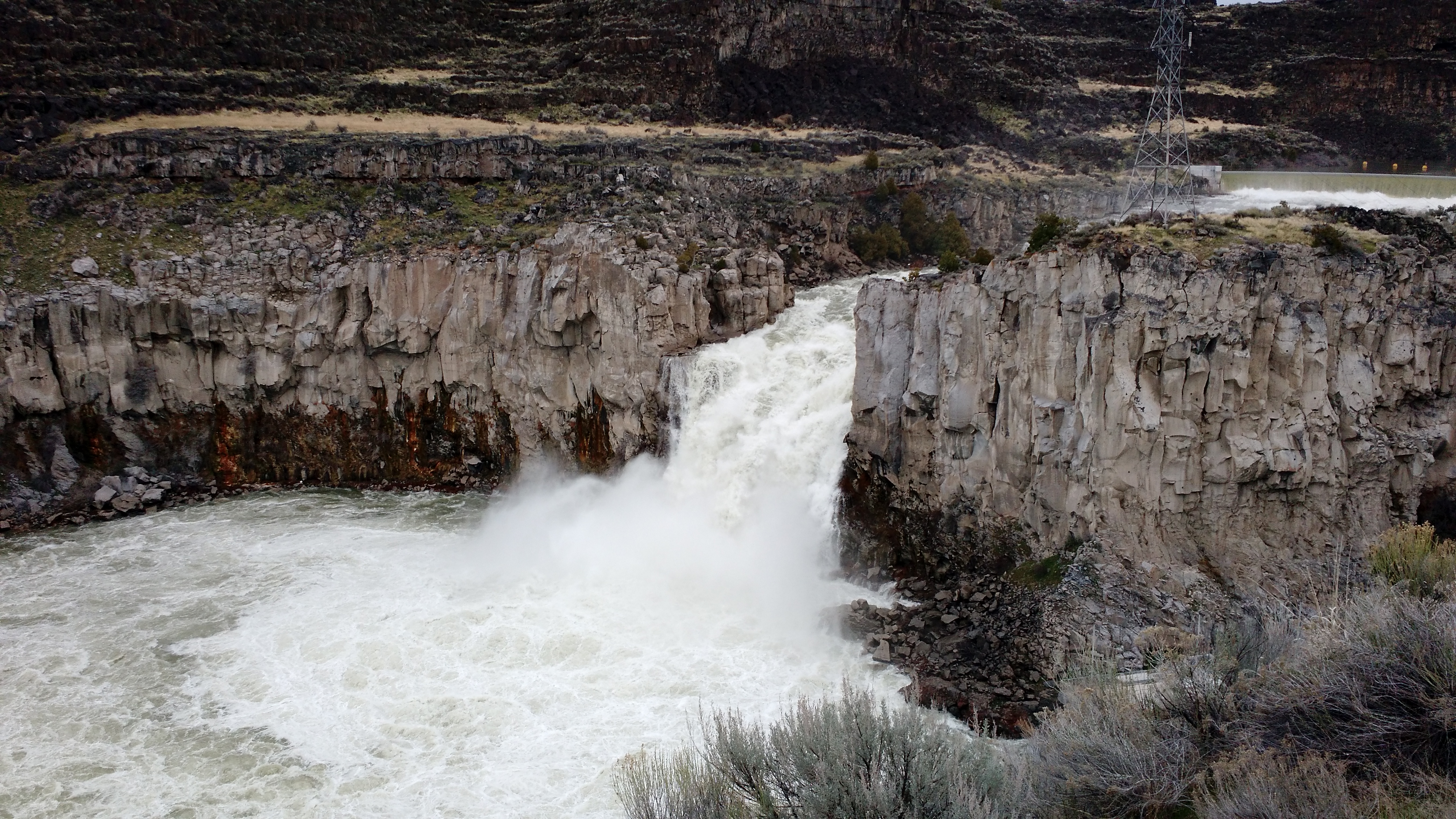
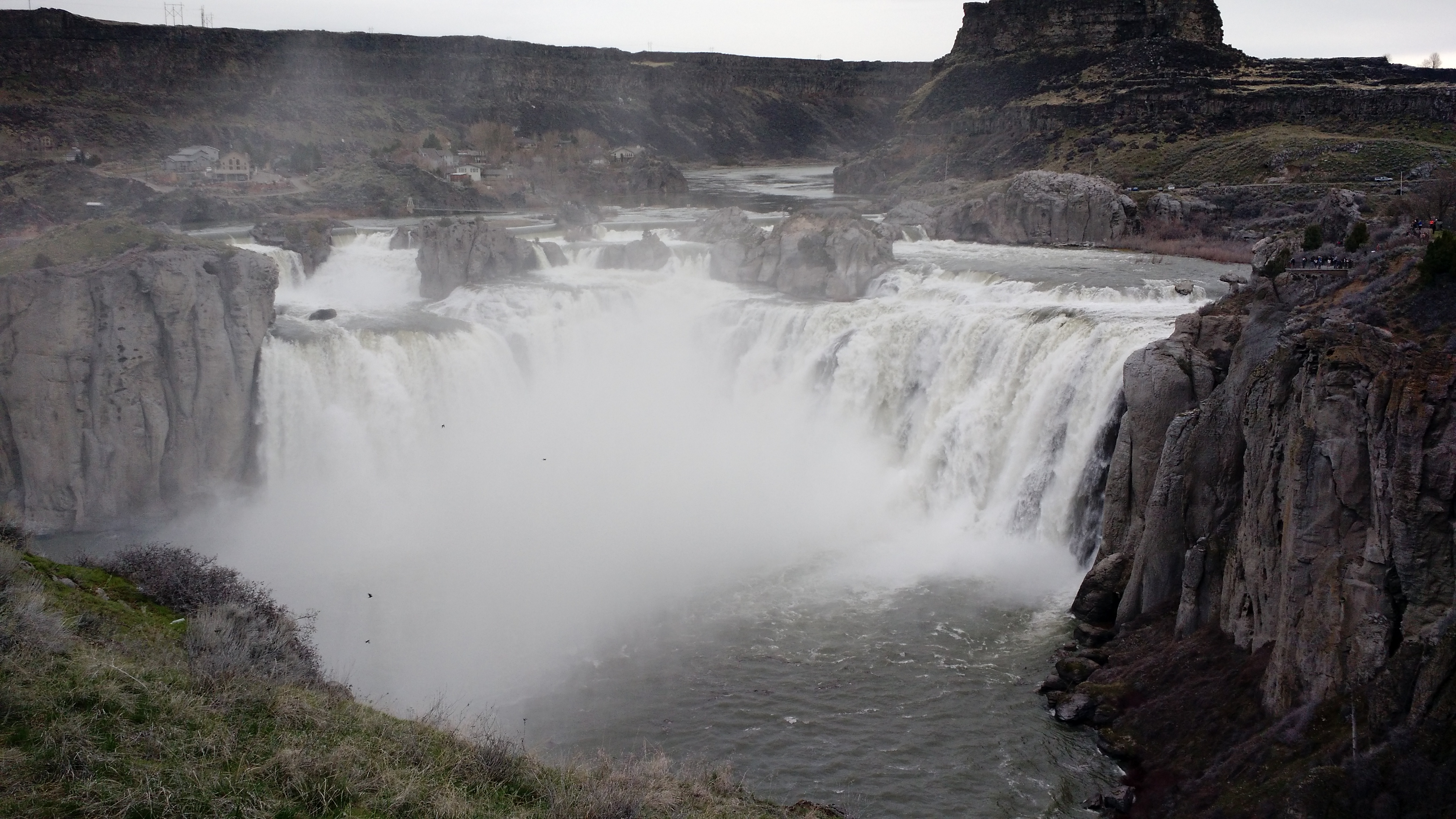
We made a trek over to see the open house on 25 September. We met Amanda’s parents and siblings there as well. We enjoyed the tour, some ice cream afterward, and made our way home. It was a memorable experience and the kids had a number of questions afterward.

Jeremy Pittard and I also made the trek over again on 8 October with some of our dedicated staff. We treated them to the temple open house and some Himalayan food afterward. Bree, Erica, and Esbeidy also had questions afterward.

We are excited to have a new temple in Idaho! I attended my first endowment session in the new temple on its second day open, 17 November.

Paul Ross, Esbeidy Cruz, Bree Olsen, Erica Izaguirre, and Jeremy Pittard at the Pocatello Idaho Temple Open House 8 October 2021

Davis/Murray Photos

Unknown, Marion Murray, Roy Davis in Twin Falls County, Idaho

Sometimes something about a photo just captures something that makes you look closer. This is one of those photos. There is so much happening. Here is what I know.

Roy Elgin Davis was born 24 Dec 1888 in Drexel, Cass, Missouri and died 27 December 1957 in Twin Falls, Twin Falls, Idaho. 1895 found him in Lane, Franklin, Kansas; 1900 found him in Alamota, Franklin, Kansas; 1917-1918 also in Lane, Kansas; 1920 in Poplar Grove, Twin Falls, Idaho; 1930 in Rock Creek, Twin Falls, Idaho; 1940 in Kimberly, Twin Falls, Idaho.

I am not quite sure where Poplar Grove is. But he made it to Idaho in time to meet, court, and marry Joanna Virginia Angeline Todd (1898-1997) on 18 October 1919 in Twin Falls. She was the widow of James Ellsworth Murray (1895-1918), who had been married a whole 2 years, he was 23 when he passed of the dreaded influenza. She had a son, Marion Murray (1917-1997)(another little girl had passed at birth, Virginia). Marion likely did not have any memories of his father and only knew Roy.

This picture of a cold Marion is likely about 1930 when they were living between Rock Creek and Kimberly. The snow on the ground and jackets show it is frigid outside. Roy is holding a horse, unknown man behind them, with this dog in front with what appears a leash. A muscular, strong dog of a breed I do not see often.

Marion in 1935 is found in Hawaii; 1940 in Carey, Blaine, Idaho; drafted from Muldoon, Blaine, Idaho (presumably the mine); and dies near Creston, Cumberland, Tennessee in 1997.

Fast forward a dozen years or so, and we find a picture of Nevin Murray on a bike being held up by Roy Davis. Young Nevin appears to be about 4 or 5 in a dapper suit and hat. Nevin Wayne Murray was born 20 May 1939 in Twin Falls, Idaho. He changed his name to Nevin Wayne Gibson and died 20 November 2003 in Miles City, Custer, Montana.

I want to read into the dates and locations for Marion and Nevin, but it is purely speculation. I located another photo of Marion, Shirley, and Nevin and posted here. Doesn’t appear things went well where Marion’s wife, Shirley Isabelle Cate (1922-1995) remarried in 1944 in Elko, Nevada, and Nevin took on that new husband’s last name.

But like the first, this photo captures a piece of humanity.

Let’s Go Fly a Kite

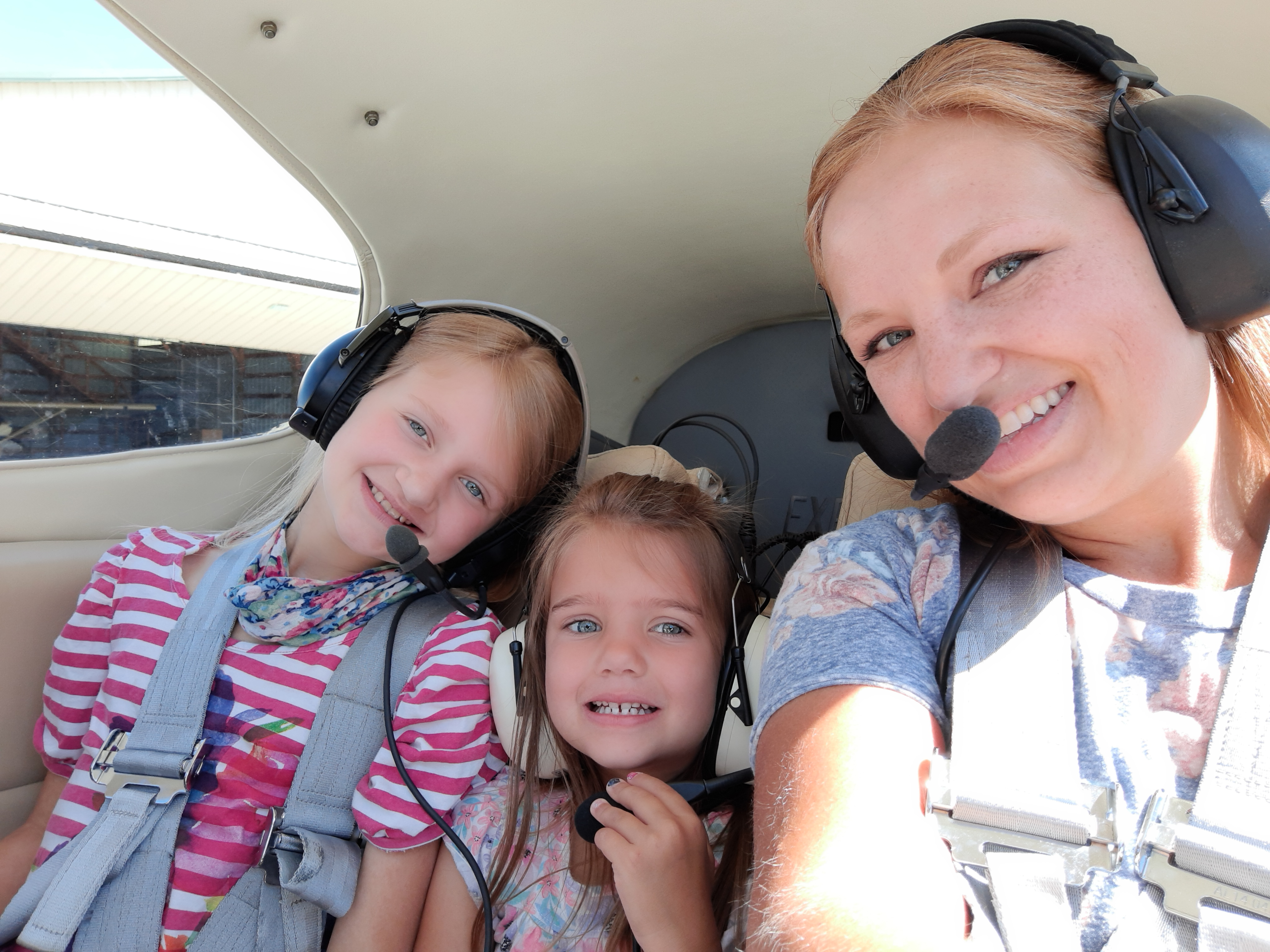
Okay, it was maybe more than a kite on a string. For Christmas last year I gave the kids and Amanda an airplane ride. I had coordinated it with my cousin to try and make it happen. Calendars, health, and a number of things had to be considered. But we made it happen. Here are some photos of our flying trip.

I want my children to experience new things. I want them to consider more of the world around them and the options that are available. The kids had made a numbber of observations in 2019 regarding birds, Hiram at one point talking about The Sword in the Stone. He referenced Wart and Merlin getting to fly and all he learned. It triggered a thought for an experience.

First we had to drive to the Twin Falls, Idaho airport, Joslin Field. We met up with family and made our way to the airport. We made it through the security gate and found our way to the hangar. Inside was this beauty waiting for us, a 2006 Van’s Aircraft RV-10.

We had to move another plane out of the way in the hangar in order to get this one out. We moved it out of the hangar and did all the checks necessary. Here we did a picture before loading up. Due to limited size inside, we had to make two trips for the entire family to make a flight. Amanda and I went up with the boys first, then with the girls.

The Ross Family getting read to start up and fly away to make some memories.

Here are a couple of photos of the inside of the plane before I get to some of what we captured outside the plane.

Hiram, James, and Amanda Ross waiting to get into the air.
Hiram Ross loving this flight.
Proof I was present, Paul Ross, in the front of the plane with Darrell Schmidt, pilot. We are very grateful for Darrell letting us impose on his time to go flying. Having passed 40, the hair is getting mighty thin up there, and that was not due to altitude.
Aliza, Lillian, and Amanda Ross waiting for the next turn in the air.
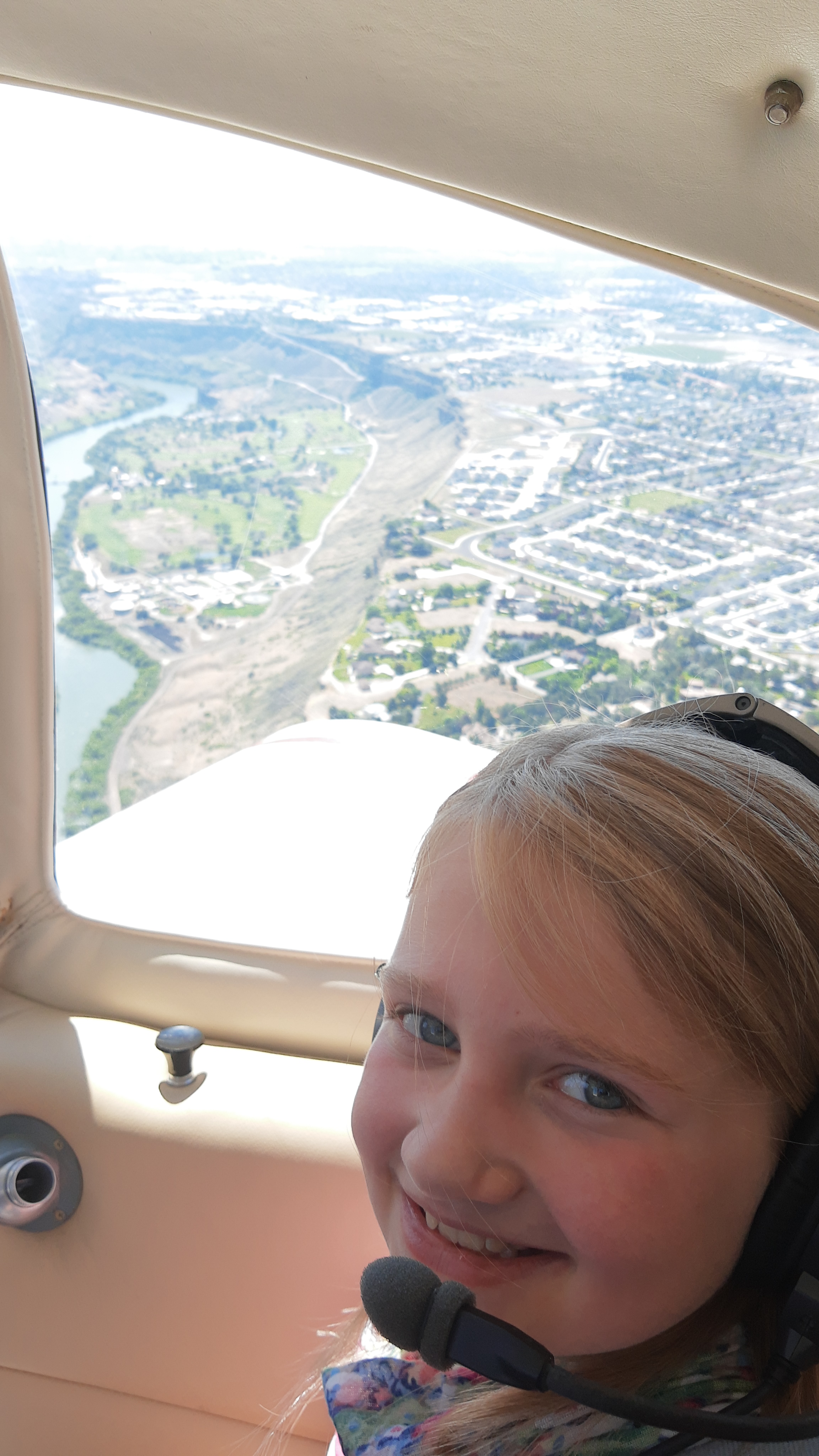
Aliza Ross loving her flight, Twin Falls, Idaho, in the background.
Amanda and Lillian Ross did not put their electronic devices away during the flight!

Here are a couple of highlights of what we saw flying over Twin Falls and Jerome Counties, Idaho.

The confluence of Rock Creek and Snake River at the junction of Rock Creek Canyon and the Snake River Canyon.
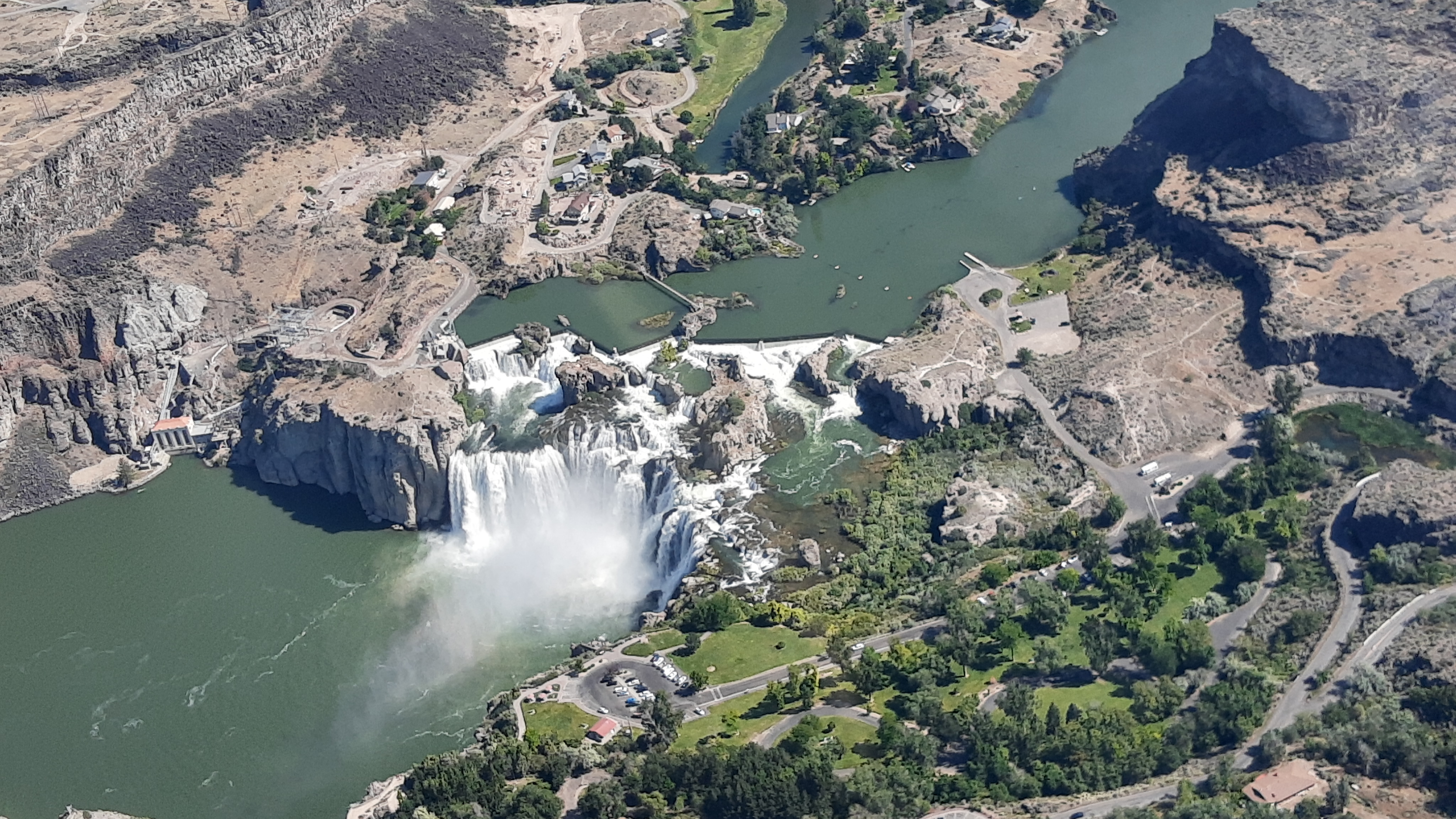
Beautiful Blue Lakes Country Club, Snake River, Perrine Bridge, and the mighty Shoshone Falls up the Snake River Canyon.
Shoshone Falls
Twin Falls Temple

79’ers at Albion

Photo of the 79’ers at Albion on 1 September 1926

Cleo Gallegos, Mayor of Heyburn, had this photograph in her office one day earlier this year.  She snagged it for a day or two for me to see it.  I snapped a couple of photographs of it.  I have tried researching it or determining some of the individuals and I fear they may be too far in the past for me to try and get it independently.  Unless someone has a list of individuals in the photo, it is just good for conversation.  I don’t have a clue of a single individual included here.  But this organization was a new piece to southern Idaho history I was unaware.

The 79’ers first meeting was held 28 September 1921 in Burley, Idaho.  73 pioneers from Cassia, Twin Falls, Jerome, Minidoka, Gooding, and Lincoln Counties signed the roster as qualifying members.  In order to qualify, you had to arrive in Southern Idaho before 1880.

Between 1921 and 1924, meetings were held in Burley or Twin Falls.  After 1924, the annual meetings were held in Albion.  Hence the photo above dated 1 September 1926, this would have been the annual meeting.

In 1941 a special reunion was held where over 200 people attended.  Judge Alfred Budge and Idaho Governor Chase Clark were made honorary members.

Not much history after that is available online.

Cassia County was created in 1879 and originally I thought that was what the group was referring to.  However, membership was permitted from Minidoka, Jerome, and Lincoln Counties which territories were never part of Cassia County.  I am still unclear why 1879 or 1880 was a year to commemorate in southern Idaho.

I also found Hyrum Smith Lewis (1868 – 1955) served for 26 years as President of the 79’ers.  He is buried in Declo.

Paul Hotel

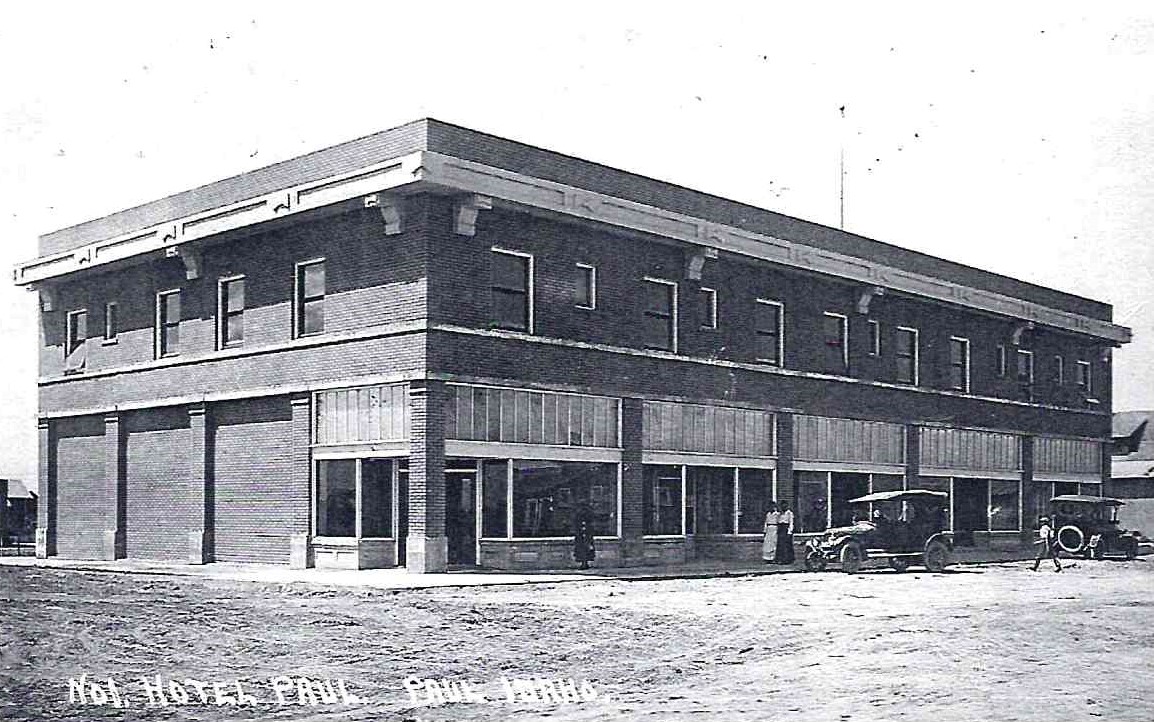
Paul Hotel, Paul, Idaho

This is a photo of the Paul Hotel in Paul, Minidoka County, Idaho.

Paul was platted in 1905 as part of the Minidoka Reclamation Project.  The town was named after Charles H. Paul, the Minidoka Dam’s chief engineer.

By 1907 the Minidoka and Southwestern Railroad Company, acquired by Oregon Short Line Railroad in 1910, completed a 75 mile spur from Minidoka through Rupert, Paul, Twin Falls, Filer, and ending at Buhl.

The railroad crossed the land belonging in Paul by the name of James Ellis.

James donated land generously for the new little city.

Frank A Grimm and Ludwig Alexander Grimm are the two brothers credited with building the Paul Hotel for $70,000.  He started as a photographer and opened a gallery in Mount Angel, Oregon.  He later moved to Portland and became a motorman for the for the city railroad.  He moved to Paul in 1916 and then assisted in building the Hotel Paul.  He managed the Hotel until 1 June 1919 when he leased it.

The Hotel was a popular location as it had indoor plumbing, which was a novel idea for a hotel at that time.

Here is a picture of Paul from the water tower.  You can see the writing on the photo of the hotel and at the end of Idaho Street the school that burned in 1977.

Paul, Idaho from water tower

I don’t know why, but eventually the entire second story was removed from the building.  It remains that way to today, February 2018.

The windows in the front of the building are now all bricked.  Mustang Sally’s, a club, was located in the right side of the building and now has a painting of “Sinister” as a DJ on the end.  I am not aware of a business operating int he building right now.  It does appear that a family are living in at least part of the building.

As a kid I remember being intrigued by the bank drop-box that was on the east end of the building.  That box has been removed and the hole bricked in.  I have never been in any part of the building.  Since it is beside the Post Office, I am around the building on a regular basis.

A relic of the times, I doubt we will see any renovation or reinvention of the building.  But it will probably eventually be demolished and lost to time.


Memories are Made of This

Lillie 23 April 2017

Sometimes you just have to be grateful for what you have.  I am fortunate to have a great family.  A couple of photos of recent.

Hiram and Aliza, 23 April 2017, Snake River Minidoka spillway, flood 2017


Hiram and Aliza, Paul Park, 22 April 2017


Del Monte Tower

You can’t hardly see it, but I regularly see it.  My Grandfather helped build that water tower that is small but to the left of the tree just above the fence.  Most days when I open Aliza’s blinds, I have a reminder of my ancestry in the distance.

The remaining of the Twin Falls, 19 March 2017


Shoshone Falls, 19 March 2017, Flood of 2017


Hiram and Aliza at Shoshone Falls 19 March 2017


Hiram and Aliza goofing off 19 March 2017


Pet Evaporated Milk

Here is a history of Pet milk published in the Northside Journal in Jerome, Idaho.  It provides some history of Pet Milk, aka Sego Milk.  They also had a plant in Richmond, Utah, which is where my Grandfather, Norwood Jonas worked until it closed about 1967.

Pet Evaporated Milk

Buhl, ID

Compiled by Earl Gilmartin

Condensed History Pet Evaporated Milk Corporation


1885- It started with an idea of canning as a preservative in the small town of Highland, Illinois. After a $15,000 investment the Helvetia Milk Condensing Company was born (later to be renamed PET).

1895 – After overcoming a number of growing pains, more than half the company’s sales were in the West. The “Our PET” trademark is registered and becomes the official name for the company’s leading brand.

1898 – “Our PET” helps supply Teddy Roosevelt’s Rough Riders and other.

American fighting troops with a safe and convenient  source of milk in Spanish-American War. At war’s end, the troops scattered home across the U.S. and many, remembering the high quality milk, brought it home to their families.

1914 – Once again, the U.S. government places large orders of PET to supply  U.S. troops fighting overseas in World War I.

1929 – In the midst of the Great Depression PET becomes an important staple to American families and is able to expand its service to consumers with the creation of original recipes using PET products.

1941 – Again, PET is called upon to supply GIs fighting in World War II, as well as the citizens at home. More recipes, specifically designed with rationing limitations in mind are created to help families get a wholesome diet.

1950 – the combination of post-war prosperity and a baby boom result in more cans of PET Milk being sold than any other time in company’s 65-year history. PET also establishes its own test kitchens to develop and test new products and recipes.

1966 – PET began making “better for you” products including a Skimmed Milk and a 99% Fat Free Evaporated Skim Milk.

Today – PET Evaporated Milk continues to be a staple in millions of homes and is used in many different homes and is used in many different recipes, from main dishes, to soups, desserts and more.

We invite you to try the recipes on this site to create sensational food for your family!

Early History Pet Evaporated Milk

John Baptist Meyenberg (1847-1914) was an operator at the Anglo-Swiss milk condenser at Cham, Switzerland. Anglo-Swiss made sweetened condensed milk.

From 1866 through 1883, Meyenberg experimented with preservation of milk without the use of sugar. He discovered that condensed milk would last longer if heated to 120 C (248 F) in a sealed container, and hence could be preserved without adding sugar. When Anglo-Swiss declined to implement Meyenberg’s work, he resigned from the company and emigrated to the United States. John Meyenbert first moved to St. Louis, but soon transferred to Highland, Illinois , due to its large Swiss population. On 25 November 1884, U.S. Patents 308,421 (Apparatus for Preserving Milk) and 308,422 (Process for Preserving Milk) were issued to Meyenberg.  Meyenburg associated with various local merchants, including John Wildi, Louis Latzer, Dr. Knoebel, George Roth and Fred Kaeser and, on February 14, 1885, organized the Helvetia Milk Condensing Company. In 1899, Meyenberg assisted Elbridge Amos Stuart in producing Carnation Evaporated Milk.

John Wildi was instrumental in marketing the product nationally and internationally, especially in areas where fresh milk or refrigeration were scarce. In 1895, the company registered the Pet trademark.

The Sterling company of Twin Falls leases the Buhl Creamery facility for one year.  TFTN 11-11-1911

A transaction of importance to the dairymen of Buhl county was consummated on Saturday afternoon of last week when the Sterling Creamery Co of Twin Falls, secured by lease for a period of one year, the plant, business and good will of the Buhl Creamery, Milk Condensing, Cheese Manufacturing company of this city. The consideration was highly satisfactory and most remunerative to the local company, guaranteeing, as it does, a substantial market, paying a liberal consideration for the business and being in effect for a period of only one year.

Early History Pet Evaporated Milk

Funding universe

During the Spanish-American and First World wars, the U.S. government ordered huge supplies of evaporated milk, spurring Helvetia to build a second plant in Greenville, Illinois. By 1918 the company had a total of ten production sites in the Midwest, Pennsylvania, and Colorado. As World War I ended, Helvetia closed plants due to oversupply, reluctantly pulling out of western markets. Latzer sold the excess milk to St. Louis businessmen, who turned to him in 1920 when a strike by the local milk producers association limited the brokers’ supplies. The St. Louis strikers also convinced the Highland area farmers to strike, however , and Latzer was forced to close the plant.

By early 1921, Latzer’s son John ran Helvetia from its reestablied headquarters in nearby St. Louis. In 1923, Helvetica was renamed Pet Milk Company, after its best-selling evaporated milk brand.

Health & Home TFTN 7-3-1925

Many people are wont to confuse evaporated and condensed milk, but there is no similarity between the two. Condensed milk is a combination of sugar and milk and can be used only when both of these substances are desired. Evaporated milk is with about sixty per cent of the water removed and the nutrients content left intact.

Pet evaporated milk manufactured in Buhl, & other locations in the United States at the turn of the century.

Six Tons of Milk Received each day by Buhl Dairy Plant

TFDaily News 10-29-1927

About 12,000 lb of milk per day is being received at the Sego condenser which when evaporated makes 5760 tall cans. The product is being stored for the present at the plant.

Pet Milk became traded on the NY Stock exchange 1928

Funding Universe Our Dairy Industry TFIT 6-11-1929 aka Twin Falls Idaho Times

The phenomenal increase in dairying in Idaho is vividly set forth by figures just made public by Idaho Chamber of Commerce in its organization publication for June. Evaporated milk production in 1928 was 1,585,000 lbs, a gain of more then 4,000,000 lbs over 1927.

Employment for Additional 20 Seen; Better Times Indicated

TFIT 5-23-1933 aka Twin Falls Idaho Times

J Frank Smith field director and former manager of the Buhl plant, with E G Meyer production manager, have been supervising the overhauling of the machinery preparatory to opening the condensery. Floyd Englen, local manger, stated about 20 persons will be added to the pay roll.

The opening of the Buhl plant in addition to furnishing added employment will also serve as an outlet for the West End dairy products.

Pet Milk bought Sego Milk Products out of Salt Lake city in 1925, to expand it’s market.

Pet Evaporated Milk Peaked in 1950.

Funding Universe

After World War II Pet Milk began a slight movement into other markets. The company became the first to offer nonfat dry milk, and advance over the powdered milk developed in the 1920s. Sales soared due to the post-war baby boom, making 1950 the all-time-high sales year for Pet Evaporated Milk. Soon thereafter, fresh milk became readily available, however, and sales began a steady decline.

Pet Evaporated Milk diversifies in 1960’s

Funding Universe

Through restructuring, Pet Milk corporate reduced committee numbers, initiated a profit-centered divisional structure, and recruited marketing professionals. The company also planned new product development to wean itself from the declining milk market (as late as 1960, 95 percent of Pet Milk sales were in dairy products). By the early 1960s, diversification had begun in earnest.

Another of Pet Milk’s successful products at this time was Sego Liquid Diet Food, introduced in 1961. After competitors had opened up a market, Pet Milk brought in its own version, a thicker, high-protein drink available in variety of flavors. By 1965 Sego brought in $22 million to the company’s Milk Products Division sales.

In 1966, in order to reflect its enlarged and diversified product line, Pet Milk changed its name to Pet Incorporated.

Funding for these acquisitions came largely from a special credit Pet obtained through the sale of its portion of General Milk Co., a joint venture

Buhl Evaporated Milk to Close (1995 TFTN)

The bulk of this article is based on TFTN articles.

Buhl’s evaporated milk plant – which has provided Magic Valley jobs for 68 years will close June 20. Pillsbury Co executives told 64 workers Thursday morning that they’re shutting the plant which produces evaporated milk as a cost saving measure.

That means 300,000 fewer gallons of milk will be passing through Buhl each day. And a plant that each day produced 5000 cases of canned milk will be vacant. Eventually, the plant will be sold.

Evaporated milk production will shift to a company cannery in Greeneville, TN. But chances are slim that displaced workers will get to follow their jobs back East.

 

Todd Truck

Many of you know I continue to roam the country looking for family photographs.  I often whisk a photo album away from an owner for a week or two so I can hopefully preserve the photos digitally.  As I do so, often those photo albums contain photos of other families not linked to my own, but linked to the individual who often begrudgingly allowed me to borrow a sacred treasure with a high degree of trust.

I borrowed an album from Colleen Coley Todd of Buhl, Twin Falls, Idaho.  I have written of her parents, Ivan and Clara Coley and her relationship to me.  Found within her photo albums are pictures of her husband, Melvin “Mel” George Todd, and his family.

This photo is of Mel’s grandfather AW Todd, Albert W (William?) Todd, born 8 October 1875 in Clarkrange, Fentress, Tennessee and died 27 September 1962 in Walla Walla, Walla Walla, Washington.

AW Todd

AW Todd

Click on the picture, I scanned it at a higher resolution.  This photo tells us so very much, yet we know so little.  That is a cow tied in the trailer, not just tied, but somehow loosely tied down.  As if the cow was going to bounce out.  A truck with a wagon behind it, extra length tongue.  What model is the truck?  Did he work for a dairy?

The back of the photo has this written, “George Todd, 441 Teton Drive, Jerome, ID  83338,  Man by truck is AW Todd.”  At least we know that was written after the early 1960s since that was when zip codes were put in place.  George Todd is AW’s son.

At any rate, a fascinating find.  Whether taken in Idaho or Washington, it tells its own story.  I can saw that AW Todd lived in Tennessee in 1910 and in Twin Falls County in 1920 and 1930, which is the likely location of the photo.