I scheduled this in December 2018 to post in April 2021. It is a few years in the future, but it would make it 60 years from the occasion.
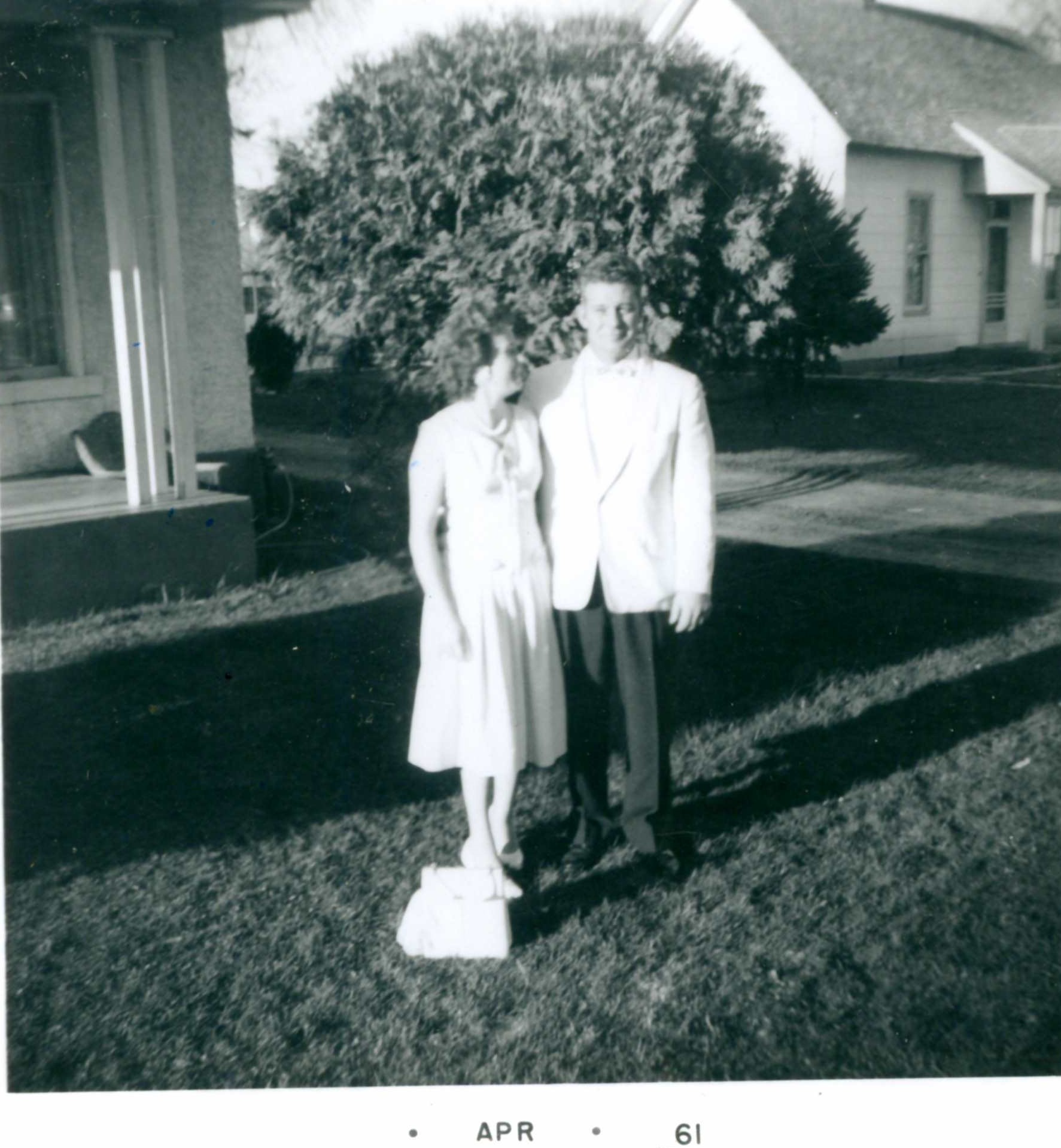
This photo was in a stack of photos Jackie made available to me. I don’t know what the occasion was, but I believe it is the only photo I have of my Grandpa looking this dapper in a bow tie and light-colored suit coat.
As I looked at the photo longer, it dawned on me I have that suit coat. It is a light mint green color. I wear it once in a while. I called it my happy coat. I am happy that I can wear a suit coat my Grandpa Norwood wore. Now it seems I have a picture of my Grandpa wearing it. I will have to wear it and get a picture of myself in it and share it here.
Isn’t it interesting how photos can help connect the generations? I was born within 20 years of the picture, and then at 60 years after the picture I find myself transported by it. This is a miracle of our generations that most of the history of the world never could have imagined. Sure, there were paintings by those who could afford them, but their likeness and emotion probably doesn’t ooze out of those paintings like a photo can sometimes capture.
Despite what the future would hold for their relationship, I also see a happy couple. An adoring wife with a proud husband. They were married 15 years by this point and the fact is they still adored each other. 3 children were all in the picture and loved. Within another 15 years it would be a broken marriage and his death. I amcareful not to judge, but from my perception a few poor decisions created the damage. What would happen if we could tweak or change just one decision in their lives? Might I have known my Grandfather? Might I have grown up in a different home? All speculation, but our lives truly do turn on small hinges.
Today I wanted to dedicate some time to James Otis Ellis. President Roosevelt signed the Reclamation Act on 12 June 1902. The Minidoka Project was established by the Secretary of the Interior on 23 April 1904. The Minidoka Dam and its related canals and laterals started shortly after. Delivery of water began in 1907.
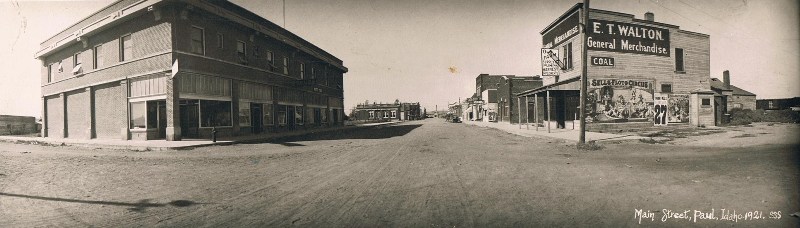
With the announcement of the Minidoka Project settlers flocked to the region. One of the four men who selected sites near what is now Paul, Idaho, was James “Jim” Ellis. These men struggled and barely survived the three years before the water finally starting flowing to Paul. In 1907, these men then incorporated the City of Paul. Jim Ellis hired an engineer and surveyed the town site and named it Paul after Charles H. Paul, the engineer in charge of the Minidoka Project. In 1910, the railroad was built across part of the land owned by Jim Ellis. He donated the land for the depot.
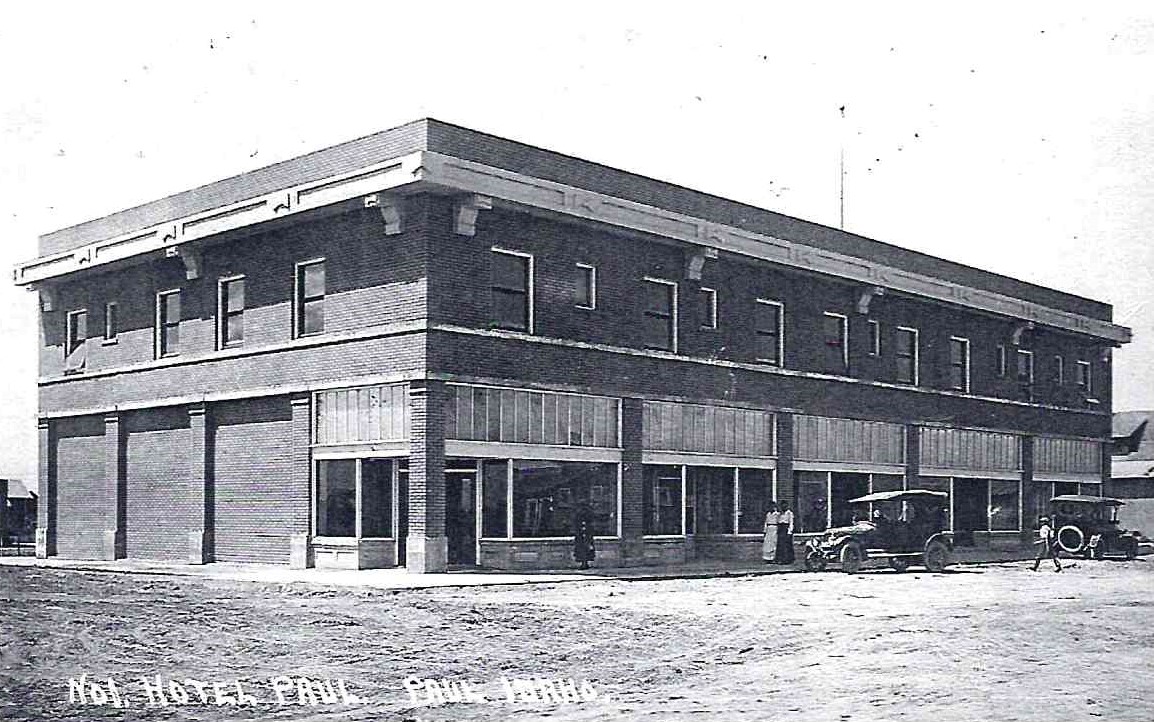
Jim donated part of his homestead to create much of the City of Paul. He was instrumental in bringing the railroad to town. He also donated lots for various entities to build and support the town including the Lutheran Church, the LDS Church, the Methodist Church, and Modern Woodmen of America. Jim helped found the first hotel in Paul and also helped establish some of the other first businesses.
Paul Hotel, Paul, Idaho
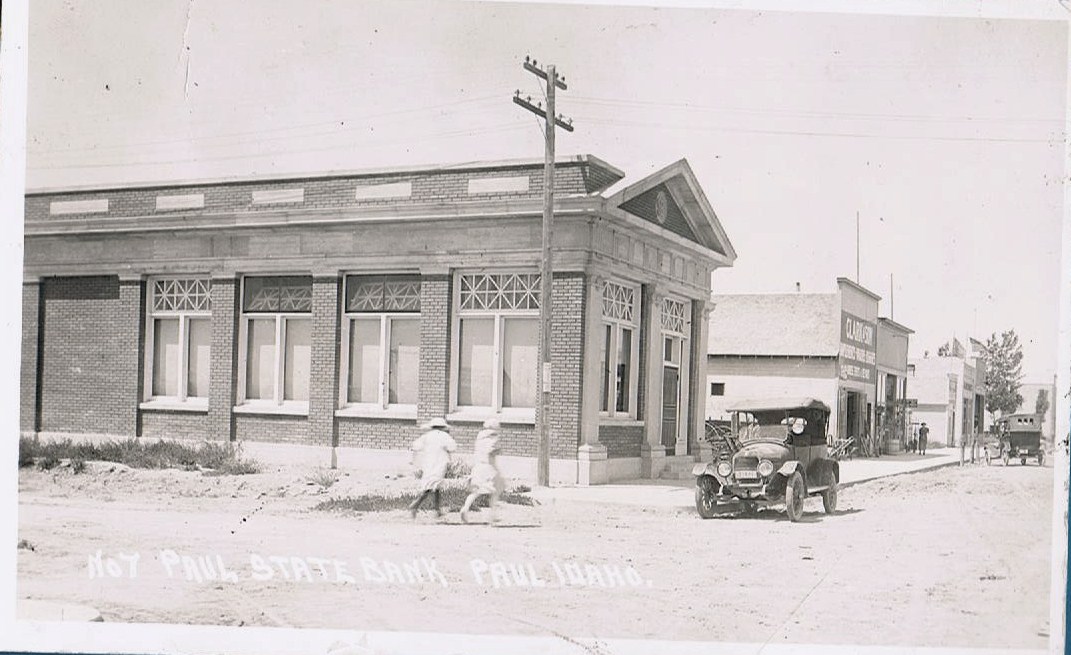
Jim also helped found the first bank in Paul, the Paul State Bank. This building still stands at its location a block west of the hotel.
Paul State Bank, Paul, Idaho
Much of Paul, Idaho, existed because of Jim Ellis. Hopefully at some point I can spend some time on the other three men, Tom Clark being the other to mention now.
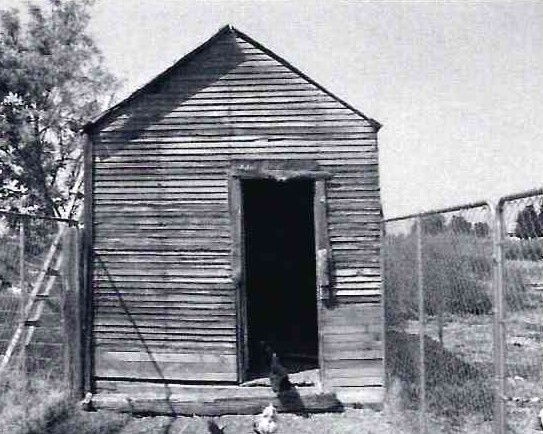
The last remaining original building on the Ellis homestead. This building is a one room shack with a window and smokestack. There is believe this was Jim’s home in the early days on Paul.
Ellis home at early homestead of Paul, Idaho.
Jim Ellis was born 10 February 1872 in Portia, Vernon, Missouri. All of his family stayed in Missouri so I don’t know how he ended up in Idaho. The opportunity to homestead with the knowledge of the Reclamation Act and Minidoka Project could very likely been the draw. In the 1900 Census he was still in Vernon County. But 4 years later he was in the flat desert sagebrush land of southern Idaho staking out claims.
Many of the homesteaders struggled and failed before the water finally arrived. Jim was able to hold out and make it work. He slaved away for years. He returned to Missouri to convince his childhood sweetheart to join him in Idaho. Elizabeth Emma Rexroad and her sister, Artie, made the trip out to southern Idaho. The Rexroads were still in Missouri for the 1920 Census, but Jim and Lizzie married 23 June 1921 in Pocatello, Bannock, Idaho. The two did not have children.
Whatever work he might have done in Missouri might not have gained much notoriety. But today the main route of Highway 25 through Paul, Idaho, bears, in his honor, the name of Ellis Street.
Bird’s Eye View of Paul, Idaho, about 1921. Looking up Idaho Street, the road parallel on the left is Clark Street.
Here is an article written about Lizzie Ellis after an interview about 1983. Elizabeth Rexroad was born 16 February 1889 in Adrian, Bates, Missouri.
“James Otis Ellis homesteaded where the City of Paul, Idaho now stands. He donated land for the first school in the city and also built the first hotel there, The Woodman. The farm owned by Elizabeth Ellis and her late husband Jim Ellis stood on both sides of the main drain at Paul and included the land on which the railroad was built in 1910. As appreciation to these hardy pioneer couple and in recognition for their contribution to the community a street later to become Highway 25, was named Ellis Street. Jim Ellis was one of four men who made their way from the railroad mainline at Minidoka to the present site of Paul in 1904, three years before water was delivered to the land. He cleared his land with a grubbing hoe. Having moved from Missouri, Jim later went back and persuaded his sweetheart to join him. It was in 1920 that Elizabeth left her millinery business in Adrian, Missouri and moved to Idaho where she and Jim were later married following a ride on the railroad to Pocatello. ‘I loved hats,’ muses Elizabeth, who had worked as an apprentice and operator of the millinery shop for five years. Though a city girl by trade, Elizabeth was raised on a farm at Liberty, near Kansas City, where she had learned what farm life was all about. Thus it was no problem for her to join her husband in the fields as he planted, irrigated and harvested his fields of wheat, oats and alfalfa. All the work was done with horses and by hand in those days and she learned to harness her animals, hitch them to the implements and do the field work right along with her husband. She could run the mower and pitch the hay right along with the men. She remembers the first tractor they bought, but apparently neither she nor Jim was too thrilled with its performance as it soon found its way in a neighbor’s farm where it remained for an extended period of time while they continued to do the work with their horses. Jim and Elizabeth had no children and she says she is ‘the last survivor’ of her large Missouri family of two boys and eight girls. One nephew shares the family home with her on the original homestead in Paul. At 94, and with eyesight failing, she spends her time just waiting for another day to come around. She takes care of her own household chores but has little use for the television set in her living room.”
Jim passed 15 October 1961. Lizzie passed 21 September 1988. Both are buried in the Paul Cemetery.
Another history given to me from the collection of Golden Rulon Andra. “History of Wilhelmina Wanner Bodrero” with the subheading “Our Mother” by Laura Bodrero Nungesser.
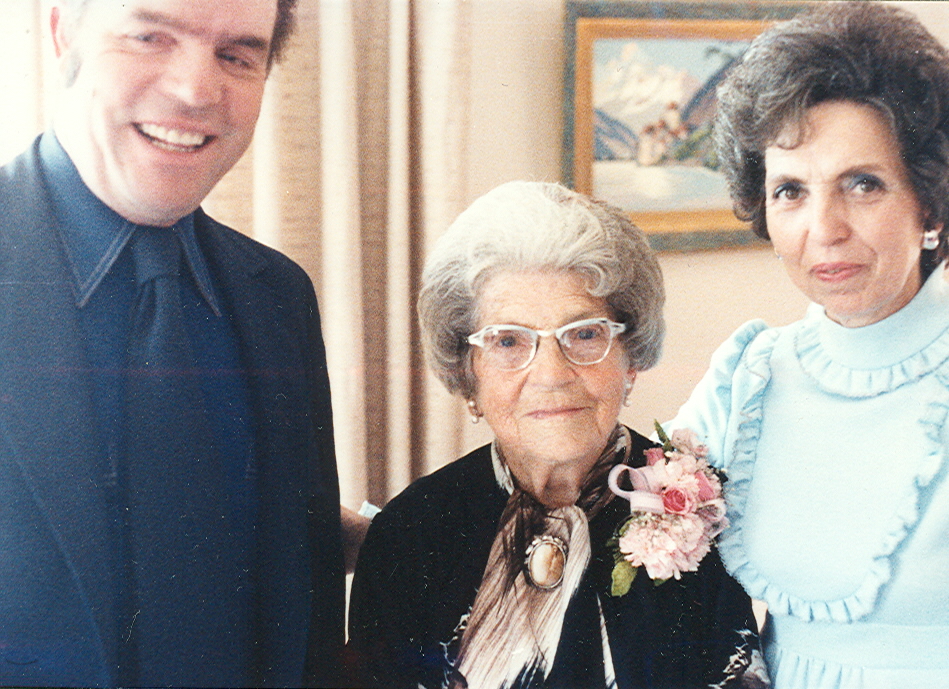
LaMont Call, Wilhelmina Wanner Bodrero, Barbara Bodrero Call
“Our mother, Wilhelmina Wanner Bodrero, was born in the last summer of 1887 on September 12th in Atzenweiler Neckarkreis Wuerttemberg, Germany.
“Wilhelmina is a daughter of Johann George Wanner and Anna Maria Schmid. Mother was the tenth child of the ten children born to the family of five boys and five girls.
Wanner Family about 1895, Wilhelmina is the youngest.
“A small baby, mother was told that during her first year of life she was continually sick. A neighbor lady also had a little girl about the same age as mother. Her baby was always healthy. Each day the neighbor lady would come to see how mother was doing and each visit she would tell mother Wanner that her baby would never live. But sadly, the neighbor’s child died when she was about a year old, while at this time mother is still well and healthy at the young age of ninety-five.
“It is difficult for mother to remember her life in Germany because she was very young, but she remembers what her mother has told her. Mother’s father was a road supervisor and owned a little land. He also acquired a few chickens and some cattle in which the whole family had to tend to. Their life in Germany was very hard, and they were also poor.
“Mother was nearly four years of age when the missionaries came to their small home in Germany one day. it was not too long after being taught by the missionaries that the family, grasping the truthfulness of the gospel, became converted. Her brother, George, was the first to be baptized and soon after came to America with two missionaries. Nearly two years later the rest of the family was able to come to America. Mother was baptized in America August 1896.
“Mother remembers the journey to America. The first experience was riding for some time on an open train, then boarding a small boat. This small boat transported their family and whatever few possessions they held with them to a large ship, accommodating a very large deck. During the long watery voyage, mother and a young brother, Gottlob, would play on the huge deck and one day they found big, heavy barrels filled with juicy cherries. These were the first cherries she remembers eating.
“Mother was told that the journey on the ship lasted two weeks before the shores of New York finally brimmed the horizon. They stayed in New York City two days and nights before boarding a train for Chicago. When they arrived in Chicago, they lodged for a day and night, then journeyed by train westward until they reached the small f arming community of Franklin, Idaho. It was at this place, the final end of their migration, where mother’s brother George, along with horse and buggy, met them at the train stop. Accompanied by George’s employer, Fred Nuffer, they loaded into the wagon and drove off toward the Idaho community known as Glendale. Since George knew a lot of people such as the Nuffer family in Glendale, they too decided to establish their residency there.
“Within a short time they were able to purchase a little land with a small rock home. The rock home had one large room. Adjoining the house was a root cellar with a floor on top of it. This is where the children slept under the roof made of dirt. The large room in the rock home served as living quarters for the family and also as a bedroom for mother and father Wanner. Mother’s brother George worked in the rock quarry and as time went on, he helped his father add two more rooms to the rock house. This was a welcomed addition indeed!
“As the youngest child in the family, mother had a lot of time to play for the first two or three years in Glendale. Gradually, though, she had to start helping more around the house and farm. Father Wanner would cut and rack the hay and afterwards mother would follow the wagon and gather up the hay that the rack hadn’t caught.
“Mother attended school in a one room school house in Glendale. As with many schools in the early 1900’s, children of many ages met together and were taught by one teacher. Very little individual help was given. Every day mother would walk to and from school. At times in the winter, her father would take her to school by horse and buggy. Mother and her family also attended school in Glendale.
“For a couple of years, mother helped her father trap squirrels. In the mornings, her father would set ten to twelve traps in the brush bordering the fields. The government, upon seeing the ears for proof, would pay so much per pelt. One year they made $14.00.
“Life was hard on the farm. They had no refridgerator so a small addition to the rock home was built for the purpose of keeping things as cool as possible. Water was packed from the spring nearby in every season. The milk was also carried into the house and poured into large pans. While other chores were attended to the milk would set and later the cream skimmed off and churned into butter. The butter and the eggs gathered from the hens, were taken tot he market store in Preston and exchanged for other food. Later, mother Wanner bought a separator to separate the milk and cream. The separator had to be turned by hand everytime the milking was done. It was mother’s job to help turn the separator and churn the cream into butter. Mother also picked red raspberries from their raspberry patch. These juicy, plump berries were also taken to market and sold for a dime a quart.
“When mother was eleven years old, her sister Christine gave birth to another baby. mother walked two miles every day to help care for Christine and the tiny newborn. She would bathe the baby as well as feed and tend the other children. Each day she recalls running fear past badger holes along side the road, for everyone she knew had said badgers were very mean. To her relief, the badgers remained in their deep, dark caves each time she quickly passed. For two weeks she cared for her sister Christine and her new baby. For this sweet service she was given a tiny china cup.
“Father Wanner bought a farm in Whitney, Idaho when mother was in her early teens. She rode a horse to Whitney from Glendale, a seven mile trip, to help in the sugar beets and to lead the horse on the hay derrick. Then she would return to Glendale to do her given chores. Once, while herding the cows, she was riding a bridled horse without a saddle. The horse jumped a big ditch and mother fell off, hitting the ground hard. She law there a long time before she could regain her strength. The horse, sensing her helplessness, did not move but stood by her side until she could manage to get up onto his back and ride him home. This terrible fall hurt her hip severely and has given her a lot of trouble and pain for many years.
“When mother was around seventeen her father sold the Glendale farm to her brother Fred and the Whitney farm to her older brother George. She and her family moved to Preston where her father had a new home built and waiting for them.
“While living in Preston, mother attended the Oneida Academy for one year and took a sewing class. Every Sunday, her family and other German families met in each other’s homes to hold their church meetings. During the week, mother did house work for several neighbors. She did her best and worked hard. Before too long, mother was asked by a certain man from Logan, who had helped plaster their new home in Preston, to come and care for his wife when their baby was born. She did; and also worked for Mrs. Beech, who had a grocery store on Center and 4th West (by the canal) in Logan. It was later known as the Canal Grocery.
“One day the circus was coming to Logan and father Wanner decided he would like to see it very much. So mother and her parents boarded the train and traveled to Logan to see the circus. It was during this holiday that she formally met Moses Bodrero, whom she had seen a couple of times, as her sister Louise was married to his brother Jeffery. Not until this time, however, had they been properly introduced. Moses went to the circus with mother and her family, and after this first meeting they began to date. Mother continued to live and work in Logan for two or three months until she was called home to Preston when mother Wanner became very ill and needed her. mother and Moses corresponded with each other. Moses even rode the Bamberger to Preston several times to see mother. Their courtship lasted almost a year, and then on a cold winter day, December 18, 1907, they were married for time and eternity in the Logan Temple.
“They established their home with father’s parents on 3rd North and 5th West in Logan. This home was very small. It did not have any electricity or indoor plumbing. It was hard work caring for father’s parents as well as her other household demands. A very special occasion was near that would also keep mother busier than ever. A year after their marriage, they were blessed with a newborn son. They named him Earl. Their next baby was a healthy girl and they decided to call her Mae. As years followed, they were again blessed with two more sons, Floyd and Kenneth. During this time, father and mother continued living in their father’s parents and taking care of them, but when Earl was a year old, Father’s dad passed away. This was a sorrowful event and mother Bodrero remained in the home with them for she needed special love and care.
“After living in the little old home for twelve years, father decided to tear the home down and build a larger one. Before the new home was finished, mother was expecting her fifth baby. Since the new home was not completed in time for her delivery, she gave birth to their little daughter int he shanty (a small shed). Father and mother named this new baby daughter, Hazel.
“This long-awaited new home was larger and modernized with electricity and indoor plumbing. Life was easier and better for mother and her growing family. Sometimes mother would have a neighbor, by the name of Millie Shaw, come and help her take care of the babies. Following her little girl, Hazel, two more daughters were born, Clara and Laura. And later still, another sweet daughter and son joined their family. They named this new baby girl Barbara and their son was blessed and given the name Ivan. This made a total of nine children they happily received into their loving care.
“In the year 1910, mother and father Wanner moved from their home in Preston, to a home in Logan. Mother was now able to see her parents more often and they, in turn, became better acquainted with their grandchildren. Sadly though, int he year 1922, during the cold month of February, father Wanner passed away.
“When our sister, Clara, was six years old, she came down with Diphtheria and was not expected to live. However, with the good, faithful love and care from mother and father, she overcame the disease. Meanwhile, the older children stayed with their grandmother Wanner so they could continue going to school.
“Mother and father were one of the first in Logan to purchase a table radio and it was enjoyed a lot by the family. Together they would sit at night listening to the programs and music.
“After working seventeen years at the sugar factory, father had acquired by this time some land. So he left the sugar factory and became dedicated to the farm with the help of mother and the children.
“Mother recalls having a couple of sleeping babies in the baby buggy and helping father in the farm when a loud whistle suddenly blew, announcing to everyone the end of World War I. It was a happy day for all!
“Mother worked very hard in those early years, helping on the farm, caring for the children, cooking meals and caring for the house and mother Bodrero. Mother Bodrero had lived with them for twelve years following the death of her husband but then decided to move in with father’s sister. She was cared for by father’s sister a few months and then quietly passed away.
“When the new home was built, chicken coops were also constructed and each spring mother and father would order hundreds of baby chicks. Often mother would be found late into the night and early morning caring for these little chicks. Mother also loved to work in the vegetable and flower garden. She would gain joy and satisfaction through bottling a lot of fruits and making jams and jellies. For many summers, she and father and the smaller children would pile into the Essex (the family car) and go to Honeyville or Deweyville to pick or purchase ripe melons and other fruits.
“Among the other activities mother loved doing were sewing strips of rags together and making throw rugs. She was constantly quilting in her spare moments. The quits were framed and set in the dining room ready for her eager handiwork throughout each day.
“Mother also had made many friends around the neighborhood and she would visit them often. One family in particular, by the name of Mr. and Ms. Fred Speth, had come from Germany and had settled in College Ward. Mother and father became close friends with them and would visit them frequently.
“Mother was a dedicated visiting teacher in the ward and she, father and the children would attend all meetings on Sunday. She and father also attended the temple periodically, doing the work for the dead.
“Mother remembers in those days there was not a variety of events to attend, but they did go to some silent movies and German socials. They would visit heir relatives as often as possible. Mother’s sister, Mary lived in Ogden, Louise resided in Logan, Fred in Glendale, George and Christine in Preston and her youngest brother, Gottlob, lived in Inkom, Idaho.
“These good years swiftly flew by and when Earl turned twenty-one, he was called on a mission to the mid-western states. He served three years in the mission field. Missionaries served two and a half years at the time he was called, but he was given the duties of District President, therefore he continued to serve an extra six months. When he was released, he wrote to mother and father asking them to arrange things so he could meet him in Denver, Colorado. From there they would take a little tour through the Black Hills of Dakota, and on through Yellowstone Park and then home. They were able to do this, taking their youngest child Ivan with them.
“Father was able to buy a piece of land two blocks north of their home on Fifth North and Fifth West. He began making plans to build a new home on part of this land. In the spring of 1942 this dream was accomplished and mother and father moved into their second new home. At the time of this move, most of the children were married and had moved into homes of their own.
“Mother had more time to do other things so she became interested in embroidery. She would spend many hours embroidering pillowcases, scarfs, and quit blocks and soon became very good at this hobby. The handiwork is beautiful, and much of the work has been given as gifts to her children and grandchildren.
“Inspite of the fact that mother was very sickly as a child, she has enjoyed a very healthy life. There was a time in her early sixties, however, that an operation was needed, and during this trying illness her life was nearly taken. Our comforting Lord was with her as well as the faith and prayers of her loved ones and her life was spared.
“A few years later, when most people mother and father’s age would be retiring, they instead decided to be adventurous and investigate the possibilities of buying some land in the state of Washington that the government was issuing. This territory is situated near a small rural community called George; also not far from the little town named Quincy.
“Taking along their son, Ivan, they took a trip to Washington and purchased enough land for a productive farm. During the next few years they would spend the summers in Washington and winters in Logan. This was a very happy time for mother and father. Suddenly though, during the winter of 1962, father became very ill and passed away on December 19, 1962, one day following their fifty-fifth anniversary.
Bodrero Family in 1957, Front (l-r): Moses, Wilhelmina, Clara; Back: Laura, Mae, Floyd, Kenneth Ivan, Earl, Hazel, Barbara
“Mother became very fond of the farm and land in Washington, and decided to continue the work there with the help of Ivan and Clara. A circumstance in the fall of 1967, however, took the life of Clara, another sorrowful event in mother’s life. To keep herself busy, she decided to stay on the farm in Washington and help Ivan around the home and care for a small garden. For the next few years she would occasionally visit her sons and daughters and their families in Utah. These visits were always a great pleasure for her and them as well.
“Fourteen years following the death of her dear mate and nine years after the passing away of Clara, she again bereaved the loss of her eldest son Earl, who was taken from this life on December 10, 1976. Because of her strong testimony in the Lord, Jesus Christ, and in the hereafter, she remained very faithful and upheld her strength during these difficult experiences, and therefore has continued with her life. Mother has had a very strong testimony of the Gospel and faith in the Lord, Jesus Christ, and in there hereafter all of her life.
“At this time, mother is fairly well. her interest in life never diminishing, she spends most of her time embroidering quilt blocks and has also joined a lapidary (rock collecting and polishing) club. The club has monthly meetings and annual festivals that she attends. She still gardens and cares for a thriving strawberry patch. These are a few of the activities she enjoys most.
“Mother still owns the home in Logan on 5th North and 5th West, but she spends more of her time in George, Washington. mother’s brothers and sisters have passed away many years ago, but she remembers them through her many nieces and nephews. Along with her 7 surviving children, she is a grandmother to 43 grandchildren, 110 great grandchildren, and 4 great great grandchildren.
“In loving tribute, Mother exemplifies in her pioneer spirit an indominable character who loves to be doing something all of the time. True to her faith, she honors the Lord and His commandments. Alert, busy, and enjoying the work she does; this is how we will always remember our Mother.
Mary Andra, Unknown Couple, Verna Wanner, Bill Andra, Willard Wanner, Norma and Kenneth Bodrero, Wilhelmina Bodrero
Old Main at Utah State Agricultural College (now USU) shortly after completion of the west tower
I have previously written of my family’s link to the construction of Old Main through Fred Nuffer and Carl Schaub. Amanda and I also met at Utah State, just south of Old Main on Darwin Avenue. We also married at the iconic Logan Utah Temple of The Church of Jesus Christ of Latter-day Saints.
The photo particularly struck me as how out in the boonies it was located. I remember stories of the college being placed upon the bench away from Logan. I guess from downtown it would have been quite a distance in an arid desert. Not so today! In my mind’s eye I can see the apartments, amphitheater, houses, and church that would be located in the photo from the same location today.
The line of trees is interesting to me. This location is likely in someone’s front yard, or even their house, now. Here is another photo of Old Main before the west completion in 1902.
Old Main at Utah State Agricultural College (USU now), Logan, Utah, about 1900. The iconic front and tower were built in 1909.
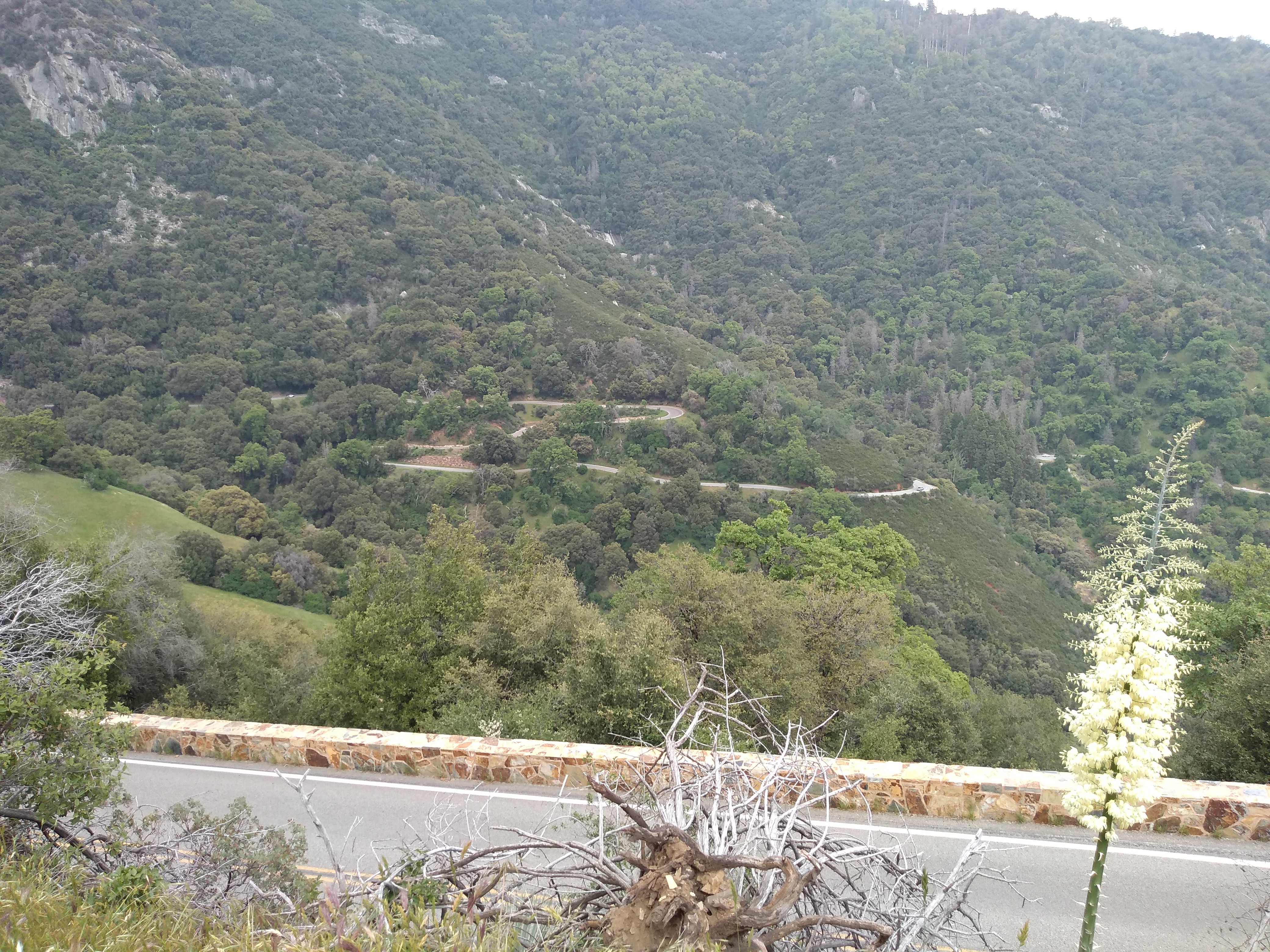
Just a couple of more photos from the trip home to Idaho. 11 May 2019.
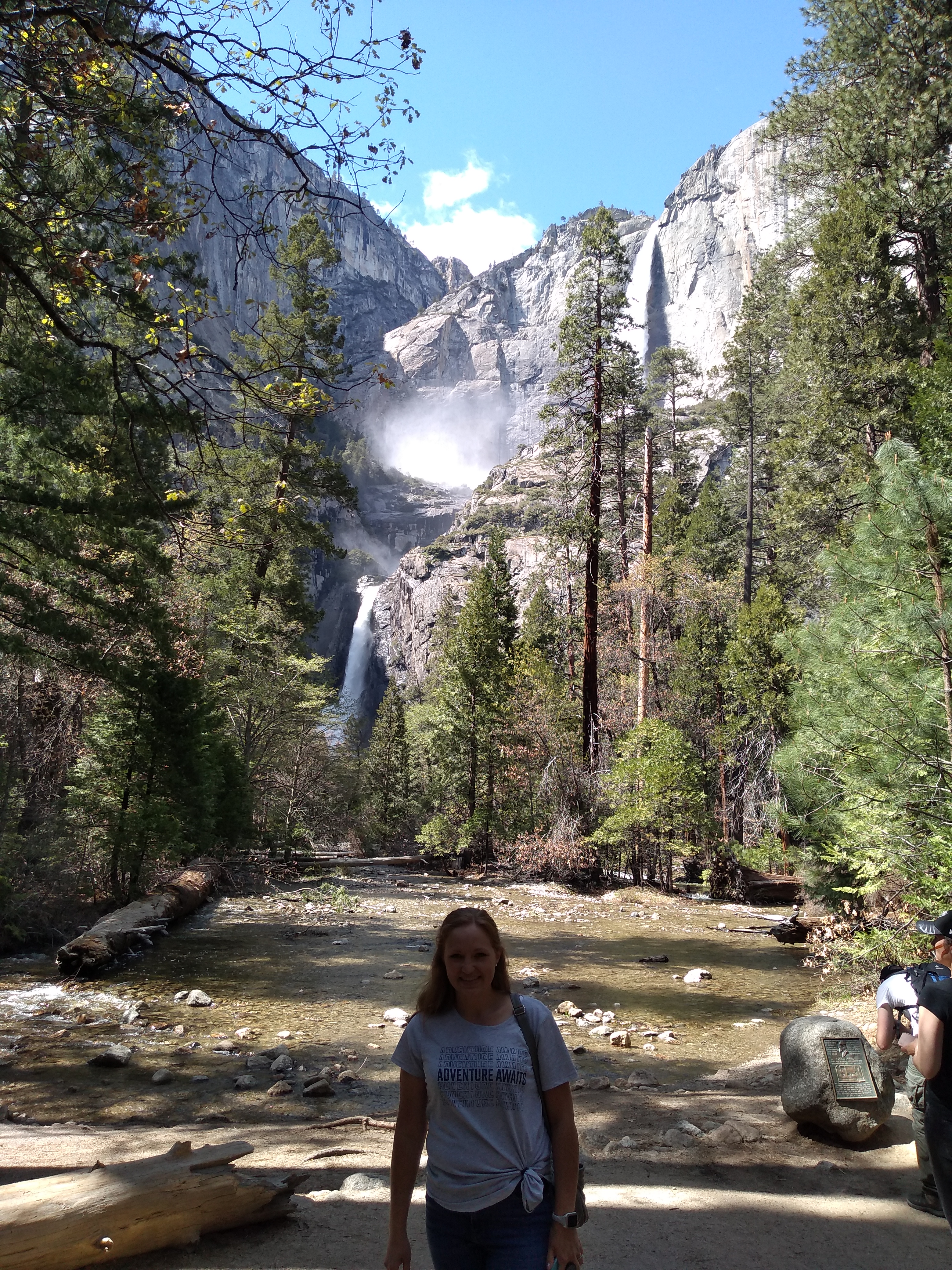
After traveling all the way from Disneyland to Sequoia National Park, Kings Canyon National Park, and Yosemite National Park. After Sequoia and Kings we spent a night in the ghetto of Fresno, California. We made our way through Yosemite and through little towns like Red Apple, Big Meadow, arriving to spend the night at Carson City, Nevada. The next morning was the trek to home stopping in Winnemucca and Elko.
Paul Ross at Nevada State Capitol in Carson City, Nevada
Elko County Courthouse, Nevada
I enjoyed the stop in Elko. I have driven through Elko but don’t recall getting off the interstate. This is the building where my parents were married 1 May 1980.
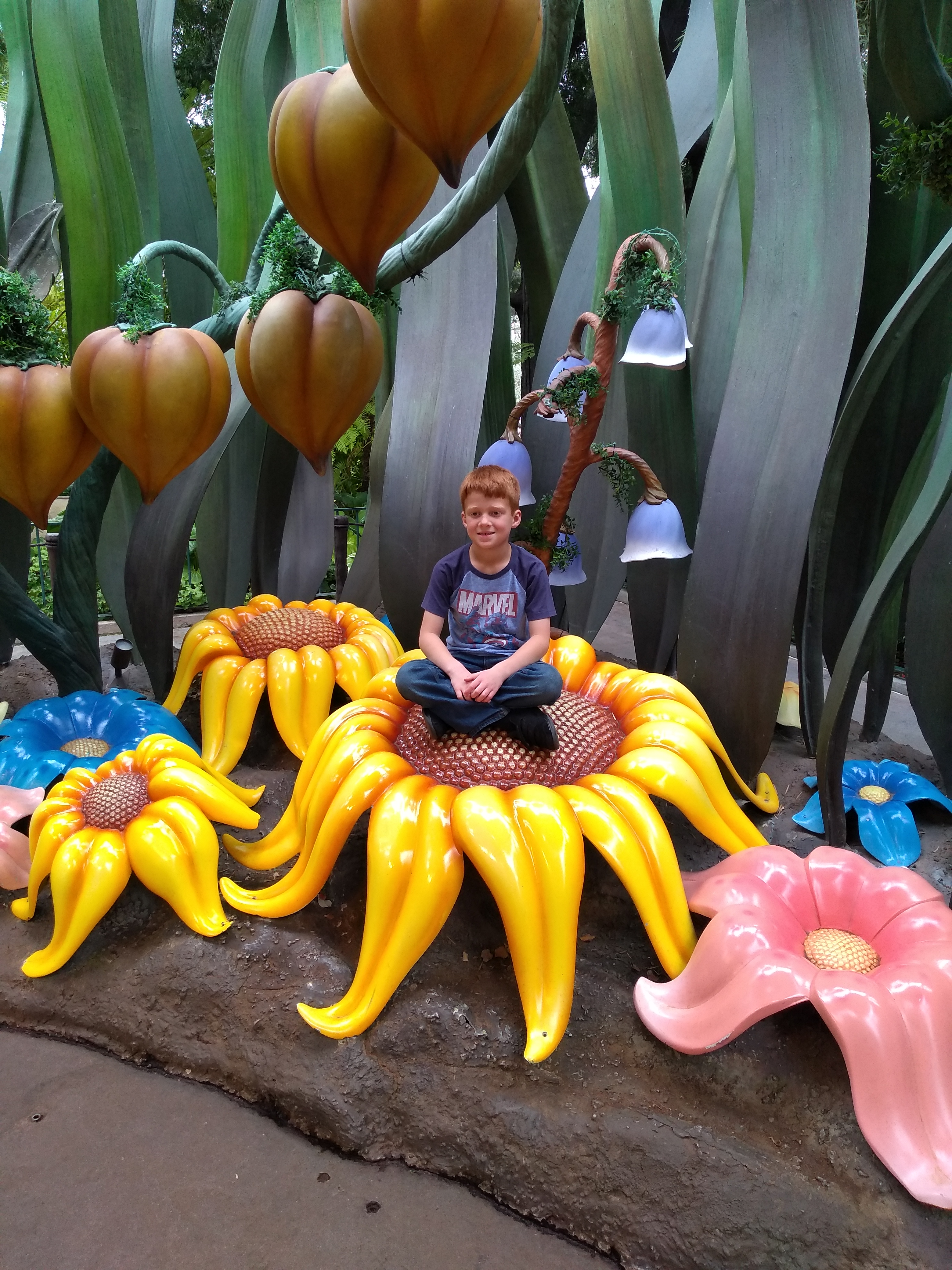
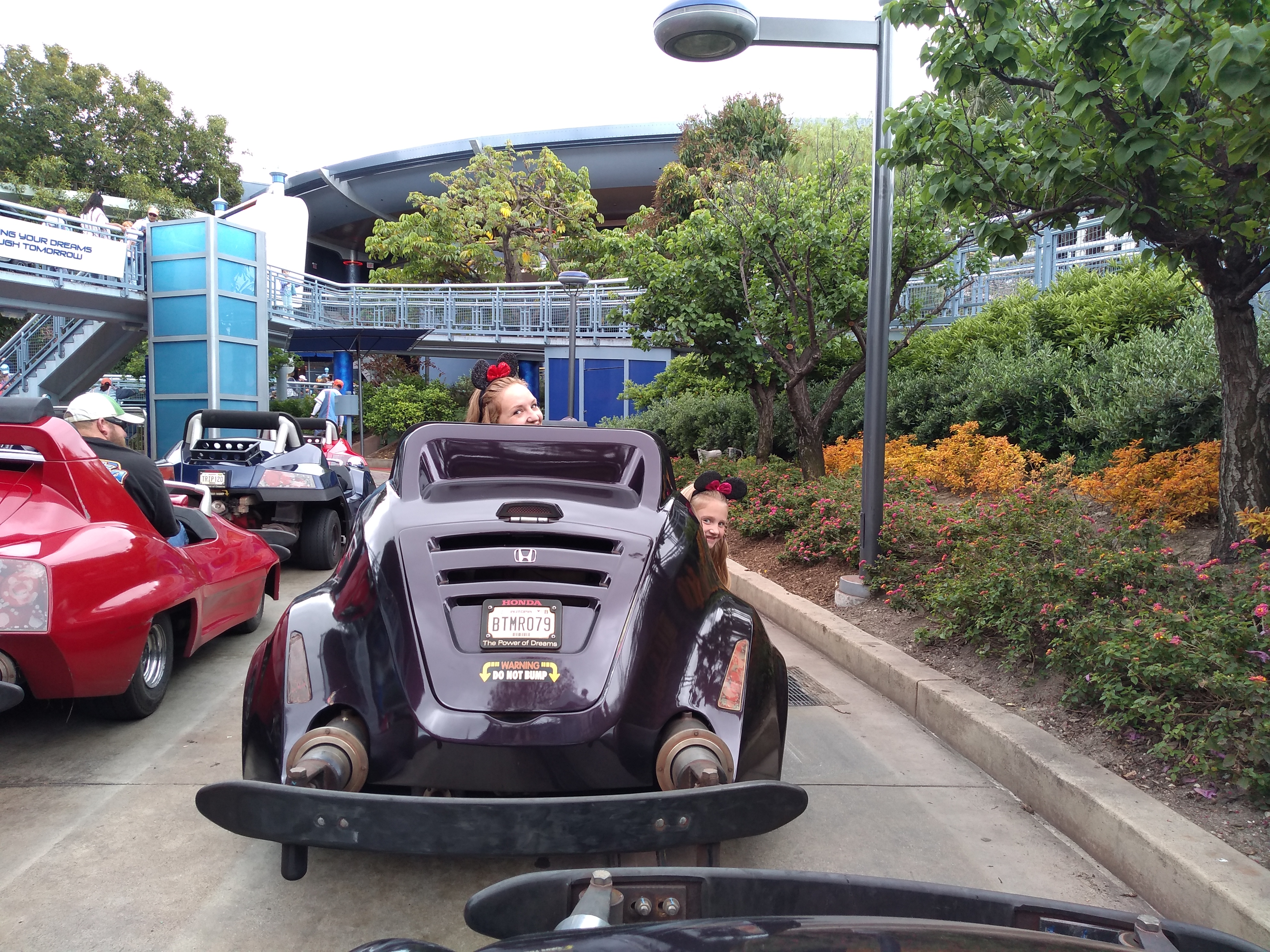
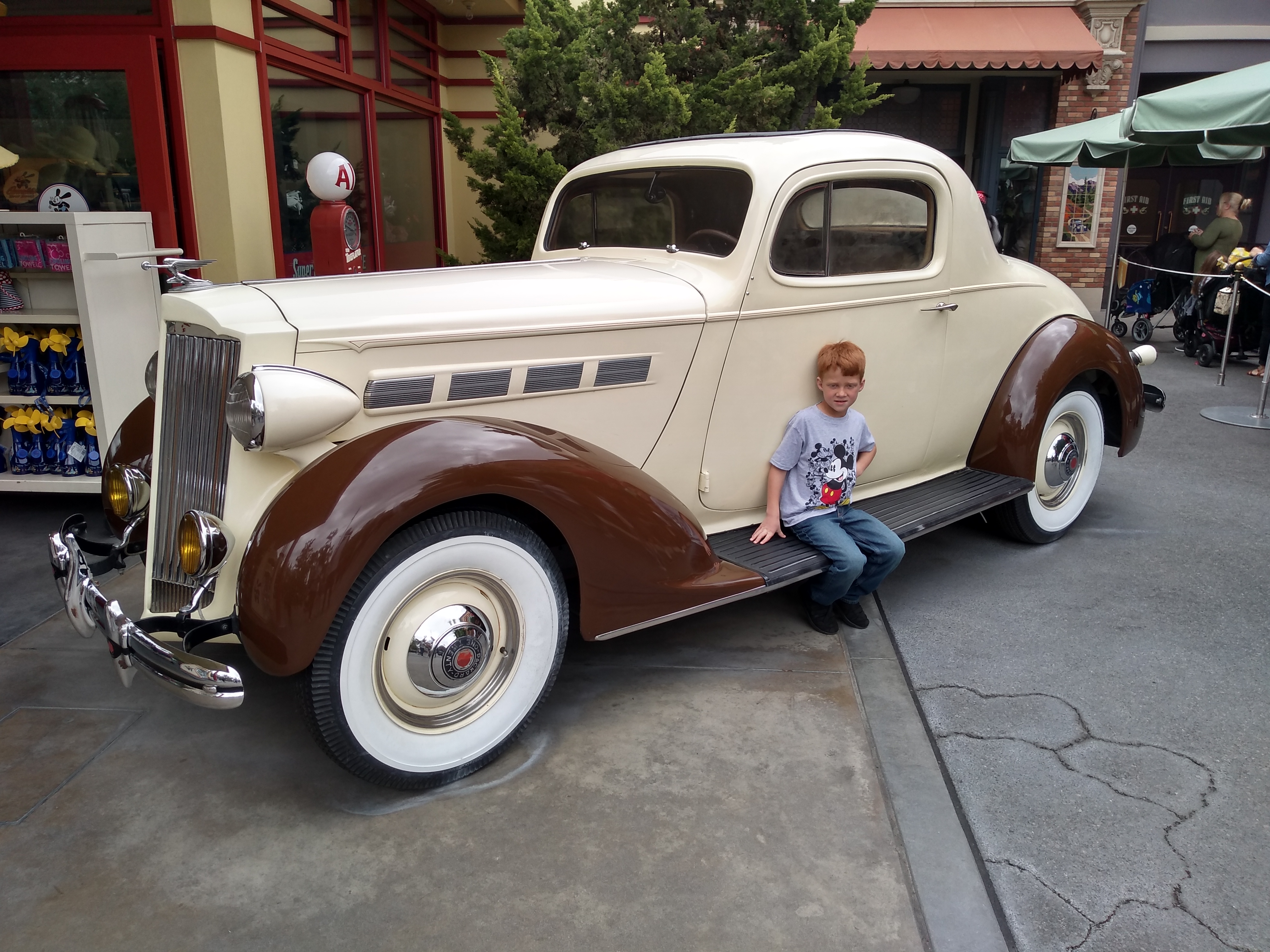
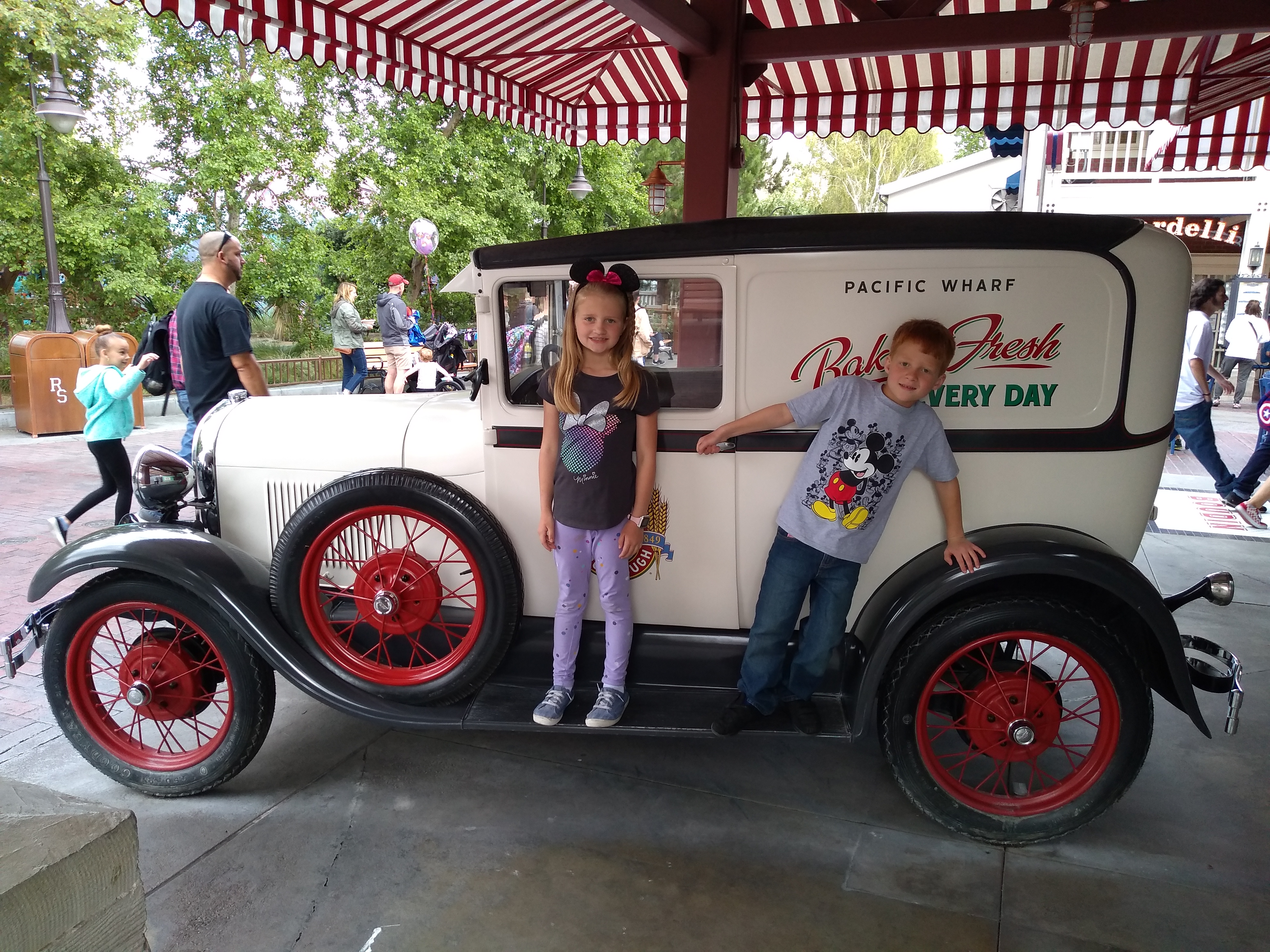
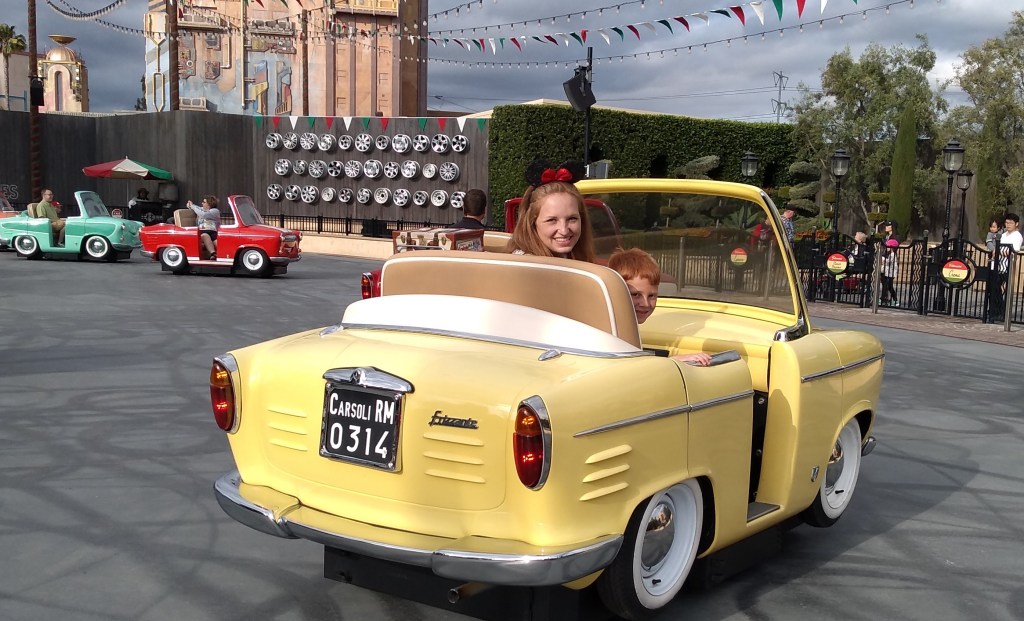
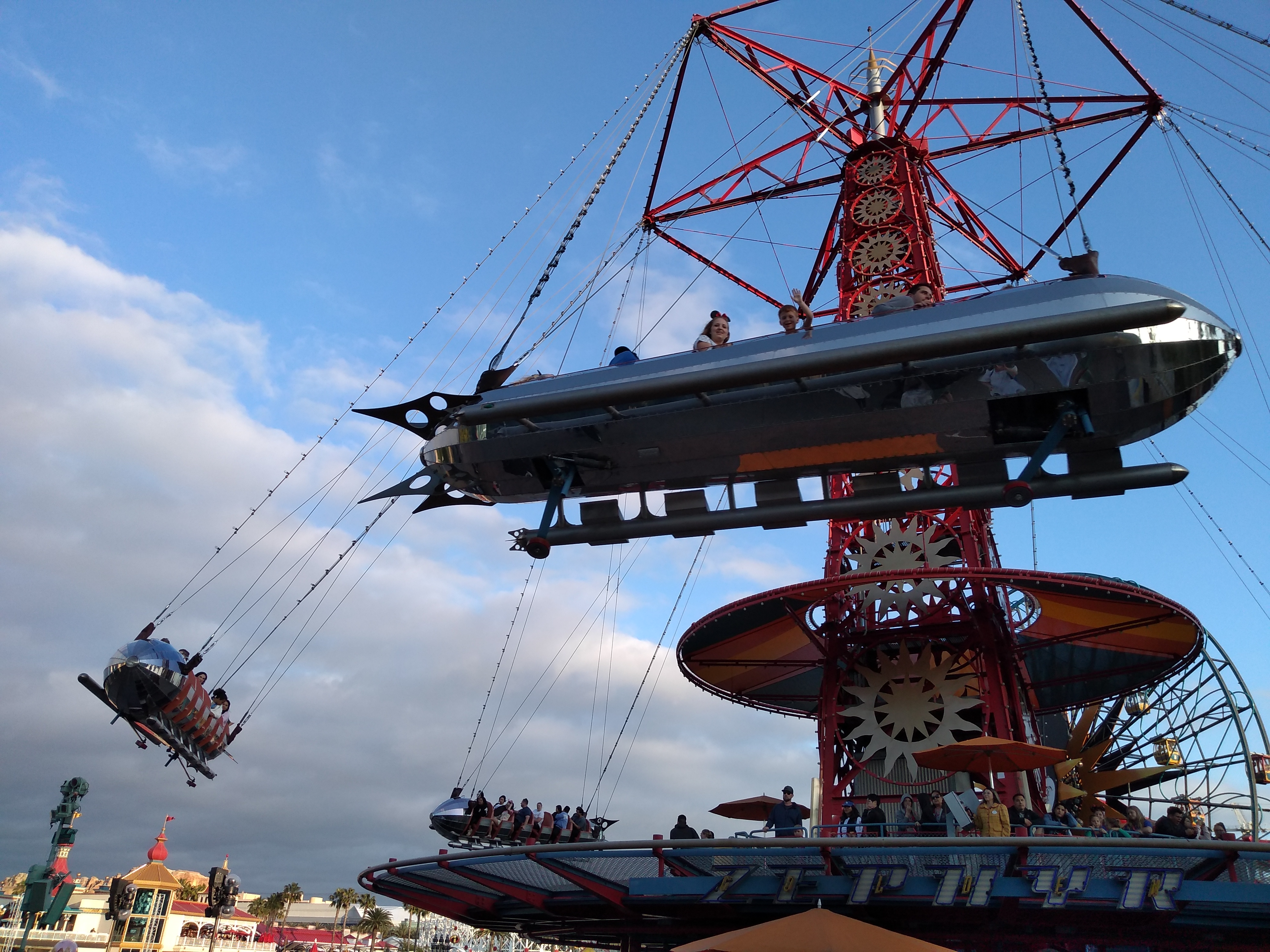
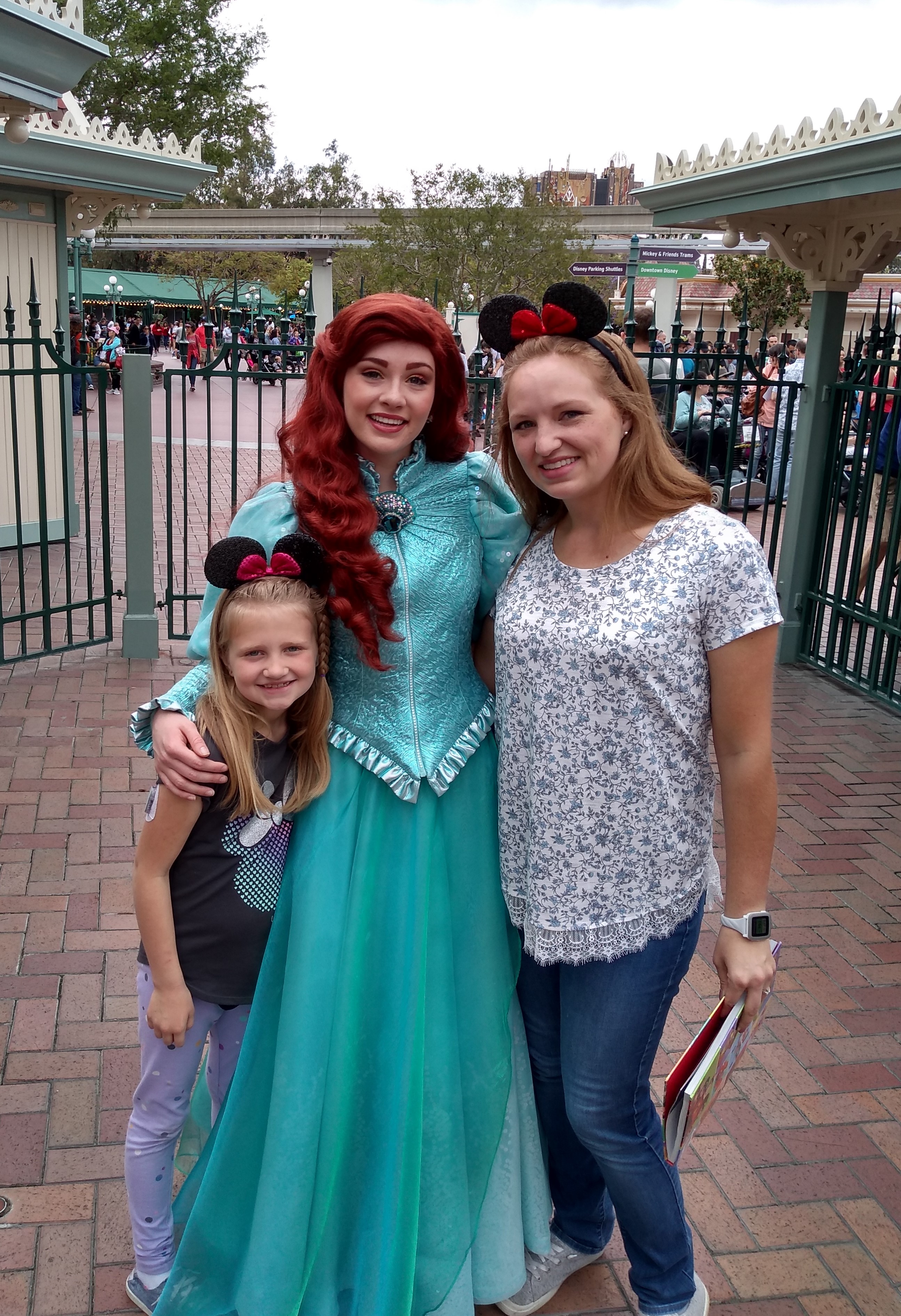
I don’t remember all the details, but we ended up planning a trip to Disneyland in 2019. I will break the trip into days and share the photos with a couple of comments. Hope you enjoy. These are only the photos I took with my phone. Amanda took many of her own as well. This is our first day, 6 May 2019. We went earlier in the year so we helped avoid some of the crowds. Aliza’s Disability Access Card was a nice perk.
Amanda and Hiram Ross on the Dumbo the Flying Elephant Ride
Hiram and Aliza Ross with Tigger at Disneyland
Hiram and Aliza Ross with Eeyore outside The Many Adventures of Winnie the Pooh ride.
Aliza and Hiram Ross with Winnie the Pooh
Hiram Ross outside Jolly Holiday at Disneyland
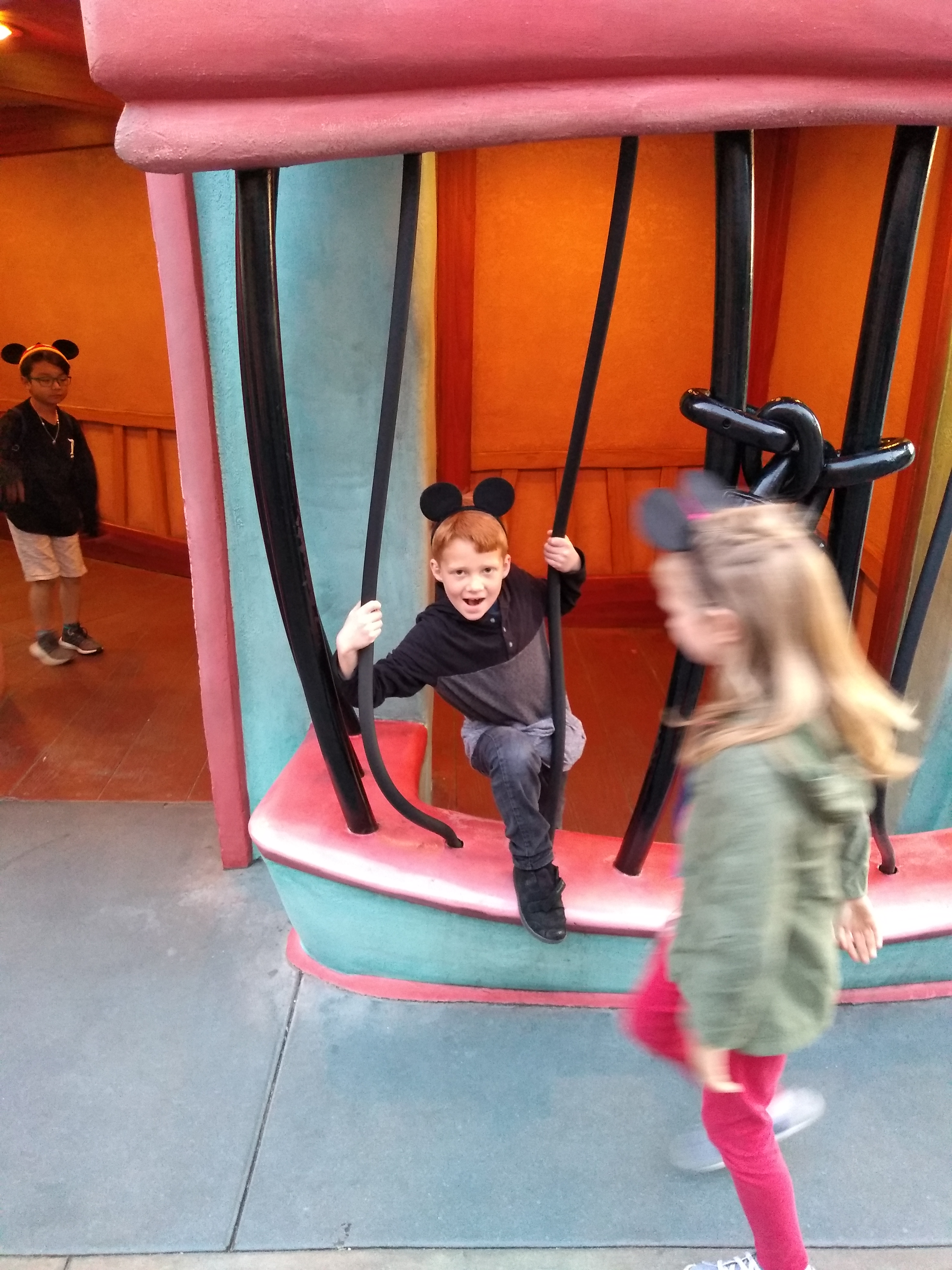
Aliza Ross in jail at ToontownHiram Ross breaking out of jail at Toontown. Aliza crashed the photo.

























 Sagacity