Ross Leslie Andra

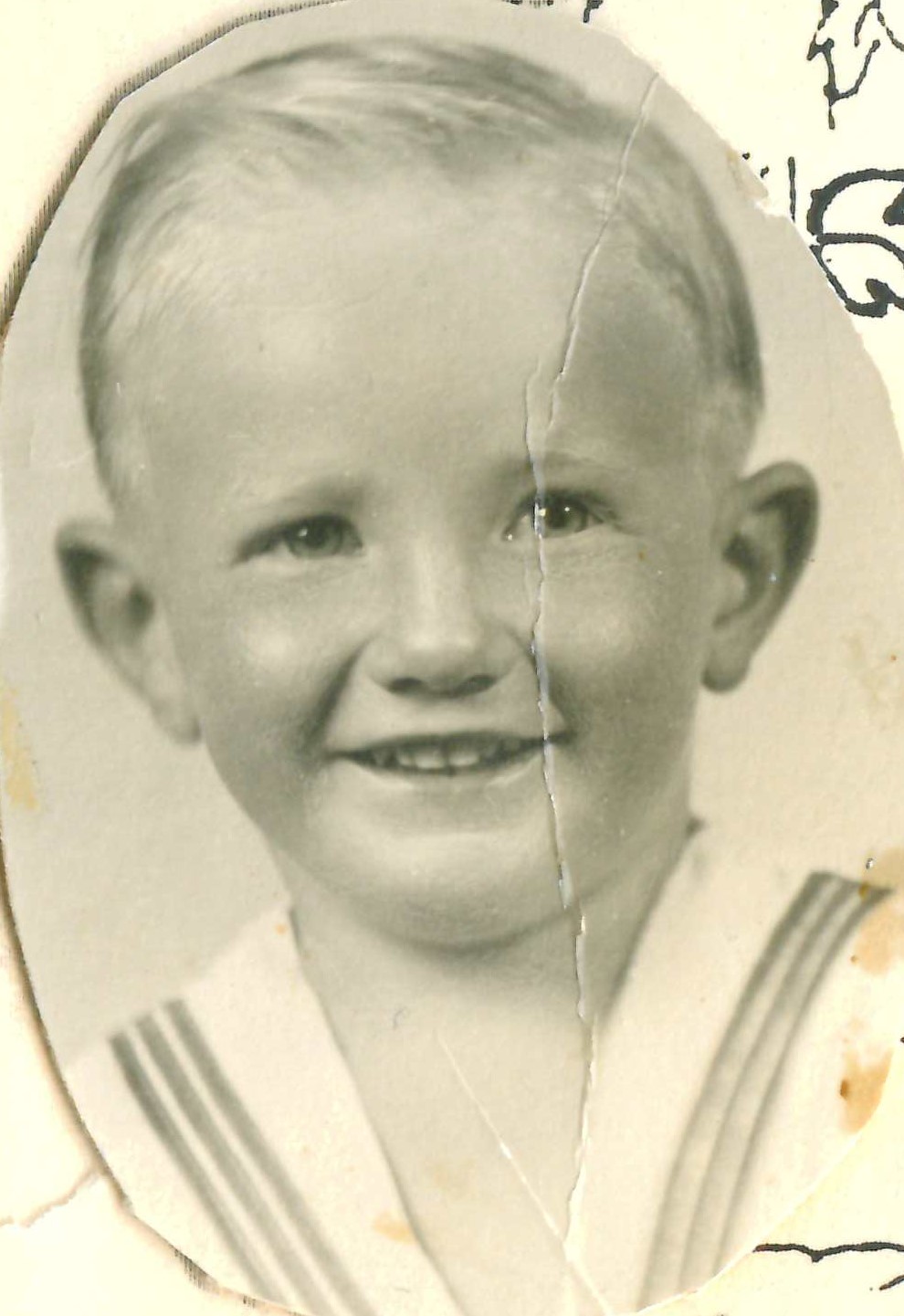
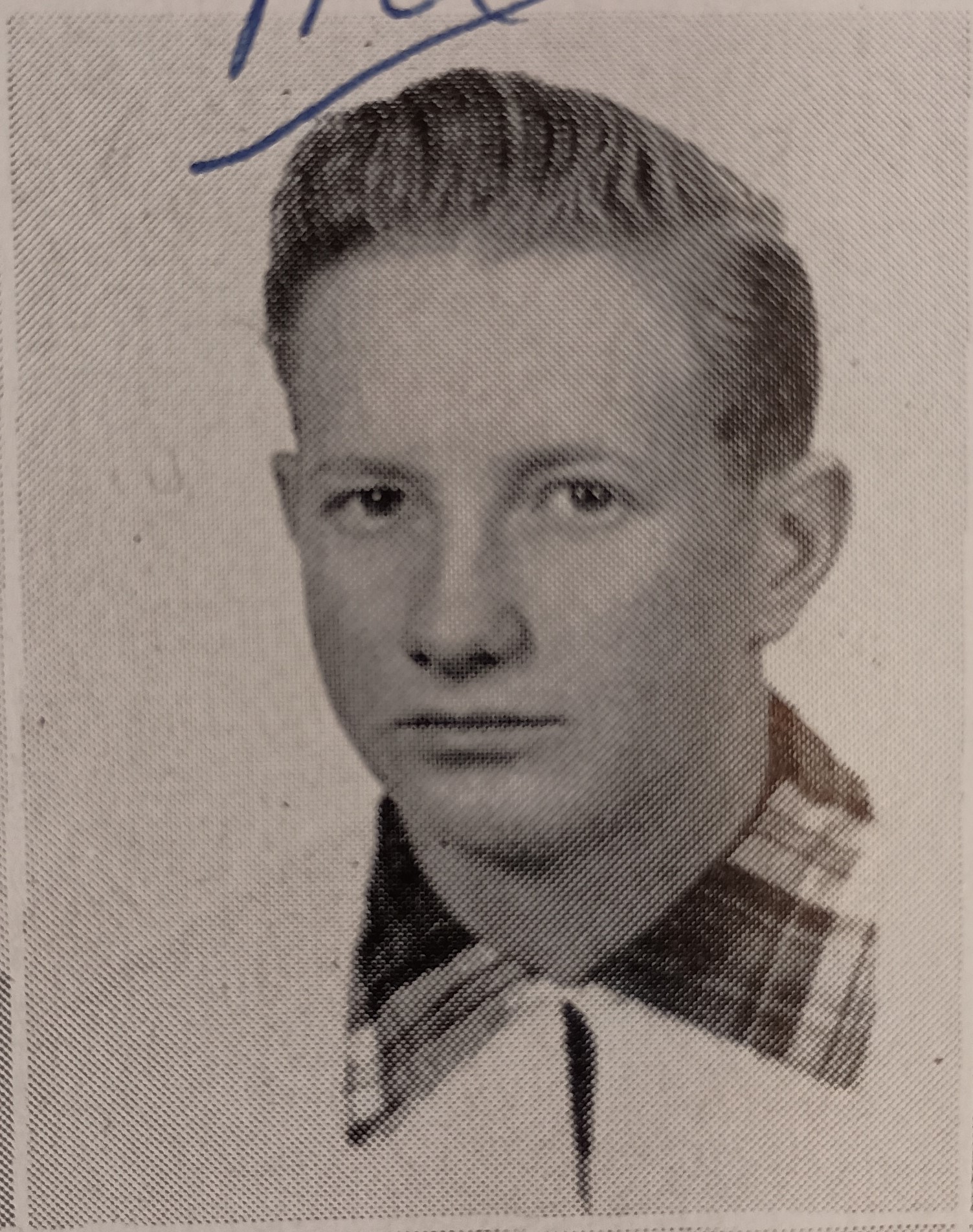
Ross Andra as a small boy – 1940s

Ross Leslie Andra, my great-uncle, died on 20 June 2024 in Salt Lake City, Utah. He was 87 years old. He was one of the younger brothers of my Grandma, Colleen Mary Andra. Some family figures cast long shadows, Ross was one of those characters.

On 29 June 2024, the Cannon Ninth Ward meetinghouse on West 1400 South in Salt Lake City filled with people who had been touched by him. Some had worked alongside. Some had received a knock at the door late in the evening. Some simply remembered the jokes. Before Bishop Ted Maxwell called the meeting to order, it was clear that a certain kind of man had died โ€” the kind the eulogists kept calling, with unfeigned sincerity, bigger than life.

I have shared many posts regarding the Andra family. Many of those that reference Ross are listed below, but many more deal with the broader Andra family. This post attempts to bring some of that documentation together as a tribute.

The Family
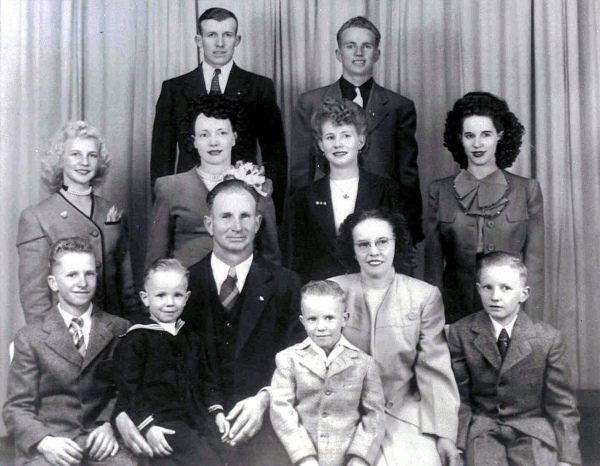
William and Golden in back, Sergene, Millie, Colleen, June standing, Donald, Larry, Bill, Dale, Mary, and Ross sitting.

The world Ross was born into had been built across two continents and three generations. His grandfather Friedrich Theodor Andra had been born in Rosswein, Saxony in 1867 and died in Meissen in 1902, when Rossโ€™s father Bill was just four years old. Billโ€™s mother, Christiana Wilhelmina Knauke, brought the family to America. Bill arrived alone in May 1909 โ€” at eleven years old you paid reduced passage; at twelve, full price โ€” and went first to Fairview, Utah, then to Preston, Idaho, where a former missionary named George Wanner had helped convert the family in Germany. Bill worked the Wanner farm for seven years, at $18 a month rising to $30, milking twenty-four cows, doing any work he could get. He married Georgeโ€™s daughter, Mary Louise Wanner, in the Salt Lake Temple on 10 March 1920. Christiana Knauke Andra โ€” Rossโ€™s grandmother โ€” lived until Christmas Day 1957 in Salt Lake City. She was still alive when Ross stepped onto the plane for missionary service in Brazil.

Mary Louise was equally remarkable. She had nursed flu victims during the 1918 epidemic, nearly became a professional jockey at the Logan County Fair, outran all the girls and most of the boys at school in Preston. She and Bill built their life in Depression-era conditions โ€” $1,000 principal and $500 interest on the farm, with Bill digging basements and hauling gravel and taking sugar beets to the factory at $4 a ton to make the payments. Maryโ€™s autobiography, written in November 1961, records it without complaint: โ€œWith the Lordโ€™s help and a good wife and children, we paid for the farm.โ€ Her garden in Preston was massive โ€” flowers surrounding it, vegetables in rows โ€” and beautiful enough that even a nine-year-old boy visiting with his grandmother noticed and remembered. Ross spent the rest of his life planting tomatoes wherever he could find a plot of dirt. He was his motherโ€™s son.

Twelve children were born to Bill and Mary between 1920 and 1943. Two died young โ€” Robert Lee on his first day in 1934, Dennis Willard in January 1945, four days after his third birthday, of an earache in the night. The ten who survived grew up in close quarters on the Preston farm, with the pranks you would expect from six boys and four sisters sharing a household. Ross and his brothers once tied a cow to their math teacherโ€™s front door.

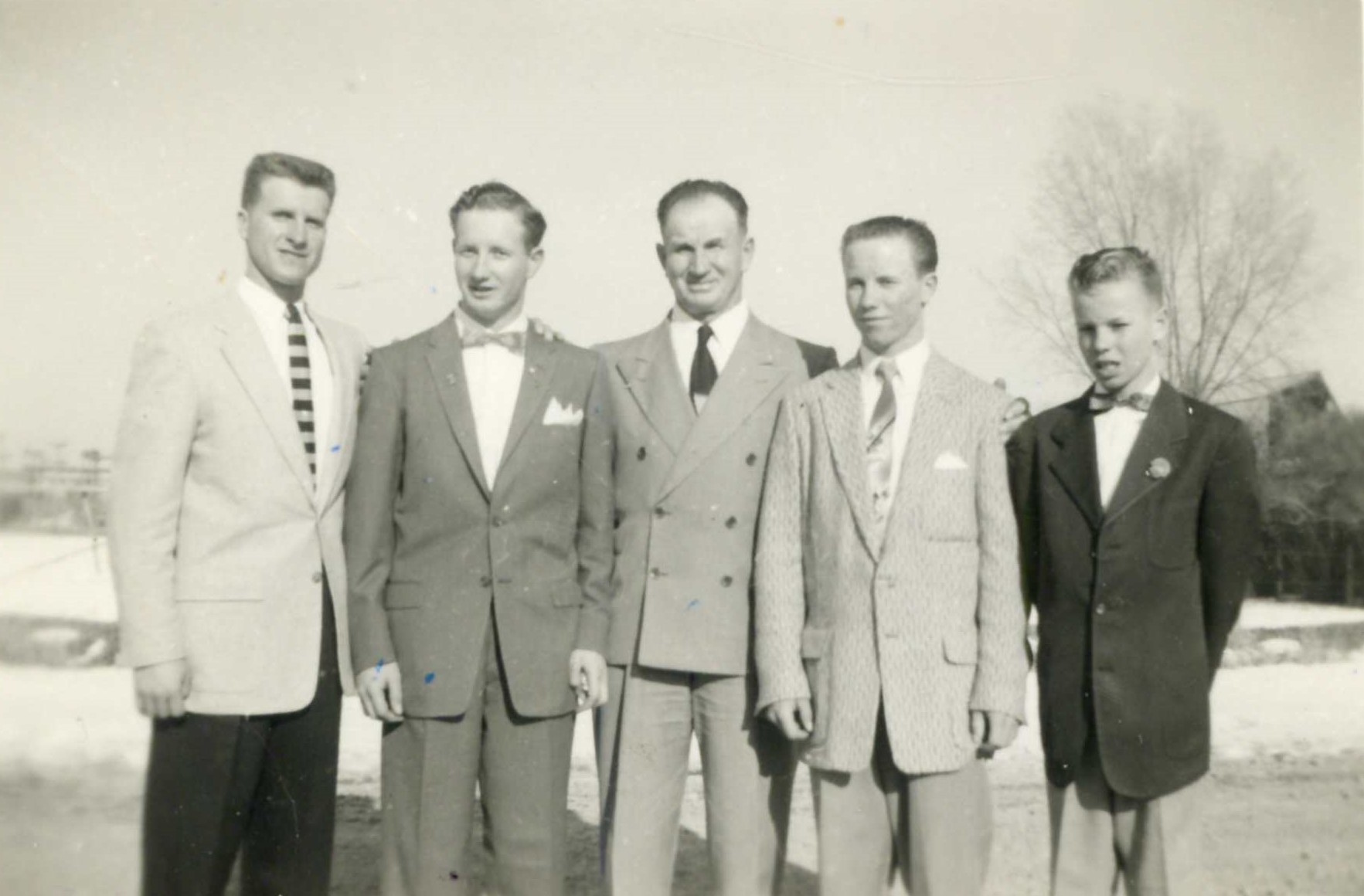
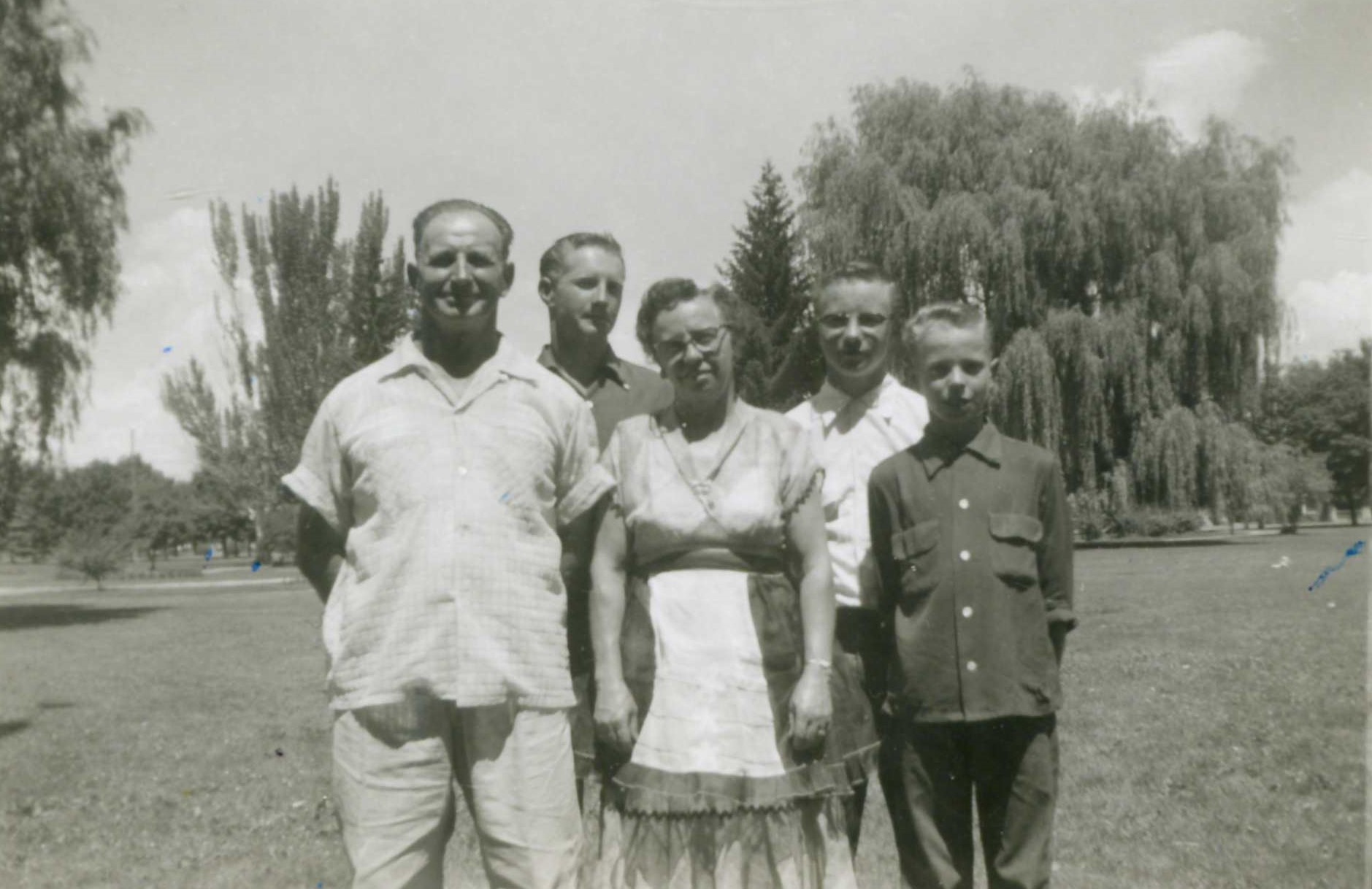
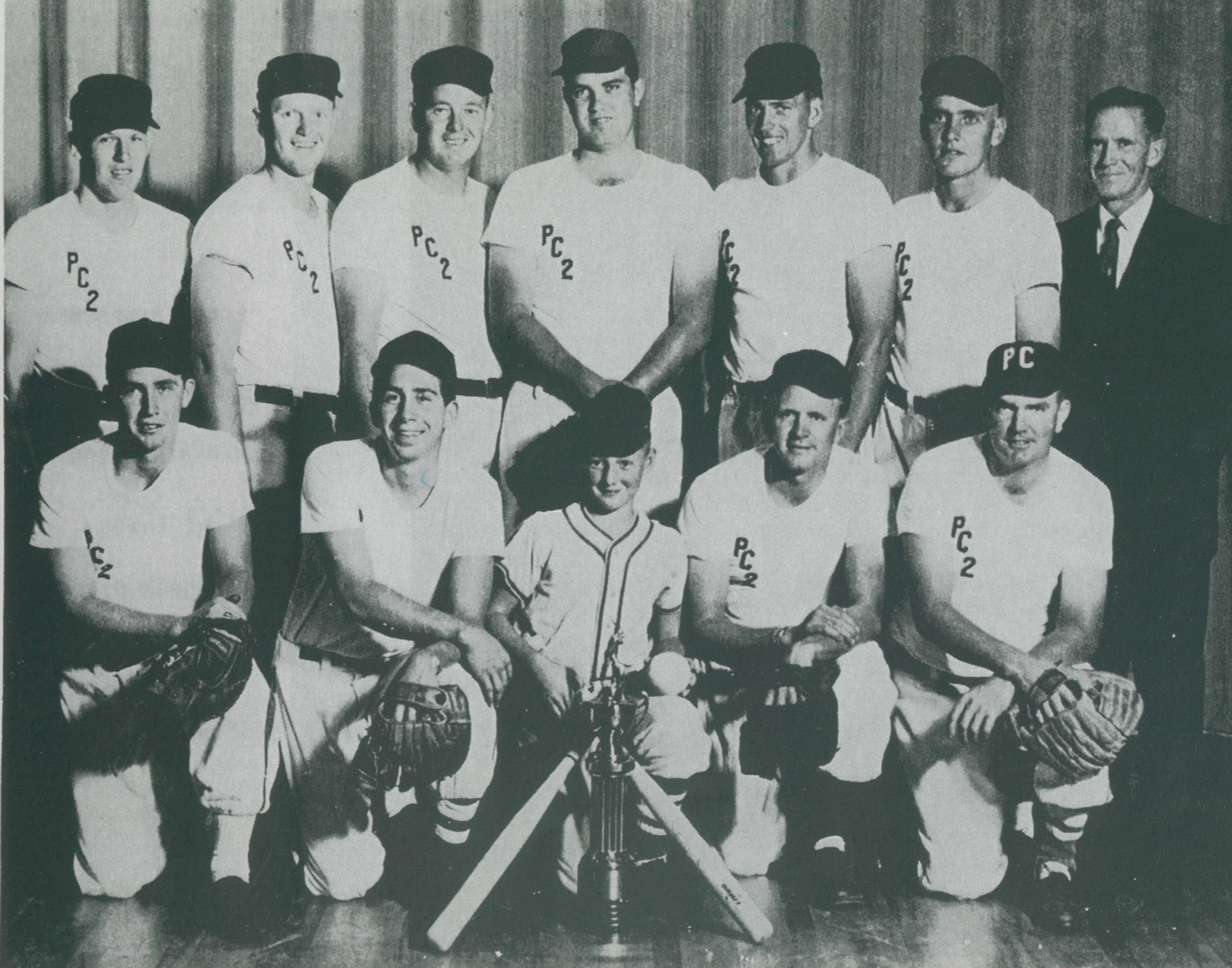
Don, Ross, Bill, Dale, and Larry Andra, Preston, Idaho – 1950s

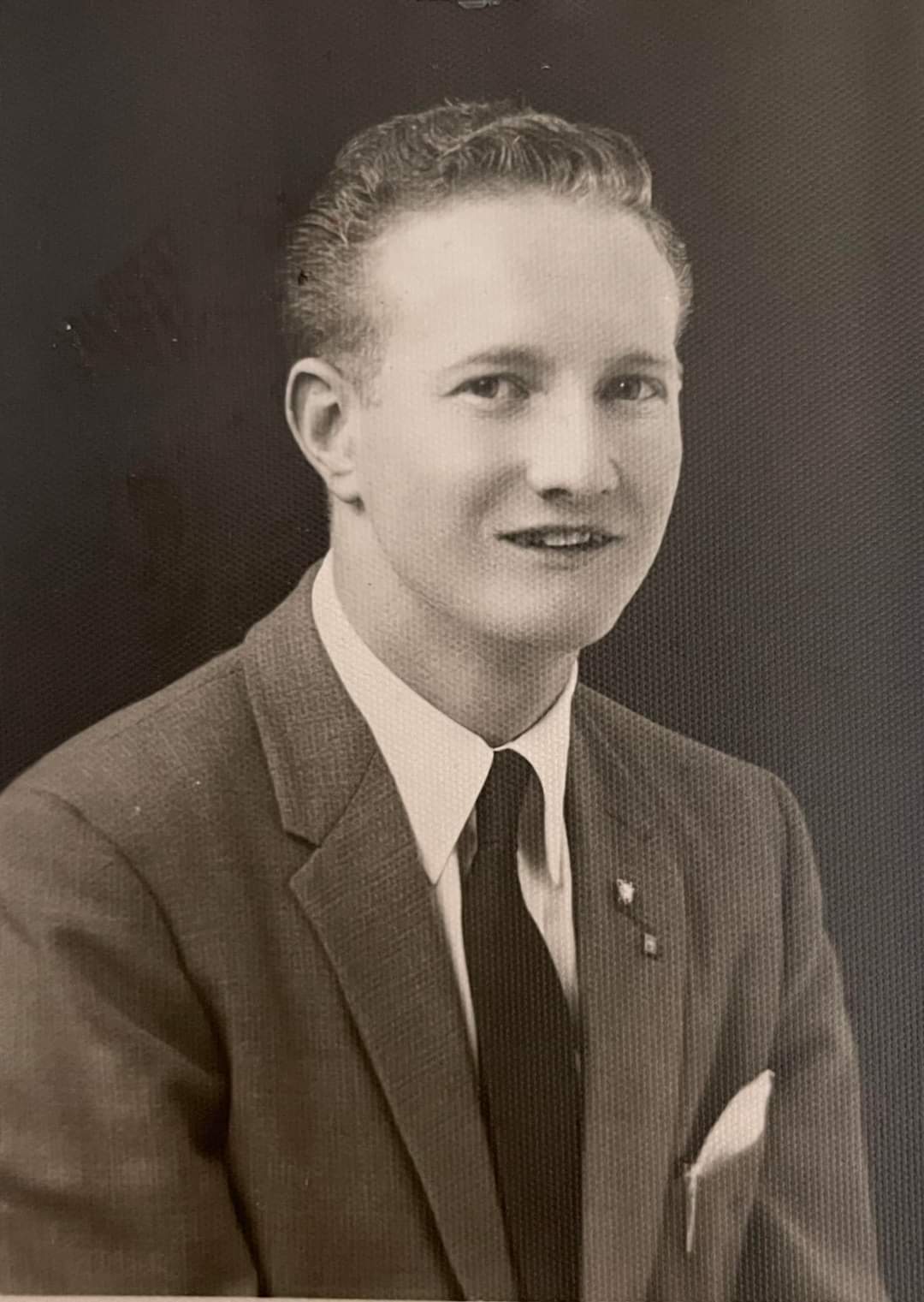
23 January 1957

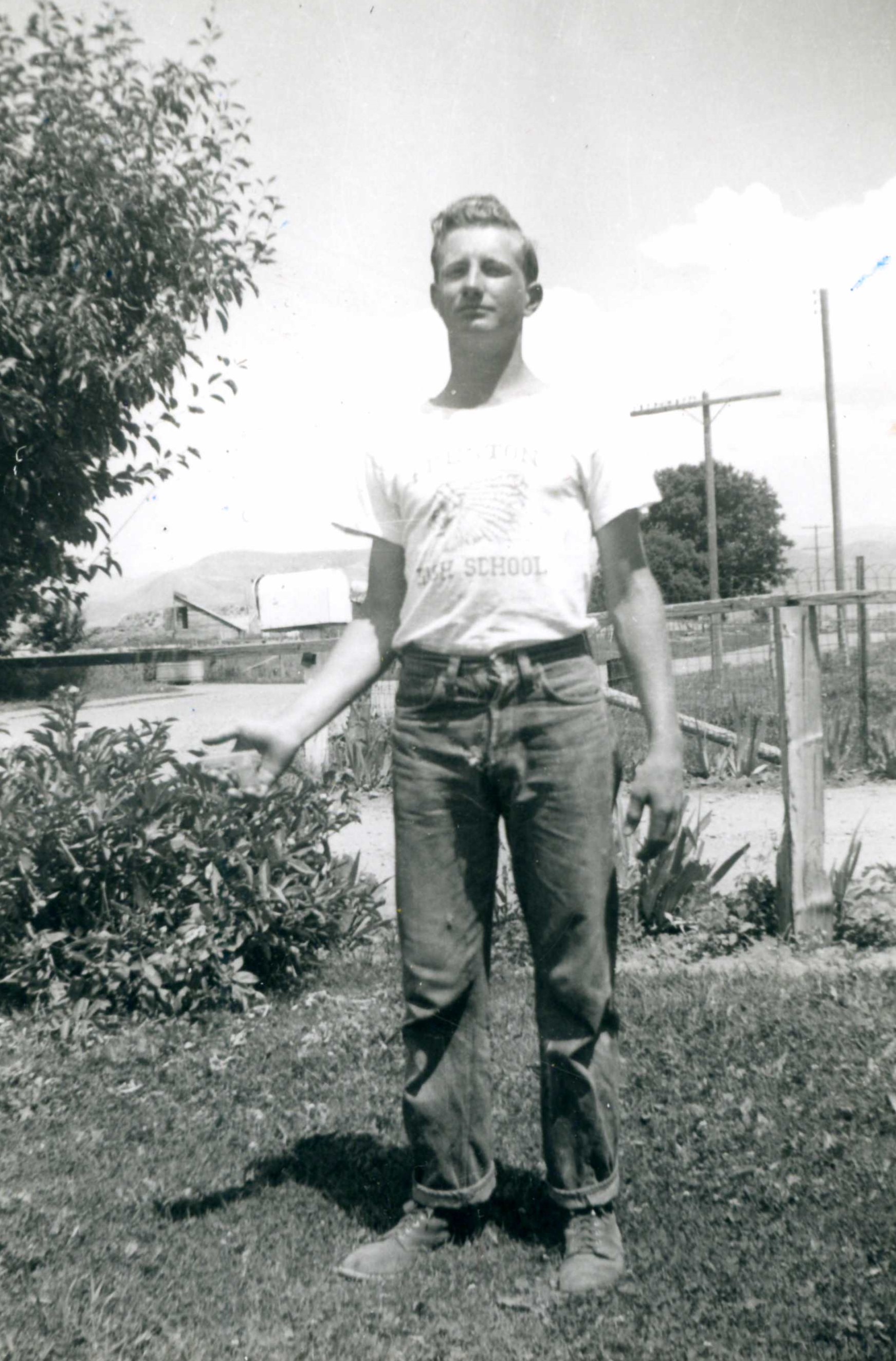
Ross Andra, Preston High T-shirt, backyard

Ross graduated from Preston High School in 1955. He spent two years at Utah State Agriculture College, then headed east with his brothers Donald and Golden to work construction on the St. Lawrence Seaway project in Massena, New York. Golden was a general foreman on the Eisenhower Lock โ€” photographed in the projectโ€™s official records, named in the local newspaper. Donald met and married a woman in Hogansburg, New York. Ross told me stories about New York, though I cannot remember enough of them to share now. What I know is that the three brothers were there together, Idaho farm boys pouring concrete on one of the great infrastructure projects of the Eisenhower era, on the St. Lawrence River in the far north of New York State.
Then Ross came home and left again โ€” this time for Brazil.

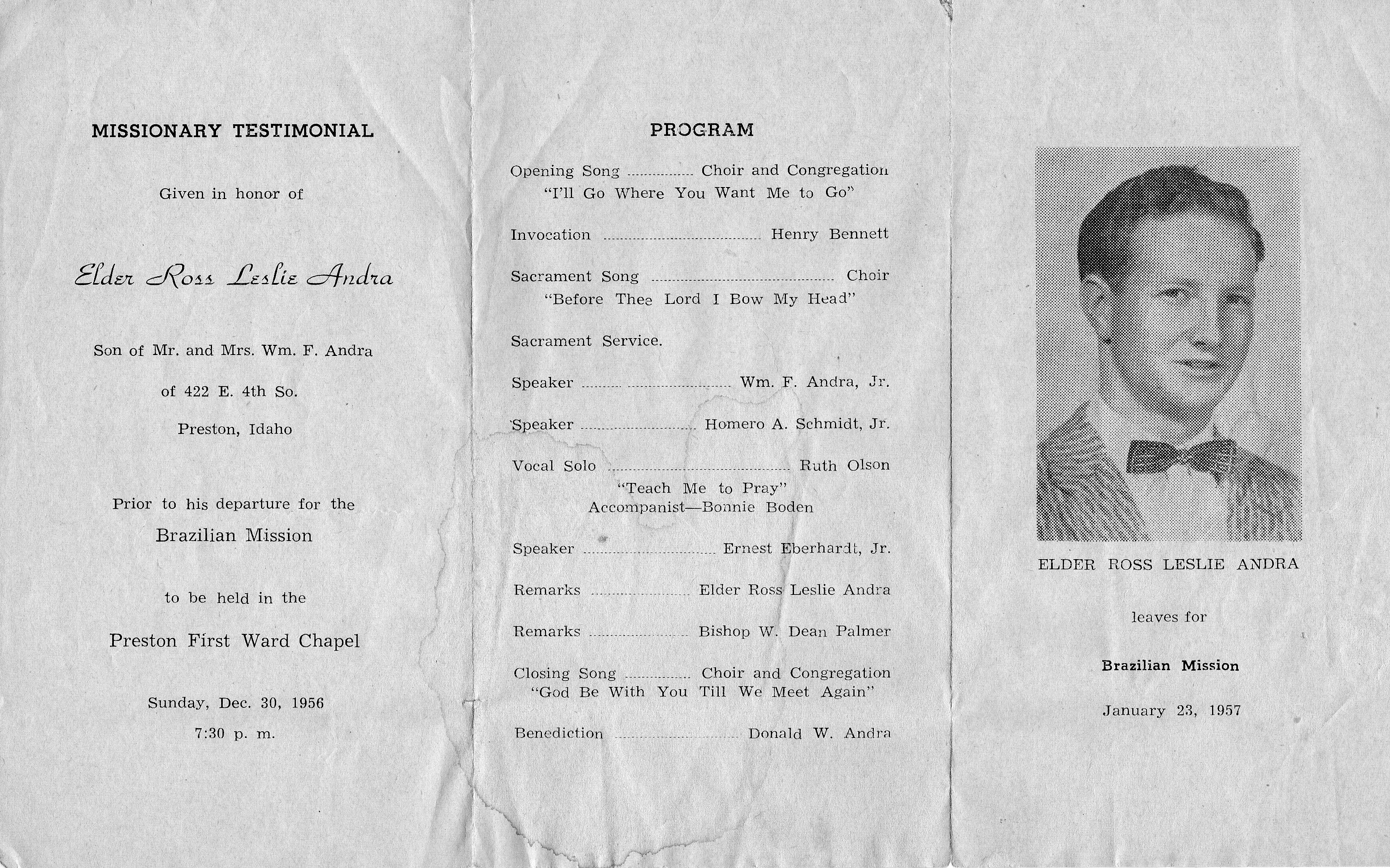
Ross Andra Missionary Farewell Program – 30 December 1956.

The missionary farewell program for Elder Ross Leslie Andra is dated Sunday, 30 December 1956, Preston First Ward Chapel, 7:30 p.m. The opening hymn was โ€œIโ€™ll Go Where You Want Me to Go.โ€ His brother William Jr. โ€” who had himself served in Mexico from 1941 to 1943, the first of the Andra brothers to go โ€” spoke at the service. His brother Donald gave the benediction. Ross made his own remarks. Bishop W. Dean Palmer closed. The program reads: Elder Ross Leslie Andra leaves for Brazilian Mission, January 23, 1957.
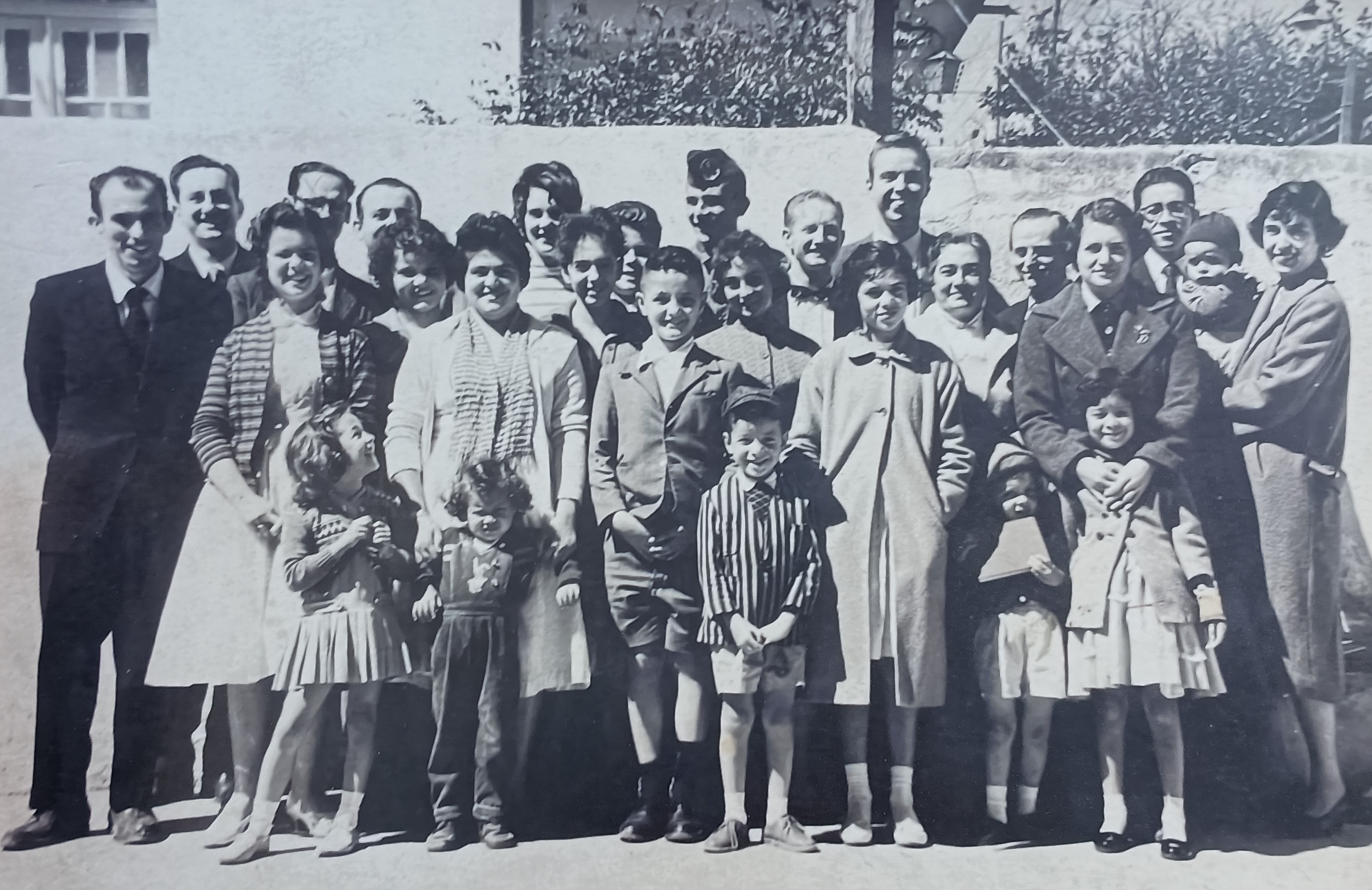
I remember Ross telling a story. He had just returned home from his mission in Brazil and was sitting on the stand at Stake Conference with other returned missionaries. Apostle Joseph Fielding Smith was speaking at the pulpit. Elder Smith was speaking about being strictly honest with your fellow man. Elder Smith related a story that told of a guy who admitted to Elder Smith that he was not as honest as he should be. The irony of a man honestly confessing his inability to be honest struck a nerve with Ross. He got the giggles. Apparently he looked at someone else who also found the irony humorous and the laughter broke out and spread. Apparently Elder Smith turned around to look at them with a very unfavorable look. It only added to the giggles. Ross admitted it might have been his Brazilian sense of humor. He laughed even as he told me about the story.
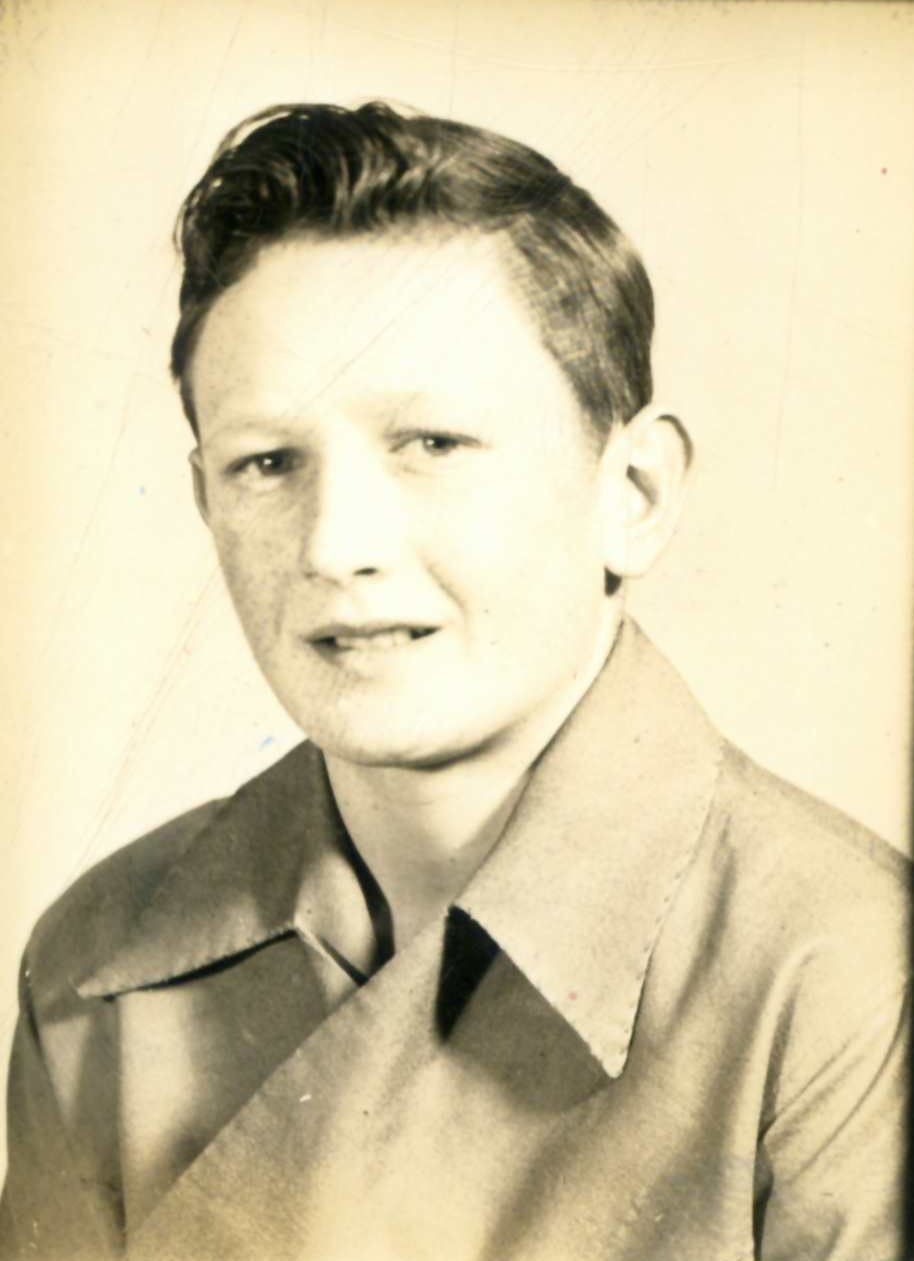
Four years later โ€” on 9 October 1960 โ€” Ross stood at that same Preston First Ward pulpit as his farewell and spoke at the farewell for his younger brother Dale, who was leaving for the Western States Mission. The brothers sent each other off, one by one, into the world.

Ross served in Brazil from 1957 to 1959. He came home, enrolled at Brigham Young University, studied political science, speech education, and Portuguese, graduated with a Bachelor of Arts in 1964. But the most important thing that happened in Brazil was Adelaide.

Feliz Natal
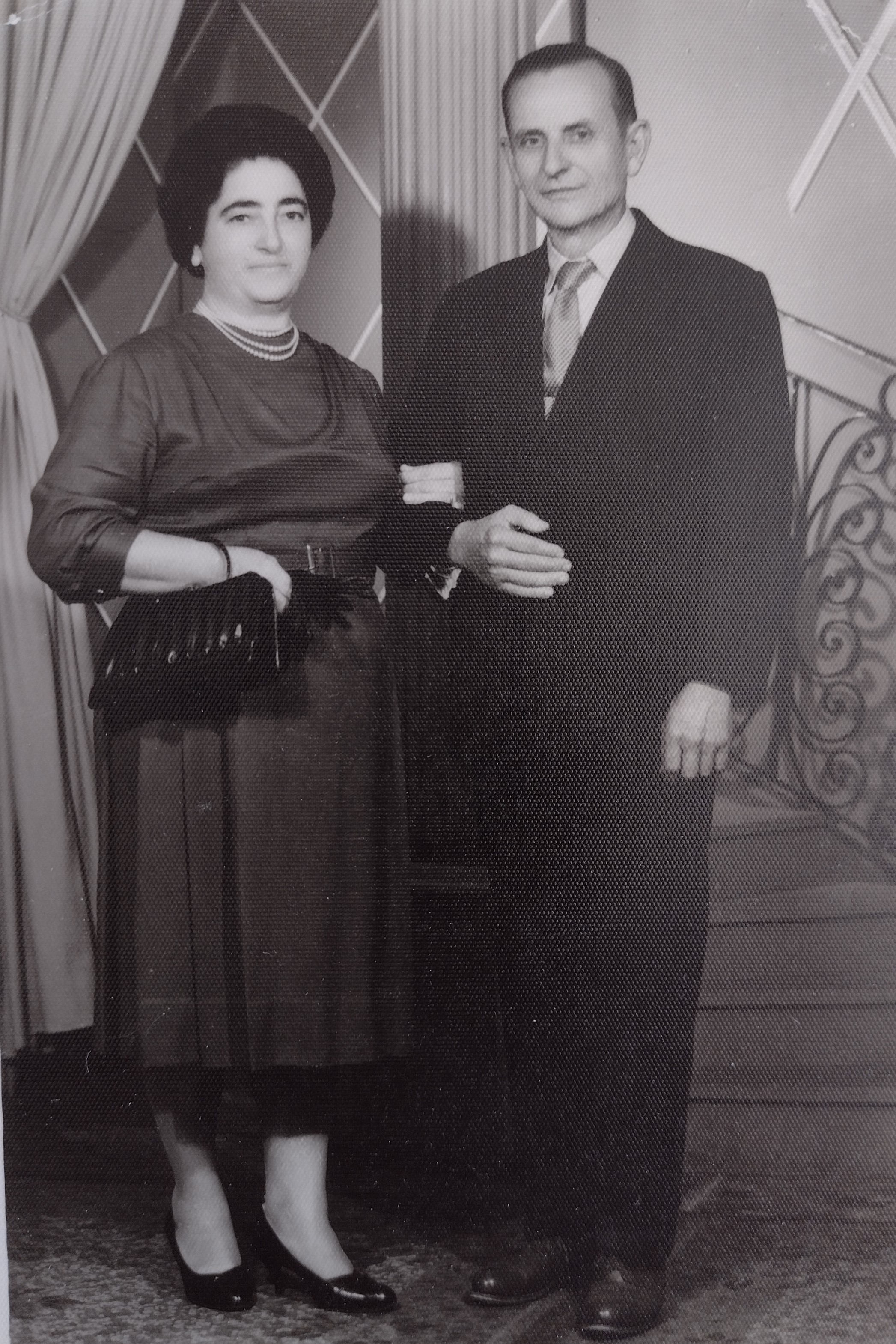
Angela and Blas Gonzalez, Adelaide’s parents
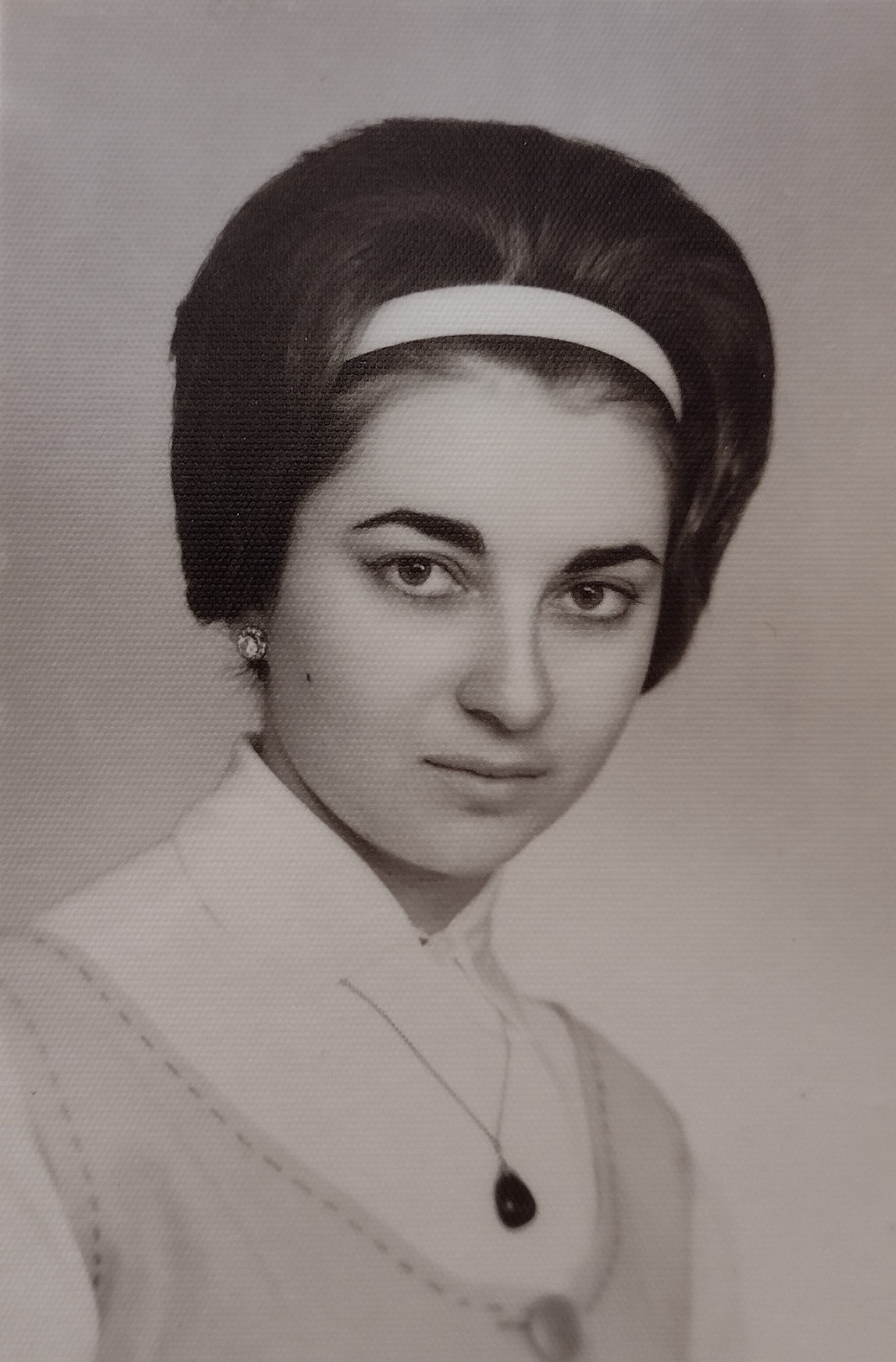
Adelaide Gonzalez Carrenho, Brazil

Adelaide Gonzalez Carrenho โ€” the daughter of Angela and Blas Gonzalez of Brazil โ€” was a young woman of dark eyes and composed beauty when Ross encountered her. I seem to recall that he said they met on a trip back to Brazil after his mission. After he returned to BYU; they kept in contact across the distance. On 14 June 1963, in the Logan Utah Temple they were joined in the holy bonds of matrimony for time and for all eternity. The witnesses on the marriage certificate are William F. Andra Sr. and Dale Andra โ€” Bill and Dale, father and brother, standing at the altar the day Ross married his Brazilian bride. A missionary friend named Phyllis Merrill, who had served in Brazil and become one of Adelaideโ€™s closest friends, spent the wedding day interpreting for Adelaide as she went through the Logan Temple for the first time. (The wedding photograph, with full identification of those present, is available here. The marriage certificate is here.)
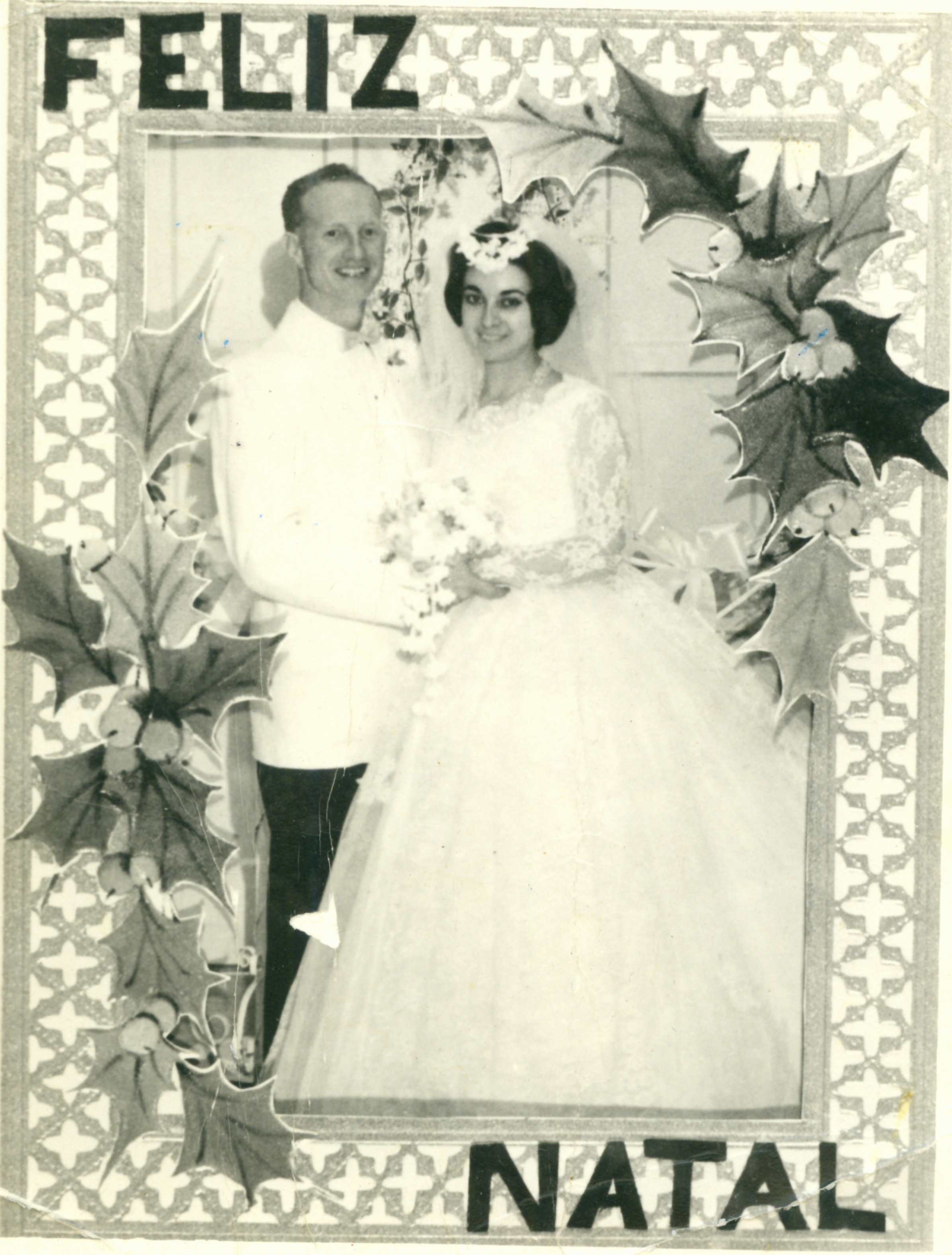
Ross & Adelaide Andra 1965 Christmas Card

That Christmas, Ross and Adelaide sent their wedding photograph to friends in Brazil as a holiday card.

His daughter Brenda captured it simply at the funeral: Ross had โ€œa deep love for Brazil, its people and culture, and especially for his little Brazilian bride.โ€ That love never left him. In his later years, when health prevented the overseas return mission he and Adelaide had always wanted, they served as local service missionaries to the Portuguese- and Spanish-speaking wards of the Salt Lake Valley, driving all around visiting families, making sure they had what they needed.
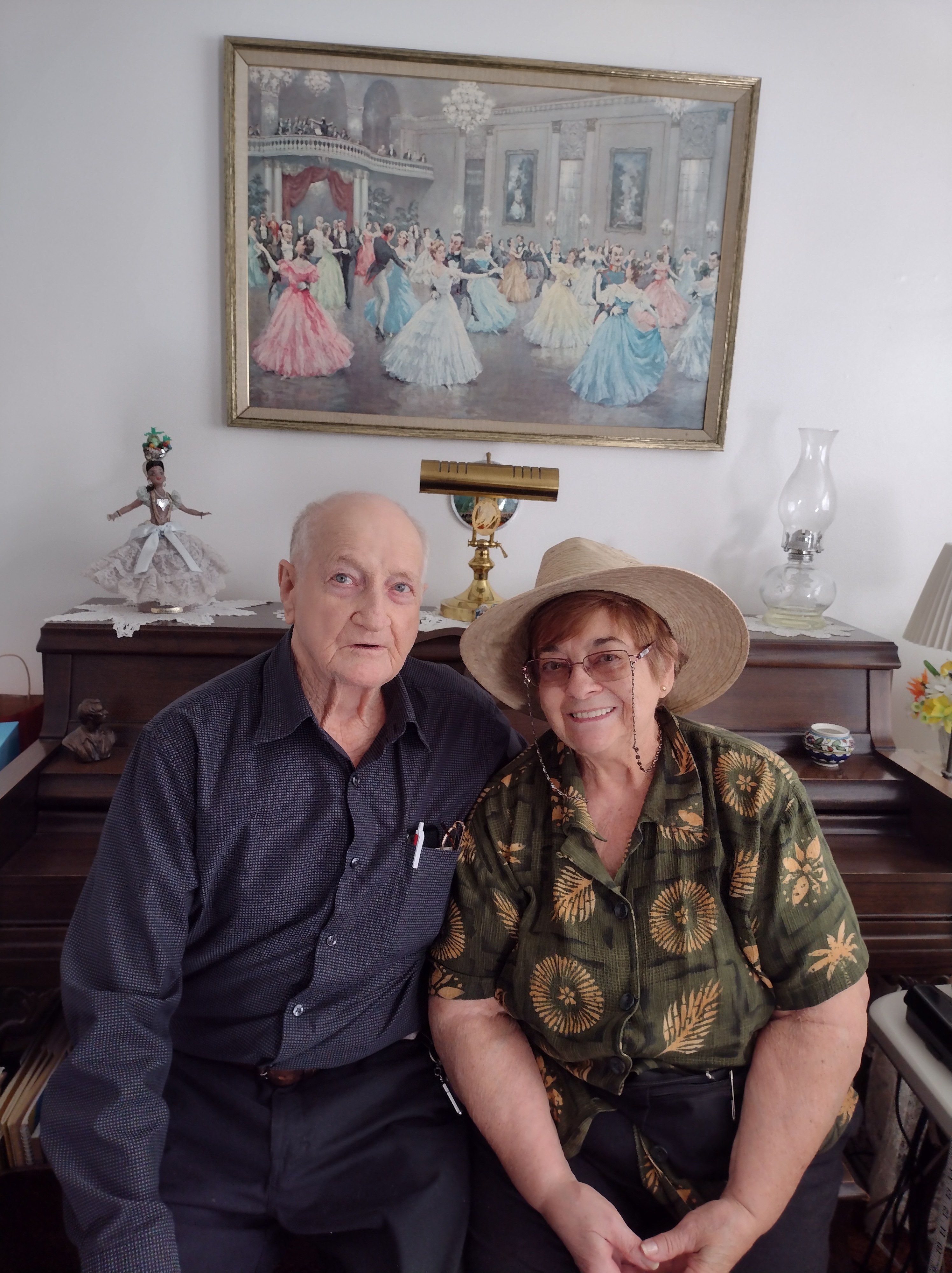
Ross and Adelaide Andra, SLC home, October 2022

The Working Life

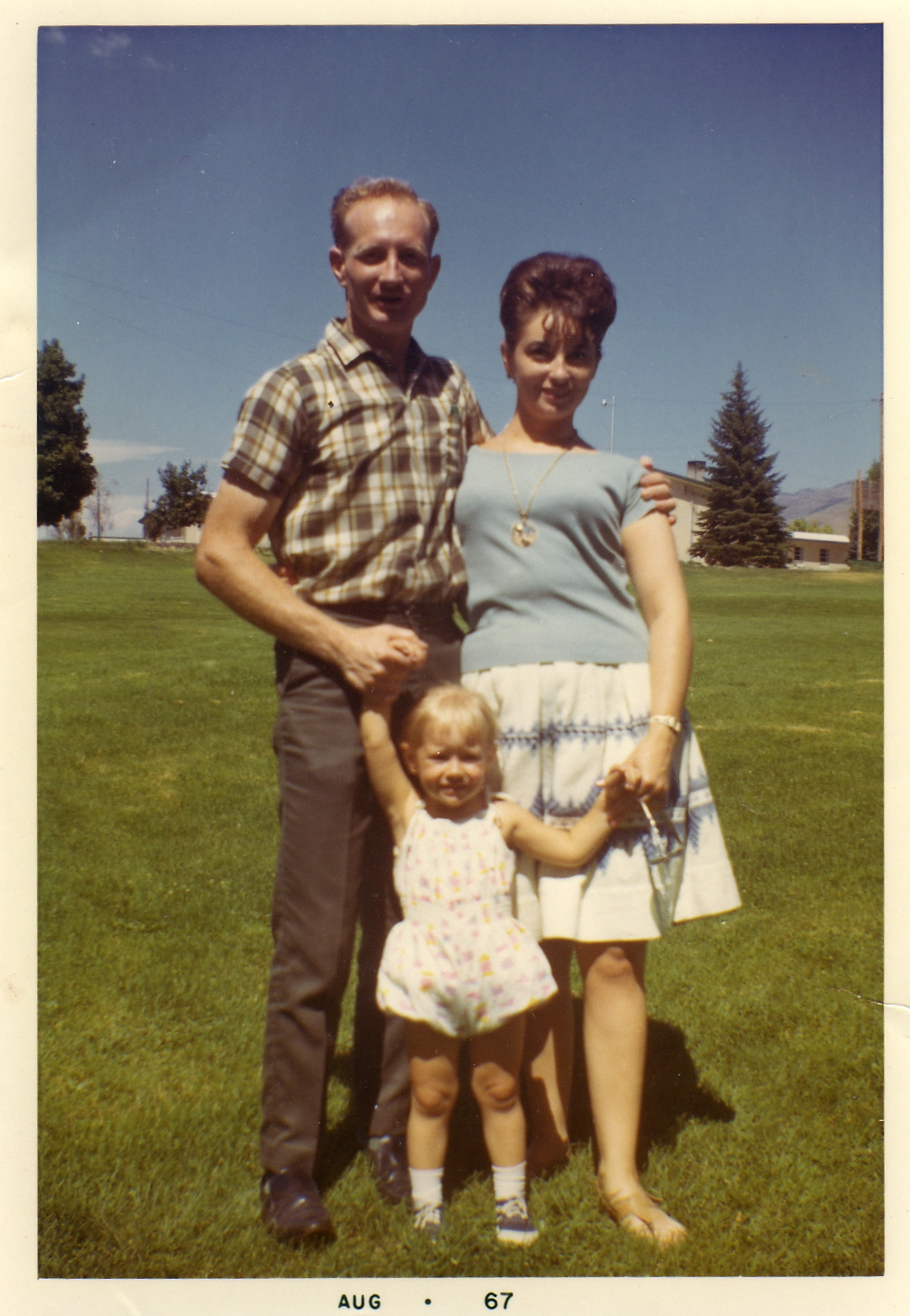
Ross, Adelaide, Brenda Andra – August 1967

The career of Ross Andra resists a single title. High school teacher. Coach. Candyman. Small business owner. Appliance installer. Furniture mover. UPS driver. Medical courier. He was, as his friend Frederick Johnson insisted at the funeral, an entrepreneur โ€” a man who believed in the American dream and in hard work and gumption as its instruments.
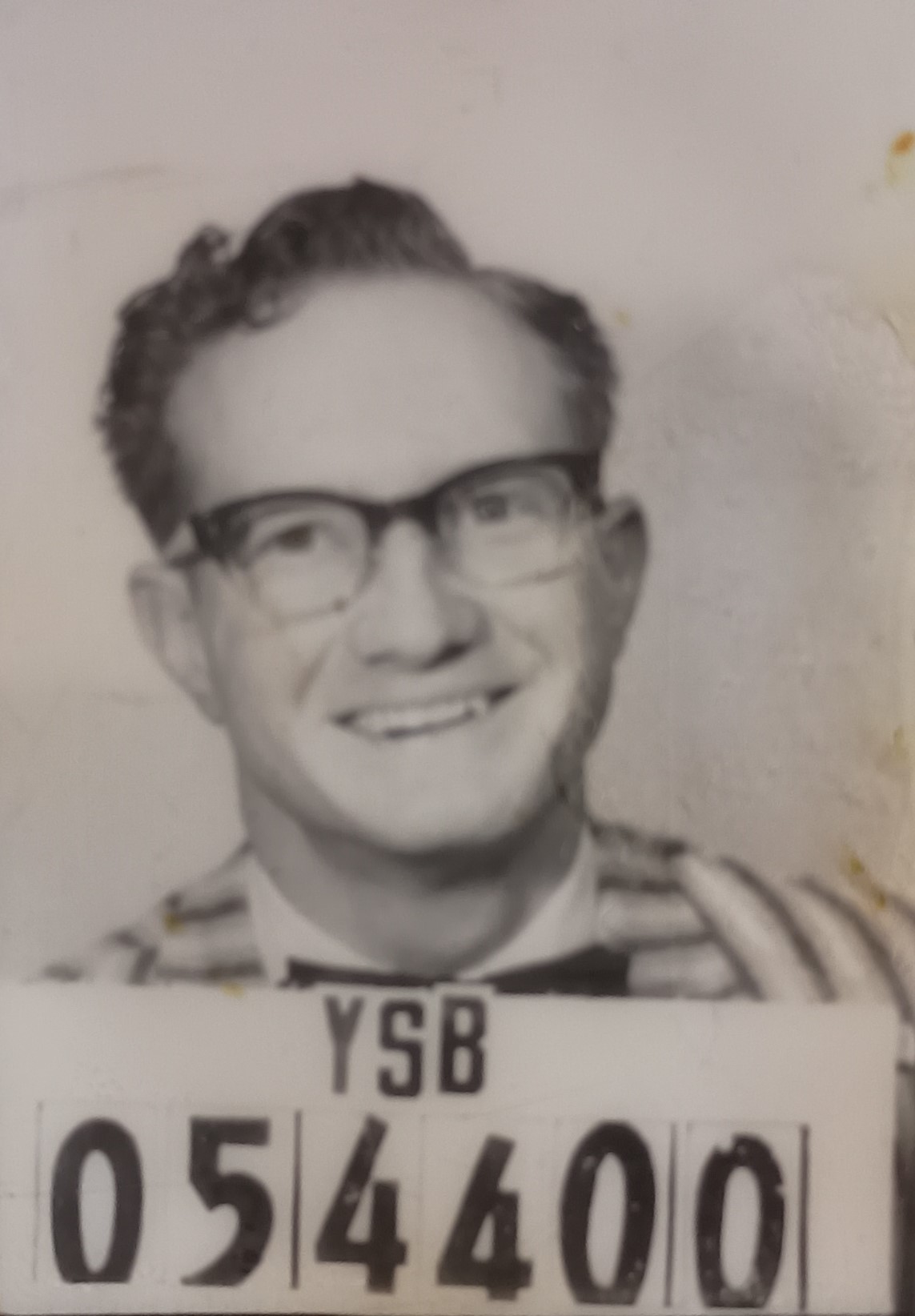
As the Candyman, he kept the vending machines stocked in his eldest daughterโ€™s school teachersโ€™ lounge, and he would sometimes appear at recess to distribute candy on the playground, which made Brenda quite popular with her classmates. As a business owner, he often took his son Carlos along to deliver and install appliances and move furniture, with the result that Carlos learned to load a truck with the systematic precision of a Tetris puzzle. He gave his youngest daughter Denise a tutorial in personal finance when she was struggling with debt; she paid everything off.
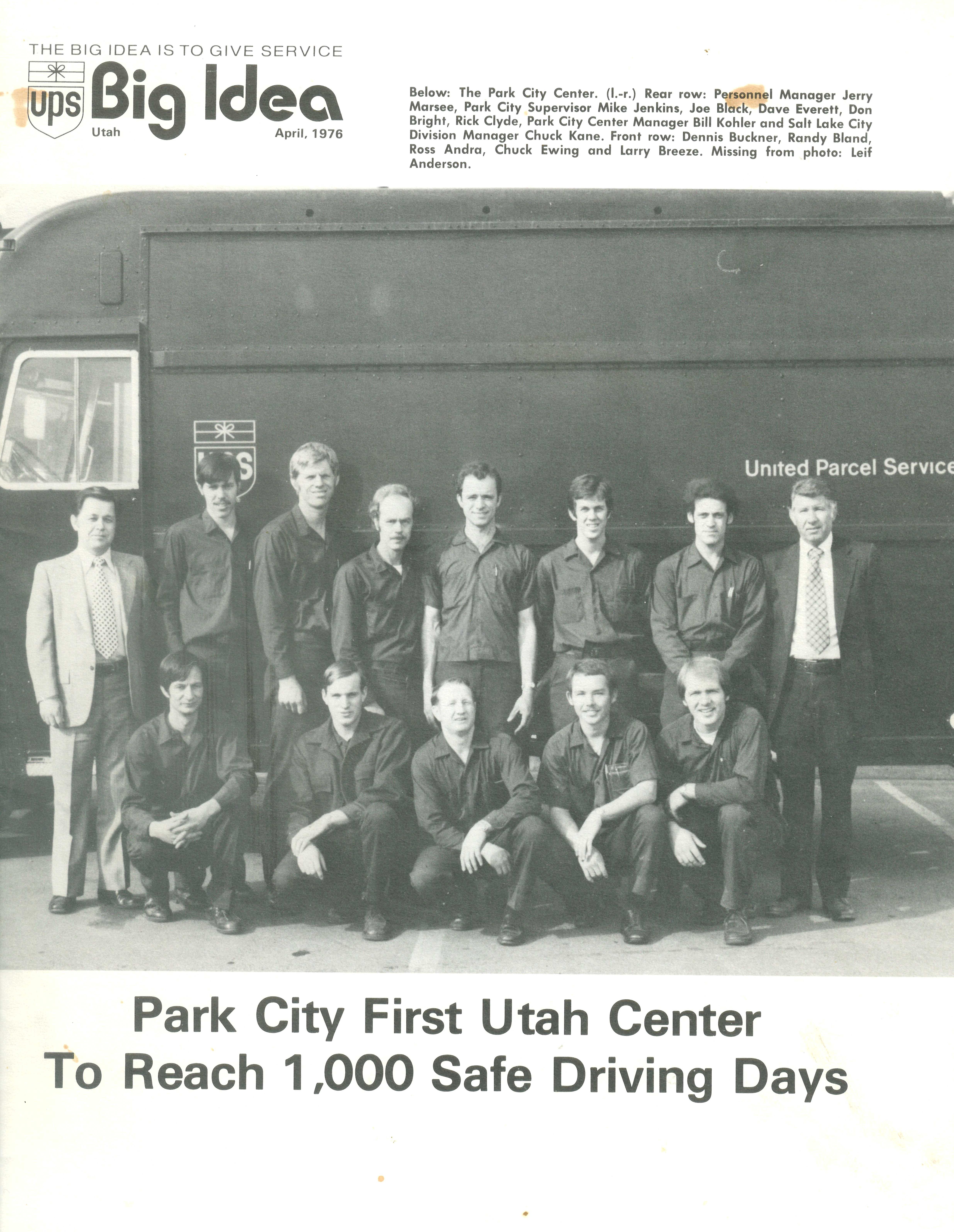
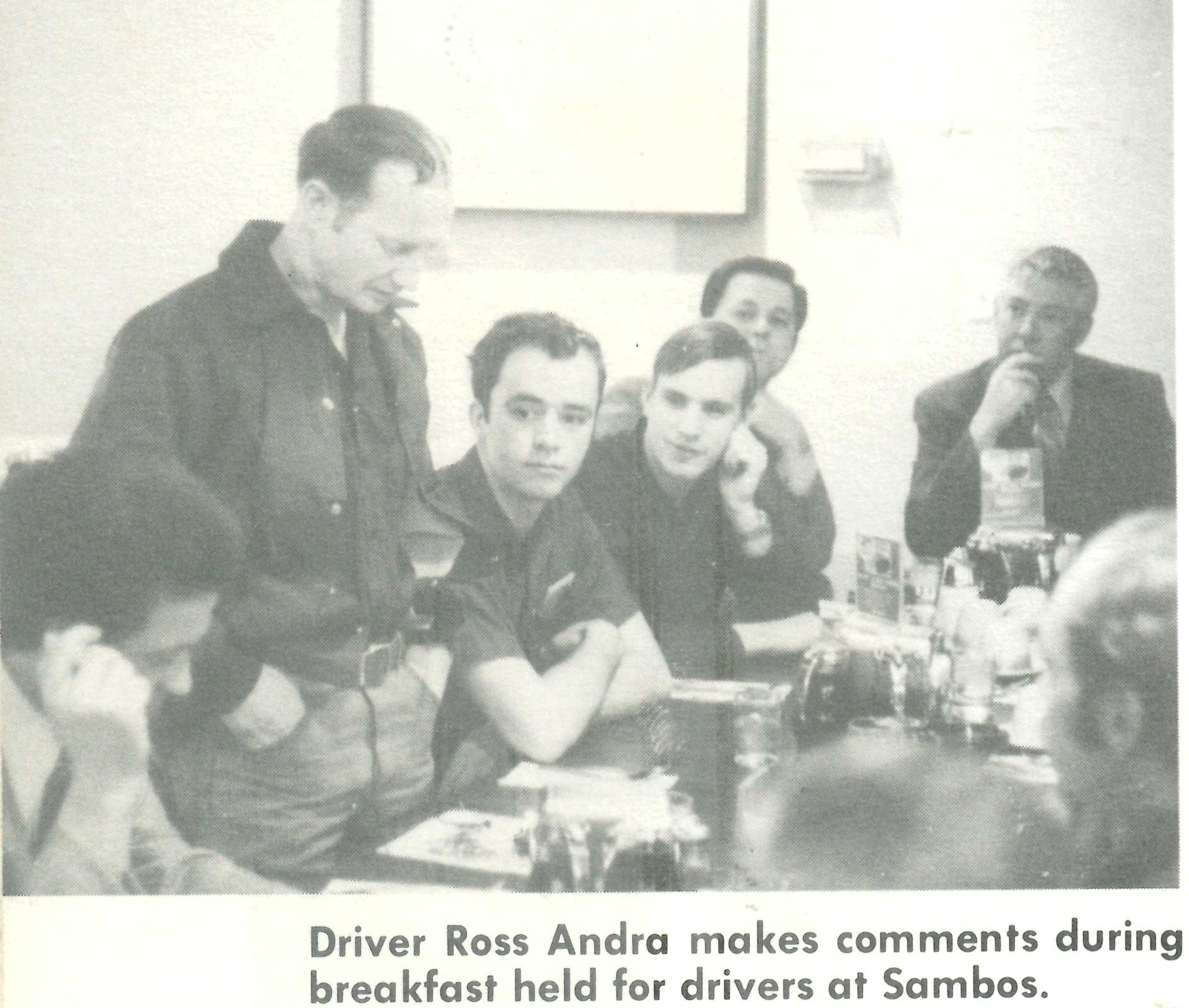
UPS company newsletter Big Idea, April 1976, Ross Andra is named as one of the drivers who helped get to 1,000 safe driving days
Ross Andra makes comments during breakfast held for drivers at Sambos

The April 1976 edition of the UPS company newsletter Big Idea photographed the Park City, Utah center โ€” first in Utah to reach 1,000 safe driving days โ€” and named Ross Andra in the front row. A separate photograph from the same period shows him standing at a driversโ€™ breakfast, mid-comment, captioned: โ€œDriver Ross Andra makes comments during breakfast held for drivers at Sambos.โ€ He drove a fully loaded truck the way most people drive a compact car, weaving through traffic with an ease that still astonished Frederick Johnson decades later. Before GPS, he had the entire I-15 corridor memorized. He was the GPS. In his later years, until age 84, he delivered blood and vital organs to medical facilities across Utah, Idaho, and Wyoming. He made people laugh the whole way.
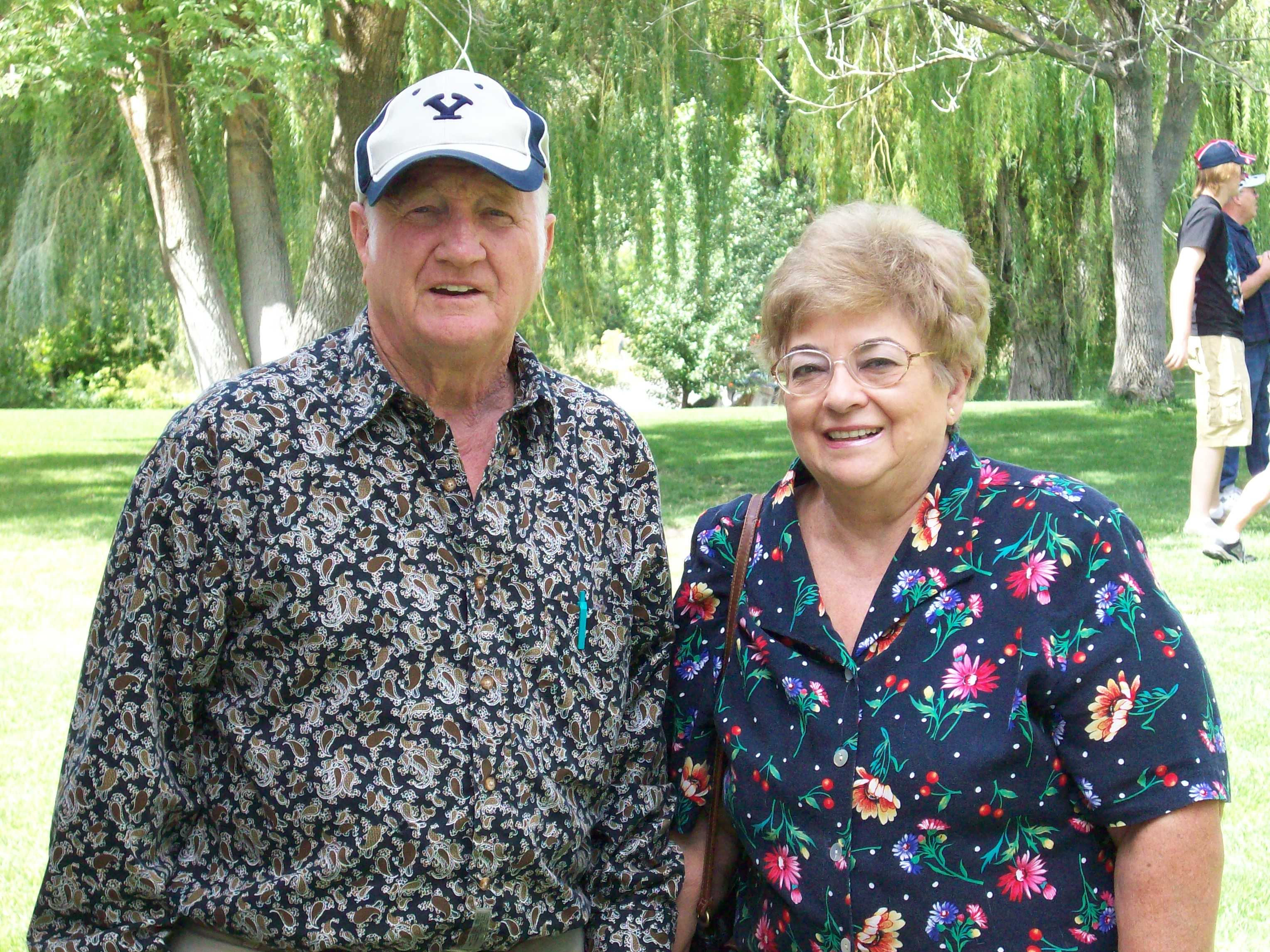
Ross and Adelaide Andra

Ross the Boss

Judy, Dale, Mary, Bill, and Ross Andra, September 1962

Frederick Johnson โ€” known as Freddy, or Frederico โ€” spoke at the funeral. His father Ranley had worked weekends with Ross for years delivering and installing appliances, and when Frederico turned sixteen the interview for joining the operation was brief. โ€œFrederico, youโ€™re sixteen, right?โ€ โ€œYeah, Iโ€™ll be sixteen at the end of โ€”โ€ โ€œFrederico, youโ€™re sixteen.โ€ โ€œYes.โ€ That was the interview.

Working with Ross, Johnson said, was better than television, even when it was miserable hard labor. His father would come home Saturdays with tears rolling down his face from laughing. The phone would ring โ€” Ross, calling to debrief, mostly to replay the jokes that were played during the day.

Ross was a virtuoso practical joker. He favored ice dropped down the back of your shirt on hot summer deliveries. He perfected the screwdriver dropped at precisely the moment a man was bent double lifting something heavy. For years he carried a novelty ID with Elvis Presleyโ€™s photograph and produced it whenever anyone asked for identification โ€” cashier, security guard, TSA agent. โ€œThatโ€™s what drugs will do to you.โ€ He once deployed it at a Salt Lake airport checkpoint around September 11th while escorting Johnson to his gate. Johnson nearly missed his plane.

But the parrot story is the finest. Rossโ€™s family had long laughed about his famous account of being called back to the farmhouse by his mother โ€” or so he thought โ€” only to find a chicken calling his name. That story about a chicken that was loud enough and gave a distinct “Rawwwsss” more than once was confused for his mother calling for him. One afternoon, Johnsonโ€™s father came home from a delivery unable to speak from laughter. They had delivered a washer and dryer to an elderly womanโ€™s home. Ross was in the basement doing the hookup. There was a parrot. Ross called up the stairs: โ€œIs there a drain down here? We need to drain a little water.โ€ The parrot said: What? Ross tried again. What? Is there a hole where the water goes? What? Ranley, upstairs, was quietly disintegrating and trying to hold in the laughter. Ross, red-faced and fully irritated, eventually came upstairs. When he saw Ranley’s face, he understood he had been duped by a parrot. Ranley laughed about it the whole rest of the day. The story became one of lore.

โ€œIt was rare,โ€ Johnson said, โ€œto get one on Ross. He always had the drop on you.โ€ The parrot did it magnificently.

For all his irreverence โ€” and Johnson named it plainly โ€” there was something untouched by it. Ross never swore. He had code words and nicknames. But when it came to his faith and his testimony, Ross was always reverent. Bishop Maxwell put it simply at the close: Ross loved the scriptures. He loved the word of God. He loved Jesus Christ. And he brought that light into everything he did.

The Mission Couple
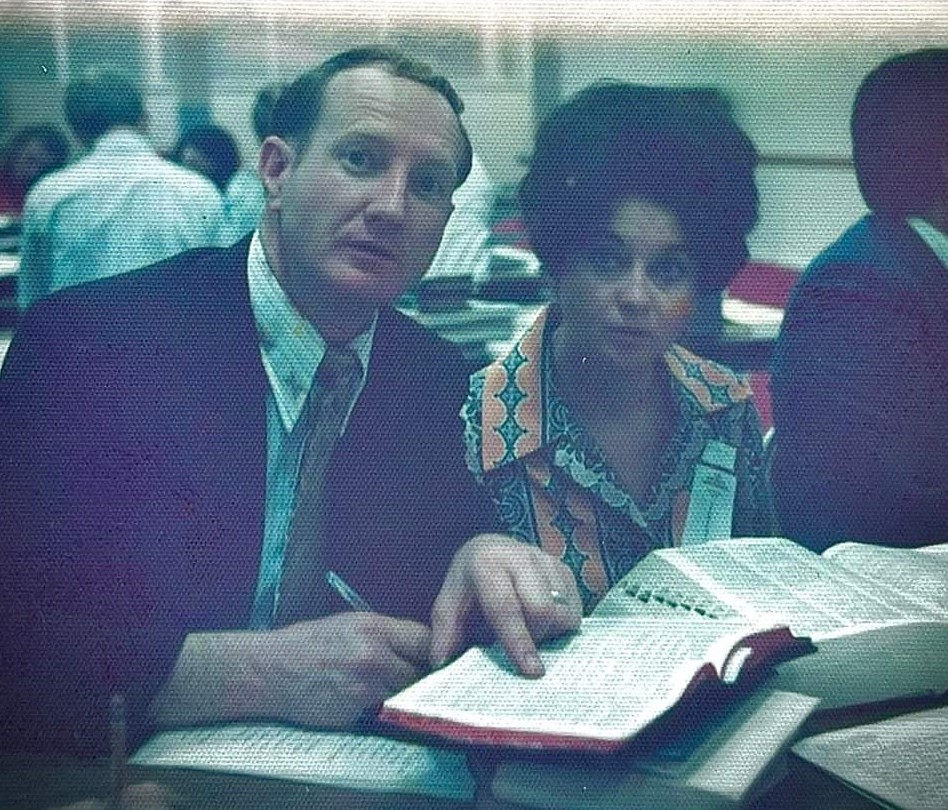
Ross and Adelaide Andra

Clay Celestino, who served as bishop of the Mountain Shadows Ward, offered a different angle. The Brazilian immigrant wards of Salt Lake City in the early 2010s were large and underserved โ€” hundreds of families struggling with injury, poverty, paperwork, language. The Andras came as service missionaries between 2009 and 2015, and Celestino said plainly they were indispensable.
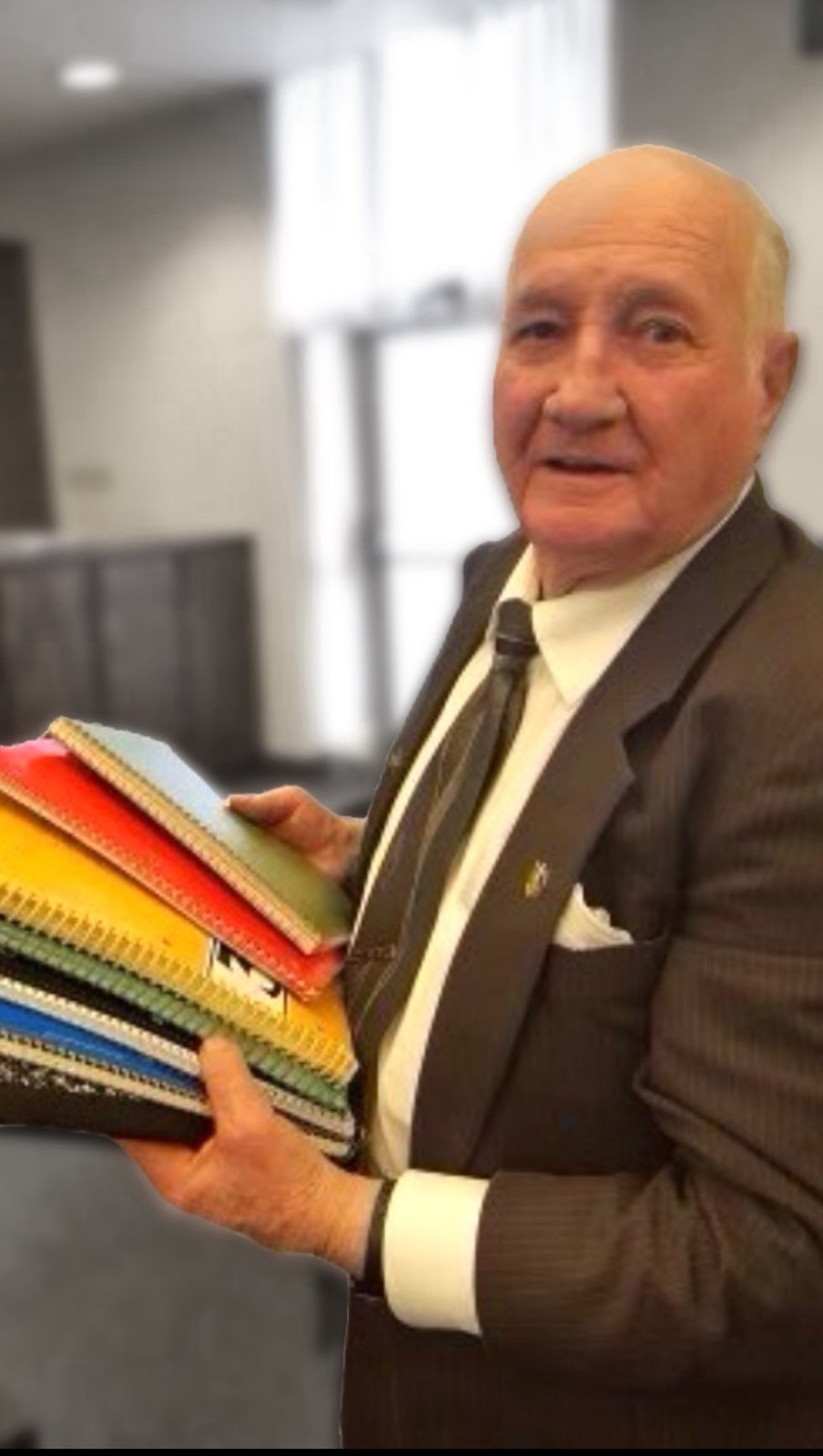
He remembered a specific night: 22 January 2013, 12:19 a.m. He sent an email. Eight minutes later, Ross replied: โ€œHi, Bishop. Thatโ€™s no abuse at all to ask for the things youโ€™re asking. That is the reason why we are serving a mission. We want to help our brothers and sisters the best way we can. Tomorrow I will make a few phone calls and I will provide you with the information you need.โ€

The list of those they helped, Celestino said, went on and on. And then, at nine in the evening, talking to Ross, you would find out he still had deliveries to make for his other job.

When the Andras were transferred unexpectedly in September 2013, Celestino read at the funeral the farewell letter he had written them at the time. He had copied the entire ward leadership. He thanked Ross for allowing him, as bishop, to concentrate on other responsibilities. โ€œFor that I will be eternally grateful to you and to Heavenly Father.โ€ He asked them not to forget the ward. โ€œWe will not forget you.โ€

The Brothers

Bill, Ross, Mary, Dale, Larry Andra – late 1950s

Larry Andra โ€” the last of the twelve, the youngest surviving child of Bill and Mary โ€” gave the family prayer before the service and spoke as one of the main eulogists. He described the family with the dry affection of a man who has lived long enough to be the last one telling the stories.

William Jr. went first among the siblings, in 1992. Then June and Colleen in 1999, Golden in 2004, Sergene in 2013, Donald in 2016, Dale in 2021. At Daleโ€™s funeral in August 2021 โ€” three years before Ross’ โ€” Ross was listed among the honorary pallbearers. By the time Ross died in June 2024, of the twelve children of Bill and Mary Andra, only Larry remained.

Dale’s funeral was held during the week of the annual Andra reunion. Larry noted that was Rossโ€™s last reunion here on Earth. The reunions had been going since the children were young โ€” Preston Fairgrounds, Logan Park, Lava Hot Springs, Wolcott Park by the Minidoka Dam, Richmond City Park, Riverdale, then wherever families could gather. I remember Bill Andra at those reunions. I remember the sly look that sometimes crossed Bill Andraโ€™s face when he was about to tease someone. Ross had inherited that look too. You knew when a tease, joke, or prank was coming by the look on his face.
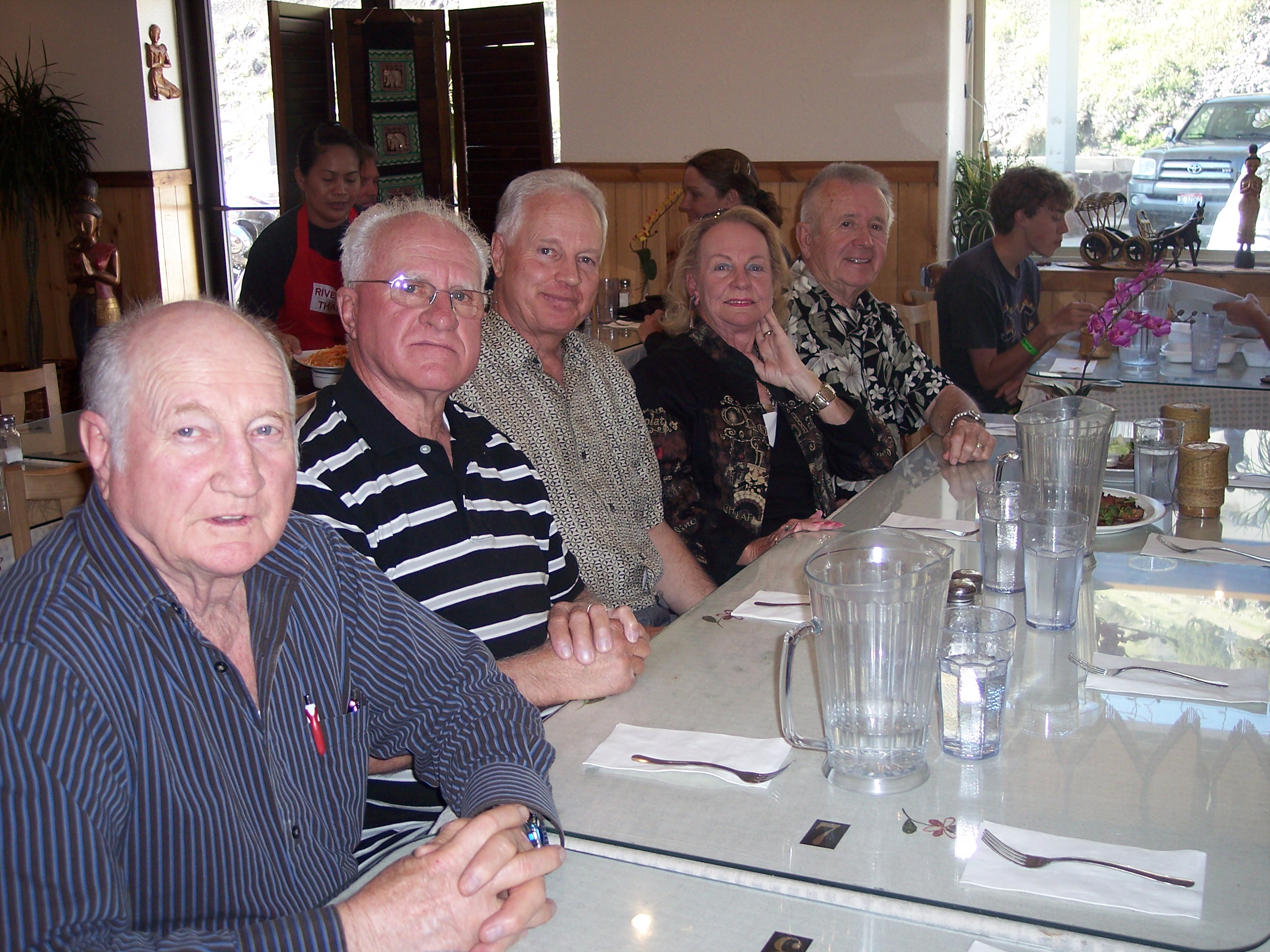
2010 Reunion: Ross, Donald, Larry, Sergene, Neil Anderson – 2010 Andra Reunion

The Close

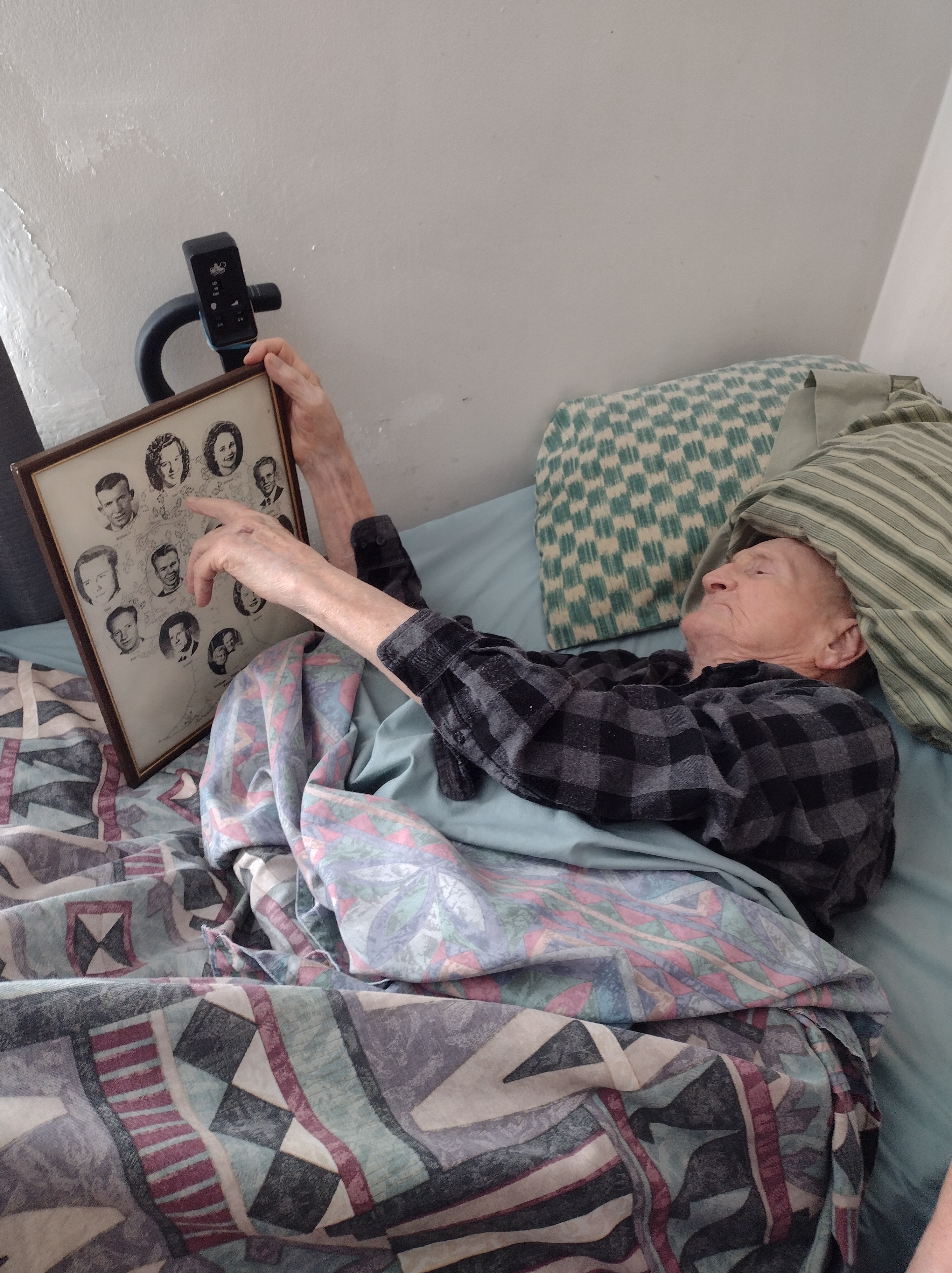
I snapped this picture of Ross the last time I visited him, 23 December 2023 at his home.

Bishop Ted Maxwell had only known Ross since the COVID years. What he had seen was enough. In the final months, when Ross could no longer come to church, he called the bishop after every sacrament meeting to report on how it had gone and offer observations. The calls grew shorter, then stopped. Maxwell told himself at first that Ross must be doing better. He knew eventually that wasnโ€™t it.

What Maxwell said at the close was simple and accurate: everyone in that congregation had either been served by Ross or served with him, because that was what his life was. Service. Whether bringing joy or bringing the gospel โ€” it was the same motion, from the same source.

In December 2023, six months before he died, I visited Ross at home. He was lying in bed, largely unable to rise. At one point he reached up and lifted a framed composite portrait โ€” all twelve Andra children, the photograph that had defined the family across seven decades of reunions โ€” and held it up toward the light, pointing at the faces one by one. He knew every one of them.
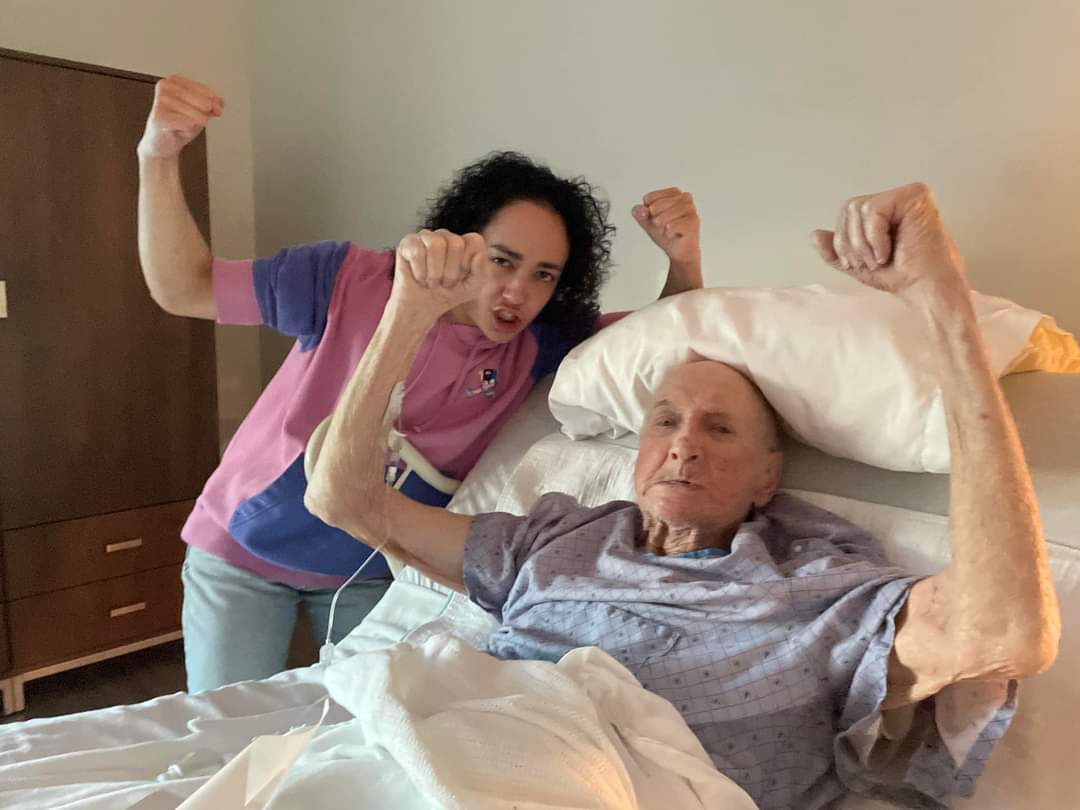
April 2024, rehabilitation with granddaughter Onyx, after fighting infection – still Ross!

In April 2024, in a rehabilitation facility after fighting an infection, Ross raised both arms in a victory pose for Onyx beside him doing the same. Frederick Johnson had sworn he had only seen Ross lying down twice โ€” that April and on his deathbed. Ross never stopped moving. He never stopped working. He never stopped bringing the light out.

On 20 June 2024, Ross Leslie Andra died peacefully in his Salt Lake City home with his wife Adelaide, his daughter Brenda, and his son Carlos at his side.

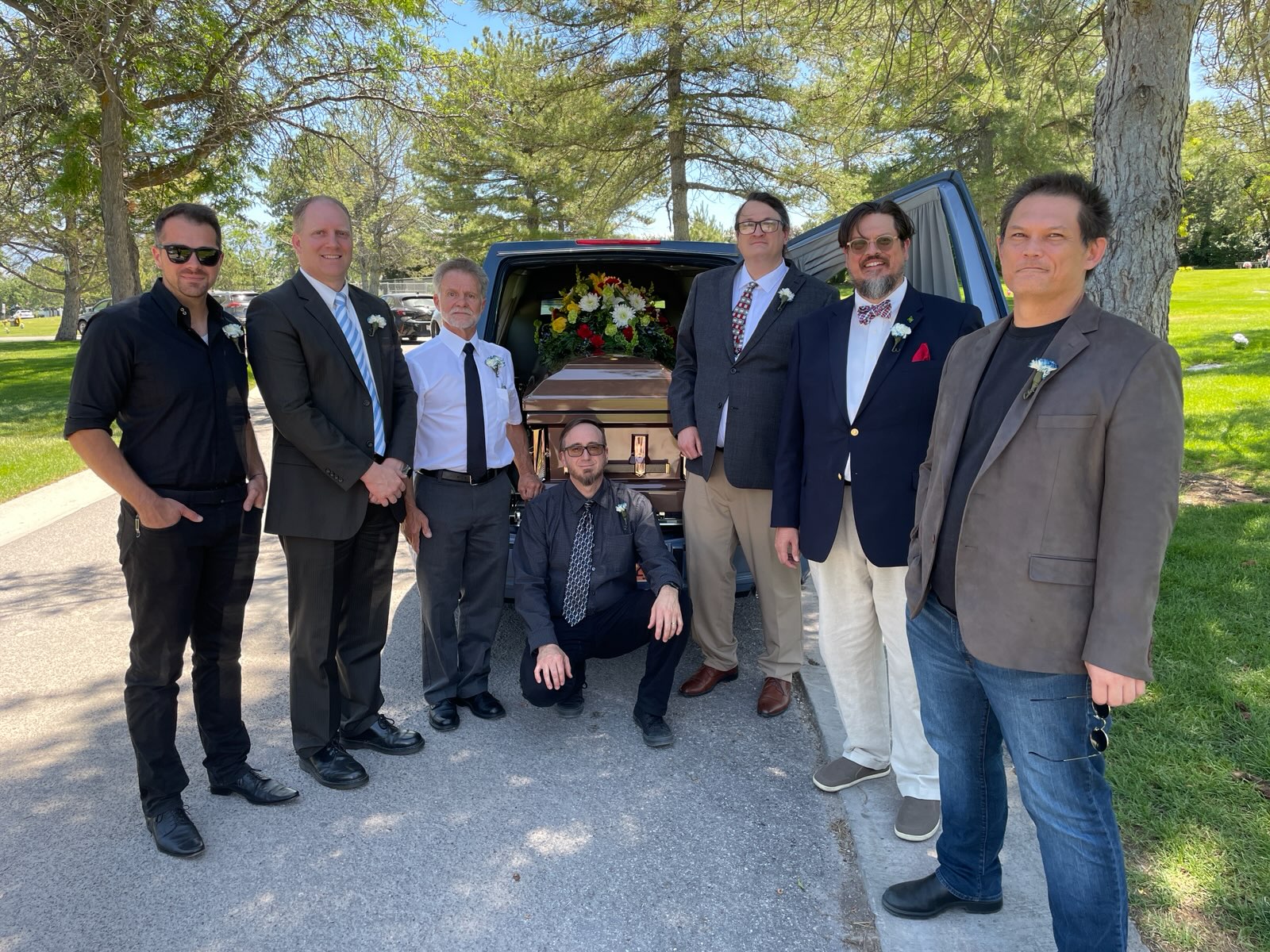
The funeral closed with โ€œHow Great Thou Art,โ€ sung by Sister Annie Lรถwenthal. Then the pallbearers โ€” Carlos Andra, Paul Ross, Larry Andra, Frederick Johnson, Tim Andra, Felipe Johnson, and Aron Hsiao โ€” came to the front. The congregation rose. Ross Leslie Andra was carried out into the June light toward Valley View Memorial Park in West Valley City, Utah.

Frederick Johnson, who had lost his own father just two months before, had a last message. โ€œRoss the Boss,โ€ he said, โ€œyour life mattered a great deal to us and to me. You will not be forgotten. Weโ€™ll keep telling the jokes and passing them on.โ€ Then, more quietly: โ€œSay hi to Dad for me, Ross. Tell him we miss him too.โ€

Pallbearers at Valley View Memorial Park, West Valley City, Utah 29 June 2024. Brandon Porter, Paul Ross, Tim Andra, Carlos Andra, Felipe Johnson, Fredrick Johnson, Aron Hsiao

Ross is survived by his wife, Adelaide; his daughter Brenda (Layton) Wagner; his son Carlos (Melanie) Andra; his daughter Denise Andra; his grandson Brandon (Danika) Porter; his granddaughter Onyx Andra; his great-grandchildren Tilia, Zeke, and Sevi Porter; and his brother Larry (Barbara) Andra.

The full funeral service for Ross Leslie Andra, held 29 June 2024 at the Cannon Ninth Ward in Salt Lake City, was livestreamed and remains available to view at https://www.youtube.com/watch?v=y1qDOIbls5Q.


Sagacity posts referenced in this article: Ross & Adelaide Andra Wedding ยท Andra Marriage Certificate ยท William Fredrick Andra Autobiography ยท Mary Louise Wanner Andra Autobiography ยท Donald Wanner Andra ยท William Fredrick Andra Jr ยท Sergene Andra Sorenson Jensen ยท Robert Lee and Dennis Willard Andra ยท Memories of Great Grandpa and Grandma Andra ยท 1976 Andra Reunion ยท Eisenhower Lock ยท Dapper Dan ยท Andra Family Photos

Funeral Service Transcript

Ross Leslie Andra

2 December 1936 โ€“ 20 June 2024

29 June 2024, 11:00 AM MDT

LDS Church, Cannon 9th Ward (Glendale Ward)

1250 W 1400 S, Salt Lake City, Utah 84104

Note: This transcript was generated from auto-captions and has been edited for readability. Musical interludes, unintelligible passages, and pre-service ambient audio have been omitted or noted. Speaker attributions are based on self-introduction within the service.

Opening of Service

Conducting โ€” Bishop Ted Maxwell

You may be seated. Welcome, everyone, this morning to the funeral for Ross Andra. My name is Ted Maxwell; I’m the bishop of the Cannon Ninth Ward, where the Andras have been living. I’ll be conducting today. On the stand we have President Ingersol from our stake, who is presiding. We’re so grateful to have you all here on this fine, wonderful morning to celebrate the life of Ross Leslie Andra.

We will begin by singing ‘I Believe in Christ,’ Hymn Number 134. Our pianist will be Arlene Lenthal, and the chorister will be Anda, an in-law. After which we will have an invocation by Carlos Andra, Ross’s son.

[Congregation sings โ€œI Believe in Christ,โ€ Hymn No. 134]

Invocation

Carlos Andra (son of Ross Andra)

Let’s bow our heads.

Our Father in Heaven, this morning we open the service with your words: โ€œAnd the Lord God formed man from the dust of the ground and breathed into his nostrils the breath of life; man became a living being.โ€

You formed a man, and his name was Ross Leslie Andra. We thank you, Father, that we can all be here gathered together. We invite your Holy Spirit into this place in which we reflect and honor the life of my earthly father, Ross.

I ask you, Holy Spirit, to stir in the hearts of each person taking time out of the breath of their lives to come reflect and remember the impact that was made by you through this husband, father, brother, uncle, cousin, and friend.

Yea, though we walk through the valley of the shadow of death, we will fear no evil, for you are with us; your rod and your staff, they comfort us. You are Holy God; you are so loving. We love you and we thank you for your presence. We dedicate this time to let your Holy Spirit direct our time together to honor your servant, Ross Leslie Andra. In Jesusโ€™ name, amen.

Amen.

Order of Service โ€” Announced by Bishop Maxwell

We will begin the service with a musical number titled โ€œMy Testimony,โ€ which will be performed by Sister Bastos and Arlene Lenthal. After which we will hear from โ€” oh, I skipped something. Iโ€™m sorry, letโ€™s back up. Weโ€™ll start by hearing the obituary read by Brenda Wagner, who is Rossโ€™s daughter. After which weโ€™ll hear from Larry Andra, who was Rossโ€™s brother. Then we will have a musical number, โ€œMy Testimony,โ€ performed by Sister Bastos and Arlene Lenthal, and after that weโ€™ll hear from Frederick Johnson, who is a family friend. Closing for us will be President Clay Celestino from the Mountain Shadows Stake.

Obituary

Read by Brenda Wagner (daughter of Ross Andra)

Oh gosh โ€” thank you so much for being here for my father and my family, my mom, everyone.

So โ€” Ross. Now, if my eyes start watering itโ€™s because itโ€™s sweaty and hot outside, so thatโ€™s why.

Ross Leslie Andra, my father. At age 87, he returned to his Father in Heaven, which was on 20 June 2024. He passed with dignity and peacefully in his Salt Lake City home, with his wife Adeli, daughter Brenda, and son Carlos at his side.

Ross was born on 2 December 1936 in Preston, Idaho, to German immigrant William Frederick Andra and Mary Louise Werโ€” [you never know how to say that]. He grew up on a large family farm with four sisters and seven brothers.

Ross graduated from Preston High School in 1955 and then went on to attend Utah State Agriculture College โ€” now Utah State University โ€” for two years. Ross worked in construction with a couple of his brothers on the St. Lawrence Seaway project in Messina, New York, between February and December 1957.

He served a mission to Brazil for the Church of Jesus Christ of Latter-day Saints between 1957 and 1959, where he met his sweetheart, Adeli Gonzalez Cararu. They married in the Logan Temple on 14 June 1963. Ross had a deep love for Brazil, its people and culture, and especially for his little Brazilian bride.

After his mission to Brazil, Ross attended Brigham Young University in Provo, Utah, where he studied political science, speech education, and Portuguese. He graduated with a Bachelor of Arts from BYU in 1964 and remained one of their biggest fans right up to the end, watching games and sporting a BYU ball cap everywhere he went.

Ross instilled a strong work ethic into his children. As a servant leader, Ross served his family by example and by teaching his kids how to help Mom with household tasks. He modeled Ephesians 5:25 very well: โ€œHusbands, love your wives, just as Christ also loved the church and gave himself for her.โ€ Ross always made sure everyone was comfortable and that they had what they needed.

Ross loved to make people laugh, and he had a keen gift for engaging strangers with quick-witted quips. He spread many smiles and laughter across this planet.

Ross was a hard worker, and his career life spanned over various areas: from high school teacher, coach, Candyman, small business owner, appliance installer, and furniture mover to a medical career. He held unique skills and talents and applied them well throughout his life and service to others. He maintained a missionary mindset throughout his whole career.

As Candyman, Ross would fill the vending machines in the teachersโ€™ lounge at his eldest daughterโ€™s elementary school โ€” me โ€” and often he would show up during recess and pass out candy on the playground, which made his daughter Brenda โ€” me โ€” quite popular with her friends.

As a business owner, Ross would often take his son Carlos to work with him to deliver and install appliances and move furniture. As a result, Carlos learned to efficiently pack a moving truck like a Tetris puzzle.

Ross loved tomatoes. He would plant them anywhere he could find a plot of dirt โ€” it could be this big, that big. His youngest daughter Denise worked hard to clear space in the backyard for a family garden so Ross could have his tomatoes.

At another point in life, when Denise found herself facing some debt, Ross sat down with her and taught her some financial principles, which she applied and was able to persevere in paying off all her debts in no time at all.

Ross was a faithful servant. With Adeli as his companion, Ross served locally as a service missionary with the Portuguese- and Spanish-speaking wards between 2009 and 2015. Together they drove all around the Salt Lake Valley visiting with families and making sure they had the resources that they needed.

Ross and Adeli had a deep desire to return to an overseas mission in Brazil, but due to health concerns they could not go. Instead they fulfilled that desire by serving the Brazilian people locally.

In his latter years, until age 84, Ross delivered blood and vital organs to various medical locations spanning Utah, Idaho, and Wyoming โ€” and as always, he made people laugh along the way.

We kids heard many stories from Dad about growing up on the family farm โ€” like the time he was called back to the house by his mom only to discover that it was a chicken calling out โ€œRoss,โ€ or the time when Ross and his brothers tied a cow to their math teacherโ€™s front door. With multiple brothers, you can imagine the pranks that were played on and with each other.

Dad, we miss your John Wayne toughness, your Popeye strength, and your cheesy dad jokes. You were a missionary for Christ until the end. โ€œWell done, thou good and faithful servant; thou hast been faithful over a few things, I will make thee ruler over many things; enter thou into the joy of the Lordโ€ (Matthew 25:21). Ross has now entered the joy of his Lord.

We love you, Daddy.

Remarks

Larry Andra (brother of Ross Andra)

My name is Larry Andra. Iโ€™m the last of twelve. Ross would say, โ€œIโ€™m the last of the Mohicans.โ€

Ross was always saying to each person he had a nickname โ€” like โ€œteddy bear.โ€ His kids called him Tom the Piperโ€™s Son. And one nephew โ€” it probably best they called him โ€˜Funkleโ€™ โ€” the funny uncle.

He lacked no jokes. He was likeable and really witty. Others said he loved to joke around with people. I always called him the numbers jokester. And I really didnโ€™t understand when he talked to me โ€” he knew Brazil too much; he forgot that I couldnโ€™t understand the jokes.

Ross never did anything outside the church standards. My parents never had to worry about Ross. He had a little brother to do that.

Our father came from Germany, as mentioned before. Within a couple of months after being baptized, he came alone because he was eleven years old โ€” at twelve you pay full price; at eleven you pay a high price. He got lost, so they came looking for him, and thatโ€™s where the twelve came in. He ended up with the missionary that baptized him going to his farm and marrying his daughter, and they had twelve children.

This week is the Andra reunion, which weโ€™ve had โ€” I think this is Rossโ€™s last one here on Earth.

Death is just as important in the welfare of man as is birth. There is no greater blessing that can come than the blessing of birth. One-third of the host of heaven, because of rebellion, were denied that privilege and hence had no bodies of flesh and bone โ€” which is the gift of God. But who would like to live forever in this world filled with pain, decay, sorrow, and tribulation โ€” grow old and infirm and yet remain? I think all of us, if the proposition were placed before them, would not want life of that nature. We would reject it.

But death is just as important in the Plan of Salvation as birth is. We have to die. It is essential. Death comes into the world and fulfills the merciful plan of our great Creator.

Letโ€™s talk a minute about what happens when one passes on. However painful the moment of death is physically, it is spiritually one of the most exciting and joyful moments of eternity. Itโ€™s like opening the door of a dark room โ€” one who dies emerges into the light of the spirit world, where there will be friends and family waiting to greet him. There is no special period known to man in which they experience so much joy as when they pass through the portals of death and enter into a glorious change in the spirit world.

Death is not extinguishing the light; it is putting out the lamp โ€” and then dawn comes.

When someone dies, it is like a beautiful lagoon. On a clear day a fine sailing ship spreads its mast and its canvas in a fresh morning breeze on the deep blue, and gradually we see her grow smaller and smaller as she nears the horizon and someone says, โ€œThere she goes โ€” gone.โ€ But you can be sure that on the other shore someone says, โ€œThere she comes!โ€

While weโ€™re mourning the loss of Ross, others are rejoicing to meet him behind the veil. Ross has joined Mother, Dad, June, William, Colleen, Millie, Golden, Serene, Donald, Dale, Robert, Dennis, and others.

Steve Jobs was a billionaire worth $7 billion at age 56. Lying on his deathbed sick with pancreatic cancer, he said: โ€œAll my life I have recognized wealth, but all that I had was meaningless in the face of human death. You can find someone to drive a car for you, but you cannot hire someone to carry the disease for you.โ€

As we get older we grow smarter and slowly realize: a watch worth $30 and a watch worth $300 both show the same time. Whether we drive a car worth $150,000 or $2,000, the road and the distance are the same; we reach the same destination. If we drink a bottle of wine worth $300 or wine worth $10, weโ€™re still drunk.

There are five undeniable facets: Do not educate your children to be rich; educate them to be happy, so when they grow up they will know the value of things, not the price. Eat your food as medicine; otherwise you eat your medicine as food. Whoever loves you and never leaves you, even if he or she has a hundred reasons to give up, will always find one reason to hold on. There is a big difference in being human. If you want to go fast, go alone โ€” but if you want to go far, go together.

I really believe that Ross embodied what Steve Jobs was saying here โ€” they went together.

Albert Einstein said: โ€œDo you realize how important you truly are? Look around โ€” who are you influencing, motivating, teaching, or inspiring? Some of the greatest souls who have ever lived will never appear in the chronicles of history. They are the great ones who spend every day of their lives serving and doing good.โ€ Albert Einstein also said: โ€œTry not to become a person of success, but a person of value.โ€

Thank you for the service you are willing to give to your families, your friends, neighbors, and community. Every great dream begins with a dreamer; always remember you have within you the strength, the patience, and the passion to reach for the stars and change the world. You are the difference โ€” make it happen.

[Larry then shared a story about a woman whose car was stuck in the snow in a foreign country. A man came with a mule and attempted to pull her out. Before having the mule try again, the man yelled, โ€œLetโ€™s go, Bob! Tom! John! Lance!โ€ โ€” and the mule pulled the car out. When the woman asked why he called the mule different names, the man said, โ€œMadam, my mule is blind. I wanted him to think he wasnโ€™t pulling the car out alone.โ€]

People in this congregation โ€” Adelaide needs you next to her, pulling and pushing for her. Adelaideโ€™s happiness will return, her former capabilities will be restored, light will replace darkness, despair will give way to hope and life and will regain its meaning โ€” but only through service. Neighbors, friends, relatives, family, and those who are in attendance here: Bishop and Friends, Adelaide does not need to be preached to, but she needs a void filled. Bless her and be of service to her, as the Savior asks of us, and I promise you that you will be blessed. I say this in the name of Jesus Christ. Amen.

Amen.

[Musical number: โ€œMy Testimony,โ€ performed by Sister Bastos and Arlene Lenthal]

Remarks

Frederick Johnson (family friend)

My name is Frederick Johnson โ€” Todd Elijah. Iโ€™m known as Freddy; the full version is Frederico.

Like many, the summer I turned 16 I got my first job, and it was delivering household appliances with โ€œthe Boss.โ€ The interview went something like this: โ€œFrederico, youโ€™re 16, right?โ€ And I said, โ€œOh yeah, Iโ€™ll be 16 at the end of โ€”โ€ โ€œFrederico, youโ€™re 16.โ€ โ€œYes.โ€ And that was my interview. But admittedly it was essentially nepotism.

As long as I could remember, my dad โ€” Ranley Johnson โ€” had been moonlighting on weekends with Ross. As far as Iโ€™m concerned, they were the first and only two men in a truck there ever were.

Ross, like my father, had served a mission in Brazil and married a Brazilian. In the โ€˜80s, all these mixed families โ€” nowadays the church and the Brazilian community in the Salt Lake Valley has become tremendous. But when I was a little child, and when Carlos and Brenda and their little sister Denise were young, we all kind of knew each other more or less. At conference time we went to reunions together. The connection goes back even further than that โ€” about a decade before my mother first came to the United States. My mother, Louisa Coa Johnson, came to the US in the 1970s. Adeli had served in the tiny branch of Beloni, Brazil, where my mother, my aunt, and grandmother were new converts to the church. So as I say, it was basically nepotism.

I swear, Ross the Boss Andra was the strongest man I ever knew. Thirty years my senior, he had more stamina and strength in his late fifties than I could muster at his side as a six-foot-one man in my prime. He was compact and he looked powerful to me. He not only looked and sounded like Popeye โ€” he even talked like Popeye. Except instead of eating spinach, I think where he got his strength was from eating tomatoes.

Rossโ€™s strength was legendary. In fact, Ross wasnโ€™t only strong โ€” he was an irresistible force. My dad told stories of seeing Ross pick up a Ford Pinto by its bumper to make room for the truck to pass. And I donโ€™t doubt it.

Now, Ross, when I knew him, could sometimes come across as a little unsophisticated. But anyone who knew Ross at all knew that to dismiss Ross the Boss as a blue-collar East Idaho farm-boy country bumpkin was making a grave mistake. Ross was intelligent, well-traveled, and educated, and he did not suffer fools or foolishness.

When I was still a teenager, we were working, delivering appliances. There was another man who worked with Ross who was actually a bit more unsophisticated โ€” I wonder if Carlos remembers Joe Yanger. The way I remember the guy: he was big and coarse, had bad Marine Corps tattoos on his arms, and talked kind of low. I couldnโ€™t understand a word he said except swear words. He was strong as an ox and probably about as sophisticated as one, if you take my meaning.

Anyway, one day Ross tells me: โ€œJoe Yanger got hurt.โ€ โ€œWhat happened, Ross?โ€ โ€œI dropped a piano on his head.โ€ They were moving a piano, and Joe was at one end coming down the ramp. Ross said, โ€œJoe, are you ready?โ€ Well, Ross didnโ€™t know if he was ready or not โ€” so he let go of the piano. Joe Yanger ended up with some stitches in the back of his head. I donโ€™t think it made any difference to how Joe Yanger spoke or how well Ross could understand him.

Also, I want to emphasize โ€” and if you get a chance, read again the beautiful obituary that Rossโ€™s family put together โ€” Ross was not a blue-collar guy with a truck, and he certainly did not see himself that way. Ross Andra was an entrepreneur. He firmly believed in the American dream, in hard work and gumption as the way to get ahead, and thatโ€™s what he did โ€” whether it was filling candy machines, moving vending machines, delivering appliances, or contracting his truck out as a mover. Ross believed he was an entrepreneur, and he was.

In a world where hard work and gumption were enough, Ross would have been a financially wealthy man many times over, because I also donโ€™t know anyone who worked as hard as Ross. Thatโ€™s why most of my memories are from working with him โ€” or working with my dad and Ross the Boss โ€” because he was always working. In fact, I swear Iโ€™ve only seen Ross lying down twice: the first time was in April, when he was in rehab after fighting an infection, and the second time was on his deathbed. Ross never stopped moving and never stopped working, and he had lots of gumption.

Now, the work that we did with Ross was, as you can imagine, physical โ€” hard work. But Dad would come home laughing. There was always this interesting other thing about working with Ross the Boss: there would be some kind of debriefing. Heโ€™d wait long enough for you to get home, the phone would ring, and he would call โ€” mostly I think to go over the jokes he had played on you and laugh about them again.

My memory of even Dad working with Ross is Dad coming home, the phone ringing, and then Dad laughing. Or Dad coming home โ€” I even remember him opening the door with tears rolling down his eyes, just couldnโ€™t stop laughing. When I worked with both of them, it was better than television, because my dad was a wise guy in his own way and the two of them together could be very entertaining.

My mom even thought: โ€œThis isnโ€™t fair โ€” Iโ€™m home with the kids every Saturday and youโ€™re off having fun with Ross.โ€ But it was hard work, and with anyone else it would have been miserable. We enjoyed working with Ross, and we all worked with Ross. My brother Felipe worked with Ross; my friend Giorgino Brown, another one of these families thatโ€™s half American, half Brazilian here in Utah; my cousin visiting one summer from New York worked with Ross one day โ€” and Ross made an impression on everybody. It was fun, even though it was miserable hard work.

A lot of this is because Ross was a virtuoso practical joker. One of his favorite things โ€” if we were working in the summertime โ€” was to drop ice down your shirt. Even worse than that: when we did deliveries we had shirts that said โ€œDPECโ€ on them โ€” short for Delivery Specialist, which made it sound kind of exciting and sexy. They always seemed like they were a size too small or too short, so Ross had a knack โ€” one of his favorite things was to take advantage of you when you were bending down picking up something really heavy and that shirt rode up. Without saying a word, Ross would just drop a screwdriver down there right when you were really going. He would just chuckle. And of course at the end of the day heโ€™d call and say, โ€œHey, do you remember when I dropped that? That was good.โ€

For years he had a novelty ID with Elvis Presleyโ€™s picture on it, and anytime someone asked him for his ID heโ€™d show that โ€” it didnโ€™t matter who they were. Theyโ€™d look at it and go, โ€œHuh?โ€ And heโ€™d say, โ€œThatโ€™s what drugs will do to you.โ€

One time, around September 11th โ€” I was living in New York, but every time Iโ€™d come back to town Ross would say, โ€œFrederico, do you want to go to work?โ€ Iโ€™d work with them even for just one day. This time he offered to take me to the airport, because Ross was always on the road โ€” always driving a truck, delivering furniture, delivering appliances, or delivering medical equipment. So he was happy to go. We go up, and I was the one who needed to show my ID. Ross comes up, already ready, and this TSA agent โ€” some people go, โ€œHuh? What? You already โ€” what drugs will do to you.โ€ And here I am thinking, โ€˜Oh no. Iโ€™m not going to make my flight. Theyโ€™re going to take me to the back and interrogate me.โ€™ That was one time where the person didnโ€™t even blink. Ross would say something like, โ€œIโ€™m better looking now, arenโ€™t I?โ€

It was rare to get one up on Ross โ€” he always had the drop on you. But hereโ€™s one of the most famous stories: the parrot story.

[Freddy describes the chicken story from the obituary โ€” the time on the farm when Ross thought his mom was calling him, only to find a chicken mimicking her voice. One day, while delivering a washer and dryer to a customerโ€™s home, Ross was working in the basement and noticed a parrot. Ross called up the stairs, โ€œIs there a drain down here? We need to drain a little water.โ€ The parrot replied, โ€œWhat?โ€ Ross, thinking it was the elderly owner upstairs, kept asking. Each time โ€” โ€œIs there a hole in the ground where the water drains?โ€ โ€” the parrot answered, โ€œWhat?โ€ Freddyโ€™s father, upstairs, realized what was happening and nearly collapsed laughing. When Ross finally came up and figured it out, Freddyโ€™s dad laughed about it the whole rest of the day. Freddyโ€™s father had been waiting for years to get something on Ross, and the parrot delivered it.]

Ross could move a fully loaded truck like it was a subcompact car โ€” weaving in and out of traffic. Before GPS existed, he knew the entire I-15 corridor in Utah. He was the GPS.

Ross could sometimes seem a bit irreverent โ€” he had code words, letโ€™s say. Ross never swore, but he might include swear words in code names and nicknames he gave to things. But when it came to his faith, his belief, and his testimony of the church, Ross was always reverent. He wasnโ€™t serious all the time โ€” he was still joking โ€” but Ross was reverent, and I always knew that.

I can say honestly that Ross was a big part of my entire life. Even when Iโ€™ve lived out of state for most of the last thirty years, he would call me every once in a while to check on me. I began to worry about a year ago when the phone calls started getting shorter โ€” because normally Iโ€™d set aside 45 minutes or an hour, because weโ€™d have to retell all the stories about every time he dropped a screwdriver down โ€” anyway. Heโ€™d say, โ€œRemember when I did that, and then your dad did this.โ€

I just want to finish by saying โ€” and if I do get a little emotional, itโ€™s not because itโ€™s hot; itโ€™s because Iโ€™m kind of that way โ€” Ross, to me, always was and will be bigger than life. Ross the Boss, I want to say to you that your life mattered a great deal to us and to me. I love you and your family, and how close our families have been. Your life mattered, and you will not be forgotten. You will be with us and within us, and weโ€™ll keep telling the jokes and passing them on. We love you and we bid you farewell โ€” but only until we meet again.

My own dad preceded Ross to the great beyond just a couple of months ago. So I personally have to say: say hi to Dad for me, Ross. Tell him we miss him too, and that we love him. Thank you.

Remarks

President Clay Celestino (former Bishop, Mountain Shadows Ward)

Brothers and sisters, my name is Clay Celestino. I served as a bishop in the Mountain Shadows Ward at the time the Andras โ€” thatโ€™s how we pronounce their name in Portuguese, and thatโ€™s how Iโ€™m going to refer to them โ€” were serving in our ward. On behalf of all the Brazilians โ€” mostly Brazilians โ€” who were part of the Winter Ward branch and the Mountain Shadows Ward, I wanted to express our deepest gratitude to this couple.

The first thing anyone would see when they met them was that big smile, and sometimes a joke. It was not hard to love them. Truly, their lives represented the love of our Savior Jesus Christ to us. With hundreds of immigrants from Brazil, the Andras represented arms of salvation, of service โ€” hearts that were willing to bring consolation in times of distress. They were deeply engaged in serving their neighbors because of their love for our Heavenly Father and their genuine love towards anyone around them.

As bishops, we had hundreds of active members coming to our meetings every Sunday, and there was a great need for members who could assist us in lightening the burdens of those Brazilian immigrants. At any time that I needed help, the Andras were there.

I remember one day โ€” I even have the date here โ€” it was 22 January 2013. I sent a quick email to the Andras at 12:19 a.m., past midnight. Eight minutes later, I got a response. I didnโ€™t want to abuse their goodwill and their desire to help others, but this is the response I got:

โ€œHi, Bishop. Thatโ€™s no abuse at all to ask for the things youโ€™re asking. That is the reason why we are serving a mission. We want to help our brothers and sisters the best way we can. Tomorrow I will make a few phone calls and I will provide you with the information you need.โ€

There were people who were unable to work because they were injured and needed help to find a doctor. There were young men who needed their dental and medical paperwork taken care of so they could submit their papers to go on a mission. There were people who needed resources from the community because they were unable to provide for themselves โ€” people transitioning from another culture and trying to get established in this country โ€” and they were assisted by the Andras. The list goes on and on.

And then at 9:00 p.m., talking to Ross, you would find out that he would still have to run some errands, make some deliveries, because of his other side job.

We donโ€™t have much time, but I just wanted to express our deepest gratitude to Brother Andra. When we got the news that they were going to be transferred from our ward โ€” initially we thought they were concluding their mission in November of 2013 โ€” and then in September, two months prior to that date, we were surprised with the news that they were being transferred to the Winter Ward, where they actually stayed. They didnโ€™t finish their mission there; they actually stayed for quite some time.

When I found out, I wrote this email to them, and I think itโ€™s very fitting that I can share it now to conclude these brief words:

โ€œDear Sister Andra and Brother Andra โ€” in this email I copied the entire leadership of the ward: I am saddened by the news of your sudden departure, as we are today, mainly in our community when we found out that Ross had passed on. I believe our ward leaders and members will feel as surprised and astonished as I do. While your transfer will truly bless and benefit our brothers and sisters in the Winter 17th Branch, I know our ward will deeply miss you. On behalf of all ward members and leaders, I would like to thank you for your dedication, love, and service. I have been a witness of how you have touched the lives of our members in many different ways and how your service has helped me, and allowed me in particular to concentrate on other areas of my responsibilities as a bishop โ€” and for that I will be eternally grateful to you and to Heavenly Father. Thank you for your love for Heavenly Father, for responding to the call to serve, and for showing your love to and for our members. Hopefully as your mission ends, you will return to visit us. Please do not forget us โ€” we will not forget you. We will announce your transfer in sacrament meeting tomorrow. Sincerely, Bishop Clay.โ€

Brothers and sisters, there are many tragedies around us as we hear about tragedies happening worldwide. Many of us, if not all of us, have somehow faced tragedies in our own lives. In fact, in this congregation right now there may be some who are needing a helping hand โ€” some who may be struggling with illness, financial problems, family issues, health, and all sorts of challenges, mental illness. Sister Andra will need some support โ€” I know that โ€” and Iโ€™m very grateful for the support you have already extended to her during this time.

But may we honor the life of our dear Brother Andra by trying to emulate the works of Christ: being a little bit kinder, helping one another, finding time to serve, and extending that love that comes from our Heavenly Father which he has for each one of us. We are his arms; we are his hands. Ross Andra represented that very well.

I know that we will meet again, and that is the beauty of this gospel โ€” death is not the end. We will meet again. May the love of our Heavenly Father be with each one of you as you strive to follow in the footsteps of his Son, our dear Savior Jesus Christ. In the name of Jesus Christ. Amen.

Amen.

Closing Remarks

Bishop Ted Maxwell

You know, right before I close I just want to say a word or two. In the last few months Ross had not been able to come to church because heโ€™s been stuck at home. But initially I know he really wanted to be there, because he called me after church every Sunday and let me know how church went and gave me advice for the future. It was always really great to hear from him. As his calls dropped off I knew things were โ€” at first I thought we were just doing better, but then I realized maybe that wasnโ€™t the truth.

I think thatโ€™s the one thing I loved about Ross: everyone in this audience has either been served by him or served with him, because thatโ€™s what his life was โ€” it was service. Whether it was just bringing joy or bringing the gospel, that has always been one of my great joys, getting to know him these last few years, although Iโ€™ve only known him since COVID, so I missed out on some of the really fun stuff, it sounds like.

I know the one thing Ross loved was the scriptures. He loved the word of God, and he loved Jesus Christ, and he brought that light out in everything he did.

When I think about the joy that Jesus shared with his apostles right before he died on the cross, he said: โ€œLet not your hearts be troubled; believe in God, believe also in me. In my Fatherโ€™s house are many rooms, and I go to prepare a place for you. I will come again and will take you to myself, so that where I am, ye may be also โ€” and you know the way to where Iโ€™m going.โ€

It is my testimony that Ross knew the way to where Christ is โ€” that we will see him again โ€” and it will be in the mansions of our Heavenly Father, in that place that Christ prepared for us through his sacrifice. It is my testimony that we will see each other again, and that through the grace of Jesus Christ we may all be relieved of all those burdens that we suffer from daily โ€” and that in those burdens we might have joy, the way that we saw our brother Andra in his life. I say that in the name of Jesus Christ. Amen.

Amen.

Closing Announcements โ€” Bishop Maxwell

Letโ€™s close our meeting now. We will โ€” no, we wonโ€™t sing โ€” we will listen to a musical number by Sister Annie Lenthal, โ€œHow Great Thou Art,โ€ after which Paul Ross, who is Rossโ€™s nephew, will give us the benediction. After that weโ€™d ask the pallbearers to come up, and weโ€™ll escort the body to the graveside, where we will reconvene.

[Musical number: โ€œHow Great Thou Art,โ€ performed by Sister Annie Lenthal]

Benediction

Paul Ross (nephew of Ross Andra)

Our Father in Heaven, we thank thee. We thank thee for thy Son, Jesus Christ. We thank thee for this world and that we have the privilege of coming here and gaining our bodies, of learning faith and love, and of thy Savior, thy Son, and all that he has given for us, and thy love.

We thank thee for Ross Andra โ€” his example, his good parents, and his family. We thank thee for his wit, his grit, his stature, his faithfulness, and his example. He had thy Sonโ€™s countenance with him in work and in sadness and in joy. We are grateful for him. Weโ€™re grateful for Adeli and their sweet family.

We ask thee this day that thy Spirit will continue with us. Help us to continue to feel the joy and the balm of thy Spirit, even in our sadness. We thank thee for the Atonement of Jesus Christ and the knowledge of the eternal realms that come for all of us, and what still lies in store for us. But until then, that we can have peace and serve in thy name.

And that of thy Son, dismiss us this day with safety to the cemetery and love and adoration for one another and for thee. We pray in the name of Jesus Christ. Amen.

Amen.

[Pallbearers assemble; congregation rises; body is escorted to Valley View Memorial Park, West Valley City, Utah for interment]

End of service transcript.
General Conference October 2025

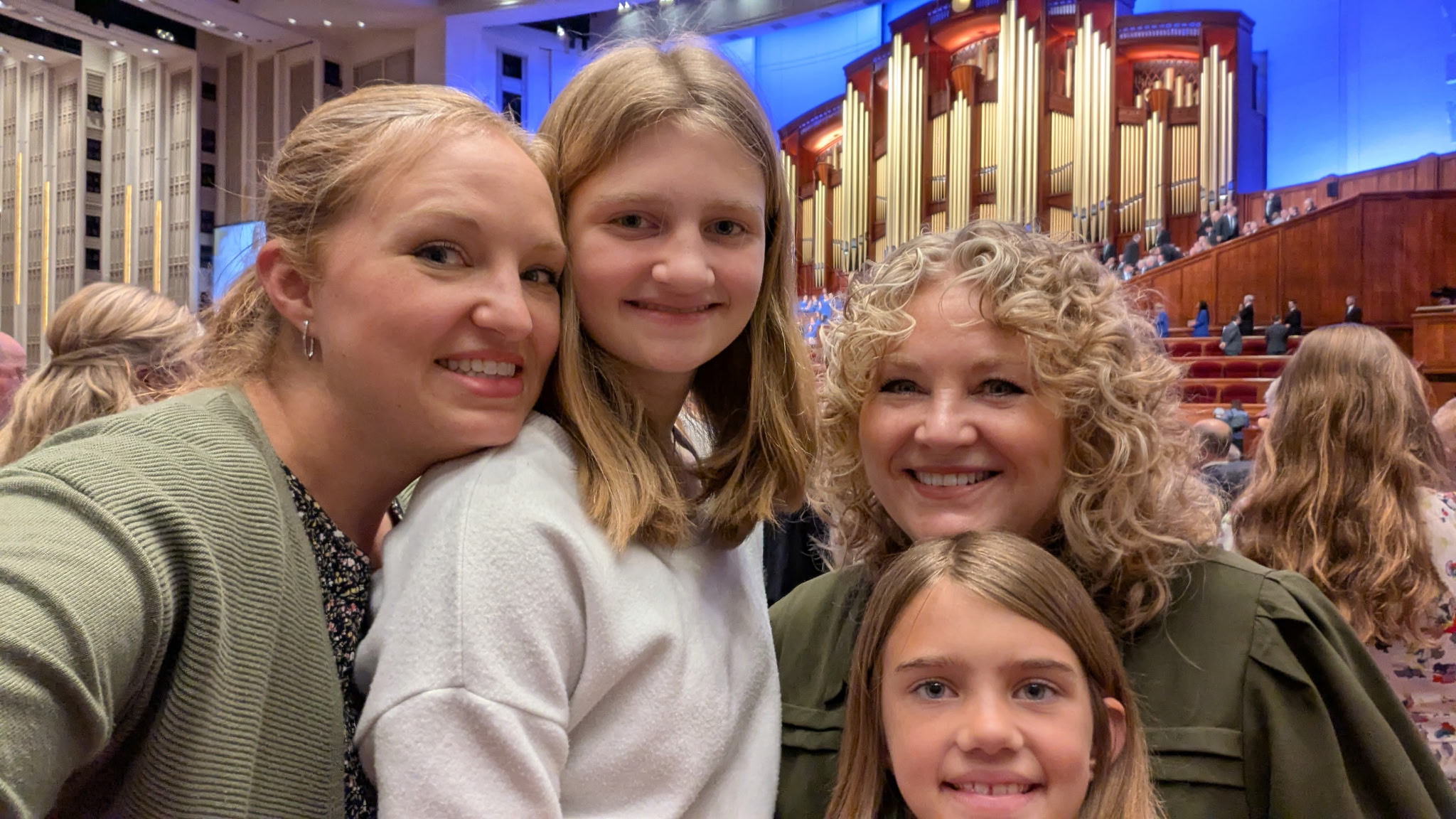
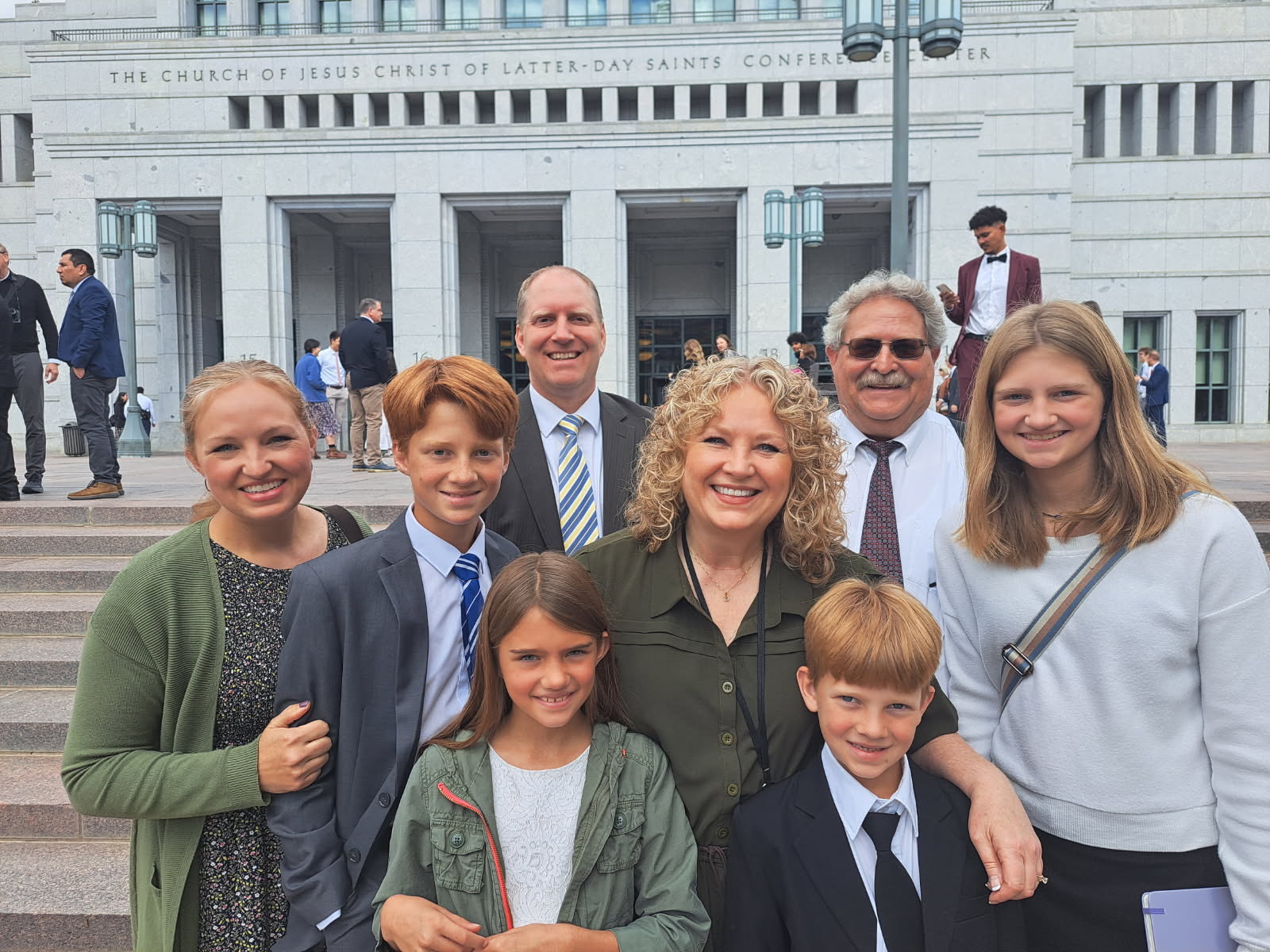
Ross and Hemsley families at October 2025 General Conference

As each child has joined the church at the age of 8 years old, we have made it a goal to take them to General Conference. We took Aliza in 2018, and Hiram in 2022. There is something about literally sitting in the same room as the prophets that is different than listening later, watching from afar, or reading in a magazine. You cannot duplicate the spirit that fills the room when 21,000 people sing We Thank Thee, O God, for a Prophet! The Tabernacle Choir cannot be duplicated. Period.

It took months of planning, but with the help of family, eight tickets were obtained. We left early Sunday morning to drive down and listen to Sunday morning’s session in Kaysville (Aliza got some road hours for her driving permit too). Before that session was over, we changed into church clothes and drove to Salt Lake City.

Salt Lake Temple under renovation, 5 October 2025

We found our seats as soon as the ushers would let us in. We had a pretty sweet section.

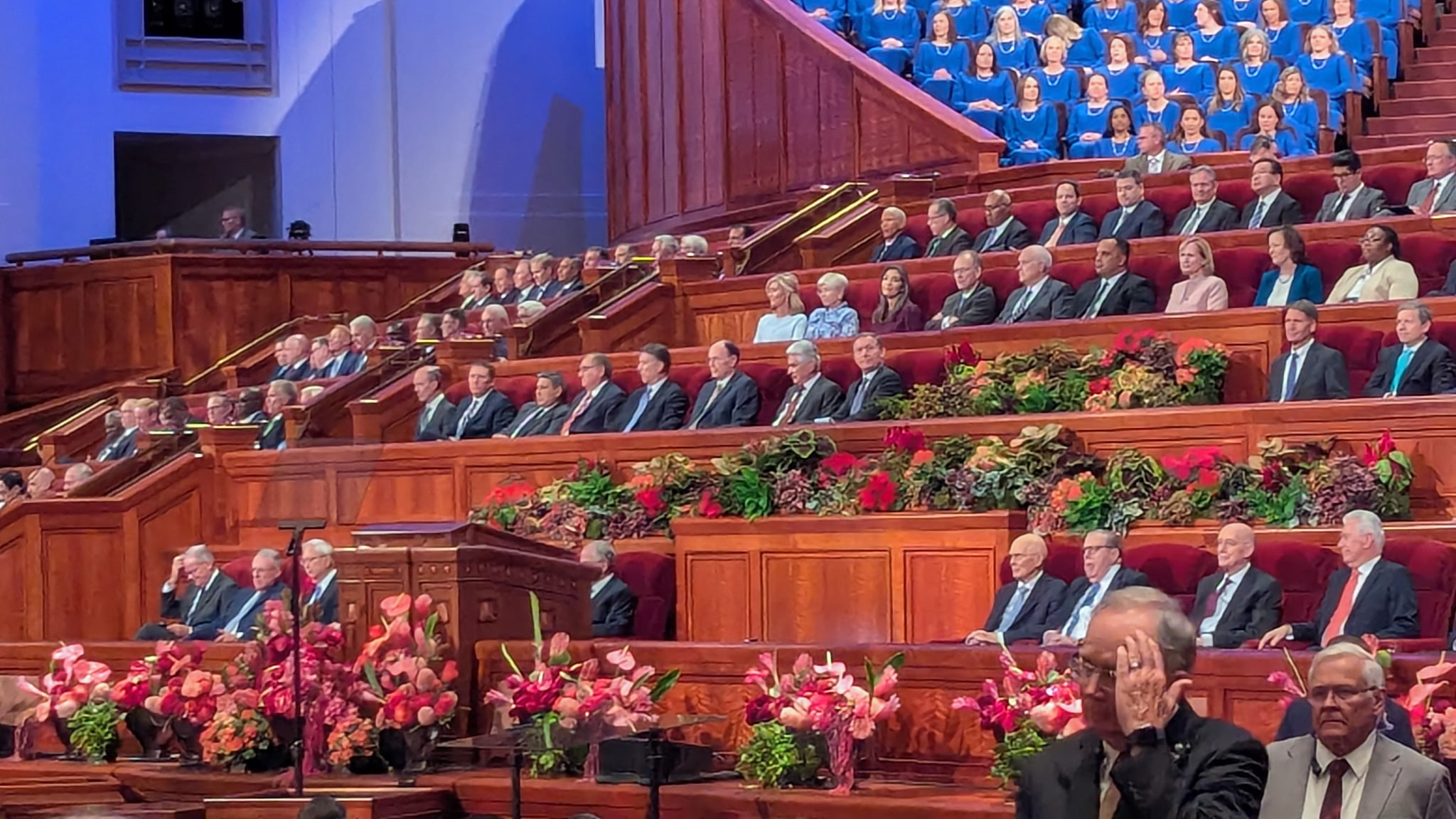
Shortly before the Sunday Afternoon Session began, 5 October 2025

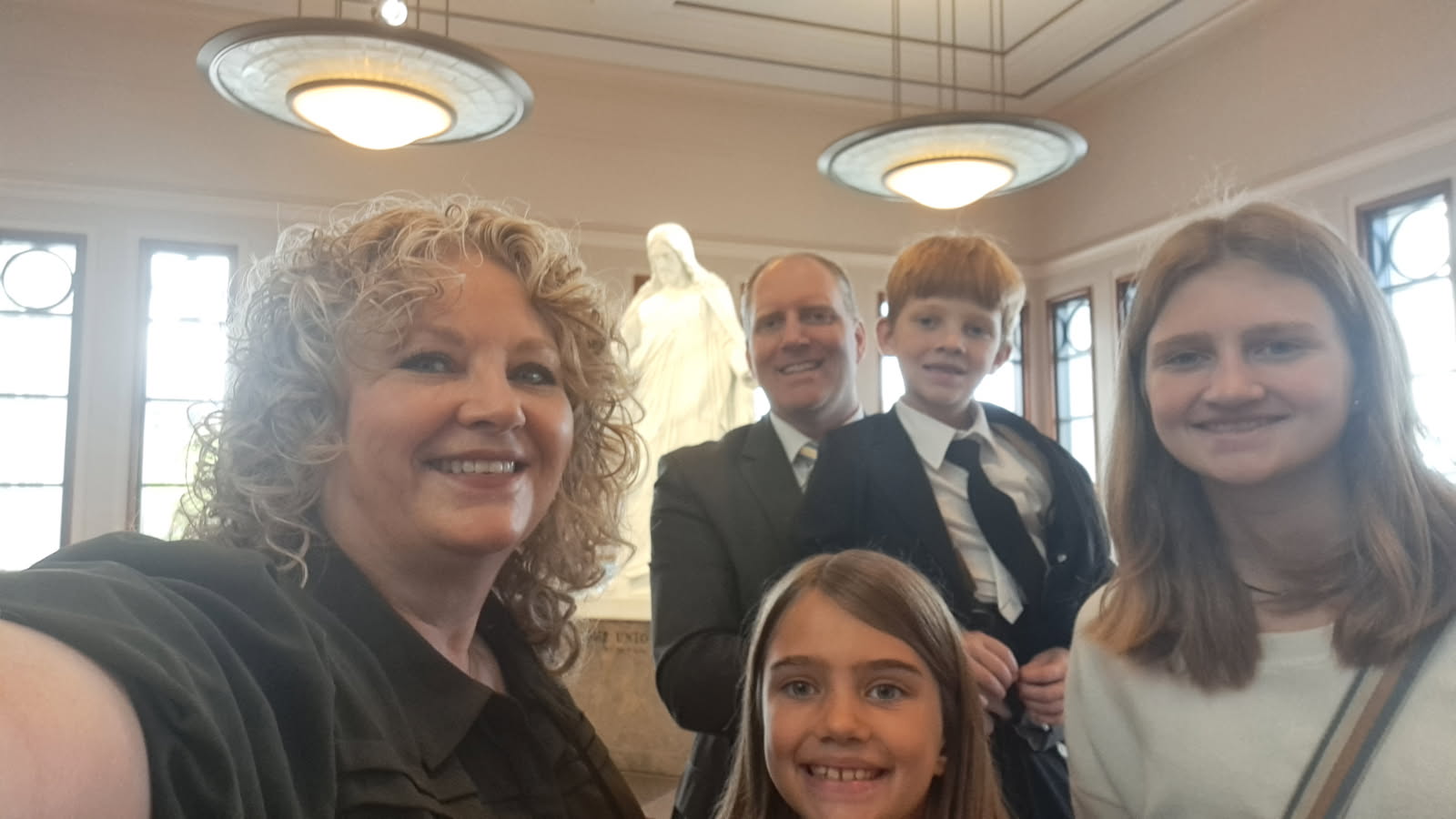
After getting our seats, we took the kids to see some of the sights in the Conference Center.

Jill Hemsley, Paul, Lillian, James, and Aliza Ross
Aliza, James, and Lillian Ross with President Russell M Nelson’s bust

We were surprised to find out President Nelson passed away the weekend before Conference. I found it very interesting to attend a General Conference during an Apostolic Interregnum. I reminded the kids they may never have that chance again.

President Dallin H Oaks and Elders Jeffrey R Holland, Henry B Eyring, and Dieter F Uchtdorf leaving after the Session

We were also fortunate to attend the only session President Oaks spoke. I am very thankful to hear the keys of the Priesthood speak in person. It was a very personal talk, more than I remember him speaking in the past. In the past 125+ years, the Apostolic Interregnum has been very short lived. The opportunity to hear the President of the Quorum of Twelve Apostles also speak as the President of the Church in General Conference has not occurred in 74 years. Tradition always has the most senior Apostle being called, sustained, and set apart as the President of the First Presidency/High Priesthood with two counselors called to the same. That may happen today, 12 October 2025, if past precedent holds true.
Amanda, Aliza, and Lillian Ross with Jill Hemsley

I received my first testimony of a Prophet at Utah State University in 1997. I had joined the Logan Institute Choir. President Gordon B Hinckley was coming to speak at the Dee Glen Smith Spectrum. We had practiced multiple songs. One of which intrigued me, We Ever Pray for Thee. It was while singing that song that President Hinckley entered the arena. Wow. The Spirit overcome me. I have shared that experience many times, especially in the mission. My first testimony of a living prophet. It was as if every cell in my body jumped for joy and vibrated with excitement.

Bryan Hemsley and Hiram Ross at General Conference

My next prophetic testimony was related to Thomas S Monson. I have to admit, I always struggled a bit with President Monson. The story-telling and poems was too mushy for me, or something. I am not sure what gave me a bit of a burr, probably just personality. President Hinckley passed away and within the next week I was attending an endowment session in the Twin Falls Idaho Temple. I was in the prayer circle. It was then that the officiator included President Thomas S Monson in our prayer. As I repeated the words in the circle I felt the confirmation. The Spirit in that moment testified that President Monson was the Prophet upon the earth. I went away rejoicing and all my qualms with personality were lost.

Aliza and Hiram Ross excited to be in the Conference Center

President Monson also fell asleep in time. The next transition was to Russell M Nelson. After my experiences with Presidents Hinckley and Monson, I expected nothing less than another witness as to whether Russell M Nelson was the Prophet on earth. I prayed for the experience. In fact, Brigham Young taught us to expect to obtain a testimony of the Prophet. Well, in our own home watching General Conference in April 2018, we also participated in the Solemn Assembly. It was during that procedure that I again obtained a witness. No questions. In fact, President Nelson in his administration resolved some of my frustrations with church government and organization.

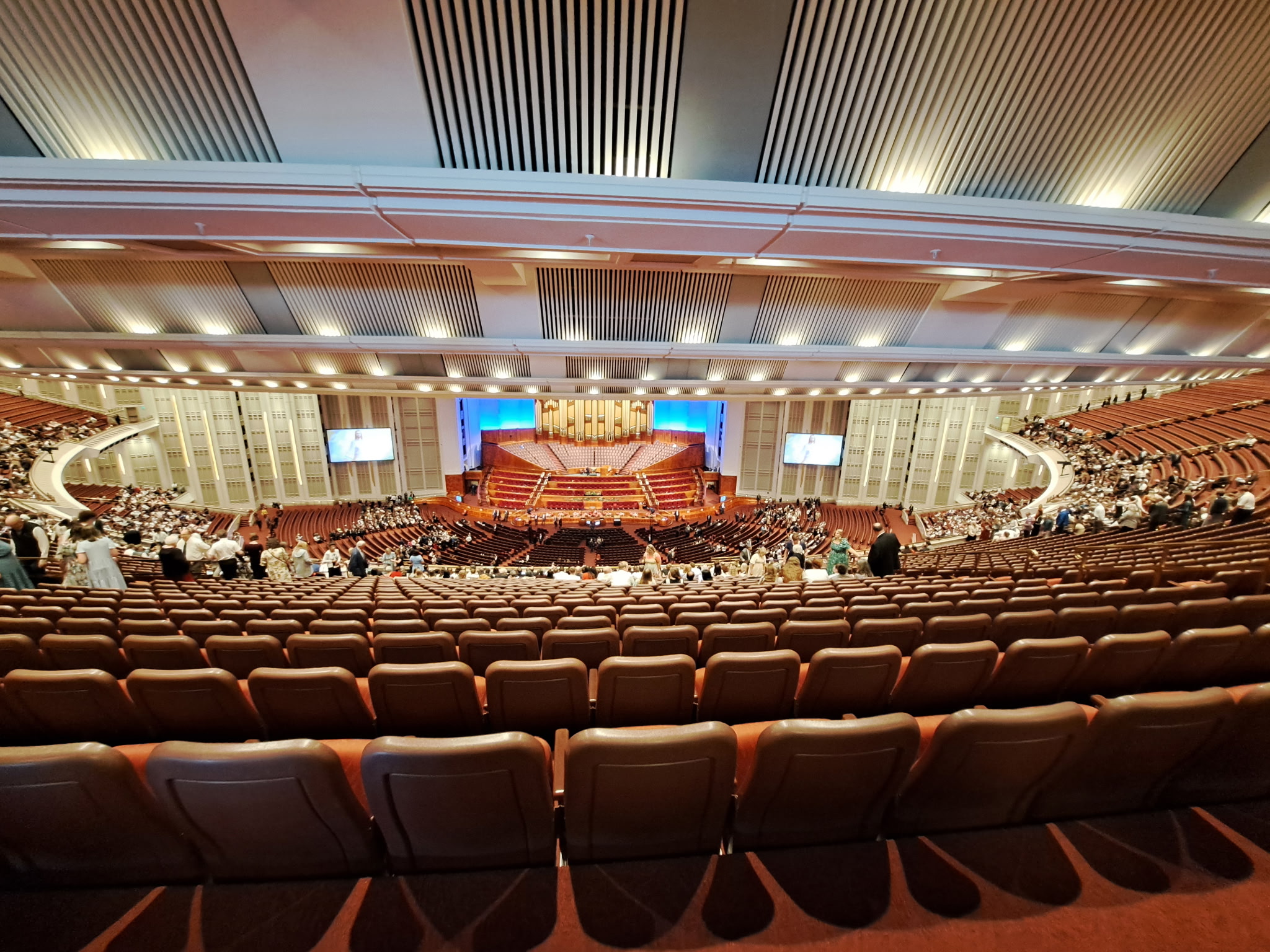
View of the rostrum from the farthest seats of the Conference Center before Sunday afternoon Session

Who will formally be set apart as the next President of the First Presidency? Tradition certainly would indicate Dallin H Oaks, and I expect the same. I also expect to obtain a witness that he is the Lord’s Prophet and Mouthpiece for the whole earth.

Paul Ross enjoying some light refreshments after Sunday afternoon’s General Conference

Since I really only began attending church regularly in 1997, President Hinckley was the only church president I knew for years. However, I will mention, my Grandma regularly spoke of my Great Grandmother’s connection to Ezra Taft Benson in Whitney, Idaho. Interestingly enough, when President Benson died in 1994, I spent the weekend of his funeral at Dustin McClellan’s home. I remember on Saturday, Dustin’s Mom, Bonnie, watching a funeral. I sat down and watched it for a little while. I remember the Tabernacle Choir. I asked her what it was and remember her telling me it was President Benson’s funeral. I felt something at that moment that made me more curious about the man. I still remember that occasion because the Spirit whispered to me. I have since also received a witness of President Benson. I have received one of every President since Joseph Smith.

Bryan Hemsley and James Ross enjoying Conference

Aliza recently attended a fireside in Rupert where President Emily Belle Freeman attended. I hope my children are gaining the golden strands in their testimony tapestry regarding the leadership of The Church of Jesus Christ of Latter-day Saints. We were fortunate enough to rub shoulders with President Freeman again and Sister Amy A Wright on Sunday.

Emily Belle Freeman and Aliza Ross in Rupert, Idaho, 21 September 2025

History of Mary Magdalina Wanner Wagstaff

“Our Mother”

by Edna Leona Wagstaff Owen

Our mother, Mary Magdalena Wanner was born September 12, 1873 at Atzenweiler, Neckarkreis, Wuerttemberg. Wuerttemberg is one of the States in the divided German nation.

Mother is a daughter of Johann Georg Wanner and Anna Maria Schmid, and was given the name of Maria Magdalina. After the family came to the United States, mother adopted the American spelling of Mary Magdalina which she used the remainder of her life.

Our mother and her brothers and sisters were very fortunate to have parents who were honorable, upright hard working people who loved their children and worked very hard to see that they got the very best they could. Both parents believed in God and had a strong faith that their prayers would be answered in providing them with the blessings they needed. They belonged to the Luteran Church, and tried to teach their children correct principles.

Mother was the 3rd child in a family of 10 children – 5 boys and 5 girls; two of her brothers died at an early age in Germany.

Between the ages of 7 and 8, mother took care of her younger brothers and sisters while her mother and father were working in the fields. She was told to get the children to sleep; and when they woke up she would bring them to the fields to their parents. She was anxious for the children to settle down and get to sleep, so she would hold her finger tips over their eye lids thinking this would make them go to sleep but when she took her fingers off they would be wide awake.

Mother started school at the age of 8 years and graduated when she was 14. She did not go to school after that.

From the age of 10 until 13 she herded cows on a big hillside. The family lived on a farm and everyone had to help. Their father was gone a great deal of the time as a road overseer, or working in the Black Forest to make a little extra money to help increase the family income. Mother had to do a lot of hard work such as getting wood from the canyon to use for fuel to heat the house and to cook with.

Another of her jobs was to lead the cows that pulled the plow. She also piled hay and gathered grain in the fields. Most of the work was done by hand and much of the time the hay was piled on the fence so it would dry.

A 9 years of age she learned to knit and she became very proficient in this art. She knitted all her life supplying her own family with socks, etc. She knitted scarfs, caps, socks and sweaters for the soldiers during both World War 1 and 2. Among the things she knitted was a beautiful white shawl for my first baby. She also knitted two choice sweaters for my husband, one of which he has been wearing on many occasions for over 40 years and it is still in good condition. He still uses it and it has been very useful to him throughout these 40 years.

When she was 11 years of age, she could not walk for a time because of a problem with her leg. At this time, it was necessary that she be put in a baby buggy and pushed 5 or 6 miles to see the doctor.

She went to the city of Ravensburg to work when she was 15 years of age. She took care of children, did washings, ironing, helped with the cooking as well as other household tasks. While working at this job, mother developed a sore on her hand which required that she be hospitalized for two or three weeks.

During the year 1891, mother’s father brought some missionaries to their home. These missionaries were representing the Church of Jesus Christ of Latter-day Saints. These missionaries were Jacob Zollinger from Providence, Utah, John Hassenfritz of the Bear Lake area, and John Federley of Salt Lake City, Utah. Incidentally, I got to meet Jacob Zollinger, a very fine man. After my marriage, whenever I sent to the Temple, Brother Zollinger was there.

After the missionaries had been teaching them the gospel for some time, the family became very much interested and decided they would like to join the church. Some of the family that were old enough were baptized in October, 1891, and became members of the only True Church. This brought peace to their minds and joy to their hearts. It didn’t take long for this family to decide that they wanted to leave their native land and come to the United States where they could have religious freedom and better opportunities for their family to provide for their wants and needs. Not so long after this, the oldest son came to this country with some returning missionaries. This was Uncle George.

In the spring of 1893 her mother and father made preparations to take their family to America. When all was ready, they said good-bye to their relatives, friends, their home and native land.

They rode the train for one day after which they took a boat up the Rhine River. After being on the boat for 3 or 4 days, they took the train for another day which took them to the North Sea. At the north sea they got on a large boat to go to Liverpool, England. The Sea was very rough and stormy. It took them another day to reach Liverpool where they boarded a big ship and sailed for America. They were on the ocean about two weeks before they reached New York where they stayed for two or three days. Then they took the train and started across the continent for Salt Lake City, Utah. They stopped at Chicago, Illinois for one day and one night; then continued on their way. After they got to Salt Lake City, they continued on their journey to Franklin, Idaho, arriving there the 18th June 1893. After their long hard tedious journey, they were all happy and anxious to get settled in their newly adopted homeland.

They were met by their brother George and Fred Nuffer with a team of horses and a wagon. They also brought a buggy with horses. They went to Fred Nuffer’s place in Cub River where her brother George had been working. They stayed at Nuffer’s place about one week. Her father soon started to look for a place to buy and settle down. He decided to take a trip over to the Bear Lake side to see what he could find. Grandpa took mother with him on this trip. They walked across mountains and had to cross the Cub River which was very swift and difficult for them to wade across. They spent one miserable night in the mountains listening to the bears growling. They saved some of their bread to give the bears in case they bothered them.

The next Sunday after arriving in Franklin, they all went to church in Glendale and had their membership records moved to that ward. The Ward Clerk in Glendale was William Addison Wagstaff who later became mother’s husband. Grandpa Wanner soon bought the home and farm of John Nuffer in Glendale. Grandpa and Grandma lived there a number of years and then sold it to their son Fred. Later he sold it to his son Bertus.

In a short time Mrs. Fred Nuffer got mother a job in Logan, Utah, doing house work for a lady by the name of Robin. Mother could not speak the English language at this time but with the help of this good family she was able to understand and speak a little.

Mother worked for the Robin’s until 1894, at which time she went to work for a family by the name of Card. She worked at Card’s about six months. She then returned to her home in Glendale for awhile. After a short rest, she went to work at the Section House in Preston, Idaho, helping a lady cook.

In April 1895, she went to General Conference of The Church in Salt Lake City, Utah. While she was there, she found a job doing housework for a banker by the name of Shutler (we are not sure of the spelling). Mother stayed at this place until November and then went home again for a while. Some time later mother worked for some people in Preston, Idaho, by the name of Hale. In 1896 mother returned to Logan and worked for a family by the name of Bishop.

In the spring of 1896 her mother wrote her and told her that her sister Louise was going to be the “Queen of May Day” celebration to be held in Glendale and she would like her to come home and be there on this occasion. Mother decided it would be fun and decided to be there.

On the day of the celebration mother accepted the invitation of William Addison Wagstaff to have lunch with him which seems to have been a big turning point in mother’s life. After they had their lunch they went for a stroll together. It appears that it was at this time that he proposed marriage to mother.

In a few days mother returned to her job in Logan, Utah. On 11 June 1896 W. A. took Mary’s sister Louise to Logan to take over her job so she could come back to Glendale to make preparations to be married. The next day they went to Preston to pick out material for her wedding dress and selected a cream cashmere trimmed in white silk. Her Tiara had orange blossoms on it. Looking at her picture now I think it must have been just beautiful.

On 16 June W. A. and Mary went to Logan with a wagon load of grain to sell for her father. After they got to Logan they purchased a plain yellow gold wedding band. She stayed with her sister Louise that night and on Wednesday 17 June 1896, W. A. and Mary were married for time and eternity in the Logan Temple by Marriner W. Merrill, The President of the Logan Temple. They spent their wedding night in Logan and returned to Glendale the next day, June 18th. That night Mary’s father and mother gave them a wedding supper at their home.

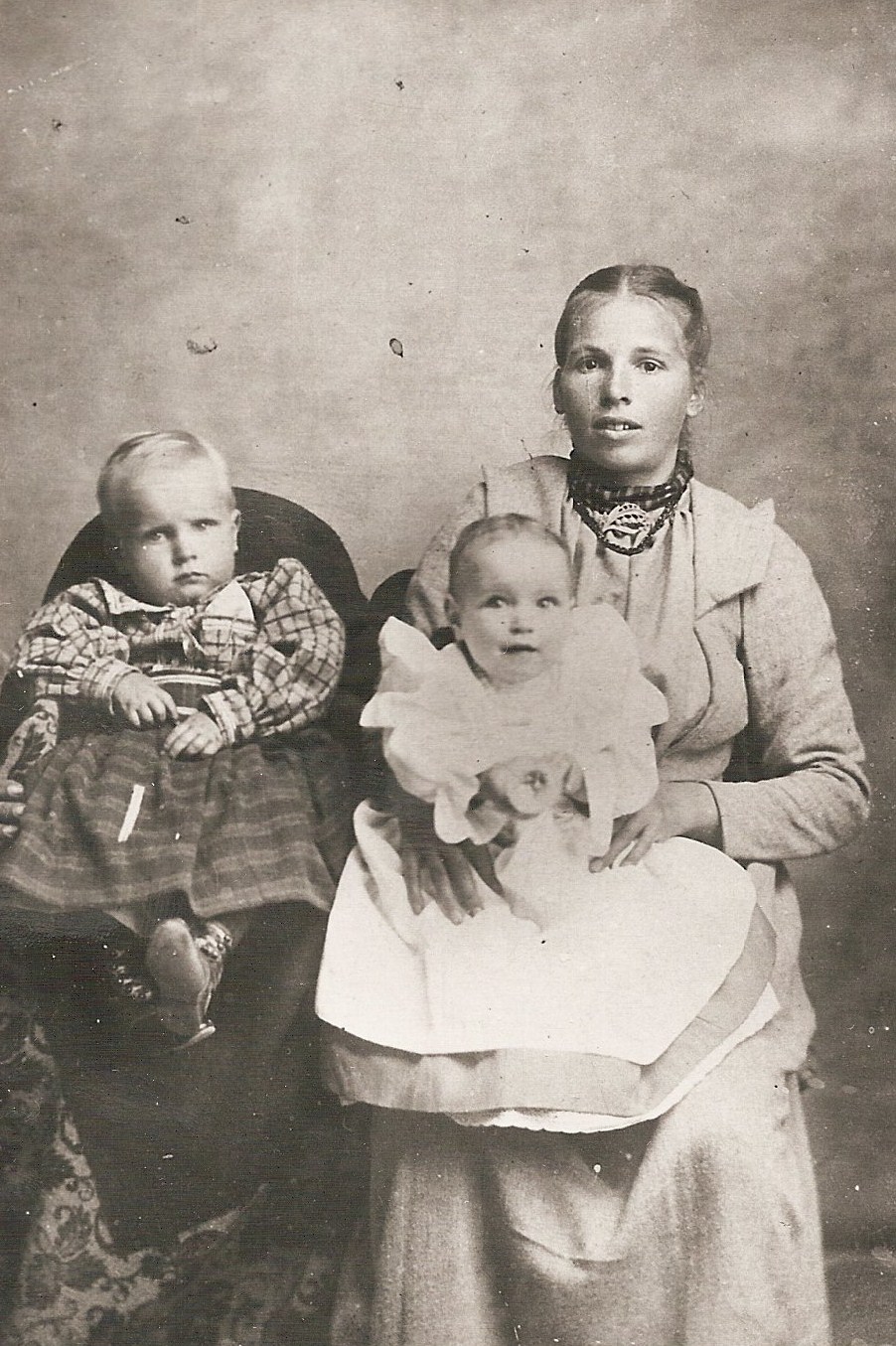
James, Annie, and Mary Wanner Wagstaff

Then mother went to live in the home where her husband and his mother resided. It was a log house with a dirt roof. This home was located about 5 miles North East of Preston, Idaho, in an area that is commonly called Glendale Flat. Mother took charge of the house and cared for her mother-in-law who had very serious leg trouble.

Right from the start mother worked side by side with her husband getting in the hay and grain. All the water for washing, bathing, drinking, etc. had to be hauled as they had no water on their place. Their cattle were driven to Worm Creek to drink. This Creek was about a mile from their home.

26 January 1897 mother’s first child was born, a tiny premature son. He was named George William. Our Dad held this tiny infant on his lap and fed it with a medicine dropper. He did everything he could to save his life but he passed away after 9 days.

Their second son named James Addison was born 24 June 1898; and 28 December 1899 her first baby girl, Annie Eliza was born. Our Dad and Mom and Dad’s mother were so very happy to have a son and a daughter to bless their home.

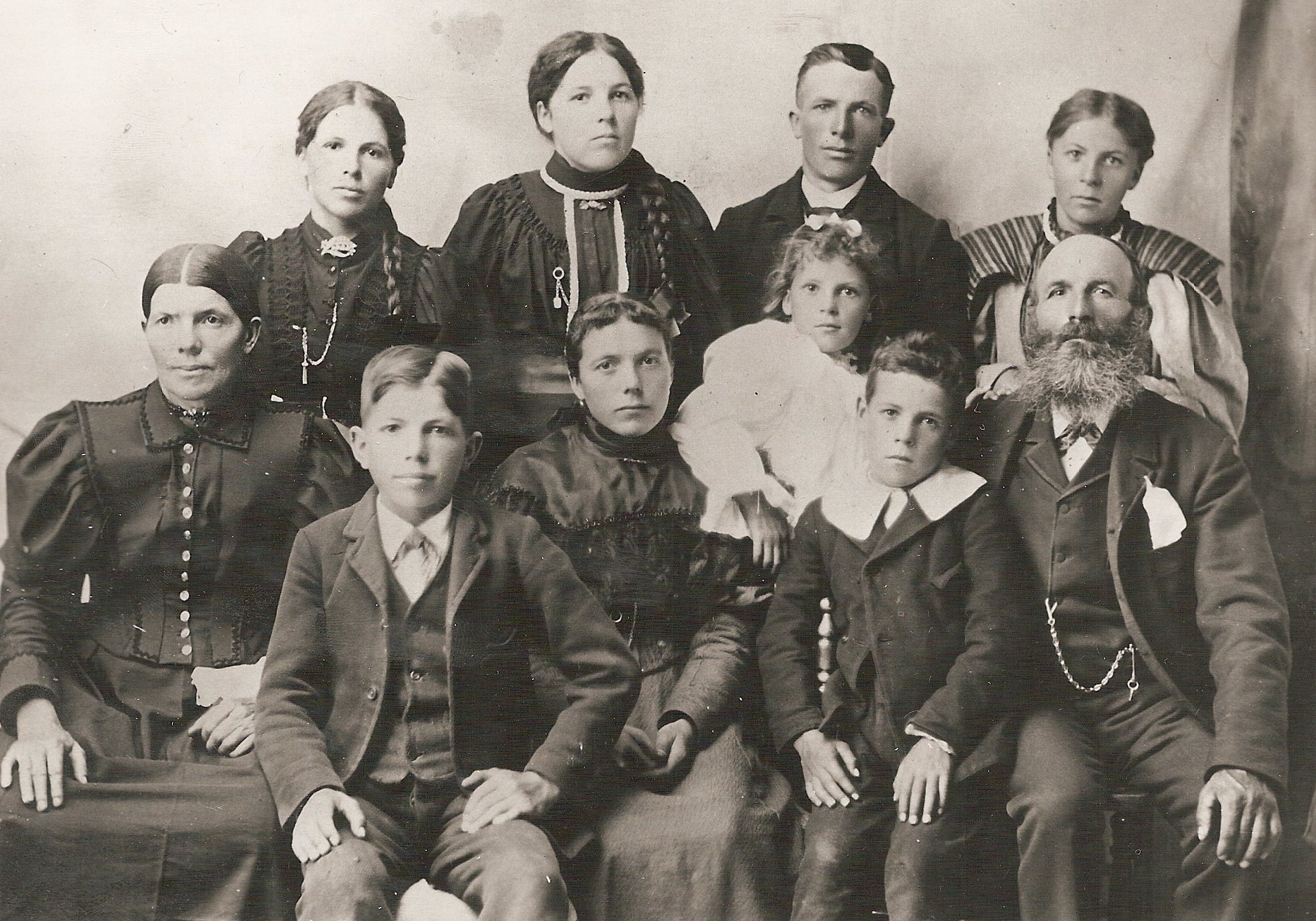
Back row: Willard, William, Annie, Parley, Maria, Jesse. Front row: Elsie, Edna, Herbert.

During the early part of mother’s married life, she worked in the Relief Society. Mother loved working in the Relief Society and did her part to make it a success.

In 1900 they moved to a two-room log house with a dirt roof. This house was located one mile from their first home. This move was made so they could be where there was water. This was a big help as they now had water from a well for culinary use as well as other things. Here they were able to have a nice garden with currants, both black and red, as well as gooseberries and raspberries. They could also have shade trees and fruit trees. I am sure this was a great blessing to them.

August 28, 1901, a son Wilford John was born. This made four children for them including the one who died. Dad and Mother were happy to have a family and Dad’s mother was thrilled to think she was now getting some grandchildren. Our Dad’s mother had a very sad time raising her family; our Dad being the only one of 4 children who lived to maturity.

Our Mother and Dad gave Dad’s mother kind and loving care for many years. She continued to have poor health. She was especially afflicted with varicose veins. Those finally turned into ulcers on her legs which had to be bandaged. One of their old neighbors has told us that she had her legs bandaged each day for over 35 years. She finally passed away in the early morning hours of December 2, 1902, and was buried in the cemetery at Glendale, Oneida County, Idaho.

The 9th of April 1903 Parley Leroy was born; and on 23 June 1903, our 22 months old brother Wilford John was drowned in a ditch just north of the house. Many people came from all around to help them at this sorrowful time in their life.

Children continued to come to bless this humble home and 3 March 1905 Willard Lesley was born. On 9 January 1907 Jesse Oleen was born. The 11th of November 1908 Herbert Spencer was born. Mother had now given birth to 7 sons and 1 daughter. She was very busy caring for them, her husband and home, as well as participating in church activities.

During the summer of 1909, they built a new house which had two rooms down and two rooms upstairs. It had a singled roof and later on was pebble-dashed.

It was in this home on a beautiful Sunday morning, 10 July 1910, the next child, a girl with hazel eyes and blond hair Edna Leona was born. The family as well as the Glendale Ward were delighted to see this baby girl come to the home where there were 7 sons and only 1 girl. 7th of August 1912 another daughter, Elsie Magdalina came to bless this home.

On the 19th of March 1913, sorry struck this home when their son James who had been ill a lot of his life passed away and was buried in the Glendale Cemetery.

On the 25 of March 1913 Mother had a patriarchal blessing by Patriarch Wm. Daines. This was a big comfort and a joy to Mother in later years.

The 8th of July 1915 Mother had her last child, a son she named Albert Wanner. Mother had a very difficult time at this birth and she was ill a long time after.

After Mother’s parents moved to Logan in 1910, she frequently went to visit them and did Temple work.

Very often Dad and Mom would drive their team and wagon and later a buggy to Preston; leave them there in the tie-yard and catch the U.I.C. to Logan to do two sessions at the Temple; then back to Preston to get their team; drive home about 4 miles. After Mother was married, she took every opportunity that came her way to go to the Temple. She loved to do this and it brought her great joy to be engaged in the Lord’s work.

Mother loved the outdoors and kept a beautiful garden and flowers; tended chickens and worked with her husband and children in the fields.

September 1918 Dad and Mom took their 3 daughters and youngest son Albert to Brigham City, Utah on the U.I.C. for Peach Day. They all had a delightful time, and enjoyed the trip very much.

During the summer of 1919 Dad and Mom and their 3 daughters and Albert again went on a visit. This tie to see Mother’s sister Pauline, who lived in Gentile Valley. They went in the white top buggy, and followed the road through the Bear Rivers narrows. This was a very narrow road and there was only a few places where people with teams could pass. Our Mother was very nervous going through the narrows. Dangerous things always made Mother worried and nervous. Mother was frightened when thunder and lightning storms were close to us, where she could see and hear it.

September 1919 Dad and Mother again took their 3 daughters and baby son on a trip. This time they took the train and went to see and learn more about where our Dad and lived and worked. They first went to Evanston, Wyoming, then Almy, Croydon and Ogden. They visited with many relatives and friends in Evanston, Almy and Croydon. Dad lived at both Almy and Croydon before coming to Idaho in 1884. For many years Dad wanted to take Mother on this trip to show her where he had lived and to meet some of his relatives and friends he had made before going to Idaho. This trip was the happy fulfillment of that wish.

Ogden, Utah was our last stop and while there Dad and Mother purchased the farm and home of his cousin and her husband Albert Phipps. This farm is located in West Weber, about five miles west of Ogden. It is an 80-acre irrigated farm. Less than half of which turned out to be good farm land.

Soon after they returned home, the news spread around that the Wagstaff family would soon be moving. Many friends and neighbors came to help in preparation for the move.

Before leaving Glendale, Mother’s good friend and neighbor Elizabeth Owen gave our family a nice going away party. Also the Glendale Ward did likewise and gave the folks a rocking chair as a token of their love and appreciation. After my brother Herbert got married, Mother gave the chair to him.

Mother had now lived in Glendale for over 25 years. She had many friends and neighbors that she loved and appreciated so much. In some ways she did not like to leave all they had worked so hard and sacrificed so much to get. Mother loved her home which had 3 new rooms added. They were now quite comfortable.

I’m sure Dad and Mother had given great thought to this venture before making the final decision to go away and start over in a strange kind of farming and among people they did not know. On the other hand they had become convinced that the move would provide better opportunities for their children. They did have 8 living children they loved with all their heart and soul. They also had great love and respect for each other. These things together with their strong testimony that Heavenly Father would bless them if they did what was right. They put their trust in God and bravely faced the future in their new environment. Little did they realize just what trials they would have to go through — even before they completely settled in their new home.

So it was in October 1919, Dad, Parley and Willard headed from Glendale to Ogden, Utah, with teams, wagons, and white top buggy loaded with family possessions. Jesse and Herbert stayed home and did the milking and tended animals. Parley and Willard stayed in Ogden, and Dad came back to Preston on U.I.C. With the help of faithful neighbors, the rest of the family possessions, cattle, chickens and furniture were put on the freight train and Dad went with them on to Ogden. Mom, us girls, Jesse, Herbert and Albert went on U.I.C. Little did he realize that when he arrived in Ogden, the officials would not let him take his animals home but quarantined them. It was a great shock to Dad when he had to pay over $1,000.00 for feed and care before he could get his animals. It is laughable now, but it wasn’t then when somehow the chickens got loose and were running all over the railroad yard with people trying to catch them. It must have been quite a sight to watch people scrambling around chasing chickens.

Our Dad left a paper in his own hand writing describing a few of the experiences our family had after we got to Ogden. The paper stats that in November 1919, the next month after we got there, Annie and Elsie came down with the Small Pox. Shortly after all the other children also came down. Dad and Mother had all 8 of us in one room and gave us patient loving care. I am sure it taxed their strength and was a great cause for worry and anxiety for them.

We had scarcely got over the Small Pox when all the children, Mother and Dad got the Influenza. We were a very sick group and our Mother was especially bad as she had Asthma along with the flu. Dad also got it but stayed up on his feet, caring for the rest of us and doing the chores. Our sister Annie and Anna Gregersen were working at a cafe in Ogden and roomed together and both of them had the flu. Our Dad went over to Ogden in the buggy every other day to take care of Annie and Anna and take them food. It became evident to our Dad that Anna was getting worse so he sent word for her parents to come. Annie and Anna were great friends and it was a great loss to Annie when her dear friend passed away 14 February 1920. I sometimes wonder how our Dad held up to the terrible work load and responsibility that was placed upon him at this time. Mother was worried about our Dad through all this.

When we first got to Ogden, we joined the Wilson Ward and Mother was put in as Relief Society Teacher. In August 1921 we joined the West Weber Ward. Before we joined the West Weber Ward, the Wilson Ward gave Mother a party and a beautiful bouquet of flowers. Mother was soon put in as a Relief Society Teacher. She continued to be a teacher until she moved to Ogden in 1935.

In June 1921 Mother and her three daughters went on a trip to Logan, Preston, Glendale and McCammon. In McCammon we visited with mother’s brother Gottlob and family. In Glendale we visited with old friends and neighbors and in Logan with Mother’s sisters and her parents.

In December 1921 Mother’s sister Pauline passed away and left her little family without a mother.

In September 1922 Uncle Wills family all got Typhoid Fever. Our Mother believed in being her brothers keeper so she took this family into one room of her home and nursed them back to health, except Annie who was in the hospital. After they got over this terrible disease, Mother continued to take care of the baby boy for some time.

In the ensuing years Mother continued her activities in taking care of her family and supported her husband in his work, church, etc. Mother loved to have chickens and she usually had a flock — this enterprise besides furnishing eggs and meat for her family helped out in providing extra income. She was active in Relief Society and regular in her attendance at Church and in paying her dues.

In January 1931 her daughters Edna and Annie went to Logan to attend the Utah State Agricultural College. This meant that Dad and Mom were alone except for Elsie, Albert, Herbert and Jesse who had come home again. That winter they did considerable visiting of friends and neighbors and Dad helped them with their genealogy. It was during the winter and spring that three old friends passed away and mother and dad attended their funerals — John Dobbs in Logan, Henry D Auger in Lewiston, and Mother’s dear friend and neighbor in Glendale, Elizabeth Owen.

Mary Allsop Wagstaff (1826-1902) with William and Mary.

Little did Mother realize at the time that it would be less than a month when she would lose her devouted companion. Her husband had an operation for stomach ulcers in the Dee Hospital in Ogden the 29 May 1931 and passed away from Post Operative Pneumonia on 31 May. This was a terrible shock to Mother and she grieved very much. There was nothing for her to do except to go on alone without her companion. Life was hard for Mother at this time but she had all the loyal support her sons and daughters could give her. They all loved their Mother and did what they could do lighten the burden. Mother grieved long and hard over the loss of her dear husband but in time found her way to continue life and plan for the future.

Mother stayed on the farm and with the help of her children operated the farm the best they could. THe depression was on in full force and money was hard to come by. Through sheer frugality and wise management, they started to come out on top.

In January 1935, Mother, Annie and Elsie said good-bye to the farm and moved into Ogden. At first they moved into a rented house. They lived in two different rented houses.

In May 1939 Mother purchased a home at 2069 Jackson Ave in Ogden and this was her last home. Mother was comfortable in this home and she enjoyed having a little leisure time in which she could enjoy her flowers and listen to her favorite programs on the radio — Myrt and Marge was one of her specials — it all seemed so real to Mother.

20 December 1940 Mother’s oldest daughter Annie Eliza passed away. I am sure Mother missed Annie as Annie had been confined to the home with heart trouble for several years, during which time they had a lot of opportunity to enjoy each other.

In September 1941 Mother was honored on her birthday when her family gave her a dinner party at which time many of her children and grandchildren were present and Mother enjoyed it very much.

September 1943 an open house was held for her 70th birthday when many of her friends and relatives came.

April 1942 Mother had a serious operation from which she seemed to make a good recovery. FOr quite a few years after this Mother appeared to be in reasonably good health.

Time moved on for Mother as it does for us all. She had seen two world wars in which the people of her home land were heavily involved. I am sure Mother realized that many of her relatives were in action. She said little but seemed to think a lot about it. She had witnesses great changes in the lives of people including transportation, cars and trucks; telephones were beginning to gain in popularity and the radio was in almost every home. It was a thrill to Mother when she got her refrigerator. Tractors were in common use in farming and much of the back-breaking work was now done with machinery.

July 31, 1952 Mother had a mild stroke but was never confined to her bed completely. It did make a change in her life and I think she realized it. 23 of October 1952 after 3 months illness, Mother passed away at her home.

She had always been a hard working, devoted wife and Mother. She served as a Relief Society teacher for over 50 years. She paid her tithing, fast offerings and other donations. She kept her love for her family and her faith in God to the very end.

Her funeral was held 27 October at the Lindquist & Sons Mortuary in Ogden, Utah. It was a lovely funeral with lots of flowers and many friends and relatives attended. She was buried beside her dear husband in the cemetery at West Weber, Weber County, Utah.

THis little history of Mother was put together many years ago by her 3 daughters with her help in relating facts to us. Elsie brought it up to the time of Mother’s death.

I feel there is much more that could and should be said but I am sure each of her children have their own personal remembrances, as well as some of the grandchildren, but I would just like to add a little more that I don’t think has been mentioned.

I don’t remember a time when Mother did not have a lot of beautiful flowers. Geraniums that blossomed all winter long. She had morning glories, pansies, sweat peas, portulacas, pinks and others to mention a few.

Mother always made her laundry soap which was so good to use in cleaning the farm work clothes and so beautiful and white. She made many batches of soap for each of her married children as well as some of her neighbors.

When Dad and Mother killed a pig for home use, Mother worked so hard helping Dad cut it up, cure it and make delicious link sausages; and the head cheese she made was the best. There was always a piece of pork given to the neighbors.

She always churned her butter while on the farm and it was very good butter.

After we went to Ogden, Mother had a hot bed where she raised tomato and cabbage plants for themselves and others to plan in their fields.

Mother was a good cook and made the best bread, pies, rice pudding and soups. Oh! they were so good. When we had the threshers they always liked to be at our place for meals as they enjoyed the delicious meals Mother put on.

She loved to have her neighbors, friends and married children drop in for a good meal — and no one ever dropped in unexpected but that they were treated to a real meal or a snack.

After we moved to Ogden, it was the joy of her life to return to Preston to visit her dear friends, relatives and neighbors, and Dad somehow always found the necessary money so she could do that.

Mother was always clean and neat when she left home to go any place. She had beautiful long black hair that stayed dark until her death. She had a unique way of putting up her hair — hair styles changed but Mother’s never did. Many people commented on her lovely hair and the unique way she fixed it. Mother also had beautiful hats which she loved very much.

I would like to relate a little incident that happened in the summer of 1918. It was when we had a total eclipse of the sun. We did not have a radio or television and the paper hadn’t come. I guess Mother did not know the eclipse was coming. Dad had gone to town. I don’t know where the others were but Elsie, Albert, Jess and I were home with Mother. It started to get dark, then darker and darker. She became very excited and thought the end of the world was coming. She dashed out to gather the precious eggs — it was totally dark in the cop and the chickens had gone to roost. Mother was so relieved when it all passed over and the sun came out and best of all Dad came home.

One day during World War I, Dad was sitting at the breakfast table reading the paper. We knew, of course, about the German submarines sinking many of our food ships. Dad said rather nonchalantly, “Well, some more sugar has been sunk.” Mother became very excited and said, “Where?” Dad said, “In my postum,” and let out a roar.

Mother suffered with asthma most of her adult life and we all did everything we could to help out when she had a bad attack. Many mornings I remember Dad calling to us, “Come on and get up. Mother is sick.” We all rallied around and kept things going while she was down. If someone lit a match and let it burn, it would always bring on an attack of asthma. Many times when Mother was fighting for her breath we would all be frightened and I remember one time I ran to Bishop Ed. Bingham’s place to get him to come and administer to her.

Dad was always so kind, considerate and helpful to her especially when she was will; and her children were also.

Mother had a unique laugh and when something struck her as funny, she could really laugh. In a crowd you could always pick out Mother’s laugh. Several years at the July 24th celebration in West Weber she took the prize for laughing the longest and hardest. One year the prize was a leg of lamb; another time a beautiful Jordinere.

I remember that Mother had a pet lamb she loved and took very good care of it. She went to Logan for a few days to visit her mother. She wrote a letter home to use in English, but as a joke also wrote a note in Germany. We could not read the note so took it to a neighbor lady who could read German. The note said “Be sure and take good care of my lamb.” We all got quite a thrill out of this.

It was important to our Mother and Dad to see to it that each of their children were baptized in the Logan Temple. All their children were baptized except the last two. 30 March 1915 Dad and Mother took Jesse to Logan with the horse and buggy so he could be baptized. Then they stayed at grandpa’s and grandma’s home one night. When they couldn’t go they sent the children with Annie on the U.I.C. electric train.

At a George Washington party in the Glendale Ward, Vern Nelson tells this story. Mother was sitting on the front bench and Vern had to recite a poem. It was

Of all the girls in this world,

I’d marry none for riches,

I’d marry one six inches tall,

So she couldn’t wear my britches.

Vern changed the poem to read necktie instead of britches. Everyone expected him to say britches. He said Mother started to laugh and he had never seen anyone laugh so hard in his life.

A few years ago Meda Nelson Robinson told me as long as she lives she will never forget the blue and white granite kettle Mother used to make sandwiches in for us kids to eat between Sunday School and Sacrament Meeting when there was a little recess. They were usually just break and butter or sometimes a little sugar sprinkled on them, and always a cub cake with little currants in. She said that when Mother got the kettle out, that she and some of the ward kids would sally up to Mother hoping for at least a cup cake. She said sure enough Mother always had plenty and she would always get one, and how good they were.

Mother was kind and compassionate and believed that true happiness in life comes from serving others. Her friends and neighbors were often beneficiaries of her goodness, and if there was a new baby or sickness or sorrow in a home, she always found time to put on a clean apron and take a loaf of fresh baked bread, a pie, or fresh berries or something from her garden to cheer them.

She never lost sight of the purpose of life and the reasons for coming to America.

She abhorred cruelty to animals or humans.

She always had little sayings to put over a point such as “If a string is in a knot, patience will untie it. Patience can do many things; have you ever tried it.”; or “If there is a will, there is a way”; or “If at first you don’t succeed, try, try, again.”

When Mother passed away, she did not leave many possessions and no riches; but she did leave a legacy far superior to earthly things, and I’m sure we as a family appreciated that.

Mother had her dub of joy but she also knew sorrow. As I have raised my family, we had our share of sickness, accidents and near deaths and it has made me think about Mother. She must have been in great anxiety and pain over the loss of three of her children before they reached maturity.

Dad and Mother really loved each other and were always happy with each other. Dad got so much joy out of buying her special little things when she was ill such as oranges, or a can of oysters, or a bottle of soda water. They worked together as a team in whatever they did. Whether it was in the garden, cutting and curing meat or whatever, they enjoyed being together. They both enjoyed going in a cafe and having a snack like a hot beef sandwich or root beer and a sweet roll.

Mother really suffered and grieved deeply over the loss of her husband. Dad was just 70 and Mother 57 at the time. Many times we have found Mother out back of the house crying as if her heart would break — many times she was heard to say “If only papa was here.”

Mother is long since gone, but those of us who remember have a MEMORY that is SWEET and LASTING.

History of Plain City Pt 8

I have two copies of the History of Plain City, Utah. The front indicates it is from March 17th 1859 to present. As far as I can tell, the book was written in 1977. At least that is the latest date I can find in the book.

One copy belonged to my Grandparents Milo and Gladys Ross. My Grandpa has written various notes inside the history which I intend to include in parenthesis whenever they appear. They add to the history and come from his own experience and hearing.โ€‚

I will only do a number of pages at a time. I will also try to include scanned copies of the photos in the books. These are just scanned copies of these books, I have not tried to seek out originals or better copies.

History of Plain City March 17th 1859 to present, pages 123 through 140.

SPORTS IN PLAIN CITY

ย By Lyman H. Cook

ย ย ย ย ย ย ย ย ย ย ย  Plain Cityโ€™s most prominent claim to fame has been through the sports program and the great players and teams that the town has produced. I know of no other town to community in this state, to possibly out of state, that can equal the accomplishments in the total sports program as the town of Plain City. I donโ€™t know how many hundred championships or trophies this town has won in baseball, basketball, softball, volleyball, and Jr. Posses, over the last 75 years or more. We include the young teams and people in the town, and also the girls. These trophies and championships came from local, county, multi-county, state, stake division, region, multi-region, and All Church basketball, softball, and volleyball, which is the largest leagues in the world.

ย ย ย ย ย ย ย ย ย ย ย  On February 14, 1977, at 3:30 PM, there were 226 trophies in the trophy cases at the Plain City Church. I couldnโ€™t begin to estimate the number of trophies in the homes here in Plain City. Can you comprehend the number of teams involved and especially the number of people involved on the teams in accomplishing this great record.

ย ย ย ย ย ย ย ย ย ย ย  There seems to be a special spirit, or force, ambition, or drive, that compels players to excel and teams to win. The will to win in Plain City is the strongest I have ever known. We have been accused of playing dirty, or being poor sports, but in answer to these charges, I would submit the phrase: We just play hard, and the spirit of competition just brings out the best in us. In Plain City you donโ€™t hope you can win, you are expected to win. Some communities dislike us for our sports program because it is so strong, and in reality, they judge their success of their season by the fact of whether they can beat Plain City or not. I realize these are rather potent and strong statements, but never the less, they are all true.

            We dedicate this section of sports to all the people who have ever played on a team in Plain City. We realize that some names will be missed and it is not our intent to forget anyone, but we canโ€™t remember all, and this is all of the sports material that has been turned in for the history. If your name is left off, write it in, and if you were star of the team, write that in also.

ย ย ย ย ย ย ย ย ย ย ย  We have asked for and received personal write-ups on a few people who have signed professional contracts or have distinguished themselves in certain sports. We recognize them for their talents in that they in turn have brought special recognition to Plain City. I am sure these talented athletes would be the first to recognize their fellow members, for they realize that no one man is bigger or better than the whole team, and in this light, we recognize the teams they played on.

            From 1944 until the present, there were three basketball teams that went to All Church and won two second places. Commencing in 1951 through 1954, we played in four fast-pitch All Church Tournaments. We won a second-place finish and eight-place finish.

ย ย ย ย ย ย ย ย ย ย ย  In 1953, we played on a volleyball team that went to the All Church Tournament and won the Sportsmanship Trophy, which was a great honor. The team that played were: Dee Cook, Lyman Cook, Wayne Cottle, Wayne Skeen, Blair Simpson, Kenneth Lund, Harold Hadley, and others we couldnโ€™t remember.

            There were teams that went to the All Church Slow Pitch Tournaments from Pain City for three years. They won two All Church Championships, and a third-place finish. There have been some excellent younger teams in baseball, basketball, and softball, and a Junior team last year (1976) won a second-place in a

The All Church program.

            This was one of the early teams of Plain City, and this picture was taken around 1910. They played together for many years, and they won several championships.

Top Row: L to R: ย ย ย ย ย ย ย ย  Joe Hunt, Tooley Louis Poulsen, Preston Thomas, Parley Taylor, Jack Hodson.

Middle Row: L to R:     Mr. Anderson, Coach, Jim Thomas, Melvin Draney

Bottom row: L to R:    Oscar Richardson, Joe Singleton

Louis Poulsen

            Tooley Poulsen played on many championship teams, and played several positions, mainly second base and catcher.

            This was one of the first Mutual basketball teams in Plain City. They played their games in the upstairs of the old hall. Lyle Thomas reports that you didnโ€™t have to be polished to play on this team, just big and rough, for there was very little whistle blowing in those days. This picture was taken in about 1925, and they won several championships.

Back Row: L to R:        Rulon Jenkins, Lyle Palmer, Marion Sneed, Milton Garner

Front Row L to R:        Theo Thompson, Ralph Robson, Coach Ellis Giles

            This was the 1930 Plain City Baseball team. They played for State Champion ship.

Top Row: L to R:          Horace Knight, Albert Sharp, Walter Christensen

Middle Row: L to R:    Floyd Palmer, Angus Richardson, Arnold Taylor, Walter Moyes, Abram Maw, William Freestone

Bottom Row: L to R:ย ย ย  Clair Folkman, Gilbert Taylor, Dick Skeen, Fred Singleton, Frank Skeen, Elmer Carver

BASEBALL AND EARLY SPORTS

By Elwood (Dick) Skeen

ย ย ย ย ย ย ย ย ย ย ย  Baseball was Plain Cityโ€™s most favorite sport. Baseball in Plain City in the early 1920โ€™s and 1930โ€™s was composed of the Plain City Bull Dogs with the following players taking part:

                                                      Louis Poulsen

                                                      Joe Singleton

                                                      Walter Draney

                                                      Elmo Rhead

                                                      Parley Taylor

                                                      Joe Hunt

                                                      Elvin Maw

                                                      Oscar Richardson

                                                      John  Hodson

            They represented Plain City in the Weber County Farm Bureau League, composed of North Ogden, Hooper, Roy, and Clinton. There were many good ball players in those days that played on the teams. The town park at that time was covered with salt grass. There were no base lines, no pitcher mounds. But, on a Saturday afternoon the park was filled with people that came from all over the county to watch the games. Horses and wagons lined the park.

            Foot racing was also a great sport at that time, and Plain City had one of the best in Walter Draney, who was not only fast, but also a great athlete.

            As time passed and the older players began to drop out, the chance came for us younger players to take over. In 1925 I caught my first Farm Bureau game at Liberty with Ezra Taylor doing the pitching. Then, the other players that made up our team for the next few years started to play. We had our share of victories. In fact, we had more than our share of wins.

            Finances at that time were hard to come by. We did what we could to raise money to continue supporting the team. In 1928, the ball team put on the first Black and White Day with Mervin Thompson and Joseph Skeen showing their cattle. An old-time refreshment stand, soda water, ice cream, candy bars, and popcorn, which sold for 5ยข. Also, some drinks that were not sold at the stand.

            Our uniforms were furnished by Plain City individuals and business firms from Ogden. Suits would have the name of the giver on the back. Decoration day and the Fourth of July were our most celebrated days with all kinds of sports for those who wished to perform. A baseball game and a dance in the evening would top the day.

            We would get the best team from Ogden to play on these days so that we could show what was leading up to the best team we had. In 1930, we won the Weber County Farm Bureau League, and the town bought us new uniforms to go to Lagoon to play Sandy, Utah, for thy State Championship. We lost by a close score. Our players were:

                                                      Gilbert Taylor

                                                      Walter Moyes

                                                      Arnold Taylor

                                                      Frank Skeen

                                                      Horace Knight

                                                      Albert Sharp

                                                      Fred Singleton

                                                      Abram Maw

                                                      Walter Christensen

                                                      Clair Folkman

                                                      Dick Skeen

            Bill Freestone was the manager. Angus Richardson was the coach. Elmer Carver took care of finances, and Floyd Palmer and Byron Carver were scorekeepers. We played in tournaments at Brigham City and Ogden, and some out-of-state games were played.

            We continued playing, but soon the gang started drifting different ways and our days were coming to an end. The league started to dwindle and later, folded up with the workload increase. Baseball was soon lost to the towns in Weber County.

Left to Right: Nalon Taylor, Bert Cook, Howard Gibson, Bud Dallinga, Wayne Cottle, Thayne Robson, Bill Stokes, Rulon Jenkins, Coach

The Desert News Sport                       Best Two MIA Teams

Page 10 โ€“ Salt Lake City, Utah-Saturday, March 11, 1944

Bottom Row: L to R:ย ย ย ย  Carl Taylor, Carl Hodson, Fred Singleton, Coach, Blair Simpson, Glen Charlton

Top Row: L to R:             Frank Hadley, John Nash, Lyman Cook, Ray Cottle

            Ray Cottle, Center:                  First Team All Church

            Frank Hadley, Forward:           Second Team All Church

            Lyman Cook, Guard:               Second Team All Church

            Blair Simpson, Guard:             Honorable Mention

            This team played for All Church Championship in 19441. They played Grantsville, Utah, and lost to them for the title. The games were played in the old Desert Gym, by the Hotel Utah. The teams stayed four nights in the Hotel Utah. They ate, slept, and played basketball.

                                                                        Top Row L to R:

                                                                        Alf Charlton, Athletic Director

                                                                        Lyman Cook, Ronald Skeen, Kenneth Lund, Grant

                                                                        Lund, Wayne Skeen, Clair Folkman, Coach

                                                                        Bottom Row L to R:

                                                                        Harold Hadley, Elmer Hipwell, Bill Stokes, Dee

                                                                        Cook, Blair Simpson

ย ย ย ย ย ย ย ย ย ย ย  This was the Plain City M-Men Team that played after World War II, in 1946, for several years and won several state championships and played in the division tournaments.

______________________________________________________________________________

                                                            SUNDAY MORNING, AUGUST 19, 1951

                                                                        District Three Winners

Winner of the district three double elimination softball tournament of the L.D.S. church was this fast moving team from Plain City in the Farr West Stake. In the lineup (front row) F. Hadley, 2b; Cook 3b; B. Simpson, 5b; D. Christensen, rf; T. Musgrave. Of; L. Cook, lf; coach; G. Charlton, of; W. Cottle. 1b; R. Cottle, p, and K. Jenkins, c.

                                                      Plain City Romps To 12-4 Win

                                                      Over Centerville for L. D. S.

                                                      District Three Softball Title

PLAIN CITY SOFTBALL TEAM OF 1951

                                                                        By Lyman Cook

            Plain City has always been a very strong baseball town, and the feeling was that softball was a game for girls, or you played softball at family reunions. In 1951 the Farr West Stake started a softball program and wanted teams to participate. I was Ward Athletic Director at that time and asked these players to play. This was the first softball team organized in Plain City. We won the Stake and District III. We then went on to the All Church Tournament in Salt Lake City. We won some and lost some, not too eventful. I coached the team the first year we played. This was a fast-pitch team.

                                                            L. D. S. Division III Champs

Repeating their last yearโ€™s victory in the L.D.S. division III softball tournament, the Plain City team came through again last night at Ogden softball park to beat Hoytsville 9 to 6. Front row Left to right: M. Heslop, E. Hadley, C. Taylor, D. Cook, A. Maw and G. Charlton: back row, lerft to right: R. Cottle, W. Skeen, W. Cottle, L. Cook, B. Simpson, and D. Skeen, coach. Absent from photo: Jenkins, V. Stokes and R. Skeen.

            PLAIN CITY WARD SOFTBALL TEAM OF 1952

                                                                                    By Lyman Cook

            In 1952 we repeated as stake champions and also won the Division III Championship again. We went to the All Church Tournament again and played very well. We played for the All Church Championship, but lost to Pocatello 10th Ward in a good game. Blair Simpson was voted Most Valuable Player of the tournament. Wayne Cottle made the All Church Team. There may be others. This was also a fast-pitch team. Dick Skeen was the coach.

ย ย ย ย ย ย ย ย ย ย ย ย ย ย ย ย ย ย ย ย ย ย ย ย ย ย ย ย ย ย ย ย ย ย ย ย ย ย ย ย ย ย ย ย ย  This team played Farm Bureau Baseball and won the

                                                            Championship around 1950:

                                                            Top Row: L to R:

                                                            Junior Taylor, Wayne Skeen, Don Singleton,  Bert Cook,

                                                            Glen Charlton, Kent Jenkins, Clair Folkman, Coach

                                                            Bottom Row: L to R:

                                                            โ€œBussโ€ Lyman Skeen, Frank Hadley, Wayne Cottle, Ray

                                                            Charlton, John Maw, Dee Cook

ย ย ย ย ย ย ย ย ย ย ย ย ย ย ย ย ย ย ย ย ย ย ย ย ย ย ย ย ย ย ย ย ย ย ย ย ย ย ย ย ย ย ย ย ย  This team played Pleasant Grove for All Church Champion-

                                                            Ship in 1956. They took second place.

                                                            Bottom Row: L to R:

                                                            Quinten Jenkins, Archie Skeen, LaGrand Hadley, Brent

                                                            Taylor, Ronald Sharp

                                                            Back Row: L to R:

                                                            Dee Cook, Manager, Darrell Christensen, Robert Folkman,

ย ย ย ย ย ย ย ย ย ย ย ย ย ย ย ย ย ย ย ย ย ย ย ย ย ย ย ย ย ย ย ย ย ย ย ย ย ย ย ย ย ย ย ย ย ย ย ย ย ย ย ย ย ย ย ย ย ย ย  Bert Cook, Kenneth Lund, Wayne Cottle, Kent Jenkins, Coach

            Many county and Northern Utah Championships were obtained by this team that was sponsored by the Town Board in the late 1950โ€™s to middle 1960โ€™s.

COACHES:                                     Clair Folkman โ€“ Blair Simpson

TEAM MEMBERS:                         POSITIONS:

Blair Simpson                                P- IF

Wayne Cottle                                     IF

Cy Freston                                          IF

LaGrand Hadley                            OF โ€“ P

Archie Skeen                                        C

Gaylen Hansen                              C โ€“ P โ€“ IF

Bobby Taylor                                 P โ€“ OF

George Cook                                        IF

Reid Nielson                                  IF   P

Ted Favero                                    IF โ€“

Dennis Anderson                           P

Garry Skeen                                   OF

Lynn Folkman                                OF

Bud Parker                                    IF โ€“ OP

Tom Seager                                   OF

Harold Hadley                               IF

Harold Marriott                            IF

******

PLAIN CITY WARD FASTPITCH TEAM

1960, 1961, 1962

              This team won the Stake, Region, and Division Championships, and represented the ward in All-Church competition with a successful number of victories.

COACH:                                         Elmer Carver

TEAM MEMBERS:

Tom Seager, P                                     Blair Simpson, SS

Gaylen Hansen, C                                LaGrand Hadley, LF

Wayne Cottle, 1st                                Robert Folkman, CF

George Cook, 2nd                                Dee Cook, RF

Cy Freston, 3rdย ย ย ย ย ย ย ย ย ย ย ย ย ย ย ย ย ย ย ย ย ย ย ย ย ย ย ย ย ย ย ย ย ย ย ย  Don Singleton, IF

Blaine Eckman, QF                              Gar Hunter, 1st โ€“ OF

THE PLAIN CITY BULLDOGS

              This is one of the very first Weber County Recreation Teams in Plain City. Many of these players went on playing baseball for many years.

Front Row: L to R:

Dick Skeen, Coach, Fred Palmer, Darrel Thompson, Kenneth Hogge, George Cook, Ronald Sharp.

Back Row: L to R:

Archie Skeen, Brent Taylor, Wayne Poulson, Jay Freestone, Robert Folkman, LaGrand Hadley

PLAIN CITY SECOND WARD

ALL โ€“ CHURCH CHAMPIONSHIP TEAM

1963 โ€“ 1ST Place

1964 โ€“ 1st Place

1965 โ€“ 3rd Place

              This team represented the Plain City 2nd Ward and Plain City Town by winning 64 and losing only two games over a three-year span. Many players received All โ€“ Church recognition. In the championship game the first year the team hit 11 home runs and pulled off a triple play for the victory.

Back Row: L to R:                                            Not in Photo

Garry Skeen                                                     Archie Skeen

Gaylen Hansen                                                Ken Searcy

George Cookย ย ย ย ย ย ย ย ย ย ย ย ย ย ย ย ย ย ย ย ย ย ย ย ย ย ย ย ย ย ย ย ย ย ย ย ย ย ย ย ย ย ย ย ย ย ย ย ย ย ย  Jay Freestone

Gar Hunter                                                      Val Taylor

Jerry Bradford                                                 Mel Cottle

Lynn Folkmanย ย ย ย ย ย ย ย ย ย ย ย ย ย ย ย ย ย ย ย ย ย ย ย ย ย ย ย ย ย ย ย ย ย ย ย ย ย ย ย ย ย ย ย ย ย ย ย ย  Gordon Singleton

Bishop Rulon Chugg                                        Jim Beasley

                                                                        Don Singleton

Front Row: L to R:                                           Gary Hill

                                                                        Bishop Orlo Maw

Jerry Moyes

Doug Palmer

Dale Searcy

Blair Simpson

LaGrand Hadley

All โ€“ Church Honors:

Gar Hunter

Jerry Bradford

Ken Searcy

Gaylen Hansen

Archie Skeen

Blair Simpson, Most Valuable Player

BLAIR SIMPSON

and

ELMER SINGLETON

of the

PITTSBURGH PIRATES

1948

โ€œTwo cousins metโ€

ELMER SINGLETON

              Elmer Singleton started pitching for the Farm Bureau League in Plain City. He pitched for several championship teams. He signed a professional contract with Cincinnati, and played at Wenatchee, Washington in 1939, his first year. He played for Idaho Falls, Portland, and Oklahoma City. He moved on up to the big league and played with the following teams:

Cincinnati

Yankees

Chicago

Kansas City

Boston

Pittsburgh

Washington in 1950

Toronto

San Francisco

Seattle

              He was in professional baseball for 27 or 28 years, the last eight years as a player coach.

              He pitch two no hitters, one at San Francisco, and the other at Seattle. Elmer won the Player of the Year Award at Seattle in 1956. There is a baseball card with Elmerโ€™s picture on it with the Chicago Cubs. It reads:

              โ€œThis will be Elmerโ€™s 17th year in professional baseball.

                 He started back in 1940 and after 11 uneventful seasons,

                  got red hot to become one of the top hurlers on the

                  Pacific Coast. In 1952 at San Francisco, he won 17, followed

                  with 15 triumphs in 1953 and moved to Seattle in 1956.

                  He had the best Pacific Coast Earned Run Average.โ€

ย ย ย ย ย ย ย ย ย ย ย ย ย  Elmer told us that before he left to play professional baseball, the people of Plain City honored him at a banquet. They gave him a ball glove, and he still has it. He is listed in the Sports Record along with his accomplishments. Elmer was a great baseball pitcher. The only picture we have of Elmer is with Blair Simpson. Elmer and Blair are cousins,

              BLAIR SIMPSON

                                                      BY Blair Simpson

ย ย ย ย ย ย ย ย ย ย ย ย ย  I attended school at Plain City before going to Weber High School. At Weber High School I participated on the track team, played some basketball and pitched for the Weber High baseball team.

              After graduating from Weber High School in 1944, I was drafted into the army for two years.

              In 1948, I signed a professional baseball contract with the Pittsburgh Pirates organization. While playing with the Pirates, I played with the following cities:

                                                            Santa Rosa, California

                                                            Pittsburg, California

                                                            Modesto, California

                                                            Hutchinson, Kansas

                                                            Waco, Texas

                                                            Charleston, South Carolina

              I was a pitcher and had to quit because of an injury to my knee.

              After retiring from professional baseball, I played a considerable amount of baseball with Plain City and other teams in the Ogden area, such as:

                                                            Ogden Ford Sales

                                                            Heitz Heating

                                                            Wasatch Time

              I was selected on the All Star Baseball Team composed of 16 players from the State of Utah.

              I also played on many softball teams in the Ogden area such as Fisher Hess, Utah General Depot, Fred M. Nyes, Savon, and others.

              In 1952, I was named the Most Outstanding Player in the โ€œAll Church Fastpitch Softball Tournamentโ€ in Salt Lake City and was also named to the All Church All Star Team in 1953.

              In 1963, o received the Most Outstanding Player Award in the All Church Softball Slow Pitch Tournament. In 1964, I again received the most Outstanding Player Award in the slow pitch division of the All Church Tournament held in Salt Lake City. The year 1964 was one of my most memorable occasions in All Church Softball as I hit four consecutive home runs in one game.

              I would like to give a lot of credit to whatever successes I have enjoyed in athletics to the talented town of Plain City.

WAYNE COTTLE

                                                      By Wayne Cottle

              I was born November 30, 1928, in Ogden, Utah. I lived in Plain City all my life. I attended Plain City Elementary and Junior High. I played basketball in the 9th and in the 10th grades for Plain City. L. Rulon Jenkins was our coach and our principal. We played against Hooper, North Ogden, Huntsville, and Weber High School.

              In the Fall of 1945, I started Weber High School, playing football, basketball, baseball, and track for both years. In 1947, I played to a tie for the Region I Championship with Box Elder. We played off the tie breaker at Ogden High School, beating Box Elder for the first Region I Championship for many years. I won the Region I scoring title. We entered the State Tournament in Salt Lake City and we lost to Granite, who became the State Championships, in the semi-finals. I was the recipient of the Standard Examiner KLO Watch Award for being the outstanding athlete of the year.

              I entered Weber Junior College in the Fall of 1947. After about a month of practice I became one of the starting forwards. We played in several tournaments winning 3rd place in the Compton California Invitational.  We played an independent schedule that year. In 1948-49 Weber became a member of the ICAC Conference. We won the conference and played Snow Junior College Tournament. We won the game and I was voted the tournamentโ€™s Outstanding Player Ward. We went to the national finals in Hutchinson, Kansas. We won our first game, then we met two defeats.

In the Fall of 1949, I entered Brigham Young University. I was on the team that won the Skyline Conference Championship for the first in many years. We went to the NCAA at Kansas City, Missouri. We lost to Baylor University, then beat UCLA for 3rd place. The next year we accepted a bid to enter the National Invitational Championship and two of our players were voted All American.

              I graduated from BYU in 1951, came back to Plain City and started to play basketball with the Ward team. From the 1951- 1952 season until the creation of the Plain City 2nd Ward in 1960, we never lost a league game in the Farr West Stake. The year of the creation of the Plain City 2nd Ward, they beat us once and we beat them once. We played off the Stake Championship at Wahlquist Jr. High, and we won the team and the championship. After that season, the Church specified an age limit and I was area championships and went to the All Church several times.

WAYNE COTTLE

Brigham Young University

BERT COOK

ย ย ย ย ย ย ย ย ย ย ย ย ย  He attended Plain City School where he was active in athletics. He graduated and attended Weber High School in 1947 and 1948., where he participated in football, basketball, baseball, and track. In 1948, he was selected on the Class A State All Star Team, in which Weber High School won the championship. He also won the All American in boys Award in baseball at John Affleck Park in 1948. From this he won a trip to Chicago.

              He played for the Plain City baseball team for the Farm Bureau and Ogden City League.

              From 1948 until 1952 he attended Utah State university at Logan, Utah, where he started on the first five as a freshman, and later in the year played in the AAU Tournament and was selected on the All Tournament Team.

              In 1951 โ€“ 1952, he lead the conference in scoring and was voted All Conference both years. In 1952 he was voted All American in basketball where his Number 6 jersey was retired at Utah State University being the first one in the history of the school. That same year he was selected on the All Conference Team, and traveled with the Harlem Globe Trotters and the College All Star for several games. Later that year, he signed a contract with the New York Knickerbockers and was drafted into the service where he played for Fort Lee, Virginia Military team in which he lead the scoring and was later voted to the Second Army All Star Team.

              He served his country in the Far East Command in 1954, being released in 1955, when he rejoined the Knicks until 1956. After a serious knee injury he returned to Plain City and played for the Plain City Ward and the Ogden City League.

              He played on the 1956 team that won second place and he made First Team All Church.

              At Weber High School I participated in basketball, baseball, and football and was productive and beneficial. After graduation in 1954, I attended Utah State University for two years on a football scholarship. Next, I received a University of Utah Scholarship in baseball. That year 1958, was a successful year with a batting of .350. The next year was even more eventful. My batting average jumped to .490. The .490 batting average was good enough to lead the Skyline Conference, plus I was fortunate to lead the NCAA in homeruns and RBIโ€™s. These statistics and the efforts of the University of Utah Sports Publicity Department lead to my selection as the โ€œFirst Team Catcher on the College All -American baseball Teamโ€. As a result of this honor, I was selected the โ€œMost Valuable Player in NCAA, District 7.โ€ The year was 1959.

              Opportunities were available to sign a professional baseball contract with the New York Yankees, Chicago Cubs, Boston Red Sox, and the Phillies. In 1959 I signed a bonus contract with the Boston Red Sox.

              During the next three years I played in the following leagues: Sophomore League in Alpine, Texas: North Carolina League in Raleigh, North Carolina; Midwest League in Waterloo, Iowa; and the Eastern League in Johnstown, Pa. Winter ball was played in Bradenton, Florida.

              In 1962, spring training was held in Deland, Florida. Because of a successful spring training I was invited to join the Triple A League in Seattle, Washington, โ€œThe Seattle Rainiers.โ€ All Star Catcher honors were received in 1960, 1961, and 1962. In 1963 I was invited to spring training with the parent ball club, The Boston Red Sox. At the completion of spring training I was again assigned to the Seattle Rainiers.

ย ย ย ย ย ย ย ย ย ย ย ย ย  Some of the great stars helping the young players were: Ted Williams, Bobby Doerr, Rudy York, Johnny Pesky, and Mel Parnell. As of this year, 1977, the only teammate of mine still with the Boston Red Sox is Carl Yastrzemski.

                                                                        Bert Cook

ย ย ย ย ย ย ย ย ย ย ย ย ย ย ย ย ย ย ย ย ย ย ย ย ย ย ย ย ย ย ย ย ย ย ย ย ย ย ย ย ย ย ย ย ย ย ย ย ย ย ย ย ย ย ย ย ย ย ย  New York Knickerbockers

ย ย ย ย ย ย ย ย ย ย ย ย ย ย ย ย ย ย ย ย ย ย ย ย ย ย ย ย ย ย ย ย ย ย ย ย ย ย ย ย ย ย ย ย ย ย ย ย ย ย ย ย ย ย ย ย ย ย ย  ย ย ย ย ย ย ย ย ย ย ย  Archie Skeen

Logan Tabernacle

Logan Tabernacle looking north on Logan Main Street

This photo was shared on a social media website a time back. It struck me. The Cache County Courthouse cupola on the left and the Logan Tabernacle on the right.

I previously shared comments of memories in this tabernacle. Here are some of those comments.

The Logan Tabernacle is where I attended Stake Conference for all the years I attended Utah State University. I graduated from Logan Institute of Religion in this building. I recall Dad pointing out that my hair was getting thin from his vantage point on the balcony. I was sustained in this building and spoke at a Stake Conference. I sat at the feet and heard the teachings of H. David Burton and Vaughn J. Featherstone, as well as our own Stake Presidency, Thomas Cherrington, James Jenkins, and Roger McEvoy. I still remember some of their talks. I recall entertaining visiting British guests, like the Byroms and Gores, in this building. Moreover, this building had historical significance to the area and my own ancestors in the valley.

Logan Tabernacle July 2020, Aliza Ross on the right

Preston High School and Seminary Graduation

Colleen Mary Andra graduated 24 May 1946 from Preston High in Preston, Idaho

I was given a box of photos. I have been working through those photos to scan and catalogue them. In that box were the Diploma from Preston High School for my Grandma and her Certificate of Graduation from Seminary.

Colleen Mary Andra (1928-1999) graduated 24 May 1946 from Preston High School in Preston, Franklin, Idaho. I was able to do a little homework on the individuals behind the signatures.

Orvid Ray Cutler was born 21 July 1903 in Preston, Idaho and died 24 January 1975 in Preston. A physician and surgeon, he was also active in public service. He was on the Eastside School Board for over 30 years, Mayor of Preston, and on the Idaho Cancer Board.

William Horland Simmons was born 13 February 1905 in Clawson, Teton, Idaho and died 10 April 1988 in Idaho Falls, Bonneville, Idaho. He spent 24 years as Superintendent in Preston. He then went to Idaho Falls. A charter member of the Preston Lions Club.

Colleen Mary Andra graduated 20 May 1945 from L.D.S. Seminaries.

Colleen graduated 20 May 1945 from L.D.S. Seminaries in Preston. I have a suspicion it was actually 1946, but I am not certain. The wrong year is one thing, but there is another interesting twist. Heber J Grant’s signature is on the Certificate. President Grant had passed away on 14 May 1945, so he passed away before the graduation in 1945, but did they really use the same certificates in 1946? I don’t know what is correct but presume the current graduation with high school is probably correct. So those old 1945 certificates may have been used in 1946.

Heber Jeddy Grant was born 22 November 1956 in Salt Lake City, Salt Lake, Utah and died 14 May 1945 in Salt Lake City. He was president of The Church of Jesus Christ of Latter-day Saints from 1918 until his passing in 1945. He is the son of Jedediah Morgan Grant and was a long time church leader. Grandma would not have known another church president as he became President before she was born.

Paul Richard Wynn was born 18 September 1899 in Lyons, Rice, Kansas and died 23 March 1966 in Preston. I cannot find much about him but he was apparently the President of the Board of Education and he lived in Preston. Sounds like he was Stake President in Preston at one time. Even says he prayed in General Conference. A boy from Preston apparently led the Church Board of Education. Of interest, he married to Mary Ellen Hemsley, sister of Richard John Hemsley, Amanda’s ancestor.

Ernest Eberhard Jr was born 20 June 1909 in Stuttgart, Stuttgart, Germany and died 29 June 1988 in Bountiful, Davis, Utah. I could find where he was the first Mission President of the Idaho Mission when created in 1974 and the Utah Mission in 1976. He was signer as Principal of the Seminary in Preston. He was called by Elder Widtsoe to take the position in Preston for which he stayed for 26 years. He was Bishop of the Preston 1st Ward for 10 years (1944-1954) as well as Mayor of Preston (1951-1955).

Franklin Lorenzo Richards West was born 1 February 1885 in Ogden, Weber, Utah and died 21 October 1966 in Salt Lake City. He was the Dean of Arts and Science at Utah Agricultural College and became Commissioner of Church Education until 1953.

Jonas Girls Photo

Andra and Sandy Ross (back), Colleen Lloyd (center), Jackie and May Melycher

I first saw this picture this month. I don’t know the occasion and I don’t know why it was taken. But it captivates and surprises me.

This is my Grandmother, Colleen Andra Jonas Elliott Lloyd (1928 – 1999). She is dressed up a bit more than usual, so it must have been an occasion.

I had assumed the photo was taken after I had moved away to attend Utah State University in 1997. But that would put May around 8 years old, she looks more like 6 years old.

I visited with Andra, she thought it was taken at the Burley Elks Lodge when she was about 9th Grace, which would put it about 1994. That fits about right for May’s age. Andra also thought it was some occasion at the Elks and that is why Grandma is dressed up.

This is my mother, Sandy Ross, and my Aunt, Jackie Melycher. They are sisters. Andra is my sister, May my first cousin.

Whatever the occasion, it was a surprise to see a somewhat formal photo of my Grandma, Mom, Sister, Aunt, and Cousin. We as a family did not really do photos together so it was a treat.

Logan, Utah

Logan Tabernacle July 2020

The morning of 26 July 2020 I awoke at a motel in Logan, Utah, with my four children. We were on the last day of a trip where Amanda had the weekend to pamper herself. Since we were in Logan, I took the kids around to some of the sites that were important to me. I am not including any of the graveyard pictures that I have shared earlier in visiting the resting sites of family members. This was the same trip we stopped to visit the Paris Tabernacle.

Hiram, Aliza, Lillian, and James Ross on the steps of the Logan Tabernacle in July 2020

The Logan Tabernacle is where I attended Stake Conference for all the years I attended Utah State University. I graduated from Logan Institute of Religion in this building. I recall Dad pointing out that my hair was getting thin from his vantage point on the balcony. I was sustained in this building and spoke at a Stake Conference. I sat at the feet and heard the teachings of H. David Burton and Vaughn J. Featherstone, as well as our own Stake Presidency, Thomas Cherrington, James Jenkins, and Roger McEvoy. I still remember some of their talks. I recall entertaining visiting British guests, like the Byroms and Gores, in this building. Moreover, this building had historical significance to the area and my own ancestors in the valley. In those years, I had numerous councilors, including David Ackerman, Tyler Buswell, David Moss, Jon Phillips, and Guy Schauerhamer. Secretaries were the amazing Kalynne Call (now Jensen) and Jessica Pollard (now Westerberg).

“Family and the Covenant” sculpture at Logan Tabernacle with James, Aliza, Hiram, and Lillian Ross in July 2020

Of course we had to stop at Dentist Office. 655 Darwin Avenue #6, Logan, Utah 84321, was my apartment for several years. That upper right room window was above my bed for those years. I shared a photo of it from 2012 previously. I also listed some of the poor unfortunate souls who also had to reside in close proximity to me!

Hiram, Aliza, Lillie, and James Ross in front of the Dentist Office on Darwin Avenue.

The next stop included the Logan Institute of Religion. This building is harder to capture in a picture with all the new apartment complexes so near the front of it. What was known then as the oldest and largest Institute of The Church of Jesus Christ of Latter-day Saints. I don’t know if that still holds true. I attended the Institute before my mission and when my Mom disowned me, I knuckled down and took a dozen or so Institute credits. I can attribute much of my religious underpinnings and knowledge to this time. Some of the teachers that profoundly touched me included John Fowles, Rhett James, and Michael Cooley. After the mission, various teachers, including Gene Van Shaar (who I also knew in Springfield, Missouri at what was then Southwest Missouri State University).

Aliza and Hiram Ross at Logan LDS Institute

Of course we had to make a stop at the David B. Haight Alumni House. The history of this location I have shared before. Suffice it to say, I kissed my future wife for the first time here and also asked her to marry me in this same spot. The large painting of David B. Haight is no longer hanging in the lobby inside these doors.

Hiram, Lillian, James, and Aliza Ross at David B. Haight Alumni House in July 2020

Having jumped from the Dentist Office, to the Institute, to the Alumni House, it was obviously easy to jump to Old Main. On the walk over, I snapped this picture of the Logan Temple. Since it was Sunday, we couldn’t get inside the fence so we just drove by it.

Logan Temple in July 2020

Old Main was the home of my college, then the College of Humanities, Arts, and Social Sciences (HASS). I attended most of my major classes in this building. I knew this building like the back of my hand.

Lillian, Aliza, and Hiram Ross at Old Main of Utah State University in July 2020

I have stood in that tower overlooking the valley a number of times, usually a locked door confines you to the round windows. I have shared some historical photos of the building.

Lillie, Aliza, Hiram, and James Ross at the flower beds in front of Old Main.

I have also shared how my own family contributed to the building of this iconic building.

Lillie, Aliza, Hiram, and James Ross on west steps of south Old Main in July 2020

The photo above is interesting due to the silly children, but also the red sandstone that came from the Nuffer Quarry near Mapleton, Idaho. Both the pillar and stones in and under the brick. Of course, a visit to Old Main Hill for a child would not be complete without rolling down the hill. I also noticed how many of the old huge trees have now left the hill.

Old Main Hill in July 2020

The trip to Logan was memorable for the kids and I recalled many memories from my time attending. Maybe Amanda can attend at a future time. Logan holds fondness and great memories for me. Now we have some more.