

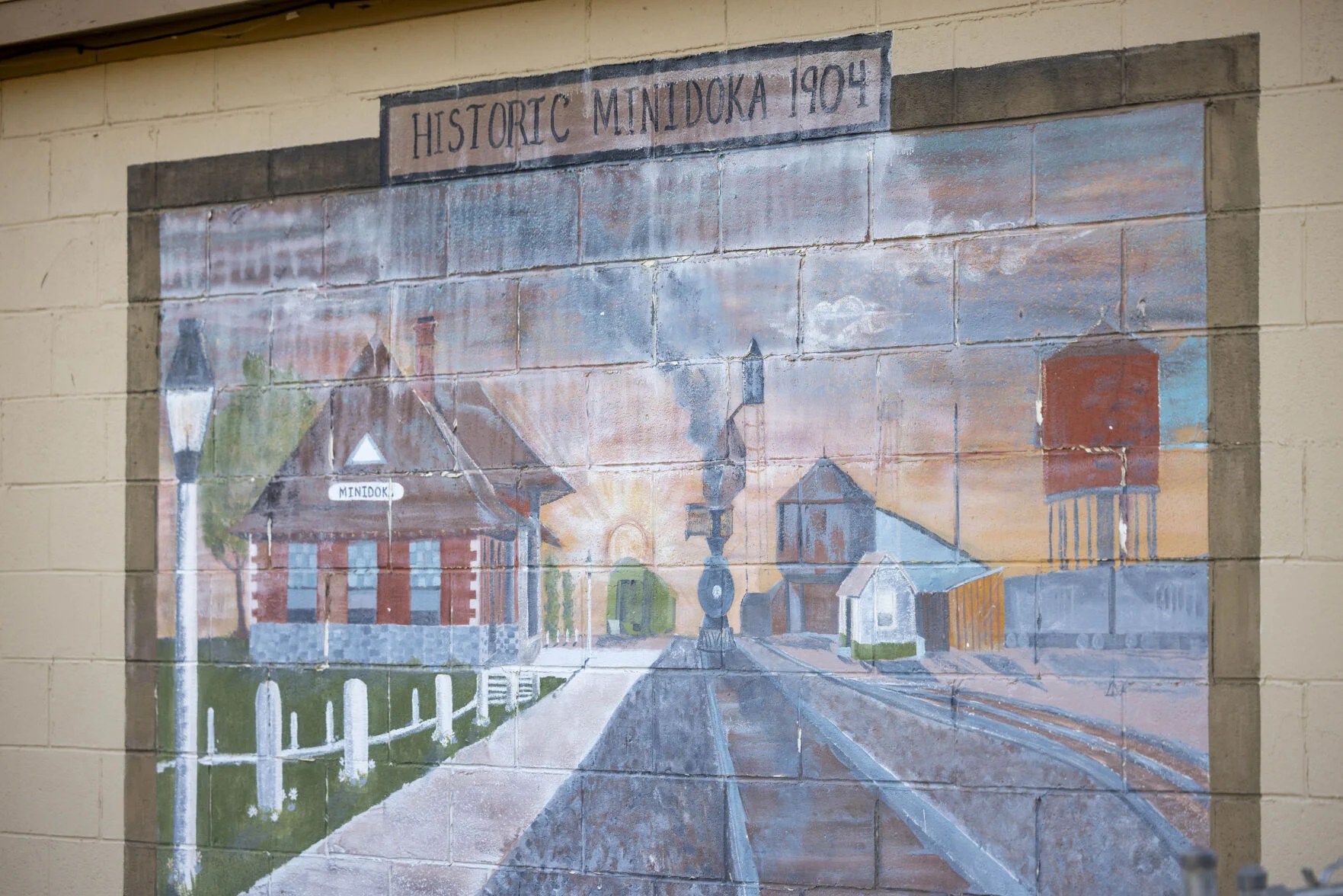
DREW NASH, TIMES-NEWS
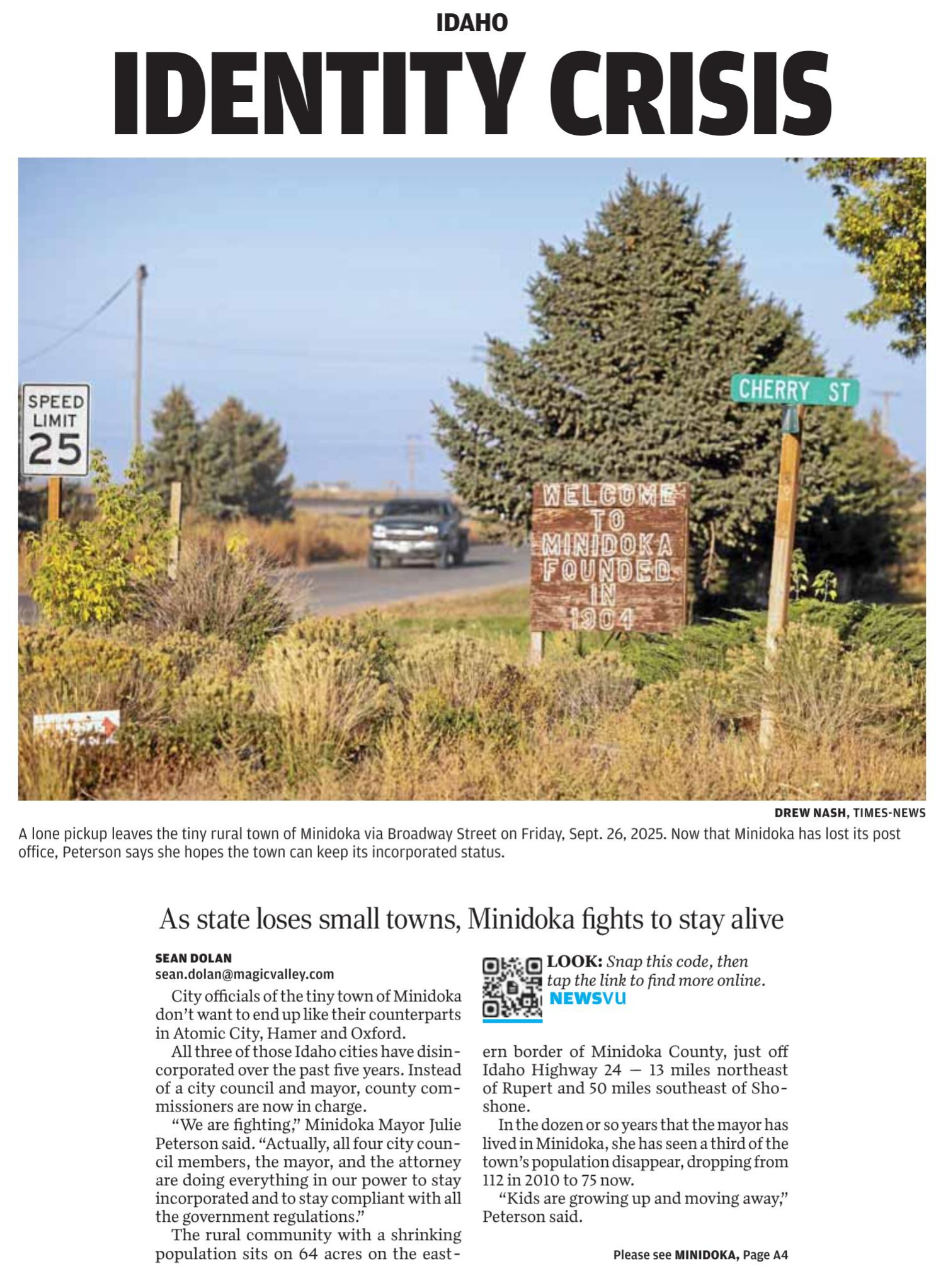
City officials of the tiny town of Minidoka don’t want to end up like their counterparts in Atomic City, Hamer and Oxford.
All three of those Idaho cities have disincorporated over the past five years. Instead of a city council and mayor, county commissioners are now in charge.
“We are fighting,” Minidoka Mayor Julie Peterson said. “Actually, all four city council members, the mayor, and the attorney are doing everything in our power to stay incorporated and to stay compliant with all the government regulations.”
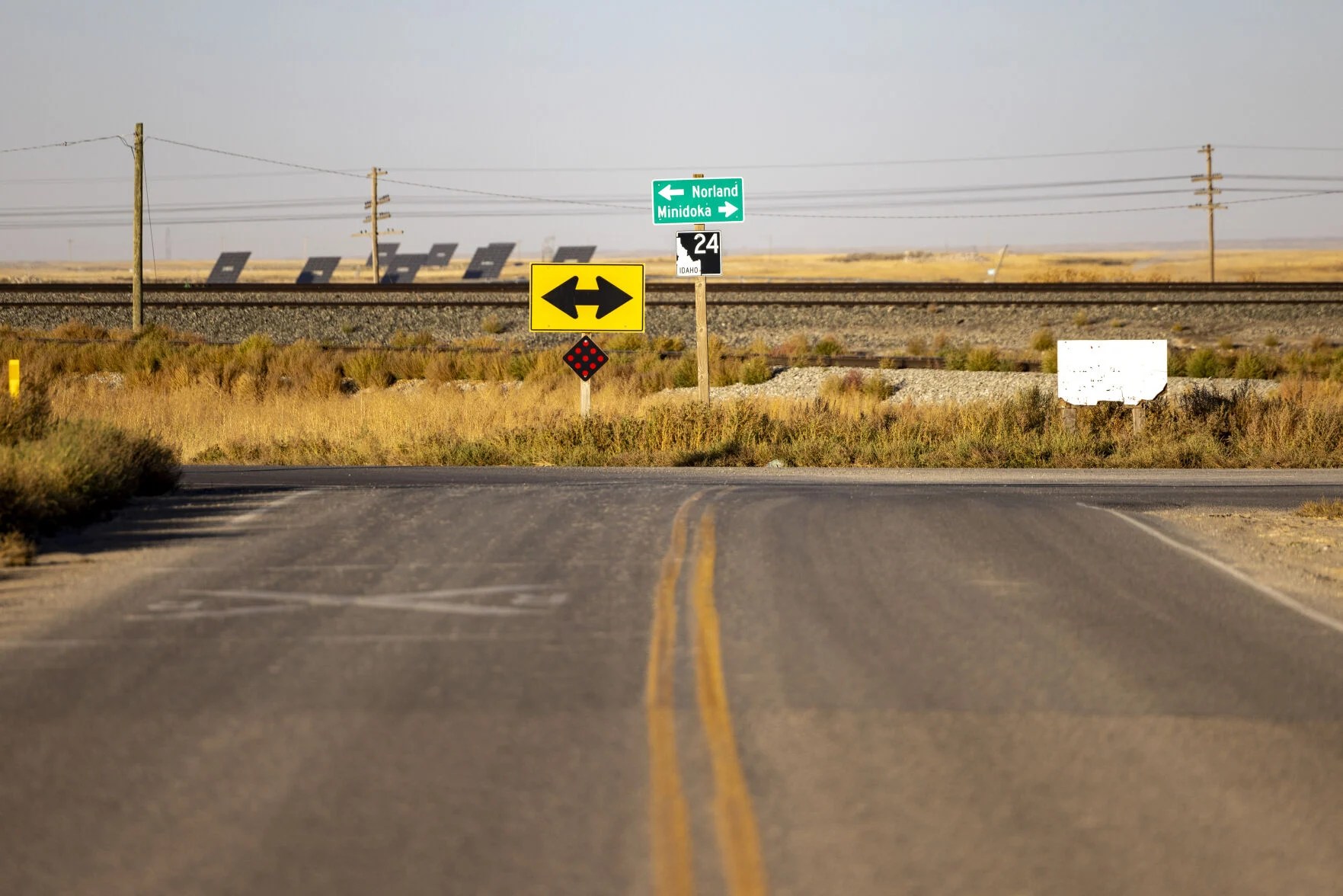
The rural community with a shrinking population sits on 64 acres on the eastern border of Minidoka County, just off Idaho Highway 24 — 13 miles northeast of Rupert and 50 miles southeast of Shoshone.
In the dozen or so years that the mayor has lived in Minidoka, she has seen a third of the town’s population disappear, dropping from 112 in 2010 to 75 now.
“Kids are growing up and moving away,” Peterson said.
And now, Minidoka’s post office in the Town Hall is moving out. Later this month, residents will switch to Rupert’s zip code of 83350.
The U.S. Postal Service determined that the Rupert Post Office is “able to fully serve the community,” and the contract post office in Minidoka “is no longer needed,” postal service spokesperson Janella Herron told the Times-News.
“We tried as a city to figure out a way to keep it open,” Peterson said, “but the post office powers that be decided they were just going to close it down.”

Peterson said she uses the post office for her small business. When it shuts down, she will have to travel to Rupert instead of dropping off her mail in town.
“We’re losing our post office and I know from experience that’s a town killer,” Peterson said.
If the town gave up its incorporated status, she said, Minidoka County could take over the city-owned well and electric provider.

Eventually, “I think the citizens would lose their voice,” the mayor said.
State-imposed budget cap
Few in town “really know what’s going on behind the scenes,” Peterson said. “I don’t think they know the struggles the town is having.”
State law from 2021 is making it difficult for small cities like Minidoka to make plans to grow and pay for infrastructure projects, such as upgrading the city’s well or building a wastewater system.
“House Bill 389 has made it so our really small communities can’t survive and it’s been unfortunate,” said Kelley Packer, executive director of the Association of Idaho Cities.
Speaker of the House Mike Moyle championed House Bill 389 four years ago. The law imposes an 8% annual cap on budget growth for cities across Idaho.
Packer said HB 389 was intended to rein in big cities, but it has hurt small towns the most.
“(Moyle) will not let a solution be heard,” Packer said. “He does not believe the locals. He thinks they are just whining.”
Minidoka City Attorney Paul Ross said HB 389 has been a factor that has led to other cities disincorporating.
“Speaker Moyle and all these pushes that they’ve had to undermine some of these cities and their budgets are totally hammering these little cities,” Ross said.
According to data from Transparent Idaho, Minidoka’s city budget was $167,400 in 2023, with $103,000 in revenue from utility fees and $20,000 from property taxes.
With an 8% cap, the budget can’t grow more than $13,400 per year.
If the people of Minidoka make a strategic, thoughtful plan to grow their city, that cap might make those plans impossible, Packer said.
“One house takes them over that 8% cap now,” she said. “They can’t even — they can’t do it. And that’s what’s happening in these small communities.”
The struggle of a small town
Peterson walks the perimeter of Minidoka with her dog in the mornings.
She picks up garbage if it’s fallen out of dumpsters and uses a spade to pick up goat heads.
“I at least try to help beautify the city up a little bit,” Peterson said.
She was a city councilwoman last spring when the mayor had a heart attack. She became the acting mayor before officially becoming mayor.
The city’s finances were in a bit of trouble when she took over.
A backlog of audits goes back several years, Peterson said. Without an audited budget, cities in Idaho can’t receive state funding.
“They cut you off,” she said. “If you don’t do your audits, if a city doesn’t do their audits, then the state funding … your road tax gets cut off, your sales tax.”
In June, accounting firm Poulsen VanLeuven & Catmull released several years‘ worth of audits, going back to 2022.
According to the fiscal year 2023 audit, the city received a $125,000 USDA Rural Development grant with 3.25% interest for its water system in October 2021. As of September 2023, the remaining balance was $37,000.
That aging water infrastructure is expensive to maintain.
Peterson said the city increased electric rates by $3.50 per month, and the water bill went from $35 to $47.
“We had people coming to City Council saying they can’t afford that increase,” she said.
What keeps folks living here?
Most of the Minidoka’s residents work in local agriculture. Many are retired and living on Social Security.
Peterson said most residents own their homes free and clear, but they can’t afford to leave.
Besides, “who’s going to buy them out?” she said.
“We’re trying to keep our identity,” she said. “Minidoka doesn’t want to go away.”
Times-News Editor Mychel Matthews contributed to this story.


 Sagacity