Today we received word the paperwork and everything has all been signed for our home. The paperwork is off to Oklahoma City for the official closing on Monday. I don’t know what could really change now. By all accounts, we are now the proud owners of a little home in Oklahoma City. Or at least we have a title to a home with a significant lien for a bank somewhere. Hopefully everything continues to work out like it has so far.
Downham Cemetery from steps of Downham Church
Pendle Hill from Downham, where prophets anciently dedicated the land
Downham Chapel
Chatburn Road in Downham Lancashire
More Downham
I think this is Black Moss Road to Barrowford
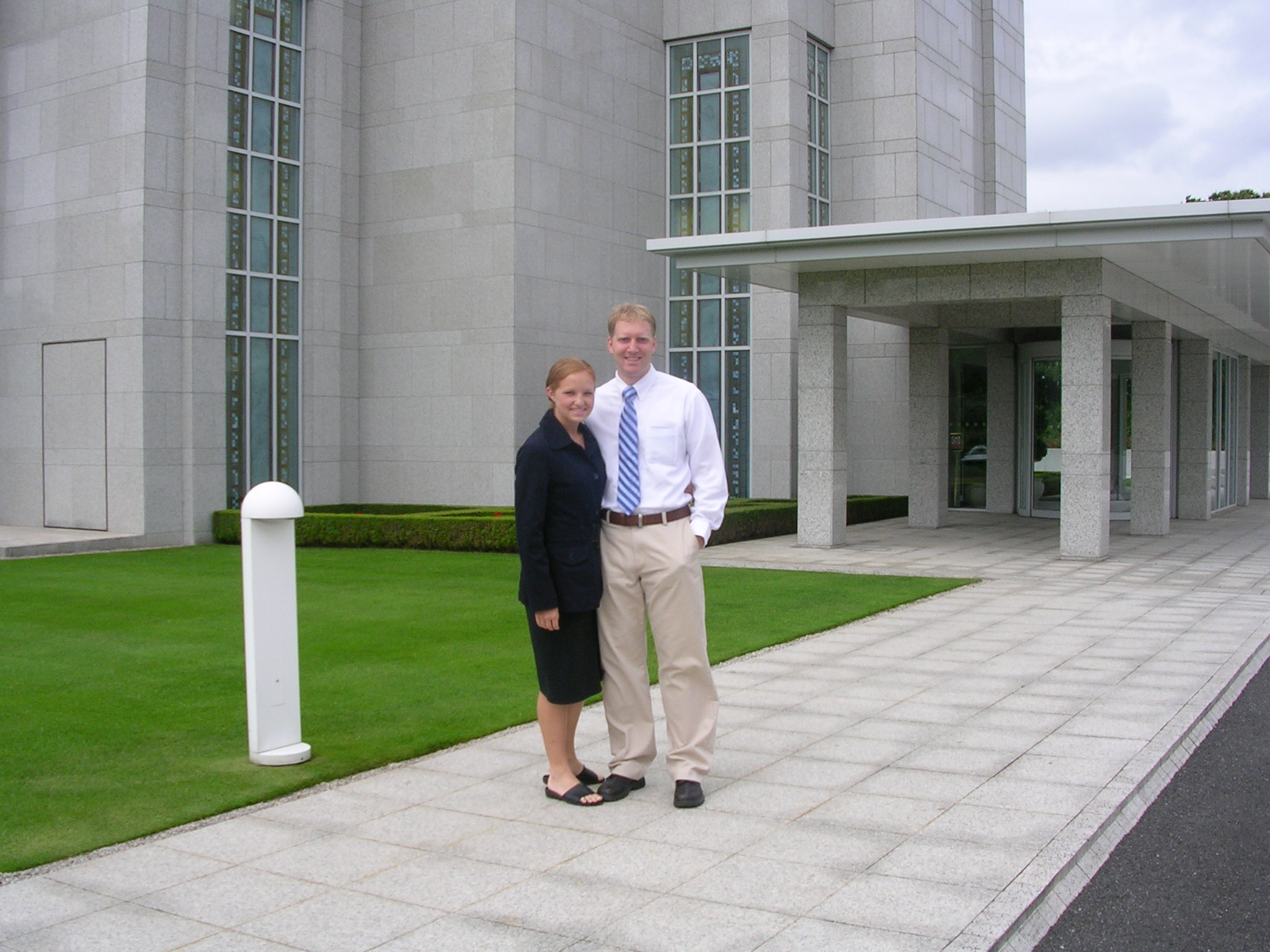
We ran to the Preston England Temple today. It is one of my favorite temples. There is something in the simplistic beauty of it I adore. Amanda agreed. It is on par with the Rexburg and Vernal Temples for the simple elegance within. We snapped a couple of pictures.
Preston England Missionary Training Center
Preston England Temple
Amanda and Paul Ross at Preston England Temple
Preston Temple Steeple
We also ran into a member I knew in the Wigan Ward. He is now in the Temple Presidency and enjoyed a good visit with him. We were supposed to go over and visit this evening, but our plans crowded it out in the end. We had to reschedule it for tomorrow sometime. We are going to work it out in church.
Afterward, Amanda and I ran into Preston. I showed her the town center where the missionaries preached the gospel for the first time in the British Isles. It is in Preston that the longest continuing unit of the church operates, the Preston Ward. We ran out of time to go to the flat where Parley P Pratt and Orson Hyde were attacked by the legions of the devil. We did not get a chance to see Avenham Park or the beautiful River Ribble where the first baptisms took place outside of North America. We did not get over to see the apartment where President Hinckley received his famous “Forget yourself and go to work” letter on Wadham Road. Perhaps sometime in the future.
We came back and were relaxed some more with the McCabes. They treated us to a fine meal of South African descent. They lived in South Africa for a number of years. Later this year they are immigrating to Australia! How is that for exciting. When we make it to Australia, we know who we will be calling on! Amanda and I made a call at Tesco today and purchased a Pavlova. Boy, was I glad to get my hands on one. We consumed it after dinner as one of our desserts. Mmmmm.
I realized yesterday was the anniversary of Joseph Smith’s death. I wonder specifically what he is doing these days. What or where is he up to doing work?
Tomorrow we are off to attend the Wigan Ward. Then we will go visit some of the new converts I helped bring into the church. Sadly, I don’t think any of them are active. But we shall find out. I did find out Jim Monks knows where one of them lives.
We have arrived in Belgium! What a relief. I cannot tell you.
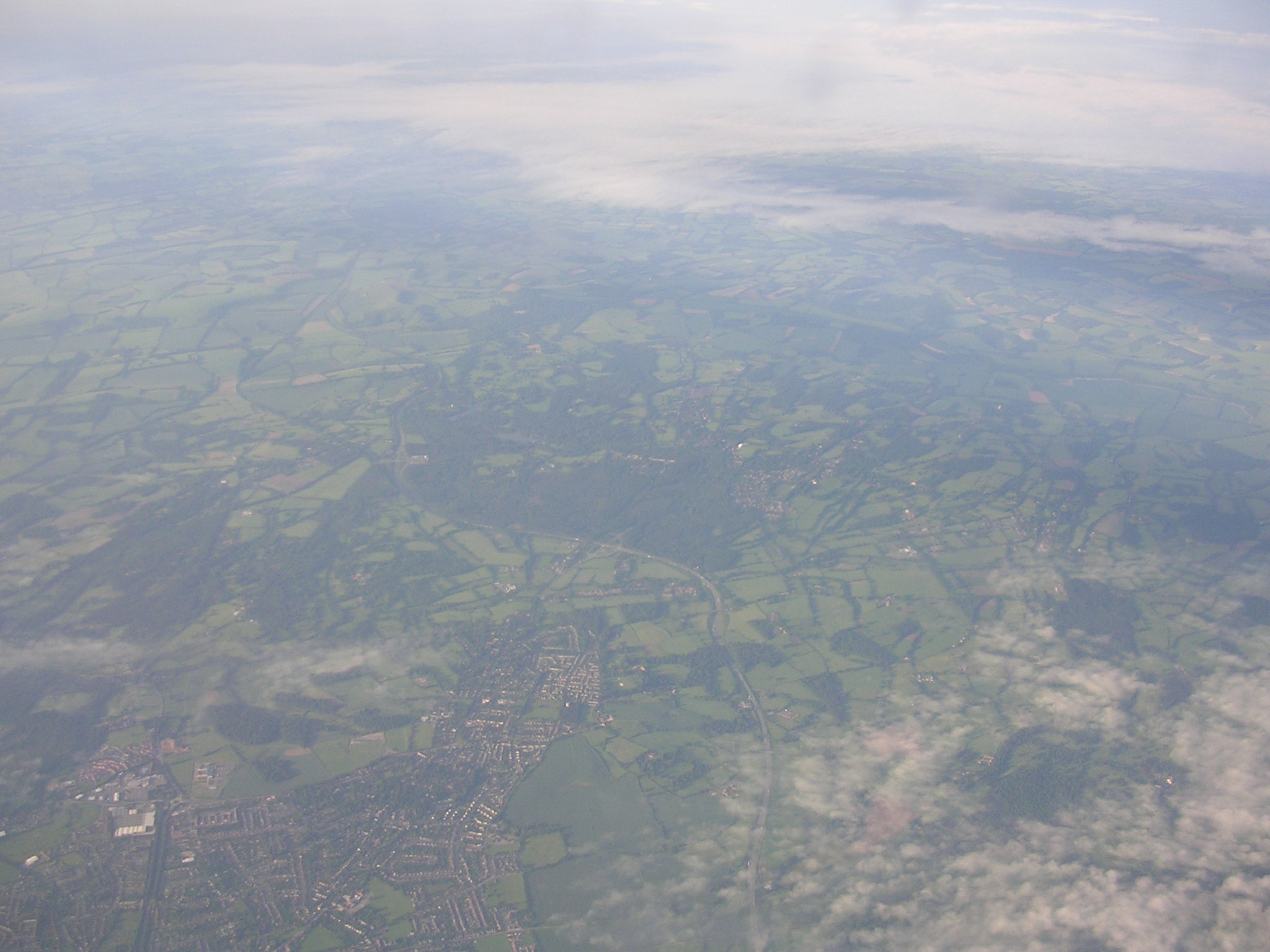
British countryside flying to Heathrow
We flew out from the Boise airport. We were fortunate to catch a non-stop flight, from Los Angeles!! Boy, if there is anything near torture, try flying through the night in a very cramped space. After 9.5 hours on the plane, we landed at London Heathrow. We found our way through the Underground to Kings Cross Station.
Excited to land and look for a pasty
Amanda went and found Platform 9 & 3/4 of Harry Potter fame and took a few pictures. We waited, checked in for Eurorail at St. Pancras Station, and enjoyed a Cornish Pasty. A first for Amanda, a beloved memory for me.
We climbed aboard the Eurorail which treated us to a trip through the Chunnel. France proved to have beautiful scenery. We got off at Lille, France and switched trains.
Lille, France, walking from one train station to another
We rode to Kortrijk, Belgium. James met us at the station and now we are in our digs at Oostrozebeke, Belgium.
Funny thing, we knew we needed to get to Kortrijk but we forgot to bring James & Catherine’s phone number and address. Meaning, when we arrived, we were totally at their mercy. We couldn’t catch a taxi to their home, and we could not call them. It is sure a good thing James showed up with his Toyota.
We find ourselves babysitting while James & Catherine are off to Branch Council. We put the kids to bed in 15 minutes, took a shower, and crashed ourselves! We are exhausted.
So, in the next few weeks, I am re-posting a series of posts from 2008. Back then, the glorious internet did not easily allow for photos to be included in a blog. Those photos then had to be posted separately as an album. With the updates of technology and wanting to more fully integrate those photos into the original posts from 2008, I am redoing all the posts from our 6 week European trip. This will help me link the photos with the steps of the trip. So, this is the 17 year reunion of this trip with photos integrated into the posts. This will also be fun to reconstruct and give inserts to the trip from 17 years more experience!
I freely edit any and all the posts to correct or update.
~
Boy, am I glad June is here! My wife has joined me from Virginia after our long separation due to job and school. What a relief! I don’t have to worry about her stressing herself out or pursued by a much more dashing, intelligent, catch of a man.
We leave this week for what may be the trip of a lifetime. How many times in a lifetime, if ever, does one get to go to Europe for 6 weeks? We will be starting with friends in Belgium, working our way to Luxembourg, France, Switzerland, Italy, Slovakia, Germany, The Netherlands, England, Wales, Scotland, and who knows where else we may stumble. We cannot afford it, but why not live with some reckless abandon for a little while? We leave on the 4th to return on the 16th of July.
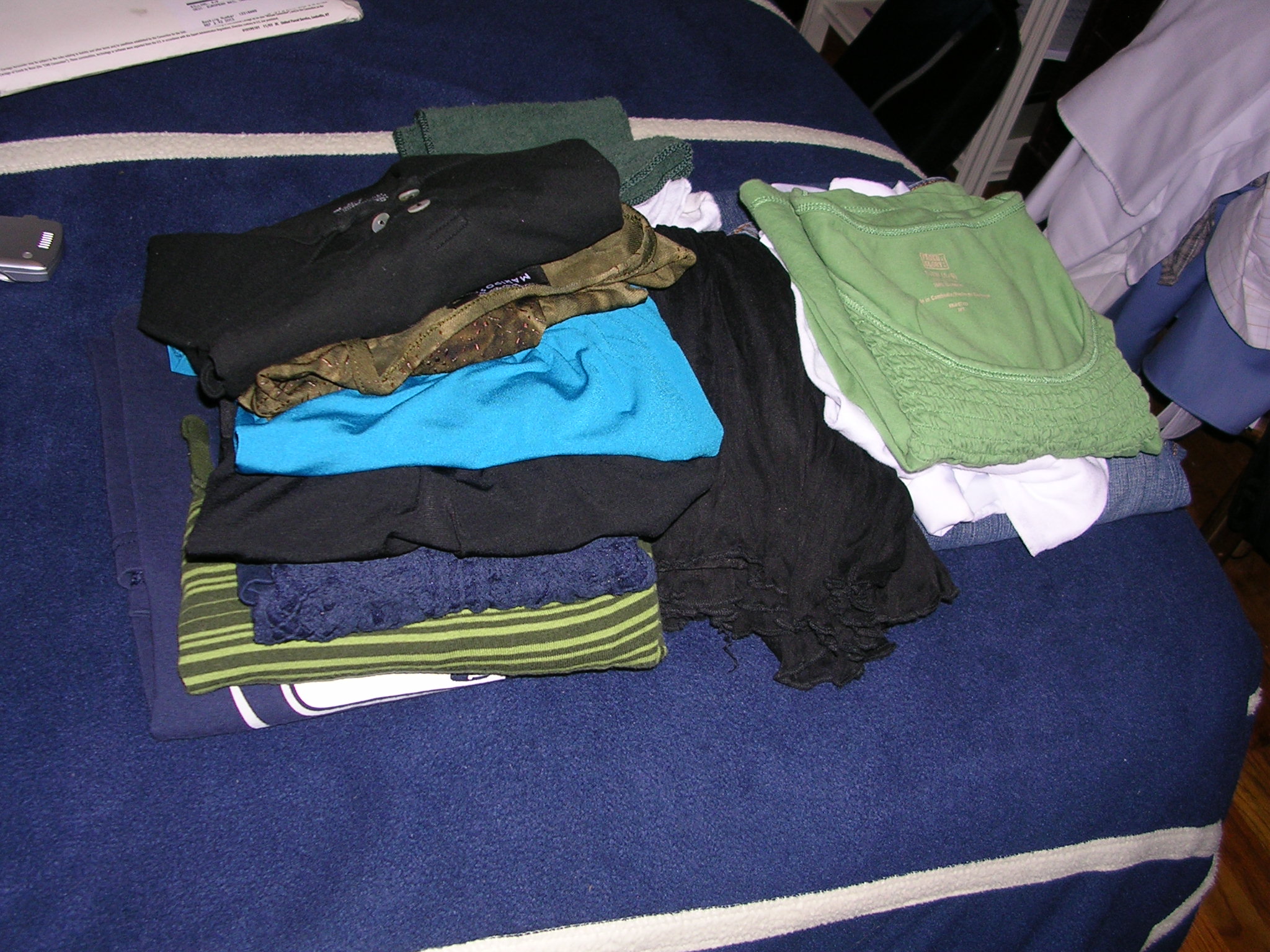
Amanda packing for Europe
We signed a purchase contract for a home this month. Somewhere around the 22nd of June we will be closing on a humble home in Oklahoma City. Who would ever have thought my first home purchase would be in Oklahoma City? Did I ever think I would move or live in Oklahoma City. Most certainly not.
Amanda and I just hit all three of the Idaho temples this past week. Amanda had never been to any of them. We have now hit all three Idaho and 11 Utah temples. Before year end, we will have three more in those states to hit to make it complete once again. I am very sad I will be in Oklahoma City when the dedication of the Twin Falls Temple takes place. Amanda and I will be helping with the open house in July. I guess that is some solace for missing the dedication. I believe Idaho Falls and Manti are still my favorite temples. The Rexburg Temple has so many beautiful rooms. However, for some reason I still prefer the sessions that are split up into all their sections. Manti and Idaho Falls Temples both have you moving between all the rooms. Manti has the pioneer value and beauty with a live session, but the simplicity of Idaho Falls with its rooms and movement make it a favorite. Salt Lake certainly has the beauty but the place seems more like a zoo than a temple, especially in the summer with all the sealings.
This past week Amanda spent a day with me at work doing bench testing. It was a beautiful day and we spent nearly all of it in Minidoka. The Minidoka Longhorn Cafe and Whitesides Dairy were enjoyable for me. The wastewater we play with is less than beautiful but it is part of life. Whether we like it or not, we all have waste and somebody has to deal with it. I thought Amanda was going to throw up at one point when we were doing some filtration. She kept it down, luckily. The day turned out well. Except for the fact Amanda picked up a tick somewhere. Not only did she pick him up, the tick dug in and started to sup near the middle of her calf. She was not a happy camper when she discovered him. A little polish remover and it backed right out. Hope it got plenty to eat for the long stay in the septic tank.
For the first time in 8 years since Grandma Ross passed away, all my siblings were back together. Becky was coming through Southern Idaho so Scott organized a BBQ. All five of us where there. It was really quite a bit of fun and I enjoyed myself. Vicki, Dad’s first wife, was there. Dad and Jan were there as well. Andra brought Brian and Daniel and little Daniel was certainly a favorite.
I know I have not been writing as much. Despite more people reading the blog than ever before, I just don’t feel like I have much to write. A couple of people want me to write more relevant things that would pertain to them, but how does one write interesting things for everyone? Then, how does anyone write for someone else and keep their voice and soul into it?
Time continues to march forward. It does not care what we think about it. Some want it faster, others want it slower, others want it to stop.
In preparation for Memorial Day, I was trying to think of something that would show that I truly hold in memory those who served in the military and especially those who died in that service. Hopefully here are a few things that show a more human side. I am not aware that I have any ancestor who has died in a war, especially in the service of the United States of America. I guess for that I am lucky and honored. But I have many who have served in the military.
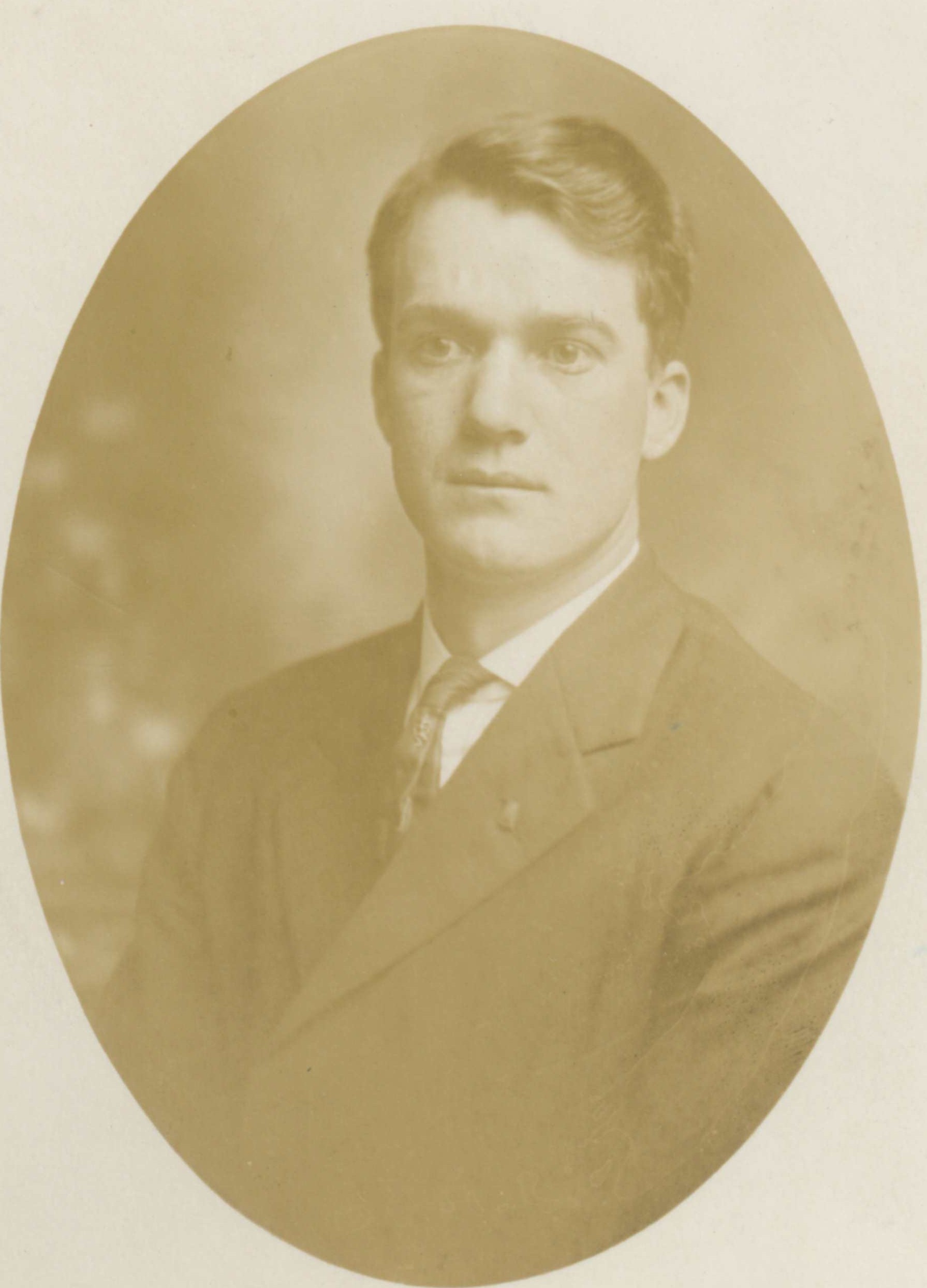
Portrait of David Delos Donaldson after WWI
David Delos Donaldson is my paternal grandmother’s father. I tried to get a copy of his military records many years ago, but they were destroyed in a St. Louis, Missouri, fire long ago. I only know a few things. He worked in California as a pipe fitter/plumber at some point, but I believe that was for WWII. He went through basic training and ended up learning signaling. At some point he was allegedly in France and was exposed to the dreaded mustard gas, which injured his lungs. He smoked to settle his lungs as prescribed by doctors. He ended up dying from complications due to his lungs.
Here are some notes I have from 2006.
“I stumbled upon a registration form for my great grandfather, David Delos Donaldson, and WWI. He was working in Twin Falls, Idaho. The best part is, we never knew he went to Idaho, ever. Not only that, he was working there, and was exempted because he was working to support his younger siblings and mother. He did later enter the war, we don’t know when or how, but went to France in the Argonne and was gassed there. He suffered his whole life and eventually died from the mustard.
“With this information, I went to visit my Uncle Dave Donaldson because my Dad did not know anything. I picked his brain. We know little about my Great Grandfather before he married. Now we know he was working for Ballantyne Plumbing in Twin Falls in roughly April 1917. He served in WWI with two brothers. As mentioned, he was hit with mustard, spent some time in hospital, and he wasn’t getting better, so they sent him home. He married my Great Grandmother in 1919, Berendena Van Leeuwen. They had 5 children. During the great depression he worked down south as a plumber. Dave did not know where, but there was a possibility it was at the Hoover. When they went on a trip to Los Angeles, he insisted on stopping at Boulder City and the dam on the way home. Oh, we do know that before they got married, he worked as a plumber in Phoenix. How long we don’t know, but he could not bear the heat down there. During the depression when he worked down south, the family stayed in Ogden. Dave was young enough that he did remember his father coming home, but not where from. Again during WWII, the whole family moved to Napa, California and Great Grandpa was a plumber at the naval yard there, he made it sound like Oceanside. I do not know if there were any other naval bases down there. Then they moved back. The family must not have stayed down there, or he did not work the entire war, as my Grandpa and Grandma met in 1941-1942 at the Berthana on 24th street Ogden at a dance. They were married in April 1942, shortly before he left for war. Great Grandpa was a plumber by trade. He worked up until the 1950’s when his health failed him. He picked up smoking because it soothed his lungs. It sounds like the mustard burned his lungs the rest of his life. He would smoke to deaden the nerves. Dave told me this increased until he died. Even the last few years of his life, he had oxygen when he went places and when he slept. But he kept smoking. Dad told me of one of the few memories he had of his Grandpa. He went to visit him in Ogden, Grant Ave if I remember right, and he was laying in bed. There were newspapers all over the floor. He got into a coughing fit and coughed a big thing of phlegm up and it went on the floor. It was the combination of the irritation to the lungs from mustard and the smoking. It was what eventually killed him.
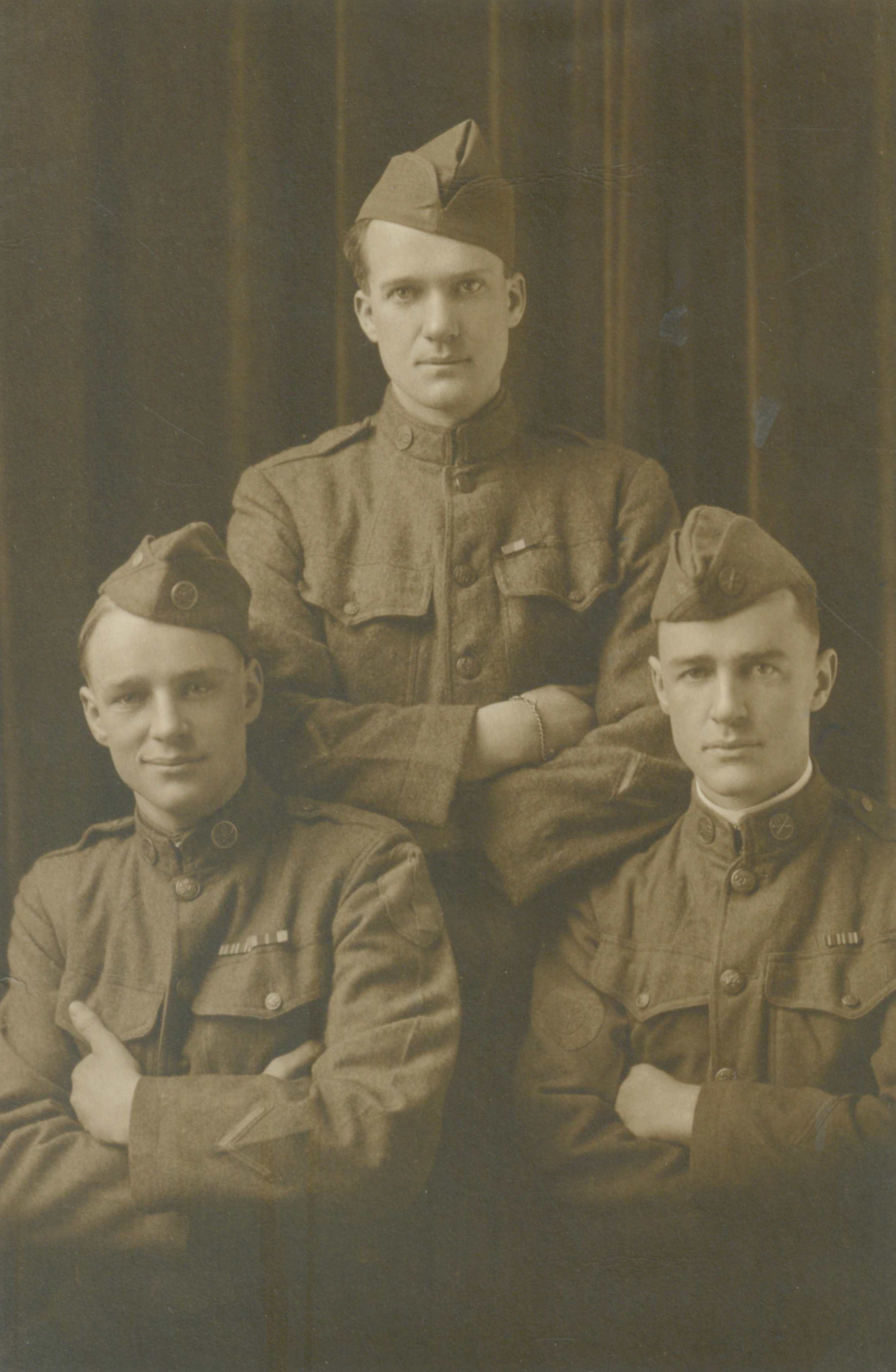
David Delos Donaldson (back), John Edmund Donaldson (left), and William George Donaldson
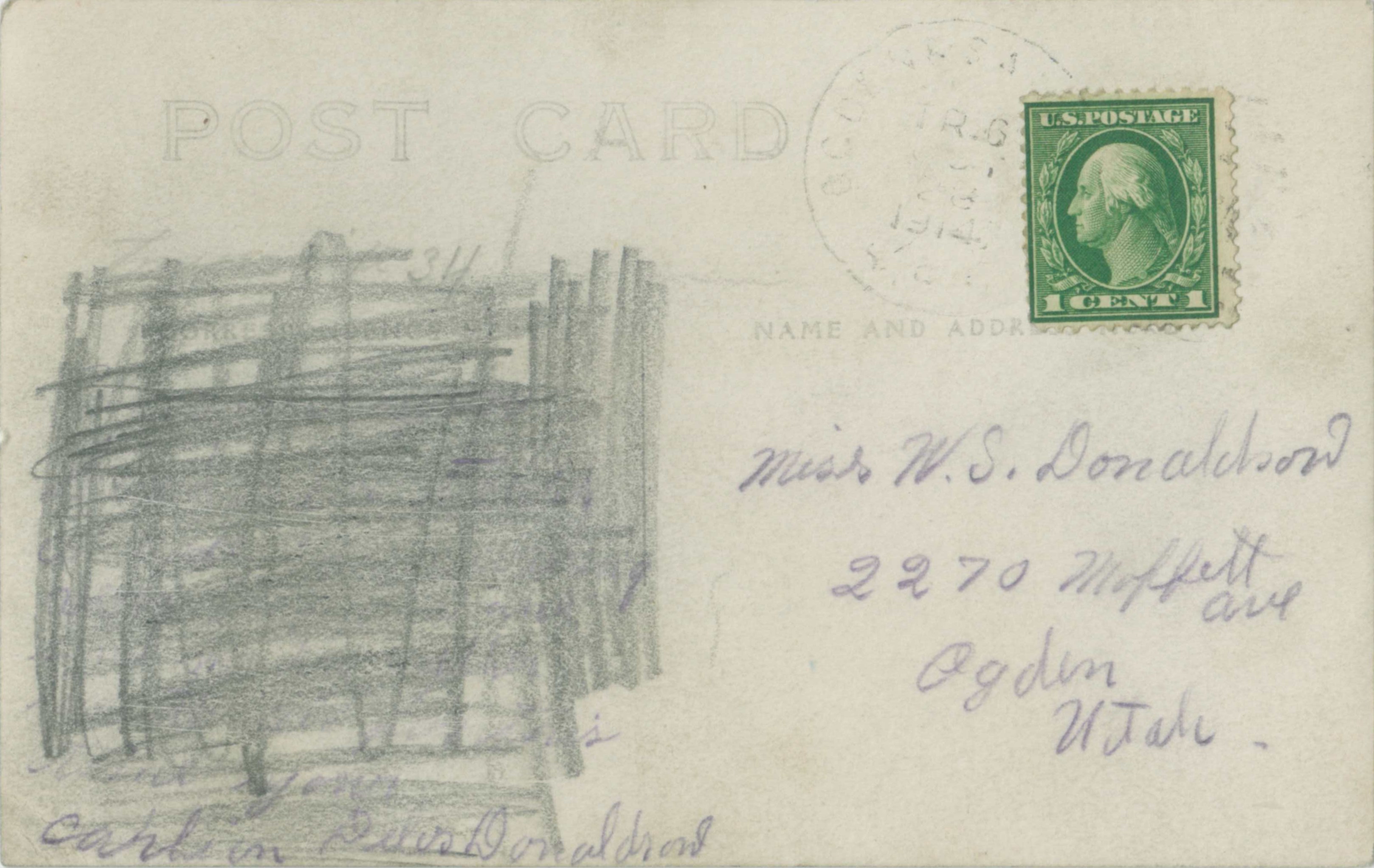
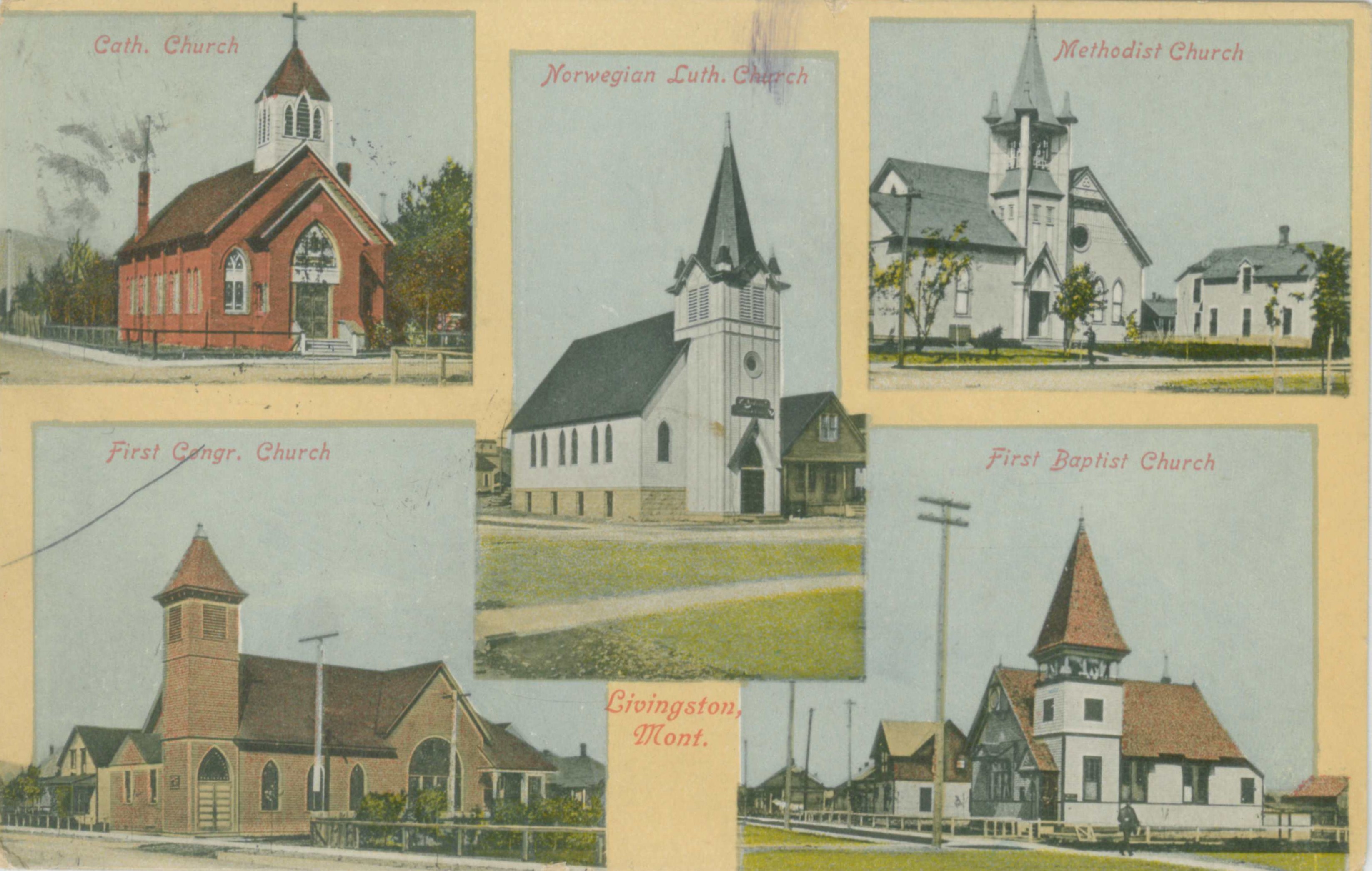
Here are some postcards David sent home to his mother. His father, William Scott Donaldson, died of cancer in 1913.
“Part of Carlin, Nev.”
I am not sure why the writing on the left is crossed out. But you can see Miss W. S. Donaldson 2270 Moffett Ave Ogden Utah. It says Carlin and Delos Donaldson. It might say “Yours” above it. The postmark is dated 1914, but I cannot make out the rest of it.
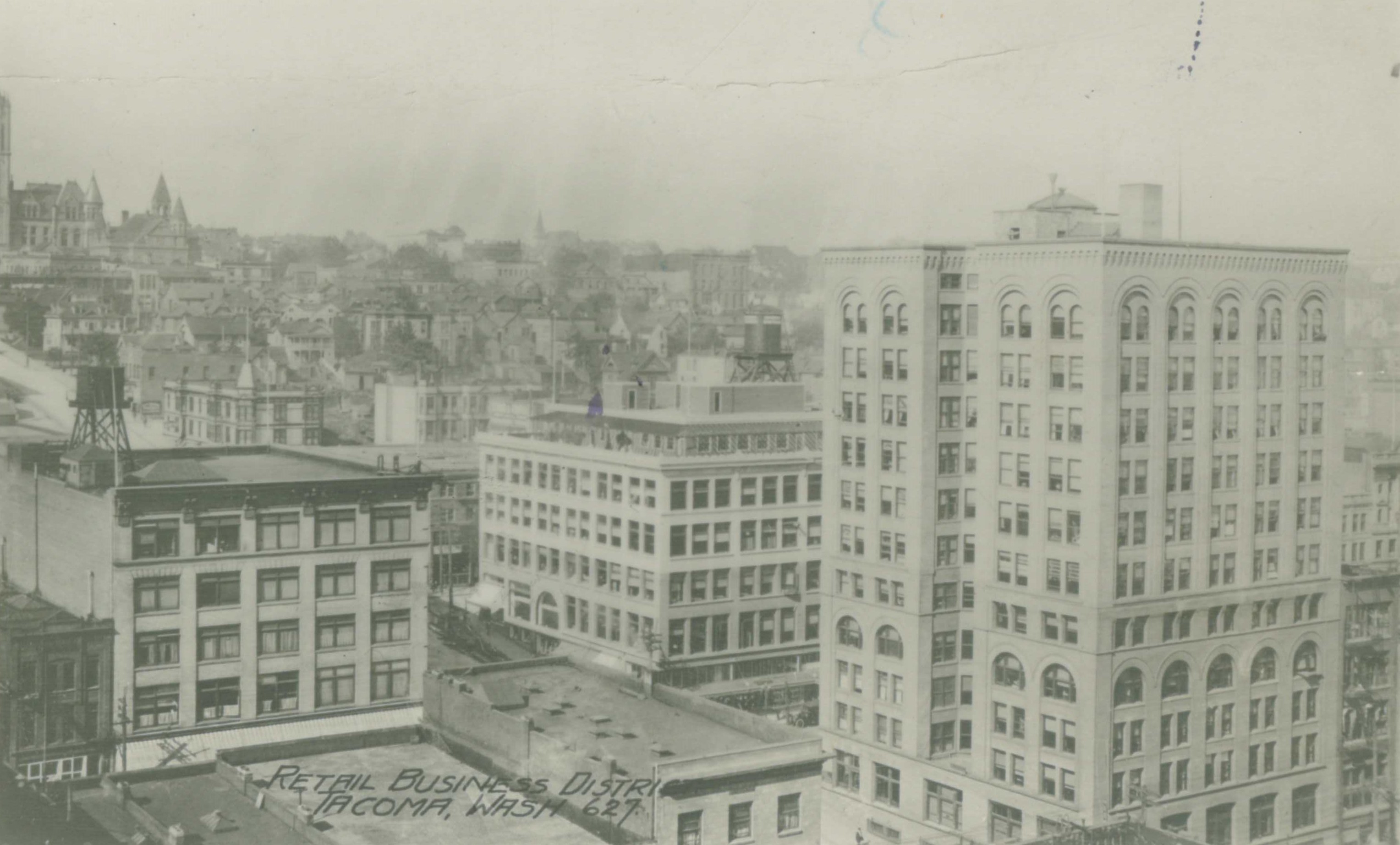
Retail Business District, Tacoma, Washington 1918
Dated 2 April 1918. “Dear mother got here all ok like it fine Write me as Private David D Donaldson 20th Co., 5th Bn., 166th Dep Brig. Camp Lewis, America Lake, Wn. Mrs. W.S. Donaldson 2270 Moffett Ave Ogden Utah”
Front and back
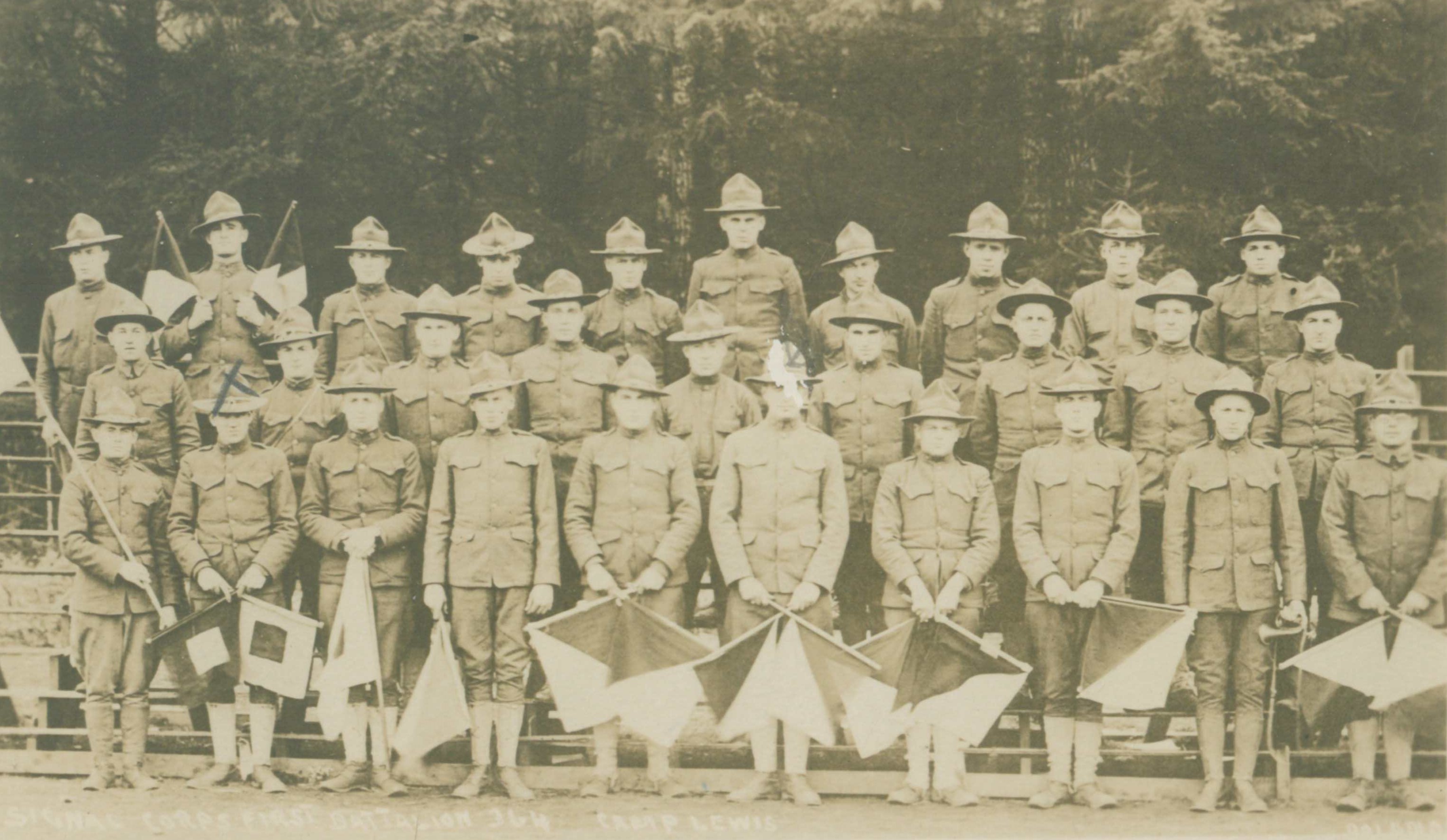
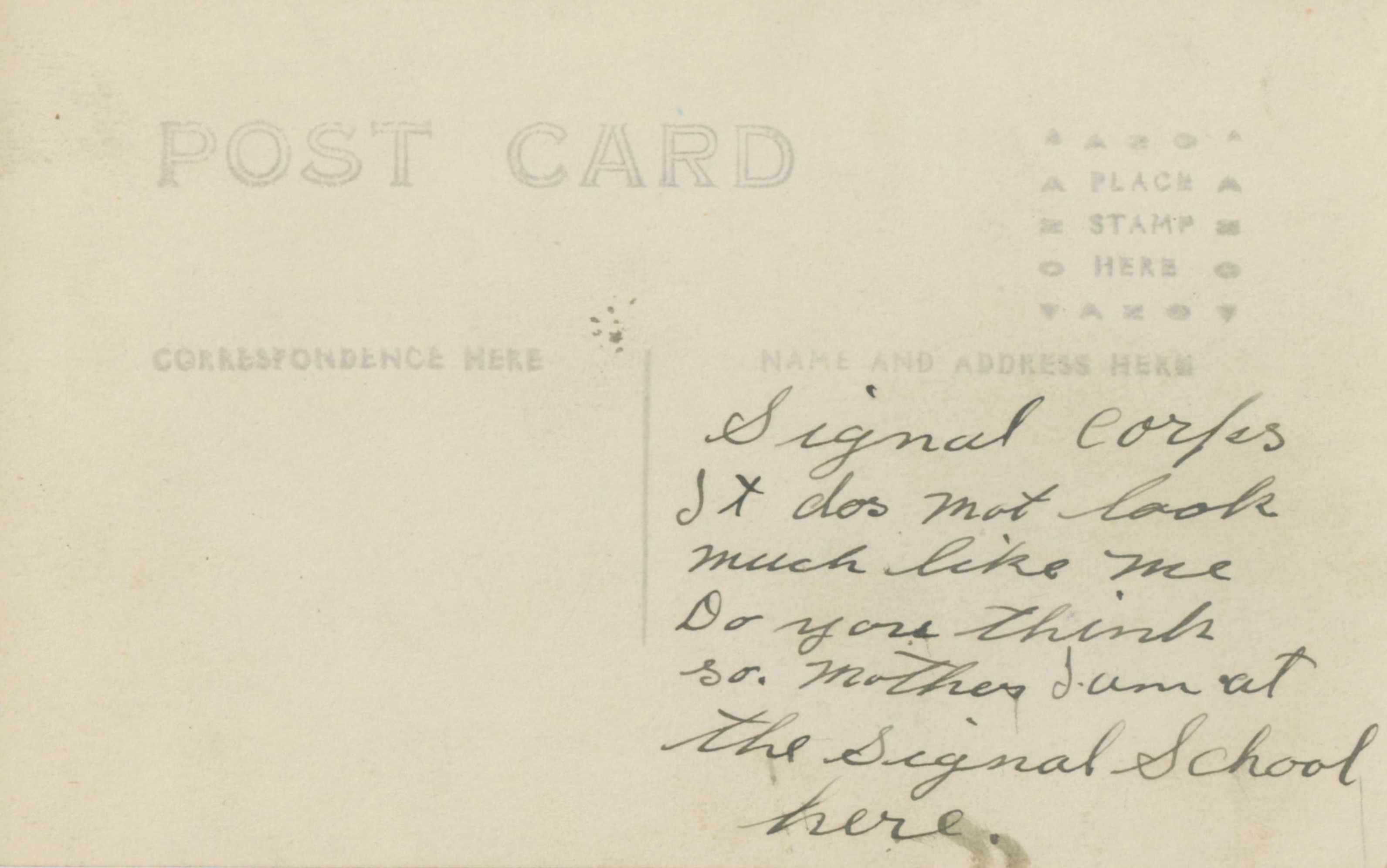
“Signal Corps It does not look much like me Do you think so. Mother I am at the Signal School here.”
Front and back
Dated 28 June 1918. “Dear Mother just a line to say I am well and fair when I got in New York all for this time your son DDD. Written to Mrs. W. S. Donaldson 2270 Moffett Ave Ogden Utah
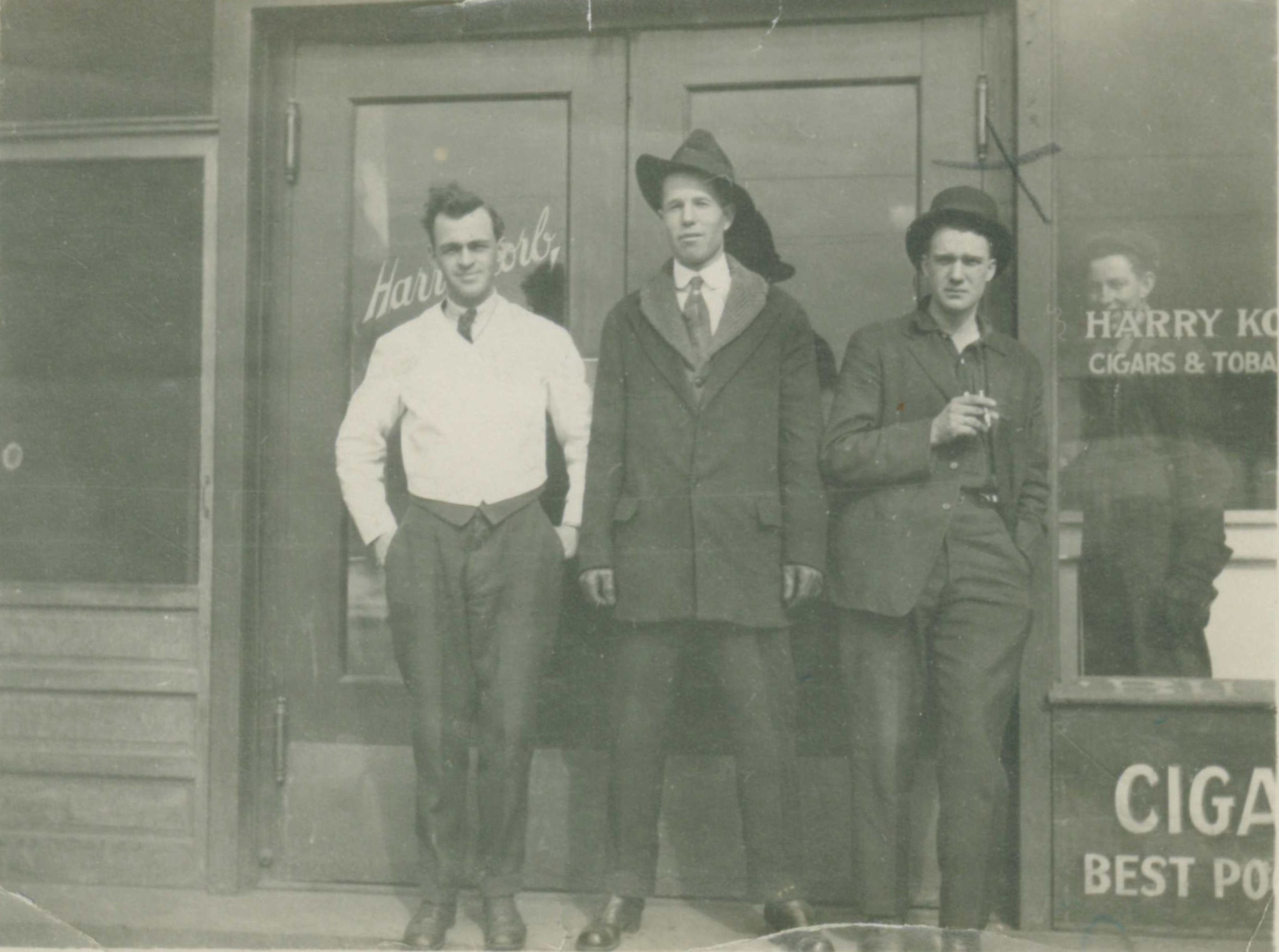
Harry Korb Cigars & Tobacco, known location with David standing in front of the store. Other three are unknown.
We might think it, but none of us are truly bullet-proof. This boy’s health was affected for the rest of his life by war. He did live to be 59 years old.
This article was found in Golden Andra’s family history book. I haven’t seen it before. The top of the pages simply say “LDS NAVAL CHAPLAINS” and the next page has “FOR GOD AND COUNTRY” which I expect is probably the name. I couldn’t find one that seemed to quite fit. This article shows on pages 39 and 40.
“One must learn in life to accept personal responsibility and the consequences of the decisions one makes. One LDS marine on Guam did just that, and, by doing so, shored his character. Chaplain A. Gifford Jackson had the following experience.
“During 1944 on Guam, Chaplain Gifford Jackson met Bill Andra, a very devoted Latter-day Saint. During Bill’s spare time, he would go to headquarters and look through the service records of the men of the 3rd Marine Division. He would list the names and units of all those who came from Utah, Idaho, and Arizona. He would then seek them out to find out if they were members of the Church, his purpose being to get all Mormons to the 3rd Marine Division LDS Services.
“One evening, Bill received the assignment to police the mess line. During each meal, enlisted personnel policed the “chow line” to insure that there was no fighting or breaking into line. Usually, there were no problems, but on that particular evening a fight broke out in the line causing a great commotion. Because of the disturbance, Bill’s commanding officer got involved and wanted to see the man who had been assigned to police the line. He learned that Bill Andra had not reported for duty that evening. He proceeded to investigate the matter by calling Bill to his office to get the facts.
“”Bill, why weren’t you on duty policing the “chow line” last night?”
“”I’m sorry sir, I was at headquarters looking through some records and became so involved I didn’t realize the time.”
“”I’m going to have to punish you, Bill, for not reporting to duty. You are going to have to spend some time in the Brig.”
“Bill went to the brig, but while there got a call to report to the commanding general. In the deivision Bill was a barber and he always cut the general’s hair. He reported to the general and as he cut his hair, the general said, “Bill, why didn’t you tell me you were in trouble? I would have helped you.”
“”Well, General, I made a mistake, and a person has to pay for his mistakes. I wasn’t where I ought to have been and for that I was punished. I got exactly what I deserved.
“Bill’s honesty impressed the general so much that he made Bill Andra his orderly, the best assignment in the division.
The page then goes on with a story of Merrill Bickmore: Life after Death. Since it is not complete, I won’t include it as well.
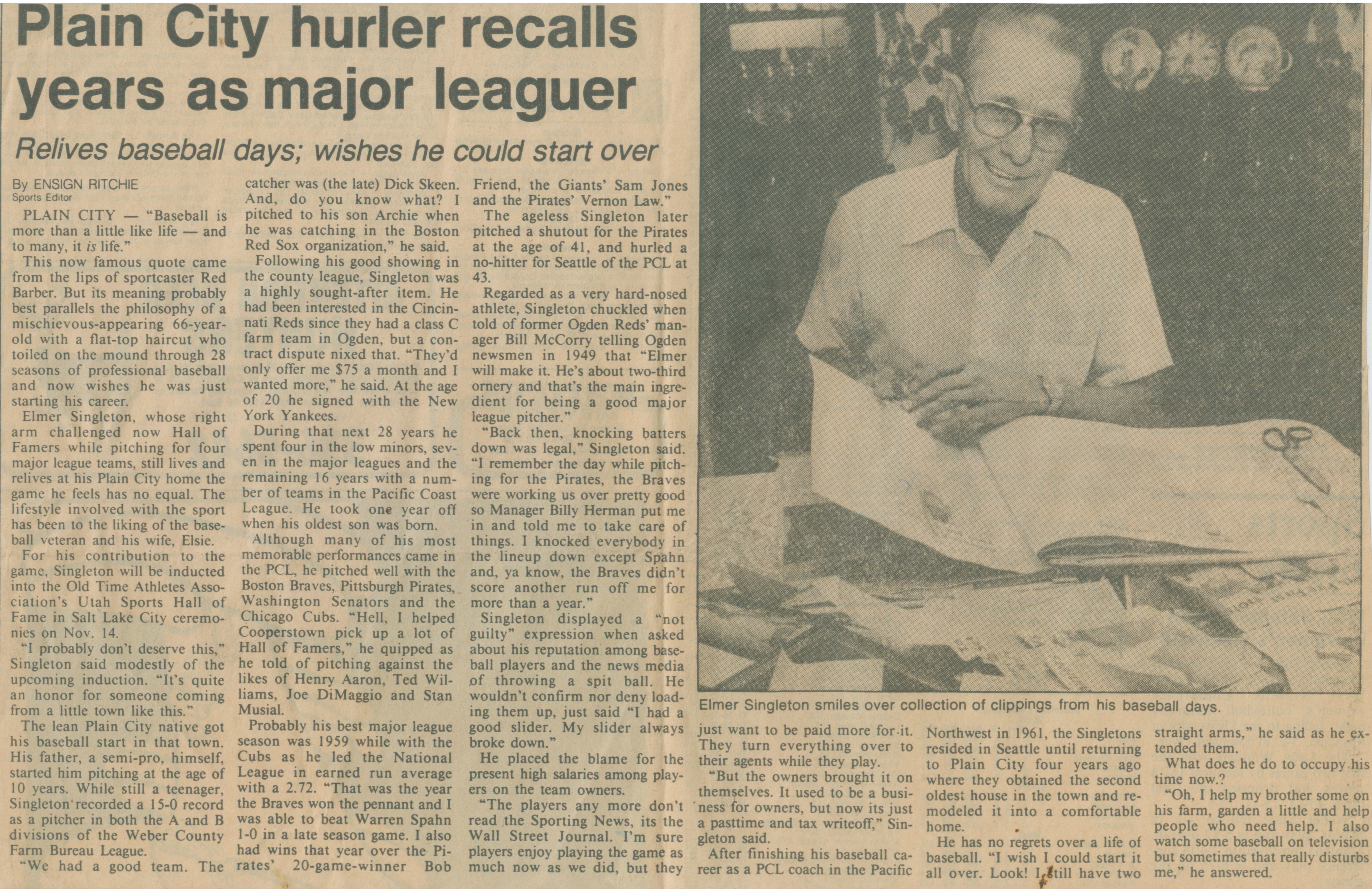
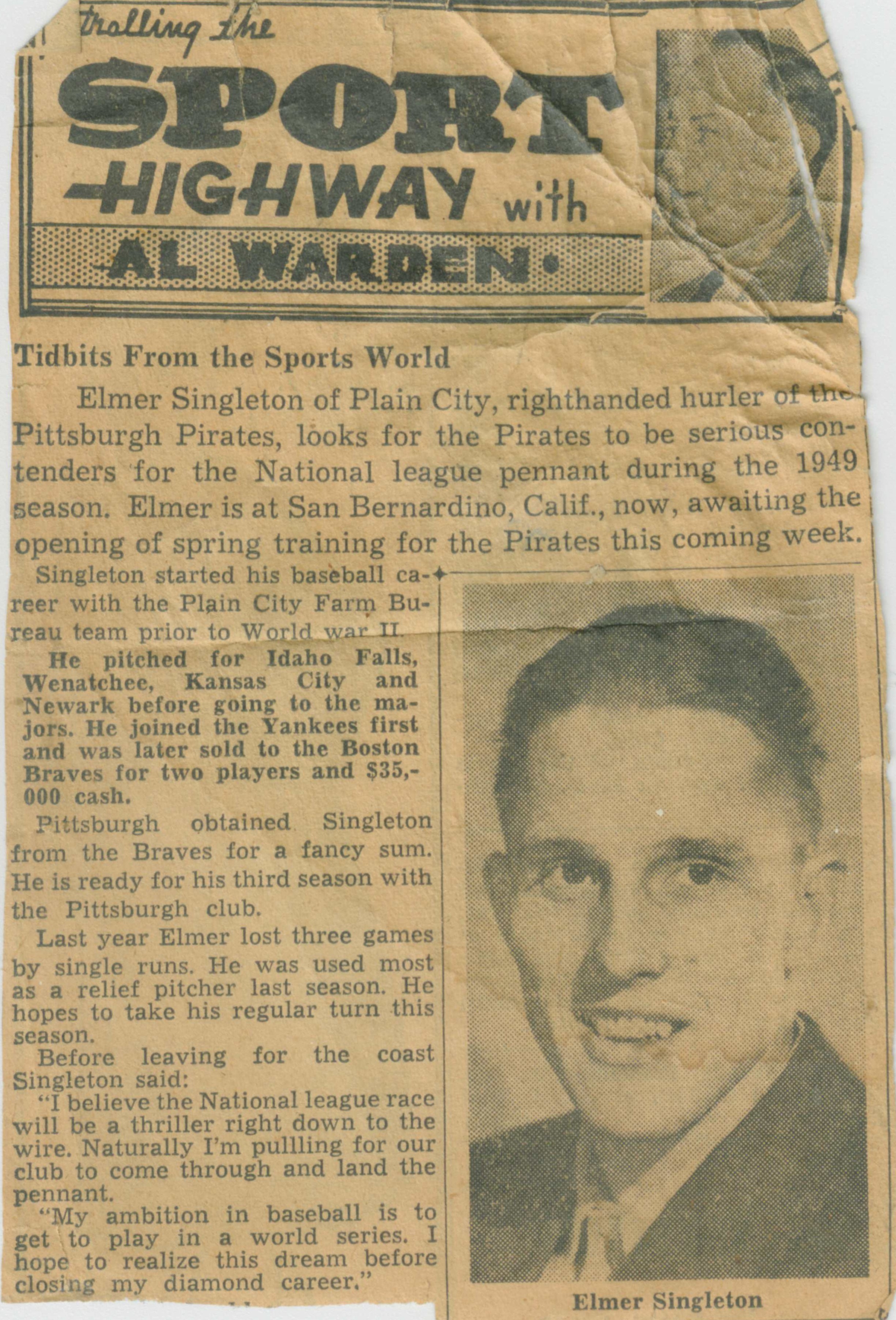
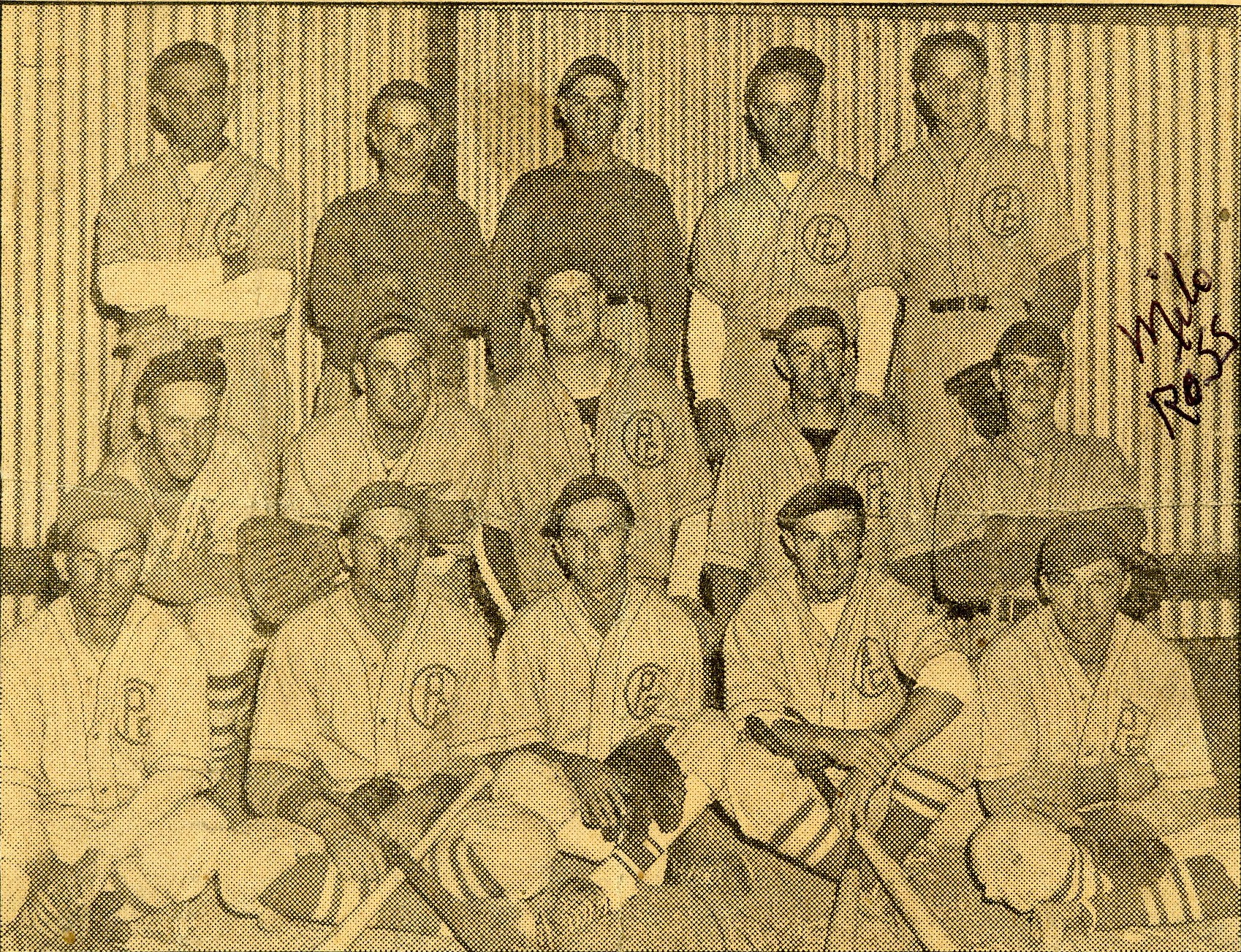
Here are four more clippings from my Grandparents, Milo & Gladys Ross. Grandpa talked quite a bit of baseball in Plain City from his youth. I have shared this photo too where he and Elmer played together on the same team. Visiting with Grandpa, multiple baseball players came up, but Elmer was the one that went on to some fame. Plain City’s history includes excerpts on Elmer.
“Plain City hurler recalls years as major leager
“Relives baseball days; wishes he could start over
“PLAIN CITY – “Baseball is more than a little like life – and to many, it is life.”
“This now famous quote came from the lips of sportcaster Red Barber. But its meaning probably best parallels the philosophy of a mischievous-appearing 66-year-old with a flat-top haircut who toiled on the mound through 28 seasons of professional baseball and now wishes he was just starting his career.
“Elmer Singleton, whose right arm challenged now Hall of Famers while pitching for four major league teams, still lives and relieves at his Plain City home the game he feels has no equal. The lifestyle involved with the sport has been to the liking of the baseball veteran and his wife, Elsie.
“For his contribution to the game, Singleton will be inducted into the Old Time Athletes Association’s Utah Sports Hall of Fame in Salt Lake City ceremonies on Nov. 14.
“”I probably don’t deserve this,” Singleton said modestly of the upcoming induction. “It’s quite an honor for someone coming from a little town like this.”
“The lease Plain City native got his baseball start in that town. His father, a semi-pro, himself, started him pitching at the age of 10 years. While still a teenager, Singleton recorded a 15-0 record as a pitcher in both the A and B divisions of the Weber County Farm Bureau League.
“”We had a good team. The catcher was (the late) Dick Skeen. And, do you know what? I pitched to his son Archie when he was catching in the Boston Red Sox organization,” he said.
Following his good showing in the county league, Singleton was a highly sought-after item. He had been interested in the Cincinnati Reds since they had a class C farm team in Ogden, but a contract dispute nixed that. “They’d only offer me $75 a month and I wanted more,” he said. At the age of 20 he signed with the New York Yankees.
“During that next 28 years he spent four in the low minors, seven in the major leagues and the remaining 16 years with a number of teams in the Pacific Coast League. He took one year off when his oldest son was born.
“Although many of his most memorable performances came in the PCL, he pitched well with the Boston Braves, Pittsburgh Pirates, Washington Senators and the Chicago Cubs. “Hell, I helped Cooperstown pick up a lot of Hall of Famers,” he quipped as he told of pitching against the likes of Henry Aaron, Ted Williams, Jo DiMaggio and Stan Musial.
“Probably his best major league season was 1959 while with the Cubs as he led the National League in earned run average with a 2.72. “That was the year the Braves won the pennant and I was able to beat Warren Spahn 1-0 in a late season game. I also had wins that year over the Pirates’ 20-game-winner Bob Friend, the Giants’ Sam Jones and the Pirates’ Vernon Law.”
“The ageless Singleton later pitched a shutout for the Pirates at the age of 41, and hurled a no-hitter for Seattle of the PCL at 43.
“Regarded as a very hard-nosed athlete, Singleton chuckled when told of former Ogden Reds’ manager Bill McCorry telling Ogden newsmen in 1949 that “Elmer will make it. He’s about two-third ornery and that’s the main ingredient for being a good major league pitcher.”
“”Back then, knocking batters down was legal,” Singleton said. “I remember the day when pitching for the Pirates, the Braves were working us over pretty good so Manager Billy Herman put me in and told me to take care of things. I knocked everybody in the lineup down except Spahn and, ya know, the Braves didn’t score another run off me for more than a year.”
“Singleton displayed a “not guilty” expression when asked about his reputation among baseball players and t news media of throwing a spit ball. He wouldn’t confirm nor deny loading them up, just said “I had a good slider. My slider always broke down.”
He placed the blame for the present high salaries among players on the team owners.
“”The players any more don’t read the Sporting News, its the Wall Street Journal. I’m sure players enjoy playing the game as much now as we did, but they just want to be paid more for it. They turn everything over to their agents while they play.
“”But the owners brought it on themselves. It used to be a business for owners, but now its just a pasttime and tax writeoff,” Singleton said.
“After finishing his baseball career as a PCL coach in the Pacific Northwest in 1961, the Singletons resided in Seattle until returning to Plain City four years ago where they obtained the second oldest house in the town and remodeled into a comfortable home.
“He has no regrets over a life of baseball. “I wish I could start it all over. Look! I still have two straight arms,” he said has he extended them.
“What does he do to occupy his time now?
“”Oh, I help my brother some on his farm, garden a little and help people who need help. I also watch some baseball on television but sometimes that really disturbs me,” he answered.
“Tidbits from the Sports World
“Elmer Singleton of Plain City, righthanded hurler of the Pittsburgh Pirates, looks for the Pirates to be serious contenders for the National league pennant during the 1949 season. Elmer is at San Bernardino, Calif., now, awaiting the opening of spring training for the Pirates this coming week.
“Singleton started his baseball career with the Plain City Farm Bureau team prior to World war II.
“He pitched for Idaho Falls, Wenatchee, Kansas City and Newark before going to the majors. He joined the Yankees first and was later sold to the Boston Braves for two players and $35,000 cash.
“Pittsburgh obtained Singleton from the Braves for a fancy sum. He is ready for his third season with the Pittsburgh club.
“Last year Elmer lost three games by single runs. He was used most as a relief pitcher last season. He hopes to take his regular turn this season.
“Before leaving for the coast Singleton said: “I believe the National league race will be a thriller right down to the wire. Naturally I’m pulling for our club to come through and land the pennant.
“”My ambition in baseball is to get to play in a world series. I hope to realize this dream before closing my diamond career.
“Elmer Singleton Rates Praise
“The “best pitched game” ever witnessed at Seals’ stadium went down in the record book as a defeat for Elmer Singleton, San Francisco right-hander, writes James McGee, San Francisco newspaperman.
“Singleton started his baseball career with Plain City in the Weber County Farm Bureau league back in 1938. Since that timehe has worn a number of major league uniforms.
“Writes McGee: “The big Seal righthander pitched 12 1/3 innings of no-hit ball against Sacramento, April 24, yet lost 1 to 0.
“”That was the best-pitched game I ever saw,” his manager, Tommy Heath, declared. But, as it turned out, it was not quite good enough. Singleton, who set a Seals stadium record and etched his name in Seal history, had the bad luck to meet a tough opponent, Jess Flores, Sacramento’s veteran righthander.
“Flores was effective. The Seals got to him for eight hits, compared to the three singles from Solons finally wrenched from the reluctant Singleton. But the three Solon hits came in succession in the first half of the thirteenth inning, Eddie Bockman, spelling Manager Joe Gordon at second base; Al White and finally Johnny Ostrowski did the damage, Bockman scoring.
“Singleton admitted he was tiring in the thirteenth.
“”It wasn’t that I pitched to so many hitters. It was the strain of the thing,” he said. “All through the early innings I knew I had a no-hitter going. I had to be careful with every pitch. I never pitched one before and I wanted it.”
“Umpire Don Silva vouched that Singleton was careful.
“”He had great stuff. His fast ball was good, but his curve was particularly good. And he was hitting the corners of the plate all the time,” said Silva. “His control was almost perfect.”
“Walked Four
“Singleton walked four men, one of them purposely. He retired the first 18 men to face him before he faltered and walked Bob Dillinger, first man to face him in the seventh.
“In the seventh, the Solons had him in jeopardy for the only time until they finally scored.
“Singleton was within one out of tying the Coast league record for no-hit innings when Bockman got the first hit, a sharp roller through the hole between third and short, in the thirteenth.
“Dick Ward, pitching for San Diego in 1938, went 12 and two-thirds innings of a 16-inning game against Los Angeles without a hit. He eventually won, 1 to 0.
“Ironically, the greatest game pitched at Seals stadium in its 22-year history was pitched in virtual privacy. Only 790 spectators were there at the start with about 1000 fans leaving the park before the end of the game.
“Sports Tid Bits
“Great Falls postmen have accepted the challenge of members of the Ogden post office and have wagered $125 that the Electrics finish ahead of the Reds in the 1952 Pioneer league race.
“Harold Stone of the Ogden post office department informed this corner of the acceptance Saturday night. Two years ago the Ogdenites lost a similar wager.
“George East, landowner of some of the finest duck shooting grounds of the area, is living like Noah of old at his home in West Warren. Genial George says that instead of duck problems, the trash fish from the lower Weber are visiting him and drinking out of his flowing well.
“The ducks have been winging their way annually in George’s direction for nearly four score years. Some years there has been so little water that the migratory birds have avoiding George’s feeding and nesting grounds. Not this year, however, George says as there is more water flooding the pasture lands than in many, many years.
“Herb Woods went out to look the situation over this week. George told Herb he could find his favorite blind by use of maps and a deep diving suit – but Herb did not want to get his nose wet.
“Hal Welch, our so-called game expert, says there is consternation among the sportsmen about the pheasants that will be lost because of their nests being destroyed by the floodwaters. He admits that there will be no shortages of mosquitoes for sportsmen, however.
“Screwy Situations
“The 1952 baseball season still is an infant but here are some of the crewy things that have taken place:
“An umpire – Scotty Robb – got fined, for pushing of all people, Manager Eddie Stanky, of the St. Louis Cardinals.
“Leo Durocher of the Giants protests Augie Guglielmo’s call of a third strike on one of his hitters but nothing happens. We thought questioning a third strike meant automatic banishment.
“A Phillie, Stan Lopata, fails to run from third base with two out, the batter reaches first on an error and Lopata is left stranded as the next batter is retired. And Manager Eddie Sawyer was coaching at third.
“”The Giants are leading the Braves by two runs in the eighth inning yet Leo Durocher lifts his number four hitters, temporarily Henry Thompson, for a pinch slugger. You don’t lift your number four batter in any situation, says wise baseball men, but then who says Thompson (not Bobby) is a number four hitter?
“Roy Campanella, a good number four hitter, bunts in a tie game. Another old baseball adage is that “you don’t bunt your number four hitter.” We disagree with that one. In this case Campy’s bunt paid off for the Dodgers as the next batter singled home the winning run.
“W.S.C. Loses
“PULLMAN (AP) – Idaho defeated Washington State 15-12 in Northern division gold matches Saturday.
“B. Elmer Singleton
“PLAIN CITY – Bert Elmer Singleton, passed away Friday, January 5, 1995 at his home in Plain City. He was born June 26, 1918 in Plain City, Utah, a son of Joseph and Sylvia Singleton.
“He married Elsie M. Wold January 20, 1939 in Ogden, Utah.
“He was a member of The Church of Jesus Christ of Latter-Day Saints.
“He played professional baseball for twenty-four seasons, originally signing with the New York Yankees Baseball Organization. His chosen vocation provided he and Elsie the opportunity to live in Pittsburgh, Pa., Boston, Mass., Chicago, Ill., Havana, Cuba, [Caracus, Venezuela], Seattle, Wash. and several other cities in the Midwest and on the West Coast.
“He retired from professional baseball in 1964 and returned to Plain City in 1980. Upon his return he actively lobbied for the Meals on Wheels program for Plain Cities Seniors. He helped with 4-H programs and worked with gifted children.
“He was chosen as Player of The Year for the State of Utah in 1939. He was inducted into the Utah Sports Hall of Fame in 1984. He was chosen as the Pacific Coast League most Valuable Player for years 1955 and 1956.
“Surviving are his sons, Joe F. of Chugiak, Alaska and Jerry E. of Tacoma, Washington and his brother, Don R. of Plain City. He has two grandchildren, Joe E and Shelby J., residing in Anchorage, Alaska.
“He was preceded in death by his loving wife Elsie on January 31, 1988 and brothers, Earl and Harold.
“Funeral services will be held Thursday, January 11th at 11 a.m. at Lindquist’s Ogden Mortuary, 3408 Washington Blvd.
Friends may call at the mortuary on Wednesday, January 10th from 6 to 8 p.m. and Thursday 10 to 10:45 a.m.
“Internment, Plain City Cemetery.
Back (l-r): William Freestone (manager), Norman Carver, Glen Charlton, Fred Singleton, and Elmer Singleton. Middle: Clair Folkman, Dick Skeen, Albert Sharp, Abe Maw, Milo Ross. Front: F. Skeen, Walt Moyes, Arnold Taylor, Lynn Stewart, Theron Rhead.
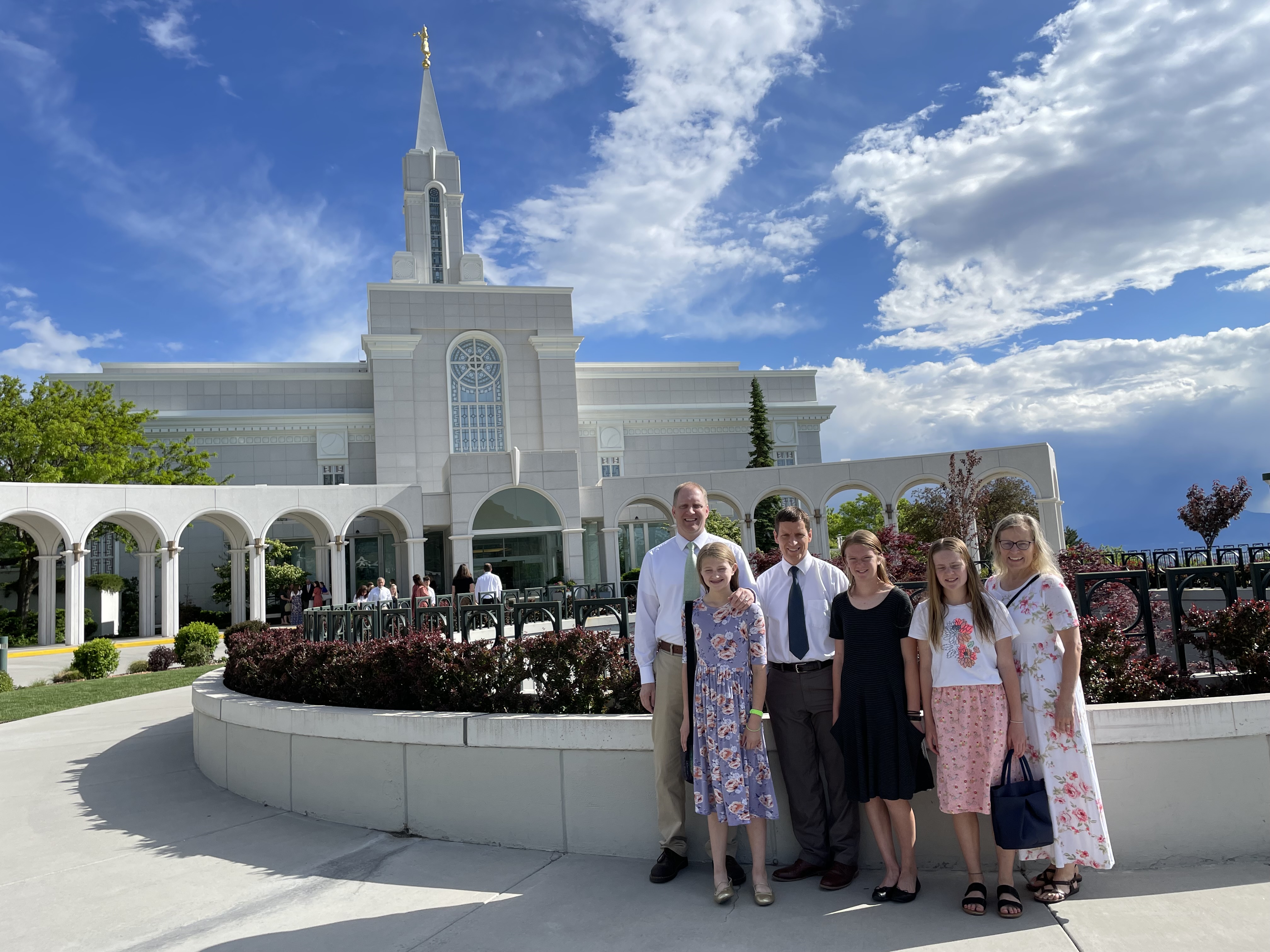
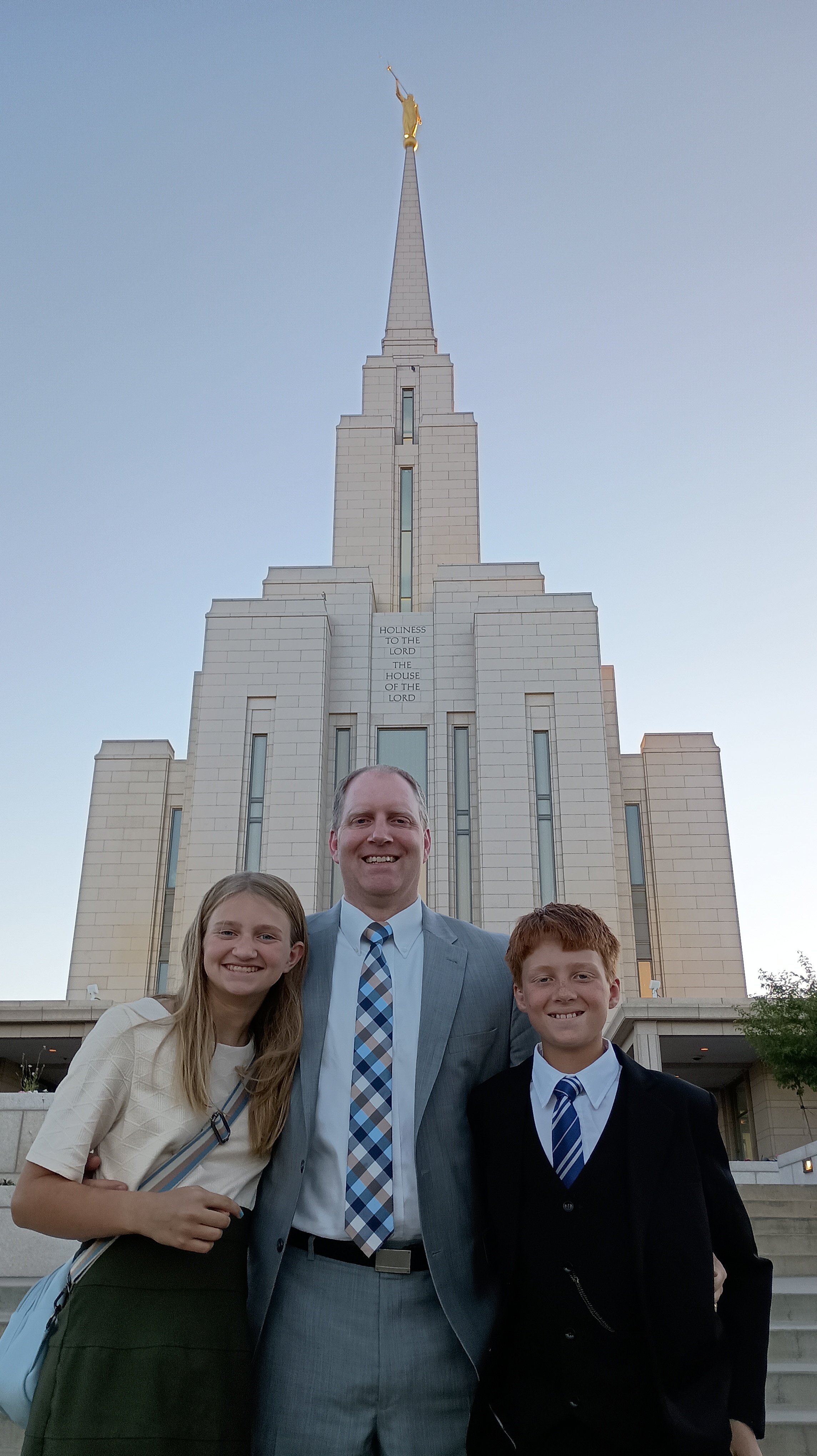
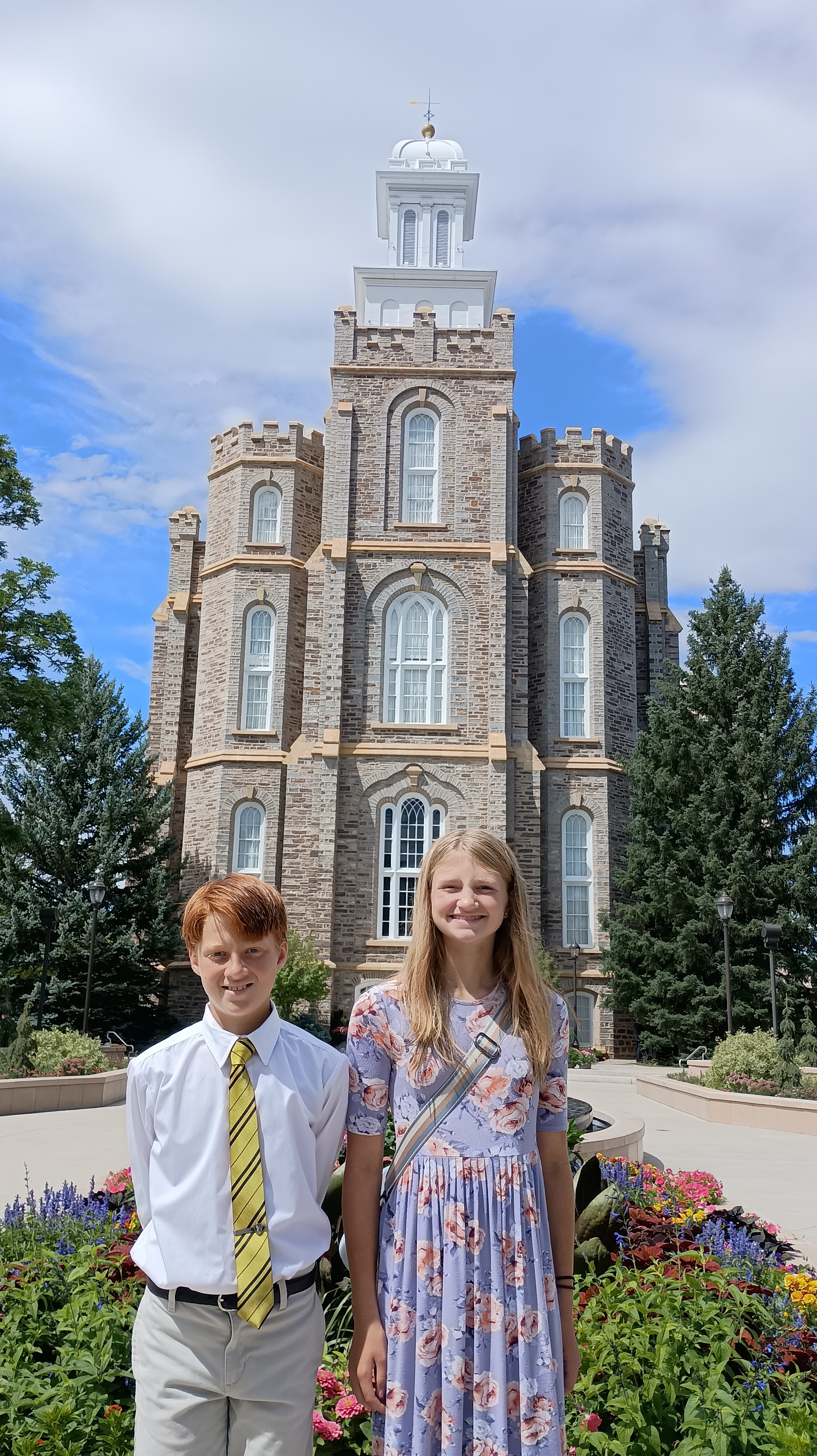
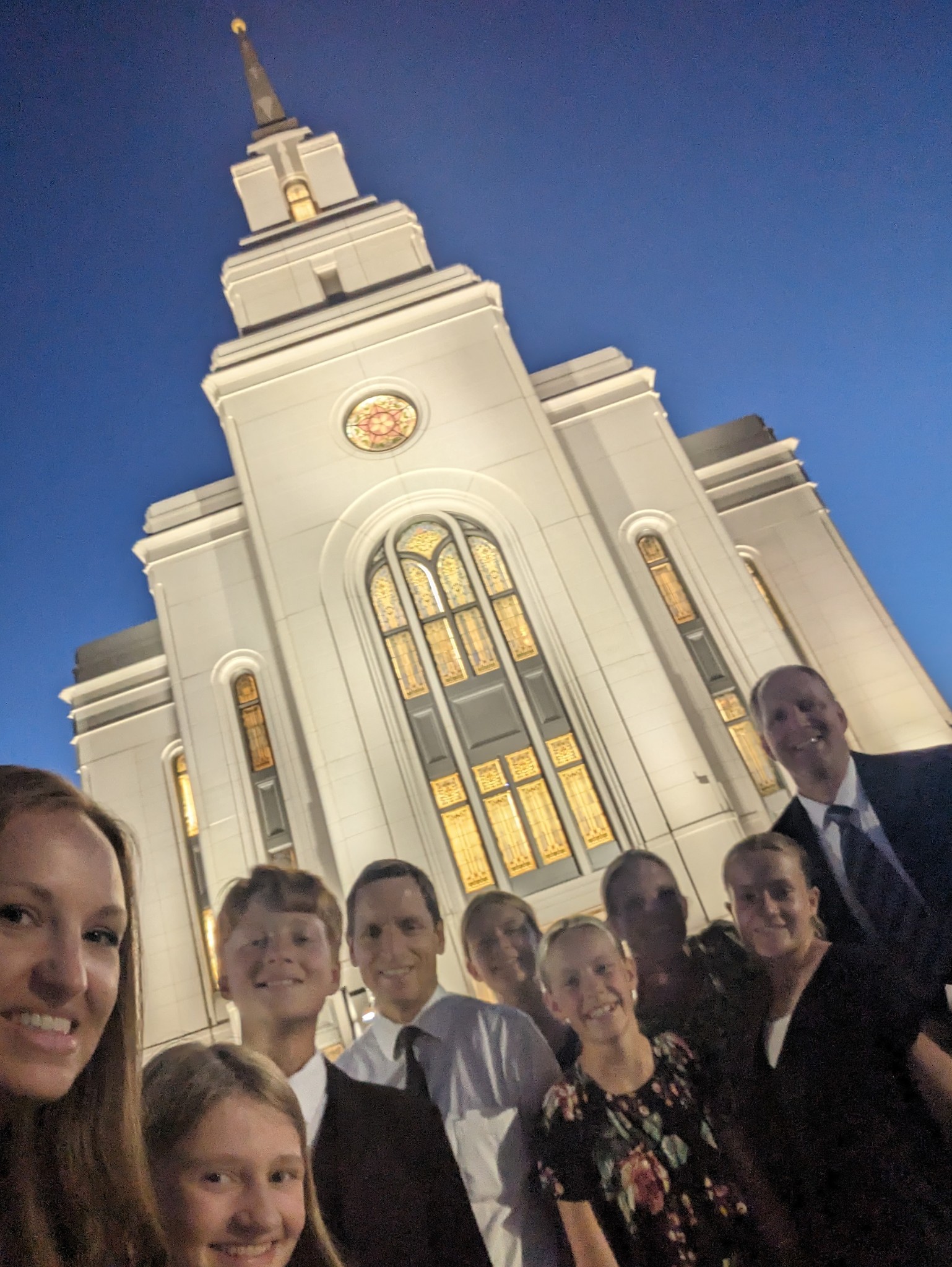
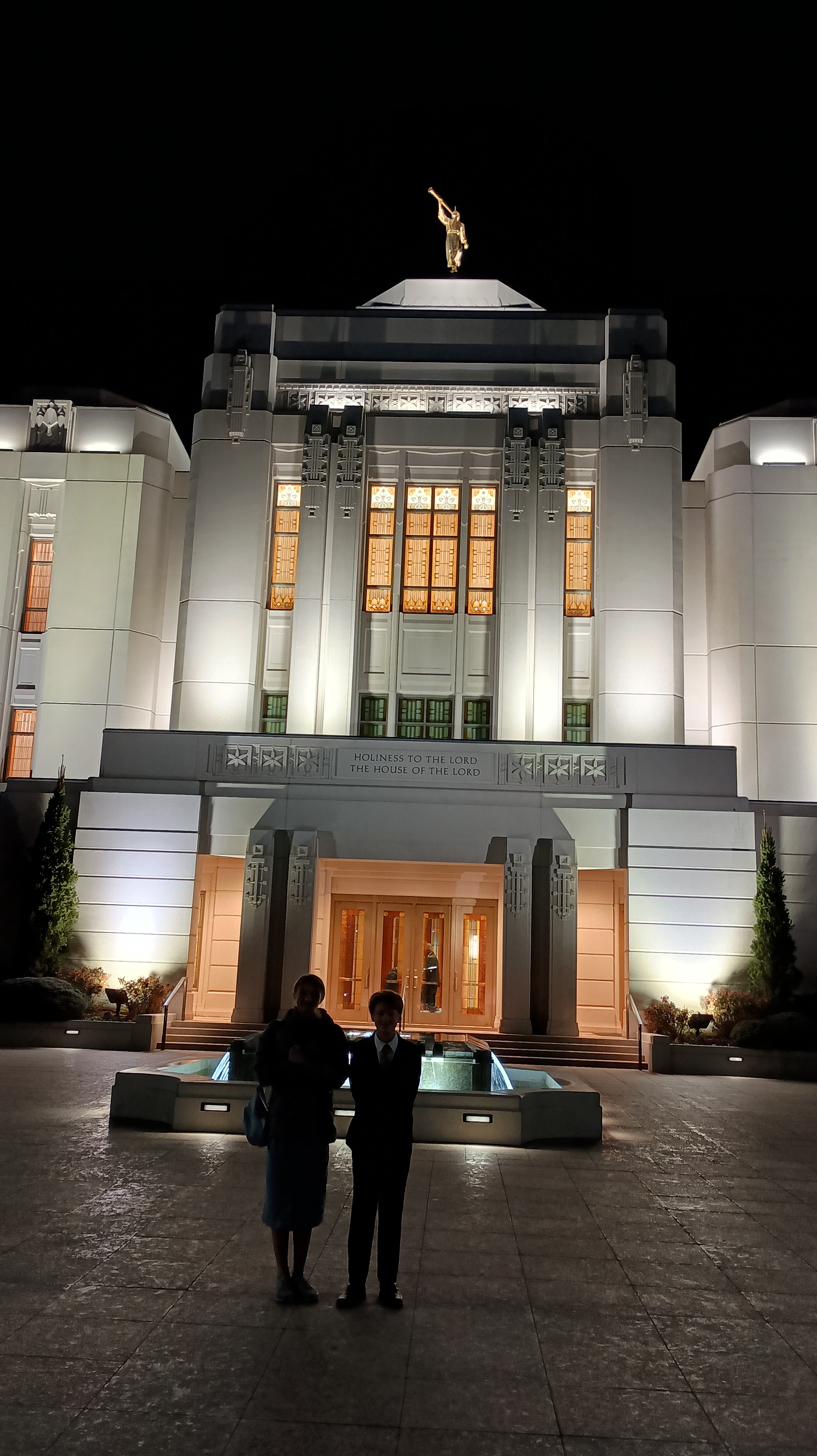
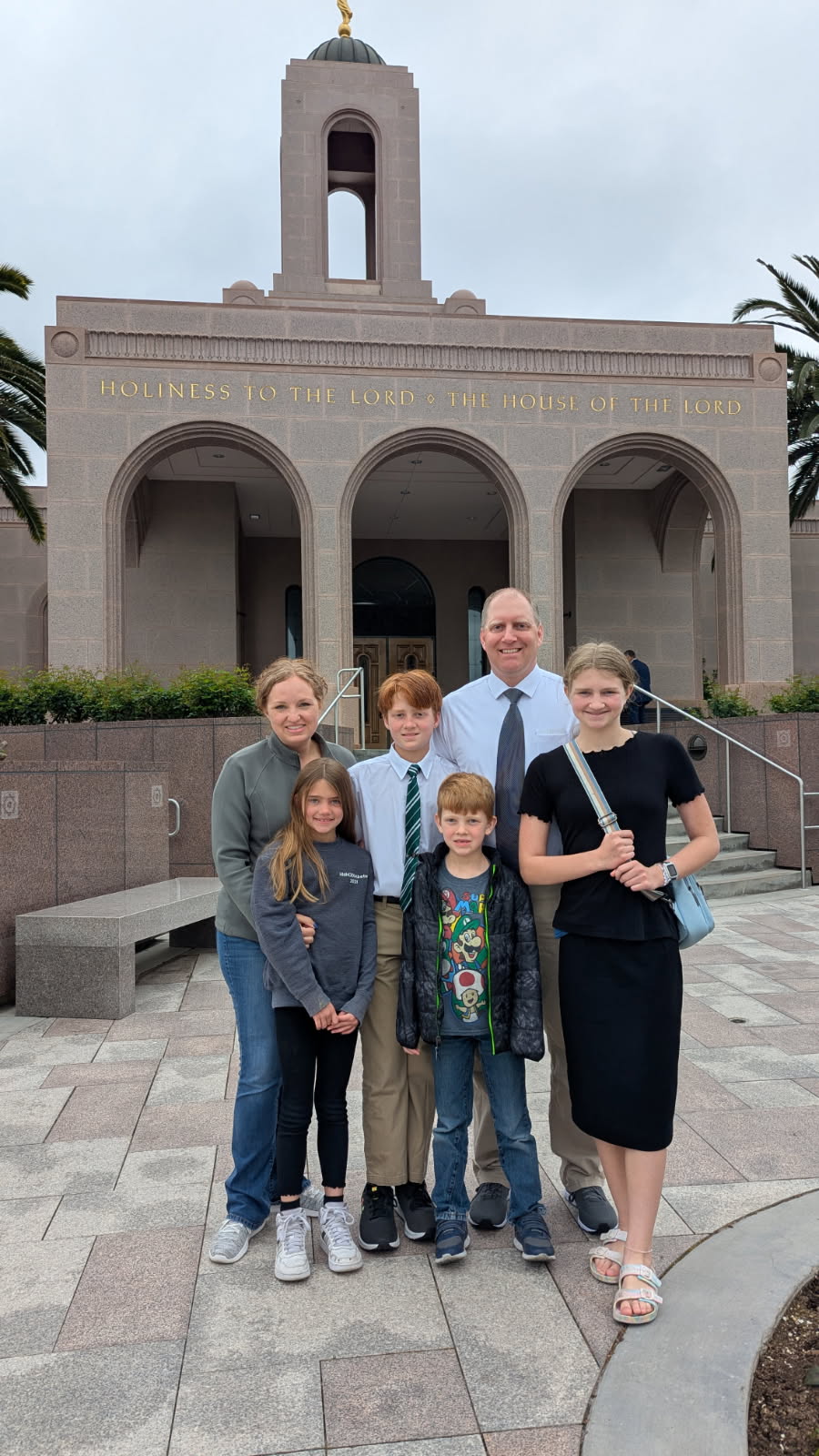
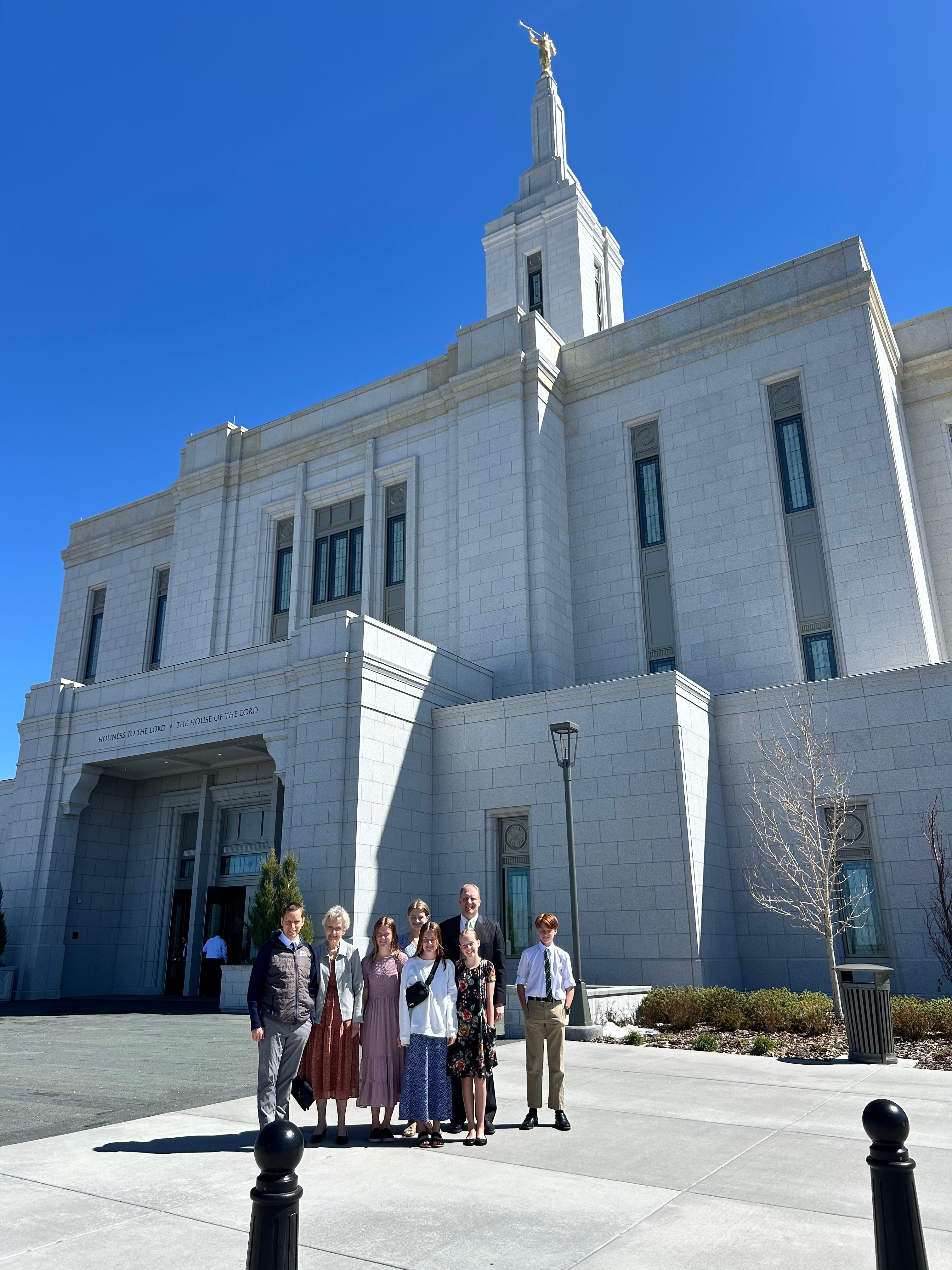
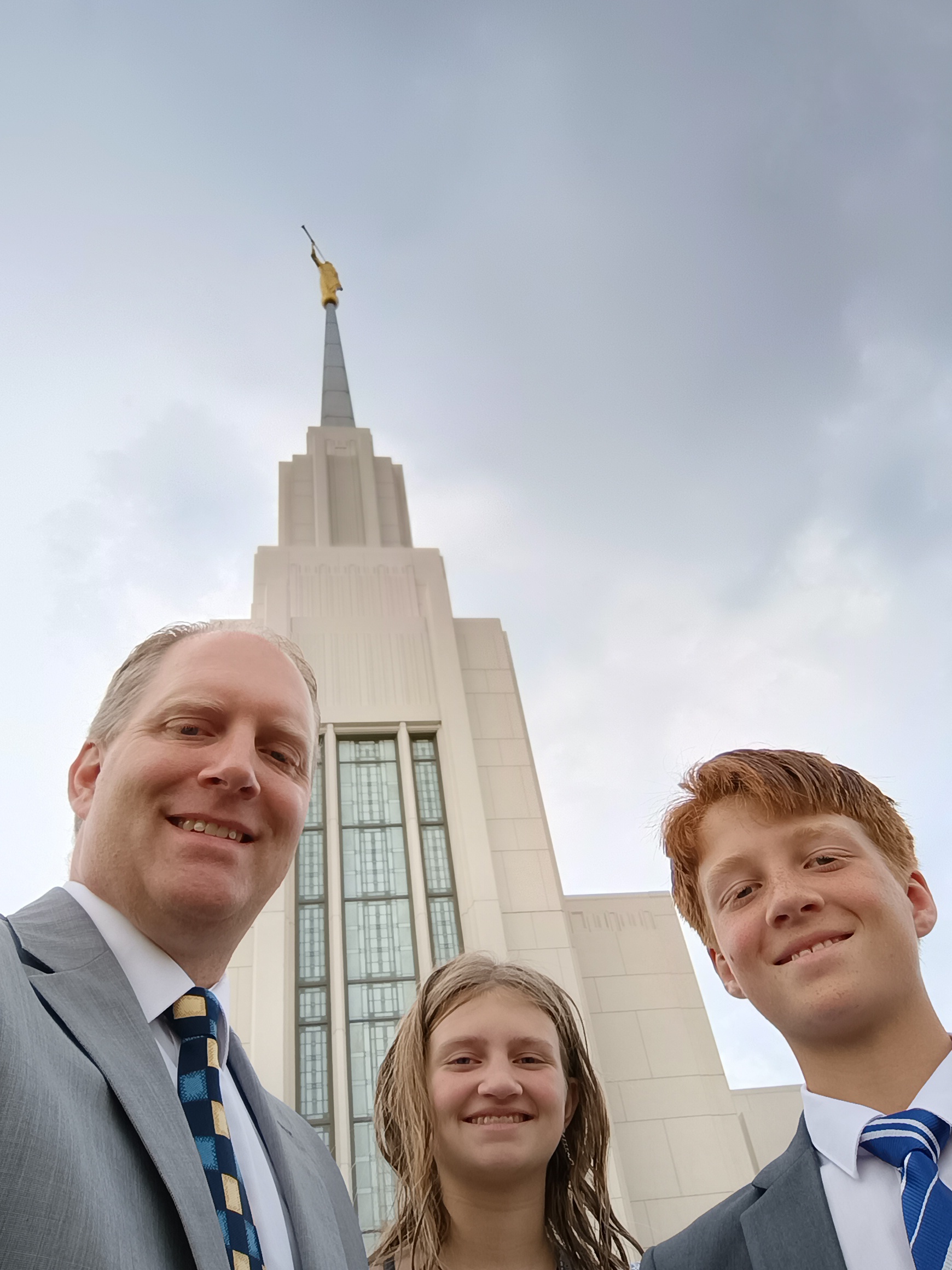
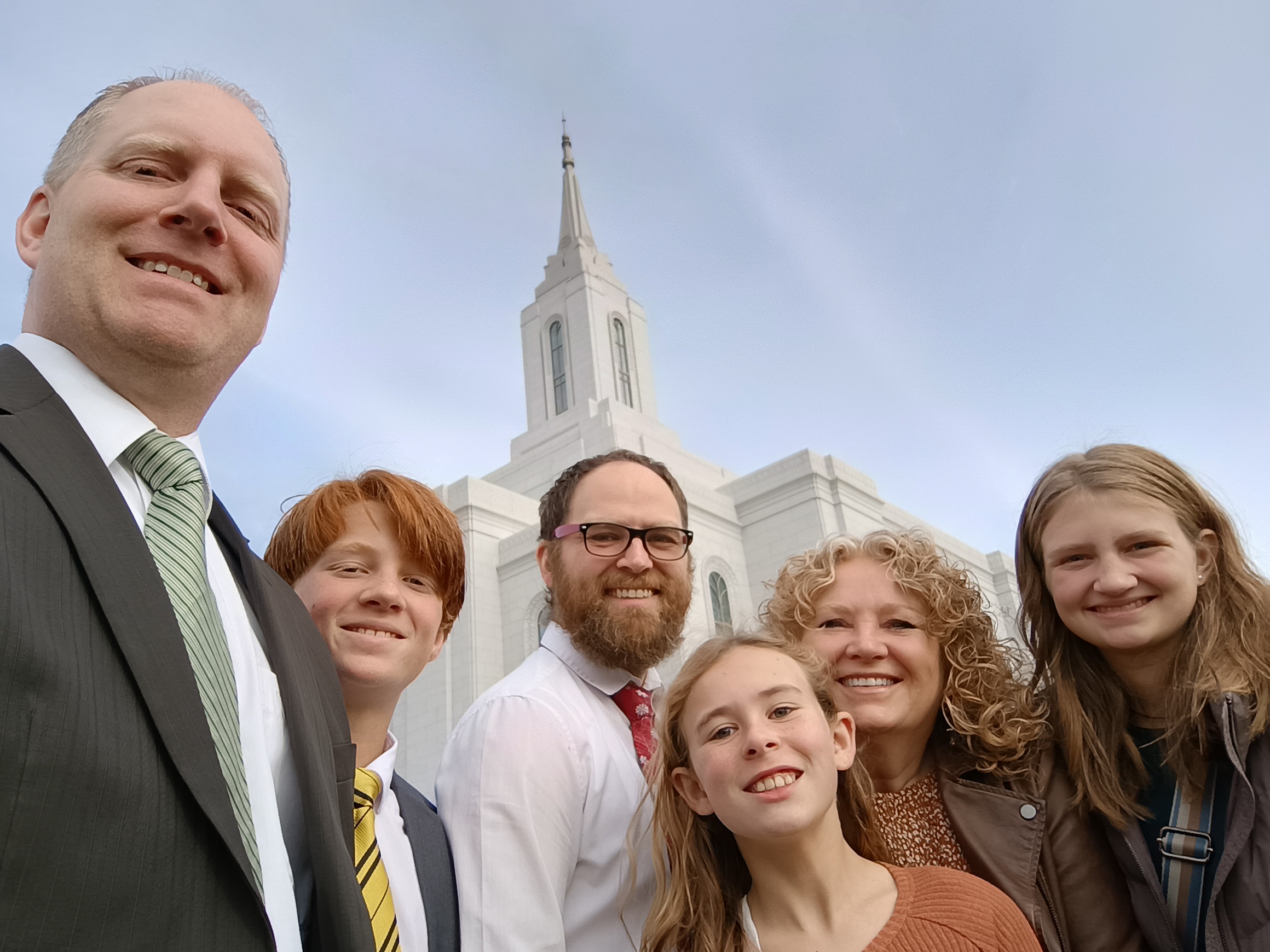
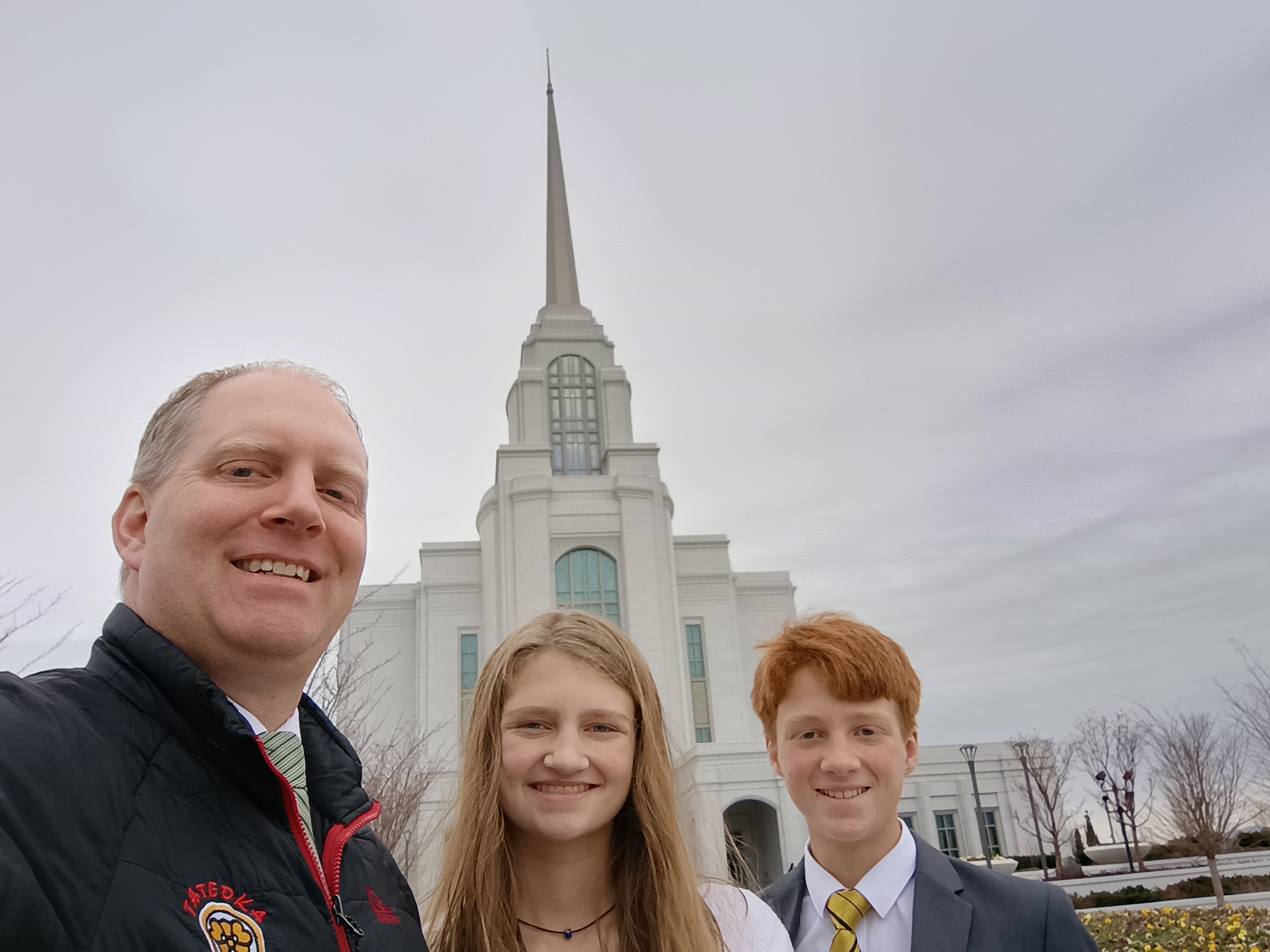
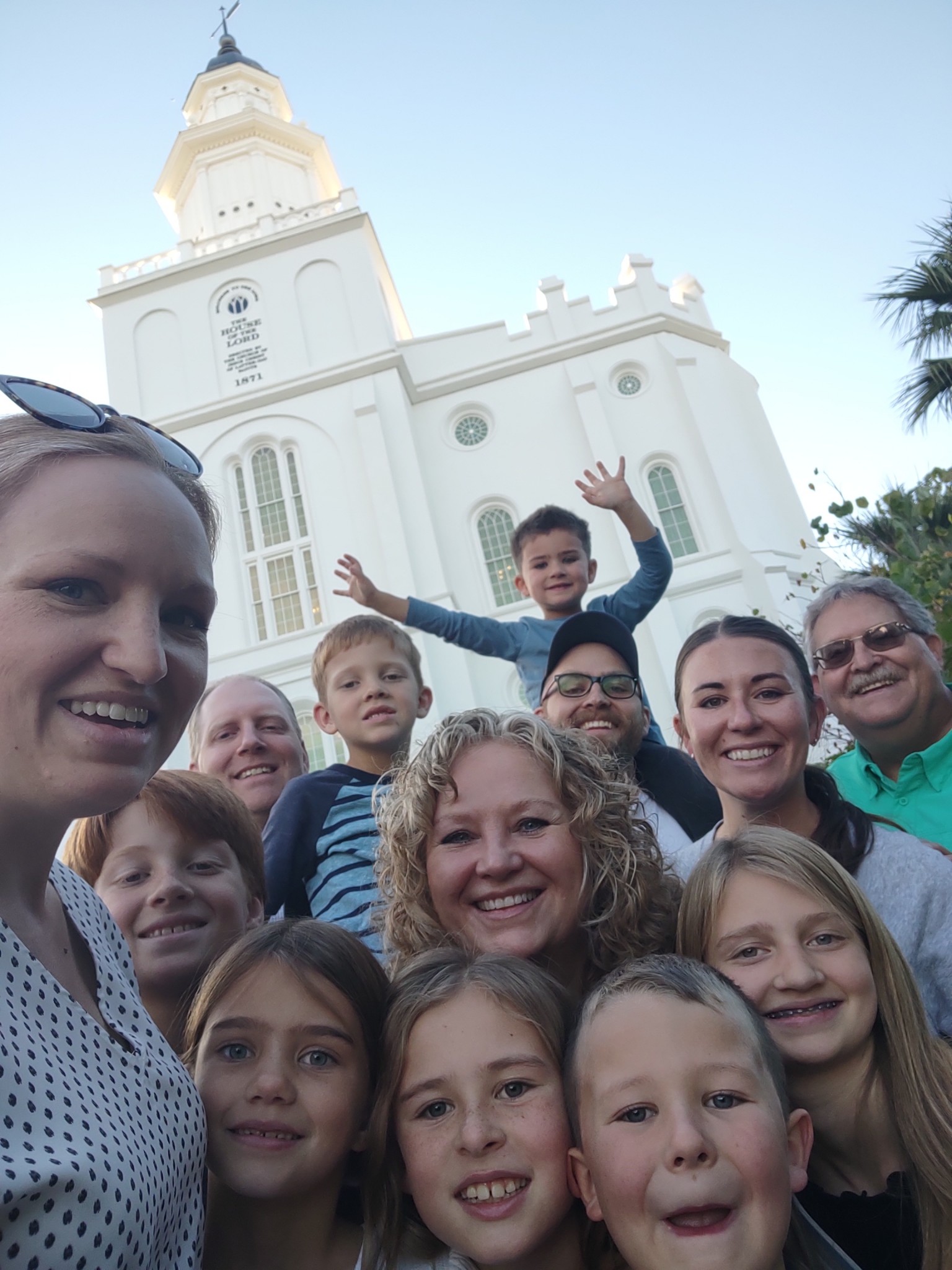
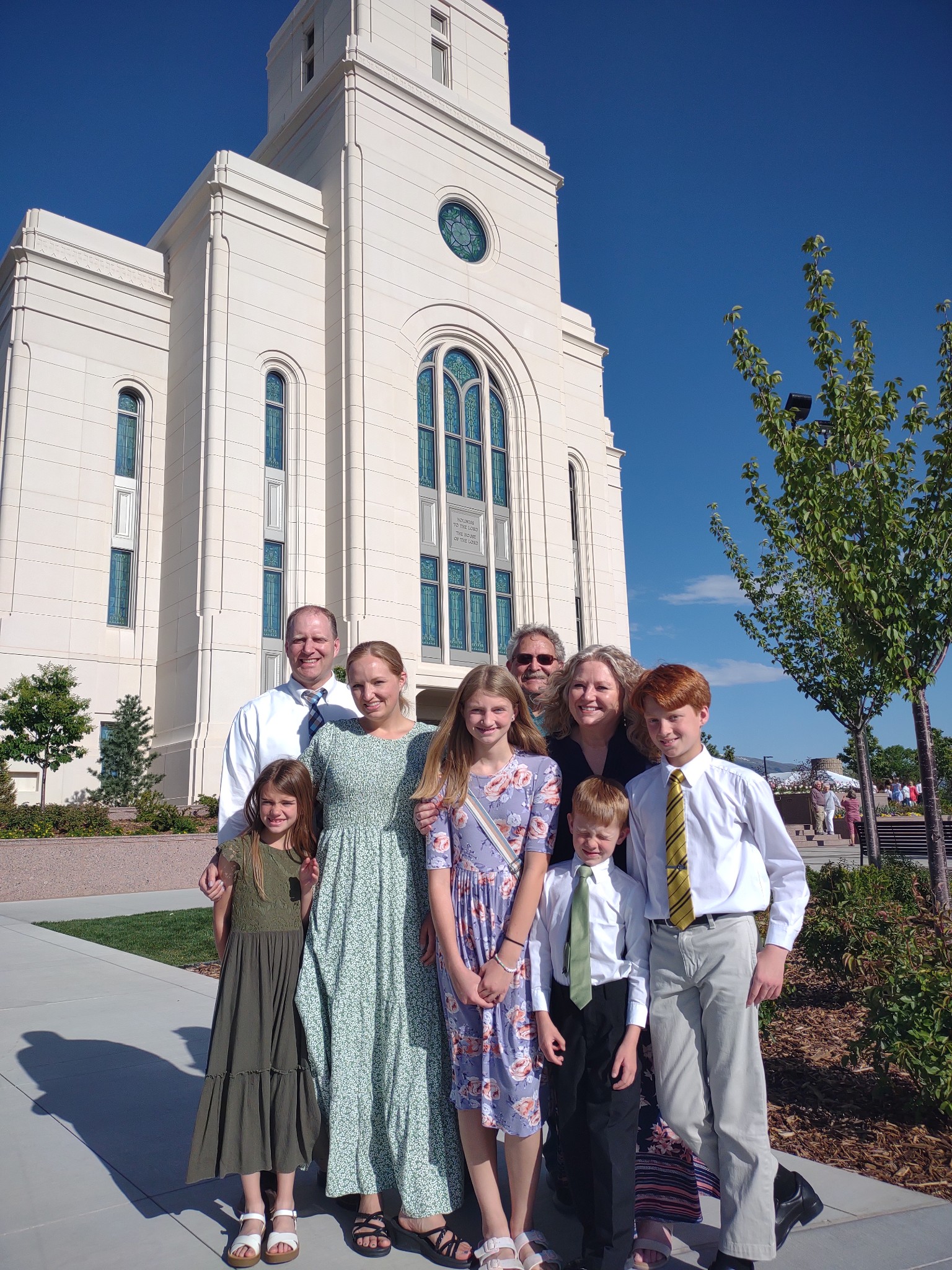
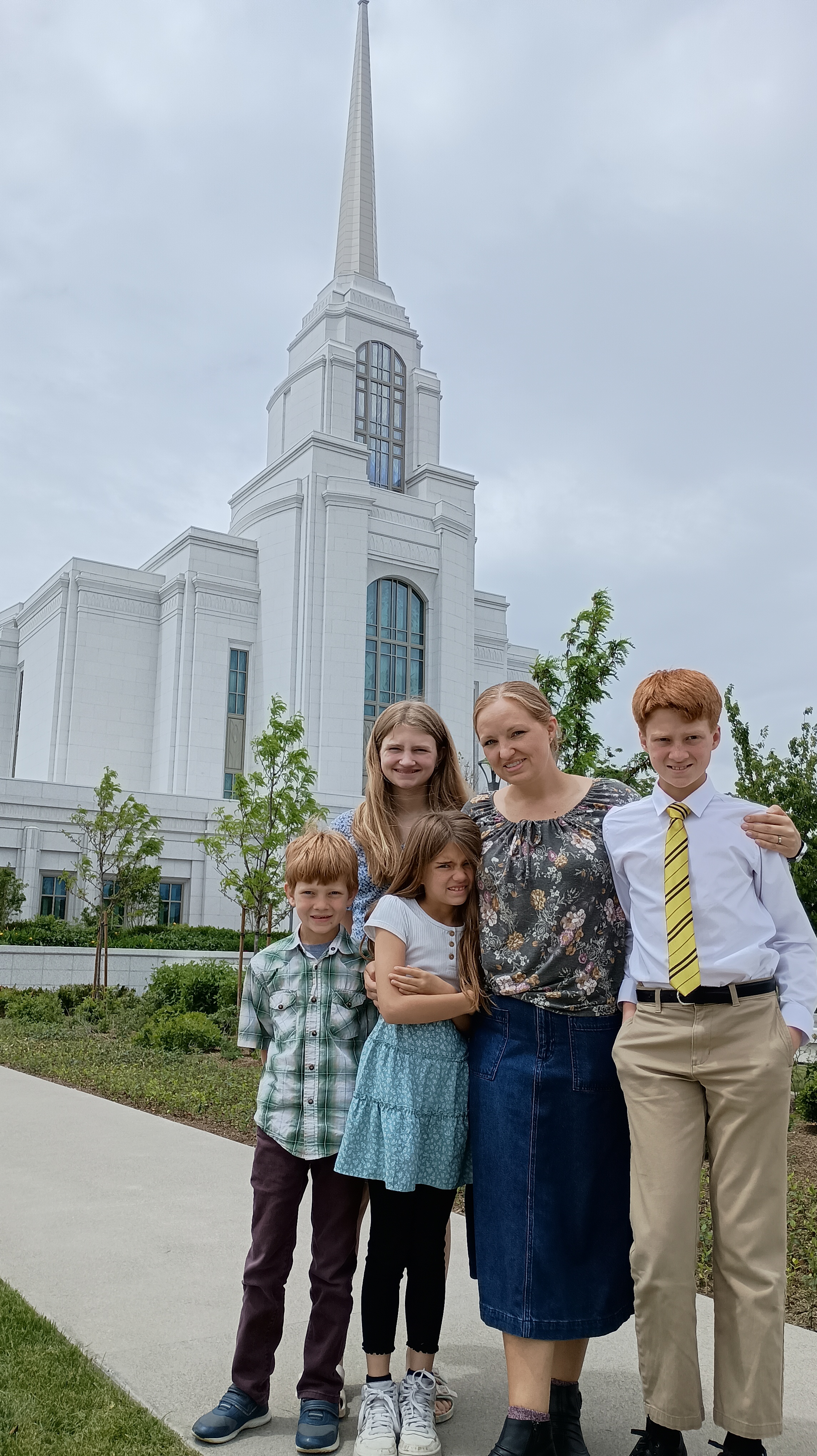
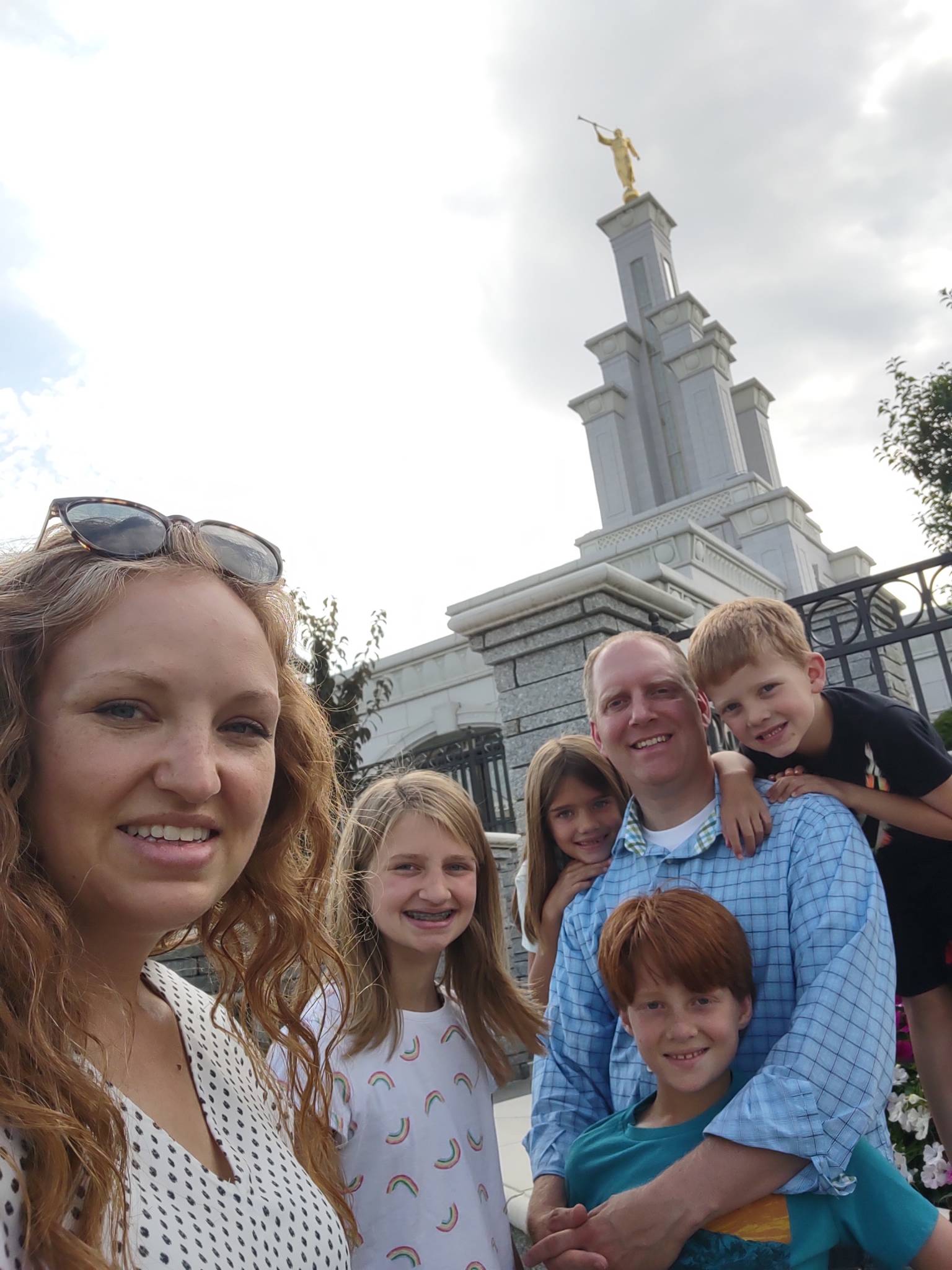
I am afraid the Ross household are temple tourists. Anyone who knows me knows that I have a couple of quirks. One of which, I like to drive by temples. The more distant a location, the greater likelihood I will plan visiting a temple. Even if it is just to drive past and snap a picture. Now that my children are old enough to attend the temple, my unwritten goal is to attend varying temples. In visiting with Aliza and Hiram, they have not been keeping much of a record. Here I am, trying to re-create a list of temples they both have attended 2022 to present. I can cheat because we often take a picture while there.
Aliza could start attending the temple in January 2022. We did not have any goals for attendance, usually just whenever our Burley 11 Ward would go to the temple.
16 April 2022 – Pocatello Idaho Temple – Bill Teal, Mary Lou Teal, Amanda Ross, Aliza Ross, Paul Ross, Eliza Hales, Brad Hales, Aleah Hales
14 May 2022 – Logan Utah Temple – Paul and Aliza Ross with Aleah, Brad, and Eliza Hales
31 December 2022 – Brigham City Utah Temple – Paul Ross, Aleah Hales, Eliza Hales, Brad Hales, Aliza Ross, Amanda Ross
28 April 2023 – Ogden Utah Temple
27 May 2023 – Bountiful Utah Temple – Paul and Aliza Ross, Brad, Aleah, and Eliza Hales, Marianne Christensen
19 August 2023 – Twin Falls Idaho Temple – Paul Ross, Brad Hales, Aliza Ross, Aleah Hales, Eliza Hales
Hiram could start attending the temple in January 2024. That year the Burley 8 Ward (we moved houses) asked that we set a goal of attending monthly in 2024. We fulfilled that goal.
12 January 2024 – Pocatello Idaho Temple – Amanda, Aliza, Milo, Hiram, and Paul Ross
23 March 2024 – Manti Utah Temple – Amanda, Paul, Hiram, James, Lillie, and Aliza Ross with Jill Hemsley
17 May 2024 – Layton Utah Temple – Lillian Ross, Paul Ross, Amanda Ross, Aliza Ross, Bryan Hemsley, Jill Hemsley, James Ross, Hiram Ross
18 May 2024 – Taylorsville Utah Temple – Bryan Hemsley, James Ross, Jill Hemsley, Aliza Ross, Lillian Ross, Hiram Ross, Amanda Ross, Paul Ross
11 October 2024 – Deseret Peak Utah Temple – Paul Ross, James Ross, Amanda Ross, Hiram Ross, Aliza Ross, Jill Hemsley, Lillie Ross, Bryan Hemsley, Shanna Thompson
16 May 2025 – Syracuse Utah Temple
30 August 2025 – Elko Nevada Temple – Brad and Rachel Hales Family with Ross Family with Lea Pierucci Izama (exchange student from Germany, staying with Hales family)
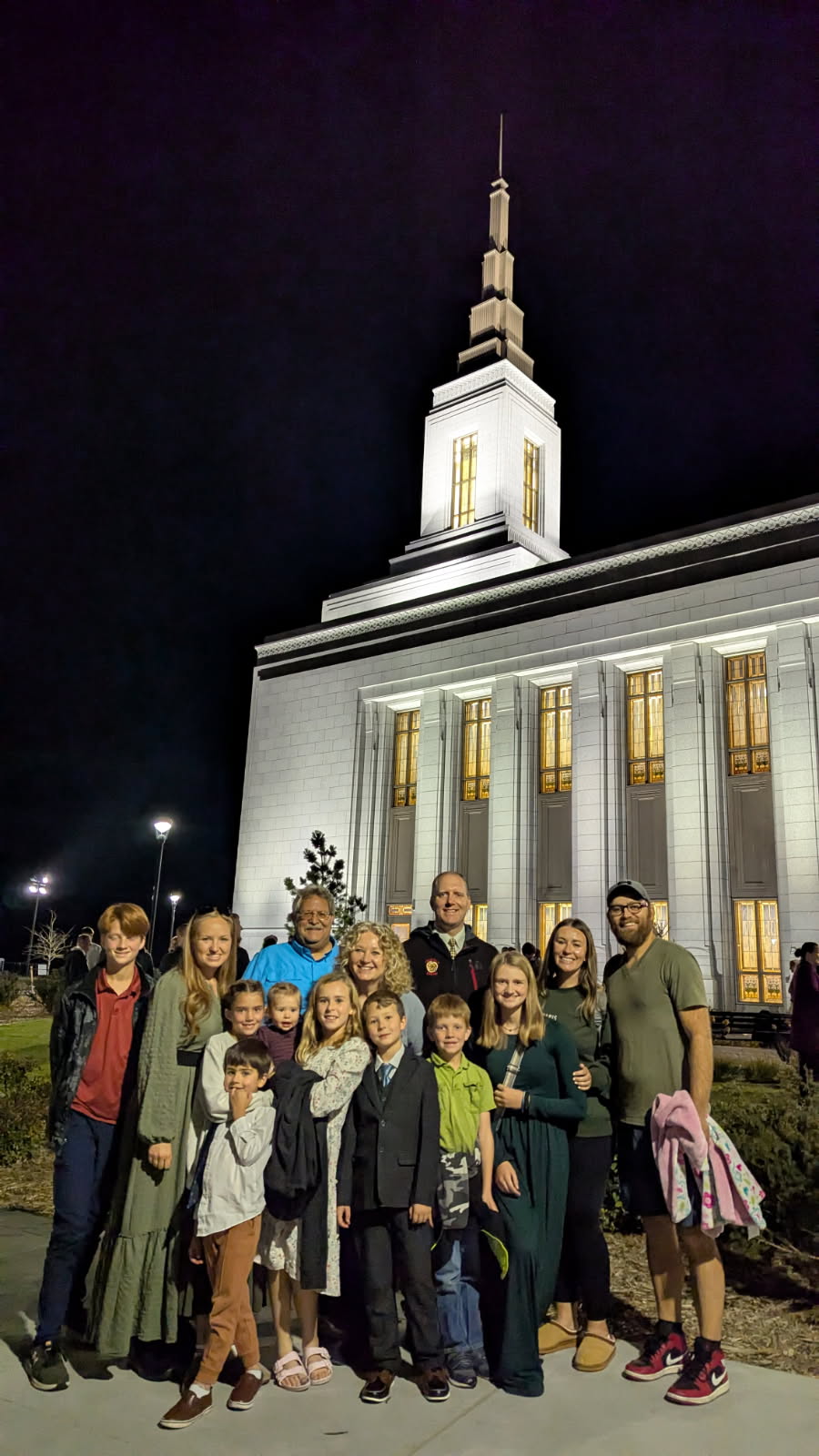
8 November 2025 – Burley Idaho Temple, Amanda Ross, Brad Hales, Anson Hales, Aleah Hales, James Ross (front), Lea Pierucci Izama (back), Paul Ross, Audra Hales, Aliza Ross
This was a fun visit. Some of the kids commented about where under the temple, in the foundations, might their rocks be found? We all submitted rocks with thoughts and our names on them that were placed before the foundations were poured.
14 November 2025 – Burley Idaho Temple – Hiram Ross, Amanda Ross, Lillie Ross, Rowan Hemsley (arm around), Margo Hemsley, Bryan Hemsley, Olivia Hemsley, Jill Hemsley, Jack Hemsley, James Ross, Paul Ross, Aliza Ross, Jordan Hemsley, Derek Hemsley
And other drive by shootings related to temples in 2022-2025.
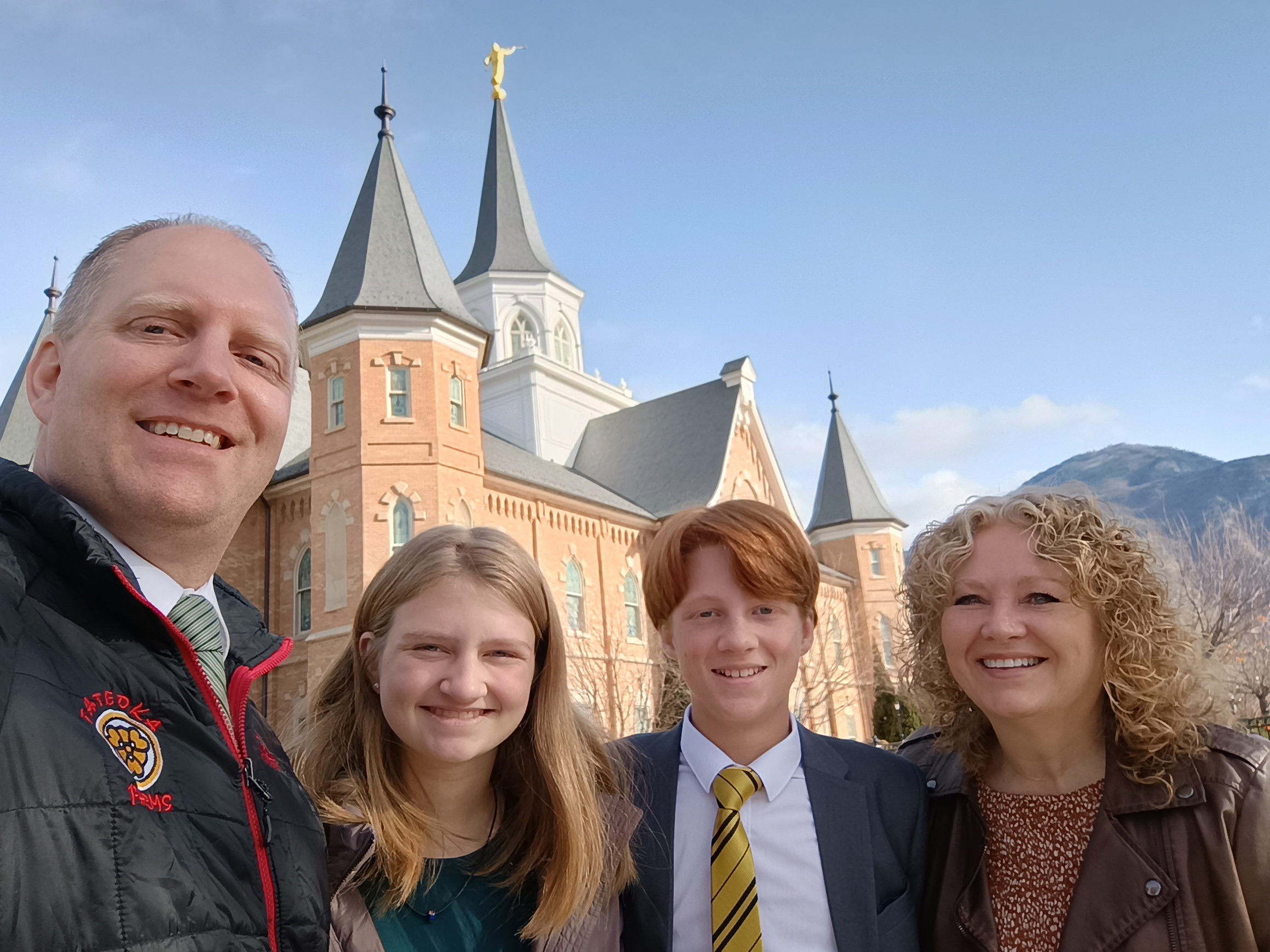
29 November 2025 – Provo City Utah Temple – Paul, Aliza, and Hiram Ross with Jill Hemsley
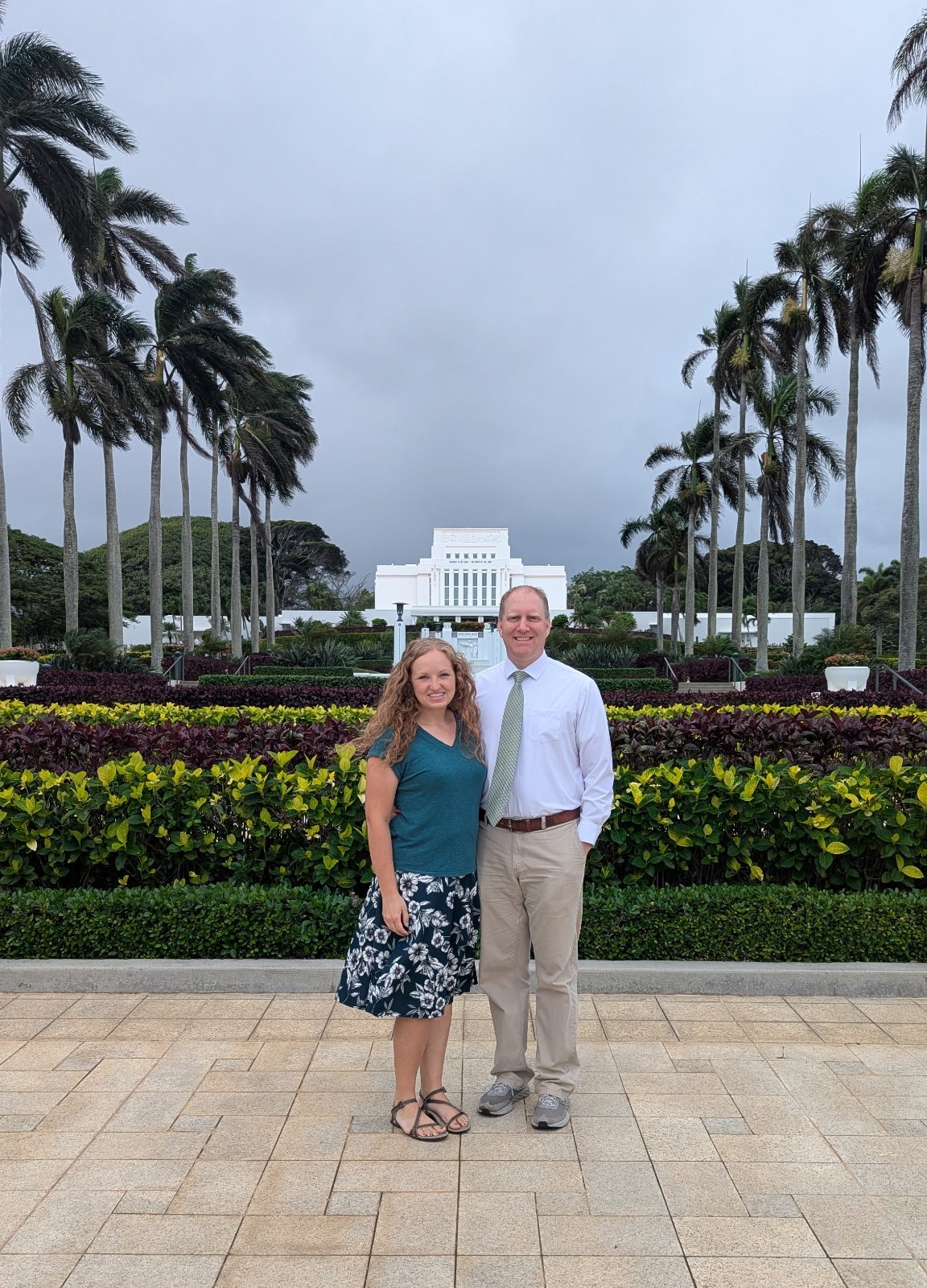
23 December 2025 – Laie Hawaii Temple – Amanda and Paul Ross
This is only a record of attending the temple for Aliza and Hiram. Many know I have had my own personal goal for monthly attending the temple from September 1998 to the present.








































 Sagacity