As I worked through the photos of Dave and Betty Donaldson, I stumbled on some pictures sent from Dad. Dad, Milo Paul Ross, attended the 1957 Boy Scout Jamboree in Valley Forge, Pennsylvania. I thought I would share those photos along with some other items I have scanned related to that trip. Since there were a couple of photos from the 1958 High Adventure Trip, I thought I would include those too.
First, be aware that the Great Salt Lake and Lake Bonneville Councils published a book about their trip. “Onward for God and My Country” was the motto. I have scanned the entire book – it is provided below.
The book says the trip occurred in July 1957. The book provides plenty of photos of the highlights. These few photos show what Dad thought was interesting enough to take pictures.
The trip took them east through a variety of states. Included was Chicago, Detroit, and Palmyra. Stops included the Sacred Grove and Smith Farm. Albany, Springfield, Boston, and New York City.
Dad does not recall the names or even knowing anyone in the photos at Jamboree.
I remember Dad talking about the Statue of Liberty. They climbed the stairs to the crown. He also indicated that at that time they let some of them climb to the torch. It was a very memorable experience. He also mentioned the Empire State Building and Independence Hall in Philadelphia. Vice President Nixon addressed the Scouts.
Kammeyer’s supported the Jamboree.
For those LDS Scouts, Harold B Lee and Delbert L Stapley spoke to the boys on Sunday. Here is a letter Dad wrote home while there.
I previously wrote about Dad and scouting. Here is his Eagle Scout picture.
Milo Paul Ross achieved Eagle Scout
Here is a note Grandpa made about this picture.
Milo Ross, Bill McBride, Leon Taylor, Freddy Cox Eagle Announcement
Milo James Ross commented about Milo Paul Ross receiving his Duty to God award on 27 April 1959
Duty to God Award
Letter from Church Headquarters
Here are a couple of the photos from the Colorado River rafting trip. Dad thinks there are more photos. He does not remember or recognize any of the individuals in the photos.
Dad remembered they had to pull out of the river to go around the Glen Canyon Dam construction.
~
~
~
~
Both of these were trips of a lifetime. Neither have been forgotten.
Today is officially the last day of our trip to Europe. Can you believe we have passed a full six weeks in Europe??
We visited St. Paul’s, The Tower of London, Tower Bridge, and the Globe Theatre today. I shared the photos in the previous post. They were all cool. However, at this point another cathedral and I will injure myself. Sir Christopher Wren did a great job on the inside, but the outside seems to be lacking some. Perhaps it is years of paint and wear. Perhaps it is war. The interior was amazing.
A couple of thoughts to wrap it up.
Amanda figured out that in the ‘To Let’ signs around Europe, meaning ‘For Rent’, if you put in an ‘i’ it becomes ‘ToiLet’. We wanted to get up and alter one or two of them, but we did not.
Secondly, on my second to last day, I was the target of a pigeon. On the front stairs of St. Martin in the Fields, I sat pondering life when a large drop fell on my right knee. I thought it was some water until I realized it was warm. Looking over, I saw the signs of whiteness indicating a deposit by some bird. It was a laugh, some disappointment, and disgust. Reminded me of the seagulls leaving a deposit in the Roman Baths in Bath.
Alas, I am humming along with John Denver about leaving on a jet plane.
I hope you will enjoy this copy of your Great, GreatGrandfathers book
GEORGE C. (DAD) STREETER
Writer of this book, was the father of
MARK L. STREETER
Now 83, living in Salt Lake City, Utah, is the father of;
JUNE E. (STREETER) STOUT
Now 63, living in Ontario, California, is the mother of;
JOSEPHINE INA (CORSARO) FRENCH
(yours truly)
MOM
My Great Grandpa (Dad) Streeter died when I was very small. But your Grandma June and Great Grandpa Mark both tell me he is quite a storyteller and loved to exaggerate. I am sure you will see this for yourselves; along with the truth, it makes for very interesting reading. He wrote a column, on the front page of the Ogden Standard Examiner, entitled “Dad Streeter Sez: “where he used a different style of writing, you will find a concentration of these pieces from page 149 thru to the index on page 204, after which I have added a collections of this poetry. When you open these wonderful pages to the past, I hope you will enjoy it as much as I have, preparing it for you.
With All My Love,
MOM
George Calvin Streeter
AN AUTOGRAPHIC ACCOUNT OF THE LIFE AND TRAVELSOFGEO. C. (DAD) STREETER
During the years covered by these reminiscences “Dad” lived the life of a roving cowboy, driving herds of Long Horns over the old Santa Fe trail from Mexico to Montana, horses from Oregon to Omaha, or riding the round-up in Wyoming and Montana.
In addition to his stories of the range, his accounts of bull whacking, mule skinning and stage driving, the pranking of tenderfeet and missionaries, his meeting with Cattle Kate, Calamity Jane, Butch Cassidy and Buffalo Bill, the hazards of prairie fires and blizzards, frontier justice and encounters with Indians.
The writer who now lives in Ogden, Utah has endeavored to adhere strictly to the truth, and according to the writers’ project of Nebraska is valuable contribution to the folklore of the West.
My Grandfather Streeter
In the year 1846 my Grandfather Roswell Streeter bought a large bunch of cattle in Missouri and he and three of his sons drove them into California to sell. They did so well that they drove another bunch the next year. They always night herded the main bunch and turned the work oxen, that drove on the wagon, loose to graze. One night they camped on the little flat at the mouth of Weber Canyon, as near as I can find out it was where the town of Uintah, Utah now stands. The next morning Grandfather went to bring the work cattle while the boys prepared breakfast, and when it was ready Grandfather did not put in an appearance, the boys called and yelled but received no answer. Then they ate expecting him to come most any moment, but he did not. Then they started out to look for him. They found the cattle he was looking for but saw nothing of him. Then fearing that he might be list they fired their guns, yelled, built signal fires but received no answer. They searched the river and surrounding hills for miles around but found no trace of him. Then they visited the trapper camps, one where Ogden, Utah now stands, one in Ogden Valley, one on Bear River, all the Indian camps, and all the Mormon Settlements in the surrounding country but found no trace of him.
Fearing to stay any longer for fear of getting snowed in in the Sierra Nevada Mountains, they at last went on to California. They disposed of their cattle at the good price and came back as far as Ogden and renewed their search for Grandfather. This time staying as long as they dared to for fear of getting snowed in in the Rocky Mountains.
The next spring the brothers went with another herd and stopped at Ogden and once more renewed their search, inquiring at all the trapper cabins, Indian camps, and Mormon settlements in the Valley without success. And to this day nobody knows what became of Grandfather Streeter.
Two of the brothers I have lost track of. The oldest on A.J. Streeter invested heavily in real estate in and around St. Joe, Missouri and Streeter, Ill. (then later being named in his honor). He also owned a large sugar plantation in Mexico. He served several terms as U.S. Senator from Illinois, and in the year 1889, he received the nomination for President of the United States on the Labor ticket but lost by a very small margin. He and his associates at one time owned the controlling interest in one of the largest cattle herds in Indian Territory, (now Oklahoma) and I helped drive three different herds of their cattle north into Wyoming and Montana when that country was being stocked and did not find out until about forty years after that they owned them.
CAME WEST IN A PRAIRIE SCHOONER
I was born June 20, 1867, some place in the good old state of Illinois, (I don’t know what part), and when I was one year old, father put mother, my little sister and I in a prairie schooner and started West. We came to some place in Missouri and stopped for the winter. The next spring, we came on to Nebraska. Father located a homestead on Blue River near where the town of Ulysses now is, about _____ miles north of Seward City.
Father started to build a house and before it was ready to move into, another baby came (a little brother), and mother named him Seward after the town of Seward, where we did out trading. I think Schooner would have been appropriate as he was born in the old prairie schooner.
A great many Indians passed by going to and from their hunting grounds. They were very friendly and often came to the house to bed, and one cold day when mother was alone, except for us little ones, a party of sic of them walking into the house without knocking, or being asked, threw off their blankets and warmed themselves over the stove, and when they threw off their blankets they were entirely naked, for they have nothing else on except paint. Mother gave them something to eat and they left without doing any mischief except scaring mother almost out of her wits. The old chief said to mother as they were leaving, “Nenawa neothe issa Washtano”. Meaning “Little white squaw good”.
No wonder he called her little white squaw, for her normal weight was about ninety pounds, and less than five feet tall while he weighted about two hundred and in height not less than six feet six. And no wonder she was scared, with six of those hideously painted naked creatures, and not a neighbor within miles.
Father, by using his soldier rights, was able to prove up on his land in six months, and the next spring he sold out and once more hitched the team onto the old schooner and headed west.
We finally arrived in Indianola, Nebraska, soon after the Sioux Indian massacre, when a great number of white settlers were slaughtered. The Sioux and Pawneys had a fight near the head waters of the Republican river, probably caused by a dispute over hunting ground. The Sioux were victorious and being possessed with the desire to kill, came on down the river killing everybody they came to. The people of Indianola having been warned of their coming had hastily constructed a sod wall about four feet high, enclosing a space large enough to hold all the people and their most valued possessions. The Indians finding them fortified did not attack them, but turned South about ten miles until they came to the Beaver and followed it down to the Republican and on East, I don’t know how far, killing everyone they came to.
A few days after the Indian fight an old squaw came hobbling into Indianola with an arrow sticking in her back, the wound was badly fly blown, and her being weak from the loss of blood, she died as soon as the arrow was removed. She was buried in the graveyard in Indianola.
The next day, after the Indians had passed by some of the people of Indianola followed their trail to see if they could render any assistance to those, if any, that were not quite dead. They came to Mr. Tuttle’s place on the Sappe, where they found him and his eighteen children, lying dead in and around the house, and Mrs. Tuttles with a baby girl in her arms laying by the creek, a short distance from the house, neither one quite dead. The Indians has mashed the top of Mrs. Tuttles head with an axe and thought they had killed her. The baby they had taken by the feet and beat its head against a tree, and thinking it was done for, they threw it down close to its mother, who finally came too, and drawing it to her, fed it at her breast, then she managed to crawl to the creek that was about thirty feet away, and drag the baby with her where she could get a drink. The rescuers took her to Indianola where under the doctors care they finally both recovered. The girl grew up to be a fine young lady and at the age of fifteen married a young man by the name of Geo. Lang who met with a misfortune and became totally blind shortly after they were married. With such a handicap it was hard for them to keep from starvation, but their neighbors were truly kind to them and helped them in many ways. Until one day three prospects came by, on their way to the Pikes Peak, Colorado and they hired Mr. Lang to go along to watch camp while they were out prospecting. His orders were never to leave the tent while they were away. But, one bright sunny day he could distinguish the outline of a hill between him and the sun and ventured to climb a little way up the side, and when the men came, they brought him down to camp, they noticed that he had a piece of rick in his hand, they examined it, and found it to be very rich in gold. When asked where he found it, he said “I fell while I was up on the hill, and skinned my nose on it, so I picked it up and forgot to throw it down again.
By following his tracks, they found where he fell. They drove a stake there and located four claims cornering at the stake, one for each of them. A short time after Mr. Lang sold a hold interest in his claim for fifty thousand dollars when to Omaha, Nebraska and had his eyes cured. He came back to Indianola and paid everyone back double for everything had ever done for him. Then he bought a section of land built a find house on it, put a fence around it, stocked it with thoroughbred cattle, and made it a present to his mother-in-law.
TUMBLE WEEDS
There was a variety of tumbleweed that grew very luxuriously on the plains, they often reached five or six feet in diameter, and were almost as round as a ball. In the fall of the year, when they ripened, their roots would let loose from the ground and the wind that almost blew constantly, would roll them across the prairie sometimes for great many miles or until they met with some obstruction.
When many them were rolling before the wind, a long distance away, it did not require any great stretch of imagination to think they were so many Indians on horseback, riding like the wind. The settlers living in constant fear of Indian raids often would see a bunch of those weeds coming and would decide it was a band of hostile Indians. They would load their families into the wagon and drive like mad to the nearest neighbor. Then they would hitch up their team, load their family in and join the stampede, and so on until they gathered up what they thought was enough people to make a successful stand again the war party. Then they would bunch their wagons and do what they could to fortify themselves and await the attack, which often turned out to be only a scare, caused not by Indians but by tumbleweeds, which if the truth as known caused a great many of the Indian scares at the time.
A PREACHER TRIES FARMINGORWHY I DON’T LIKE SORGUM OR ONIONS
My father was a Methodist preacher and at one time was assigned to take charge of a small church at Indianola, Nebraska when that country was being settled, our family arriving only one or two years later than the first pioneers, or about 1873. There was quite an influx of people at the time in answer to the advice of Horace Greeley, which was, “Go West young man and grow up with the country”.
They were mostly extremely poor people who came there to try and make a living farming in that dry arid county, which in now designed as the “Dust Bowl”. Father saw from the start that his followers would not be able to pay the preacher enough for him and family to live on, he took to farming as a sideline, and located a homestead a mile south of the General Store and Post Office of Indianola and build a two-room house on it. The material for the walls was of sod cut and turned over with the breaking plow which left it in almost endless ribbons three inches thick by twelve in width. Then they were cut up into two-foot lengths making nice square pieces which were laid up on the wall like brick, making a wall two feet thick with openings left for doors and windows. Then a log was laid from the center of one end wall to the center of another end wall, and this was called the ridge pole. Then willows were Covered with dry Buffalo grass or weeds to keep the dirt from going through, and then earth was mounded over the top.
The floor was the bare ground with the grass shaved off and tamped to make it firm to walk on. The floors were of boards cleated together and were hung with leather hinges.
Some of the better to do people had sash with glass in their windows, others stretched thin cloth over the opening to keep the wind out and let light in. The walls were plastered on the inside with mud brought from the river not far away. The ceilings were of factory stretched tight and tacked to underside of the rood timbers. Such houses were warm in winter, cool in summer and typical of thousands of homes in western Nebraska and Kansas as the time.
It was a happy day for all when Father and I moved the cook stove from the covered wagon into our new home. We did not have any table, but Pa was quite a genius, he went right to work and made one. He drove four stakes in the ground all the proper height and laid the front-end gate of the wagon box on top of the stakes and when mother laid the cloth on, you would not know but what it was a beautiful table.
We did not have any chairs, so father drove four stakes on each side of the table the height of chairs and laid one on half of the back end-gate, (which was in two equal pieces) on top of the stakes on each side, making extremely comfortable benches. Mother made some nice bright colored cushions for the benches, and when complete was as Pretty as any breakfast nook to be seen in our modern houses of today I might be where the idea originated.
Now it was time to plant the crop. Here was about five acres of the land that had been plowed before, by some settlers that had abandoned it before we came. Father hitched the oxen to the plow and stirred up this patch of earth. Planted part of it to garden vegetables for family use, and the balance to onions and sorghum cane, about on half to each. The onions and sorghum were to sell to buy other necessities.
Then I drove the oxen on the breaking plow and turned over about two acres of sod land. This was planted to corn. Father would travel down every third furrow with an ax and at every stop, strike the ax through the sod and I went along with a bucket of corn and dropped four kernels in each hole made by the ax, and stomped it shut with my heel, until the field was all planted.
The season was favorable and we raised a wonderful crop of everything. My brother and I done the most of the work. Father tended to his pastoral duties, and worked with us at his spare time. We built a cellar in the back yard with a dirt roof in which to store our winter supply of vegetables also a building in which to store the onions. We were all well and happy, plenty of vegetables stored in the cellar corn for the oxen and cow, which were already fat, from gorging on the buffalo grass. Corn meal for mush and johnny cake, which we ground as needed with a mortar and pestle. The cow gave a bucket of milk at a time, so we had plenty of milk to drink, cream for our mush and butter for our johnny cake.
Mother was an expert of making butter. We also had two dozen hens that were brought along in a crate tied on the back of the wagon. They seemed to be trying to see which could lay the most eggs.
There was a great pile of buffalo chips at side of the house that us kids had gathered and piled there for winter fuel. We seemed to be enjoying the height of prosperity, and the alas, several things happened to mar our happiness.
One day father opened the onion house to see how they were keeping, and found they had heated and were starting to rot. Probably caused by lack of ventilation. Father didn’t say any cuss words, just “Well, well, that’s too bad”.
He said something had to be done quick if we saved many of the onions. So we all went to work with a will, and in about a week we had the job done, and we had saved about one half of them, but there was rotten onions scattered far and near. The chickens picked at them and it made their eggs taste like rotten onions, and the cow ate them and spoiled her milk and butter. So we didn’t have cream for our mush or butter for our johnny cake. And Father didn’t say any cuss words just, “Well, well, that’s too bad”.
So he says we’ll harvest our cane, get it made into sorghum, then we can have molasses on our johnny-cake and that won’t be so bad. He set my brother and I to stripping the leaves off the cane with sticks while we loaded some onions on the wagon and started out to find a market for them and get some barrels to put the molasses in. The store keeper at Indianola didn’t want any, so he decided to go on down the river to Arapahoe about fifty miles or two and one half days drive for the cattle. He traded his load for 12 boards, 1X12 feet long and two small barrels. The boards were afterwards used to put a floor in the bedroom by laying them flat on the ground as the was no material to be had for sleepers of joists as they are sometimes called.
When father got home my brother and I had the cane all stripped and the seed tassels cut from the tops, and Father helped cut the stalks which had to be kept from touching the ground and piled them on some leaves of seed tassels to keep them clean. Then we loaded them on the wagon and started for a sorghum mill which was one big days drive over prairie where there was no road.
About noon we came to a dead carcass. The Oxen stopped smelled of it, started to bellow and paw dirt on their backs then bolted and one being a little faster runner then the other, they ran in a circle, and the cane being very slippery it all lost off the wagon before father could get them stopped. Father didn’t say a cuss word, just says, “Well, well, isn’t that too bad”. He brought the team and wagon to about the center of the scattered cane, un-yoked the oxen and turned them loose to graze, while we went to work loading our cane which took until dark, then we made a dry camp for the night and arrived at the mill at noon the next day. We made a bargain with the man that owned the mill, to make molasses for half if father would drive our oxen on the sheep to grind the cane and we boys would feed the stalks between the rollers. The owner of the mill doing the boiling of the juice. We finished the next day and the following morning loaded our two barrels of molasses, and started for home. We hadn’t traveled far, when I noticed the bottom of the wagon was nearly covered with molasses. Both barrels had sprung a leak. Father didn’t cuss, he just said, “Well, well, that sure is too bad”. Then he urged the oxen to the top of their speed, (which was about three miles per hour) in an effort to get home before all the sorghum leaked out, and when we arrived we emptied one barrel into the other and had just enough to fill one barrel which we set over a washtub to catch the drip. Mother put a wash boiler of water over the fire to heat. Then soaked the empty barrel with hot water until it was tight again, then the molasses from the other barrel was poured in and also what had leaked into the tub. Father had a spigot but no auger to bore a hole for it near the bottom of the barrel. So he put a rag around it and drove it in the bung hole, then all hands rolled it down into the vegetable cellar and set it in one corner by the door where it would be handy to get at, and father says, now we will be sure of that much of our sorghum. But, he was wrong again, for in coming out after placing the barrel, the door was left open and my baby sister found her way down there and turned the spigot handle and before any of us knew it, all the sorghum in that part of the barrel above the bung hole had run out on the cellar floor and under the pile of vegetables stored there. They had to be taken out and the molasses scrubbed off and laid in the sun to dry and the cellar had to be dug about two or three inches deeper to get rid of the molasses that had soaked into the dirt floor.
Now everything was ready, and we put the vegetables back in the cellar but daddy didn’t want to run any more chances of loosing the rest of the sorghum, so he had a large demijohn that he used to haul water from the river for house use, that he didn’t use for that purpose any longer, as we had recently dug a well. It held eight gallons if I remember right. He said we’ll fill that and set it in the corner of the bed room where it will be easy to watch, ( there was just enough to fill it) and it was sit in the corner by father and mother’s bed and father says that surely will be safe there, and we still have enough left for winter use, but alas daddy was wrong again, for one night not long after, there was an explosion like the firing of a gun or the bursting of a bomb. Of course everybody jumped out of bed to land halfway to their ankles in sorghum molasses. The demijohn was in a thousand, or more, pieces and molasses was all over everything in the house, even dripping from the ceiling. Our clothes, bedding and hair was smeared and poor father’s beard was matted with it. But father didn’t say any cuss words he simply said “Well, well, this surely is too bad”. We didn’t go back to bed that night, we went right to house cleaning, which lasted for several days before we could get rid of the last of the molasses. But dear old dad was wrong again, for some of the horrible stuff had went through the cracks in the floor, and soon began to mould and stench, so we had to move things out the room, take the floor up, dig the dirt out that the molasses had soaked into scrub all the boards and replace them before the molasses deal was finally finished.
Mother decided if we couldn’t eat eggs on account of the rotten onion flavor, we would have to eat the hens, so she cooked a nice fat one, and made corn dumplings with it but oh, horrors, nobody could stomach the rotten onion taste that it had. So there was the milk, butter, eggs, and chicken dinners “ gone with the wind”, father says we’ll have something besides vegetables to eat, so he decided to butcher the cow. She had gone dry anyway, (probably caused by eating so many onions) and she was nice and fat and would make prime beef, and enough to last us all winter.
We children all shed a few tears when Old Broch was killed for she was a family pet, but had to have something to eat. That was the day before Thanksgiving, and the next day mother planned a real Thanksgiving feast—a large roast of meat with potatoes and carrots laid around it. Sometimes we hadn’t had for years. But there was a peculiar odor that filled the house while it was cooking. Mother said she might have spilled something on the stove and in burning cause the stench.
The table was set and the roast brought on and how delicious it looked, and father, after giving thanks for the prosperous year and the man blessing that we had enjoyed, carved the roast placing a liberal helping of meat carrots and spuds on each plate. Mother took a bite and looked at father, he took a taste and I looked at the kids. I took a mouthful and my stomach heaved, and horrors of horrors, there was that old familiar taste of rotten onions. So our dinner was entirely spoiled and all we had to eat was johnny-cake straight with nothing to put on it or go with it. Still Father did not say any cuss words and like job of old, thought sorely tired, was still able to say praise the Lord, and “Well, well that surely is too bad”.
Well we took the remains of old Broch and buried them out in the field, and my little sisters laid flowers on her grave. Father decided then and there to quit farming, and although this all happened over sixty years ago, still even to this day I just can’t say that I’m very crazy about either sorghum or onions.
A False Alarm
When I was a small boy at home, Father was the pastor in charge at the town of Creswell, Nebraska. And the parsonage being a long way from the church Father hitched his little teams of ponies to his democrat wagon one Sunday morning as usual and we all went to church, he and mother sat in the spring seat in front, while us children sat flat in the bottom in the back, Father was a little over six feet tall weighed 300 pounds, and dressed in his talk silk hat and Prince Albert coat, sitting upon that spring seat, with a long willow for a whip over his shoulder, looked as large if not larger then either of the ponies he was driving. Anyway, large enough to scare the devil out of most anymore, that might account for him getting so many converts. After the services were over and we were on our way home, I spied something laying by the side of the road, I jumped out and picked it up then ran caught up and got in the rig again. When we arrived home Father told us boys to unhitch, and put the horses in the barn, while the rest of the folks went to the garden back of the house to get some vegetables for dinner. And unbeknowns to anyone I ran to the house, unfastened the door and went upstairs to put away my new found treasure, which was some very nice fishing tackle, I put them in a box that I kept all my valuables in, especially those that were too large to carry in my pockets. While I was thus engaged, the rest of the family came to the front door and found it open. Mother and the girls went in, while Father thinking that the house had been robbed, (what nonsense). What would a burglar expect to find in a Methodist Preachers house worth stealing?
So he started to fasten the door just like it was. The door was made of boards up and down with cleats across, and hung on leather hinges, it had a wooden latch on the inside, with a hole near the latch large enough to put the hand through to operate it from the outside. Father in fastening the door had passed the end of a long chain through this hole in the door, then through a hole in the jamb, and as the chain was much longer then necessary he ran it through several times and as he thought fastened the two ends together with a padlock. He had just got the chain around in shape to apply the lock, when Mother heard a noise upstairs, she screamed and yelled to Father to let them out, but the door was fastened with that chain, and it took a long time for Father to unfastened it, as the hole in the jamb was not much larger then the links in the chain, and when he tried to pull it through the links would get crosswise, then he would have to put his hands through the hole in the door and untangle it. With mother screaming and pounding on the door, and the children crying at the of their voices on the inside it got him more or less frustrated, and it took much longer then it otherwise would. During this time my brother had got the commotion, he spread the alarm to the neighbors who came with shot-guns, clubs, and pitch-forks, to help capture the burglar. I had finished putting my tackle away when I heard people down stairs, and being quite bashful I decided to wait until they left, before coming down. I layed down on the floor, and the attic being very warm, I soon fell asleep. I don’t know how long I slept, but was finally awakened by the gruff voice of the sheriff, commanding who ever is up there come down or we will shoot through the floor, I crawled over the stair hole and peaked down, Mother saw me and went into hysterics, crying don’t shoot don’t shoot, then fell in a swoon. The neighbor women by applying cold clothes to her forehead, and administering smelling salts, soon brought her back to consciousness, and she said, “Oh, it’s my boy, is he all right?”
I was becoming so excited by this time, that I stuck my head over the stairs hole again, and said “What’s the matter down there?
EARLY SETTLEMENT OF McCOOK NEB. – 1878
Since father got tired of trying to raise sorghum and onions, I didn’t have much to do so I hired out as camp mover to a man by the name of Mr. Theodore Parker who had a sheep ranch about ten miles West of Indianola, Neb. Sheep camps are little houses built on the running gears of wagons and used by the sheep herder to cook eat and sleep in. My job was to drive from one camp to another with a load of provisions, and leave about two weeks supply for each herder, hitch his camp on behind my wagon and move it to fresh pasture for the sheep, then on to another and so on around. One day while I was at the ranch a stranger called and asked Mr. Parker what he would take for his ranch.
He offered him seven hundred dollars which Mr. Parker was very glad to accept, for it was of very little value and consisted of only a squatters right to the land with no improvements except a one-room sod house and some dilapidated shearing pens.
Mr. Parker says we can move to another little spring about two miles down the river, build another sod cabin and have seven hundred dollars left. “ That is what I call easy money”, so we did. Then a short time after a party of surveyors came and layed out a town sight, and in less than a month lots were selling for as high as one thousand dollars each. They named the town McCook in honor of General Alexander McDowell McCook, a civil was leader. The town is now the county seat of Red Willow County, with population of between ten and fifteen thousand. Red Willow County was created and organized in the 1873 with Indianola as the county seat, which soon afterwards was moved to McCook.
(Omaha World-Herald)
A short time after that, Parker stopped at one of his sheep camps to spend the night, and it being very warm in the camp, he made his bed outside on the ground. In the night a skunk came and bit him through the point of his nose, from which he contracted hydrophobia and died before reaching medical assistance. His heirs came shortly after and by making other arrangements, I was left out of a job. So I went home and entered school again. My parents were very anxious to educate me for the Ministry and how well they succeeded may be judged by this biography.
The Song of My Life
While living at Indianola, Neb. Father took the job of hauling the sand to plaster some houses that were being built there at the time, He sent me at the job, with the ox team and a big farm wagon, one day the weather was very warm, the oxen were moping alone scarcely moving and I wishing to increase their speed a little, popped the bull whip in their direction and accidentally struck the nigh ox in the eye, after unloading and starting for the sand pit again, Father came and said I will go to the sand pit with you this trip and help you load, I handed him the whip, and just then he saw the the oxe’s eye, it was badly swollen and water was running out of it and dripping off the end of his nose. He said “Is that some of your work?” I said yes, I accidentally hit him in the eye, where upon he struck at me with the loaded end of the bull whip. Luckily I dodged the blow or I might have been seriously injured. I jumped out of the back of the wagon and ran with him after me. He soon had to stop for wind but I kept on going, that night I slept in a haystack that I came to along the way.
The next day I came to a town, I went to the hotel and sat down in the guest room, I hadn’t sat long when several young ladies came in to practice singing. The first song they sang was, “ Where is my Wandering Boy Tonight” and when they had finished the tears were running down my cheeks, for I knew that was what my dear Mother was thinking at that moment. One of the young ladies came and sat down besides me, took her handkerchief and dried my tears. She asked if I had any money. I said no, then she said where is your coat and hat? I said, “ I haven’t any, this shirt and pair of overalls is all that I have in this world.” She said that a boy without money and very little clothes that cries when he hears that song must have run a way from home, she said where does your folks live?
I told her, then she went and talked with the other girls and they started to take up a collection to pay my board for a while. The proprietor came in and found what they were doing. He said, “ Stop right now, I will keep this boy here for free of charge, indefinitely or until he can find work of some kind.” The young ladies spoke up almost in unison, saying we will use our money to buy him clothes. Which they did.
The proprietor of the hotel after hearing my story, sent a man to see my father, to let him now where I was. He said let him stay where he is, he will come home when them clothes he has are worn out, but I never did. I didn’t stay long at the hotel when the foreman of a nearby cattle ranch, came and hired me to ride the fall roundup fro him. Then after that I had comparative easy sailing.
Killing Buffalo For The Hides, Year 1873
In the spring of 1873 while out hunting wild turkeys, father met an old army pal by the name of W. F. Cody, (who was afterwards dubbed Buffalo Bill), that he had not seen since they were mustered out of service at the close of the civil War. As they had both belonged to the Seventh Kansas Calvary, their meeting was very cordial, and they immediately formed a partnership to kill buffalo for their hides. These hides brought one dollar each if not shot through above the center of the ribs. If shot above the center they bought seventy five cents, and if shot more than once they were not worth skinning.
They built a large cart of heavy timber on some very large wheels to haul the hides on, used father’s oxen to pull it, and took me along to drive while they shot and skinned.
When they killed one, they would put up a flag which I would drive to, and by that time they would have the hide off ready to load into the cart. My orders were never to get out of the rig as there was always plenty of good food, water, and bedding in it, and then too, they didn’t want to lose me on the prairie. All went well until on day a large buffalo bull started fighting with the oxen hitched to the cart.
The way they jumped around wasn’t slow, so I got out of the cart, (and wasn’t punished for disobeying orders either) and unlike the Casablanca that stood on the burning deck I flew. I must have a struck the ground running and ran until I fell with exhaustion or I might have been going yet. Father said they found me asleep about seven miles from the cart. Possibly the oxen had moved some in the opposite direction from which I ran. Anyway, they said they probably never would have found me had it not been for the telescope sight on their rifles.
I drove team for them all summer and went to school at Indianola in the winter. My teachers name was Susie F. Meff according to some of my old report cards I still have, for the years 1876 to and including the year 1882.
The buffalo were becoming somewhat scarce owing to the terrible slaughter that had been carried on, so that wasn’t so much to be made at hunting them for their hides. Their carcasses lay bleaching on the hunters laid in wait and shot them as they came to drink. One could walk for miles stepping from one carcass to another and never have to step on the ground. Father and I worked that summer for Mr. Freese and Hooknell gathering buffalo bones and putting them in great piles along the survey of the railroad that was afterwards built from Red Cloud to Denver. We aimed to put a train load in a pile. They were afterwards shipped to the sugar refineries. We made fairly well that summer and I went to school again in the winter.
The next spring grading was started on the railroad, which created a demand for meat to feed the workers. So father and Bill went to hunting again and took me along to drive as before, only this time they not only killed for the hides but saved some of the meat, such as the hind quarters, hump, and tongues, for which there was ready sale at the railroad grading camps. By the time the buffalo had become a little wild from being hunted so much that they would run away when they saw the cart coming instead of picking a fight with my oxen, to my great relief.
The men now took saddle horses along to ride after them instead of doing all of the hunting afoot as before. During one of the trips we met a bunch of hunters that came all the way from England. Among them was gentleman who was bemoaning the fact that he hadn’t made a kill, so Bill very obligingly roped and held one while the man shot it. Of course I wasn’t suppose to tell, but as that happened a half century ago, I think it perfectly safe to mention it here. I think it showed fine sportsmanship on Bill’s part, for then the gent could go home happy, show the trophies of the hunt to his admiring friends and tell them all about the large ones that got away.
Father brought a pair of little Texas ponies off a trail herd that was passing on their way to Montana and broke them to drive on a buggy. One Saturday, as there was no school, he hitched them up and started for the sand noles across the river, a few miles South of Indianola where the antelope were plentiful, to shoot one for family use as we all preferred their meat to that of buffalo. I went along to drive while he done the shooting. We had scarcely reached our prospective hunting ground, when a very dark cloud suddenly appeared in the south-west which had every appearance of being smoke from a prairie fire, common at that time of the year and greatly to be dreaded by plain people.The apparent danger was greatly increased by a stiff breeze coming from that quarter. Father took the lines from me and headed to team for home at the top of their speed, which was much too slow as that awful demon was steadily gaining on us. Father kept urging the ponies for more speed and saying if we can reach the river and plunge in before we are over-taken, we will be safe from the fire. The little ponies were making a heroic effort, but we were still at least a half mile from the river when we lost the race and was over-taken, not by prairie fire as we expected, but by a swarm of migrating grasshoppers, which devoured every green thing in their path for miles in every direction, even eating the grass roots as far down as they could reach.
The next day father hitched the ponies to the buggy and taking me along followed the course the grasshoppers were traveling to see what we could see, after traveling several miles we came to great drifts of dead ones covering the ground in some places to a depth of two feet of more. The piles were lying at right angles to the course they were traveling and extending, I don’t know how far on either side, We decided that the swarm had settled there for the night and the piles being so deep the under ones had smothered. When they started to rot in the hot sun, it caused almost an unbearable stink and a great menace to the health of the people living in what part of the country, so the settlers came for miles around with plows and scrapers and dug great ditches and buried a great many of them, others came with large racks on their wagon and hauled them home for fertilizer.
A STYLISH WEDDING
My father was a Methodist Preacher and soon after the close of the Civil War was stationed at Indianola, Nebraska. While I was still a small boy at home in the 1870’s, he was called upon to perform a wedding ceremony for two of our prominent citizens. The bride to be was an old maid school mam, while the prospective bridegroom, was a well-to do old batch, so called because he owned besides his own home, six pigs, two chickens, and a cow so he decided he must have a wedding procession. As there was no livery stable in the town where he could hire a rig he borrowed father’s team of oxen and I volunteered to drive them. I curried them, gave them a bath and tied blue ribbons around their horns and tails and hitched them to the cart which resembled an old Roman Chariot. I spread some bright colored blankets over the seat and the oxen being fat from running on the green grass, made a very respectable looking turn out.
The procession formed at the home of the bride’s parents, the cart in the lead in which were seated the bridal pair, with their relatives walking behind. I drove up to the church steps and the doors were wide open a splendid view of the interior was to be seen, all decorated with yellow flowers, (which were principally wild sun flowers and cactus blossoms). Father had just arrived dressed for the occasion in his tall silk hat, white collar, Prince Albert coat, and had taken his place at the altar. The aisle leading from the front door to where father stood was lined on both sides with guest. The organ already started to play. “Here comes the Bride”, and all eyes were on her. She certainly did look swell, dressed in white with a long wedding veil. The bridegroom had alighted and was reaching both hands to assist his lady love. She had just arose from her seat, when horrors, something unlooked for happened. One of the oxen that had eaten too freely of green grass gave a hard cough, and the bride was suddenly sprayed from head to foot with something that resembled freshly prepared mustard, but which smelled a great deal worse. I expected to see her father faint and fall into her sweetheart’s arms, but she didn’t, she turned around, jumped out the other side of the rig and ran for home as fast as she could go, and left the bridegroom waiting at the church, As there was no cleaning establishments in the town the work would have to be done by hand. Father dismissed the gathering, saying the wedding would be postponed until the following Sunday.
When the house was redecorated as before, but the oxen were not invited, everything went off smoothly until father started with the marriage ceremony. Then some small boys sitting on the front seat and thinking of what happened a few days before, started to snicker and laughter being contagious, the women started putting their handkerchiefs in their mouths and then the men stroked their beards and placed their hands in their mouths in a desperate effort to keep from laughing ,but all to no avail, it finally burst into a roar. Father finally restored order and finished the ceremony, and I believe he done a good job of tying the knot, for at last accounts they had lived happily ever after.
A SAND AND SNOW BLIZZARD ON THE GREAT PLAINS
While living on the old homestead near Indianola, Neb. in Red Willow County in the year 1874, Father went to the stable early one winter morning to feed and care for the animals as usual. While there one of those dreadful blizzards arose. They were called Dakota blizzards by the people living in that section, probably because they came from that direction. I think if the truth was known they came direct from the North Pole, for when they struck the thermometer would suddenly drop something as much as 40 to 50 degrees and the wind would blow at a terrific rate, driving the frozen snow mixed with sand and dust before it, until the air became so filled as to entirely obscure the sun and cause a semi darkness. That was where they derived the name of “black blizzards” as a great many people called them. Father started for the house and fifty feet away thinking he could walk straight for so short a distance, but he soon discovered he could not. When he opened his eyes to see he only got them filled with grit and was glad to close them again. Anyways, his eyes were of very little use to him for his range of visibility would not exceed three feet at the most. With the whirling of the storm, the pain caused by the flesh on his face and hands being out by the frozen snow and sharp grains of sands, and his lungs, eyes, nose, and mouth filled with dirt, was it any wonder that he lost all sense of direction? Still he traveled far enough to reach the house but still had missed it, he stopped and hollered for help, but the folks were all inside with the doors and windows shut tight against the storm, besides the roar of the hurricane made it impossible to hear cries. After he had yelled himself hoarse and was about to give up in despair, Mother became frightened of the storm and wondering what was keeping Father so long she opened the door a crack and yelled. To her great surprise Father answered out of the storm but not in the direction of the stables, Instead, from the opposite direction for he had passed the house. They called back and forth until Father finally reached the house and safety. Somewhat frosted but not bad frozen, he thawed out without any serious effects.
To safeguard against any of us having to contend with such a narrow escape, as soon as the storm was over, he went to town and bought 100 fifty feet of rope, enough to reach from the house to the barn. He nailed one end of it solid to one side of the kitchen door and then measured the distance to the smoke house door and tied a knot in the rope. The same procedure was followed from the kitchen door to the privy or “little Hoover” as the modern ones are often called. (Those were the days before inside plumbing). If you were bound for any of the three buildings all you had to do was to travel out to the knot you wanted or the end of the rope as the case might be. If you didn’t find the building you were looking for all you would have to do was hold the rope taut and travel in a circle and you would certainly find it. There was very little danger of getting lost unless you dropped the rope, for you could follow it back to the kitchen door.
STUNG BY BUMBLE BEES
It was a beautiful warm summer day, almost too warm, one calculated to make everyone drowsey, especially those that were working out in the sun, and I was out with an old gentle horse raking hay with a self-dumping rake, on the old homestead at Indianola, Neb., the horse was poking along with his head down, not taking any interest in what he was doing, and I was nodding and sometimes falling from the seat, when there arose a strange noise like ten thousand bumble-bees all bumbling at once. It soon dawned on me what it was. The hay rake had gathered up a large bumble-bee nest and was rolling it along with the hay, it was about the size of a large water pail, and the way they swarmed out of there, it must have been chuck full. They were all pretty angry at having their house disturbed, and were evidently bent on revenge. About one half of them settled on me, the others on the horse, and went right to work with their little redhot pokers, Then things started to happen, the horse woke up and started bucking and kicking with both feet and scarcely missing my face at every kick. And at the same time running faster then I ever saw him go before. That made the self-dump rake dump so fast that I could scarcely see the rake teeth as they flew up and down, and there was very little space between the horse flying hoofs and the flashing rake teeth. As all avenue of escape were cut off all I could do was hang to the seat of the rake for dear life, and let those angry bees wreak their vengeance on me. I could not even strike back, I was so busy riding that rake, which was bucking as bad as the horse. So those bumble-bees had clear sailing, they could sting me wherever they chose as many times as they wanted, and stay as long as they pleased. I had very little clothing on to bother them, no shoes or hat and only one very thin shirt and pants. After the bees had chase us far enough away to suit them, they went back home. I took poor old Dobin to the barn where Father applied mud packs until he finally came down to normal size. I went to bed for a few days, and also took the mud treatment, under the care of mother who was an expert nurse.
AN EMBARRASSING SITUATION
Once in the 1800’s when I was about 15 years old, while riding in the sand knolls of western Nebraska, I lost my way; the sky was overcast so that I could not see the sun and there were no land marks. All the little knolls looked alike, I could not tell one direction from another. I had been riding for several hours and getting nowhere, when I saw a settler’s sod cabin away off in the distance, near Wild Horse wells in the sands hills. I went there with the intention of asking if I might stay there for the night. I knocked at the door and a woman’s voice said, “come in”. I asked if she could point the way to Clark’s Ranch on Frenchman Fork of the Republican River. She said, “yes, but it is a long way from here and it looks like a storm, you had better stay here”. I replied, “no, you point the way and I’ll be off”. Then she said, “oh, please stay, please do, I am sick, all alone, nobody within miles. My husband has gone for a doctor and won’t be back until tomorrow, so please won’t you stay?” I could not refuse anymore, so I attended to my horse and came in. The woman said, “I’m not able to get out of bed. You make yourself at home; you will find something to eat in the cupboard, make yourself some coffee and when you get sleepy you can occupy that bed in the kitchen”. I went to bed early and it seemed I had not been asleep long when I was awakened by sobs and groans. I laid and listened, but when it turned to screams I could stand it no longer. I went to the woman’s door and asked if there was anything I could do to relieve her. She said hot cloths might help. I kept her supplied with them for something but they didn’t seem to do much good. She was getting worse all the time and in her calmer moments always moaning, “why don’t they come?’ she finally got so bad that I had to hold her to keep her in bed. After while she relaxed, stopped struggling, and layed quiet. Then I thought the poor creature was dead, and no one can realize how scared I was, for up until that time I had never met death face to face. Under such peculiar circumstances I think I should be excused for shedding so many tears over a perfect stranger and one I never expected to see again. But she was so young and beautiful, with her eyes closed and her features so pleasantly relaxed that it was impossible for me to control my emotions. I stood there in a daze wondering what to do next when I heard a snuffling and snorting which finally wound up in a “a-ahh. then I knew that a little soul had come to earth and that the mother had not died as I has supposed.
Now it was my turn to fret and stew and wish they would come. The way that kid was tuning up, you would think that he had an over-size pair of lungs. At any rate there was nothing wrong with the pair he had and he was surely bent on exercising them greatly to my embarrassment. I finally became aware that I was still in the land of the living and there was work to be done. So I rolled up my sleeves and went at it. Well sir, I finished that little fellow out of there, took him over to the stove, got a pan of warm water, and gave him his first bath. He evidently did not like it very well, for the more I washed the louder he yelled, just like he knew I was a stranger. He had about two feet of cord hanging to him that I hardly knew what to do with. I had seen the same thing on little calves, so long that it would tangle up around their hind legs when they ran, and we had done nothing about it. But on a baby, I had heard that it should be tied, and I suppose they meant to tie a knot in it. I knew how to tie several kinds of knots in rope such as bowline, a square know, a tomfool, a granny, and just a common hard knot. I decided a common hard knot would do, so I tied one and pulled it down hard. Then I thought that if one was good, some more might be better, so I tied the thing full of knots. I then looked around for clothes, but could not find any. perhaps just as well anyway, for I doubt if I would have known how to put them on anyway. I found a towel which I wrapped around his body, trying the two upper corners around his neck and under his chin. I laid him in his mother’s arms, after cleaning the bed up as best I could. They both went to sleep and slept so long that I went to see if they were all right. When I bent over the bed the mother did not say a word but gave me one of the sweetest smiles I have ever seen, which said plainer than words how she appreciated what I had done; and I felt well paid for my efforts.
I prepared some tea and toast which she seemed to relish, even asking for the second cup of tea. I looked out the window and down the road every little while to see if I could see a team coming. Finally, I was rewarded by seeing a dust cloud a long way off, and as I watched, it drew nearer. There were two men in the rig and the horse were coming on the run; it was the Doctor and the husband and when they burst into the room they stopped short upon seeing me. The man of the house said, “Who are you?” I replied, “ I’s stranger who got lost in the knolls and came here seeking a night’s lodging.” The mother then called, showing him the baby, and giving a short explanation of what had happened. The man turned to me and said, “you were not lost but sent here by a kind Providence in answer to my prayers”. The doctor, who had been looking at the baby said, “you certainly came in handy this time; and say, is that the only knot you know how to tie? I am glad I don’t have to untie any of them”.
We all had dinner and I was preparing to go when the man asked my name. I said “Oh, I see you are looking around for a name for that new son of yours. Well, call him “Dad in remembrance of his “God-Father.” I don’t know whether they did or not for I have never seen or heard of any of them afterward. I bid them all goodby and as I rode away the father tried to thank me for what I had done, but I told him I did not deserve an thanks, that I had only done my duty.
WILD HORSE WELLS
Wild Horse wells was a place in the sand hills north and west of Culbertson, Nebraska in Hitchcock county. There in that high dry arid country, the water was so close to the surface to the ground that the wild horse could evidently smell it. By pawing a hole in the loose sand the water would seep in enabling them to drink their fill. This process had to be repeated every time the horses wanted a drink as the hole would be drifted full of sand again be the almost constantly blowing wind. A person could travel over the place without detecting any signs of water, nor would the expect to find any within three or four hundred feet of the surface.
There were a great many wild horses in that part of the country, but the prairie being so flat made it very difficult to catch them. It was impossible to sneak up o them as they could see you coming and would start to run before you could get near them. A saddle horse carrying the extra weight of a rider and saddle was seriously handicapped, so that chasing them was not profitable and seldom indulged in. However, there was a Sioux Indian from the Rose-Bud agency in Dakota that used to come down there, who used a method that was quite novel and very successful. He started out on foot supplied only with jerked meat carried in his pockets, a canteen of water, and a lasso rope. Upon sighting the first bunch of wild ones, he would walk toward them, aiming to keep them in sight from the first day or two. Every day he would get a little closer, always keeping them on the move, which offered them very little chances to eat and no chance at all of drinking. The horses would soon become so exhausted they would lose all fear and not get very excited if he walked among them. He could then rope them, one at a time, and tie one foot up so they couldn’t touch the ground with it, which prevented them from running, but not walking. When they had rested and eaten their fill he would drive them to the nearest water, and after they drank, he would start to drive them home. It was difficult at first to drive them home. It was difficult at first to drive a bunch of horses each with one foot tied up, but as each horse gave up trying to run the Indian untied his foot and it wasn’t long before they were all loose, but nevertheless easy drive. When the Indian first began tying their feet up he selected one to break to ride, and by giving it a foot up he selected one to break to ride, and by giving it a little attention it became fairly gentle so that he could ride it and drive the others. In this unique manner he was capable of catching the entire bunch, sometimes twenty five or thirty head. I never tried this Indian’s method, but always followed the white man’s style of trying to outrun them on horseback. Some hunters tried creasing them with a bullet shot through the cords of the neck which caused a temporary paralysis of the cords and caused the head to drop so they couldn’t run. I wasn’t a good enough shot for that for if you shot a little high you would miss entirely or if a little low it would break their necks. If performed just right, however, the horse would recover. I often chased them in the Wild Horse wells vicinity, also on the Loup and Dismal rivers, but usually made a failure of it. I always used the alibi though that they were inbred and hardly worth the the trouble, which had some truth in it, although I always tried my best to catch them.
Several years later I did much better in the Snake River country in Idaho, and on the Promontory in Utah, where the country is very rough and mountainous. There one could slip up under cover of the large rocks and surprise then on the top of a mountain. Then chase them down hill where it was usually so steep and rocky they were afraid to run and you could spur your horse upon them. If you were good enough roper you could catch one, throw and tie it. Then unsaddle your horse, turn him loose, spread your saddle on the ground roll the wild horse onto it, cinch it up, get on him, and then untie him. If you are a good rider you have acquired a horse, if not you probably will never see your saddle again to say nothing of nice long walk ahead of you.
I TOOK A JOB OF HORSE TWISTING
Then next spring, 1882 shortly after the last day of school, I met a “Waddy” in Indianola, looking for a bronco buster, to break ninety head of horsed to ride, and offering Five Hundred Dollars per head. I said, “stranger, don’t look any father, I’m your man”. He laughed and said he would surely get canned if he brought a kid like me to do the job of that kind as they were a tough bunch. Two of them had thrown and killed their rider at their first try. I told to go on, and if he could not find any one to take the job, to come back and get me. He said, “I’ll not be back”. But in about a week he came and hunted me up and said, “Come on kid you can have a try at it, for I hate to go back without anybody”.
We arrived at the ranch about noon the next day and found the foreman, Mr. Twist, in bed with several of his ribs broken. He explained that he had tried to ride one of the bunch and was almost killed, and advised me to go home while I was all in one piece. I told him I did not want to give up now without giving it a try. He said, “all right, I admire your nerve; who are you, how old are you and is your life insured?” to which I answered, “they call me “Dad” Streeter, I will be fourteen my next birthday or in about two months. My life insurance consists of my ability to cope with any emergency that may arise”. To which he said “bravo, and may the good angels watch over you and keep you from all harm”. I didn’t know if the man was religious or not, but that sounds like it any way and from that day we became the best of friends. (I was called “Dad “ because of my hair.)
The horses were kept in a small pasture by themselves, and after dinner some of the men drove into the corral to let me give them the once over. They were as fine a bunch of horses as I had ever seen up to that time. They were half-breed mustang and Hamiltonian and they inherited the fiery temper and almost indomitable will of both of their ancestors.
The man pointed to the horse which hurt Mr. Twist: ”say, you had better leave him to the last for he is a bad one.” I said “No, I will ride him first and now, for if I succeed I may be able to ride the rest of them.” So I caught and saddled him and the men helped drag him out in front of the house, and they rolled Mr. Twist’s bed to the window where he could watch the performance. I mounted and went into action, and after a few moments I decided that I would like a rest so I reached down and grabbed the nose piece of the hackamore with my right hand and his left ear with my left hand and by giving his neck a sudden wrench, layed him flat on his side. I sat on him for a few minutes before letting him up to complete his bucking. The men all cheered and said they never had seen that done before. The foreman said “you’ll do, kid”.
I finished breaking them all in a reasonably short time, without being thrown or having any serious mishap, except that I was riding one of the horses through the sand dunes several miles from the ranch he fell with me and following a tradition of the range which was, “ if your horse falls and you don’t come clear of him in the fall, never let him up first or until you see if you are entangled in any of the trapping”, so I pulled his head up so that I was able to put the nose piece of his hackamore over the saddle horn and started to investigate, and to horror, found that in the fall my left foot had been forced through the stirrup and the horse laying on my leg, to let him up would mean certain death, but what could I do, I could not reach the latigoes to remove the saddle. While I lay there realizing that my chances of saving my life were very slim, I heard a woman’s voice calling. “stay with him, I’m coming as fast as I can”. She undid the latigoes and let the horse up, and imagine my surprise at beholding a one-legged woman. She had seen the dust, caused by the horse falling, and his struggling to get up from her house which was nearly a mile away and the only one for miles around. She threw down her crutch and came hopping on one leg to see what she could do to help. To this day, I never see a crippled woman without thinking of the one-legged one who saved my life that day.
So I received my $450.00 in cash (more money than I have ever seen before), and started for home, and by the way, I was still in one piece. Before leaving, Mr. Twist called me to his bedside, and presented me with a bill of sale of a very beautiful horse, which he said was a bonus, for being a good boy and doing my work well, and not getting hurt, and with the understanding that if I ever wanted to dispose of him to bring him to him, and if within 500 miles he would pay me for my trouble and allow me more then I could get elsewhere.
The horse’s name was “Red” and we became great pals. I taught him many tricks, such as playing dead, drinking beer from a bottle, coming to me at full speed when I blew a blast on a whistle which I always carried on my cane and many other tricks.
( EATING SKUNK)
Shortly after going on the bronco busting expedition, there was an epidemic of croup and the best known remedy at that time was “skunk oil”. The Big Horn Drug Store which was recently established in Indianola was offering very attractive prices for skunk oil. So father went to killing skunks which were quite plentiful. He would skin them, sell their hides for fifty cents. Then mother would put the carcasses in a large kettle and try out the oil, which brought $1.00 per pound. It was quite a profitable business for a short time.
During the height of the epidemic, I came home unannounced and found everybody away, the children at school, father away killing skunks and mother out nursing the sick, for she was an expert nurse and in constant demand. Being very hungry from my long ride in the hot sun, I immediately started looking around for something to eat. I found bread in the cupboard and a great kettle of cooked meat on the stove, so I proceeded to eat my fill, which consisted of not less than two pounds of that delicious meat, and had just finished my feast when mother came in. She was so glad to see me and asked if I had anything to eat. I told her that I filled up on that splendid meat and she threw up her hands in holy horror saying, “that is skunk that I was cooking to extract the oil”. Then I tried to throw up, but my effort were useless; it was down to stay, still I had to admit that it was good, although I have never indulged in that luxury since.
WHACKING BULLS AND SKINNING MULES
When I was fourteen years old, I thought myself quite a man and capable of shifting for myself. I was as tall and weighed as much as I do now at seventy, so I saddled my horse and rode over to Sidney, Nebraska, the town on the railroad map (UP) where the freight outfits loaded and the stage coaches started for Deadwood, a mining town in the Black Hills of Dakota, about 200 miles north and a little west of Sidney.
I went to the office of the Niabrara Transportation Company and asked for a job of driving stage. They did not need a stage driver, but did need a bull whacker. So I took the job which consisted of driving 20 head of cattle hitched to a large wagon that carried 15 tons with a trailer carrying 10 ton, and sometimes a water tank on behind the trailer to furnish water for the cattle where it was far between rivers to drive in one day, and we had to make far dry camp, for 20 miles was considered a good days drive. Ten yoke of cattle and three wagons strung out behind one another, made quite a long train.
The hitch consisted of a long chain reaching from the ring in the lead teams yoke to the front axle on the lead wagon, which had to be strong enough to pull the whole load. Then there were other smaller chains about 12 feet in length from each other yokes back towards the wagon and welded where it intersected the large chain, each of the smaller short only had to be strong enough to hold what each team could pull.
When I wanted to hitch up my team, the herder would drive the cattle up near the wagons and I would hold up the lead team’s yoke and call their names and they would take their places. Then all I had to do was lower the yoke in place, put the bows around their necks through the holes in the yokes and put in the bow keyes and so on until all ten teams were hitched ready to travel.
When I unhitched, I pulled the bow keyed that let the bows drop, then I lowered the yoke down on the ground in front of them where it laid until I went to hitch up again. It was rather a lonesome and monotonous job, although there were always two of us; we were not much company for each other, for when I was driving, he was sleeping and when I was sleeping he was out herding the cattle.
He was a very congenial companion, much my senior and with a wealth of frontier experience. He taught me several tricks of the trade, such as greasing a loaded wagon, by removing the linch pin from the wheel you wanted greased, then if on the left side of the wagon, drive circling to the right until the wheel comes off far enough to apply your axle grease, then turn to the left, and the wheel will go back on again.
Another was to set a tire, by using a block of wood on the hub for a fulcrum and one of the wagon tongues as lever, raise the fellys from the ends of the spokes then fill the space by wrapping rope ravelongs around the tenant on the end of the spokes, which was a very good makeshift until you could reach a blacksmith shop where the job could be done right.
In the morning I would hitch up my team at the first signs of daylight and drive until 10:00 o’clock, unhitch, turn the cattle loose to graze, cook my breakfast, lay around and try to sleep until 3:00 o’clock, eat a lunch, then hitch up again and drive until dark, and sometimes after, in order to reach the next watering place. I would then unhitch my team and after cooking and eating my supper which consisted of coffee, sour dough biscuits, sow belly and beans, I would turn in to sleep until the early dawn.
While driving, I usually walked besides the wheelers, but in slush snow, slippery mud or crossing streams, I sat on the lazy board with one end fastened firmly to the bottom of the front wagon and extending horizontally about three feet past the lower edge of the box on the left side between the wheels which made a very comfortable springy seat.
I only made a few trips with the oxen, then the boss gave me a mule team, of the same number of animals and wagons. The hitch was very much the same only the mules instead of yokes, wore harnesses which consisted of collars, harness, a board saddle band and chain tugs, nothing more. The only one which wore a bridle was the nigh animal of the lead team called the jerk mule. It had a strap or small rope called jerk line with one end fastened to his bridle bit and passing through the hame of the nigh animal of each span and expending back to the front wagon. This was a line of communication between the driver and the jerk mule.
If the driver wished to turn to the right he gave the line a series of short light jerks and if to the left a steady pull, which was instantly obeyed. If more speed was required, the driver would swear and crack his whip, and if to stop, he would holler “whoa” and set the brake.
A good jerk mule was always worth a good price, for he was the guiding spirit of the team and had to have a well developed brain. A common jackass could not possibly fill the bill. The jerk mule with his mate (who was guided by a jockey stick, a stout stick about three feet long), running from his halter ring to the hame ring on the jerk mule, guided the end of the long chain. All the other eight or swing teams had to do, was pull and keep on their own side of the chain. The wheeler were hitched to the wagon like any ordinary team, and guided the wagon tongue and on the night wheeler was a stock saddle for the driver to ride in when necessary or when tired of walking. To unhitch, remove the jerk mule bridle, his mate’s halter, unbuckle their hame strings and let them walk out of their harness. On the other eight teams, all you had to do, was to unbuckle the hame straps as none of their collars had straps or buckles on and were held in place by the hames. We never unhooked any tugs and always let the harness lay where the mule walked out if it until we hitched up again.
DRIVING STAGE
I only made one trip to Deadwood with the mule team, then one of the stage drivers quite. That left me the job that I had been waiting for which was driving from four to eight horses with lines and hitched to a concord coach. The size of the stage and the number of horses depended on number of passengers leaving Sidney, the starting point. Some of the rigs could carry twenty passengers and their baggage. Our average time was ten miles per hour, over all kinds of roads, (there were no good roads). All the driver was required to do was drive. The hitch and unhitching was done by flunkies kept at each station for that purpose, and to take care of the horses.
We drove twenty miles, changed horses, drove twenty more and changed, ate our dinner, drove back twenty miles, changed, drove 20 more to where we started from, making eight miles for a day’s drive. Our orders were, “Don’t let anybody except an officer of the law or the company ride on the boot with you. Make each station on time or expect to get fired. If a horse drops by the way, cut the tugs and go on over him, and send a man back from the next station for the harness.” We were sometimes changed from one division to another to break the monotony.
One day I had only one passenger, a large fat man who became violently seasick and I thinking fresh air might make him feel better, (although it was against the rules), I invited him to ride out on the boot with me. So he did, and all went well until we reached Break Neck Hill which was a long steep grade going down to the White River near Fort Robinson. As there was snow on the ground, I knew my brake would not do any good, so I got out to put the rough lock on, and to my horror it wasn’t there, it had probably been taken for repairs and not put back. I took the desperate chance of going down without a brake, my wheeler although a large powerful team, were not able to hold the heavy rig, although they were doing their best, we were gaining speed at every jump, and I was lashing the leaders with all my might to keep them out of the way, realizing that if the wheelers became tangled in the leaders stretchers, that would cause a pile up and likely kill both of us. My passenger not realizing that, and thinking I was doing it to scare him, made a grab for the lines and I threw them out on the horses’ backs, then he tried to take the whip away from me but that was useless, although he was much the larger and stouter, it took too much of his time and energy to keep from falling off. We reached the bottom of the hill in safety, but right at the bottom was a small stream that was partly frozen over and when the front wheels went in, instead of rolling up over the ice, they went under and held fast. We both sailed through the air for about fifty feet and I landed without any serious injury. The horses broke loose from the stage and ran straddle of a bunch of black willows and when the shock had subsided, the willow straightened partly up lifting the load team entirely off the ground. I got out my ax, which we always carried for emergencies, chopped down the willows, got the team out, hitched on to the rig again, and by driving a good run the balance of the way, reached the station on time.
The manager of the line, Mr. Crabtree, was there, and my passenger told him all about my reckless driving and swore he would never ride that line again if he didn’t fire that crazy kid that drove him in. The boss looked at him, and said, “you goggled eyed S. B. you can ride or walk, that kid is the best driver I’ve got.”
That winter was exceptionally cold and stormy, and it was almost impossible to make the horse face the blizzards that came howling down from the north. I stayed with my job until spring, then quit and started south for a warmer climate. My record showed that I had driven almost a year without being late or having a wreck that the horses could not drag in, which was considered excellent.
The next morning after I quit, I put my saddle on dear old Ned, went to the store and bought a half sack of flour, a package of soda, a slab of dry salt, sow-belt, and a little salt, a frying pan and a tight can to carry sour dough in. I filled the saddle pockets with the smaller articles, tied the others on behind my saddle, and hit the trail for Texas. I depended on my old forty-five Colts to furnish a little fresh meat along the way.
I slept on the ground, rolled in the saddle blanket. I did most of the traveling in the night, and kept as much under cover in the daytime as possible on account of the roving bands of Indians, which I did not care to meet alone, for fear they might take a fancy for my scalp or horse, or maybe both. I finally reached Dodge City, Kansas without accident or mishap, and there met a trial herd of about five thousands head of cattle bound for a ranch on the Yellowstone River, near Miles City, Montana. They were short handed so I hired out to them to help complete the drive, which a very uneventful trip, and after reaching our destination, I once more put my saddle on Old Faithful and started south. When I reached the old Heart ranch on the Platte River, which had been turned into a hotel, saloon and gambling hall, and thinking I would enjoy sleeping in a real bed and eating a good meal or two, I stopped for the night. During the evening, whileing away the time watching a game of stud poker, where they were using great piles of silver dollars for chips, with plenty of gold for large bets, when a young woman walked in, gun in hand, and yelled, “Hands up everyone.” She went to the stud table and holding her apron with her left hand and with her cocked colts in her hand, raked all the money in sight into her apron, backed out the door, mounted her horse and rode away without anyone raising the least objection.
I asked the bartender who she was, and he replied, “That is Cattle Kate, and I don’t blame her for what she done. She owns a little ranch west of here on the Sweet Water, where she and Jim Averel and his little kid nephew live, and old Henricks of the 71 outfit is pretty sore at them for taking up government land that he claimed as part of his range and to which he had no right or title. That tall fellow that was playing stud is her foreman, the rest of them belonged to 71 outfit. Kate’s foreman, sold a bunch of steers today and got the money and them skunks got him drunk and were fleecing him in fine style when Kate appeared on the scene. I guess she got all of her money and more, and I’m glad of it.”
The next day I traveled on and met another herd near the north boundary of Indian Territory known as the Staked Plains. It was a Prairie-dog town of about 125 miles in extent that the old Santa Fe train crossed, and the little prairie-dogs at the least sound would come out of their burrows and stand straight up on their hind parts on a little knoll besides their holes giving the whole landscape the appearance of being covered with stakes, spaced about eight or ten feet apart each way and extending as far as the eye could reach. This herd was headed for a place on the Little Missouri River near the Montana and Dakota line, I joined them and went north again. They had a young woman along they called Calamity Jane her real name was Jane Burke. She was an American Army scout and mail carrier she also served as an aid to General Custer and General Miles. She carried mail between Deadwood South Dakota and Custer Montana. She derived her peculiar appellation from a habit she had of telling some hard luck story to nearly every stranger she net, and by gaining his sympathy prevail on him to give her a few dollars to help her out of some fictitious difficulty. I confided to her one day that she wasn’t so bad if she would only cut out her drinking, swearing, lying, gambling and mooching. She was born in Prinston Mo. In1852 died in Deadwood South Dakota 1903. All was peace and quiet as we moved along, except when we came to a town then we would raise a little hell, for our own amusement, such as waking the citizens by racing our horses through the streets firing our six shooters and yelling at the top of our voices, giving a fair imitation of a band of wild Indians, we did very little real damage, and any one that tried to interfere with our fun was held face down on the ground and spanked with a pair of leather chaps or an empty cartridge belt until he promised to be good. Before leaving town our boss settled all damages, for he was an honorable man, and his patience must have been sorely tired at times.
We reached our destination late in the summer and I decided to go to school again the coming winter. As I had finished high school and had heard father and mother speak very highly of the Methodist University at York, Nebraska. I decided to go there although it was a long ride. I saddled that old Faithful pal of mine and started, hoping to reach there in time for the opening of the Winter term.
I reached York, only two days before the starting of the term, which was to last six months or one hundred eighty-five calendar days, so I made my budget accordingly. I paid six months feed bill in advance for my horse, rented a room for myself, with fuel and light furnished, and where I could do my own cooking, paid six months rent and bought the following articles of food with the idea of having just enough to last until the last day of school, 185 bread tickets, 185 milk tickets good for one quart each, 100 lb. barrel of oat meal, 100 lbs. sugar, 200 lbs. potatoes and a $10.00 coupon book with which to purchase smaller articles at the store as I needed them. If the 100 lbs. of sugar seems a large amount for one schoolboy, part of it was for my horse, I visited him frequently and always took him some bread and sugar and often a bottle of beer of which he was very fond and for which he never forgot to thank me in his horse language, which by this time I was able to understand almost as well as my mother tongue.
By going to haberdashery I found what the college boys were wearing and outfitted myself with appropriate clothes which included among other things a tall silk hat, a swallow tailed coat and white spats, and when I dressed for school, the change was so marked that I doubt that my own mother could have recognized me, and I quite sure my old range pal could not. Sometimes I would look in the mirror and indulge in a good laugh at myself.
Soon after my arrival, I met a building contractor by the name of Mr. Beal, and signed as an apprentice to learn the carpenter trade, with the understanding that I work for him before and after school and on Saturdays and only during winter school terms, without pay the first year, my board and room the second, and a dollar a day thereafter.
I studied hard and always received high marks on my examination papers. I took part in most of the sports, and excelled in the broad jump and in wrestling, but would have nothing to do with football. It was too rough a game for me to indulge in, for up to that time I had never done anything more dangerous then fighting a mad bull, twisting a wild steer down by the horns or riding an outlaw horse, and I was afraid I would not be able to hold my own in a foot ball skirmish.
Everything went smoothly until my spending money gave out, then I sold my outfit, a piece at a time, until all I had left was my horse and six shooter, and that lasted until the last day of school, with scarcely enough left to buy food along the way. So I picked up a piece of baling wire, tied one end around my horse’s neck, buckled on my six gun, got on and started for Wyoming.
ACTING THE TENDERFOOT
My appearance caused peals of laughter from nearly every one I met, dressed as I was in my college clothes, tall silk hat, swallow tailed coat and white spats, riding bareback on a horse with only a piece of wire around his neck, and a big six shooter strapped around my waist. They eventually took me for a real tenderfoot, a monstrosity, and escaped lunatic or one of Barnum what is it, that walked and talked just like a man, yet none could make it out.
I stood it all without once loosing my temper, and finally came to the R.R ranch on the Laramie River and asked the foreman for a job, and after several minutes of uncontrollable laughter he informed me that he was full handed, and I replied that I never heard of a cow outfit being full handed, and thought they always had room for a man who could ride. Then he laughed some more and winked at the others who had gathered around and said, “Well, that is different, if you can ride, I have 20 head of horses here now that I want rode, and I’ll pay you forty dollars a month with board and five dollars extra for each horse you ride”. He of course did not expect me to be able to ride any one of them, for they were all outlaws. Afterward, some of the boys told me that he had been offering to give one or more to any man who could ride them.
I took the job after the boss had agreed to loan me a saddle, as I did not have one. I turned old Ned loose to do as he pleased and was preparing to make myself at home, when pandemonium broke loose. The boys had restrained themselves as long as they could. I was too good a fun prospect to pass up, they soon over-powered me, cut one of the forks off my coat tail, threw rocks through my silk hat until there was little of it left, except the rim, and nailed my spats good and solid to the bunk house door. From the looks, they must have used all the nails and wire staples on the ranch. The boys stopped their razzing when they saw me ride on the next morning and cheered themselves hoarse when he didn’t throw me. I rode the 20 horses several times around in their turn, and at the end of the month, the boss called me to the house and paid me that he had agreed to, and said, “turn them S. B.’s out, we don’t have any use for such horses as them. I was just trying you out, to see if you could ride. You sure showed us that you could ride. You sure shows us that you could ride and here is a present for you besides.” and he gave me the nicest saddle that I have ever seen. It had a steel tree, a solid silver horn, cantle, skirt corners and conchos and was beautifully full stamped with the profile of a lady on each fender, it also had long tapaderos on the stirrups and long black haired angors goat skin anqueries on the saddle pockets. It was a saddle of which any horse twister would be very justly proud. I bid the boys goodby and again started south.
I had not traveled far into Kansas, when I again met a trail herd headed for Powder River and hired out to them. We reached Culbertson, Nebraska the same day that the first passenger train arrived from the east on October 10, 1881 and as the passengers, they had several preachers who came with the avowed purpose of converting the cowboys and advertised that they would hold services that evening in an old frame saloon building that was unoccupied except for a very small post office in the corner.
We all came to the meeting at the appointed time, but in stead of going inside, we rode around the building, yelling like wild Indians and firing our six shooters through the building, always aiming high so as not to hurt anyone inside the building, and only scare them a little, which we evidently did, for when we peeked through the windows they were on their knees, and whether they were praying for the souls of the cowboys or their own salvation, I never knew.
By working in relays, we kept up the siege until daylight when our foreman stuck his head in the door and announced that there was a train leaving for the east in fifteen minutes and if they wanted to go he would give them as safe escort to it, and if not, they could stay where they were. They all went without even bidding us goodbye, and we went on with our herd and in a few days were overtaken and halted by a part of U. S. Calvary and charged with shelling a post office.
The officer in command being quite a reasonable fellow, and evidently not knowing just what to do with 25 rough neck cow pokes, and 5,000 head of cattle, so after talking for some time with out boss, he very obligingly allowed us to go on our way. After reaching our destination, I hit the back trail down through Wyoming. I came to an Indian camp on Wind River where I met Black Cole who was Chief of the Arapahoe tribe at that time and asked for something to eat. He took me to his tepee and pointed to a large kettle of oiled meat, and said “eat” and I surely did, for I had not eaten for about two days.
After I had consumed about three pounds of it, he said “you know what you eat”. I guessed nearly everything that I could think of, to all of which he answered “no”. Then he reached out under the flap of the tepee and pulled in a large bloody dog hide, with the ears and feet on, and said “that’s what you eat, you likeum?” I said “yes I likeum” but I did not want any more, so I thanked him and went on my way.
JOINED BUFFALO BILLS CIRCUS
I came to the L Ranch on Medicine Creek, a tributary of the Republican River, in Nebraska, and hired out to Mr. Lion, the foreman, to ride the fall roundup, but while we were preparing to start, I got into an altercation with the bully of the outfit that ended up in a rough and tumble fight, but ended in a decided victory in my favor, thanks to my training as a wrestler. I thought the matter ended, but it wasn’t for next morning as I was saddling my horse, I was startled by the roar of six gun, close by and when I turned to see what was going on, I found that a neighbor rancher arrived just in the nick of time and knocked the bully’s gun to one side as it went off, thereby saving my life. He proceeded to beat the man into insensibility, then turned to me and said, “come with me, kid, I’ll give you a job, it might not be safe for you to hangaround here any longer.”
I accepted the job with my new found friend whose name I learned was Mr. Thomas. A few days after as we were driving a bunch of cattle we met up with that same bully and he started to abuse me, then Mr. Thomas without saying a word rode up beside him, grabbed him around the neck, pulled him off his horse and gave him such a beating that I was afraid he had killed him. When he finally came to, we caught his horse loaded him on, and took him home, Mr. Thomas said, “ I guess that will teach him his range manners”.
There was no excitement until about two weeks later, when some of the boys riding along a lonesome trail after a thunder storm, came across by lightning. They took the saddle from the dead horse and took it and me to the nearest ranch, laid me out so that I would lie straight, and were keeping a death watch, when about two o’clock that night, I suddenly sat up and yelled. “Where is that black horse that I was riding?” And it was hard to say which were the worst scared they at me raising up or me at them almost tearing the house down to get out. I had no burns or marks on me and was as well as ever and went home to the ranch, where I again met Mr. Lion and he told me that he had sent his would-be bad man to the hospital for repairs, and asked me to come back and work for him, which I did.
Soon after arriving at the ranch, after the roundup, we noticed a black cloud in the south which we all decided was a prairie fire coming our way with a strong breeze to help it along. Our foreman said, “we don’t need to worry, it will stop when it reaches the river”. But it didn’t the draft caused by the head fire being strong enough to draw any burning articles such as large weed stalks or buffalo chips high in the air and driven along by a strong wind, it had no difficulty in crossing the river, although it was over a half mile wide, and before we could reach it. All we could do was fight it from the sides; our outfit had their sulky (or riding) plows that they kept for such purposes, and a neighbor ranches had the same, and he worked on one side of the fire and we on the other, with the object of keeping it narrowed down and save as much of the feed for the cattle on the range as we could.
We hitched four horses on each plow and the three plows following one behind the other bared a strip of ground about three feet wide. The horses were driven almost at the top of their speed and as close to the fire to the grass along the side of the furrows nest to the main fire and with a piece of side of the furrows nest to the main fire and with a piece of blanket, old coat or large sacks, beat out the fire that might try to go the wrong way, and as each man come to where the men ahead had worked, he would mount his horse and ride ahead at full speed till he came to where he could work again. In that way we fight that fire to the Platte River, a distance of about 100 miles.
I read an “ad” in a north Platte paper saying, “ wanted to buy, horses that can buck, horses that can buck, bring them to my home ranch four miles west of North Platte, Nebraska”, signed Wm. F. Cody. I had recently bought a very beautiful horse, a snow white with black mane and tail, and a disposition very much like John Whites, Strawberry Roan. As a bucker he was one of those hell, roaring, single cat varieties, you read about but very seldom see. While he had one redeeming trait, when he threw his rider he would always stop and wait for him to get up and on again, and by his looks, seemed to say, “if at first you don’t succeed, try, try again”. He was always willing to do his very best at every try.
I led him over to see Mr. Cody who said, “I never buy a pig in a poke, get on and see what he can do”. After riding him, imagine my surprise at hearing Mr. Cody say that he would not give me a dollar for my horse because he did not have a man that could ride him. He also said that if I would go with the circus the next summer and ride that horse at each performance, he would pay me as much as any man in the circus. He would give me $100 for my horse, and a liberal advance on my salary with which to buy such things as I might need for myself. I said, “give me one hundred for my horse now and I will join you here in the spring”, which he did.
When I returned from school in the spring, I found the show making ready for an early start. There were four bronc riders, Buck and Zack Taylor, (brothers), Wm. Hickok, (Wild Bill) and myself. A young man by the name of Clemens who rode his horse at full speed around the ring and threw knives and tomahocks at targets with wonderful skill, a sixteen year old girl named Annie Oakley that claimed to be the worlds champion rifle shot, Dr. Garver claimed the title at that time, but he refused to shoot with miss Oakley, and after having been challenged several times to my knowledge finally told her that he was satisfied to be called the champion gentleman, and let her be called the champion lady rifle shot. Annie used a twenty-two caliber single shot Ballard rifle. One of her pastimes was shooting the ashes from the boys cigarettes or a dime held between their thumb and finger. I didn’t smoke cigarettes or hold any dimes for her to shoot at for fear of loosing my nerve at the most critical moment and getting my fingers burned.
These were the people I lived and worked with. There were many others including a gun crew that showed an artillery practice, a bunch of Sioux Indians in the stage holdup scene, the Turks with their turbans and tall saddles, and many other workers, actors, and side show freaks. The show was very appropriately named the Wild West, for our boss encouraged us in enacting wild and woolly capers on the street with the assurance that if we were arrested disturbing the peace, he would pay our fines and all expenses. Sometimes we would go to a bank and get his saddle pockets filled with nickles and dimes and ride his horse along the main street sowing them like a farmer sows wheat, just to see the children scramble for them. Or again, he would go to a haberdashery and buy all their silk neckerchiefs and have me call in a lot of little boys from the street, hand each one a box, telling him to pick out the one he liked best for himself and tie it around his own neck and take the rest of them out on the street and every man he met give him one, saying, “ this is a present from buffalo Bill.” Such things he deemed good advertising, and I believe they were.
Mr. Cody always had a large American flag on a tall pole at the ranch to let his friends know when he was at home. For their accommodation he ran a free bus at regular intervals between the ranch and his saloon in North Platte with free drinks at both ends of the line. The team consisted of six elk hitched to an old Concord State Coach which was usually driven by Buck Taylor and was well patronized for Bill had many friends on such occasions.
I enjoyed my work and the travel connected with it, especially the applause of the crowds. My boss was kind and generous to a fault, and would often allow us to draw money far in advance of what we had coming. That made spendthrifts of everybody and when we came home in the fall there were very few that were not indebted to Mr. Cody. Those that were, he gave work around the ranch feeding and caring for the animals during the winter.
SLEEPING IN BLIZZARD WITHOUT BED OR FIRE
Then I went back to Medicine Creek, Nebraska, where Mr. Lion had offered me a job for the winter. He had several large stacks of wild hay that we had saved from the prairie fire by placing fire guards around them, which consisted of plowing a circle of three or four furrows around close to the stacks, then another circle about one hundred yards father out, and burning the grass between the two which was very effective when not in the direct course of a head fire, then they were useless.
He took an outfit out to gather up some old cows or other poor cattle to bring them home and feed through the winter, a practice that had never been followed before in that part of the country. The cattle men figuring that the cattle saved by feeding did not pay the extra expense, but a great many changed their minds after the hard winter of 1886 when it was estimated that fifty percent of the cattle on the range died.
We gathered quite a large bunch and started home. As we had been out longer then we had expected our food supply was running low. The boss sent me to the home ranch with instructions to get a team of mules and buck board loaded with provisions and come back and meet the outfit at the Lone tree, a large cotton wood on the divine about half way between the Platte and Republican Rivers. As there was not another tree within miles in the direction, it made a wonderful land mark.
I came to the tree, but there was no herd in sight. I unhitched and tied the mules to the back board to await their coming, then there arose one of those early snow storm which continued for several hours, then at night fall turned into a real blizzard. The temperature suddenly dropped to several degrees below zero. The wind from the north howled at the rate of 40 miles per hour driving the frozen snow before it with such force that it would cut the flesh of my face where it struck. My bed was with the cattle outfit, so I could not wrap up in that, and I had nothing to build a fire with, but luckily I had a piece of horse blanket about two feet square that was used as a seat cushion. I put it over my head for protection and ran around to keep up circulation and try to keep from freezing. I soon became exhausted and about to give up when I noticed that the snow was drifting to the leaward of the fig, and kicking it away in the deepest place I lay down on the bare ground, curled my feet up in the tails of my overcoat, put the piece of horse blanket over my head and hands, hoping that the snow would drift over me and keep me from freezing to death. I soon began to feel a warmth and drowsy feeling, which I had often heard say that people always experienced just before freezing. I pinched myself in several places and found I was not frozen but warm and soft to the touch, then I allowed myself to go to sleep.
I awoke in the morning to find the snow had drifted over me to a depth of about eighteen inches, and had kept me warm. But when I crawled out in the morning the cold seemed more intense and the wind more piercing then before. I finally succeeded in getting the mule hitched, and started on the road for home, at a good brisk trot, which they seldom slackened being almost pushed along by the wind. I tried the lines to the dashboard and ran behind to keep warm, holding to the back of the buckboard, some times jumping on for a few minutes rest, then off to run again, in this way I finally reached the home ranch and safety.
The nest day the herd came in. They had taken a different route and had not come by the one tree. The boss tried to explain and apologize for leaving me out on the lone prairie to freeze. But I said once was enough to risk my life working for a man like him. I demanded and received pay, and boarded a train for York, and enrolled again for the balance of the winter term of school, and worked for my old carpenter boss; this time for my board and room, and with the money I got from Mr. Cody to pay expenses I did not have much to worry about.
“I MET MY FEARY FAY”
******************
Dad Streeter Sez;
After finishing school at the Methodist University at York Nebraska and it being late in the summer I decided to stop for a while at Beatrice a nice little town not far from York to while away some of my spare time, then go up to Wyoming in time for the spring roundup. The first two weeks were spent riding around the country visiting the surrounding towns, the beautiful farms and corn fields, which were often a mile or more square.
Then one day I saw an ad in the paper saying there was a teachers institute to be held there in the high school building to last about a month, with everything furnished and no admission charge. I thought there is a place that I can spend a month of my spare time to a good advantage, I was there at the opening day. The man in charge met me at the door had me sign the register, he said he would escort me to my seat. The benches and seats were built for two and screwed to the floor, he led me to the only vacant seat in the room, but there was a very beautiful young lady on the other end of the bench. The professor introduced us and said sit down, I did, I almost fell down, I was so bashful and was I frustrated? No. She gave up the idea of trying to talk to me. Then about two days after she was working over a problem and said to her self, “I just can’t get it.” I heard her, took a piece of paper worked the problem on it and pushed it over to her end of the bench, she looked at it and said you are not as dumb as you let on to be are you? I said No.
She laughed and said what are you up to? I answered that friendship made in haste seldom last. Then you want ours to last do you? I said you’ve got me right, and from then on we both acted quite normal, I worked her hard problems for her and tried in every way to be agreeable. When the institute was over I went back to Wyoming and almost forgot my little seat mate. The next fall I went to Sterling Colorado and stopped at the J. B. Ranch on the Platte river near the town of Sterling, to see some of my old friends that worked there. A man running a large horse ranch up the river a short distance from there, heard of my powers as a horse twister and hired me to break a hundred of his horses to ride, and while working there his sister came to make him a visit, and low and behold it was the gal that I met in Beatrice, we greeted one another as old friends we went horseback riding together, I asked what her name was she said Ella and that was all she would tell me, then I said what is your fathers nationality? She said “ he is a sweede” Then I reasoned that most sweeds are named Olsen. When we got back to the ranch her brother met me at the gate, saying you are fired, I will pay you five dollars for each horse that you have rode, then you saddle up and hit the trail, I said what’s the trouble? He said trouble enough I don’t want my sister picking up with a cow-puncher or horse twister. I say all right will you haul my saddle to the station? He said no haven’t you the horse that you came here on? I said no you met me at the station with a rig, he said bring your rope and I will give you a horse then I want you to saddle up and hit the trail and don’t come back here unless you want a belly full of lead. Well I went and left him pawing the earth like a mad bull. He sure had blood in his eye. The next summer I was working for the H.R. on the Laramine River, I got to thinking of the little girl that I sat with at the institute. I wrote a letter and addressed it to Miss Ella Olsen, Sterling Colorado. She received it and answered, saying don’t write again as she was going to be married in the spring (I did not know at the time that it was a forgery). About the middle of the summer a man came to our camp but for a man they called Dad, he didn’t know his last name but said he was a horse twister, I was pointed out to him and he said is your name Dad? I said yes Dad Streeter; Was you ever in Beatrice Nebraska? I said yes a year ago last summer I attended a teachers institute there and you broke some horses for a man at Sterling Colorado, he said, you are the man that I am looking for, Miss Olsen is, we fear, on her death bed and in her delirium calls for you. Her brother says that if it costs him all he is worth he will find you and bring you to her. He hired men to visit all the cattle and horse ranches and tend all the roundups in that part of the country looking for you. He was in quite a different mood then he was the last time I saw him. I went with the man, and after four days of good hard riding we arrived there the next day after the funeral. They said her last words were asking if I had come yet.
Dad
BUTCH CASSIDY
************
After the close of school I came back to Wyoming again, stopped at the two bar cattle ranch on horse creek, and rired put. The foremans name was Snort or that was what the boys called him. The layout was one of ten ranches owned at that time by the Swan Land and Cattle Co. They claimed the territory of Wyoming. Colonel W.R. Swan was the general manager. We were preparing to start on the general or calf roundup, loading the chuck and bed wagons. I went to put my roundup bed on the wagon, and I being rather small, and the bed quite heavy and large, I let it fall back on the ground, and a big fellow stepped up and said “Let me do that kid.” Before I could say “yes or “no” he grabbed it with one hand and threw it in with the greatest of ease. Then he turned to me and said, ‘Let’s put our beds together, (Meaning in one roll). I am going to work for this outfit, and I will always do the loading.” He being a nice clean looking fellow, I said, “Alright, where is yours?’ “ I haven’t any”, he said. I laughed at the joke and said, “Alright, you can sleep with me.” Which he did all summer and most of the next. That was my first introduction to Butch Cassidy, and I have never met a more congenial companion or a better friend. His real name was Leroy Parker. His father name was Maxmilan, and his mother’s maiden name was Annie Gillis. He attended school, professed religion, and was raised on a farm. His reputation as a boy was as good as the average. Why he should turn out to be a noted desperado in after years is more than I can fathom. He called me his kid, and if I got in an altercation with any one, he would step up and say, “I have no objection to you whipping the kid, but you will have to whip me first.” That always settled it in my favor for he weighed well over 200 pounds, young and active, and no one cared to tackle him in a rough and tumble fight. I never have seen his equal with a six shooter. I have often seen him ride his horse at full speed around a tree, and fired all six bullets practically in the same hole in the tree.
BILLY THE KID
************
There was a young man with the outfit that carried a rawhide rista (rope) one hundred and twenty-five feet in length. He could throw one hundred feet and catch with wonderful accuracy, a distance almost double that of any other man. He went by the name of Kid, a common name for young men of which we had several, and to distinguish him from the other kids, we called him Billy the Kid. He afterwards became quite notorious, often mentioned, and sometimes made the hero by writers of western fiction. I worked there on the Spring roundup, then Butch and I went to Bates Creek and went to work again for the same company, and the foreman’s name was Mr. Booker.
While working for the Two Bar, I was sent across the line into Nebraska to spy on a man that was reported to be killing company cattle. I found where he lived, and where he had butchered a critter not so long before, and there was the hide with the two bar brand on it. I went to the house and knocked, a woman came to the door, I asked for her man, and she said he was away and would not be home until the next day. I asked if I could get some dinner. She said “Yes, if you can eat what we have, which is only some meat hanging on the north side of the house. If you will bring it in, I will fry some for you.”
I found a large piece of beef so rotten it would hardly hang on the nail. I took it some distance from the house and buried it, and returning to the house asked, “Where is your husband?” She said he had gone to town for supplies, and I asked how much money he had. She answered that all he had was one hundred dollars and sixty cents was all he had with which to buy supplies for himself, her and their two children. I then told her that I would not stop for dinner, but would be back for supper.
I went to a cattle ranch not many miles away and told the foreman that I wanted a packhorse load of food and wanted him to look to the Two Bar Company for his pay, and as I was riding a horse with their brand on. I had very little trouble in convincing him that it was all right. We loaded that horse with about all he was able to carry, sugar, coffee, rice, beans, ham, bacon, dried fruit, flour, salt, pepper, ect., and plenty to last for six months. When I reached the settler’s cabin and started unloading, the woman asked me what I was doing. I told her that I had brought something along for supper and that what we didn’t eat I was going to leave for her and her kids. She threw her arms around my neck and shed a few tears of joy, saying, “There is more grub than has ever been in our house at one time since I have been married.”
We had a good supper, and I enjoyed watching those little ones eat. Then I caught my horse and as I was leaving the lady asked my name, and I told her, “I am just a roving cowboy they called me Dad.”
When I got back and went to the office to draw my wages, the bookkeeper, (Mr. Bert Richey, who sometimes later came to Ogden, Utah and engaged in the undertaking business, said he had a pack load of supplies charged to me, and started to upbraid me saying, “You were sent down there to arrest that man instead you give him that great load of supplies,” Colonel Swan was there at the time, and after hearing the story, said I had done exactly right, that he would pay that bill and that the company were after the men that stole cattle for profit and not one that killed to keep his wife ad children from starving.
While on my way back to the ranch, I met a bunch of young Shoshone Indians, among them was Chief Washakie’s son. He asked me for a chew of tobacco, and I handed him a one pound plug from my saddle pocket, all I had, and he took out his sheath knife, cut off a chew and handed to me, and put the plug in his pocket and started away. I spurred my horse along the side his, hit him over the head with my six shooter, recovered my tobacco and started at full speed for the nearest cow-camp which was about ten miles away. The other Indians were in hot pursuit and yelling like demons. I was riding a splendid horse and managed to keep a safe distance in the lead, and reach the camp in safety, and the Indians not anxious for a fight with a bunch of cow-boys gave up the chase and went away.
A REAL RODEO
The Two Bar Cattle Company owed 160,000 head of cattle, employed 200 riders, claimed the territory of Wyoming as their range and was owned by Scotch and English gentlemen that had never been to this country, and having a curiosity to see how cattle were handed on the range, they organized a party of men, women and a few children, about one hundred and fifty in all, and came to Cheyenne, Wyoming, were Col. Swan met them with carriages, wagons, saddle horses and camp equipment and escorted them out to the Laramie Plains about one hundred miles from Cheyenne, where the roundup outfit was working, some time during the 1880’s.
Six of the main cattle companies in that part of the country, each had an outfit there, consisting of a chuck wagon and twenty-five or thirty riders each. That with the one hundred fifty new arrivals made of ceremonies. They all decided to give an entertainment in honor of our guests. After supper the evening was spent around a large campfire telling frontier stories and singing cowboy songs. Then we went to bed to lay for hours listening to the plaintive wails of a howling bunch of coyotes which our guests admitted they did not enjoy. They were not used to being lulled to sleep by that kind of music as we were.
We were up early and after breakfast, us riders went out ride circle, as usual while our friends stayed in camp to get some much needed rest. We brought in about five thousand head of cattle. We proceeded to work the bunch. Each outfit cutting out theirs and doing their branding, while our guests looked on with great astonishment and admiration at some of the feats of horsemanship and daring performed by the riders. That took until about two o’clock in the afternoon, then we had dinner after which some of use went fishing and others hunting antelope, and were all very successful.
We had several Shoshone Indians in camp and after supper they dressed in their feathers and war paint, and gave a war dance around the camp fire, which was roundly applauded by all. Then all went to bed to listen to another serenade by the coyote band.
Next morning we were all up early and anxious to go on with the show. Our acting was extemporaneous and designed only to portray a fair of our everyday life on the range.
First on the program, was horse racing, because we knew of our visitors great love of that sport, and it was almost uncanny the way they could always pick the winner. Then we had bucking horse riding in which I and several others took part, and were roundly applauded. Then rough and tumble wrestling. Then Billie gave an exhibition of fancy roping and Mack a big Irishman showed how to twist a wild steer down by the horns. Then came a tug of war with Indians on one end and cow punchers on the other, which was very exciting. Then the bare backed riding of bucking horses and wild steers which was very thrilling, followed by Mannie, a very diminutive Mexican who showed wonderful dexterity in a bull fight, every time the bull charged, he would step on the animals head be tossed in the air, come down on its back, slide off behind, grab him by the tail and hold on for several minutes fanning him with his sombrero, which caused roars of applause.
Butch gave an exhibition of fancy pistol shooting which was really marvelous. That was followed by a free for all stunting performance. Every man could do anything extraordinary was asked to take part. About one hundred men responded, and all doing their stuff at the same time made a very animated scene. Next came a bronc race. About twenty five men mounted on horses that had never been rode before, standing in a bunch, and at the word go, the blindfolds were jerked from each horse eyes simultaneously and all turned loose, the rider crossing a line two hundred yards distant to be declared the winner. The next half hour was spent by the horses bucking, until finally one man succeeded in getting his horse across the line and was declared the winner. There were horses and men scattered far and near, the most of them farther from the goal than when they started.
Next was the dinner call. Although much belated, it was well “worth while waiting for”. The seven professional cooks that were in camp united their efforts and prepared a banquet for all. The mess consisted of barbecued antelope with such an array of other delicious dishes, that all marveled as to how they did it out on a desert and over a campfire. After it was over, the Indians favored us with another war dance, after which we all rolled in (went to bed), and slept, for I did not hear a single mention of the coyote concert. Everyone being too tired to listen to them.
After breakfast the next morning, and while making preparation for an early start for Cheyenne, one of their spokesmen arose and yelled for silence. He gave a speech thanking all that had taken part and expressing their appreciation saying it was the best show ever saw. That it was well worth coming six thousand miles to see, then turning to his party said, “What say you?” Where upon they fairly shook the earth with applause. Some did not stop until they yelled themselves hoarse, after which they mounted their rigs, and drove away amid a tumult of cheers and well wishes, and so ended the first rodeo that I ever saw or heard tell of.
SETTING MY OWN LEG
After seeing me ride in the rodeo, Mr. Swan asked me if I would like to ride a few horses for him on exhibition, I was to receive one fourth of the winnings. I told him I would and when he arrived in Cheyenne, he put an ad in the paper saying that he would pay one $500.00 that would bring a horse I could not ride. It brought a great number of horses, not only from Wyoming, but all the surrounding states and territories.
As I always rode the horse Mr. Swan did not have the $500 to pay. The bets were usually $500.00 a side, that gave me one hundred twenty five for each ride, and that along with my regular wages, made a very nice income while it lasted.
A man from Montana brought a horse. After I rode him, my foreman asked me what I thought of him. I said “He’s easy, I could ride him with a woman’s side saddle and riding habit. The man immediately put up another $500.00. The woman’ side saddle was hard to find, as all the cow girls rode astride. We finally got one by sending a man to Cheyenne after it. I rode the horse alright, and received another $125.00 making $250.00 that I received for riding that horse.
The business slacked down. Horses stopped coming in, the ranchers realizing the chances were not in their favor. I continued with the roundup which was then working in the Powder River country where I had a little bad luck. My horse fell with me and broke my leg above my knee. The foreman offered to take me to a doctor or bring one to me, but as it was about 150 miles to the nearest one and the only way they had of taking me was on a pack horse, which would be a long painful journey, and to bring a doctor to me would require at least six days and the weather being hot, I was afraid to risk either, for fear of mortification setting in. So I decided to fix it myself. I had them bring me two pieces of board about four inches wide by ten inches long which they cut from the wagon box, which was the only source of material of that kind to be found. I hollowed one side of each piece with my pocket knife, fitting one each side of my leg as best I could. After getting the bones in place, then wrapped it tight with a long bandage made by tearing up a pair of overalls. Then the boys laid me in a hammock made of a blanket and suspended from the under side of the wagon bows. There I rode twenty miles a day for ten days, after which I rode a gentle horse for a few days until I was entirely well and able to work again. That was valuable experienced that I often made use of in after years, as I have had my left leg broken three times, my right one once, and my ankle (left) dislocated three times, my right one once and my shoulder once, with all of which I never found it necessary to go to a hospital or employ a physician, always doing the work myself.
KNIFE CUTS THROUGH MY BED
After the roundup was over in the fall, I was offered, and accepted a job for the winter, of what the boys called herding Indians, which consisted of riding around over the Shoshone reservation near Fort Washakie, Wyoming, moving camp at least ten miles every day and keep watch of what the Indians were doing, and if they were up to mischief of any kind, to report it to the agency or to the commanding officer at the Fort. I rode my own horse, carried my bed roll and a very light camping outfit, and a little grub. Nothing more than old Ned could carry. When I moved from one camping spot to another.
One night I was late coming to my camp and found my bed had been disturbed, and in looking around, found moccasin tracks where an Indian had got off his horse behind a bunch of willows about fifty yards from my bed and crawled on his hands and knees toward my camp, and there was the print in the snow of a large knife that he carried in his right hand. When he reached the bed he saw what he thought to be my form, (which in reality was my pillow and was sack which I always placed in the center of the bed under the tarpaulin to make it high in the center so the water from the rain of melting snow would run off and not accumulate ice on the bed) and stuck his knife into it in three places, each time striking hard enough to go through the bed and into the ground. Then he ran to his horse, got on and rode away.
I, fearful that he might return, whistled for Ned, loaded everything on and moved camp, although I had already moved once that day.
A NARROW ESCAPE
When spring came, I decided that I didn’t like the job of herding Indians, so I handed in my resignation and started out to look for something else, but before I got off the Reservation, I was surprised and overpowered by a small band of Indians, who disarmed me and tied me to a tree and were holding a pow wow, probably deciding whether to use me for a target for their knives and tomahawks, or to build a little fire around me. Anyways, I did not have a very comfortable feeling. Then I noticed an old squaw holding a very earnest conversation with a big Buck, and occasionally pointed at me. After a while, the buck came and putting his face up to mine said, “Me know you, you my brother”. Then I was sure of at least one friend for he gave me the high compliment it is possible for an Indian to pay a white man. Then he went back to the others and talked for a long time, after which he came and untied me, gave me back my six shooter, and said, “Get your horse and go, everything all right”. And before leaving, I asked him why he called me his brother, and he said “A long time ago, maybe four snows, my squaw, two papoose way up on mountain with team and a new wagon hunting pine nuts, camp for dinner. When they try to go, wagon wheel no turn, horse no pull the wagon, you come, pound wheel off and grease um wagon, you fixum, my squaw two papooses come home all right, now you my brother”. I said, “yes I know”. I shook hands with him and rode away thankful that I had helped that old squaw out of her trouble four years before.
A ROUGH HORSE
While working for the Two-Bar cattle company, we took a bunch of beef cattle to Casper, Wyoming to ship. It was there I net another bronc buster, like myself, by the name of McNeal. A young fellow about six feet tall, weighing not less than two twenty-five, and so tough as the saying goes, his spit would bounce. He was working for the same company that I was, but with a different outfit and was also there with a bunch of beef to load on cars.
After we had our cattle loaded he proposed that we take in the town and perhaps daub some red paint here and there. The town wasn’t very large at that time consisting of one or two houses and stores, nine saloons, and three “herdy house” or dance halls. The dancing floors were large size, surrounded on three sides with box stalls with each stall containing a bedroom suit occupied by a young woman. When the dance started the women all came on the floor entirely naked. The men would choose their partner for square dances which were free, with the exception that you were required to promenade to the bar between sets and treat your partner. Drinks were twenty-five cents each. When you tired of dancing and wanted a change you could promenade to your ladies’ boudoir. The first place my new found friend took me was to one of these dance halls. The dance had just started, and as we went in Mack noticed a large key in the front door; that being the only way of getting in or out of the building, for all openings were heavily barred. He locked the door, threw the key out through the glass, and shot the lights out, then stepped back in corner where there were several barrels of empty beer bottles which he proceeded to throw in every direction. I have to admit that they did not sound very pleasant whistling through the dark and smashing against whatever they chanced to strike. I went for cover in a hurry, jumping over the bar and laying down flat behind it, where about all the danger I was getting cut by falling glass when one of those bottles crashed against the large bar mirrors. Mack finally tired of throwing bottles, so he jumped upon the end of the bar, lit a match, and said, “How is you all? From the light of that match I saw several men laying stretched out on the light of that match I saw several men laying stretched out on the floor and it looked like everything that was breakable was broke. Then Mack called to me “Come on Kid, let’s go to camp”. He went to one of the front windows, and by placing his knee on one bar and pulling up on the one above it with his hands, sprung them far enough apart so we could crawl through.
We got on our horses and went to camp. That ended a scene well calculated to give a man night for a long time to come.
SOME WYOMING WEATHER
While working for the O.X. outfit on the Popoagie river not far from Lander Wyoming, I was sent with the roundup outfit to ride the Owl Creek Mountains. We had crossed Wind River and camped for the night in a stretch of country with no trees not even sage brush. Our cook was an expert in the culinary art, but sadly deficient in cowboy philosophy. He pitched camp in the bottom of a dry gulch where we would be sheltered from the wind. There was a nice patch of green grass, where he could build his fire, and do his cooking. Where the alkali dust would not blow into his grub so freely, and a nice clean spot where the boys could unroll their beds. A tenderfoot’s idea of an ideal place to camp. But, alas, he had not figured on the weather. He had scarcely unhitched and turned his horses out to grass, when it commenced to rain, the water came down in torrents, the dry gulch was suddenly transformed into a raging river. The mess wagon with all our grub and beds in it, had just started down stream, when I first of all came riding into camp, where the cook was running up and down the bank, wringing his hands and screaming for help. I lassoed some projection on the wagon, took my dallies, and made my little horse hold it until other help came, then we pulled the wagon against the bank, and one man jumped into it and got the corral rope, and made one end good and fast to the wagon put a few half hitched on the end of the tongue then handed the coil to the nearest hand on horse back, he would take a few turns around his saddle horn, and pass it on to the next until we had ten or more horses hitched to the wagon. Then at a given signal, they all started, and the wagon came slowly up the bank and was very near the top when the end gate rods gave away and the whole load slid out into the river. Every man jumped in clothes and all, and swam for his bed, we got all the beds out, but the grub was lost. Then we tried to pitch a tent, but soon gave that up, the wind was blowing hard and the pegs would not hold in the muddy ground. We had nothing with which to build a fire, nothing to eat, and everything as wet as water could make it. All we could do was stand there in the pouring rain, half way to our knees in mud. The night of the second day we all crawled into our wet beds, there was no chance to wring the wet blankets in that down pour, and I never slept better in my life. But ,oh, the nest morning, the rain had turned to snow, when about eight inches had fallen, it cleared up and frozen hard. What was soft mud yesterday, was frozen so hard. What was soft mud yesterday, was frozen so hard hard it would hold a horse up, everything was solid, our beds were chunks of ice. We decided we’d have to thaw things out before they could be loaded into the wagon. We shook dice to see who would go and get wood, the three low men to bring what their horses could drag. They got back a little before noon. We built a good fire, thawed things out, loaded the wagon, and went for home, a disgruntled and hungry bunch. The sun came out nice an bright the next day, and we all forgot our troubles, and as far as I know there was not a man that caught the slightest cold.
TRAILING HORSES
I decided to go to the Snake River country in Idaho, and was following the old Emigrant Trail toward South Pass, when at the town of Sublette, I met a man from Walla Walla, Washington, by the name of Heyworth, who was on his way to Omaha, Nebraska, with one hundred head of horses. He was all alone. The man he had helping, quit that morning and as men were extremely scarce in that part of the country, I had no difficulty in securing employment at good wages.
We followed the old Emigrant trail down the Platte River, and shortly after passing the town of North Platte, we met a man who had recently taken a bunch of horses to Omaha. He reported the market so poor and priced so low that Mr. Heyworth decided to turn back and head for Denver, Colorado. We traveled up the South Platte which was almost a direct route. We proceeded within fifty miles of Denver where we met a man there who had sold a nice bunch, only a few days before, that did not bring enough to pay their bill.
That so discouraged my boss, that he said to me, “Dad, I am disgusted with the whole business. I’m homesick and I’m going home.”
What are you going to do with the horses?” I asked.
“I’m going to give them to you,“ he replied. Whereupon he sat down and wrote me out a bill of sale for all of them and handed it to me saying, “Do as you please with them. Sell them for what you can get. Keep out what you have coming and what’s left, if any, you may send to me.” Then he bade me good-bye and rode away.
After recovering from the shock caused by the sudden turn of affairs, I gathered up the horses and started for Greeley, Colorado, which I knew to be many miles away. When within about three miles of town, I found accommodations for the night and pasture for the horses. The next morning I rode into town. The first man I met asked me what I would take for the horse I was riding. I said that I didn’t care to sell him single and I had a bunch of one hundred head in a pasture about three miles from there, and that was my top rope horse.
He asked me to take him to see them, and I told him that I would be going to see if they were all right about four o’clock and if he was here he could go along.
I went into a cigar and soft drink place and sat down, it being a general loafing place. (Greeley being a temperance town, had no saloons). After a while I came out and found that same man had bought a saddle horse and tied it to the hitch rack beside mine and was waiting for me to come out.
“It’s rather early, “I said, but if you are so anxious we can go now.”
We found the horse were all right. I drove them into a corral in one corner of the field for him to look at, thinking he might possibly have enough to buy one. After catching three or four at his request for him to look at, I coiled up my rope, tied it on my saddle and said, “what will you take around for the bunch?”
“Fifty dollars each, if you take them all,” I said. And to my surprise and astonishment he took a great roll of bills out of his old ragged coat pocket and started counting it out to me. He had within two hundred dollars of the required amount, saying “I will stop at the bank as we go through town and get you the rest. I live about four miles the other side of town, and I suppose you will help me drive them home.” I was certainly glad to do so.
His ranch was a beautiful place near the mountains, with a large modern home and other fine buildings, everything up to date. He made me welcome and gave me a very warm invitation to stay there for at least a week and rest myself and horse before going farther, which I very gratefully accepted.
The next day I telegraphed the money to Mr. Heyworth demanding a reply and stating that I would be in Greeley for several days and would await his answer. In a few days, (the money had beaten him home), I received a telegram from Mr. Heyworth enclosing five hundred dollars and saying that He had been offering those horses for thirty-five dollars each, and I had sold them for fifty dollars, he felt like dividing the profits. So please accept the five hundred with his compliments, signed George Heyworth, Walla Walla, Washington. I have often wished since, that that fine old man could know how sincerely I appreciated his kindness.
I bade my new found friend, (I found by inquiry that he was Sam Alright, at that time Mayor of Greeley, Colorado), good-bye, and started for Wyoming again.
FORCED INTO A DICE GAME
I was on my way to Lander, Wyoming, and stopped for the night at a cattle ranch on the Sweet Water, where I learned of the hanging on the night before, of Jim Averil and Date Maxwell, (Cattle Kate), at their ranch only a few miles from there. Everybody at the ranch were greatly excited and not inclined to pay much attention to me, and I being tired from my day’s ride, went to bed early.
About midnight I was awakened by a large party of heavily armed men who came into the bunk house where I was. The spokesman said, “We, the vigilance Committee have assembled for the purpose of appointing a committee of one to track down and kill Mr. Hendricks, the leader of the gang of cut- throats that cold bloodedly and without provocation murdered two of our neighbors. We have decided to shake dice (aces high and high man out), the loser to do the job, the other to pay his expenses. And as proof of the job having been done, he must bring back the gentleman’s ears, (the left one has a knife slit, the right a swallow fork caused by a horse bite), for our inspection.
During this explanation I dressed and started for the door, but was promptly brought back. Then the speaker said, “no you don’t,” and pushing the dice across the table to me, said, “ You start the game.”
I protested saying that I would have nothing to do with it. He said, “ Oh yes you will, and you better get busy.” I took the dice box and shook, but not an ace. The turn came around to me again. Now there were only four of us left in the game and I was trembling so hard that I had to put my hand over the top of the cup to keep the dice from jumping out before I was ready. All the time I was praying that I might be lucky just for this once, and my prayers were answered for I shook an ace, and that let me out of the game.
The fellow who was stuck, took it good naturedly, saying that he would perform the task to the best of his ability. I don’t know what I would have done or said, if I had lost the game. Probably died of fright, or started for South America. I did not sleep any more that night, and left early next morning. About ten o’clock I met a stranger and we rode along together for some distance until we came to a creek. He dismounted to get a drink and was in the act of mounting his horse again when a shot was fired from the brush nearby. The bullet piercing his shirt under his left arm, killing his horse. I yelled, “Come and get on with me.” He jumped on behind me and after taking him to a safe distance, I told him to get off as I did not feel safe carrying him any further, for I knew by then it was Mr. Hendricks, by his earmarks.
I went on to Lander where I learned that a state of war existed between the cattle men and the sheep men, and between the cattle men and rustlers, and there had been so many burning of sheep camps, poisoning of herds, cattle stealing, shootings and hangings that I decided that Wyoming was a good place to stay out for a while.
Some of the leading citizens of Lander had received notices from the Vigilance committee to leave the territory within twenty-four hours, witnessed by the insignia of the order, which was the skull and cross bones traced in blood. Such orders were usually obeyed.
I decided to buy a bunch of horses and drive East. I went to the Half Circle Cross Ranch, owned by Big Squaw, a Shoshone Indian woman, who had horses to sell. The Old Squaw was dressed in a beautifully beaded dress with many rows of elk teeth encircling the skirt. I wanted it to keep as an Indian relic, and offered her fifty dollars for it which she refused. Then I whistled for Ned and had him perform many tricks for their amusement, after which I offered to trade him to her for the dress, she still refused, but said, “Me swap ten my horses for your horse.” Then one of her sons offered ten head for my saddle, another five for my bed, and three each for my silver inlaid bridle, bit and spurs. I traded them my whole outfit for horses. Then I bought several head at ten dollars each, making fifty in all. I bought an old saddle and bridle for five dollars, gathered up my horses and started for Omaha.
I bade old Ned good-bye and I’m not ashamed to say that I shed many tears at parting with old faithful friend that had proved his affection for men on so many occasions.
I was traveling down the Sweet Water when I was overtaken by a man riding his horse at full speed and as he passed, I ran my horse along beside his and asked what his hurry was. He said, “I’m going for a doctor. Jim Averil’s nephew is dying. After them hanging his uncle and aunt right before his eyes, they took the poor kid to live with a neighbor and he has been sick and getting worse ever since. He acts like he had been poisoned.”
I went back to my horses, saying to myself, could it be possible that those dirty skunks were killing him because he was an eye witness to the hanging, If so, then the dollars that I donated at the dice game was money well spent.
When I got to North Platte, I read an account of the poor kids death. The coroner’s jury bringing in a verdict that death was caused by slow poisoning. I went on my way wondering why God ever made a man that would sacrifice three human lives for the temporary possession of a small spring of water.
I went on to a place a little west of Grand Island, where I bargained the bunch to a man for fifty dollars around, but the sheriff stepped up and stopped the deal, saying he would have to hold the horses until I could prove ownership, as one could sell horses at that price unless they were stolen. I straightened everything out by writing the Indian Agent at Fort Washakie, received the money for my horses and went on to Ulysses, Nebraska, where an aunt and uncle lived to make them a short visit. Imagine my surprise at finding my mother, brother and sisters there, who I had not seen for several years. We had a very joyful meeting, and after visiting for a few days, I heard of a big building boom in Ogden, Utah, and also a Carnival to be held there the next summer. My brother and I decided to go there, and on the second day February we boarded the train and started for Utah.
HONOR AMONG INDIANS
One evening while working on the Shoshone reservation on Wind River, I was passing Big Squaw camp when her son-in-law, who was a white man by the name of Harris, asked me to stop and spend the evening as his sister had just arrived unexpectedly from the East to make him a visit. He thought it would be pleasant for her to have somebody around of her own color that could speak her language. I was very glad I stayed for she was very beautiful, at least I thought so. It might be because I had not seen a white girl for so long, or was it the noticeable contrast between her blue eyes, blond hair and lily white skin; and their black hair and swarthy complexion as well as the smell of smoke, that so enchanted me.
However, I spent several evenings there listening to the Indians, who gathered there, sing and tell their war stories. Especially the killing of General Custer and his band of soldiers not so many years before. At other times we would all join in a game of hand. The players sitting cross-legged on the ground in two rows about three feet apart facing each other, each player betting with the one opposite him or her. The bets and ten counter are placed on the ground between them and the play is started. Each side selected one of their number opposite each other in or near the center to throw the cashes, as they are called. There are two white bones about the size of a lead pencil, four inches long, and just alike with the exception of one that has a black mark around the center. The player that begins the game throws them from one hand to the other several times and then stops with one in each hand. The player opposite him guesses which hand the white bone is in. If he misses the player all along the line take one of the counters over to him. Then they play again as before an keep on until his opponent guesses right, then he takes the cashes and all along his line takes a counter. When all the counters are out of the center each winner takes one from his opponents pile, and when one side gets all the counters they win the game. I never will forget that one evening Miss Harris entertained the crowd with a spiritual séance calling up their dead ancestors for them to talk to. (Mr. Harris acted as interpreter.) The Indians became so thoroughly scared that none dared to go home until after daylight. Another time I won a young buck’s beautifully beaded blanket, and as he had nothing else on I let him wear it home, for it was a cold night and snow on the ground, with the understanding that he return it the next morning at sunrise. Believe it or not, true to his word he was there with the blanket early next morning in spite of the fact he had nothing to wear back. So I gave him an old overcoat as a reward for his honesty at which he was greatly pleased. I often wonder how many white men would walk two miles, barefoot in snow to deliver his only blanket that he had lost in a game of chance.
I remember another experience that happened while I was crossing Wind River on the ice with a wagon load of beef. When almost across my wagon broke through the ice into shallow water. I went to an Indian camp close by and bargained with an old squaw to chop a channel in the ice from my wagon to the bank. To guard my outfit until my return the next morning I said come see, “There is twenty pieces, (quarters) and when I came back we count twenty, I give you one, but, if any beef gone you no get some.” When I returned next morning I found the channel chopped and the load had not been disturbed, although they could have devoured it in a few moments and there wouldn’t have been anything I could do about it. For there was not less than one hundred half starved Indians standing around waiting my coming. The cause of their starved condition was the scarcity of game caused by the hard winter. Even the jack rabbits, one of their main sources of food supply, were very scarce and their rations they drew from Uncle Sam amounted to very little. Surely not from the white man, for I am afraid, if put to the test, that I would steal before I would starve.
SNOW-BOUND
While at Big Squaw ranch in Wyoming, Mr. Harris, the foreman, offered me a job riding in the general roundup in the spring, the time for starting being only about two months away, and during that time I could try and hold the saddle horses in the near vicinity so they would be easy to find when we needed them. Some of the horses he had recently purchased and not having a corral to put them in at night, I always had a big job the next day of gathering them up again. I prevailed on Mr. Harris to let me take a team and go to the mountains close by, and get a load of lodge poles. They grew so thick and were so tall and slim that one load would build an enclosure large enough to hold all the horses, and that would save a lot of hard riding.
The next day the sun was shining warm and beautiful, a typical spring day, I hitched a large team of mules to the running gear of a wagon, loaded my bed roll on with two days rations and started. I arrived at the timber a little before night. I located the poles which I wanted to cut, tended the team, ate supper and went to bed. I enjoyed a good night’s sleep, but when I undertook to throw the covers back to get up in the morning, I found them weighted down under several feet of snow. I succeeded in digging my way out and found it almost neck deep and still falling, so I went to work to prepare my camp as best I could to stand a winter siege. I first led the mules around and around my bed and in and out among the trees of a quaking aspen grove which happened to be close by, to tramp the snow down so that we might be able to move around little, Then I hitched a mule to my bed and pulled it out and got it on top of the snow. Then I took my axe and loped a great many of the branches of the quaking-aspen trees down low enough for the mules to reach them. The small twigs and leaves and bark was for the mules to eat which they seemed to relish fairly well, anyway they ate them without complaining. I got out my grub and found that I had four pieces of soda bread about the size of a base ball and enough fat pork to make four sandwiches and about half a pound of jerked elk meat. I divided it into four equal parts, resolving that no matter how hungry I became I would make the meat last me four days and hoping by that time there would come a thaw followed by a freeze so as to crust the snow hard enough to support the weight of my team which was my only chance of escape. I had no matches with which to start a fire, so I spent most of my time in bed, not only to keep warm but if I laid quiet I did not suffer as much from hunger. The fourth day came without any signs of relief and after eating my last sandwich I got out my rifle from the bed thinking that I would wallow out in the snow in search of game of some kind and to my horror I discovered that I had only two cartridges. I felt so discouraged that I sat down on my bed realizing my helplessness. I had not been sitting there long when a blue grouse came and lit on the top of a tree almost directly over my head. I raised my rifle and fired without getting up and Mr. Grouse came tumbling down almost at my feet. I ate one half of him, saving the other half for the morrow. The next day after eating the last grouse I decided to take the rifle and the only remaining shell and see if I could find something larger then a grouse to shoot at. I had traveled about two hundred yards when I spied a large elk peeking around a tree. I fired and actually hit that bullseye and he died almost without a struggle; then I went to camp for a mule to drag him into camp, and if you ever tried to lead a mule up to a dead animal, you know what a time I had. Well, I finally succeeded in getting him to camp. I ate my fill of warm elk meat which I greatly enjoyed. I skinned the hind legs by cutting the skin around the leg next to the body and turning it down I was able to take the hide off without cutting it up or down, then about one foot below the hawk joint I cut it off and tied a string around that end, making a very good pair of hip boots or snow waders. As the weather was extremely cold and the elk carcass soon froze solid and after that all I could do was eat the frozen chips as I chopped them out of the carcass with my axe. I subsisted entirely on that frozen elk meat for fourteen days, then the weather moderated, a Chinook wind came up and melted the top of the snow several inches down and it froze hard that night, making the snow as hard as pavement and after chopping my outfit out of the ice I hitched up my team and in about four hours I was safe at the ranch where everybody had given me up for dead. A rescue party had started out to find me knowing where I had intended to go but it was as impossible for them to come up as it was for me to come down.
Although that happened many years ago I have not had any craving for elk meat since, especially raw, without salt. During the eighteen days that I was snowed in I had one caller, a large grizzly bear (judging from his tracks and trail that he left in the snow). He came one night and rolled my bed over. He evidently wanted to see what was under it, I was very thankful that he handled it with care, for he did not tear the tarpaulin or spill me out, and I will give you my word that I layed quietly and scarcely breathed, but if he had listened he could have heard my heart beat. (I could). He finally left and did not return, although I rather expected him, but was not disappointed that he did not.
A CURE FOR INGROWING TOENAILS
While at Eckles and Spencers Ranch on Sheridan creek in Idaho, fifty years ago, my friend Fred Taylor as they called him then, now they call him Fred C. Well, I guess that sounds a little more dignified, developed and ingrowing toenail, and his foot swelled to such an enormous size that it resembled a coal hod more than it did a human foot, and was so painful that he could not rest day or night, so one day he decided to take a horseback ride, I saddled the gentlest horse on the ranch, and brought it to the house for him, and was helping him on. He was resting the sore foot on the ground, when the horse stamped at a fly and brought one hoof down squarely on top of the sore foot, and proceeded to rest about one half of his weight on that leg.
As I remember Mr. Taylor did not use any cuss words, but let out a most unearthly war-hoop you could have heard for miles, and was striking at the horse with both hands, but the horse was so gentle that he paid no attention. Then I started whipping him over the head with the romell, he moved his head away as far as he could, and turned fully half around before lifting his foot. There was nothing left of the ingrowing toe-nail, and very little of the toe. Well, Mr. Taylor didn’t die, no not quite and when that toe healed the nail came on as it should, without the ingrowing tendency. So if any of you are bothered with an ingrowing toenail, just get a horse weighing about twelve hundred pound to stand and turn around on it, this recipe is guaranteed to either kill or cure.
COWBOYS GIVE DUDES A GENUINE INDIAN SCARE
While riding the roundup in Eastern Utah, many years ago out outfit was camped one evening on Strawberry Creek about 35 miles west of Fort Duchesne, we had just finished our supper when a party of tourists pulled into camp close by, probably figuring on our protection knowing they were in Indian country. They were on their way to the Dinosaur National Monument and from there to the Yellowstone Park in Wyoming. They had about 25 carriages and two four-horse wagon to haul their camp equipment. The horses, wagons and carriages were of the finest. Each outfit was driven by a man, in a very gaudy uniform. The women were dressed in the latest fashion. The party was in charge of a would-be scout, a real tenderfoot dressed in western style, long hair, buckskin suit, broad brimmed hat and a regulation forty-five caliber six shooter strapped around his waist, he was riding a beautiful piebald pony. He had every appearance of being just what he pretended to be. All he lacked was a little experience, and he sure got a full sized helping of that before morning. We were all sitting around our camp fire singing cowboy songs and telling western whoppers when he came over to our camp to get a few pointers. It was evidently his first trip away from home and was depending on gaining scouting knowledge by inquiring along the way. The first question he asked was are the Indians friendly, to which our boss answered. “No there are some of them out on the war path right now, but they are a rather small party, I think we have enough men to hold our own in a fight with them. They seldom want to fight unless they are of very superior numbers. They are more apt to try and steal our horses. We are going to post a strong guard here tonight and I would advise you to do the same, and don’t have any lights or fires burning as that would discover our whereabouts to them. That scout didn’t wait to hear any more, he heeled it for his own camp as fast as his legs could carry him then every light went out. It may have been the first real blackout that we have any record of, then they all got busy and ran their rigs in a circle like they had read about in novels, they put their horses inside the enclosure, and stationed a man with a rifle in one hand and the other hand full of cartridges in the opening between all the rigs around the circle, with orders to stay on guard all night.
Our boss sent ten men up the country with orders to ride down past camp firing their guns, singing Indian and giving an occasional war whoop. Then he said come on Dad, lets go and see how our neighbors are getting along, you ride one of your worst buckers and I will ride Old Poison, he will do a good job of tearing around if I let him, we’ll wake them folks up a bit. About the time we got to their camp we could hear them fellers singing Injun, their scout came running to where we were and said do you hear that and the boss says come on Dad they are coming to attack, he pretended to be so excited that he jumped on old Poison without putting on his bridle. He was good for about half hour of honest to goodness bucking and tearing around, my horse was doing his best and they got tired of messing around, there was not a tent in camp left standing. Rain was pouring in torrents, everybody was wet to the skin. The rest of the men in our camp turned out to chase the Indians away and when we came back the scout gave us his most heart felt thanks for our protection and a full case of forty five caliber shells to make up for the ones that we had used. It was coming daylight and the scout came and invited our whole camp to come and eat breakfast with them, to show their appreciation of the wonderful protection we had rendered them during the night. The women shed tears of gratitude at our parting.
Two days later when they reached the agency and found that the Indians were all quiet, and that the Cowboys were just having some fun with them, their appreciation turned to hatred and chagrin. They were anxious to retaliate, but the Agent advised them not to. He said, “You had better let the matter drop, as they would find the Cowboys much harder to deal with than the Indians. The advice was to forget it, but how could a person possibly forget such a hair raising scare as that. It was something that would haunt each one in that party till their dying days.
EATING RAW RABBIT
Soon after arriving in Utah in the year 1889, I met a man who was running a saddlery in Ogden who claimed to have a large bunch of horses for sale that were running on the range on Raft River in Idaho. I bargained for them, at so much a head, if they were as he represented them to be. Then he fitted me out with two complete riding outfits, including two of his very best saddles, blankets, spurs, quirts, ropes, chaps, hackmores, romells, ect., and to be paid for when I received the horses. Then he gave me an order on a man at Almo, Idaho whom he called his foreman, advising him to let me have the horses and to receive the money for same. I hires two saddle horses and a helper and started for Idaho. After several days of hard riding we reached Almo. I found the man the order was addressed to but he said he knew nothing about it and that he was not in the employ of anybody as a foreman or any other way, that he was not in charge of any horses any where and did not own any himself. He took me to several men who had horses for sale but we were not able to agree on the price so I did not buy any. And on the morning of the third say after our arrival we saddled and started back to Ogden, Utah. My helper, not being used to riding horseback was so tired and sore he could hardly stand to sit in the saddle. About noon we overtook a freight outfit headed for Salt Lake City and I engaged passage for him to Ogden for which he seemed very thankful, declaring that he had enough horseback riding to last him the rest of his life. I took both horses with me riding one and leading the other. I did not follow the road, instead I went up Raft River almost to its source and intended to bear to the left until I came to the freight road again and in that way save several miles of travel. It did not work out as I had thought it would and it almost cost me my life. After leaving the head waters of Raft River there is a great expanse of country without water being extremely hot, by the night of the first day I was beginning to suffer with hunger and thirst and thinking that it cannot be far to water now, I will lay down and go to sleep and forget about it. I did finally doze and awoke with a scream. I had dreamed that I was drowning and was yelling for help. I got up, mounted my horse and rode on thinking that if I always travel in the same direction I would surely come to water before long and that was all that mattered. Hunger I knew I could endure for several days but water I must have sooner or later or I would not be able to survive much longer; and my poor horses if they should choke to death, then I would be afoot without hope.
Morning came clear bright with every indication of being another scorching day; noon came and went without any prospect of relief. We were now on a high hill overlooking a large valley, the center of which was several miles away and how I rejoiced at the prospect of finding a running stream there and I urged the poor horses at a faster gate in my eagerness to quench my thirst. When we arrived there, imagine my disappointment at finding only a dry gulch. I almost fell off my horse and laid there on the ground a short time in a stupor and dreamed that I had plenty of good water but could not swallow any of it, probably because my mouth was so parched and my tongue had swelled until I could hardly get it into my mouth; it was full of deep cracks and as dry as a piece of parchment. When I came too I realized that to lay there would be fatal so I got up and finally succeeded in crawling onto my horse and again moved on scarcely knowing or caring where. It was now almost sundown, we had crossed the valley and were on top of a rocky ridge on the south side, I halted the horses and looked around; ahead of us almost as far as the eye could reach was a dry parched level stretch of country. I thought if we could cross that before we reached water there is no hope for us, we might as well give up. Then I thought if I turned the horses loose they may find water and save themselves. I turned toward them and looking past them and not over fifty yards away was something that shone in the twilight like silver; I went to see what it was and then I thought “is it possible in my delirium caused by my suffering, I was seeing things”. I went on and found it real indeed, there in a hollow place in the top of a large rock was about twenty gallons of pure water the best I ever tasted and unlike Moses of old, I did not have to hit it with a stick to make the water came out of it, it was there and when I tried to drink I thought of my dream of a few hours ago, of having water and not being able to drink it. I could not swallow; I bathed my face and hands and kept wetting my tongue until the swelling went down and I was able to drink, then I decided to stop right there for the night so we could all drink all the water we wanted during the night and have one before starting in the morning and there was just enough and none to spare. The next morning we started on greatly refreshed, the horses had something to eat, but I had not. Then about noon we came to a well traveled road and followed it knowing it would lead to some habitation where I could get something to eat for I was getting faint with hunger. The road led past the sinks of deep creek about twenty miles west of Snowville, Utah. I arrived there just as the sun was setting. A great many white hares were coming for a drink. I took my old colt and shot six of them without missing or moving off my tracks. I gathered them up and sat down to a feast. I had no way of starting a fire to cook them or any salt to put on them. I just had to eat them as they were. I pulled their hides off and while they were still warm and started to eat and ate the most of the fleshy pieces of all of them before stopping.
When I got back to Ogden about three to four days later the man whom I got the order for the horses from had closed out his saddlery and left for parts unknown. I never saw or heard of him afterwards and I kept the riding paraphernalia as my pay for the part I took in the wild goose chase.
When I arrived in Ogden, I called on the program committee of the big show they were preparing to hold in Ogden called the Rex carnival, an imitation of the Mardi Gras with a little rodeo mixed in, and riding bucking horses being right in my line I offered to ride a bad one for them without any stirrups on my saddle, nothing at all on the horse head, and my hands tied behind me, they decided that would be too dangerous. So I told them I would hold my hands above my head and if I let either hand below my head I would loose the money, and if I rode him in that condition they were to pay me fifty dollars and if I got throwed I would not expect anything. They said that I was a little high, I think they were a little short of money, anyway I failed to land the job. After the show was over I bought me a lot and built a house on it in what was known as Nob Hill Addition to Ogden City, Utah. (Completed in 1894.)
The next spring I went to the Snake River county in Idaho and rode the range for the Eckles and Spencer cattle company, and that fall came back to Ogden to stop for the winter. And there I met, and married a young lady by the name of Jane A. Wilson. (On the 28th day of March 1894). She was from a family of fifteen children. We had four, Geo. Calvin, Mark Lewis, Vivian Violet, and Ina Gertrude, all living and married.
After marrying I settled down in Ogden and went to work at my carpenter trade and have lived here ever since and built many houses. I usually spent my vacations riding after horses in northern Utah and Southern Idaho and catching and riding wild ones.
My family and I made many pleasure excursions from here. We went to the Yellowstone National Park before the roads were paved. We went with horses and wagons and some of the road centers were so high that the wagon ex would drag. We went to the Lewis and Clark exhibition at Portland, Oregon, spent one winter in Oakland, one in San Diego, California, and one in Honolulu, Hawaii.
Soon after arriving in Ogden, I met several of my old friends and acquaintances from Wyo., among them were W. R. Swan, secretary-treasurer, and his son A. H. Swan who was superintendent and manager of the Ogden Street Railroad Company. (Robert Robinson was president.) Met Walt and Bert Ritchey, brothers who were engaged in the undertaking business, they worked for the Swan Land Company when I did. Also met Tom Horn, that used to be Cattle Kates foreman, he was in the poker game that she held up at the Old Heart ranch, where he was blowing the money that he received for some of her cattle he had sold.
He was implicated with Mr. Hendricks in the hanging of Jim Averal and Kate Maxwell and the poisoning of Jim’s little nephew. He stayed around Ogden until he thought it was safe for him to go back to Wyo., but he made a slight miscalculation for he was hung in less that thirty days after his arrival. The papers said it was for stealing horses, but I happened to know that it was for the part he took in the slaughtering of the Averal family. I also met and had a good visit with Buffalo Bill when he brought his Wild West Show to Ogden. I also enjoyed a very pleasant chat with my old friend Butch Cassidy who stopped off in Ogden on his way to South America. I suppose he has gone to the last roundup before now for I have only received one letter from him, that was several years ago or shortly after he left here.
A TRIP TO IDAHO
In the year 1893 while ridding past Black Pine Mountain in Idaho, I stopped to rest my horse and I let him feed on the grass that was extra nice there by the side of the road, and while sitting there I got out my field glasses and gazed around the country to see if I could locate any wild horses. I finally saw as bunch on the top of the Mountain. I decided to climb the opposite side and by coming over the top, and spurring my horse to full speed I could be among them almost before they knew it and try to rope one. Everything worked out as I had planned. I throwed my rope on the stallion of the bunch, a very beautiful horse weighing about 1200 pounds and my saddle horse only weighed about 1000 pounds. A battle royal was on, with science on one side and greatly superior strength on the other. Every time the big horse would lunge on the rope the little fellow would set back, throw the big lubber flat on his side, only to have him spring to his feet and take a run in some other direction. I finally succeeded in getting the rope tangles around his leg in such a way that my little horse could, by holding the rope tight, keep the wild one from getting up until I tied his feet. Then we all took some much needed rest. The next question was what to do with him? I decided to ride him. I took the saddle off my gentle horse, and turned him loose to find his way home. Then I got to thinking what a desperate chance I was taking. If I succeeded in riding the animal I would be well paid for my troubled, but if I did not, then I would never see my saddle again, and if not killed by being thrown among the rocks I would likely be too crippled to walk, then I would fall easy prey to the wind beast such as bear, cougars, and wolves which were plentiful in that part of the country at that time. But by turning my horse loose I had practically “tore up the bridges behind me” so that retreat was almost impossible. Then I felt ashamed of myself at the idea of an ex-champion bronc buster getting cold feet. Then I resolved to so my best, so I took my saddle and spread it out on the ground beside the horse. Then fixing a Danish tackle with my rope I succeeded in rolling the horse onto the saddle, and after cinching I rolled him back to his side, and after adjusting the hackamore I got into the saddle, untied the rope from his feet, and let him up with me on him. He was too scared to buck. He tried to run out from under the saddle and took a course straight down the mountain side which was on a slant of about 45 degrees or so steep that great many of the rocks that he knocked loose with his feet rolled along with us. He evidently decided that he couldn’t do that, so he stopped and tried to bite things off with his teeth. He would grab a fender or a corner of the skirt and tear it off almost as easy as if made of paper. (It cost me $30.00 to have the saddle recovered.) When he got tired of tearing leather he took to running again, and kicking at the stirrups. He held a northerly course for the rest of the day, which by nightfall took us to the mouth of Raft River where I stayed for the night at a cattle ranch. The next morning I mounted again and he followed up the side of Snake River. I could do very little at guiding him, I almost had to go where he wanted to go and that was almost at the top of his speed. I finally came to Eckels and Spencers ranch on Sheridan Creek and hired out for the summer. The foreman’s name was Alfred Taylor. Mr. Taylor besides being a foreman and part owner I the cattle and horses, he had the contract of carrying the mail between the town of Beaver Canyon on the U.N.R.R to a range on the south fork of the Snake River, a distance of about one hundred miles, most of the way through high mountainous country, where for about eight month of the year the only mode of travel was by snow shoes and dog-team of which Mr. Taylor had the best in all that country. One of the dogs, Nero by name, weighed one hundred and sixty pounds, the other Dog, weighed one hundred twenty. They were driven tandem, the drivers mane was Cris. Sorensen, one day he had been to Beaver Canyon, and was nearing the ranch on his return. It had been snowing for several days, but now the storm had cleared away. The sun was setting clear, still he could not see the ranch house. There was all the old land marks but no house in sight. He drove around for a long time or until the dogs refused to do his biding, they wanted to go one way and him another, a fight ensued in which he ran a great risk of being killed by those large vicious animals, and after breaking up his snow-shoe stick defending himself, he decided to let the dogs have their way. They had not traveled far when the lead dog stopped and started digging in the snow, he dug down about six inches when he came to the top of the stovepipe that stood about one foot above the ranch house roof. Cris dug a hole down through the snow to the roof then made a hole through that large enough to put the dogs through then crawled through himself. Then when he wanted out he took the door off its hinges and dug a hole up through the snow. One of my first jobs at the ranch was to patch the hole in the roof and rehang the door. My work consisted of herding a small bunch of beef cattle and horses, and butchering three beefs and three tons of horse meat each week. Another man did the delivering of the meat to a Norwegian colony not far away. The beef was for the bosses, their wives, and children. The horse meat was for dogs of which they kept a large number that they drove on their sleighs in the winter, and for the men that worked there. I had not been there long when Mrs. Effie Spencer and a party of their friends (including Mrs. Alfred Taylor and her two sons and two daughters, Mr. And Mrs, Alf Dabell with their two daughters, Polly Taylor and several other came to the ranch to spend the summer. When we received word of their coming, us men went to work to put things in order to receive our wealthy society lady guests. My part of the work was to route two or three families of skunks that had taken up their abode under the ranch house floor. I put on some old clothes and crawled under the house and taking a skunk by the tail would drag it out, carry it some distance away and kill it by striking its head against a post which happened to be convenient for the purpose. I made about 25 trips without accident. When they started to decay in the warm sun, they made a very bad smell, and in answer to one of the ladies questions I said that horrible stink must come from the pile of skunks down in the meadow. I will go and bury them. The whole party went along to see them. I told them how I had caught them one at a time by the tail and carried them down there and killed them. When one of the party who knew something about skunks said she would like to see me carry a live one by the tail. I said if there are any left under the house they will come out this evening as they are a nocturnal animal. Then I will put on the show. When evening came I stationed myself by the hole leading under the house. After placing a piece of fresh meat as a lure to entice them out, I sat anxiously waiting for one to come out and the whole party was crowded around.
When our old black and white cat smelled the fresh meat and came out from under the house for it, I grabbed him by the tail, gave a yell and started to run and the whole party stampeded, thinking the old White and Black cat was a skunk. They ran into a barbed wire fence surrounding the house, tore it down and ripped their clothing almost off. The women all screamed and one old woman, passed entirely out. And while the men were trying to quiet the women, I ran for the corral, saddled my horse and left for the nearest ranch where I stayed that night and part of the next day or until I thought they had time to cool down a little. Soon after that a young man by the name of Fred G. Taylor came to spend his school vacation and to hunt sage hens for the market. He asked me if I would like to hunt a little. He, to furnish everything. As I had a little time to spare, and him being the foreman’s son, I readily agreed. He hitched a team to the ranch wagon, put on the sideboards, took one of the ranch hands along to jerk and load the hens and one of the young ladies that had some experience in handling horses to drive the team. The man doing the jerking was getting behind with his work, on account of his inexperience. He asked me to show him how. Then I took a bird, slit it across the back end, and taking it by its two wings and spreading my legs apart and by giving the bird a quick throw between my legs and holding to the wings the intestines all came out in one bunch and left the cavity clean. But I hadn’t calculated on where that bunch of guts might go. Well it struck the lady driver square between the eyes and struck with such force as almost knock her out of the wagon. All the intestines broke and smeared their contents all over her face, in her hair and down the front of her clothes. We used all the handkerchiefs in camp to wipe it out of her face and hair, there being no water within miles, and what we didn’t get off had to dry on, but believe me her temper was hot enough to dry most anything. I tried to console her by saying that a nice warm poultice of that kind would probably remove the freckles from her nose, but it did not do any good and it was a long time before she forgave me for such a dirty trick.
In about three hours the men at the wagon called, “Don’t shoot any more, that is all that we can get to stay on the wagon”. And so ended the most successful chicken hunt I ever took part in. A few days after the chicken hunt, I was riding along and came to a little creek that was so filled with fish that it seemed hard for them to keep out of one another’s way. I went to the ranch for some fishing tackle, but couldn’t find anything in the line, not a hook a spear, or even a pitchfork. I took an old scoop-shovel that the roundup cook used to put coals on the dutch oven.
Then I went back where I had seen the fish, took off my clothes and started shoveling as fast as I could, throwing water and fish out on the bank. The water would run back into the creek but the fish could not. When I got tired of shoveling I got out and dressed gathered up my fish, strung them on my rope, hung them on my horse and went home. I had fish enough to fill two large wash tubs of the speckled beauties. The people at the ranch wanted to know how I caught them, not seeing any thing that looked like fishing tackle, I told them I had roped them ( I did string them on my rope), I believe that was as good as any other explanation anyway, for if I had said I caught them with a scoop-shovel they would not believe me, and I would not have expected them to.
HOW TO CARRY A LIVE SKUNK BY THE TAIL
There was a time during the Cleveland panic, while I was living in Ogden, Utah, when there was no work of any kind to be and, especially in the building line. So I purchased a small farm in Kanesville, Utah, a suburb of Ogden, and entered a partnership with a Mr. Myers, an old friend and fellow carpenter. We were to raise tomatoes for the cannery. Mr. Myers occupied part of the house on the farm as it was very large. All went well until one morning Mr. Myers came in all excited and reported he had just seen a skunk run into a culvert under the road in the front of the house. He wanted to call the dog to run Mr. Skunk out so one of us could shoot it. I differed with him saying, that if we killed it there, it would make such a smell we wouldn’t be able to live in the house for a long time. I told him I would crawl into the culvert, get the skunk by the tail, drag him out, and carry him a long way off to kill him. In that manner there would be no smell around the house. Mr. Myers said, “ I would like to see you or anybody else carry a live skunk around be the tail and not get stunk up”. There were some things about a skunk’s anatomy, that he didn’t know about. One was it had to raise it’s tail almost straight up or at right angles to its body before it can throw its scent. I told him to come with me and I would show him how the trick was done. We went to the culvert. I went in and grabbed Mr. Skunk by the tail and pulled him out to the end of the culvert where he exerted every effort to keep from being dragged further. Mr. Meyers was standing close by with his arms akimbo and his mouth agap with astonishment. I gave a sudden jerk forcing the skunk to lose his hold. I intended to swing him in a circle to prevent him from getting hold of me or in a position to throw his scent. Mr. Myers’ head happened to be in the radius of that circle, so that when Mr. Skunk felt the impact he grabbed hold with all four feet around poor Myers head and neck. As self-preservation is the first law of nature, I let go the tail, ran and left my partner to receive the full charge. He got some in the eyes, nose, mouth, and a liberal amount down the back of his neck and inside his clothes as far down as his shoes. He finally fell to the ground writhing agony and screaming “ Oh, my eyes”. And the skunk after squirting all the scent he had on the poor fellow, quietly retired from the scene. While Myers, after throwing up everything but his shoes, finally passed entirely out.
The entire responsibility of caring for him fell upon me because his wife couldn’t stand to come near him on account of the terrible odor. Even the dog kept at a safe distance. Well, I took off his clothes, rolled him into an irrigation ditch close by, and scoured him from head to foot with soap and sand. Next came some clean clothes, and all hands took him to the house and laid him on a cot in the kitchen. However, when he started to get warm he stunk almost as bad as ever. The women decided they couldn’t stand to have him in the house, so we had to take him to the barn and make him a bed there. But they could not endure the smell long enough to help carry him, so I got the wheel barrow we used to haul manure in and dragged him out through the kitchen door. Loaded him on it and started for the barn. It was rather difficult wheeling for the wheelbarrow was only two feet wide and he was about six and a half feet long. I finally got to the barn, dumped him on a pile of hay, and covered him with a horse blanket. Then I sat down to take a breathing spell and decided what to do next. When Mr. Myers snapped out of it he came crawling out from under the blanket and demanded to know where he was, what had happened, and where his clothes were. I told him he had been in a bout with a skunk and got slightly the worst of it. “I buried your clothes out in the garden to let the earth draw the stink out of them, and I didn’t know for a while but that we might have to bury you. But now that you have come to life I will help you to try and get rid of that terrible odor”. I brought a tub of warm water and gave him another bath, followed by a rub down with rose water. However, that women said it was worse than ever.
So the unfortunate Mr. Myers occupied the barn for two weeks before he was allowed in the house. The dog, who had always slept in the barn would have nothing to do with him, finally leaving home and not returning until long after we had got rid of the last of that horrible stink.
EDUCATED HENS
I just returned from a trip through California. Saw all the wonderful sights, such as the famous Oakland-San Francisco Bay bridge, the Golden Gate bridge with the longest suspension span in the world (almost one mile) and the man-made treasure island large enough to hold all the exhibition buildings for the World’s Fair. But the sight which impress me most was the trained chickens that I saw at my son’s (Calvin) chicken ranch. When I arrived there my daughter-in-law, whom I had not seen for several years decided to celebrate the occasion of my visit, with a chicken dinner, and asked my son to bring in two fat hens. He said, “Father you come along and I will show you how I catch them”. You know when we lived on the farm and you wanted a chicken caught you would call us boys and point out the one you wanted—we would take off our coats and shoes and one of us would chase it until we were out of breath, then the others would take their turn and chase the poor thing until it fell with exhaustion and could be picked up—the process had to be repeated for each additional one wanted. Calvin said “when I came to this ranch I weighed better than 200 pounds, altogether too large to chase chickens and my wife was by no means small. Anyways chicken chasing is not a woman’s job. We had three boys, the oldest was working in town, he had no time to chase chickens – the next one was like myself in the heavy class although only fifteen years old – he weighed 200 or over – the other one was too tall to go under the trees and telephone wires. Something had to be done and necessity being the mother of invention I taught them to come to me. Then he stepped into the yard and started calling “hear ye, hear ye” just like a bailiff calls Court to order.
The chickens came running to see what he wanted. He said “this is my father” and not wishing to be outdone in courtesy, I acknowledged the introduction with a bow. My son said that I had come all the way from Utah to make them a visit and we had decided on a chicken dinner and will ask for two volunteers from among you who are willing to lay sown their lives that this dinner may be a success. Wow, when I strike three times on this chopping block with the pole of this axe, let those who are willing come forward and lay their heads heads on the block. So he took the axe, struck three times and they all came running and laid their heads on the block. He selected one and chopped the head off and it jumping and fluttering scared the others away. Then he struck the block again and holding the bloody axe aloft cried “who’ll be next?” Whereupon they all returned and once more laid their heads on the block. He chopped another head off, then picked up the dead ones and went to the house after thanking them for their loyalty.
P.S. Anybody doubting the truth of this story may communicate with Calvin Streeter, 8828 Dowling St. Oakland, California, or I will furnish a sworn statement on request.
THE EDUCATED HEN EXPLANATION
My son Calvin raised rabbits as well as chickens and when ever he dressed any rabbits, he would take the heads to the chopping block and cut them up fine for the chickens to eat. They were very fond of the meaty scraps. And when they heard any chopping being done they would come on the run, and the chopping block being so tall they had to stretch to reach the top. And to be able to open their mouths to eat off the block, they had to lay their heads flat on the side. Which looked very much like they were laying them there to be chopped off.
SEVERAL NARROW ESCAPES
Mrs. Streeter and I decided to go to the Lewis and Clark exposition at Portland, Oregon and take the three children along and come back by the way of San Francisco to visit some friends and relatives that lived there and in Oakland. When I went to buy our tickets on the railroad I found that I could buy a return trip to Portland for one dollar less than a one way ticket, so I bought a round trip with a stopover at Pocatello, Idaho to visit a brother-in-law that lived near there, and while there we decided to go to the Yellowstone Park. He hitched his horse to the wagon and we all went and saw all the wonderful sights, such as old Faithful, Fountain fan, and some other geysers, the Paint Pots, Hot Springs, and other sights almost too numerous to mention. We spent about three weeks. We had a good time and returned to my brother-in-law without accident, except when we locked wheels with a stagecoach in the bottom of a ravine. We were both traveling at a lively rate, but fortunately there was nobody hurt. That was narrow escape number one.
We boarded the train at Pocatello for The Dalles, Oregon where we were to take a boat for Portland. That was a beautiful trip down the Willamette River. We fourteen days at the fair and it rained every day.
I traded the return trip ticket to Oregon on the railroad for first class passage on a steamship to San Francisco, but when we went to board the ship I found that all the cabins were taken and there had been temporarary quarters arranged on the back end of the ship for Mrs. Streeter and the children, and a place for me on the front end about four hundred and fifty feet apart. I cancelled the trip on that ship for which I was afterwards very thankful for it was a total loss on that voyage. We barely missed being in a ship wreck. That was narrow escape number two. I succeeded in making the same kind of trade with another steamship company and sailed the following day.
This time we had splendid accommodations, a whole state room ourselves. The first day out we encountered a ninety mile, wind, passed the wrecks of several ships and being towed into the mouth of the Columbia River. We were still afloat but sadly damaged. The cabins were all stove in, the ventilators tore off, and a great pile of baggage that had been lashed to the deck with heavy chains had disappeared without leaving any trace. The three days we were out everybody was shut down below decks and everybody was sea sick except the captain, one lady passenger and myself. They were not putting on either they were really sick. Our condenser broke down and we were allowed one glass of water to last twenty four hours. The ship was supposed to make the trip in one day and two nights but we had already been longer than that and were threatened with a food shortage. One of the officers announced that if the gale kept up from that quarter for us to prepare top land in Honolulu in the morning for supplies and repairs, but the wind changed during the night and was blowing a gale straight for the Golden Gate. With fullhead of steam and sails hoisted we made good time and arrived in San Francisco four days and five nights over due, where we met our friends and relatives in tears for they had given us up for lost. We were none the worse for the trip except a little hungry having nothing to eat except black coffee and sea-biscuit for the last two days. That was narrow escape number three. When we arrived at my sisters house I fell unconscious over her doorstep with they typhoid fever and did not regain consciousness until eight weeks after, and after being discharged from the hospital I overdid myself riding a bicycle and went back again for another two weeks. After being discharged the second time, this time the Doctor said there was very little hope for me. He thought it so strongly that he went to the expense of calling a notary to have my property fixed so that my wife could get in after I died. I told him that he was making a lot of unnecessary fuss about it, that I was going to Ogden and get well. He said, “I admire your grit but you will never make it”. In a few days I was on my way to Ogden and I have not been sick a minute since. That was narrow escape number four.
We had to cross the bay to Oakland to take the train for Ogden. We were a little slow in getting on the boat and the gate automatically closed when the number the law allowed had passed through, that put us late for the first section of the train for we had to wait for the next boat. While we were waiting we saw the wreck of the boat that we had missed being towed in. It had collided with a steam schooner, the prow of which extended past the opposite side from where it struck. That was narrow escape number five.
Then just after reaching the first snow sheds we had to wait several hours for the wrecking crew to clear the wreck of the first section, which we had tried so hard to catch, away so we could pass. That was narrow escape number six.
We returned to Ogden thankful that we had missed such a long chain of accidents.
A TRIP TO HONOLULU
On or about June 8, 1926 while in Ogden, Utah I received a telegram from my son Mark to meet him in San Pedro, California and to be prepared to sail for Honolulu on the S.S. Calawai the coming Saturday. I received the telegram at four P.M. and by catching the early train for Salt Lake City, the next morning, and the first bus out of there for Los Angeles I arrived at the Southern Pacific dock about one half hour before sailing time. I met Mark there with my transportation and expense money as per the telegram. I asked him what the big rush was all about. He said there is a big job over there to be had by contract with little or no competition, and you can have ten dollars a day from the time you left home until you get back, with transportation both ways, $10,000 insurance and hospitalization furnished, but just now you better get aboard or you may get left.
We had a very pleasant trip, no storms and very little sea-sickness. Although I have traveled many thousand miles on the water I have never felt inclined to feed the little fishes as so many do. When we were passing the halfway mark the chief steward announced that we were as far from land as it is possible to get on this earth. I sent a radio message home from there as a novelty, and about the same time we witnessed the total eclipse of the moon, which took place about midnight. They sky was clear and we all enjoyed it very much. The next day we were accompanied by a few Albatross that kept gliding back and forth in front of the ship. They would go about a half mile to one side of our course and out the other side, back and forth all day long. They seemed to be able to glide for hours without moving a wing or making any effort whatever, and all the time keeping up with us. The next day we were followed by two large fish that the sailors said were porpoise. They laid perfectly quiet side by side just in front of the ship evidently being carried along by the water that pushed before the prow.
The sixth day out we passed through a school of flying fish that caused considerable excitement on board a several of them lit on the deck and were caught by the passengers. The majority of whom had never seen flying fish before. They said they had always considered it a myth.
On the seventh day about ten A.M. the lookout called “Landahoy” which was without a doubt the most welcome news we had heard for a week. This was accompanied by the lusty cheers from the crowd that lined the rail, anxious to get the first glimpse of land. We passed quarantine without any delay and landed at the new docks surmounted by the aloha tower that is equipped with an automatic elevator reaching to an observatory balcony where one gets a splendid view of the city and the shipping in the harbor. The tower is at the foot of fort Street and is open to the public.
Coming down the gang-plank we were greeted by a brass band playing and the crowd singing Aloha, and hanging leis around the necks of all the passengers.
The next day we started work on the Y.M.C.A. the soldier and sailors home at the corner of Emma and Bertania Streets occupying almost a full city block. It has six floors, five above ground and one below, containing one thousand sleeping rooms, besides offices, halls, assembly rooms, ect., and a large swimming pool.
Our job was the Channel iron and metal lathe work on the entire building which took almost one year to complete with twenty to thirty men working all the time. After completion of the work I took the first ship for home which happened to be the S.S. Calawai again. After landing at San Pedro I took a taxi for Los Angeles. The driver let me out in front of a moving picture house where there were about three hundred people coming out all my color and talking my language. I thought it the most beautiful sight that I ever saw. I had to stop and stare for a long time. They probably thought I had just come over, but if they had only known how long I had been away and how homesick I was they would surely have pardoned my impudence.
There are no snakes of any kind on the Island (Probably Saint Patrick stopped there on his way to Ireland) but they have a great number of the largest and finest specimens of centipedes, tarantulas and scorpions to be found anywhere. Unlike the ones in the southern part of the U.S., they are harmless having no poison. I was very suspicious of them however, and never got so I could lay quiet and let centipedes crawl over my naked body or while tarantulas and scorpions were fighting on my pillow.
There is a great number of small harmless lizards as transparent as if made of clear glass. They inhabit the house and spend most of their time peeking at you from behind the corners of casing or furniture. I think it very probable that they subsist on cockroaches or white ants either of which are to be found in great abundance almost anywhere.
There are no song birds on the island but they have the Mina bird, a black and white spotted scavenger bird resembling the crow only smaller.
There are a few entries from my diary and note book, year 1926.
June 19. I went to the Mormon Church and not knowing of the time of the services I arrived there as they were singing the last hymn. I met the Elder in charge a very nice man from Provo, Utah by the name of Jones or Smith, I am not sure which. I visited the first frame house built on the Island in the year 1821. I visited the first printing press operated West of the Rockies, 1823, used for many years by the Star Bulliton. I went to Waikiki beach in the evening.
June 20 to 25. Worked, temperature for the week maximum for the week 83, min. 75 sunshine 7 days.
June 26. I spent day unsuccessfully trying to find friends from Utah.
June 29. I witnessed the landing of Lester Maitland and Albert Hegenberger on their non-stop flight from the main land to Honolulu.
The pineapple season is at its peak July 12. The Hawaiian Pineapple Co., employs 3,700 people in their factory. There average outputs is 80,000 cases. They packed 3,049,736 cases during the canning season. The California packing corporation packed 2,253,400 cases. The L.M.L. Co., packed 1,176,114 cases.
The people of Hawaii are fifty percent orientals, thirty percent natives and twenty percent Americans and other white nationalities.
The Hawaiian girls are not up to the styles of their continental sisters are, They do not roll their stockings because they do not wear any.
The estimated sugar crop for this season is 840,000 tons or more than ever before for the Hawaiian Islands.
Real-estate is quoted at so much a square foot both business and resident.
July 4. I drove over some more beautiful roads.
July 5. The volcano of Kilauea started to erupt at 1 A.M. after being quiet for three years. Lava is spouting 300 feet high three fountains inside the crater and forming a lake 1,530 feet long by 900 feet wide. It filled 100 feet in the first 24 hours. It has about 2,000 feet to fill before it can overflow.
June 10. I drove over about 30 miles of the most beautiful scenic road that I ever saw. Gliding around mountain sides most of the way cut out of solid lava with the lower side walled with rock and all paved. According to the Honolulu Advertiser of August 7, Hawaii possess one automobile to every eleven persons. There are only twelve letter in Hawaiian Alphabet.
A few price tags I saw in the windows. Storage eggs $1.00 per dozen. Fresh ones $1.50 per dozen. Bacon $.60 per pound. A pair of ladies shoes cost $40. I had my shoes half soled and it cost me $2.00. Silk and Calico laying side by side take your choice $1.00 per yard. I bought a springer, it weighed two and one half pounds and it cost $3.35.
Total population of the islands 328,444, of Honolulu 196,000. The disbursement of the Army and Navy for the month of June $954,821,40. The Hawaiian motto is “ The prosperity of the land is preserved by righteousness.”
Hawaii is advertised as the Paradise of the Pacific.
During the reign of King Kamehameha the year 1879, the Hawaiian opera house was built of red brick at a cost of $75,000, seats 1,000.
June 26-July 2. Worked. Temp. for weeks Max. 73.7 days Sun.
July 2. Bought a second hand Ford, drove 15 miles over a scenic route to the top of the mountains and returned on a very crooked road through the most beautiful scenery imaginable, Elevation 2500 ft. The formation of the entire island is lava coral and volcanic ash.
July 3. All got into the Ford drove to the north end of the island 30 miles, the island is 90 miles in circumference with good paved roads all the way, mostly through fields of sugar cane. From the difference sugar mills, narrow gauge rail-roads run out in every direction into the cane fields where the cane is cut and loaded unto the cars, hauled in to the mills, where the juice is squeezed out then boiled down to a thick molasses or raw sugar then shipped to the refineries on the main land. Where it is prepared for market.
The Hawaii Per Cap. Debt is $70.75 and is almost double of any other State. The total Public debt is $20,933,000 the per cap. tax levy $16.50. The total bank deposit $75,024,392. The Death rate for 1926 was 11.65 per thousand. Sept. 11 regatta day a Ter. holiday I witness the boat races in Honolulu harbor. Had my shoes half-soled cost $2.00.
July 17. Witness the landing of the Woolaroo piloted by Arthur Goebel winner of the first prize in the Dole Derby also took a photo of the Aloha piloted by Martin Jensen winner of the second prize a few minutes after they landed. The other seven starters were all lost at sea. Saw silk and Calico laying side by side in a store window and a sign saying take your choice one dollar per yard. The Islands were discovered by Captain Cook in the year 1773 and named the Sandwich Islands.
September 5. I saw an exhibit at Territorial Fair of one of the first sugar mills used on the Islands manufactured in 1865 by the Honolulu Iron Works, and run by sweeps propelled by two yoke of cattle.
Also took photo of the Aloha piloted by Martin Jensen winner of the second prize. (The other seven were lost at sea) in the Dole Derby.
Iolani Palace the home of the monarchs of Hawaii and the only building with a throne room under the American Flag is being reconstructed. The building has been used as the capital of the Territory, but the termites have routed the Government departments. The interior will be entirely rebuilt but steel and concrete will replace the wooden beams and flooring. The destructive insects drilled into the wood until a finger could be pushed through most of it. The palace originally cost $350,000. It was first occupied by King Kalakaua who reigned until 1891. The Queen Liliuokalani took it for two years. Since 1893 the building has been the home successively of the provisional Government, the republic of Hawaii and the Territory.
After arriving in Los Angeles I took the first train for Utah where I found my family all well and glad to see me, but no more glad than I was to see them. I had not been back many days when I got another telegram saying to come back again without delay and that there was a lot more work. This time Mrs. Streeter decided to accompany me. We stopped over in California and visited some of our relatives there. On the 24th day of December we boarded the S.S. Clawai and were bound for Honolulu again.
We had rather a quiet voyage, although Mrs. Streeter was sea-sick all the way. She said, “If there was any other way of coming back she would never get on the ship again”. We celebrated Christmas as guests of the Captain. He gave all on board such a banquet as is seldom equaled anywhere. His advise was “ eat drink and be merry” and if perchance any of you over indulge there is nothing to fear as there is a doctor on board with plentiful supply of little early risers, or paragoric as the individual case might require. Did we celebrate! I should say we did. I wondered where so much confetti and so many noise makers all came from.
THEY ARE PERFECTLY HARMLESS BUT!
When I first went to Honolulu I boarded and roomed with my son for a while, then for convenience sake I went to a hotel, and the first night I got up to get me a drink of water, and when I snapped on the light it looked as though the carpet was moving, but it appeared on the light it looked as though the carpet was moving, but it appeared to be moving every way from the center and still it did not tear. At last, when my eyes became accustomed to the light, I discovered it was a few hundred thousand cock-roaches running for cover. They were the large black kind about two inches in length. The Orientals use them for food, but they did not look good to me. So I moved camp right then without even bidding my landlord goodbye. I went to my son’s house not many blocks away and finding the door unlocked I went in and found an empty bed, appropriated it for my own use. The weather, as it always is, was nice and warm so I did not need any covers and not having any night gown I layed there naked. I had not been asleep long when a centipede about a foot long took a notion to use my naked body for a racetrack. He evidently wanted to find how long it would take him to travel from the tip end of my big toe to the top of my head. He had traveled about one half of the distance when I awoke and being of a rather nervous disposition I could not wait for him to finish. Instead I let out a war hoop, jumped out of bed, turned on the light and grabbed a large butcher knife that happened to be lying on the table. I chopped Mr. Centipede into about the center and to my surprise each half of him ran in opposite directions and I was not able to find either piece.
My son, who was awakened by the commotion, helped me search but to no avail and we finally gave up.
Then he said to me, “Father go to bed and forget it they are perfectly harmless”. But I was afraid Mrs. Centipede might make a visit bent on revenge. So I slipped on a bath robe and went to the beach not far away and was wading along the edge of the water watching the surf rolling in, when my attention was attracted by what I thought was several hundred hogs. I thought to myself there is no one engaged in the hog business so extensively as that, that I have ever heard of any and they appear to be thorough bred all the same color, Jersey reds if I am any judge. I decided to give them a little closer inspection, and walking up close to the nearest one I was in the act of drawing back my foot to give it a kick to arouse it when to my amazement they were human beings, native Hawaiians, their naked russet leather colored bodies shining in the moonlight have me the impression they were red hogs. It was not an uncommon sight to see great numbers of them sleeping that way, the sand being finely pulverized coral washed clean by the ocean made a splendid bed, All one had to do was lay down give their body a wiggle or two and settle down in the soft sand to their hearts content. (If the reptiles did not bother too much.)
After taking a swim in the ocean I decided to go home and wake the folks up to prepare breakfast as it was breaking day. When I arrived there I dressed and went to the kitchen sink to get me a drink and when I turned the tap to draw a glass of water the first thing that came out was a centipede about seven inches long, needless to say I dropped the glass and the noise of it falling and breaking (and maybe I screamed I don’t know). Anyway, my son came running to see what was the matter. I showed him the reptiles and he said, “Well now that is nothing to get excited about, they are perfectly harmless.” I said my son that may all be true, but your daddie doesn’t want to eat any of them, or swallow a live one in a drink of water. He made me promise to keep it a secret about the one in the water, saying that if his wife ever found it out she would insist on taking the nest boat for home, and if I refused it might cause her death, as it would be impossible to ever induce her to take another drink of water as long as she stayed on the island.
From the following you can plainly see
Hawaii is a very pleasant place to be
Sunsets of most brilliant hue
Lizards that you can see through
Beautiful flowers that only bloom at night
Reptiles at sight of which you think you’re tight
Here are the most gorgeous flowers
and the termite that all wood devours
Such wondrous skies of azure blue
The centipede that crawls in the bed with you
Rainbows in the moonlit skies
Tarantulas of enormous size
The finest fruit you ever ate
But on my word there’s not a snake.
SECOND TRIP TO HONOLULU
We landed in Honolulu again about noon on the first day of August, 1926. We had a very quiet pleasant uneventful trip. We spent the afternoon visiting with our son Mark and his family. The next day being Sunday August 2, we all went to a band concert under a large Banyon tree near the Judicary Building with a platform up in the tree seating the sixty five band members very comfortable with seats under the tree for five thousand people. In the afternoon we all went to Waikiki beach.
Mrs. Streeter and I took a hike up Diamond head, an extinct volcano on the southerly end of the island. The next day I started work which this time consisted of building gun hides for Uncle Sam in the center of Honolulu where one can get a splendid view of the city and its surroundings. I always worked during the week and Mrs. Streeter and I visited the places of interest on Sunday.
On August 9 we went for a hike up the mountain side to the east to a place where we could look down several hundred feet into a cove in the side of the mountain at about one P.M. when there was moisture in the air (and that was almost always) and see a beautiful rainbow laying flat on its side, and forming a complete circle. Of course rainbows were a very common sight, and could be seen almost any time day or night but they were always half circles standing upright. The next Sunday August 16, we got in the car and traveled around the island over a splendid paved road all the way. We left Honolulu by the way of Nuuanu Valley and after traveling about seven miles we came to the Pali from this spot the Oahuans hurled themselves over a 1,200 foot precipes to escape Kamehameha’s forces in the year 1795. The road descends this 1,200 feet by a series of switchbacks in to one of the most beautiful sections on Oahu. We passed Kaneohe with its wonderful coral gardens and glass bottoms boats, and the home of one of Hawaii’s Yacht Clubs. A few miles further on we came to the ruins of the first sugar mill in Oahu then the beautiful beach with a public bath house twenty seven miles from Honolulu. Then we came to Laie, thirty five miles from Honolulu, where the Mormons have a beautiful temple and grounds, and also quite an extensive sugar plantation. Then we came to Kahuku, one of the greatest radio plants in the world, on the northerly point of the island thirty five miles from Honolulu. Now we have rounded the north end of the island and started toward home on the west side of the island. Then we came to Haleiwa with its beautiful hotel with its coral gardens, glass bottom boats and its nine hole golf course. Next we came to Schfield barracks the largest military post west of the Rocky Mountains, lying at the base of Mt. Kaala the highest peak on Oahu with an elevation of 4,030 feet and 21 ¾ miles from Honolulu. The road then ascends down Red Hill where there is a beautiful view Pearl harbor and central Oahu. We arrived home after traveling over 85 miles of splendid roads. At other times we visited two or more places of interest in one day, and sometimes one of an evening. Among these were the aquarium with its beautiful colors and odd shaped fish. The Bishop museum with its wonderful curious including the historical feather cloaks.
There was the capital with its historical paintings and the throne room where I sat for a few moments on the throne where in times past Kings and Queens had sat. We visited the mission house, the oldest frame building in the Hawaiian Islands, also the Queen Emma Museum. The Japanese tea gardens which were places of beauty. There is the fish market in the oriental section that is so easily found unless perchance you have a severe cold or have entirely lost your sense of smell. I finished my work about the same time that we finished our sight seeing and on March 3, 1928 we again boarded the Calawai and started home. We had a very pleasant trip, a perfect calm-like sailing on the sea of glass with not a ripple. Mrs. Streeter who had so dreaded to get on the ship again had a splendid time, enjoyed every meal, and was not sick a minute. I met a man on the ship by the name of Clemons that worked with Buffalo Bill’s circus when I did in the year 1886 just forty years before and as we had not met since, our meeting was very cordial. At the same time I met Mr. Sherman Cowen General Manager of Al. G Barnes circus and afterwards I and my family saw the show in Ogden several time, always from ringside seats as the guests of Mr. Sherman Cowen.
We landed at Wilmington March 10, and continued on to Ogden where we arrived in due time, from one of the most delightful trips imaginable.
SOME RATHER NOVEL WAYS OF TAKING GAME
When a boy at home I was considered to small to carry a gun so I used other means to do my hunting and trapping, many of which I learned from the little Indian Boys. I had a turkey trap in the timber and brush along the river about a half mile from the house, which consisted of a square pen about ten feet each way, layed up with logs and notched at the corners so that the space between the logs was to small for a half grown wild turkey to squeeze through. The walls were about five feet high and it was covered with a dirt roof. Then a tunnel about two feet wide and two feet deep was dug from a point a few feet outside under the wall and up in the center of the pen, corn then was scattered around the outside opening and through the tunnel to the inside. The turkeys would travel through the tunnel eating the corn and when they came up inside they did not know enough to go out the way they came in. They would try to go out between the logs which they could not and were trapped, I would usually catch the whole flock, sometimes a pen full. When I would sight a flock a long distance away, I would conceal myself in the brush near the trap, and start imitation them on my turkey-caller which was one of their hollow leg bones about four inches long and open at each end. I became so expert on it that I sometimes called them a half mile or more, as far as I could make them hear. I also had a rather novel way of catching wild geese (or brants). They are white with black markings and are a little smaller than the Canadian honker. This being on their semi-annual line of flight they would alight in great numbers in the fall to feed in the cornfields. Then I would stretch a long rope down a corn row and stake each end good and solid, then tie a short line to the rope every two feet with a fish hook on the other and baited with a kernel of corn that had been soaked until it was soft. This quite successful as far as catching was concerned, but the removing of the fish hook tore their throats so that they could not be kept any length of time. So I conceived the idea of getting them drunk, I fed them corn that had been soaked in alcohol then I pick them up carry them to a pen made for the purpose and kill them one at a time as needed. I was quite successful catching coyotes and wolves on fish hooks. I would go out on the prairie set to crotched posts about eight feet apart, and lay a pole in the crotches from one post to the other about eight feet from the ground. Then tie several stout lines equal distances apart along the pole, with a hook on the lower end baited with meat, and hanging about five feet from the ground. Then I would mount my horse and drag a piece of carrion behind us and travel several miles around in every direction and finally to where we started from. Then, when Mr. Wolf or Coyote strikes the scent he will follow the trail around to where it started, then he will spy the meat hanging there just out of his reach, he will walk around and around looking at it and smelling it, and finally he will muster up courage enough to jump and grab it, then when I come the next morning I will find him and very likely several others hanging there ready for me to take their pelts. Another trick I learned from the Indians was that of gathering dew for drink water, which I often made use of in after life in my many trips across the plains, It consisted of dragging a tarpaulin or other water proof sheet over the ground, stretched out almost flat and so that the front edge in striking against the grass or other vegetation would cause the dew drops to fall on the sheet, the water was then poured into a container, strained through a cloth to remove the bugs, spiders, and other insects, then purified by boiling. When taken the fire and allowed to cool, it made a drink, that if it didn’t taste very good, it would quench thirst, and it was very surprising the amount of water that could be caught in this way in a very short time.
A STRANGE MANIFESTATION
I have been addicted to the use of chewing-tobacco almost all my life, nearly seventy years, so since my earliest recollections and as time went by my fondness for it increased, until I seldom missed a chance to extol its merits, even recommending it as a panacea for all bodily ills, including tuberculosis, sugar diabetes, ingrowing toe nails, or even calming it would make hair grow on bald heads. I claimed too, that it would disinfect the system, purify the breath, quiet the nerves, and soothe the temper. Some have asked if smoking would not have the same effect? To which I invariably said “No, smoking is a vile contemptible habit and a person indulging in it should be severely punished for burning up something so good to eat, these hard times”. My advice to a beginner was to use a brand know as Clinmax, as it would if properly chewed produce several more full sized squirts to the cud than other brands that I have tried. Now you see how I stand on the tobacco question and not belonging to any church I didn’t have any word of wisdom to worry about, but my wife being a good Latter-Day Saint, didn’t like to have me chew. But I had used it so long, and loved it so well, that I paid very little attention to her pleadings. She decided to pull a fast one on me, and one day last fall when the weather started to get coon, I asked her to buy me some new underclothes, and woman she was started out to find a bargain. One of our leading stores was a sale, and was offering Mormon garments at a reduced price. As everyone that wears them are supposed to keep the word of wisdom, she said to herself, “I will get some of them for Dad, and see what effect if any it has on him”. She bought them home and said nothing to me about it. I took a bath, put on a suit of them, and to my great disappointment my tobacco did not taste good. It was my favorite brand, still I had to spit it out, and thinking it might have gotten something on it, I went to a drawer where I kept my supply and got a fresh piece, this one still had the cellophane wrapper on it. I took a big bite off, it was nastier than the other. Then I called my wife and told her about it saying, “I’m a sick man”. She said “you don’t look it”. I said when an old cowpuncher tobacco don’t taste good there is something wrong with him, still I don’t feel sick. I wonder what can be the matter?
“There is nothing the matter” she said, “you will be all right in a few days”. But day after day passed and still I had no desire for my tobacco, and finally she could keep the secret no longer, and one day she came to me and turned down the collar of my under-clothes and showed me a tag on which was printed in large letters “Approved L.D.S. Garments”. She laughed and said “No wonder your tobacco didn’t taste good, you can’t break the word of wisdom with them on”. That was several months ago and I have not taken a chew since, having entirely lot the desire for it. I call that a manifestation of the saving grace of the Ordinances of the Gospel.
VACATION TRIP THROUGH IDAHO
Left Ogden July 31, 1939. Traveled highway No. 30 to Boise, then followed No.15 to New Meadows then 95 to Lewiston. The first one or two hundred miles was remarkable, mainly for its straight stretches of road reaching in places as far as the eye can reach, mostly over desert inhabited only by horned toads and jack rabbits, the latter laying along the road in almost countless numbers where they are killed by passing automobiles. Then the screen suddenly changed and we traveled up and down one river after another, including the Payette, and the big and little Salmon, through the most beautiful scenery imaginable. Soon after leaving New Meadows we came to White Bird Hill, at the foot of which on Jan.17, 1877, Chief White-Bird of the Nez Perce Indians defeated a party of U.S. Troops killing thirty five. The elevation at the bottom of the hill is 1700 ft. at the top is 4500 and it had 27 switch backs. From the top we could see many miles in every direction, to the north we had a splendid view of Kamas Prairie, wheat fields as far as the eye can reach. Mr. I.N. Lamb had 164 acres with an average yield of 53 bu. per acre, August Sanburn 952 acres average 57 bu., Will Huff 123-acres, average 58 bu., all of the Rex variety and all dry farm grain. A few miles father on we came to the town of Grangeville, my wife’s brother Charles Wilson lives nine miles to the south, where he had 300 acres of heavy timber, which him and his three boys are working up into saw logs and firewood for which there is a good market close by. The town of Grangeville is a thriving town of 5,000 inhabitants, the terminus of a railroad, with side walks, paved streets, a Chamber of Commerce, and a weekly paper, edited by E.M. Olmstead or Pop as he is usually called. One morning bright and early my brother-in-law, his wife and I left the timber ranch, went to Mt. Idaho, down to the southfork of the Clear Water and up that stream to its head, or to the famous mining town of Elk City, with a population of about 200, elevation 4,100. There was placer mining done all along the river, and near Elk City there was the remains of a hydraulic operation that in times past had dug a hole large enough to bury the city in, and have room to spare. Some of the mining Co.’s now operating there are the American Mining Co., and the Newsome Co. (reported to have taken out $300,000 in a three month run). The Mt. Vernon dredging Co. is also operating near Elk City. From there we went over high mountain roads for about two hours with the most beautiful scenery imaginable then down a long steep grade to the Selway river down that to the middle fork of the Clear Water to Kooskia (a Nesperse Indian word meaning Clear Water) up the southfork over to Mt. Idaho and back to where we started from. Not long after leaving Elk City we passed the Newsome mining Co., working three eight hour shifts, twenty men to the shift, using three yd. drag line, they clean up every two weeks satisfactory from the immense amount of work they have done. We went on to Lewiston where my son Mark lives and owns a small fruit orchard. Lewiston and Clarkston are situated at the junction of the Snake and Clear Water rivers, the Snake separating the two cities, and is also the dividing line between the states of Idaho and Washington. The cities were named in honor of Lewis and Clark who camped there on their expedition into the northwest. Lewiston is the lowest point in Idaho with an elevation of 728 ft. and is the head of navigation on the Snake river. We visited the saw mill in Lewiston owned by the Potlatch forests incorporated, it is the largest white one mill in the world, their log pond covers an area of 360 acres, they cut 400,00 board feet of lumber every eight hour shifts. The gang saw can cut 100 one inch boards at one time. The planing mill can finish 40 carloads of limber each shift, 850 men are employed in the plant. There are 32 Frigidaire water coolers that furnish cold drinking water. The Pres-to-log machines compress dry shavings under enormous pressure into cylindrical pieces four inches in diameter and 16 inches long to be sold for fuel. We followed the log from the pond through the mill, into the finished product and loaded on to the cars. We went, from there to the town of Winchester and visited the saw mill there, the managers name is Mr. William Geddes. The mill foreman Mr. Jack Geddes showed us through the mill which is very similar to the one in Lewiston only much smaller. We enjoyed the trip through their mill because of being acquaintances of the family for the last 40 years, their mother lives at Plain City. We had a better chance to see and examine everything, the band saw are 54 feet in length, 14 in. in width, cost $500 each, and travel at the rate of 10,000 ft. per minute. The mill is run by electricity, the generating plant is run by four large boilers, automatically fired with saw dust. We bid our friends goodbye and started on our return trip, we arrived home yesterday without accident, or car trouble, after traveling a distance of 1164 miles. It was a little too warm that day they were frying eggs on the pavement in Lewiston, but the next day it started to cool and from then on the weather was delightful.
A STORM AT SEA
Dad Streeter sez: That while my family and I were attending the Lewis and Clark exposition at Portland Oregon we decided to return to Ogden Utah, by the way of San Francisco, California, and traded the return part of our R.R. tickets for S.S. tickets on the Northland to San Francisco. We had a delightful trip down the Columbia to Astoria about two hundred miles where we had to wait for high tide, to enable us to cross the bar at the mouth of the river, there we encountered a severe storm, the worst for many years, according to the old sailors. We passed the wrecks of two vessels being towed in, as we were going out. We, passengers petitioned the Captain to stay in Astoria, until the storm subsided, rather than face the gale that was wrecking other vessels, but to no avail. He informed us that he was wrecking other vessels, and had been for many years and had never hoved too for a storm yet. So out we went right into the face of a hurricane. Everybody on board suddenly became seasick except the Captain, one lady passenger and myself, there was vomit everywhere, on the floor, the walls and on the ceiling. There was a new married couple on board, they fell to the floor locked in one another’s arms. The bridegroom between heaves would curse and swear, the bride would try to console him saying there, there my dear, then she would vomit and moan, then the ship would give another roll, and they would go over and over, until they came to the wall. Then when the ship rolled back the other way, over and over they would go to the other wall, and all the time rolling through their own spew, until their wedding finery was soiled beyond recognition. That night the storm increased, every body was ordered below, the honeymooners being too week to travel, on their own momentum, were carried below by the sailors and fastened in a bunk where they could curse and swear and groan and moan to their hearts content, greatly to the relief of the other passengers. Then the dinner bell rang. There were four of us able to come to the table, the Captain, the second officer, one passenger and myself. The Captain presided at the head of the table, the second officer at his left, the other passenger at his right, all at the end of the table, I sat at one side, we had just started to eat, when the passenger at the end of the table started to rise evidently intending to go to the rail, just then the ship gave a lunge, landing him on his stomach on the end of the table and before he could get off or turn his head, he let out a stream of vomit, that reached the full length of the table saturating everything on it, the second officer got up and went on a double quick. I followed, and found him leaning over the rail feeding the fish in great shape, I said did something turn your stomach? He said, “I was born on a ship and was never on land, only when my parents had land leave, and I never was sea sick before, but that would turn anybody’s stomach.” About the middle of the afternoon, there was a severe shock, ship trembled and shook the passengers hurriedly put on their life preservers, When the Captain came in and said don’t get excited, we haven’t struck a rock we are five hundred miles from the nearest one, we only struck a large whale head on, nothing to worry about. Then every thing was quiet except the storm and everybody praying that the ship might out ride the gale. When the steward came in and issued a pint of water to everyone saying the condenser has broke down and this pint is all you will get. You can wash your feet in it if you want to, but I would advise you to save it to drink, you’ll get no more. We had now been sailing due south for five days and nights. The Captain came down and told us that if this gale kept up much longer we could prepare to land in Honolulu the next day, to take on water and supplies, but during the night the wind changed and was blowing a gale from the opposite direction. The Captain ordered full steam ahead, and had the sailors erect a temporary sail about forty by sixty feet, they had it all set, when there came a sound like the firing of a gun, or the bursting of a bomb and the sail was no more, it was soon replaced by another that held.
The machinists had succeeded in repairing the condenser so now we could have plenty of water to drink and make coffee with, we were out of all eatables except hard-tack, but thank the lord we had coffee to dunk it in. We arrived in San Francisco in due time, rather a dilapidated looking ship with all the superstructure gone, her cabin doors stove in, and even some of the ventilators washed over board by the huge waves that came over the deck. We were heartily greeted by a tearful crowed at the dock, who had been anxiously waiting for tidings from our ship that was now five days and four nights over due.
A TRIP TO THE WORLDS FAIR AT SAN FRANCISCO
Dad Streeter Sez: We left Ogden July 2, on a Union Pacific bus headed for the Worlds Fair at San Francisco. Changed to a Greyhound named Winnemucca at Salt Lake. Followed route 40. Got our first drink at Wendover, we took it over a saloon bar in a gambling hall, but us being from Utah, where you are not supposed to drink anything stronger than water, we all took soda pop. The saloon being built straddle of the Utah, Nevada state line, there is no law to prevent selling soda pop and candy in the east end of the building, and playing roulette and drinking whiskey in the west end, an in that way one bar tender can tend both bars and save a lot of money. We ate dinner at Wells where we were well fed and not over charged, but we were a half hour late getting out of there, for some reason or other, but our driver made that up very easily by standing on the gas for a while. We passed a great many Nevada snow fences. They are made with post about ten feet apart, with one wire four feet from the ground, and large bushy sage brush tied close together along the wire, big end up, forming a fine place for the snow to drift behind. Ate supper at Lovelock. Arrived at Oakland safe and sound the morning of the third, at five o’clock. Will rest the third, go to the fair on Treasure Island and celebrate the fourth, after which I may have something sore interesting to write about. Well, sire we crashed the gates at the Worlds Fair on Treasure Island the morning of July fourth thanks to you Sol, and had we been a wee bit earlier we should have witnessed a wonderful phenomenon one of the main fountains caught fire and burned, it spouted water to a great height, and it wasn’t fire water either. I told them that couldn’t happen back home, cause our fountains were a whole lot too wet to burn. Saw a great many wonderful things, among them the Kachina dolls of the Pueblo tribe. Saw a small animal resembling an antelope called the Syntheoceras with a forked horn about eighteen inches long on its nose, it also had horns like a cow twelve inches long. The cable in the Golden Gate bridge is made of 27,252 strands of wire and weighs 3,000pounds to the lineal foot. The registered attendance at the fair up to five o’clock in the evening was 131,0638 for July 4. The hall of flowers had dahlias 16 inches in diameter, and hydrangeas almost as large, and hanging fuchsias everywhere. And the beriberi cactus which Christs crown of thorns was suppose to have been made. Saw totally blind people making brooms and furniture. July 14 had Linguica for breakfast served with fried eggs, walked four hours saw there green lawns. July 15, attended the Veterans outing at Durant park. July 16: crossed the Carquinez bridge on our way from Oakland to Vallejo a short cut crossing as arm of the bay, toll 70 cents one way.
The fair Co. borrowed a mans bearing orchard and olive trees, took them up, hauled them to the fair ground and planted them with the understanding that they bring them back and plant them as they were after the fair is over. I didn’t learn who is to have the fruit crop while the trees are on the island. The tower of the Sun stands in the center of the island and contains a carillon that furnishes wonderful music.
We also saw the Golden Gate park and zoo in San Francisco. Snow museum in Oakland, and many other things too numerous to mention here. But there is one consolation and that is, there is no danger of taking writers cramps here, the climate had such a soothing effect that when I try to concentrate I go to sleep and drop my pencil.
On July 27, we drove through the rose tube, under the Oakland Estuary, on our way to the Pabco paint, roofing, and linoleum are made. The pigments for the paint are ground, mixed and prepared ready for use, by machinery that works automatically The roofing base for the linoleum is made in the same way. The factory covers one hundred and sixty acres of land, that has all been made, by filling in the bay shore. The press room contains four machines 14 feet wide by 400 feet in length. Where endless sheets of black felt nine feet wide are automatically fed into one end and come out the other, in beautifully colored nine by twelve rugs ready to use. These machines make one rug each three minutes, run twenty four hours every day. The Co. hires 1534 people, pays out for labor $2,754.000. Taxes $979,995, for material $5,622,000, July 28 we started on our homeward journey, near Vacaville passed over a fourteen mile estuary. In the town of Auburn saw a sign reading “try our beef steak it is so tender we wonder how the cows stood up”. Truckee river runs from Lake Tahoe to lake Pyramid about one hundred miles. Pyramid is a salt lake having no outlet. We saw the largest rattle snake ranch in the world. Passed Donner lake elevation 7136 feet. July 28 landed in Reno 8 P.M. stayed there four days, visiting Mr. Walker Knight and Bill Wright who both married our nieces, and also Mr. and Mrs. Parley Rather and Miss Donna Knight who acted as chauffeur for the party. The city of Reno had a population of 30,000 and has no busses or street cars. 29th visited Bowers mansion built on the Nevada desert in 1861 at a cost of $280,000. The walls are two and one half feet thick of native granite. The stone cutters were imported from Scotland, the marble for the many fire places from Italy. It had eight rooms, all the windows are plate glass. It first had solid gold hardware throughout, %30 silver & 70% gold. The windows all had French plate glass. Sandy bowers died first, Mrs. Bowers died at the age of eighty three. Their adopted daughter Ceria died when she was fourteen. The family lost everything and left the place in 1878. It cost $280,000. Mrs. Bowers went under charity at the age of 78. The daughter Ceria was adopted on the ship Ceria where her mother died at child birth. They are now all buried on the hillside overlooking the old home.
On our way to Carson City we passed Washoe which at one time had a population of 30,000, was the county seat of Washoe County. It now has the wrecks of a few buildings, no population. July 30, visited Virginia City. At the Crystal bar we saw and heard a music box resembling a large organ containing a 20 piece orchestra, cost $3,700, originally used to furnish music for the dance hall. They also had a mystery clock about two feet wide, consisting of the hour and minute hands, held to the back bar mirror with a suction cup, and the numerals painted on the glass, with no wires or works of any kind, is a perfect time keeper, one can spin the hands around and they will always stop at the correct time. Virginia City was settled in 1859 and at one time had a population of 40,000 people.
The combination shaft employed 500 miners. There is no mining being done there now. We returned to Reno and that evening went to some of the gambling halls, where silver dollars were used for chips.
We stopped a few moments on the bridge of Sighs and listened to the mournful, plunk, plunk of the wedding rings as they were unceremoniously cast into the creek by their once happy owners.
While at Carson City, we visited the penitentiary, had 267 inmates, One white woman, one squaw, 265 men. They were making auto plates, they turn out 3,700 in 60 days. Aug. 1, again started for home, arrived at 11: 30 from a very pleasant trip.
Bean Valley
About fifty years ago while riding after horses in northern Utah with me friends John and William Taylor, we were moving camp one day and had our grub, cooking utensils and beds packed on a half wild mule that we were driving along with a bunch of saddle horses. We had no pack saddle so we rolled the smaller articles in the blankets making a roll almost long enough to reach around the mules body, then put on a squaw (or triangle) hitch and pulled it down tight, and when that mule was turned loose in the bunch he done a splendid job of running, kicking and bucking, sometimes turning end over end, but when he found he could not unload the pack he quieted down and was a good jackass for the rest of the night, that was when the fun began. I undertook to rope the mule, but I caught the pack instead, and at the same time several horses ran against the rope with such force as to turn the pack under his belly, his kicking and running and dragging the bed over the sage and grease wood, soon tore a hole in the tarpaulin and things started to loose out. There was knives, forks and tin plates, there was sugar, coffee and beans, drizzling out a the mule ran, and did he go, he could easily outrun either of our horses, so there was no chance to catch him until he ran down or met with an accident. Finally the smaller articles loosing out caused the rope to slacken, and finally the blankets commenced loosing one at a time until they were all out and scattered all over the country, and the tangle of rope dragging under the mules belly finally caught on an extra large sage and throwed him in such a way that he couldn’t get up. We left him there to mark the place, while we scouted around the country and picked up what we could find of our outfit. That mule sure did a good job of broadcasting them beans, for the next year when we came back to hunt horses in that same country we came to the largest patch of beans that I had ever seen up to that time, nearly every sage bush in the valley had a bean vining upon it, and what a beautiful sight that was for they were if full bloom. While sitting there on our horses admiring that beautiful sight we decided to name the place and for all I know it still goes by the name of BEAN VALLEY.
LEARNING TO RIDE
Dad Streeter Sez:
Butch and I arrived at the “Horse Shoe Two Bar” ranch in Bates Hole, Wyo. just in time to see “cookie” take his lesson in horse twisting or bronc busting; as it is sometimes called. He was cooking for the outfit, that accounts for his peculiar nickname. As a cook he was a crackerjack, his coffee would float a cobble rock. You could put a handle in a loaf of his bread and drive railroad spikes with it, or he could boil water without even scorching it. But he was so conceited he thought he could do anything any other man could do. He saw the buster ride a bad horse and roll a cigarette while the horse was doing his worst, he said “I can do that” but the boys not wishing to have their cook killed, paid no attention to him for a long time, but he got so loud and persistent about it, that a fellow they called Kid or “Billy the Kid” say I’ll catch you a horse that will throw you so high that the birds will build a nest in your hair before you light,” Billy went to the coral and caught old “Thunder Bolt”. He was one of them hell roaring, singed cat varieties that the devil himself couldn’t ride. He had little pig eyes, a Roman nose, and when he looked at you, his ears touched at the tips. He could kick a man in the belly with all four feet at once. Billy held the horse while the cook climbed aboard. The old Thunder Bolt went into action, and the first jump he made he jerked the cook right out from under his hat, he lost both stirrups, and was about to take a header, but the Kid jerked the horses head up, took Cookie by the collar and straightened him up in the saddle, and at the same time dealt him such a terrific blow across his back with his quirt as to almost knock him off his horse, saying “damn you, you said you could ride, now lets see you do it.” The cook would grab the saddle horn to hold on, and the kid would belt his hands such unmerciful blow with his quirt as to almost break the bones, and all the time yelling “Ride him, Cowboy, ride him.” Thunder bolt for the first time in his life quit bucking without throwing his rider. And Cookie after his bruises healed and he had a little more practice, became one of the best riders in Wyoming, and for many years, after, if any of the boys mentioned it, he would always say, “Billy the Kid taught me to ride”.
SANTA CLAUS
Dec. 2 ,1941
Dad Streeter Sez: No doubt you little boys and girls have seen him many times, I have and want to tell you what I know about him and his lovely wife, of course, you know there is a Mrs. Santa Claus. She is the prettiest and best woman that you ever saw or heard tell of. She is your patron saint, she takes implicit care of you from the cradle to the grave, she quiets your fear, wipes your tears away, and kisses your many little hurts until they are all better. Mr. Santa Claus of St. Nickolas as the millions of little Russian children call him, is a pretty fine fellow. He puts up the Christmas trees and distributes most of the toys, he used to come in a sleigh with a team of reindeer, and when there was no snow on the ground he found it pretty hard sledding but he always got there just the same. He used to have to come down the chimney, when the doors were all locked and always got himself covered with soot, and made a dirty mess in the front room, but that is all changed now for he comes in the front room, but that is all changed now for he comes in an airplane, and don’t have to crawl down the chimney like he used to, and get himself all messed up, he carries a pass key (that is a key that will unlock any door). He’ll find you no matter where you are, I went away three thousand miles from here once and did not leave any address, and he found me. He had brought me a Christmas present every year, for the last seventy three years, I have a picture book he gave me when I was two years old and a little money bank when I was three, which I prize very highly, if any of you would like to see them, which I prize very highly, if any of you would like to see them, call any time at 490-30th St. and I will gladly show them to you. Some people say that Santy-Claus only bring toys to the good little boys and girls, now I don’t believe a word of that. Did you ever hear of a bad little boy or girl? No, I never did some may be a little better than others, but they are all good. The authors of “Pecks Bad Boy”, who ever he was, must have been suffering from and enormously inflated imagination, to have conceived of such a non descript non existent Agni as a bad boy. What do you think?
THE FIRST BRONC I EVER UNCOCKED
My Father got the idea that there was money in raising cattle on the range, he located a ranch on Medicine Lake about 40 miles north of McCook, Neb. and took a bunch of several hundred head of cattle to care for one half of the increase. I did the most of the riding, there was some wild grams grass to be cut for hay, but the oxen were rather slow to drive on the mowing machine so father bought a pair of horses, one was an exceptionally beautiful animal, some white with black main and tail, as soon as I saw him I decided he would make a wonderful saddle horse, but the man that father bought him from said “if you value your life worth anything, keep off that horse, he is an outlaw, he had throwed all the best riders in this part of the country”. I had rode gentle horses ever since I was able to sit on one, clothes pin fashion, and didn’t hardly know the difference between a gentle one and a man eater. I had heard that the best place to get on a bucker was in a bed of quick sand. There was plenty of it in the Republican river. Less than a half mile away, so I waited till everybody was away from home, then I put my saddle on him, after putting on a buck-strap, a buck strap is a stout strap run through the fork of the saddle tree and the ends bucked together, making a good handhold to use in case you are afraid of being throwed off.
I led the horses into a bed of quick-sand where he sank in almost to his knees and climbed aboard. He tried his best to buck but couldn’t. He failed to get up any speed, the sand would settle around his feet until, it took almost all his strength to pull one foot at a time, he finally gave up and let me do as I wanted to. Then I took him to the corral and unsaddled him. I did that several times, each time I got a little bolder, then I decided to give the folks at the house a little exhibition, I saddled him in the corral and led him up to the house and got on, and at the same time started to yell at the top of my voice, at the same time started to do his stuff. The family came running out to see what was up, father round and round trying to get a hold of the horses bits, mother was ringing her hands and screaming, “save my boy”, but the kids were having the time of their lives clapping their hands and cheering. The horse finally got tired and stopped, none too soon to suit me. Father threatened to tan my hide for risking my life so needlessly but mother talked him out of it, and after she had dressed the skinned places, blisters and bruises, caused by holding to that buck-strap I was almost as good as new. I rode the horse nearly every day for a long time, and every time I got on he would do his best to buck me off, but he never succeeded, I believe in the old saying practice makes perfect. It wasn’t long before I discarded the buck-strap entirely, and finally got so that I could roll them rowels from one end of him to the other, always keeping time with his bucking, and never lose a beat. Father didn’t like to see me act up on him for fear I would get killed. So one day when I was away, a trial herd of Texas ponies were camped nearby. The foreman saw my horse and wanted him, father said that is my little boys saddle pony, but I will trade him to you for a real gentle one. They made the trade, and you should have seen the horse father got. He was a small pyebald, too old to be of any use, with scarcely flesh enough to hold his bones together, a set fast on his back almost as large as my saddle, he resembled a large scab with some horse fastened to each end of it. He said, “I am no Indian to want to trade back,” and that was all I could do about it. So I said to you had better be careful when you ride him, or he may sun your moccasins. He said you little clabbler necked kid, you are not dry behind the ears yet and your telling a Texas Buckeroo how to ride, for a half a cent I’d kick the pants off of you. He saddled the horse and got on, and believe me that was the first time that ever happened without him bucking. We rode together over to the P. O. where there was a redhead that the Texan wanted to cut a shine around. He bought four pounds of butter from her, she put it on a plate and the weather being quite warm the butter was rather soft. Well, he held that plate of butter in his left hand and climbed aboard, and all three of them went into the air, the horse came down first, and you should have seen the way he got out from under, the plate of butter was next, it lit right side up, but when Mr. Texan came down he lit sitting flat on that plate of butter and you should have seen that butterfly, the red head and I both laughed. I mounted my horse flew. The horse herd left about daylight the next morning, and was never seen or heard of afterwards. I followed along the trial the next day and found where the Texas man had traded my horse to a rancher for an old wagon, saying he would return someday and get the wagon, but he never intended to, all he wanted was to get rid of that horse. I bought the horse from the rancher for $5.00 and afterwards sold him to Buffalo Bill, to take with his Wild West Show.
A CRUEL JOKE . .
Not many years ago I bargained with in Clearfield a suburb of Ogden, to build him a house. He to board and room me with his family. His wife was an excellent housekeeper, and exceptionally neat and clean. I thought too much so for her own good, and that was what gave me my inspiration to play a very cruel joke to her.
One morning she asked her husband to do the churning before breakfast as there was no butter for the hot biscuits she was going to have. He said no he would have to do his chores, so he could help me with the carpenter work as soon as breakfast was over. Then I volunteered to do the churning, and everything seemed to be going along nicely when their young babe started to cry, and as there was nobody to tend it, its father out doing chores, its mother preparing breakfast and no one but her and I in the house, I picked up the child with the intention of holding it on my lap while I finished the churning. I soon discovered why the poor little kid was crying. The smell was something terrible. I said to the lady come and put a clean cloth on this kid and I think he’ll be alright. The dirty one she laid on the floor near me while she went to see to her biscuits. I quietly raised the window sash and threw it outside, then lowered the sash again and taking a perfectly clean one off the shelf I raised the churn lid and stuffed it in and kept on churning as though nothing had happened. But you can imagine the ladies anger shagrin and consternation when she fished that diaper out of the churn, she was going to throw it all out, then I winked at the man and said it was a shame to waste all that butter. He knew then that there was some joke about it and sided with me saying it would be quite a saving as the butter was yellow enough without any coloring, then I said look at the work it saves, that dasher working up and down has washed that cloth perfectly clean, it looks like new. The Misses didn’t eat any butter or anything else that day. Us men ate lots of it and smacked our lips saying it had a delicious flavor. The poor woman tried to reason out how that diaper got in the churn, and I tried to help her, saying when you ran to take care of your biscuits you must have thought you were laying it on a chair and instead you layed it on top of the churn, and the lid tipped enough to let it slide inside and then the lid came back in place again. She agreed that the explanation sounded reasonable but the horrible facts still remained. In the morning the man came to see and said “We will have to let up teasing he about it, or she may go bugs, she cried all night”. That is one secret I have kept for several years. I dare not tell her for fear of getting my block torn off. I dare not tell him for fear he would tell her, then the final outcome would be exactly the same.
WHAT AMERICAN DEMOCRACY MEANS TO ME
First I will quote a definition which appeared in Liberty of Aug. 12, last which expressed my sentiments very clearly, “Americanism (or American Democracy) is an unfailing love of country; loyalty to its institutions and ideals; eagerness to defend it against all enemies; undivided allegiance to the flag; and a desire to secure the blessing of Liberty to ourselves and posterity.” American Democracy as I understand it is a government of the people; by the people; and for the people, and under its protection we are vouchsafed life, liberty and the pursuit of happiness, including free speech, free press, etc. We are allowed to worship what, where and when we want to, and if one’s Sunday comes on Saturday that’s perfectly all right, and if you don’t believe that Christ was the son of God and are still waiting for him to come, you won’t be robbed, killed or driven out of the country. And if you prefer to fish that’s alright too. Brotherly love, arbitration, diplomacy, and the golden rule are all principles of American Democracy, and if constantly kept in practice, there will be no room left, for hatred, war or bloodshed. I often write short articles for publication, commenting on the news of the day, sometimes when I warmed up on subject, my friends will say how dare you express yourself so freely? I answer that I am living under a democratic form of Government. They invariably come back with the rejoiner, that if you lived under a dictator you wouldn’t live, long, they’d cut your head off. Now that is one thing that American Democracy means to me, it enables me to keep my head where it belongs. Under American Democracy I am not compelled to bow down to, or worship any man, king, emperor or dictator, and if perchance I meet the President of these United States, we would likely shake hands and inquire as to the others health, but if I should bow down and grovel at his feet, I would deserve, expect and probably get a swift kick in the ribs, to straighten me up. We do not inherit titles or offices, and consequences do not have serfs, slaves or casts, but follow the assumption that I’m just as good as you, as long as I behave myself, and under this American Democracy I can hold any office from dog catcher to the president of the United States if elected and qualified. In any laws are passed that don’t meet the approval of a considerable number of the voters, they can demand a referendum, then the will of the majority become final. And if we elect an officer and he don’t go straight, we can impeach him or her as the case may be. Under our American Democracy I can marry the lady of my choice, without having to get permission from some king, priest or prime-minister. And I can raise a family, without the danger of having them confiscated. Or compelled to take a gun and kill their brother, or themselves being lined up against a wall and shot.
These blessings and many other almost to numerous to mention, is what American Democracy means to me.
I worked for Buffalo Bill 1886. (I was 19)
Bill took his show to England 1887
Gold was discovered in the Black hills of Dakota 1874
I gathered buffalo bones the year the railroad was surveyed from Red Cloud to Denver. Buffalo Bill started in the show business 1872
Grand Duke Alexis of Russia’s buffalo hunt where Bill roped and held one for the Duke to shoot. 1872
General Custer and party ambushed and slaughtered by Indians under Sitting Bull. 1876
Alexander Bell invented telephone. 1876
Mr. Glidden invents barbed wire.1876
WESTERN HOSPITALITY
*******************
Dad Streeter Sez: That while riding across western Nebraska on my way back toward Texas after delivering a trial herd of cattle to a party on the “crazy woman” in southern Canada I got a little off the trail, and like the Indian I lost the trail, anyways I could not find it, I hadent passed any ranches, where I could get food, or came to any waterholes or creeks where I could get water for several days, I ate the last crumb of my grub last night, I had been using the water very sparingly, there was less than one half pint still left in the canteen. The poor horse was so hungry and dry and so leg weary that he could hardly drag one foot ahead of the other and finally gave up and laid down. I said well I suppose this is the end I sat down besides him wondering what to do next, no telling how far it was to any habilitation, I could tell by the position of the stars in the big dipper that it was nearly morning. Oh if it would only rain so I could catch a little water. But no such good luck as that in the desert. Then I thought I could distinguished a patch of wild garden sage not far away. I said if I can only get there with my blanket I might be able to catch some dew, as I had often done in the past, but when I reached there the sage was dry, not a drop of dew on it, it was dry enough to burn. I went back to the horse, got the canteen and wet my handkerchief, and wiped all around the poor horses mouth and poured about one half of the remainder down the poor critters throat, them I gave myself the same treatment. The wetting of his lips and the cool morning air so revived him that with my help he got upon his feet. Then I started him in the direction that we had been traveling resolved on going as far as we could before giving up. We hadent traveled far when I saw in the distance a settlers cabin, I knew if we could reach it we were safe, for there would be food and water. By putting forth an extra effort, and using every ounce of strength we had left we finally reached there. I was in the act of drawing a bucket of water from the well, when a woman saw me and came out bringing a strawberry shortcake with her the size of a milk pan, with whipped cream on the top, the kind mother used to make, with a spoon to eat it with, she asked me if I was hungry, I said I was, and I surely proved the truth of that statement by the way I devoured that shortcake and believe me it didn’t take long either to find such a luxury out on this desert. She said I have a son that may now be roaming this prairie and if hungry I hope that someone will feed him, I said you will hardly expect them to fill him up on strawberry shortcake with whipped cream on, would you? She said I would expect them give him the best they had in the house. Now wasent that a Christian spirit? and a true sample of western hospitality? and after thanking her from the bottom of my heart, for her motherly interest in me a stranger, I went on my way rejoicing, and praising the Almighty for placing such truly Christian people in this wonderful world of ours.
Dad Streeter
490-30-ST
Ogden Utah
HOW’L YOU TRADE
****************
Sep.30-1941
Dad Streeter Sez; I read in the Standard with great pleasure that the Duke of Windsor is making us another visit, now isent that nice of him? I wonder if we could get the Chamber of Commerce to arrange with them to include Ogden in their itinerary, I would like to see the lady, she must be a world beater, A Nymph, A veritable Frey’a for the King of England to trade his crown for her, And they say that he traded straight across. Now that isent a trade that can be picked up every day. Say I’d like to get hold of one of them old crowns, just to see what I could do with it, But that crown of his terribly old and for all know, it might be rusty and full of wormholes. I hear that his great, great, grandfather got it second handed, if that id true, the new must be pretty well worn of by this time, Uncle Sam might buy it at old gold prices and give Johnie bull credit, on that seven billion that he owes him, But I don’t know as I ever heard of the Duke wanting to nig on the trade have you ? But Duke if you ever get that crown back in your possession let me know, and I will fix you up a good trade for it, I still have a bit of tradein stock on hand, such as a pup tent, a baby buggy, a fairly good sewing machine, a small dog cart, a washer and a single barreled shotgun.
Dad Steeter
490-30-ST.
Ogden Utah
A JAPANESE ABHORTION
Dad Streeter Sez; He wonders what all them airplanes are flying around here for lately, maby they are on their way over to Guadalcanal Island to reinforce the American marines and troops in al effort to retain a foothold in the Solomon Islands. If that is their mission let us one and all wish them Godspeed and a safe return home. I should say that with our invincible army troops, and unconquerable marines along with torpedo boats and an inviolable air armada. What show will them little Japshave? They might as well toddle home, for their cake is dough. Their case is lost, or I miss my guess.
Dad Streeter
490-30-St.
Ogden Utah
COW BOYS GOOD SINGERS
Dad Streeter Sez; That why most of the old time cow-boys were such good singers, was because they had so much practice they were almost always night-herding cattle, whether on the roundup or on the trail. Those old long-horns were such a nervous flighty set, that most anything unusual (such as a large tumble weed blowing among them of a jack-rabbit suddenly jumping up close by) would scare them, and away they would go in a stampede, the front ones thinking the back ones were something chasing them, and the back ones running to keep up, They would run sometimes for many miles, or until they came to something they could’ent pass, such as a river or a precipice, there they would pile up on one another, and sometimes kill, one half or more of their number. The cow-boys found that if they would sing to them, they would lay quietly chewing their cuds, and think less of running. The boys would ride slowly around the bunch, at about equal distances apart, singing and those that couldn’t sing, played some small musical instrument, such as a harmonica or a small concertina, which they usually carried in their saddle pockets. And with about three hours practice every night, was it any wonder that they became almost expert? Which all goes to prove the truth of the old saying, “ music hath charms to sooth the savage breast.
Dad Streeter
490-30-St.
FOLLOWING A PERCEDENT
***********************
Dad Streeter Sez; In reading an editorial in “ Path Finder” of Feb. 3, I see where it says “It is interesting to note that our poll shows Democratic opposition to be directed not so much against a personality as against an idea, the idea of breaking the two-term precedent, in short it would be a case not of loving the President less, but of loving a tradition more. Now isent that a perfectly senseless position to take? And following the same line of reasoning if Christ should appear on this earth again, as so many good people expect him to, they would cry crucify him, crucify him, not that they loved Christ less, but they loved that precedent more, the one established one thousand nine hundred years ago. I wonder what show they will have of getting into everlasting glory? they would more likely be cast into that bottomless pit that we read about. So for heavens sake follow your best judgement and don’t be misled by any silly superstition, such as following a precedent.
Dad Streeter
490-30-ST.
THE ONION RACKET
*****************
Dad Streeter Sez; Yesterday being an exceptionally nice sunshiny day, the kind that Utah is so famous for, I got in my car and took a ride out into the country. In one place I found the farmers loading a car of onions, I says who’s buying the onions?. One of them spoke up and said Uncle Sam is buying them for the surplus commodity corporation, he is paying 30 cents for a 50 cent sack, the sack costs 9& each, and I said that leaves you nine from thirty, or 21 cents per sack, he says oh; no, after we pay for the grading and the inspection, that leaves 15cents for the onions, which is a very small part of their cost, then I said don’t you know there is a state law in Utah prohibiting the sale of anything below cost?, he said yes I know but we are in the worse, your Uncle Sam in this deal, I says that makes it all the worse, your uncle should know better, He’s even making himself an accessory to the crime. Oh; Dear, I wonder what our law enforcement agencies were doing to let such a thing happen, right under their noses? I would like to see an example made of this case, it might cause the law to operate in the way that it was intended to in the first place. Of coarse, I would hate to see the farmer take all the punishment, cause Uncle might be just as guilty as heck, but how are we going to go about it to punish him? And it might have been the tax collector that pulled the stunt. Of coarse he would figure it this way, the farmer has to pay taxes now pretty soon, and he will have to sell his onions to raise the money, so offer him 15 cents a bag he’l take it, rather than loose his farm. I wonder if there would have been a connivance between uncle and the tax collector? or was it just a coincident?.
Dad Streeter
490-30 ST.
CRITICIZING PUBLISHIN WAR NEWS ON FRONT PAGE
Dad Streeter Sez; I wrote a article criticizing the publication of crime news on the front page of the paper, and on Feb. 10, 1939 Isaiah Jr. saw fit to pen an answer saying if those that object will keep us supplied with Lindbergs, Corrigans, and Dukes of Windsors everybody will be satisfied” so that settled that. Then on June 27-1939 I received a letter from an Editor accusing me of mutilating the English language to which I plead guilty, and advising me to avoid the vernacular which I will endeavor to do in the future, (if possible). Since the pecuniary life of a paper depends on the ability of it’s editor to give the public what they want, and the only way we can judge that is by their letters, phone calls, and comments, such as “why did you quit writing for the paper”? “Your articles alone are worth the subscription price”, I always read your articles first.” I keep a scrap book in which I put all your articles “ While we mourn the death of Will Rogers we thank God that we have Dad Streeter to take his place”.”Your writings are very clever” And so on ad nauseam.
CHANGING ONES MIND
I’ve herd said that to change ones mind is a woman prerogative and again there is old saw that a wise man sometimes changes his mind but a fool never does, I didn’t want to be classed with the latter so I changed mine, when the clocks were turned back so I couldn’t get enough sleep, ordered not to eat meat, and only bread made of bran and mill sweeping, compelled to borrow at eight percent and reloan it at four which was perfectly constitutional I don’t think. I could stand all that without complaining but when they took away my chewin tobacco that was the last straw, for in this western country to kick a man’s stern and take his tobacco, is the worst punishment that can be inflicted, so I jumped right over the fence and voted the Democratic ticket and helped elect Mr. Roosevelt for which I have never been sorry not yet, it is according to how he disposed of the controversy about the supreme court Justices, I would discharge them as they have been on government payroll long enough, They have outlived their usefulness and if they haven’t enough money to last them the remainder of their lives it’s just too bad, but if they haven’t and need a little dole, put them on relief and let them draw thirty dollars a month the same as I’m doin, but not twenty thousand a year as you proposed, that might be unconstitutional? Some of the opponents of the old age pension plan say it would not be safe to give them old people so much money, it would not be safe to give them old people so much money, it would encourage dissipation and have a tendency to shorten their lives, if that be true, think of the awful effect that one thousand six hundred sixty six dollars sixty six and two thirds cents each mo. might have on them poor old judges, and for pitty sake don’t do it. The shock might cause them to fall dead and where would they go? Saint Peter would not dare to let them in for fear they might declare the plan of salvation, the ten commandments and the laws of Moses all unconstitutional and wouldn’t that make a mess of everything. Lucifer wouldn’t take them in his place for it is full of trouble makers now. The Constitution of the United States as it stands, is the greatest document ever penned by man, so simple, so concise, and as Isaiah thirty fifth chapter and eighth verse says, of the way of holiness, that “way faring men though fools may not err therin” So let the judges go, It may be that they can find some more useful occupation such as peddling papers, or teachin Sunday school, and the money you save take good care of it, it might come in handy, if ever you wanted to balance the budget. And then my dear uncle Frank,if in looking over the constitution you come across any words of phrases that you don’t understand the meaning of, I will gladly explain them to you free of charge, if you enclose a self addressed, stamped envelope for reply.
RAIN AND RAINBOWS
Dad Streeter Sez; I read in the Standard Examiner that Utah according to the report of the weather bureau, has just passed through its wettest twelve months on record, 18.47 inches, While we consider that quite wet it lacks 493.55 inches of being what the station on the Pali Five miles east of Honolulu recorded, five hundred and twelve inches (42 feet 8 inches) the heaviest rain fall of any place on earth. That during the year 1926 that I spent there, it was a good thing that amount of water was spread over a period of one year, if it had fell in forty days and forty nights have expected a second deluge, if not the rainbow that God placed in the sky as a sign, in remembrance of the covenant that he made with Noah and his descendants, that there would be no more floods. The rainbows to be seen in Hawaii are very beautiful, those to be seen in daytime are a little less brilliant, and are visible nearly every night during the full of the moon. There is a place about two miles east of Honolulu on the side of the mountain, where one can look down several hundred feet into a round cove, at a certain time of day, when there is mist or rain falling and see a beautiful rainbow, that is a complete circle and laying flat on its side. (Is it proper to call it a rainbow or would it be better top call it a rain circle?)
THE GOLDEN RULE
Dad Streeter Sez; 2492 years ago, or 551 tears before Christ was born, there came to this world a Chinese philosopher, and world renowned teacher, by the name of Confutious, the author of the golden rule and teacher of brotherly love, the rule in substance said, do unto others as you wish to be done by. The Greek philosophers Plato and Socrates who came later tried to emulate his teachings, and 551 years later Christ in his sermon on the mount (Mathew 7-12) said “Therefore all things whatsoever ye would that men should do to you ye even so them.
That is a Chinese principle that has been instilled unto them for thousands of years, and adherence to such teaching is what has kept them at peace with the world for so many centuries and that if for no other reason I declare myself in favor of the United States giving China all the help possible, money, war materials, and a general embargo on all Japanese commerce, Their ruthless and in human treatment of the Chinese is deserving of the wrath of God, and the condemnation of all mankind.
RIDEING A BICYCLE
Dad Streeter Sez; We’ve got a new bicycle at our house and it is causing as much excitement as a new baby, It was bought for my little grand son, but uncle, aunt, cousin, grandmaw, and yours truly, have all took a whirl at it, his mother couldent keep the blamed thing right side up, Auntie says she knows that she could ride it if it would go straight ahead, but it is likely a balkey mule, always turning around to see who is driving it, Auntie done real well, but you should have seen dear old Grandmaw she done real well considering her youth and inexperience, that being the first thing she ever found that she couldent boss, but she says if she had a quirt and a good pair of spurs, she would have dealt that pesky thing a lot of misery and she surely would or I miss my guess, then it came my turn, I started in to show the others how I used to ride, I held to the handles and ran along beside it and when I got up speed I jumped on, I must have thought it was cayouse for I jerked off my hat and started to fan the thing, maby you think it didn’t buck, It struck down its head and kicked up behind, as nice as any bronc could, I grabbed for the saddle horn but of coarse it wasent there, instead I got both hands full of gravel wit a liberal amount in my eyes and hair, after getting a air cut and shampoo, a little red cross tape on my cuts, and a little curicomb on my bruises, I was practically as good as new, but after this no bicycle riding for me. But you should see that little kid ramble, he put eighty miles on the speedometer the first twenty four hours.
RUDOLF HESS
Dad Streeter Sez; I never knew but one man by the name of Hess, He is a great favorite with the ladies, I think he hess more wimen than hess been entitled to, while I only hess one, Now I hear by the paper that a German by the name of Hess has taken a flying trip over to visit old jonnie Bull. I don’t know so much about that man Hess, they say he is a reckless devil, Webster says a Devil is the personal supreme spirit of evil and righteousness, a malignant spirit, a human friend, a diamond, of coarse that is a very poor introduction, but if he is a personal friend of Hitlers, he could easily be all of that and then some. For it is written that birds of a feather flock together, it is hard to guess what his mission in England might be, but he better not start any monkey business, or he will surely get thew worst of it. Even if he has got his toe nails painted.
POURS SCORN ON AN EFFORT TO IMPEACH A WOMAN
Dad Streeter Sez; You fellars back in Washington aught to be ashamed of yourselves to gang up on a woman and try to get her out of office where she hasent done anything wrong; it may be you are playing politics and don’t mean any harm, or it may be your are devoid all sense of justice and fair play. As for me I would like to see many more women in public office, the more the better, I believe they are more conscientious and trustworthy and have far more respect for their oath of office than most men do. Look at the miserable failure that the men made with the prohibition law. I have not the least doubt that a bunch of old women could have done much better.
Any Way when you take her out ot throw rocks at her, remember the admonition of Christ on a like occasion when he said, “He that is without sin among you let him first cast a stone at her”. Then there won’t be nobody hurt.
Dad Streeter
HOW YOU GOING TO STOP THE GAP OR WHAT ARE YOU GOING TO DO WITH THE FIFTY YEAR OLD MAN WITH A WIFE AND KIDS
He was purty well hooked up before the depression and now he is plumb busted. He tried to get a government job, they said no, he was too old, they want young men that can be bullied and dogged around. He tried the factories and the very first question they asked was how old are you? He said “fifty years” and they gave him the horse laugh as well as the gate, saying what does that old fool think he can do. They want youth, they don’t give a tinker dam for experience on efficiency, they must have youth. Then he tried the wpa with the same result, Then he tried the old age assistance, but they can’t do nothing cause hes not old enough for that, he’d have to be sixty five or over before he could get any help there. I say we should petition President Roosevelt to do something to stop the gap between fifty and sixty five years. That’s too long to go without eating. A man would be dried up worse than an Egyptian mummy in less time than that, and while the president is getting things in running order. I would advise my friends to join the garbage can snoopers union. You can get a life membership, and it dont cost nothing to join, and there aint no dues or assessments, and they can get clothes and eats that way, and the old news papers and the labels off the tin cans make purty good fuels. The City being zoned and each member given his territory to work in according to his priority rights, avoids any confusion and you can git your stuff fresh every month if you beat the neighbors dogs and cats to it, of course you’ll want some place to live, well now that’s easy, just pick out the house that you want when the land lord ain’t looking just move right in and stay right there same as them sit down strikers are doing be sure and dont pay no rent cause he cant put you out on how, and the city won’t turn your water off neither, Now in this way you can get along real well and still keep your self respect cause you wont be breaking any laws nor receiving charity or dole as it is sometimes called.
TOY ARMAMENTS SUGJEST CRIME
Dad Streeter Sez; I see by the paper of recent date, that cape town South Africa has placed a ban on toy armaments of all kinds includin toy soldiers, guns, tanks, and toy pistols or anything that looks like a pistol or an automatic cigarett lighter made in the shape of a pistol now I think that is as it should be in every civilized comunity, I believe it is a big stride in the right direstion, but I would go a little farther and ban all moovies that picture battle scenes, executions, hold ups, or gun plays of any kind, I would purge the air of gang-busters and G-men, and the libraries of all books telling of the lives and escapes of our noted criminals such as the quantrels, James, Daltons, and Capone and his many friends and companions on the rock. Such things teach our boys to imitate them, It is a common sight to see the little fellows choose sides for battle, each trying to impersonate the hero of his imagination, and the one that snaps his cap pistol first is supposed to kill the other, who falls and plays dead until the fight is over, and if one side gives up the ones left alive are lined up against a wall and shot by a firing squad. Others don masks and hold up one another and if a culprit is caught, they have a very realistic hanging bee, while at other times they wear their gaudy suits paint their faces and play Indian and act out some verry colorful Indian massacres, scalpin throught cutting and all, (with wooden knives) Is it any wonder that we have such an over-production of criminals? when we furnish the property for their daily rehearsals.
Dad Streeter
REGARDING THE GENEALOGY OF HERR HILTER
Dad Streeter Sez; For the enlightenment of them that don’t know. I will endeavor to trace the genealogy of Adolf Hitler, first we will have to admit that he is a man, although he is entirely devoid of all manly principles, He had never been married, or proved to the world that he is a normal man, but admitting that he is, Soloman in all his wisdom declared that all men are liars, and judging from the great number of lies that flow from his lips almost constantly, one would think that he (Hitler) was full of them, It is said in the eighth chapter of John that the devil is the father of lies, Now dont that prove beyond the least shadow of a doubt that the Devil is Hitler’s Father”? “And like father like son” so judging from Hitlers actions I would think that his satanic majesty (the Devil) would be very proud of his noble son.
While I havent traced his Mother’s side of their family tree we would naturally pupposed that Mr. Hitlers father (the Devil) would be most likely to marry his own station, and would pick out one of them she-devils to become the mother of his beloved son, Is it to be wondered at, that a child with such a background should grow up to be the hell-hound that he is?
MAN AS THE MOST DANGEROUS ANIMAL
Dad Streeter Sez; I believe man is the nost dangerous, the most ravenous, as well as the most blood-thirsty animal that roams the earth today. Still I have heard of rare cases, where they have been so thoroughly tamed that they will eat out of their traners hands, but like lion, in an unguarded moment may turn and destroy their trainer. Of course varieties are harder to train than others, Take them European dictators for instance, they are much harder to train than our home grown varietie, some you may have to kill before you can teach them anything, And like it used to be said of the American Indian (the Good Indians are dead Indians) The same could be said of dictators, with their insatiable lust for war and bloodshed, They are probably taking their precedent from the fifteenth chapter of first Samule the third verse, where the lord comanded Saul to go and smite Amalek and utterly destroy all that they have, dn spare them not; but slay both man and woman, infant and suckling, ox and sheep, camel and ass, now isent that exactly what they are doing in Europe today? Then look at the eighteenth chapter the six and seventh verses, where it says; “ And it came to pass as they came, then David was returned from the slautering of the Philistiane that the women came out of all cities of Isreal, singing and dansing, to meet King Saul, with tabrets, with joy, and instroments of music, And the women answered one another as they played and said; Saul hath slain his thousands, and David his tenth thousands, It seems our modern killers are trying to break that record, and will probably reach a million or more before the stop, but we don’t expect the women to go dancing sown the street singing about it, It don’t seem to me a thogh this world of ours has improved much in the last four or five thousand years..
JEALOUSY
********
Dad Streeter Sez; I don’t remember of being jealous but once in my whole life, and strange to say, the object of that jealous rage was a mule. Now I always prided myself on being just as good, if not a little better than a jack-ass or any of his desendants, But one cold stormy might about fifty years ago last December I found out differently. I was standing at the corner of Washington avenue and Twenty fifth St. almost froze, waiting for one of them mule cars to take me home; Finally one came along I think the drivers name was Al Peterson. I was the only pasenger and was in the act of climeing aboard, when Mr. Swan the manager (whoom I had always thaught was my friend) came running out of the office, which was where the broad Stone drug store now is, He looked at me and then at the mules and wasent long deciding in their favor. And turning to Al he said take them mules to the barn, It would be a shame to try to drive them against this storm But I not being considered as a good as a mule, was alowed to walk more than a mile facing on of the worst storms of the winter, To state it mildly I was angry, almost angryenough to have chewed the ears off them onry critters. I arived home with slightly frosted ears and fingers, I had the unique experience of being as hot as a hornet, and frezeing all at the same time. I suppose acording to that I should take off my hat and make a nice little bow every time I meet a mule, but I just cant do it that’s all.
Dad Streeter
490-30-St.
A SOLILOQUY
************
Dad Streeter Sez; I would like to know why the surpluss commodity corporation insists on buying the best of everything, includeing fruits vegetables Etc. to give away.? That leaces the culls for the producer to dispose of, which is practally imposible. While if they baught the culls to give away, that would leave the U.S. #1’s with the producer, and he should have no difficulty in disposing of them at a good price. As it is now, after sorting out a small portion of the crop, or as many as will grade extra fancy and paying cull price for them, and giving them away, free of charge Is it reasonable to suppose that the ones left could be disposed pf at any price? I should say not And that in traveling along the hiways of Utah, and Idaho, the orchards and gardens give one the impression that the crops have not ben harvested yet. I have no dought that the surplus commodity corporation is doing all in their power, ton help the farmer but through their ignorance of the principles of saled-man ship have dealt the farmers of this locality such a blow that it will take many years of hard labor, for them to recoup their losses. And providing of coarse that their farms are not sold for taxes during the interim.
Now I would sugjest that the farmers of this country all meet at a specified time and offer up prayers similar to the one Christ offered up in behalf of his tormentors,” Father forgive them they know not what they do.
Dad Streeter
WATCHING A BALL GAME
**********************
I just got back from Plaincity where I went to see a ballgame between the Bamboos of Ogden and the A team of Plaincity. There was a record breaking crowd the autos were parked close togeather all around the publick square, and in some places were two or three deep, Although I ocupied a ring side seat, still I dide’nt see verry much of the game owing to other atractions. I was seated on the fround just behind the wire netting, and when the game started, the batter struck a foul, and the ball came through the only hole in that netting, hit me and rolled under a car close by well that woke me up, and I turned round to see where it went, but instead of catching sight og the ball I saw one of the prettiest pair of legs, which it has ever been my good fortune to lay my eyes on, and how I longed to lay my hands on them too, just to gently pat and caress them. They were the variety usually possessed by bathing beauties, and were modishly encased in a beautiful pair of new stockings, and while I sat there enthralled by the scene, my chance of a lifetime came. A large mosqueto lit on one of them, and started drilling for blood, and judging from the way he was nipping that gall, he must have been of the Gall-i-nipper variety, Well sir I just couldn’t stand it, to set there and watch that varmint bloating himself on her life blood, growing larger and larger every moment. Suddenly I decided on a plan of action. I quietly moved a trifle closer and reached out my hand, and with one well directed slap killed the creature right in the act. Of course the little lady was badly startled, and started to scream. I tried to apologies by offering to spit on my handkerchief and wash the blood spot off her stocking but I think she must have guessed my motive, for she said no thank you. At the end of the game some one told me the score stood five to two in favor of plaincity and thats about all I know about the ball game. I spent the rest of the day hunting mosquetos, but I guess that was the only one that came to see the game.
TO HIS SANTANIC MAGESTY
************************
I’ve been watchingthe papers pretty close but I haven’t saw or heard any more about that exibit Mr. La Gardia thaught of entering in the worlds fair of Hilter in the chamber of honors, I hope he hasent given up the idea that would be a major atraction if only a small part of what we hear about him is true. I had decided to see that exibit even if I had to pawn my shoes to buy a ticket. I have a burning curioousity to know what such a monstrosity might look like, one thatmade a specialty of murdering and robing defenceless men wimen and children and mostly his own country-men. How can he stand by and grin with pleasure while they writhe in agony. The devil belzebub or the prince of darkness, as he is variously called would have the rateing of a Sunday school teacher compared with such a vile contemptible creature. Old Kaiser Bill only clamed to be in partnership mitgot, but this foul fiend must think he is God almighty in person, He even thumbed his nose at our dear old uncle sam, Why dont somebody call his bluff? I am sure he would run like a fritened hare the least show of resistance. But if he didn’t then let Uncle Sam give him the chastisement that he so justly deserves. Now if you print this you might send Mr. Hitler a copy with my compliments then he can see exactly what at least one American citizen thinks of him and his nefarious work.
Dad Streeter
490-30-St.
Ogden Utah
THEY ARE ALL MY COUSINS
***********************
They say the King and Queen of England are figuring on making us a visit, some time this summer, and I’m sure tickled pink. I suppose they call on me, and I’ll sure be terible disapointedif they dont, cause they are all my relatives you know. I belong to the royal family now. And this is how it all happened. My Uncle Sam is Willie Stimsons uncle too, and her a marrying the Duke of Winsor made him my sousin by marriage, and him being a brother to the king, made him my cousin too, and now “ there all my cousins” But I don’t mind it, I’m realy glad they are all comin and would even put myself out to entertain them. But it would be different with any of them swelled headed dictators I wouldn’t even be at home if they called. (not if I knew they were coming) I never dreamed when I was busting bronks ion Wyoming that some day I would be related to the king of England but you never can tell.
Dad Streeter
490-30- St.
Ogden Utah
SYMPATHY
***********
Dad Streeter Sez; I hear it talked about on the street, listen to it over the radio, and read about it is the news papers, that the allies have our sympathy, Well now what does sympathy amount to anyway, I would like to know? Simply nothing, it is of no more pecuniary value than a puncture bubble, and exploded theory, or a broken promice, as soon as it becomes of value, it ceases to be sympathy,it becomes charity or benevolence. The Ethiopians had our sympathy, so did the Chinese, and so did the Poles, and what good did it do them,? Sympathy turned to benevolence in the case of the Finns, and they are getting some much needed benefit out of it. But did you ever try to cash is on sympathy? you will find it has no pecuniary value whatever, it never baught a stitch to wear, a crum to eat, or a drop to drink. So if we as a nation feel philanthropically inclined, and want to help our neighbors in distress, let us by all means give them something more worthwhile.
Dad Streeter
490-30-St.
ARE POLITITIONS DISHONEST
Dad Streetet Sez; I wonder why politicions are so often refered to as dishonest un principled scoundrels, that isent fair, cause it’sliable to leave the impression that they are all that way, but they ain’t, Of course our dealings with the Indians, the aquireing of the Hawaian Islands, and the sight for the panamaw canal (which is given in the encycopedia britanica as the greatest steal on record) were all questionable deals, but no worse than them europeans nations borrowing all that money, and then denying that they owe us anything, they owe us anything, Except Finland, the whole civilized world should take off their hats to them, cause they kept their word, and haven’t missed a payment yet, they must be Chritians, the way they practice the golden rule. Their environment is not the best, and again it may be the teaching of their church leader, The rev. Sigfried Sirenius that is keeping them in the straight and narrow path. Their President the honorable Kyosti Kallio and members of parliament are surely all honorable people and I suppose that Miss Killikki Pokjala’s presence as a member of parliament, and a lady, exerts a strong influence, for honesty justice and fair dealing, tis true they are now engaged in war, but who wouldn’t fight under like conditions? they are fighting “for their lives liberty and their pursuit of hapiness” against tremendious odds, They have some finantial help and should have more, and they should also have moral support of, every fair minded person, in this war torn world of ours.
Dad Streeter
490-30-St.
Dad Streeter Sez; I heartily Indorse the language of the Democratic platform adopted at Chicago July The 17 where it says The Roosefelt administration seeks a third term on its record of having “labored successfully during the last seven years to strengthen democracy by increasing our economic eficiency and improving the welfare of the people” Every act of the administration has been an honest endeaver to benefit the greatest number of people and not a select few such as bankers, money loaners, department store oners, investtors, insurance companies and railroads. We are not interested in the price of stocks and bonds, nor in dividends, nor in exports or imports, we have no money to loan. But if we should want to borrow some, it can be had now from Uncle Sam at five percent interest; that is much better than the 10 and 12 per cent that we have been paying. Our saving accounts are now insured up to $5000 dollars. We have a little exemption on our taxes if we are luckey enough to own any property, if we are 65 years we can draw $25 per month, it should be $30 but we are short changed $5, so we do not apreciate the sympathy of the Los Angeles times of Sept, 29-1940. Or the squack of the United states Republican committee.
CONSERNING A THIRD TERM
Dad Streeter Sez; I hear that our good friend Mr. Lewis predicts an ignomious ( What ever that means besides dis honorable , deserving disgrace, humiliating and degrading ) defeat for Roosevelt if he runs for a third term, but he dosent say what makes him think so. Well now I dont pretendto know any thing about it. In fact I dont know any thing only what someone has told me or what I read in the paper, or hear over the radio. But I will bet a coon skin that if he starts he’l be just the same as there, because there haint a man in these here whole United States that will stand a gost of a show running against Uncle Frank, whether you believe it or not, He will sure get most of the Democratic votes, and I know at least one tine Republican that’ll vote for him as often as he gets a chance.
LETTER TO THE EDITOR
Dear Editor;
The last time I offered you an article for publication, you sugjested that I write something humorous. Well now the verry idea of me trying to write something humorous would make a horse laugh. Did you ever try to be funny? If not just try it once and see how you come out. I have and my best efforts brought forth tears instead of laughter, and I dont want to make any one cry. I recall trying in once in my early married life. We had a social gathering at our house, and I told what I taught was a verry funny story, and when I had finished there was no encore, not even aplause, there was not a word, not a sound, and ominous silence, there was not a smile, not even a grin, on the faces of all those present, I was so thoroughly non-plussed that I havent tried it since, and dont think I ever will And ever after that when my good wife and I were to go to a party, she would say daddy dear you be sure to act your age this evening, and be sure to cut out all the funny business. And it would nock all the humer out of me, and it would have such a quieting efect that it gave me an inferior complex, so much so that I hated the sound of my own voice, and believing in the old saw, that silences is golden, I usually kept quiet, And that is why I was sometimes called a gentlemen wall flower.
Dad Streeter
490-30-St.
RIDE’EM COW BOY RID’EM
Dad Streeter Sez; While living at Indianola Neb. We had a neighbor by the name of Jesse Welborn who was sherif of Redwillow county, he also had a sizeable bunch of cattle on the range. He was a large burly westerner with the reputation of fearing neither God man or the devil. But I saw him when he had the liver scared right out of him, anyhow he was as white as a weasel in the winter time, he had caught something he wanted to let loose and couldent. I had been riding out in the hills and came acros a freshly killed carcass of one of his yearnlings, I rode over to the house and told him about it, he said come and show me where it is, I will set a trap and try and catch the animal, I said it makes a track like a cat but whoever saw a cat with a foot that big? He took a large double spring steel trap and staked it down near the carcasss, then went home to await results, that night there was a light fall of snow, enough to cover our tracks as well as the trap. Mr. Welborn went the next morning to see if he had caught anything, there was a fine specimen of a mountain lion in the trap caught by the left hind leg, he decided to take it to the ranch alive and thaught he might be able to sell it to some zoo or circus for a good price it was such a beauty, he took down his rope and tied one end solid to his saddle horn fearing he might be too buisy rideing his horse ( not knowing how he might act with a lion tied to him) to take his daliweltas in the custamery way, he made a large loop in the other end and throwed it over the cat that at the same time made a spring, then Mr. Welborn drew in the slack, that tightened n the rope around the chain on the trap and the stake kept it from slipping off the end of the chain. Now all that was apearantly left to do was to put the spurs to the horse and get home they were all tied togather, the stake would pull up as soon as the rope tightened, it did, but there was one thing Jesse hadent figured on, that was what the big cat was going to do, him being the more agil of the two animals, he gave a bound and landed squarely on the horses rump, with a paw on each side, and the claws sunk in each flank, and his face against the cantle of the saddle. maby you think that horse dident do a fine job of running kicking and bucking, trying to dislodge his tormentors, the cat was holding on tight and Mrs. Welborn was making the ride of his life, he had to lean forward as far as he vould to keep away from the lions fangs, which came uncomfortably close at times, tearing the mans clothingentirely off his back. I had just came out of the big round branding coral when the cavalcade came tearing in, I shut the gate and they went round and round like an act in a circus ring, the man yelling, the lion roaring and the horse squealing with pain, until a man in the house heard the commotion and came running out to offer his help. I throwed my rope on the cat while he took a turn around the snubbing post with the rope that was on the trap, and was dragging we pulled the lion off the horse and stretched him out, Mr. Welborn finaly got his horse quieted, he said he wanted the fun of shooting that onry critter, so I handed my gun, as he had left his where he caught the lion, it took only one shot to finish the brute, he measured just nine feet from tip to tip, and his hide sold for twenty five dollars, because of its extra large size, But believe me that was once that Mr. Welborn was realy scared..
ABOUT KISSING
Dad Streeter Sez; Now there is Dr. S.L. Kalsoff social director of the San Francisco institute of human relations, he sure is a man after my own heart, Gob bless him, he evidently appreciates the flavor of a good kiss. Then is it any wonder that he took sides against the university of California health oficials, in baning kissing for sixty days or any other length of time. Now wouldn’t that be almost equal to cutting the boys throats, with all them pretty girls swarming around with their pretty lips persed, and him not allowed to kiss any of them. No Mr. Officers that ruling would be utterly imposible of enforcement, it would be inhuman cruelty, it would be equal to putting a starving man in the cook shack with a muzzle on, no Mr. Officers you better take my advice and don’t try that. God tried it once in the garden of eden and it dident work, no it dident work any better than the sixteenth amendment to our constitution did, and then it is liable cause a general strike, and is almost certain to lead to a rebellion, or a bloody riot, and nobody wants that. So you university fellows go right ahead and take on all the kissing you can get, even if you have to steal the most of it, I’d like to see somebody try to stop me, after such an eminent physician as Dr. Kalzoff had pronounced it perfectly safe.
FIRST TRIP TO FLORIDA
Mrs. Streeter and I took a notion to go to Florida to visit our son that lives at Zepherhill, We thaught we would like to fly there but found that we couldent get reservations until the winter was half gone, then we tried the pulman that was no better, we could get a chair car, the agent told us he wouldent guarantee to take us father than Omaha, then he tried the buss he sold us a ticket and agreeq take us all the way, and were we glad, the acommodation were good, we could stop off at any town along the way. Stop as long as we wanted too, we atayed at the hotels at night ate breakfast and boarded the first bus going our way in the morning, Our son Calvin met us at the station he said I have sold out here but will have thirty days to vacate, now you will have to get buisy and help me find another.We took a day or two’s rest then started out, answered all the ad’s in the paper and in that way got to see most all of Florida, such as the Glades, Singing tower, Chrystals Springs, Shell Island, Sponge Fisheries, and the winter quarters of sells floto circus, The cyprus gardens, St Petersburg. Tampa and plant city noted for its wonderful vegetables gardens Then we read of one at summerfield about fiftewen miles south of Ocala a beautiful six room stone building, with a double garage to match the house fourty acres of land, and substantial frame chicken houses for about one thousand five hundred chickens a well of good watter with an electric pump that will furnish all the watter he needs to Irogate with, we dident loose any time in making a down payment. Then the next chore was to move, it was about 80 miles and all we had to haul in was a two seated Chevrolet, by making several trips we got it all there and stored in an empty chicken coop, and waight for the people to move out, whitch they did in due time, and when we got moved in cleaned up and straightened up it was time to think of going home.
SECOND TRIP TO FLORIDA
My grandson, Kieth Hodson, Got married and wanted to go east on their honeymoon, I told him if he would go South first that I would stand the expense as far as Florida, he said that’s a go, So Mrs. Streeter and I rode with the newly weds and we had a most delightful trip, except when we got stuck in the snow at Wolfcreek pass, we got out with no serious accident, and went on, by the way of Amorila and Dallas to new Orleans then folloed the gulf of Tallahasa, That was the nicest part of our trip, Beautiful houses on one side of the Boulevard, and pier runiing out in gulf of the other, with park like lawns and flowers in front of the houses, It was somewhat of a surprise to the folks as we had not anounced our coming. We took a short rest then planted a garden, and went to Ocala and baught 500 little chickens, just like we meant business, we hadent seen silver springs yet, so we went there for a holiday, and we certainly enjoyed it, the glass bottom boats the sub marine in whitch you can go down and visit the fishes, the watter is so clear that you can plainly see the fish down fourty ft., or more, It is said to be the largest spring in the world. Thw museum was quite interesting many aligators one twenty four ft. long, and the snake pen with rattlers wound up in a ball about four or five feet through, they are the diamond back variety they milk them to get the venom to use for medical purposes. My Grandson Clark done the hunting and was verry succefuly in keeping the two families suplied in meat, often bringing in fifteen cotton tails at one time and all the O Possum that he wanted to carry, and bull frogs weighing three or four pounds each one day he brought in a diamond back as large as a stovepipe and six feet two inches long, we ate the carcas and I brought the hide home with me. He also brought two young aligators four feet long we ate one and brought the other home alive and gave it to the Salt Lake City Zoo, One day we took the outboard motor in the back of the car went over to Pease Creek about twenty miles to the west rented a boat put the motor in it and rode for miles and miles up and down the river, through forests of syprus trees often three feet or more in diameter, It was fun to watch the turtles and aligators tumble off the banks or logs into the watter when they saw us comming, We spent a verry delightful day and our way home we passed a curio shop and baught two ornaments made of cyprus nees, they are parts of the roots of the main tree that become exposed to the air grow in verry grotesks forms to a hight of two or three feet high, and capale of a verry high polish, when we got ready to come home I made a gargain with Calvin to pay him $225 and stand expence of the trip if he would take us to Utah in his car, we came by way of the Carlsbad Caverns (of Limestone formation) in New Mexico the largest in the world, crossed the Colorado river on the Navaho ridge, Drove through the Cedar brakes, came through circle ville Utah the town where the famous Butch Casidy was born and raised until he decided to turn desporado and follow a life of crime.
Now I’. home safe and sound but I noticed by the scales that I have fell away 20 pounds, posibly caused by eating so many rattlesnakes and aligators and not being used to that diet.
The Index
page & title page & title
My Grandfather Streeter 130. Second Trip to Honolulu
Came West In A Prairie Schooner 133. Some Rather Novel ways of Taking Game
7. Tumble Weeds 135. A Strange Manifestation
8. A Preacher tries farming or/Why I don’t like 137. Vacation Trip Through Idaho
Sorghum or Onions 140. A Storm at Sea
16. A False Alarm 143. A Trip to the Worlds Fair at
19. Early Settlement of San Francisco
McCook Neb. 1878 147. Bean Valley
21. The Song of my Life 149. Learning to Ride
23. Killing Buffalo for their 151. Santa Claus
Hides, year 1873 152. The First Bronc I Ever
27. A Stylish Wedding 155. A Cruel Joke
29. A Sand and Snow Blizzard 157. What American Democracy
31. Stung with Bumble Bees Means to Me
33. An Embarrassing Situation 159. Western Hospitality
37. Wild Horse Wells 161. How’l You Trade
40. I took A Job of Horse 162. A Japanese Aghortion
Twisting 163. Cowboys Good Singers
43. (Eating Skunk) 164. Following A Precedent
44. Whacking Bulls and skin- 165. The Onion Racket
ning Mules 166. Criticizing Publishing
48. Driving Stage War News on Front Page
55. Acting the Tenderfoot 167. Changeing Ones Mind
58. Joined Buffalo Bill’s 169. Rain and Rainbows
Circus 170. The Golden Rule
63. Sleeping in Blizzard with 171. Riding a Bicycle
Out Bed or Fire 172. Rudolf Hess
65. I met My Faery Fay 173. Pours Scorn on a Effort
66. Butch Casidy to impeach a woman
68. Billy the Kid 174. How you Going To Stop the
71. A Real Rodeo Gap or What are you going
74. Setting My Own Leg to do with the fifty year
75. Knife Cuts through my bed old man with a wife & kids
76. A Narrow Escape 175. Toy Armaments Suggest
77. A Rough House Crime
79. Aome Wyoming Weather 176. Regarding the Genealogy
81. Trail Horses of Herr Hitler
84. Forced into a Dice Game 177. Man as the Most Dangerous
88. Honor Among Indians Animal
91. Snow Bound 178. Jealousy
94. A Cure for Ingrowing toe- 179. A Soliloquy
Nails 185. Watching A Ballgame
95. Cowboy Give A Genuine 186. Consider A 3rd. Term
Indian Scare 197. Letter to the Editor
98. Eating Raw Rabbit 198. Ride’m Cowboy Ride’m
104. A Trip to Idaho 200. About Kissing
110. How to Carry A live Skunk 201. First Trip to Florida
113. Educated Hens 203. Second Trip to Florida
115. The Educated Hens Explain- (I deleated 10 pieces that are)
116. Several Narrow Escapes (copies or Repeated Earlier.)
119. A Trip to Honolulu
127. They are Perfectly Harmless
But!
My Typewritter has large Type, so these page numbers so not
PHOTO OF
GEORGE C. STREETER
… AIDS western folklore
POEMS
OF
GEORGE C. (DAD) STREETER
SEAL
OFFICE OF THE MAYOR
CITY OF OGDEN, UTAH
OCTOBER 16, 1937
Dad Streeter
490 – 30th Street
Ogden, Utah
Dear Mr. Streeter:
I wish to thank you for the very clever poem you mailed to me. You really are quite ingenious in writing what you think, and I do appreciate your opinion of me.
Thanking you again for this poem,
I remain
Sincerely your,
Harman W. Peeny
MAYOR
HWP : mj
AN ELECTION CALL
****************
We are going to have an election
In ogden this fall
A city Father To select
And I’ll Tell you Whoom I’d call
On Romney place your dollars
Just place them one and all
He is a gentlemanand and scholar
You wont be sorry not atall
When he’s counted in you’ll Holler
So come out and do your duty
And vote for him that’s all.
Dad, Streeter
VOTE FOR BILL WOOD
*******************
On The sixth of November
Don’t forget to remember
To vote for Bill Wood
For acity Comish member
I’l bet he been purty good
And a rightful contender
For honest opinion he stood
That’s why he held ofice _____ yrs in dec,
And that’s why I’l vote for Bill Wood
Dad Streeter
APIONEER JINGLE
******************
Now while Ogden’s brightly glowing
To the celebration we’re all going
To see the cowboys rodeoing.
And hear the Indians ho-ho- hoing,
Soon our friends again be knowing,
And our memories be stowing
With the satisfaction of knowing
That we were well paid for going
To our Pioneer day bally hooing.
A CHRISTMASS GREETING
************************
Dear Editor;
I’m sending this poem to tell you,
That the new deal has taken away
The things that I most needed,
My work-shop, my reindeers and sleigh
So I’m making my rounds on a donkey,
He’s old and crippled and slow
You’ll know if I miss you this X mass,
That I’m out on my ass in the snow
Dad
ON ELECTION DAY
I’ll get up bright and early,
In the fore part of the day,
My duty I see clearly,
And this is what I’d say.
With Ogden very nearly
A perfect place to stay,
Of it I’ll never weary
Or wish to move away.
With a Mayor bright and cherry
And not adverse to play
I love our city dearly
And hope I always may.
Although the times are dreary
I’ll sing this little lay,
I’ll shout it very clearly
And sing it all the day.
Maby you think I’m leary
But do just as you may,
I’m going to vote for Peery
On next election day.
Ogden’s yearly celebration
In honor of our Pioneers,
Is known throughout the nation.
And will in passing years
Become a fixed occasion,
Is my cherished wish sincere.
Through Mayor Perrye instigation,
It has flourished now three years.
It is full of animation
Bull dogging of those steers,
And from the reservation
Some Indians will appear
To show their incantations,
Dressed in their costumes queer.
Riders of good reputation
Will fan the xxxxxxxxxxxxxxx. Bronco’s ears.
There will be relicks of antiquation.
Covered wagons of bygone years,
Concords that crossed the nation
And brought our mail out here.
The greatest celebration
You have seen in many a year.
And to show our appreciation
Let us give three rousing cheers
For in our estimation
Peery has’nt many peers.
There’ll be some Indians there in line
From way out on the loop,
To march along in single file
And give them old war shoops,
And covered wagons I opine
To serve us beans and soup.
The cops will eye us all the whie,
But we don’t give a hoot.
The Mayor says, “lay off there, Rile,
Don’t bother the Casooks”.
Then comb your whiskers any style
And don’t miss any coots,
Our wild and wooly rank and file
Can whoop and yell and howl and shoot.
George C. Streeter
(an old retired Bronk- twister)
Mgr. Sun ray apartments
Ogden, Utah
September 13, 1981
About the Poetry
The following poetry was written by the Author of the preceding book, but was not included in the original manuscript. It is being added here for the ease of enjoyment.
June E. (Streeter) Strout was raised by her Grandparents George C. (Dad) Streeter and Jane Anna Streeter, after her mother died in childbirth when she was small. Her parents had divorced and remarried. So you will see how he refers to his relationships in so many ways; some of them directed
as letters to my mother (June) who at the time was married to my father Don A. Corsaro, and lived on a ranch with my grandmother Corsaro, in Cucumonga, California, while my brother Frank was a baby and I was not yet born. So you can see how “An ode to my first Great Grand Child” is about the birth of my brother Frank, and he refers “Something wrong, etc, For my darling daughter, is his Mother……..
also in the following piece he signs so many ways and “just plain Father”, I hope this helps you appreciate it a little more then you would other wise.
If you ever get a card or letter from my mother, you will know exactly what page 4. Is all about! She showers you with her O X O X’s…. Hugs and Kisses!
Love Mom
An Ode To my First Great Grand Child
Something wrong, one way or another,
For my darling daughter,
Is his Mother.
Strangers may sometimes quiz.
But we al know, just how it is.
My son, My son, My great great grand son,
Imagine all my joy,
When I heard it was a boy.
I’d like to hear you prattle,
And see you shake your rattle.
When you stop playing with your toes,
And rub your little nose.
I’ll put you in your nice soft bed,
And gently stroke your little head.
And wonder what you’ll be.
When you get as old as me.
And when you learn to stand,
I’ll take you by thw hand,
And we’ll a walking go.
As that will make you grow.
Then you will go to school,
And learn the golden rule.
So be a model scholar,
And go outside to holler.
And when at work or play,
You’ll always seek fair play.
A lovely little boy,
A father’s greatest joy.
And when you become a man,
You’ll bless my little daughter grand,
For a Mother’s love and care,
Which has no equal anywhere.
And now I’ll end this letter,
Which might have been much better,
And if you don’t like the matter,
“tis the raving of Dad Streeter.
( I )
We just received your family letter
Nothing could have pleased us better
As good as seven I guess
For in it you all aquiess
The weather here is surely grand
Seldom equaled in my land
We have as good sometimes in June
December usually hums a different tune
Some important news I wish to tell
My broken leg is now quite well
You say Frank is getting fatter
Oh well that doesent matter
And as for that
I always did like fat
And for chatter, Clatter, and noise
Guess he is muchlike other boys
Try not to spill the ink again
I hope it does not leave a stain
Dad & Don have’nt a payday had
Well that surely is too bad
In my linited vocab ulary
Ignoring arguments contrary
There is no such word as flop
And if your efforts never stop
You’ll eventually reach the top
( 2 )
Procratination it can not be
I will tell you how it is with me
Owing to my Impecuniosity
Superinduced by my baclanalian proclivities
It would preclude any such extravagance
As investing in all the holiday paraphernalia
Cronicled in an awful spasm
The cause of which is hard to fathom
But now I’m feeling better
Will try and close my letter
Christmass is past with all its cheer
I wish you all a happy New Year
Will sign my name before going farther
Great Grand Father, Grand Father Step Grand Father,
Father in law and just plain——
Father
Your card received
The seal is broken
Just one word
That truly spoken
Can comvey more feeling
And express more meaning
And do it far better
Than a manny worded letter
And those simbols at the ending
I thank you so for sending
For they are proof you see
Of what you you feel for me
I’m in my seventieth year
And I’l always try my dear
To merit the esteem
Expressed in that lovely theme
A CHRISTMAS GREETING
_ _ _ _ _ _ _ _ _ _ _ _ _ _
I’d like to live in california and I hope sometimes to go
Where the sun is always shining and you never see the snow
Way out in Cucumongo thats where I’d to be
With the oranges and lemons a hanging on the tree,
WithFrank and don and June (the little family) all in tune.
Evrything so lovely, and the flowers in the full bloom
How could one possibly dispare with so much beauty everywhere.
I wish you all a full measure of holiday cheer,
A merrt Christmas and a happy new year.
DAD STREETER
My hair is white and I’m almost blind.
The days of my youth are far behind.
My neck’s so stiff I can’t turn my head.
Can’t hear half that’s being said.
I’ve corns on my feet and ingrowing nails.
And do they hurt? Here language fails;
To tell all my troubles would take too long;
If I tried, you’d give me the gong.
My legs are wobbly, can’t hardly walk,
But glory be, I shure can talk;
And this is the message I want you to get;
I’m still a – kichin andI aint dead yet.
Written by Geo . C. Streeter during the hard winter of 1924-1924.
“In answer to my Son’s letter of inquiry from “ Sunny California”
Asking how I was getting on in the Chicken Business in Utah.
I once thought the chicken game a comer
But I’ve almost changed my mind.
For it’s on the bum and getting bummer
My accounts are running way behind.
Twenty five below sure is a gummer
For the coops I hadn’t lined,
Buried deer the snow in under
With the buildings scare outlined.
Shoveling snow in bleak December
Sure is an awfull grind.
Two feet or more no wonder
And no help of any kind.
Hen’s Over positors on the hummer
And their eggs I fail to find.
The price of grain sure is a stunner
Wheat corn, oats and every kind.
With their appetites a wonder
And no feed for them to grind.
That is where I made a blunder
Good reason for the change of mind.
So let us have some good old summer
Rain heat wind or any kind,
And our debts we’ll crawl from under
And our troubles leave behind.
For their eggs are hard to number
“In The Good Old Summer Time”.
TO MY VALENTINE
February 14, 1925
Jane Anna I miss you here at home
Your pleasant face I pine to see
At morning eating cakes and pone
I’m as lonesome as can be
At noon when dining all alone
And sipping my M. J. B.
I get the fidgets in my bones
And for tears can hardly see
At evening when the chores are done
I say it cannot be
That Mother has not come
To join our tee – a – tee
At night I role and toss and moan
Then start with sudden glee
I dream that mother didn’t roam
But is at home you see
Then wake with many a groan
And say that dammed I’ll be
If Mother ever goes so far alone
You bet that she’ll take me
When of sight seeing you have done
And there’s nothing more to see
Just pack your bag and come
If only just to pour my tea.
From Dad.
THE RESULT OF A VIOLENT BRAINSTORM
***********************************
My pal and I often quarreled
And could seldom quite agree
She is the best in this wide world
And I think that she loves me
Out thaughts and words they jarred
The others faults we each could see
At what she often peeved
If I got mad she stormed
She countered with a repartee
We had worked so hard and worried
To succeed financialy
That we both had got downhearted
Struggling for prosperity
So she baught a ticket and started
On a journey to the sea
A merit scare rewarded
A taste of liberty
So ever since that she departed
And that is constantly
I have silently sat and pondered
And that most thoughtfully
This conclusion rendered
Tis actual degeneracy
Now if one of us has blundered
And that could quite naturalyebee
Who is that guilty scoundrel ?
It’s not my Jane Ann’e
While visiting an old cattle ranch
Not many days ago,
I was surprised at the stanch
As well as the ego,
Displayed by the ladies running the rancho
With the Cow-Boys fighting in France
The Cow- Girls stayed Ho-Ho
They woke the coyote from his trance
When they hollered little joe.
They were the boys chaps and how they so prance
Where over they go
Theme out the same patron, even the branch
All they lack is the bows
They wear ruffles on their pants
And brordery on their chaparahos
I’ve saw many a cattle ranch
Twixt here and Mexico
Saw many a funny prank
Some were not so slow
But lace-curtains on a cow-coral
That almost made me crow.
Dad Streeter
That’s Life
Twas once that Iwas happy
My life was filled with cheer
I had never been in Utah
Till the navy brought me here
I’d heard songs about her beauty
pretty girls and big strong men
Rolling plains and towering mountains
Just a heaven to the end
But there’s one thing that is certain
And of this there’s no denying
They guy that started this nig noise
Did a heck of a lot of lying
Here in the heart of Utah
There’s dust in all we eat
The girls are all bowlegged
And the boys all have flat feet
Now why do they have to send us here
To sit in sad dejection
Out in this God fordaken place
For this dam state’s protection
No longer are we religious
We drink, We fight, We curse
We don’t worry about going to hell
It can’t be any worse.
Oyt here the snow is deeper,
Out here the rain is wetter
They think it the best dam state
But there are fourty-sevenbetter.
Still there’s no one to blame but me,
The people will never forget it,
I asked for foreign duty,
And thank you God I got it.
P.S. This was penned by a jolly tar, upon his arival at Clearfield. during a heavy wind when the sand was drifting.
“Now and Then”
“Now is the accepted time,
Now is the day of salvation”.
Then is passed but not forgotten ,
And as we think was very rotten,
And the difference between,
Seems such a wonderful dream.
Now we have plenty,
Then we had none.
Now we go places,
Then we stayed home.
Now we shed sunshine,
Then we spread gloom.
Now our cloths are fit to be seen,
Then we wore patches and rips in the seams.
Now we all cheer for Isom Lamb.
Then all we could say was dam-dam,
This wonderful change is plain to be seen,
With rolls of Prosperity down in our jeans.
Dad Streeter
490-30th Street
Ogden, Utah
MEMORIES OF HAWAII
_ _ _ _ _ _ _ _ _ _ _ _ _ _ _
From the following you can plainly see
Hawaii is a verry pleasant plane to bee
Sunsets of most brilliant hue
Lizards that you can see through
Beautiful flowers that only bloom at night
Reptiles at sight of which you think you’r tight
Here are the most gorgeous flowers
And the termite that all wood devours
Such wonderous skies of asure blue
The centipede that crawls in bed with you
Rainbows in the room lit skies
Tarantulas of enormous sixe
The finest fruit you ecer ate
But on my word there’s not a snake
AN ODE TO OLD BILL
_ _ _ _ _ _ _ _ _ _ _ _ _ _ _ _
Our old Bill caut the roup
From the wind that blew through the chickencoop
He coughed and sneesed and refused his soup
And finaly died out on the stoop
And now old Bill is awe-detroop
From the wind thatblew through the chicken – coop
OGDEN “UTAH’S
PIONEER CELEBRATION
DAYS D E LUXE”
Mr. George C. Streeter,
490 Thirtieth Street
Ogden, Utah
My dear friend Mr. Streeeter:
Please accept my warmest thanks
For your complimentary poem which you sent to me recently. It
Is one of the finest Pioneer Days poems that has thus far been
Submitted.
I appreciate the fine interest you
Are taking in our celebration because I realize that only through
The cooperation of our people can we hope to succeed in this
Endeavor. I commend your fine spirit.
With very best wishes, I remain
Sincerely,
MAYOR
H. W. PERRY, MAYOR
ET SAUNDERS, COMM
GEO O’CONNOR, COMM
89TH ANNIVERSARY
THREE NIGHT PAGEANTS, JULY 19,20,21; FOUR NIHGT RODEOS, JULY 22-23-24-25
Sarah Myler, Mary Mylder, Ruby Myler, and Leila Myler
I came upon a stack of Van Leeuwen and Bremer photos from my cousin Jennie Bremer Britzman’s estate.
I worked through all the photos, sorted and scanned them. The ones I recognized I uploaded to FamilySearch. The ones I did not, I shared with other Van Leeuwen family online. Nearly all of the photos were named. This one above was one that nobody seemed to recognize.
The back of it only said the following in four rows:
“top Sarah
“Mary
“bottom Ruby right
“Leila left
I presumably had 4 sisters, or closely related girls, with the names of Sarah, Mary, Ruby, and Leila.
Since these were of some relationship or linkage to the Bremer/Van Leeuwen families, I posted on an Ogden website. Almost immediately I had an obituary that was shared with me.
I started researching Mary Myler Standing and everything seemed to fall into place. Reviewed their profiles on FamilySearch confirmed it. They looked like these girls and were the right age. One of them even had a similar photo of the same age, probably the same dress and same day. Not only had I found the family, these four sisters are relatives of Amanda and my kids through the Buttar/Keep line.
I am still not clear on how or why the photo might have been in with the stack of photos. My only hunch is that these girls grew up in Clarkston, Utah and somehow knew the Bremer family of Richmond, Utah.
Here is the obituary:
WASHINGTON TERRACE – Our precious, courageous mother, Mary Myler Standing died at home, Thursday morning, October 31, 2002 of cancer, with her testimony of her Savior, Jesus Christ, and her membership in The Church of Jesus Christ of Latter-day Saints still strong. She was generous to those in need, the Church Missionary Program, Humanitarian Aid and Perpetual Education Fund. Mary Standing was born January 7, 1912, in Clarkston, UT to George Joseph Myler and Rachel Buttars Myler, the third of six children. She grew up in Clarkston, UT and graduated from North Cache High School. She worked on the family farm with her dad. She was a good horse rider and loved to race her horse with anyone willing. She always loved music. In her youth she would play the organ to accompany her dad playing the violin. She married Joseph Rulon Standing of Fielding, UT on January 21, 1933 and sealed in the Logan Temple December 16, 1937. They were blessed with six daughters. Mary always sewed for her daughters through the years, even though many of those years she had to use a treadle sewing machine late into the night. She provided an atmosphere of music in her home for her daughters. This required her working outside of the home part-time so that she could afford to have a piano and have them take music lessons. Later, when living in Denver, she gave free piano lessons to young people in her ward who could not afford lessons. She was famous for her wonderful home-made fudge and Boston Crème candy. Kids came from all over the Terrace on Halloween and asked, “Is this the place where you get the home-made candy?” (She also made “melt-in-your-mouth” pie crusts.) Mary always welcomed everyone, expected or not, into her home for meals or for just a place to spend the night. Everyone always felt welcome. During World War II, Mary and Rulon moved from Fielding, UT to Ogden so he could work at the Ogden Arsenal. Mary worked at the Washington Terrace Drug Store, Ballard & Carter Electronics, and eventually became a professional seamstress, both in the Ogden area and Denver, CO, for 11 years. Mary retired as a professional seamstress in Denver in 1974. When her husband retired from Chevron in 1975, they returned to Washington Terrace to live. Mary and her husband celebrated their Golden Wedding Anniversary in Ogden in 1983; they were one month short of their 66th anniversary at his death on December 15, 1998. Mary has served in numerous teaching and executive positions in The Church of Jesus Christ of Latter-day Saints. She and her husband served as ordinance workers in the Ogden Temple for a number of years. Mary always made the Savior and His Church her number one priority in her life. Her teachings and example of honesty, integrity, and testimony have been unwavering throughout her life. Her grandchildren and great-grandchildren loved her and visited her often. They felt the love and interest she had for each of them. She is survived by a sister, Vendalyn Apgood of Clarkston, UT and brother, George Blaine Myler of Mesa, AZ. She is also survived by five daughters: Lois Howell (Don), Centerville, UT; Doris Hancock (Harlen), St. George, UT; Linda Anderson Lucas (Gary), North Ogden, UT; Susan Rideout (Mack) and Retta James (Rick), both of Salt Lake City, UT, and 20 grandchildren and 46 great-grandchildren, numerous step-grandchildren and step great-grandchildren whom she loved with great devotion. She was preceded in death by her husband; daughter, Kathleen Standing; parents; and three sisters, Leila Thompson, Sarah Godfrey, Ruby Godfrey. The family wishes to thank Dr. Frank Haglund, McKay Dee Hospital Staff, and CNS Hospice staff, especially Michelle Miller, Doris Valentine, and Queenie Aydelott. Viewings will be held Sunday evening, Nov. 3rd, from 6 p.m. to 8 p.m. at Leavitt’s Mortuary, 836 36th St., in Ogden, UT, and Monday morning, from 10:45 a.m. to 11:45 a.m. at Washington Terrace Third Ward, 4900 S. 300 W. The services follow in the chapel at 12 noon. Burial will be at the Fielding, UT Cemetery.
I attended the National Association of Consumer Bankruptcy Attorneys (NACBA) convention in Denver, Colorado, 18-22 April 2018. I wandered the town a little bit with some friends and snapped a couple of pictures.
Colorado Capitol
Our conference was downtown, which was easily within walking distance of a number of sites in Denver.
Downtown Denver near the City/County Building.
Our convention was in Denver over 4/20, which means the Mile High 420 Festival was taking place also near the heart of downtown. Walking around, you can catch whiffs of the marijuana smoke in the air.
Another view of the Colorado Capitol
We usually were able to get out in the evenings so the photos are darker.
Denver Art Museum
Intrigued by the Denver Art Museum for its design. The engineer in me was fascinated.
Denver City/County Building
The Mile High Festival was in front of the City/County Building so I had to work my way around it to get closer to the actual building.
Blue Bear at Colorado Convention Center in Denver
Walking around a corner and stumbled on this big blue bear. One never knows what you will find when away from home!
Wayne: Okay. I’m at Milo Ross’ home in Plain City, which is just through the lots from where I grew up at and the date is what, August the 13th?
Milo: Probably the 13th today.
Wayne: Wednesday August 13th. This is tape one, side one of a conversation I’m having with Milo.
(tape stopped)
Milo: Should have put on there Plain City.
Wayne: Oh, well, I’ll remember that. But I have trouble if I don’t do that little preliminary stuff, is I get the tapes mixed up. You have a quiet voice, so I think I could find a book or something to – oh—
Milo: Here’s one right here.
Wayne: Just to prop this –
Milo: How about this? What do you need?
Wayne: Just something like this.
Milo Ross in uniform at Fort Lewis, Washington
Milo: Oh
Wayne: Since I want –
Milo: Here’s some more book. You know, you said you was talking to Aunt Vic Hunt. I’ll tell you a story about her. She’s over to the rest home, see. Yardley, he came in and he says – he and an attorney came in and he says, Mrs. Hunt, he says, you sure got a rhythm out of heart. He says, you gotta start moving around taking it a little more easy, don’t hurt yourself. She says, “listen you young punk.” she says, “Why don’t you tell me something I don’t know anything about. I’ve lived with that all my life,” she says.
Wayne: Well Paul – or Milo, can I just ask you a few obvious questions for the — and then – can you tell me your full legal name?
Milo: Do you wanna start now?
Wayne: yeah.
Milo: My name’s Milo James Ross.
Wayne: And what date were you born?
Milo: February the 4th, 1921.
Wayne: So, you’re two years older than I.
Milo: Born in ’21.
Wayne: Right, I was born in ’23?
Milo: ’23.
Wayne: Yeah. Where were you born?
Milo: Plain City.
Wayne: And who were your parents?
Milo: My mother was Ethel Sharp Ross. That’d be Vic Hunt’s sister. Ed Sharp’s sister, Dale Sharp’s sister. My dad was Jack Ross. And he came from Virginia. They came out west and settled over in Rupert and Paul, Idaho. When they found out they was gonna have a sugar factory in that area. So, they run the railroad track a ride out. What they really done, they bummed their way out on the railroad, flat cars at that time. They was bringing coal and stuff out from Virginia out into that country. And Dad and Grandad and all the relatives that could decided to come out. And that was the only way they could afford to come out because nobody had any money. So they settled around Paul and Rupert, Idaho area. And that’s where my dad met my mother, Ethel Ross, because she had that store I was telling you about in Paul.
Wayne: Yes, go back and tell me again for the tape how your mom got up in Paul running a store.
Milo: Well, the – when they were going to work and back and forth from Plain City in to Ogden, they used to ride the Old Bamberger track out here. And when they – when the first came out, they had a – it was an electrical trolley car, you probably remember it had an arm on top that had –
Wayne: Right, yeah.
Milo: — Track. I remember riding the car once and I was down to Wilmer Maw’s helping them unload coal and stuff like that out of the boxcars down there. But that old dummy car used to bring them cars down there. They had a spur at Wilmer Maw’s store and also at Roll’s garage. Stopped right there.
Wayne: That’s right, yeah, I remember that.
Milo: Then they used to ship vegetables and stuff out from the railroad track from there out. But mother was going to Ogden on this – I don’t know how – how you call it a Bamberger Track Car, Trolley Car, or whatever you call it. But when they got making a turn and transferring, probably around 17th street in there where they used to be the headquarters, they got bumped and some of them got knocked down and hurt. I never did find out how bad my mother was, but the railroad company settled out of court and give them all so much money apiece, the ones that got hurt.
Well, my mother, she knew of a place in Paul Idaho that had some property. She decided to go there and buy that little store front and live in Paul, Idaho, because she married this Mark Streeter at that time. Maybe you remember him.
Wayne: oh, yes, yeah.
Milo: Mark Streeter. They went into Paul, Idaho and –
Wayne: Was she married to Mark?
Milo: She got married to him –
Wayne: When the accident occurred:
Milo: No. not – not – just after.
Wayne: uh-hu.
Milo: But she got the settlement and he found out that she had the money and everything and she had gone to Idaho, so I figured he – he probably figured she was a rich old dog, he went to Idaho to marry her.
Wayne: I see yeah.
Milo: So he went to the – up the store, Paul, Idaho, up there and they got married. And then they had a child, June Streeter, that lived with Dale Sharp, if you remember, for a long time.
Wayne: Yeah, vaguely.
Milo: But – and then she stayed with the Streeters in Ogden most of her life, June did. And then the war broke out, World War I. Mark Streeter, her husband, joined the army and left my mother, Ethel Ross, Sharp Ross Streeter, abandoned in Idaho without a husband with this daughter, and he never did return. So after so many years, my dad met my mother in Paul, Idaho at the store because the Ross had come there to work at the sugar factory from Virginia, the grandparents and the whole family, Phibbs and the whole – lot moving out, have a moved out down to there to try to get work. So that’s how my dad met my mother was in Paul, Idaho, because they had Streeters confectionery. And that’s (unintelligible).
Wayne: Did your mother have no contacts up at Paul? Were there Plain City people or-
Milo: That’s something I never did know because Uncle Ed Sharp never told me.
Wayne: Uh-huh.
Milo: See, I was – mother came back here after she married dad, Jack Ross, we lived down by Abe Maw’s in an old log cabin house.
Wayne: With your father and mother?
Milo: Yes, Jack and my mother, Ethel. And then mother got sick with childbirth. There was – here mother had Milo – well, she had June to start out with Streeter.
Wayne: With Streeter, yeah.
Milo Ross in Canada 1986
Milo: And then she had Milo, my name, Milo James Ross, with Jack Ross, dad. And then there was Paul Ross.
Wayne: Little Paul?
Milo: Paul Ross, the blond, he fell out of Ed Sharp’s barn, broke his arm, fell on his head and concussion and he died when he was about 11 or 12 years old.
Wayne: I remember that, yeah.
Milo: And that was up at Ed Sharp’s barn. Then there was Harold Ross, and then baby John Ross. But John Ross died at childbirth with female trouble. And that was down in Abe Maw’s property where the old log cabin house was.
And then when Mother died, my Dad, he had no way of feeding us down here because he’d come from Idaho down here with her to come back to live in Utah around her folks. They decided to – he didn’t’ know what to do. He couldn’t feed us. So he went to each one of the Sharps families and Os Richardson ad everybody else and they said they wouldn’t help him.
Wayne: Os had married Mary—
Milo: Mary –
Wayne: –yeah.
Milo: — Sister to Ethel.
Wayne: Mary Sharp.
Milo: So – and Ray Sharp, he didn’t want us. Over in Clinton.
Wayne: Oh, I didn’t know him.
Milo: Well, he was Ed Sharp’s brother. There was Ed Sharp, lived out here, and Dale Sharp.
Wayne: Right.
Milo: But it was hard times for everybody. They didn’t have no money to feed nobody extra.
Wayne: This would be in the twenties?
Milo: That would be back in nineteen twenty – I was born in ’21 and I was five when I come back here, when they brought – the Sharps brought us back here from going back to Idaho. But when I was five, my dad took us to the hot springs and carried us kids – took us to the hot springs, and put us on an old – I don’t know whether the church built a railroad track into Idaho or not. But they got on a dummy or a car and they went into Paul, Idaho, from the hot springs at that time.
Wayne: And you went up on that?
Milo: Yes.
Wayne: And –
Milo: My dad?
Wayne: — Harold.
Milo: — Harold.
Wayne: And Paul.
Milo: And Paul.
Wayne: And you went back up to Paul?
Milo: Paul, Idaho. I was – I was in the neighborhood about four years old at that time when he took us back.
Wayne: Now, he went with you?
Milo: He took us back there because dad – Grandpa and Grandma lived in Paul or Rupert, right in that area.
Wayne: Grandpa and Grandma –
Milo: Ross.
Wayne: –Ross?
Milo: Ross.
Wayne: Okay, yeah.
Milo: And they was from – Where’d I tell you?
Wayne: Virginia:
Milo: Virginia.
Wayne: Uh-huh. And how long did you live up there?
Milo: About a year. But you see, there was no money to feed kids. They couldn’t buy groceries and stuff. They came out here poor people.
Wayne: Yeah.
Milo: And they was working at the railroad – sugar factory trying to make a dollar. And Mother, she figured maybe send the kids – when she got sick, send them back up to Grandpa and Grandma. And see, Grandpa and Grandma was old and they couldn’t take care of us, so she – she just couldn’t make a go of it with the store and because she was sick, you know, with childbirth. And then they – I don’t know what they done with the store and everything back up there, but it really wasn’t a lot, but still it was a place they was making a little money.
Wayne: But had your mom passed away by –
Milo: Yes.
Wayne: – – When you went back?
Milo: Yes.
Wayne: Did she die down here?
Milo: She died in the log cabin house.
Wayne: So she’s buried in the Plain City Cemetery?
Milo: Right on Ed Sharp’s lots next to Ed Sharp and his wife. (Telephone rings.) Let me catch that.
Wayne: Can I borrow – –
(Pause in Tape.)
Milo: … Ross and gas station there at five points. And this is his boy, Nick Kuntz, married this Rhees girl and the lived right across the street.
Wayne: I probably know her aunts and uncles up in Pleasant View.
Milo: Yeah.
Wayne: Beth and – –
Milo: Yeah.
Wayne: – -Dorothy and – –
Milo: See, her dad helped build these homes here for Jones when they built this housing unit when they bought that ground from Blanch Estate there.
Wayne: Oh, the Wheeler – –
Milo: Wheeler Estate.
Wayne: Yeah.
Milo: But I was telling you about my mother.
Wayne: Yeah
Milo: Go ahead and tell me what you want.
Wayne: No, that’s fine because I don’t know this story. Harold told me some of it years ago, but – –
Milo: But – – are you still on tape?
Wayne: Uh-huh.
Milo: I’ll tell you a little bit more about dad and mother. My dad, he always walked to work. They had no cars then. They had horses and buggies and that’s about all. And he walked from Plain City over to Wilson Lane to work at the sugar factory.
Wayne: Oh, yeah.
Milo: And let Folkman – –
Wayne: Uh-huh.
Milo: – – Mark Folkman, them guys used to walk through the fields to Wilson Lane every day.
Wayne: Yeah.
Milo: Or ride a horse.
Wayne: Yeah, that’s four miles or so.
Milo: Four or five, yeah.
Wayne: Four or five, yeah.
Milo: Used to go over there to work at the sugar factory.
Wayne: Yeah
Milo: And whenever they come home or anything like that, they’d bring groceries and stuff home and carry it, you know, they – – nobody had transportation at that time. But it was tough for everybody. You don’t – – you talk about money, there was no money. They used – – they used scrip money, you remember, for a long time they give them kind of a paper money. If you took a veal or something to town, they’d give you scrip money for it, and then you could trade it back for groceries.
Wayne: Can you remember the scrip money?
Milo: Yes.
Wayne: I don’t think I can.
Milo: I’ve got – – I’ve got some papers and stuff like the stamps they used to save, sugar stamps and stuff – –
Wayne: During the war.
Milo: During the war – –
Wayne: Yeah.
Milo: – – You had to have a stamp and stuff like that.
Wayne: Remember those tax tokens:
Milo: I saved – –
Wayne: Plastic – –
Milo: I tacked some of them with a hole in them, you know.
Wayne: Yeah
Milo: They called them Governor Blood money or something, your dad did – –
Wayne: Yeah
Milo: – – Mr. Carver. But there was no money for nobody around the country. And my Dad tried to feed us kids when we went back to Idaho wit Grandpa and Grandma. And they was – – they was probably like some of us today, didn’t have shoes – –
Wayne: Yeah.
Milo: – – You know what I mean?
Wayne: Yeah.
Milo: Hard going.
Wayne: Did your Dad go back with you to Paul
Milo: He rode back to Paul and stayed back there. He worked at the sugar factory for a long time with Grandpa.
Wayne: Uh – huh
Milo: And the Phibbs, there used to be a Judge Phibbs that married into the Ross Family. And they stayed in that area there for a long time. But I’ve – – my son now, Paul Ross, Milo Paul Ross, he’s – – he lives in Paul, Idaho.
Wayne: Oh, does he?
Milo: And it’s quite a coincidence, you know, and – –
Wayne: Yeah.
Milo: – – I went back and I was gonna try to buy the building, one thing another, but it’s so hard to get the records and everything. But I do have the records and plot plan and some papers of my mother’s.
Wayne: Is the old store building – –
Milo: The old – –
Wayne: – – Still there?
Milo: The old store is there. I wanted to try to buy it, but Paul, Idaho, wants to restore the – – that street. Kind of run down, dilapidated, you know. They don’t wanna do anything right now until they get the money to go ahead and do things like that with it. But my dad called and said for the Sharps to come and get the boys because they couldn’t feed us. So that’s why Ed Sharp, Dale Sharp, and Fred Hunt, Aunt Vic Hunt, they took each one of us a kid. Ed Sharp took me Milo.
Wayne: Uh – huh.
Milo: Dale Sharp took Harold.
Wayne: Right.
Milo: And Fred Hunt, that would be Aunt Vic, my mother’s sister, Vic Hunt, they took Paul. And then June, she stayed with the Streeters all the time.
Wayne: Now, they’re in Ogden.
Milo: In Ogden.
Wayne: Uh – huh
Milo: So that’s how – – that’s why June didn’t stay here with us all the time.
Wayne: Now, this Streeter business, did – – Mark you say disappeared.
Milo: Right.
Wayne: Did he never come back?
Milo: He came back later on in years. He went as prisoner – – He went A.W.O.L.
Wayne: Uh – huh.
Milo: Do you understand me?
Wayne: Yeah
Milo: They called him a traitor of the country. They figured he spied against the United States.
Wayne: Was he overseas?
Milo: I don’t know.
Wayne: Good heavens, I – –
Milo: But, you know, you hear these stories.
Wayne: Yeah.
Milo: And then in World War II, he done the same thing. He collaborated with the Japanese out of San Francisco, see.
Wayne: Good Lord.
Milo: Yeah, Mark Streeter. But he says he didn’t, but he did. You understand me?
Wayne: Yeah.
Milo: He – – He seemed like he always had his nose with the enemy. You understand what I mean?
Wayne: Yeah
Milo: Trying to make money that way.
Wayne: What did he do to make a living when he came back?
Milo: He’s just a dog catcher, something, picked up side jobs, Mark Streeter.
Wayne: Of course mother had divorced him then – –
Milo: right.
Wayne: – – on grounds of desertion.
Milo: desertion.
Wayne: Okay
Milo: That’s why she married my Dad.
Wayne: Right.
Milo: But, see, Dad called the Sharps and asked them to come and get the kids. So that would be in the wintertime they come and got us, and Ed Sharp took me, Fred Hunt took Paul, Dale Sharp took Harold.
Wayne: And June?
Milo: Stayed with the Streeters.
Wayne: In Ogden.
Milo: Grandma Streeter.
Wayne: And she was – – she was a Streeter. Her father had been Mark Streeter.
Milo: My sister is a Streeter. I’m a Ross.
Wayne: Right.
Milo: We’re half.
Wayne: Yeah. Is – – is June still alive?
Milo: June’s still alive. She lives down in California.
Wayne: I don’t think I ever knew her, but I’m sure she was in Plain City a lot.
Milo: She stayed around with Fern Sharp all the time.
Wayne: Oh.
Milo: They used to come out and stay there. And – –
Wayne: When she went – – when she came down from Paul and you guys went to the Sharps, she went – – did she stay with Mark Streeter then her father.
Milo: Mark Streeter’s mother.
Wayne: Oh, not with Mark?
Milo: Well, Mark Streeter lived with his mother.
Wayne: Oh.
Milo: Do you understand it?
Wayne: Yeah.
Milo: And, oh, you remember Christensen, lives down by the store.
Wayne: Pub?
Milo: Yeah
Wayne: And Cap – –
Milo: He – – he lived down below Jack’s garage. But he had a brother that lived up by – – Ralph Taylor lives there now.
Wayne: Well, Cap Christensen – –
Milo: Cap Christensen.
Wayne: A – – (Unintelligible)
Milo: That was Cap, wasn’t it?
Wayne: Yeah, that was Cap.
Milo: Yeah. But you see, they had a daughter, would be Harold Christensen and – –
Wayne: And Max.
Milo: Max and all them – –
Wayne: Artell.
Milo: Artell.
Wayne: (Unintelligible)
Milo: Artell used to run around with my sister, June, and Fern Sharp – –
Wayne: Oh.
Milo: – – The three of them. You probably remember them together.
Wayne: I just spent an afternoon with Fern.
Milo: Did you?
Wayne: Yeah.
Milo: Fern Sharp?
Wayne: Yeah. Shields.
Milo: Yeah
Wayne: Well, I’ve got that straight at last then. But do you know how long Mark Streeter was away before he came back?
Milo: Mark Streeter must have been away about four, five years, a deserter of the country.
Wayne: I wonder what he did in those – –
Milo: They – – they figured he was a traitor to the United States.
Wayne: Yeah.
Milo: But he said he was sick in the hospital. They – – I really never did know.
Wayne: Yeah. I wonder if anyone does.
Milo: The only way you could ever find out would be to go through court records.
Wayne: Yeah.
Milo: Weber County.
Wayne: Yeah. Okay. So that you’re with Ed, Paul’s with – –
Milo: Fred and Vic.
Wayne: – – Fred and Vic, and Harold’s with Dale and – –
Milo: Violet. She was – –
Wayne: Violet.
Milo: Her name was Violet Grieves before she married Sharp.
Wayne: Oh.
Milo: She’d be related to Pete Grieve and them.
Wayne: Uh – huh
Milo: And they would be related to the Easts in Warren. And Ed Sharp’s wife was East from Warren.
Wayne: She was.
Milo: So see, there’s kind of a – –
Wayne: Yeah.
Milo: – – Intermarriage through the – – each family down through that line down – – but when Dad told the Sharps to come and get us out of Idaho, they came up to get us. And I was about five years old when they come. And before – – before we was ready to come home to Utah again, us kids was playing in bed and I got a – – a fishhook caught in the bottom part of my eyelid here.
Wayne: Good Lord.
Milo: And I was only maybe five years old and – –
Wayne: yeah.
Milo: – – I remembered it. And I can remember my Grandpa telling me, do not pull, leave it alone, leave it alone, and he said, I’ll have to get you some help. So, they went and got some help and these guys come back and I heard one of them say, you take his feet and I’ll take his arms. You know. And somebody else hold his head. So, what they done, they – – they – – I think they must have cut the hook or something and then reversed and took it out. I don’t know what they done. But it was caught in the bottom of my eyelid. But they – – I was sore of that when I come to Utah. And then when – – I don’t know whether Dale Sharp was with Os Richardson when they come up to get us or not. But they come up in a big car to Paul, Idaho, and they brought us home across the Snake River at Paul, between Paul and Rupert there someplace to bring us back home. And every so often, I’d look back and I – – I thought I could always see Grandpa and Grandma and my Dad waving goodbye to me.
Wayne: Yeah.
Milo: And farther down the road we got, it seemed like we were always stopping, the car had trouble or something, tires or something. Putting water in it and that this – –
Wayne: This is Os and Mary’s car.
Milo: Yes.
Wayne: Did Mary come up?
Milo: I don’t remember whether Aunt Mary was with us or not. I don’t remember who was in the car, but I do remember Os Richardson because he was kind of a heavyset man and he was quite blunt.
Wayne: Yeah, I remember him.
Milo: Yeah.
Wayne: He was our neighbor down at Warren.
Milo: Yeah
Wayne: Yeah
Milo: He was quite blunt. And he’s – – I figured him a mean man.
Wayne: Oh.
Milo: And when I’d wave, he’d also say, put your arm down, you know, don’t distract me, and this and that, you know.
Wayne: Yeah
Milo: But we rode in the back seat, but I’d look back and didn’t matter which hill. I could see my Grandpa and Grandma.
Wayne: Yeah. Yeah.
Milo: But it was quite an experience. We came home and they.
Wayne: How old you were then, Milo?
Milo: Five years old.
Wayne: Five.
Milo: But they – – they brought me back and give me to Ed Sharp. And they took Paul down and left him with Fred and Vic. And then they took Paul – – Harold down and give him with Dale Sharp. But I think Dale Sharp went us with us – – them to bring us back. And we were only within what, two or three blocks of each other, and yet I couldn’t go see him. They was afraid I’d run away.
Wayne: Oh
Milo: So I was kind of quarantined, you know, and you’ll get to see him on the weekend. You know, they was trying to separate us.
Wayne: Could be, yeah.
Milo: And when Paul come here, he had a hernia down right this side of his groin. And when he’d cough or sneeze, it’d pop open like a ball inside.
Wayne: He’s just a little boy.
Milo: Little boy. And it would pop open and they had kind of a – – like a leather strap or something around there and a pad around it to kind of hold it in – –
Wayne: A truss.
Milo: – – Truss or something.
Wayne: A trust, yeah.
Milo: But it was tough for us kids.
Wayne: I’ll bet it was tough.
Milo: It was tough.
Wayne: You – – you were the oldest.
Milo: I was the oldest, five.
Wayne: Five and – –
Milo: Four and three.
Wayne: Harold was four – –
Milo: Yeah.
Wayne: No, Harold was – –
Milo: Paul.
Wayne: Paul.
Milo: And Harold. Five, four, three.
Wayne: Five, four, three. Yeah and June was maybe six?
Milo: She was probably two years older than us.
Wayne: Uh-huh.
Milo: Three, I don’t remember just what.
Wayne: Did you ever see your dad – –
Milo: Yes, sir.
Wayne: – – Again:
Milo: After the war, I went into the service, World War II, and I received a letter from Livermore, California, and it stated that my Dad was a veteran, World War I, and he was in Livermore, California not expected to live over maybe a week, three, four days. And he would like to see one of his boys if they’d like to come and see him before he died. And the Sharps and everybody told me leave him alone because he was a no good man. He never cared about us.
Well, I’d married my wife, Gladys, and we had this son, Milo Paul, but her dad Donaldson says, “Heck, Milo, if you wanna go down see your dad,” he says, “I’ll give you the greyhound bus fair down. $55, $80, whatever it is.”
Wayne: Yeah.
Milo: He said you’ll have to thumb your way back. I said, well, if I get down there I’ll get to see him, that’d be fine. I asked my wife, if it would be all right to go, and she said yes.
Wayne: Were you living in Plain City?
Milo: Living in Plain City. And we were renting at that time just a house, you know. And I says to Dale Sharp and them, I says, I thought maybe I’d go down and see my Dad. And they says, forget about him. Him he’s no good son of a bugger, you know, they called him by a name – –
Wayne: Yeah.
Milo: – – So I decided to go and I went to Livermore, California, and I jumped a ride out with an army truck and to Livermore, California, Hospital. I got there late – –
Wayne: Was this an army hospital?
Milo: Yeah. Veterans’ Hospital, Livermore. And I got there late in the evening. And nothing was going around and nobody was doing anything, it was on the weekend. So I go into the hospital and nobody’s around so I just kind of walked through the – – it was late and maybe 1:00, 1:30 in the evening, night. And I walked down through the halls and went up on the second floor and walked down the aisle a little bit, and I thought, well, maybe what I better do is just sit here in the corner, and maybe have a catnap for a while. Then I heard somebody cough, and heard them say, “what time is it?” And somebody said, “it’s about 1:30, 2:00 o’clock,” see? So I heard this talking and I walked down the hall a ways and I seen the one light on one of the beds and I says – – stepped towards the door, and I says, “Does anybody happen to know a Jack Ross or anybody in here, is anybody here can hear me?” And a voice come back and it says, yes. “Come on in, Milo or Harold. I’m your Dad.”
Wayne: Oh, boy.
Milo: And I walked right to that man’s door.
Wayne: Yeah.
Milo: And It’s – – And about that time, two guys grab me by the arm and escorted me out of the room. And they gonna have me put in jail because he had no visitors. You understand me? He was on oxygen and this and that. So I says, “Oh, what difference does it make?” I said, “I’m his son. I don’t remember my dad.” I says “At least you could do is let me tell him goodbye. If he’s gonna die, what difference does it make?” So these two orderlies says, “you stay outside for a while.” So I stood there by the door and they hurried and they put some needles and stuff in his legs. Was probably giving him morphine or something. I don’t know what they were doing, trying to do keep him alive longer, something, I don’t know what they were doing. But I says to the one gentleman, he run past me fast, and I says, “Couldn’t I just say goodbye to my dad anyway?” And he said, “Well, just wait a while.” So pretty soon there was about three of them over my dad working with him, and finally the one young man says to the rest, he says, “Oh, let the kid come in and say goodbye to his dad.” So I walked in, talked to dad. He says, “I’m sure glad you come.” And I said, “Well, I’m Milo.” And I said, “I don’t remember you, Dad,” but I says, “I decided after reading the Red Cross letter I would come and see and you tell you hello. Tell you thanks for letting me have a Dad, anyway.”
Wayne: Yeah.
Milo: So he says, “Well, Milo,” he said, “I’m gonna tell you a secret.” He says, “When I took you kids to Idaho, I was a son of a bitch.” Then he says, “When I got into Idaho, he says, I was a son of a bitch.” And he says, “It didn’t matter what I done, I was a son of a bitch.” He said, “Then they told me if I ever come back to see my kids after I sent you down to Utah, they would kill me.”
Wayne: The Sharps told him?
Milo: The Sharps. I says, “Which one of the Sharps?” And he says, “It’s best not to say, Milo.” But he says, “I’ll tell you secret, if you don’t think I ever come to see you, ask Betty Boothe.” He says, “You remember Betty Boothe?” And I said, “She’s been in my home, many, many, many times.” And he says, “I come out in a taxi cab three times, and I got Betty Boothe to go with me to see you kids.” And he said, “I rode out to Ed Sharp’s Farm and I didn’t dare get out of the taxi. Because I – – I was threatened I’d be killed.” So he says, “I did wave out of the taxicab and sit there and watch you out in the field,” us kids. And says, “If you don’t think I did,” he says, “ask Betty Boothe.” And then I got a different feeling towards my Dad – –
Wayne: Yeah.
Milo: – – when he said that.
Wayne: Yeah, I can imagine.
Milo: Because I could see – – now I have letters that was sent to the Sharps and the Hunts and they hid the letters from us kids. They would not tell us that Dad and Grandpa sent us letters or anything. And I have these letters. And in these letters it’s Grandpa and Grandma asking please, tell us how the little kids are. And then my Dad, he wrote a letter and he says – –
Wayne: Now, were there – – they up in Paul all this time.
Milo: Paul, Idaho, all that time.
Wayne: Uh-huh.
Milo: But the Sharps and them, they’d never read us the letters and everything because they – – they wanted us to be with them. The Sharps and Hunt. Do you understand?
Wayne: Yeah, I understand.
Milo: Kind of hard – – but I have those letters.
Wayne: Yeah.
Milo: And when – –
Wayne: He was thinking about you a lot more than you thought he was.
Milo: Well, this is the bad part about life. Now, Aunt Vic Hunt, when Fred Hunt died, Howard Hunt got killed in the war, her son – –
Wayne: Yeah.
Milo: – – Fred Hunt got – – died. Bert Hunt, their son, got electrocuted and Bob, the grandson, got electrocuted.
Wayne: I remember that.
Milo: The night before they got electrocuted, I helped Bert Hunt carry the milk from the barn to the milk parlor where Bert and his boy got electrocuted. And I helped carry that milk cans the same as they did the night before.
But Aunt Vic Hunt says, “Oh, Milo, she says, I just feel like I – – I’m being punished for something.” She says, “I’ve got a box here that came from you folks.” And she says, “I’ve got all these letters and everything.” She says, “I’ve read them. And I’ve never told you about them.” But she says, “I’m not gonna give them all to you now, but I will give you some of them.” So she give me some of the letters. And she had kind of an old cigar box. Remember the old cigars boxes with a lid on it? And she says, “I’ll give you this, too.” She says, “I think maybe I’ve been punished long enough now.” She says, “I’ve lost too many in my family. Maybe I’m being punished because I haven’t been fair to you kids.” She says, “Here’s the box, the gifts and everything they’ve sent to you.” I says, “Aunt Vic, if that means that much to you,” I says, “You keep the box. And then when you’re dead and gone, you tell your family to give it to me.” But I says, “I will take these letters. And I sure love you for it. And thanks for being good to us kids.” And I says, “Gladys and I will go now.” My wife was with me. She was really brokenhearted. I told her she was forgiven and everything. I says, “Live you life out.” I done a lot a work for aunt Vic after that. Helped her wire the house and anything went wrong, I’d go help her, help her, help her, help her, help her.
Wayne: Yeah.
Milo: But when she – – she died, the family never did give me the cigar box of stuff back. They kept it. And I think today Archie Hunt probably has it.
Wayne: Now who would – – who is he?
Milo: That would be Vic Hunt’s boy, grandson. Bret Hunt – –
Wayne: Oh.
Milo: – – That got electrocuted. This is my wife and daughter, if you’d shut that off a second I’ll help them.
(pause in the tape.)
Milo: The letters and stuff that my wife and I got from my aunt Vic Hunt. And when I read them, I – – I felt a lot better towards my dad and my family because it’s – – they wanted to separate from us that Ross family altogether. But I have an old, old bible on the Ross side that’s a great big hardback bible from Virginia. And I have a half-brother back there. And my dad had married a day lady back there. When my mother died, he went back to Virginia to see if he could make ends meet to bring the family maybe to Virginia. But he couldn’t make a go of it with the day. And this son of his, Hobart Day, he told him about having a family here, Milo, Paul, and Harold, and John that died. Well, all these years, Hobart, the half-brother back there, instead of keeping the Ross family, he kept the Day family. So he kept the old bibles and everything back Virginia at the home back there. So I got Hobart, after I made contact with him after doing genealogy work after the war, then he – – I bought his way out here, him and his wife out here twice to visit with us. And he brought this old, old bible out here and it’s one of the King James, I’d say it’s about five, six inches deep, hardback. You’ve probably seen them.
Wayne: Yeah.
Milo: Yeah.
Wayne: Yeah.
Milo: But I that have of the Ross Family there, but it’s quite a deal, you know.
Wayne: Did you ever see your Ross grandparents?
Milo: Not after. See, they were old and feeble.
Wayne: Uh-huh.
Milo: I never even got to go to their funeral. That’s what makes it bad. But my brother, Harold Ross, his wife, Colleen Hancock, she done a lot of genealogy work and she’s the one that got us together on genealogy to get the Ross family back to Virginia.
Wayne: Yeah.
Milo: And Hobart Day, the half-brother.
Wayne: Yeah.
Milo: But it’s – – and then I have – – I have my grandparents’ old china cabinet. And I have the old wooden washing machine. And I have the old cream separator they used to turn the handle on.
Wayne: Now, Which grandparents?
Milo: The Ross and the Sharps.
Wayne: After the – – your Ross grandparents passed away?
Milo: Yeah.
Wayne: And Paul.
Milo: Yeah, I’ve got part of their – –
Wayne: How did you get those – – That?
Milo: Through the – – through the people in Idaho.
Wayne: Uh-huh.
Milo: See, they – – they set them aside.
Wayne: In the ward – – well, they weren’t church members, were they?
Milo: No. They were Presbyterians. They were not LDS. But I have this old wooden wash machine. I’ve recent – – redone it and put it together. Made new stays for it so every part works on it and all the metal.
Wayne: Did you go up and bring them back?
Milo: No, they were given to me from Paul or Rupert, Idaho. On the Phibbs side family or something like that.
Wayne: Yeah.
Milo: So I do have – – And then on the Grandma Sharp side, I have parts of her old stuff, too, books and stuff. I have my mother’s records of Paul, Idaho store where they – – where they sold eggs, a dozen eggs like for two and a half, three cents.
Wayne: A dozen.
Milo: A dozen.
Wayne: Yeah.
Milo: Yeah. They – – It’s amazing. I have – – I have a lot of old antiques and stuff. Before you leave, I’ll show you lot of my old antiques and let you see the washer and stuff like that.
Wayne: I’d like to see that.
Milo: Then maybe someday you’d like to come by and take a picture or of them or something. Or you can talk to them – – while we’re looking at them, talk to us.
Wayne: While we’re on family, your mother was a Sharp.
Milo: Ethel Sharp. Her dad was – – they lived where Ernie Sharp lived. Milo Sharp.
Wayne: Oh, yes. Now, was it Milo – – Milo Sharp was one of them group that separated from the church, was he not? And they became Episcopalians.
Milo: Right.
Wayne: Do you know anything about the cause of that split?
Milo: One Bishop.
Wayne: Really: I’ve not been able to pinpoint it.
Milo: The way I understand it, they – – they asked them to pay a tenth of the tithing of everything. And he – – he told them if they killed a beef, he wanted a certain part of that beef.
Wayne: The Bishop told them?
Milo: The Bishop.
Wayne: Do you know who the Bishop was?
Milo: I think Thatcher. Does that sound right?
Wayne: That sounds too late. Gil Thatcher was Bishop, we’re back in 1869 and ’70 when this Schism, this Split, so it wasn’t Gil Thatcher.
Milo: Well, I don’t know for sure.
Wayne: Shurtliff, maybe.
Milo: I was back in that area. But the Bishop at that time, the Hunts excommunicated from the church also. Fred Hunt, Vic Hunt, all them, they went to Episcopal Church.
Wayne: Yeah.
Milo: They build the Episcopal church down by Dean Baker’s there. They use that for the Lions Club now.
Wayne: Yeah.
Milo: My mother used to be the organist for it for many years, they said.
Wayne: Your mother Ross?
Milo: Uh-huh. But she was a Sharp, Ethel Sharp.
Wayne: Of course, Sharp.
Milo: She was a Sharp. She played the organ for them when she was younger. And she played the organ and kind of led the music and everything like that.
Wayne: You know, Vic didn’t know for sure what had caused – – it was her father, Milo.
Milo: Right, Milo.
Wayne: And he – – she said, oh, Wayne, they liked their – – to play cards and they did a lot of things that church didn’t like and they just finally got tired of it. But I think there was some – – something somewhere.
Milo: It was over – – it was over the meat. Dale Sharp – –
Wayne: Uh – huh.
Milo: – – Took care of Harold and Ed Sharp took care of me. And Ed Sharp gave the church an awful lot. He used give them the asparagus, he used to give them potatoes. When they harvest or anything like that, he’d say, Bishop Heslop, Bishop Maw, whoever the Bishop was, come up and get sacks of stuff for some of the people. But Ed Sharp and them, they always give to the Mormon church.
Now, when they built the Plain City church down here, they used to sell cakes and stuff, raffles.
Wayne: The new one?
Milo: The new one.
Wayne: That’s gonna be torn down.
Milo: Yeah, but I – – see, I helped build that. I was a carpenter on it and Lee Carver was the supervisor on it. And I was – – George Knight was the Bishop on it. But when they auctioned these cakes and that off, Fred Hunt was probably one of the ones that bought the cakes probably more than anybody. He probably paid four, five hundred dollars for a cake.
Wayne: Yeah, yeah.
Milo: So you see, it wasn’t religion against religion because they did – –
Wayne: Not by that time.
Milo: – – They were together.
Wayne: Uh-huh.
Milo: But the earlier Sharps and some of them, And I think some of the Taylors pulled away from the church, too – –
Wayne: Yeah.
Milo: – – And they went farther east.
Wayne: The Thomases.
Milo: Thomases, they pushed out, too, on account.
Wayne: But then they slowly worked back.
Milo: Come back in.
Wayne: Yeah. As a little guy then living in a family that was not LDS – –
Milo: Right.
Wayne: – – What was your religious upbringing, Milo?
Milo: Never had much. We did go to church.
Wayne: To the LDS?
Milo: No.
Wayne: Or to the Episcopalian?
Milo: Episcopalian – –
Wayne: Really.
Milo: When we went to Idaho, see, they didn’t have a Mormon church there. See, the Presbyterian, whatever it is. But I’ve got some of my mother’s song books and stuff, some of the old songs books.
Wayne: Yeah.
Milo: They sing the same songs there as we do today in our church.
Wayne: Yeah.
Milo: It’s kind of nice.
Wayne: I can remember as a kid, we would hear the bell ring, the bells – –
Milo: Yes.
Wayne: – – Ring, and we’d run down to the end of the lane – –
Milo: To look at it.
Wayne: – – And look at the people going to church.
Milo: Uh-huh.
Wayne: But that – – those were – – those were only maybe once a month or whenever the minister could come out – –
Milo: Yes.
Wayne: – – From Ogden. And that someone told me, I think, oh, Leslie’s wife, Ruth – –
Milo: Yeah.
Wayne: – – Poulson, that there was a lady lived out in Plain City, lived in that house where Leslie and Ruth lived, who was kind of she – – the representative of the Episcopalian Church, and she taught school.
Milo: Uh-hu.
Wayne: Did you go to that school?
Milo: I didn’t.
Wayne: Might not have been around when you – –
Milo: If you reach down there to your right side down there’s a little tiny book right there.
Wayne: This one?
Milo: I got a lot of little books like that. That book right there came from Huntsville. That came from the Joseph Peterson’s library in Huntsville probably, huh?
Wayne: Yeah, yeah.
Milo: But I’ve got – – I pick up all these books and stuff like this when I’m out around traveling, and I buy them and get them.
Wayne: Yeah
Milo: Now, I’ve got a lot of books like this and I’ve got a lot of mother’s books and stuff where she’s wrote poetry and stuff. My mother wrote a lot of poetry. And Albert Sharp got almost all the poetry and everything of my mother’s. So if you got on the Sharp – –
Wayne: I did talk to Albert, but I didn’t see any of your mother’s poetry.
Milo: She wrote a lot of poetry.
Wayne: Uh-huh. Well, that was probably true of Harold growing up with Dale Sharp – –
Milo: Non Mormons.
Wayne: But Harold went to Mutual with us.
Milo: We went to Mutual.
Wayne: You went to Mutual.
Milo: I went to Mutual.
Wayne: Uh-huh. And Harold became a member of the LDS Church.
Milo: Right. So did I later.
Wayne: Do you know – –
(End of Tape I-A.)
Wayne: …Of a conversation with Milo Ross in Plain City.
Milo: See, when we were – – When we went to school, we – – they’d always ask us to go to Sunday School or Mutual or whatever they had.
Wayne: Primary.
Milo: Primary.
Wayne: Did you go across the square – –
Milo: Yes.
Wayne: – – to – –
Milo: Yeah, we always – – he went anyway.
Wayne: Sure.
Milo: You know, because everybody kind of went together. Then we went to Weber High. I took Seminary.
Wayne: You did?
Milo: So – – well, Ruth took Seminary too. Your sister, Ruth.
Wayne: Oh sure. So did I.
Milo: So we took – – we took Seminary – –
Wayne: Floyd Eyre.
Milo: – – Together. We took seminary from Mr. Eyre, he was the principal, he was the teacher of it. But, you know, I enjoyed – – I enjoyed listening to the stories. Then I enjoyed taking the assignments, reading certain scriptures and things that they give us.
At that time, they did not press the Book of Mormon like they do now.
Wayne: No, I think that’s true.
Milo: See, And – – But I enjoyed it.
Wayne: And Ernie didn’t object to this?
Milo: Nobody ever – – nobody ever objected to anything.
Wayne: Yeah.
Milo: It’s like the Martinis and the Ropalatos in West Weber, I’ve done a lot of building for them. The old grandpa and grandma and them guys, you’re not gonna convert them, but you see the young girls and the young boys are joining the Mormon church.
Wayne: Uh-huh, yeah.
Milo: See, the Martini girls marries the Dickemores that’s Mormons. So see they – – but the old – –
Turn that off just a minute.
(Tape pauses.)
Milo: …Truck – – truck and trailer all loaded. And I seen aunt Vic get hit. She came up to the stop sign from the west side and she stopped. And then she went to go across the road, and when she went to go across the road, there was a car came from the north, I’d say hundred miles an hour, some young girl. And the young girl was gonna pass her on the front as aunt Vic went ahead. She throwed on her brakes a little tiny bit and she got caught Aunt Vic back, just back of the door, back of her car. And that throwed Aunt Vic’s car around in a spin and the young girl come right on down to where I was at watching it.
Wayne: Where were you?
Milo: I come from the south. And see I – – I seen it all.
Wayne: Yeah.
Milo: Well, I knew it was Aunt Vic’s car, and this young girl, she come down to road, and she was unconscious laying over the steering wheel. And she come down the road, so I pulled off the side the road so that she wouldn’t hit me, then she made kind of a slump over on the wheel and she pulled to the right side and got off the side the road and that’s where her car stopped. So I opened the door there and a kid come up on a motorcycle and I said, run back down to the store on your bike, motorbike, and get some ice and let’s put on her and see if we can revive her. So the kid, he went back and got ice and the called the cops and that. I told them to call the cops. And he come back with this bag of ice and I was putting ice and that on when policeman came, and she came to by that time.
Wayne: Now, is this the young girl or Vic?
Milo: The young girl.
Wayne: Oh. Where’s Vic all this time?
Milo: She was up at the intersection about 50 – – oh, a hundred, hundred feet farther up the road.
Wayne: In her car.
Milo: In her car. But she had spun around and she had went on the east side of the road facing south.
Wayne: Yeah.
Milo: It spun her completely around.
Wayne: Didn’t tip over.
Milo: Didn’t tip over. But I seen it.
Wayne: Yeah. Her sister Mary was with her – –
Milo: Yes.
Wayne: – – That day, I talked – – and I did – – I asked Vic what was it like growing up in Plain City as a not only a non Mormon, but as the daughter of one of the ringleaders in the separation. And she said, oh, made no difference. She said, I never had any prejudice. And Mary wouldn’t agree with her. Mary said they looked down on us.
Did you ever have any sense of being looked down on because you were not a member of the church?
Milo: I don’t think anybody ever looked on any of us.
Wayne: Did you hear Vic or Dale or any – – or Ed – –
Milo: Nobody ever – – nobody ever looked down on the church.
Wayne: Did the church look down on them?
Milo: I don’t think so.
Wayne: Dad was a great friend of Ed’s.
Milo: Every – – they were the closest buddies in the world.
Wayne: Yeah.
Milo: And Joe Singleton.
Wayne: Uh-huh.
Milo: You dad and Ed Sharp and Joe Singleton was probably the first appraisers and supervisors of the home loan administration or something like that, weren’t they?
Wayne: Dad as a – – worked for the assessor’s office.
Milo: Okay.
Wayne: In Weber County.
Milo: That’s why they got Ed Sharp and Joe Singleton to work with him then.
Wayne: Oh, I guess, yeah.
Milo: But they went around and appraised property and one thin another, when these guys was trying to get home loans for farms and stuff.
Wayne: Yeah.
Milo: Now, when they got the loans and stuff like that, they got them on a loan, real low interest rate. And then when they settled my grandmother Sharp’s estate and one thing another, my estate money from my mother’s side, us kids being young, they decided instead of giving us kids the money, the one that was taking care of us would get the money and they could put – – apply it on their home loan – –
Wayne: Oh.
Milo: – – To keep their farms because a lot of people was losing their farms because a lot of people was losing their farms at that time.
Wayne: Yeah.
Milo: Mr. England and some of them had lost their farms, you know, and the Maws and some of them, they’d – – that’s when the banks went broke.
Wayne: Right.
Milo: And so when they settled the estate and one thing anther, my share went to Ed Sharp. And Harold’s share of his when the split it up amongst us kids went to Dal Sharp. And Fred Hunt took Paul’s share, see?
Wayne: Right.
Milo: And they applied that to their home loans. To keep them from losing their farms. Then after Ed Sharp, these guys die, Vic settled the Sharp Estate on their side, Ed Sharp’s Estate, and Ed Sharp’s girls and boys, they didn’t wanna pay me back the loan that they had taken from me as a youngster. They said I wasn’t entitled to it because I hadn’t applied for it. You know, they go back to the legal deal.
Wayne: Yeah, yeah.
Milo: So I says, well. I’m not gonna fight nobody. But I said,tell you what I’d like you to do. Why don’t you just pay me four or five percent interest on it all those years.
Wayne: Just give you the interest.
Milo: Yeah, but it was kind of a sore thumb.
Wayne: Yeah.
Milo: I told them I don’t care.
Wayne: It was a loan that you had made without knowing it.
Milo: I – – I didn’t know anything about it.
Wayne: Right. That’s an odd way of handling that, you know, anyway – –
Milo: Well – –
Wayne: – – If it should have been put in a trust of some sort and the – – so you would be sure to get it.
Milo: I didn’t really want it because I helped my uncle Ed save his farm that raised me, you understand?
Wayne: Uh-huh.
Milo: So I – – I said, oh, he was good enough to give me a home, I don’t care.
Wayne: Just to – p for the tape and to jog my memory, who were Ed’s kids? I remember liking – – there was Ruby.
Milo: Louise, start with Louise.
Wayne: Okay. She the oldest.
Milo: Louise.
Wayne: Louise.
Milo: She married Ralph Blanch.
Wayne: Oh, okay.
Milo: Florence, married Nielson.
Wayne: From Taylor?
Milo: West Weber, Taylor.
Wayne: Yeah.
Milo: Leonard Nielson.
Wayne: Did he used to pitch.
Milo: Yeah.
Wayne: Yeah, stiff-armed and – –
Milo: Yeah. And then there was Marjorie, she married Ferrel Clontz, big tall guy, went to Idaho.
Wayne: Yeah.
Milo: Then there was Ethel Sharp.
Wayne: I remember Ethel.
Milo: She married Garth Hunter. Then there was Ruby Sharp. She married Norton Salberg. There was Milo Sharp. You remember Milo Sharp.
Wayne: Mutt?
Milo: Mutt Sharp.
Wayne: Okay.
Milo: That’s Milo.
Wayne: Yeah.
Milo: And then there was Dean Sharp – – no, there was Josephine.
Wayne: Josephine.
Milo: Josephine Sharp, she married Darwin Costley, Paul Costley’s brother.
Wayne: uh-huh.
Milo: Then Dean Sharp, the baby.
Wayne: Dean.
Milo: Dean Sharp. And Louise took care of Dean when Ed’s wife passed away.
Wayne: Oh, who was Ed’s wife.
Milo: She was Lilly East.
Wayne: Right, okay. From Warren.
Milo: From Warren.
Wayne: Yeah?
Milo: Yeah
Wayne: So there were two Milos in your house.
Milo: Both Milo, Milo Ross and Milo Sharp.
Wayne: Right.
Milo: I was older. Now, they had another son, Elmer Sharp, that died young with scarlet fever or something, around 12 or 13 years old, but I don’t remember him. When we were kids at that – – living with Ed Sharp’s at that time, they had diphtheria, they had different things that they used to have this doctor that used to come out, Dr. Brown or somebody, and they’d always give us a shot and medicines and stuff, you know.
Wayne: Yeah. So how – – you were – – you were five when you went to live with Ed?
Milo: I was five when they brought me back down here to live with Ed Sharp, five.
Wayne: So those kids were your brothers and sisters in effect.
Milo: Not that close.
Wayne: Weren’t you?
Milo: Un-unh. They always – – I don’t know, they – – they felt like Ed Sharp showed me a little more prejudice or something. When he got his truck, I got to jump in the truck and go with him once in a while to feed the cattle and stuff, do you understand that?
Wayne: Uh-huh.
Milo: Then had he his truck and he’d – – he’d get the neighbors they’d all get in the truck and go for rides and camp overnight up in the canyons. And they used to go down to Warren, pick up the Easts and Caulders. And they used to get in this truck and they’d go up to Pineview Dam, up to the wells – –
Wayne: Uh-huh.
Milo: And they’d stay overnight.
Wayne: The old artesian wells.
Milo: Uh-huh.
Wayne: Yeah, before the dam.
Milo: And Jack Singleton, do you remember him?
Wayne: Yeah.
Milo: Now, Ed Sharp, he had a salt mine out at Promontory. And he used to – – he used to run that through the winter and harvest salt. And I was with Ed Sharp – – you got a couple minutes: I was with Ed Sharp once when we was coming back with a load of salt from Promontory up on the hill, and there was a place there we always stop and get a drink. And there was a note there. And Uncle Ed read it and this Charlie Carter, and old hermit out there, that used to prospect, mine, and one thing another, decided to end his life so he jumped down in the well and killed himself. So Ed Sharp and I went down the railroad to Promontory, and Uncle Ed had them – – done something on teletype or wherever you call it, code, and they sent a message back to Brigham City to Sheriff Hyde, and he came out and told us to stay there until he came back out. But they – – they took ropes and everything and lowered lanterns down in this here well. When they’d get down so far where uncle Ed was down there trying to tie the rope around Charlie Carter, these lamps would go out. No oxygen, I guess – –
Wayne: yeah.
Milo: So – –
Wayne: But body was there, huh?
Milo: It was down in there.
Wayne: Yeah.
Milo: But Uncle Ed Sharp, after he went down in there and tried it a few times, the lights would keep going out, they said, well, we – – there’s no use putting down anymore because they’re gonna go out all the time. But Charlie Carter, he came out there, the Sheriff, and he had somebody with him. But Ed Sharp, he went down – –
Wayne: Not Charlie Carter, he’s the body. Hyde.
Milo: Hyde.
Wayne: Right.
Milo: But he went down, Ed Sharp went down in the bottom to get Charlie out, Tie a rope on him, get him our if he could. And we let the ropes down and then when Ed Sharp pulled on the rope or this or that, they could holler down and talk to him. It was a deep well. And they tied these ropes together three or four times, lowered him down in there and – – and finally they signaled, and they said, help us pull. So, I was a little tot, maybe 14, 15. I really don’t remember, but I remember helping pull on this here rope, and they worked a long time to get him up out of the well. Then when we get him right just up here to the top of the well to get him up of there, we couldn’t get him out over the well. And somebody jumped up on that wooden platform there and took a hold of him and helped pull him out and over. And Ed Sharp was underneath him, helped pushed him up out, dead Carter. They pushed him out on the ground and he just kind of flopped out there on the ground where we were at. And these – – Hyde and his friend took a hold of Ed Sharp and helped him out of the well, they untied the ropes from around his body because they – – If anything went wrong, we could pull him back up. And soon as he got out on the ground, he went into a cold shock because he’d been down in that cold water. And when he – – he started to shake and tremble and just – – he couldn’t control the nerves in his body. And they made Ed Sharp lay down on the ground and they took his clothes off and they took blankets and gunny sacks and stuff and rubbed him and rubbed him and rubbed him and tried to circulate his blood or something. I don’t know I’d – – hardly what was the matter. I remember I was crying. But remember I was so scared and – – And when he got out, they laid him down like that, I got down and I give him a big love, you know, and I told him, I said, I’m sure glad you’re out of there, you know, I – I was scared and I – –
Wayne: Yeah.
Milo: – – I’m sure glad – –
Wayne: How old were you?
Milo: I don’t know. I must have been about 12, 14, I don’t remember.
Wayne: Yeah.
Milo: But I was just thinking about it, and Mr. Hyde and that guy, they rubbed him and rubbed him and rubbed him. And they got him so he wasn’t trembling so much. And then they – – they changed clothes around from one to another so he could have some dry clothes on. But little things like that in life, you never forget it.
Wayne: No. Lord.
Milo: But see, nobody knows about Ed Sharp going down in the well and sav – –
Wayne: No.
Milo: – – Saving a dead man’s life and give him a burial.
Wayne: Right.
Milo: Now he wasn’t a Mormon.
Wayne: Well, he was dead.
Milo: He was dead.
Wayne: Didn’t safe his life. Saved the body.
Milo: Saved the body, but he give him – – he give him life, he give him burial.
Wayne: Yeah.
Milo: But you see now, he wasn’t Mormon.
Wayne: No.
Milo: But see, he went down in there – –
Wayne: What did Ed – – what did they do with the body.
Milo: Sheriff Hyde, they – – Sheriff Hyde had that – – looked kind of like a square – – like an old square Hudson or something, Graham or something, I don’t remember. An old square car. And we had to help them put him on – – put his Charlie Carter on the back seat. And they rolled him up in canvases, put him on the back seat and took him to Brigham.
Not long ago there was a piece in the paper about Mr. Hyde, they – – somebody wanted to get a little history about Sheriff Hyde, and I was just thinking, well, maybe I should let them people know that – –
Wayne: Right.
Milo: – – I was – –
Wayne: He was Sheriff up there for a long time.
Milo: And then his boy took over after that, they tell me.
Wayne: Oh, did he?
Milo: They tell me.
Wayne: Maybe that’s why – – wasn’t it Warren Hyde or – –
Milo: Warren, something like that.
Wayne: Yeah. I didn’t know about Ed’s salt operation.
Milo: That was one of the biggest in the state.
Wayne: Really?
Milo: Yeah. Then they opened that one up down towards Wendover. And see, they – –
Wayne: Ed did?
Milo: No. Morton Salt or somebody – –
Wayne: Oh, yeah, yeah.
Milo: – – opened up a big one down there. But we – – in the winter, they used to load boxcars, salt out – – out at promontory.
Wayne: Now, did Ed own this operation.
Milo: Ed Sharp and Ray Sharp. They took – –
Wayne: Who’s Ray.
Milo: A brother. Ed Sharp’s brother, Ray Sharp.
Wayne: He never lived in Plain City?
Milo: They lived in Clinton, Sunset. But they run that salt pond and they – – but they had this salt pond out there and they – – they’d harvest the salt. They took the horses out there to use the horses to plow the salt loose so they could harvest it. It used to come in layers after water would evaporate. They take the horses out there, but the horses hoofs would get coated up with salt so bad the horses got so sore they had to bring the horses back out.
Wayne: Yeah.
Milo: So they rigged up the trucks and tractors and made little tractors and ski-doos to maybe haul maybe a half a ton out at a time – –
Wayne: uh – huh.
Milo: – – without using horses.
Wayne: Did they – – they just sold it in gross weight or did they bag it?
Milo: We bagged a lot of it.
Wayne: Did you?
Milo: 100-pound bags.
Wayne: And you worked out there.
Milo: Oh, I had to work out there.
Wayne: Uh-huh.
Milo: They had a pond – –
Wayne: Did all the other kids?
Milo: The girls never did. Let’s see, Eddie Sharp, Milo’s brother, Eddie Sharp, walked from Promontory across the cutoff to West Weber out here to back to Plain City. He got homesick. He wouldn’t stay out there.
Wayne: He went over on the Lucin cutoff?
Milo: Yeah.
Wayne: How far is that”
Milo: That would be about 75 miles – –
Wayne: Yeah.
Milo: – – Going down to Brigham, down around there. But he cut across the railroad track this way. What is it, about 12 miles? Maybe four – – oh, it’d be 12 miles to Little Mountain – –
Wayne: Yeah.
Milo: – – Then the cutoff’s be about ten miles.
Wayne: Little Eddie, huh?
Milo: After that – – that’s be Ed Sharp’s young boy.
Wayne: Right.
Milo: But he got homesick and we were working in the salt and Ed Sharp and them guys, see, they was trucking salt over to Brigham and over to Corrine, they was stockpiling it.
Wayne: Oh.
Milo: See, they’d truck pile it in, then they’d go get rations and stuff and come back.
Wayne: Did you stay out – –
Milo: We stated out there.
Wayne: – – overnight:
Milo: They had a big cave back in there. Charlie Carter and them guys had dug their caves. And the Indians had had caves back in that area, Indian caves and stuff back in there, and lived back in these caves for a long time at Promontory. Then they had big tents and stuff that they had out in there. They had the kitchens and stuff out there for the laborers.
Wayne: Right.
Milo: In the wintertime, they had probably ten, 15 guys – –
Wayne: Yeah.
Milo: That’s come out with their trucks. They all – – they all bought small trucks and – – they weren’t big trucks, you know, they – – young kids get these trucks and they’d come out there and try to make a dollar.
Wayne: And he loaded them all with this scoop shovel.
Milo: Scooped, everything was scooped.
Wayne: uh-huh.
Milo: No tractor.
Wayne: No.
Milo: It was all shovel. We done a lot of work at nighttime. Nighttime, lot of wok at nighttime.
Wayne: Why? Why nighttime?
Milo: Cool.
Wayne: Oh, yeah. Did that go on the year-round?
Milo: Just in the winter.
Wayne: Just in the winter.
Milo: Uh-huh. Through the winter months.
Wayne: Uh-huh.
Milo: The summertime, see, the – – you could fill your ponds up and then keep – keep your ponds full through the summer.
Wayne: That’s when they make the salt?
Milo: That’s when the evaporation (unintelligible) to salt there.
Wayne: So the winter’s the harvest.
Milo: The harvest.
Wayne: Yeah.
Milo: But in Promontory, when they put that track across to Promontory, they went across and left a part of the lake with salt and everything in it, deep salt, and Ed Sharp and them harvested a lot of that slat right in there.
Wayne: Uh-huh.
Milo: And one time we was there and it was – – they had this pond of salt and they piled it up to dry, make it white. And the pelicans used to come around. They used to feed them. And they put the dynamite in to blast this salt, and uncle Ed Sharp says, oh, he says, there’s the pelicans. Shoo them away, shoo them away. And they all flew away but one. And he says oh, John, he says, I gotta get you out of there. He ways, gonna blow you up. So Ed Sharp he run back to where the dynamite was and he grabbed this pelican. And he grabbed the pelican and he run, I don’t know how far, not very far when this blast went off, the salt blowing it up. But the – – he fell, fell down on the salt and the bird went away. The birds couldn’t fly because they had salt on their wings. So they’d take these pelicans up and they’d wash them so the pelicans could fly again. But he saved that pelican’s life. But he could have got killed himself.
Wayne: Yeah, I’ll say.
Milo: But I – I’ve often thought about Ed Sharp doing things like that. But he raised me to be a good – –
Wayne: Yeah.
Milo: – – Boy.
Wayne: Dad used to love to talk to Ed. We’d sometimes leave here, Grandpa’s place, headed for Warren. But we’d sometimes end up at a – –
Milo: Yeah.
Wayne: – – Ed’s and I would set there on the hay rack waiting for those two people to stop talking.
Milo: Yeah.
Wayne: They really, genuinely liked each other, I think.
Milo: But see, Ed Sharp, he – – he rented ground off of Bill Freestone down in Warren.
Wayne: Oh.
Milo: Where Milton Brown lives, there used to be a house out in the back.
Wayne: Oh, okay.
Milo: And Bill Freestone lived out in the back of there and Ed – –
Wayne: I remember that.
Milo: – – Ed Sharp – – see, I was a kid, we used to go down there and he planted – –
Wayne: Just across the creek from uncle Earl – –
Milo: – – Potatoes and stuff.
Wayne: – – Hadley’s.
Milo: Yeah, down by uncle – – now, where your uncle Earl Hadley and his wife lives, me and Howard Hunt seen that twister that come through the country and tore down the creamery. The old pea vinery.
Wayne: Down on the salt flat or on the – – in the pasture.
Milo: Yeah. Me and Howard Hunt seen that cyclone pick that building up. We was in Howard’s dad’s car. We seen that twister come through the country. And we was kind of watching it, riding through the dirt roads, and we rode over here by the dump road going down to Hadley’s, and that picked that building right up and it twisted it around tight up in the are and twisted it around and then it just set it down and then it crumbled.
Wayne: I remember that.
Milo: And it went right – –
Wayne: Yeah.
Milo: And it went right down, this twister went down across the road and then it come back towards your uncle Earl Hadley’s and it come – – missed his house. But it went – – his barn was kind of front and north of the house, and it went right through there and it picked up part of that barn on the west side, it picked that sloping part up. Mr. Hadley and his wife had just come in to have dinner, and they put the horses in there with the harness, hames and that all on – –
Wayne: Yeah.
Milo: – – And that picked that shed up and set it back down on them horses. And me and Howard run in there to help Mr. Hadley, we pried that up. Mr. Hadley reached in and talking to them horses and his wife, Liz, I think is her name – –
Wayne: Right.
Milo: – – But each one of them talked to them horses so they didn’t jump around. And me and Howard helped pry that roof up, and he took them horses right our of there. And them horses – – I often thought about that. If nobody was around, see, the horses would have probably died.
Wayne: Yeah. And you were down there working on Ed – –
Milo: No – –
Wayne: (Unintelligible)
Milo: Me and Howard was in the car. He’d borrowed his dad’s car. We was – – we had the water our there by uncle Ed Sharp’s, and Howard said, come and ride down to the store with me. So we go down to buy the ham – – the baloney to make a sandwich.
Wayne: Just down to Olsen’s or Maw’s?
Milo: Maw’s Store.
Wayne: uh-hu.
Milo: And we seen that twister coming.
Wayne: Oh, you – – oh.
Milo: You could hear it.
Wayne: Yeah.
Milo: You could hear it. And we was startled. We was dumb. We wanted to drive in it.
Wayne: Yeah, you bet.
Milo: If we’d a drove in it, see, it’d a probably picked us up.
Wayne: Yeah. That’s how you got such a good view of it though. You were chasing – – out there chasing it.
Milo: Well, we was watching it.
Wayne: Yeah.
Milo: But we got to see the creamery – – the vinery go down.
Wayne: Yeah.
Milo: And we got to see the barn pick up, the lean-to on the west side and then we seen it set – –
Wayne: That’s right.
Milo: We could see the horses.
Wayne: Yeah.
Milo: And then it set that right back down. And them horses, I guess the rafters and that probably wedged just so that it didn’t kill them, you know.
Wayne: Yeah.
Milo: Then you see, right after – – right after that, see, we had to go into the war.
Wayne: Right.
Milo: World War Two.
Wayne: I wanna cut back. Taking much more time – – of your time that I meant to. But can you tell me briefly what you know about how Howard got killed in the war?
Milo: Howard – – Howard Hunt, they tell me, got killed by our own ammunition.
Wayne: They were in Italy?
Milo: In Italy.
Wayne: And he was with the Gibson kid and Arnold Rose?
Milo: Also Folkman. I think Folkman was in the – –
Wayne: Oh, I thought he was in Navy.
Milo: I don’t know.
Wayne: Leon?
Milo: They were all close together at that time.
Wayne: Uh-huh.
Milo: Whether they was on the move or what, I don’t know. But Archie Hunt could tell you.
Wayne: Probably – – Archie’s Vic’s son.
Milo: Yeah, grandson.
Wayne: Grandson.
Milo: But he could tell you.
Wayne: Gee, I maybe oughta go see him. Who did he marry?
Milo: He’s remarried Ez Hadley’s wife. Now, you know Harold Hunt?
Wayne: Yeah.
Milo: Harold Hunt might be able to tell you about Howard.
Wayne: Yeah, I’m not gonna be able to see Howard. I’m going home tomorrow.
Milo: Are you? I can run you down to Archie Hunt’s. But see I went into the war. Howard went into the war.
Wayne: Right.
Milo: Out of all of us guys from Plain City that went in on the first draft, they sent us down to Fort Douglas, Utah.
Wayne: When did you go in?
Milo and Gladys Ross, 30 May 1942
Milo: In what was it, ’41? Took us all in town the first draft.
Wayne: Howard went with you?
Milo: No. No, they come in later.
Wayne: Oh.
Milo: But the first draft, they sent us all out, we went out of the Bamberger tracks.
Wayne: Who was with you, remember?
Milo: Ellis Lund.
Wayne: Yeah.
(l-r): Kenneth Barrow, Ellis or Keith Lund, Milo Ross, Jim Jardine, Unknown, Victor Wayment, Earl Collins 16 Oct 1942
Milo: Yeah, Ellis Lund and – – now I’ve lost it. But we all went down to Fort Douglas. We got down to Fort Douglas. They examined us, shoot us, and everything else like that. Put us in barracks. And they called my name our after they examined and tested us on everything, they called my name out to come up the office. I go up to the office. I was supposed to go get my duffel bag, be ready to move out so – – so many minutes. I run back to the barracks, got my bags and everything, and come back up where I was at. They put me in a jeep with four, five other guys. They took us right down to the railroad station in Salt Lake. They shipped us out to Fort Lewis, Washington, the same day, night we got down to Fort Douglas, they shipped us to Fort Lewis, Washington. And I was the only one out of the whole group that was sent out. And the rest of them guys all stayed here a week or two down here to Fort Douglas, Utah and they sent me up to Fort Lewis.
Wayne: You were just at Douglas long enough to get a – –
Milo: Examination.
Wayne: – – Uniform and – –
Milo: Yeah, they hurried me right through.
Wayne: Why?
Milo: I don’t know whether they had a call they wanted so many to go on this troop, Illinois outfit, National Guard outfit coming through, I don’t know.
Wayne: What, so you did basic training at Fort Lewis?
Milo: Yeah.
Wayne: That’s where Norm and Paul – –
Milo: They came there, yeah.
Wayne: uh-huh. For the 41st division.
Milo: Yeah. But they come up a little later.
Wayne: If we’re on your war career, we might as well stay with it, then we can cut back. What else did you do in the war besides go in early and – –
Milo: Well – –
Wayne: – – Get hijacked in Salt Lake?
Milo: Well, here’s the deal. What I was gonna tell you about. They asked us these questions about putting these pins together. If you open a window, how many panes would you have if you opened – – as a window over there, if you open that there window over there halfway, how many panes would you have? You understand it? Like a sliding window?
Wayne: Yeah.
Milo: If you opened that there window, how many panes would you have if you opened it halfway? How would the four – – would you have it if you opened it halfway? You understand it?
Wayne: Has that army general intelligence (unintelligible)
Milo: Intelligence stuff.
Wayne: Yeah.
Milo: And I didn’t care. I was mad. You understand it? I – – I really didn’t care anything about that. And they – – they says, do you like to shoot a gun? And I says I’m – – I’m an expert rifleman. And maybe that there’s why they throwed me out, you know? They didn’t like me down there.
Wayne: This is at Fort Douglas?
Milo: Fort Douglas. And they put me on a train and I went from here right on the – – tight up to Fort Douglas, Utah, and done all my basic training there.
Wayne: Fort Lewis, Washington.
Milo: Fort Lewis, Washington.
Wayne: Uh-huh.
Milo: And I spent my time there, and then after we done our time at Fort Lewis, we went down to Needles, California, Barstow, and opened up a big army training camp down there. We dug great big latrines and trenches and they brought wooden boxes in for toilets and stuff like that.
Wayne: What kind of outfit were you in?
Milo: That was with the 33rd division.
Wayne: In an infantry – –
Milo: National Guard. Illinois National Guard.
Wayne: Oh, okay.
Milo: 33rd, Golden Cross.
Wayne: Okay. Is that you?
Milo: Yeah. I’m a highly-decorated soldier.
Wayne: Yeah, you are.
Milo: Yeah.
Wayne: Well, tell – – let’s stay with that.
Milo: But.
Wayne: tell me about your war.
Milo: We was – –
Gladys: Before he leaves, I’d like you to show him the plaques that you made (unintelligible).
Milo: Okay.
Gladys: (Unintelligible)
Milo: Okay. He can hear you. At Fort Douglas, Utah, they had an air base there also. They had the B-51’s and P-38’s and they were training the pilots and everybody. And we were training there. And they put me in the infantry. And I done a lot of – – lot of latrine duty. We was in barracks.
Wayne: Yeah.
Milo: Fort Douglas – – Fort Lewis.
Wayne: Yeah.
Milo: And didn’t matter what I done, the company commander, whoever it was, he liked me. If we go out on maneuvers, rifle shooting, anything like that, they liked me because I could hit the targets. They could pull a target up and I could shoot it.
Wayne: Like Plain City kids, you’d grown up – –
Milo: I done it.
Wayne: Sure.
Milo: If we run infiltration course or anything, get down on your guts and crawl.
Wayne: Uh-huh.
Milo: Go under the barbed wire and this and that – –
Wayne: Right.
Milo: – – I done it. And they liked me. And they – – they come along with the 60- millimeter mortar. Told me all about that, an one thing another. And they said, do you know how far that is down to that tree down there? And I says, yeah, I say, it’s probably about 150 yards. And didn’t matter what they done, they’d fire this mortar, 150 yards, they’d be on their target. You know, I wasn’t doing it. But they was asking me these things.
Wayne: Yeah.
Milo: And they’d say, how far away is that tree over there. I’d say, well, it’s close to a thousand yards. But I was good on – –
Wayne: Right.
Milo: – – Distance.
Wayne: Uh-huh.
Milo: And it didn’t matter what I done. And as soon I was there, I was the soldier of the month the first month.
Wayne: Wow.
Milo: I got a pass out of it, you know, and then they made me a private first class and then a corporal and then a buck sergeant, you know.
Wayne: Yeah.
Milo: Then when I got down to Barstow, they made me a Tech Sergeant. Give me a weapons platoon. And that was your 30 machine guns and your 60-millimeter mortars, see? But they give me a platoon down there. And then when they give me the platoon, they put us on guard duty one night. And they took me way out in the desert and left me. Now, you’re gonna stay here until certain hours and then you’ll be relieved. Well, I was gone through the night. The next morning at about noon, here they come to get me. And they said, well, why didn’t you walk in? I said, walk in? Why walk in? I was told to stay here. Was you scared? I had an order. I done it. I get back to camp, they give me a five-day pass for being a soldier of the month down there. You see?
Wayne: Yeah.
Milo: So they give me a platoon sergeant. They made me a two-striper. One stripe under at that time.
Wayne: Oh, a staff – –
Milo: Yeah, a staff sergeant.
Wayne: Uh-huh.
Milo: Then. And then they made us a two star later on. Two stripe after.
Wayne: And that’s the tech.
Milo: Tech, yeah. After that. But they was changing at that time. But they give me a five-day pass. And I come back to Utah.
Wayne: Yeah.
Milo: They give me a five-day pass, but I could only have three because we were shipping out. So I hurried home see my wife, Gladys. She’d come back from Washington so she could be with me just that – – say hello.
Wayne: Uh-huh.
Milo: And I come home to see my wife and I had to go right back the next morning so I’d be able to ship out.
Wayne: You went back to Barstow?
Milo: Barstow.
Wayne: Your outfit was – –
Milo: Barstow.
Wayne: – – Still there.
Milo: We was ready to ship out. But I’d received this five-day pass that had – – soldier of the month award.
Wayne: Yeah.
Milo: So that’s why I got to come home and to go back. So then they – –
Wayne: When had you got married?
Milo: Well, we got married in ’41. See, then – –
Wayne: Just before you went in?
Milo: Just before we went in. And see, I never seen my boy, Milo, he was born while I was overseas. I didn’t see Milo until he was three years old.
Wayne: Uh-huh. Who did you marry?
Milo: Gladys Donaldson.
Wayne: From Ogden?
Milo: Ogden, yeah. Dave Donaldson’s daughter. Dave Donaldson. They lived on – well, Norm, he used to go up there. They used to pick Gladys up. And Frank Hadley, they used to go pick Gladys and their sisters all up. They used to go up there. But they – – they shipped us out of Barstow and they was gonna send us – – they was gonna send us in to Alaska. They give us all this here heavy equipment and everything, go to Alaska. Then when we get on the ships, the first thing the do is give us new clothing and everything, and we’re going to the southwest pacific. So we went into the Hawaiian Islands. So that’s where – – where we started out at, Hawaiian Islands.
Wayne: Right.
Milo: Then we went from Hawaiian Islands down through – – down Past Kanton Island, Christmas Island, Fiji Islands. We was gonna go into Australia, then they decided instead of going into Australia, they had kept the Japs from going into Australia, so they sent us back up into the Coral Sea, back up into New Guinea.
Wayne: Yeah.
Milo: And so we went up into Finch and Lae and Hollandia. And while we were in there, we unloaded ships and stuff for the ship guys and everything like that. And then while we were in there, I got the soldier of the month award because I got the guys to help dig trenches to get water down out of the – – the fields so that it wasn’t swampy all the way through. And we dug these trenches and they gave me soldiers of the month down there.
We went down to the ocean front in these trucks and we brought coral rock and gravel stuff and made us sidewalks and stuff in our camps. And then the next thing you know, the whole outfits’s done it. And then we put poles and that up and so we didn’t have to have tents, we put a canvas over the top, more like a roof, so everybody done that.
Wayne: And this was in New Guinea.
Milo: In New Guinea. But you see, we went down to Finch Haven, down to Lae, then over to Hollandia, see, and helped unload ships. Then over – – when we was unloading ships, we – – I was in charge of unloading the ships. We unloaded at nighttime so the Navy could sleep and then get their rest, we worked through the nights for them. And we was unloading different things, and one of the guys down below, one of the buck sergeants, I heard him say, hey, this casket here, I put old Sergeant Ross’s name on it, he says make sure this son of a bitch gets it. You see, you could hear them talking.
Wayne: Yeah.
Milo: And I knew who it was. So when we got through off the ship, we have about 50 guys I was in charge of, and another shift come on to relieve us, we go on for four hours, so when we go to load up, I says, say, Sergeant so and so, you gotta come over here a minute, I got a detail for you. Yes, Sergeant Ross. I said, bring three buddies with you. So he brought three buddies over with him. And I says, I got a detail for you. I says, you ride back down to camp with us. I says, it’s only a mile and a half. But I says, I heard you guys talking down – – down in the ship down there, and I says, I got this casket with my name on it and I wanna be sure and keep it. I want you to carry this back to my tent. Maybe I’ll sleep in it a night or two. And he says, oh, Sergeant Ross, I didn’t mean that. You know, but he was mad, you know, he’s irritated to think that the Sergeant would have to go down there and work.
Wayne: Yeah.
Milo: But little things like this happens.
Wayne: Yeah.
Milo: But we unloaded tires, 50-gallon drums of oil, gas, out in trucks and they took it out into the bamboos, you know, out in the – – out in the mud swamps.
Wayne: What port were you at?
Milo: Finch Haven.
Wayne: Finschhafen. Now Port Moresby’s on the other side.
Milo: That’s on the upper – – back down farther.
Wayne: Yeah.
Milo: But when you go up into Coral Sea, you go up kind of towards Borneo, the Big Island. Now, Borneo from where we were at, Finschhafen, you could see Borneo Volcano eruption 24 hours a day.
Wayne: Oh.
Milo: Borneo. And then after we – – after we stayed in there, they said there was no Japs in there. But me and Palke, my friend, army buddy, we was down to the ocean and this native guy come and asked us if we’d shoot two Japs. That these two Japs had taken these native girls prisoners. And we thought he was just kidding we says, yeah we will. So we go with this native. They call them fuzzy tops, New Guinea. We go back, back over here where he’s at and he’s pointing to us. He says, right here, right here. See, this native. And I says, well, thems Japanese. They’re not supposed to be any Japs here. And he says, two of them. I says, Palke, you take the left one, I’ll take the right one. So we shot them. You understand me?
Wayne: Yeah.
Milo: And then we got – – we got a Japanese flag apiece. My buddy Palke and my – – myself – –
Wayne: Yeah.
Milo: And Then – –
Wayne: They had captured two native girls?
Milo: Yeah. They were shacking up with the native girls, these Japs.
Wayne: Yeah.
Milo: And this here native fuzzy top, he didn’t want these Japanese there.
Wayne: Yeah.
Milo: So he asked us to shoot them.
Wayne: You just sneaked up on them in their – –
Milo: Well, we – – we thought he was kidding us.
Wayne: Yeah.
Milo: So I says to Palke, I says, you take the left one, I’ll take the right one. And we never did tell nobody. You understand me? We didn’t dare. We was scared. We was chicken. We was afraid we’d get in prison. You understand it?
Wayne: uh-huh.
Milo: But see – –
Wayne: You probably broke an article of war.
Milo: We broke an article of war – –
Wayne: Yeah.
Milo: – – Because we didn’t talk to the commander in the first place.
Wayne: Right. And it was not a combat situation.
Milo: We were in combat.
Wayne: Were you?
Milo: We were loaded with ammunition at all times ready to fire you see, the Japs come across with their airplanes and strafe us and bomb us and they said – – they said the planes and that wasn’t in there, but – –
Wayne: It’s a combat zone.
Milo: It’s a combat zone.
Wayne: Uh-huh.
Milo: But we – – wherever we went, we had to have a gun and two of us had to be together.
Wayne: Yeah.
Milo: You understand? At all times.
Wayne: Yeah.
Milo: If we went down to the ships to unload everything like that, we ha a patrol, guard duty. You had five men, guard duty besides you’re unloading guys stuff like that. But see, after we left Finschhafen, Lae, we went to Dutch East Indies, Morotai, and that used to be a Leper Colony, British Colony. Used it be a Leper Colony. And we went to Morotai, Dutch East Indies, and we had big airstrip there we had to guard.
Wayne: All this time you were in the 33rd – –
Milo: 33rd Division.
Wayne: – – Division National Guard from Illinois.
Milo: Illinois. 130th Infantry. But everything that I’ve done, I got the solder of the month award. I even got a soldier of the month award for fixing up the drain ditches and fixing the gravel sidewalks and stuff like that.
Wayne: Yeah.
Milo: And then the Latrines and stuff, we fixed them back farther away. Then I took the drums and we took – – cut the drums in half and put them by our tents to save the water that came off the tents.
Wayne: Oh, the oil drums.
Milo: Yeah.
Wayne: Yeah.
Milo: We saved all these drums and stuff.
Wayne: Yeah.
Milo: And we got our own water to wash our clothes and stuff with. And I got a soldier of the month award for that, and I had a chance to go to Australia for five-day pass, but what can you do? You don’t have no money. You – – no way to go. I could have went down with the Australian boy to fly down and back – –
Wayne: Yeah.
Milo: But, you know, I didn’t go.
Wayne: You weren’t getting paid?
Milo: Army?
Wayne: Uh-huh.
Milo: Oh, yeah, they paid.
Wayne: Fifty-two – – well, you were – – you were a staff sergeant.
Milo: But we send money home. We was taking out insurance and sending most of it home. We was maybe getting $20 a month, you know, not much.
Wayne: Uh-huh.
Milo: But we went from – – from New Guinea we went up into Dutch East Indies, Morotai, and we guarded the airstrip. And the Australian boys, when the would take off the with their airplanes, they would always do a barrel roll. They’d roll their plane over and – – plane over and – – and we had this guard duty to guard this airstrip. And then when the Japs started to giving the airstrip a bad time, we had to make a drive back up through the airstrip and up through the country in towards – – I don’t remember the town now. Morotai. But we made a drive back up through there to locate the Japanese and get them our of there. And they killed quite a few of the Japanese did, the leading forces. We always brought up the rear, the weapons platoon. But we always had to be on the guard duty.
And then when we got back in farther, they had more Japanese farther back up into Morotai in Village, so they put us in ducks and took is out in the water in the lake, in the ocean, and put us in P.T. Boats. And there was I think about 12 of us. We had a lieutenant Early that went with us. And I volunteered to go as a weapon platoon tech Sergeant. They put us in there p.t. boats and they too us up to this city – –
Wayne: There were 12 of you in the – –
Milo: About 12 of us. About 12 of us, if I remember right that volunteered to go up.
Wayne: In one p.t. boat?
Milo: No. They had the two p.t. boats.
Wayne: Two.
Milo: They brought the two p.t. boat in.
(Tape I-B ends. Tape II-A Begins.)
Wayne: . . . two side one of a conversation with Milo Ross at his home in Plain City.
Milo: Number three.
Wayne: What?
Milo: One, two, three.
Wayne: One, two – – third side.
Milo: third side.
Wayne: Tape two.
Milo: Yeah. But they took us up in these p.t. boats out of the ducks, then we get out, starting out towards to where we was supposed to go, up to the city, this kid, he pushes a handle down on that p.t. boat and that thing just sat back on its tail, you know, and we – – we though it was gonna tip over backwards. You know I mean?
Wayne: Yeah.
Milo: Because we’d never been in a p.t. boat. And he rammed us right up in on the beach. And we got up in there and we – – we make a beach landing, war-type landing for the Japs, we go in there Bayonets and rifle ready to go, and nobody was there. We run through the – – around the buildings. Run down through the streets like we was trained to do. Run our – – right on down along the side the beach, clear down where the boats and everything was at. And when we got down where the – – they’d tied their boats and all that all up, there was a great big open well, and it was lined with rock and everything, beautiful, beautiful picture. If you ever seen anything in the – – a picture of a open well water, and that’s where they got their drinking water out of, out of buckets and ropes. And then no Japs, no people around at all. So one the follow – –
Wayne: This is – – this is a native village then.
Milo: Native village on Morotai.
Wayne: Yeah.
Milo: Dutch East Indies.
Wayne: Yeah.
Milo: They have Gilden money, Gilden and different type. But one of the fellows hollered and says, come quick. O the five or six of us that was looking at this water and well and stuff broke and run to where he was at with our rifles, we figured he had some Japs pinned down. But he got to the bank. So we go over to the bank and they had a great big standing vault. And he says, look it here, all the money in the world. So without thinking, we took our ammunition, we put armor-piercing ammunition in our clips. And we cut a hole in this vault to take the money out. You understand me?
Wayne: Yeah. Was it Japanese money?
Milo: It was New Guinea – – not New Guinea, but – –
Wayne: Dutch?
Milo: Dutch East Indies.
Wayne: Paper money.
Milo: Paper money.
Wayne: Yeah.
Milo: So we – – we loaded this all up in our coats and, you know, your fatigues and stuff like that, we loaded ourselves all up. And the lieutenant Early, he says, well, I gotta have some, too. See, he’s – – he’s in charge. And I’m the platoon sergeant. We even put it in our pants down to our leggings, we had these leggings on. So we – – we robbed the bank. But we did accomplish our mission, no Japs, nobody around. We go back and get into the p.t. boats, go back down, he kicks us off into these ducks. And then the ducks take us back and puts us on the beach down there on Morotai. And as soon as we get down there, we’re under arrest. They strip us off completely. Nude. We’re ready to be court martialed.
Wayne: Yeah.
Milo: And here’s Lieutenant Early stripped off just like we are. Somebody had went down the ground from the bank, down to where we come back in at. It probably wasn’t very far. They came back down and told them that we’d robbed the bank. So when Lieutenant told them what it was, we give them the money and everything like that, they was all satisfied and contented. Lieutenant Early kind of shut it up some way. I don’t know how they done it. But we was – – were under army arrest. Then they tell us, go ahead and get dressed back up in uniform. No charges will be pressed. You’ve returned the money. So they release us.
And about that time, another ship, barge, came in, and it was artillery guys coming in to observe for artillery. Sergeant Ross, go with them. Set up. Yes, sir. I tell the guys, must have been about six of them, I said, just head straight out through here, and I said we’ll go out about 40, 50 yards and stop. Then I says, we’ll call in one shell and find out how close you are with us. So they called in the one shell.
Wayne: What are they gonna fire on if there were no Japanese?
Milo: Well, we have to have artillery wherever we go. For our own protection. They know there’s Japs in Morotai.
Wayne: But you didn’t find any.
Milo: We didn’t find them, but we wanted artillery.
Wayne: You wanted (unintelligible).
Milo: Around us.
Wayne: Okay.
Milo: And they have a shell that they throw in there that’s a smoked shell.
Wayne: Right, you’re just spotting target.
Milo: Just spot – – spot target.
Wayne: Yeah, okay.
Milo: And they – – the one – – the observation man says, I’m gonna run over here to the side and he says, I’ll – – I’ll be right back. I gotta go to the bathroom a minute. So he left us and he just started to walking maybe 20, 25 feet, and boom. We thought the artillery shell had come in and got us. But where – – we looked back to see where it was at, and there was booby trap that this observer had booby trapped, and it had jumped up out of the ground and it had exploded just about his waist height. And it looked like it blew him all to hell. We ran over there to see if we could help him, and his hands and his legs – – the one leg was almost completely off, you know, and his hands was just strung out, you know, you could see the bones and all that in there. And he – – he was conscious, and he says, oh, what did I do wrong? And then he passed out. And then we hollered for the medics and the medics come up, and they decided they’d have to finish amputating his leg because the – – these cords and everything was bothering, hindering, and everything, so they bandaged him all up and tourniqueted him up and fixed him all up. And while we were there, I says, listen, you better get that shell in here on us pretty soon now because, I says, the Japs will know we’re here. So the observation guy from the artillery guy, he called in for this shell and they brought one in and it was close enough to us to where we are at, we knew where it was at, and I says, don’t bring it in any closer, that’s fine.
But all the time we’re talking on the radio back to the company commander, our company commander Kelly, and told him what had happened. With probably booby traps all the way around, watch your area back there, too, because there is booby traps. So the artillery guys, they back out, we go back down to where the company’s dug in, and they call in for two or three shells, artillery shells. They fired way back from the distance off another island back to you, and you can hear them old guns go boom, boom. Then pretty soon you can hear them coming in, shoo, shoo, shoo. And then they boom, you know. And I flag them off and say, that’s enough, that’s – – that’s right where we need it so we know we got some protection and the Japs’ll know we got some protection. And I told the company commander on the radio, I says, we’re zeroed in, sir, right about where we need to be. Good go, sergeant Ross, he says, have the men dig in for the night.
So we stay in this here area for two or three days, then we go back down to Morotai, the airport. And we’re still down there until after Christmas. Christmans eve, they used to have a wash machine Charlie bomber come across, Jap bomber, he’d drop bombs on Morotai. And then after he got so far across and about so high up, they’d turn these search lights on him. They had these great big search lights. They’d turn about six, six to 12 of them if they had all fired up ready to light, and they’d turn these lights up on there and then when the lights would get on the Jap plane, then our planes would be able to spot the bomber and then the P.51’s and 38’s, P.38’s would shoot them down. But that was in the best side in the world if I ever seen in my life was to see a Jap bomber shot down in Morotai. To see – – to see the light on him, to see him explode, and then see a flash, the black – – black explosion then a flash, then hear the motors revving up and going down into the ocean. Then you see your airplanes do their tip of their wings and everybody turns their lights off, follows this airline right on down to the ocean, you know. But it was quite a thrill, something different for us to be able to see how the air corps and everybody worked as a unit.
Wayne: Yeah.
Milo: And we stayed – –
Wayne: What Christmas would this be?
Milo: Oh – –
Wayne: ’42, ’43?
Milo: Let’s see, ’43, ’44.
Wayne: ’44.
Milo: ’44.
Wayne: Yeah.
Milo: Then we went from – – they told us – – they told us we’d be loading out – – we stayed there and guarded the airstrip (Pause in tape. Unintelligible) we killed all them Japs up the side there. Those Japanese let us go through them in that cocoon grass.
Wayne: Yeah.
Milo: They let that first group go right on past them, about the first squad. And after we got about the first squad past, we always have a signal, we stop. We talk to them on the radio. You have your walkie-talkie and you have everybody stop. And when you stop, one faces one way and one faces the opposite way. Back to back. Combat. And one of the fellows radioed on and he says, I just seen movement in the grass. Japanese to our left front.
The orders were hang by, on signal, everybody fire to our left, mover forward. So when the signal come, every – – everybody starts to shooting and they stand up and they go, walk through the cocoon grass. But they took the Japanese by surprise right on the ground. We never lost a man at Morotai. Them riflemen, them riflemen really protected us, I’ll tell that you. They – – they just done a good job. But the Japanese let them go right through. But if us guys in the back hadn’t seen it, them guys would have been cut off.
Wayne: Yeah.
Milo: From Morotai we went – – they was gonna take us up into different islands and they kept us on the ships for quite a while. We’d go from one island to another to make landings, and they’d hold us out. And then after so many days, they told us they told us we would be going up to – – into Luzon.
Wayne: Yeah.
Milo: So then they went up into Luzon, and Harold’s Bunch, 32nd, and probably Norm’s bunch from the 41st and that bunch that Norm and Paul Knight’s and them, they went down into Manila.
Wayne: I’m not sure – –
Milo: Down by Clark Air Base, Subic Bay, they probably come in down there. But we went up above and come back in Lingayen Gulf where MacArthur came back in.
Wayne: Yeah.
Milo: And they sent us back up in Lingayen Gulf as guard duty, so when MacArthur comes back in on his, I shall return – –
Wayne: Yeah.
Milo: – – That, that is the 33rd division where he comes back in there, if you know the history of it. That is your golden cross assignment, the return of MacArthur, right in there. That’s where MacArthur comes back in the 33rd division.
Wayne: Did you have to fight your way in there?
Milo: Never. Not there. We could hear the Japs’ artillery fire coming back out of the hills out of Baguio City down into the valleys. But see, Harold and them guys, they come through clear down into Subic Bay, down in Manila, and they worked their way back up through the island. And Milo Sharp and them guys, they went back to Kibachiwan, the prison camp. Milo Sharp, his bunch went over to Kibachiwan and relieved all the prisoners of war over in that area.
Wayne: Oh. You know what outfit Mutt was in?
Milo: I don’t remember. But Harold was with the 32nd division. And Harold and them went over to Galiano Valley, wasn’t it?
Wayne: I don’t know.
Milo: Galiano Vallley. They went – – they went past Kibachiwan, the concentration camp, and they went back into Kibachiwan and we went over into Baguio City. So we were all close together. And I – – that’s – – that’s when I – – I met Harold down in Luzon.
Wayne: Oh, did you?
Milo: Up in – – but up in Lingayen Gulf. He come up through there. And I was in charge of distributing the trucks and stuff as they come off the ships, and I was in charge of having them relay the companies, to companies into certain areas and – – but I seen Harold and these guys come through, his buddy.
Wayne: Was that just by chance?
Milo: By chance.
Wayne: No kidding?
Milo: But he knew we was coming in.
Wayne: Oh.
Milo: See, he had a radio. And on the radio you communicate with each other.
Wayne: Uh-huh
Milo: And he picked up our code and he was so many miles away and they came through the field.
Wayne: Yeah.
Milo: Instead of going around the road, they come through the field to us. And I throwed my glasses up and I says to Lieutenant Early, I says, there’s a couple soldiers coming down through there and they’re not Japs, you know. And I was bringing these trucks in, keeping them going where they was supposed to go, and hollering the different guys where to put them. And pretty soon, these two soldiers got up close enough and I throw my glasses on there and I thought, hell, hell, oh mighty. And then I say to Lieutenant Early, I says, what’s going on here? He says, aw, don’t pay no attention to them, they’re all right. So pretty soon, Harold and them guys, they got, oh, probably here to the road, and I heard Harold say, God, big brother, don’t you even know me? See, he had his glasses.
Wayne: Yeah.
Milo: And he’d come down to a dentist probably.
Wayne: Yeah.
Milo: And see, I was just coming in off the ships, but – –
Wayne: So he had an idea you were in the area.
Milo: Well, we have radios.
Wayne: Yeah.
Milo: See, they knew, they knew we were coming in there.
Wayne: Did you ever run into any other guys from Plain City.
Milo: I didn’t know – – Raymond Bitton from West Weber. He married Beth Skeen.
Wayne: Oh.
Milo: Now, he was in the 33rd division also.
Wayne: Oh.
Milo: He got a bronze star, yeah. And see, we went – – we – – after we left Luzon, they sent us up into Aringay. We stayed at Aringay and prepared to drop to – –
Wayne: Milo, I gotta use your – –
(Pause in tape)
Milo: They sent us from Luzon after – – after MacArthur and them came in, they relieved us out of there as guard duty and they sent us over into Aringay. They sent us over into Aringay to go through the homes and villages through there, house by house, and searching for the Japanese.
Wayne: Uh-huh.
Milo: Outside of Aringay. And outside of Aringay, we trained to go from one house to another, and we had to take – – go in in twos. One of you walk into a house. These are only one – or two-room building shacks. One would go one way and one go the other way, and you had your rifle and bayonet and go right on in, ready to pull trigger any time. And that was the hardest thing in the world for me is to go in a house ready to shoot in case you see a Japanese or somebody in there. And it was pretty hard, but we – – we searched these villages, we searched the houses, we searched the outside and everything around Aringay.
And then around Aringay, we dug in. And after we’d dug in for one day, the Japanese threw artillery shells in on us, and one of the shells exploded down by the – – a trail, being and it left something burning. And the fellows went down to see what it was, and it was money. The had hit a cache of money that the Japanese had buried, and the paper money and that had caught on fire and the silver coins and that was scattered all over. And I’ve got clippings on that where they found over half a million dollars in coin the Japanese had buried.
But in this artillery barrage that they throwed around us, they throwed the 90’s artillery and whatever it was in on us. And that was on February the 14th in the morning about 8:00 or 9:00 o’clock, February the 14th. That’s when the one shell knocked me down and about four other guys got – –
Wayne: This is 1945?
Milo: ’45.
Wayne: yeah.
Milo: knocked us down, and – – February the 14th. And then I realized I was down on the ground and wanted to get up to help, and then my one leg, I couldn’t get it up. I was paralyzed in the one leg. I’d been wounded. So I go get up, and I go crawl over to help my buddy because he was bleeding on the side quite a bit on his neck. And I put this compress on there as tight as I could, and told him to hold it. And I says, I’ll have to help Fred, my buddy Palke over here – – not Palke, but one of the other fellows, said to come and help him. I crawled over to help him and I thought, well, I’m stand up. And when I went to stand up again, then another shell come in and hit us again. So I got hit once, and then I got hit again, see. So I got hit from the front and I got hit from the back (unintelligible) over that side.
Wayne: Where was the second hit?
Milo: From the back side on the artillery, see, caught me in the back.
Wayne: In the back.
Milo: It was shrapnel, but they – – I think they knocked about 11 of us down. And Palke, he come running over, that’s my buddy here, and I says, Palke, I says, get my pictures of my wife and Gladys and my wallet out of my pack over there, will you? I’d just come back off of guard duty through the night. I went out on a suicide post, and I’d just come back. And I hadn’t had any sleep, and I got wounded as I come, and I was just having a sip of drink with the guys, and I says, you guys, I says, we better split this up. I says, we’re gonna get artillery up here, too. And I no sooner said it than these two shells come in about the same time and got us.
But they shipped me down to 144 station hospital, and I was down there for about a month. And I said, I gotta get out of here. So I volunteered to go back to the company. And then when we got back in the company, they sent us out – – out to San Fernando Valley where the Japanese were out over in that concentration there. We was supposed to make a road block in that area to keep them there. And we waded the Aringay river through the night. And that’s after we’d been wounded. I come back to camp that day, I come back to camp about 3:00 o’clock, and they was preparing to go out. And I was just coming out of the hospital. And they says, what are you gonna do, Sergeant Ross? And I says, well, I’ll go with you. Oh, why don’t you stay with the company? And I said, no, I’ll go with you. So I went and got my ammunition and everything, full pack and everything, and went with them. We waded the Aringay river about 3:00 o’clock in the morning just below the bridge because they knew it was dynamited. Japs was gonna blow it up. We waded the Aringay river and went over into San Fernando Valley and waited until daybreak there to go back up into – – up towards Baguio City where we done most of our fighting. But we done a lot of – –
Milo J Ross
Wayne: So a day after you come out of the hospital, you’re engaged in a fire fight with – –
Milo: Well, the day I come back out, I was loading up my pack that night to go with my company back into combat.
Wayne: Yeah.
Milo: And I was kind of chicken when I waded that river. I had a little fear in me.
Wayne: Yeah. The wounds were – – didn’t – –
Milo: Just shrapnel wounds.
Wayne: didn’t break any bone; they were flesh?
Milo: Flesh wounds.
Wayne: Didn’t shatter any bones or – –
Milo: Just – – just poke holes through you – –
Wayne: uh-huh.
Milo: – – you know, just – –
Wayne: yeah.
Milo: – – poke, poke holes through your body, you know. And my legs was the same way. But I – – they wasn’t gonna release me out of the 144 station hospital, and I said, I’ve gotta get out of here, I’m gonna go nuts. But I went back in and the next, that – – the same night I got out, we waded the Aringay River. We went right over to San Fernando Valley and then we worked our way back up on the ridges, back up through there, and starred to crawling down, down ridges, trying to wipe the Japanese out.
Then we got – – We got – – we had to take Hill X. And Bilbil Mountain. My Company got the Presidential Unit Citation. But I got – – I got the Purple Heart, the Silver Star, and the Good Conduct Medal, and the Presidential Unit Citation.
Wayne: You know, I had no idea you’d got a Silver Star.
Milo: Yeah.
Wayne: That’s – – that’s impressive, Milo.
Milo: I got the Presidential Unit Citation with the company.
Wayne: Yeah.
Milo: We had about a 40 – – they tried to take Hill X. About seven or eight times before, and then they called upon Company C to take it. We tried to take that, we got fired on and pinned down. And we had to dig in for the night. We lost quite a few men. And then we stayed and worked our way up the ridge, but we got up on top and on Hill X, we made our mission. We dug in, we built pill boxes and stayed in. We stayed there for seven, seven or eight days. And they dropped ammunition and stuff from the airplanes, the C-47, they dropped ammunition and stuff our to us. And then they had Filipino people bring rations and stuff up on their heads.
Wayne: The Japanese are above you on the hill?
Milo: They was on the – –
Wayne: Dug in?
Milo: – – Hill X. And also on Bilbil Mountain. And that’s where we was getting most of our fire from is Bilbil Mountain. And Hill X, we had to work our way up that. And when we got to our point up here, we dug in, then we built pill boxes with a roof over them. We’d put logs and stuff over them.
Wayne: Oh.
Milo: And then the night when they was gonna release us, they told us that high officials would be up. Make room in the foxholes for them after dark. So all the colonels and majors and everybody come up to see what they’re gonna do, so they get in our foxholes with and bunkers with us, and they stay through the night with us, and then the next morning they see what they gotta do, and decide they’re gonna relieve, take us off of this hill, Hill X. So they relieve us off of Hill X. And they bring another company up to take our position. And we go on back, back out of here, back down to rest area. And when we get down to rest area, they feed us and let us drink and have clean up. And about dark, they told us that we’d be combat ready again, with no sleep, after supper we would go back up on Bilbil Mountain where the other company was pinned down.
Wayne: Yeah.
Milo: After we ate, loaded up, went back toward Bilbil Mountain, we had to walk back up where they let us off. Through the night, we walked up on top towards Bilbil Mountain, made contact with the company that was pinned down. On radio, you’re always on radio, you understand me?
Wayne: Uh-huh.
Milo: And they have their patrol back and forth. We make patrol with them right on back up to where their company’s at, pinned down. And they tell us that in morning we would – – all bayonets would be fixed bayonets. Ready to fire and move forward. If anybody goes down, you move on past them, you do not stop, you move right through the company that’s pinned down, our own troops. And the rifleman at daybreak – – you could see movement of the Japanese. And you could see our troops down in the foxholes where we had to go down through. And as soon as they give the signal, our troops went right on down through the first platoon, second platoon, third platoon, and I was the last platoon, fourth platoon. We seen what was going on. Our first squad of men that went down, that – – all that firing was from the hip. They – – they went through there. You know, they caught the Japanese by surprise. They took them right in their foxholes, right through the other company. The other company was told stay in their foxholes.
Wayne: (Unintelligible )
Milo: They had to stay down, let us through them. And C Company went right through them. And when we come through, there was not a soldier of our company that got wounded. We went right through the company that was pinned down and right off of Bilbil Mountain, right on across the ridge, went right down to hill X,that we had been on the day before.
Wayne: Good grief.
Milo: And went right on down.
Wayne : Yeah.
Milo: Back down to camp. I never did know what the company got for that. I’ve – – you know, I – – I come back out of the service right after that because we was up in Luzon fighting on them hills and stuff like that.
Wayne: Yeah.
Milo: But I – – I did have a chance to stand and – – with Captain Kelly when we received his – –
Wayne: He was your company commander?
Milo: Company commander. He got his Silver Star. I got one.
Wayne: And you got one.
Milo: And I got to stand down with him on the platform they fixed for us. P.W. Clarkson, sixth corps commander, pinned that Silver Star on me star. He says, sergeant Ross, come and go to – – with us in Japan, and he says, I’ll give you a platoon – – a company of your own. I’ll make you a lieutenant. I says, sir, let me go home. I got enough points. 65 points.
Wayne: Is the war over by now?
Milo: It’s just about over. I says, the Japs are whipped, they’re coming in. I says they’re coming in. I says, I took a prisoner of war, and I says, 25, 30 others, I had them come up the next morning and I says, they’re coming in, they’re coming in.
And he says, Sergeant Ross, we need more just like you. I says, please let me go home.
But I had the chance to stand on a platform with Captain Kelly and have a division pass by in review.
Wayne: Wow.
Milo: You know, that’s quite an honor.
Wayne: Right
Milo: Each company come by, and you hear then holler, Company C, eyes right.
Wayne: Yeah.
Milo: Right on down through, you know – –
Wayne: Not many tech sergeants get that privilege.
Milo: That’s really a privilege.
Wayne : Yeah.
Milo: I was honored. I felt proud. I am a huge-decorated soldier.
Wayne: Can I look at those pictures?
Milo: You bet.
(Pause in tape)
Milo: Sorry I took so much of your time.
(Pause in tape)
Milo: Some people’s got them, but I’ve never got them.
Wayne: I’m gonna ask Milo to run over these decorations again on the tape. I had it off. So we’re standing in front of a framed kind of collage of photographs and medals from his war – – there’s the – – you have the Good Conduct Medal.
Milo: Good Conduct Medal.
Wayne: The Silver Star.
Milo: Silver Star for gallantry in action.
Wayne: Right. And now that’s just the step below the – –
Milo: Medal of Honor.
Wayne: The Medal of Honor.
Milo: Uh-huh.
Wayne: Right. And the Purple Heart.
Milo: Purple Heart.
Wayne: And the good – –
Milo: World War II.
Wayne: World War II. Okay. And then there’s a ribbon for a Presidential Unit Citation. And the – –
Milo: Combat Infantry.
Wayne: Combat Infantry badge.
Milo: The picture of P.W. Clarkson, sixth corps commander.
Wayne: And up there’s his hash marks for – –
Milo: Service points.
Wayne: Right. Is that – – I’ve forgotten – –
Milo: I don’t remember.
Wayne: Six months.
Milo: Yes. That’s the old golden cross, 3rd division, and that’s our – – that’s our battle stars.
Wayne: Two battle stars.
Milo: See the one over here in the southwest pacific.
Wayne : Uh-huh.
Milo: Down into New Guinea. Morotai. And then the Philippine Islands over here.
Wayne: The two battle stars are for the Philippines.
Milo: Yeah.
Wayne: And the one to the left of the cross is the New Guinea.
Milo: New Guinea.
Wayne: Right. What is this?
Milo: That’s the expert.
Wayne: Oh.
Milo: I’m an expert in everything that I used.
Wayne: Yeah.
Milo: I have citations, written citations, I have M-1 rifles, carbine, hand grenades.
Wayne: Yeah.
Milo: I have certificates of everything. I have a plaque made up that I’ll show you in my bedroom. I’ll bring out and show you. But it’s P.W. Clarkson pinning the silver star on me. That’s captain Kelly standing by me. And after he pinned these on me, we had the division, 33rd division pass by in review.
Wayne: Yeah J.
Milo: Honored me and Captain Kelly.
Wayne: And that was essentially the end of your army career?
Milo: I wanted to get out at that time.
Wayne: Yeah. While you were still whole.
Milo: I’ll show you the plaque.
(Pause in tape)
Milo: His name’s Milo Paul Ross. And he’s an Eagle Scout. And he has a son here named Paul after his – –
Wayne: Oh.
Milo: – – After his dad.
Wayne: Yeah. Is that his Eagle Scout?
Milo: He’s an Eagle Scout.
Wayne: Right.
Milo: And he’s – – he’s a high-decorated Eagle Scout also Milo’s and Eagle Scout and his son’s an Eagle Scout.
Wayne: Where does Milo live?
Milo: Paul, Idaho.
Wayne: Oh.
Milo: Paul, Idaho. He – – this here bit here received a – – an award out of Minico. This school in Rupert give almost a million dollars scholarship out in high school graduation, and my grandson, Paul Ross – –
Wayne: Paul Ross.
Milo: – – right here received from there clear on down to there.
Wayne: Well.
Milo: About $52,000 scholarships, that the young buck, Paul Ross, received.
Wayne: To USU
Milo: Yeah, up to Logan.
Wayne: Right. What did he do?
Milo: He’s in drafting, engineering, and computers. But you can – – can you read them here? That’s a presidential.
Wayne: Presidential.
Milo: $24,000.
Wayne: For $24,828.
Milo: Uh-huh.
Wayne: USU Drafting and Music.
Milo: Uh-huh.
Wayne: $1,500.
Milo: Uh-huh.
Wayne: USU Academic honors, $250.
Milo: Uh-huh.
Wayne: James Dixon Honorary, $1,000. Harry S. Truman Library Institute, $2,000. Colorado School of Mines Achievement, $6,000. Freshman, $2,000. Performing arts, $800. John and Doris Jensen, $750. Conoco, $1,000. Delano F. Scott, $1,500.
Milo: Yeah.
Wayne: That’s quite a list.
Milo: Well – –
Wayne: Now, is this when he graduated from high school?
Milo: From high school.
Wayne: Then he gets these for the college or – –
Milo: yeah he’s going up to Logan. He has a scholarship here now to go to Logan, tuition paid. But he has to pay $3,000 for his board and room I think up there.
Wayne: Uh-huh.
Milo: But other than that – –
Wayne: Is he up there now?
Milo: He’s going this fall.
Wayne: He’ll be a freshman?
Milo: (unintelligible )
Wayne: Oh, this has just happened then?
Milo: Just happened.
Wayne: Oh, yeah, this is June 4th.
Milo: Yeah.
Wayne: 1997.
Milo: He’s a brilliant boy.
Wayne: Minidoka County.
Milo: Yeah, he’s been – –
Wayne: Rupert, Idaho.
Milo: He’s been back to Kansas City twice. He went back later year on a scholarship fund. This year he went back to Kansas City with his dad. They spent ten days going back, come back again, and he placed 16th last year and he placed 16th this year national.
Wayne: Yeah.
Milo: Scholarships. He got to go back to Harry S. Truman scholarship school back there that they have for scholarships. And he placed 16th each time. And that’s Milo’s boy. Now, he wants – – what he wants to do now, when he’s going to Logan, if Logan will let him go this fall when he’s a in school to California on a scholarship for Stanford, I think it is – –
Wayne: Oh.
Milo: – – If they’ll let him go to Stanford on a scholarship, oh, like a scholarship deal, he wants to go down there if Logan will let him go long enough out of college to go down there to – – on that time limit for that scholarship down there. He’s gonna try to get it. I don’t know whether he’ll been able to get it or not.
Wayne: Huh.
Milo: But he picked up about $52,000 scholarships.
Wayne: Yeah. Where did your son, Milo, go to school.
Milo: He went to Plain City. See, he had his schooling here.
Wayne: But he – – did he go to college?
Milo: He didn’t go to college.
Wayne: He went to Weber High?
Milo: See, I bought him that ’59 Chevrolet Impala convertible, that red one. Do you remember him driving that around? I bought him that – –
Wayne : No, I haven’t been around.
Milo: I bought him a ’59 Impala convertible to keep him in school. And then I tried to get him to go on a mission. He wouldn’t go on a mission. And I says, son, here’s $5,000, I’ll give it to you now, or I’ll put it in the bank in your checking account if you’ll go to – – go on a mission. He says, dad, I’m old enough to know where I wanna go. So he just went to work for Circle A Trucking outfit, and he’s been with them ever since. He’s the – – he’s their supervisor up at Paul, Idaho, for the big trucking outfit up there. That’s one of the biggest outfits there is in the states is Circle A Trucking.
I’ve got a plaque here that I’ve just kind of put a little junk together.
Wayne: Oh, boy.
Milo: And it really isn’t put together very nice. But come over here.
Wayne: Now Milo’s showing me a mock-up he’s got of some material on a kind if a – –
Milo: Clipping.
Wayne: – – two-part clipboard here. There’s his Chevron.
Milo: I even got a – – I got a clipping of Plain City School play night, see.
Wayne: Oh, my heavens.
Milo: Here’s – – here’s your sister, Ruth, in here.
Wayne: Yeah.
Milo: She was my leading girl.
Wayne: Right, I remember that play.
Milo: She was – – she was my girlfriend. And you know what? I tease her. I always say, when I was supposed to kiss you, you always used to put a handkerchief up so our lips never touched. She gets a kick out of that. But that was in the school.
Wayne: Yeah
Milo: Can you read what day that was? I don’t remember.
Wayne: Plain City Junior High School – –
Milo: ‘36
Wayne: – – Will present “The Girl who Forgot” in the ward recreation hall tonight. That is something the 3rd, 1936.
Milo: 1936, Yeah. But I kept that.
Wayne: Rex McEntire.
Milo: Uh-huh.
Wayne: Keith Hodson.
Milo: Uh-huh.
Wayne: Ray Charlton.
Milo: Yeah. Van Elliott Heninger, he’s in there.
Wayne: Ray Richard – – Ray – – Ray Richardson.
Milo: Charlton.
Wayne: Oh, Ray Charlton.
Milo: Ray Charlton.
Wayne: Middle row Dorothy Richardson.
Milo: Dorothy Richardson.
Wayne: Right. June Wayment.
Milo: June Wayment.
Wayne: Larne Thompson.
Milo: Uh-huh.
Wayne: Margarite Maw.
Milo: Uh-huh.
Wayne: Ruth Carver. Back row, principal J.M. Rhees. Eugene Maw. Director, Van Elliott Heninger. He was our baseball coach.
Milo: Right.
Wayne: Right.
Milo: Yeah.
Wayne: Milo Ross
Milo: Yeah.
Wayne: And teacher, Ernst Rauzi.
Milo: Yeah.
Wayne: Who taught us shop, didn’t he?
Milo: Yeah.
Wayne: Oh, that’s something.
Milo: Isn’t that?
Wayne: Yeah.
Milo: I – – I had some of these pictures made up and give the kids all some.
Wayne: Yeah.
Milo: Then this here one picture here that – –
Wayne: Plain City Clubbers Show ability.
Milo: That’s baseball.
Wayne: Yeah.
Milo: I don’t remember what year that was either. That probably won’t even tell you.
Wayne: No. Are you in there?
Milo: Yes, sir. Yeah.
Wayne: Yeah, there’s Elmer.
Milo: Yeah.
Wayne: That Freddy?
Milo: Yeah, that’s old Fred.
Wayne: Glen.
Milo: Glen.
Wayne: Norm.
Milo: Yeah.
Wayne: My brother.
Milo: Frankie Skeen.
Wayne: Oh, is it? Yeah. Claire Folkman.
Milo: Claire Folkman. Dick – –
Wayne: Dick Skeen, Albert Sharp – –
Milo: Albert Sharp.
Wayne: Abe Maw.
Milo: Yeah. Milo Ross.
Wayne: Is that you?
Milo: Yeah, that’s Milo.
Wayne: Yeah.
Milo: Hang onto that there.
(Telephone rings.)
Wayne: And on the front row there is Frankie Skeen, Walt Moyes, Arnold Taylor, Lynn Stewart, (unintelligible).
Yeah, the rest of this caption reads, Plain City’s Hustling Ball Club has many of the bleacherites at the 1938 Utah Farm Bureau Baseball Championship picking it to walk off with the slate – – the state title. Before the joust closes. Yeah, we recognize the Al Warden prose there.
Milo: Yeah.
Wayne: Yeah. I don’t think they won it. I don’t think we ever won that. Played those games up at Brigham City, didn’t we?
Milo: We got placed second.
Wayne: Yeah.
Milo: Denver and Rio Grand got first.
Wayne: Really?
Milo: Yeah. And thus is a picture here of – –
Wayne: Oh, of Luzon.
Wayne: Uh-huh.
Milo: Now, here’s one of New Guinea. Picture of New Guinea. Here’s a picture – –
Wayne: Now, I can’t pick you out there. Where are you?
Milo: Well, I won’t be in that picture.
Wayne: Oh you’re taking the picture.
Milo: I’m taking the picture. Here’s my brother, Harold Ross, and Milo Ross. We got a little write-up against – –
Wayne: For heaven’s sake. You was all so lean. Yeah. You did.
Milo: Then I got a picture here of me in the hospital, 44 station hospital. And that’s McFarland, Delmar White, and Milo Ross and Lyman Skeen.
Wayne: This was all in the Pacific – – or in the Philippines?
Milo: Yeah. That’s the Philippine Islands right there. 144 Station Hospital.
Wayne: Were they all – – were they in the hospital?
Milo: They came to see me.
Wayne: Oh, they came to see you.
Milo: They – – they – on these radios, you have communication back and forth.
Wayne: Yeah.
Milo: In the war. And here’s our Japanese flag we took.
Wayne: Yeah.
Milo: I that have there. Here’s – – I have a Silver Star, a citation. Here’s Captain Kelly and Milo Ross here.
Wayne: Yeah.
2004
Milo: Here’s Presidential Unit Citation. I – –
Wayne: Company C., 18th infantry regiment – –
Milo: one hundred thirty – –
Wayne: – – of the 33rd – –
Milo: Division.
Wayne: – – Division.
Milo: Uh-huh.
Wayne: Right.
Milo: Yeah.
Wayne: Okay.
Milo: This here’s the 33rd division. Here’s the copy of it, that over there. Now, I have a – – oh, here’s a picture where we were at in New Guinea and different places like this. But everything that I – – the ships and that I was on, I kept a record of everything that I rode on.
Wayne: Well, yeah.
Milo: Can you see it?
Wayne: Uh-huh.
Milo: I even have the dates and everything that I kept them on. I kept – – I kept it in my helmet so it wouldn’t get destroyed. Isn’t that amazing?
Wayne: Yeah.
Milo: But I got more time on the shop than a lot of Navy boys have got. And then I got the battles that you was in here, see? Different places here. Here’s the 33rd division strikes gold, see, recovers a half million dollars plot – –
Wayne: Oh.
Milo: – – Uncovered.
Wayne: This is a – –
Milo: That’s what – –
Wayne: – – Newspaper, your division newspaper.
Milo: Yeah. See I was telling you about this one here. But see, I have the certificates, the mortars, and machine guns, and everything.
Wayne: Yeah.
Milo: These are all nice. But I – – I kind of kept a record of all of it. These here are little clippings like these here. Sergeant Ross leads an attack and all that, you know, and – –
Wayne: Yeah.
Milo: I have them all together.
Wayne: Is it – – what paper is this from?
Milo: That’s standard.
Wayne: Oh, Uh-huh.
Milo: But I got a – – I got lot of copies of it. I’m trying to put a bunch of them together.
Wayne: Yeah.
Milo: I was wondering if I could find that one down to – – here’s Morotai right here. That was September the 16th, ’42. I told you ’44.
Wayne: Was when you were in Morotai?
Milo: Uh-huh. Let’s see, let’s see what I wrote on here.
Wayne: Yeah.
Milo: This is ’44, in December 1944 in Morotai, that – – I was right when I told you before.
Wayne: Oh, this is from the time – –
Milo: Yeah.
Wayne: – – this was when you went in the service.
Milo: Right.
Wayne: September 16, 1942.
Milo: Yeah.
Wayne: And you were discharged September 30th, 1945.
Discharge Certificate
Milo: Right.
Wayne: Almost three full years.
Milo: Three years. And then December ’44, see, we was in a battle down in Dutch East Indies, Morotai, our first combat, see, out here. That’s Christmas Eve, see, right here? Under combat fire, February the 14th. First enemy fire in Rosario, Luzon. The last of February, 202. See, we was on a lot of hills.
Wayne: Hill 18 – –
Milo: – – Yeah.
Wayne: – – 02.
Milo: 1802, near Rosario. Near Arringay, Luzon. And then middle of March, Ballang City. Last of March through April, May, Hill X, with seven unsuccessful attempts, they had tried taking that hill before us – –
Wayne: Uh-huh.
Milo: – – the army, our army, they asked company C., our company , to take it, after what did I say, seven?
Wayne: Yeah.
Milo: So they tried to take that hill seven times. We went up and we took it ourselves with the company. We had a high casualty rate, about 44 percent if I remember, it’s on one of these here clippings here that says it. This Presidential Unit Citation probably tells me. And we was on Hill X. And then we went back up on top.
Wayne: But you took Hill X. By going up – –
Milo: Walking right up after them.
Wayne: Well, I thought – – weren’t you brought down from Hill X. Then you regrouped and came up where the artillery – –
Milo: We go up to Hill X first. We take Hill X and hold it and dug in. And then after we dug in, they took us out, back to camp area, they take us back up over here and come up on Bilbil Mountain.
Wayne: Okay. I had.
Milo: Right next to it.
Wayne: Okay. You – – so you took Hill X. Before Bilbil Island.
Milo: Yeah.
Wayne: Okay.
Milo: I’ll give you some clippings, if you’ll give me your name and address, I’ll send you copies of them.
Wayne: I will. I’ll be glad to have them.
Milo: Look, here’s the Presidential Unit Citation. They’re just clipped on kind of easy. These are cute. This is my wife here. Here’s one right here. His platoon received the mission to protect from the left flank along this – – also to push forward and capture a section of the hill.
(Tape II-A. Ends. Tape II-B begins.)
Wayne: His platoon received the mission of protecting the left Flank of the company’s assaults, and was also to push forward and capture a section of the hill. The Japs’ positions were peppered with heavy barrages of artillery and mortar fire before the attack. The unit started the attack with Sergeant Ross leading his platoon. After reaching half of the – – just half the distance, the infantrymen were stopped by Japan fire consisting of knee mortars, rifles, and machine guns. During rest of the day, the two groups slugged back and forth at each other with their arms. During the night, the Japs launched an attack against the 130th perimeter, but were driven off. Sergeant Ross’s machine guns and mortars played an important role in stopping the enemies attack. The following date the Doughboys slowly started – –
Milo: To gain.
Wayne: Oh, to gain yards until by late afternoon they had pushed to the top and captured the positions, killing a large number of Japs. Sergeant Ross’s platoon captured it’s objective before any other of the other units were able to secure theirs. Sergeant Ross has been in the services for nearly three years – –
Milo: Two.
Wayne: – – Two of which have been spent in the Pacific area. Prior to participating in the Philippines liberation campaign, he battled the Japs in Netherland East Indies in the second battle of – –
Milo: Morotai.
Wayne: – – Morotai. Who wrote this?
Milo: These come from – #
Wayne: You don’t know what that’s from?
Milo: I don’t know, but I’ll give you a copy.
Wayne: That apparently is a news account.
Milo: Yeah. Here’s a Presidential Unit Citation. Can you read this one right here? Do you wanna read that?
Wayne: I would like it on the tape, yeah.
Milo: Okay.
Wayne: Is that the same as this?
Milo: Same as that. Turn it over by your light there.
Wayne: Huh?
Milo: Turn it over by your light. Maybe you see it better, can you?
Wayne: Unit Citation, 5 July, 1945, Headquarters 33rd Infantry Division, A.P.O. 33, General Orders Number 159. Under the provisions of Section 4, Circular Number 333, War Department, 22 December, 1943, the following unit is cited by the Commanding General of the 33rd infantry division: Company C., 130th Infantry Regiment, is cited for outstanding performance of duty in armed conflict with the enemy. Bilbil Mountain of Province Luzon – –
Milo: Come in.
Wayne: – – Philippine Islands – –
Milo: Come in.
Wayne: – – An extremely rugged forest covered – -, key defensive positions was occupied by a company of Japs reinforced with heavy machine guns, section – – 90-millimeter mortar section and two sections, two guns of 75-millimeter howitzers. This commanding ground afforded excellent observation and enable the enemy to maneuver it’s forces and supporting- – weapons to advantageous positions, to successfully – – to success – -I can’t read – –
Milo: To seize.
Wayne: To success – –
Milo: Oh – –
Wayne: To success – –
Milo: Important – -oh, two previous unsuccessful – –
Wayne: To successfully repel seven previous attempts – –
Milo: They’d been tried taking it seven times before.
Wayne: All right. To seize Hill X.
Milo: But we took it in the first time up.
Wayne: The strategically important know on the southeastern slope of Bilbil Mountain. Hill X. Was honeycombed with prepared positions from which the enemy observed and harassed our movements along the Galiano-Baguio road. That’s B-a-g-u-i-o.
Milo: Baguio.
Wayne: Baguio, the Galiano – Baguio – –
Milo: Galiano.
Wayne: Galiano-Baguio road.
Milo: Baguio road.
Wayne: On Ap- – on 12 April 1945, company C. Under the sweltering sun laboriously climbed steep mountain trail which followed the crest of an extremely narrow hogback ridge, which except for shot – –
Milo: Cogon Grass.
Wayne: – -Cogon Grass and sparse bamboo growth was devoid of cover, and pushed to within 400 yards of the crest of Hill X. When they were met by heavy barrage of 90-mortimer – -millimeter mortar fire which enveloped the entire ridge. From the simultaneously intense enemy machine gun and rifle fire emanating from the many camouflaged spiders holes and caves astride the trail, evac- – inflicted many casualties forcing the company to dig in. A reconnaissance revealed no other route to the objective, so the company evacuated it’s casualties and aggressively pressed against this seemingly impenetrable fortress throughout the day making the enemy – –
Milo: Disclose.
Wayne: – – Disclose its strong points. On 13 April 1945, despite the fact that the constant watchfulness against the night infiltration – –
Milo: You lost a line – –
Wayne: No, I skipped a line, didn’t I?
Milo: On April first – –
Wayne: It’s my glasses. On 13 April 1945, despite the fact that the men weary from the strenuous climb, the fierce fighting and constant watchfulness against night infiltration, the company launched a dawn attack. Undaunted by the intense fire which inflicted five casualties to the leading elements, the gallant fighting men of company C. Imbued with an indomitable fighting spirit swiftly worked their way up, up – – way up the knife – like ridge, and in the fiercest kind of close-in fighting wiped out six Jap machine gun nests in succession, killing the defending Japs in their hole. The enemy fanatically contested with intense fire every foot of the way to the summit, but undismayed, company C. Seized Hill X. And dug in tenaciously holding on despite continuous harassing fire delivered from the dominating positions on the Bilbil Mountain.
That night the Japs counter-attacked another company sent to assist in the attack on Bilbil Mountain, on 14 April 1945, succeeded in reaching the summit only to be driven off by the fierce Jap counter-attack. The full fury and power of the Japs was again turned on company C. Which alone held its, position, successfully repulsion gallery the severe and determined counter-attacks. The tired fighting men of company C. Exhibiting unwavering fighting spirit despite nearly 50 percent casualties, tenaciously held Hill X. For five days until reinforcements were available to continue the attack and annihilate the enemy.
Milo: That’s right, but I’ll give you a copy of these.
Wayne: Yeah, that would be great.
Milo: I’ll fix you up something.
Wayne: Yeah, they’re kind of hard to take off the tape and – –
Milo: Yeah.
Wayne: – – Get accurate.
Milo: But I’ll – – I’ll give you a copy of it.
Wayne: Hi.
A Voice: Hello, how are you?
Milo: This is Dick Skeen’s boy.
A Voice: (unintelligible)
Wayne: How did you do?
A Voice: Cody (Unintelligible)
Wayne: Cody – –
A Voice: (unintelligible)
Wayne: Across the street?
A Voice: Uh-huh.
Wayne: Oh.
Milo: Yeah.
Wayne: Trying to do an audio on visual stuff. We should have a video.
Milo: They told about the Philippine Islands people would give you a ribbon, liberation ribbon.
Wayne: Uh-huh.
Milo: So I wrote to the Philippine people, that I really appreciated them, one thing and another, see.
Wayne: Yeah.
Milo: Then I thought, well, I’ll just tell something about the people. So I told about the people carrying the water and the stuff up on their heads and that.
Wayne: Yeah.
Milo: And I said, I don’t know whether the Army’s ever told you this or not, but I wanna thank you personally. I never had guts enough to get out of my foxhole, do you understand it?
Wayne: Yeah.
Milo: To help you carry that stuff up the hill. But the women and the men and the girls that carried the ammunition and water up to us, I’d like at this time to thank you people from the Philippine Islands for helping us while we were in the war to save your country.
Wayne: That was mighty – – mighty thoughtful of you Milo.
Milo: Well, I wrote a letter and I sent it to the Philippine people and I kept this copy.
Wayne: Right, did you get any response?
Milo: Not yet. You don’t get much back.
Wayne: Probably not. I’m sure it was delivered.
Milo: Yeah.
Wayne: Yeah.
Milo: Now, is there anything else? But I will, while you’re still on your tape, I will give you a copy of my Presidential Unit Citation. I’ll give you a picture of myself.
Wayne: Right. And if you’re gonna make, you know, I could go into Kinko’s and get copies made in a hurry.
Milo: Well – –
Wayne: If you wanted to trust me with any of this stuff.
Milo: I’d – –
Wayne: But you – –
Milo: Let me get them all together for you.
Wayne: – – Maybe rather have them – – I’d like a copy of that, if you wouldn’t mind my having one.
Milo: Well, it’s not too good a writing.
Wayne: Well, wasn’t gonna grade it.
Milo: Well, professor – –
Wayne: It’s not a theme. But there’s nor many soldiers that wrote letters like that – –
Milo: See I – –
Wayne: – – 40 years after the fact.
Milo: But the idea of it is, the idea of it is, see, I did write to the people.
Wayne: Right.
Milo: And thank them for it.
Wayne: Yeah.
Milo: And I – – I – – where is Gladys? But I did write to the Filipino people, look, I wrote this here April 7, 1994. Can you see it?
Wayne: Yeah.
Milo: Dear Philippine people and the government, do you understand it?
Wayne: Yeah.
Milo: Thanks for not forgetting and out the war, do you understand that?
Wayne: Right.
Milo: Then I put down Milo Ross and my number and everything like that. Filipino. But it’s your country, not my country.
Wayne: Yeah. Have you ever been back?
Milo: No.
Wayne: Yeah, that’s a very, very thoughtful letter, indeed.
Milo: Well, I wanted to write to the people.
Wayne: That’s – –
Milo: That’s my little Milo. This is Mr with the horses. You remember that?
Wayne: This is the guy I knew.
Milo: That’s many years ago, Wayne.
Wayne: You haven’t got one of you in your baseball uniform?
Milo: Yes, sir, that’s the only one down here.
Wayne: I was probably the score keeper for that team.
Milo: You was the scorekeeper – –
Wayne: Yeah.
Milo: – – Wayne, you was the scorekeeper. They called you the bat boy.
Wayne: Right. In English.
Milo: English.
Wayne: I called Ted Christensen and I said I – – it’s a long time ago, and he said, I remember you, English.
Milo: But I – –
Wayne: – – I’ll never live it down.
Milo: If you will get – – give me your name and address and that and I – – I will get you – – I’ll put you a bunch of stuff together.
Wayne: Good, I’d like that. Yeah. Are you gonna have to stop for dinner?
Milo: Beg pardon?
Wayne: Are you gonna have to stop for dinner?
Milo: No. You just tell me what you wanna do and I’ll – –
Wayne: Okay,. Well, I’d like to cut back from Army. You came home in – – from the Army in – –
Milo: ’45.
Wayne: In ’45. In what, July – – what did it say?
Milo: I came home in September.
Wayne: September of ’45?
Milo: Yeah, August.
Wayne: Right. Let’s go back a little bit to – – we’ll have to be a little – –
Milo: He’s on time because he’s gotta fly out.
(Conversation in background.)
Milo: Here, you go here. Do you want that (unintelligible)
Wayne: Well, it might be a little better.
Milo: Why don’t you sit over here?
A Voice: Nice to meet you.
Wayne: Nice to meet you
A Voice: See you later. (Unintelligible)
Milo: Wayne and them used to live where the homes and that’s in here.
A Voice: Over here?
Milo: Carver.
Wayne: We lived in the house where Lorin – –
A Voice: Oh, okay .
Wayne: – – And Carolyn lived. That’s the old – –
Milo: He’s a professor back in Minnesota.
Wayne: Minnesota.
Milo: He’s taking, putting a little stuff together.
Wayne: I’m interviewing all the old people.
A Voice: All the old people, huh? Well, this guy sure is interesting, so I’m sure – –
Wayne: Yeah, he is.
A Voice: – – (unintelligible) lot of information.
Wayne: Fascinating, yeah.
A Voice: Well, I’ll let you go.
Milo: Gladys, it’s 6:00 o’clock. Are you gonna feed Judy?
Gladys: She’s been fed (unintelligible).
Milo: Okay. We got a little bit more.
Gladys: Did you get my dishes done?
Milo: Did you get them dishes done, she says? Did you want (unintelligible)
Wayne: Yeah.
Milo: I’m gonna tell you – – can you hear me now?
Wayne: I can hear you. I’ll stop in a minute to see if we’re – –
Milo: See if you pick it up.
Wayne: Yeah.
Milo: Then I’ll wanna tell you you two things more.
Wayne: Okay.
Milo: Tell me when you’re ready.
Wayne: Go ahead.
Milo: I wrote to the Philippine people in ’94 and thanked them for the help that they give us on Hill X. The time we were there, we could not leave. You understand me?
Wayne: Right.
Milo: We were pinned down. And when you’re pinned down, the only place you go is crawling. And these natives would bring that water, ammunition up to us, get to a certain place, they’d drop it off and run back. I never seen an Army man jump up to help any of them bring it up, you understand me?
Wayne: Uh-huh.
Milo: I didn’t either. But maybe we all should have went and helped them, I don’t know.
Wayne: You’d have got shot.
Milo: You understand what I’m trying to say?
Wayne: Sure.
Milo: But I thought, wonder if anybody ever thanked those people for doing it for us. Because we couldn’t have stood there. We wouldn’t have – – we wouldn’t have stayed there. So I wrote that letter to them and thanked those people, to let the people know that their help to carry that ammunition up.
Wayne: Yeah.
Milo: Sunday we was up to church services up to the Dee Hospital. I’ve been going up there for six years. I go up there and I help them pass the Sacrament, bless people, or anything like that in the hospital that wants to be blessed or have Sacrament or anything like that for six years. This two Sundays ago a Japanese girl came from Tokyo. Sister Sparrow introduced her to me. And while I was sitting there, I got thinking, I wonder if that young girl would be a relative of – – to the soldier, Japanese, that I took prisoner of war outside of Baguio. So it all run through my mind and finally I think, oh, gee, I’ll write a little letter to her. I made an appointment to meet them next Sunday at the hospital, so they came back next Sunday to the hospital, and I wrote this here little letter there and I told her, I says, you don’t know me, I don’t know you, but I said, during the war, outside of Baguio City, I give a Japanese a soldier to live his life. I took him a prisoner of war. I did not get his name, didn’t get his address, didn’t do anything like that. But I said, I took him prisoner of war late in the afternoon, dark, and I says, I told him to tell his buddies to come up the next morning out of the cave. There’s 25 or 30 more of them in there. Come up with a white flag in the morning, up the trail with their white flag and surrender, because you’re done. You’re gonna be blowed up if you don’t come out. So he took back with me up the hill, and I never bothered me a bit taking him back as a prison of war. I was down there alone.
I get back up to our foxholes and I told, I was on radio, I had my radio, I told them what we was doing, they was, watching me. I get back up on the hill where we were at, dug in, one thing and another, and they have somebody there to take this man prisoner of war. So before they take him prisoners of war, I shared a candy bar with him. I give him a candy bar and shook his hand. And says, good luck, I’m glad you came up the way you did. And I says, your friends will probably meet you tomorrow someplace else.
I never thought anything more about it until I was to church after all these years.
Wayne: Yeah.
Milo: Fifty-two, three years. You understand it?
Wayne: Yeah.
Milo: And I see this Japanese girl, and I think, wonder if she could have a grandpa that I saved his life. Wouldn’t that be something if that young girl goes, back to Tokyo and maybe it’s her grandpa or somebody in her family that I took a prisoner of war. And I give her my name and address and I told her about what had happened. I says, when you go back home, you see in your family or relatives, and around if they know some man that was taken prisoner of war outside of Baguio City, and if he did, I’m Milo Ross. And I’d sure like to write to him. And if he’s still alive, I’d even pay his way over here. You know what I mean?
Wayne: Yeah.
Milo: I would.
Wayne: Yeah.
Milo: I – – But you get attached to this.
Wayne: Yeah.
Milo: And it’s in your heart. Now, lot of guys say, how – – how can you do things like this and do that? You don’t do it. You’re a trained. Day in day out, day in and day out. The guys that trained and stayed trained is the guys that come back home. The guys that was lazy, they didn’t make it too good. It was hard for them. But the guys that stayed alert physical – – there was five tech sergeants, first sergeant, second, third, fourth sergeant, and the master sergeant, the company. Five of us. Trained together. Five of us sergeants came home on the same bus ticket – – boat together.
Wayne: Yeah.
Milo: Isn’t that amazing?
Wayne: Yeah, it is.
Milo: Five of us. And it just shows you, you can do ‘er. And see then, I didn’t get to see my son until he was three years old.
Wayne: Yeah.
Milo: I was gone for three years old. But I have a wonderful wife that sent me letters, encouraged me.
Wayne: It’s amazing, you know, how much the war has stayed with you, though.
Milo: Nobody knows, though. If you told somebody you used your helmet to mess in, do you think they’d believe you?
Wayne: Well, I would.
Milo: See, you have to.
Wayne: Yeah, because I did.
Milo: You had to.
Wayne: Yeah.
Milo: You had to.
Wayne: Yeah.
Milo: And people don’t realize.
Wayne: But there are a lot of guys from world war two, you know, I think they – – were able to cut it right off.
Milo: Forget it.
Wayne: And forget it. You haven’t. Or you wouldn’t feel that way about that Japanese girl.
Milo: It touched my heart.
Wayne: Yeah, yeah.
Milo: I thought, here’s a young girl. Maybe I saved her daddy to give her a life.
Wayne: Yeah.
Milo: Huh?
Wayne: Yeah, indeed.
Milo: See, I’m – –
Wayne: Yeah.
Milo: – – I’m kind of a Mormon, you know.
Wayne: When did you become a Mormon?
Milo: Oh, what was it, back in ’36, ’37, when I was going into seminary, you know.
Hi Judy.
But, you know, little things like this in life, if I hadn’t of had a wonderful wife, I would have never come back home.
Wayne: Really?
Milo: Never. I’d have never come back home. I’d have went into Japan – –
Wayne: You mean you’d have – –
Milo: I’d have stayed.
Wayne: You’d have pulled away somewhere.
Milo: I would have stayed in the war. Because I – – I’d have been – – I’d have been up, you know. They – – they wanted me to take over platoons, they wanted me to do this, do that.
Wayne: Yeah.
Milo: They even sent me over to headquarters, you know. And helped me over there. You know, and helped me, helped me, helped me.
Wayne: Yeah.
Milo: They liked me.
Wayne: Yeah.
Milo: But if it hadn’t have been for – –
Wayne: That’s interesting. It didn’t surprise me when Harold became a career soldier. Always thought Harold would like that. But I didn’t – – I wouldn’t have suspected that of you, you know.
Milo: See, Harold got a Bronze Star.
Wayne: Yeah.
Milo: Did he – – you talked to him?
Wayne: Yes.
Milo: He got a Bronze Star.
Wayne: Yeah, over at Dad’s place right after Dad died. Paul Knight got a Bronze Star.
Wayne: Did he?
Milo: He did.
Wayne: Uh-huh, in the Philippines.
Milo: Dale Moyes – – Dale East was there, too.
Wayne: Really.
Milo: Yeah, Dale East was there.
Wayne: Yeah
Milo: Blair Simpson was there.
Wayne: In the Philippines?
Milo: Yeah.
Wayne: Did you run into all the guys.
Milo: Never met a one of them. Harold, my brother Harold – –
Wayne: Uh-huh.
Milo: I went to Kibachiwan to see Milo Sharp, and the night I got to Kibachiwan, about 2:00 o’clock in the morning, those guys were in trucks going out. And how are you gonna find him?
Wayne: Yeah.
Milo: See, they’d relieved all the prisoners of war out of Kibachiwan. Them guys, are the ones that caught the devil right there. They – – they had a dirty setup taking prisoners of war there.
Wayne: I didn’t see a soul from Plain City in the three years I was in the service.
Milo: Yeah.
Wayne: Until I got back home. I was in Europe course.
Milo: Yeah.
Wayne: And I think the Philippines, they cluster together more. We were spread all over, you know. Or I the – –
Can we cut back for a little bit to your life in Plain City – –
Milo: (unintelligible)
Wayne: – – you went to Plain City school, you went to Weber High school. Any big adventures there?
Milo: In school?
Wayne: Uh-huh.
Milo: Oh, Mr. Bates, do you remember him?
Wayne: Parley – – Parley Bates?
Milo: Year, I remember Parley Bates.
Wayne: Yeah. Was he a big adventure? I must have missed that part of him.
Milo: He was – – oh, he was kind of like a prophet.
Wayne: Really?
Milo: Yeah understand me? You can do it.
Wayne: Well, we tried to teach me mathematics. And he thought he could. He was no prophet there.
Milo: Well, what I mean is, he – – he tried.
Wayne: Oh, yeah, he tried.
Milo: He tried, tried, tried, tried. Do you understand? Now, in algebra and geometry, I was easy.
Wayne: Really?
Milo: Spelling? I couldn’t even spell mother.
Wayne: Yeah.
Milo: They asked me to – – in school once to draw a Robin. So I tried to draw a Robin, you know, Charcoal, whatever we had. And when I got through drawing this little robin, the lady, sister Stewart, Norma Stewart, she says, Milo, what is this? Is this an elephant. And I said, no, that’s a Robin.
But you know, spelling and English, things like that, I couldn’t go for it, you know. .
Wayne: Yeah.
Milo: But when it come to building homes and stuff like that, I could take a set of blueprints and I could tell you every board that went into it.?
Wayne: Right. Now, did you – – did you just learn that on your own?
Milo: It’s – –
Wayne: All your building skills and – –
Milo: It’s probably like in your brain, you know, you take school and you take math and one thing another, and you – – you pick it up here and you pick it up there. And Harold Hunt taught me a lot.
Wayne: Yeah.
Milo: Harold Hunt, Del Sharp.
Wayne: Right.
Milo: Harold Hunt’s probably one of smartest men there is in the world on a square
Wayne: Oh.
Milo: Big framing square.
Wayne: One of the quietest men in the world.
Milo: Quietest men in the world.
Wayne: Yeah.
Milo: Wonderful. They’ve done a lot of good for Plain City. If you want to ask me questions, go right ahead. I’m just talking.
Wayne: No, that’s fine. I – – I’ve wanted to go talk to Harold, you know, but I’ve been scared a little bit.
Milo: I’ll go with you.
Wayne: Well, I’m not sure we will because I’m out here tomorrow.
Milo: Oh, But he’d be tickled to death for you to come over.
Wayne: Really?
Milo : Yes, sir.
Wayne: Yeah, I always feel like I’m butting in on people.
Gladys: You ought to go see him a minute before you leave.
Milo: He’d be glad to talk to you. And you could ask him about Howard.
Wayne: Yeah that’s true.
Gladys: Jump in the car and go over and see him before you go home.
Milo: You got a minute?
Wayne: Oh, boy, I gotta go see Frank Hadley pretty quick. Maybe I could catch a minute tomorrow.
Milo: Okay.
Wayne: I can call you? Or I’ll just go over and – – will he mind if I call him?
Milo: He’d be glad to see you.
Wayne: His wife’s Ina.
Milo: Ina.
Wayne: Who was she.
Milo: She was an Etherington from West Weber.
Wayne: Adele’s – – Ladell’s brother – –
Milo: Right.
Wayne: – – Right. Tell me, you made your life after the war as a builder, right?
Milo: I worked for the American Pack for many years.
Wayne: Oh, did you?
Milo: I was assistant foreman on the killing floor for many years.
Wayne: Oh, that became Swift.
Milo: Used to be the American Pack, then Swift took over. Then when Swift come over, they came in with the union. And I could see what was happening. They put them on piecework. And when they put them on piecework, I could see what was happening and I decided to get out of there. So I got out of there and I went into – – to the carpenter business and I went to work – – second day I quit, I went to work on the 24th street Viaduct as a carpenter.
Wayne: Oh.
Milo: So, I helped on the 24th street viaduct I built some scaffolding horses for them on them a-frames, on them I-beams and stuff like that, to put the plank and that on – –
Wayne: Is that the – – Are you talking about the new – –
Milo: 24th street viaduct.
Wayne: When they pulled the old – –
Milo: West side down.
Wayne: Yeah.
Milo: They took that all down right after the war. But I went to work over there for Wheelright’s Toughy Wheelright.
Wayne: Oh.
Milo: And they sent me from – – they sent me up on Kaysville up there with another guy and we went up there and we laid out a great big water tank hole. He was a surveyor, and he took me up there and he taught me how to survey, how to use an instrument, you know, and how to lay it out.
Wayne: Yeah.
Milo: And everybody seemed to like they kind of liked me when I got on a job with something like that, and it just seemed like everything fell together. And then I went to work for Westingskow and Clay. And I was a purchaser for them.
Wayne: I’m sorry, who?
Milo: Westingskow and Clay.
Wayne: Westing- –
Milo: Westingskow.
Wayne: Skow.
Milo: Yeah. And Ben Clay. They were builders.
Wayne: Oh.
Milo: We built down in Roy, Clearfield, and right in that area there. They- – one of the biggest builders right after the war.
Wayne: Work on all those homes that have filled up – –
Milo: Yeah.
Wayne : – – The country?
Milo: Yeah. And then I – – I went – – I built 1q units, four-plexes for C.R. England in Roy.
Wayne: Really?
Milo: You remember that?
Wayne: Well, I remember Chester.
Milo: Chester England, he had the lumber yard.
Wayne: I wasn’t around when he was in the lumber business no.
Milo: But I- – I went down into Roy right above the old folks’ home there and built 11 four-plexes for him. That’s the first – – first million dollars he made.
Wayne: Really?
Milo: Yeah. He was offered a million dollars for them after we got completed.
Wayne: Well, he just built them on speculation?
Milo: Well, he had me build them and he furnished all the material and everything out of his lumber yard. And he had me as a foreman and I overseen them. And I helped them survey their sewer in for Roy sewer and we run the water and everything. It was kind of new to all of them at that time- –
Wayne: Uh-huh.
Milo: – – to have that many units. And they were kind of glad to have somebody help them, you know, to get their right measurements from the road and everything. And it kind of work out nice. But I worked for Chester England for all those years. And then I work with Chester England in Plain City. See, we built about 15 homes in Plain City for C.R. England. But he financed each one of the homes we built for those people.
Wayne : We’re these just individual lots?
Milo: Individual lots.
Wayne: They’re not side-by-side.
Milo: No, just individuals.
Wayne: Uh-huh.
Milo: Down by the cemetery.
Wayne: Uh-huh.
Milo: See, he built them down through there. And then after we got through with C.R. England, see, I went into business on myself and I had five guys working for me. And we started to remodeling like Milton Brown’s house and built Dale Moyes’ house and Ike Moyes’ house. We went right on through, Claire Folkman’s house, you know.
Wayne: Where – – did Milton Brown live in Plain City.
Milo: He lived in Warren, down by the creek.
Wayne: That’s what I thought. By third creek.
Milo: By Earl’s.
Wayne: Yeah, that’s right, yeah.
Milo: See we remodeled his house. And but I- – I built Plain City Church with Lee Carver. I built 38, 39th ward chapel on – – in South Ogden with Lee Carver. He was the supervisor there.
Wayne: He kind of worked for the church, didn’t he?
Milo: He did work for the church.
Wayne: Right.
Milo: Worked for the church (unintelligible). I wrote Lee Carver a letter too.
Wayne: I understand he’s in a rest home now.
Milo: He’s in a rest home on 9th Street with his boy, Brent.
Wayne: Yeah. I’m glad the two of them can be together.
Milo: Yeah.
Wayne: I tried to call his daughter, Karen, but I can’t get them. I think they’re out – –
Milo: If you wanna get a hold Lee Carver, I’ll go with you. On 9th Street. Take you right to his room.
Gladys: Lee would be thrilled – –
Milo: He’d be glad – –
Gladys: – – to see you.
Milo: You’d be- – you’d do you good to get some tapes of that.
Wayne: I’ve got – – I’ve got about ten tapes from Lee about ten years ago when he was still working out in his shop.
Milo: They never give Lee Carver credit for building the Plain City church. They didn’t even mention his name, dedication, you know that?
Wayne: No.
Milo: They didn’t even mention Milo Ross name a builder on it when they dedicated our church.
Wayne: Yeah.
Milo: It’s sad. The guy that does the work and everything, he don’t get – – when we built Plain City Bowery up there, Junior Taylor and I done all the cement work. They didn’t even mention that. They mentioned the other guys that was in Lions’ club and this and that.
Wayne: Oh.
Milo: Do you understand?
Wayne: Yeah.
Milo: But us guys, Junior Taylor and Milo Ross, they never give us credit for nothing.
Wayne: Was Junior a builder?
Milo: He helped cement, yeah, he helped us. You see Clark Taylor run a housing building outfit up 2nd Street. They called it Vitt’s Constitution.
Wayne: Oh.
Milo: Clark Taylor was the strawman of it.
Wayne: Oh.
Milo: He was the driver.
Wayne: Yeah.
Milo: That was up 2nd Street. And Junior Taylor and Hugh Taylor and all then guys and Wilmette Taylor and all them come in, and he give us all work. And that’s – – it helped each one of us progress. But it’s really special.
Wayne: Yeah. Well, I’m gonna have to go and I’ve kept you long enough. Can you make a – – you’ve lived here all your life except for those four years you were in service.
Milo: Three years.
Wayne : Three years. What do you make of it all?
Milo: I’ve seen – – I’ve even got a picture of Milo, myself, in a buggy, four, five of us in a buggy, one-horse-drawn buggy.
Wayne: Yeah.
Milo : I’m back that far. And I remember we only had one light in a house, ceiling.
Wayne: hanging from the – –
Milo: Hanging down. You had to turn that on.
Wayne: Yeah.
Milo: I remember Merle England gathering up milk after a while, he started gathering up the milk. They used to have to take their milk to the creamery there they separated it, cream and milk.
Wayne: Right.
Milo: I’ve got a cream separator out here I’ll show you before you go.
Wayne: Have you?
Milo: And I remember Ed Sharp getting one – – probably one – – not the first truck in here, but one of the first trucks. Winer Maw, remember that great big truck they brought in here that had hard wheel rubber tires.
Wayne: Oh.
Milo: And – –
Wayne: A motorized truck?
Milo: Yes, sir.
Wayne: Not on pneumatic tires?
Milo: It didn’t have on the – – it didn’t have on the air tires. It had on – –
Wayne: Good heavens.
Milo: It had hard pressed rubber, like hard rubber on it.
Wayne: Yeah.
Milo: And the young boy, George Maw, was probably the one that drove it from Ogden out to here. I’m not sure.
Wayne: Yeah.
Milo: Because we used to be able to go down to Maw’s and work a little bit to get a – – some lunch meat, baloney, and black Nigger Babies, and stuff like that, you know.
Wayne: Right.
Milo: Used to go help them unload coal and stuff like that to pick up a dollar. We didn’t have money. That’s what makes it bad. But I – – remember the one light and milking the cows by hand. Everybody had cows.
Wayne: Yeah.
Milo: Everybody had chickens. They had animals. Ducks and geese. They traded eggs. They traded wheat and grain. I can remember when they used to grind their grain through that grinder.
Wayne: Oh.
Milo: Grind it, you know, and make their own bread. And they’d – – you didn’t have butter and stuff like that. You couldn’t buy it. You make your own butter.
Wayne: Do you remember the old creamery out there.
Milo: Yes, sir. Right across – –
Wayne: That was ruins when we were kids.
Milo: Yeah. That was right where Timmy Folkman lives there now on the north side by Fred Hunt’s house.
Wayne: That’s just about across from Fred.
Milo: Barn.
Wayne: Down by the barn. Whose creamery was that?
Milo: I don’t know.
Wayne: Do you know who started it or – –
Milo: I don’t know. Lee Carver tore that down for the materials.
Wayne: Did he?
Milo: Uh-huh.
Wayne: I remember that.
Milo: Yeah. Lee Carver –
Wayne: Used to go down there and play in the ruins.
Milo: Yeah. He used to go there. And on Saturdays and Sundays, they used to come there, and we used to box. Harold Hunt had boxing gloves and he’d get us to use the gloves and box each other, you know.
Wayne: Yeah, Ted was telling me about that. I hadn’t realized that.
Milo: Yeah, but we was having fun.
Wayne: Yeah.
Milo: And then Harold Hunt and Bert Hunt and Lloyd Robbins and a bunch of them guys had their horses they used to ride. And they’d also play Wyatt Earp and all that and go underneath the horses belly and all this and that.
Wayne: Yeah.
Milo: And Lloyd Robbins – – Lynn Robbins, he went underneath the horse up by uncle Ed Sharp’s, and when he went underneath the horse and came back up, the horse was running, and there’s a guy – wire that comes from the poles down into the ground? And he caught that guy-wire on the side of his face and tore his face open that’s why he had a scar there.
Wayne: I remember that.
Milo: Yeah.
Wayne: He was a tall skinny kid.
Milo: Tall skinny boy.
Wayne: Was he Dob and Blaine’s – –
Milo: Yeah, brother.
Wayne: Or, no, who was Dob?
Milo: Blaine.
Wayne: Blaine. And it was Blaine and Lloyd.
Milo: Yeah.
Wayne: Right.
Milo: And Lynn.
Wayne: And Lynn.
Milo: And Lois.
Wayne: We’re they Ire’s – –
Milo: Ire’s kids.
Wayne: Kids.
Milo: But everybody had cows. Everybody drove their cows from Plain City out to pastures.
Wayne: Right.
Milo: Carvers done the same thing.
Wayne: Yeah.
Milo: And – –
Wayne: Some came east, some went west.
Milo: Did I tell you about the log cabin, the Carvers – –
Wayne: Yeah.
Milo: Okay. I’ll tell you about the log cabin in Plain City. The kids got into the old log cabin they had a roof over it to protect it. And the kids got in there after the war and they – – they play up on the roof of the old cabin house, between that and the roof that they put over it to protect it. And they got to using it for a latrine. Instead of getting down, they’d urinate. And in summer, you go down there to help fix up the old log cabin house, it smelled so bad, you couldn’t hardly stand the odor. So the daughters of pioneers – – who had it at that time, Gladys? Aunt Vic Hunt?
Gladys: Aunt Vic Hunt was one of the leaders.
Milo: Who was the other one?
Wayne: Mindi?
Milo: Yeah.
Wayne: In Moyes?
Milo: Oh, the Carver girl. Bud Carver’s daughter.
Wayne: Beth?
Gladys: Beth.
Milo: Beth.
Wayne: Oh, okay.
Milo: She had me come down and see what to do with the log cabin house, the Carver log cabin house. They wanted to kind of restore it and keep it because it was going down to nothing.
Wayne : Yeah.
Milo: The plaster and everything was falling out of the walls.
Wayne: That’s when it was down here by Walt’s
Milo: Yeah.
Wayne: Yeah.
Milo: But the plaster and everything was falling out of the walls and the roof and the ceiling and all the thing was going down . The windows were broke out and everything like that. So I went down and I told them, I says, I’ll fix it up, but I’m not gonna leave that roof on top because that’s where the kids are doing your damage. I’m gonna take it all down, and make the log cabin, the Carver log cabin, so everybody can admire it. So I – – over years, I’ve kept the log cabin up. And Rosella Maw, Arlo Maw’s wife has a key to it now. Where I used to have a key, now they won’t let me have a key to it anymore. Since Rosella Maw took over, I don’t have a key.
Gladys: (unintelligible)
Milo: Huh?
Gladys: Rosella wants it.
Milo: Rosella Maw.
Wayne: We were in it just Saturday because there was a Carver reunion and Joanne went over to Rosella and got the key.
Milo: You have to get the key.
Wayne: We went in.
Milo: I used to have a key.
Wayne: That’s a shame
Milo: I took care of it all my life, you understand?
Wayne : Yeah.
Milo: Since the war and- –
Wayne: Yeah.
Milo: And I fixed it all up and I put them big heavy shakes shingles on it and everything and I’ve put the mud back in the walls and fixed it up. And I’ve put the steel gate and that on there. And the windows. I’ve fixed it all up. And I’ve put great big long spikes through some of the logs, drove them spikes in through there so they cannot pull them out.
Wayne: Uh-huh.
Milo: See, I’ve cut the heads off the spikes and drove them – –
Wayne: Yeah.
Milo: – -right in so kids – – and the kids use to tear them apart. They’d take a log out and go through. And that’s why them spikes are in there, put all them in there. But over the years, Harold Carver- – Harold Carver donated money to president Calvert to shingle it and fix it up, some money one time.
Wayne: Uh-huh.
Milo: So president Calvert said he had this, money and that for it. And I says, well, let me tear the roof and that all off and, let me fix it so it’s nice. So that’s why theses thick but shingles are on there, them big slate shingles, and that.
Wayne: Uh-huh.
Milo: But otherwise, you wouldn’t have a Carver building.
Wayne: I hadn’t known that, you know, Milo.
Milo: Yeah.
Wayne: I’m really proud that that’s the Carver thing up there.
Milo: I am too.
Wayne: Yeah.
Milo: Because the Carvers meant a lot to me.
Wayne: Yeah.
Milo: Yeah. Your dad, your mother was – – they were gold to us. They shared their garden with us. She’d pick beans and stuff and say, Gladys, would you like a mess of beans? Gladys says, yes, I’ll be over to pick them. She’d go over to pick them, they were already picked.
Wayne: Yeah.
Gladys: I had to take care of my handicapped daughter and that before I could go pick.
Milo: But you see – –
Gladys: Already had them picked.
Milo: The Carvers- – the Carvers had really been a dad and mother to a lot of us.
Wayne: I remember – – I’ve got a letter, you wrote dad a letter – –
Milo: In the war.
Wayne: – – in the war. A very tender letter, yeah.
Milo: But it come from my heart.
Wayne: Yeah.
Milo: Do you know why I wrote him a letter? Sent me a card. Joe Hunt sent me a card. Do you understand it?
Wayne: Yeah.
Milo: You never forget that.
Wayne: No. Yeah.
Milo: But I – – I am a high-decorated soldier. I was turned in for Congressional Medal of Honor and one of the lieutenants wouldn’t sign it.
Wayne: Oh.
Milo: You have to have two signatures. But I did get a Silver Star.
Wayne: Right.
Milo: Do you understand me?
Wayne: Yeah. Did you ever meet George Whalen that got the Congressional medal?
Milo: No.
Wayne: The Slater Villegas kid?
Milo: He was – –
Wayne: He was in the navy- –
Milo: – – Paramedics.
Wayne: Yeah, he was in – – oh, well, ever sorry you came back to Plain City?
Milo: Well, I’ve lived in Plain City all my life.
Wayne: I know.
Milo: Plain City’s been our home all of our lives. Its, like I was telling you about my dad, everybody told me not to go see him, I went and seen him. And I’m glad I went and seen him.
Wayne: Yeah.
Milo : You understand me? And this Japanese girl I was telling you about, if she is a daughter or relative to that guy that I took prisoner of war, my heart will be full of joy to think that I saved another generation of families.
Wayne: Right, but – – that will be one of the great miracles of all time- –
Milo: It can happen.
Wayne: – – If – -if she finds someone out of that – –
Milo: It’s could be.
Wayne: Oh, it could be. I don’t doubt that it could be.
Milo: It could be.
Wayne: But it’s called a miracle.
Milo: Miracle.
Wayne: Yeah.
Milo: But it does happen every day.
Wayne: Yeah? So I know Harold lives over in West Weber.
Milo: West Weber.
Wayne: Paul was killed, you say?
Milo: My brother Paul? He died in a barn at Ed Sharp’s.
Wayne: Your brother.
Milo: My brother. See, they were playing in the barn up at Ed Sharp’s and he fell out of the barn and broke his arm and concussion of the head, broke his head open.
Wayne: How old was he then?
Milo: Paul would have to be about nine or 11, somewhere in there.
Wayne: So that happened not long after you came back to Plain City.
Milo: We came back home down here.
Wayne: And your sister – –
Milo: June.
Wayne: – – June.
Milo: She’s still alive and living in California. In Anaheim, I think she lived down around Anaheim, (unintelligible) district area. But tell him – – tell him about the letters aunt Vic Hunt was gonna give me, then she didn’t give me the cigar box.
Gladys: I’ve got some letters. And they’re Milo’s, they were sent to Milo’s, and I’ve kept them all these years and I wanna give them to him. Se me and Milo went over this night. And she says, well, they’re upstairs. I’ll have to go upstairs and get them. So she opened that door to go upstairs, then she come back and says, no, Milo, I don’t think I’m gonna give you these letters yet. So Milo never got those letters.
Milo: She’s handed me the cigar box.
Gladys: She handed them to him, then took them back.
Milo: I says, Aunt Vic, if that means that much to you, you take this box back. I never got the box.
Wayne: And you said you think you know who has that?
Milo: I think Archie Hunt’s family got it.
Wayne: Archie.
Milo: But I’m not never gonna say anything to Archie Hunt.
Wayne: Now, who – – yeah.
Milo: It’s Bert. That would be Fred Hunt’s- –
Wayne: Did Archie marry Carol?
Milo: Yeah. Ralph Taylor.
Wayne: Ralph and Elma’s, yeah.
Milo: What’s in that box, little bit of money and that was in that box, do you understand? Were the gifts that they’d sent me.
Wayne: Yeah.
Milo: Gold pieces and stuff like that. I really don’t care. Silver certificate notes, gold notes. You know, they had silver and gold certificates then, you know.
Wayne: I’ve heard of them. I don’t remember seeing them.
Milo: Well, I got some.
Wayne: Yeah.
Milo: But I got – -but I will – – I’ll – – I’ll fix you up a copy of my citations.
Wayne: I’d appreciate that a lot. And I’m not gonna have time to see – –
Milo: Now, Frank – – Frank Hadley has got a lot of history about the baseball playing. And he’s got a lot about Milo Ross pitching the ball game, 13 strikeouts, 12 strikeouts, 11 strikeouts, you know what I mean? No hitters.
Wayne: Yeah.
Milo: And Frank Hadley has all of that. But I’ve never been able to get him- –
Wayne: has he got the score books?
Milo: Yes.
Wayne: Has he?
Milo: Yeah.
Wayne: I’ve gotta go over and talk to him.
Milo: Yeah.
Gladys: He’d love to see you.
Wayne: What?
Milo: You know where he lives.
Wayne: Yeah.
Milo: Down there.
Wayne: Yeah. I see him in the winter at st. George.
Milo: Do you go down there?
Wayne: We’ve been renting a place, so we go whenever we can find a place to live.
Milo: Archie Hunt has a home in – – ground in St. George, Archie Hunt. And they rent that out.
Wayne: Oh.
Milo: So maybe you ought to get a hold Archie Hunt and put a trailer on there once in a while.
Wayne: Yeah.
Milo: Are you still teaching?
Wayne: No. I retired.
Milo: You’ve retired
Wayne: Yeah. I taught until was 70 and decided that was enough.
Milo: Dr. Burst has a son that he’s – – Nicholas. Just put him in Stanford, California for $31,000 for one year, schooling. Thirty, thirty-one thousand.
Wayne: Yeah, I can believe it. My school is about 28.
Milo: Yeah.
Wayne: Yeah. And there are families that have got two or three kids – –
Milo: Right.
Wayne: – – that – – I couldn’t afford Weber College.
Milo: Well, that’s the way – –
Wayne: Which was 56 a year.
Milo: But I have that grandson there that picks up close to $52,000 on paper – –
Wayne: Yeah.
Milo: – – Besides what other he gets. When they went back to these here scholarship meetings and stuff like this, they give them tapes, they give them the recordings, they gave them pamphlets for the computers.
Wayne: Yeah.
Milo: They pick up like- – what did he tell us – – $7,000 in these pamphlets and stuff for the computers, disk and stuff like that.
Wayne: Yeah.
Milo: They’re gifts to these kids. If you had to buy them, it’s amazing.
Gladys : He’s just a very smart boy and he isn’t a smart alec
He’s just as nice as can be.
Milo: He’s nice like his father and his grandfather.
Wayne: Yeah.
Milo: But you take – – you take the Carver family, probably respected more than any family in Plain City that I’ve ever known, the Carver family.
Wayne: Yeah, well, I’m real pleased to hear that. I’m, you know, it’s been so long since I’ve lived here, I – -and it almost breaks my heart when I see the that the old town has disappeared, you know, bears no relationship.
Milo: You see, I remodeled your dad’s place.
Wayne: Oh, I thought that’s all you did. I didn’t know you worked for contractors.
Milo: Well, I worked for contract- –
Wayne: You built mom’s kitchen that she was so proud of.
Milo: I got underneath the floor, put the floor back together. There wasn’t even any floor under it.
Wayne: I don’t know what’s in there now.
Milo: Your family’s in there.
Wayne: Well, it breaks Joan heart the way Lorin and Carolyn have just let it – –
The first day has been completed. We have driven from Provo, Utah to Parker, Colorado. Your typical day of driving but I thought I would offer a few comments.
Driving between Provo and Price going down through the canyon right before you head into Price, I saw a hub cap go flying from the driver side of the car and go behind me off the passenger side of the road. I saw little chunks of it flying off which indicated it probably was not worth the savage. To add to it, I had this idiot driver following very closely behind me, so I did not dare slam on the brakes to pull over. Not to mention Amanda trying to tempt me with some smoked almonds.
Driving over the continental divide I thought my poor car was going to die. In the past when I have driven the divide I just set the cruise and once and a while the car would shift down to take it back up to normal speed. Wow, what loading the trunk and back seat of your car can do! It kicked my cruise off every time and just to maintain the speed of the loading trucks I had to push the pedal to the floor and drop it to lowest gear. We sped along nearing red line and still being passed by Walmart trucks (which to me is simply embarrassing).
We finally made the pass and in Frisco filled up the car. We still averaged about 28 miles to the gallon to that point. We only had one more real pass to climb. After going through the tunnel, there was an accident by Georgetown 12 miles ahead and we were stopped on the freeway. I knew the truckers were not happy. The stop and go traffic on a 5-7% grade made the whole freeway stink with the burning of brakes. I think my poor brakes even suffered a bit with the load. I just put it in 1st gear and tried to coast it as much as possible. There was a vehicle somewhere ahead that was stinking something terrible.
We drove our way pretty easily to Parker after that. We were able to see the Denver Temple. We had to drive on the toll road because we had no idea how to get to where we were going without the directions we had. But we found the home of my old friend Nicole Whitesides. She is now married to Nathan Wallace. We had a great chat. Nathan is a great guy, it was the first time I met him. She even came to see me home at the airport when I got back from the mission.
They have a very nice home on the very outskirts of town. Literally, there is nothing but desert beyond. But it will be filled very quickly from what we understand.
We went out to eat at some Asian place where the food was very, very spicy hot. I broke a good sweat and enjoyed it. Amanda on the other hand ate quite a bit and went home sick. She is still feeling stomach sick this morning. I hope it will depart during the day. We will just have to see.
We crashed and went to bed after Nicole and I went through the yearbook. I updated her on everyone I am still in contact with, she updated me on who she knew, and we reminisced about the old days. She was the girl who told me we could not date in high school because I was not planning on going on a mission. I liked her enough I decided I better look into it. I was not active yet in the church. She is the one who really planted the seed in many respects. I decided that I was not against it like I was before her. I decided to look into the church a bit more.
It was with her car that I ran straight into Kevin Orton and pinned him against a White Toyota pickup. I wonder if feeling ever came back into the side of his leg. He has not said anything. Perhaps he has just become used to it, or it returned. That was the most I ever heard Kevin swear. It is amazing I did not break both of his legs. We were both very fortunate that no major hospital bills came from that event and he isn’t maimed for life.
I went on many dates with Nicole and she was such a wonderful friend all through high school. She was from a different middle school. Her friends became my friends and mine became hers. Dustin and Kevin became very good friends with her too. Kevin and her even dated for a spell.
Anyhow, enough of the past. Today we make our trip to Kansas City, Missouri. I pray for heavens protection, guidance, and blessings. May all go well to Glen Allen.
I know, I know. It has been too long and I must do better. Sometimes life seems like it is not worth recording, but at other times, it seems I never have time to record what I want to. My journals obviously take precedent, but I can do better at keeping up the blog.
Just finished a weekend at Flaming Gorge with the Hemsley Family. I had a very enjoyable experience. I feel bad because I went with a bit of exhaustion and fatigue. I slept and napped enough to overcome it, but at the loss to my in-laws. I did take considerable time to read on in Rough Stone Rolling and found myself quite inspired by some of it. Again, I think Bushman’s generalizations are far off the mark at times, but I do enjoy the historical facts and timeline. I read the parts dealing quite a bit with the Kirtland years and was captivated. Anyhow, fishing went well. We got there at 2:30 AM on the first night which I was sure would kill me. We slept in, went fly fishing, had breakfast, went back, was rained out, and came back to camp. It was a really slow day. However, it was great for napping and resting. Fly fishing just did not go well though. It was pretty dead. Don’t know if it is my technique or what, but others around me were doing poorly as well. However, the next day was great. We did some fishing at the dam regular style. I caught 6 fish in the time of the morning. We kept two of them, both Bass. That evening we went out again, and I caught another 6 fish. Kept two more, both Bass. For a side note, I ate a filet from one of my Bass last night, I enjoyed it. However, a bit haunted by the thoughts of catching the live fish, then the memory of it being gutted, then the filet process, and now I was eating it. I will comment about our rafting trip on the way down the Green on Saturday afternoon. I was in the non-wild boat for making the trip. However, the wild boat turned out to be pretty weak, and we ended up taking nearly all the rapids straight on. It was a rush, and I very much enjoyed it. One of the final little rapids, we went right over the rock and landed in the hole behind it. We churned in the hole, taking on water, and spinning. I ended up breaking my oar trying to get out of the hole. Others claimed it could turned out to have been a dangerous situation. I felt no fear for my life though. I think it was just a panic they felt. I thought it was a blast and was totally in control. We went over, Bryan nailed me pretty hard as the boat bent, I about was knocked out then. But I was able to pull back in, and worked at getting out. It was hilarious the different responses people have. The river was not very deep, and despite having waders (spelling ??) on, I did not think we were in any danger. The other boat helped us get all of our floating objects that were flooded from our boat. It was a great laugh. I was dying to try it again. Can’t wait to do the Snake or the Colorado. Dad told me the time he went down the Colorado back in the 50’s. Oh man, what a blast it must have been. Spent some good time chatting with Bryan driving. Man, he had quite a few concerns about my marrying Amanda. I am glad they took everything in stride. Over the weekend, I saw loads of characteristics in Bryan that Amanda possesses. Interesting how much we get from our parents.
Last night we made the preparations for our trip to Richmond. I contacted individuals for places to stay across the country. I am really looking forward to it. Our first night we will stay in Denver. The second night we will stay in Independence, Missouri. The next night and Sunday we will spend in Branson, Missouri. The next night we will stay somewhere probably in Kentucky. Don’t know where yet. Then the next night we will stay in Lexington, Virginia. The last day will be the ride into Richmond, unpacking, and returning our rented vehicle. I am looking forward to it. We will visit my family in Missouri on the Saturday, along with Liberty and Independence for church sites, and I would like to visit the Truman Library again. We will have to see. I visited with the Institute Director in Richmond, Virginia. He gave me some good leads on people to contact and places to stay. One of which I feel really good about I visited with today. It is known there as Little Provo. Despite my dislike for Provo, having other LDS people around, along with most of them at the dental school will be good. Especially since Amanda can catch rides with them, and hopefully even be in classes with some of them. The cost is a bit more than I would prefer, however, the other parts might make it worth it. Especially if we have other people coming to visit.
Life continues well here in Provo. I am enjoying life. I have not any complaints. We are still in the Primary, so we don’t deal with the rest of the ward. It is a great blessing. The Sunday before last we stayed with Amanda’s parents (Mother’s Day). We got to take her grandparents back to Payson, and I enjoyed that visit. We also had a little get together with Jill’s family. It was good. I enjoyed the time and stay. I sprayed that same weekend and stopped in to see my Uncle and Aunt Ellis and Geri Jonas in Smithfield. They are doing well. Three of their four children’s families were all represented. It was good to sit and visit with them all. Life is good. I spray again for Larry this weekend. I am looking forward to it. Larry let me borrow an album and a basket of pictures, of which I scanned over an hundred photos. All on the Andra line.
Anyhow, I think I am going to close. I have to go pick up Amanda here in a bit from work. I continue to study for the LSAT in June. I have spent considerable time praying about the issue and feel totally calm about it. I feel no more panic or concern. I will do what I can and take the test. The outcome is whatever happens. How can I expect to be something I am not. I know very plainly that God will put me where he wants me, even if that might not be where I would like. But I know Richmond is definitely the next step to pursue. I do not know what what the future holds, even if law school is an option, but only time will tell. Things are being prepared and laid out. We will just have to wait and see. We are living right and doing what we are supposed to.
Hope all is well. Please feel free to drop me a line. I love to hear from people.


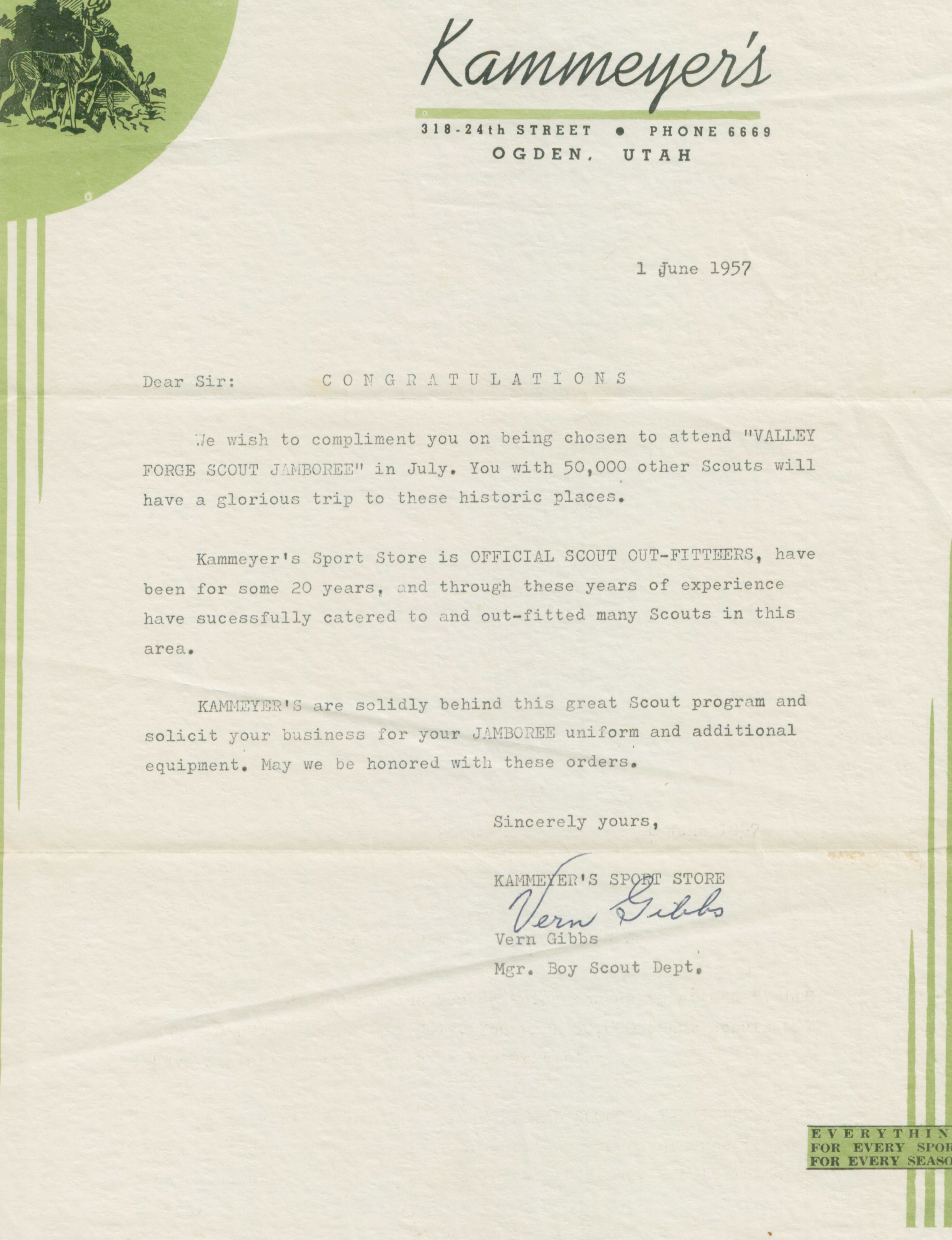
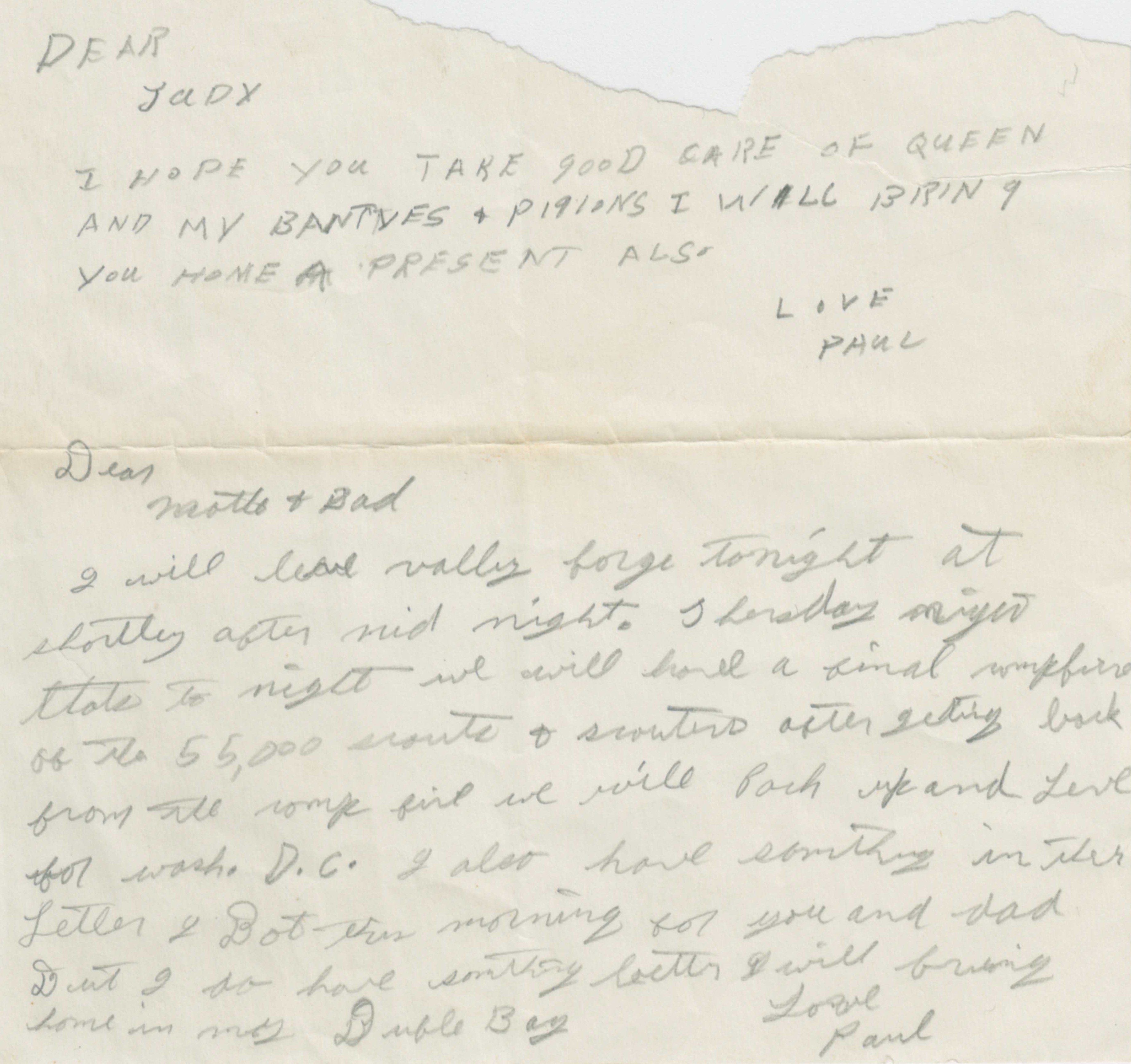

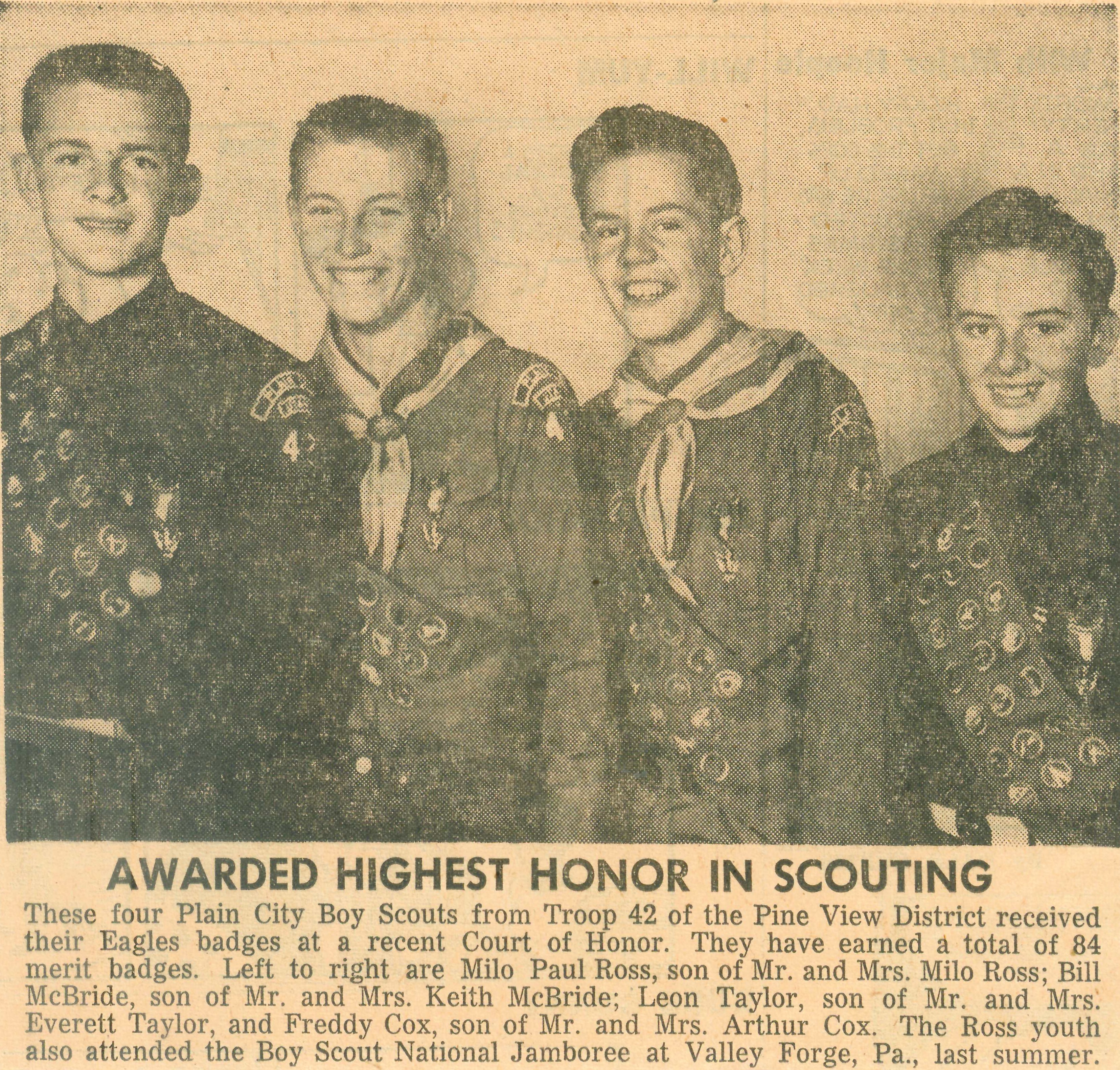


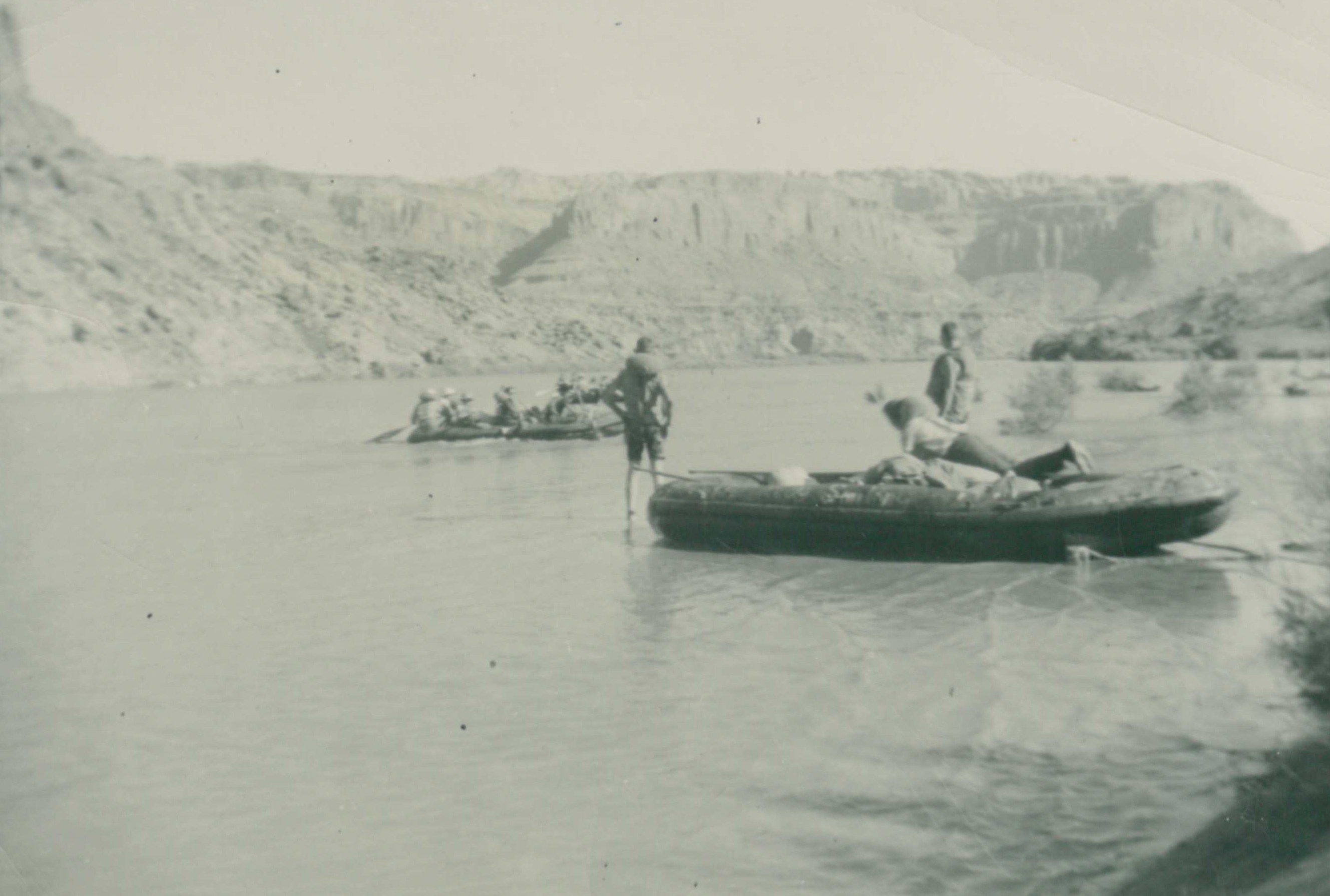
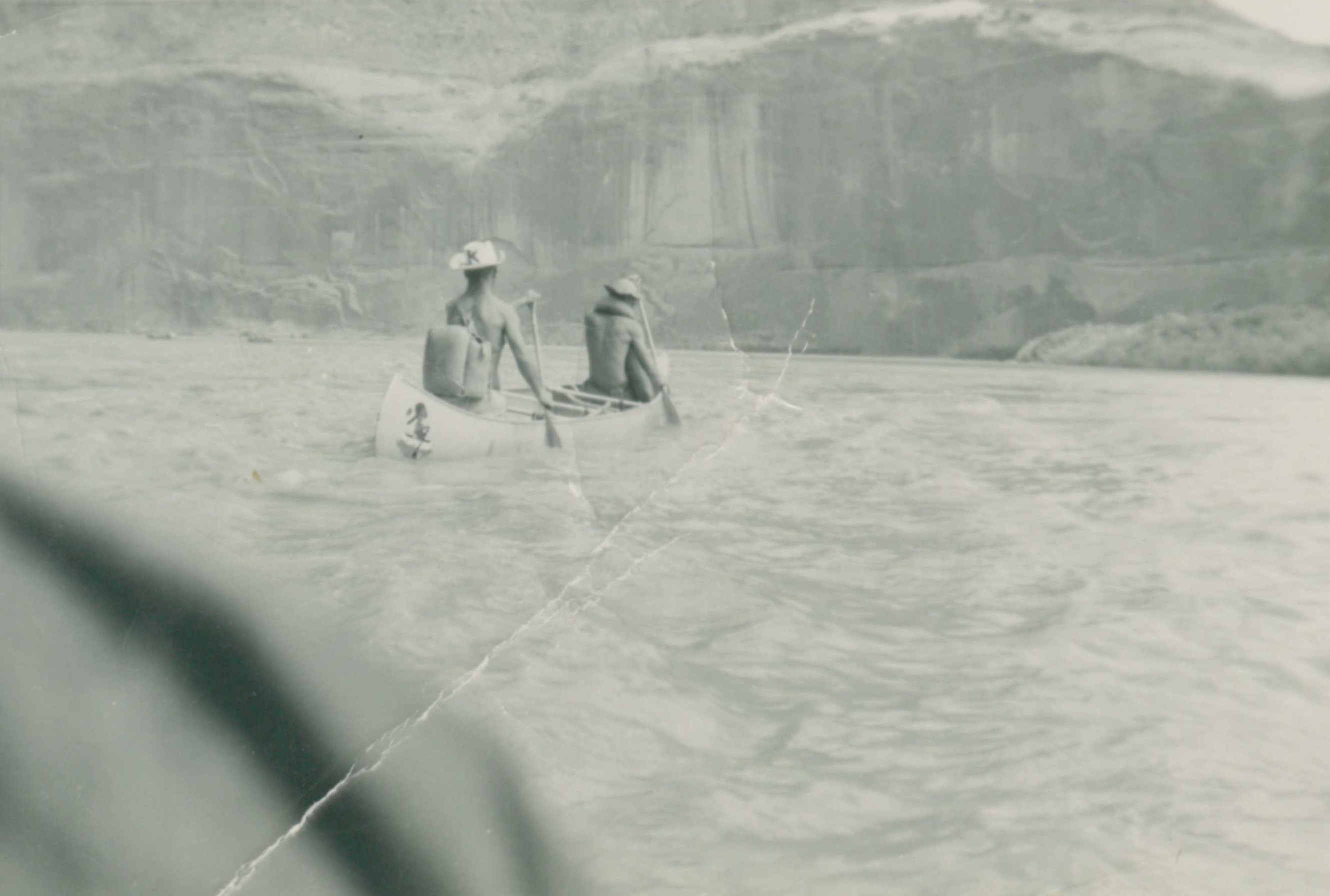
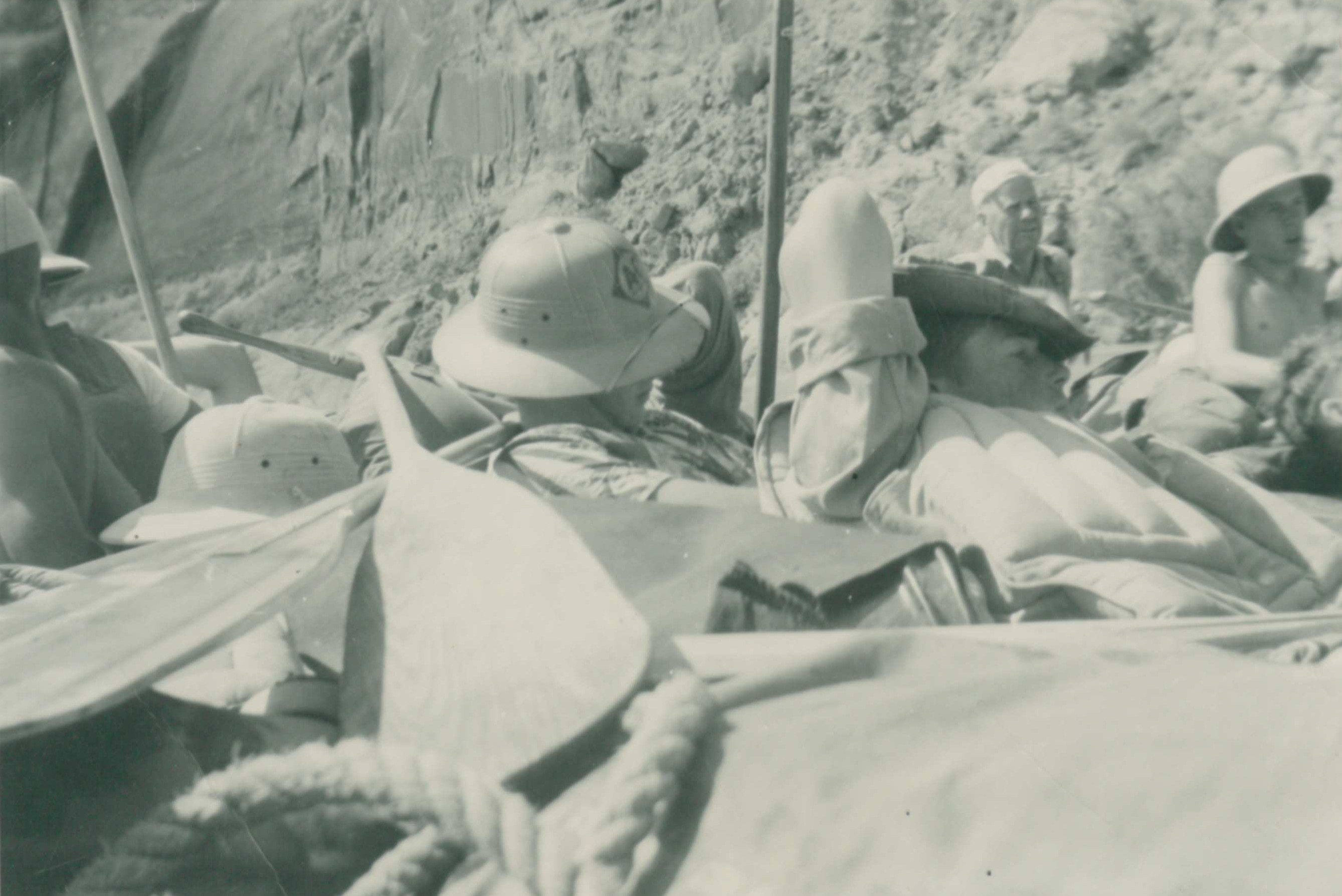
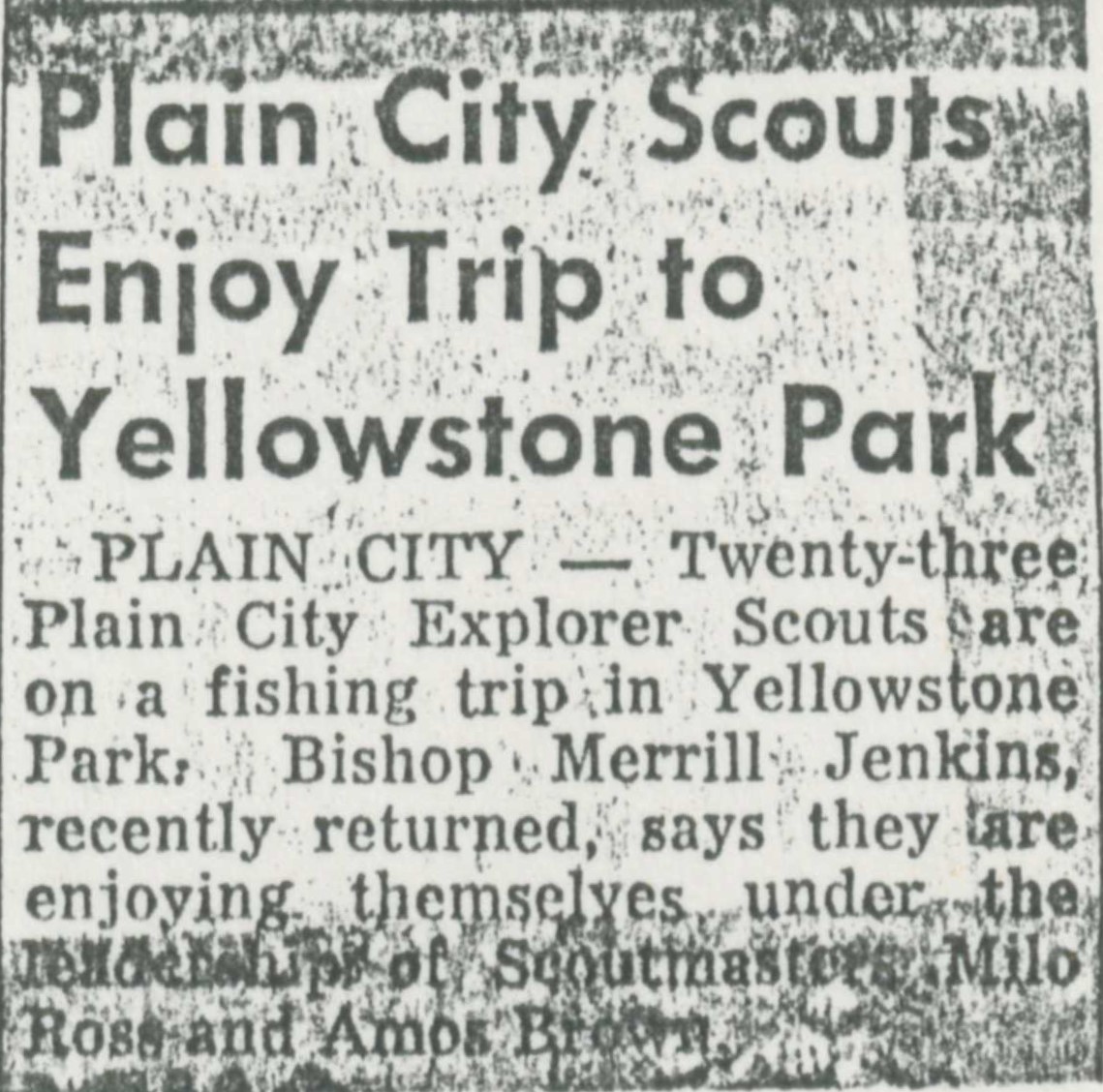
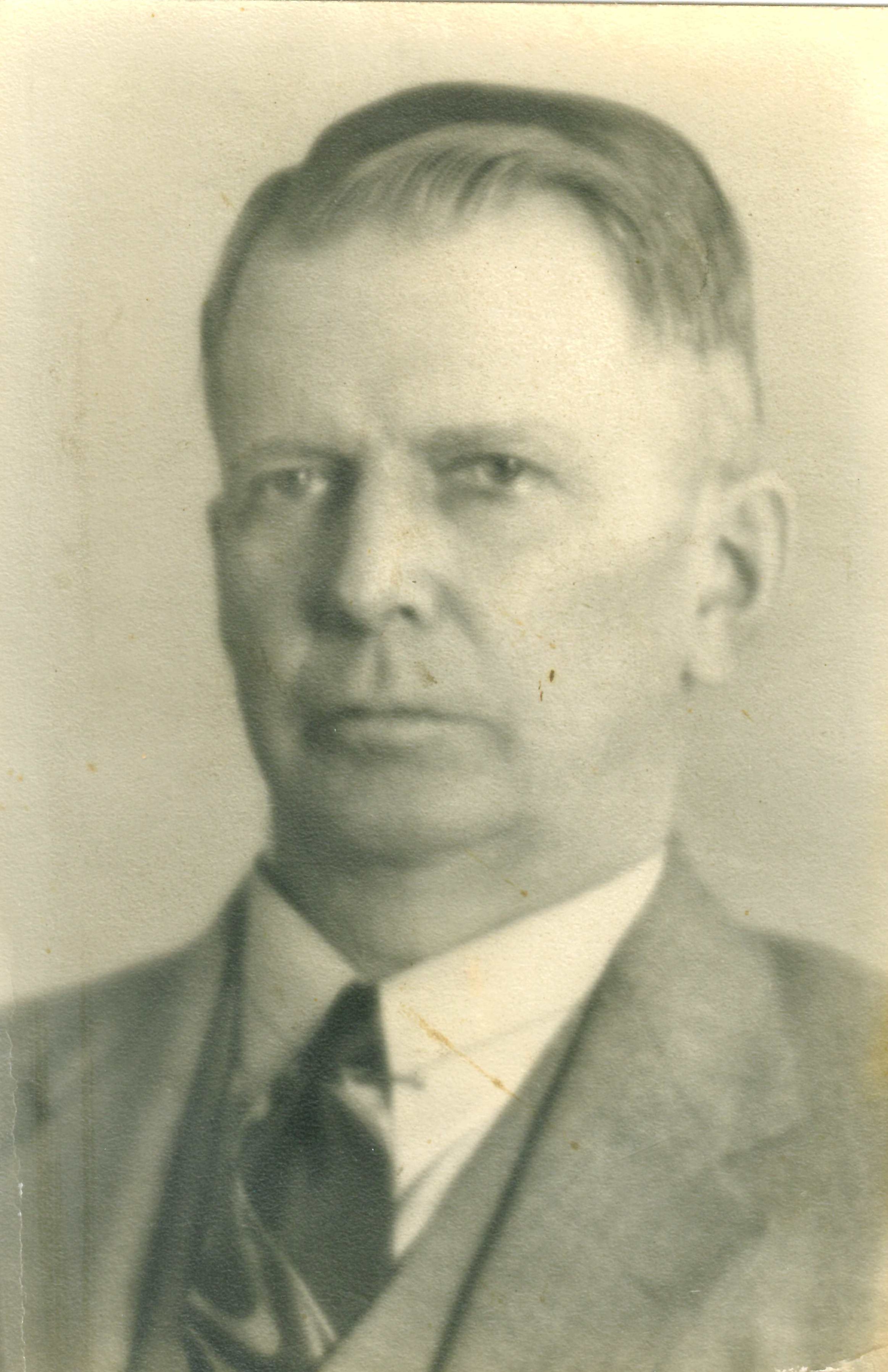




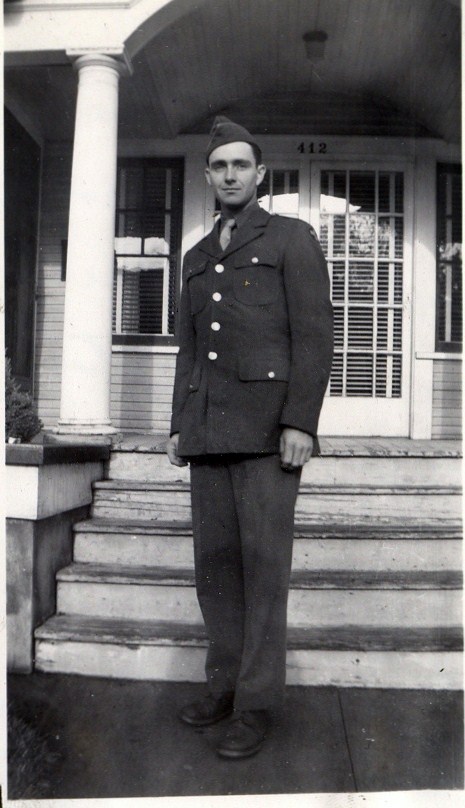


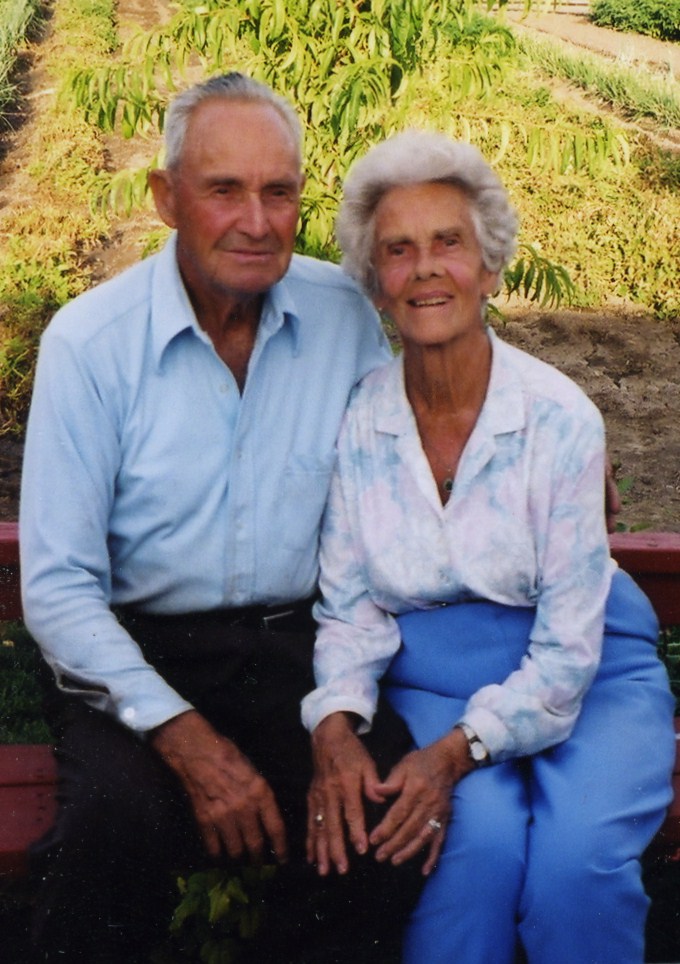
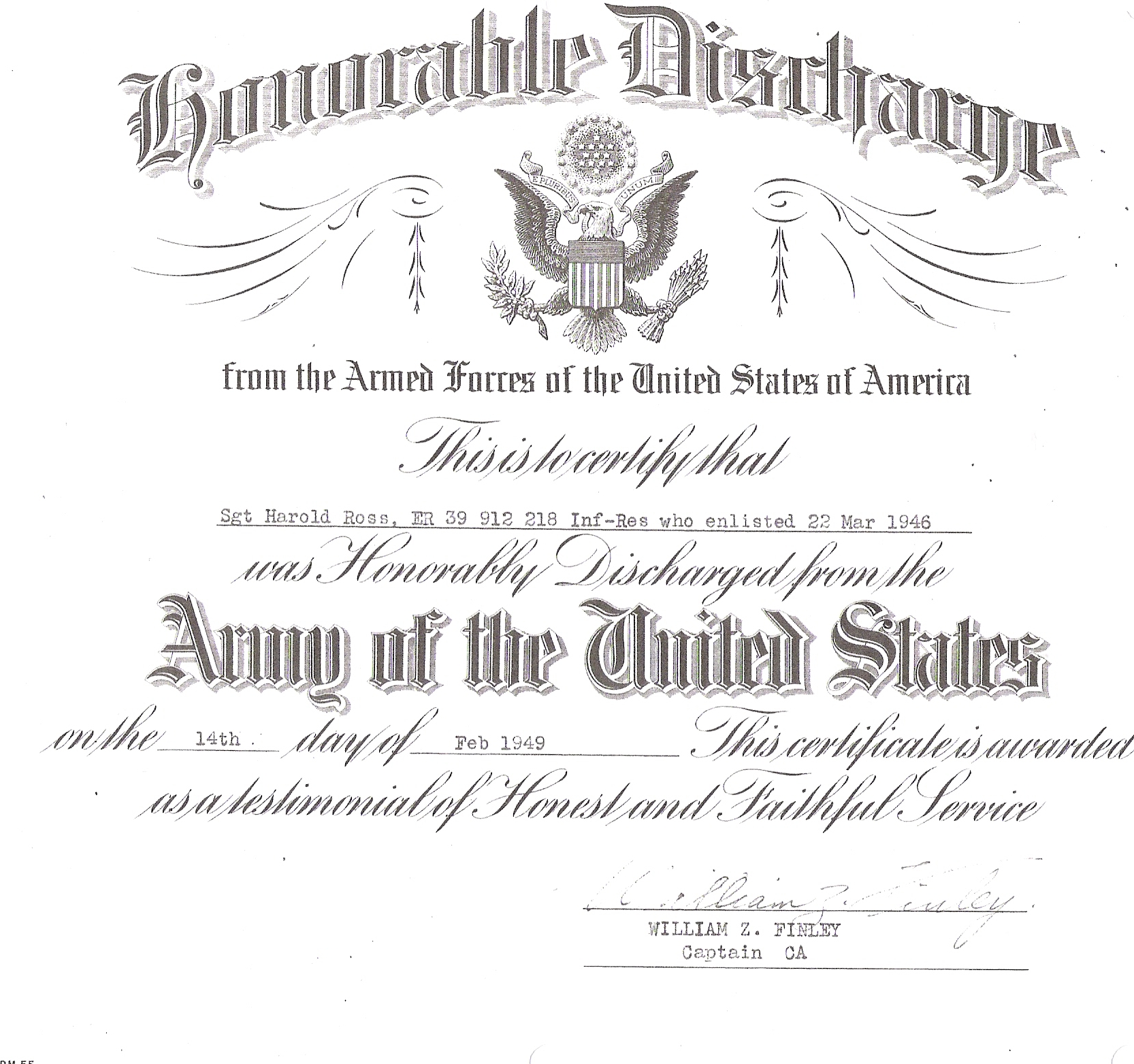
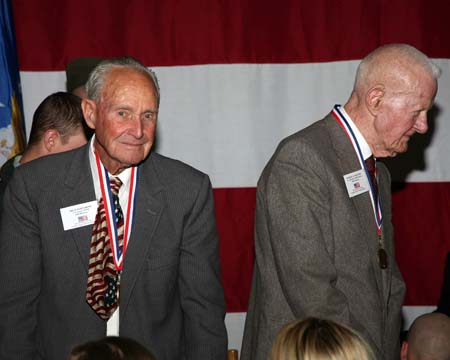
 Sagacity