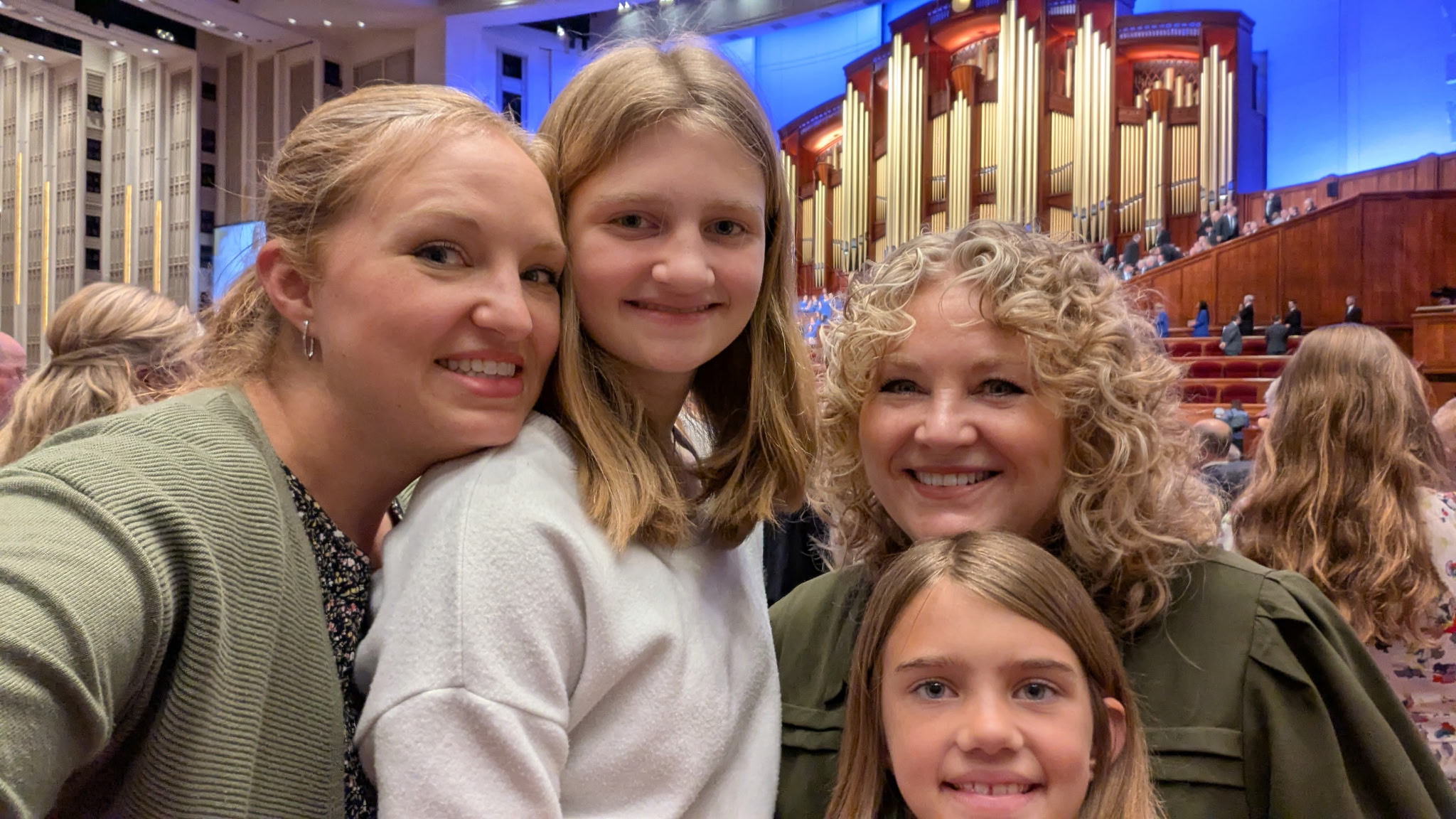
Ross and Hemsley families at October 2025 General Conference
As each child has joined the church at the age of 8 years old, we have made it a goal to take them to General Conference. We took Aliza in 2018, and Hiram in 2022. There is something about literally sitting in the same room as the prophets that is different than listening later, watching from afar, or reading in a magazine. You cannot duplicate the spirit that fills the room when 21,000 people sing We Thank Thee, O God, for a Prophet! The Tabernacle Choir cannot be duplicated. Period.
It took months of planning, but with the help of family, eight tickets were obtained. We left early Sunday morning to drive down and listen to Sunday morning’s session in Kaysville (Aliza got some road hours for her driving permit too). Before that session was over, we changed into church clothes and drove to Salt Lake City.
Salt Lake Temple under renovation, 5 October 2025
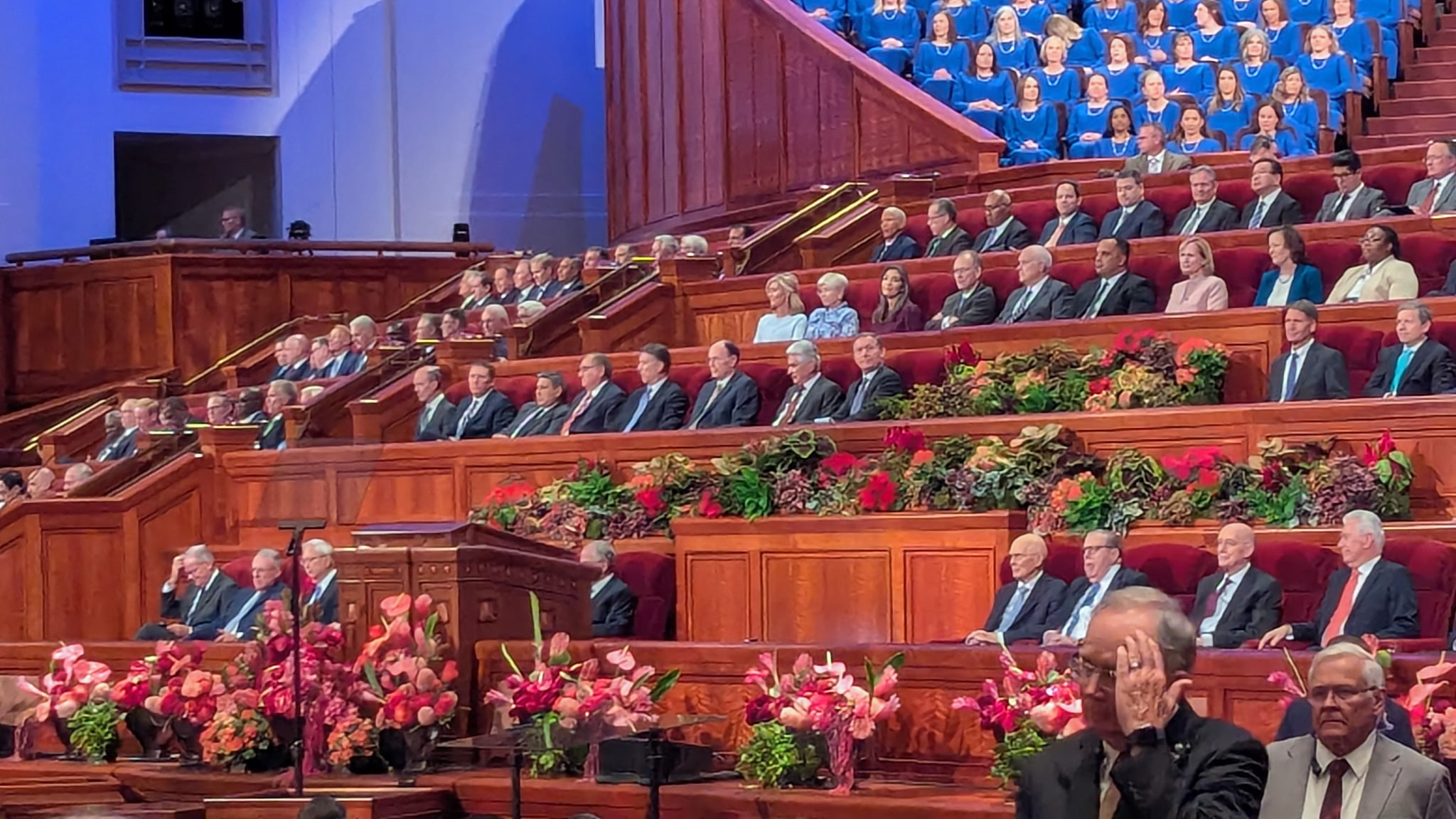
We found our seats as soon as the ushers would let us in. We had a pretty sweet section.
Shortly before the Sunday Afternoon Session began, 5 October 2025
After getting our seats, we took the kids to see some of the sights in the Conference Center.
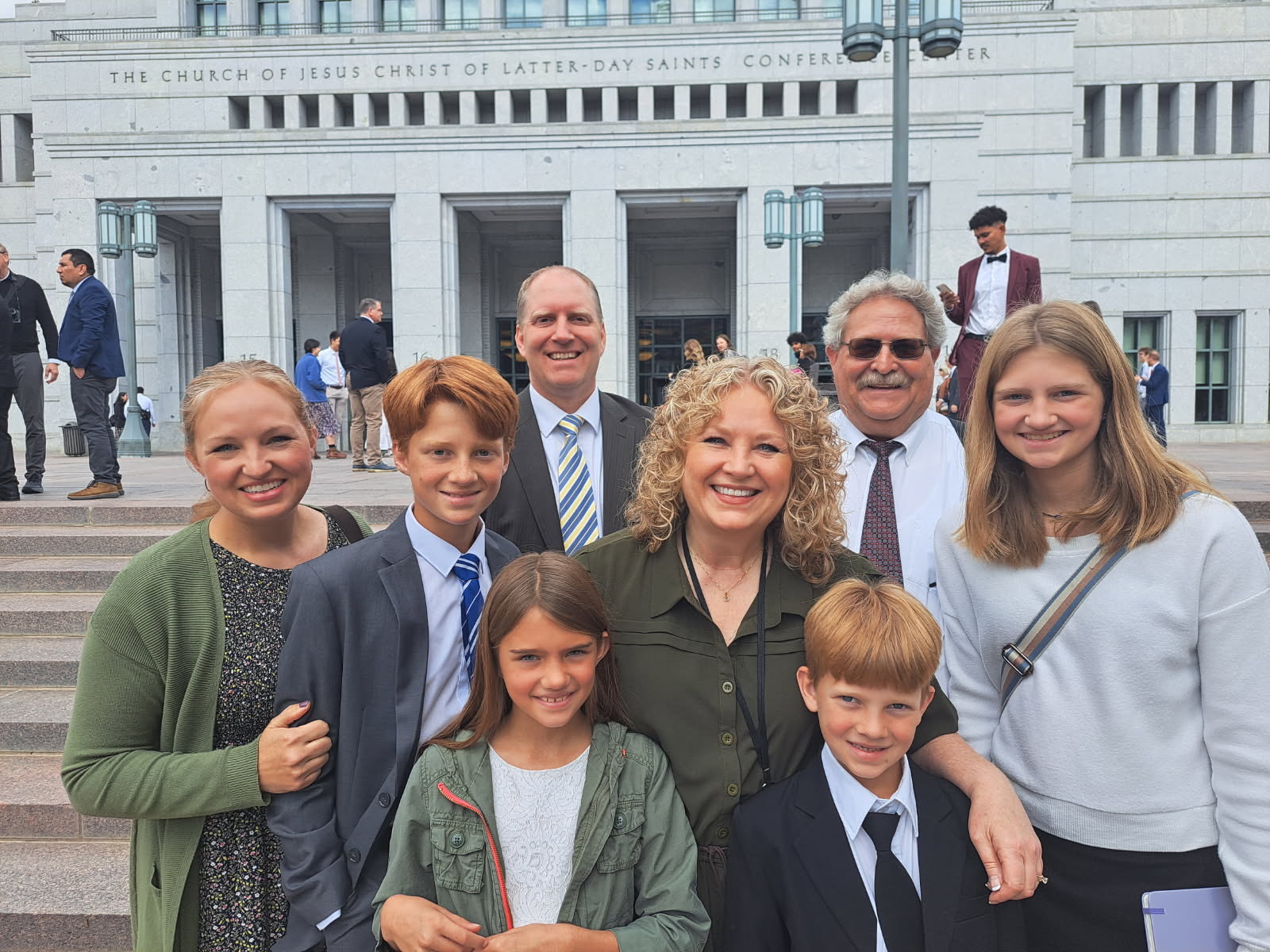
Jill Hemsley, Paul, Lillian, James, and Aliza Ross
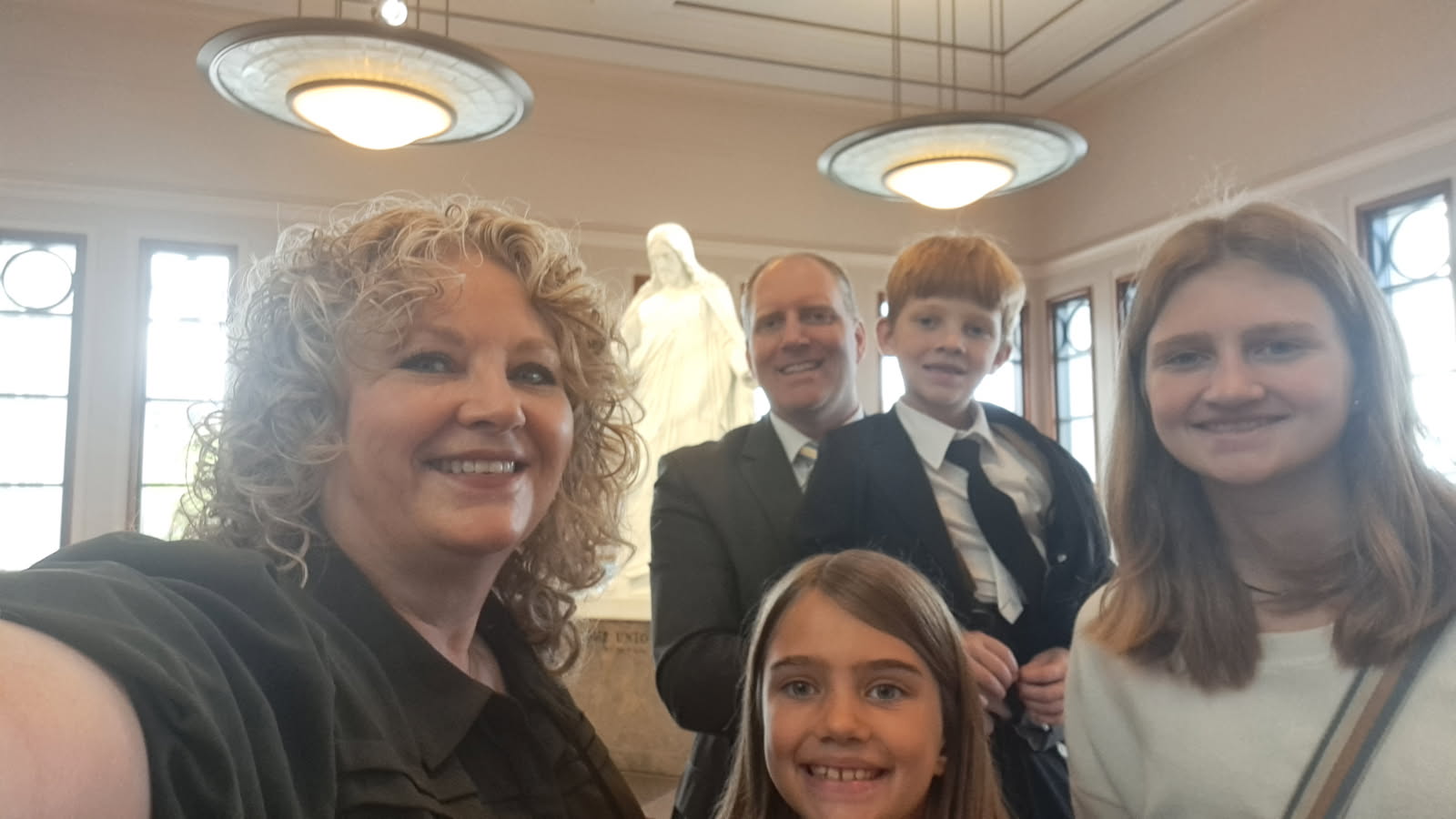
Aliza, James, and Lillian Ross with President Russell M Nelson’s bust
We were surprised to find out President Nelson passed away the weekend before Conference. I found it very interesting to attend a General Conference during an Apostolic Interregnum. I reminded the kids they may never have that chance again.
President Dallin H Oaks and Elders Jeffrey R Holland, Henry B Eyring, and Dieter F Uchtdorf leaving after the Session
We were also fortunate to attend the only session President Oaks spoke. I am very thankful to hear the keys of the Priesthood speak in person. It was a very personal talk, more than I remember him speaking in the past. In the past 125+ years, the Apostolic Interregnum has been very short lived. The opportunity to hear the President of the Quorum of Twelve Apostles also speak as the President of the Church in General Conference has not occurred in 74 years. Tradition always has the most senior Apostle being called, sustained, and set apart as the President of the First Presidency/High Priesthood with two counselors called to the same. That may happen today, 12 October 2025, if past precedent holds true.
Amanda, Aliza, and Lillian Ross with Jill Hemsley
I received my first testimony of a Prophet at Utah State University in 1997. I had joined the Logan Institute Choir. President Gordon B Hinckley was coming to speak at the Dee Glen Smith Spectrum. We had practiced multiple songs. One of which intrigued me, We Ever Pray for Thee. It was while singing that song that President Hinckley entered the arena. Wow. The Spirit overcome me. I have shared that experience many times, especially in the mission. My first testimony of a living prophet. It was as if every cell in my body jumped for joy and vibrated with excitement.
Bryan Hemsley and Hiram Ross at General Conference
My next prophetic testimony was related to Thomas S Monson. I have to admit, I always struggled a bit with President Monson. The story-telling and poems was too mushy for me, or something. I am not sure what gave me a bit of a burr, probably just personality. President Hinckley passed away and within the next week I was attending an endowment session in the Twin Falls Idaho Temple. I was in the prayer circle. It was then that the officiator included President Thomas S Monson in our prayer. As I repeated the words in the circle I felt the confirmation. The Spirit in that moment testified that President Monson was the Prophet upon the earth. I went away rejoicing and all my qualms with personality were lost.
Aliza and Hiram Ross excited to be in the Conference Center
President Monson also fell asleep in time. The next transition was to Russell M Nelson. After my experiences with Presidents Hinckley and Monson, I expected nothing less than another witness as to whether Russell M Nelson was the Prophet on earth. I prayed for the experience. In fact, Brigham Young taught us to expect to obtain a testimony of the Prophet. Well, in our own home watching General Conference in April 2018, we also participated in the Solemn Assembly. It was during that procedure that I again obtained a witness. No questions. In fact, President Nelson in his administration resolved some of my frustrations with church government and organization.
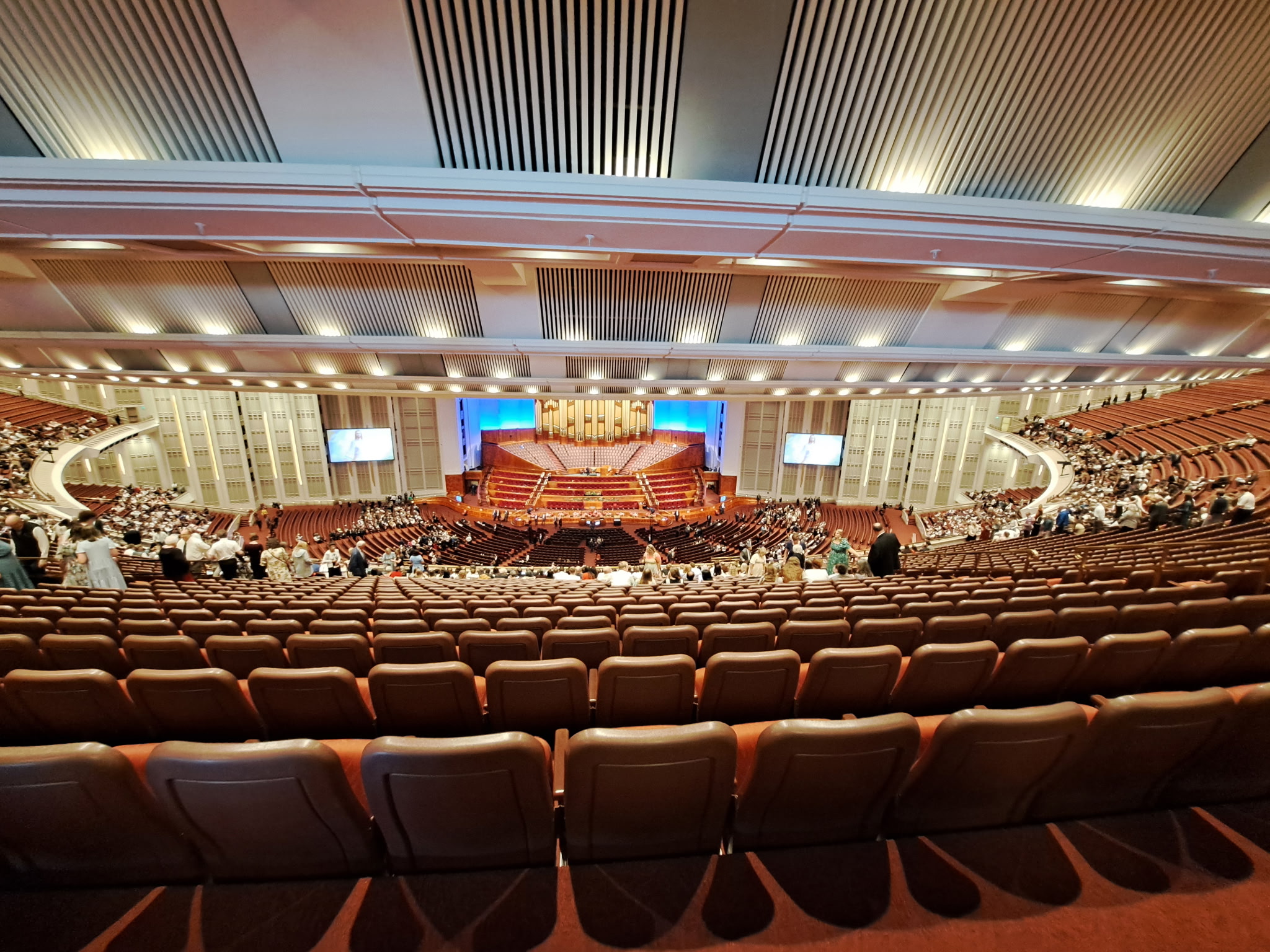
View of the rostrum from the farthest seats of the Conference Center before Sunday afternoon Session
Who will formally be set apart as the next President of the First Presidency? Tradition certainly would indicate Dallin H Oaks, and I expect the same. I also expect to obtain a witness that he is the Lord’s Prophet and Mouthpiece for the whole earth.
Paul Ross enjoying some light refreshments after Sunday afternoon’s General Conference
Since I really only began attending church regularly in 1997, President Hinckley was the only church president I knew for years. However, I will mention, my Grandma regularly spoke of my Great Grandmother’s connection to Ezra Taft Benson in Whitney, Idaho. Interestingly enough, when President Benson died in 1994, I spent the weekend of his funeral at Dustin McClellan’s home. I remember on Saturday, Dustin’s Mom, Bonnie, watching a funeral. I sat down and watched it for a little while. I remember the Tabernacle Choir. I asked her what it was and remember her telling me it was President Benson’s funeral. I felt something at that moment that made me more curious about the man. I still remember that occasion because the Spirit whispered to me. I have since also received a witness of President Benson. I have received one of every President since Joseph Smith.
Bryan Hemsley and James Ross enjoying Conference
Aliza recently attended a fireside in Rupert where President Emily Belle Freeman attended. I hope my children are gaining the golden strands in their testimony tapestry regarding the leadership of The Church of Jesus Christ of Latter-day Saints. We were fortunate enough to rub shoulders with President Freeman again and Sister Amy A Wright on Sunday.
Emily Belle Freeman and Aliza Ross in Rupert, Idaho, 21 September 2025
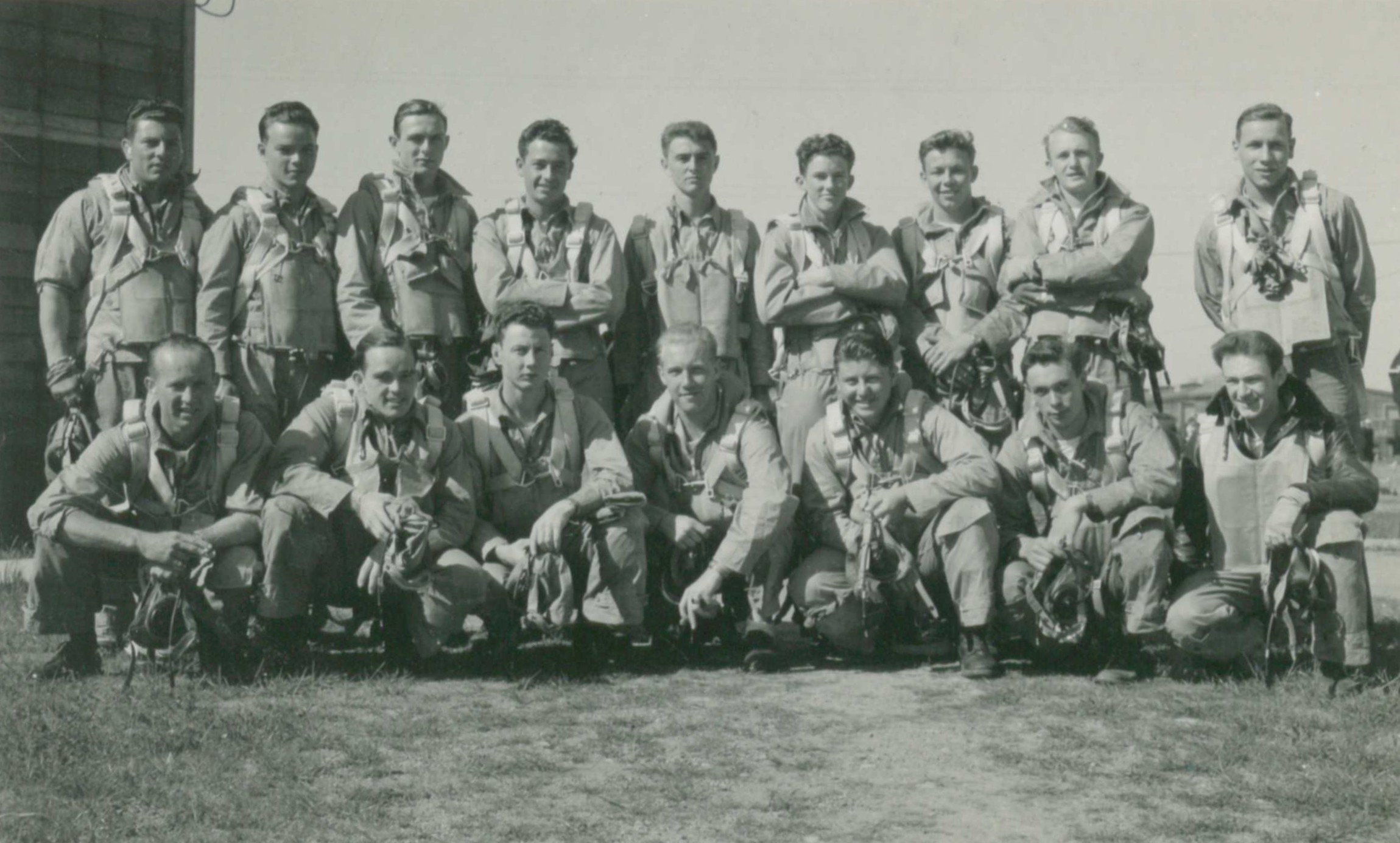
Back (l-r): Bob Reading, Smo Smolinsky, Dick West, Jack Seabolt, Norm Reid, Bill Plunkett, Skull Nelson, Wes Harper, Junior Locher; Front: Jack Simmerman, Bob Johnson, Mike Michaelson, Al Thorngren, Norm Schram, Hoot Nejdl, Ted Wallover.
I continue to scan photos that belonged to my Great Uncle and Aunt, Dave and Betty Donaldson. This one had names typed on the back. Chauncey “Mike” Michaelson married my Grandma’s sister, Dena Donaldson on 7 December 1943 in Los Angeles, Los Angeles, California.
This photo says “Navy Air Show” at “NAS Santa Rosa, Calif.” on 31 March 1945. Dena and Mike had a son born 29 October 1944 in Brigham City, Utah.
The back of the card has the names written on it. I assume it is accurate as it was likely from the time, but the handwriting gives further definition. I can also tell there are a number of nicknames, so I wasn’t able to find most of the people listed in the photo. Either the name was too common or the name given is not sufficient.
Wes Harper – could be Wesley Raymon Harper (1922 – 1982) of Larned, Kansas.
Bob Johnson – could not find anyone that seemed to fit.
Junior Locher – could be Junior Lewis Locher (1919 – 2003) of Glasgow, Virginia.
Chauncey De Orr “Mike” Michaelson (1922 – 2006) of Montpelier, Idaho.
Hoot Nejdl – could not find anyone that seemed to fit.
Skull Nelson – could not find anyone that seemed to fit.
Bill Plunkett – could not find anyone that seemed to fit.
Bob Reading – could not find anyone that seemed to fit.
Norm Reid – could not find anyone that seemed to fit.
Norm Schram – could be Norman Hayner Schram (1922 – 2011) of Pontiac, Michigan.
Jack Seabolt – could not find anyone that seemed to fit.
Jack Simmerman – could not find anyone that seemed to fit.
Smo Smolinsky – could not find anyone that seemed to fit.
Al Thorngren – could not find anyone that seemed to fit.
Ted Wallover – could not find anyone that seemed to fit.
Dick West – could not find anyone that seemed to fit.
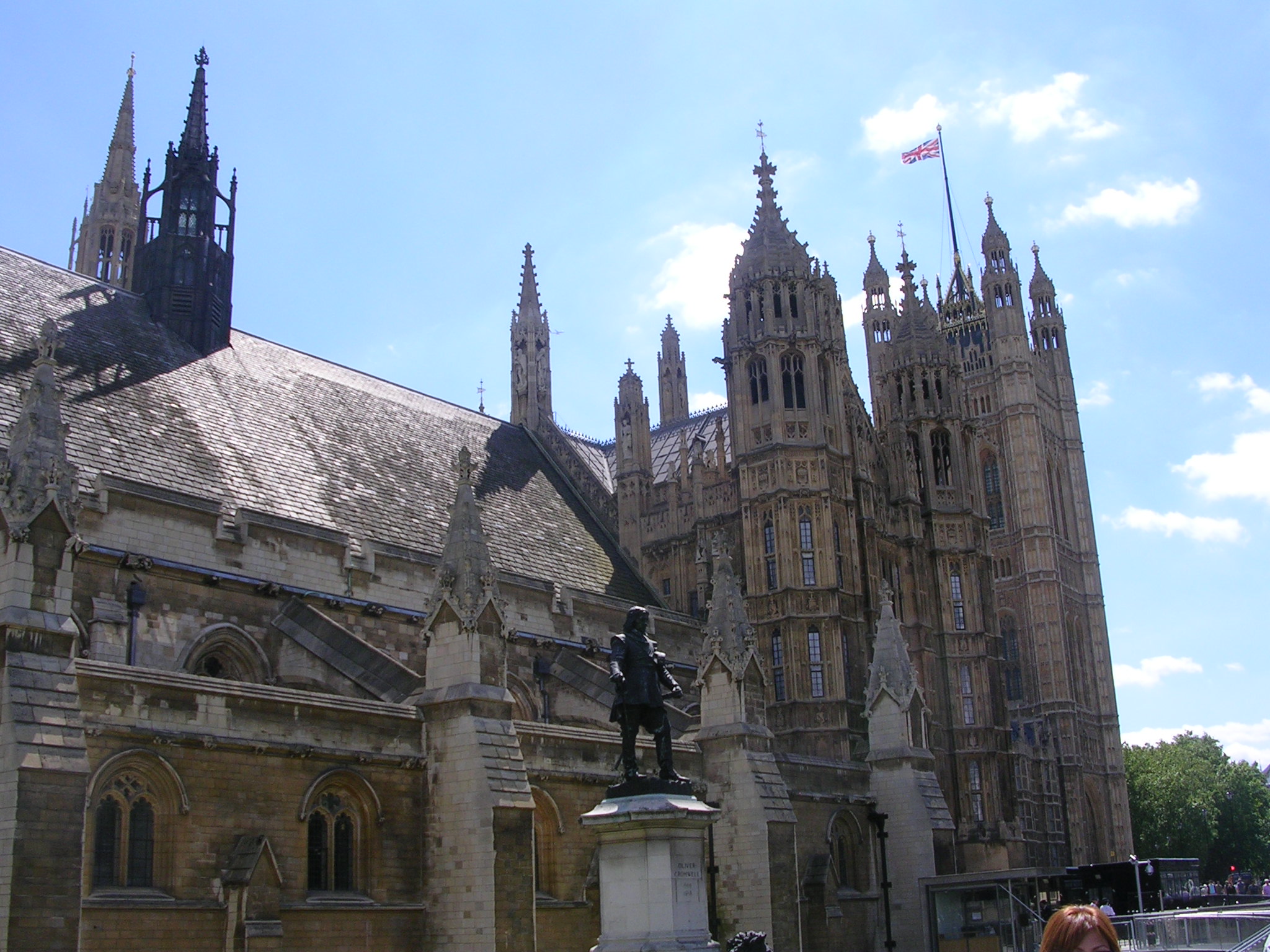
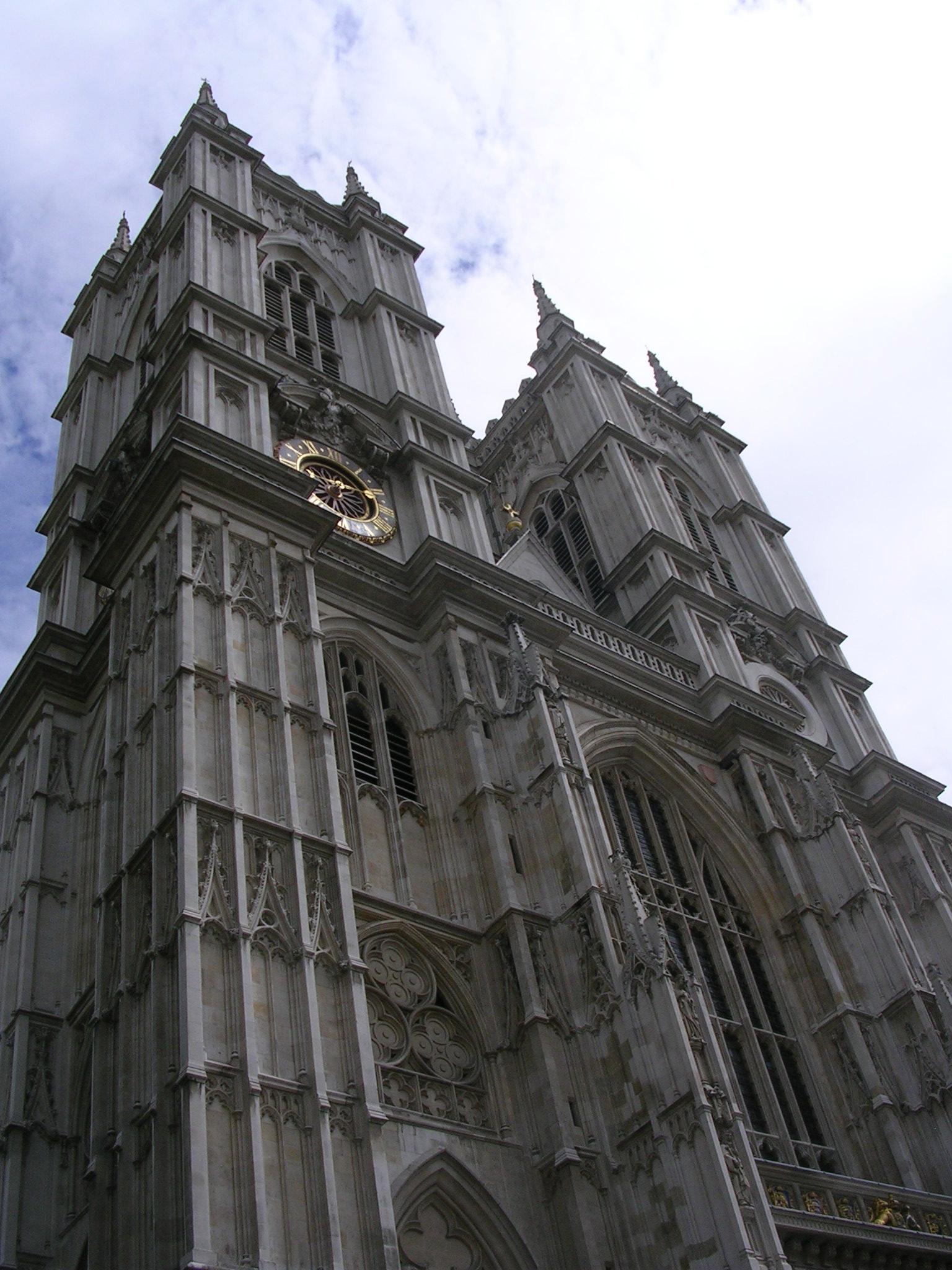
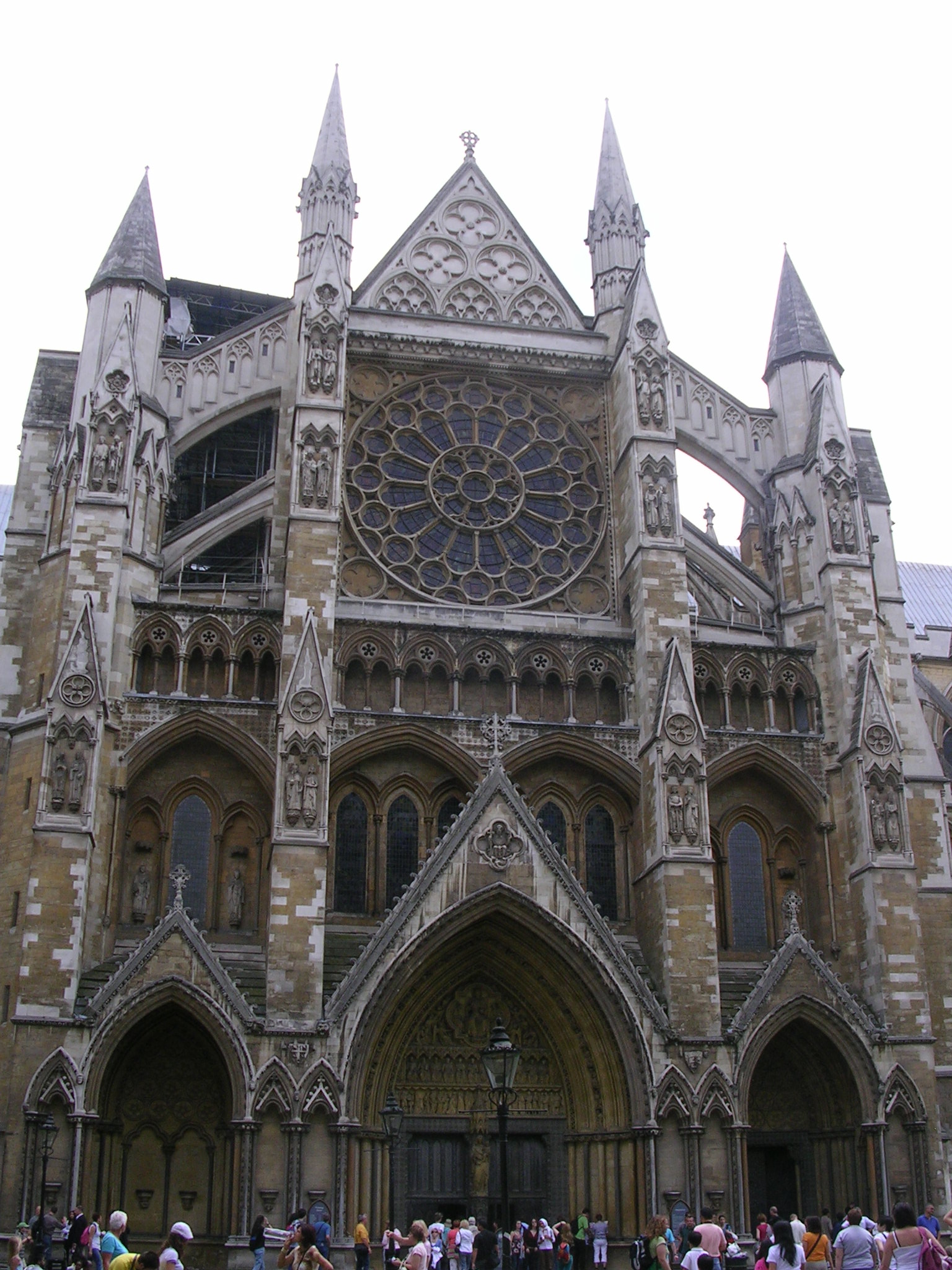
Yesterday was Westminister Abbey, Houses of Parliament, Buckingham Palace, Trafalgar Square, Piccadilly Circus, and more. We went to see Wicked at the Victoria Apollo and we both really enjoyed it.
London Eye
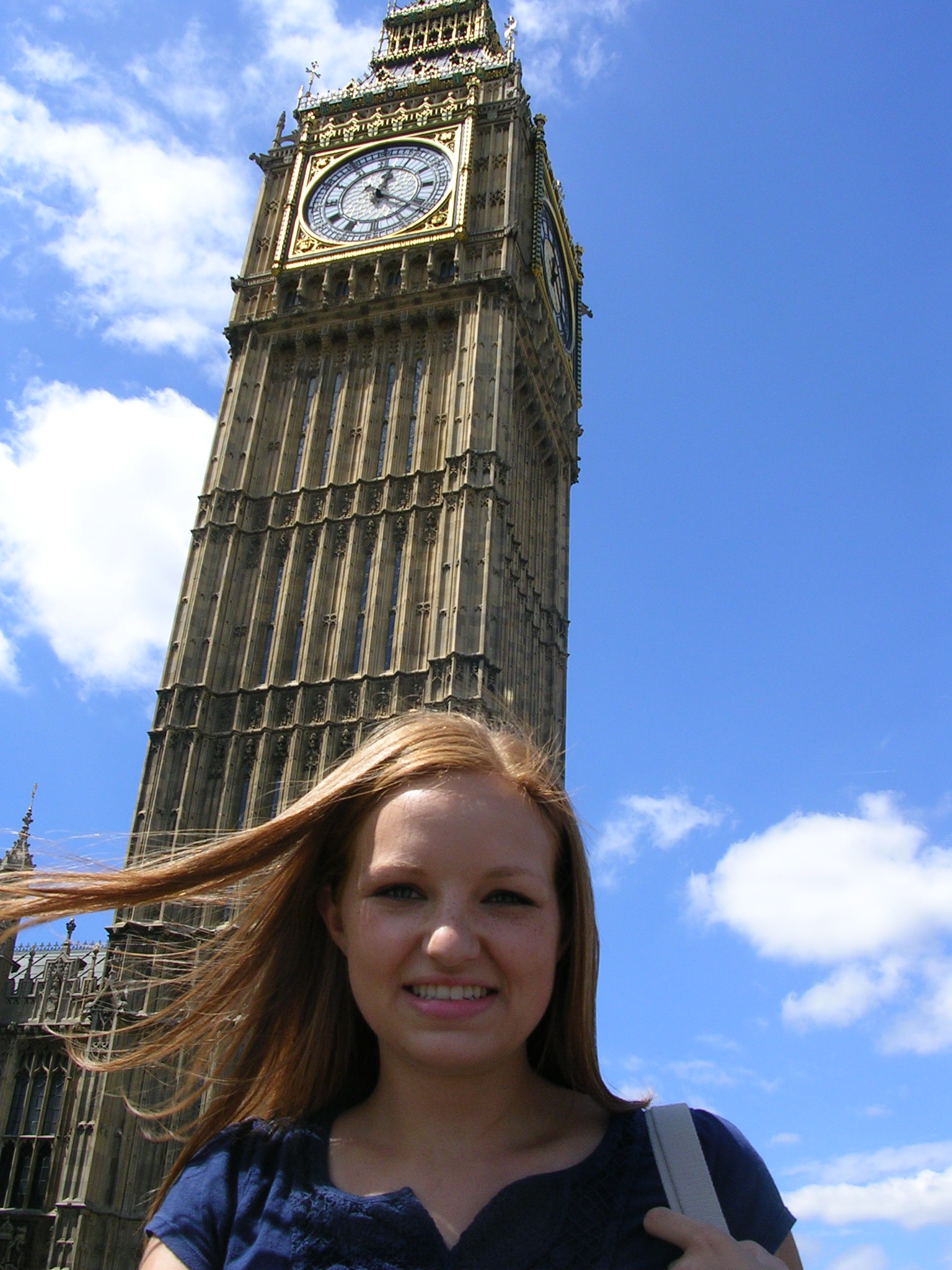
Paul Ross with Palace of Westminster and Clock Tower with Big Ben
Amanda Ross and Clock Tower, now Elizabeth Tower
Westminster
Oliver Cromwell and flag showing parliament was in session
Westminster Abbey
Westminster Abbey north door entrance with rose window
Victoria Memorial at Buckingham
Buckingham Palace
Buckingham front gates
Admiralty Arch
Trafalgar Square
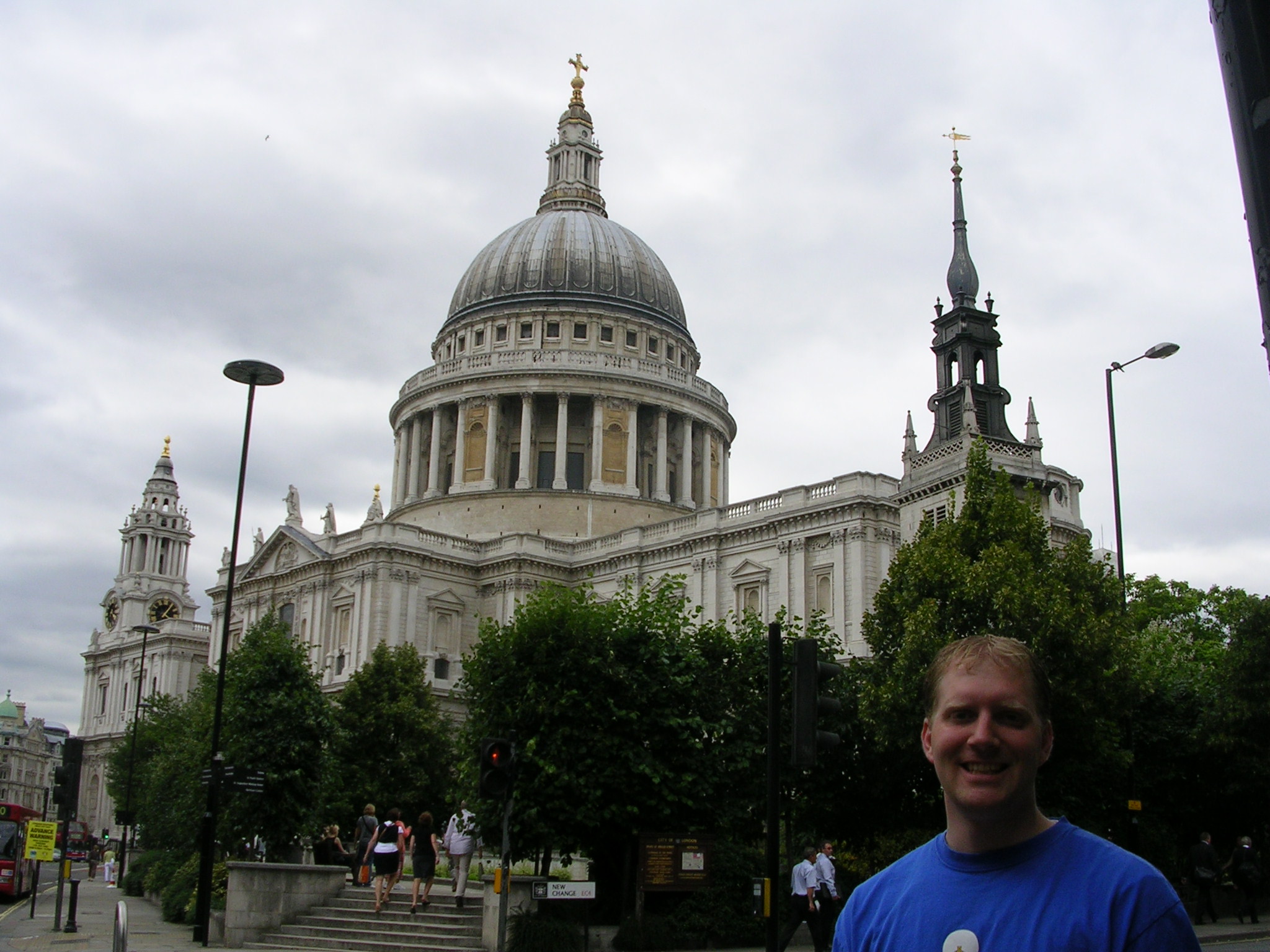
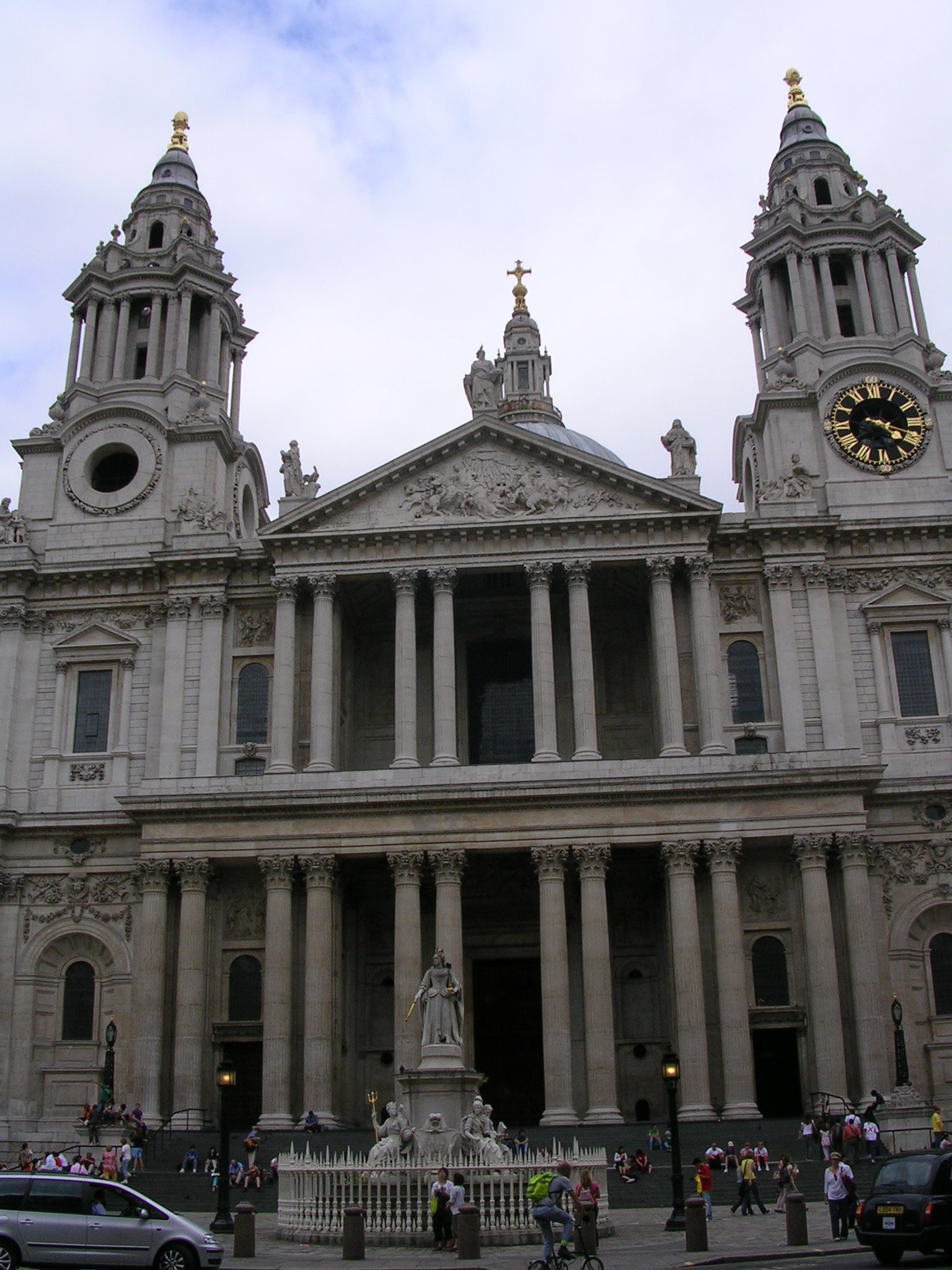
Paul Ross at St Paul’s Cathedral
Classic Double Decker bus
St Paul’s Cathedral
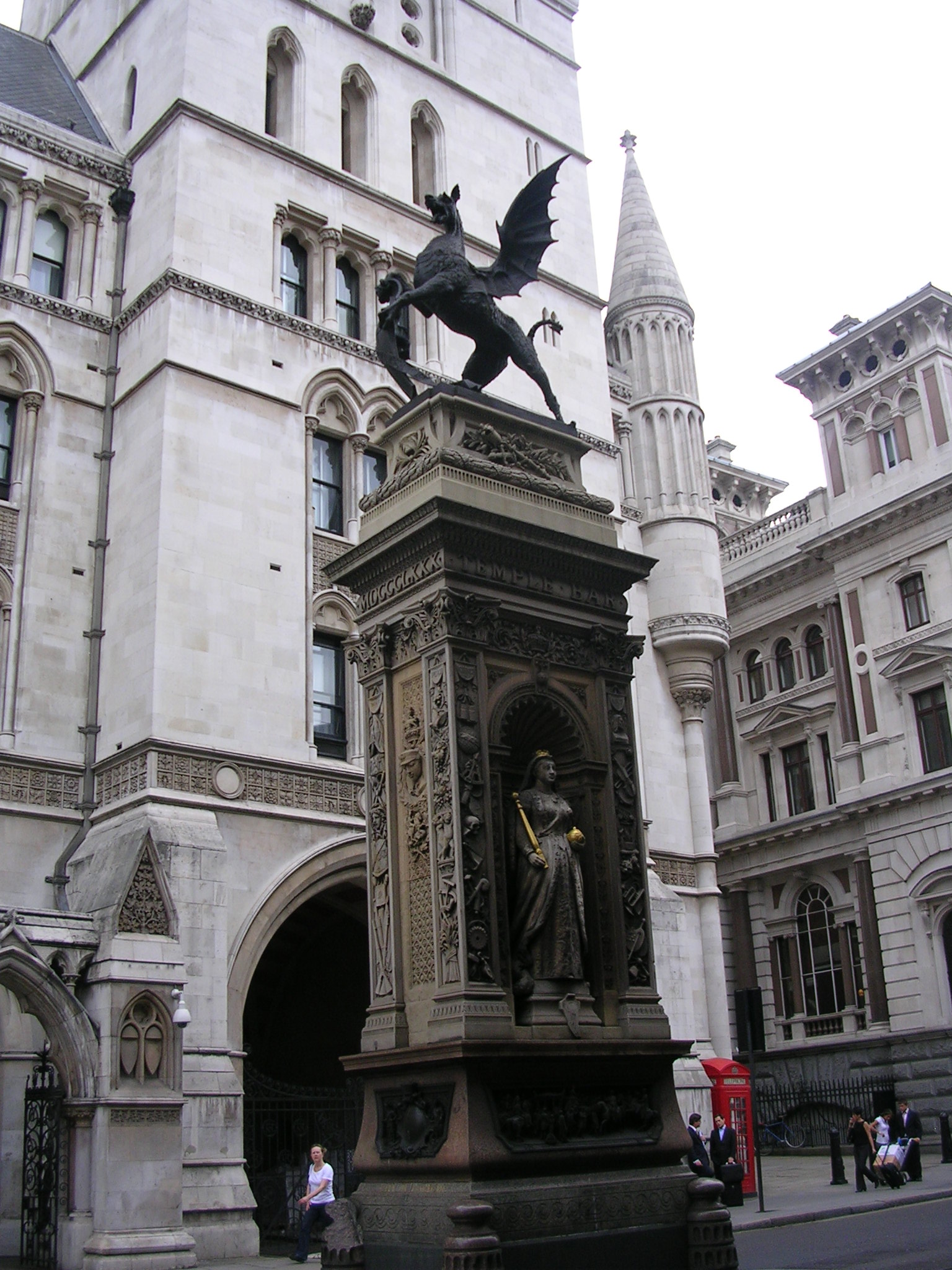
Temple Bar
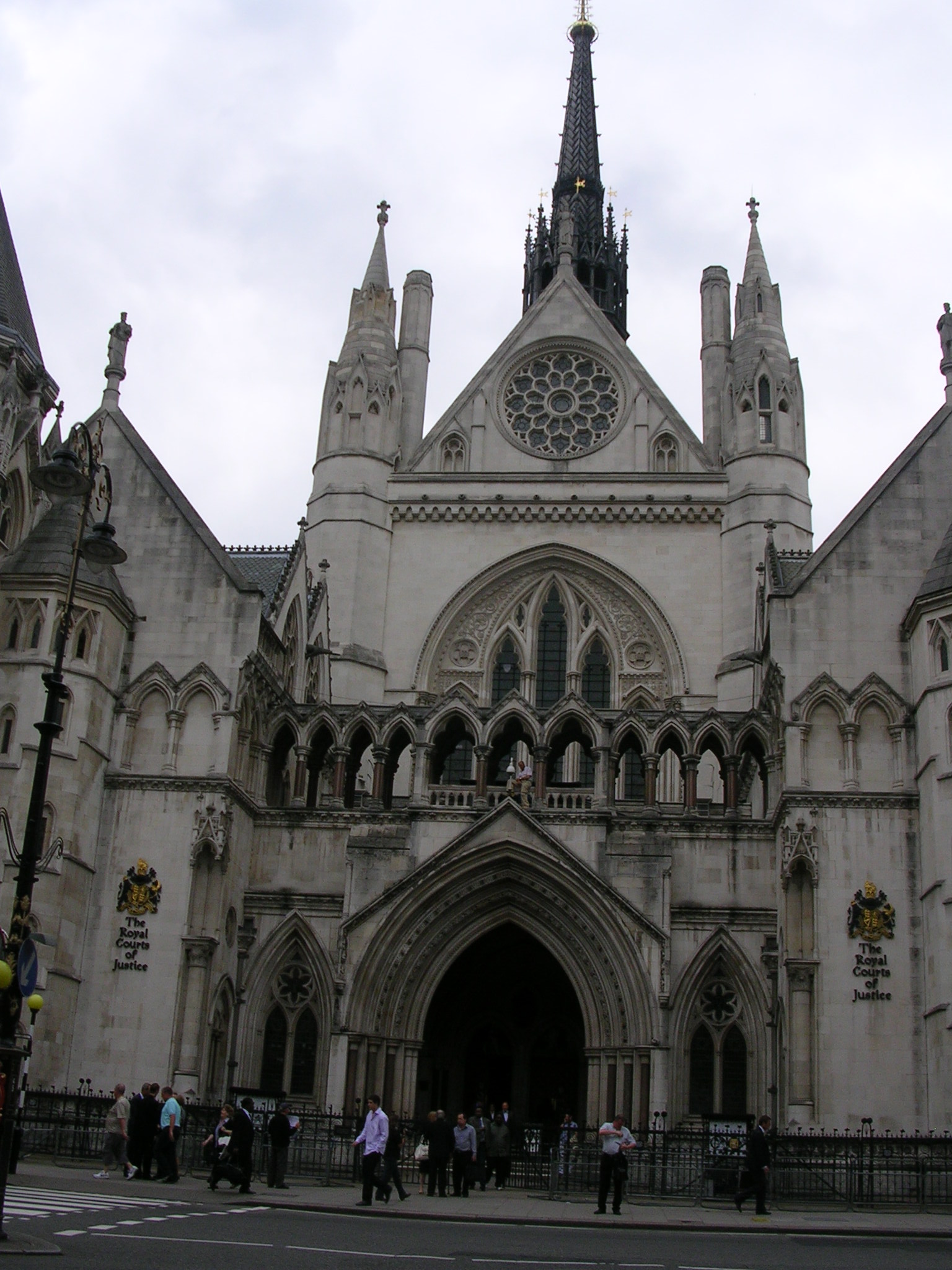
Royal Courts of Justice
Amanda Ross with one of the lions at Nelson’s Column in Trafalgar Square
Piccadilly Circus – London
Amanda at Apollo Victoria for Wicked
Tower Bridge – London
Tower Bridge
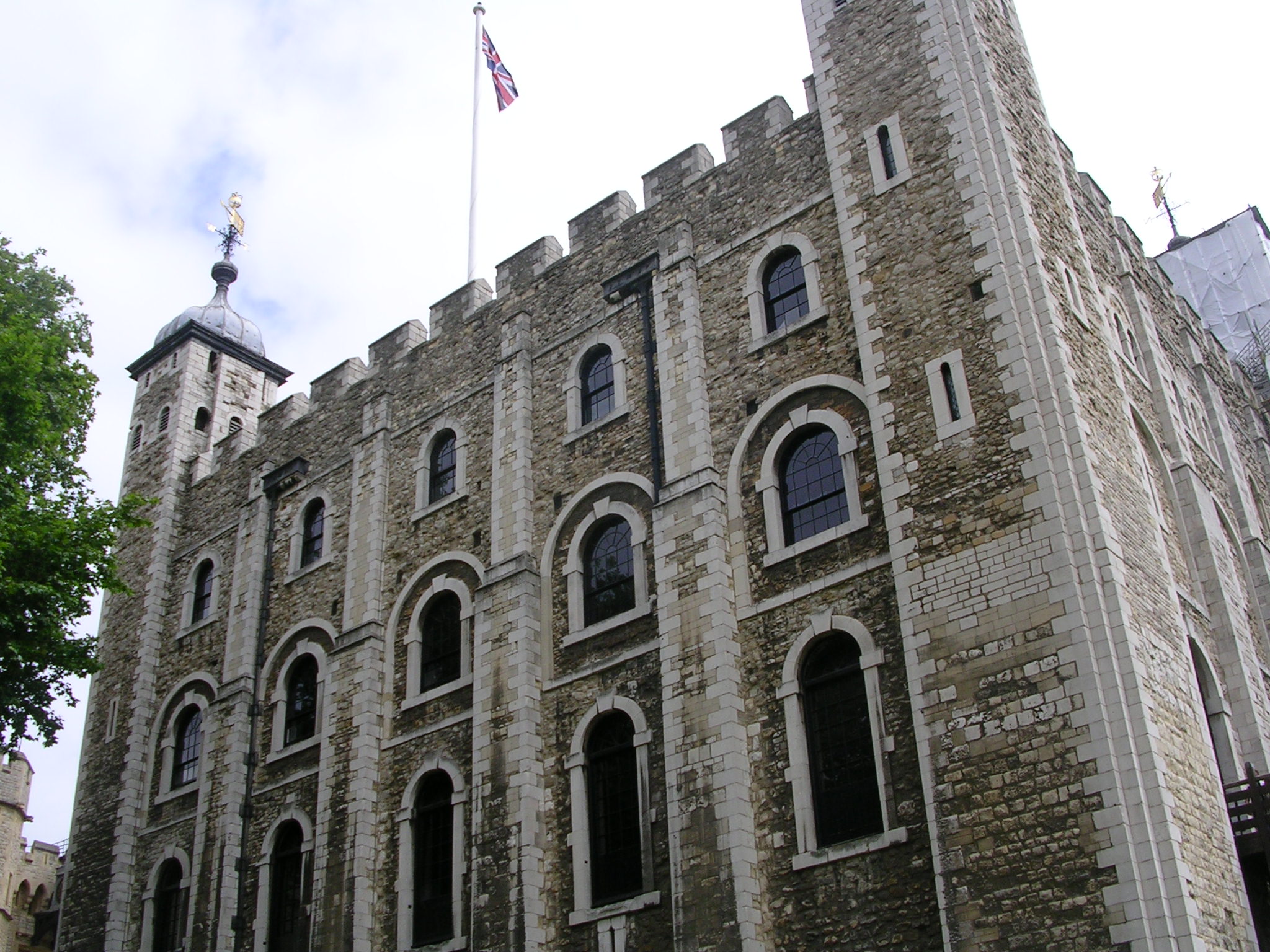
London Tower
Guard at London Tower
Tower Bridge and Paul Ross
College of Arms
Globe Theater
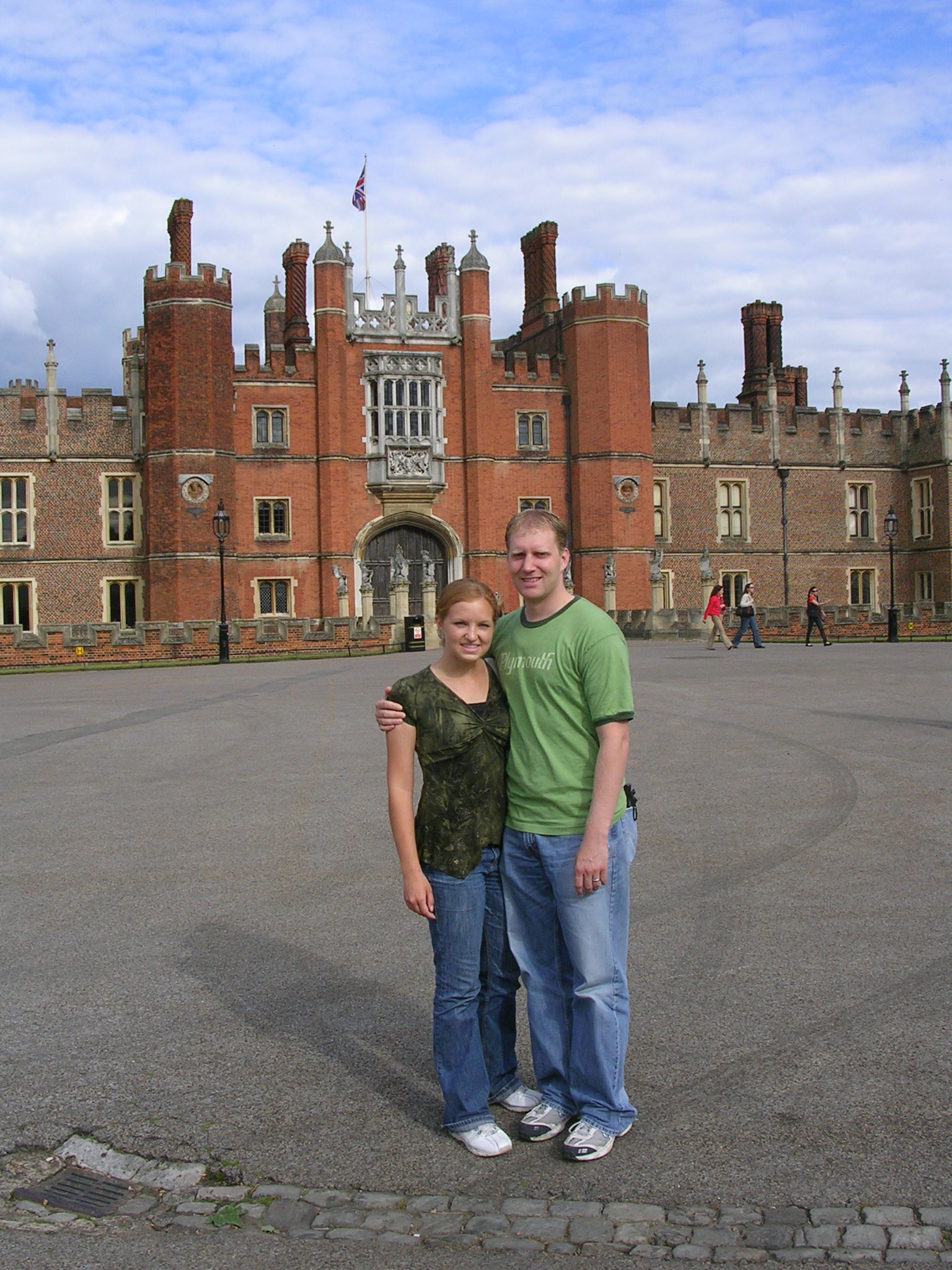
Sunday we went to Hampton Court Palace. It was a very fast tour, but we made it through the entire house.
Jeppesen gave us a good laugh pulling out bangers and beans s/balls
The rest of the time was enjoyed with the Jeppesen Family.
Hampton Court Palace Fountain Court
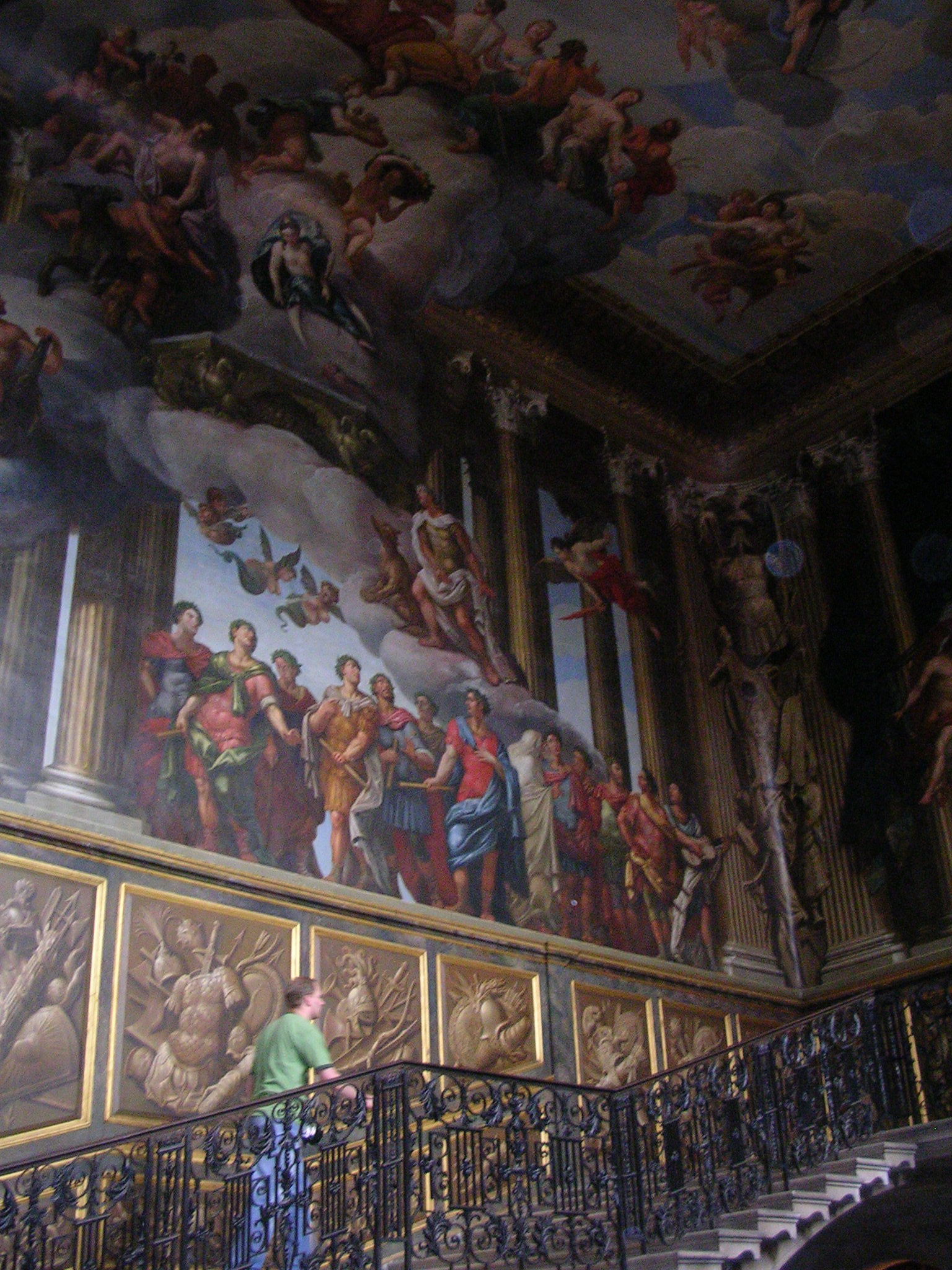
Hampton Court staircase
Paul Ross ascending the Hampton Court King’s staircase
This article was provided to me related to my 3rd Great Grandmother Agneta Nelson. I have previously shared the history written by Carvel Jonas related to Agneta and John Nelson. I have also shared the Carvel Jonas history of their daughter, my 2nd Great Grandmother Annetta “Annie” Josephine Nelson Jonas. I also note that Agneta and John’s son, Nels, also wrote a lengthy autobiography that tells some of his parents’ history. Some of the parts of this history are likely using Nels’ autobiography, parts of it mirrors and quotes from it.
Pioneer Women of Faith and Fortitude was published by the International Society Daughters of Utah Pioneers in 1998. It is a four volume set, ISBN: 0-9658406-1-1. This biography starts on page 2121.
I note some revision of Agneta’s name over the last years. This article includes the Bengtsson/Nilsson last name. But as those familiar with Scandinavian naming protocols, Bengtsson/Benson was her father’s last name, but her early live documents reference her father’s first name, Nils. Hence her name in Sweden was Nilsdotter, not Nilsson or Bengtsson. With that, here is the language of the article.
This biography suggests that Agneta was married before and that marriage produced Bot[h]ilda and James. Curiously, James’ baptism record lists Johannes Nilsson as the father. Further, Nels, in his autobiography, indicates he was the third child of John and Agnetta Nelson. James appears to be John’s, but the baptism of Bothilda without a father suggests not John. I don’t know that we will know, and this biography shows unknown.
“BIRTHDATE: 9 Dec 1832 Oringe Hallands, Sweden
“DEATH: 4 Nov 1873 Logan, Cache Co., Utah
“PARENTS” Nils Bengtsson (Benson) – Johanna Johansson [Johansdotter]
L-R: Johanna Benson, Johanna Icabinda Benson, John Irven Benson, Nels Ernst Benson, Mary Ann Angel Works holding Merrill Lamont Benson.
“PIONEER: 15 Sep 1864 William Preston’s Wagon Train
“SPOUSE I: Unknown
“MARRIED: In Sweden
“DEATH SP:
“CHILDREN (Adopted and sealed to second husband):
“Botilda (Matilda), 31 Dec 1853 (died at age 11)
“James Peter, 13 Dec 1[8]55
“SPOUSE II: John / Johannes Nelson/Nilsson
“MARRIED: 17 Nov 1855 Veinge, Hallands, Sweden
“DEATH SP: 26 Nov 1902 Logan, Cache Co., Utah
“CHILDREN:
“Nels August, 18 May 1[8]57
“Josephine, 5 Feb 1860 (died as a child near Omaha, Nebraska)
“Amanda, 26 Dec 1862 (died as a child buried at sea)
“Annette Josephine, 18 Nov 1864
Annie Josephine Nelson Jonas
“Joseph Hyrum, 14 Jun 1868
“Jacob Nelson, 9 Dec 1870 (twin)
“Jacobina, 9 Dec 1870 (twin)
“Charlotte Abigail, 16 Dec 1872
“Moses, 25 Oct 1873
“Agneta was born on December 9, 1832 in Oringe Hallands, Sweden. Agneta was the oldest child in a family of eight children.
“On Thursday, April 28, 1864, with 973 emigrants aboard, the ship, “Monarch of the Sea,” sailed from Liverpool, England. Patriarch John Smith was President of the company. At Florence, Nebraska, they traveled by teams under the Company Captain William B. Preston, to Salt Lake City, arriving September 15, 1864.
Monarch of the Sea, 1020 LDS passengers on this voyage.
“The Gospel of the Church of Jesus Christ of Latter-day Saints came to their home in 1862, and Agneta, her mother and some of her brothers accepted the message gladly. But it wasn’t until the Spring of 1864, that Johannes and Agneta were ready to leave Sweden for America and the West.
Nilsson family on the Monarch of the Sea passenger list
“The voyage was long and stormy with much sickness aboard. The rations were meager; raw beef, lard, and hard crackers, water, mustard and salt. Many times they would wait all day for their turn to cook the meat, and sometimes the turn never came. Agneta saw several bodies being lowered into the deep ocean; and then it was her turn to watch eighteen month old with a rock tied to her feet, slipping into the ocean.
“Laying to rest little ones is unknown territory was to be Agneta’s experience two more times. Matilda, in New Jersey, near the Delaware River, and four year old Josephine near Omaha, Nebraska.
“During these trials, she valiantly went forward, giving birth to her sixth child in a cold, stark dugout in Logan, Utah.
“Arriving in late October, most homes in Logan that fall were underground, about five feet deep, with a rock chimney in corner. Fuel was willows from the Logan River bottom. It was quite warm, until spring thaw caused the room to fill with water about two feet. The cold of Cache Valley became known to all new settlers that winter.
“The next winter found John and Agneta in a snug log cabin, with cows, sheep, a yoke of steers, and 120 bushels of wheat raised on their six acres. Agneta also gleaned wheat from the field. She sheared the sheep, washed, carded, spun and wove the wool into clothing for her family; and with her gleaning, she was able to provide nice clothes for herself, and children.
“On October 4, 1867, three years after their arrival in Utah, John and Agneta traveled to Salt Lake City, to be sealed in the Endowment House. In the next six years she gave birth to five more children, with only two surviving beyond the age of accountability.
“Just nine years after her entering Utah, Agneta gave birth to her last child, Moses Nelson, born October 25, 1873; and she did not survive this birth. Moses died November 12, 1873. A mother had sacrificed for a child of God.
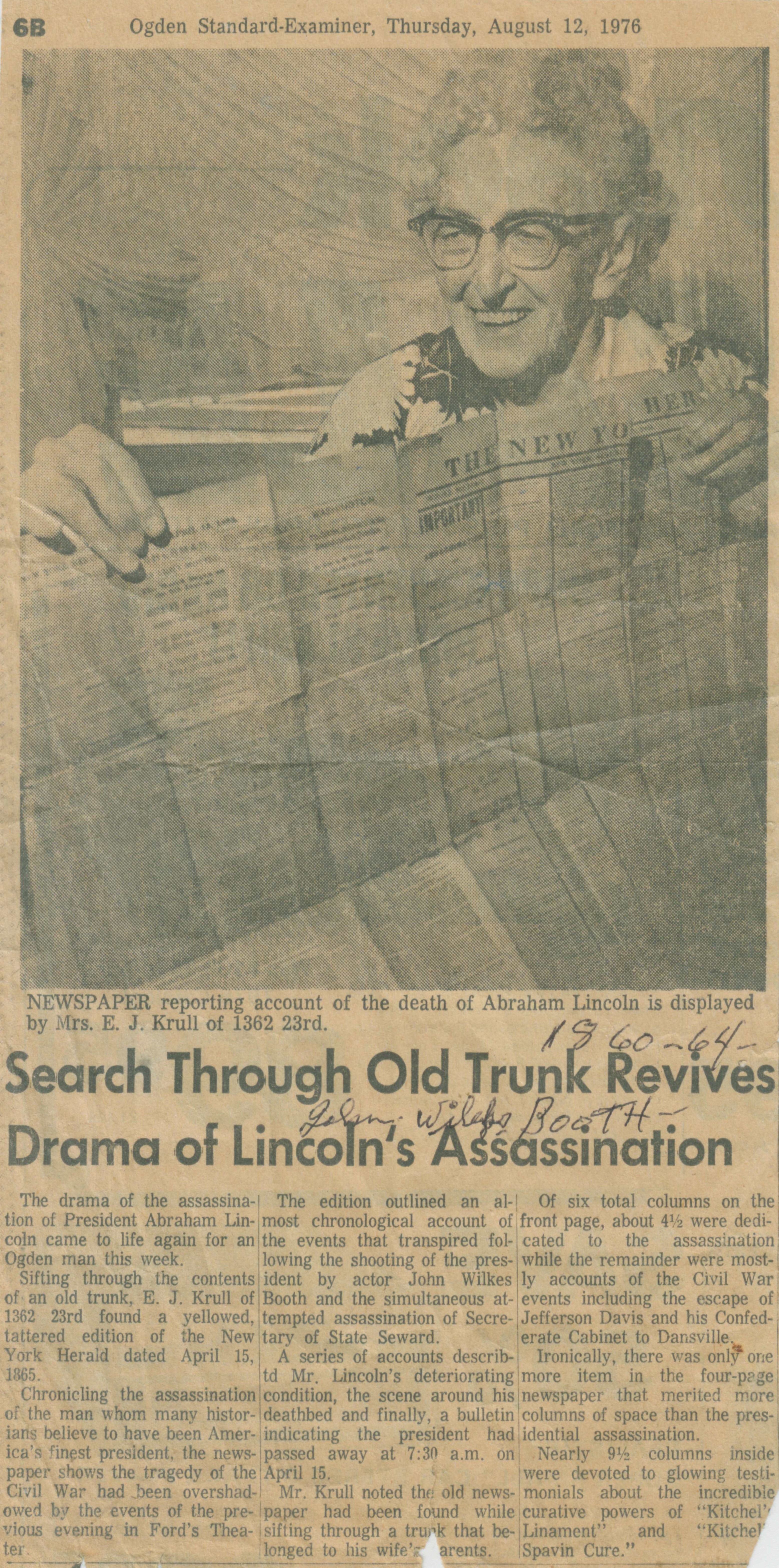
Another article clipped by my Grandparents, Milo and Gladys Ross. We do not know why this was clipped.
The top of the article shows it was published in the Ogden Standard-Examiner, Thursday, August 12, 1976.
“Newspaper reporting account of the death of Abraham Lincoln is displayed by Mrs. E. J. Krull of 1362 23rd.
Written by Milo Ross – “1860 – 64 – John Wileks Booth
“The drama of the assassination of President Abraham Lincoln came to life again for an Ogden man this week. Sifting through the contents of an old trunk, E. J. Krull of 1362 23rd found a yellowed, tattered edition of the New York Herald dated April 15, 1865.
“Chronicling the assassination of the man whom many historians believe to have been America’s finest president, the newspaper shows the tragedy of the Civil War had been overshadowed by the events of the previous evening in Ford’s Theater.
“The edition outlined an almost chronological account of the events that transpired following the shooting of the president by actor John Wilkes Booth and the simultaneous attempted assassination of Secretary of State Seward.
“A series of accounts describtd Mr. Lincoln’s deteriorating condition, the scene around his deathbed and finally, a bulletin indicated the president had passed away at 7:30 a.m. on April 15.
“Mr. Krull noted the old newspaper had been found while sifting through a trunk that belonged to his wife’s parents.
“Of six total columns on the front page, about 4 1/2 were dedicated to the assassination while the remainder were mostly accounts of the Civil War events including the escape of Jefferson Davis and his Confederate Cabinet to Dansville.
“Ironically, there was only one more item in the four-page newspaper that merited more columns of space than the presidential assassination.
“Nearly 9 1/2 columns inside were devoted to glowing testimonials about the incredible curative powers of “Kitchel’s Linament” and Kitchel’s Spavin Cure.”
I did some homework to find out more about Mr. & Ms. Krull.
Eielt J Krull was born 11 November 1900 in Clark County, South Dakota, and passed away 13 August 1987 in Ogden, Utah. He married Thelma Blaine, previously married as Nelson, in 1943. Thelma was born 29 August 1901 in Ohio and died 3 May 1991. Eielt is buried in South Dakota, Thelma is buried in Colorado.
I wrote previously of a book I have that belonged to my Great Grandfather, Joseph Nelson Jonas. The book was given to me by Ellis Jonas along with a couple of others. Inside the book was this clipping, presumably put there by my Great Grandmother, Lillian Coley Jonas. I have no clue about its significance, if any. It was clipped and put there in the book for some reason. Richmond, Utah, was in the Benson Stake at that time. The article indicates this was 1935.
Bishop David A Smith to Attend Richmond Services
Bishop David A. Smith, first counselor to Sylvester Q. Cannon presiding bishop of the L.D.S. church will represent the general authorities of the L.D.S. church at the quarterly conference of the Benson stake in Richmond Saturday evening and Sunday, according to information given out at the office of the first presidency in Salt Lake City.
The first meeting will be held Saturday evening at 7:30 o’clock. The Sunday sessions will begin at 10 a. m. and 2 p. m. with the quarterly meeting of the M.I.A. convening at 7:30 o’clock Sunday evening under direction of Ellis Doty stake superintendent of the Y.M.M.I.A.
President H. Ray Pond will preside at the general sessions of the conference. Amplifiers have been installed in the Richmond tabernacle to insure perfect audition.
Stressed during the conference sessions will be the two major projects of Benson stake for 1935; larger attendance at sacrament meetings and more efficient ward teaching.
The stake presidency is urging a large attendance at all sessions of the conference especially at the Saturday evening meeting. Special music for the conference has been prepared.
Our mother, Mary Magdalena Wanner was born September 12, 1873 at Atzenweiler, Neckarkreis, Wuerttemberg. Wuerttemberg is one of the States in the divided German nation.
Mother is a daughter of Johann Georg Wanner and Anna Maria Schmid, and was given the name of Maria Magdalina. After the family came to the United States, mother adopted the American spelling of Mary Magdalina which she used the remainder of her life.
Our mother and her brothers and sisters were very fortunate to have parents who were honorable, upright hard working people who loved their children and worked very hard to see that they got the very best they could. Both parents believed in God and had a strong faith that their prayers would be answered in providing them with the blessings they needed. They belonged to the Luteran Church, and tried to teach their children correct principles.
Mother was the 3rd child in a family of 10 children – 5 boys and 5 girls; two of her brothers died at an early age in Germany.
Between the ages of 7 and 8, mother took care of her younger brothers and sisters while her mother and father were working in the fields. She was told to get the children to sleep; and when they woke up she would bring them to the fields to their parents. She was anxious for the children to settle down and get to sleep, so she would hold her finger tips over their eye lids thinking this would make them go to sleep but when she took her fingers off they would be wide awake.
Mother started school at the age of 8 years and graduated when she was 14. She did not go to school after that.
From the age of 10 until 13 she herded cows on a big hillside. The family lived on a farm and everyone had to help. Their father was gone a great deal of the time as a road overseer, or working in the Black Forest to make a little extra money to help increase the family income. Mother had to do a lot of hard work such as getting wood from the canyon to use for fuel to heat the house and to cook with.
Another of her jobs was to lead the cows that pulled the plow. She also piled hay and gathered grain in the fields. Most of the work was done by hand and much of the time the hay was piled on the fence so it would dry.
A 9 years of age she learned to knit and she became very proficient in this art. She knitted all her life supplying her own family with socks, etc. She knitted scarfs, caps, socks and sweaters for the soldiers during both World War 1 and 2. Among the things she knitted was a beautiful white shawl for my first baby. She also knitted two choice sweaters for my husband, one of which he has been wearing on many occasions for over 40 years and it is still in good condition. He still uses it and it has been very useful to him throughout these 40 years.
When she was 11 years of age, she could not walk for a time because of a problem with her leg. At this time, it was necessary that she be put in a baby buggy and pushed 5 or 6 miles to see the doctor.
She went to the city of Ravensburg to work when she was 15 years of age. She took care of children, did washings, ironing, helped with the cooking as well as other household tasks. While working at this job, mother developed a sore on her hand which required that she be hospitalized for two or three weeks.
During the year 1891, mother’s father brought some missionaries to their home. These missionaries were representing the Church of Jesus Christ of Latter-day Saints. These missionaries were Jacob Zollinger from Providence, Utah, John Hassenfritz of the Bear Lake area, and John Federley of Salt Lake City, Utah. Incidentally, I got to meet Jacob Zollinger, a very fine man. After my marriage, whenever I sent to the Temple, Brother Zollinger was there.
After the missionaries had been teaching them the gospel for some time, the family became very much interested and decided they would like to join the church. Some of the family that were old enough were baptized in October, 1891, and became members of the only True Church. This brought peace to their minds and joy to their hearts. It didn’t take long for this family to decide that they wanted to leave their native land and come to the United States where they could have religious freedom and better opportunities for their family to provide for their wants and needs. Not so long after this, the oldest son came to this country with some returning missionaries. This was Uncle George.
In the spring of 1893 her mother and father made preparations to take their family to America. When all was ready, they said good-bye to their relatives, friends, their home and native land.
They rode the train for one day after which they took a boat up the Rhine River. After being on the boat for 3 or 4 days, they took the train for another day which took them to the North Sea. At the north sea they got on a large boat to go to Liverpool, England. The Sea was very rough and stormy. It took them another day to reach Liverpool where they boarded a big ship and sailed for America. They were on the ocean about two weeks before they reached New York where they stayed for two or three days. Then they took the train and started across the continent for Salt Lake City, Utah. They stopped at Chicago, Illinois for one day and one night; then continued on their way. After they got to Salt Lake City, they continued on their journey to Franklin, Idaho, arriving there the 18th June 1893. After their long hard tedious journey, they were all happy and anxious to get settled in their newly adopted homeland.
They were met by their brother George and Fred Nuffer with a team of horses and a wagon. They also brought a buggy with horses. They went to Fred Nuffer’s place in Cub River where her brother George had been working. They stayed at Nuffer’s place about one week. Her father soon started to look for a place to buy and settle down. He decided to take a trip over to the Bear Lake side to see what he could find. Grandpa took mother with him on this trip. They walked across mountains and had to cross the Cub River which was very swift and difficult for them to wade across. They spent one miserable night in the mountains listening to the bears growling. They saved some of their bread to give the bears in case they bothered them.
The next Sunday after arriving in Franklin, they all went to church in Glendale and had their membership records moved to that ward. The Ward Clerk in Glendale was William Addison Wagstaff who later became mother’s husband. Grandpa Wanner soon bought the home and farm of John Nuffer in Glendale. Grandpa and Grandma lived there a number of years and then sold it to their son Fred. Later he sold it to his son Bertus.
In a short time Mrs. Fred Nuffer got mother a job in Logan, Utah, doing house work for a lady by the name of Robin. Mother could not speak the English language at this time but with the help of this good family she was able to understand and speak a little.
Mother worked for the Robin’s until 1894, at which time she went to work for a family by the name of Card. She worked at Card’s about six months. She then returned to her home in Glendale for awhile. After a short rest, she went to work at the Section House in Preston, Idaho, helping a lady cook.
In April 1895, she went to General Conference of The Church in Salt Lake City, Utah. While she was there, she found a job doing housework for a banker by the name of Shutler (we are not sure of the spelling). Mother stayed at this place until November and then went home again for a while. Some time later mother worked for some people in Preston, Idaho, by the name of Hale. In 1896 mother returned to Logan and worked for a family by the name of Bishop.
In the spring of 1896 her mother wrote her and told her that her sister Louise was going to be the “Queen of May Day” celebration to be held in Glendale and she would like her to come home and be there on this occasion. Mother decided it would be fun and decided to be there.
On the day of the celebration mother accepted the invitation of William Addison Wagstaff to have lunch with him which seems to have been a big turning point in mother’s life. After they had their lunch they went for a stroll together. It appears that it was at this time that he proposed marriage to mother.
In a few days mother returned to her job in Logan, Utah. On 11 June 1896 W. A. took Mary’s sister Louise to Logan to take over her job so she could come back to Glendale to make preparations to be married. The next day they went to Preston to pick out material for her wedding dress and selected a cream cashmere trimmed in white silk. Her Tiara had orange blossoms on it. Looking at her picture now I think it must have been just beautiful.
On 16 June W. A. and Mary went to Logan with a wagon load of grain to sell for her father. After they got to Logan they purchased a plain yellow gold wedding band. She stayed with her sister Louise that night and on Wednesday 17 June 1896, W. A. and Mary were married for time and eternity in the Logan Temple by Marriner W. Merrill, The President of the Logan Temple. They spent their wedding night in Logan and returned to Glendale the next day, June 18th. That night Mary’s father and mother gave them a wedding supper at their home.
James, Annie, and Mary Wanner Wagstaff
Then mother went to live in the home where her husband and his mother resided. It was a log house with a dirt roof. This home was located about 5 miles North East of Preston, Idaho, in an area that is commonly called Glendale Flat. Mother took charge of the house and cared for her mother-in-law who had very serious leg trouble.
Right from the start mother worked side by side with her husband getting in the hay and grain. All the water for washing, bathing, drinking, etc. had to be hauled as they had no water on their place. Their cattle were driven to Worm Creek to drink. This Creek was about a mile from their home.
26 January 1897 mother’s first child was born, a tiny premature son. He was named George William. Our Dad held this tiny infant on his lap and fed it with a medicine dropper. He did everything he could to save his life but he passed away after 9 days.
Their second son named James Addison was born 24 June 1898; and 28 December 1899 her first baby girl, Annie Eliza was born. Our Dad and Mom and Dad’s mother were so very happy to have a son and a daughter to bless their home.
Back row: Willard, William, Annie, Parley, Maria, Jesse. Front row: Elsie, Edna, Herbert.
During the early part of mother’s married life, she worked in the Relief Society. Mother loved working in the Relief Society and did her part to make it a success.
In 1900 they moved to a two-room log house with a dirt roof. This house was located one mile from their first home. This move was made so they could be where there was water. This was a big help as they now had water from a well for culinary use as well as other things. Here they were able to have a nice garden with currants, both black and red, as well as gooseberries and raspberries. They could also have shade trees and fruit trees. I am sure this was a great blessing to them.
August 28, 1901, a son Wilford John was born. This made four children for them including the one who died. Dad and Mother were happy to have a family and Dad’s mother was thrilled to think she was now getting some grandchildren. Our Dad’s mother had a very sad time raising her family; our Dad being the only one of 4 children who lived to maturity.
Our Mother and Dad gave Dad’s mother kind and loving care for many years. She continued to have poor health. She was especially afflicted with varicose veins. Those finally turned into ulcers on her legs which had to be bandaged. One of their old neighbors has told us that she had her legs bandaged each day for over 35 years. She finally passed away in the early morning hours of December 2, 1902, and was buried in the cemetery at Glendale, Oneida County, Idaho.
The 9th of April 1903 Parley Leroy was born; and on 23 June 1903, our 22 months old brother Wilford John was drowned in a ditch just north of the house. Many people came from all around to help them at this sorrowful time in their life.
Children continued to come to bless this humble home and 3 March 1905 Willard Lesley was born. On 9 January 1907 Jesse Oleen was born. The 11th of November 1908 Herbert Spencer was born. Mother had now given birth to 7 sons and 1 daughter. She was very busy caring for them, her husband and home, as well as participating in church activities.
During the summer of 1909, they built a new house which had two rooms down and two rooms upstairs. It had a singled roof and later on was pebble-dashed.
It was in this home on a beautiful Sunday morning, 10 July 1910, the next child, a girl with hazel eyes and blond hair Edna Leona was born. The family as well as the Glendale Ward were delighted to see this baby girl come to the home where there were 7 sons and only 1 girl. 7th of August 1912 another daughter, Elsie Magdalina came to bless this home.
On the 19th of March 1913, sorry struck this home when their son James who had been ill a lot of his life passed away and was buried in the Glendale Cemetery.
On the 25 of March 1913 Mother had a patriarchal blessing by Patriarch Wm. Daines. This was a big comfort and a joy to Mother in later years.
The 8th of July 1915 Mother had her last child, a son she named Albert Wanner. Mother had a very difficult time at this birth and she was ill a long time after.
After Mother’s parents moved to Logan in 1910, she frequently went to visit them and did Temple work.
Very often Dad and Mom would drive their team and wagon and later a buggy to Preston; leave them there in the tie-yard and catch the U.I.C. to Logan to do two sessions at the Temple; then back to Preston to get their team; drive home about 4 miles. After Mother was married, she took every opportunity that came her way to go to the Temple. She loved to do this and it brought her great joy to be engaged in the Lord’s work.
Mother loved the outdoors and kept a beautiful garden and flowers; tended chickens and worked with her husband and children in the fields.
September 1918 Dad and Mom took their 3 daughters and youngest son Albert to Brigham City, Utah on the U.I.C. for Peach Day. They all had a delightful time, and enjoyed the trip very much.
During the summer of 1919 Dad and Mom and their 3 daughters and Albert again went on a visit. This tie to see Mother’s sister Pauline, who lived in Gentile Valley. They went in the white top buggy, and followed the road through the Bear Rivers narrows. This was a very narrow road and there was only a few places where people with teams could pass. Our Mother was very nervous going through the narrows. Dangerous things always made Mother worried and nervous. Mother was frightened when thunder and lightning storms were close to us, where she could see and hear it.
September 1919 Dad and Mother again took their 3 daughters and baby son on a trip. This time they took the train and went to see and learn more about where our Dad and lived and worked. They first went to Evanston, Wyoming, then Almy, Croydon and Ogden. They visited with many relatives and friends in Evanston, Almy and Croydon. Dad lived at both Almy and Croydon before coming to Idaho in 1884. For many years Dad wanted to take Mother on this trip to show her where he had lived and to meet some of his relatives and friends he had made before going to Idaho. This trip was the happy fulfillment of that wish.
Ogden, Utah was our last stop and while there Dad and Mother purchased the farm and home of his cousin and her husband Albert Phipps. This farm is located in West Weber, about five miles west of Ogden. It is an 80-acre irrigated farm. Less than half of which turned out to be good farm land.
Soon after they returned home, the news spread around that the Wagstaff family would soon be moving. Many friends and neighbors came to help in preparation for the move.
Before leaving Glendale, Mother’s good friend and neighbor Elizabeth Owen gave our family a nice going away party. Also the Glendale Ward did likewise and gave the folks a rocking chair as a token of their love and appreciation. After my brother Herbert got married, Mother gave the chair to him.
Mother had now lived in Glendale for over 25 years. She had many friends and neighbors that she loved and appreciated so much. In some ways she did not like to leave all they had worked so hard and sacrificed so much to get. Mother loved her home which had 3 new rooms added. They were now quite comfortable.
I’m sure Dad and Mother had given great thought to this venture before making the final decision to go away and start over in a strange kind of farming and among people they did not know. On the other hand they had become convinced that the move would provide better opportunities for their children. They did have 8 living children they loved with all their heart and soul. They also had great love and respect for each other. These things together with their strong testimony that Heavenly Father would bless them if they did what was right. They put their trust in God and bravely faced the future in their new environment. Little did they realize just what trials they would have to go through — even before they completely settled in their new home.
So it was in October 1919, Dad, Parley and Willard headed from Glendale to Ogden, Utah, with teams, wagons, and white top buggy loaded with family possessions. Jesse and Herbert stayed home and did the milking and tended animals. Parley and Willard stayed in Ogden, and Dad came back to Preston on U.I.C. With the help of faithful neighbors, the rest of the family possessions, cattle, chickens and furniture were put on the freight train and Dad went with them on to Ogden. Mom, us girls, Jesse, Herbert and Albert went on U.I.C. Little did he realize that when he arrived in Ogden, the officials would not let him take his animals home but quarantined them. It was a great shock to Dad when he had to pay over $1,000.00 for feed and care before he could get his animals. It is laughable now, but it wasn’t then when somehow the chickens got loose and were running all over the railroad yard with people trying to catch them. It must have been quite a sight to watch people scrambling around chasing chickens.
Our Dad left a paper in his own hand writing describing a few of the experiences our family had after we got to Ogden. The paper stats that in November 1919, the next month after we got there, Annie and Elsie came down with the Small Pox. Shortly after all the other children also came down. Dad and Mother had all 8 of us in one room and gave us patient loving care. I am sure it taxed their strength and was a great cause for worry and anxiety for them.
We had scarcely got over the Small Pox when all the children, Mother and Dad got the Influenza. We were a very sick group and our Mother was especially bad as she had Asthma along with the flu. Dad also got it but stayed up on his feet, caring for the rest of us and doing the chores. Our sister Annie and Anna Gregersen were working at a cafe in Ogden and roomed together and both of them had the flu. Our Dad went over to Ogden in the buggy every other day to take care of Annie and Anna and take them food. It became evident to our Dad that Anna was getting worse so he sent word for her parents to come. Annie and Anna were great friends and it was a great loss to Annie when her dear friend passed away 14 February 1920. I sometimes wonder how our Dad held up to the terrible work load and responsibility that was placed upon him at this time. Mother was worried about our Dad through all this.
When we first got to Ogden, we joined the Wilson Ward and Mother was put in as Relief Society Teacher. In August 1921 we joined the West Weber Ward. Before we joined the West Weber Ward, the Wilson Ward gave Mother a party and a beautiful bouquet of flowers. Mother was soon put in as a Relief Society Teacher. She continued to be a teacher until she moved to Ogden in 1935.
In June 1921 Mother and her three daughters went on a trip to Logan, Preston, Glendale and McCammon. In McCammon we visited with mother’s brother Gottlob and family. In Glendale we visited with old friends and neighbors and in Logan with Mother’s sisters and her parents.
In December 1921 Mother’s sister Pauline passed away and left her little family without a mother.
In September 1922 Uncle Wills family all got Typhoid Fever. Our Mother believed in being her brothers keeper so she took this family into one room of her home and nursed them back to health, except Annie who was in the hospital. After they got over this terrible disease, Mother continued to take care of the baby boy for some time.
In the ensuing years Mother continued her activities in taking care of her family and supported her husband in his work, church, etc. Mother loved to have chickens and she usually had a flock — this enterprise besides furnishing eggs and meat for her family helped out in providing extra income. She was active in Relief Society and regular in her attendance at Church and in paying her dues.
In January 1931 her daughters Edna and Annie went to Logan to attend the Utah State Agricultural College. This meant that Dad and Mom were alone except for Elsie, Albert, Herbert and Jesse who had come home again. That winter they did considerable visiting of friends and neighbors and Dad helped them with their genealogy. It was during the winter and spring that three old friends passed away and mother and dad attended their funerals — John Dobbs in Logan, Henry D Auger in Lewiston, and Mother’s dear friend and neighbor in Glendale, Elizabeth Owen.
Mary Allsop Wagstaff (1826-1902) with William and Mary.
Little did Mother realize at the time that it would be less than a month when she would lose her devouted companion. Her husband had an operation for stomach ulcers in the Dee Hospital in Ogden the 29 May 1931 and passed away from Post Operative Pneumonia on 31 May. This was a terrible shock to Mother and she grieved very much. There was nothing for her to do except to go on alone without her companion. Life was hard for Mother at this time but she had all the loyal support her sons and daughters could give her. They all loved their Mother and did what they could do lighten the burden. Mother grieved long and hard over the loss of her dear husband but in time found her way to continue life and plan for the future.
Mother stayed on the farm and with the help of her children operated the farm the best they could. THe depression was on in full force and money was hard to come by. Through sheer frugality and wise management, they started to come out on top.
In January 1935, Mother, Annie and Elsie said good-bye to the farm and moved into Ogden. At first they moved into a rented house. They lived in two different rented houses.
In May 1939 Mother purchased a home at 2069 Jackson Ave in Ogden and this was her last home. Mother was comfortable in this home and she enjoyed having a little leisure time in which she could enjoy her flowers and listen to her favorite programs on the radio — Myrt and Marge was one of her specials — it all seemed so real to Mother.
20 December 1940 Mother’s oldest daughter Annie Eliza passed away. I am sure Mother missed Annie as Annie had been confined to the home with heart trouble for several years, during which time they had a lot of opportunity to enjoy each other.
In September 1941 Mother was honored on her birthday when her family gave her a dinner party at which time many of her children and grandchildren were present and Mother enjoyed it very much.
September 1943 an open house was held for her 70th birthday when many of her friends and relatives came.
April 1942 Mother had a serious operation from which she seemed to make a good recovery. FOr quite a few years after this Mother appeared to be in reasonably good health.
Time moved on for Mother as it does for us all. She had seen two world wars in which the people of her home land were heavily involved. I am sure Mother realized that many of her relatives were in action. She said little but seemed to think a lot about it. She had witnesses great changes in the lives of people including transportation, cars and trucks; telephones were beginning to gain in popularity and the radio was in almost every home. It was a thrill to Mother when she got her refrigerator. Tractors were in common use in farming and much of the back-breaking work was now done with machinery.
July 31, 1952 Mother had a mild stroke but was never confined to her bed completely. It did make a change in her life and I think she realized it. 23 of October 1952 after 3 months illness, Mother passed away at her home.
She had always been a hard working, devoted wife and Mother. She served as a Relief Society teacher for over 50 years. She paid her tithing, fast offerings and other donations. She kept her love for her family and her faith in God to the very end.
Her funeral was held 27 October at the Lindquist & Sons Mortuary in Ogden, Utah. It was a lovely funeral with lots of flowers and many friends and relatives attended. She was buried beside her dear husband in the cemetery at West Weber, Weber County, Utah.
THis little history of Mother was put together many years ago by her 3 daughters with her help in relating facts to us. Elsie brought it up to the time of Mother’s death.
I feel there is much more that could and should be said but I am sure each of her children have their own personal remembrances, as well as some of the grandchildren, but I would just like to add a little more that I don’t think has been mentioned.
I don’t remember a time when Mother did not have a lot of beautiful flowers. Geraniums that blossomed all winter long. She had morning glories, pansies, sweat peas, portulacas, pinks and others to mention a few.
Mother always made her laundry soap which was so good to use in cleaning the farm work clothes and so beautiful and white. She made many batches of soap for each of her married children as well as some of her neighbors.
When Dad and Mother killed a pig for home use, Mother worked so hard helping Dad cut it up, cure it and make delicious link sausages; and the head cheese she made was the best. There was always a piece of pork given to the neighbors.
She always churned her butter while on the farm and it was very good butter.
After we went to Ogden, Mother had a hot bed where she raised tomato and cabbage plants for themselves and others to plan in their fields.
Mother was a good cook and made the best bread, pies, rice pudding and soups. Oh! they were so good. When we had the threshers they always liked to be at our place for meals as they enjoyed the delicious meals Mother put on.
She loved to have her neighbors, friends and married children drop in for a good meal — and no one ever dropped in unexpected but that they were treated to a real meal or a snack.
After we moved to Ogden, it was the joy of her life to return to Preston to visit her dear friends, relatives and neighbors, and Dad somehow always found the necessary money so she could do that.
Mother was always clean and neat when she left home to go any place. She had beautiful long black hair that stayed dark until her death. She had a unique way of putting up her hair — hair styles changed but Mother’s never did. Many people commented on her lovely hair and the unique way she fixed it. Mother also had beautiful hats which she loved very much.
I would like to relate a little incident that happened in the summer of 1918. It was when we had a total eclipse of the sun. We did not have a radio or television and the paper hadn’t come. I guess Mother did not know the eclipse was coming. Dad had gone to town. I don’t know where the others were but Elsie, Albert, Jess and I were home with Mother. It started to get dark, then darker and darker. She became very excited and thought the end of the world was coming. She dashed out to gather the precious eggs — it was totally dark in the cop and the chickens had gone to roost. Mother was so relieved when it all passed over and the sun came out and best of all Dad came home.
One day during World War I, Dad was sitting at the breakfast table reading the paper. We knew, of course, about the German submarines sinking many of our food ships. Dad said rather nonchalantly, “Well, some more sugar has been sunk.” Mother became very excited and said, “Where?” Dad said, “In my postum,” and let out a roar.
Mother suffered with asthma most of her adult life and we all did everything we could to help out when she had a bad attack. Many mornings I remember Dad calling to us, “Come on and get up. Mother is sick.” We all rallied around and kept things going while she was down. If someone lit a match and let it burn, it would always bring on an attack of asthma. Many times when Mother was fighting for her breath we would all be frightened and I remember one time I ran to Bishop Ed. Bingham’s place to get him to come and administer to her.
Dad was always so kind, considerate and helpful to her especially when she was will; and her children were also.
Mother had a unique laugh and when something struck her as funny, she could really laugh. In a crowd you could always pick out Mother’s laugh. Several years at the July 24th celebration in West Weber she took the prize for laughing the longest and hardest. One year the prize was a leg of lamb; another time a beautiful Jordinere.
I remember that Mother had a pet lamb she loved and took very good care of it. She went to Logan for a few days to visit her mother. She wrote a letter home to use in English, but as a joke also wrote a note in Germany. We could not read the note so took it to a neighbor lady who could read German. The note said “Be sure and take good care of my lamb.” We all got quite a thrill out of this.
It was important to our Mother and Dad to see to it that each of their children were baptized in the Logan Temple. All their children were baptized except the last two. 30 March 1915 Dad and Mother took Jesse to Logan with the horse and buggy so he could be baptized. Then they stayed at grandpa’s and grandma’s home one night. When they couldn’t go they sent the children with Annie on the U.I.C. electric train.
At a George Washington party in the Glendale Ward, Vern Nelson tells this story. Mother was sitting on the front bench and Vern had to recite a poem. It was
Of all the girls in this world,
I’d marry none for riches,
I’d marry one six inches tall,
So she couldn’t wear my britches.
Vern changed the poem to read necktie instead of britches. Everyone expected him to say britches. He said Mother started to laugh and he had never seen anyone laugh so hard in his life.
A few years ago Meda Nelson Robinson told me as long as she lives she will never forget the blue and white granite kettle Mother used to make sandwiches in for us kids to eat between Sunday School and Sacrament Meeting when there was a little recess. They were usually just break and butter or sometimes a little sugar sprinkled on them, and always a cub cake with little currants in. She said that when Mother got the kettle out, that she and some of the ward kids would sally up to Mother hoping for at least a cup cake. She said sure enough Mother always had plenty and she would always get one, and how good they were.
Mother was kind and compassionate and believed that true happiness in life comes from serving others. Her friends and neighbors were often beneficiaries of her goodness, and if there was a new baby or sickness or sorrow in a home, she always found time to put on a clean apron and take a loaf of fresh baked bread, a pie, or fresh berries or something from her garden to cheer them.
She never lost sight of the purpose of life and the reasons for coming to America.
She abhorred cruelty to animals or humans.
She always had little sayings to put over a point such as “If a string is in a knot, patience will untie it. Patience can do many things; have you ever tried it.”; or “If there is a will, there is a way”; or “If at first you don’t succeed, try, try, again.”
When Mother passed away, she did not leave many possessions and no riches; but she did leave a legacy far superior to earthly things, and I’m sure we as a family appreciated that.
Mother had her dub of joy but she also knew sorrow. As I have raised my family, we had our share of sickness, accidents and near deaths and it has made me think about Mother. She must have been in great anxiety and pain over the loss of three of her children before they reached maturity.
Dad and Mother really loved each other and were always happy with each other. Dad got so much joy out of buying her special little things when she was ill such as oranges, or a can of oysters, or a bottle of soda water. They worked together as a team in whatever they did. Whether it was in the garden, cutting and curing meat or whatever, they enjoyed being together. They both enjoyed going in a cafe and having a snack like a hot beef sandwich or root beer and a sweet roll.
Mother really suffered and grieved deeply over the loss of her husband. Dad was just 70 and Mother 57 at the time. Many times we have found Mother out back of the house crying as if her heart would break — many times she was heard to say “If only papa was here.”
Mother is long since gone, but those of us who remember have a MEMORY that is SWEET and LASTING.
This is another chapter of the Jonas history book compiled by Carvel Jonas. “The Joseph Jonas clan of Utah (including – early Jonas family history; early Nelson family history)” I am re-posting this as I received much better photos of Joseph and Annie, so those are now included!
Joseph and Annie Jonas 1883
“Joseph Jonas was born 10 January 1859. We learn the exact date and year because of research and the United States Census. His death certificate has the year of birth as 1858, and the headstone has Oct 1, 1860. I was told that members of the family couldn’t remember if he was born 10/1 – Oct. 1st or 1/10 – Jan 10. Fortunately, when Grandpa Jonas was asked during the 1900 census he told them January 1859. So we know he was born 10 January 1859. Also, all the other census records but one seem to agree. Joseph was born at Frenchtown, Monroe County, Michigan. His father was Hubert Jonas, who was born 8 Oct 1816 at Kirchheim, Rheinland, Prussia (Germany). His mother was Maria Catharina Schumacher, who was born 13 September 1815 at Oberdrees, Rheinland, Prussia. Joseph was the sixth and last son of a family of all boys. These three older brothers were born at Rheinbach, Rheinland, Prussia. These three older brothers died before marrying. Joseph lived with his family on the family farms in Michigan until 1879. Joseph was educated in the public schools in Michigan and could read and write. Joseph remained a member of the Catholic Church and went to St. Michaels Parish, which is still located at 502 West Front Street, Monroe, Michigan. This was a mostly German Parish, and this is the Parish that recorded Joseph’s older brother, John who was buried Sept 1870. Joseph moved with his family in 1871 to Ash Township. There the Jonas land was bordered by a railroad on its east border and was probably was the place where Joseph first became introduced to a very long career working on the railroad. In 1879 the family sold their land in Michigan and moved to Nebraska, Platte County, in a place called Pleasant Valley. This is where Joseph’s mother died in March of 1880. Pleasant Valley was a large area of county and the place where Joseph visited is now called St. Bernard. St. Bernard was a German settlement, and is probably the reason that first attracted the family to the area. His father and brother, William, farmed with a man named Michael Jonas. It was first believed that this other Jonas family was a branch of ours. Research proved this incorrect. Our Jonas family owned no land in Nebraska. Members of our family helped this other family to operate their farm for 4-5 years.
“Joseph had a long career working with section gangs for railroads. By the time he was 21 years old, (maybe before this age) until he was about 57 years old he worked for the railroads in section gangs. The only exception was a year and a half when he tried farming. That is over 35 years that we know of. “A section gang was a group of men – muscular, sunburned, streaked with dust and sweat; using crowbars and mallets. They were maintenance crews, the housekeepers of the railroad. All summer they chip away at their allotted section of railroad roadbed, weeding, spraying, burning, resurfacing, reballasting, repairing the ravages of frost and rain. The crew rode a handcar, which was nothing more than a flat, open truck on wheels, which raised about a couple of feet above the rails. It could be lifted on and off the tract by four men, two at each end. The men stood up to pump the handles by which it was propelled” Joseph’s work consisted in “Keeping the track in good level order. He used a jack to raise the sunken rails, shoveling earth beneath the ties to keep them in place. Besides the regular pay, they made overtime when there was any special work to be done, as unloading gravel trains. Only a few hands were kept on past November in the Northwest where Joseph mostly worked, two on a section. The rest got free passes, there being next to no work on the track until the frost breaks up.” Much of the information about section work was adapted from “Section Life in the North-West,” an anonymous article published in “Cornhill Magazine,” in January 1888.
“When Joseph worked for the Great Northern Railroad he had to keep the track he was working cleared when the Fast Mail came. A train that carried the U.S. Mail from St. Paul to Seattle traveled the track once a day. The men had to be careful to get out of the way for the train.
“Research indicates that Joseph used the following tools: claw bars, line wrenches, spike malls, adzes and tongs. Each of the rails were thirty three feet long, and were held together by bolts and fishplates. The men who worked on the railroad comprised the most cosmopolitan crew in American History. They included Civil War veterans and freed slaves, Irish and German Immigrants, Mormons and atheists, Indians and Chinese. They would ride the rails on their hand cars replacing rotting ties, tamp loose spikes and tighten bolts. Joseph’s daily wages averaged in 1892 $1.76 to $2.20 in 1914 a day as a section foreman (statistics found in Railway Statistics of the USA published in 1917).
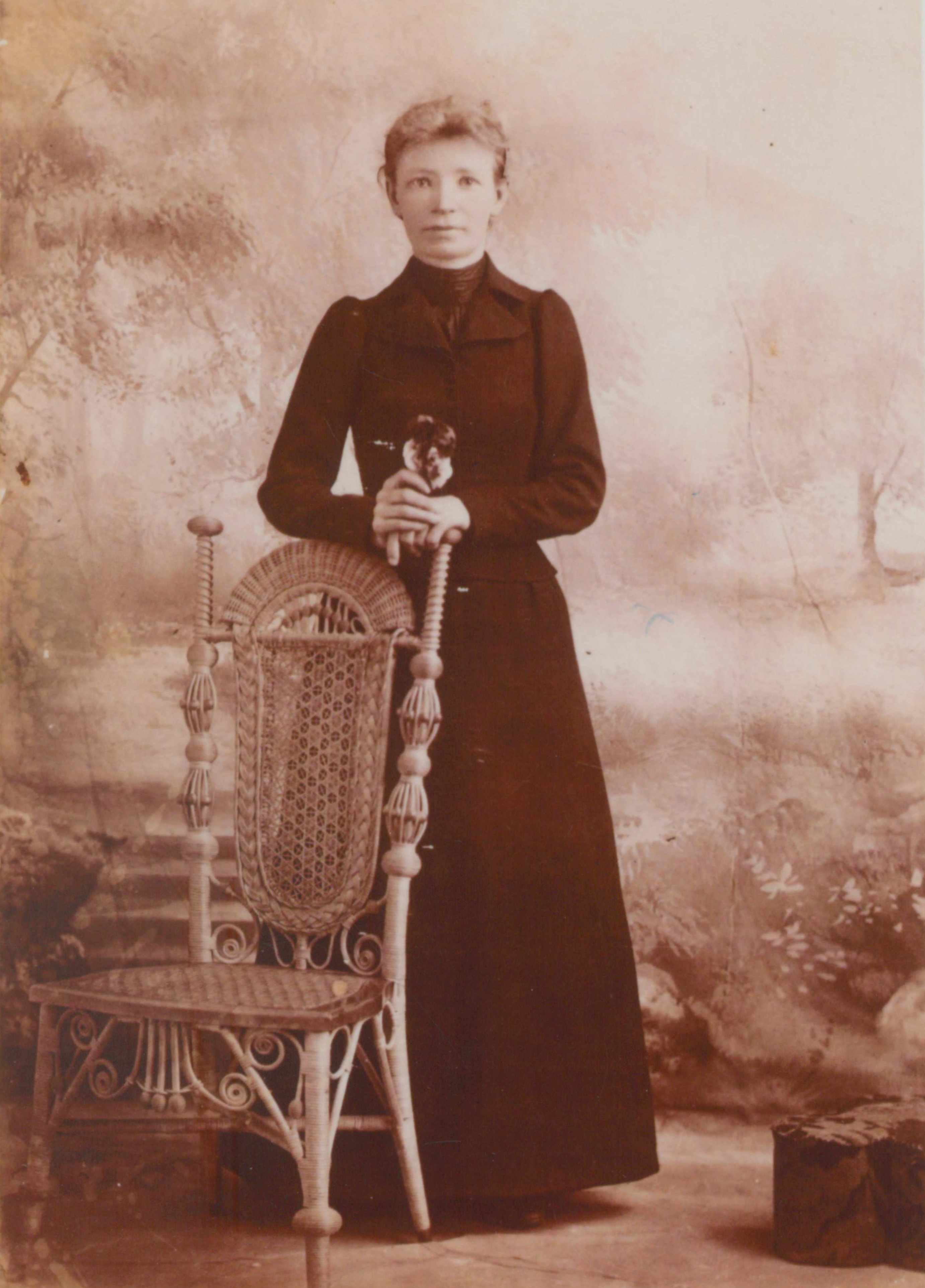
“Now a little early history about great grandmother, Annette or Annie Nelson Jonas. Annette Josephine Nelson was born 18 November 1864. Logan 4th ward records tell us she was given a priesthood blessing 2 Feb 1865. She was born one month after her parents had arrived in Utah from their immigration from Sweden. She was born in a temporary dugout on College Hill, Logan, Utah. Her parents were Johannes Nilsson, (He later changed the last name to Nelson, and also used Neilsen at one time). He was born 4 Oct 1827 in Tonnersjo, Hallands, Sweden. Her mother was Agneta Bengtsson who was born 9 December 1832 in Oringe, Hallands, Sweden. Annie was the sixth child of her family. Her husband, Joseph, was also the sixth child in his family. She had ten siblings, 5 sisters and 5 brothers. When Annie was born it was raining, so members of the family put pans on the bed to catch the water as it dripped through the sod roof. Annie’s older brother, August, told about this day in his life history. The following is a quote from he history. “We were just moved into your home when Annette Josephine was born…She was the first child born in the Logan fifth ward. Mother was alone except for James (an older brother) and me. James sent to fetch father who was threshing wheat for John Anderson. When he arrived with a sister, mother had already taken care of herself and the baby.” The Nelson family had joined The Church of Jesus Christ of Latter-day Saints the year they left Sweden. They had built a temporary dugout until they could build a wooden cabin the following year. That winter was very hard for everyone in the area. An early January thaw had caused the snow to melt and the water inside the dugout was knee deep. Boards were used so the family could walk without wading in the water. They bailed out the home and went back the same night.
“When Annie was a baby the following events happened. “When mother went gleaning, I (August) had to stay with the baby (Annie). One day I left her on the bed while I went out to play. She rolled off the bed and got a big lump on her head. She was still crying when mother came home.” When Annie was almost nine years old her mother died, 4 November 1873. It was just about 14 days before Annie’s ninth birthday. And just six days before her birthday her infant brother, Moses, died. Moses was less than a month old when he died 12 November 1873. When Annie was about 11 years old her father remarried. The three younger children were raised by a stepmother. We have no details now, but life was very unpleasant for these three children because of the relationship with this stepmother. This marriage didn’t last more than eight years. Before Annie’s mother died she said to her son, “August, if I die, I want you to take care of the children.” He continues, “That had always been my job around the house. Later one evening mother kissed me and said, “You have been a good boy. God bless you.” With a smile she turned her head and breathed her last. God alone knows what little children lose when mother is gone. While she was sick I heard her say, “I don’t want to leave my little children.” Little did I know or realize what home would be like without her. She was more than ordinarily ardent and spiritually minded with high ideals, had a comprehensive knowledge of the gospel.”
“Annie had light red hair and blue eyes. Annie’s mother her sister Abigail, and her first daughter, Margaret, all had red hair. Annie wasn’t very much taller than five feet, and was slender.
“While Annie was a teenager she went to work in a boarding house. She didn’t like living at home with her stepmother and her step siblings. While she was working at the boarding house she met Joseph Jonas, who was renting a room. Joseph had a dark, wavy hair and brown eyes. During their courtship Annie received a letter from her brother, August. He said, “I suggested to her that she marry a Mormon boy. Her reply was that Mormon boys were not as genteel as a Gentile.” With Annie’s unhappy life at home she must have thought marriage would be a better life. Annie was married the same month she turned 19 years old. Joseph was 24 years old, two months shy of being 25 years old when they were married. They were married November 1883 in Logan, Utah. Since Annie was born in November she may have been married on her birthday, but the day isn’t known. Joseph was 5 years older than Annie. Their first child was born 17 Jun 1884 in Logan, Utah. I am told Annie’s children would come early, before the normal nine months. Shortly after their first child was born Annie and Joseph moved to central Washington State near or at Ellensburg, Kittitas County. That move was made before the birth of their second child, Mary, who was born 17 Jul 1885. The rest of their children, seven in total, were all born at or near Ellensburg. They eventually lived in several, little towns near Ellensburg, such as Bristol in the 1890’s, Thorp in 1901, and Cle Elum 1900. Annie and Joseph moved to Washington because Joseph’s father and brother, William, had moved there from Nebraska about this same time in 1883-84.
“By 21 Jun 1887 Joseph and his brother bought 240 acres of land. Their father, Hubert, was living with the two families. An 1885 census of Washington Territory has William’s wife, Emma, Joseph’s wife, Annie, our great grandmother, living at the same place. The land was about three miles south east of Ellensburg according to the speedometer on our car when we drove the distance. These two sister-in-lays, Annie and Emma, would help each other take care of their babies. Annie’s daughter, Rosa, said they washed the clothes on a washing board and then would take them, especially the diapers, down to the creek. The clothes were rinsed to get all the soap out of them. Then they would hand the diapers over some bushes to dry.
“The families shared responsibilities. Rosa and some of Uncle Williams children would take the cows out on the plateau to graze. Mary and Margaret would help take care of the house. There were a lot of rattle snakes in the area. Occasionally Rosa Jonas would take a forked stick and hold the snakes head down. Then the boys would stone the reptile to death. One time the snake was so large it pounded the ground and jumped until it got loose. The kids never realized the danger they were in until years later. Fortunately, no one was hurt. Another time a large, wild cat kept attacking the cows so the kids brought the cows home. When their parents got upset at them for bringing the cows home the kids told them about the large cat. Uncle William Jonas rode his horse to the plateau and found the large cat tracks so the parents knew the kids were telling the truth.
“Joseph and William sold their 240 acres 28 Dec 1888 for 100 dollars in gold coins. They owned the land for a year and six months. Joseph gave up farming and went to work for the railroad again, much of the time working as the section gang boss. William stayed in the area as a farmer and homesteaded. William lived about three miles north of Ellensburg. While the two brothers, Joseph and William were buying their land a third brother, Francis Jonas, came to live with them. On 5 Sept 1887 Francis baptized his son at the St. Andrews Church in Ellensburg. For a time Joseph’s two brothers and his father lived together as a family in the same area.
“An important date for the Jonas families must have been 3 April 1886. This day there were three Jonas children baptized. Joseph and Annie’s daughter, Mary; Williams and Emma’s two children, Elizabeth and Hubert.
John, Joseph, and William Jonas probably right before moving to Utah in 1901. The photo is stamped with Ellensburg on the matting.
“It seems that Joseph and Annie rented after this time in 1889. William’s family lived close and the cousins would visit each other. Uncle William’s family had a gorgeous watermelon patch. William’s children chided Joseph’s children because they didn’t have a watermelon patch. One night, Rosa, John, William and Joseph swiped a watermelon and ate it. They didn’t want anyone to know so they fed the rhines to the pigs. The pigs wouldn’t eat the rhines. So uncle William’s kids discovered the rhines and the kids were caught. Joseph, soon after selling his land, began working for the Northern Pacific Railroad Company. He became a section foreman for the railroad. Both the 1900 and 1910 United States Census tell us he was a section foreman. Joseph would also make money besides working on the railroad. In the fall of 1895 the whole family went and picked hops.
“Joseph and Annie lived together as husband and wife for 13 years and one month. Annie’s mother, Agneta; Annie’s youngest sister, Abigail; her oldest daughter, Margaret; Annie’s Granddaughter, Verla; and also Annie all had a similar physical condition. Some of the symptoms were that the heart would palpitate of flutter, not fully beating. And their womanly cycles would last up to six months and then stop for two months. There was a chemical imbalance in their systems. Today we would call this PMS or premenstrual syndrome. In our family it is apparently passed from daughter to daughter, and sometimes it skips a generation. It also seems that it is harder to live with after each pregnancy, but during the pregnancy it goes away. Annie had a severe case of this chemical imbalance. After each pregnancy her condition made her more emotionally imbalanced. During her seventh pregnancy she lost the baby girl who lived only a few hours. Rosa and some of the family gave the baby daughter the name of her mother, Annette Josephine and later sealed her to her parents. Lillian, who was Joseph Nelson Jonas’ wife, had a dream. In this dream her husband was carrying an infant in his arms. That experience got the family thinking and Rosa remembered the baby being born. While Annie was having contractions with this seventh baby she went to her husband who was at work. Joseph was very upset with his wife for not staying home. Some say that Joseph did a very foolish thing while he was upset, and kicked Annie where the baby was. I’m not sure why this happened, or what the entire circumstances were at the time. On 12 August 1896 the little girl was born. With Annie’s history of chemical imbalance getting worse and emotional health came to the last straw. I am certain that both Joseph and Annie felt guilt that the baby died, and blamed themselves to some degree. Joseph took Annie to the Eastern State Hospital in Spokane Country, Washington State. She was admitted 29 December 1896, a little over four months from the time Annie lost her last baby. After the baby died Annie continued to loose blood for several months after. Annie agreed to go to the hospital. The night before she went to the state Hospital her children knew something was wrong of different. Annie put on her nice clothes, curled her hair and slept with her children. The next morning Joseph and Annie took the train to Spokane. While Annie was gone Margaret, the oldest child, was in charge of the household. The children knew that if they didn’t mind Maggie she would tell Joseph when he came home from work.
Margaret Jonas
“After Annie was admitted to the hospital she was later sent home 31 October 1899 after 2 years and 11 months of hospitalization. Annie was just 32 years old when she first went to the state hospital. She had her 32nd birthday a little over a month before. She had been admitted four days after Christmas. With needed time to travel she must have left just a day or two after Christmas. It was probably delayed until after Christmas so she could have one last holiday with the children. Later she was discharged on Halloween day. Just about a month before she was discharged, 21 September 1899, Joseph and Annie’s daughter Mary Nelson Jonas had died. Perhaps after the loss of this daughter Joseph thought of bringing his wife home to the family again. The family was still living in the Ellensburg area. The stay was short. She was home for six months and 11 days. Then she was readmitted 11 May 1900. Her name is on the 1900 general census taken in Spokane County while she was at the hospital. Annie never saw her daughter, Mary Nelson, after her 11th birthday because Annie wasn’t home when she died.
Annie Nelson Jonas 1900
“After Annie was readmitted the second time she stayed for 14 months until 2 Jul 1901. On this day she was released by her family and taken to Utah. On the 3rd of July 1901 Joseph, Annie and their five living children arrived in Utah at Annie’s brother’s home in Sandy. Joseph and Annie’s sister, Charlotte, were hopeful if Annie associated with her family, the Nelson’s, it might help her emotional and mental health. Annie’s brother, August, had this recorded in his life story, “…my sister, Charlotte Abigail, lived with us that summer (Sandy, Utah-1893). When she went to Logan that fall she had the fever. Later, (1901), she went to Washington to visit with our sister, Annie, wife of Joseph Jonas. Annie had been sick for a very long time, but none of us knew the nature of her illness until Charlotte brought the whole family to Utah with her. It turned out to be a mental illness. She kept running away so we finally had to put her in the institution at Provo, where she died a short time after…” “…There were five children. It was sad to see sister in her condition. I had not seen her since 1878, (Annie was 13 years old in 1878 until November)…Her daughter told me that before she lost her mind she would hold her head in her hands and moan, will not my father or brothers come and get me? …Her husband destroyed her letters to us so we never knew what she was going through.” Joseph and Annie’s children did write to the Nelson’s while they were living in Washington because we have some letters or post cards that have survived. So it is the belief of the author that Annie could have found a way to communicate with the Nelson’s.
“August was asked to care for the children by his mother when she was on her death bed. Instead, he left home when Annie was 13 years old and never saw her again until she was almost 29 years old. In his life story August said that instead of caring for the children he wanted to go and “make money.” To his credit August did help his other sister, Charlotte, when she was older. But it would have helped if care could have been given when the children were young.
“After Annie arrived at her brother’s home in 1901 Annie stayed with them for a few days over four months. Then August and his wife signed the warrant of commitment for Annie to be admitted to the Provo State Hospital 6 November 1901. Annie’s records are still at the state hospital in Provo. Annie remained there for 6 years 11 months until she died 23 December 1907 and was buried 25 December on Christmas Day. She was buried in the Crescent cemetery. For some reason the Nelson’s never put a headstone on her grave. Years later members of the Jonas family, probably William Nelson Jonas, placed a headstone on her grave. Annie was a young 43 years old when she died, the same age that her mother Agneta, had died.
A copy of Annie’s Utah State Mental Hospital records are included after. There is very little in the record, but it is telling what little is included.
“While the Jonas family lived with the Nelson’s Joseph Jonas worked on August’s farm. He was not a free quest. While they were there it became harvest time. Joseph worked with both families. Joseph wasn’t a tall person, 5’6″ or 5’7” but he was a very strong man. He often boasted that he could take the place of two men in the field. Joseph worked on the threshing machine. He lifted the bags of grain off the thresher.
“Annie’s brother, August, condemned grandmother for not raising her family in the LDS church. He would bring out his temple cloths and according to Rosa Jonas who was there, made grandma cry. He would say, “This is what our mother was buried in.” Then he would show her the temple clothes. This happened a few times and grandma was so upset on time that she spit on her brother. August probably had good intentions, but he handled the situation wrong. Annie was a women who was sick and just released from a state hospital. She needed special consideration and understanding.
Joseph and Margaret Jonas about 1899
“Joseph and August had arguments, too. August persuaded the Jonas children to stay in Utah and not go back with their father to Washington. Rosa remembered that her father shook his fist at her and said “You remember where you belong.” Finally, Joseph went back to Washington with only one of his five living children, Margaret. The rest stayed in Crescent. The four Jonas children finally went to Richmond, Utah. Rosa married in 1904 and in 1908 the three boys left Sandy to live with their sister.
Christian & Rosa Andersen
“An interesting book that may help the reader of this story to understand the life of Annie had while she was in the state hospitals was published March of 1908 and is entitled “A Mind that Found Itself.” This is a biography written by the author after his complete recovery from a mental illness. He describes conditions in a state hospital during the same time period Annie was living in one. The man’s name is Clifford W Beers. People who were admitted at the turn of the century were often treated cruelly. The people who were hired were untrained and needed no qualifications. Add to this the low wage and one may understand that people who hired to watch the sick used physical restraints and force to control their assigned subjects. Besides having their freedoms and dignity taken away, they were assigned to one style of clothes to wear.
“According to Annie’s records Annie was rational at times and then would have a sudden stroke of passion come over her. While Annie was in the state hospital she wrote to her children. She was capable of writing beautiful intelligent letters. At times she was in possession of her mental abilities. Unfortunately her children never answered her letters, which only worsened the way she felt about herself. The children were young, the oldest in her mid-teens. But the lack of support of her children and all other family relatives must have made her very lonely and given her a feeling of unhappiness and probably despair. Also, Joseph, her husband, must have been frustrated after taking her out of the state hospitals three different times and unable to help her. The circumstances would try the patience of any man. Joseph and Annie were given certain trials in this life which would be hard to bear by most people. Perhaps their trials in this life will help their standing before God in the next. A feeling of empathy for them comes over the author when he thinks of their lives and their loneliness.
“All of the children of Joseph and Annie, who lived past the age of 20, joined The Church of Jesus Christ of latter-day Saints. John, William, and Joseph Nelson were all baptized 10 January 1902. Rosa was baptized 6 February 1902. Margaret, Mary, and Annette Josephine had short lives. Mary died of typhoid fever 21 September 1899 being 14 years and two months old. Her sister, Rosa, said she chided her sister and told her, “You’re not sick because your face is so pink.” Mary unfortunately died the next day. The children did not realize it was the high fever that caused her cheek’s to be so flushed. Mary was baptized in the St. Andrew church in Ellensburg 25 Jul 1886 with two of her cousins, Elizabeth and Hubert. She was just one year old. Her headstone is on the main road or trail which runs through the Holy Cross Cemetery in Ellensburg. Her headstone is facing away from the road so you would need to go to the back to see the words. The original road was moved from in front of her headstone to the back of her headstone. The headstone reads, Mary dau. of Joseph and Anna Jonas born 17 Jul 1885 died 21 Sep 1899. She is buried next to her grandfather, Hubert Jonas and close to her sister, Margaret, and Uncle William Jonas. Her baptism and death records are at St. Andrew’s church. Margaret died of Bright’s disease. Bright’s disease is characterized by heightened blood pressure. The city paper called the Ellensburg Dawn dated 22 Sep 1904 reads, “Miss Jonas, daughter of Joe Jonas died Sat of Bright’s disease.” Margaret was born 17 Jun 1884 in Logan, Cache county, Utah. No records were found for her baptism in Ellensburg, although she was baptized. We have pictures of her graduation from catechism. Margaret was the only daughter who had red hair like her mother. Margaret was the only child who went back to Washington with her father sometime in 1901. She lived in Thorpe when she died. She has a beautiful headstone with a lot of detail embossed on it and these words, “Margaret beloved dau of Joseph and Annie Jonas died 17 Sep 1904 aged 30 years 3 months.” Both Margaret’s and Mary’s headstones were bought by grandpa Joseph Jonas. We know that because grandma was absent from the family during both deaths. Margaret also had a 4″ X 6 1/2″ card made at the time of her death. This card, too, was Joseph’s idea. The card is in a silver and black print with white background. There is a bird that has a paper in its mouth with the following description, “Let us be patient: These severe afflictions not from the ground arise, but often times celestial benedictions assume this dark disguise.” There is a small arch with “In Living Remembrance of.” Then a box elaborately decorated with, “Margaret Jonas” died Sep 17, 1904 aged 20 years and 3 months.” Then at the bottom in silver letters the following poem. “We miss thee from our home, dear, We miss the sunshine of thy face. We miss thy kind and willing hand, Thy fond and earnest care, Our home is dark without thee, We miss thee everywhere.” Joseph Jonas’ sentiments are realized to a degree by the headstone and card he left behind. He was obviously deeply hurt by his daughter’s death.
Margaret Jonas
“Another interesting story we have, which gives us insight to Joseph’s personality, is how he handled his three son’s misbehaving. The three Jonas boys, John, William, and Joseph, had been caught stealing apples. Joseph was very upset. But instead of doing something immediately he went and chopped some wood for the fire. He chopped long enough to get rid of some of his anger. Then he disciplined his three boys. Joseph had a quick temper, but this story reveals his attempt to control his temper. If Joseph came home and got upset he was capable of turning the furniture over. However, Rosa’s children who knew Joseph Jonas really loved him. Rosa said that she had often wished she had sealed her mother’s sister, Charlotte, to him after he died.
William Nelson Jonas
“Joseph gave annual donations to his church. One record reveals the following: “Mr Joe Jonas paid $5.00 this 11 day of October.” Also, 5 July 1910-paid $5.00 for cemetery care; 1911-his name was written for contributions; 1912 contribution of $3.00; 1913 contribution of $10.00. Joseph was also one of the witnesses when his brother, William, sold his land on the 18th of October 1905. The above records reveal faith in God. Also, there were probably other donations before 1910 that weren’t recorded. We have a census record for Joseph in the following years; 1860, 1870, 1880, 1885, 1887, 1900, 1910. We learn from the 1900 census that the family lived in Cle Elum, a place north west of Ellensburg, at which time they were renting a house. The 1910 year has Joseph living in the South Kittitas Precinct. He was living in a house with two single men, who were also of German extraction and were also workers for the railroad. Joseph was 51 years old and his roommates were 47 and 56 years old. He told the man taking the census that he was the head of his family and that he was a widower. next to Joseph’s name on the 1910 census is the record of seven men who were living in a section house. Joseph was most likely living in the foreman’s house that was owned by the railroad. Counting the two people living with him it is likely that Joseph was the foreman of nine men during this summer work.
Margaret Jonas
“On 19 February 1912 Joseph Jonas went to a notary and recorded the following affidavit: “Joseph Jonas to public. Joseph Jonas, being first duly sworn, on oath states: That he is a brother of William Jonas who died in Kittitas County Washington, Oct 11, 1905; that said William Jonas died seized the following real estate situated in said Kittitas County, to wit: the south west quarter of section twenty three (23) in township eighteen (18) north of range eighteen (18) east, W.M.; that said William Jonas at the time of his death was a widower, his wife, Emma Jonas, having died in said Kittitas county, on March 17, 1898, intestate: that said William Jonas was married once; that George Jonas, son of said William and Emma died on the third day of July, 1908, at the age of ten years, intestate.”
“Joseph Jonas was a hard working man. He was strict with his family, and was a good provider. He often helped neighbors by letting them stay in his house and by feeding them. One time grandmother, Annie, had made some rolls and jam which were given to a visitor. The man decided that he didn’t want to eat the food so after he got outside he gave the food a toss. Joseph saw this and gave the man a verbal tongue lashing. Also, Grandpa one day was cooking a pan of eggs. It was a large fry pan. A fly landed into the eggs, so he threw the eggs, fly and all, into the fire.
“About 1907 Joseph was visiting his daughter, Rosa. He needed some help on his section gang. So his son-in-law, Christian Anderson, went to Washington and worked on the railroad. His son-in-law thought Joseph was a good man to work for and after Joseph died he made a wooden cross for his grave.
“When Joseph was 58 years old he came to Utah to die at his daughter’s home in Richmond, Utah. Joseph had sugar diabetes and dropsy. He had been sick for a year and six months before he died. He stayed at Rosa’s home for about two months before he passed away. Lillian, Joseph Nelson Jonas’ wife, who remembered seeing Joseph said that he was a handsome man even on his death bed. He died 28 Jun 1917 at 3:00 A.M. and was buried 30 Jun 1917 in the Richmond Cemetery. He has a headstone. It is exactly like his wife’s headstone and were both placed on the graves by a member of the Jonas family years after their deaths. The records aren’t clear, but the only sibling they had who could have bought these headstones was William Nelson Jonas. All the other siblings had died rather early in life.
Joseph Nelson Jonas and Lillian Coley Jonas
“During one of the visits Joseph made to his daughter, Rosa, in Richmond, Utah, Rosa had forgotten to put Annie’s picture away. Joseph picked it up and said, “They didn’t tell me when you passed away, but you came to me so I knew you were dead.”
“Some time after Cy Anderson was born, the first grandson of Joseph and Annette, Joseph made a visit to Utah to see the family. That was probably in 1908. Joseph bought him some new clothes, a sailor’s outfit. During his visits he would ask the children to help their mother. Joseph would be standing at the top of the stairs and would toss someone a nickel and say, “clean up the table for your mother and the nickel is yours.” The grandchildren who knew Joseph really like him. Joseph rejected any attempt his children made to convert him to the LDS Church. But Joseph was a religious man, and believed in God.
“Rosa loved to take her father’s coat and smell the lapel when he came to visit. She liked to smell the smoke from the big cigar Grandpa smoked.
John and Nellie (Andersen) Jonas
“Grandpa Joseph Jonas lived to see his wife, Annie, die; three of his daughters; both of his parents; his brother, William, and Emma his sister-in-law all die. He lived away from his four living children for most of their lives. He was a man with a family, but wasn’t able to be with them very much for the last 16 years of his life. He was very much alone except for friends he made in Washington. Grandma, Annette Nelson Jonas, except for a few brief months, spent the last 11 years of her life alone or in the company of strangers. Annie experienced her family’s lack of support and certainly a broken heart sped her to an early death. One may wonder why some people are asked to suffer such hardships in life. Yet, we should always appreciate them for giving us our lives and for the sacrifices they made in raising a large family. They provided for and loved their children, and raised them well under extreme hardships.