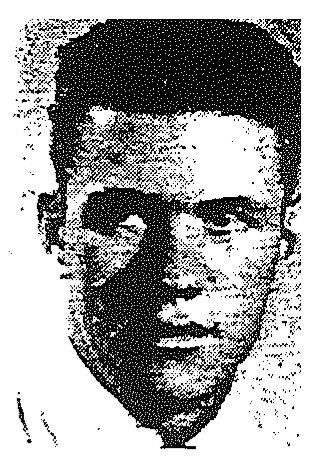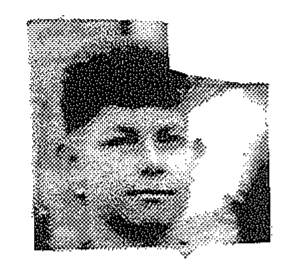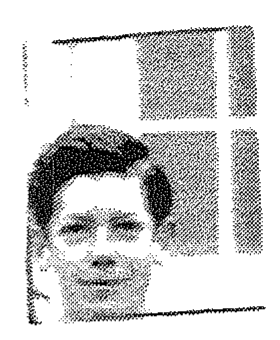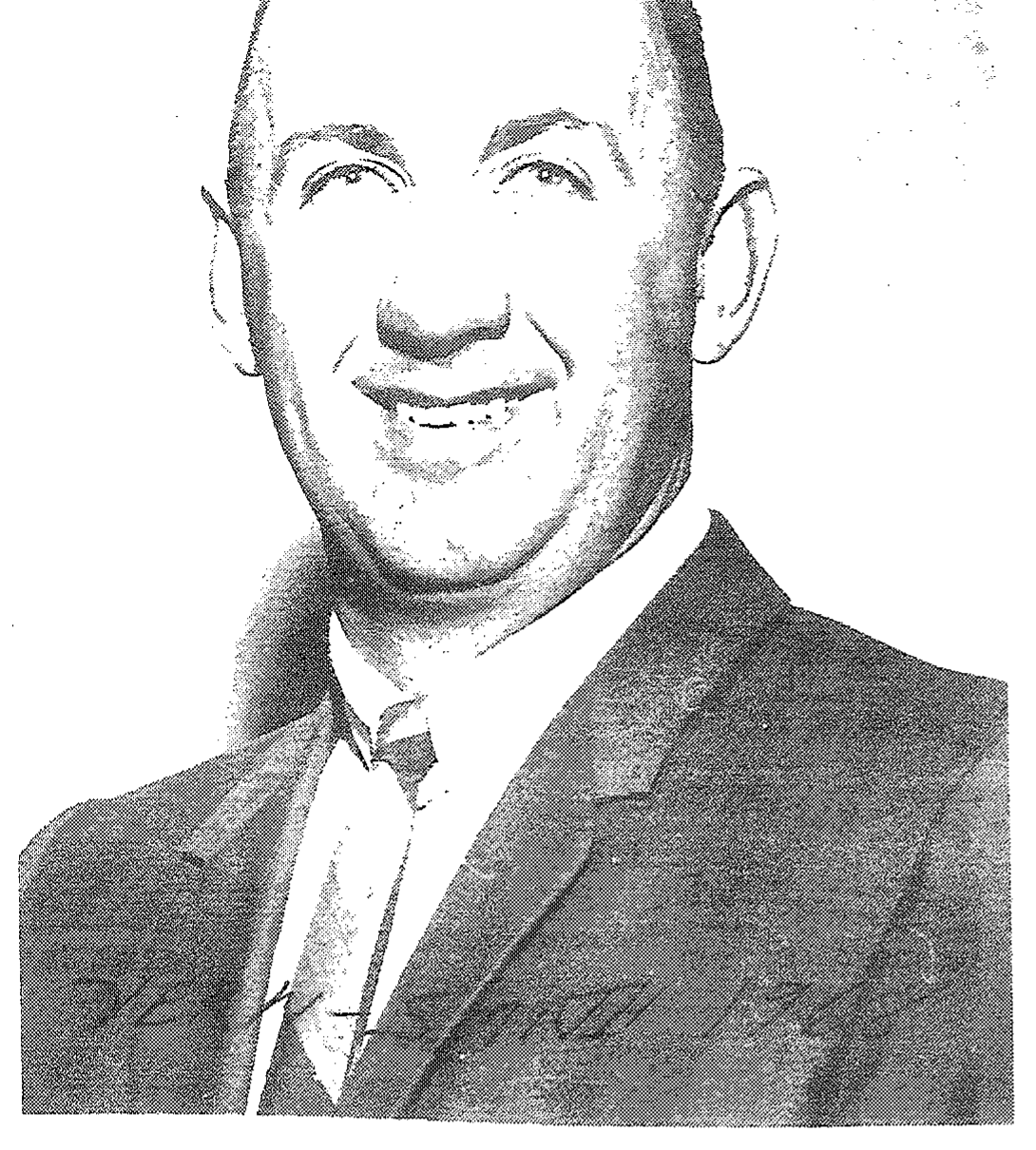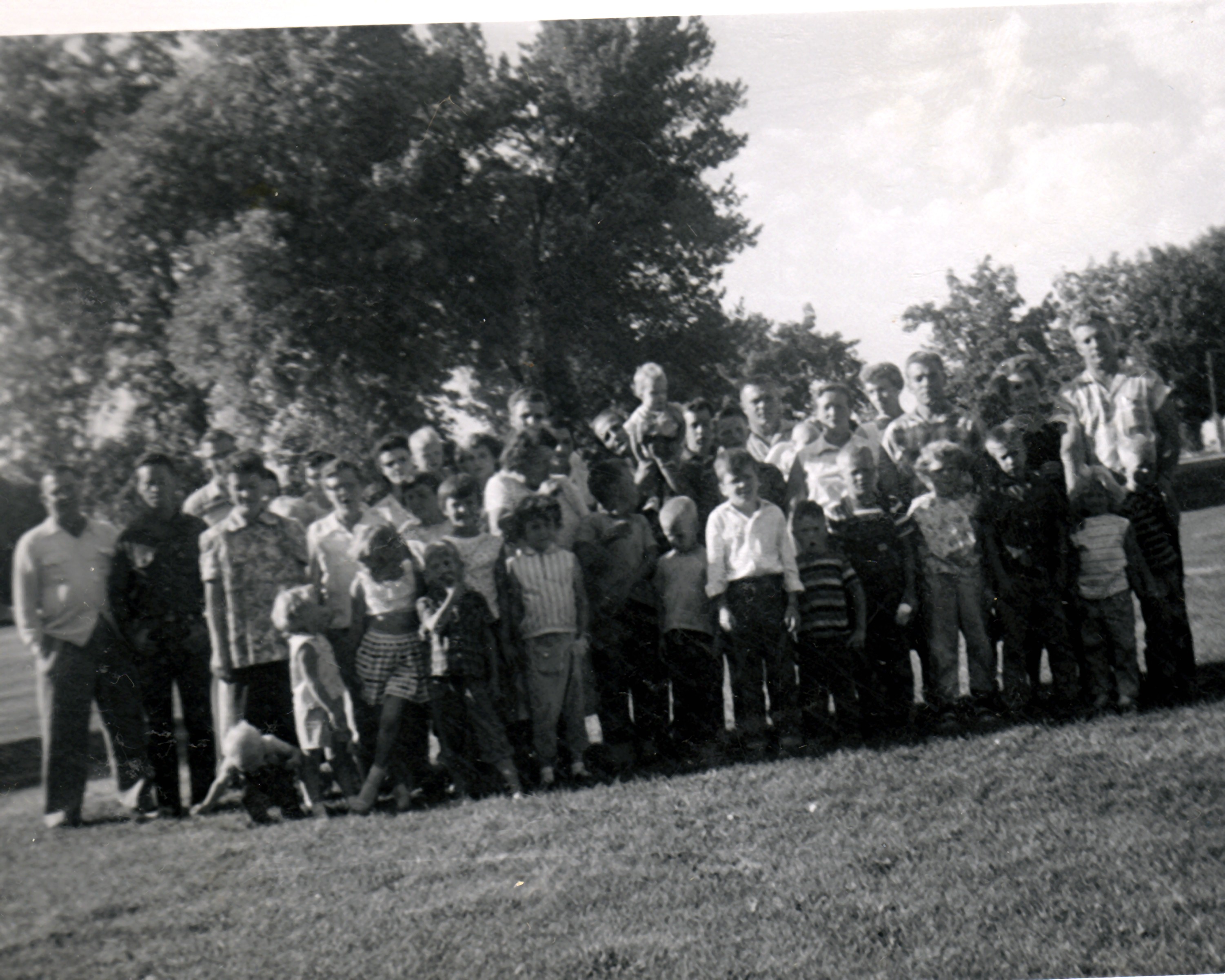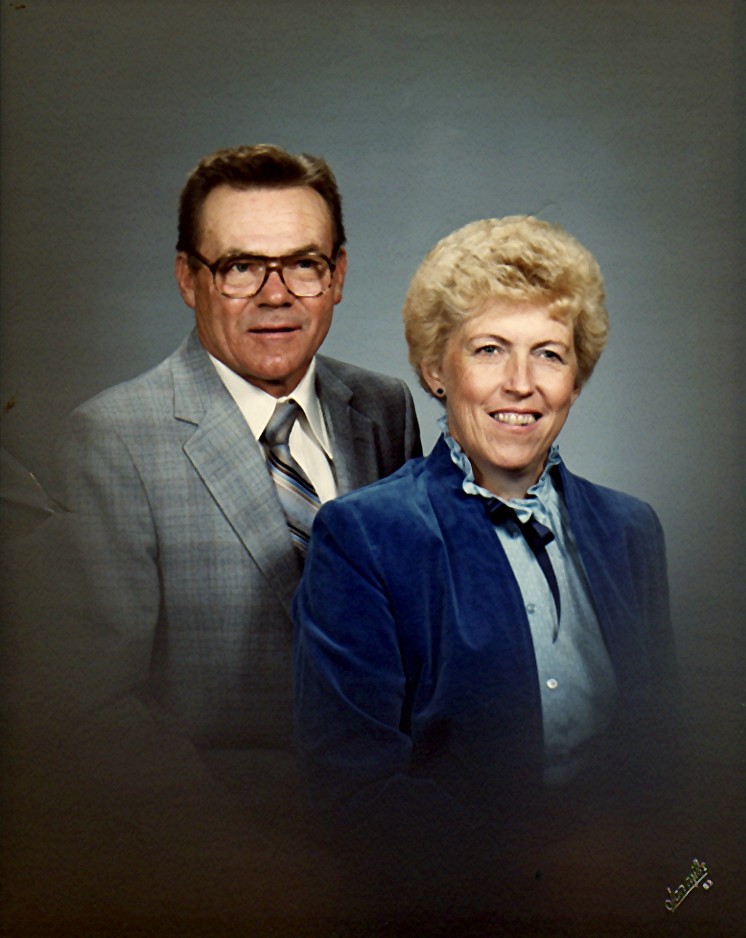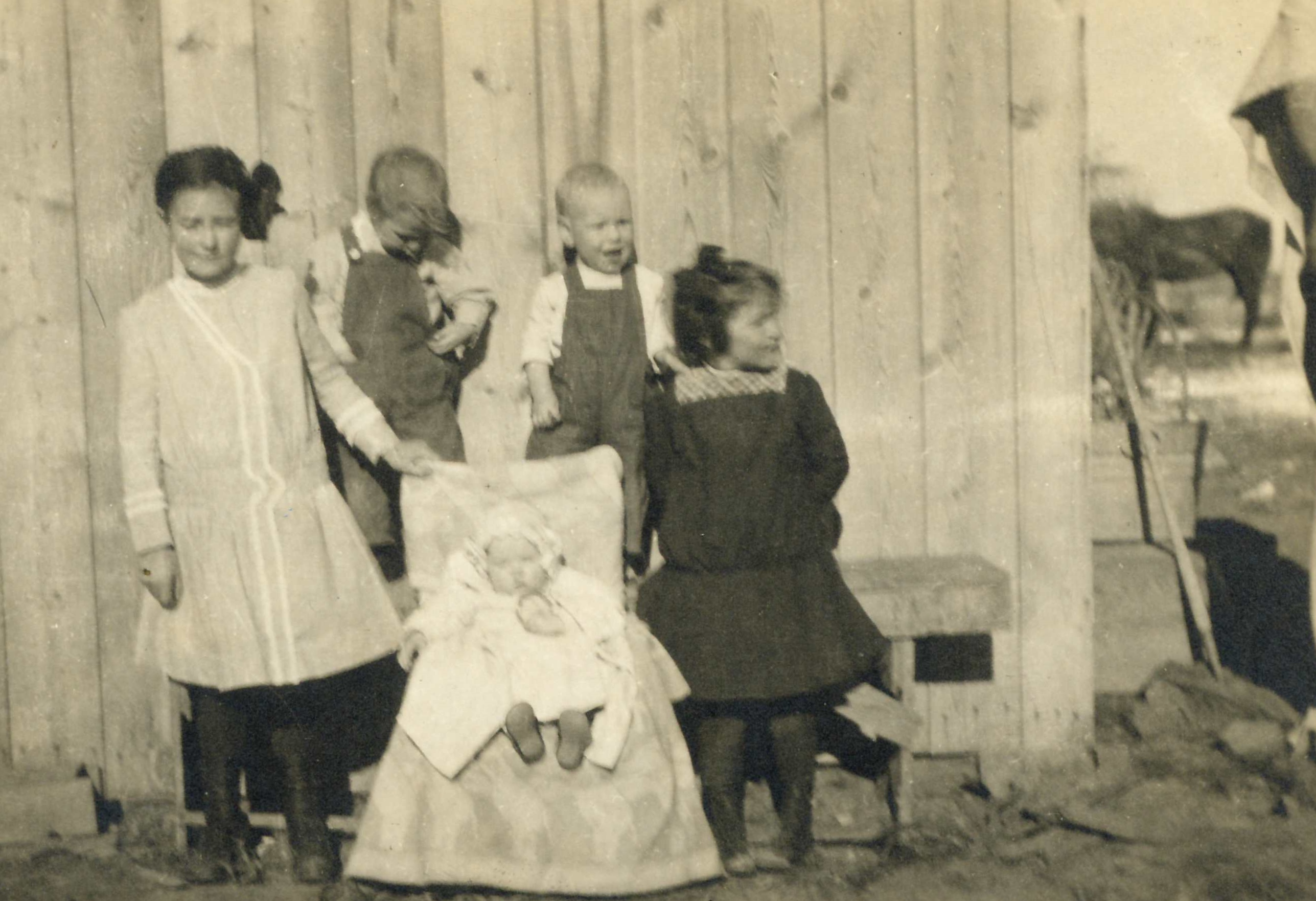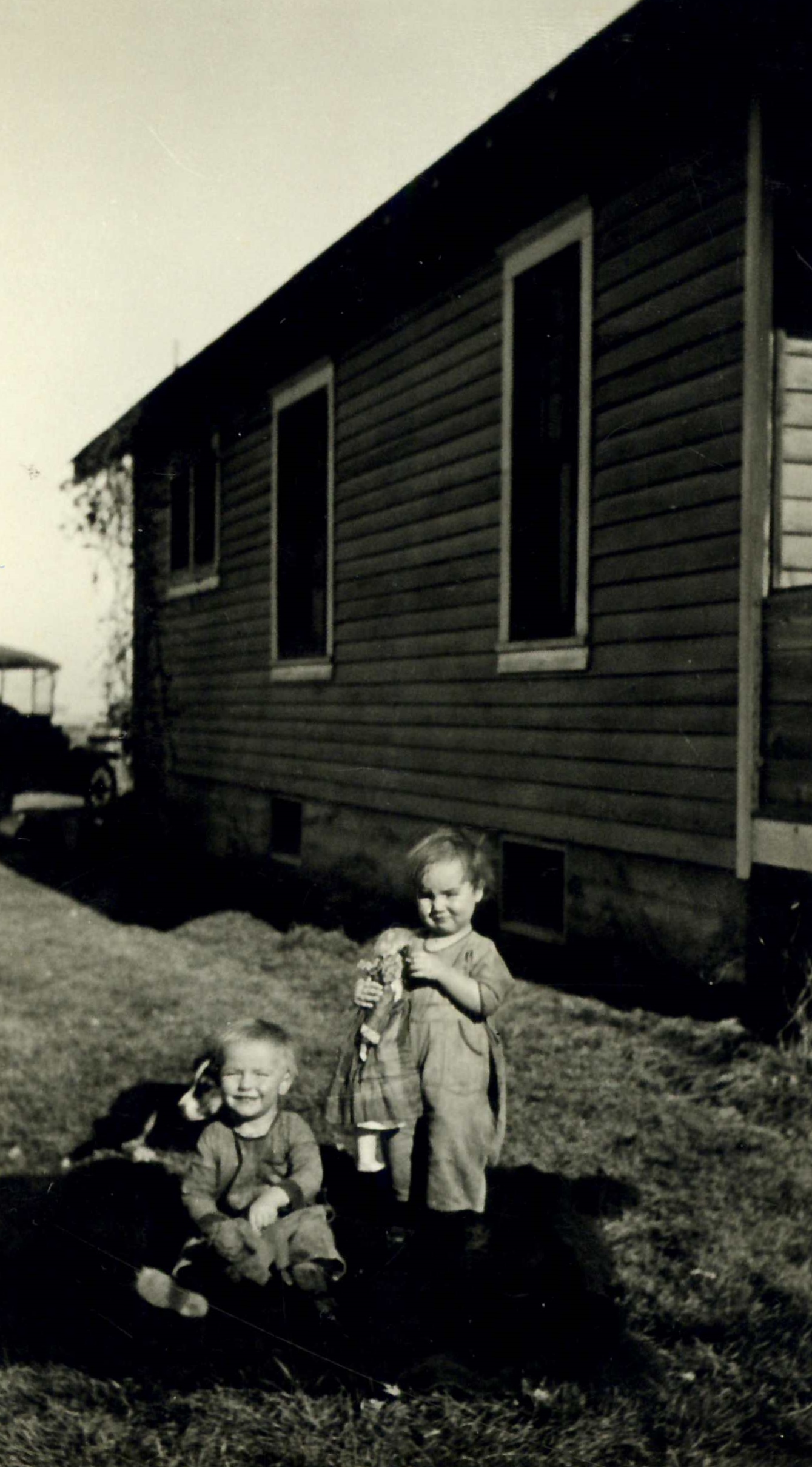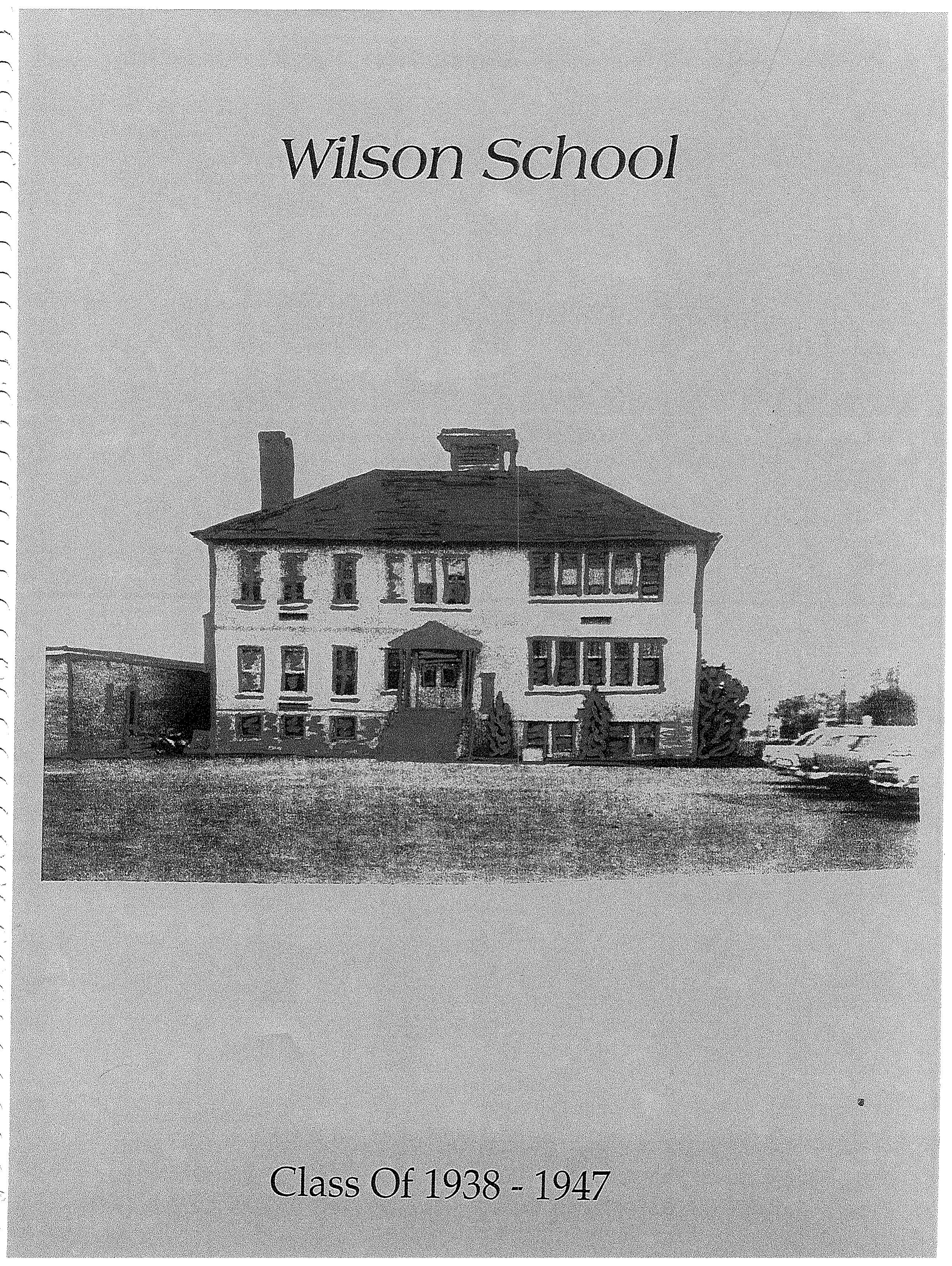
Wilson School, Class of 1938–1947

Wilson School building, Class of 1938-1947

This is a book I received that belonged to my Great Aunt Betty Oram Donaldson. I was not sure exactly what to do with it, other than share it for family history purposes. The photos in the book were not very high quality, but I am replicating them here anyway. Hopefully this history is of value to someone else who has family in the book.

“It’s a Great Life”

It’s the time in life for all of the Wilson School Class of ’47 to stop for a moment and realize that “It is a Great Life.”

We are matured and “aged” to the point that we are willing to accept that we are what we are. We realize that all of us have talents and abilities and that no two of us are alike, but that’s what makes us successful and happy. We are happy when we use our abilities and develop our talents.

In sports and business they often refer to “a level playing field,” meaning that both sides of the competition have equal opportunities. Therefore I believe that in life competition, the only “level playing field” is when we compete with ourselves. Our goal should be to do the very best we can, because no one else has the same talents, or abilities, or past experiences that we as individuals have. It has been said that we are the sum total of our past experiences. I believe our religious freedom and our constitution give us the opportunity to pursue success and happiness.

At the reunion dinner it was noted that all of us were satisfied with our accomplishments in life and most of us were in the service of others by actively volunteering in our churches, schools, civic organizations or other needy causes. Yes! It is true that most of us are involved in golfing, traveling, or other hobbies that we have looked forward to doing while preparing for these Golden Years. The time and resources to pursue and enjoy these activities make it “a Great Life.”

I am proud and honored that I attended Wilson School and associated with all of you there. From that small class we have many success stories and important things that we have done. Each of us has his or her own success story to be proud of whether it’s related to our families, our friends, our activities in church, our civic involvement, our involvement in other special organizations, or our career successes.

It has been said that when we die if we have five close friends that we have been successful in life, If that is true, then all who were part of the Wilson School Class of ’47 are successful individuals because of the friendships that we share today.

May each and every one of us continue to be successful and happy in our daily life, and always remember that it is a Great Life.

— R. B. (Bud) Willey, Class of ’47 Student Body President


History of Wilson School Class, 1938 to 1947

Many of you attended your very first school years in another school. As each one came to Wilson we became friends and so your memories will begin where you started. For a few of us our total elementary school experience was in the old Wilson School and that is why we started this memory book with the first grade.

First Grade, 1938–39

Our first grade teacher was Miss Dorothy Poulsen. She was young and pretty and we loved her. Our first grade class room was upstairs on the southwest corner. It was large with windows on the south and had wood floors. We had tables and chairs, a playhouse, a sand table and a space for a reading circle. We read from Dick and Jane books. We carried our lunches to school and stored them in a screened cabinet in the hallway. Many of us had Snowdrift shortening buckets for lunch pails. That year the front entrance of the school faced north with steps going toward the road. There was no cafeteria. First and second grades were excused at 2:00 p.m. to go home. That year we had two age groups in our class. We met with the children a year older than us. A doctor visited our class and checked our ears and throats. There were about 29 children in our room.
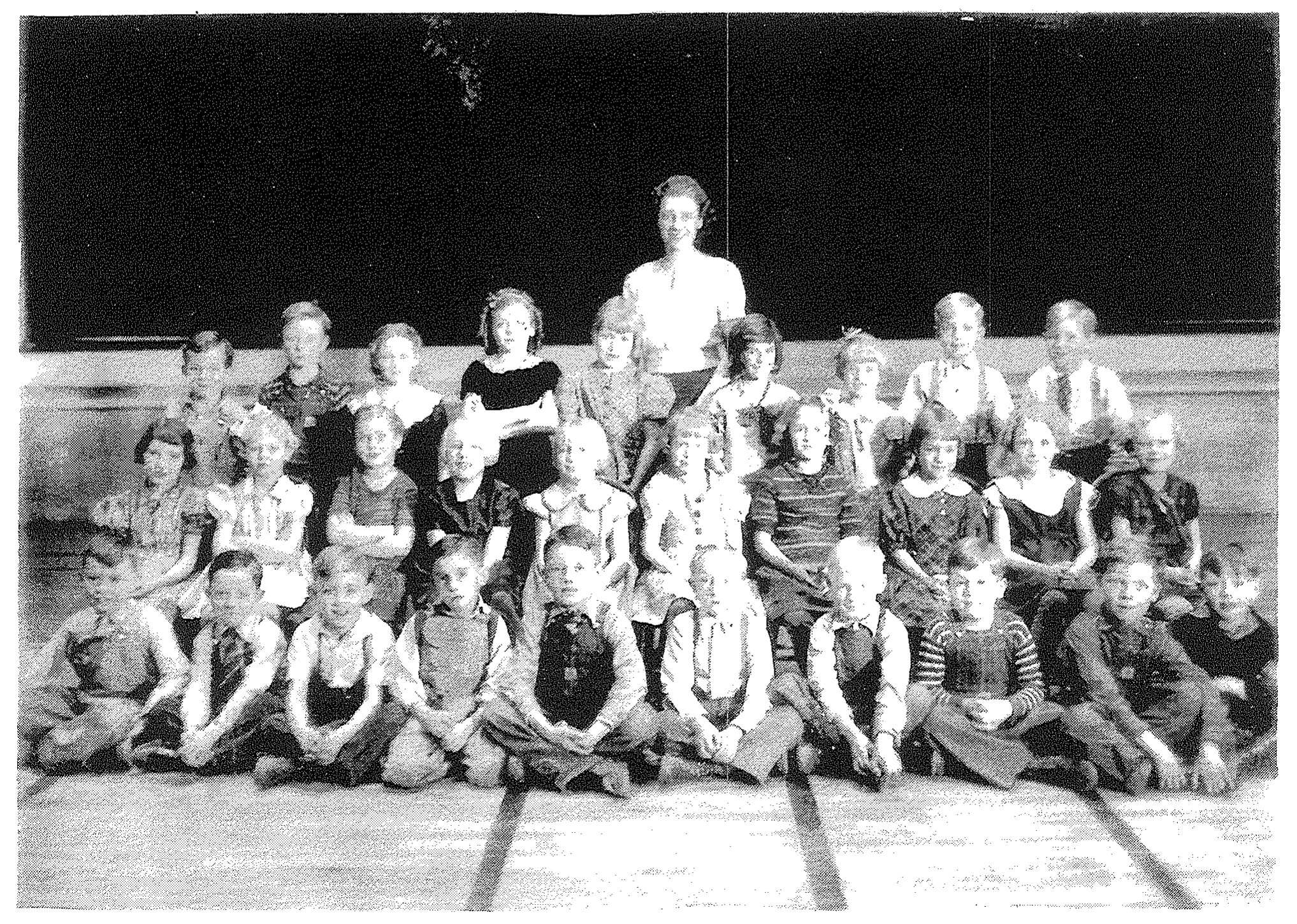
First grade class photo, 1938-39

Second Grade, 1939–1940

Our teacher was Miss Viola Poulsen. Our classroom was upstairs on the southeast corner with windows on the south and east and a fire escape outside. We had desks that year and reading circle space on the east. We learned reading, math and other subjects. The school district closed the Marriott-Slaterville School that year and those children came to our school, so we had one age group of children in our classroom. About this time in the second or third grade we began getting soup for school lunches. They brought buckets of soup to the classrooms and passed enamel bowls and spoons to each student and filled them with soup. That was the forerunner of school lunches. About this time the school was remodeled so that the entrance faced the east and the office was built where the north entrance had been. The bathrooms were downstairs in the basement.
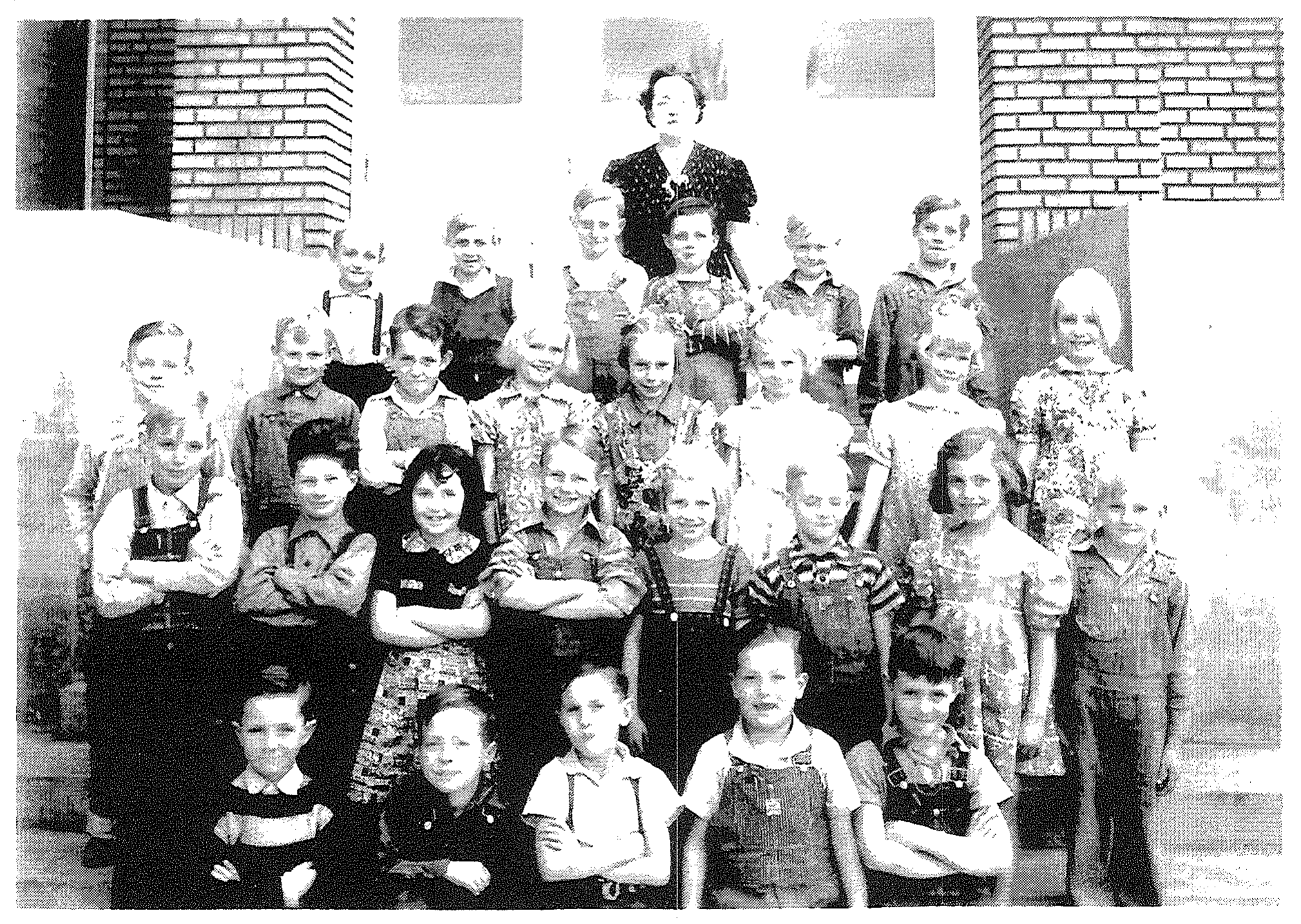
Second grade class photo, 1939-40

Third Grade, 1940–41

Mrs. Folkman was our teacher. Our classroom was the upstairs northeast corner or the southwest corner. There were 29 children in the class.
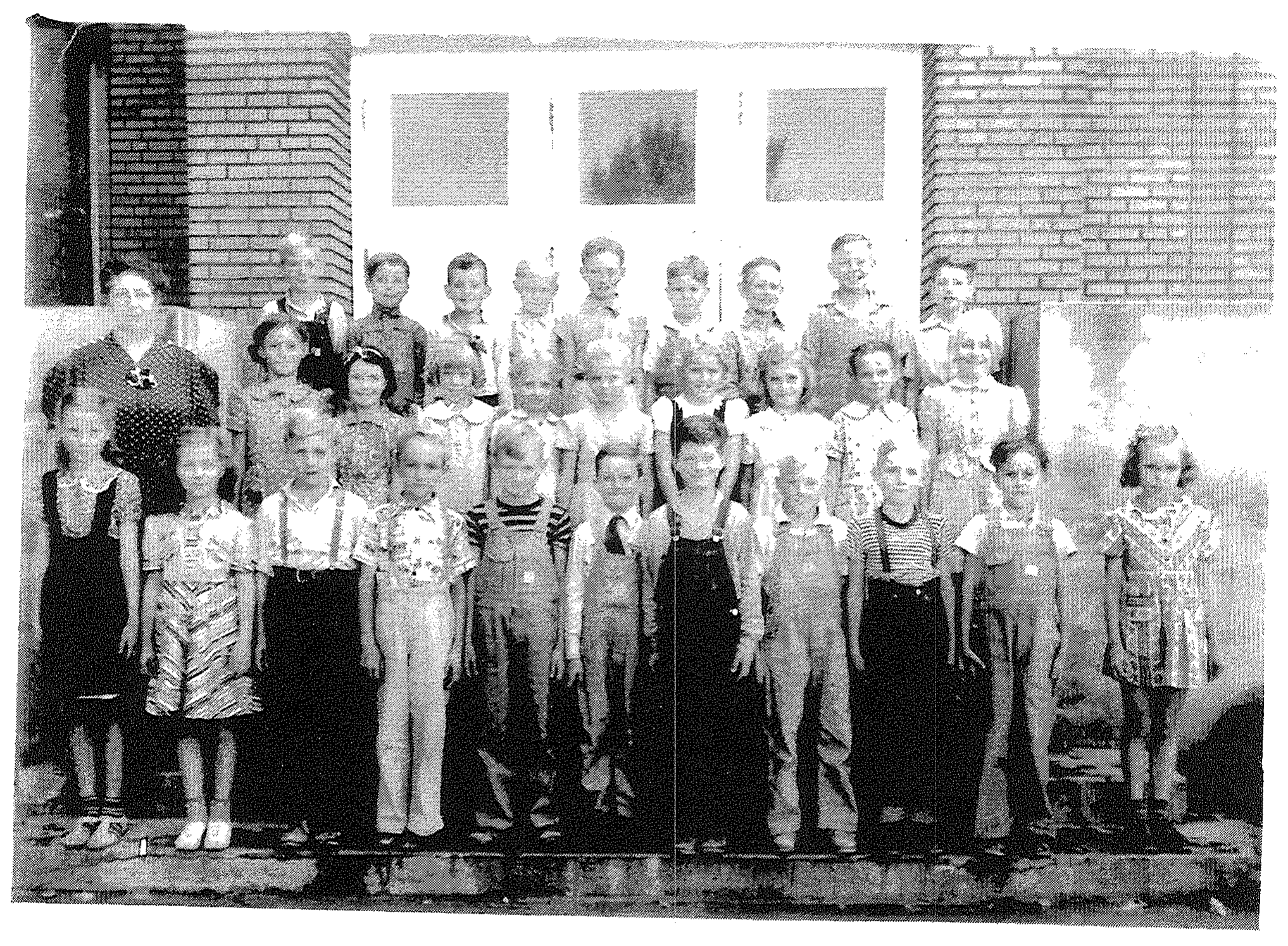
Third grade class photo, 1940-41

Fourth Grade, 1941–42

These were the war years. Our teacher was Miss Chadwick. Our classroom was the upstairs middle room on the north. These war years were very hard. School was closed in the fall so the older school boys could help harvest farm crops. We went to school on Saturdays a while to make up the time. The older boys were soldiers and were drafted to fight Japan and Germany. Many of our brothers were soldiers. No school pictures were taken during our fourth, fifth and sixth grades because all resources were concentrated on helping the war effort.

Fifth Grade, 1942–43

Our teacher was Miss Vera Shaw. She was a superb teacher. Our classroom was the upstairs northeast corner. About the time of fifth or sixth grades they began school lunches and we had tables in the basement in the hallway. I don’t remember when the cafeteria was built.

Sixth Grade, 1943–44

Our teacher was Vera Shaw again. Our classroom was on the main floor southeast corner. As an activity one day we made butter by shaking cream in a bottle then we each had a cracker with butter on it. We learned reading, math, and spelling etc. It seems like part of this year we had Mrs. McGrath for a music teacher and we made a book of all the old music composers. We bought victory stamps and gave the government the money to help fight the war. A favorite game of the boys was marbles. Each boy took great pride in his collection of marbles and his skill at shooting. The girls played jacks. We had a rubber ball and a set of 12 or so jacks and we would sit on the floor in a circle or around a table and go clear through onseys, twoseys, downseys, under the bridge or over the bridge etc. Another favorite of the girls was jump rope. If you could do “Red Hot Pepper,” or “Double Dutch” without missing you could jump quite a while. To be able to run in and out without missing was a keen skill. The boys played baseball. Another favorite game was “Pop the Whip.” Boys and girls would hold hands “tight” and run in a snake line and try to pop the end person off. We took turns being on the end to be popped off. Another favorite was “Flying Dutchman”. We were in a circle and two people ran around the circle. If your hands were touched you ran to beat the other couple to the empty space. Another favorite in winter time in the gym was four-corner kick.

Seventh Grade, 1944–45

Miss Maude Holmes was our teacher. That year for a very short while we had a Mr. Carter who was unusual. He stole some of our lunch money. Our classroom was on the southwest corner of the main floor. Around this time the school district built the cafeteria on the south of the school. We blessed the food and everyone ate together and we learned dining etiquette. The mashed potatoes and hamburger gravy and chocolate cake were favorites.
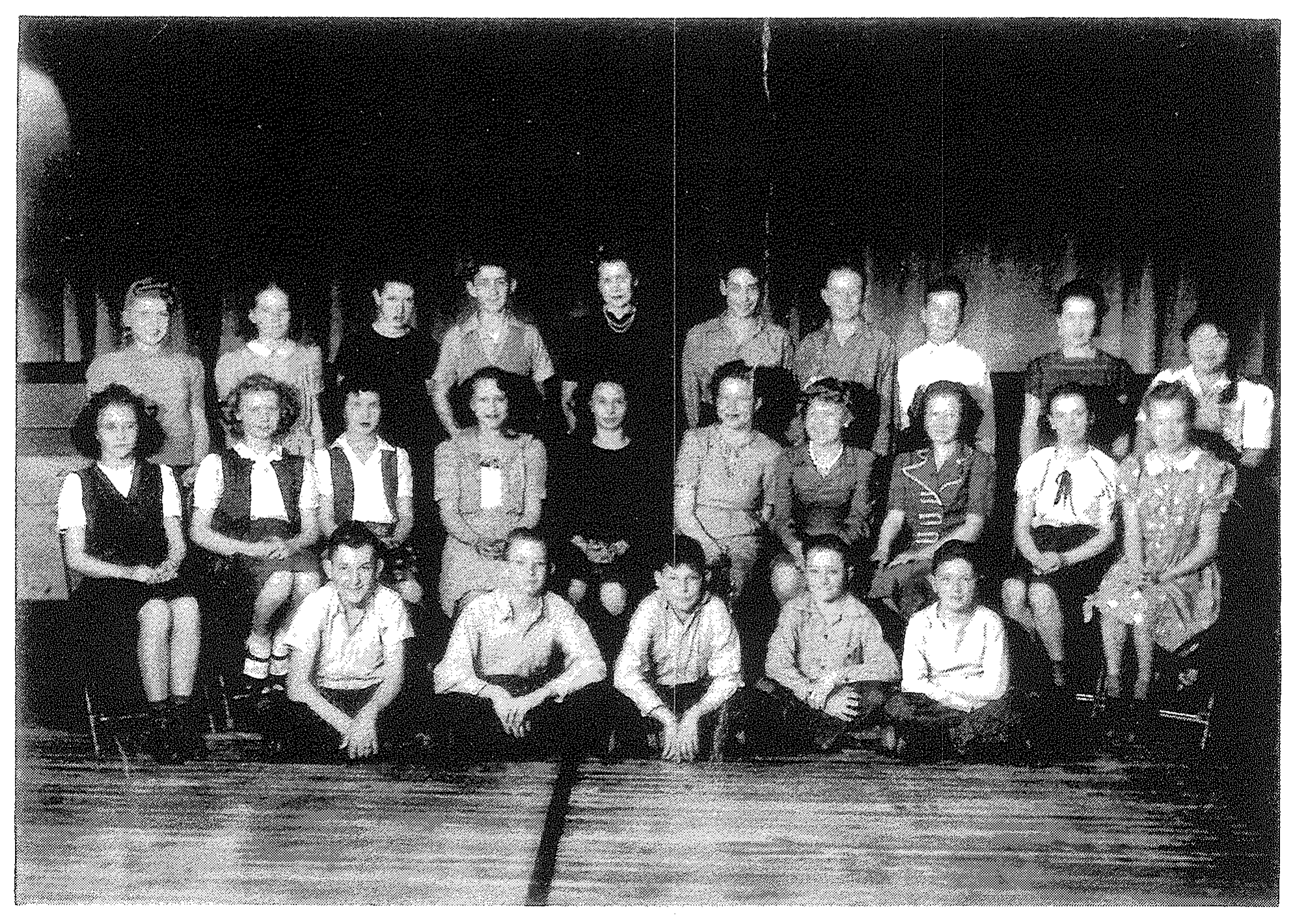
Seventh grade class photo, 1944-45

Eighth Grade, 1945–46

Mrs. Woodward was our teacher. Our classroom was on the northwest corner of the main floor. There were 27 in our class. World War II ended and the United States began it’s healing process and the rebuild.
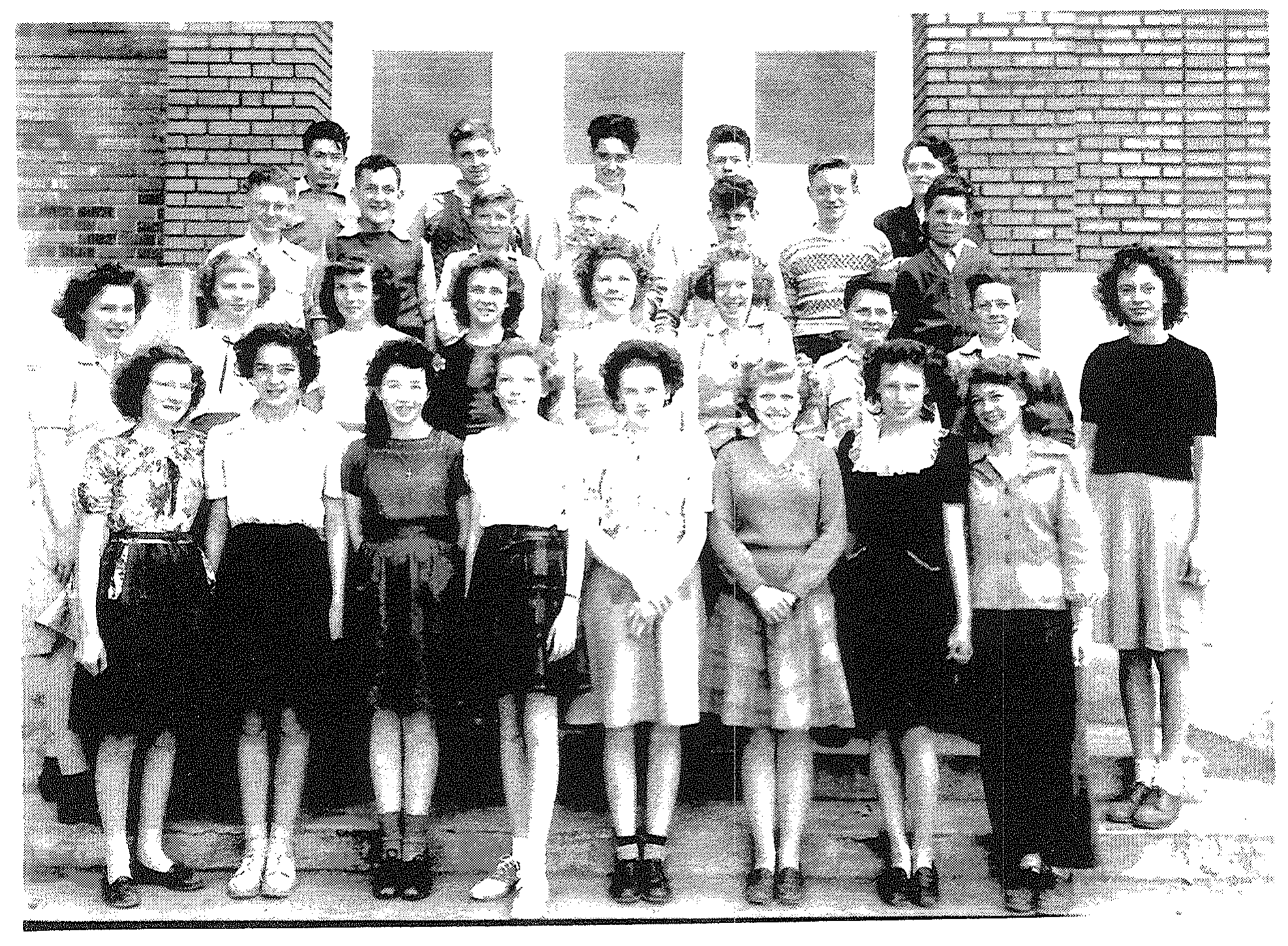
Eighth grade class photo, 1945-46

Ninth Grade, 1946–47

Mr. Leland Reese was our teacher and our classroom was on the northeast corner of the main floor. We were becoming sophisticated adolescents. Mr. Reese taught us first aid. Mr. Wheat Taylor was our principal. Mr. Pettigrew was the orchestra teacher and some of us played instruments. We had basketball and baseball games against the other schools on Fridays.

Wilson School was a safe and healthy environment for children to grow. The teachers respected our childhood and watched over us with kindness. Every year each class in the school participated in a school program. Mr. Arthur Taylor was our principal in the early years. A Mr. Chadwick was principal for a time. Wheat Taylor was principal in our later years and helped prepare us for high school. All in all we had a memorable early school experience and look back at those fun years with fondness.
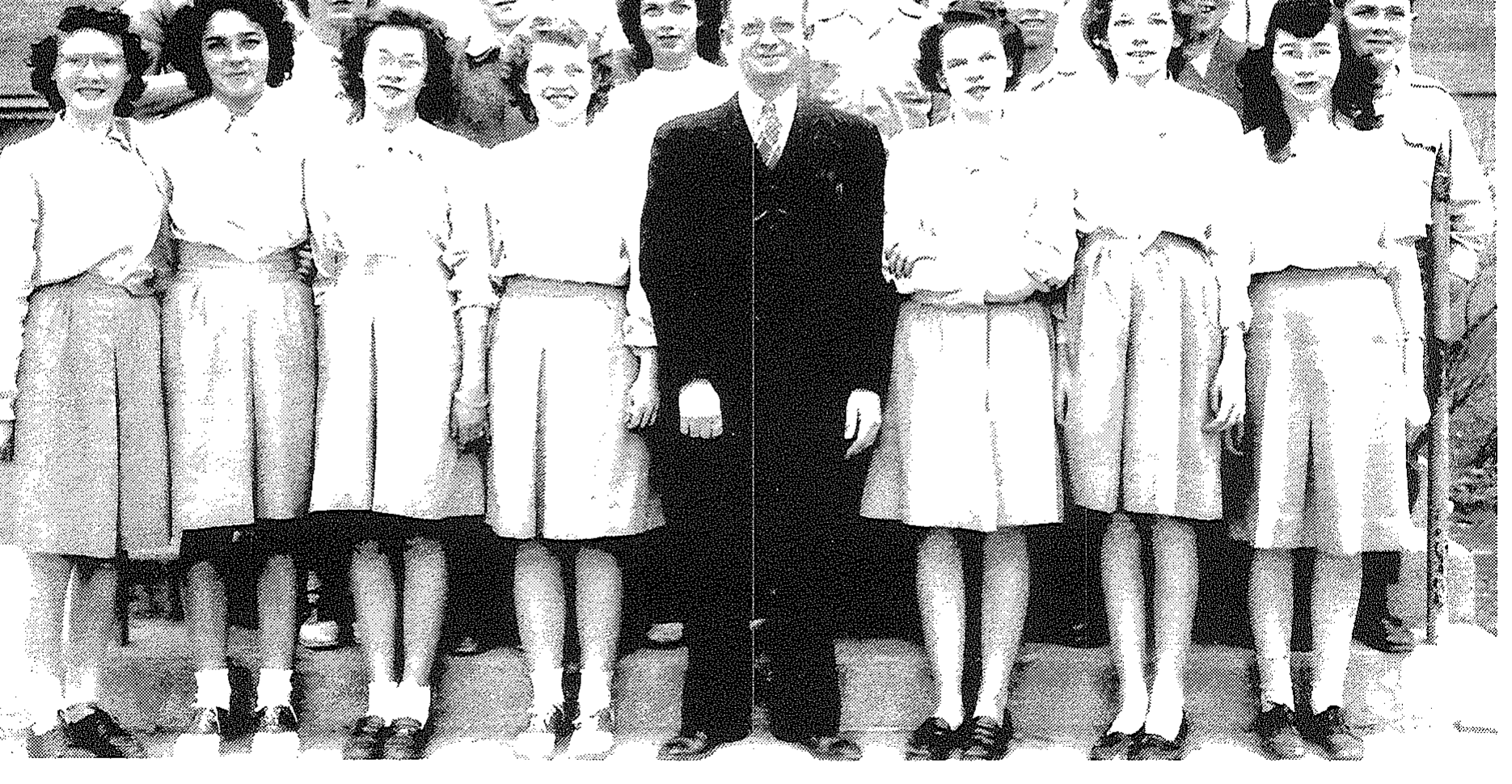
Ninth grade class photo, 1946-47

Ninth Grade Class of ’47 Reunion in 2000

Drauca Marston Holmes, Lola Taylor Sheffield, Louise Holmes, Marilyn Bowman Garner, Betty Lou Buck Schulze, Emma Ropelato Walling, Nona Flitton Forsgren, Gladys Sorensen Gibson, Lila Stone Harwood, Robert Holmes, Gordon Belnap, Betty May Oram Donaldson, Rudell Willey, Jewel Checketts Atwell.
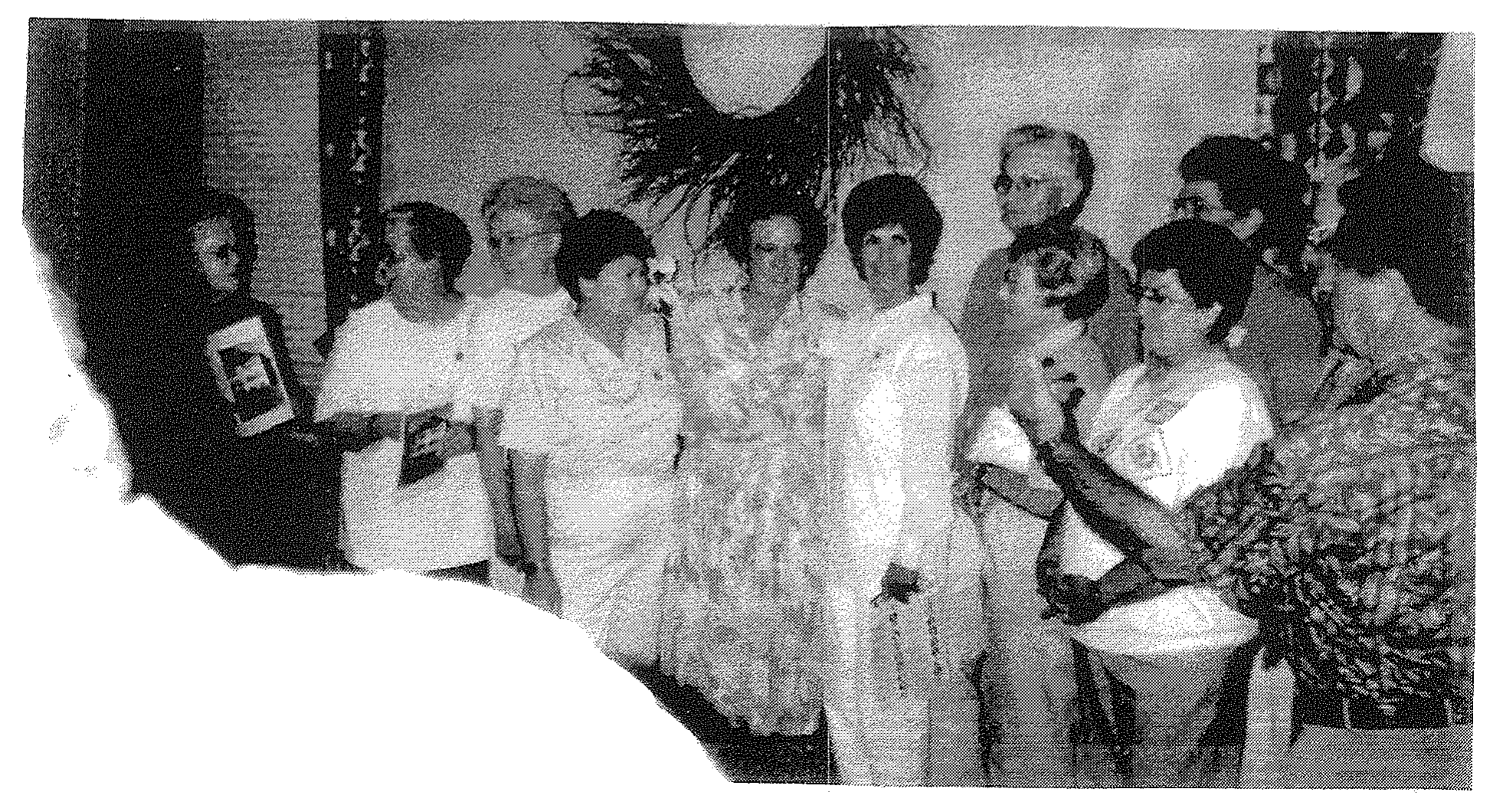
Reunion photos, Class of 47, 2000

Where Are They Now

GORDON “DUTCH” BELNAP
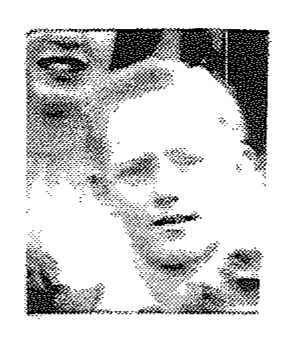
Gordon Belnap

Married Faye Robins in 1951. Three sons, Rob, Tim, Mike. Eight Grand kids. US Navy: Honorable Discharge. Weber Jr. College 2 years. Utah State: Grad 1958, Masters 1965. Coach, Utah State University 13 years. Athletic Director Weber State University. Faye passed away Aug. 1996. Married Karen Smith Sept. 1997. Hobbies: woodworking, golf, travel, volunteer 2nd grade teacher.

MARILYN BOWMAN GARNER
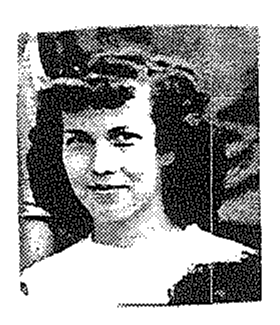
Marilyn Bowman Garner

I’ve had a good life. I attended Weber College, married Don Butler and had 2 children, Kathy and Gary before leaving Ogden in 1956. We lived in Pocatello, Idaho before moving to Grand Jct. Colorado. During our 15 years in Colorado, I worked for a wholesale drug company and the last year as office manager, bookkeeper for an ophthalmologist. While living there Vickey and Jodi were born. Our son was killed in a car accident in 1968 and in 1971 Don and I were divorced. I moved with my girls to Salt Lake in 1973 where I spent the first 4 plus years as office manager/legal secretary for an attorney. Then I went to work for Salt Lake County. When I retired in 1999, I was fiscal manager for the SLC Public Works Department. I married Clair Garner in June of 2000. We plan to keep up the good life with travel, golf, volunteer work, genealogy and enjoying our 9 grandchildren.

BETTY BUCK SCHULZE
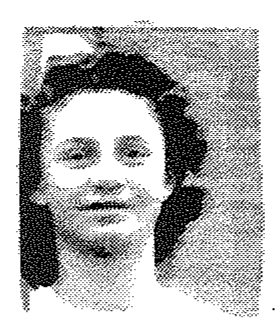
Betty Buck Schulze

When I left high school, I married Marler Williams. A boy, Monte B. was born of that marriage. Marler died 8 months after Monte’s birth. I went to work at HAFB to support myself and Monte. While working at Hill, I completed my schooling at Utah State University. I married Willard Smith. One son, Donald was born of that marriage. After Donald’s birth I returned to work at Hill. I worked as a supervisor for several years, then selected to study under Dr. Fredrick Herzberg, Distinguished Professor of Management from University of Utah. Under Dr. Herzberg’s guidance I completed a Masters Degree Equivalent in Industrial Psychology then taught Organizational Development, Air Force wide. I retired from HAFB with 25 years service. Willard and I traveled for 8 years prior to his death from cancer. I am now married to Hugo Schulze. We are enjoying our children, grandchildren and great grandchildren. I love to golf and play every chance I get. I have played on bowling leagues in the past. I had a wonderful time golfing with my past friends, especially Dutch Belnap, at the Weber High Golf day in 2000.

JEWEL CHECKETTS ATWELL
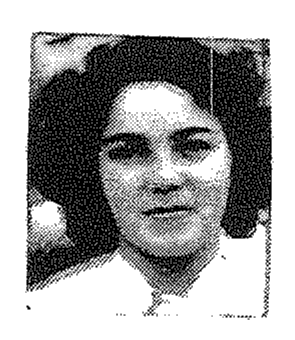
Jewel Checketts Atwell

I was engaged my senior year, and married Daryl Hendrick on June 19, 1950. We settled in Layton and had 4 girls and 2 boys. I played on the church softball team until I tore the cartilage in my knee, then I helped coach. We moved to Santa Fe, New Mexico and I started my dream of becoming a nurse. I worked 25 years in all areas of nursing, really enjoyed it, and learned a lot. Daryl passed away in June ’68. That was the year I met Gene. I married him in Nov. ’78. He is my best friend, lover and husband. He’s really been good through all the surgeries I’ve had. Gene had 4 children and our families are like one big family, all getting along well. These 21 years have been so happy! We have a total of 10 children, 26 grandchildren and 4 great grandchildren. Gene is now retired from US West [Quest] and we live in Roswell, New Mexico.

JOHN EILANDER [JACK]
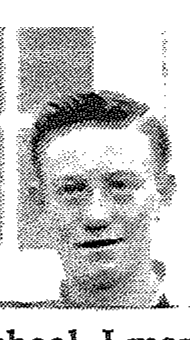
John Jack Eilander

Upon my graduation from high school, I married and went into the US Army. After my release from the Army, I went to work for 3 years at the Ogden Arsenal. Subsequently, I was hired by Weber State University, where I retired in 1992 after 38 years of service. I am the father of 6 children, grandfather of 11 grandchildren and great grandfather of 10 great grandchildren.

NONA FLITTON FORSGREN
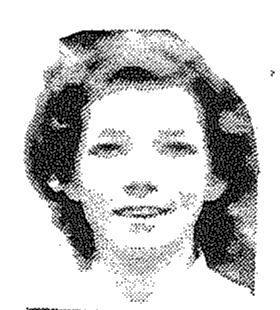
Nona Flitton Forsgren

After graduating from high school, I got a job at a 5 and dime store for a short time before the opportunity came for me to take employment at Hill Air Force Base as a sheet metal mechanic. I had met my husband, Judd, at a senoir class party. After dating for some time we were married in 1953. I quit work to have our family of 3 daughters. We lived in Ogden and Willard then back to the Ogden area of Kanesville, West Haven. About the time our girls were in school, I again had a chance to return to my old job of riveting. I worked on the F4’s and F16’s. After 22 years of enjoyable service at HAFB, I retired in 1987. I have been busy since, wondering how I had time to work. Judd and I have traveled long and short trips, taken cruises and just the summer of 2001 traveled to Sweden, my husbands long time desire. I have served as Relief Society President in our ward and am enjoying my grandchildren as well as all the family. We have much fun and enjoyment with them. They are the greatest.

ROBERT WILLIAM HOLMES — February 17, 1932
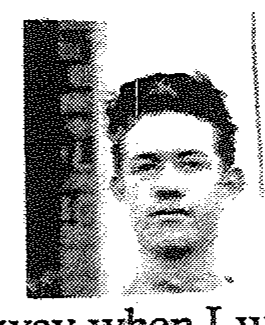
Robert Holmes, young
Robert Holmes, older

(“Where he’s at, there’s mischief” . . . “Bob” . . . likes any back seat . . . not a lone wolf . . . Windy’s always with him . . . they work together . . . that smile! . . . is the key to many locked doors . . . for Bob.)

Born and raised in Wilson, my Father passed away when I was 10, I was left to run the farm, which I did after school and during the summer months.

After graduating from High School I joined the Navy for a 4 year term. During the time I was in the Navy I was in several places in and around Formosa (Taiwan), Korea, Japan and China. It was very educational for me, seeing other countries and other cultures. In the Navy I was assigned to the aircraft carrier, USS BOXER, for eight months we cruised the seas patrolling the waters and land around the foreign countries. The rest of the time I spent in San Diego at Miramar Air Force Base and Point Mugu at Oxnard, California. I learned lots and seen lots during these eight years.

While in Point Mugu, I went a place called Jockey Meads, a resort between Oxnard and the San Fernando Valley, where I met Dorothy Lou Bates. I was invited to church in the Valley and stayed to a fireside at the Bishop’s house. My relationship with Dorothy continued and we were Married on July 17, 1953 in the Logan Temple. We have been blessed with five beautiful daughters, three son-in-laws and twelve grandchildren, six boys and six girls.

After my duty in the Navy, I enrolled in college at Utah State Agricultural College, halfway thru my years there they changed the College to a University, now called Utah State University. I graduated with a BS degree in Industrial Arts Education with a minor in Math after four years. The next summer I started my Masters Degree and a couple years later I finished my Masters in School Administration with a minor in Industrial Arts Education.

I was an Industrials Arts Teacher and taught wood shop for 35 years, retiring in June 1993. I was also a General Contractor for many years building houses and other structures.

I was the Chairman of the Wilson area planning committee for 14 years.

I was on the Weber County Board of Adjustments from 1988 until 1995, chairman of the board from 1990 until 1995. I also served on the Weber County Boundary Commission for one term.

I was the facilitator in organizing and establishing WEST HAVEN CITY – 1990. We became a city in July 1991 and I was the first Mayor serving for three years. While Mayor, I tried to get the city to agree to the sewer and secondary water but no one thought that was important and no one needed it, now, in the year 2001, it is needed and being put in the ground.

Keeping active in politics, I am currently the chairman of the WEST HAVEN SPECIAL SERVICE DISTRICT. Working with the city makes me feel like I have accomplished a great deal in my life and I enjoy what I am now doing. I am excited about every piece of pipe that is laid in the ground.

LOUISE HOLMES
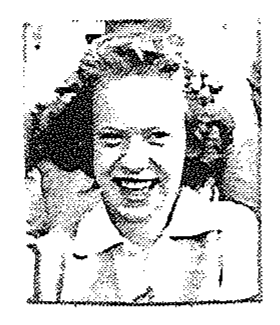
Louise Holmes

I’m still Louise Holmes, having never changed my name. Following high school I attended Weber College and received an A.S. Degree. Then I attended USAC and received a B.S. Degree. After teaching school for 10 years I went back to what is now USU and received a Masters of Education Degree. After 33 years of teaching school I retired. I have spent part of my time volunteering as a tutor for children ages 6 through high school. I’m still recognized by many of my former students. They always stop for a visit. Traveling has always been fun for me. I’ve taken many tours and have met people who still remain my friends. For the past 23 years I’ve made my home at the Three Fountains Condominiums in North Ogden

JoANNE HOWE GEARY
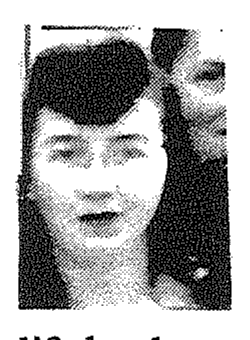
JoAnne Howe Geary

Since graduation in 1950 my life has been pretty good. I got married in ’52 and had my first boy in ’53, another boy in ’55 and girls in ’59, ’60, and ’66. They are all grown now and in their own homes. We have 11 grandchildren, 6 girls and 5 boys. My husband and I took our children to Puerto Vallarta, Mexico in ’75. We’ve been to Catalina Island off California 4 times. We like to travel when we can to visit our daughter and her family. My husband and I, for the most part, live a very quiet life. Don, my husband, likes gardening and watching video movies. I like to cook, do puzzles and watch quiz shows and video movies, of which we have a large collection. My husband also likes to paint and sketch. Two years ago, after wearing glasses for 56 years, I had my eyes operated on and now I only need glasses for reading small print and driving. We’re going to California, San Bernardino to be exact, in April to see our youngest granddaughter get baptized. We like to travel when we can. We’ll be celebrating our 50th wedding anniversary before the Winter Olympics in 2002. It will be a family affair.

CARMA KLINKE POINDEXTER
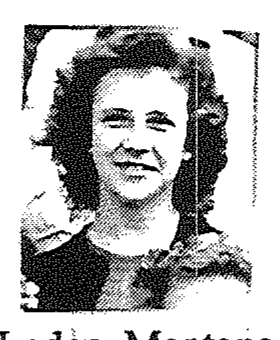
Carma Klinke Poindexter

I married Hugh H. Poindexter in Deer Lodge, Montana. He was a rancher and truck driver. I have three daughters, Denise, Kathy; and Ellie, six grandchildren and three great-grandchildren. I have lived in Ogden, Utah; Roy, Utah; Los Angeles, California; and Bountiful, Utah. My home has been in Bountiful, Utah for the past thirty-two years. My husband and I have drove truck together and traveled every state in the U.S. except the New England States and Hawaii. God has been good to me. We are retired Snowbirds now.

DRAUCA MARSTON HOLMES
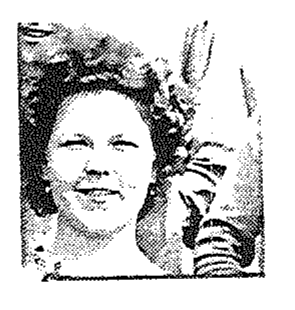
Drauca Marston Holmes

Drauca and Wayne Holmes were married in October following our graduation. Drauca worked as a secretary while Wayne attended Weber College. They moved to Logan where Wayne graduated as an electrical engineer. Drauca was an Executive Secretary for the Cache Co. Dept of Public Welfare. Wayne was commissioned into the Air Force and they lived in California and New Mexico for the next four years. Drauca was a stay-at-home Mom. They moved to Brigham City in 1959. They have four children and 14 grandchildren. Drauca worked as an Executive Secretary for Thiokol, NASA and the Air Force, performed semi-professionally for six years, graduated from Weber State University in Theater and developed the Heritage Theatre in Perry, Utah, for which she was the Executive Director for 23 years. She and Wayne retired in 1994 and have served an LDS Mission to the Family History Library in SLC.

BETTY MAY ORAM DONALDSON
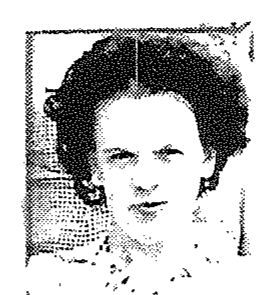
Betty May Oram Donaldson

My name is Betty May Oram Donaldson. I have lived in the Honeyville and Ogden areas during my younger years. I attended the Honeyville Elementary School and the Wilson Lane School, then the Weber High and Box Elder High Schools. After school I worked as a dental assistant and then a medical assistant until retiring at 62. I married David W. Donaldson in 1953. We built a home in Plain City, Utah and have lived there for 49 years. My hobbies are cooking, working in my flower gardens, fly fishing and all other outdoor sports.

EMMA ROPELATO WALLING
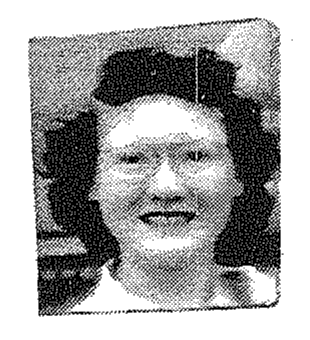
Emma Ropelato Walling

After graduation I went to work for Hill Air Force Base where I met my husband Richard J. Walling. We married Aug. ’53 and I continued working until Dec. ’54 at the birth of our son Dean. Our daughter Terry arrived Jan. ’56. I was able to stay home to rear the children until ’64. Then I went to work at the I.R.S. seasonally until I retired in ’90. My husband passed away in 1972 and my son died in an auto accident in ’93. I sold my home and moved in with my aging parents to help care for them until their deaths in ’96 and ’00. I now plan to visit my family in California and will enjoy traveling to long dreamed of places and spending time with my six grandchildren.

PAUL STOKES
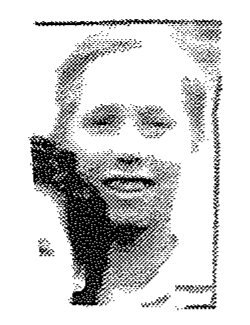
Paul Stokes

I married Mary Jean Miller June 1961 and we have two daughters, Julie Ann, 34 and Lisa Marie, 31. We have two grandchildren, Heather Lynn Beasley 8, and Nicholas Ryan Bronch 17 months. I graduated from Utah State University with a BS degree. I majored in education and minored in Psychology. I taught school for a total of seven years. I also was in the Air Force Reserve for seven years. We moved to Ward, Arkansas in 1965, where we owned and operated a dairy farm for 12 years, then went into the mobile home park business in Jacksonville, Arkansas, and have been renting mobile homes for the past 17 years. We are now semi-retired and have moved back to the farm in Ward. My hobbies are music, dancing and most of all watching the Arkansas Razorbacks football and basketball teams play.

LILA STONE HARWOOD
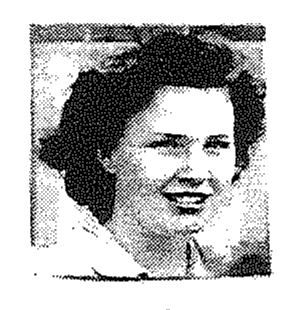
Lila Stone Harwood

I married Jack Harwood 52 years ago. One year later we had our only child, a son, Keith Harwood. He gave us 4 wonderful granddaughters. Our 3 older girls blessed us with 6 great grandchildren, 3 more girls and 2 boys. My husband retired a few years ago, but still works part time, which is nice for both of us.

GLADYS SORENSEN GIBSON
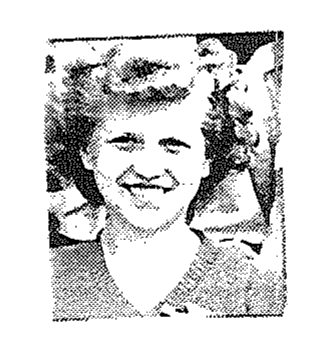
Gladys Sorensen Gibson

After graduating from Weber College with an Assoc., I married Gary Gibson in the Logan Temple. Our 4 children were born in ’54, ’56, ’58, and ’59, two girls and two boys. Our oldest daughter passed away in June, 1995. Gary traveled for HAFB fixing missile test equipment and I stayed at home with our children. In 1966 I was hired at Pioneer Elementary as librarian, so I went to school with our children. I cataloged the books and set up the library. It was on the job training. I read stories to the school children and taught library science. I worked there 15 years. I love children’s literature. In 1977 I enrolled at Weber State once again and in 1982 graduated with a BS in Elementary Education with a Library Endorsement. I was hired as a teacher at Kanesville Elementary in 1982 and taught second grade 13 years and retired in 1995. I have worked in many chruch positions the most recent being an ordinance worker in the Ogden Temple. I’ve been a member of 3 musical groups and performed as soloist and alto. Gary passed away in Oct., 2001. Now I enjoy making quilts, reading and my family. We have 3 living children, 13 grandchildren, and 2 great grandchildren. I’m trying to keep busy and enjoy life..

LOLA TAYLOR SHEFFIELD
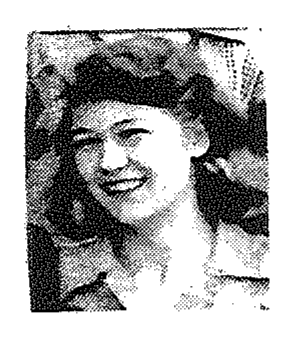
Lola Taylor Sheffield

What Have I been doing the last 50 years? After I graduated from Ogden High School, I took the Cosmetology Course at Weber College and finished after a year. Then I worked at a salon in downtown Ogden. The money was sporadic so when another job offer came at McKesson-Robbins Wholesale Drug House, I took it.

My brother was on a mission in New York and he suggested I come back to Palmyra to see the pageant, which I did. Among the many missionaries involved in the production was one Grant Sheffield from Kaysville, who I met while at the pageant. When he returned from his mission in December he called and came to visit to ask me for a date for New Year’s Eve. We continued to date through the next few months and we were married in June. Shortly after our marriage, Grant was inducted into Uncle Sam’s Service at Fort Ord, California. Our first daughter of three, Vickie, was born while we were at Fort Ord, followed by two more girls, Debbie, and a year later, Sherrie. (Three years after Debbie.)

After Grant graduated from the School of Architecture at the University of Utah, he was hired at Thiokol in the design section. We bought a newly constructed home in Salt Lake- that was another story- commuting back and forth from Salt Lake to Brigham City. Everything went great for five or six years, then Thiokol went down the tube. We were the first wave of the unemployed.

Our neighbor had recently left Utah and went to Tempe, Arizona, and already had set up an interview for himself. So we packed up and went job hunting, hoping to have similar luck. But our trip continued on to California. Another friend we had been close to left a job in California and took a leave of absence when he went to Thiokol in Utah. He took his old job back, with Metropolitan Water District in California, as an engineer. He told us they were hiring and Grant was hired. He retired after 32 years. We bought a home in Brea, California, (Tar Town). Brea means tar in Spanish. (La Brea tar pits in Hollywood or Los Angeles County, not the same.) We lived in an old oil-producing town. Our son Jared was born ten years after our youngest daughter. It took all of us to raise him; he was one busy boy.

We have 8 grandchildren, 5 boys and 3 girls, one little great granddaughter. Most of the children and grandchildren live in Utah. The oldest and the youngest, with 6 of the grandchildren and the great grandchild, live in Utah. Our daughter Sherrie lives in Texas and we have one in California.

We have done a lot of traveling with our children. We have enjoyed traveling with our children to see aunts, uncles, cousins, who were living in Canada, and my sister and their children living in New York. We could travel the country and do lots of visiting and also Mexico was close by and fun to visit too. We continued our traveling after our children flew the nest. Also retiring gave us more time to travel the globe. We have enjoyed spending our vacations in many countries.

We have had a great 50 years and look forward to many more.

RUDELL WILLEY
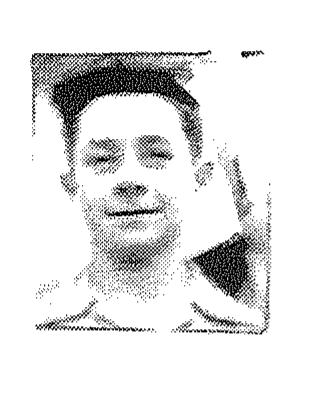
Rudell Willey

Rudell married Barbara Hadley a few months after graduation on November 1, 1950. They have three children, one boy and two girls. They also have twelve grandchildren.

Rudell worked 35 years for the Southern Pacific Railroad as a brakeman-conductor traveling between Ogden and Carlin, Nevada. During those years Rudell was active in electrical contracting with a Master Electrician License. He was also involved in real estate development with a Real Estate Brokers License and a Commercial Property Managers License.

Rudell has enjoyed hunting in Alaska, Yukon Territories, Canada and the Western United States. fishing in Alaska and Mexico, flying his private airplane the past 34 years in Alaska (four times north of the Artic Circle) Mexico, Guatamala, Jamaica and the Caribbean Islands. Vern Smith accompanied him on many of these trips. Rudell is currently involved in activities in the L.D.S. Church, civic activities, The Quiet Birdmen (an international pilot organization) and Enable Industries, a handicapped facility. Rudell and Barbara now spend a lot of time traveling in their private plane and their motorhome.


In Memory of Our School Friends Who Are Gone But Not Forgotten

DOLORES HIPWELL CHARLTON
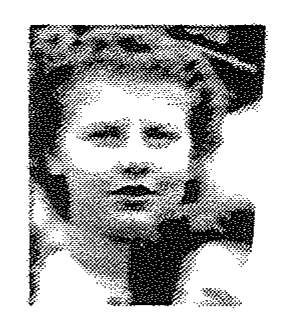
Dolores Hipwell Charlton

Dolores was married June 9, 1950 to Wayne Charlton from West Weber. They moved into a small home in West Weber. It caught fire and burned everything, wedding gifts, furniture and all. They then moved up to Wilson into a small home by her mother and dad on 2100. Later they built a nice brick home by her mother and dad. Wayne and Dolores had two children, Brent born in 1952 and LaRee born in 1954. Wayne worked at American Can and also became involved in race horses. He raised a very nice quarter horse from a colt and named her LaRee Bar and took her to Las Alemedas, California and won many races and made good money from her. A Dr. Allred helped Wayne get started in horse racing. They built another brick home on 2550 in Wilson with nice horse barns and then moved to California and raced horses. They did very well. Dolores loved Utah Noodle chow mein and ate a lot of it when they were in Ogden. They bought a ranch in California then sold it and moved to Oklahoma on a ranch. Their son Brent helped Wayne train race horses. Wayne is an expert on knowing the legs of race horses. Dolores was the bookkeeper. Late in 1992 the doctors discovered she had a cancer in her liver. Wayne had expert doctors attend to her but the cancer was too far advanced. They moved back to the house on 2550 and she died June 1, 1993 and was buried in West Weber Cemetery on June 5, 1993. Dolores and Wayne have five grandchildren.

LYNN JENSEN, 1932–1998
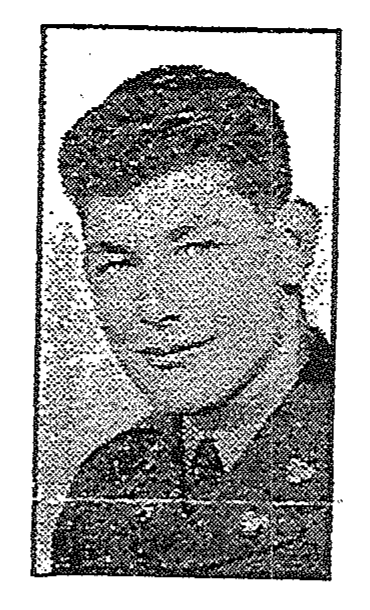
Lynn Jensen, military
Lynn Jensen, as a boy

Lynn Jensen served in the U.S. Army for three years. Fifteen months of which he spent in Korea, where he saw combat and was awarded the Bronze Star with V device for valor. He also was awarded the Occ. Medal, a Korean Service Medal with five bronze stars, the Presidential Unit Citation, and the Meritorious Unit Commendation. Following his military service, Lynn spent time in California and Utah. He married Betty Jo and has a stepson, Butch. He divorced and moved to Alaska, where he lived in Chugiak and Eagle River. He had been through engineer and demolition school in Fort Belvoir, Virginia. He was a self-employed mechanic and machinist until he retired in 1996. He died December 2, 1998 from a stroke and was buried in Alaska. He was a very quiet man who would help anyone in need.

ROBERT WAYNE KIRBY
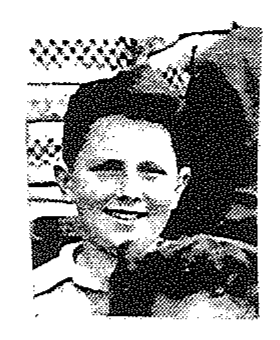
Robert Wayne Kirby

Robert Wayne Kirby was born in Brunswick, Missouri in 1932. In 1941 the family moved to West Ogden. He attended Wilson Elementary and Junior High School for 9 years. He graduated from Weber High School in May of 1950. Bob worked for the Union Pacific Railroad as a fireman/engineer for a period of time. He also worked as a cabinet maker before becoming involved in the drywall trade. In about 1970 he moved with his wife to Elko, Nevada to work in the construction trades. This was a period of increased construction in the Elko, Nevada area due to the newly found gold mines in the surrounding area that brought an influx of workers. Later on Bob worked at the Commercial Hotel in Elko maintaining the gaming machines in the casino there. Bob died in an accident in 1974 in the Elko area and is buried by his parents in the Centerville, Utah Cemetery. He left behind three daughters and one son. Bob will always be remembered for his infectious smile that was always on his face and will be noted among his family, classmates and co-workers for his happy-go-lucky attitude and good-natured personality.

ARTHUR KRANENDONK
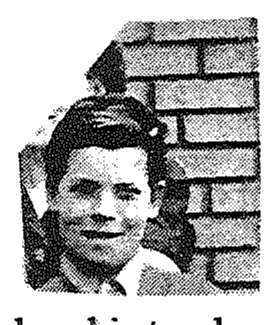
Arthur Kranendonk

Art died a very tragic death when his truck caught fire in an accident and burned. Art was married for a very short time and has one daughter. He worked for George Stratford and at the Sugar Factory. He was a very hard, steady worker.

FRANKLIN F. STANGER
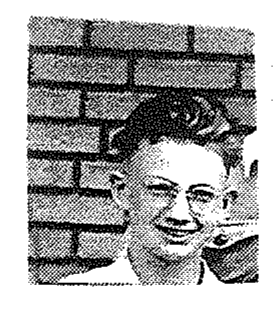
Franklin F. Stanger

Served lds mission to Uruguay. Married Mada Lurae Waldron from Malad, Idaho. Father of 7 children, 3 girls and 4 boys. Employed as a salesman. Loved to fly an airplane. Passed away May 8, 1990. Lived in Weber County area all his life.

RUSSELL PACKARD
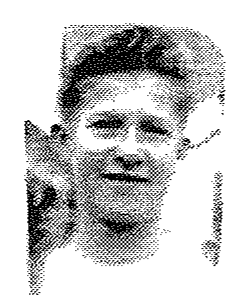
Russell Packard

When Russell was young, his dad owned the Oil Refinery in West Ogden. He was at the Ogden Rodeo when the announcer said his business was on fire. Everything was destroyed. The family moved to Astoria, Oregon. Russell went in the army and was assigned to guard duty on base in North Africa. His buddy was on guard duty. For a prank Russell kicked the guard shack. The buddy shot Russell dead without checking on who was kicking the shack.

JIM POULOS
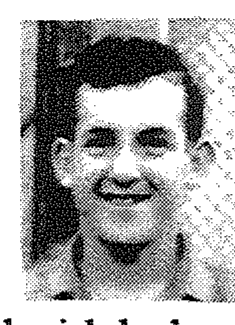
Jim Poulos

Married a Greek girl, had one son and one daughter. He was office manager of Texaco Oil Co. in Salt Lake City until the company went out of business. He was stand offish and wanted nothing to do with his family. He was a bartender in Salt Lake City. He died about 15 years ago during open heart surgery, after having heart problems for several years.

SHELDON STAUFFER
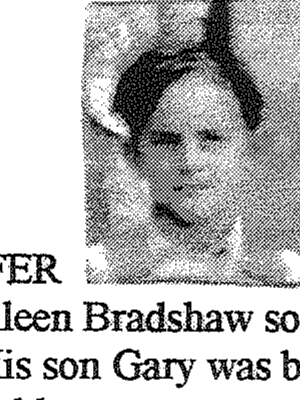
Sheldon Stauffer

Sheldon married Colleen Bradshaw sometime between 1952 and 1953. His oldest daughter, Beverly, was born in 1954. His son Gary was born in 1957 and a daughter Shelley was born about 1960. He worked at Hill Field. He died sometime between 1975 and 1985.

MAURICE CHENEY
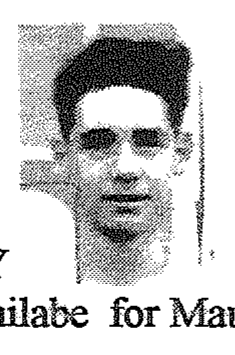
Maurice Cheney

No information is availabe for Maurice.

We could not find any information or the whereabouts of Vincent McEnerny or Rose Mary Ellsworth or Bill Saunders.

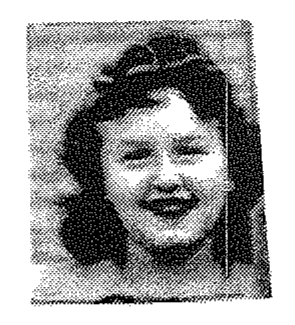
Vincent McEnerny
Rose Mary Ellsworth
Bill Saunders

VERN H. SMITH, August 24, 1932 – February 28, 1981
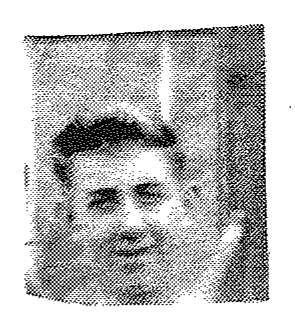
Vern Smith, young
Vern H. Smith portrait
Vern and Kay Smith

Born in Wilson Lane on August 24, 1932, grew up in Wilson on a farm, attended Wilson School for 9 years, Weber High School for 3 years, attended Weber College from 1950 to 1954, bought first farm in the spring of 1953 in Warden, Washington, served a 2 years L.D.S. Mission in the southern states, starting January 6, 1954.

Vern started farming in the spring of 1956 in Warden, Washington. Met his wife Kay Pratt in Moses Lake, Washington (14 miles from Warden) in 1956. They were married August 15, 1957 in the Salt Lake Temple.

Vern served in the L.D.S. Church as a Bishop, on the High Council, and in the Stake Presidency.

Vern and Kay had 7 children. They had two boys and five girls.

In 1968–1969 Vern was chosen “The Outstanding Young Farmer” in the state of Washington. At the time of his death he was raising beef cattle and farming approximately 1,300 acres of land.

Vern loved to travel, especially in his private plane (Piper Cherokee six) to Mexico.

On February 28, 1981, on the return trip from Mexico, his plane crashed, on Parker Mountain, just north of Escalante, Utah. All aboard, six adults, were tragically killed.

It has been said that, “The common people of the earth are the great people of the earth.” If that is true, then Vern Smith was among the greatest.


Wilson School Faculty
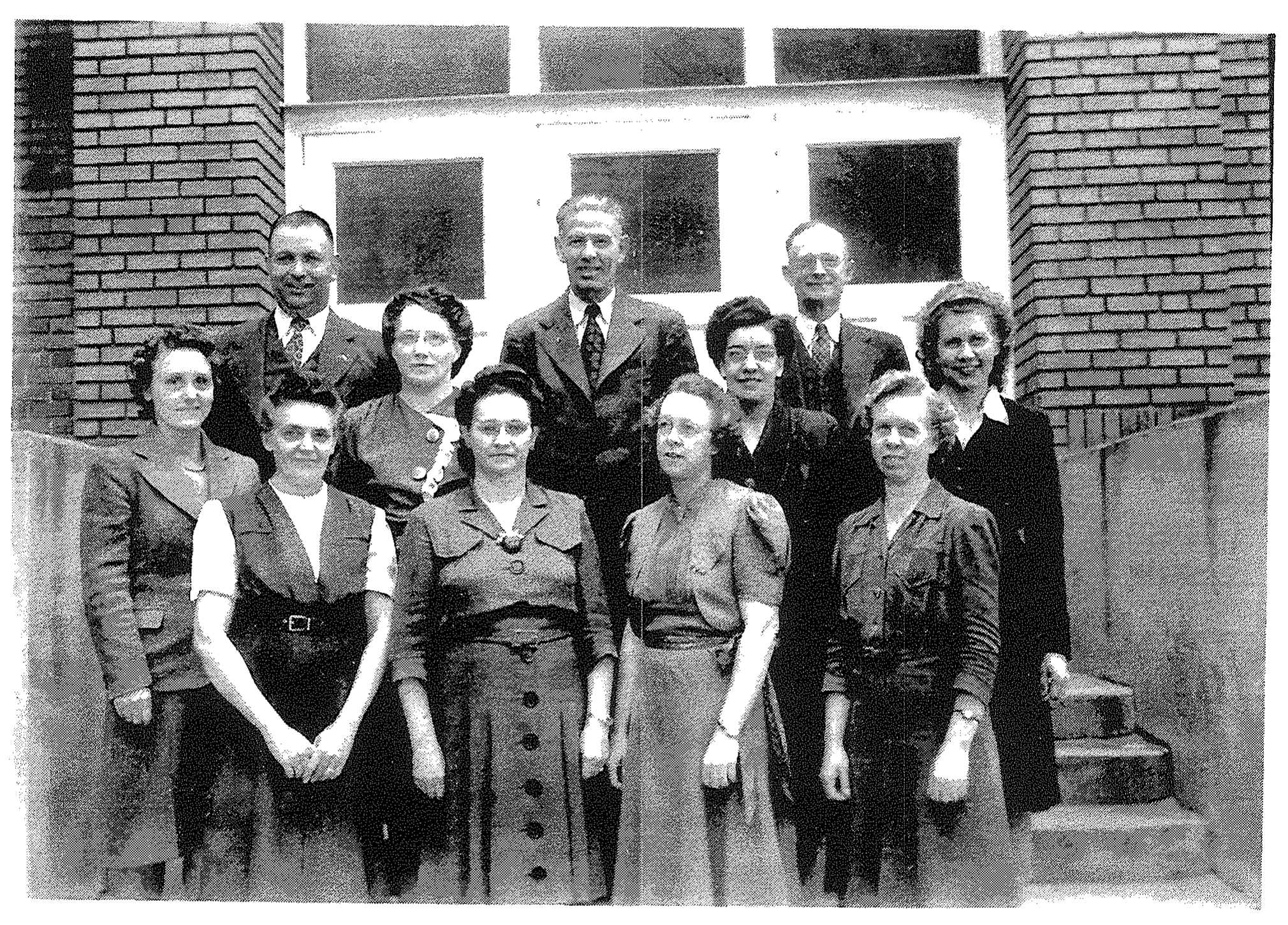
Wilson School Faculty

Row 1—Mrs. Stanford, Miss Shaw, Mrs. Barton, Mrs. Bouwhuis. Row 2—Mrs. Secrist, Mrs. Woodward, Mrs. Sorensen, Miss Holmes. Row 3—Principal, Wheat Taylor, Mr. Pettigrew, Mr. Rhees.


Wilson School 9th Grade Class of ’47 Directory
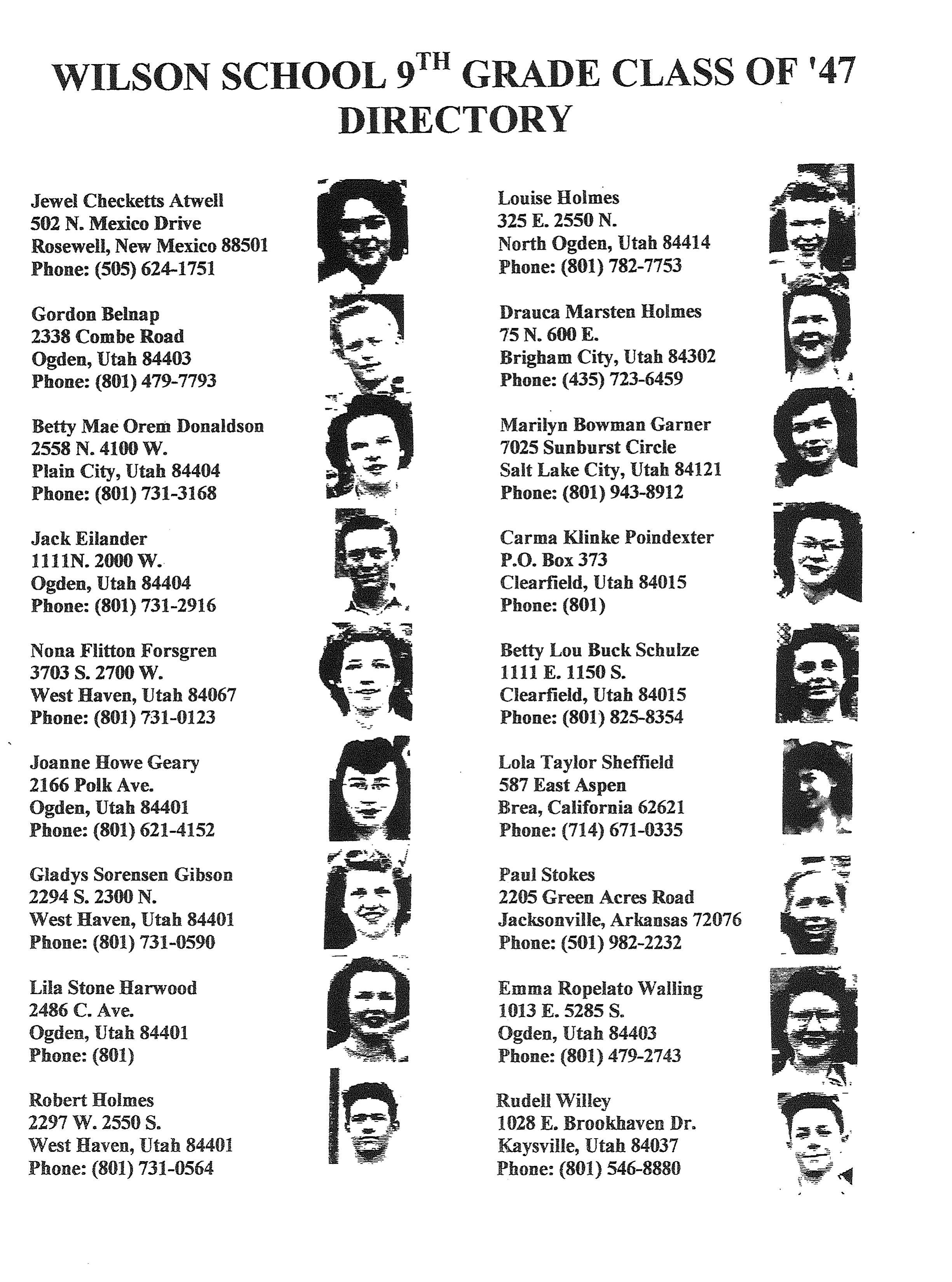
Directory page
NameAddressPhone
Jewel Checketts Atwell502 N. Mexico Drive, Roswell, New Mexico 88501(505) 624-1751
Gordon Belnap2338 Combe Road, Ogden, Utah 84403(801) 479-7793
Betty Mae Orem Donaldson2558 N. 4100 W., Plain City, Utah 84404(801) 731-3168
Jack Eilander1111 N. 2000 W., Ogden, Utah 84404(801) 731-2916
Nona Flitton Forsgren3703 S. 2700 W., West Haven, Utah 84067(801) 731-0123
Joanne Howe Geary2166 Polk Ave., Ogden, Utah 84401(801) 621-4152
Gladys Sorensen Gibson2294 S. 2300 N., West Haven, Utah 84401(801) 731-0590
Lila Stone Harwood2486 C. Ave., Ogden, Utah 84401—
Robert Holmes2297 W. 2550 S., West Haven, Utah 84401(801) 731-0564
Louise Holmes325 E. 2550 N., North Ogden, Utah 84414(801) 782-7753
Drauca Marsten Holmes75 N. 600 E., Brigham City, Utah 84302(435) 723-6459
Marilyn Bowman Garner7025 Sunburst Circle, Salt Lake City, Utah 84121(801) 943-8912
Carma Klinke PoindexterP.O. Box 373, Clearfield, Utah 84015—
Betty Lou Buck Schulze1111 E. 1150 S., Clearfield, Utah 84015(801) 825-8354
Lola Taylor Sheffield587 East Aspen, Brea, California 62621(714) 671-0335
Paul Stokes2205 Green Acres Road, Jacksonville, Arkansas 72076(501) 982-2232
Emma Ropelato Walling1013 E. 5285 S., Ogden, Utah 84403(801) 479-2743
Rudell Willey1028 E. Brookhaven Dr., Kaysville, Utah 84037(801) 546-8880

(Note: addresses/phone numbers as printed in the original memory book — likely out of date by now, but preserved as a record of where the class was circa 2001–2002.)

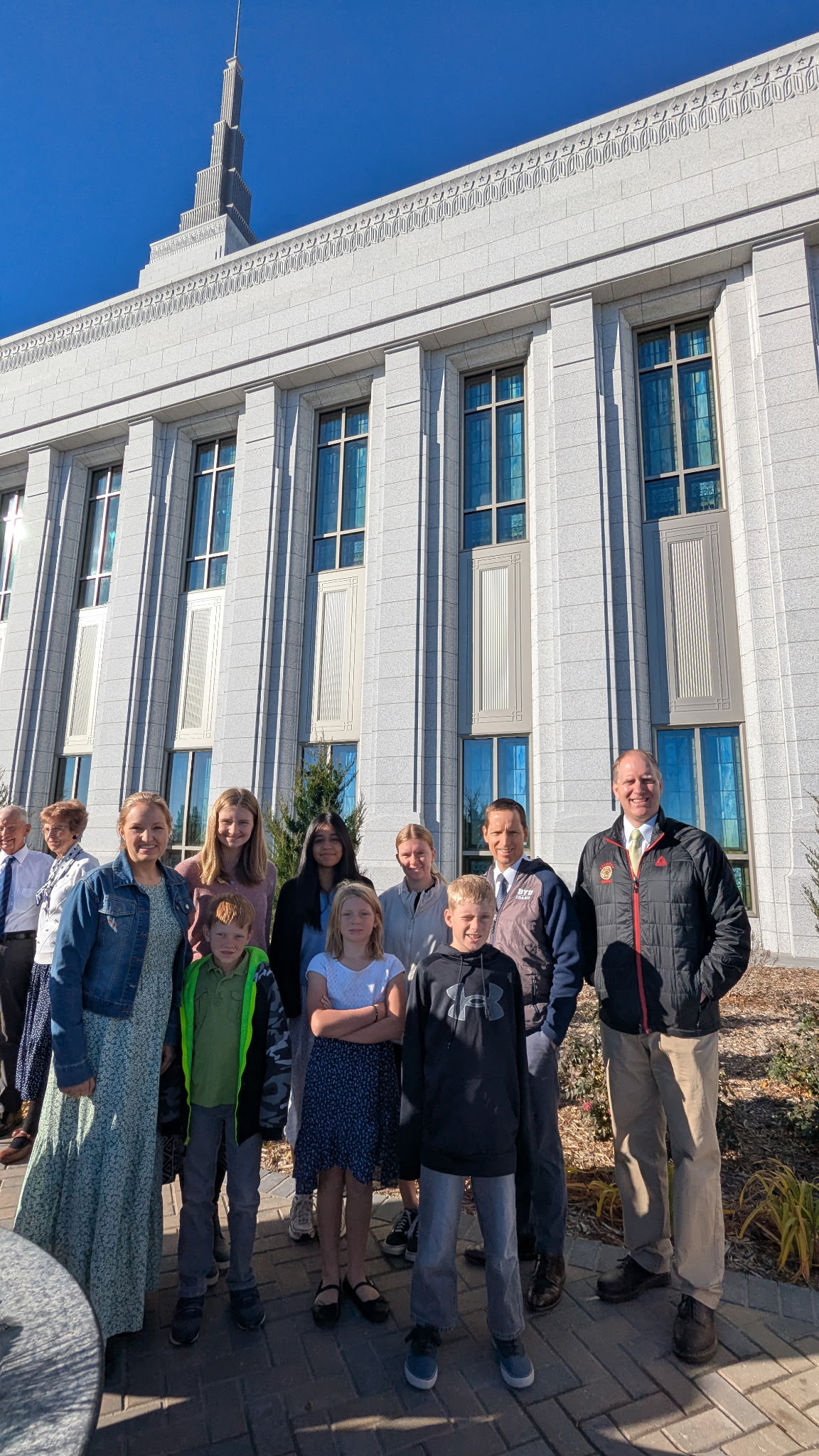
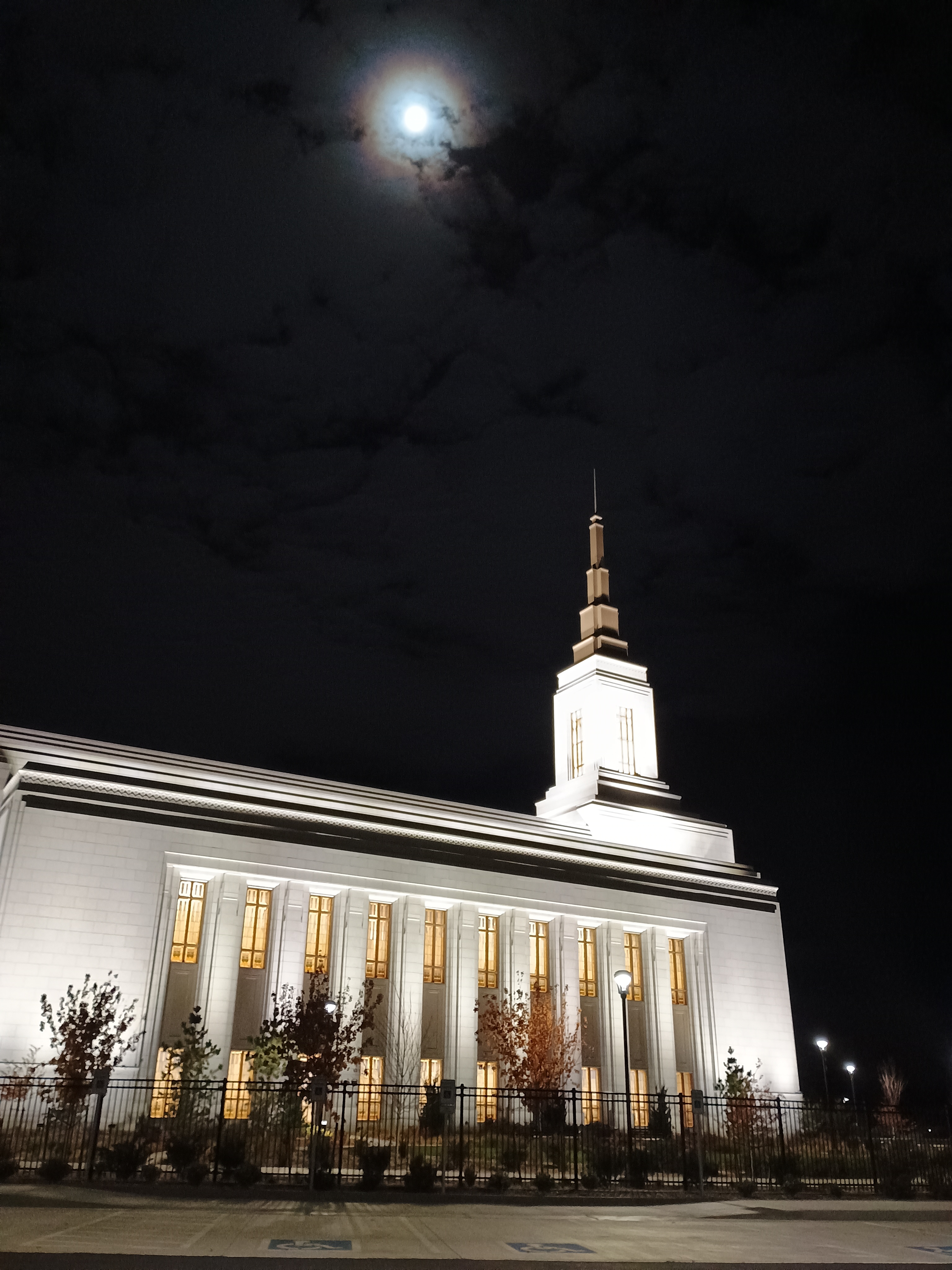
Burley Idaho Temple Open House

The Burley Idaho Temple Open House ran 3 November 2025 to 22 November 2025. It was an amazing opportunity to invite the local and broader community to walk through a pinnacle of our worship. I attended 5 of the much more individual and personal tours on the 3rd through 5th with public leaders and distinguished guests. I wish everyone could attend these tours, which would often take 45 minutes to 60 minutes for the full tour. Some of these were guided by General Authorities, including Elders Steven R. Bangerter, Karl D. Hirst, and K. Brett Nattress.

On Thursday, the general public was welcome to attend open tours. Our first tour tried to do a small introduction in each room, but about half-way through that was abandoned to keep the lines moving. Every tour I attended afterward did not have any attempted presentations, other than to remind individuals to not take photos and to speak softly.

Amanda sneaked over and caught a personal tour on the 6th.

6 November 2025 – Amanda Ross attended individually

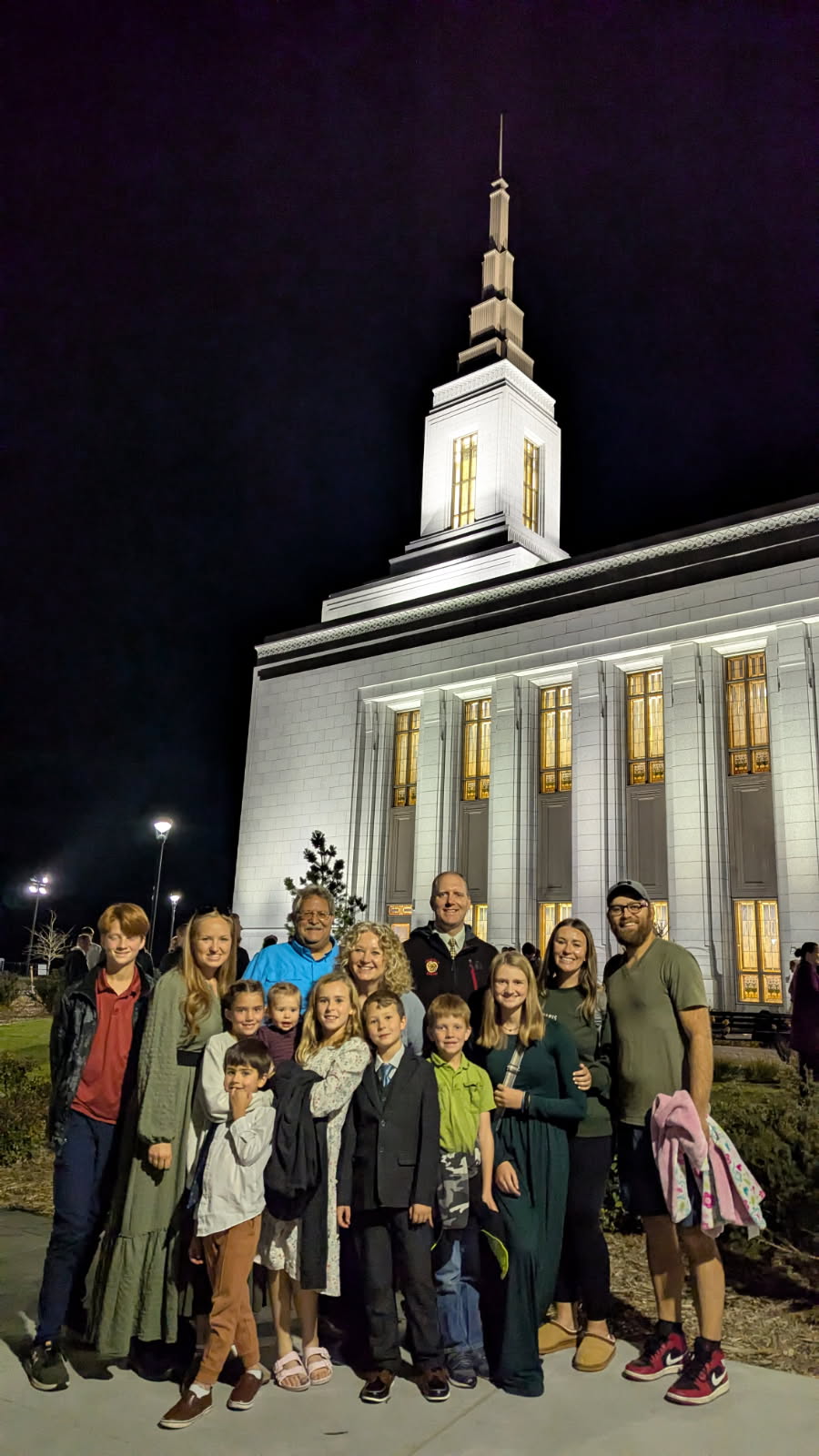
Amanda and I took our family on Friday 7 November 2025.

Saturday morning we attended with some friends. This was my 7th tour that first week!

8 November 2025 – Bud and Karen Marie Whiting, Amanda Ross, James Ross, Aliza Ross, Lea Pierucci Izama, Audra Hales, Aleah Hales, Anson Hales, Brad Hales, Paul Ross

The next weekend, Amanda had a bunch of family come to town and also attend. This Friday night was my 4th tour of the second week.

14 November 2025 – Hiram Ross, Amanda Ross, Lillian Ross, Rowan Hemsley, Margo Hemsley, Bryan Hemsley, Olivia Hemsley, Jill Hemsley, Jack Hemsley, James Ross, Paul Ross, Aliza Ross, Jordan Hemsley, Derek Hemsley

I also got to attend some more times the third week. But my 4th tour in the third week was with my sister and brother-in-law.

22 November 2025 – Paul Ross, Andra and Wes Herbst

That makes 15 trips through the temple for the open house. I was also privileged to do temple security on 5 different occasions, all for the 9:00 PM to 1:00 AM shift. Here are some photos from that opportunity.

4 November 2025
4 November 2025
5 November 2025 – Paul Ross and Kevin Mower for the graveyard shift
10 November 2025 – Paul Ross and Tyson Smith for the graveyard shift

Amanda also got to do a security shift, parking shift, and foot covering (booty) shift.

12 November 2025 – Amanda Ross Parking Shift
12 November 2025 – Amanda Ross Security Shift

Some of the late night security shifts were great opportunities to reflect on the blessings we are now achieving with the ease and access of a temple so close.

When I received my first temple recommend for my own endowment, Paul Idaho Stake President, M. Gene Hansen, invited me to make a commitment to attend the temple every month at a minimum. I took that commitment. I agreed.

In Hazelton, Idaho, it took me roughly 2 1/4 hours to get to the Boise Idaho Temple (speed limits have increased since then); Idaho Falls Idaho Temple was just under 2 hours; Logan Utah Temple was about 2 1/2 hours, and Ogden Utah Temple was 2 1/2 hours. I was endowed in Logan in September 1998 with my Dad. I attended Logan and Boise before going on the mission. But it was at least half a day planning to attend the temple before the mission.

Within the Manchester England Mission is found the Preston England Temple. Attending the temple in the mission required coordination with members as the temple isn’t near public transportation and we relied on members to take us. We could only go on Preparation Day, which was Tuesday. That took some work, but I was able to attend every month of the mission (except for some months where some missionaries had abused the privilege and all missionaries lost temple attendance options for three months). Getting to the temple was within 1 hour for every area in which I served.

I lived in Branson Missouri for a couple of years. Our closest temple for Branson was the St. Louis Missouri Temple. That drive was at least 4 hours one way, often 4 1/2 hours. That required an entire day to be set aside and planned to drive, attend, and return home. Never missed a month in Branson. I sealed my Jonas grandparents together in St. Louis Missouri Temple. The Bentonville Arkansas Temple has been constructed much closer at about 2 hours. The Springfield Missouri Temple will be less than an hour away from Branson.

Amanda and I lived in Richmond Virginia for a couple of years. Our closest temple for Richmond was the Washington D.C. Temple. That drive was between 4 and 5 hours away, depending on beltway traffic. We would often go up and spend Friday night with family, attend the temple that night or in the morning, and then make our way back home. Washington D.C. Temple was closed for a bit, so to make the monthly trip, we had to go to the Raleigh North Carolina Temple. That was almost a 4 hour drive one direction. The new Richmond Virginia Temple is just outside the first neighborhood we lived in and within 10 minutes of the second neighborhood we lived.

When we moved back to Idaho, the Twin Falls Idaho Temple had been dedicated. That dropped the 2 to 2 1/2 hour drive time for all those temples to less than an hour, usually between 50-60 minutes. But it still takes time and planning to ensure I get there every month. This is double now that we also have a commitment to see that Aliza and Hiram are able to attend at least monthly.

Now, with the dedication of the Burley Idaho Temple in January, the temple will be between 5 to 6 minutes away.

Now I have to reevaluate. It seems the once a month commitment is not enough. I think that will remain the absolute minimum going forward for the rest of my life. It also seems I have no reason to not attend to at least one ordinance in the temple at least every week.

To show my gratitude to our Father and our Savior, I intend to attend the Burley Idaho Temple at least daily for the first 30 days it is open after dedication. Which isn’t as much as it seems if you consider it is not open on Sunday, Monday, or Thursday. Still working out what happens after the first 30 days.

For the last three weeks I have found myself regularly humming The Spirit of God and also muttering the Hosanna Shout under my breath. I am looking forward to the dedication of the Burley Idaho Temple on 11 January 2026!

Eisenhower Lock

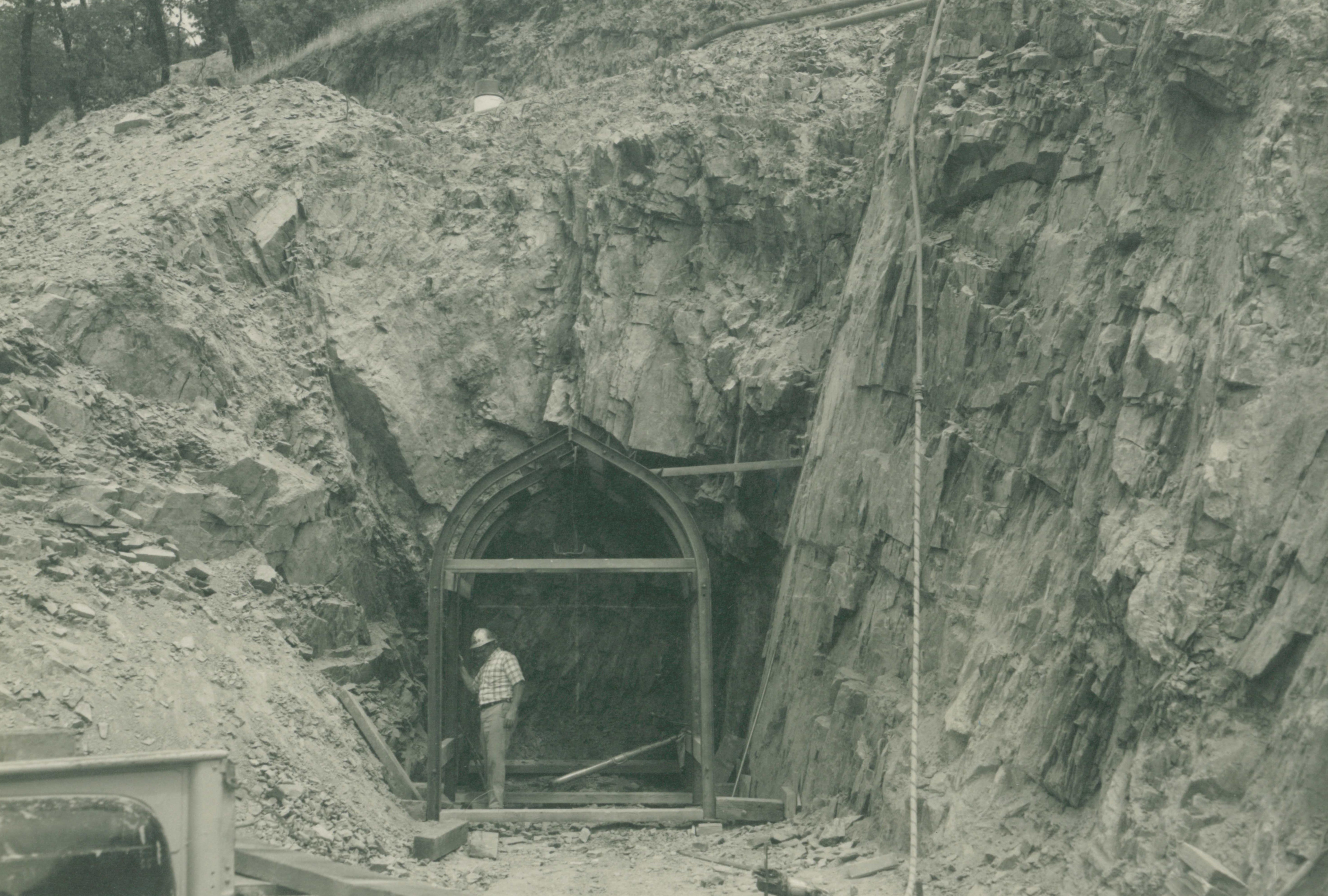
“HELP BUILD LOCK. These foremen and supervisors are working on the Eisenhower lock in placement of concrete. They hail from various parts of the country. Shown are Ward Turner, supervisor, from Arkansas; Manuel Martinez, vibrator, from Mexico; Golden Andra, general foreman, from Idaho; John Catera, foreman, from Utica.

This newspaper article and photo were in the records of Golden Andra. Golden is named in the newspaper, I don’t know/think the second photo is of Golden. It says it came from the Department of Interior, he kept it for some reason unknown to me.

I know this was a significant time in the life of the Andra family. Golden worked and is shown as a general foreman. But I also know that Golden’s brothers Donald and Ross both also worked on the St. Lawrence Seaway. I believe they both worked on the Eisenhower Lock as well.

Golden and Utahna adopted a boy born in 1957 at Bombay, Franklin, New York.

Donald married in 1957 at Hogansburg, Franklin, New York.

Ross told me multiple stories of New York. Unfortunately, I don’t remember any to share.

Since this is Golden, and this article also shares some information in New York, I share it here as well.

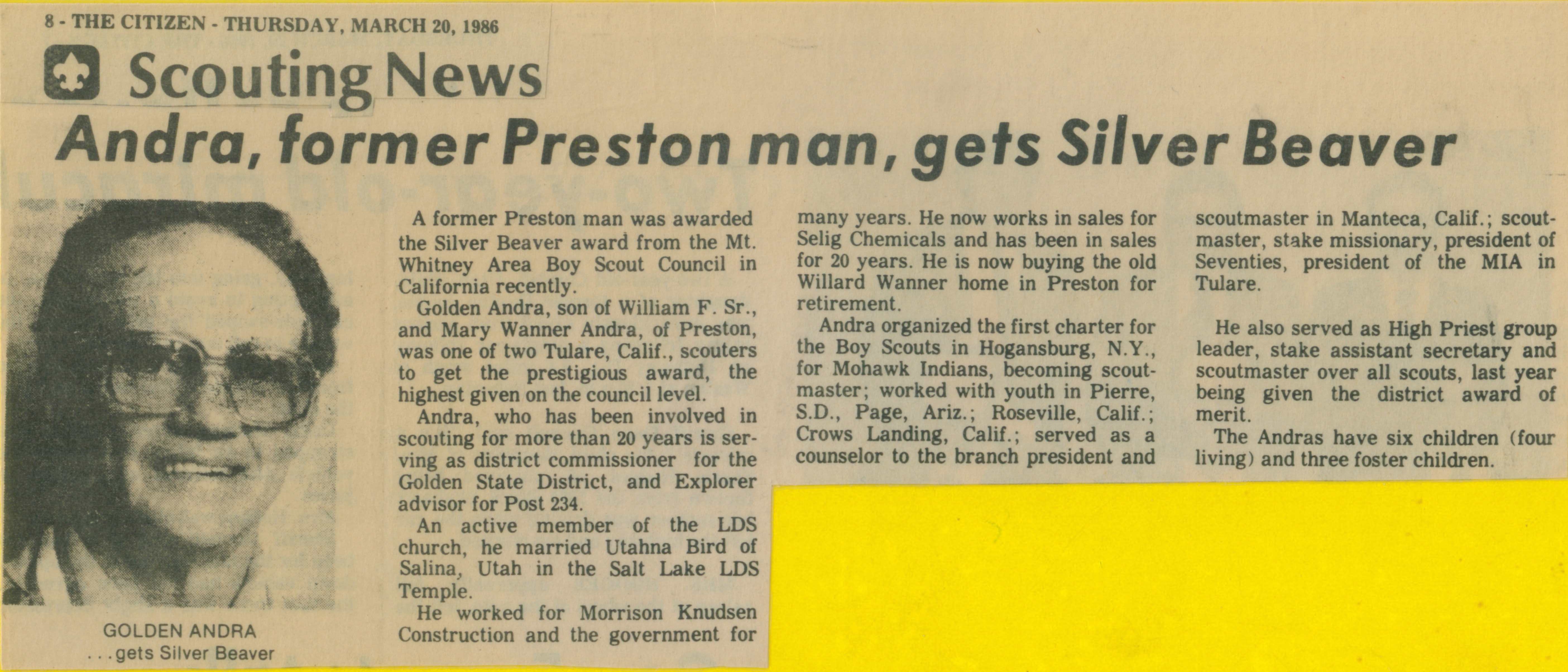
“Andra, former Preston man, gets Silver Beaver. The Citizen (Preston, Idaho) 20 March 1986.

“A former Preston man was awarded a Silver Beaver award from the Mt. Whitney Area Boy Scout Council in California recently.

“Golden Andra, son of William F. Sr., and Mary Wanner Andra, of Preston, was one of the two Tulare, Calif., scouters to get the prestigious award, the highest given on the council level.

“Andra, who has been involved in scouting for more than 20 years is serving as district commissioner for the Golden State District, and Explorer advisor for Post 234.

“An active member of the LDS church, he married Utahna Bird of Salina, Utah in the Salt Lake LDS Temple.

“He worked for Morrison Knudsen Construction and the government for many years. He now works in sales for Selig Chemicals and has been in sales for 20 years. He is now buying the old Willard Wanner home in Preston for retirement.

“Andra organized the first charter for the Boy Scouts in Hogansburg, N.Y., for Mohawk Indians, becoming scoutmaster; worked with youth in Pierre, S.D.; Page, Ariz.; Roseville, Calif.; Crows Landing, Calif.; served as a counselor to a branch president and scoutmaster in Manteca, Calif.; scoutmaster, stake missionary, president of the Seventies, president of the MIA in Tulare.

“He also served as High Priest group leader, stake assistant secretary and scoutmaster over all scouts, last year being given the district award of merit.

“The Andras have six children (four living) and three foster children.

Open primaries bill introduced in Congress

Orwell’s 1984 and Today

United States Capitol

There have been many things on my mind lately. Watching the ongoing bickering in the District of Columbia for the past 20 years I often think of 1984, Brave New World, and Fahrenheit 451. The Trump world often made me thing of 1984 with the inability to rely on truth and the often shifting positions from day to day. The Democrats declare the need for truth, for which I agree. The Republicans declare the need for unity, again, I agree. Both are doing it for limited self-serving purposes though. While I am not that old, I long for the America I recall learning about in school and wonder if she will ever reappear. I weary of our rewriting history, not of addition or giving more context, but contriving it into something it is not. I love Thomas Jefferson and find great frustration in our undermining his phenomenal influence that continues to today. We are now seeing it also in the religious side with Brigham Young. Based upon those musings, I read this Imprimis talk and found it reiterating my thoughts of the past years in words. I could not help but share.

The following is adapted from a speech delivered by Larry Arnn at a Hillsdale College reception in Rogers, Arkansas, on November 17, 2020.

“On September 17, Constitution Day, I chaired a panel organized by the White House. It was an extraordinary thing. The panel’s purpose was to identify what has gone wrong in the teaching of American history and to lay forth a plan for recovering the truth. It took place in the National Archives—we were sitting in front of the originals of the Declaration of Independence and the Constitution—a very beautiful place. When we were done, President Trump came and gave a speech about the beauty of the American Founding and the importance of teaching American history to the preservation of freedom. 

“This remarkable event reminded me of an essay by a teacher of mine, Harry Jaffa, called “On the Necessity of a Scholarship of the Politics of Freedom.” Its point was that a certain kind of scholarship is needed to support the principles of a nation such as ours. America is the most deliberate nation in history—it was built for reasons that are stated in the legal documents that form its founding. The reasons are given in abstract and universal terms, and without good scholarship they can be turned astray. I was reminded of that essay because this event was the greatest exhibition in my experience of the combination of the scholarship and the politics of freedom. 

“The panel was part of an initiative of President Trump, mostly ignored by the media, to counter the New York Times’ 1619 Project. The 1619 Project promotes the teaching that slavery, not freedom, is the defining fact of American history. President Trump’s 1776 Commission aims to restore truth and honesty to the teaching of American history. It is an initiative we must work tirelessly to carry on, regardless of whether we have a president in the White House who is on our side in the fight. 

“We must carry on the fight because our country is at stake. Indeed, in a larger sense, civilization itself is at stake, because the forces arrayed against the scholarship and the politics of freedom today have more radical aims than just destroying America. 

***

“I taught a course this fall semester on totalitarian novels. We read four of them: George Orwell’s 1984, Arthur Koestler’s Darkness at Noon, Aldous Huxley’s Brave New World, and C.S. Lewis’s That Hideous Strength. 

“The totalitarian novel is a relatively new genre. In fact, the word “totalitarian” did not exist before the 20th century. The older word for the worst possible form of government is “tyranny”—a word Aristotle defined as the rule of one person, or of a small group of people, in their own interests and according to their will. Totalitarianism was unknown to Aristotle, because it is a form of government that only became possible after the emergence of modern science and technology.

“The old word “science” comes from a Latin word meaning “to know.” The new word “technology” comes from a Greek word meaning “to make.” The transition from traditional to modern science means that we are not so much seeking to know when we study nature as seeking to make things—and ultimately, to remake nature itself. That spirit of remaking nature—including human nature—greatly emboldens both human beings and governments. Imbued with that spirit, and employing the tools of modern science, totalitarianism is a form of government that reaches farther than tyranny and attempts to control the totality of things. 

“In the beginning of his history of the Persian War, Herodotus recounts that in Persia it was considered illegal even to think about something that was illegal to do—in other words, the law sought to control people’s thoughts. Herodotus makes plain that the Persians were not able to do this. We today are able to get closer through the use of modern technology. In Orwell’s 1984, there are telescreens everywhere, as well as hidden cameras and microphones. Nearly everything you do is watched and heard. It even emerges that the watchers have become expert at reading people’s faces. The organization that oversees all this is called the Thought Police. 

“If it sounds far-fetched, look at China today: there are cameras everywhere watching the people, and everything they do on the Internet is monitored. Algorithms are run and experiments are underway to assign each individual a social score. If you don’t act or think in the politically correct way, things happen to you—you lose the ability to travel, for instance, or you lose your job. It’s a very comprehensive system. And by the way, you can also look at how big tech companies here in the U.S. are tracking people’s movements and activities to the extent that they are often able to know in advance what people will be doing. Even more alarming, these companies are increasingly able and willing to use the information they compile to manipulate people’s thoughts and decisions.

“The protagonist of 1984 is a man named Winston Smith. He works for the state, and his job is to rewrite history. He sits at a table with a telescreen in front of him that watches everything he does. To one side is something called a memory hole—when Winston puts things in it, he assumes they are burned and lost forever. Tasks are delivered to him in cylinders through a pneumatic tube. The task might involve something big, like a change in what country the state is at war with: when the enemy changes, all references to the previous war with a different enemy need to be expunged. Or the task might be something small: if an individual falls out of favor with the state, photographs of him being honored need to be altered or erased altogether from the records. Winston’s job is to fix every book, periodical, newspaper, etc. that reveals or refers to what used to be the truth, in order that it conform to the new truth. 

“One man, of course, can’t do this alone. There’s a film based on 1984 starring John Hurt as Winston Smith. In the film they depict the room where he works, and there are people in cubicles like his as far as the eye can see. There would have to be millions of workers involved in constantly re-writing the past. One of the chief questions raised by the book is, what makes this worth the effort? Why does the regime do it?

“Winston’s awareness of this endless, mighty effort to alter reality makes him cynical and disaffected. He comes to see that he knows nothing of the past, of real history: “Every record has been destroyed or falsified,” he says at one point, “every book has been rewritten, every picture has been repainted, every statue and street and building has been renamed, every date has been altered. And that process is continuing day by day and minute by minute. . . . Nothing exists except an endless present in which the Party is always right.” Does any of this sound familiar?

“In his disaffection, Winston commits two unlawful acts: he begins writing in a diary and he begins meeting a woman in secret, outside the sanction of the state. The family is important to the state, because the state needs babies. But the women are raised by the state in a way that they are not to enjoy relations with their husbands. And the children—as in China today, and as it was in the Soviet Union—are indoctrinated and taught to spy and inform on their parents. Parents love their children but live in terror of them all the time. Think of the control that comes from that—and the misery.

“There are three stratums in the society of 1984. There is the Inner Party, whose members hold all the power. There is the Outer Party, to which Winston belongs, whose members work for—and are watched and controlled by—the Inner Party. And there are the proles, who live and do the blue collar work in a relatively unregulated area. Winston ventures out into that area from time to time. He finds a little shop there where he buys things. And it is in a room upstairs from this shop where he and Julia, the woman he falls in love with, set up a kind of household as if they are married. They create something like a private world in that room, although it is a world with limitations—they can’t even think about having children, for instance, because if they did, they would be discovered and killed. 

“In the end, it turns out that the shopkeeper, who had seemed to be a kindly old man, is in fact a member of the Thought Police. Winston and Julia’s room contained a hidden telescreen all along, so everything they have said and done has been observed. In fact, it emerges that the Thought Police have known that Winston has been having deviant thoughts for twelve years and have been watching him carefully. When the couple are arrested, they have made pledges that they will never betray each other. They know the authorities will be able to make them say whatever they want them to say—but in their hearts, they pledge, they will be true to their love. It is a promise that neither is finally able to keep. 

“After months of torture, Winston thinks that what awaits him is a bullet in the back of the head, the preferred method of execution of both the Nazis and the Soviet Communists. In Koestler’s Darkness at Noon, the protagonist walks down a basement hallway after confessing to crimes that he didn’t commit, and without any ceremony he is shot in the back of the head—eradicated as if he were vermin. Winston doesn’t get off so easy. He will instead undergo an education, or more accurately a re-education. His final stages of torture are depicted as a kind of totalitarian seminar. The seminar is conducted by a man named O’Brien, who is portrayed marvelously in the film by Richard Burton. As he alternately raises and lowers the level of Winston’s pain, O’Brien leads him to knowledge regarding the full meaning of the totalitarian regime.

“As the first essential step of his education, Winston has to learn doublethink—a way of thinking that defies the law of contradiction. In Aristotle, the law of contradiction is the basis of all reasoning, the means of making sense of the world. It is the law that says that X and Y cannot be true at the same time if they’re mutually exclusive. For instance, if A is taller than B and B is taller than C, C cannot be taller than A. The law of contradiction means things like that.

“In our time, the law of contradiction would mean that a governor, say, could not simultaneously hold that the COVID pandemic renders church services too dangerous to allow, and also that massive protest marches are fine. It would preclude a man from declaring himself a woman, or a woman declaring herself a man, as if one’s sex is simply a matter of what one wills it to be—and it would preclude others from viewing such claims as anything other than preposterous.

“The law of contradiction also means that we can’t change the past. What we can know of the truth all resides in the past, because the present is fleeting and confusing and tomorrow has yet to come. The past, on the other hand, is complete. Aristotle and Thomas Aquinas go so far as to say that changing the past—making what has been not to have been—is denied even to God. Because if something both happened and didn’t happen, no human understanding is possible. And God created us with the capacity for understanding.

“That’s the law of contradiction, which the art of doublethink denies and violates. Doublethink is manifest in the fact that the state ministry in which Winston is tortured is called the Ministry of Love. It is manifest in the three slogans displayed on the state’s Ministry of Truth: “War is peace. Freedom is slavery. Ignorance is strength.” And as we have seen, the regime in 1984 exists precisely to repeal the past. If the past can be changed, anything can be changed—man can surpass even the power of God. But still, to what end?

“”Why do you think you are being tortured? O’Brien asks Winston. The Party is not trying to improve you, he says—the Party cares nothing about you. Winston is brought to see that he is where he is simply as the subject of the state’s power. Understanding having been rendered meaningless, the only competence that has meaning is power. 

““Already we are breaking down the habits of thought which have survived from before the Revolution,” O’Brien says.

“”We have cut the links between child and parent, and between man and man, and between man and woman. No one dares trust a wife or a child or a friend any longer. But in the future there will be no wives and no friends. Children will be taken from their mothers at birth, as one takes eggs from a hen. The sex instinct will be eradicated. Procreation will be an annual formality like the renewal of a ration card. . . . There will be no loyalty, except loyalty toward the Party. There will be no love, except the love of Big Brother. There will be no laughter, except the laugh of triumph over a defeated enemy. . . . All competing pleasures will be destroyed. But always—do not forget this Winston—always there will be the intoxication of power, constantly increasing and constantly growing subtler. Always, at every moment, there will be the thrill of victory, the sensation of trampling on an enemy who is helpless. If you want a picture of the future, imagine a boot stamping on a human face—forever.

“Nature is ultimately unchangeable, of course, and humans are not God. Totalitarianism will never win in the end—but it can win long enough to destroy a civilization. That is what is ultimately at stake in the fight we are in. We can see today the totalitarian impulse among powerful forces in our politics and culture. We can see it in the rise and imposition of doublethink, and we can see it in the increasing attempt to rewrite our history.

***

““An informed patriotism is what we want,” Ronald Reagan said toward the end of his Farewell Address as president in January 1989. “Are we doing a good enough job teaching our children what America is and what she represents in the long history of the world?” 

“Then he issued a warning.

“Those of us who are over 35 or so years of age grew up in a different America. We were taught, very directly, what it means to be an American. And we absorbed, almost in the air, a love of country and an appreciation of its institutions. If you didn’t get these things from your family you got them from the neighborhood, from the father down the street who fought in Korea or the family who lost someone at Anzio. Or you could get a sense of patriotism from school. And if all else failed you could get a sense of patriotism from the popular culture. The movies celebrated democratic values and implicitly reinforced the idea that America was special. TV was like that, too, through the mid-sixties.

“But now, we’re about to enter the [1990s], and some things have changed. Younger parents aren’t sure that an unambivalent appreciation of America is the right thing to teach modern children. And as for those who create the popular culture, well-grounded patriotism is no longer the style. . . . We’ve got to do a better job of getting across that America is freedom—freedom of speech, freedom of religion, freedom of enterprise. And freedom is special and rare. It’s fragile; it needs protection.

“So, we’ve got to teach history based not on what’s in fashion but what’s important—why the Pilgrims came here, who Jimmy Doolittle was, and what those 30 seconds over Tokyo meant. You know, four years ago on the 40th anniversary of D-Day, I read a letter from a young woman writing to her late father, who’d fought on Omaha Beach. . . . [S]he said, “we will always remember, we will never forget what the boys of Normandy did.” Well, let’s help her keep her word. If we forget what we did, we won’t know who we are. I’m warning of an eradication of the American memory that could result, ultimately, in an erosion of the American spirit. 

“American schoolchildren today learn two things about Thomas Jefferson: that he wrote the Declaration of Independence and that he was a slaveholder. This is a stunted and dishonest teaching about Jefferson. 

“What do our schoolchildren not learn? They don’t learn what Jefferson wrote in Notes on the State of Virginia: “I tremble for my country when I reflect that God is just,” he wrote in that book regarding the contest between the master and the slave. “The Almighty has no attribute which can take side with us in such a contest.” If schoolchildren learned that, they would see that Jefferson was a complicated man, like most of us. 

“They don’t learn that when our nation first expanded, it was into the Northwest Territory, and that slavery was forbidden in that territory. They don’t learn that the land in that territory was ceded to the federal government from Virginia, or that it was on the motion of Thomas Jefferson that the condition of the gift was that slavery in that land be eternally forbidden. If schoolchildren learned that, they would come to see Jefferson as a human being who inherited things and did things himself that were terrible, but who regretted those things and fought against them. And they would learn, by the way, that on the scale of human achievement, Jefferson ranks very high. There’s just no question about that, if for no other reason than that he was a prime agent in founding the first republic dedicated to the proposition that all men are created equal. 

“The astounding thing, after all, is not that some of our Founders were slaveholders. There was a lot of slavery back then, as there had been for all of recorded time. The astounding thing—the miracle, even, one might say—is that these slaveholders founded a republic based on principles designed to abnegate slavery. 

“To present young people with a full and honest account of our nation’s history is to invest them with the spirit of freedom. It is to teach them something more than why our country deserves their love, although that is a good in itself. It is to teach them that the people in the past, even the great ones, were human and had to struggle. And by teaching them that, we prepare them to struggle with the problems and evils in and around them. Teaching them instead that the past was simply wicked and that now they are able to see so perfectly the right, we do them a disservice and fit them to be slavish, incapable of developing sympathy for others or undergoing trials on their own.

“Depriving the young of the spirit of freedom will deprive us all of our country. It could deprive us, finally, of our humanity itself. This cannot be allowed to continue. It must be stopped. 

Beulah Duncan and Damey Ross

Beulah and Damey Ross

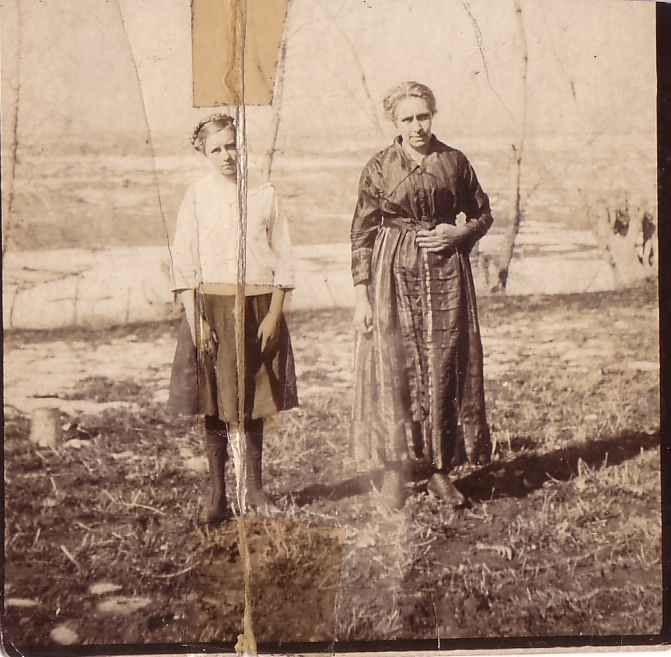
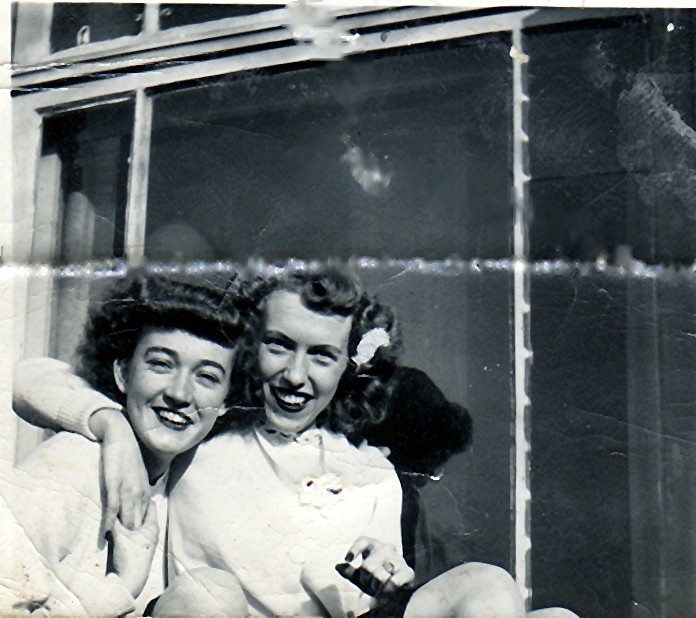
I received this photo a few years ago.  It just has “Beulah” written on the back of it.  I asked the person who provided it to see if they could get a higher resolution scan of the photo.  I don’t have one yet, but I can always hope.

There is really only on Beulah Ross in the entire extended family I am aware.  That is Beulah Estell Ross.  She was born 26 March 1908 in Twin Branch, McDowell, West Virginia.  She was born to Robert Leonard Ross (1888-1944) and Minnie Belle Hambrick (1889-abt 1985).  There are many questions about her father Robert.  I have heard stories from West Virginia family that he was running from the law when he visited them in the 1930s.  Which might lead to some explanation on why he is hard to track and records seem to be scant.

We believe Robert and Minnie had 6 children, but only 3 of them have we really been able to find or track.  Beulah Estell Ross is one of those children.  She met and married William Jackson “Jack” Duncan on 20 September 1922 in Burley, Cassia, Idaho.  He was born 26 September 1901 in Clinton, Van Buren, Arkansas.  That would put her at 14 years of age when she married in Burley to Bill, who was 21.

I have written of her grandparents, James & Damey Ross, before.  They lived in and near Paul, Minidoka, Idaho until the late 1920s.  The 1930 census found them in Bend, Deschutes, Oregon.

Looking at the photo, I am guessing Beulah is about 12-14, which puts us in the early 1920s and in southern Idaho.

Beulah and Jack had 4 children that we know.  Jack died 11 July 1977 in Sunnyside, Yakima, Washington.  Beulah remarried to a Kenneth K Marshall.  She then passed away 5 March 2002 in Toppenish, Yakima, Washington.  Jack and Beulah are both buried in Zillah.

Read her obituary here.

I found this note from a 2007 post.  I recorded these notes from a conversation with granddaughter Carol Ann Stone.

“We visited for a few minutes; she told me what she knew of her grandmother, Beulah.  Their story goes something like this.  Robert was an alcoholic and his wife Minnie had some sort of Drug addiction.  All the children were farmed out to others.  Beulah was taken in by her grandparents, my great great grandparents James Thomas Meredith Ross and Damey Catherine Graham.  She was taken and raised near Rupert, Idaho.  But her strict Mormon grandparents was a bit much for her so she was anxious to get out.  That came when she met a Jack or Mack Duncan.  She was 14 and married him.  They moved to Zillah, Washington and lived out the remainder of their days.  He died in the late 70’s and she died in 2002 at about 96 years of age.  They had four children, two of which are deceased.”

The more I looked at the photo, it dawned on me that the lady was her grandmother, Damey Catherine Graham Ross.

Damey Catherine Graham Ross

Here is a photo of James Thomas and Damey Catherine Ross.

James & Damey Ross

Robert, Beulah’s father, is brother to my John “Jack” William Ross.

After I realized that this photograph was another of my Great Great Grandmother, I was pretty excited.  It makes me want to be more diligent in chasing down a better scan of the photo.

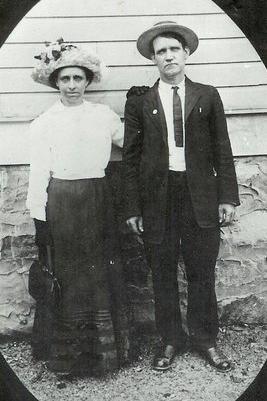
Here are a couple of other photos with Beulah and Jack in them.  I don’t know the other individuals.  Some day….

Jack and Beulah Duncan


Beulah and Jack Duncan with unknown


Beulah’s Son


Beulah’s Son Bob


Jack and family 1


Jack and family 2


Jack and Beulah Duncan Family


John “Jack” Ross and Beulah Duncan

Geraldine Pitcher Jonas

Aunt Geraldine “Jerri” Pitcher Jonas passed away in May.  I wish to share her obituary and a number of photos I have of her.

Geraldine ‘Jerri’ Jonas, 85, returned to our Heavenly Father on 26 May 2016.  She was born 1 October 1930 in Smithfield, Cache, Utah to Mary Geraldine Fulkerson and Ronald Nelson Pitcher.

She grew up in Smithfield and graduated from North Cache High School in Richmond, Cache, Utah, in 1948.

She married Ellis Seth Jonas on 18 August 1947. They were sealed in the Logan Utah LDS Temple on 24 April 1964.

She was very industrious and resourceful in all she did. She spent many hours working in her flower gardens, surrounding herself with the beauty they brought.

She took many horticulture and flower design classes at Utah State University prior to opening Jerri’s Floral and Greenhouse in 1976. Her successful business lasted for over 24 years before she retired.

Jerri was an active member of The Church of Jesus Christ of Latter-day Saints. She served as Relief Society president, Primary president, and as a counselor in the stake Young Women’s presidency along with many other callings. She served a LDS full-time mission with her husband, Ellis Seth Jonas, in the Arkansas Little Rock Mission from 1993-94.

She was very active in community service for Smithfield and Cache County. She played a big part in designing and making floats for Smithfield Health Days. She was known and appreciated by all who knew for her willingness to serve.

She is our beloved mother, grandmother, great-grandmother, wife and friend. She was proceeded in death by her husband, Ellis Seth Jonas; her sons, Kent Ronald Jonas and Dan Ellis Jonas; parents, Mary Geraldine Fulkerson and Ronald Nelson Pitcher. She is survived by her children, Mary Lou Jonas (Jarel Hoyt), Julie Ann Jonas (Darnell Kowallis), and Ronald Nelson Jonas (Denise Chambers); and sisters, Faye Pitcher (Don Schiess) and Jenness Pitcher Pond. She has 11 grandchildren and 18 great-grandchildren.

Funeral services will be held at 11 a.m. Saturday, 4 June 2016, at the LDS meetinghouse at 79 E. 200 South, in Smithfield.
A viewing will be held from 6 to 8 p.m. on 3 June 2016, at Nelson Funeral Home, located at 85 S. Main St., in Smithfield. There will be a viewing for family and friends from 9:30 to 10:30 a.m. prior to the services at the church. She will be laid to rest in the Smithfield City Cemetery.

Friend and Jerri

Friend and Jerri


School Picture

School Picture


Jerri is in the back between Evan and Lona, to the right of Ellis

Jerri is in the back between Evan and Lona, to the right of Ellis


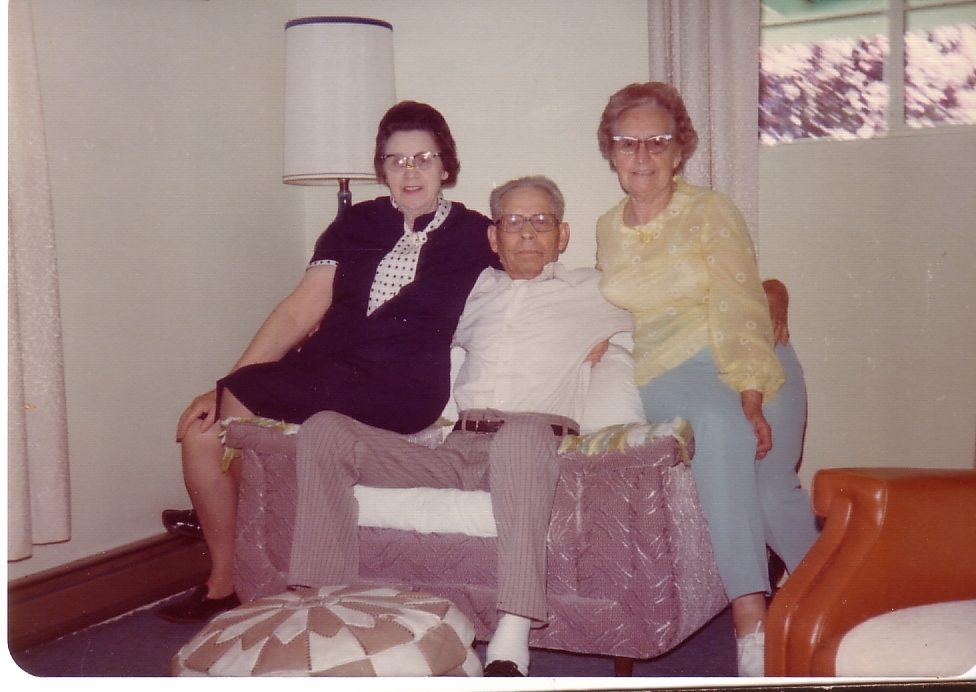
B: Julie, Dan, Mary Lou, F: Ellis, Ron, Jerri

B: Julie, Dan, Mary Lou, F: Ellis, Ron, Jerri


Ellis & Jerri

Ellis & Jerri


Jonas home 25 July 2003

Jonas home 25 July 2003

I don’t have any of the family reunion photos from the past 10 years to share.  Maybe some of the rest of the family will share them or provide a copy to me so I can share them.

I really came to know Uncle Ellis and Aunt Geri (I know others spelled it Jerri, but I always used Geri and she signed my birthday cards that way too) while I was at Utah State.  I stopped in after I moved there in 2003.  As I got to know them quite a bit more, they invited me to dinner.  Eventually I fairly regularly went to Smithfield to get away, study, and do laundry.  It turned out to be a great opportunity to get away from campus, relax, and do homework.

I got to know Geri’s Mom, helped clean her home, and even did work for Jenness at her home.

I gave Ellis some books that I had that I thought he might be interested in and he gave me some of Great Grandma Lillians books as well as Great Grandpa Joseph’s books.  I still have them all.

Eventually I graduated from college, married, and moved away.  I always felt very welcome in their home and Geri always felt at ease to help me do things around the house.  I don’t know how many times I helped her weed some of her flower beds.

I wish I could have gone to the funeral but my own daughter, Aliza, was in the hospital.  Farewell until we meet again.

Nipper

Another couple of photos I found with some names on it.  They are not related to me in any way that I can tell.

Dewey & Josephine Nipper with their son, 4 July 1943

Dewey & Josephine Nipper with their son, 4 July 1943

Introducing Sterling Dewey Nipper and his wife Josephine Gurwell Nipper.  He was born 12 March 1910 in Benton, Polk, Tennessee and died 1 April 1982 in Buhl, Twin Falls, Idaho.  He is buried in Filer, Twin Falls, Idaho.  She was born 7 January 1926 in Martinsburg, Audrain, Missouri and died 24 May 2004 in Buhl.  She is also buried in Filer.  Since this photo was in the collection of a family from Buhl, I assume I have the right Dewey and Josephine Nipper.  The photo did not have the Gurwell name on it.  I have no idea who the boy is, as far as I can tell the Nipper children are all still alive, however many there were.

Interesting my father was born the same day this photo was taken and Grandpa was preparing for war in Hawaii.

I don’t know that these children are related, but the photos have Nipper names on them.  Therefore, I assume there is some relationship.

Ivan & Ivell Nipper

Ivan & Ivell Nipper

This following photo reads, “Jess Nipper’s children”.  I don’t know if that is Josephine’s nickname or if Jess is short for Jesse or something else.

"Jess Nipper's children"

“Jess Nipper’s children”

However, this photo reads, “Jess Nipper’s Kids, he was married to Grandma Williams’ sister Pearl” and from that I conclude Jess is someone else.  There is a Jesse Franklin Nipper, born 10 October 1887 in Cleveland, Bradley, Tennessee and died 8 January 1967 in Twin Falls, Twin Falls, Idaho.  He is the uncle to Sterling Dewey Nipper.  He married Pearl Lulu Ownbey, born 20 November 1887 in Custer County, Idaho and died 9 March 1930 in Buhl.

Jess Nipper's kids

Jess Nipper’s kids

With the information on that photo, I found a sister to Pearl Lulu Ownbey named Ethel Gertrude Ownbey born 15 August 1886 in Green Forest, Carroll, Arkansas, and died 1 May 1967.  She was married to Solomon Walker Williams born 27 October 1879 in Sevierville, Sevier, Tennessee, and died 22 April 1958.  Therefore, all the names and references seem to add up so I am confident I have the right people.  Unfortunately, none of the children are named and the records I am looking at do not show any deceased children.  They could all very well still be alive out there in the world somewhere.