I was working through some old mission photos and realized I have not shared many of those photos. I thought I might start out with the places in which I lived and what photos I have of those locations. This will be a little bit of everything of what I could find.
Our MTC District, I only know four of the 11. From l-r, #5 is Elder Olson, #9 Elder Scow, #10 Elder Young, #11 Elder Ross. The rest were going to Peoria, Illinois if I remember correctly.
Usually the first place a missionary stays is at the Missionary Training Center (“MTC”). I went to Provo for the MTC. I have written previously and shared other photos I have from the MTC. I thought this photo was interesting because the Provo Temple is going to be renovated and will look entirely different.
Once arriving in Manchester, England my first stay was in the posh Mission Home in Altrincham, England. Here is the only photo I have from that occasion. I didn’t go search my journals, but I believe we arrived in England on 22 December 1998.
President H Bruce and Cheryl Stucki, and Elder Paul Ross
My first area in which to serve was Liscard, England in the newly created Moreton Ward. At this point I am focusing more on physical locations. Here is a photo of my sleeping area/space on the third floor of our flat at 6 Belgrave Street, Liscard, Wallasey, England.
My study space, bed with used duvet, closet, and heater. The door on the left went down the stairs.
There were six of us in the flat on Belgrave Street. That wallpaper did not cause any nightmares that I am aware. My companion could not stand my wind-up alarm clock and so it was locked away. I am standing at the foot of his bed to take this photo. Some of my little Christmas presents from the Duncan family are on the shelf. My coat, backpack, it was frigid in that little room. I first read Covey’s Seven Habits of Highly Effective People cuddled in that duvet. My companion, Elder Harris snored loud, so I was often fully inside my duvet. I remember such irony that my little clock kept him awake, but yet his snoring must have kept up the whole flat.
Elder Ross, Elder Harris, Elder Mueller, and Elder Lewis at Belgrave Street flat, my transfer day
This is the same flat I arrived at days before Christmas to find more than a dozen boxes of reject Cadbury chocolates given to us by the members. We literally poured ourselves bowls of chocolate and would pour milk over them for breakfast. I still cannot stand mint or orange chocolate to this day. There were six in the apartment, yet only four are shown above. Here is a photo of the six of us going Christmas caroling in our whites.
(l-r) Elders Llewelyn, Lewis, Harris, Mueller, Ross, and Knight
Elder Bert Llewelyn, Lewis, Jeremy Harris (my trainer), Nathan Mueller, me, and Knight. Some day I will have to see if I have Knight and Lewis’ first names and update. Last, here is a picture of the house across the street from my third floor flat window.
1 and 3 Belgrave Street, Liscard, England
Then it was off to Dukinfield to serve in the Hyde Ward and Glossop Branch. Jumping across Liverpool and Manchester headed for the Moors.
Elder John Peters before 37 Dukinfield Road
There were four missionaries in this flat when I arrived. Elder John Peters, Christopher Giddings, and Elder Moreton. This apartment had problems. It was musky, moldy, and only had a bath tub. It had the water storage in the attic and nothing seemed to work right. When the buses drove by you could see the curtains move with the air. Sometimes even dust and such would fly. And the bathroom… Imagine four missionaries trying to bath in a tub presumably every day for years. No amount of cleaning would ever get it clean, and we did not try very hard. I don’t have any photos inside 37 Dukinfield Road. But I found this one that was on the canal walking to church that was not far behind our flat. Which, looking at Google Earth, is no longer a large factory behind our row of homes.
Elder John Peters moved on and both Elders Giddings and Moreton were shotgunned out. Elder Jarem Frye moved in as my companion and we were the only two in the apartment. He had some illnesses and missing limb, so it was a slower time. It was a great time for work though and in the mornings I was able to read the Book of Mormon more than once a month and the entire History of the Church in the downtime.
Elders Ross and Peters on canal between Dukinfield and Hyde England
My next flat was in Patricroft, England serving in the Eccles Ward. This one was in a fairly rough neighborhood. We had a number of issues we had to avoid and had a few run ins with yobs. I replaced a British Sign Language missionary and was paired with a BSL missionary (who was native Spaniard, which made for some interesting mis-translations). I was expected to learn BSL in addition to the more interesting learning some Spanish and Swedish.
Looking at our apartment of 24 Lewis Street, Patricroft, England
This photo is from St. Johns St looking at our apartment at 24 Lewis Street. Ours is the one with the old slatted windows, not the newer windows of those on both sides. This is the flat I learned about my Grandmother’s passing. This is the apartment that crazy kids fired fireworks in through the mail slot of our door on Guy Fawkes Day 1999. This is where we played an epic prank on greenie Elder Theobald. My first bedroom with a sink in the corner which I have desired ever since.
Elder Wood eating a famous kebab in our Patricroft apartment
There were four of us in this flat. I was first serving with Elder Jose Hernandez from Ibiza, Spain. Then my companion was Elder Jason Wood from Roy, Utah. Poor Elder Hernandez is the missionary who got really upset one night on the way home about always talking about the gospel so he sat by himself half way up the bus. I told him we still were supposed to sit together, even if he was upset. He still moved. Somewhere around Irlam a brick came through the window and knocked him out cold. Elder Wood was in love with the Spice Girls, particularly Sister Halliwell.
Elder Hernandez sorting through garbage
As you can see from the above picture, Elder Hernandez accidentally threw something away and thought he would bring the garbage in to sort through it. It stunk and we were not happy with him. I do not recall if he found what he lost.
Zone Meeting in Eccles. Sitting on the floor is Elder Cory Meehan. The four of us in the back are Elders Van Hensen Van Unigen, Klomp, Ross, and Jose Hernandez. Then sitting from Elder Van Hensen Van Unigen are Elders Matthew Dean (face partially hidden), Richard O’Dea, Mark Cutler, Jake Smith (Red), Nick Smith (Black), Jarem Frye, Tracy, and Mark Thatcher with Vicente Garcia kneeling before him.
We had a Zone Meeting in Eccles for some reason. However, we liked to do Zone Meetings in Levenshulme for the Pakistani kebabs there, so I do not know why they ventured up to Eccles on this occasion. My journal probably tells, but I have not spent the time to research it.
Another photo of me enjoying some Jello shipped in by someone from the United States.
Elder Ross eating stateside Jello
And a picture of one of my bruises after a good couple of punches in my arm with an idiot. But you can see the wallpaper at the top of the stairs.
Only real damage after a few punches with an idiot.
Here is a photo of me about to get a haircut by Elder Wright in the front room of our flat, downstairs. That mirror and location are the same in which we blessed a deaf man to be healed. We used the mirror so he could read our lips while blessing him. He began to gain hearing and then I was transferred and I lost contact shortly afterward. Wish I knew the rest of the story.
Elder Wright about to cut my hair over pages of the Church News.
Elders Thaddeus Wright and Viktor Johansson were together when I arrived. Elder Wright was replaced by Elder Brad Theobald.
Elders Johansson and Theobald
The next area was Runcorn for the Runcorn Ward and Northwich Branch. There we lived at 29 Handforth Lane, Halton Lodge, Runcorn.
Elders Ross and Hales at 29 Handforth Lane, Runcorn, England
This one has a couple of photos in it. Here is where we prepped and weathered Y2K. Also, my second Christmas in the UK.
1999 Christmas haul for Elders Ross and Hales. Also see our Handforth Lane kitchen.
Elder Brad Hales opening Christmas gifts at 29 Handforth Lane
This poor area had to put up with me for 7.5 months! Elder Hales for 6 months!
Elder Paul Ross opening Christmas present 1999 at Handforth Lane, still wet from the rains
Elder Paul Ross at Handforth Lane bus stop
The time serving in Runcorn and Northwich was a very prolific time of the mission. There was a time our District and Ward had baptisms every week with ongoing interviews and visits to companionships. We loved this Ward and we believed they loved us. It was a spell of excitement and growth in this area, both personally and for those we served. Very fond of my time here.
Elder Paul Ross and our flat after a heart attack. I still have all these!
Trying on Elder Hales’ present, a Royal Mail Postal Carrier’s bag and jacket
29 Handforth Lane, Runcorn, Cheshire, England
Last area of the mission was off to Scholes for the Wigan Ward. This flat was located at 2 Lorne Street, Scholes, Wigan. This flat was owned by the same owners in Runcorn, the Pass family. They took good care of us even though this flat had a number of issues. You can see the wall on the end had to be fortified and I understand the one that stood beside it had to come down, but I second guess that knowing our flat was #2. Who knows?
Elders Dean and Cutler in front of our apartment and the mission Vauxhall Corsa.
This was my last area. Initial memories was a bed bug problem for Elders Dean and Cutler just in their bedroom. My Romanian companion fighting off a cold with an entire head of garlic in one meal, Elder Gheorghe Simion. Training my last companion Elder Garrett Smith. Some pretty amazing personal revelations, of which both companions also were able to partake. Very blessed in this area.
Elders Wright and Smith goofing off in front room
Elder Gheorghe Simion pondering
Elders Dean and Cutler were shotgunned out the same day bringing in Elders Wright and Hulse.
Elders Ross, Dean, Cutler, and Simion in front of St. Catherine’s on Lorne Street, across from our flat
Here is another shot of our flat looking up the street.
Rose and John Byrom stopped by on their way through Wigan
For the last area of the mission, these 3 Elders became brothers to me. Closer than the other areas in which I had served. Like Runcorn, we engaged well with the Ward. One of the best kebab houses in the whole mission was located here, Kebab King. I tried to stop in 2008, but it was closed both days we stopped. Wasn’t sure it had been open for a while.
Well, there are all 5 areas of the mission. All the photos I could find of our flats in which we stayed. I will have to work on sharing and telling the stories of the other photos I have.
Evan Elliott, Zella and Marion Hazel (unknown child) in Paul, Minidoka, Idaho
Oddly, as a child, I recall hearing the name of Marion and Zella Hazel. I don’t recall the story that went with them, nor how often I heard their names. But their names are familiar to me. Working through these old 110 negatives, I came upon two photos. I also recognized them in another black and white photo with my Grandpa. I may have even met them, but do not recall such a memory.
Here is what I have learned.
Lorenzo Marion Hazel was born 8 January 1911 in Salem, Utah, Utah. He passed away at home 3 December 1993 in Salem. His parents were William John Hazel and Minnie Maud Smith.
Zella Dorothy Jarvis was born 9 September 1911 in Santaquin, Utah, Utah. She passed away at home 23 January 1996 in Payson, Utah, Utah. Her parents were William Ephraim Jarvis and Zella Elizabeth Carter.
Marion and Zella were married 2 April 1931 in Provo, Utah, Utah. They had four children, Verlene, Jeannetta, Gerald, and Stan.
Zella and Marion Hazel, Norwood Jonas at City of Rocks
According to Marion’s obituary, he retired from Del Monte after 42 years there. That was likely what brought them to Burley, Idaho and where they became friends with my Grandparents, Norwood and Colleen Jonas. Norwood also worked at Del Monte in Burley from construction until his death in 1975. That friendship obviously continued after the death of my Grandfather and my Grandmother remarrying to Evan Kay Elliott in 1976.
That is about the extent of what I know.
Evan Elliott and Marion Hazel
Here are two more pictures taken from the same day in City of Rocks. I don’t know who is on the rock or if they were even with the party.
History written by Frieda Andra. I previously shared the history of coming to America compiled by Deanne Yancey Driscoll. I understand this is the Boettcher family, not the spelling Frieda uses in the history.
Otto, Wilhelmina, Walter, William, Frieda, Clara Andra in 1907
My story begins in the old country – in Germany. My father, Friedrich Theodor Andra, died November 23, 1902, in Meissen, Sachsen, Germany. Mother, Wilhelmine Christina Knauke Andra, was left with five children, ranging in age from six months to nine years. The children’s names were: Frieda Minna, Walter Theodore, Wilhelm Friedrich, Clara Anna, and Otto Carl. My poor mother had to struggle to support us. She did small jobs at home and we children helped. I worked here and there to help along.
Theodor Andra
Three years later, while we were in the forest picking berries, Mother met a lady named Mrs. Bottcher. Mrs. Bottcher told her about some Mormon missionaries who were holding some meetings. So mother began attending the meetings. One by one we all joined the Church. Years later, after we were all baptized, mother invited the missionaries to our house. She fed them and let them hold their meetings there. However, the Lutheran pastor didn’t like it, particularly because Mother was a widow, and he gave her a very hard time.
Amalia, Christiana, Wilhelmina, Herman, Anna, and Klara Knauke
In 1909 the Bottcher family decided to go to America. Mother asked them if they would take her son, Willie. They agreed to do this. Mother gave them the money for Willie. When they arrived to Salt Lake City, they attended the German Meeting in the Assembly Hall. After they had been in America half a year, they sent Willie to do farm work for a man they had met at the German meeting. They didn’t even know where the farm was nor did they care. When they wrote to Mother, they said Willie was lost. When Mother told the people in Germany that her son was lost in America, they called her names and told her she was wicked to have let him go. But all the time God knew where Willie was. He was opening the way for us to go to America. Mother prayed to our Father in Heaven for her son’s safety and that she might be able to find him again. Her boss, Conrad Zinke, sent telegrams trying to locate Willie, but was unsuccessful.
Bill, Frieda, Otto, Christiana, and Walter Andra
One morning Mother was on her way to work when a light shone about her, and she heard a voice say “Go to America.” When she told her boss, he said he’d be glad to help her all he could. When he asked her if she had any money, she answered, “Very little.” He was so kind. He sent a man over to help pack, get the tickets, and get the money he’d given them exchanged for America currency. They gave us a big going-away party in the villa. The farewell dinner was held in their most beautiful room. They cried and hugged us as the said their good-bye. Our friends gave mother the rest of the money se needed to make the trip. Even my boyfriend, Mr. Knorr contributed. Grandmother Wilhelmine Richter Knauke and Aunt Augusta were at the depot to bid us farewell. They really thought Mother was foolish for going to America. They didn’t realize my mother had been inspired to go. She knew God would guide her if she were faithful. God in Heaven surely did guide us all the way to America. Glory be to him in the highest for all the wonderful blessings we have enjoyed.
William, Frieda, Christiana, Otto, Clara, and Walter Andra
Christiana Wilhelmina Knauke Andra Wendel
We left to America on the 5th of May in 1910. We traveled by train to Bremer Hafen. There we boarded a streamer: The north Deutcher Loyd. For two weeks I was terribly seasick. When we reached Philadelphia, the red salt was unloaded. Everybody was very kind to us there and people gave us money. The cook, who had become a good friend of mine, bought me a ring but my sister Clara insisted she wanted it, so I got the locket he had bought for her. Then we traveled to Galveston, Texas. When we arrived there, we freshened up and then my friend, the cook, showed us the town. He bought us some bananas, which we had never eaten before. We swallowed the chewing gun whole, as it was also strange for us, and then we all got stomach aches. We certainly enjoyed the cook. He was always kind to us and saw that we had good food to eat. Another fellow gave us a cake. When our train was due, we had to say our good-bye to these fine friends. It was quite rough on the train. We couldn’t talk much so we just enjoyed the scenery. Many funny things happened.
Wilhelmina Christiana Knauke Andra Wendel
After we arrived in Salt Lake City, we hired a hack, which is like a buggy but much nicer. The driver sits up very high. We couldn’t locate the Bottcher’s so we went to the L.D.S. President’s (John F. Smith) residence where their daughter Ida worked. Ida was so happy to see us. She sent us to her sister Clara’s. After visiting there, she gave us her mother’s address and we left to look for it as it was getting late.
Otto and William Andra, Unknown
Although we had come to America in the hopes of finding my brother, Willie, whom the lady had reported as lost, I know our coming to America was God’s plan. Our Father in Heaven works in a mysterious way, his wonders to perform. Our driver kept driving toward the address we had given him. As we came to 9 West and 4 North, he turned. This country was so different to us. Then Mother saw a little boy coming down the street and we stopped to ask him directions. Then Mother shouted, “That is my boy!” And sure enough, it was our brother. He couldn’t speak German. He just stood there trembling and pointing to where the place was. We all jumped out and hugged him. He had been on his way to the depot to meet our train. Mrs. Bottcher had told him we were coming when we had returned from Fairview where he had been working for that man. Two blocks away lived the lady we had been hunting. So we paid the driver $3 for driving us around all day. When we knocked at the lady’s house, she refused to let us in. For her excuse, she said, “Keep your things out there. I don’t want any lice in the house.” Of course, we knew we didn’t have lice, but we sat outdoors on some lumber, and she bought us a piece of bread and a drink of water. Her home was filthy. There was a pig in the house and the chickens were running in and out. What an awful place! When Mr. Bottcher came home, he invited us in and fed us.
John & Christiana “Mina” Wendel
Then the Sister Rigler came and said, “Come. There is an empty house you may stay in. I will give you a couple of blankets and a lantern.” It was about eleven o’clock by now and we were all very sleepy. We were even to tired to look around the house. We all slept soundly, grateful to have our brother Willie with us again. His hips were bleeding, and his feet were sore and bleeding also. He had not been cared for, only given a lot of cussing and lickings.
John & Christiana Wendel
In the morning we looked around the house. This house had been flooded during the time that the Jordan River had flooded this area. It had left dirt throughout the house. There were no windows. Outside there was a nig barn, and flowing well, and four large trees (Poplars). It was a beautiful day. Everything looked very green. Mother called us together to have our morning prayers. She thanked our Father in Heaven for all His goodness and for providing us with this home, which would be our paradise. We were so thankful to be in America. I have never heard a more inspiring prayer of life. The next morning Mrs. Rigler came back and told Mother who owned the house. We made arrangements to rent the house for $2.50 a month. Then Mrs. Rigler took Mother to town on a streetcar to buy a stove, just a small one, washboard, washtub, dishes, food, pans, and a dishpan. While Mother was gone, we scraped the dirt out. Sister Rigler bought glass for the windows and even helped Mother put them in. Walter made a cupboard from some lumber he found. We used orange crates for chairs. We were very busy that Saturday. Then on Sunday we attended Sunday School. The people were all very kind to us.
Christiana & John Wendel
We had arrived June 3. On June 5 I got a job for $5 a week plus rom and board at the boarding house. On June 6 Walter found a job at the flour mill (Hasler’s). He boarded with Mother. Willie worked at a slaughterhouse, so we were able to get meat to eat – tails, liver, etc. It was very good. Mother bought Willie a small red wagon which he took to market and bought home food we had never seen before. The cantalopes made us sick. We ate the corn raw, which didn’t make us feel any better. It wasn’t long before we learned which foods to cook and which food to eat raw.
Christiana and Frieda
Well, it wasn’t long before our little house was a cute little dream house, complete with furniture and curtains. Soon we had some baby chicks, a dog, and cat. Oh, those wonderful, happy days in a very wonderful country which was given to us by God. God Bless America.
Frieda Minna Andra
Christiana and John Wendel
P.S. On Sunday, June 20, 1965 we saw our old home – this very one we had immigrated to on June 4, 1910. The house had now been covered with shingles on the outside. The barn has been moved and the well is no longer there. It was such a joy to see this home we used to live in.
We stopped to pay a visit at the Clarkston, Utah, Cemetery recently. We were in Cache Valley for the Jonas Reunion and I knew Amanda had some ancestors buried in Clarkston. Amanda did not recall ever seen their graves (and I also had not searched them out). We have also been talking about Martin Harris in our study of the Doctrine & Covenants. I surprised the family with a surprise stop on our way home from the Jonas Reunion in Hyrum.
Amanda, Aliza, Hiram, and James Ross at graves of James & Ann Keep on 8 August 2021, a hot, windy, and smokey day
James & Ann Keep are Amanda’s 4th Great Grandparents. Amanda wasn’t very familiar with them so we had to do some homework.
James Joseph Keep was born 25 September 1804 in Chiswick, Middlesex, England to James Joseph and Ann Evens Keep. He was christened 11 November 1804 in St. Nicholas Parish in Chiswick. His father died when he was 5 and was raised by his grandparents.
James married Elizabeth Parr in 1825 and she passed away in or before 1836. He remarried to Ann Miller on 25 July 1836 in St. Mary’s, Reading, Berkshire, England. They joined the Methodists, then the Baptists, and then were Independents.
Two young Mormon men came near the house preaching the true gospel and Ann told James to go out and hear them. They were preaching about baptism. He went into the house and searched his Bible to ascertain the truth of what they said. Here he found that baptism was to be born of the water and the spirit. When they came again to preach, James took a long bench for the people to sit on. That evening he went to the meeting house. There he heard the saints speak in tongues.
Apparently he and his family were baptized in 1848 into The Church of Jesus Christ of Latter-day Saints. He joined 23 July 1848 and Ann on 20 September 1848.
Ann Miller was born 10 August 1816 in Newbury, Berkshire, England to James and Ann Elkins Miller. She was christened 2 October 1816 at North Croft Lane Baptist Church in Newbury.
The 1841 and 1851 census both have the Keep family in Thatcham, Berkshire, England. He was a mason and bricklayer.
James, Ann, and family left London on 23 May 1866 on the ship American Congress arriving at Castle Gardens, New York, on 5 July 1866. They were in Wyoming, Otoe, Nebraska on 13 August 1866 traveling with the Abner Lowry Wagon Company arrving in Salt Lake City, Utah on 22 October 1866.
James and Ann Keep attended the Endowment House 6 Jun 1868.
The 1870 Census places the James & Ann Keep in Newton, Cache, Utah with Maria. Shortly afterward they moved to Clarkston and James built a masonry home for them. 1880 Census has them located in Clarkston. James was known for his masonry work and often built chimneys for individuals.
Ann helped in the fields with James to raise crops. They had oxen with which they did their farming. Sometimes she would be very tired when she got home. The oxen’s names were Jack and Jue. Ann called them by name and they would reply by their actions.
James & Ann Keep
Ann enjoyed her home and loved to make it look nice. She had flowers in the windows and all around the house and a fine orchard of apples, English currants, and gooseberries. All kinds of vegetables were grown in the garden. Her husband helped to care for it too. There was a small porch on the front of her house with a hop vine all around it which grew and ran all over the porch making a nice shade in the summertime. In the fall she would gather the hops and dry them and make yeast with them three times per week. The sisters in the town would send a cup of flour to trade for a cup of yeast to make their bread. In this way she kept herself in flour.
Ann and James Keep at their home in Clarkston, Utah
She was called as first counselor to Mary Griffin in the Clarkston Relief Society on 12 February 1875. She was released in 1885 as she and her husband were getting old and could not do their work so well. Ann was a very busy woman. When too old to do heavy work, she would sew quilt blocks for the Relief Society and for her grandchildren or anyone who would let her do it for them.
James and Ann decided to sell their house and property and live on the principle and interest. In 1890, they sold out and moved to Lehi, Utah for two years. Then they returned to Clarkston to live for several years. Ann had a very bad sick spell and it took her a long time to recover. After she got well, they moved to Newton to live with a daughter, Ruth Griffin.
Just before her death Ann bore a strong testimony to the truth of the gospel, telling her daughters and families to hold fast to the end for this was the true Church of Jesus Christ and to do all they could for their dead. She told her nurse, Caroline Thompson, to hold her pocket book for her, then she took out a dollar and passed it to her daughter, Sarah Buttars and said, “Get my brother Joseph’s temple work done for he was a good man.” She passed away 25 October 1896 in Newton.
James passed away while staying with his daughter Mary Turner in Lehi on 14 March 1899. His body was returned and buried in Clarkston.
Here is the story of her hearing from the Branch President in Newbury.
~
Kennett Place, Newbury, Berks, Sept. 30, 1850
Dear President Pratt,
We have recently been favored with a manifestation of the miraculous power of God; in this branch of the Church a sister, named Ann Keep, the wife of Joseph Keep, who is a deacon in the Church, had a cancer in her breast for some time; and it became so bad of late that she intended to have it cut out, and the time was appointed for it to be done. Three medical men were to be present at the operation. A brother named David Davis, an elder in the Church, called to see her, and she told him she was going to have the cancer taken out; and he said to her “have you got any faith in the power of God?” and she answered “yes:” and he said “so have I.” Accordingly he anointed her breast with oil, and laid hands upon her, and the pain left her there and then, and she never felt it any more; and from that time the cancer got less, until it disappeared; and the breast that had the cancer is as well as the other. This is known by many out of the Church.
Yours, &c.
Thomas Squires
President of the Newbury Branch
~
James Keep finds himself in history due to being present in the home of Martin Harris at the visit of Ole Jensen in July 1875. John Godfrey and James Keep both signed as witnesses to the statement of Ole Jensen, Clarkston Ward Clerk. This is from Jensen’s statement:
It was in Clarkston, Utah, July 1875. Early in the morning a thought came to my mind that I would go and see how Brother Martin Harris was feeling. It was only three blocks from my home. I heard he was not feeling well. People came from other towns to see Brother Harris and hear him bear his testimony on the Book of Mormon. When I arrived there were two men present. Brother Harris lay on his bed leaning on his elbow. I said, How are you? Brother Harris answered slowly, Pretty well.We came to hear your testimony on the Book of Mormon.
Yes, he said in a loud voice as he sat up in bed, I wish that I could speak loud enough that the whole world could hear my testimony. Brother stand over so I can see you. Then he stretched out his hand and said, Brother I believe there is an Angel to hear what I shall tell you, and you shall never forget what I shall say. The Prophet, Oliver Cowdery, David Whitmer and myself went into a little grove to pray to obtain a promise that we should behold it with our own eyes.
That we could testify of it to the world. We prayed two or three times and at length the angel stood before Oliver and David and showed them the plates. But behold I had gone by myself to pray and in my desperation I asked the Prophet to kneel down with me and pray for me that I may also see the plates. And we did so and immediately the Angel stood before me and said, Look and when I glanced at him I fell but I stood on my feet and saw the Angel turn the golden leaves over and I said, It is enough my Lord and my God.Then I heard the voice of God say the book is true and translate correctly!“
Martin Harris then turned himself as though he had no more to say and we made ready to go but he spoke again and said, I will tell you a wonderful thing that happened after Joseph had found the plates. Three of us took some tools to go to the hill and hunt for some more boxes of gold or something and indeed we found a stone box. We got quite excited about it and dug quite carefully around it and we were ready to take it up, but behold by some unseen power the box slipped back into the hill. We stood there and looked at it and one of us took a crowbar and tried to drive it through the lid and hold it but the bar glanced off and broke off one corner of the box.“
“Sometime that box will be found and you will see the corner broken off and then you will know I have told the truth again. Brother as sure as you are standing here and see me, just so sure did I see the golden plates in His hand and He showed them to me. I have promised that I will bear witness of this truth both here and hereafter.”
His lips trembled and tears came into his eyes. I should liked to have asked one more question but I failed to do so. But I refreshed myself and shook hands and thanked him and left. When I think of the day I stood before Martin Harris and saw him stretch forth his hand and raise his voice and hear his testimony, the feeling that thrilled my whole being, I can never forget. Nor can I express the joy that filled my soul. This is a true statement.
~
We also visited the grave of Martin Harris in the same cemetery at Clarkston.
Paul, Aliza, and Hiram Ross at the grave of Martin Harris on 8 August 2021
This article is from Pioneer magazine, 2019 Vol. 66, No. 4. This is actually a reprint from the Winter 1997 Pioneer magazine. This article was entitled Payback Time and was written by Paul W. Hodson. I made a couple of corrections as referenced in brackets.
“The Mormon Battalion boys had marched, walked and limped for 2,000 miles—from Council Bluffs, Iowa, to Ft. Leavenworth, over the plains of Kansas, across the deserts of the Southwest to the Pacific Ocean. Six months on the way, they were lean and exhausted and numbered only 350 of the 500 who had left Iowa in June of 1846, just a few months after being driven from Nauvoo. Upon arriving in San Diego, they were declined to Pueblo de los Angeles for an expected skirmish with troops of the Mexican General Jose Flores, last seen at San Pasqual.
“Once trooper, Williard G Smith, was an 18-year-old drummer and survivor of the Ha[w]n’s Mill massacre. He had been only 11 years when frenzied Missouri mobbers stormed into the Ha[w]n’s Mill settlement, killing his father and 9-year-old brother. He had carried his badly wounded 6-year-old brother, [Alma], from the blacksmith’s shop, which had been besieged by the mob and where his dead brother[, Sardius,] had been shot.
“Near the front of the battalion was Capt. Levi W Hancock, who had served in the First Quorum of the Seventy in Kirtland with Willard’s uncle, Sylvester Smith. As they came into what was then the little Mexican town of Pueblo de los Angeles, Hancock was confronted by a scruffy looking vagabond—a pitiful, decrepit fellow.
““What can I do for you?” the captain asked.
““If there be any Mormon soldier here who was at Ha[w]n’s Mill in 1838, let me talk to him,” the man said, his twisted, agonized face grimacing even more. He began to tremble and weep. “I shot a little boy’s brains out and saw them gushing out all over his dead body!” he wailed. “I can’t forget that horrible scene in the black-smith shop! Killing is too good for me! Destroy me!
“Capt. Hancock knew well the tragic story of Ha[w]n’s Mill, and he was aware of Willard’s losses there. He hesitated for a moment as the man continued to sob at his feet. “Come, “he said at last . I’ll take you to that little boy’s brother.”
“When they reached Willard the tramp blurted out: “Did you know small boy who was killed at Ha[w]n’s Mill? I am the man who killed him.”
“Willard looked at the man, dumbfounded. Confusion emotion swelled within him as he recalled the unforgotten scene he had experienced as a youngster. His jaw tightened; his teeth clenched. For years he had promised himself that one day he would find and kill the men who had murdered his brother and his father. After a long pause, Willard responded to the man’s questions: “He was my little brother. I found him in the blacksmith’s shop, bleeding, with his brains scattered on the floor.”
“The broken-down tramp fell into his knees in front of Willard, bared his chest and pled with the young man to execute him. It was a moment for which Willard had hoped for years, and yet he hesitated to extract his revenge. He found himself wishing he could talk to his mother, Amanda Barnes Smith who had been widowed, lost one son and left with another son with his hip shot out as a result of the events at Ha[w]n’s Mill. How would she feel about this? Would she be bitter and filled with rage? Would she encourage Willard to aim his rifle and pull the trigger at the man who had brought so much destruction and sadness to their family? He didn’t think so.
“The odd-looking man with tattered clothes, unshaven face and gaunt eyes threw himself prostrate on the ground at Willard’s feet. “I did that terrible deed!” he cried. “Kill me! I beg you! Kill me!”
“As Willard looked down upon the suffering wretch, years of accumulated anger melted away, replaced by pity. “I have no wish to kill,” he said. “Go your way.”
““No!” the man screamed in tortured anguish. “I can’t live any longer with that memory! Take your gun and kill me! Take me out of my misery!”
“”There is a just God in Heaven who will revenge that crime,” Willard said. I will not stain my hands with your blood.” The man continued to wail as Willard returned to his campsite. For the first time in many years, the young battalion soldier felt at peace. As the tramp, he loitered around the camp for days, begging to be killed until the officers had him driven away. He was last seen stumbling down the road, a ghostly spectacle of unremitted torment crying out for judgment.
“From Never Forsake Legacy of the Ha[w]n’s Mill Massacre by Paul W. Hodson, a great-grandson of Amanda Barnes Smith and a grandson of [Alma] Smith, the wounded little boy Willard saved from the blacksmith’s shop.
Salt Lake Temple, Revelations 14:6, And I saw another angel fly in the midst of heaven, having the everlasting gospel to preach unto them that dwell on the earth, and to every nation, and kindred, and tongue, and people,
This is an insightful article that came out with the Spring 2021 Clark Memorandum. I found myself enlightened by the introspection suggested. Enough that I was moved and want to share it with others. The author is Melissa Wei-Tsing Inouye, Senior Lecturer, University of Auckland, and Historian, Church History Department of The Church of Jesus Christ of Latter-day Saints.
Recently President Russell M. Nelson has called on the Latter-day Saints “to lead out in abandoning attitudes and actions of prejudice” and has pleaded with us “to promote respect for all of God’s children.” Additionally, President Dallin H. Oaks has challenged us to “root out racism.” These directives make some things very clear: We are part of the problem. We wouldn’t have to abandon “attitudes and actions of prejudice” if we didn’t have them already. And uprooting will be a long, hard project. I offer three perspectives I hope my fellow Church members will find helpful. First, the problem of racism is a social reality that affects all human beings. Second, the restored gospel provides us with tools and frameworks for dealing with racism: confess and forsake and turn weaknesses to strengths through humility. Third, we all need to ask the Lord, “What lack I yet?” How do we get to work?
1. We All Have Blind Spots
As an Asian American growing up in diverse Southern California, I rarely felt the sting of racism. Now that I live in Utah, I notice racism much more frequently. Some of my friends and family have experienced ugly, malicious barbs, but the racism I most frequently encounter in Utah is in the form of condescension. White people compliment me on my English. In other words, when they see me, they assume I am foreign and I don’t belong. Then they hear me, and they are surprised. Then they decide to tell me about this surprise: “Oh, you speak English very well!” They don’t say, “I hate Asians,” but their words say, “I consider people who look like me to be ‘normal’ and expect people who look like you to be ‘different than normal.’”
One BYU student, whose family emigrated from Uruguay and who, along with all of her siblings, has fair skin and blue eyes, reported that, in their new Utah ward, someone came up to her parents and said, “Oh, look, the Lamanite curse is already coming off from her! You must be blessed!” Sometimes the racism is about as explicit as it gets, like the swastika and racial slurs that appeared recently on a fence along the bike path my children ride to school.
Biologically speaking, racial categorizations have no basis in objective reality. They are figments of the human imagination and are an example of our weakness for sweeping generalities. Humans beings share 99.9 percent of their DNA with each other. Skin color, eye color, and hair texture and color are a pinch of that tiny 0.1 percent of difference that people arbitrarily use to make consequential guesses about each other’s hearts, minds, capacity, safety, and so on. We might as well link judgments about intelligence to people’s earlobe shape or language-learning ability to toe circumference. Yet over and over again, in every place, many people treading the same crooked ways for centuries creates ruts so deep and so wide it is hard for them to imagine other paths. As President Oaks has said, “Racism is probably the most familiar source of prejudice today, and we are all called to repent of that.” “All” means you and me. I have become increasingly aware of the perpetual need to work hard to not be inadvertently unkind as I have lived in places such as the United States, Germany, the People’s Republic of China, Taiwan, Hong Kong, and New Zealand. No one is immune to prejudice because no one can spend their life becoming embedded within every place and human circumstance in this wide world.
When I moved to New Zealand to take an academic position at the University of Auckland, I had some rough patches in my interactions with students and fellow professors. I discovered that the cultural traits Americans see in themselves of being friendly and optimistic can come off to New Zealanders as shallow and transactional, especially when the American (me) isn’t listening carefully to others around them. I remember sitting in my office when a Māori professor told me, kindly but candidly, how I had completely ignored his expertise and failed to acquire the level of cultural competence necessary for a university event I was planning. I remember thinking, “What do you mean I’m disrespecting people from marginalized groups? I’m Brown! I’m a woman!” Because of my past experiences receiving racism and ethnocentrism, I thought I was “exempt” from perpetuating them. But I was wrong.
Rooting out racism is a process of becoming aware of our blind spots and our great power to cause harm to others, especially to others on the margins. Unfortunately, unlike a pack of manufactured Toyotas and Fords on a highway, human blind spots are unique and change depending on who is around us. In the worst-case scenario, our cars are so big and heavy and fast that we don’t even notice when we knock small cars or pedestrians off the road.
Where are your blind spots? If you don’t know, you haven’t been looking.
2. The Racism in Our Past and Present Need Not Be in Our Future
Latter-day Saint theology explains that we came to mortal life, with its hardship and temptation, in order to learn and grow. Making mistakes and repenting is part of the plan. We have to be careful: a sin like racism is toxic enough to kill us spiritually. In the past, we have been affected by this illness. But if we heal from it, we can become stronger.
When I was experiencing cancer recurrence for a second time, some friends put me in touch with Dr. Mark Lewis. Even though he had never met me before, Dr. Lewis was kind enough to call to discuss my treatment. In the first few seconds of the call, he mentioned that he, too, was a cancer patient. He said, “I just had a scan the other day, and I’m waiting for the results.” In that moment, my confidence in Dr. Lewis took a giant leap.
No matter how knowledgeable, a doctor who has not had cancer cannot understand what it is like to feel in your body the pain, the shortness of breath, the needles and tubes and powerful medications, what it is like to walk past the open door of death on your way to the kitchen. Discovering Dr. Lewis was a cancer patient made me instantly trust him.
On a spiritual level, it is also true that some of the greatest healers are those who have known illness. Kylie Nielson Turley’s study of the Book of Alma points out that we have tended to see Alma’s story as the familiar tale of a rebellious teenager who eventually mellows out. However, the term “Alma the Younger” actually never appears in the Book of Mormon text. This label, along with some other things, has led us to believe he was young and rebellious. But Turley’s study shows it is actually probable that he was a mature adult, perhaps even in his 40s or 50s, when he repented and was born again. Alma may have been a full-fledged bad guy. But he became converted and began calling people to repentance. Because he had personally experienced the corrosive effects of sin, he had powerful authority to call others to repent.
This gives new meaning to Alma’s teaching about Christ: that He would
go forth, suffering pains and afflictions and temptations of every kind; and this that the word might be fulfilled which saith he will take upon him the pains and the sicknesses of his people. . . . [A]nd he will take upon him their infirmities, that his bowels may be filled with mercy, according to the flesh, that he may know according to the flesh how to succor his people.
According to this passage, Christ inhabited our infirmities in order to understand how to heal us. It wasn’t enough for Jesus to stop up others’ wounds and lift others’ sorrows. It was necessary for Him to feel wounds in His own flesh, to experience despair and injustice and life gone horribly wrong.
In summary, patients make trustworthy doctors. Repented sinners make compelling prophets. The experience of mortal weakness is what turned the popular rabbi Jesus into the Savior of all. We believe suffering from mistakes in mortality is necessary for growth and for becoming as God is.
Our imperfections on this issue of racism and prejudice are clear to anyone who studies Latter-day Saint history. The Church’s essay on race and the priesthood states:
In 1852, President Brigham Young publicly announced that men of black African descent could no longer be ordained to the priesthood. . . . Over time, Church leaders and members advanced many theories to explain the priesthood and temple restrictions. None of these explanations is accepted today as the official doctrine of the Church.
These “theories” and “explanations” by Latter-day Saint leaders and members included the idea that all Black people were descended from Cain and inherited the curse God placed upon him in the Book of Genesis; the teaching that interracial marriage was sinful, akin to letting a “wicked virus” into your system; and the notion that Black people were less valiant in the premortal life. Some who promulgated these theories also made other painful claims that Black people were “uncouth, uncomely, . . . wild,” and inferior to White people.
These statements, which sound so ugly to us today, reflect to a great extent the social and cultural assumptions with which these Latter-day Saint leaders were raised in 19th and 20th-century America. Comparable statements to those of Church leaders in the past were made by the great American president Abraham Lincoln and many others. In the same year that Bruce R. McConkie first published Mormon Doctrine, a popular book containing numerous theories and explanations, the Virginia couple Mildred and Richard Loving were arrested (and eventually sentenced to one year in prison) because their marriage violated a law banning interracial marriage in that state. At the time, similar laws existed in 24 other states, including Utah. No one is immune to culture. We must have empathy for those whom the passage of time turns into moral strangers, because someday, surely, those people will be us.
But significantly, as historian Paul Reeve has pointed out, throughout the 19th and 20th centuries there were people, including Latter-day Saints, who had done the intellectual and spiritual work to see beyond the evils of their day and cultivate knowledge of other people’s humanity and divinity. Over the course of his tenure as president of the Church, Joseph Smith evolved from supporting the enslavement of Black people based on Biblical passages about Canaan—a common Biblical interpretation of the day—to asking how the United States could claim “that all men are created equal” while “two or three millions of people are held as slaves for life, because the spirit in them is covered with a darker skin than ours.” During his presidency, Black men such as Elijah Able and Walker Lewis were ordained to the priesthood as elders and represented the Church as missionaries. In Nauvoo, Joseph and Emma developed a close relationship with Jane Manning, a Black Latter-day Saint. Jane lived and worked in their home, and at one point Joseph and Emma invited Jane to be eternally sealed to their family through adoption. Jane’s own words reflect her esteem for the Prophet, which must have in some part reflected his esteem for her. “I did know the Prophet Joseph,” she later testified. “He was the finest man I ever saw on earth.”
In the early 1850s, the apostle Orson Pratt opposed legalizing slavery in Utah and supported Black voting rights. “[T]o bind the African because he is different from us in color,” he said, “[is] enough to cause the angels in heaven to blush.”19 In May 1968, a month after the death of Martin Luther King Jr. sparked racial tensions around the United States, Hugh B. Brown of the First Presidency taught BYU students, “[A]void those who preach evil doctrines of racism. . . . Acquire tolerance and compassion for others and for those of a different political persuasion or race or religion.”
This gives us hope that we are not trapped in our cultures and times. It is possible to overcome the moral and cultural blinders of the societies in which we live. We will never escape them completely, but we can see more clearly.
Acknowledging the Latter-day Saints’ past racism is painful because it feels so wrong and because it did such harm. But, as laid out in Doctrine and Covenants 58:43, acknowledging wrongdoing is the first, essential step to leaving it behind: first, confess; then, forsake.
In this spirit, the Church’s essay on race and the priesthood declares:
Today, the Church disavows the theories advanced in the past that black skin is a sign of divine disfavor or curse, or hat it reflects unrighteous actions in a premortal life; that mixed-race marriages are a sin; or that blacks or people of any other race or ethnicity are inferior in any way to anyone else. Church leaders today unequivocally condemn all racism, past and present, in any form.
Our current Church leaders have taken increasingly bolder steps to lead out against racism. In 2018 they hosted the “Be One” celebration commemorating the 1978 end of the priesthood and temple ban and honoring the contributions of Black Latter-day Saint pioneers. In June 2020, President Nelson joined the national conversation on race in the wake of George Floyd’s death. He coauthored a joint op-ed with Derrick Johnson, Leon Russell, and the Reverend Amos Brown, three leaders of the National Association for the Advancement of Colored People (NAACP), calling for “government, business, and educational leaders at every level to review processes, laws, and organizational attitudes regarding racism and root them out once and for all.” This attention to “processes, laws, and organizational attitudes” called attention to the need for structural change.
In early October 2020, numerous speakers in general conference—including President Nelson, President Oaks, Sister Sharon Eubank, Elder Gerrit W. Gong, Elder Quentin L. Cook, and Elder Dale G. Renlund—condemned racism and presented the Latter-day Saints with a vision for a diverse, multiracial, multinational Church.
Finally, two weeks later in a BYU devotional, President Oaks delivered a comprehensive address on combating racism. Reiterating President Nelson’s recent charge to the Latter-day Saints to abandon “attitudes and actions of prejudice,” he said, “[W]e condemn racism by any group toward any other group worldwide,” and urged, “Now, with prophetic clarification, let us all heed our prophet’s call to repent, to change, and to improve.”
In asking us “to repent, to change, and to improve,” to “root out racism,” and to “clear away the bad as fast as the good can grow,” our current leaders are sending us a strong message: get rid of the bad stuff (i.e., do the work of anti-racism) and get on with the good stuff (i.e., work to establish Zion around the world).
Our leaders have made it clear that we each need to repent. Saying, “We are all good! No need for repentance here!” is disrespecting the Savior’s offer of atoning grace. We cannot “be saved in ignorance.” But if we humble ourselves and seek Christ’s help in moving forward, the errors and lack of knowledge in our past can turn to wisdom. Our stumbling because of racism in the past can be converted into eagerness to lead out in the future. Like Dr. Lewis, Alma, and Christ Himself, our memory of sickness can become a capacity to heal.
3. What Lack I Yet?
Here some might be thinking, “But I’m not racist. I don’t hate anyone.” It is a common misconception that racism means hate. Hate, along with fear, is a common symptom of racism, just like a cough or a sore throat is a symptom of covid-19. But hate is not all of what racism is.
At its core, racism is ignorance. It was ignorance that prompted those “You speak English so well!” people to say something to me—a stranger with brown eyes and dark skin—that they would not say to a stranger with blue eyes and light skin. It was ignorance that led Latter-day Saints in the past to find facile, speculative explanations for the priesthood and temple ban, like the “fence-sitters in the pre-existence” theory. The handy thing about this explanation was that it required no change in Church members’ existing worldview. The problem was that it also required ignoring Christ’s basic teachings, the second Article of Faith, the historical precedent set by Joseph Smith, and the fundamental implications of the phrase “children of God.”
Looking back at history, we wonder: How could a Latter-day Saint bishop like Abraham O. Smoot have enslaved Tom, a member of the Sugar House Ward over which he presided in Salt Lake City in the 1850s? How could the people of the United States in 1942 have approved of depriving my American-born grandparents Charles Inouye and Bessie Murakami of their civil rights, their property, and their livelihoods and imprisoning them behind barbed wire at Heart Mountain, Wyoming? In the UK, in Germany, in China, in Rwanda, in South Africa—throughout history, over and over again—we see people failing to see each other as fully human like themselves.
The frightening thing is that in all of these examples in the past, good-hearted people who strove to be morally upstanding were unaware of their stunning, reprehensible ignorance. How can we know we are not making the same mistakes?
On the score of racism, at least, history teaches us plenty of ways to avoid ignorance, if we are willing to put in the work. History can be our friend. If we study how ignorance looked in the past, we can better identify it in the present. If we can understand its potential to wound others and poison the worldviews of well-meaning people, we, as disciples of Christ, can develop the capacity and authority to heal.
Overcoming ignorance is not a simple matter of reading five blog posts and three conference talks and having a conversation with a Brown friend. We need to strive to know as God knows, see as God sees. Seeking learning that will show us the heart and mind of God involves hard work, radical humility, and perpetual self-improvement. But we believe in work, humility, and improvement. It is part of the plan.
If you do not have personal experience with how it feels to be regularly disrespected because of your skin color or how it feels to be constantly dismissed because you are a cultural minority, or if you don’t have peers outside your racial and cultural demographic, I humbly suggest you may lack wisdom.
I certainly know I do. Like me, you may need to ask for God’s help in filling this critical gap in your spiritual education. We, as Latter-day Saints around the world, have made sacred covenants to be one people, “bear[ing] one another’s burdens” and “mourn[ing] with those that mourn.” How can we keep these covenants if we ignore the burdens others bear or if we dismiss others’ mourning and deny that they have reason to grieve?
In a recent blog post, James C. Jones, a Black Latter-day Saint, explained that going out of our way for those “few” who are marginalized in society was what Jesus taught us to do. He wrote, “I’d like to go to church one day knowing that the people I worship Christ with—the same Christ who left the ninety-nine to find the one—won’t say ‘all sheep matter’ when I go to find the one.”
The fundamental equality of all before God the Creator dictates that Latter-day Saints do not dismiss others’ experiences of racism simply because we have not lived through these experiences ourselves. Jones also wrote:
Our very church is founded on the lived experience, revelatory as it is, of Joseph Smith. To devalue the lived experience of others is to desecrate the body-temple in which we all, prophet and prostitute alike, move about and understand this earthly life.
It is no sin to be born in a place where everyone looks the same, nor to be born into a culture in which certain assumptions about whole groups of people are taken for granted. But once we have grown to adulthood and come into the fold of God, which encompasses seven and a half billion sheep—all precious—we must put away the self-centered assumption that my view is always the best, my experience is universal, and it is only a problem if it is happening to me as one more childish thing.
If only I had joined the Church of Jesus Christ of Bald Generation X Asian Women Historians Raised in Orange County California, USA! How daunting is Christ’s charge in the great intercessory prayer, when He said that those who truly follow Him and testify of His divinity are those who will “be one” with each other! How daunting is the baptismal covenant given at the waters of Mormon to follow Christ! This covenant language wasn’t “we will bear the burdens of people in our neighborhood only” or “we will only bear burdens we, too, have personally experienced.”
Most people don’t think of it this way, but the most lasting outcome of successful missionary work is not having more people in the pews but inheriting more of the world’s thorniest problems. Missionary work is not about “claiming more people for our club” but about wiggling our shoulders into more yokes to pull many heavy loads.
The story of the young man in the gospels of Matthew and Mark is instructive. When the lifelong righteous, commandment-keeping, wealthy young man asked Jesus, “[W]hat good thing shall I do . . . ?” and “[W]hat lack I yet?” he was probably thinking Jesus would suggest another pious practice to slot into his “I’m-a-good-person” crown. Instead the Lord told him to give away all of his privilege. He asked the young man to seek parity with strangers at the very bottom rung of society. And the young man—who stood in front of the bona fide, miracle-working, in-the-flesh Jesus and in that instant received the Savior’s love—found he couldn’t do it. He didn’t want to do it.
The moral of the story is clear: no matter how awesome we think we are, the main question is still “What lack I yet?” (The more common question “What do they lack?” is beyond the scope of our agency.) Would we who yearn to see the Savior’s face be willing to literally stand before Him and hear Him say, “Come, follow me,” if it meant giving away our homes, our cars, our children’s college tuition fund, our dinner, our running water, our toothbrushes, and our family’s safety and becoming one with the poorest of the world’s poor? This is a troubling question. I am ashamed to say that I am not sure what I would do. But Jesus’s call to action is clear: even people who have eagerly kept the commandments all their lives may be holding something back. If we truly want to follow Him, we will dare ask, “What lack I yet?” and expect a difficult answer.
In the October 2020 general conference, Michelle D. Craig, first counselor in the Young Women General Presidency, cited the parable of the priest, the Levite, and the Samaritan (a classic blind spot story) and called on us to ask God for help overcoming our limited vision. She said: “Ask to see others as He does—as His true sons and daughters with infinite and divine potential. Then act by loving, serving, and affirming their worth and potential as prompted.”
In sum, we should stop thinking, “Racism is hate, and I don’t hate anyone, so I can sit this one out.” Instead, we should ask, “What lack I yet?” To root out racism, we must go beyond simply avoiding racial slurs or ignorantly repeating discredited theories and explanations. We must proactively seek opportunities to understand how our sisters and brothers have experienced racism and how we can start doing some things differently.
4. What Can We Actually Do?
The day after President Oaks called us to repent and do more to root out racism, I tried to think of something concrete that I could do immediately. I decided to find images of the Savior that do not depict Him with White, European features. Clearly, Jesus was a Middle Easterner; He looked like someone from the Middle East. He was a person of color. Over centuries, as Christianity spread to Europe, many European artists painted Jesus—quite understandably, as artists in Ethiopia and Japan and New Zealand and all places have done—as someone from their part of the world. They wanted to imagine a Savior who did not look like a foreigner (especially since for centuries many people from Europe feared and hated people from the Middle East). From a practical standpoint, the painters could only find local European models. One image I love, of Christ and the rich young man, was painted by German artist Heinrich Hofmann and has this European character.
In the globalized world of the 21st century, it is not difficult to imagine Jesus in His actual historical and geographic context. Now that I understand that the real Jesus looked like a Middle Eastern person, why would I want only images of Jesus as a White person of European descent? Therefore, the day after President Oaks’s talk, I went to Deseret Book and found an abundance of scenes of Jesus in the Bible and the Book of Mormon painted by Jorge Cocco Santángelo, a Latter-day Saint painter whose geometric, slightly abstract style depicts Christ without a specific set of “racial” features. Together, my family members picked out one of these beautiful images to display in our home. I subsequently came across a beautiful image of Christ and the rich young man painted by a Chinese artist in the first half of the 20th century and had it mounted on canvas. Now I am always on the lookout for other diverse ways artists have depicted the Savior of the world.
Here are some additional tips, developed in consultation with some fellow Latter-day Saints who have experienced racism in a Church setting.
5. Stop.
Please stop repeating harmful theories and explanations for the priesthood and temple ban that the Church has disavowed. If you are not sure what the Church’s current positions are, read the 2013 essay on race and the priesthood carefully; watch the First Presidency’s 2018 “Be One” celebration and pay attention to the history presented. Don’t invent new theories and explanations.
Please stop denying the racism of people in your family tree or national history who expressed racial supremacist views or enslaved others. Racism is a common historical detail, like the pattern of a bonnet or the construction of a wagon wheel. Whitewashing over this aspect of ancestors’ lives is refusing to accept them unless they conform to 21st-century expectations. I am sure all of these ancestors are now watching from the spirit world, having progressed beyond their mortal myopia, and rejoicing as their descendants use hindsight to avoid the same serious mistakes they made.
One beautiful example of “redeeming the dead” is the current work of Christopher Jones, a professor at BYU, to recover the history of Tom, the Black member of the Sugar House Ward in the 1850s. Tom was enslaved and brought to Utah by Hayden Thomas Church. Later, Church sold Tom to Abraham O. Smoot, Tom’s Bishop. Church is Jones’s ancestor. How better to participate in our ancestors’ salvation than to work on their behalf to repair broken things?
Please stop asking the question “Where are you from?” to people you have just met. Racial minorities get asked this question all the time by total strangers who are trying to figure out their ethnic and racial background because it seems so “different” and “unusual.” Know that if you ask this question right off the bat of someone from a racial minority group, you are presenting yourself as someone who is fixated on that person’s body as opposed to their character, experience, sense of humor, and so on. If you are curious about this question and get to know someone well, eventually they will tell you on their own.
6. Start.
Please start looking for the sin of racism in your life with the same eagle eyes you use to look out for pornography, violations of religious freedom, emergency preparedness situations, and other problems Church leaders have called to our attention. Apply the skill set you have already developed to spot problematic images, defend civil rights, and educate yourself about complex, largescale problems.
Please start speaking up without hesitation when someone uses racist, prejudiced, or ignorant speech, whether or not someone who will be personally hurt by this speech is in the room. Martin Luther King Jr. memorably pointed out the harm done by “the appalling silence of the good people.” In the case of racial slurs, of course, you would respond as with any foul and unacceptable language. To prepare for encountering racism in more general conversations, you can practice some ready responses ahead of time. For example:
“Whoa!” “That’s not funny.” “What point were you trying to make by saying that?” “Tell me what you mean by that?” “What I heard you say was _.”
Please start educating yourself about the experiences and viewpoints of people who are from a racial, ethnic, national, or class “group” with which you have little personal understanding. You can ask people to recommend resources that have been helpful to them or to their friends. The other day, for instance, I saw Isabel Wilkerson’s prizewinning books The Warmth of Other Suns and Caste on the shelves of Deseret Book. The digital Gospel Library on the Church’s website and app also has many resources.
Recently I heard the compelling interpretation that fasting is a form of collective mourning. By a little suffering and want in our bodies, we unite ourselves with those who experience suffering and want. By refusing self-satisfaction, we open ourselves to the experiences of those who do not have enough. As Jesus invited the rich young man to do, by giving away some of our power and security, we become closer to His people and therefore closer to Him.
Collective mourning is the work that lies ahead of us as Latter-day Saints as we seek to be one people—not just once a month but in everyday life. Perhaps in our daily study, or in a new five-minute “children of God” lesson segment of family home evening, we can grapple with the challenge of finding unity in diversity. For one great starting resource, see the rapidly expanding Global Histories page in the Church History section of the Gospel Library, which relates the stories of Latter-day Saints all over the world.
When we seek new light and knowledge, God will give liberally. May we heed our leaders’ calls to find unity with Saints around the world—not by expecting everyone “out there” to change their cultures to be like us but by realizing every one of us has a culture that is different from Christ’s “gospel culture” and that we are all shaped by assumptions indigenous to the neighborhood, county, and country in which we live. From Damascus to Draper, not one of us is “normal.” We are all deeply “ethnic,” with our own blind spots. We must all ask the Lord, “What lack I yet?” and step out to build the bridges of Zion.
This is a tall order, but this audacious, all-inclusive ambition to unite the whole human family in the present and in the past is what sets the Latter-day Saints apart. As we seek to honor our covenants, God will bear us up and make us equal to this task, I testify, in the name of Jesus Christ, amen.
This is a story that was included with the documents I received from Golden Andra’s family. I thought I would share and preserve it for whatever value it might have. It appears to jump between multiple writers.
“Dear Cousins:
“At our reunion last year 16 June 1979
“William Andra Jr. President of the Wanner – Schmid Family Organization, introduced Trudy Schenk as our new genealogy researcher, Trudy says “guten-tag,” which means “good-day,” in german. William ask his wife Edith to ask her Norwegian researcher if she knew a german researcher, she said yes her name is Trudy Schenk. So William & Edith met Trudy, was very impressed with her, so they called Jess Wagstaff and told him they were coming up to see me. They took me out to dinner and told me about Trudy, and ask me to come to Salt and meet her, so I did this was the 26 Feb 1979, and after having a nice talk with her we hired her to be our researcher that same day. We pay Trudy $5.00 per hour, which is very reasonable as researcher’s wages go.
“Trudy was born in the next county west and a little north of Atzenweiter (which is near Gruenkraut) where our Grandparents lived. They moved there after Uncle George and aunt Christenia were born at Holzgerlingen. Trudy was born at Kenzingen, Baden, Wuert. and came to Utah when she was 20 yrs. old. So she knows the German Language as well as the Country.
“Trudy attended our reunion 16 June 1979 in Logan, Utah and told us about the history of our Ancestors.
“Trudy says: once again I wish to emphasize to you how hard working Jess and Edith are. Edith types your Family Group Sheets clear into the night, sometimes when William is away with his work she types all night, to keep your genealogy work going. I think I’m really blessed to work on the WANNER – SCHMID genealogy, very, very blessed. I feel these films of the Wuerttemburg records was filmed by the Church, because of a certain reason, those People was waiting, up there, to have their Temple Work done for them. These are the only Lutheran records we have of the whole state of Wuerttemberg and others are not to come until a year or more or maybe never before the Church may get back to filming there, they just don’t let people come in and take films, so anyway I feel you are a very blessed people and your Ancestors who have gone on will love you for the money you spend in putting Their Names into the Temple.
“You have heard of the new Extraction Program that the Church is doing I’m sure, and that the Prophet is telling us that we should do four generations, Well! he has also told us to lengthen our stride, I ask someone who is in charge of the Extraction Program down there and they told me, that Wuerttemburg isn’t even on the list, hasn’t even been approved yet for Extraction, your Ancestors would have to wait for years yet, until that work could be done by the Church. Of course the Church is still depending on the people that have family organizations like yours. There are not many of them among the Mormons in Utah or any where, that have a organization like you do and you ought to be contratulated for this. but anyway because of this you have been able to do many, many, names I think thousands of names that you have been able to do, to get the Temple Work done.
“I have made a copy of an original map of Germany. I have made a little circle for my home town which is Kenzingen, (its on the west, up from Freiburg.) I have made a little square for Gruenkraut and Atzenweiler, where your family came from to America. And a little cross by Isny, the original place where the Wanner family originated in the 1200 A.D. 1200 century and then I underlined the little towns where the people came from in the 1500 century on. The 1500 century is how far the records go back in Germany. These little towns are Holzgerlingen Breitenstein, all the villages where your people come from.
“The Pastors keep very good records even in those yrs. and yet sometimes they are very difficult to read, you set there and pray, so that you don’t make a mistake because some of these records are very hard to decipher, some are dark, spilled ink over them, soe of them have burned edges, some of them have gone through wards, some of them through many wars, so those people like you are very lucky that those records are still available.
“There is a larger scale map and all the little towns are underlined where your Ancestors on the Pedigree came from. Here is the 15 Generation Pedigree Chart that shows the Pedigree of the Wanner line we have gone across the front and the back can be filled up also as we have gone that far back and even more, there is just that information here in Salt Lake. Trudy Had Bill and Jess hold up this chart so it could be seen. Maria Catharina Schweitzer is our Grandmother’s Grandmother. This is where Trudy started working.
“If you would go to Germany and do the research there, you would have to go from Village to village, you would have to make appointments with the Pastors to get into the church to read the books you could only go when they were available, usually the Pastors teach school or religion classes after school, so you would have to wait until they were available or their secretaries were available and its much harder to do the research over there than it is here where if I want to go to a different Village I just get a different film if I need to know more.
“William Andra says when Trudy first started we just had the first two rows on the chart done, now in four months Trudy has done all the rest, plus some on the back. Jess Wagstaff says Trudy started with our Grandmother’s Grandmother. And that we can get the 15 generation charts for 50¢, and you will never get any fun out of doing your genealogy unless you get a 15 generation pedigree chart and fill in the names as you get the sheets. Down at the library the other day this sign hit me right in the eye, it says, “The Greatest responsibility in this World that the Lord has Laid Upon Us is to Seek after Our Dead.” by Joseph Smith.
“Now Trudy says – – I agree with Jess, its really the greatest responsibility – and the only reason they started the four generation program is because many people didn’t want to do anything, so they thought if they made it easy on them and just given them four generation to do they would do it, and you would be surprised how many people don’t have anything done yet. Yes we were told this is part of Our SALVATION, this is what we were told YOU CAN NOT GET THERE UNLESS THIS WORK IS DONE.
“I have made up a little history of the Wanner and Schmid Families, that I have found in books in the records the Pastors have keep, Now the Pastors usually didn’t give much information about private things the only things you can find is He was born he died, they were married and where, on such and such a date and that is about it. Only if something special happened to one of the members of these people then maybe you can find they died a certain death or if something happened, there, was an illegitimate child or somebody made a mistake, then you could be sure it was written there. They were a very religious people and they believed in excommunication, you might not believe this, if someone did something wrong they were excommunicated, from the Lutheran church, this was very interesting to me.
“I made a couple of copies of this little history of the Wanner’s, I wanted you to know that in Germany the Wanners were known as tub makers, in the Germany language a tub is known as “wanne,” and don’t laugh at my “W” I have to say Vanners like they do in Germany. The wanne is a bath tub, not only a bath tub but a wooden tub, they used them to make wine, they used them in bakeries, they used them to wash their laundry, or anything like that, thats where the Wanners got their name from, because they were the first people to make these tubs. “Jess wanted to know if they bath the same day after making their wine?” Ha! Ha! I tell you when they bath, none of them had bath rooms, they maybe bath once a week, they brought the tub into the kitchen, they had to heat the water on the stove, with wood they got by themselves out of the woods, and so they had it much harder than we did. But they had more time then we do. “Jess said thats exactly the way we did it when I was a kid,” and then someone spoke up and said “all seven or eight.”
“I found a “Coat of Arms,” of the Wanners, and I found it actually in some of your pedigree line in a book that was printed, I don’t know by who, but the reference is all there. There is a Coat of Arms, of the Wanners and one of the Hillers, there also on the pedigree line, and this tells you that the Wanners were tub makers. That they came also from a tiny little place of ISNY, that is also on the map, and went up after the reformation to the Lutheran church to help the Baptist Lutheran church in Holzgerlingen and other villages around there. The little man on the “Coat of Arms” is holding a yellow tub in his hands, it is a wanne in Germany therefore they were called the WANNERS.
“Now Jerry Wagstaff has done of the research earlier and he had done it out of the family registers, family registers have been put together by some of the Pastors later than when the actual deaths, birthers, or marriages happened and sometimes the Pastors made mistakes because they went by the original books and made up these families, so if you find a sheet now that has two more Names on, then Jerry did before, it wasn’t that Jerry made the mistake it was the Pastors that made a mistake earlier maybe two hundred years ago, I wanted you to know that. “Than Jess thanks Trudy and said that when Jerry copied some of the first sheets he had to pay the Pastors secretary to be with him while he made the copies.” Trudy said I’ve done research before, it isn’t easy to do research over there.
“Yet you have two lines that we don’t have records on here in Salt Lake they have not been able to be filmed and these will have to be done from Germany, if you want to go on with the NOTTERS and the NONNENMACHERS and I went to the officials to see if they were going to do them, and they said no, they didn’t have any cameras right there now and we don’t know when we will have them, so maybe later on I’ll have to go to Germany to finish them or engage someone over there, if I go to Germany I can sleep in my home town and won’t have to pay anything.
“O.K two little instances that has happened to the Wanners, the Pastor wrote in that I thought was interesting, the Wanner of your pedigree had gone to another village with his horse and on his way home he went into a Inn to eat something and he had his youngest son on back of his horse and when he went out of th eInn to get back on his horse shome how the horse got scared it jumped and he fell down and was killed right there. In another little instance the Pastor wrote down one of the Wanners went with another man to help cut down trees and wasn’t careful enough and when the tree fell he was in the way and killed by the tree, another that was interesting one of the children was born blind, I had never seen that in a record before, I thought that was interesting that the Pastor made a special point to put that down.
“I wanted you to know that these people were a very religious people because of it they joined the reformed church, the Lutheran church, they were all Catholic or something else by then but when the Lutheran church become the state church they joined them and one instance I read that they believed in the Millennium, this was in the 1520 and it was quite interesting to find out that they did not know what the Millennium was but they new that the Lord had something in store for them and it was called the Millennium and they didn’t know what it was. One made the remark, I want the Pastors to preach without getting any money for it, I want there to be Apostles like they were in the time of Jesus. I thought that was interesting so you can see they were always Truth Seekers they waned to find something better than what they had.
“Now you can look on the Wanner lines lots of them were Mayors, of the town, they were Janitors, they were city Counselors, and always in every family there was one or two of them that would have something to do on the city council and be leaders of the town, some Weavers, Shoemakers, sheep herders, there was a Doctor, there was two Ministers, School Teachers, and I found in a book of those early years it had pictures of people in their shops, it showed how they used to do it and I made a copy so you can look at them. The pictures don’t come out very good, pictures of these and the “Coat of Arms” and the history can be made of the Wanners.
“Now if you want you can ask me something you would like to know about or you can make comments: William Andra Sr was born in east Germany and he said it sometimes it rain so much that they had to hang the hay on the fence to dry. Trudy said also the grain and corn. Edna W. Owen said that her mother used to tell about the Black Forest, Trudy said there was two Black Forest and she lived between them.
“Then someone said they took brooms and swept the paths in the forest. Trudy said yes and that they had paths all through the forest but over here one has to follow the roads. She said also that on Saturday they would sweep the streets so they would be clean for Sunday. That last year when she came home from Germany the streets and yars around their place were so dirty, she said to her husband whats the matter with people? Don’t they live their country and homes? She was disgusted with them!
“Now I’m sorry but this is as much as I have where Trudy is answering your questions. If you can remember more, please write it down and mail it to me and I’ll write it up for everyone. THANK YOU. Jess.
“THIS HAPPENED TO TRUDY IN 1980
“Trudy says as she was working in the Library one day she went to get some tapes, she picked out one looked at it and said I don’t want this one, so she set it aside, picked out three she wanted went to leave and noticed the first tape and said to herself well I’ll take it along. After she got what she wanted off of the three taps, she went to get up and noticed that first tape, so she said I wonder whats on it, so she put it on the machine turned it on and had just gone a little ways and to her surprise – there was her Grandmother’s record – before her Mother died she had looked for three years for her Mother’s record and could not find it, she had been looking in the wrong area for it. Trudy said she cried – she went to Relief Society and told the ladies what had happened and they all cried with her. THIS WAS A WONDERFUL EXPERIENCE TO TRUDY! She told me to tell you about it. Jess.
There have been many things on my mind lately. Watching the ongoing bickering in the District of Columbia for the past 20 years I often think of 1984, Brave New World, and Fahrenheit 451. The Trump world often made me thing of 1984 with the inability to rely on truth and the often shifting positions from day to day. The Democrats declare the need for truth, for which I agree. The Republicans declare the need for unity, again, I agree. Both are doing it for limited self-serving purposes though. While I am not that old, I long for the America I recall learning about in school and wonder if she will ever reappear. I weary of our rewriting history, not of addition or giving more context, but contriving it into something it is not. I love Thomas Jefferson and find great frustration in our undermining his phenomenal influence that continues to today. We are now seeing it also in the religious side with Brigham Young. Based upon those musings, I read this Imprimis talk and found it reiterating my thoughts of the past years in words. I could not help but share.
The following is adapted from a speech delivered by Larry Arnn at a Hillsdale College reception in Rogers, Arkansas, on November 17, 2020.
“On September 17, Constitution Day, I chaired a panel organized by the White House. It was an extraordinary thing. The panel’s purpose was to identify what has gone wrong in the teaching of American history and to lay forth a plan for recovering the truth. It took place in the National Archives—we were sitting in front of the originals of the Declaration of Independence and the Constitution—a very beautiful place. When we were done, President Trump came and gave a speech about the beauty of the American Founding and the importance of teaching American history to the preservation of freedom.
“This remarkable event reminded me of an essay by a teacher of mine, Harry Jaffa, called “On the Necessity of a Scholarship of the Politics of Freedom.” Its point was that a certain kind of scholarship is needed to support the principles of a nation such as ours. America is the most deliberate nation in history—it was built for reasons that are stated in the legal documents that form its founding. The reasons are given in abstract and universal terms, and without good scholarship they can be turned astray. I was reminded of that essay because this event was the greatest exhibition in my experience of the combination of the scholarship and the politics of freedom.
“The panel was part of an initiative of President Trump, mostly ignored by the media, to counter the New York Times’ 1619 Project. The 1619 Project promotes the teaching that slavery, not freedom, is the defining fact of American history. President Trump’s 1776 Commission aims to restore truth and honesty to the teaching of American history. It is an initiative we must work tirelessly to carry on, regardless of whether we have a president in the White House who is on our side in the fight.
“We must carry on the fight because our country is at stake. Indeed, in a larger sense, civilization itself is at stake, because the forces arrayed against the scholarship and the politics of freedom today have more radical aims than just destroying America.
***
“I taught a course this fall semester on totalitarian novels. We read four of them: George Orwell’s 1984, Arthur Koestler’s Darkness at Noon, Aldous Huxley’s Brave New World, and C.S. Lewis’s That Hideous Strength.
“The totalitarian novel is a relatively new genre. In fact, the word “totalitarian” did not exist before the 20th century. The older word for the worst possible form of government is “tyranny”—a word Aristotle defined as the rule of one person, or of a small group of people, in their own interests and according to their will. Totalitarianism was unknown to Aristotle, because it is a form of government that only became possible after the emergence of modern science and technology.
“The old word “science” comes from a Latin word meaning “to know.” The new word “technology” comes from a Greek word meaning “to make.” The transition from traditional to modern science means that we are not so much seeking to know when we study nature as seeking to make things—and ultimately, to remake nature itself. That spirit of remaking nature—including human nature—greatly emboldens both human beings and governments. Imbued with that spirit, and employing the tools of modern science, totalitarianism is a form of government that reaches farther than tyranny and attempts to control the totality of things.
“In the beginning of his history of the Persian War, Herodotus recounts that in Persia it was considered illegal even to think about something that was illegal to do—in other words, the law sought to control people’s thoughts. Herodotus makes plain that the Persians were not able to do this. We today are able to get closer through the use of modern technology. In Orwell’s 1984, there are telescreens everywhere, as well as hidden cameras and microphones. Nearly everything you do is watched and heard. It even emerges that the watchers have become expert at reading people’s faces. The organization that oversees all this is called the Thought Police.
“If it sounds far-fetched, look at China today: there are cameras everywhere watching the people, and everything they do on the Internet is monitored. Algorithms are run and experiments are underway to assign each individual a social score. If you don’t act or think in the politically correct way, things happen to you—you lose the ability to travel, for instance, or you lose your job. It’s a very comprehensive system. And by the way, you can also look at how big tech companies here in the U.S. are tracking people’s movements and activities to the extent that they are often able to know in advance what people will be doing. Even more alarming, these companies are increasingly able and willing to use the information they compile to manipulate people’s thoughts and decisions.
“The protagonist of 1984 is a man named Winston Smith. He works for the state, and his job is to rewrite history. He sits at a table with a telescreen in front of him that watches everything he does. To one side is something called a memory hole—when Winston puts things in it, he assumes they are burned and lost forever. Tasks are delivered to him in cylinders through a pneumatic tube. The task might involve something big, like a change in what country the state is at war with: when the enemy changes, all references to the previous war with a different enemy need to be expunged. Or the task might be something small: if an individual falls out of favor with the state, photographs of him being honored need to be altered or erased altogether from the records. Winston’s job is to fix every book, periodical, newspaper, etc. that reveals or refers to what used to be the truth, in order that it conform to the new truth.
“One man, of course, can’t do this alone. There’s a film based on 1984 starring John Hurt as Winston Smith. In the film they depict the room where he works, and there are people in cubicles like his as far as the eye can see. There would have to be millions of workers involved in constantly re-writing the past. One of the chief questions raised by the book is, what makes this worth the effort? Why does the regime do it?
“Winston’s awareness of this endless, mighty effort to alter reality makes him cynical and disaffected. He comes to see that he knows nothing of the past, of real history: “Every record has been destroyed or falsified,” he says at one point, “every book has been rewritten, every picture has been repainted, every statue and street and building has been renamed, every date has been altered. And that process is continuing day by day and minute by minute. . . . Nothing exists except an endless present in which the Party is always right.” Does any of this sound familiar?
“In his disaffection, Winston commits two unlawful acts: he begins writing in a diary and he begins meeting a woman in secret, outside the sanction of the state. The family is important to the state, because the state needs babies. But the women are raised by the state in a way that they are not to enjoy relations with their husbands. And the children—as in China today, and as it was in the Soviet Union—are indoctrinated and taught to spy and inform on their parents. Parents love their children but live in terror of them all the time. Think of the control that comes from that—and the misery.
“There are three stratums in the society of 1984. There is the Inner Party, whose members hold all the power. There is the Outer Party, to which Winston belongs, whose members work for—and are watched and controlled by—the Inner Party. And there are the proles, who live and do the blue collar work in a relatively unregulated area. Winston ventures out into that area from time to time. He finds a little shop there where he buys things. And it is in a room upstairs from this shop where he and Julia, the woman he falls in love with, set up a kind of household as if they are married. They create something like a private world in that room, although it is a world with limitations—they can’t even think about having children, for instance, because if they did, they would be discovered and killed.
“In the end, it turns out that the shopkeeper, who had seemed to be a kindly old man, is in fact a member of the Thought Police. Winston and Julia’s room contained a hidden telescreen all along, so everything they have said and done has been observed. In fact, it emerges that the Thought Police have known that Winston has been having deviant thoughts for twelve years and have been watching him carefully. When the couple are arrested, they have made pledges that they will never betray each other. They know the authorities will be able to make them say whatever they want them to say—but in their hearts, they pledge, they will be true to their love. It is a promise that neither is finally able to keep.
“After months of torture, Winston thinks that what awaits him is a bullet in the back of the head, the preferred method of execution of both the Nazis and the Soviet Communists. In Koestler’s Darkness at Noon, the protagonist walks down a basement hallway after confessing to crimes that he didn’t commit, and without any ceremony he is shot in the back of the head—eradicated as if he were vermin. Winston doesn’t get off so easy. He will instead undergo an education, or more accurately a re-education. His final stages of torture are depicted as a kind of totalitarian seminar. The seminar is conducted by a man named O’Brien, who is portrayed marvelously in the film by Richard Burton. As he alternately raises and lowers the level of Winston’s pain, O’Brien leads him to knowledge regarding the full meaning of the totalitarian regime.
“As the first essential step of his education, Winston has to learn doublethink—a way of thinking that defies the law of contradiction. In Aristotle, the law of contradiction is the basis of all reasoning, the means of making sense of the world. It is the law that says that X and Y cannot be true at the same time if they’re mutually exclusive. For instance, if A is taller than B and B is taller than C, C cannot be taller than A. The law of contradiction means things like that.
“In our time, the law of contradiction would mean that a governor, say, could not simultaneously hold that the COVID pandemic renders church services too dangerous to allow, and also that massive protest marches are fine. It would preclude a man from declaring himself a woman, or a woman declaring herself a man, as if one’s sex is simply a matter of what one wills it to be—and it would preclude others from viewing such claims as anything other than preposterous.
“The law of contradiction also means that we can’t change the past. What we can know of the truth all resides in the past, because the present is fleeting and confusing and tomorrow has yet to come. The past, on the other hand, is complete. Aristotle and Thomas Aquinas go so far as to say that changing the past—making what has been not to have been—is denied even to God. Because if something both happened and didn’t happen, no human understanding is possible. And God created us with the capacity for understanding.
“That’s the law of contradiction, which the art of doublethink denies and violates. Doublethink is manifest in the fact that the state ministry in which Winston is tortured is called the Ministry of Love. It is manifest in the three slogans displayed on the state’s Ministry of Truth: “War is peace. Freedom is slavery. Ignorance is strength.” And as we have seen, the regime in 1984 exists precisely to repeal the past. If the past can be changed, anything can be changed—man can surpass even the power of God. But still, to what end?
“”Why do you think you are being tortured? O’Brien asks Winston. The Party is not trying to improve you, he says—the Party cares nothing about you. Winston is brought to see that he is where he is simply as the subject of the state’s power. Understanding having been rendered meaningless, the only competence that has meaning is power.
““Already we are breaking down the habits of thought which have survived from before the Revolution,” O’Brien says.
“”We have cut the links between child and parent, and between man and man, and between man and woman. No one dares trust a wife or a child or a friend any longer. But in the future there will be no wives and no friends. Children will be taken from their mothers at birth, as one takes eggs from a hen. The sex instinct will be eradicated. Procreation will be an annual formality like the renewal of a ration card. . . . There will be no loyalty, except loyalty toward the Party. There will be no love, except the love of Big Brother. There will be no laughter, except the laugh of triumph over a defeated enemy. . . . All competing pleasures will be destroyed. But always—do not forget this Winston—always there will be the intoxication of power, constantly increasing and constantly growing subtler. Always, at every moment, there will be the thrill of victory, the sensation of trampling on an enemy who is helpless. If you want a picture of the future, imagine a boot stamping on a human face—forever.
“Nature is ultimately unchangeable, of course, and humans are not God. Totalitarianism will never win in the end—but it can win long enough to destroy a civilization. That is what is ultimately at stake in the fight we are in. We can see today the totalitarian impulse among powerful forces in our politics and culture. We can see it in the rise and imposition of doublethink, and we can see it in the increasing attempt to rewrite our history.
***
““An informed patriotism is what we want,” Ronald Reagan said toward the end of his Farewell Address as president in January 1989. “Are we doing a good enough job teaching our children what America is and what she represents in the long history of the world?”
“Then he issued a warning.
“Those of us who are over 35 or so years of age grew up in a different America. We were taught, very directly, what it means to be an American. And we absorbed, almost in the air, a love of country and an appreciation of its institutions. If you didn’t get these things from your family you got them from the neighborhood, from the father down the street who fought in Korea or the family who lost someone at Anzio. Or you could get a sense of patriotism from school. And if all else failed you could get a sense of patriotism from the popular culture. The movies celebrated democratic values and implicitly reinforced the idea that America was special. TV was like that, too, through the mid-sixties.
“But now, we’re about to enter the [1990s], and some things have changed. Younger parents aren’t sure that an unambivalent appreciation of America is the right thing to teach modern children. And as for those who create the popular culture, well-grounded patriotism is no longer the style. . . . We’ve got to do a better job of getting across that America is freedom—freedom of speech, freedom of religion, freedom of enterprise. And freedom is special and rare. It’s fragile; it needs protection.
“So, we’ve got to teach history based not on what’s in fashion but what’s important—why the Pilgrims came here, who Jimmy Doolittle was, and what those 30 seconds over Tokyo meant. You know, four years ago on the 40th anniversary of D-Day, I read a letter from a young woman writing to her late father, who’d fought on Omaha Beach. . . . [S]he said, “we will always remember, we will never forget what the boys of Normandy did.” Well, let’s help her keep her word. If we forget what we did, we won’t know who we are. I’m warning of an eradication of the American memory that could result, ultimately, in an erosion of the American spirit.
“American schoolchildren today learn two things about Thomas Jefferson: that he wrote the Declaration of Independence and that he was a slaveholder. This is a stunted and dishonest teaching about Jefferson.
“What do our schoolchildren not learn? They don’t learn what Jefferson wrote in Notes on the State of Virginia: “I tremble for my country when I reflect that God is just,” he wrote in that book regarding the contest between the master and the slave. “The Almighty has no attribute which can take side with us in such a contest.” If schoolchildren learned that, they would see that Jefferson was a complicated man, like most of us.
“They don’t learn that when our nation first expanded, it was into the Northwest Territory, and that slavery was forbidden in that territory. They don’t learn that the land in that territory was ceded to the federal government from Virginia, or that it was on the motion of Thomas Jefferson that the condition of the gift was that slavery in that land be eternally forbidden. If schoolchildren learned that, they would come to see Jefferson as a human being who inherited things and did things himself that were terrible, but who regretted those things and fought against them. And they would learn, by the way, that on the scale of human achievement, Jefferson ranks very high. There’s just no question about that, if for no other reason than that he was a prime agent in founding the first republic dedicated to the proposition that all men are created equal.
“The astounding thing, after all, is not that some of our Founders were slaveholders. There was a lot of slavery back then, as there had been for all of recorded time. The astounding thing—the miracle, even, one might say—is that these slaveholders founded a republic based on principles designed to abnegate slavery.
“To present young people with a full and honest account of our nation’s history is to invest them with the spirit of freedom. It is to teach them something more than why our country deserves their love, although that is a good in itself. It is to teach them that the people in the past, even the great ones, were human and had to struggle. And by teaching them that, we prepare them to struggle with the problems and evils in and around them. Teaching them instead that the past was simply wicked and that now they are able to see so perfectly the right, we do them a disservice and fit them to be slavish, incapable of developing sympathy for others or undergoing trials on their own.
“Depriving the young of the spirit of freedom will deprive us all of our country. It could deprive us, finally, of our humanity itself. This cannot be allowed to continue. It must be stopped.


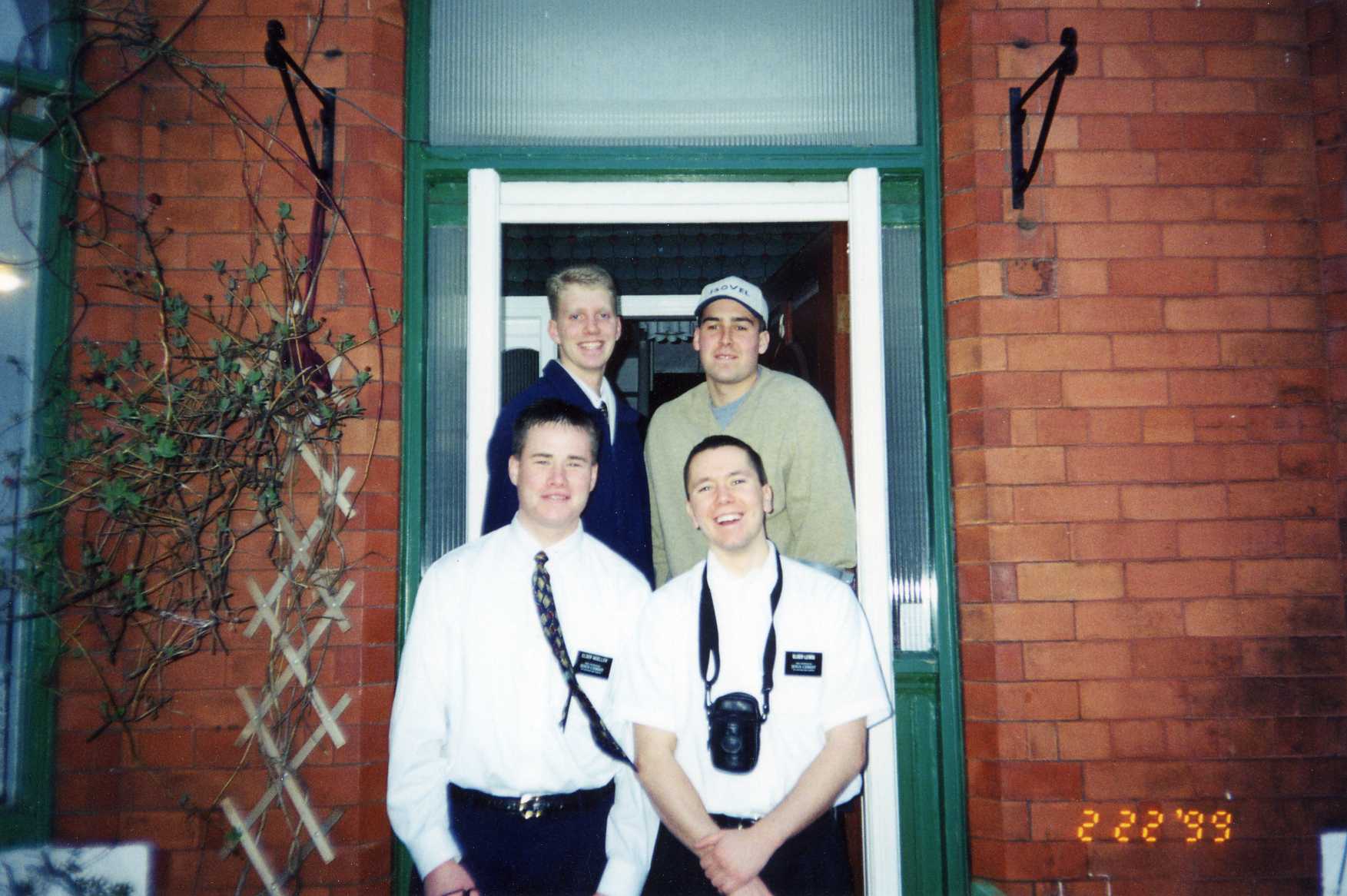





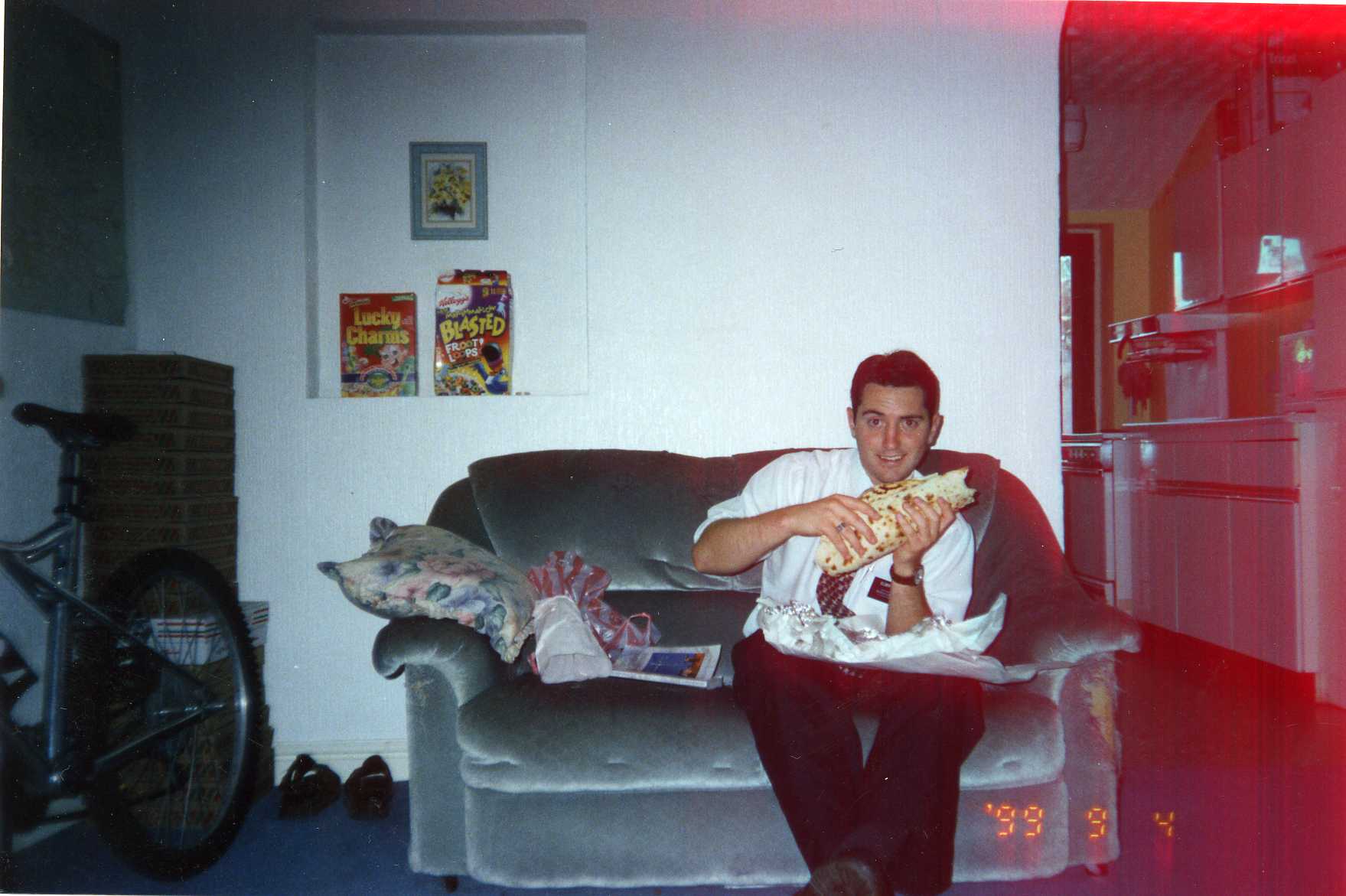






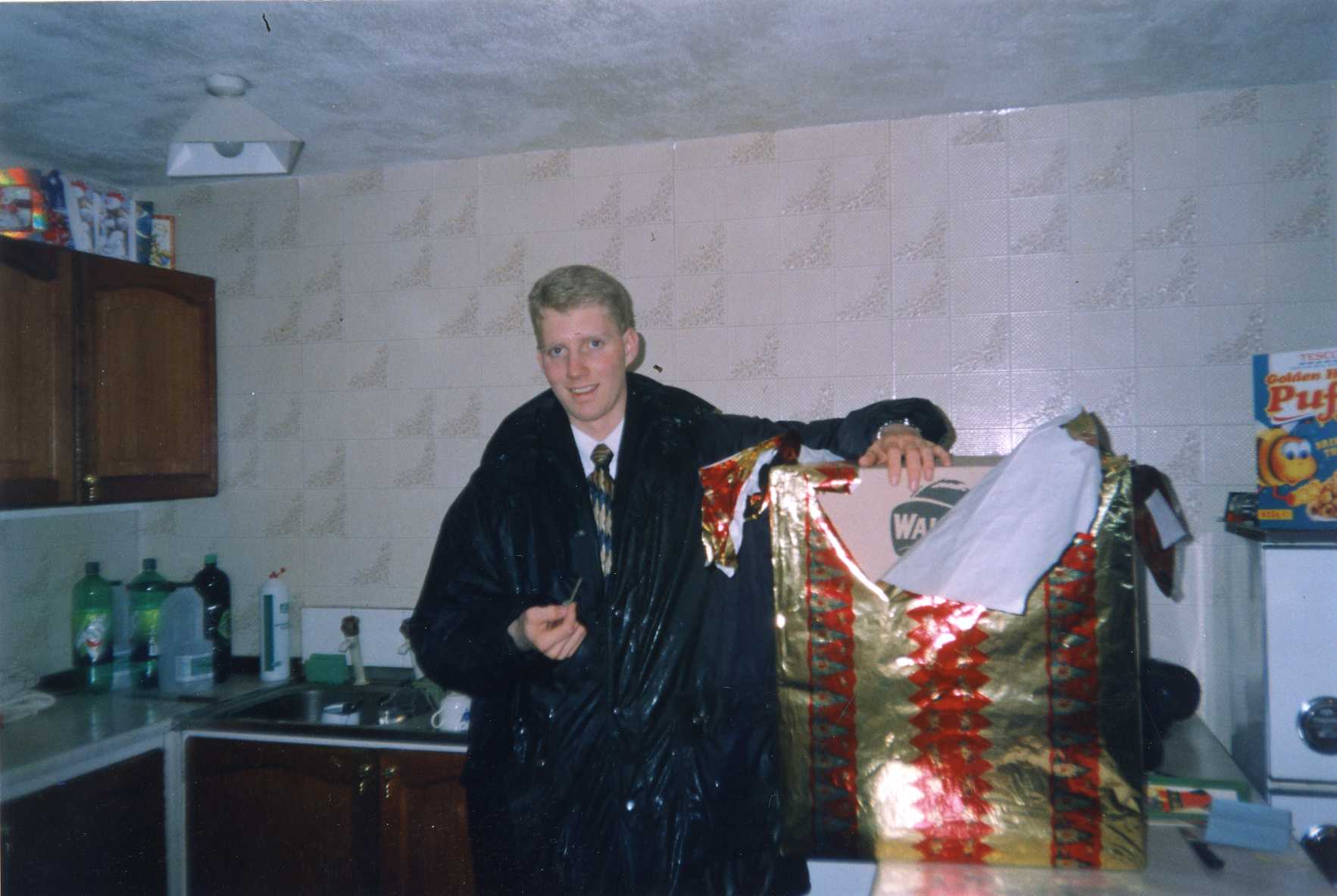






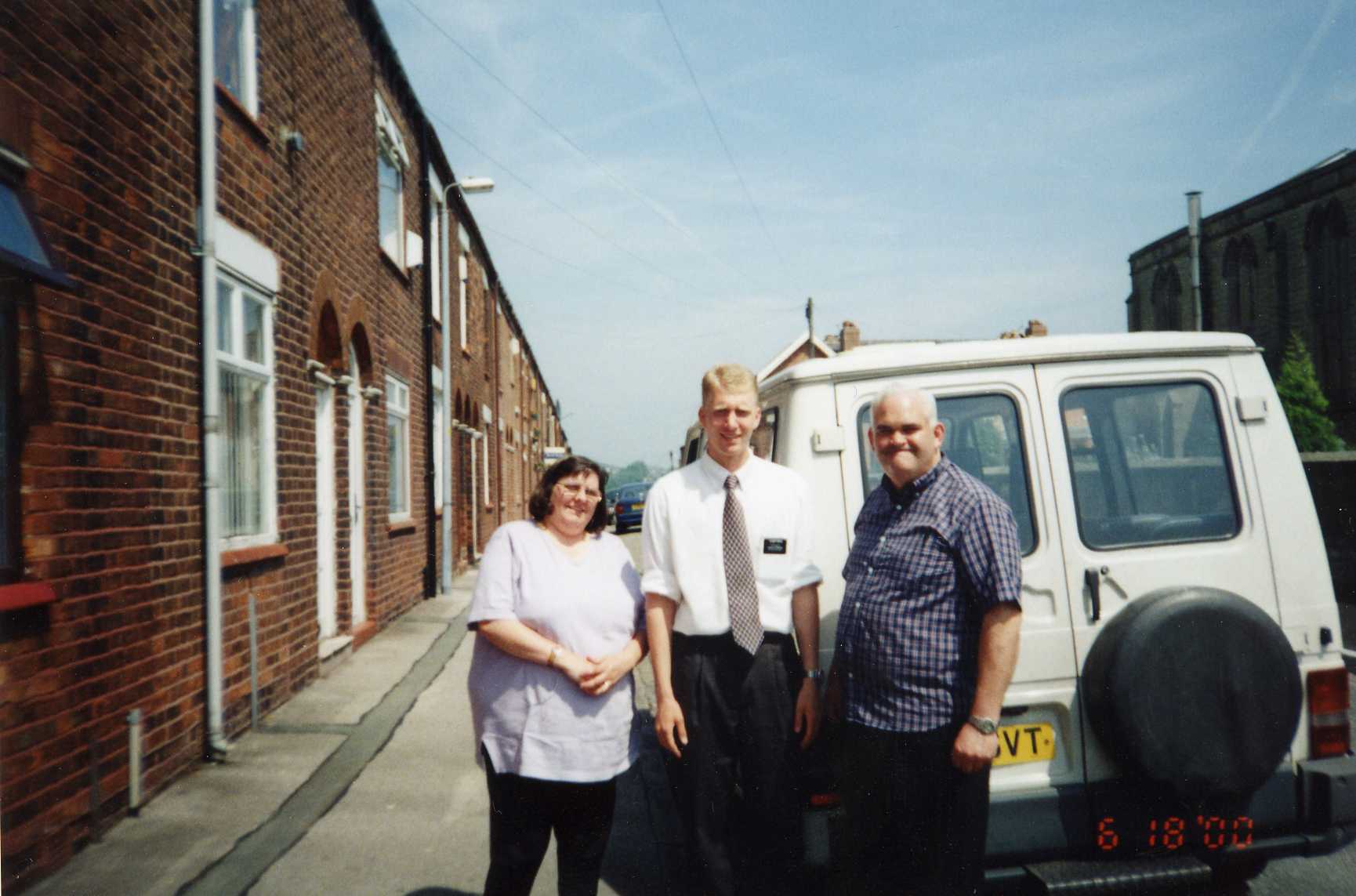
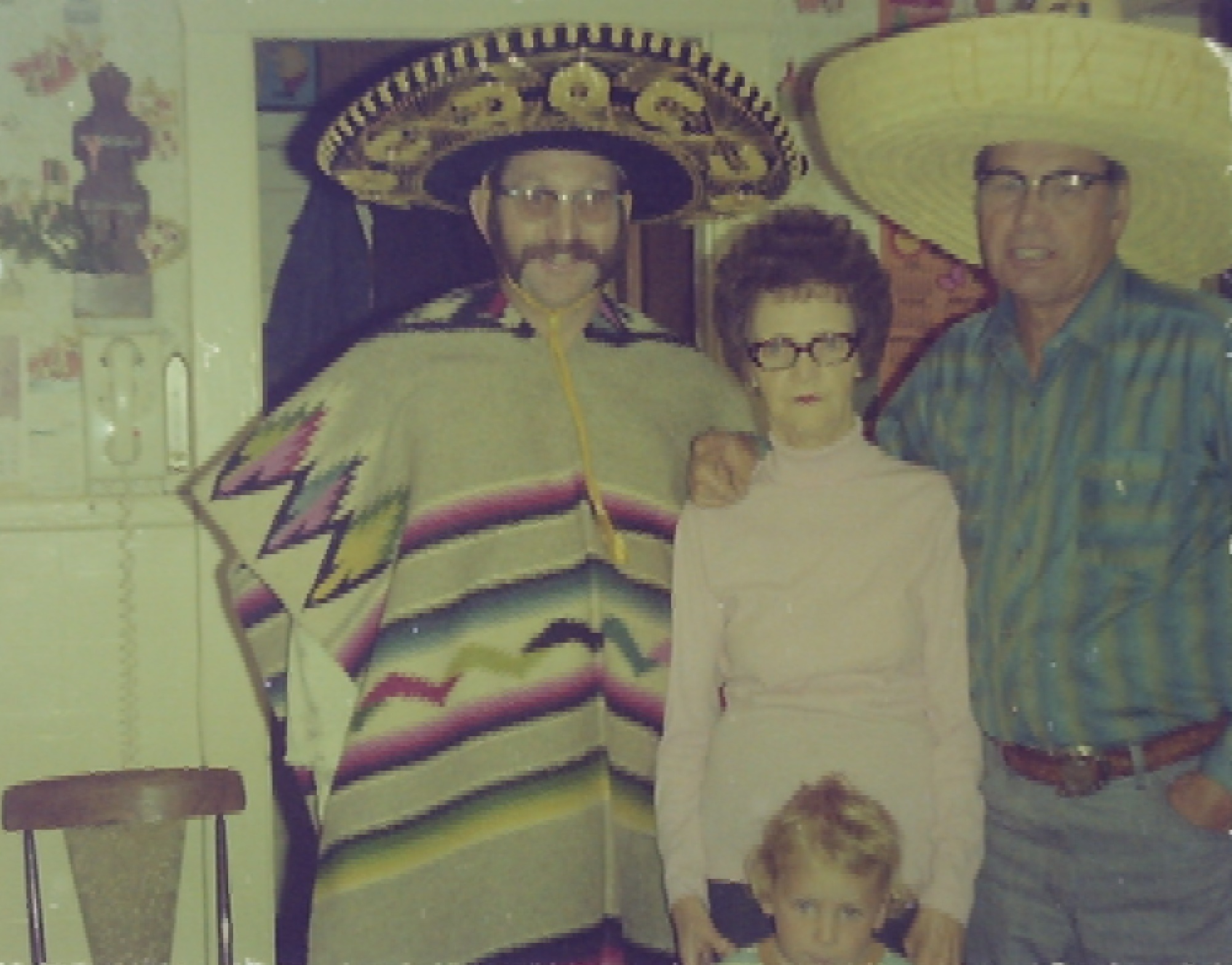


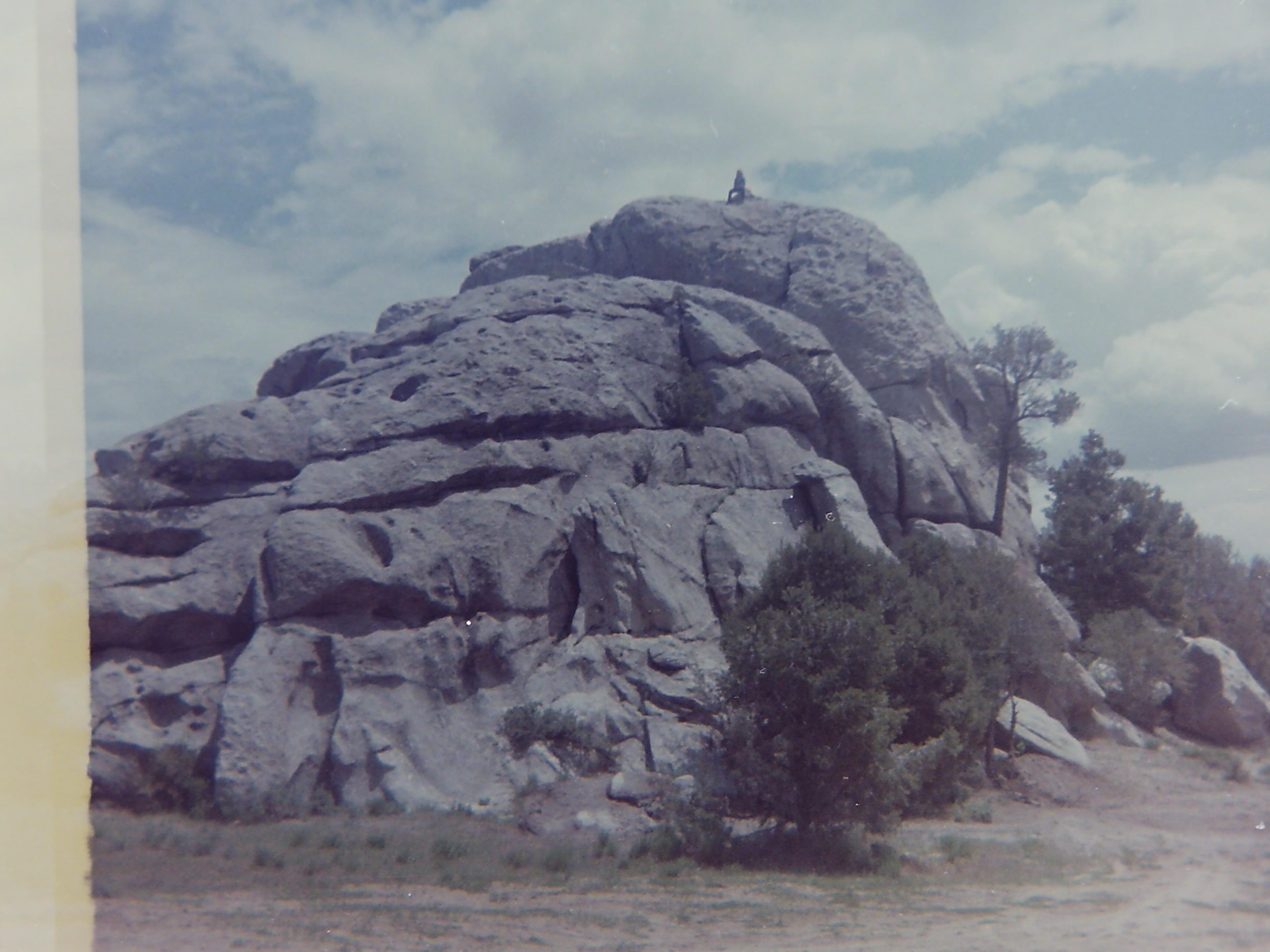


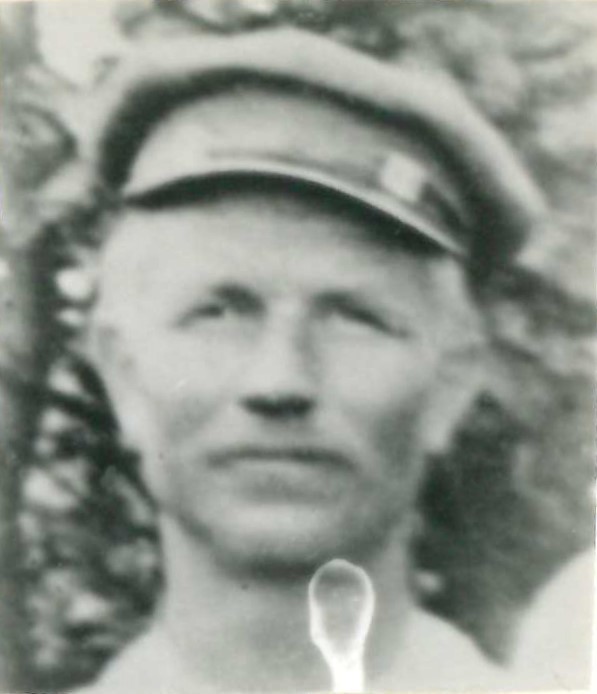
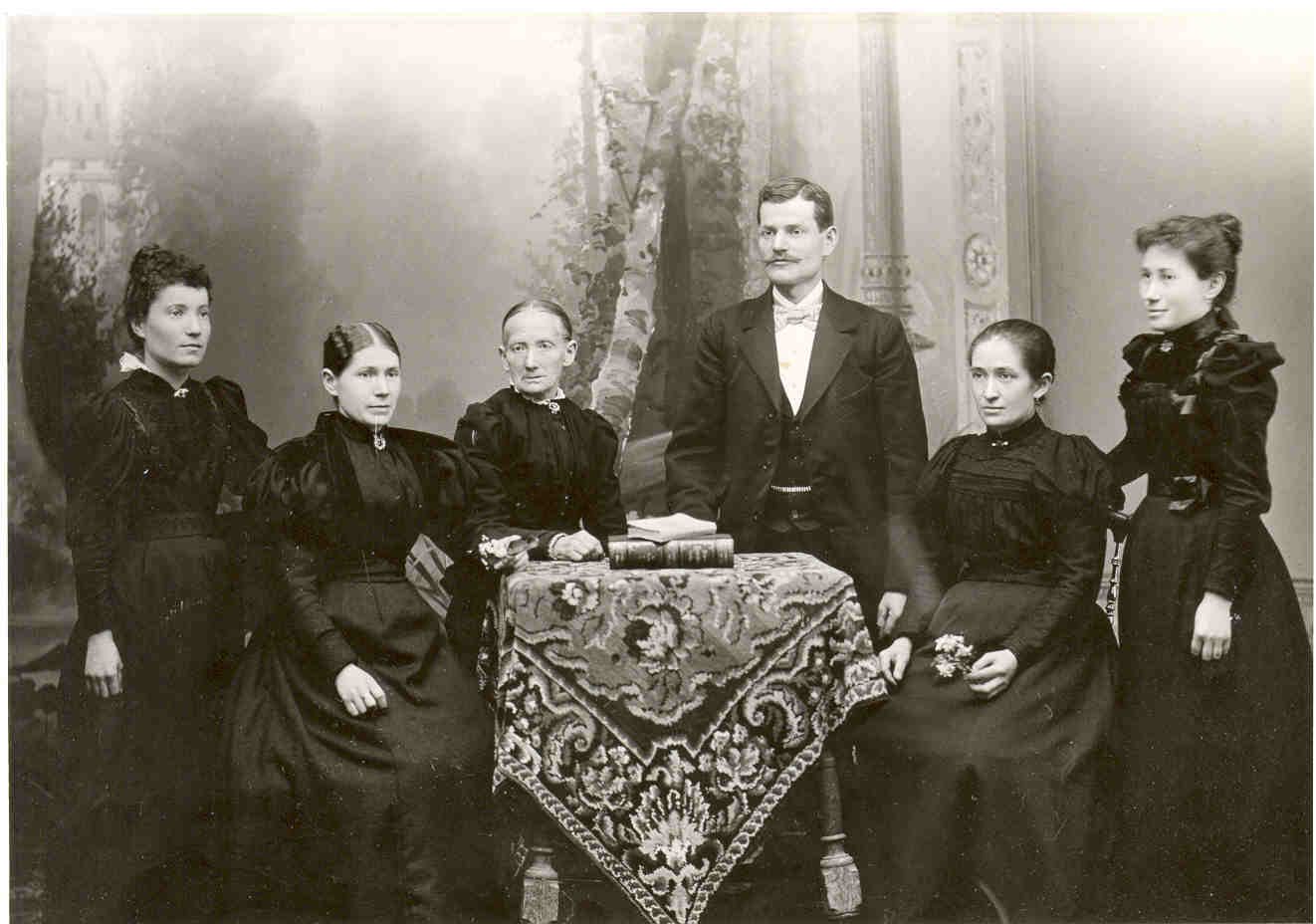

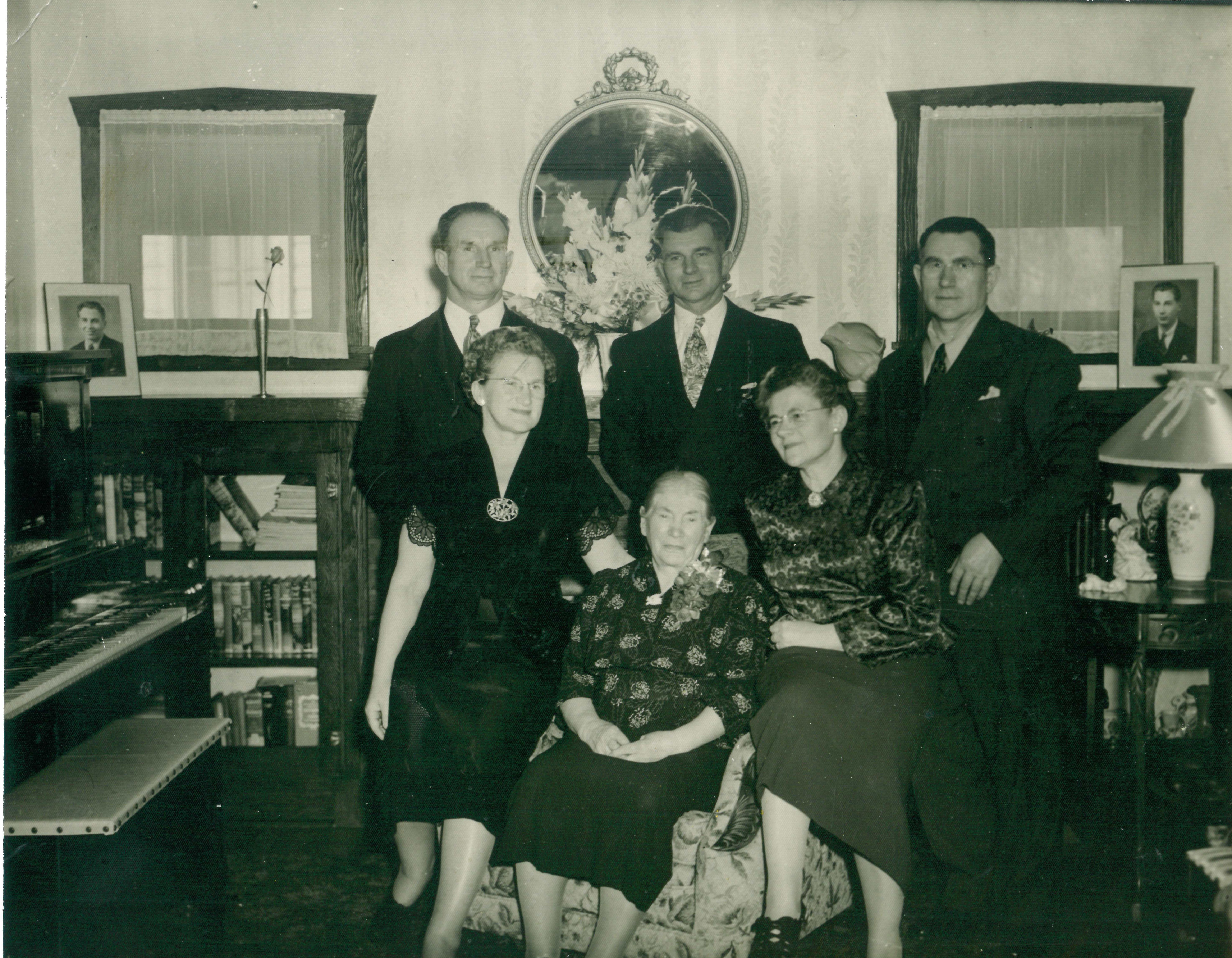


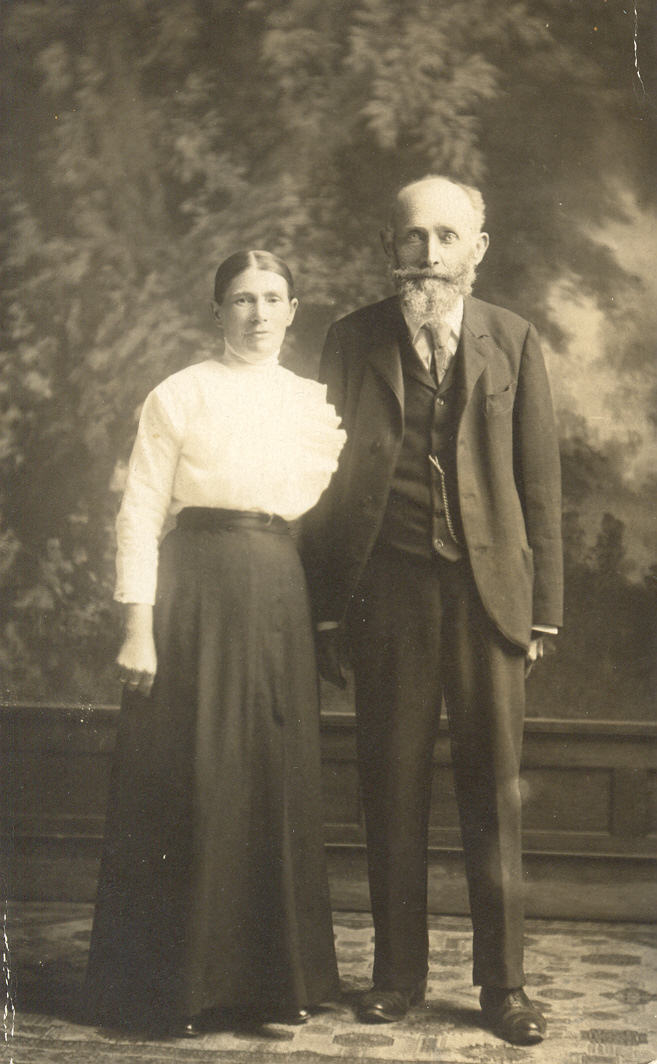


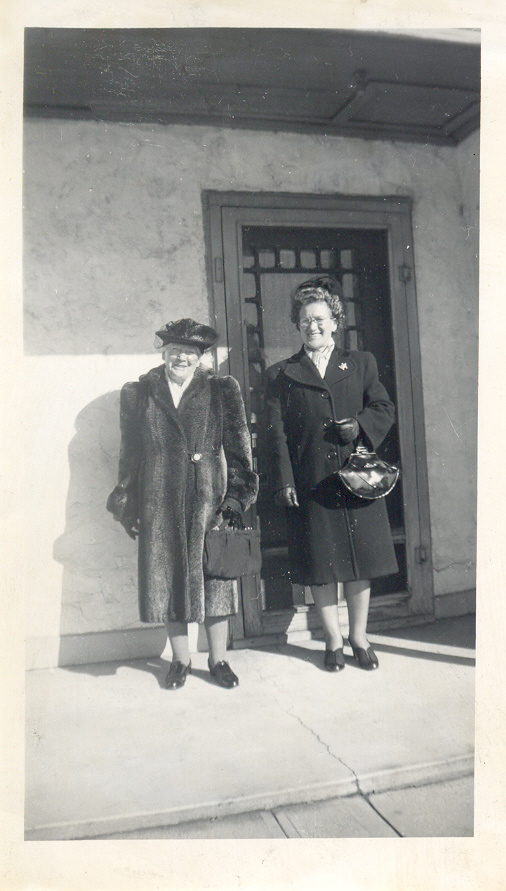


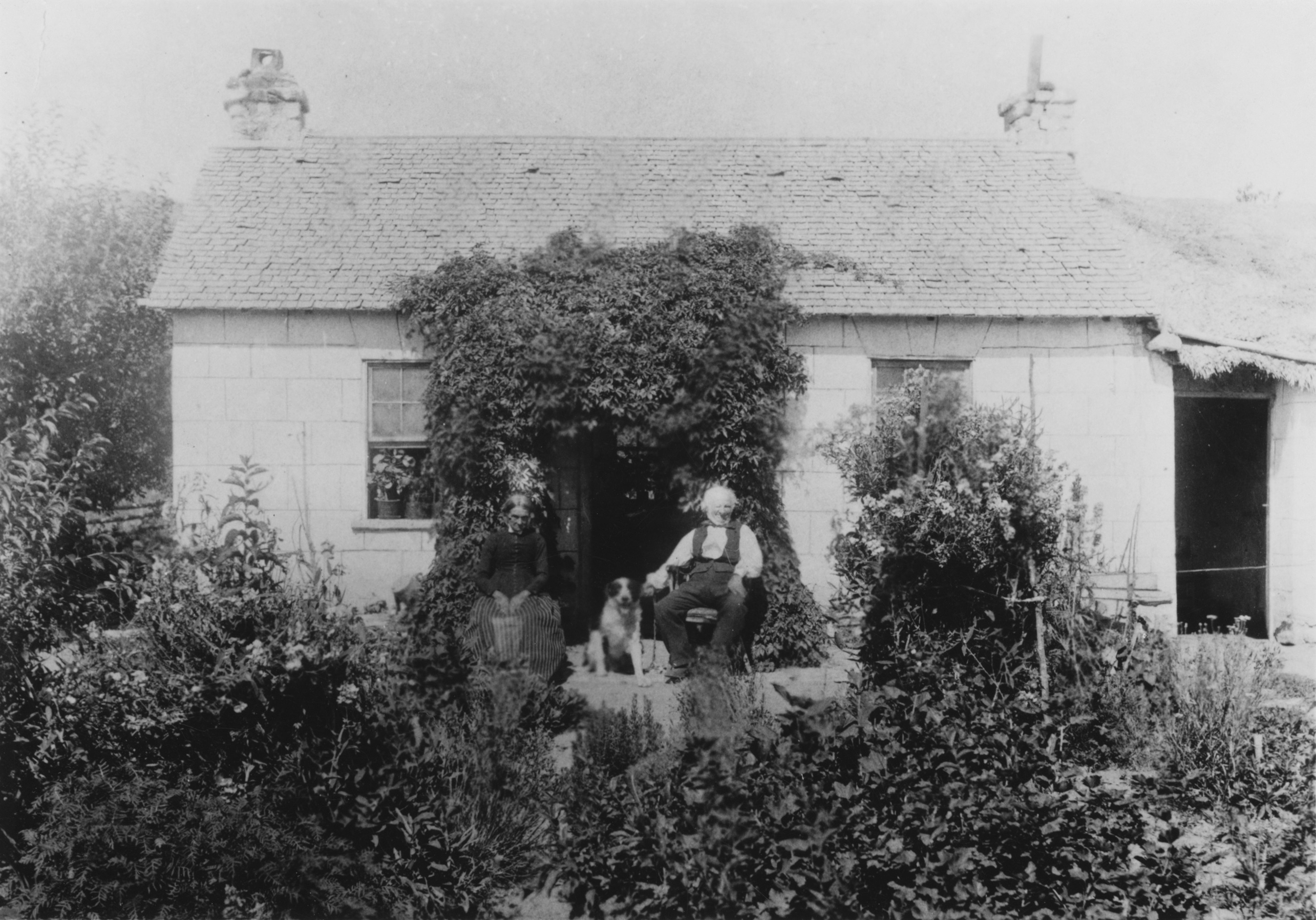
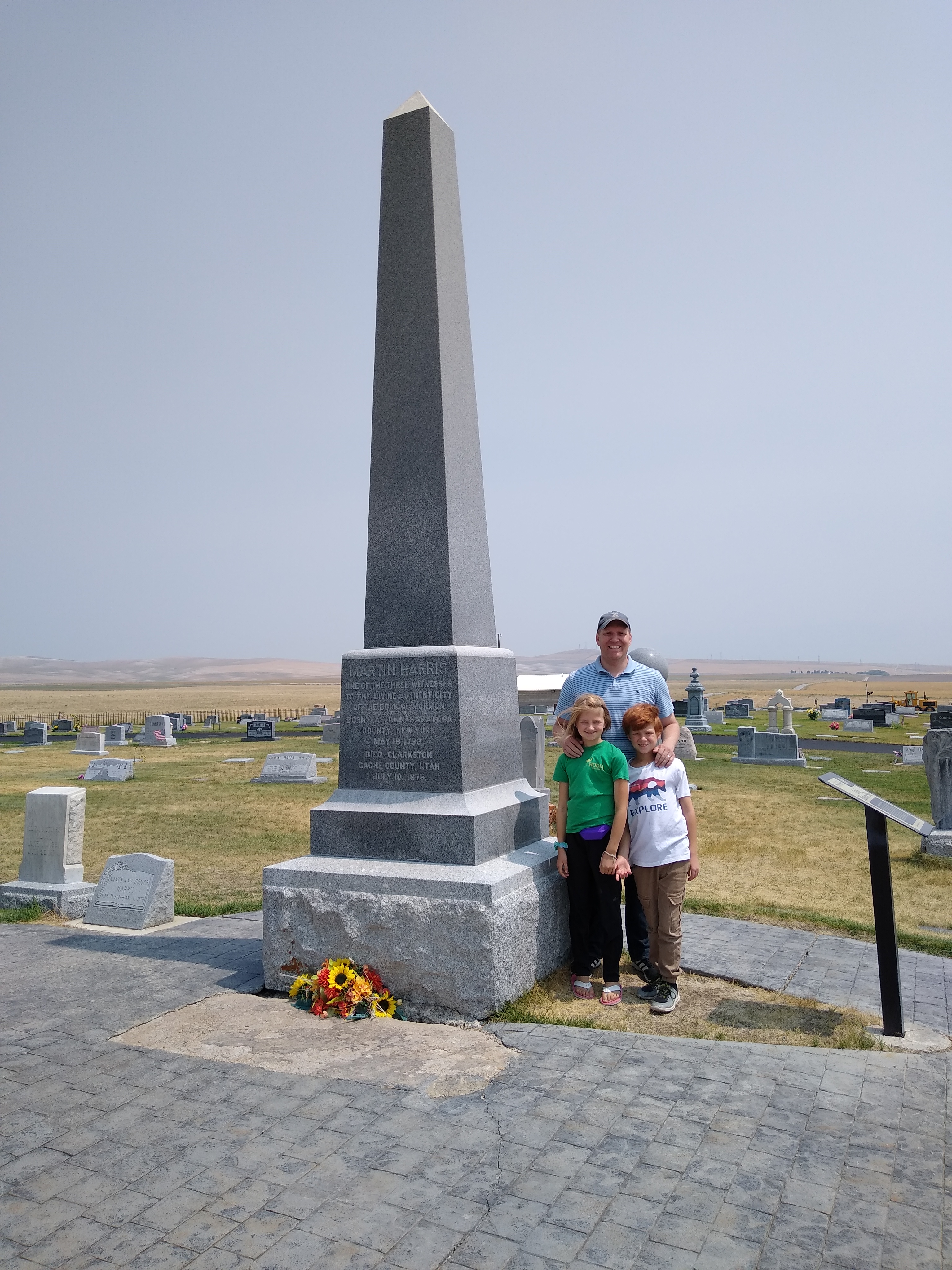


 Sagacity