Author: Sagacity
Judge keeps ranked choice voting initiative on November ballot
Prop 1’s glitter will not create open primaries
Logan Temple Poem
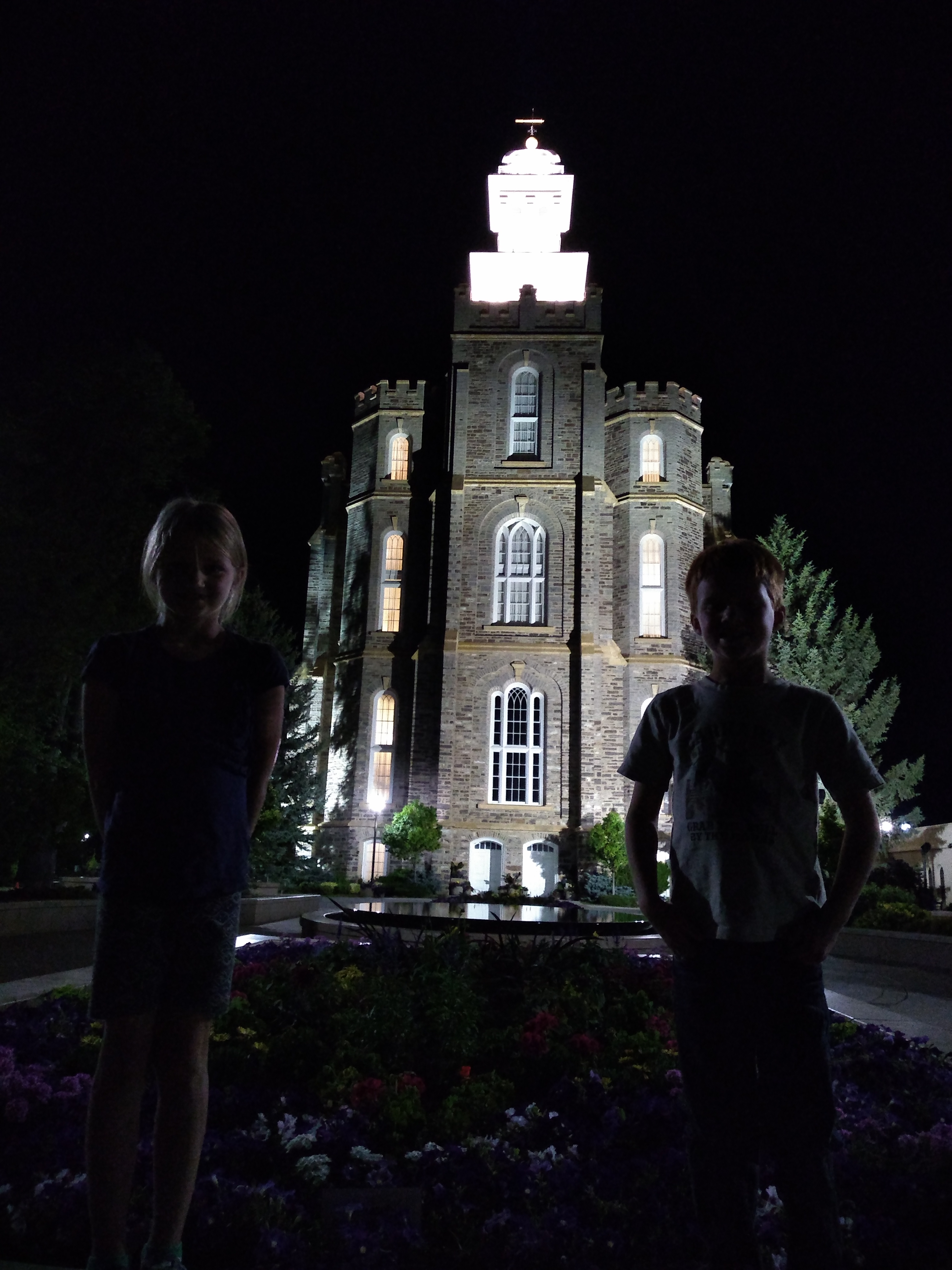
Here is a poem that was in the family history book of Golden Rulon Andra. It is with a number of other Andra, Wanner, and Nuffer histories. Thought I would share it too. I could not locate it anywhere else. I typed it as typed, no spelling or grammar corrections. I felt the spirit of the poem. I have a long family history with the Logan Utah Temple.
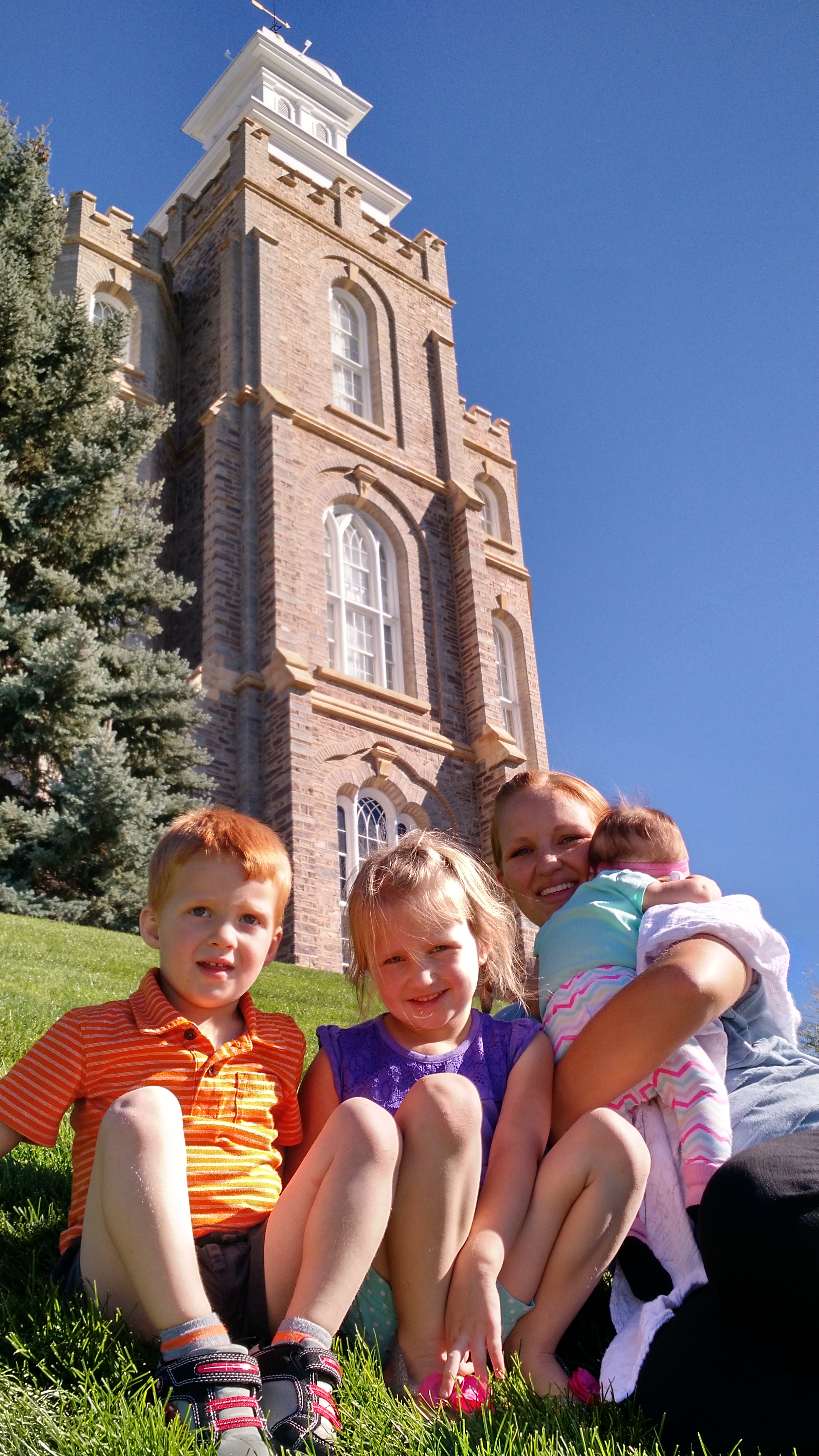
Logan Temple by Ingeborg S. Baird
Theres a place I love to linger,
Theres a place I love to go.
Though I’m often from it hindred
Still I love it more and more.
Oh, the place is Logan Temple
Standing proudly on the hill
Surrounded by the sunny mountains,
FLowers beautify the path therein
And the spires they reach toward heaven,
Calling you and me within.
~
In the Temple are Gods Servants,
Men and women clad in white,
They are thoes among the chosen
Endowed with power from on high,
Night and morning they are laboring
Serving thoes who come and go,
With a smile they bid you welcome
When you enter the Temple door,
With a smile they do their service
Bidding you to come some more.
~
In the Temple are God’s Angels,
Spirts from another sphere.
Though we know we cannot see them.
Something whispers they are near.
Have you felt the joy of comfort?
Have you felt the unseen power?
When you bow your head in prayer,
Angels seem close by your side;
You and me they are insparing,
Reminding us our work is here.
~
Sister, Brother, do not tarry
On the roadside in the world,
What is in the world of pleasure?
All the pleasure will decay.
There are many souls awaiting
They have waited years and years
They’re not dead, they are still living,
Living somewhere very near.
They are calling, urging pleading
Come to the Temple, come, come, come.
Ranked choice voting would open marketplace of ideas
Raul Labrador wants to deprive Idaho voters of their initiative rights
History of Plain City Pt 10
I have two copies of the History of Plain City, Utah. The front indicates it is from March 17th 1859 to present. As far as I can tell, the book was written in 1977. At least that is the latest date I can find in the book.
One copy belonged to my Grandparents Milo and Gladys Ross. My Grandpa has written various notes inside the history which I intend to include in parenthesis whenever they appear. They add to the history and come from his own experience and hearing.ā
I will only do a number of pages at a time. I will also try to include scanned copies of the photos in the books. These are just scanned copies of these books, I have not tried to seek out originals or better copies.
History of Plain City March 17th 1859 to present, pages 150 through 165.
SITE FOR NEW TOWN PARK
SUBMITTED BY FLORENE PARKE
Ā In December, 1975, Mayor Lee Olsen and the Plain City Town Council consisting of William VanHoulten, Wayne Cottle, Darwin Taylor and David Thomas, passed a resolution to purchase 20 acres of land. This land was to be used as a recreational complex and also house the town hall and other municipal buildings.
On December 30, 1975, the City of Plain City purchased 20 acres of land from Bernard and Nora Poulsen. The land is located at the north-west corner of the intersection of 2200 North and 4100 West Streets.
The long-term plans for the park included three regulation ball diamonds, (two softball diamonds, and a little league ball diamond); an equestrian arena and open space exercise area to be used for football and other activities requiring large open spaces. A site identified for future development of municipal structures may include a swimming pool, restrooms and parking areas.
Purchasing and developing the land is an expensive process. It is the intention of the City Council to program the work in six one-year phases. Development of the equestrian arena was part of the first yearās phase.
The area housed an arena known as Paul Knightās Arena. It has been used in the past for several Junior Possee competitions, calf roping meets, and various horses related events. The arena needed fencing and landfill and water installations.
In December, 1976, the Plain City Lions Club, in cooperation with the parents of Junior Possee members, had the area surveyed and hauled 103 loads of sand necessary for a proper working arena. Approximately 30 volunteers donated their time and equipment for two days to complete this part of the work.
Heavy gauge chain-link fencing has been purchased with money from the town and from money raised by Junior Possee members through various fund raising projects. The fence will be installed as soon as the weather conditions permit.
Plain Cityās Junior Possees, Four-H groups, and the many other residents interested in equestrian sports will have a safe place for their activities, and the town will have an arena to be proud of.
Paulās Arena as it is known today, which will be rebuilt into the Townās new Park. Used for many years for horse and Jr. Posse events.
*A CHILDāS CHRISTMAS IN UTAH
BY WAYNE CARVER (SON OF ELMER AND JANE CARVER)
ASSOCIATE PROFESSOR OF ENGLISH
CARLETON COLLEGE
Ā Ā Ā Ā Ā Ā Ā Ā Ā Ā Ā Ā Ā It isnāt that way now. The quiet fields are broken into building lots and the farmers build jet engines in the city and garden with a tractor after work. The old canal is lined with concrete and in the center of the town the Saturday and sun-drenched baseball diamond has shrunk to softball under lights, and the county has built a tennis court just off third bade for a game the kids are beginning to learn to play in white shoes.
The frame store with the pot-bellied stove smelling of sizzled tobacco spit and with the mash sacks and rummy dive in back is a supermarket now where wives in stretch-pants by barefoot and frozen chopped broccoli by the ton and aerosol bombs that go āSwwOOOOOOshā and keep off the bugs or put on your pie a water glob of something threatening to be white and that keeps your arteries open.
It isnāt the way it used to be in that un-fluent time of plowing, planting, watering, hoeing, furrowing, harvesting, and throwing the harvest in the river to be pickled in the Great Salt Lake. It is the affluent society now, of missile sites and loan companies, and the ice cream comes come frozen in glazed wrapping and taste like the strips of brown paper we used to put our upper lip to stop the nosebleed. And I have not been back for Christmas for many and many a year ā to the long everyday stocking with a fifty cent piece squashing the toe, the large orange pressing the half dollar down – a thick, loose-skinned orange that peeled clean and dry ā to the heaped snow that fell on every Christmas eve ā I have not been back, and it isnāt that way now ā and all I can do is gather a crystal or two from a vein of quartz- or is it foolsgold? ā in Time.
****
In the bed-covering warmth of the high ceiling room in the weather-bent old house between the mountains and the salt lake, nothing was alive at first except the dry flopping of the harness straps against the horseās matted cost and the cold jangle of the chains against the horseās matted coat and the cold jungle of the chains against the single-tree of the go-devil that Dad used to clear the paths between the house and the barn, the barn and the chicken coop, the chicken coop and the house, and to gouge a trial down the drifted lane to the country road where the snowplows from the shops in Ogden would come later in the day. Lying in the dark that is beginning to be thin out like spilled ink, we hear coming through the window the flopping and the jangling and the sliding rumble of the triangular runners as they push aside rocks and twigs and skid down the sides of irrigation ditches, and the tongue clicking and āsteady, boy, steady,ā of Dad as he talks to the horse. Hearing this, and seeing from under the door the orange line of kitchen light and, without listening for it, hearing the first snapping of the kindling in the range and smelling, without sniffing for it, the sulphurousness of coal smoke, we know- all three of us ā that we have been trickled ourselves and somehow, we canāt say how, had fallen asleep ā sometime, somewhere, – back in that black night and that Christmas had come again and caught us sleeping.
Then the tinny, descending jingle of loose bedsprings, the cold shock beneath the warm flannel pajamas legs, the cold fluttering linoleum slap against the feet; and the orange line beneath the door flashes upward and out: We are across the kitchen, through the heavy coal smoke to where the living room door id barred, sealed against us, as mother, at the side door, calls outside, and Dad comes in.
Daylight comes with the smell of oranges, pine, needles, pine needles, and chocolate, and coal smoke from the heater, and the brittle crack of hazel nuts and the tearing raveling crunch of peanut shells, the shimmering glissando of tissue paper crushing, the sweet sticky slurp of cherry chocolates, and the crack and shatter of peanut brittle. Amidst the smell, above the sounds, comes the āoh, just what I wanted,ā of Mother and the āVery nice, very fine,ā of Dad and the āOne -two-three-four! I got four presents thatās simply more than anybody,ā of Mary and the āThis Wheelās just fine cause itās got a burr on the axle, not a cotter key,ā of Nephi, and the āBillyās got this book, heāll not swap. Iāll swap with Rex,ā of another.
By mid-morning the board valley glisten under the cold sun, and you have gone alone through the fields I the over-the-boots snow and along the row of willows besides the canal and watched the muskrats swimming in the alley of dark water between the frozen banks, have seen the runic tracing of the quail and pheasant trails and shaken the loose snow away from your collar that a magpie knocked down on you as you passed beneath the cottonwood trees to Rexās place where you ate rock candy, swapped the extra Bomba you had read for the Army Boys in France that you had not. By noon you have been to Billās through the glare of the sun and snow and shown him your hi-tops with the long grey woolen socks ad the fold-over edge of red at the top and eaten peanut brittle, been to Grantās and seen the new skates, shown-off the cream and green cover of your Plunk and Luck and eaten candy, been along the roads, the ditches, the trails until the snow packed into ice inside your boots has sent you home to dry and then, drying, behind the big heater in the living room to sail on the stack of books to all the great green world that never was and will last, therefore, forever.
Ā Ā Ā Ā Ā Ā Ā Ā Ā Ā Ā Ā Ā The crunch and ravel and shimmering tinkle is gone from the room now. The quiet is there like a field rippled with snow until the others return from their rounds, and in from the kitchen come only the first rasps ad scrapes and clicks and hacks of dinnerās getting underway. There is pine tree and warmth and the smell of chocolate syrup. Behind the stove Bomba the Jungle Boy crouches in the grass besides the trail as the enemy patrol with poisoned darts in their quivers and blow guns in their hand file slowly by the disappear into the tangled heat of the jungle. In the gassy, coal smelling clearing Bomba is wiping into glittering brightness the still smouldering and dripping blade when, bursting through the streaming wall of branches and vines, comes Aunt Emās bellow of tribal greeting, followed by a safari of cousins and a diminutive uncle, each one bearing weapons and supplies clutched in their careful and love-filled hands.
Ā Ā Ā Ā Ā Ā Ā Ā Ā Ā Ā Ā Ā āGood Lord, Louisa, there you are just as I figgered, sweating out in the kitchen while everybody else has a fine faretheewell. Weāre late but I been after Ephriam since daybreak to get them cows milked soās we could get on our way. By Judas Priest, you would thought the man had never milked a cow before. Biggest kid in house for Christmas. I get more work out of the cat than I do him. Lordy! You ought to see that house. You canāt see out the windows for trash, and Iām so flustered I think I sliced an egg on the jello and a banana on the hot potato salad. Iām afraid to look, I tell you. And Moroni? ā he was out chasing the girls until je ought to have been home milking, too; and, Lord, Sara and nell, youād of thought they never been given anything before. And all the time, Eph dragginā along, them cows moaninā out in the barn, their bags so full theyād like tāhave died, nothing to eat ā itās a good thing for that, I suppose. Why, he didnāt get out of the house until ten Oāclock, the milk man had come and gone by two hours and all the time me tryingā to bake a cake in a crooked oven with the coal Wilbur man sold us at a special and, Louisa, Iām tellin āyou it aināt coal at all. Itās just dirt. Itās better dirt than half that hard scrabble your manās farming down there in Salt Creek, and if Wilbur can sell that sandy loam he sold me for coal, Iās say Josiahās got a fortune in fuel under that field of onions he tries to grow ever summer. Glow! Iās by there tāother day lookinā for the horses before the shruf stray-penned ā em and I say to Eph, āJosiahās got a nice five acres of picklinā onions out a that salt flat heās tryinā to farm. Ought to get a special price, seeinās how they pickled all summer. Ā Grow! Iās by ther tāother day lookinā for the horses before the shurf stray -penned āem and I say to Eph, ā Josiahās got a nice five acres of picklinā onions out a that salt flat heās tryinā to bake this cake, and roast a shoulder of pork and fix the salad and Iām up to my chin in candy and nuts and wrappinā paper until I finally just booted everybody out the back door and said, āLordy, go over t’the neighbors and dirty up some fresh territory while I get something done.ā So they did. Except Eph. Heās still settinā there in his new robe and slippers, dozinā mind you, his head bobbinā back and forth like a derrick fork. And them poor cows hollerinā to be milked, and finally I told him, āLord almighty man, go out there and take out enough milk to relieve their pain anyways, even if you donāt care about no milk check next week.ā So he did. Well, here we are. Where dāyou want me to put the roast to keep it warm, Here! Give me that knife, Iāll peel the taters. Donāt you get no help? Whereāre your kids? You get started on the rolls, woman. This house is goinā to be crawlinā with starving prople before we get turned around and us without a thing to put in their mouths.I thought I told you Big J flourās betterān this other stuff. Lord! I donāt know whatās goinā to happen to us. Ten oāclock milkinā; I tell you, I thought Iād never live to the day.ā
And then the green jungle explodes into white brightness and come alive with cousins and uncles and aunts as the tribal dance around the tree begins and the hecatombs are offered to the angry powers of hunger and love: roast chicken, roast turkey, hams, and pork shoulders, brown gravies, chicken gravies, sage and giblet stuffing, candied yams and sweet potatoes, mashed potatoes, cranberry sauce, creamed corn, wax beans, lima beans, and string beans, carrots ā tossed salads, potato salads, gelatin salads, cream pies, fruit pies, mince pies, pumpkin pies, chocolate cake, and white cakes, jello ad whipped crĆØme and sliced bananas, candy in dishes and boxes, apples, oranges, and bananas ā and one cup of coffee brewed just for Uncle Heber, the free-thinker of the tribe who risked the taboo, and for him, too, the cracked saucer for the ashes of his cigar.
And above the crack of celery, the clack of china, the clink oof silverware, the chattering drone and occasional giggle or scream, and through the acrid halo of smoke around Uncle Heberās head comes Aunt Emās piercing voice: āItās a foul habit and an abomination in the sight of God, Heber, and Iād rather see my brother take to drink than terbakker the way you do. And coffee defiles the temple of the spirit in a worse way, and Louisaās curtaināll smell of Christmas and sin until the Fourth of July because of you.ā
Ā Ā Ā Ā Ā Ā Ā Ā Ā Ā Ā Ā Ā And though the drone and chatter, Uncle Heberās: Sis, you finish your meal in your way; Iāll finish mine in mine. The Prophet used to smoke, so did Brother Brigham ā and chew. They chewed and spit like any man. I sin in good company. Fact, is sis, if the truth was known, smokinā and good coffee got to be a sin because Joseph had an allergy to caffeine and nicotine. Used to break out in hive after every cup of joe and every satisfying drag, so he made both a sin. Say, get me a stove match will you, sis, while yer up ā in the kitchen there. See? A good cigar goes out if it aināt appreciated.ā
And then through the long dying of the day, the world beyond the oppressive clearing behind the stove goes on. Bomba frees the friendly white girl, eats a tapir, while through the nebulous jungle wall from far beyond come the shouts and squeals of cousins and brother and sister play, the falsetto chirping of Aunt talk, and the grumbling bass of Uncle talk. And as the Army boys march aboard the transport in New York to go to France with āLafayette, we are here,ā on their lips, there hovers in the air of the stifling, coal-gas smelling hold of the transport:
āFranklin D. Roosevelt was sent by God to lead his children out of bondage.ā
āI like that manās smile. Then he sticks them cig-roots in his mouth and I tell you I jist donāt know!ā
āWe should have won that game on the Fourth; Freddie just got a leetle tired. . . .ā
āWalkinā on to my farm and tellinā me what I can grow and what I canār. I sicked the dog on that little pipsqueak. . . .ā
āDoak, that big elephant, fanninā twice with men on. . . . Never could hit a round-house out.ā
ā. . . on relief until his first paycheck . . . blew it all one weekend at Elko. . . ā
āNext time Brig Roberts umpire, I say protest the game. . . ā āTwo of them Clinton players smoke. I seen āem. . . ā
āGood for them . . . ā
āHeber!ā
āPaid in paper script. . . not worth the paper itās . . . ā
ā. . . kept track the last three games . . . fanned four times with one on . . . ā
āFarmers the last one to get anything from a government . . . ā
āWe got 3.2 beer what we have to risk damnation to drink. But the price of taterās about the same as when Hoover. . . ā
ā Eat the taters then the shut up. ā S bettern defilinā Em! Weād live forever, that a-way ā the two of us.ā
āHa!ā
āOnly hit all year as I remember rolled down the gopher hole back of first base in West Warren for a ground rule double. . . some clean up hitter be is. . . ā
ādonāt care how the man smokes. Iād vote for FDR for God tomorrow if I had the chance..ā
āBut President Hoover says. . . ā
āTo Hell with President Hoover!ā
āHeber! Heber! Heber!ā
And now Bart, the oldest, most handsome, most dependable of all the Army Boys in France, escaped from the hospital in the rear, slogs through the nuts, shells, and package wrapping of rural France, wet, cold, delirious, dropping into shell holes as the rat-a-tat-tat of a match-shooting gun rattles out of the living room from behind the sofa. In the lull that follows, as the darkness comes on, a command rips across the subdue murmur of No-Manās Land: Ephriam! Itās milkinā time. Lord! Letās go on home and see how many cowās got mastitis from this morninā. Judas Priest! One thing for sure. Never milk a cow, never have to. Theyāll have their bags caked-up like a lick of salt. Come on, Eph!.
And Uncle Heber, rising from the waves of cigar smoke, āEmmie sit down. For the Lord of all the Lamanites. I only see you about once a year, it seems like.ā
She, settling back into the sofa, āThatās for sure.ā There is a long quiet. Then, āBut Heber, whenāre you going to come to your senses and make your peace with me and the Church.ā
Iām ready, Emmie, always have been. For you or the Church. But I figger the Churchāll be a dang sight easier to settle up with that you.ā
From inside the pill-box in the living room comes another burst of fire, and Bart, with his dependent buddies, crawls along a little stream in the gassy gloom of twilight, trying to get a bearing on the mortar that is lobbing rounds into the Company. And Bart whispers, āIām going over there to see what it looks like, anyways.ā
āNo, no, bart,ā from his friends. But he, āRemember the Luistania.ā Ashamed, they say no more. āIt may not be what Iām after but just beyond that hill is where I need a pig for winter dressing up, and if Parley P. Brown ā Goodie-Two-Shoes Brown, we called him in school ā has got what I want āā
āHeber! Thatās talk I wonāt hear. Heās a God-fearing man and āā
āAnd a man practically lacking in the power of speech, Em, thatās what he is. Why, Em whenever I think youāre right, that Iām a sinner temporarily damned to a lower degree of glory, I remember the day I went over there to buy that pig. Weāre out in the pen, see – a sloppy pen if you ever saw one ā and all these weaner pigs are grunting around in there. Iāve got this gunny sack and a three foot piece of two-by-four, but Parl Brown donāt so things that way. No Sir! āYou stay here, ā he says and he crawls in that stuff. Iāll return presently with a shoat.ā Return! Presently! Shoat! The man canāt talk. Well ā anyhow ā he slops into the pen. He corners one of the wet-snouted little balderdroppers, lunges at it and, by Christmas, kisses by half a foot ā skids into the plank wall. Judas Priest, I though heād killed himself. Picks himself up. Scrapes himself off. Looks over at me. You could hardly see his face. āLittle rascals,ā he says, and grins; he corners another. Dives again, skids, misses, splatters, hits, stands up,wipes, away at himself a bit. Elusive little tykes,ā he says, turns, gets ready to do it again. Iāve had enough. āParl!ā I beller at him. He looks around. I crawls over the fence. By jaspers, Iām near tears, āParl, for Juniperās sweet loving sake, man, donāt talk to pigs like that. Now you go on, get out of here!ā He goes, me pushin him. Then I turns to the litter and look them square in the eye. Theyāre all backed into one side and a corner, still and quiet. Theyād sense the change right off. Then I hold my two- by out in front where they can see it. I drops my sack open, the mouth of it facing them. I drops on my haunches and teeters a bit. Then I says, real tight and lowlike: āNow ā you little thin-snouted, bleary-eyed runty-backed, spiral-trailed sons of this litter, one of you hop into this sack.ā Why, almost immediately, you might say, the one nearest the sack trots over, sniffs a hit, squeals a little, and walks in the sack and curls up. I snap the sack to with a piece of binder twine, hoists it over my shoulder, climbs ion the pick-up and brings it along home. Paid Parl a day later by check. Well, Emmie, you see the point? Sin has its place. A man like Parley P. Brown might not defile the curtains in the parlor, might make it all the way to the Celestial degree of glory, but heās not worth a good God- damn in a pig pen.ā
Then the war draws to its close in the snow of winter and the troops march home from No-Manās Land, over there, over there ā across the rubbles of papers and candy and peanuts and broken toys and needles from the trees, and , suddenly, the lights all over the world come on to Motherās: Youāll ruin your eyes, son, reading in the dark behind that heater.ā
And only the others are there now ā the other two and Dad and Mother ā and we eat a sandwich of cold chicken and have some milk out of the big pan in the pantry and we have family prayer around a chair in the kitchen. Kneeling there, the linoleum burning its cold into our knees, everything is love and one and whole. The day is blest, and all the days to come.
In the bedroom we shiver against the cold sheets and giggle and fight for warmth against each other.
In enveloping blackness we hear the squeak of the snow under Dadās boots as he walks for the check-up to the barn and hear the sounds of cleaning up from the kitchen.
Overhead the attic creaks as the old house sways a little in the winter chill that comes down on a black wind from the black mountains to the east an moves through the valley and across the salt lake and into all the years to come ā but that cannot touch the bed-covering warmth of a Christmas that is past.
*Reprinted by permission of āThe Carleton Miscellanyā
Copyright, 1965, by Carleton College
Northfield, Minnesota 55057
FIRST PLAIN CITY CANNING FACTORY
Ā Ā Ā Ā Ā Ā Ā Ā Ā Ā Ā Ā Ā This was the first canning factory in Plain City. It was located across the street from Loyd Olsenās home at about 1900 North 4700 West. The factory was built around or before 1900. The picture was taken in 1906 or 1907. The factory was torn down in 1916 or 1917 and part of it was moved to become part of the john Maw store. Laura Musgrave remembers working there as a girl.
We do not have the names of those in the picture, but were told that the older man on far right is Abraham Maw who run the factory. He is the father of Henry T. Maw and grandfather of Abraham Maw.
PICTURE TAKEN ABOUT 1900
Front row left to right:
Trina Folkman, Wilford Danvers, Lonna Richardson Miller, Thomas Jenkins.
Second row left to right:
Elea England Watson, Dave Geddes, Luci Rawson, Sophie England, Jed Skeen, Melissa Carver.
Third row left to right:
Rose Stoker, Cerilla Richardson, Lorenzo Lund, Sussen Geddes, John Moyes, Riley Skeen, Lyman Skeen, Emily White, Richard Lund.
Peter Green was on the original photo with only part of him showing. You could see his hat and right arm and leg.
EARLY ORCHESTRA
The man with the cap is Robert Hunt. He is Clara Hunt Singleton’s brother. Clara was the mother of Florence Singleton Simpson.
OLD PHOTOS
Above two: Plain Cityās 110 year Anniversary.
Picture taken in front of the old dance hall. In 1959 on the Sunday nearest the 17th of March no cars were allowed at the church, just teams and horses and buggies. The people came to church in pioneer dress as a climax to a weeks long celebration.
Above: Rear view of the old Church house. The upstairs was a recreation hall with a stage.
PLAIN CITY CANNING COMPANY
The Plain City Canning Company was built in 1925. They operated the factory for over 30 years. During World War II they used prisonerās of war for laborers during the canning season. It is owned by George Cook.
EVERETT’S PLUMBING
This building was built by Everett Taylor for his plumbing business.
BUSINESSES OF TODAY
BUILDERS BARGAIN CENTER
Ā Ā Ā Ā Ā Ā Ā Ā Ā Ā Ā Ā Ā Builders Bargain Center, formerly Englandās Builders. This business was started and run by Chester England for many years.
The Confectionery, but known to everyone in City has the Pool Hall, or the Grog Hall.
BUSINESSES OF TODAY
BARNES FURNITURE CO.
Ā Ā Ā Ā Ā Ā Ā Ā Ā Ā Ā Ā Ā Barnes Furniture Co. was started by Hebert and Elida Barnes in the winter of 1948-1949. Elida had acquired upholstery skills through Utah State Extension Services with offices in Odgen. Herbert learned wood work, restyling and remodeling from Utah Defense Depot. An elderly German refinishing craftsman taught Hebert the refinishing craft. Later on both had upholstery training through Weber College.
The first shop was one-half of a small railroad box car situated east and south of the present shop at 1600 N. 4700 W.
This makeshift shop was soon out grown. The present shop erected in 1953.
FIRST SHOP
Now owned by George Cook and used as a bath house.
PRESENT SHOP OF BARNES FURNITURE
BUSINESSES OF TODAY
Ā Ā Ā Ā Ā Ā Ā Ā Ā Ā Ā PAUL COSTLEY GARAGE
This garage opened in the fall of 1947, and is located north of the city of Plain City.
C. & B. REPAIR SHOP
The C. & B. Auto Repair Shop owned by Curt Knight and Bruce Hall. The old building at the left is Rall Taylor’s old blacksmith shop.
BUSINESSES OF TODAY
CLIFF FOLKMAN SERVICES
Cliff Folkman operated a gas station in this location for over 30 years. He moved into the new building in the fall of 1964, located in the center of town, on the east side of the Square.
WHITIE’S CAFE AND ICE CREAM PARLOR

Dennis White opened his cafe in the summer of 1976. It is located on the east side of the Square.
BUSINESSES OF TODAY
UTAH TRANSIT AUTHORITY BY RUTH FOWERS
Ā Ā Ā Ā Ā Ā Ā Ā Ā Ā Ā On Tuesday, July 6, 1976, the Utah Transit Authority started regular bus transportation services to Plain City area. The bus arrived in Plain city at 6:55 A.M. and returned to Ogden through Slaterville by way of Pioneer Road. The schedule continued every 40 minutes, the late bus leaving Plain city at 6:55 P.M., Monday through Saturday, with o service Sunday or holidays. It is called Route #20 Plain City.
Ā Ā Ā Ā Ā Ā Ā Ā Ā Ā Ā This service had been in the planning for some three years prior. The U.T.A. is supported by quarter of a cent sales tax. The fare being 15 cents for adults and 10 cents for children and senior citizens, with senior citizens allowed the courtesy ot ride free between the hours of 10 ā 3 and after 6 P.M.
Many citizens are enjoying this method of transportation to and from Ogden, some extend its service to Salt Lake City and return.
BANK OF UTAH
Ā Ā Ā Ā Ā Ā Ā Ā Ā Ā Ā Nov. 27, 1972, marked the grand opening date for the Plain City Branch of the Bank of Utah.
Ā Ā Ā Ā Ā Ā Ā Ā Ā Ā Ā The bank has had a steady increase in its patronage since the beginning. Services are available to all the citizens in the surrounding towns. Some clientele come from as far as south Brigham City.
The bank started with three employees and now as four.