The Burley Idaho Temple Open House ran 3 November 2025 to 22 November 2025. It was an amazing opportunity to invite the local and broader community to walk through a pinnacle of our worship. I attended 5 of the much more individual and personal tours on the 3rd through 5th with public leaders and distinguished guests. I wish everyone could attend these tours, which would often take 45 minutes to 60 minutes for the full tour. Some of these were guided by General Authorities, including Elders Steven R. Bangerter, Karl D. Hirst, and K. Brett Nattress.
On Thursday, the general public was welcome to attend open tours. Our first tour tried to do a small introduction in each room, but about half-way through that was abandoned to keep the lines moving. Every tour I attended afterward did not have any attempted presentations, other than to remind individuals to not take photos and to speak softly.
Amanda sneaked over and caught a personal tour on the 6th.
6 November 2025 – Amanda Ross attended individually
Amanda and I took our family on Friday 7 November 2025.
Saturday morning we attended with some friends. This was my 7th tour that first week!
8 November 2025 – Bud and Karen Marie Whiting, Amanda Ross, James Ross, Aliza Hales, Lea Pierucci Izama, Audra Hales, Aleah Hales, Anson Hales, Brad Hales, Paul Ross
The next weekend, Amanda had a bunch of family come to town and also attend. This Friday night was my 4th tour of the second week.
14 November 2025 – Hiram Ross, Amanda Ross, Lillian Ross, Rowan Hemsley, Margo Hemsley, Bryan Hemsley, Olivia Hemsley, Jill Hemsley, Jack Hemsley, James Ross, Paul Ross, Aliza Ross, Jordan Hemsley, Derek Hemsley
I also got to attend some more times the third week. But my 4th tour in the third week was with my sister and brother-in-law.
22 November 2025 – Paul Ross, Andra and Wes Herbst
That makes 15 trips through the temple for the open house. I was also privileged to do temple security on 5 different occasions, all for the 9:00 PM to 1:00 AM shift. Here are some photos from that opportunity.
4 November 2025
4 November 2025
5 November 2025 – Paul Ross and Kevin Mower for the graveyard shift
10 November 2025 – Paul Ross and Tyson Smith for the graveyard shift
Amanda also got to do a security shift, parking shift, and foot covering (booty) shift.
12 November 2025 – Amanda Ross Parking Shift
12 November 2025 – Amanda Ross Security Shift
Some of the late night security shifts were great opportunities to reflect on the blessings we are now achieving with the ease and access of a temple so close.
When I received my first temple recommend for my own endowment, Paul Idaho Stake President, M. Gene Hansen, invited me to make a commitment to attend the temple every month at a minimum. I took that commitment. I agreed.
In Hazelton, Idaho, it took me roughly 2 1/4 hours to get to the Boise Idaho Temple (speed limits have increased since then); Idaho Falls Idaho Temple was just under 2 hours; Logan Utah Temple was about 2 1/2 hours, and Ogden Utah Temple was 2 1/2 hours. I was endowed in Logan in September 1998 with my Dad. I attended Logan and Boise before going on the mission. But it was at least half a day planning to attend the temple before the mission.
Within the Manchester England Mission is found the Preston England Temple. Attending the temple in the mission required coordination with members as the temple isn’t near public transportation and we relied on members to take us. We could only go on Preparation Day, which was Tuesday. That took some work, but I was able to attend every month of the mission (except for some months where some missionaries had abused the privilege and all missionaries lost temple attendance options for three months). Getting to the temple was within 1 hour for every area in which I served.
I lived in Branson Missouri for a couple of years. Our closest temple for Branson was the St. Louis Missouri Temple. That drive was at least 4 hours one way, often 4 1/2 hours. That required an entire day to be set aside and planned to drive, attend, and return home. Never missed a month in Branson. I sealed my Jonas grandparents together in St. Louis Missouri Temple. The Bentonville Arkansas Temple has been constructed much closer at about 2 hours. The Springfield Missouri Temple will be less than an hour away from Branson.
Amanda and I lived in Richmond Virginia for a couple of years. Our closest temple for Richmond was the Washington D.C. Temple. That drive was between 4 and 5 hours away, depending on beltway traffic. We would often go up and spend Friday night with family, attend the temple that night or in the morning, and then make our way back home. Washington D.C. Temple was closed for a bit, so to make the monthly trip, we had to go to the Raleigh North Carolina Temple. That was almost a 4 hour drive one direction. The new Richmond Virginia Temple is just outside the first neighborhood we lived in and within 10 minutes of the second neighborhood we lived.
When we moved back to Idaho, the Twin Falls Idaho Temple had been dedicated. That dropped the 2 to 2 1/2 hour drive time for all those temples to less than an hour, usually between 50-60 minutes. But it still takes time and planning to ensure I get there every month. This is double now that we also have a commitment to see that Aliza and Hiram are able to attend at least monthly.
Now, with the dedication of the Burley Idaho Temple in January, the temple will be between 5 to 6 minutes away.
Now I have to reevaluate. It seems the once a month commitment is not enough. I think that will remain the absolute minimum going forward for the rest of my life. It also seems I have no reason to not attend to at least one ordinance in the temple at least every week.
To show my gratitude to our Father and our Savior, I intend to attend the Burley Idaho Temple at least daily for the first 30 days it is open after dedication. Which isn’t as much as it seems if you consider it is not open on Sunday, Monday, or Thursday. Still working out what happens after the first 30 days.
For the last three weeks I have found myself regularly humming The Spirit of God and also muttering the Hosanna Shout under my breath. I am looking forward to the dedication of the Burley Idaho Temple on 11 January 2026!
In honor of Dad’s 82nd birthday, I am sharing these photos.
After Dad’s first wife, Vicki, passed away, most of her photos and other documents were scanned. Found in those documents were these two class pictures for Dad. These are for his 1952 and 1953 class years. Since he graduated in 1961, these are likely his 3rd and 4th grade pictures. He attended Plain City Elementary in Plain City, Utah.
Back (l-r): Gary Butler, Frances Rochell, (unknown teacher behind Frances), Linda Knight, unknown, unknown, unknown, unknown, Kenneth Clark, unknown, Kenneth Wayment; Middle: unknown, Kent Hodson, Elaine Rogers, Connie Poulsen, Kay East, Carole Carver, May Endow, unknown; Front: Dean Allred, Fred Coy, unknown, Ernest Hansen, Leon Taylor, Milo Ross, unknown, unknown.
Back (l-r): Carol Wheatley, Connie Poulsen, Austin McWilliams, Mr. Leslie Gerald Bundy, Kenneth Wayment, Kenneth Clark, unknown, Cleora Meyerhoffer, unknown, Gary Butler, Donna Mae Jensen; Middle: Elgie Post, Elayne Rogers, May Endow, unknown, Frances Rochell, Linda Knight, Carole Carver, Kay East, Deanna Slater; Front: Kent Hodson, Larry, Dean Allred, Fred Coy, Leon Taylor, Milo Ross, unknown, Jeff East, Ernest Hansen
Mr. Leslie Gerald “Jerry” Bundy (1929 – 1999)
Ms. Emma Walker Munson (1918 – 1992)
Dean Allred (1943 – alive)
Ilene Bingham (1943 – alive)
Gary Butler (1943 – alive)
Carole Carver (1943 – alive)
Kenneth Clark (1943 – alive)
Fred Coy (1943 – alive)
Jeff East (1943 – alive)
Kay East (1943 – alive)
Maye Endow (1943 – alive) married Bothwell
Ernest Walter Hansen (1943 – 2010)
John Kent Hodson (1943 – 2022)
Donna Mae Jensen (1943 – alive)
Linda Knight (1943 – alive) married Charlton
Austin McWilliams (1943 – alive)
Cleora Mae Meyerhoffer (1943 – 2013) married Oliver
I am afraid the Ross household are temple tourists. Anyone who knows me knows that I have a couple of quirks. One of which, I like to drive by temples. The more distant a location, the greater likelihood I will plan visiting a temple. Even if it is just to drive past and snap a picture. Now that my children are old enough to attend the temple, my unwritten goal is to attend varying temples. In visiting with Aliza and Hiram, they have not been keeping much of a record. Here I am, trying to re-create a list of temples they both have attended 2022 to present. I can cheat because we often take a picture while there.
Aliza could start attending the temple in January 2022. We did not have any goals for attendance, usually just whenever our Burley 11 Ward would go to the temple.
16 April 2022 – Pocatello Idaho Temple – Bill Teal, Mary Lou Teal, Amanda Ross, Aliza Ross, Paul Ross, Eliza Hales, Brad Hales, Aleah Hales
14 May 2022 – Logan Utah Temple – Paul and Aliza Ross with Aleah, Brad, and Eliza Hales
31 December 2022 – Brigham City Utah Temple – Paul Ross, Aleah Hales, Eliza Hales, Brad Hales, Aliza Ross, Amanda Ross
28 April 2023 – Ogden Utah Temple
27 May 2023 – Bountiful Utah Temple – Paul and Aliza Ross, Brad, Aleah, and Eliza Hales, Marianne Christensen
19 August 2023 – Twin Falls Idaho Temple – Paul Ross, Brad Hales, Aliza Ross, Aleah Hales, Eliza Hales
Hiram could start attending the temple in January 2024. That year the Burley 8 Ward (we moved houses) asked that we set a goal of attending monthly in 2024. We fulfilled that goal.
12 January 2024 – Pocatello Idaho Temple – Amanda, Aliza, Milo, Hiram, and Paul Ross
23 March 2024 – Manti Utah Temple – Amanda, Paul, Hiram, James, Lillie, and Aliza Ross with Jill Hemsley
17 May 2024 – Layton Utah Temple – Lillian Ross, Paul Ross, Amanda Ross, Aliza Ross, Bryan Hemsley, Jill Hemsley, James Ross, Hiram Ross
18 May 2024 – Taylorsville Utah Temple – Bryan Hemsley, James Ross, Jill Hemsley, Aliza Ross, Lillian Ross, Hiram Ross, Amanda Ross, Paul Ross
11 October 2024 – Deseret Peak Utah Temple – Paul Ross, James Ross, Amanda Ross, Hiram Ross, Aliza Ross, Jill Hemsley, Lillie Ross, Bryan Hemsley, Shanna Thompson
16 May 2025 – Syracuse Utah Temple
30 August 2025 – Elko Nevada Temple – Brad and Rachel Hales Family with Ross Family with Lea Pierucci Izama (exchange student from Germany, staying with Hales family)
8 November 2025 – Burley Idaho Temple, Amanda Ross, Brad Hales, Anson Hales, Aleah Hales, James Ross (front), Lea Pierucci Izama (back), Paul Ross, Audra Hales, Aliza Ross
This was a fun visit. Some of the kids commented about where under the temple, in the foundations, might their rocks be found? We all submitted rocks with thoughts and our names on them that were placed before the foundations were poured.
14 November 2025 – Burley Idaho Temple – Hiram Ross, Amanda Ross, Lillie Ross, Rowan Hemsley (arm around), Margo Hemsley, Bryan Hemsley, Olivia Hemsley, Jill Hemsley, Jack Hemsley, James Ross, Paul Ross, Aliza Ross, Jordan Hemsley, Derek Hemsley
And other drive by shootings related to temples in 2022-2025.
29 November 2025 – Provo City Utah Temple – Paul, Aliza, and Hiram Ross with Jill Hemsley
23 December 2025 – Laie Hawaii Temple – Amanda and Paul Ross
This is only a record of attending the temple for Aliza and Hiram. Many know I have had my own personal goal for monthly attending the temple from September 1998 to the present.
We took the opportunity to attend the Casper Wyoming Temple Open House on 31 August 2024. We planned the weekend to do some sightseeing and visit some church and family history sites. I am reposting as this has updates on 3 additional ancestors that also came through the Overland Trail.
We left on the Friday morning with the hope of making it all the way to Casper before nightfall. We took old US Highway 30 through Soda Springs and Montpelier. We made a stop to visit the grave of my Grandmother in Dingle.
Aliza, Lillian, Paul, James, and Hiram Ross at the graves of Bud and Colleen Lloyd
We drove through Cokeville and reminded the kids of the story of the Cokeville miracle. As we drove along the old highway, I pointed out the old railroad Y that used to go to the Stauffer mine that was located in Leefe, Wyoming. I spent the first summer or two of my life at Leefe while my dad was tasked with tearing down and removing the mine with Circle A Construction. We stopped in Kemmerer to refuel and also drive past the first J. C. Penney store. We made a quick stop at the Parting of the Ways along the California, Mormon, and Oregon trails.
James Ross at Independence Rock
With four kids, we often stop at rest areas. As you can see above, we stopped at the one at Independence Rock. The rock is nearby and doubles as the parking location to visit the rock.
We finally made it to Casper about sunset. We ate an amazing Italian meal at Racca’s Pizzeria Napoletana and checked into our hotel.
Casper Wyoming Temple
We got up early, dressed appropriately, and headed out to visit the Casper Wyoming Temple. It was beautiful. Much smaller than I had anticipated. It is definitely one of the smallest temples, but that is because of the population and distance to other temples. It will supposedly have five stakes in its temple district, some of which will still come from a long distance to attend. Don’t let size fool you, it still has all the distinct parts of a temple and related quality. I think I may very much prefer the intimacy of the smaller temples. It actually reminded me of the Helena Montana Temple on size and flow.
Ross family at the Casper Wyoming Temple Open House
The temple does not have an adjoining chapel, but it does have a distribution/visitor center. We watched the video, enjoyed waiting in the line, and got to see the whole temple. If I were asked, there are a couple of design changes I would make for flow, but this temple will not regularly see these types of crowds or have those issues.
Ross family with the Casper Wyoming Temple
We hurried back to our hotel, changed, loaded up the car, checked out, and headed off to our next stop: The National Historic Trails Interpretive Center in Casper. I did not take any pictures there, but it was very well done. I enjoyed the visit, helped the kids with their junior ranger activities, and learned a few things. Part of the museum had its own little room and video dedicated to the Martin and Willie Handcart Companies.
We stopped at Independence Rock again on our way headed west. We walked around the massive rock and looked at a number of the signatures carved into stone from over 160 years ago. It was hot and we needed to get our little doggies along to Devil’s Gate.
I will write about this more in a bit, but Devil’s Gate was a major landmark on the trail going west for all pioneers on the trails. But Devil’s Gate became more than a landmark and became a historical site in the tragic fall of 1856. Fort Seminoe was based there on the west side of Devil’s Gate, but it had been abandoned earlier that same year. It was that fall that the Martin Handcart Company found itself stranded in the snow. Days later the stranded handcart company moved into a nearby cove to get away from the wind, snow, and cold. That cove is now known as Martin’s Cove.
The Sun Ranch from Devil’s Gate, now The Martin’s Cove: Mormon Trail Site
We found the visitor’s center much more hospitable than some of our ancestors. As I worked through my family history, I had some of my own ancestors who passed through this very Devil’s Gate and area. Here are my ancestral lines that came across on the Mormon Trail. I had counted only 3 while in Casper, but hadn’t realized the Williams clan came over in two separate trips.
William and Mary Ann Sharp in 1853. Wagon train. Moses Clawson Company. William and Mary Ann met in the wagon train and married in Nebraska in 1853. William and Mary are my 3rd Great Grandparents.
John Williams in 1860. Wagon train. John Smith Company. John came over with his two sons John Haines (1829) and Richard (1838). I don’t know why his son David went separately in 1864. I am a descendant of John through David. John is my 4th Great Grandfather.
Johanna Benson in 1862. Wagon train. Joseph Horne Company. Johanna came over with some of her children and their families, her daughter Agneta, came over in 1864 with her family. Johanna is my 4th Great Grandmother.
William Edward Stoker in 1863. Wagon train. Unknown Company. William was traveling with his family, including the baby Mary Ann. William is my 3rd Great Grandfather, Mary Ann is my 2nd Great Grandmother.
John and Agneta Nelson in 1864. Wagon train. William Preston Company. Agneta is the daughter of Johanna Benson who came over in 1862. John and Agneta are my 3rd Great Grandparents.
David D and Gwenllian Williams in 1864. David is the son of John mentioned above. Wagon train. William S Warren Company. Gwenllian came with her sister Mary. Both married on the ship in Liverpool before setting sail for Utah. Gwenllian and Mary’s parents, David and Margaret Jordan, came over in 1872 crossing the plains by rail. David and Gwenllian are my 3rd Great Grandparents.
That gives me 10 ancestors that crossed the plains by wagon, none by handcart that I can tell. The unknown companies were all wagon trains as there were not handcarts those years.
Devil’s Gate – 2024
Every single one of these seven ancestors of mine who came west on the trail would have passed through Devil’s Gate. Here I stood on this sacred ground and snapped this photo of my daughter, my descendant and their descendant, at Devil’s Gate.
Aliza Ross at Devil’s Gate
It took me a bit more work, as I am not as familiar, to find those family lines of Amanda’s that also would have passed along the Mormon Trail to the west before the railroad made it much, much faster and safer. It took me several occasions over a couple of weeks to spend the time to research all these lines.
Henry and Ann Jackson in 1852. Wagon train. James C Snow Company. This is Amanda’s 4th Great Grandparents.
Regina Hansen in 1853. Wagon train. John E Forsgren Company. Her son, Hans Hansen, also accompanied her on the trip. Regina’s husband stayed behind. Regina is Amanda’s 4th Great Grandmother, Hans is Amanda’s 3rd Great Grandfather.
Grave of Hans Hansen in Plain City, Utah. Edith Sharp Ross’ stone is the stone at 10 o’clock from the top of this stone, my Great Grandmother.
David Buttars in 1843. Wagon train. William Empey Company. He appears to have traveled alone. Amanda’s 3rd Great Grandfather.
Birthe Jacobson in 1854. Unknown if wagon train or handcart company. Birthe’s daughter, Maria Jacobson, also accompanied her on the trip. Her husband Jorgen died in Missouri as part of the trip. Birthe is Amanda’s 5th Great Grandmother, Maria is Amanda’s 4th Great Grandmother.
Harriet Housley in 1856. Handcart company. Edward Martin Company. Harret’s son, George Housley, also accompanied her on the trip. Two other children came later. Harriet is Amanda’s 5th Great Grandmother, George is Amanda’s 4th Great Grandfather.
Richard and Christine Hemsley (1836 – 1915) in 1857. Handcart company. Israel Evans Company. This is Amanda’s 4th Great Grandparents.
Ole and Anne Jensen in 1861. Likely wagon train. Unknown company. Amanda’s 5th Great Grandparents.
John Crompton in 1862. Wagon train. Joseph Horne Company. John also had his daughter, Hannah Crompton, with him. John is Amanda’s 4th Great Grandfather, Hannah is Amanda’s 3rd Great Grandmother.
Anna Nielsen in 1862. Wagon train. Christian Madsen Company. She traveled alone. Amanda’s 3rd Great Grandmother.
Joseph and Penelope Thompson in 1862. Wagon train. John Riggs Murdock Company. Their son, Joseph Thompson, also accompanied the family. Amanda’s 4th Great Grandparents, Joseph is Amanda’s 3rd Great Grandfather.
Joseph Wayment in 1863. Wagon train. Unknown Company. Appears to have come alone. Although his parents and most of his siblings would come later by rail. Amanda’s 3rd Great Grandfather.
Axel Boyer in 1866. Wagon train. Abner Lowry Company. Amanda’s 4th Great Grandfather. Also traveled with the Keeps, other ancestors of Amanda.
James and Ann Keep in 1866. Wagon train. Abner Lowry Company. Their daughter, Sarah Keep, also accompanied the family. James and Ann are Amanda’s 4th Great Grandparents, Sarah is Amanda’s third great Grandmother. Also traveled with Axel Boyer, other ancestor of Amanda.
Richard Hemsley (1801 – 1866) and his later wife Sarah in 1866. Wagon train. William Henry Chipman Company. Amanda’s 5th Great Grandfather.
Peter Peterson in 1866. Wagon train. Joseph Sharp Rawlins Company. Peter is Amanda’s 4th Great Grandfather.
That is the Hemsley line alone, Amanda’s Dad. I count 26 ancestors of Amanda’s Dad that came through Devil’s Gate.
James, Lillian, Hiram, and Aliza Ross at Devil’s Gate Mormon Handcart Visitor Center
Amanda’s Mom’s line, the Holden family, has the following:
Edwin and Ruia Holden in 1852. Wagon train. Uriah Curtis Company. Their son, Henry Holden, also accompanied the family. Edwin and Ruia are Amanda’s 4th Great Grandparents, Henry is Amanda’s 3rd Great Grandfather.
Jesse and Temperance McCauslin in 1851. Wagon train. Unknown Company. Temperance passed away in Council Bluffs, Iowa. She did not make the trail in Wyoming or Devil’s Gate. Their daughter, Louisa McCauslin, also accompanied the family. Jesse is Amanda’s 4th Great Grandfather, Louisa is Amanda’s 3rd Great Grandmother.
John and Adelaide Roberts in 1863. Wagon train. Thomas Ricks Company. Their son, Hyrum Roberts, also accompanied the family. John and Adelaide are Amanda’s 3rd Great Grandparents, Hyrum is Amanda’s 2nd Great Grandfather.
Thomas and Mary Ashton in 1851. Wagon train. Morris Phelps Company. Mary also passed away in Iowa. She did not make the trail in Wyoming or Devil’s Gate. Their son, Joseph Ashton, also accompanied the family. Thomas is Amanda’s 4th Great Grandfather, Joseph is Amanda’s 3rd Great Grandfather.
Sarah Jarvis in 1854. Wagon train. Job Smith Company. She came with some of her family, but not with her son, Amanda’s ancestor, George Jarvis. Sarah is Amanda’s 4th Great Grandmother.
George and Ann Jarvis in 1853. Wagon train. Unknown Company. George and Ann are Amanda’s 3rd Great Grandparents. George is the son of Sarah Jarvis mentioned above.
William and Rebecca Finch in 1854. Wagon train. Daniel Garn Company. William and Rebecca are Amanda’s 3rd Great Grandparents.
Joseph Finch in 1853. Wagon train. Joseph Young Company. Joseph is the son of William and Rebecca Finch mentioned above.
John and Hannah Davis in 1851. Wagon train. Eaton Kelsey Company. Their daughter, Mary Jane, also accompanied the family. The family also has Davies listed for their last name sometimes. John and Hannah are Amanda’s 4th great grandparents, Mary Jane is Amanda’s 3rd Great Grandmother.
John Evans in 1866. Wagon train. William Henry Chipman Company (same company as Amanda’s Richard Hemsley above). His wife, Sarah, died on the trip from the United Kingdom in New York. His son, John Evans, also accompanied his father and brother. John is Amanda’s 3rd Great Grandfather, John is Amanda’s 2nd Great Grandfather.
James and Elizabeth Boyack in 1855. Wagon train. Milo Andrus Company. James and Elizabeth are Amanda’s 4th Great Grandparents.
James Boyack in 1853. Wagon train. Appleton Harmon Company. James is Amanda’s 3rd Great Grandfather. James is the son of James and Elizabeth Boyack above that came in 1855 across the plains.
Margary Waterhouse in 1855. Wagon train. Milo Andrus Company. Margary is Amanda’s 3rd Great Grandmother. She came across with the same train as James Boyack’s parents, presumably that is how she met her future husband. The Company arrived 24 October 1855 in Utah, James and Margary married 23 November 1855 in Springville, Utah.
That is the Holden line alone, Amanda’s Mom. I count 26 of ancestors of Amanda’s Mom that came through Devil’s Gate. As an aside, I also looked at her biological line (as she is adopted), and not a single one of her biological ancestors passed through Devil’s Gate.
James riding while Hiram, Lillian, and Aliza Ross pull a handcart at Devil’s Gate Mormon Handcart Visitors Center
We also stopped and visited with the sixth crossing of the Sweetwater River. This was the location where, like the Martin Handcart Company, the Willie Handcart Company also got stuck in wind, snow, and cold in 1856. Their rescue occurred here.
The next day, on our way to Grand Teton National Park, we made a stop at Fort Washakie, Wyoming. This is one of the alleged graves of Sacagawea. We stopped and remembered her, whether her final resting place or not.
All in all, I was surprised by my own connection to the Mormon Trail. I had never considered that I have 7 ancestors who had literally come this way. Or that my children have 59 ancestors that literally come this way. They passed by Independence Rock, through Devil’s gate, and two of those 59 suffered with the Martin Handcart Company. I will write more on the Housley’s later as there have been other interesting interactions with that clan since our marriage.
Back(b-r): Mrs. Ella Suhr, Shane Ball, Kaleb Winn, Scott Torix, Genevive Olivas, Kevin Orton, Jamie Mingo, Kristi Jensen; Middle: Jeff Hayden, Karlene Hansen, Jacob Timmons, Jalene Woodward, Paul Ross, Adrienne Neibaur, Archie Winnett, Nathan Jones; Front: Shaun Bettazza, Alfonso Jaramillo, Nicole Catmull, Emmy Mendoza, Erin Zemke, Kelli Osterhout, Cody Strunk, and Michael Thompson.
I have mentioned before when I shared class pictures from Paul Elementary for Kindergarten, 1st, 2nd, 4th, and 5th Grades, that I was glad to have other classmates who allowed me to scan the class photos. All mine were lost due to a flood in our basement while I was on my mission in 1998-2000. I am happy to report that the missing 3rd and 6th Grade pictures have been provided, thanks to Erin Zemke.
This is our 3rd grade class picture from Paul Elementary, Paul, Idaho. This was the 1987 – 1988 school year.
Normally I organized photos with married names and dates. Since all are still alive, I will forgo any of the dates. I have added the married last name for the ones I know. If you have corrections, please let me know.
Ella Lucille Senften Suhr (1927-2005)
Shane Ball
Shaun Bettazza
Nicole Catmull married Manning
Karlene Hansen married Ashcraft
Jeff Hayden
Michael Hollis now Thompson
Alfonso Jaramillo
Kristi Jensen married Rich
Nathan Jones
Emmy Mendoza married Deal (interesting side note, I remember coming back from a field trip at Craters of the Moon and dropping her off at home out near Kimima, our whole group of busses stopped)
This is another story from the family history books of Golden Rulon Andra. This is the father of Annie Christine Petersen that I wrote about previously. This is an ancestor of Golden’s wife, Utahna Bird Andra.
Hans, Christian, and Kirsten Petersen
“Family History – HANS PETERSEN
“Born: 11 February 1837 at Salgelse, Sjaelland, Denmark
“Died: 7 July 1923 at Salt Lake City, Salt Lake, Utah
“Hans Petersen was born on February 11, 1837 at Slagelse, Sjaelland, Denmark, the son of Peter Jensen and Karen Jakobsen. His name became Petersen instead of Jensen, due to the Scandinavian custom that the child of a man should take that man’s first name and add the suffix “sen” so the son of a man named Peter became Petersen. Incidentally, the Danish law put an end to this custom during the life of Hans Petersen, so that he became the first Petersen in the Petersen genealogy of our family.
“Hans Petersen’s father, Peter Jensen, operated a small farm and it was the small farm house here in which Hans was born. The family belonged to the Lutheran Church, the state religion of Denmark. Peter Jensen, father of Hans, was a very short man in stature. Hans grew taller than his father, but was himself only a little over five feet tall. Then Han’s children grew taller than he himself and his grandsons are nearly all tall men.
“He went to the regular country elementary schools in Denmark in his youth and then worked on this father’s farm until he was 21 years of age, when he had to serve in the army according to the custom of the country. He was summoned to Copenhagen for training and it was there that he met Kirsten Jeppesen, who later became his wife. While still in his first year of army training, he married Kirsten. That was while he was still 21 years old. Incidentally, he was gray headed at that time, having gone gray early. As a boy his hair was black.
“Following his release from active army service, he and his wife went to the little tow of Lindeborg, Denmark, and there started burning charcoal for a living. After he had been married several years, and had three little children, a war broke out between Denmark and Germany, and since he was still a member of the reserve he was called into active service to fight Germany. Being a small man he was put into the front lines with all of the other small men, according to the custom. When his company was sent to the front he prayed to God that he would not have to shoot a man. When the battled started and he began to fire his gun, he noticed that it had jambed and would not fire. Then almost immediately he was shot through one side and fell, was taken with the other wounded soldiers, placed on a large lumber wagon with no springs (the only ambulance available) and taken to an old barn behind the lines which had been converted into a field hospital. He had only been there about ten minutes when German shells set fire to this improvised hospital and the doctors had to move all of the wounded 20 miles further black. They were again loaded on the lumber wagons and had to suffer the tortures of bad roads and the crude wagons during the journey.
“When the second hospital was reached and his wounds were examined by the doctors it was decided that an immediate operation was necessary to save his life. There was no anaesthetic of any kind and the patient just had to life and suffer during the operation. He afterward said that making the incision did not cause so much pain but while they were cleansing the wound and closing it, he chewed much of the sheet covering him into small bits the pain was so intensen. After he recovered, he was sent back to Copenhagen to recuperate and there he and the other wounded soldiers were highly feted by the populace.
“It was almost six months before he was released from the Army and permitted to return home. During most of this time, his wife knew nothing of his trouble but shortly before his return home, one of the family friends informed her that Hans had been killed in the war. It was a most joyous meeting when he returned home.
“In Lindeborg, where he armed and burned charcoal, he rented a home from a man named Sorensen, whose father was a Mormon elder laboring in that area. He had emigrated to America, and had been sent back to his native land as a missionary. The father’s name was Soren Christophersen. He had sought to hold a cottage meeting in his son’s home but was refused, although the son did permit his father to live at the home. While Elder Christophersen told Hans Petersen of his inability to find a place in which to hold a cottage meeting, Hans invited him to his own home, which was rented from around the area inviting people to the meeting.
“A large crowd gathered for the meeting, but in mob formation. They threatened to tar and feather Elder Christophersen. Hans nailed the front door and stood guard at the back door with a large club in his hand. He invited any of the mobbers to entered if they dared but none came. Instead, they remained outside shouting and hammering upon the doors and windows, saying they would get the Elder when he came out of the meeting. Hans told them that the missionary would remain in the house until the mob left if he had to remain all night. The mob did not leave until 2:00 a.m., and then Hans, armed with his club, accompanied the Elder to the Sorensen home where he was to spend the night. This affair started the Hans Petersen family to investigate Mormonism and was followed by subsequent cottage meetings. After much study and prayer, Hans and his wife decided to join the Church. His wife was especially well read in the Bible. The two were baptized in the middle of the night in a large hole which had been dug into the ground by farmers seeking rich soil to cover their land with. These holes filled with water, like wells, and it was in this water they were baptized by the Elder.
“Han’s wife became quite a preacher of Mormonism. Hans himself became president of the local branch and did much preaching although his wife did the scriptural speaking. They both gave freely of their time and means to the Church and often financially assisted the elders who traveled without purse or scrip. In those days they had to travel miles to attend each meeting because the area was sparsely settled.
“When the family decided to come to Utah to be with the Saints, transportation became a serious problem. The entire family could not come together so it was decided that the eldest daughter, Annie, should emmigrate first. She went to Arizona first, to the home of some other earlier emmigrants. Two years later the next sister, Minnie, went direct to Salt Lake City, and two years later again, Emma, the third daughter came to Salt Lake City. One year later the girls put their funds together for their sister Sophia to come. A little later Hans, his wife, and their only living son, Christian, came together, going first to Arizona to the home of George Hansen Newman. This man had taken the name of Newman after his arrival in America. The Arizona heat was too severe for the Petersens so they went by wagon team up through St. George to Salt Lake City where they made their home, first at 475 West Sixth South Street, in the old Fifth Ward and later moving to a house on Genesee Street, between Seventh and Eighth West, in what became the 26th Ward after the Fifth Ward was divided.
“Hans did labor work for a living, helping in the beautification of Liberty Park and in the construction of several canal systems. His wife died at the Genessee Street home on 20 November 1908, and was buried in the Salt Lake City Cemetery. Hans lived alone most of the time after this and he died in Salt Lake City 7 July 1923, and was buried at the side of his wife.
I have two copies of the History of Plain City, Utah. The front indicates it is from March 17th 1859 to present. As far as I can tell, the book was written in 1977. At least that is the latest date I can find in the book.
One copy belonged to my Grandparents Milo and Gladys Ross. My Grandpa has written various notes inside the history which I intend to include in parenthesis whenever they appear. They add to the history and come from his own experience and hearing.
I will only do a number of pages at a time. I will also try to include scanned copies of the photos in the books. These are just scanned copies of these books, I have not tried to seek out originals or better copies.
History of Plain City March 17th 1859 to present, pages 141 through 149.
BONA VISTA IMPROVEMENT DISTRICT
SUBMITTED BY FLOYD PALMER
This most important new culinary water system has made life a little more pleasant in this community and surrounding areas. It was turned into the lines just a century after sturdy pioneer families first put together temporary shelters and tapped several sweet water springs which they found in the area.
It replaces old flowing wells, bringing precious waster from the depths of the earth. In early days many deep and surface wells dug, covered over, and fenced off to keep children from falling in. They were first fitted with “pitcher” pumps, a short-handled affair which were the “pumper” out in a short time. Even the farm animals had to depend on well water pumped to the surface by hand.
Later, the easier to work, long-handled pumps were installed. These were followed by power pumps connected to a small storage tank. This was the ultimate in a private water supply.
In 1955, a Weber County man, Linn C. Baker, was a member of the State legislature. He is the one who sponsored the bill to create special improvement districts. The reason he was the sponsor of this bill was due to his work in the Health Department for the State of Utah. As he studied samples of water sent to him from the outlying towns, he became aware of the amount of contamination there was in the drinking water in certain areas, Plain City was among the highest on the list. This was traceable to shallow surface wells being used, also septic tanks with poor drainage.
Soon after the Weber Basin Conservancy District was organized, Plain City wanted to purchase one-thousand-acre feet of water. Their request was held in abeyance until a line could be built from Ogden Canyon. This, however, was never done.
Elmer Carver was on the executive committee of Weber Basin Project. Through the encouragement of Commissioner Carver, Mr. Ezra Fjeldsted, manager of Weber basin Project, and Linn Baker, all met with the Plain City Town Board to get something started. Floyd A. Palmer, a member of the Town Board, was asked to represent Plain City on a committee of surrounding towns in Weber and Davis counties. Mr. Ezra Fjeldsted acted as chairman of this group and several meetings were held in both counties which Mr. Palmer attended.
Following this, a public meeting was held in Plain city. Farr West, and Harrisville were asked to join in. This was for the purpose of starting a culinary water system. The results of this meeting, from all groups attending, were to go ahead, also to contact other nearby towns and get their feelings about joining in.
A series of meetings were held in Farr West, Harrisville, Slaterville, Marriott, Wilson Lane, and Plain City. Other towns were invited to attend. Ezra Fjeldsted represented Weber Basin, Floyd A. Palmer represented Plain City, Dick Groberg represented Farr West, Kenneth Brown represented Harrisville, Clifford Blair represented Marriott and Slaterville, and Arthur W. Sorensen represented Wilson Lane. The meetings were all met with a great deal of enthusiasm and interest.
Plain City Town Board consisted of Lee Olsen, President, Floyd A. Palmer, Elvin H. Maw, Merrill Jenkins, Blair Simpson, as members. A culinary water system was a prime item of the agenda in 1956. The town board along with several local residents were well organized to promote the need for a water supply to replace the surface wells and pumps.
On July 19, 1956, Elmer Carver, Chairman of the Board of County Commissioners of Weber County, State of Utah, signed a certified documents that there be and is hereby created within Weber County, Utah, a Water Improvement District to be known and designated as the BONA VISTA WATER IMPROVEMENT DISTRICT, the same to embrace and include all real property lying within the following boundaries, to-wit: (SETS FORTH DETAILED LEGAL DESCRIPTION OF DISTRICT BOUNDARIES WHICH BOUNDARIES EMBRACE LANDS HEREIN ABSTRACTED – Abstracter)
That the following-named persons are appointed as the Board of Trustees of said Bon Vista Water Improvement District:
Floyd A. Palmer, Plain City
Richard Groberg, Farr West
Kenneth Brown, Harrisville
Clifford Blair, Marriott-Slaterville
Arthur Sorensen, Wilson Lane
This resolution shall take effect immediately and shall be recorded in the office of the Weber County Clerk. Recorded August 22, 1956.
Following this appointment from the Weber County Commission, the board held a short meeting. It was necessary to elect a chairman, after a discussion of each of the board members. Kenneth Brown was appointed as chairman.
The first order of business was to secure professional and legal help. Mr. Jack Richards was appointed attorney. Jack Reeves, of the firm of Nelson, Reeves and Maxwell, was appointed engineer. They were appointed to do the field work and present the plans and drawings back to the board.
When the plans were completed, the board spent much time deciding the most feasible and economical areas to run the lines in. Also, to give each town a fair share of the project. Following this, it was necessary to project estimated costs. The board spent many months getting costs and deciding on types and kinds of pipes and materials to use on the project. The overall plans had to look attractive and feasible in order to get a bonding company to handle the bonds.
The first step made to secure the bond issue was to get signed pledge cards with an agreement to pay $250.00 for a waster connection. This was a requirement. Committees were organized with Floyd A. Palmer, Richard Groberg, Kenneth Brown, Clifford Blair, and Arthur Sorensen acting as chairman in each of their respective towns. The result was very successful, all those serving on these committee are deserving of much credit for their untiring effort and accomplishments.
On August 20, 1957, a bond election was held to see if the residents would approve a $900,000.00 bond issue. The vote was 490 yes and 82 no. Edward L. Burton Company was retained as Fiscal Agent, and $698,000.00 was sold in General Obligation Bonds, and the system was under way.
On April 14, 1958, a contract was awarded to Smith-Scott Pipe Company to furnish cement mortar-lined steel pipe for the main lines.
Also, on April 14, 1958, a contract was awarded to Knudson Construction Company to install water mains in the Harrisville-Randall area which was Phase I of the project.
Also, on April 14, 1958, a contract was awarded to Chicago Bridge & Iron Company to furnish and erect a 250,000.00 gallon elevated storage tank in Plain City.
On April 28, 1958, Theron Palmer was hired as General Superintendent to oversee construction and to get it ready to serve and operated as a system.
On May 27, 1958, an office was rented from the E. B. Stone Estate on the corner of 9th and Washington. The district still maintains its offices here. The building was purchased by the district in 1969 and has been remodeled.
On May 27, 1958, negotiations were begun with the State Department of Welfare of obtain ownership of a spring located in Garner’s Canyon in North Ogden. The spring was used at the time by the welfare department at the Industrial School property for culinary use and irrigation use.
On May 27, 1958, Weber Basin let a contract to Statewide Construction Company to build the 16-inch transmission line from 4000 South on U-84, down into the district where Bona Vista could connect to it.
Also, on May 27, 1958, a piece of property located at 4100 West on 2200 North in Plain city, was purchased from Vern Palmer to construct the elevated tank.
Bona Vista Water Storage Tank
Raymond Concrete Title Company moved in and drove concrete pilings 80 feet into the ground to support the tank.
Gerald Larkin was then awarded a contract to construct a foundation so Chicago Bridge and iron could begin erection.
On July 3, 1958, a contract was awarded to Bert Robinson Construction Company to build lines in the Farr West and Plain City.
Also, on July 3, 1958, Standard Plumbing Supply Company was awarded a contract to furnish materials for service lines.
On July 17, 1958, the Weber County Commission agreed to purchase 60 fire hydrants to go on the system to be located by the Weber County Fire Chief.
On July 17, 1958, Smedley construction Company was awarded a bid to construct lines in the Slaterville, Marriott, and Wilson area for $44,975.00. The same day Mac Construction Company of Salt Lake City was awarded the bid to construct our North Ogden Reservoir for $16,911.00. This is a concrete underground reservoir.
On August 11, 1958, an agreement was reached with the Welfare Department to obtain full use of the spring in North Ogden. Weber-Box Elder water was purchased to replace the Welfare Department’s share of the spring.
On February 11, 1959, work began on the plans and site for a reservoir in the Roy area.
On March 23, 1959, it was decided to run a line on the North Plain City Road.
On August 27, 1959, it was decided to either buy or condemn the Hansen property for a reservoir.
A bid to build a tank in Roy was awarded to Wehyer Construction Company for #31,403.80 on September 23, 1959.
Negotiations began to buy an eight-foot well from the Farr West Stake for $31,403.80 on September 23, 1959.
Linn C. Baker resigned as Secretary on January 1, 1961. He had been with the district since it began.
On December 6, 1961, it was decided to construct extensions to existing mains in the amount of $90,000.00 General Obligation Bonds were sold to finance these extensions. Waterfall Construction Company did the job.
All though the summer of 1961, the Farr West well was tested to see if it would hold up.
On February 28, 1962, President Wimmer signed the Warranty Deed on the Farr West well and property. On January 16, 1963, it was decided to put heat lights on our Roy tank. This was the first such installation in this area and it drew a lot of attention.
The Utah State Health Department studied the plans for use of the plans for use of the existing well in Farr West and decided against allowing it to be used because of its depth. A change application was then filled with the State Engineer to drill the well to a deeper depth.
On May 10, 1963, a contract with Wesley Stoddard was made to drill a well in Farr West for $21,632.00 plus $4,700.00 for the test hole to see how deep the well would have to go.
A meeting was held at the Farr West Pump House building on January 20, 1964. This building was contracted by the Bona Vista Water employees. The piping was also done by employees of Bona Vista.
R. W. Coleman Company was awarded a contract for $18,877.50 to change some lines under the interstate highway on November 22, 1965.
Negotiations began on March 28, 1966, with Weber Basin on the North Ogden Well, which was later drilled and is used in the system now.
Water meters were deemed necessary and were bought by bid from Waterworks Equipment Company and E. C. Olsen Company on October 28, 1968.
New Plain City Canal
BEGINNING OF PLAIN CITY IRRIGATION WATER
1859 Before the summer was over some water had been brought in their new ditch from Four Mile Creek to Plain City. In 1860, the Canal was completed to Mill Creek, the following year to Broom’s Creek and in 1862 to the Ogden River. The Right of Way in Weber River was purchased in 1873 at a cost of $2000.
In 1899 Samuel Wayment drilled an Artesian Well 249 feet deep producing additional water for the settlers. He also was in charge of the iron work and the building of the Chief Canning Factory in Plain City.
PLAIN CITY IRRIGATION-CEMENTING OF THE MAIN CANAL
SUBMITTED BY Wayne Skeen
For many years the Plain City Irrigation Company received it’s water from the Weber River. The diversion point into the canal was just north of the old American Packing Plant that was later called the Swift Meat Packaging Plant. The Irrigation Company had a large Plank Head Gate in the Weber River that forced the water into the Plain City Irrigation Company Canal because of high waters in the spring this gate would wash out and it was necessary to make a gravel and dirt dam each year using horses, scrapers, and even large bulldozers. In recent years this became a major problem.
The government began planning the Willard Project in 1960. This project would interfere to a certain extent with the existing canal used by the Irrigation Company because big Willard Bay Canal would be built in part of our existing canal and would also cross it in part of our existing canal and would also cross it in other areas. The leaders of this project wanted to provide a turn out from the big canal into the Plain City Irrigation Canal. The corporation of our company was necessary to give them the right to use the area affected by the construction of the Willard Bay Canal. The logical point of diversion would be west of the Farr West Church House. This meant that some new construction would be necessary to get the water into the old canal. It was in need of some repairs and it was at this time that the idea of a new cement lined canal was entertained.
Directors who served during this period of construction were as followed:
President Abram Maw 1959-60
President Alvin J. Robson 1961-65
Vice President Walt Christensen 1959-64
Vice President Carl Taylor 1965
Bert Hunt
Charles Heslop
Keith Blanch
Mike Panunzio
Secretary Wayne Skeen 1959-65
High lights of the minutes of the meetings during the construction period are as follow:
August 11, 1959
Ogden City had extra water for sale this year which was allocated out to various canal companies. A motion was made by Alvin Robson that this water be purchased to see them through the current season. It would be paid by those stock holders who subscribed for the extra water.
April 4, 1960
The meeting was called to discuss the new canal. Charles Heslop was assigned to work on interested free money from the Utah Water & Power board for the construction. Alvin Robson was assigned to work with the Soil Conservation on the completion of the surveying of the canal, and additional monies.
July 12, 1960
A meeting was held to discuss a possible shortage of water for the remainder of the year. Time was changed from 20 shares per hour to 25 shares per hour.
January 9, 1961
A priority was established with the Utah Water an Power board for interest free money and application made for $100,000.00
A survey showed that there was a 10% loss of water between the River turn out and the Point of use.
March 8, 1961
The Irrigation Company received a $10,000.00 cash settlement for their rights in the old canal from the O.U.R.D. Railroad Company that passes through their yards.
Alvin Robson, Carl Taylor, and Walt Christensen was to secure information regarding tiling of the canal from Victor Lund’s corner up to the Jesse Singleton property where the canal leaves the road and runs back into the fields.
April 20, 1961
A report was given by Alvin Robson regarding the tiling of the lower part of the canal. There were mixed emotions about tiling this section of the canal because of the fall and the amount of water to be delivered. “Alvin Robson commented as the discussion went on concerning the piping verses the cement lining. The stockholders are residents of this town and should have some concern towards the improvements and beautification of the community and that an open cement lined canals to greet the people entering the town is not very inviting and once it was constructed it would never be changed in our life time.”
Keith Blanch speaking as a town board member expressed his opinion regarding the beautification and eliminating hazards in the community and felt that it was worth while and the tax payers should help with the construction of the Irrigation Company in piping this section of the canal.
Glen Charlton and Lee Olsen from the town board were present. An opinion was asked from the town board members. Mr. Charlton felt it was a worth while project as long as it was right. Mr. Olsen commented that it was a good thing as long as it was sufficient to meet the needs of the water users.
The town board members agreed to cover the pipe that was laid with dirt. It was agreed that 2880 feet of 36 inch tile would be laid this spring from the old beet dump corner to Victor Lund’s corner.
April 27, 1961
The Town board members present: Dee Cook, Glen Charlton, Kent Jenkins, and Lee Olsen. Mr. Covey from Utah State University was also present.
Further discussion concerning cost of construction of the concrete pipe continued. Keith Blanch made a motion that the town board and property owners should join with the Irrigation Company in the cost of the 36 inch tile to be laid. Motion seconded by Carl Taylor
Mr. Robson suggested the property owners who would benefit from the lining of the canal pay $1.25 per foot frontage towards the pipe. The Town Board said they could only participate within the city limits and they would contribute $4,000.00 over a 10 year period. The bids were to be sent to Secretary Wayne Skeen by March 30, 1961.
April 30, 1961
The purpose of this meeting was to open bids. Utah Concrete Pipe Company received bids for 36 inch concrete pipe at $8.75 per foot. Waterfall Construction Company was awarded the laying of the pipe at $1.55 per foot.
Abram Maw made the motion that the project not be stopped at the beet dump corner but continue up to the up to the weir east of the water tower (where the pipe portion of the canal now starts) if the property owners will contribute $1.25 per foot. Motion seconded by Keith Blanch.
Charles Heslop ad Elvin Maw were asked to approach these property owners and get their approval to pay the $1.25 and also contact all stock holders and get their signature for government participation thru the Soil Conservation.
Charles and Elvin were successful in getting all the names except Jesse Singleton who would not accept any government monies and would not pay the $1.25 per foot to tile in front of his property.
Alvin Robson contracted Howard Singleton, Jesse’s boy and he agreed to pay the $1.25 but only up to the old house that sat in the field and that is where the concrete pipe starts today. Alvin Robson tried to convince the Director’s that they should at the company’s cost tile the remainder of the ditch along the road because any future expansion of the community would by hampered by open ditch reducing the width of the road. This motion turned down.
Walter Christensen made the motion that Alvin Robson meet with the Soil Conservation to discuss details of cost and tiling and lining the canal.
April 31, 1961
Alvin East, Maurice Skeen, and Owen Wayment from the Warren Irrigation Company met with the directors to discuss details and sign a contract for the exchange of Ogden and Weber River which would benefit both companies. The contract was signed.
Mr. Daniel Lawrence from the Utah Water & Power Board attended the meeting. Keith Blanch made the motion that Alvin Robson and Wayne Skeen be given the power to enter into a contract with the Utah Water & Power Board for the total cost of $1,300.000.00 and formulate all details.
May 3, 1961
Junior Taylor was appointed as Water Master of the year.
May 15, 1961
The purpose of this meeting was to discuss the Weber Basin Project with E.J. Feldstead and commissioner Wilmer Carver. They needed additional votes to finish construction of the Willard Bay. A proposed addition would cost seventeen million dollars.
June 5, 1961
The purpose of the meeting was to see what should be done because it appeared that there would be a water shortage before the end of the year. It was proposed that we only run off water until the stream reached a point that we could not water properly and then start to use our shortage water and put turns on 1/3 basis.
September 27, 1961
The new project was discussed and it was recommended that the company hire an engineer and begin construction on the upper end of the new canal.
There were many problems that came out of the construction of this canal. It would be necessary to get some dirt to construct the pad for the canal. The company purchased some ground at the upper end of the canal from Max Stander. Then got the dirt that was necessary to build the upper end of the canal and then leveled the ground and gave it back to Mr. Stander. They also purchased additional dirt from Robert Penman. This dirt was trucked from his property just south of the Weber River and west of the main road. The dirt was hauled by farmers using their beet trucks, etc.. The new pad was made in the old canal banks where possible, but there was some trading of land etc. to straighten out the canal. There was also a problem in getting someone to dig out the canal to the size and shape required to allow 50 seconds feet of water at one time. The company asked for bids, but they only received one because the equipment needed to shape the canal was not available. In order to get the project moving Alvin Robson caught a bus on Ogden and went to the Fuller Forms Company in Arizona to see if they had some type of equipment that could be used. He purchased a right to one of their slip forms that could be used in forming and pouring the concrete. He returned to Ogden and worked with the Ogden Iron Works on 23rd Street and Grant Avenue where the construction of the slip forms took place. The next problem was to begin the construction of the project. Dean Hadley of Taylor was hired to do most of the big equipment work. Local farmers also helped with their equipment. The Soil Conservation furnished the engineering on the project. Herbert Issackson of Pleasant View was the surveyor. One of the major problems that existed and is still a yearly discussion is the amount of water delivered from the existing head gates. The government required that curtained head gates must be varied in size for them to participate financially.
Oct 1962
There was much contention and personal feelings during the construction of how it should be done. Some people left the jobs and never came back, but the project was finally finished. The construction created problems for some but most of the inconveniences were ratified by the Irrigation Company. New bridges were built, land was leveled, damages to property was crops were paid for during the construction. The Company paid for fencing materials with the property owners installing the fences. Cattle that used to walk across the stream would fall into the new lined canal and couldn’t get out. The Company paid for some of the cattle that were lost before the agreement to install fencing was made.
The total cost of the project was $199,754.08. The amount of $122,918.61 was borrowed from Utah Water & Power Board. This money was interest free if a yearly payment was made by November 30th each year. The last payment of $8.257.06 will be paid on November 30, 1977. Other cost not being paid by the stockholders come from the Soil Conservation and the sale of pieces of the old canal, and the town board. Vice President Bill Hatch of the First Security bank was also an asset in the financing of the canal.
We borrowed monies from the First Security Bank as construction went on to pay for cost on a daily basis. On December 31, 1974, the company owed the First Security bank $60,000.00 Alvin Robson and Wayne Skeen met with Mr. Hatch in May regarding this bill. Mr. Hatch said that the bank needed some type of security for this loan. There was nothing to give him because out rights to the canal had been given to the Utah Water and Power Board. Alvin Robson and Wayne Skeen then approached Mr. Lawrence of the Utah Water and Power Board asking them for more money for the project explaining the situation with the bank. Alvin Robson explained that they might just as well take over the ownership of the canal because the bill had to be paid. There was nothing to offer as security because the Utah Water and Power board had everything that the company owned. Later, Mr. Lawrence of the Utah Water and Power Board gave the Irrigation Company an additional $30,000 which helped to delete that note at the First Security Bank.
I have two copies of the History of Plain City, Utah. The front indicates it is from March 17th 1859 to present. As far as I can tell, the book was written in 1977. At least that is the latest date I can find in the book.
One copy belonged to my Grandparents Milo and Gladys Ross. My Grandpa has written various notes inside the history which I intend to include in parenthesis whenever they appear. They add to the history and come from his own experience and hearing.
I will only do a number of pages at a time. I will also try to include scanned copies of the photos in the books. These are just scanned copies of these books, I have not tried to seek out originals or better copies.
History of Plain City March 17th 1859 to present, pages 123 through 140.
SPORTS IN PLAIN CITY
By Lyman H. Cook
Plain City’s most prominent claim to fame has been through the sports program and the great players and teams that the town has produced. I know of no other town to community in this state, to possibly out of state, that can equal the accomplishments in the total sports program as the town of Plain City. I don’t know how many hundred championships or trophies this town has won in baseball, basketball, softball, volleyball, and Jr. Posses, over the last 75 years or more. We include the young teams and people in the town, and also the girls. These trophies and championships came from local, county, multi-county, state, stake division, region, multi-region, and All Church basketball, softball, and volleyball, which is the largest leagues in the world.
On February 14, 1977, at 3:30 PM, there were 226 trophies in the trophy cases at the Plain City Church. I couldn’t begin to estimate the number of trophies in the homes here in Plain City. Can you comprehend the number of teams involved and especially the number of people involved on the teams in accomplishing this great record.
There seems to be a special spirit, or force, ambition, or drive, that compels players to excel and teams to win. The will to win in Plain City is the strongest I have ever known. We have been accused of playing dirty, or being poor sports, but in answer to these charges, I would submit the phrase: We just play hard, and the spirit of competition just brings out the best in us. In Plain City you don’t hope you can win, you are expected to win. Some communities dislike us for our sports program because it is so strong, and in reality, they judge their success of their season by the fact of whether they can beat Plain City or not. I realize these are rather potent and strong statements, but never the less, they are all true.
We dedicate this section of sports to all the people who have ever played on a team in Plain City. We realize that some names will be missed and it is not our intent to forget anyone, but we can’t remember all, and this is all of the sports material that has been turned in for the history. If your name is left off, write it in, and if you were star of the team, write that in also.
We have asked for and received personal write-ups on a few people who have signed professional contracts or have distinguished themselves in certain sports. We recognize them for their talents in that they in turn have brought special recognition to Plain City. I am sure these talented athletes would be the first to recognize their fellow members, for they realize that no one man is bigger or better than the whole team, and in this light, we recognize the teams they played on.
From 1944 until the present, there were three basketball teams that went to All Church and won two second places. Commencing in 1951 through 1954, we played in four fast-pitch All Church Tournaments. We won a second-place finish and eight-place finish.
In 1953, we played on a volleyball team that went to the All Church Tournament and won the Sportsmanship Trophy, which was a great honor. The team that played were: Dee Cook, Lyman Cook, Wayne Cottle, Wayne Skeen, Blair Simpson, Kenneth Lund, Harold Hadley, and others we couldn’t remember.
There were teams that went to the All Church Slow Pitch Tournaments from Pain City for three years. They won two All Church Championships, and a third-place finish. There have been some excellent younger teams in baseball, basketball, and softball, and a Junior team last year (1976) won a second-place in a
The All Church program.
This was one of the early teams of Plain City, and this picture was taken around 1910. They played together for many years, and they won several championships.
Top Row: L to R: Joe Hunt, Tooley Louis Poulsen, Preston Thomas, Parley Taylor, Jack Hodson.
Middle Row: L to R: Mr. Anderson, Coach, Jim Thomas, Melvin Draney
Bottom row: L to R: Oscar Richardson, Joe Singleton
Louis Poulsen
Tooley Poulsen played on many championship teams, and played several positions, mainly second base and catcher.
This was one of the first Mutual basketball teams in Plain City. They played their games in the upstairs of the old hall. Lyle Thomas reports that you didn’t have to be polished to play on this team, just big and rough, for there was very little whistle blowing in those days. This picture was taken in about 1925, and they won several championships.
Back Row: L to R: Rulon Jenkins, Lyle Palmer, Marion Sneed, Milton Garner
Front Row L to R: Theo Thompson, Ralph Robson, Coach Ellis Giles
This was the 1930 Plain City Baseball team. They played for State Champion ship.
Top Row: L to R: Horace Knight, Albert Sharp, Walter Christensen
Middle Row: L to R: Floyd Palmer, Angus Richardson, Arnold Taylor, Walter Moyes, Abram Maw, William Freestone
Bottom Row: L to R: Clair Folkman, Gilbert Taylor, Dick Skeen, Fred Singleton, Frank Skeen, Elmer Carver
BASEBALL AND EARLY SPORTS
By Elwood (Dick) Skeen
Baseball was Plain City’s most favorite sport. Baseball in Plain City in the early 1920’s and 1930’s was composed of the Plain City Bull Dogs with the following players taking part:
Louis Poulsen
Joe Singleton
Walter Draney
Elmo Rhead
Parley Taylor
Joe Hunt
Elvin Maw
Oscar Richardson
John Hodson
They represented Plain City in the Weber County Farm Bureau League, composed of North Ogden, Hooper, Roy, and Clinton. There were many good ball players in those days that played on the teams. The town park at that time was covered with salt grass. There were no base lines, no pitcher mounds. But, on a Saturday afternoon the park was filled with people that came from all over the county to watch the games. Horses and wagons lined the park.
Foot racing was also a great sport at that time, and Plain City had one of the best in Walter Draney, who was not only fast, but also a great athlete.
As time passed and the older players began to drop out, the chance came for us younger players to take over. In 1925 I caught my first Farm Bureau game at Liberty with Ezra Taylor doing the pitching. Then, the other players that made up our team for the next few years started to play. We had our share of victories. In fact, we had more than our share of wins.
Finances at that time were hard to come by. We did what we could to raise money to continue supporting the team. In 1928, the ball team put on the first Black and White Day with Mervin Thompson and Joseph Skeen showing their cattle. An old-time refreshment stand, soda water, ice cream, candy bars, and popcorn, which sold for 5¢. Also, some drinks that were not sold at the stand.
Our uniforms were furnished by Plain City individuals and business firms from Ogden. Suits would have the name of the giver on the back. Decoration day and the Fourth of July were our most celebrated days with all kinds of sports for those who wished to perform. A baseball game and a dance in the evening would top the day.
We would get the best team from Ogden to play on these days so that we could show what was leading up to the best team we had. In 1930, we won the Weber County Farm Bureau League, and the town bought us new uniforms to go to Lagoon to play Sandy, Utah, for thy State Championship. We lost by a close score. Our players were:
Gilbert Taylor
Walter Moyes
Arnold Taylor
Frank Skeen
Horace Knight
Albert Sharp
Fred Singleton
Abram Maw
Walter Christensen
Clair Folkman
Dick Skeen
Bill Freestone was the manager. Angus Richardson was the coach. Elmer Carver took care of finances, and Floyd Palmer and Byron Carver were scorekeepers. We played in tournaments at Brigham City and Ogden, and some out-of-state games were played.
We continued playing, but soon the gang started drifting different ways and our days were coming to an end. The league started to dwindle and later, folded up with the workload increase. Baseball was soon lost to the towns in Weber County.
Left to Right: Nalon Taylor, Bert Cook, Howard Gibson, Bud Dallinga, Wayne Cottle, Thayne Robson, Bill Stokes, Rulon Jenkins, Coach
The Desert News Sport Best Two MIA Teams
Page 10 – Salt Lake City, Utah-Saturday, March 11, 1944
Bottom Row: L to R: Carl Taylor, Carl Hodson, Fred Singleton, Coach, Blair Simpson, Glen Charlton
Top Row: L to R: Frank Hadley, John Nash, Lyman Cook, Ray Cottle
Ray Cottle, Center: First Team All Church
Frank Hadley, Forward: Second Team All Church
Lyman Cook, Guard: Second Team All Church
Blair Simpson, Guard: Honorable Mention
This team played for All Church Championship in 19441. They played Grantsville, Utah, and lost to them for the title. The games were played in the old Desert Gym, by the Hotel Utah. The teams stayed four nights in the Hotel Utah. They ate, slept, and played basketball.
Top Row L to R:
Alf Charlton, Athletic Director
Lyman Cook, Ronald Skeen, Kenneth Lund, Grant
Lund, Wayne Skeen, Clair Folkman, Coach
Bottom Row L to R:
Harold Hadley, Elmer Hipwell, Bill Stokes, Dee
Cook, Blair Simpson
This was the Plain City M-Men Team that played after World War II, in 1946, for several years and won several state championships and played in the division tournaments.
Winner of the district three double elimination softball tournament of the L.D.S. church was this fast moving team from Plain City in the Farr West Stake. In the lineup (front row) F. Hadley, 2b; Cook 3b; B. Simpson, 5b; D. Christensen, rf; T. Musgrave. Of; L. Cook, lf; coach; G. Charlton, of; W. Cottle. 1b; R. Cottle, p, and K. Jenkins, c.
Plain City Romps To 12-4 Win
Over Centerville for L. D. S.
District Three Softball Title
PLAIN CITY SOFTBALL TEAM OF 1951
By Lyman Cook
Plain City has always been a very strong baseball town, and the feeling was that softball was a game for girls, or you played softball at family reunions. In 1951 the Farr West Stake started a softball program and wanted teams to participate. I was Ward Athletic Director at that time and asked these players to play. This was the first softball team organized in Plain City. We won the Stake and District III. We then went on to the All Church Tournament in Salt Lake City. We won some and lost some, not too eventful. I coached the team the first year we played. This was a fast-pitch team.
L. D. S. Division III Champs
Repeating their last year’s victory in the L.D.S. division III softball tournament, the Plain City team came through again last night at Ogden softball park to beat Hoytsville 9 to 6. Front row Left to right: M. Heslop, E. Hadley, C. Taylor, D. Cook, A. Maw and G. Charlton: back row, lerft to right: R. Cottle, W. Skeen, W. Cottle, L. Cook, B. Simpson, and D. Skeen, coach. Absent from photo: Jenkins, V. Stokes and R. Skeen.
PLAIN CITY WARD SOFTBALL TEAM OF 1952
By Lyman Cook
In 1952 we repeated as stake champions and also won the Division III Championship again. We went to the All Church Tournament again and played very well. We played for the All Church Championship, but lost to Pocatello 10th Ward in a good game. Blair Simpson was voted Most Valuable Player of the tournament. Wayne Cottle made the All Church Team. There may be others. This was also a fast-pitch team. Dick Skeen was the coach.
This team played Farm Bureau Baseball and won the
Championship around 1950:
Top Row: L to R:
Junior Taylor, Wayne Skeen, Don Singleton, Bert Cook,
Glen Charlton, Kent Jenkins, Clair Folkman, Coach
Bottom Row: L to R:
“Buss” Lyman Skeen, Frank Hadley, Wayne Cottle, Ray
Charlton, John Maw, Dee Cook
This team played Pleasant Grove for All Church Champion-
Dee Cook, Manager, Darrell Christensen, Robert Folkman,
Bert Cook, Kenneth Lund, Wayne Cottle, Kent Jenkins, Coach
Many county and Northern Utah Championships were obtained by this team that was sponsored by the Town Board in the late 1950’s to middle 1960’s.
COACHES: Clair Folkman – Blair Simpson
TEAM MEMBERS: POSITIONS:
Blair Simpson P- IF
Wayne Cottle IF
Cy Freston IF
LaGrand Hadley OF – P
Archie Skeen C
Gaylen Hansen C – P – IF
Bobby Taylor P – OF
George Cook IF
Reid Nielson IF P
Ted Favero IF –
Dennis Anderson P
Garry Skeen OF
Lynn Folkman OF
Bud Parker IF – OP
Tom Seager OF
Harold Hadley IF
Harold Marriott IF
******
PLAIN CITY WARD FASTPITCH TEAM
1960, 1961, 1962
This team won the Stake, Region, and Division Championships, and represented the ward in All-Church competition with a successful number of victories.
COACH: Elmer Carver
TEAM MEMBERS:
Tom Seager, P Blair Simpson, SS
Gaylen Hansen, C LaGrand Hadley, LF
Wayne Cottle, 1st Robert Folkman, CF
George Cook, 2nd Dee Cook, RF
Cy Freston, 3rd Don Singleton, IF
Blaine Eckman, QF Gar Hunter, 1st – OF
THE PLAIN CITY BULLDOGS
This is one of the very first Weber County Recreation Teams in Plain City. Many of these players went on playing baseball for many years.
Front Row: L to R:
Dick Skeen, Coach, Fred Palmer, Darrel Thompson, Kenneth Hogge, George Cook, Ronald Sharp.
Back Row: L to R:
Archie Skeen, Brent Taylor, Wayne Poulson, Jay Freestone, Robert Folkman, LaGrand Hadley
PLAIN CITY SECOND WARD
ALL – CHURCH CHAMPIONSHIP TEAM
1963 – 1ST Place
1964 – 1st Place
1965 – 3rd Place
This team represented the Plain City 2nd Ward and Plain City Town by winning 64 and losing only two games over a three-year span. Many players received All – Church recognition. In the championship game the first year the team hit 11 home runs and pulled off a triple play for the victory.
Back Row: L to R: Not in Photo
Garry Skeen Archie Skeen
Gaylen Hansen Ken Searcy
George Cook Jay Freestone
Gar Hunter Val Taylor
Jerry Bradford Mel Cottle
Lynn Folkman Gordon Singleton
Bishop Rulon Chugg Jim Beasley
Don Singleton
Front Row: L to R: Gary Hill
Bishop Orlo Maw
Jerry Moyes
Doug Palmer
Dale Searcy
Blair Simpson
LaGrand Hadley
All – Church Honors:
Gar Hunter
Jerry Bradford
Ken Searcy
Gaylen Hansen
Archie Skeen
Blair Simpson, Most Valuable Player
BLAIR SIMPSON
and
ELMER SINGLETON
of the
PITTSBURGH PIRATES
1948
“Two cousins met”
ELMER SINGLETON
Elmer Singleton started pitching for the Farm Bureau League in Plain City. He pitched for several championship teams. He signed a professional contract with Cincinnati, and played at Wenatchee, Washington in 1939, his first year. He played for Idaho Falls, Portland, and Oklahoma City. He moved on up to the big league and played with the following teams:
Cincinnati
Yankees
Chicago
Kansas City
Boston
Pittsburgh
Washington in 1950
Toronto
San Francisco
Seattle
He was in professional baseball for 27 or 28 years, the last eight years as a player coach.
He pitch two no hitters, one at San Francisco, and the other at Seattle. Elmer won the Player of the Year Award at Seattle in 1956. There is a baseball card with Elmer’s picture on it with the Chicago Cubs. It reads:
“This will be Elmer’s 17th year in professional baseball.
He started back in 1940 and after 11 uneventful seasons,
got red hot to become one of the top hurlers on the
Pacific Coast. In 1952 at San Francisco, he won 17, followed
with 15 triumphs in 1953 and moved to Seattle in 1956.
He had the best Pacific Coast Earned Run Average.”
Elmer told us that before he left to play professional baseball, the people of Plain City honored him at a banquet. They gave him a ball glove, and he still has it. He is listed in the Sports Record along with his accomplishments. Elmer was a great baseball pitcher. The only picture we have of Elmer is with Blair Simpson. Elmer and Blair are cousins,
BLAIR SIMPSON
BY Blair Simpson
I attended school at Plain City before going to Weber High School. At Weber High School I participated on the track team, played some basketball and pitched for the Weber High baseball team.
After graduating from Weber High School in 1944, I was drafted into the army for two years.
In 1948, I signed a professional baseball contract with the Pittsburgh Pirates organization. While playing with the Pirates, I played with the following cities:
Santa Rosa, California
Pittsburg, California
Modesto, California
Hutchinson, Kansas
Waco, Texas
Charleston, South Carolina
I was a pitcher and had to quit because of an injury to my knee.
After retiring from professional baseball, I played a considerable amount of baseball with Plain City and other teams in the Ogden area, such as:
Ogden Ford Sales
Heitz Heating
Wasatch Time
I was selected on the All Star Baseball Team composed of 16 players from the State of Utah.
I also played on many softball teams in the Ogden area such as Fisher Hess, Utah General Depot, Fred M. Nyes, Savon, and others.
In 1952, I was named the Most Outstanding Player in the “All Church Fastpitch Softball Tournament” in Salt Lake City and was also named to the All Church All Star Team in 1953.
In 1963, o received the Most Outstanding Player Award in the All Church Softball Slow Pitch Tournament. In 1964, I again received the most Outstanding Player Award in the slow pitch division of the All Church Tournament held in Salt Lake City. The year 1964 was one of my most memorable occasions in All Church Softball as I hit four consecutive home runs in one game.
I would like to give a lot of credit to whatever successes I have enjoyed in athletics to the talented town of Plain City.
WAYNE COTTLE
By Wayne Cottle
I was born November 30, 1928, in Ogden, Utah. I lived in Plain City all my life. I attended Plain City Elementary and Junior High. I played basketball in the 9th and in the 10th grades for Plain City. L. Rulon Jenkins was our coach and our principal. We played against Hooper, North Ogden, Huntsville, and Weber High School.
In the Fall of 1945, I started Weber High School, playing football, basketball, baseball, and track for both years. In 1947, I played to a tie for the Region I Championship with Box Elder. We played off the tie breaker at Ogden High School, beating Box Elder for the first Region I Championship for many years. I won the Region I scoring title. We entered the State Tournament in Salt Lake City and we lost to Granite, who became the State Championships, in the semi-finals. I was the recipient of the Standard Examiner KLO Watch Award for being the outstanding athlete of the year.
I entered Weber Junior College in the Fall of 1947. After about a month of practice I became one of the starting forwards. We played in several tournaments winning 3rd place in the Compton California Invitational. We played an independent schedule that year. In 1948-49 Weber became a member of the ICAC Conference. We won the conference and played Snow Junior College Tournament. We won the game and I was voted the tournament’s Outstanding Player Ward. We went to the national finals in Hutchinson, Kansas. We won our first game, then we met two defeats.
In the Fall of 1949, I entered Brigham Young University. I was on the team that won the Skyline Conference Championship for the first in many years. We went to the NCAA at Kansas City, Missouri. We lost to Baylor University, then beat UCLA for 3rd place. The next year we accepted a bid to enter the National Invitational Championship and two of our players were voted All American.
I graduated from BYU in 1951, came back to Plain City and started to play basketball with the Ward team. From the 1951- 1952 season until the creation of the Plain City 2nd Ward in 1960, we never lost a league game in the Farr West Stake. The year of the creation of the Plain City 2nd Ward, they beat us once and we beat them once. We played off the Stake Championship at Wahlquist Jr. High, and we won the team and the championship. After that season, the Church specified an age limit and I was area championships and went to the All Church several times.
WAYNE COTTLE
Brigham Young University
BERT COOK
He attended Plain City School where he was active in athletics. He graduated and attended Weber High School in 1947 and 1948., where he participated in football, basketball, baseball, and track. In 1948, he was selected on the Class A State All Star Team, in which Weber High School won the championship. He also won the All American in boys Award in baseball at John Affleck Park in 1948. From this he won a trip to Chicago.
He played for the Plain City baseball team for the Farm Bureau and Ogden City League.
From 1948 until 1952 he attended Utah State university at Logan, Utah, where he started on the first five as a freshman, and later in the year played in the AAU Tournament and was selected on the All Tournament Team.
In 1951 – 1952, he lead the conference in scoring and was voted All Conference both years. In 1952 he was voted All American in basketball where his Number 6 jersey was retired at Utah State University being the first one in the history of the school. That same year he was selected on the All Conference Team, and traveled with the Harlem Globe Trotters and the College All Star for several games. Later that year, he signed a contract with the New York Knickerbockers and was drafted into the service where he played for Fort Lee, Virginia Military team in which he lead the scoring and was later voted to the Second Army All Star Team.
He served his country in the Far East Command in 1954, being released in 1955, when he rejoined the Knicks until 1956. After a serious knee injury he returned to Plain City and played for the Plain City Ward and the Ogden City League.
He played on the 1956 team that won second place and he made First Team All Church.
At Weber High School I participated in basketball, baseball, and football and was productive and beneficial. After graduation in 1954, I attended Utah State University for two years on a football scholarship. Next, I received a University of Utah Scholarship in baseball. That year 1958, was a successful year with a batting of .350. The next year was even more eventful. My batting average jumped to .490. The .490 batting average was good enough to lead the Skyline Conference, plus I was fortunate to lead the NCAA in homeruns and RBI’s. These statistics and the efforts of the University of Utah Sports Publicity Department lead to my selection as the “First Team Catcher on the College All -American baseball Team”. As a result of this honor, I was selected the “Most Valuable Player in NCAA, District 7.” The year was 1959.
Opportunities were available to sign a professional baseball contract with the New York Yankees, Chicago Cubs, Boston Red Sox, and the Phillies. In 1959 I signed a bonus contract with the Boston Red Sox.
During the next three years I played in the following leagues: Sophomore League in Alpine, Texas: North Carolina League in Raleigh, North Carolina; Midwest League in Waterloo, Iowa; and the Eastern League in Johnstown, Pa. Winter ball was played in Bradenton, Florida.
In 1962, spring training was held in Deland, Florida. Because of a successful spring training I was invited to join the Triple A League in Seattle, Washington, “The Seattle Rainiers.” All Star Catcher honors were received in 1960, 1961, and 1962. In 1963 I was invited to spring training with the parent ball club, The Boston Red Sox. At the completion of spring training I was again assigned to the Seattle Rainiers.
Some of the great stars helping the young players were: Ted Williams, Bobby Doerr, Rudy York, Johnny Pesky, and Mel Parnell. As of this year, 1977, the only teammate of mine still with the Boston Red Sox is Carl Yastrzemski.


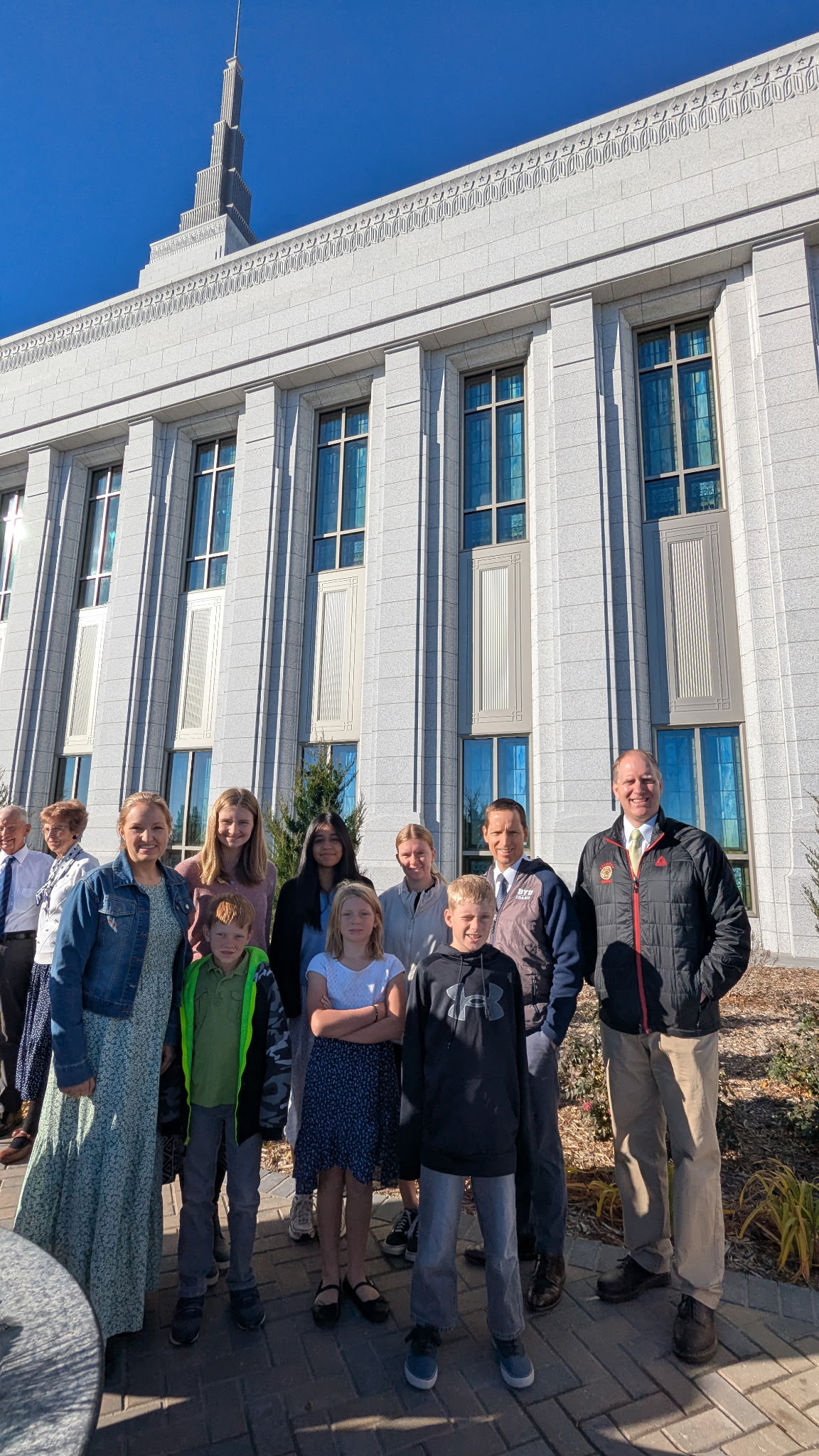
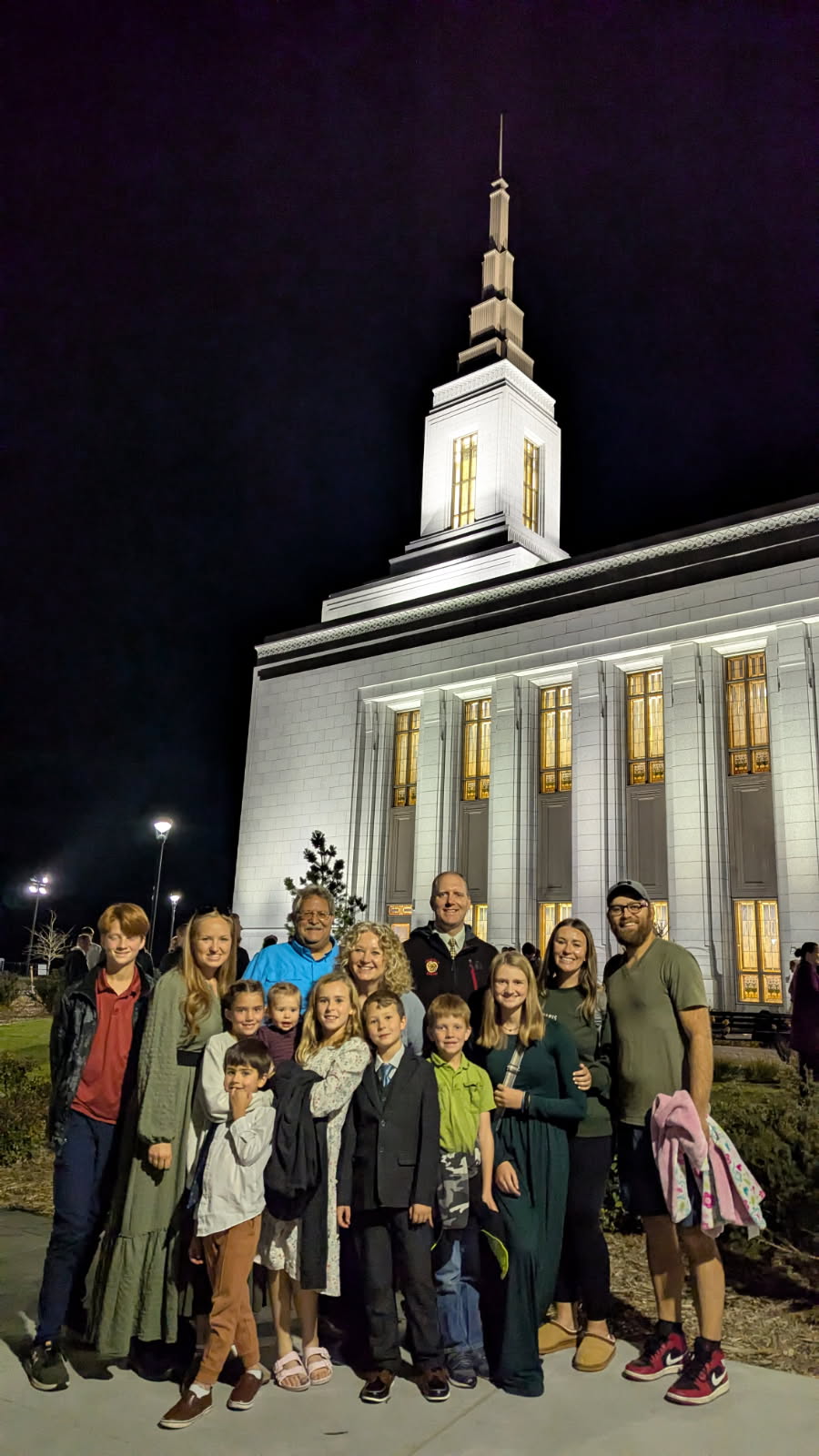


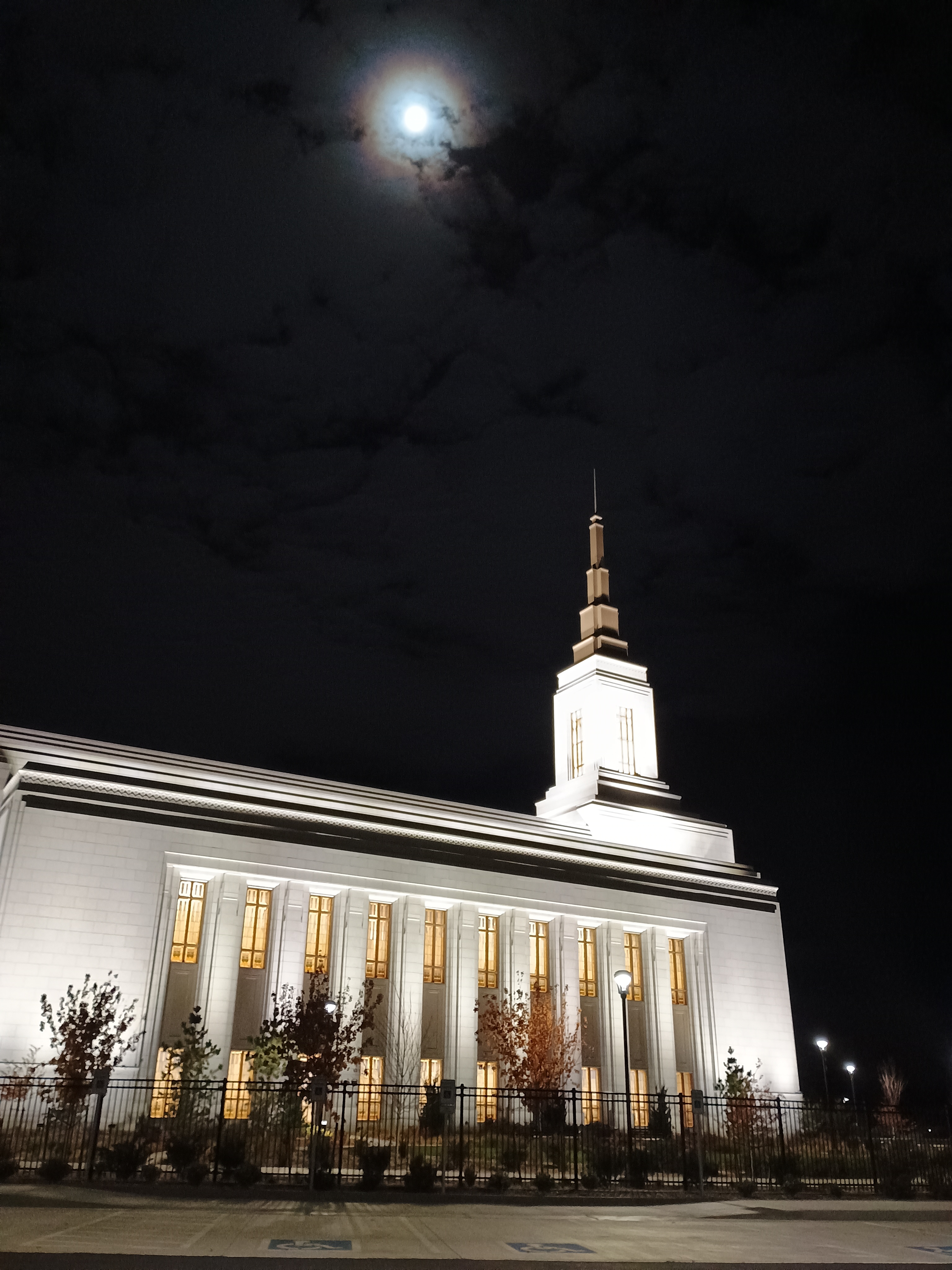


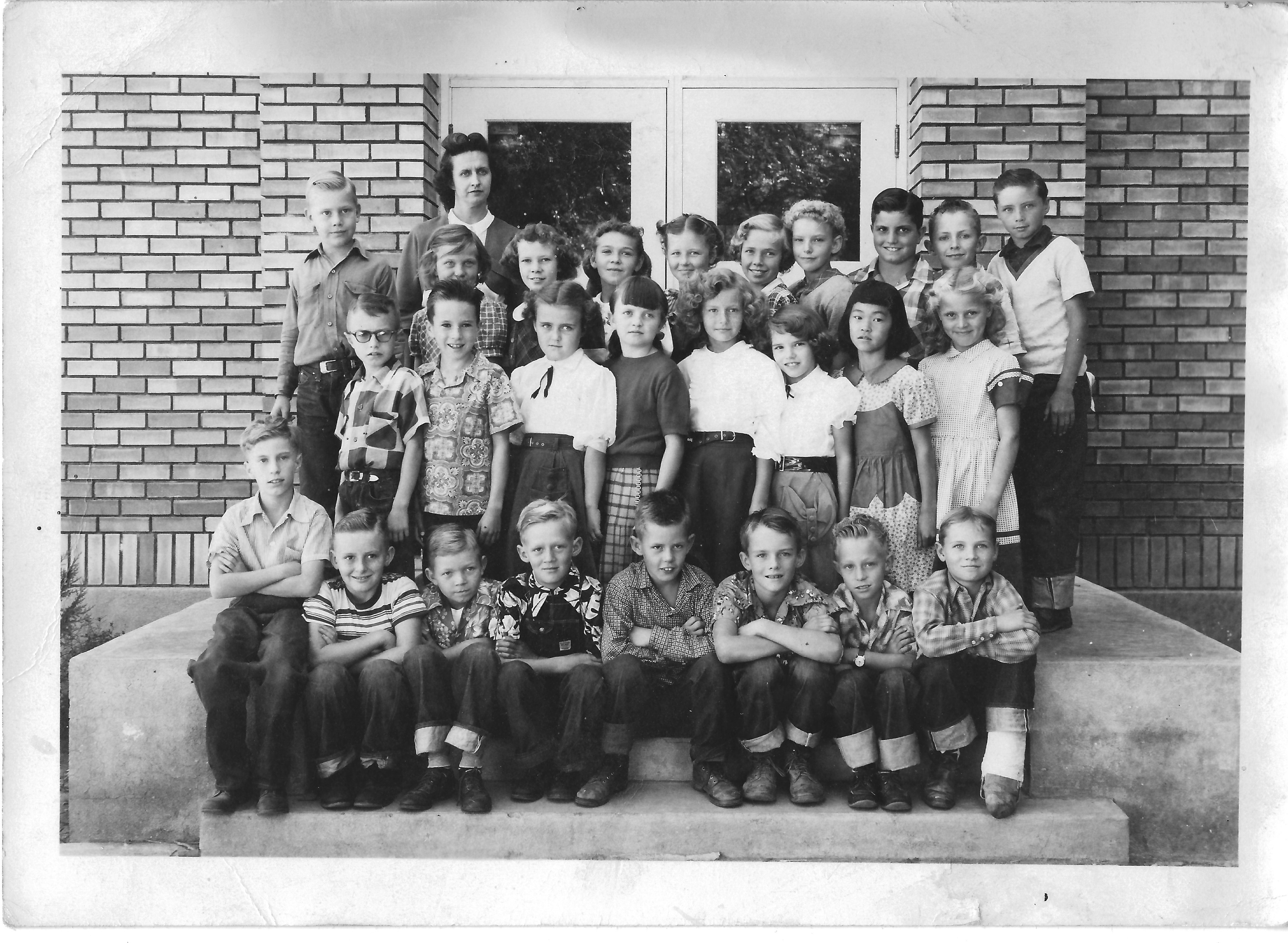


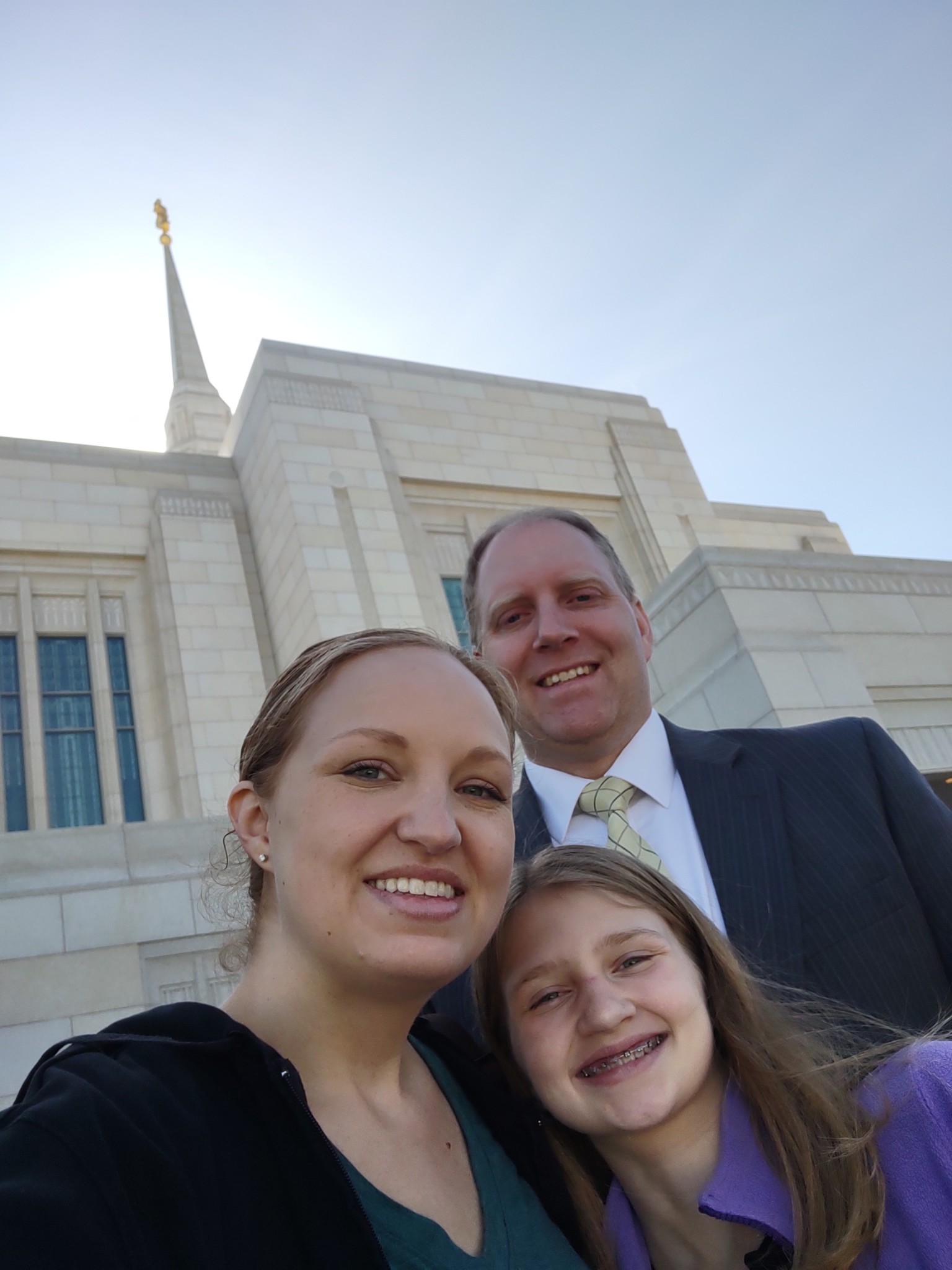
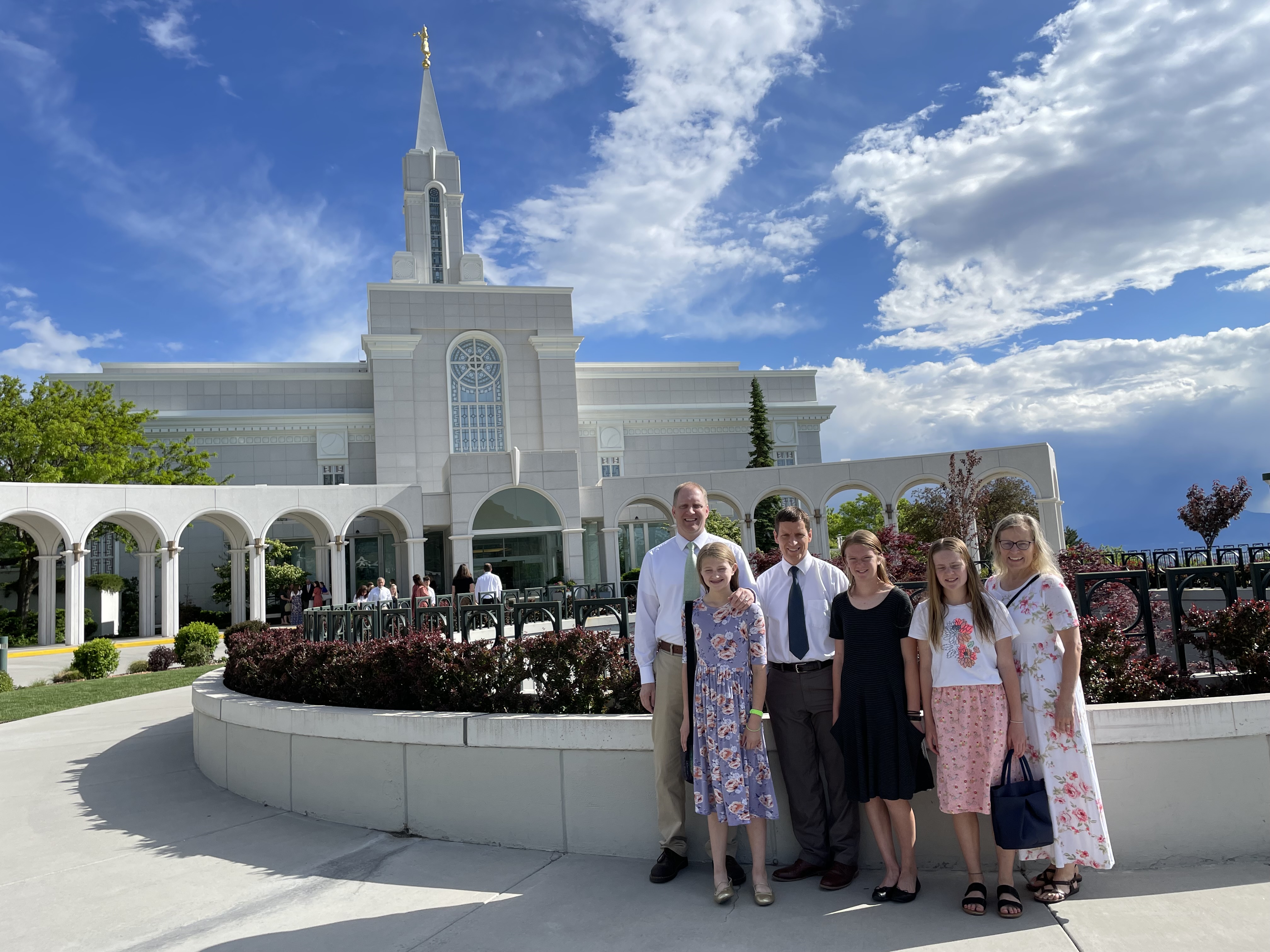

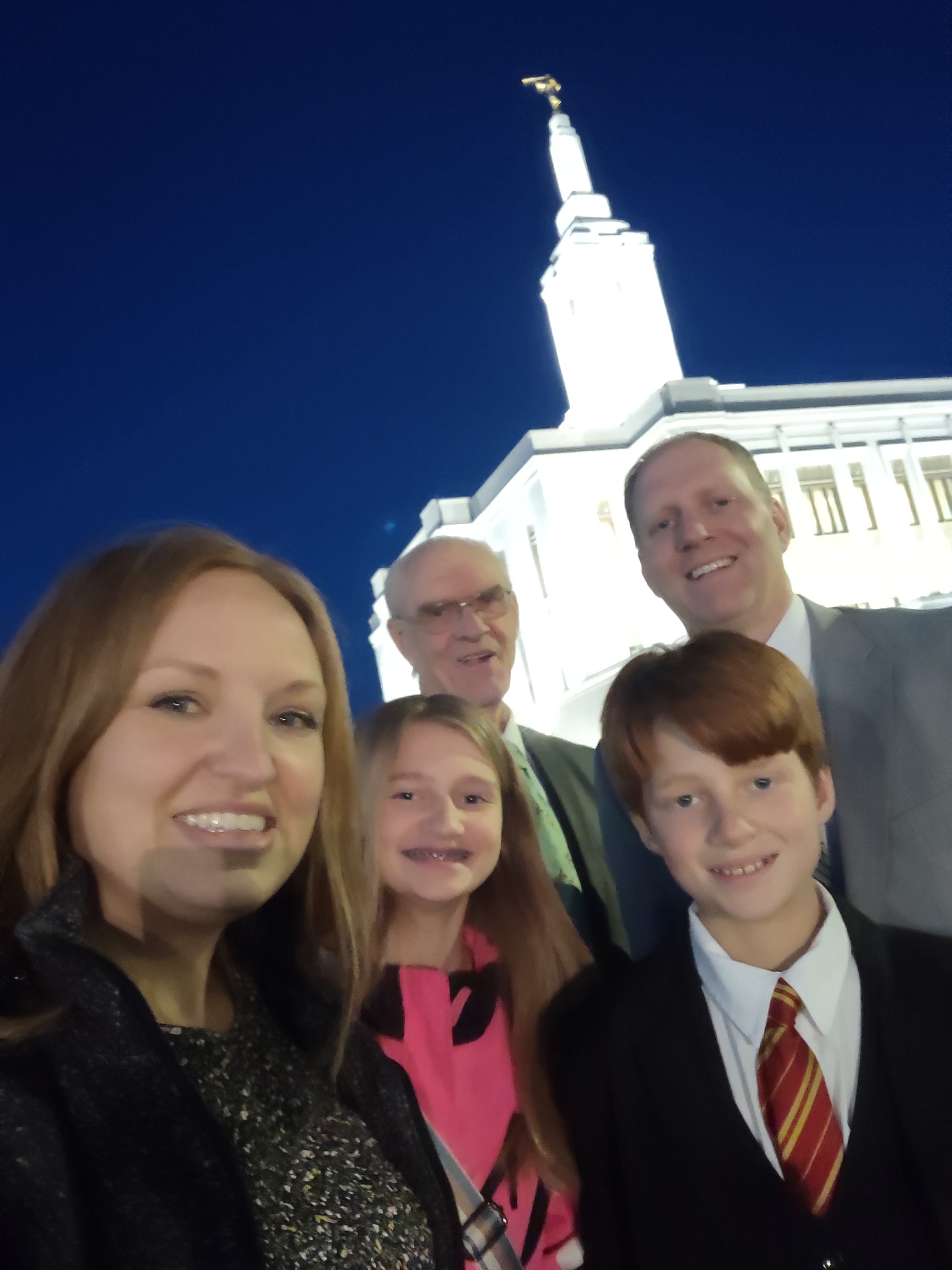


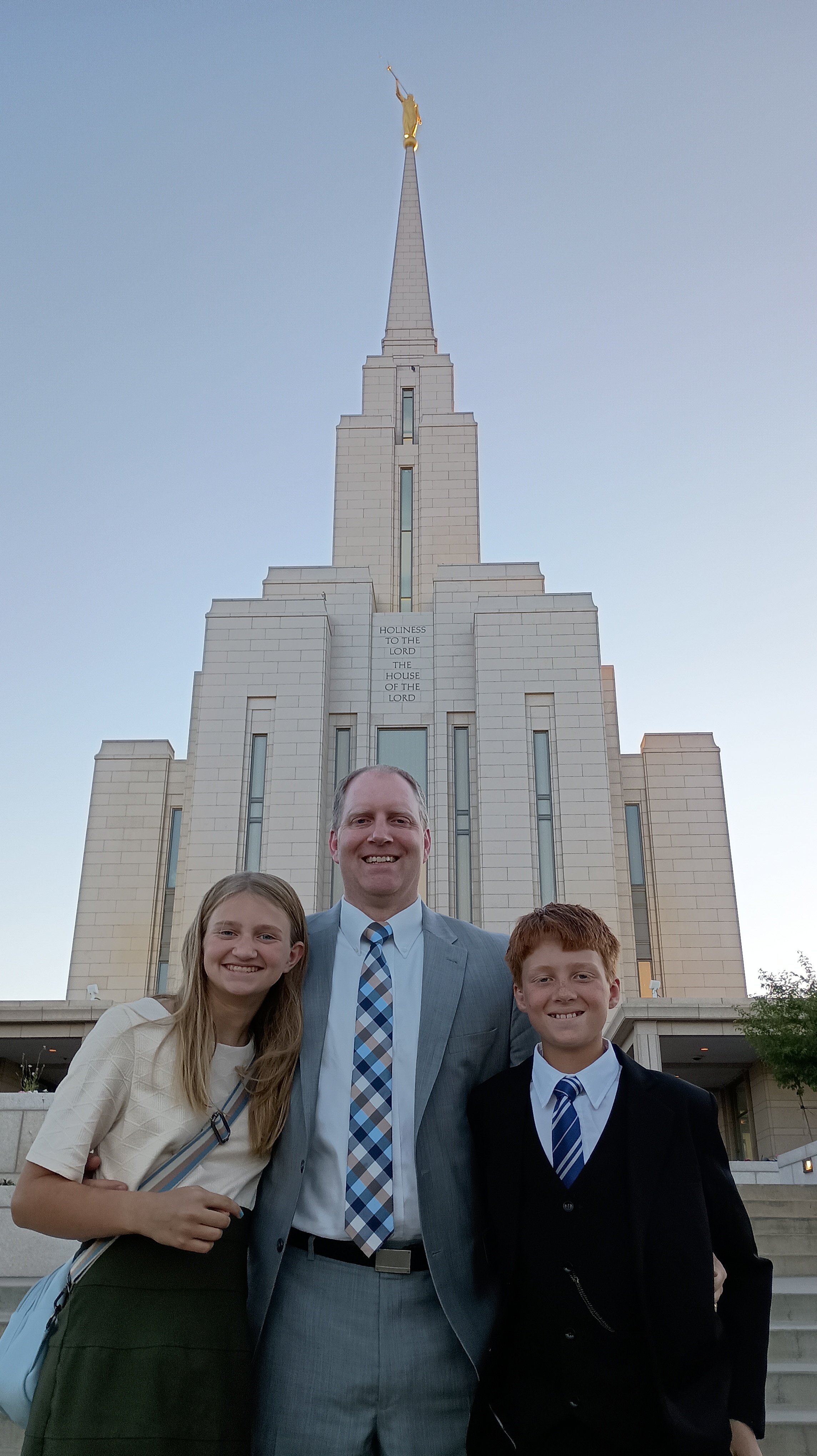
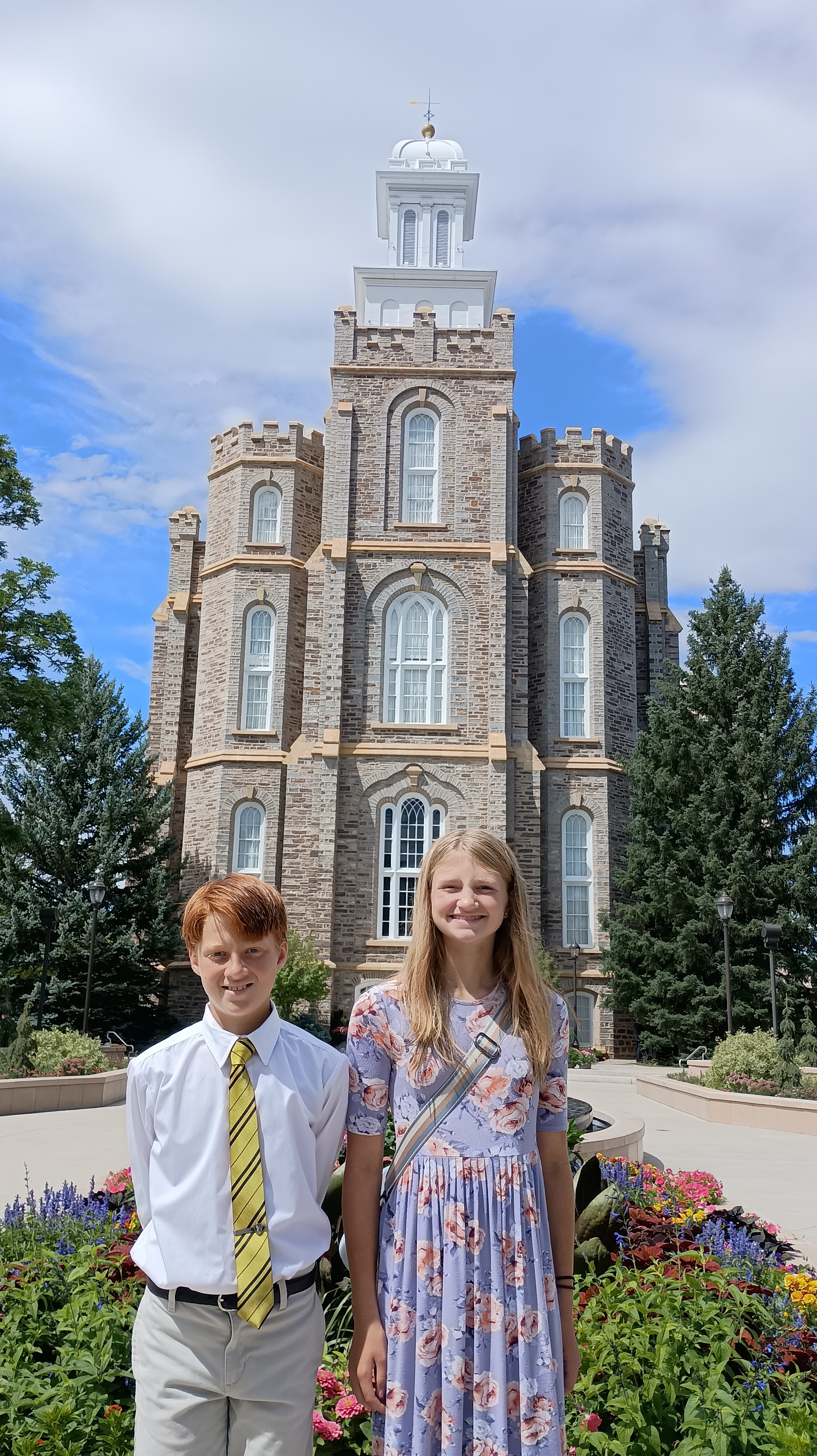

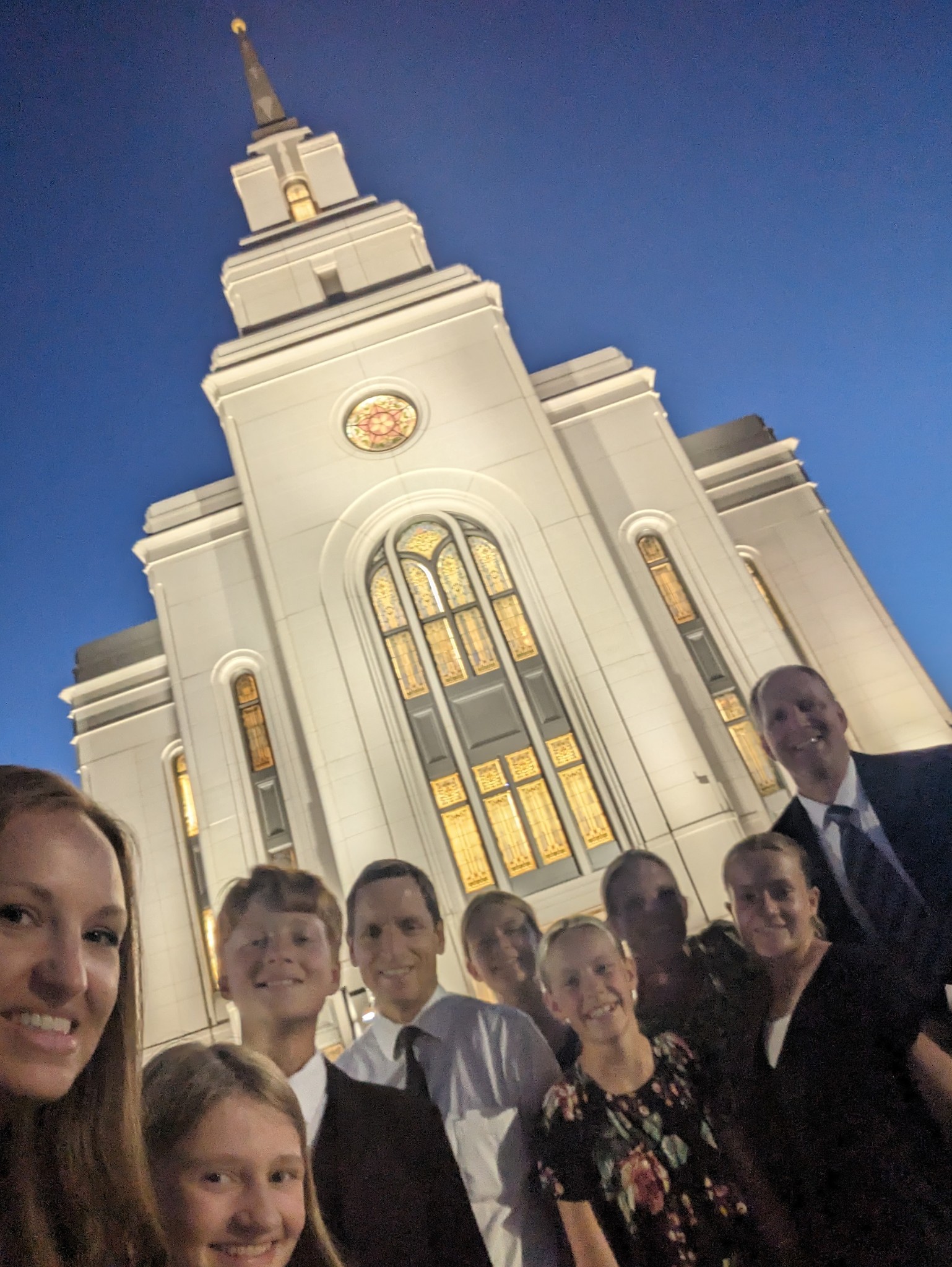

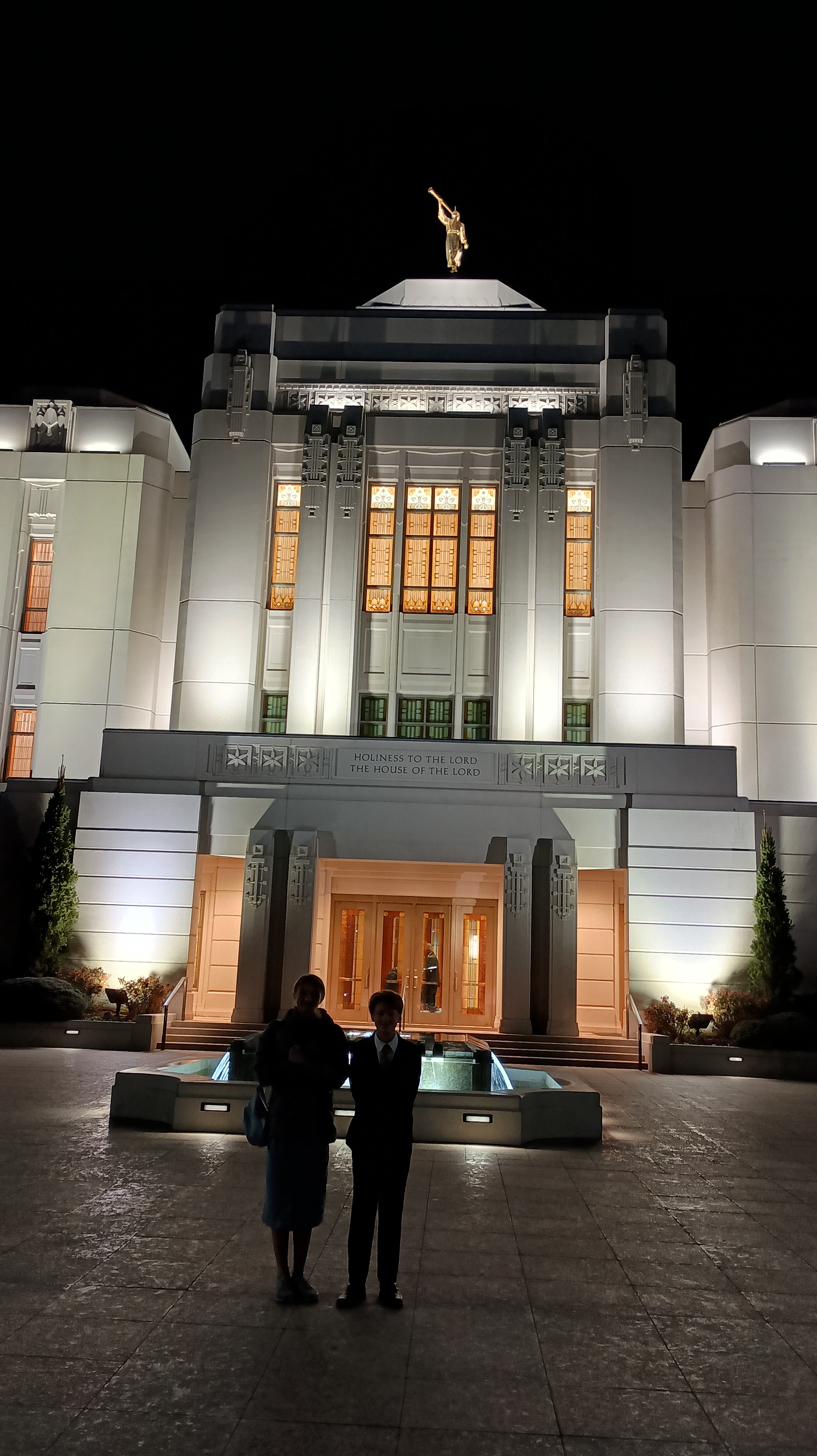
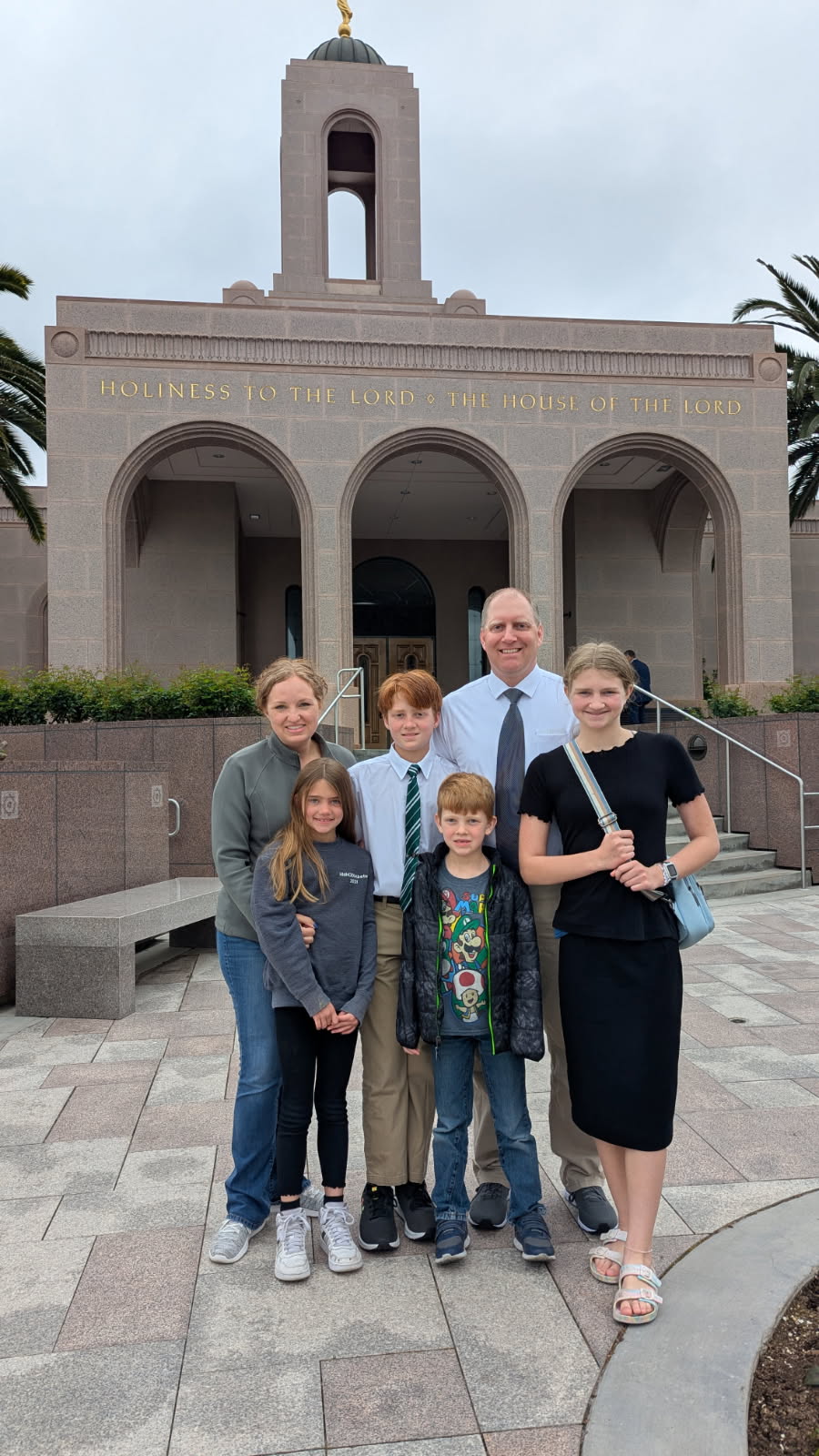
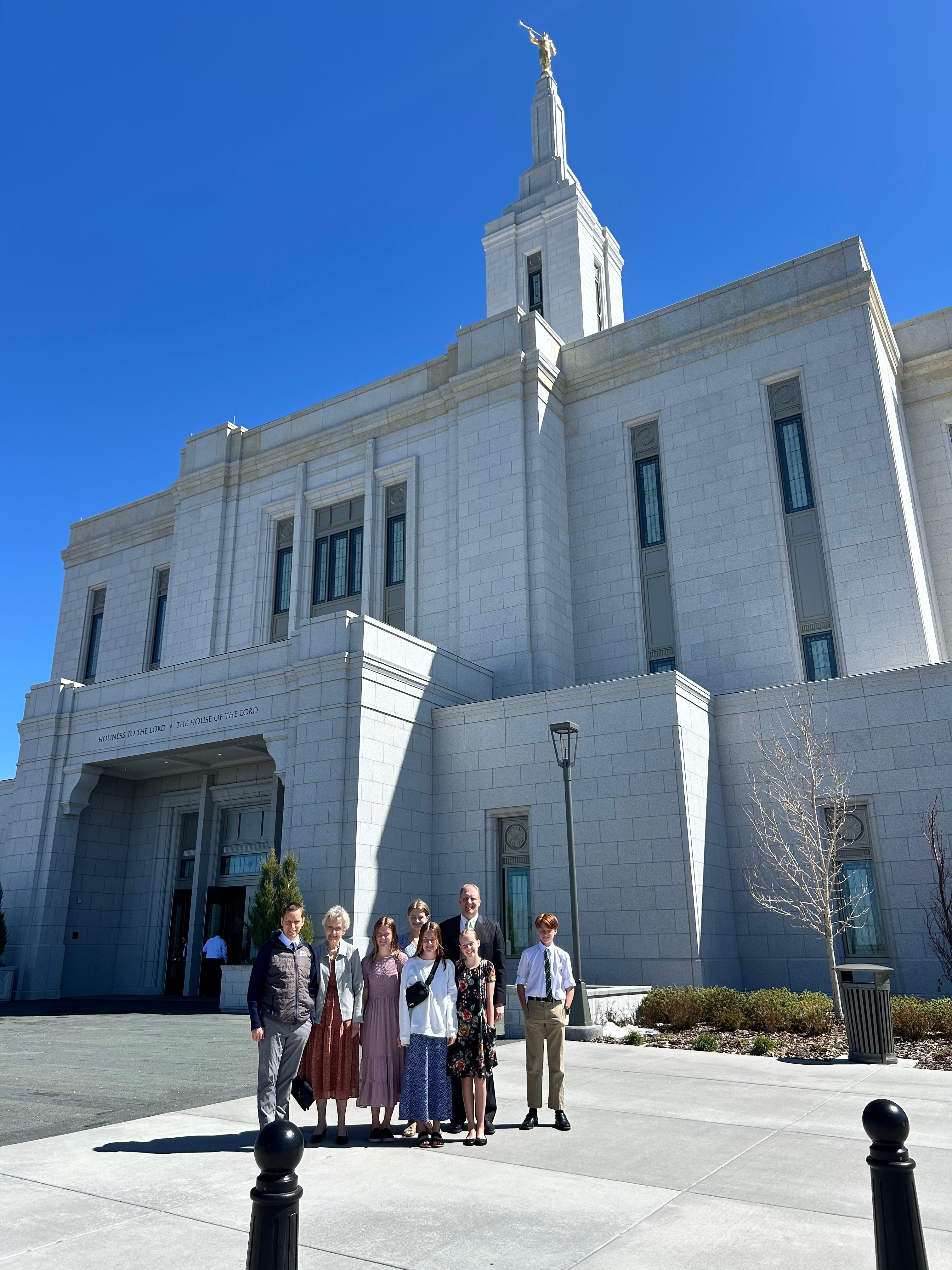


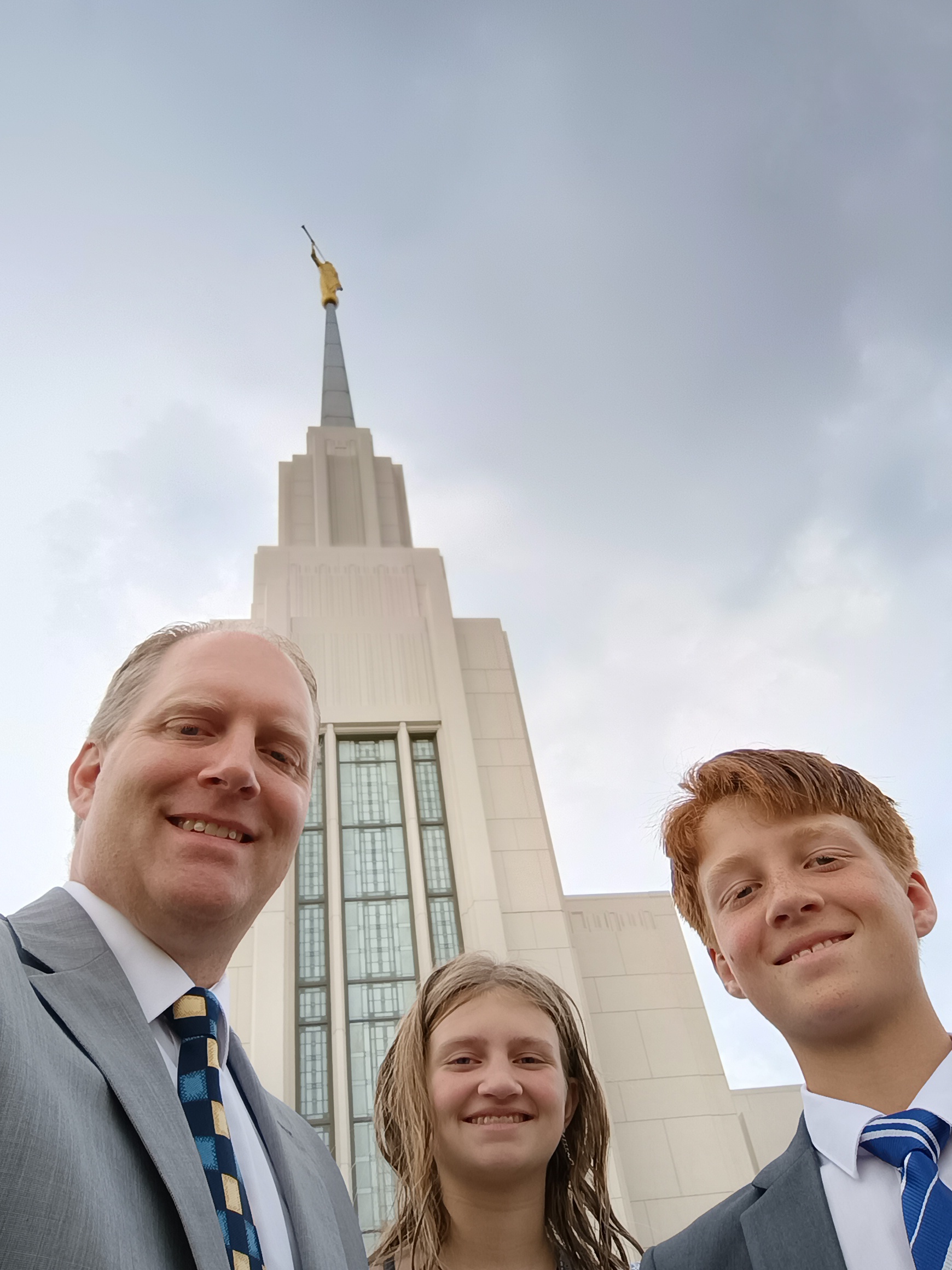

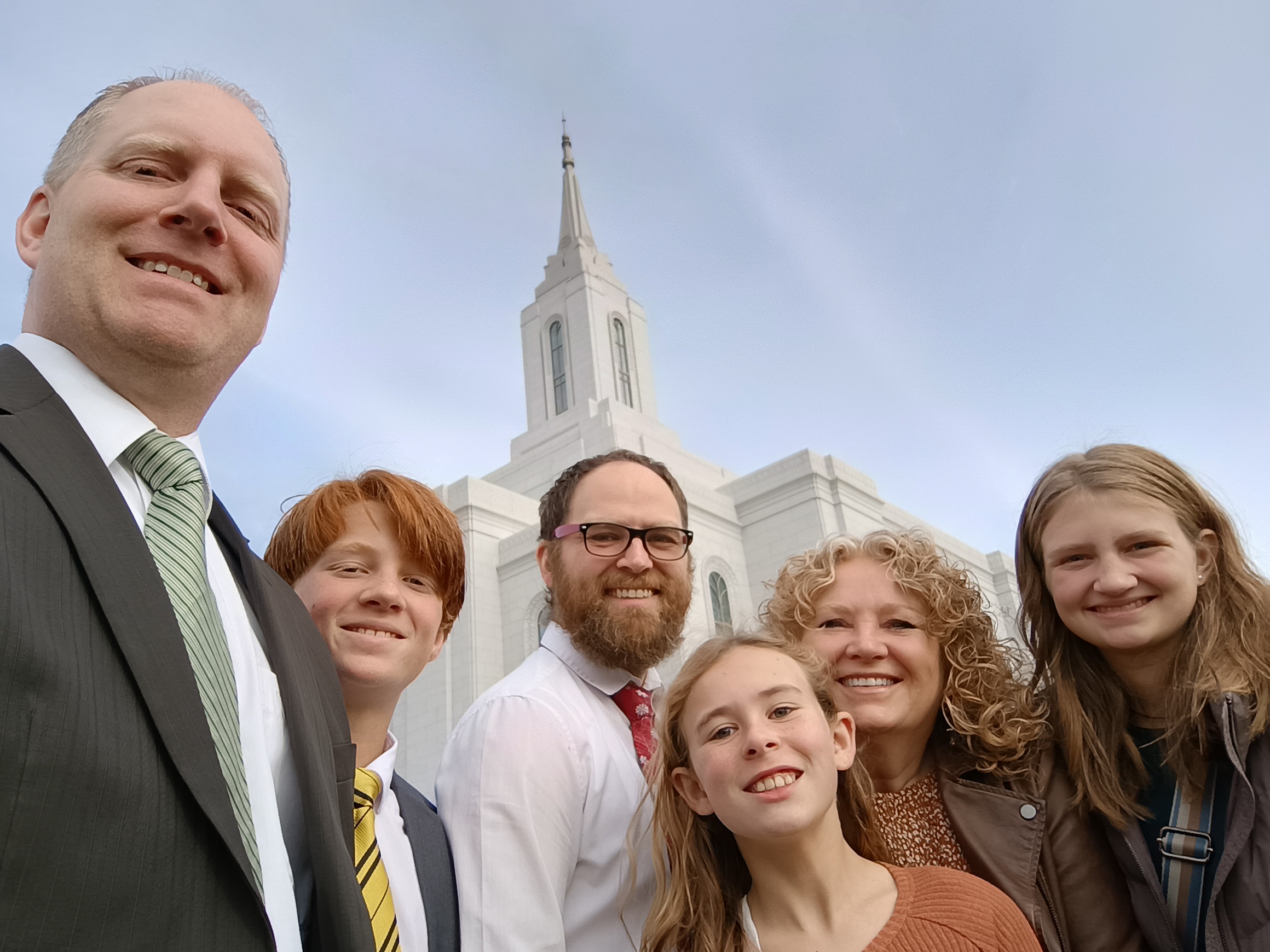
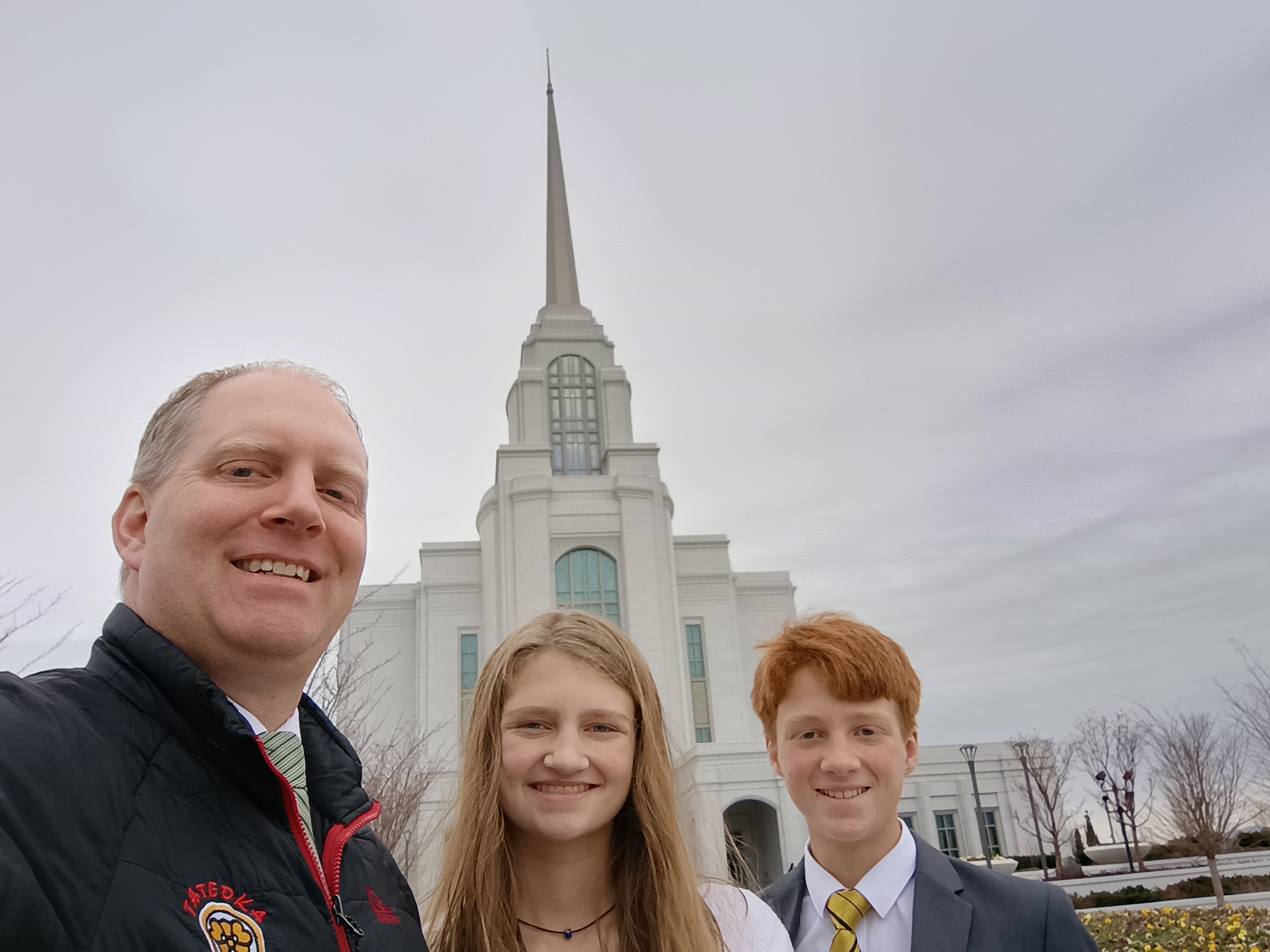

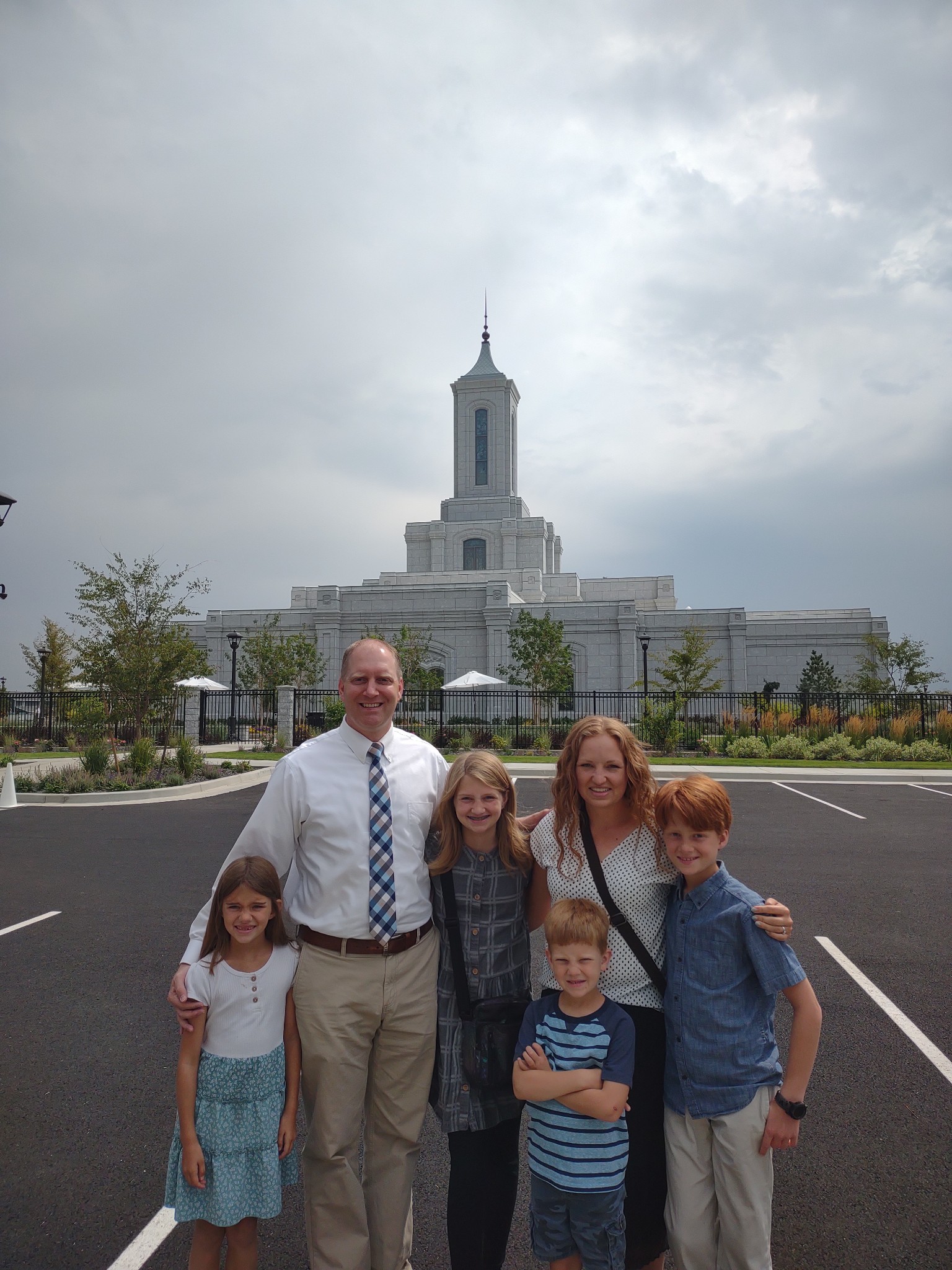
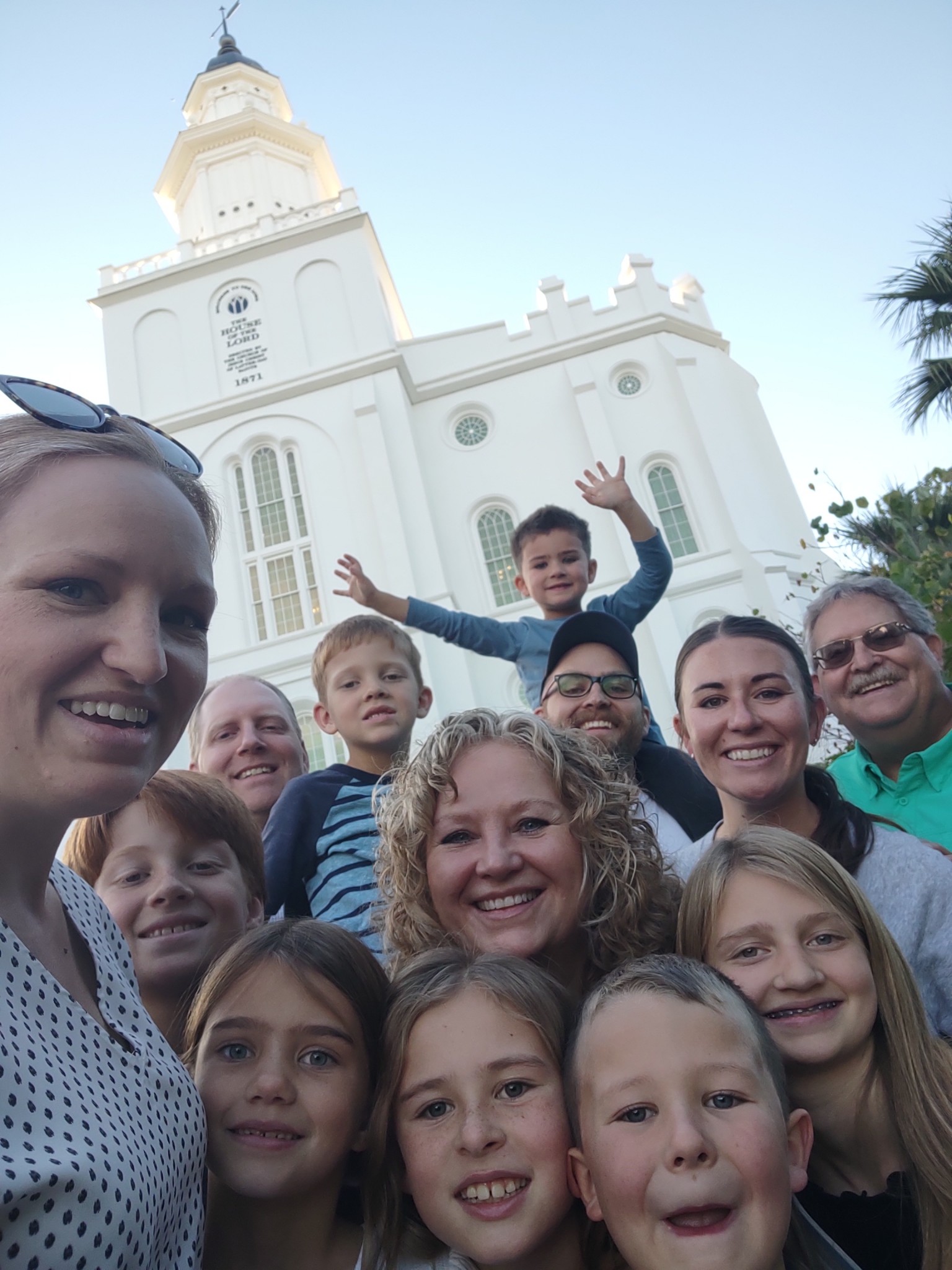

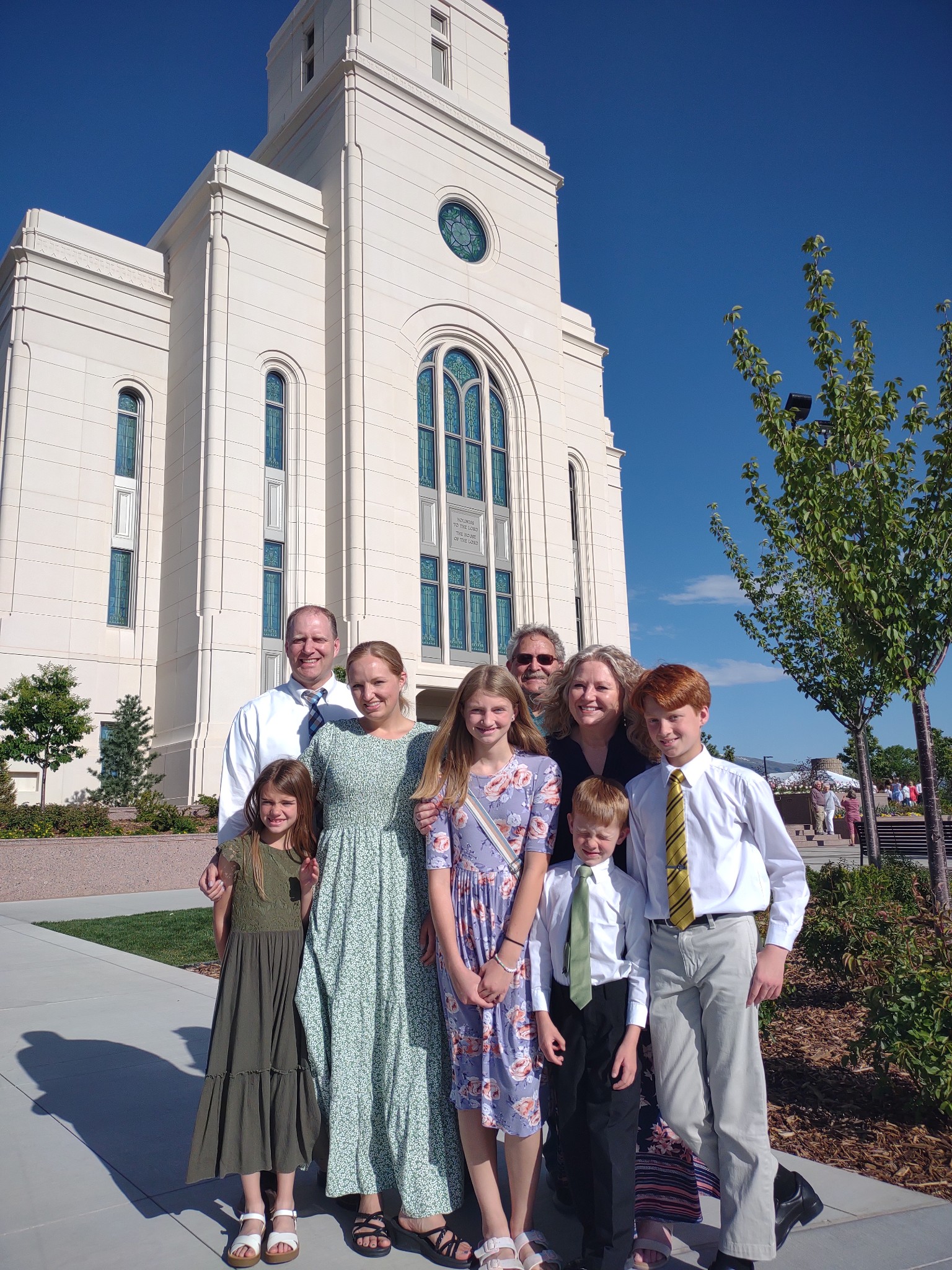
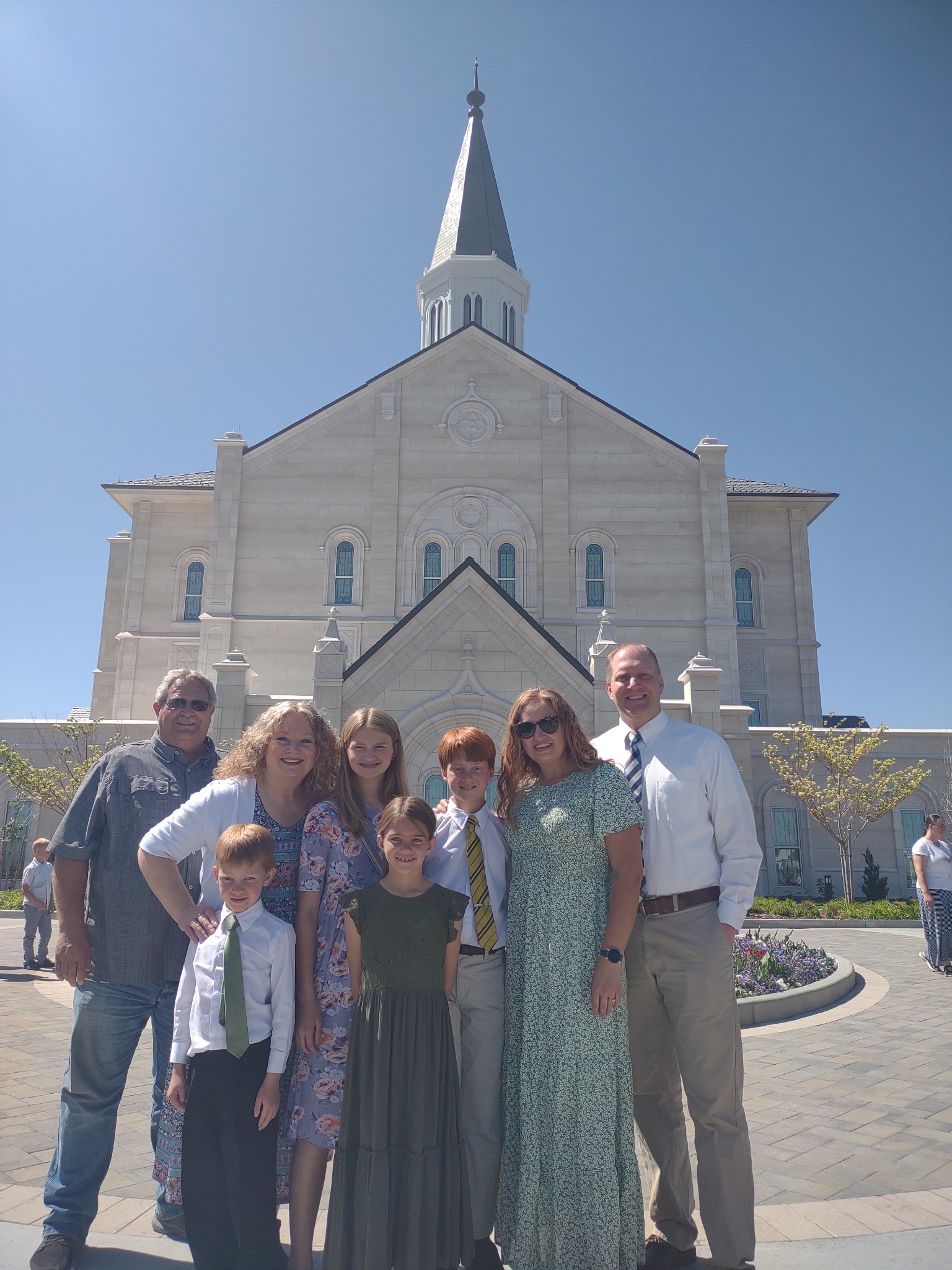

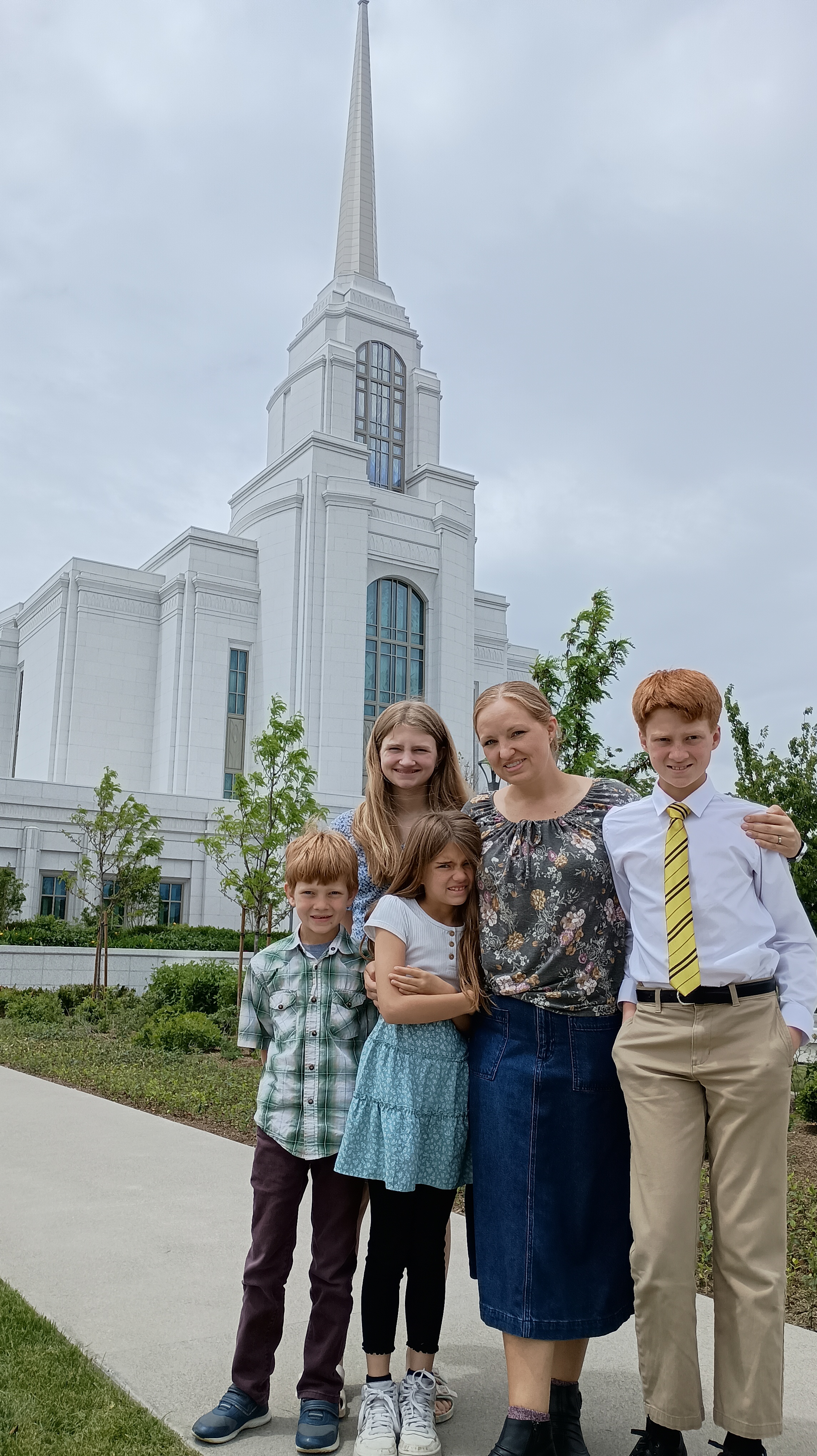


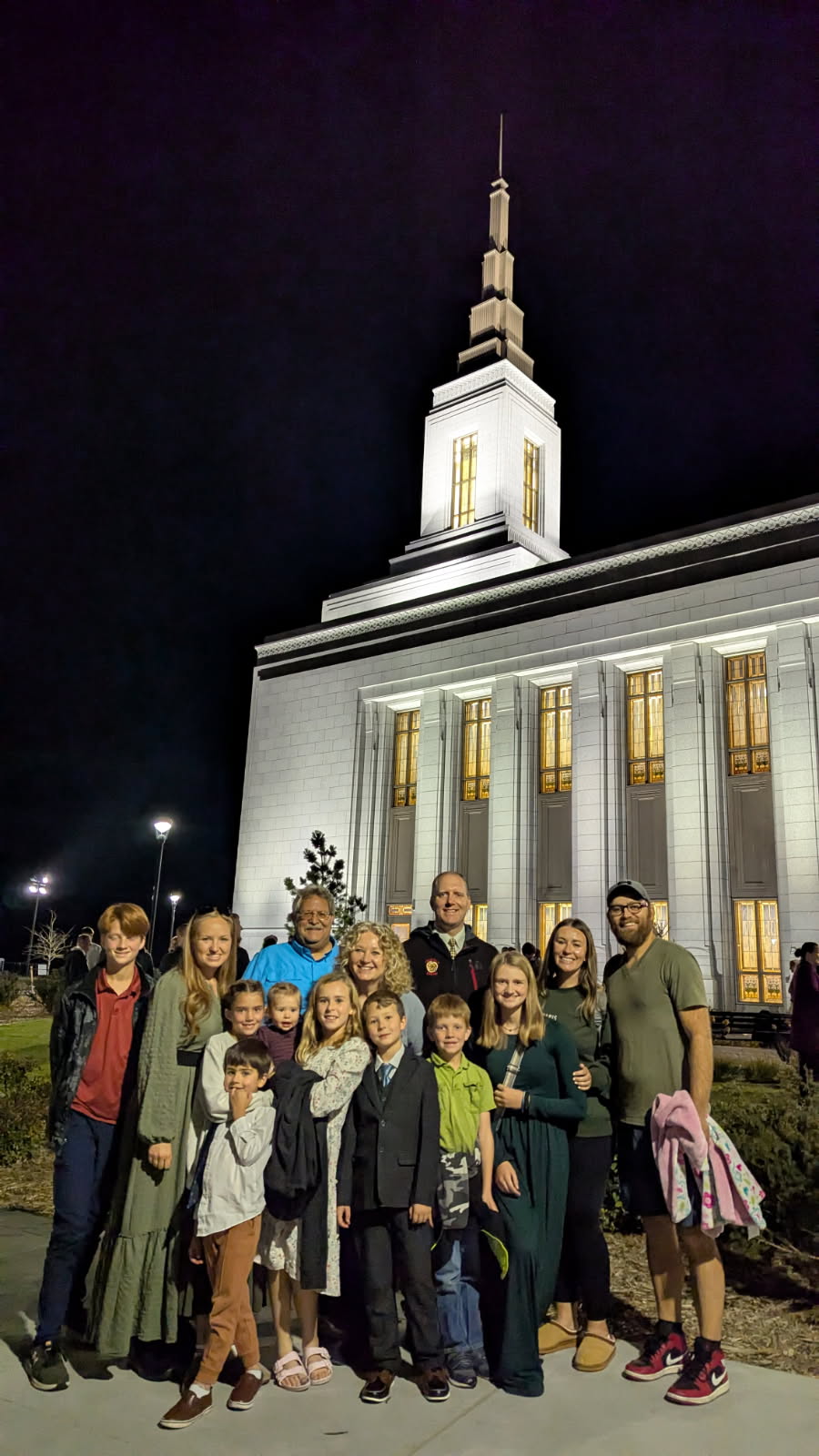
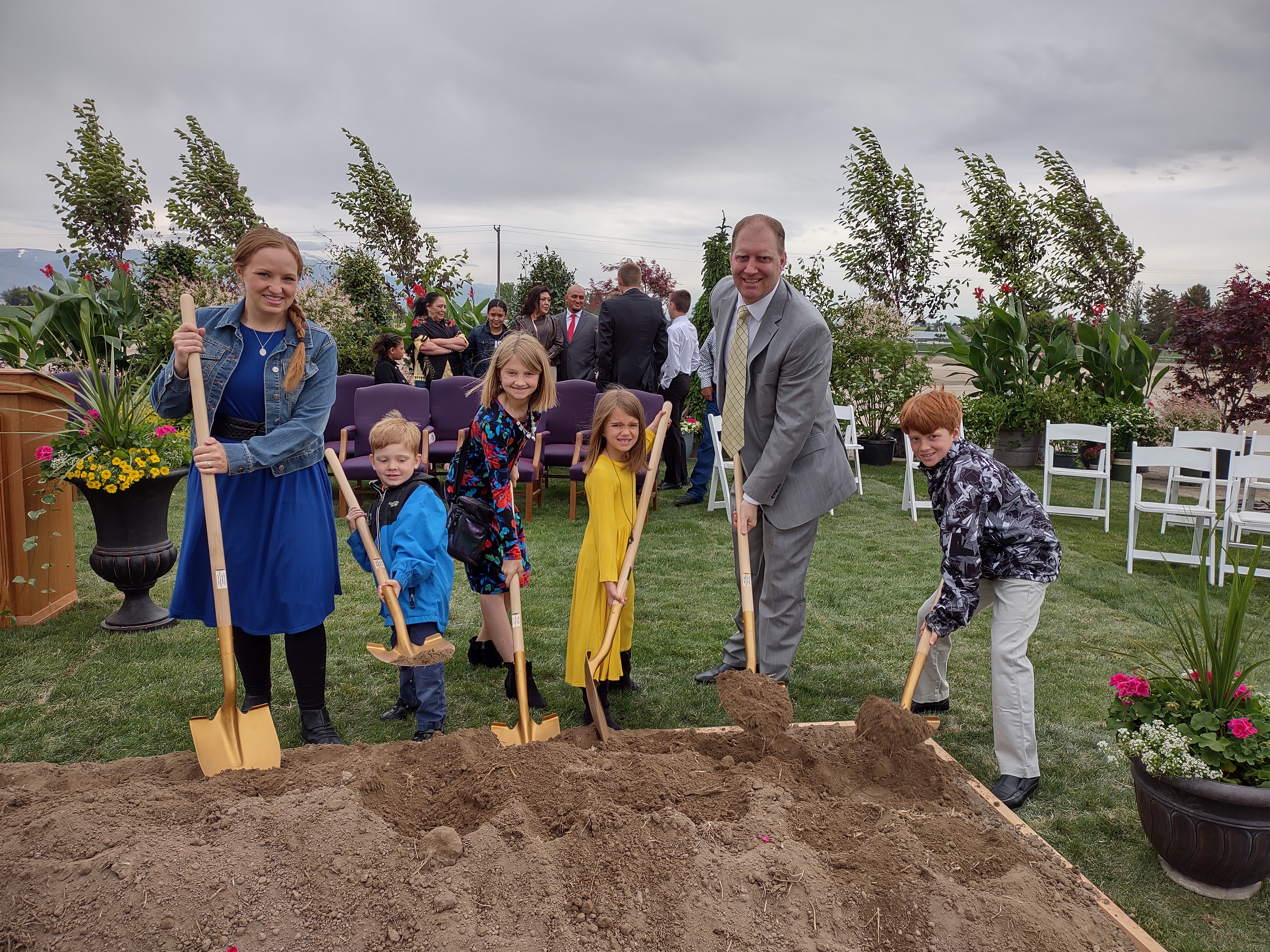
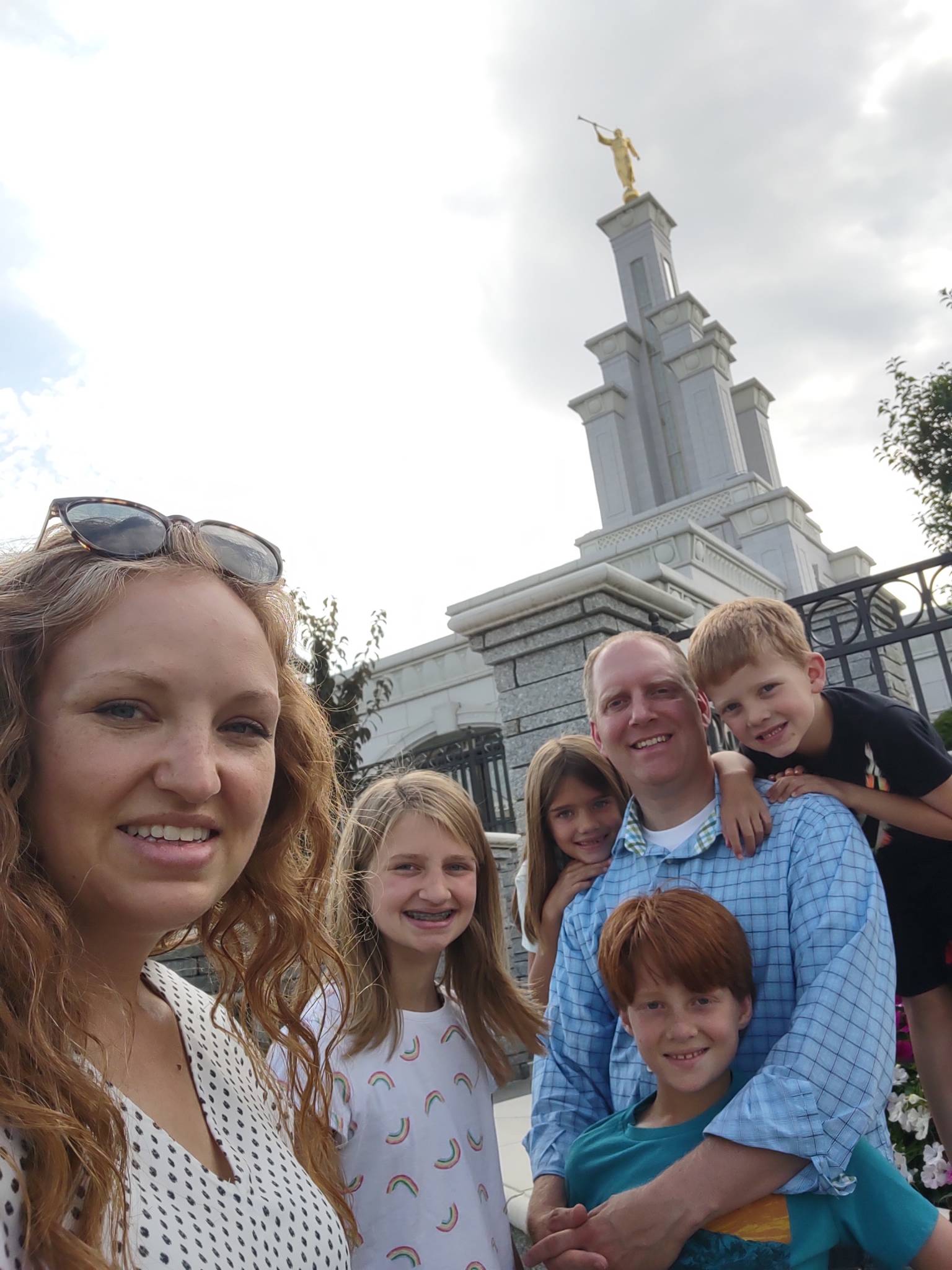


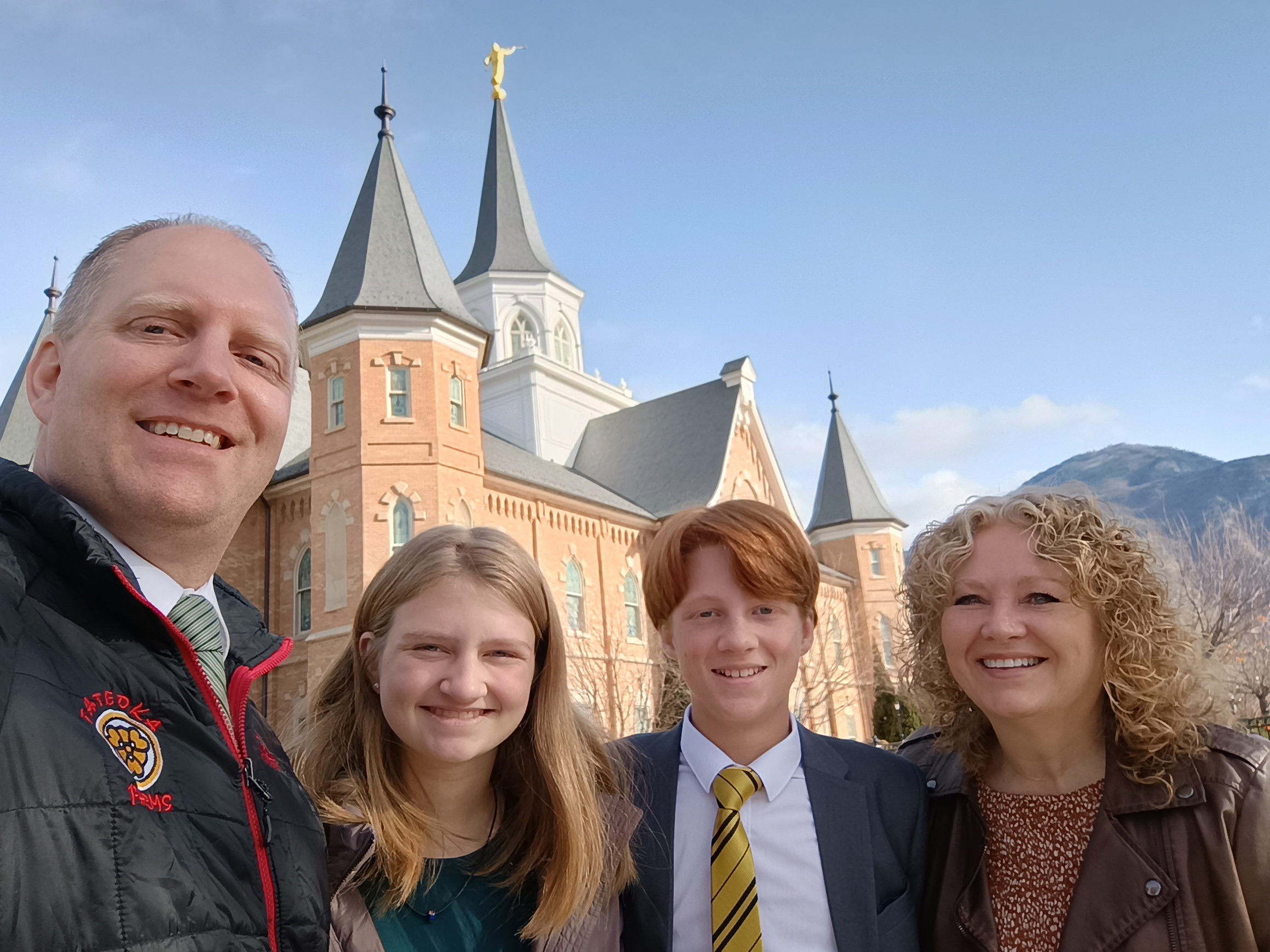
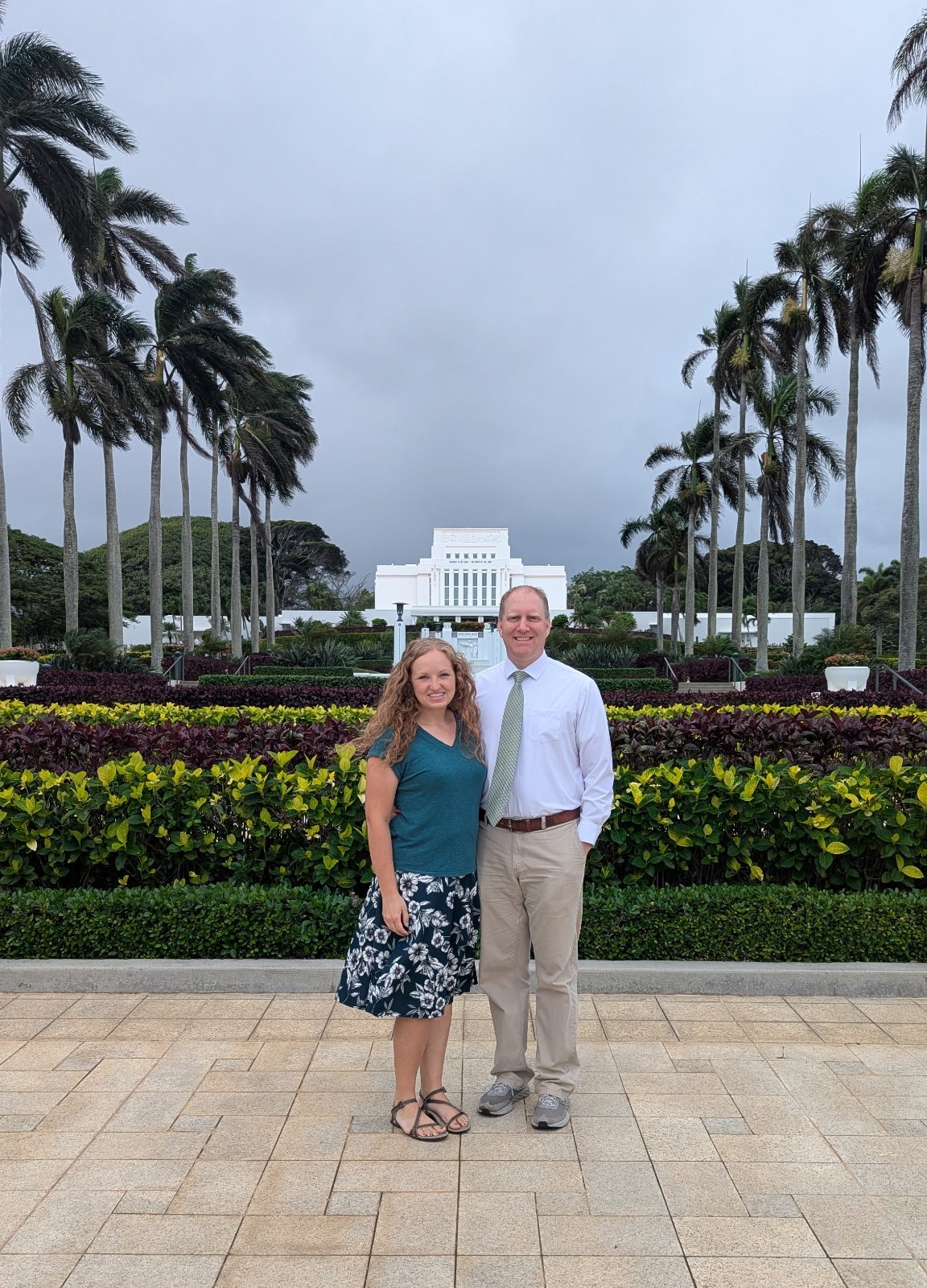

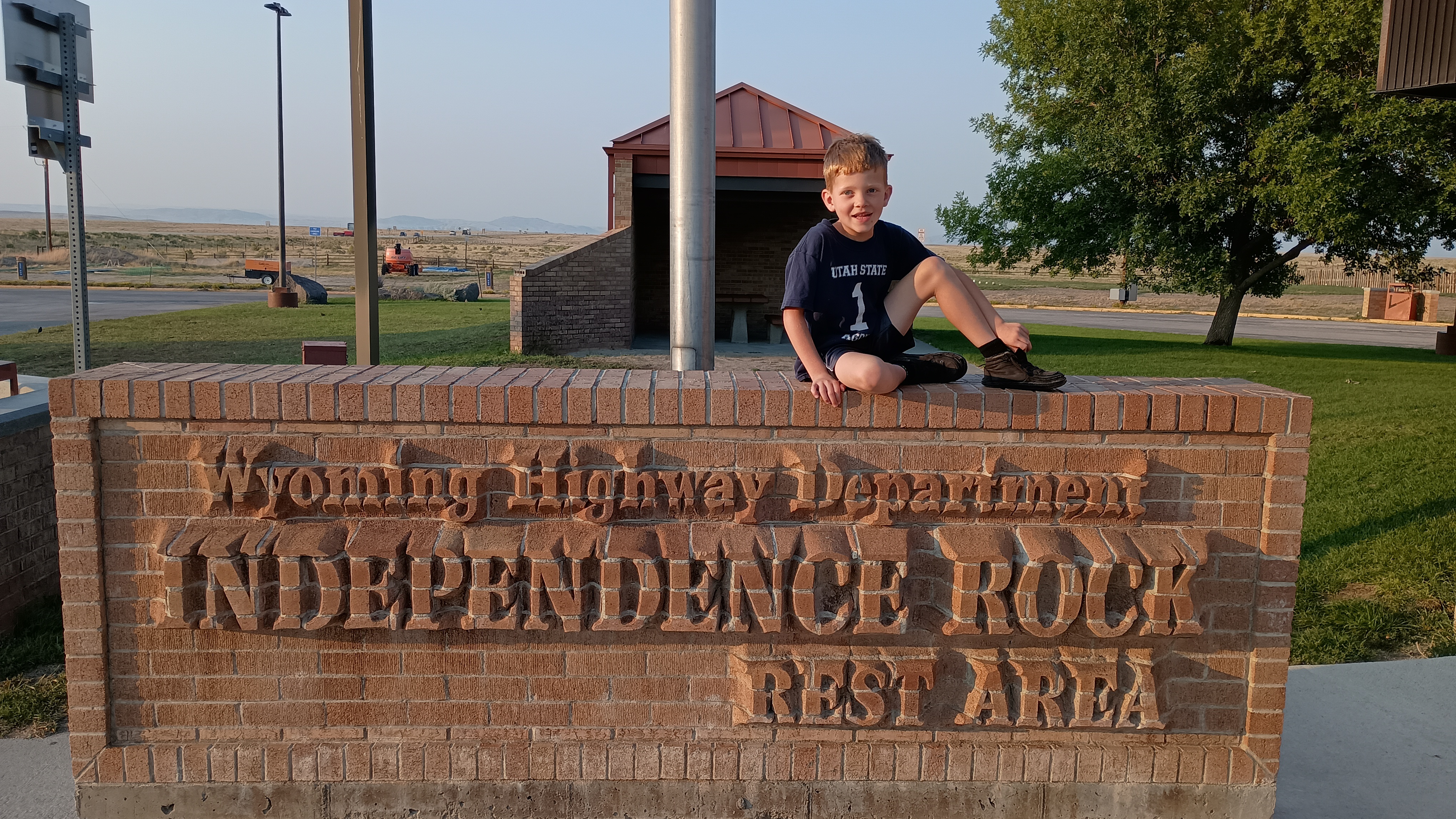


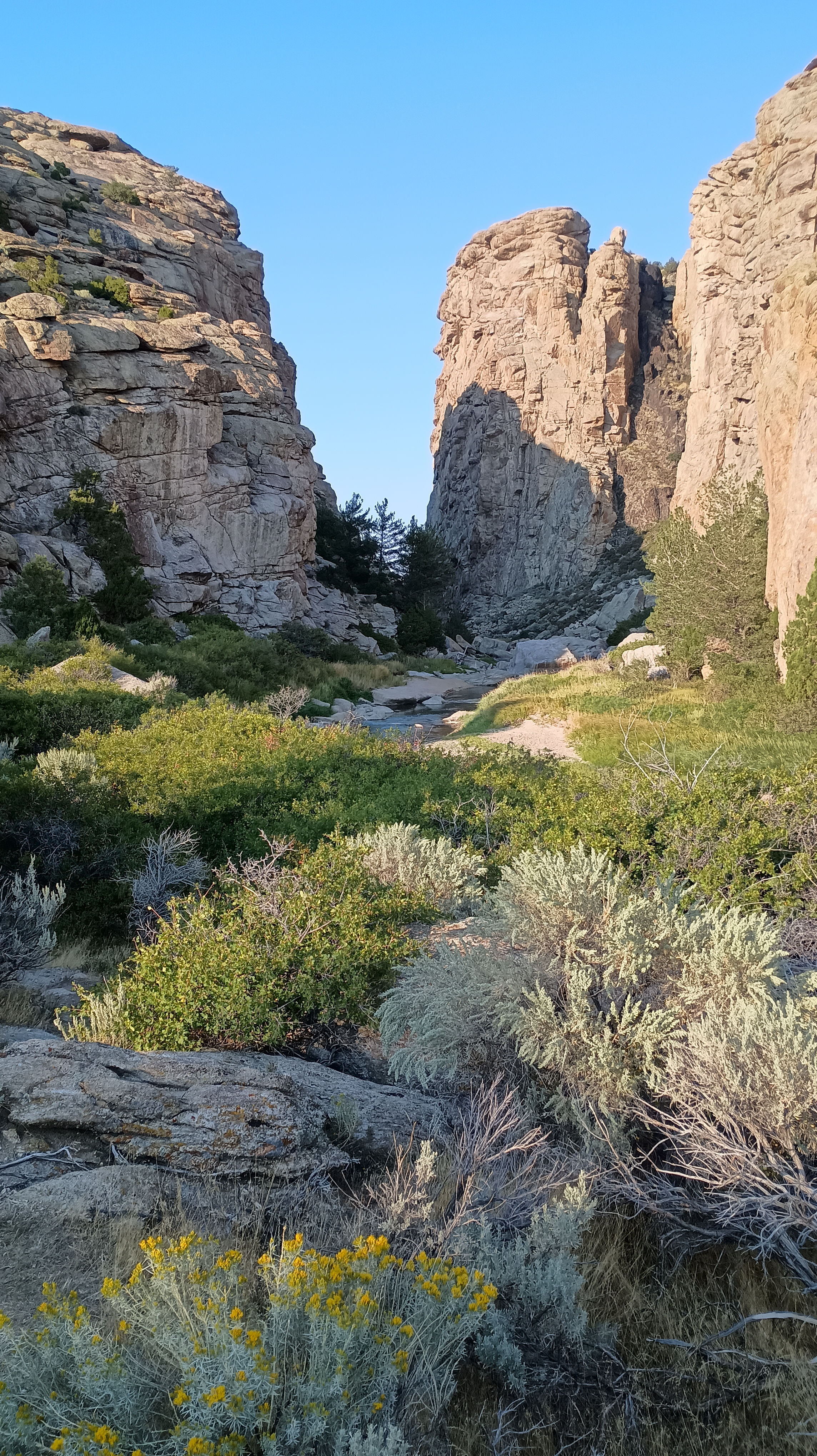


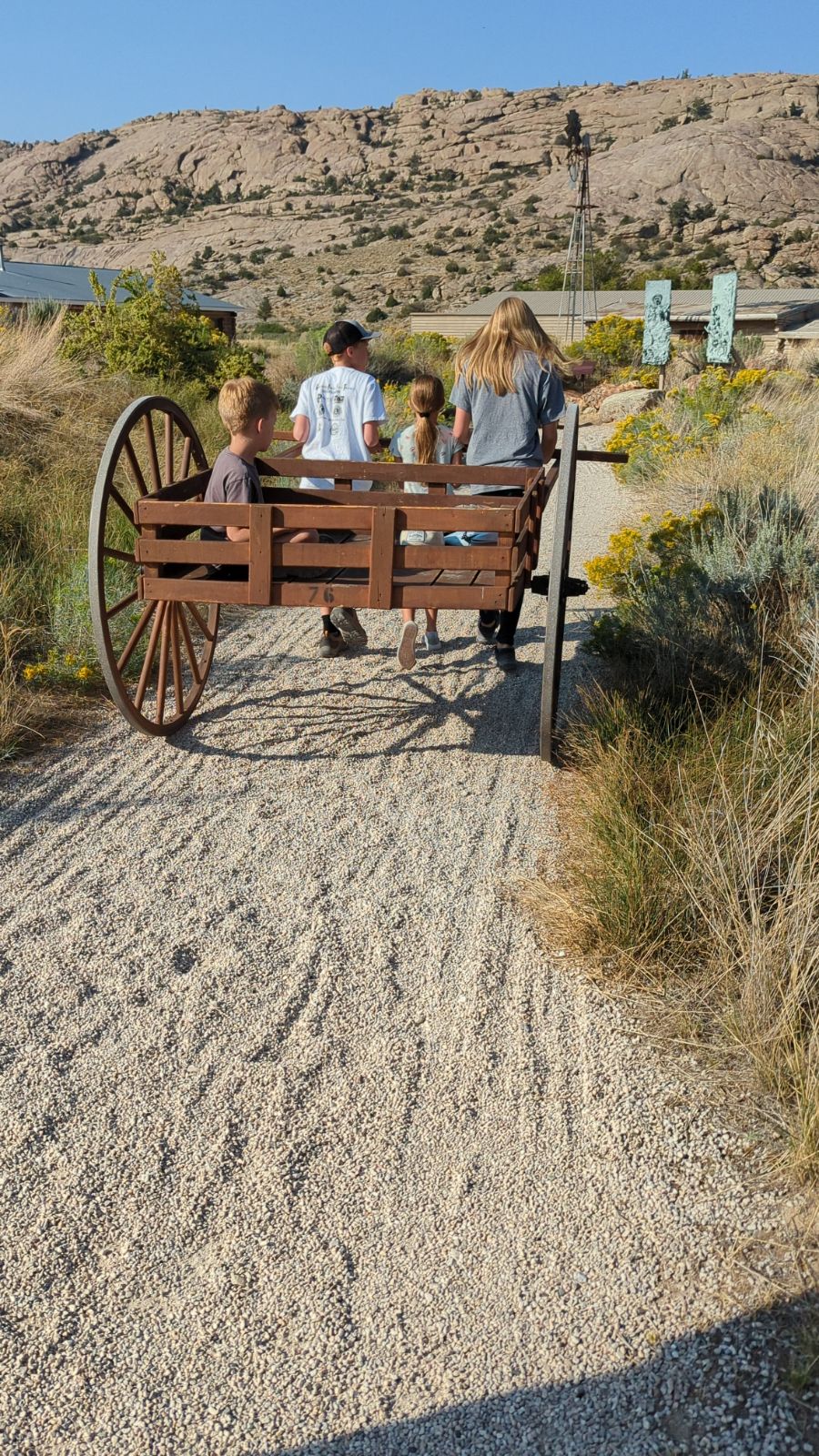


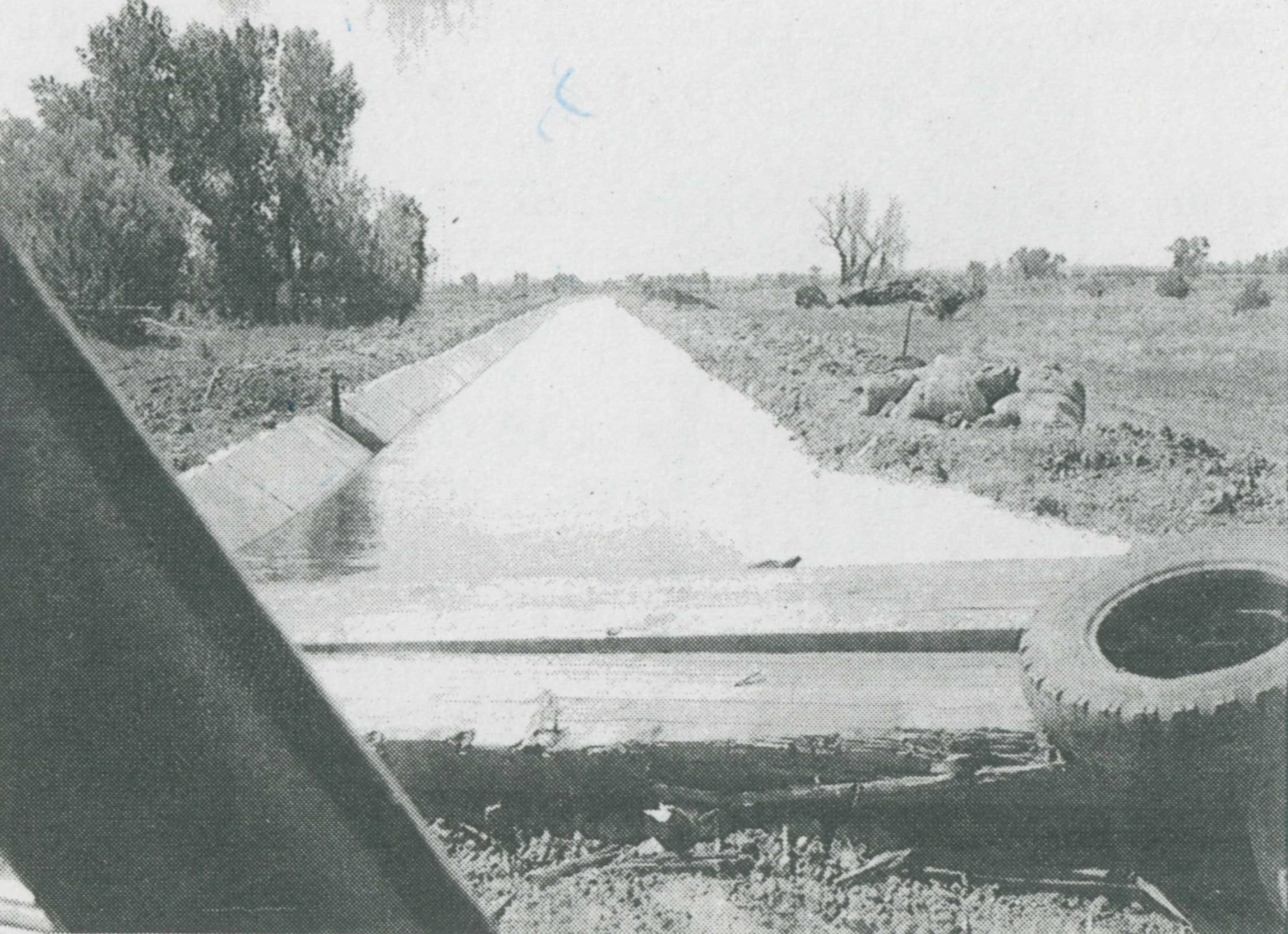

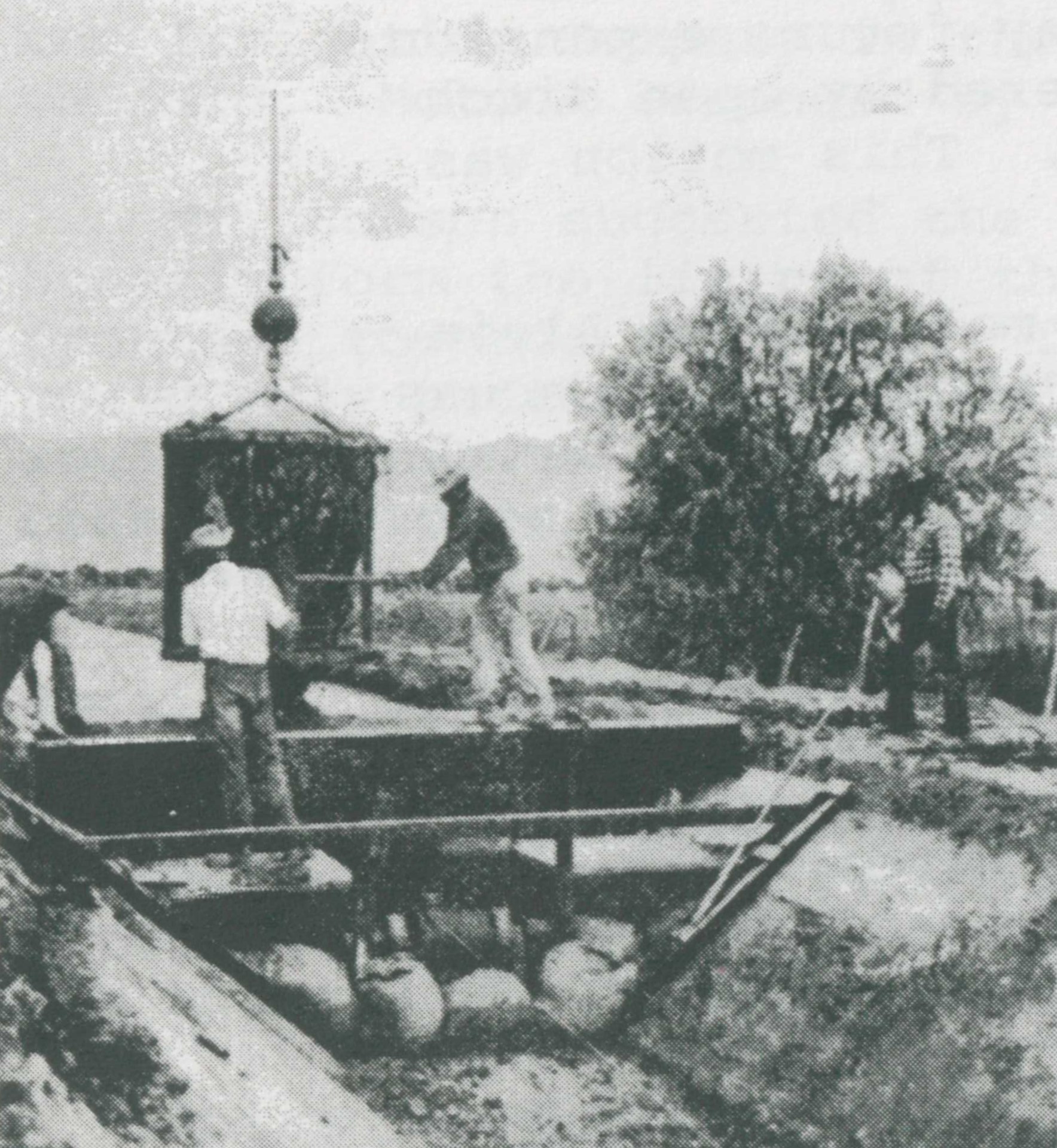
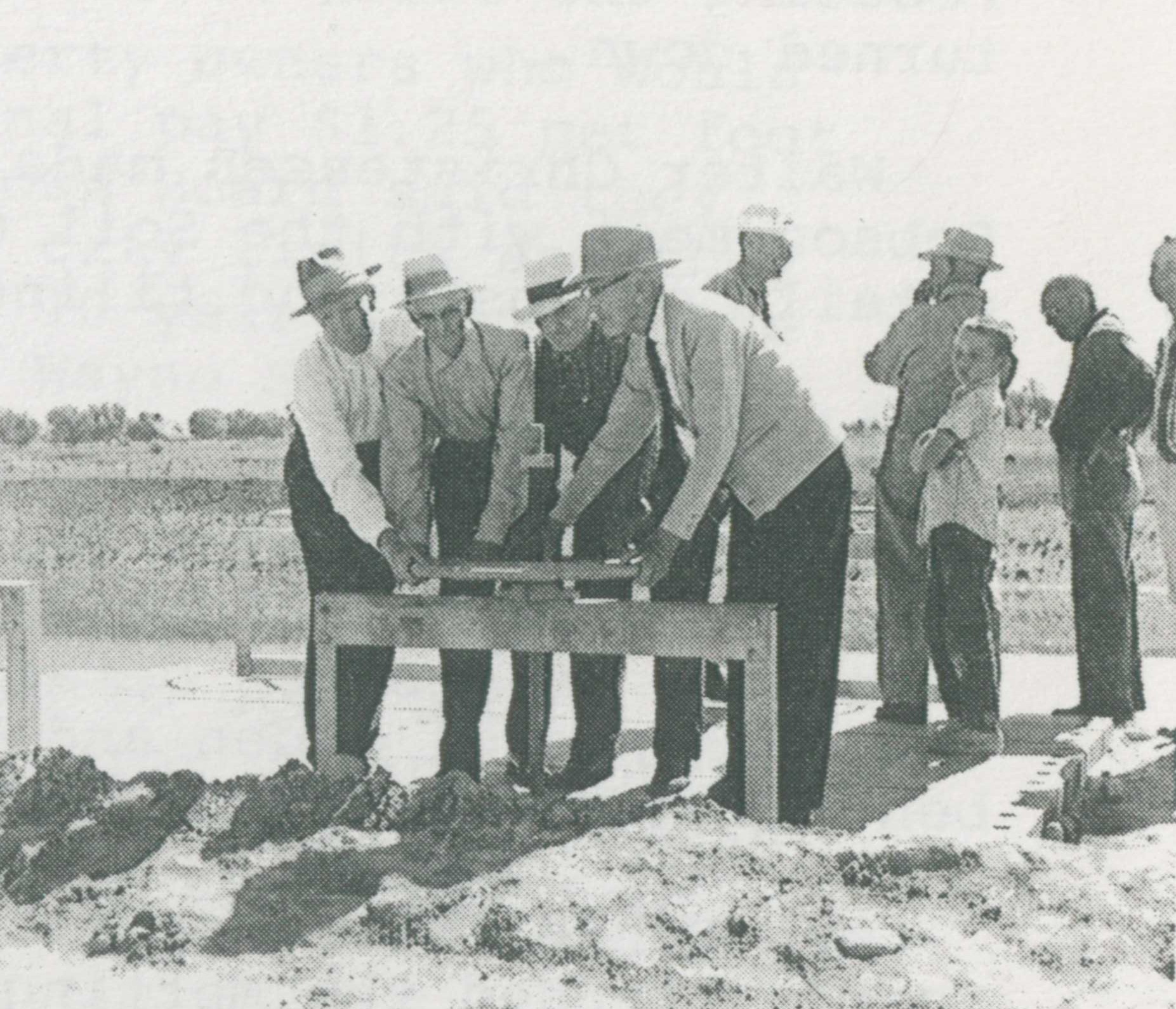
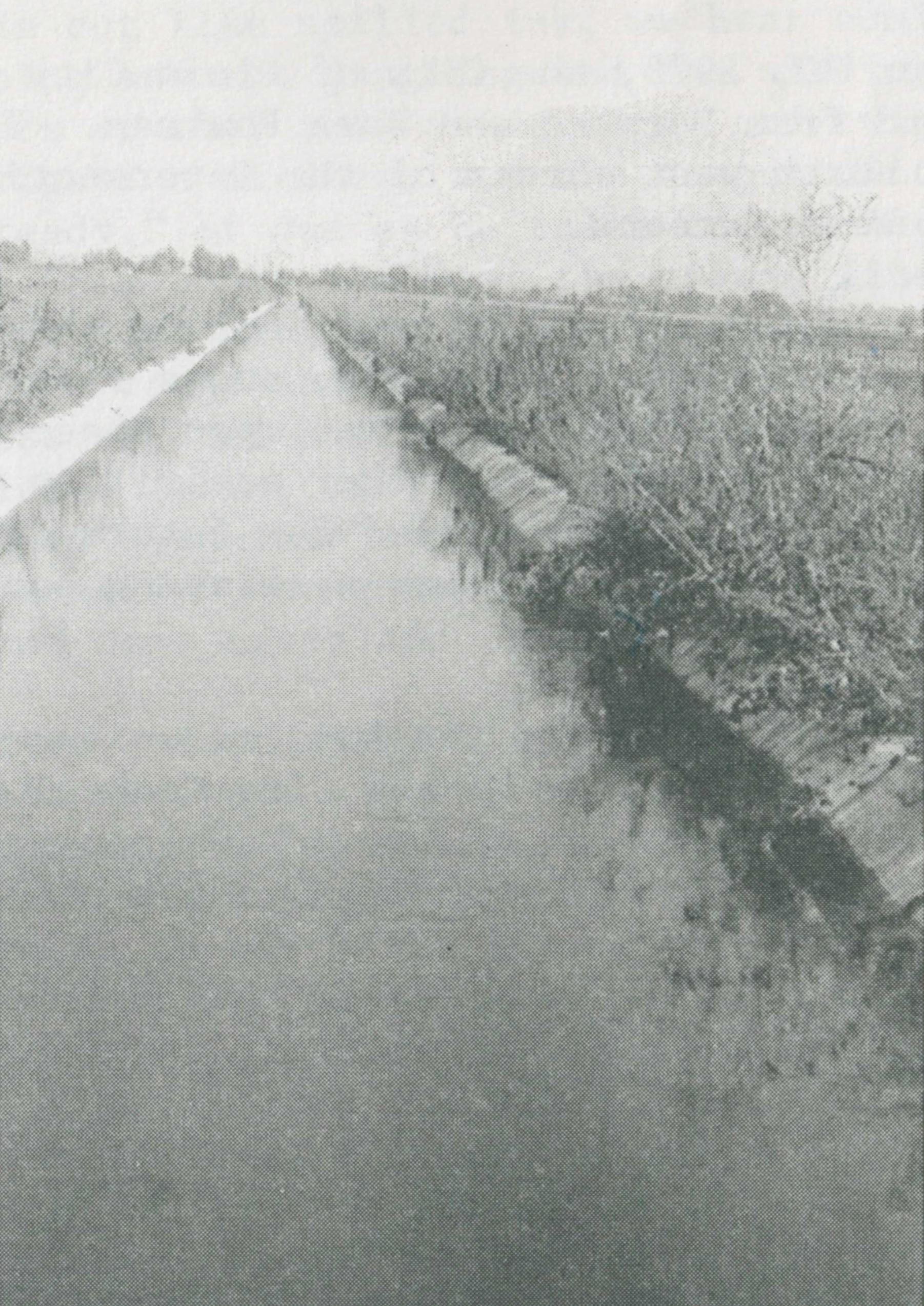


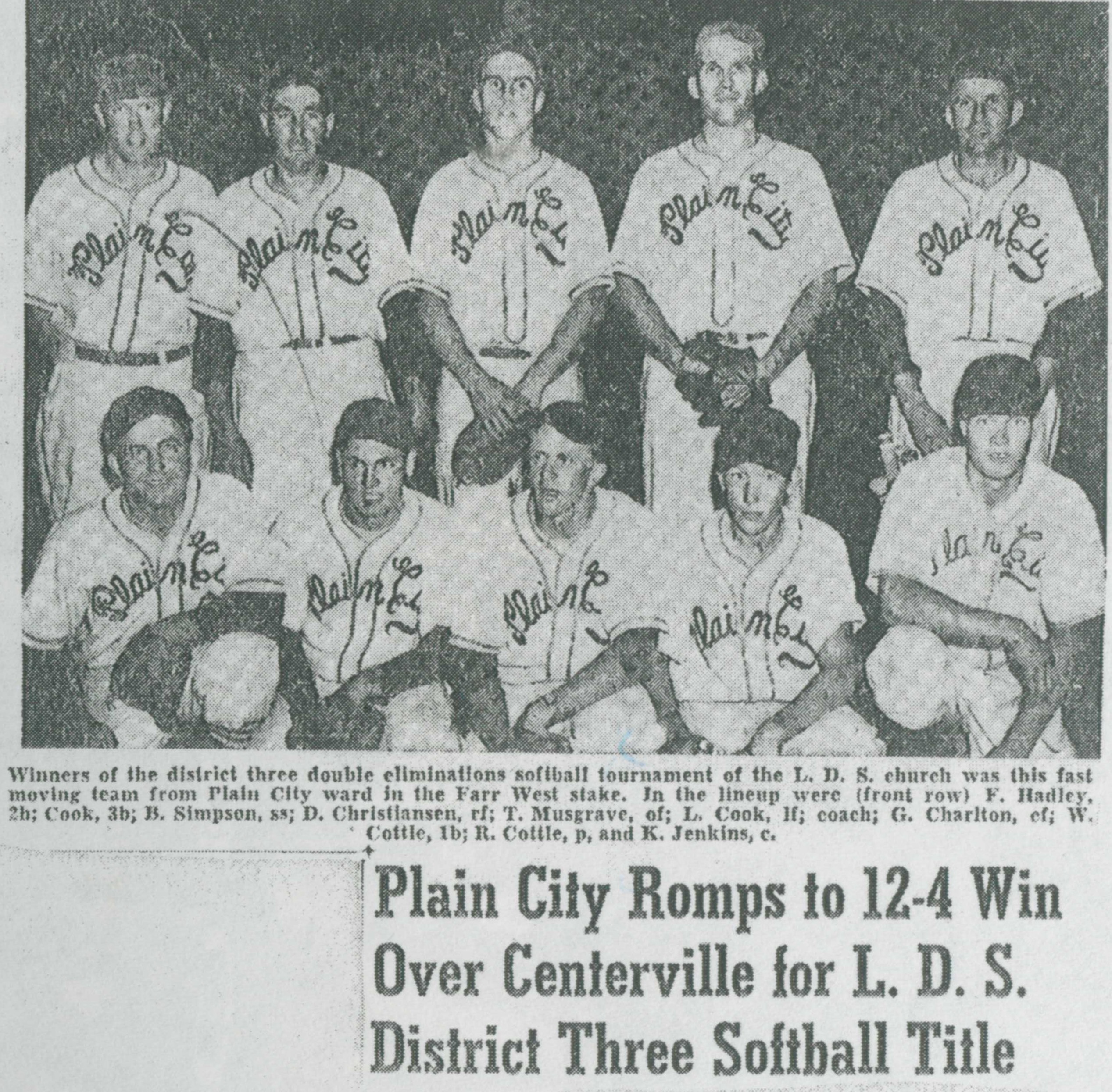
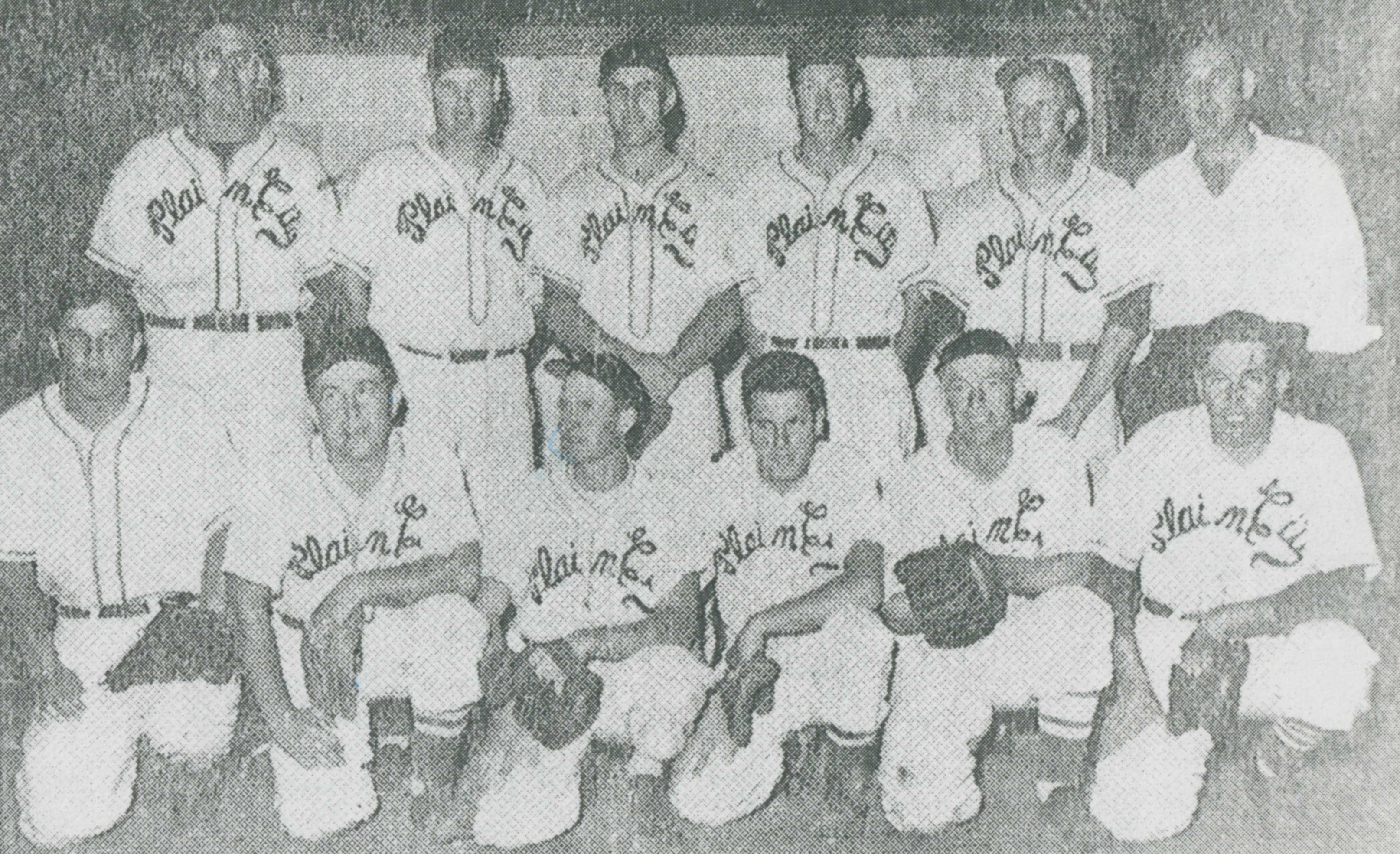


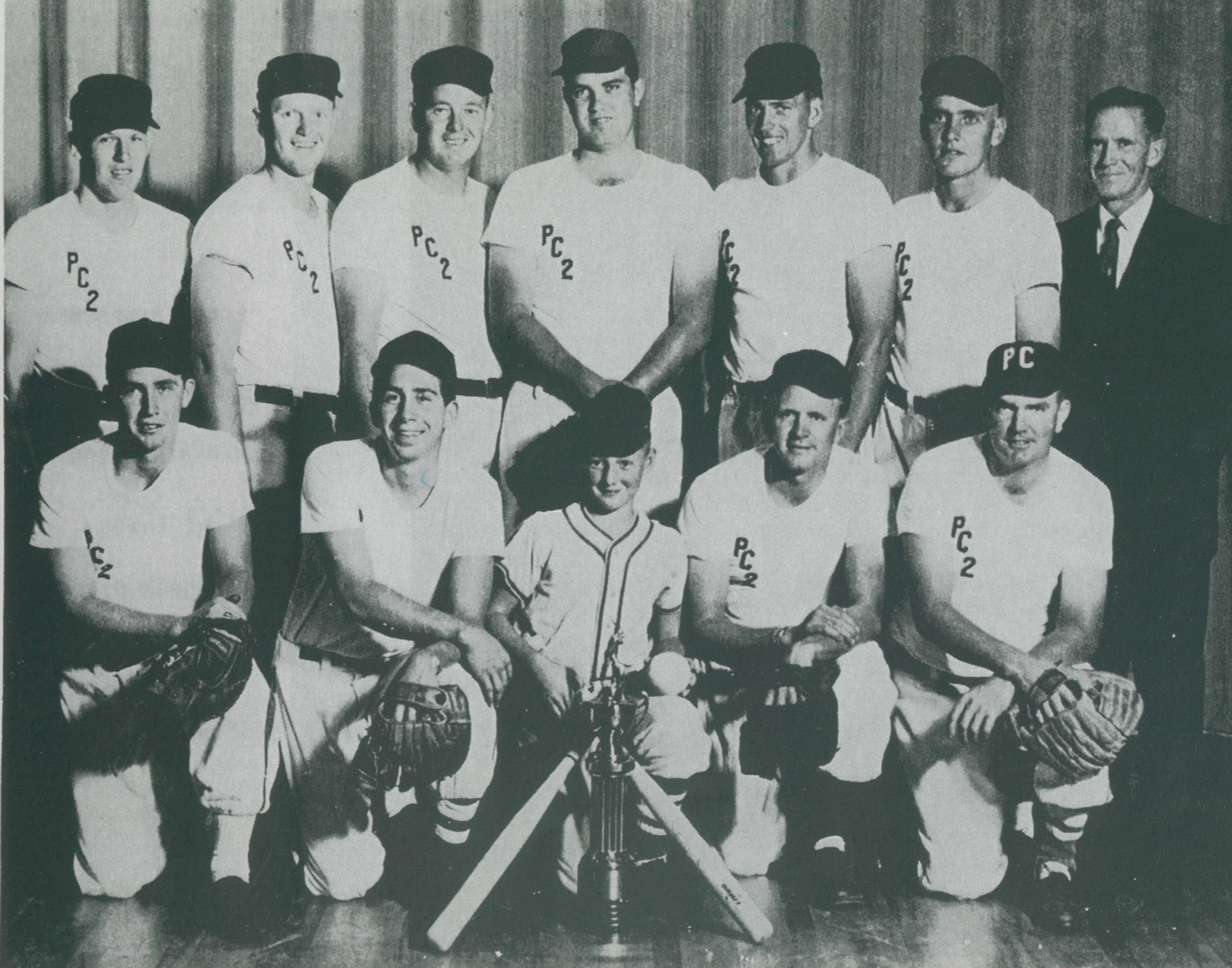

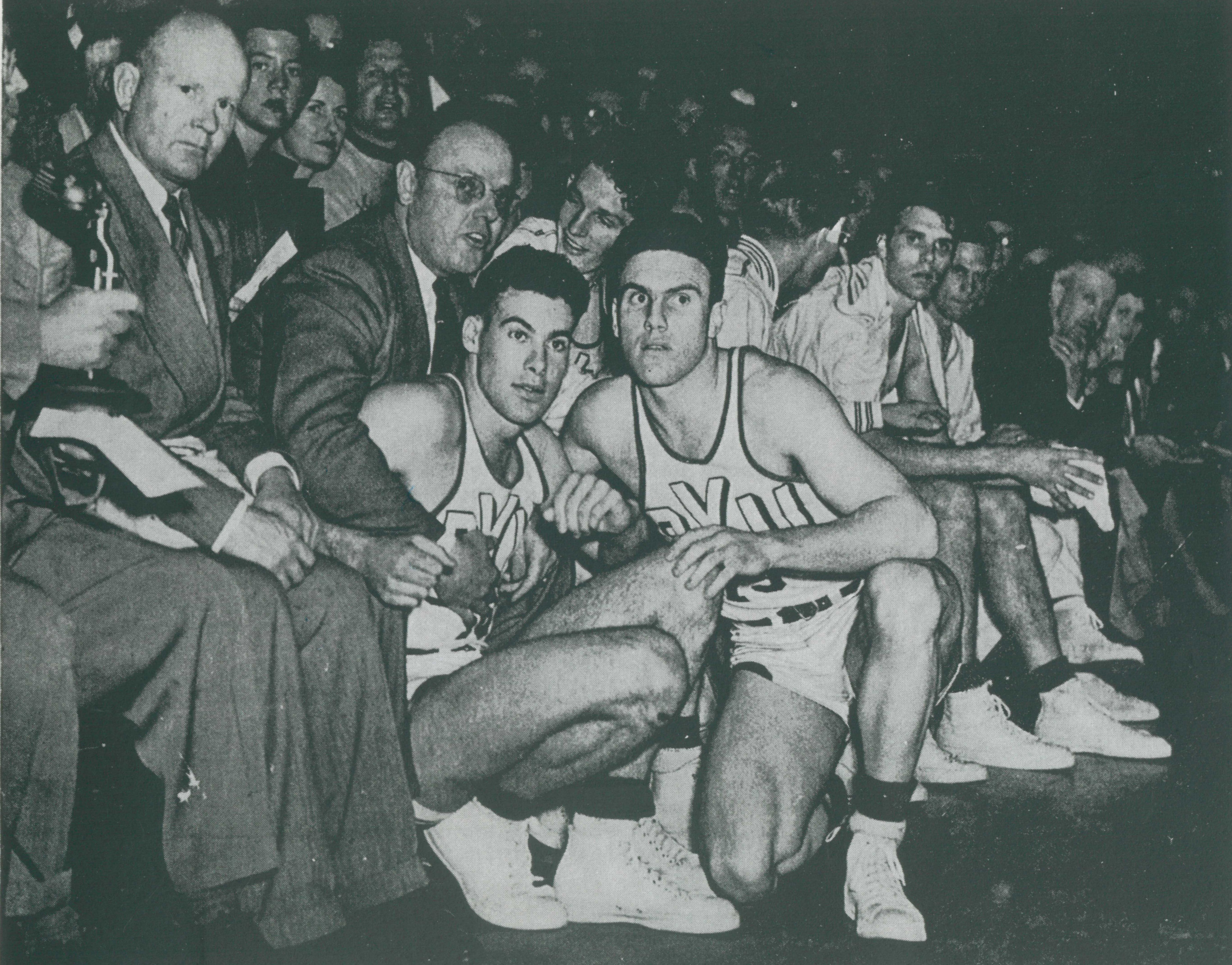


 Sagacity