I have two copies of the History of Plain City, Utah. The front indicates it is from March 17th 1859 to present. As far as I can tell, the book was written in 1977. At least that is the latest date I can find in the book.
One copy belonged to my Grandparents Milo and Gladys Ross. My Grandpa has written various notes inside the history which I intend to include in parenthesis whenever they appear. They add to the history and come from his own experience and hearing.
I will only do a number of pages at a time. I will also try to include scanned copies of the photos in the books. These are just scanned copies of these books, I have not tried to seek out originals or better copies.
History of Plain City March 17th 1859 to present, pages 150 through 165.
SITE FOR NEW TOWN PARK
SUBMITTED BY FLORENE PARKE
In December, 1975, Mayor Lee Olsen and the Plain City Town Council consisting of William VanHoulten, Wayne Cottle, Darwin Taylor and David Thomas, passed a resolution to purchase 20 acres of land. This land was to be used as a recreational complex and also house the town hall and other municipal buildings.
On December 30, 1975, the City of Plain City purchased 20 acres of land from Bernard and Nora Poulsen. The land is located at the north-west corner of the intersection of 2200 North and 4100 West Streets.
The long-term plans for the park included three regulation ball diamonds, (two softball diamonds, and a little league ball diamond); an equestrian arena and open space exercise area to be used for football and other activities requiring large open spaces. A site identified for future development of municipal structures may include a swimming pool, restrooms and parking areas.
Purchasing and developing the land is an expensive process. It is the intention of the City Council to program the work in six one-year phases. Development of the equestrian arena was part of the first year’s phase.
The area housed an arena known as Paul Knight’s Arena. It has been used in the past for several Junior Possee competitions, calf roping meets, and various horses related events. The arena needed fencing and landfill and water installations.
In December, 1976, the Plain City Lions Club, in cooperation with the parents of Junior Possee members, had the area surveyed and hauled 103 loads of sand necessary for a proper working arena. Approximately 30 volunteers donated their time and equipment for two days to complete this part of the work.
Heavy gauge chain-link fencing has been purchased with money from the town and from money raised by Junior Possee members through various fund raising projects. The fence will be installed as soon as the weather conditions permit.
Plain City’s Junior Possees, Four-H groups, and the many other residents interested in equestrian sports will have a safe place for their activities, and the town will have an arena to be proud of.
Paul’s Arena as it is known today, which will be rebuilt into the Town’s new Park. Used for many years for horse and Jr. Posse events.
*A CHILD’S CHRISTMAS IN UTAH
BY WAYNE CARVER (SON OF ELMER AND JANE CARVER)
ASSOCIATE PROFESSOR OF ENGLISH
CARLETON COLLEGE
It isn’t that way now. The quiet fields are broken into building lots and the farmers build jet engines in the city and garden with a tractor after work. The old canal is lined with concrete and in the center of the town the Saturday and sun-drenched baseball diamond has shrunk to softball under lights, and the county has built a tennis court just off third bade for a game the kids are beginning to learn to play in white shoes.
The frame store with the pot-bellied stove smelling of sizzled tobacco spit and with the mash sacks and rummy dive in back is a supermarket now where wives in stretch-pants by barefoot and frozen chopped broccoli by the ton and aerosol bombs that go “SwwOOOOOOsh” and keep off the bugs or put on your pie a water glob of something threatening to be white and that keeps your arteries open.
It isn’t the way it used to be in that un-fluent time of plowing, planting, watering, hoeing, furrowing, harvesting, and throwing the harvest in the river to be pickled in the Great Salt Lake. It is the affluent society now, of missile sites and loan companies, and the ice cream comes come frozen in glazed wrapping and taste like the strips of brown paper we used to put our upper lip to stop the nosebleed. And I have not been back for Christmas for many and many a year – to the long everyday stocking with a fifty cent piece squashing the toe, the large orange pressing the half dollar down – a thick, loose-skinned orange that peeled clean and dry – to the heaped snow that fell on every Christmas eve – I have not been back, and it isn’t that way now – and all I can do is gather a crystal or two from a vein of quartz- or is it foolsgold? – in Time.
****
In the bed-covering warmth of the high ceiling room in the weather-bent old house between the mountains and the salt lake, nothing was alive at first except the dry flopping of the harness straps against the horse’s matted cost and the cold jangle of the chains against the horse’s matted coat and the cold jungle of the chains against the single-tree of the go-devil that Dad used to clear the paths between the house and the barn, the barn and the chicken coop, the chicken coop and the house, and to gouge a trial down the drifted lane to the country road where the snowplows from the shops in Ogden would come later in the day. Lying in the dark that is beginning to be thin out like spilled ink, we hear coming through the window the flopping and the jangling and the sliding rumble of the triangular runners as they push aside rocks and twigs and skid down the sides of irrigation ditches, and the tongue clicking and “steady, boy, steady,” of Dad as he talks to the horse. Hearing this, and seeing from under the door the orange line of kitchen light and, without listening for it, hearing the first snapping of the kindling in the range and smelling, without sniffing for it, the sulphurousness of coal smoke, we know- all three of us – that we have been trickled ourselves and somehow, we can’t say how, had fallen asleep – sometime, somewhere, – back in that black night and that Christmas had come again and caught us sleeping.
Then the tinny, descending jingle of loose bedsprings, the cold shock beneath the warm flannel pajamas legs, the cold fluttering linoleum slap against the feet; and the orange line beneath the door flashes upward and out: We are across the kitchen, through the heavy coal smoke to where the living room door id barred, sealed against us, as mother, at the side door, calls outside, and Dad comes in.
Daylight comes with the smell of oranges, pine, needles, pine needles, and chocolate, and coal smoke from the heater, and the brittle crack of hazel nuts and the tearing raveling crunch of peanut shells, the shimmering glissando of tissue paper crushing, the sweet sticky slurp of cherry chocolates, and the crack and shatter of peanut brittle. Amidst the smell, above the sounds, comes the “oh, just what I wanted,” of Mother and the “Very nice, very fine,” of Dad and the “One -two-three-four! I got four presents that’s simply more than anybody,” of Mary and the “This Wheel’s just fine cause it’s got a burr on the axle, not a cotter key,” of Nephi, and the “Billy’s got this book, he’ll not swap. I’ll swap with Rex,” of another.
By mid-morning the board valley glisten under the cold sun, and you have gone alone through the fields I the over-the-boots snow and along the row of willows besides the canal and watched the muskrats swimming in the alley of dark water between the frozen banks, have seen the runic tracing of the quail and pheasant trails and shaken the loose snow away from your collar that a magpie knocked down on you as you passed beneath the cottonwood trees to Rex’s place where you ate rock candy, swapped the extra Bomba you had read for the Army Boys in France that you had not. By noon you have been to Bill’s through the glare of the sun and snow and shown him your hi-tops with the long grey woolen socks ad the fold-over edge of red at the top and eaten peanut brittle, been to Grant’s and seen the new skates, shown-off the cream and green cover of your Plunk and Luck and eaten candy, been along the roads, the ditches, the trails until the snow packed into ice inside your boots has sent you home to dry and then, drying, behind the big heater in the living room to sail on the stack of books to all the great green world that never was and will last, therefore, forever.
The crunch and ravel and shimmering tinkle is gone from the room now. The quiet is there like a field rippled with snow until the others return from their rounds, and in from the kitchen come only the first rasps ad scrapes and clicks and hacks of dinner’s getting underway. There is pine tree and warmth and the smell of chocolate syrup. Behind the stove Bomba the Jungle Boy crouches in the grass besides the trail as the enemy patrol with poisoned darts in their quivers and blow guns in their hand file slowly by the disappear into the tangled heat of the jungle. In the gassy, coal smelling clearing Bomba is wiping into glittering brightness the still smouldering and dripping blade when, bursting through the streaming wall of branches and vines, comes Aunt Em’s bellow of tribal greeting, followed by a safari of cousins and a diminutive uncle, each one bearing weapons and supplies clutched in their careful and love-filled hands.
“Good Lord, Louisa, there you are just as I figgered, sweating out in the kitchen while everybody else has a fine faretheewell. We’re late but I been after Ephriam since daybreak to get them cows milked so’s we could get on our way. By Judas Priest, you would thought the man had never milked a cow before. Biggest kid in house for Christmas. I get more work out of the cat than I do him. Lordy! You ought to see that house. You can’t see out the windows for trash, and I’m so flustered I think I sliced an egg on the jello and a banana on the hot potato salad. I’m afraid to look, I tell you. And Moroni? – he was out chasing the girls until je ought to have been home milking, too; and, Lord, Sara and nell, you’d of thought they never been given anything before. And all the time, Eph draggin’ along, them cows moanin’ out in the barn, their bags so full they’d like t’have died, nothing to eat – it’s a good thing for that, I suppose. Why, he didn’t get out of the house until ten O’clock, the milk man had come and gone by two hours and all the time me trying’ to bake a cake in a crooked oven with the coal Wilbur man sold us at a special and, Louisa, I’m tellin ’you it ain’t coal at all. It’s just dirt. It’s better dirt than half that hard scrabble your man’s farming down there in Salt Creek, and if Wilbur can sell that sandy loam he sold me for coal, I’s say Josiah’s got a fortune in fuel under that field of onions he tries to grow ever summer. Glow! I’s by there t’other day lookin’ for the horses before the shruf stray-penned “ em and I say to Eph, “Josiah’s got a nice five acres of picklin’ onions out a that salt flat he’s tryin’ to farm. Ought to get a special price, seein’s how they pickled all summer. Grow! I’s by ther t’other day lookin’ for the horses before the shurf stray -penned “em and I say to Eph, “ Josiah’s got a nice five acres of picklin’ onions out a that salt flat he’s tryin’ to bake this cake, and roast a shoulder of pork and fix the salad and I’m up to my chin in candy and nuts and wrappin’ paper until I finally just booted everybody out the back door and said, “Lordy, go over t’the neighbors and dirty up some fresh territory while I get something done.” So they did. Except Eph. He’s still settin’ there in his new robe and slippers, dozin’ mind you, his head bobbin’ back and forth like a derrick fork. And them poor cows hollerin’ to be milked, and finally I told him, “Lord almighty man, go out there and take out enough milk to relieve their pain anyways, even if you don’t care about no milk check next week.’ So he did. Well, here we are. Where d’you want me to put the roast to keep it warm, Here! Give me that knife, I’ll peel the taters. Don’t you get no help? Where’re your kids? You get started on the rolls, woman. This house is goin’ to be crawlin’ with starving prople before we get turned around and us without a thing to put in their mouths.I thought I told you Big J flour’s better’n this other stuff. Lord! I don’t know what’s goin’ to happen to us. Ten o’clock milkin’; I tell you, I thought I’d never live to the day.”
And then the green jungle explodes into white brightness and come alive with cousins and uncles and aunts as the tribal dance around the tree begins and the hecatombs are offered to the angry powers of hunger and love: roast chicken, roast turkey, hams, and pork shoulders, brown gravies, chicken gravies, sage and giblet stuffing, candied yams and sweet potatoes, mashed potatoes, cranberry sauce, creamed corn, wax beans, lima beans, and string beans, carrots – tossed salads, potato salads, gelatin salads, cream pies, fruit pies, mince pies, pumpkin pies, chocolate cake, and white cakes, jello ad whipped crème and sliced bananas, candy in dishes and boxes, apples, oranges, and bananas – and one cup of coffee brewed just for Uncle Heber, the free-thinker of the tribe who risked the taboo, and for him, too, the cracked saucer for the ashes of his cigar.
And above the crack of celery, the clack of china, the clink oof silverware, the chattering drone and occasional giggle or scream, and through the acrid halo of smoke around Uncle Heber’s head comes Aunt Em’s piercing voice: “It’s a foul habit and an abomination in the sight of God, Heber, and I’d rather see my brother take to drink than terbakker the way you do. And coffee defiles the temple of the spirit in a worse way, and Louisa’s curtain’ll smell of Christmas and sin until the Fourth of July because of you.”
And though the drone and chatter, Uncle Heber’s: Sis, you finish your meal in your way; I’ll finish mine in mine. The Prophet used to smoke, so did Brother Brigham – and chew. They chewed and spit like any man. I sin in good company. Fact, is sis, if the truth was known, smokin’ and good coffee got to be a sin because Joseph had an allergy to caffeine and nicotine. Used to break out in hive after every cup of joe and every satisfying drag, so he made both a sin. Say, get me a stove match will you, sis, while yer up – in the kitchen there. See? A good cigar goes out if it ain’t appreciated.”
And then through the long dying of the day, the world beyond the oppressive clearing behind the stove goes on. Bomba frees the friendly white girl, eats a tapir, while through the nebulous jungle wall from far beyond come the shouts and squeals of cousins and brother and sister play, the falsetto chirping of Aunt talk, and the grumbling bass of Uncle talk. And as the Army boys march aboard the transport in New York to go to France with “Lafayette, we are here,” on their lips, there hovers in the air of the stifling, coal-gas smelling hold of the transport:
“Franklin D. Roosevelt was sent by God to lead his children out of bondage.”
“I like that man’s smile. Then he sticks them cig-roots in his mouth and I tell you I jist don’t know!”
“We should have won that game on the Fourth; Freddie just got a leetle tired. . . .”
“Walkin’ on to my farm and tellin’ me what I can grow and what I can’r. I sicked the dog on that little pipsqueak. . . .”
“Doak, that big elephant, fannin’ twice with men on. . . . Never could hit a round-house out.”
“. . . on relief until his first paycheck . . . blew it all one weekend at Elko. . . “
“Next time Brig Roberts umpire, I say protest the game. . . “ “Two of them Clinton players smoke. I seen ‘em. . . “
“Good for them . . . “
“Heber!”
“Paid in paper script. . . not worth the paper it’s . . . “
“. . . kept track the last three games . . . fanned four times with one on . . . “
“Farmers the last one to get anything from a government . . . “
“We got 3.2 beer what we have to risk damnation to drink. But the price of tater’s about the same as when Hoover. . . “
“ Eat the taters then the shut up. “ S bettern defilin’ Em! We’d live forever, that a-way – the two of us.”
“Ha!”
“Only hit all year as I remember rolled down the gopher hole back of first base in West Warren for a ground rule double. . . some clean up hitter be is. . . “
“don’t care how the man smokes. I’d vote for FDR for God tomorrow if I had the chance..”
“But President Hoover says. . . “
“To Hell with President Hoover!”
“Heber! Heber! Heber!”
And now Bart, the oldest, most handsome, most dependable of all the Army Boys in France, escaped from the hospital in the rear, slogs through the nuts, shells, and package wrapping of rural France, wet, cold, delirious, dropping into shell holes as the rat-a-tat-tat of a match-shooting gun rattles out of the living room from behind the sofa. In the lull that follows, as the darkness comes on, a command rips across the subdue murmur of No-Man’s Land: Ephriam! It’s milkin’ time. Lord! Let’s go on home and see how many cow’s got mastitis from this mornin’. Judas Priest! One thing for sure. Never milk a cow, never have to. They’ll have their bags caked-up like a lick of salt. Come on, Eph!.
And Uncle Heber, rising from the waves of cigar smoke, “Emmie sit down. For the Lord of all the Lamanites. I only see you about once a year, it seems like.”
She, settling back into the sofa, “That’s for sure.” There is a long quiet. Then, “But Heber, when’re you going to come to your senses and make your peace with me and the Church.”
I’m ready, Emmie, always have been. For you or the Church. But I figger the Church’ll be a dang sight easier to settle up with that you.”
From inside the pill-box in the living room comes another burst of fire, and Bart, with his dependent buddies, crawls along a little stream in the gassy gloom of twilight, trying to get a bearing on the mortar that is lobbing rounds into the Company. And Bart whispers, “I’m going over there to see what it looks like, anyways.”
“No, no, bart,” from his friends. But he, “Remember the Luistania.” Ashamed, they say no more. “It may not be what I’m after but just beyond that hill is where I need a pig for winter dressing up, and if Parley P. Brown – Goodie-Two-Shoes Brown, we called him in school – has got what I want –“
‘Heber! That’s talk I won’t hear. He’s a God-fearing man and –“
“And a man practically lacking in the power of speech, Em, that’s what he is. Why, Em whenever I think you’re right, that I’m a sinner temporarily damned to a lower degree of glory, I remember the day I went over there to buy that pig. We’re out in the pen, see – a sloppy pen if you ever saw one – and all these weaner pigs are grunting around in there. I’ve got this gunny sack and a three foot piece of two-by-four, but Parl Brown don’t so things that way. No Sir! ‘You stay here, ‘ he says and he crawls in that stuff. I’ll return presently with a shoat.” Return! Presently! Shoat! The man can’t talk. Well – anyhow – he slops into the pen. He corners one of the wet-snouted little balderdroppers, lunges at it and, by Christmas, kisses by half a foot – skids into the plank wall. Judas Priest, I though he’d killed himself. Picks himself up. Scrapes himself off. Looks over at me. You could hardly see his face. ‘Little rascals,’ he says, and grins; he corners another. Dives again, skids, misses, splatters, hits, stands up,wipes, away at himself a bit. Elusive little tykes,’ he says, turns, gets ready to do it again. I’ve had enough. ‘Parl!’ I beller at him. He looks around. I crawls over the fence. By jaspers, I’m near tears, ‘Parl, for Juniper’s sweet loving sake, man, don’t talk to pigs like that. Now you go on, get out of here!’ He goes, me pushin him. Then I turns to the litter and look them square in the eye. They’re all backed into one side and a corner, still and quiet. They’d sense the change right off. Then I hold my two- by out in front where they can see it. I drops my sack open, the mouth of it facing them. I drops on my haunches and teeters a bit. Then I says, real tight and lowlike: ‘Now – you little thin-snouted, bleary-eyed runty-backed, spiral-trailed sons of this litter, one of you hop into this sack.’ Why, almost immediately, you might say, the one nearest the sack trots over, sniffs a hit, squeals a little, and walks in the sack and curls up. I snap the sack to with a piece of binder twine, hoists it over my shoulder, climbs ion the pick-up and brings it along home. Paid Parl a day later by check. Well, Emmie, you see the point? Sin has its place. A man like Parley P. Brown might not defile the curtains in the parlor, might make it all the way to the Celestial degree of glory, but he’s not worth a good God- damn in a pig pen.”
Then the war draws to its close in the snow of winter and the troops march home from No-Man’s Land, over there, over there – across the rubbles of papers and candy and peanuts and broken toys and needles from the trees, and , suddenly, the lights all over the world come on to Mother’s: You’ll ruin your eyes, son, reading in the dark behind that heater.”
And only the others are there now – the other two and Dad and Mother – and we eat a sandwich of cold chicken and have some milk out of the big pan in the pantry and we have family prayer around a chair in the kitchen. Kneeling there, the linoleum burning its cold into our knees, everything is love and one and whole. The day is blest, and all the days to come.
In the bedroom we shiver against the cold sheets and giggle and fight for warmth against each other.
In enveloping blackness we hear the squeak of the snow under Dad’s boots as he walks for the check-up to the barn and hear the sounds of cleaning up from the kitchen.
Overhead the attic creaks as the old house sways a little in the winter chill that comes down on a black wind from the black mountains to the east an moves through the valley and across the salt lake and into all the years to come – but that cannot touch the bed-covering warmth of a Christmas that is past.
*Reprinted by permission of ‘The Carleton Miscellany”
Copyright, 1965, by Carleton College
Northfield, Minnesota 55057
FIRST PLAIN CITY CANNING FACTORY
This was the first canning factory in Plain City. It was located across the street from Loyd Olsen’s home at about 1900 North 4700 West. The factory was built around or before 1900. The picture was taken in 1906 or 1907. The factory was torn down in 1916 or 1917 and part of it was moved to become part of the john Maw store. Laura Musgrave remembers working there as a girl.
We do not have the names of those in the picture, but were told that the older man on far right is Abraham Maw who run the factory. He is the father of Henry T. Maw and grandfather of Abraham Maw.
PICTURE TAKEN ABOUT 1900
Front row left to right:
Trina Folkman, Wilford Danvers, Lonna Richardson Miller, Thomas Jenkins.
Second row left to right:
Elea England Watson, Dave Geddes, Luci Rawson, Sophie England, Jed Skeen, Melissa Carver.
Third row left to right:
Rose Stoker, Cerilla Richardson, Lorenzo Lund, Sussen Geddes, John Moyes, Riley Skeen, Lyman Skeen, Emily White, Richard Lund.
Peter Green was on the original photo with only part of him showing. You could see his hat and right arm and leg.
EARLY ORCHESTRA
The man with the cap is Robert Hunt. He is Clara Hunt Singleton’s brother. Clara was the mother of Florence Singleton Simpson.
OLD PHOTOS
Above two: Plain City’s 110 year Anniversary.
Picture taken in front of the old dance hall. In 1959 on the Sunday nearest the 17th of March no cars were allowed at the church, just teams and horses and buggies. The people came to church in pioneer dress as a climax to a weeks long celebration.
Above: Rear view of the old Church house. The upstairs was a recreation hall with a stage.
PLAIN CITY CANNING COMPANY
The Plain City Canning Company was built in 1925. They operated the factory for over 30 years. During World War II they used prisoner’s of war for laborers during the canning season. It is owned by George Cook.
EVERETT’S PLUMBING
This building was built by Everett Taylor for his plumbing business.
BUSINESSES OF TODAY
BUILDERS BARGAIN CENTER
Builders Bargain Center, formerly England’s Builders. This business was started and run by Chester England for many years.
The Confectionery, but known to everyone in City has the Pool Hall, or the Grog Hall.
BUSINESSES OF TODAY
BARNES FURNITURE CO.
Barnes Furniture Co. was started by Hebert and Elida Barnes in the winter of 1948-1949. Elida had acquired upholstery skills through Utah State Extension Services with offices in Odgen. Herbert learned wood work, restyling and remodeling from Utah Defense Depot. An elderly German refinishing craftsman taught Hebert the refinishing craft. Later on both had upholstery training through Weber College.
The first shop was one-half of a small railroad box car situated east and south of the present shop at 1600 N. 4700 W.
This makeshift shop was soon out grown. The present shop erected in 1953.
FIRST SHOP
Now owned by George Cook and used as a bath house.
PRESENT SHOP OF BARNES FURNITURE
BUSINESSES OF TODAY
PAUL COSTLEY GARAGE
This garage opened in the fall of 1947, and is located north of the city of Plain City.
C. & B. REPAIR SHOP
The C. & B. Auto Repair Shop owned by Curt Knight and Bruce Hall. The old building at the left is Rall Taylor’s old blacksmith shop.
BUSINESSES OF TODAY
CLIFF FOLKMAN SERVICES
Cliff Folkman operated a gas station in this location for over 30 years. He moved into the new building in the fall of 1964, located in the center of town, on the east side of the Square.
WHITIE’S CAFE AND ICE CREAM PARLOR
Dennis White opened his cafe in the summer of 1976. It is located on the east side of the Square.
BUSINESSES OF TODAY
UTAH TRANSIT AUTHORITY BY RUTH FOWERS
On Tuesday, July 6, 1976, the Utah Transit Authority started regular bus transportation services to Plain City area. The bus arrived in Plain city at 6:55 A.M. and returned to Ogden through Slaterville by way of Pioneer Road. The schedule continued every 40 minutes, the late bus leaving Plain city at 6:55 P.M., Monday through Saturday, with o service Sunday or holidays. It is called Route #20 Plain City.
This service had been in the planning for some three years prior. The U.T.A. is supported by quarter of a cent sales tax. The fare being 15 cents for adults and 10 cents for children and senior citizens, with senior citizens allowed the courtesy ot ride free between the hours of 10 – 3 and after 6 P.M.
Many citizens are enjoying this method of transportation to and from Ogden, some extend its service to Salt Lake City and return.
BANK OF UTAH
Nov. 27, 1972, marked the grand opening date for the Plain City Branch of the Bank of Utah.
The bank has had a steady increase in its patronage since the beginning. Services are available to all the citizens in the surrounding towns. Some clientele come from as far as south Brigham City.
The bank started with three employees and now as four.
I was trying to find some photos and stumbled upon my Mom’s graduation pamphlet I had scanned a few years ago. Thought maybe it was time to share it, especially where I have seen some of her classmates have passed away recently.
1972 Baccalaureate and Commencement – Burley High School – Burley Idaho
These programs courtesy of the following Public Spirited Business Concerns
Amalgamated Sugar Co.
Burley Processing Co.
Burley Reminder
Cassia National Bank
First Federal Savings & Loan Assn., Burley Branch
First Security Bank
Guys ‘N Dolls
Idaho Bank & Trust Co.
Idaho First National Bank Burley Office
McCaslins
Ponderosa Inn
J. R. Simplot Food Processing Division
South Idaho Press
Class Officers
President Garth Beck
Vice President Bud Hoffbuhr
Secretary Jill Hinz
Executives Peggy Wood, Peggy Larson, Kaye Dawn Larson, Jeananne Gruwell, Jean Graham
Class Adviser Mr. David Peck
Baccalaureate Sunday, May 21, 1972 2:30 P.M.
Mr. Tom Gruwell , Principal, Presiding
Processional High School Band Mike Chesley, Conducting
Welcome Garth Beck Class President
Invocation Bud Hoffbuhr
Special Number Bel Canto Choir Elden Wood, Conducting “Battle Hymn of the Republic”
Address Dr. Walter R. Peterson
Cherubim Song Senior Octet
Benediction Calvin Pearson
Recessional High School Band
Commencement Monday, May 22, 1972 8:00 P.M.
Mr. Tom Gruwell, Principal, Presiding
THEME: “I Dream Dreams that Never Were and I Ask, Why Not” – George Bernard Shaw
Processional – High School Band – Mike Chesley, Conducting
Invocation – Connie Smith
Welcome Address – Garth Beck, Class President
Greetings from Austria – Marianne Koch – Exchange Student
“Man and His World” – Senior Choir
Valedictorian – Julieann Kerbs
Trombone Solo – Doug Nichols
Salutatorian – Edi Lou King
“The Halls of Ivy” – Senior Sextet
Presentation of Diplomas – Mr. Norval Wildman, Mr. Albert Klink, Mr. Dave Peck, Mr. Tom Gruwell
Class Song “Crescent Moon” – Class of ’72 – Gwen Bowen, Conducting
Benediction – Wayne Johnson
Recessional – High School Band
Adams, David Ratelle
Allen, Kathryn Marie
Allred, Anthony Jon
Allred, Howard Lynn
Amen, Joanne Marie
Andersen, Debra
Anderson, Roxanne
Anderson, Jerald DeLayne (1954 – 2017)
Anderson, Jay S
Anderson, Todd Michael (1953 – 1972)
Angus, Joyce Ann
Baker, Cheryl
Baker, Rell Dean
Banner, Marc
Barkdull, Marlene
Bewan, Lynnette
Beard, Patrick Scott
* Beck, Garth Warren (1953 – 2002)
Beck, Reid Belliston
Beckham, George Benjamin
Bedke, Douglas Herman
Bell, Larry W
Bench, Michael R
Berkenmeier, JoAnn
Bishop, Gregory Lynn
Black, Don Reid
Bodily, Ted O (1954 – 2019)
Bowcut, Bruce V
Bowen, Gwen
Bowers, Gloria
Bradshaw, Bill A Jr
Breeding, SHelly Marie
Briggs, Larry
Brill, Russel Dean
Brown, Julieann
Burgi, Lysene (1953 – 2016)
Burton, Arlen Lynn (1954 – 2014)
Call, Milo Jay
Campbell, Debra “Debbie” Kay (1954 – 2019) Johnson
Cargill, Elwin Verl II
Carey, Mirian June
Castillo, Yolanda Hernandez
Christian, Debbie Lynn
Clark, Bradley Hales
Clark, Antone “Tony” Lee (1954 -2015)
Coleman, Rick Lynn
* Crane, RoZann
Cunnington, Gaylene
Darrington, Jerilyn
Davids, Michael Lynn (1953 – 2020)
Davis, Donna Emily
Day, Debra E
Dayley, LaNae
Dayley, Lee K
Delaney, William W
Dille, LuRene
Draney, Rex Leonard (1953 – 2007)
Duncan, Rocky Gale (1954 – 2020)
Dunn, Rodney K
Dunn, Roger
** Eames, Lou Ann
Eldredge, Debbie
Farwell, Albert Michael (1952 – 2023)
Fairchild, Aleta Ann
Fenton, Wayne J
Ferlic, Beth Anne
Ferlic, Robert James
Filger, Thomas W
Fillmore, Louise
Fletcher, William Kent
Forschler, Laura Lynn
Forschler, Melody
Frazier, Lon Mitchell
Frost, Verlynn
Funk, Barbara Elaine
Gallegos, Linda K
Garcia, Don J
Garrard, Vickie Lynn
Goodwin, Irene Cecilia
Goold, Gary
Graf, Becky Ann (1954 – 2011) Moats, Kloer
Grafft, Duane Brian (1953 – 2006)
Graham, Jean
Green, Michael Dan
** Green, Sharon
Gregersen, Denice
Gruwell, Jeananne
Guiles, Randy Andrew (1953 – 2015)
Gunnell, Brent Udell
Hanks, Gary Thomas
** Hansen, Rae
Hansen, Sondra
Harper, Leslie C
Hatch, Karol (1953 – 2004) Kerr
Haycock, Con D
Hazel, Stanley Jarvis (1953 – 2008)
Heiner, Paula Jean
Hepworth, Linda
Hess, Steven Lerlan
Heward, William Alex
Hill, Michael Gordon
Hinz, Jill Marie
Hinz, Kathleen Ann
Hobson, Sheryl
Hoffbuhr, Vernard “Bud” Standley Jr (1954 – 1997)
Holm, Steve D
* Holmes, Thomas J
Holt, Phillip L
Holyoak, Kenneth Reid
Hunt, Timothy Lynn
Hunter, Richard A
Jackson, Kelly Ann
Johnson, Becky A
Johnson, Jack Wesley
Johnson, Mary Beth
Johnson, Wayne Richard (1953 – 2008)
Jolley, Patricia
Jonas, Sandy (1954 – alive)
Jones, Steven
Judd, Rockland K (1953 – 2012)
Karlson, Kerry
Kawamoto, Becky
Keen, George E
Keen, Vickie Rae Funk
Kelly, Pat
** Kerbs, Julieann
Kidd, Cory Vaughn
** King, Edith Louise
King, Gary
Knight, Robin Daniel (1953 – 2014)
Kober, Glen R
Koch, Marianne
Koyle, Garth H
Koyle, Shanna
Kunau, Nancy Rae
* Lamb, DeEsta Marie
Larsen, Brent
* Larsen, Scott William
Larsen, Vickie Esther
Larson, Vickey Irene
Larson, Kaye Dawn (1954 – 2019) Silcock
Larson, Peggy (1954 – 2016) Stirland
Lee, Roxanne
Lopez, Manuel Campbell
Loveland, Cynthia (1954 – 1981)
Loveland, Kevin R (1954 – 2008)
Lynch, Gary D
McBride, Anita Marie
McMurray, Susan Mary
* Mackley, Sally Irene
Mai, Kelly
Malloy, Michael John
Manning, Roger D
Marston, Della Kathleen
Martin, Gregory Max (1954 – 1975)
Martin, Stephanie Lyn
Martin, Stephen William
Maselter, Denise Ann (1954 – 2022) Rollins
Matthews, Ennis Eugene
Merrill, Kaye Ellen
Miller, John Edward
Moore, Debra Lynn (1954 – 2002)
Moorman, David Edgar (1953 – 1997)
Navejar, Oscar
Newcomb, Kathy Lorene (1954 – 2020) Bailey
Nichols, Doulgas Arthur
Nielson, Alice Ann
Nielson, Allan (1954 – 2020)
Obermiller, Cynthia Jean
Olsen, Ricky Ross
Olson, Donna Gaye
Ostrander, Diane Kay
Ostrander, Greg
Osterhout, Rex Dale (1954 – 2017)
Otte, Royce Oliver
Page, Linda Marion
Patteron, Peggy Ann
* Pearson, Calvin H
Peterson, Edith Victoria
Pitchford, Debra Faye
Poulton, William Arthur
Powell, Leslie Dean (1953 – 2005)
Priest, Roger Kirk
Ramirez, Adelita
Ramsey, Glenn Douglas
Randall, Steven Grant
Redder, Karen Lea
Reedy, Pamela Hannah
Rehn, Scott Leonard (1954 – 1994)
Rendla, Gary M
Rich, Diane S
Richardson, LuAnn
Rickert, Janice Norene
Ritchie, Neil B
Roberts, Kelly Jo
Robinson, Beth
Ross, Norman Clyde
Russell, Patricia B
Sager, Kent Leslie
Sandmann, Michael Remund
Schorzman, Anne
Severe, Rhonda
Short, David G
Silcock, Richard Donald
Simcoe, Steve Bryan
Sivley, Mary
Smith, Connie Sue
Sowers, Bill A
Spann, Debora
Stephenson, Julia
Taylor, David A (1953 – 2009)
Taylor, Russell Price (? – alive)
Thaxton, Stephen Craig
Thompson, Carlene Diane
Thornburg, Deborah
Telley, Marsha Ann
Tolle, Kent Ray
* Tollefson, Kathryn M
Tracy, Perry Alan (1953 – 2005)
Vannatian, Frances Ruby
Vorwaller, Kristine
Wardle, Diane
Wardle, Pamela Kaye
Warr, Dee Ann (1954 – 2013)
Warr, Paul K
** Weirich, Yvonne Denese
West, Monte M
Wetzstein, Lynette Kay
White, Kristine
Whittle, Ferol Kristine
Wickel, Lee Roy
* Winward, Brenda Arlene
Wolf, Richard Patrick
Wood, Peggy Ann
Woodland, Kirk
Woolstenhulme, Steven Leo
Worman, Barbara Ann
Wright, Edward R
Wyant, Ronald Lee
Wyatt, Marla Jean
Young, Richard LeRoy (1953 – 2022)
Zollinger Janene
National Honor Society Members
** Gold Cord – with 3.8 average or above
* Blue Cords – with 3.5 average to 3.8
The sketch of the Burley High School on the front of the Diploma case.
Sandy Jonas Burley High School Diploma
Mom’s actual Diploma.
Burley High School – Burley, Idaho
This Certifies That Sandy Jonas has satisfactorily completed a Course of Study prescribed for Graduation from this School and is therefore awarded this Diploma.
Given in the month of May, nineteen hundred and seventy-two
I have two copies of the History of Plain City, Utah. The front indicates it is from March 17th 1859 to present. As far as I can tell, the book was written in 1977. At least that is the latest date I can find in the book.
One copy belonged to my Grandparents Milo and Gladys Ross. My Grandpa has written various notes inside the history which I intend to include in parenthesis whenever they appear. They add to the history and come from his own experience and hearing.
I will only do a number of pages at a time. I will also try to include scanned copies of the photos in the books. These are just scanned copies of these books, I have not tried to seek out originals or better copies.
History of Plain City March 17th 1859 to present, pages 76 through 106.
HISTORY OF THE OLSEN GROCERY STORE
Two of the earliest merchants in Plain City were A. M. Schoemaker and William Van Dyke. Mr. Shoemaker had a little store just east of the old adobe meeting house. Van Dyke’s store was just across the street from the southwest corner of the public square on the sight of the John Maw store where the Plain City bowery now stands.
The Cooperative Mercantile Institution was organized in 1869 with John Spiers as President, J. P. Green, C .O. Folkman, George Folkman and Andrew Ipson as directors, and George H. Carver and J. S. Carver as the managers.
In the early days of Utah, the L .D. S. Church organized cooperative stores in different places called “Zions Cooperative Mercantile Institutions.” One of these was organized in Plain City in Jens Peter Folkman’s home at 2480 N. 4350 W. in March of 1869. He was appointed manager by the directors.
The capitol stock was $500.00. Mr. Folkman continued as manager for several years. At a reorganization some time later, John Spiers was retained as president and John Carver was elected vice president of the board of directors, which was composed of Jeppe G. Folkman, William Sharp and Alexander Marian Shoemaker, with George Bramwell as secretary and William G. McGuire as secretary-treasurer.
Finally a corner was bought by the company from Mr. Hansen in 1889, where Carl Olsen’s store is now situated. (1959) A frame building was erected and here Jens Peter Folkman continued as manger until the store was closed by Z.C.M.I. on account of bankruptcy cause through too many bad debts.
It was reopened by the parent store in Ogden and was managed by George and James Carver but was closed again for the same reason as before.
George W. Bramwell and his brother, Henry, bought the stock of goods and ran the store as a private business. Z.C.M.I. took over once more and hired George W. Bramwell to run it as a branch of their store.
It was next sold to Henry J. Garner and Robert W. Maw. They sold it to Thomas England. Thomas England sold his store to Peter J. and Evelyn Christensen, who rented it out for a time, then later sold it to Carl Olsen in 1925.
In the early days of the Olsen stores Parvin Produce Company of Ogden established the business of shipping potatoes from Plain City. They were located at the Olsen store and when they discontinued business, Carl Olsen and Wilmer J. Maw started shipping potatoes. Mr. Olsen loaded his cars at the end of the railroad spur in front of Roll’s Garage, now Jack Etherington’s Garage at 2415 N. 4425 W. and Mr. Maw loaded his cars by the “John Maw & Sons” store where they bowery now stands.
Carl Olsen
Don Olsen
Lee Olsen
The above was taken from a Historical Study of Plain City, Weber County, Utah, by Fern Olsen Taylor. A thesis was submitted for her Master of Science Degree in 1959.
The Utah Oregon Lumber Company business was purchased by Carl Olsen from Wilmer L. Maw, and at this time Annie Knight Geddes came to work for Mr. Olsen. Coal was also sold. Many loads of potatoes, coal, etc., were weighed on the scales located just south of the store.
Oscar Richardson worked with Carl in the produce shipping and George Elvie Weatherston worked with him in the store for a short time.
Carl opened the store with the help of his family, Lucille, Lee, Fern, Don, and Loyd.
A beautiful ice cream fountain was purchased and installed in the northwest part of the store. There were marble counter tops, malt machines, syrup dispensers and necessary equipment to make malts, splits, sundaes and many, many hand-dipped ice cream cones. A half dozen stools lined the counter. The choice of flavors then were chocolate, vanilla, or strawberry. A popular item was the candy punch-board that was a temptation some had a hard time resisting.
In 1939 Carl remodeled the back of the store. The partition at the east end and the swinging doors were moved, making room for a meat counter and meat cooler. More shelves and more groceries were added. Heat was provided by a coal heaterola. A shed was built by the store about 1889 and was used until 1949 for various purposes, a lumber storage shop, a barber shop and also later for a meat market. It faced the road and was located just south of the store.
In March, 1941, cold storage lockers were installed. The store was enlarged and a full-time butcher, Ralph Vause, came to work to serve the locker patrons. Many deer at hunting time were cleaned and dressed, filling the meat coolers to overflowing.
Carl Olsen sold his store to two of his sons, Lee and Don in April 1947. The store became “I.G.A.” and then later “A.G.“ Lee and Don enlarged the store, adding the brick building extending the south wall to the confectionery. The frame shed was moved to the back of the store and connected to a metal storage shed connecting the back of the store.
On July 9, 1949, the grand opening was held. Children came to the store from near and far to buy penny candy, a special treat.
Mr. Carl Olsen passed away February 25, 1955.
The Olsen family owned and operated the store for half a century and enjoyed a wonderful association with Plain City and the neighboring communities.
On April 18, 1973, Don and marge Olsen, and Lee and Clara Olsen sold the store to Perry and Sonia Merrill of Pleasant View. They Operated the store for three years and sold it to Elliot and Gayle Casperson. It is now the “B and C Market.” May 24, 1976.
COPY OF DOCUMENT PLACED AT THE BASE OF MONUMENT HONORING SERVICEMEN
August 26, 1944
To whom so ever of the dim and distant future, may come in possession of these documents, let it be known that:
We, the people of Plain City, Utah through our Committee for the men in Service with the aid of the people in the community do erect and dedicated this memorial, of everlasting granite, to honor the memory of those who, from our community, were enlisted and served in the Armed Forces of these United States of America and fought for its principles of Freedom, Justice and Democracy in the Second Great World War, which we have faith will culminate as all our country’s war have, in victory.
Today, August 26, 1944, when hostilities have been raging for 32 months, as we solemnly and proudly honor all Servicemen and Women, especially those who left from our community, and whose names are cut and will be cut in this monument, this war, cruel and savage beyond description is being waged across the seas, gravely threatening to destroy our freedom.
May God and justice destroy the forces and the barbarious leaders of those aggressor nations before they make it necessary for this nation of ours to again, by force of its arms, defend itself and the principles on which it was founded.
We, as a people are deeply grateful for the services and sacrifices made, not only the men who served in the war, but all those who fought and for those who died to defend this great nation since the first clash of arms in the battles of Lexington and Concord, we honor and revere the memory of them all. So in the erection of an everlasting memorial those, who left this country beginning 32 months ago to serve in the Armed Forces of these United States, to keep alive the flame of liberty and pass on to our posterity the stories of their brave and noble deeds, even beyond the time that this granite shall have crumbles to dust obliterating the names carved here on.
May we never again be called to erect other similar memorials because our country was again at war.
But rather, would we as a people whole heartedly join together to sponsor a shaft to commemorate the beginning of an era of eternal lasting peace without the horrors of war.
A BRIEF HISTORY OF PLAIN CITY
A group of men from Lehi came in the fall of 1858 and looked over the town, they also made a preliminary survey for a canal site, using a sixteen foot two by four grooved out and set on a three-legged tripod, with water in the groove to act as a level. This preliminary survey was made to the big levee that fall of 1858, some work was done on the big levee that fall, until it was necessary for the men to return to their homes in Lehi.
On March 17, 1859, a company of about 100 people arrived in Plain City about 5 o’clock in the afternoon. They camped in a hollow in the south part which later became Samuel Draney’s lots. The wagons were lined up east and west for protection against the north winds. Although snow was deep, they soon dug a big hole and built a fire making it as comfortable as possible.
One of the first things to do after arrivals was to survey the townsite and assign lots to the settlers, so they could get some kind of shelter for their families. Joseph Grue states that John Spiers and others who surveyed Plain City had in mind their home, the city of Nauvoo, and followed the pattern as nearly as possible. They surveyed the town at night using the north star and three tall poles just below it, as a working guide. The measuring chain was a piece of rope which they dragged along over the deep snow through which they waded. The original plat was six blocks long and three blocks wide, running north and south. Each block contained five acres and is divided into four lots. Each settler was allowed some choice in the selection of his lot, and each shelter was allowed twenty acres of farm land on the out shirts.
The Plain City canal was commenced in May of 1859 shortly after part of the crops were planted and completed to four mile creel that first year and later to Mill Creek and then to Ogden River, which relieved the situation somewhat during seasons when water was plentiful, but was of little benefit in dry seasons, the Plain City irrigation company under the supervision from the beginning.
Mr. Rollett, a Frenchman, introduced the culture of asparagus to Plain City, the seed came from France in 1859. This became one of the leading industries of Plain City, as the soil and climate are especially adapted to its culture. Plain City asparagus had become known far and near, and at the present time the asparagus in handled by the Plain City Asparagus. They ship asparagus to all parts of the United States.
Early homes were dugouts, then log cabins and later adobe. The first stone house was built by William Skeen in 1862 or 1863, by hauling rock from Hot Springs, northeast of Plain City.
The first school and meeting house was built in 1859. It was of log and adobe and was located on the south side of the public square. This adobe building was used as a meeting house, school house, amusement and dance hall for a number of years.
George Musgrave was the first Plain City school teacher. His first school was held in his dugout on his lot.
The First Relief Society was organized January 3, 1868, with Almira Raymond President. The first Primary was organized in 1881 with Susannah Robinson President. The first Mutual Improvement Association was organized in 1876 with William England as President.
An Episcopalian Church was built in 1877, and was used as a school and church. At that time, it had about 75 members. The building is still standing and still in use (Lions Club House).
Evelyn Sharp was the first white baby girl to be born in Plain City, and Thomas Singleton was the first white boy. They were born in 1859.
People of Plain City have always fostered amusement and entertainment of various kinds. In the early days they always had a brass band, a choir, dramatic association, and a baseball team. Regardless of all the hardships endured by the early settlers, recreation was always enjoyed. Dances were held in the old adobe school house on the south side of the square in winter and in the bowery near it in summer. They danced on the hard dirt floor at first, many of them in their bare feet. Most of the dances were square dances, at various times music was furnished by comb bands.
The first real meeting house that was built expressly for ward purposes is the present brick structure commenced in 1884 and finished in 1889.
The following men have been Bishops of Plain City Ward since it was first organized in the order listed: W. W. Raymond, L. W. Shurtliff, George W. Bramwell, Henry J. Garner, Henry T. Maw, Gilbert Thatcher, Wilmer J. Maw, George A. Palmer, Charles Heslop and the present Bishop Elvin H. Maw.
Plain City is principally a farming and dairy community, with sugar beets, onion, tomatoes, potatoes, peas, grain, alfalfa and asparagus being grown as the principal crops.
A branch of the North Ogden Canning Factory is located in Plain City and tomatoes are grown and processed each year. The canning factory was completed in 1925.
Many of the men of the community have profitable dairy herds, and each year a “Dairy Day” is held on the town square, prize stock being shown. Stock is shown from all parts of the state.
A Junior High School is located in the center of town, where approximately 225 children attend. L. Rulon Jenkins is now the principal of the school.
At the present time, Plain City has a population of approximately 800 inhabitants.
Each year on March 17 a “homecoming” celebration is held to commemorate the settling of the town.
Plain City was incorporated this year of 1944 with the town board as follows: Dean Baker, Chairman, W. Albert Sharp, Fred L. Singleton, Floyd A. Palmer, L. Rulon Jenkins and Don E. Carver as Secretary.
**************
The committee for the servicemen was selected about one year ago, and appointed by the Ward Bishopric, for the purpose of paying tribute and honor to the fellows and girls who enter the service.
The first funds were collected through a scrap iron drive, which was initiated by Dean Baker. The support of all the people of Plain City was gained by soliciting, and many tons of irons was donated by members of the town.
The task of securing the names to be placed on the monument and helping to plan its erection was done by the Committee for the Men and Women in the Service with William Freestone as Chairman, Elbert J. Moyes, Elmer P. Carver, John A. Hodson, Dean Baker, Mrs. Frank V. Skeen, Mrs. W. Albert Sharp, and Mrs. Vern L. Palmer.
As the original plans for the erection of his memorial called for only those who had been honored at Plain City, we deeply regret that names of some of the fellows who are in the Service, who have been residents at some time previous to their entering the service, will not appear on this monument.
We, the Committee for Servicemen, representing the people of Plain City extend our thanks and heartfelt appreciation to all individuals whose combined efforts have made the erection of this monument possible. The primary objective of this committee is to uphold and defend the Constitution of the United States of America and be to service to the community, state and nation and to transmit to our posterity the principles of justice, freedom, and democracy.
This everlasting and beautiful monument is sturdy and tough and is truly symbolic of the sterling qualities and character of the men whose names it will bear until it shall have been worn away to dust by the elements of time and returned to mother nature from when it came.
As duly requested, this document was written and prepared by Mrs. Frank V. Skeen, Mrs. W. Albert Sharp, and Mrs. Vern L. Palmer, together with the aid of the other members of the committee, and whose sincerest hope and aim was that the full honor and credit due, is bestowed on the citizens of Plain City who form a part of the great until by which this nation was founded and is governed. May the heritage of these rights of quality and self government never be taken away from those to whom it rightfully belongs – the people.
Mothers or Fathers and Wives of Service Men whose names appear on the Monument. Picture taken August 26, 1944, at the dedication of the monument. [Gladys Donaldson Ross on the back row, fifth from the left.]
BEET GROWING IN PLAIN CITY
SUBMITTED BY RUTH K. FOWERS
The sugar beet industry was one of the early farming activities in Plain City.
The ground was prepared late in the fall and early spring for planting the seed much the same as it is today except horse drawn machinery was used instead of tractor operated ones.
After the seed sprouted and the young plants grew a few inches in height, the rows were cultivated, and a thinning of the plants was required since the seeds were drilled close together. Segregated seeds had not been developed at that time. This thinning process was that of spacing the beet plants several inches apart to allow the young plant to grow. This was usually done with a short handled hoe and hand labor. A good beet thinner might be able to cover an acre a day.
The best crop required another hoeing or two and cultivating to eliminate the weed growth. Regular irrigation was necessary to give moisture to the growing plants.
In October the beets were matured and ready for harvesting. Again this process required much manual labor and the use of horse powered machinery.
The beets were dug using a beet digger. The beet leaf was cut from the beet itself by hand using a long beet knife. Then the beets were thrown into rows or piles to be gathered up with a large beet fork to be placed on a specially built box on which they could be hauled to the beet dump.
Sometimes young members of the family, who were too young to lift the beet fork full of beets, could assist with the beet loading by grasping the tail of the beet and giving it just enough of a throw to allow to them to load in the beet box.
With a team and wagon they were then transported to the beet dump and emptied into either a railroad beet car or placed in the beet pile.
Double hitch teams and wagons load of beets ready to leave the field.
Unloading the wagon by means of a hand turned pulley which lifts one side of the wagon and dumps them into the hopper.
From the hopper the beets are elevated to be dropped into the railroad cars.
When the beets were brought in faster than the railroad cars could be loaded they were piled for later loading.
The beets were transported to the Amalgamated Sugar Factory where another process was utilized to manufacture refined sugar to be used in homes, industries, eating establishments or wherever possible.
In 1958, in Weber County, the average yield was 16.3 tons per acre. According to an article which appeared in the Ogden Standard Examiner on October 19, 1959, Mike Pannanzio averaged 28.8 tons per acre on a 13-acre piece. On a four acre piece, the yield was better than 30 tons per acre. This farm situated near the site of the Plain City beet dump which was located just north of 4100 West 1975 North.
The beet dump has since been removed and a modern housing development now occupied the site.
RALL TAYLOR’S OLD BLACKSMITH SHOP
He started his business in 1908, ad was still in business in the Forties. We understand this building was a part of the first canning factory in Plain City, and was moved to this location.
DAIRY DAYS
BY WILLIAM FREESTONE
The first Dairy Days held in Plain City was in May of 1926. The purpose was to finance the Plain City baseball team.
William Freestone was the manager for the team with Elmer Carver, finance, Angus Richardson was coach, Floyd Palmer and Byron Carver were score keepers, and Rufus Maw, umpire.
The general committee consisted of William Freestone, Chairman for the day, with Elmer Carver, Floyd Palmer, Merwin Thompson, Angus Richardson, Byron Carver, and Rufus Maw assisting. The entire team also worked hard to make a successful day.
The day was well organized. There was a big exhibit of cattle from all around the area, especially the Holstein Breeders Association. The local dairy men have full support to the day.
The afternoon programs consisted of a game between Plain City and Clinton. Horse racing and horse pulling contest were also on the program. The successful day ended in the evening with a big dance held in the town hall.
Dairy Days have continued to this day under various managements.
This information was obtained from William Freestone, Elwood Skeen, and Walter Christensen.
This picture is the baseball team that the first Dairy Days was organized to sponsor and finance.
Top Row L to R: Angus Richardson, Coach; Bill Freestone, Manager; Alf Charlton, Transportation; Horace Knight, Dick Skeen, Walt Moyes, Abe Maw, Tooley Poulsen, Clark Taylor
Bottom Row L to R: Rufus Maw, Umpire; Fred Singleton, Louie Giles, Clair Folkman, Frankie Skeen, Arnold Taylor, Wally Knight, bat boy
DAIRY DAYS
BY HAROLD THOMPSON
Merwin Thompson came to Plain City in 1907. He had lived briefly in Ogden during which time he worked on a big cattle and sheep outfit in Eden, Utah. Before that, he lived in Scipio, Millard County.
He ran the farm which was later owned by himself and his brother, Gordon. This farm was not very level when he and his brothers took it over, and they levelled it with horses and fresno Scrapers. They then established a fine irrigation system.
During the 1920’s Merwin acquire four fine registered Holstein heifers from Joseph Skeen of Warren. From his beginning, he developed a high producing registered milking herd.
In the late 1920’s he helped organized the Plain City Black and White Days and served for over forty years as a director of that exhibition. In the beginning, the show was for Holsteins-Friesias Cattle only. Later, it was expanded to include all dairy cattle.
At the time of his death, his dairy farm, dairy buildings and dairy was one of the best farms in Weber County.
The Ralph Robson family have participated in Dairy Days for many years. Shown are two animals they have shown.
DAIRY DAYS
BY FLOYD PALMER
This was first known as Plain City Black and White Days. It was sponsored by the Plain City Farm Bureau, as a fund-raising project for the baseball team. Later, it was sponsored by Holstein Breeders and the Plain City Farm Bureau. The financial help came from local people and business firms in the area.
Members of the Ogden Chamber of Commerce, along with the “Ogden Livestock Show” committee and the Weber County Commissioners, all became interested in lending their support tot eh growing need for an expanded show. These people were influential in getting the three-county shows (Jersey Show, Coliseum-Guernsey Show, Huntsville-Holstein Show, lain City) to combine their shows, and this is how it became known as the “Plain City Dairy Day.”
This move with the support of local people reaching out for help, was the means of getting the Weber County Commissioners and the State Legislature to give financial help for the show. It is also supported by many individuals and firms in a financial way. The officers now consist of the following:
Plain City has become the home of one of the largest Dairy Shows in the State of Utah. It is held annually around the middle of May and is open to all breeds of dairy cattle. The opening day is devoted to the Junior divisions. This is limited to bonafide 4-H Club members and F. F A. Future Farmers Only. The second day is designated for the Open division. It is also held under strict rules, such as, Registration Certificates, State Health Standards are required, including Health Certificates and blood tests.
The management is well planned and organized. It consists of General Management, Directors, Clerks, and special committees, Finance, Premiums and Entries, Junior Department, Junior Judging Classes, Publicity, Cattle Supervisor, Grounds and Dinner, Special Awards Committee, and Tractor Driving Contest.
Many of the very finest dairy herds in the United State of Utah are on exhibition here.
The judging is by top quality judges, usually out of state judges are used foe the open division. The junior department is also very selective to get the best judges possible. Rules adopted by the Purebred Cattle Association of Utah are strictly enforced for the Open Division. The Junior Division is placed according to the Danish System of judging.
The Junior Division exhibits 150 to 175 animals. The open Division exhibits 250 to 200 animals. The breeds are mostly Holstein, Jersey, Guernsey, and Brown Swiss. Cash rewards run from $1600 to $2000. Ribbons are also awarded in both Open and Junior Divisions. Special awards are given to the juniors in Fitting and Showmanship, Outstanding Exhibitor, Best Club Group of Animals, (five animals owned by at least three exhibitors.)
One of the outstanding special awards is the Frank M. Browning Memorial Award. A Swiss Cow Bell is given to the outstanding 4-H exhibitor. Other
Other special awards are: Lynn Richardson Award to the outstanding F.F.A Exhibitor; Smoot Dairy Award which is a special prize to the 2nd and 3rd place 4-H boy in fitting and showmanship; Five Points Drug Company which is a special prize to the 2nd and 3rd place F.F.A member in fitting the showmanship; Utah Holstein-Friesian Association Award, which is a trophy for the three best females bred and owned by exhibitor: Weber Chapter F.F.A. which is a belt to the F.F.A. exhibitor taking best care of his exhibits: Read Bros. Halter to the 4-H member under 13 years of age placing highest in fitting and showmanship: John Chugg Halter to the 4-H member placing highest in showmanship only: C. W. Cross Gift Certificate to the F.F.A. boy placing highest in fitting and showmanship: Curtis Breeding Service Halter to the 4-H club member over 13 years of age placing highest in fitting and showmanship: Federal Land bank Award to Grand Champion Cow: Commercial Security Bank: Production Class, 14 cash awards and ribbons.
Mr. Robert P. Stewart, Principal of the Plain City Elementary School takes very active part in the success of Dairy Days. For several years Mr. Stewart has organized a dairy class at the school. Paul Knight has furnished the facilities. The calves have been furnished by Paul Knight and Archie Hunt. The school instructors have been Ray Hull and Steven Gertsch. Both boys and girls have entered the Dairy Class activity. In addition to oral instructions, they feed, groom, care and prepare the calves to be shown in the ring to be judge. As many ass 25 very enthusiastic youth have taken part. The award money has been divided among the participants.
The Plain City School, under the direction of Principal Stewart, has served an annual Dairy Day Dinner. This has been an outstanding attraction to many state and local officials, business, and dairy people. The food is always delicious, and the service is excellent. French-grown Plain City asparagus is always included in the meal.
The faculty and P.T.A. operate the concession stand on the park for the two-day dairy show. This serves a worthwhile purpose for the school and those attending the day’s events. The school children have been good to help clean the grounds after.
Since this Dairy Days started, small dairy herds have almost become extinct. They have been forced to grow larger and develop better grades of producing animals. We now have dairy herds entering this show from Utah dairy farms that are recognized as top dairy herds of the nation. They also exhibit their cattle at national shows.
This Plain City Town Board takes an active part in helping to promote the success of Dairy Days. The last few years they have provided help to put up the tie racks, take them down, and clean up the grounds.
Over the years, the Dairy Days Committees have replaced the old pole fences with a new set of painted tie racks that can be moved after the show is over. They also have a moveable loading chute for the cattle.
The 1977 Plain City Dairy Days will be listed on the program as the Forty-Eight Annual Show. This takes it back to 1929 for the beginning of Plain City Black and White Days. It would seem appropriate to list and give credit to some of the management people that have served fifteen years or more. They include:
Ralph Robson Merwin Thompson
Clair Folkman Floyd A. Palmer
Lee Olsen John Chugg
J . W. Hatch Fay Boyer
Robert (Bob) Penman Edgar Smoot
Verl Poll Clifford Smout
Mary Papageorge Kogianes Burns Wangsgard
Lynn Richardson Byron Thompson
A L Christensen
Plain City has the largest all-breed dairy show in the State of Utah.
Plain City School Students take great pride in learning how to train and groom their loaned animals for the Dairy Days Show. For them it means a full day away from the books while they get the real learning of being part of a real livestock show.
PLAIN CITY CEMETERY
SUBMITTED BY Floyd Palmer
The old of the Plain City Cemetery grounds came about only once a year. This was when the tulips came into blossom for about two weeks. After this it was solid mass of tea vines and weeds.
A newspaper article that appeared in the Ogden standard Examiner in the spring of 1938 was submitted by Roxy Heslop.
Bloom Wave Will Appear No More
Spring of 1938 Roxey Heslop
BLANKET OF FLOWERS…. The field of varicolored tulips being admired by 14-year-old Idona Maw of Plain City will be dug up and replaced with grass and shrubbery as a part of the improvement program underway at the Plain City Cemetery. The tulips will be taken out as soon as they cease blooming, Wilmer J. maw announced. An elaborate sprinkling system fed by a 700-foot artesian well will be laid throughout the cemetery. The well recently completed, flows 40 gallons per minute. The blanket of blooms will be removed because of the short of tulip lives. Bulbs will be given free to persons interested in obtaining them for replanting. (Standard-Examiner photo)
The new beautification program started in the year 1937. It came about through Floyd A. Palmer and his affection for his mother, Emma Jane Carver Palmer, who had suffered a long illness. She had said to him many times that she hoped someone would keep the weeds and tea vines from growing on her grave in the Plain City Cemetery.
Following her death on May 26, 1937, Floyd went to Bishop Charles L. Heslop and asked of something could be done to improve the Cemetery grounds. Bishop Heslop was quick to say, “…yes, and I would like to make you the Chairman of a committee to start the project.” Following their conversation Walter J. Moyes and Art M. Simpson was called in by the Bishop to assist on the committee. The preliminary took several months of work and study to formulate a workable plan for the project.
It was decided to drive a flowing well for the water. Raising the necessary money was the next step. Local lot owners were contacted and letters were sent to those living in and out of the state. We asked for $5.00 per lot and stated we would drive a well large enough to handle all that participated. The response was good and very few questioned the feasibility of the project. A 2 ½ pipe was washed 730 feet deep for the well. It required continuous drilling and was necessary to haul water in to drill with. Wesley and Virgil Stoddard from West Point did the drilling. The well was flowing a beautiful stream of water in May, 1938. The people were happy to have water available for flowers on Memorial Day.
Pipe lines were laid to service each lot from stand pipes with a hose connection. Our Cemetery Sexton, Walter J. Moyes, agreed to care for the lots for $6.00 a season. The owners were to help prepare the lots for seeding. Much credit is due to Walter for the first lawn planted and their care. Some lots were seeded in the Fall, of 1938. Others, in the spring of 1939. As each lot was improved, it made a new appearance.
L-R: Floyd A. Palmer, Art M. Simpson, and Walter J. Moyes
This caretaker system continued to grow each year through 1934. Then the flow of water became inadequate to serve all desiring lawns. This, along with public interest, led to developing a way to extend caretaker service to all lots. Through the counsel and help of many interested town residents, it was decided that the best method would be to levied to finance the project on a sound basis. Rulon Jenkins gave much help and assistance to get things started for the Town Incorporation. It was necessary to raise money to finance the preliminary work of surveying, engineering fees, Attorney fees, etc. Our first annual Potato Day Celebration, July 4, 1943, was a financial success. Dean Baker was the Chairman of this and many others worked hard on the committee. The profit was used toward the Incorporation of the town.
Petitions were circulated through the town of Plain City and were presented to the Board of County Commissioners of Weber County on November 27, 1943, certified as follow:
“That they have read the said petition, including the names of signors thereof, and what they are acquainted with each of the signors whose names appear as following: L. Rulon Jenkins certifies to names appearing opposites the number 1 to 50, inc.; Dean Baker certifies to names appearing opposite the numbers 101 to 150, inc,; W.A. Sharp certifies to names opposites numbers 201 to 253, inc,; and they believe each of said respective signatures to be true and genuine.”
The board of Weber County Commissioner approved a RESOLUTION to take effect and be in force from and after 5 O’Clock P.M. on the 13th day of January, A. D 1944, creating the TOWN OF PLAIN CITY.
A Board consisting of a President and four Trustee was appointed by the County Commissioners. The following named persons were appointed, to-wit: Dean Baker, President, L. Rulon Jenkins, Fred L. Singleton, Albert Sharp, and Floyd A. Palmer Trustee, to hold office until the next municipal election. Bond was fixed at $500.00 each.
The Board then moved ahead with plans to complete the Cemetery improvement. Potato Day, July 4th, again brought some revenue and a one mill levy on property tax in November, 1944, was enough to purchase pipe and get it installed with mostly donated labor, in Fall, 1944. In the spring of 1945, the caretaker building was relocated on the west side of the cemetery for a pump house. A new pressure pump was purchased and placed in the building with a connection to the irrigation ditch. This furnished plenty of water to sprinkle the entire cemetery.
Walter Johnson was Sexton at this time and was employed on a full time scale. There was a big job to be done preparing the lots to be seeded. Many concrete coping, large trees, obnoxious weeds, fences, and undesirable shrubs had to be removed. After this, it was necessary to haul in some top soil, spade and level the lots to prepare them for seeding to grass. This took several months and required a lot of donated labor. Mr. Johnson is deserving of much of the credit for his extra efforts and hard work.
The next change came about through the action of our State Legislature. The 1945 Session made it possible to organized Cemetery Maintenance Districts throughout the State. A one mill Property tax levy can be levied. After a thorough investigation and holding public meetings, the Town Board and public favored creating a Cemetery District.
In pursuance to Chapter 17, Session Laws of Utah, 1945, property owners of Plain City, Utah, filed a petition with the Board of County Commissioners for organization of a Cemetery Maintenance District. The Board set Monday, June 11, 1945, at 11 O’Clock A.M. in the session room for the purpose of hearing objections of any taxpayer within the proposed District boundaries. No objections were recorded.
An election was held in Plain City, Tuesday, July 17, 1945, for the organization of the Plain City Cemetery District. There were 407 legal registered voters, less non-property owners, leaving a total of 310 legal registered voting taxpayers. The official canvas of votes cast were as follows:
Total Vores Cast 233
Yes 222
No 10
Spoiled 1
The Board if County Commissioners of Weber County, State of Utah, met pursuant to Chapter 17, Session Laws of Utah, 1945 at 10:30 A.M. on Thursday, July 19, 1945, in the session room and organized the Plain City Cemetery District, and that the following be recommended to the Governor of the State of the Utah, as the first Commissioners of said subdistricts:
Albert Sharp, District Number One
Floyd A. Palmer, District Number Two
Charles Helsop, District number Three
There being no further business the meeting adjourned.
(Signed) L . M. Hess, Chairman
At the next election LeRoy Folkman replaced Charles Heslop as a Commissioner. They are as follows:
Floyd A. Palmer, Chairman
Albert Sharp
LeRoy Folkman, Secretary
During 1952, a new brick building was constructed for the pump house and caretaker. A 60’ Flag Pole was installed. Memorial Day Services were held at the Cemetery on May 30th.
In the spring of 1953, Charles Telford was employed as a full time Sexton and Caretaker. Mr. Johnson had requested to be released because of health. Mr. Telford had great pride in his work and did an excellent job as caretaker. He always went the extra mile to help keep the grounds in beautiful shape. New chain link fencing and gates were installed at different times around the boundaries of the Cemetery.
It has been necessary to open new lots on the north side of the Cemetery. These have been seeded and made a part of the new area. There had been good planning for future growth when this extra land was purchased.
Charles Telford was stricken with a stroke while he was working at the Cemetery on June 9, 1963. He was found by a neighbor living by the Cemetery, after Lulu, had phoned her to tell Charles his dinner was ready. Mr. Telford never recovered from this. After going to the hospital he was taken to the Roy hospital where he passed away on September 25, 1967. The town of Plain City is very grateful to Charles and Lavina Telford for their faithful work.
The Sexton and Caretaker job was then taken over by Jerry Bradford and LeRoy Folkman. They have continued with very fine devoted service to the town.
In 1967, Floyd A. Palmer moved to Ogden and when the election came that fall, Abraham Maw was voted in to take his place on the Board. By then, Floyd had been helping with the Cemetery growth and improvement for 30 years. He is grateful for the opportunity to be a part of this excellent town and Church programs that has gone on. Also to work with so many fine people who will continue their service and may this responsibility be passed on to those who will have a desire to continue.
SERVICEMEN’S MONUMENT
This monument was built to honor the Servicemen who serve in World War II. Photo shows it as it stands today in front of the Town Bowery and Church parking lot.
THE FOLLOWING WAS TAKEN FROM DEEDS IN POSSESSION OF MRS. GEORGE WEATHERSTON:
The townsite of Plain City was established. An act of Congress April 24, 1820, entitled, “An Act Making Further Provision For The Sale Of The Public Lands, Etc.”
Six hundred forty acres of land were provided for people of this townsite.
“Now know ye that the United States of America, by these present, do give and grant unto the said Franklin D. Richards, Judge of Weber County, in trust as aforesaid, and this successor in said trust above described, the tract as described.”
Signed: Ulysses S. Grant, USA
Utah became a territory in 1872.
INCORPORATION AND GOVERNMENT OF PLAIN CITY
In Utah the community affairs were first conducted by the President Elder, and later by the Bishopric of the L.D.S. Ward.
As all community members wanted a voice in the governing of the town, it became necessary to formulate a system whereby elections could be held and others could be voted into office.
A group public-interested men spent many hours promoting the incorporation of Plain City. Petitions had to be formulated and circulated to gain interest and cooperation of the townspeople.
A Committee had been chosen to help beautify the Plain City Cemetery. They found that the only way service could be maintained was to incorporate and thereby secure money through a tax levy.
On January 13, 1944, the Articles of Incorporation for the town of Plain City were filed in the Weber County Clerk’s office in Ogden, Utah.
Adoption of a resolution designating Plain City as an incorporated town was made and action was taken by Weber County Commissioners, George F. Simmons, Lyman M. Hess and Joseph Peterson. Appointment of a “President of the Town Board” and four “Trustees” was made to serve as a governing body until the next municipal election two years later.
A nomination was made by L. Rulon Jenkins that Dean Baker serve as President. The following were appointed to serve:
The cemetery district was officially created on July 19, 1945.
Town board meeting were held in the Plain City School.
Formerly, the county had jurisdiction over road improvement. Now, the town board had to assume the responsibility or road upkeep and new construction. The state tax funds, based on the population of the town, could now be secured for improvement of roads and culverts. Later, it would be used law enforcement, public works, recreation, etc.
In November, 1945, the first municipal election was held in the plain City. In 1946, the following elected men took office:
In 1948, the town board directed a beautification project on the Town Square. The five-acre park was leveled and sodded in the spring of 1949. Dairy Days had to be held on the school grounds and on neighboring property.
A granite monument was erected on the Church ground honoring those who had served in World War II.
In November, 1948, President Elmer Carver was elected to the position of Weber County Commissioner. On April 12, 1949, the duties of President of the Town Board were taken over by Floyd A. Palmer, who was appointed to succeed Mr. Carver to the post. Meetings were held with three Trustees until a fourth could be appointed. They met in the home of President Palmer.
On January 1, 1950, the following men took the oath of office:
President of the Town Board . . . . . . . . Clair M. Folkman
Elvin H. Maw was appointed Town Clerk. Meetings were held at Clair Folkman’s home.
Plain City’s assessed valuation for 1950 was $390,220.00
An annual celebration was held each year on July 4th. It was called “Potato Day.” A queen and her attendants were chosen to reign over the day. The affair was sponsored by the Town Board and the Cemetery Committee to raise funds for the upkeep of the cemetery and other purposes.
Walter Johnson was employed as caretaker of the cemetery.
On October 2, 1950, Frank Anderson became the Town Marshall. He served until August of 1951.
In 1951, Plain city joined the Municipal League. It was made up of cities and towns in the State of Utah. Years later, the name was changed to “Utah League of Cities and Towns.”
The population of Plain “City in 1951 was 829. The elected men of Plain City would now hold office four years instead of two years.
In January, 1952, the Trustees elected to the Board were:
Trustees . . . . . . . . . . . . . Lee Olsen
Earl Hadley
Holdover Trustees. . . . . .Elvin H. Maw, Town Clerk
Lewis Vincenti
On April 7, 1952, Frank Hadley was appointed to fill the unexpired term of Earl Hadley, who passed away April 4, 1952.
On April 6, 1953, Rulon Chugg was appointed to fill the unexpired term of Lewis Vincenti, who passed away December 1, 1952.
In May 1953, a flagpole was installed at the Plain City Cemetery.
The Town Board discussed the possibility of bringing the following elected officers:
President of the Town Board . . . . . . . . Lee Olsen
Town Board meetings were now held at President Lee Olsen’s home and at the L.D.S Church.
Gordon Thompson was serving on the Mosquito Abatement District.
Plain City voted to have supervised control of the town dump. Victor Lund, Ezra Richardson, Elwin Taylor, Verl Stokes, and later Carston Illum have been employed as supervisors.
Plain City signed an application for culinary water.
Lights were installed on the town square for night games and recreation. A dedication ceremony was held and President Lee Olsen threw the switch for the first time on July 2, 1954.
On November 7, 1954, the new L.D.S Church was dedicated.
In 1955, public restroom were constructed on the north side of the recreation hall.
On October 25, 1955, the new addition to the Plain City School was dedicated.
A motion was made that the Town Board assist the Lion’s Club in building a water tower.
On January 2, 1956, Elvin H. Maw, Town Clerk, administered the Oath of Office to the following-elected trustees:
Trustees . . . . . . . . . . . . Floyd A. Palmer
Elvin Maw
Holdover Trustees. . . . Merrill Jenkins
Blair Simpson
The Town Board sponsors and assists the Plain City “Dairy Days” show each year.
Floyd A. Palmer was assigned to serve on the Board of Trustee in the Bona Vista Water District. Theron Palmer was Superintendent of Bona Vista.
The Town Board assisted the Lions Club and the Plain City Ward in building a bowery and fireplace south of the Town Square in 1957. This was completed in 1958.
Property was purchased from Llewellyn Hipwell, located west if the Lions Clubhouse for the purpose of building a Town Hall.
In January, 1958, Town Clerk, Elvin H. Maw, administrated the Oath of Office to the following elected officials:
President of the Town Board . . . . . . . . . Kent Jenkins
The Board signed an ordinance with Bona Vista Water District and construction of a culinary water system was begun. Surface wells and pitcher pumps would soon be a memory. The above information was taken from:
A book “ A Historical Study of Plain City “ by Fern Olsen Taylor.
Ogden Standard Examiner news clipping
Research by Clara Olsen
In 1958, Lee Carver contracted the building of the 20’ x 44’ Town Hall. In May, the new municipal building was completed to serve the Town of Plain City, under the direction of President Lee Olsen, Trustees: Floyd A. Palmer, Glen Charlton, Kent Jenkins, Elvin H. Maw, Town Clerk.
Zoning ordinances were passed.
Work on the Willard Bay was underway.
On March 17, 1959, Plain City celebrated its Centennial year. It was observed with a week of outstanding events. We wore pioneer clothing, walked to church and enjoyed many programs as we honored pioneer ancestors. One special feature was the presentation of a pageant written by a Plain City native, Mrs. Gwendolyn Jenkins Griffin, called “Sand In The Shoes.” A large cast of characters, choir, and band members participated. Wheatly and Fen Taylor were program chairmen.
A large water tower storage tank is now an important new part of the scenery in the Plain City area.
In May, 1959, letters were sent to all residents of Plain City, informing them that they were required to obtained building permits. Walter Moyes was assigned to be the building inspector.
On January 2, 1959, Theron Palmer reported that the water was turned into Plain City water lines.
In 1960, two newly-elected Trustee took Office:
Trustees . . . . . . . . . . . . . Keith Blanch
Dee Cook
Holdover Trustees . . . . .Kent Jenkins
Glen Charlton, Town Clerk
The Plain City Ward was divided June 12.
The Plain City Town Board is now working with Mountain Fuel Supply Company to have natural gas piped into the town. The project is to be completed in 1961.
Plain City board members are organized a “Zoning Board.”
Plain City Improvement Council for community development was organized with executive committee members as follow:
Mayor, Lee Olsen Merrill Jenkins
Rulon Chugg Carl Taylor
Lyman Cook Clair Folkman
Mrs. Rosella Maw
In 1961, it was decided that the 40-year-old Recreation Hall would be renovated. Many hours were spent by dedicated men and women on this project.
The Plain City Town Board considered purchasing property from Bernard Poulsen for a park. It was voted down.
The population of Plain City now is near 1,5000. (Standard Examiner)
The 1962 elected officials for this term were:
President of the Town Board . . . . . . . Kent Jenkins
Rulon Chugg was appointed to fill the unexpired term of Keith Blanch.
The Town Board is supporting the Summer Recreation Program, and junior Posse activities.
George Weatherston was the first Justice of the Peace in Plain City. He resigned in 1966, and Keith Daley was appointed to that office.
On June 3, 1967, Plain City received a proclamation signed by Governor Rampton:
“Where Govern Rampton did declare Plain City a City of the Third Class.”
The former title of “President of the Town Board” will now be changed to “Mayor”. Keith Blanch was the first to be officially called “Mayor of Plain City.”
The title of “Trustees” will be changed to “Councilmen”. There will now be five councilmen instead of four.
In April 1967, the recently renovated recreation hall was destroyed by fire.
In 1968, three new councilmen were elected and installed. The Oath of Office was administered by Keith Daley:
In November, 1968, Plain City approved the “Sewer Bond Issue” by a 228 to 69 vote. Plans for the project are underway with work to be completed in 1969.
Mayor Keith Blanch became the manager of the Plain City-Farr West Sewer System.
“Mans First Trip To The Moon” – July, 1969.
In January, 1970, the following officials took the Oath of Office:
Mayor . . . . . . . . . . . . . . Keith Blanch
Councilmen . . . . . . . . . .Kent Jenkins
Melvin Cottle
Vernal Moyes
Holdover Councilmen. . Lynn Folkman
Rulon Chugg
Cherrill Knight resigned her position as City Recorder and Lucille White took her place.
Plain City annexed 57 acres of land bordering on the South of the town to become “Pioneer Village.”
A Railroad line was constructed along the north side of Plain City extending to little Mountain where the Great Salt Lake Minerals and Chemical Corporation is located.
On November 27, 1971, the new Bank of Utah was dedicated in Plain City.
Two newcomers and one incumbent won elections in 1972. Keith Daley administered the Oath of Office to :
Councilmen . . . . . . . . . . . . .Darwin Taylor
Wayne Cottle
Lynn Folkman
Holdover Councilmen. . . . . .Vernal Moyes
Kent Jenkins
On October 23, 1973, the council asked for bids and plans for new restrooms to be constructed west of the concession stand on the Town Square. They accepted the bid of Verl Rawson for $5,000.00
In January 1974, Keith Daley, justice of the Peace, administered the Oath of Office to the following who were elected in November, 1973:
Councilmen. . . . . . . . . . . . . . . . David Thomas
William VanHulten
Holdover Councilmen. . . . . . . . Wayne Cottle
Darwin Taylor
Lynn P. Folkman
In 1974 Kelly Hipwell was hired as full-time “Public Works Director” for Plain City. Walter Johnson and Elbert Moyes have served as Public Works’ employees. Carson Illum is presently “Plain City Public Works” employee.
Lucille White resigned and Diane Taylor became the City Recorder.
Plain City endorsed the Mass Transit Proposition.
The new Weber High School was dedicated March 28, 1974, in Pleasant View. Plain City students attend Weber High School and Wahlquist junior High School.
England Builder’s Lumber Company was heavily damaged by fire on April 6, 1975.
The Lions building was restored by the Plain City Lion’s Club. The building was formerly the Episcopal Church built in 1877.
Residents of Plain City were asked to post “House Numbers”.
Ground breaking was held for the new “Pioneer Park” racetrack in the northeast part of Plain City, in 1975.
“The Bicentennial Year” – 1976 – three new councilmen were elected:
Councilmen . . . . . . . . . . . . . . . . . . . . . Ralph A. Taylor
In July, 1976, the assessed valuation of Plain City was $2,862.521.000.
New subdivision ordinances have been formed.
The property of Bernard Poulsen was purchased for a park. The 20 acres will be developed for posse drills and future recreation.
The Utah Transit Bus Service was initiated in Plain City in 1977.
The population in March of 1976, was approximately 2,300.
Those now serving on the Plain City Planning Commission are:
Boyd Parke, Chairman
Frank Hadley
Paul Knight
Darwin Taylor
Farrell Bingham
Those now serving on the Plain City Board of Adjustments:
Orlo Maw, Chairman Lee Painter
Garry Skeen Farrell Bingham
Archie Hunt
The above information beginning in 1959, was taken from the Ogden Standard Examiner newspaper articles and the Plain City Council minutes.
Clara Olsen
Dean Baker
Elmer Carver
Clair Folkman
Floyd Palmer
Mayors
Keith Blanch
Lee Olsen
Ball Park with Concession Stand built by the Town in the background
Town Hall erected in 1958
Bowery built by the Town and the Lions Club [Milo James Ross finished off cement on Bowery]
Dean A. Baker
Submitted By Beverly B. Eddy
The town of Plain City was incorporated, approved and effective January 13, 1944. Dean A. Baker worked many long hours helping to organize the Town Board when Plain City was incorporated and served as Plain City’s first mayor, January 13, 1944.
During World War II (with the help of scouts) Dean gathered scrap iron from all over the surrounding area, hauled it to Plain City and piled it in the town square, to help in the was effort. According to a letter he has from the Governor of Utah, Plain City collected more iron than any other community in the state of Utah. When the iron was sold, the money was used to help finance the incorporation of the town and to build a monument (located in the center of town) honoring all the Plain City men and women who served in the armed services.
Dean Baker helped organized the first Plain City cemetery District in the State of Utah, July 19, 1945.
The Plain City Lion’s Club was chartered May 11, 1948 with 65 charter members. Dean Baker was chosen for their charter president. The history of the Plain City Lion’s Club is an inspiring one of unselfish service to the community.
Some years ago, Dean was asked (in an interview concerning the Lion’s International) how he felt about his Lion’s Club activities? His answer was “I’ve enjoyed everything I have ever done in the Lion’s Club and was always well paid in the satisfaction that comes from doing something for others. But the Lion’s have done more for me that I ever did for them. When I was seriously ill and recovering at home after some major surgery, the Plain City Lion’s came down to my place and harvested over 20 acres of corn for me. They showed up here with over 20 trucks, tractors and corn Choppers, harvested my crop, hauled it to the pits and put it away. Then they all went home and harvested their own crops. But nine was the first crop harvested. You ask me what I think of the Lion’s Club? Mister, I love ‘em.” –and great big tears rolled unashamedly—the guy really meant it. The Lion’s Club has done this for many other people. The Lion’s Club is the largest service club in the world.
Some years ago Dean Baker acquired the old Episcopalian Church building (built in 1878) in Plain City. He offered this building to the Lion’s Club for a club house. In order for the club to finance the purchase (which would return only his investment in the property) he deeded the property to the club and allowed them to sell two-thirds of it. This raised part of the funds and the club put on queen contest and other promotions to raise the balance. Dean organized and helped with these promotions until the money was raised.
The Lion’s have completely remodeled the building several times. They now have a beautiful clubhouse, which they have turned over to the Town Board for use as a Civic Center available to all.
Dean Baker was an Air Raid Warden in Plain City and went to meetings every week. Just about the whole time of the war. Meetings were held at the City and County building in Ogden.
Dean was chairman of the first Potato Day Queen Contest Celebration, which was held for many years thereafter. At this celebration there were well over one hundred horses. They held horse shows, children’s races and parades. The celebration committee gave away horses and saddles and other prizes and still made $1,000 or more for the town. This was one of the biggest events of the year and everyone participated. There were wrestling matches. Flag raising ceremonies to start the day off. Later in the day, Dean held a Rodeo in his pasture just west of the town square by his barn. Many of the young boys and girls riding calves. Horse races were also held. Everyone had a great day.
The old Singleton Home, and is presently owned by a daughter, Art and Florence Singleton Simpson
Picture of Merlin England Milk Truck in front of the Cream O’ Weber Diary located between 25th and 26th Street on Ogden Avenue. He hauled milk for many, many years. Many people would ride into town and home with Merl England in those days.
It was nearly one hundred years ago that a small band of families broke away from the Mormon Church in Plain City, Utah, to once again embrace the Episcopal faith. That summer of 1876, representatives of these 13 families met with the Rev. James Gillogly to ask his help in forming a new congregation.
Rev. Gillogly encouraged the brethren by traveling to Plain City from Ogden, where the tiny congregation would hold church services in the public school house. The ten mile trip was made regularly, regardless of weather conditions.
Finally, an appeal was made through the “Spirit of Missions” asking church members in the east for money to build a church. A corner lot of one acre was purchased for $150, and another $100 was all it took for the people of Plain City to build their long-awaited church.
The resulting dusty red, adobe brick building is a monument to the perseverance of those early settlers. Erected in 1877, the building still stands today—and is in better shape than ever because of the recent Bicentennial efforts of the Plain City Lions Club. [Built by William Sharp]
The Lions actually took an active interest in the old church on 1952. Members needed a place to meet, but with no other space available, decided that the church was the most likely spot.
They intended to buy the building, but were hampered by the lack of funds in the club’s coffers. Turning down the offer of a loan from two businessmen in town, the club raised their funds through a Memorial Day celebration and the sale of two lots from the church’s one acre of ground.
The building was finally theirs. Members fixed it up, and even added a modern new kitchen, restrooms and a furnace room. By 1974, however, the old structure had nearly succumbed to weather, time and vandalism.
The Bicentennial restoration of the original church was voted to be a most appropriate way to celebrate America’s heritage. A new roof was put on. Double doors decorated the front entrance. Aluminum windows and screens were attached to keep the harsh weather out. Cement windows sills were built to replace the rotting wood. Inside, a new hardwood floor and draperies finished the church’s now-modern décor.
Wheatley Taylor, club president, took a personal interest in the church’s “memorial bell,” carted to the little western town in 1878 to sit atop the building’s belfry. “We believe it is the first church bell to ring in Plain City,” he said, adding, “When we took the bell down, the wood just came apart in our hands.”
Taylor scoured the state in search of a craftsman who could repair the cracks in the metal bell. While cleaning the bell, he found an inscription which explains the bell’s name. Engraved on the huge 500 pound bell is the inscription, “in Memorial Rev. James Lee Gillogly Obit XIV Feb. MDCCCLXXXI.”
The bell now sits atop the church, nestled in a new belfry.
Once again, the Lions Club coffers were exhausted. The club made application to the Bicentennial Committee for funds and also asked that the building be named a historical site. Cooperation was received on both counts, Lions report.
The building has turned into a true civic center for the 2,000 residents of Plain City. The Lions Club entertains townspeople by scheduling special programs in the completely-renovated building.
Other civic groups also use the center for their special purpose. When town meetings draw an overflow crowd, they are naturally moved next door to the larger quarters of the Lions Civic Center.
Clean, light and airy, with sparkling new metal chairs, the interior belies the building’s historic façade.
Although most of the work was done recently as part of the club’s Bicentennial efforts, members’ original restoration work back in the 1950’s has not been forgotten. In 1962, the Plain City Lions Club was presented with the state’s D. A . Skeen Award, in honor of the past International President who spent his childhood years in Plain City.
Through much hard work and effort by the Lions, not only is the building now restored, but so are the integrity and strength that forged it in the beginning a hundred years ago.
DAVID ALFRED SKEEN
Submitted by Roxy Heslop
David Alfred Skeen was the sponsor of the Plain City Lions Club. He was born 13 May 1885 in Plain City, the son of Lyman Stoddard Skeen and Electra Phelomila Dixon Skeen. His father came to Plain City with the first group that arrived 17 March 1959.
The family seemed to be very interested in education when few people thought of attending college. D. A. Skeen was an attorney in Salt Lake. His brothers, Jedidiah D. and W. Riley were also attorneys. His oldest brother Lyman, 14 years older, was a medical doctor who was very brilliant but passed away at the age of 35.
There were eleven children born in Plain City and were very progressive people. At thew death of their mother, their father married Annie Skelton and they had eight children all born in Plain City. Ivy Marsden, Leona Freestone, Jennie Cook and Elwood Skeen are living (1977) and are happy to claim Plain City is a choice place.
D. A. Skeen, founder of Lionism in Utah, charter member and first president in 1921 of the Salt Lake City Lion’s Club is a native Utah son. He was born at Plain City. Lion D. A. Skeen served as District Governor of District 28 in 1922. At that time District 28 included all of Utah and part of Idaho. He continued to be very active in Lionism and was elevated to the position of International President in 1944.
During the United Nations Conference held in San Francisco in 1945 he served with Melvin Jones, founder of Lionism, as a Consultant and Special Delegation. He was a Consultant and Special Delegate to the Paris Peace Conference in 1946. He was an ardent supporter if the United Nations and was a member of the Board of Directors of the American Association for the United Nations.
Past President Skeen has served with distinction and has witnessed the growth and development of Lionism throughout the World.
I have two copies of the History of Plain City, Utah. The front indicates it is from March 17th 1859 to present. As far as I can tell, the book was written in 1977. At least that is the latest date I can find in the book.
One copy belonged to my Grandparents Milo and Gladys Ross. My Grandpa has written various notes inside the history which I intend to include in parenthesis whenever they appear. They add to the history and come from his own experience and hearing.
I will only do a number of pages at a time. I will also try to include scanned copies of the photos in the books. These are just scanned copies of these books, I have not tried to seek out originals or better copies.
History of Plain City March 17th 1859 to present, pages 33 through 38.
Past Bishops of Plain City
Henry J Gardner 1906 – 1910
Back (l-r): Wilmer J Maw, George E Knight, Elvin H Maw, Charles L Heslop; Front: George A Palmer, Gilbert Thatcher, Henry T Maw
Wilmer J. Maw 1920–1926
George E. Knight 1949–1953
Elvin H. Maw 1944–1949
Charles L. Heslop 1936–1944 (Married Milo Ross & Gladys Donaldson April 1942)
George A. Palmer 1926–1936
Gilbert Thatcher 1913–1920
Henry T. Maw 1910–1913
(l-r): Charles L Heslop, Elvin H Maw, George E Knight, Merrill Jenkins, Lyman H Cook, Rulon Chugg, Wayne W Cottle, Orlo S Maw
Charles L Heslop, 1936-1944
Elvin H Maw, 1944-1949
George E Knight, 1949-1953
Merrill Jenkins, 1953-1959
Lyman H Cook, 1959-1964
Rulon Chugg, 1960-1965, 2nd Ward
Plain City Ward – Wayne W Cottle, 1964 –
Plain City Ward – Orlo S Maw, 1965
(l-r) Kent Calvert, Robert Sharp, Kent Jenkins
Kent Calvert, 2nd Ward 1971-1974, 3rd Ward 1974-
Robert Sharp, 2nd Ward 1974-
Kent Jenkins, 1st Ward 1971-
PLAIN CITY BRANCH OFFICER
1859 – 1977
Submitted by Roxy Heslop Gilbert Thatcher 1913 – 1920
PRESIDING ELDERS Wilmer J Maw 1920 – 1926
William W Raymond 1859 – 1863 George A Palmer 1926 – 1936
John Carver 1863 – 1866 Charles L Heslop 1936 – 1944
William W Raymond 1866 – 1870 Elvin H. Maw 1944 – 1949
Lewis W Shurtliff 1870 – 1877 George F Knight 1949 – 1953
FIRST COUNSELORS Merrill Jenkins 1953 – 1959
Daniel Collet 1859 – 1866 Lyman Cook 1959 – 1964
John Carver 1872 – 1877 Wayne W Cottle 1964 – 1971
SECOND COUNSELORS Kent Jenkins 1971 –
Jeppe G Folkman 1859 – 1872
~
PLAIN CITY FIRST WARD
John Spiers 1872 – 1877 FIRST COUNSELORS
CLERKS John Spiers 1877 – 1895
John Spiers 1859 – 1872 Abraham Maw 1895 – 1901
William W McGuire 1872 – 1877 Peter C Green 1901 – 1903
PLAIN City Ward Officers 1877 – 1977 Henry J Garner 1903 – 1906
BISHOP Peter M Folkman 1906 – 1910
Lewis W Shurtleff 1877 – 1883 James L Robson 1910 – 1920
George W Bramwell 1883 – 1906 George A Palmer 1920 – 1926
Henry T Maw 1910 – 1913 Elvin H Maw 1926 – 1936
Gordon F Thompson 1936 – 1944 Abraham E Maw 1936 – 1944
L Rulon Jenkins 1944 – 1949 Fred L Singleton 1944 – 1946
Back (l-r): Mrs. Elaine Mayes, Bobie Jones, Justin Orr, Archie Winnett, Benjamin Wilcher, Kyle McCoy, Erin Zemke, Cody Strunk, Amanda Moore; Middle: Danny Wright, Jesse Jensen, Nathan Jones, Traci Gibbons, Paul Ross, Erica Jones, Shana Thompson, Brett Whiting; Front: Charlyn Robertson, Alissa Anderson, Kaleb Winn, Kimberly Isham, Kevin Orton, Cherrylin Tolle, Ivan Young, Leslie Durfee, Gina Chapa, Tasha Martsch.
Bobie Story let me scan some pictures she had of our grade school years. All mine were lost due to the flooding of our basement while in the mission field. I am happy to have copies again. (If anyone has Ms. Suhr for 3rd or Mr. Mendenhall for 6th, I would love to scan copies of your photos!)
This is my 2nd grade class from Paul Elementary, Paul, Idaho. This was the 1986 – 1987 school year.
Normally I go through and organize these photos with married names and dates. I will forgo the dates since we are all alive as far as I know. For the women, I added married names. If you have corrections or updates, I am happy to add.
Elaine Spencer Mayes (1940-2024)
Alissa Anderson married Green
Gina Chapa
Leslie Durfee married Orthman
Traci Gibbons (1978 – 2021) married Hollahan
Kimberly Isham
Jesse Jensen
Bobie Jones married Story
Erica Jones married Thorson
Nathan Jones
Kyle McCoy
Tasha Martsch
Amanda Moore married Kriwox
Justin Orr
Kevin Orton
Charlyn Robertson married Darrington
Paul Ross
Cody Strunk
Shana Thompson
Cherrylin Tolle
Brett Whiting
Benjamin Wilcher
Kaleb Winn (I swear I thought his last name was Morrison)
My cousin, Lee Koldewyn, provided this photo to me. He obtained this photo from his grandparents, Andrew and Maria Hewitt over 50 years ago. He believes the photo is of family, but is unsure about who. I offered to post it for him to see if that will give any other leads.
From the face of the photo, it was photographed by H. H. Thomas of Washington Avenue, Ogden, Weber, Utah. Heber Harris Thomas ran his Washington Avenue shop from the late 1880s to 1909. He started his shop and was called to serve a mission to the British Isles. He returned about 1890, so this photo is likely in that time period between 1890 and 1909.
The clothing would definitely point to the 1880s and 1890s, but an older woman into the early 1900s might still be wearing that fashion, so the clothing fits the time period but does not narrow the years.
Lastly, the lady is older in the photo. At a minimum she is 70, so we are looking for a person that is over her 70th birthday or so during when Thomas was running his studio.
Maria Hewitt is a sister to my Berendena Van Leeuwen Donaldson (1898 – 1959). Maria Van Leeuwen was born 15 November 1893 in Ogden. Her parents were George & Harmina Van Leeuwen. None of Maria’s grandparents made it to Utah from Netherlands to have their photos taken in Thomas’ studio. I have enough pictures of Harmina Janzen Van Leeuwen (1860-1921) to know that the photo is not of her. That means we can turn from my Van Leeuwen clan to that of the Hewitt clan.
Of course, we have nothing to say for certain whether this photo is a relative of Andrew George Hewitt, but there is an assumption this person is related to Andrew.
Andrew George Hewitt was born 17 September 1892 in Marriott, Weber, Utah. His parents were George Joseph Lemuel Hewitt (29 February 1872 – 7 March 1946) and Prudence Ekins (22 May 1862 – 18 November 1948). While Prudence lived to be 86 years old, her time over 70 is outside the time frame for which Thomas was photographing in Ogden. She is not a candidate.
George Joseph Lemuel Hewitt’s mother was Clarissa Wilson born 29 April 1836 in Green, Richland, Ohio. She passed away 18 August 1890 in Ogden. She died at the age of 54. I could not locate any photos for her. While she fits the location, she does not quite fit the correct time frame for the age of the lady in the photo nor is she quite fit the time frame for Thomas’ studio. Does not seem a likely option.
Prudence Ekins’ mother was Rebecca Burnham born 20 March 1829 in Moulton Seas End, Lincolnshire, England. She passed away 29 September 1894 in Slaterville, Weber, Utah. She died at the age of 65 years. I could locate some photos of her and she was a thin, narrow faced woman. She does not appear to have any relation to the woman in the photo. Her location fits, her age is not quite so sure, and Thomas was operative during that time.
That excludes both of Andrew’s grandmothers. Does he have any great grandmothers who might match?
Clarissa Wilson Hewitt mentioned above was the daughter of Agnes Hunter. Agnes Hunter Wilson was born 27 December 1811 in Erie, Erie, Pennsylvania. She died 7 February 1886 in Ogden. While I could not find out the exact year Thomas opened his studio, there may have been some overlap in time frames. She died at the age of 74. The only photos I could locate of her was when she was younger. A number of features of Agnes could match the woman above, but there were also many distinguishing features. The nose, mouth, and lines of the younger Agnes Hunter Wilson just do not seem to fully line up. However, I could maybe be convinced that Agnes was a relative of the lady above. Here is Agnes Hunter Wilson’s photo from FamilySearch.
Agnes Hunter Wilson (1811 – 1886)
Matching the photos, if this is indeed a photo of Agnes Hunter Wilson, shows similar bone structure, but very different noses and mouths. I am not convinced these are one and the same, but could they be related.
Agnes had one sister, Mary, but she died in 1878 and could not have been photographed by Thomas.
Comparing the photos of Agnes’ daughters (Clarissa’s sisters) and none of them fit the bill. I could not find photos of all the sisters and the ones I did do not match the woman at the top. None of Clarissa’s daughters would have been old enough to be photographed by Thomas.
Ultimately, I am not convinced this is Agnes Hunter Wilson, nor could I find an ancestor of Andrew Joseph Lemuel Hewitt that seemed to match. Nothing of the family resemblance matches the Van Leeuwen side.
Hopefully I have provided enough information someone could find this post. Hopefully someone has a similar photo of this woman to make the connection.
Edith Maude Gudmundson Andra, 91, passed away on Monday, 18 July 2016 at her home in Stockton, Missouri, from natural causes related to age. She was born the first of two children on 21 September 1924 in Logan, Utah, to Melvin Peter and Maude Victoria Wollaston Gudmundson. She married William Fredrick Andra Jr 13 June 1947 in the Logan Utah LDS Temple. Together they had six children. William passed away in 1992. Edith married Leland Fred Williams 10 March 1999 in Arnica, Missouri. He predeceased her in 2011.
Edith grew up in Logan at 253 East 3rd South. She had one sister, Shirley, born in 1928, with who she grew up.
Shirley, Melvin, and Edith
Shirley and Edith Gudmundson
Her mother passed away in 1931 and the family had to work through those difficult years with just the three of them. She attended Wilson School and Logan Junior and Senior Schools where she graduated. She played the violin.
Logan HS Yearbook
Logan HS Yearbook
She enlisted in the Navy in Salt Lake City, Utah, 21 September 1944 and served until discharge in San Francisco, California, 1 May 1946. She trained and served as a switchboard operator for the majority of the time of her service.
After her military service, she attended Brigham Young University in Provo, Utah.
Edith in the BYU yearbook
During this time she met William Andra, who discharged from the Marines 20 June 1946. I am not aware that he attended Brigham Young University, but I know he was living in Orem and it was likely there that William and Edith met culminating in their marriage in 1947.
Edith and William Andra Marriage Portrait
Greg William was born in Preston, Idaho in 1948. Chad Fredrick was born in Preston in 1949.
By 1950, the family was living in Boise for a short time.
Edith in 1951
The family then moved back to Logan where Kent Melvin was born in 1954.
The family was living in Midvale by 1955 where Marc David was born. Then to Salt Lake City in 1956. Troy Norman was born in Providence in 1960.
Bill & Edith in Richmond for an Andra Reunion
A few years later the family moved to Smithfield. Todd Nathan was born in Smithfield in 1968.
It is in Smithfield that my mother came to know the family, since she was living in Richmond. Kent and my Mom were close in age and played together.
Larry and Mom both told me stories about William and Edith being very particular about being healthy eaters. Larry remembers Edith washing every leaf of a head of lettuce before it could be eaten. William tried to convince Larry of the unhealthy nature of bacon and milk. Nobody else seemed to care, but it would really get William and Edith upset when people would not come to their way of thinking. William was also particular about when you ate, not mixing the various parts of your food with other parts. Larry found much of this amusing.
The Andra family was a fairly tight knit family and held reunions together yearly. Relationships started to strain in 1965 when William and Edith learned and accepted polygamy leading to their excommunication from the LDS church. The Andra family relationships started to strain further after attempts to convert William’s parents and some of the siblings to polygamy. Even while William’s parents were in a nursing home late in life, there were attempts to convert them to polygamy which led to final severing ties.
I don’t know when, but the family after converting to polygamy moved to Santa Clara. Nobody in the immediate family knows when due to the severance. After many years in Santa Clara, they then moved to Cedar County, Missouri.
My first visit to Edith was in 2001. I was moving to Branson, Missouri for work and before I left Uncle Ross Andra told me Edith lived in Missouri somewhere. I do not have any memories with William and Edith and did not even know she was still alive. Ross told me I should stop and visit. I knew nothing of the divide that had come into the family.
When I stayed the night before entering Missouri in Florence, Kansas, I looked to see what I could find in the phone book. With a last name like Andra, it wasn’t hard to find who I thought was the right name in Stockton, Missouri. I called the number and it was Mary Andra, wife of Kent Andra who answered. She told me I was welcome to stop by and since their shop was a bit off the beaten path, gave me directions.
I arrived later that day and found a long lost number of cousins I never knew existed. I saw the shop, I met a number of Kent’s children, and then I was taken down to the home to meet more of the family. When I was introduced to his wife, Tammy, I thought I had already met his wife, Mary, but I assumed I must have misunderstood. I met more and more children.
Kent sent one of his daughters with me to help me find Edith’s home. I sat with Edith meeting her for the first time in my memory and chatted for quite a while. She showed me some family history, told me some sweet stories of my Grandmother Colleen, and various conversations. Edith did not know Colleen had passed away. She told me of her new marriage to Leland Williams. We parted on great terms and went back to Kent’s home, enjoyed some carrot juice, and visited.
In a funny situation, I was enjoying my carrot juice trying to keep the children’s names straight when Mary came into the house. I sat there talking with Kent, Tammy, and Mary having a good laugh. I kept wondering how I misunderstood and was unclear on who was Kent’s wife, so I asked. They stated that both were. I sat there not comprehending. I must have looked confused because they just looked at me. It then dawned on me and I made some comment like, “Well, we are family right?” I laughed, they laughed, and I think any tension or misunderstanding that may have been there melted away. That was not something I was expecting that day!
We said our goodbyes knowing that we were still family. I quite enjoyed my visit.
It was later that week I got a phone call from Edith asking me to not share names, circumstances, or anything else regarding the family because it had caused so much trouble with the rest of the family. I told her that we were family and it did not bother me and I really did not think it bothered anyone else.
I visited again in 2002. When Kent passed away in 2003, I thought they were very kind to let me know.
Amanda and I stopped in 2006 on our move from Utah to Virginia. As we drove to the boonies where they lived, she joked with me that I was going to drop her off out in the middle of nowhere. We again had a very pleasant visit with Mary, Tammy, and Edith. Amanda was prepped with the information and quickly found out nobody had multiple heads or horns. I think it was the boonies that gave her more concern than the polygamy.
I visited again in 2008 driving from Virginia through to Washington for work. That time Edith had moved to a home nearer to her son Marc. I stopped to visit Marc and Cheryl and met them for the first time. Edith also came over to the house and we visited with her. Here is a photo from that visit.
Paul Ross, Cheryl & Marc Andra, and Edith.
I tried to call Edith every other year or so. Sometimes it was hard to track her down, but I typically found her and was able to call. The last time I visited with her was when Donald was sick and dying with cancer in the spring of 2016. I asked Donald if I could let some of the extended family know. He said yes. With that, I called Edith and visited with her about Sergene’s passing and Donald’s cancer. She talked about how the family was distant and she appreciated the updates. She also indicated that life continues to pass and we all end up dealing with death at some point. She reminded me of her age and she did not know where she would be next week either.
Now she is gone.
While I know there was quite a bit of angst in the family over the beliefs and separation, but despite all that I am glad I did not know of the polygamy issues and got to know the family as just that, family. Their position, beliefs, and practices at no point directly affected me in any way. I am glad I know them!
Back Row(l-r): Debbie Kay, Tammie Beason, Bruce Harper, Mike Hansen, Jack Jones, Dawnette Jolley, Cris Davis, Tamara Quast, Cindy Church, Mr. Heward. Third row: Kim Maier, Kerry Hines, Jeff Holland, Jody Anderson, Marilyn Baumgartner, Steven McDaniel, Chip Jones, Rodney Hansen, Keith Barnes, Robert Murphy. Second Row: Curtis Holmes, Norman Dayley, Janie Harris, Katherine Ringel, Wendy Lambert, Jackie Jonas, Delia Castilla. Front Row: Charles Elliott, Ruben Soto, Mark Bonner, David Hill, Gary Miller, Daniel Green.
This class photo is one of several in my Aunt’s photos that she gave to me so I could scan them. Since there is not really a great way to keep all the names on the photo with it, I thought this would be the best way. This picture was taken at the old Miller School located in Burley, Cassia, Idaho. I believe this photo was taken in March 1972. Jackie has written on it that she was age 11, and the broader photo has St. Patrick’s Day items on the walls. If anyone has more information about people in the picture, please let me know.


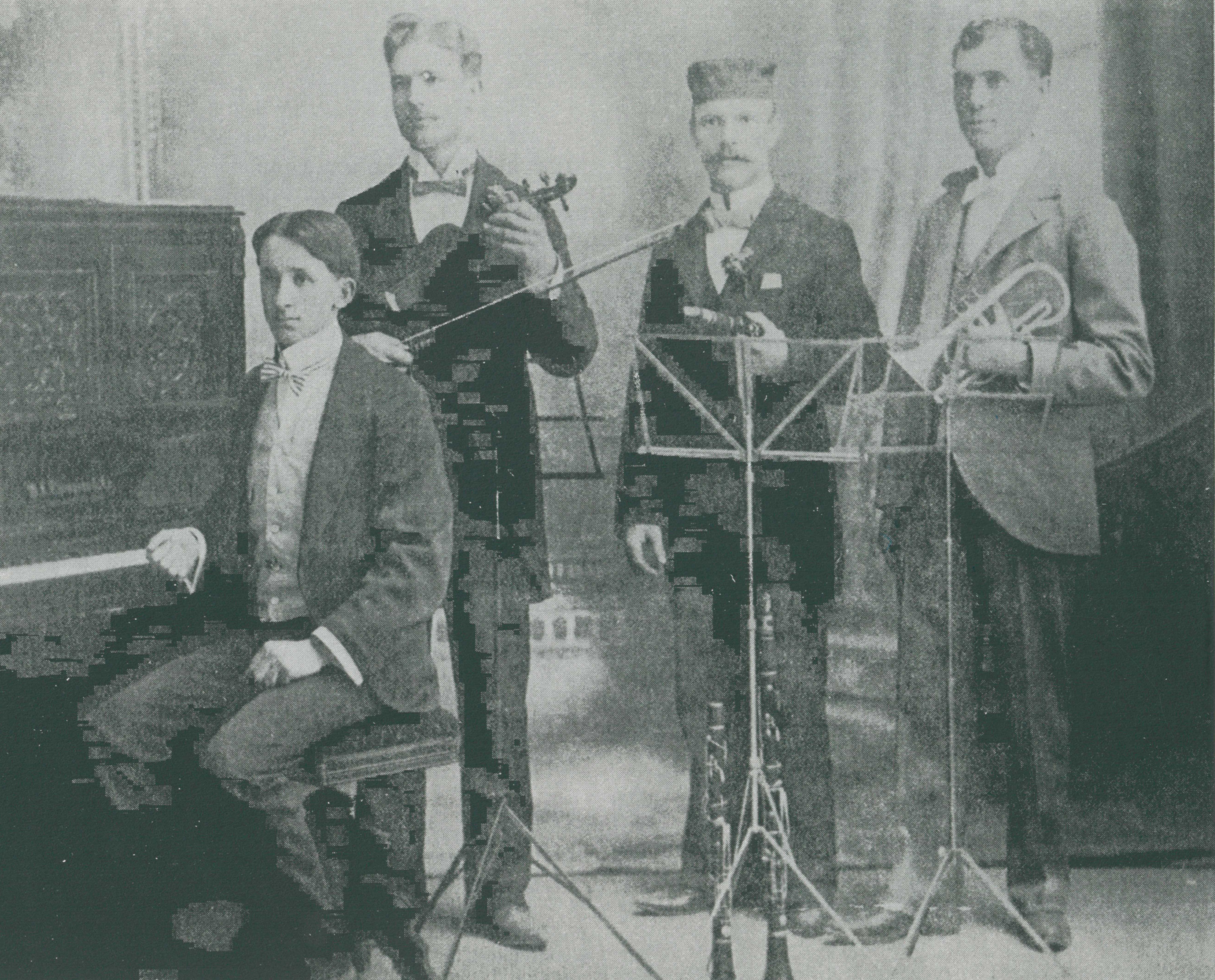
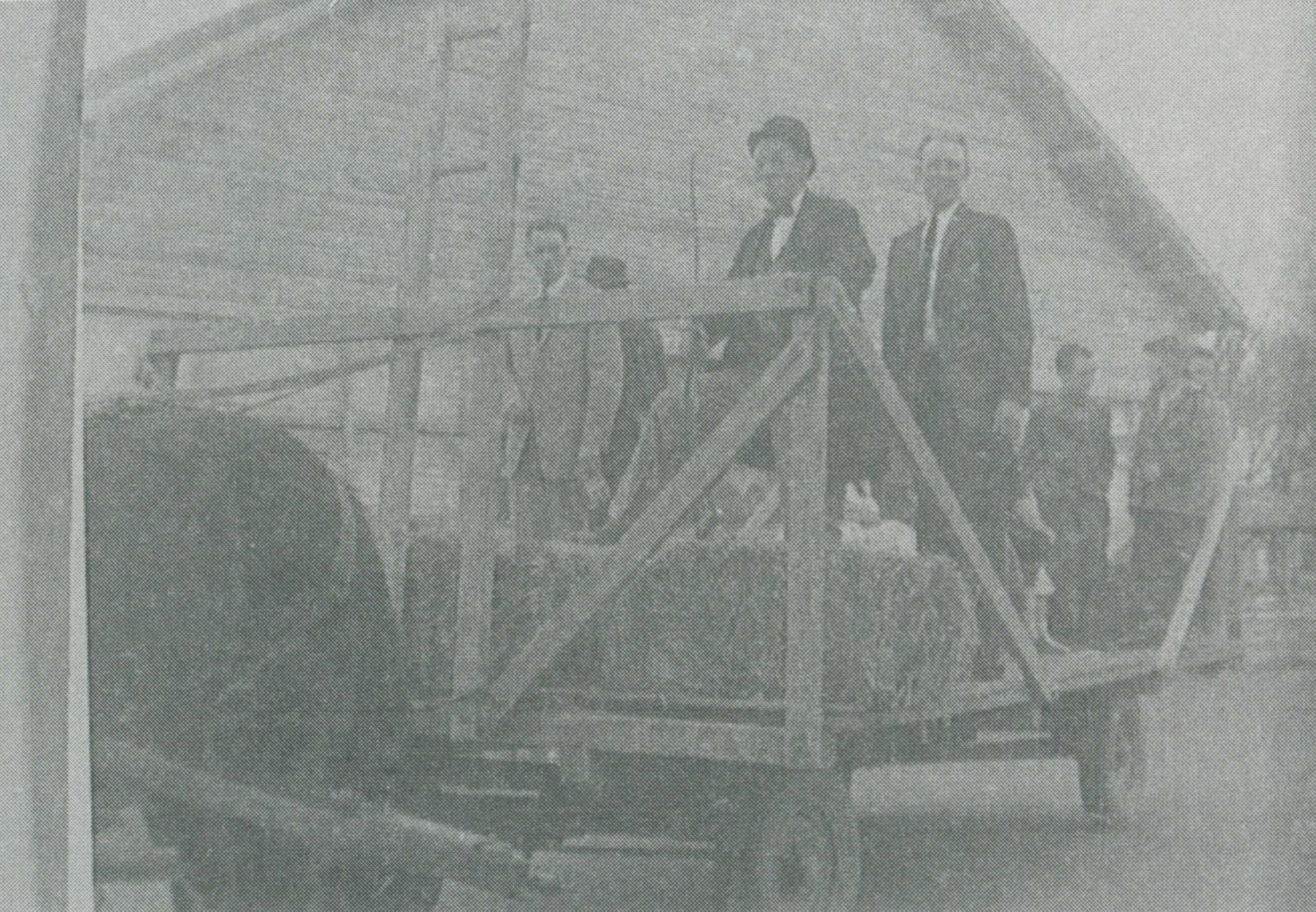
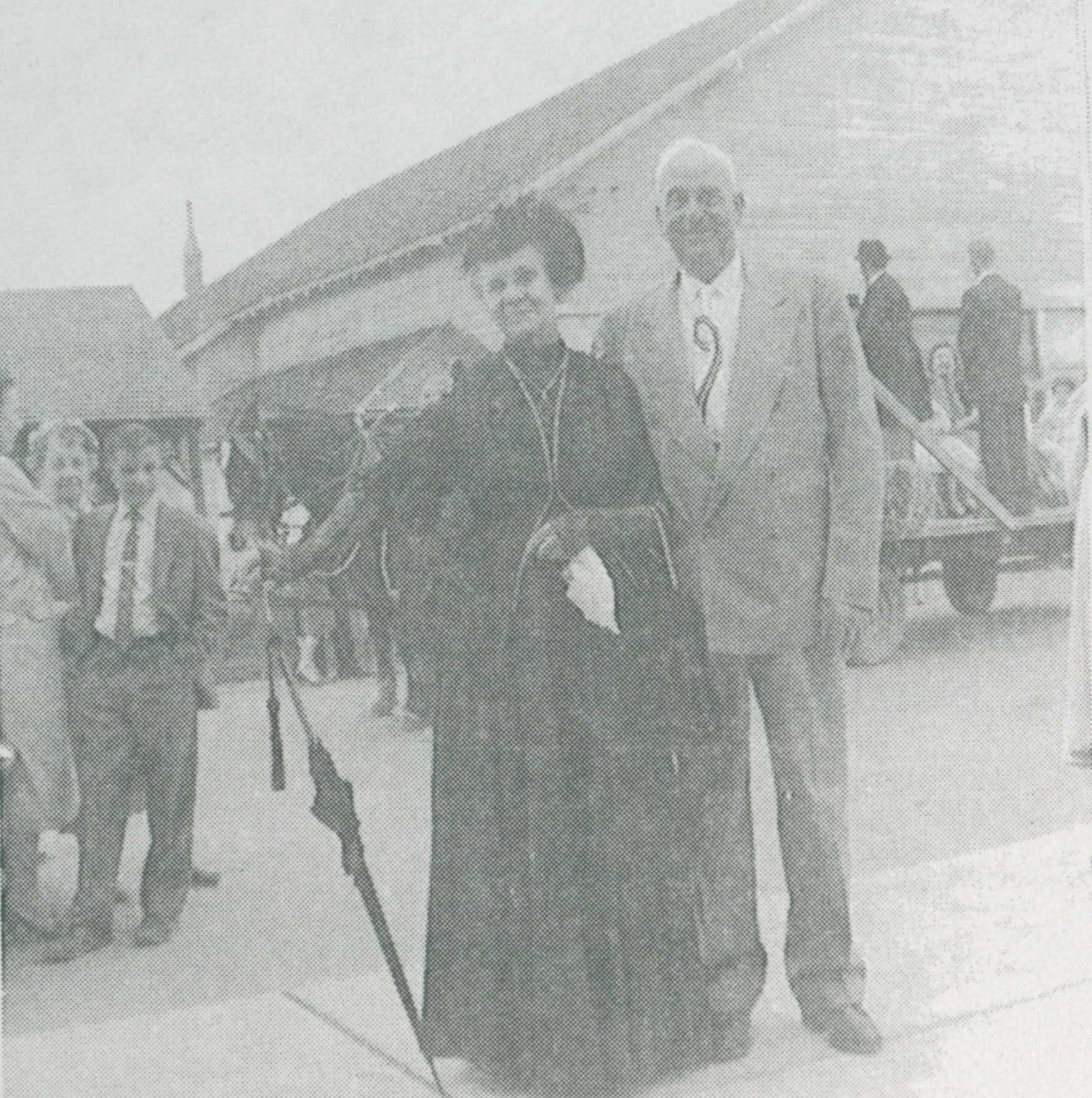

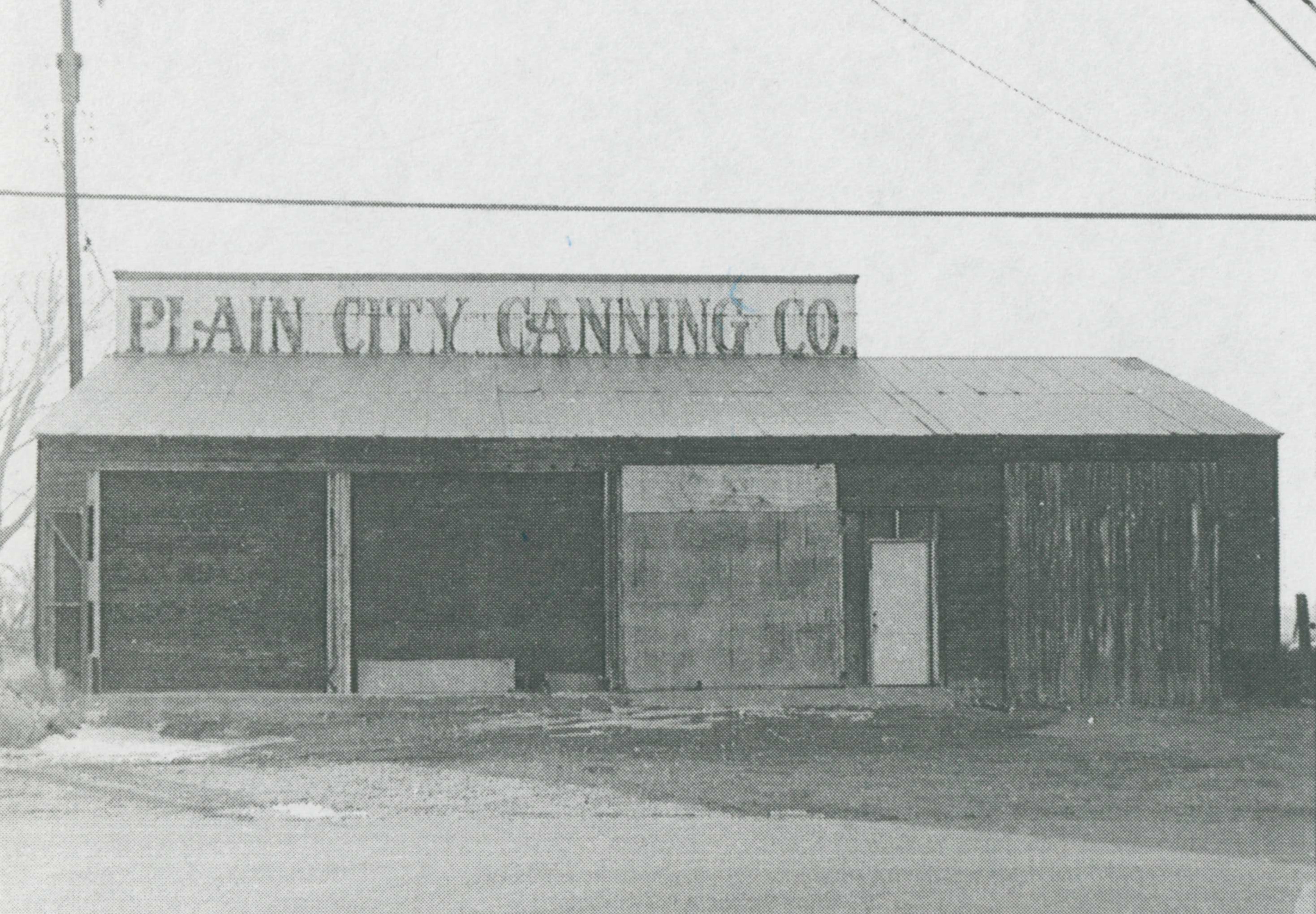

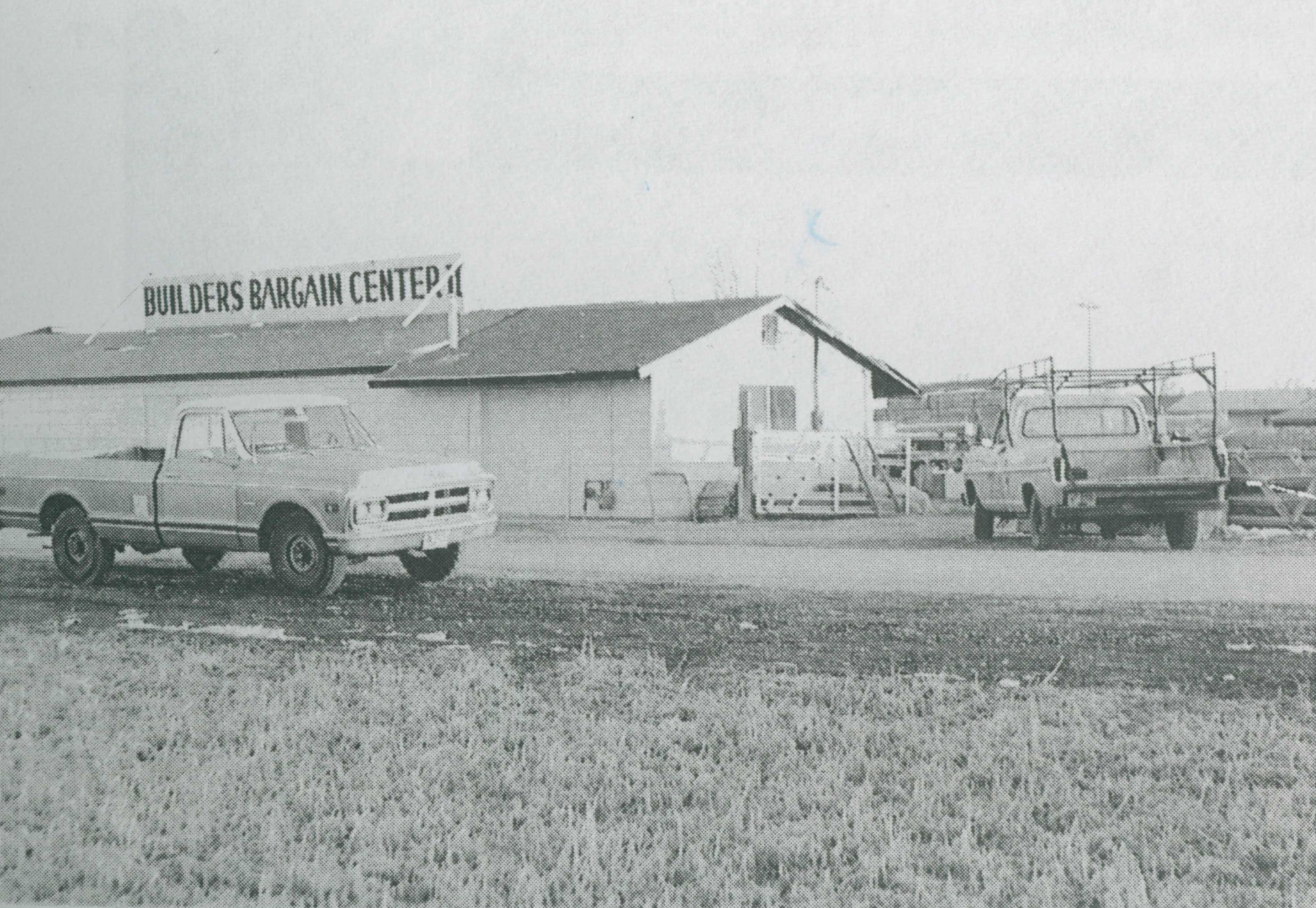


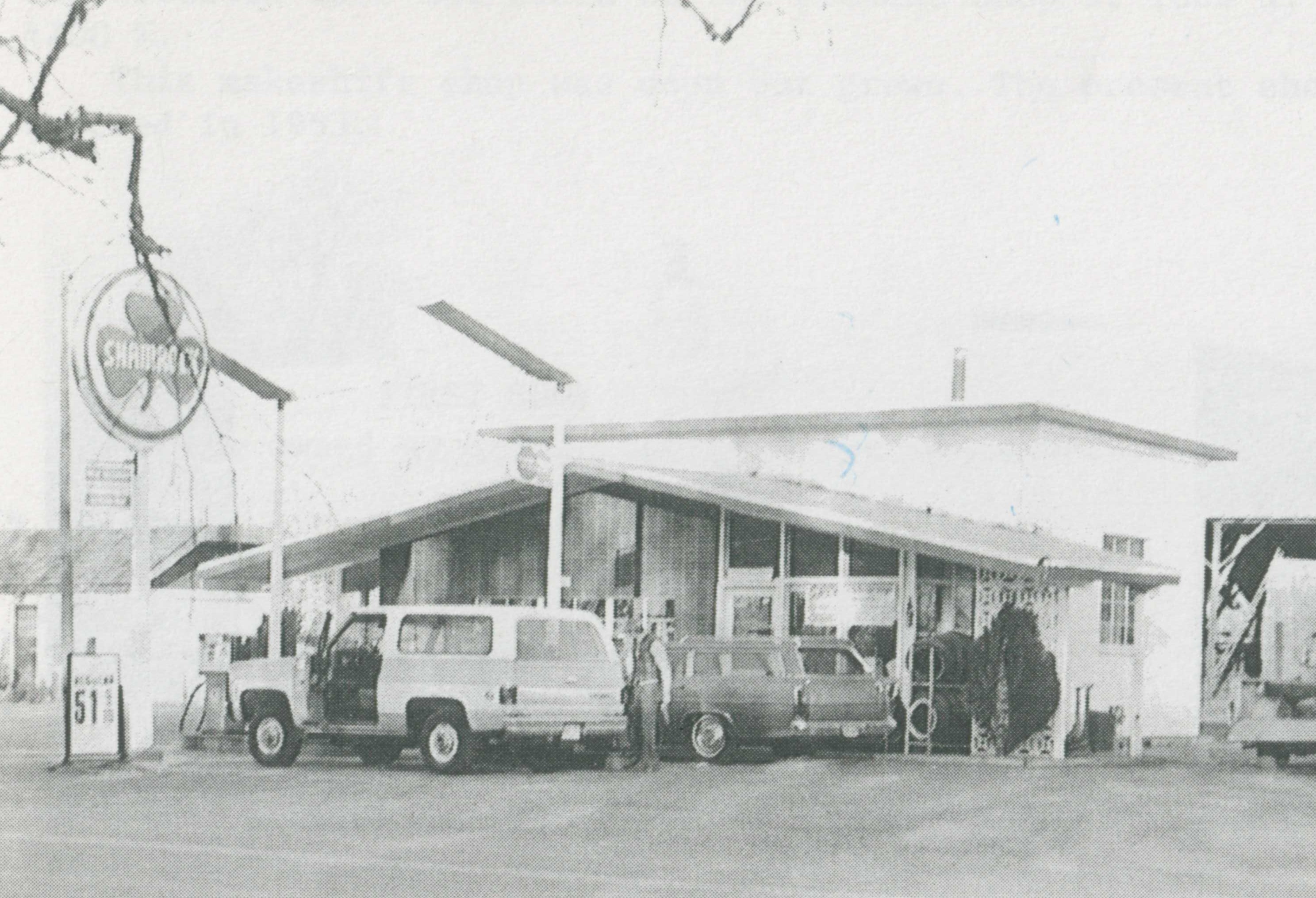

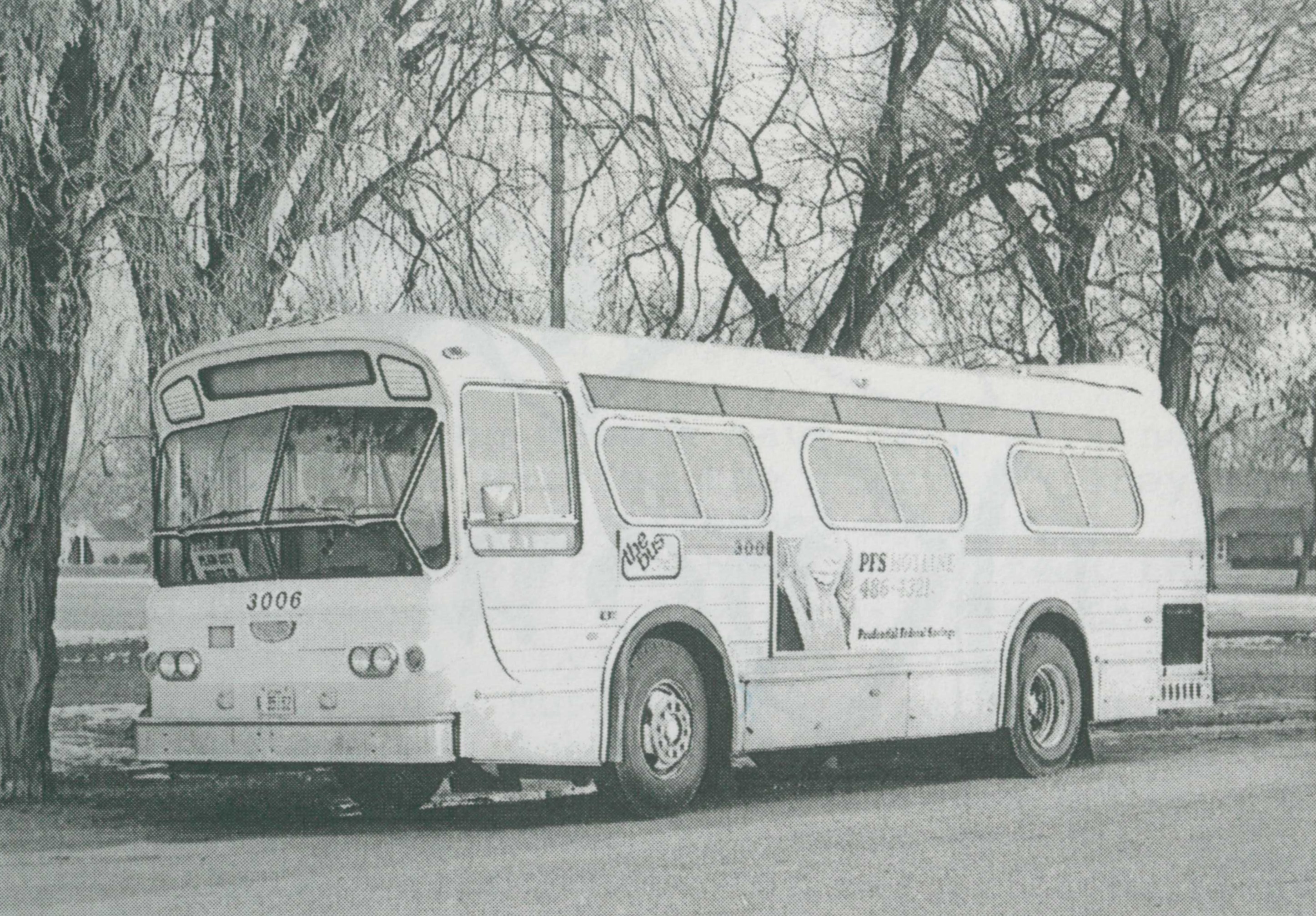
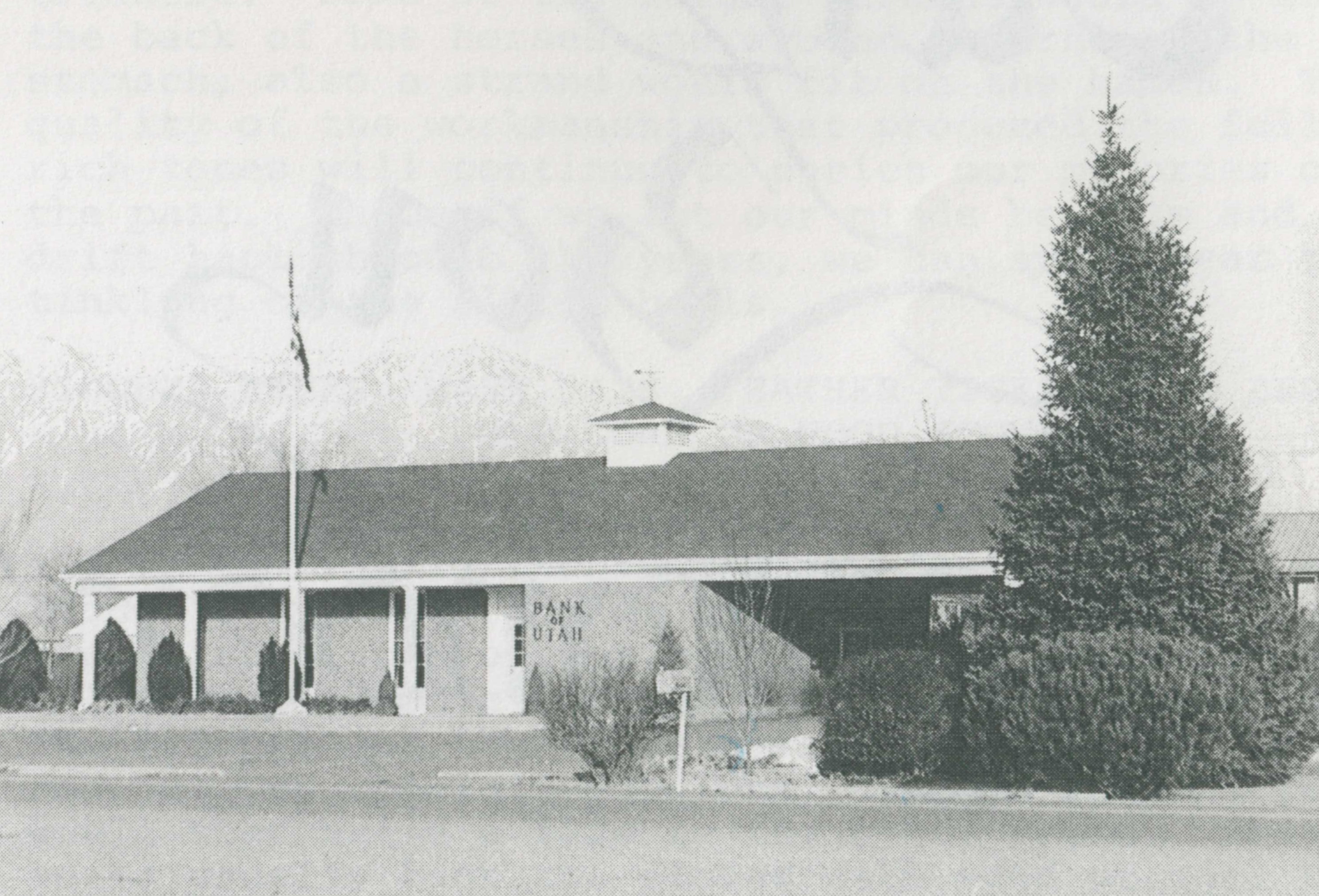


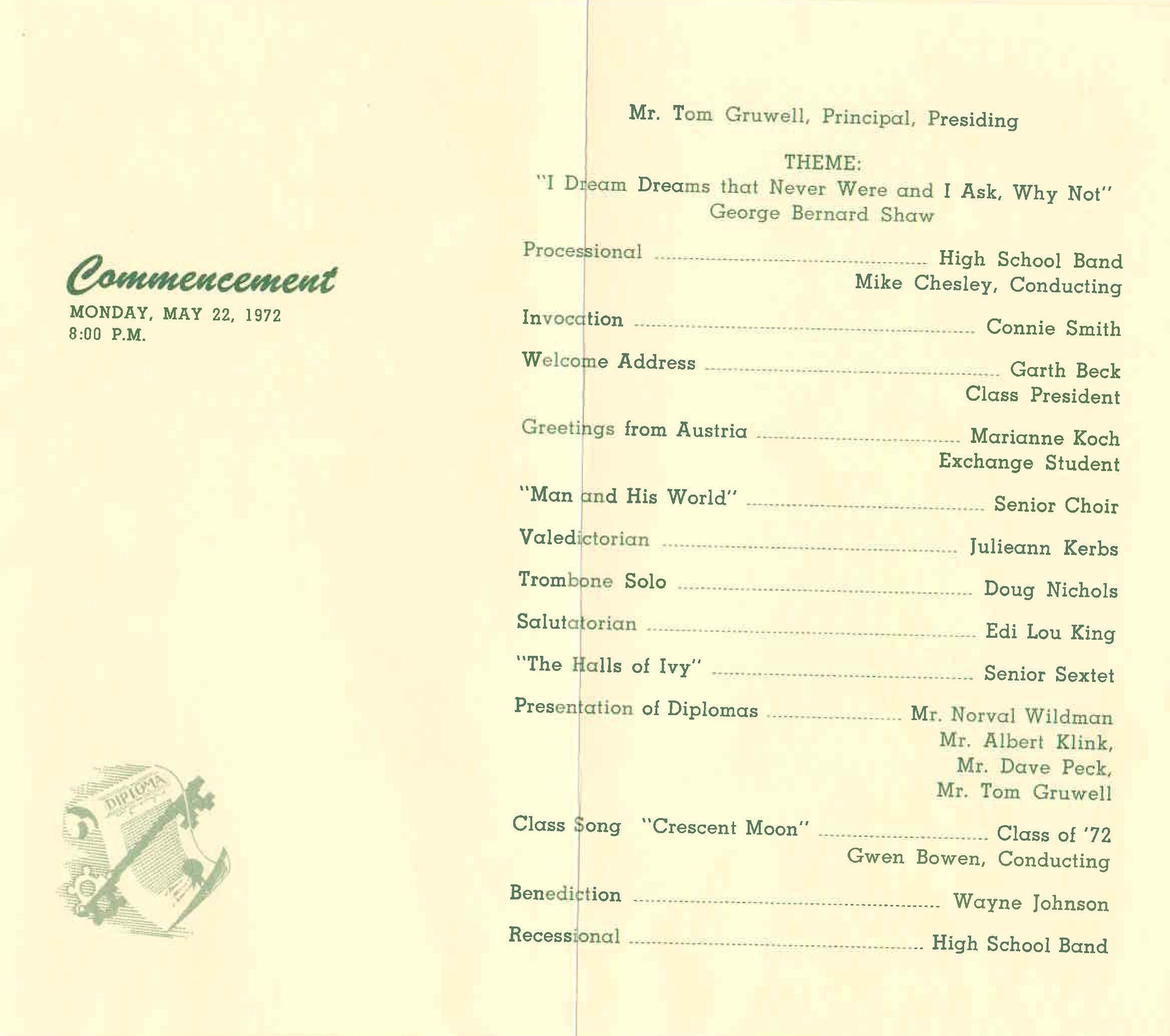
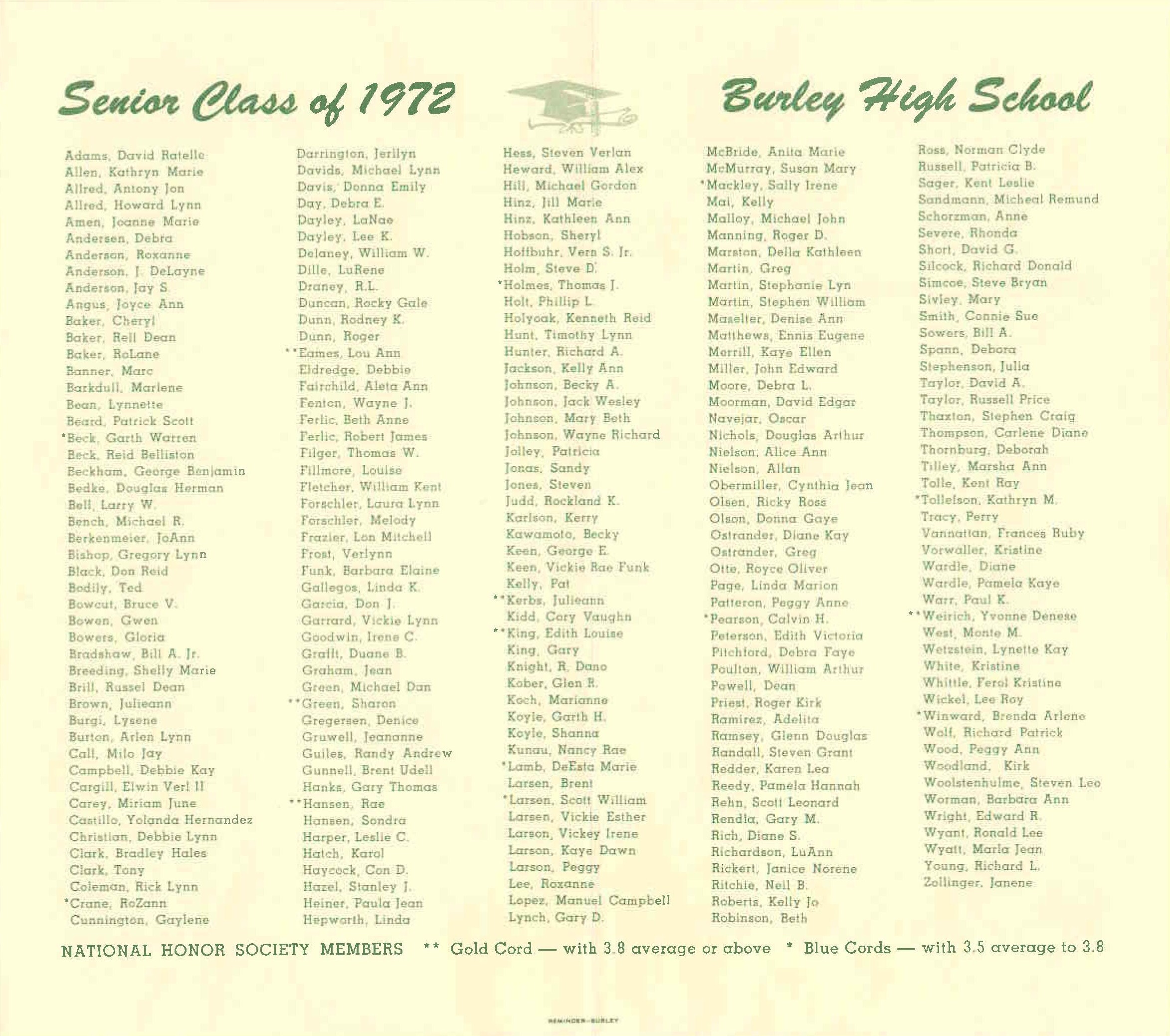
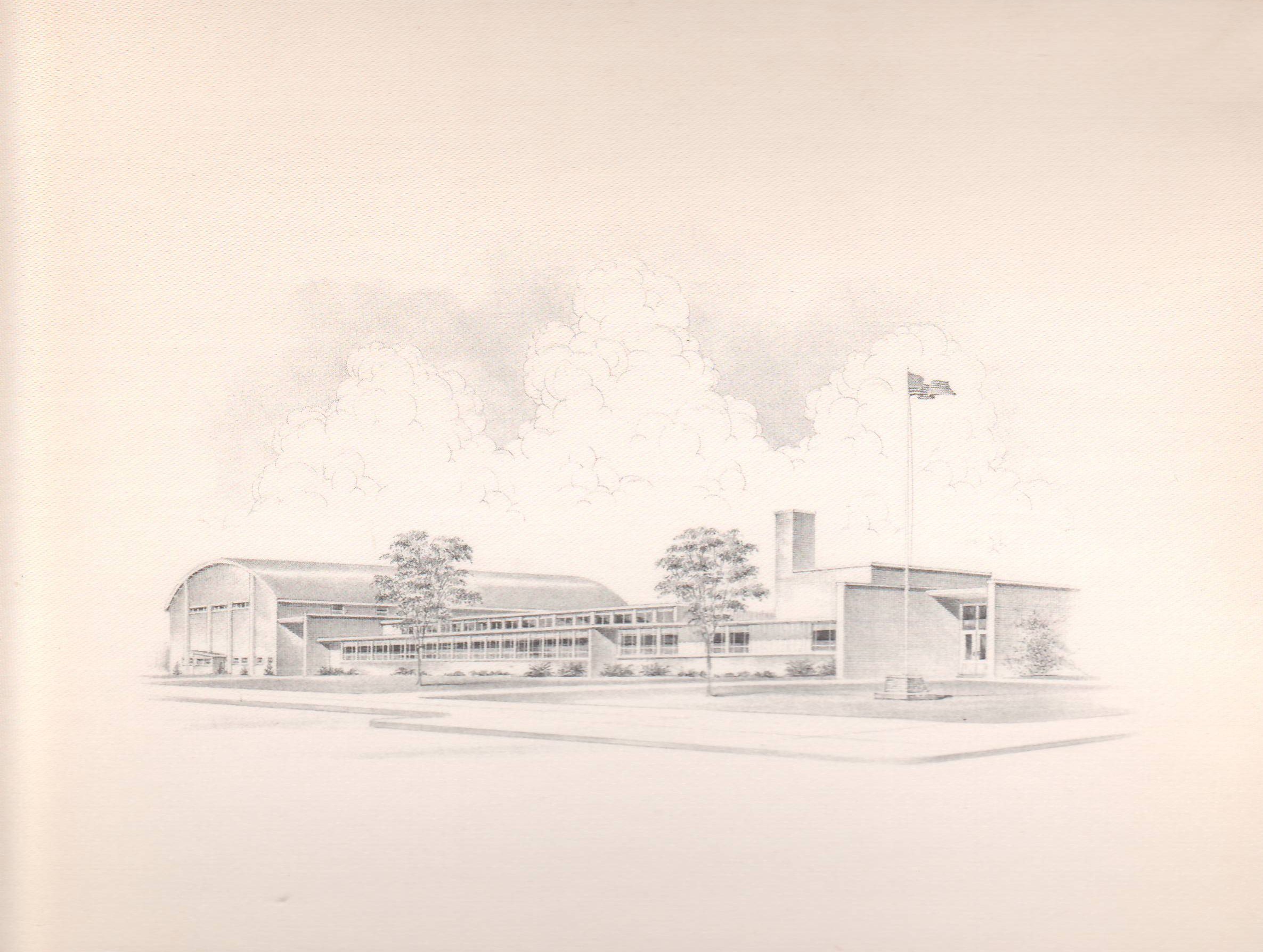


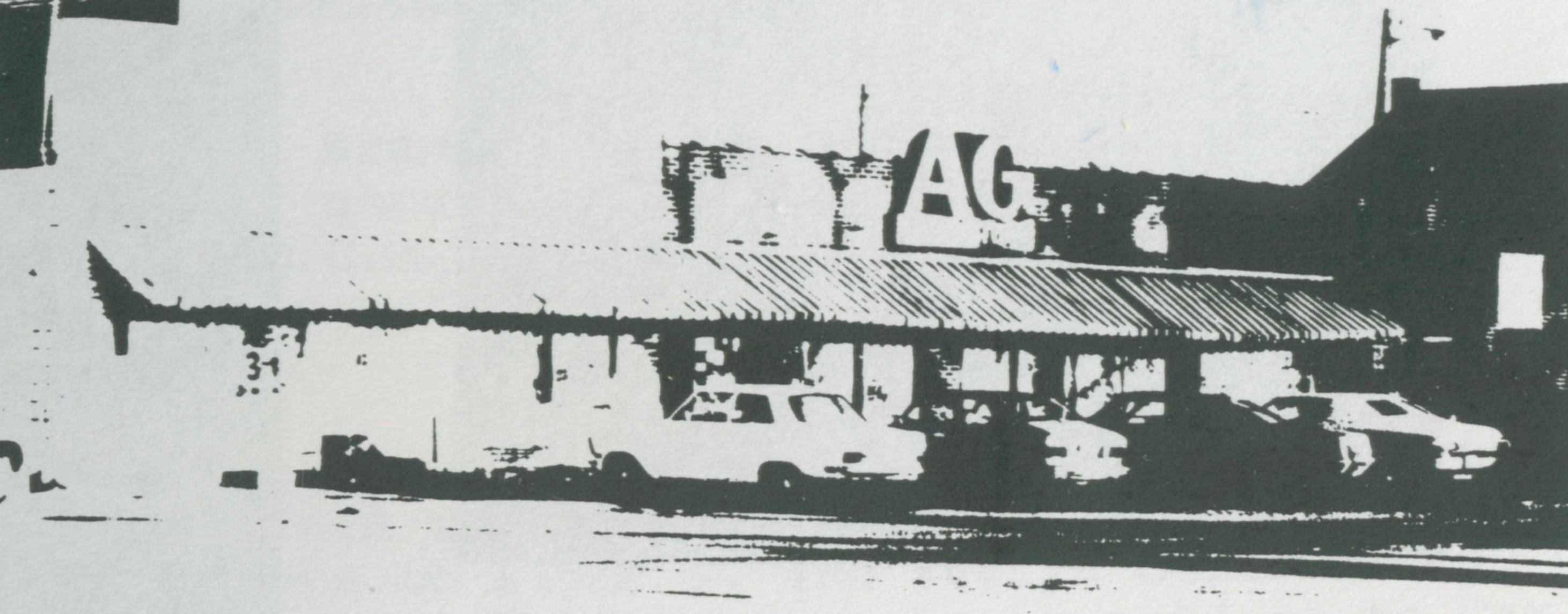


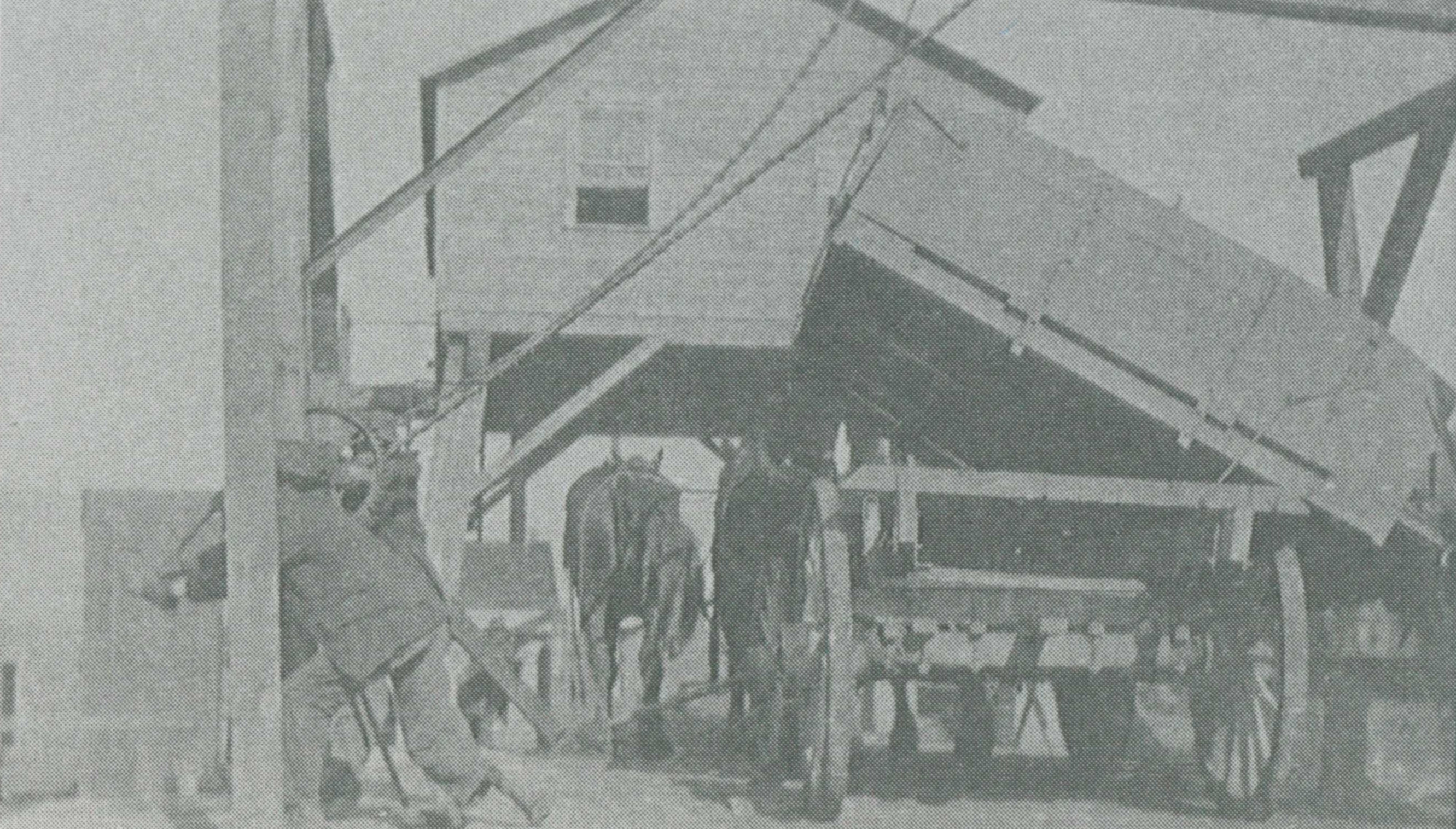


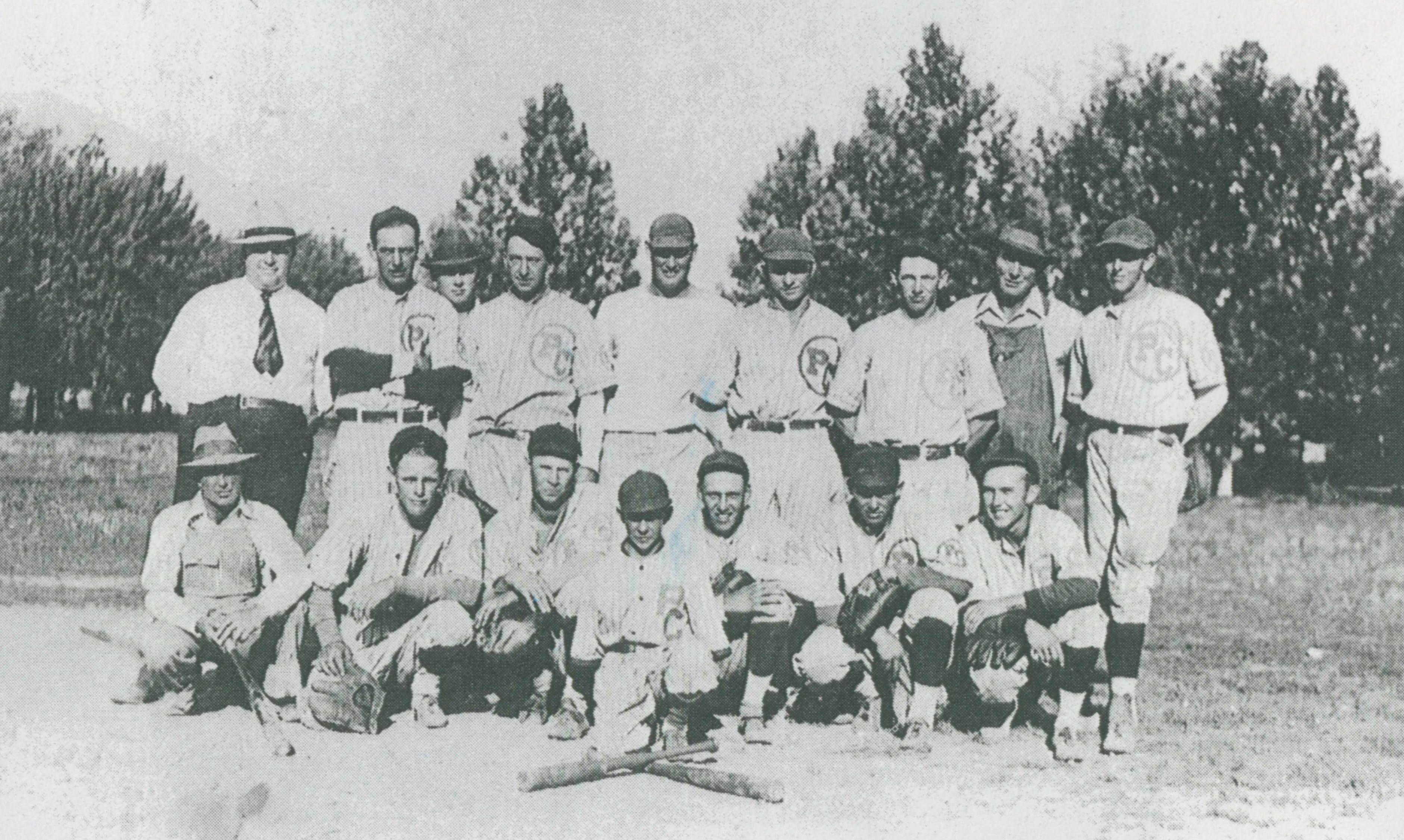


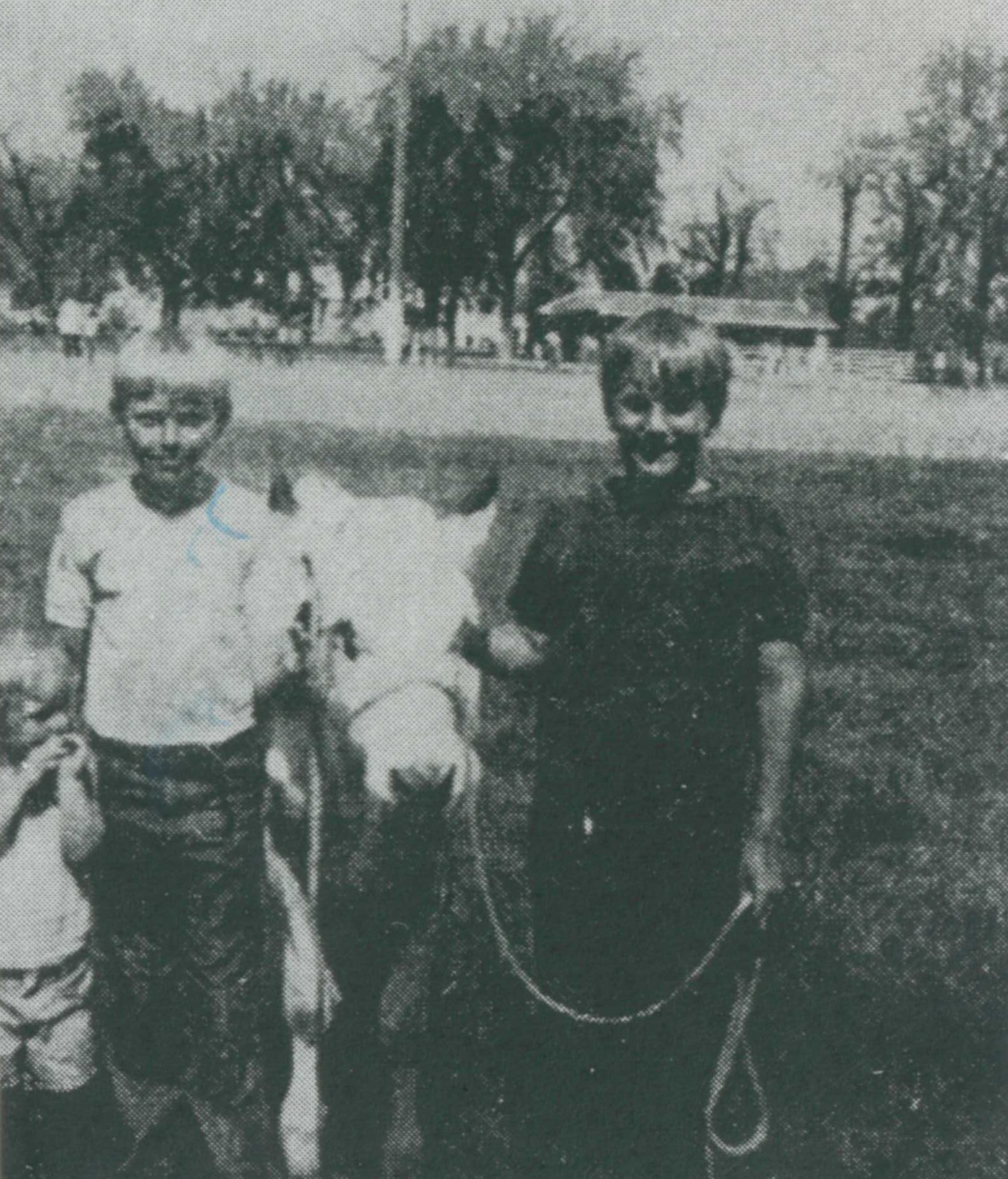


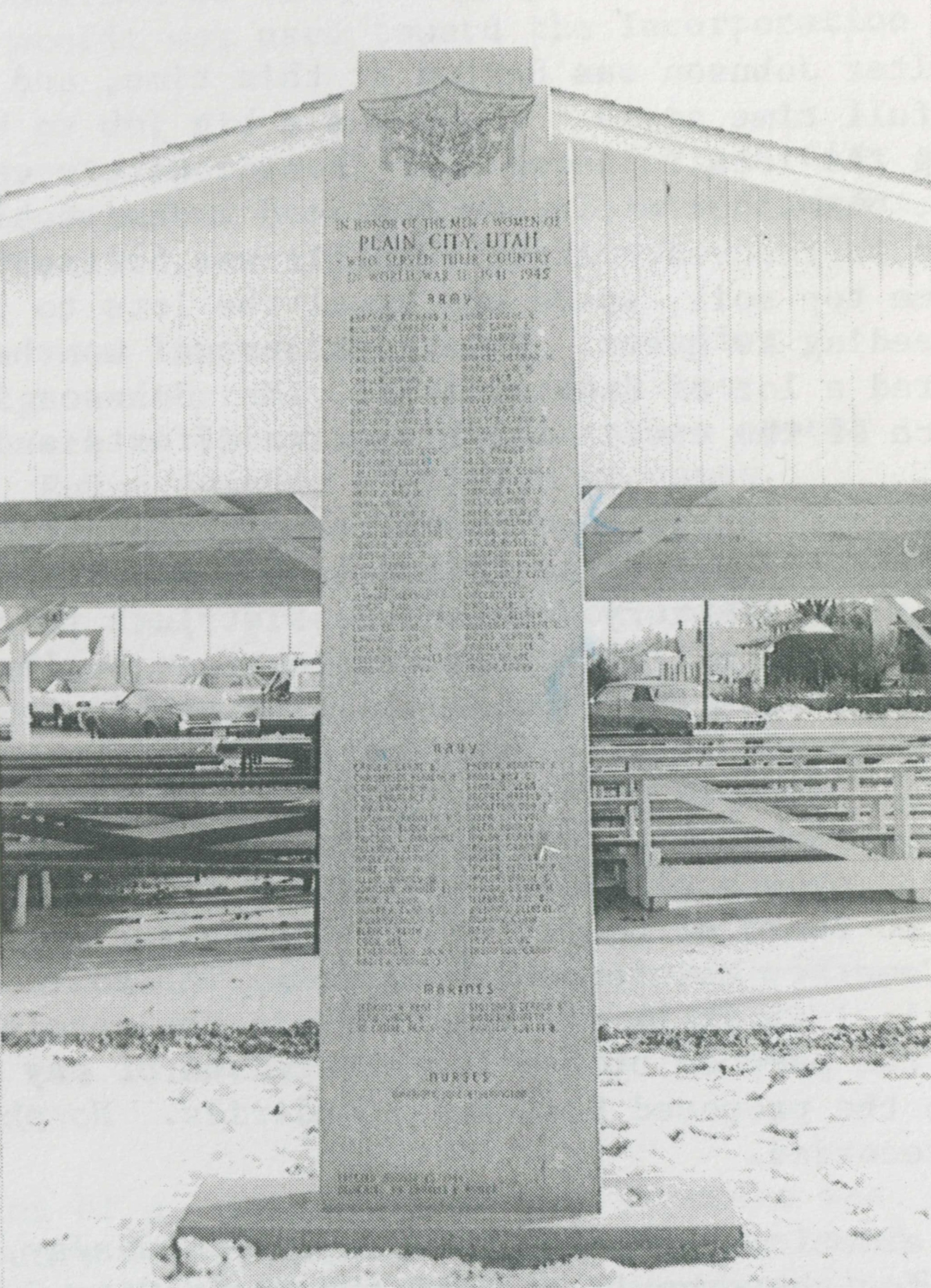


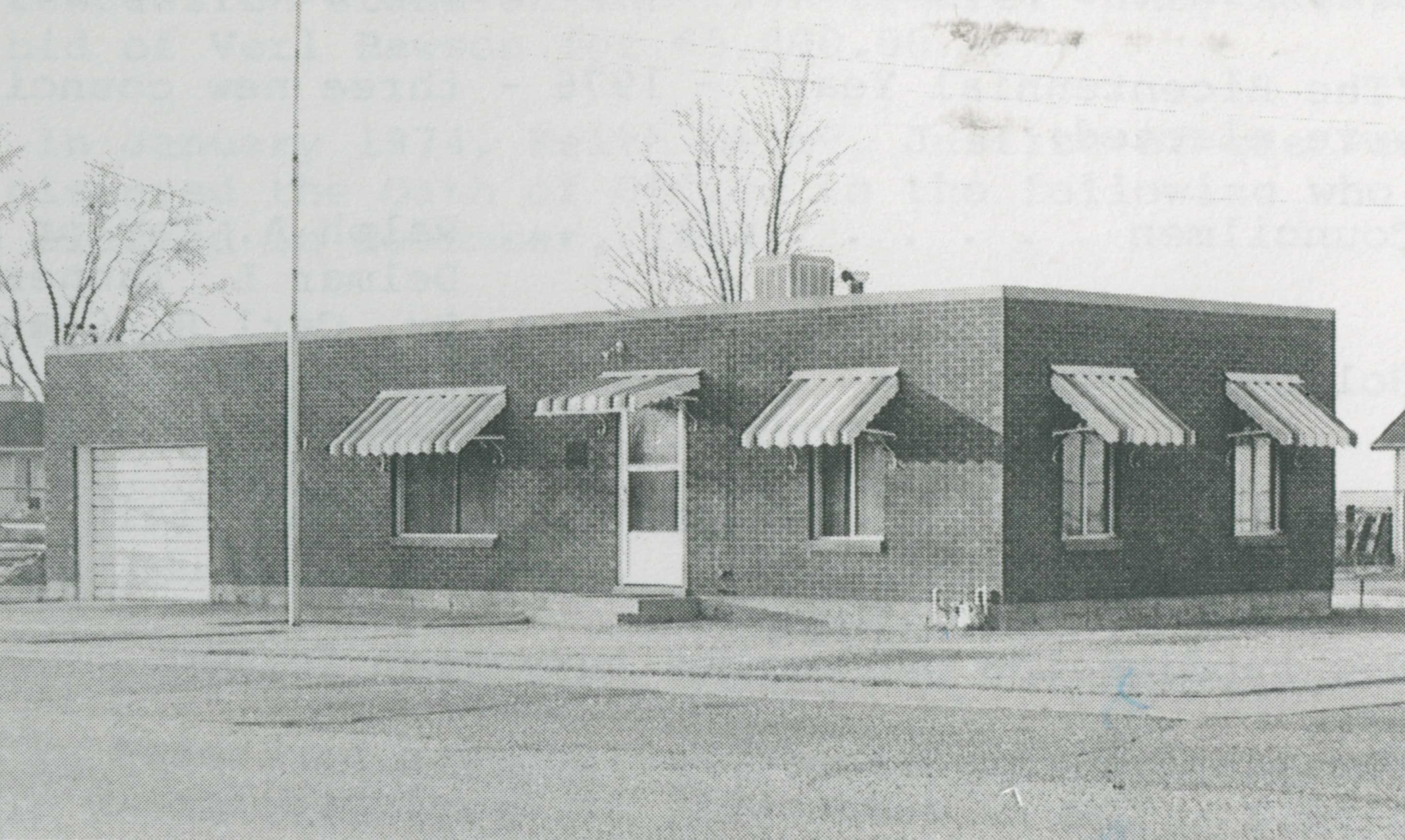
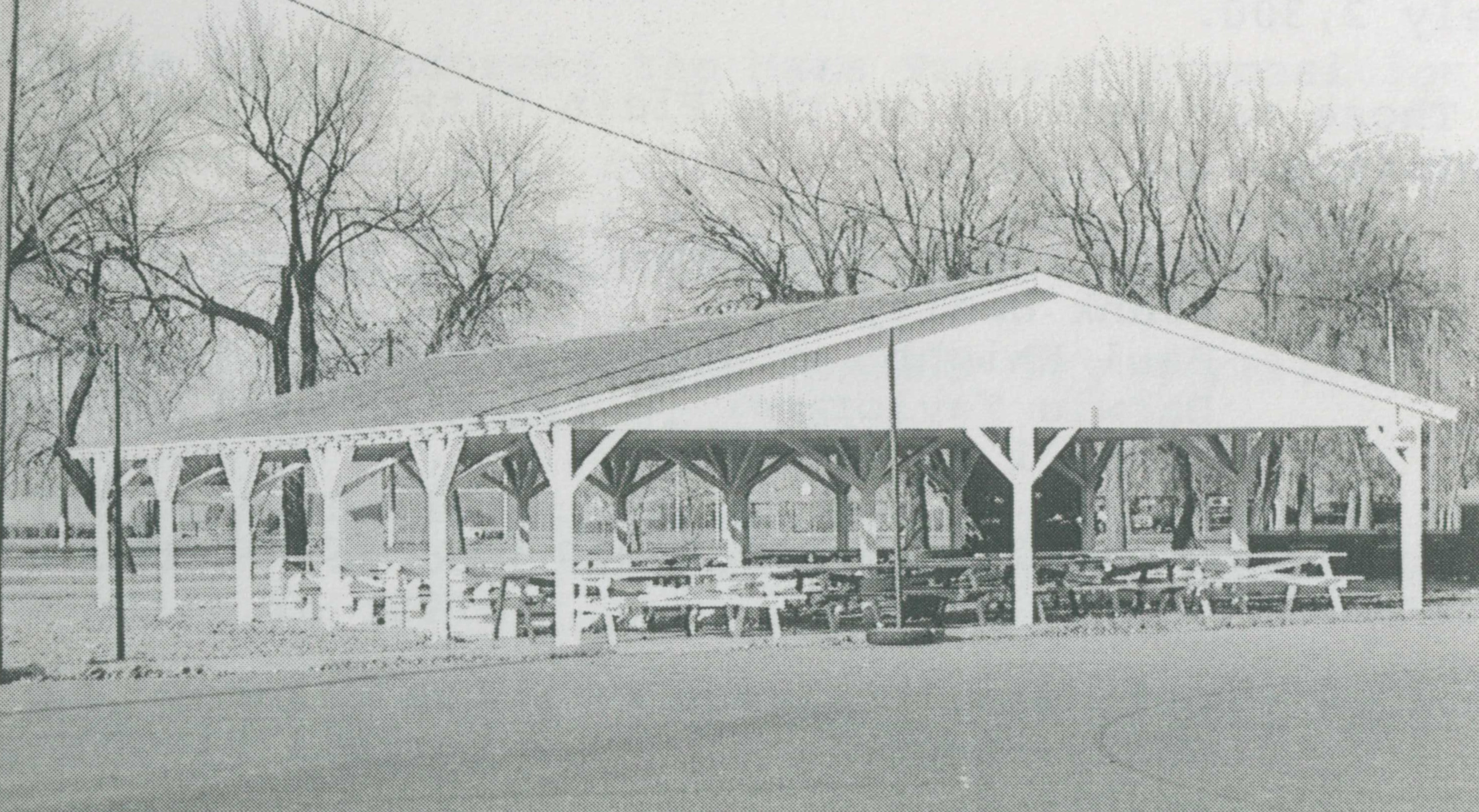

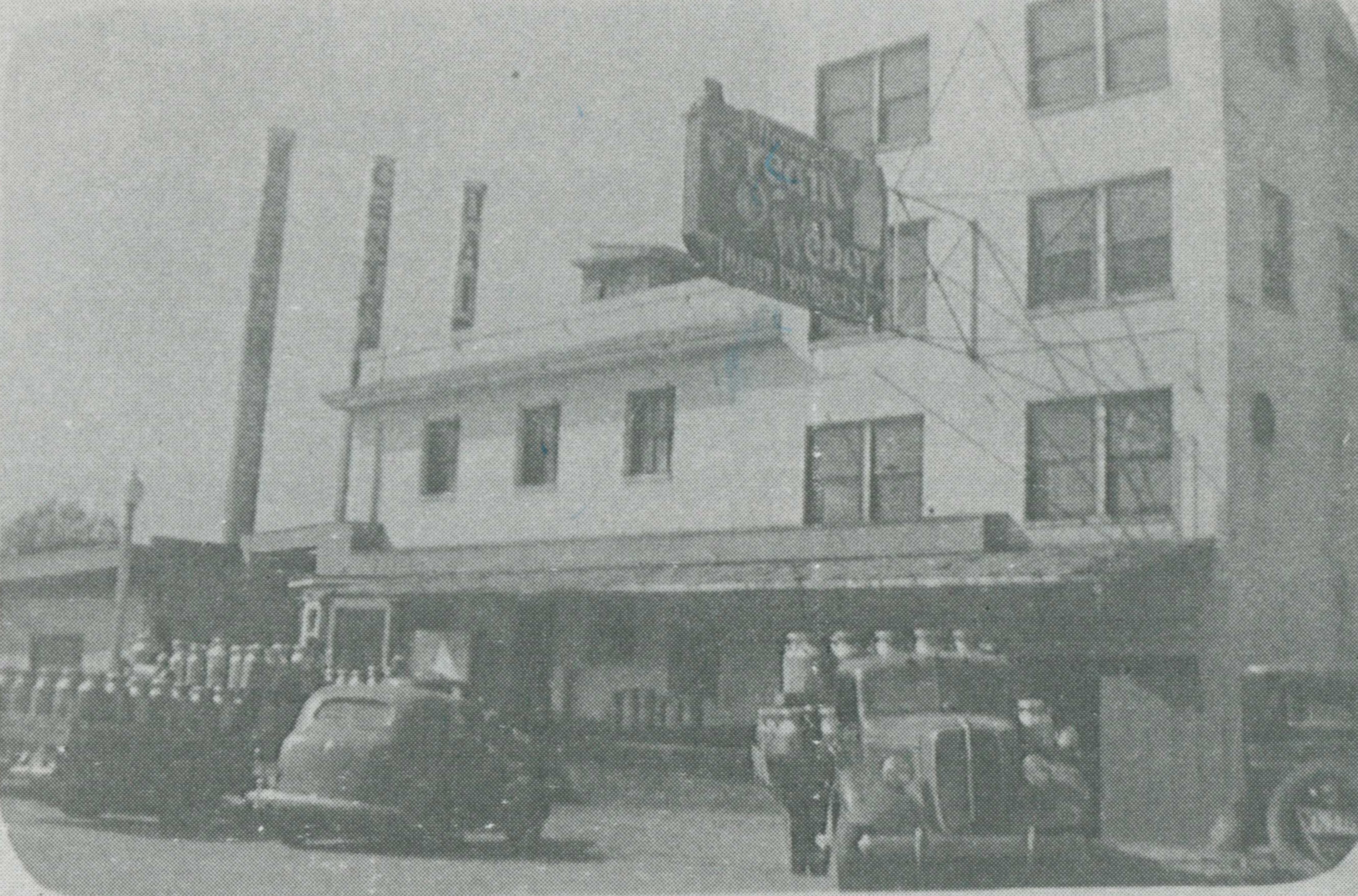
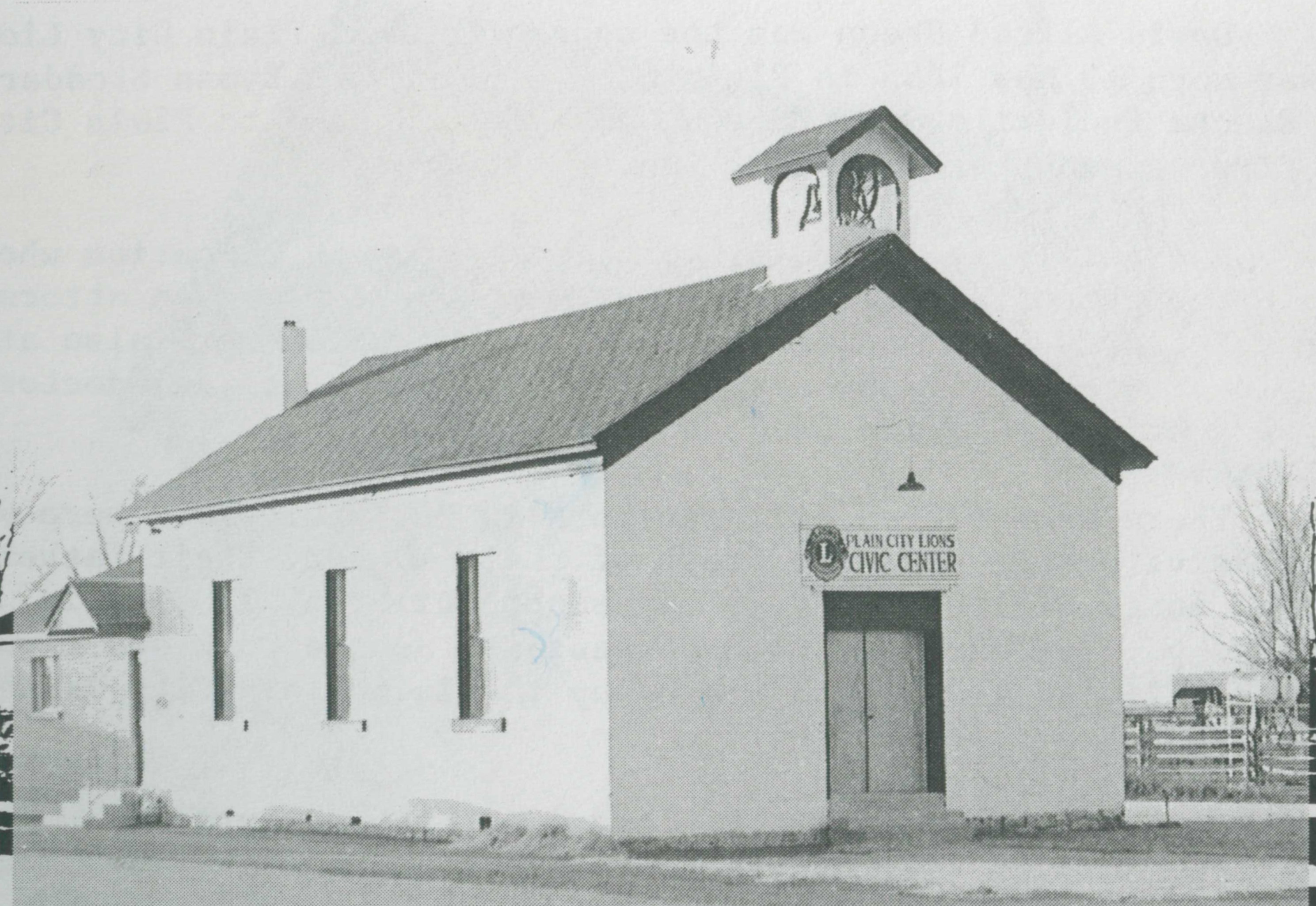


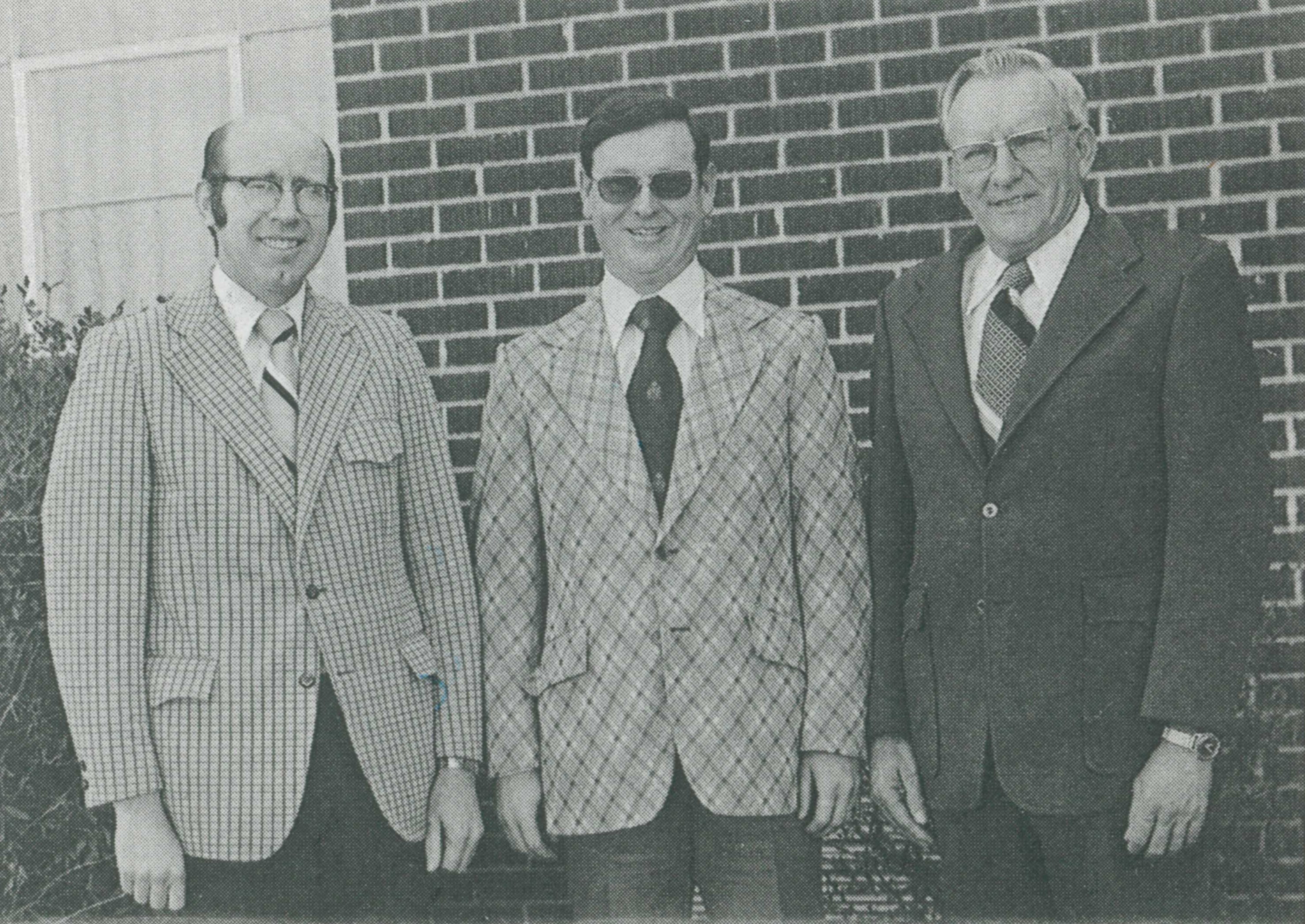


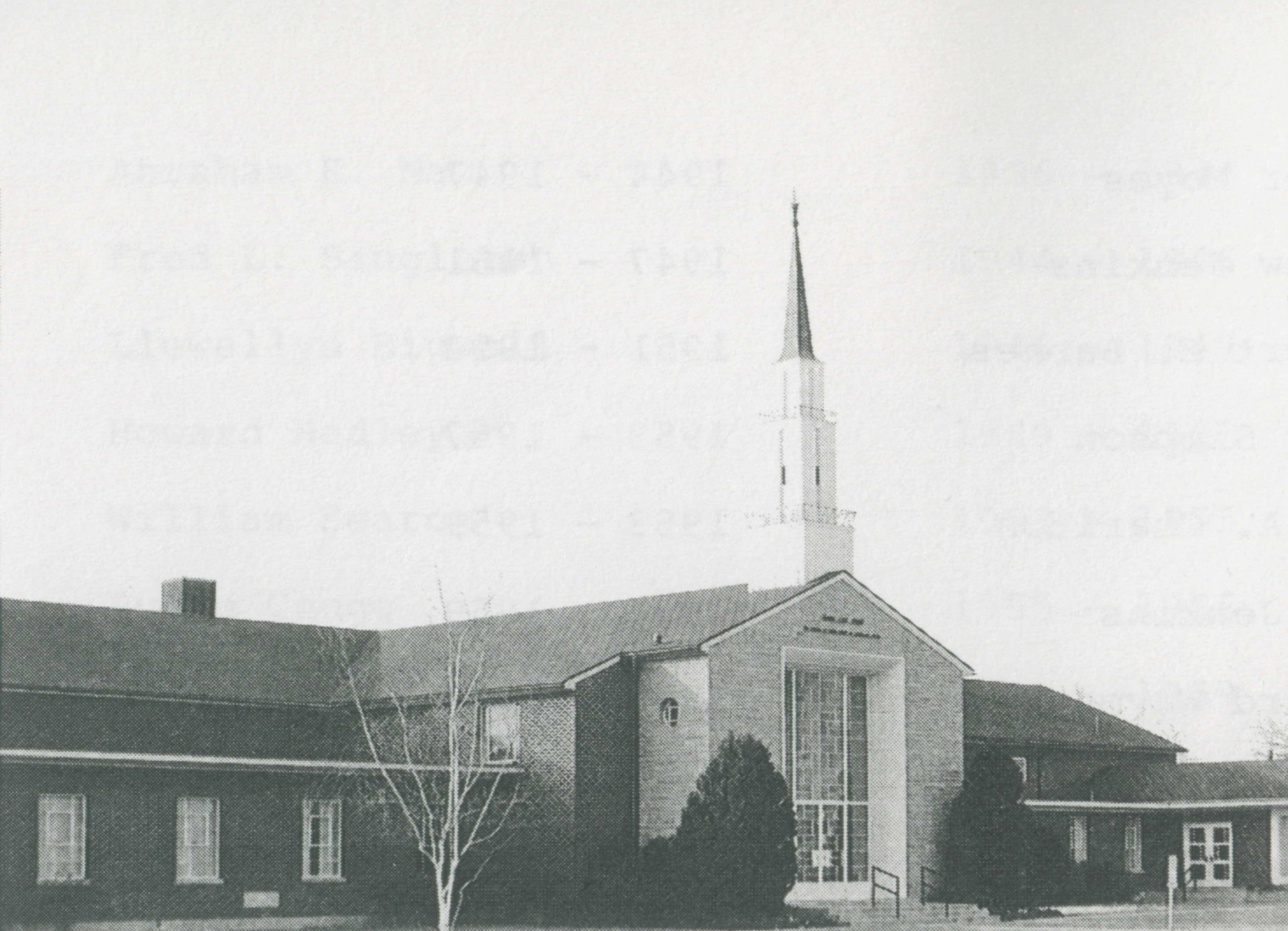


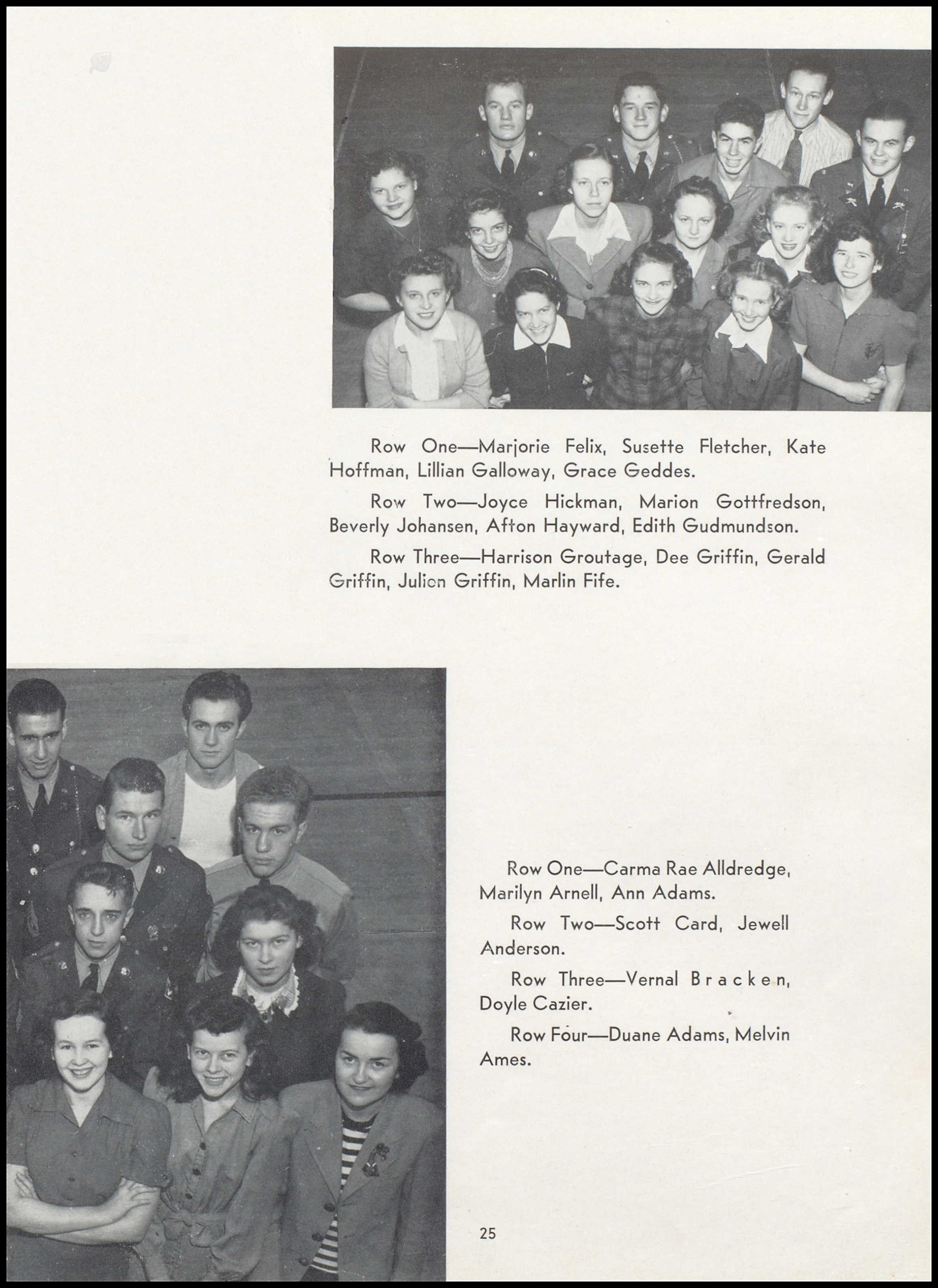


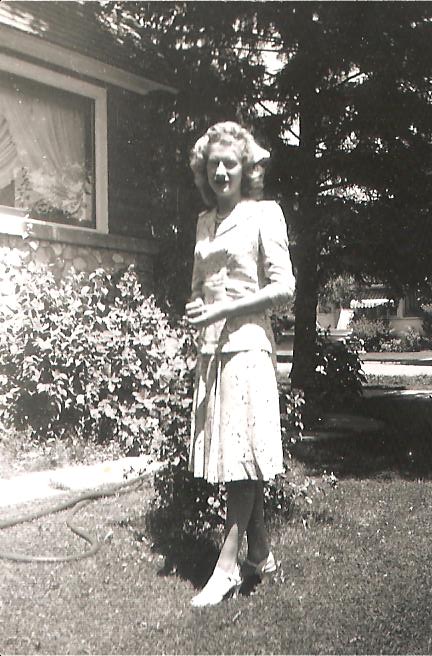






 Sagacity