Some Early Settlers from Lehi to Plain City, Utah

A Personal Note

This document found its way into my family history files for good reason. Settler no. 68 — William Sharp (1825–1900) — is my ancestor. William was born 10 December 1825 in Misson, Nottinghamshire, England. He married Mary Ann Padley and the couple crossed the plains in the Moses Clawson Company, arriving in Salt Lake City on 15 September 1853. They went first to Lehi, but as the Plain City History records, “the land was not too good and there was no good grazing for their cattle.” They consecrated their Lehi property to the Church on 8 January 1857 — the same day as William Clark himself — before joining the group that would found Plain City.

The Daughters of Utah Pioneers history of Plain City describes William Sharp simply as “the first stone mason in Plain City.” That understates it considerably. He built the Episcopal Church in 1877, the old Singleton home, and Robert Maw’s adobe house — that last detail connecting two Lehi consecrators (nos. 68 and 47) in the work of building their new community. He played the cornet in Plain City’s first band alongside Abraham Maw. He made adobe bricks with Joseph Skeen, Joseph Robinson, and Jeppe G. Folkman — all men who appear on Clark’s consecration list. He worked with Thomas Singleton constructing many of Plain City’s early houses. His daughter Victorine Mary Sharp married Robert Edward Maw, connecting the two founding families by marriage as well as by community. His son Milo Riley Sharp played first base on Plain City’s founding baseball team, and Milo’s wife Lillie Stoker Sharp performed in Plain City’s second dramatic association. Milo served as school trustee beginning in 1897. Across generations, W. Albert Sharp served as a founding trustee of both the town board and the cemetery district when Plain City incorporated in 1944.

The Sharps were not alone in making that journey north from Lehi. The consecration list reads almost like a founding roster for Plain City — and the primary sources confirm it. Robert Maw (no. 47) left his own first-person account: “I Robert Maw, say that I was one of the first pioneers who came to Plain City on March 17, 1859. We left Lehi on the 10th of March.” The fall 1858 scouting party that selected the Plain City site included Daniel Collett (no. 14), Joseph Skeen (no. 69), William Wallace Raymond (no. 64), Joseph Robinson (no. 67), Joseph Folkman and Jeppe Folkman (no. 28), and Thomas Ashton — men who had consecrated their Lehi properties just months before. When Plain City Branch was organized in May 1859, William Wallace Raymond was appointed the first Presiding Elder, with Daniel Collett and Jeppe G. Folkman as counselors. Joseph Skeen — who built Plain City’s first log cabin and is credited with introducing adobe making to Utah — was appointed the first water master. His wife Alice Booth Robinson was recorded as the first white woman to set foot on Plain City soil.

Jeppe Jorgen Folkman (no. 28) managed Plain City’s cooperative ZCMI store from its founding in 1869 and operated one of the settlement’s first stores from his home. The Folkman family remained central to Plain City’s commercial and civic life for generations. Robert Maw (no. 47) founded the Maw family line in Plain City — his descendants produced three generations of ward bishops, a commercial dynasty in the Maw store and canning operations, and civic leaders serving on the town board and irrigation company board well into the twentieth century. William Van Dyke (no. 78) operated one of Plain City’s earliest merchant stores, confirmed as a living pioneer at the 1909 50th anniversary celebration. The Raymond family (nos. 63–64) provided the first Presiding Elder, first Relief Society president, and LDS Sunday School assistant superintendent.

The Lehi fort of the 1850s was, in a very real sense, the nursery of Plain City. Clark’s consecration list and the Plain City founding history are two windows into the same group of people, two years apart.

The following is a transcription of Clark’s paper, with the three original images and footnotes collected at the end.

Wayne E. Clark, a Lehi native and retired Auburn University professor of entomology, spent years examining the consecration deeds signed by early Lehi settlers, comparing them against Utah County property records, the 1860 Federal Census, Sanborn Fire Insurance Maps, and family history sources. His 2017 paper, part of the Wayne E. Clark Collection at the Lehi Historical Society and Archives (lehihistory.com), has been cited by the University of Utah’s Century of Black Mormons project and published in the Lehi Free Press. The underlying deeds are held in the Utah County Office of Land Records and at the BYU L. Tom Perry Special Collections.

Early Mormon Settlers in Lehi, Utah Territory, Consecrated Their Properties to Their Church

Wayne E. Clark
Lehi, Utah, 2017

The Lehi Pioneer Monument was erected in 1908 on the Northeast corner of First North and First West Streets in Lehi, Utah. A photographer pointing his lens toward the Southeast captured a portion of a small adobe home in an early photograph of the monument. That home stood on First North Street on the block on which the Lehi Memorial Building would come to stand in a few years. In pioneer times the block on which it stood was the northeastern-most of sixteen city blocks that were enclosed within a twelve-foot-high mud wall erected as protection against the fear of hostile Indians. The monument was constructed on the site of the last crumbling remnants of the old wall.

Things have changed in Lehi since the little adobe home stood across the street from the monument. The wall is gone and forgotten. The old Lehi High School/Junior High School athletic field that came to occupy the site on which the monument and the adobe house in the background is gone, if not entirely forgotten. Instead of the athletic field, chairs and umbrellas surround a small wading pool on a deck that extends south of the swimming pool that’s part of the large Lehi Legacy Center complex on the ground on which the monument stood, and a large parking lot covers the ground on which the house once stood. Today, if one stands on the spot where the photographer stood in 1908, or some time not long afterward, automobiles that carry people to and from the Lehi Legacy Center occupy a prominent portion of the scene. The Memorial Building can be seen along the photographer’s line of site in the background.
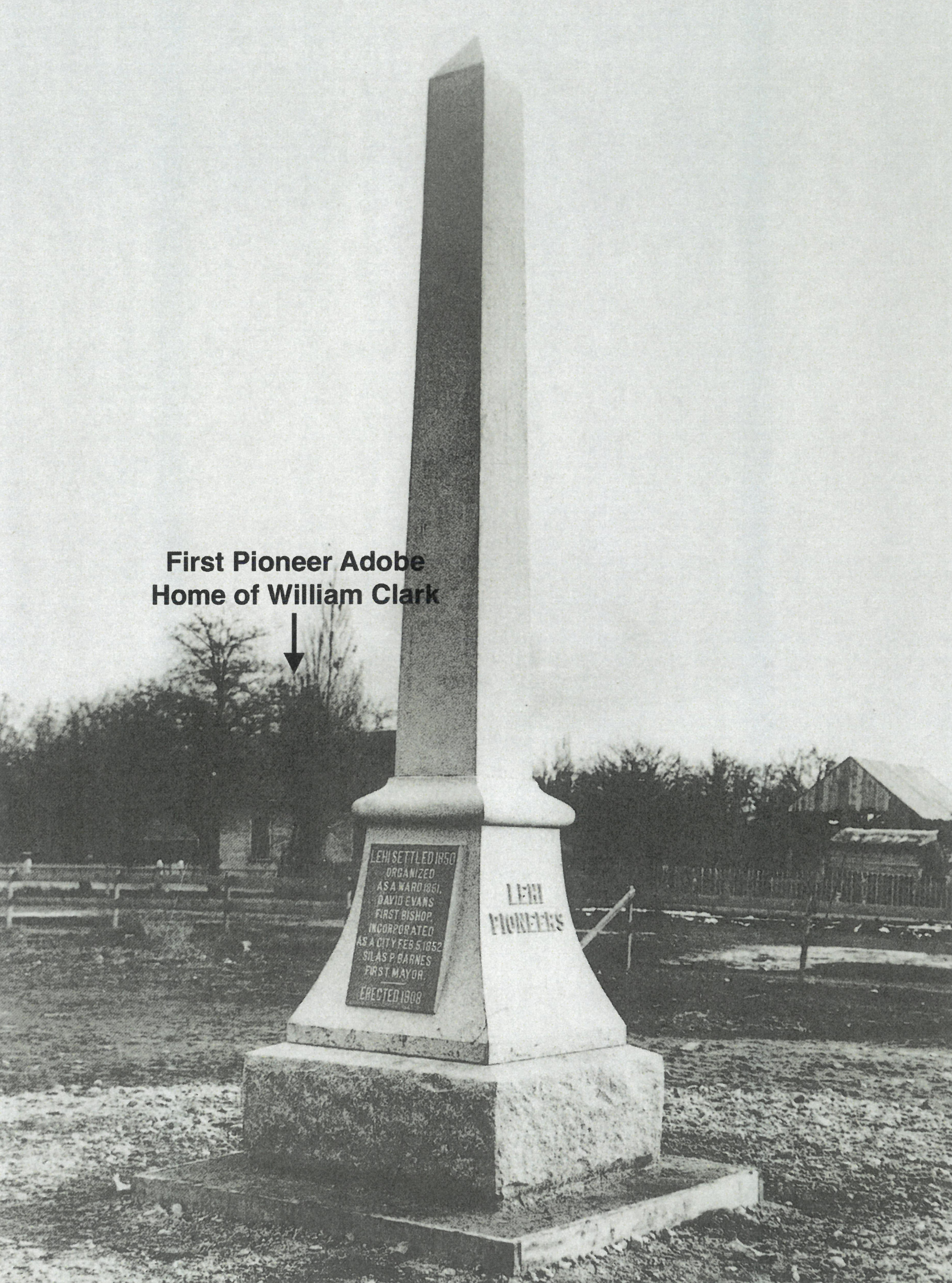
The owner of the home was my second great grandfather, English Mormon immigrant William Clark (1825–1910). He and at least 84 other heads of families in Lehi did what he did between 11 April 1856 and 30 January 1858. A little more than three years later he consecrated his little adobe house to the church.

Feramorz Young Fox provides an explanation of the “Consecration Movement” of the 1850s.2 He writes that the movement was church-wide. Hundreds of documents he calls “deeds of consecration” were generated in the Utah Territory between 1855 and 1862.3 The first public announcement of the Consecration Movement was given at general conference in April 1854, but the implementation was delayed until a proper form compliant with the laws of the Territory could be developed and printed. He writes that Brigham Young’s consecration deed4 is dated 11 April 1855, but notes the existence of an earlier deed recorded in Millard County on 1 January 1855.

Fox presents a table5 in which the numbers of deeds by county are listed, along with the population of each county between the years 1855 and 1857. The total for the fourteen counties in the table is given as 2,747. This must be the figure used by Leonard Arrington to calculate that about forty percent of the 7,000 heads of families in the Utah Territory deeded all their property to the church during the period in which the program was in effect.6 Fox gives the following numbers for Utah County: 69 (1855), 147 (1856), and 92 (1857) for a total of 922.

William Clark’s consecration deed is representative.

Be it known by these presents that I, William Clark, of Lehi City, in the county of Utah, and Territory of Utah, for and in consideration of the good will which I have for the Church of Jesus Christ of Latter Day Saints, give and convey unto Brigham Young, Trustee in Trust for said Church, his successors in office, and assigns, all my claim to and ownership of the following described property, to wit:

One lot in the City of Lehi with buildings thereon and improvements: Lot no. 6 in Block 16 containing 50/160 of an improvement.

Also Lot 9 in Block 7 of Plat B in the American Creek Survey of Farm Land containing 5 acres … $25.00
Also Lots 12 & 13 in Block 5 Containing 2 acres in the Lehi Garden Lot Survey … $20.00
Also Lot 15 in Block 10 Containing 10 acres in Plat B, American Creek Survey of Farm Land … $30.00
Also outstanding account in land … $200.00
1 yoke of oxen, 1 horse … $140.00
1 wagon, $45, 1 rifle, $10 … $55.00
2 cows @ $30.00 each, 1 two year old, $25 … $55.00
1 yearling heifer, $15, 1 hog, $17 … $32.00
Farming tools, $10. Mechanics tool, $2.50 … $12.50
Household furniture … $50.00
35 Bu. of Wheat @ $2 per Bushel … $70.00
10 Bu. of Corn @ $1.5 per Bushel … $15.00
30 Bu. of Oats @ $1 per Bushel … $30.00
30 Bu. of Potatoes @ $1 per Bushel … $30.00
Garden Vegetable $6, Hay $24 … $30.00
120 lbs of Pork at 20¢ per lb … $24.00

Total Amount of William Clark’s property … $1048.508

Together with all the rights privileges and appurtenances thereunto belonging or pertaining. I also covenant and agree that I am the lawful claimant and owner of said property and will warrant and forever defend the same unto the said Trustee in Trust, his successors in office and assigns, against the claims of our heirs and assigns, against the claims of any heirs, assigns, or any person whosoever.

[signed] William Clark his x mark

Witnesses:
Thomas Taylor
George A. Leslie
Thomas Ashton

Territory of Utah, County of Utah. I Lucius N. Scovill, Recorder of the aforesaid County, certify that the signer of the above transfer, personal known to me, appeared this 8th day of January AD 1857, and acknowledged that he of his own choice executed the foregoing transfer.

Lucius N. Scovill
Recorder of Utah Co. UT.
The property William Clark and his neighbors in Lehi consecrated to the church included title to land. This falls into three categories for Clark and for the others: farm land, garden plots and lots on city blocks. The farm land is defined in what the deeds refer to as the “American Creek Survey of Farm Land.” This survey has not been located.9 Likewise, the survey for the Garden Plots referred to on the consecration deeds has not been located.10 The third category of property in land recorded on the consecration deeds refers to a “Lehi Survey of Building Lots.” The survey was evidently done in 1853 by Bishop Evans, as described in the consecration deeds.

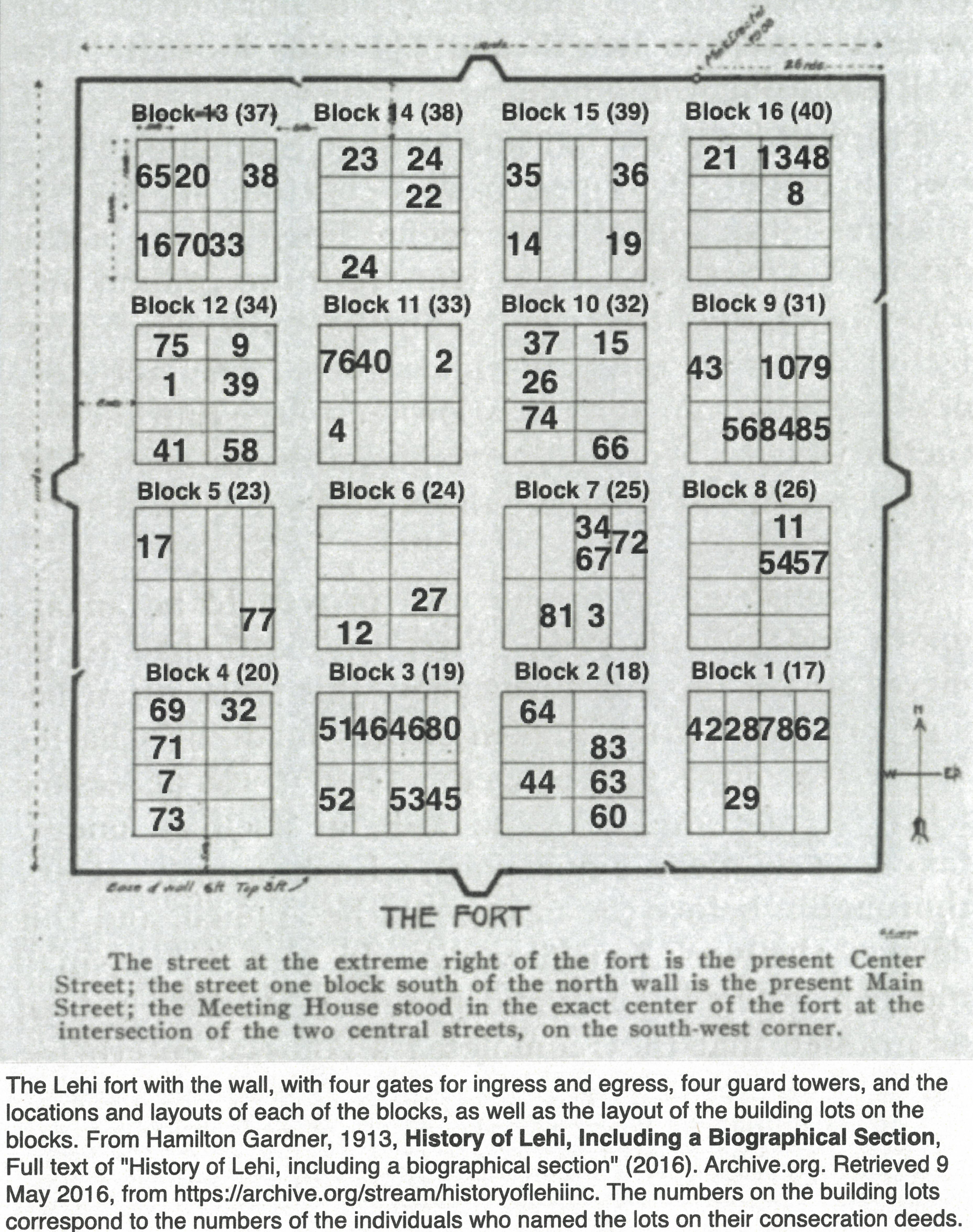
The sixteen blocks inside the fort were numbered beginning with the block on the Southeast corner as Block 1 and continuing east to west with Blocks 2 through 4, then switching to east on the second tier of blocks and so forth to Block 16 on the Northeast corner of the fort.

Although the blocks inside the fort had to be re-numbered, this numbering system is consistent with one in use today. The current system apparently dates from 1861. According to Gardner,13 on April 27, 1861, the council received a numerously signed petition asking that the city be enlarged. This unmistakable sign of growth occasioned much discussion. For one, Bishop Evans seriously objected to any such extension of the city, giving as his reason the lack of water in Dry Creek to supply any considerable addition to the population of Lehi. Finally, however, all objections were satisfactorily adjusted, and the City Council ordered that a tier of blocks be surveyed around the wall. These did not supply the unexpected demand for building lots, so a tier each on the North and South was subsequently surveyed and sold to home builders.

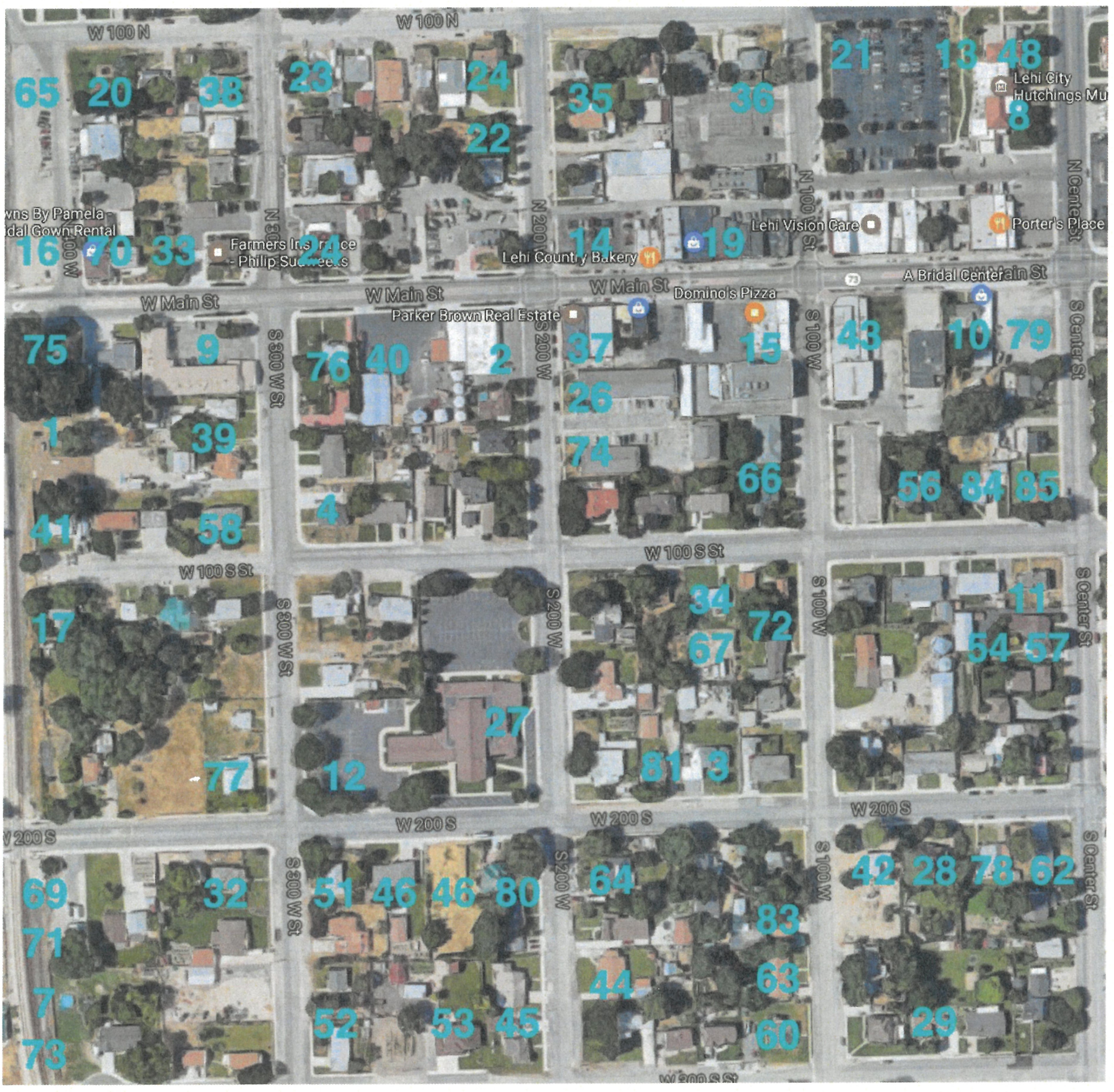
Gardner included a diagrammatic depiction of the fort, surrounded by the wall, in his history,14 with four gates for ingress and egress, four guard towers, and the locations and layouts of each of the blocks, as well as the layout of the building lots on the blocks, are depicted. The numbers of blocks 1–16 are shown, with the corresponding numbers of the same blocks in the later surveys and continuing to this date, in parentheses. The lot and block numbers are listed on 71 of the 85 1856/1858 Lehi consecration deeds.15 The building lots on the diagram as assigned to the individual settlers are identified by the following numbers. Some of the homes listed on the consecration deeds are still standing. The house nearest current addresses of these are listed. The apparent location of houses no longer standing are also given below.
The Settler Lists

Note: Seventy-two of the 85 examined consecration deeds list the block number and the lot number of property in the city. All of the blocks listed are inside the fort. A few deeds list portions of additional lots, and some list two or more complete building lots. Thirteen deeds list no city lots. Presumably those individuals did not own their own homes. Thirty-two deeds list an adobe house and one lists a “mud house.” These are valued from $150.00 to $1,100.00. Two individuals, Abram Hatch and John Riggs Murdock, specified that their adobe houses had four rooms and one cellar. Joseph Skeen listed a 6-room adobe house. Eight log houses (on 7 lots), with values ranging from $60.00 to $200.00, are listed on the deeds. Eighteen deeds list a lot number and a block number but specify only that the property was “with improvements,” without describing the type of house. Fourteen of the 85 deeds have no lot or block numbers or houses. Presumably these individuals did not own their own homes. Lehi settler’s consecrations ranged from $127.75 to $3,075.00, for a total of $93,128.70.

South, 400 West
1. Andrew Anderson (1833–1909). Lehi, Lot 4, Block 12, with adobe house, $400.00, $1,203.00 total consecration. 17 November 1856. BK C, 1855, p. 83. 37 South, 400 West

South, 200 West
2. Thomas Ashton (1813–1903). Lehi, Lot 8, Block 11, with log house, $200.00, $1,543.00 total consecration. 9 January 1857. BK F, p. 109. 36 South, 200 West

140 South, 200 West
3. Charles Barnes Jr. (1827–1911). Lehi, Lot 2, Block 7, with adobe house, $300.00, $1,008.00 total consecration. 10 January 1857. BK F, p. 129.

69 South, 300 West
4. Alfred Bell (1794–1874). Lehi, Lot 4, Block 11, with adobe house, $400.00, $1,201.00 total consecration. 10 January 1857. BK F, p. 123.

5. Jens Peter Ipsen Benson [Peter Benson] (1831–1898). Lehi, no city lot, $135.00 total consecration. 16 January 1857. BK F, p. 177.

6. Yeppa Benson [Jeppe Bendtsen] (1795–1872). Lehi, no city lot, $168.00 total consecration. 16 January 1857. BK F, p. 177.

West, 300 South
7. Samuel Briggs (1826–1898). Lehi, Lot 3, Block 4, with adobe house, $150.00, $997.00 total consecration. 10 January 1857. BK F, p. 131. 382

West Main Street
8. George Brough (1823–1914). Lehi, Lot 7, Block 16, with adobe home, $150.00, $421.00 total consecration. 16 January 1857. BK F, p. 180. 55 North Center Street

North Center Street
9. Abram Brown [Abraham Brown] (1808–1891). Lehi, Lot 9, Block 12, with adobe house, $250.00, $608.00 total consecration. 26 January 1857. BK F, p. 208. 333 West Main Street

West Main Street
10. John Brown (1820–1896). Lehi, Lot 7, Block 9, with improvements, $150.00, $3,083.00 total consecration. 8 January 1857. BK F, p. 81. 45 West Main Street

15 West, 100 South
11. Martin Bushman (1802–1870). Lehi, Lot 6, Block 8, with improvements, $300.00, $1,032.00 total consecration. 16 January 1857. BK F, p. 167.

284 West, 200 South
12. David Clark (1816–1889). Lehi, Lot 2, Block 6, with adobe house, $600.00, $1,520.00 total consecration. 5 February 1857. BK G, p. 71.

100 West, 100 North
13. William Clark (1825–1910). Lehi, Lot 6, Block 16, with adobe house, $200.00, $1,048.50 total consecration. 8 January 1857. BK F, p. 91. 45 West, 100 North

West Main Street
14. Daniel Collett (1807–1894). Lehi, Lot 4, Block 15, with improvements, $200.00, $1,313 total consecration. 10 January 1857. BK F, p. 126. 188 West Main Street

West Main Street
15. Sylvanus Collett (1835–1901). Lehi, Lot 6, Block 10, with adobe house, $150.00, $360.00 total consecration. 9 January 1857. BK F, p.

104, 115 West Main Street
16. Sarah Couzens [Sarah Jaque] (widow of Joseph Couzens [Joseph William Cousins (1809–1856)], deceased). Lehi, Lot 4, Block 13, with improvements, $150.00, $927.20 total consecration. 9 March 1857. BK H, p. 40.

206, 389 West, 100 South
17. Daniel William Cox (1801–1858). Lehi, Lot 5, Block 5, with adobe house, $450.00, $2,225.50 total consecration. 20 January 1857. BK F, p.

West Main Street
18. William Taylor Dennis (1810–1894). Lehi, no city lot, $4,115.50 total consecration. 9 January 1857. BK F, p. 111.

West Main Street
19. Joseph Dobson (1804–1872). Lehi, Lot 2, Block 15, with mud house, $200.00, $721.00 total consecration. 8 January 1857. BK F, p. 83. 130

86 North, 400 West
20. James Downs (1815–1882). Lehi, Lot 6 and W1/2 of Lot 7, Block 13, with adobe house, $250.00, $1,813.00 total consecration. 9 March 1857. BK H, p. 46.16

North, 100 West
21. Robert Dunn (1818–1885). Lehi, Lot 5, Block 16, with improvements, $250.00, $1,085 total consecration. 20 January 1857. BK F, p. 272.17 86 North, 100 West

North, 100 West
22. Shadrack Empy (1822–1892). Lehi, Lot 7, Block 14, with adobe house, $200.00, $820.00 total consecration. 10 January 1857. BK F, p. 130. 229

West, 100 North
23. Abel Evans (1812–1866). Lehi, Lot 5, Block 14, except NE Quarter of lot, with house, $150.00, $528.00 total consecration. 31 December 1856. BK F, p. 40.18 90 North, 300 West

Main Street
24. David Evans (1804–1883). Lehi, Lots 2 and 6, Block 14, $1,100.00, $3,075.00 total consecration. 10 May 1856. BK C, p. 39.19 288 West Main Street

Main Street
25. Henry Beck Evans (1830–1911). Lehi, no city lot, $180.00 total consecration. 28 January 1857. BK F, p. 284.

200 West
26. Joseph Field (1831–1911). Lehi, Lot 4, Block 10, with improvements, $200.00, $489.00 total consecration. 16 January 1857. BK F, p. 178. 49

200 West, South
27. John Folker (1814–1884). Lehi, Lot 8, Block 6, with adobe house, $200.00, $984.00 total consecration. 8 January 1857. BK F, p. 94. 166

South, 200 West
28. Jeppe George Folkmann [Jeppe Jorgen Folkman] (1824–1916).20 Lehi, Lot 6, Block 1, with improvements, $65.00, $394.00 total consecration. 28 January 1857. BK F, p. 285. 65 West, 200 South

200 West, South
29. William Fotheringham (1826–1913). Lehi, Lot 3, Block 1, with two log houses, $100.00, $1,845 total consecration. 4 November 1856. BK C, p.

73, 66 West, 300 South
30. Charles Wesley Gallup. Lehi, no city lot, $438.50 total consecration. 16 January 1857. BK F, p. 170.

31. John Henry Glines (1831–1897). Lehi, no city lot, $387.00 total consecration. 31 March 1857. BK H p. 90.

Block 6, Lot 6, 6 North
32. Abram Hatch [Abraham Chase Hatch] (1830–1911). Lehi, Lot 6, Block 4, with adobe house, $750.00, $2,891.00 total consecration. 10 January 1857. BK F, np. 132.21

100 South
33. Lorenzo Hill Hatch (1826–1910), and Sylvia S. Hatch. Lehi, Lot 2, Block 13, with buildings and improvements, $800.00, $1,608.00 total consecration. 11 April 1856. BK C 1855, p. 41.22 212 South, 300 West

125 West
34. John Joseph Hayes (1825–1899). Lehi, E1/2 Lot 7, Block 7, $100.00, $311.00 total consecration. 9 January 1857. BK F, p. 105. 125 West, 100 South

96 North, 200 West
35. William Brown Hill (1836–1883). Lehi, Lot 5, Block 15, with improvements, $150.00, $931.75 total consecration. 29 December 1856. BK F, p. 30. 96 North, 200 West

93 North, 100 West
36. William Hyde (1818–1874). Lehi, Lot 8, Block 15, $150.00, $1,040.00 total consecration. 23 December 1857. BK H, p. 106.

187 West Main Street
37. Ezekiel Hopkins (1801–1872), or his son, Ezekiel Hopkins (1839–1911). Lehi, Lot 5, Block 10, with log house, $200.00, $610.00 total consecration. 10 January 1857. BK F, p. 120.23 187 West Main Street

87 North, 300 West
38. Daniel James (1807–1880). Lehi, E1/2 Lot 7, and N1/2 Lot 8, Block 13, with adobe house, $200.00, $871.00 total consecration. 28 February 1857. BK H, p. 21. 87 North, 300 West

South, 300 West
39. Samuel James (1825–1893). Lehi, Lot 7, Block 12, with adobe house, $150.00, $490.00 total consecration. 28 January 1857. BK F, p. 278. 24

West Main Street
40. John Karren (1834–1905). Lehi, Lot 7, Block 11, with adobe house, $150.00, $441.00 total consecration. 28 January 1857. BK F, p. 181. 231

West Main Street
41. Thomas Karren (1810–1876). Lehi, Lot 2 & the E1/2 of Lot 3, in Block 12, with log house, $150.00, $1,766.00 total consecration. 8 January 1857. BK F, p. 92. 390 West, 100 South

217 South, 100 West
42. Henry Kearns (1778–1859). Lehi, Lot 5, Block 1, with improvements, $350.00, $1,049.00 total consecration. 10 January 1857. BK F, p. 128.

West Main Street
43. Suel Lamb (1833–1913). Lehi, Lot 5, Block 9, with adobe house, $150.00, $652.00 total consecration. 10 January 1857. BK F, p. 127. 95 West Main Street

261 South, 200 West
44. John Irvin Lawson [John Lawson] (1805–1884). Lehi, N1/2 Lot 3, Block 3, with improvements, $50.00, $145.00 total consecration. 10 January 1857. BK F, p. 117.

290 South, 200 West
45. Abraham Losee (1814–1887). Lehi, Lot 1, Block 3, with improvements, $150.00, $1,153.00 total consecration. 9 January 1857. BK F, p. 115.

290 South, 200 West
46. John Smiley Lott (1826–1894) and Permelia Darrow Lott (widow of Cornelius P. Lott, deceased) and Peter Lott (1805–1882). Lehi, Lot 1, Block 3, $150.00, $1,153.00 total consecration. 9 January 1857. BK F, p. 115.

[Peter] Lyman Lott (1842–1906). Lehi, Lots 6 and 7, Block 3, with improvements, $600.00, $2,226.00 total consecration. 8 January 1857. BK F, p. 100. 241 West, 200 South

47. Robert Maw (1834–1920). Lehi, no city lot, $285.00 total consecration. 19 January 1857. BK F, p. 182. PC

45 West, 100 North
48. James McGaw (1824–1872) & Elias Bassett.24 Lehi, Lot 6, Block 16, with adobe house, $400.00, $2,255.00 total consecration. 23 December 1857. BK H, p. 108.

100 North
49. Ephraim Mecham (1808–1891). Lehi, no city lot, $392.50 total consecration. 28 January 1857. BK F, p. 280.

50. John Miller (1846–1939). Lehi, no city lot, $127.75 total consecration. 28 January 1857. BK F, p. 280.

300 West
51. John Murdock (1792–1871). Lehi, Lot 5, Block 3, with house, $100.00, $295.00 total consecration. 31 December 1856. BK F, p. 38. 209 South

300 West
52. John Riggs Murdock (1826–1913). Lehi, Lot 4, Block 3, also 3/8 of Lot 3, Block 4, Lehi, with 4-room adobe house with cellar, $800.00, $5,097.00 total consecration. 9 January 1857. BK F, p. 114. 269 South, 300 West

238 West, 300 South
53. Orrice Clapp Murdock (1824–1915). Lehi, Lot 2 and 2 rods of the E side of Lot 3, Block 3, with house, $500.00, $1,665.50 total consecration. 8 January 1857. BK F, p. 95. 238 West, 300 South

South Center Street
54. Jens Nelson [Jens Nielsen] (1796–1875). Lehi, N1/2 of Lot 7, Block 8, $50.00, $306.00 total consecration. 16 January 1857. BK F, p. 171. 140

South Center Street
55. Henry Elliot Norton (1826–1913). Lehi, no city lot, $460.00 total consecration. 7 May 1856. BK C, p. 42.

74 West, 100 South
56. Peter Madsen Peel [Peder Madsen Pihl] (1820–1900). Lehi, Lot 3, Block 9, with log house, $100.00, $537.00 total consecration. 28 January 1857. BK F, p. 279. 74 West, 100 South

140 South Center Street
57. Hans Peterson [Hans Pederson] (1823–1881). Lehi, S1/2 of Lot 7, Block 8, with log house, $60.00, $537.00 total consecration. 28 January 1857. BK F, p. 286. 140 South Center Street

88 South, 300 West
58. Canute Peterson (1824–1902). Lehi, Lot 1, Block 12, with improvements, $150.00, $1,957.00 total consecration. 8 January 1857. BK F, p. 85.

59. Peter Peterson (1821–1901). Lehi, no city lot, $307.50 total consecration. 28 January 1857. BK F, p. 283.

290 South, 100 West
60. Stephen Howard Pierce (1816–Deceased). Lehi, Lot 1, Block 2, with improvements, $466.00, $761.00 total consecration. 28 January 1857. BK F, p. 275.

290 South, 100 West
61. Charles Price (1800–1873). Lehi, no city lot, $680.00 total consecration. 27 November 1856. BK C, p. 104.

South Center Street
62. Tunis Rappley (1808–1883). Lehi, Lot 8, Block 1, with adobe house, $200.00, $772.00 total consecration. 28 January 1857. BK F, p. 282. 220 South Center Street

260 South, 100 West
63. Alonzo Pearls Raymond (1821–1904). Lehi, Lot 8,25 Block 2, with adobe house, $300.00, $2,305.00 total consecration. 9 January 1857. BK F, p. 108. 260 South, 100 West

215 South, 100 West
64. William Wallace Raymond (1824–1881). Lehi, Lot 5, Block 2, with log house, $200.00, $2,020.00 total consecration. 31 March 1857. BK H, p.

88 West, 215 South
65. William Reid (1805–1858). Lehi, Lot 5, Block 13, with improvements, $23.00, $450.50 total consecration. 16 January 1857. BK F, p. 179.

86 North, 400 West
66. Alonzo Donnell Rhodes (1824–1893). Lehi, E1/2 of Lot 1, Block 10, with house, $200.00, $1,164.00 total consecration. 9 January 1857. BK F, p. 102. 90 South, 100 West

125 West, 100 South
67. Joseph Robinson (1814–1891). Lehi, W1/2 Lot 7, Block 7, with improvements, $100.00, $521.00 total consecration. 28 January 1857.26 BK F, p. 281. 125 West, 100 South

100 South
68. William Sharp (1825–1900). Lehi, no city lot, $235.00 total consecration. 8 January 1857. BK F, p. 86.

86 West, 125 South
69. Joseph Skeen (1816–1882). Lehi, Lot 5, Block 4, with 6-room adobe house, $1,000.00, $2,764.00 total consecration. 8 January 1857. BK F, p. 99. 377 West, 200 South

205, 390 West Main Street
70. Joseph Johnson Smith (1821–1902). Lehi, Lot 3, Block 13, with adobe house, $500.00, $1,804.00 total consecration. 20 January 1857. BK F, p.

89, 267 South, 400 West
71. Samuel Thomas Smith (1823–1890). Lehi, Lot 4, Block 4, with adobe house, $150.00, $507.50 total consecration. 8 January 1857. BK F, p.

West Main Street
72. James Taylor [James Whitehead Taylor] (1819–1891) and Ann Taylor. Lehi, Lot 8, Block 7, $700.00, $1,300.00 total consecration. no date, no month,27 1856. BK C 1855, p. 40. 110 South, 100 West

382 West, 300 South
73. Thomas Taylor (1826–1900). Lehi, Lot 2, Block 2, with adobe house, $300.00, $932.00 total consecration. 9 January 1857. BK F, p. 106–107.

65 South, 100 West
74. William Taylor [William Whitehead Taylor] (1828–1907). Lehi, Lot 3, Block 10, adobe house, $200.00, total consecration $625.00. [no date]. BK C 1855, p. 81. April 1856. 65 South, 100 West

186 South, 300 West
75. Daniel Stillwell Thomas (1803–1878). Lehi, Lot 5, Block 12, with adobe house, $300.00, $842.50 total consecration. 26 February 1857. BK G, p. 204. 405 West Main Street

West Main Street
76. Preston Thomas (1814–1877). Lehi, Lot 5, Block 11, with log houses, $200.00, $2,207.00 total consecration. 8 January 1857. BK F, p. 97. 281 West Main Street

186 South, 300 West
77. John Titcomb (1800–1858). Lehi, Lot 1, Block 5, with adobe house, $300.00, $1,150.00 total consecration. 10 January 1857. BK F, p. 122.

37 West, 200 South
78. William Van Dyke (1830–1901). Lehi, Lot 7, Block 1, with adobe house, $200.00, $523.75 total consecration. 30 January 1858. Not found in Utah County book.28

11 West, 200 South
79. Andrew Vince [Moses Andrews Vince] (1809–1859). Lehi, Lot 8, Block 8, $450.00 total consecration. 8 January 1857. BK F, p. 88. 11 West Main Street

216 South, 200 West
80. William Sidney Smith Willes (1819–1871). Lehi, Lot 8, Block 3, with improvements, $700.00, $2,020.00 total consecration. 9 January 1857. BK F, p. 112–113.

168 West, 200 South
81. Thomas Griffin Winn (1829–1904). Lehi, Lot 3, Block 7, with adobe house, $200.00, $666.50 total consecration. 7 January 1857. BK F, p.

80 West, 168 South
82. William Henry Winn (1833–1884). Lehi, no lot or block, $148.00 total consecration. 9 April 1857. BK H, p. 84.

240 South, 100 West
83. Solomon Wixom (1809–1879).29 Lehi, Lot 7 and N1/2 of Lot 8, Block 2, with adobe house, $400.00, $1,308.50 total consecration. 28 January 1857. BK H, p.

36 West, 100 South
84. Georg Gottlieb Zimmermann (1781–1866). Lehi, Lot 2, Block 9, with improvements, $125.00, $443.00 total consecration. 16 January 1857. BK F, p. 169.

88 South, Center Street
85. John Zimmerman (1820–1908). Lehi, Lot 1, Block 9, $125.00, $1,873.00 total consecration. 16 January 1857. BK F, p. 176.
Fort Cabin Occupants

The cabins were arranged end-to-end to form a hollow square in the first of two phases of the fort. Van Wagoner says nearly three hundred settlers occupied sixty cabins, but he names only fifty-three individuals31 on the list corresponding to the numbers (1–85) of the diagram.

East Side (7)North Side (12)West Side (18)South Side (16)
William Goates2. Thomas AshtonJohn AndreasonOrrace Murdock
81. George Zimmerman4. Alfred Bell17. Daniel Cox51. John R. Murdock Sen.
John Zimmerman22. Abel EvansSamuel James50. John Murdock
John Spires23. David Evans38. Samuel James31. Abram Hatch
61. Tunis Rappley14. William Dobson75. Luke Titcomb45. Mrs. Pamelia Lott
Martin BushmanPhilip OlmsteadCharles Partridge45. John S. Lott
John BrownPrime Coleman7. Samuel BriggsIra J. Willes
William ColemanWilliam Goates77. W. S. S. Willes
George Coleman70. Samuel T. Smith44. Abraham Losee
William Burgess12. David ClarkMrs. Lydia Losee
Jehial McConnell57. Canute Peterson68. Joseph Skeens
Joel W. White9. Abraham Brown40. Thomas Skeens
Israel EvansJohn MercerAlonzo D. Rhodes
David Evans69. Joseph J. SmithThomas Karren
Riley Judd84. Daniel S. ThomasJohn Winn
David JuddSamuel HarwoodSilas P. Barnes
John W. NortonDaniel Cox61. Tunis Rappley
Henry NortonOley Ellingson
J. Wiley Norton
David Norton

Closing Notes

Some of the settlers remained in Lehi after their 1856/1857 consecrations were accepted and recorded. The locations of the homes of several of them in later years have been located in other studies.32 Some moved from Lehi. Some moved from the fort in Lehi to other property in Lehi. For example, William Clark moved from the Lot 6 property on Block 16(40) to a home on Lot 4 of the same block some time before he received title to both lots in 1871.

Some of the names absent from the cabins list are absent from the consecration deeds. This could reflect the fact that the individuals left Lehi before the consecration movement began, or that the individuals did not consecrate their property, or that their consecration deeds have not yet been located.

Sixty-eight of the 128 building lots on the sixteen blocks in the fort are represented on the consecration deeds. If 40% of the men in the Lehi settlement consecrated their property, as Arrington says was the estimated percentage of the participation of the men in the Territory, 51 lots should have been claimed on the deeds. It appears that participation in the consecration movement was higher in Lehi than in other parts of the Territory.
Notes

1 This, and similar documents by Wayne E. Clark, are posted at the Lehi Historical Society and Historical Archive Indexes, https://www.lehihistory.com. Thanks to John Knollin Haws Jr. and the other volunteers at the Lehi Historical Society and Archives for encouragement and support, and to Dan Olds for heartily pushing for the search for consecration deeds and for other important historical information. Corrections or additions welcome. wayneeldenclark@gmail.com.

2 Fox, Feramorz Y. (March 1944). The Consecration Movement of the Middle ‘Fifties,’ Improvement Era, 47 (2) February, March 1944: 80–81, 120–21, 124–25, 146–47, 185, 187–88.

3 He wrote that the recorded deeds were to have been sent to the office of the Trustee-in-Trust of the church in Great Salt Lake City. These must include the deeds now preserved in the LDS Church History Library, in Salt Lake City. Consecration Deeds, 1854–1867. One book, Consecration book, circa 1857–1858, Call Number CR 5 53, Identifier CR 5 53/b0001. No. 233, has a list of deeds from throughout the Territory. The original deeds on the printed forms of many are accessible from CR 5 53: Consecration Deeds 1854–1867. For example, the original consecration deed of John Brown is accessed from Deeds, B, #271–288. Fox mentions the existence of two deeds in possession of a man who found them in a rubbish pile.

4 Found in “Book A of Deeds” in the church historians office, and in “Pioneer Records, Salt Lake County Recorder’s Office, p. 249.”

5 p. 120

6 Leonard J. Arrington, Great Basin Kingdom: An Economic History of the Latter-day Saints, 1830–1900, p. 146–147. See also James Naylor Jones, The Utah Valley Home, https://familysearch.org/photos/artifacts/987726. Accessed 15 February, 2017, and Willing Hands: A Biography of Lorenzo Hill Hatch (1826–1910), http://www.b13family.com/html/journal-lorenzo_hatch.htm. Accessed 15 February, 2017.

7 Fox notes that this is an exact count, taken from records in office of the county recorder. He must have seen the copies of the deeds preserved in LDS Conveyance books in the Utah County Office of Land Records, 100 East Center Street, Suite 1300, Provo, Utah 84606. The contents of the books are indexed for electronic searching. Consecration deeds of early Lehi settlers are found in books labelled LDS Church Conveyances, BK C, BK F, and BK H.

8 His consecration was twenty cents below the average, $1,048.70.

9 Ownership and numbers of Lots and Blocks and acreage on various surveys throughout the county are contained in Webb Access to Utah County Land Records – Abstract Images — LDS Church Conveyance. Included are “American Creek Survey 1851,” “American Creek Survey of Farm Land,” 1853–1855, “Upper Dry Creek Survey of Farming Land,” 1853, and “Lake Farm Land.”

10 Presumably the garden plots in 1855/1856 were the same as the ones on later records. The earliest entry in the Utah County abstract book for garden plots for Lehi is for 1 December 1879.

11 Hamilton Gardner, 1913, History of Lehi, Including a Biographical Section, https://archive.org/stream/historyoflehiinc

12 Lehi: Portraits of a Utah Town, https://dcms.lds.org/delivery/DeliveryManagerServlet?dps_pid=IE1023732&from=fnd, accessed 17 November 2016.

13 Hamilton Gardner, 1913, History of Lehi, Including a Biographical Section, p. 158–159.

14 Hamilton Gardner, 1913, History of Lehi, Including a Biographical Section, https://archive.org/stream/historyoflehiinc.

15 Webb Access to Utah County Land Records – Abstract Images — LDS Church Conveyances BK C, BK F, and BK H.

16 Original in LDS Church History Library, CR 5 53, box 2, fd. 16

17 Original in CR 5 53, box 2, fd. 16

18 Original in LDS Church History Library, CR 5 53, box 3, fd. 1

19 Immediately follows the deed of David Evans, dated 10 May 1856, and of Henry C. Norton, dated 7 May [1856].

20 A brother, Jens Peter Folkman (1829–1911), has a son born in Lehi in 1858.

21 Original in LDS Church History Library CR 5 53 box 3, fd. 3

22 Original in LDS Church History Library, CR 5 53, box 3, fd. 3. See also Willing Hands: A Biography of Lorenzo Hill Hatch, 1826–1910, http://www.b13family.com/html/journal-lorenzo_hatch.htm

23 Original in LDS Church History Library, CR 5 53, box 3, fd. 3

24 James McGaw, age 34, was in Ogden, Utah, in the 1860 Census. His wife, Mary Matilda Bassett (1800–1878), age 56, was with him, as was Mary’s mother, Matilda Salter Bassett (1800–1878), age 56, (1837–1906), age 23, and Elias Bassett, age 40. Elias must have been James’s brother in law.

25 This may be listed in error for Lot 6. Lot 8 of Block 2 is also recorded as having been claimed by Solomon Wixom on 28 January 1857. Alternatively Raymond and Wixom could each have occupied 1/2 of Lot 6 in 1857.

26 Immediately follows the deed of David Evans, dated 10 May 1856, and precedes the deeds of Lorenzo Hill Hatch, dated 11 April 1856, and of Henry C. Norton, dated 7 May [1856].

27 See Mormon Pioneer Overland Travel, Joseph Robinson, https://history.lds.org/overlandtravel/pioneers/17621923085049108012/joseph-robinson. Accessed 1 March 2017.

28 See Biography of Joseph Morgan Wixom, https://familysearch.org/photos/artifacts/999379. Accessed 1 March 2017.

29 This figure includes $1000.00 listed by John Brown for his wife’s slave girl. See Consecration, Reformation, and “One African Servant Girl” in Lehi, Utah, https://drive.google.com/file/d/0B5wDxipAGQN2a0libjFK1d2VEME0/view?usp=sharing

31 Lehi: Portraits of a Utah Town, https://dcms.lds.org/delivery/DeliveryManagerServlet?dps_pid=IE1023732&from=fnd, accessed 17 November 2016, p. 4–5, citing Andrew Field, “Notes.” Courtesy Leona Noyes, Lehi Library/Archives. Tunis Rappley is listed on both the East and South sides of the fort.

32 A subsequent study of the consecration deeds combined with the 1860 Census and other sources of information resulted in a more complete picture of the Lehi City fort in the years following the issuance of the deeds. Mormon Pioneers in Lehi, Utah Territory, 1854–1871, https://drive.google.com/file/d/0B5wDxipAGQN2YzRBczAxMjlhsVFU/view?usp=sharing

33 The Old Fort Wall, a Herd of Cows, and a Near and Dear Neighbor in Lehi, Utah, https://drive.google.com/file/d/0B5wDxipAGQN2a0libjFK1d2VEME0/view?usp=sharing


~

For more on William Sharp and his descendants, and on the Plain City families whose Lehi roots are documented in Clark’s consecration list, see:

Sharp-Bailey Wedding — William and Mary Ann’s story
Sharp-Stoker Wedding — Milo Riley Sharp and his family
History of Plain City — a multi-part series on Plain City’s founding families and history
1895 Plain City Student Body — the children of Plain City’s founding generation, including Delwin Sharp and the Skeen, Maw, and Folkman families
Sharp Family History Outreach — the broader Sharp family history and connections

Wayne E. Clark, Lehi, Utah, 2017. Part of the Wayne E. Clark Collection at the Lehi Historical Society and Archives, https://www.lehihistory.com. Contact: wayneeldenclark@gmail.com. Corrections or additions welcome.
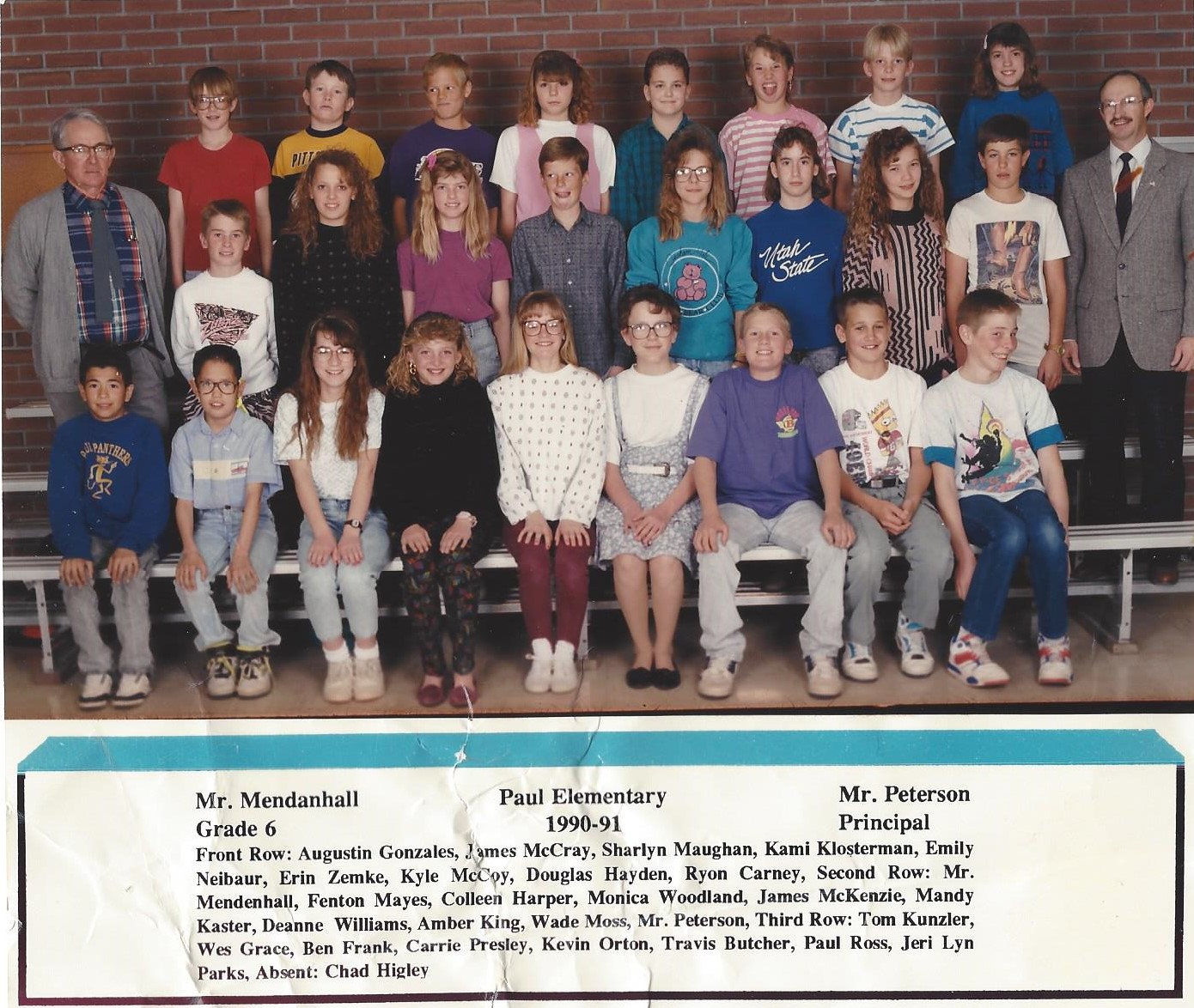
6th Grade, Paul Elementary, Paul, Idaho

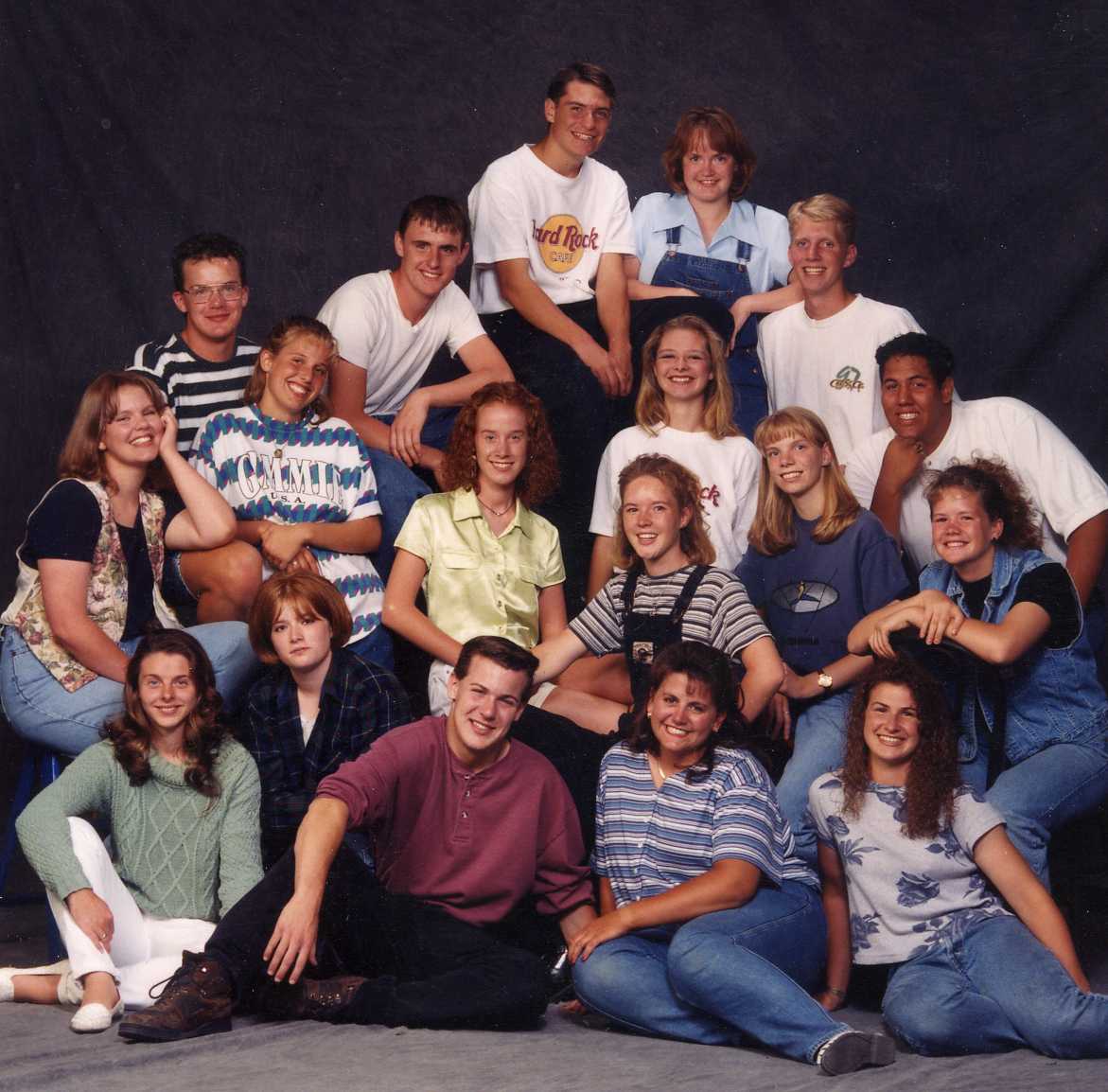
Front(l-r): Augustin Gonzales, James McCray, Sharlyn Maughan, Kami Klosterman, Emily Neibaur, Erin Zemke, Kyle McCoy, Douglas Hayden, Ryon Carney; Middle: James Mendenhall, Fenton Mayes, Colleen Harper, Monica Woodland, James McKenzie, Mandy Kaster, Deanne Williams, Amber King, Wade Moss, Frank Peterson; Back: Tom Kunzler, Wes Grace, Ben Frank, Carrie Presley, Kevin Orton, Travis Butcher, Paul Ross, Jeri Lyn Parks. Absent Chad Higley.

I have mentioned before when I shared class pictures from Paul Elementary for Kindergarten, 1st, 2nd, 4th, and 5th Grades, that I was glad to have other classmates who allowed me to scan the class photos. All mine were lost due to a flood in our basement while I was on my mission in 1998-2000. I am happy to report that the missing 3rd and 6th Grade pictures have been provided, thanks to Erin Zemke.

This is our 6th grade class picture from Paul Elementary, Paul, Idaho. This was the 1990 – 1991 school year.

Normally I organized photos with married names and dates. Since all are still alive, I will forgo any of the dates. I have added the married last name for the ones I know. If you have corrections, please let me know.

Frank Peterson

James Corless Mendenhall (1935-2013)

Travis Butcher

Ryon Paul Carney (1978-1991)

Ben Frank

Augustin Gonzales

Wes Grace

Colleen Harper married Barnes

Douglas Hayden

Chad Higley

Mandy Kaster

Amber King

Kami Klosterman married Beall

Thomas Kunzler

Sharlyn Maughan

Fenton Mayes

Kyle McCoy

James McCray

James McKenzie

Wade Moss

Emily Neibaur married Haynes

Kevin Orton

Jeri Lyn Parks

Carrie Presley

Paul Ross

Deanne Williams

Monica Woodland

Erin Zemke married McKindree

History of Plain City Pt 10

I have two copies of the History of Plain City, Utah. The front indicates it is from March 17th 1859 to present. As far as I can tell, the book was written in 1977. At least that is the latest date I can find in the book.

One copy belonged to my Grandparents Milo and Gladys Ross. My Grandpa has written various notes inside the history which I intend to include in parenthesis whenever they appear. They add to the history and come from his own experience and hearing. 

I will only do a number of pages at a time. I will also try to include scanned copies of the photos in the books. These are just scanned copies of these books, I have not tried to seek out originals or better copies.

History of Plain City March 17th 1859 to present, pages 150 through 165.

SITE FOR NEW TOWN PARK

SUBMITTED BY FLORENE PARKE

 In December, 1975, Mayor Lee Olsen and the Plain City Town Council consisting of William VanHoulten, Wayne Cottle, Darwin Taylor and David Thomas, passed a resolution to purchase 20 acres of land. This land was to be used as a recreational complex and also house the town hall and other municipal buildings.

              On December 30, 1975, the City of Plain City purchased 20 acres of land from Bernard and Nora Poulsen. The land is located at the north-west corner of the intersection of 2200 North and 4100 West Streets.

              The long-term plans for the park included three regulation ball diamonds, (two softball diamonds, and a little league ball diamond); an equestrian arena and open space exercise area to be used for football and other activities requiring large open spaces. A site identified for future development of municipal structures may include a swimming pool, restrooms and parking areas.

              Purchasing and developing the land is an expensive process. It is the intention of the City Council to program the work in six one-year phases. Development of the equestrian arena was part of the first year’s phase.

              The area housed an arena known as Paul Knight’s Arena. It has been used in the past for several Junior Possee competitions, calf roping meets, and various horses related events. The arena needed fencing and landfill and water installations.

              In December, 1976, the Plain City Lions Club, in cooperation with the parents of Junior Possee members, had the area surveyed and hauled 103 loads of sand necessary for a proper working arena. Approximately 30 volunteers donated their time and equipment for two days to complete this part of the work.

              Heavy gauge chain-link fencing has been purchased with money from the town and from money raised by Junior Possee members through various fund raising projects. The fence will be installed as soon as the weather conditions permit.

              Plain City’s Junior Possees, Four-H groups, and the many other residents interested in equestrian sports will have a safe place for their activities, and the town will have an arena to be proud of.

              Paul’s Arena as it is known today, which will be rebuilt into the Town’s new Park. Used for many years for horse and Jr. Posse events.

*A CHILD’S CHRISTMAS IN UTAH

BY WAYNE CARVER (SON OF ELMER AND JANE CARVER)

ASSOCIATE PROFESSOR OF ENGLISH

CARLETON COLLEGE

              It isn’t that way now. The quiet fields are broken into building lots and the farmers build jet engines in the city and garden with a tractor after work. The old canal is lined with concrete and in the center of the town the Saturday and sun-drenched baseball diamond has shrunk to softball under lights, and the county has built a tennis court just off third bade for a game the kids are beginning to learn to play in white shoes.

              The frame store with the pot-bellied stove smelling of sizzled tobacco spit and with the mash sacks and rummy dive in back is a supermarket now where wives in stretch-pants by barefoot and frozen chopped broccoli by the ton and aerosol bombs that go “SwwOOOOOOsh” and keep off the bugs or put on your pie a water glob of something threatening to be white and that keeps your arteries open.

              It isn’t the way it used to be in that un-fluent time of plowing, planting, watering, hoeing, furrowing, harvesting, and throwing the harvest in the river to be pickled in the Great Salt Lake. It is the affluent society now, of missile sites and loan companies, and the ice cream comes come frozen in glazed wrapping and taste like the strips of brown paper we used to put our upper lip to stop the nosebleed. And I have not been back for Christmas for many and many a year – to the long everyday stocking with a fifty cent piece squashing the toe, the large orange pressing the half dollar down –  a thick, loose-skinned orange that peeled clean and dry – to the heaped snow that fell on every Christmas eve – I have not been back, and it isn’t that way now – and all I can do is gather a crystal or two from a vein of quartz- or is it foolsgold? – in Time.

                                                            ****

              In the bed-covering warmth of the high ceiling room in the weather-bent old house between the mountains and the salt lake, nothing was alive at first except the dry flopping of the harness straps against the horse’s matted cost and the cold jangle of the chains against the horse’s matted coat and the cold jungle of the chains against the single-tree of the go-devil that Dad used to clear the paths between the house and the barn, the barn and the chicken coop, the chicken coop and the house, and to gouge a trial down the drifted lane to the country road where the snowplows from the shops in Ogden would come later in the day. Lying in the dark that is beginning to be thin out like spilled ink, we hear coming through the window the flopping and the jangling and the sliding rumble of the triangular runners as they push aside rocks and twigs and skid down the sides of irrigation ditches, and the tongue clicking and “steady, boy, steady,” of Dad as he talks to the horse. Hearing this, and seeing from under the door the orange line of kitchen light and, without listening for it, hearing the first snapping of the kindling in the range and smelling, without sniffing for it, the sulphurousness of coal smoke, we know- all three of us – that we have been trickled ourselves and somehow, we can’t say how, had fallen asleep – sometime, somewhere, – back in that black night and that Christmas had come again and caught us sleeping.

              Then the tinny, descending jingle of loose bedsprings, the cold shock beneath the warm flannel pajamas legs, the cold fluttering linoleum slap against the feet; and the orange line beneath the door flashes upward and out: We are across the kitchen, through the heavy coal smoke to where the living room door id barred, sealed against us, as mother, at the side door, calls outside, and Dad comes in.

              Daylight comes with the smell of oranges, pine, needles, pine needles, and chocolate, and coal smoke from the heater, and the brittle crack of hazel nuts and the tearing raveling crunch of peanut shells, the shimmering glissando of tissue paper crushing, the sweet sticky slurp of cherry chocolates, and the crack and shatter of peanut brittle. Amidst the smell, above the sounds, comes the “oh, just what I wanted,” of Mother and the “Very nice, very fine,” of Dad and the “One -two-three-four! I got four presents that’s simply more than anybody,” of Mary and the “This Wheel’s just fine cause it’s got a burr on the axle, not a cotter key,” of Nephi, and the “Billy’s got this book, he’ll not swap. I’ll swap with Rex,” of another.

              By mid-morning the board valley glisten under the cold sun, and you have gone alone through the fields I the over-the-boots snow and along the row of willows besides the canal and watched the muskrats swimming in the alley of dark water between the frozen banks, have seen the runic tracing of the quail and pheasant trails and shaken the loose snow away from your collar that a magpie knocked down on you as you passed beneath the cottonwood trees to Rex’s place where you ate rock candy, swapped the extra Bomba you had read for the Army Boys in France that you had not. By noon you have been to Bill’s through the glare of the sun and snow and shown him your hi-tops with the long grey woolen socks ad the fold-over edge of red at the top and eaten peanut brittle, been to Grant’s and seen the new skates, shown-off the cream and green cover of your Plunk and Luck and eaten candy, been along the roads, the ditches, the trails until the snow packed into ice inside your boots has sent you home to dry and then, drying, behind the big heater in  the living room to sail on the stack of books to all the great green world that never was and will last, therefore, forever.

              The crunch and ravel and shimmering tinkle is gone from the room now. The quiet is there like a field rippled with snow until the others return from their rounds, and in from the kitchen come only the first rasps ad scrapes and clicks and hacks of dinner’s getting underway. There is pine tree and warmth and the smell of chocolate syrup. Behind the stove Bomba the Jungle Boy crouches in the grass besides the trail as the enemy patrol with poisoned darts in their quivers and blow guns in their hand file slowly by the disappear into the tangled heat of the jungle. In the gassy, coal smelling clearing Bomba is wiping into glittering brightness the still smouldering and dripping blade when, bursting through the streaming wall of branches and vines, comes Aunt Em’s bellow of tribal greeting, followed by a safari of cousins and a diminutive uncle, each one bearing weapons and supplies clutched in their careful and love-filled hands.

              “Good Lord, Louisa, there you are just as I figgered, sweating out in the kitchen while everybody else has a fine faretheewell. We’re late but I been after Ephriam since daybreak to get them cows milked so’s we could get on our way. By Judas Priest, you would thought the man had never milked a cow before. Biggest kid in house for Christmas. I get more work out of the cat than I do him. Lordy! You ought to see that house. You can’t see out the windows for trash, and I’m so flustered I think I sliced an egg on the jello and a banana on the hot potato salad. I’m afraid to look, I tell you. And Moroni? – he was out chasing the girls until je ought to have been home milking, too; and, Lord, Sara and nell, you’d of thought they never been given anything before. And all the time, Eph draggin’ along, them cows moanin’ out in the barn, their bags so full they’d like t’have died, nothing to eat – it’s a good thing for that, I suppose. Why, he didn’t get out of the house until ten O’clock, the milk man had come and gone by two hours and all the time me trying’ to bake a cake in a crooked oven with the coal Wilbur man sold us at a special and, Louisa, I’m tellin ’you it ain’t coal at all. It’s just dirt. It’s better dirt than half that hard scrabble your man’s farming down there in Salt Creek, and if Wilbur can sell that sandy loam he sold me for coal, I’s say Josiah’s got a fortune in fuel under that field of onions he tries to grow ever summer. Glow! I’s by there t’other day lookin’ for the horses before the shruf stray-penned “ em and I say to Eph, “Josiah’s got a nice five acres of picklin’ onions out a that salt flat he’s tryin’ to farm. Ought to get a special price, seein’s how they pickled all summer.  Grow! I’s by ther t’other day lookin’ for the horses before the shurf stray -penned “em and I say to Eph, “ Josiah’s got a nice five acres of picklin’ onions out a that salt flat he’s tryin’ to bake this cake, and roast a shoulder of pork and fix the salad and I’m up to my chin in candy and nuts and wrappin’ paper until I finally just booted everybody out the back door and said, “Lordy, go over t’the neighbors and dirty up some fresh territory while I get something done.” So they did. Except Eph. He’s still settin’ there in his new robe and slippers, dozin’ mind you, his head bobbin’ back and forth like a derrick fork. And them poor cows hollerin’ to be milked, and finally I told him, “Lord almighty man, go out there and take out enough milk to relieve their pain anyways, even if you don’t care about no milk check next week.’ So he did. Well, here we are. Where d’you want me to put the roast to keep it warm, Here! Give me that knife, I’ll peel the taters. Don’t you get no help? Where’re your kids? You get started on the rolls, woman. This house is goin’ to be crawlin’ with starving prople before we get turned around and us without a thing to put in their mouths.I thought I told you Big J flour’s better’n this other stuff. Lord! I don’t know what’s goin’ to happen to us. Ten o’clock milkin’; I tell you, I thought I’d never live to the day.”

              And then the green jungle explodes into white brightness and come alive with cousins and uncles and aunts as the tribal dance around the tree begins and the hecatombs are offered to the angry powers of hunger and love: roast chicken, roast turkey, hams, and pork shoulders, brown gravies, chicken gravies, sage and giblet stuffing, candied yams and sweet potatoes, mashed potatoes, cranberry sauce, creamed corn, wax beans, lima beans, and string beans, carrots – tossed salads, potato salads, gelatin salads, cream pies, fruit pies, mince pies, pumpkin pies, chocolate cake, and white cakes, jello ad whipped crème and sliced bananas, candy in dishes and boxes, apples, oranges, and bananas – and one cup of coffee brewed just for Uncle Heber, the free-thinker of the tribe who risked the taboo, and for him, too, the cracked saucer for the ashes of his cigar.

              And above the crack of celery, the clack of china, the clink oof silverware, the chattering drone and occasional giggle or scream, and through the acrid halo of smoke around Uncle Heber’s head comes Aunt Em’s piercing voice: “It’s a foul habit and an abomination in the sight of God, Heber, and I’d rather see my brother take to drink than terbakker the way you do. And coffee defiles the temple of the spirit in a worse way, and Louisa’s curtain’ll smell of Christmas and sin until the Fourth of July because of you.”

              And though the drone and chatter, Uncle Heber’s: Sis, you finish your meal in your way; I’ll finish mine in mine. The Prophet used to smoke, so did Brother Brigham – and chew. They chewed and spit like any man. I sin in good company. Fact, is sis, if the truth was known, smokin’ and good coffee got to be a sin because Joseph had an allergy to caffeine and nicotine. Used to break out in hive after every cup of joe and every satisfying drag, so he made both a sin. Say, get me a stove match will you, sis, while yer up – in the kitchen there. See? A good cigar goes out if it ain’t appreciated.”

              And then through the long dying of the day, the world beyond the oppressive clearing behind the stove goes on. Bomba frees the friendly white girl, eats a tapir, while through the nebulous jungle wall from far beyond come the shouts and squeals of cousins and brother and sister play, the falsetto chirping of Aunt talk, and the grumbling bass of Uncle talk. And as the Army boys march aboard the transport in New York to go to France with “Lafayette, we are here,” on their lips, there hovers in the air of the stifling, coal-gas smelling hold of the transport:

              “Franklin D. Roosevelt was sent by God to lead his children out of bondage.”

              “I like that man’s smile. Then he sticks them cig-roots in his mouth and I tell you I jist don’t know!”

              “We should have won that game on the Fourth;  Freddie just got a leetle tired. . . .”

              “Walkin’ on to my farm and tellin’ me what I can grow and what I can’r. I sicked the dog on that little pipsqueak. . . .”

              “Doak, that big elephant, fannin’ twice with men on. . . . Never could hit a round-house out.”

              “. . . on relief until his first paycheck . . . blew it all one weekend at Elko. . . “

              “Next time Brig Roberts umpire, I say protest the game. . . “ “Two of them Clinton players smoke. I seen ‘em. . . “

              “Good for them . . . “

              “Heber!”

              “Paid in paper script. . .  not worth the paper it’s . . . “

              “. . .  kept track the last three games . . .  fanned four times with one on . . . “

              “Farmers the last one to get anything from a government . . . “

              “We got 3.2 beer what we have to risk damnation to drink. But the price of tater’s about the same as when Hoover. . . “

              “ Eat the taters then the shut up. “ S bettern defilin’ Em! We’d live forever, that a-way – the two of us.”

“Ha!”

 “Only hit all year as I remember rolled down the gopher hole back of first base in West Warren for a ground rule double. . . some clean up hitter be is. . . “

              “don’t care how the man smokes. I’d vote for FDR for God tomorrow if I had the chance..”

              “But President Hoover says. . . “

              “To Hell with President Hoover!”

              “Heber! Heber! Heber!”

              And now Bart, the oldest, most handsome, most dependable of all the Army Boys in France, escaped from the hospital in the rear, slogs through the nuts, shells, and package wrapping of rural France, wet, cold, delirious, dropping into shell holes as the rat-a-tat-tat of a match-shooting gun rattles out of the living room from behind the sofa. In the lull that follows, as the darkness comes on, a command rips across the subdue murmur of No-Man’s Land: Ephriam! It’s milkin’ time. Lord! Let’s go on home and see how many cow’s got mastitis from this mornin’. Judas Priest! One thing for sure. Never milk a cow, never have to. They’ll have their bags caked-up like a lick of salt. Come on, Eph!.

              And Uncle Heber, rising from the waves of cigar smoke, “Emmie sit down. For the Lord of all the Lamanites. I only see you about once a year, it seems like.”

              She, settling back into the sofa, “That’s for sure.” There is a long quiet. Then, “But Heber, when’re you going to come to your senses and make your peace with me and the Church.”

              I’m ready, Emmie, always have been. For you or the Church. But I figger the Church’ll be a dang sight easier to settle up with that you.”

              From inside the pill-box in the living room comes another burst of fire, and Bart, with his dependent buddies, crawls along a little stream in the gassy gloom of twilight, trying to get a bearing on the mortar that is lobbing rounds into the Company. And Bart whispers, “I’m going over there to see what it looks like, anyways.”

              “No, no, bart,” from his friends. But he, “Remember the Luistania.” Ashamed, they say no more. “It may not be what I’m after but just beyond that hill is where I need a pig for winter dressing up, and if Parley P. Brown – Goodie-Two-Shoes Brown, we called him in school – has got what I want –“

              ‘Heber! That’s talk I won’t hear. He’s a God-fearing man and –“

              “And a man practically lacking in the power of speech, Em, that’s what he is. Why, Em whenever I think you’re right, that I’m a sinner temporarily damned to a lower degree of glory, I remember the day I went over there to buy that pig. We’re out in the pen, see –  a sloppy pen if you ever saw one – and all these weaner pigs are grunting around in there. I’ve got this gunny sack and a three foot piece of two-by-four, but Parl Brown don’t so things that way. No Sir! ‘You stay here, ‘ he says and he crawls in that stuff. I’ll return presently with a shoat.” Return! Presently! Shoat! The man can’t talk. Well – anyhow – he slops into the pen. He corners one of the wet-snouted little balderdroppers, lunges at it and, by Christmas, kisses by half a foot – skids into the plank wall. Judas Priest, I though he’d killed himself. Picks himself up. Scrapes himself off. Looks over at me. You could hardly see his face. ‘Little rascals,’ he says, and grins; he corners another. Dives again, skids, misses, splatters, hits, stands up,wipes, away at himself a bit. Elusive little tykes,’ he says, turns, gets ready to do it again. I’ve had enough. ‘Parl!’ I beller at him. He looks around. I crawls over the fence. By jaspers, I’m near tears, ‘Parl, for Juniper’s sweet loving sake, man, don’t talk to pigs like that.  Now you go on, get out of here!’ He goes, me pushin him. Then I turns to the litter and look them square in the eye. They’re all backed into one side and a corner, still and quiet. They’d sense the change right off. Then I hold my two- by out in front where they can see it. I drops my sack open, the mouth of it facing them. I drops on my haunches and teeters a bit. Then I says, real tight and lowlike: ‘Now – you little thin-snouted, bleary-eyed runty-backed, spiral-trailed sons of this litter, one of you hop into this sack.’ Why, almost immediately, you might say, the one nearest the sack trots over, sniffs a hit, squeals a little, and walks in the sack and curls up. I snap the sack to with a piece of binder twine, hoists it over my shoulder, climbs ion the pick-up and brings it along home. Paid Parl a day later by check. Well, Emmie, you see the point? Sin has its place. A man like Parley P. Brown might not defile the curtains in the parlor, might make it all the way to the Celestial degree of glory, but he’s not worth a good God- damn in a pig pen.”

              Then the war draws to its close in the snow of winter and the troops march home from No-Man’s Land, over there, over there – across the rubbles of papers and candy and peanuts and broken toys and needles from the trees, and , suddenly, the lights all over the world come on to Mother’s: You’ll ruin your eyes, son, reading in the dark behind that heater.”

              And only the others are there now – the other two and Dad and Mother – and we eat a sandwich of cold chicken and have some milk out of the big pan in the pantry and we have family prayer around a chair in the kitchen. Kneeling there, the linoleum burning its cold into our knees, everything is love and one and whole. The day is blest, and all the days to come.

              In the bedroom we shiver against the cold sheets and giggle and fight for warmth against each other.

              In enveloping blackness we hear the squeak of the snow under Dad’s boots as he walks for the check-up to the barn and hear the sounds of cleaning up from the kitchen.

              Overhead the attic creaks as the old house sways a little in the winter chill that comes down on a black wind from the black mountains to the east an moves through the valley and across the salt lake and into all the years to come – but that cannot touch the bed-covering warmth of a Christmas that is past.

*Reprinted by permission of ‘The Carleton Miscellany”

Copyright, 1965, by Carleton College

Northfield, Minnesota 55057

FIRST PLAIN CITY CANNING FACTORY

              This was the first canning factory in Plain City. It was located across the street from Loyd Olsen’s home at about 1900 North 4700 West. The factory was built around or before 1900. The picture was taken in 1906 or 1907. The factory was torn down in 1916 or 1917 and part of it was moved to become part of the john Maw store. Laura Musgrave remembers working there as a girl.

              We do not have the names of those in the picture, but were told that the older man on far right is Abraham Maw who run the factory. He is the father of Henry T. Maw and grandfather of Abraham Maw.

PICTURE TAKEN ABOUT 1900

Front row left to right:

              Trina Folkman, Wilford Danvers, Lonna Richardson Miller, Thomas Jenkins.

Second row left to right:

              Elea England Watson, Dave Geddes, Luci Rawson, Sophie England, Jed Skeen, Melissa Carver.

Third row left to right:

              Rose Stoker, Cerilla Richardson, Lorenzo Lund, Sussen Geddes, John Moyes, Riley Skeen, Lyman Skeen, Emily White, Richard Lund.

              Peter Green was on the original photo with only part of him showing. You could see his hat and right arm and leg.

EARLY ORCHESTRA

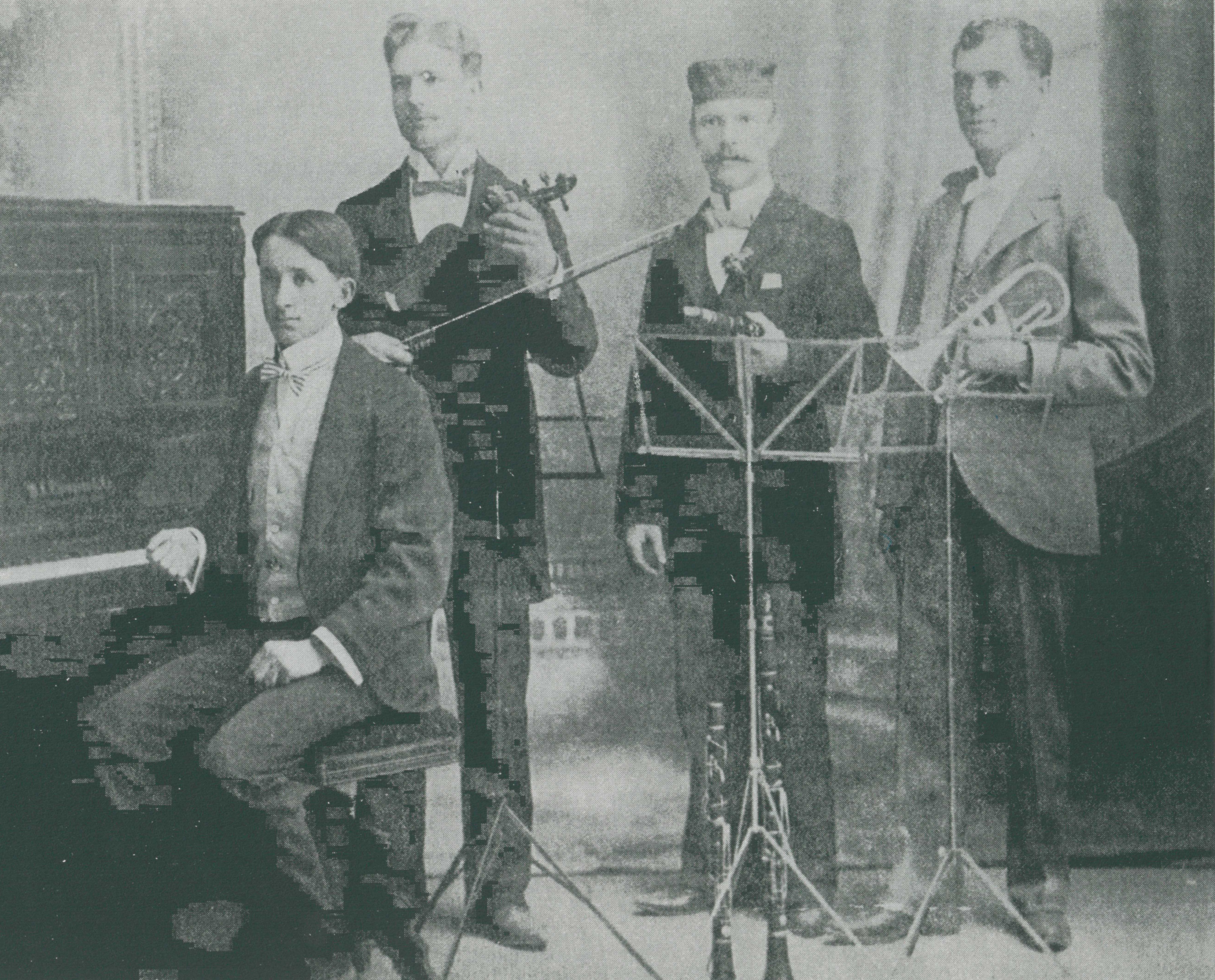
The man with the cap is Robert Hunt. He is Clara Hunt Singleton’s brother. Clara was the mother of Florence Singleton Simpson.

OLD PHOTOS

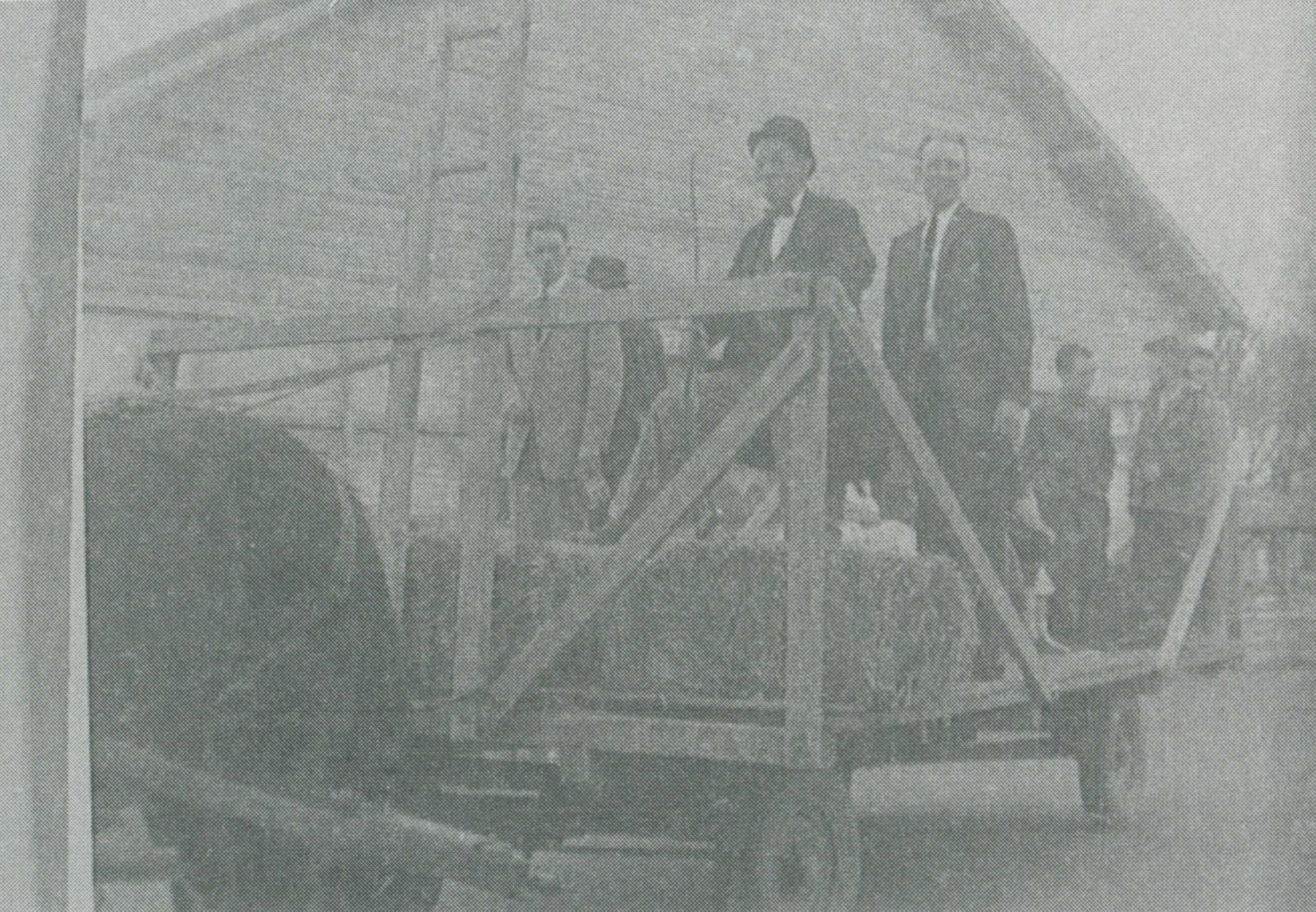
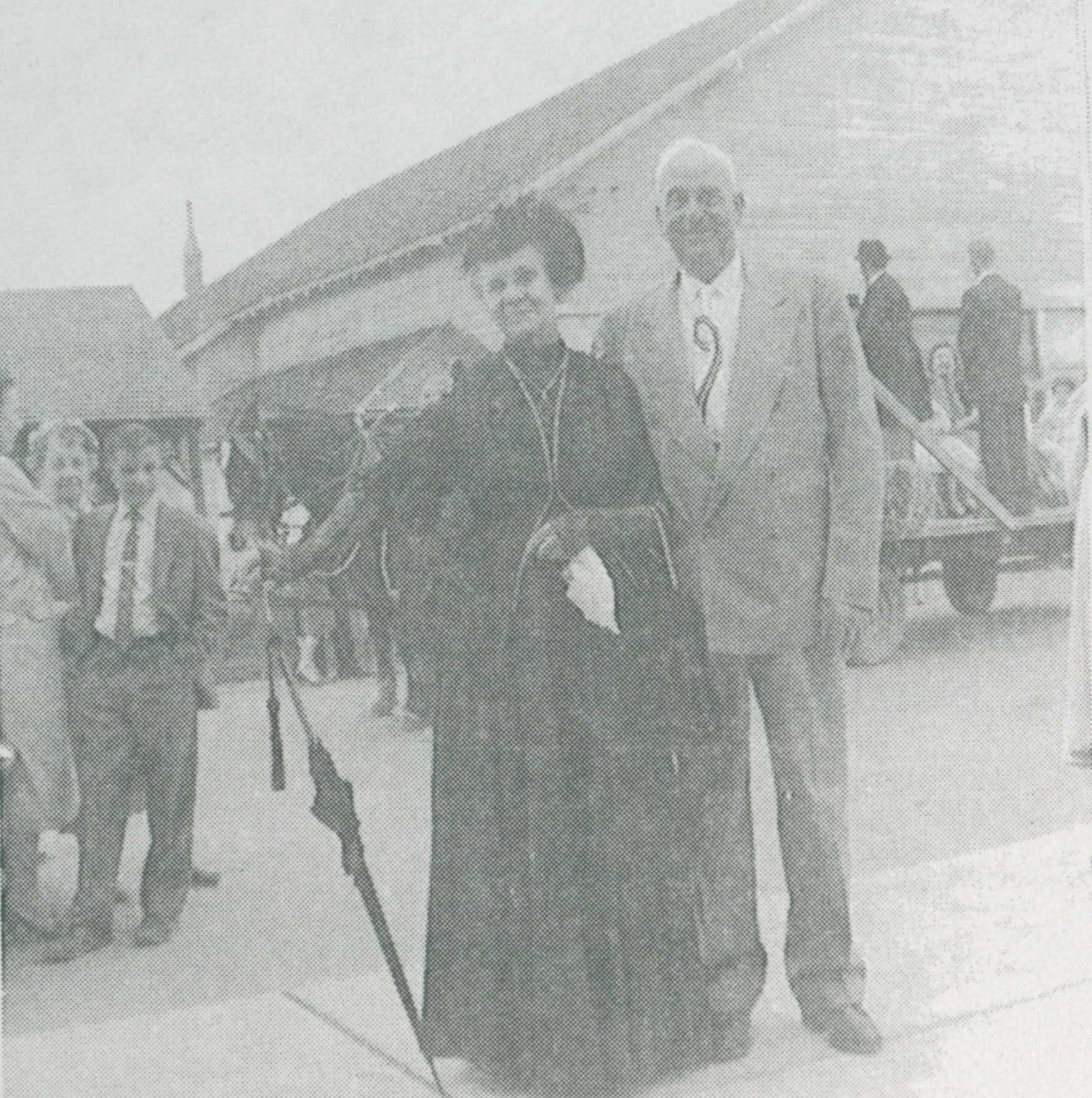
Above two: Plain City’s 110 year Anniversary.

Picture taken in front of the old dance hall. In 1959 on the Sunday nearest the 17th of March no cars were allowed at the church, just teams and horses and buggies. The people came to church in pioneer dress as a climax to a weeks long celebration.

Above: Rear view of the old Church house. The upstairs was a recreation hall with a stage.

PLAIN CITY CANNING COMPANY

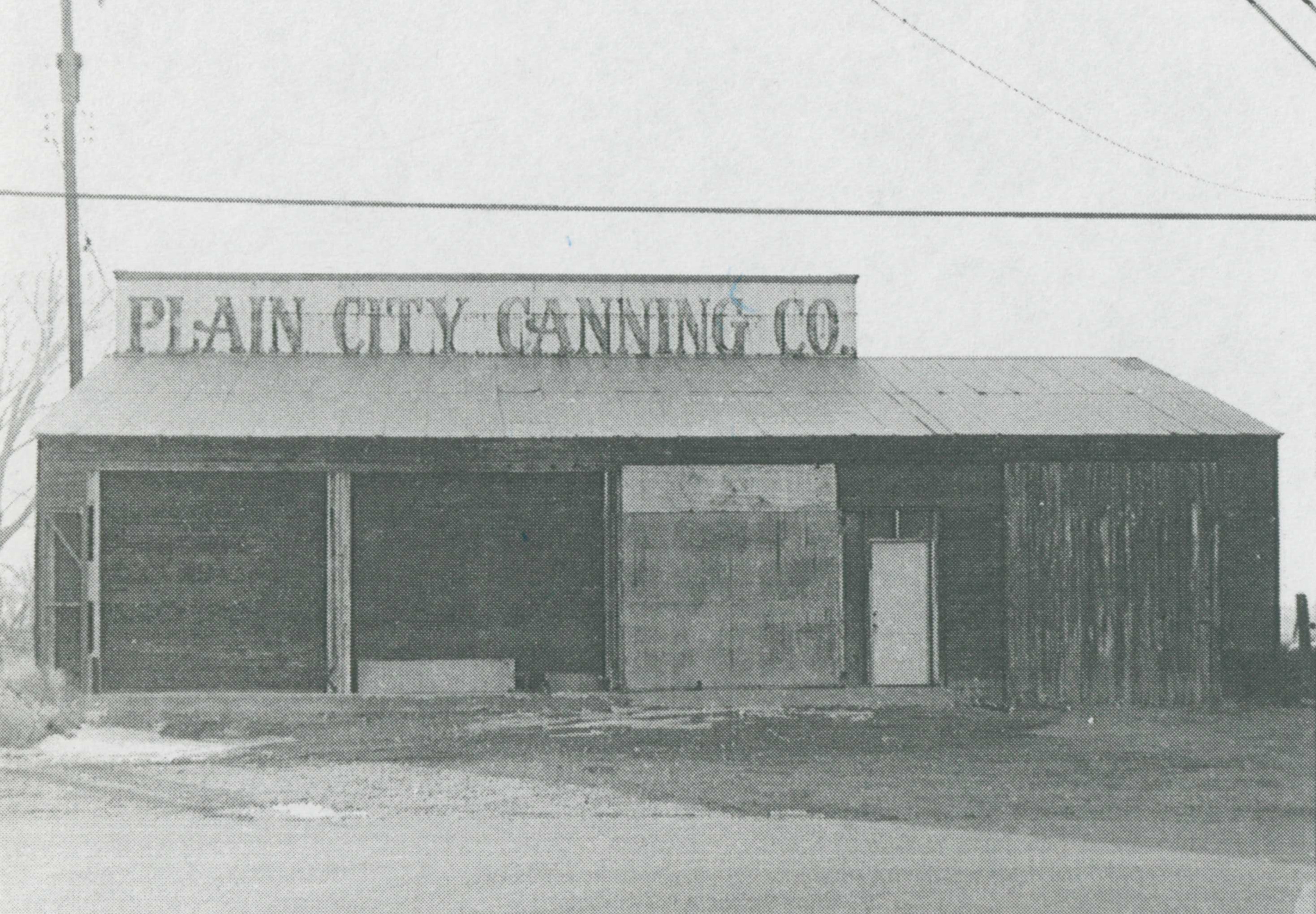
The Plain City Canning Company was built in 1925. They operated the factory for over 30 years. During World War II they used prisoner’s of war for laborers during the canning season. It is owned by George Cook.

EVERETT’S PLUMBING

This building was built by Everett Taylor for his plumbing business.

BUSINESSES OF TODAY

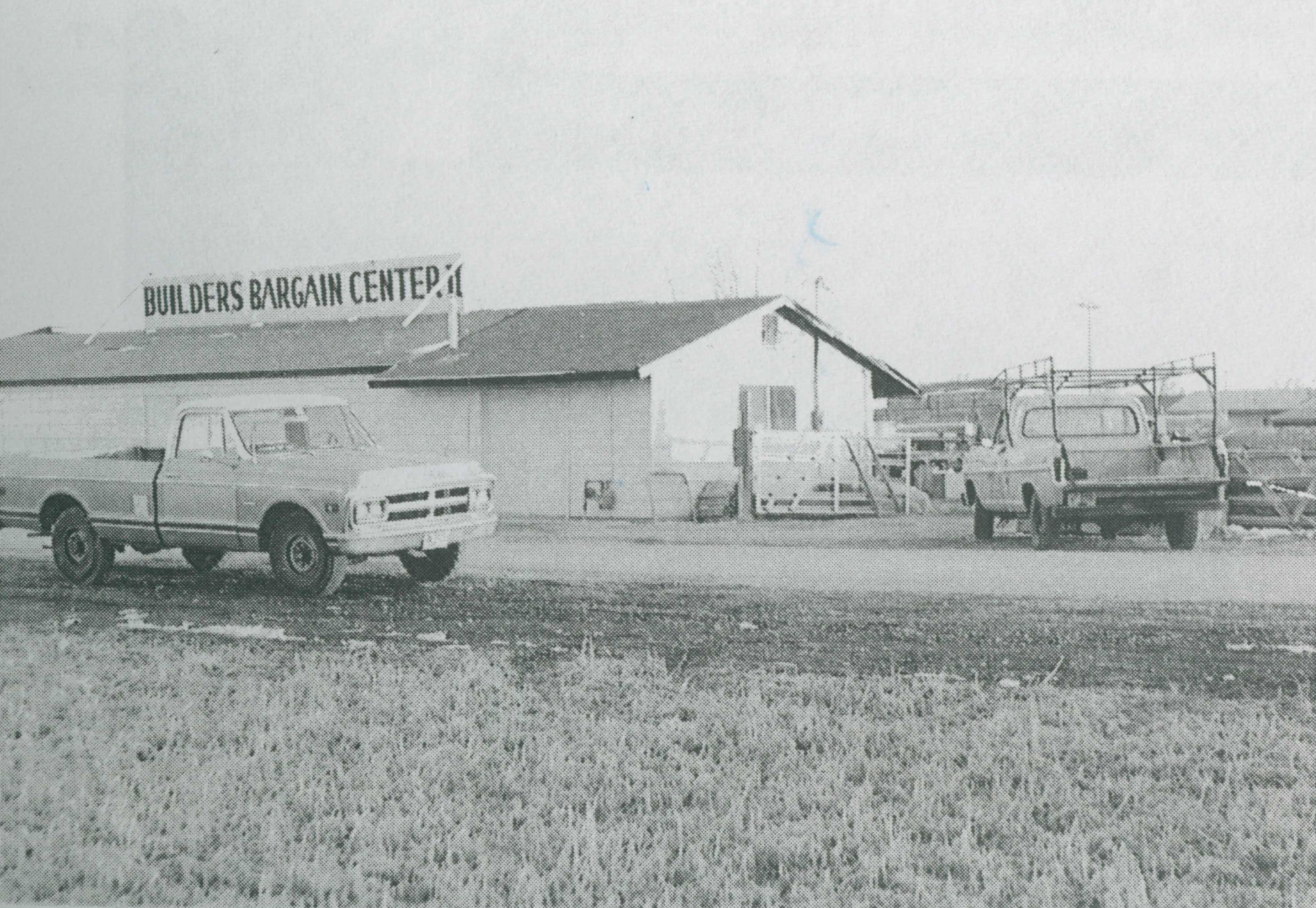
BUILDERS BARGAIN CENTER

              Builders Bargain Center, formerly England’s Builders. This business was started and run by Chester England for many years.

The Confectionery, but known to everyone in City has the Pool Hall, or the Grog Hall.

BUSINESSES OF TODAY

BARNES FURNITURE CO.

              Barnes Furniture Co. was started by Hebert and Elida Barnes in the winter of 1948-1949. Elida had acquired upholstery skills through Utah State Extension Services with offices in Odgen. Herbert learned wood work, restyling and remodeling from Utah Defense Depot. An elderly German refinishing craftsman taught Hebert the refinishing craft. Later on both had upholstery training through Weber College.

              The first shop was one-half of a small railroad box car situated east and south of the present shop at 1600 N. 4700 W.

              This makeshift shop was soon out grown. The present shop erected in 1953.

FIRST SHOP

Now owned by George Cook and used as a bath house.

PRESENT SHOP OF BARNES FURNITURE

BUSINESSES OF TODAY

            PAUL COSTLEY GARAGE

This garage opened in the fall of 1947, and is located north of the city of Plain City.

C. & B. REPAIR SHOP

The C. & B. Auto Repair Shop owned by Curt Knight and Bruce Hall. The old building at the left is Rall Taylor’s old blacksmith shop.

BUSINESSES OF TODAY

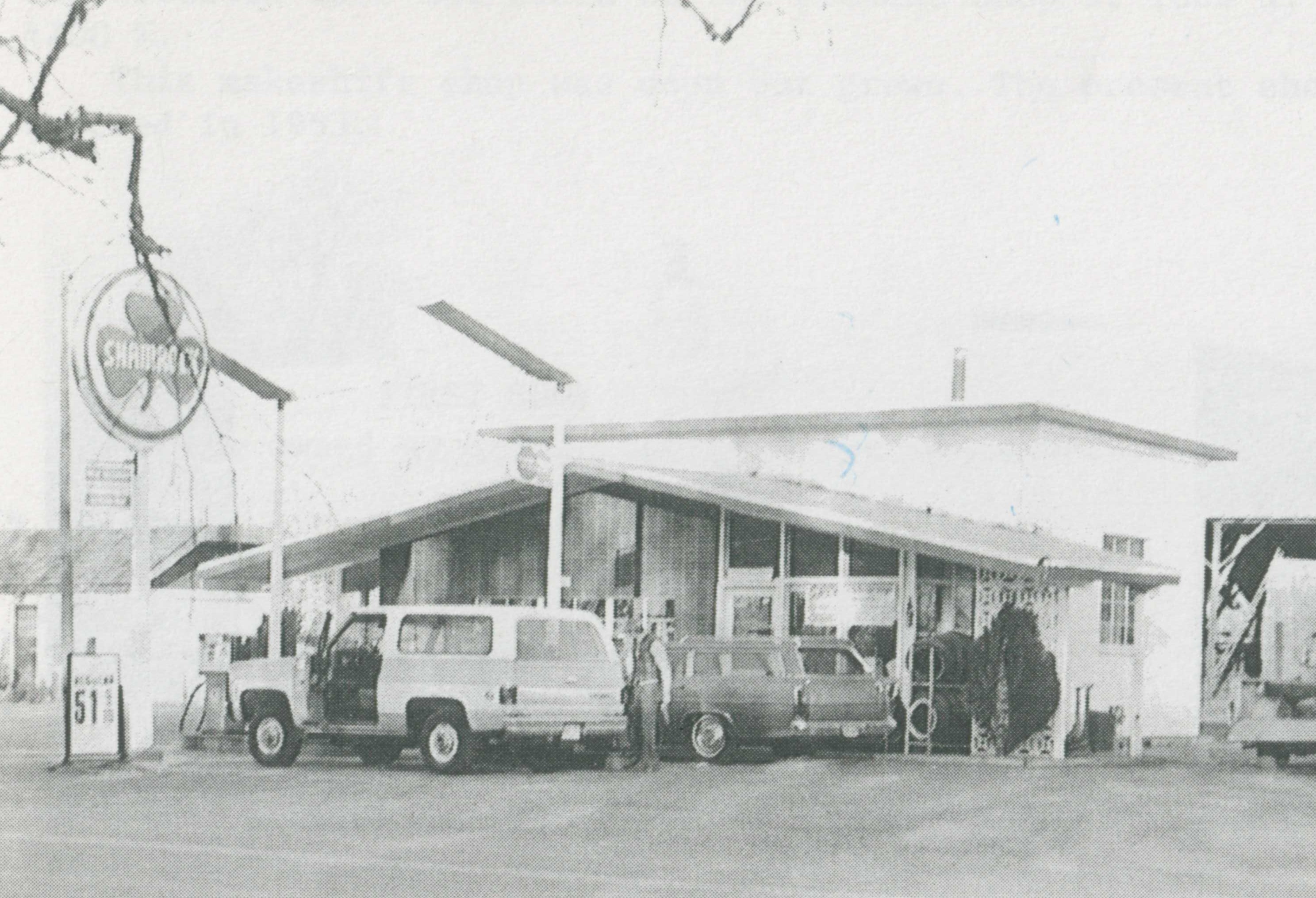
CLIFF FOLKMAN SERVICES

Cliff Folkman operated a gas station in this location for over 30 years. He moved into the new building in the fall of 1964, located in the center of town, on the east side of the Square.

WHITIE’S CAFE AND ICE CREAM PARLOR

Dennis White opened his cafe in the summer of 1976. It is located on the east side of the Square.

BUSINESSES OF TODAY

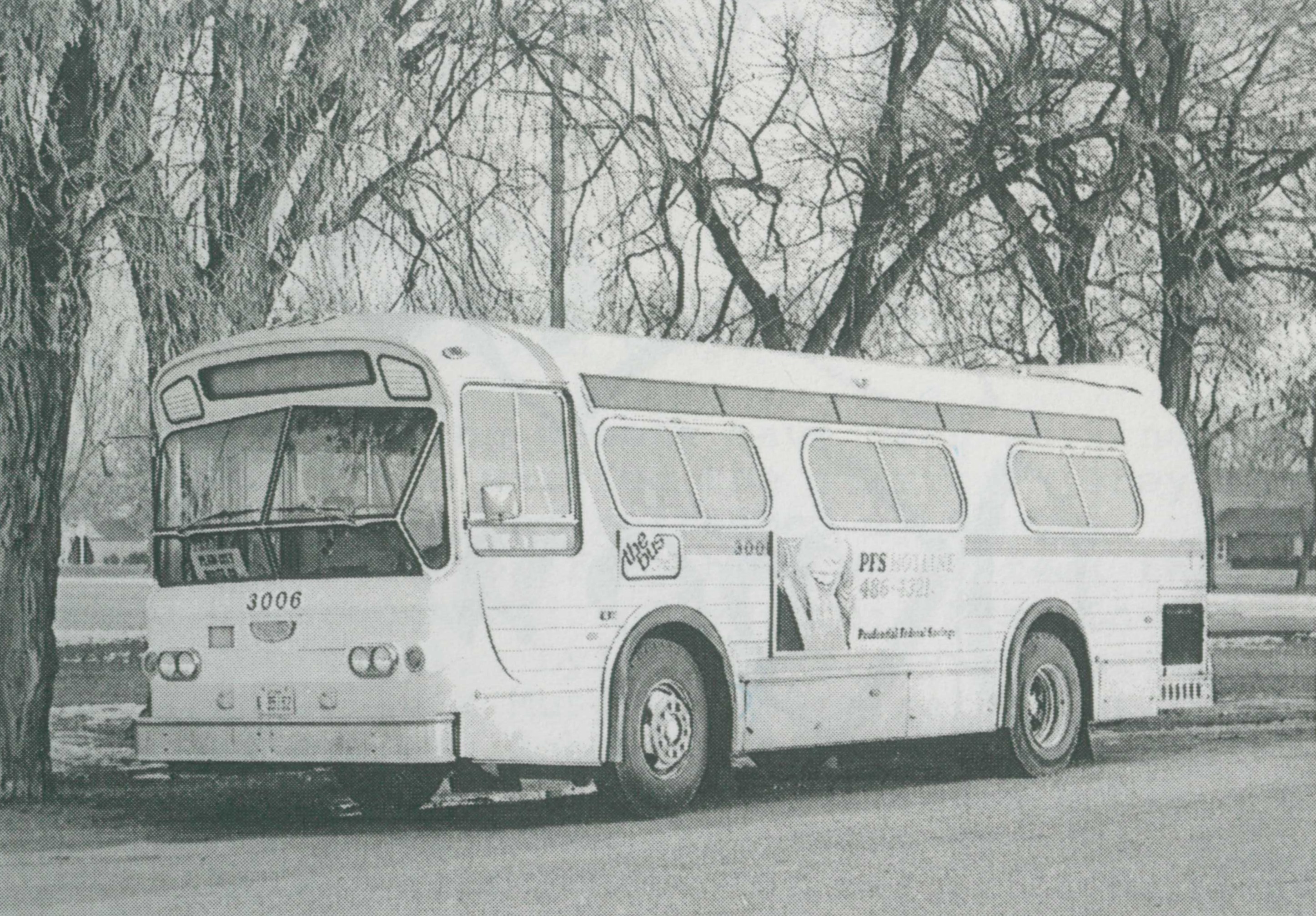
UTAH TRANSIT AUTHORITY BY RUTH FOWERS

            On Tuesday, July 6, 1976, the Utah Transit Authority started regular bus transportation services to Plain City area. The bus arrived in Plain city at 6:55 A.M. and returned to Ogden through Slaterville by way of Pioneer Road. The schedule continued every 40 minutes, the late bus leaving Plain city at 6:55 P.M., Monday through Saturday, with o service Sunday or holidays. It is called Route #20 Plain City.

            This service had been in the planning for some three years prior. The U.T.A. is supported by quarter of a cent sales tax. The fare being 15 cents for adults and 10 cents for children and senior citizens, with senior citizens allowed the courtesy ot ride free between the hours of 10 – 3 and after 6 P.M.

            Many citizens are enjoying this method of transportation to and from Ogden, some extend its service to Salt Lake City and return.

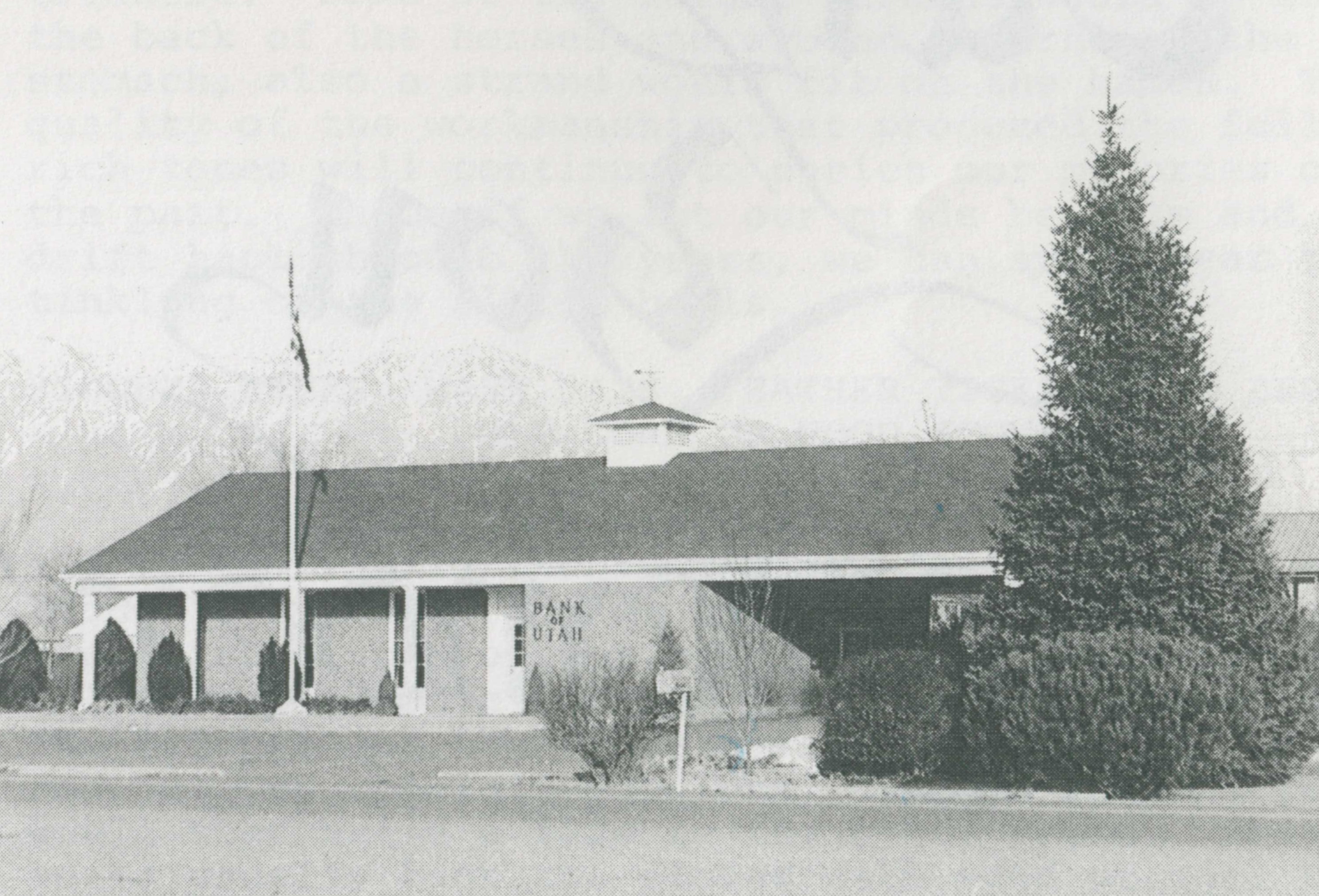
BANK OF UTAH

            Nov. 27, 1972, marked the grand opening date for the Plain City Branch of the Bank of Utah.

            The bank has had a steady increase in its patronage since the beginning. Services are available to all the citizens in the surrounding towns. Some clientele come from as far as south Brigham City.

            The bank started with three employees and now as four.

History of Plain City Pt 2

I have two copies of the History of Plain City, Utah. The front indicates it is from March 17th 1859 to present. As far as I can tell, the book was written in 1977. At least that is the latest date I can find in the book.

One copy belonged to my Grandparents Milo and Gladys Ross. My Grandpa has written various notes inside the history which I intend to include in parenthesis whenever they appear. They add to the history and come from his own experience and hearing.

I will only do a number of pages at a time. I will also try to include scanned copies of the photos in the books. These are just scanned copies of these books, I have not tried to seek out originals or better copies.

History of Plain City March 17th 1859 to present, pages 33 through 38.

Past Bishops of Plain City

Henry J Gardner 1906 – 1910
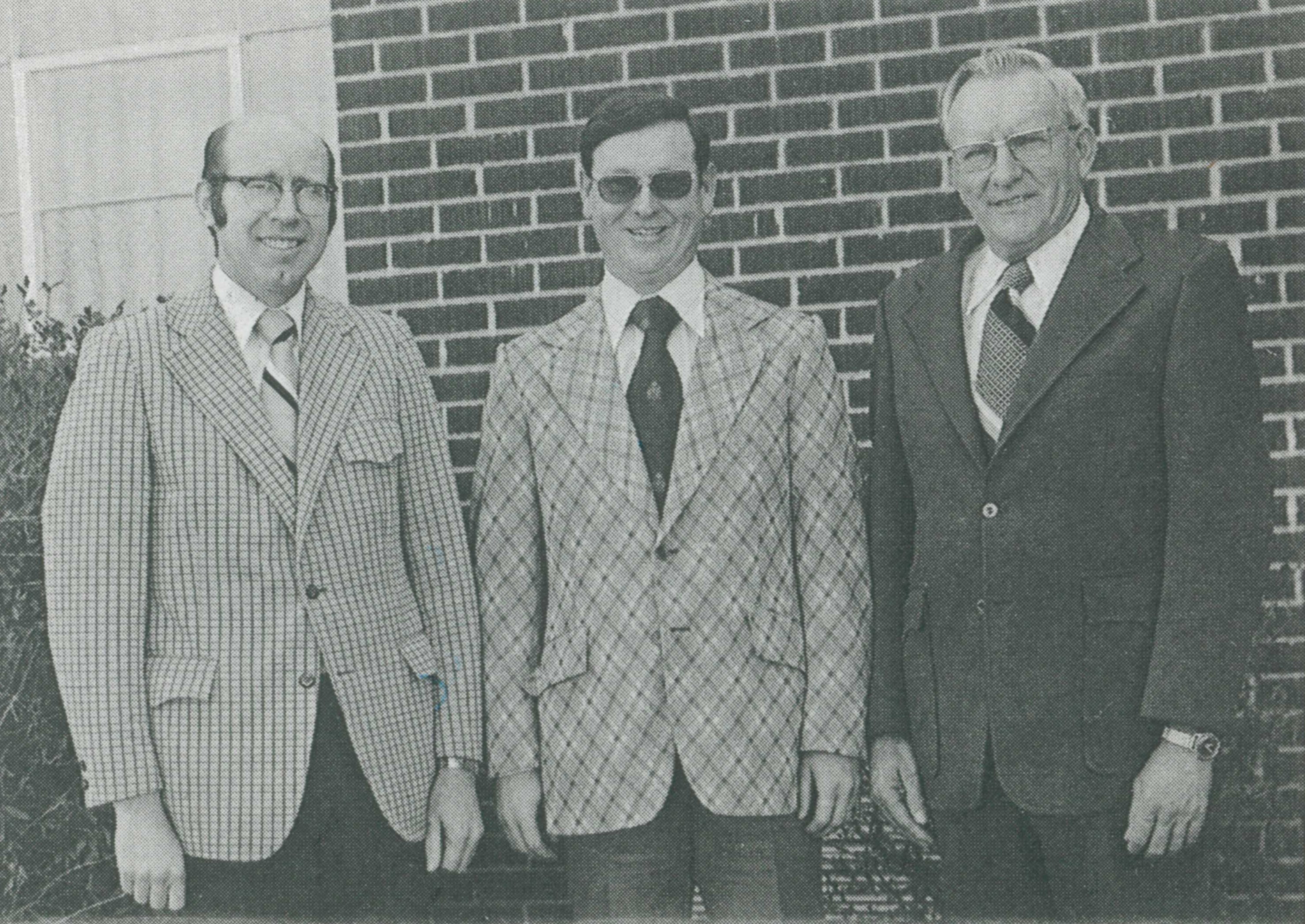
Back (l-r): Wilmer J Maw, George E Knight, Elvin H Maw, Charles L Heslop; Front: George A Palmer, Gilbert Thatcher, Henry T Maw

Wilmer J. Maw      1920–1926

George E. Knight  1949–1953

Elvin H. Maw        1944–1949

Charles L. Heslop  1936–1944 (Married Milo Ross & Gladys Donaldson April 1942)

George A. Palmer 1926–1936

Gilbert Thatcher  1913–1920

Henry T. Maw     1910–1913

(l-r): Charles L Heslop, Elvin H Maw, George E Knight, Merrill Jenkins, Lyman H Cook, Rulon Chugg, Wayne W Cottle, Orlo S Maw

Charles L Heslop, 1936-1944

Elvin H Maw, 1944-1949

George E Knight, 1949-1953

Merrill Jenkins, 1953-1959

Lyman H Cook, 1959-1964

Rulon Chugg, 1960-1965, 2nd Ward

Plain City Ward – Wayne W Cottle, 1964 –

Plain City Ward – Orlo S Maw, 1965

(l-r) Kent Calvert, Robert Sharp, Kent Jenkins

Kent Calvert, 2nd Ward 1971-1974, 3rd Ward 1974-

Robert Sharp, 2nd Ward 1974-

Kent Jenkins, 1st Ward 1971-

PLAIN CITY BRANCH OFFICER

1859 – 1977

Submitted by Roxy Heslop                  Gilbert Thatcher                      1913 – 1920

PRESIDING ELDERS                                                     Wilmer J Maw                        1920 – 1926

William W Raymond              1859 – 1863                George A Palmer                   1926 – 1936

John Carver                             1863 – 1866                Charles L Heslop                     1936 – 1944

William W Raymond              1866 – 1870                Elvin H. Maw                           1944 – 1949

Lewis W Shurtliff                    1870 – 1877                George F Knight                     1949 – 1953

FIRST COUNSELORS                                                    Merrill Jenkins                        1953 – 1959

Daniel Collet                           1859 – 1866                Lyman Cook                             1959 – 1964

John Carver                             1872 – 1877                Wayne W Cottle                     1964 – 1971

SECOND COUNSELORS                                               Kent Jenkins                            1971 –

Jeppe G Folkman                    1859 – 1872               

~

PLAIN CITY FIRST WARD

John Spiers                              1872 – 1877                FIRST COUNSELORS

CLERKS                                                                         John Spiers                              1877 – 1895

John Spiers                              1859 – 1872                Abraham Maw                        1895 – 1901

William W McGuire               1872 – 1877                Peter C Green                        1901 – 1903

PLAIN City Ward Officers        1877 – 1977                Henry J Garner                       1903 – 1906

BISHOP                                                                        Peter M Folkman                   1906 – 1910

Lewis W Shurtleff                   1877 – 1883                James L Robson                      1910 – 1920

George W Bramwell              1883 – 1906                George A Palmer                   1920 – 1926

Henry T Maw                         1910 – 1913                Elvin H Maw                           1926 – 1936

Gordon F Thompson  1936 – 1944                Abraham E Maw                    1936 – 1944

L Rulon Jenkins           1944 – 1949                Fred L Singleton                     1944 – 1946

Leslie T Maw              1949 – 1953                Llewellyn Hipwell                    1946 – 1949

Elmer Ericson              1953 – 1956                Howard Hadley                       1949- 1953

Rulon Chugg                1956 – 1956                William Searcy                        1953 – 1955

Thad Carlson               1959 – 1960                Rulon Chugg                            1955 – 1956

Carl Lund                     1960 – 1964                LeRoy P Folkman                    1956 – 1959

A Lew Jenkins              1964 – 1966                Kent Jenkins                            1959 – 1964

Darwin J Taylor           1966 – 1971                Delmar L Tanner                    1964 – 1969

G Earl Thompson        1971 – 1972                Blaine R Jensen                      1969 – 1971

Gary Jackson               1974 –                          Steven Miller                          1971 – 1974

SECOND COUNSELORS                                    Gary Jackson                           1972 – 1974

Peter C Green            1877 – 1901                Jerry Bradford                         1974 –

Samuel P Draney        1901 – 1903                WARD CLERK

Peter M Folkman       1903 – 1906                William McGuire                    1877 – 1887

Peter P Green            1906 – 1907                George Carver                        1877 – 1890

William G Rhead        1907 – 1910                Peter C Green                        1890 – 1903

William C Carver        1910 – 1913                William Kenley                        1903 – 1907

Marion Knight             1913 – 1914                William A Kerr                        1907 – 1914

William England, Jr    1914 – 1920                William H Heslop                   1914 – 1936

Elvin H Maw               1920 – 1926                LeRoy P Folkman                    1936 – 1942

Thomas Jenkins           1926 – 1936                Fred L Singleton                     1942 – 1944

Walter Moyes             1944 – 1947                A Glen Charlton                     1963 – 1965

A.Lew Jenkins              1947 – 1951                Gaylen Hansen                        1965 – 1966

Herbert E Barnes       1951 – 1953                Kent Calvert                            1966 – 1971

Blair Simpson              1953 – 1959                Robert Sharp                           1971 – 1974

Glen A Charlton         1953 – 1959                Rodney Roper                         1974 –

Kent Jenkins                1957 – 1959                SECOND COUNSELORS

Willard Wayment        1953 – 1959                A Glen Charlton                     1960 – 1963

Harold Hadley             1959 –                          LeRoy Folkman                        1963 – 1965

Wayne Skeen              1959 – 1965                Denton Hall                             1965 – 1971

Vernon Smith              1965 – 1965                Donald Skeen                          1971 – 1974

Robert Wade               1965 –                          John Stevens                           1974 –

Clair Truscott              1965 – 1971                CLERKS  

                                                                        Walter Moyes                         1960 – 1965

~

PLAIN CITY SECOND WARD                             Lewis Moyes                           1965 – 1974

            Created June 12, 1960                        R John Maw                           1974 – 1976

BISHOPS                                                          Duane Bullock                         1976 –

Rulon Chugg                1960 – 1965               

~

PLAIN CITY THIRD WARD

Orlo S Maw                1965 – 1971                            Created June 23, 1974

Kent Calvert                1971 – 1974                BISHOPS

Robert Sharp               1974 –                          Kent Calvert                            1974 –

FIRST COUNSELORS                                                    FIRST COUNSELORS

Jay Taggart                 1960 – 1963                            David Petersen                        1974 – 1976

Layne Thompson         1976 –

SECOND COUNSELOR

Robert Lewis               1974 – 1976

F. LeRoy Williams       1976 –

CLERKS

Keith Hamp                 1974 –

~

Plain City Chapel. Dedicated 1889. Tore down in 1953. Was built just North of the present chapel.
Another view of the Plain City Chapel of 1889.
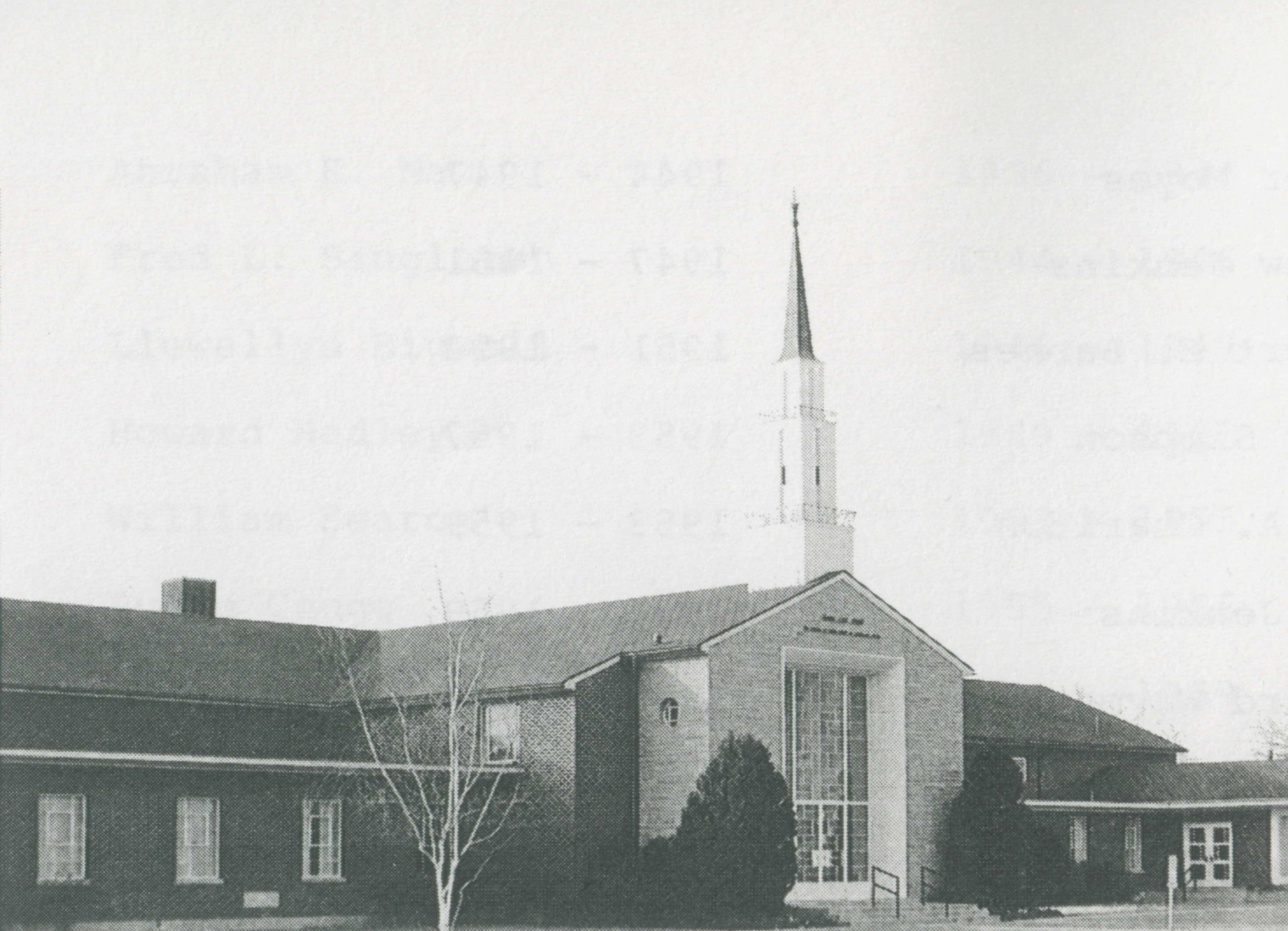
Present City Chapel. Dedicated 1954.

5th Grade, Paul Elementary, Paul, Idaho

Front (l-r):Genevive Olivas, Jennifer Gebauer, Cody Strunk, Bryan Jensen, Shane Hossfeld, Paul Ross.  Second: Mrs. Bonnie Willis, Amber King, Colleen Harper, Jalene Woodward, Mandy Ball, Bobie Jones, Joel Munoz, Michael Hollis.  Third: Grace Williams, Karlene Hansen, Traci Gibbons, Brett Whiting, Alfonso Navarro, Beau Twiss, Jesse Jensen.  Back: Kyle McCoy, James McKenzie, Jim Cueva, Patrick Adams, Max Bailey, Rigo Arteaga.

A friend brought in some pictures she had of my grade school years.  All mine were lost due to the flooding of our basement while in the mission field.  I am happy to have copies again.  (If anyone has Ms. Suhr for 3rd or Mr. Mendenhall for 6th, I would love to scan copies of your photos!)

This is my 5th grade class from Paul Elementary, Paul, Idaho.  I believe this was the 1989 – 1990 school year.

Normally I go through and organize these photos with married names and dates.  I will forgo the dates since we are all alive as far as I know.  For the women, I added married names.  If you have corrections or updates, I am happy to add.

Mrs. Bonnie Willis

Patrick Adams

Rigo Arteaga

Max Bailey

Mandy Ball

Jim Cueva

Jennifer Gebauer

Traci Gibbons (1987 – 2021) married Hollahan

Bryan Jensen

Jesse Jensen

Bobie Jones married Story

Karlene Hansen married Ashcraft

Colleen Harper married David Barnes

Michael Hollis

Shane Hossfeld

Amber King

Kyle McCoy

James McKenzie

Joel Munoz

Alfonso Navarro

Genevive Olivas

Paul Ross

Cody Strunk

Beau Twiss

Brett Whiting

Grace Williams married Wittman

Jalene Woodward married Richman

Friends Graduation Portrait

Going through some more old photos, I stumbled upon this graduation portrait.  I cannot remember who orchestrated this, but I am glad we did it.  Thank goodness for great friends.  I loved high school and am happy to report this seems to capture some of that feeling.  I graduated in 1997 as did a number of these friends, but not all of us in the photo.

LLLL

Standing (l-r): Altan Hardcastle, Grant Patterson, Bryan Jensen, Jessica Aldridge, Paul Ross, Dustin McClellan.  Middle: Brenna Barnes, Kassey Harrison, Eva Schroeder, Kristi Barfuss (front), Aimee Jackson (back), Mandy Hunter, Jennie Lee Larson.  Front: Vanessa Holbrook, Aimee Aston, Ivan Hardcastle, Jodie Larson, Nicole Whitesides.

I could go through on where all these individuals have ended up but it would likely be outdated within a few months.  Plus, some might want to keep some of their information more private.  So I won’t write more.
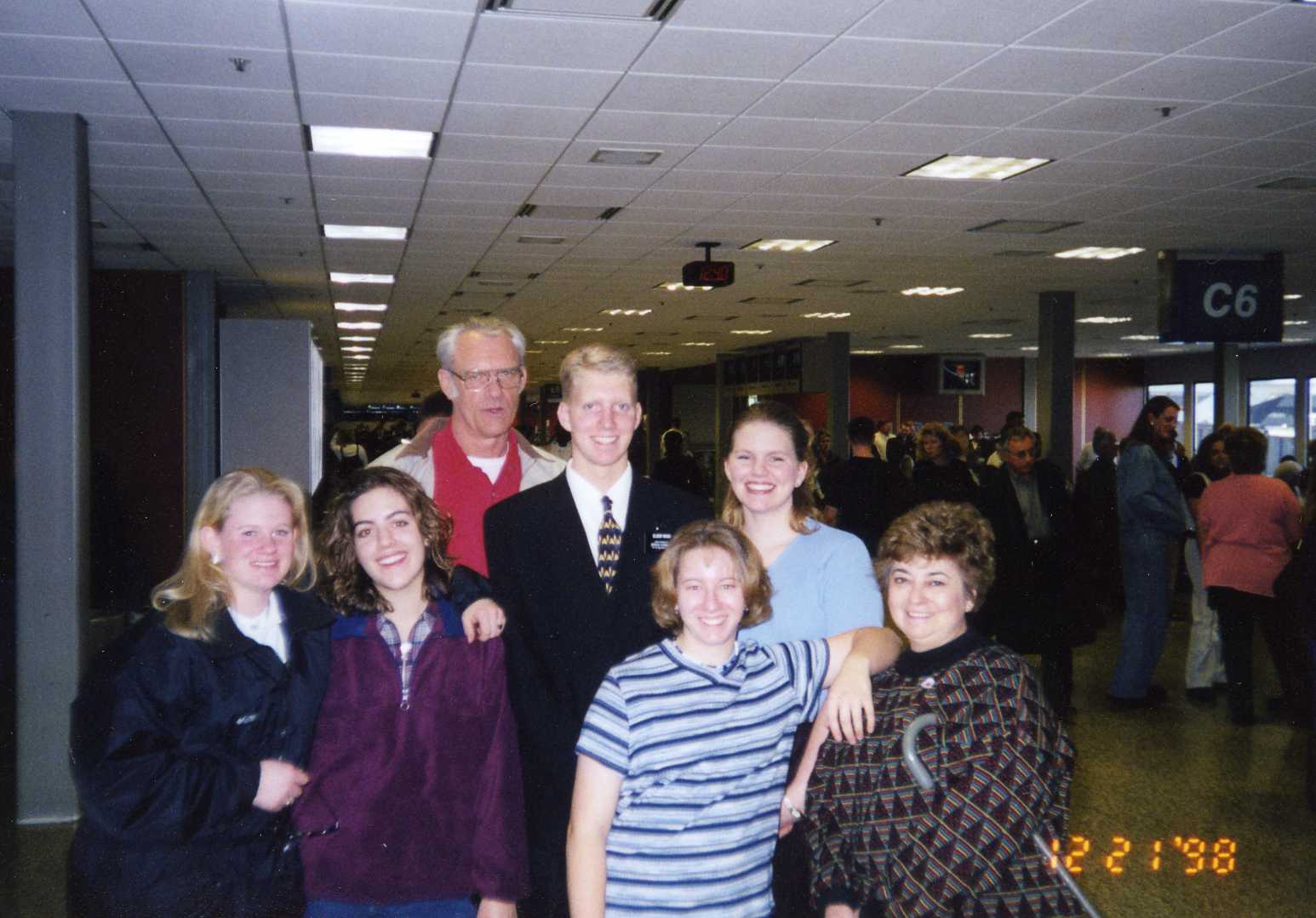
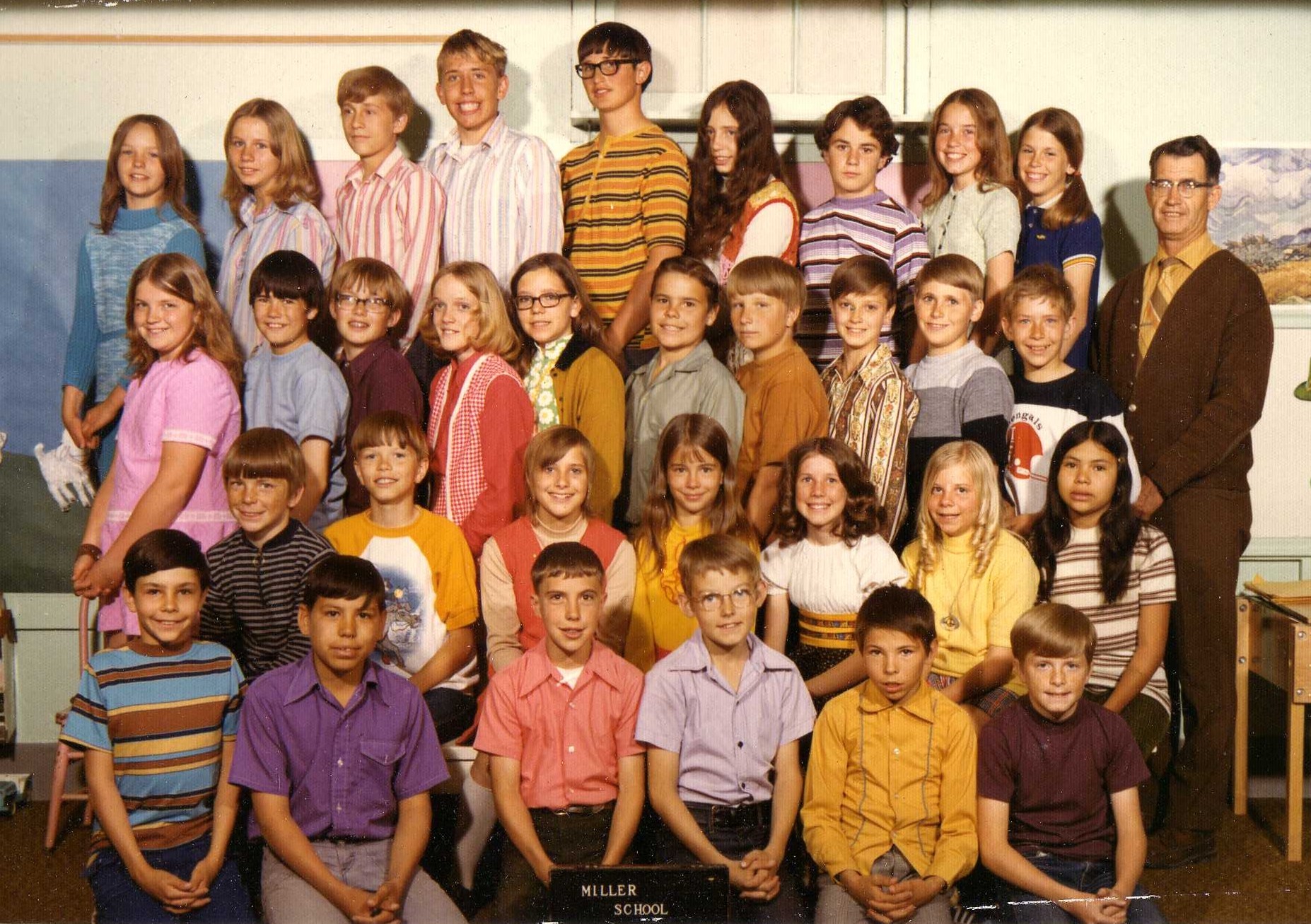
The MTC

With my brother-in-law entering the Missionary Training Center (and now already left for his Carlsbad California Mission) I looked through some of the photos I have from the MTC.

That morning we met with the Stake President to finalize everything before driving out to Provo, Utah, Utah.

The morning to go to the MTC with Milo Ross, Colleen Lloyd, and Jackie Melycher (aunt)

The morning to go to the MTC with Milo Ross, Colleen Lloyd, and Jackie Melycher (aunt).  My Grandma particularly liked this photo because it also gives a side profile of me as well as the front.

One final blessing and setting apart before leaving.

Gene Hansen, Paul Ross, Milo Ross, setting apart (again)

Gene Hansen, Paul Ross, Milo Ross, setting apart (again)

The first picture is at the front doors before going in.

Arriving at the MTC

Arriving at the MTC

My first companion Elder Kody Young from St. George, Washington, Utah.

Kody Young and Paul Ross, companions at MTC

Kody Young and Paul Ross, companions at MTC (the camera is incorrect, this was December 1998)

Our first snow while at the MTC.

Snow at the MTC

Snow at the MTC

One of my most distinct memories from the MTC was the heating.  I don’t know what it was, but I ended up with a bloody nose at least once a day.  I was not the only one.  Apparently it had something to do with the dryness of the air and the ventilation systems.  It made for long days where my head was not always in the lessons but often worrying about the next nosebleed and whether I had tissues nearby.  If I had to go to the bathroom, the paper towels only seemed to make the problem worse.

Elder Holland came and spoke to the MTC while we were there.  He insisted on the opening hymn as “Rudolph the Red-nosed Reindeer.”  After we sang it, he wanted us to sing it again with the silly extra phrases we all know.  It was quite a bit of fun hearing an organ play the introduction and then for us to sing along.  It was also in this talk that he told us that if we had to come home before our time was up, we better come home on a stretcher.  Even at the end, we should have worn out our days as missionaries.  We were so close the the Christmas holidays that we regularly sang Christmas music.

Our MTC District attending the Provo Temple.  Four of us were going to England, the remaining ones were headed to Peoria, Illinois.  The thing I remember most about the Provo Temple were the white escalators.  Years later when I went back, they were gone!  I was a bit disappointed not to see the white escalators again.

Our MTC District, I only know four of the 11.  From l-r, #5 is Elder Olson, #9 Elder Scow, #10 Elder Young, #11 Elder Ross.  The rest were going to Peoria, Illinois if I remember correctly.

Our MTC District, I only know four of the 11. From l-r, #5 is Elder Olson, #9 Elder Scow, #10 Elder Young, #11 Elder Ross.

There were a few things in the MTC that disgusted and horrified me but I will not relate them here.  They were not becoming of missionaries and I let them know.  There were also plenty of fun and enjoyable times.

Then the five of us were flying off to Manchester, England just in time for Christmas.

Elder Olson, Elder Scow, Sister Dunn, Elder Young, and Elder Ross at Salt Lake City airport flying out

Elder Olson, Elder Scow, Sister Dunn, Elder Young, and Elder Ross at Salt Lake City airport flying out

Some good friends and family came to see us off.

Elder Scow, Elder Young, Bryan Jensen, Elder Ross

Elder Scow, Elder Young, Bryan Jensen, Elder Ross

More friends and family.  My Sister, Dad, and Great Aunt Andra and cousin Denise, all came to share.  Sadly, my Grandma was told I was leaving from the wrong gate and was not present so I did not get to see her one last time.  She made it to the concourse just as the plane was about to leave and they let her send a package on the plane to me.  Very good friends to come say goodbye!

Andra Ross, Elena McBride, Milo Ross, Elder Ross, Denise Andra, Brenna Barnes, Adelaide Andra

Andra Ross, Elena McBride, Milo Ross, Elder Ross, Denise Andra, Brenna Barnes, Adelaide Andra

Maybe I can start sharing some more photos of the mission as time goes on.  I should get out my journals to add some more flavor to these entries than just photos.

Mr. Heward’s Class

Back Row(l-r): Debbie Kay, Tammie Beason, Bruce Harper, Mike Hansen, Jack Jones, Dawnette Jolley, Cris Davis, Tamara Quast, Cindy Church, Mr. Heward. Third row: Kim Maier, Kerry Hines, Jeff Holland, Jody Anderson, Marilyn Baumgartner, Steven McDaniel, Chip Jones, Rodney Hansen, Keith Barnes, Robert Murphy. Second Row: Curtis Holmes, Norman Dayley, Janie Harris, Katherine Ringel, Wendy Lambert, Jackie Jonas, Delia Castilla. Front Row: Charles Elliott, Ruben Soto, Mark Bonner, David Hill, Gary Miller, Daniel Green.

This class photo is one of several in my Aunt’s photos that she gave to me so I could scan them.  Since there is not really a great way to keep all the names on the photo with it, I thought this would be the best way.  This picture was taken at the old Miller School located in Burley, Cassia, Idaho.  I believe this photo was taken in March 1972.  Jackie has written on it that she was age 11, and the broader photo has St. Patrick’s Day items on the walls. If anyone has more information about people in the picture, please let me know.

Debbie Kay

Tammie Beason

Bruce Harper (1959 – 1975)

Mike Hansen

Jack Jones

Dawnette Jolley

Cris Davis

Tamara Quast

Cindy Church

Gerald Heward (?-?)

Kim Maier

Kerry Hines

Jeff Holland

Jody Anderson

Marilyn Baumgartner

Steven McDaniel

Chip Jones

Rodney Hansen

Keith Barnes

Robert Murphy

Curtis Holmes

Norman Dayley

Janie Harris

Katherine Ringel

Wendy Lambert

Jackie Jonas

Delia Castilla

Charles Elliott

Ruben Soto

Mark Bonner

David Hill

Gary Miller

Daniel Green