PLEASANT VIEW – Rumors that this city’s volunteer fire department was inefficient at a recent house fire were refuted Thursday night by officials and residents.
To the contrary, testified Fire Chief Terry Call, volunteer firemen did an “outstanding job” at the scene of the blaze.
The fire gutted the home of Harold Ross at 975 W. 3800 N., Friday night. It also destroyed a boat before being brought under control. The family was gone at the time.
BACKS MEN
Chief Call was backed by a group of residents appearing before the City Council on other matters.
Two residents, Don Amidan and George Sant questioned actions of the volunteers and requested information about their training and skills.
They also questioned purchase and installation of a pool table in the fire station saying they did not feel firemen “have time to play pool during training sessions.”
Chief Call said the department has the finest equipment in the county and that he would match his volunteers with any in the state.
He said the pool table is not used during training sessions and pointed out that its purpose is to encourage volunteer firemen to spend time at the station during off-duty hours.
PLAYING POOL
“There have been a number of occasions when two, three or four volunteers have been at the station playing pool when an alarm has come in,” he said.
“As a result, it has been only a matter of seconds before the equipment is rolling and firemen are on their way to the fire,” he added.
Chief Call, supported by several residents, said firemen and equipment were on the scene in almost record time.
He said records showed the alarm was called in at 10:18 p.m. and fire crews were at the scene and in operation nine minutes later at 10:27 p.m.
THAT FAST
“I doubt if any other department in the country could respond as fast, even those manned 24-hours a day,” Chief Call declared.
Reports that firemen arriving at the scene did not even have a wrench to open the fire hydrant were denied by Chief Call and residents.
It was explained that a resident at the scene did put his own wrench on the hydrant as firemen arrived, but crews had one on the truck available for use.
Residents who flocked to the scene on foot and in vehicles were blasted by officials who said their actions impeded fire fighting activities.
As a result, Mayor Richard Diamond said a plan has been worked out by police departments in Pleasant View, North Ogden and Harrisville to hold back crowds at fires or other disasters and all officers will be empowered to make arrests.
DRIVE TRUCK
Chief Call said the department has 20 out of 25 volunteer firemen who can drive and operate the fire truck.
He said the five who do not are recruits who have expressed their desires not to operate the equipment until they are more qualified.
Mayor Diamond said the city is purchasing additional fire hose as funds will permit. It also was pointed out there is a need for more fire hydrants in some areas.
Chief Call, said Mayor Diamond, will be asked to make a list of such areas by priority. Fire hydrants also will be color coded according to the water pressure available in each.
ALL HYDRANTS
A program is presently under way to check the operational condition of all hydrants in the city.
Mayor Diamond was asked to have Chief Call coordinate the program with the public works department which has been conducting the checks.
I have two copies of the History of Plain City, Utah. The front indicates it is from March 17th 1859 to present. As far as I can tell, the book was written in 1977. At least that is the latest date I can find in the book.
One copy belonged to my Grandparents Milo and Gladys Ross. My Grandpa has written various notes inside the history which I intend to include in parenthesis whenever they appear. They add to the history and come from his own experience and hearing.
I will only do a number of pages at a time. I will also try to include scanned copies of the photos in the books. These are just scanned copies of these books, I have not tried to seek out originals or better copies.
History of Plain City March 17th 1859 to present, pages 141 through 149.
BONA VISTA IMPROVEMENT DISTRICT
SUBMITTED BY FLOYD PALMER
This most important new culinary water system has made life a little more pleasant in this community and surrounding areas. It was turned into the lines just a century after sturdy pioneer families first put together temporary shelters and tapped several sweet water springs which they found in the area.
It replaces old flowing wells, bringing precious waster from the depths of the earth. In early days many deep and surface wells dug, covered over, and fenced off to keep children from falling in. They were first fitted with “pitcher” pumps, a short-handled affair which were the “pumper” out in a short time. Even the farm animals had to depend on well water pumped to the surface by hand.
Later, the easier to work, long-handled pumps were installed. These were followed by power pumps connected to a small storage tank. This was the ultimate in a private water supply.
In 1955, a Weber County man, Linn C. Baker, was a member of the State legislature. He is the one who sponsored the bill to create special improvement districts. The reason he was the sponsor of this bill was due to his work in the Health Department for the State of Utah. As he studied samples of water sent to him from the outlying towns, he became aware of the amount of contamination there was in the drinking water in certain areas, Plain City was among the highest on the list. This was traceable to shallow surface wells being used, also septic tanks with poor drainage.
Soon after the Weber Basin Conservancy District was organized, Plain City wanted to purchase one-thousand-acre feet of water. Their request was held in abeyance until a line could be built from Ogden Canyon. This, however, was never done.
Elmer Carver was on the executive committee of Weber Basin Project. Through the encouragement of Commissioner Carver, Mr. Ezra Fjeldsted, manager of Weber basin Project, and Linn Baker, all met with the Plain City Town Board to get something started. Floyd A. Palmer, a member of the Town Board, was asked to represent Plain City on a committee of surrounding towns in Weber and Davis counties. Mr. Ezra Fjeldsted acted as chairman of this group and several meetings were held in both counties which Mr. Palmer attended.
Following this, a public meeting was held in Plain city. Farr West, and Harrisville were asked to join in. This was for the purpose of starting a culinary water system. The results of this meeting, from all groups attending, were to go ahead, also to contact other nearby towns and get their feelings about joining in.
A series of meetings were held in Farr West, Harrisville, Slaterville, Marriott, Wilson Lane, and Plain City. Other towns were invited to attend. Ezra Fjeldsted represented Weber Basin, Floyd A. Palmer represented Plain City, Dick Groberg represented Farr West, Kenneth Brown represented Harrisville, Clifford Blair represented Marriott and Slaterville, and Arthur W. Sorensen represented Wilson Lane. The meetings were all met with a great deal of enthusiasm and interest.
Plain City Town Board consisted of Lee Olsen, President, Floyd A. Palmer, Elvin H. Maw, Merrill Jenkins, Blair Simpson, as members. A culinary water system was a prime item of the agenda in 1956. The town board along with several local residents were well organized to promote the need for a water supply to replace the surface wells and pumps.
On July 19, 1956, Elmer Carver, Chairman of the Board of County Commissioners of Weber County, State of Utah, signed a certified documents that there be and is hereby created within Weber County, Utah, a Water Improvement District to be known and designated as the BONA VISTA WATER IMPROVEMENT DISTRICT, the same to embrace and include all real property lying within the following boundaries, to-wit: (SETS FORTH DETAILED LEGAL DESCRIPTION OF DISTRICT BOUNDARIES WHICH BOUNDARIES EMBRACE LANDS HEREIN ABSTRACTED – Abstracter)
That the following-named persons are appointed as the Board of Trustees of said Bon Vista Water Improvement District:
Floyd A. Palmer, Plain City
Richard Groberg, Farr West
Kenneth Brown, Harrisville
Clifford Blair, Marriott-Slaterville
Arthur Sorensen, Wilson Lane
This resolution shall take effect immediately and shall be recorded in the office of the Weber County Clerk. Recorded August 22, 1956.
Following this appointment from the Weber County Commission, the board held a short meeting. It was necessary to elect a chairman, after a discussion of each of the board members. Kenneth Brown was appointed as chairman.
The first order of business was to secure professional and legal help. Mr. Jack Richards was appointed attorney. Jack Reeves, of the firm of Nelson, Reeves and Maxwell, was appointed engineer. They were appointed to do the field work and present the plans and drawings back to the board.
When the plans were completed, the board spent much time deciding the most feasible and economical areas to run the lines in. Also, to give each town a fair share of the project. Following this, it was necessary to project estimated costs. The board spent many months getting costs and deciding on types and kinds of pipes and materials to use on the project. The overall plans had to look attractive and feasible in order to get a bonding company to handle the bonds.
The first step made to secure the bond issue was to get signed pledge cards with an agreement to pay $250.00 for a waster connection. This was a requirement. Committees were organized with Floyd A. Palmer, Richard Groberg, Kenneth Brown, Clifford Blair, and Arthur Sorensen acting as chairman in each of their respective towns. The result was very successful, all those serving on these committee are deserving of much credit for their untiring effort and accomplishments.
On August 20, 1957, a bond election was held to see if the residents would approve a $900,000.00 bond issue. The vote was 490 yes and 82 no. Edward L. Burton Company was retained as Fiscal Agent, and $698,000.00 was sold in General Obligation Bonds, and the system was under way.
On April 14, 1958, a contract was awarded to Smith-Scott Pipe Company to furnish cement mortar-lined steel pipe for the main lines.
Also, on April 14, 1958, a contract was awarded to Knudson Construction Company to install water mains in the Harrisville-Randall area which was Phase I of the project.
Also, on April 14, 1958, a contract was awarded to Chicago Bridge & Iron Company to furnish and erect a 250,000.00 gallon elevated storage tank in Plain City.
On April 28, 1958, Theron Palmer was hired as General Superintendent to oversee construction and to get it ready to serve and operated as a system.
On May 27, 1958, an office was rented from the E. B. Stone Estate on the corner of 9th and Washington. The district still maintains its offices here. The building was purchased by the district in 1969 and has been remodeled.
On May 27, 1958, negotiations were begun with the State Department of Welfare of obtain ownership of a spring located in Garner’s Canyon in North Ogden. The spring was used at the time by the welfare department at the Industrial School property for culinary use and irrigation use.
On May 27, 1958, Weber Basin let a contract to Statewide Construction Company to build the 16-inch transmission line from 4000 South on U-84, down into the district where Bona Vista could connect to it.
Also, on May 27, 1958, a piece of property located at 4100 West on 2200 North in Plain city, was purchased from Vern Palmer to construct the elevated tank.
Bona Vista Water Storage Tank
Raymond Concrete Title Company moved in and drove concrete pilings 80 feet into the ground to support the tank.
Gerald Larkin was then awarded a contract to construct a foundation so Chicago Bridge and iron could begin erection.
On July 3, 1958, a contract was awarded to Bert Robinson Construction Company to build lines in the Farr West and Plain City.
Also, on July 3, 1958, Standard Plumbing Supply Company was awarded a contract to furnish materials for service lines.
On July 17, 1958, the Weber County Commission agreed to purchase 60 fire hydrants to go on the system to be located by the Weber County Fire Chief.
On July 17, 1958, Smedley construction Company was awarded a bid to construct lines in the Slaterville, Marriott, and Wilson area for $44,975.00. The same day Mac Construction Company of Salt Lake City was awarded the bid to construct our North Ogden Reservoir for $16,911.00. This is a concrete underground reservoir.
On August 11, 1958, an agreement was reached with the Welfare Department to obtain full use of the spring in North Ogden. Weber-Box Elder water was purchased to replace the Welfare Department’s share of the spring.
On February 11, 1959, work began on the plans and site for a reservoir in the Roy area.
On March 23, 1959, it was decided to run a line on the North Plain City Road.
On August 27, 1959, it was decided to either buy or condemn the Hansen property for a reservoir.
A bid to build a tank in Roy was awarded to Wehyer Construction Company for #31,403.80 on September 23, 1959.
Negotiations began to buy an eight-foot well from the Farr West Stake for $31,403.80 on September 23, 1959.
Linn C. Baker resigned as Secretary on January 1, 1961. He had been with the district since it began.
On December 6, 1961, it was decided to construct extensions to existing mains in the amount of $90,000.00 General Obligation Bonds were sold to finance these extensions. Waterfall Construction Company did the job.
All though the summer of 1961, the Farr West well was tested to see if it would hold up.
On February 28, 1962, President Wimmer signed the Warranty Deed on the Farr West well and property. On January 16, 1963, it was decided to put heat lights on our Roy tank. This was the first such installation in this area and it drew a lot of attention.
The Utah State Health Department studied the plans for use of the plans for use of the existing well in Farr West and decided against allowing it to be used because of its depth. A change application was then filled with the State Engineer to drill the well to a deeper depth.
On May 10, 1963, a contract with Wesley Stoddard was made to drill a well in Farr West for $21,632.00 plus $4,700.00 for the test hole to see how deep the well would have to go.
A meeting was held at the Farr West Pump House building on January 20, 1964. This building was contracted by the Bona Vista Water employees. The piping was also done by employees of Bona Vista.
R. W. Coleman Company was awarded a contract for $18,877.50 to change some lines under the interstate highway on November 22, 1965.
Negotiations began on March 28, 1966, with Weber Basin on the North Ogden Well, which was later drilled and is used in the system now.
Water meters were deemed necessary and were bought by bid from Waterworks Equipment Company and E. C. Olsen Company on October 28, 1968.
New Plain City Canal
BEGINNING OF PLAIN CITY IRRIGATION WATER
1859 Before the summer was over some water had been brought in their new ditch from Four Mile Creek to Plain City. In 1860, the Canal was completed to Mill Creek, the following year to Broom’s Creek and in 1862 to the Ogden River. The Right of Way in Weber River was purchased in 1873 at a cost of $2000.
In 1899 Samuel Wayment drilled an Artesian Well 249 feet deep producing additional water for the settlers. He also was in charge of the iron work and the building of the Chief Canning Factory in Plain City.
PLAIN CITY IRRIGATION-CEMENTING OF THE MAIN CANAL
SUBMITTED BY Wayne Skeen
For many years the Plain City Irrigation Company received it’s water from the Weber River. The diversion point into the canal was just north of the old American Packing Plant that was later called the Swift Meat Packaging Plant. The Irrigation Company had a large Plank Head Gate in the Weber River that forced the water into the Plain City Irrigation Company Canal because of high waters in the spring this gate would wash out and it was necessary to make a gravel and dirt dam each year using horses, scrapers, and even large bulldozers. In recent years this became a major problem.
The government began planning the Willard Project in 1960. This project would interfere to a certain extent with the existing canal used by the Irrigation Company because big Willard Bay Canal would be built in part of our existing canal and would also cross it in part of our existing canal and would also cross it in other areas. The leaders of this project wanted to provide a turn out from the big canal into the Plain City Irrigation Canal. The corporation of our company was necessary to give them the right to use the area affected by the construction of the Willard Bay Canal. The logical point of diversion would be west of the Farr West Church House. This meant that some new construction would be necessary to get the water into the old canal. It was in need of some repairs and it was at this time that the idea of a new cement lined canal was entertained.
Directors who served during this period of construction were as followed:
President Abram Maw 1959-60
President Alvin J. Robson 1961-65
Vice President Walt Christensen 1959-64
Vice President Carl Taylor 1965
Bert Hunt
Charles Heslop
Keith Blanch
Mike Panunzio
Secretary Wayne Skeen 1959-65
High lights of the minutes of the meetings during the construction period are as follow:
August 11, 1959
Ogden City had extra water for sale this year which was allocated out to various canal companies. A motion was made by Alvin Robson that this water be purchased to see them through the current season. It would be paid by those stock holders who subscribed for the extra water.
April 4, 1960
The meeting was called to discuss the new canal. Charles Heslop was assigned to work on interested free money from the Utah Water & Power board for the construction. Alvin Robson was assigned to work with the Soil Conservation on the completion of the surveying of the canal, and additional monies.
July 12, 1960
A meeting was held to discuss a possible shortage of water for the remainder of the year. Time was changed from 20 shares per hour to 25 shares per hour.
January 9, 1961
A priority was established with the Utah Water an Power board for interest free money and application made for $100,000.00
A survey showed that there was a 10% loss of water between the River turn out and the Point of use.
March 8, 1961
The Irrigation Company received a $10,000.00 cash settlement for their rights in the old canal from the O.U.R.D. Railroad Company that passes through their yards.
Alvin Robson, Carl Taylor, and Walt Christensen was to secure information regarding tiling of the canal from Victor Lund’s corner up to the Jesse Singleton property where the canal leaves the road and runs back into the fields.
April 20, 1961
A report was given by Alvin Robson regarding the tiling of the lower part of the canal. There were mixed emotions about tiling this section of the canal because of the fall and the amount of water to be delivered. “Alvin Robson commented as the discussion went on concerning the piping verses the cement lining. The stockholders are residents of this town and should have some concern towards the improvements and beautification of the community and that an open cement lined canals to greet the people entering the town is not very inviting and once it was constructed it would never be changed in our life time.”
Keith Blanch speaking as a town board member expressed his opinion regarding the beautification and eliminating hazards in the community and felt that it was worth while and the tax payers should help with the construction of the Irrigation Company in piping this section of the canal.
Glen Charlton and Lee Olsen from the town board were present. An opinion was asked from the town board members. Mr. Charlton felt it was a worth while project as long as it was right. Mr. Olsen commented that it was a good thing as long as it was sufficient to meet the needs of the water users.
The town board members agreed to cover the pipe that was laid with dirt. It was agreed that 2880 feet of 36 inch tile would be laid this spring from the old beet dump corner to Victor Lund’s corner.
April 27, 1961
The Town board members present: Dee Cook, Glen Charlton, Kent Jenkins, and Lee Olsen. Mr. Covey from Utah State University was also present.
Further discussion concerning cost of construction of the concrete pipe continued. Keith Blanch made a motion that the town board and property owners should join with the Irrigation Company in the cost of the 36 inch tile to be laid. Motion seconded by Carl Taylor
Mr. Robson suggested the property owners who would benefit from the lining of the canal pay $1.25 per foot frontage towards the pipe. The Town Board said they could only participate within the city limits and they would contribute $4,000.00 over a 10 year period. The bids were to be sent to Secretary Wayne Skeen by March 30, 1961.
April 30, 1961
The purpose of this meeting was to open bids. Utah Concrete Pipe Company received bids for 36 inch concrete pipe at $8.75 per foot. Waterfall Construction Company was awarded the laying of the pipe at $1.55 per foot.
Abram Maw made the motion that the project not be stopped at the beet dump corner but continue up to the up to the weir east of the water tower (where the pipe portion of the canal now starts) if the property owners will contribute $1.25 per foot. Motion seconded by Keith Blanch.
Charles Heslop ad Elvin Maw were asked to approach these property owners and get their approval to pay the $1.25 and also contact all stock holders and get their signature for government participation thru the Soil Conservation.
Charles and Elvin were successful in getting all the names except Jesse Singleton who would not accept any government monies and would not pay the $1.25 per foot to tile in front of his property.
Alvin Robson contracted Howard Singleton, Jesse’s boy and he agreed to pay the $1.25 but only up to the old house that sat in the field and that is where the concrete pipe starts today. Alvin Robson tried to convince the Director’s that they should at the company’s cost tile the remainder of the ditch along the road because any future expansion of the community would by hampered by open ditch reducing the width of the road. This motion turned down.
Walter Christensen made the motion that Alvin Robson meet with the Soil Conservation to discuss details of cost and tiling and lining the canal.
April 31, 1961
Alvin East, Maurice Skeen, and Owen Wayment from the Warren Irrigation Company met with the directors to discuss details and sign a contract for the exchange of Ogden and Weber River which would benefit both companies. The contract was signed.
Mr. Daniel Lawrence from the Utah Water & Power Board attended the meeting. Keith Blanch made the motion that Alvin Robson and Wayne Skeen be given the power to enter into a contract with the Utah Water & Power Board for the total cost of $1,300.000.00 and formulate all details.
May 3, 1961
Junior Taylor was appointed as Water Master of the year.
May 15, 1961
The purpose of this meeting was to discuss the Weber Basin Project with E.J. Feldstead and commissioner Wilmer Carver. They needed additional votes to finish construction of the Willard Bay. A proposed addition would cost seventeen million dollars.
June 5, 1961
The purpose of the meeting was to see what should be done because it appeared that there would be a water shortage before the end of the year. It was proposed that we only run off water until the stream reached a point that we could not water properly and then start to use our shortage water and put turns on 1/3 basis.
September 27, 1961
The new project was discussed and it was recommended that the company hire an engineer and begin construction on the upper end of the new canal.
There were many problems that came out of the construction of this canal. It would be necessary to get some dirt to construct the pad for the canal. The company purchased some ground at the upper end of the canal from Max Stander. Then got the dirt that was necessary to build the upper end of the canal and then leveled the ground and gave it back to Mr. Stander. They also purchased additional dirt from Robert Penman. This dirt was trucked from his property just south of the Weber River and west of the main road. The dirt was hauled by farmers using their beet trucks, etc.. The new pad was made in the old canal banks where possible, but there was some trading of land etc. to straighten out the canal. There was also a problem in getting someone to dig out the canal to the size and shape required to allow 50 seconds feet of water at one time. The company asked for bids, but they only received one because the equipment needed to shape the canal was not available. In order to get the project moving Alvin Robson caught a bus on Ogden and went to the Fuller Forms Company in Arizona to see if they had some type of equipment that could be used. He purchased a right to one of their slip forms that could be used in forming and pouring the concrete. He returned to Ogden and worked with the Ogden Iron Works on 23rd Street and Grant Avenue where the construction of the slip forms took place. The next problem was to begin the construction of the project. Dean Hadley of Taylor was hired to do most of the big equipment work. Local farmers also helped with their equipment. The Soil Conservation furnished the engineering on the project. Herbert Issackson of Pleasant View was the surveyor. One of the major problems that existed and is still a yearly discussion is the amount of water delivered from the existing head gates. The government required that curtained head gates must be varied in size for them to participate financially.
Oct 1962
There was much contention and personal feelings during the construction of how it should be done. Some people left the jobs and never came back, but the project was finally finished. The construction created problems for some but most of the inconveniences were ratified by the Irrigation Company. New bridges were built, land was leveled, damages to property was crops were paid for during the construction. The Company paid for fencing materials with the property owners installing the fences. Cattle that used to walk across the stream would fall into the new lined canal and couldn’t get out. The Company paid for some of the cattle that were lost before the agreement to install fencing was made.
The total cost of the project was $199,754.08. The amount of $122,918.61 was borrowed from Utah Water & Power Board. This money was interest free if a yearly payment was made by November 30th each year. The last payment of $8.257.06 will be paid on November 30, 1977. Other cost not being paid by the stockholders come from the Soil Conservation and the sale of pieces of the old canal, and the town board. Vice President Bill Hatch of the First Security bank was also an asset in the financing of the canal.
We borrowed monies from the First Security Bank as construction went on to pay for cost on a daily basis. On December 31, 1974, the company owed the First Security bank $60,000.00 Alvin Robson and Wayne Skeen met with Mr. Hatch in May regarding this bill. Mr. Hatch said that the bank needed some type of security for this loan. There was nothing to give him because out rights to the canal had been given to the Utah Water and Power Board. Alvin Robson and Wayne Skeen then approached Mr. Lawrence of the Utah Water and Power Board asking them for more money for the project explaining the situation with the bank. Alvin Robson explained that they might just as well take over the ownership of the canal because the bill had to be paid. There was nothing to offer as security because the Utah Water and Power board had everything that the company owned. Later, Mr. Lawrence of the Utah Water and Power Board gave the Irrigation Company an additional $30,000 which helped to delete that note at the First Security Bank.
I have two copies of the History of Plain City, Utah. The front indicates it is from March 17th 1859 to present. As far as I can tell, the book was written in 1977. At least that is the latest date I can find in the book.
One copy belonged to my Grandparents Milo and Gladys Ross. My Grandpa has written various notes inside the history which I intend to include in parenthesis whenever they appear. They add to the history and come from his own experience and hearing.
I will only do a number of pages at a time. I will also try to include scanned copies of the photos in the books. These are just scanned copies of these books, I have not tried to seek out originals or better copies.
History of Plain City March 17th 1859 to present, pages 107 through 122.
SCHOOLS
Early Plain City School
Poplar School
Submitted by Roxey R. Heslop
Poplar was a branch of the Plain City Ward and it received its name from the long rows of Poplar trees on both sides of the street.
The school district was organized in 1891. First school was held in the home of Peter McCue located about 3475 West 1975 North. James L. Robson was the first teacher followed by Mrs. W. Winslow and Myra Gray.
A room school house was built about 1894 at 3320 West 1975 North. This picture is not the Poplar school which had no windows in the front but on the west side and three was a wood shed at the back but it is very similar in many ways.
The teachers were Bessie Zinn, Blanch Bagley, Freed W. Dalton, Naomi Tracy, Emma Anderson, Sarah Stevenson, Etta Brow, Lottie Henigar, Minnie Rudiger, Melvina Wayment, Esther Steward, Welthy Lake, and Pearl Tracy.
The Poplar School House was the center of church and social activities. Sunday School was organized 3 Sept. 1894. Primary and Religion were held there.
Dances were wonderful. Everyone danced and the young folks were taught to waltz, two-step, quadrills, polkas, schottisches and others that were popular at that times. Richard Lund with his violin accompanied by his daughters, Annie or Alminda on the organ. Often lunch was served. Children’s dances were held.
The Poplar Lane people were like a united family. Everyone went to church and attended all social events. All the children played together.
Nearly all of the folks have gone but those who are left enjoy wonderful memories of the days of activity, associations and inspirations that was bought from the one-room school.
First consolidated public school. Built to replace the North, South, and Poplar Schools. It was built of adobe and located on the northeast corner of the square. It was used as a community and recreational center for many years after the second consolidated school was built.
Second public school after front door was sealed; new entrance was built on the east side when the gymnasium was added. Lunch room facilities were added to the west later.
Second public school after remodeling when front windows were bricked over but before later additions were made.
Interior of the second school, showing old wood and metal desks that were attached to long wooden planks.
CLASS PICTURE TAKEN IN THE POPLAR SCHOOL
Poplar school was a one room building. This picture was taken during the school term of 1901-1902 with Etta Brown as teacher. Later she married LeRoy E. Cowles who became the president of the University of Utah.
Top row: Emma Cottle, Elmer Robson, Ada Skeen, Williams Allred, Walter Cottle, Anzley Miller Luckart, Parley Taylor, Luella Cottle Stanger, Edmund Furnis, Alma Furnis, Laurence Cottle, Leslie Taylor, John Taylor.
Bertha Urry, Kate Urry East, Pearl Taylor Lund, Bertha Robson England, Alice Urry Wayment, Josephine Cottle Monroe, John Jackson, Elmer Taylor.
Roxey Robson Heslop, Manila Taylor Hancock, Emma Taylor Homer, Kate Kensley Nalder, Parley Stoker, Blanch Kenley, Drysdale, Unknown, Jessie Kenley Wayment, Evelyn Taylor Cottle, unknown, Martena Taylor Surrage, Merl Jackson, Zina Urry, Nellie Kenley Draney.
Some were too young to go to school and were brought for the picture.
Submitted by Roxey R. Heslop
This is the graduating class of 1907, Class of 1906-1907
Iris Poulsen, LaVerna Davis, Principal John C. Neal, Florence Singleton, Ruth Poulsen
Front Row:
Clifton Kerr, Marion Sneed, Arvilla Taylor, Ellis Giles, Margaret Hunt, Gilbert Taylor, Harold Carver
PUBLIC SCHOOL BUILT IN 1906
This is located on the site of the present Plain City Elementary School.
It included elementary through tenth grade in later years. The last year the tenth grade was held in the school was 1947. After that, it remained in use as an elementary school.
The front windows were bricked over and later the front doors were bricked when the gymnasium was added to the east.
Still later, a cafeteria was added to the west. The building was demolished in 1955, leaving the later additions and adding a new addition of classrooms to the east that same year.
The students pictured at the bottom of the picture are enlarged on the3 following pages.
Weber County School District was organized in 1906-07. Plain City was dedicated in September of 1906.
The teachers are: John Quincy Blaylock, Laura Lamon, Rosabell O’dell and Elda Cooley.
1909, 8TH Grade Graduation Class.
Back row L to R: John Taylor, Roxey Robson (Heslop), Easter Lund (Stevenson), Elvin Maw, Mildred England (Hart) (Robins).
Front row L to R: Lona Ipsen ( – ), Teacher John Q. Blaylock, Bertha Hodson (Bullock).
Enlargement of the students in the 1907-07 school picture on the preceeding pages, showing the center one-third of the students.
Early school buses were privately owned and used for summer vacations and school trips.
Enlargement of the students in the 1906-07 school picture on the preceeding page, showing the left one-third of the students.
L. Rulon Jenkins, teacher and Principal of the 1906 school during later years in the 30’s and 40’s.
Early classes held in the 1906 school during succeeding years. Dates and identities not known.
Early Plain City Class Picture Date and teacher unknown. We hope you can identify a parent or grandparent to make it more meaningful to you.
View of the 1906 school after the gymnasium had been added and more modern bus transportation used.
CLARA SKEEN THOMAS
SUBMITTED BY BEVERLY B EDDY
The Plain City School Hot Lunch Program was organized by Clara Skeen Thomas, wife of George Sidney Thomas. Clara Thomas was the first to start the Hot Lunch Program at the Plain City School 1923-1924.
She received $1.00 per day. She served vegetable and tomato soups, chip beef gravy on mashed potatoes and chili. These were purchased at the cost of three cents a bowl. With this money she received from the food, she would but the materials needed to prepare the next meal.
For years, she cooked and prepared the food at her home. She would have to take it up to the school each day. This would consist of three blocks each way. Later the school purchased a coal oil stove, which made it possible to prepare the food at the school. Each year the Hot Lunch program started in November and ended in March. Clara Skeen Thomas cooked and prepared the hot lunch at the Plain City School for eleven years and never missed a day.
SCHOOL LUNCH PROGRAM
L to R: Ivy Carver, Elizabeth Lund, Vacona Singleton, Tillie Moyes, Bell Woods.
SCHOOL BUS TRANSPORTATION
SUBMITTED BY ELMER ROSE
Oh what progress in education when in 1926, Weber High School opened its doors for County students. This high school is located on Washington Blvd. and presently occupied by the Adult Education Center.
Elmer Rose, of Warren, drove a bus to accommodate the northwest area of Weber County. Mr. Rose’s route covered several miles each day. He picked up all the high school students from Warren and both elementary and high school students from the south end of Plain City. He dropped the elementary students off at the Plain City elementary school. The student’s near the street car tracks were left to ride it to the high school.
Mr. Rose then continued his route through the North Plain City Road, back along highway 84 to within a reasonable distance from the car line. Then after passing the Harrisville along the route to Ogden limits.
On the route going to the high school, Mr. Rose picked up the Farr West Elementary students and delivered them to the Farr West School. He returned down the North Plain City Road picking up the elementary students for Plain City School.
The bus contracts to maintain and operate these units of transportation were awarded by bids. The lowest bidder getting the job if his outfit met the approval of the school board.
The inside of the bus had a bench on each side facing the center. The girls usually occupied these seats. In the center was a bench called a straddle seat. The boys were crowded together astraddle this bench.
The first bus was small and about 30 students were crowded into it. The students gave this bus the nickname of “Cracker Box”.
He often chartered his privately owned bus to take scouts, F.H.A. and other groups on excursions and other activities.
Mr. Rose removed the bus from its chassis during the summer so that he might use the truck for farm trucking.
This picture is of the second privately owned bus maintained and operated by Elmer Rose. This bus had a large capacity, accommodating about 50 students.
BUSSES LOADED IN FRONT OF WEBER HIGH SCHOOL IN 1926
The first buses to transport students to Weber High School in 1926 were operated and maintained by the individual owners. The contracts were let to the person whose bid was accepted by the Board of Education. Since these first buses were individually owned, the owners often used them for 4-H, temple, and various other excursions and activities.
Owners often used them for hunting trips. Family and friends slept in them overnight lodging away from home. The straddle bench was removed to make room for the bed.
Some owners removed the bus body from the chassis and placed another bed on the truck, so as to utilize it for farm trucking during the summer.
School transportation has evolved from the horse-drawn school wagon to the giant sized yellow school bus.
Today students ride to school fairly comfortable. The buses are warm, the seats padded, the radio plays popular music. These luxuries were undreamed of by the students who rode in the white top covered wagon, or the horse drawn sleigh in the midst of winter.
SUBMITTED BY RUTH FOWERS
SCHOOL LUNCH PROGRAM WORKERS
L to R: Hazel Kennedy, Mabel Moyes, Thelma H. Palmer, VaCona P. Singleton- Head Cook.
L to R: Principal Earl Cragun, Fern Hogge, Mabel Moyes, Norma Jensen, Hazel Kennedy.
Demolition in 1955 of the school building of 1906. This building had been in use continuously since that date. Many changes and additions had been added around it.
View of the new addition added in 1954-55 as seen through the rubble of the 1906 building and the construction equipment of the new building.
View of the Plain City Town Square from the roof of the school gymnasium.
Three view of the Plain City Elementary School as it stands today in 1977 with its many additions.
I have two copies of the History of Plain City, Utah. The front indicates it is from March 17th 1859 to present. As far as I can tell, the book was written in 1977. At least that is the latest date I can find in the book.
One copy belonged to my Grandparents Milo and Gladys Ross. My Grandpa has written various notes inside the history which I intend to include in parenthesis whenever they appear. They add to the history and come from his own experience and hearing. This one is fun as it includes the history of my Great Great Great Grandparents William and Mary Ann Sharp and also references my Great Great Grandfather Milo Riley Sharp.
I will only do a number of pages at a time. I will also try to include scanned copies of the photos in the books. These are just scanned copies of these books, I have not tried to seek out originals or better copies.
History of Plain City March 17th 1859 to present, pages 58 through 75.
William MATHERS
Submitted by Augusta Nash
William Mathers was born in Scotland and came here as a convert to the church. He was a sort of an eccentric man, but he had many special talents and hobbies. He had the finest gun collection for many miles around and loved to decorate the stock with designs of inlaid gold. He was very efficient in this. He also was a taxidermist and did beautiful work in this field. There were few who could match this hunting abilities and the days when few men had enough money to engage in the sport, he became the guide and leader for many well to do men from the city when they came out to hunt. He also was the quarantine official in the days when contagious diseases were quarantined, and he filled this capacity with the utmost integrity, believing absolutely in the law.
Mr. Mathers withi his bag of ducks in front of his shop where he displayed his guns and taxidermy
FRED J. KENLEY
SUBMITTED BY AUGUSTA NASH
Fred J. Kenley started working as a rural mail carrier in 1902, from the main Post Office on Twenty Fourth Street in Ogden. A branch was soon established at Five Points known as Station A. From there two rural Carriers (Routes 2 and 3) and one city carrier sorted their mail and left for their routes. Mr. Kenley’s route (2) consisted of delivery through Harrisville, Farr West, Plain City, Slaterville, and Marriott. A distance of about thirty miles. His first conveyance being a horse and cart, later a buggy and horse. In 1916 he purchased his first Model T Ford. There is much that could be written about the difficulties of delivering the mail; bad weather, bad roads, etc., but he never missed one day. I became his substitute for a long time. He was retired in 1933 by Pres. Roosevelt to help provide jobs to younger men.
Mr. Kenley served the community in other ways. He was a great lover of music and played the clarinet. He with his brother William, who played the violin, and a friend Seth Harper, who played the piano, played for dances all over Weber County. For m any years they entertained in activities all over. Then Mr. Kenley had a choir. In those years almost everyone belonged to the choir. Their weekly practices were held and nothing took place over them. They sang for church, and for entertainment all over Weber County. He took great delight in the accomplishments of this choir. It was second only to the Ogden Tabernacle choir. He was a great scholar and teacher and a Scout Master.
Fred J. Kenley-his first conveyance being a horse & cart
Fred J. Kenley-his later conveyance being a horse & buggy
HISTORY OF PLAIN CITY AS SEEN BY MERLIN ENGLAND
I was born on December 17, 1895, on the same lot that now live on, in a little adobe room. Walter Draney was born on the same day in Plain city. We went to school together and he was a very dear friend. When I was six years old the school was where Walt Christensen lives now. If memory serves me right, Elmer Carver and I are the only two left that attended that school. I can remember three of my teachers; one was Merrill Jenkins’ mother, one was Mae Stewart, who lived just across the road from where I live now. The other was Mrs. Skeen, Ivy Carver’s mother. I can remember Dad tell about the first school which was on the south side of the square. Every Monday morning each of the students took 25 cents to pay the teacher for her wages.
When I was a Deacon, our Quorum took care of the meeting house. There were two stoves, one on each side. It was the Deacon’s work to keep coal and wood for the fires in the wintertime. Richard Lund was the Quorum teacher. Our meeting was Monday night. He had a good singing voice and we had to sing or he wanted to know why. On Saturdays, we would take two horses, a hay rack and our lunch to the north range and cut sagebrush for all the windows in Plain City. The next Saturday we would go in groups and cut the sagebrush into kindling for these ladies. We had a lot of good times and as I remember, there was very little swearing or taking the Lord’s name in vain at any time.
When we went to school, a child’s birthday was celebrated by a surprise party. We had many good times together. Our parties usually broke up at no later than 9:30, I can remember when the dance hall stood where Lynn Folkman’s new home is now. Sometimes later a dance hall was built west of where the church now stands. It later burned down. Many people enjoyed good times at the old dance hall. We had a picture show on Saturday nights. Pete Poulsen and William Hunt took charge of the tickets.
In those days my Father ran a store on the lot where I now live.
It would take all day with team and wagon to bring the dry goods from Ogden. I can remember when the first telephone came to Plain City. My Father gave the telephone company permission to put the switchboard in the back of the store. They took two of my sisters to be switchboard operators. Father and Abram Maw’s grandfather owned the first two telephones. When the phone was put throughout the town, it cost $1.00 a month. Many the night my Father came and got me out of bed and I saddled my pony and delivered a telephone message of a death or of a sick friend to someone in Plain City at all hours of the night. If you needed a doctor, it would take an hour for him to get out this far because it was all horse and buggy. If he needed to stay into the night, it was up to the person who called him to see that his horse was taken proper care of.
Some of the women brought their butter to trade for groceries. Mostly it was a 20 cent a pound trade. Salmon was 10 cents and 15 cents a can. You could buy a work shirt for 65 cents, a pair of shoes for $2.00
The first job I had to earn money was driving cows. I had to drive Father’s cows, so William Hunt and James Stewart hired me to drive their cows. I received 50 cents a month from each of them.
At one time in Plain City there were many people orchards. A lot of the apples were hauled to Salt Lake by team and wagon. It would take three days to go. If you were lucky, you could sell the apples in one day at anywhere from 40 cents to 60 cents a bushel. It would taker a whole day to get home again.
I can remember the first canning factory. They had to haul the cans from Ogden by team and rig with canvas wrapped around them. After the tomatoes were canned, they had to haul to West Weber or Ogden by team to the railroad.
My father, Thomas England, John Maw, and Lyman Skeen were the three men appointed to the committee to bring the railroad from Harrisville to Plain City and Warren. That increased the sugar beets by many acres because the railroad would do the hauling out.
The first gravel roads we had in Plain City were made with rock that was crushed at the west end of Pleasant View, North Ogden, and Ogden, and was hauled to Plain City and Hooper by team and wagon. The men would do it in the winter when work was hard to find. One man would put in three days a week, and then another would work the other three.
I married Florence Taylor February 4, 1914, in the Logan Temple. In 1916, I bought the old Boyd place where the family then lived. There was no school bus at the time, so the children had to get to school the best way they could. Then they would hurry home from school to do their chores and help their mother with dinner. I spoke to the picture shows they had on Saturday nights. Our car would leave home with our girls in it. By the time we got there, the car was full with one or two on the running board besides.
I hauled milk by team and wagon to Farr West to the skimming station and then hauled the whey back to the farmers. The plant was located near where Ernie Jensen now lives. Two years later, Weber Central Dairy brought the ole Black and Griffin Building on 26th and Wall, and I hauled milk there for six years.
When I was hauling milk, George Palmer, who was crippled quite badly, was put in as Bishop. He didn’t have an automobile and so once a month when I would pick up his milk, he would put the Church money in three different money sacks to three different banks and give it to me. I would take the money to the banks and being the receipts and the sacks back to him. Bishop Palmer told me many a time that he didn’t know how he could have done that service.
I am 80 years old. I have a wonderful family and I think the world of them. I good health and I am thankful for my parents and my name. I have lived in Plain City all of my life and I have many wonderful friends.
The year 1905 is the date given that the first telephone came to Plain City. The first telephone switchboard was located in the store owned by Thomas England. There were three long-distance lines. A system of record keeping was to have twenty calls, then registered.
The first exchange was operated by the family of Mr. England. Lillian England was the chief operator. Her salary was $25.00 a month. Lester England, Wilford England, and Hazel Kennedy were relief operators. They were paid $15.00 a month for their services. Service was provided for Weber, Warren, Plain City, Farr West, and possibly Slaterville.
Later, the telephone company lent money to build a telephone exchange building on the spot where marvel England’s home now stands. It was dismantled when no longer needed.
Telephones were few and far between in early Plain City. Mr. Thomas Jenkins told of walking from his home to the home of Henry T. Maw to use the phone in the middle of the night.
Later on, more telephones were installed; party lines with 8 to 10 families were common. The telephones helped to bring the boundaries of the town closer together.
The box-on-the-wall type of telephone was later replaced with the more modern cradle-portable phone. Then, a great step was taken with a few people having private lines, and reduction of parties on a line. This really helped to have all those rings eliminated for every other party on the line. Then more recently, many homes have telephones in the various rooms of their homes.
In the summer and fall of 1973, the biggest change took place. The old telephone lines were replaced with an underground cable with many lines in it. This helped most families to now have a private line. This removal of the old poles and wires has added much to the appearance of the town.
On December 17, 1976, Merlin England said, “today is my eight-first birthday, and it’s the first day in my life I have ever known when there wasn’t a telephone pole one-third of the way through the lot on the east side. Other poles have replaced the original one during my life time, but today the telephone company came and finished putting our lines underground and removed that pole.”
There are a few places in Plain City where the cable is still in the air. The initial project for private line services with the cable placed underground was during the spring and summer of 1973. The completion date for the big push was October of 1973.
The first telephone switchboard for Plain City was located in the back of the store owned by Thomas England. It was located on the same lot where Merlin England was born and lives, 4275 W 2650 N. The store was just west of the England home. The first two telephones in Plain City were those of the Senior Abram Maw and Thomas England. The charge of service was $1.00 per month. If a connection was wanted outside of the Plain City area, Lillian England, the switchboard operator would connect with the Ogden operator who would make further connections. There was no dial system at that time.
The telephone office and switchboard was later moved to the location on the lot where Marvel England now lives.
Merlin England and his wife, Florence, lived in this telephone building part of 1914 and 1915.
Merlin England and his wife, Florence, lived in this telephone building part of 1914 and 1915.
William Dolby Skeen
WILLIAM DOLBY SKEEN
SUBMITTED BY BEVERLY B. EDDY
William Dolby Skeen and Mary Davis Skeen were among the first settlers of Plain City. William Skeen owned the first settlers of Plain City. William Skeen owned a race track in the south end of Plain City, which was then called four mile, now known as Pioneer Village. He owned two famous race horses, which he brought from Europe.
William Dolby Skeen also built the first rock house in Plain City. The rocks used to build this house were hailed from the Hot Springs Mountain area.
Old Rock House build by William Dolby Skeen as it appears today.
THE OLD ROCK HOUSE
SUBMITTED BY NELDA ETHERINGTON
William Dolby and Caroline Skeen’s log house was one of the early ones in Plain City. After living in it for a short time, he added an adobe section to it. In 1862 he erected a stone house securing his rock at the Utah Hot Springs and hauling it in by oxen. William Sharp, an early brick mason, laid the stones and helped Thomas Singleton in doing the carpenter work. Mary Anne Skeen Etherington was born in the log cabin and was one of the first babies in Plain City.
Ebenezer Clawson Richardson purchased the rock house from William Skeen in 1868 and it remained in the Richardson family for almost a hundred years. The rock house is now owned by John Etherington, a Great-Grandson of William Skeen.
Two of Ebenezer’s three wives shared the house. Polly Ann Child, wife #2, had the west three rooms and her sister wife #3 Phebe, had the east rooms, with the kitchen in the center. Both shared the “Front Room”. There had been a stairway in the Front Room, but, it was taken out to make more room so the boys had only a ladder to a small balcony on the south side to get to their bedrooms.
The Richardsons were noted for their hospitality, and many parties and dances were held in the big front room. Ebenezer played the fiddle and also played it for the community dances and entertainment. At one time the boys had no shoes, which was not unusual for that day, so they pooled their money and bought a pair of shoes and the boys took turns wearing them at the dances.
Ebenezer was forced to go to California to work in the gold mines in 1873. While he was there his foot was crushed by a falling rock. Infection set in and he died on September 27, 1874. Two sisters Polly and Phebe continued to share the home until 1905 when Polly Ann died and Phebe bought her share.
The children grew up and one by one left to make homes of their own. Some of the boys brought their brides home for awhile. While one of the boys and his wife were living there, they had a set of premature twins which were buried under the grape vines that used to be in the center of the lot.
In September, 1907, Phobe’s son Charlie, decided to buy the Old Rock House with his wife Amanda, and their six children Joe, Sarah, Mary Lodisa, Orpha, and Angeline. They left Pocatello, Idaho with all their worldly belongings in two covered wagons. The Old Rock House was alive again with the clatter and clamor of children after having stood empty for a few months.
They loved it there and soon had a lot of dear friends. The three Grieve girls, Laura, Emma, and Ellen, the three Mc Elroy girls, Zara, Vesey, and Helen, and the Richardson girls all grew up like one happy family, sharing fun times and sometimes some squabbles, but always making up like real sisters. The Grieves’ had three tots, Willie, Violet, and Pete, little cherubs, mothered by all the girls until they didn’t know which house was their home. It was a lot of fun to sleep in the spooky upstairs in the hayloft in Mc Elroy’s barn, while Mary and Zara competed in who could tell the scariest ghost stories.
Sometimes, Mr. Mc Elroy would bring his Edison Phonograph over and play records all evening. Amanda Richardson always found something to serve for refreshments and Charlie would bring in a long plank to place across two chairs to make seating room for the neighbors and children. One of the favorite records was “Wearing of the Green” by Henry Louder.
The first Richardson to live I the Old Rock House were Ebenezer and Polly. Their children were Warren, Ebenezer, Angeline, and Levi. Phebe’s children were Amanda, Charles, Franklin, Cornelius, Chancy, Alfred, Myron, William Ezra, and Joseph having been born in the rock house. Ebenezer C. Richardson was the father of 34 children, not all which lived to maturity.
The old Rock house has been a home to many people, its memory will live on for a long time.
Skeen Family, Back (l-r) Alex, Catherine, and Frenz Denial Skeen; Front: Clara Loretta, Mary Davis, and William Delbert
Mary Davis Skeen was born in Llanelly, Wales, and arrived in Salt Lake Valley, Christmas Day 1856. On March 17, 1859, she arrived in Plain City with the first settlers. She was then a girl of thirteen years and was one of two single girls in the entire company.
Mary Davis Skeen went through all the hardships incidents to a pioneer life, but always bore these hardships bravely.
During an epidemic of small pox, she buried her last child. Three boys in all. Two of these children died in the same night. They were all buried at night and through fear of the dreaded disease, friends dared not to go near to offer their sympathy, in this dark hour. Six children were born to her after this.
It is believed that Mary Davis’ mother, Mary Eyenon Davis, had the first flower garden in Plain City.
MARY ANN BAILY PADLEY SHARP
WILLIAM SHARP
William Sharp, born December 10, 1825, in [Misson], Nottingham, England, married Mary Ann Padley in St. Louis. She was born November 28, 1828, in [Mattersey], Nottingham, England. They came across the plains in the Moses Clawson Company arriving in Salt Lake on September 15, 1853. They went to Lehi but the land was not too good and there was no good grazing for their cattle, so they left with the main group that settled in Plain City, arriving March 17, 1859. The children that came with them were Lorenzo Padley, Annie Elizabeth, and Milo Riley. Their daughter, Evelyn was the first white baby girl born in Plain City on October 12, 1859.
The family lived in a wagon box while they built a log and adobe cabin. William Sharp was a carpenter and mason and made some of the first adobe. He helped build many of the first buildings in Plain City.
Submitted by Albert Sharp
JOHN MAW
SUBMITTED BY IRENE SKEEN AND
DOROTHEA DeYOUNG
Many many men did a great deal to make Plain City what it is today and one of these was John Maw.
He was born in Plain City, January 16, 1868, the second son of Abraham and Eliza Tripp Maw, who had migrated here from Root, Lincolnshire, England. He received his formal education in the Plain City Public School and the Weber State Academy.
He married Annie C. Poulsen, daughter of Andreas Peder and Hansene Hansen Poulsen, November 5, 1890, in the Logan Temple. From this union came eight children, Wilmer J., Abram, Irene, and Ira (twins), R. Rufus, Gilbert E., George C., and Dorothea.
Mr. Maw, soon after his marriage, was associated with ZCMI store in Plain City for five years, following which he spent many years in the sheep business, along with farming. He had a large farm and gave many young men, at that time employment. To some, it was a lifetime career. At that time John Maw was given credit for “having taught many young men in Plain City to work”, because he was such a hard worker himself, he expected an honest day’s work for an honest day’s pay from those who worked for him. It was often said, “We receive extra pay for working for John Maw because of the extra good food his good wife serves.”
Much of his farming during his lifetime also included truck gardening. He was also engaged in the cattle business which he remained active in until the time of his death. One unfortunate experience he had with cattle happened in 1932. The cattle were crossing Frist Creek, north-west of Plain City, when the ice broke. He lost 42 head of cattle. He made the statement “Well, those who have them have to lose them, because the ones that don’t have them can’t.”
In 1896, Mr. Maw, with others, was instrumental in building canning factory in Plain City. He was a member of the board and later was appointed manager. In the spring of 1920 he purchased the building and moved part of it to be used as the John Maw & Sons Store (later known as W.J. Maw & Sons). This store stood on the property west of the present bowery and extended back to the south end of the present church parking lot. As time went on the building was added on to. The store began as a grocery, hardware, lumber, coal, potato, and onion business. In 1928 the company became a Case Farm Machinery Dealer. After 1937 additional machinery lines were added and in 1948 the Surge Dairy Equipment line was taken over. In the early days of the store there was a wrestling ring in the upstairs of the store and wrestling and boxing matches were held. Roller skating also took place in the upstairs. The warehouse across the street was built in 1940 for potato, onion, and equipment storage. In 1963 the property was sold to the LDS Church and the buildings were later torn down. He also owned the store for some time that is now the Plain City Confectionery in which was sold mainly dry goods and confections and items not sold in the other store.
John and Annie Maw
In 1907 & 1908 John Maw, Lyman Skeen and Mr. Eccles, head of the Utah – Idaho Railroad Company, negotiated for a railroad to Plain City. On Nov. 15, 1909 the first railroad was built into Plain City. This made a great difference in the lives of people living in the town because goods could be brought in and sent out more rapidly and people had transportation. Mr. Maw traveled to the east each spring to buy and ship home seed potatoes for the farmers, so with the railroad they could be brought directly to Plain City.
He served as Sheriff of Plain City for 16 years. Along with others, he was involved with overseeing the building of the addition to the old church, and upstairs amusement hall and classrooms. Some years later he helped to raise the money and helped to oversee the construction of the old dance hall. It was known, at the time, as the open-air dance hall because so much of it was screen with drop shutters. It was later closed in and modernized some. Still later it was completely remodeled and used by the church for various reason, but later burned down.
At the time the Utah Power & Light Company was wiring the town of Plain City for electricity, in about 1912, four men lived at john Maw’s home while working here. They first wired the town and then began wiring the houses. They hadn’t planned to connect any homes to the main line until all the homes were wired, but the working men found out that it was Mrs. Maw’s birthday on June 13th and decided to surprise her with the first lights in Plain City. They completed the hookup, even installing the light globes, and while the family were eating their evening meal one of the men slipped away and pushed the switch that turned all the lights on, inside and out. Every room of the two story house was lit up. Also Mrs. Maw’s family presented her with an electric washing machine that night. Because everyone had looked forward a long time with anticipation to having electricity there were many visitors at the Maw home that night.
With all the many things John Maw was interested in and accomplished, one would have to say that his great love, his greatest concern and his ability to look into the future was with the irrigation work he did. He was connected with the Plain City Irrigation Company and the Weber River Users Association. He was president of the Plain City Irrigation Co. for about twenty-five years and a director of the Weber River Users Association, generally spoken of as Echo Project, for the most of thirty-five years. In this time, he served as vice president and also a member of the executive committee. He was greatly involved and worked on installation of siphons under railroad tracks and under the Ogden River, enabling farmers of the district to get their irrigation water direct from the Weber River. During this project, which was a tremendous one, he lost of one of his best horses in quicksand. In this association with the Echo Dam Project, he purchased much of the land for that project.
One of the highlights of Mr. and Mrs. Maw’s married life was their trip to Europe to meet their youngest son George as he was returning from a mission to South Africa. They were able to visit the native lands of their parents and many others. They were gone for three months.
Mr. Maw was a very thoughtful man and deeply concerned about the welfare of others. While in business, for Christmas he would deliver a ton of coal to the widows and needy families. He would also kill some of his beef cattle and take meat to those people. Of course, he didn’t limit this to only Christmas time but as he saw peoples need.
At the time of his illness, he was in the hospital in extreme pain but even then he was worried about the water situation. We had such a dry spring and the crops were not coming up, so everyone was praying for rain, and whenever anyone entered his room he would say “Is it raining?”
He passed away May 27, 1936, at the age of sixty-eight. His funeral was held May 31st in the old Ogden Tabernacle. It was very strange – whether it was I answer to people’s prayers, a coincidence that it happened at that time, or as many people thought a tribute to him for his great work in irrigation and his concern for other people, that the rain came down in torrents, before, during, and for some time after the funeral. It was like the very heavens had opened to let down rain.
One speaker at the funeral said in tribute to him, “I think I can properly say that John Maw is as near a human dynamo as I have ever met. He was full of energy and spent an unusual active life. He thrived on obstacles. It seemed no obstacle was too great for him to tackle, and he usually succeeded. It just seemed to whet his determination to be under difficulties, and he always wanted to carry his load.” He has been missed greatly by his family, his friends and associates.
Maw’s warehouse built in 1940
Maw’s confectionery
LYMAN SKEEN HOME
The home was built about 1870 and was added onto several times. It is still standing and is owned today by George and Charleen Cook.
Right to Left… Lyman S. Skeen (1850), Sabra Alice Skeen (1887-91), Electa P. Dixon (1852), Isabelle Skeen (Charlton) ( 1889), Lyman Skeen (1871)-away at medical school, Charles Skeen (1872), Joseph Skeen (1876), David Skeen (1885), Emma Jane Skeen (1881), Electa Skeen (Johnson) (1879), and Mary Ellen Skeen (Rawson) ( 1883). Picture was taken in the summer of 1889.
AUGUSTA K. KENLEY HOME
Augusta K Kenley Home
Augusta K. Kenley was born in Germany and came here as a convert to the church. On September 23, 1894 there was a small church located directly across the road from her home. It was called the Poplar Branch and Sunday School, primary, Religious Classes, as well as day school were held here. Room was scarce and so for many years she prepared two or three rooms of her home every Sunday morning for the smaller children who marched over and had their classes in her home. She had small benches made to fit her children and each Sunday as she cleaned her rooms the benches were put into another room to be kept clean and dry for the next week. They were never put outside. It is not known exactly how many years this was carried out, but the church did away with the Poplar Branch and was joined with the Plain City people. The picture shows Augusta K. Kenley and her home. It was later moved by Lynn Folkman to 2230 North 4350 West and is still owned by him.
EARLY HOMES
Home of Andrew Peter Poulsen. Karan Kirstina, Pedar, Annie, Petra, Sena, Andrew Peter, Hans P. Poulsen
Later the home of Hans Poulsen, and now the home of Bernard Poulsen. The home has been remodeled.
Home of Jens Peter Folkman
The addition on the north or left side was the store run by Jens P. Folkman, and later by Peter M. Folkman. Peter M. Folkman built an addition to the store with a meat market and cooler for the meat.
HENRY JAMES GARNER
SUBMITTED BY RULON B. GARNER
Henry James Garner was born June 9, 1855, in Ogden, Utah. He was the son of Henry Garner and Melvina M. Browning. Henry Garner Sr. was the son of Phillip Garner who was a member of the Mormon Batallion. When mustered out in California, he returned to Utah, bringing the first pound of alfalfa seed to Utah.
Henry J. Garner was married to Eliza Ann Ballantyne January 31, 1884. Eight children were born by this union.
In 1894, Henry J. Garner came to Plain City as store manager for Zion Cooperative, where he worked from 1884 to 1894. The Plain City store was located on the northwest corner of his block from the town square. Later he and Robert Maw bought the store together and operated it as a partnership. They also owned some sheep. About a year later, Henry J. Garner bought a farm and a house (the O. J. Swenson property). He operated this first store until he bought one of the old smelter buildings out near the Utah Hot Springs. This was about 1906. The building was too large to move in one piece, so he employed George Streeter, who sawed the building in half, and he put bob sleighs under each half and when the snow was sufficient, they moved the smelter building and set it up about a half block south of the first store. There it was set on a foundation and reconditioned as a General Merchandise Store. The name of the store was Henry J. Garner & Sons. He operated this store and farm until 1922, when he sold them, and retired. He then operated a chicken business until 1925. He then sold out in Plain City and bought a house in Ogden, Utah, at 3135 Ogden Avenue.
In 1897, he was elected school trustee with S. P Draney and Milo Sharp. He served four years. The school districts were then consolidated and one large school house was built. Prior to this time, school was conducted in three, one-room school houses. On June 16, 1901, the L.D.S. Sunday School was organized with Henry J. Garner, Superintended, O. C. Raymond, first Assistant. and L. R. Jenkins, Second Assistant, Clara Jenkins as Secretary, and George Hunt, Treasurer. He served as first counsel to Bishop George W. Bramwell, with Peter M. Folkman as second counselor. On June 28, 1906, Bishop Bramwell resigned, and Henry J. Garner was selected as Bishop to fill his vacancy. Peter M. Folkman was first counselor, Peter B. Green, second counselor. Stake authorities present were L. W. Shurtliff and C. F. Middleton.
Henry J. Garner’s wife Eliza died of an accident with an electric washing machine on October 23, 1916. He married Jane Liddle Warner, May 1, 1918, in the Salt Lake Temple.
After Henry J. garner was released from the Bishopric, he was a member of the North Weber Stake of the L.D.S. Church until he moved to Ogden in 1925.
Henry J. Garner died April 6, 1934 at the age of 79.
Henry James Garner when he moved to Plain City in 1894
Henry J. Garner and wife Jane L. Warner Garner, Milton Garner, Leona Warner
Henry J. Garner
LYMAN SKEEN CONSTRUCTION CAMP
Lyman Skeen construction camp
These are part of the men and women, teams of horses and equipment, that worked and built the railroad near the Hot Springs. Left To Right: The man holding the hand plow on the left is Sant Manson. Charles Skeen is holding the white team. Blaine Skeen is the boy in front. Lyman Skeen is the man standing in front. Louis Carver, a son-in law of Lyman Skeen. He also served as timekeeper for the company. We cannot identify any of the others.
THE MC ELROY STORE
George and Martha Mc Elroy moved to Plain City from Philadelphia, Pa., with their two sons, George Jr. and Bill. They purchased the land where the garage and the “Old Mc Elroy Home” stands, from William and Mina Gampton for $600.00 in September, 1903.
Mr. Mc Elroy was a cabinet maker and some of his original carpenter work is still found in the front of the garage. He was an inventor and had several of his inventions patented, he build several homes in the Plain City area, some of which are still in use.
The carpenter shop was in the rear of the building and they had a candy shop in the front. Helen, Vesey, and Zara Mc Elroy worked in the candy shop after school, but when “Mas Mac” was there, she gave the candy away. Mr. Mc Elroy liked to tease the youngsters from school and would nail pennies on-to the counters. One of the old displays counters is still in use in the front of the garage.
The Mc Elroy store was the first building in Plain City to have electric lights. Mr. Mc Elroy was an agent for Modern Electric Company of 2422 Hudson Ave. in Ogden (now called Kiesel Ave.).
The Mc Elroys lived in Plain City for 28 years before moving to California. Their Son-in -Law Roland Etherington bought the carpenter shop and turned it into a garage, building onto the original shop several times. It was known as Roll’s Garage until 1959 when Roland died and his son John Etherington took it over and the name was changed to Jack’s Garage.
George Mc Elroy in front of his store
ROLL’S GARAGE
Roland Etherington purchased the “Mc Elroy Store” from Geo. Mc Elroy and opened Roll’s Garage in 1931. Roll Graduated from the Sweeney Automotive School, Kansas City, Mo.,
Some of the people who have worked for Roll are:
Lawrence Carver
Clair Folkman
Homer Poulsen
Don Jensen, from 1939 to the present
John Young
Sam Hori
Elmer Ericson
Marshall Ericson
And many others.
Additions were made to the garage in 1938, 1944, and 1955. The bulk Gas and Oil Plant was started in 1951. It was known as Jack & Roll’s Gas & Oil Company.
Roland Etherington died in 1959 and his John Etherington took over the business and changed the name to jack’s Garage.
I have two copies of the History of Plain City, Utah. The front indicates it is from March 17th 1859 to present. As far as I can tell, the book was written in 1977. At least that is the latest date I can find in the book.
One copy belonged to my Grandparents Milo and Gladys Ross. My Grandpa has written various notes inside the history which I intend to include in parenthesis whenever they appear. They add to the history and come from his own experience and hearing.
I will only do a number of pages at a time. I will also try to include scanned copies of the photos in the books. These are just scanned copies of these books, I have not tried to seek out originals or better copies.
History of Plain City March 17th 1859 to present, pages 44 through 57.
THE LIFE STORY OF MARY ANN CARVER GEDDES
SUBMITTED BY HER GRANDDAUGHTER
SELMA GEDDES SUMMERS
“SAND IN HER SHOES”
This is a task I have always wanted to do yet now I sit down to write the facts of my Grandmother’s life, I feel quite inadequate to do justice to her story.
There are some things about her life that even she has forgotten. There are other things I am sure she would ask me not to write just now. There are many things that should be written but that are difficult to put into this account. I will do then the best I can from my memory of her stories and from accounts written by others who have seen fit to write of her life.
“It’s a good world, but it takes a lot of grit to get along in it. Sometimes you just have to put a little sand in your shoes.”
Have you ever had Aunt Min tell you this? Then you are one of the lucky ones, for that means you are one of the lucky ones whose paths has crossed the path of a woman whose influenced must have made you a little better.
Perhaps you were fortunate enough to spend some time in her friendly old kitchen. Were you tired when you came, or blue, or a little discouraged? Even the sight of the old adobe house with its trim neat lawns and bright flowers must have mad you feel a little better and when her white head appeared (it’s been white so long) and both hands were stretched out to greet you, whatever burden you were bearing must have felt a little lighter. And while you were rested or unburdened yourself, Aunt Min bustled about and soon you found yourself sitting at a table loaded down with large pink slices of the most delicious ham you ever tested, tiny new potatoes cooked in milk with sprinkles of parsley and crusty slices of bread fresh from the oven and juicy thick wedges of black currant pie. One’s troubles are never as bad when the stomach is full she often said. And then she listened if you wanted to talk or she told you of experiences that were similar to yours that would help solve your own problems, then she told you of God and you left with a loaf of warm bread under the other, knowing that truly you been helped by a good woman.
And when you had gone, more than likely, she out her old blue sun bonnet on her white head, tied a bucket round her waist and went out into the hot sun to pick more currants and strawberries or apples, so that the next time you came she would be ready for you.
This remarkable woman was born on October 2, 1857, in Kaysville, Davis County, a daughter of John and Mary Ann Eames Carver. Her parents were deeply religious who left England and came to America because of love of the Church of Jesus Christ of Latter-day Saints.
Her only recollection of her Kaysville home was her nightly prayer when she asked God to bless “the Weavers, the Carvers, and stubby legged Jones.”
When she was two years old, the family moved to Plain City. Here they lived in a dirt cellar furnished with furniture made by the father’s own hands—table, beds and even a little chair for little Minnie. The cupboards were a ledge dug in the dirt wall. At the side of a four-poster bed made of posts set upright and rawhide strips crosswise to support the tick was Minnies bed. Two poles placed horizontally one end resting on edge of Mother’s bed, one end driven in the dirt wall and rawhide strips on which the straw tick was placed. The blue and white calico valance was quite stylish as it hung in folds from the high posts and hid the boys’ trundle bed which was pulled out at night and hidden in the daytime.
She loves to tell the stories of her childhood, especially those she remembers of a beloved mother who passed away far too young. She tells of how her mother reared in England by parents who were considered in those days to be financially fairly well off, had the grit and determination to make a good life for her husband and children out in the wilderness. She likes to tell how her mother sold her beautiful dresses that she had brought from England to obtain food for her children and how her mother crawled to the cabin door to milk a cow to obtain milk for her children when she had a new baby, when the father had been delayed. Yet one of the strongest recollections in her life was the suffering of her mother during frequent child birth and it was one of the things which influenced her entire life.
Her early girlhood was spent much as all pioneer children. She helped make soap, starch, candles, she learned to spin cord and knit besides there was milking, churning, sewing, shoe making and cooking to be done. Most of the water was carried from the spring below the hill, but sometimes she would carry water from the well driven by Thomas Singleton because it made better tea than the spring water.
With the other children she helped gather greasewood for soap because ashes from this bush had more lye content that sagebrush.
From Aunt Rachel, her father’s second wife, she learned much of knitting and crocheting. Years later her children and many of her grandchildren’s clothes were made prettier and fancier by her spinner – it was always lumpy, but she knit her own stockings when she was ten years old. Her first crochet hook was made from the hard inner core of sagebrush, scraped with a piece of glass. Lucky too are her children and grandchildren who own one of the beautiful hand made quilts she has made.
Along with the other children she went to school under Mr. McQuire and took turns with what few books and smooth boards to write on that were available. In the winter there were shoes to wear made from leather from hides her father took to worn, but in the summer she and her brothers ad sisters went barefoot to save the shoes.
Her first pair of button shoes were purchased at a store owned by Jappa Folkman. It was in an adobe house that has since been destroyed. It was there too she tasted her first piece of peppermint candy which Mr. Folkman broke up and passed around for all to taste.
Some of her earliest recollections are of the days when the railroad first came in 1869. The school children saw the smoke rising from the engine stationed at the Utah Hot Springs. They mad one bound out of school, ran across to the Hansen’s and stood upon a shed to get a better view. On the way back, Mr. McQuire waited at the door and as the children filed past each received a crack on the hand. Next day, however, school was dismissed so that all could go to the Springs and see this new wonder.
Another exciting event was the day the smoke could be seen at Promontory where the railroads met and the golden spike driven.
She also likes to tell how the grasshoppers came and she says, “sharpened their teeth on the fence at night to be ready in the morning”. The grasshoppers plague lasted for about seven years. She says, “We drove grasshoppers when they were little, we drove them when they were big—from morning until evening with the exception of a few hours during the middle of the day at which time hoppers would rise, circle about in the air with a humming sound much like the noise of the airplanes you now hear overhead. They were in such numbers they shadowed the sun making a shady spot on the ground below. At night the group would light on fences covering boards until it looked black with their bodies. The settlers tried to plant fruit trees and bushes, currants, gooseberries and such to replace the natural shade the hoppers destroyed but it seemed almost a losing battle. She remembers covering a lone strawberry plant almost ready to bear in the morning the grasshoppers had crawled under the pan and eaten the entire plant. Broken-hearted she went to her mother who told her not to worry, God would take care of things and sure enough He did, she says.
When she was 12 years of age her mother died, leaving John, George, Minnie, Willard, Joseph, Parley and Nancy. Nancy passed away when she was 11 years old with inflammation of the bowels or appendicitis. Although Aunt Rachel was very good to the children it seemed that her brothers turned more and more to sister Minnie and continued to do so all the days of her life and she has lived to see them all pass to their reward.
At 15 years of age, she began her public career as a teacher in the Sunday School. John Spires was the First Superintendent, Mr. Boothe Assistant. The Bible, Testament, 1st and 2nd Reader were the text books used. She remembers her Father going to Salt Lake to buy books. He took with him a big barrel of molasses, corn and wheat which had been donated by townspeople to be exchanged for books. She taught Sunday School from 1872 until 1879, teach Book of Mormon and Arithmetic.
In 1875 the M.I.A. was organized in Plain City and she was among its first members. By this time she was a lovely young lady of 18 years and she had a great dramatic talent. The best entertainment of the day was the dramas enacted by the young people and in these she always had a leading part. Her eyes still sparkle when she gives small excerpts from these old plays. Another popular form of entertainment was the band concerts and the young neighbor of the Carvers, William Geddes took a leading part in these, William was a steady quiet boy who paid court to her in great seriousness. But there were other young men who took sought her hand and it wasn’t until she was almost 20 years old she decided that William was the man to whom she wanted to entrust her life. She married him in August of 1877 and went to live in Salt Lake where her husband was working as a stone cutter on the L.D.S. temple. This was a special mission and the men who received their call from President Brigham Young were required to stay there and only return home on special occasions. Her husband became an expert stone cutter. It was particular work done with a chopping knife and dust blown away until the desired shape was obtained. Some of the balls on the outside of the temple were made by William Geddes.
It was in Salt Lake that her first baby Elizabeth was born and in a few short months died. This too was another experience that was to have a direct influence on the activities of her entire life. Because of her mother’s difficulties in child bearing and her own difficult time at Elizabeth’s birth, she was always and forever trying to find ways and means of helping at the time of birth. It became a common thing in Plain City to “run for Aunt Min when a new baby was coming to town.” How many times she helped at the coming of a new life would be impossible to estimate. It has been said that she helped at the birth of children in practically every family in Plain City.
She was familiar to all the early doctors of Ogden and they came to rely on her to such an extent that many times before a doctor would make the long trip to Plain City from Ogden with horse and buggy, they would instruct patients to have Aunt Min come and see if the services of a doctor was necessary and then if she said it was essential, the doctor came.
After a short time in Salt Lake, she returned to Plain City to the two room adobe house her husband had built for her and here she has spent nearly three quarters of a century. Her home was built on the spot which had once been the camping ground of an Indian tribe, but the Indians gave them very little trouble now.
In 1879 she became Secretary of the Y.L.M.I.A. She was editor of the paper known as the “Enterprise” which was read at Conjoint meetings. After this position she became First Counselor in the same organization. In 1906 she became Superintendent of the Religion Class for one year and then became President of the Plain City Relief Society from September 5, 1907 until December 2, 1911.
At this time the Relief Society was an organization which was primarily interested in taking care of the sick and those unable to do for themselves. Aunt Min was one of the first women to see in this organization an opportunity for women to, as she said “improve their minds and further their education that they could become better wives and mothers”, and she was one of those who were instrumental in planning and beginning classwork in Relief Society.
In 1911, she was released from the Presidency of the Relief Society that she might spend more time with her ailing father.
In February 1912, she became an aid in the Stake Board of the North Weber Stake which position she held for 12 years.
In 1882 her husband was called to fulfill a mission for the church in Scotland. She was happy that he had this opportunity to serve the church and she took care of their home and little family while he was gone in cheerfulness and love. He returned in 1884.
If there were hardship in her married life or moments of discouragement, never have you heard her speak of them. Nothing but words of deep devotion, love and respect for every member of the entire family have ever passed her lips.
Fiercely loyal she has been to every one who bears the Geddes name, yet her own family would be the first to tell you that if they needed correction or chastisement they need look no further than home to receive it, for she has been one to council and advice, instruct and scold if need be, every member of her family even down to the third generation. Wise has been her council and direction. Never has she discussed the problems or imperfections of any member of her family with any other member.
She has had an almost Christ-life virtue of seeing some good in the worst of us. Intensely religious herself, she was always tolerant when she sought to understand the other fellows point of view.
After the death of her husband in 1891 leaving her five children and another little soul on the way, her need for the grit and determination she was born with was greater than ever, for it was not easy for a woman to make a living for a family in those early days.
She did much hard work and early trained her children that it was by the sweat of the brow that there was bread to be eaten. More and more she turned to the kind of work for which she was a natural and it became a common sight on the dusty roads of Plain City to see Aunt Min—in summer a blue sun bonnet on her head, in winter a knitted shawl around her shoulders—tramping from one end of town to the other, tending the sick, the dying, and the new born. Usually under one arm was a loaf of fresh bread, in her hand a pot of warm gruel, in her apron —– from a hot water bottle to a bottle of Castro Oil. Down the middle of the dusty road she trotted to bring comfort and aid to those who needed her. Morning, noon, or the dead of night, cold or heat, snow or rain made no difference to her and Aunt min became and “Angel of Mercy” to a whole community.
She labored long and hard to get the money necessary for her children’s living yet money for moneys’ sake has never meant a thing to her. She was as proud of the home her husband built her as had it been Buckingham Palace. The new things her children brought her in her later life meant more to her for the thoughtfulness in their hearts than the convenience it meant to her. She gave of her means as freely as she gave of her times and talents.
She has always been an admirer of others life herself who could take adversity and make of it a triumph, and she has always had an open heart and in any moral or spiritual sickness as well as physical illness.
Her natural sunny disposition has been lightened by a ready wit and a quick tongue. As a girl she was vivacious and her quick wit is best described by a story she tells of a conversation between she and her husband. He once said to her, “Minnie—You’ll have to admit I’ve been a good husband to you, I’ve never said a cross word to you in my entire life”. And then she answered, “Well, I’ve been a better wife than you have a husband then, for I’ve had to say lots of cross words to you”.
Nearly a century of living has dimmed her eyes and slowed her feet, but for you who would still find the time from the hectic living of this day and age to sit at her feet for but a few moments, you would find that you came away from her more akin with the Lamb for didn’t He say Himself, “Even as ye have done it unto the least of Mine, Ye have done it unto Me.”
So pause for a moment and lend an ear for there is much you can learn from she who has lived with—
Sand in her shoes,
Healing in her hands,
Wisdom in her head and
The love of God in her heart.
Second log cabin built in Plain City. Built by John Carver Sr. Restored [have to search for Carver Cabin in 1997 history] by Daughters of Utah Pioneers, Plain City Camp.
Andrew Peter Poulsen one of the early settlers of Plain City, Utah was born June 12, 1842 at Ronne, Bornholm, Denmark. In his late twenties, he was converted to the Church of Jesus Christ of Latter Day Saints and with his brother Hans left their beautiful land of Denmark and came to Utah in 1869.
They worked on the railroad from the mouth of Weber Canyon to Ogden and then on west of Hot Springs and north to Promontory Point.
Late in the fall of 1869, Andrew married Sena Henson and their first home was a sod hut at the northwest part of Plain City. They lived there until they bought land east of the center of town and built an adobe house. This was a project that relatives and friends helped with as all the adobe bricks were made by hand.
This house still stands today having been remodeled and extra rooms built after World War I by his son Hans Peter Poulsen. Today a grandson Bernard H. Poulsen lives in the home.
Andrew Peter Poulsen loved horses and took great pride in keeping them well groomed. He had two fine teams of horses, one a white team and the other one a dark pair. For years, he was active in church and community work and used his “long back” surrey and fine white team of horses to carry the deceased to the church and cemetery. He gave freely of his time and money for the building up of the church and the community. He died September 20, 1922 at his home of stomach cancer.
Andrew’s parents, Pedra Poulsen and his wife Karen Kirstine Rettrup also came to Utah from their native Denmark and settled in Plain City in the late fall of 1869. They brought their daughter Andrea Marie Poulsen with them. She later married Christine Olsen in 1872.
Andrew Peter Poulsen’s team of white horses pulling the “long-back” surrey.
Hans Peter Poulsen was born April 19, 1875, in Plain City, Utah a son of Andrew Peter Poulsen and Sena Benson. He was the second oldest and only son in a family of four children, three of whom lived to adulthood. He was educated in the Weber County schools and also attended Brigham Young Academy where he was on the first football team at that school. He fulfilled an L.D.S. mission to Denmark from June 26, 1901 to October 3, 1903. He left his wife and young son at home with her mother in Ogden, Utah.
Hans Peter or H. Poulsen, as he went by to distinguish himself from his Uncle Hans was a farmer and dairyman. He was one of the charter members and a director of the Weber Central Dairy Association. For years, he was a director in the Farm Bureau Association. Most of is life he was active in church and community work. He was a loving and devoted father and husband. For over 50 years, he was married to Ellen K. Maw and they were the parents of seven children.
Hans Peter Poulsen was the first constable of Plain City, from 1916 to 1920, and was also a Deputy Sheriff of Weber County. While he was constable one of his first jobs was to round up several young men for stealing cattle from the towns people and selling them to the slaughter house in West Ogden.
Traveling in those days by horse and buggy was much slower than the fast cars of today but within a short time, the young men were taken into custody and placed in the Weber County Jail which was located in Ogden between Washington Blvd. and Adams Avenue on 24th Street.
White team of horses owned by Hans’ father, Andrew Peters Poulsen
HISTORY OF THE DUMMY
Submitted by Ivy Skeen Carver
Between 1897 and 1910 one could buy a round-trip ticket from Ogden to hot Springs for 30 cents on a train called “The Dummy”. It left Washington Blvd. and 19th Street to Hot Springs via North Ogden.
This “Dummy” train line was extended to Plain City via Harrisville, in 1909. There was quite a celebration; Royal Carver remembered his uncle, Jim Carver, standing on the platform around the engine, pulling the whistle and ringing the bell. One of the engineers was William Clark, the conductor was “Moonie” Holmes, and other engineers were Charles Tracy of William Lane, Charles Lunt and others.
The “Dummy” would start grass fires along the line, with its twice a day trips. One fire was started in the grass on Charles Taylor’s home on the 4th of July, 1915, which burned his barn sheds, pig-pens the old sow and her brood. This disrupted the celebration in Plain City center as the ball team and other men went to Poplar Lane to fight the fire and save the house. The railroad was held negligent and they paid Charles Taylor $1500. After the fire in 1915, and before 1918, they electrified the “dummy” as a precaution to prevent other fires. One amusing tale of the Taylor fire was the Milkman, George Moyes, coming from the dairy with some of his cans full of sour milk and his using this milk along with water from the slough to pour on the fire.
Along the Railroad line from Harrisville to Plain City there were several wooden platforms for loading and unloading freight. There were two newspapers, Morning and Evening, which the “dummy” brought out to be delivered by boys on horses such as Royal Craver, Vern Palmer, Edward Kerr and Charles (Chuck) Skeen and others. The train was so slow that kids would out-run the train on their farm horses and even on foot, running until they gave out.
The “Dummy” worked as a freight engine. The road-bed was laid and rails set by residents along the line. They were paid by Script, which was good for a ride on the train.
More History of the “Dummy”
Submitted by Irene Skeen
In 1909 John Maw, Lyman Skeen and Mr. Skeen and Mr. Eccles, then head of Utah-Idaho Railroad company, negotiated for a railroad to Plain City. On Nov. 15, 1909, the first railroad was built into Plain City.
A big celebration was held in the adobe school, on the north east corner of the town square.
The tracks came along the side of the road through Harrisville and down Plain City to the cemetery, then north to the square. This railroad was used for produced, beet-hauling, lumber, coal and transportation. It was known as the “Dummy” by everybody in Plain City. It was one car pulled with the engine. The inside had a coal stove and kerosene lamps. The car was divided by a partition; one end for the men and the other for ladies. However, it was not restricted as such.
A foggy morning, in 1915, as they were on their way to Ogden and traveling on the old Harrisville road, the “Dummy” ran head-on into an engine pulling railroad cars full of coal. Naturally, everyone was thrown from their seats and some were injured, however, not seriously.
There were two houses nearly where the people went to keep warm. The ladies at the homes bandaged the cuts, where needed, and the people were returned to their homes on bob-sleighs.
Most of the passengers were students going to Weber Academy or to Ogden high School. The “Dummy” stopped at the depot located about one-half block west of the Post Office on 24th Street and the passengers walked to their destination or to Washington Blvd and caught a city street-car.
England’s Store
***
ENGLAND STORE
Merlin England’s grandfather, his mothers father, had a store in Logan. Mrs. Ellen England persuaded her husband to go into the business in Plain City. The store was located west of the England home. Mr. England left for L.D.S. Mission early in 1896, and left the store, coal-yard and farm for Mrs. England to supervise. Merlin England was 3 months at that time.
AGENDA OF THE 50TH CELEBRATION OF THE SETTLEMENT OF PLAIN CITY
MARCH 17, 1909
The citizens of Plain City met in the L.D.S. Church on March 17, 1909, at 10:00 am to celebrate the 50th anniversary of the settlement of Plain City.
Masters of ceremony: Bishop Henry J. Garner, Josiah B. Carver, James L. Robson
Singing by Choir: “Let the Mountains Shout for Joy”
Fred Kenley directing, Bertha Robson organist.
Prayer: Alonzo Knight
Ladies Quartet: Ruby Ipson, Pearl Taylor, Jessie Kenley, Sylvia Richardson
Speech: Lewis W. Shurtliff, First Bishop of Plain City
Song: Willard Lund
Reading of Poem: Peter M. Folkman, composed by David Booth
Speech: George W. Bramwell, Past Bishop
Josiah B. Carver announced that today work was begun on the railroad for Plain City.
Humor Speech: Charles H. Greenwell of Ogden
Singing by Choir:
Prayer: Charles Weatherston
All of the people went it the Adobe Hall to the banquet, the first day for the old people, and the second day for the children. About 1000 people were fed.
NEWSPAPER ARTICLE THAT APPEARED IN THE OGDEN STANDARD EXAMINER IN 1930 ENTITLED:
“HOMECOMING OF PLAIN CITY IS WELL ATTENDED”
ONLY SURVIVORS OF ORIGINAL SETTLERS IS GUEST OF HONOR
Twelve annual homecoming of Plain City, celebrating the seventy- first anniversary of the settlement of the town held Tuesday, proved to be a very enjoyable affair and was attended by a large gathering of residents and former residents from other Utah towns and Idaho and Oregon.
Lyman Skeen, 79, only survivor of the original settlers, was guest of honor and gave a brief talk. Mr. Skeen is a son of Joseph Skeen who built the first log cabin in Plain city. Other early residents of Plain City, now residents of Smithfield, who attended the celebration, were Mrs. Tillie Collette Merrill, 81, and her sister, Mrs. Julia Collette Cantrell, 79.
Plain City was founded on March 17, 1859, by a group of people from Lehi. A history of the founding of the town and many interesting incidents connected therewith were given by P.M Folkman.
A tribute to the pioneers of the town and to the pioneers of Utah was given by Miss May Taylor. A talk on community loyalty was given by Lawrence Jenkins. Wilmer Maw presided at the morning session. Invocation was given by Gilbert Thatcher.
March 17, the date on which Plain City was founded, was also the date on which the Relief Society of the L.D.S Church was organized in Nauvoo by the Prophet Joseph Smith and this subject was discussed by Mrs. Sarah Larkin of the North Weber Stake Relief Society Presidency.
Mayor Ora Bundy, City Commissioners Fred E. Williams and W. J. Rackham, and County Commissioners F. W. Stratford, Harvey P. Randell and I. A. Norris were among the distinguished guests.
Luncheon was served at noon. Dancing was enjoyed at night. Music and readings and other features were on the program which continued throughout the day.
Lyman Skeen
Lyman Skeen came to Plain City with his father Joseph Skeen with the original settlers on March 17, 1959 at the age of nine on his pony. He was the last living original pioneer of Plain City. He died in 1933.
ANNE CATHERINE HEDEVIG RASMUSSEN HANSEN
SUBMITTED BY HER GRANDDAUGHTER
LAVINA TELFORD THOMPSON
Anne Catherine Hedevig Rasmussen Hansen was the first wife of Hans Christian Hansen and was born October 1, 1823, in Millinge, Cavanninge, Svendborg, Denmark.
On October 7, 1849, she married Hans Christian Hansen in the Parrish of Horne.
Hedevig and her husband were among the first people in their community, Helsinger, to give willing ears to the gospel of Jesus Christ. They were baptized October 25, 1851. She supported her husband in preparation for leaving their homeland and families and their immigration to America. They left Demark, December 20, 1852, and sailed for Utah on January 16, 1853 on the “Forest Monarch”.
Pioneering in Utah was not easy, particularly to one who has experienced the upper middle class level of circumstances since her marriage. After living a pioneer life in Utah for a little over a year, Hedevig was thrilled with the birth of her child and first daughter, Josephine.
During the next three years, they moved several times, first in Ogden, then to Bingham’s Fort and finally to Harrisville. It was there that her third son, Nephi, was born.
August 28, 1857 became a special day in their lives. They were sealed together in the Endowment House. The first born in the covenant and her second daughter, Anne Margarethe, arrived April 6, 1859, in Harrisville.
Early in 1869, a great challenge came into the home, when Hedevig’s husband was called to fill a mission in his native Denmark. Hedevig made a shirt for her husband from material of one of her petticoats. She dyed it in juice from bark and roots, and Hans wore it as he left for his mission.
The following was taken from Josephine’s writing:
It was known that mother could wait upon women in confinement cases. It was a natural gift with her. They came for her to go to Plain City to care for a lady there. This was four miles away. She did her work so well that the woman paid her $2.00 in silver. Her career was established and they kept coming for her to go around nursing. Two bushel of wheat was the price usually charged. Then the Bishop came to our place from Plain City and wanted mother to move down there so she would be nearer to wait on women in their confinement cases. They tore our log house down, moved it to Plain City, and put it up again. They also built us a dugout, and now we lived in a settlement and could go to school. Two or more children blessed Hedevig’s home in Plain City. Hans Christian was born August 14, 1863, and Chauney Ephrian was born May 8, 1866.
Hedevig lived a full life and was taken in death March 31, 1899, being buried in Plain City.
HISTORY OF PLAIN CITY FROM THE LIFE OF
CHARLES NEAL
I, Charles Neal, son of Job Neal and Harriet Smith Neal, was born September 7, 1834, in Stratford-on-Avon, Warwickshire, England. I was baptized August 10, 1849, at Stratford-on-Avon by George Smith, and confirmed by Elder John Freeman. About 1853, I was ordained a Teacher by Elder Weeks.
I, with other immigrants left England on the 22nd day of March 1857 on the ship George Washington with Captain Cummings in command. We arrived in Boston about April 12, then proceeded on our journey to Iowa City, which was the Western terminus of the railroad. There we had to wait about three weeks for the handcarts to be finished before we could start our journey across the plains. There were about 125 handcarts and 275 men, women, and children in the company. Israel Evans was Captain, and Benjamin Ashley, Assistant Captain. I was teamster most of the way. After a long and tedious journey on the plains, our food supply became exhausted so that we had to live four days on buffalo meat without salt. We arrived in Salt Lake City on September 11, 1857, from which I further continued my journey to Lehi.
On the 24th of September I returned to Salt Lake City and found Miss Annie England who came across the sea and plains with me. We were married the same day by Elder Israel Evans., Captain of our company and then returned to Lehi and went to work for him.
On March 10, 1859, a small company left Lehi in search of a new home. We were in that company which settled in the place now known as Plain City.
Upon arriving on March 17, we took up the arduous labors of fencing in the Big Field and making Plain City Irrigation Canal, besides fencing in our own lots and planting them. Being of an ambitious character, I carried stakes from the Weber River and fenced in the first lot.
The first year we lost our crop. I then went in search of work and got a job from President Brigham Young on the wall around the Eagle Gate in Salt Lake City. Two weeks later, my wife, Annie England Neal, followed me on foot to Salt Lake, and learning I was working for President Young, she obtained work in the Lion House in Brigham Young’s family where she remained for eighteen months.
When we were about to return to Plain City, Sister Eliza R. Snow, recommended that we have our endowments. Accordingly, before leaving, we were endowed and sealed by President Brigham Young on October 24, 1860. On the same day I was ordained an Elder by Elders J. V. Long and George D. Watt.
We then returned to Plain City where I was appointed with a company of three to oversee the water ditches, in which capacity I served about three years. I was then appointed watermaster in Plain City. I served one year with credit and satisfaction.
I was one of the first appointed Sunday School teachers in Plain City, and at the Sunday School Jubilee held in Salt Lake City in 1899, I received my badge for having been a Sunday School worker for thirty-five years.
From 1864 to 1899, I served as organist in the Sunday School and Ward.
In 1860, I helped to build the first school house, which was adobe. I also helped to build the second school house which was fifty by twenty-five feet. I was Chairman of the committee to construct the present meeting house. I was one of the school trustees for eight years and road supervisor for about nine years.
In 1866, I was called to go to the Missouri River with four yolk of oxen to bring some immigrants, which made my third trip across the plains. While at the Missouri River I met the two orphan children of my sister, Ellen Eggerson, who died and was buried at sea on July 4. Her infant baby died on the 21st of July in Nebraska and was buried there. I returned and brought with me my sister’s little son, two and one-half year old. When about four days out from the Missouri River, I was taken very sick and was not expected to live; in fact Captain Harden was about to leave me there with provisions that should I recover, I would be brought in on the stage. But I begged the Captain to bring me along with them, telling him if he would, I should recover. So they brought me along and after traveling for about three hundred miles, with good care, I was able to drive my own team and get back all right.
When home again, I assisted in starting the first martial and brass band in Plain City. We purchased a second-hand set of brass band instruments from the old Camp Floyd Band in Salt Lake.
I was Postmaster in Plain City for many years. The following was published by the President of Ogden in 1903.
“Charles Neal, the retiring Postmaster of Plain City, has a most enviable record of service. The post office at Plain City was discontinued today and that town will be furnished with rural delivery. Charles Neal, who has been Postmaster in Plain City for the past twenty-five years, retires from service with an enviable record. He has served continuously under five Presidential administrations and that is sufficient evidence of his ability. He has a record in the Government of which he may feel proud”
My first wife, Annie England Neal, died November 5, 1900. She was a faithful and devoted wife, and endured many hardships and privations in our pioneer days in this, our mountain home. She was a true and faithful Latter Day Saint. Having no children of her own, she raised my sister’s child, Emily Neal Eggerson, from two and a half years old until about nineteen. We raised my brother, Willard, from eight years old until he married at the age of twenty, and Sophia England, her niece, from three months old to about fifteen years old; also Ella Jerimah Neal, my niece, from nine until she was about nineteen. We also raised William Neal, my nephew, from two and a half years to about twelve when he went away with his sister, Ella, who married Thomas H. Cottle.
In 1901, I married Miss Myra Swingwood. About 1907, my wife’s sister, Annie Swingwood Brown, died, leaving two children-a boy and an infant baby girl. We adopted Myra, the baby girl, who is now six years old.
At present, I am the oldest handcart pioneer in Weber County.
(Dictated shortly before his death)
Thomas Singleton’s home now owned by Elmer Singleton
In Grandpa and Grandma’s possessions were two pamphlets from the 1979 and 1954 dedications of the church buildings in Plain City, Utah. Here is the 1979. Grandpa helped work on this building. He also helped extensively on the 1954 building. As I previously wrote, Grandpa also had a hand in obtaining the land for the construction of the 2, 7, and 8 Ward building. I will share the 1954 pamphlet at a later date.
Dedicatory Program for Plain City Stake Center 20 September 1979
Dedicatory Service
Plain City Utah Stake Center and Plain City Third & Fourth Wards
The Church of Jesus Christ of Latter-day Saints
2120 North 4575 West
September 30, 1979
2:00 PM
Dedicated under the direction of Bernard P. Brockbank
Member – First Quorum of Seventy
Stake Presidencies
Plain City Utah Stake
Samuel S Lower – 1st Counselor
President Kent W Calvert
R. Alton Griffin – 2nd Counselor
Ogden Utah Farr West Stake
Robert E Jennings – 1st Counselor
President H Orvil Holley
Shirl K Fadel – 2nd Counselor
Bishoprics in Plain City Utah Stake
Plain City Third Ward
Robert Ewer – 2nd Counselor
Bishop Layne S Thompson
Dennis Carlson – 1st Counselor
Plain City Fourth Ward
Ronald L Larsen – 2nd Counselor
Bishop Harold O Hadley
Theodore G Balderree – 1st Counselor
Farr West First Ward
E Robert Rauzi – 1st Counselor
Bishop Dale John Chugg
Sheldon W Taylor – 2nd Counselor
Farr West Second Ward
Val Stratford – 1st Counselor
Bishop Harvey W Higley
Paul W Bryner – 2nd Counselor
Plain City First Ward
Alvin G Foremaster – 1st Counselor
Bishop Darwin J Taylor
Gary L Thompson – 2nd Counselor
Plain City Second Ward
Ronald H Olsen – 1st Counselor
Bishop Robert L Sharp
William A Van Hulten – 2nd Counselor
Program
Organ Prelude – Marjorie Westergard
Prayer Hymn “Abide With Me” Dedicatory Choir Donna Vause Conducting, Marjore Westergard, Organist
Welcome and Acknowledgements – President Kent W Calvert
Hymn “The Spirit of God Like a Fire is Burning” Choir and Congregation
Invocation – President J Raymond Johnson
Hymn “Oh How Lovely Was the Morning” (Jesus Lover of My Soul)
Multi-Media Presentation – Ward Conference Committee, Carl R Saunders, Rober Ewer, Harold Westergard, Photographer and Sound Technician Larry Hansen
Remarks – President H Orvil Holley
Remarks – President Kent W Calvert
Hymn “Song of Dedication”
Address and Dedicator Prayer – Bernard P Brockbank
Closing Hymn “Come Come Ye Saints” arr. by J Spencer Cornwall
Benediction – President Wayne Cottle
Organ Postlude – Marjorie Westergard
FLowers – McEntire’s Bachelor Bouquets
Historical Contributions – Plain City, Lyman Cook, Farr West, Helena Watson
Ushers – High Council & Assistants
Carl R Saunders, Boyd B Call, Ronald W Jenkins, F Leroy Williams, Owen C Garlick, R Kent Jenkins, Gary L Jackson, Steven F Smith, Dennis W Moss, Alan Yorganson, Rodney A Roper, Alan S Hadley, E Lionel Brady, Don H Wade, Robert A Ewer, Carl C White, Harold A Westergard, Ross C Moore, Duane Bullock, Scott K Jenkins, Sterling Mayhew, Lloyd Beutler
Stake Patriarch – Charles A Groberg
Dedicatory Program for Plain City Stake Center 20 September 1979
History of the Church in Plain City
A history of the Church in Plain City is and was directly related to the restoration of the Gospel in this dispensation and the organization of the Church in 1830. The conversion to Mormonism of many of the eventual settlers of Plain City and their testimonies of the truthfulness of this knowledge enabled the early saints to endure the physical hardships and the migration of modern Israel into the Salt Lake Valley.
A group of early saints, numbering about one hundred people, of neighbors, friends, and converts from Lehi, Utah, who found the water there had already been claimed, came north to Plain City on March 17, 1859 to make their new home, Their first homes were dugouts in the hill with a grass and dirt roof, and a dirt floor. Many of these dug-outs were used for meetings. Meetings were held outdoors and in a large tent.
One July 24, 1859, a dance was held on the barrens, near the dump to celebrate the saints arrival into the Salt Lake Valley. The music was furnished by a comb band, and many danced barefoot.
The first church and school was built in 1859 of adobe which was eighteen by twenty-four feet, and located on the south side of the square. In 1863 a twelve by eighteen foot split log addition was added. It was shingled at this time. A bowery of willows was constructed near the meeting house to be used in the summer. In 1874 a new building was built of adobe on the northeast corner of the square. In 1889 a brick chapel was dedicated which was across the street from the south side of the square. A kitchen, recreation all, upstairs, and classrooms were added in 1914. This building was born down in 1953. 1953-54 the present three-ward chapel was built and dedicated. This same building was remodeled and additions added. The dedication of the new remodeled building was February 14, 1971. 1978-79 the new Plain City Stake Center on 2125 North was built and dedicated September 30, 1979.
1859-1877 Plaint City was a branch with four different Presiding Elders. 1877-1960 Plain City was one ward with 12 different Bishops. 1960 the Plain City II Ward was created. 1974 the Plain City III Ward was created. 1977 the Plain City Stake was created. July 1979 the Plain City IV and V Wards were created.
History of Farr West Wards
On November 30, 1890, Harrisville and West Harrisville were divided and the west section was named Farr West. This name was selected to honor Lorin Farr, the first mayor of Ogden and former president of the Weber Stake, and Chauncy W West who prior to 1870 was presiding bishop of Weber County.
William Andrew Taylor Sr was chosen as the first bishop of the Farr West Ward (1890-1892), followed by William F McEntire (1892-1897), James Martin Sr (1898-1909), Moroni Chugg (1909-1928), Lorenzo Taylor (1928-1938), Almon D Brown (1959-1964), Brian L Taylor (1964-1971), Owen C Garlick (1971-1977). In 1972 the Farr West Ward was divided into Farr West First and Farr West Second Wards. Owen C Garlick remained bishop of Farr West First Ward and Jay A Davis became first bishop of the Farr West Second Ward (1972-1975), followed by Harold A Westergard (1975-1978), and Harvey W Higley (1978-present). Dale J Chugg followed Bishop Garlick as bishop of Farr West First (1977-present).
In 1873 the first building for church and school was built across from the present chapel. It was used until 1880 when the Ward Hall was built at the cost of $1,500. In 1926 the present chapel was dedicated by President Heber J Grant. This building cost $19,700. In 1958 an additional was built costing $142,000 and was dedicated by Richard L Evans.
In 1945 the Farr West Ward purchased 10 1/4 acres of land. This became the first welfare farm in the Farr West Stake.
The ward population listed for 1900 was 231; in 1931, 325; 1960, 577; in 1979, about 471 for Farr West First and about 670 for Farr West Second.
The Far West Wards have been in four different stakes; namely, Weber, North Weber, Farr West, and now Plain City.
Dedicatory Program for Plain City Stake Center 20 September 1979
“And that thou mayest more fully keep thyself unspotted from the world, thou shalt go to the house of prayer and offer up thy sacraments upon my holy day” D&C 59:9
Sterling R Lyon – Architect
John L Wadman – General Contractor
Dedicatory Program for Plain City Stake Center 20 September 1979
I previously wrote about this photo of David Delos Donaldson and another unknown kid. The back of the photo had a name written on it but the name was very difficult to read. It appeared to be Roberty Rindly. I searched around for Rindley, Rindly, Kinsly, and Kinsey but nothing matched up enough to really be certain.
Then came another one of those blessings from heaven that helps things become more clear. The above photo was one my Dad had in a number of Donaldson photos and pictures.
After my Great Aunt Betty passed away, the Donaldson photos her and Dave had came into Dad’s possession. Included in those photos was this one.
David Delos Donaldson
My heart jumped when I saw the photo as I knew I had the other one. I located the photo with Roberty and sure enough, it was the same day based on dress and look. I had initially guessed Delos was about 12 years in the photo, which put it about 1908. As I worked more through the stack of photos that Betty left behind, I stumbled upon this photo in the same stack dated 1908.
David Delos Donaldson, 28 May 1908
This photo shows a much larger and older Delos Donaldson on 28 May 1908. If this is a 14 year old Delos in 1908, then the other photo must be more of a 10 year old Delos about 1904. Roberty appears to be a year or two younger, so I was guessing about 8 years old.
Then came the clue I needed to break the case and tie down the last name. This photo was also among the photos.
Chick Kinsey
The circular photo above appeared very reminiscent of the previous two. There might have been a chance they were taken the same day. The back of the photo clearly showed Chick Kinsey. I thought that this could be a relative to the other boy and the last name was Kinsey rather than anything else. He appeared to be several years older than Delos.
I started researching and knew I might have two brothers who somehow knew Delos. I then found the two brothers who fit.
Robert Charles Kinsey, born 8 June 1898 in Shoshone, Lincoln, Idaho. On the 1900 Census, his family was still living in Shoshone. However, on the 1910 Census Robert Kinsey was living in Harrisville, Weber, Utah. The right vicinity to have any contact or communication with Delos Donaldson. His father, Henry, was a farmer in 1900 but in 1910 was a real estate salesman. Robert was in Seattle when he was drafted in 1917. But the clincher was his brother Charles R Kinsey, born 18 March 1890 in Shoshone, Idaho, who had the nickname Chick. The ages of Delos, Chick, and Roberty all linked well and were in the same town for the limited years in age for Delos these could have been taken.
Chick died unmarried in Seattle, King, Washington on 22 January 1921. As far as I can tell, he was unmarried. Roberty married and died 19 June 1980 in Montclair, Los Angeles, California. As far as I can tell, Roberty had 2 children.
Of interest, two other photos were in the bunch.
David Delos Donaldson and Unknown
Delos Donaldson and Edward Leroy Higgins
I don’t know the relationship or the purpose of this photo with Edd (back of the photo says Edd Higgins). He was born 12 August 1890 in West Jordan, Salt Lake, Utah and died 6 August 1976 in Abilene, Taylor, Texas.
What more little miracles might still be coming? I worry that every passing year and change in ownership of photos the chances decrease. Hopefully we can find them before the time is too far spent.


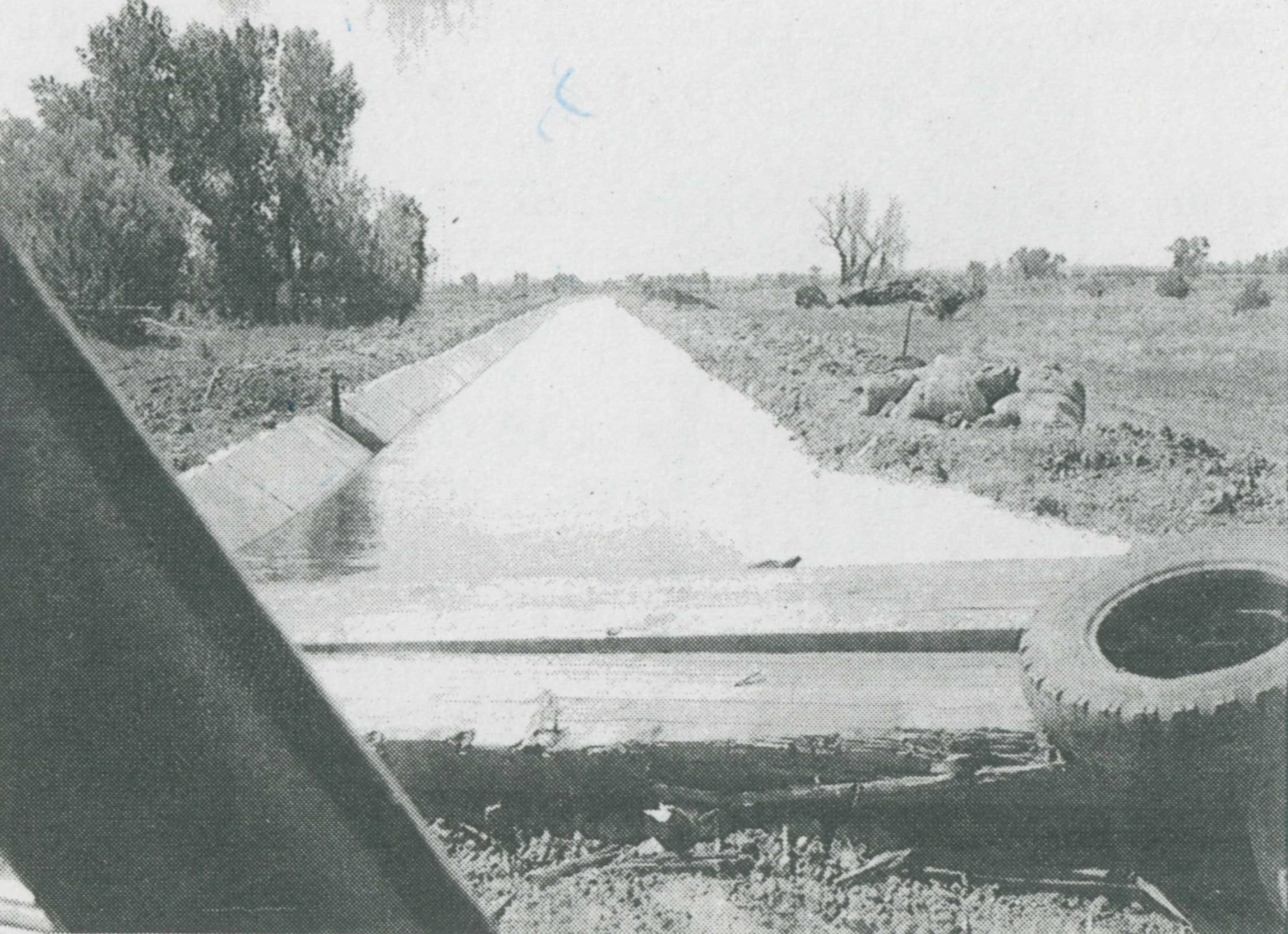

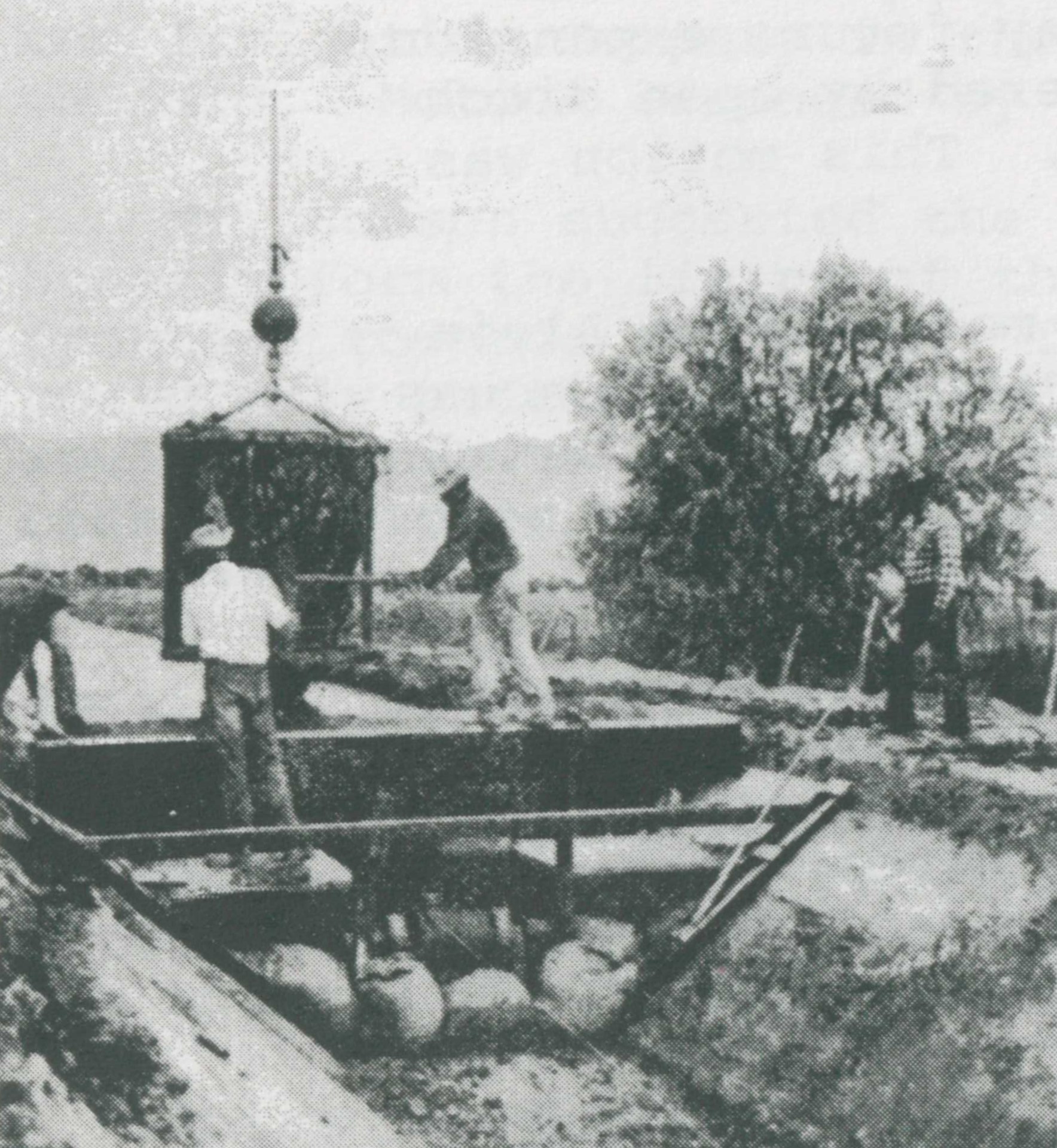
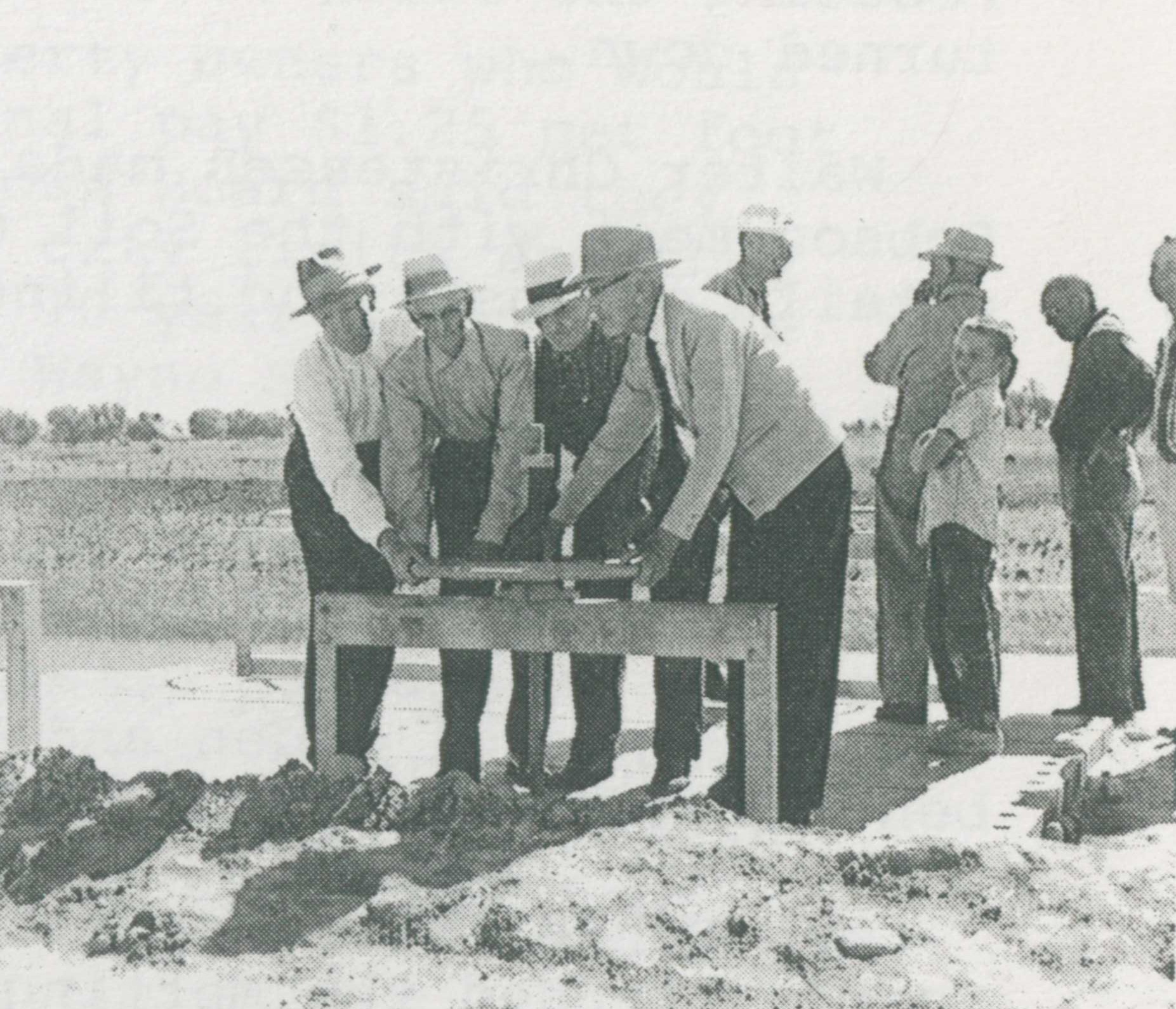
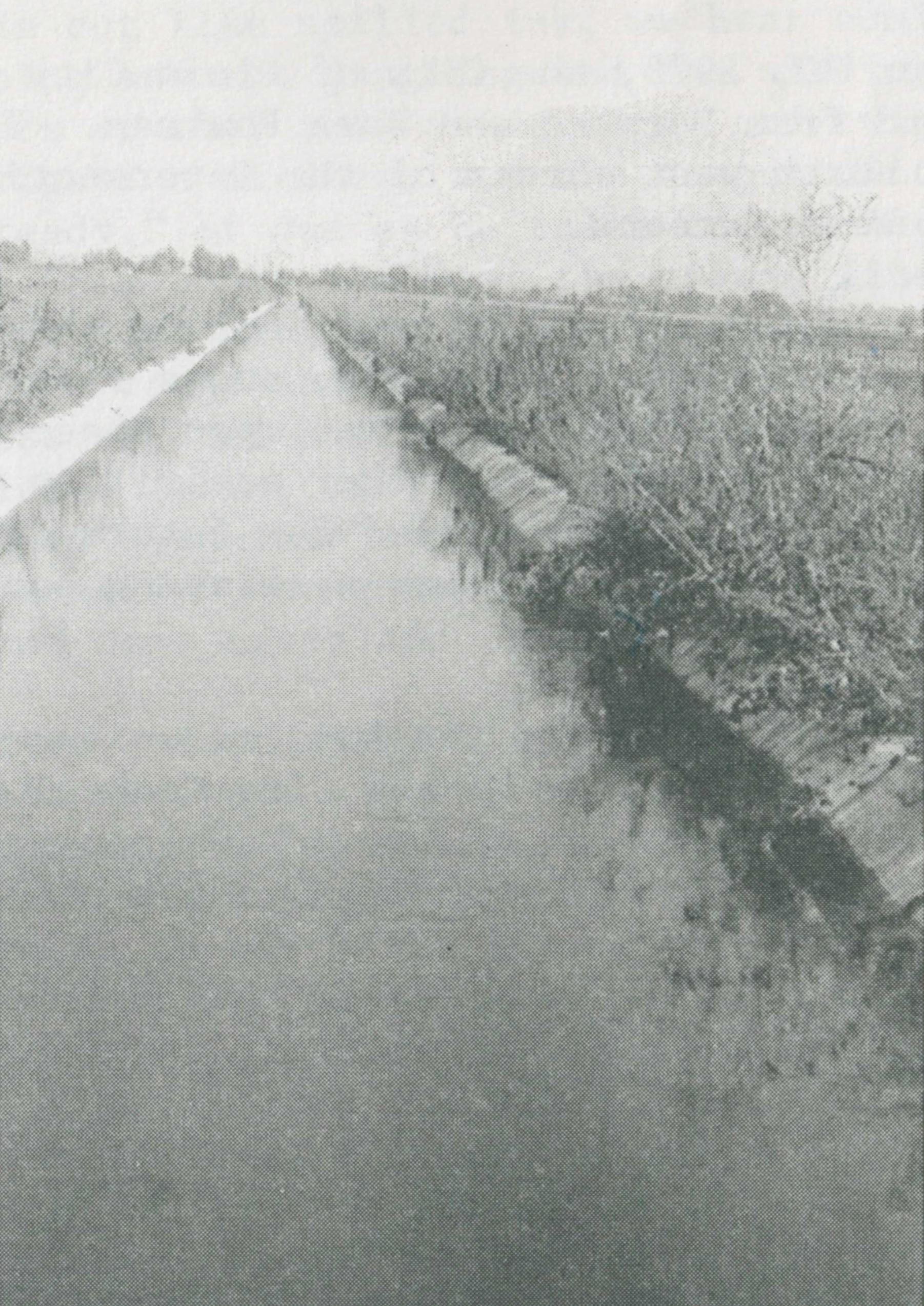
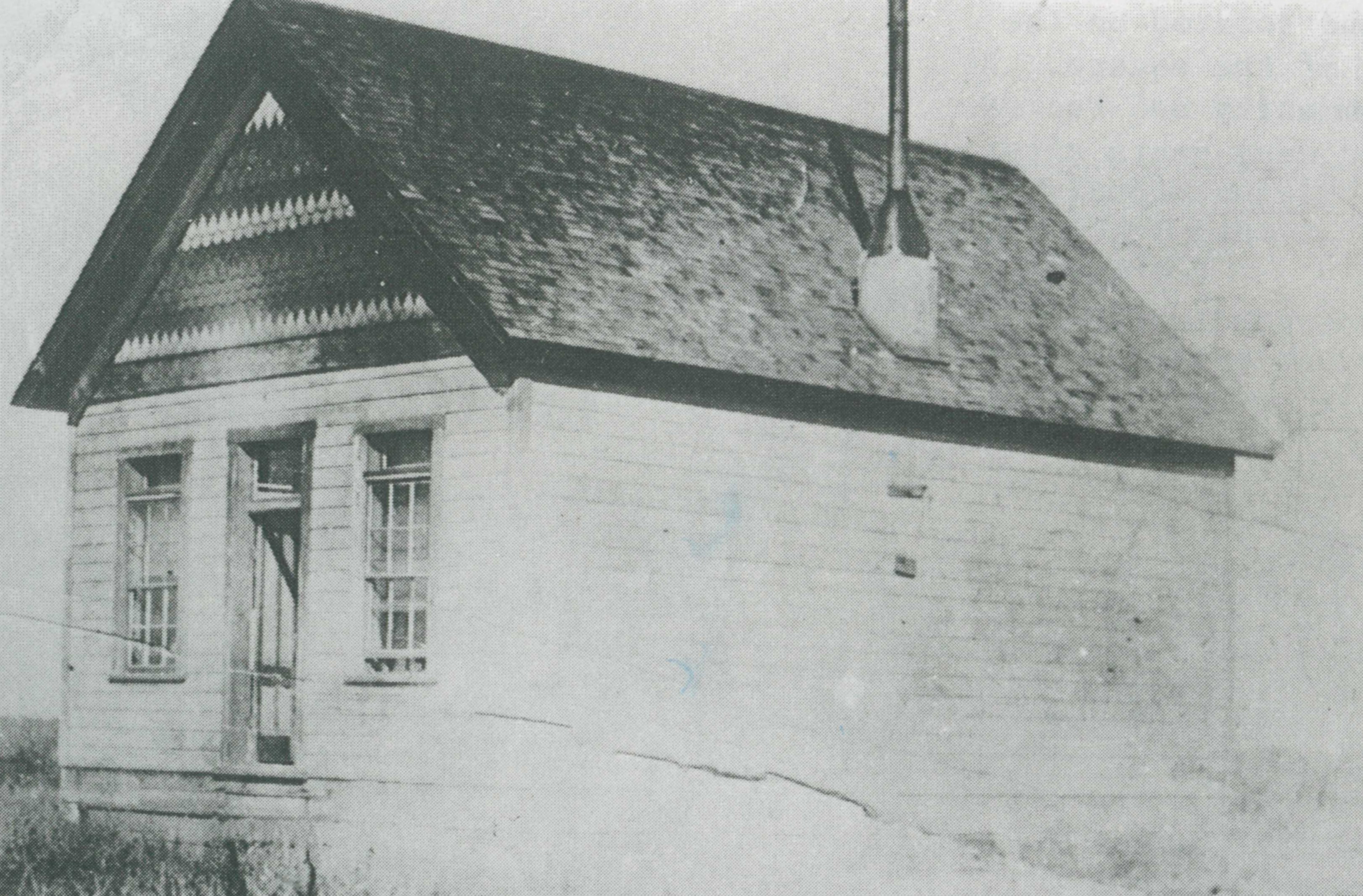


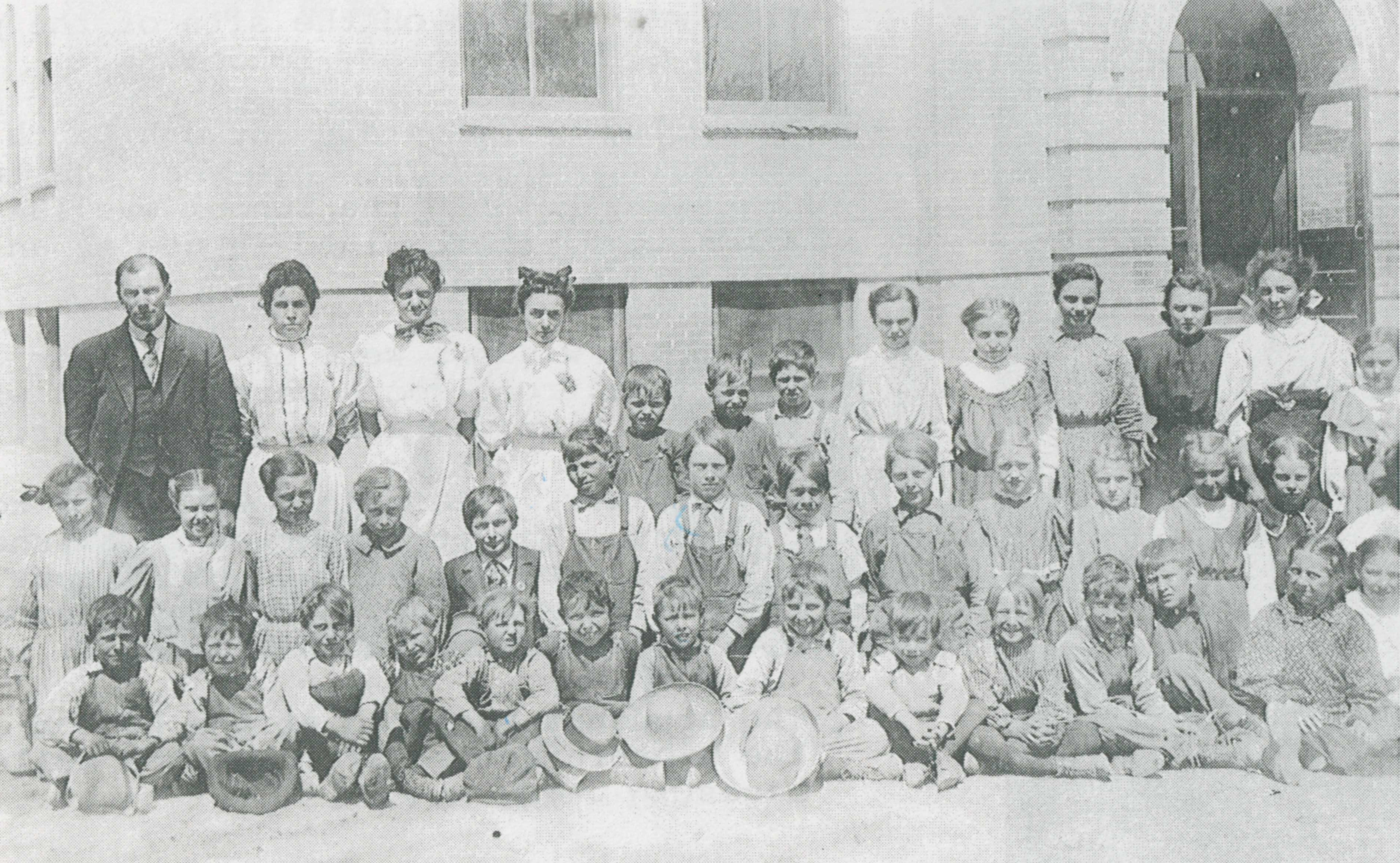


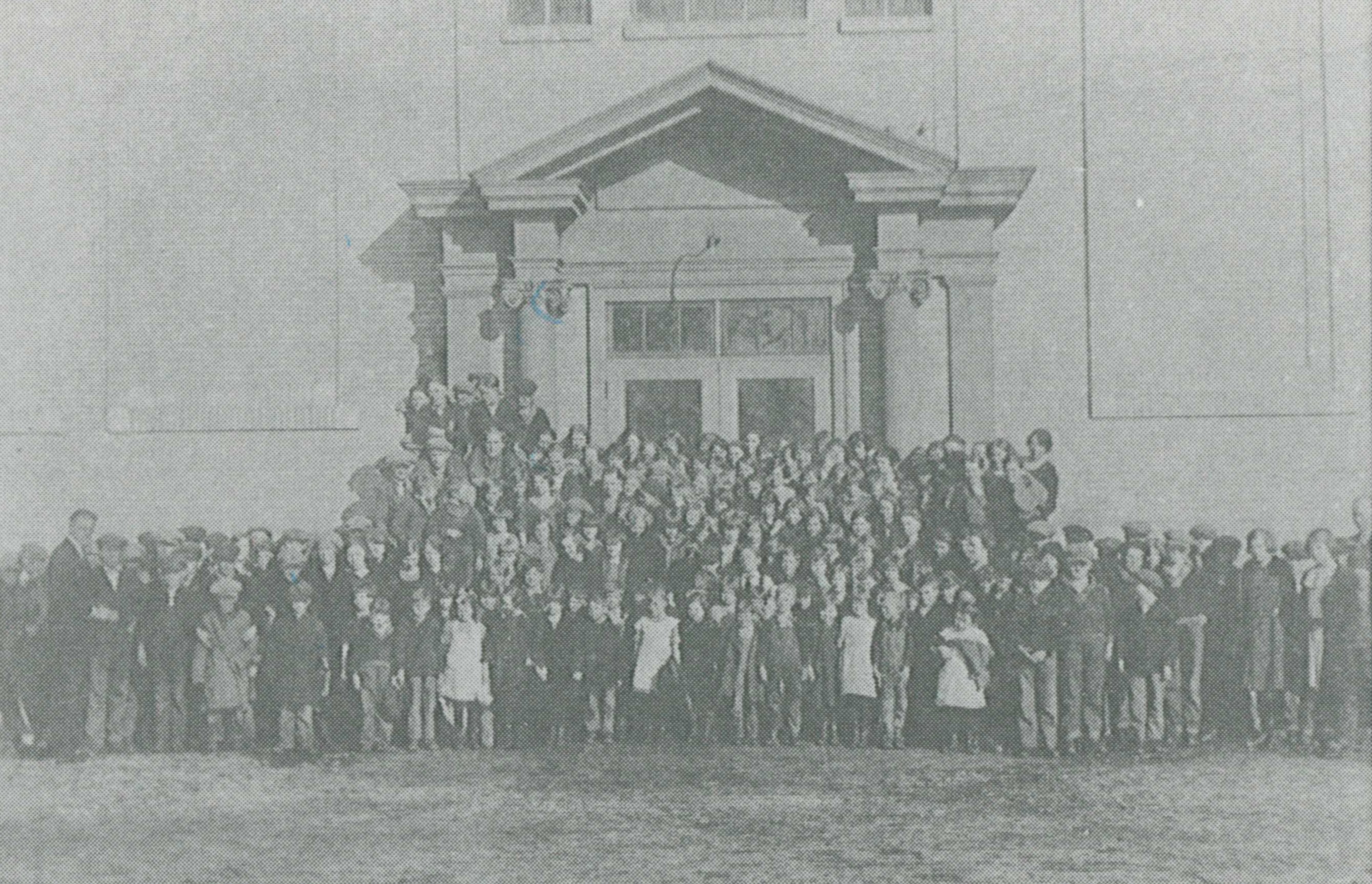


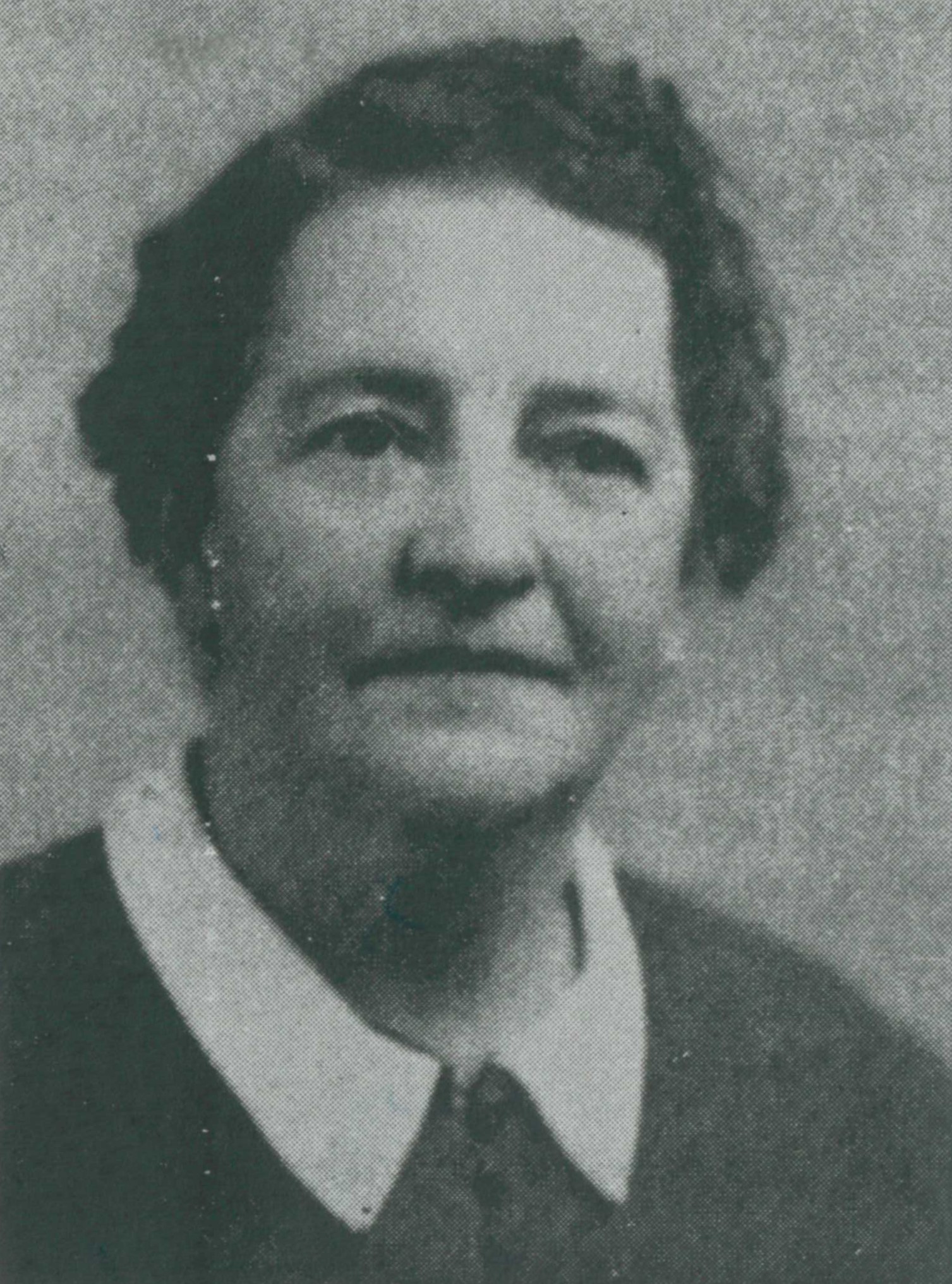


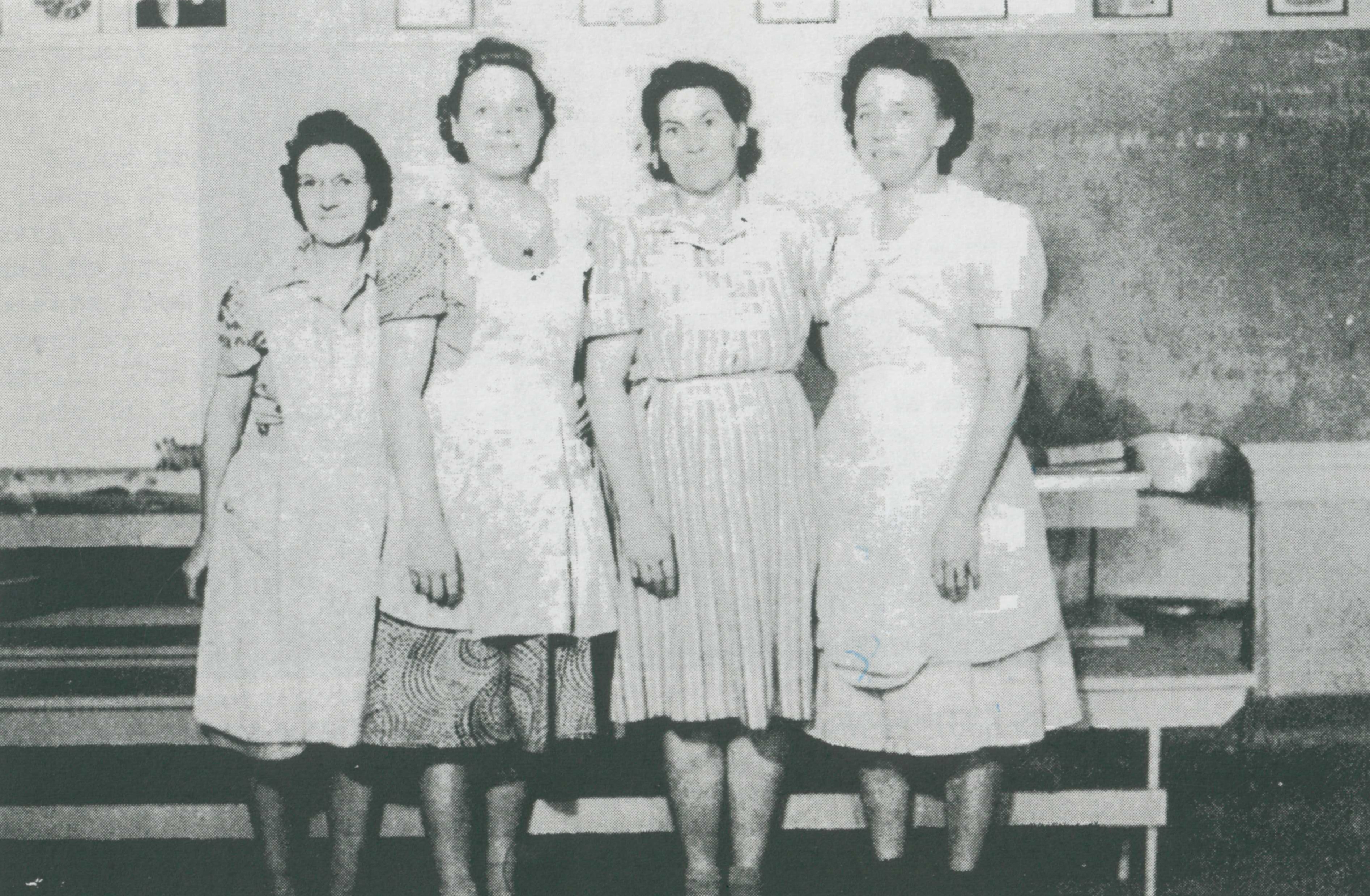






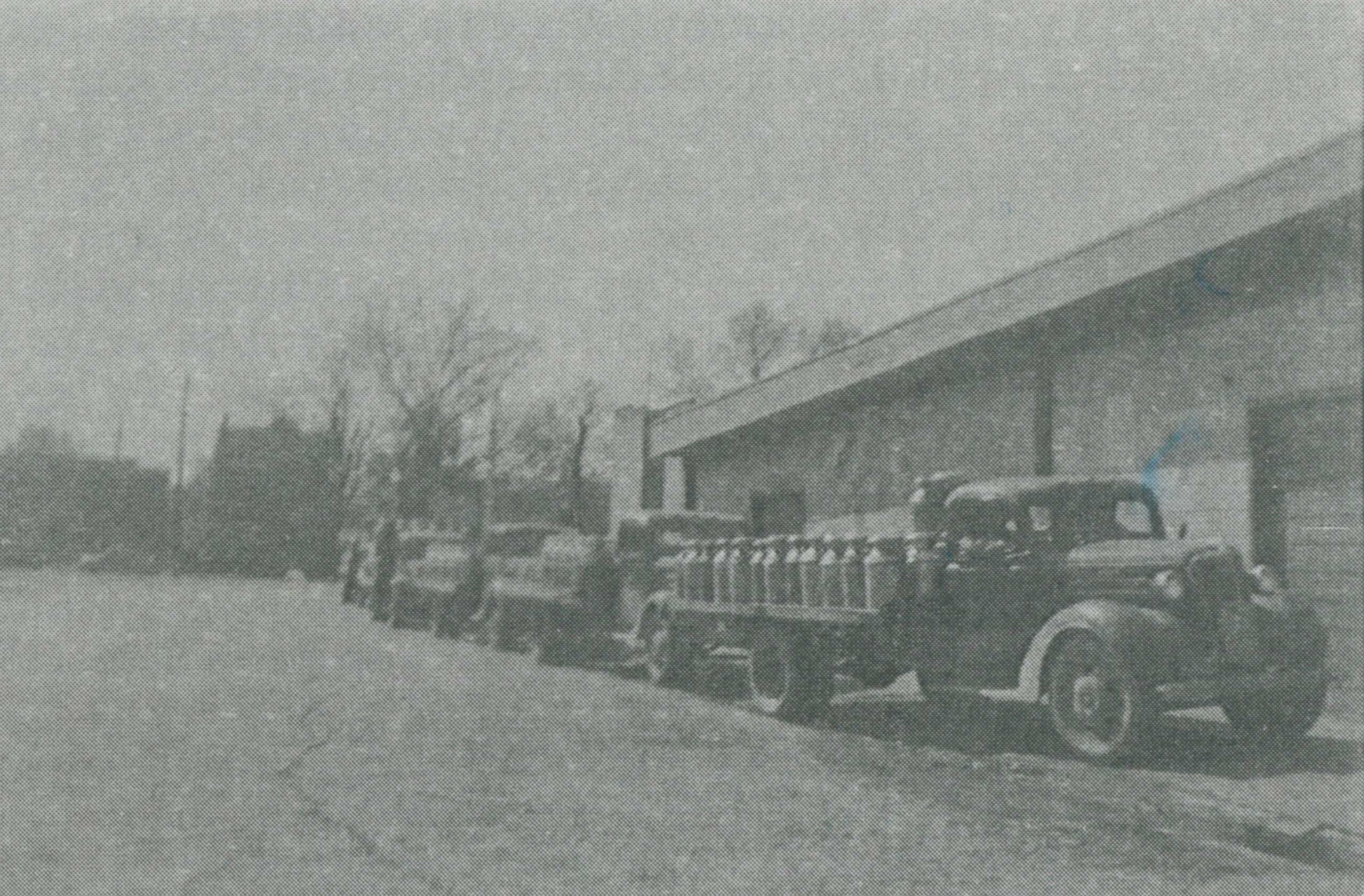
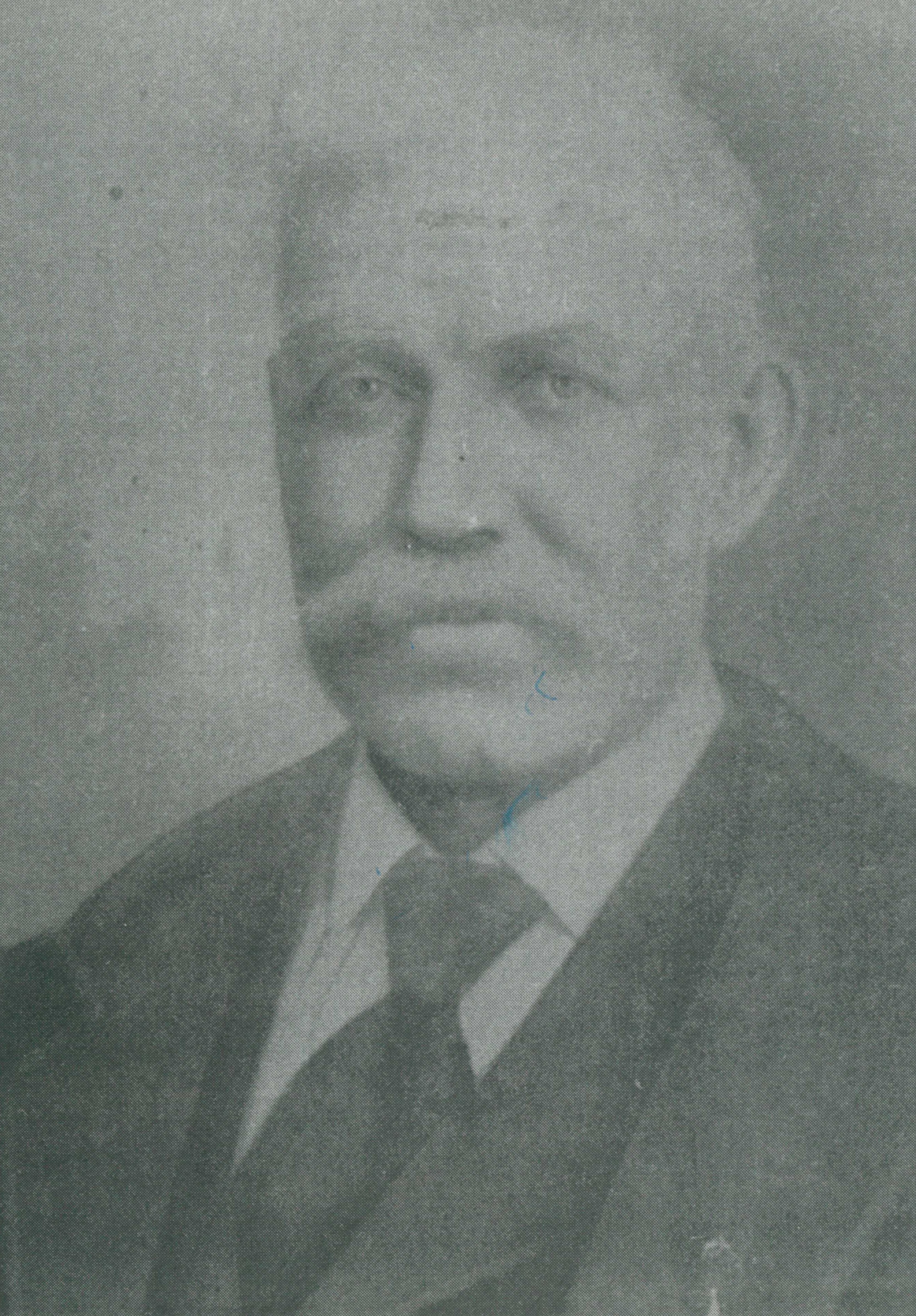
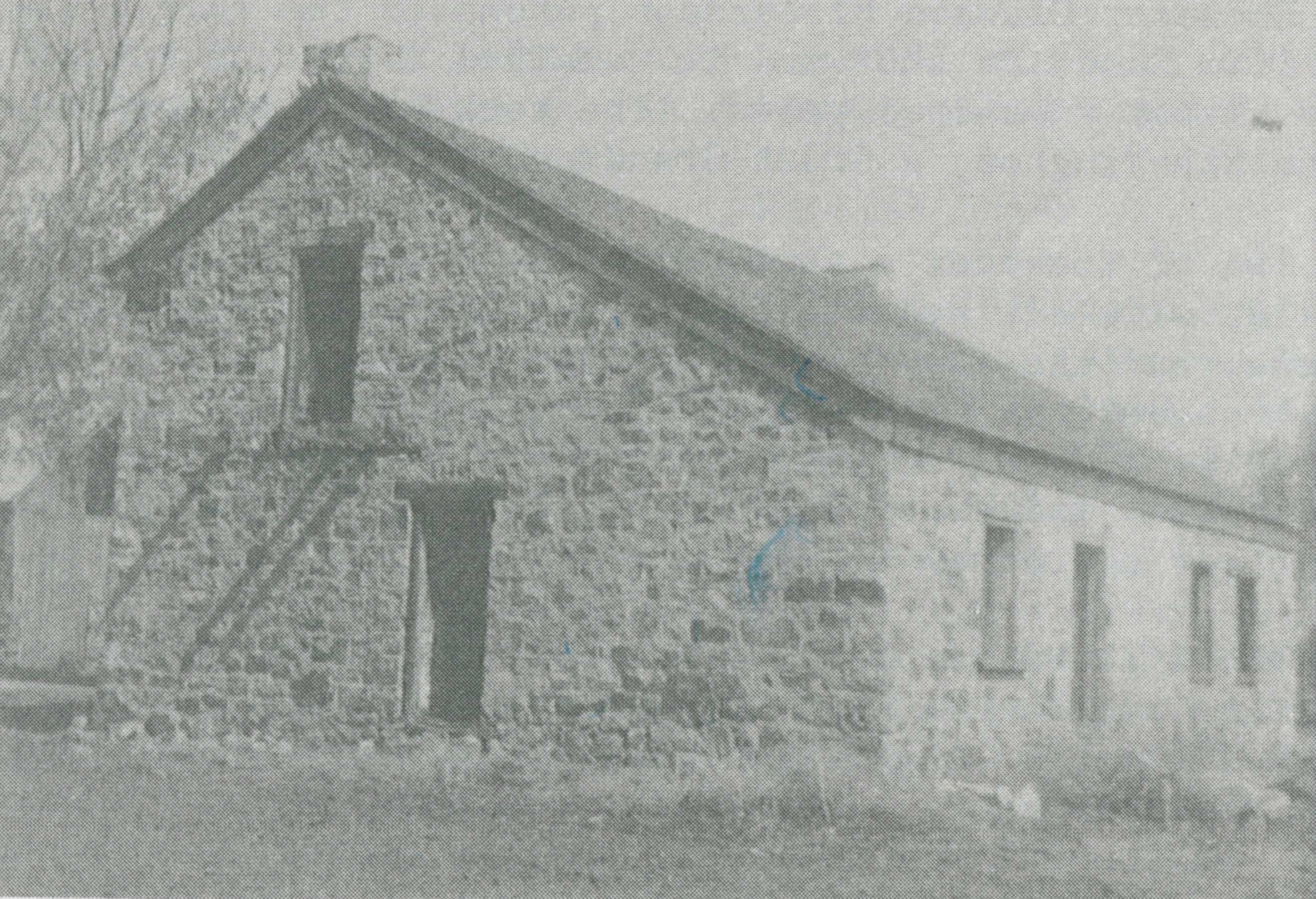

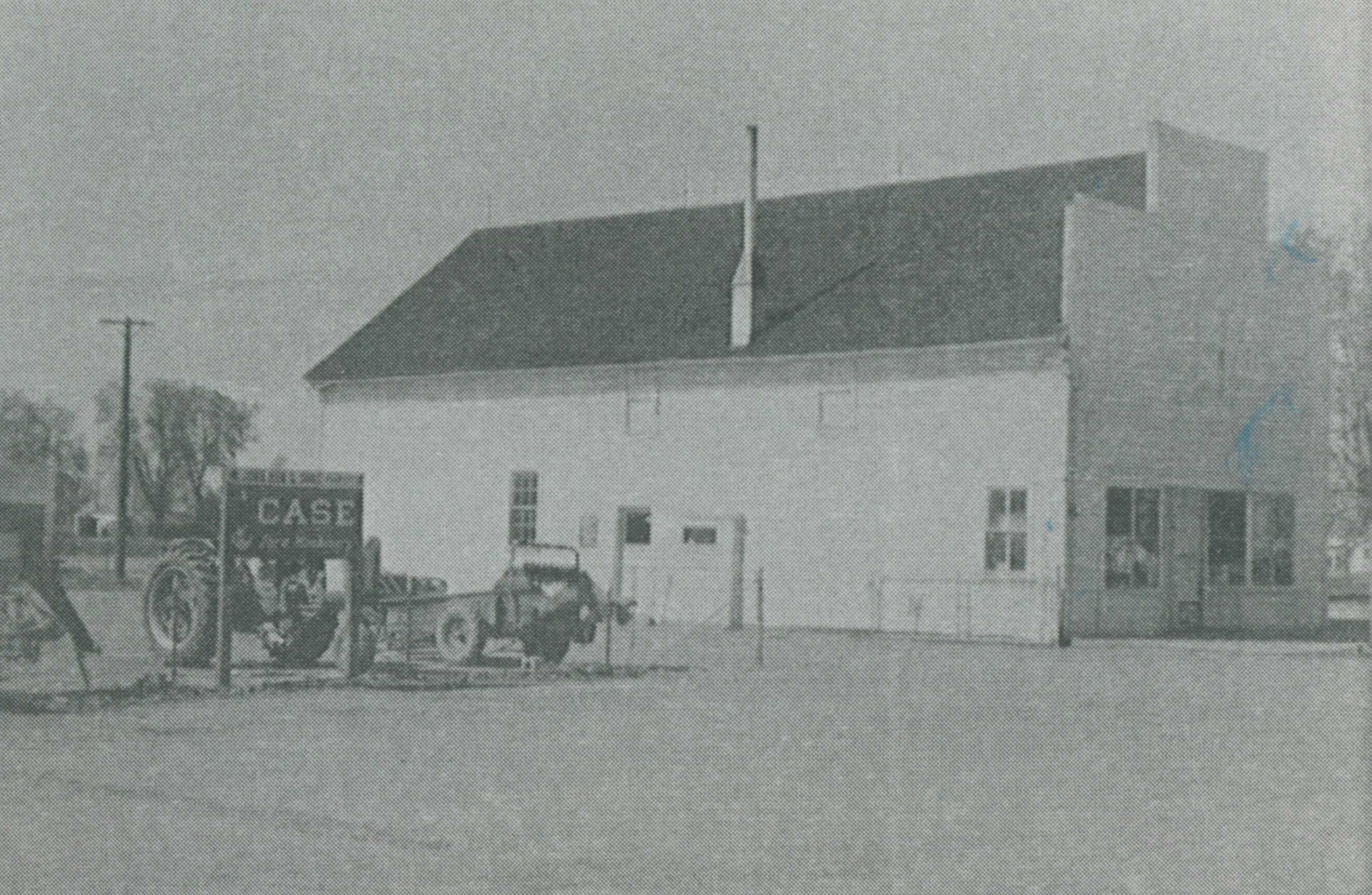

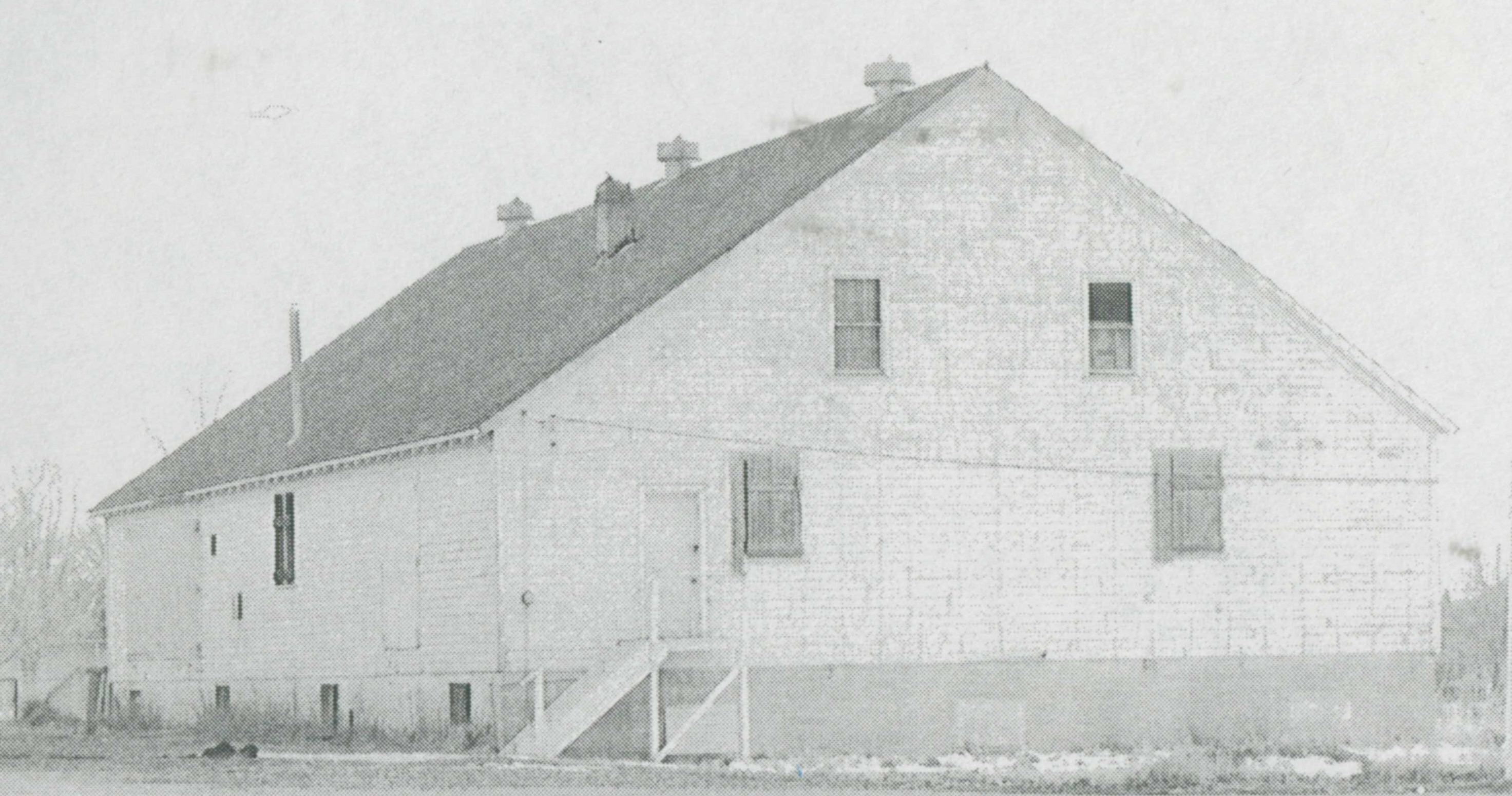
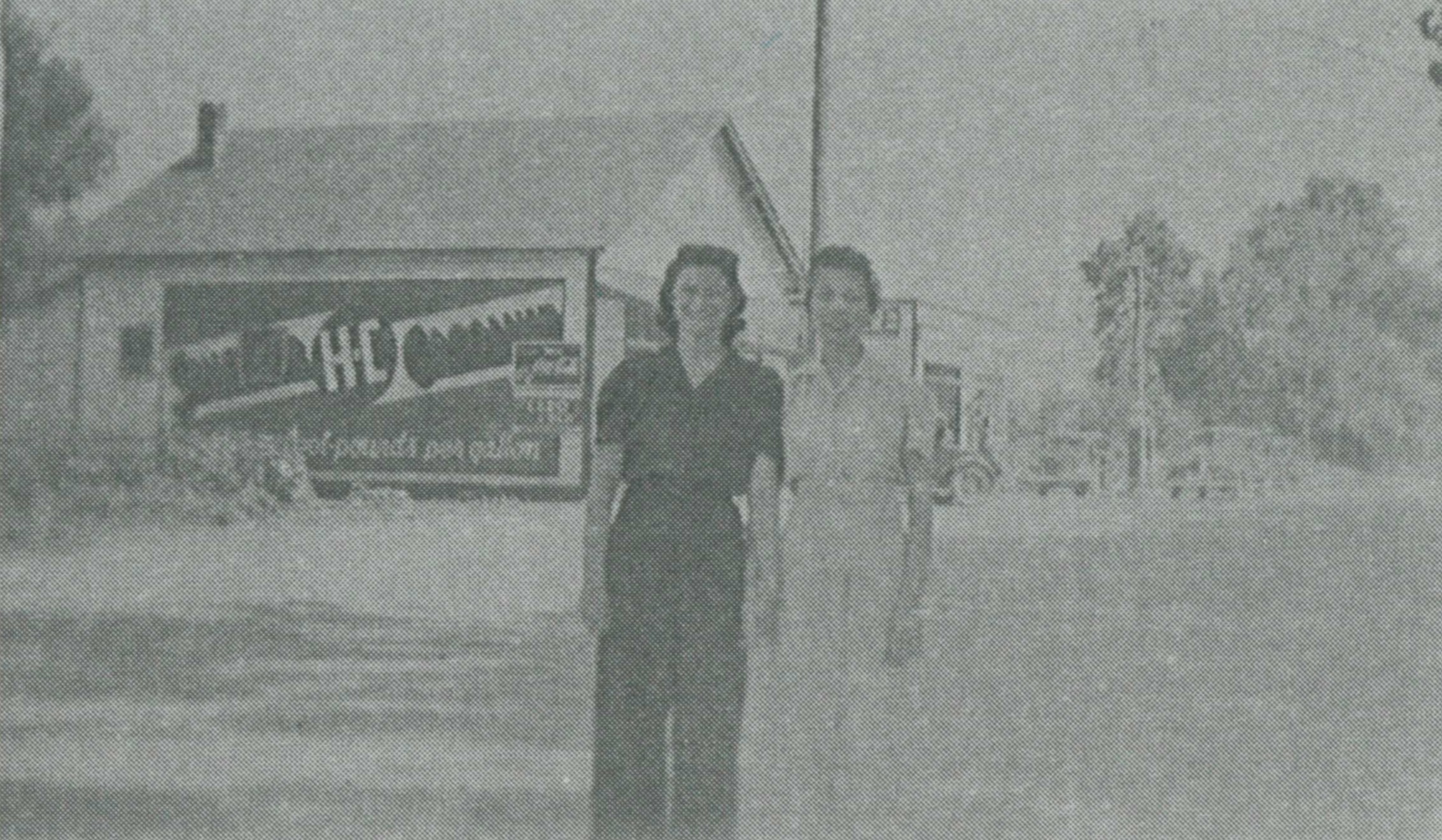


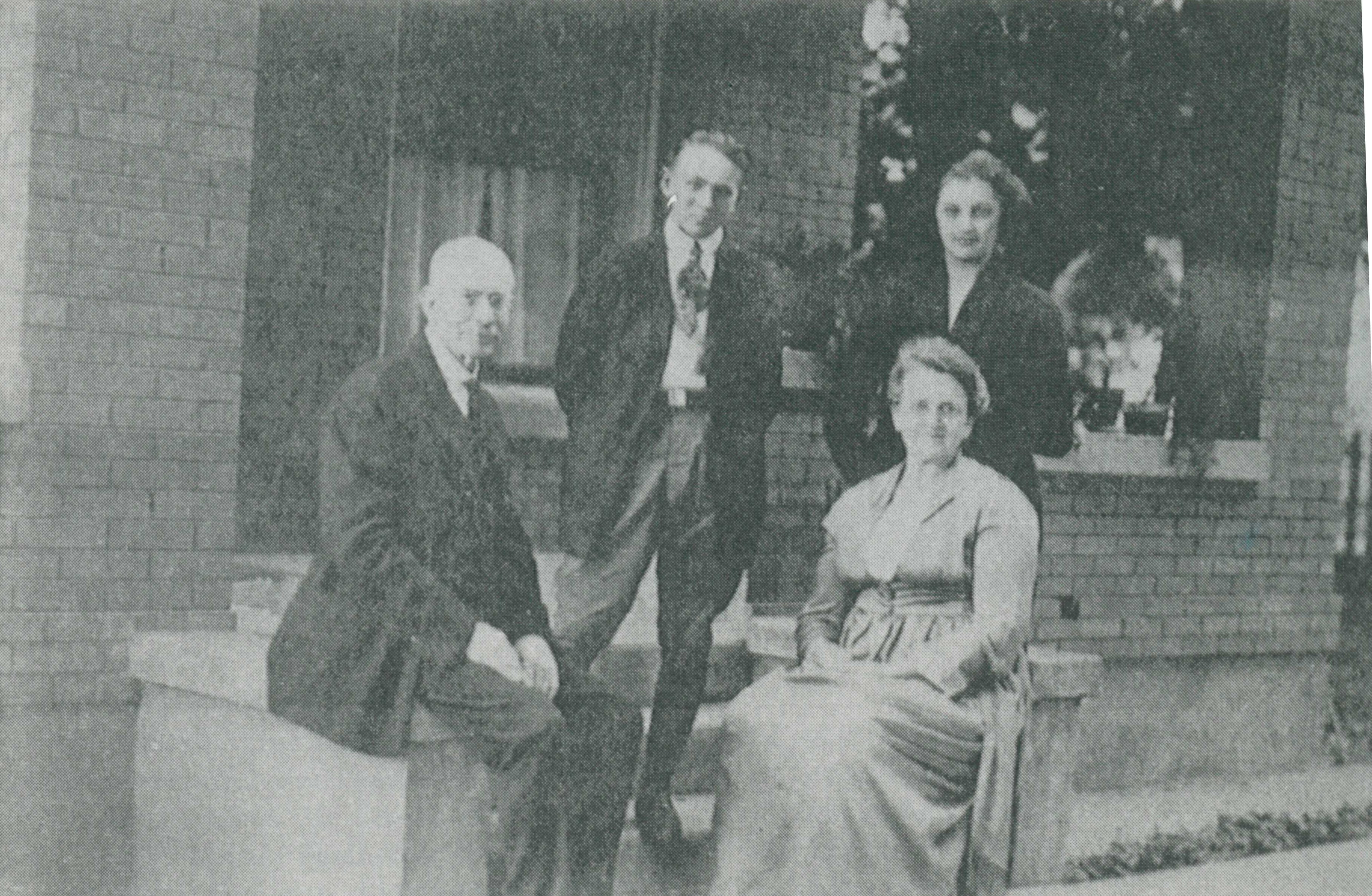
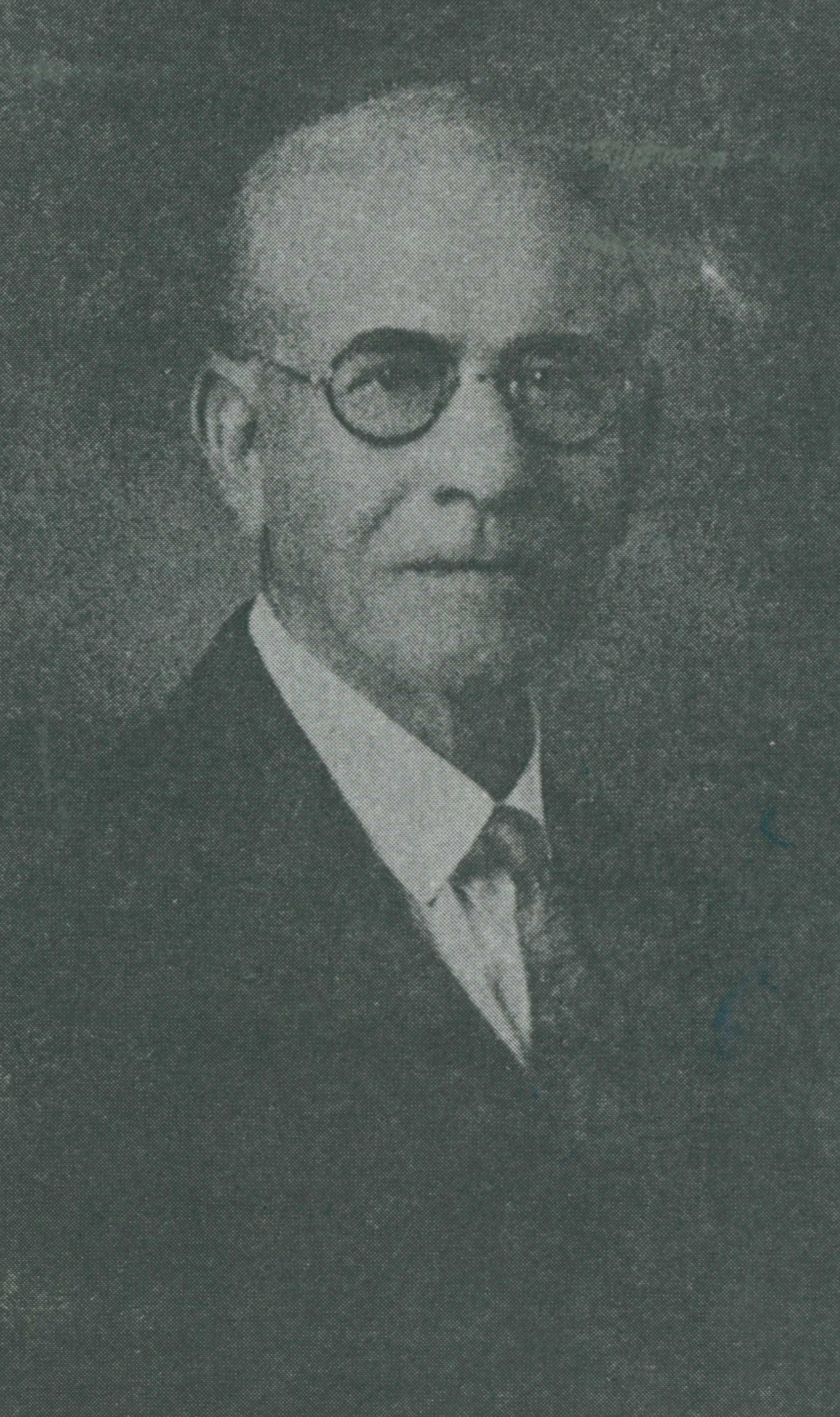


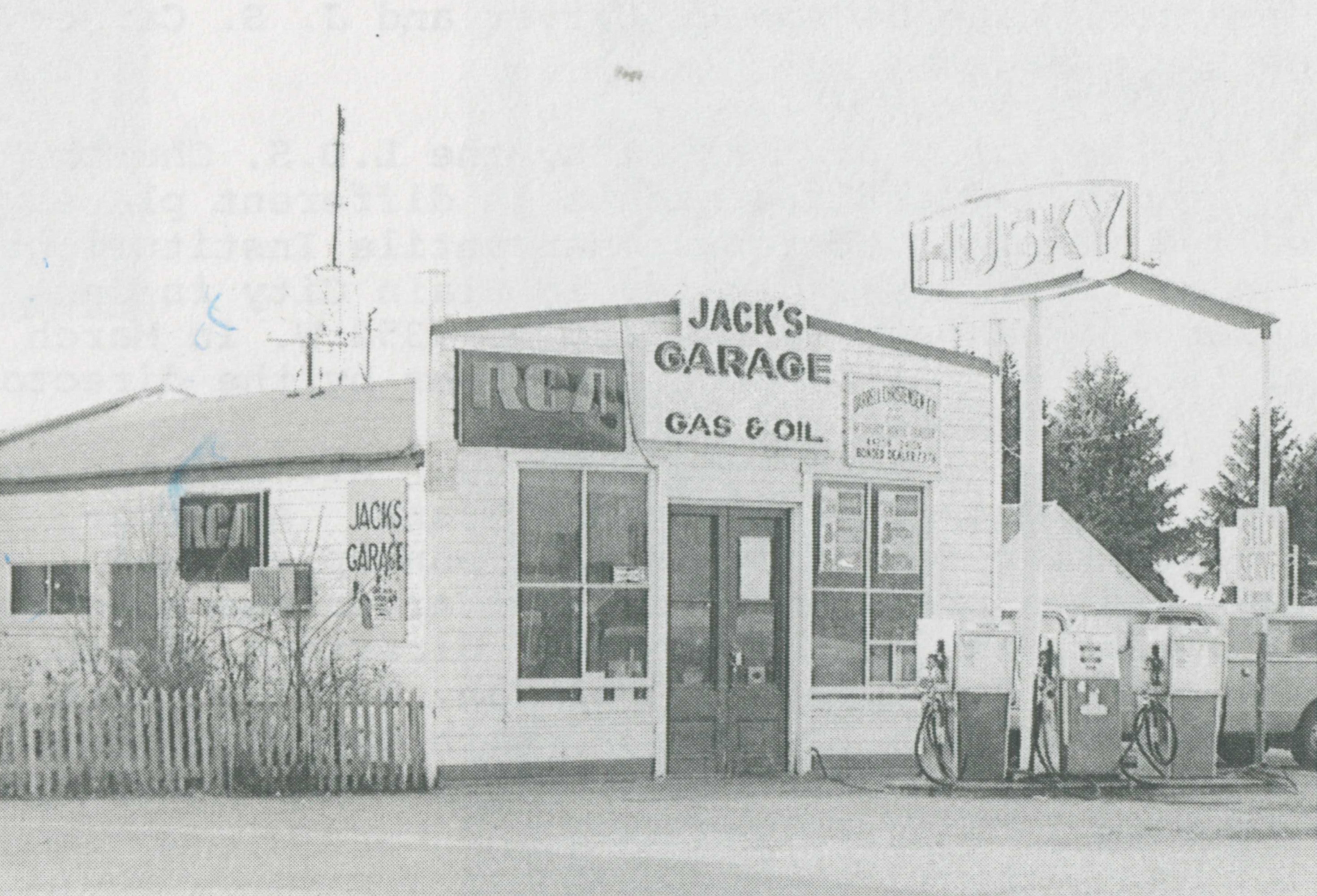
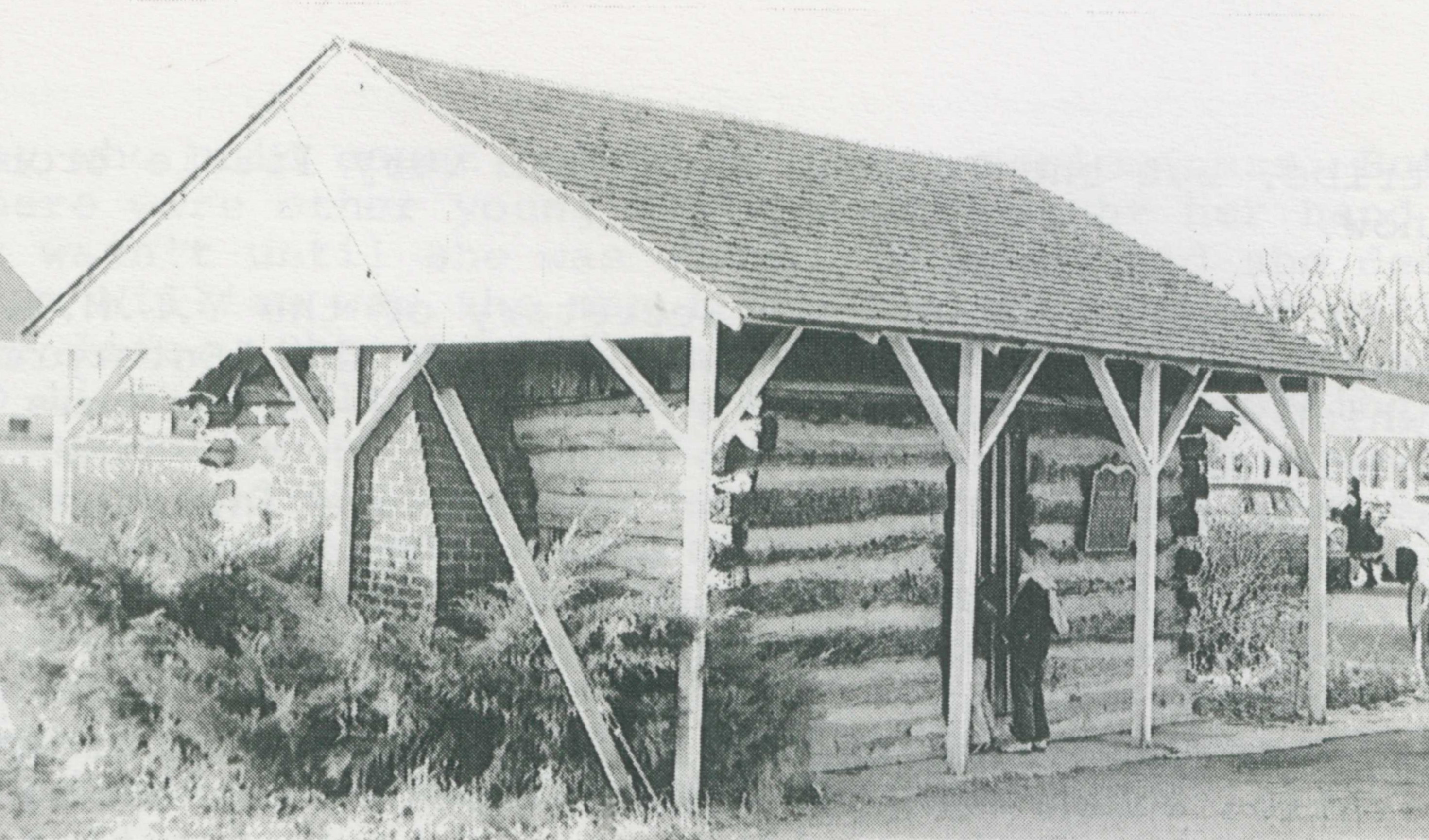
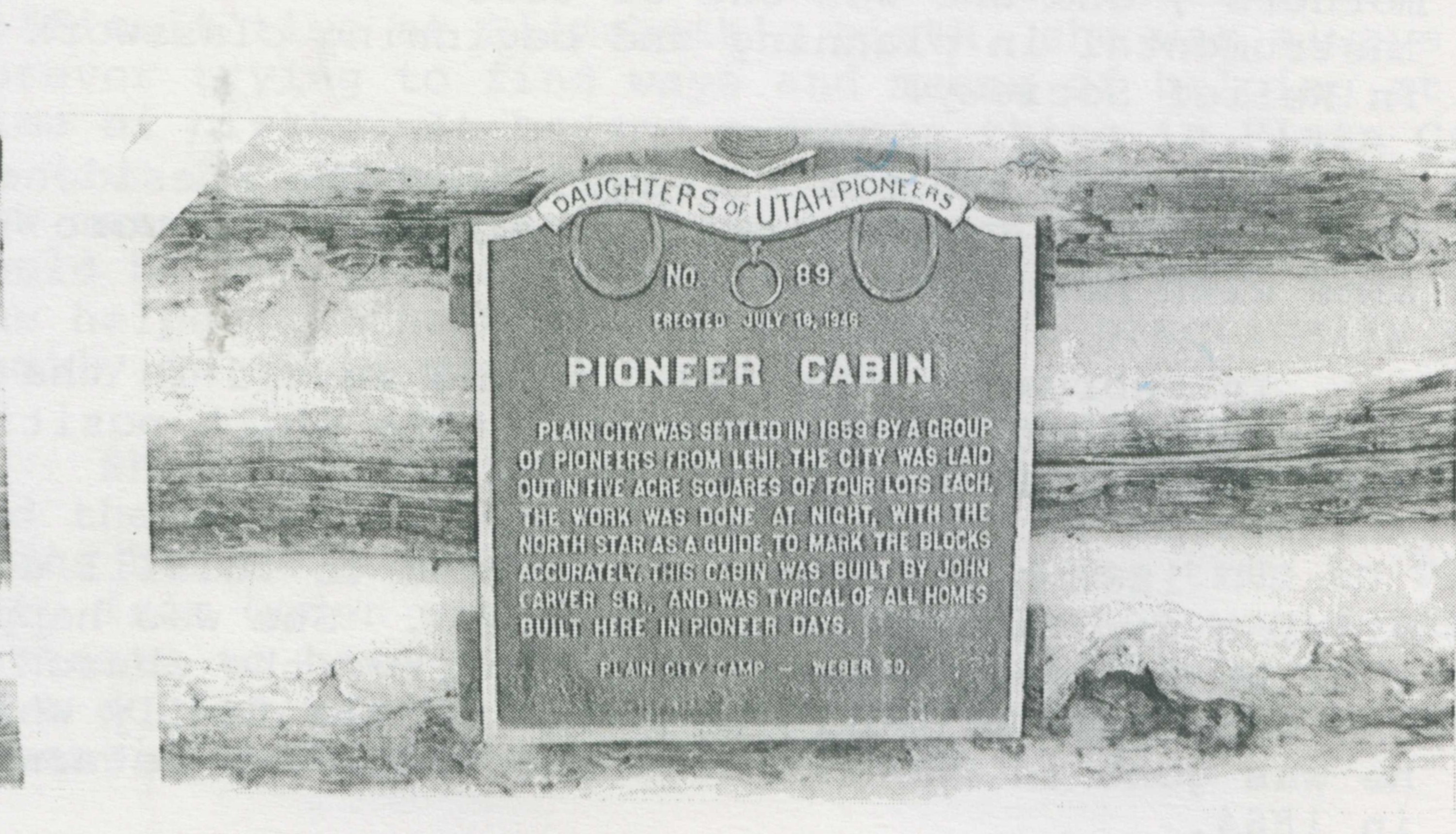


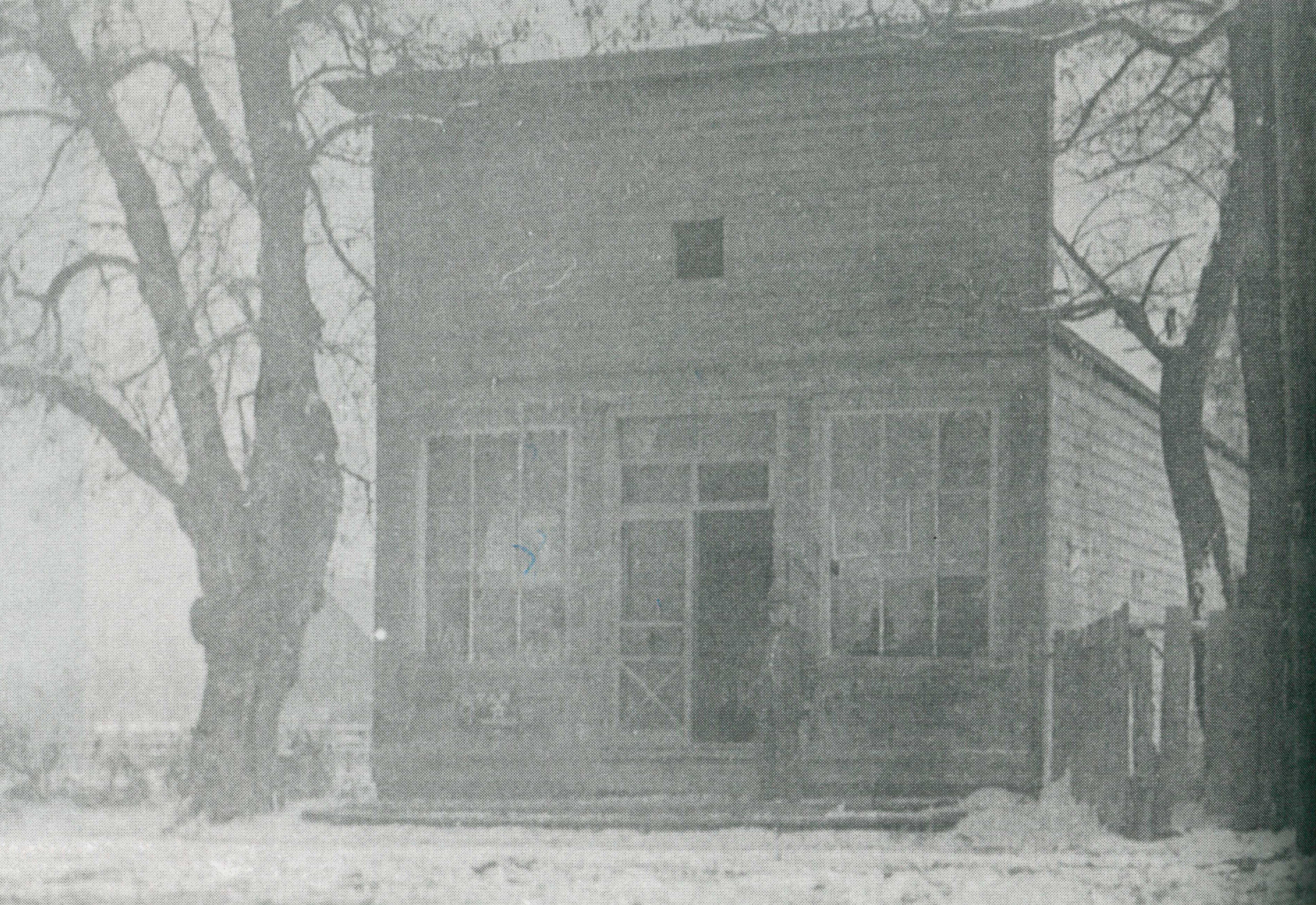
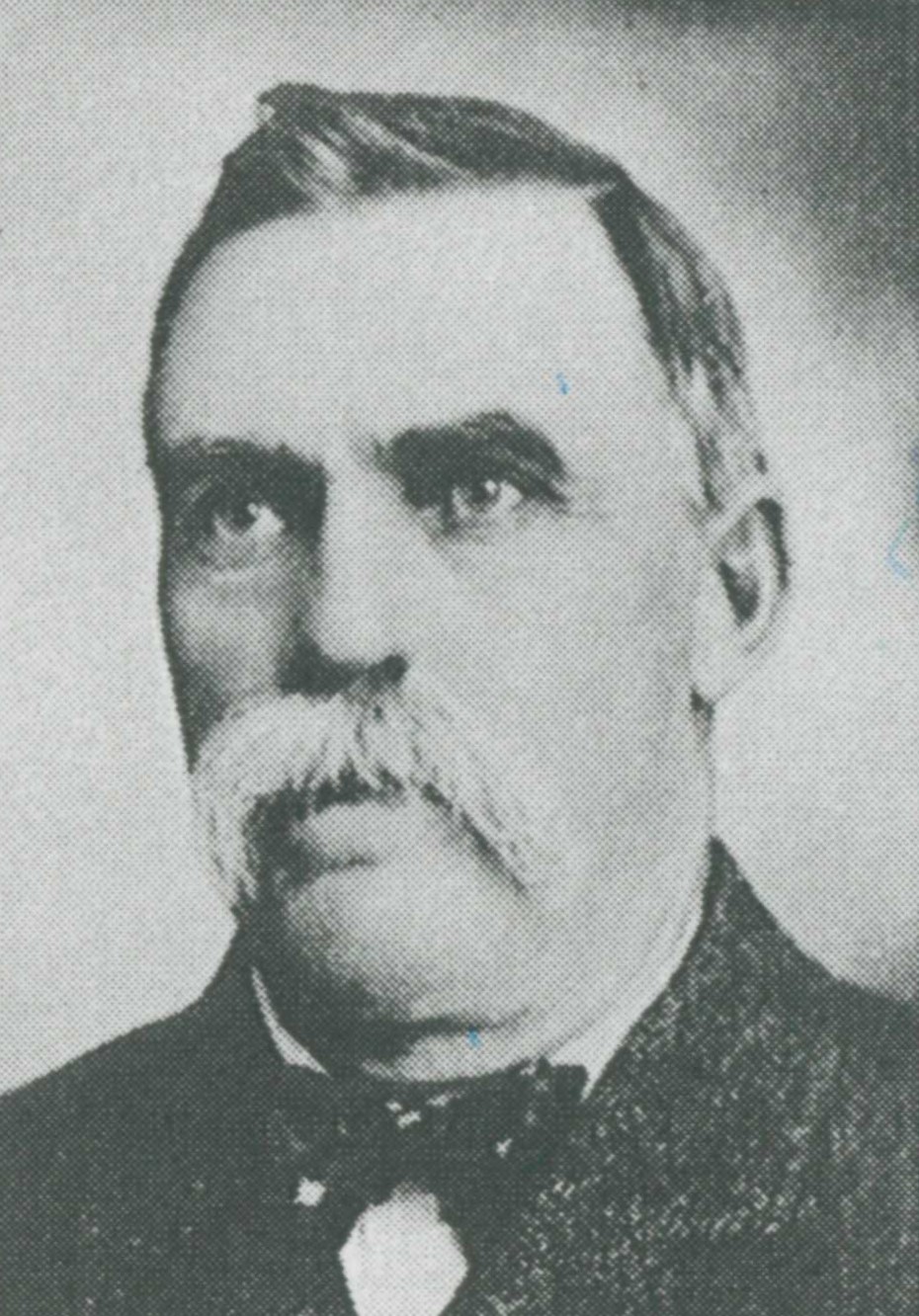
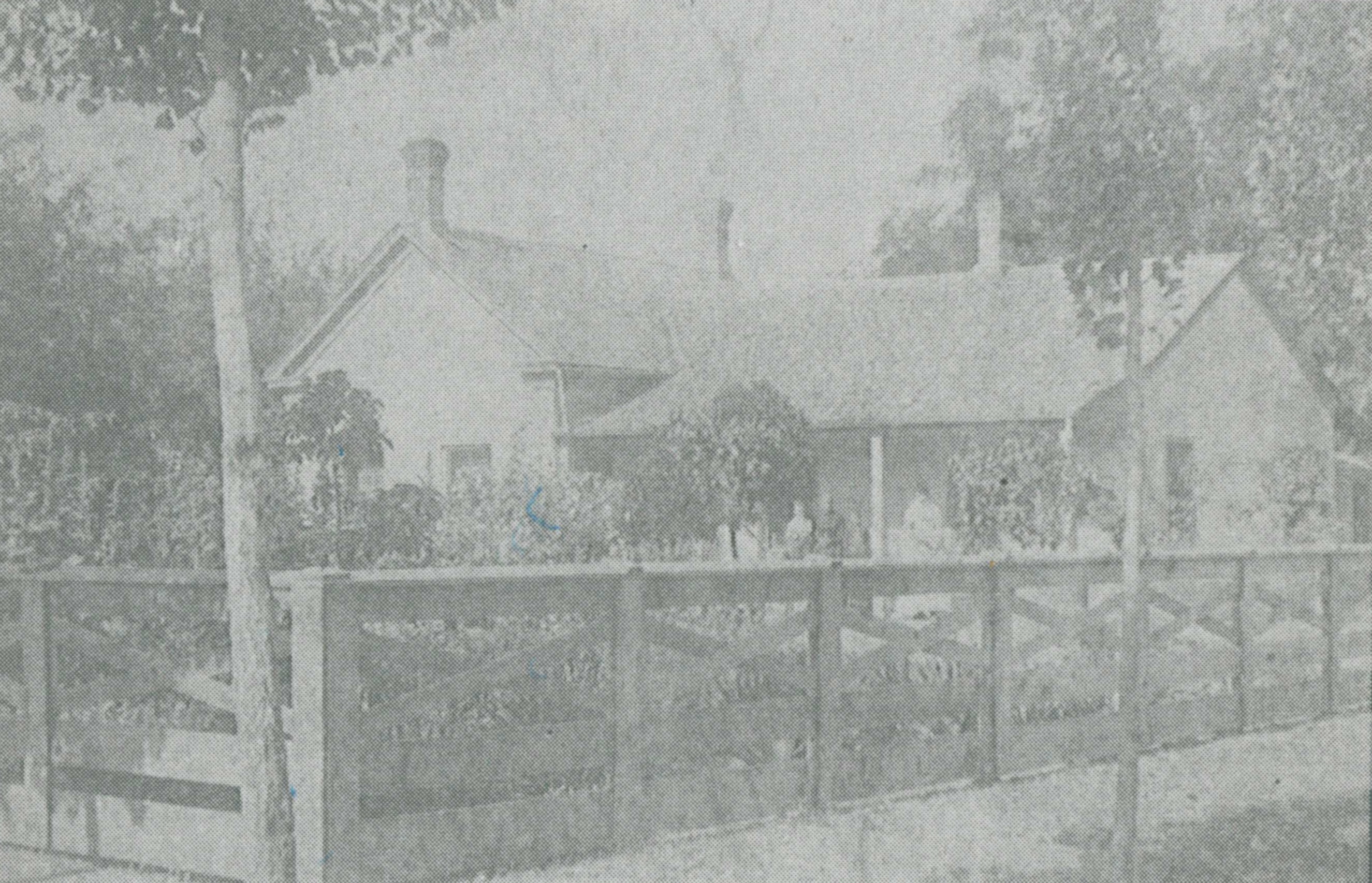


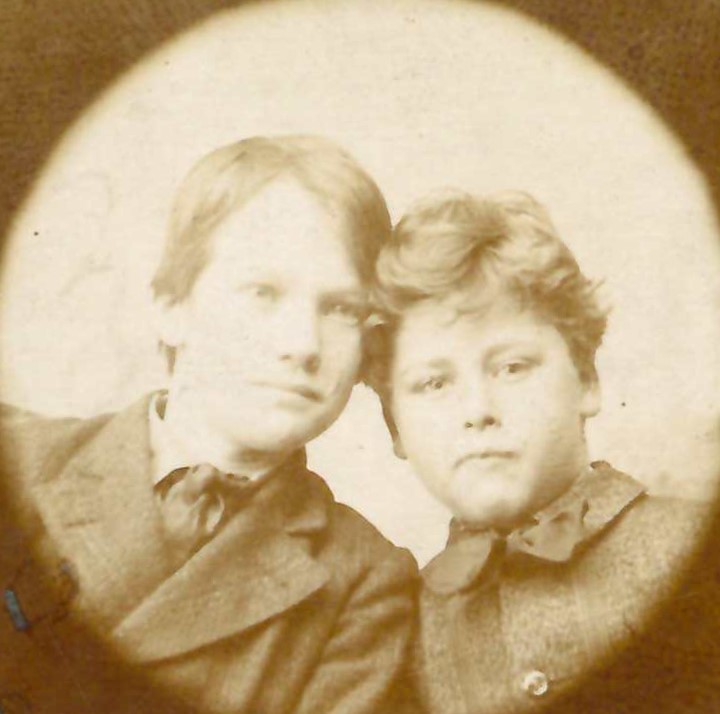


 Sagacity