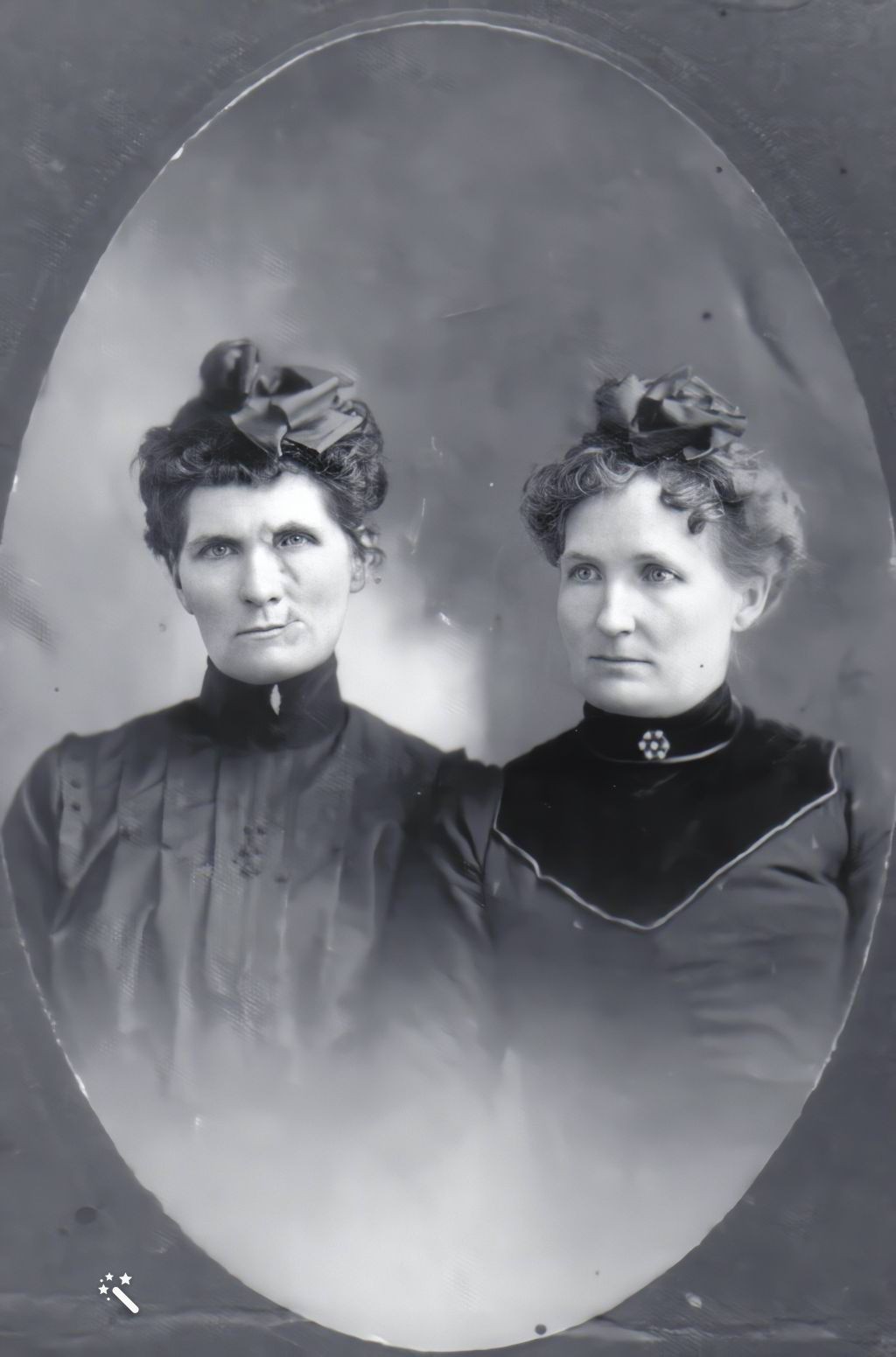
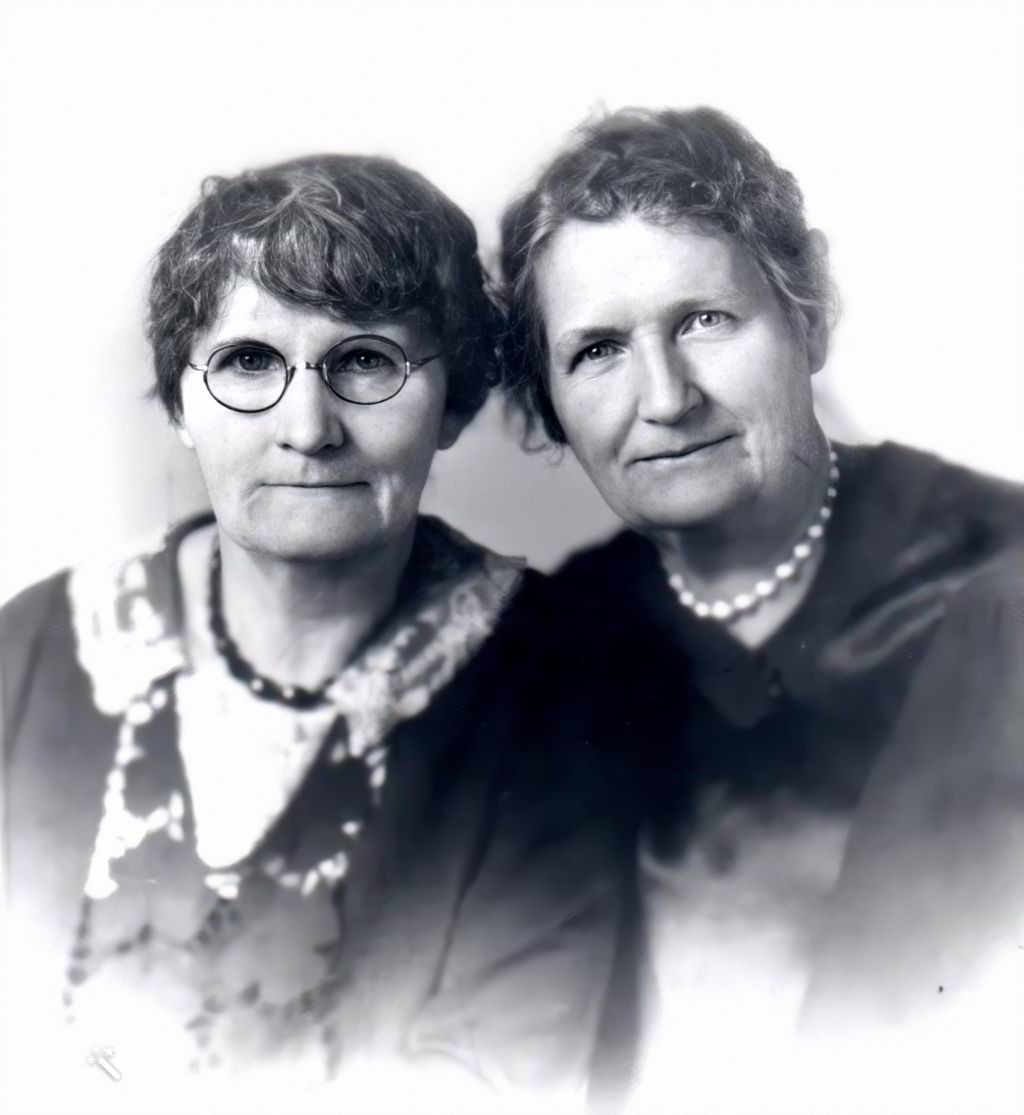
In recent discussions with some members from England, I shared a number of photos I had taken/received while serving in their Ward. It dawned on me and they supported the idea of writing some histories regarding each of the Wards I served in. Also, as time passes, my memory will not remember all the people or my interactions. This is the first of those posts.
This post turned out to be terribly time consuming. I pulled out my planners and worked through them week by week. I was interested in the addresses we visited and the people we taught. Interestingly, I can remember most of these streets, even tracting them. But unless the people advanced to our teaching pool, I don’t generally remember them. Which really is not surprising as many of them were one or two contacts. But, the planners told me who we had appointments with, including tea/dinner appointments. For being 1998-1999, I am astonished at how much I remember from day to day. Some were simply unforgettable, even now, like the young lady who answered the door nude (read below).
Also, as part of this process, I read through the related journal for the time period. I have quoted whole sections that I located related to this time and these people. On a personal note, this was a very trying companionship and district to serve in. Jet lag, sickness, frustration with the breakdown between mission ideals and what was actually happening, personality conflicts, and immaturity (very much on my side, but also other missionaries), 6 missionaries in a confined space, all contribute to the refiners fire Moreton Ward proved to be for me. I have mostly removed all the whining from the journal posts. As reading, don’t think I am a model of optimism or enthusiasm. I was more coy at the beginning of writing this post than I was later. I didn’t quote as much from the journal to begin with, but more and more as I got more comfortable in writing about weeks. At the beginning I give overviews, later I do more quoting and let the voice of the journal speak. Moreton ward covers 119 pages of my journal #5, 36 pages of my journal #6.
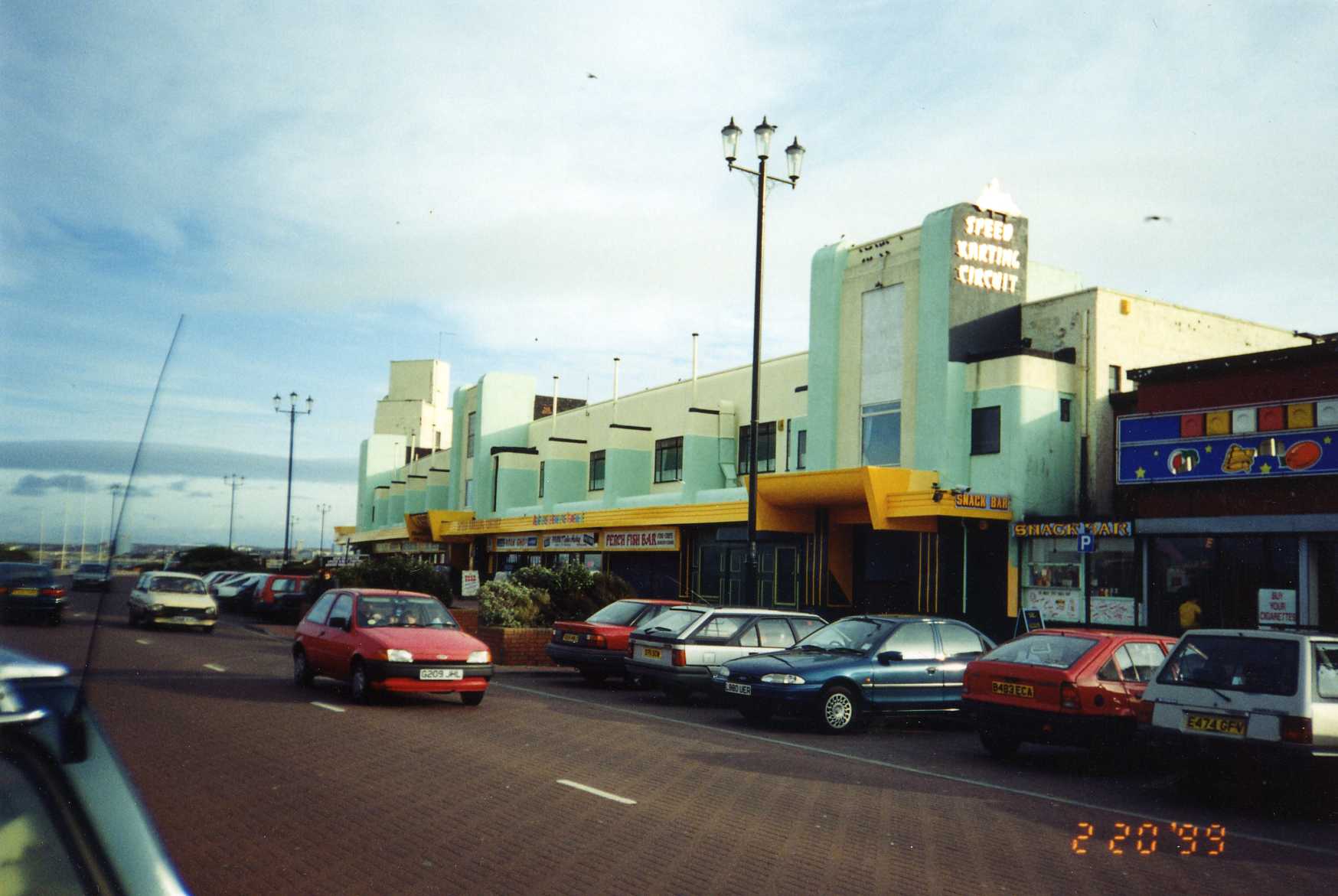
The first Ward I served in as a missionary was in the Moreton Ward of the Chester England Stake. I believe it was a newly created ward, only a few months old. At some point the Birkenhead Ward(s) were in the Liverpool Stake and I remember there being multiple ties and connections to Liverpool. I recollect Moreton was created from one or both of the Birkenhead Wards. We met in an old college bar pub, I recall, in West Kirby. We lived in Liscard. I wrote a post previously about the houses I lived in as a missionary. In those days cameras were clunky and still film, so you did not take many pictures. But I do have a few I attribute to the Moreton Ward. Six missionaries covered the Moreton Ward. A year or two later, the Ward received their own ward building. It is my understanding these ward still exists, but was merged with the two Birkenhead wards, now all just two wards.
Since this is my first area, I am also including some of the arrival in the mission from the Missionary Training Center, or MTC, and the mission home.
On 21 December 1998, I flew out from Salt Lake City to the England Manchester Mission, connecting through Atlanta, Georgia. I had just spent two and a half weeks in the missionary training center in Provo, Utah. On that flight I sat next to a woman named Madge Fillingim, age 79, from Vernal, Utah. I hadn’t caught the spelling of her name at the time, and wrote it in my journal as “Marge Flitteringum.” She was born in 1920 and passed away in 2023 at 102.5 years old! I linked her obituary.
As I wrote that day: “On the left was Marge Flitteringum or that last name is close. I don’t remember how she spelled it exactly. …Marge from Vernal at 79. Through our conversations Marge agreed to start taking piano lessons and to become active again in church. Am I a missionary or what? Her son wants her to start going to church again, and with the brand new temple in Vernal, she wants to get her endowment. We talked about music and told her about grandma’s start late in life. I got her to committ.”
In further research, three years later, on 29 December 2001, Madge received her endowment at the Vernal Utah Temple. I don’t know whether she ever picked up playing the piano.
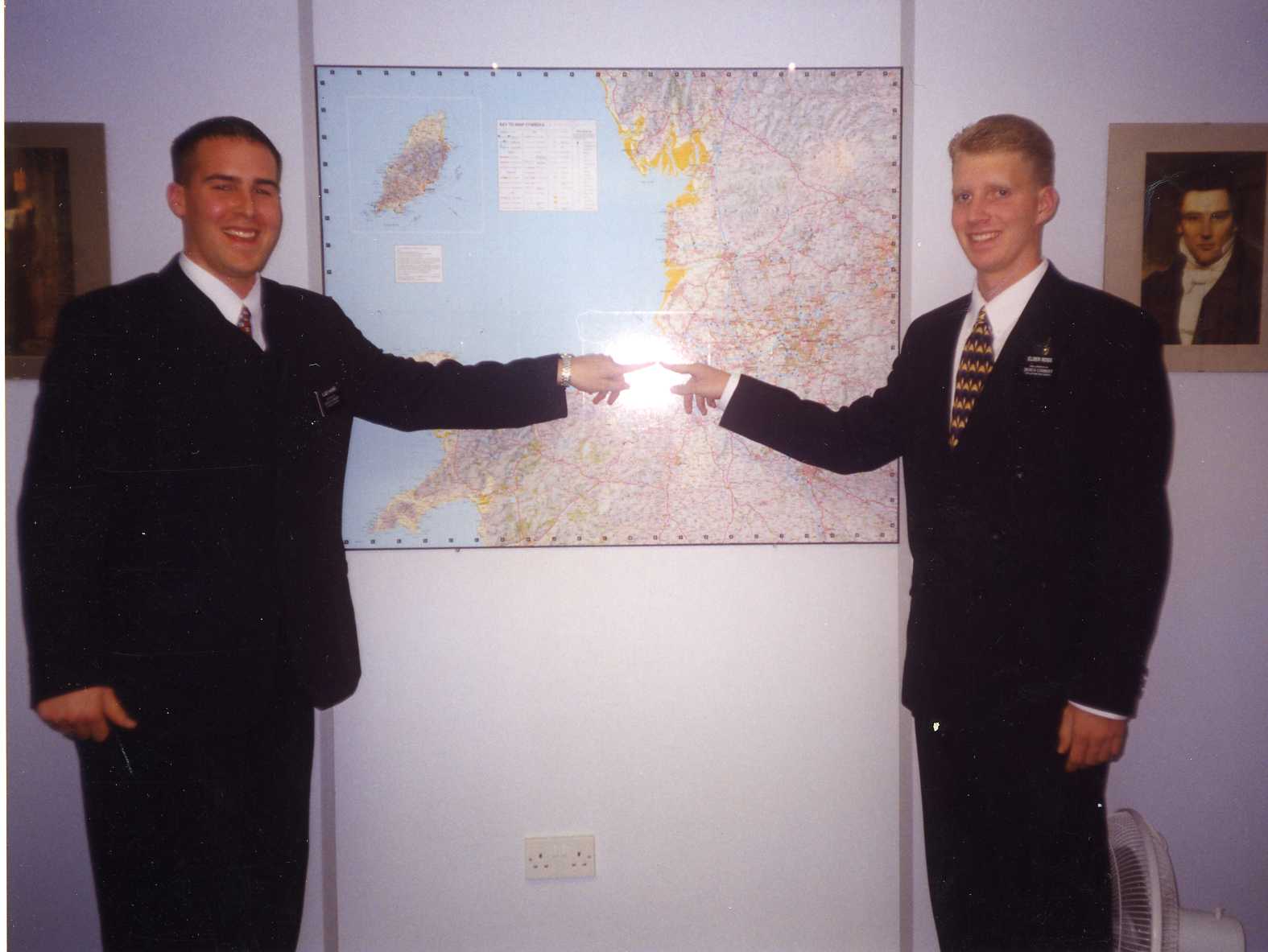
I arrived at Manchester airport on 22 December 1998. We stayed that night at the mission home in Altrincham. The next day, 23 December, I did my first street contacting in Altrincham not far from the mission home. That door is seared into my memory. I can still see it. After lunch that day, we were assigned missionary companions. Elder Jeremy Harris became my first companion in the mission field (Elder Kody Young had been my companion at the MTC). Elder Olson was assigned to Elder Paul Kelley that same day. Moreton wasn’t a surprise to Elder Harris, since he was already serving there.
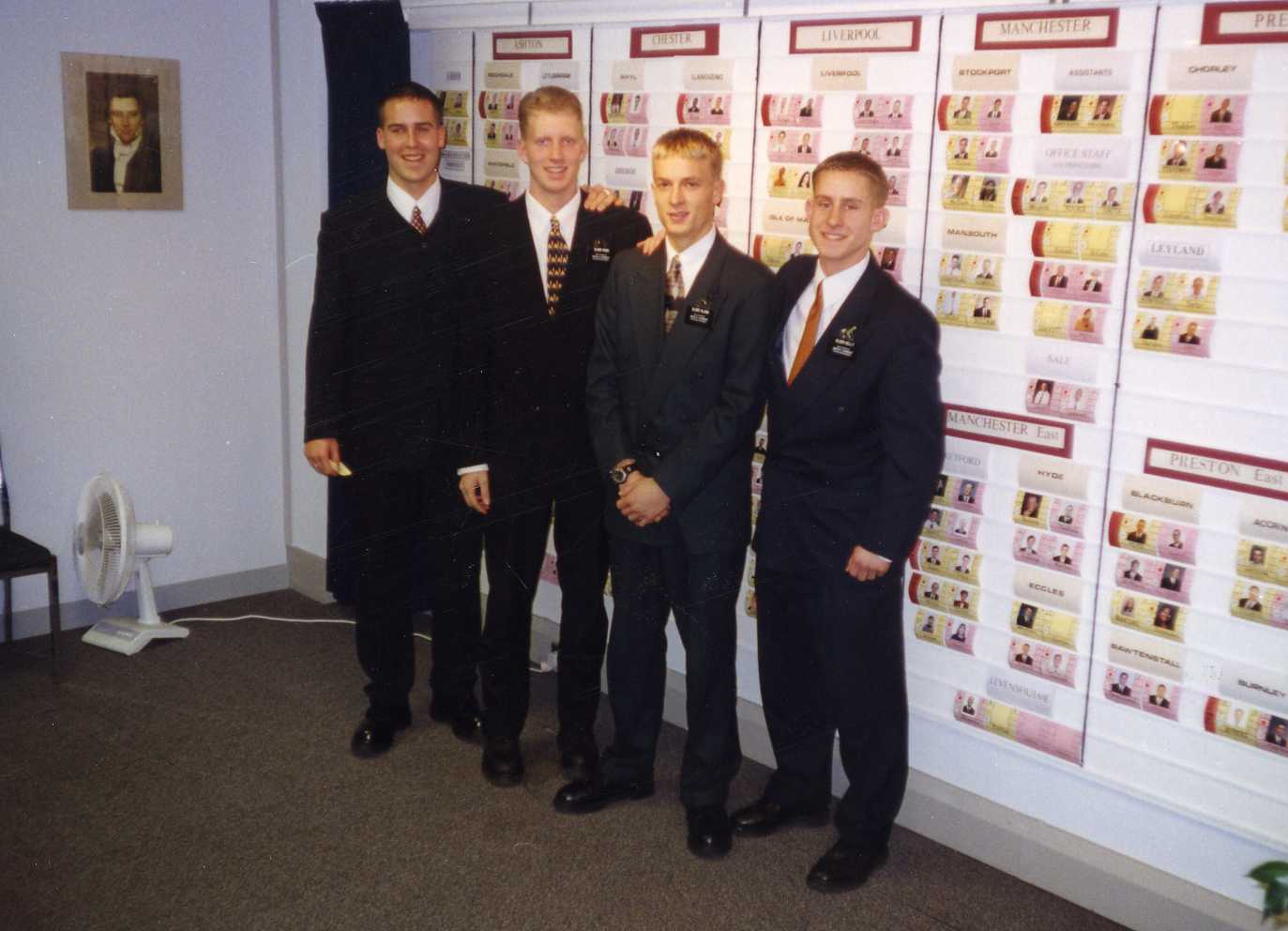
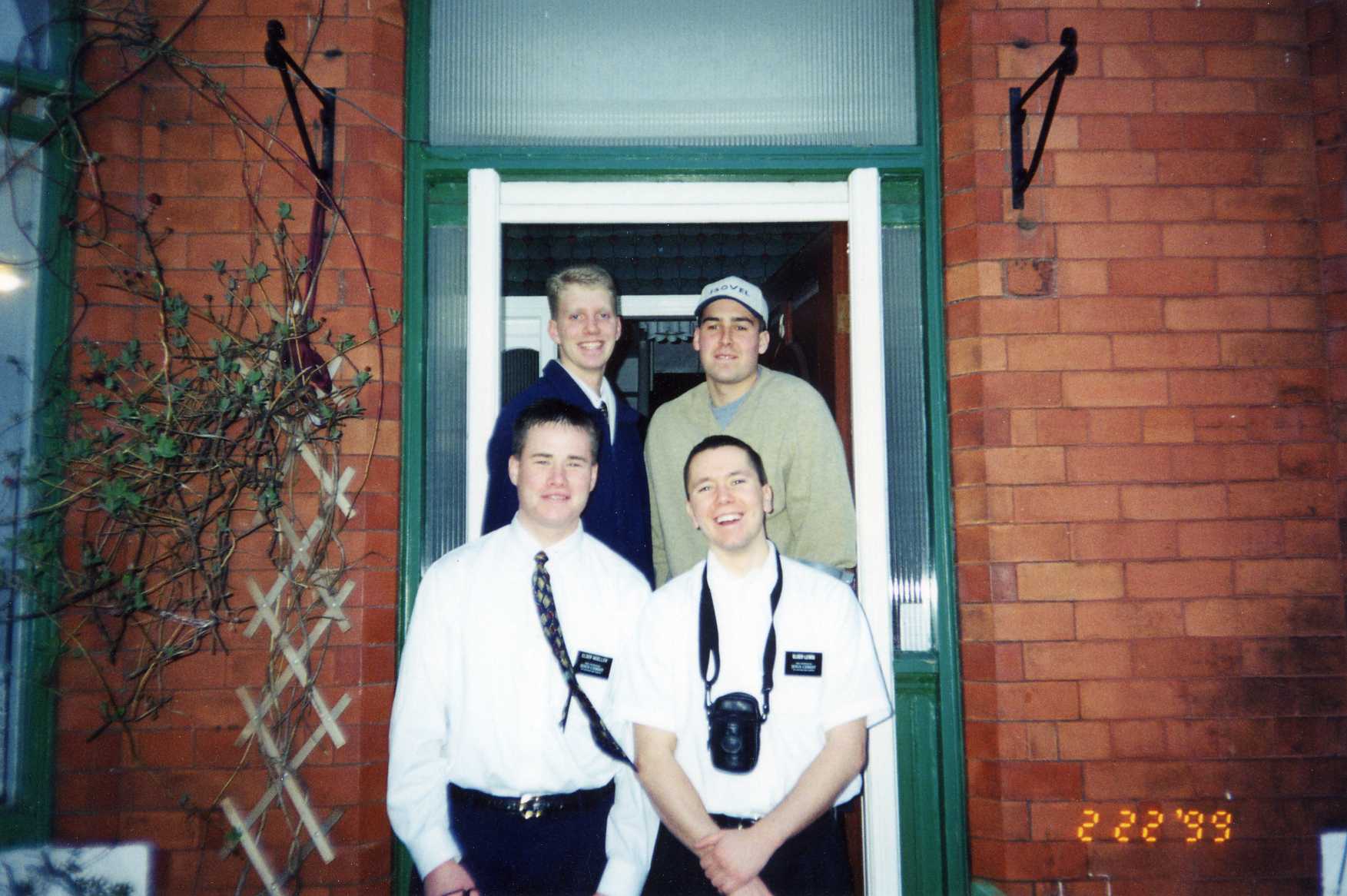
That evening we did some tracting and went to the Counsells’ for dinner, which in England is called tea. Researching, this was Grant and Helen Counsell. Our flat address was 6 Belgrave Street, right on the corner of Trinity Road.

Writing the next day about that evening, I recorded: “We live in a 3 level flat on Trinity Street. So small and in great disrepair. Humble though. I am afraid the steps will break. We left and headed to our flat. Some guy ran up to us and pointed a gun directly at me. We drove off. It scared me to death. We come back to the flat and put on our whites and went and sang in the centre. I didn’t think we sounded good at all. Some members stopped by the flat when we got back. We received presents and 4 of us ran to do some street contacting while the rest went to deliver presents.”

On 24 December, we had dinner with the McKenna’s. In my records I record it as McKenna, McKinnon, and MacKinnon. I don’t know which is right and so far the two members I have contact with do not appear to remember this family. Oddly, I remember this meal. We sat at a little kitchen table for two in the kitchen itself. The McKinnon’s did not eat with us. It was fairly dark in the kitchen. The soup was a chicken, pea, carrot soup. It was not a creamy soup, but it was oily or something and was amazing. None of the rest of the home was heated except the front room with a little gas heater (where the coal fireplace once was). My first introduction to the idea that people would only heat one or two rooms of a home, not the whole house. We left a spiritual thought and left. I don’t know that they were elderly, maybe 70s. But my soul was warmed. I understand the McKinnons moved away from the area.
This highlights another surprise for me in England. Their latitude is considerably higher than that of most of the United States. As such, in winter time, the sun would disappear about 4 pm. It would reappear about 8 am. The days are short. So this dinner appointment at 6 pm would have been in the dark. Many missionaries struggled with depression due to shortened daylight hours. In the converse, summer would have the sun going down at like 9:30 pm and coming up at 5:00 am.
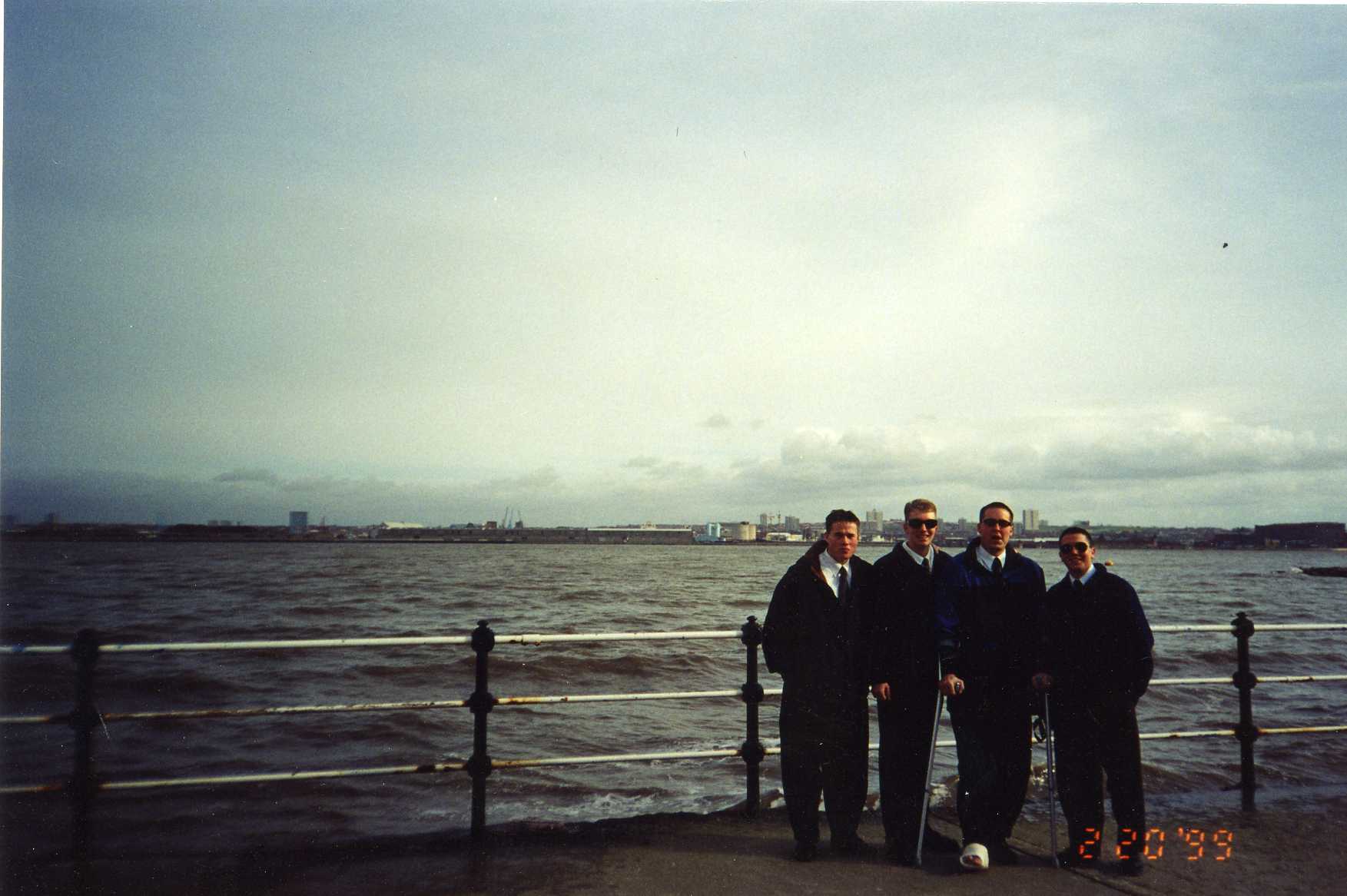
Christmas Day, the 25th, I wrote: “All of us went to play footy, or soccer. I am not a soccer fan anymore. Since I hurt my foot in high school I am not supposed to do any kicking with it… I sat watching them played and I read scriptures while there. I sat some time looking across the Mersey River at Liverpool. What an impressive sight. One building reminded me a ton of the Salt Lake Temple. Dingy white with the 6 big towers but the building was full of windows. It had a big clock in the one end. Instead of an angel Moroni on the end, it had giant pelicans on both center towers.”
That building was the Royal Liver Building. The “pelicans” were actually the famous Liver Birds. Built between 1908 and 1911 for the Royal Liver Assurance company, it was designed by local architect Walter Aubrey Thomas in the Edwardian Baroque style and was, for its time, one of the first large buildings anywhere constructed with a full reinforced-concrete frame, engineering that let it rise to 322 feet and briefly stand as the tallest building in Europe. Its twin clock towers carry two copper birds, nicknamed Bella and Bertie, one facing inland toward the city and the other out to sea. Legend holds that if they ever flew away, Liverpool itself would cease to exist. The birds themselves were carved by Carl Bernard Bartels, a German woodcarver. Along with the Cunard Building and the Port of Liverpool Building, the Royal Liver Building and others form Liverpool’s famous “Three Graces” on the Pier Head waterfront. All fully visible from across the Mersey in Seacombe and Wallasey.
That same day, I visited with family on the phone, including my Dad, sister, Grandma, and Duncan family.
I wrote about my Grandma: “She told me how bad she felt about missing me at the airport. I wished I could have seen her too. It was really good to talk to all of them again. We shall see each other soon enough.”
Grandma died the next year, sooner than either of us expected that Christmas Day. My flight was originally supposed to leave from one gate in Salt Lake City and that is where she went. Later they realized what was going on and they raced over to the new gate. They got there in time to get a package on the flight to me, but no opportunity to physically say good-bye as we were already loaded.

On 26 December, dinner was with Steve and Linda Pitt. That day I also wrote: “I found out that the river and docks I was talking about was where all the immigrants from England left.” At some point, I probably should do a post, like I did with the Mormon Trail, of all my ancestors who came through Liverpool.
27 December 1998 was my first time at church in Moreton. Attendance didn’t reach 100. I confirmed into The Church of Jesus Christ of Latter-day Saints Ann Marie Brumfitt that day. She’d been baptized the Sunday before I arrived. I don’t recall the Elder’s name I replaced. I wrote, “It was a cool experience.” I also gave a priesthood blessing that day to a young boy, Thomas Michael Plemford, Gaynor Plimley’s son. That same day, jet lag and the whirlwind of the first week were catching up with me.
I wrote: “I am having such a hard time. I am so dead tired it is pitiful. If only I could go to bed earlier but that really isn’t possible… I will finish my mission but I will sleep for a week when I return, I am sure of it. Help me endure. These 16 1/2 hour days are killing me. I hope p-day they let me sleep in. I think the jet lag is not helping.”
Even so, I closed the day looking forward rather than back: “There is so much to learn. If I have acquired a percent of a fraction, I will count my life as something more than a waste. I will know it wasn’t all at naught. So much to gain, so little to lose. I pray my senses be toughed, my facilities enlightened to gain but a portion of the awesome amount. I please to learn and not have any tolerance in ignorance. Whatever principle of intelligence we attain to in this life will rise with us in the resurrection. And if a person gains more knowledge and intelligence in this life through his diligence and obedience than another, he will have so much the advantage in the world to come. D&C 130:18-19.”
This picture of the house across the street is a mirror of the house we lived in. The bricked in window is the one I am looking out and taking the picture from in our flat.

28 December 1998 – 3 January 1999
This was my first week in the mission with a planner of my own. The week before, Elder Harris had kept track for the both of us while I was still finding my feet. P-day, 28 December, we went to West Kirby to play squash, my first time ever seeing or playing the game. I wrote: “It was great. It is alot like raquetball. I love it, I will have to do it more and when I get home.”
I’ve loved squash ever since. Roy McKee was a member there that day. His aunt and uncle, John and Audrey McKee, were also in the Ward. I can’t say for certain which McKee household we had tea with each week, Roy and Carol (who I recall held a US citizenship), or John and Audrey, unless a specific journal entry says so. But squash was my love in Richmond, Virginia; Oklahoma City, Oklahoma; Logan, Utah; I wish there was somewhere closer to play to Burley, Idaho.
We kept a heavy teaching schedule all week, working discussions in with Malcolm and Mrs Robson, Jeff and Allen, and Jocelyn and Jamie on P-day evening alone.
Tuesday, the 29th, brought a companionship exchange along with tracting and a discussion with Lisa and Thorn, and a follow-up visit with Ann Marie Brumfitt, whom we’d confirmed on Sunday. Later that day we went tracting and got some callbacks on Royston Road. After doing some running we went back to teach Bobby Topham, a new contact. Writing about it the next day, I recorded (which is overly personal to Bobby):
“He really listened. His one wife joined the church but died soon after so Robert never found out why she joined. He has been a drug addict to like cocaine and marijuana. Heroin, everything. He is an artist, wonderful, wasted all his money from it on drugs. He is wasting away. He has been legally dead 3 times. His out of body experiences sound much like the ones I have heard before from good righteous people. He won’t live probably over a year. He agreed to be baptized. He also wanted a blessing. He told us why he left the other churches. What a wonderful experience that was. I fell totally in love with missionary work. He will be baptized on the 10th. We need to finish all 6 discussions with him. How exciting. The Lord is wonderful.”
Wednesday was one of our fullest days of discussions: Sharon, Olga and Vernon, Chris, Karen and Carl, and Margaret and Carol all in a single day, wrapped up with tea at the Counsells’.
New Year’s Eve found us in service most of the morning, then more tracting and discussions with Carol and Lewis and Margaret and Jon. We also had to go find Bobby Topham for his appointment that day, and taught him the 2nd discussion.
As I wrote: “He really listens to all the message. He went from 80 cigarettes to having his 2nd all day right as we were leaving. He is a really good artist. He is going to do portraits of us. He is so excited to get baptized. He explained us as glowing. Also when we gave him a blessing, he said he saw light. This guy is really open to the Spirit. What a wonderful soul. Through him we could pull quite a few more people in. He has 6 children all but 2 by different mothers. Two of the mothers are mother and daughter themselves. If the daughter and him got married he would be a brother-in-law to his own child. What a lifestyle. No hope. All sorrow. He has found the light. It is so exciting. I hope I get the honor of baptizing him.”
We closed the night with tea at the Hankins’ and home on time. I understand this was Brenda Hankins with her daughters, Emma is the one I remember most.
New Year’s Day started with a moment of reflection. As I wrote:
“Oh, what a year. What tremendous strides in all aspects of life. One definitely for spirituality. Institute in Logan, a mission, trials over the summer. My life has been a great growing experience. Physically, I have gained around an inch or two. Now around 6’1″ or 6’2″ I stand. Probably 35 pounds heavier. I am now around 175. I am pretty healthy and have a high metabolism. Mentally, this grows with spiritual but also being in college broadened my horizons. I learned and try to learn from every aspect of life. Emotionally has been the same as the rest, leaps and bounds. Especially with Duncan’s and on the mission, much of my life is being healed. I can cry, feel joy, laugh, feel others sorry, and connect. I am much healthier as a being now. This year has been especially trying from all that I have endured. I pray that I will always progress in every aspect. I thank God for all the wonderful people I have met and pray that they count me as a blessing in their lives.”
The day continued with our District Development Meeting and closed with tea at Jackie Laing’s, a standing weekly Sunday appointment that would carry on for the time I was there.
Sunday closed the week with church. Elder Mueller and I walked to picked up Bobby Topham and a boy whose name I don’t recall, and walked them to church together. We arrived a quarter hour late, going in after the sacrament had already started, though we did still receive it. A baptism was held at 2:00 that day. That evening included tea at Jackie Laing’s, a 6:30 appointment with Sonya, and, in another companion exchange, this time with Elder Llewellyn, a stop by the Todd’s, where we played with the kids and gave a spiritual thought. I tried to answer some of his questions; he wouldn’t let the children be baptized, but I think we did some good that evening.
Below is a map of every home we visited, taught, or contacted that week, pulled from the Teaching Pool, Less Active list, Finding Pool, and Contacts recorded on the back of that week’s planner page.
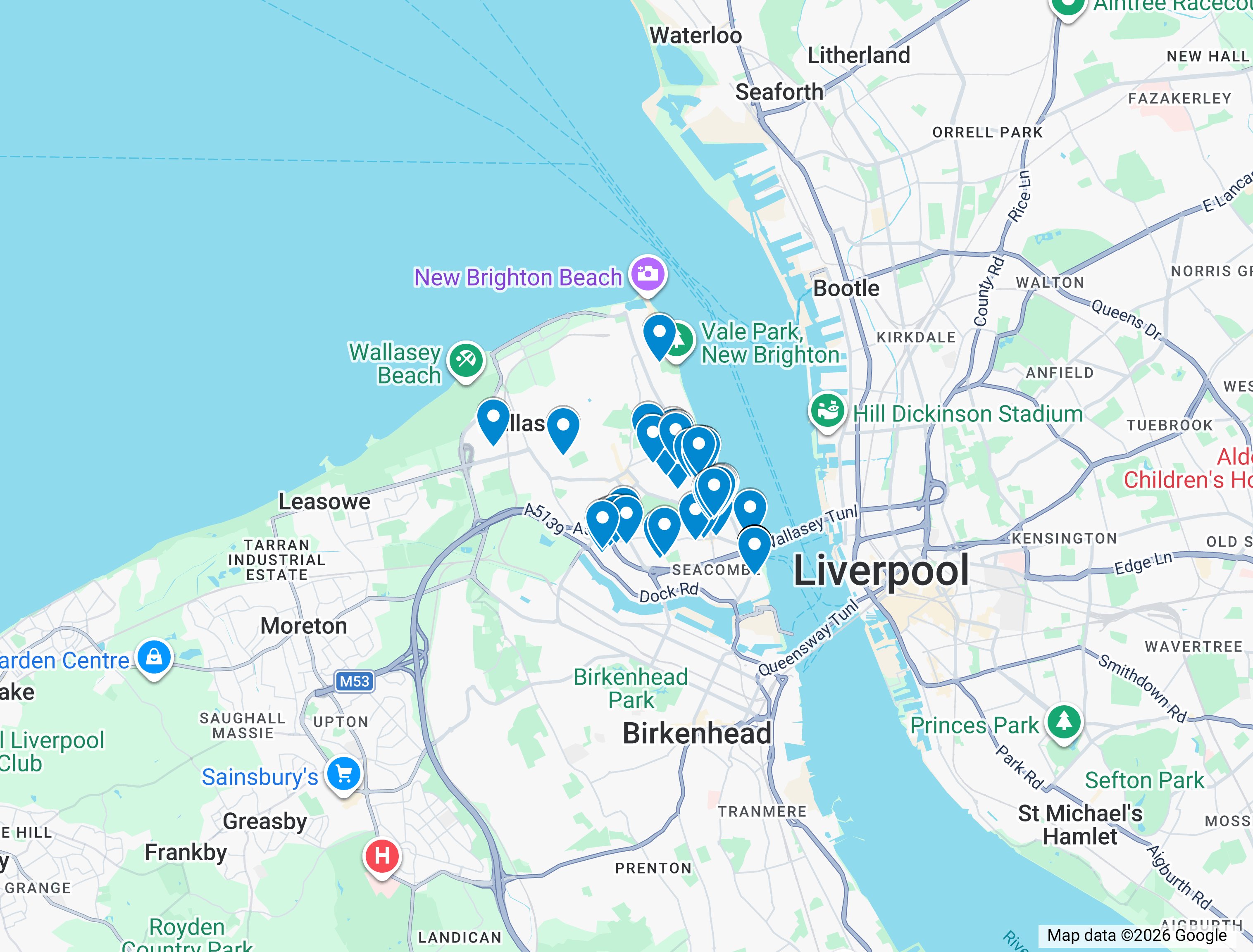
Teaching Pool
- Karen Reeves & LeeAnn Reeves — 53 Limekiln
- Reece Buck — 40 Greenwood
- Pete Murray — 8/A Poulton
Less Active
- June Oden — 25 Sedbergh Rd
- Julie Patterson — Lancaster Ave
Finding Pool
- Ean James — 21 Serpentine Rd
- Sharon — 49 Oxford St
- Olga & Vernon — 17C Rice Ln
- Chris — 100 Woodland Dr
- Louis Clarkson — 22 Sherlock Dr
- Les — 38 Sherlock Ln
- Malcolm Patterson — 20 Lancaster Ln
- Ron Fugg — 8 Claughton Dr
- Lee — Rice Ln
- Mike — 61 Rice Ln
- Mick — 14 Rice Ln
Contacts
- Mohan — 7 Edisbury
- Mr. Robbison — 13 Ivor
- Jill — 24 Ivor
- Sheila — 12 Ivor
- Mr. Doulan — 12C Rice Ln
- Carol — 2 Norwood
- Dawn — 17 Sterling
- Carl — 15 Kendal
- Gwen Climo — 29 Priory
- Chris & Daniel — Rycroft Rd
- Tracy — 6 Beechcroft
- Eric — 69A #3 Poulton Rd
- Jon — 75 Rice Ln
- Margaret — 8 Lynncroft
- Dave — 6 York Ave
- Helen — 35 Royston
- Margaret — 26 Royston
- (unnamed) — 10 Rice
- Les — 9 Upper Rise
- (unnamed) — 34 Rice
- Mike & Tony — 11 Royston
- Melissa — 3 Woodhall
- Laura — 19 Bell Rd
- Andrew — 27 Bell Rd
- Yvonne — 35 Bell Rd
- Bill & Sue — 67 Bell Rd
- Kerwin — 94 Bell Rd
- Jane — 84 Bell Rd
- (unnamed) — 60 Bell Rd
- Lisa — 15 Windham Rd
- (unnamed, 9 addresses) — 48, 54, 58, 70, 72, 78, 82, 86, 90 East St
4 January 1999 – 10 January 1999
P-day, 4 January, we went to Birkenhead and did some shopping. I wrote: “We went to Birkenhead and shopping. I bought a suit jacket/coat. Double breasted with 4 buttons up the front. I like it. I felt bad pulling out 70 pound from home.”
I still have that jacket, and still wear it for special occasions.
That evening we taught Bobby a lesson. As I wrote: “We went and taught Bobby a lesson. We changed his baptism to the 17th of January.”
5 January, I wrote: “I was listening to Johann Liszt’s Die Forelle and was very moved. It is so beautiful.”
That afternoon: “This afternoon we saw a body being taken out of a home and put into a car in a body bag. So moving. Haunting, yet joyful; painful, yet wonderful. Death is the last great adventure. So much lies beyond. I wish I new a farthing of what lay beyond. To grasp a microscopic portion would be an achievement.”
Also that day: “We taught a gypsy today. If we treat it right he will come around.”
6 January, I wrote: “We went out and I got to drive to West Kirby. My first experience driving here. It was quite different. I did well. I drive better than Elder Harris.”
That evening: “We had tea at Counsels or the Bishop’s. They told me of all the great experiences in Rhodes, Athens, Greece, Tunsia, and in the Sahara. I wish to travel these places. I hope to learn so much.”
8 January, I wrote: “We went out to tea at the Hankins. It is such an honor to eat there. …Such love, respect, and honor towards the missionaries.”
9 January, I wrote: “Oh, we went and taught Bobbie the 4th discussion. We skipped the 3rd because Elder Harris felt it needed to be covered. The chastity part was mine and was not fun. He wouldn’t talk about it. We are going to talk about it where no one is around tomorrow. I hope he will live it, or get married.”
That same day: “We went and taught grandma after. …She is a miracle. Mrs. Walker is her name. She is mostly blind and mostly deaf but in really good shape for 93. At one point we read to her 2 Nephi 31. She will read it some more. At one point, I commented and was bearing my testimony to her, she stopped me and commented, I mistook you for Jesus. You are His messenger. I shed tears right then. She doesn’t feel baptism is right yet but she will through prayer. Her love is so great. She is so close to the Lord. She says she feels so close. She says the Book of Mormon has brought her closer to the throne. It has. I am so filled with joy. I love her. Absolutely astounding. …We suggested we get her a big huge print book, she thought we were going to take away the one she has till we got the other. The pain and fear she expressed through her looks wanted me to give her a 100 more.”
That evening: “We went to tea at Jackie’s again. Really good chicken curry.”
10 January, I wrote: “Church was great. I think that all the talks spoke directly to Bobbie. They talked on food storage and other important stuff. The hymns was better today. I felt the Spirit strongly today. We went to gospel principles after. I taught half the lesson with Gayna on keeping the Sabbath Day Holy. It was great. The church is so true. Bobbie, Elder Mueller, + I went to another room and discussed the law of chastity and other concerns he had. I said some stuff that I didn’t know where I was going. When I wrapped it up it made complete sense and I learned so much about baptism. Pure intelligence right then. I had no idea where I was going with the conversation, it turned out, I said exactly what he needed to hear. WE said a closing prayer and Bobbie + I shed tears.”
That evening: “We went to tea at Jackie’s.”
Also that day: “We gave a blessing on Elizabeth MacKinnon. She is ill.”
Below is a map of every home we visited, taught, or contacted that week, pulled from the Teaching Pool, Less Active list, Finding Pool, and Contacts recorded on the back of that week’s planner page.
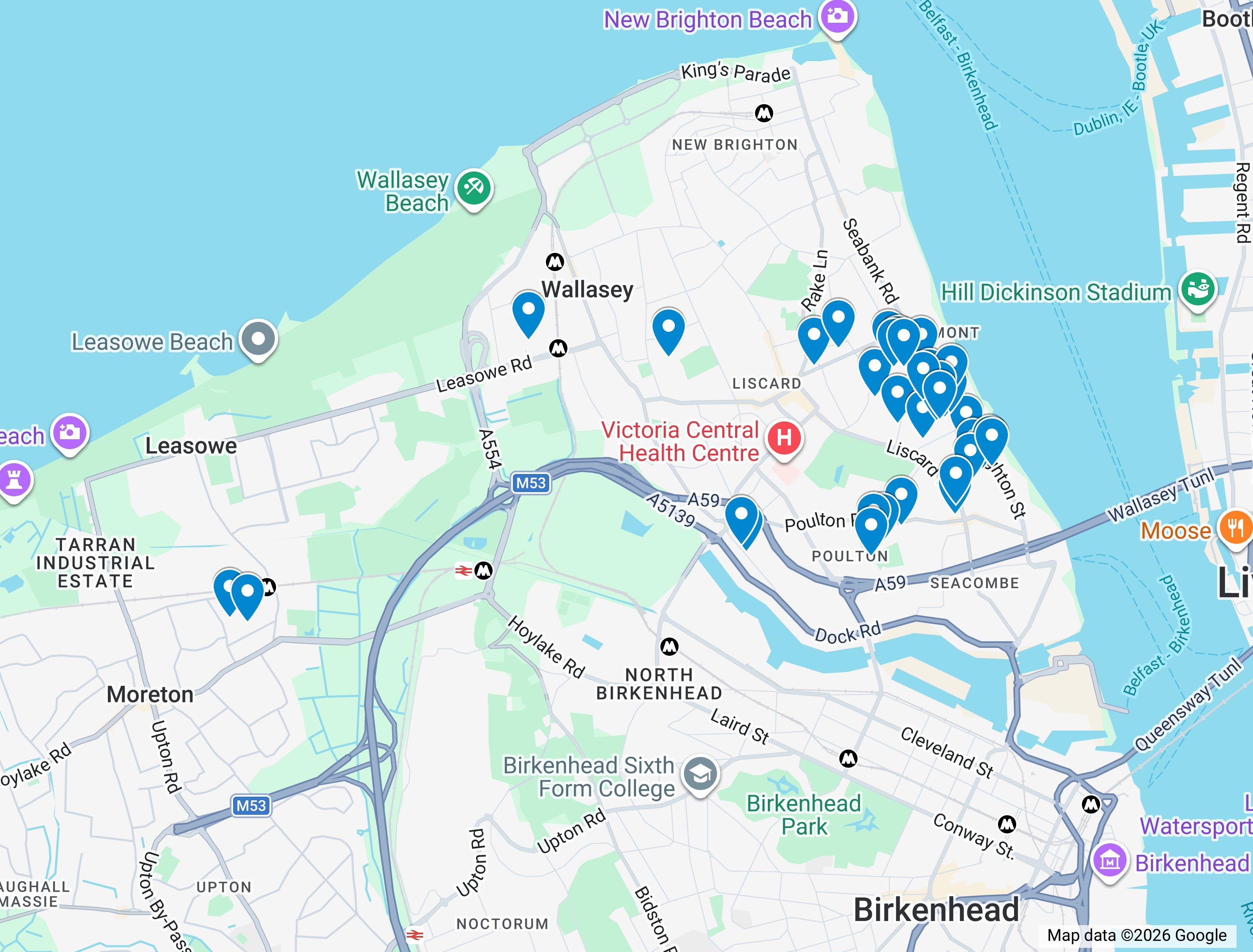
Teaching Pool
- Bobbie Topham — 9 Royston
- Mike — 35 Manor Rd
- Karen Reeves & LeeAnn Reeves — 53 Limekiln
- Rhys Buck — 40 Greenwood
- Chris — 5a Rycroft
- Danielle — St Rycroft
- Robert — 4 Stourton St
Less Active
- Joe — 23 Trafalgar
- June Oden — 25 Sedbergh
- Julie — (no address)
Finding Pool
- Janet Jones — 22 Bell Rd
- Sue — 1 Bell Rd
- Tracy & Andrew — 23 Falkland Rd
- Tony — 40 Buchanan Rd
- Lee — 59 Rice Ln
- Malcolm Patterson — 20 Lancaster Ln
- Shanon — 49 Oxford St
- Ean James — 21 Serpentine Rd
- Mr. Addict — 36 Water St
- Lisa — 15 Windham Rd
- Skip — 28 Water St
- Cliff — 44 Union St
- Gene Lockley — 24F Union St
- Jeff — 22 Union St
- Steve — 4b Union St
- Andy — 44 Eastcroft
Contacts
- Paul & Tom — 4 Bell Rd
- Paula — 65 Bell Rd
- Vicki — 1 Bell Rd
- John — 57 King St
- Lizzie — 7 Ilchester Rd
- Joe — 3 Ilchester Rd
- Kathy — 28 Ilchester Rd
- Melissa — 3 Woodhall Ave
- Helen — 35 Royston Ave
- Margaret — 8 Lynncroft
- John — 75 Rice Ln
- Jill — 24 Ivor
- Sheila — 12 Ivor
- Larry — 37 Limekiln
- Shirley — 36 Union St
- Betty — 34 Exeter Rd
- Jill — Yew Tree Rd
- Sam — 34 Saxon Rd
- Stacey — 79 Robinson/Robbins St
11 January 1999 – 19 January 1999
12 January, I wrote: “Mail always makes my day.”
That same day, Carol and Tanya McKee, came up in conversation assisting the missionaries in many ways. Elder Harris and I went and helped Bobbie that day. I wrote: “Elder Harris + I went and helped Bobbie with troubles. Satan is working so hard on him. We taught him a 6th too. We will teach him the 5th later. Elder Harris said I will probably get to baptize him. Wow, what an honor.”
While tracting that same day: “We were walking down the street when I had a thought to go visit this one house. We went and she listened, took the Book of Mormon, and agreed to have us back. She is Jew too.”
That evening: “We had tea at the Counsell’s. It was good. We had a good productive conversation over dinner. It was really good cornbeef hash. He showed me Gospelink, it was on the computer. Looked interesting, I wanted to dig through it.”
Also that day, we visited Grandma Walker again. As I wrote: “Oh, we visited grandma today. She won’t be baptized because of what it would do to her family. She prayed and cried all night. She admitted she knew the church is true. If she continues to read the Book of Mormon, she will find that she and them will be blessed. I hope I get to see her enter the waters. It is just a matter of time now I believe. I don’t know but pretty sure.”
I have tried to hunt down and locate Grandma Walker’s first name and other information. No luck so far. 93 in 1999, born about 1903. Lived at 5 Stanford Avenue, New Brighton, Wallasey CH45 5AP. But without her first name or her husband’s name, I think I am at a dead end.
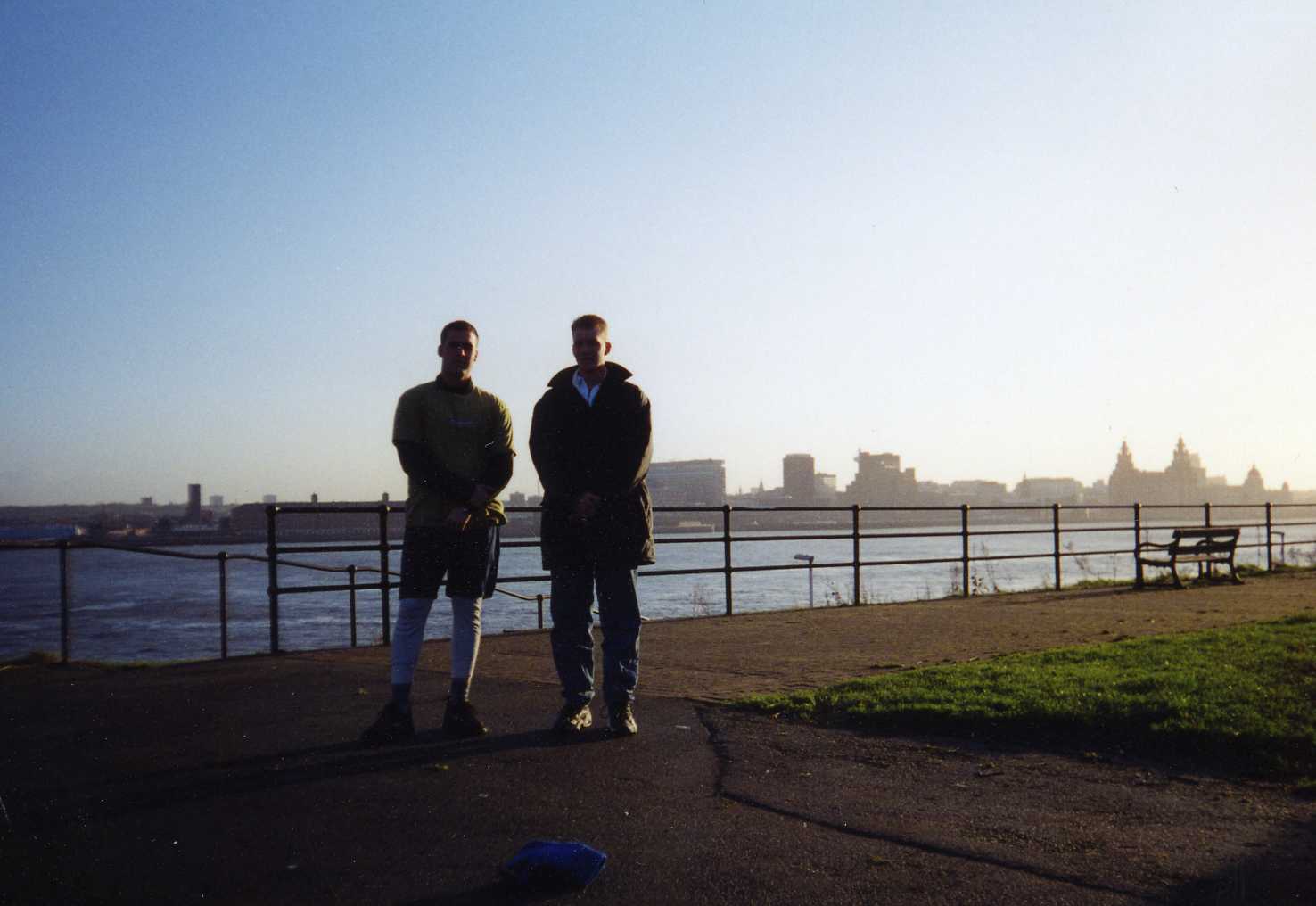
14 January, I wrote: “Today had to be one of the longest days. So cold I haven’t felt my feet since 10:00 this morning. My eye is killing me. Swollen and every time I blink it hurts.”
Also that day: “I was so upset with Bobbie for having a cigarette. That is not me. Today the refiner fire has been hard to endure.”
15 January, I wrote: “At the mission office they sent me GQing with Elder Simion and Elder Wretham.” I would later serve with Elder Simion, in Wigan. I had to go to the mission office due to an eye infection. I had been sick for a while. As I continued: “We had a great time out even though we came back soaked. We were out for 2 hours in the rain. We come back and we ate. Dr. Turnbull saw me too. He looked at my eye and back. Eye is okay, just swollen from whatever was in it.”

Also that day: “We went to Bobbie’s and had his bishop’s interview and talk. The Spirit was so strong. We had pictures and first a great conversation.”
16 January, I wrote: “I am so excited for Bobby. I set him straight on prayer, no excuses for smoking or drugs after baptism, and so he must repent. I tried to set him straight on everything. Now, I can baptism him, now he cannot plead I haven’t done my job, I taught him. He accepted it all really well too. There is alot of good stuff going on too.”
Also that day: “We got our dinner cancelled yesterday so we got KFC. I got chicken strips. We come back here and some lady ragged out Elder Harris for parking in the way of the sidewalk. She asked him if he was just going to stand there looking stupid. His response was just that. He looked around, looked stupid, looked at her and said, ‘I am not looking stupid.’ I laughed and the lady walked on mad.”
At 9:00 that morning, District Development Meeting. As I wrote: “Now Birkenhead is doing great. They have 5 baptisms this Sunday.”
17 January, I wrote: “Elder Johnson and I went all over and absolutely no one was home. …We got back here at the flat at 12:30. We went with Elder Lewis to Bobbie’s house in Oxton. He wasn’t there. I called him and rescheduled for 7:00. We went to this family in Birkenhead and had a good conversation. They fed us some and then we had interviews in Pensley. The 5 they are going to baptize tomorrow. It took forever to interview them all.” I have no recollection or clue to who Elder Johnson is or why I was on exchanges with him.
That evening: “Elder Mueller and I ate at the Billington’s.” This was Lawrence “Lol” Billington (1928–2000) and Sheila Maureen Billington, née Connolly (1936–2020), both of Wallasey.
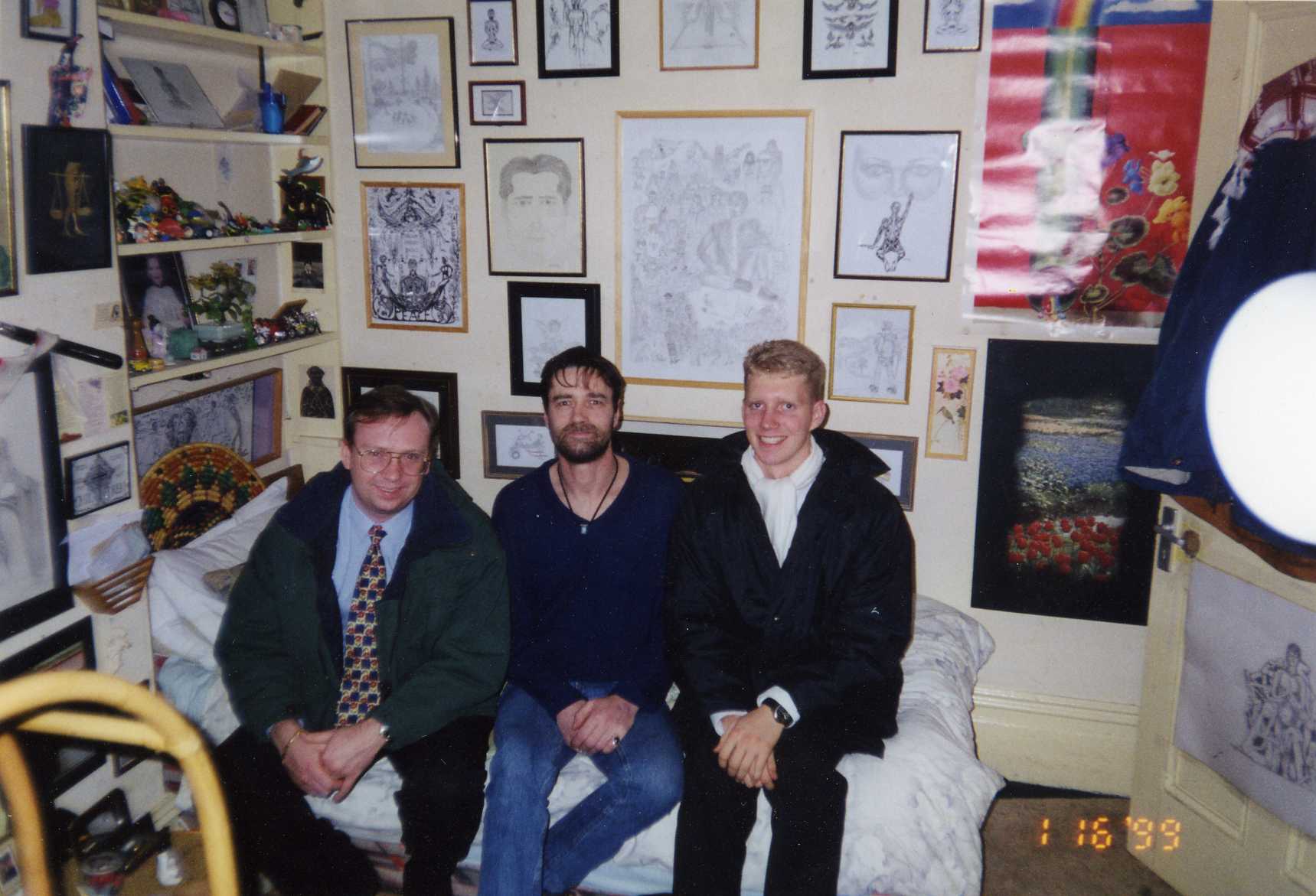
Sitting in sacrament meeting that same day, I wrote: “I am sitting in sacrament meeting here in the Moreton ward. They just finished talking on family history. I don’t think I have ever realized how important it really is. There is so much I have wanted to do. But that is one of the other things that will have to stay on hold till I return home. It is so exciting to do missionary work for the live, after my mission, I will get to do missionary work for the dead. Brother Cliff Roberts is a wonderful man. He gave the talk on family history. Many people joke that he is one of the three Nephites. I don’t think so, but I want to talk to him to make sure. Either way, there is a lot I can learn from him.”
I understand Cliff Roberts passed away from cancer a few years ago.
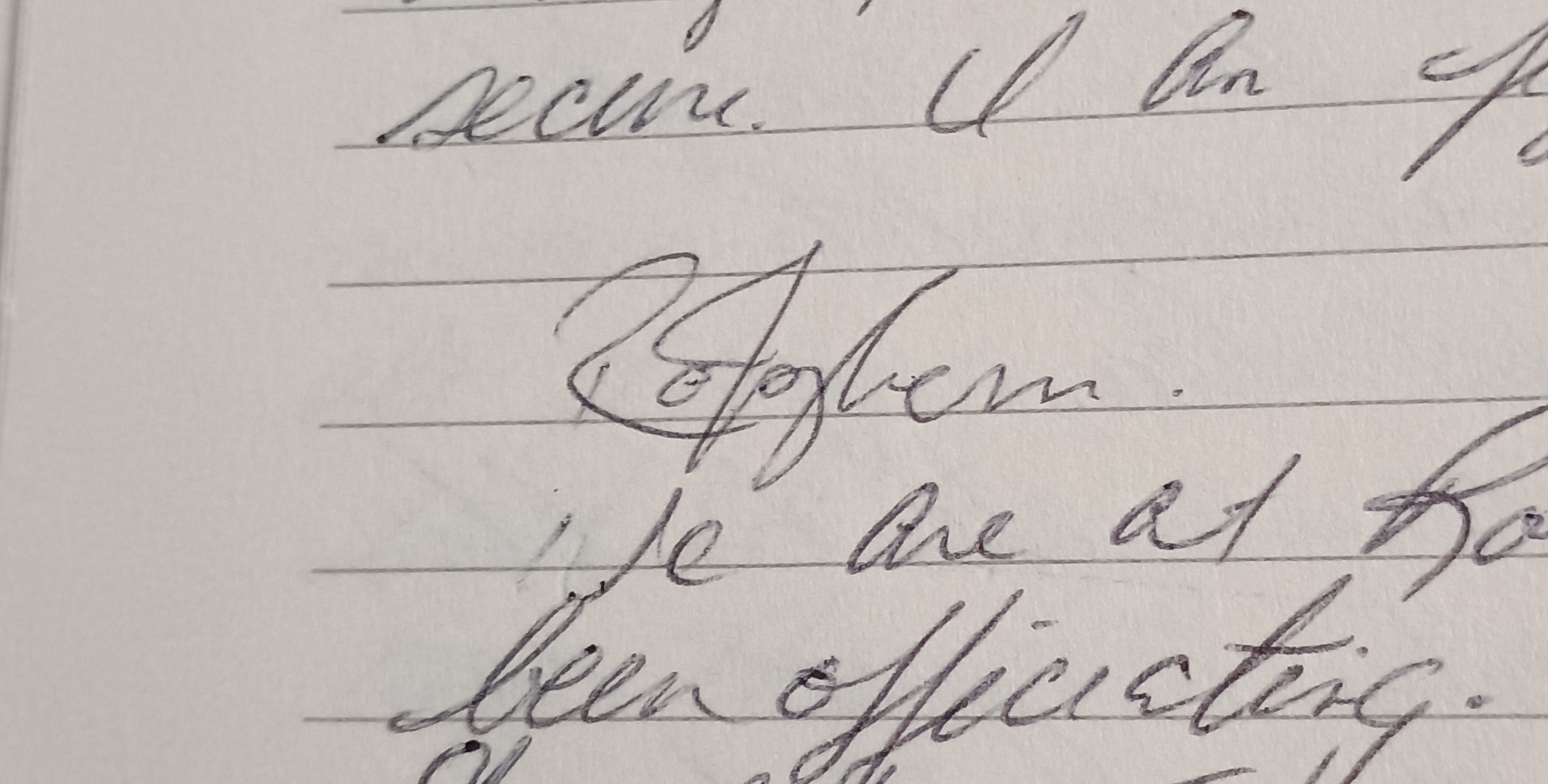
Also that day, at Bobby’s own baptism: “We are at Robert Topham’s baptism. Roy McKee has been officiating. Roy gave a great talk on Baptism. His daughter Tonya McKee gave a great talk on the Holy Ghost.” “Kathy Dunford gave the opening prayer.” “I now have a firm testimony of baptism. Not that I didn’t, it is just reaffirmed.” “Robert signed the other page. That is his signature. Bishop is talking on following the commandments. He is talking on how we need to endure.”
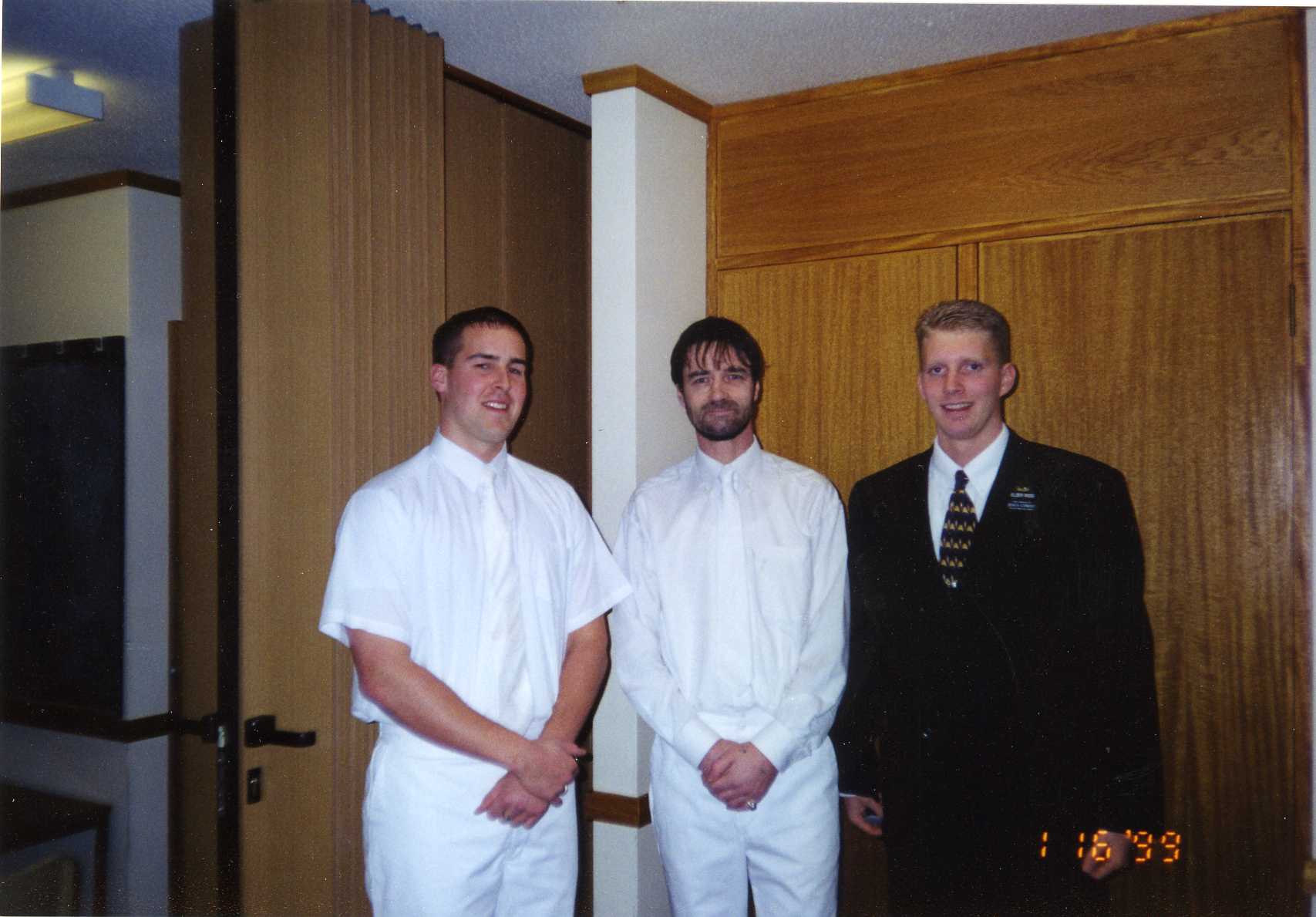
18 January, morning, I wrote: “Elder Llewelyn and I walked to the McKee’s. Not Roy but his uncle. We had a great conversation. Very spiritually uplifting. I look forward to more.”
19 January 1999 – 25 January 1999
20 January, 6:10 AM, I wrote: “We met this other guy named mike. He was one of the first surfers in Great Britain. A great guy. That was during the late 60’s. He still travels to Australia every couple of years. Never surfed California or Hawaii. Great guy but he doesn’t believe in God at all.”
Also that day, tea with Roy and Carol McKee: “We went to tea at the McKee’s. She is a really good cook. We played piano some and some snooker. We ate a good dinner and had a good conversation.”
Also that day: “Even though another lady answered the door in the nude, we went back because she said we could. We taught her the first. I forgot her first name. I think she will accept the gospel.”
And: “We went and talked to Bobbie and we caught him smoke a cigarette. We talked to him and about smoking. He says he is trying. He needs to do.”
At 10:06 PM that same day, I wrote: “We got fish and chips for lunch. I got back and had 11 letters in the post. Yes, ELEVEN LETTERS. Can you imagine my joy. It took over an hour to read all of them. The fish and chips was great too. We had tea at Counsell’s. It was homemade pizza. It was really good. WE had a really good time. Oh last night we gave Isabell MacKinnon a blessing. I got to give it to her. It was exciting. I love this church.”
22 January, 6:11 AM, I wrote: “We went with Elder Knight + Llewelyn to see grandma. We gave her the 4th discussion. She is really torn between her family and joining. I hope her family will soften their hearts and tell her it would be okay to join. We don’t know how much time she has. It is so sad. She says her family is really upset with her. We taught a 1st to Bobby’s son, Steve. I hope his mother and him will come to embrace it. It will keep Bobby on his toes too. We had fish and chips for dinner because we didn’t have a tea scheduled. I went out with Victor Wise to do home teaching. We went from down by the church on Norwood Road to New Brighton on Wellington Road. And clear back. That was a long walk and Vic walks fast. He even keeps me on my toes. I talked to his wife and him for a while. Neither the people we went to visit were home. How sad. We have to try again.”
Victor Charles Wise (1923–2004) married Brenda Tingle (22 February 1933, Sheffield – 22 December 1999, Upton, Cheshire) on 9 December 1977; both have since passed.
23 January, 8:45 AM, I wrote: “One thing, grandma is having such a hard time choosing between family and faith. We had dinner at the Pitts. The bishop’s father-in-law died, another member of our ward. Hopefully it gets better for this ward.”
“Elder Knight + Elder Llewelyn are leaving us. It will become a 4 more flat. Elder L to Liverpool Elder Knight to Leland up by the temple.”
“Oh, the joy of giving truth.”
24 January, 6:10 AM, I wrote: “I cannot believe I have been in England a month already.”
“We went to do a street meeting after DDM. I thought it was quite unsuccessful. Everyone went to Burger King after. It felt good to eat a decent burger, but it wasn’t my way, right away. We don’t get options of what we get on the burger. Basically you get the burger or you don’t, that is the only options.”
“We went to Leasowe and nothing happened. We didn’t teach anyone and it went slow. We met at Jackie’s for tea but Elder Llewelyn + I were told to go to the Ryan’s. We went. It was a nice huge house. Dinner was great. We got on this joke that Sister Ryan is a translated being and she started Sara Lee and owned Standard Oil, Ford, and a ton of other things like that. It was such a blast.” This was Liz and Mike Ryan.
24 January, 2:12 PM, I wrote: “We are at Irene Jame’s baptism. We just sang hymn #300, Families Can Be Together Forever. I get to be the chorister, and Roy McKee is officiating. His daughter, Tonya McKee is the organist. Emma Hall is giving the 1st talk. It is on baptism. Baptism is such an important step. Gayna now, probably on Holy Ghost.”
Mary Irene Thomas (12 April 1930, Wallasey – 21 June 2014, Birkenhead) married Harry James (1923–1987) in March 1956, Wallasey.
“Now John McKee, Roy’s uncle. This should be good. I remember how he told me about the giardian angel at the foot of his bed in the hospital. We were told a story on how when a guardian angel wants you to know he is there he will leave a white feather.”
John Huddleston McKee (1928 in Liverpool to 2025 in Wallasey).
Writing early on the 26th about Sunday night, I recorded: “Sunday night we went to tea after the baptism and they had Elder Llewelyn and I walk back again. We walked all the way from Morton through Leasowe and to Wallasey. We stopped at John and Audry McKee. Elder Llewelyn and I had a really good conversation. We discussed Doctrine + Covenants section 4 verse 6. …John and Audry McKee are like my adopted grandparents. They are so wonderful. They gave us a ride to Irene James, the newly baptized lady. We talked there for quite a while and went over to Gayna’s. We talked for a while and ended up running all the way back to the flat. We got in at 10 seconds after 9:30. We were late.”
Monday, 25 January (P-day), I wrote: “We come back and changed and headed to Liverpool. I love Liverpool. It was all so big and beautiful. Huge but grand buildings. These buildings have class. It seemed like another country. The styles they wear and the music. The stores are so much different. We went to Pizza Hut and had the buffet. It was all you could eat. I love Pizza Hut. The pizza was better here than in America. The crust was so soft, greasy, and yet with that crunch. Elder Llewelyn and Elder Knight transferred away. …We walked through Liverpool town center and went to the car and come back to Wallasey. The Kingsman Tunnel is cool too.”
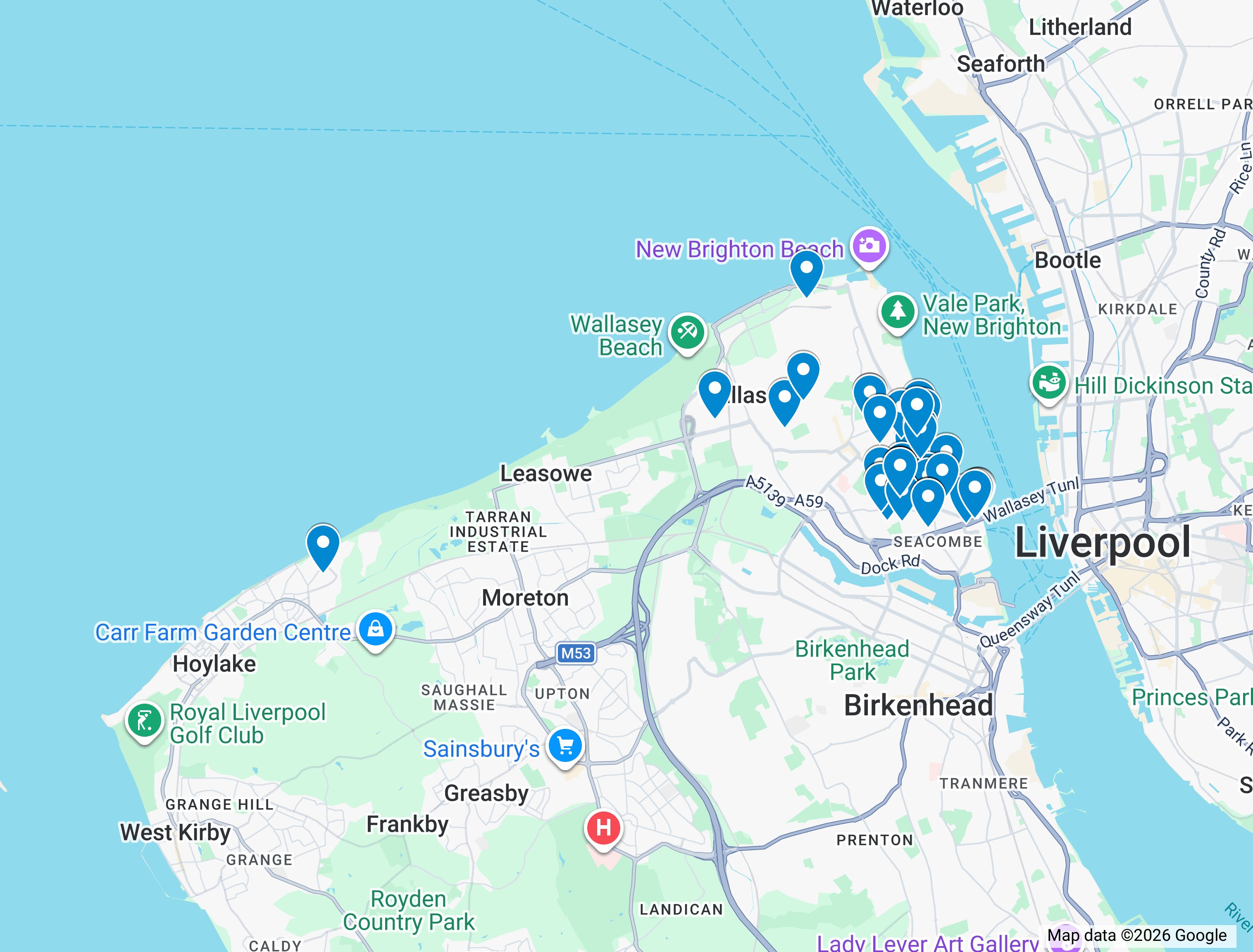
Below is a map of every home we visited, taught, or contacted that week, pulled from the Teaching Pool, Less Active list, Finding Pool, and Contacts recorded on the back of that week’s planner page.
Teaching Pool
- Bobby Topham — 8 Royston
- Colin & Tracy — 28 Water
- Sandra Corbert — 166 King
Less Active
- Joe — 73 Trafalgar
- June — 25 Sedbergh
- Paul — 98 King
- Mike — 1 Fell
- Julie — 20 Lancaster
- Ann Shane — 10 Tudor Ave
- Brenda Reynolds — (no address)
Finding Pool
- Chevon — 61 Hampstead
- David Evans — 7 Annesley
- Lisa — 15 Windham Rd
- Stan & Helen — 42 Hampstead
- Malcolm — 20 Lancaster
- Andy — 44 Eastcroft
- Veronica — 60 Harvest
Contacts
- Emma — 7 Hampstead
- Lynn — 1 Hampstead
- Caroline — 27 Annesley
- Jan — 53 Annesley
- Sue — 1 Bell Rd
- Kathy — 28 Ilchester
- Joe — 3 Ilchester
- Helen — 35 Royston
- Maz — 15 Knowsley
- Sue — 54 Albemarle Rd
- Shirley — 36 Union
- Jon — 17 Summit
- Conesta — 35 Greencroft
- Linda — 69 Rycroft
- Sharon — 71 Rycroft
- Margaret Quinn — 47 Rycroft
- Anita — 35 Rycroft
- Olwin — 46 Hampstead
- Tim — 54 Hampstead
- Chris Walsh — 62 Hampstead
- Chris — 66 Hampstead
- Gordan — 33 Greencroft
- Wendy — 8 Tudor
- Alan — 14 Tudor
- Lawrence — 22 Tudor
- Paula — 8 Lucerne
- Teresa — 49 Lucerne
- Mr. Partridge — 16 Centurion Close
- Joyce — 11 Lucerne
- Shelly Thomas — 20 Rudgrave Square
- Enid Hill — 50 Wellington
26 January 1999 – 1 February 1999
27 January I wrote: “I am so tired. I hope one of these days I get over this feeling. We went to Birkenhead for service. We went to the chapel up there and the sisters made us breakfast. It was not good at all. We put all our plans together for flight 401. It will be the 4th discussion acted out by 12 missionaries. I get to be the missionary on the plan who tries to convert the high jackers. I spelled that wrong. They blow up the plane and they take the people through all the different glories and stuff like that. I get to play all the time on the piano in the chapel or celestial room. Missionary straight to celestial. That is cool, they didn’t mean to do that. We came back here and changed. I forgot my coat at Birkenhead so I don’t get any money till I get it back. Also, my letter home is sitting in the pocket. I might not get it back till Fri, Sat, or Sun. All those at home are going to have quite the wait. Unless the Birkenhead Elders took the coat with them and if they did, Elder Harris will have them mail my letter.”
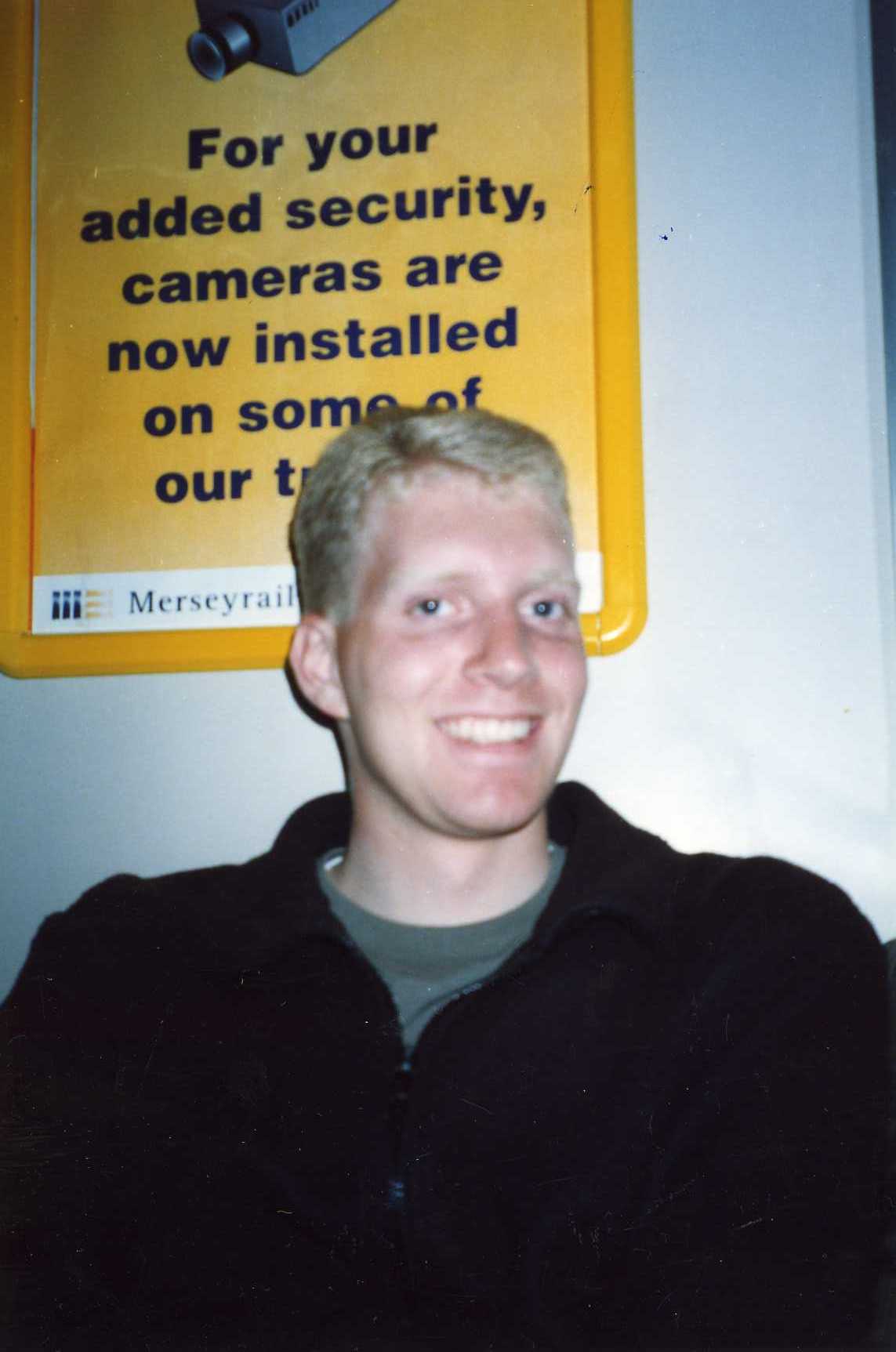
Also that day: “We went out proselyting after in Elder Knight’s area. I like New Brighton more than Wallasey. I hope we work that alot. It rained hard the whole time. The coat of Elder Lewis I borrowed wasn’t rainproof so I got drenched. Even the stuff in my bag got pretty wet. We come back and dried out.”
Later that day: “We went back out and met a ton of people. We had tea at the McKee’s again. It was a good dinner like usual. We found out Carol plays the guitar. Roy has an office to die for. That thing is loaded with just about everything. Tonya is quite into music too.”
Also that day: “We went to Irene James or Clinton’s nan and she asked me to confirm her. This will be my 3rd Confirmation, no baptisms. I mean performed by me.”
28 January, 9:57 PM, I wrote: “I have to admit, these past few days have been different. I have gotten so into the other things that I have not had time to write. The Spirit has taught me much over the past day. I look forward with great anticipation to the future. I have become much more calm and open through the Spirit. Love has increased as has humility and insight. I do hope that it continues. I can tell now even in my writing a unworrisom feeling and appreciative attitude. Flowing and loveing, oh, how great is our Lord. For I do know that he lives. It was testified to me more.”
Also that day: “We had tea at the Wise’s where we were given many referrals. Things continue to lok up. Elder Harris + I are being blessed for enduring and continuing in diligence.”
Later that evening: “Later we watched Ensign to the Nations with Bobby at Gayna’s. So very moving it was. The last 15 minutes of the show moved me to my very core. It was once again reaffirmed to me by the Spirit of the truthfulness of this gospel. If only I had the words to describe it.” “Faith in Every Footstep with all the temples and angelic voices singing rocked my very core. Bobby too felt that presence.”
“We (Elder Harris + I) left and headed to Chester. We stayed the night and I went on splits with Elder Dixon. We tracted quite a bit and only got two call backs. Something was wrong. Elder Dixon seemed so unsure of the work. I hope he can become strengthened.” This visit to Chester was just overnight, and we didn’t even go downtown.
“We had tea at John McKee’s. Oh how great it is to share time with such righteous people. It is so exhilarating to the soul. It is so moving to be around them. Now I call them my adopted grandparents.”
“We had the flight 747 tonight. We act out a plane crash and then take all the people through the separate kingdoms. It worked out really well.”
I cannot imagine doing a Flight 401/747 post 9/11…
30 January, 9:50 PM, I wrote: “Today has been a phenomenal day. I started reading my book that dad sent to me. It is called Drawing on the Powers of Heaven. Wonderful book. I will be glad when I can understand all of it and apply it.”
“At 9:00 we left for the funeral of James Jones. That is Bishop Counsell’s father-in-law. James’ wife Audry was the one I thought made a perfect grandma. The funeral was absolutely stunning. Singing and the Spirit was great. Bishop Counsell got up and talked on [James’] life. This man was a perfect example of Christ. I hope to be like this man someday, who was so much like Jesus. …Bishop told of how when they found out he had cancer, that before returning to bed, the asked either to take him so he wouldn’t have to suffer or to let him endure happily. He now rests in peace. The Spirit touched me phenomenally strong. I cried. They sang O my father, I was streaming. Tonya McKee sat in front of us. She was sobbing. I was so touched by the Spirit. There was the closing prayer and we all went to the crematorium. There was a little service where The Stake President spoke, and we said our good-byes. I knew not this man but he has touched my life.”
Also that day: “After I talked to Cliff Roberts, the one everyone things is a Nephite, he isn’t. He did reveal some fantastic and great knowledge to me that I have been looking forward to. He was a 2nd witness today. I told him how he quickened and excited my soul by how great of an example and by his righteousness. He thanked me. I hope he remembers I look up to him.”
“The high point was we taught Bridgette tonight. The lady with green hair. She is so in tune with the Spirit. She taught us most of the plan of salvation but she knew not that it was divine. We explained the light of Christ. She totally accepted it all and agreed but she is so use to having herself. She finds it hard to acknowledge her conscience as the gift given from God. She uses cards for answers and prayers. Interesting. She totally believes in Spirits. She communicates through them. Dangerous, a bad one could get in there. I think she will come around.”
“A poem given today: ‘Time is, Too slow for those who wait, Too swift for those who fear, Too long for those who grieve, Too short for those who rejoice, But for those who love, Time is Eternity!’ So true.” The poem is “Time Is” by Henry Van Dyke, from his 1904 collection Music and Other Poems, originally written as an inscription for a sundial in a friend’s garden, and later read at Princess Diana’s funeral in 1997. Van Dyke’s original last line was “Time is not,” though the “Time is Eternity” ending recorded here has become the more commonly quoted version.
“I had a memory of a dream this summer. The entire dream followed tonights sequence of events at tea. Everything down to the number of donuts and the cool little fry fork. The past, present, and future are all one in the Lord. All present.”
31 January, 10:34 AM, I wrote: “We are now in Sacrament Meeting. It has been a great meeting so far. We started singing hymn #60. I love that hymn. His truth is marching on and I am helping that it goes forth. I confirmed Irene Mary James. What an honor to bestow the gift of the Holy Ghost, not just the gift but thee Holy Ghost. It was great.” “There was a talk given on the windows of light. She commented on how Joseph Smith looked for the light and found it.”
Also in that meeting: “Jackie Laing tells her conversion story. She was…searching for the truth. She said nothing captivated [her]. The Born-again Christians she went towards. She joined with them. She found a member and went to church. She later had the discussions. It is true, she could find no fault. She had an experience with the Book of Mormon.” “She commented on the excitement of hearing an answer for a prayer or having a revelation or inspiration. Such excitement.”
“We are now in combined Relief Society and Priesthood. Roy McKee commented that if anything goes wrong, we weren’t prepared. That is so true. Nothing can go wrong if we are prepared. We should be prepared for anything. That is one of the reasons we work and learn from the past.” “Cliff Robert commented to me that price is any opposition to that which is good. The father of all lies, the author of blackness, or the pride. We are all equal, God is no respecter of persons. What a thought.”
“We went to Moe Jones’ after. There were talked with Lois and Moe. Lois might get baptized.”
Written 2 February, relating to 1 February: “Yesterday was quite the interesting day. We went to Chester, walked the wall, pigged out at Pizza Hut, and came back. I got pictures and I wrote about it in the letter home.”
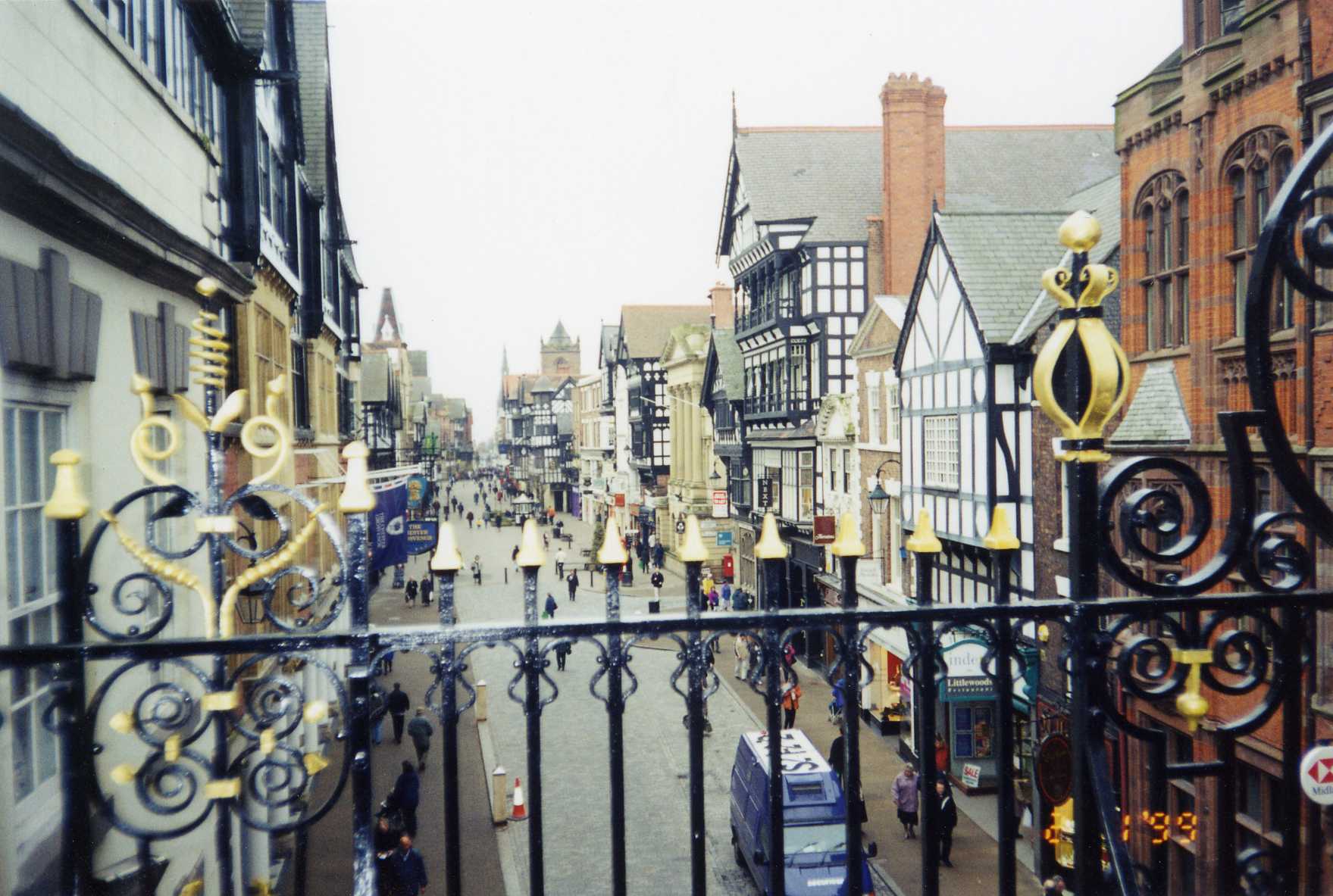
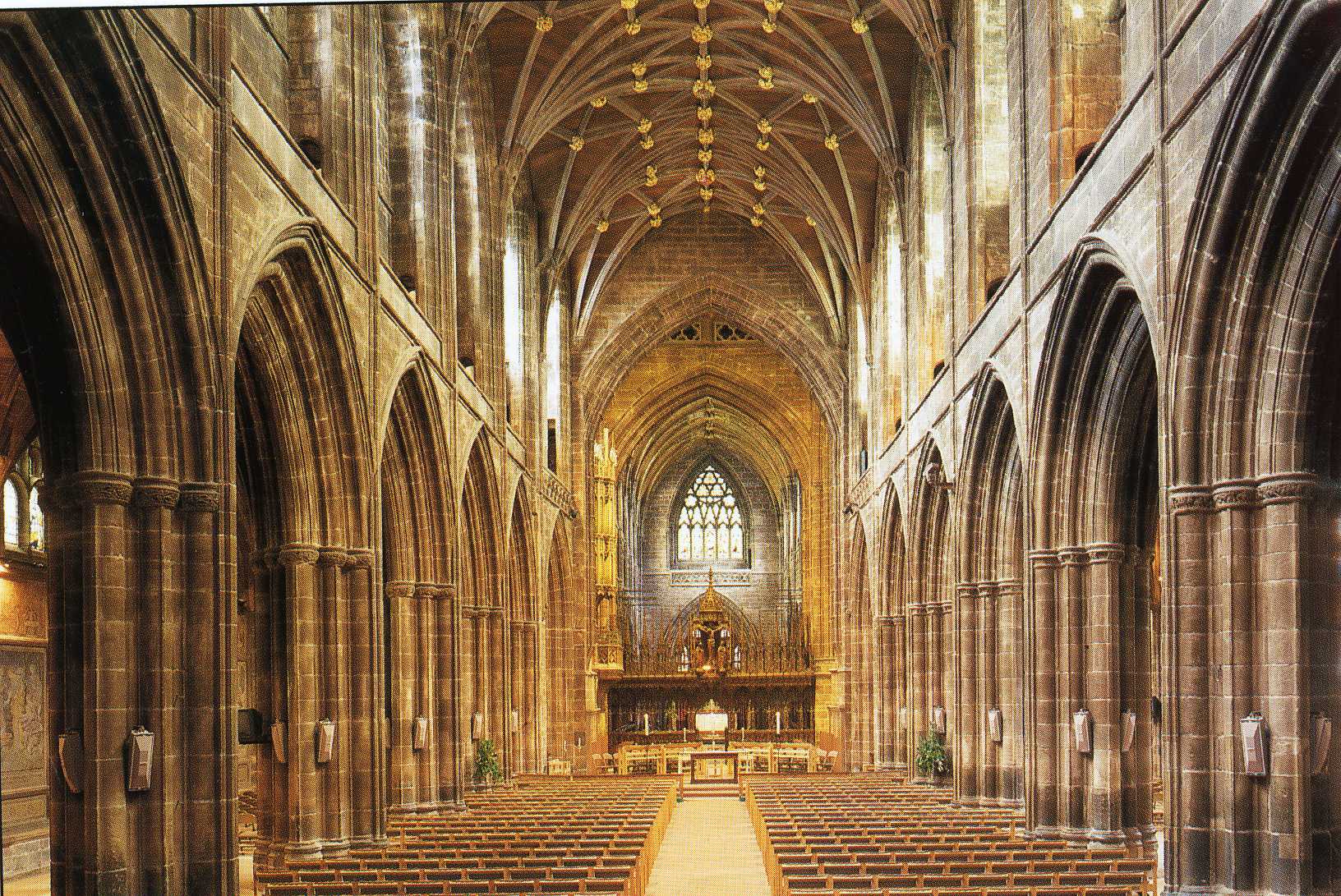

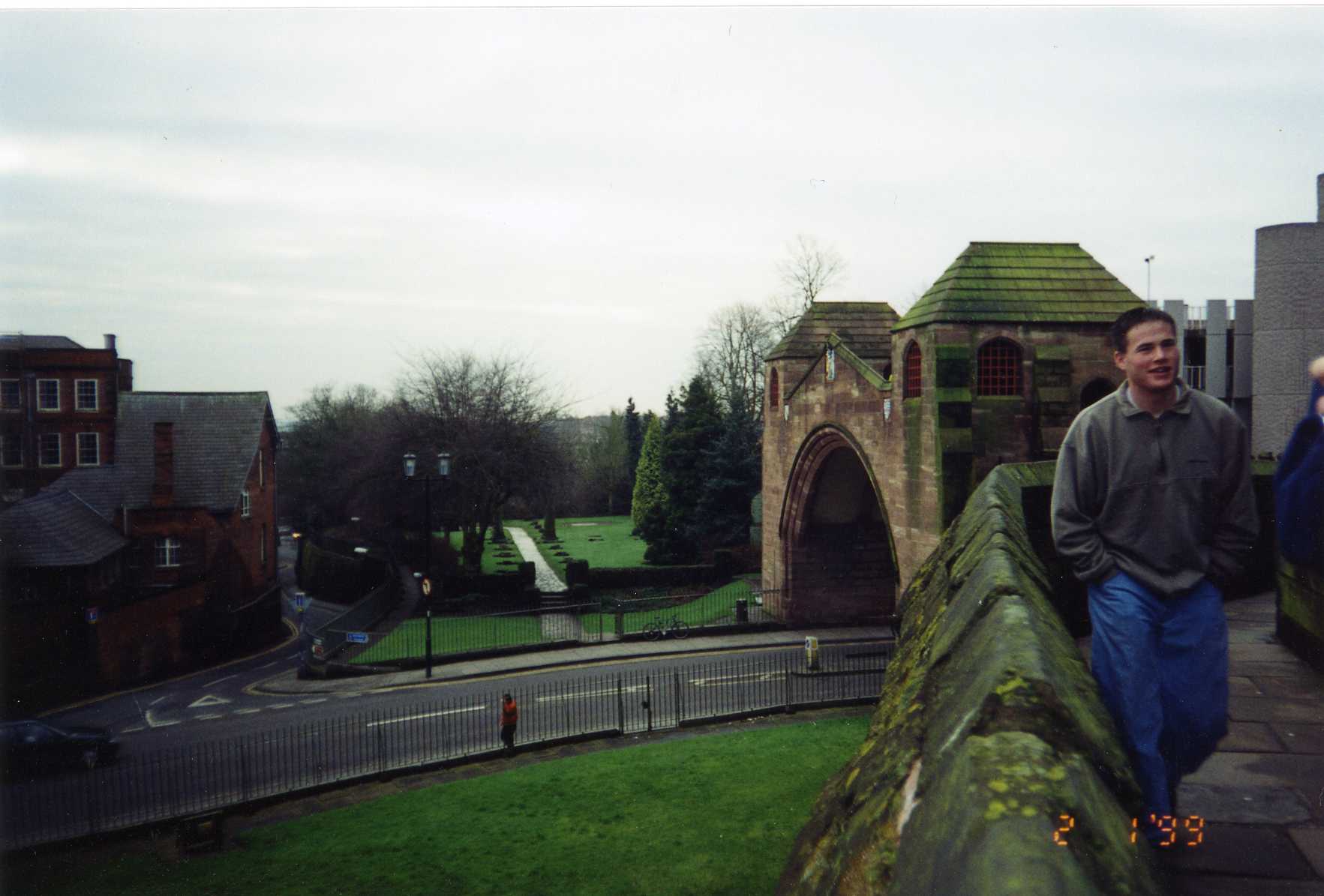
Below is a map of every home we visited, taught, or contacted that week, pulled from the Teaching Pool, Finding Pool, and Contacts recorded on the back of that week’s planner page. This week’s page had no separate Less Active section.
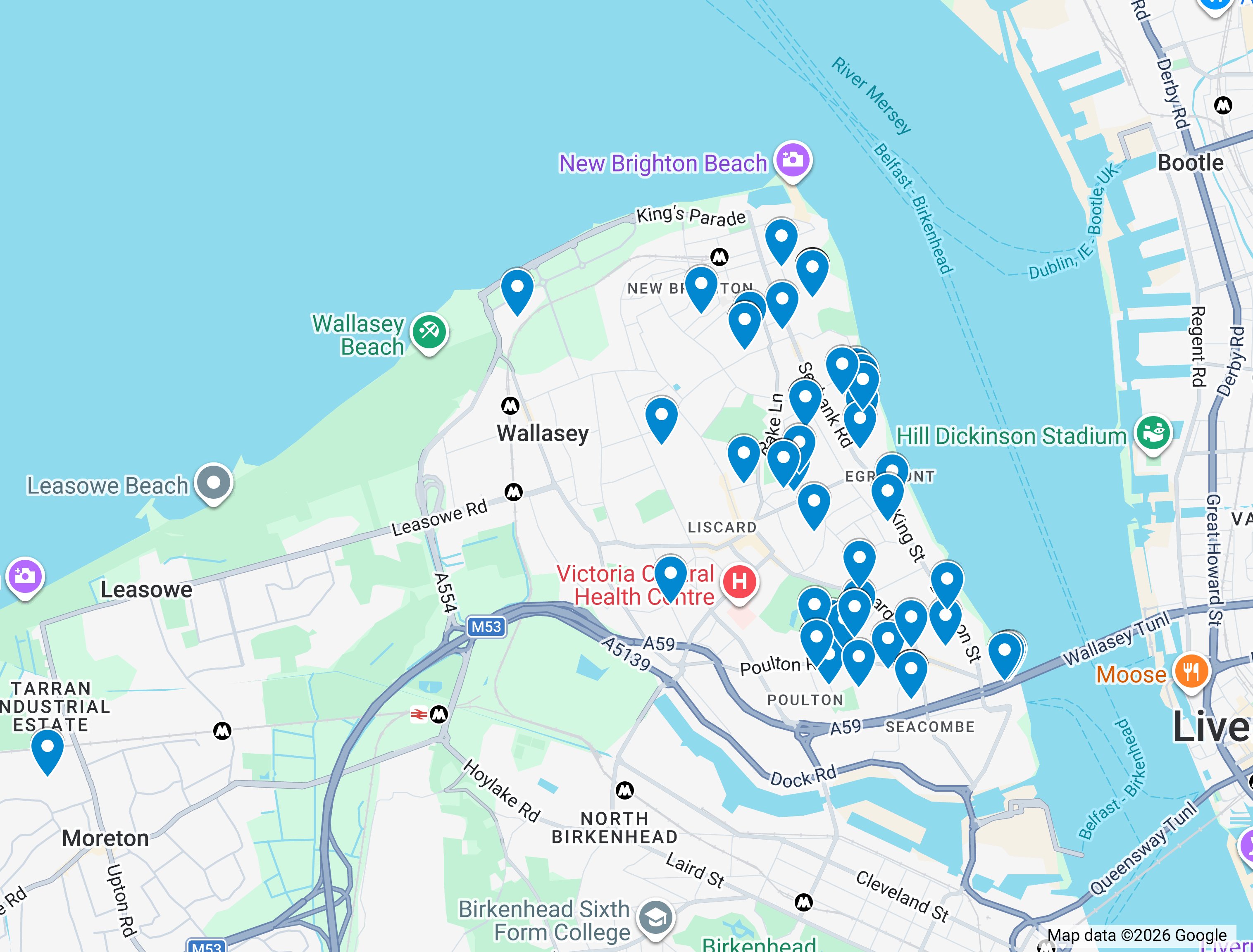
Teaching Pool
- Sandra Corbert — 166 King
- Irene James — 6 York Ave
- David Evans — 7 Annesley
- Jamie — 5 Dalmorton
- Joyce & Carol — 19 Caithness
- Grandma Walker — 5 Stanford
- Sandy & John — 5A Caithness
- Debbie White — 35 Gorsehill
Finding Pool
- Olive — 26 Lucring
- Casgy — 42 Lucring
- Veronica — 40 Harvest
- Malcolm — 20 Lancaster
- Stan & Helen — 42 Hampstead
- Chevon — 61 Hampstead
- Unis — 1A Dalmorton
- Kevin Paul Shawn — 31 Dalmorton
- Mrs. Williams — 34 Hereford
- Jane & Fancie — 73 Dalmorton
- Mike & Liz — 8 Imperial
- Sue — 23 Imperial
- Christine Walker — 14 Elgin
- Sandra — 3 Grosvenor
- Paul — 50 Radnor
- Shic — 90 Liscard
- Dennis — The Channel
- Rhona — 12 Sutton
- Joan — 5 Coronation
- Andy — 44 Eastcroft
- Roy — 78 Urmson
- Pam — 81 Urmson
- Ian — 4 Warwick
Contacts
- Paul — 17 Dalmorton
- Mrs. Kathrel — 25 Imperial
- Mrs. Nuttal — 30 Elgin
- Joe — 13 Denton
- Ria — 5 Coronation
- Mike — 13 Edinburgh
- Terry McCormick — 13 Station
- Daisy & Becky — 22 Beach
- Sharon — 58 Lusging
- Georgia — 51 Albemarle
- Wendy — 8 Tudor
- Alan — 14 Tudor
- Lawrence — 22 Tudor
- Gordon — 23 Greencroft
- Kangsta — 35 Greencroft
- Doug — 62 Lusging
- Mrs. Williams — 35 (unclear)
- John — 17 The Summit
- Emma — 7 Hampstead
- Jan — 53 Annesley
- Sue — 1 Bell
- Kathy — 28 Ilchester
- Maz — 15 Knowsley
- Conesta — 35 Greencroft
- Margaret Quinn — 47 Rycroft
- Chris Walsh — 62 Hampstead
- Chris — 66 Hampstead
- Paula — 8 Lucerne
- Joyce — 11 Lucerne
- Shelly Thomas — 20 Rudgrave
- Angela — 25 Lancaster
- Gordan — 75 Withers Ln
- Mrs. Buely — 100 Urmson
- Jackie — 77 Urmson
2 February 1999 – 9 February 1999
Written 3 February, about the night before: “Last night we had tea at the McKee’s again. It was a great dinner but afterwards, Carol, her mother, Elder Mueller, and I had a great conversation. I don’t remember all what about, but it was great.”
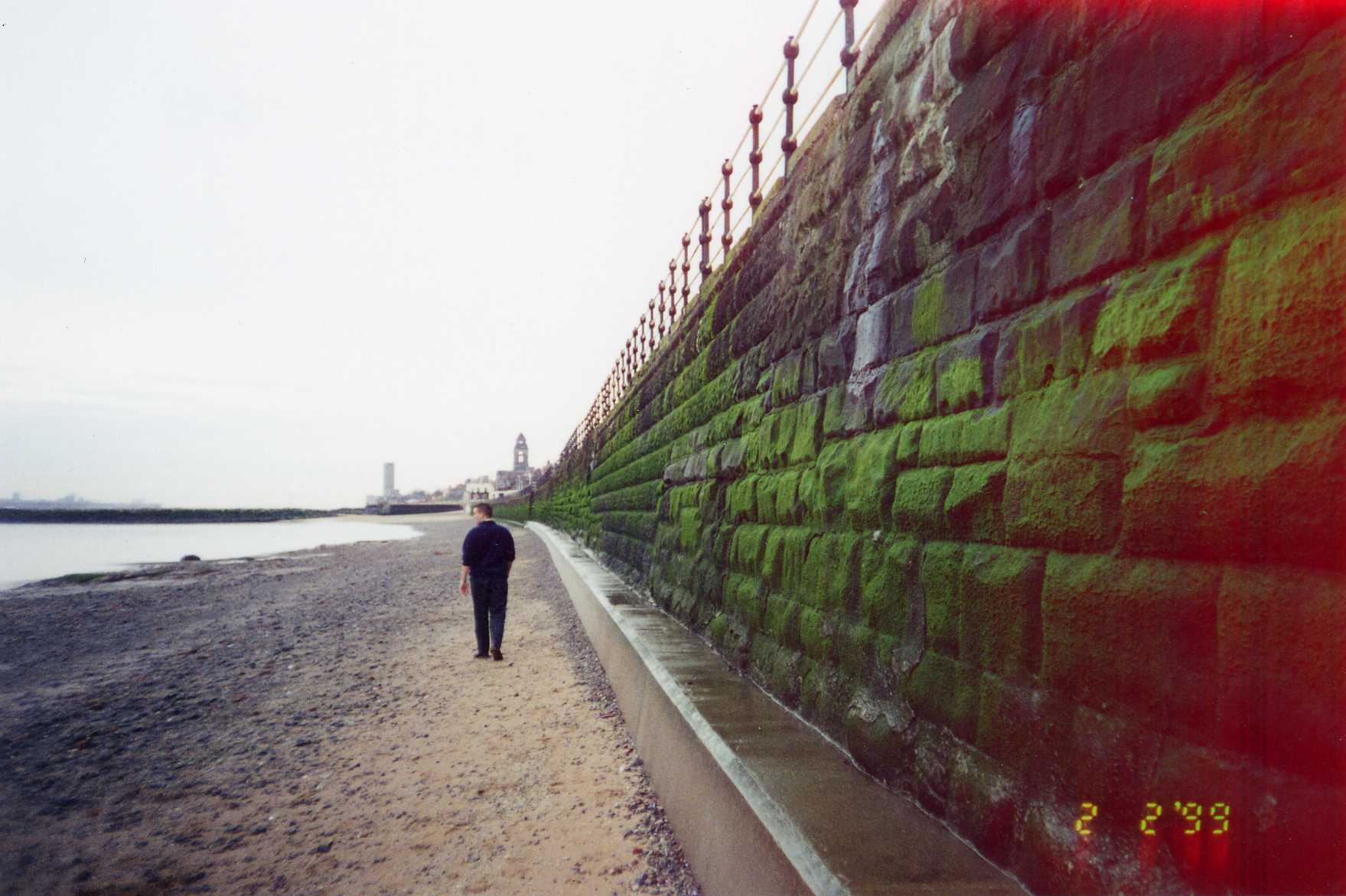
Also that day: “We taught David Evans today. He is really intellectualizing all of it. I tried to explain it to him that way. The same was to Bridgette a couple of nights ago.”
Also that day: “Earlier today, we went to the Ryan’s. She took us to another house and wanted us to bless it. It has Poltergeists. Those are ghosts that move things. She showed us the rooms with the problems and when we walked in, it was so cold. I jumped when I walked in the room. Weird noises, weird feelings. I prayed, Elder Harris blessed it. I hope we did it right. We don’t have anything written on how we are supposed to do it. I felt better afterwards. Sister Ryan and the two of us talked for quite some time. We had tea at the Annals. It was a riot. It was absolutely great. They are a wonderful family.”
This was Mike and Liz Ryan.
Reading the letters I sent home to family, there is more detail there too. The first time we blessed the home, nothing happened. It went even more cold. Like they were staring at us. The second time we blessed the home, it was confrontational. Like they were staring us down and snickering at us. The last time we prayed again before we blessed the home. This time, everything was different. The light and warmth came back into the room and we were at peace. But after the second time, we were afraid and had to huddle in prayer before trying yet again. Very humbling.
4 February, I wrote: “I just realized that today is the day dad gets sealed to his parents in the Ogden Temple. A joyous day indeed. I believe that on the 7th Bud [Lloyd] gets the Priesthood. What joy and happiness have come into this family. I can say I had a small part in it. My joy will be full when mom comes around. We have all tasted such sorrow and bitter. Dad’s patriarchal states he will be sealed in the temple yet in this life.”
“My family, wife on down will be a eternal family. My children shall know the gospel and its divinity.”
“Bud and grandma will be sealed later this month or in March. Another outstanding year this will be. As was last, a year for the books.”
“President talked to me and gave some words and advice. He is most definitely a servant of the Lord. He told me that it is too bad we can’t put the head of a 40 year old on that of a 19 year old. But, we can’t so let them learn. Some are further than others.”
“He commented on the repentance process. We talked about rules, but a higher law. He commented on individuals not the law. The Lord cares on serving others, not keeping rules for self. Try to lead (live) the laws but put others first. He commented on sanctification and working towards perfection. Oh what joy. Righteous people invigorate and energize the soul. Follow the Spirit. It is so enlightening. You learn so much more on watching and seeing how it relates to the gospel. All things apply. Everything is of a spiritual sense. Such excitement in Christ.”
5 February, I wrote: “Yesterday was a phenomenal day for the Moreton Ward.”
“We had tea at the wises. It was good. Chips, pork, beans, with rhubarb crumble. We left the Wise’s and went to Jackie Brooks. There we all talked and had a really good time for a half hour. There were 8 people in the room, all of baptismal age. We Built Relationships of Trust and moved into the discussion. The Spirit was strong. Four of the Eight agreed to baptism and I believe all the other 4 will too. One of the 4 is Robert Topham’s son, Robbie Williams. I think he will come around. Alex, a friend of Cassie (one of Jackies) wants a book and I believe she will committ. Jackie didn’t say yes or no. The four committed are Jackie’s 4, Cassie, Rebecca, Gary, Mike. Jackie will if all four of her children do. Jackie’s friend Angela will too I believe and have faith in. Angela’s husband stole her book and is reading it. Angela has 5 children. I don’t know anything about Alex’s family, she could be the key there. Robbie + Robert could be the key to Robbie’s family. Robbie was amazed that it was Elder Harris and I that converted his father. It is a small world. Overall we are moving toward the goal…on the mission. This is a good start. All praise to God. What a privilege to be an instrument and in this work.”
Also that day: “We have been invited to teach at a mothers meeting at St. Joseph’s. If we can get the Spirit there and teach, this could swing a gate wide open. If one or two listen at the meeting today, it will be worth it. I hope so much we can see this to come to pass. I can hope so much that if this is a trap, we can still hold the honor and respect and catch them. All will go fine.”
“Oh, and a thing about Jackie Brooks. I had a ton of incidences there that I have seen before, de ja vous as they call it, but I can’t spell it. It is right we teach her. It is all so exciting. In my interview with President Stucki yesterday he commented, you watch the pennies and the dollars will take care of themselves. Take care of the details and there will be no problems.”
7 February, I wrote: “I have come to see that evil spirits exist so much more than ever expected. I am so grateful for the Priesthood and to be able to force them to leave but they must not return. What a blessing. The story of Elders in Barrow and having to cast out evil spirits. They did it wrong and they could hear all the laughter at them. Finally they got it right.”
“Sister Liz Ryan is great. The Ryan’s and I get along great.”
Writing on the 7th about the day before: “We taught the Brooks family and taught them a 3rd yesterday. We went bowling (10 pin) after. We had two games. I did horrible. Didn’t even break 100 either game. They are a great family. We had fun. We picked up the other Elders and went to tea at the Hankins. Elder Mueller and I ate there.”
“We taught Bridgett the rest of the 4th with Catchya. They refuse to live the law of chastity. We found out they are bi-sexual. We visited Fraziers and came home.”
7 February, I wrote: “Today I have to admit was a day full of new and exciting things. I awoke and read about 1/3 of 2 Nephi. Such exciting things in there. So much to be applied. It is definitely written for our day. Elder Mueller and I left. We walked Gayna, Irene, and Clinton all to church. It took a while but we arrived. The Moreton Ward had a full house today. It was good to see Jackie Brooks and all of her family there. It was fast and testimony meeting today. I got to bear my testimony. I love this church so much. I know it is true.”
“Gospel Principles was taught by Elder Mueller and I. It was great.”
“After was Priesthood… Mind maps. I never knew they existed… I use mind maps and associative reasoning all the time. Roy McKee is a genius. Oh, howe everything makes sense… Mind maps only work for the person who makes them.”
“Cliff Roberts constantly impresses me. He isn’t one of the Nephites but he might as well be. Priesthood was phenomenal. Robert Topham got the Aaronic Priesthood as a Priest. That was good too.”
“After, E Mueller and I walked Gayna and Clinton home. Gayna and I had a really good conversation.”
“E Mueller and I went to Clinton’s to offer his mom the Sacrament. She kicked out Clinton last Sunday. He has been living in a wayward home… We comforted her and went to tea.”
“We had a good tea at Jackie’s. We taught Jaime the 3rd. After we left and went to Gregory’s. We gave them the Sacrament. We were there about half an hour. After we went to the Wilson’s. We sat there and talked a while… Sister Wilson commented on Elder Mueller and my lesson. She said she really enjoyed it. I love the Spirit so much… Oh, Elizabeth Wilson has changed so much since I first got here. The gospel makes such a difference in peoples lives… We left there and went to Jones’. At Jones’ we had a good conversation with Moe and the family. Kelly is the one in love with Donny Osmond. She is a really good girl… After we came home.”
This entry also marks the end of Journal #5. Some closing quotes I’d recorded at the end of that journal:
“You can’t be brave if you’ve only had wonderful things happen to you.” — Mary Tyler Moore
“We are all in the gutter, but some of us are looking at the stars.” — Oscar Wilde (spoken by the character Lord Darlington, Act III of Lady Windermere’s Fan)
“Wisdom is knowing who you are. Once you know who you are, the rest just follows right after.” — Pam, in Saturday’s Warrior
“What you get in the Hereafter, depends on what you’re after here.”
“Keep your eye on the whole forest, not just the trees.”
9 February marks the first entry of Journal #6, which opens with a quote given to me by Tanya McKee:
“The gift of the Holy Ghost quickens all the intellectual faculties, increases, enlarges, expands, and purifies all the natural passions and affections, and adapts them, by the gift of wisdom, to their lawful use. It inspires, develops, cultivates, and matures all the fine-toned sympathies, joys, tastes, kindred feelings, and affections of our nature. It inspires virtue, kindness, goodness, tenderness, gentleness, and charity. It develops beauty of person, form and features. It tends to health, vigor, animation, and social feeling. It invigorates all the faculties of the physical and intellectual man. It strengthens and gives tone to the nerves. In short, it is, as it were, marrow to the bone, joy to the heart, light to the eyes, music to the ears, and life to the whole being.” — Parley P. Pratt, Key to the Science of Theology
I was very moved by it, kept it, and quoted from it the rest of my mission.
10 February, writing about Monday’s P-day, I recorded: “We went and played Squash for 2 hours that I loved. I played so hard my face went bright red. Now, every muscle in my body is sore. It was really good exercise. We played 2 on 2 which was an absolute riot. We went and got our groceries at ASDA and come home and showered – changed. We went to Birkenhead and looked around the market. It is just that, a ton of merchants have little shops up where you can by just about anything. We went and got fish and chips down by the bowling alley and promenade. We played some pool after too. My personal favorite is air hockey. We come back to the flat and I wrote my letters.”
“We got ready and Elder Harris and I went to Jackie Brooks. We talked for quite a while and and gave the 4th discussion. It went really well… But time went on and we got a story where Carrie had a dream a couple of months ago where she dreamed I had tried to kill her. Then they got out how they knew their were spirits in the house. One with dreams and visions that were not inspired of God. Another where Jackie’s ex-husband had a visitation and other stuff. Even Jackie didn’t think they were alone. Many people had also died in the home, all by heart attacks. I’ll bet it had to do with fright. One person hung themselves in the attic. Mike, the boy, has problems where he jumps up, does something, and returns to normal. He cut off his mother’s finger once, broke her toes, took a golf club to his sister, beats his head to a bloody pulp and sits down like nothing happened. Best of all, when asked why, he says, ‘God told him to.’ First thing that popped into my head was Moses 1:19. That is where Satan tries to deceive Moses and says he is God. I explained that verse and I was enveloped by a feeling of evil. I knew I was okay but what about them. I continued with the feeling that was so strong. I kept catching things out of the corner of my eye in the back room. I could tell something was there. We kept talking, I explained the blessing on the Ryans neighbors, I also explained on how baptism brought the Holy Ghost which would protect them from such events in the future. I kept catching glimpses of someone in the back room and when I would look, I couldn’t see them. We brought Bobbie to be there as a fellowshipper and because of his son Robbie who was there. We had to leave because we needed to get in. We left. I felt so sorry for that family because of experiences I had exactly like that when I was real young. Bobbie informed us right on the street before we parted. He told us of a gift he had to see Spirits. He told us there was someone back there. I wasn’t just imagining. That made missionary work so much more important to me. I have another mission, not only to convert, but to free from the bands of Satan’s army… I told [Elder Harris], ‘if we are real, so are they.’”
I have more I can share regarding this story. It is still vivid in my mind all these years later.
Below is a map of every home we visited, taught, or contacted that week, pulled from the Teaching Pool, Less Active list, Finding Pool, and Contacts recorded on the back of that week’s planner page.
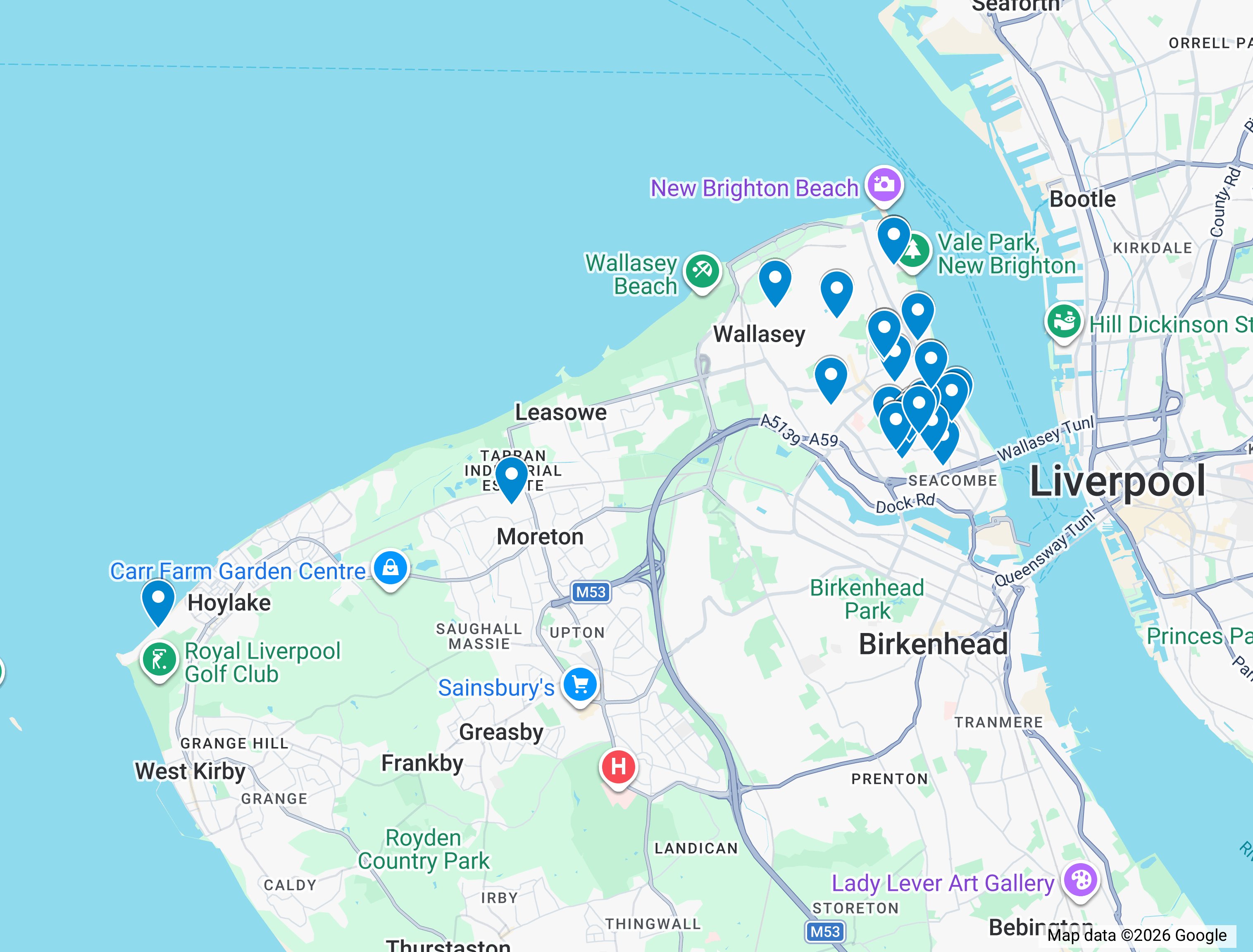
Teaching Pool
- David Evans — 7 Annesley
- Malcolm Patterson — 20 Lancaster
- Jamie Laing — 102 Anlew
Less Active
- Sheryl — 2 Keswick
- Adam — (no address)
- Elizabeth — 30 Kinnard
- Cooles — (no address)
Finding Pool
- Chris — 7 Devereux
- Pam — 81 Urmson
- Roy — 78 Urmson
- Jackie — 77 Urmson
- Angela — (no address)
- Stan & Helen — 42 Hampstead
- Veronica — 60 Harvest
- Olive — 26 Lucerne
- Kevin — 31 Dalmorton
- Paul — 17 Dalmorton
- Cain — (no address)
- Frieda — Lincoln
- Ian — 4 Warwick
Contacts
- Becky — 7 Littledale
- Tony — 40 Buchanan
- Mrs. Stevenson — 26 Eastcroft
- Emma — 7 Hampstead
- John — 17 Summit
- Mrs. Williams — 35 Marlowe
- Kangsta — 35 Greencroft
- Gordon — 23 Greencroft
- Daisy — 22 Beach
- Gena — 4 York
- (unnamed) — 3 Rivington
- Dave — 32 Barrington
- Julie — 17 Mossy Bank
- John — 1 Mossy Bank
9 February 1999 – 16 February 1999
Written 13 February about Wednesday (10 February), I recorded: “Wednesday, I spent the day with Elder Mueller. We didn’t have that much time in our area. We tracted a road in New Brighton and then went to Elder Mueller’s area. We did really quite well. We ran out of Book of Mormon’s. We taught some good people. Mueller and I had tea at Counsells. It was sweet and sour curry on rice. It was so good. Bishop and I had a really good conversation. We were there for two hours and really all of it was at the dinner table. It was a great conversation.”
Also written on the 13th, about Thursday (11 February): “One thing I remember is we met E. Lewis + E Mueller at the Billington’s. E Mueller and I went to the Ried’s for tea. …what an honor to be there. …cornbeef hash and beans, it was a sacrifice for them. That little girl told us how much she loves Elders and Jesus and Joseph Smith. …What an honor to eat in the home of such righteous people.” This was Judith and Tony Reid.
13 February, writing about the day before (Friday, 12 February), I recorded: “Yesterday was a great day. I loved all the time I had with Elder Olson. Elder Harris went with Elder Meehan to Altrincham so I got E. Olson till 2:00. We went down along the promenade and we just had a blast. We taught 4 and gave away 3 BOM. …Not only that, we fellowshipped 2 new-members, did two call-backs…and scheduled 2nd discussions, and got a few more call-backs. …The best thing, Elder Olson and I enjoyed it. We weren’t racing all over and even stopped to sit and talk a couple of times. We just had good conversations on how we could be better missionaries. We got out our gripes which was good. I did my complaining and he did his about our trainers. I am so excited for the work once again. Gayna even enjoyed Elder Olson. She commented on the temple made everything better for her. She said she felt much better after it.”
“I wish everyone understood how great this is. They wouldn’t take things so lightly, the would find less worldly fun. …My joy is full beyond measure. I can say I know god lives with full truth.”
On 13 February I wrote: “We have assembled for our weekly DDM. I am glad to have this opportunity to learn and see other people views. I learn so much, as I hope other people do at these DDM’s. The Spirit is so exciting.”
14 February I wrote: “We are now in church having a great feast. There was a talk on the divinity of our leaders. That is so true. It was good. She commented that we should always follow our leaders in the Spirit in which they acted. I think so many times that is forgotten.”
“We are now in gospel essentials talking on the Word of Wisdom. The Word of Wisdom is obviously inspired. It is hard for people. If people find the Spirit they can overcome it, the Lord will help us. Why do people always ask what is wrong with tea. It is a commandment from the Lord. It might be caffiene, tannin acid, or anything else, it is a commandment. Joseph Smith was a prophet of God. Don’t worry about decaffinated, just avoid all appearance of evil. Be an example. We are to eat healthy wholesome food. That is so true. There is a path, straight and narrow. Eat meat, but don’t eat alot or don’t eat it at all.”
“Gayna, just come in and told me that Elder Harris + Elder Mueller just went to the hospital. She thinks he broke his ankle. I hope not…”
“Priesthood now. Brother Pitt is teaching the lesson looks really good. But the soul that receives and relishes truth, the more noble a soul, the more noble, the more responsible and Christlike is the person overall.”
“We got to Arrow Park Hospital. Elder Harris leg or ankle was just sprained. Nothing serious.”
“We come back and went to Elizabeth’s after. We talked with her and she wanted a blessing. Elder Lewis gave her that. We come home and Elder Harris burn a pair of pants on the 18 month anniversary.”
15 February, in the evening, I wrote: “I am so excited for the next two years of my life. I am so happy to have a reconfirmation of the divinity of this church. I feel so calmed and serene. We left to go teach at the Brooks. We taught the 6th discussion. It went really well. I will hurry and learn and memorize the discussions. I feel so dumb looking out of the book. Oh well. Carrie + Michael we will baptize on Thursday, go to the temple on Friday, go bowling on Saturday, and confirm them on Sunday. It will be a busy week for them. I pray the Spirit will touch Jackie…, Rebecca and Gary. They are meeting alot of opposition. I hope things go better. I love this work.”
Below is a map of every home we visited, taught, or contacted that week, pulled from the Teaching Pool, Less Active list, Finding Pool, and Contacts recorded on the back of that week’s planner page.
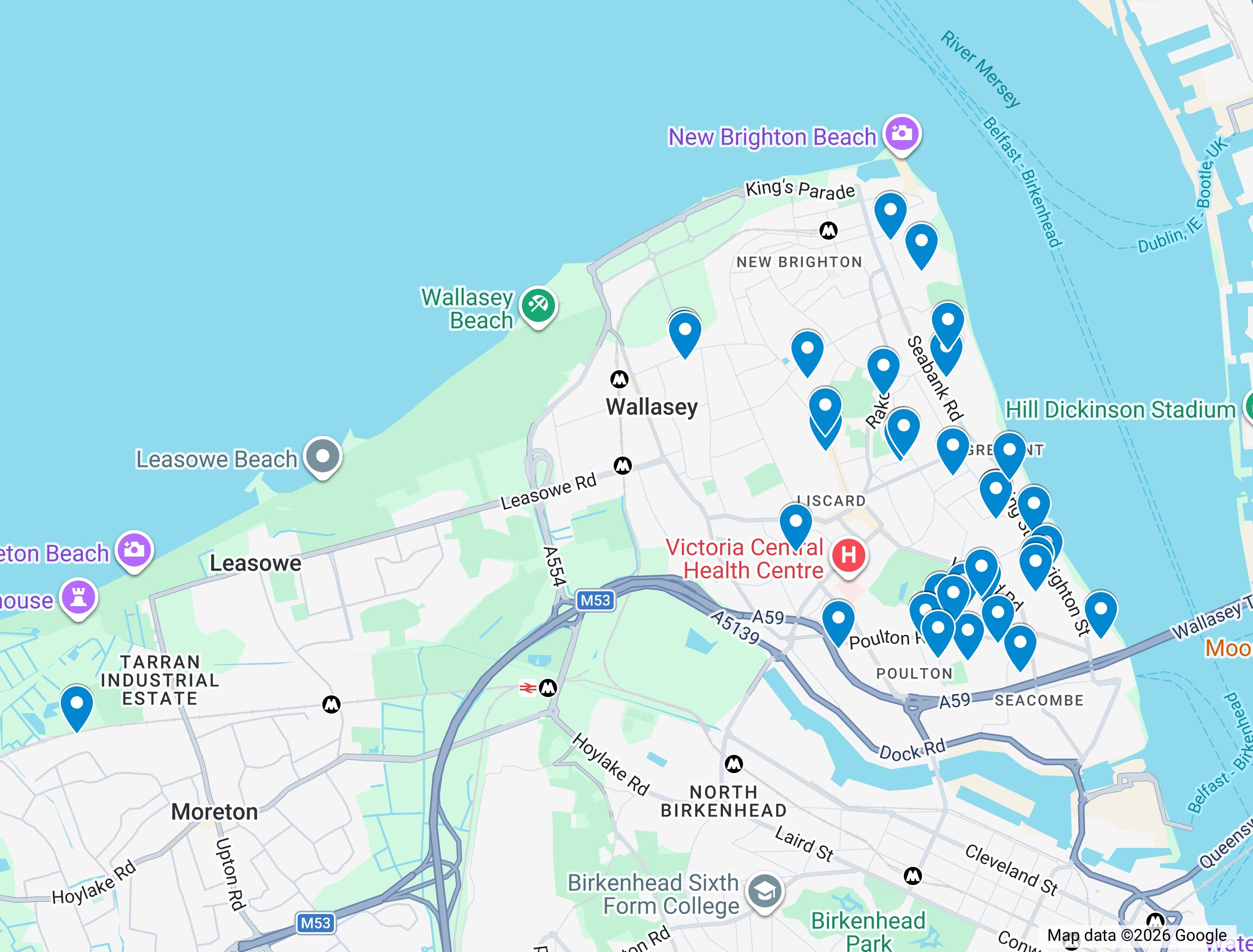
Teaching Pool
- David Evans — 7 Annesley
- Jamie Laing — 102 Curlew Way
- Brooks — 77 Urmson
Less Active
- Sheryl — 2 Keswick
- Elizabeth — 30 Kinnard
- Joe Wadron — 7 Hertford
- Annal — (phone number only)
Finding Pool
- Julie & Emma — 17 Mossy Bank
- Mark Story — 11 Mossy Bank
- Ron Cullinan — 20 Withington
- Irene Lewis — 6 King
- Frieda — Lincoln
- Pam — 17 Dalmorton
- Olive — 26 Lucerne
- Stan & Helen — 42 Hampstead
- Roy — 78 Urmson
- Pam — 81 Urmson
- Margaret — 42 Rycroft
Contacts
- John Taylor — 1 Mossy Bank
- Jaime — 40 Rivington
- Gina — 2 York
- Conesta — 35 Greencroft
- Gordan — 23 Greencroft
- Emma — 7 Hampstead
- Becky — 7 Littledale
- Tony — 40 Buchanan
- Mrs. Williams — 35 Marlowe
- Mrs. Stevenson — 26 Eastcroft
- Laura — 5 Straughough
- Scott — 46 Massey Park
- Sue — 8 Keswick
- Sue — 2 Holland
- Cola — 33 Grosvenor
- Dorothy — 44 Bell
- Graham / Blu / Stewart / Chubb — 9 Demesne
- (unnamed) — 10 Norwood
- Mrs. Latham — 28 Seaview
- John — 90 Greenwood
- Alice — 83 King
- Mrs. Parsons — 112 Rake Lane
- Helen — 14 Longlane
- Edward — 8 Arkle
16 February 1999 – 21 February 1999
16 February, I wrote: “This morning has been short and cold. Elder Mueller + I went out and taught but one. I just finished reading Gene R Cook’s book Receiving Answers to Our Prayers. It is a great book. Didn’t go into detail like I wished it to but I did learn from it.”
17 February, I wrote: “We are moving and assembling here in Birkenhead once again for Zone Conference. It doesn’t seem possible that I have been here for 2 months already. I hope I have one more month here in Moreton. I am so amazed at how full my joy is. It continues to grow and my bliss is complete. What more can I ask for. …I am so glad to be a part of this work. I am working on self-actualization in hope of becoming a better person. To be a blessing to everyone I come in contact to. I need to accept everyone for who they are and then will they change to become better. Love them is so important.”
“There will be an Easter Media Campaign.”
“Such a spiritual high today.”
“We blessed Gayna’s house. I did it and had the worst time.”
“They sent Elder Mueller + I out quite a bit. We worked wonders. We had tea at the Annals. It was good. It is a riot over there. We taught 6 and gave away 3 BOM’s in but 2 hours.”
Around this time, I recorded a few quotes I’d been reading, including several from Stephen R. Covey’s The 7 Habits of Highly Effective People, which I finished around this stretch of the mission:
“The inside-out approach says that private victories precede public victories, that making and keeping promises to ourselves precedes making and keeping promises to others. It says it is futile to put personality ahead of character, to try to improve relationships with others before improving ourselves.” — Stephen R. Covey, The 7 Habits of Highly Effective People
“That which we obtain too easily, we esteem too lightly. It is dearness only which gives everything its value. Heaven knows how to put a proper price on its goods!!!!!!!!”
That line originates with Thomas Paine, from The American Crisis, No. 1 (1776) — written to rally the Continental Army during the darkest days of the Revolutionary War — but I most likely encountered it secondhand through Covey’s book, which I’d just finished reading around this time.
“Reactive people are affected by their physical environment. If the weather is good, they feel good. If it isn’t, it affects their attitude and their performance. Proactive people can carry their own weather with them. Whether it rains or shines makes no difference to them. They are value driven… People (proactive) are still influenced by external stimuli whether physical, social, or psychological. But their response to the stimuli, conscious or unconscious, is a value-based choice or response… It’s not what happens to us, but our response to what happens to us that hurts us.” — Stephen R. Covey, The 7 Habits of Highly Effective People, pp. 71–72
“In the great literature of all progressive, love is a verb. Reactive people make it a feeling. They’re driven by feelings… If our feelings control our actions, it is because we have abdicated our responsibility and impowered them to do so. Proactive people make love a verb. Love is something you do: the sacrifices you make, the giving of self, like a mother bringing a newborn into the world.” — Stephen R. Covey, The 7 Habits of Highly Effective People, p. 80
“What lies behind us and what lies before us are tiny matters compared to what lies within us.” — attributed to Oliver Wendell Holmes (as commonly cited, including in Covey’s book), though the line most likely originates with Henry Stanley Haskins in his 1940 book Meditations in Wall Street
“People can’t live with change if there’s not a changeless core inside them. They key to the ability to change is a changeless sense of who you are, what you are about, and what you value.” — Stephen R. Covey, The 7 Habits of Highly Effective People, p. 108
20 February, I wrote: “I cannot believe I haven’t written since Wednesday night. I have been so into the Covey book because I have to finish it before Monday. Elder Harris did break his ankle. We went back in and it was broken. Plus, I have been waiting on him for everything so that doesn’t give me much time. Also, we had a baptism last night which has made me a slave to ironing and planning things out.”
“Thursday we had tea at Wise’s and I enjoyed it. …We had tea and I went home teaching with Victor Wise to Enid Hill. Enid is a great lady. She is an author of like 10 books and she had a manuscript to another.”
“I was with Elder Mueller Friday so we taught some. We had tea at the Billington’s and headed to the baptism. I got to baptize Carrie Ana and Michael Raymond Brooks. The Spirit was great. I stepped into the water and it was as if someone else took over. It was cool. I really enjoyed it. Elder Harris had his cast so he couldn’t do it. I enjoyed and loved it.”
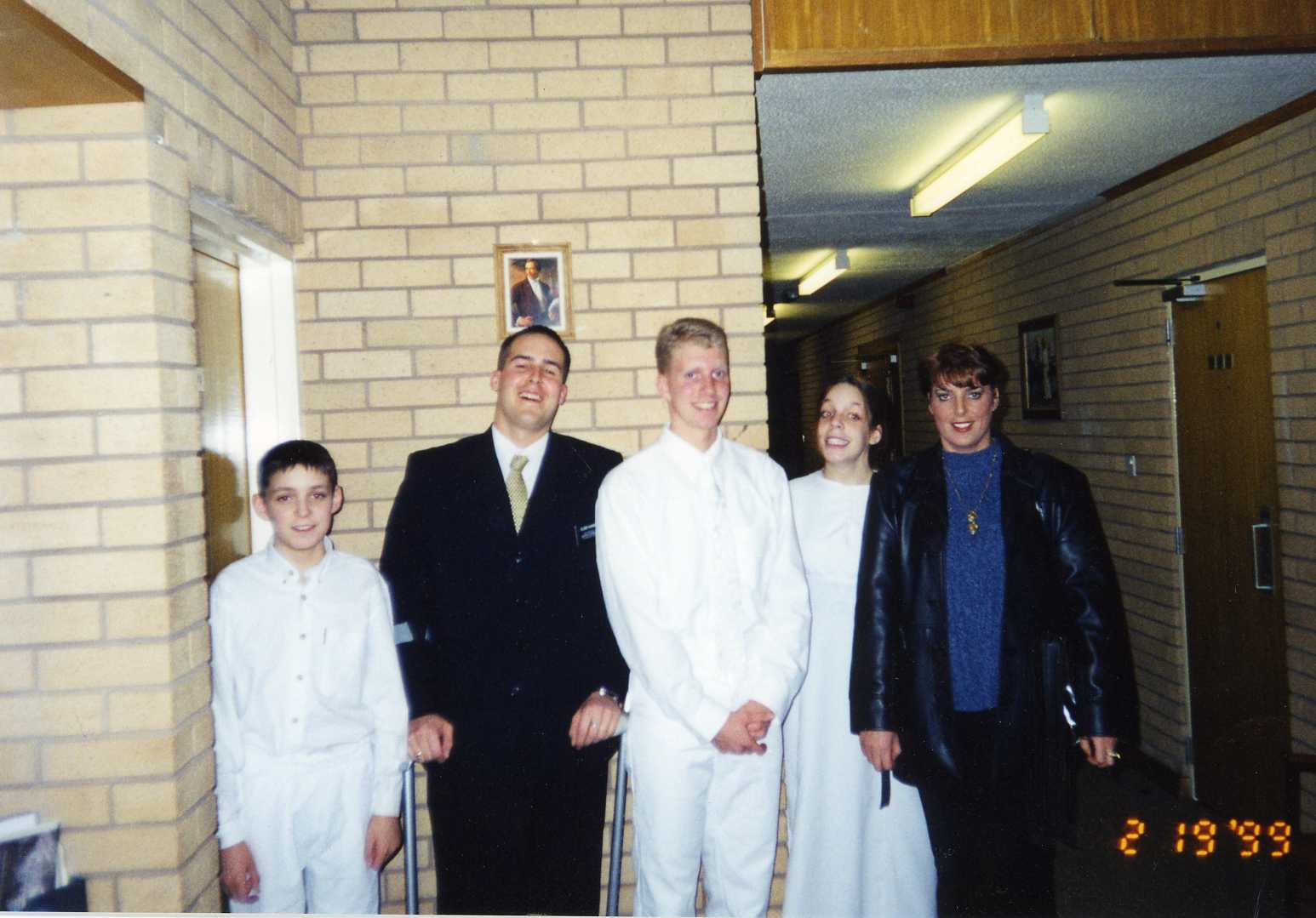
I am confused after this entry. Mom is Jackie Brooks. Kids are Carrie/Kerry, Rebecca (Becky), Gary, and Michael. Here and now I thought I had baptized Kerry and Gary, but this entry has Carrie and Michael. M Brooks wrote in my journal about me baptizing him below. Kerry also wrote in my book and signed Kerry. Not sure how that translates to Carrie. Maybe some day I can locate one of the Brooks family and flesh this out. I have tried to find one, but no luck to this point. I understand Kerry is a nurse/doctor not far from home, maybe in Chester?
“Oh, we got transfers last night. I am headed to Hyde and will be companions with Elder Peters. I guess Elder Peters is an army like man who served on the Isle of Mann. That is what Elder Harris said, so this could be really interesting.”
“I heard we are going out to breakfast with the Brooks so I can hope.”
21 February, my last night in Moreton, I wrote: “This is my last night in Moreton. I transfer to Hyde in the morning. I feel times march.”
“It is nearly impossible to imagine 3 months passage. Time is an interesting concept. It is relative only to those who focus on it. When you focus on the principles and values we embrace, life is easier, more laid back, and time disappears. When dwelling in the Spirit, being nearer to light in mortality truly does make time + space loose its grasp. Today will be remembered. Another day of good-byes. Another passage of time.”
“We went to church. Sacrament was great. We confirmed Kerry Brooks and Michael Brooks. Mike got the Priesthood in Elders quorum. Such an outpouring of love towards us.”
“Many expressing love, gratitude, and shedding tears. We said good-bye to Bobby and he was in tears. He cried fowl and it isn’t fair. Leaving the Wilsons is a scene to not forget. I standing at the end of the walk, the moon high. Their silhouettes, saying good bye and shaking hands. The spirit of love and tears not seen but felt. Going to Gayna’s and saying good-bye. She gave me an old copy of the Book of Mormon. It is timeless. Having tea at Jackie’s one last time. Going to the Jones. A good typical of Sunday but marked by tears. These are the days of mortality.”
“I will miss John + Audry McKee, Liz & Mike Ryan, Roy & Carol; and Tanya McKee. Cliff Roberts. Such a great ward. Tomorrow is another era of new sights, sounds. A new life. Great things lie in the future. Miracles are awaiting.”
Below is a map of every home we visited, taught, or contacted that week, pulled from the Teaching Pool, Less Active list, Finding Pool, and Contacts recorded on the back of that week’s planner page.
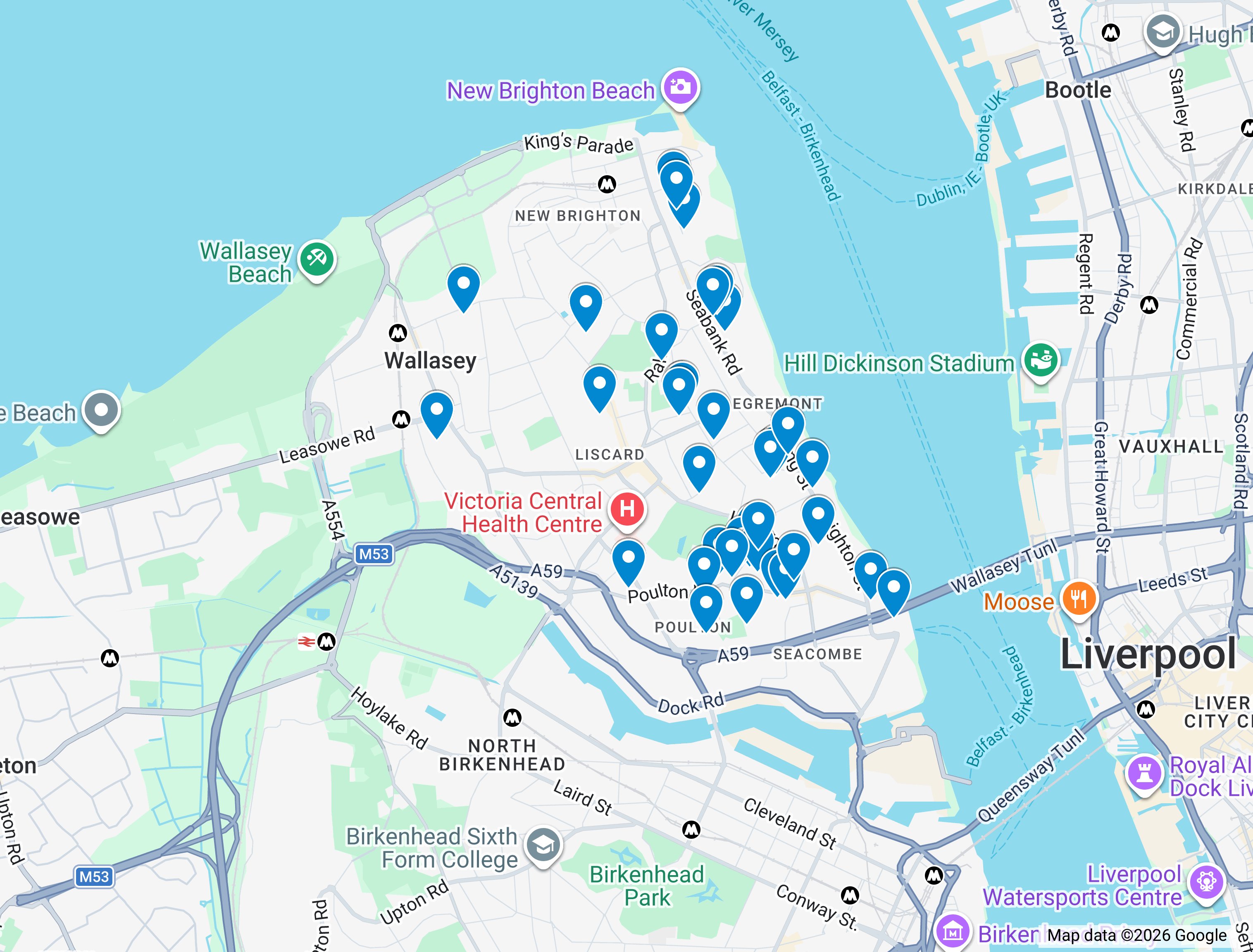
Teaching Pool
- Brooks — 77 Urmson
- Jaime — (phone number only)
- David — 7 Annesley
Less Active
- Joe — 7 Hertford
- Elizabeth — 30 Kinnard
Finding Pool
- Dave Keatley — 8 Holland
- Sue — 8 Keswick
- Pam — 81 Urmson
- Roy — 78 Urmson
- Paul — 17 Dalmorton
- Ron — 20 Withington
- Mark — 11 Mossy Bank
- Julie — 17 Mossy Bank
- Laura — 5 Straighbargh
- Scott — 46 Massey Park
- Sue/Dorothy — 44 Bell
- Graham — 9 Demesne
- John — 1 Mossy Bank
- Irene — 6 King
- Stan — 42 Hampstead
- Margaret — 42 Rycroft
Contacts
- Nice Lady — 24 Martins
- Alice — 83 King
- Sue — 2 Holland
- John — 90 Greenwood
- Helen — 14 Long Lane
- Michelle — 14 Park
- Emma — 7 Hampstead
- Conesta — 35 Greencroft
- Gina — 2 York
- Jamie — 40 Rivington
- Cola — 33 Grosvenor
- Mrs. Parsons — 112 Rake Lane
- Tracy — 4 Beechcroft
- Tunde — 49 Grosvenor
- Laura — 18B Ferryside
- Dave — 12 Clarence
- Pat — 16 Bulkeley
- Domini — 9 Claughton
- Mr. More — 10 Russell
Farewell
In my journal I kept a number of notes people wrote me as I prepared to leave Moreton. I’ve included them here, exactly as written. Elizabeth Cosgrove, whose note is first below, is now married and known as Liz Murphy.
“Elder Ross, hey you – I love you. I’ll never forget you + though I’ll miss you – I’ll think of you often + smile. Remember Prayer? Just do it! Ether 12:6. Hey face a fear and the death of that fear is certain! When people get you down or your past catches up with you remember – ‘Why should I pay for a debt that I never owed’ – helps leave the baggage behind dude. Hope you keep in touch when you finish your mission. Goodbye, Good luck till we meet again. Elizabeth Cosgrove. Matthew 7:7 It’s true!”
“Ross, I’m gonna miss you man! you baptized me and blessed me with the holy Spirit from God and I’ll never forget you. You gave me a gift that no-one else ever could! Your influence on me is unimaginable. I’ll love you always. Kerry Brooks. P.S. Please don’t forget me.”
“Hey Ross, I hope you wont forget me I am gonna Have to try and Be good on my own now. I now I will miss you and I will still pray for you I hope I can see you when you go home and write me and tell me when you leave cause I will see ya off OK Rember you always Clinton”
“hey man, I was the first person you’ve ever babtized so I sure hope you will remember me because I’ll sure remember you. M. BROOKS”
“Elder Ross, I can’t believe that you’re going I don’t fee like I got to know you well enough. I’ll write though. Be prepared because you know what I’m like I’ll just rabbit on about David. You be sure to tell him how great I am! I’m so humble aren’t I? Anyway thanks for everything! Kelly Jones.”
“Dear Elder Ross, Time has gone so fast, (too fast). I have learnt so much from you in such a short time, and I know that what I have learnt, I will apply it to my life. You have strengthned my testimony a great deal. I am eternally grateful for you! Carry on progressing the way you have been and carry on towards your eternal goal. You are a wonderful person, and never let anybody try to change you! I know that the church is true, even though I have been sent some trials I still know its true. I am grateful that I have had a chance to return into the fold. I know that the lord lives, and through him I know that we can return to live with him in great glory, love and fulness of joy. Amen. Thank you Elder Ross. Keep well have fun and smile always. Love you! and miss you! Gaynor”
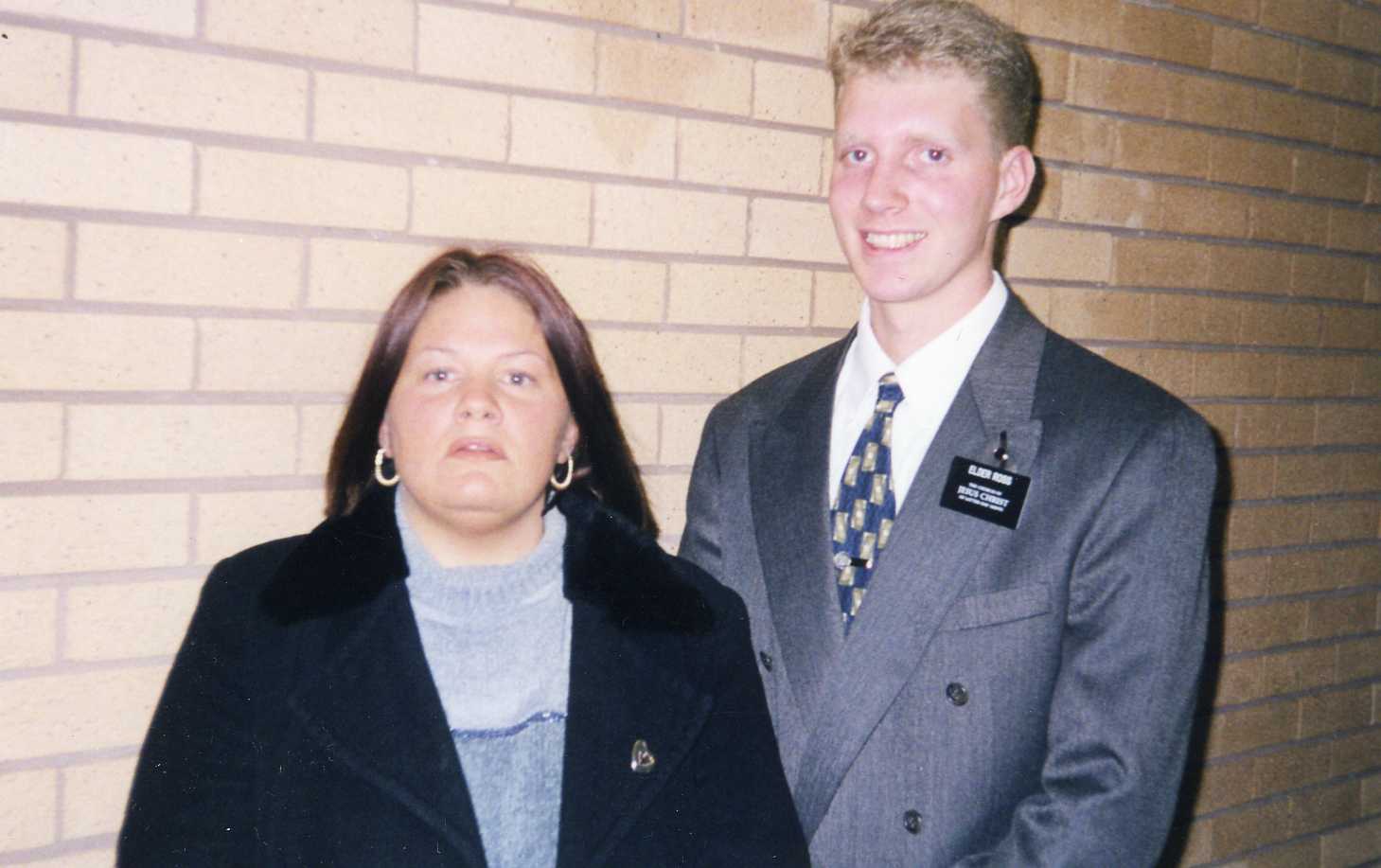
Gaynor came to visit after the mission. I drove to Salt Lake and picked her up and brought her to Idaho. We went and traveled and visited around. Something happened in church on Sunday. I just remember she sat with my Dad and I ended up in the back doing the doors. She was upset that I didn’t sit with her in Sacrament. The rest of the trip was a bit strained after that. Haven’t heard from her since. I am not sure what happened or why, I am sad about it.
“To, Elder Ross. Thanks for being a friend and I really am Glad I got the chance to meet a Good elder – You’ve alot of people Happy as always – I wish you could of stayed longer – But you must move on. Anyway, Hopefully you’ll have a Good laugh as much as You had here. Keep Smiling and I’ll always remember you. Love Emma Hankin (moreton Ward)”
“To Elder Ross, I’l like to wish you good luck on your next misson you’re a good elder I’ll miss you alot I’ll keep reading the b.o.m. so I can try + be good see ya Ann-Marie”
“Elder Ross – Too bad your going so soon! I think you’re a great missionary w/ lots of potential. Keep up the singing – you sound really good but I know you think you’ve got far to go. Maybe you’re closer than you think. Look out for Chris Devaney + Tim Preston from Ashton Stake – they rock too. I’m trying to think of original things here. Hmm… focus. There, that’s original. See you in the spirit world, if not before. love Tanya McKee.”
I will note that I think I referred to Tanya as Tonya throughout my journal entries. Since she signed it Tanya, joke is on me for using Tonya the whole time while in Moreton.
“Elder Ross, I can’t believe we’re all leaving. Time goes way, way too fast on a mission. It seems like I just met you, but 2 months have Gone by that Fast. I Really am Glad that I Got to Meet you, you have opened my Eyes to somethings. Elder Ross, I want to tell you that you’re going to be a dang good missionary. You are here for the right reasons, and you will be an amazing asset to the EMM. I just want to thank you for all that you’ve done for me. You Really have taught me alot & Given me alot to think about. You have helped me Realize the importance of Sincerety seeking out the Truth. Thanks For Putting Up with me. I hope you Know that I think you’re a good man & have so much to offer the Lord’s Kingdom. I know that the Church is True. The Book of Mormon has so much to teach us & I know it’s true. I love this work & I love being able to serve with missionaries like you! I’m sure I’ll see ya again. Take care of yourself & Always Be Yourself. Love ya Man, Elder Nate Mueller.”
“Dear Elder Ross, Wow son what I say, it’s been an amazing experience, we saw many mighty miracles in this land of Moreton, it was hard at first, but it turned out so good, I loved our last month together, the Brooks family is so cool, I really love them, it was so good to see you baptize Mike and Carry and hear you confirm all those people, it was great. I hope you enjoyed our little greenie joke also, thanks for everything it’s been so good getting to know you, ha mate I know this church is true, it is the kingdom of god on earth and I love it, I love you too man and I do respect you, so no hard feelings ha man. Remember Alma 43:32 and 1 Nephi 20:18 it’s time to labor and our rightousness will be as the waves of the sea. Take care, ha I’ll see you in Idaho sometime but California is the best. Adios Brother. Love Elder Jeremy R Harris.”
President H. Bruce Stucki (1 December 1937 – 29 May 2019) served as President of the England Manchester Mission from 1997 to 1999. Just a few months after this entry, he was called as a General Authority Seventy at the April 1999 General Conference, serving in that capacity until 2006. He later served as President of the Las Vegas Nevada Temple from 2006 to 2009. As a boy, he once lost an arrow while hunting rabbits near his childhood home in Santa Clara, Utah; unable to find it, he knelt to pray, and said he saw it the moment he opened his eyes — the first of what he described as many times the Lord answered his prayers. He is survived by his wife, Cheryl Cox Stucki, and their family.