This comes from a history compiled and written by Jack Johnson as part of his Discovery Area Guides. Jack graduated from Burley High School with my Mom in 1972. He now lives in Hyrum, Utah. This article is in the 2022 Guide for North Cache County, including Smithfield, Richmond, and Lewiston. L.D. is loosely linked to me as I believe he is the nephew of Lorenzo Bowcutt, who married my Great Grandmother Lillian Coley Jonas in 1953 (Ren passed away in 1966).
“When Richmond was settled in the mid-1850’s, a locally-owned landmark business was still over a hundred years from being established. L.D.’s Cafe makes fascinating history live once more.
“Remnants of local history adorn L.D.’s dining area walls, including framed newspaper clippings, historical articles and an American flag. L.D. Bowcutt has been actively running the business since 1959, and loves to relate the history posted on his walls. Ask about his famous rodeo clown relative, or any one of the area’s veterans – each has a story that he’s anxious to tell.
“According to the Herald Journal newspaper article posted on its wall, “L.D.’s father bought this place in 1957. It started out as a poolroom. When the earthquake hit in 1961 this place rolled like a wave.” Wikipedia reports that the quake (it states as 1962) was a magnitude Mw5.9 the morning of August 30, 1962 at 6:35 am local time. With its epicenter just north of Richmond, this quake, Utah’s most costly , caused damages estimated then at $1-2 million dollars ($18.5-20 million in 2020 dollars.)
“L.D. remembers, “My father remodeled it and used some of the fixtures and furniture from the restaurant up the street that he bought because it was condemned by the damage from the earthquake.” Started initially as a bar and pool room, “since August 31, 1962, L.D.’s has served full meals. Before that it was strictly a sandwich and lunch menu.”
“”L.D. says that most of his customers are local people and repeat customers. This place isn’t commercialized or franchised. I can get to know my customers and they get to know me. People come her for sociability to be with their friends and neighbors. A log of business also gets transacted here. Based on comments from the lunch crowd, it would seem like L.D.’s customers return for more than just the comfortable, friendly atmosphere.”
“”He said one day the “champion cow” entered his cafe through the front door and paraded around the pool tables, but something like that only happens during Black and White Days, when the town is filled with horses and cows.”
“A lot of people don’t know that L.D.’s had a private meeting room upstairs. Bowcutt says that for a long time the area’s riding club would meet upstairs to shoot the bull and plan events.
“Serving two terms on the Richmond city council, L.D. Has been heavily involved in local interests. He tells how after the Richmond bank was robbed int he early 1960’s the bank manager had a buzzer installed to ring at the cafe. He’d return the call to the bank, whose employees knew when he asked, “Is L.D. there?” – a positive answer meant there was trouble, a negative meant all was well. His cafe also served as the communications center for the local volunteer fire department, sounding a warning siren whenever help was needed.
“L.D.’s daughter Lori, and grandson, J.R. Hoggan, are also actively involved, but J.R. is quick to point out that L.D. is really the heart of the business. Now in his eighties, L.D. still takes over at the grill quite often, filling every order the L.D.’s way – with healthy home-cooked meals. Hungry for meat and potatoes, burger, seafood of breakfast? You’ll find it all and a whole lot more – traditions of excellence and community involvement at L.D.’s Cafe in Richmond.
“L.D. states, “You need to be really sharp to compete with the big restaurant chains and stay open for business, and I think my cafe is the last of its kind.”
“Source: Conversation with L.D. Bowcutt Nov. 2, 2022, Wikipedia search “Earthquake – Logan, UT.
Before I talk about the Layton and Taylorsville Temples, I thought I better throw in another temple visit we made since I last updated. While on Spring Break this year, we made a stop in Vernal, Utah. While there, we scheduled and attended the Vernal Utah Temple with the kids. Glad we stopped to make another memory at another House of the Lord.
Hiram and Aliza at Vernal Utah Temple on 27 March 2024
Since the kids have a goal to attend the temple every month this year, we did also make it in April to the Twin Falls Temple. In May, while going to Utah for the open houses, we made sure to stop off and fulfill the monthly goal. May took us to Ogden Utah Temple.
Hiram and Aliza Ross at Ogden Utah Temple 17 May 2024
Later that evening, we attended the open house of the Layton Utah Temple with Amanda’s parents. Beautiful.
Paul, Lillian, Amanda, Aliza, James, and Hiram Ross with Bryan and Jill Hemsley 17 May 2024
We look forward to attending the temple after it is dedicated.
The next day we attended the open house for the Taylorsville Utah Temple, again with Amanda’s parents. We were also excited to run into the Brad and Rachel Hales family as well as Sarah Sanderson!
Bryan and Jill Hemsley with James, Aliza, Lillian, Hiram, Amanda, and Paul Ross 18 May 2024
It has been a crazy year for temple attendance and temple open houses. We have attended quite a few and quite a few are coming up for open houses. Wow, should be fun. It is exciting that the Kingdom and Church of God on the earth is in such a position to build so many beautiful houses to the Lord. We are blessed to attend the open houses and hopefully return some day to participate in holy ordinances there.
When I was interviewed for my first temple recommend in 1998, President Gene Hansen indicated he had a goal since he was first endowed to attend the temple every single month. He challenged me to do the same. As long as I have held a recommend, or I had permission to attend, I have attended the temple every single month since 1998. That meant a full day off of work in Missouri as it was a 4 hour drive one way from Branson, Missouri, to St. Louis, Missouri. Or from Richmond, Virginia, to Washington, D.C., that was a 4-5 hour drive and we often would go up and spend the night and return home on Saturday or Sunday depending on the circumstances.
Many open houses are upcoming, including Deseret Peak Utah; Casper Wyoming; Grand Junction Colorado; Elko Nevada; Syracuse Utah; Burley Idaho; Lindon Utah; Ephraim Utah; Smithfield Utah; Montpelier Idaho; Heber Valley Utah; Teton River Idaho; Salt Lake City Utah; Provo Rock Canyon Utah; Cody Wyoming; Lethbridge Alberta; Lehi Utah; and West Jordan Utah. Hopefully we can make some of the more exotic ones, particularly Birmingham England; Edinburgh Scotland; Honolulu Hawaii; and Vancouver British Columbia. We will see what our future holds.
I have two copies of the History of Plain City, Utah. The front indicates it is from March 17th 1859 to present. As far as I can tell, the book was written in 1977. At least that is the latest date I can find in the book.
One copy belonged to my Grandparents Milo and Gladys Ross. My Grandpa has written various notes inside the history which I intend to include in parenthesis whenever they appear. They add to the history and come from his own experience and hearing.
I will only do a number of pages at a time. I will also try to include scanned copies of the photos in the books. These are just scanned copies of these books, I have not tried to seek out originals or better copies.
History of Plain City March 17th 1859 to present, pages 44 through 57.
THE LIFE STORY OF MARY ANN CARVER GEDDES
SUBMITTED BY HER GRANDDAUGHTER
SELMA GEDDES SUMMERS
“SAND IN HER SHOES”
This is a task I have always wanted to do yet now I sit down to write the facts of my Grandmother’s life, I feel quite inadequate to do justice to her story.
There are some things about her life that even she has forgotten. There are other things I am sure she would ask me not to write just now. There are many things that should be written but that are difficult to put into this account. I will do then the best I can from my memory of her stories and from accounts written by others who have seen fit to write of her life.
“It’s a good world, but it takes a lot of grit to get along in it. Sometimes you just have to put a little sand in your shoes.”
Have you ever had Aunt Min tell you this? Then you are one of the lucky ones, for that means you are one of the lucky ones whose paths has crossed the path of a woman whose influenced must have made you a little better.
Perhaps you were fortunate enough to spend some time in her friendly old kitchen. Were you tired when you came, or blue, or a little discouraged? Even the sight of the old adobe house with its trim neat lawns and bright flowers must have mad you feel a little better and when her white head appeared (it’s been white so long) and both hands were stretched out to greet you, whatever burden you were bearing must have felt a little lighter. And while you were rested or unburdened yourself, Aunt Min bustled about and soon you found yourself sitting at a table loaded down with large pink slices of the most delicious ham you ever tested, tiny new potatoes cooked in milk with sprinkles of parsley and crusty slices of bread fresh from the oven and juicy thick wedges of black currant pie. One’s troubles are never as bad when the stomach is full she often said. And then she listened if you wanted to talk or she told you of experiences that were similar to yours that would help solve your own problems, then she told you of God and you left with a loaf of warm bread under the other, knowing that truly you been helped by a good woman.
And when you had gone, more than likely, she out her old blue sun bonnet on her white head, tied a bucket round her waist and went out into the hot sun to pick more currants and strawberries or apples, so that the next time you came she would be ready for you.
This remarkable woman was born on October 2, 1857, in Kaysville, Davis County, a daughter of John and Mary Ann Eames Carver. Her parents were deeply religious who left England and came to America because of love of the Church of Jesus Christ of Latter-day Saints.
Her only recollection of her Kaysville home was her nightly prayer when she asked God to bless “the Weavers, the Carvers, and stubby legged Jones.”
When she was two years old, the family moved to Plain City. Here they lived in a dirt cellar furnished with furniture made by the father’s own hands—table, beds and even a little chair for little Minnie. The cupboards were a ledge dug in the dirt wall. At the side of a four-poster bed made of posts set upright and rawhide strips crosswise to support the tick was Minnies bed. Two poles placed horizontally one end resting on edge of Mother’s bed, one end driven in the dirt wall and rawhide strips on which the straw tick was placed. The blue and white calico valance was quite stylish as it hung in folds from the high posts and hid the boys’ trundle bed which was pulled out at night and hidden in the daytime.
She loves to tell the stories of her childhood, especially those she remembers of a beloved mother who passed away far too young. She tells of how her mother reared in England by parents who were considered in those days to be financially fairly well off, had the grit and determination to make a good life for her husband and children out in the wilderness. She likes to tell how her mother sold her beautiful dresses that she had brought from England to obtain food for her children and how her mother crawled to the cabin door to milk a cow to obtain milk for her children when she had a new baby, when the father had been delayed. Yet one of the strongest recollections in her life was the suffering of her mother during frequent child birth and it was one of the things which influenced her entire life.
Her early girlhood was spent much as all pioneer children. She helped make soap, starch, candles, she learned to spin cord and knit besides there was milking, churning, sewing, shoe making and cooking to be done. Most of the water was carried from the spring below the hill, but sometimes she would carry water from the well driven by Thomas Singleton because it made better tea than the spring water.
With the other children she helped gather greasewood for soap because ashes from this bush had more lye content that sagebrush.
From Aunt Rachel, her father’s second wife, she learned much of knitting and crocheting. Years later her children and many of her grandchildren’s clothes were made prettier and fancier by her spinner – it was always lumpy, but she knit her own stockings when she was ten years old. Her first crochet hook was made from the hard inner core of sagebrush, scraped with a piece of glass. Lucky too are her children and grandchildren who own one of the beautiful hand made quilts she has made.
Along with the other children she went to school under Mr. McQuire and took turns with what few books and smooth boards to write on that were available. In the winter there were shoes to wear made from leather from hides her father took to worn, but in the summer she and her brothers ad sisters went barefoot to save the shoes.
Her first pair of button shoes were purchased at a store owned by Jappa Folkman. It was in an adobe house that has since been destroyed. It was there too she tasted her first piece of peppermint candy which Mr. Folkman broke up and passed around for all to taste.
Some of her earliest recollections are of the days when the railroad first came in 1869. The school children saw the smoke rising from the engine stationed at the Utah Hot Springs. They mad one bound out of school, ran across to the Hansen’s and stood upon a shed to get a better view. On the way back, Mr. McQuire waited at the door and as the children filed past each received a crack on the hand. Next day, however, school was dismissed so that all could go to the Springs and see this new wonder.
Another exciting event was the day the smoke could be seen at Promontory where the railroads met and the golden spike driven.
She also likes to tell how the grasshoppers came and she says, “sharpened their teeth on the fence at night to be ready in the morning”. The grasshoppers plague lasted for about seven years. She says, “We drove grasshoppers when they were little, we drove them when they were big—from morning until evening with the exception of a few hours during the middle of the day at which time hoppers would rise, circle about in the air with a humming sound much like the noise of the airplanes you now hear overhead. They were in such numbers they shadowed the sun making a shady spot on the ground below. At night the group would light on fences covering boards until it looked black with their bodies. The settlers tried to plant fruit trees and bushes, currants, gooseberries and such to replace the natural shade the hoppers destroyed but it seemed almost a losing battle. She remembers covering a lone strawberry plant almost ready to bear in the morning the grasshoppers had crawled under the pan and eaten the entire plant. Broken-hearted she went to her mother who told her not to worry, God would take care of things and sure enough He did, she says.
When she was 12 years of age her mother died, leaving John, George, Minnie, Willard, Joseph, Parley and Nancy. Nancy passed away when she was 11 years old with inflammation of the bowels or appendicitis. Although Aunt Rachel was very good to the children it seemed that her brothers turned more and more to sister Minnie and continued to do so all the days of her life and she has lived to see them all pass to their reward.
At 15 years of age, she began her public career as a teacher in the Sunday School. John Spires was the First Superintendent, Mr. Boothe Assistant. The Bible, Testament, 1st and 2nd Reader were the text books used. She remembers her Father going to Salt Lake to buy books. He took with him a big barrel of molasses, corn and wheat which had been donated by townspeople to be exchanged for books. She taught Sunday School from 1872 until 1879, teach Book of Mormon and Arithmetic.
In 1875 the M.I.A. was organized in Plain City and she was among its first members. By this time she was a lovely young lady of 18 years and she had a great dramatic talent. The best entertainment of the day was the dramas enacted by the young people and in these she always had a leading part. Her eyes still sparkle when she gives small excerpts from these old plays. Another popular form of entertainment was the band concerts and the young neighbor of the Carvers, William Geddes took a leading part in these, William was a steady quiet boy who paid court to her in great seriousness. But there were other young men who took sought her hand and it wasn’t until she was almost 20 years old she decided that William was the man to whom she wanted to entrust her life. She married him in August of 1877 and went to live in Salt Lake where her husband was working as a stone cutter on the L.D.S. temple. This was a special mission and the men who received their call from President Brigham Young were required to stay there and only return home on special occasions. Her husband became an expert stone cutter. It was particular work done with a chopping knife and dust blown away until the desired shape was obtained. Some of the balls on the outside of the temple were made by William Geddes.
It was in Salt Lake that her first baby Elizabeth was born and in a few short months died. This too was another experience that was to have a direct influence on the activities of her entire life. Because of her mother’s difficulties in child bearing and her own difficult time at Elizabeth’s birth, she was always and forever trying to find ways and means of helping at the time of birth. It became a common thing in Plain City to “run for Aunt Min when a new baby was coming to town.” How many times she helped at the coming of a new life would be impossible to estimate. It has been said that she helped at the birth of children in practically every family in Plain City.
She was familiar to all the early doctors of Ogden and they came to rely on her to such an extent that many times before a doctor would make the long trip to Plain City from Ogden with horse and buggy, they would instruct patients to have Aunt Min come and see if the services of a doctor was necessary and then if she said it was essential, the doctor came.
After a short time in Salt Lake, she returned to Plain City to the two room adobe house her husband had built for her and here she has spent nearly three quarters of a century. Her home was built on the spot which had once been the camping ground of an Indian tribe, but the Indians gave them very little trouble now.
In 1879 she became Secretary of the Y.L.M.I.A. She was editor of the paper known as the “Enterprise” which was read at Conjoint meetings. After this position she became First Counselor in the same organization. In 1906 she became Superintendent of the Religion Class for one year and then became President of the Plain City Relief Society from September 5, 1907 until December 2, 1911.
At this time the Relief Society was an organization which was primarily interested in taking care of the sick and those unable to do for themselves. Aunt Min was one of the first women to see in this organization an opportunity for women to, as she said “improve their minds and further their education that they could become better wives and mothers”, and she was one of those who were instrumental in planning and beginning classwork in Relief Society.
In 1911, she was released from the Presidency of the Relief Society that she might spend more time with her ailing father.
In February 1912, she became an aid in the Stake Board of the North Weber Stake which position she held for 12 years.
In 1882 her husband was called to fulfill a mission for the church in Scotland. She was happy that he had this opportunity to serve the church and she took care of their home and little family while he was gone in cheerfulness and love. He returned in 1884.
If there were hardship in her married life or moments of discouragement, never have you heard her speak of them. Nothing but words of deep devotion, love and respect for every member of the entire family have ever passed her lips.
Fiercely loyal she has been to every one who bears the Geddes name, yet her own family would be the first to tell you that if they needed correction or chastisement they need look no further than home to receive it, for she has been one to council and advice, instruct and scold if need be, every member of her family even down to the third generation. Wise has been her council and direction. Never has she discussed the problems or imperfections of any member of her family with any other member.
She has had an almost Christ-life virtue of seeing some good in the worst of us. Intensely religious herself, she was always tolerant when she sought to understand the other fellows point of view.
After the death of her husband in 1891 leaving her five children and another little soul on the way, her need for the grit and determination she was born with was greater than ever, for it was not easy for a woman to make a living for a family in those early days.
She did much hard work and early trained her children that it was by the sweat of the brow that there was bread to be eaten. More and more she turned to the kind of work for which she was a natural and it became a common sight on the dusty roads of Plain City to see Aunt Min—in summer a blue sun bonnet on her head, in winter a knitted shawl around her shoulders—tramping from one end of town to the other, tending the sick, the dying, and the new born. Usually under one arm was a loaf of fresh bread, in her hand a pot of warm gruel, in her apron —– from a hot water bottle to a bottle of Castro Oil. Down the middle of the dusty road she trotted to bring comfort and aid to those who needed her. Morning, noon, or the dead of night, cold or heat, snow or rain made no difference to her and Aunt min became and “Angel of Mercy” to a whole community.
She labored long and hard to get the money necessary for her children’s living yet money for moneys’ sake has never meant a thing to her. She was as proud of the home her husband built her as had it been Buckingham Palace. The new things her children brought her in her later life meant more to her for the thoughtfulness in their hearts than the convenience it meant to her. She gave of her means as freely as she gave of her times and talents.
She has always been an admirer of others life herself who could take adversity and make of it a triumph, and she has always had an open heart and in any moral or spiritual sickness as well as physical illness.
Her natural sunny disposition has been lightened by a ready wit and a quick tongue. As a girl she was vivacious and her quick wit is best described by a story she tells of a conversation between she and her husband. He once said to her, “Minnie—You’ll have to admit I’ve been a good husband to you, I’ve never said a cross word to you in my entire life”. And then she answered, “Well, I’ve been a better wife than you have a husband then, for I’ve had to say lots of cross words to you”.
Nearly a century of living has dimmed her eyes and slowed her feet, but for you who would still find the time from the hectic living of this day and age to sit at her feet for but a few moments, you would find that you came away from her more akin with the Lamb for didn’t He say Himself, “Even as ye have done it unto the least of Mine, Ye have done it unto Me.”
So pause for a moment and lend an ear for there is much you can learn from she who has lived with—
Sand in her shoes,
Healing in her hands,
Wisdom in her head and
The love of God in her heart.
Second log cabin built in Plain City. Built by John Carver Sr. Restored [have to search for Carver Cabin in 1997 history] by Daughters of Utah Pioneers, Plain City Camp.
Andrew Peter Poulsen one of the early settlers of Plain City, Utah was born June 12, 1842 at Ronne, Bornholm, Denmark. In his late twenties, he was converted to the Church of Jesus Christ of Latter Day Saints and with his brother Hans left their beautiful land of Denmark and came to Utah in 1869.
They worked on the railroad from the mouth of Weber Canyon to Ogden and then on west of Hot Springs and north to Promontory Point.
Late in the fall of 1869, Andrew married Sena Henson and their first home was a sod hut at the northwest part of Plain City. They lived there until they bought land east of the center of town and built an adobe house. This was a project that relatives and friends helped with as all the adobe bricks were made by hand.
This house still stands today having been remodeled and extra rooms built after World War I by his son Hans Peter Poulsen. Today a grandson Bernard H. Poulsen lives in the home.
Andrew Peter Poulsen loved horses and took great pride in keeping them well groomed. He had two fine teams of horses, one a white team and the other one a dark pair. For years, he was active in church and community work and used his “long back” surrey and fine white team of horses to carry the deceased to the church and cemetery. He gave freely of his time and money for the building up of the church and the community. He died September 20, 1922 at his home of stomach cancer.
Andrew’s parents, Pedra Poulsen and his wife Karen Kirstine Rettrup also came to Utah from their native Denmark and settled in Plain City in the late fall of 1869. They brought their daughter Andrea Marie Poulsen with them. She later married Christine Olsen in 1872.
Andrew Peter Poulsen’s team of white horses pulling the “long-back” surrey.
Hans Peter Poulsen was born April 19, 1875, in Plain City, Utah a son of Andrew Peter Poulsen and Sena Benson. He was the second oldest and only son in a family of four children, three of whom lived to adulthood. He was educated in the Weber County schools and also attended Brigham Young Academy where he was on the first football team at that school. He fulfilled an L.D.S. mission to Denmark from June 26, 1901 to October 3, 1903. He left his wife and young son at home with her mother in Ogden, Utah.
Hans Peter or H. Poulsen, as he went by to distinguish himself from his Uncle Hans was a farmer and dairyman. He was one of the charter members and a director of the Weber Central Dairy Association. For years, he was a director in the Farm Bureau Association. Most of is life he was active in church and community work. He was a loving and devoted father and husband. For over 50 years, he was married to Ellen K. Maw and they were the parents of seven children.
Hans Peter Poulsen was the first constable of Plain City, from 1916 to 1920, and was also a Deputy Sheriff of Weber County. While he was constable one of his first jobs was to round up several young men for stealing cattle from the towns people and selling them to the slaughter house in West Ogden.
Traveling in those days by horse and buggy was much slower than the fast cars of today but within a short time, the young men were taken into custody and placed in the Weber County Jail which was located in Ogden between Washington Blvd. and Adams Avenue on 24th Street.
White team of horses owned by Hans’ father, Andrew Peters Poulsen
HISTORY OF THE DUMMY
Submitted by Ivy Skeen Carver
Between 1897 and 1910 one could buy a round-trip ticket from Ogden to hot Springs for 30 cents on a train called “The Dummy”. It left Washington Blvd. and 19th Street to Hot Springs via North Ogden.
This “Dummy” train line was extended to Plain City via Harrisville, in 1909. There was quite a celebration; Royal Carver remembered his uncle, Jim Carver, standing on the platform around the engine, pulling the whistle and ringing the bell. One of the engineers was William Clark, the conductor was “Moonie” Holmes, and other engineers were Charles Tracy of William Lane, Charles Lunt and others.
The “Dummy” would start grass fires along the line, with its twice a day trips. One fire was started in the grass on Charles Taylor’s home on the 4th of July, 1915, which burned his barn sheds, pig-pens the old sow and her brood. This disrupted the celebration in Plain City center as the ball team and other men went to Poplar Lane to fight the fire and save the house. The railroad was held negligent and they paid Charles Taylor $1500. After the fire in 1915, and before 1918, they electrified the “dummy” as a precaution to prevent other fires. One amusing tale of the Taylor fire was the Milkman, George Moyes, coming from the dairy with some of his cans full of sour milk and his using this milk along with water from the slough to pour on the fire.
Along the Railroad line from Harrisville to Plain City there were several wooden platforms for loading and unloading freight. There were two newspapers, Morning and Evening, which the “dummy” brought out to be delivered by boys on horses such as Royal Craver, Vern Palmer, Edward Kerr and Charles (Chuck) Skeen and others. The train was so slow that kids would out-run the train on their farm horses and even on foot, running until they gave out.
The “Dummy” worked as a freight engine. The road-bed was laid and rails set by residents along the line. They were paid by Script, which was good for a ride on the train.
More History of the “Dummy”
Submitted by Irene Skeen
In 1909 John Maw, Lyman Skeen and Mr. Skeen and Mr. Eccles, then head of Utah-Idaho Railroad company, negotiated for a railroad to Plain City. On Nov. 15, 1909, the first railroad was built into Plain City.
A big celebration was held in the adobe school, on the north east corner of the town square.
The tracks came along the side of the road through Harrisville and down Plain City to the cemetery, then north to the square. This railroad was used for produced, beet-hauling, lumber, coal and transportation. It was known as the “Dummy” by everybody in Plain City. It was one car pulled with the engine. The inside had a coal stove and kerosene lamps. The car was divided by a partition; one end for the men and the other for ladies. However, it was not restricted as such.
A foggy morning, in 1915, as they were on their way to Ogden and traveling on the old Harrisville road, the “Dummy” ran head-on into an engine pulling railroad cars full of coal. Naturally, everyone was thrown from their seats and some were injured, however, not seriously.
There were two houses nearly where the people went to keep warm. The ladies at the homes bandaged the cuts, where needed, and the people were returned to their homes on bob-sleighs.
Most of the passengers were students going to Weber Academy or to Ogden high School. The “Dummy” stopped at the depot located about one-half block west of the Post Office on 24th Street and the passengers walked to their destination or to Washington Blvd and caught a city street-car.
England’s Store
***
ENGLAND STORE
Merlin England’s grandfather, his mothers father, had a store in Logan. Mrs. Ellen England persuaded her husband to go into the business in Plain City. The store was located west of the England home. Mr. England left for L.D.S. Mission early in 1896, and left the store, coal-yard and farm for Mrs. England to supervise. Merlin England was 3 months at that time.
AGENDA OF THE 50TH CELEBRATION OF THE SETTLEMENT OF PLAIN CITY
MARCH 17, 1909
The citizens of Plain City met in the L.D.S. Church on March 17, 1909, at 10:00 am to celebrate the 50th anniversary of the settlement of Plain City.
Masters of ceremony: Bishop Henry J. Garner, Josiah B. Carver, James L. Robson
Singing by Choir: “Let the Mountains Shout for Joy”
Fred Kenley directing, Bertha Robson organist.
Prayer: Alonzo Knight
Ladies Quartet: Ruby Ipson, Pearl Taylor, Jessie Kenley, Sylvia Richardson
Speech: Lewis W. Shurtliff, First Bishop of Plain City
Song: Willard Lund
Reading of Poem: Peter M. Folkman, composed by David Booth
Speech: George W. Bramwell, Past Bishop
Josiah B. Carver announced that today work was begun on the railroad for Plain City.
Humor Speech: Charles H. Greenwell of Ogden
Singing by Choir:
Prayer: Charles Weatherston
All of the people went it the Adobe Hall to the banquet, the first day for the old people, and the second day for the children. About 1000 people were fed.
NEWSPAPER ARTICLE THAT APPEARED IN THE OGDEN STANDARD EXAMINER IN 1930 ENTITLED:
“HOMECOMING OF PLAIN CITY IS WELL ATTENDED”
ONLY SURVIVORS OF ORIGINAL SETTLERS IS GUEST OF HONOR
Twelve annual homecoming of Plain City, celebrating the seventy- first anniversary of the settlement of the town held Tuesday, proved to be a very enjoyable affair and was attended by a large gathering of residents and former residents from other Utah towns and Idaho and Oregon.
Lyman Skeen, 79, only survivor of the original settlers, was guest of honor and gave a brief talk. Mr. Skeen is a son of Joseph Skeen who built the first log cabin in Plain city. Other early residents of Plain City, now residents of Smithfield, who attended the celebration, were Mrs. Tillie Collette Merrill, 81, and her sister, Mrs. Julia Collette Cantrell, 79.
Plain City was founded on March 17, 1859, by a group of people from Lehi. A history of the founding of the town and many interesting incidents connected therewith were given by P.M Folkman.
A tribute to the pioneers of the town and to the pioneers of Utah was given by Miss May Taylor. A talk on community loyalty was given by Lawrence Jenkins. Wilmer Maw presided at the morning session. Invocation was given by Gilbert Thatcher.
March 17, the date on which Plain City was founded, was also the date on which the Relief Society of the L.D.S Church was organized in Nauvoo by the Prophet Joseph Smith and this subject was discussed by Mrs. Sarah Larkin of the North Weber Stake Relief Society Presidency.
Mayor Ora Bundy, City Commissioners Fred E. Williams and W. J. Rackham, and County Commissioners F. W. Stratford, Harvey P. Randell and I. A. Norris were among the distinguished guests.
Luncheon was served at noon. Dancing was enjoyed at night. Music and readings and other features were on the program which continued throughout the day.
Lyman Skeen
Lyman Skeen came to Plain City with his father Joseph Skeen with the original settlers on March 17, 1959 at the age of nine on his pony. He was the last living original pioneer of Plain City. He died in 1933.
ANNE CATHERINE HEDEVIG RASMUSSEN HANSEN
SUBMITTED BY HER GRANDDAUGHTER
LAVINA TELFORD THOMPSON
Anne Catherine Hedevig Rasmussen Hansen was the first wife of Hans Christian Hansen and was born October 1, 1823, in Millinge, Cavanninge, Svendborg, Denmark.
On October 7, 1849, she married Hans Christian Hansen in the Parrish of Horne.
Hedevig and her husband were among the first people in their community, Helsinger, to give willing ears to the gospel of Jesus Christ. They were baptized October 25, 1851. She supported her husband in preparation for leaving their homeland and families and their immigration to America. They left Demark, December 20, 1852, and sailed for Utah on January 16, 1853 on the “Forest Monarch”.
Pioneering in Utah was not easy, particularly to one who has experienced the upper middle class level of circumstances since her marriage. After living a pioneer life in Utah for a little over a year, Hedevig was thrilled with the birth of her child and first daughter, Josephine.
During the next three years, they moved several times, first in Ogden, then to Bingham’s Fort and finally to Harrisville. It was there that her third son, Nephi, was born.
August 28, 1857 became a special day in their lives. They were sealed together in the Endowment House. The first born in the covenant and her second daughter, Anne Margarethe, arrived April 6, 1859, in Harrisville.
Early in 1869, a great challenge came into the home, when Hedevig’s husband was called to fill a mission in his native Denmark. Hedevig made a shirt for her husband from material of one of her petticoats. She dyed it in juice from bark and roots, and Hans wore it as he left for his mission.
The following was taken from Josephine’s writing:
It was known that mother could wait upon women in confinement cases. It was a natural gift with her. They came for her to go to Plain City to care for a lady there. This was four miles away. She did her work so well that the woman paid her $2.00 in silver. Her career was established and they kept coming for her to go around nursing. Two bushel of wheat was the price usually charged. Then the Bishop came to our place from Plain City and wanted mother to move down there so she would be nearer to wait on women in their confinement cases. They tore our log house down, moved it to Plain City, and put it up again. They also built us a dugout, and now we lived in a settlement and could go to school. Two or more children blessed Hedevig’s home in Plain City. Hans Christian was born August 14, 1863, and Chauney Ephrian was born May 8, 1866.
Hedevig lived a full life and was taken in death March 31, 1899, being buried in Plain City.
HISTORY OF PLAIN CITY FROM THE LIFE OF
CHARLES NEAL
I, Charles Neal, son of Job Neal and Harriet Smith Neal, was born September 7, 1834, in Stratford-on-Avon, Warwickshire, England. I was baptized August 10, 1849, at Stratford-on-Avon by George Smith, and confirmed by Elder John Freeman. About 1853, I was ordained a Teacher by Elder Weeks.
I, with other immigrants left England on the 22nd day of March 1857 on the ship George Washington with Captain Cummings in command. We arrived in Boston about April 12, then proceeded on our journey to Iowa City, which was the Western terminus of the railroad. There we had to wait about three weeks for the handcarts to be finished before we could start our journey across the plains. There were about 125 handcarts and 275 men, women, and children in the company. Israel Evans was Captain, and Benjamin Ashley, Assistant Captain. I was teamster most of the way. After a long and tedious journey on the plains, our food supply became exhausted so that we had to live four days on buffalo meat without salt. We arrived in Salt Lake City on September 11, 1857, from which I further continued my journey to Lehi.
On the 24th of September I returned to Salt Lake City and found Miss Annie England who came across the sea and plains with me. We were married the same day by Elder Israel Evans., Captain of our company and then returned to Lehi and went to work for him.
On March 10, 1859, a small company left Lehi in search of a new home. We were in that company which settled in the place now known as Plain City.
Upon arriving on March 17, we took up the arduous labors of fencing in the Big Field and making Plain City Irrigation Canal, besides fencing in our own lots and planting them. Being of an ambitious character, I carried stakes from the Weber River and fenced in the first lot.
The first year we lost our crop. I then went in search of work and got a job from President Brigham Young on the wall around the Eagle Gate in Salt Lake City. Two weeks later, my wife, Annie England Neal, followed me on foot to Salt Lake, and learning I was working for President Young, she obtained work in the Lion House in Brigham Young’s family where she remained for eighteen months.
When we were about to return to Plain City, Sister Eliza R. Snow, recommended that we have our endowments. Accordingly, before leaving, we were endowed and sealed by President Brigham Young on October 24, 1860. On the same day I was ordained an Elder by Elders J. V. Long and George D. Watt.
We then returned to Plain City where I was appointed with a company of three to oversee the water ditches, in which capacity I served about three years. I was then appointed watermaster in Plain City. I served one year with credit and satisfaction.
I was one of the first appointed Sunday School teachers in Plain City, and at the Sunday School Jubilee held in Salt Lake City in 1899, I received my badge for having been a Sunday School worker for thirty-five years.
From 1864 to 1899, I served as organist in the Sunday School and Ward.
In 1860, I helped to build the first school house, which was adobe. I also helped to build the second school house which was fifty by twenty-five feet. I was Chairman of the committee to construct the present meeting house. I was one of the school trustees for eight years and road supervisor for about nine years.
In 1866, I was called to go to the Missouri River with four yolk of oxen to bring some immigrants, which made my third trip across the plains. While at the Missouri River I met the two orphan children of my sister, Ellen Eggerson, who died and was buried at sea on July 4. Her infant baby died on the 21st of July in Nebraska and was buried there. I returned and brought with me my sister’s little son, two and one-half year old. When about four days out from the Missouri River, I was taken very sick and was not expected to live; in fact Captain Harden was about to leave me there with provisions that should I recover, I would be brought in on the stage. But I begged the Captain to bring me along with them, telling him if he would, I should recover. So they brought me along and after traveling for about three hundred miles, with good care, I was able to drive my own team and get back all right.
When home again, I assisted in starting the first martial and brass band in Plain City. We purchased a second-hand set of brass band instruments from the old Camp Floyd Band in Salt Lake.
I was Postmaster in Plain City for many years. The following was published by the President of Ogden in 1903.
“Charles Neal, the retiring Postmaster of Plain City, has a most enviable record of service. The post office at Plain City was discontinued today and that town will be furnished with rural delivery. Charles Neal, who has been Postmaster in Plain City for the past twenty-five years, retires from service with an enviable record. He has served continuously under five Presidential administrations and that is sufficient evidence of his ability. He has a record in the Government of which he may feel proud”
My first wife, Annie England Neal, died November 5, 1900. She was a faithful and devoted wife, and endured many hardships and privations in our pioneer days in this, our mountain home. She was a true and faithful Latter Day Saint. Having no children of her own, she raised my sister’s child, Emily Neal Eggerson, from two and a half years old until about nineteen. We raised my brother, Willard, from eight years old until he married at the age of twenty, and Sophia England, her niece, from three months old to about fifteen years old; also Ella Jerimah Neal, my niece, from nine until she was about nineteen. We also raised William Neal, my nephew, from two and a half years to about twelve when he went away with his sister, Ella, who married Thomas H. Cottle.
In 1901, I married Miss Myra Swingwood. About 1907, my wife’s sister, Annie Swingwood Brown, died, leaving two children-a boy and an infant baby girl. We adopted Myra, the baby girl, who is now six years old.
At present, I am the oldest handcart pioneer in Weber County.
(Dictated shortly before his death)
Thomas Singleton’s home now owned by Elmer Singleton
Maren Buttars, Jill Spackman, Lisa Webb, and Jackie Jonas in Richmond Community Center
This photo took a bit more work. This was taken in Richmond Utah at the Richmond Community Auditorium, which I believe is now called the Richmond Community Center. This photo was taken in 1967 or 1968.
The consensus is that these were likely students of Eve Reese, who taught in Logan and also at the Smithfield Armory. I found this obituary for her.
SMITHFIELD, UT– Eve J. Reese, 84, died Saturday, Feb. 26, 2000 in Casa Grande, AZ.
She was born June 17, 1915 in Smithfield, Utah a daughter of Thomas William and Louise Minard Jarvis. She married Bert D. Reese on May 23, 1934. Their marriage was later solemnized in the Logan LDS Temple. He pre-ceded her in death.She taught dancing for many years throughout Cache Valley and did the choreography for high school musical productions. She was a member of the LDS Church and with her husband was a longtime dance director in the Cache Stake. She was a member of the Smithfield Civic Club, Bridge Club, and a former member of the Logan Golf and County Club. Following her retirement, she spent her winters in Casa Grande, Arizona where she enjoyed golf, bridge and socializing with her many friends.
She is survived by her three sons, a daughter and their spouses, Daren and Melva Reese, Salt Lake City; Thomas and Dixie Reese, Smithfield; Nansi and Ralph Roylance, Smithfield; Michael and Ann Reese, Nampa, Idaho, nine grandchildren and ten great grandchildren. She will also be missed by her dear friend, Dareld Chamness, Casa Grande.
Funeral services will be held Friday, March 3, 2000 at 12 noon, in the Allen-Hall Mortuary chapel. Friends may call Thursday evening from 6-8 p.m. and one hour prior to services.
Interment, Smithfield City Cemetery.
Here is another photo of Jackie on the same stage in a different costume/outfit. I am posting this article just after Jackie’s 63 birthday.
Back(l-r): Ira Hillyard, Unknown, Bob Johnson, Junior Petterborg, Irwin Jonas, Unknown, Unknown. 2nd from Back: Unknown, Ruth Rich, Kaye Funk, Anna Lawrence, Joyce Larsen, Ruth Hutchinson, Nadine Johnson, Darrel Smith. Middle Row: Unknown, Unknown, Eva Kershaw, Lyle Wilding, Unknown, Afton Sorensen, Dorothy Nielson, Unknown, Norwood Jonas. 2nd from Front: Alvin Spackman, Bernice Frandsen, Unknown, Glacus Merrill, Joy Erickson, Unknown, Allen Spackman. Front: Garr Christensen, Oral Ballam Jr, LaMar Carlson, Unknown, Gail Spackman, Ivan Anderson, Warren Hamp.
This is Glacus Merrill’s class from what I believe is 1936. He taught class at Park School in Richmond, Cache, Utah. Several individuals have assisted me to name the individuals I have so far. There are too many unknowns that I hope to clarify in the future. If anyone can help, I would certainly appreciate it. My Grandfather, Norwood, and his brother, Irwin, are both in the photo. Irwin died in World War II, and I assume some of the rest did as well.
I have listed all the individuals below with some limited information I could find on them. At the very bottom is Glacus’ obituary.
Here is a copy of the obituary I found for Glacus. Wow, I wish my school teachers had been this amazing.
LOGAN – Glacus G. Merrill, 96, died of causes incident to age in Logan, Utah on Saturday, February 9, 2002. He was born May 27, 1905 in Richmond, Utah to Hyrum Willard and Bessie Cluff Merrill. He is a grandson of Marriner W. Merrill, a pioneer prominent in the settling of Cache Valley, an Apostle of the Lord Jesus Christ, and the first president of the Logan LDS Temple. He married Constance B. Bernhisel in 1925, and they were later divorced. He married Marie B. Bailey, March 24, 1945 in Washington D.C. Their marriage was later solemnized in the Logan LDS Temple.
While attending school, he participated in track and football at North Cache and Brigham Young College, where he graduated in 1925. Glacus graduated from Utah State University in 1935 and also attended the University of Utah and Chico State College in California. He is a graduate of the REI Radio Engineering School in Sarasota, Florida. He was the principal of the Richmond Park School for 11 years and served in the U.S. Navy for four years during World War II. He served an LDS mission to California from 1954-1955. While living in the East, he served as President of the West Virginia Farm Bureau and the State Black Angus Association. He is an honorary Kentucky Colonel. He also served as President and District Governor of Lions Clubs in Utah and West Virginia, and was a member of the Lions Club for 42 years. Glacus was Vice President of the West Virginia Broadcasters Association, and is a member of the USU Old Main Society. He established a Scholarship Fund in the Communications Department at USU. The Montpelier, Idaho Jaycees presented him with their outstanding Citizen’s Award. He was also a member of the Montpelier Rotary Club, Utah Farm Bureau, VFW and American Legion. He is a member of the “Around the World Club” having traveled around the world with his son, Gregory. He and his wife, Marie traveled extensively. Merrill was a popular Rodeo announcer in his early days. He authored the book “Up From the Hills” which was finished in 1988 and is available in area libraries.
Honored by the Utah Broadcasters as a pioneer in Radio Broadcasting, Merrill started his broadcasting career in 1938 as part owner and Program Director at KVNU Radio in Logan. After serving four years in the Navy, he built his first radio station Clarksburg, West Virginia. He owned and operated 11 other stations in West Virginia, Ohio, Maryland, Idaho and Utah, including stations in Montpelier, Idaho and Logan, Utah. He was well known for his frank and outspoken editorials, news and comments on KBLW in Logan. He has given over 7,000 newscasts and editorials always ending them with the saying, “Have Good Day Neighbor.” In 56 years of radio broadcasting, he trained several young broadcasters who are now making good.
As a hobby, wherever he lived, he operated a cattle ranch and farm. He served in many civic and church activities including counselor in the LDS Stake MIA, counselor in the East Central Stake Mission Presidency, 5 years as a Branch President and 11 years as District President in West Virginia. He also served as Deputy Scout Commissioner in Idaho and for 12 years taught the High Priest Class in the Logan 3rd Ward and served for several years as the High Priest Group Leader. He was an avid supporter of many missionaries in the area.
His wife, Marie preceded him in death on April 22, 1993, as well as six brothers and one sister. He is survived by his two daughters, Darla D. (Mrs. Dennis Clark) of Logan; Madge (Mrs. Melvin Meyer) of Smithfield; one son, G. Gregory (Joan) Merrill of Logan; nine grandchildren, 22 great-grandchildren and 10 great-great-grandchildren. Funeral services will be held at 12 Noon on Thursday, February 14, 2002, at the Logan 3rd Ward Chapel, 250 North 400 West, with Bishop Grant Carling conducting. Friends and family may call Wednesday evening, February 13th, at the Nelson Funeral Home, 162 East 400 Norther, Logan from 6 to 8 p.m. and on Thursday at the church from 10:30 to 11:30 a.m. Interment will be in the Richmond City Cemetery.
Old Main at Utah State Agricultural College (USU now), Logan, Utah, about 1900. The iconic front and tower were build in 1902. Fred Nuffer provided 3,000 feet of cut stone for the construction of the south wing.
From Utah State’s Facility Planning.
“Old Main is the landmark of Utah State University and remains the oldest academic building still in use in the state of Utah. In 1889, plans for “The College Building” by C. L. Thompson were selected by the Board of Trustees just two weeks after the land for the Logan campus was secured. The site was chosen the next day so that the main tower would be due east of the end of Logan’s Seventh Street —Today’s Fifth North. Construction began immediately on the south wing of the three -part building and was completed in 1890.
“With more money appropriated in 1892 than anticipated, the Trustees hired [K]arl C. Schaub to redesign an enlarged structure and the construction began for the east part of the central section and the north wing. It wasn’t until 1901 that the money was assured for the completion of the building. The front portion along with the tower was completed in 1902 with the design of H. H. Mahler.
Fred Nuffer provided his own contribution to the construction of the south wing of Utah State’s Old Main. Another interesting side link, Karl Conrad Schaub’s widowed mother married Fred’s father, John Christoph Nuffer. She was Anna Maria Alker who married him Conrad Schaub who left her widowed in 1894. Fred Nuffer provided stone, Karl provided design. Karl and Fred’s brother, John were friends and worked on buildings together.
Another entry from “We of Johann Christoph Nuffer, also known as: Neuffer, Nufer, Neufer,” The book was published in April 1990 by Dabco Printing and Binding Co in Roy, Utah. I will quote from the book itself.
The full title of this article from the book was named, “WRITTEN BY FRED NUFFER AT REQUEST OF OFFICIALS OF UTAH STATE AGRICULTURAL COLLEGE TO BE ENCLOSED IN CORNER STONE LAID IN 1938, TO BE OPENED IN 1988, THE 100th ANNIVERSARY OF THE COLLEGE.”
Utah State was founded in 1888. It appears that the cornerstone was opened at 50 years in 1938 and a new cornerstone was sealed to be opened in 1988. As Fred Nuffer was involved with some of the construction of the campus, he was requested to write for the cornerstone. This was the original part of Old Main, south wing, of what is now Utah State University in Logan, Utah.
“I will recount in detail, as I remember it, the work done by myself and others in supplying stone for the construction of the Utah State Agricultural College buildings in Logan, Utah.
“In the year of 1891-1892, I made contract with Mr. Venables of Ogden to deliver about 3,000 cubic feet of cut stone. Mr. Venables had previously tried to get the stone somewhere south of the valley, but found the stone unsuitable, and the party could not fill the order. As I had furnished stone for several buildings in Logan, Mr. Venables came up to see me. I lived near the quarry at that time. He inspected the quarry and pronounced the stone suitable and gave me a contract to fill the order. The quarry was located about ten miles up Cub River Canyon from Franklin, Idaho, on the left side slope going up the river, on a small tributary creek of Cub River called Sheep Creek.
“All work was done by hand. The main ledge was about 20 feet above ground and about 20 feet wide and 400 to 500 feet long. We used 12 foot churn drills and blasted large black loose from the main ledge. We had to be careful how much powder we used so as not to shatter or cause seams in the stone. We usually had to put a second charge in the opening made by the first charge to dislodge the block from the main ledge. The block so dislodged was from 6 to 7 feet thick and about 20 feet long. From then on, all tools used were hammers, axes, wedges, and squares. Grooves were cut with axes wherever we desired to split the block, then wedges were set in the grooves about ten inches apart and driven in with hammers. Then we dressed them down to the right measurement allowing one half inch for the stone cutters to take out all the tool marks we made. Mr. Venables furnished bills for stone in dimension sizes as needed in the building.
“My brother, C[harles]. A[ugust]. Nuffer, worked on the job the whole time it lasted. I also had a man by the name of Ed Hollingsworth of Preston, also Mr. A. Merrill and Mr. Abel Smart of Cub River, and Mr. Robert Weber of Providence.
“It took part of two years for the job, 1891-1892. The hauling was all done with wagons and horses: 30 to 35 cubic feet was a good load for two horses. The following names were the men doing the hauling: John McDonald of Smithfield, Jean Weber of Providence, and Jake Rinderknecht of Providence hauled more than any other. He used to leave home at 3 a.m., load up the same day and get back to Logan by 3 p.m. the next day. It was very hard on the horses. I also hauled a good many loads with my own team. All loading was done by hand on skids.
“I got 40¢ per cubic foot, of which 20¢ was paid for hauling. We had a hard time handling the name stone to go on the front of the building. When it was ordered it had 30 cubic feet in it and only one foot thick. When the stonecutters got through with it they had found it too big to be hoisted in place so they made it smaller until there wasn’t much left.
“The most difficulty I had was in not getting my pay from Mr. Venables. We overlooked a large 4-horse load at the final settlement. A few minutes after I had signed the receipt for the final payment in full I discovered my mistake. Mr. Venables refused to pay for it, although I produced the bill of lading signed by him. He didn’t dispute the debt, but said he had a receipt paid in full. He didn’t have anything, and the government property couldn’t be attached, so I was the loser of about $15, which seemed a lot of money to me at that time.
Another entry from “We of Johann Christoph Nuffer, also known as: Neuffer, Nufer, Neufer,” The book was published in April 1990 by Dabco Printing and Binding Co in Roy, Utah. I will quote from the book itself.
“Being in my 80th year and inclined to reflection I have a desire to put in writing some of the events of my life. My memory is very clear, even back to the earliest years, and consequently few happenings are left out. For this reason I am able to go into detail beyond which might be expected.
“I was born January 20, 1864, in the little city of [Neuffen], County of Nurtingen, State of Wuerttemberg, Germany. My mother died when I was about 2. I have one brother, John, a year older than myself, still living (1943). Father married against so we were raised by a stepmother. She was a very sincere and Christian woman and a good mother. In 1870, when I was 6, I started in school and graduated from 8th grade in 1878. When I was 14, my father bound me over to learn the trade of glazier and carpenter to a man by the name of Christian Selter in Stuttgart, the capital of Wuerttemberg. I didn’t learn much the first two years as I had to do all of the errands throughout the city until a younger boy took my place so I could stay in the shop.
“In 1880, my parents were converted by the Mormon missionaries and wanted to emigrate to Utah. Stuttgart was about 20 miles from Neuffen. I received a letter from Father asking if I wanted to go with them. I did, but my master would not release me. The folks had to come through Stuttgart on their way, so I started to smuggle my things away and intended to join them. My master found my trunk empty and suspected my intentions so he offered to let me go for 200 Marks. I told Father and and he sent the money. I doubt if my master could have held me by force as I was under age. Three other families emigrated at the same time from the same town.
“From Stuttgart we went to Mannheim, down the Rhine River, to Rotterdam, then cross the North Sea to Grimsley, England. From there we went to New York and then to Logan, Utah. Father bought a house and lot in Providence, a suburb of Logan.
Young Fred Nuffer
“The first summer I went to work for a man named Oslob painting houses for 25¢ a day and board. All he did was take the jobs and mix the paint. In the fall, he sent me home and the next spring he offered me 40¢ if I would come back. I told him I had something better.
“There was a man by the name of Thomas Ricks in Logan who had a contract to lay the rails from Dillon, Montana, to Butte City on the Utah and Northern narrow gauge line. I asked for a job, although I was only a kid. But he took me with him and gave me a job dropping spikes along the rails. I got 75¢ per day and board. I learned the English language very fast that summer as I got away from the German people.
“Dillon, at that time, was the terminus of the U & N. It was a very small village. By fall we got to Silver Bow, 7 miles from Butte. I grew very fast that summer and was promoted to bolting the rails together on one side, and my wages raised to $1.05 per day. It was late fall and winter had started, but we had to get to Butte with the track. The last 4 miles laid we had to shovel a foot of snow off the grade. We got the Butte on Christmas Day, and it was the first railroad to that city.
“Mr. Ricks also had a grading job on a railroad along the Jefferson River. He sent a crew of 6 men over there with a team. I asked him to let me go along but he said I was too young. It was about 75 miles south of Butte over a range of mountains. When the wagons were loaded and they were ready to start, I crawled under the tarp and went with them. When we got out about 8 miles, I showed myself but they couldn’t do anything about it. We had a large horse tied to the hind end of the wagon. He broke loose and ran back toward the camp at Butte. I, being a boy, was sent back to catch him. They thought that would be a good way to get me back to camp.
“In fact, I was the cause of the horse breaking loose. I chased the horse all the way back to camp, caught him, put a bridle on him without anyone noticing me, and started after the wagon again. I had never ridden a horse. He was quite frisky and I fell off several times and had to find a high place to get back on. I didn’t catch the wagon, but got off on the wrong road and landed in a wood camp. They told me the road was about 10 miles east. I started out over rough ground and got on the right road. At that point the road started through a canyon. There was much snow and ice on the road as it was between Christmas and New Year’s. It was getting late and was very cold. I had to keep going to keep from freezing to death.
“About 12 miles further, that night, I came to the halfway house and found the wagon and men. They had just gotten there ahead of me and were in the house talking. They also had had a hard time pushing the wagon up the hills through the snow. I gave them a good cussing for not waiting for me. I guess it sounded funny in my broken English. They said they thought the boss would keep me at Butte. They couldn’t understand how I ever got through, it being so cold.
“The next day we came to our camp on the Jefferson River. My job was to drive two single dump carts out of a deep cut. I took one out and dumped it while 4 men loaded another with shovels. The men were kind to me and corrected my speech whenever I didn’t pronounce words right. We worked there until spring when the projected suddenly was stopped from headquarters. The road was completed some years later. We went back to Dillon by team from there. With the advent of the railroad, Dillon had grown fast and had become a division. I took the train back to Providence, Utah.
“As soon as I got home, I went to work for the Jessop brothers, Tom and Tet. They were railroad grading contractors. Their campe was located where Lava Hot Springs is built now, in Idaho. I became a night herder. My job was to take the horses and mules out on the range in the evening and come back with them at 6 a.m. in time for the teams to start the day’s work. I got $1.75 per day and rode my own horse. The next two years I spent most of my time in the saddle.
“I began to master the English language. I seldom heard German spoken during this time. This was the spring of 1882. In this campe, I had a pal of my age by the name of Mark Golightly. He was a nephew of Joe Golightly of Preston and a near relative of Mr. Jessop, my boss. He was a privileged character in camp and didn’t have to do anything if he didn’t want to. He claimed to be a fast foot racer and kept bantering me for a race. I finally told him I’d run if he accepted my distance. He said he would run any distance. I named the distance between our two camps, about 2 miles apart. I put up my saddle and $15. He put up a new $40 shotgun. There was a great commotion in camp when the men heard of it. They wanted to go right after dinner so they could all see us start. Some called me a darn fool and said Mark was a professional foot racer. But after we got started they all bet something on one or the other. A man went along on horseback. I had my mind made up to win. I made it in 14 minutes, Mark in 25 minutes. Mr. Jessop said I shouldn’t take the gun from the boy. I said all right, I didn’t want it, but Mark made me take it saying that I had won it fair.
“Our next move was to McCammon on the U & N coming up from the south. The road we were working was the Oregon Short Line, starting from Granger, Wyoming, and running west through Idaho to Oregon. McCammon was the western-most point in the construction. We pitched our camp where the depot now stands. I got acquainted with the late H.O. Harkness who owned all the land around McCammon and a hotel and saloon. He had the land fenced for about 3 miles square. He had put a gate on the further side and wanted me to drive the herd outside every night, but by the time the herd got feeding close to the fence it was time to lead them back to camp since I had to be back so early. The land was all sagebrush and greasewood and he did no farming at all. Harkness tried to raise the devil with my boss, insisting on me going outside, but I never did. Thirty years after this happened, I met Harkness at McCammon. He was sitting on the porch of his hotel in a rocking chair. He had aged and was fat. He didn’t know me but when I told him I was Jessop’s night herder he shook hands and was very friendly. I asked him if he remembered when I refused to take the herd outside of his land. He said, “Well, I ‘ll tell you, the land wasn’t mine.” He called his man, told him to hitch up the cart and took me all over his land, showed me his crops. It was a different place from 30 years earlier. He treated me like a lost friend. Invited me to dinner. Then a year after that he died.
“I might say the way Harkness got his start was by marrying the widow of a man that owned the toll bridge across the Portneuf River at McCammon. Before U & N was built there was much freighting by team from Corrine, Utah, the closest railroad point to Butte. They all had to cross the toll bridge. It was at McCammon where the Oregon Short Line met the U & N. The railroads intended to make McCammon a division and build their shops there, as plenty of water and suitable land was about. But Harkness owned all the desirable land. He got too greedy and wanted to hold up the price. The railroads refused and went through the canyon on the same grade with U & N to where Pocatello now stands and made their division point and built their shops (in 1887 – after a year in Eagle Rock). This land was on the reservation and they got it cheap from the Indians. McCammon is still a very small settlement and Pocatello is the second city in Idaho, thanks to Mr. Harkness.
“Our next move was to the desert between American Falls and Shoshone, about 75 miles without water. It took many 4-horse teams to haul water for the camps. There were dozens of camps in that lawless country. Many horse thieves and all kinds of bad men. Whenever one was caught in the act they would raise the wagon tongue, prop it up with a doubletree and hang them on it, dig a hole under their feet and bury them and nothing was said about it. There were many occasions of that kind, for a man without a horse rarely lived long and for one man to steal another’s was just the same as taking his life and the penalty was also life. The nearest authority was Boise City and they didn’t care anything about it. The most general conversation in the camps was about horses and mules, pulling matches, foot races, riding wild horses, penny ante, and stud poker.
“When late fall came my job was ended. About December 1st, I rode my horse home. While riding over the desert, I had to buy water for my horse and dog at 25¢ per bucket. Some distance from American Falls I met some tracklayers who were constantly following the grade builders. I met several spike drivers whom I dropped spikes for the previous year in Montana. At Pocatello I went to the section house and got a square meal. It was the only building in the vicinity. Not being able to get any feed for my horse, I went over to the river and turned him out and then slept out as usual. The horse would not leave me and the dog to go very far.
“I stayed in Providence until about March 1. This was the first time I took any notice of the dear girl who became my wife. I was beginning to get of shaving age.
“About that time Jessop brought some more grading outfits from George Maler of Providence who was also a railroad contractor. We loaded the outfit on flatcars at Logan and shipped them to Shoshone. We rode in covered wagons on the flatcars. At Battle Creek, near Preston, we stopped several hours, it being a terminal and a very tough place. Several of the boys got drunk, especially one by the name of George Hovey. He was continually climbing from one car to another until we missed him. When we got to McCammon we got a message that the section hands had picked up the remains of a man on the tracks. It turned out to be George Hovey. Jessop went back and sent what was left of George to his mother who was a widow. George had been working with us the previous year and was a very good boy.
“We could go to Shoshone on the train. The tracks had been laid during the winter. During the time that American Falls was the terminus there was a tent city across the Snake River with the usual quantity of bad men. Several men who were known to have money disappeared. The gamblers were under suspicion of having done the job. They were ordered out of town and told that it would be too bad if they came back. While they were gone the lawful citizens organized a vigilante committee. After a few weeks, the gamblers, Tex and Johnson, came back and were seen going into a bakery. They were surrounded in a gun battle. Tex got his arm shot off. Johnson wasn’t hurt. A rope was placed around their necks and they were led out on the railroad directly over the falls. They tied the ropes to the bridge and told them to jump. Tex jumped and Johnson had to be pushed off.
“In connection with this incident, I happened to be placer mining in 1919 on the Snake River about 5 miles below American Falls. One day I was walking to town and when I got close to the bridge I saw a bunch of men close by. I went up to them and asked what the excitement was. They had been digging post holes for an electric line to a brick yard. They said they had dug up two men with their boots on. I told them they were Tex and Johnson. They had been buried there in 1883. They asked me how I knew. I told them I was there at the time. They said, “You must be right because old Doc Brown, an old settler, told us the same thing.” They had taken the bodies to town and were told to bring them back and bury them in the same place. They were in the act of covering them up when I came upon them. The old grave was on the edge of the rim rock with good drainage and they were in recognizable condition.
“The tent city of American Falls was now moved to Shoshone on flatcars. While Shoshone was the terminus I believe it was the toughest and most lawless city that ever existed in the west. There was no authority of any kind. men gathered there from all the camps, at times about 2,000. There were stores, gambling houses and dance halls. Men got killed nearly every day.
“We were camped about half a mile from town on the banks of the Little Wood River. I had a large, black, curly-haired dog, my constant companion and a coyote killer. I rode into town one day when a large dog jumped onto mine. My dog was getting the best of the other when a man ran out of a shack with an axe to kill my dog. Just as the axe was being lifted I pulled my .44 and just in time. I told the man to drop the axe or I would fill him full of holes. He dropped it and ran. I came within a few seconds of killing a man at that time and I believe I surely would if he had touched my dog. And there would not have been anything done about it. I carried a .44 Colt night and day by request of my boss as there were many horses being stolen nearby, but against me and my dog they had no chance.
“By the end of May, we got as far as Glenns Ferry, Idaho. The first part of June we moved to Burnt Canyon above Huntington, Oregon. During that trip I had a difficult time as I had to keep the herd out at night and then sleep in the wagon traveling over rough roads during the day. The herd fed wherever night overtook us. Sometimes there was very little feed. One night we were camped where the Weiser grist mill now stands. I took the herd out on what is now the Weiser Flats. It was all sagebrush. Now it is one of the best farm locations in the west. There were a few log cabins where the Weiser Court House now stands and nothing more.
“Huntington had one store and one saloon. It was tame to what we had seen. We got too far ahead of the track gang which caused some delay. At our camp in Burnt Canyon we had a China cook and a sort of person to cause trouble, it soon became evident. Jessop’s wife and his grown daughter were the cook’s helpers. The cook had a sore hand and wanted to lay off. He said he had a friend in Boise that would be glad to come and take his place. The boss told him to send for him. In due time he arrived, about 7 o’clock one day. The woman was in her tent at that time. This new Chinaman went into the tent to talk to her. She was just leaving to go to the cook tent. She supposed he was following her out, but he didn’t. Shortly after she went back to the tent to see where he was and caught him in the act of attempting to rape her 7-year-old girl. She ran toward the dining tent and met me coming out. She said, “Catch that Chinaman – he ought to be hung.” I asked what he had done. She wouldn’t tell me. Just at that time her husband, Jessop, came riding in from the works. She ran to him, told him something, then they both hurried over to me and said we got to hang that Chinaman. He told me what he had done. The Chinaman’s blankets that had been by the cook shack were gone and so was the Chinaman. By that time the men had all come in from work for dinner. No hell was popping. The boss sent me up the road and he went down.
“There was a China camp up the road one half mile. These men were working on a rock cut. All the Chinaman were just coming out of the dining tent. I ran up to the boss, an Irishman, and asked if he had seen a stray Chinaman. He said no. I decided he had not come this way as there were no tracks in the road either. I arrived back at camp just as the boss did. He said no one had been down the road so the Chinaman must be in the brush around camp. All the men were called to hunt. There were many acres of brush all around the camp, mostly hawthorn. It was almost impossible to get through them. Before long we found his blankets in the brush, it being too thick to get them any farther. Then the hunt was on. The only way to get him out was to burn him out and that is what was done. There was much dry brush and it was in the dry season. I got out on high ground on my horse where I could look over the brush and could see them waving as the Chinaman crawled through. I directed the men to the spot by yelling the direction to go. The Chinaman soon came out of the brush and jumped in the creek. A bunch of men were there waiting for him and took him in charge. From that point I took no active part.
“They abused him terribly. One man took his queue over his back and dragged him. The boss came running on his horse and said they had found a place to hang him. Previously I had cut a trail through the brush to drive the herd night and morning to the other side of the creek into the hills. There was a large hawthorn bowed over the trail and the boss had seen that so that is where they hung him. They dug a hole under his feet and buried him in the center of the trail. I drove the heard over his grave night and morning.
“There was a Chinaman who was the head of all the China camps in the vicinity. He happened to be in the camp that I searched. The fire could be seen for miles and caused some excitement. This head Chinaman came to our camp to see what was going on. He saw the Chinaman hanging on the hawthorn. He had three of what he called our ring leaders arrested. They were taken to Baker City, Oregon, for trial. They all denied having a hand in the affair, claiming they were working on the grade at the time. The timebooks showed full time for all, although no one had worked that afternoon. So the case was dismissed. During the hanging, an Irishman in our camp had pulled for the Chinaman saying that we had punished him enough without hanging him, too. If the Irishman had not got out of their way they would have hung him, too. That shows how crazy a mob can be. It is not healthy to interfere.
“The country at that time was waving with bunch grass two feet high, with plenty of elk and deer and other wild animals. Night herding was an easy job but there were rattlesnakes everywhere. I could sleep in the grass from 10 p.m. to 4 a.m., then round up the herd and get to camp by 5:30; that is if I didn’t mind to sleep with the rattlers. But I actually did. I found it was too hot to sleep in the tent in the daytime, so I cleaned a place in the brush and made my bed on the ground and for a week every time the dinner bell rang, I stirred, a big rattler crawled from under the blankets and got away in the brush. When I think of it I must have been a foolhardy kid as I didn’t pay any attention to the snake. When I told the boys about this they called me a damn fool. One day a friend stood by my bed when the dinner bell rang and, with a forked stick, he caught the snake. He took it to the chopping block and cut off its head. It still kept rattling. I cut off about two foot more and it still rattled. I put it in m pocket with the rattles sticking out, then walked into the kitchen. The woman folks though I had a real one and all scattered.
“One night I was sleeping in the grass when my dog by my side growled. As I raised up, the dog grabbed a rattler from the front of my face. He caught it too far back from the head which permitted the snake to bite the dog several times on the side of the mouth. It was moonlight and I could see it very plain. He dropped the snake and walked around shaking his head which had already started to swell. I took him to camp and tied him to a wagon wheel and went back to the herd. In the morning, his head looked like a calf’s head. He laid in the creek all day but went out with me every night. I chopped up some meat and stuffed it down his through to keep him from starving. The boys wanted me to kill him. They said he might get mad, and if I did not kill him they would. I told them the first one that hurt the dog would be a dead man. They took my word for it and left him alone. On the 12th day I heard the first faint bark. The dog was getting well.
“Sometime in November, I bought two fine large horses and told my boss I was going to ride them home. He said I’d never get there as it was over 400 miles of unsettled country. I told him I would get there if I started, and start I did. I went straight south of Snowville, just over the Idaho line into Utah. I then back-tracked some and went east to Malad. From there I went across the mountains to Franklin, Idaho, then south to Providence, Utah, the trip taking 12 days.
“Many things happened on this trip. I camped wherever night overtook me and bought something to eat whenever I could. Sometimes I had nothing but jackrabbit fried on the sagebrush. It was harder on the dog than on me or the horse. It was warm and dusty for that time of year. Near Glenns Ferry, Idaho, I came to a house there. He let me put my horse in the stable and I slept in the stake yard. During the night the dog growled and as I peeped out from the blankets I saw the man pulling hay out of the stack. I went to sleep thinking nothing of it. Next morning my saddle was missing. I accused the man of stealing it. He denied it. He said he hadn’t been out of the house all night. I knew he was guilty and said so. I marched him all through the house ahead of my gun, but found nothing. I told him I’d kill him if I didn’t get the saddle. It had cost me $50 and I had a long ways to go. I stayed there a few hours and then he sent his boy off on a horse. I supposed he went to get help as there were several cowboy camps throughout the country. I figured that I had better be going so I made some rope stirrups for my pack-saddle, which was an old riding saddle, and put the bedding on the other horse without any saddle. I started off. I crossed at Glenns Ferry at about 4 o’clock that evening and went on into the desert. Next day was a warm one and the dog gave out. He traveled with his head close to the ground in the dust. I couldn’t do anything about it. The horses were getting dry and dying for water. It wasn’t long until the road went downhill and I came to Snake River again. I had to lead the horses to water three times before I dared to let them have all they wanted. After awhile I saw the dog crawling down the hill. He made it to the river.
“There was a stage station there and I got a square meal. This place is now called Thousand Springs, and the country is well settled.
“I went through Franklin because I had a letter from my brother, John, telling me that the folks had moved from Providence to northeast of Franklin. I went up Cub River a ways as that was northeast but found nobody that ever heard of the folks, so I turned south to Providence. I had my reason to go to Providence. My charming girl was there.
“John found out I was in Providence and came to get me. They were located on Worm Creek on a homestead. I stayed with the folks until spring, 1884, when I went to work on a gravel train and sometimes on a section between Montpelier and Granger. That fall I took a herd of sheep for George Horn to the winter range on the promontory north of Salt Lake. The spring of 1885 I met my old chum, Abe Kneiting, in Logan, and we decided to go to Butte. We worked in a sawmill for awhile, about 8 miles west of Butte. From there we went to Anaconda to drive a team in a wood camp for W. A. McCune. I worked a few months in the Anaconda smelter but didn’t like it there. I got to know Marcus Daly who was head of the smelter. The wages at the smelter were from $3 to $6 per shift, according to the job. That fall Daly cut the wages to 50¢ to $1 for the same work. The way he did it was to shut the smelter down entirely for repairs, as he claimed, and started up one furnace at a time. In a month, the smelter was in full force again with the wages cut and Daly got a $50,000 Christmas present. The company wanted him to do the same thing in the mines at Butte. He said it could not be done. The union was too strong and he valued his life.
“The mines and the smelter were owned by the same company. They also had a railroad that ran between the two places. Mr. W. O. Clark was the head man for the mines. The general talk by the men around Butte and Anaconda was about Marcus Daly, W. O. Clark and John L. Sullivan. There was a mill and concentrator west of Butte called the Bluebird Mill, owned by the company. This New York firm sent a man out to cut the wages in the mill. The mill and smelter men had no union at that time. Once, when the New Yorker was strutting along this street at the corner of Main and Clark, a bunch of men were standing there and they were whispering. All at once they closed in on the New Yorker from all sides. A few policemen came running. The mob took hold of the police and told them to walk on down the street and that it was not healthy for them to stop or look back. They went. They dropped a rope over the New Yorker and threw the other end over a telegraph pole. He begged so hard for his life that they told him if he would go back to New York and promise never to come back to Montana they’d let him go. He promised. About 100 men escorted him to the depot and put him on the first train. They say he has never been seen in Montana since. I worked for A. W. McCune until the spring of 1887 in the mines at Lion City. The camp was called Hecly and the mine called Cleopatrie. It was about 15 miles from Melrose, in the mountains.
Anna Rinderknecht Nuffer, 1933 in Mt Hebron
“In the spring of 1888, I took a layoff for two weeks. My boss said if I was back in two weeks my job would be ready. I went to Providence and met my charming sweetheart, Anna Rinderknecht. I had courted her for the last 4 years. I told her I came to get married. She said all right. We called the local Justice of the Peace, Alma Mathius, to the house. He married us with her mother and two neighbors for witnesses. Licenses weren’t necessary at that time. She was raised in the Mormon Church. I was baptized into the church when I was 16. We were married under the condition that she would go with me to the mining camp where my job was waiting. She said she would go anywhere I wanted her to go and be glad of it. We were married on April 4, 1888. We lived happily together for 55 years and 6 days. She passed away April 10, 1943, at 15716 Saticoy Street, Van Nuys, California.
“Now I am due to tell the story of my married life which was altogether different conditions from my single life.
“We stayed in the mining camp until November, 1888, and went back to Providence. That winter I went to Idaho and homesteaded 160 acres adjoining my father’s place. It was between Cub River and Worm Creek. I got out logs and built a one-room house. I got a team and farming implements, moved into the log house and started farming in the spring of 1889. We had a hard going for awhile. The Cub River-Preston Canal circled our place. I got a job ditch riding the canal which was great help.
“There was a large cliff of grey sandstone on my father’s place. I started a rock quarry and got out stone in dimension sizes. It was used for trimming on the better buildings going up throughout the neighboring towns. It was much in demand. The Academy at Preston was started about that time, with my brother, John, as supervisor of construction. I got a contract to supply stone for this building which called for 2,000 cubic feet at 25¢ per foot at the quarry. The stone was used for corners, sills and watertable. The next year I furnished stone for nearly every town in Cache Valley. That was before the cement age.
“In 1891-92, the Agricultural College at Logan was expanding. I made contract with Mr. Venables of Ogden to deliver about 3,000 cubic feet of cut stone. He had tried to get some stone somewhere south of the valley but found it unsuitable. As I had furnished stone for several buildings in Logan he came to me. I lived near the quarry at that time. he inspected and approved the stone. The quarry was about 10 miles up Cub River Canyon from Franklin, on the left side slope going up the river, on a small tributary of Cub River called Sheep Creek.
“All work was done by hand. The main ledge was about 20 feet above the ground about 20 feet wide and 400 to 500 feet long. We used 12 foot church drills and blasted large rocks loose from the main ledge. We had to be careful how much powder we used so as not to shatter or cause seams in the stone. We usually had to put second charge in the opening made by the first charge to dislodge the block from the main ledge. The block so dislodged was from 6 to 7 feet thick and about 20 feet long. From then on all tools used were hammers, axes, wedges, and squares. Grooves were cut with axes wherever we desired to split the block, then wedges were set in the grooves about ten inches apart and driven in with hammers. Then we dressed them down to the right measurements, allowing one half inch for the stonecutters to take out the tool marks we made. Venables furnished bills for stone in dimension sizes as needed in the building.
“My brother, Charles August Nuffer, worked on the job the whole time it lasted. I also had a man by the name of Ed Hollingsworth of Preston, also Mr. A Merrill and Mr. Abel Smart of Cub River, and Mr. Robert Weber of Providence.
“It took part of two years for the job. The hauling was all done with wagons and horses; 30 to 35 cubic feet was a good load for two horses. These men did the hauling, John McDonald of Smithfield, Jean Weber of Providence, and Jake Rinderknecht of Providence who hauled more than any other. He used to leave home at 3 a.m., load up the same day and get back to Logan by 3 p.m. the next day. It was very hard on the horses. I also hauled a good many loads with my own team. All loading was done by hand on skids. It seems the miles were not so long when we traveled with horses as it does now when we travel in cars.
“I got 40¢ per cubic foot, of which 20¢ was paid for hauling. We had a hard time handling the name stone to go on the front of the building. When it was ordered it had 30 cubic feet in it and only one foot thick. When the stonecutters got through with it they found it too big to be hoisted in place so they made it smaller until there wasn’t much left.
“The most difficulty I had was in not getting my pay from the Superintendent. We overlooked a large 4-horse load at the final settlement. A few minutes after I had signed a receipt for the final payment in full I discovered my mistake. He refused to pay for it, although I produced the bill of lading signed by him. He didn’t dispute the debt, but said he had a receipt paid in full. He didn’t have anything and the government property couldn’t be attached, so I was the loser of about $15, which seemed a lot of money to me at that time. (Mr. Nuffer wrote this part in 1938 – excerpted here – at the request of college officials; it was part of a historical cornerstone insertion to be opened at the centennial in 1988.)
“About 1895 the Mink Creek – Preston canal was being dug. I got the job to do all the rock work for a stretch of about 10 miles. Later on, the Utah Power and Light Company built a large canal on the opposite side of the river from the Preston canal. I had several large jobs on that work. I was watermaster for one term on both the Preston canals. From 1896 to 1898 I was occupied mostly with farming, horse raising, and cow milking. In 1898, I traded my homestead for a farm nearer Preston on the brow of the hill near Battle Creek. I bought a house and lot in Preston and moved the family there. I had a few hundred head of sheep and leased 2,000 more from Joe Jensen of Brigham City. I had them two years when wool and lambs went so low I had to give them up at a loss. One of my mistakes.
“About this time the cement industry came into being. I went into the cement business and built the first cement sidewalks in Preston. I also built culverts, bridges and all kinds of cement work for the city and county. When cold weather came all cement work was stopped. Being an old timer, and always on good terms with the village Board, they gave me the job of special police in the winter. As I had a big family to support it was a great help. The city of Preston at that time had about 3,000 population and at times an unruly element visited the city and its three saloons. It kept the policeman very busy, especially at night. I was on duty mostly at night.
“In 1905, I built the first two-story hollow cement block house in that part of the country which I used for myself. We lived in the cement house for 4 years. About that time I heard from my friend who was living in Mexico, near Tampico. He was raising sugar cane and told me how we could all get rich quick raising it at $400 an acre. I and a friend went down to look it over. Mr. Tomlinson, the real estate man at the colony, offered me 87 acres of choice jungle land very cheap if I would move my family down. There was a large American colony at San Diegeto. I sold our home in Preston for $5,000 and moved the family down there. Another mistake.
“I intended to stay 5 years and get the place all planted in cane and then lease it out and come back a rich man. I bought a lot and built a house in San Diegeto. The town was 10 miles from the plantation, which was on lower ground along the river. A bunch of us Americans went down tot he plantation every Sunday evening by train to look after our Mexican workers. We would come back Saturday evening. I had from 5 to 15 Mexicans working the clear the ground and do some plowing. We had to plant tomatoes or corn first to get the ground in good condition for cane. The second year I had 5 acres in cane and 30 acres ready to plant the next year. I would have made it in 5 years if it hadn’t been for the Mexican revolution. We came to San Diegeto in April, 1909. That same year Mexico had a presidential election. Diaz was elected again which started the revolution to run him out, and trouble began all over the country. By 1911 it got so bad we had to leave as it was not safe there any more.
“I gave an old American, name of Tigner, a contract for 5 years. He was to have the place all planted in cane and return all the implements and animals in good condition. He thought he could stay on. He made very good progress for two years when Villa moved in with his band, arrested all the Americans and gave them their choice to stay in jail or leave the country. Tigner went to Tampico and left on a refuge ship. I got a letter from him from New Orleans asking me to release him from the contract. We were in our home town, Preston, when I got the letter. I couldn’t do anything but release him, so I lost all my investments and was a broke man with a large family. By that time I was in the cement business again and made a living at it.
“About 1924, a few hundred of us Americans from San Diegeto put in a damage claim in Washington against the Mexican government. My claim was for $30,000. The Mexican government agreed to pay $10 million at the rate of $500,000 per year over a period of 10 years. I was allowed $1,500 and that was cut 50 percent because there wasn’t enough to go around. Our lawyer in Washington gets 20 percent and our secretary, Mr. Tomlinson, gets 5 percent, so there isn’t much left. (*The script may have meant 20 years.)
“In 1920, we left Preston and went to Weiser, Idaho, on a farm. We stayed there 4 years when I got interested in an irrigation project in Butte Valley, Siskiyou County, California. We did quite well there for a few years until we got in several lawsuits over the water and lost some at every suit. So we always ran out of water about June 1st each year.
“There was a large cattle ranch in the south end of the valley called the Bois ranch. This had exclusive right to all the water in the creek called Butte Creek. The irrigation district bought the ranch for $50,000 in order to get the full rights to all the water. The district started to take some of the water further down the valley. The cattlemen and settlers above the valley said if the district can take the water away from the ranch they could do the same. So they started to put dams in the creek. As I was the only one that could use dynamite they always sent me to blow out the dams, which I did.
“A rich cattleman defied the district and put in a dam that a few sticks of dynamite could not blow out, as it was built with logs and large rocks and was about 25 feet across. Our president asked me how many sticks it would take to blow it out and I told him about 100. He said he would get it, as the dame must come out. I told him I would not take the responsibility as the man had too much money and could cause me trouble. He said he would send an officer with me to take the responsibility. To this I consented. They sent the local constable with me. I tired 100 sticks of dynamite in a bundle, put it under the dame on the upper side near the bottom. It did a good job. There was no more dam nor a place to build another one near.
“The owner of the ranch wanted $1,000 damage. About that time we had another lawsuit over the water with the other fellows and this man wanted to bring his case in at the same time. We all attended court at the county seat at Yreka. Everybody knew who had blown up the dam. Between the trials the lawyer asked the constable if he blew up the dam. He said no, Mr. Nuffer did that. The lawyer turned to me and said, “Did you blow up the dam?” I said I did. He asked who ordered it done and I said our district president, Mr. Snider. The lawyer turned to Mr. Snider and asked, “Did you order Mr. Nuffer to blow out the dam?” Snider said he did.
“That was the last we heard of the case. But the cattleman put in another dam. In the end, we had so many lawsuits and lost so much water every time that we could not farm successfully. I went to milking cows and raising chickens, turnkeys and pigs, and did fairly well.
“In 1936, my son, Leon, living in Los Angeles, bought two and half acres in Van Nuys with a house and some chicken equipment. He came to Mt. Hebron where I was located and asked me to sell out and take charge of his place. I hesitated but my wife wanted to get away from Mt. Hebron. I sold at a loss and moved to Van Nuys. The place had been neglected but I worked hard and made it one of the best places in the valley. It is now December 30, 1943, and my dear wife has passed away. We had one daughter and many sons.
Emma Nuffer Nelson
“A short time before our first child was born we went to the Logan Temple where the ceremony was performed, our previous marriage being on a civil rite. This was on January 3, 1890. On May 4 our first child, Emma was born. She married George Nelson and died in January 28, 1919, when the flue was raging. She left two girls, Lucille, 3, and Virginia, 18 months. We raised them until they were 4 and 5 when their father married again (Anna Rinderknecht, Emma’s cousin). Our boys were Fred Jr., Leon, Bryant, Raymond, Lloyd, Glenn, Harold and George (who died in 1914 at the age of two).
Edith Maude Gudmundson Andra, 91, passed away on Monday, 18 July 2016 at her home in Stockton, Missouri, from natural causes related to age. She was born the first of two children on 21 September 1924 in Logan, Utah, to Melvin Peter and Maude Victoria Wollaston Gudmundson. She married William Fredrick Andra Jr 13 June 1947 in the Logan Utah LDS Temple. Together they had six children. William passed away in 1992. Edith married Leland Fred Williams 10 March 1999 in Arnica, Missouri. He predeceased her in 2011.
Edith grew up in Logan at 253 East 3rd South. She had one sister, Shirley, born in 1928, with who she grew up.
Shirley, Melvin, and Edith
Shirley and Edith Gudmundson
Her mother passed away in 1931 and the family had to work through those difficult years with just the three of them. She attended Wilson School and Logan Junior and Senior Schools where she graduated. She played the violin.
Logan HS Yearbook
Logan HS Yearbook
She enlisted in the Navy in Salt Lake City, Utah, 21 September 1944 and served until discharge in San Francisco, California, 1 May 1946. She trained and served as a switchboard operator for the majority of the time of her service.
After her military service, she attended Brigham Young University in Provo, Utah.
Edith in the BYU yearbook
During this time she met William Andra, who discharged from the Marines 20 June 1946. I am not aware that he attended Brigham Young University, but I know he was living in Orem and it was likely there that William and Edith met culminating in their marriage in 1947.
Edith and William Andra Marriage Portrait
Greg William was born in Preston, Idaho in 1948. Chad Fredrick was born in Preston in 1949.
By 1950, the family was living in Boise for a short time.
Edith in 1951
The family then moved back to Logan where Kent Melvin was born in 1954.
The family was living in Midvale by 1955 where Marc David was born. Then to Salt Lake City in 1956. Troy Norman was born in Providence in 1960.
Bill & Edith in Richmond for an Andra Reunion
A few years later the family moved to Smithfield. Todd Nathan was born in Smithfield in 1968.
It is in Smithfield that my mother came to know the family, since she was living in Richmond. Kent and my Mom were close in age and played together.
Larry and Mom both told me stories about William and Edith being very particular about being healthy eaters. Larry remembers Edith washing every leaf of a head of lettuce before it could be eaten. William tried to convince Larry of the unhealthy nature of bacon and milk. Nobody else seemed to care, but it would really get William and Edith upset when people would not come to their way of thinking. William was also particular about when you ate, not mixing the various parts of your food with other parts. Larry found much of this amusing.
The Andra family was a fairly tight knit family and held reunions together yearly. Relationships started to strain in 1965 when William and Edith learned and accepted polygamy leading to their excommunication from the LDS church. The Andra family relationships started to strain further after attempts to convert William’s parents and some of the siblings to polygamy. Even while William’s parents were in a nursing home late in life, there were attempts to convert them to polygamy which led to final severing ties.
I don’t know when, but the family after converting to polygamy moved to Santa Clara. Nobody in the immediate family knows when due to the severance. After many years in Santa Clara, they then moved to Cedar County, Missouri.
My first visit to Edith was in 2001. I was moving to Branson, Missouri for work and before I left Uncle Ross Andra told me Edith lived in Missouri somewhere. I do not have any memories with William and Edith and did not even know she was still alive. Ross told me I should stop and visit. I knew nothing of the divide that had come into the family.
When I stayed the night before entering Missouri in Florence, Kansas, I looked to see what I could find in the phone book. With a last name like Andra, it wasn’t hard to find who I thought was the right name in Stockton, Missouri. I called the number and it was Mary Andra, wife of Kent Andra who answered. She told me I was welcome to stop by and since their shop was a bit off the beaten path, gave me directions.
I arrived later that day and found a long lost number of cousins I never knew existed. I saw the shop, I met a number of Kent’s children, and then I was taken down to the home to meet more of the family. When I was introduced to his wife, Tammy, I thought I had already met his wife, Mary, but I assumed I must have misunderstood. I met more and more children.
Kent sent one of his daughters with me to help me find Edith’s home. I sat with Edith meeting her for the first time in my memory and chatted for quite a while. She showed me some family history, told me some sweet stories of my Grandmother Colleen, and various conversations. Edith did not know Colleen had passed away. She told me of her new marriage to Leland Williams. We parted on great terms and went back to Kent’s home, enjoyed some carrot juice, and visited.
In a funny situation, I was enjoying my carrot juice trying to keep the children’s names straight when Mary came into the house. I sat there talking with Kent, Tammy, and Mary having a good laugh. I kept wondering how I misunderstood and was unclear on who was Kent’s wife, so I asked. They stated that both were. I sat there not comprehending. I must have looked confused because they just looked at me. It then dawned on me and I made some comment like, “Well, we are family right?” I laughed, they laughed, and I think any tension or misunderstanding that may have been there melted away. That was not something I was expecting that day!
We said our goodbyes knowing that we were still family. I quite enjoyed my visit.
It was later that week I got a phone call from Edith asking me to not share names, circumstances, or anything else regarding the family because it had caused so much trouble with the rest of the family. I told her that we were family and it did not bother me and I really did not think it bothered anyone else.
I visited again in 2002. When Kent passed away in 2003, I thought they were very kind to let me know.
Amanda and I stopped in 2006 on our move from Utah to Virginia. As we drove to the boonies where they lived, she joked with me that I was going to drop her off out in the middle of nowhere. We again had a very pleasant visit with Mary, Tammy, and Edith. Amanda was prepped with the information and quickly found out nobody had multiple heads or horns. I think it was the boonies that gave her more concern than the polygamy.
I visited again in 2008 driving from Virginia through to Washington for work. That time Edith had moved to a home nearer to her son Marc. I stopped to visit Marc and Cheryl and met them for the first time. Edith also came over to the house and we visited with her. Here is a photo from that visit.
Paul Ross, Cheryl & Marc Andra, and Edith.
I tried to call Edith every other year or so. Sometimes it was hard to track her down, but I typically found her and was able to call. The last time I visited with her was when Donald was sick and dying with cancer in the spring of 2016. I asked Donald if I could let some of the extended family know. He said yes. With that, I called Edith and visited with her about Sergene’s passing and Donald’s cancer. She talked about how the family was distant and she appreciated the updates. She also indicated that life continues to pass and we all end up dealing with death at some point. She reminded me of her age and she did not know where she would be next week either.
Now she is gone.
While I know there was quite a bit of angst in the family over the beliefs and separation, but despite all that I am glad I did not know of the polygamy issues and got to know the family as just that, family. Their position, beliefs, and practices at no point directly affected me in any way. I am glad I know them!


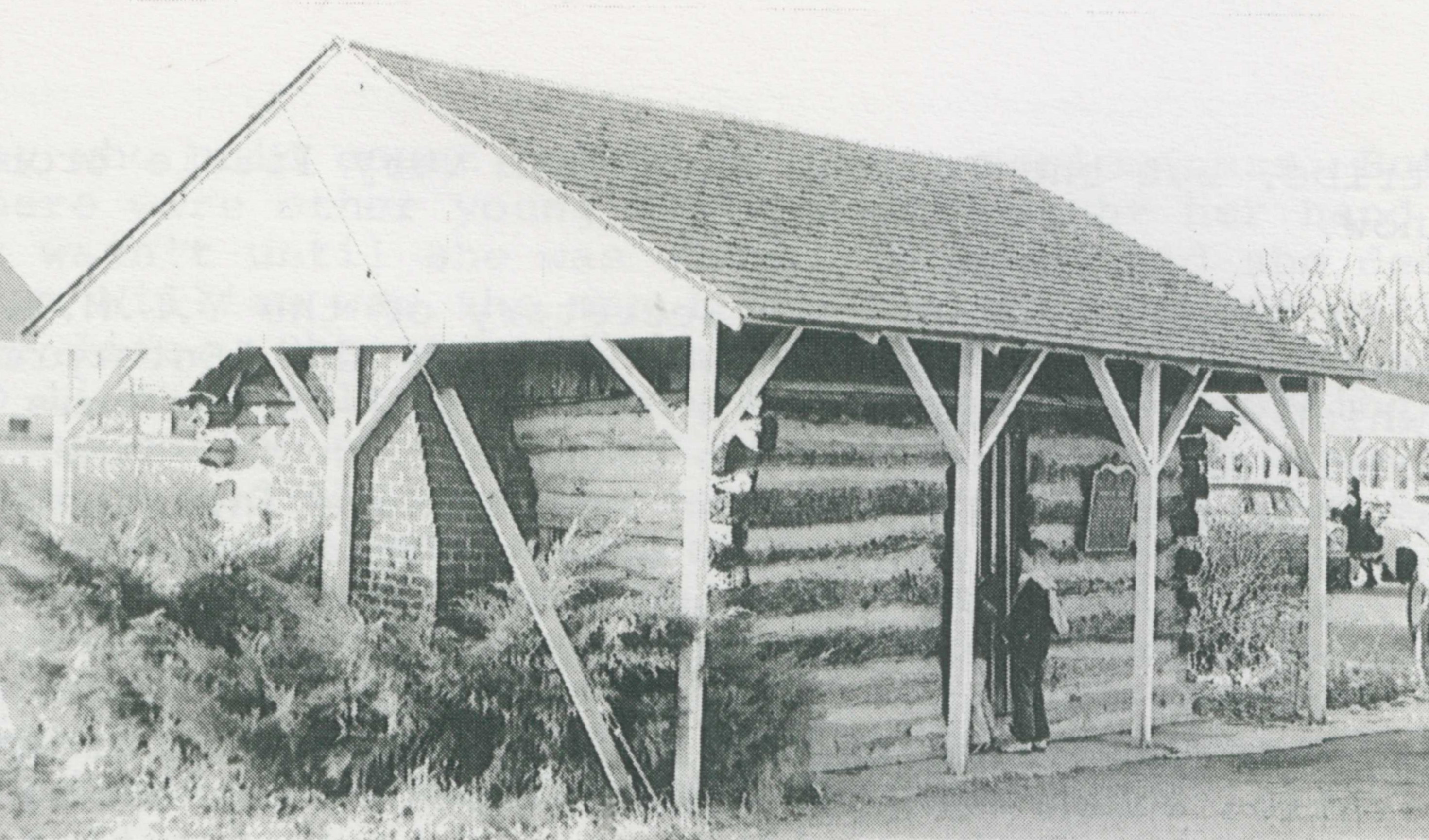
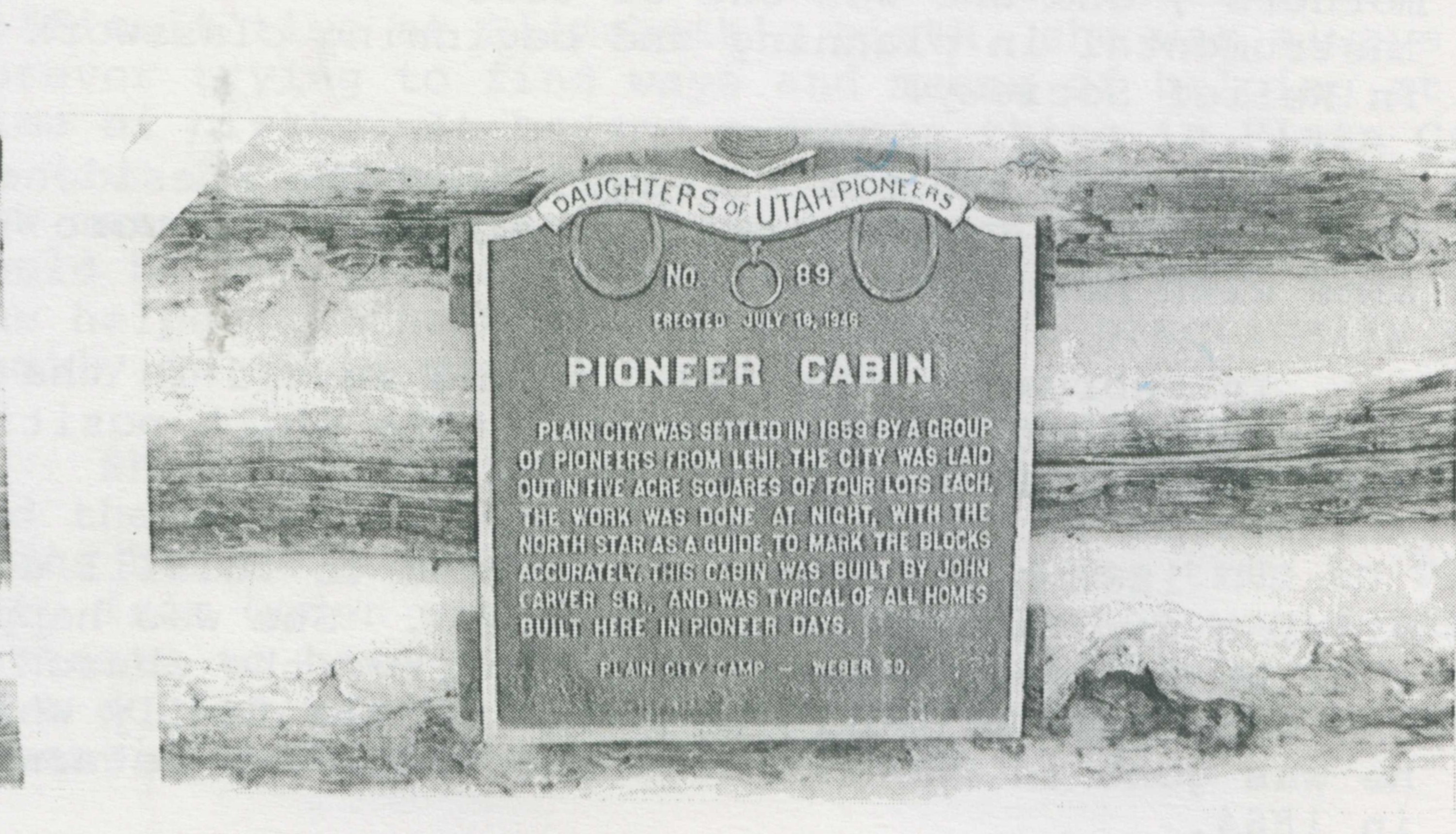

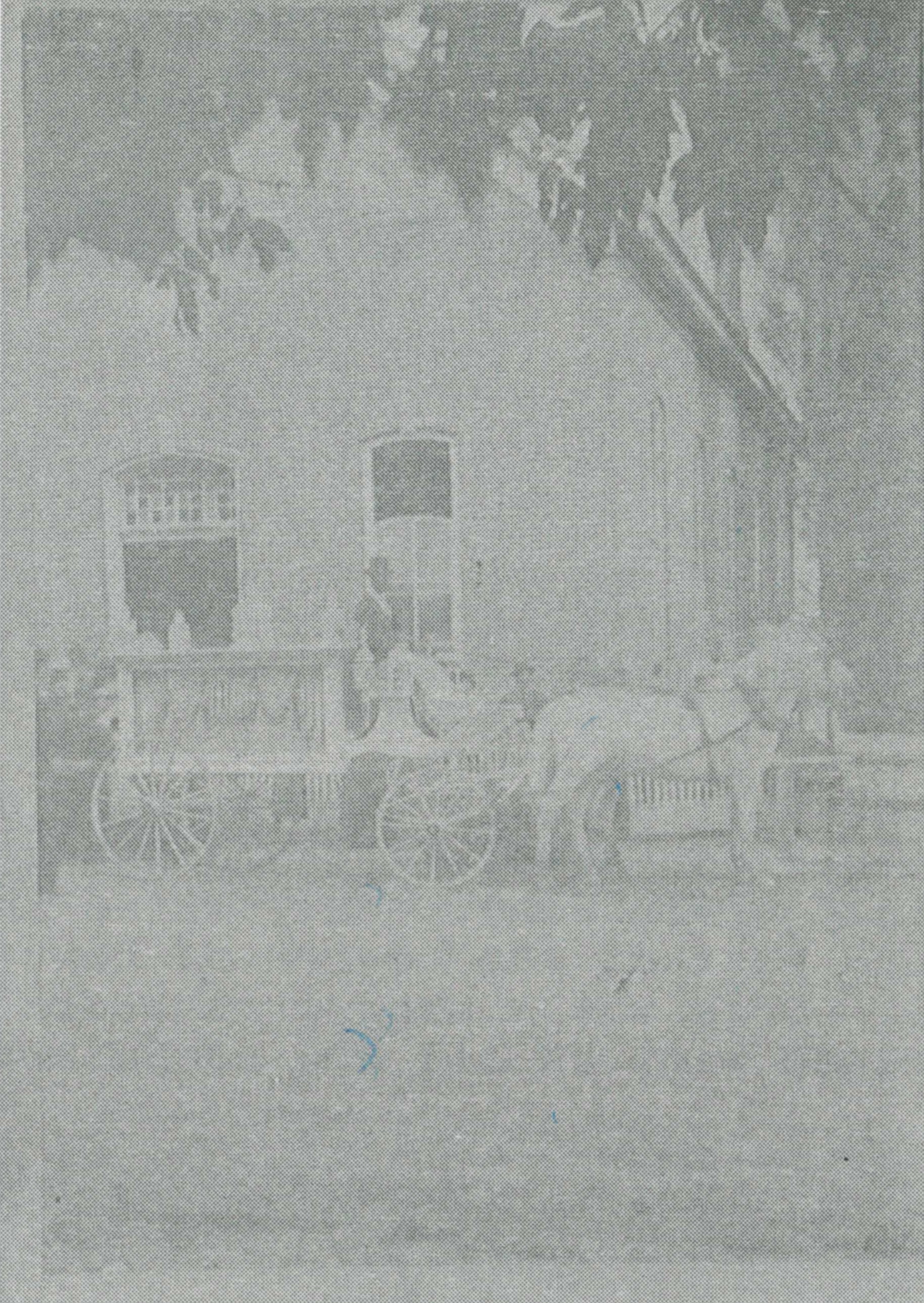

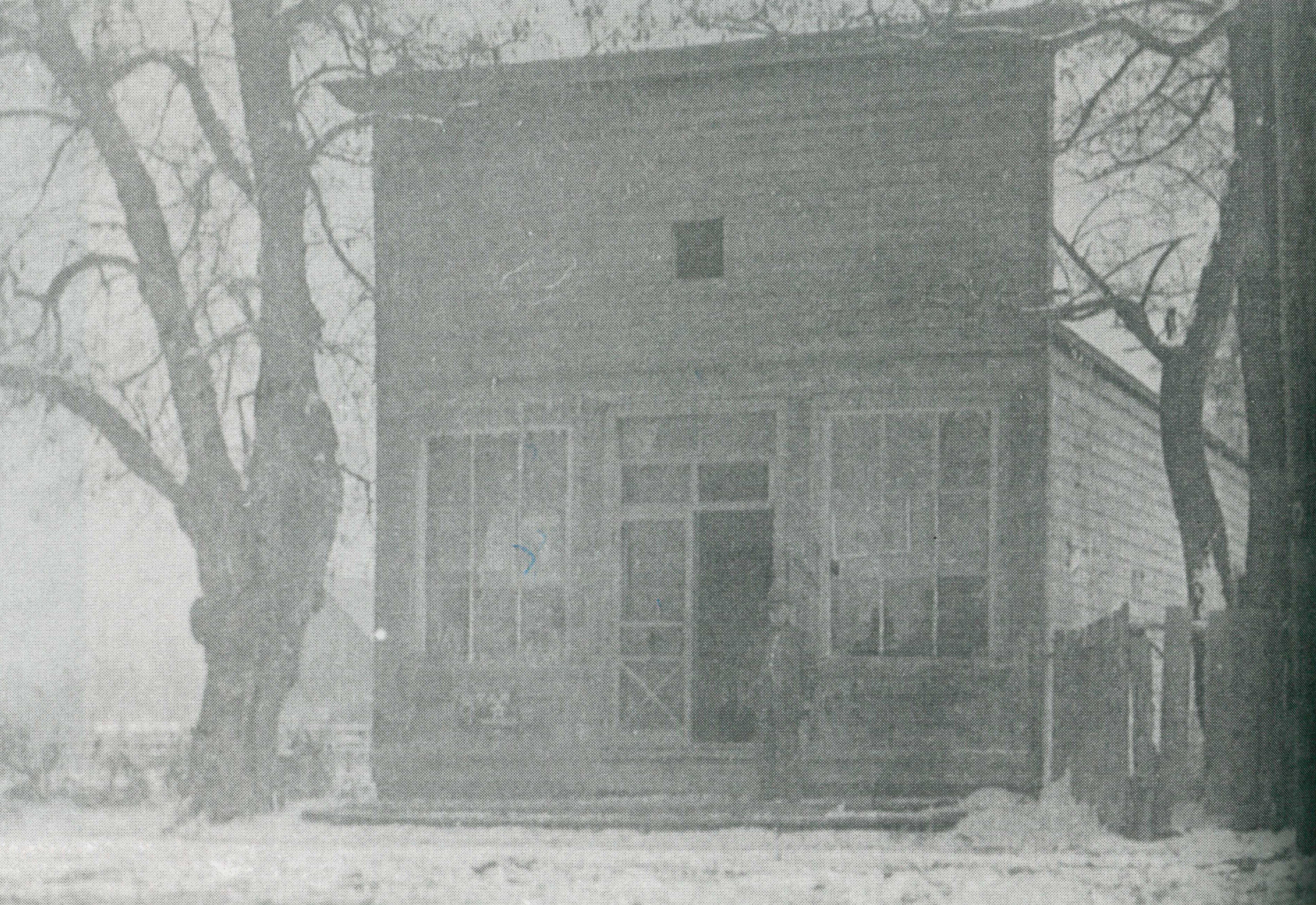
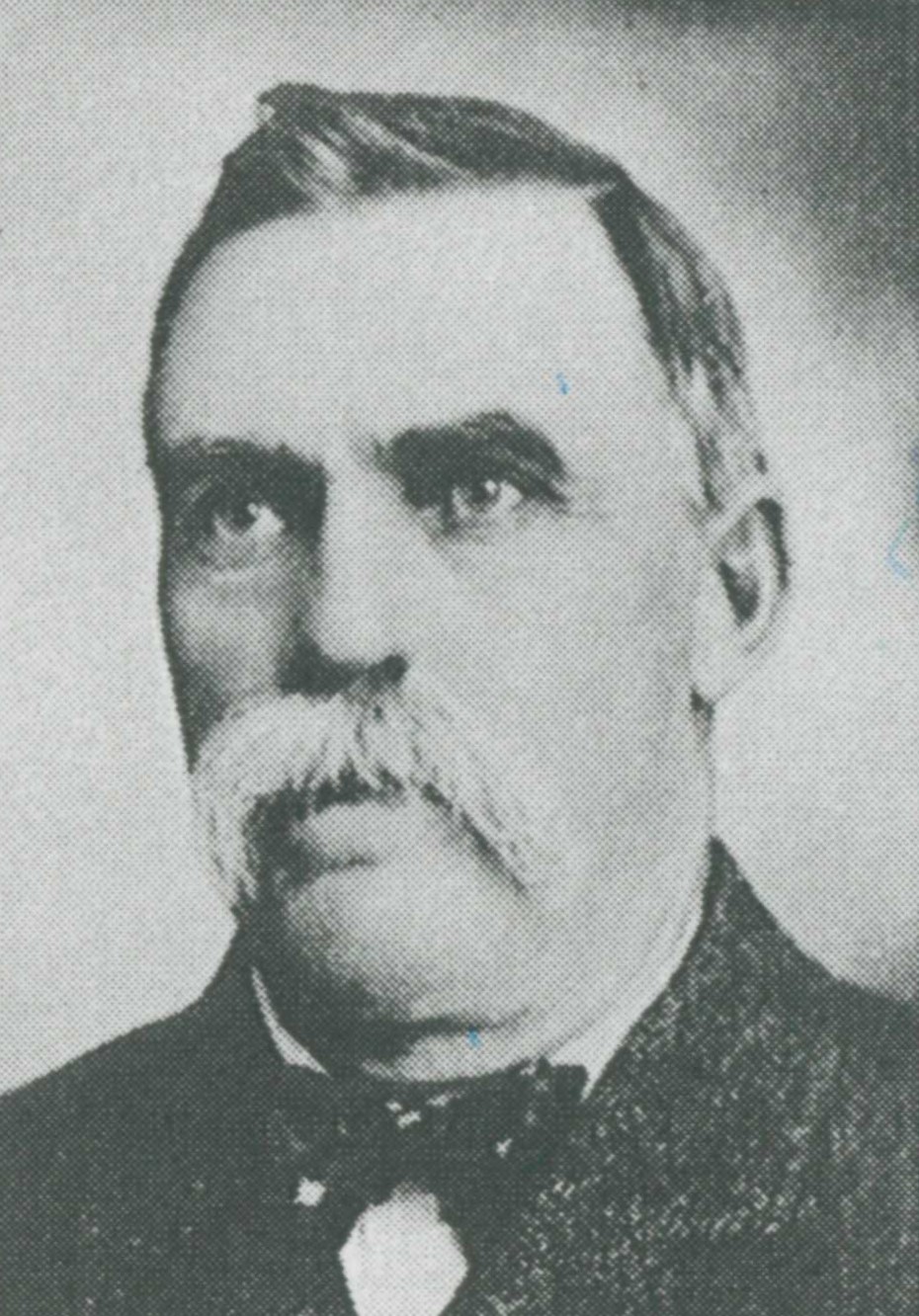
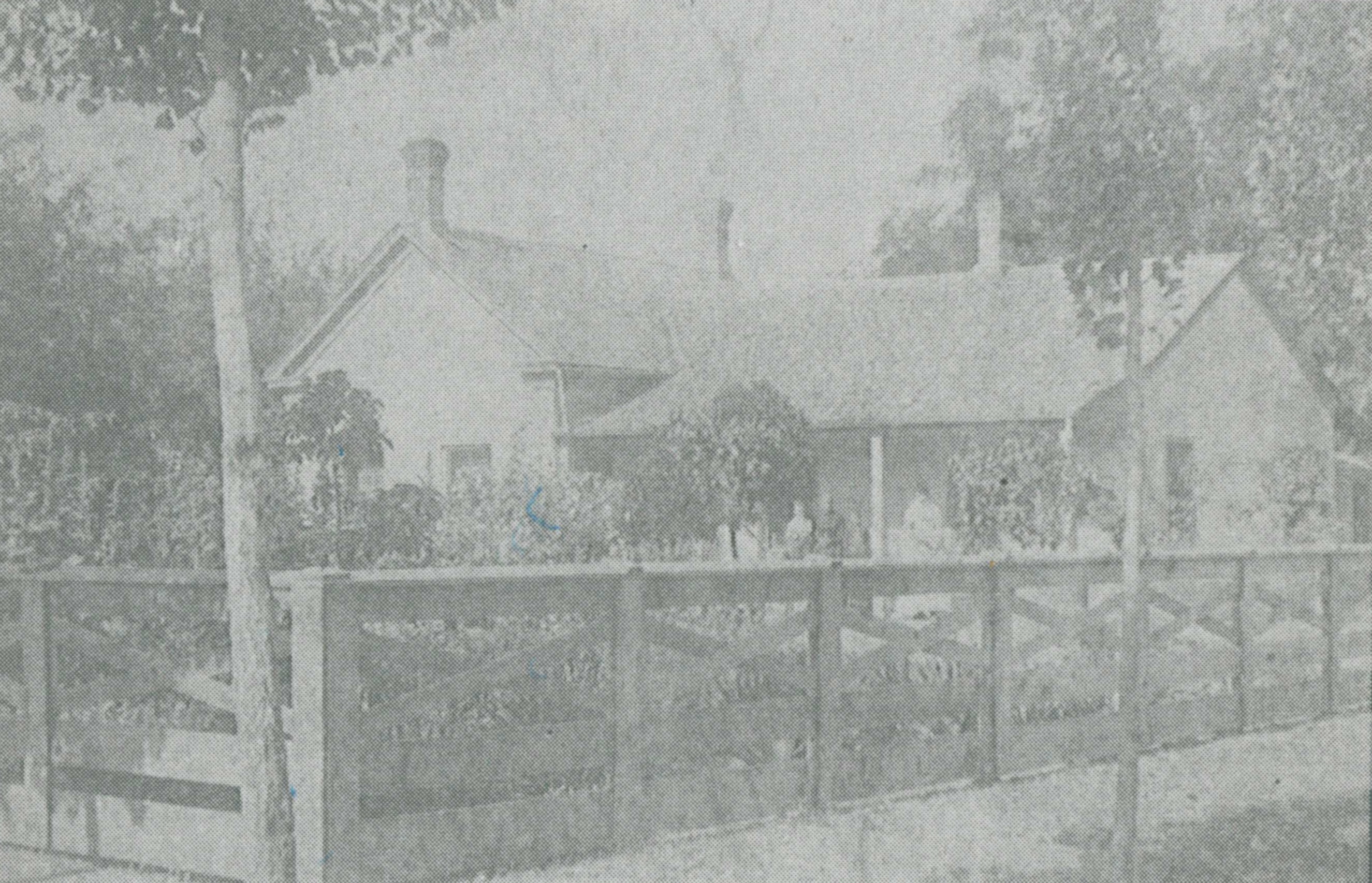


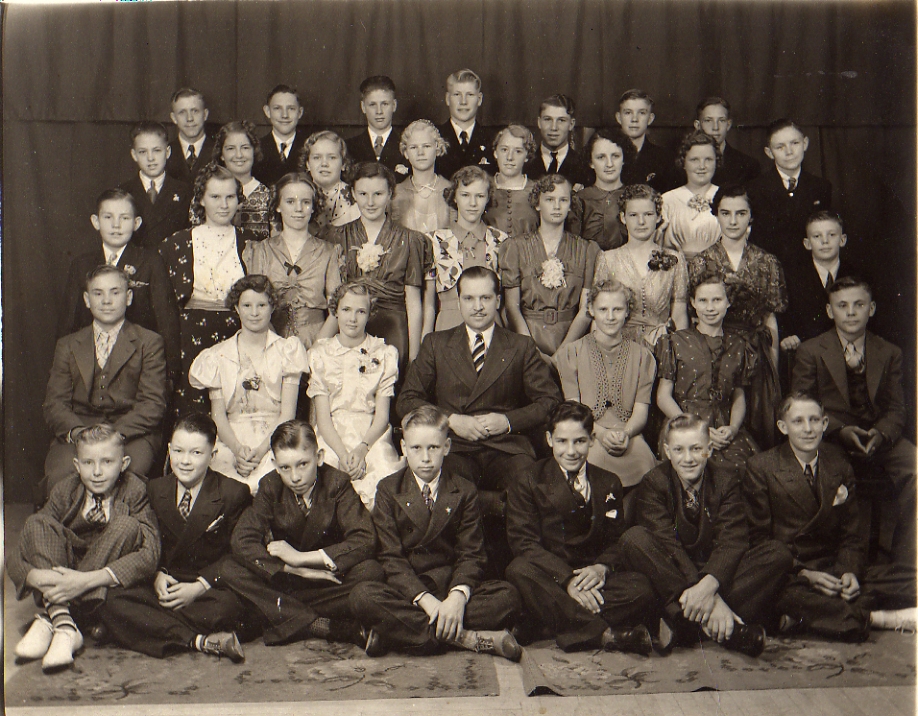


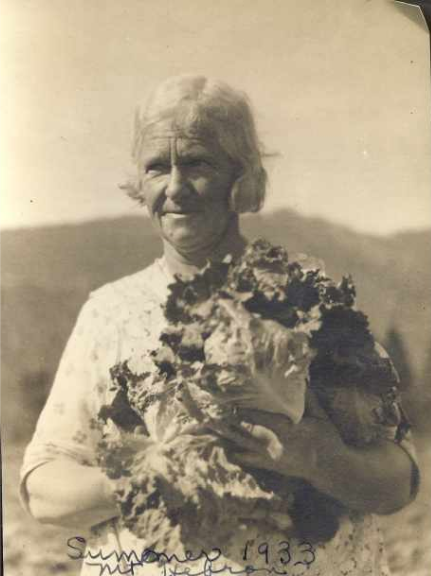
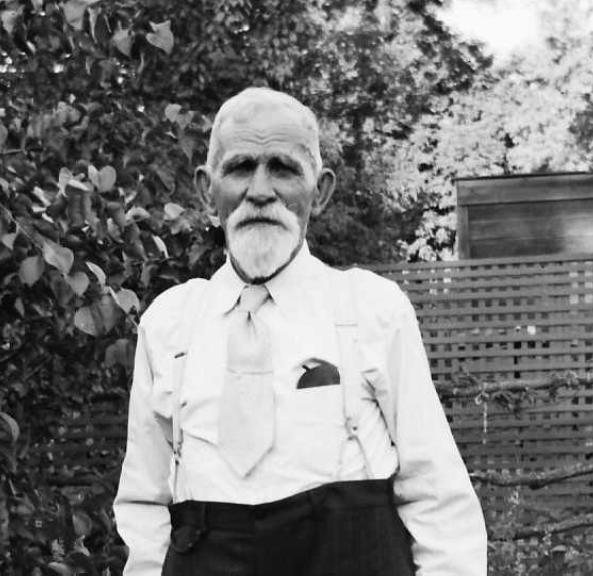
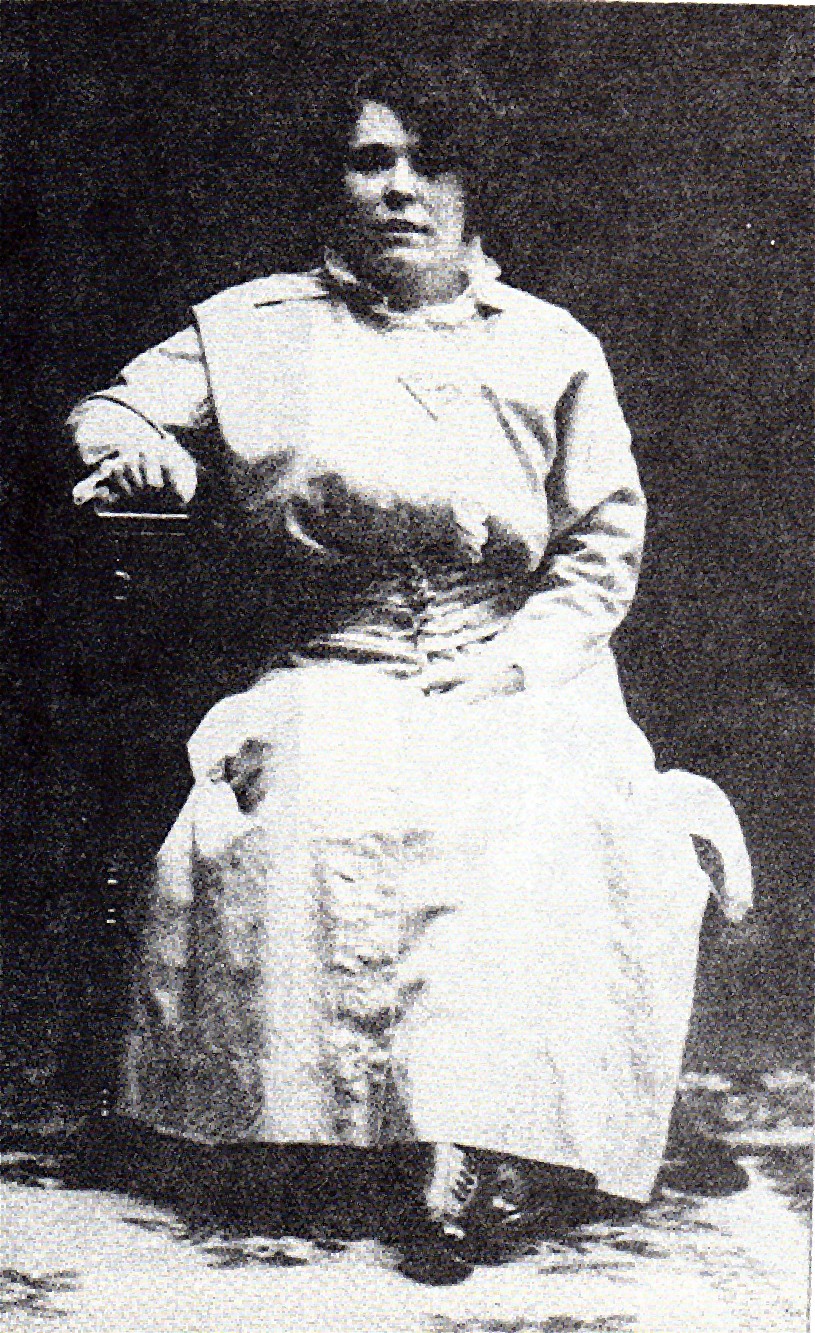


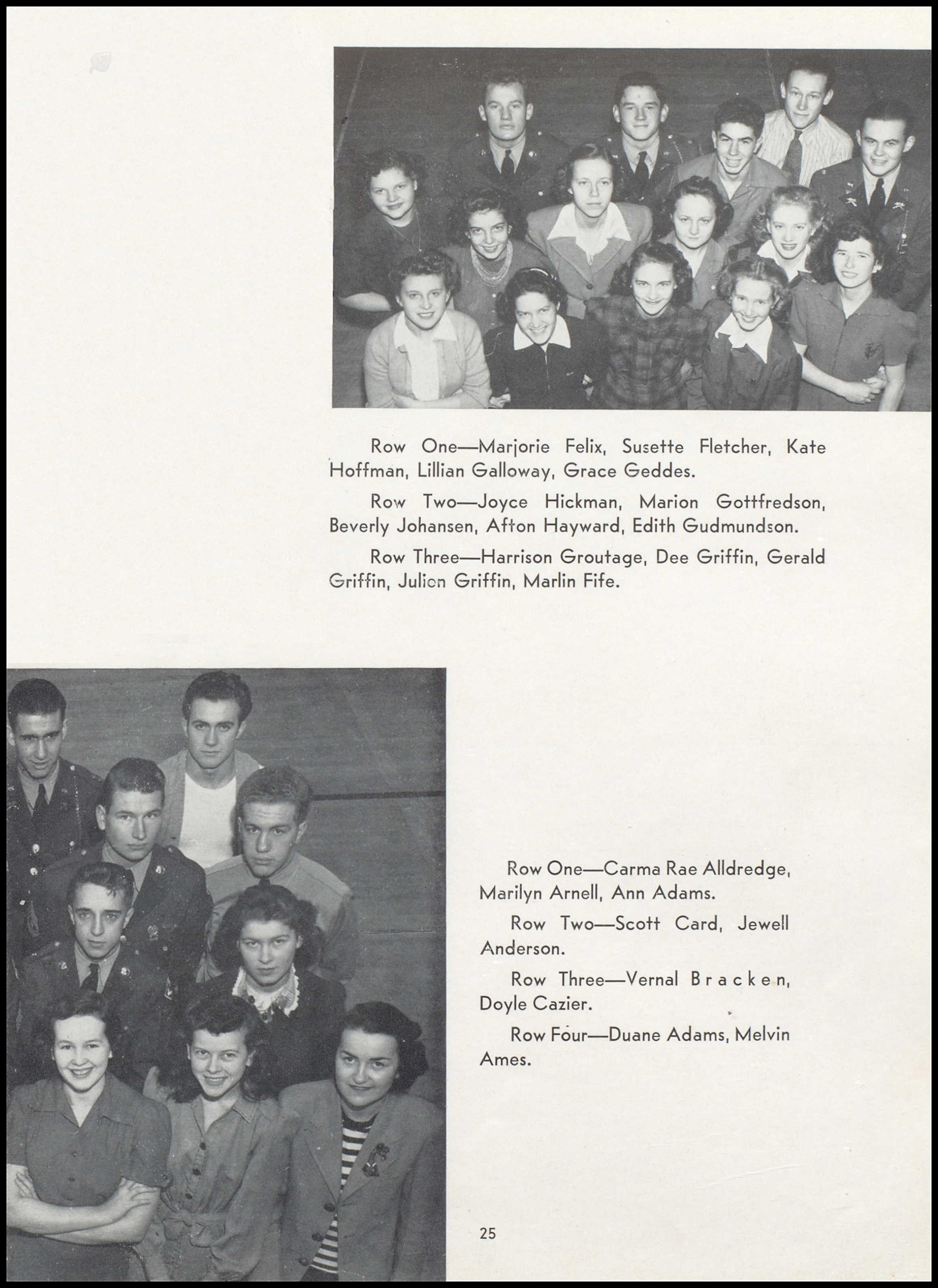


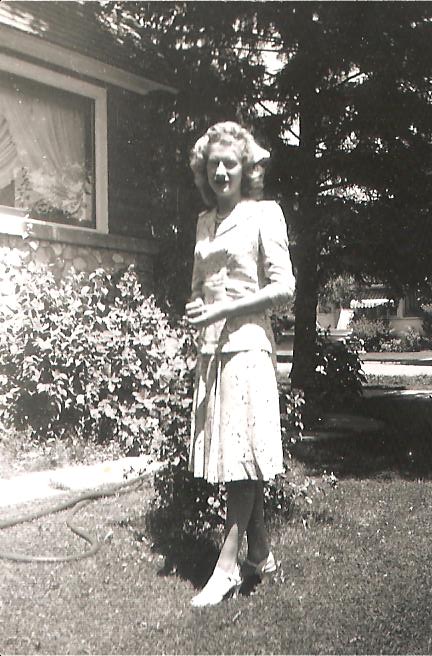
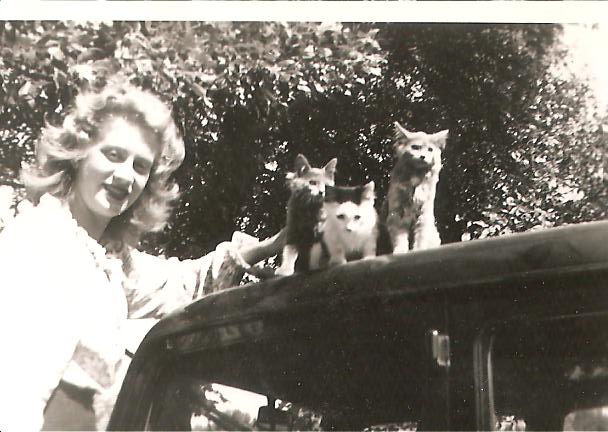
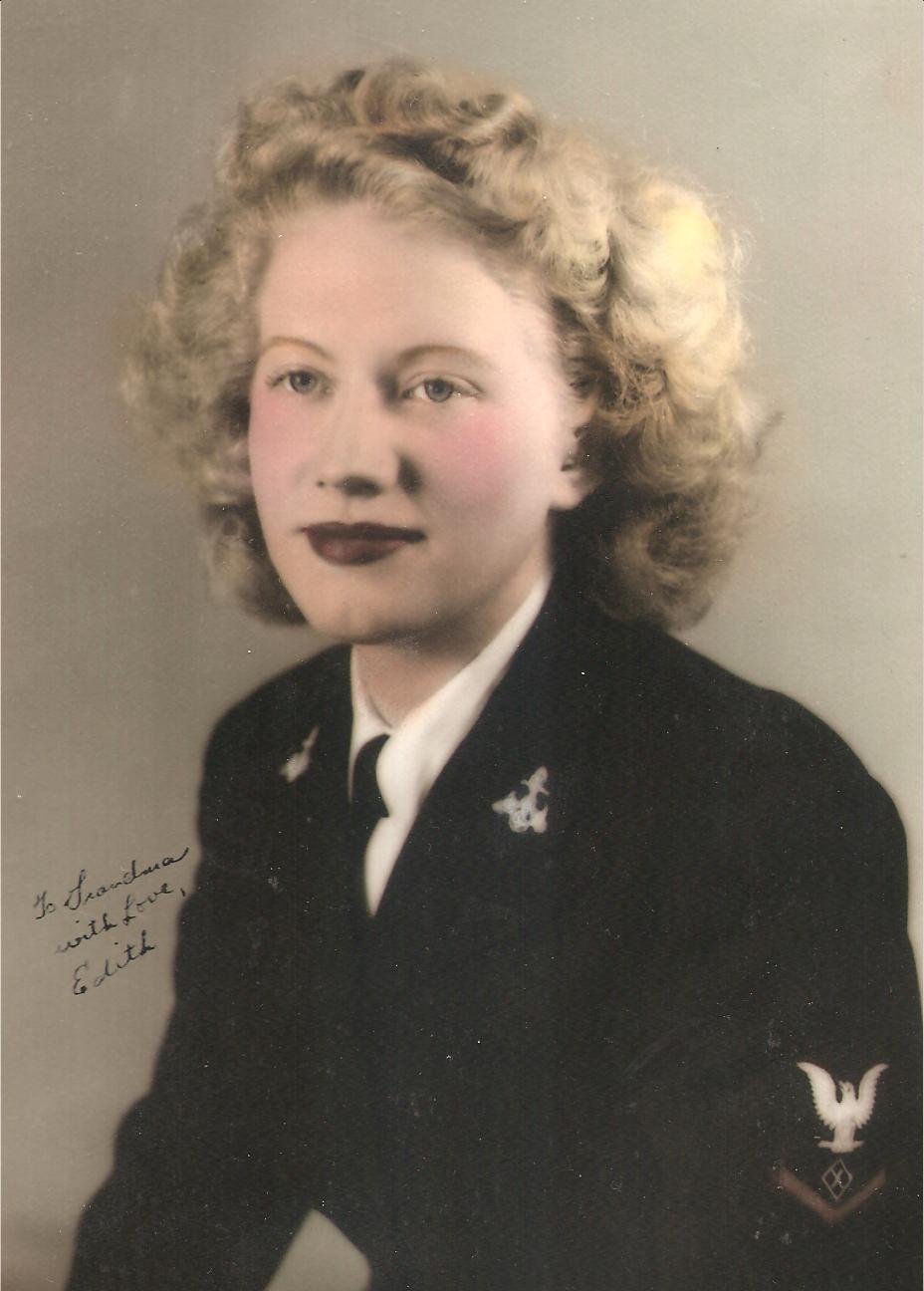


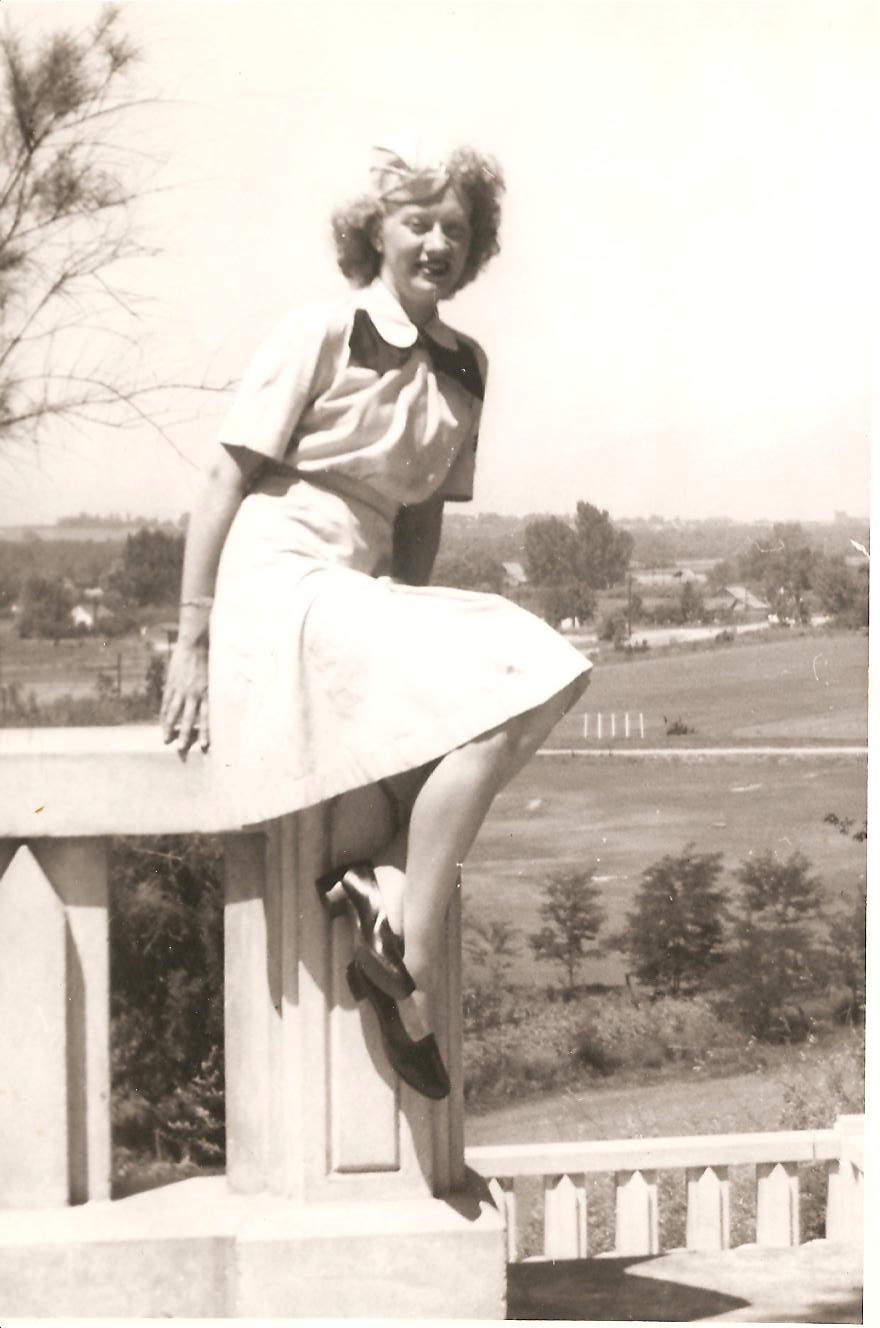


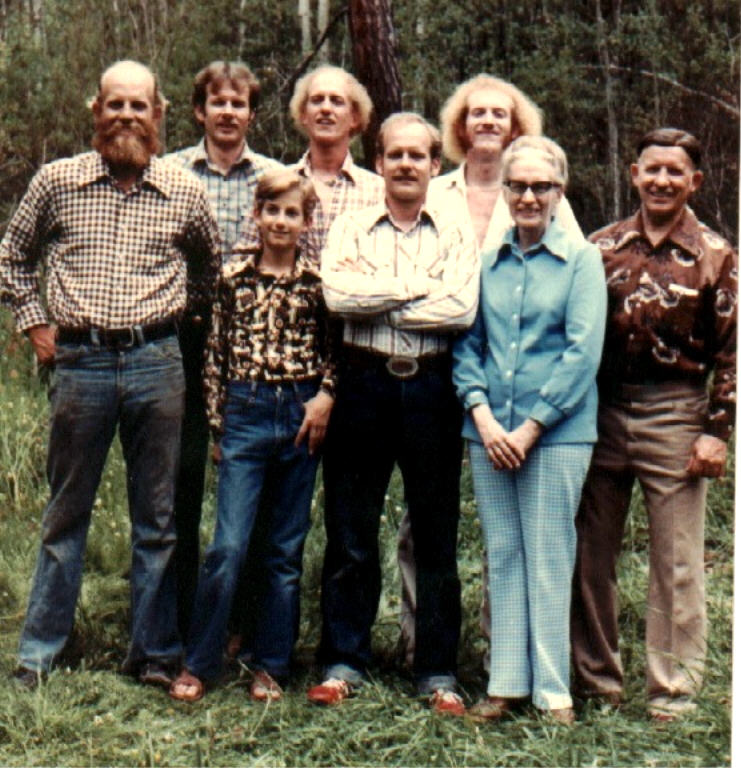


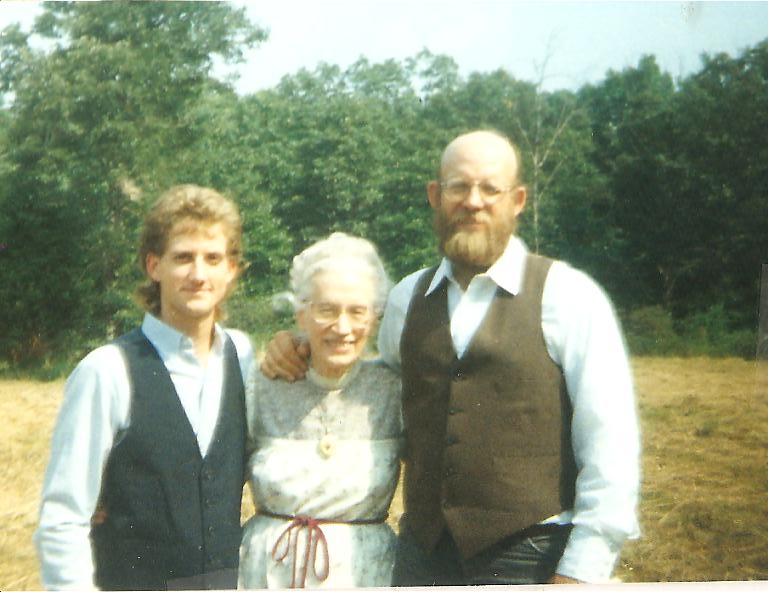
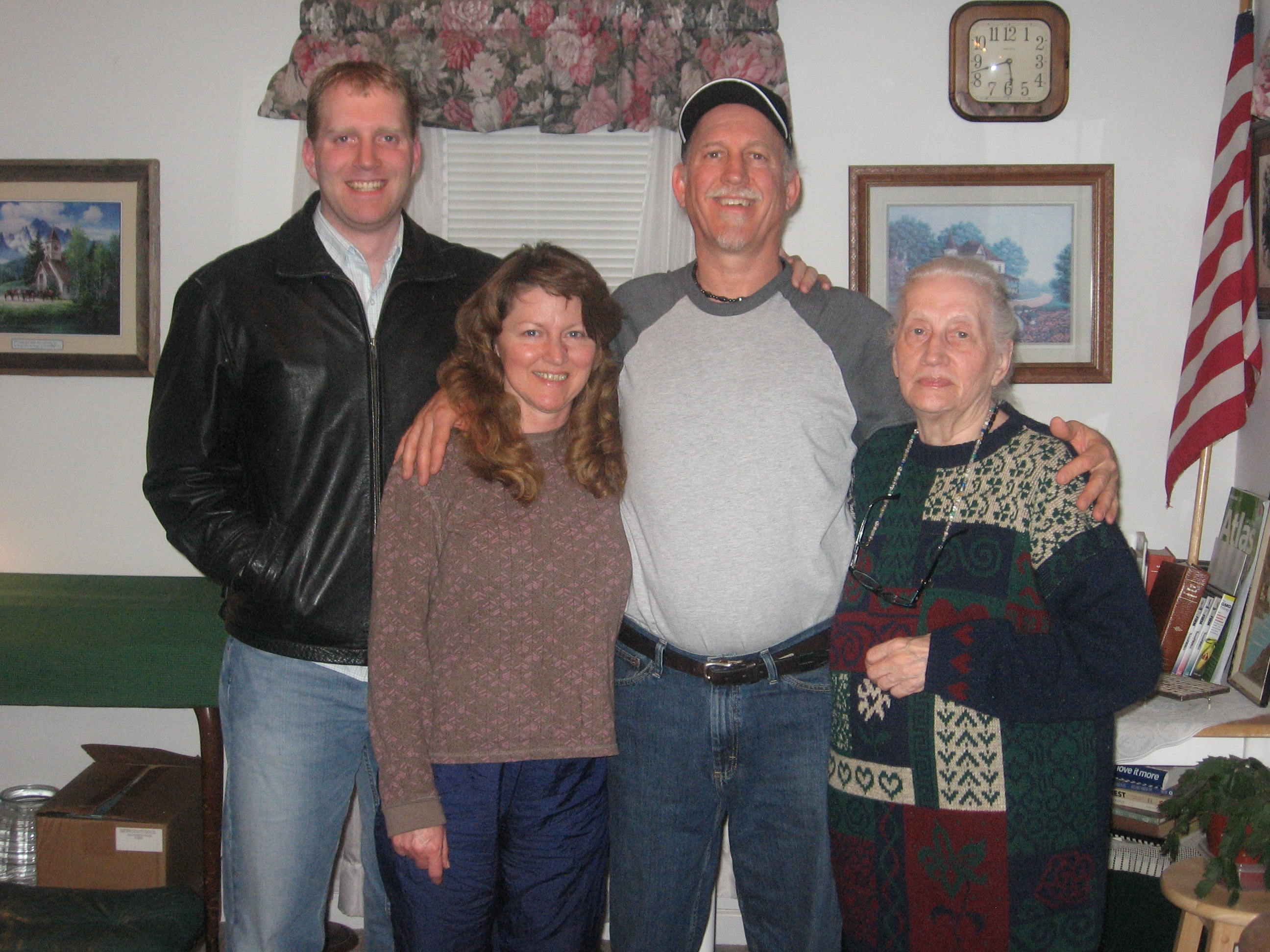
 Sagacity